SCHULMAN AND SCHACHNE INST FOR NURSING & REHAB
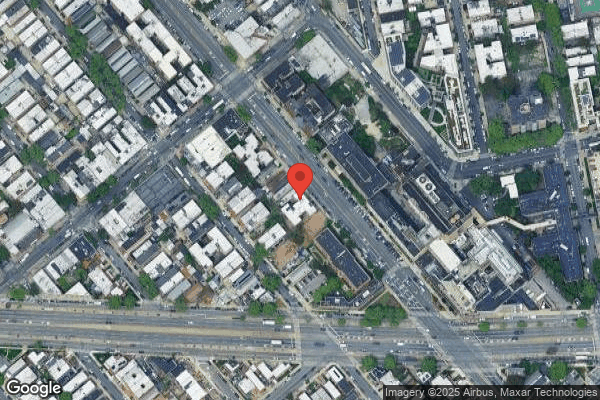
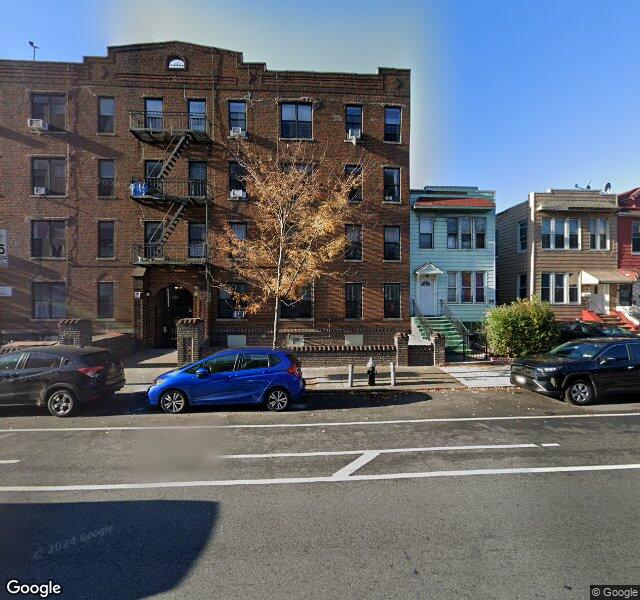
555 ROCKAWAY PARKWAY, BROOKLYN, NY 11212 (718) 240-5775
For profit - Corporation 448 Beds Independent Data: November 2025
Trust Grade
56/100
#447 of 594 in NY
Last Inspection: July 2024

Within standard 12-15 month inspection cycle. Federal law requires annual inspections.

Overview

Schulman and Schachne Institute for Nursing & Rehab has a Trust Grade of C, which means it is average and falls in the middle of the pack among nursing homes. It ranks #447 out of 594 facilities in New York, placing it in the bottom half, and #36 out of 40 in Kings County, indicating limited local options that are better. The facility's situation is worsening, with the number of identified issues increasing from 5 in 2022 to 9 in 2024. Staffing is a strength, rated 4 out of 5 stars, with a low turnover rate of 28%, which is below the state average, suggesting that staff are stable and familiar with the residents. However, the facility has faced $15,646 in fines, which is average but still raises concerns about compliance. Recent inspections revealed several issues, including improper food storage practices, such as expired items and juice spills in the refrigerator, and inadequate garbage disposal, with trash scattered around a dumpster. Additionally, there were concerns regarding the lack of documented discharge plans for residents wanting to leave, indicating potential lapses in care planning. Overall, while the staffing and employee retention are positive aspects, the facility needs to address its compliance issues and improve the quality of care.

Trust Score
C
56/100
In New York
#447/594
Bottom 25%
Safety Record
Low Risk
No red flags
Inspections
Getting Worse
5 → 9 violations
Staff Stability
✓ Good
28% annual turnover. Excellent stability, 20 points below New York's 48% average. Staff who stay learn residents' needs.
Penalties
✓ Good
$15,646 in fines. Lower than most New York facilities. Relatively clean record.
Skilled Nurses
✓ Good
Each resident gets 49 minutes of Registered Nurse (RN) attention daily — more than average for New York. RNs are trained to catch health problems early.
Violations
⚠ Watch
15 deficiencies on record. Higher than average. Multiple issues found across inspections.
★★☆☆☆
2.0
Overall Rating
★★★★☆
4.0
Staff Levels
★★★★☆
4.0
Care Quality
★★☆☆☆
2.0
Inspection Score
Stable
2022: 5 issues
2024: 9 issues

The Good

  • 4-Star Staffing Rating · Above-average nurse staffing levels
  • 4-Star Quality Measures · Strong clinical quality outcomes
  • Low Staff Turnover (28%) · Staff stability means consistent care
  • Full Sprinkler Coverage · Fire safety systems throughout facility
  • No fines on record
  • Staff turnover is low (28%)

    20 points below New York average of 48%

Facility shows strength in staffing levels, quality measures, staff retention, fire safety.

The Bad

2-Star Overall Rating

Below New York average (3.1)

Below average - review inspection findings carefully

Federal Fines: $15,646

Below median ($33,413)

Minor penalties assessed

The Ugly 15 deficiencies on record

Jul 2024 8 deficiencies
CONCERN (D) 📢 Someone Reported This

A family member, employee, or ombudsman was alarmed enough to file a formal complaint

Potential for Harm - no one hurt, but risky conditions existed

ADL Care (Tag F0677)

Could have caused harm · This affected 1 resident

**NOTE- TERMS IN BRACKETS HAVE BEEN EDITED TO PROTECT CONFIDENTIALITY** Based on observation, interviews, and record review conducted during the Recertification and Complaint (NY00340955) Survey from ...

Read full inspector narrative →
**NOTE- TERMS IN BRACKETS HAVE BEEN EDITED TO PROTECT CONFIDENTIALITY** Based on observation, interviews, and record review conducted during the Recertification and Complaint (NY00340955) Survey from 06/26/2024 to 07/03/2024, the facility did not ensure that a resident who is unable to carry out activities of daily living received the necessary services to maintain grooming and personal hygiene. This was evident for 1 (Resident # 69) of 35 total sampled residents. Specifically, Resident #69 did not receive staff assistance for nail trimming and was observed with thick, long, discolored fingernails. The findings are: The facility policy titled Activities of Daily Living with a revised date of 06/2024 documented that a program of activities of daily living (ADL) is provided to residents to prevent disability and promote resident's function at maximum level of independence. The ability of each resident to meet the demands of daily living is assessed by a registered nurse, occupational therapist, and/or physical therapist. Hygiene was included in the policy explanation and compliance guidelines. Resident # 69 had diagnoses of Cerebral Vascular Accident and Dementia. The Minimum Data Set assessment dated [DATE] documented that Resident #69 had moderately impaired cognition and required partial/moderate assist with toileting, personal hygiene, and grooming. On 6/26/2024 at 12:30 PM, Resident #69 was observed sitting in the dining room eating lunch. Resident's left hand was contracted, with long, thick and brownish/yellowish nails observed curled into resident's left hand. The Comprehensive Care Plan Titled Self Care Deficit- Dressing and Grooming that was initiated on 04/05/2024 documented that Resident #69 required assistance with personal hygiene associated with grooming. The facility interventions include to clip and clean nails regularly in accordance with preference and safety. The Certified Nursing Assistant Accountability Records from April 2024 to May 2024 had no documentation about nail care for Resident #69. The nursing progress notes dated 11/01/2023 to 06/26/2024 had no documentation that Resident # 69's fingernails were cleaned and trimmed. During an interview on 06/28/2024 at 12:16 PM, Certified Nurse Assistant #5 stated Resident #69 needs total care. They stated that Resident #69's nails need to be trimmed by a podiatrist because they are too long. They stated they did not report to the nurse that Resident #69's nails need to be trimmed. During an interview on 06/28/2024 at 12:10 PM, Licensed Practical Nurse #2 stated that Resident #69 requires total care and that they were not aware of Resident #69's long nails. During an interview on 06/28/2024 at 12:20 PM, Registered Nurse # 3, who was the nursing supervisor, stated they were not aware of Resident #69's long nails. They stated that the Certified Nursing Assistants are supposed to cut the resident's nails unless it is beyond their training to cut the nails, then a podiatry consult is placed. 10 NYCRR 415.12(a)(3)
CONCERN (D)

Potential for Harm - no one hurt, but risky conditions existed

Deficiency F0679 (Tag F0679)

Could have caused harm · This affected 1 resident

**NOTE- TERMS IN BRACKETS HAVE BEEN EDITED TO PROTECT CONFIDENTIALITY** Based on observation, record review, and interviews conducted during the Recertification Survey from 06/26/2024 to 07/03/2024, t...

Read full inspector narrative →
**NOTE- TERMS IN BRACKETS HAVE BEEN EDITED TO PROTECT CONFIDENTIALITY** Based on observation, record review, and interviews conducted during the Recertification Survey from 06/26/2024 to 07/03/2024, the facility did not provide an ongoing program to support residents in their choice of activities, designed to meet the interests of and support the physical, mental, and psychosocial well-being of each resident. This was evident for 1 (Resident #365) out of 38 total sampled residents. Specifically, Resident #365 was not provided with a television or other device to watch their preferred programs. The findings are: The facility policy titled Departmental Scope of Service with Policy Number TR-001.5 for Therapeutic Recreation Department and implemented and revised date 12/23 documented the service provision is made available to all members of the resident population, and is based on individual resident assessment, treatment planning, interests, preferences, and needs. Resident #365 had diagnoses of Multiple Sclerosis, Arthralgia, and Unspecified Fall. The Minimum Data Set assessment dated [DATE] documented Resident #365 had severely impaired cognition. The assessment also documented Resident #365 found it very important to do their favorite activities. From 06/26/2024 at 10:29 AM to 07/01/2024 at 03:32 PM, there were multiple observations of Resident #365 in their bed and in wheelchair in the hallway on the unit with no ongoing activities. There was no television or other device observed being provided to Resident #365 to watch their preferred television programs. The Comprehensive Care Plan related to leisure needs that was initiated on 12/21/2023 and was last updated on 06/16/2024 documented that Resident #365 was a loner by lifestyle preference and preferences included watching television. The interventions included to involve in preferred activities and provide support to improve motivation. The initial recreation assessment dated [DATE] documented it was very important for Resident #365 to do their favorite activities including to watch television. It also documented the current leisure interests for Resident #365 included to watch television in their own room. The quarterly recreation assessment dated [DATE] and 6/16/2024 documented Resident #365 was intact in memory and their current leisure preferences included watching television. There was no documented evidence Resident #365 was provided a television set or other alternative device to watch their favorite television programs in their room. On 06/25/2024 at 10:29 AM, Resident # 365 was interviewed and stated they were admitted to the facility for several months and was not able to watch their favorite sport program on television in their room. Resident #365 also stated there was a television installed on the wall in front of the roommate's bed and they were not able to watch it from their bed. Resident #365 further stated they did not have activities to do in their room and would like to watch sport program on television at any time they liked as when they were in the community. On 07/01/2024 at 12:18 PM, the Certified Nursing Assistant #1 was interviewed and stated Resident #365 did not have television or activities in the room. On 07/01/2024 at 02:37 PM, the Recreation Therapy Specialist was interviewed and stated they did the initial and quarterly recreation assessment for Resident #365. The Recreation Therapy Specialist also stated the current leisure interest for Resident #365 was to watch television in their room. The Recreation Therapy Specialist stated they were not sure if Resident # 365 was able to watch the television installed on the roommate's side. The Recreation Therapy Specialist went to Resident #365's bed with State Surveyor and confirmed Resident #365 was not able to watch the television from their bed. On 07/01/2024 at 03:24 PM, the Assistant Director of Recreational Therapy was interviewed and stated they provided the residents with their preferred activities as per assessments indicated. The Assistant Director of Recreational Therapy further stated all residents should be able to watch their favorite television programs in their room at any time if this was their preferences. The Assistant Director of Recreational Therapy had no explanation why no follow up or other alternative was made to address Resident #365's interest of watching television in the room as indicated in the recreation assessment. 10 NYCRR 415.5(f)(1)
CONCERN (D)

Potential for Harm - no one hurt, but risky conditions existed

Deficiency F0688 (Tag F0688)

Could have caused harm · This affected 1 resident

**NOTE- TERMS IN BRACKETS HAVE BEEN EDITED TO PROTECT CONFIDENTIALITY** Based on observation, record review, and interviews conducted during the Recertification Survey from 06/26/2024 to 07/03/2024, t...

Read full inspector narrative →
**NOTE- TERMS IN BRACKETS HAVE BEEN EDITED TO PROTECT CONFIDENTIALITY** Based on observation, record review, and interviews conducted during the Recertification Survey from 06/26/2024 to 07/03/2024, the facility did not ensure a resident with limited range of motion received appropriate treatment and services to prevent further decrease in range of motion. This was evident for 1 (Resident # 69) of 1 resident reviewed for position/mobility. Specifically, there were multiple observations of Resident #60 without the left-hand carrot in place as per Occupational Therapy and physician orders. The findings are: The facility policy titled Adaptive Equipment/Assistive Feeding Devices with a revised date of 11/2023 documented that the rehabilitation department will provide residents requiring a splint, adaptive equipment, or assistive feeding device. The nurse will write instructions for use of the device and add updates to the care plan. Resident # 69 had diagnoses of Cerebral Vascular Accident, Dementia, and Hemiplegia. The Minimum Data Set assessment dated [DATE] documented that Resident #69 was moderately cognitively impaired and required substantial/maximal assistance of 1 person to complete Activities of Daily Living and had functional limitation in range of motion on upper extremity. The Department of Rehabilitation Medicine Assistive Devices / Adaptive Equipment form dated 05/31/2023 documented that Resident #69 had been provided with a splint, left hand carrot to be worn daily as tolerated to prevent further hand tightening. To remove for hygiene and skin inspection. Physician orders dated 02/11/2024 documented splint to be worn to both upper extremities at all times and remove during range of motion and skin care and hygiene. The Occupational Therapy endorsement form dated 02/09/2024 documented splint for both upper extremities to be worn at all times; remove during range of motion, skin care, and hygiene. A Comprehensive Care Plan related to contracture dated 04/05/2024 documented contracture of the left hand. The facility interventions include to provide range of motion as recommended, to monitor use of splints/devices; left hand carrot to be worn daily as tolerated and to remove for hygiene, skin infection and as needed. Review of Resident #69's care plan did not indicate Resident's refusal to wear the carrot splint. On 06/26/2024 at 12:30 PM and on 06/28/2024 at 12:15 PM, Resident #69 was observed sitting in the dining room with left hand contracture and without a left hand carrot in place. An interview was conducted on 06/28/2024 at 11:36 AM with Registered Nurse #2, who stated that Resident #69 had orders to clean the left hand and place the carrot. They stated that Resident #69 refuse to wear the carrot and would remove it when placed on their hand. An interview was conducted on 06/28/2024 at 12:10 PM with Licensed Practical Nurse #2, who stated that Resident #69 has left hand contracture and was ordered to use a carrot splint but Resident #69 keeps removing the carrot. An interview was conducted on 06/28/2024 at 12:16 PM with Certified Nursing Assistant #5, who stated that Resident #69 is supposed to wear a carrot splint for their hands. An interview was conducted on 06/28/2024 at 12:20 PM with Registered Nurse #3, who is also the Nursing Supervisor for the unit, stated that Resident #69 is supposed to wear a carrot splint on their left hand; they were not aware that Resident #69 has not been using the carrot splint. 10 NYCRR 415.12 (e)(2)
CONCERN (D) 📢 Someone Reported This

A family member, employee, or ombudsman was alarmed enough to file a formal complaint

Potential for Harm - no one hurt, but risky conditions existed

Accident Prevention (Tag F0689)

Could have caused harm · This affected 1 resident

**NOTE- TERMS IN BRACKETS HAVE BEEN EDITED TO PROTECT CONFIDENTIALITY** Based on observation, record review, and interview conducted during the Recertification and Complaint Survey (NY00341538), the f...

Read full inspector narrative →
**NOTE- TERMS IN BRACKETS HAVE BEEN EDITED TO PROTECT CONFIDENTIALITY** Based on observation, record review, and interview conducted during the Recertification and Complaint Survey (NY00341538), the facility did not ensure that the resident environment remains as free of accident hazards as is possible; and received adequate supervision to prevent accidents. This was evident for 1 (Resident #237) of 5 residents investigated for Accidents, out of 38 total sampled residents. Specifically, on 05/07/2024, Resident #237 sustained a fall when Certified Nursing Assistant #11 transferred Resident #237 using a mechanical lift without assistance from another staff. The findings are: The facility policy titled Mechanical Lift with a last reviewed date of 02/2020 documented that all residents must be lifted or transferred according to the determined procedure as stated in the resident care plan. A mechanical lift shall be used appropriately to facilitate transfers of residents as required. At least 2 people shall be present during transferring with the lift. Resident #237 had diagnoses of Hypertension, Hyperkalemia, and Non-Alzheimer's Dementia. The Minimum Data Set assessment dated [DATE] documented that Resident #237 had moderately impaired cognition. The assessment further documented that Resident #237 had impairment in both upper and lower extremities and was dependent for transfers, toileting, and bathing activity. A care plan for self-care deficit inability to transfer was initiated on 12/27/2023 for Resident #237. The care plan documented that Resident had impaired ability to move independently secondary to wheeled, chair fast, inability to shift weights, loss of voluntary movements. The facility interventions include providing passive range of motion, and to provide a supportive and safe environment. The Certified Nursing Accountability Record for Resident #237 dated May/June 2024 documented that the Resident required assistance of two persons for assistance using a mechanical lift for transfers. The nursing progress notes dated 05/07/2024 at 7:00 PM by Registered Nurse #7, documented that at approximately 6:25 PM, the nurse went to the unit to assess Resident #237. Upon arrival Resident was observed on the floor supine next to bed with the mechanical lift next to the Resident. Resident #237 was noted with a 2 centimeter laceration to the forehead. Resident was unable to give account of occurrence secondary to cognitive impairment. The note documented that as per staff, Resident #237 slid from the canvas during transfer with a mechanical lift. The doctor was informed and ordered to transfer the resident to the hospital. The laceration was cleaned with normal saline and cold compress was applied. The nursing progress notes dated 05/08/2024 at 8:15 AM documented that Resident #237 returned to the facility. The Resident was status post fall, laceration to their left forehead remained intact with no bleeding, mild swelling noted, denied pain. The hospital emergency room after visit summary dated 05/07/2024 documented that Resident #237 had a diagnosis of unspecified fall, with forehead laceration, closed with glue. The computed tomography scan showed no evidence of cervical spine fracture or subluxation and no acute findings in the head/brain. A written statement by Certified Nursing Assistant #11 dated 05/07/2024 documented that they were preparing Resident #237 to transfer from recliner chair back to bed. The written statement documented, Certified Nursing Assistant called for help and while waiting, raised the Resident up from the recliner chair and the Resident shifted and slid from the canvas. The facility Internal Investigation Report form completed by the Director of Nursing documented that on 05/07/2024, the supervisor was called to the unit to assess a resident post fall. Resident was unable to give an account due to cognitive impairment. Staff reported that while waiting for help, they transferred Resident #237 with a mechanical lift from the chair and the resident slid off the canvas. The investigation concluded that the staff was made aware of the dangers of using a Hoyer Lift without assistance and most important of calling for help, and waiting until help arrives. The facility investigation report also documented that the incident was an accident which could have been avoided. On 07/02/2024 at 09:47 AM, Resident #237 was interviewed and stated they remember they had a fall when 1 staff transferred them and that they hit their head and went to the hospital. On 07/01/24 at 03:45 PM, an interview was conducted with Certified Nursing Assistant #11. They stated that Resident #237 was on their assignment on the evening shift of 05/07/2024. The stated they took Resident #237 to their room and called for help to transfer the resident. The Certified Nursing Assistant was not able to specifically say who they asked for assistance. They stated that they were setting up the Resident for transfer by placing the recliner close to the bed. Certified Nursing Assistant #11 stated they did not try to transfer Resident #237 alone with a mechanical lift, and that Resident #237 had a canvas underneath and was moving and shaking and fell out of the chair on their left side. On 07/03/2024 at 12:52 PM, the Director of Nursing Services was interviewed and stated that the incident that occurred on 05/07/2024 was an accident that could have been avoided if the staff followed the plan of care of having two staff for mechanical lift transfer. 10 NYCRR 415.12 (h)(2)
CONCERN (E) 📢 Someone Reported This

A family member, employee, or ombudsman was alarmed enough to file a formal complaint

Potential for Harm - no one hurt, but risky conditions existed

Deficiency F0660 (Tag F0660)

Could have caused harm · This affected multiple residents

**NOTE- TERMS IN BRACKETS HAVE BEEN EDITED TO PROTECT CONFIDENTIALITY** 2.) Resident #44 had diagnoses of Seizure Disorder, Hyperlipidemia, and Hypertension. The Minimum Data Set assessment dated [DA...

Read full inspector narrative →
**NOTE- TERMS IN BRACKETS HAVE BEEN EDITED TO PROTECT CONFIDENTIALITY** 2.) Resident #44 had diagnoses of Seizure Disorder, Hyperlipidemia, and Hypertension. The Minimum Data Set assessment dated [DATE] documented Resident #44 had intact cognition and that Resident participated in the assessment process and would like to talk about possibility leaving the facility and returning to the community. A review of Resident #44's comprehensive care plan revealed no documented evidence that a discharge care plan had been developed. 3.) Resident #291 had diagnoses of Thyroid Disorder and Myotonic Dystrophy. The Minimum Data Set assessment dated [DATE] documented resident had intact cognition. The Social Services assessment dated [DATE] documented Resident #291 wanted to be transferred to another facility and gave a list of facilities. The review of medical record revealed there was no documented evidence Resident #291's transfer request made on 11/14/2023 was ever submitted and follow up was ever made to inform resident on the progress of transfer request. The Social Service assessment dated [DATE] documented Resident #291's goal was to remain in the facility and resident did not have active discharge planning occurring. A review of Resident #291's comprehensive care plan revealed no documented evidence that a discharge care plan had been developed. During an interview on 06/26/2024 at 9:52 AM, Resident #291 stated they requested a transfer to another facility some time last year, but Resident does not know if the application were submitted. During an interview on 07/02/2024 at 11:50 AM, Registered Nurse #5 stated Resident #291 had requested a few times about transferring to another facility and that the social worker was aware of the request. During an interview on 07/03/2024 at 10:49 AM, the Social Worker Assistant stated Resident #291 requested a transfer and gave a list of potential facilities some time last year. They stated they sent Resident #291's information last year but they cannot recall if they followed up with the facilities. The Social Worker Assistant stated Resident #291 gave them another list of facilities this year where they would want to be transferred to but have not submitted the application to any of these facilities. During an interview on 07/02/2024 at 3:34 PM, The Director of Social Services stated Resident #291 requested transfer to other facilities in November 2023 as per the medical record, but the Resident's transfer request was never carried out by the social work assistant. The Director of Social Services stated they were not able to locate the discharge care plan for Resident #291 and Resident #44 upon review of their medical record. They stated that the social worker who is assigned to the resident is responsible for initiating a discharge care plan. 10 NYCRR 415.11(d)(3) Based on record review and interview conducted during the Recertification Survey from 06/26/2024 to 07/03/2024, the facility failed to develop and implement an effective discharge planning process that focuses on the resident's discharge goals. This was evident for 3 (Residents #136, #44, and #291) of 35 total sampled residents. Specifically, an individualized discharge care plan was not developed for Residents #136, #44, and #291. The findings are: The facility's policy titled Planned Transfer and Discharge with a reviewed date of 02/2023 stated that the social worker documents the resident's/designated representative's plan/request to return home or to another skilled nursing facility in the medical record, the assessment section, the coordinated care plan and the progress notes. The facility's policy titled Comprehensive Care Plan with a reviewed date of 12/2023 stated that every comprehensive care plan meeting must include a review and discussion of discharge planning. 1.) Resident #136 had diagnoses of Congestive Heart Failure, Hypertension, and Diabetes. The Minimum Data Set assessment dated [DATE] documented that the Resident had intact cognition. A review of Resident #136's comprehensive care plan revealed no documented evidence that a discharge care plan had been developed. During an interview on 06/26/2024 at 3:42 PM, Resident #136 stated they requested the social worker for help to be discharged in an apartment and they were told that Resident #136's family had to look for the apartment. During an interview on 07/03/2024 at 10:56 AM, Social Worker #4 stated Resident #136 had no active discharge plan because the Resident need homecare and had no housing. The Social Worker stated that there had been no discussion with Resident #136 about their discharge. During an interview on 07/02/2024 at 11:51 AM, the Director of Social Services stated discharge planning for each resident begins on admission and that discharge options must be discussed and documented in the medical record. The Director of Social Services stated a discharge care plan must be initiated for every resident.
CONCERN (E) 📢 Someone Reported This

A family member, employee, or ombudsman was alarmed enough to file a formal complaint

Potential for Harm - no one hurt, but risky conditions existed

Deficiency F0804 (Tag F0804)

Could have caused harm · This affected multiple residents

**NOTE- TERMS IN BRACKETS HAVE BEEN EDITED TO PROTECT CONFIDENTIALITY** Based on observation, interview, and record review conducted during the Recertification and Complaint (NY00311959) Survey from 0...

Read full inspector narrative →
**NOTE- TERMS IN BRACKETS HAVE BEEN EDITED TO PROTECT CONFIDENTIALITY** Based on observation, interview, and record review conducted during the Recertification and Complaint (NY00311959) Survey from 06/26/2024 to 07/03/2024, the facility did not ensure that food were served at an appetizing temperature during meal service. This was evident for 2 units observed during dining observation. Specifically, food served during lunch meal service were not maintained at palatable and appetizing temperatures. The findings are: The facility's policy and procedure titled Dining and Meal Policy dated 11/2023 documented it was the policy of the facility to serve meals to meet the nutritional needs of residents. The facility's policy on Food and Nutrition Service dated 11/2023 documented it is the policy of the facility to provide meals to residents as scheduled to meet their nutritional requirements and to develop a mechanism that will ensure safe and accurate preparation and distribution of food products. The meal service time for lunch is 12:00 PM to 1:00 PM. 1. Resident #27 was admitted to the facility with Coronary Artery Disease, Hypertension and Hemiplegia. The Annual Minimum Data Set, dated [DATE] documented resident had intact cognition. On 06/27/2024 at 10:43 AM, Resident #27 stated meals are delivered to their room. The food is often served unappetizing and not hot enough. 2. Resident #261 was admitted to the facility with Depression, Respiratory Failure and Diabetes Mellitus. The Quarterly Minimum Data Set, dated [DATE] documented that resident had intact cognition. On 06/26/2024 at 11:07 AM, Resident #261 stated the meals were often served late and food is cold. On 06/28/2024 at 12:38 PM, Resident #261 was observed in the room, waiting for their lunch meal. On 07/01/2024 from 12:06 PM to 12:59 PM, food delivery cart arrived on Unit 2 North. The staff distributed the trays in the dining room and then distributed meal trays to residents in their room. On 07/01/2024 at 12:59 PM, test tray was conducted and revealed the following temperatures: chicken noodle soup 146.5 degrees Fahrenheit, a cup of hot water for tea 117.8 degrees Fahrenheit, spaghetti with sauce 148.5 degrees Fahrenheit, baked chicken 132.9 degrees Fahrenheit, broccoli 118.8 degrees Fahrenheit. On 7/2/2024 from 11:40 AM to 12:32 PM, food delivery cart arrived on Unit 3 North. The staff distributed the trays to the residents in the dining room and residents' rooms. On 07/02/2024 at 12:32 PM, test tray was conducted on Unit 3 North. The food temperatures were: meatloaf 115.5 degrees Fahrenheit, stuffing 154.4 degrees Fahrenheit, and mustard greens 147 degrees Fahrenheit. On 07/03/2024 at 11:35 AM, the Food Service Director stated the food temperatures measured on 7/1/2024 and 7/2/2024 were inconsistent and some items were below the optimal temperature for hot foods. Food Service Director stated some hot foods depending on the density are harder to maintain the temperature; however, the temperature should be at least above 135 degrees Fahrenheit. Food Service Director stated the food cart is delivered to dining room at 11:45 AM, starts meal delivery around 12:00 PM and should not take no longer than 30 minutes from start time. Food Service Director stated the staff took about 1 hour which is longer than expected to deliver the meals to the residents. When foods are kept long on the food cart, the temperature and quality may not be maintained. Food Service Director stated they have been using this food delivery system for more than 10 years; therefore, the equipment may also need maintenance to ensure they are working properly. On 7/3/2024 at 1:31 PM, Administrator stated they were made aware of the food temperature issue yesterday. Administrator further stated the facility will need to review the current food delivery system and look further into improving the food quality and temperature for the residents. 10 NYCRR 415.14(d)(1)(2)
CONCERN (F)

Potential for Harm - no one hurt, but risky conditions existed

Food Safety (Tag F0812)

Could have caused harm · This affected most or all residents

Based on observation, record review, and interviews during the Recertification survey from 06/26/2024 to 07/03/2024, the facility did not ensure that food was stored, prepared, distributed, and served...

Read full inspector narrative →
Based on observation, record review, and interviews during the Recertification survey from 06/26/2024 to 07/03/2024, the facility did not ensure that food was stored, prepared, distributed, and served in accordance with professional standards for food service safety. This was identified during the Dining and Kitchen Tasks. Specifically, 1) During the initial tour of the kitchen, opened and undated package of food were observed in the walk-in freezer. 2) the walk-in refrigerator was noted with juice spills, and 3) the walk-in refrigerator had food on the shelf past the best buy date. The findings are: The facility policy titled Food and Nutrition Sanitation Program with a last revised date of 01/2021 documented that the purpose of the policy was to maintain a clean, safe, and effective environment of care and to prevent the transmission of disease-carrying organisms. Each employee will be designated daily to clean and sanitize all areas throughout the department. Cleaning equipment, walls, floor, and storage areas routinely with appropriate cleaning solution and sanitizing agents will prevent and significantly reduce the spread of harmful organisms. The facility policy titled Food, Supplies, and Equipment Procurement with a last revised date of 09/2021 documented that it is the policy of the Food and Nutrition Services Department to design and implement a mechanism to ensure the safe and accurate purchase, receipt and check-in of food and nutrition item. The Executive Chef is responsible for the procurement of food, supplies, and equipment. Food items must be within their expiry date. An initial tour of the kitchen was completed on 06/26/2024 at 09:30 AM with the Food Services Director. The following were observed: walk-in freezer had an open plastic bag of frozen fish patties on top of a cardboard box. Refrigerator #1 (meat refrigerator) was observed with red meat juices lying on the bottom of a gray table and on the floor of the refrigerator. Refrigerator #2 (dairy refrigerator) was observed with three (3) 48 ounces of ricotta cheese on the shelf with a best buy date of 06/11/2024. Six (6) 48 ounces of ricotta cheese on the same shelf was noted with best buy date of 06/18/2024. During an interview on 06/28/2024 at 09:30 AM with the Food Service Director, they stated the staff had not gotten a chance to clean up the red meat juices and they do not know why there was an open bag of fish patties in the freezer. They stated that cleaning is the responsibility of all the staff to keep the kitchen clean. During an interview on 07/02/2024 at 11:31 AM with the Store Room Inventory staff, they stated they are responsible for the storeroom and that they rotate the products and items and check for the expiration dates. They stated the garbage person is responsible for cleaning the floors, refrigerator, and freezer when there is a spill and there is more than one person that covers that area at any given time. During an interview on 07/02/2024 at 11:40 AM with the Lead Cook, they stated that the kitchen staff is responsible for checking the refrigerators and freezers to make sure that the food is fresh, and no expired food remains in the refrigerator. 10 NYCRR 415.14(h)
CONCERN (F)

Potential for Harm - no one hurt, but risky conditions existed

Garbage Disposal (Tag F0814)

Could have caused harm · This affected most or all residents

Based on observation and interviews conducted during the Recertification Survey from 06/26/2024 to 07/03/2024, the facility did not ensure that garbage and refuse were disposed of properly. Specifical...

Read full inspector narrative →
Based on observation and interviews conducted during the Recertification Survey from 06/26/2024 to 07/03/2024, the facility did not ensure that garbage and refuse were disposed of properly. Specifically, garbage was not properly contained outside of the facility. The blue trash compactor/dumpster was not covered and there were various types of garbage lying on the ground. There was an overflow of various metal objects from the open dumpster. The findings are: The facility policy and procedure titled Compactor Usage with the effective date of 03/07/2022 documented that waste removal vendor removes and disposes waste related to municipal waste and recycling waste. During an observation on 06/28/2024 at 08:30 AM, there was a blue compactor observed with the lid open. On top of the blue dumpster was observed to have red colored substance, gray colored crutch, old food (green pepper) and blue rubber gloves. There were flies noted in the area. Trash was scattered on the ground around the dumpster area and there was white colored standing water. Also noted to the right side of the trash compactors were 10 red biohazard containers. Located on the ground next to the red biohazard containers are six (6) empty beer cans in a black plastic bag, six (6) empty glass beer bottles, 10 cigarette butts, suitcase, 2 televisions, printer, and a disc producer. Located in the garbage area is an old oil drum and an opened bag of rock salt placed on the ground. There were four (4) back boards tied to the fence of the garbage area. An open trash container used for metal items was observed. There were bedside table trays, mechanical lifts, chairs, 2 shopping carts, metal cabinets, open paint cans, aluminum pans, two (2) back boards, thirty-three (33) containers of biohazard boxes filled with needles. One (1) large blue dumpster was observed open and filled with trash. During an interview on 06/28/2024 at 9:00 AM, the Housekeeping Supervisor stated they are not sure who is responsible to keep the garbage area clean. During an interview on 06/28/2024 at 11:02 AM, the Director of Building Services/Corporate Director stated they have a big facility and everyone between the hospital, nursing home and clinics are responsible for the garbage. The grounds keeping department is the one that is supposed to clean the grounds around the garbage. During an interview on 07/01/2024 at 10:12 AM, the Assistant Administrator stated that the Director of Building Services is responsible for the trash compactor area and the grounds keeping staff is responsible for the other trash such as the metal items. During an interview on 07/02/2024 at 10:30 AM, the Building Services Employee stated their job is to keep the compactor area clean. They stated that lids are supposed to be closed on the trash compactor and supposed to be free of debris. They stated they are responsible to clean around the perimeter of the garbage area to sweep and pick up any debris on the ground. 10 NYCRR 415.14(h)
Jun 2024 1 deficiency
CONCERN (D) 📢 Someone Reported This

A family member, employee, or ombudsman was alarmed enough to file a formal complaint

Potential for Harm - no one hurt, but risky conditions existed

Notification of Changes (Tag F0580)

Could have caused harm · This affected 1 resident

**NOTE- TERMS IN BRACKETS HAVE BEEN EDITED TO PROTECT CONFIDENTIALITY** Based on observation, interviews, and record review during an abbreviated survey (Case #NY00332762, NY00332416) the facility did...

Read full inspector narrative →
**NOTE- TERMS IN BRACKETS HAVE BEEN EDITED TO PROTECT CONFIDENTIALITY** Based on observation, interviews, and record review during an abbreviated survey (Case #NY00332762, NY00332416) the facility did not ensure that the resident's representative was notified of changes to a resident skin. This was evidenced in one of three residents sampled (Resident #1). Specifically, on 01/29/2024, Resident #1' s designated family member was visiting Resident #1 and saw healing abrasions to the front of the legs below the knees (shins). The family member was not aware of the skin changes. The Findings are: The facility's policy titled, Change in Resident Condition, dated 8/2023, documented Circumstances Requiring Notification are: 1. Accidents resulting in injury 2. Potential to require physician intervention. Resident #1 was admitted on [DATE], with diagnoses include Dementia, (memory loss), Cerebrovascular Accident (a stroke) with Left side weakness, and Seizures. Resident #1 was non-verbal, legally blind, and aphasic (unable to speak). The Minimum Data Set (MDS-tool used to determine level of care required) dated 12/16/2023, documented Resident #1 was dependent for all activities of daily living and was non-ambulatory (unable to walk). The Brief Interview for Mental Status (BIMS-a scored tool used to determine cognition) documented Resident #1 was severe cognitively impaired. Nursing Progress notes dated 01/19/2024 and 01/27/2024 to 01/31/2024 revealed no documented evidence of changes in Resident #1's skin. A Nursing Progress Note, by Registered Nurse #2, dated 01/29/2024 during the 7 AM to 3 PM shift, documented, Resident #1's adult child visited and expressed concerns regarding Resident #1's skin to both legs. Resident #1's skin was assessed and noted with healing lacerations to both shins. The right shin was six centimeters by one-centimeter dry skin area, the Left shin had dry healing scabs. The Skin Check Form dated 01/26/2024 to 01/29/2024 documented G for good skin on Resident #1's skin check form for all shifts. On 01/29/2024 during the 7 AM to 3 PM shift, the skin check form documented B for broken skin, with no indication as to where the skin was broken. The Physician 's progress note dated 1/29/2024, documented resident with linear abrasions on both shins, no erythema, no bleeding, no discharge. Apply Bacitracin topically and cover with dry sterile dressing for seven days. The Results of the X-ray of the right and left leg dated 01/31/2024, documented no evidence of fractures or soft tissue swelling. During a telephone interview on 06/11/2024 at 11:32 AM, the assigned Certified Nursing Assistant #1 who works the 3 PM to11 PM shift but was assigned to work the 7 PM to 3 PM shift on 01/29/2024, stated they never saw any injuries or skin changes on Resident #1 prior to 01/29/2024. The skin changes were observed during care on the morning of 01/29/2024, there were long lines on each of the Resident #1's leg and they were dry, hard scabs, no swelling, no bleeding. Certified Nursing Assistant #1 stated they forgot to tell the assigned nurse, License Practical Nurse #1 on the dayshift. The family member arrived, saw the Resident #1's legs, and spoke with the Nursing Supervisor. During telephone interview on 06/11/2024 at 1:55 PM, the Registered Nurse / Unit Manager #1 stated they were at the nurses' station with Registered Nurse #1 when the family member expressed their concern. Resident #1 was assessed by the Unit Manager #1 and Registered Nurse #1 and observed the healing abrasions on both shins. The Unit Manager #1 acknowledge and concluded that the injuries may have occurred within 72 hours and the family member was upset because they did not get a call from the facility to inform them of Resident #1's skin changes. During an interview on 06/07/2024 at 6:30 PM, the Director of Nursing and the Administrator, stated that it is not acceptable that the Certified Nursing Assistants who provided care to Resident #1 did not observe that Resident #1's legs had wounds or injury at the front of the legs below the knees. 10 NYCRR 415.3(e)(2)(ii)(b)
Jun 2022 5 deficiencies
CONCERN (D)

Potential for Harm - no one hurt, but risky conditions existed

Assessment Accuracy (Tag F0641)

Could have caused harm · This affected 1 resident

**NOTE- TERMS IN BRACKETS HAVE BEEN EDITED TO PROTECT CONFIDENTIALITY** Resident #207 had diagnoses of end stage renal disease, and peripheral vascular disease. The Minimum Data Set 3.0 (MDS) dated [D...

Read full inspector narrative →
**NOTE- TERMS IN BRACKETS HAVE BEEN EDITED TO PROTECT CONFIDENTIALITY** Resident #207 had diagnoses of end stage renal disease, and peripheral vascular disease. The Minimum Data Set 3.0 (MDS) dated [DATE] and 3/31/2022 documented Resident #207 was cognitively intact. The MDS did not document Resident #207 was receiving Hemodialysis treatment. MDS does not include that the resident is receiving dialysis. The Physician's orders dated 6/14/22 documented Resident #207 received Hemodialysis treatment three times weekly. The comprehensive care plan (CCP) related to Hemodialysis treatment was initiated 4/8/22 and documented interventions to address Resident #207 receiving Hemodialysis three times weekly. On 06/21/22 at 10:00 AM, MDS Coordinator #2 was interviewed and stated they assess residents and are responsible for completing the section related to Hemodialysis therapy. The MDS Director reviews the MDS before it is submitted. If there is missing or incorrect information in the MDS, MDS Coordinator #2 will inform their supervisor so a correction can be made. On 06/21/22 at 10:23 AM, the Director of Clinical Reimbursement (DCR) was interviewed and stated meets with the MDS Coordinators weekly to review resident assessment information. Resident #207 was not documented as receiving Hemodialysis on the MDS assessments due to an oversight. The MDS Coordinator was contacted to revise Resident #207's MDS assessments to include dialysis treatment. 415.11(b) FACILITY Resident Assessment Based on staff interview and record review conducted during a recertification and abbreviated survey, the facility did not ensure that each portion of the Minimum Data Set (MDS) assessment accurately reflect the resident's status. This was evident for 2 residents out of 38 sampled residents. (Resident # 11, Resident #207). Specifically, Resident #11's Annual MDS assessment inaccurately documented that Resident #11 received Insulin for seven days while in the facility. Resident #207's Annual MDS assessment did not accurately document that the resident received dialysis three times weekly while a resident. The findings are: The facility's Policy titled Completion of MDS 3.0 dated last reviewed 10/2021 documented residents are assessed, using a comprehensive assessment process, in order to identify care needs and to develop interdisciplinary care plan. The Policy further documented According to Federal regulations, the facility conducts initially and periodically a comprehensive accurate and standardize assessment for each resident, and Persons completing part of the assessment must attest to the accuracy of the section they completed. 1) Resident #11 was admitted to the facility with diagnoses which include Hypertension, Aphasia, Non-Alzheimer's Dementia, Quadriplegia, and Seizure Disorder, and Past Medical History of Pre-Diabetes. The Annual Minimum Data Set (MDS) Assessment 3.0 dated 02/07/2022 documented resident with Long-term and Short-term memory problem. No memory recall, and severe cognitive impairment. MDS Section N0350 titled Insulin Part A. documented the resident received insulin for seven (7) days. The MDS did not accurately document the resident status. A review of the resident's entire medical record from the MDS assessment reference dates was completed. There was no documented evidence that the resident received any insulin, and no documented evidence that insulin was administered while a resident in the facility. Physician's orders dated 2/1/2022 to 2/7/2022 had no documented order for insulin injections. Medication Administration Record(MAR) dated February 2022 had no documented evidence that the resident received Insulin Injections for the above assessment period, and no documented evidence that the resident received insulin injections during the month of February 2022. On 06/16/22 at 11:21 AM, an interview was conducted with Minimum Data Set Assessor (MDSA), Other Staff #6. The MDSA stated when completing the MDS conducts a complete chart review which includes, review of the progress notes, the physician orders for the resident, the Care Plans and talking with the resident and or staff. The MDSA stated the resident did not receive any insulin during this assessment period. The MDSA stated this was an oversite, and an error and takes full responsible for this error. MDSA also stated he/she was inserviced to double check documentation when completing the MDS, and this was just an error. On 06/16/22 at 11:24 AM, an interview was conducted with The Director of Clinical Assessment (DCA). The DCA stated he/she is responsible for reviewing all MDS assessments and supervises all the MDSAs. The DCA stated he/she monitors the MDSAs by reviewing all the residents that are due for review in the Comprehensive Care Plan meetings (CCP) and meeting weekly with the MDSAs to review with them what is going on with each resident up for review. The DCA stated he/she reviews the entire MDS, including Section N. The DCA stated also review the MDS for accuracy, by checking the documentation of the assessors, but stated unfortunately this was missed. The DCA stated all staff are inserviced and instructed to do a double review of the Medication Administration Record (MAR), the Treatment Administration Record (TAR), progress notes as well as physician orders to ensure that the correct documentation for each resident is included in the MDS. The DCA stated this was an unfortunate oversite.
CONCERN (D)

Potential for Harm - no one hurt, but risky conditions existed

Comprehensive Care Plan (Tag F0656)

Could have caused harm · This affected 1 resident

**NOTE- TERMS IN BRACKETS HAVE BEEN EDITED TO PROTECT CONFIDENTIALITY** Based on observation, record review, and interview conducted during the recertification survey, the facility did not ensure a co...

Read full inspector narrative →
**NOTE- TERMS IN BRACKETS HAVE BEEN EDITED TO PROTECT CONFIDENTIALITY** Based on observation, record review, and interview conducted during the recertification survey, the facility did not ensure a comprehensive care plan (CCP) was developed to meet a resident's medical, nursing, mental, and psychosocial needs. This was evident for 2 (Resident #27, Resident #67) of 38 sampled residents. Specifically, 1) Resident #27 was observed with hoarding behavior and documented refusals of medications without a developed CCP to address the behaviors; and 2) there was no documented evidence a CCP related to Psychotropic Drug Use was developed for Resident #67 who receives antipsychotic and anti-depressant medication. The findings are: The facility policy titled Interdisciplinary Person-Centered Care Planning dated 05/2022 documented to ensure effective implementation of a comprehensive person-centered care plan for each resident which includes measurable objectives and timetables to meet the resident's medical, nursing, mental, and psychological needs that are identified in the comprehensive assessment. 1) Resident #27 was admitted to the facility with Diabetes, Hypertension, and Hyperlipidemia. The Quarterly Minimum Data Set, dated [DATE] documented Resident #27 was cognitively intact. On 06/16/22 at 01:24 PM, 06/17/22 at 01:00 PM, and 06/21/22 10:18 AM, observations of several live and dead roaches were observed in room [ROOM NUMBER] where Resident #27 resided. There were observations of large bags of resident clothing and belonging, and clean and dirty linen. There was no documented evidence a CCP related to Resident #27's hoarding behavior was developed or implemented. On 06/16/22 at 03:42 PM, the Building Services Manager (BSM) was interviewed and stated Resident #27 is a known hoarder of blankets, towels, and personal belongings to the extent that Resident #27 cannot walk around the entire room. Resident #27 also hoards food that attracts flies and roaches. At the time of the interview, Surveyor and BSM attempted to enter Resident #27's room and was asked to leave by the resident. On 06/16/22 at 04:34 PM, The Assistant Administrator was interviewed and stated Resident #27 has hoarding behavior that has been a problem for a while and the facility has attempted to address the issue more aggressively. On 06/17/22 at 02:15 PM, the Housekeeper was interviewed and stated Resident #27 does not let the Housekeeper throw out items and watches them while they clean the room. The Housekeeper noticed the roach infestation in Resident #27's rooms and informed the BSM. Resident #27 stuffs clothes and food under their bed and in other areas of the room and will not allow the Housekeeper to remove the food. Resident #27 displays hoarding behavior so the Housekeeper mops around their belongings. On 06/17/22 at 04:38 PM, Licensed Practical Nurse (LPN) #2 was interviewed and stated Resident #27 keeps their door closed and sometimes places a bin in front of it to prevent staff from entering. Staff do not enter Resident #27's room out of respect for their privacy. Nursing staff is aware that Resident #27 orders outside food, does not allow staff to keep the food in the refrigerator, and keeps the food in their bedside table. LPN #2 stated CCPs related to behavior are initiated by the night nurse and kept in a binder at the nursing station. LPN #2 was unable to provide documented evidence the facility created a CCP related to hoarding behavior for Resident #27. On 06/21/22 at 11:14 AM, the Director of Nursing (DON) was interviewed and stated when a resident has an identified concern, then a care plan should be initiated. The Registered Nurses are responsible for initiating the CCPs; however, there is no nursing supervisor currently assigned to Resident #27's unit to ensure CCPs are developed. Hoarding behavior is an identified concern that should have a correlating CCP to address the behavior. 2) Resident #67 had diagnoses of Psychosis and dementia with behavioral disturbance. The MDS dated [DATE] and 5/10/2022 documented Resident #67 was cognitively intact and received antipsychotic and antidepressant medications. Physician orders reviewed from 9/8/2021 to 6/17/2022 documented Resident #67 received Seroquel 50 mg at bedtime and Sertraline 50mg daily. June 2022 Medical Administration Record documented Resident #67 received Seroquel tablet 50 mg at bedtime and Sertraline 50mg daily as ordered by the Physician. There was no documented evidence a CCP related to Psychotropic Drug Use was developed or implemented for Resident #67. On 06/17/22 at 12:35 PM, Registered Nurse (RN) #3 was interviewed and stated CCPs were developed by the nursing staff on the unit and kept in a CCP binder. The nursing supervisor for a different unit is currently covering the 6th floor where Resident #67 resides. CCPs related t Psychotropic Drug Use were not developed for Resident #67. On 06/17/22 at 02:34 PM, RN #4 was interviewed and stated they were covering the 6th floor but was unfamiliar with Resident #67. 415.11(c)(1)
CONCERN (D)

Potential for Harm - no one hurt, but risky conditions existed

Deficiency F0657 (Tag F0657)

Could have caused harm · This affected 1 resident

**NOTE- TERMS IN BRACKETS HAVE BEEN EDITED TO PROTECT CONFIDENTIALITY** Based on record review and interviews conducted during the Recertification and Complaint survey from 6/13/2022 to 6/21/2022, the...

Read full inspector narrative →
**NOTE- TERMS IN BRACKETS HAVE BEEN EDITED TO PROTECT CONFIDENTIALITY** Based on record review and interviews conducted during the Recertification and Complaint survey from 6/13/2022 to 6/21/2022, the facility did not ensure, to the extent practicable, that residents were involved in developing the comprehensive care plan and making decisions about their care. Specifically, the facility did not ensure that residents were afforded the opportunity to participate in the Comprehensive Care Plan (CCP) meeting. This was evident for 1 of 3 residents reviewed for Participation in Care Planning out of a sample of 38 residents (Resident # 319). The findings are: The facility policy titled Interdisciplinary Person Centered Care Planning with original date 07/1995 and last revised date in 05/22 documented under Procedure section 1) The Interdisciplinary Plan of Care is based on the initial person centered Comprehensive Assessment, and will be formulated and finalized at the Interdisciplinary meeting after the completion of the 1.1 Admission/readmission MDS, 1.2 Quarterly MDS, 1.3 Annual MDS, 1.4 MDS for Permanent Significant Changes; section 4) Social Workers are responsible for the coordination of the discharge plan and its documentation on the Interdisciplinary Care Plan. He/she shall be responsible for including residents and family or health care proxy to attend ICP meetings via written correspondence; section 6) The Director of Nursing/designee/Director of Social Work has the responsibility for the implementation and coordination of the Interdisciplinary Care Planning process. Resident # 319 was admitted to the facility with diagnoses including Other sarcomas of liver (Chronic), Disseminated herpes simplex (Chronic), and Depression (Chronic). The admission Minimum Date Set 3.0 (MDS) dated [DATE] documented Resident # 319 had BIMS score 15, was able to understand others and made self understood, and both Resident # 319 and representative participated in the assessment. On 06/13/22 at 11:46 PM, Resident # 319 was interviewed and stated they were admitted to the facility on [DATE], and they were not invited to the initial care plan meeting with the interdisciplinary team (IDT). Resident # 319 also stated they made decision for themselves. The admission Care Plan Meeting was scheduled on 1/20/2022 as documented in the section Plan of Care. It did not document that Resident # 319 and/or representative attended the meeting. The Social Worker notes from 1/5/2022 to 1/28/2022 in the medical record were reviewed and there was no documented evidence that Resident # 319 and/or their designated representative were invited to the initial care plan meeting scheduled on 1/20/2022. On 06/16/22 at 10:04 AM, Registered Nurse (RN) # 2 was interviewed. RN # 2 stated the Social Worker (SW) was responsible for inviting residents to the care plan meeting and documenting the invitation in the medical record. RN # 2 also stated residents were invited to initial, quarterly, annual, significant change, and upon request care plan meetings. RN # 2 stated Resident # 319 was alert and oriented x 3, made decision themselves, and participated in their assessments. RN # 2 also stated they were unable to recall if Resident # 319 attended the initial CCP or not. On 06/16/22 at 10:16 AM, Social Worker (SW) was interviewed and stated they were responsible to invite residents and/or representative to care plan meetings for initial, quarterly, significant change, annual, and as needed care plan meeting. SW also stated they invited cognitively intact residents face to face on the unit and documented the invitation in the SW note. SW stated Resident # 319 was cognitively intact and should be invited to all care plan meetings. SW checked the medical record and was unable to locate any documented evidence that Resident # 319 was invited to the initial care plan meeting scheduled on 1/20/2022. SW stated they were not the SW for Resident # 319 in January 2022 and were unable to explain why Resident # 319 was not invited to the initial care plan meeting. On 06/16/22 at 11:16 AM, Director of Social Work & Behavioral Health (DSWBH) was interviewed. DSWBH stated the residents were invited to initial, quarterly, annual, significant change, and as requested care plan meeting. DSWBH also stated it was primarily the SW's responsibility to invite resident and/or representative to the care plan meetings and document the invitation in the medical record. The DSWBH further stated residents/representatives were invited to care plan meeting typically 2 weeks in advance. The DSWBH checked the medical record and was unable to locate any documented evidence that Resident # 319 or their representative were invited to or attended the initial care plan meeting on 1/20/2022. The DSWBH stated they were unable to explain why Resident # 319 or representative was not invited to the initial care plan meeting. 415.11(c)(2)(i-iii)
CONCERN (D)

Potential for Harm - no one hurt, but risky conditions existed

Deficiency F0744 (Tag F0744)

Could have caused harm · This affected 1 resident

**NOTE- TERMS IN BRACKETS HAVE BEEN EDITED TO PROTECT CONFIDENTIALITY** Based on interviews and record review conducted during the recertification survey, the facility did not ensure a resident diagno...

Read full inspector narrative →
**NOTE- TERMS IN BRACKETS HAVE BEEN EDITED TO PROTECT CONFIDENTIALITY** Based on interviews and record review conducted during the recertification survey, the facility did not ensure a resident diagnosed with dementia, received the appropriate treatment and services to attain or maintain their highest practicable physical, mental, and psychosocial well-being. This was evident for 1 (Resident #67) of 3 residents reviewed for Dementia Care. Specifically, the facility did not develop a comprehensive care plan (CCP) related to dementia for Resident #67 who was diagnosed with dementia. The findings are: The facility policy titled Interdisciplinary Person-Centered Care Planning dated 05/2022 documented to ensure effective implementation of a comprehensive person-centered care plan for each resident which includes measurable objectives and timetables to meet the resident's medical, nursing, mental, and psychological needs that are identified in the comprehensive assessment. Resident #67 had diagnoses of psychosis and dementia with behavioral disturbance. The Minimum Data Set 3.0 (MDS) dated [DATE] and 5/10/2022 documented Resident #67 was cognitively intact and was diagnosed with non-Alzheimer's dementia. Psychiatry Consult dated 4/7/2022 documented rule out (R/O) Lewy body dementia. Nursing Notes dated 3/23/2022 and 3/29/2022 documented Resident #67 refused medications. The Medical Doctor Note dated 5/18/2022 documented Resident #67 had a diagnosis of dementia with behavioral disturbance. There was no documented evidence a CCP related to a diagnosis of dementia was created to address Resident #67's diagnosis of dementia. On 06/17/22 at 12:35 PM, Registered Nurse (RN) #3 was interviewed and stated they update and implement CCPs located in a binder on the unit. The Nursing Supervisor is responsible for reviewing the CCP binders but there is currently no Nursing Supervisor assigned to the Resident #67's unit. The facility decided to switch from electronic medical record CCPs in 4/2022 and now write CCPs by hand and place them in the binder. RN #3 was unable to provide documented evidence a CCP related to dementia was developed for Resident #67. On 06/17/22 at 02:34 PM, RN #4/Nursing Supervisor was interviewed and stated they are covering the 6th floor and was not familiar with the residents on Resident #67's unit. A On 06/21/22 at 11:14 AM, the Director of Nursing (DON) was interviewed and stated residents with identified concerns should have a coinciding CCP initiated. The RN initiates the CCP, and RNs or LPNs can update them. The RNs are not able to view the same diagnosis screen as the Medical Doctors do when they view the electronic medical record, and this prevents the RNs from seeing if a resident has a diagnosis of dementia. A CCP related to a diagnosis of dementia is not implemented unless the resident has cognitive loss. Resident #67 was cognitively intact and did not require a CCP related to their dementia diagnosis. The DON stated the resident's diagnosis of dementia was a discrepancy and they need to confer with the Medical Doctor re: the discrepancy. 415.12
CONCERN (E)

Potential for Harm - no one hurt, but risky conditions existed

Deficiency F0925 (Tag F0925)

Could have caused harm · This affected multiple residents

**NOTE- TERMS IN BRACKETS HAVE BEEN EDITED TO PROTECT CONFIDENTIALITY** Based on observations, interviews, and record review conducted during the recertification survey, the facility did not ensure an...

Read full inspector narrative →
**NOTE- TERMS IN BRACKETS HAVE BEEN EDITED TO PROTECT CONFIDENTIALITY** Based on observations, interviews, and record review conducted during the recertification survey, the facility did not ensure an effective pest control program was maintained. This was evident for 1 (6th floor) of 7 residential floors in 1 of 2 facility buildings. Specifically, there were multiple observations of roaches infestation in resident rooms on the facility's 6th floor. The findings are: The facility policy titled Building Services: Pest Control dated 1/2022 documented the facility will control control pest infestations throughout all areas of the Medical Center by contracting with a qualified pest management company and establishing a service schedule. On 06/15/22 at 03:45 PM, 5 roaches were observed walking on the floor of room [ROOM NUMBER] on the 6th floor residential unit. On 06/16/22 at 01:24 PM, 06/17/22 at 01:00 PM, and 06/21/22 10:18 AM, observations of several live and dead roaches were observed in room [ROOM NUMBER]. The roaches were observed crawling up the walls and on resident belongings in the room. The 6th Floor Pest Control Log from 3/31/22 to 5/30/22 did not document pest concerns related to roach infestation. The Pest Control Log documented roach infestation was observed and addressed in room [ROOM NUMBER] and 630 on 5/31/22 and in room [ROOM NUMBER] and 605 on 6/02/22. On 06/16/22 at 03:42 PM, the Building Services Manager (BSM) was interviewed and stated they did observe roaches living amongst the residents belongings in room [ROOM NUMBER]. At the time of the interview, the BSM attempted to enter the room but Resident #27, who was present in room [ROOM NUMBER], asked the BSM and Surveyor to leave. The BSM stated nursing staff and the BSM log pest control concerns in the Pest Control Log and the facility's contracted pest control company comes in to address the logged concerns. Pest control contact information was made available to the nursing staff on the 6th floor if they had immediate concerns with infestation. The facility had issues with their previous pest control company and hired a new company. The pest control company applies a gel to resident rooms to address any infestation and nursing staff have been educated re: preventing infestation by removing food and dirty linen from resident rooms. Residents are also educated mot to leave food in their bedside tables. On 06/16/22 at 04:34 PM, the Assistant Administrator was interviewed and stated pest control services are available 5 days a week and the 6th Floor infestation is a known concern due to a resident with hoarding behavior who resides on the unit. The facility has become more aggressive in their approach to 6th floor infestation. On 06/17/22 at 02:15 PM, the Housekeeper was interviewed and stated Resident #27 in room [ROOM NUMBER] hoards clothing and food and does not allow the housekeeping staff to remove items from the room. The roach infestation in room [ROOM NUMBER] has not improved and there are roaches on the walls, in the drain, and throughout the room. The BSM was made aware of the roach infestation on the 6th floor. On 06/17/22 at 04:38 PM, Licensed Practical Nurse (LPN) #2 was interviewed and stated Resident #27 in room [ROOM NUMBER] closes their door and does not provide nursing staff access to their room. Resident #27 orders outside food and stores food in their bedside table and sometimes blocks their door with a bin to prevent staff from entering. 415.29(j)(5)
Dec 2019 1 deficiency
CONCERN (D)

Potential for Harm - no one hurt, but risky conditions existed

Assessment Accuracy (Tag F0641)

Could have caused harm · This affected 1 resident

**NOTE- TERMS IN BRACKETS HAVE BEEN EDITED TO PROTECT CONFIDENTIALITY** Based on record review and staff interviews conducted during the recertification survey, the facility did not ensure assessment ...

Read full inspector narrative →
**NOTE- TERMS IN BRACKETS HAVE BEEN EDITED TO PROTECT CONFIDENTIALITY** Based on record review and staff interviews conducted during the recertification survey, the facility did not ensure assessment accurately reflected the resident status. Specifically, the Minimum Data Set (MDS) assessment did not document that a resident was receiving dialysis services. This was evident of 1 out 2 one resident reviewed for Dialysis out of a sample of 38 residents. (Resident #379). The findings are: The facility document titled Policy and Procedures: Conducting an Accurate Resident Assessment revised 11/2019 documented under the section entitled Procedure: Accurate assessments addressing each resident's status, needs, strengths, and areas of decline must be conducted by qualified staff that are knowledgeable about the resident and correctly documented in the medical record. Resident #379 was admitted to facility with diagnoses that included: Chronic Kidney Disease (CKD), End Stage Renal Disease (ESRD) on Hemodialysis (HD), and Diabetes. The Comprehensive Care Plan entitled Hemodialysis: Actual dated effective 2/23/2019 and last revised on 11/25/2019 documented the following interventions: Monitor vitals as per Protocols, Complete dialysis Tuesdays, Thursdays and Saturdays, Monitor Input and output (I/O), Monitor vitals as per Protocols, implement diet as ordered. admission MDS assessment dated [DATE] documented in Section O Special Treatments, Procedures and Programs resident received dialysis while not a resident and while a resident. Quarterly MDS assessments dated 5/29/19 and 8/27/2019 documented resident received dialysis while a resident. Quarterly (MDS) dated [DATE] did not document resident received dialysis. Nursing progress notes dated 11/02/2019 through 11/23/2019 documented resident received Hemodialysis (HD) treatment every Tuesday, Thursday and Saturday. On 12/23/19 at 10:30 AM, an interview was conducted with the Nurse Manger (NM). The NM stated the resident have multiple diagnosis which included Kidney failure on Dialysis and Diabetes. NM stated the resident goes to dialysis three times weekly on Tuesdays, Thursdays and Saturdays at Brookdale Dialysis Center accompanied by assigned staff. NM stated the resident is compliant with dialysis and started on dialysis about two to three years ago. On 12/23/19 at 10:43 AM, an interview was conducted with the Director of MDS (DMDS). The DMDS Assessor for the unit is on vacation and not available for interview. The DMDS also stated there are two places in the medical record where a resident's medical condition are listed. In Section O, treatments that the resident received within 14 days of the assessment are documented along with whether the treatment was received by the resident inside or out of the facility. The Director further stated treatment of dialysis should be listed on all MDS assessment as long as the resident received treatments within 14 days of the MDS assessments. The Director also stated during the time the MDS was completed the resident received dialysis treatments on 11/21/2019, 11/23/2019 and 11/25/2019 and this should have been coded on the MDS assessment. 415.11(b)
Understanding Severity Codes (click to expand)
Life-Threatening (Immediate Jeopardy)
J - Isolated K - Pattern L - Widespread
Actual Harm
G - Isolated H - Pattern I - Widespread
Potential for Harm
D - Isolated E - Pattern F - Widespread
No Harm (Minor)
A - Isolated B - Pattern C - Widespread

Questions to Ask on Your Visit

  • "Can I speak with families of current residents?"
  • "What's your RN coverage like on weekends and overnight?"

Our Honest Assessment

Strengths
  • • No major safety red flags. No abuse findings, life-threatening violations, or SFF status.
  • • 28% annual turnover. Excellent stability, 20 points below New York's 48% average. Staff who stay learn residents' needs.
Concerns
  • • 15 deficiencies on record. Higher than average. Multiple issues found across inspections.
  • • $15,646 in fines. Above average for New York. Some compliance problems on record.
  • • Grade C (56/100). Below average facility with significant concerns.
Bottom line: Mixed indicators with Trust Score of 56/100. Visit in person and ask pointed questions.

About This Facility

What is Schulman And Schachne Inst For Nursing & Rehab's CMS Rating?

CMS assigns SCHULMAN AND SCHACHNE INST FOR NURSING & REHAB an overall rating of 2 out of 5 stars, which is considered below average nationally. Within New York, this rating places the facility higher than 0% of the state's 100 nursing homes. A rating at this level reflects concerns identified through health inspections, staffing assessments, or quality measures that families should carefully consider.

How is Schulman And Schachne Inst For Nursing & Rehab Staffed?

CMS rates SCHULMAN AND SCHACHNE INST FOR NURSING & REHAB's staffing level at 4 out of 5 stars, which is above average compared to other nursing homes. Staff turnover is 28%, compared to the New York average of 46%. This relatively stable workforce can support continuity of care.

What Have Inspectors Found at Schulman And Schachne Inst For Nursing & Rehab?

State health inspectors documented 15 deficiencies at SCHULMAN AND SCHACHNE INST FOR NURSING & REHAB during 2019 to 2024. These included: 15 with potential for harm.

Who Owns and Operates Schulman And Schachne Inst For Nursing & Rehab?

SCHULMAN AND SCHACHNE INST FOR NURSING & REHAB is owned by a for-profit company. For-profit facilities operate as businesses with obligations to shareholders or private owners. The facility operates independently rather than as part of a larger chain. With 448 certified beds and approximately 391 residents (about 87% occupancy), it is a large facility located in BROOKLYN, New York.

How Does Schulman And Schachne Inst For Nursing & Rehab Compare to Other New York Nursing Homes?

Compared to the 100 nursing homes in New York, SCHULMAN AND SCHACHNE INST FOR NURSING & REHAB's overall rating (2 stars) is below the state average of 3.1, staff turnover (28%) is significantly lower than the state average of 46%, and health inspection rating (2 stars) is below the national benchmark.

What Should Families Ask When Visiting Schulman And Schachne Inst For Nursing & Rehab?

Based on this facility's data, families visiting should ask: "Can I visit during a mealtime to observe dining assistance and food quality?" "How do you handle medical emergencies, and what is your hospital transfer rate?" "Can I speak with family members of current residents about their experience?"

Is Schulman And Schachne Inst For Nursing & Rehab Safe?

Based on CMS inspection data, SCHULMAN AND SCHACHNE INST FOR NURSING & REHAB has a clean safety record: no substantiated abuse findings (meaning no confirmed cases of resident harm), no Immediate Jeopardy citations (the most serious violation level indicating risk of serious injury or death), and is not on the Special Focus Facility watch list (a federal program monitoring the lowest-performing 1% of nursing homes). The facility has a 2-star overall rating and ranks #100 of 100 nursing homes in New York. While no facility is perfect, families should still ask about staff-to-resident ratios and recent inspection results during their visit.

Do Nurses at Schulman And Schachne Inst For Nursing & Rehab Stick Around?

Staff at SCHULMAN AND SCHACHNE INST FOR NURSING & REHAB tend to stick around. With a turnover rate of 28%, the facility is 18 percentage points below the New York average of 46%. Low turnover is a positive sign. It means caregivers have time to learn each resident's needs, medications, and personal preferences. Consistent staff also notice subtle changes in a resident's condition more quickly.

Was Schulman And Schachne Inst For Nursing & Rehab Ever Fined?

SCHULMAN AND SCHACHNE INST FOR NURSING & REHAB has been fined $15,646 across 1 penalty action. This is below the New York average of $33,235. While any fine indicates a compliance issue, fines under $50,000 are relatively common and typically reflect isolated problems that were subsequently corrected. Families should ask what specific issues led to these fines and confirm they've been resolved.

Is Schulman And Schachne Inst For Nursing & Rehab on Any Federal Watch List?

SCHULMAN AND SCHACHNE INST FOR NURSING & REHAB is not on any federal watch list. The most significant is the Special Focus Facility (SFF) program, which identifies the bottom 1% of nursing homes nationally based on persistent, serious quality problems. Not being on this list means the facility has avoided the pattern of deficiencies that triggers enhanced federal oversight. This is a positive indicator, though families should still review the facility's inspection history directly.