SEAGATE REHABILITATION AND NURSING CENTER
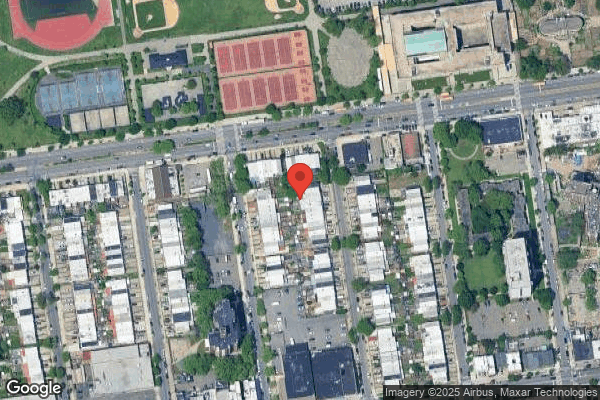
3015 W 29 ST, BROOKLYN, NY 11224 (718) 266-5700
For profit - Limited Liability company 360 Beds EXCELSIOR CARE GROUP Data: November 2025
Trust Grade
68/100
#226 of 594 in NY
Last Inspection: October 2024

Within standard 12-15 month inspection cycle. Federal law requires annual inspections.

Overview

Seagate Rehabilitation and Nursing Center has a Trust Grade of C+, indicating it is slightly above average but not without its issues. It ranks #226 out of 594 facilities in New York, placing it in the top half, but at #23 out of 40 in Kings County, it suggests limited local options. The facility is on an improving trend, reducing its issues from three in 2022 to two in 2024. Staffing is a significant concern, earning a poor 1-star rating, although it has a good turnover rate of 28%, which is better than the state average. The center has incurred $119,212 in fines, which is higher than 88% of New York facilities, reflecting possible compliance problems. Additionally, there is less RN coverage than 86% of state facilities, which may hinder the quality of care. Specific incidents include a lack of adequate nursing staff on weekends and a failure to invite residents to participate in their care planning meetings, highlighting areas where the facility could improve. While it has strengths in health inspection and quality measures, these weaknesses warrant careful consideration for families.

Trust Score
C+
68/100
In New York
#226/594
Top 38%
Safety Record
Moderate
Needs review
Inspections
Getting Better
3 → 2 violations
Staff Stability
✓ Good
28% annual turnover. Excellent stability, 20 points below New York's 48% average. Staff who stay learn residents' needs.
Penalties
○ Average
$119,212 in fines. Higher than 54% of New York facilities. Some compliance issues.
Skilled Nurses
⚠ Watch
Each resident gets only 19 minutes of Registered Nurse (RN) attention daily — below average for New York. Fewer RN minutes means fewer trained eyes watching for problems.
Violations
○ Average
8 deficiencies on record. Average for a facility this size. Mostly minor or procedural issues.
★★★★☆
4.0
Overall Rating
★☆☆☆☆
1.0
Staff Levels
★★★★★
5.0
Care Quality
★★★★☆
4.0
Inspection Score
Stable
2022: 3 issues
2024: 2 issues

The Good

  • 5-Star Quality Measures · Strong clinical quality outcomes
  • Low Staff Turnover (28%) · Staff stability means consistent care
  • Full Sprinkler Coverage · Fire safety systems throughout facility
  • No fines on record
  • Staff turnover is low (28%)

    20 points below New York average of 48%

Facility shows strength in quality measures, staff retention, fire safety.

The Bad

Federal Fines: $119,212

Well above median ($33,413)

Significant penalties indicating serious issues

Chain: EXCELSIOR CARE GROUP

Part of a multi-facility chain

Ask about local staffing decisions and management

The Ugly 8 deficiencies on record

Oct 2024 2 deficiencies
CONCERN (D)

Potential for Harm - no one hurt, but risky conditions existed

Deficiency F0679 (Tag F0679)

Could have caused harm · This affected 1 resident

**NOTE- TERMS IN BRACKETS HAVE BEEN EDITED TO PROTECT CONFIDENTIALITY** Based on observation, record review, and interviews conducted during the Recertification survey from 10/21/2024 to 10/28/2024, t...

Read full inspector narrative →
**NOTE- TERMS IN BRACKETS HAVE BEEN EDITED TO PROTECT CONFIDENTIALITY** Based on observation, record review, and interviews conducted during the Recertification survey from 10/21/2024 to 10/28/2024, the facility did not provide an ongoing program to support residents in their choice of activities, designed to meet the interests of and support the physical, mental, and psychosocial well-being of each resident. This was evident for 1 (Resident #287) of 6 residents reviewed for Activities out of 38 sampled residents. Specifically, Resident #287 was not provided with activities that met their cultural preferences and were in their preferred language. The findings are: The facility policy titled Therapeutic Recreation programs Scope of Services dated 6/17/2024 documented the activities program reflects the cultural interests of resident population and provides opportunities for continual enjoyment in areas of former leisure interests. The policy also documented that leisure programs were to enhance the social, emotional, intellectual, physical, creative, and spiritual wellbeing of the resident population. Resident #287 had diagnoses which included Heart Failure, Chronic Obstructive Pulmonary Disease, Diabetes Mellitus. The Annual Minimum Data Set assessment dated [DATE] documented Resident # 287 was severely impaired in cognition and their preferred language was Cantonese. The Annual Minimum Data Set assessment also documented it was very important for Resident #287 to do their favorite activities. The Annual Minimum Data Set assessment further documented only Resident #287's representative participated in the assessment. On 10/21/2024 at 10:47 AM, Resident #287's Representative was interviewed and stated Resident #287 was Taishanese and Cantonese speaking only and liked to watch Cantonese television channels when they were in the community. Resident #287's Representative also stated they were not aware if the facility had Cantonese television channels available for Resident #287. Resident #287's Representative further stated there was no television set in Resident #287's room and they did not observe that Resident #287 had been provided with any other device to watch television programs in their preferred language. Resident #287's Representative stated they participated in the care plan meeting for Resident #287 and told the staff that Resident #287 liked to watch television programs in Cantonese language. During an observation of Resident #287's room on 10/21/2024 at 11:01 AM, no television set or other device was observed. From 10/21/2024 at 10:13 AM to 10/28/2024 at 09:23 AM, multiple observations were made of Resident #287 sitting in their wheelchair in the dining room with no ongoing activities and the television in the dining room was playing an English-language station. Resident #287 was also not provided or offered alternate activities in their preferred language. The Comprehensive Care Plan titled Activities: Activities/Socialization initiated on 05/15/2023 and last updated 8/13/2024 documented one of the goals for Resident #287 was to spend their leisure time watching television. The Quarterly/Annual/Significant Change Assessments - IDT (Interdisciplinary Team) dated 8/13/2024 documented Resident #287 enjoyed watching TV/DVDs/Videos. The facility document titled Complimentary Television Channels listed that the facility provided 50 television channels. Two channels (46 and 49) broadcasted in Spanish, three channels (4, 5, 6) broadcasted in Russian, and the remaining channels broadcasted in English. There was no documented evidence that a resident centered activity program that incorporated Resident #287's interests, hobbies, and cultural preferences, which is integral to maintaining and/or improving a resident's physical, mental, and psychosocial well-being, and independence, was implemented. On 10/25/2024 at 09:46 AM, Certified Nursing Assistant #11 was interviewed and stated Resident #287 was alert with episodes of confusion and did not speak English. Certified Nursing Assistant #11 also stated that Resident #287 had breakfast in the dining room every day and stayed there until going back to bed in the evening. Certified Nursing Assistant #11 further stated that the television in the dining room played English-language programs all the time and there were no Asian television channels at the facility. Certified Nursing Assistant #11 stated that Resident #287 did not watch the television in the dining room and there was no television set in Resident #287's room. On 10/25/2024 at 10:50 AM, Recreation Therapist #2 was interviewed and stated they did the admission, quarterly, and annual recreation assessment for Resident #287. Recreation Therapist #2 also stated that Resident #287's Representative was interviewed regarding Resident #287's activity preferences during the assessment and they were aware that Resident #287's preference was to watch Cantonese language television. Recreation Therapist #2 further stated that the facility only provided English and Spanish language television channels for residents, and Resident #287 did not understand English or Spanish. Recreation Therapist #2 stated that there was no television set in Resident #287's room and the television in dining room played English channels all day and they were not able to explain how Resident #287 might view programs in their preferred language. On 10/25/2024 at 11:08 AM, the Director of Recreation was interviewed and stated that the facility only had English and Spanish language television channels. The Director of Recreation also stated they had devices like iPad for residents to watch video programs in their preferred language. The Director of Recreation further stated that they were not sure if any such device had been provided to Resident #287 so they could watch television programs in their preferred language or if Resident # 287 was able to navigate these alternative devices. The Director of Recreation stated they were not aware that Resident #287's was not being provided activities in their preferred language. 10 NYCRR 415.5(f)(1)
CONCERN (E) 📢 Someone Reported This

A family member, employee, or ombudsman was alarmed enough to file a formal complaint

Potential for Harm - no one hurt, but risky conditions existed

Deficiency F0725 (Tag F0725)

Could have caused harm · This affected multiple residents

**NOTE- TERMS IN BRACKETS HAVE BEEN EDITED TO PROTECT CONFIDENTIALITY** Based on observation, record review and interviews conducted during the Recertification and Complaint Survey (NY00325830 & NY003...

Read full inspector narrative →
**NOTE- TERMS IN BRACKETS HAVE BEEN EDITED TO PROTECT CONFIDENTIALITY** Based on observation, record review and interviews conducted during the Recertification and Complaint Survey (NY00325830 & NY00337223) from [DATE] to [DATE], the facility did not ensure that there was sufficient nursing staff to attain or maintain the highest practicable physical, mental, and psychosocial well-being of each resident. Specifically, the facility reported low weekend staffing and 1 star staffing rating for Fiscal Quarter 3, 2024 as confirmed by a review of the Daily Staffing and the Payroll Based Journal (PBJ) Staffing Data Report. This was evident for 2 of 2 residents reviewed for Sufficient and Competent Nurse Staffing out of a sample of 38 residents. The findings include but are not limited to: The facility Staffing policy and procedure dated [DATE], last reviewed [DATE] documented that the facility maintains adequate staffing on each shift to ensure that resident's needs and services are met; licensed registered nursing and licensed nursing staff are available to provide and monitor the delivery of resident care services; Certified Nursing Assistants are available on each shift to provide the needed care services of each resident as outlined on the resident's comprehensive care plan. The New York State Department of Health Intake #NY00325830 dated [DATE] with the Addendum dated [DATE] documented that Resident #97 complained of unsafe staffing in the facility, most of the time, it is throughout the building during the day, with 3-4 Certified Nursing Assistants on each unit instead of 5; Residents are not getting the care they deserve; residents who are bed bound or can't ring the call bell are not changed frequently and left soiled. The complainant also stated that their unit does not consistently have a nurse, when the regular evening shift nurse takes vacation or has a day off, they would have no nurse, and they have to wait up to two hours for a nurse to come from another unit to give them medication. The New York State Department of Health Intake #NY00325830 dated [DATE] documented that the Representative for Resident #443 complained that residents were left sitting in the hallway in wheelchairs throughout the day, and there was a distinct smell of urine which led them to believe that residents were not being changed. The Payroll Based Journal (PBJ) Staffing Data Report for Fiscal Quarter 3, 2024 ([DATE]- [DATE]) documented the facility triggered for low weekend staffing and 1 star staffing rating. The Facility assessment dated [DATE] documented that the facility capacity was 360 beds and average daily census was 353 residents. The Facility Assessment also documented that the overall facility staff needed to ensure a sufficient number of qualified staff were available to meet each resident's needs were: 6AM-2PM: Certified Nursing Assistants 40-50, Licensed Practical Nurses 10, and Registered Nurses 5, and Unit Managers 5. 2PM-10PM: Certified Nursing Assistants 30-40, Licensed Practical Nurses/Registered Nurses 10, and Registered Nurse Supervisors 2. 10PM -6AM: Certified Nursing Assistants 22, Licensed Practical Nurses/Registered Nurses 10, and Registered Nurse Supervisors 1. The Daily Staffing Sheet reviewed for the weekends dated from [DATE], to [DATE], documented that the day and evening shifts were short of one Certified Nursing Assistant per unit on multiple occasions. Resident #163 was admitted to the facility with diagnoses that included Cerebrovascular Accident and Diabetes Mellitus. The Quarterly Minimum Data Set assessment dated [DATE] documented that Resident #163 had intact cognition. On [DATE] at 09:50 AM, Resident #163 was interviewed and stated that they are not getting adequate care because of the shortage of staff. Resident #163 also stated that there are only 3 Certified Nursing Assistants every day instead of 5, and they are not able to respond to the residents' needs in a timely manner. Resident #97 (NY00325830) was admitted to the facility with diagnoses that included Cerebral Palsy, Depression and Diabetes Mellitus. The Annual Minimum Data Set, dated [DATE] documented that Resident #97 had intact cognition. On [DATE] at 10:31 AM, Resident #97 was interviewed and stated that residents on the unit require a lot of care, but there are not enough staff to take care of the resident's needs. Resident #97 also stated that most of the time, especially on weekends and on the evening shift they do not have enough staff to take care of them, and sometimes there was no nurse to give them their medications on time, especially when the regular evening nurse was not working. On [DATE] at 09:30 AM, Resident #443's Representative (NY00337223) was interviewed and stated that their parent had since died, however Resident #443 had multiple pressure ulcers, could not verbalize their needs, and they felt that Resident #443 had not received proper care and was not being changed regularly. On [DATE] at 02:34 PM, an interview was conducted with Certified Nursing Assistant #1 who stated that they work the 2 PM to 10 PM shift and had not seen the charge nurse for their shift since they arrived on the floor at 2 PM and did not meet the outgoing nurse so was not given an update on the residents before beginning their shift. Certified Nursing Assistant #1 also stated that this happens all the time and sometimes when there is no nurse the supervisor comes to cover the floor. Certified Nursing Assistant #1 further stated that they work every other weekend, and there are supposed to be 4 Certified Nursing Assistants but most of the time there are only 3 Certified Nursing Assistants to work on the unit. On [DATE] at 02:39 PM, Certified Nursing Assistant #2 was interviewed and stated that they reported to the unit at 2:00 PM today, but they have not seen a nurse on the unit yet, and this happens frequently when their regular nurse is off, and a charge nurse will be sent to the unit later in the shift. Certified Nursing Assistant #2 also stated that they work every other weekend and most of the time 3 Certified Nursing Assistants work instead of 4. Certified Nursing Assistant #2 further stated that if the residents are asking for their medication, they will call on the evening supervisor to come and help. On [DATE] at 02:44 PM, Certified Nursing Assistant #3 was interviewed and stated that they have not seen any nurse to cover the unit for today. Certified Nursing Assistant #3 also stated that they work every weekend and many times they are short staffed on the evening and night shifts where they only get 3 Certified Nursing Assistants instead of 4, and on the night shift when there should be 2 Certified Nursing Assistants to work they sometimes only have 1 Certified Nursing Assistant. Certified Nursing Assistant #3 further stated that if multiple residents need help at the same time, they try to pay attention to the resident that needs the most help first and then they would assist the other residents. On [DATE] at 02:49 PM, an interview was conducted with Certified Nursing Assistant #4 who stated that they worked the 6 AM to 2 PM today and will be staying for the 2 PM to 10 PM shift to make the 4th Certified Nursing Assistant on the evening shift. Certified Nursing Assistant #4 also stated that they work every other weekend on the day shift, and most of the time when any of the regular Certified Nursing Assistants called out, they always work with 4 staff instead of 5. On [DATE] at 11:08 AM, an interview was conducted with Licensed Practical Nurse #1 who stated that they work the 6 AM to 2 PM shift every other weekend, and there are always 4 Certified Nursing Assistants instead of 5 on most weekends. Licensed Practical Nurse #1 also that the residents suffer a little bit as there are a lot of totally dependent residents on the floor that need assistance to be fed which can take a long time so often some residents are fed late because they cannot all be fed at the same time. Licensed Practical Nurse #1 further stated that sometimes there is no nurse relieve them at the end of their shift, so they either have to wait an extra 15 to 30 minutes, have the evening supervisor relieve them and take the keys or just wait until another nurse is sent to relieve them if the supervisor is not available to collect the keys. On [DATE] at 11:26 AM an interview was conducted with Registered Nurse #1 that works the 6 AM to 2 PM shift on the unit. Registered Nurse #1 stated that 5 Certified Nursing Assistants are scheduled to work, but sometimes 4 will work if 1 was pulled out for escort, or if 1 calls out. Registered Nurse #1 also stated that it will take the staff a lot of time to give care to the resident when they work short, and some residents will have to wait a longer for care to be provided. Registered Nurse #1 further stated that most of the residents require total care, but they always encourage the staff to do their best to meet the residents' needs. On [DATE] at 12:31 PM, the Corporate Staffing Manager was interviewed and stated that the facility has a par level which is consistent all the time and they always meet with the Administrator and the Director of Nursing to review staffing based on the resident's census and residents' acuity level. The Corporate Staffing Manager also stated that for the evening and weekends call outs, the supervisor on duty will reach out to staff to try to get someone to come in. The Corporate Staffing Manager further stated that there is a staffing agency that the facility works with, and if there are any problems with staffing the supervisor can reach out, in addition there are per-diem staff that can be called if needed. On [DATE] at 01:13 PM, an interview was conducted with the Director of Nursing who stated that they meet daily with the Administrator, Staffing Coordinator, and Human Resources staff to review staffing, discuss the needs of the building, review the schedule, and if any shortage is noted they try to fill in the staff. The Director of Nursing also stated that the facility does sometimes have staff call outs and they recently did a job fair as they are trying their best to have adequate staffing. Director of Nursing further stated that there was a supervisor to cover the unit that was reported by the surveyor without a nurse on [DATE], they were told that the supervisor just stepped out to attend to another urgent issue when the surveyor was there. Director of Nursing stated that they are not sure what happened to the nurse on the unit that day, but they were told that a supervisor went to the unit to take over the unit until the nurse was around. On [DATE] at 2:39 PM, the Administrator was interviewed and stated that when staff, residents, or residents' family member bring workload concerns to them they try to review the staffing for that day and make sure that their complaints are addressed properly. The Administrator also stated that the facility is trying to ensure that resident's care is not negatively affected due to shortage of staff. The Administrator stated that their labor relations committee and Quality Assurance Agency committee discuss the staffing problem regularly to ensure there is adequate staffing for the residents' care. The Administrator further stated that they make sure that they do not start the shift without adequate staffing, and never go below critical levels. 10 NYCRR 415.13(a)(1)(i-iii)
Sept 2022 3 deficiencies
CONCERN (D)

Potential for Harm - no one hurt, but risky conditions existed

Deficiency F0688 (Tag F0688)

Could have caused harm · This affected 1 resident

**NOTE- TERMS IN BRACKETS HAVE BEEN EDITED TO PROTECT CONFIDENTIALITY** Resident #266 Position, Mobility Based on observations, interviews, and record review conducted during the recertification surv...

Read full inspector narrative →
**NOTE- TERMS IN BRACKETS HAVE BEEN EDITED TO PROTECT CONFIDENTIALITY** Resident #266 Position, Mobility Based on observations, interviews, and record review conducted during the recertification survey, the facility did not ensure a resident with limited range of motion received treatment and services to maintain or improve mobility. This was evidenced by 1 (Resident #266) of 1 residents reviewed for Mobility out of 38 sampled residents. Specifically, Resident #266 was observed on multiple occasions without elbow splint in place in accordnace with the physician order. The findings are: The facility policy titled Splints/Orthoses/Prostheses dated 8/17/2022 documented the nursing department will take responsibility for applying and removing devices. Resident #266 had diagnoses of Hemiplegia and hemiparesis on the left and right side and history of cerebral infarct. The Minimum Data Set 3.0 (MDS) assessment dated [DATE] documented Resident #266 was severely cognitively impaired and did not document use of splinting devices. On 09/08/22 at 11:21 AM and 09/09/22 at 11:54 AM, Resident #266 was observed without a left elbow splint in place. Comprehensive Care Plan (CCP) related to activities of daily living was initiated 1/27/2022 and documented Resident was to have a left hand [NAME] or carrot at all times. Medical Doctor Order (MDO) dated 5/4/22 documented Resident #266 was ordered to receive left elbow splint be worn at all times. On 09/09/22 at 11:54 AM, the Certified Nursing Assistant (CNA) #1 was interviewed and sated Resident #266 never had a left elbow splint documented on the CNA Accountability Record (CNAAR) and CNA #1 never applied a elbow splint. Rehab usually gives the CNAs training on devices and it is reflected in the CNA record. On 09/09/22 at 12:11 PM, the Assistant Director of Nursing (ADNS) was interviewed and stated Resident #266 never had a left elbow splint in place. On 09/09/22 at 12:39 PM, the Occupational Therapist (OT) was interviewed and stated they assessed Resident #266 and the resident now does not need the left elbow splint. The OT cannot recall Resident #266 wearing a left elbow splint when the OT has made rounds on the units. On 09/13/22 at 12:34 PM, Registered Nurse #2 was interviewed and stated they never saw a MDO for Resident #266 to have a left elbow splint at all times. Resident #266 never received the splint. 415.12(e)(2)
CONCERN (D)

Potential for Harm - no one hurt, but risky conditions existed

Deficiency F0744 (Tag F0744)

Could have caused harm · This affected 1 resident

Based on observations, interviews, and record review conducted during a Recertification and Complaint (NY00273442) Survey, the facility did not ensure A resident who is diagnosed with dementia, receiv...

Read full inspector narrative →
Based on observations, interviews, and record review conducted during a Recertification and Complaint (NY00273442) Survey, the facility did not ensure A resident who is diagnosed with dementia, receives the appropriate treatment and services to attain or maintain his or her highest practicable physical, mental, and psychosocial well-being. This was evident for 1 (Resident #312) of 1 residents reviewed for Mood/Behaviors out of 38 total sampled residents. Specifically, the CCP related to Resident #312's cognition was not reviewed and revised to address the resident calling out for mama. The findings are: The facility policy titled Care Planning dated 12/14/2021 documented individualized CCPs for each resident based on assessments done at the time of admission, quarterly, annually, and when there is a change in condition. CCPs will be updated to reflect interval problems as they arise. Resident #312 had diagnoses of dementia, anxiety disorder, and schizophrenia. On 09/08/22 at 11:10 AM, Resident #312 was observed in a geri-chair in the dining area crying out mama and speaking in Russian loudly. Resident attempted to get out of the geri-chair and staff redirection unsuccessful. Resident #312 was provided with juice, received staff interaction, and was involved in a musical activity but continued to cry out loudly. On 09/08/22 at 03:16 PM, 09/09/22 at 10:25 AM, 09/12/22 at 10:37 AM, 09/12/22 at 04:35 PM, and 09/13/22 at 10:20 AM, Resident #312 was observed in a geri-chair, in dining area with several other residents during musical activities, crying out mama loudly. The CCP related to Behavior Etiology: Bipolar Disorder initiated 3/10/2022 and last revised 8/25/2022 documented Resident #312 resists all care, is combative, refuses to eat, has verbal aggression directed towards others and the behavior is related to cognitive impairments. Interventions to address Resident #312's behavior include give time to relax, eliminate external noise and stimulation, redirect, and provide reality orientation. Update dated 8/25/2022 documented the plan of care was still applicable and continued. The CCP related to Cognitive Loss/Dementia was initiated 3/10/2022 and did not document and dates of review. Resident #312 was disoriented, had a limited attention span, and impaired cognition due to a diagnosis of dementia. Documented interventions included anticipating resident's needs, using simple instructions, maintaining consistent routines, allowing time to response, providing orientation to the resident's cognitive level, and providing interaction with others. Physician Order initiated 8/11/2022 documented Resident #312 was to receive Seroquel 200mg at bedtime for schizophrenia and Celexa 20mg daily for anxiety. Nursing progress notes dated 8/11/2022 and 8/12/2022 documented Resident #312 had episodes of yelling and screaming and was being closely monitored. Psychiatry Consult dated 8/18/2022 documented staff presented Resident #312 as screaming and calling out for their ''mother''. Diagnosis is dementia with behavior disturbance and recommended to add Trazodone 25 mg twice daily. Resident uncooperative with behavioral disturbances. Staff to continue with non- pharmacological therapy such as reality orientation, music therapy, and arts one-to-one interactions. Physician Order dated 8/30 /2022 documented Resident #312 was ordered to receive Trazadone 50mg twice daily for anxiety disorder. There was no documented evidence the interdisciplinary team reviewed and revised Resident #312's CCP to include person-centered interventions to address verbally disruptive behaviors related to diagnosis of dementia. The CCP related to cognitive loss/dementia was not reviewed or revised since 3/10/2022. On 09/13/22 at 10:47 AM, Certified Nursing Assistant (CNA) #3 was interviewed and stated they were assigned to Resident #312. Resident has a behavior of screaming mama very loudly. Resident #312 speaks Russian, and the CNA cannot understand what the resident says. CNA #3 offers Resident #312 food or juice to calm them down, but nothing works. Resident #312 is calm when in the dining room and then the yelling starts because there are people around. On 09/13/22 at 11:11 AM, an interview was conducted with License Practical Nurse (LPN) #1 who stated they redirect Resident #312's verbally disruptive behaviors by talking to the resident and holding the resident's hands. LPN #1 writes notes on Resident #312's behavior and the Registered Nurse (RN) updates the resident's CCPs. On 09/13/22 at 11:20 AM, an interview was conducted with RN Manager #3 who stated Resident #312 has a behavior of calling out mama. Staff redirects the resident by offering something to eat, assess for pain, talking to the resident, musical and recreation activity in the dining area, and changing the resident. RN #3 stated spoke with the resident's daughter and the daughter stated this is an ongoing behavior. RN #3 stated the behavior CCP is in place but did not update the CCP to put the specific behaviors of the resident related to dementia. RN#3 stated did document verbal outburst but stated did not have interventions of what the staff need to do to distract the behaviors. RN #3 stated did not have a chance to update the CCP and will do so going forward. On 09/13/22 at 01:07 PM, an interview was conducted with Director of Nursing Services (DNS). DNS stated the LPN can updated CCP for behaviors as well as falls, and RN can initiate as well as updated the CCP. DNS stated if a resident has ongoing behaviors as new behaviors it must be implemented in the CCP. DNS stated if an incident such as a fall the supervisor may update, but the team meets to review the incident and updated the CCP with interventions specific to the resident. DNS stated aware of the resident on the Dementia units with behaviors and stated monitors by the team, by discussing and ensuring intervention are in place. 415.11(c)(2)
MINOR (B)

Minor Issue - procedural, no safety impact

Assessment Accuracy (Tag F0641)

Minor procedural issue · This affected multiple residents

**NOTE- TERMS IN BRACKETS HAVE BEEN EDITED TO PROTECT CONFIDENTIALITY** 2) Resident #337 had diagnoses of muscular dystrophy and diabetes mellitus. The MDS dated [DATE] documented Resident #337 was c...

Read full inspector narrative →
**NOTE- TERMS IN BRACKETS HAVE BEEN EDITED TO PROTECT CONFIDENTIALITY** 2) Resident #337 had diagnoses of muscular dystrophy and diabetes mellitus. The MDS dated [DATE] documented Resident #337 was cognitively intact and was discharged to an acute hospital. The Medical Discharge Summary assessment dated [DATE], documented that Resident #337 was discharged to home. Nursing Note dated 6/16/2022 documented Resident #337 was discharged home today via private bus with all personal belongings. The MDS dated [DATE] did not document Resident #337 was discharged to their home in the community. On 09/12/22 at 05:19 PM an interview was conducted with the MDSA who stated they are responsible for reviewing completed MDS assessments for accuracy and/or mistakes. Resident #337's MDS was checked for accuracy, and it must be a mistake that Resident was not documented as being discharged home. On 09/12/22 at 03:35 PM and 09/09/22 at 02:19 PM, the MDSC was interviewed and stated they review MDS assessments to ensure they are completed and do not review MDS assessments for accuracy. 415.11(b) Based on observations, interviews and record review conducted during the Recertification survey from 9/07/22 to 9/13/22, the facility did not ensure residents received accurate assessments. This was evident for 2 (Resident #235 and Resident #337) of 38 total sampled residents. Specifically, 1) The Minimum Data Set 3.0 (MDS) assessment for Resident #235 did not accurately reflect the resident's use of a wander guard (WG) device; and 2) Resident #337 was discharged home and the MDS assessment documented Resident #337 was discharged to the acute hospital. The findings are: The facility policy titled MDS dated 10/01/2019 documented MDS Registered Nurse (RN) will be responsible for section P (Restraints and Alarms). All disciplines that make entries on the MDS attests to the accuracy of the items. The MDS Coordinator (MDSC) is not attesting to accuracy of the assessments. 1) Resident # 235 had diagnoses of unspecified altered mental status and psychosis. On 09/07/22 at 12:03 AM, 09/08/22 at 09:33 AM, and 09/09/22 at 02:04 PM, Resident # 235 was observed wearing a WG on their right lower extremity while walking around at the unit. The MDS dated [DATE] documented Resident # 235 was severely cognitively impaired and had wandering behavior 4-6 days out of the last 7 days. The MDS did not document the WG/elopement alarm observed on Resident #235's right lower extremity. The physician ordered initiated 06/03/2022 documented Resident #235 to have WG to their right leg. Nursing Note (NN) dated 6/3/2022 documented WG was placed to Resident # 235's right lower extremity. On 09/09/22 at 02:33 PM, the MDS Assessor (MDSA) was interviewed and stated they are responsible for completing the MDS section that documents resident alarm use. The MDSA stated it was an error that Resident #235's WG use was not documented on the MDS dated [DATE].
Nov 2019 3 deficiencies
CONCERN (D)

Potential for Harm - no one hurt, but risky conditions existed

Deficiency F0604 (Tag F0604)

Could have caused harm · This affected 1 resident

**NOTE- TERMS IN BRACKETS HAVE BEEN EDITED TO PROTECT CONFIDENTIALITY** Based on observations, record review, and staff interview conducted during the Recertification survey, the facility did not ensu...

Read full inspector narrative →
**NOTE- TERMS IN BRACKETS HAVE BEEN EDITED TO PROTECT CONFIDENTIALITY** Based on observations, record review, and staff interview conducted during the Recertification survey, the facility did not ensure that when the use of restraints is indicated, the facility used the least restrictive alternative for the least amount of time and documented ongoing re-evaluation of the need for restraints. Specifically, there was no documented evidence that the ongoing need for an abdominal binder was re-evaluated and behaviors necessitating use were documented. This was evident for 1 of 1 resident reviewed for Restraints (Residents #200) out of a sample of 38 residents. The findings are: The facility's policy and procedure Restraints-Use of revised 10/7/19 documented medical symptoms that warrant the use of restraints will be documented in the resident's medical record, ongoing assessments, and care plans. Resident #200 was admitted on [DATE] with diagnoses that included Chronic Obstructive Pulmonary Disease, Diabetes Mellitus and Dysphagia. The Quarterly Minimum Data Set (MDS) assessment dated [DATE] documented resident with severe impairment with short/long term memory problems and no behaviors were exhibited. The MDS further documented other restraints in bed and in chair/out of bed. On 11/06/19 at 04:10 PM, an abdominal binder was observed as the resident rubbed her stomach when the binder was touched by RN #1 and on 11/07/19 at 11:15 AM, resident was observed receiving tube feeding and as RN #1 adjusted the binder and resident moved her left hand towards the area. No pulling or tugging at the tubing was observed. Physician Order dated 1/3/19 and renewed 9/2/19 documented Abdominal binder worn when G -Tube feed & remove q 2 hrs x 15 minutes & check skin integrity, provide skin care & hygiene. Care plan for Physical Restraint use (Abdominal Binder) effective 6/8/17 documented goal is to remain accident/incident free. Interventions included apply physical restraint per MD order, assess potential to decrease and or eliminate restraints, monitor response to restraint. Care plan notes dated 6/12/17 to 4/17/19 did not document attempts by the resident to pull on the G- tube. Interdisciplinary Physical Restraint Assessment created on 01/21/19 completed on 3/17/19 documented the resident's response to the use of this restraint as positive. Interdisciplinary Physical Restraint Assessment were documented in the system as being created on 4/17/19, 5/17/19, 7/10/19, 9/09/19 and 10/20/19, however all assessments were documented as being completed on 11/07/19. Each assessment documented that the resident continued to pull on her GT tube however, there was no documented evidence of when these attempts occur. Medical progress notes dated 01/02/19 to 10/02/19 did not address the use of the abdominal band. On 11/07/19 at 03:34 PM, an interview was conducted with Registered Nurse (RN #1). RN#1 stated the interdisciplinary assessment for restraints included looking to see if the resident is pulling, tugging, scratching, and/or rubbing at the site, putting her hands underneath the clothing which will show that the resident continued to require the use of the restraint. RN #1 stated when the abdominal binder is released, the resident makes attempts to pull at the site. The resident is monitored/observed frequently while in the room and at the nursing station. RN#1 also stated during the past month the resident was observed to be doing the above behaviors, but the behaviors were not documented in the system. RN#1 further stated the Certified Nursing Aide's (CNA) reported when the abdominal binder was released the resident made attempts to pull on the GT tube. Every three months the restraint assessment appears in the EMR and I or another RN complete the assessment. On 11/07/19 at 04:10 PM, an interview was conducted with CNA #1. CNA#1 stated she had not observed the resident pulling or attempting to pull on the GT tubing when the abdominal band is released while the resident is sitting in the chair or is in bed. CNA#1 further stated Resident #200 hands are placed above the sheet while in bed and resident has been observed pulling on the sheet or her night gown but not on the binder or tubing. On 11/08/19 at 10:34 AM, an interview was conducted with the Nurse Practitioner (NP). The NP stated as the patient is confused and pulls out peg tube, the abdominal binder is primarily for safety and secondary as a restraint. The NP stated from time to time the abdominal binder is removed and when it is noticed that the resident starts pulling or touching the tubing the abdominal binder is put back. The NP stated staff are reporting that resident continues to play with the tube and touches and tries to pull the tube when the abdominal binder is off. The resident is redirected, and the tube will be covered with clothing or with the diaper. The NP could not recall the last time the resident was observed pulling on the GT tube or the length of days the abdominal binder was off and was not able to show in the record documentation of when these behaviors occurred. 415.4(a)(2-7)
CONCERN (D)

Potential for Harm - no one hurt, but risky conditions existed

Assessment Accuracy (Tag F0641)

Could have caused harm · This affected 1 resident

**NOTE- TERMS IN BRACKETS HAVE BEEN EDITED TO PROTECT CONFIDENTIALITY** Based on record review and staff interviews conducted during the recertification survey, the facility did not ensure assessment ...

Read full inspector narrative →
**NOTE- TERMS IN BRACKETS HAVE BEEN EDITED TO PROTECT CONFIDENTIALITY** Based on record review and staff interviews conducted during the recertification survey, the facility did not ensure assessment accurately reflected the resident status. Specifically, a resident with short-term and long-term memory problem was captured on the MDS as having no problem with memory. This was evident of 1 out 1 one resident reviewed for Closed Record -Death out of a sample of 38 residents. (Resident #283). The findings are: Resident #283 was admitted to facility with diagnoses that included Non-Alzheimer's Dementia, Depression, Psychotic Disorder, Aphasia, and Gastronomy status. The facility document entitled Policy and Procedure: Subject: Minimum Data Set 3.0 dated effective 6/25/2019 documented under the section entitled Procedure for Completion: All disciplines that make entries on the MDS 3.0 are responsible to sign and date the sections they completed. The signature indicates that the section was reviewed and attest to the accuracy of the items. Significant Change Minimum Data Set (MDS) dated [DATE] documented in Section C 0700 resident with short and long-term memory OK- memory OK. The MDS also documented the resident had moderately impaired cognitive skills for decision-making. Quarterly MDS assessments dated 2/4/19, 5/25/19, 8/7/19, and 9/18/2019, documented resident with short-term and long-term memory problem, able to recall staff names/faces, and was moderately impaired-decisions poor, cues/supervision required. The Comprehensive Care Plan entitled Dementia Cognitive Loss related to Dementia, Long Term Memory Problems, Short Term Memory Problem, impaired cognition, Impaired decision making, impaired thinking/reasoning revised on 9/25/2019 documented the following interventions: Provide consistent routine; Provide resident appropriate orientation; Recognize and reinforce positive behaviors; stimulate long term memory. Social Services Significant Change Assessment progress note dated 9/25/2019 documented resident cognitive status as alert, confusion present. Orientation to person and short-term memory poor, and long- term memory poor. On 11/07/19 at 10:53 AM, an interview was conducted with the MDS Coordinator (MDSC). MDSC stated the Social Worker is responsible for completing Section C the cognitive section, but she ensures the documentation is correct by looking at the Social Worker assessment which was completed on 9/25/2019. The MDSC stated the Social Worker assessment note was correct, the resident had long and short-term memory problems, but the information entered on the MDS was a data entry error. MDSC stated she is responsible for ensuring that the MDS documentation is correct before submitting but is unsure how this error occurred. This was an entry error and the MDS will be modified immediately. On 11/07/19 at 12:05 PM, an interview was conducted with Social Worker (SW #1). SW#1 stated she completes a cognitive assessment for the resident before completing the MDS, which she did and documented the assessment in the resident chart on 9/25/2019. SW #1 also stated when she assessed the resident at the time his Brief Interview for Mental Status (BIMS) score was 99 and the resident had short and long-term memory impairment. This was just a data entry error. I just clicked on the wrong answer. 415.11(b)
CONCERN (E)

Potential for Harm - no one hurt, but risky conditions existed

Deficiency F0657 (Tag F0657)

Could have caused harm · This affected multiple residents

**NOTE- TERMS IN BRACKETS HAVE BEEN EDITED TO PROTECT CONFIDENTIALITY** Based on record reviews and staff interviews conducted during the recertification survey, the facility did not ensure that resid...

Read full inspector narrative →
**NOTE- TERMS IN BRACKETS HAVE BEEN EDITED TO PROTECT CONFIDENTIALITY** Based on record reviews and staff interviews conducted during the recertification survey, the facility did not ensure that residents participated in the development, review and revision of the Comprehensive Care Plan (CCP). Specifically, residents were not invited to comprehensive and quarterly care plan meetings. This was evident for 3 of 3 residents reviewed for Participation in Care Planning (Residents # 39, 234, 287) out of a sample of 38 residents. The findings are: 1). Resident #39 was admitted with diagnoses that included Hypertension and End Stage Renal Disease. Minimum Data Set 3.0 (MDS) assessment dated [DATE] documented the resident had intact cognition. Physician Order dated 10/28/19 documented the days of Dialysis on Tuesdays, Thursdays, and Saturdays. On 11/04/19 at 02:53 PM, an interview was conducted with Resident # 39 who stated he has not been invited to care plan meetings. Resident #39 stated meetings only happened for physical therapy and he could not recall the last time he attended a care plan meeting. Review of the care plan meeting attendees tab in the Sigma Care Electronic Medical Record (EMR) contained no documented evidence that resident was in attendance at the Annual care plan meeting held on 11/13/18 and the Quarterly care plan meetings held on 2/12/19, 5/14/19, 8/13/19. The Care Plan Meeting Details dated 11/13/18 to 8/13/19 revealed there was no documented evidence that Resident #39 had been invited to the care plan meetings. On 11/07/19 at 10:55 AM, an interview was conducted with the Social Worker (SW #5) who stated resident is invited verbally to all care plan meetings a few days before the meeting and the resident goes to dialysis, so we try to accommodate that. SW #5 also stated Resident #39 gave verbal notice that he does not want to attend the care plan meetings. SW #5 stated the invitation and response by the resident was not documented in the system. Care plan meetings for the 4th floor is on Tuesdays beginning at 11 am and the resident goes to dialysis on Tuesdays and returns to facility in the afternoon maybe around 1. If Resident # 39 is too tired after dialysis and chooses to reschedule the CCP meeting, we accommodate that. SW #5 further stated when the resident attends the CCP meeting their name is added as an attendee. 2). Resident #234 was admitted with diagnoses that included Hypertension, and Diabetes Mellitus. The Minimum Data Set 3.0 (MDS) assessment dated [DATE] documented the resident had intact cognition. On 11/04/19 at 02:53 PM, an interview was conducted with Resident #234 who stated she could not recall attending a care plan meeting during the 4 years she has resided in the facility. Review of the care plan meeting attendees tab in the Sigma Care Electronic Medical Record (EMR) contained no documented evidence that resident was in attendance at the Quarterly CCP meetings held on 11/13/18, 02/12/19, 06/04/19, 07/16/19, 10/01/19 and Significant Change CCP meeting held on 03/05/19. The Care Plan Meeting Details dated 11/13/18 to 10/01/19 contained no documented evidence that Resident #234 had been invited to the care plan meetings. On 11/07/19 at 11:27 AM, an interview was conducted with SW #2. SW #2 stated Resident #234 is invited to the Annual, Significant Change and Quarterly CCP meeting verbally on Thursday or Friday in the week before CCP meetings scheduled on a Tuesday. SW#2 stated the resident verbally refuses, and states does not feel good or does not want to attend. SW #2 stated the invitation and response by the resident was not documented. 3). Resident #287 was admitted with diagnoses that included Hypertension, Renal Osteodystrophy, and Multiple Myeloma. The Minimum Data Set 3.0 (MDS) assessment dated [DATE] documented the resident had intact cognition. On 11/05/19 at 10:16 AM, an interview was conducted with Resident #287 who stated he attended one care plan meeting last year. Review of the care plan meeting attendees tab in the Sigma Care Electronic Medical Record (EMR) contained no documented evidence that resident was in attendance at the Quarterly CCP meetings held on 10/23/18, 01/15/19, 07/16/19, 10/15/19 and Annual CCP meeting held on 4/16/19 The Care Plan Meeting Details dated 01/15/19 to 10/15/19 contained no documented evidence that Resident #234 had been invited to the care plan meetings. On 11/07/19 at 11:42 AM, an interview was conducted with SW #2 who stated the residents are invited verbally to Annual and Significant Change and Quarterly care plan meeting. SW #2 stated the resident verbally refused to attend the CCP meetings, but the response of the resident was not documented in the medical record. On 11/07/19 at 12:15 PM, an interview was conducted with SW #5 who stated the resident was verbally invited to Annual, Significant Change and Quarterly CCP meetings and Resident #287 responded verbally if he was or was not going to attend. SW #5 stated Resident #287 is informed of the meeting on Wednesday or Thursday of the week prior to the meeting. On 11/07/19 at 12:52 PM, an interview was conducted with the Director of Social Work (DSW) who stated within a week before the CCP meeting a SW will verbally invite the residents to CCP meetings and the resident responds verbally. For residents attending Dialysis, we adjust to their schedule. The DSW stated the CCP meeting is scheduled a day before or after so that everyone gets an equal opportunity to attend their CCP meetings. CCP meetings would not be scheduled on the days of dialysis because we want the residents to attend. The DSW also stated a resident's refusal or agreement to attend the CCP are documented in the progress notes. The DSW further stated it was identified three to four months ago that invitations and resident responses were not being documented in written form and SWs are now to document if a resident wishes to attend or refuses to attend the CCP meeting. The DSW stated that residents are invited to all care plans including 14 days post admission, annual, quarterly and significant change CCP meetings. The DSW stated she monitors the process by printing out a list of scheduled CCP meetings the week before, ensures that follow up calls are done and that residents are invited, and their responses are documented. 415.11(c)(2)(i-iii)
Understanding Severity Codes (click to expand)
Life-Threatening (Immediate Jeopardy)
J - Isolated K - Pattern L - Widespread
Actual Harm
G - Isolated H - Pattern I - Widespread
Potential for Harm
D - Isolated E - Pattern F - Widespread
No Harm (Minor)
A - Isolated B - Pattern C - Widespread

Questions to Ask on Your Visit

  • "Can I speak with families of current residents?"
  • "What's your RN coverage like on weekends and overnight?"

Our Honest Assessment

Strengths
  • • 28% annual turnover. Excellent stability, 20 points below New York's 48% average. Staff who stay learn residents' needs.
Concerns
  • • $119,212 in fines. Extremely high, among the most fined facilities in New York. Major compliance failures.
Bottom line: Mixed indicators with Trust Score of 68/100. Visit in person and ask pointed questions.

About This Facility

What is Seagate Rehabilitation And Nursing Center's CMS Rating?

CMS assigns SEAGATE REHABILITATION AND NURSING CENTER an overall rating of 4 out of 5 stars, which is considered above average nationally. Within New York, this rating places the facility higher than 99% of the state's 100 nursing homes. This rating reflects solid performance across the metrics CMS uses to evaluate nursing home quality.

How is Seagate Rehabilitation And Nursing Center Staffed?

CMS rates SEAGATE REHABILITATION AND NURSING CENTER's staffing level at 1 out of 5 stars, which is much below average compared to other nursing homes. Staff turnover is 28%, compared to the New York average of 46%. This relatively stable workforce can support continuity of care.

What Have Inspectors Found at Seagate Rehabilitation And Nursing Center?

State health inspectors documented 8 deficiencies at SEAGATE REHABILITATION AND NURSING CENTER during 2019 to 2024. These included: 7 with potential for harm and 1 minor or isolated issues.

Who Owns and Operates Seagate Rehabilitation And Nursing Center?

SEAGATE REHABILITATION AND NURSING CENTER is owned by a for-profit company. For-profit facilities operate as businesses with obligations to shareholders or private owners. The facility is operated by EXCELSIOR CARE GROUP, a chain that manages multiple nursing homes. With 360 certified beds and approximately 350 residents (about 97% occupancy), it is a large facility located in BROOKLYN, New York.

How Does Seagate Rehabilitation And Nursing Center Compare to Other New York Nursing Homes?

Compared to the 100 nursing homes in New York, SEAGATE REHABILITATION AND NURSING CENTER's overall rating (4 stars) is above the state average of 3.1, staff turnover (28%) is significantly lower than the state average of 46%, and health inspection rating (4 stars) is above the national benchmark.

What Should Families Ask When Visiting Seagate Rehabilitation And Nursing Center?

Based on this facility's data, families visiting should ask: "Can you walk me through typical staffing levels on day, evening, and night shifts?" "Can I visit during a mealtime to observe dining assistance and food quality?" "How do you handle medical emergencies, and what is your hospital transfer rate?" "Can I speak with family members of current residents about their experience?" These questions are particularly relevant given the below-average staffing rating.

Is Seagate Rehabilitation And Nursing Center Safe?

Based on CMS inspection data, SEAGATE REHABILITATION AND NURSING CENTER has a clean safety record: no substantiated abuse findings (meaning no confirmed cases of resident harm), no Immediate Jeopardy citations (the most serious violation level indicating risk of serious injury or death), and is not on the Special Focus Facility watch list (a federal program monitoring the lowest-performing 1% of nursing homes). The facility has a 4-star overall rating and ranks #1 of 100 nursing homes in New York. While no facility is perfect, families should still ask about staff-to-resident ratios and recent inspection results during their visit.

Do Nurses at Seagate Rehabilitation And Nursing Center Stick Around?

Staff at SEAGATE REHABILITATION AND NURSING CENTER tend to stick around. With a turnover rate of 28%, the facility is 18 percentage points below the New York average of 46%. Low turnover is a positive sign. It means caregivers have time to learn each resident's needs, medications, and personal preferences. Consistent staff also notice subtle changes in a resident's condition more quickly.

Was Seagate Rehabilitation And Nursing Center Ever Fined?

SEAGATE REHABILITATION AND NURSING CENTER has been fined $119,212 across 21 penalty actions. This is 3.5x the New York average of $34,271. Fines at this level are uncommon and typically indicate a pattern of serious deficiencies, repeated violations, or failure to correct problems promptly. CMS reserves penalties of this magnitude for facilities that pose significant, documented risk to resident health or safety. Families should request specific documentation of what issues led to these fines and what systemic changes have been implemented.

Is Seagate Rehabilitation And Nursing Center on Any Federal Watch List?

SEAGATE REHABILITATION AND NURSING CENTER is not on any federal watch list. The most significant is the Special Focus Facility (SFF) program, which identifies the bottom 1% of nursing homes nationally based on persistent, serious quality problems. Not being on this list means the facility has avoided the pattern of deficiencies that triggers enhanced federal oversight. This is a positive indicator, though families should still review the facility's inspection history directly.