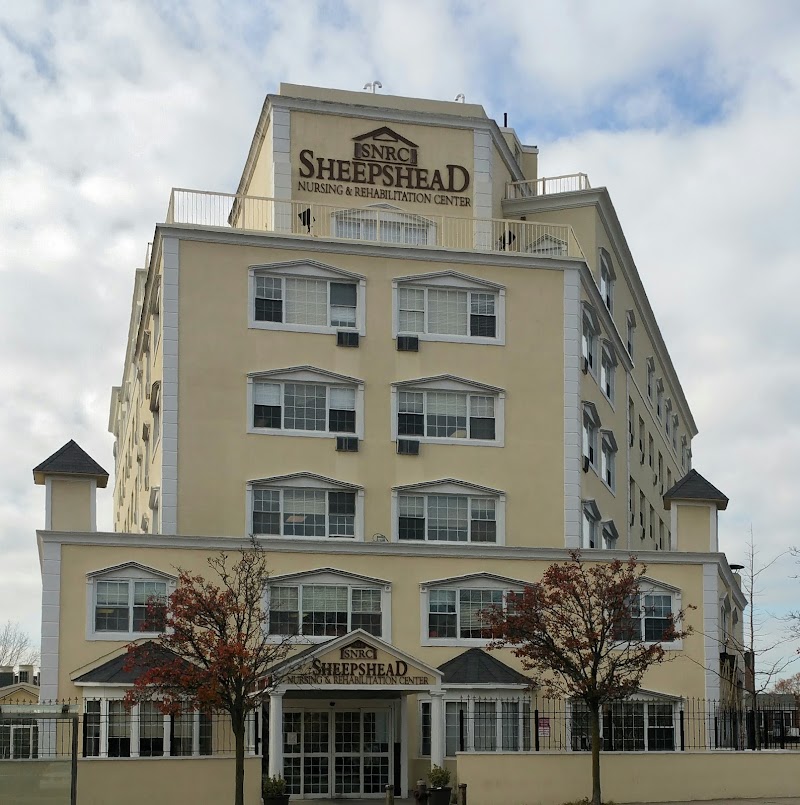
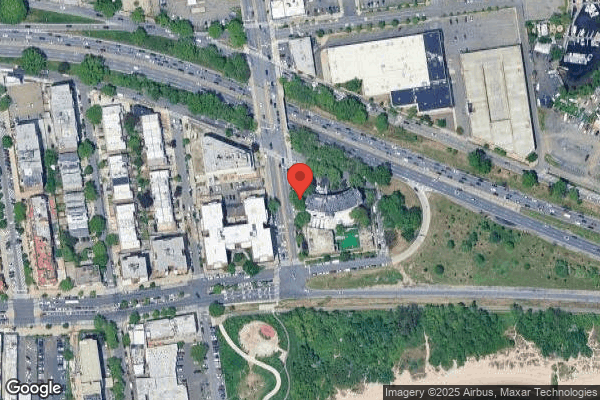
SHEEPSHEAD NURSING & REHABILITATION CENTER

2840 KNAPP ST, BROOKLYN, NY 11235 (718) 646-5700
For profit - Limited Liability company 200 Beds Independent Data: November 2025
Trust Grade
55/100
#448 of 594 in NY
Last Inspection: April 2024

Within standard 12-15 month inspection cycle. Federal law requires annual inspections.

Overview

Sheepshead Nursing & Rehabilitation Center has a Trust Grade of C, which means it is average, placing it in the middle of the pack among nursing homes. It ranks #448 out of 594 facilities in New York, indicating it is in the bottom half, and #37 out of 40 in Kings County, suggesting only two other local options are worse. Unfortunately, the facility is getting worse, with issues increasing from 2 in 2022 to 11 in 2024. Staffing is rated 2 out of 5 stars, but the turnover is notably low at 0%, which is much better than the state average, indicating staff stability. While the center has no fines on record and offers more RN coverage than 81% of New York facilities, there have been concerning incidents. For instance, residents were not invited to participate in care plan meetings, and important information about the Ombudsman program was not easily accessible, leaving residents unaware of how to voice their complaints.

Trust Score
C
55/100
In New York
#448/594
Bottom 25%
Safety Record
Low Risk
No red flags
Inspections
Getting Worse
2 → 11 violations
Staff Stability
○ Average
Turnover data not reported for this facility.
Penalties
✓ Good
No fines on record. Clean compliance history, better than most New York facilities.
Skilled Nurses
✓ Good
Each resident gets 53 minutes of Registered Nurse (RN) attention daily — more than average for New York. RNs are trained to catch health problems early.
Violations
⚠ Watch
17 deficiencies on record. Higher than average. Multiple issues found across inspections.
★★☆☆☆
2.0
Overall Rating
★★☆☆☆
2.0
Staff Levels
★★★☆☆
3.0
Care Quality
★★☆☆☆
2.0
Inspection Score
Stable
2022: 2 issues
2024: 11 issues

The Good

  • Full Sprinkler Coverage · Fire safety systems throughout facility
  • No fines on record

Facility shows strength in fire safety.

The Bad

2-Star Overall Rating

Below New York average (3.1)

Below average - review inspection findings carefully

The Ugly 17 deficiencies on record

Apr 2024 11 deficiencies
CONCERN (D)

Potential for Harm - no one hurt, but risky conditions existed

ADL Care (Tag F0677)

Could have caused harm · This affected 1 resident

**NOTE- TERMS IN BRACKETS HAVE BEEN EDITED TO PROTECT CONFIDENTIALITY** Based on observation, interviews, and record review conducted during the Recertification survey from 4/17/2024 to 4/24/2024, the...

Read full inspector narrative →
**NOTE- TERMS IN BRACKETS HAVE BEEN EDITED TO PROTECT CONFIDENTIALITY** Based on observation, interviews, and record review conducted during the Recertification survey from 4/17/2024 to 4/24/2024, the facility did not ensure residents unable to carry out activities of daily living received the necessary services to maintain grooming and personal hygiene. This was evident for 2 (Resident #169 and Resident #171) of 3 residents reviewed for Activities of Daily Living out of 38 total sampled residents. Specifically, Resident #169 and Resident #171 were observed with quarter to one-third inch fingernails beyond fingertips and did not receive staff assistance for trimming of long nails. The findings are: The facility policy titled Assisting the Resident with Activities of Daily Living (ADL) with a revised date of 01.2024 documented the residents will be expected to maintain reasonable standards of hygiene and grooming during their stay at the facility. The policy also documented that the care staff will provide the necessary support in all activities of daily living functioning when autonomy and independence are no longer possible or feasible for the residents. 1. Resident #169 had diagnoses of Chronic Obstructive Pulmonary Disease and Anxiety Disorder. On 04/17/2024 at 11:03 AM, Resident #169 was interviewed and stated they had long fingernails and needed someone to trim the fingernails for them Resident #169 also stated that they asked the staff to trim the fingernails and the Certified Nursing Assistant told them that it was not their responsibility to trim the fingernails for residents. Resident #169's fingernails were observed to be about a quarter inch beyond their fingertips. The admission Minimum Data Set 3.0 assessment dated [DATE] documented Resident #169 required supervision or touching assistance for personal hygiene. The Comprehensive Care Plan titled ADL (Activities of Daily Living) - Self Care initiated 1/22/2024 documented Resident #169 required supervision/touching assistance for personal hygiene. The Certified Nursing Assistant Accountability Records from January 2024 to April 2024 had no documentation about fingernail trimming for Resident #169. The nursing progress notes dated 1/21/2024 to 4/22/2024 did not document Resident #169's fingernails were trimmed. On 04/22/24 at 10:03 AM, Certified Nursing Assistant #1 was interviewed and stated Resident #169 was cognitively intact, did not refuse care, and required assistance for personal hygiene. Certified Nursing Assistant #1 also stated they only trimmed the resident's fingernails if the nurse tells them to do so and they inform the nurse if the resident had long fingernails that needed to be trimmed. Certified Nursing Assistant #1 further stated that they considered fingernails beyond the fingertips to be long. Certified Nursing Assistant #1 stated they reported to the nurse on the unit that Resident #169's fingernails needed to be trimmed but they could not recall when they had reported. 2) Resident #171 had diagnoses of Unspecified Atrial Fibrillation and Pain in right knee On 04/17/2024 at 11:15 AM, Resident #171 was interviewed and stated that their fingernails had not been trimmed since their admission to the facility about 2 months ago. Resident #171 also stated that they asked the Certified Nursing Assistant to trim them and staff had not trimmed the fingernails yet. Resident #171's fingernails were observed to be about a quarter to one-third of an inch beyond their fingertips. The admission Minimum Data Set 3.0 assessment dated [DATE] documented Resident # 171 had no rejection of care and was dependent for personal hygiene. The Comprehensive Care plan titled ADL (Activities of Daily Living)-Self Care initiated 2/26/24 documented Resident #171 was dependent for personal hygiene. The Certified Nursing Assistant Accountability Record from [DATE] to April 2024 had no documented evidence that fingernails were trimmed for Resident #171. The nursing progress notes from 2/23/2024 to 4/22/2024 did not document that Resident #171's fingernails were trimmed. On 04/22/2024 at 10:20 AM, Certified Nursing Assistant #2 was interviewed and stated Resident #171 was cognitively intact and did not refuse care. Resident #171 required staff assistance for all activities of daily living. Certified Nursing Assistant #2 also stated that the nurse was responsible for trimming the resident's fingernail, and they reported to the nurse when the fingernails were beyond the fingertips as they were considered long and needed to be trimmed. Certified Nursing Assistant #2 further stated that they reported to the nurse on the unit that Resident #171 had long fingernails that needed to be trimmed but they could not recall when they had reported. On 04/22/2024 at 11:17 AM, Registered Nurse #1 was interviewed and stated they were the nurse assigned to both Resident #169 and Resident #171. Registered Nurse #1 also stated they were responsible for trimming the fingernails for residents or they supervised the Certified Nursing Assistants to do so. Registered Nurse #1 further stated that fingernails were considered long and needed to be trimmed when they grew beyond the fingertips, and they had observed Resident #169 and Resident #171 had long fingernails when they provided treatment and gave medications to them. Registered Nurse #1 stated that it was their error that Resident #169's and Resident 171's fingernails were trimmed in a timely manner. On 04/22/2024 at 11:55 AM, the Director of Nursing was interviewed and stated both the Certified Nursing Assistant and the nurse should trim resident's fingernails if they were long. The Director of Nursing also stated that fingernails needed to be trimmed if they grew beyond the fingertips. The Director of Nursing further stated they made rounds to the unit at least 3 times a day, they were not aware Resident #169 and Resident #171 had fingernails that were extending beyond the fingertips. 10 NYCRR 415.12(a)(3)
CONCERN (D)

Potential for Harm - no one hurt, but risky conditions existed

Deficiency F0685 (Tag F0685)

Could have caused harm · This affected 1 resident

Based on interview and record review conducted during a Recertification survey from 4/17/2024 to 4/24/2024, the facility did not ensure that residents received proper treatment and assistive devices t...

Read full inspector narrative →
Based on interview and record review conducted during a Recertification survey from 4/17/2024 to 4/24/2024, the facility did not ensure that residents received proper treatment and assistive devices to maintain vision abilities. This was evident for 1 (Resident #82) of 1 resident reviewed for Communication/Sensory out of 38 total sampled residents. Specifically, Resident #82 did not receive an Ophthalmology consult in accordance with Medical Doctor order in a timely order. The findings are: The policy and procedure titled Consultations revised 1/2024 documented that it is the policy of Sheepshead Nursing and Rehabilitation Center to provide care and services including medical consultations to the residents to maintain or improve their highest practicable mental, psychosocial, and physical functional status. On 04/17/24 at 11:05AM, an interview was conducted with Resident #82 who stated that they have a small cataract on their eye and reported it to nurse. Resident #82 also stated that they had not been seen by the eye doctor. The Comprehensive Care Plan titled Vision created 07/10/2023 revised 04/10/2024 documented goal of resident will maintain current vision times 90 days. Interventions included assess, monitor, record, report to MD as needed, vision loss, vision changes, daily functions limited by visual problem. Assist/make arrangement for vision/eye consults ordered by MD and follow up as necessary. The Medical Doctor order dated 02/13/24 documented Ophthalmology consult, diagnosis decreased vision. The Ophthalmology consult dated 02/13/2024 for decreased vision documented on 03/05/2024 patient in shower not available. The consult also documented on 03/25/2024 that resident out of facility today. On 04/23/24 at 04:11 PM, an interview was conducted with Registered Nurse MDS (covering the unit as a supervisor) who stated that when residents are to be seen by in-house consultants the nurse prepares the consult and leaves it in the office. Registered Nurse MDS also stated that when the consultant arrives at the facility, they retrieve the pending consults from the office and then go to the unit to examine the resident. Residents are then informed by the nurse that the consultant is there to see them. Registered Nurse MDS further stated that they were not sure if they were given advance notice about when they would be seen by the consultant and whether or not appointments were scheduled or not. On 04/24/24 at 01:29, an interview was conducted with the Director of Nursing who stated that the doctor will place an order for the consultation, the nurse will pick up the order and place into the consult book and the consultant will be called to see the resident. The Director of Nursing also stated that the facility does not always know when the consultants are coming, and many times the nurses on the unit do not even know that the consultant is in the building. The Director of Nursing further stated that because they do not have a schedule for the consultant, it is difficult to let the residents know in advance when they will be seen so the resident can be prepared for the appointment. 10 NYCRR 415.12 (a)(3)(b)(1-3)
CONCERN (D)

Potential for Harm - no one hurt, but risky conditions existed

Pressure Ulcer Prevention (Tag F0686)

Could have caused harm · This affected 1 resident

**NOTE- TERMS IN BRACKETS HAVE BEEN EDITED TO PROTECT CONFIDENTIALITY** Based on observations, record reviews, and staff interviews, during the Recertification survey from 4/17/2024 to 4/24/2024, the ...

Read full inspector narrative →
**NOTE- TERMS IN BRACKETS HAVE BEEN EDITED TO PROTECT CONFIDENTIALITY** Based on observations, record reviews, and staff interviews, during the Recertification survey from 4/17/2024 to 4/24/2024, the facility did not ensure that a resident received care consistent with professional standards of practice to prevent pressure ulcers. This was evident for 1 (Resident #150) of 3 residents reviewed for Pressure Ulcer. Specifically, during multiple observations, Resident #150 was observed without multipodus boot/brace in place as ordered. The findings are: The facility policy and procedure titled Heel Protectors: Application & Maintenance revised 1/2024 documented that the purpose of heel protectors is to provide comfort and protection to the resident's heel, prevent skin irritation, and maintain proper skin hygiene. Resident #150 was admitted with diagnoses which include Pressure Ulcer of left heel, unstageable, Dementia, and Depression. The Annual Minimum Data Set, dated [DATE] documented Resident #150 was severely cognitively impaired, required substantial/maximal assistance with toileting, putting/taking off footwear, and personal hygiene and was at risk of developing pressure ulcers. The Physician's orders entered 4/27/2023 and revised 4/27/2024 documented Left Multipodus Boot (brace) to be worn when out of bed for heel pressure relief. Remove for skin check and hygiene. On 4/23/2024 at 10:13 AM, Resident #150 was observed in the wheelchair after wound care was performed with no multipodus boot observed in place. On 04/24/24 at 10:36 AM, Resident #150 was observed sitting in the wheelchair in the dining room with yellow socks and open toe shoes. No multipodus boots were observed in place. On 04/24/24 at 11:17 AM, Licensed Practical Nurse #7 entered Resident #150's room and retrieve the multipodus boot from the closet. A blue boot contained in a clear plastic bag was obtained. On 04/24/24 at 11:20 AM, Licensed Practical Nurse # 7 applied the multipodus boot on Resident #150 while Resident #150 was seated in wheelchair in the dining room. On 4/24/2024 at 11:21 AM, an interview was conducted with Certified Nurse Assistant #10 who stated that it was not stated during morning report that Resident #150 required any equipment, braces, or boots but the use of the floor mats as the bed is in the low position. Certified Nurse Assistant #10 stated that they saw the boot in the closet and did not ask about the boot. On 04/24/2024 at 11:31 AM, Licensed Practical Nurse #7 was interviewed and stated they were not the regular nurse assigned to Resident #150, and was aware that Resident #150 needed the boot applied today. Licensed Practical Nurse #7 also stated that they noticed that Resident #150 did not have the multipodus applied. On 4/24/2024 at 11:39 AM, an interview was conducted with Licensed Practical Nurse #8 who stated that the Certified Nurse Assistants oversee putting on the booties following wound treatment. The Certified Nurse Assistants who are acquainted with Resident #150 are aware that they are responsible for applying the boot; this instruction is occasionally provided during morning rounds, and occasionally it may be forgotten. Licensed Practical Nurse #8 also stated the nurses need to document in the Treatment Administration Record when the bootie is applied, and it should be applied when the resident is not in bed. Licensed Practical Nurse #8 further stated that they were not sure why it was not applied. Licensed Practical Nurse #8 stated when the boot is applied, it is recorded in the kiosk by the Certified Nurse Assistants. On 4/24/2024 at 11:54 AM, during an interview the Director of Nursing stated that when a resident needs a piece of equipment or a device, the nurse has to verify the order and let the Certified Nursing Assistant know that the resident has a special device that needs to be used in accordance with the resident's doctor's orders. The Director of Nursing also stated that the Certified Nursing Assistant is supposed to check the kiosk to see whether the resident needs a device and record placement of the device there. The Director of Nursing further stated that use of devices should be communicated to the Certified Nurse Assistants during the morning report and Certified Nursing Assistants that are not regular staff members on the unit, should be given a thorough report. The Director of Nursing stated it is possible that the nurse forgot to give the nursing assistants the report on the multipodus boot. 10 NYCRR 415.12(c)(1)
CONCERN (D)

Potential for Harm - no one hurt, but risky conditions existed

Deficiency F0688 (Tag F0688)

Could have caused harm · This affected 1 resident

**NOTE- TERMS IN BRACKETS HAVE BEEN EDITED TO PROTECT CONFIDENTIALITY** Based on observations, record reviews and interviews conducted during the Recertification survey from 4/17/24 to 4/24/24, the fa...

Read full inspector narrative →
**NOTE- TERMS IN BRACKETS HAVE BEEN EDITED TO PROTECT CONFIDENTIALITY** Based on observations, record reviews and interviews conducted during the Recertification survey from 4/17/24 to 4/24/24, the facility did not ensure that a resident with limited range of motion received appropriate treatment and services to prevent further decrease in range of motion. This was evident for 1 (Resident #60) of 2 residents reviewed for Position/Mobility out of a sample of 38 residents. Specifically, Resident #60 had an active Physician order for a left hand palm protector and was observed without left hand palm device on multiple occasions. The findings are: Resident # 60 diagnoses include Atrial Fibrillation, Coronary Artery Disease, Coronary Vascular Accident and Hemiplegia. The Minimum Data Set 3.0 assessment dated [DATE] documented Resident #60's cognitive level as moderately impaired. Resident #60 had impairment in one side of the upper extremities and impairments in both side of the lower extremities. Resident #60 required maximal assistance for eating, toileting, upper and lower body dressing. Physician order initiated on 7/3/20 and last renewed on 4/5/2024 documented the resident to always wear left hand palm protector except for hygiene, range of motion exercises and skin checks. The Comprehensive Care Plan titled Activities of Daily Living- Self Care initiated on 12/18/23 revised on 03/18/24 documented the resident to always wear left hand palm protector except for hygiene care, range of motion exercises and skin checks. On 04/17/24 at 10:10 AM and at 02:28 PM, 04/18/24 at 08:41 AM, 04/22/24 at 09:29 AM, 12:41 PM and 02:54 PM, and on 04/23/24 11:31 AM, Resident #60 was observed with contracture of left hand. The left-hand palm protector was not in place. On 04/22/24 at 09:30 AM, Resident #60 stated that the palm protector is supposed to be placed on the left hand. Resident #60 stated the device is in the drawer, and because they are not able to apply the device independently, the Certified Nursing Assistant is supposed to apply it. On 04/23/24 at 11:48 AM, Certified Nursing Assistant #5 was interviewed and stated that they are aware that Resident #60 is supposed to wear a device on their left hand due to a contracture, but Resident #60 would say that they prefer that the rehabilitation staff put on the device for them. Certified Nursing Assistant #5 also stated that Resident #60 does not like the Certified Nursing Assistants to put on the device, and would say the left-hand palm grip can be applied during rehab. On 04/23/24 at 12:10 PM, Licensed Practical Nurse #3 was interviewed and stated that residents are checked to ensure that they have all the devices they are supposed to have. Resident #60 is supposed to have a palm grip in their left hand and had been refusing the device for the past three days. Sometimes, the resident would tell us not to apply the device as they prefer to put on the device during rehab therapy. Licensed Practical Nurse #3 also stated that Resident #60's refusal of the application of the palm grip should have been documented. During an interview on 04/23/24 at 12:31 PM, Registered Nurse #3 stated they make rounds periodically on the unit, and they initiate and update care plans as needed, and check on residents to ensure all residents are safe. Registered Nurse #3 also stated that if a resident has a Physician order for a device, it should be applied. If a resident refuses to have a device applied, it is supposed to be brought to my attention so that a refusal care plan can be initiated. Registered Nurse #3 further stated that Resident #60 did not refuse the palm grip today and staff are supposed to document under progress notes when the resident refuses any care. On 04/23/24 at 12:58 PM, the Director of Rehabilitation was interviewed and stated Resident #60 is supposed to wear the left palm grip at all times and they were not aware that Resident #60 had said that rehab staff only should apply the palm grip. The Director of Rehabilitation also stated that they added the device to the resident's Activities of Daily Living care plan and explained to Resident #60 that the device needs to be worn at all times except during hygiene care. Resident #60 verbalized understanding. The Director of Rehabilitation further stated that the care plan for Activities of Daily Living dated 12/18/23 mentioned that the left-hand palm grip needs to be always applied and the nursing staff had not reported to them that Resident #60 was refusing to wear the device. During an interview on 04/23/24 at 02:47 PM, the Director of Nursing Services stated that the charge nurse is supposed to check to ensure that all residents are wearing their devices. The Director of Nursing Services also stated that if the resident constantly refuses care the Certified Nursing Assistant would need to inform the nursing staff that the resident is refusing to wear the device and we would initiate a care plan for refusal. The Rehab department would need to be informed as well. The Director of Nursing Services further stated that the facility policy is that we must ensure all Physician orders and care plans are being always implemented. 10 NYCRR 415.12(e)(2)
CONCERN (D)

Potential for Harm - no one hurt, but risky conditions existed

Pharmacy Services (Tag F0755)

Could have caused harm · This affected 1 resident

Based on observation, record review, and interviews conducted during the Recertification survey from 4/17/2024 to 4/24/2024, the facility did not ensure timely identification and removal of expired me...

Read full inspector narrative →
Based on observation, record review, and interviews conducted during the Recertification survey from 4/17/2024 to 4/24/2024, the facility did not ensure timely identification and removal of expired medications. Specifically, seven individual expired Heparin lock flush syringes were stored on medication carts. This was evident on 2 of 5 units. (2nd and 4th floor) The findings are: The facility policy titled Ordering, Distributing and Storage of Supplies revised 01/2024 documented that nurses shall check every medication for the expiration date before administration. All unused or expired drugs are to be removed by the medication nurse from the medication room, carts and refrigerators and discarded per policy. On 04/17/2024 at 02:42 PM, five Heparin Lock Flush syringes were observed in the medication cart on the 4th floor. On 04/17/2024 at 03:33 PM, the Registered Nurse Supervisor (Registered Nurse #2) was interviewed and stated that the nurse on the unit and the Pharmacist check the carts. They check for expired medications and locked carts are functioning properly and if they need to reorder medications. They cover the whole building and if there is an issue they are informed by the nurses. You don't want to give resident an expired medication the effectiveness is diluted over time, and it is not as effective. The medication cart checked on the unit 1 months ago and no expired items were noted. On 04/17/2024 at 03:43 PM, the medication cart #2 on the 2nd floor was observed with Licensed Practical Nurse #4 and there were two Heparin 50 units USP flushes with expiration date of 04/01/2024 noted. Licensed Practical Nurse #4 stated that Licensed Practical Nurse #5 was responsible for the cart on the previous shift. During an interview on 04/17/2024 at 03:52 PM, Licensed Practical Nurse #5 stated that the Heparin flush expired on 04/01/2024, and they did not check the date as there were no residents receiving a flush at this time on the unit. Licensed Practical Nurse #5 also stated that the night shift nurse should check, and all staff should check at the beginning of the shift and it was an oversight. During an interview on 04/22/2024 at 01:50 PM, the Pharmacy Supervisor was interviewed and stated their staff look at the wall storage area and medication cart for dating of medications, to make sure they are no expired medications. Heparin vials should be used by the manufacturer expiration date. The review for April was done yesterday and everything was in order. The Heparin flushes are for single use. No expired medication should be given, and it should be discarded and not used past the date per the manufacturer. The Pharmacy Supervisor also stated that the pharmacy representative would have removed it from the cart if dated past 4/01/2024 during their monthly review. The monthly pharmacy review was done in March 2024, and it was not expired. It would be removed on the monthly pharmacy check. The Heparin vial should have been discarded on 4/2/2024 and nurse should have seen and discarded it. When the pharmacy representative did the April 2024 review it would have been discarded. During an interview on 04/24/2024 at 12:55 PM, the Director of Nursing was interviewed and stated the medication carts, medication rooms, and refrigerator are checked to make sure all the medications for residents are available before medication administration. Nurses double check dates are current for medication and make sure medications are not expired. The Director of Nursing also stated we have a pharmacy consultant who inspects the medication cart and medication room on a monthly basis, and they throw out expired medication. Periodically nurses order supplies and throw out expired medications and there is no set time frame. The Director of Nursing further stated that sometimes they do random check of medication carts but could not remember when last they had looked at items in the medication cart. It is a matter of safety for the residents that they do not have expired medications. 10 NYCRR 415.18(a)
CONCERN (D)

Potential for Harm - no one hurt, but risky conditions existed

Deficiency F0761 (Tag F0761)

Could have caused harm · This affected 1 resident

2. The facility policy titled Ordering, Distributing and Storage of Supplies revised 01/2024 documented the medication nurse is to make certain the medication room, carts and medication refrigerator i...

Read full inspector narrative →
2. The facility policy titled Ordering, Distributing and Storage of Supplies revised 01/2024 documented the medication nurse is to make certain the medication room, carts and medication refrigerator is cleaned daily, and the refrigerator temperature is within 36-46 degrees Fahrenheit. On 04/23/24 at 09:24 AM, an observation was made of the medication room on Unit 3 with Licensed Practical Nurse #6. The medication refrigerator log book revealed that temperatures were not logged consistently on each shift. The last temperature logged was 40 degrees on April 21, 2024, on the 11pm-7am shift. There was no documentation of the refrigerator temperatures for the months of January 2024 and February 2024. In March 2024, temperatures were recorded for the 11pm-7am shift on 4, 5, 6, 7, 8, 9, 13, 14, 15, 16, 18-24, 27, 28 and 31, and for the 7am-3pm shift on 23 and 24. In April 2024, temperatures were recorded for the 11pm-7am from April 1st to 21st only, and on the 7am to 3pm shift for April 8 and 21, 2024 only. On 4/23/2024 at 09:30 AM, an interview was conducted with Licensed Practical Nurse #6 who stated they just cleaned the refrigerator 30 minutes ago and they check the refrigerator temperature on every shift and log it into the Sigma Care and document the temperature as within normal limits. Licensed Practical Nurse #6 also stated that they were not sure of the facility policy on the documentation of the refrigerator log. On 04/23/24 at 10:45 AM, an interview was conducted with Licensed Practical Nurse #1 who stated that the temperature of the refrigerator is documented in the Sigma Care and only indicates that the temperature was within normal limits and not the actual reading. Licensed Practical Nurse #1 also stated that the refrigerator temperature log book is for nursing staff is to document and record the refrigerator temperature on each shift. 10 NYCRR 415.18(e)(1-4) Based on observation, record review, and interviews conducted during the Recertification survey from 4/17/2024 to 4/24/2024, the facility did not ensure medications and biologicals were stored in accordance with professional standards of practice. Specifically, 1) seven individual expired Heparin lock flush syringes were stored on medication carts, and 2) temperatures for the medication refrigerator were not accurately recorded. This was evident for 3 of 5 units (2nd, 4th floor and 3rd floor). The findings are: 1. The facility policy titled Ordering, Distributing and Storage of Supplies revised 01/2024 documented that nurses shall check every medication for the expiration date before administration. All unused or expired drugs are to be removed by the medication nurse from the medication room, carts and refrigerators and discarded per policy. On 04/17/2024 at 02:42 PM, five Heparin Lock Flush syringes were observed in the medication cart on the 4th floor. On 04/17/2024 at 03:33 PM, the Registered Nurse Supervisor (Registered Nurse #2) was interviewed and stated that the nurse on the unit and the Pharmacist check the carts. They check for expired medications and locked carts are functioning properly and if they need to reorder medications. They cover the whole building and if there is an issue they are informed by the nurses. You don't want to give resident an expired medication the effectiveness is diluted over time, and it is not as effective. The medication cart checked on the unit 1 months ago and no expired items were noted. On 04/17/2024 at 03:43 PM, the medication cart #2 on the 2nd floor was observed with Licensed Practical Nurse #4 and there were two Heparin 50 units USP flushes with expiration date of 04/01/2024 noted. Licensed Practical Nurse #4 stated that Licensed Practical Nurse #5 was responsible for the cart on the previous shift. During an interview on 04/17/2024 at 03:52 PM, Licensed Practical Nurse #5 stated that the Heparin flush expired on 04/01/2024, and they did not check the date as there were no residents receiving a flush at this time on the unit. Licensed Practical Nurse #5 also stated that the night shift nurse should check, and all staff should check at the beginning of the shift and it was an oversight. During an interview on 04/22/2024 at 01:50 PM, the Pharmacy Supervisor was interviewed and stated their staff look at the wall storage area and medication cart for dating of medications, to make sure they are no expired medications. Heparin vials should be used by the manufacturer expiration date. The review for April was done yesterday and everything was in order. The Heparin flushes are for single use. No expired medication should be given, and it should be discarded and not used past the date per the manufacturer. The Pharmacy Supervisor also stated that the pharmacy representative would have removed it from the cart if dated past 4/01/2024 during their monthly review. The monthly pharmacy review was done in March 2024, and it was not expired. It would be removed on the monthly pharmacy check. The Heparin vial should have been discarded on 4/2/2024 and nurse should have seen and discarded it. When the pharmacy representative did the April 2024 review it would have been discarded. During an interview on 04/24/2024 at 12:55 PM, the Director of Nursing was interviewed and stated the medication carts, medication rooms, and refrigerator are checked to make sure all the medications for residents are available before medication administration. Nurses double check dates are current for medication and make sure medications are not expired. The Director of Nursing also stated we have a pharmacy consultant who inspects the medication cart and medication room on a monthly basis, and they throw out expired medication. Periodically nurses order supplies and throw out expired medications and there is no set time frame. The Director of Nursing further stated that sometimes they do random check of medication carts but could not remember when last they had looked at items in the medication cart. It is a matter of safety for the residents that they do not have expired medications.
CONCERN (D)

Potential for Harm - no one hurt, but risky conditions existed

Infection Control (Tag F0880)

Could have caused harm · This affected 1 resident

Based on observation, record review and interview conducted during the Recertification survey from 4/17/2024 to 4/24/2024, the facility did not ensure that infection prevention and control program was...

Read full inspector narrative →
Based on observation, record review and interview conducted during the Recertification survey from 4/17/2024 to 4/24/2024, the facility did not ensure that infection prevention and control program was maintained to provide a safe, sanitary, and comfortable environment and to help prevent the development and transmission of communicable diseases and infections. Specifically, residents were not offered appropriate hand hygiene prior to lunch meal being served. This was evident for 2 (Resident #39 and Resident #111) of 18 residents observed during the Dining observation on Unit 2. Resident #39 and Resident #111 were observed being wheeled into the dining area, placed at the dining table, and served a lunch meal without being offered or provided hand hygiene. The findings are: The facility policy and procedure titled Hand Washing and Hand Sanitizers revised 1/2024. documented hands should be washed before eating. On 04/17/24 at 12:25 PM, an observation was made on the 2nd floor dining area where lunch was being served. There were 18 residents, 5 Certified Nursing Assistants and 2 Licensed Practical Nurses in the dining room. Certified Nursing Assistant #9 wheeled Residents #39 and Resident #111 into the dining room and positioned them at the dining room table. Resident #111 was then observed touching the wheels of their wheelchair. Certified Nursing Assistant #9 then served both residents their lunch meal. Certified Nursing Assistant #9 was observed not performing hand hygiene on residents prior to serving the lunch meal. On 04/22/24 at 10:15 AM, an interview was conducted with Certified Nurse Assistant #9 who stated that staff and residents are supposed to wash hands before and after meals. Certified Nurse Assistant #9 also stated that some of the residents do not want to use any wipes, and some residents will ask for their hands to be washed. Certified Nurse Assistant #9 further stated that they are not sure why the residents did not have their hands washed or sanitized. On 04/22/24 at 11:18 AM, an interview was conducted with the Infection Control Preventionist, who stated that the staff has been educated and in-serviced on hand washing for staff and the residents. The Infection Control Preventionist also stated that the facility policy is that the staff are to sanitize the resident hands before and after meals no matter what the circumstances are. Residents that are alert are provided hand sanitizing wipes or are given the choice to go to the restroom to wash their hands with soap and water. Residents that are not cognitively alert are assisted by the staff with the hand sanitizing wipes, and the staff are to perform hand hygiene also before, during and after meals. The Infection Control Preventionist further stated that residents entering the dining room should be assessed to see if their hands have been washed or sanitized before entering the dining area. 10 NYCRR 415.19 (b)(4)
CONCERN (E)

Potential for Harm - no one hurt, but risky conditions existed

Deficiency F0553 (Tag F0553)

Could have caused harm · This affected multiple residents

**NOTE- TERMS IN BRACKETS HAVE BEEN EDITED TO PROTECT CONFIDENTIALITY** Based on record review and interviews conducted during the Recertification survey from 4/17/2024 to 4/24/2024, the facility did ...

Read full inspector narrative →
**NOTE- TERMS IN BRACKETS HAVE BEEN EDITED TO PROTECT CONFIDENTIALITY** Based on record review and interviews conducted during the Recertification survey from 4/17/2024 to 4/24/2024, the facility did not ensure that resident and/or resident's designated representative were offered the opportunity to participate in the revision and/or review of the comprehensive care plan. Specifically, resident and/or resident's designated representatives were not invited to participate in their care plan meetings. This was evident for 3 of 4 residents reviewed for Care Plan (Residents #82, #111, and #104). The findings are: The facility Policy and Procedure titled Comprehensive Care Plan reviewed 01/2024 documented that the resident and/or responsible party are members of interdisciplinary care team and are encouraged to actively participate in the development and review of comprehensive care plan. It also documented that each resident and responsible party will be notified by the Social Service department of the date and time for each interdisciplinary care team meeting. 1) Resident #82 was admitted with diagnoses that include Peripheral Vascular Disease and Coronary Artery Disease. The Minimum Data Set 3.0 assessment dated [DATE] documented that Resident #82 was moderately cognitively impaired. On 4/17/24 at 10:57 AM, Resident #82 was interviewed and stated they had not been invited to attend any care plan meeting. The comprehensive care plan form located in the paper chart was blank. The Care Plan Meeting Report dated 7/7/2023 to 4/24/2024 documented that Resident #82 was scheduled for care plan meeting on 7/07/2023, 7/27/23, 10/26/2023, 1/18/2024, and 4/16/2024. The Care Plan Meeting Report dated 4/16/2024 documented that Resident #82, their representative, Nurse #1, Attending Physician, Rehab, Registered Dietician #1, the Director of Rehab, and Social Worker #1 were in attendance at the care plan meeting. The notice of the Comprehensive Care Meeting dated 10/16/2023 was addressed to Resident #82's Representative and documented that meeting was scheduled to be on held on that same date (10/16/23) between 10:30am and 11:30am. A copy of the envelope mailed to Resident #82's Representative was dated October 16 2023. The notice of the Comprehensive Care Meeting dated 4/8/24 was addressed to Resident #82's Representative and documented that meeting was scheduled to be on held on 4/18/24 between 10:30am and 11:30am. A copy of the envelope mailed to Resident #82's Representative was dated April 08 2024. There was no documented evidence Resident #82 was invited to participate in their care planning meetings. On 04/19/24 at 12:58 PM, Social Worker #1 was interviewed and stated that Resident #82 has been attending care plan meeting. Social Worker#1 also stated that Resident #82 was notified verbally in person and on the phone about upcoming meetings. Social Worker #1 further that stated since Resident #82 has been on the current unit they may have participated in the care plan meeting once. On 04/19/24 at 12:58 PM, Registered Nurse #1 was interviewed and stated they attended the care plan meeting held with Resident #82 on 4/18/24. Registered Nurse #1 also stated that Resident #82's representative was present. Registered Nurse #1 further stated that the meeting on 4/16/2024 was held on the second-floor conference room where Social Worker #1 was present. Registered Nurse #1 stated they were in the meeting for 10 minutes, answered nursing related questions and then left the meeting. On 04/19/24 at 2:47 PM, Registered Dietician #1 was interviewed and stated they meet in Social Worker #1's office for care planning meetings. Registered Dietician #1 also stated that they think they attended the care plan meeting on 4/16/2024. On 04/19/24 03:22 PM, an interview was conducted with the Attending Physician who stated they participated in the April 16 care planning meeting via telephone. The Attending Physician also stated that according to Social Worker #1, Resident #82 was present and the meeting was held in Social Worker #1's office on the third floor. Attending physician stated they heard Resident #82's voice in the meeting. On 04/19/24 at 02:54 PM, an interview was conducted with the Director of Rehab who stated that the care plan meeting on 4/16/2024 was held in the Social Service office on the 3rd floor. The Director of Rehab stated Resident #82 did not attend the meeting on 04/16/2024 and only the Director or Rehab and Social Worker #1 were present at the meeting. 2) Resident #111 was admitted with the diagnoses that included Non-Alzheimer's Dementia, Parkinson's Disease. The Minimum Data Set 3.0 (MDS) assessment dated [DATE] documented that Resident #111 was moderately cognitively impaired. On 04/19/24 at 10:37 AM, an interview was conducted with Resident #111's Representative who stated that they have not been called to attend a care plan meeting. Resident #111's Representative also stated they received a letter in the mail for care plan meeting, but the letter arrived late after the meeting occurred and were not called to schedule a care plan meeting. The Care Plan Meeting Report dated 1/10/2023 to 4/23/2024 documented that Resident #82 was scheduled for care plan meeting on 1/24/23, 3/30/2023, 7/6/23, 10/02/2023, 01/02/2024, 03/26/2024. The Care Plan Meeting Report dated 10/02/2023, 01/02/2024, 03/26/2024 documented that Resident #111's Representative was in attendance at the care plan meeting. The notice of the Comprehensive Care Meeting dated 01/17/2023 was addressed to Resident #111's Representative and documented that meeting was scheduled to be on held on 01/24/2023 between 10:30am and 11:30am. A copy of the envelope mailed to Resident #111's Representative was dated January 13 2023 which was four days before the date of the letter. The notice of the Comprehensive Care Meeting dated 03/21/23 was addressed to Resident #111's Representative and documented that meeting was scheduled to be on held on 03/30/2023 between 10:30am and 11:30am. A copy of the envelope mailed to Resident #111's Representative was dated March 21 2023. The notice of the Comprehensive Care Meeting dated 06/26/2023 was addressed to Resident #111's Representative and documented that meeting was scheduled to be on held on 07/06/23 between 10:30am and 11:30am. A copy of the envelope mailed to Resident #82's Representative was dated June 16 2023, which was 10 days before the date of the letter. The notice of the Comprehensive Care Meeting dated 09/25/2023 was addressed to Resident #111's Representative and documented that meeting was scheduled to be on held on 10/02/2023 between 10:30am and 11:30am. A copy of the envelope mailed to Resident #111's Representative was dated September 20 2023 which was 5 days before the date of the letter. The notice of the Comprehensive Care Meeting dated 12/27/2023 was addressed to Resident #111's Representative and documented that meeting was scheduled to be on held on 01/02/2024 between 10:30am and 11:30am. A copy of the envelope mailed to Resident #111's Representative was dated December 15 2023 which was 12 days before the date of the letter. The notice of the Comprehensive Care Meeting dated 03/19/2024 was addressed to Resident #111's Representative and documented that meeting was scheduled to be on held on 03/26/2024 between 10:30am and 11:30am. A copy of the envelope mailed to Resident #111's Representative was dated March 19 2024. The facility could provide no evidence on when the notices for the meetings were actually mailed out from the facility. On 04/19/24 at 12:15 PM, an interview was conducted with the Director of Discharge Planning (also the Social Worker for the unit) who stated that family members are sent invitations to care plan meetings by mail which are sent 10-14 days before the meeting date. The Director of Discharge Planning also stated that they will follow up with the family within a week and on the day of meeting they will contact the family member again. The Director of Discharge Planning further stated that the secretary sends out the invitation letter to family member for upcoming care plan meetings. The Director of Discharge Planning stated they have unused postage stamps that they have not used in the past so date on the postage stamp cannot be used as the date letter was sent and the date of the invitation is what should be used. The Director of Discharge Planning stated that they never received a response from Resident # 111's Representative regarding care plan meetings. On 04/19/24 at 12:47 PM, an interview was conducted with Social Worker #1 who stated no family has attended care planning meeting and Resident #111's Representative has been invited to care plan meetings. On 4/19/24 at 3:00pm, the Director of Discharge Planning was re-interviewed and stated that what is documented in the medical record may not reflect actual attendance at meetings. The Director of Discharge Planning stated that sometimes after the meetings are conducted with the various disciplines, if family or resident was not in attendance at the meeting they would be informed about what was discussed. This is then reflected in the electronic medical record as their participation in the meeting. 3. Resident #104 had diagnoses which included Acute Respiratory Failure with hypoxia, Depression, and Hypothyroidism. The admission Minimum Data Set assessment dated [DATE] documented Resident #104 was cognitively intact and only Resident #104 participated in the assessment. On 04/17/2024 at 10:41 AM, Resident #104 was interviewed and stated they were admitted to the facility in January 2024. Resident #104 stated that they would like to participate in care planning meetings but had not been invited. Resident #104 further stated that their Representative received a letter of invitation to attend, however Resident #104 was at therapy when the care plan meeting was held with Resident #104's representative instead. Resident #104 stated the Director of Discharge Planning (also the Social Worker for the unit) did not meet with them on that day or any time after to discuss their comprehensive care plans with them. The Social Services notes from 1/25/2024 to 3/13/2024 did not document Resident #104 was invited to the care plan meeting or that the Social Worker met with Resident #104 to discuss their comprehensive care plans. The Social Services note dated 2/6/2024 documented it was the initial care plan meeting and Resident/Family were present at the meeting. The Care Plan Meeting Report dated 2/6/2024 documented Resident #104 and Resident's Representative attended the care plan meeting. On 04/17/2024 at 10:52 AM, the Resident Representative was interviewed and stated that they received a letter of invitation and attended the care plan meeting scheduled on 2/6/2024. The Resident Representative stated that Resident #104 was at therapy and the interdisciplinary team did not wait for Resident #104 to come to the meeting, so Resident #104 did not participate in the care plan meeting at all. On 04/22/2024 at 10:49 AM, Registered Nurse #2, (also the nursing supervisor for the floor) was interviewed and stated Resident #104 was alert and oriented and made decisions for themselves. Registered Nurse #2 also stated that the Social Worker was responsible for inviting the resident and/or their designated representative to the care plan meeting. On 04/22/2024 at 11:34 AM, the Director of Discharge Planning (also the Social Worker for the unit) was interviewed and stated Resident #104 was cognitively intact and made decisions for themselves. Resident #104 did not attend the initial care plan meeting on 2/6/2024 because they were receiving therapy when the care plan meeting was held, so the care plan meeting was held with the Resident #104's Representative only. The Director of Discharge Planning also stated that they invited Resident #104 to the care plan meeting verbally and mailed the invitation to the representative. The Director of Discharge Planning further stated that they did not document in the medical record that Resident #104 was invited to the care plan meeting. The Director of Discharge Planning stated that although Resident #104 did not attend the care plan meeting on 2/6/2024, they checked Resident #104 as present for the care plan meeting because they met and discussed the care plans with Resident #104 later on in the day when Resident #104 returned from therapy. On 04/22/2024 at 01:46 PM, the Administrator was interviewed and stated the staff should document what they did for the resident or what happened to the resident in the medical record. The Administrator also stated if it was not documented, it was considered not done. The Administrator had no explanation why the Social Worker documented Resident #104 attended the initial care plan meeting on 2/6/2024 while they actually had not been present at the meeting. 10 NYCRR 415.3(f)(1)(v)
CONCERN (E)

Potential for Harm - no one hurt, but risky conditions existed

Deficiency F0575 (Tag F0575)

Could have caused harm · This affected multiple residents

Based on observations and interviews conducted during the Recertification survey from 4/17/24 to 4/24/24, the facility did not ensure that information regarding the Ombudsman program and the New York ...

Read full inspector narrative →
Based on observations and interviews conducted during the Recertification survey from 4/17/24 to 4/24/24, the facility did not ensure that information regarding the Ombudsman program and the New York State Nursing Home Complaint Hotline were posted in a manner accessible to residents and resident representatives. Specifically, notices were posted in a bulletin board on one side of the unit only that was frequently obstructed by medication carts. The findings are: On 04/19/24 at 10:02 AM, the Resident Council meeting was held with nine residents. Six out of nine residents who regularly attended the meetings stated that they did not know where the Ombudsman's contact information was posted and how to formally complain to the State about the care they are receiving. Observations were made on 04/19/24 AM between 09:20 AM and 02:33 PM on all units (Units 1 to 5) of the facility. Notices were observed on resident units that documented the information related to contacting both the Ombudsman's office and the New York State Nursing Home Complaint Hotline however, the notices were displayed in an enclosed bulletin board on the right hand side of the unit. Notices were not observed posted in a centralized location where they could be seen by residents and family members of residents residing on both sides of the unit. On 4/22/24 at 11:30 AM, 4/23/24 at 03:05 PM and 04/24/24 at 12:48 PM, and during multiple other observations of all five resident units (Units 1-5), a bulletin board was observed on the right side of the unit. Multiple postings were observed in the bulletin board, but access to each bulletin board was obstructed by a medication cart which was stored under the bulletin board when the medication cart was not in use. On 04/24/24 at 12:04 PM, the Resident Representative for Resident #185 was interviewed and stated that Resident #185 had been admitted a number of times since 2022, and they did not know where to find information on how to contact the Ombudsman. On 04/24/24 at 12:35 PM, an interview was conducted with the Resident Representative for Resident #5 who stated they have visited the facility for 20 years and did not know who the Ombudsman was and where that information was located. On 04/24/24 at 12:43 PM, the Resident Representative of Resident #176 who was recently admitted was interviewed and stated they did not know where to find the information to contact the Ombudsman. On 04/19/24 at 02:50 PM, the Director of Recreation was interviewed and stated that Administration is responsible for ensuring signs are posted in the facility. The Director of Recreation also stated that this information may have been discussed in Resident Council meetings and notices were given prior to the resident's admission. On 04/19/24 03:16 PM, the Assistant Administrator was interviewed and stated that they thought all the residents were aware about the Department of Health hot line number and Ombudsman agency information. The Assistant Administrator also stated that there is a sign on each floor telling them where to locate information. 10 NYCRR 415.3 (1)(c)(1)(vi)
CONCERN (E)

Potential for Harm - no one hurt, but risky conditions existed

Deficiency F0577 (Tag F0577)

Could have caused harm · This affected multiple residents

On 04/24/24 at 12:35 PM, the Resident Representative for Resident #5 and stated that they have visited their relative at the facility for over 20 years and did not know where the survey results were l...

Read full inspector narrative →
On 04/24/24 at 12:35 PM, the Resident Representative for Resident #5 and stated that they have visited their relative at the facility for over 20 years and did not know where the survey results were located and had never seen them. On 04/19/24 at 02:50 PM, an interview was conducted with the Director of Recreation who stated that the Family Room is used for multipurpose events like parties, religious event, and arts and crafts. The Director of Recreation also stated that the room is always close but not locked, and that anyone can go to the room at any time. The Director of Recreation further stated that they usually let the residents know that the survey results are in the binder in family room. The Director of Recreation stated that they do not go to every floor to inform residents of the location of the survey results but only informed residents when they go to the 2nd floor. On 04/19/24 at 03:16 PM, the Assistant Administrator was interviewed and stated that the New York State Department of Health survey results are located on the 2nd floor Family Room. The Assistant Administrator also stated that there is a sign on each floor telling them where to locate the binder so, they can go to the 2nd floor if they want to see it and they have access and can get a copy of the results if they need one. 10 NYCRR 415.3(d)1)(v) On 04/24/24 at 11:48 AM, the Resident Representative for Resident #141 was interviewed and stated they visited Resident #141 almost every day since the admission to facility in 2022 and they did not know where to find the state survey results in the facility. On 04/24/24 at 12:04 PM, the Resident Representative for Resident #185 was interviewed and stated that Resident #185 had been admitted a number of times since 2020, and they did not know where to find the survey results if they wanted to read it.On 04/24/24 at 11:46 AM, the Resident Representative for Resident #29 was interviewed and stated that when they come into they come into the building, they walk to the elevator and they have no idea where to find the survey results. Resident Representative for Resident #29 also stated that the survey results are important so they know how residents are being treated and what is going on in the building. Based on observations and interview conducted during the Recertification survey from 4/17/24 to 4/24/24 the facility did not ensure that the most recent survey results and plan of correction were posted in a place readily accessible to residents, family members, and legal representatives of residents and did not post notice of the availability of such reports in areas of the facility that are prominent and accessible to the public. Specifically, survey results were posted in the Family Room on the 2nd Floor and notices regarding the availability of the survey results were not readily accessible. In addition, members of the Resident Council were interviewed and reported that they did not know where survey results were posted or accessible for residents to review. The findings are: On 04/19/24 at 10:02 AM, the Resident Council meeting was held with nine residents. The residents were asked if they had knowledge of where the most recent survey results were posted or located, and all the nine residents stated that they did not know where to locate the survey results. On 04/19/24 at 01:45 PM, a binder containing the survey results were observed in the 2nd floor family room. The 2nd floor Family Room is located near the day room, and the door was observed closed. On 4/22/24 at 11:30 AM, 4/23/24 at 03:05 PM and 04/24/24 at 12:48 PM, and during multiple other observations of all five resident units (Units 1-5), a bulletin board was observed on the right side of the unit. Multiple postings were observed in the bulletin board, Included among the postings was a notice which contained information about visiting hours, survey results being located in the 2nd Floor Family Room, CMS Star Rating and Compliance Box. The font was not easily readable from a distance or from a wheelchair in the hallway. In addition, access to the bulletin board was obstructed by a medication cart which was stored under the bulletin board when the medication cart was not in use.
MINOR (B)

Minor Issue - procedural, no safety impact

Medical Records (Tag F0842)

Minor procedural issue · This affected multiple residents

**NOTE- TERMS IN BRACKETS HAVE BEEN EDITED TO PROTECT CONFIDENTIALITY** Based on record review and interviews conducted during the Recertification survey from 4/17/2024 to 4/24/2024, the facility did ...

Read full inspector narrative →
**NOTE- TERMS IN BRACKETS HAVE BEEN EDITED TO PROTECT CONFIDENTIALITY** Based on record review and interviews conducted during the Recertification survey from 4/17/2024 to 4/24/2024, the facility did not ensure that clinical records were accurately documented in accordance with accepted professional standards and practices. Specifically, resident and/or resident's designated representatives who did not participate in their care plan meetings were documented as present in the care plan meetings. This was evident for 3 of 4 residents reviewed for Care Plan (Residents #82, #111, and #104). The findings are: The facility policy and procedure titled Medical Records Systems and Charts with revised date 1/2024 documented that the facility will maintain medical record systems that ensure appropriate chart generation and accurate documentation related to the health and wellbeing of each resident. 1) Resident #82 was admitted with diagnoses that include Peripheral Vascular Disease and Coronary Artery Disease. The Minimum Data Set 3.0 assessment dated [DATE] documented that Resident #82 was moderately cognitively impaired. On 4/17/24 at 10:57 AM, Resident #82 was interviewed and stated they had not been invited to attend any care plan meeting. The comprehensive care plan form located in the paper chart was blank. The Care Plan Meeting Report dated 4/16/2024 documented that Resident #82, their representative, Nurse #1, Attending Physician, Rehab, Registered Dietician #1, the Director of Rehab, and Social Worker #1 were in attendance at the care plan meeting. The medical record did not accurately document who attended the care planning meetings. On 04/19/24 at 2:47 PM, Registered Dietician #1 was interviewed and stated they meet in Social Worker #1's office for care planning meetings. Registered Dietician #1 also stated that they think they attended the care plan meeting on 4/16/2024. On 04/19/24 at 02:54 PM, an interview was conducted with the Director of Rehab who stated that the care plan meeting on 4/16/2024 was held in the Social Service office on the 3rd floor. The Director of Rehab stated Resident #82 did not attend the meeting on 04/16/2024 and only the Director or Rehab and Social Worker #1 were present at the meeting. 2) Resident #111 was admitted with the diagnoses that included Non-Alzheimer's Dementia, Parkinson's Disease. The Minimum Data Set 3.0 assessment dated [DATE] documented that Resident #111 was moderately cognitively impaired. On 04/19/24 at 10:37 AM, an interview was conducted with Resident #111's Representative who stated that they have not been called to attend a care plan meeting. Resident #111's Representative also stated they received a letter in the mail for care plan meeting, but the letter arrived late after the meeting occurred and they were not called to schedule a care plan meeting. The Care Plan Meeting Report dated 10/02/2023, 01/02/2024, 03/26/2024 documented that Resident #111's Representative was in attendance at the care plan meeting. The medical record did not accurately document who attended the care planning meetings. On 04/19/24 at 12:47 PM, an interview was conducted with Social Worker #1 who stated no family has attended care planning meeting and Resident #111's Representative had been invited to care plan meetings. On 4/19/24 at 3:00 PM, the Director of Discharge Planning was re-interviewed and stated that what is documented in the medical record may not reflect actual attendance at meetings. The Director of Discharge Planning stated that sometimes after the meetings are conducted with the various disciplines, if family or resident was not in attendance at the meeting they would be informed about what was discussed. This is then reflected in the electronic medical record as their participation in the meeting. On 04/24/24 at 01:29 PM, an interview was conducted with the Director of Nursing who stated that residents should be physically present or on a conference call to participate in care plan meetings. The Director of Nursing also stated that if the family member is not able to attend the Social Worker will document that. The Director of Nursing further stated that if the family members or residents were not present at the meeting, then it should be document that the family members were not present. 3. Resident #104 had diagnoses which included Acute Respiratory Failure with hypoxia, Depression, and Hypothyroidism. The admission Minimum Data Set assessment dated [DATE] documented Resident #104 was cognitively intact and only Resident #104 participated in the assessment. On 04/17/2024 at 10:41 AM, Resident #104 was interviewed and stated that they would like to participate in care planning meetings but had not been invited. Resident #104 further stated that their Representative received a letter of invitation to attend, however Resident #104 was at therapy when the care plan meeting was held with Resident #104's representative instead. Resident #104 stated the Director of Discharge Planning (also the Social Worker for the unit) did not meet with them on that day or any time after to discuss their comprehensive care plans with them. The Social Services note dated 2/6/2024 documented it was the initial care plan meeting and Resident/Family were present at the meeting. The Care Plan Meeting Report dated 2/6/2024 documented Resident #104 and Resident's Representative attended the care plan meeting. On 04/17/2024 at 10:52 AM, the Resident Representative was interviewed and stated that they received a letter of invitation and attended the care plan meeting scheduled on 2/6/2024. The Resident Representative also stated that Resident #104 was at therapy and the interdisciplinary team did not wait for Resident #104 to come to the meeting so Resident #104 did not participate in the care plan meeting at all. The medical record did not accurately document who attended the care planning meetings. On 04/22/2024 at 11:34 AM, the Director of Discharge Planning (also the Social Worker for the unit) was interviewed and stated that Resident #104 did not attend the initial care plan meeting on 2/6/2024 because they were receiving therapy when the care plan meeting was held so the care plan meeting was held with Resident #104's Representative only. The Director of Discharge Planning stated that although Resident #104 did not attend the care plan meeting on 2/6/2024, they checked Resident #104 as present for the care plan meeting because they met and discussed the care plans with Resident #104 later on in the day when Resident #104 returned from therapy. On 04/22/2024 at 01:46 PM, the Administrator was interviewed and stated the staff should document what they did for the resident or what happened to the resident in the medical record. The Administrator also stated if it was not documented, it was considered not done. The Administrator had no explanation why the Social Worker documented Resident #104 attended the initial care plan meeting on 2/6/2024 when they actually had not been present. 10 NYCRR 415.22(a)(1-4)
Apr 2022 2 deficiencies
CONCERN (D)

Potential for Harm - no one hurt, but risky conditions existed

Deficiency F0582 (Tag F0582)

Could have caused harm · This affected 1 resident

**NOTE- TERMS IN BRACKETS HAVE BEEN EDITED TO PROTECT CONFIDENTIALITY** Based on interviews and record review conducted during the recertification survey from 4/4/22 to 4/11/22, the facility did not e...

Read full inspector narrative →
**NOTE- TERMS IN BRACKETS HAVE BEEN EDITED TO PROTECT CONFIDENTIALITY** Based on interviews and record review conducted during the recertification survey from 4/4/22 to 4/11/22, the facility did not ensure that ensure that liability notices were provided appropriately to Medicare beneficiaries. This was evident for 1 of 3 residents reviewed for Skilled Nursing Facility Beneficiary Protection Notification out of a total sample of 38 residents. (Resident #462) The findings are: The facility policy and procedure for Notice of Medicare Non-Coverage (NOMNC) and Advanced Beneficiary Notice, revised 12/2021, documented that it is the policy of the facility to provide a Notice of Medicare Non-Coverage (NOMNC) to each patient at least two days prior to discontinuation of services. The Form Instructions for the Notice of Medicare Non-Coverage (NOMNC) CMS-10123 documented the requirement that notification of changes in coverage for an institutionalized beneficiary/enrollee who is not competent be made to a representative. The instructions also state that if the provider is personally unable to deliver a NOMNC to a person acting on behalf of an enrollee, then the provider should telephone the representative to advise him or her when the enrollee's services are no longer covered. The date of the conversation is the date of the receipt of the notice. Confirm the telephone contact by written notice mailed on that same date. Resident #462 was admitted with diagnoses which includes unspecified intellectual disabilities, Coronary Artery Disease, Diabetes Mellitus and End Stage Renal Disease. The Minimum Data Set, dated [DATE] documented that Resident #462 had severe cognitive impairment. The Skilled Nursing Facility (SNF) Beneficiary Protection Notification Review form (form CMS -20052) provided for the resident documented Medicare Part A skilled services began 01/05/22, and the last covered day was 01/14/22. The NOMNC form (CMS 10123-NOMNOC) dated 01/11/22 documented resident's representative gave verbal consent to social worker and the letter was mailed on the same date. A photocopy of a stamped, addressed envelope was attached but there was no evidence of the date that the letter was mailed. There was no documented evidence that a Notice of Medicare Non-coverage (NOMNC) letter was mailed to the resident or family member on the day of the telephone conversation to confirm notification. On 04/11/22 at 12:55 PM, an interview was conducted with the Director of Clinical Reimbursement (DCR). The DCR stated when the resident no longer requires skilled services, they are notified by the Rehab department and they prepare the notices. The DCR also stated that notices are then given to the Social Services staff at least 2 days prior to discontinuing skilled service and they then notify the beneficiary or the representative. The DCR further stated that for resident with cognitive impairment, telephone contact is done with the representative and the notice is mailed out the same day. On 04/11/22 at 01:09 PM, an interview was conducted with the Social Worker/Discharge Planner (SW). The SW stated that NOMNC forms require 2 days' notice and the Social Workers notify the resident or the family if the resident is not able to sign the form. The SW also stated that the notice is mailed on the same day of verbal notice and usually the stamp machine documents the date the notice is mailed. The SW further stated that sometimes the stamp machine is broken, and it can take a few days to be repaired. The SW stated they did not have any verification that the letter was mailed on the date of the telephone conversation other than the date entered on the NOMNC form. 415.3(g)(2)(i)
CONCERN (E)

Potential for Harm - no one hurt, but risky conditions existed

Food Safety (Tag F0812)

Could have caused harm · This affected multiple residents

On 04/04/22 at 12:42 PM, the lunch meal service was observed in the 3rd Floor Dining Room. Licensed Practical Nurse (LPN) #1 picked up the individually wrapped bread slice with bare hands from Residen...

Read full inspector narrative →
On 04/04/22 at 12:42 PM, the lunch meal service was observed in the 3rd Floor Dining Room. Licensed Practical Nurse (LPN) #1 picked up the individually wrapped bread slice with bare hands from Resident #114's tray, opened the plastic seal, and removed the slice of bread from the wrapping and placed it on Resident #114's tray. On 04/08/22 at 11:40 AM, Registered Nurse Supervisor (RNS) #1 was interviewed. RNS #1 stated a licensed nurse is always present in the dining room while meals are being served. It is the licensed nurse's responsibility to verify name and to ensure correct food consistency/food items are served to the residents. RNS #1 also stated Nurses/CNAs should wash or sanitize their hands before and after meals and in between setting up trays and their bare hands should not be directly in contact with the resident's foods. RNS #1 stated they were not aware and did not know why LPN #1 touched the bread with their bare fingers. On 04/08/22 at 11:52 AM, Licensed Practical Nurse (LPN) #1 was interviewed. LPN #1 stated it is their responsibility to oversee dining service to ensure residents are served appropriate meals and assisted in a timely manner. LPN #1 also stated that the plastic wrapped bread slice should be opened and placed on the plate without being in contact with their bare hands. LPN #1 further stated they did not recall this incident but handling Resident #114's sliced bread with their bare fingers was an oversight. On 04/11/22 at 01:35 PM, an interview was conducted with the Director of Nursing Services (DNS). The DNS stated the staff have a responsibility to assist the residents with meals which included putting butter on bread, and staff is not supposed to touch the bread or any resident food with their bare hands. The DNS also stated staff can use the plastic wrapping as a barrier or put the bread on the resident's plate and butter the bread. 415.14(h) Based on observation and interviews, during the Recertification Survey 4/4/22 to 4/11/22, the facility did not ensure that food was served in accordance with professional standards for food service safety, proper sanitation, and food handling practices to prevent the outbreak of food borne illness. Specifically, during a lunch meal observation, nursing staff were observed using their bare hands to handle bread being served to residents. This was observed on 2 of 5 units during the Dining Observation task. (2nd floor and 3rd Floor) The findings include: The facility policy titled Meal Pass dated 1/2022 documented that each tray for patient is to be set up, i.e. that is open milk, bread, put sugar in coffee etc., in accordance with infection control prevention and control protocol. On 04/04/22 at 01:05 PM, during a lunch meal on the 2nd floor, CNA #1 was observed assisting Resident #136 with setting up lunch tray. CNA #1 used their bare hands to remove a slice of bread from the wrapping, placed the wrapping from the bread on the table and with bread in their bare left hand proceeded to butter the bread. After buttering the bread, CNA#1 placed the bread on Resident #136's plate. CNA#1 then walked to the garbage and discarded the bread wrapping and the butter cup in the garbage, sanitized hands and returned to assist another resident. On 04/04/22 at 01:08 PM, CNA #1 was observed assisting Resident #73 with setting up lunch tray. CNA #1 again used their bare hands to remove a slice of bread from the wrapping, placed the wrapping on the table and proceeded to butter the bread while holding it in their bare left hand. CNA #1 then placed the bread on Resident #73's plate, discarded the wrappings, and sanitized hands before assisting another resident. On 04/04/22 at 02:16 PM, an interview was conducted with Certified Nursing Assistant (CNA) #1. CNA #1 stated they did assist Residents #136 and #73 with buttering a slice of bread at lunchtime and they forgot that they were not supposed to handle the bread with their bare hands. CNA #1 also stated they were taught not to put the resident's food, including bread, in their bare hands. CNA #1 further stated they were educated multiple times on infection control and the spread of infections. On 4/04/22 at 02:30 PM, an interview was conducted with Registered Nurse Supervisor (RNS) #2. RNS #2 stated that when the CNAs are assisting the resident with bread, they should open the bread with the wrapping touching their hand as a barrier, the CNA will then butter the bread and then put the bread on the plate of the resident, or the CNA can just place the wrapping with the buttered bread on the resident's tray. RNS #2 also stated that all staff were inserviced not to touch the bread or resident food with bare hands. RNS #2 further stated that they monitor staff in the dining room during lunch and they did not see the CNA use bare hands to butter the bread.
Oct 2019 4 deficiencies
CONCERN (D)

Potential for Harm - no one hurt, but risky conditions existed

Comprehensive Care Plan (Tag F0656)

Could have caused harm · This affected 1 resident

**NOTE- TERMS IN BRACKETS HAVE BEEN EDITED TO PROTECT CONFIDENTIALITY** Based on staff interviews and record review conducted during the recertification survey, the facility did not ensure that a pers...

Read full inspector narrative →
**NOTE- TERMS IN BRACKETS HAVE BEEN EDITED TO PROTECT CONFIDENTIALITY** Based on staff interviews and record review conducted during the recertification survey, the facility did not ensure that a person-centered care plan with measurable goals, time frames and interventions were developed to address resident's concerns. Specifically, there was no documented evidence that the comprehensive care plan included measurable goals, objectives and interventions to address a resident with physically aggressive behavior. This was evident for 1 of 5 residents reviewed for Unnecessary Medications out of a sample of 53 residents. (Resident # 77) The findings are: The facility policy entitled Comprehensive Care Plan dated 01/2019 documented: the Comprehensive Care Plan (CCP) is individualized and addresses the resident's medical, nutritional, psychological, physical, functional, social, educational and spiritual and the severity of resident's condition, impaired, disability or disease. The IDCT (Interdisciplinary Care Team) will incorporate the resident's strength and weakness into the Comprehensive Care Plan (CCP). Resident #77 was admitted to the facility on [DATE] with diagnoses that included Major Depressive Disorder, Dementia with Behavioral Disturbance, Altered Mental Status and Other Psych Disorder not due to Substance or Medical management Known Physiological Condition. On 09/11/19 at 09:18 AM, the resident was observed siting in the dining/activity area participating in passing the ball activity. On 10/07/19 at 10:18 AM, the resident was observed in the hallway in her wheelchair, assisted by staff to the bathroom. The Quarterly Minimum Data Set (MDS) dated [DATE] documented resident was rarely/never understood. Nursing progress note dated 6/28/2019 documented resident refusing breakfast and meds unable to inform daughter. Social Worker made aware. Social service progress note dated 6/30/2019 documented Social Worker informed by nursing staff that resident has been refusing medications and refusing to eat. Social Worker met with resident, behavior and safety counseling provided. Resident /family demonstrate understanding. Nursing progress day 6/7 admission dated 7/3/2019 documented awake most of the night. Nursing behavior note dated 7/7/2019 documented episodic behavior notes resident behavior directed toward others, daily spitting, yelling. Interventions included provide a calm, structured environment, check resident for unmet needs and address accordingly, provide direction in a positive manner. Evaluation: behavior still present, continue to monitor for safety. Nursing behavior progress note dated 7/20/19 documented resident combative, physically abusive and spiting at staff during nursing care. Redirection provided with no good results. Resident eventually did take meds later with assistance from son. Medical progress notes dated 8/5/2019 documented status post fall patient pulled herself out of bed fell onto the protective mattress. No complaints of pain, no noted injuries. vitals stable. confused no focal deficits. Vascular dementia. Increase observation. psychiatry eval. Nursing behavior progress note dated 9/1/2019 documented resident displayed the following behaviors: physical aggressive behavior towards staff or residents (kicking, hitting, pushing, scratching grabbing), verbal aggression, disruptive outbursts, and wandering and rejection of care. Social Services Behavior progress notes dated 9/11/2019 documented social worker was informed by nursing staff that resident had been fabricating stories. Social worker met with resident, behavior and safety counseling provided. Encouraged to interact appropriately with staff and peers. Educated on consequences of fabricating stories. SW encourage resident and family to seek staff or this Social Worker for assistance or with any issues and concerns. Resident /family demonstrated understanding. Nursing behavior note dated 9/15/2019 documented the following: physically aggressive behavior towards staff or residents (kicking, hitting, pushing, scratching grabbing), verbal aggression, disruptive outbursts, and wandering and rejection of care. Quetiapine 25 mg tablet PO once daily in the AM. Quetiapine 50mg tablet PO once daily at bedtime. Resident noted to be verbally and physically aggressive towards staff. Attempting to scratch, hit, grab, kick and spit at staff while in the day room and while providing care for said resident. Nursing progress notes dated 9/18/2019 documented resident was alert and responsive to stimuli but confused. reorientation as needed. Resident verbally abusive and disruptive on unit. Resident hitting and spitting and cursing during PM care. Redirection and counseling provided but ineffective. Will continue to monitor behavior. Comprehensive Care Plan (CCP) titled Psychopharmacology: Psychotropic drug use dated effective 7/22/2019 with last monitoring/evaluation note 9/26/2019 documented resident is taking antidepressant, antipsychotic and at risk for undesirable side effects. Interventions included: Assess that the resident diagnosis corresponds with the medication prescribed medication, administer prescribed medications as ordered by physician, observed for changes in nutritional intake, change in appetite, send referral to dietitian and notify MD. CCP titled Cognitive Function dated effective 6/27/2019 documented the following interventions: Encourage resident to make needs known, encourage resident to voice needs staff, explain procedure before completion, Provide daily stimulation, staff to introduce self when approaching resident. CCP titled Behavior Problems (refusing meds) dated effective 7/8/2019 with last monitoring/evaluation note dated 9/26/2019. Interventions includes: Monitor and documented behavior episodes, administer medications as ordered and monitor side effects and effectiveness, Anticipate and meet needs and explain procedures. Approach/speak in a calm and friendly manner and introduce self before giving care. Assess factors and causes leading to such behavior and try to minimize/eliminate such causes, intervene as needed to protect the right and safety of others, Psychiatry consult as ordered and follow up as needed, Social services referral as needed. Explain all procedures in direct and simple manner before starting and allow resident time to adjust to changes. Monitor and document behavior episodes. CCP titled Behavior Problem (hitting and spitting staff) dated effective 7/8/2019 with last monitoring/evaluation note dated 9/26/2019. Intervention includes: Administer medications as ordered and monitor side effects and effectiveness, Anticipate and meet needs and explain procedures, Approach/speak in a calm and friendly manner and introduce self before giving care, assess factors and causes leading to such behavior and try to minimize/eliminate such causes, intervene as needed to protect the right and safety of others, explain all procedures in direct and simple manner before starting and allow resident time to adjust to changes, monitor and document behavior episodes. Psychiatry consult as ordered and follow up as needed, Social services referral as needed. CCP entitled Dementia dated effective 6/26/2019 with last evaluation note 9/26/2019. The interventions includes: Distract, rechanneling, guide with physical assist, reassure, breakdown steps, gentle touch, allow time, smile, listen use multiple cues as appropriate. There was no documented evidence that the CCP had been revised to include and reflect person-centered interventions that were effective in managing resident's behavior. On 10/08/19 at 1:45 AM an interview was conducted with Staff #1, RN. RN#1 stated resident's behavior has shown significant improvement since admission. RN stated there are situations where resident hit, kick and spit at staff and a lot of times she had to go into the room to assist the staff to complete her care. Staff removes the resident from stimulation, and she calms down, by calling her daughter on the phone to speak with her, comes and pat down her hair because she likes her hair done, change resident clothing because at times this helps because resident may be feeling hot. The resident speaks limited English, but staff is available to translate when needed. RN#1 also stated the resident's behavior has improved over all since she started taking the Seroquel on a regular basis, adding she used to refuse medications before. The resident started taking her medications on a regular basis, because the resident family was involved, and it made a big difference. The combination of the mediations and family visits had made a difference in residents' behavior on the unit. RN #1 further stated she is responsible for the care plans on the unit and added the resident care plan is bland, and it does not reflect all the interventions carried out to redirect resident's behaviors. We do weekly behavior notes and documented the behaviors as they occur. On 10/09/19 at 09:40 AM an interview was conducted with CNA #1. CNA #1 stated resident has behaviors of kicking, spitting, hitting during care. CNA #1 stated when the resident was first admitted the resident was hitting, kicking spitting despite they try their best to calm her. CNA #1 stated they try to calm her by getting a staff to speak her language including the therapist so that they can administer care to the resident. CNA #1 added at that time despite all that was done the resident still has behaviors. CNA #1 stated during that time she had to leave the room and take a break and go back to the resident later with the supervisor to help provide care. CNA #1 also stated she greets the resident with a smile and rubs her arm and resident allows her to do care, but she must constantly talk to her about her children, news of the day and what she is doing next. CNA added compared to resident on admission, behaviors are decreasing. On 0/10/19 at 01:15 PM, an interview was conducted with the Social Worker (SW) for the third floor. SW stated meetings have been held with the Nurse Manger and the resident's daughter. Social worker stated daughter is convinced that the resident needs more medications, but she explained to the daughter medication is not always the solution for, and they have side effects. Social worker stated the meets and come up with interventions with the daughter present for persistent behaviors. Social worker stated they discuss what works for the resident and what did not work for the resident. Social worker added the resident likes people she is familiar with and loves to see a familiar face, like her regular CNA, she likes to get her hair done, music, see her children. Social worker stated the team meets and discuss interventions and she is responsible for Mood and Cognitive Care Plan, but the psychotropic care plan is nursing responsibility. 415.11(c)(1)
CONCERN (D)

Potential for Harm - no one hurt, but risky conditions existed

Drug Regimen Review (Tag F0756)

Could have caused harm · This affected 1 resident

**NOTE- TERMS IN BRACKETS HAVE BEEN EDITED TO PROTECT CONFIDENTIALITY** Based on record review and staff interviews conducted during the recertification survey, the facility did not ensure that irregu...

Read full inspector narrative →
**NOTE- TERMS IN BRACKETS HAVE BEEN EDITED TO PROTECT CONFIDENTIALITY** Based on record review and staff interviews conducted during the recertification survey, the facility did not ensure that irregularities identified by the pharmacist and forwarded to the attending physician, the facility's medical director and director of nursing were acted upon. Specifically, the attending physician failed to document in the resident's medical record that an irregularity identified by the consultant pharmacist had been reviewed and what, if any, action had been taken to address the issue. This was evident for 1 out of 5 residents reviewed for Unnecessary Medications out of a sample of 53 residents. (Resident # 22) Resident #22 is [AGE] years old and was admitted to the facility on [DATE]. Residents diagnoses include Unspecified Dementia, Generalized Anxiety Disorder, Unspecified Psychosis not due to a substance or known physiological condition, Unspecified Dementia with Behavioral Disturbances, Major Depressive Disorder. On 10/07/19 at 09:07 AM, the resident was observed in dayroom/dining room eating a sandwich and banana. The resident was quiet, calm, and nodded when spoken to. Through Russian speaking CNA, resident was able to say good morning and breakfast was good. On 10/07/19 at 10:49 AM, the resident was observed during activities watching a concert video in Russian. At 11:16 AM, the resident was observed being taken to physical therapy by staff who was singing in Russian with the resident. On 10/08/19 at 09:32 AM, the resident was observed in the day room in her wheelchair at a table with eyes closed. The Annual Minimum Data Set (MDS) assessment dated [DATE] documented active diagnoses which included Alzheimer's Disease, Anxiety Disorder, Depression, and Psychotic Disorder. The MDS also documented the resident with severely impaired cognition, no behaviors or psychosis, rejection of care which occurred on 1-3 days, and behavior that improved since last assessment. and required extensive assistance with Activities of Daily Living (ADL's). In addition, antipsychotic, and antidepressant medication was received on 7/7 days, no GDR was attempted due to being contraindicated on 5/7/19, and psychological therapy was received for 45 minutes in last 7 days. Physician's orders dated 9/25/19 included Remeron 15 mg once at bed time for Major Depressive Disorder, Risperidone 0.25 mg 2 tablets at bedtime for Unspecified Psychosis not due to substance or known physiological condition. Monthly Medication Regimen Review documented on 5/9/19 the resident is on Risperidone and over 3 months since last psych eval. Please consider psych f/u to evaluate for effectiveness, adverse effects and gradual dose reduction. Response- psych consult done 5/7/19 Monthly Medication Regimen Review documented on 6/14/19 the resident receives antipsychotic (Dementia and Unspecified Psychosis as per psych consult). There is FDA black box warning of increased mortality in elderly residents with dementia receiving antipsychotic medications. Consider GDR and d/c or document risk/benefit evaluation if meds continue. DX (Diagnosis) of unspecified psychosis is an inappropriate/incomplete indication for Risperidone as per MD order. Response- undated Will review. Medical Progress Notes dated 5/19/19, 6/5/19, 7/4/19, 8/16/19, and 9/3/19 did not provide any documented evidence the attending physician addressed the consulting pharmacists comments on the risks/benefits for prescribing Risperidone in an elderly patient with Dementia. On 10/07/19 at 10:52 AM, an interview was conducted with CNA #3. CNA #3 stated the resident can become aggressive at times during care and requires 2 people. CNA #3 stated she communicates well with the resident in Russian and has been working with her for years now so she knows the resident well. When the resident becomes agitated, she will sing to the resident in Russian or sit in the room with the resident and talk to her in Russian until she calms down. CNA #3 stated the residents behavior is not predictable. CNA #3 stated the resident is moody in the morning sometimes and won't even let me touch her. CNA #3 stated she will let the resident sleep and then come back later. CNA #3 stated other times she is so happy to see me. CNA #3 stated sometimes the entire week the resident is quiet with no behaviors and then sometimes not. CNA #3 stated the resident is able to communicate her basic needs. CNA #3 stated she has a good relationship with the resident and the resident's daughter. CNA #3 stated the residents behaviors are never directed towards other residents. CNA #3 stated the resident always sits in the same spot in the dayroom, sometimes talks to other Russian speaking residents. CNA #3 stated the psychologist speaks Russian and talks to the Resident 2-3 times per week. On 10/07/19 at 11:07 AM, an interview was held with the Licensed Practical Nurse (LPN #1). LPN #1 stated the resident is Russian speaking with confusion. The LPN stated the resident can become agitated during care. The resident does not like noise. Staff give the resident verbal comfort, offer fluids, check to see if she needs the bathroom since she is incontinent. The resident is funny and will tell jokes and sing. To calm the resident down, the staff sing with the resident. LPN #1 stated the resident does not wander. The LPN stated the resident sees the psychiatrist and is on Risperidone. Staff monitor the resident to see if she is more confused, drowsy, smacking her lips. Sometimes she is sleepy but that is normal for her age. LPN #1 also stated the resident is confused but is able to make her needs known. If the resident is really aggressive, we put her in the quiet place and the CNA will sit with her and sing with her, give her sandwich, offer fluids. The CNA assigned to the resident is very good with her and knows her well. During activities the resident will watch tv and fold sheets. On 10/08/19 at 01:45 PM, an interview was conducted with the Psychiatrist. The Psychiatrist stated the resident has Dementia. He is aware of FDA guidelines with Dementia and risks. The resident is physically aggressive and disruptive at night to other residents. The resident is on the lowest dose of Risperidone because it is not effective if it's any lower. The Psychiatrist also stated the resident has Dementia-related Psychosis. The Psychiatrist further stated at some point he may have tried a GDR and it was not effective. The family is in agreement with the current medications. The Psychiatrist stated he does not give medications unless indicated and symptoms are documented, and it is documented the resident is psychotic. On 10/10/19 at 11:18 AM, an interview was held with the Primary Care Physician (PCP). The PCP stated the resident is on Risperidone for psychosis and this is not an unusual medication for psychosis. The PCP also stated Risperidone for psychosis is an FDA approved usage for this medication. The PCP stated he does not agree with the pharmacy consultant and the resident is grossly psychotic. The resident is very agitated, especially in the evening she is hallucinating, and without medication she is a risk for everyone else. The PCP further stated the resident does not understand what she is doing and is grossly agitated. The resident is agitated because she is psychotic, this is one of the symptoms of psychosis and she has been doing this for a long time. The PCP stated when the pharmacist says Risperidone is not appropriate, it is not clear because it is definitely an FDA approved drug. The PCP stated by clinical presentation what the facility did was appropriate. On 10/10/19 at 02:00 PM, an interview was conducted with the Director of Nursing (DON). The DON stated the facility will try interventions before putting residents on antipsychotic medications. The DON stated if the doctor feels a resident is a threat to themselves because they are hallucinating or psychotic, he recommends antipsychotic medications and orders them. The DON also stated the attending physician reviews the psychiatrist's recommendation and documents if he agrees or disagrees. The DON stated everything related to antipsychotic medications has to be documented and reviewed in a timely manner. 415.18 (c)(2)
CONCERN (D)

Potential for Harm - no one hurt, but risky conditions existed

Infection Control (Tag F0880)

Could have caused harm · This affected 1 resident

Based on observation and interview conducted during the recertification survey, the facility did not ensure that staff maintained an infection prevention and control program designed to provide a safe...

Read full inspector narrative →
Based on observation and interview conducted during the recertification survey, the facility did not ensure that staff maintained an infection prevention and control program designed to provide a safe, sanitary and comfortable environment, and to help the development and transmission of communicable diseases and infections. Specifically, staff was observed entering a resident's room who was maintained on contact precautions without wearing appropriate Personal Protective Equipment (PPE). This was evident for 1 of 1 resident reviewed for Infections (#18) out of a total sample of 49 residents. The findings are: The State Operations Manual for Long Term Care Facilities documents Contact Precautions are intended to prevent transmission of infections that are spread by direct (e.g., person-to-person) or indirect contact with the resident or environment, and require the use of appropriate PPE, including a gown and gloves upon entering (i.e., before making contact with the resident or resident's environment) the room or cubicle. Prior to leaving the resident's room or cubicle, the PPE is removed, and hand hygiene is performed. The facility policy titled Standard Precautions for Infection Prevention and Control dated 01/2019 documented standard precautions would be used with all residents regardless of infection status. Standard precautions is the primary strategy preventing health care associated transmissions of infectious agents among residents and health care personnel. Contact transmission is a serious illness transmitted by direct contact or by contact with items in the residents environment. Contact precautions include: wear gloves before touching a contaminated object, wear gloves when in contact with the resident, the equipment and the immediate surroundings, wear a gown in the room if the resident has diarrhea or is incontinent or if soiling is likely with contact with the resident, and use a disinfectant to clean stethoscopes, blood pressure cuffs, glucometers or any other equipment used on the infected resident with Sanibleach. Visitors will wear gloves when entering a patient room if they have direct contact with the patient. Visitors will wear a gown when entering patient room if they anticipate their clothing will have substantial contact with the patient, the environment, or item sin the patients room. Resident #18 was diagnosed with Herpes Zoster. Medical Doctor (MD) orders dated 10/2/19 documented an order for contact precautions. Comprehensive Care Plan (CCP) dated 9/25/19 documented the resident had Herpes Zoster. Interventions included maintain contact precautions at all times to prevent the spread of infection and observe contact precaution until further order by MD. On 10/03/19 at 09:53 AM, during the initial tour Resident #18's room was observed with a contact precaution sign stating see nurse before entering room and PPE equipment is located at the nursing station. On 10/03/19 at 12:41 PM, the Registered Dietitian (RD) was observed walking into the residents room with lunch tray without donning PPE equipment. On 10/08/19 at 11:33 AM, an interview was held with the RD. The RD stated if a resident is on contact precaution whoever is going into the room has to follow infection control protocol and wear PPE before going into the rooms. The RD stated when the dietary staff see contact precautions, they have to follow protocol of PPE and gown up and interview resident. The RD stated on the way out of the room the staff must doff PPE and wash hands. When asked if she donned PPE equipment before entering the resident's room the RD stated it was a mistake. The RD stated she does not normally serve meals and forgot to don PPE. The RD stated she realized her mistake after the fact. On 10/08/19 at 10:58 AM, an interview was held with CNA #2. CNA #2 stated Resident #18 is on contact precautions. CNA #2 stated she cannot just go in the room, she has to don PPE. There is a sign outside the residents room that lets people know about contact precautions. CNA #2 also stated PPE equipment is stored in the nursing station. CNA #2 stated before she goes into the resident's room, she goes to the nursing station to get gown, gloves, and plastic bags. CNA #2 stated when she is finished in the residents room, she takes the gloves, gowns and mask off and puts them in a separate bag. CNA #2 state the bag is disposed in a special container. CNA #2 stated the staff gets in-serviced at regular intervals on infection control. On 10/08/19 at 11:46 AM, an interview with RN #2 was held. RN #2 stated once a resident is on contact precaution all the staff are educated and told what PPE is required before entering the room. RN #2 stated the staff know how to don and doff PPE and where to throw it out. RN #2 stated every time staff enter the residents room, they have to wear gowns, gloves, and masks. On 10/08/19 at 12:12 PM, an interview was held with the Infection Control Nurse/Assistant Director of Nursing (ADON). The ADON stated the staff have been educated on donning and doffing PPE before they go in and out a contact precaution room and how to discard the PPE. The ADON stated based on the type of infection the patient is on the staff have been instructed on what precautions to take for the different infections. The ADON stated for infections like herpes the resident can use hand sanitizer and PPE. The ADON stated she did not know why the staff went in and out of the room without PPE everyone has done competencies about PPE and contact precautions. On 10/10/19 at 02:00 PM an interview was held with the Director of Nursing (DNS). The DNS stated all employees are in-serviced on contact precautions. The DNS stated staff are told if they are going into a residents room to have direct contact with the resident and the residents environment, they have to use PPE. The DNS stated if staff go into a residents room that is on contact precautions just dropping something off or asking the resident a question the staff does not have to don PPE. The DNS stated this was as per their facility policy. The DNS stated the regulations say PPE is only required if staff have direct contact with a resident and this is reflected in the facility policy. 415.19 (a) (1-3)
CONCERN (E)

Potential for Harm - no one hurt, but risky conditions existed

Medication Errors (Tag F0758)

Could have caused harm · This affected multiple residents

**NOTE- TERMS IN BRACKETS HAVE BEEN EDITED TO PROTECT CONFIDENTIALITY** Resident #22 2. The Food and Drug Administration (FDA) approves the use of the medication Risperidone (Risperdal) for Schizophr...

Read full inspector narrative →
**NOTE- TERMS IN BRACKETS HAVE BEEN EDITED TO PROTECT CONFIDENTIALITY** Resident #22 2. The Food and Drug Administration (FDA) approves the use of the medication Risperidone (Risperdal) for Schizophrenia in adults, short-term treatment of acute manic or mixed episode with Bipolar I Disorder in adults, and irritability associated with Autistic Disorder in children and adolescents. The FDA warns increased mortality in elderly patients with Dementia related Psychosis. Elderly patients with dementia-related psychosis treated with antipsychotic drugs are at an increased risk of death. Risperdal is not approved for use in patients with dementia related psychosis. Resident #22 is [AGE] years old and was admitted to the facility on [DATE]. Residents diagnoses include Unspecified Dementia, Generalized Anxiety Disorder, Unspecified Psychosis not due to a substance or known physiological condition, Unspecified Dementia with Behavioral Disturbances, Major Depressive Disorder. The Annual Minimum Data Set (MDS) assessment dated [DATE] documented active diagnoses which included Alzheimer's Disease, Anxiety Disorder, Depression, and Psychotic Disorder. The MDS also documented the resident with severely impaired cognition, no behaviors or psychosis, rejection of care which occurred on 1-3 days, and behavior that improved since last assessment. In addition, antipsychotic, and antidepressant medication was received on 7/7 days, no GDR was attempted due to being contraindicated on 5/7/19, and psychological therapy was received for 45 minutes in last 7 days. On 10/07/19 at 09:07 AM, the resident was observed in dayroom/dining room eating a sandwich and banana. The resident was quiet, calm, and nodded when spoken to. Through Russian speaking CNA, resident was able to say good morning and breakfast was good. On 10/07/19 at 10:49 AM, the resident was observed during activities watching a concert video in Russian. At 11:16 AM, the resident was observed being taken to physical therapy by staff who was singing in Russian with the resident. On 10/08/19 at 09:32 AM, the resident was observed in the day room in her wheelchair at a table with eyes closed. Physicians orders included Remeron 15 mg once at bed time for Major Depressive Disorder, Risperidone 0.25 mg 2 tablets at bedtime for Unspecified Psychosis not due to substance or known physiological condition. A review of the Medication Administration Record for October 2019 showed the resident received Remeron 15 mg once daily from 10/1-10/10/19 and Risperidone 0.50 mg daily from 10/1-10/10/19. Comprehensive Care Plan (CCP) titled Communication Language Barrier 3/9/15 documented the resident unable to make needs known due to language barrier of speaking only Russian. Interventions included encourage family and friends to visit, identify other residents who speak language, use translation as needed, use visual cues as appropriate. CCP titled Behavior Problems dated 11/12/17 documented the resident has attempted to slide off her wheelchair. Interventions included administer medications as ordered, anticipate needs, assess factors that may lead to behavior, explain procedures, monitor and document psych behaviors, psych consult as ordered and as needed (prn). CCP titled Behavioral Problems date 4/18/19 documented physical behavior to others, verbal behaviors to others, rejects care, wandering, occurred 1-3 days. Interventions included administer medications as ordered, anticipate needs, approach and speak calmly, monitor and document behaviors, psych consult as ordered and prn. CCP titled Medication Refusal dated 4/18/19 documented the resident has a history of Diabetes Mellitus and Hypertension and noted with refusing medications. Interventions included monitor and document behaviors, psych consult as needed, social services referral. CCP titled Dementia dated 3/9/15 documented the resident is at risk for abuse secondary to poor judgement and social etiquette related to dementia. Interventions included distract, rechanneling, sing when agitated, guide with physical assistance, reassure, breakdown steps, gentle touch, allow time, psych consult as ordered. CCP titled Psychopharmacology dated 8/7/17 documented the resident is on an antidepressant and antipsychotic and is at risk for undesirable side effects. Interventions included administer medications as ordered, assess that diagnosis corresponds correctly with medication prescribed, observe behavioral counseling and intervention, observe changes in nutritional intake, observe for side effects, psych eval as needed. CCP titled Resists Care dated 4/18/19 documented the resident kicks, hits, and refuses care and showers, physically aggressive during care. Interventions included administer medications as ordered, allow time to de-escalate and re-approach, assess discomfort, honor preferences, orient to routine, provide consistent caregiver, redirect negative behaviors, refer to psych, social service eval, 2 person assist with care. CCP titled Activities dated 7/11/19 documented the resident participates in structured activities - pet therapy, music, Russian club, active games. Interventions included provide large print activities calendar, encourage social interactions and small group participation, offer emotional support, compliment participation and efforts. A review of behavior notes from January 2019 to October 2019 documented the resident was physically aggressive at times, verbally aggressive at times, had disruptive outbursts at times, wandering and rejection of care at times. The behavior notes documented the resident had no hallucinations and no delusions during the time frame. Psychiatry note dated 9/25/18 documented the resident is with severe dementia, Risperidone was decreased to .25 mg daily. Resident with severe agitation, screaming all night. Moderate improvement noted during interval periods. Plan to continue with 0.25 mg of Risperidone. Psychiatry note dated 10/31/18 documented resident became extremely agitated, screaming and refusing help. Multiple behavioral interventions attempted. Risperidone was increased to 0.5mg daily. Dementia with severe agitation, refusal of medications, disrupting other residents at night. GDR contraindicated. Psychiatry note dated 1/15/19 documented severe dementia with poor po (oral) intake. Resident was started on Remeron to increase po intake, with moderate results. Severe cognitive deficits, resident screaming at night. Continue current medications. The psychiatry note dated 5/7/19 documented consulted to assess medications and possible GDR for psychotropic medications. Per chart resident continues to be both physically and verbally aggressive, has verbal outbursts, wanderings, and refuses care at times. Resident presents confused, restless, and anxious. Delusions, paranoia and other psychotic symptoms cannot be ruled out due to cognitive impairment, but no such observations were made during assessment. Diagnosis Unspecified Dementia and Unspecified Psychosis. No changes in medication as GDR could lead to destabilization. The psychiatry note dated 8/20/19 documented the residents condition has not changed, periodic agitation, on low dose of Risperidone, continue current medications. Monthly Medication Regimen Review documented on 5/9/19 the resident is on Risperidone and over 3 months since last psych eval. Please consider psych f/u to evaluate for effectiveness, adverse effects and gradual dose reduction. Response- psych consult done 5/7/19 Monthly Medication Regimen Review documented on 6/14/19 the resident receives antipsychotic (Dementia and Unspecified Psychosis as per psych consult). There is FDA black box warning of increased mortality in elderly residents with dementia receiving antipsychotic medications. Consider GDR and d/c or document risk/benefit evaluation if meds continue. DX (Diagnosis) of unspecified psychosis is an inappropriate/incomplete indication for Risperidone as per MD order. Response- undated Will review. On 10/07/19 at 10:52 AM, an interview was conducted with CNA #3. CNA #3 stated the resident can become aggressive at times during care and requires 2 people. CNA #3 stated she communicates well with the resident in Russian and has been working with her for years now, so she knows the resident well. When the resident becomes agitated, she will sing to the resident in Russian or sit in the room with the resident and talk to her in Russian until she calms down. CNA #3 stated the residents behavior is not predictable. CNA #3 stated the resident is moody in the morning sometimes and won't even let me touch her. CNA #3 stated she will let the resident sleep and then come back later. CNA #3 stated other times she is so happy to see me. CNA #3 stated sometimes the entire week the resident is quiet with no behaviors and then sometimes not. CNA #3 stated the resident is able to communicate her basic needs. CNA #3 stated she has a good relationship with the resident and the resident's daughter. CNA #3 stated the residents behaviors are never directed towards other residents. CNA #3 stated the resident always sits in the same spot in the dayroom, sometimes talks to other Russian speaking residents. CNA #3 stated the psychologist speaks Russian and talks to the Resident 2-3 times per week. On 10/07/19 at 11:07 AM, an interview was held with the Licensed Practical Nurse (LPN #1). LPN #1 stated the resident is Russian speaking with confusion. The LPN stated the resident can become agitated during care. The resident does not like noise. Staff give the resident verbal comfort, offer fluids, check to see if she needs the bathroom since she is incontinent. The resident is funny and will tell jokes and sing. To calm the resident down, the staff sing with the resident. LPN #1 stated the resident does not wander. The LPN stated the resident sees the psychiatrist and is on Risperidone. Staff monitor the resident to see if she is more confused, drowsy, smacking her lips. Sometimes she is sleepy but that is normal for her age. LPN #1 also stated the resident is confused but is able to make her needs known. If the resident is really aggressive, we put her in the quiet place and the CNA will sit with her and sing with her, give her sandwich, offer fluids. The CNA assigned to the resident is very good with her and knows her well. During activities the resident will watch tv and fold sheets. On 10/08/19 at 01:45 PM, an interview was conducted with the Psychiatrist. The Psychiatrist stated the resident has Dementia. He is aware of FDA guidelines with Dementia and risks. The resident is physically aggressive and disruptive at night to other residents. The resident is on the lowest dose of Risperidone because it is not effective if it's any lower. The Psychiatrist also stated the resident has Dementia-related Psychosis. The Psychiatrist further stated at some point he may have tried a GDR and it was not effective. The family is in agreement with the current medications. The Psychiatrist stated he does not give medications unless indicated and symptoms are documented, and it is documented the resident is psychotic. On 10/10/19 at 11:18 AM, an interview was held with the Primary Care Physician (PCP). The PCP stated the resident is on Risperidone for psychosis and this is not an unusual medication for psychosis. The PCP also stated Risperidone for psychosis is an FDA approved usage for this medication. The PCP stated he does not agree with the pharmacy consultant and the resident is grossly psychotic. The resident is very agitated, especially in the evening she is hallucinating, and without medication she is a risk for everyone else. The PCP further stated the resident does not understand what she is doing and is grossly agitated. The resident is agitated because she is psychotic, this is one of the symptoms of psychosis and she has been doing this for a long time. The PCP stated when the pharmacist says Risperidone is not appropriate, it is not clear because it is definitely an FDA approved drug. The PCP stated by clinical presentation what the facility did was appropriate. On 10/10/19 at 02:00 PM, an interview was conducted with the Director of Nursing (DON). The DON stated the facility will try interventions before putting residents on antipsychotic medications. The DON stated if the doctor feels a resident is a threat to themselves because they are hallucinating or psychotic, he recommends antipsychotic medications and orders them. The DON also stated the attending physician reviews the psychiatrist's recommendation and documents if he agrees or disagrees. The DON stated everything related to antipsychotic medications has to be documented and reviewed in a timely manner. 415.18(c)(1) Based on observations, record reviews and staff interviews during a recertification survey, the facility did not ensure that the resident's drug regimen was free of unnecessary medications. Specifically, the residents were prescribed psychotropic medications with no evidence of behaviors to support the ongoing use of psychotropic medications and residents received antipsychotic medication without specific diagnoses, and documented condition. In addition, there were no gradual dose reductions (GDR) attempted within the last year for the two residents. This was evident for 2 of 5 residents reviewed for the use of Unnecessary Medications (Resident # 176 & Resident # 22). The findings are: 1. The facility policy titled, Psychotropic Medications revised on 01/2019 documented, residents receiving psychotropic medications will be followed by a Psychiatrist to ensure that the psychotropic medication is being used to treat the symptoms of their mental illness, that is appropriate for their diagnoses, and needed to maintain current functions and well-being. Psychotropic drugs include, but are not limited to, drugs in the following categories: anti-psychotic, anti-depressant, anti-anxiety, and hypnotic. The policy also documented residents that are admitted on psychotropic medications will be seen and evaluated by the Psychiatrist and a determination will be made as to whether the psychotropic medication is indicated, has the correct diagnosis, can be reduced, or discontinued. The Psychiatrist will document on his/her consult the diagnosis for each psychoactive medication and the reason for continuing, tapering and or discontinuing the psychoactive medication. Within the first year of a resident's admission on a psychotropic medication or after the facility has initiated psychotropic medications, the facility must attempt a GDR (Gradual Dose Reduction) in two separate quarters unless clinically contraindicated. Resident #176 was admitted to the facility on [DATE] with diagnoses which included Non- Alzheimer's Dementia with Behavioral Disturbances and Anxiety Disorder. The Quarterly Minimum Data Set (MDS) dated [DATE] documented the resident had impaired cognition, required extensive assistance for all Activities of Daily Living (ADLs) and received antianxiety and antipsychotic medications daily. The resident displayed no mood symptoms or symptoms of psychosis. There were no behaviors that indicated psychosis on the MDS. There were behavioral symptoms not directed toward others which included verbal/social symptoms like screaming and disruptive sounds. The behaviors interfered with the resident's care and participation in activities. The resident did not display rejection of care. The physician documented Gradual Dose Reduction (GDR) was contraindicated on 08/20/19. On 10/03/19 at 10:00 AM, 10/04/19 at 09:34 AM, 10/07/19 at 02:36 PM, 10/08/19 at 11:15 AM, 10/09/19 at 10:00 AM, the resident was observed in the day room sitting calmly with no signs of aggression noted. There were no signs of delusions or hallucinations noted. The resident's current orders and Medication Administration Record documented the resident was currently receiving Haldol 0.5 mg (an antipsychotic) (milligrams) 1-tab po (by mouth) daily for Psychotic Disorder. The resident was initially prescribed Haldol 0.5 mg daily as of 11/25/17. Review of nursing progress notes from August 2018 to September 2019 contained no documentation of behaviors or other justification for the continued use of antipsychotic medication. The nursing notes do not document that the Resident exhibited any behaviors that would indicate psychosis. Psychiatry notes dated 10/15/18 and 08/14/19 documented that the resident is very agitated. The Psychiatry notes contained no documented evidence that the resident exhibited delusions or hallucinations. The Psychiatrist notes did not document that the resident exhibited any behavior that would indicate psychosis. On 10/08/19 at 11:35 AM, CNA # 6 stated that the resident cries sometimes. The resident is sometimes agitated. Staff would try to calm her down. The resident has not exhibited any behaviors that would indicate psychosis. The resident is not having any delusions nor hallucinations. On 10/08/19 at 11:50 AM, LPN # 1 stated that the resident cries sometimes. The resident is depressed sometimes. The resident gets very agitated. The resident is provided with verbal comfort, soft music, positive reinforcements, we provide fluids and nourishments. The resident is on Haldol due to behavior problems and anxiety. The resident has not exhibited any signs of hallucinations or delusions. On 10/08/19 at 12:22 PM, RN # 6 stated that the resident initially started Haldol on 11/25/17 due to psychosis and behavior problems. The resident is always agitated. She screams for no reason. RN # 6 also stated that the resident has not attempted to hurt herself or the staff. The resident has not exhibited any delusions nor hallucinations. On10/09/19 at 11:23 AM, the Primary Care Physician (PCP) was interviewed. The PCP stated that the resident is severely agitated. The resident is doing well with Haldol. Haldol is necessary for the resident's functioning. The resident needs to be on a low dose of Haldol for her well-being. The resident is not able to function without it. On 10/10/19 at 01:42 PM, Social Worker # 2 was interviewed. SW #2 stated that the resident screams most of the time. The resident is given reassurance. Calm approaches are provided when the resident is agitated. SW # 2 also stated that she has not observed the resident being aggressive toward staff and the resident has not tried to hurt herself. The resident has not exhibited any behaviors that would indicate that the resident is experiencing delusions nor hallucinations. On 10/10/19 at 02:40 PM, the Psychiatrist was interviewed. The Psychiatrist stated that the resident is on Haldol is because the resident's daughter does not want Haldol to be discontinued. The Psychiatrist also stated that it is a constant struggle with the resident's daughter. The resident daughter insists that that the resident stays on Haldol. The Psychiatrist also stated that the resident is not having any delusions and hallucinations currently. He is aware of the Black Box warning for antipsychotics which is associated with the newer antipsychotic medications. The Psychiatrist further stated that Haldol was chosen because the side effects are more predictable than the newer antipsychotics. There is a correlation between dementia and stroke when residents are on the newer antipsychotics. The Psychiatrist further stated he has not attempted GDR nor discontinued Haldol because the resident daughter does not want Haldol to be discontinued.
Understanding Severity Codes (click to expand)
Life-Threatening (Immediate Jeopardy)
J - Isolated K - Pattern L - Widespread
Actual Harm
G - Isolated H - Pattern I - Widespread
Potential for Harm
D - Isolated E - Pattern F - Widespread
No Harm (Minor)
A - Isolated B - Pattern C - Widespread

Questions to Ask on Your Visit

  • "Can I speak with families of current residents?"
  • "What's your RN coverage like on weekends and overnight?"

Our Honest Assessment

Strengths
  • • No major safety red flags. No abuse findings, life-threatening violations, or SFF status.
  • • No fines on record. Clean compliance history, better than most New York facilities.
Concerns
  • • 17 deficiencies on record. Higher than average. Multiple issues found across inspections.
  • • Grade C (55/100). Below average facility with significant concerns.
Bottom line: Mixed indicators with Trust Score of 55/100. Visit in person and ask pointed questions.

About This Facility

What is Sheepshead Nursing & Rehabilitation Center's CMS Rating?

CMS assigns SHEEPSHEAD NURSING & REHABILITATION CENTER an overall rating of 2 out of 5 stars, which is considered below average nationally. Within New York, this rating places the facility higher than 0% of the state's 100 nursing homes. A rating at this level reflects concerns identified through health inspections, staffing assessments, or quality measures that families should carefully consider.

How is Sheepshead Nursing & Rehabilitation Center Staffed?

CMS rates SHEEPSHEAD NURSING & REHABILITATION CENTER's staffing level at 2 out of 5 stars, which is below average compared to other nursing homes.

What Have Inspectors Found at Sheepshead Nursing & Rehabilitation Center?

State health inspectors documented 17 deficiencies at SHEEPSHEAD NURSING & REHABILITATION CENTER during 2019 to 2024. These included: 16 with potential for harm and 1 minor or isolated issues.

Who Owns and Operates Sheepshead Nursing & Rehabilitation Center?

SHEEPSHEAD NURSING & REHABILITATION CENTER is owned by a for-profit company. For-profit facilities operate as businesses with obligations to shareholders or private owners. The facility operates independently rather than as part of a larger chain. With 200 certified beds and approximately 186 residents (about 93% occupancy), it is a large facility located in BROOKLYN, New York.

How Does Sheepshead Nursing & Rehabilitation Center Compare to Other New York Nursing Homes?

Compared to the 100 nursing homes in New York, SHEEPSHEAD NURSING & REHABILITATION CENTER's overall rating (2 stars) is below the state average of 3.1 and health inspection rating (2 stars) is below the national benchmark.

What Should Families Ask When Visiting Sheepshead Nursing & Rehabilitation Center?

Based on this facility's data, families visiting should ask: "Can you walk me through typical staffing levels on day, evening, and night shifts?" "Can I visit during a mealtime to observe dining assistance and food quality?" "How do you handle medical emergencies, and what is your hospital transfer rate?" "Can I speak with family members of current residents about their experience?" These questions are particularly relevant given the below-average staffing rating.

Is Sheepshead Nursing & Rehabilitation Center Safe?

Based on CMS inspection data, SHEEPSHEAD NURSING & REHABILITATION CENTER has a clean safety record: no substantiated abuse findings (meaning no confirmed cases of resident harm), no Immediate Jeopardy citations (the most serious violation level indicating risk of serious injury or death), and is not on the Special Focus Facility watch list (a federal program monitoring the lowest-performing 1% of nursing homes). The facility has a 2-star overall rating and ranks #100 of 100 nursing homes in New York. While no facility is perfect, families should still ask about staff-to-resident ratios and recent inspection results during their visit.

Do Nurses at Sheepshead Nursing & Rehabilitation Center Stick Around?

SHEEPSHEAD NURSING & REHABILITATION CENTER has not reported staff turnover data to CMS. Staff turnover matters because consistent caregivers learn residents' individual needs, medications, and preferences. When staff frequently change, this institutional knowledge is lost. Families should ask the facility directly about their staff retention rates and average employee tenure.

Was Sheepshead Nursing & Rehabilitation Center Ever Fined?

SHEEPSHEAD NURSING & REHABILITATION CENTER has no federal fines on record. CMS issues fines when nursing homes fail to meet care standards or don't correct problems found during inspections. The absence of fines suggests the facility has either maintained compliance or corrected any issues before penalties were assessed. This is a positive indicator, though families should still review recent inspection reports for the full picture.

Is Sheepshead Nursing & Rehabilitation Center on Any Federal Watch List?

SHEEPSHEAD NURSING & REHABILITATION CENTER is not on any federal watch list. The most significant is the Special Focus Facility (SFF) program, which identifies the bottom 1% of nursing homes nationally based on persistent, serious quality problems. Not being on this list means the facility has avoided the pattern of deficiencies that triggers enhanced federal oversight. This is a positive indicator, though families should still review the facility's inspection history directly.