SPRING CREEK REHABILITATION & NURSING CARE CENTER
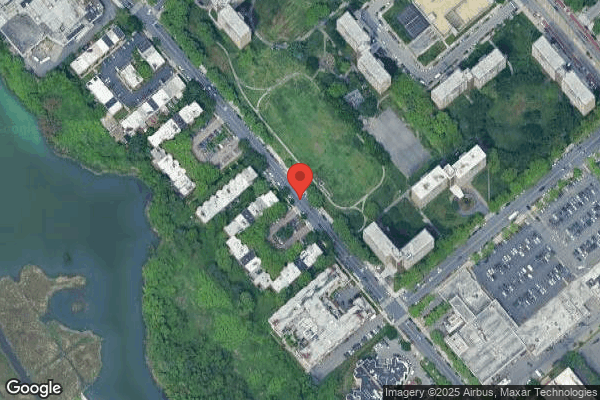
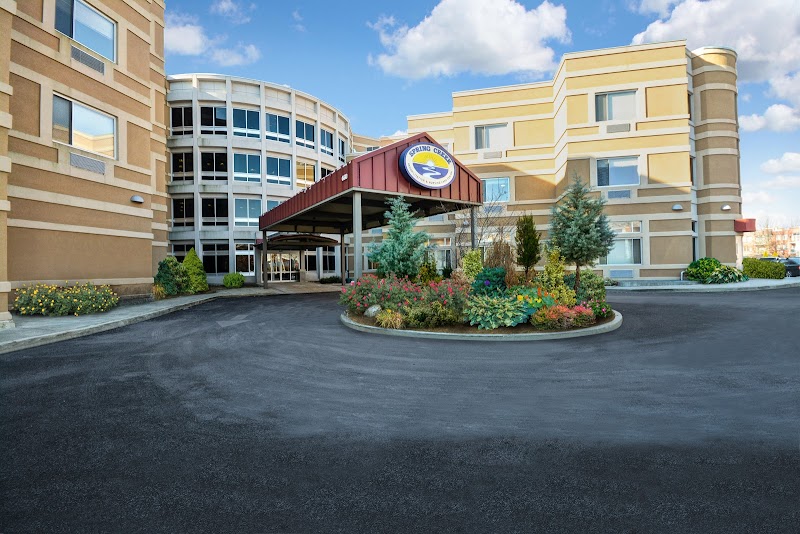
660 LOUISIANA AVE, BROOKLYN, NY 11239 (718) 669-7100
For profit - Limited Liability company 180 Beds BENJAMIN LANDA Data: November 2025
Trust Grade
68/100
#329 of 594 in NY
Last Inspection: February 2025

Within standard 12-15 month inspection cycle. Federal law requires annual inspections.

Overview

Spring Creek Rehabilitation & Nursing Care Center has a Trust Grade of C+, meaning it is slightly above average but still has room for improvement. It ranks #329 out of 594 facilities in New York, placing it in the bottom half, and #29 out of 40 in Kings County, indicating that there are better local options available. The facility's trend is worsening, as the number of identified issues rose from 5 in 2023 to 8 in 2025. While staffing turnover is relatively low at 26%, suggesting a stable workforce, the facility has less RN coverage than 88% of New York facilities, which may pose risks for resident care. Additionally, there have been specific concerns, such as a lack of sufficient nursing staff on weekends that could compromise resident safety, and improper food storage practices, including expired items found in the kitchen. However, it is worth noting that the facility has no fines on record, which is a positive sign, and it achieves excellent scores in quality measures. Overall, families should weigh these strengths and weaknesses carefully when considering this nursing home for their loved ones.

Trust Score
C+
68/100
In New York
#329/594
Bottom 45%
Safety Record
Low Risk
No red flags
Inspections
Getting Worse
5 → 8 violations
Staff Stability
✓ Good
26% annual turnover. Excellent stability, 22 points below New York's 48% average. Staff who stay learn residents' needs.
Penalties
✓ Good
No fines on record. Clean compliance history, better than most New York facilities.
Skilled Nurses
⚠ Watch
Each resident gets only 20 minutes of Registered Nurse (RN) attention daily — below average for New York. Fewer RN minutes means fewer trained eyes watching for problems.
Violations
⚠ Watch
16 deficiencies on record. Higher than average. Multiple issues found across inspections.
★★★☆☆
3.0
Overall Rating
★★☆☆☆
2.0
Staff Levels
★★★★★
5.0
Care Quality
★★☆☆☆
2.0
Inspection Score
Stable
2023: 5 issues
2025: 8 issues

The Good

  • 5-Star Quality Measures · Strong clinical quality outcomes
  • Low Staff Turnover (26%) · Staff stability means consistent care
  • Full Sprinkler Coverage · Fire safety systems throughout facility
  • No fines on record
  • Staff turnover is low (26%)

    22 points below New York average of 48%

Facility shows strength in quality measures, staff retention, fire safety.

The Bad

3-Star Overall Rating

Near New York average (3.1)

Meets federal standards, typical of most facilities

Chain: BENJAMIN LANDA

Part of a multi-facility chain

Ask about local staffing decisions and management

The Ugly 16 deficiencies on record

Mar 2025 1 deficiency
CONCERN (D) 📢 Someone Reported This

A family member, employee, or ombudsman was alarmed enough to file a formal complaint

Potential for Harm - no one hurt, but risky conditions existed

Safe Transfer (Tag F0626)

Could have caused harm · This affected 1 resident

**NOTE- TERMS IN BRACKETS HAVE BEEN EDITED TO PROTECT CONFIDENTIALITY** Based on record review and interviews conducted during an abbreviated survey (NY00351563), the facility did not permit a residen...

Read full inspector narrative →
**NOTE- TERMS IN BRACKETS HAVE BEEN EDITED TO PROTECT CONFIDENTIALITY** Based on record review and interviews conducted during an abbreviated survey (NY00351563), the facility did not permit a resident to return to the facility following hospitalization. This was evident for one (1) of six (6) residents (Resident #1). Specifically, on 09/10/2024 Resident #1 was transferred to the hospital for an evaluation of severe dysphagia. During an interview with Resident #1's Representative on 02/07/2025 at 11:50 AM, they stated that the facility refused to readmit Resident #1 to the facility. Additionally, the facility did not notify Resident #1, or their representative, and the Long-term Care Ombudsman in writing of the discharge, including notification of appeal rights. The hospital transferred Resident #1 to another facility. The findings include: The facility policy and procedure titled Admissions Process dated 10/2024 documented Resident-applicants to the facility will be screened to determine the applicant the level of care available at the facility. Residents returning to the facility within 24 hours following a hospital emergency room evaluation are not classified as a readmission. readmission is same as admission protocol. The facility policy and procedure titled Discharge Planning: Discharge Notification to Resident/Family dated 08/2024 documented it is the policy of this facility and to the best of the ability of the Facility's discharge planning Social Worker, to plan and facilitate a resident's discharge in recognition of the residents right to receive considerate and timely notice of such plan; in collaboration and coordination with the resident and his or her representative, so as to best insure appropriate placement for the resident who has care needs that cannot be met by the Facility. The facility policy and procedure did not identify a protocol for a resident who was transferred to the hospital from the facility but is not being accepted back into the facility. Resident #1 was admitted to the facility on with diagnoses of Cerebral Infarction, Cardiovascular Accident with left sided weakness, and left hemiparesis. The Minimum Data Set (an assessment tool) dated 08/05/2024 documented Resident #1 was cognitively intact. The Minimum Data Set, dated [DATE] titled Nursing Home Discharge documented return anticipated. A nursing progress note dated 09/10/2024 at 11:55 AM by Registered Nursing Supervisor #1 documented Resident #1 was seen and assessed by the medical doctor post a swallowing test that was performed by Speech Therapist. The test result showed Resident #1 was not able to tolerate their diet. Family was contacted and made aware that resident needs further evaluation and possible feeding tube placement. Resident #1 was transferred to hospital on [DATE] for severe dysphagia. A Physician's progress note dated 09/10/2024 at 11:13 AM documented they met with the Interdisciplinary Team and discussed the findings of the swallowing test results and that it was not safe to continue a diet of any consistency. The swallowing test results were discussed in detail with Resident #1's representative. Recommendation was made for Resident #1 to be transferred to the hospital for an additional dysphagia evaluation and an alternative method of feeding (such as feeding tube) if necessary. The family verbalized understanding. A Transfer/Discharge document dated 09/10/2024 at 12:47 PM by Registered Nurse Supervisor #1 documented Resident #1 was being transferred to the hospital for severe dysphagia, possible tube placement. A Hospital and Community Patient Review Instrument dated 09/10/2024 documented primary diagnoses as Dehydration and Dysphagia. According to the Patient Review Instrument Resident #1 was observed, tested, and evaluated for the ability to orally consume solid foods and liquids. A modified barium swallow test was done. Impressions: Resident presents with mild-moderate oropharyngeal dysphagia with noted silent aspiration across trials of liquids (aspiration eliminated given use of chin tuck maneuver). Recommendations: initiate diet of soft and bite sized solids, and mildly thick liquids with consistent use of chin tuck for intake of liquids. Maintain aspiration precautions (head of bed elevated to 90 degrees during oral intake and no less than 45 degrees for 30 minutes following oral intake, small bite, small sips, slow pacing). Speech-language pathologist to follow up for dysphagia management and training in consistent use of chin tuck maneuver. A documented titled CarePort - Printable Review Referral dated 09/13/2024, revealed several email communications between the facility and hospital staff. Email dates ranged from 09/13/2024 through 09/19/2024. Email entry dates from 09/18/2024 to 09/19/2024 showed documentation from the facility to the hospital stating they are unable to accept Resident #1 due to care needs exceeding current capacity. There is no documented evidence that a written Notice of Discharge with appeals rights was send to Resident #1 or their representative. There is no documented evidence that the Ombudsman was notified of Resident #1's discharge and appeals rights. During an interview on 02/07/2025 at 11:50 AM, Resident #1's representative stated Resident #1 was transferred to the hospital for a feeding tube placement and the facility refused to readmit Resident #1. Resident #1's Representative stated that the hospital physician stated Resident #1 did not need a feeding tube and the facility refused to accept Resident #1 back to the facility. Resident #1's Representative stated that the facility did not give them nor Resident #1 a discharge notice with appeals rights. During an interview on 02/07/2025 at 2:48 PM, the Director of Social Service stated a meeting was held on 09/10/2024 with Resident #1's representative regarding the Resident changed in condition. The Director of Social Service stated that the swallowing evaluation and test result was discussed with the family by Medical Doctor. The Director of Social Service stated that Resident #1's family member was notified that Resident #1 was high risk for aspiration pneumonia and cannot have anything by mouth. The Director of Social Worker stated that the Medical Doctor recommended Resident #1 to be transferred to the hospital for further evaluation. The Director of Social Service stated that they did not send Resident #1 nor their representative a 30-day notice of discharge with appeals rights. The Director of Social Service stated the Medical Doctor spoke with Resident #1's representatives and explained to them that it would be medically unsafe to accept Resident #1 back at this time. During an interview on 02/07/2025 at 2:55 PM. admission Staff #1 stated that they received a Hospital and Community Patient Review Instrument from the hospital for Resident #1's return on 09/13/2024. admission Staff #1 stated that the Patient Review Instrument was reviewed by the medical team including the Medical Director and it was determined that Resident #1 would not be returning to the facility. During an interview on 02/10/2025 at 3:00 PM, the Medical Doctor stated that they were involved in the decision to transfer Resident #1 to the hospital on [DATE] for possible Gastronomy Tube. The Medical Doctor stated that they had some concerns regarding Resident #1 being at high risk for aspiration. The Medical Doctor stated Resident #1 was status post stroke and was placed on a puree diet with thicken liquid, but Resident #1 and their family was not compliant with the diet. The Medical Doctor stated that the dietician and speech therapist had numerous conversations with the family regarding the safest possible diet for the dysphagia to prevent aspiration pneumonia. The Medical Doctor stated that the test result reveals that Resident #1 was at risk for aspirating in all consistency. The Medical Doctor stated that they recommended Resident #1 to be transferred to the hospital for a follow up evaluation to determined how to move forward. The Medical Doctor stated that they spoke with the hospital staff and informed them that Resident #1 was transfer for evaluation and to treat the dysphagia and, if possible, to determine safe feeding practices. The Medical Doctor stated the team had decided until the dysphagia issues were addressed or corrected the facility would not be able to take care of Resident #1. Resident #1 did not come back to the facility. 10NYCRR415.3(e)(2)(ii)(d)
Feb 2025 7 deficiencies
CONCERN (D)

Potential for Harm - no one hurt, but risky conditions existed

Deficiency F0553 (Tag F0553)

Could have caused harm · This affected 1 resident

**NOTE- TERMS IN BRACKETS HAVE BEEN EDITED TO PROTECT CONFIDENTIALITY** Based on record review and interview during the Recertification Survey conducted from 02/05/2025 to 02/12/2025, the facility did...

Read full inspector narrative →
**NOTE- TERMS IN BRACKETS HAVE BEEN EDITED TO PROTECT CONFIDENTIALITY** Based on record review and interview during the Recertification Survey conducted from 02/05/2025 to 02/12/2025, the facility did not ensure that, to the extent practicable, the resident or resident representative participated in the development, review, and revision of the comprehensive care plan. This was evident in 1 (Resident #36) of 4 residents reviewed for Care Planning. Specifically, Resident #36's representative has been unable to attend care plan meetings. The facility failed to ensure that the care plan meeting invitations were mailed and received by Resident #36's representative. The findings are: The facility policy titled Comprehensive Care Plan with a reviewed date of 06/2024 documented that the facility will have a Comprehensive Care Plan completed in accordance with Federal and State requirements. The development of the Comprehensive Care Plan is prepared with an interdisciplinary team approach. The team members include the resident and the resident's family or their legal representative. Resident #36 had diagnoses which included Dementia, Alzheimer's Disease, and Major Depressive Disorder. The Minimum Data Set assessment dated [DATE] documented that Resident #36 was severely impaired in cognition. The Minimum Data Set assessment also documented Resident # 36 and their representative participated in the assessment. On 02/06/2025 at 10:22 AM, Resident #36 was interviewed and stated they did not recall having care plan meeting with the interdisciplinary team and was not sure if their representative participated in the care plan meeting for them. On 02/07/2025 at 10:11 AM, the State Surveyor called the primary representative on Resident #36's face sheet. The message from the phone service carrier saying the phone number was not in service. On 02/10/2025 at 10:13 AM, the State Surveyor called Resident #36's primary representative again after the facility updated their phone number in the Resident's medical record. The representative stated the Director of Social Services called their family member and got their phone number on 2/7/2025. The representative stated they lived in the state of New Jersey and did not receive any invitation letter or call from the facility to participate in the care plan meetings for Resident #36. The representative also stated they would like to participate in the care plan meeting for Resident #36 if they were invited to the meetings. The representative further stated the address listed at Resident #36's medical record for them was Resident #36's address in [NAME] of New York City before their admission to the facility. The 2024 care plan schedule documented Resident #36 had care plan meetings scheduled on 1/2/2024, 2/13/2024, 4/16/2024, 7/9/2024, 10/1/2024, and 12/31/2024. The Social Services note dated 1/2/2024, 2/14/2024, 4/16/2024, 7/9/2024, 10/1/2024, and 12/30/2024 documented Resident #36 was unable to meaningfully participate in the care plan meeting. The Social Services notes also documented letters were mailed to representative for invitation to care plan meeting. The Social Services notes further documented the representative did not call back to participate in the care plan meetings. The care plan meeting reports dated 1/2/2024, 2/13/2024, 4/16/2024, 7/9/2024, 10/1/2024, and 12/31/2024 documented family was invited to and did not attend the care plan meetings. The envelopes for care plan meeting invitation to Resident #36's representative had Resident #36's address in [NAME] of New York City before their admission to the facility. The Social Services note dated 2/7/2025 documented the social worker called Resident #36's representative to discuss plan of care and the phone was not working. The Social Services note dated 2/7/2025 documented the social worker finally spoke to the representative and updated the contact information of the representative in Resident #36's medical record. There was no documented evidence in Resident #36's medical records that the care plan meeting invitations were mailed to the designated representative, that the facility had confirmed the representative's correct contact information, and any follow up to confirm invitations to care plan meeting were received by the representative. On 02/10/2025 at 11:20 AM, the Social Services Director was interviewed and stated they mailed the invitation of the care plan meeting to the representative after receiving the care plan meeting schedule from the Minimum Data Set Department about 1 month ahead of the care plan meetings. Social Services Director also stated the invitation of care plan meeting was mailed by regular mail. Social Services Director further stated they assumed the invitation of care plan meeting was delivered to the representative if it was not returned to the facility. Social Services Director stated they did not call the representative to follow up if they received the invitation and did not call them on the day the care plan meeting was held. Social Services Director also stated they just used the address in the medical record to mail the invitation and did not confirm if the address was updated or correct. Social Services Director further stated they had no proof that the invitation of care plan meeting was mailed to the representative. 10 NYCRR 415.3(f)(1)(v)
CONCERN (D)

Potential for Harm - no one hurt, but risky conditions existed

Deficiency F0561 (Tag F0561)

Could have caused harm · This affected 1 resident

**NOTE- TERMS IN BRACKETS HAVE BEEN EDITED TO PROTECT CONFIDENTIALITY** Based on interview and record review conducted during the Recertification survey from 02/05/2025 through 02/12/2025, the facilit...

Read full inspector narrative →
**NOTE- TERMS IN BRACKETS HAVE BEEN EDITED TO PROTECT CONFIDENTIALITY** Based on interview and record review conducted during the Recertification survey from 02/05/2025 through 02/12/2025, the facility did not ensure that a resident has a right to make choices about aspects of their life in the facility that are significant to the resident. This was evident for 1 (Resident #7) of 1 resident reviewed for Choices. Specifically, Resident #7 was not consistently showered twice a week or according to their preference. The findings are: The facility Policy and Procedure titled Activities of Daily Living dated 3/12/2018 and reviewed 6/2024 stated that all residents will be showered at least twice a week. All showers will be done on the 7AM -3PM or 3PM -11 PM shift. The policy also stated that refusals are documented on the Certified Nursing Assistant accountability record and the nurse must be informed. Resident #7 was admitted to facility with diagnoses that included Atrial Fibrillation, Heart Failure, and Diabetes Mellitus. The admission Minimum Data Set assessment dated [DATE] documented that Resident #7 had intact cognition and required dependent assistance with showering and bathing. The admission Minimum Data Set assessment also documented that it was very important for Resident #7 to choose between a tub bath, shower, bed bath, or sponge bath. On 02/05/25 at 02:34 PM, Resident #7 was observed sitting on their wheelchair, neatly dressed and groomed. During an interview Resident #7 stated that they could not recall when last they had received a shower, and that while they would like to shower every day, they could go along with whatever the facility can offer. Resident #7 also stated that they could not recall if showers were discussed with them on admission, however they have hardly had shower since they were admitted and have received regular bed baths. The Resident Nursing Instructions stated that effective 12/11/2024 Resident was to be showered every week on Tuesday at Saturday 3:00 pm-11:00 pm. The Resident CNA (Certified Nursing Assistant) Documentation History Detail dated 11/1/2024 to 2/10/2025 documented that Resident #7 received showers on the following days: 12/17/2024 at 4:36pm, 12/24/2024 at 5:03pm, 01/03/2025 at 5:20pm, 01/13/2025 at 4:45pm, 01/21/2025 at 9:49pm and 02/08/2025 at 9:03pm for a total of six showers since admission on [DATE]. On 02/10/25 at 03:12 PM, Certified Nursing Assistant #11 stated during interview that they float throughout the building, but they are familiar with Resident #7 and is assigned to assist with them with care on occasion. Certified Nursing Assistant #11 also stated that they start their day by checking the shower book and computer to know when a resident is scheduled for a shower, and if the resident refused, they would inform the nurse and document the event. Certified Nursing Assistant #11 also stated that they had never provided a shower to Resident #7, as sometimes they check the computer after Resident #7 had already been placed back in bed and then they realized that Resident #7 was supposed to have been showered on that date. Certified Nursing Assistant #11 further stated that the Resident #7 had never refused care from them. On 02/10/25 at 03:27 PM, Licensed Practical Nurse #3 was interviewed and stated that their responsibility is to ensure that residents are properly taken care of and that they are safe. Licensed Practical Nurse #3 also stated that residents are usually showered two times a week. Licensed Practical Nurse #3 further stated that skin checks are done for the resident on shower days. Licensed Practical Nurse #1 stated that they work on the unit two or three times per week and their duties also include checking the Certified Nursing Assistant's accountability report every shift. Licensed Practical Nurse #3 stated that some residents do refuse shower on cold days, but they did not recall that Resident #7 had not refused a shower. On 02/10/25 at 04:36 PM, Registered Nurse #3 was interviewed and stated that they cover all units on the 2nd Floor, and supervise 4 Licensed Practical Nurses, 8 Certified Nursing Assistants and do admissions. Registered Nurse #3 also stated that the schedule for showers is twice a week, and residents can take a shower every day if they want, but they need to let the facility know. Registered Nurse #3 further stated that there is no one that would check the accountability daily, and that the Certified Nursing Assistants would report to the nurse if the resident refused care. Registered Nurse #3 stated that Resident #7 has not complained about not getting showers and it was not brought to their attention, and it is the duty of Licensed Practical Nurse to inform the Certified Nursing Assistants to check the shower schedule. On 02/10/25 at 04:58 PM, the Director of Nursing was interviewed and stated that scheduled showers are mandatory at least twice a week, and residents can get a shower as often as they want if they request it. The Director of Nursing also stated that if residents do not want to shower on the designated shift, the facility can accommodate them. The Director of Nursing further that shower days are assigned to residents on admission. Residents should be asked their preference, and they would like to believe this is being asked, but it is not documented on the actual admission assessment. The Director of Nursing stated that on the shower day the Licensed Practical Nurse goes with the Certified Nursing Assistant to do a skin check. The sign off should be that a shower was given, and that the skin check done. If a resident is refusing the shower, it should be documented. If we are seeing a pattern (three or more) that the resident is not receiving showers, and that only bed baths are documented, then the nurses and supervisor should be discussing with the resident. The Director of Nursing also stated that supervisors should be checking accountability sheets at the end of the shift to make sure all tasks are done. On 02/11/25 at 11:33 AM, a telephone interview was conducted with Certified Nursing Assistant #5 who stated that Resident #7 can be difficult sometimes and tries to be independent. Certified Nursing Assistant #5 also stated that they give showers to Resident #7 and assist them with clean them up after they use bathroom. Certified Nursing Assistant #5 further stated that there is a book that they check to know a resident's shower days. Certified Nursing Assistant #5 stated that sometimes Resident #7 would refuse showers, and they would then just provide a bed bath which they would inform the nurse of sometimes. Certified Nursing Assistant #5 also stated that they offered Resident #7 a shower on their designated days, and they did not document that Resident #7 was refusing showers. 10 NYCRR 415.5 (b)(1-3)
CONCERN (D)

Potential for Harm - no one hurt, but risky conditions existed

Deficiency F0568 (Tag F0568)

Could have caused harm · This affected 1 resident

**NOTE- TERMS IN BRACKETS HAVE BEEN EDITED TO PROTECT CONFIDENTIALITY** Based on observation, record review and interview during the Recertification Survey conducted from 02/05/2025 to 02/12/2025, the...

Read full inspector narrative →
**NOTE- TERMS IN BRACKETS HAVE BEEN EDITED TO PROTECT CONFIDENTIALITY** Based on observation, record review and interview during the Recertification Survey conducted from 02/05/2025 to 02/12/2025, the facility did not ensure individual resident financial records were made available to resident and resident representatives through quarterly statements. Specifically, quarterly statements were not provided in writing to residents and/or resident representatives within 30 days after the end of the quarter. This was evident in 1 (Resident #142) of 2 residents reviewed for Personal Funds out of 39 total sampled residents. The findings are: The facility Policy and Procedure titled Resident Funds Accounts with a last revision date of 07/2024 documented that the facility will provide on request, and at least quarterly to the resident or resident's designated or legal representative, a statement showing the account balance including funds deposited and withdrawn and interest accrued. This will be documented in resident's chart. On 02/05/25 at 11:20 AM, Resident #142 was interviewed and stated they have an account with the facility, but they have not been getting copy of their account statement from the facility. The Quarterly Minimum Data Set, dated [DATE] documented that Resident #142 had intact cognition and participated in assessment and goal setting. Resident #142's Fund Ledger dated 04/15/2024 for the period of 01/01/2024 - 03/31/2024 documented an open balance of $75.00 and a combined current total balance of $100.00. Resident Fund Ledger dated 10/29/2024 for the period of 07/01/24 - 09/30/24 documented an open balance of $75.00 and a combined current total balance of $25.00. Resident Fund Ledger dated 01/20/25 for the period of 10/01/2024 - 12/31/2024 documented an open balance of $25.00 and a combined current total balance of $25.00. There was documentation on the statements that resident was unable to sign. There was no documentation in any of the resident's medical record that a copy of the statement has been provided to the resident or that the Resident declined to receive the copy and requested that the copy be mailed to their family On 02/10/2025 at 09:51 AM, Registered Nurse #7, who was the Unit Manager, was interviewed and stated that the Social Worker is responsible for giving residents their account statement. They stated nursing is not in charge of keeping or monitoring the residents' funds. On 02/10/2025 at 09:59 AM, Social Service Director was interviewed and stated they distribute copy of the statement to the alert and oriented residents quarterly and mail copy to the family of the residents that are not alert and oriented, residents signed the copy when they are given, and the copies of the signed statement are kept on file. They stated that Resident #142 was seen about a week ago and was verbally informed of the account balance, copy of the statement mailed to the family because resident is unable to sign the copy. On 02/10/2025 at 02:14 PM, the Financial Controller was interviewed and stated the statement is printed out and given to the Social Worker to give to the residents or mail to the resident's family, and the statement should be signed for, by the resident, or resident's family when they receive the copy. The Controller stated they are not aware that Resident #142 is not being given the statement. The Controller further stated that residents that are alert and oriented should be given the statement, even if they cannot sign for it. The Controller stated if a copy is not given to cognitively intact residents, then the staff are not following directions. On 02/12/2025 at 02:43 PM, the Administrator was interviewed and stated that they were not aware that Resident #142 was not provided a copy of their quarterly statement. They stated they were informed by the Social Worker that Resident #142 does not want to have a copy of the statement and that it should be mailed to the family. 10 NYCRR 415.26(h)(5)(iii)
CONCERN (D) 📢 Someone Reported This

A family member, employee, or ombudsman was alarmed enough to file a formal complaint

Potential for Harm - no one hurt, but risky conditions existed

Report Alleged Abuse (Tag F0609)

Could have caused harm · This affected 1 resident

**NOTE- TERMS IN BRACKETS HAVE BEEN EDITED TO PROTECT CONFIDENTIALITY** Based on record review and interview during the Recertification and Complaint Survey (NY00331525) conducted from 02/05/2025 to 0...

Read full inspector narrative →
**NOTE- TERMS IN BRACKETS HAVE BEEN EDITED TO PROTECT CONFIDENTIALITY** Based on record review and interview during the Recertification and Complaint Survey (NY00331525) conducted from 02/05/2025 to 02/12/2025, the facility did not ensure all alleged violations involving abuse were reported immediately, but not later than 2 hours after the allegations were made, to the State Survey Agency. This was evident in 1 (Resident #97) of 2 residents out of 39 total sampled residents reviewed for Abuse. Specifically, on 01/12/2024 at approximately 8:08 AM, Resident #97 alleged that a staff slapped them in the face. The facility reported the abuse allegation to the New York State Department of Health on 01/12/2024 at 7:03 PM. The findings are: The facility policy titled Abuse Prevention with a last reviewed date of 08/2024 documented that physical abuse includes hitting, slapping, pinching, and kicking. The abuse policy also documented all alleged abuse violations must be reported immediately but not later than 2 hours if the alleged violation involves abuse. Resident #97 was admitted to the facility with diagnoses of Unspecified dementia, Vascular dementia, and Cerebrovascular disease. The Minimum Data Set assessment dated [DATE] documented Resident # 97 had severe impairment in cognition and had no behavior symptoms directed towards others. The facility investigation report documented Resident #97 reported at approximate 09:15 AM on 01/12/2024 that they were slapped on left face by a staff earlier in the morning. The Accident/Incident Report by Licensed Practical Nurse #1 documented Resident #97 reported to them at about 9:15 AM that a certified nursing assistant slapped their face 3 times. The New York State Department of Health Aspen Complaint Tracking System intake documented the incident happened on Friday 01/12/2024 at 08:08. The intake also documented the Administrator was first made aware of the incident on Friday 01/12/2024 at 18:00. The auto reply email from New York State Department of Health to Director of Nursing documented the facility submitted the report to Department of Health on Friday 01/12/2024 at 19:03. On 02/10/2025 at 09:36 AM, Certified Nursing Assistant #2 was interviewed and stated they were assigned to Resident #97 during the day shift from 7:00 AM to 3:00 PM on 01/12/2024. Certified Nursing Assistant #2 stated they made round to their assigned residents between 7:15 AM to 7:30 AM when Resident #97 told them that someone slapped their left face earlier at the night time. Certified Nursing Assistant #2 stated they reported the incident to Licensed Practical Nurse #1 immediately. On 02/10/2025 at 11:38 AM, Licensed Practical Nurse #1 was interviewed and stated Certified Nursing Assistant #2 reported between 7:00 AM and 8:00 AM on 1/12/2024 that Resident #97 made an allegation that someone slapped their left side of the face 3 times. Licensed Practical Nurse #1 stated they reported the allegation to Registered Nurse #1 at about 8:00 AM on 1/12/2024. 02/10/2025 at 11:51 AM, Registered Nurse #1 was interviewed and stated Licensed Practical Nurse #1 reported the allegation made by Resident # 97 upon their arrival to the unit at around 8:00 AM on 1/12/2024. Registered Nurse #1 stated they reported the incident to Director of Nursing immediately as it was an allegation of abuse. On 02/10/2025 at 12:14 PM, Director of Nursing was interviewed and stated they were responsible to report allegations of abuse to the New York State Department of Health. The Director of Nursing stated they had to report allegation of abuse within 2 hours to Department of Health. They stated Registered Nurse #1 reported the allegation in the morning on 1/12/2024. The Director of Nursing stated they did not report the allegation to the New York State of Department of Health because they do not believe the allegation occurred becasue there was no injury and numerous inconsistencies in Resident #97's account. The Director of Nursing stated they decided to report the allegation after Resident #97 accused a Certified Nursing Assistant #1 as the person that slapped them. 10 NYCRR 415.4(b)(2)
CONCERN (D)

Potential for Harm - no one hurt, but risky conditions existed

Quality of Care (Tag F0684)

Could have caused harm · This affected 1 resident

**NOTE- TERMS IN BRACKETS HAVE BEEN EDITED TO PROTECT CONFIDENTIALITY** Based on observation, record review, and interviews during the Recertification Survey conducted from 02/05/2025 to 02/12/2025, t...

Read full inspector narrative →
**NOTE- TERMS IN BRACKETS HAVE BEEN EDITED TO PROTECT CONFIDENTIALITY** Based on observation, record review, and interviews during the Recertification Survey conducted from 02/05/2025 to 02/12/2025, the facility did not ensure that a resident received treatment and care in accordance with professional standards of practice. This was evident in 1 (Resident #101) of 35 total sampled residents. Specifically, during 2 observations conducted on 02/05/2025, medications were observed unattended in Resident #101's bedside. Licensed Practical Nurse #4 failed to ensure Resident #101 had taken the medications before leaving the room and documenting in the Medication Administration Record. The findings are: The facility policy titled Medication Administration and Documentation- General with a last revision date of 05/2024 stated that the Licensed Nurse administers full dose of medication to resident via correct route, offers resident a drink and observes resident to insure medication consumption . Licensed Nurse documents all held or refused medications on the electronic Medication Administration Record, uses prudent professional judgment by informing Physician in a timely manner when medications are held, refused, or otherwise unavailable for administration. The Minimum Data Set assessment dated [DATE] documented Resident #101 was cognitively intact. Resident #101 had diagnoses of Anemia, Coronary Artery Disease, Renal Insufficiency, Diabetes Mellitus and Malnutrition. A review of the physician's order dated 5/31/2024 documented active orders for the following: Ferrous Sulfate 325 milligram (65 mg iron) tablet, 1 tablet by oral route once daily for Iron Deficiency Anemia Eliquis 5 milligram, 1 tablet orally two times a day for Pulmonary Embolism Aspirin 81 milligram, 1 tablet once daily for Atherosclerotic Heart Disease Famotidine 40 milligram/5 milliliter (8 milligram/milliliter) oral suspension, give 2.5 milliliters (20 milligram) by oral route once daily for Gastroesophageal Reflux Disease Riboflavin (Vitamin B2) 100 milligram tablet, give 2 tablets by oral route 2 times per day for Essential Tremor The electronic Medication Administration Record for 02/05/2025, documented that Ferrous Sulfate, Eliquis, Aspirin, Famotidine , and Vitamin B2 were documented as administered at 9:00 AM. On 02/05/2025 at 10:06 AM, Resident #101 was observed sleeping in bed with medications in a pill cup at bedside table. The pill cup contained 2 yellow pills, 1 oval pill, one round pink pill, and one red pill. There was also a liquid medication sitting in another pill cup. On 02/05/2025 at 10:48 AM, Resident #101 observed sleeping in bed with same medications still at the bedside table. The State Surveyor brought these medications to the attention of Licensed Practical Nurse #4 who stated the medications were liquid Iron, Eliquis, Chewable Aspirin, Famotidine, and Vitamin B2. Licensed Practical Nurse #4 stated they thought Resident #101 already took them. On 02/05/2025 at 10:52 AM, Licensed Practical Nurse #4 was interviewed and stated that Resident #101 was eating when they went to administer medication in the morning. Licensed Practical Nurse #4 stated they placed the medication in Resident #101's hand who stated they would take the medications. Licensed Practical Nurse #4 stated they stepped out to talk to another resident in the same room and didn't realize Resident #101 did not take the medications. Licensed Practical Nurse #4 stated they are aware they should be watching the residents take the medication and should be with them until it is taken. On 02/11/2025 at 12:10 PM, the Registered Nurse #6 , who was the Registered Nurse Supervisor was interviewed and stated that the Licensed Practical Nurse #4 should have made sure Resident #101 had taken the medications before signing off on the electronic Medication Administration Record. Registered Nurse #6 stated licensed nurses are discouraged to leave the medications at resident's bedside even if a resident requested because of the risk that other residents may come and take those medications. Registered Nurse #6 stated residents need to be assessed for medication self-administration before they are allowed to take their own medication. They stated Resident #101 was not assessed for self-administration of medication. On 02/12/2025 at 10:45 AM, Director of Nursing #1 was interviewed and stated that medications should never be left at resident's bedside. Director of Nursing #1 stated it is a resident safety issue and must be certain that the resident takes the medications. 10 NYCRR 415.12
CONCERN (D)

Potential for Harm - no one hurt, but risky conditions existed

Infection Control (Tag F0880)

Could have caused harm · This affected 1 resident

Based on observation, record review, and interview during the Recertification Survey conducted from 02/05/2025 to 02/12/2025, the facility did not ensure that infection control practices were maintain...

Read full inspector narrative →
Based on observation, record review, and interview during the Recertification Survey conducted from 02/05/2025 to 02/12/2025, the facility did not ensure that infection control practices were maintained. This was evident in 11 (Residents # 1, # 8, #26, #31, #39, #44, #54, #82, #102, #145 and #157) of 24 total sampled residents during the Dining Task. Specifically, Certified Nursing Assistant #7 failed to clean their hands in between residents while assisting multiple residents with hand hygiene before meal service. The findings are: The facility policy titled Dining Meal Service with a reviewed date of 01/2025 documented the Certified Nursing Assistant provide residents with hand wipes to perform hand hygiene or assist with performing hand hygiene prior to the meal service. The facility policy titled Handwashing and Hygiene with a reviewed date of 09/2024 documented staff will perform hand hygiene in accordance with Centers of Disease Control guideline and facility policy. Hand hygiene will be performed between providing direct care to residents and before moving from one resident to another resident to provide direct care. During dining observation conducted on the 3rd Floor on 02/05/2025 between 12:02 PM - 12:20 PM, Certified Nursing Assistant #7 was observed assisting Residents #1, #8, #26, #31, #39, #44, #54, #82, #102, #145, and #157 in preparation for meal service. Certified Nursing Assistant #7 failed to perform hand hygiene in between residents, was observed picking up used hand wipes with bare hands, get clean wipes, and proceeded to clean the residents' hands. During an interview on 02/05/2025 at 12:54 PM, Certified Nursing Assistant #7 was interviewed and acknowledged they did not perform hand hygiene between residents. They stated they were not thinking. During an interview on 02/05/2025 at 2:04 PM, Registered Nurse #2 stated Certified Nursing Assistants must perform hand hygiene in between residents to prevent cross contamination. During an interview on 02/12/2025 at 3:14 PM, the Assistant Director of Nursing stated staff are required to provide hand hygiene to residents before meals and must perform hand hygiene themselves in between residents to prevent spread of infection. 10 NYCRR 415.19 (b)(4)
CONCERN (F)

Potential for Harm - no one hurt, but risky conditions existed

Deficiency F0725 (Tag F0725)

Could have caused harm · This affected most or all residents

Based on record review and interviews during the Recertification Survey conducted from 02/05/2025 to 02/12/2025, the facility did not ensure sufficient nursing staff were available to provide nursing ...

Read full inspector narrative →
Based on record review and interviews during the Recertification Survey conducted from 02/05/2025 to 02/12/2025, the facility did not ensure sufficient nursing staff were available to provide nursing and related services to assure resident safety and attain or maintain the highest practicable physical, mental, and psychosocial wellbeing of each resident. Specifically, the facility reported short staffing on weekends confirmed by a review of the weekend staffing and the Payroll Based Journal Staffing Data Report. The findings include but are not limited to: The facility policy titled Staffing dated 10/2024 stated it is the policy of the facility to provide enough nursing staff with the appropriate skills and competency necessary to provide nursing and related care and services for all residents in accordance with resident care plans and facility assessment. The Payroll Based Journal Staffing Data Report for the 4th quarter of 2024 (07/01/2024 to 09/30/2024) documented that excessively low weekend staffing was triggered. The Facility Assessment Tool last updated on 06/2024 documented a facility capacity of 188 residents with a staffing plan by shift as follows: Day shift: 13 Licensed Nurses providing direct care and 24 Certified Nursing Assistants Evening shift: 9 Licensed Nurses providing direct care and 19 Certified Nursing Assistants Night shift: 6 Licensed Nurses providing direct care and 10 Certified Nursing Assistants Total staffing for 24-hour period: 28 Licensed Nurses providing direct care and 54-Certified Nursing Assistants The undated document titled Certified Nursing Assistant Staffing Par Levels and Nurses Par Levels documented a staffing plan by shift and unit as follows: Day shift by units: Unit 2AB: 3 Nurses and 5 Certified Nursing Assistants Unit 2 CD: 3 Nurses and 5 Certified Nursing Assistants Unit 3 AB: 2 Nurses and 5 Certified Nursing Assistants Unit 3 CD: 3 Nurses and 5 Certified Nursing Assistants Unit 4 CD: 2 Nurses and 4 Certified Nursing Assistants Day shift total: 13 Nurses and 24 Certified Nursing Assistants Evening shift by units: 2 RN supervisors on shift for all units Unit 2AB: 2 Licensed Practical Nurse and 4 Certified Nursing Assistants Unit 2 CD: 2 Licensed Practical Nurse and 4 Certified Nursing Assistants Unit 3 AB: 1 Licensed Practical Nurse and 4 Certified Nursing Assistants Unit 3 CD: 1 Licensed Practical Nurse and 4 Certified Nursing Assistants Unit 4 CD: 1 Licensed Practical Nurse and 3 Certified Nursing Assistants Day shift total: 9 Nurses and 19 Certified Nursing Assistants Night shift by units: 1 RN supervisors on shift for all units Unit 2AB: 1 Licensed Practical Nurse and 2 Certified Nursing Assistants Unit 2 CD: 1 Licensed Practical Nurse and 2 Certified Nursing Assistants Unit 3 AB: 1 Licensed Practical Nurse and 2 Certified Nursing Assistants Unit 3 CD: 1 Licensed Practical Nurse and 2 Certified Nursing Assistants Unit 4 CD: 1 Licensed Practical Nurse and 2 Certified Nursing Assistants Day shift total: 6 Nurses and 10 Certified Nursing Assistants Total staffing for 24-hour period: 28 Nurses and 54 Certified Nursing Assistants Review of the actual weekend facility staffing schedule from 07/01/2024 to 09/30/2024 documented the following: On 07/06/2024 on the 7 AM-3 PM shift, there was a shortage of: 1 Nurse on 2 CD. On 07/07/2024 on the 7AM-3 PM shift, there was a shortage of: 1 Nurse on 3 CD. On 07/07/2024 on the 3-11 PM shift, there was a shortage of: 1 Nurse on 2 AB. On 07/13/2024 on the 3-11 PM shift, there was a shortage of: 1 Nurse on 2 AB, 1 CNA on 2 CD. On 07/21/2024 on the 7AM-3 PM shift, there was a shortage of: 1 Nurse and 1 Certified Nursing Assistance on 2 AB. On 07/28/2024 on the 7AM-3 PM shift, there was a shortage of : 1 Certified Nursing Assistant on 2AB, 1 Nurse on 2CD and 1 Certified Nursing Assistant on 3 CD. On 07/28/2024 on the 3PM-11 PM shift, there was a shortage of : 1 Nurse on 2AB, 1 Certified Nursing Assistant on 2 CD and 3 AB. On 08/03/2024 on the 3PM-11 PM shift, there was a shortage of : 1 Nurse on 2AB, 1 Certified Nursing Assistant on 3 AB. On 08/04/2024 on the 3PM-11 PM shift, there was a shortage of : 1 Nurse on 2AB, 1 Certified Nursing Assistant on 3 AB. On 08/10/2024 on the 7AM-3 PM shift, there was a shortage of : 1 Certified Nursing Assistant on 2CD and 3 CD. On 08/10/2024 on the 3AM-11PM shift, there was a shortage of : 1 Certified Nursing Assistant on 3 CD. On 08/11/2024 on the 7AM-3PM shift, there was a shortage of : 1 Nurse on 3 CD. On 08/17/2024 on the 7AM-3PM shift, there was a shortage of : 1 Nurse on 2 AB , 3 CD. On 08/18/2024 on the 7AM-3PM shift, there was a shortage of : 1 Nurse on 2 CD. On 08/25/2024 on the 3PM-11PM shift, there was a shortage of : 1 Certified Nursing Assistant on 2 CD and 3 AB. ON 08/31/2024, on the 7AM- 3 PM shift, there was a shortage of : 1 Certified Nursing Assistant on 2 AB. ON 08/31/2024, on the 3PM- 11 PM shift, there was a shortage of : 1 Certified Nursing Assistant on 4CD. On 09/01/2024, on the 7AM- 3 PM shift, there was a shortage of : 1 Nurse and 1 Certified Nursing Assistant on 2 AB, 1 Nurse on 2CD, On 09/07/2024, on the 3PM-11PM shift, there was a shortage of: 1 Certified Nursing Assistant on 2AB. On 09/08/2024, on the 7AM- 3 PM shift, there was a shortage of : 1 Nurse on 2 AB and 2CD. On 09/08/2024, on the 3PM-11PM shift, there was a shortage of: 1 Nurse on 2CD. On 09/14/2024, on the 7AM- 3 PM shift, there was a shortage of : 1 Certified Nursing Assistant on 3 AB and 3 CD. On 09/15/2024, on the 3PM-11PM shift, there was a shortage of: 1 Nurse on 2CD. On 09/21/2024, on the 3PM-11PM shift, there was a shortage of: 1 Certified Nursing Assistant on 2CD. On 09/22/2024, on the 7AM- 3 PM shift, there was a shortage of : 1 Nurse on 2CD. On 09/28/2024, on the 7AM- 3 PM shift, there was a shortage of : 1 Certified Nursing Assistant on 4CD. On 09/28/2024, on the 3PM- 11PM shift, there was a shortage of : 1 Certified Nursing Assistant on 2AB and 3 CD. A review of the facility weekend staffing As part of the Staffing facility task, staffing sheets were also reviewed for the weekend of 02/08/2025 - 02/09/2025. On Saturday, 02/08/2025, on the 7AM- 3 PM shift there was a shortage of 1 Nurse on 3 CD. On Saturday, 02/08/2025, on the 3PM-11PM shift there was a shortage of: 1 Certified Nursing Assistant on 3 AB. On Sunday, 02/09/2025, on the 7AM-3PM shift there was a shortage of : 1 Nurse on 3 CD and 1 Certified Nursing Assistant on 4 CD. On Sunday, 02/09/2025, on the 3PM-11PM shift there was a shortage of : 1 Certified Nursing Assistant on 3 AB and 3 CD. On 02/12/2025 at 11:19 AM, Resident #77 was interviewed and stated they are short staffed and there are days when Certified Nursing Assistants have 14-15 residents assigned to each aides particularly on the weekends. On 02/05/2025 at 04:50 PM, Resident #116's next of kin was interviewed and stated the facility had issues with staffing and the Resident was smelly when they came to visit this past Saturday. On 02/05/2025 at 10:16 AM, Resident #34 was interviewed and stated the facility is short staffed most weekends. On 02/11/2025 at 03:35 PM, Certified Nursing Assistant #10 was interviewed and stated they work every other weekends and there are days when they have 13 residents on their assignment instead of 10. They stated they had to rush when providing care and difficult for them to take a break. On 02/11/2025 at 03:41 PM, Certified Nursing Assistant #16 was interviewed and stated they work on weekends and there will be days when they 13 to 14 residents on their assignment. They stated it is too much for them, they do not take breaks, and will be rushing to provide care. They stated residents complain about not getting changed on time due to not having enough staff. On 02/11/2025 at 11:55 AM, Registered Nurse Supervisor #6 was interviewed and stated there is usually 1 Registered Nurse Supervisor during the weekends and there are a lot of staff call outs. When a nurse calls out, other nurses will be transferred to a different floor with less coverage and the Registered Nurse Supervisor will come in to help the Licensed Practical Nurses. Registered Nurse Supervisor #6 stated they move the Certified Nursing Assistants to another unit when they are short to evenly distribute the staff across all units. The Staffing Coordinator was not available for interview during the survey period. On 02/12/2025 at 10:34 AM, Director of Nursing #1 was interviewed and stated census and acuity determine staffing levels. Staffing levels are often reassessed at least every 3 months. The Director of Nursing stated they have a list of staff available to work in case there are call outs. They stated one of the major issue they have is that new staff cannot meet the schedule because they failed to inform the facility they have another job. Director of Nursing #1 stated they have a high turn over rate of staff due to staff having a second job or some are in school. On 02/12/2025 at 12:39 PM, Administrator #1 was interviewed and stated they were not aware they were not reaching their targeted staffing levels over the summer. They stated they have increased absences during summer due to vacations and holidays. 10 NYCRR 415.13(a)(1)(i-iii)
Jan 2023 5 deficiencies
CONCERN (D)

Potential for Harm - no one hurt, but risky conditions existed

Deficiency F0675 (Tag F0675)

Could have caused harm · This affected 1 resident

**NOTE- TERMS IN BRACKETS HAVE BEEN EDITED TO PROTECT CONFIDENTIALITY** Based on observation, interviews, and record reviews conducted during a recertification survey from 1/19/23 to 1/26/23, the faci...

Read full inspector narrative →
**NOTE- TERMS IN BRACKETS HAVE BEEN EDITED TO PROTECT CONFIDENTIALITY** Based on observation, interviews, and record reviews conducted during a recertification survey from 1/19/23 to 1/26/23, the facility did not ensure that each resident was provided with the necessary care and services to attain or maintain the highest practicable mental and psychosocial well-being, consistent with the resident's comprehensive assessment and plan of care. This was evident for 1 (Resident #86) of 37 sampled residents. Specifically, Resident #86 was placed on indefinite contact isolation in their room for colonized Candida Auris (CA) in the urine. As a result, the resident was not allowed to attend activities outside of the room since 12/24/21. The findings are: The policy titled Resident Rights last reviewed 9/2022 documented residents have a right to participate in community activities both inside and outside of facility and the right to reasonable accommodation of needs. Resident #86 had diagnoses of CA and cerebrovascular accident. The Minimum Data Set 3.0 (MDS) assessment dated [DATE] documented Resident #86 was severely cognitively impaired, enjoyed doing things with groups of people, was totally dependent on staff to perform activities of daily living, and was not on isolation or quarantine for an active infectious disease. From 01/19/23 at 10:31 AM to 1/24/23 at 3:00 PM, there were multiple observations of a Contact Precautions (CP) sign on Resident #86's room door and Resident #86 either in their bed or in a recliner inside their private room. There were no observations of Resident #86 coming out of their room. On 01/26/23 at 11:30 AM, a telephone interview was conducted with Resident #86's representative who stated Resident #86 has been on CP for approximately one year and stays in their room. Prior to being placed on CP, the resident's representative would take Resident #86 outside. They are uncertain whether Recreation visits Resident #86. It would be nice for Resident #86 to get some more stimulation. A comprehensive care plan (CCP) related to Contact Isolation- CA initiated 12/24/21 documented Resident #86 tested positive for CA in the urine on 12/10/21. Interventions included Resident #86 remaining on contact isolation and Rehab and Recreation taking place in the room. The CCP was last reviewed 12/12/22 and documented Resident #86 remained on contact isolation with no symptoms of CA reported. A Physician's Order initiated 03/29/2022 and renewed 12/31/2022 documented Resident #86 was on contact isolation for CA. Nursing Note dated 11/8/22 documented Resident #86 remained on contact isolation. There was no documented evidence Resident #86 was reevaluated for CP less restrictive than contact isolation for a long-term diagnosis of CA. On 01/25/23 at 03:05 PM, the Recreation leader was interviewed and stated they visit Resident #86 every other day or every 2 days and provides sensory programs. Resident #86 does not come out of the room unless it is being cleaned. On 01/25/23 at 02:57 PM, an interview was conducted with Certified Nursing Assistant (CNA) #3 who stated they are regularly assigned to Resident #86 and transfer the resident out of bed to the recliner almost daily. Resident #86 stays in the room because they are on CP. Sometimes Resident #86 is moved to the room's entrance area, close to the door, and occasionally to the hallway. Resident #86 can communicate with people. On 01/25/23 at 03:14 PM an interview was conducted with Licensed Practical Nurse (LPN) #2, who stated that Resident #86 comes out of the room to the hallway maybe once a week and does not go to activities held by Recreation. On 01/19/23 at 09:36 AM, Registered Nurse (RN) #4, the unit supervisor, was interviewed and stated Resident #86 was on CP for CA. RN #4 could not specify how long Resident #86 had been on CP, the plan for duration of CP, or whether follow-up CA testing would be performed. On 01/24/23 at 03:04 PM and 01/26/23 at 12:12 PM, the Infection Preventionist (IP) was interviewed and stated Resident #86 returned from the hospital 12/2021 with CA in the urine and advice to start CP. The Medical Director (MDR) was notified and placed Resident #86 on CP. The IP stated they previously discussed the case with the MDR but was unclear on the rationale for keeping Resident #86 on CP for this long. Resident #86 always stayed in the room since 12/2021 and Recreation would visit 3-4 times a week. After speaking with the MDR, the IP stated an epidemiologist with the New York State Department of Health (NYSDOH) recommended to keep Resident #86 on CP. It has now been clarified that Resident #86 is allowed to come out of the room. On 01/24/23 at 05:13 PM, the MDR was interviewed and stated Centers for Disease Control (CDC) recommends placing residents with CA on CP indefinitely. The MDR conferred with an epidemiologist from the NYSDOH, but this was not documented in Resident #86's medical record. CP does not mean Resident #86 had to be kept in their room at all times. Resident #86 can come out of the room if CP were maintained. 415.12
CONCERN (D)

Potential for Harm - no one hurt, but risky conditions existed

Deficiency F0761 (Tag F0761)

Could have caused harm · This affected 1 resident

Based on observation, record review, and interviews conducted during the Recertification survey from 1/19/23 to 1/26/23, the facility did not ensure medications and biologicals were stored in accordan...

Read full inspector narrative →
Based on observation, record review, and interviews conducted during the Recertification survey from 1/19/23 to 1/26/23, the facility did not ensure medications and biologicals were stored in accordance with professional standards of practice. This was evident for 1 of 5 units (2A/B Unit). Specifically, two bags of expired intravenous fluid (IVF) were stored in the 2A/B Unit medication room. The findings are: The facility policy titled Medication Storage last revised 12/2022 documented Nurses will check medication carts, cabinets, and refrigerators for expired medications. All expired medications will be removed and discarded. On 01/24/2023 at 10:52 to 11:12 AM, the 2A/B Unit medication room was observed with Licensed Practical Nurse LPN #2 and the following were observed in the top drawer of the counter: one bag of 250 ml IVF (lot # V21E208) with expiration date of 11/2022 and one bag of 250 ml IVF(lot # V21F24L) with expiration date 12/2022. On 01/24/2023 at 11:12 AM, LPN #2 was interviewed and stated they check the medication room once a week for expired medications and IVF. Nothing in the medication room should be expired. LPN #2 stated they did not notice the expired bags of IVF in the medication room drawer. On 01/24/2023 at 11:31 AM, the Registered Nurse Supervisor (RNS #1) was interviewed and stated they go through the medication room to remove expired medications. The expired IVF bags were overlooked and have been thrown out. On 01/26/2023 at 01:42 PM, the Director of Nursing (DON) was interviewed and stated staff should open and check the drawers of the medication rooms for expired medications. Corrective action was taken for expired IVF bags found in 2A/B Unit medication room. 415.18(e) (1-4)
CONCERN (D)

Potential for Harm - no one hurt, but risky conditions existed

Deficiency F0888 (Tag F0888)

Could have caused harm · This affected 1 resident

Based on observation, record review and interviews conducted during the Recertification Survey initiated on 1/19/23 and completed on 1/26/23, the facility did not implement policies and procedures to ...

Read full inspector narrative →
Based on observation, record review and interviews conducted during the Recertification Survey initiated on 1/19/23 and completed on 1/26/23, the facility did not implement policies and procedures to ensure that all staff were fully vaccinated for COVID-19. This was evident for 2 of 5 Certified Nursing Assistants (CNA) reviewed for Infection Control (CNA #4, #5). Specifically, CNA #4 and CNA #5 did not have adequate clinical rationale for not being vaccinated against COVID-19. The findings are: The facility policy titled Novel Coronavirus Vaccination for Staff revised in 9/2022 documented all employees are required to be fully vaccinated as recommended by CDC and NYSDOH unless they meet criteria for a medical exemption: a documented history of a severe allergic reaction to any component of a Covid-19 vaccine or to a substance that is cross-reactive with a component, a documented history of a severe allergic reaction after a previous dose of the Covid-19 vaccine, or physical condition/medical circumstance. The medical exemption must be signed and dated by a licensed practitioner, must include all information specifying which of the authorized vaccines are clinically contraindicated for the staff member and the recognized clinical reasons for the contraindications. Employees who have not received at least a single dose of a covid19 vaccine due to a medical exemption will be required to get tested for covid19 once weekly. 1) The Request for Medical Exemption from COVID-19 Vaccine Form dated 11/26/21 documented CNA #4 had a physical condition such that vaccination is not considered safe. The clinical rationale was underlying heart disease and shortness of breath. The Staffing Schedule from 10/2022 to 1/2023 documented CNA #4 consistently worked in direct contact with residents 5 days a week. 2) The Request for Medical Exemption from COVID-19 Vaccine Form dated 11/18/21 documented CNA #5 had a physical condition such that vaccination is not considered safe. The clinical rationale was asthma and chronic obstructive pulmonary disease in cold weather. The Staffing Schedule from 10/2022 to 1/2023 documented CNA #5 consistently worked in direct contact with residents 5 days a week. There was no documented evidence CNA #2 and CNA #5 had recognized clinical contraindications to receiving the COVID-19 vaccine. On 01/26/23 at 11:59 AM, the Infection Preventionist (IP) was interviewed and stated the facility tests unvaccinated staff members twice weekly for COVID-19. Staff members must provide a medical exemption form signed by their doctor and with a specific reason to be exempted from taking the COVID-19 vaccine. The medical exemptions for CNA #4 and CNA #5 were accepted because they were signed by a doctor. 01/26/23 at 01:01 PM, the Director of Nursing (DON) was interviewed and stated they are aware of unvaccinated staff members but did not review the medical exemption forms. 415.19(a)(1-3)
CONCERN (E)

Potential for Harm - no one hurt, but risky conditions existed

Food Safety (Tag F0812)

Could have caused harm · This affected multiple residents

Based on observations, record review, and interviews conducted during the Recertification survey from 1/19/23 to 1/26/23, the facility did not ensure food was stored, prepared, distributed, and served...

Read full inspector narrative →
Based on observations, record review, and interviews conducted during the Recertification survey from 1/19/23 to 1/26/23, the facility did not ensure food was stored, prepared, distributed, and served in accordance with professional standards of food service safety. This was evident during the Kitchen observation. Specifically, expired cottage cheese and tofu were stored in the Kitchen refrigerator. The findings are: The facility policy titled Food Safety last reviewed 09/2022 documented food is monitored to ensure quality and freshness. On 01/19/2023 at 09:47 AM, Kitchen observation was conducted with the Food Services Director (FSD) and the following was found in the refrigerator: one 5 lb container of 4% milk-fat cottage cheese with manufacturer stamped expiration date 1/09/2023 and two 14 oz containers of tofu with manufacturer stamped expiration date 12/23/2022. On 01/19/2023 at 02:09 PM, the Dietary Aide (DA) #1 was interviewed and stated the cottage cheese was delivered 1 month ago and is not something the Kitchen has on a regular basis. The tofu was delivered approximately 1 week ago. DA #1 checks the expiration dates and discards expired items. On 01/19/2023 at 02:17 PM, the FSD was interviewed and stated the FSD conducts daily morning rounds in the Kitchen. The tofu was purchased for a resident approximately 1 month ago and was not discarded after not being used. The FSD did not notice the tofu was expired. Cottage cheese is not used very often and is only served at breakfast to residents who don't like eggs. Food items must be discarded according to the manufacturer's expiration dates. The Kitchen uses the first in-first out method to rotate products. 415.14 (h)
CONCERN (E)

Potential for Harm - no one hurt, but risky conditions existed

Infection Control (Tag F0880)

Could have caused harm · This affected multiple residents

**NOTE- TERMS IN BRACKETS HAVE BEEN EDITED TO PROTECT CONFIDENTIALITY** 2.) Resident #86 had diagnoses of CA and cerebrovascular accident. The Minimum Data Set 3.0 (MDS) assessment dated [DATE] docum...

Read full inspector narrative →
**NOTE- TERMS IN BRACKETS HAVE BEEN EDITED TO PROTECT CONFIDENTIALITY** 2.) Resident #86 had diagnoses of CA and cerebrovascular accident. The Minimum Data Set 3.0 (MDS) assessment dated [DATE] documented Resident #86 was severely cognitively impaired, enjoyed doing things with groups of people, was totally dependent on staff to perform activities of daily living, and was not on isolation or quarantine for an active infectious disease. From 01/19/23 at 10:31 AM to 1/24/23 at 3:00 PM, there were multiple observations of a Contact Precautions (CP) sign on Resident #86's room door and Resident #86 either in their bed or in a recliner inside their private room. There were no observations of Resident #86 coming out of their room. On 01/26/23 at 11:30 AM, a telephone interview was conducted with Resident #86's representative who stated Resident #86 has been on CP for approximately one year and stays in their room. Prior to being placed on CP, the resident's representative would take Resident #86 outside. They are uncertain whether Recreation visits Resident #86. It would be nice for Resident #86 to get some more stimulation. A Physician Order initiated 03/29/2022 and renewed 12/31/2022 documented Resident #86 was on contact isolation for CA. A comprehensive care plan (CCP) related to Contact Isolation- CA initiated 12/24/21 documented Resident #86 tested positive for CA in the urine on 12/10/21. Interventions included Resident #86 remaining on contact isolation and Rehab and Recreation taking place in the room. The CCP was last reviewed 12/12/22 and documented Resident #86 remained on contact isolation with no symptoms of CA reported. Nursing Note dated 11/8/22 documented Resident #86 remained on contact isolation. There was no documented evidence Resident #86 was reevaluated for CP less restrictive than contact isolation for a long-term diagnosis of CA. On 01/25/23 at 03:05 PM, the Recreation leader was interviewed and stated they visit Resident #86 every other day or every 2 days and provides sensory programs. Resident #86 does not come out of the room unless it is being cleaned. On 01/25/23 at 02:57 PM, an interview was conducted with Certified Nursing Assistant (CNA) #3 who stated they are regularly assigned to Resident #86 and transfer the resident out of bed to the recliner almost daily. Resident #86 stays in the room because they are on CP. Sometimes Resident #86 is moved to the room's entrance area, close to the door, and occasionally to the hallway. Resident #86 can communicate with people. On 01/25/23 at 03:14 PM an interview was conducted with Licensed Practical Nurse (LPN) #2, who stated that Resident #86 comes out of the room to the hallway maybe once a week and does not go to activities held by Recreation. On 01/19/23 at 09:36 AM, Registered Nurse (RN) #4, the unit supervisor, was interviewed and stated Resident #86 was on CP for CA. RN #4 could not specify how long Resident #86 had been on CP, the plan for duration of CP, or whether follow-up CA testing would be performed. On 01/24/23 at 03:04 PM and 01/26/23 at 12:12 PM, the Infection Preventionist (IP) was interviewed and stated Resident #86 returned from the hospital 12/2021 with CA in the urine and advice to start CP. The Medical Director (MDR) was notified and placed Resident #86 on CP. The IP stated they previously discussed the case with the MDR but was unclear on the rationale for keeping Resident #86 on CP for this long. Resident #86 always stayed in the room since 12/2021 and Recreation would visit 3-4 times a week. After speaking with the MDR, the IP stated an epidemiologist with the New York State Department of Health (NYSDOH) recommended to keep Resident #86 on CP. It has now been clarified that Resident #86 is allowed to come out of the room. On 01/24/23 at 05:13 PM, the MDR was interviewed and stated Centers for Disease Control (CDC) recommends placing residents with CA on CP indefinitely. The MDR conferred with an epidemiologist from the NYSDOH, but this was not documented in Resident #86's medical record. CP does not mean Resident #86 had to be kept in their room at all times. Resident #86 can come out of the room if CP were maintained. 415.19(a)(1)(b)(4) Based on observation, record review, and interviews conducted during the Recertification survey from 1/19/23 to 1/26/23, the facility did not ensure infection control practices and procedures were maintained. This was evident for 1 of 5 resident floors (2nd Floor) and 1 (Resident #86) of 37 total sampled residents. Specifically, 1.) unmasked facility clergy was observed providing religious services to residents, and 2.) Resident #86 was placed on indefinite contact isolation in their room for colonized Candida Auris (CA) in the urine. The findings are: The facility policy titled Transmission-Based Precautions last revised 09/2022 documented transmission-based precautions are to be instituted in accordance with Centers for Disease Control (CDC) recommendations with some modifications. Implementation of applicable precautions is based on the potential for transmission, the mechanism of transmission, the emergence of pathogens in the community and the care setting. Standard precautions consist of a group of infection prevention practices that apply to all residents, regardless of suspected or confirmed infection status, in any setting which healthcare is delivered. The policy titled CA dated 12/22 documented as per latest recommendations, continue contact precautions or enhanced barrier precautions. On 01/20/23 at 03:42 PM, the facility Preacher was observed without a facial covering while speaking to 33 residents in the 2nd Floor dayroom. A surgical mask was observed hanging from on the outside of the Preacher's bag. Residents #46, 98, #162, #67, and #74 were unmasked. There were 14 of 33 residents in attendance with masks inappropriately applied leaving their nose and mouth exposed. The residents were seated within 6 feet of each and the preacher was within 6 feet of the residents while speaking. The Preacher finished speaking, donned their mask and exited the dayroom. On 01/20/2023 at 4:00 PM, the Preacher was interviewed and stated they are supposed to wear a mask in the building. The Preacher used to wear a mask when speaking to residents but does not have a microphone and they took a COVID-19 test before speaking with the residents. On 01/26/2023 at 1:13 PM, an interview was conducted with Certified Nursing Assistant (CNA) #1 who stated they noticed the Preacher was not wearing a mask. CNA #1 was attending to residents at the time and the Nursing Supervisor could have addressed the Preacher not wearing a mask. Visitors to the facility should wear masks. On 01/26/2023 at 01:25 PM, Registered Nurse (RN) #1 was interviewed and stated they have noticed visitors not wearing masks appropriately and when this happens, RN #1 offers the visitor a mask and reminds the visitor to have a facial covering. RN #1 conducts rounds on the unit frequently. On 01/26/2023 at 01:33 PM, an interview was conducted with the Infection Preventionist (IP) who stated visitors to the facility should always be wearing a mask. The IP conducts rounds twice per shift and the RNs conduct rounds also. The IP has not received reports of anyone visiting the facility without wearing their mask appropriately. Anyone coming in from the community should be wearing a mask. On 01/26/2023 at 01:37 PM, the Director of Nursing (DON) was interviewed and stated visitors entering the building must wear a mask and the front desk will tell the visitor to put a mask on if they do not have one. If staff notice a visitor without a mask, staff will remind the visitor to wear one and most people comply.
Dec 2019 3 deficiencies
CONCERN (D)

Potential for Harm - no one hurt, but risky conditions existed

Transfer Notice (Tag F0623)

Could have caused harm · This affected 1 resident

**NOTE- TERMS IN BRACKETS HAVE BEEN EDITED TO PROTECT CONFIDENTIALITY** Based on interviews and record review conducted during the recertification survey, the facility did not ensure that a copy of th...

Read full inspector narrative →
**NOTE- TERMS IN BRACKETS HAVE BEEN EDITED TO PROTECT CONFIDENTIALITY** Based on interviews and record review conducted during the recertification survey, the facility did not ensure that a copy of the Notice of Transfer was sent to a representative of the Office of the State Long-Term Care Ombudsman within a timely manner when a resident was discharged from the facility to the hospital. This was evident for 1 of 2 residents reviewed for Hospitalization in a sample size of 38 residents. (Resident #96) The findings are: The facility policy and procedure Discharge Planning/Implementation dated 11/20/2019 documented for all facility-initiated transfers/discharges, a copy of the Discharge Notice must be forwarded to the Ombudsman when it is issued to the resident. Resident #96 was admitted to the facility with diagnoses that included Anemia and Chronic Obstructive Pulmonary Disease with Acute Exacerbation, and Generalized Muscle Weakness. The admission Minimum Data Set (MDS) assessment dated [DATE] documented the resident with intact cognition, the resident and resident's family or significant other participated in the assessment, the resident expected to be discharged to the community, and there was an active discharge plan occurring. Nursing Progress noted dated 10/24/2019 documented that the resident was transferred to the emergency room because the resident had swelling and ecchymosis to the right hand. The resident's daughter was notified, the medical provider informed, and a telephone order was received to transfer the resident to the emergency room. The Discharge MDS dated [DATE] documented that resident discharged with anticipated return, unplanned discharge to an acute hospital. Nursing Progress noted dated 11/12/2019 documented that the resident was transferred to the hospital for respiratory distress. The Discharge Minimum Data Set (MDS) dated [DATE] documented that resident discharged with anticipated return, unplanned discharge to an acute hospital. Nursing Progress noted dated 11/25/2019 documented that the resident was transferred to the hospital for decreased oxygen saturation. The medical provider was notified, and resident was transferred per the medical providers order. The Discharge Minimum Data Set (MDS) dated [DATE] documented that resident had planned discharge, the discharge assessment with anticipated return and discharged to acute hospital. There was no documented evidence that the facility sent a Notice of Discharge/Transfer to the Ombudsman's Office following multiple transfers to the hospital. On 12/16/19 at 11:24 AM, an interview was conducted with the Social Services Director (SSD). The SSD stated that if there is a resident-initiated discharge a notice is not sent to the Ombudsman. Notices are only sent if it is facility-initiated. The SSD further stated facility-initiated discharges include residents who are functioning at higher level who do not want to be discharged . In a case like this, the facility would look for adult home or lower level of care, provide the resident a 30-day notice and the facility would inform the ombudsman. The SSD further stated she was not sure whether hospital discharges would be considered a facility-initiated discharge which required notification to be sent to the Ombudsman's office. The facility provided a memo dated 12/16/2019 which documented for the months of October 2019 and November 2019, no discharge notices were sent to the Ombudsman office as there were no facility-initiated discharges during that time. All discharges were resident and family driven. 415.3(h)(1)(iv)(a-e)
CONCERN (D)

Potential for Harm - no one hurt, but risky conditions existed

Comprehensive Care Plan (Tag F0656)

Could have caused harm · This affected 1 resident

**NOTE- TERMS IN BRACKETS HAVE BEEN EDITED TO PROTECT CONFIDENTIALITY** Based on observations, record reviews and staff interview conducted during the Recertification survey, the facility did not ensu...

Read full inspector narrative →
**NOTE- TERMS IN BRACKETS HAVE BEEN EDITED TO PROTECT CONFIDENTIALITY** Based on observations, record reviews and staff interview conducted during the Recertification survey, the facility did not ensure that a person-centered care plans with measurable goals, time frames and interventions were developed to address resident's concerns. Specifically, there was no documented evidence that a Comprehensive Care Plan (CCP) was developed, implemented and included measurable goals, objectives and interventions to address a resident with contracture. This was evident for 1 of 3 residents reviewed for Limited Range of Motion (ROM) out of a sample of 38 residents investigated. (Resident #56) The findings are: The facility policy and procedure titled Comprehensive Assessment (MDS) and Care Planning dated 10/2018 documented that the Comprehensive Care Plan (CCP's) will summarize the medical, nursing, nutritional, social leisure, emotional, and related goals and limitations anticipated for the resident. The policy further documented all disciplines are responsible for identifying a resident's problem or need and entering it into the CCP, based upon the assessment process. Resident #56 was admitted to the facility with diagnoses that included Hemiplegia following Cerebral Infarction affecting right dominant side, Acquired absence of right leg above knee, and Age-related Osteoporosis. The Quarterly Minimum Data Set (MDS) assessment dated [DATE] documented resident was cognitively intact, had impairment on one side upper and lower extremity, and received passive ROM on 3 of 7 days, active ROM on 5 of 7 days and received splint or brace assistance on 3 of 7 days. On 12/10/19 at 02:36 PM, resident was observed sitting in the dining area in his wheelchair. Resident was noted to have a Left Above Knee Amputation and contracture to right hand. There was no splint device observed on resident's right. Resident was also observed using the left hand to lift and move his right hand. On 12/12/19 12:39 PM, resident was observed sitting in a wheelchair in the dining areas at lunch time. Resident observed using left hand to pick up a bowl of soup and was able to use left hand to pick up soup bowl and drink the soup. Resident was able to feed self. Resident's right hand rested in resident's lap. No splint device was observed on the right hand. On 12/13/19 at 08:37 AM, resident observed sitting in bed room watching television. Resident appeared well groomed, in no acute distress. Right hand resting in resident's lap, no splint device observed. Review of physician orders contained no documented evidence splint device was ordered for the resident. Rehab Assessment progress note dated 6/27/2019 documented Certified Nursing Assistant (CNA) staff reported that resident has been having increase difficulty to participate in standing program due to multiple episodes of knee buckling and not able to firmly gasp hold on to the side rail as well as increased both upper extremity and lower extremity stiffness/weakness and not able to assist/perform daily tasks or participate in activities of choice safely. Contracture to right wrist. Occupational Therapy (OT) progress noted dated 6/27/2019 documented resident is a candidate for skilled therapy services as resident presents with increase stiffness in Right Upper extremity, contracture to right wrist (45 degrees of PROM), decrease strength in Left Lower Extremity and Left Upper Extremity increased need for assistance with Activity of Daily Living. Rehab assessment dated [DATE] documented resident continue to have increase muscle weakness of the left Upper Extremity, increasing difficulty due to increase stiffness on his right hemi limb especially his wrist and hand, difficulty for proper positioning. Device: wheel chair right hand roll splint. Contracture to right wrist. Occupational Therapy progress note dated 1/13/2019 documented Rehab screen completed. The note further documented the resident is a candidate for skilled OT services as the resident presents with increase muscle weakness of the left upper extremity, increasing difficulty with grooming, Upper Body dressing and is prone for more contractures. The CCP titled Neurological Disease: CVA dated effective 5/5/2016 with last monitoring note dated 11/1/2019 documented the following interventions: Resident will not experience complications of immobility due to Hemiplegia such as ulcers or contractures. Administer medications as prescribed by MD, assist resident in ADL tasks, encourage participation in PT/OT/ST as ordered, instruct resident to seek for assistance as needed, Keep call bell within easy reach. There was no documented evidence a comprehensive care plan had been developed to address care for a resident with a contracture. On 12/13/19 at 11:14 AM, an interview was conducted with Nurse Manager (NM) for unit. NM also stated she is aware the resident has a contracture but was not aware that there was no care plan in place for contractures. The NM further stated that she was newly hired and is still familiarizing herself with the unit and reviewing the resident's records. The NM also stated she is aware of her responsibility for implementing and updating the resident care plans. On 12/16/2019 at 10:20 AM, an interview was conducted with the Director of Nursing. The DON stated the Unit Manager for the 2nd floor is new to facility and is still in the process of learning. The DON stated the Unit Managers, and Registered Nurses are responsible for implementing and updating the care plans. DON stated the issue of developing and implementing care plans has been discussed and addressed in Quality Assurance meetings. 415.11(c)(1)
CONCERN (D)

Potential for Harm - no one hurt, but risky conditions existed

Deficiency F0688 (Tag F0688)

Could have caused harm · This affected 1 resident

**NOTE- TERMS IN BRACKETS HAVE BEEN EDITED TO PROTECT CONFIDENTIALITY** Based on observations, record review and staff interviews conducted during the recertification survey, the facility did not ensu...

Read full inspector narrative →
**NOTE- TERMS IN BRACKETS HAVE BEEN EDITED TO PROTECT CONFIDENTIALITY** Based on observations, record review and staff interviews conducted during the recertification survey, the facility did not ensure that a resident with limited range of motion receives appropriate treatment and services to increase range of motion and/or to prevent further decrease in range of motion. Specifically, a resident with a contracture of 45 degrees to right hand had no assistive device in place. This was evident for 1 of 3 residents reviewed for Limited Range of Motion (ROM) out of a sample of 38 residents investigated. (Resident #56). The findings are: The facility policy titled Splinting Policy dated 10/2018 documented it is the policy of this facility to use modalities , techniques and equipment, such as a splint for splinting a part of one's upper extremity to (a) prevent the progression of a functional deficit, (b) delay limitations in function from developing deficits, injury, disease and to (c) maximize functional performance in daily living. Resident #56 was admitted to the facility with diagnoses that included Aphasia, Hemiplegia following Cerebral Infarction affecting right dominant side, Acquired absence of right leg above knee, and Age-related Osteoporosis. The resident Quarterly Minimum Data Set (MDS) assessment dated [DATE] documented resident was cognitively intact, is usually able to make self understood and usually understands others, had impairment on one side upper and lower extremity, and received passive ROM on 3 of 7 days, active ROM on 5 of 7 days and received splint or brace assistance on 3 of 7 days. Physician orders dated in 2019 contained no order for splint/and or device. Physician progress notes with date ranges 6/11/2019 to 11/29/2019 documented Cerebrovascular Accident (CVA) with right Hemiplegia, Aphasia. Rehab assessment dated [DATE] documented resident continue to have increase muscle weakness of the left Upper Extremity, increasing difficulty due to increase stiffness on his right hemi limb especially his wrist and hand, difficulty for proper positioning. Device: wheel chair right hand roll splint. Contracture to right wrist. Occupational Therapy progress note dated 1/13/2019 documented Rehab screen completed. The note further documented the resident is a candidate for skilled OT services as the resident presents with increase muscle weakness of the left upper extremity, increasing difficulty with grooming, Upper Body dressing and is prone for more contractures. Rehab Assessment progress note dated 6/27/2019 documented Certified Nursing Assistant (CNA) staff reported that resident has been having increase difficulty to participate in standing program due to multiple episodes of knee buckling and not able to firmly gasp hold on to the side rail as well as increased both upper extremity and lower extremity stiffness/weakness and not able to assist/perform daily tasks or participate in activities of choice safely. Contracture to right wrist. Occupational Therapy progress noted dated 6/27/2019 documented resident is a candidate for skilled therapy services as resident presents with increase stiffness in Right Upper extremity, contracture to right wrist (45 degrees of PROM), decrease strength in Left Lower Extremity and Left Upper Extremity, increased need for assistance with Activity of Daily Living. Occupational Therapy discharge progress note dated 7/30/2019 with date of service 6/27/2019 - 7/23/2019. documented the following recommendations: Patient discharged to reside in this facility. To facilitate patient maintaining current level of performing and in order to prevent decline, development of and instruction in dressing and grooming. Resident discharged to the unit and will perform Passive range of Motion (PROM) to right upper extremity twice a day or as tolerated to maintain current functional level. Resident will be monitored for any changes. Physical Therapy Discharge note dated 8/9/2019 with date of service: 6/27/2019 to 7/24/2019 documented in recommendations: Assistive device for safe functional mobility and Rehab Nursing program. Floor Management Program. Active Range of Motion on Left leg, 3 sets of 10 reps daily or as tolerated to maintain strength and joint integrity. OT progress notes dated 11/7/2018 documented nursing reports that resident is non-compliant with use of Right hand roll splint. Resident was approached about the splint and re-educated on the importance of using the splint however he continues to refuse to use the splint. At this time the splint is discontinued due to non-compliance. Resident will be monitored for any changes. Review of Physician discontinued orders dated standing 1/11/2016 and discontinued 11/7/2018 documented apply right hand roll splint at all times, remove for hygiene care and skin checks. There was no documented evidence that resident was reassessed for splint use and that additional interventions were attempted to provide, and support splint use for the resident since device was discontinued in November 2018. There was no documented evidence that the resident consistently refused the splint device. There was no documented evidence that a care plan was developed to address resident's noncompliance with the splint device. On 12/12/19 at 03:56 PM, an interview was conducted with the Director of Rehabilitation (DOR). The DOR stated the resident had a stroke and was on and off therapy for a long time. Residents are assessed quarterly and if the resident needs it is placed on therapy. The DOR also stated this resident has right hand weakness secondary to his stroke and believed the resident had a splint, which was discontinued because the resident was non-compliant with this splint. The resident does not have a splint or hand roll at present. The DOR further stated that he is unsure why OT did not recommend the splint/hand roll for the resident and was unable to state the last time a splint and or hand roll was offered to the resident and the resident refused to have splint/and or hand roll placed. On 12/13/19 at 09:43 AM, an interview was conducted with the Occupational Therapist (OT). The OT stated the resident is at risk for having contractures. When a resident is placed on therapy, especially a resident with a CVA stretching exercises are done to help relax the muscles and follow up with a trial of a splint if needed. The resident was given splint before and he took the splint off so the order for splint was discontinued. OT also stated a splint was started in 1/11/20116 and was discontinued for non-compliance in 11/7/2018. The OT further stated she was unable to state if the splint and or any device was offered to resident when he was last discharged from OT in July 2019. The OT also offered no explanation why resident last assessment was in July 2019 and had not been completed on a quarterly basis. On 12/13/19 at 10:18 AM, an interview was conducted with Certified Nursing Assistant (CNA) #1. CNA #1 stated she is aware the resident had a stroke and the resident is unable to use his right hand and uses his left hand to lift the hand to move it around. CNA #1 also stated she was not told resident had a splint for his right hand, but she saw documentation in the accountability record regarding a splint but when she asked about it, she was informed that the resident does not have a splint. CNA#1 further stated that resident is not resistive to care and presents no behavioral concerns. 415.12(3)(b)
Understanding Severity Codes (click to expand)
Life-Threatening (Immediate Jeopardy)
J - Isolated K - Pattern L - Widespread
Actual Harm
G - Isolated H - Pattern I - Widespread
Potential for Harm
D - Isolated E - Pattern F - Widespread
No Harm (Minor)
A - Isolated B - Pattern C - Widespread

Questions to Ask on Your Visit

  • "Can I speak with families of current residents?"
  • "What's your RN coverage like on weekends and overnight?"

Our Honest Assessment

Strengths
  • • No major safety red flags. No abuse findings, life-threatening violations, or SFF status.
  • • No fines on record. Clean compliance history, better than most New York facilities.
  • • 26% annual turnover. Excellent stability, 22 points below New York's 48% average. Staff who stay learn residents' needs.
Concerns
  • • 16 deficiencies on record. Higher than average. Multiple issues found across inspections.
Bottom line: Mixed indicators with Trust Score of 68/100. Visit in person and ask pointed questions.

About This Facility

What is Spring Creek Rehabilitation & Nursing's CMS Rating?

CMS assigns SPRING CREEK REHABILITATION & NURSING CARE CENTER an overall rating of 3 out of 5 stars, which is considered average nationally. Within New York, this rating places the facility higher than 0% of the state's 100 nursing homes. This mid-range rating indicates the facility meets federal standards but may have areas for improvement.
How is Spring Creek Rehabilitation & Nursing Staffed?

CMS rates SPRING CREEK REHABILITATION & NURSING CARE CENTER's staffing level at 2 out of 5 stars, which is below average compared to other nursing homes. Staff turnover is 26%, compared to the New York average of 46%. This relatively stable workforce can support continuity of care.

What Have Inspectors Found at Spring Creek Rehabilitation & Nursing?

State health inspectors documented 16 deficiencies at SPRING CREEK REHABILITATION & NURSING CARE CENTER during 2019 to 2025. These included: 16 with potential for harm.
Who Owns and Operates Spring Creek Rehabilitation & Nursing?

SPRING CREEK REHABILITATION & NURSING CARE CENTER is owned by a for-profit company. For-profit facilities operate as businesses with obligations to shareholders or private owners. The facility is operated by BENJAMIN LANDA, a chain that manages multiple nursing homes. With 180 certified beds and approximately 181 residents (about 101% occupancy), it is a mid-sized facility located in BROOKLYN, New York.
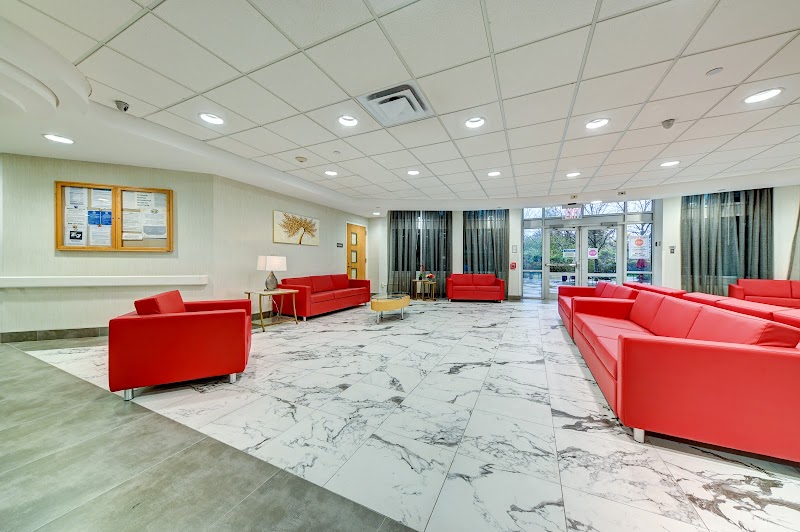
How Does Spring Creek Rehabilitation & Nursing Compare to Other New York Nursing Homes?

Compared to the 100 nursing homes in New York, SPRING CREEK REHABILITATION & NURSING CARE CENTER's overall rating (3 stars) is below the state average of 3.1, staff turnover (26%) is significantly lower than the state average of 46%, and health inspection rating (2 stars) is below the national benchmark.

What Should Families Ask When Visiting Spring Creek Rehabilitation & Nursing?

Based on this facility's data, families visiting should ask: "Can you walk me through typical staffing levels on day, evening, and night shifts?" "Can I visit during a mealtime to observe dining assistance and food quality?" "How do you handle medical emergencies, and what is your hospital transfer rate?" "Can I speak with family members of current residents about their experience?" These questions are particularly relevant given the below-average staffing rating.

Is Spring Creek Rehabilitation & Nursing Safe?

Based on CMS inspection data, SPRING CREEK REHABILITATION & NURSING CARE CENTER has a clean safety record: no substantiated abuse findings (meaning no confirmed cases of resident harm), no Immediate Jeopardy citations (the most serious violation level indicating risk of serious injury or death), and is not on the Special Focus Facility watch list (a federal program monitoring the lowest-performing 1% of nursing homes). The facility has a 3-star overall rating and ranks #100 of 100 nursing homes in New York. While no facility is perfect, families should still ask about staff-to-resident ratios and recent inspection results during their visit.

Do Nurses at Spring Creek Rehabilitation & Nursing Stick Around?

Staff at SPRING CREEK REHABILITATION & NURSING CARE CENTER tend to stick around. With a turnover rate of 26%, the facility is 20 percentage points below the New York average of 46%. Low turnover is a positive sign. It means caregivers have time to learn each resident's needs, medications, and personal preferences. Consistent staff also notice subtle changes in a resident's condition more quickly.

Was Spring Creek Rehabilitation & Nursing Ever Fined?

SPRING CREEK REHABILITATION & NURSING CARE CENTER has no federal fines on record. CMS issues fines when nursing homes fail to meet care standards or don't correct problems found during inspections. The absence of fines suggests the facility has either maintained compliance or corrected any issues before penalties were assessed. This is a positive indicator, though families should still review recent inspection reports for the full picture.

Is Spring Creek Rehabilitation & Nursing on Any Federal Watch List?

SPRING CREEK REHABILITATION & NURSING CARE CENTER is not on any federal watch list. The most significant is the Special Focus Facility (SFF) program, which identifies the bottom 1% of nursing homes nationally based on persistent, serious quality problems. Not being on this list means the facility has avoided the pattern of deficiencies that triggers enhanced federal oversight. This is a positive indicator, though families should still review the facility's inspection history directly.