THE MONARCH AT BROOKLYN REHAB AND NURSING CENTER
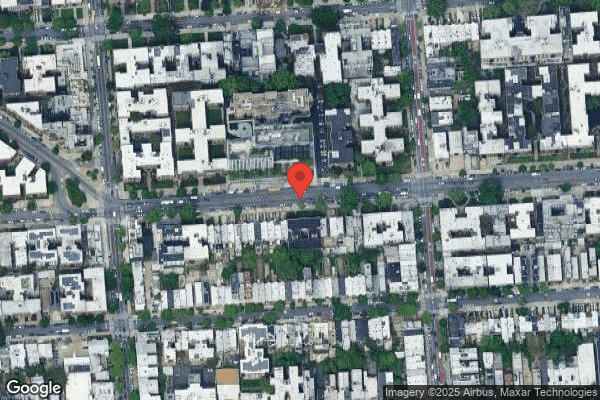
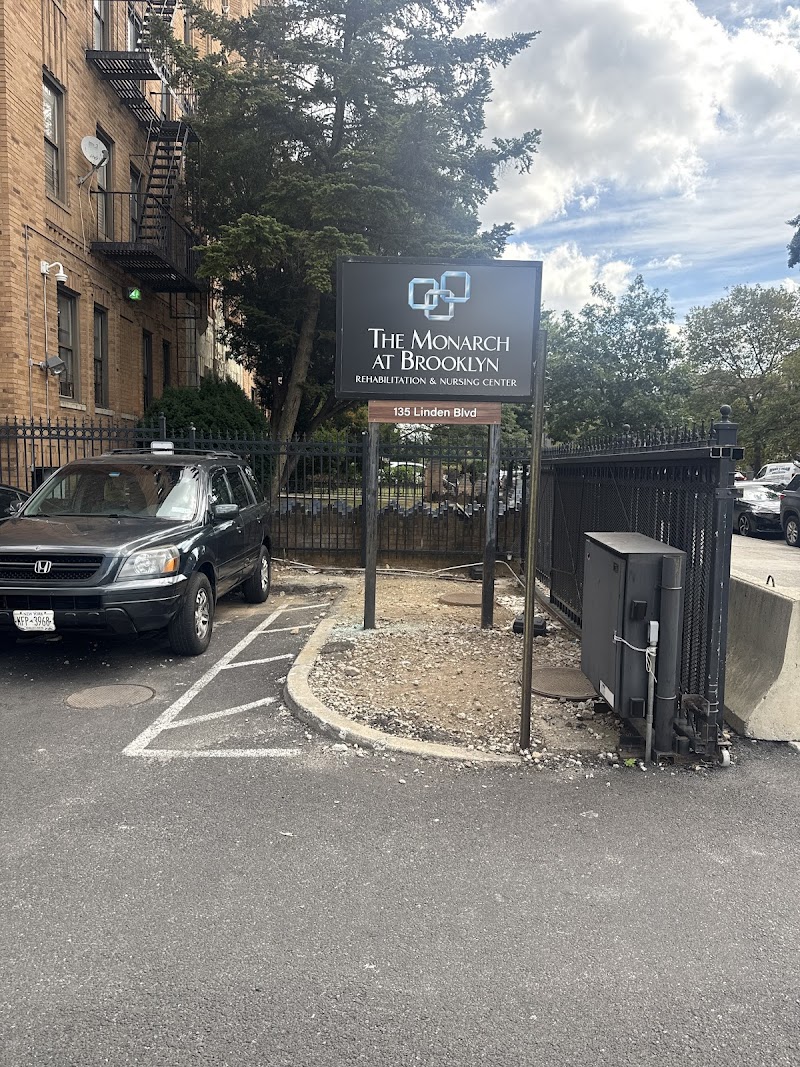
135 LINDEN BOULEVARD, BROOKLYN, NY 11226 (718) 693-6060
For profit - Corporation 200 Beds CARERITE CENTERS Data: November 2025
Trust Grade
60/100
#351 of 594 in NY
Last Inspection: September 2023

Over 2 years since last inspection. Current conditions may differ from available data.

Overview

The Monarch at Brooklyn Rehab and Nursing Center has a Trust Grade of C+, indicating it is slightly above average, but still has room for improvement. In New York, it ranks #351 out of 594 facilities, placing it in the bottom half, and #30 out of 40 in Kings County, suggesting limited local competition. The facility is improving, having reduced issues from 10 in 2023 to just 2 in 2025. Staffing is a concern, with a rating of 2 out of 5 stars and a turnover rate of 41%, which is about average for the state. While there are no fines on record, which is a positive aspect, there have been significant issues regarding food safety and infection control practices, including improper food storage and handling as well as inappropriate use of personal protective equipment by staff.

Trust Score
C+
60/100
In New York
#351/594
Bottom 41%
Safety Record
Low Risk
No red flags
Inspections
Getting Better
10 → 2 violations
Staff Stability
○ Average
41% turnover. Near New York's 48% average. Typical for the industry.
Penalties
✓ Good
No fines on record. Clean compliance history, better than most New York facilities.
Skilled Nurses
○ Average
Each resident gets 31 minutes of Registered Nurse (RN) attention daily — about average for New York. RNs are the most trained staff who monitor for health changes.
Violations
⚠ Watch
22 deficiencies on record. Higher than average. Multiple issues found across inspections.
★★★☆☆
3.0
Overall Rating
★★☆☆☆
2.0
Staff Levels
★★★★★
5.0
Care Quality
★★☆☆☆
2.0
Inspection Score
Stable
2023: 10 issues
2025: 2 issues

The Good

  • 5-Star Quality Measures · Strong clinical quality outcomes
  • Full Sprinkler Coverage · Fire safety systems throughout facility
  • No fines on record
  • Staff turnover below average (41%)

    7 points below New York average of 48%

Facility shows strength in quality measures, fire safety.

The Bad

3-Star Overall Rating

Near New York average (3.1)

Meets federal standards, typical of most facilities

Staff Turnover: 41%

Near New York avg (46%)

Typical for the industry

Chain: CARERITE CENTERS

Part of a multi-facility chain

Ask about local staffing decisions and management

The Ugly 22 deficiencies on record

Aug 2025 1 deficiency
CONCERN (D) 📢 Someone Reported This

A family member, employee, or ombudsman was alarmed enough to file a formal complaint

Potential for Harm - no one hurt, but risky conditions existed

Accident Prevention (Tag F0689)

Could have caused harm · This affected 1 resident

Based on observation, record review, and interview during the Recertification and Abbreviated Survey (Incident 673700) the facility failed to ensure each resident received adequate supervision to prev...

Read full inspector narrative →
Based on observation, record review, and interview during the Recertification and Abbreviated Survey (Incident 673700) the facility failed to ensure each resident received adequate supervision to prevent elopement. This was evident for one (1) (Resident #203) of two (2) residents reviewed for wandering and elopement out of 35 total sampled residents. Specifically, on 09/01/2024, Resident #203, who was severely impaired in cognition and had a wander alert device (a device that alerts staff when the resident is exiting the building), left the building undetected through the front door at 11:25 AM. Resident #203 was located by the facility staff approximately 300 feet from the facility and returned to the facility at 1:11 PM. The findings include:The policy and procedure titled Wandering and Elopement Risk with a last revised date of 05/20/2025 defined elopement as an occurrence when a resident leaves the premises or safe area without authorization and/or any necessary supervision to do so. The policy documented if a resident is identified as at risk for wandering, elopement, or other safety issue, the resident's care plan will include strategies and interventions to maintain the resident's safety. Residents identified as having an elopement risk will have a wander alert device applied. The wander alert device will be checked daily and as needed for placement and functioning. A photograph will be placed in the elopement binders on the units and at the front desk. Resident #203 had diagnoses of Cerebrovascular Accident, Non-Alzheimer's Dementia, and Parkinson's Disease. The Minimum Data Set (a resident assessment tool) dated 08/08/2024 documented Resident #203 had severely impaired cognition and exhibited wandering behavior. A comprehensive care plan for Unsafe Wandering at Moderate/High Risk was initiated for Resident #203 on 08/29/2024. The care plan documented that resident was walking off unit and had verbal threats to leave or escape. The facility interventions include use of wander alert device; check wander alert device for placement and functioning every shift; replace the wander alert device per manufacturer's recommendation; ascertain the resident's whereabouts during each shift; maintain the resident's photo on the unit and at the receptionist's desk; and alarmed doors on either end of the hallway on the unit.A behavior note dated 08/29/2024 at 9:57 PM documented Resident #203 was wandering and seeking to exit the floor by attempting to press the elevator. A wander alert device was placed on the left wrist. A nurse's note dated 08/29/2024 at 10:16 PM documented that Resident #203 was wandering in the hallway at around 9:00 PM, and at about 9:09 PM rushed to the elevator when they saw a family member leaving the unit. A physician's order dated 08/29/2024 included wander alert device to left wrist, check placement every shift. An order to check wander alert device function every night shift was entered on 09/18/2024. The Treatment Administration Records from 08/29/2024 to 02/11/2025 documented the wander alert device was in place every shift.A physician's order dated 07/10/2024 documented every 30-minute safety visual check. The Medication Administration Record documented that 30-minute checks were completed on 09/01/2024 for the 7:00 AM to 3:00 PM shift. A nurse's notes dated 09/03/2024 at 6:41 PM documented 09/01/2024 at 12:27 phone call received that resident was missing from unit. Resident returned to the facility at 1:11 after elopement procedure was initiated.Review of the staff written statements dated 09/01/2025 revealed that on 09/01/2024, Resident #203 was in the dining room at 8:00 AM for breakfast. The resident was administered medications at 9:30 AM and received their 10:00 AM Ensure supplement. At about 10:30 AM, the resident went to the bathroom and refused to go back to the dining room and was walking up and down the hallway. Certified Nursing Assistant #6 documented in their written statement that the last time they saw Resident #203 was at 11:00. The Resident Incident/Investigation Report dated 09/01/2024 documented that based on review of camera footage, Resident #203 left the unit at approximately 11:20 AM on 09/01/2024. The resident was observed in the lobby area and exited the building at 11:25 AM. The front desk security guard was interacting with two (2) visitors who needed assistance with entering information on the kiosk when the resident walked by him and exited through the front entrance. The facility investigation documented all wander alert mechanisms were checked and working, however, Resident #203's wander alert device was not working at the time. On 08/11/2025 at 2:23 PM an interview was conducted with Certified Nursing Assistant #6 who was on the unit at the time Resident #203 eloped. They stated the resident was on 30-minute checks and that the resident was a wanderer. They stated on the day of the incident; they found out that Resident #203 was missing when they cannot find the resident during lunch time. They stated they immediately started searching for the resident. On 08/12/2025 at 12:37 PM, an interview was conducted with the Receptionist, who stated that the front desk has one receptionist during the day and a security guard at nighttime. They stated they are responsible for screening visitors and making sure residents do not leave the facility unescorted. The receptionist stated they have pictures of residents who are wanderer at the front desk. The receptionist stated that elevators will not move when a resident with a wander alert device board and the front will lock when a wander alert device is near the door, the door will not open. The Receptionist stated they were not working on the day of the incident.On 08/14/2025 at 10:42 AM, an interview was conducted with the Assistant Director of Nursing who stated that they reviewed Resident #203's elopement incident and they discovered that the resident's wander alert device was not working at the time the resident exited. They also stated that at the time of the elopement, the elevator does not stop even when a resident with wander alert device gets in. On 08/14/2025 at 9:43 AM, an interview was conducted with the Director of Nursing who stated they were recently hired at the facility and was not working at the facility at the time of the elopement incident. They stated they reviewed the records related to the incident and found that the resident's wander alert device was not working at the time of elopement. They also stated that the security was distracted as they were attending to visitors10 NYCRR 415.12(h)(2)
Jul 2025 1 deficiency
CONCERN (D) 📢 Someone Reported This

A family member, employee, or ombudsman was alarmed enough to file a formal complaint

Potential for Harm - no one hurt, but risky conditions existed

Report Alleged Abuse (Tag F0609)

Could have caused harm · This affected 1 resident

**NOTE- TERMS IN BRACKETS HAVE BEEN EDITED TO PROTECT CONFIDENTIALITY** Based on observation, record review, and interviews conducted during an abbreviated survey (incident 673540), the facility faile...

Read full inspector narrative →
**NOTE- TERMS IN BRACKETS HAVE BEEN EDITED TO PROTECT CONFIDENTIALITY** Based on observation, record review, and interviews conducted during an abbreviated survey (incident 673540), the facility failed to ensure that an alleged violation involving abuse, neglect, exploitation or mistreatment are reported immediately but not later than two hours after the allegation is made, if the events that cause the allegation involved abuse or result in serious bodily injury, or not later than 24 hours if the events that cause the allegation do not involve abuse and do not result in serious bodily injury, to the administrator of the facility and to other officials (including to the State Survey Agency and adult protective services where state law provides for jurisdiction in long-term care facilities) in accordance with State law through established procedures. This was evident for one (1) out of five (5) residents (Resident #3) sampled for abuse. Specifically, on 07/10/2024 at 9:00 PM, Resident #3's family reported to Registered Nurse Supervisor #2 that on 07/10/2024 at around 5:45 PM, Resident #3 reported to them that they were hit on the left side of their head and upper back. Registered Nurse Supervisor #2 assessed Resident #3. Resident #3 had no bruises, scratches, lacerations, or discoloration. The facility investigated the alleged allegation and concluded that it was inconclusive. The facility did not report the alleged allegation of abuse to NewYork State Department of Health or law enforcement within two hours. The facility reported the allegation on 07/11/2024 at 8:15 PM.The findings are:The facility's Policy and Procedure titled Freedom from Abuse, Neglect, and Exploitation, dated 04/05/2021documented all alleged violations involving mistreatment, neglect, abuse, care plan violations, including injuries of unknown origin, are reported immediately to the Administrator/designee and the Director of Nursing. When there is reasonable cause to believe abuse has occurred, a report is also made to the State Certification agency and all other agencies as required, immediately.Resident #3 was admitted to the facility with diagnoses including Alzheimer's Disease, Depression, and Hypertension.The Minimum Data Set, dated [DATE] documented that Resident #3 had severely impaired cognition.A statement by Registered Nurse Supervisor #2 dated 07/10/2024 documented that they received a call from Resident #3's family reporting that Resident #3 informed them that they were hit on the left side of their head and upper back. Resident #3 was assessed and had no bruises, scratches, lacerations, discoloration, or bleeding. Resident #3 also denied pain on assessment.A Webform Submission from: Nursing Home Facility Incident Report dated 07/11/2024 showed the facility submitted the report to the New York State Department of Health on 07/11/2024 at 8:15 PM.During a telephone interview on 07/10/2025 at 10:11 AM, Registered Nurse Supervisor #2 stated they were informed by Resident #3's family at approximately 9:00 PM via telephone that Resident #3 alleged they were hit in the head by Certified Nursing Assistant #3. Registered Nurse Supervisor #2 stated they called the Director of Nursing and reported the allegation to them on 07/10/2024 after 9:00 PM.During a telephone interview on 07/10/2025 at 12:56 PM, Director of Nursing #1 stated they could not recall the incident or Resident #2. They stated they are no longer working at the facility; however, if an abuse allegation is made, Registered Nurse Supervisor #2 should have informed them immediately so they could gather all information and report it to the Department of Health within the two-hour timeframe. They stated they do not know why the incident was not reported timely and if Resident #3 felt safe and did not want law enforcement to be contacted, they would not inform law enforcement. During a telephone interview on 07/29/2025 at 3:22 PM, the Administrator stated they were not working at the facility during that incident; however, any allegation of abuse should be reported to the Department of Health and law enforcement within two hours.10 NYCRR 415.4(b)(2)
Sept 2023 10 deficiencies
CONCERN (D)

Potential for Harm - no one hurt, but risky conditions existed

Safe Environment (Tag F0584)

Could have caused harm · This affected 1 resident

Based on interviews and record reviews conducted during a Recertification Survey on 09/10/2023 to 09/15/2023, it was determined that for one (Resident #55) of seven residents, the facility did not ens...

Read full inspector narrative →
Based on interviews and record reviews conducted during a Recertification Survey on 09/10/2023 to 09/15/2023, it was determined that for one (Resident #55) of seven residents, the facility did not ensure Resident # 55's property was safeguarded and free from loss or theft. Specifically, personal items which included 4-night gowns went missing. The facility did not investigate or complete a timely and thorough investigation of the missing property. Review of the facility policy and procedure titled, Resident Property documents the facility will maintain a safe environment for patient/resident property and will properly investigate all allegations of lost/missing or misappropriated property. The findings are: On 09/11/23 at 11:58 AM Resident #55 reported 4-night gowns missing for over a period of 3 weeks. Resident #55 stated that a room change was done and there were laundry bins in the bathroom that had the 4-night gowns, and the clothing went to the laundry and has not seen the clothing since. Resident #55 reported to the CNA the clothing was missing and was told they will check on it. Resident #55 spoke to someone from the laundry department who stated that they will check but have not heard back about the clothes from the CNA or the laundry department. On 9/12/2023 at 12:00 PM, interview with CNA #1, who was made aware of the missing clothing by Resident #55 stated they informed the nurse on the floor at the time and the laundry department and were told they are looking into the missing clothing. On 9/13/2023 at 11:30 AM, Social Worker #8 was interviewed and stated, they were not informed or aware of the resident's missing clothing. I will investigate and get back to the resident. On 09/14/23 at 09:03 AM, Resident #55 was interviewed and stated, I spoke with the Social Worker #7 about the missing clothing and was told that it is being investigated. On 9/14/2023 at 03:19 PM, Social Worker #7 was interviewed and stated, I was just informed during a huddle meeting on 9/11/2023 that Resident #55 needed clothing for physical therapy, not that the clothing was missing. I called the resident's son and daughter yesterday. No answer. I spoke with the Resident #55, took their statement and filled out a missing property form. I will speak with housekeeping and will investigate what happened with the missing clothing and will talk with Resident #55 about replacing the missing clothing. §483.10(ii)
CONCERN (D)

Potential for Harm - no one hurt, but risky conditions existed

Comprehensive Care Plan (Tag F0656)

Could have caused harm · This affected 1 resident

**NOTE- TERMS IN BRACKETS HAVE BEEN EDITED TO PROTECT CONFIDENTIALITY** Based on observations, record reviews and staff interviews during the recertification survey, the facility did not ensure that n...

Read full inspector narrative →
**NOTE- TERMS IN BRACKETS HAVE BEEN EDITED TO PROTECT CONFIDENTIALITY** Based on observations, record reviews and staff interviews during the recertification survey, the facility did not ensure that nursing staff implemented the interventions of a resident's comprehensive care plan (CCP). This was evident for 1 of 7 residents reviewed for Pressure Ulcer (Resident #25) out of a total sample of 38 residents. Specifically, Resident #25 did not have heel booties applied at all times as per the CCP for Pressure Ulcer prevention. The findings are: The Facility's Policy and procedure titled Skin and Wound Management issued on 2/07/2017 documented that it is the policy of the facility to maintain intact skin and to prevent avoidable pressure ulcer injury. Some of the limited measures that will be utilized to prevent skin breakdown include turning positioning, pressure relieving mattress, incontinence management, skin barrier, heel booties, heel offloading, wheelchair cushion and other positioning device, adequate nutrition and resident/family education. Resident #25 was admitted with diagnoses which include Dementia, Peripheral Vascular Disease (PVD), and Cerebral Vascular Accident (CVA). The Annual MDS dated [DATE] documented Resident #25 had severely impaired cognition. The resident required the total assist of two poeple for bed mobility, toilet use and transfer. The resident had range of motion impairment in one side of the lower extremity. The resident was at risk of developing pressure ulcers, and pressure relieving devices were applied to the chair and bed. The Comprehensive Care Plan for Skin Integrity dated 10/15/2021 included the intervention to keep Resident #25's heels in protective booties at all times (added 10/21/21). On 09/10/23 at 10:11 AM, the resident was observed in bed with no heel booties in place. On 09/12/23 at 10:20 AM, On 09/12/23 at 02:23 PM, and on 09/13/23 at 10:58 AM, the resident was observed seating in wheelchair in the day room with no heel booties in place. The Braden Scales for predicting pressure sore risk dated 05/06/23 and 08/06/23 documented the resident was at moderate risk for skin breakdown. A Physician's order initiated 10/21/22 and last renewed on 09/08/23 documented orders for heel booties to be applied at all times. The Nursing Notes from August 1, 2023 to September 14, 2023 did not document application of heel booties. The CNA Accountability sheets from August 1, 2023 to September 14, 2023 did not document application of heel booties. During an interview on 09/14/23 09:44 AM, the Certified Nursing Assistant (CNA #4) stated that the resident is assisted with ADL Care. The resident needs extensive to total assist for ADL care. CNA #4 stated that the resident is only supposed to wear booties while in bed. CNA #4 further stated that the resident does not wear booties while in the day room. During an interview on 09/14/23 at 10:23 AM, the Licensed Practical Nurse (LPN # 3) stated the resident is supposed to wear heel booties in bed only. LPN#3 stated they were not aware Resident #25 should wear heel booties at all times. During an interview on 09/14/23 at 10:27 AM, the Wound Care Nurse( RN #1) stated that the resident is supposed to wear heel booties at all times to prevent skin breakdown. RN #1 stated when residents are risk of developing pressure ulcers; staff implement turn and positioning, application of heel booties and wedges right away. Turning and positioning is done every two hours. RN #1 stated that the staff should only remove the heel booties for hygiene and skin observations. The resident must have the heel booties on. Resident #25 has a history of DTI in the past. The wound care team is trying to prevent future deep tissue injuries (DTIs). RN #1 stated they did not know why heel booties were not being applied, and the heel booties should have been applied at all times. Nursing staff are responsible for ensuring that heel booties are applied per physician's order. During an interview on 09/14/23 at 11:17 AM, RN #2 stated that that her job responsibilities include supervising the assigned units and the nursing staff (RNs, LPNs and CNAs). RN #2 stated the nursing supervisors make rounds very often, RN #2 d cehcks to ensure all doctor's orders are being followed. When an order is made, the RN Supervisor on duty is responsible for updating the care plan and adding the instructions under the CNA tasks. The CNAs and the LPNS staff are aware that Resident #25 has orders to wear booties at all times, and the order should be carried out. The heel booties should be removed for ADL and skin checks. The CNAs should apply the booties, and the LPN must ensure the booties are in place. RN # 2 stated that going forward, staff will ensure that all doctor's orders are carried out. During an interview on 09/14/23 at 11:49 AM, the Director of Nursing (DON) stated that there are a wound management protocols in place. The Wound Doctor enters orders, and skin care plans are developed and updated as needed. The LPNs assigned to the unit are supposed to check all residents and ensure all devices and pressure relieving devices are in place. The CNAs are supposed to apply the booties daily. All CNAs and nurses were trained on preventing skin impairments. The heels booties should have been applied at all times per the doctor's order. The DON further stated that we have to find a better way to ensure that the application of heel booties are clearly defined in the CNA accountability. All CNAs and all Nurses will be in-service immediately on ensuring pressure ulcer prevention protocols are followed. 415.11(c)(1)
CONCERN (D)

Potential for Harm - no one hurt, but risky conditions existed

Deficiency F0657 (Tag F0657)

Could have caused harm · This affected 1 resident

**NOTE- TERMS IN BRACKETS HAVE BEEN EDITED TO PROTECT CONFIDENTIALITY** 2) Resident #60 had diagnoses which include Diabetes Mellitus (DM), Non-Alzheimer's Dementia, and Heart Failure. The quarterly ...

Read full inspector narrative →
**NOTE- TERMS IN BRACKETS HAVE BEEN EDITED TO PROTECT CONFIDENTIALITY** 2) Resident #60 had diagnoses which include Diabetes Mellitus (DM), Non-Alzheimer's Dementia, and Heart Failure. The quarterly Minimum Data Set 3.0 (MDS) assessment dated [DATE] documented Resident #60 had intact cognition with no behaviors. The resident required extensive assistance of 2 persons for bed mobility and total assist of two persons for transfer and toilet use. Resident #60 was always incontinent of bowel and bladder. A comprehensive care plan (CCP) titled Dysfunctional Coping or Interaction, effective Date: 4/16/2021, documented Resident #60 had anxiety and difficulty adjusting to illness, lost roles, and status. As Evidenced By dissatisfaction, difficult to please, unfounded accusations, criticism of staff, seeks to ascribe blame, frequent refusal of care/staff, easily offended, is super sensitive, assumes the worst, assumes others are talking about her, rehashes past negative situations as if they just happened; becomes upset with others if they do not do things the way they think they should be done and claims nothing is being done. The goal was for Resident #60 to feel supported. The interventions included encourage family and resident to engage in meetings; explore areas of conflict with resident and family; encourage resident to identify feelings and appropriate coping behavior and encourage family support and involvement. The last evaluation note was dated 3/20/23, and documented Resident is encouraged to work with new staff, reassurance is provided, Continue. with plan of care. There was no evidence that the CCP was reviewed and/or revised after the quarterly assessment dated [DATE]. An interview was conducted on 9/14/23 at 11:38 am with Social Worker #7, who stated that they create and update the care plans related to social work, such as mood and behavior. The SW stated care plans are updated quarterly, annually, or for a significant change. A schedule is given by the MDS coordinator, and the care plan is update based on the MDS schedule. They will do an interim note if there is a need. The SW stated the failure to update the Dysfunctional Coping CCP after the June 2023 assessment was an oversight. 415.11(c)(2)(i-iii) Based on record review and interviews conducted during the Recertification survey of 9/10/23 - 9/15/23, the facility did not ensure that the comprehensive care plans (CCPs)were reviewed and/or revised after each assessment and as needed to reflect changes in the resident needs. This was evident for 1 (Resident #60) of 8 residents reviewed for Activities of Daily Living (ADL) and 1 (Resident #46) of 5 residents reviewed for Unnecessary medications, out of an investigative sample of 38 residents. Specifically, (1) the Diabetes Mellitus CCP for Resident #46 was not reviewed and revised quarterly and after an episode of hypoglycemia. (2) the Dysfunctional coping or interaction CCP for Resident #60 was not reviewed and/or revised quarterly. The findings are: The facility policy and procedure titled Comprehensive Care Plan, effective date, and last review date of 5/15/23, documents each resident will have an individualized interdisciplinary plan of care in place. The comprehensive care plan will be reviewed and revised on a quarterly basis, with a significant change in condition, on readmission from an inpatient hospital stay, and as requested by the Resident/Representative. The policy further stated the CCP will be resident centered. 1) Resident #46 had diagnosis of Diabetes Mellitus (DM), Heart Failure, and Hypertension. The Minimum Data Set 3.0 (MDS) assessment dated [DATE] documented Resident #46 was cognitively intact, had a diagnosis of Diabetes, and received insulin injections for seven days. From 9/10/2023 through 9/15/2023 Resident #46 was observed in room and confirmed was diabetic, take medications daily and monitoring of fingerstick daily. The CCP related to Diabetes, initiated 12/6/2021 and last updated 12/24/2022, had a goal to demonstrate a blood glucose level within normal limits. The interventions included: Administer medications as ordered. Assess skin daily. Coordinate all aspects of daily nutritional care. Implement diet as ordered. Monitor blood glucose level as per MD orders. Monitor for signs/symptoms of hypo/hyperglycemia. Monitor weights as ordered. Provide regular podiatry care as ordered by MD. Nursing progress notes dated 08/07/2023 at 11:47 pm documented Resident #46 was status post an episode of Hypoglycemia. Resident #46 was alert and verbally responsive continue to monitor for hypoglycemia. Blood Glucose currently is 87mg/dl. Resident in bed eating Peanut Butter sandwich and drinking orange juice. No distress noted. Plan of care continues. Medical monthly note dated 8/27/2023 documented resident has diagnosis of Diabetes and receives Basaglar Kwik Pen U-100 Insulin 100-unit, Insulin 100-unit, insulin aspart (U-100) 100 unit/mL subcutaneous pen and receives Nesina 25 mg tablet for Diabetes. Physician's Orders dated 8/28/2023 documented Basaglar Kwik Pen U-100 Insulin 100 unit/mL (3 mL) subcutaneous inject 20 units by subcutaneous route once daily at bedtime. Insulin aspart (U-100) 100 unit/mL (3 mL) subcutaneous pen inject 5 units by subcutaneous route 3 times per day before meals. Monitor Blood Glucose three times daily. The CCP was not reviewed and revised at least Quarterly and as needed to include the episode of Hypoglycemia. On 09/14/23 at 10:12 AM, an interview was conducted with License Practical Nurse (LPN #2). LPN #2 stated resident #46 is a diabetic, and receives insulin injections daily, and fingerstick monitoring daily. LPN #2 did not know who was responsible for the CCPs. On 09/15/23 at 08:18 AM, an interview was conducted with Registered Nurse who is the Unit Supervisor ( RN #5). RN #5 stated everyone updated care plans quarterly, annually, for significant changes, and in the discharge meeting. RN #5 stated at the care plan meeting, all disciplines update their specific care plans. The Diabetes CCP is updated by nursing. RN #5 stated the care plan is updated by the RN, and, if needed, the RN will initiate care plans. RN #5 stated if there is an episodic issue, the LPN will document and inform the supervisor, and the supervisor will initiate the Comprehensive Care Plan (CCP) and updated the CCP. RN #5 was unable to give a reason why the resident CCP was not updated and stated CCP's are updated by looking at the goals, as well as reviewing and revising the interventions and putting an evaluation note on the CCP. RN #5 stated they will follow-up. On 09/15/23 at 03:34 PM, an interview was conducted with Director of Nursing (DON). The DON did not state who is responsible for initiating and updating CCP. DON stated this is an issue that was identified in the facility, and they will continue to work on correcting this issue. The DON stated they will continue to in-service staff so staff can the review and revised the CCP the correct way.
CONCERN (D)

Potential for Harm - no one hurt, but risky conditions existed

Deficiency F0685 (Tag F0685)

Could have caused harm · This affected 1 resident

**NOTE- TERMS IN BRACKETS HAVE BEEN EDITED TO PROTECT CONFIDENTIALITY** Based on observation, interviews, and record review conducted during a Recertification survey from 9/10/2023 to 9/15/2023, the f...

Read full inspector narrative →
**NOTE- TERMS IN BRACKETS HAVE BEEN EDITED TO PROTECT CONFIDENTIALITY** Based on observation, interviews, and record review conducted during a Recertification survey from 9/10/2023 to 9/15/2023, the facility did not ensure residents received proper treatment and assistive devices to maintain vision abilities. This was evident for Resident #52 and #103 reviewed for Communication. Specifically, 1) Resident #52 did not have a follow up consultation with the Ophthalmologist as recommended, and 2) Resident #103 did not have a recommended consultation with the Optometrist for glasses. The findings are: The policy titled Physician Services documented the attending physician is responsible for supervising follow-up visits. 1) Resident #52 had diagnoses of coronary artery disease and hypertension. The Minimum Data Set 3.0 (MDS) dated [DATE] documented Resident #52 was cognitively intact, had adequate vision, and wore corrective lenses. The Comprehensive Care Plan (CCP) related to sensory deficit initiated 1/5/2023 and last reviewed 7/26/2023 documented Resident #52 will use glasses as recommended and will received Ophthalmology and Optometry consults as appropriate. The Ophthalmology Consult dated 3/6/2023 documented Resident #52 receive artificial tears to address burning and tearing eyes. A follow up consult with the Ophthalmologist was recommended for 6/2023. There was no documented evidence Resident #52 had a follow-up Ophthalmology consult in 6/2023. On 9/14/2023 at 1:05 PM, Registered Nurse (RN) #5 was interviewed and stated Resident #52 was not seen by the Ophthalmologist because their attending physician was on vacation from June to August 2023. The attending physician is given the consult recommendations and sets up the appointment. 2) Resident #103 was diagnosed with anemia and hypertension. The Minimum Data Set 3.0 (MDS) dated [DATE] documented Resident #103 had mild cognitive impairments and impaired vision. The Comprehensive Care Plan (CCP) related to sensory deficit initiated 1/8/2021 and last reviewed 7/12/2023 documented Resident #103 receive Ophthalmology and Optometry consults as appropriate. The Ophthalmology Consult dated 5/1/2023 documented Optometry consult for glasses and follow up consult with the Ophthalmologist in 8/2023. There was no documented evidence Resident #103 had a follow up consult with the Ophthalmologist in 8/2023. On 9/14/2023 at 12:20 PM and 01:20 PM, Registered Nurse (RN) #5 was interviewed and stated RN #5 looks at the consults from the Ophthalmologist and places recommendations for follow up appointments in the computer and lets the scheduler know to make the appointment. The Ophthalmologist was on vacation and will be starting visits again. NYCRR 415.12(3)(b)
CONCERN (D)

Potential for Harm - no one hurt, but risky conditions existed

Pressure Ulcer Prevention (Tag F0686)

Could have caused harm · This affected 1 resident

**NOTE- TERMS IN BRACKETS HAVE BEEN EDITED TO PROTECT CONFIDENTIALITY** Based on observations, record reviews, and staff interviews, during the recertification survey, the facility did not ensure that...

Read full inspector narrative →
**NOTE- TERMS IN BRACKETS HAVE BEEN EDITED TO PROTECT CONFIDENTIALITY** Based on observations, record reviews, and staff interviews, during the recertification survey, the facility did not ensure that a resident received care consistent with professional standards of practice to prevent pressure ulcers. This was evident for 1 of 7 residents reviewed for Pressure Ulcer (Resident #25). Specifically, during multiple observations, Resident #25 was observed without heel booties in place as ordered. The findings are: The Facility's Policy and procedure titled Skin and Wound Management issued on 2/07/2017 documented that it is the policy of the facility to maintain intact skin and to prevent avoidable pressure ulcer injury. Some of the limited measures that will be utilized to prevent skin breakdown include turning positioning, pressure relieving mattress, incontinence management, skin barrier, heel booties, heel offloading, wheelchair cushion and other positioning device, adequate nutrition and resident/family education. Resident #25 was admitted with diagnoses which include Dementia, Peripheral Vascular Disease (PVD), and Cerebral Vascular Accident (CVA). The Annual MDS dated [DATE] documented Resident #25 had severely impaired cognition. The resident required the total assist of two poeple for bed mobility, toilet use and transfer. The resident had range of motion impairment in one side of the lower extremity. The resident was at risk of developing pressure ulcers, and pressure relieving devices were applied to the chair and bed. The Comprehensive Care Plan for Skin Integrity dated 10/15/2021 included the intervention to keep Resident #25's heels in protective booties at all times (added 10/21/21). On 09/10/23 at 10:11 AM, the resident was observed in bed with no heel booties in place. On 09/12/23 at 10:20 AM, On 09/12/23 at 02:23 PM, and on 09/13/23 at 10:58 AM, the resident was observed seating in wheelchair in the day room with no heel booties in place. The Braden Scales for predicting pressure sore risk dated 05/06/23 and 08/06/23 documented the resident was at moderate risk for skin breakdown. A Physician's order initiated 10/21/22 and last renewed on 09/08/23 documented orders for heel booties to be applied at all times. The Nursing Notes from August 1, 2023 to September 14, 2023 did not document application of heel booties. The CNA Accountability sheets from August 1, 2023 to September 14, 2023 did not document application of heel booties. During an interview on 09/14/23 09:44 AM, the Certified Nursing Assistant (CNA #4) stated that the resident is assisted with ADL Care. The resident needs extensive to total assist for ADL care. CNA #4 stated that the resident is only supposed to wear booties while in bed. CNA #4 further stated that the resident does not wear booties while in the day room. During an interview on 09/14/23 at 10:23 AM, the Licensed Practical Nurse (LPN # 3) stated the resident is supposed to wear heel booties in bed only. LPN#3 stated they were not aware Resident #25 should wear heel booties at all times. During an interview on 09/14/23 at 10:27 AM, the Wound Care Nurse( RN #1) stated that the resident is supposed to wear heel booties at all times to prevent skin breakdown. RN #1 stated when residents are risk of developing pressure ulcers; staff implement turn and positioning, application of heel booties and wedges right away. Turning and positioning is done every two hours. RN #1 stated that the staff should only remove the heel booties for hygiene and skin observations. The resident must have the heel booties on. Resident #25 has a history of DTI in the past. The wound care team is trying to prevent future deep tissue injuries (DTIs). RN #1 stated they did not know why heel booties were not being applied, and the heel booties should have been applied at all times. Nursing staff are responsible for ensuring that heel booties are applied per physician's order. During an interview on 09/14/23 at 11:17 AM, RN #2 stated that that her job responsibilities include supervising the assigned units and the nursing staff (RNs, LPNs and CNAs). RN #2 stated the nursing supervisors make rounds very often, RN #2 d cehcks to ensure all doctor's orders are being followed. When an order is made, the RN Supervisor on duty is responsible for updating the care plan and adding the instructions under the CNA tasks. The CNAs and the LPNS staff are aware that Resident #25 has orders to wear booties at all times, and the order should be carried out. The heel booties should be removed for ADL and skin checks. The CNAs should apply the booties, and the LPN must ensure the booties are in place. RN # 2 stated that going forward, staff will ensure that all doctor's orders are carried out. During an interview on 09/14/23 at 11:49 AM, the Director of Nursing (DON) stated that there are a wound management protocols in place. The Wound Doctor enters orders, and skin care plans are developed and updated as needed. The LPNs assigned to the unit are supposed to check all residents and ensure all devices and pressure relieving devices are in place. The CNAs are supposed to apply the booties daily. All CNAs and nurses were trained on preventing skin impairments. The heels booties should have been applied at all times per the doctor's order. The DON further stated that we have to find a better way to ensure that the application of heel booties are clearly defined in the CNA accountability. All CNAs and all Nurses will be in-service immediately on ensuring pressure ulcer prevention protocols are followed. 415.12 (c) (1)
CONCERN (D)

Potential for Harm - no one hurt, but risky conditions existed

Pharmacy Services (Tag F0755)

Could have caused harm · This affected 1 resident

Based on observation, interview, and record review conducted during the recertification survey conducted 9/10/2023 to 9/15/2023, the facility did not ensure a system was established to record the rece...

Read full inspector narrative →
Based on observation, interview, and record review conducted during the recertification survey conducted 9/10/2023 to 9/15/2023, the facility did not ensure a system was established to record the receipt and disposition of all controlled drugs in sufficient detail to enable an accurate reconciliation. This was evident for 1 (6th Floor) of 5 medication carts. Specifically, the 6th Floor medication cart Narcotics Log (NL) was incomplete and did not match the narcotics medication count in 2 blister packs. The findings are: The facility policy titled Control Substance Handling dated 5/15/2023 documented upon removal of a controlled substance from the packaging for administration, doses removed shall be documented on the NL On 09/13/2023 at 02:44 PM, the 6th Floor medication cart was observed with the following blister packs of narcotics medication: 4 pills of Pregabalin 1mg for Resident #47 25 pills of Clonazepam .5mg for Resident #75 The NL dated 9/13/2023 documented the following: 5 pills of Pregabalin 1mg for Resident #47 26 pills of Clonazepam .5mg for Resident #75 On 9/13/2023 at 02:52PM, Licensed Practical Nurse (LPN) #6 was interviewed and stated they usually sign the NL right away but did not do that today because their medication pass was being observed by a SA. LPN #6 stated they made a mistake. On 9/13/2023 at 3:00 PM, Registered Nurse (RN) #5 was interviewed and stated nurses are responsible for signing the NL and documenting narcotic medication administration as they give it to the resident. RN #5 is responsible for checking the NL to ensure LPNs are signing for narcotics medication administration and that the count is correct. On 9/15/2023 at 03:15 PM, Director of Nursing Services (DNS) was interviewed and stated narcotics medication administration is documented immediately after administering the medication. Nurses have annual mandatory competencies related to medication administration and supervisors make rounds to remind the nurses daily. 415.18(b)(1)(2)(3)
CONCERN (D)

Potential for Harm - no one hurt, but risky conditions existed

Deficiency F0761 (Tag F0761)

Could have caused harm · This affected 1 resident

Based on observation, interview, and record review conducted during the recertification survey from 9/10/2023 to 9/15/2023, the facility did not ensure drugs and biologicals were stored in accordance ...

Read full inspector narrative →
Based on observation, interview, and record review conducted during the recertification survey from 9/10/2023 to 9/15/2023, the facility did not ensure drugs and biologicals were stored in accordance with currently accepted professional standards. This was evident for 1 (6th Floor) of 5 floors. Specifically, an expired influenza vaccine vial was observed in the 6th Floor medication room. The findings are: The facility policy titled Medication Storage dated 5/15/2023 documented medication rooms are routinely inspected for outdated medications. These medications are destroyed in accordance with facility policy. The facility policy titled Destruction of Unused Drugs dated 05/15/2023 documented expired drugs shall be disposed of in accordance with state laws and regulations. Unused, unwanted, and non-returnable medications should be removed from their storage area and secured until destroyed. On 09/13/2023 at 02:57 PM, a 2022-2023 Quadrivalent influenza vaccine vial .5 mL with an expiration date of 6/30/2023 was observed in the 6th Floor medication room refrigerator. On 9/13/2023 at 2:57 PM, Licensed Practical Nurse (LPN) #6 was interviewed and stated the refrigerator is checked by all nurses on every shift. LPN #6 stated they usually check the medication room on their unit, but the 6th Floor is not their regularly assigned unit. On 09/13/2023 at 03:07 PM, Registered Nurse (RN) #5 was interviewed and stated LPNs on all shifts are responsible for checking the medication room refrigerators for expired medications. RN #5 stated they last checked the medication refrigerator on the 6th Floor the previous day when they were assigned to administer medications on the unit. On 09/15/2023 at 03:15 PM, the Director of Nursing (DNS) was interviewed and stated the night shift goes through the medication refrigerators to ensure no expired medications are present. 415.18(e)(1-4)
CONCERN (D)

Potential for Harm - no one hurt, but risky conditions existed

Garbage Disposal (Tag F0814)

Could have caused harm · This affected 1 resident

Based on the observations and interviews conducted during the recertification survey from 9/10/2023 to 9/15/2023, the facility did not ensure garbage and refuse was properly disposed. This was evident...

Read full inspector narrative →
Based on the observations and interviews conducted during the recertification survey from 9/10/2023 to 9/15/2023, the facility did not ensure garbage and refuse was properly disposed. This was evident during the Kitchen facility task. Specifically, waste, debris, and trash were not properly contained in closed dumpsters and the garbage dumpster area was not maintained to prevent potential feeding and harborage for pests. The findings are: The facility's policy and procedure titled Disposal of Garbage and Refuse dated 7/18/2023 documents the facility shall properly dispose of kitchen garbage and refuse. Dumpsters shall be emptied according to the facility contract. Garbage shall not accumulate or be left outside the dumpster. On 09/14/2023 at 01:05 PM an observation was made of the garbage dumpster area. Observed the trash compactor to be closed and locked, noted large flies and insects flying near the compactor. Garbage was observed scattered on the ground within the compactor area. Located near the garbage compactor additional observations made, noted laundry bins stored with dirty laundry. There were two large uncovered dumpsters, the first overflowing with cardboard boxes and the second overflowing with trash/debris. Old equipment and furniture such as chairs, tables, medication carts, a rotted bathtub, and other debris were near the trash compactor. On 09/14/2023 at 01:15 PM, an interview was conducted with Porter/Dietary Aide (DA) #4. DA #4 stated that the dumpster is usually picked up 2x/week and not sure why the cardboard is overflowing. On 09/15/2023 at 11:56 PM a second observation was conducted with the Director of Facilities Management, and there were additional cardboard boxes scattered around the garbage area along with cardboard boxes sitting on top of a broken chair. During an interview on 09/15/2023 at 12:00PM, the Director of Facilities Management reported that the open garbage dumpster belongs to the construction company. When the cardboard boxes overflow, the dumpster company is called to pick up the dumpster. The dumpster pick up is scheduled for twice per week on Tuesday and Friday and as needed. The porters are responsible for cleaning, washing, and disinfecting the trash/garbage compactor area daily and as needed. During an interview on 09/15/23 at 3:27 PM, the Administrator stated the Director of Facilities Management is responsible for maintaining the dumpster area. The dumpsters belong to an outside contractor vendor who is responsible to pick up the dumpsters, as we are currently doing renovations. 415.14(h)
CONCERN (D)

Potential for Harm - no one hurt, but risky conditions existed

Infection Control (Tag F0880)

Could have caused harm · This affected 1 resident

**NOTE- TERMS IN BRACKETS HAVE BEEN EDITED TO PROTECT CONFIDENTIALITY** Based on observation, interview, and record review conducted during the Recertification Survey from 9/10/2023 to 9/15/2023, the ...

Read full inspector narrative →
**NOTE- TERMS IN BRACKETS HAVE BEEN EDITED TO PROTECT CONFIDENTIALITY** Based on observation, interview, and record review conducted during the Recertification Survey from 9/10/2023 to 9/15/2023, the facility did not ensure infection control practices were maintained. This was evident for 1 (Resident #120) of 38 total sampled residents. Specifically, Registered Nurse (RN) #1 did not practice hand hygiene and glove changes and Licensed Practical Nurse (LPN) #5 did not properly handle sterile gauze during wound care for Resident #120. The findings are: The facility policy titled Hand Hygiene dated 5/15/2023 documented all staff will perform proper hand hygiene procedures to prevent the spread of infection. Resident #120 had diagnoses of diabetes mellitus and non-Alzheimer's dementia. The Minimum Data Set 3.0 (MDS) dated [DATE] documented Resident #120 was severely cognitively impaired and had unhealed stage IV pressure ulcer. On 9/13/2023 at 08:46 AM, LPN #5 and RN #1 were observed preparing to provide right ischium and sacral wound care to Resident #120. LPN #5 opened 3 packets of gauze with gloved hands, took the gauze into their hand, and applied Dakin's solution to the gauze with their other hand. LPN #5 did not change gloves and sterilize after opening the packets of gauze and before taking the gauze in hand. RN #1 cleaned Resident #120's wound with gloved hands, packed the wound with Dakin's-soaked gauze, applied foam dressing, and repositioned Resident #120 in bed with a wedge cushion. RN #1 did not change their gloves and wash their hands after applying the foam dressing and before repositioning the resident. The Comprehensive Care Plan (CCP) related to sacral skin integrity initiated 4/18/2022 and last reviewed 9/12/2023 documented apply local treatment to Resident #120 as ordered by the Medical Doctor (MD). MD Orders dated 8/11/2023 documented cleanse Resident #120's right ischium and sacrum with Dakin's solution 0.25%, apply Dakin's-soaked gauze, cover with dry protective dressing, and secure with foam dressing daily. On 09/15/2023 at 01:12 PM, LPN #5 was interviewed and stated they are responsible for preparing wound care supplies by placing the supplies on a draped table. LPN #5 stated they tear open the gauze packets and either pour the Dakin's solution onto the gauze in their hands or soak the gauze after placing it on a draped table. Infection control inservice was given but not recently. On 09/15/23 at 01:06 PM, RN #1 was interviewed and stated they perform wound care by donning gloves, removing the resident's dressing, changing gloves, and sanitizing their hands, cleaning the wound, applying medication, covering the dressing, removing their gloves, and washing their hands. Gloves should be changed to prevent infection. 09/15/23 at 01:28 PM, the Director of Nursing (DNS) was interviewed, and stated hand hygiene and glove changes should be done when going from dirty dressing to clean dressing and at the end of wound care. Hand hygiene should be done during preparation for wound care. Gauze should not be touched and should be on a clean surface. After the wound is cleaned, gloves should be changed, and hand hygiene performed prior to applying medication to the wound. NYCRR 415.19(b)(4)
CONCERN (E)

Potential for Harm - no one hurt, but risky conditions existed

Food Safety (Tag F0812)

Could have caused harm · This affected multiple residents

Based on observations, record review, and staff interviews conducted during the Recertification survey from 09/10/2023 to 09/15/2023, the facility did not ensure food was stored, prepared, distributed...

Read full inspector narrative →
Based on observations, record review, and staff interviews conducted during the Recertification survey from 09/10/2023 to 09/15/2023, the facility did not ensure food was stored, prepared, distributed, and served in accordance with professional standards for food service safety. This was evident during review of the kitchen facility task. Specifically, (1) staff were not wearing hair nets in the kitchen. (2) A staff member's personal bag was on the kitchen counter next to the meat slicer. (3) Food in the freezer was stored too close to the ceiling. (4) Food stored in the refrigerator was not covered and labeled. The findings are: Facility policy and procedure titled Date for Marking Food Safety dated 7/18/2023 documents the facility adheres to date marking system to ensure the safety of ready-to-eat, time/temperature control safety for food. Facility policy and procedure titled Emergency Food Supply dated 7/18/2023 documents it is the policy of this facility to establish procedures to ensure that food is available for residents, staff, and volunteers in the case of an emergency. The amount of food needed is estimated based on the facility assessment, and considers census, total staff, and average number of volunteers/visitors. Facility policy and procedure titled Personal Cleanliness and Dress Code dated 7/18/2023 documented staff should wear hair restraints, such as hair nets. The facility policy and procedure titled Storage of Food in Freezer and Refrigerator dated 7/18/2023 documented all food items requiring refrigeration after delivery or preparation will be stored in refrigerators at 41 degrees or below. On 09/10/23 at 09:22 AM, the following was observed upon entering the main kitchen: The Food Service Director was standing in the kitchen hot food prep area without a hair net. There was a personal bag belonging to staff member on the food prep counter next to the meat slicer. The walk-in freezer had boxes stacked too close to the ceiling, and a tray of pre- made muffins dated 8/29/2023 was on top of the boxes. The walk-in refrigerator contained a pot of soup covered with plastic cling wrap that was not dated, and there was fish in an uncovered container with no date. During an interview on 09/10/2023 at 9:22 AM, the Dietary Aide (Other Staff #12) stated they forgot their bag was in the kitchen, and they forgot to come back for the bag. During an interview on 9/10/2023 at 09:30 AM, the [NAME] stated they made too many muffins and stored the rest on top of the boxes. They stated they were not sure why the other boxes were stacked too high. The [NAME] stated they did not know why the pot of soup covered with plastic wrap was not dated or why the fish was left uncovered with no date in the refrigerator. During an interview on 9/13/2023 at 10:37 AM, the Food Service Director stated they check to ensure staff are wearing hair nets prior to entering the kitchen. The FSD stated sometimes they do not wear a hair net when they are in the office. 415.14 (h)
Jan 2022 7 deficiencies
CONCERN (D)

Potential for Harm - no one hurt, but risky conditions existed

Resident Rights (Tag F0550)

Could have caused harm · This affected 1 resident

**NOTE- TERMS IN BRACKETS HAVE BEEN EDITED TO PROTECT CONFIDENTIALITY** Based on observations and interviews during the Recertification/Complaint Survey from 12/27/2021 to 1/3/2022, the facility did n...

Read full inspector narrative →
**NOTE- TERMS IN BRACKETS HAVE BEEN EDITED TO PROTECT CONFIDENTIALITY** Based on observations and interviews during the Recertification/Complaint Survey from 12/27/2021 to 1/3/2022, the facility did not ensure that residents were cared for in a manner that maintained or enhanced their dignity. Specifically, a resident's Foley catheter bag and tubing were left uncovered and exposed to public view. This was evident for 1 of 3 resident reviewed for Dignity (Resident #70) . The findings are: The facility's policy titled Resident Rights with effective date 8/2017 documented the facility is committed to assuring that all services meet high standards and that staff is respectful of individual needs, privacy and dignity. It is also documented under Resident Rights that the resident has the right to a dignified existence, self-determination and communication with and access to persons and services inside and outside of facility. Resident #70 was admitted to the facility with diagnoses that included Retention of urine, unspecified; Malignant neoplasm of prostate; and Major depressive disorder, single episode, unspecified. The Quarterly Minimum Data Set 3.0 (MDS) dated [DATE] documented that Resident #70 had intact cognition and an indwelling catheter. The resident required extensive assistance for toilet use, transfer, personal hygiene The physician ordered Foley catheter use due to Prostate CA and BPH with start date 8/23/2021. The Comprehensive Care Plan (CCP) related to Elimination: Indwelling Urinary Catheter, Ostomy or Other, initiated 9/24/2021, had the goal that Resident #70 will maintain dignity and self-esteem. On 12/28/21 at 10:43 AM, 12/29/21 at 09:20 AM, 12/30/21 at 11:10 AM, and other occasions, Resident #70 was observed lying in the bed with the foley catheter drainage bag uncovered and visible from the hallway through the open door. Resident #70's Foley catheter drainage bag and catheter tubing were on the side of the bed facing the door. There was yellow urine draining into the uncovered catheter bag. On 12/30/21 at 02:50 PM, Certified Nursing Assistant (CNA) #2 was interviewed. CNA #2 stated that they ensured the catheter bag was off the floor, drained the urine as needed, did not cover it, and were not sure if the facility had a privacy bag to hold it. CNA #2 also stated they placed the Foley catheter bag in a pillowcase when Resident # 70 had the bed by door and thought it was not necessary to cover it after Resident #70 moved to the bed by window. CNA #2 stated they had training not to expose the catheter bag for dignity and knew catheter bags or a leg bag had to be covered when taking Resident #70 out of the room. On 12/30/21 at 03:11 PM, Registered Nurse (RN) #2 was interviewed. RN #2 stated they were responsible for supervising nursing staff on the unit and made rounds several times during the shift to make sure compliance of resident care. RN #2 also stated the catheter bag should be covered to avoid being exposed for dignity. RN #2 stated they had see any privacy bags used to conceal the catheter bag on the unit and was not sure if the facility had privacy bags. RN # 2 also stated they did not call central supply or check with their supervisors to see if a privacy bag was available. RN #2 stated they used a pillowcase to cover the catheter bag when Resident # 70 had the bed by door and did not cover it after their moving to the bed by window. RN # 2 also stated exposing the urine bag to the hallway when door was open was a concern for a resident's dignity and they had training for it at orientation and regular in-service throughout the year. On 12/30/21 at 04:38 PM, the Director of Nursing (DON) was interviewed. The DON stated the uncovered Foley catheter bag should not be hung on the side of bed facing the hallway because the door was open most of time and should be placed in a privacy bag to provide privacy and it was a matter of resident right. The DON also stated the nursing staff had the training on the catheter care privacy protocol during the orientation, and annual and as needed in-services. DON further stated they had privacy bags available from central supply and staff should not use pillowcase to hold the catheter bag. The DON stated they had a lot of new nursing staff and was not sure if they knew the privacy bag was available from central supply. 415.5(a)
CONCERN (D)

Potential for Harm - no one hurt, but risky conditions existed

Safe Environment (Tag F0584)

Could have caused harm · This affected 1 resident

Based on observation, record review and interview conducted during a Recertification survey, the facility did not ensure a clean, comfortable, and homelike environment was maintained. Specifically, th...

Read full inspector narrative →
Based on observation, record review and interview conducted during a Recertification survey, the facility did not ensure a clean, comfortable, and homelike environment was maintained. Specifically, the patient tubs on the 2nd and 3rd floor were noted with stains on the bathtub that were discolored with pink and rust colored in the bathtub around the drain and leading down the wall from the tub handles. This was evident for 2 of 5 resident floors observed for the Environment (Floors 2 and 3). The findings are: The facility did not have a policy and procedure related to cleaning of the tubs. 1) On 12/30/2021 at 09:24 AM, the 3rd floor tub room was observed. There was a black colored stain in the middle of the tub seat. There was a lap belt with black spots on it, and the tub had brown rust stains and red spots in the area underneath the faucet and the bottom of the tub. On 12/31/2021 at 02:52PM, the 3rd floor tub room was observed again. The stains from the first observation were still present. There was water dripping from the pipe, and a scrub brush and vinyl glove were inside the tub, behind the tub seat. The shower nozzle did not work. On 01/03/2021 at 1/03/2022 at 12:51PM, the 3rd floor tub room was observed again. The stains were still present, and the faucet was dripping into the tub. The 3rd floor maintenance book entries from 11/8/21 to 12/30/21 were reviewed. There were no entries related to the need to clean the tub room or repair the tub room faucet. An interview was conducted with a 3rd Floor Certified Nursing Assistant (CNA #7) on 12/31/2021 at 02:44 PM. CNA #7 stated that they do not use the back tub bathroom on the unit. An interview was conducted with the 3rd floor Licensed Practical Nurse (LPN #5) on 12/31/2021 at 02:45PM. LPN #5 stated that they use the tub when residents have to soak their legs and showers are done in the shower room. On 12/31/2021 at 02:47PM, the 3rd floor Housekeeper (HK #1) was interviewed. They stated that cleaning the tub was a special assignment. HK #1 stated they do not have the chemicals needed on their cart to clean the rust and water stains inside the tub. 2) On 12/30/2021 at 09:32 AM, the 2nd floor tub room was observed. There were brown rust stains inside the tub around the drain area. Staff were unable to locate the 2nd floor maintenance book. On 01/03/2022 at 02:55 PM, the Housekeeper (HK # 2) was interviewed and stated they are acting as the supervisor while the Director of Houskeeping is out on leave. HK #2 stated housekeeping is responsible for cleaning the tub, and it is a special project done at night from 10PM to 6AM. HK #2 stated the housekeeper assigned cleaned the tubs on floors 2, 5, and 6 in October 2021, which was the last tub cleaning. HK #2 stated the 3rd floor tub room was unacceptable. HK #2 stated rounds on the 3rd floor were not done since last week, prior to the survey. The Housekeeper assigned to the unit should inform their supervisor when the tubs need cleaning. The tub on the 2nd floor is not acceptable. The Houskeeping Supervisor should inform the houskeepers of any concerns identified during rounds. HK #2 stated they will have maintenance look at the 3rd floor tub room pipe. HK #2 stated the condition of the 3rd floor tub was unsanitary. 415.12(h)(1)
CONCERN (D)

Potential for Harm - no one hurt, but risky conditions existed

Deficiency F0679 (Tag F0679)

Could have caused harm · This affected 1 resident

**NOTE- TERMS IN BRACKETS HAVE BEEN EDITED TO PROTECT CONFIDENTIALITY** Based on observation, record review, and staff interview conducted during the Recertification survey from 12/27/2021 to 1/03/202...

Read full inspector narrative →
**NOTE- TERMS IN BRACKETS HAVE BEEN EDITED TO PROTECT CONFIDENTIALITY** Based on observation, record review, and staff interview conducted during the Recertification survey from 12/27/2021 to 1/03/2022, the facility did not ensure an ongoing program of activities was provided to meet the interests of and support the physical, mental, and psychosocial well-being of the resident based on the comprehensive assessment and care plan. Specifically, a resident was observed for extended periods of time not participating in meaningful activities. This was evident for 1 of 1 residents reviewed for Activities out of 37 sampled residents (Resident # 112). The finding is: The facility Policy and Procedure tilted Activities with reviewed on 10/13/2021 documented this facility to provide an ongoing program to support residents in their choice activities based on their comprehensive assessment, care plan, and preferences of each resident. Facility sponsored group and individual activities and independent activities will be designed to meet the interests and support the physical, mental and psychosocial well-being of each resident, as well as encourage independence and interaction within the community. Resident #112 was admitted to the facility with diagnoses that included Hypertension, Renal Insufficiency, and Diabetes Mellitus. The admission Minimum Data Set (MDS) 3.0 assessment dated [DATE] documented Resident #112 had intact cognition and did not reject care. The MDS also documented the resident's activity preferences included keep up with the news, do your favorite activities, participate in religious activities listening to music, and doing things with groups of people. The MDS further documented that resident required extensive assistance of 2 person assist for bed mobility, and toilet use, total assistance of 2 person for transfer, and toilet use, and extensive assistance of 1 person for eating, dressing and personal hygiene and had impairment on both sides on lower extremity. On 12/27/2021 at 11:47 AM, Resident #112 was interviewed and stated they had no preferred activity to participate in since in the facility. On 12/27/21 at 11:47 AM, Resident # 112 was observed lying in bed with the room TV on. Resident #112 was interviewed and stated they did not have any activities that they participated in at the facility. There was no activity calendar posted in the dining room, or in the hallways on the resident's unit. On 12/29/2021 at 12:21 PM and 04:40PM, Resident # 112 was observed lying in bed. There were no recreational activities observed occurring on the unit. On 12/29/2021 at 05:22 PM, the resident's family member was interviewed and stated the resident enjoys passing their time reading. On 12/30/2021 at 08:48 AM, no activity calendar noted on the unit and no activity on the unit. On 12/31/21 at 08:33 AM and 12:14 PM, Resident # 112 was observed lying in bed and with television on in their room. The Comprehensive Care Plan titled Activities: Resident Preferences dated 11/08/2021 documented interventions which included provide Recreation calendar and include family/close friend to be involved in discussions about resident plan of care. The Comprehensive Care Plan titled Activities COVID-19 resident has potential for social isolation/decreased recreation participation dated 10/31/2021 had interventions which included offer a variety of independent arts and crafts, word puzzles, reading materials, pens, crayons, markers or pencils etc., as needed, movement to music during individual 1 to 1 visits, provide traveling programs to residents in their rooms including snack cart, individual craft puzzles, books, magazines and Bibles. On 12/31/2021 at 09:34 AM, Certified Nursing Assistant (CNA) # 5 was interviewed. CNA #5 stated Resident # 112 likes to talk on phone and attends dialysis three times a week. CNA #5 also stated that because of COVID-19 and due to this floor being a Rehab unit, activities were limited. CNA #5 further stated that the Recreation person comes to the unit with a cart and provides residents with games, books, and balls. On 12/31/2021 at 09:42 AM, the Director of Recreation (DOR) was interviewed. The DOR stated there was only one Recreation staff person working today. The DOR also stated that the 2nd Floor is the admission floor and they have four recreation staff, who cover the unit and meet with residents on a monthly basis to find out which activities they like. The DOR further stated that residents are on the floor for 14 days, and 1 to 1 visits and room visits as groups are not done on the floor. The DOR stated that the 2nd floor does not have an activity calendar as it would only say 1 to 1 visits, however the other floors have a calendar. On 01/03/2022 at 10:49 AM, the Director of Social Services (DSS) was interviewed. The DSS stated they would communicate to recreation if there are any activities the resident is interested in. The DSS also stated that activities are available and most of the residents on the 2nd Floor do independent activities as they are mainly here for short term and are involved in therapy. 415.5(f)(1)
CONCERN (D)

Potential for Harm - no one hurt, but risky conditions existed

Deficiency F0688 (Tag F0688)

Could have caused harm · This affected 1 resident

**NOTE- TERMS IN BRACKETS HAVE BEEN EDITED TO PROTECT CONFIDENTIALITY** Based on interview, observation and record review, the facility did not ensure that needed services, care and equipment was prov...

Read full inspector narrative →
**NOTE- TERMS IN BRACKETS HAVE BEEN EDITED TO PROTECT CONFIDENTIALITY** Based on interview, observation and record review, the facility did not ensure that needed services, care and equipment was provided to assure that a resident with limited range of motion and mobility maintained or improved function based on the resident's clinical condition. Specifically, a resident was observed on multiple occasions not wearing a palm guard as per Physician's order to improve resident's contractures. This was evident for 1 of 4 residents reviewed for Position/Mobility out of a sample of 38 residents. (Resident #29) The findings are: The facility policy titled Nursing Rehabilitation dated 09/10/17 and reviewed on 04/14/19, documented that the facility will provide the necessary care and services based on the comprehensive assessment of a resident and consistent with the resident's needs, choices, and preferences to maintain or improve the resident's ability to perform ADLs and to prevent decline unless its avoidable. Resident #29 was admitted to the facility with diagnoses that included Peripheral Vascular Disease (PVD)), Cerebrovascular Accident (CVA), Transient Ischemic Attack (TIA), Non-Alzheimer's Dementia, Hemiplegia or Hemiparesis. The Quarterly Minimum Data Set (MDS) assessment dated [DATE] documented resident's cognition as severely impaired-never/rarely made decisions and required dependent care of 2 two persons for bed mobility, transfers, toilet use and was dependent on one person for eating. The MDS also documented that the resident had impairment on both sides on upper and lower extremities and received splint or brace assistance on 6 of 7 days. The Physician's orders renewed 12/11/21 documented patient will wear Right palm guard when out of bed (OOB) except skin check, hygiene, and range of motion (ROM). On 12/29/21 at 03:11 PM, Resident # 29 was observed lying in bed with head slightly up, with right palm guard being worn while in bed. On 12/30/21 10:41 AM, Resident # 29 was observed lying supine in bed awake wearing a surgical mask, and right palm guard was being worn while resident was in bed. On 12/30/21 at 12:30PM, Resident # 29 was observed lying in bed, asleep, with right palm guard while in bed. On 12/31/21 at 01:27 PM, Resident # 29 was observed lying in bed facing the left side and was noted to be wearing a right palm guard while in bed. The Certified Nursing Aides Accountability Record (CNAAR) contained no designated area for documentation of when the palm guard was to be worn/or taken off. The Comprehensive Care Plan (CCP) titled ADL all tasks created on 6/4/2019 documented resident required assistance with Activities of Daily Living (ADL's). There was a goal that resident will be safe and free from accident/ injury daily and interventions included anticipate resident's needs; provide AM and PM care; provide privacy. The (CCP) titled Nursing Rehabilitation, created on 6/18/2016, documented Etiology: CVA; Evidenced By: Mobility decrease and non-ambulatory. Goals included resident will maintain joint mobility for 90 days, will perform bed mobility exercises as recommended daily. Interventions included Nursing Rehab Splint/Brace, patient will wear right palm guard when out of bed (OOB) except skin check, hygiene, and ROM Nursing Rehab ROM Passive. Occupational Therapy (OT) evaluation dated 12/05/21 documented that resident was seen for Occupational Therapy Initial evaluation status post (s/p) nursing referral. The evaluation also documented that resident presented with impaired postural control and decreased ROM during ADLs and would benefit from skilled OT intervention. Nursing note dated 12/03/2021 documented that resident was observed with increased stiffness in both lower and upper extremities, would benefit from skilled Physical Therapy (PT) and OT to improve sitting balance, bed mobility, ROM and prevent falls and skin impairment. The note also documented that the resident is being referred to PT/OT for further evaluation. On 12/31/21 at 02:52 PM, an interview was conducted with Certified Nursing Assistant (CNA) #8. CNA #8 stated that they are usually assigned to this resident. CNA #8 also stated that they will wash them up, take off the splint in between care and put it back on. CNA #8 further stated that they know the splint is on the CNAAR and is put on for 15 mins, but the CNAAR does not say if the device should be worn in or out of bed. On 12/31/21 at 02:57 PM, Licensed Practical Nurse (LPN) #5 was interviewed. LPN #5 stated that the resident has a splint and the CNAs know when to take it off and put it on. LPN #5 also stated that they were not aware of the splint being worn only when OOB or whether the CNAs can sign off that the splint to be worn OOB only. On 01/03/22 at 12:05 PM, an interview was conducted with the Director of Nursing (DON). The DON stated that the CNA should be able to sign off and see the instructions for splints and other devices. The DON also stated that the CNAs should follow the instructions that are on the CNAAR and that the devices should be worn according to the physician's orders. 415.12 (e)(1)
CONCERN (E)

Potential for Harm - no one hurt, but risky conditions existed

Comprehensive Care Plan (Tag F0656)

Could have caused harm · This affected multiple residents

**NOTE- TERMS IN BRACKETS HAVE BEEN EDITED TO PROTECT CONFIDENTIALITY** (b). Resident #341 admitted with diagnoses that include Peripheral Vascular Disease (PVD)Cerebral Infarction, Pressure Ulcer of ...

Read full inspector narrative →
**NOTE- TERMS IN BRACKETS HAVE BEEN EDITED TO PROTECT CONFIDENTIALITY** (b). Resident #341 admitted with diagnoses that include Peripheral Vascular Disease (PVD)Cerebral Infarction, Pressure Ulcer of the left ankle. The Annual Minimum Data Set (MDS) dated [DATE] documented that resident's cognition is severely impaired. Documented extensive assistance with two persons for bed mobility, total dependence with two-person physical assist for toilet use and transfers, total dependence with one-person physical assist for eating. Also documented at risk for Pressure Ulcers (PU) and unhealed Pressure Ulcers/Injuries documented, one Stage 4. The Physician's orders dated 10/15/2021 documented to clean all wounds on left lower extremity (LLE) with normal saline (NS), apply collagen, cover with dressing daily and off load foot. The Comprehensive Care Plan (CCP) titled Skin Integrity: at risk for skin breakdown, created on 11/25/2018, documented at high risk for skin breakdown related to Braden Scale Score, decreased mobility, incontinence, peripheral vascular disease (PVD) with goals that include resident will have reduced risk for developing pressure ulcers and skin breakdown. Interventions include Certified Nursing Assistant (CNA) evaluation of skin condition daily during care and report any skin abnormalities to nurse. Complete pressure ulcer risk assessment (Braden Scale) and review quarterly and as needed (PRN), turning and positioning every 2 hours and PRN. There was no documented evidence in the medical record that comprehensive care plans regarding actual Pressure Ulcers were developed. A wound care consult dated 10/04/2021 documented left lateral malleolus pressure injury (PI) left bunion extending to medial great toe PI now stage3, medial shin PI now stage 4, left lateral foot vascular. Right bunion closed. A physician's note dated 10/07/21 documented that the patient (resident#341) was seen by vascular today. Also documented that on examination, medial aspect of right forefoot with dry approximately 1 x 1 cm wound. Lateral aspect of left foot and lateral malleolus with ulcerations with mixed granular and fibrin bases and unable to assess wounds over medial aspect of forefoot secondary to patient's position. Is advised that they continue with local wound care as per wound care team and offloading. On 01/03/22at 10:30 AM, an interview was conducted with MDS Manager who stated that the care plans titled skin integrity, at risk for skin breakdown is usually a separate care plan from when an actual pressure ulcer develops. Stated that it is fine to use an at risk for skin breakdown care plan for actual pressure ulcers, and just add the interventions on the notes, if the goals are there and that the care plan is updated. The MDS Manager did not find an any care plan for Actual skin breakdown in the resident's chart. On 01/03/22 at 11:00 AM an interview was conducted with RN#1who stated that they manage the 5th floor. Stated that they believe that at that point, when an actual wound has occurred and documented, that the care plan should no longer be 'at risk for skin breakdown' but they should have activated a new care plan for the wounds, that addresses the actual wounds. RN #1 stated that the Nurses on the floor would update the care plan, but the RN on the unit, would create a new one. Stated that they would speak with the nurses to ensure that this is addressed. On 01/03/22 at 12:13 PM, an interview was conducted with the DNS who stated that when an actual pressure ulcer develops, a new care plan should be created and added, in addition to the Skin Integrity 'at risk for skin breakdown' care plan. Stated that the Nurse on the unit would usually be the one to create a new care plan. Stated that if the RNs make rounds with the doctor and observe new wounds, a new care plan would then be created, and that the RN Managers can also do the initial care plans.Based on record review and staff interviews conducted during the Recertification/Complaint Survey (NY 00258651 & NY 00 267928) from 12/27/2021 to 1/3/2022, the facility did not ensure that a person-centered comprehensive care plan (CCP) was developed and implemented to address the resident's medical, physical, mental, and psychosocial needs. Specifically, 1) no CCP was developed and implemented for residents with skin break and 2) no CCP was developed for resident on oxygen therapy. This was evident for 3 out of 7 residents reviewed for Pressure Ulcer/Injury (Resident # 391, # 341, and # 540), and 1 out of 1 resident reviewed for Respiratory Care (Resident # 95) out of a sample of 39 residents. The findings are: The facility's policy Multidisciplinary Comprehensive Care Plan reviewed 7/2/2018 documented this facility to develop and implement a comprehensive person-centered care plan for each resident, consistent with resident rights, that includes measurable objectives and time frames to meet a residents medical, nursing, and mental and psychosocial needs that are identified in the residents' comprehensive assessment. The comprehensive plan will be developed within 7 days after the completion of the comprehensive MDS assessment. All Care Assessment Areas (CAAs) triggered by the MDS will be considered in developing the plan of care. The comprehensive care plan will be prepared by an interdisciplinary team. The facility's policy titled Skin and Wound Management with effective date 2/7/17 and revised 8/6/19 documented the facility will implement measures to reduce risks of actual skin impairments and provide appropriate treatment for existing pressure injury and other skin impairments. It also documented under Responsibility for reporting new skin break nosocomial and community acquired that licensed nurse develops a care plan and instructs CNAs, both verbally and through documentation on the C.N.A. Accountability Record. 1 (a). Resident # 391 was admitted to the facility on [DATE] with diagnoses that included Cerebral infarction, unspecified; Vascular dementia without behavioral disturbance, and Chronic respiratory failure, unspecified whether with hypoxia or hypercapnia. The Quarterly Minimum Data Set (MDS) dated [DATE] documented Resident # 391 had short and long- term memory problem, no speech, and rarely/never made self understood or understood others, severely impaired in vision. It also documented Resident # 391 was totally dependent for ALDs, always incontinent in bladder and bowel, at risk of Pressure ulcer (PU), had no unhealed PU, and had PU preventions including to use pressure reducing device for bed and chair, be placed on turning/repositioning, and have application of ointments/medications other than to feet. The Nursing - Weekly Skin Check dated 3/20/2020 documented Resident # 391 had no Pressure Ulcer. There was no documented evidence that Nursing - Weekly Skin Check was done for 4 weeks between 3/21/2020 and 4/18/2020. The Nursing - Weekly Skin Check dated 4/19/2020 documented Resident # 391 had two (2) PI (Pressure Injury) at B/L (bilateral) hips. The medical note dated 3/27/2020 documented Resident #391 had the old PU at sacrum healed. The medical note dated 4/6/2020 documented Resident # 391 had small stage III PU at left hip. The medical note dated 4/13/2020 documented Resident # 391 had shallow stage lll PU at both hips. The CCP related to Skin Integrity for Presence of Skin Breakdown was not initiated until 6/19/2020. On 12/28/21 at 03:38 PM, the Resident representative presentative was interviewed over the phone. Resident representative stated family members visited Resident # 391 six times a week before pandemic (March 2020) and they assisted providing personal hygiene and repositioning. Resident representative also stated Resident # 391 had no pressure ulcer by the time pandemic broke out and the facility stopped them to visit Resident # 391 afterward. Resident representative further stated they believed Resident # 391 developed the pressure ulcers because the facility did not provide the care Resident # 391 needed. On 12/30/21 at 10:23 AM, Certified Nursing Assistant (CNA) # 3 was interviewed. CNA # 3 stated all residents at risk of skin breakdown were placed on pressure ulcer preventions in CNA Accountability and the interventions included turning position every 2 hours, applying cream/ointment during the shift to the area specified, and reporting to nurse immediately if observing any new or change in skin breakdown. CNA # 3 stated Resident # 391 was non-verbal and on total care for ADLs, and they used Hoyer lift to transfer Resident # 391 from bed to recliner chair daily or every other day. CNA # 3 also stated Resident # 391 had PU and they notified the nurses when there was any change to the PU. CNA further stated they documented in the CNA accountability for the care they provided. CNA stated they were not able to explain the treatment and pressure ulcer preventions were not performed or documented in some days in March and April 2020. On 12/29/21 at 05:21 PM, Nursing Care Coordinator (RN) # 1 was interviewed. RN # 1 stated Resident # 391 was confused, on DNI, DNR, DNH, palliative care, and had no unhealed PU when they were on leave in March 2020 and observed Resident # 391 had PU at the hips and sacral areas upon return in April 2020. RN # 1 also stated they referred Resident # 391 to wound care physician for the PU and did not recall if a new CCP related to skin breakdown was created after identifying the PU in April 2020. RN # 1 checked the care plans in medical record and confirmed no CCP was created for the newly developed PU at bilateral hips and sacral area until 6/19/2020 and was not able to explain the delay. RN # 1 further stated the nurses should create a new CCP for presence of skin breakdown when they observe a resident had any new skin breakdown. On 12/30/21 at 10:41 AM, Director of Nursing (DON) was interviewed. DON stated the nurse had to do the Nursing - Weekly Skin Check once a week during resident's shower day and during AM care if needed. DON also stated the nurses should create a new CCP for presence of skin breakdown if observing new skin breakdown. (c) Resident # 540 was originally admitted to the facility on [DATE] and readmitted on [DATE] with diagnoses of Peripheral Vascular Disease (PVD), Diabetes, Bipolar Disorder, Alzheimer's Disease, and difficulty in walking. The admission Minimum Data Set assessment dated [DATE] documented the resident had short and long term memory problem. The MDS also documented that the resident required extensive assistance for Activities of Daily Living (ADL's), was at risk for pressure ulcers, had no pressure ulcer and was receiving pressure relieving devices for chair and bed and was on a turning/repositioning program. The Quarterly MDS dated [DATE] documented the resident had short and long term memory problem. The MDS also documented that the resident required dependent assistance for ADL's, was at risk for pressure ulcers, had no pressure ulcer however had Moisture Associated Dermatitis (MASD) The MDS further documented that the resident was receiving pressure relieving devices for chair and bed and was on a turning/repositioning program. Nursing note dated 10/17/20 documented that on 10/16/2020, the resident was seen for reported open area on the right buttock. The resident noted with a broken blister to the right buttock. The open area is superficial pink and clean. No drainage noted. Dr. was informed and local treatment was ordered. The Wound care Dr. ordered protective skin protocol including turning and positioning every two hours, offloading heels, and limiting time out of bed. Wound care dr. documented moisture associated skin damage (MASD) of the right buttock. The wound Size of 3x2x0.4. Wound evaluation consult dated 10/19/20 documented wound on the right buttock. Wound size of 3x2x0.4 bacitracin ordered daily. Preventive measures included turn and positioning every 2 hours, incontinence care every 2 hours, level 2 mattress, heel protectors, positioning wedges, wheelchair cushion, offload heels and out of bed two three hours at a time. Wound consult dated 11/9/20 documented right buttock wound size of 6x7x0.5 full thickness. resident readmitted and the wound worsened. Treatments included Dakins solution 0.125% by irrigation route daily and antiseptic triad hydrophilic paste mixed. Wound care note dated 11/30/20 documented MASD complicated with pressure ulcer. Necrotic tissue noted. Preventive measures in place. resident was hospitalized with and returned with right buttock MASD deteriorating and extending to sacrum. There was no documented evidence that a CCP (Comprehensive Care Plan) had been developed after the wound developed with the appropriate interventions to address the resident's actual skin breakdown and risk for further skin breakdown. On 12/31/21 at 03:37 PM, an interview was conducted with RN # 1. RN #1 stated that they oversee all nursing staff was not the nursing supervisor at the time the resident lived on the 4th floor. Resident #540 was first seen by wound care doctor due to right buttock open wound on 10/19/20. Two days later, the resident was transferred to the hospital. When the resident returned to the facility, the wound worsened. The wound doubled in in size during the hospital stay. The resident was being turned and position every two hours from admission. The resident was on toileting schedule every 3 hrs. The resident was on out bed schedule daily. RN #1 also stated there was no impaired skin care plan developed for the resident and they were not sure why an actual impaired skin integrity care plan was not developed. RN # 1 further stated that the wound was identified on 10/17/20 and there was no new care plan develop to reflect wound on the right buttock. On 01/03/22 at 10:00 AM, the Wound Care Physician (WCP) was interviewed. The WCP stated that the resident was seen on 10/20/20 due to Moisture Associated Skin Damage. The wound started as a linear scratch and was on the right buttock. The wound was due to moisture and the resident scratching the skin so the wound was unavoidable. The WCP also stated that the resident had a lot of comorbidities and the wound was not pressure related as it was on the side of the right buttock not on a bony prominence. The WCP further stated that they recommended that staff elevate resident's heels, turn and position and toilet the resident often. On 01/03/22 at 11:54 AM, an interview was conducted with the DON. The DON stated that care plans are initiated on admissions and revised the care plans when there are changes. The Nurse Manager is responsible for initiating care plans. The MDS Assessor, the Assistant Director of Nursing (ADON) and the DON review the medical records to ensure care plans are developed and implemented. The DON further stated that the MDS Assessor can easily check to see if care plans are initiated for residents. The DON further stated that an actual impaired skin integrity care plan should have been in place for the resident to prevent wound from getting worse and to prevent further skin breakdown. 2. Resident # 95 was originally admitted to the facility with diagnoses that included Peripheral Vascular Disease, Diabetes, Chronic Respiratory Failure, Heart Failure and difficulty in walking. The Quarterly MDS assessment dated [DATE] documented the resident was cognitively intact, and required resident requires extensive to total dependence for most activities of daily living. The MDS also documented that the resident was receiving oxygen therapy. Physician original order dated 07/28/21documented oxygen at 2 to 3 Liter/min via nasal cannula every shift for shortness of breath. On 12/27/21 at 11:30 AM, on 12/28/21 at 10:39 AM and on 12/31/22 at 11:23 AM, the resident was observed in bed receiving oxygen via nasal canula. There was no documented evidence that a CCP (Comprehensive Care Plan) had been developed for respiratory care with the appropriate interventions to address the resident's continuous use of oxygen therapy. On 01/03/22 at 22 11:17 AM, RN # 1 stated that the resident had been on oxygen since admission. Care plans are supposed to be initiated on admission when the resident's conditions changes or are resolved. RN #1 also states that the resident should have had a respiratory care plan in place for oxygen therapy. On 01/03/22 at 11:54 AM, the DON was interviewed. The DON stated care plans are supposed to be developed on admissions and when a resident's condition changes. The DON also stated that the MDS Assessor, the ADON and the DON frequently review the resident's medical record to ensure care plans are in place. The DON further stated that a care plan for respiratory care should have been in place. 415.11(c) (1)
CONCERN (F)

Potential for Harm - no one hurt, but risky conditions existed

Food Safety (Tag F0812)

Could have caused harm · This affected most or all residents

Based on observations, record review, and interviews conducted during the Recertification survey, the facility did not ensure food was prepared, distributed, and served in accordance with professional...

Read full inspector narrative →
Based on observations, record review, and interviews conducted during the Recertification survey, the facility did not ensure food was prepared, distributed, and served in accordance with professional standards for food service safety to prevent foodborne illness. Specifically, potentially hazardous foods were not maintained at an acceptable temperature to prevent foodborne illness. This was evident during the Kitchen Observation task and 1 of units observed for Dining Observation task (2nd floor). The findings are: The facility policy and procedure titled Food Preparation and Handling reviewed 04/30/2016 documented to provide meals prepared using methods and techniques designed to preserve maximum nutritive value, enhanced flavor and be free of injurious organisms and substances. All meats will be heated to a safe minimum internal temperature. Final cooking temperatures. Monitor the foods internal temperature for 15 seconds. Foods should reach the following internal temperatures: poultry and stuffed foods - 165 degrees F, Ground meat, ground fish, and eggs held for service at least 155 degrees Fahrenheit (F), fish and other meats - 145 degrees F for 15 seconds. Foods that are not cooked to, held at, or stores at the right temperature are sometimes dangerous. Many foods contain small amounts of microorganisms called bacteria that will not grow if they are stored, cooked, and held correctly. However, dangerous bacteria can grow and cause foodborne illness, often referred to as food poisonings, if foods are not handled properly. Sometimes foodborne illness is mild, but other times it is severe and even fatal in some people. Food that can grow bacteria experts have identified potentially hazardous foods, those that are most likely to cause foodborne illness, these include meats, fish, poultry, seafood, and shell eggs. The temperature danger zone Food safety experts know that harmful bacteria can grow in food in the danger zone between 40 degrees Fahrenheit and 135 degrees Fahrenheit. Expert to keep foods out of this danger zone, whenever possible. Foods that are in the danger zone for too long (4 hours or more) could cause foodborne illness. Once foods are cooked to the right temperature, hold at temperature of greater than 135 degrees Fahrenheit to assure that they are safe. On 12/30/2021 between 11:09 to 11:28AM, an observation of food temperatures was conducted in the Kitchen for foods being held on heated food trucks prior to an observation of decentralized meal service on the floors. The following temperatures were taken: On the 2nd floor meal truck, baked chicken was 121.4 degrees Fahrenheit (F). On the 4th floor meal truck, baked chicken held in a cabinet underneath the steam table was 121.5 degrees F. On the 5th floor meal truck, baked chicken held in a cabinet underneath the steam table was 113.1 degrees F. On the 6th floor meal truck, baked chicken was 128 degrees F. On the 3rd floor meal truck, baked chicken was 127.9 degrees F. On 12/30/2021 from 12:30 PM to 12:39 PM, the food temperatures were observed in the 2nd floor dining room. The following temperatures were taken: baked chicken at 108.6 degrees F, baked fish at 131 degrees F, chopped fish at 104.5 degrees F. On 12/30/2021 at 12:39 PM, the 2nd floor dietary staff were observed preparing the lunch trays on the unit and resident #166 was served their meal tray in their room and resident #166 was observed consuming the chopped fish on their lunch tray. On 12/30/21 at 12:45 PM, 2nd floor lunch meal distribution was observed. Resident #166 was served a tray with chopped fish by a Certified Nursing Assistant (CNA). On 12/31/2021 at 12:28 PM, observations were made of meal preparation in the 2nd floor dining room and the chopped chicken stored in the cabinet under the food truck steam table was 100.5 degrees F. On 12/31/2021 at 12:36 PM, Resident #166 was given their lunch tray by the CNA. At 12:41 PM, Resident #166 was observed consuming meal that included chopped chicken. On 12/31/21 12:38 PM, Resident #112 was given a lunch tray that included chopped chicken. The resident was eating lunch at 12:43 PM and consumed the meal of chopped chicken, rice and green beans. On 12/30/2021 at 11:25 AM, an interview was conducted with the [NAME] (Cook #1). [NAME] #1 stated the holding temperature for hot food should be over 141 F. The cook plugs in the heated food trucks at 10:25 AM to allow time for the food trucks to heat up prior to meal service. If the truck is not maintaining temperature, they put the food back in the oven to warm it up. The issue with the trucks is a managmenet problem. The Food Service Manager is aware, and the Executives have known there is truck problem for years. If food is held below 141 F, bacteria can grow. Maintianing a temperature of 141 F is crucial to avoid bacteria growth. On 12/30/2021 at 11:31 AM, the Food Service Manger (FSM) was interviewed and stated there have been no problems with the food trucks. Occasionally, the food trucks for units 2 and 6 do not work and an email is sent to maintenance for repair. The food trucks with problems were fixed last week. They do not have any documentation regarding repairs done, and requests for repairs with the head of maintenance are made verbally or by email. The FSM stated 90% of the time the food is hot. The FSM stated they take food temperatures on the units three times per week (1 breakfast and 2 lunch) when they get a chance. Residents should not be served cold food. The correct food temperatures should be maintained to prevent foodborne illness. On 01/03/2022 at 04:04 PM, The Director of Nursing was interviewed and stated temperatures should be done to prevent salmonella and any kind of foodborne illness. The Food Service Manager monitors the food service temperatures. arantine residents, 415.14 (h)
CONCERN (F)

Potential for Harm - no one hurt, but risky conditions existed

Infection Control (Tag F0880)

Could have caused harm · This affected most or all residents

**NOTE- TERMS IN BRACKETS HAVE BEEN EDITED TO PROTECT CONFIDENTIALITY** Based on observations, and staff interviews during the recertification survey, the facility did not ensure that infection contr...

Read full inspector narrative →
**NOTE- TERMS IN BRACKETS HAVE BEEN EDITED TO PROTECT CONFIDENTIALITY** Based on observations, and staff interviews during the recertification survey, the facility did not ensure that infection control practices and procedures were maintained. Specifically, 1) Oxygen tubing was observed touching the floor on three occasions. 2) A staff member was observed entering a room with signage of contact droplet precautions without wearing the appropriate Personal Protective Equipment (PPE). 3) There was no water management plan for Legionella with required components including but not limited to a) a facility-specific environmental risk assessment, b) a site-specific water management plan, or c) a sampling plan was in place. This was evident for 3 out of 37 residents (Residents # 95, #485 and #494 reviewed in the investigation sample. The findings are. The facility policy Infection Control dated 3/17/2020 documented transmission-based precautions and standard precautions to prevent the spread of infection and maintain the least restrictive precautions for residents based on their clinical situation. Resident placed on transmission-based precautions must have documentation in the medical record stating the type of precaution and reason. Droplet precautions: in addition to standard precaution use droplet precautions for resident known or suspected to be infected with microorganisms transmitted by droplets that can be generated by the resident sneezing, coughing, talking, etc and drop form air. This includes invasive H. influenza, invasive Neisseria meningitis, adenovirus, influenza, mumps, rubella and coronavirus (COVID-19). Contact precautions in addition to standard precautions, use contact precautions for resident known or suspected to be infected with microorganisms that can be transmitted by direct or indirect contact such as handling environmental surfaces or resident care items. Gather all equipment and supplies needed before going into the room. The facility policy Hand Hygiene effective 10/30/2018 documented hand hygiene to prevent the spread of infections. Based on Centers for Disease Control (CDC) guidelines hand rub is the most effective in killing bacteria for hand hygiene. Visibly soiled hands must be washed with soap and water. Alcohol based hand rub is less damaging to the skin. When to perform hand hygiene at a minimum before eating and drinking, before and after each resident contact, after touching a resident or handling their belongings, whenever hands as obviously soiled. 1) Resident # 95 was originally admitted to the facility on [DATE]with diagnoses of peripheral vascular disease, diabetes, hyperlipidemia, chronic respiratory failure, heart failure and difficulty in walking. Quarterly assessment dated [DATE] documented the resident is alert and oriented. The resident requires extensive to total dependence for most activities of daily living. The resident is receiving oxygen therapy. Physician's original order dated 07/28/21 documented: oxygen at 2 to 3 Liter/min via nasal cannula every shift for shortness of breath. On 12/27/21 at 11:30 AM, on 12/28/21 at 10:39 AM and on 12/31/22 at 11:23 AM, Resident #95 was observed seated in room and the oxygen tubing was observed touching the floor. The Certified Nursing Assistant (CNA #1) was observed in the room. On 12/31/21 at 11:23 AM, CNA #1 was interviewed and stated, the resident requires extensive assistance for activities of daily livings. When I go into the resident's room, I ensure there is enough oxygen in the tank. I make rounds often. CNA #1 stated that the oxygen tubing is not supposed to be on the floor. The resident was educated about ensuring that the oxygen tubing is off the floor. If tubing is found on the floor, it must be changed. The nurse will be informed, and the tubing will be changed. On 01/03/22 at 11:17 AM, Registered Nurse (RN) #1 was interviewed and stated that all staff are trained yearly and as needed about infection control procedures. All tubings should be off the floor. If the tubings are found on the floor, it should be discarded. All staff are reminded periodically to check on residents often and ensure their oxygen tubing and catheter tubings are off the floor. All staff will be in-serviced again. On 01/03/22 at 11:54 AM, the Director of Nursing Services (DNS) was interviewed and stated that all staff are trained on infection control procedures. Oxygen tubings are not supposed to be on the floor. If it is found on the floor, it must be discarded. All staff were trained on infection control procedures. All tubings should be off the floor. All staff will be in-serviced about keeping all tubings off the floor. 2) Resident #485 was admitted with diagnosis that includes unspecified open wound of anus initial encounter. Resident #485 had a Physicians' orders in place as of 12/20/2021 for droplet/contact precautions. Resident #494 was admitted with diagnosis that includes pressure ulcers of heels and sacrum. Resident #494 has a Physician'' orders as of 12/21/2021 for droplet/contact precautions. On 12/29/2021 at 12:51 PM, a Certified Nursing Assistant (CNA #6) was observed entering room [ROOM NUMBER] without first donning personal protective equipment (PPE). A sign was posted on the room door which documented Contact and Droplet precautions and the required hand hygiene and PPE to wear upon entering the room to include a isolation gown and gloves along with eye protection/face shield and protective mask. There was a PPE bin outside of the door. CNA# 6 was also observed touching resident #494's bedside table, adjusting it for dining and also the upper side rail on the left side of the resident's body when assisting the resident to adjust in bed and opening packets on the resident's meal tray for them. CNA #6 exited Room# 270 and performed hand hygiene using hand sanitizer. At 12:55PM, CNA #6 was observed entering room [ROOM NUMBER] to drop off a beverage cup and to retrieve the lunch tray from Resident #485's overbed table. CNA # 6 did not don PPE prior to entering the room. Contact and Droplet Precautions sign was observed posted at doorway. There was a PPE bin outside of the room. On 12/29/2021 at 01:01 PM, the CNA #6 was interviewed and stated they did not have a cart to put the residents lunch tray on in order to don PPE. Whenever going into room I should wear PPE. Because resident is on precautions that is why we should wear PPE. We were informed the resident was on precautions. In-service records for CNA #6 were reviewed and it was documented they received in-service on infection control, PPE competency and performed hand hygiene competency on 8/03/2021. On 12/29/2021 at 1:13 PM, Licensed Practical Nurse (LPN) # 6 was interviewed and stated before staff enter a room there is PPE container and they should don at the door before entering the room. Staff should don the PPE before entering the room. There are nine residents on quarantine for two weeks and there is one positive COVID-19 resident on the unit. Staff should don PPE to protect themselves, coworkers and residents. Every morning before shift starts I have to give a report about infection control and everyone is considered infected. Staff are informed of residents on precautions and the rooms where PPE needs to be used. During the course of their day, we look to see if staff are wearing gowns and remind staff to wear PPE. We use wet towelettes to wipe hands before meals and provide wet wipes on resident trays. On 12/29/2021 at 04:10 PM, the Director of Nursing / Facility Infection Control Representative stated that the 2nd floor is a transition floor and one resident is on Contact/Droplet precautions. Fourteen other residents are on 14 days isolation since admissions and then they will be placed on another unit with other residents. There are half of the unit 10-15 residents who are unvaccinated. They should be wearing, gown gloves, face shields and masks for any intervention with resident on contact/droplet precautions for the protection of residents, staff and others. The staff was re-inserviced on PPE today. 3) There was no documented evidence that a water management plan for Legionella was completed with required components including but not limited to (1) a facility-specific environmental risk assessment, (2) a site-specific water management plan, or (3) a sampling plan was in place. The facility did not provide a facility environmental risk assessment, a site-specific water management plan, or a sampling plan for review. In an interview on 12/29/2021 at 3:30 PM, the Administrator stated they did not have a cooling tower, the facility completed legionella sampling, and that there was a policy for water management in place that would be provided. (1) Record review revealed the facility did not complete an annual environmental risk assessment for Legionella. The facility did not provide a facility environmental risk assessment for review. On 12/31/2021, the facility provided a copy of a 4-page facility policy titled, Maintenance and Monitoring of the Water System (2018 water policy) dated 9/13/2018 and signed 9/13/2018. Record review revealed the facility documented the creation and maintenance of a water system maintenance program to include prevention, surveillance, environmental cultures, and remediation/treatment. Further review revealed no additional documentation of the referenced water system maintenance program, and the policy had not been reviewed, signed or revised since 9/13/2018. The 2018 Water Policy documented the annual completion of an environmental assessment (Prevention: Environmental Assessment), with the assessment to involve reviewing facility characteristics, hot and cold water supplies, cooling and air handling systems and any chemical treatment systems. The 2018 Water Policy also documented environmental culturing, with the Maintenance Supervisor in conjunction with the Directors of Infection Control, Environmental Services, Nursing and others as deemed necessary by the facility, to perform a clinical and environmental assessment of the facility utilizing the NYS standardized facility assessment. Further review of the 2018 Water Policy revealed it was a policy and not an assessment, and lacked required components of an annual environmental risk assessment for Legionella including but not limited to a description of the facility's water distribution system and temperature profile of the water system. (2) Record review revealed the facility did not have a functional, site-specific water management plan for Legionella. Further review of the 2018 Water Policy revealed that it documented maintenance and operation measures into the design of the system, such as hot water system recirculation pumps will be installed to mitigate 'dead legs' and other areas of stagnant water. Further review of the 2018 Water policy revealed it was a policy and not a plan, and lacked required components of a site-specific water management plan for Legionella including but not limited to personnel roles and responsibilities; specific control measures and actions to be taken if control measures were not met. (3) There was no documented evidence that the required element of a Legionella sampling plan was completed. Further review of the 2018 Water Policy revealed that it was a policy and not a plan, and lacked required components of a Legionella sampling plan including but not limited to specific monitoring sites; frequency at which each monitored site is evaluated; control limits at each control location; and policies and procedures for personnel, new staff or an outside consultant to identify specific sampling locations for the facility staff and consultants when performing sampling and maintenance activities. 415.19(a)(1-3) 415.19(b)(4)
Aug 2019 3 deficiencies
CONCERN (D)

Potential for Harm - no one hurt, but risky conditions existed

Assessment Accuracy (Tag F0641)

Could have caused harm · This affected 1 resident

**NOTE- TERMS IN BRACKETS HAVE BEEN EDITED TO PROTECT CONFIDENTIALITY** 2) Resident # 176 is a resident admitted to the facility on [DATE]. The resident's active diagnoses include Emphysema, Hypertens...

Read full inspector narrative →
**NOTE- TERMS IN BRACKETS HAVE BEEN EDITED TO PROTECT CONFIDENTIALITY** 2) Resident # 176 is a resident admitted to the facility on [DATE]. The resident's active diagnoses include Emphysema, Hypertension, and Chronic Pain syndrome. The Discharge (return not anticipated) Minimum Data Set 3.0 (MDS) assessment dated [DATE] was completed 6/25/2019. The MDS documented in Section A that the resident was discharged to an acute hospital on 6/12/2019. The Physician's progress note dated 6/10/2019 documented the resident was evaluated for discharge to home on 6/12/2019. The Social Work discharge note dated 6/12/2019 documented the resident was admitted for short term rehabilitation. The resident has participated and has had much progress in her ambulation. The resident was evaluated and cleared medically by the attending physician for discharge to the community. The note further documented the resident left the facility with their belongings and would continue to receive home care services at home. A Nursing progress note dated 6/12/2019 documented the resident was discharged back to the community. The resident left unit at 12:30 PM via wheelchair in stable condition. An interview was conducted on 08/05/19 at 11:37 AM with the Social Worker. The Social Worker stated to her knowledge the resident was discharged home with home care services. An interview was conducted on 08/05/19 at 11:41 AM with the MDS Manager. She stated that when a resident is discharged , it is documented under section A of the MDS. The MDS Manager stated the resident's MDS documents the resident was discharged to the hospital, but she believes the resident was discharged home to the community. It was a mistake, and she will modify the MDS right away. 415.11(b) Based on observation, record review, and interview conducted during the recertification survey, the facility did not ensure that the assessment accurately reflected the resident's status. Specifically, hospice care was not documented in the Minimum Data Set (MDS) assessment for a resident receiving hospice services, and a resident discharged to the community was documented as being discharged to the hospital in the MDS. This was evident for 1 resident reviewed for End of Life (Resident #54) and 1 closed record reviewed for Hospitalization (Resident # 176), out of a total investigation sample of 54 residents. The findings are: 1) Resident #54 is a resident, admitted [DATE], with diagnoses which include Hypertension, Diabetes Mellitus, Cerebrovascular Accident, and Non-Alzheimer's Dementia. The Quarterly Minimum Data Set (MDS), Assessment Reference Date (ARD) 5/10/2019 documented the resident had severe impairment in cognition with long and short-term memory problems. The MDS documented the resident is sometimes understood, has clear speech, and rarely/never understands. The MDS did not document Hospice care in the Special treatment section O for the resident. On 07/30/2019 at 11:37 AM, the resident was observed in the day room with a private companion sitting by the resident's side. The companion stated that resident is on hospice care. The Physician's order, Renewal date 7/3/2019, documented Do Not Intubate (DNI). Do Not Resuscitate (DNR). Hospice Care: Started 2/7/19. The Comprehensive care Plan on Hospice Care, updated 5/10/2019, documented that Resident has a terminal illness and /or family has elected palliative care through hospice services. On 08/01/19 at 12:03 PM, an interview was conducted with the unit Registered Nurse (RN #1). The RN stated that the resident has been on hospice care since February 7, 2019. RN stated that the Hospice care plan was initiated for the resident on 2/12/2019 and updated 5/10/19. The RN stated that the Hospice Social worker and nurses come to visit and assess the resident regularly, and they communicate with the facility social worker and the Registered nurse on the necessary information regarding the resident's care. On 08/01/19 at 03:05 PM, an interview was conducted with the Registered Nurse/MDS Manager (RN #2). RN #2 stated that to ensure the resident's condition is consistent with the information in the progress notes and plan of care during the MDS documentation, the CNA accountability and the progress notes are checked to see if there is any significant change requiring the initiation of a significant change assessment /MDS. RN stated that the previous MDS assessment is also compared with the current assessment to ensure accuracy. The RN/MDS Manager stated that assessment are done by the Registered Nurse who must have completed the training on how to complete the MDS according to rules and guidelines of CMS. RN #2 stated that there is a special computer program that checks the MDS for any mistakes. It will alert you if there are any MDS errors and tell you how to correct it. Every single MDS is checked before closing and submission. The RN/MDS Manager stated that after the completion of any MDS in the facility the accuracy is checked by the manager before the final submission. The RN further stated that there was a significant change on 2/12/2019, when resident was placed on hospice, and the last quarterly MDS was done on 5/10/2019. The RN stated that it was a mistake that the Hospice care was not documented in the MDS by the RN that completed it, and she was surprised the mistake was not picked up by the system or by herself. RN stated that modification will be done on the affected MDS to reflect the resident's current status, and that the staff will be educated to pay more attention during assessment and documentation. On 08/02/19 at 11:22 AM follow up interview was conducted with the Registered Nurse (RN #1) who stated that she has been working on residents' MDS for the past 21 years in the facility. RN #1 stated that the resident is personally assessed, and the CNAs are interviewed to get information from the 3 shifts to confirm the current resident's status during MDS assessment. RN stated that physicians' notes and current orders are also reviewed during the assessment period. The RN stated that the MDS is reviewed after the completion to ensure accuracy before submission. The MDS manager also has a program that checks for accuracy. The MDS is also discussed during the quarterly meeting where all areas are discussed determine if there is any issue that needs to be addressed before final submission. The RN stated that resident is checked every day, and it is documented that she is on hospice. She does not know how she missed that in the current MDS documentation.
CONCERN (D)

Potential for Harm - no one hurt, but risky conditions existed

Comprehensive Care Plan (Tag F0656)

Could have caused harm · This affected 1 resident

**NOTE- TERMS IN BRACKETS HAVE BEEN EDITED TO PROTECT CONFIDENTIALITY** Based on observations, record review, and staff interviews during the recertification survey, the facility did not develop and i...

Read full inspector narrative →
**NOTE- TERMS IN BRACKETS HAVE BEEN EDITED TO PROTECT CONFIDENTIALITY** Based on observations, record review, and staff interviews during the recertification survey, the facility did not develop and implement a Comprehensive Care Plan (CCP) to reflect services that were to be furnished to attain or maintain the resident's highest practicable physical well-being. Specifically, a resident was not provided with bilateral heel floats at all times as per the plan of care and physician order. This was evident for 1 of 5 residents reviewed for Pressure Ulcer/Injury out of a total sample of 38 residents (Resident #164). The finding is: The facility policy and procedure titled, Skin and Wound Management dated 2/7/17 subtitled Prevention of Pressure Injury documented: The following, include but are not limited measures that will be utilized to prevent/reduce the risk of pressure injury in residents identified to be at risk, based upon assessment and the need of the individual: A turning positioning schedule; Pressure relieving mattress; Heel booties/heel offloading Resident #164 was admitted to facility on 8/31/12 with diagnoses that included Vascular Dementia without Behavioral Disturbances, Peripheral Vascular Disease, Hemiplegia, and Pressure Ulcer of Heel Unspecified. On 07/31/19 at 09:14 AM, resident was observed in bed with pressure reducing device, no heel booties were observed. On 08/01/19 at 08:49 AM, resident was observed in bed eating breakfast. Heel bootie was observed on right foot only. On 08/05/19 at 11:53 AM, resident observed in wheelchair with float heels on both feet. Physician orders dated 7/18/2019 documented left and right float heels at all times, apply heel pillow/boot to R and L heel to protect heels and protective dressing on both heels, Acetaminophen 325 mg tablet give 2 in the morning 30 minutes before dressing change, clean left heel wound with Dakins, apply moisten Dakins dressing BID and cover with dry dressing. Quarterly MDS dated [DATE] documented the resident has severely impaired cognition, never rejects care, is total dependent on staff for Activities of Daily Living (ADL's), and always incontinent of bowel and bladder. Active diagnoses included Non-Alzheimer's Dementia, Pressure Ulcer of left heel Stage 2, Stage 3 pressure ulcer with interventions including pressure reducing device on chair and bed, turning and positioning, pressure ulcer care, and application of medication and ointment. Comprehensive Care Plan (CCP) titled skin breakdown documented Decubitus Ulcer to left heel and high risk for skin breakdown (4/16/14). Interventions included CNA (Certified Nursing Assistant) evaluation of skin daily, complete Braden Scale quarterly, monitor labs, offload heels/feet with pillows, pressure reducing mattress. Nursing Progress note dated 7/30/19 documented resident seen by wound doctor and left heel Stage 3 is much worse. Clean with Dakins, apply moisten Dakins dressing BID (twice daily), off loading, float heel boots when in bed, resident high risk for skin breakdown. Weekly Skin assessment dated [DATE] documented Stage 3 pressure injury on left heel measuring 4.3 x 3.2 x 0.5, with light serous exudate, 100% pink granulation tissue with no tunneling. MD monthly note dated 6/10/19 documented left heel pressure ulcer has re-opened. To be followed by Wound care MD. Treatment order in place. Requires total assistance with ADL's. Review of the CNA Accountability Record did not document a task for float booties. CNA care provided documented left heel ulcer. left and rt float heel at all times, monitor for skin breakdown. CNA instructions skin check/care documented pressure relief -cushion and mattress, leave top of Velcro on residents diaper open when in bed. Nursing rehab- for ADL documented skin check skin integrity bilateral float heels to be worn at all times. 7 AM-3 PM, turning and positioning q 2 hours in bed, off load feet on pillow. On 08/05/19 at 11:24 AM, the Certified Nursing Assistant, CNA #1 was interviewed. CNA#1 stated that the resident needs total assistance of two staff, is non-verbal, and never refused care. CNA #1 also stated that resident wears two booties on her feet to protect her heels. CNA #1 further stated that resident does not have the booties on when she is in the dining room, and she did not know when the booties are supposed to be on the resident's feet. The CNA also stated that the evening shift staff puts them on. In the mornings she has the right booties on and a sock on the other foot. On 08/05/19 at 12:40 PM, Registered Nurse RN #3 was interviewed. RN #3 stated the resident has pressure ulcer to left heel and is seen on a weekly basis by the Wound doctor. RN #3 also stated the resident has floating booties for both feet which are supposed to be worn in bed since her heels are soft. RN #3 stated that the CNA's are instructed to put the booties on the resident and do not document this. RN#3 further stated the resident should be wearing booties on both feet. RN #3 stated that she makes rounds at the beginning of the shift, and when she observes that they are not in place, she will put the devices on herself. RN#3 also stated that CNA's receive in-service on heel booties when the devices are first provided. 415.11(c)(1)
CONCERN (D)

Potential for Harm - no one hurt, but risky conditions existed

Deficiency F0688 (Tag F0688)

Could have caused harm · This affected 1 resident

**NOTE- TERMS IN BRACKETS HAVE BEEN EDITED TO PROTECT CONFIDENTIALITY** Based on observations, interviews, and record review, during the recertification survey, the facility did not ensure that a resi...

Read full inspector narrative →
**NOTE- TERMS IN BRACKETS HAVE BEEN EDITED TO PROTECT CONFIDENTIALITY** Based on observations, interviews, and record review, during the recertification survey, the facility did not ensure that a resident with limited mobility received appropriate services and assistance to maintain or improve mobility. Specifically, two residents at risk for contractures, one resident for left palm guard and one resident for bilateral hand cones were observed on multiple occasions without these devices in place. This was evident for 2 out of 2 sampled residents reviewed for Limited Range of Motion (Resident #72 and 117). The findings are: 1) Resident #72 was admitted to the facility on [DATE] and has active diagnoses of Hypertension, Parkinson's Disease and Generalized muscle weakness. An Annual Minimum Data Set 3.0 (MDS) assessment dated [DATE] documented the resident had severely impaired cognition and range of motion (ROM) impairment on one side of the upper and lower extremities. On 07/30/19 at 9:59 AM and 07/30/19 at 11:59 AM, Resident #72 was observed in the dayroom sitting in a wheelchair with a splint device hanging on the back of the wheelchair. On 07/31/19 at 9:11 AM, the resident was observed with no left arm elbow splint in place. The elbow splint was in the chair. On 07/31/19 at 3:02 PM, 08/01/19 at 8:32 AM, 08/02/19 at 9:15 AM, and 08/02/19 at 1:07 PM, the resident was observed without a left hand palm guard in place. A Comprehensive Care Plan (CCP), effective 5/30/18, documented the goal to improve joint mobility. Interventions included left palm guard and left elbow splint to be worn daily. Remove for hygiene, skin checks, ROM and night time. The Physician's order documented with original order date 05/28/19 for left palm guard and left elbow splint to be worn daily. Remove for hygiene, skin checks, ROM and night time. On 08/02/19 at 01:10 PM, an interview was conducted with the Certified Nursing Assistant (CNA #1). CNA #1 has been assigned to Resident #72 close to a year. CNA #1 stated she provides range of motion to the resident daily. The resident has a device for the left arm covering from shoulder to elbow, but sometimes the resident refuses to wear the devices by pulling back her hand and removing the Velcro. CNA #1 stated she informs the charge nurse each time the resident refuses, but she did not inform the nurse today that the resident refused. CNA #1 stated Resident #72 does not wear a device on the hand. The State Agent (SA) observed that the CNA tasks does not have a task for tracking of these devices. On 08/02/19 at 02:00 PM, an interview was conducted with Registered Nurse (RN#3). RN #3 stated the resident is observed to ensure that both devices are worn in the morning and before the end of the shift. RN#3 stated the resident sometimes refuses to wear the devices. RN#3 stated the CNA documentation of tasks is reviewed every 2 days. The RN stated she saw the elbow device yesterday, but she has not seen the hand device. RN#3 reviewed the electronic medical record and could not find daily CNA documentation for hand /arm devices. RN#3 stated she has not seen the resident with the hand device, and it is not in the resident's room. She will follow-up with the therapy department. After contacting the therapy department, RN#3 stated a hand device will be brought up for the resident. On 08/05/19 at 11:33 AM, during a followup interview with RN #3, she stated the device was found. 2) Resident #117 was admitted to the facility on [DATE] and has active diagnoses of Contracture unspecified joint, Parkinson's Disease and Generalized muscle weakness. An Annual Minimum Data Set 3.0 (MDS) assessment dated [DATE] documented the resident had severely impaired cognition and range of motion (ROM) impairment on both sides of the upper and lower extremities. Resident #117 was observed in bed on 07/30/19 at 11:22 AM, 07/30/19 at 04:16 PM, and 07/31/19 at 09:04 AM. The resident's bilateral hand cones were on the dresser. On 07/30/19 at 11:22 AM, the resident's niece was interviewed. She stated the resident's hand devices are on the dresser, and they are not worn all day. On 08/01/19 at 08:21 AM, 08/01/19 at 11:33 AM, and 08/02/19 at 03:42 PM, the resident was observed with no hand devices in place. A Comprehensive Care Plan (CCP), effective 03/23/19, documented the goal to improve joint mobility. Interventions included bilateral hand cones to be worn daily. Remove for skin checks, ROM, ADLs, nighttime and at meal times to encourage functional use of hands to grasp cup. The Physician's order documented with original order date 07/24/19 Bilateral hand cones to be worn daily. Remove for skin checks, ROM, ADLs, nighttime and at meal times to encourage functional use of hands to grasp cup. On 08/02/19 at 02:34 PM, an interview was conducted with the Certified Nursing Assistant (CNA #2). CNA #2 stated the resident has to wear the hand devices every day when out of bed, and the resident does not wear the devices when in bed. The CNA stated she believes the devices are ordered for use out of bed. The resident is taken out of bed and transferred to the Geri Chair every other day. CNA #2 stated the task is documented once per shift by the CNA or the rehab aide. The rehab aide visits five days per week, and when the aide is not there, the CNA puts on the hand devices. On 08/02/19 at 02:46 PM, an interview was conducted with the nursing rehab aide (CNA #3). CNA #3 stated the resident's hand devices are placed on for 2 hours, as tolerated, and then removed for a half hour before being put back into place. On 08/02/19 at 03:15 PM, an interview was conducted with the Registered Nurse (RN #5) who stated the resident is observed wearing the hand devices daily during vital signs and rounds. On 08/05/19 at 09:49 AM an interview was conducted with CNA #4 who has worked with the resident since admission. CNA #4 stated the hand cones are worn every day, taken off for AM care around 7:30 am/7:45 am and replaced after completion of breakfast. The hand cones are removed for meals so that the resident can hold the cup. They are also removed for skin checks. On 08/05/19 at 11:05 AM, an interview was conducted with the Occupational Therapist (OT). The OT stated currently resident #117 wears the hand cones daily with removal for ROM, skin checks, hygiene, meals, and at nighttime after night care. The OT stated orders are communicated verbally to the rehab CNA. The OT stated she did not recall instructing the rehab CNA to place the hand cones on for 2 hours and remove for a half hour. The OT stated, along with the Rehab CNA, the device is place on the patient and then the order is written. 415.12(e)(1)
Understanding Severity Codes (click to expand)
Life-Threatening (Immediate Jeopardy)
J - Isolated K - Pattern L - Widespread
Actual Harm
G - Isolated H - Pattern I - Widespread
Potential for Harm
D - Isolated E - Pattern F - Widespread
No Harm (Minor)
A - Isolated B - Pattern C - Widespread

Questions to Ask on Your Visit

  • "Can I speak with families of current residents?"
  • "What's your RN coverage like on weekends and overnight?"

Our Honest Assessment

Strengths
  • • No major safety red flags. No abuse findings, life-threatening violations, or SFF status.
  • • No fines on record. Clean compliance history, better than most New York facilities.
  • • 41% turnover. Below New York's 48% average. Good staff retention means consistent care.
Concerns
  • • 22 deficiencies on record. Higher than average. Multiple issues found across inspections.
Bottom line: Mixed indicators with Trust Score of 60/100. Visit in person and ask pointed questions.

About This Facility

What is The Monarch At Brooklyn Rehab And Nursing Center's CMS Rating?

CMS assigns THE MONARCH AT BROOKLYN REHAB AND NURSING CENTER an overall rating of 3 out of 5 stars, which is considered average nationally. Within New York, this rating places the facility higher than 0% of the state's 100 nursing homes. This mid-range rating indicates the facility meets federal standards but may have areas for improvement.
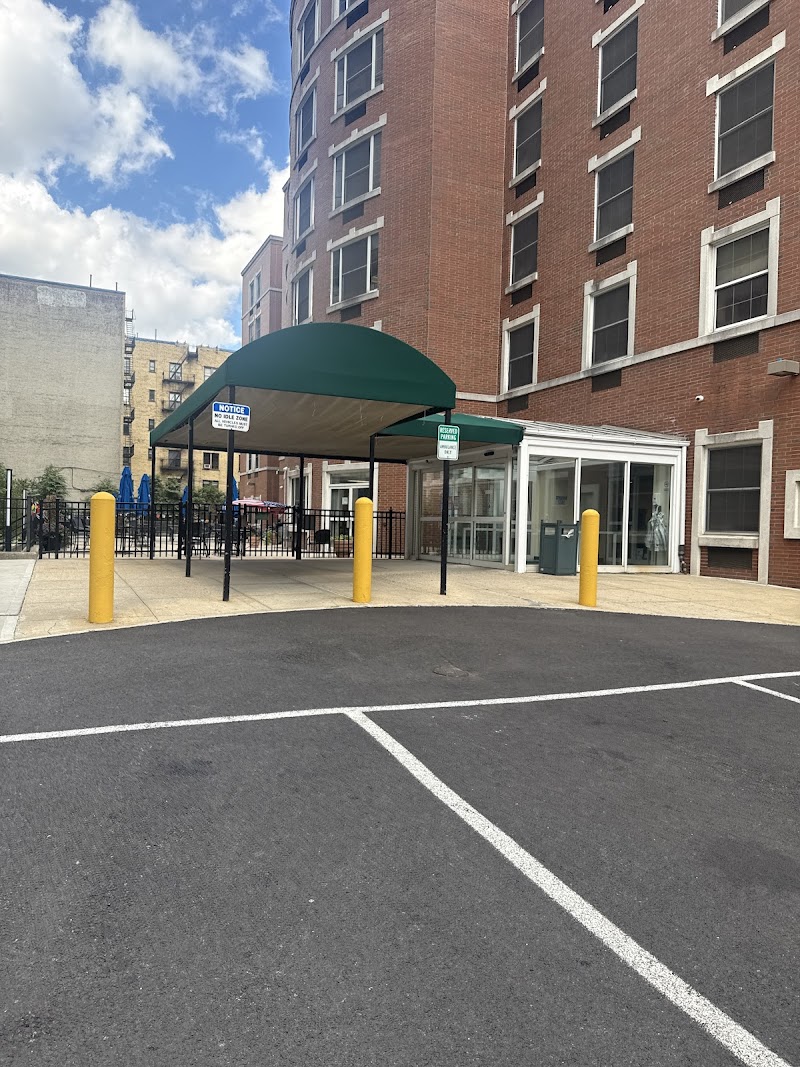
How is The Monarch At Brooklyn Rehab And Nursing Center Staffed?

CMS rates THE MONARCH AT BROOKLYN REHAB AND NURSING CENTER's staffing level at 2 out of 5 stars, which is below average compared to other nursing homes. Staff turnover is 41%, compared to the New York average of 46%. This relatively stable workforce can support continuity of care.

What Have Inspectors Found at The Monarch At Brooklyn Rehab And Nursing Center?

State health inspectors documented 22 deficiencies at THE MONARCH AT BROOKLYN REHAB AND NURSING CENTER during 2019 to 2025. These included: 22 with potential for harm.
Who Owns and Operates The Monarch At Brooklyn Rehab And Nursing Center?

THE MONARCH AT BROOKLYN REHAB AND NURSING CENTER is owned by a for-profit company. For-profit facilities operate as businesses with obligations to shareholders or private owners. The facility is operated by CARERITE CENTERS, a chain that manages multiple nursing homes. With 200 certified beds and approximately 195 residents (about 98% occupancy), it is a large facility located in BROOKLYN, New York.
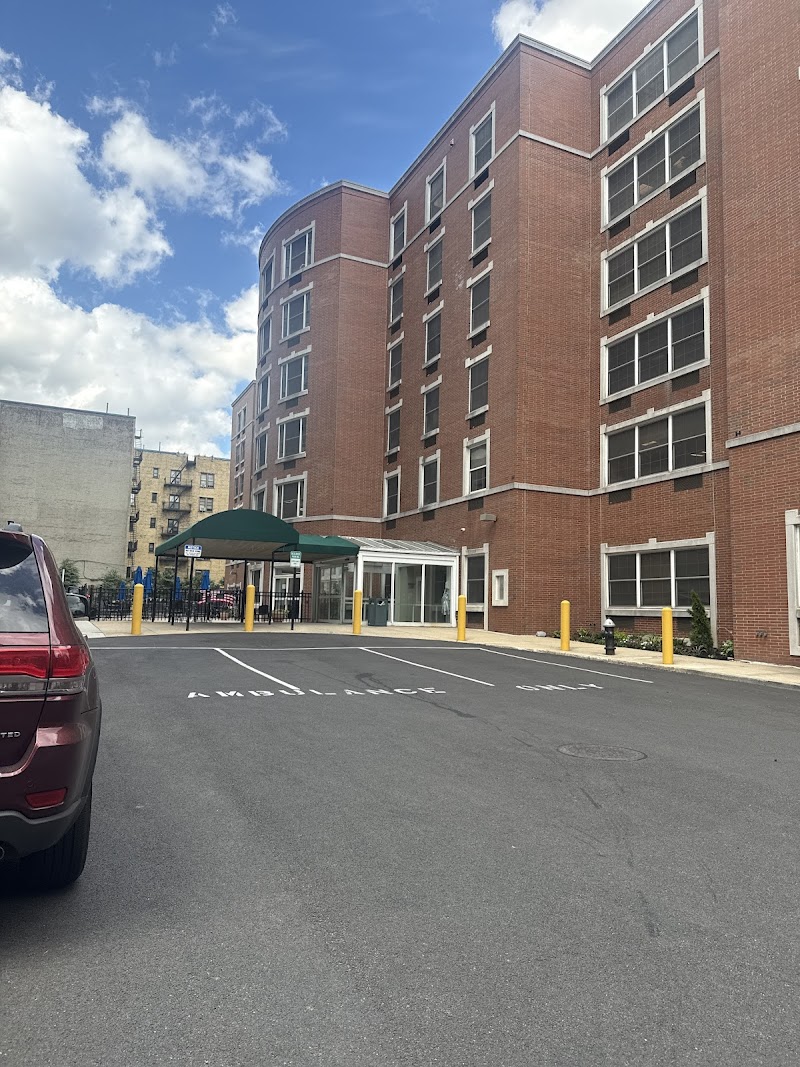
How Does The Monarch At Brooklyn Rehab And Nursing Center Compare to Other New York Nursing Homes?

Compared to the 100 nursing homes in New York, THE MONARCH AT BROOKLYN REHAB AND NURSING CENTER's overall rating (3 stars) is below the state average of 3.1, staff turnover (41%) is near the state average of 46%, and health inspection rating (2 stars) is below the national benchmark.

What Should Families Ask When Visiting The Monarch At Brooklyn Rehab And Nursing Center?

Based on this facility's data, families visiting should ask: "Can you walk me through typical staffing levels on day, evening, and night shifts?" "Can I visit during a mealtime to observe dining assistance and food quality?" "How do you handle medical emergencies, and what is your hospital transfer rate?" "Can I speak with family members of current residents about their experience?" These questions are particularly relevant given the below-average staffing rating.

Is The Monarch At Brooklyn Rehab And Nursing Center Safe?

Based on CMS inspection data, THE MONARCH AT BROOKLYN REHAB AND NURSING CENTER has a clean safety record: no substantiated abuse findings (meaning no confirmed cases of resident harm), no Immediate Jeopardy citations (the most serious violation level indicating risk of serious injury or death), and is not on the Special Focus Facility watch list (a federal program monitoring the lowest-performing 1% of nursing homes). The facility has a 3-star overall rating and ranks #100 of 100 nursing homes in New York. While no facility is perfect, families should still ask about staff-to-resident ratios and recent inspection results during their visit.

Do Nurses at The Monarch At Brooklyn Rehab And Nursing Center Stick Around?

THE MONARCH AT BROOKLYN REHAB AND NURSING CENTER has a staff turnover rate of 41%, which is about average for New York nursing homes (state average: 46%). Moderate turnover is common in nursing homes, but families should still ask about staff tenure and how the facility maintains care continuity when employees leave.

Was The Monarch At Brooklyn Rehab And Nursing Center Ever Fined?

THE MONARCH AT BROOKLYN REHAB AND NURSING CENTER has no federal fines on record. CMS issues fines when nursing homes fail to meet care standards or don't correct problems found during inspections. The absence of fines suggests the facility has either maintained compliance or corrected any issues before penalties were assessed. This is a positive indicator, though families should still review recent inspection reports for the full picture.

Is The Monarch At Brooklyn Rehab And Nursing Center on Any Federal Watch List?

THE MONARCH AT BROOKLYN REHAB AND NURSING CENTER is not on any federal watch list. The most significant is the Special Focus Facility (SFF) program, which identifies the bottom 1% of nursing homes nationally based on persistent, serious quality problems. Not being on this list means the facility has avoided the pattern of deficiencies that triggers enhanced federal oversight. This is a positive indicator, though families should still review the facility's inspection history directly.