Elm Manor Nursing and Rehabilitation Center
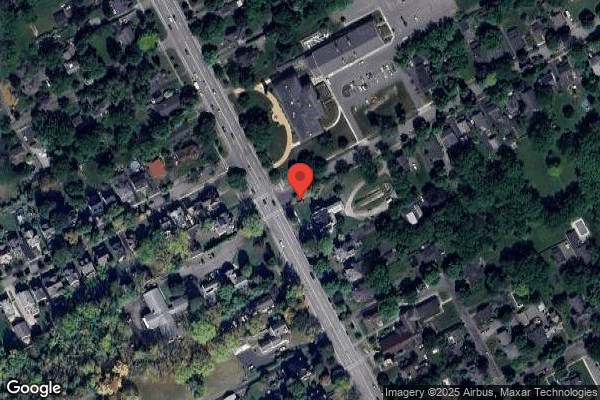
210 North Main Street, Canandaigua, NY 14424 (585) 394-3883
For profit - Corporation 46 Beds Independent Data: November 2025
Trust Grade
30/100
#506 of 594 in NY
Last Inspection: August 2024

Within standard 12-15 month inspection cycle. Federal law requires annual inspections.

Overview

Elm Manor Nursing and Rehabilitation Center has received a Trust Grade of F, indicating significant concerns about the quality of care provided. Ranking #506 out of 594 facilities in New York places it in the bottom half, and #4 out of 5 in Ontario County suggests only one local option is better. The facility's situation is worsening, with issues increasing from 2 in 2023 to 7 in 2024. Staffing is a major concern, with a low rating of 1 out of 5 and an alarming turnover rate of 82%, which is much higher than the state average. While there have been no fines reported, specific incidents such as improper food safety practices and failure to create timely care plans for residents raise serious red flags about overall care quality. On a positive note, the facility has good quality measure ratings but the overall care environment remains a significant concern for families.
Trust Score
F
30/100
In New York
#506/594
Bottom 15%
Safety Record
Low Risk
No red flags
Inspections
Getting Worse
2 → 7 violations
Staff Stability
⚠ Watch
82% turnover. Very high, 34 points above average. Constant new faces learning your loved one's needs.
Penalties
✓ Good
No fines on record. Clean compliance history, better than most New York facilities.
Skilled Nurses
⚠ Watch
Each resident gets only 25 minutes of Registered Nurse (RN) attention daily — below average for New York. Fewer RN minutes means fewer trained eyes watching for problems.
Violations
⚠ Watch
23 deficiencies on record. Higher than average. Multiple issues found across inspections.
★☆☆☆☆
1.0
Overall Rating
★☆☆☆☆
1.0
Staff Levels
★★★★☆
4.0
Care Quality
★★☆☆☆
2.0
Inspection Score
Stable
2023: 2 issues
2024: 7 issues

The Good

  • 4-Star Quality Measures · Strong clinical quality outcomes
  • Full Sprinkler Coverage · Fire safety systems throughout facility
  • No fines on record

Facility shows strength in quality measures, fire safety.

The Bad

1-Star Overall Rating

Below New York average (3.0)

Significant quality concerns identified by CMS

Staff Turnover: 82%

36pts above New York avg (46%)

Frequent staff changes - ask about care continuity

Staff turnover is very high (82%)

34 points above New York average of 48%

The Ugly 23 deficiencies on record

Aug 2024 7 deficiencies
CONCERN (D) 📢 Someone Reported This

A family member, employee, or ombudsman was alarmed enough to file a formal complaint

Potential for Harm - no one hurt, but risky conditions existed

Transfer Requirements (Tag F0622)

Could have caused harm · This affected 1 resident

**NOTE- TERMS IN BRACKETS HAVE BEEN EDITED TO PROTECT CONFIDENTIALITY** Based on interviews and record reviews conducted during the Recertification Survey and complaint investigation (NY00351141) from...

Read full inspector narrative →
**NOTE- TERMS IN BRACKETS HAVE BEEN EDITED TO PROTECT CONFIDENTIALITY** Based on interviews and record reviews conducted during the Recertification Survey and complaint investigation (NY00351141) from 08/21/2024 to 08/27/2024, for one (Resident #191) of one resident reviewed for a discharge to the hospital, the facility did not ensure the transfer or discharge was appropriately documented in the resident's medical record to include the basis and necessity for the transfer, the receiving heath care institution, physician notification, and documentation of the discharge. Specifically, there was no documentation of a discharge summary, nursing assessment, change in condition to explain why the resident was transferred or discharged , or to where they were discharged . This is evidenced by the following: The facility's policy for transfers/discharges documented that the facility should provide a brief statement of facts that clearly supports the determination to discharge or transfer the resident and to document all discharge planning and notice activity in the social service notes. Resident #191 had diagnoses that included a recent right above the knee amputation, diabetes, and chronic obstructive pulmonary disease. In a Nursing Admission/Re-Admit note, dated 08/05/2024, Director of Nursing #2 documented Resident #191 was admitted to the facility on [DATE] via ambulance from the hospital for short term rehabilitation. The note included Resident #191 was awake, alert, and oriented to person, place, time, and situation, and responded appropriately to questions. Review of interdisciplinary progress notes, dated 08/05/2024, revealed Resident #191 was assessed by Social Services and Dietary departments as a new admission and was doing well. In a nursing progress note, dated 08/06/2024 at 2:44 PM, Assistant Director of Nursing documented that Resident #191 had left the facility. There was no other documentation in the resident's medical record regarding the Resident #191's health status, current condition, medical notification, and/or input regarding why the resident was transferred/discharged out of the facility or to where. During an interview on 08/27/2024 at 12:38 PM, the Assistant Director of Nursing said that Resident #191 left the faciity on [DATE] by ambulance, but there was no documentation to support the resident's transfer. During an interview on 08/27/2024 at 2:27 PM, the Administrator said they did not know much about Resident #191's transfer, but that the resident was in the facility less than 24 hours. Additionally, the Administrator said they were not aware there was no documentation in the resident's electronic health record to show why the resident was transferred to the hospital. 10 NYCRR 415.3(i)(1)(ii)(a)(b)
CONCERN (D) 📢 Someone Reported This

A family member, employee, or ombudsman was alarmed enough to file a formal complaint

Potential for Harm - no one hurt, but risky conditions existed

ADL Care (Tag F0677)

Could have caused harm · This affected 1 resident

**NOTE- TERMS IN BRACKETS HAVE BEEN EDITED TO PROTECT CONFIDENTIALITY** Based on observations, interviews, and record review conducted during a Recertification Survey and complaint investigation (NY00...

Read full inspector narrative →
**NOTE- TERMS IN BRACKETS HAVE BEEN EDITED TO PROTECT CONFIDENTIALITY** Based on observations, interviews, and record review conducted during a Recertification Survey and complaint investigation (NY00342410) from 08/21/2024 to 08/27/2024, for two (Residents #5 and #26) of five residents, the facility did not ensure that residents who were dependent on staff for assistance received the necessary services to maintain grooming and personal hygiene. Specifically, Resident #5 did not receive assistance with showering and washing their hair. Resident #26 did not receive assistance with showering, shaving, or obtaining a haircut. This is evidenced by the following: Review of the facility's Daily Staffing Sheets instructed that all staff are responsible for completing resident care tasks to include cleaning and cutting nails, shaving, and hair combing. 1. Resident #5 had diagnoses that included Alzheimer's dementia, hypertension, and chronic pain syndrome. The Minimum Data Set Resident Assessment, dated 06/10/2024, documented the resident had severely impaired cognition, required assistance with personal hygiene, and that bathing/showering was important to them. Review of the current Comprehensive Care Plan and [NAME] (plan of care used by Certified Nurse Assistants) revealed Resident #5 required extensive assistance with personal hygiene, bathing, and showering. Review of a physician's order, dated 05/06/2024, revealed Resident #5's shower day was on Wednesday and to document any refusal of care. Review of a progress note, dated 05/04/2024 at 10:36 PM, Licensed Practical Nurse #2 documented Resident #5 had received a bed bath after refusing a shower. Review of progress notes from 05/05/2024 to 08/24/2024 did not include documented evidence Resident #5 had received or refused a bed bath, shower, or assistance with hair washing. During an observation on 08/21/2024 at 11:22 AM, Resident #5's hair was visibly greasy. During a phone interview on 08/22/2024 at 12:01 PM, Resident #5's family member stated the resident's hair was dirty and they had reported their concerns to the Administrator the previous day. During an observation on 08/23/2024 at 9:03 AM, Resident #5 was sitting in their wheelchair at the nurse's station, wearing a hat with greasy hair visible underneath. 2. Resident #26 had diagnoses that included osteoarthritis, vascular dementia (memory loss), and hypertension. The Minimum Data Set Resident Assessment, dated 07/13/2024, revealed Resident #26 had severely impaired cognition, showering/bathing was important to them, and they required assistance with showering/bathing and personal hygiene. Review of the current Comprehensive Care Plan and [NAME] revealed Resident #26 required extensive assistance with bathing/showering and set-up assistance with personal hygiene. Review of a physician's order, dated 05/06/2024, revealed Resident #26's shower day was on Monday and to document any refusal of care. Review of a progress note, dated 07/01/2024 at 10:37 PM, Licensed Practical Nurse #2 documented it was Resident #26's shower day and they had no skin issues. Review of progress notes from 07/02/2024 to 08/24/2024 did not include documented evidence Resident #26 had received or refused a bed bath, shower, or assistance with hair washing or shaving. During observations on 08/23/2024 at 9:09 AM, Resident #26's hair was long, approximately one-half inch below their ears, and down their neck. During observations on 08/26/2024 at 11:39 AM, Resident #26's hair was long. During an interview at that time, Resident #26 stated they had not received a shower or shave and they would like a haircut. During observations on 08/27/2024 at 11:04 AM, Resident #26 was wearing the same clothes from the previous day and the front of their shirt had dried food stains. During an interview at that time, Resident #26 stated they could not remember the last time they received assistance with a shower, hair washing, or shave, and they would like a haircut. Review of the unit shower schedule (list of scheduled shower day/shift for all residents residing on the unit) revealed Resident #26 was scheduled for a shower on Monday evenings (Resident would have been scheduled for the evening shift on 08/26/2024). During an interview on 08/21/2024 at 11:22 AM, Certified Nursing Assistant #2 stated the facility did not have a hairdresser at the facility to provide haircuts. During an interview on 08/26/2024 at 11:49 AM, Certified Nursing Assistant #1 stated they report to the nurse when a resident's shower was completed. If a resident refused assistance with a shower, they would reapproach the resident at a later time and report the refusal to the nurse so it could be documented in the electronic medical record. Certified Nursing Assistant #1 stated sometimes showers were not given due to staff shortages. During an interview on 08/26/2024 at 12:47 PM, the Licensed Practical Nurse Manager stated they expected that shower days included hair washing, shaving, and nail care. The Certified Nursing Assistants should document in the electronic health record what care was performed on the resident's shower day and notify the nurse so skin checks could be completed. Licensed Practical Nurse Manager stated the Certified Nursing Assistant should notify the nurse if a resident refused so the resident could be reapproached at a later time and the nurse could document the refusal of care. During electronic medical record reviewed at that time, the Licensed Practical Nurse Manager stated there was no documentation since 05/04/2024 for Resident #5 and no documentation since 07/01/2024 for Resident #26 that indicated either resident had received or refused a shower. During an interview on 08/26/2024 at 3:49 PM, the Assistant Director of Nursing stated it was their expectation that all activities of daily living were completed and documented in the electronic medical record. If staff were unable to provide care or the resident refused, the nurse should be notified so they could reapproach the resident. The Assistant Director of Nursing stated there was no hairdresser employed by the facility. 10 NYCRR 415.12(a)(3)
CONCERN (D)

Potential for Harm - no one hurt, but risky conditions existed

Deficiency F0761 (Tag F0761)

Could have caused harm · This affected 1 resident

Based on observations and interviews conducted during the Recertification Survey from 08/21/2024 to 08/27/2024, for one (cart two) of two medication carts reviewed, the facility did not ensure all med...

Read full inspector narrative →
Based on observations and interviews conducted during the Recertification Survey from 08/21/2024 to 08/27/2024, for one (cart two) of two medication carts reviewed, the facility did not ensure all medications were stored and labeled in accordance with acceptable professional standards. Specifically, four medication cups that contained medications that had been pre-poured (medications that are prepared in advance and stored until the time of adminstration), were in the medication cart drawer uncovered and only labeled with room numbers. This is evidenced by the following: During observations on 08/26/2024 at 3:50 PM, Licensed Practical Nurse #2 was at medication cart two. The top drawer was open and contained four medication cups each containing multiple pills. The medication cups were labeled with room numbers only. During an immediate interview, Licensed Practical Nurse #2 said they had pre-poured their medications and were not aware that it was not good nursing practice to prepare medications and leave them in the medication cart. Licensed Practical Nurse #2 said they had seen another nurse (name unknown) pre-pour medications in the past. Licensed Practical Nurse #2 said they were only able to identify the medication cups based on the room numbers, so if a resident were to wander into another resident's room, they could mistakenly administer the medications to the wrong resident. During an interview on 08/27/2024 at 11:34 AM, the Director of Nursing said no one should ever pre-pour medications. Medication administration was covered in orientation and each nurse shadowed a preceptor once they began working on the units. The Director of Nursing said they would expect the nurses to complete the five rights of medication administration (a standard for safe medication practices), lock their medication carts, always think about safety, and never pre-pour medications. 10 NYCRR 415.18(e)(1-4)
CONCERN (E)

Potential for Harm - no one hurt, but risky conditions existed

Deficiency F0655 (Tag F0655)

Could have caused harm · This affected multiple residents

Based on interviews and record review conducted during the Recertification Survey from 08/21/2024 to 08/27/2024, for six (Residents #11, #24, #27, #29, #33, and #38) of six residents reviewed for Base...

Read full inspector narrative →
Based on interviews and record review conducted during the Recertification Survey from 08/21/2024 to 08/27/2024, for six (Residents #11, #24, #27, #29, #33, and #38) of six residents reviewed for Baseline Care Plans, the facility did not ensure that a Baseline Care Plan (developed within 48 hours of admission and included minimum healthcare information necessary to properly care for the immediate needs of the residents, that they were able to understand) was created in a timely manner or that a summary was provided to the residents and/or resident representatives. Specifically, for Residents #11, #24, #29, #33, and #38 there was no evidence the facility completed a Baseline Care Plan upon admission. For Resident #27, the facility was able to show that a Baseline Care Plan had been completed, but there was no evidence that a copy of the summary was provided to the resident and/or their representative. This is evidenced by, but not limited to the following: The facility's policy Care Plans - Baseline, revised December 2016, documented a baseline plan of care to meet the resident's immediate needs shall be developed for each resident within forty-eight hours of admission. The Baseline Care Plan will be used until the staff can conduct the comprehensive assessment and develop an interdisciplinary person- centered care plan. 1. Resident #11 had diagnoses that included chronic osteomyelitis (bone infection) of the right foot, diabetes, and schizoaffective disorder (mental health condition involving schizophrenia and mood disorder). The Minimum Data Set Resident Assessment, dated 07/26/2024, documented the resident was cognitively intact and it was very important to the resident to have their family involved in discussions about their care. Review of Resident #11's electronic health record revealed no documented evidence that a Baseline Care Plan had been completed or a summary of the care plan had been provided to the resident and/or their representative. 2. Resident #33 had diagnoses that included diabetes, dementia without behaviors, and seizures. The Minimum Data Set Resident Assessment, dated 07/20/2024, documented the resident had moderately impaired cognition, was able to understand others with clear comprehension, and it was very important to the resident to have their family involved in discussions about their care. Review of Resident #33's electronic health record revealed no documented evidence that a Baseline Care Plan had been completed or a summary of the care plan had been provided to the resident and/or their representative. 3. Resident #27 had diagnoses that included diabetes, cellulitis (skin infection) of the left leg, and high blood pressure. The Minimum Data Set Resident Assessment, dated 07/25/2024, documented the resident was cognitively intact and it was very important to the resident to have their family involved in discussions about their care. Review of Resident #27's electronic health record revealed a Baseline Care Plan had been developed following admission to the facility, but there was no documented evidence that a summary of the Baseline Care Plan had been provided and/or reviewed with the resident or their representative. During an interview on 08/26/2024 at 9:48 AM, the Social Worker said they were not trained on how to complete Baseline Care Plans and they did not know what a Baseline Care Plan was. During an interview on 08/26/2024 at 11:49 AM, the Administrator stated the Social Worker should complete Baseline Care Plans upon admission in the residents' electronic health record, print them, present them to the resident and/or their representative to be signed, and provide them with a copy. The Administrator said they thought the Social Worker had been following their process for Baseline Care Plans until recently. 10 NYCRR 415.11
CONCERN (E)

Potential for Harm - no one hurt, but risky conditions existed

Accident Prevention (Tag F0689)

Could have caused harm · This affected multiple residents

**NOTE- TERMS IN BRACKETS HAVE BEEN EDITED TO PROTECT CONFIDENTIALITY** Based on observations and interviews conducted during the Recertification Survey from 08/21/2024 to 08/27/2024, for three of thr...

Read full inspector narrative →
**NOTE- TERMS IN BRACKETS HAVE BEEN EDITED TO PROTECT CONFIDENTIALITY** Based on observations and interviews conducted during the Recertification Survey from 08/21/2024 to 08/27/2024, for three of three observations of suction machines, the facility did not ensure the resident environment remained as free of accident hazards as possible. Specifically, suction machines were not prepared to be used in case of an aspiration emergency on units with residents at risk for aspiration. The findings are: Observations on 08/22/2024 at 11:05 AM included a Medline Vac-Assist and an Invacare suction machine (a compact medical suctioning device which is used to remove fluids from the airway) on the crash cart next to the nurse's station. Neither device was fully assembled and there was no tubing or reservoir attached to catch fluids. Observations on 08/23/2024 at 1:35 PM included a Medline Vac-Assist and an Invacare suction machine on the crash cart next to the nurse's station. The Medline device was observed to have the reservoir to catch fluids in place, but the Invacare did not, and neither device had the tubing attached. Observations on 08/26/2024 at 8:46 AM included a crash cart located near resident room [ROOM NUMBER] with a Medline suction machine that did not have the reservoir in place or tubing attached. During an interview on 08/26/2024 at 3:41 PM, the Nurse Manager stated the suction machine should have clean tubing and a canister ready to use. The packaging could be kept over the tubing to keep it clean, but the equipment should be ready to use. The Nurse Manager stated there are currently five residents (#1, #12, #30, #194, and #295) in the facility that are on aspiration precautions. During an interview on 08/27/2024 at 10:45 AM, the Nurse Manager stated one would waste valuable time putting the tubing on the suction machine in an emergency. 10 NYCRR: 415.12(h)(1)
CONCERN (E) 📢 Someone Reported This

A family member, employee, or ombudsman was alarmed enough to file a formal complaint

Potential for Harm - no one hurt, but risky conditions existed

Deficiency F0725 (Tag F0725)

Could have caused harm · This affected multiple residents

**NOTE- TERMS IN BRACKETS HAVE BEEN EDITED TO PROTECT CONFIDENTIALITY** Based on interviews and record review conducted during the Recertification Survey and complaint investigation (NY00351141) from ...

Read full inspector narrative →
**NOTE- TERMS IN BRACKETS HAVE BEEN EDITED TO PROTECT CONFIDENTIALITY** Based on interviews and record review conducted during the Recertification Survey and complaint investigation (NY00351141) from 08/21/2024 to 08/27/2024, the facility did not ensure sufficient nursing staff to provide nursing services to attain or maintain the highest practicable physical, mental, and psychosocial well-being for all residents in the facility. Specifically, there was not sufficient staff to meet all resident needs in activities of daily living, including timely showers, long waits for addressing call lights, assistance with activities of daily living (eating, toileting, personal hygiene), and complete necessary documentation for resident transfers and discharges. This is evidenced by, but not limited to, the following: For additional information see Centers for Medicare/Medicaid Services Form 2567: F677- Activities of Daily Living Care for Dependent Residents. The Facility Assessment, dated 02/20/2024, included the facility was licensed to provide care for 46 residents and had an average daily census of 40 residents. The staffing plan for a 28-bed unit was one Registered Nurse (Director of Nursing), one Licensed Practical Nurse Manager, two Licensed Practical Nurses for day shift, two Licensed Practical Nurses for evening shift, one Licensed Practical Nurse for night shift, three Certified Nursing Assistants for day shift, three Certified Nursing Assistants for evening shift, and one Certified Nursing Assistant for night shift. During the entrance conference meeting on 08/21/2024 at 9:56 AM, the Administrator stated the current facility census was 38 residents. Review of daily timecards (used to track the actual hours worked by staff), revealed the following (based on the facility's average daily census of 40 residents): a. For the evening shift (3:00 PM to 11:00 PM) on 07/29/2024 and 07/31/2024, there was one Certified Nursing Assistant to provide four scheduled showers, incontinence care, toileting, pass dinner trays, and answer call bells. The staff to resident ratio was approximately one Certified Nursing Assistant to 40 residents. b. For the evening shift (3:00 PM to 11:00 PM) on 08/01/2024, there were two Certified Nursing Assistants from 3:00 PM to 7:00 PM and one Certified Nursing Assistant from 9:45 PM to 11:00 PM to provide four scheduled showers, incontinence care, toileting, pass dinner trays, and answer call lights. There were no Certified Nursing Assistants in the facility from 7:15 PM to 9:45 PM. There were two Licensed Practical Nurses from 3:00 PM to 7:00 PM and from 7:45 PM to 11:00 PM to provide all resident care including medications, treatments, personal hygiene, and answer call bells. The staff to resident ratio from 7:15 PM to 9:45 PM was approximately one Licensed Practical Nurse to 20 residents. c. For the day shift (7:00 AM to 3:00 PM) on 08/10/2024, there was one Certified Nursing Assistant from 7:00 AM to 3:00 PM to provide all personal hygiene, grooming, dressing, incontinence care, toileting, to pass breakfast and lunch trays, and answer call bells. The staff to resident ratio was approximately one Certified Nursing Assistant to 40 residents. d. For the day shift (7:00 AM to 3:00 PM) on 8/15/2024, there was one Registered Nurse from 9:00 AM to 10:26 AM to provide medications and treatments. There was no nurse in the building from 10:26 AM to 11:04 AM. The staff to resident ratio from 9:00 AM to 10:26 AM was approximately one Registered Nurse to 40 residents. e. For the day shift (7:00 AM to 3:00 PM) on 08/23/2024, there were two Certified Nursing Assistants to provide four scheduled showers, personal hygiene, grooming, dressing, incontinence care, toileting, pass breakfast and lunch trays, and answer call bells. The staff to resident ratio was approximately one Certified Nursing Assistant to 20 residents. During a continuous observations on 08/23/2024 from 9:16 AM to 9:44 AM (28 minutes), a red call light (signifying resident needs assistant in the bathroom) was on above resident rooms [ROOM NUMBERS]. No staff member responded to the call bell during this time, and no staff were visible in the hallway. Interviews conducted with residents and visitors included complaints of lack of assistance with activities of daily living (e.g., meals, showers, personal hygiene, toileting) particularly on weekends, evenings, and night shifts. These included, but were not limited to the following: 1. During an interview on 08/21/2024 at 9:57 AM, Resident #17 stated they cannot get up when they want to due to staffing challenges. 2. During an interview on 08/22/2024 at 11:56 AM, a visitor stated their loved one was frequently incontinent of urine because staff did not arrive timely to provide toileting assistance. The family member stated they had told staff their loved one's hair was dirty and needed a shower. 3. During an interview on 08/21/2024 at 11:47 AM, Resident #195 stated the facility was understaffed and they wait a long time for care. On the day prior, Resident #195 stated they waited an hour for their call bell to be answered. 4. During an interview on 08/21/2024 at 1:47 PM, Resident #38 stated during the night shift on 08/14/2024, they needed to use the rest room. There was only one Certified Nursing Assistant working in the facility and it took over 30 minutes to get assistance. Resident #38 stated this happens often. During an interview on 08/22/2024 at 11:34 AM, the Wound Care Physician stated they were unable to complete wound care rounds on 08/15/2024 as there was no nurse available on the unit to assist them. During an interview on 08/26/2024 at 3:50 PM, Licensed Practical Nurse #2 stated they pre-poured medications to administer to residents because often times they would have to transition from their role as a Licensed Practical Nurse and take on Certified Nursing Assistant duties due to staffing challenges. During an interview on 08/26/2024 at 12:33 PM, Licensed Practical Nurse Manager #1 stated there were several shifts during July 2024 that had no Certified Nursing Assistants working. Licensed Practical Nurse Manager #1 stated Nursing Leadership and Administration were aware of staffing struggles. During an interview on 08/26/2024 at 3:49 PM, the Assistant Director of Nursing stated they were aware of staff shortages at the facility. There were times when no Certified Nursing Assistants were scheduled, but the facility always had a nurse in the building. During an interview on 08/27/2024 at 10:22 AM, Occupational Therapist #1 stated resident care was often hindered related to staffing shortages. It was difficult to work with residents when they were soiled and had not received incontinence care. During an interview on 08/27/2024 at 12:18 PM, the Interim Director of Nursing stated they were responsible for overseeing nursing staff, and staff scheduling was based on the facility census and resident acuity (a measurement of the level of care residents requires based on their care needs). Their expectation was to have two nurses and three Certified Nursing Assistants on day shift, two nurses and two to three Certified Nursing Assistants on evening shift, and one nurse and two Certified Nursing Assistants on night shift. 10 NYCRR 415.13 (a)(1)(i-iii)
CONCERN (E)

Potential for Harm - no one hurt, but risky conditions existed

Food Safety (Tag F0812)

Could have caused harm · This affected multiple residents

Based on observations, interviews, and record review conducted during a Recertification Survey completed 08/21/2024 through 08/27/2024, for one of one main kitchen, the facility did not store, prepare...

Read full inspector narrative →
Based on observations, interviews, and record review conducted during a Recertification Survey completed 08/21/2024 through 08/27/2024, for one of one main kitchen, the facility did not store, prepare, distribute, and serve food in accordance with professional standards for food service safety. Specifically, a potentially hazardous food item was not properly thawed, and potentially hazardous foods were not held cold at or below 45 degrees Fahrenheit (°F). The findings are: Review of the facility policy, Elm Manor Nursing and Rehabilitation Center Dietary Policy and Procedure Food Preparation, dated 11/03/2022, included the following: It is the policy of Elm Manor Nursing and Rehabilitation Center that all foods are prepared by acceptable methods to maintain optimal nutritional value, flavor, and appearance. Meals are to be attractively served at the proper temperature and to meet the individual resident's needs. Observations on 08/22/2024 at 2:29 PM included a chest freezer holding approximately six square crates of pint sized 2% milk located in the kitchen dry storage room. The thermometer in the cooler displayed over 50 degrees Fahrenheit. A pint of this milk was measured with a Super-Fast Thermapen brand thermometer with a temperature of 54 degrees Fahrenheit. During an interview at that time, the Food Service Director stated that the temperature was okay at 9 AM this morning and voluntarily discarded the milk. The surveyor then calibrated the Thermapen using crushed ice and water and it displayed at 32 degrees Fahrenheit. Observations on 08/26/2024 at 1:00 PM included an approximately 8 by 12 by 6-inch deep pan with water and two bags of precooked chicken patties in the sink in the main kitchen. During an interview at this time, the Food Service Director stated they had the cold water running to defrost the chicken but someone else in the kitchen must have turned it off while plating or cleaning up. The Food Service Director stated the chicken was only there for about 45 minutes and then turned on the cold water. During an interview on 08/27/2024 at 10:32 AM, the Registered Dietician stated they do test trays once a month and sometimes temperatures are not always what they should be. The Registered Dietician stated that they believed the last time a test tray was done the milk was a little warm and they tested the fridge to make sure it was staying at the proper temperature. The Registered Dietician stated it looked like the knob got hit sometimes in the milk cooler. 10 NYCRR: 415.14(h) 10 NYCRR: Subparts 14-1.31(c), 14-1.40(a), 14-1.86(b)
Feb 2023 2 deficiencies
CONCERN (E) 📢 Someone Reported This

A family member, employee, or ombudsman was alarmed enough to file a formal complaint

Potential for Harm - no one hurt, but risky conditions existed

Safe Environment (Tag F0584)

Could have caused harm · This affected multiple residents

**NOTE- TERMS IN BRACKETS HAVE BEEN EDITED TO PROTECT CONFIDENTIALITY** Based on observations, interviews, and record review conducted during an Abbreviated Survey (#NY00307506) completed on 1/31/23, ...

Read full inspector narrative →
**NOTE- TERMS IN BRACKETS HAVE BEEN EDITED TO PROTECT CONFIDENTIALITY** Based on observations, interviews, and record review conducted during an Abbreviated Survey (#NY00307506) completed on 1/31/23, it was determined that for two (Wing Two and Wing Three) of three resident units, the facility did not provide maintenance services necessary to maintain a comfortable interior. Specifically, ambient air temperatures in occupied resident rooms were below 71 degrees (°) Fahrenheit (F). The findings are: 1. Resident #6 was admitted to the facility on [DATE] with diagnoses including respiratory failure with hypoxia (low levels of oxygen in body tissues), pneumonia, and chronic obstructive pulmonary disease (COPD). The Minimum Data Set (MDS) Assessment, dated 12/23/22, included that Resident #6 was cognitively intact. 2. Resident #3 was admitted to the facility on [DATE] with diagnoses including anemia (lack of or dysfunctional red blood cells) and congestive heart failure. The MDS Assessment, dated 10/10/22, included that Resident #3 was moderately impaired of cognitive function. 3. Resident #1 was initially admitted to the facility on [DATE] with a diagnosis of diabetes. The MDS Assessment, dated 11/2/22, included that the resident was cognitively intact. Observations on 1/27/23 from 6:36 a.m. to 7:10 a.m. included the following: a) The surveyor verified that the ThermoWorks Thermapen One digital thermometer was accurate using the ice-point method. This thermometer displayed 32°F after being placed in a cup of ice water in the presence of LPN #2. b) The following ambient air temperatures were observed in the center of occupied resident rooms using the ThermoWorks Thermapen One digital thermometer: 61°F in resident room [ROOM NUMBER] (Wing Two), 64°F in resident room [ROOM NUMBER] (Wing Two), 67°F in resident room [ROOM NUMBER] (Wing Two), 67°F in resident room [ROOM NUMBER] (Wing Two), 66°F in resident room [ROOM NUMBER] (Wing Three), 67°F in resident room [ROOM NUMBER] (Wing Three), 68°F in resident room [ROOM NUMBER] (Wing Two), 68°F in resident room [ROOM NUMBER] (Wing Two), 68°F in resident room [ROOM NUMBER] (Wing Three), and 67°F in resident room [ROOM NUMBER] (Wing Three). c) Using the ThermoWorks Thermapen One digital thermometer it was observed to be 60°F in the corridor next to resident room [ROOM NUMBER] (Wing Two) and 66°F in the corridor near the exit door at the end of Wing Two. Interviews on 1/27/23 from 6:49 a.m. to 8:49 a.m. included the following: a) Resident #6 stated that they had been in their room since about Tuesday and it has been cold in the room ever since. Resident #6 further stated that although staff got them extra blankets, it only helped a little and they felt uncomfortable from the cold. b) Resident #3 stated that it is cold in their room and that they have been told by staff that it's the coldest room in the facility. c) Resident #1 stated that it is cold in their room now and has been the past week. d) LPN #2 stated that it felt cold in resident rooms #16 and #24, that resident rooms #16 and #17 are the coldest in the facility, that the windows leak air in the facilty and that 61°F in a resident room is unacceptable. LPN #2 stated that the temperature dropped in the middle of the night each day they worked over the past week and that they had reported the temperatures to the Director of Nursing. e) CNA #2 stated that the thermostats have been reading between 66°F and 68°F the past week and that some residents complained that it was cold. f) CNA #3 stated that the back hall (Wings Two and Three) had been freezing since December 2022 and that residents often tell them that they are cold. g) The Director of Maintenance stated that they have been doing their best to improve the temperatures in the facility, that they had placed some new insulation in the attic and placed plastic on some resident room windows. The Director of Maintenance stated that they think part of the issue with temperatures is that it is an older building with ineffective windows and that the end wings (Wing Two and Three) are exposed to winds. h) The Administrator stated that after they placed some insultation in the attic, they left resident rooms #16 and #17 vacant for a couple days to check the temperatures. The Administrator stated that they moved residents back into those rooms on Tuesday and that they were trying to maintain temperatures above 71°F. 6. Record review of a facility log titled Resident Room Temps Every 2 hours provided by the Activities Director on 1/27/23 at 9:39 a.m. included that room temperatures were documented to be below 71°F in Wings Two and Three on 1/20/23, 1/21/23, 1/22/231/23/23, 1/24/23,1/25/23, 1/26/23, and 1/27/23 with the lowest temperature recorded to be 66.2°F. 10NYCRR: 415.29, 415.5(h)(4), 713-1.9(b)
CONCERN (E) 📢 Someone Reported This

A family member, employee, or ombudsman was alarmed enough to file a formal complaint

Potential for Harm - no one hurt, but risky conditions existed

Deficiency F0836 (Tag F0836)

Could have caused harm · This affected multiple residents

Based on interviews and record review conducted during an Abbreviated Survey (#NY00307506) completed on 1/31/23, it was determined that for two (Wing Two and Wing Three) of three resident units, the f...

Read full inspector narrative →
Based on interviews and record review conducted during an Abbreviated Survey (#NY00307506) completed on 1/31/23, it was determined that for two (Wing Two and Wing Three) of three resident units, the facility did not operate in compliance with all applicable State regulations and codes. Specifically, the facility did not report to the New York State Department of Health (NYSDOH) an unintentional loss of heat with potential to affect resident care and resulting in resident relocation within the building. The findings are: During a telephone interview on 12/27/22 at 3:48 p.m. the Administrator stated they became aware of cold temperatures in the building on 12/24/22 at approximately 7:30 a.m. after a report from nursing staff, and they had a vendor come in to check the boiler who bled air out of the system to help improve temperatures. The Administrator further stated that they moved some residents from cold rooms on Wing Two and Wing Three to Wing One where temperatures were warmer and that they did not report the situation to NYSDOH because they did not look at it as a loss of service since the boilers were still working. Interviews on 12/28/22 from 8:48 a.m. to 12:17 p.m. included the following: a) The Therapy Director stated that temperatures in the therapy room were in the 50-59 degree (°) Fahrenheit (F) range for about a day and half, starting on the evening of 12/23/22 when high winds were blowing through the windows. The Therapy Director further stated that heat was coming out of the vents during this time but was not circulating properly. b) Resident #1 stated that their room has been cold for several days starting on the night of 12/23/22 and that yesterday staff put plastic on their window, and they were told it was to keep some of the cold out. c) Resident #2 stated that a couple of days ago they were located in a different room that was cold for several days and that staff was concerned so they moved their room to a warmer room. d) Resident #3 stated that a few days ago they were located in a different room that was freezing so staff moved them to this room where it is warmer. e) The Director of Maintenance stated that the boiler in Boiler Room One services Wing One and the boiler in Boiler Room Two services Wings Two and Three. f) The Supervisor of Housekeeping and Laundry stated that over the weekend they were asked to help move resident rooms because of the cold temperatures. g) LPN #1 stated that over Christmas weekend the hallway thermostats were reading in the high 40s° F and low 50s° F on Wings Two and Three, so they moved six residents to Wing One. h) CNA #1 stated that on Christmas Eve it was cold in Wings Two and Three and that the thermostat near the nurse's station read 50° F. i) The Administrator stated that the facility was not taking new admissions over the weekend due to the cold temperatures in the vacant rooms and that a concerning room temperature would be below 65° F. The Administrator also stated that the colder rooms in the facility are still empty because the residents who were in those rooms were moved to Wing One where it is warmer. The Administrator further stated that they knew temperatures were below 70° F over the weekend and they didn't report it to NYSDOH because they didn't see it as a loss of service as the boilers were still working. Record review of a vendor service report provided by the Administrator on 12/28/22 at 10:34 a.m. included the following information dated 12/24/22: a) On arrival customer stated that multiple rooms were not heating properly. b) Air vents are in poor condition and in need of replacement. c) Vendor attempted to power purge each section and was able to get good flow up through the baseboards and down through the returns d) There is a flue leak on the back of the boiler when it was running. Review of facility log Resident Room Temps Every 2 hours provided by the Administrator on 12/28/22 at 12:08 p.m. included that room temperatures were documented to be below 71° F in Wings Two and Three at 7:30 a.m., 9:30 a.m., 11:30 a.m., 1:30 p.m., 3:30 p.m., 5:30 p.m., 7:30 p.m., 9:30 p.m., and 11:30 p.m. on 12/24/22, 12/25/22, 12/26/22, and 12/27/22 with the lowest temperature recorded to be 47 ° F. Further review of the logs included that the residents in rooms #15, #17, and #24 (Wing Two and Wing Three) were moved to rooms #6, #7, and #3 (Wing One), respectively. Review of the facility's Emergency Preparedness procedure for cold emergencies provided by the Administrator via email on 12/29/22 at 11:02 a.m. included that when the temperature goes below 71° F in house, they are to notify the Health Department if it is expected to last more than three hours. The Physical Environment section related to physical plant issues/loss of service in the New York State Incident Reporting Manual includes that the facility must report planned or unintentional loss of heat lasting or expecting to last more than 4-hours. The facility must report any occurrence involving temperature (too hot or too cold) that require evacuation, including evacuation of a nursing unit, floor or building and isolated incidents that require movement of residents. 10NYCRR: 415.29, 415.5(h)(4), 713-1.9(b), NYS Incident Reporting Manual pages 25-26
Oct 2022 9 deficiencies
CONCERN (D)

Potential for Harm - no one hurt, but risky conditions existed

Deficiency F0554 (Tag F0554)

Could have caused harm · This affected 1 resident

**NOTE- TERMS IN BRACKETS HAVE BEEN EDITED TO PROTECT CONFIDENTIALITY** Based on observations, interviews, and record reviews conducted during the Recertification Survey completed on 10/24/22, it was ...

Read full inspector narrative →
**NOTE- TERMS IN BRACKETS HAVE BEEN EDITED TO PROTECT CONFIDENTIALITY** Based on observations, interviews, and record reviews conducted during the Recertification Survey completed on 10/24/22, it was determined that for one of four residents reviewed for medication administration, the facility did not ensure that residents were appropriate for self-administration of medications. Specifically, Resident #22 had medications left at the bedside without a nurse present to supervise and without the resident being assessed and care planned for safe self-administration. This is evidenced by the following: The facility policy, Self-Administration of Drugs at the Bedside, dated 7/26/22, included: 1. The care planning team will assess each resident's mental, physical, and visual ability to determine if the resident is capable of safe self-administration. Until the care planning team makes a decision, drugs will continue to be administered in accordance with Center policies governing the administration of medications. Residents will not be permitted to self-administer or retain medications in their rooms unless the attending physician and the interdisciplinary team concur that the resident is safe and competent to do so. 2. The interdisciplinary team's assessment must be documented in the resident's clinical record. 3. If the care planning team determine that the resident is able to carry out this responsibility, the team will ask the resident, during his or her assessment conference, if he or she would prefer to administer his or her own drugs and medications. The resident will undergo an orientation program that provides instructions on how and when to take medications, reporting and documentation requirements, and safe storage of medications. 4. If the resident wishes to self-administer his or her own medications, the resident will be permitted to do so. Medications must be stored in a locked box or locked top drawer of resident's nightstand. 5. Appropriate documentation as to whether or not the resident made a choice about self-administration of drugs will be filed in the resident's medical record. 6. Appropriate notation of these determinations should be placed in the resident's care plan and the care plan must state that prior to self-administration the resident is safe to self-administer medications. 7. The interdisciplinary team shall evaluate the resident's ability to self-administer medications on a quarterly basis and as needed. The Interdisciplinary team needs to determine that it is safe for the resident to self-administer drugs before the resident may exercise the right. The facility policy Medication Administration, dated 5/22/20, includes that residents' may self-administer their own medications only if the Attending Physician, in conjunction with the Interdisciplinary Care Planning Team, has determined that they have the decision-making capacity to do so safely. Resident #22 had diagnoses including, hemiplegia (paralysis on one side of the body), diplopia (double vision), essential tremors (shaking movement in one or more parts of the body), and anxiety. The Minimal Data Set assessment dated [DATE] revealed the resident was moderately impaired of cognitive function. The Comprehensive Care Plan (CCP) dated 8/23/22 did not include any documentation that Resident #22 had been assessed for and was capable of safe self-administer of medications. Physician orders dated 8/15/22, did not include orders that Resident #22 was able to self-administer medications. During an observation of medication administration on 10/10/22 from 9:12 a.m. to 9:30 a.m. The Licensed Practical Nurse (LPN) prepared ten medications including Tylenol 1000 milligrams (mg), aspirin 81mg, amlodipine (high blood pressure medication) 5 mg, letrozole (chemotherapy medication) 2.5 mg, calcium 900 mg, omeprazole (gastric esophageal reflux medication) 20mg. primidone (seizure medication) 50mg, Effexor (depression medication) 150 mg, and vitamin D3 2000 units. All medications were scheduled for 8:00 a.m. After preparing the medication, the LPN proceeded to Resident #22's room and woke the resident who was in bed sleeping and left the medication cup filled with the medications on the resident's bedside table. When interviewed after leaving the room, LPN stated that medications are left with Resident #22 because they can take the medications independently. After surveyor intervention, the LPN returned to Resident #22's room to see if the resident was taking their medications but did not stay to see if all the medications were actually consumed. During an interview on 10/10/22 at 9:39 a.m. Resident #22 stated that the nursing staff wake them and then leave the medications on the bedside table. During an interview on 10/20/22 at 9:47a.m. with the Administrator, the Cooperate Infection Control Nurse, the Director of Nursing (DON), and the [NAME] President (VP) of Clinical Operations, the VP of Clinical Operations stated that when the medications are delivered to the room, the resident should take the medications in front of the nurse and the nurse should make sure that the medications are swallowed before leaving the room. 10 NYCRR 415.3(e)(1)(vi)
CONCERN (D)

Potential for Harm - no one hurt, but risky conditions existed

Deficiency F0578 (Tag F0578)

Could have caused harm · This affected 1 resident

**NOTE- TERMS IN BRACKETS HAVE BEEN EDITED TO PROTECT CONFIDENTIALITY** Based on interviews, and record reviews, conducted during a Recertification Survey, completed on 10/24/22, it was determined tha...

Read full inspector narrative →
**NOTE- TERMS IN BRACKETS HAVE BEEN EDITED TO PROTECT CONFIDENTIALITY** Based on interviews, and record reviews, conducted during a Recertification Survey, completed on 10/24/22, it was determined that the facility did not ensure for two (Residents #24 and #29) of 42 residents reviewed, that the residents had the right to request, refuse, and/or discontinue treatment, to participate in or refuse to participate in experimental research, and to formulate an advance directive that would be honored. Specifically, Resident #24's Medical Orders for Life-Sustaining Treatment (MOLST) form and Resident #29's medical orders for code status in the electronic medical record (EMR) were not updated to reflect each resident's current wishes for code status. The facility policy Advanced Directives, dated revised on 7/15/21, included that the social worker (SW) or licensed designee would review or initiate a MOLST form upon admission. In addition, once the advanced directive is current and verified, the SW or verified designee would notify nursing and medical and place the originally signed MOLST or copy of the original in the MOLST binder kept at the nurse's desk. The SW or licensed designee would then notify the attending physician of a resident's advanced directive and the attending physician would be responsible for issuing appropriate orders that coincide with the resident's advance directive. 1.Resident #24 was admitted to the facility on [DATE], with diagnoses that included end-stage renal disease, chronic obstructive pulmonary disease, and major depressive disorder. The Minimum Data Set (MDS) Assessment, dated 10/10/22, revealed the resident was cognitively intact. During record review on 10/17/22 at 2:23 p.m., Resident #24's MOLST form was not available in the facility's MOLST binder at the nurse's desk. When requested, a copy of the resident's MOLST was eventually provided by Social Work. The MOLST form, dated 4/18/22 and last reviewed on 9/19/22, documented that Resident #24's wishes were Do Not Resuscitate (DNR) meaning do not receive cardio-pulmonary resuscitation if the heart or breathing stops. Review of Resident #24's 'Order Summary Report' (medical orders) in the EMR revealed an active order, dated 10/4/22 for Full Code (receive [NAME]-pulmonary resuscitation in an acute event involving loss of heart rate or breathing) status. During an interview on 10/17/22 at 2:46 p.m., Resident #24 said their wishes were to be a Full Code. During an interview on 10/17/22 at 2:50 p.m., and again on 10/21/22 at 9:15 a.m., the Director of Social Work (DSW) stated that they were aware of the discrepancy between Resident #24's wishes as indicated on their MOLST form and the Full Code medical order found in the EMR. The DSW said that there was talk of Resident #24 changing their code status sometime in September but was unsure how the Full Code order in the EMR came to be. The DSW later stated that upon further investigation, it was reported that while Resident #24 was hospitalized recently, the resident changed their code status wishes to Full Code. While reviewing Resident #24's MOLST with the resident on readmission, Resident #24 had verbalized their desire to be a Full Code, which was then verbally communicated to nursing, but a new MOLST was never completed. 2.Resident #29 was admitted to the facility on [DATE], with diagnoses that included a left lower leg wound, systemic inflammatory response syndrome (SIRS), and anxiety. The MDS Assessment, dated 7/21/22, revealed the resident was cognitively intact. The MOLST form, dated 7/15/22, indicated Resident #29's wishes were for DNR status. Review of Resident #29's 'Order Summary Report', dated 10/4/22 in the EMR revealed an active medical order for Full Code status. During an interview on 10/17/22 at 2:31 p.m., Licensed Practical Nurse (LPN) #1 stated the process for identifying a resident's code status included asking the previous shift nurse, checking the EMR for the resident's code status and comparing it to the MOLST in the MOLST binder at the nurse's desk. During an interview on 10/17/22 at 2:37 p.m., LPN #2 stated that they review the MOLST binder to confirm a resident's code status. At this time, the Nurse Manager (NM) stated that SW will notify nursing of a resident's code status upon readmission to the facility. The NM also stated that to identify a resident's code status, they always review the MOLST form before checking the EMR because the medical orders for code status in the EMR are not always updated. During an interview on 10/17/22 at 2:50 p.m., the DSW explained that when a resident is readmitted to the facility from the hospital, the SW will identify whether the resident has a MOLST. If a copy of the resident's MOLST was provided, the SW would review it with the resident or designated representative and if the resident did not have a MOLST, the SW should discuss code status with the resident or designated representative. Once the resident's code status was determined, the SW would verbally communicate the resident's code status to nursing, and nursing would enter the code status order in the EMR. In addition, the SW would place the resident's MOLST form in the MOLST binder and flag it to notify the attending physician to review it but had not done so for this resident. During an interview on 10/17/22 at 3:27 p.m., with the Director of Nursing (DON) and the Administrator, the DON stated that upon return from the hospital, the SW reviews the resident's MOLST with the resident or family representative, and communicates the resident's code status to nursing, who then enters the code status order in the EMR. A copy of the MOLST form should be placed in the MOLST binder for the provider to review and sign off on it. The expectation is for staff to check the MOLST binder and review the EMR order to identify a resident's code status. 10 NYCRR 415.3 (e)(1)(ii)
CONCERN (D)

Potential for Harm - no one hurt, but risky conditions existed

Deficiency F0625 (Tag F0625)

Could have caused harm · This affected 1 resident

**NOTE- TERMS IN BRACKETS HAVE BEEN EDITED TO PROTECT CONFIDENTIALITY** Based on interviews and record review conducted during the Recertification Survey completed on 10/24/22, it was determined that ...

Read full inspector narrative →
**NOTE- TERMS IN BRACKETS HAVE BEEN EDITED TO PROTECT CONFIDENTIALITY** Based on interviews and record review conducted during the Recertification Survey completed on 10/24/22, it was determined that for one (Resident #24) of one resident reviewed for hospitalizations, the facility did not ensure a written notification, which specifies the duration of the bed-hold policy, was provided to the resident and/or the resident representative at the time of transfer to the hospital or as soon after as possible. Specifically, Resident #24 was transferred to the hospital and the facility could not provide evidence that a written notice of information regarding the facility's bed-hold policy was provided to the resident or the resident's representatives at the time of transfer or soon after per the regulation. This was evidenced by the following: The facility policy, 'Bed Hold Policy', reviewed/revised 7/11/22, included that at the time of each transfer for hospitalization or therapeutic leave, the facility would inform the resident of the bed-hold policy. 1. Resident #24 was admitted to the facility on [DATE] and has diagnoses that included chronic obstructive pulmonary disease (a condition involving constriction of the airways and difficulty or discomfort in breathing), stroke and end stage renal disease. The Minimum Data Set Assessment, dated 10/10/22, documented that the resident was cognitively intact. Review of the resident electronic medical record (EMR) revealed that Resident #24 was transferred from the facility to a hospital on 7/28/22, 8/27/22 and 9/26/22. When requested, the facility was unable to provide documented evidence that Resident #24 or their representative had been notified in writing of the facility's bed-hold policy at the time of transfer or any time after for any of the hospital transfers. During an interview on 10/19/22 at 11:00 a.m., Resident #24 stated they did not receive written notice of any bed hold at the time of the transfers. During an interview on 10/19/22 at 1:47 p.m., the Director of Social Work (DSW) stated that bed hold information was in the admission agreement and that they may call and remind the resident of the bed hold policy, but no written paperwork was provided. During an interview on 10/20/22 at 2:49 p.m., the Administrator stated the DSW is responsible for providing the bed hold information and stated the facility had not provided written documentation to the resident's or their representatives at the time of transfers. 10 NYCRR 415.3(h)(4)(i)(a)
CONCERN (D)

Potential for Harm - no one hurt, but risky conditions existed

Deficiency F0761 (Tag F0761)

Could have caused harm · This affected 1 resident

**NOTE- TERMS IN BRACKETS HAVE BEEN EDITED TO PROTECT CONFIDENTIALITY** Based on observations and interviews conducted during the Recertification Survey completed on 10/24/22, it was determined that f...

Read full inspector narrative →
**NOTE- TERMS IN BRACKETS HAVE BEEN EDITED TO PROTECT CONFIDENTIALITY** Based on observations and interviews conducted during the Recertification Survey completed on 10/24/22, it was determined that for two (Canandaigua Hall and Honeoye Hall) of two medication carts reviewed, the facility did not ensure that all drugs and biologicals were properly labeled and stored in accordance with State and Federal laws. Specifically, both medication carts were observed to be unlocked and unsupervised, and contained multiple medications that were easily accessible to residents, visitors, and facility staff. This is evidenced by the following: The facility policy Medication Storage Of, dated 3/22/22, included that all compartments containing drugs and biologicals are locked when not in use, and trays or carts used to transport such items are not left unattended. 1.In an observation on 10/18/22 at 1:30 p.m., a medication cart in the Canandaigua Lane Unit main hallway was unlocked, unsupervised and filled with multiple medications. Residents were observed ambulating in the hallway near the medication cart. A staff member exited a resident's room on the hallway and removed items from the unlocked medication cart. When interviewed at this time, Licensed Practical Nurse (LPN) #1 stated that they had left the cart unlocked as they were rushed and that they were aware they were not supposed to because residents could get into the medications causing harm. 2. In an observation on 10/20/22 at 9:07 a.m., a medication cart on the Honeoye Lane Unit hallway was unlocked and unsupervised outside of resident room [ROOM NUMBER]. There were no facility staff members present in the hallway and Resident #18 was observed sitting in a wheelchair next to the medication cart. At 9:09 a.m., LPN #2 came to the medication cart to get something and walked away from it and entered resident room [ROOM NUMBER] closing the door. The medication cart remained unlocked. LPN #3 exited resident room [ROOM NUMBER], walked past the medication cart twice and re-entered resident room [ROOM NUMBER] and closed the door. The medication cart remained unlocked and unsupervised until 9:14 a.m., when LPN #3 came to retrieve supplies from the cart. During an interview on 10/20/22 at 3:05 p.m., the Certified Nurse Aide (CNA) revealed that there were residents who independently self-propelled their wheelchair or ambulated with a walker in the hallways. During an interview on 10/21/22 at 2:06 p.m., with the Director of Nursing (DON) and the Administrator, the DON stated that medication carts should not be left unlocked when they are outside of the nurse's view. 10 NYCRR 415.18(e)(1-4)
CONCERN (D)

Potential for Harm - no one hurt, but risky conditions existed

Infection Control (Tag F0880)

Could have caused harm · This affected 1 resident

Based on observations, interviews, and record reviews conducted during a Recertification Survey completed on 10/24/22, it was determined that for one (Resident #7) of one observation of wound care, th...

Read full inspector narrative →
Based on observations, interviews, and record reviews conducted during a Recertification Survey completed on 10/24/22, it was determined that for one (Resident #7) of one observation of wound care, the facility did not maintain an infection control program designed to provide a safe and sanitary environment to help prevent the development and transmission of infections. Specifically, the nurse did not ensure that appropriate and sanitary equipment was used when providing wound care. This was evidenced by the following: The facility policy, Infection Control Prevention policy, dated 5/31/22, included standard precautions are the practices used to prevent transmission of infectious disease and protect health care workers and residents from the exposure to infectious material. Resident #7 had diagnoses including a stage 4 (full thickness tissue loss with extensive destruction) pressure ulcer of the sacral area, morbid obesity, and bacteremia (infection in the bloodstream). The Minimum Data Set (MDS) Assessment included that the resident was cognitively intact. Physician orders for the stage 4 pressure ulcer, dated 10/14/22, included to clean the wound with normal saline, apply Santyl (treatment to promote wound debridement), apply collagen powder (promotes wound healing), pack the wound with calcium alginate (wound treatment used to absorb exudate), and to apply a super absorbent dressing daily and as needed. During an observation of wound care on 10/19/22 at 10:57 a.m. the Licensed Practical Nurse (LPN) after removing the soiled dressing and soiled gloves, completed hand hygiene, donned (applied) clean gloves and removed a plastic spoon from a box of clean, but not individually wrapped, spoons in the resident's dresser and used it to pour collagen powder inside the stage 4 pressure ulcer. The LPN then cut the calcium alginate packing with a pair of scissors that were stored in a plastic cup on the resident bed side table with multiple other items (pens) and completed the dressing change as ordered. The LPN did not have any staff assist with positioning during the treatment. During an interview on 10/19/22 at 11:20 a.m. the LPN stated they used the plastic spoon to put in the collagen because that is what they were told to do by the Director of Nursing (DON) and another nurse. The LPN stated they try not to touch the inside of the wound with the spoon, but it is difficult because the resident is large, and it usually required two people for wound care to properly apply the collagen powder to the wound base. The LPN stated that the spoons are not sanitary. During an interview on 10/19/22 at 12:14 p.m. with the DON, the Administrator, and the [NAME] President (VP) of Clinical Operations, the VP of Clinical Operations stated that it was not an acceptable practice (to use the plastic spoon from the box) due to potential contamination of the collagen powder and that the scissors should be cleansed prior to cutting the calcium alginate so not to spread contamination. In an interview on 10/20/22 at 2:03 p.m., the Infection Preventionist (IP) stated that staff should use something that is medically clean to apply wound treatments such as clean gauze or a tongue depressor. The IP nurse said that prior to use, scissors should be cleaned with alcohol and appropriately stored. 10 NYCRR 415.19 (a)(1-3)
CONCERN (E)

Potential for Harm - no one hurt, but risky conditions existed

Safe Environment (Tag F0584)

Could have caused harm · This affected multiple residents

**NOTE- TERMS IN BRACKETS HAVE BEEN EDITED TO PROTECT CONFIDENTIALITY** Based on observations, interviews, and record review conducted during the Standard Recertification Survey and complaint investig...

Read full inspector narrative →
**NOTE- TERMS IN BRACKETS HAVE BEEN EDITED TO PROTECT CONFIDENTIALITY** Based on observations, interviews, and record review conducted during the Standard Recertification Survey and complaint investigation (#NY00292292) completed on 10/24/22, it was determined that for three (Canandaigua, Honeoye, and [NAME] Lanes) of three resident units and one of one basement the facility did not provide housekeeping and maintenance services necessary to maintain a sanitary, orderly, and comfortable interior. Specifically, boxes of medical supplies were stored on the floor, walls, ceilings and floors were dirty and in disrepair, pooling water was present, privacy curtains were inadequate, handwash sinks were in disrepair or not present in soiled holding locations, an electrical breaker was damaged, and a door was damaged. The findings are: 1. Observations on 10/17/22 from 10:17 a.m. to 3:25 p.m. included: a) A cardboard box of medical supplies was stored directly on the floor in the storage room across from room EM200. b) A cardboard box of incontinence supplies was stored directly on the floor in the clean utility room (Honeoye). c) In resident room [ROOM NUMBER] (Honeoye), paint was chipped along the wall above the baseboard, paint was peeling off the wall behind the A-bed, and the ceiling mounted metal track near the B-bed was lacking a privacy curtain. d) In resident room [ROOM NUMBER] (Honeoye), paint was peeling off the wall behind both beds and a floor tile located near the foot of the A-bed was missing a section measuring approximately 3-inches long by 1-inch wide. e) Black staining and residue was present on the floor in the shared bathroom between resident rooms #12 and #14 ([NAME]). f) The baseboard was separating from the wall behind the B-bed in resident room [ROOM NUMBER] ([NAME]). g) Black staining and skid marks from an unknown source was present throughout the floor in resident room [ROOM NUMBER] ([NAME]). h) Paint was peeling off the wall behind both beds in resident room [ROOM NUMBER] ([NAME]). i) Standing water was present at the bottom of the exit stairwell located near the main entrance to the facility with the water extending into the basement corridor. This same observation was made on 10/20/22 at 10:21 a.m. and again on 10/24/22 at 9:05 a.m. j) There were multiple brown spots and residue on the ceiling in resident room [ROOM NUMBER] ([NAME]) and the floor was stained and dirty. k) There was an approximately 24-inch long by one-inch-wide rectangular section of the floor tile just inside the entrance to double occupancy resident room [ROOM NUMBER] (Canandaigua) was cracked and missing. l) The floor in resident room [ROOM NUMBER] (Canandaigua) was sticky, dirty, scuffed, and stained, including a large area of dark black residue near the entrance to the bathroom. m) The shower room across from resident room [ROOM NUMBER] (Canandaigua) lacked a hand washing sink and the only sink contained within the room was a hair-washing sink. The room was also observed to include soiled linen receptacles. During an interview at this time, a staff member bringing in soiled linen stated that if they needed to wash their hands they would just use sanitizer. n) In the electrical circuit breaker panel on the wall across from the nurse station, breaker space #12 appeared to be missing a cover and the breaker appeared to be pushed back into the box. The directory on the inside of the cover listed breaker #12 as 'roof unit fan'. o) The exit discharge door in the basement corridor near the kitchen would not fully close, leaving an approximately ½-inch gap along the latch edge extending to the top of the door where it was catching on the frame. 2. On 10/20/22 at 1:26 p.m. it was observed that a hand wash sink was located in the clean linen storage room, which was an intervening room between the soiled linen holding room (EM210) and a shower room across from resident room [ROOM NUMBER] ([NAME]). When the sink handles were turned, only a small trickle of water came out and the paper towel dispenser nearby was jammed. Further observations included that both the soiled linen holding room and the shower room did not have a hand wash sink or hand sanitizer. 3. On 10/21/22 at 3:03 p.m. an approximately one-inch round by one-inch deep hole was observed in the wall to the right of the recliner on the A-bed side in resident room [ROOM NUMBER] (Honeoye). 4. Observations and interviews on 10/24/22 from 11:13 a.m. to 11:29 a.m. included the following: a) Resident D stated that they do not like the chipping paint behind their bed because it could be dangerous. b) LPN #1 stated that the floor in resident room [ROOM NUMBER] ([NAME]) is disgusting and needs to be replaced. c) When fully extended, the privacy curtains to the side of and at the foot of the A-bed left an approximately one-foot gap between the meeting edges in resident room [ROOM NUMBER] ([NAME]). Additionally, the privacy curtain track on the ceiling near the foot of the B-bed lacked a privacy curtain. In an interview at the time, a Therapy Worker stated that the two privacy curtains around the A-bed do not ensure privacy and that the curtains are new so someone must have purchased the wrong size. 5. Review of the Routine Preventative Maintenance Schedule policy provided by the Administrator via email on 10/24/22 at 9:00 a.m. included that it is the policy of We Care Centers to perform the routine maintenance as per NYSDOH and manufacturers outlined procedure. Further review of this policy included that a Safe and Clean Homelike Environment was part of the daily checks to be made. 6. Record review on 10/24/22 at 11:26 a.m. included the Maintenance Requisition log located at the nurse station had an entry of a chipped floor tile in room [ROOM NUMBER](Honeoye) dated 2/17. Further review showed there was no documented corrective action to this issue. 10NYCRR: 415.29, 415.29(c), 415.29(d), 415.29(i)(1,2), 415.29(j)(1)
CONCERN (E)

Potential for Harm - no one hurt, but risky conditions existed

Accident Prevention (Tag F0689)

Could have caused harm · This affected multiple residents

**NOTE- TERMS IN BRACKETS HAVE BEEN EDITED TO PROTECT CONFIDENTIALITY** Based on observations, interviews, and record review conducted during the Recertification Survey completed on 10/24/22, it was d...

Read full inspector narrative →
**NOTE- TERMS IN BRACKETS HAVE BEEN EDITED TO PROTECT CONFIDENTIALITY** Based on observations, interviews, and record review conducted during the Recertification Survey completed on 10/24/22, it was determined that for one (Canandaigua) of three resident units, the facility did not ensure that the resident environment remained free of accident hazards. Specifically, hot water temperatures exceeding 120 degrees (°) Fahrenheit (F) were accessible to residents at point of use. The findings are: Observations, interviews, and record review from 9:34 a.m. to 12:26 p.m. on 10/17/22 included: 1. The following water temperatures were observed from handwash sinks using a ThermoWorks Thermapen One digital thermometer: 129°F in the shared bathroom between resident rooms #4 and# 2, 121°F in the shared bathroom between resident rooms #6 and #8, 134°F in the shared bathroom between resident rooms #5 and #7, and 133°F in the shared bathroom between resident rooms #1 and #3. The water temperatures in the shower room across from room [ROOM NUMBER] were measured using a [NAME] model 9842 digital thermometer as follows: bathtub - 139.7°F, shower head - 136.8°F, hair washing sink - 137.8°F. Each temperature was obtained after running each fixture for 10-15 seconds. The men's bathroom across from the main entrance receptionist station was observed to be unlocked and the temperature of the water in the sink was 139.2°F. 2. The surveyor verified that the [NAME] model 9842 digital thermometer and the ThermoWorks Thermapen One digital thermometer were accurate using the ice-point method. The thermometers read 32.6°F and 32°F respectively after being placed in a cup of ice water. 3. During an interview, LPN #2 stated that of the residents that live on Canandaigua Lane, four of them use the handwash sink in their bathroom independently. 4.During an interview, LPN #1 stated that there is one wandering resident that will at times get into the lobby restrooms and has to be re-directed. 5. During an interview, Resident E stated that they use the water in their bathroom sink every night to fill their basin. 6.During an interview, Resident #22 stated that they plan for the water in their bathroom sink to come out hot and mixes it with cold water when it's too hot. 7. The mixing valve and hot water tank supplying water to Canandaigua Lane were observed to be located in the basement boiler room [ROOM NUMBER]. A temperature gauge located immediately after the mixing valve displayed 141°F. During an interview at this time the Maintenance Director stated that this boiler room serves the rooms and spaces above on Canandaigua Lane (rooms #1-10). Further observations included that a total of 18 residents reside on Canandaigua Lane rooms #1-10. 8. The Maintenance Director provided the surveyor with a Daily Morning Rounds log which included documented hot water temperatures taken Monday through Friday from 9/19/22 through 10/14/22. Review of the logs showed 'Temp - Hot Water 1' entries in the range of 125°F to 140°F on 14 days between 9/19/22 and 10/14/22 with the most recent entry showing 140°F on 10/14/22. In an interview at the time, the Maintenance Director stated that 'Temp - Hot Water 1' is the outgoing temperature for boiler one. The Maintenance Director also stated that when they saw high outgoing water temperatures, it was concerning but they have only been working for the facility for a month, and did not want to mess with it much. 9. During an interview, the Regional Mechanic stated that they found a zone valve not working and that they lowered the boiler set point below 120°F until they can get a replacement zone valve tomorrow. The Regional Mechanic further stated that it is a struggle between Maintenance and Environmental Services on who is checking the water temperatures and that they cannot fix what they do not know about. 10. During an interview, the front entrance receptionist stated that the 2 restrooms in the main lobby are mainly for staff and visitors, and residents hardly ever use them. The receptionist also stated that they are normally kept unlocked and that they used to have keys, but they disappeared a while ago. 10NYCRR: 415.12(h)(1), 415.29, 415.29(a), 415.29(f)(6)
CONCERN (E)

Potential for Harm - no one hurt, but risky conditions existed

Deficiency F0804 (Tag F0804)

Could have caused harm · This affected multiple residents

Based on observations, interviews, and record reviews, conducted during the Recertification Survey, completed on 10/24/22, it was determined that for one of one main kitchen, the facility did not prov...

Read full inspector narrative →
Based on observations, interviews, and record reviews, conducted during the Recertification Survey, completed on 10/24/22, it was determined that for one of one main kitchen, the facility did not provide food and drink that was palatable, attractive and at a safe and appetizing temperature. Specifically, the food was not served at safe and appetizing temperatures. This is evidenced by the following: When requested, the facility was unable to provide Food Service policies related to safe and appetizing temperatures for food and drinks. Review of the facility's resident scheduled mealtimes directed that breakfast was at 8:00 a.m., lunch was at 12:00 p.m., and dinner was at 5:00 p.m. During observations on 10/19/22 of the lunch meal, the meal cart arrived on the resident unit at 1:35 p.m. At 1:45 p.m., staff were observed bringing the last meal tray on the cart to a resident's room. At 1:46 p.m., the following food temperatures of a test tray were measured using both the Surveyor's Aqua Tuff 351 Thermocouple and a facility standard bimetallic thermometer (unknown brand). Both thermometers had been calibrated: a. Sliced ham (intended to be cold): 92 degrees (°) Fahrenheit (F) on both thermometers. b. Mashed potatoes: 118°F on the Surveyor's thermometer and 116°F on the facility thermometer c. Mixed Vegetables: 103°F on both thermometers d. Milk: 48°F on the Surveyor's thermometer and 44°F on the facility thermometer e. Cranberry juice: 54°F on the Surveyor's thermometer and 52°F on the facility thermometer During an interview on 10/17/22 at 11:14 a.m., Resident # 20 stated the food was always cold. During an interview on 10/17/22 at 11:44 a.m., Resident # 14 stated the food was cold and terrible. During an observation on 10/17/22 at 1:16 p.m., Resident #33 had not yet received lunch. During an interview on 10/18/22 at 9:15 a.m., Resident # 9 stated the hot food was always cold. During an interview on 10/19/22 at approximately 11:20 a.m., the cook stated that there used to be a paper reference regarding food temperatures but was unable to find it. The cook was unable to state appropriate food temperatures. During an interview on 10/19/22 at 12:22 p.m., the Registered Dietitian (RD) stated they were mostly clinical and only at the facility once per week. The RD stated the complaints from the residents included inaccurate trays, poor flavoring, and menu choices. During an interview on 10/19/22 at 1:37 p.m., the Food Service Director (FSD) stated that the goal for food and drink on the residents' trays should be 41°F for cold items and 135-140°F for hot items. The FSD stated they don't have proper equipment available, and one cook and one aide were typically scheduled, and this was not enough staff to get the food out on time. The FSD said they had never done a test tray nor temperature logs for meals since starting the position a few weeks prior. 10NYCRR 415.14(d)(1)(2)
CONCERN (F)

Potential for Harm - no one hurt, but risky conditions existed

Food Safety (Tag F0812)

Could have caused harm · This affected most or all residents

**NOTE- TERMS IN BRACKETS HAVE BEEN EDITED TO PROTECT CONFIDENTIALITY** Based on observations, interviews and record review conducted during the Recertification Survey completed on 10/24/22, it was de...

Read full inspector narrative →
**NOTE- TERMS IN BRACKETS HAVE BEEN EDITED TO PROTECT CONFIDENTIALITY** Based on observations, interviews and record review conducted during the Recertification Survey completed on 10/24/22, it was determined that for one of one main kitchen, the facility failed to store, prepare, distribute and serve food in accordance with professional standards for food service safety. Specifically, there were food and non-food contact surfaces not maintained in clean and sanitary condition, sections of flooring in disrepair, improper thawing of a potentially hazardous food, pests were present, a thermometer in use was not accurate, equipment was not properly air dried, a food preparation sink lacked an indirect drain, food was stored directly underneath an unprotected sewer line, and there was lack of sufficient support personnel to safely and effectively carry out the functions of the food and nutrition service as evidenced by test tray food temperatures (see F804) and arrival of trays over one hour past scheduled meal delivery times on various occasions. This is evidenced by the following: A review of the Pest Control Logs did not include fruit fly treatment. A review of daily kitchen cleaning assignments and duties directed dietary aides and cooks to clean a variety of areas in the kitchen both morning and evening. Observations and interviews during the initial brief tour of the main kitchen on 10/17/22 from 9:15 a.m. to approximately 10:15 a.m. included the following: a) Several fruit flies were around the juice dispensers, in the back prep area, and in the dry storage area on closed bags of pasta and bread. b) The double door cooler had sticky dried orange drops on the bottom of the unit, and white dried drips on walls inside the cooler. The seal on the door in the cooler was in disrepair. c) There was silver tape at the base extending past and covering a large circular hole inside the upright freezer. The Food Service Director (FSD) and cook, when interviewed, did not know what it was or how long it had been there. d) There were multiple blue bags, each with 20 pounds (lbs) of broccoli/cauliflower, mixed vegetables, green beans and pepper mixes located in a deep floor freezer that were open, uncovered and undated. Ice and various vegetable pieces were scattered along the bottom of the deep floor freezer and outside the freezer on the floor. e) A small deep floor freezer was covered with red, sticky drips down the front of the freezer and along the inside seal of the freezer. f) Approximately a three foot by one foot area of the kitchen floor was missing tiles. The FSD stated they would have to contact maintenance for repairs. g) A lower shelf on a stainless-steel food preparation counter, against the wall, where clean pans and food storage containers were stored, was covered with various food debris, crumbs and rust and the adjacent wall had dried on brown drips and residue. Observations and interview during a facility tour on 10/17/22 from 1:22 p.m. to 3:16 p.m. included the following: a) Floor tiles in the kitchenette next to therapy room, were cracked and stained throughout room. b) There was black and brown spots/residue on the plastic area surrounding the nozzle where ice dispenses on the ice machine in basement. c) In the basement storage room next to boiler room [ROOM NUMBER], there was racks of bread on a rolling cart and the cart was located directly under a fluorescent light fixture that lacked shielding. Additionally, bottles of water were stored directly underneath an unprotected sewer line at this location. d) The floor in the dietary storage room in the basement had peeling and chipping paint throughout. e) Three-bay sink in the main kitchen was not equipped with an indirect drain. The FSD stated they do use a section of the three-bay sink for food preparation. Observations and interview during a follow-up visit to the main kitchen on 10/19/22 from 11:13 a.m. to 1:40 p.m. included the following: a) Two large tubes of ground beef sitting in 60.5 degrees (°) Fahrenheit (F) non-running water in the 3-bay sink. The cook stated it was meat thawing for tonight. Additionally, the 3-bay sink was not equipped with an indirect drain. b) A large percentage of the kitchen area walls were covered in dried on brown drips. The FSD stated the walls were dirty and they were trying to schedule a cleaning company to come in and assist with cleaning. c) Fruit flies remained visible throughout the kitchen, especially in the dish area. d) A white refrigerator in the back area of the kitchen, had an internal facility thermometer displaying 10°F, and the surveyor's thermocouple read 41°F. The FSD obtained a new refrigerator thermometer. e) A white, thick dried, substance was on the handles of the main kitchen oven, which was removable by scraping. The cook stated they did not know what it was and scrubbing it was not effective in the past. f) The white caulking on the rigid wall paneling near the automatic dishwashing area was covered in black/brown material along the entire length of the backboard. g) The top of the automatic dishwashing machine was covered in a significant amount of brown debris, dust, and tan crumbs. h) The dish area had both clean and soiled dishes on the exit side of the automatic dish machine. i) A stainless-steel food preparation table in the middle of the kitchen had an accumulation of dust, debris and white dried on drips among the shelving units. j) A food processor that was ready for use had water was collecting in the bottom and had not been properly air-dried. k) A large area of dried white drips were down the left side of the main kitchen entry door. During an interview on 10/19/22 at 1:37 p.m., the FSD stated they don't have proper equipment available, and that one cook and one aide was typically scheduled but was not enough staff to get the food out in time. The FSD stated they were aware of the fruit flies and had got some parts for the juice machine to aide in juice leakage hoping to reduce fruit flies and plan to contact a pest control company. The FSD stated the kitchen and equipment was not in clean condition and they need a whole new kitchen. During an interview on 10/20/22 at 3:10 p.m., the Corporate Director of Facilities stated that there was a specific vegetable preparation sink with an indirect drain in the kitchen and that kitchen staff did not realize it was there. Observations during another follow-up visit to the main kitchen on 10/24/22 at 9:11 a.m. included a food preparation sink was located within the food preparation counter in the center of the kitchen and covered with a sheet of metal. Kitchen staff removed the metal sheet and surveyor turned water on to sink. Water had a foul smell resembling rotten eggs and water started leaking near the bottom of the indirect drain onto the floor. In an interview at the time, the FSD stated they didn't even know this sink existed, that the sink needed to be cleaned because of the smell, and that there was water leaking on the floor. 10NYCRR: 14-1.43(b), 14-1.44, 14-1.86, 14-1.88(c), 14-1.95, 14-1.110(d), 14-113(c), 14-1.116, 14-1.140(a), 14.160, 14-1.170 U.S. Food and Drug Administration's (FDA) Food Code
Nov 2020 5 deficiencies
CONCERN (D)

Potential for Harm - no one hurt, but risky conditions existed

Deficiency F0553 (Tag F0553)

Could have caused harm · This affected 1 resident

**NOTE- TERMS IN BRACKETS HAVE BEEN EDITED TO PROTECT CONFIDENTIALITY** Based on observations, interviews and record reviews during the Recertification Survey, it was determined for one (Resident #11)...

Read full inspector narrative →
**NOTE- TERMS IN BRACKETS HAVE BEEN EDITED TO PROTECT CONFIDENTIALITY** Based on observations, interviews and record reviews during the Recertification Survey, it was determined for one (Resident #11) of one resident reviewed for care planning, the facility did not ensure that each resident was given the right, along with their representative, to participate in the care planning process with their interdisciplinary team members. Specifically, there was no evidence that the resident or their representative had an interdisciplinary care plan meeting following admission to the facility. This is evidenced by the following: Resident #11 was admitted to the facility on [DATE] with diagnoses including Stage IV lung cancer, dementia, uncontrolled diabetes and anxiety. The Minimum Data Set Assessment, dated 7/29/20, revealed the resident had moderately impaired cognition. In a random family interview on 10/27/20 at 2:06 p.m., the resident's representative stated that they had not been invited to any meetings (in person or remotely) with the resident's care team or spoken with anyone from the medical team since admission despite leaving several messages. They said there were multiple concerns regarding the resident's care such as their oncology follow-up appointment, broken dentures, broken glasses, and unstable diabetes. Review of the Electronic Medical Record revealed that the resident's representative was currently listed as the Health Care Proxy, Power of Attorney, next of kin and Emergency Contact #1. There was no Social Work admission assessment, no psychosocial history, or any mention of a care plan meeting since admission. Review of the Social Work notes, from 3/20/20 (admission) to 10/28/20, revealed the first Social Work note was dated 7/20/20 (four months after admission). The Social Worker documented that she spoke with the resident who was unhappy with their situation and had voiced wanting to go home. There was no mention of any discussion with the resident's representative. Review of Interdisciplinary Progress notes, from 3/20/20 (admission) to 10/28/20, revealed no evidence that any care plan meetings were held with the resident or representative since admission (seven months ago). Review of the medical team notes, from 3/20/20 (admission) through 10/29/20, revealed that the resident had dementia, was on multiple psychotropic medications, was unable to care for themselves at home, and became verbally agitated with discussions about remaining at the facility. The medical team saw the resident approximately 22 times regarding multiple issues including unstable diabetes, increased anxiety and verbal agitation, psychiatric follow up, new onset edema and skin issues. The medical team did not document any follow up with the resident's representative. In an observation and interview on 10/29/20 at 10:52 a.m., the resident was alert and oriented to name but was pleasantly confused to time and place. The resident stated they just want to go home with family. The resident showed the surveyor their broken dentures and glasses but stated they are ok. The resident was deemed not interviewable with accuracy. When interviewed on 10/28/20 at 11:35 a.m. and again on 10/30/20 at 11:15 a.m., the Social Worker stated that she started working at the facility in August 2020. She said care plan meetings are held with residents and family members quarterly, and it was documented in the Electronic Medical Record. The Social Worker said she had not held a care plan meeting with the resident or representative because the next care plan meeting was not due until November 2020. She said a care plan meeting should have been held following admission and again in July 2020. In an interview on 10/28/20 at 11:48 p.m., the Director of Nursing stated that she would expect a full Social Work assessment and history at the time of admission. She said the Social Worker at that time was no longer employed by the facility. When interviewed on 10/30/20 at 12:13 p.m., the Nurse Practitioner (NP) stated that she was waiting for the pandemic to stabilize before the resident was sent back to oncology for the recommended follow up appointment. The NP said she has not had any discussions with the resident's representative regarding oncology or the resident's unstable diabetes. In an interview on 10/30/20 at 12:44 p.m., the Registered Nurse (RN) Manager stated that she spoke with the resident's representative once regarding a high blood sugar result but had never been involved in a care plan meeting. The RN Manager said she was not aware of the resident's broken dentures or glasses. She said those are all the things that should be discussed during a care plan meeting. She said she did not know why the resident had not had any care plan meetings. [10 NYCRR 415.3(e)(v)]
CONCERN (D)

Potential for Harm - no one hurt, but risky conditions existed

ADL Care (Tag F0677)

Could have caused harm · This affected 1 resident

**NOTE- TERMS IN BRACKETS HAVE BEEN EDITED TO PROTECT CONFIDENTIALITY** Based on observations, interviews and record reviews during the Recertification Survey, it was determined that the facility did ...

Read full inspector narrative →
**NOTE- TERMS IN BRACKETS HAVE BEEN EDITED TO PROTECT CONFIDENTIALITY** Based on observations, interviews and record reviews during the Recertification Survey, it was determined that the facility did not provide the residents who were unable to carry out activities of daily living the necessary services to maintain good nutrition, grooming and personal and oral hygiene for one of five residents reviewed. Specifically, Resident #5 was observed for four days with nails that were uncut, jagged and filled with brown debris. This is evidenced by the following: Resident #5 had diagnoses including, malignant neoplasm of the bladder with chronic indwelling urinary catheter, chronic obstructive lung disease and sepsis. The Minimum Data Set Assessment, dated 7/20/20, included that the resident was cognitively intact and had moderately impaired vision. The current Comprehensive Care Plan and Certified Nursing Assistant (CNA) [NAME] included that the resident had a self-care deficit in activities of daily living and required limited assistance of staff for personal hygiene, extensive assistance of staff for daily sponge baths and a weekly shower, and was independent with eating after set up. Multiple observations conducted on 10/27/20 at 10:35 a.m. through 10/30/20 at 11:04 a.m., (during a family visitation in the activity room), the resident's nails on both hands were uncut with some jagged edges and filled with brown debris. When interviewed on 10/27/20 at 10:35 a.m., the resident stated they had a shower the previous day, but no one cut their nails. In an interview on 10/30/20 at 12:04 p.m., the Licensed Practical Nurse stated that the resident's nails are dirty and long. She said the CNAs are expected to provide nail care with morning care. She said the CNAs are also supposed to clean the resident's hands before meals, but they are obviously not doing that. She said she would take care of that immediately. When interviewed on 10/30/20 at 12:09 p.m., the CNA stated that the aides should be looking at the resident's nails every morning with care. She said if they cannot take care of the nails at that time then they should do it later in the day. When interviewed on 10/30/20 at 12:38 p.m., the Registered Nurse Manager stated that the nails are to be done on shower days and as part of morning care if needed. [10 NYCRR 415.12(a)(3)]
CONCERN (D)

Potential for Harm - no one hurt, but risky conditions existed

Pressure Ulcer Prevention (Tag F0686)

Could have caused harm · This affected 1 resident

Based on observations, interviews and record reviews during the Recertification Survey and complaint investigation (#NY00246752), it was determined that the facility did not provide necessary treatmen...

Read full inspector narrative →
Based on observations, interviews and record reviews during the Recertification Survey and complaint investigation (#NY00246752), it was determined that the facility did not provide necessary treatment and services consistent with professional standards of practice to promote healing, prevent infection and prevent new pressure ulcers from developing for one of two residents reviewed. Specifically, Resident #15 did not have dressing changes done according to wound clinic recommendations. This is evidenced by the following: Resident #15 had diagnoses including diabetes, peripheral vascular disease and an unstageable pressure ulcer of the right heel. The Minimum Data Set Assessment, dated 9/2/20, included that the resident was cognitively intact. In an interview on 10/27/20 at 9:26 a.m., the resident stated that they had a sore on their right heel for months and it was starting to heal. The resident said they are being seen at the wound clinic. The resident said they used to get a dressing change daily but not anymore. On 10/28/20 at 2:17 p.m., the resident stated that they did not have a dressing on the right heel sore and did not get one the previous day either. The resident said their right heel was sore, and they would ask for a dressing. At that time, the resident was wearing a heel boot. In an observation on 10/29/20 at 10:55 a.m., the resident was in bed, and there was no dressing on their right heel. The right heel had an intact purple area approximately 2 to 2.5 centimeters that was surrounded by reddened intact skin. The resident stated the area was very sore. Review of the wound clinic recommendations, from 9/18/20 through 10/16/20, included to treat the right heel ulcer daily with Prisma (a primary wound treatment that aides in killing bacteria), cover with an Allevyn (an absorbent foam dressing) and apply a pillow heel boot. On 10/23/20, the wound clinic recommended to continue Allevyn daily and to continue with the pillow heel boot. Review of the Medication Administration Record revealed no documentation that a treatment or dressing was done to the right heel daily from 10/11/20 through 10/29/20 with the exception of 10/14/20. Review of medical orders written by the Nurse Practitioner revealed an order, dated 9/12/20, to clean the wound with normal saline, apply skin prep (a liquid skin protectant), a Prisma dressing, cover with a foam dressing and change daily for 30 days. When interviewed on 10/29/20 at 9:48 a.m., the Licensed Practical Nurse stated that they were no longer putting a dressing on the resident's wound because it was healed. She stated that she had not observed the wound since last week. In an interview on 10/29/20 at 12:25 p.m., the Registered Nurse (RN) Manager stated that wound clinic notes were initially reviewed by the floor nurses and then given to the medical provider. She said the medical provider enters the orders into the Electronic Medical Record or will give the nurses a verbal order. The RN Manager said she did not know why the dressing was not done for two weeks or why the 10/16/20 and 10/23/20 wound clinic recommendations had not been seen by the medical provider. The RN Manager said that she would expect the wound clinic notes and recommendations to be reviewed the same day the resident goes to the wound clinic. She said the resident goes to the wound clinic in the morning and the Nurse Practitioner was in the facility Monday through Friday. The RN Manager later said that after further review of the resident's medical record, it appeared that the Nurse Practitioner order on 9/12/20 was only written for 30 days so the dressings stopped on 10/11/20. She said that still does not explain why the 10/16/20 and 10/23/20 wound clinic recommendations were not addressed. When interviewed on 10/29/20 at 2:05 p.m., the Nurse Practitioner stated that she mistakenly ordered the dressing for 30 days only. She said that the nurses should have clarified with the medical providers before stopping the dressings. She said she should have been notified on 10/16/20 and 10/23/20 about the wound clinic recommendations so the treatment orders could have been renewed. [10 NYCRR 415.12(c)(2)]
CONCERN (D)

Potential for Harm - no one hurt, but risky conditions existed

Accident Prevention (Tag F0689)

Could have caused harm · This affected 1 resident

**NOTE- TERMS IN BRACKETS HAVE BEEN EDITED TO PROTECT CONFIDENTIALITY** Based on observations, interviews and record reviews during the Recertification Survey, it was determined that for one of three ...

Read full inspector narrative →
**NOTE- TERMS IN BRACKETS HAVE BEEN EDITED TO PROTECT CONFIDENTIALITY** Based on observations, interviews and record reviews during the Recertification Survey, it was determined that for one of three residents reviewed, the facility did not ensure that the resident environment remained as free of accident hazards as possible. Specifically, Resident #15 was being transferred with a stand-up lift despite a previous fall with one and contrary to therapy recommendations. This is evidenced by the following: Resident #15 had diagnoses including heart failure, morbid obesity and a history of a leg fracture following a fall from a stand-up lift approximately five months ago (May 2020). The Minimum Data Set Assessment, dated 9/2/20, included that the resident was cognitively intact and required total dependence on staff for transfers. Review of the current Comprehensive Care Plan and the Certified Nursing Assistant (CNA) [NAME] revealed that the resident was transferred via a full mechanical lift with the assistance of two staff members. Review of the Fall Report, dated 8/16/20, revealed that the resident had a near fall sliding from the lift sling, so staff lowered them to the floor. The resident told staff they were dizzy. The report does not include the type of lift involved. Review of a Physical Therapy Discharge summary, dated [DATE], revealed the stand lift was discontinued and the resident was changed to a Hoyer (full mechanical) lift. In an observation on 10/28/20 following morning care, CNA #1 was bringing a stand-up lift out of the resident's room. When the surveyor asked to observe a transfer for the resident on 10/29/20 at 10:13 a.m., CNA #2 stated that the resident was transferred that morning to the commode using the stand-up lift. She said that sometimes the resident gets short of breath, so staff have the resident recite the alphabet to distract them. At 10:20 a.m., CNA #2 stated that she just spoke with her Nurse Manager and was told the resident was switched to a Hoyer lift. In an interview on 10/29/20 at 10:55 a.m., the resident stated that staff have been using the stand-up lift to transfer them until that day. The resident said the staff told them they must use the Hoyer lift. The resident said it was harder to get positioned on the commode with the Hoyer lift. When interviewed on 10/29/20 at 11:31a.m., CNA #1 stated that she transferred the resident with the stand lift on 10/28/20. She said the staff have been using the stand lift for the resident for a while. She said the resident does ok but at times does get short of breath. In an interview on 10/29/20 at 11:45 a.m., the Physical Therapist stated the resident was previously care planned for use of the stand lift but in August 2020 therapy recommended the full mechanical lift (Hoyer) and it was added to the resident's care plan. She said the facility does not have the proper commode sling for the Hoyer lift and that was the reason the resident preferred the stand-up lift. The Physical Therapist said the resident was not supposed to use the stand lift because they were having vagal responses (breathing that can cause dizziness). When interviewed on 10/29/20 at 12:25 p.m., the RN Manager stated there was a breakdown in communication. The RN Manager said the staff should not have been using the stand-up lift for the resident. She said she was not aware that the staff were using the stand-up lift for the resident. [10 NYCRR 415.12(h)(1)]
CONCERN (D)

Potential for Harm - no one hurt, but risky conditions existed

Respiratory Care (Tag F0695)

Could have caused harm · This affected 1 resident

Based on observations, interviews and record reviews during the Recertification Survey, the facility did not ensure that each resident received the proper respiratory treatment and care consistent wit...

Read full inspector narrative →
Based on observations, interviews and record reviews during the Recertification Survey, the facility did not ensure that each resident received the proper respiratory treatment and care consistent with professional standards of practice, the comprehensive person-centered-care plan, and the resident's goals and preferences for one of three residents reviewed. Specifically, Resident #18 was receiving continuous oxygen with no physician order, and oxygen use was not addressed in the person-centered-care plan. This is evidenced by the following: Resident #18 has diagnoses including chronic obstructive pulmonary disease, congestive heart failure, a history of COVID-19, and was dependent on oxygen. The Minimum Data Set Assessments, dated 9/20/20 and 10/22/20, revealed the resident was cognitively intact and received oxygen therapy while a resident. Review of August 2020 facility policy, Oxygen Administration, directs staff to verify there is a medical order for oxygen that includes the amount of oxygen to be administered, the route (mask or nasal cannula) and if a humidifier bottle is needed. The medical provider notes, dated 9/1/20, included a past medical history of oxygen dependence, oxygen saturation of 98 percent on oxygen at 2 liters via nasal cannula, and the resident was using oxygen at the time of the exam. Review of the resident's Electronic Medical Record revealed there was no physician order for oxygen administration. The oxygen saturation summary, from 10/15/20 to 10/29/20, revealed that the resident was receiving oxygen when the oxygen saturation level was checked on 16/37 opportunities. The current Comprehensive Care Plan did not include the use of oxygen. The resident was observed on 10/28/20 at 12:02 p.m., 10/29/20 at 9:35 a.m., and 10/30/20 at 11:14 a.m. wearing a nasal cannula attached to a portable oxygen tank on their wheelchair. The resident was observed on 10/30/20 at 11:56 a.m. in their room wearing an undated nasal cannula, attached to an empty portable oxygen tank that was set at 1 liter. When interviewed at 11:59 a.m., the resident said that they use the oxygen all the time. When interviewed on 10/30/20 at 11:28 a.m., Licensed Practical Nurse (LPN) #1 said the resident uses oxygen, but they do not need it. She said it was for the resident's safety and comfort. She said if staff try to remove the oxygen, the resident becomes upset and comments that they cannot breathe. At 11:50 a.m., LPN #2 said the oxygen was more for the resident's comfort not because they need it. LPN #2 said she could not locate a current order for the use of oxygen. In an interview on 10/30/20 at 11:47 a.m., the Certified Nursing Assistant said the resident usually wears their oxygen. When interviewed on 10/30/20 at 12:38 p.m., the Director of Nursing said the resident wears the oxygen for their comfort. She said she would expect a current order for oxygen and oxygen use should be addressed in the resident's care plan. [10 NYCRR 415.12(k)(6)]
Understanding Severity Codes (click to expand)
Life-Threatening (Immediate Jeopardy)
J - Isolated K - Pattern L - Widespread
Actual Harm
G - Isolated H - Pattern I - Widespread
Potential for Harm
D - Isolated E - Pattern F - Widespread
No Harm (Minor)
A - Isolated B - Pattern C - Widespread

Questions to Ask on Your Visit

  • "Why is there high staff turnover? How do you retain staff?"
  • "Can I speak with families of current residents?"
  • "What's your RN coverage like on weekends and overnight?"

Our Honest Assessment

Strengths
  • • No major safety red flags. No abuse findings, life-threatening violations, or SFF status.
  • • No fines on record. Clean compliance history, better than most New York facilities.
Concerns
  • • 23 deficiencies on record. Higher than average. Multiple issues found across inspections.
  • • Grade F (30/100). Below average facility with significant concerns.
  • • 82% turnover. Very high, 34 points above average. Constant new faces learning your loved one's needs.
Bottom line: Trust Score of 30/100 indicates significant concerns. Thoroughly evaluate alternatives.

About This Facility

What is Elm Manor Nursing And Rehabilitation Center's CMS Rating?

CMS assigns Elm Manor Nursing and Rehabilitation Center an overall rating of 1 out of 5 stars, which is considered much below average nationally. Within New York, this rating places the facility higher than 0% of the state's 100 nursing homes. A rating at this level reflects concerns identified through health inspections, staffing assessments, or quality measures that families should carefully consider.

How is Elm Manor Nursing And Rehabilitation Center Staffed?

CMS rates Elm Manor Nursing and Rehabilitation Center's staffing level at 1 out of 5 stars, which is much below average compared to other nursing homes. Staff turnover is 82%, which is 36 percentage points above the New York average of 46%. High turnover can affect care consistency as new staff learn residents' individual needs. RN turnover specifically is 100%, which is notably high. RNs provide skilled clinical oversight, so turnover in this role can affect medical care quality.

What Have Inspectors Found at Elm Manor Nursing And Rehabilitation Center?

State health inspectors documented 23 deficiencies at Elm Manor Nursing and Rehabilitation Center during 2020 to 2024. These included: 23 with potential for harm.

Who Owns and Operates Elm Manor Nursing And Rehabilitation Center?

Elm Manor Nursing and Rehabilitation Center is owned by a for-profit company. For-profit facilities operate as businesses with obligations to shareholders or private owners. The facility operates independently rather than as part of a larger chain. With 46 certified beds and approximately 39 residents (about 85% occupancy), it is a smaller facility located in Canandaigua, New York.

How Does Elm Manor Nursing And Rehabilitation Center Compare to Other New York Nursing Homes?

Compared to the 100 nursing homes in New York, Elm Manor Nursing and Rehabilitation Center's overall rating (1 stars) is below the state average of 3.0, staff turnover (82%) is significantly higher than the state average of 46%, and health inspection rating (2 stars) is below the national benchmark.

What Should Families Ask When Visiting Elm Manor Nursing And Rehabilitation Center?

Based on this facility's data, families visiting should ask: "How do you ensure continuity of care given staff turnover, and what is your staff retention strategy?" "Can you walk me through typical staffing levels on day, evening, and night shifts?" "Can I visit during a mealtime to observe dining assistance and food quality?" "How do you handle medical emergencies, and what is your hospital transfer rate?" These questions are particularly relevant given the facility's high staff turnover rate and the below-average staffing rating.

Is Elm Manor Nursing And Rehabilitation Center Safe?

Based on CMS inspection data, Elm Manor Nursing and Rehabilitation Center has a clean safety record: no substantiated abuse findings (meaning no confirmed cases of resident harm), no Immediate Jeopardy citations (the most serious violation level indicating risk of serious injury or death), and is not on the Special Focus Facility watch list (a federal program monitoring the lowest-performing 1% of nursing homes). The facility has a 1-star overall rating and ranks #100 of 100 nursing homes in New York. While no facility is perfect, families should still ask about staff-to-resident ratios and recent inspection results during their visit.

Do Nurses at Elm Manor Nursing And Rehabilitation Center Stick Around?

Staff turnover at Elm Manor Nursing and Rehabilitation Center is high. At 82%, the facility is 36 percentage points above the New York average of 46%. Registered Nurse turnover is particularly concerning at 100%. RNs handle complex medical decisions and coordinate care — frequent RN changes can directly impact care quality. High turnover means new staff may not know residents' individual needs, medications, or preferences. It can also be disorienting for residents, especially those with dementia who rely on familiar faces. Families should ask: What is causing the turnover? What retention programs are in place? How do you ensure care continuity during staff transitions?

Was Elm Manor Nursing And Rehabilitation Center Ever Fined?

Elm Manor Nursing and Rehabilitation Center has no federal fines on record. CMS issues fines when nursing homes fail to meet care standards or don't correct problems found during inspections. The absence of fines suggests the facility has either maintained compliance or corrected any issues before penalties were assessed. This is a positive indicator, though families should still review recent inspection reports for the full picture.

Is Elm Manor Nursing And Rehabilitation Center on Any Federal Watch List?

Elm Manor Nursing and Rehabilitation Center is not on any federal watch list. The most significant is the Special Focus Facility (SFF) program, which identifies the bottom 1% of nursing homes nationally based on persistent, serious quality problems. Not being on this list means the facility has avoided the pattern of deficiencies that triggers enhanced federal oversight. This is a positive indicator, though families should still review the facility's inspection history directly.