COOPERSTOWN CENTER FOR REHABILITATION AND NURSING
128 PHOENIX MILLS CROSS ROAD, COOPERSTOWN, NY 13326 (607) 544-2600
For profit - Limited Liability company 174 Beds CENTERS HEALTH CARE Data: November 2025
Trust Grade
43/100
#386 of 594 in NY
Last Inspection: May 2024

Within standard 12-15 month inspection cycle. Federal law requires annual inspections.

Overview

Cooperstown Center for Rehabilitation and Nursing has a Trust Grade of D, indicating below-average quality and some concerns about care. It ranks #386 out of 594 facilities in New York, placing it in the bottom half, but is #1 out of 3 in Otsego County, meaning it has the best ranking in the local area. The facility is worsening, with the number of issues increasing from 4 in 2023 to 6 in 2024. Staffing is a significant concern, with a low 2-star rating and a high turnover rate of 65%, which is above the state average. Additionally, there are troubling incidents reported, such as delayed responses to call lights, leading to 34 falls in April 2024, and improper medication storage practices that could put residents at risk. While the quality measures rating is relatively good at 4 out of 5, the overall issues regarding staffing and safety practices highlight the need for careful consideration.

Trust Score
D
43/100
In New York
#386/594
Bottom 36%
Safety Record
Low Risk
No red flags
Inspections
Getting Worse
4 → 6 violations
Staff Stability
⚠ Watch
65% turnover. Above average. Higher turnover means staff may not know residents' routines.
Penalties
✓ Good
$24,586 in fines. Lower than most New York facilities. Relatively clean record.
Skilled Nurses
⚠ Watch
Each resident gets only 23 minutes of Registered Nurse (RN) attention daily — below average for New York. Fewer RN minutes means fewer trained eyes watching for problems.
Violations
⚠ Watch
36 deficiencies on record. Higher than average. Multiple issues found across inspections.
★★☆☆☆
2.0
Overall Rating
★★☆☆☆
2.0
Staff Levels
★★★★☆
4.0
Care Quality
★★☆☆☆
2.0
Inspection Score
Stable
2023: 4 issues
2024: 6 issues

The Good

  • 4-Star Quality Measures · Strong clinical quality outcomes
  • Full Sprinkler Coverage · Fire safety systems throughout facility
  • No fines on record

Facility shows strength in quality measures, fire safety.

The Bad

2-Star Overall Rating

Below New York average (3.1)

Below average - review inspection findings carefully

Staff Turnover: 65%

19pts above New York avg (46%)

Frequent staff changes - ask about care continuity

Federal Fines: $24,586

Below median ($33,413)

Minor penalties assessed

Chain: CENTERS HEALTH CARE

Part of a multi-facility chain

Ask about local staffing decisions and management

Staff turnover is elevated (65%)

17 points above New York average of 48%

The Ugly 36 deficiencies on record

May 2024 6 deficiencies
CONCERN (D) 📢 Someone Reported This

A family member, employee, or ombudsman was alarmed enough to file a formal complaint

Potential for Harm - no one hurt, but risky conditions existed

Free from Abuse/Neglect (Tag F0600)

Could have caused harm · This affected 1 resident

**NOTE- TERMS IN BRACKETS HAVE BEEN EDITED TO PROTECT CONFIDENTIALITY** Based on record review and interviews during the recertification and abbreviated survey (Case #NY00324855), the facility did not...

Read full inspector narrative →
**NOTE- TERMS IN BRACKETS HAVE BEEN EDITED TO PROTECT CONFIDENTIALITY** Based on record review and interviews during the recertification and abbreviated survey (Case #NY00324855), the facility did not ensure the resident's right to be free from neglect for 1 (Resident #45) of 6 residents reviewed for abuse and neglect. Specifically, on 9/19/2023, Certified Nurse Aide #4 did not use two staff for bed mobility as documented in Resident #45's Comprehensive Care Plan while providing care to the resident. Resident #45 rolled out of bed onto the floor. This is evidenced by: Resident #45 was admitted to the facility with diagnoses of hypertensive heart disease (a long-term condition that develops over many years in people who have high blood pressure), chronic obstructive pulmonary disorder (a chronic inflammatory lung disease that causes obstructed airflow from the lungs), and morbid (severe) obesity. The Minimum Data Set (an assessment tool) dated 4/01/2024, documented the resident had moderately impaired cognition, could usually understand others and be understood. The Policy and Procedure titled, Abuse, with a review date of 12/2022, documented neglect was defined as the failure of the facility, employees, or service providers to provide goods and services to a resident that were necessary to avoid physical harm, pain, mental anguish, or emotional distress. Additionally, the policy defined neglect as the failure to provide a resident with personal safety. The Comprehensive Care Plan titled, Assistance in Activities of Daily Living, dated September 2023, documented the resident was dependent on two staff members for bed mobility. The Certified Nursing Aide [NAME] (resident care card followed by Certified Nurse Aides to provide care), for September 2023, documented the resident was dependent and required two staff members for bed mobility. Record review of the nursing progress note dated 9/19/2023 at 5:28 PM documented the nursing staff was called to the resident's room for observations after the resident fell off the bed during care. The resident was found on the floor complaining of head pain and pain all over. The resident was sent to the hospital for further evaluation. The facility Accident and Incident report, dated 9/19/2023 at 05:28 PM, documented Resident #45 fell out of bed and was lying on their back complaining of head and body pain. Certified Nurse Aide #4 was the only documented witness to the event. The statement by Certified Nurse Aide #4 on 9/19/2023 documented that they did not look at the resident's care [NAME] before providing care. They stated that while they attempted to place new sheets under the resident, the resident rolled over too far to be held and fell off the bed. During an interview on 4/30/2024 at 10:09 AM, Certified Nurse Aide #5 stated each resident's bed mobility status was documented on the [NAME]. If a resident was documented as requiring two staff members for bed mobility, they would have to get another staff member to assist in caring for the resident in bed; they would not attempt to perform care with need for mobility by themselves. During an interview on 5/01/2024 at 12:09 PM, Registered Nurse #1 stated that Certified Nurse Aide #4 had rolled the resident, who was in bed, and the resident fell. Certified Nurse Aide #4 did not realize at the time that the resident required two staff members to provide care moving the resident, but a second staff member should have been there to help. They stated that all Certified Nurse Aides should have reviewed the residents' [NAME] every day and before providing care. Certified Nurse Aide #4 was unable to be reached for an interview. 10 New York Codes, Rules and Regulations 415.4(b)(1)(i)
CONCERN (D) 📢 Someone Reported This

A family member, employee, or ombudsman was alarmed enough to file a formal complaint

Potential for Harm - no one hurt, but risky conditions existed

Report Alleged Abuse (Tag F0609)

Could have caused harm · This affected 1 resident

**NOTE- TERMS IN BRACKETS HAVE BEEN EDITED TO PROTECT CONFIDENTIALITY** Based on record review and interviews during a recertification and abbreviated survey (Case # NY00324855), the facility did not ...

Read full inspector narrative →
**NOTE- TERMS IN BRACKETS HAVE BEEN EDITED TO PROTECT CONFIDENTIALITY** Based on record review and interviews during a recertification and abbreviated survey (Case # NY00324855), the facility did not ensure that all alleged violations involving abuse, neglect, exploitation or mistreatment, including injuries of unknown source and misappropriation of resident property, are reported immediately, but not later than 2 hours after the allegation is made, if the events that cause the allegation involve abuse or result in serious bodily injury, or not later than 24 hours if the events that cause the allegation do not involve abuse and do not result in serious bodily injury, to the administrator of the facility and to other officials (including to the State Survey Agency and adult protective services where state law provides for jurisdiction in long-term care facilities) in accordance with State law through established procedures for 1 resident (Resident #45) of 6 residents reviewed for abuse, neglect, and mistreatment. Specifically, for Resident #45, Certified Nurse Aide #4 did not use two staff for bed mobility as documented in Resident #45's Comprehensive Care Plan while providing care to the resident on 9/19/2023. This resulted in Resident #45 rolling out of bed onto the floor and was not reported to the New York State Department of Health. This is evidenced by: Resident #45 was admitted to the facility with diagnoses of hypertensive heart disease (a long-term condition that develops over many years in people who have high blood pressure), chronic obstructive pulmonary disorder (a chronic inflammatory lung disease that causes obstructed airflow from the lungs), and morbid (severe) obesity. The Minimum Data Set (an assessment tool) dated 4/01/2024, documented the resident had moderately impaired cognition, could usually understand others and be understood. The facility's policy and procedure titled Accidents and Incidents, last revised in July 2020, documented abuse allegations were reported per Federal and State Law. The facility would ensure that all alleged violations involving abuse, neglect, exploitation, or mistreatment, including injuries of unknown source and misappropriation of resident property, were reported immediately, but not later than 2 hours after the allegation was made. An interdisciplinary team would review all cases and the Administrator and Director of Nursing would determine whether the incident required reporting to outside agencies such as the Department of Health. The Comprehensive Care Plan titled, Assistance in Activities of Daily Living, dated September 2023, documented the resident was dependent on two staff members for bed mobility. The Certified Nurse Aide [NAME] (Resident care card followed by Certified Nurse Aides to provide care), for September 2023, documented the resident was dependent and required two staff members for bed mobility. The facility Accident and Incident report, dated 9/19/2023 at 05:28 PM, documented Resident #45 fell out of bed and was lying on their back complaining of head and body pain. Certified Nurse Aide #4 was the only documented witness to the event. The statement by Certified Nurse Aide #4 on 9/19/2023, documented that they did not look at the resident's care [NAME] before providing care. They stated that while attempting to place new sheets under the resident, the resident rolled over too far to be held and fell off the bed. During an interview on 5/01/2024 at 11:15 AM, Director of Nursing #1 stated that they and the Administrator along with the interdisciplinary team were responsible for reporting incidents to the Department of Health. They stated that all cases of abuse, whether physical or verbal, injuries, failure to follow resident care plans, and neglect, should be reported to the Department of Health. They stated that Certified Nurse Aide #4 did not follow the resident's care plan and caused the resident to fall. They stated that they did not report the incident as the resident did not have any injury from the fall. During an interview on 5/01/2023 at 12:09 PM, Registered Nurse #1 stated that Certified Nurse Aide #4 had rolled the resident in bed, and they fell. They stated Certified Nurse Aide #4 did not realize at the time that the resident required the total assistance of two staff members for bed mobility. They stated a second person should have been there to help. Registered Nurse #1 stated that all Certified Nurse Aides should review the resident's [NAME] every day and before providing care. They stated that this was reported to the Director of Nursing after the resident was evaluated and sent to the emergency room. They stated that they were unsure if it was reported to the Department of Health but probably should have since Certified Nurse Aide #4 did not follow the care plan. 10 New York Codes, Rules and Regulations 483.12(c)(1)
CONCERN (D) 📢 Someone Reported This

A family member, employee, or ombudsman was alarmed enough to file a formal complaint

Potential for Harm - no one hurt, but risky conditions existed

Safe Transfer (Tag F0626)

Could have caused harm · This affected 1 resident

**NOTE- TERMS IN BRACKETS HAVE BEEN EDITED TO PROTECT CONFIDENTIALITY** Based on record review and interviews during a recertification and abbreviated survey (Case # NY00324038), the facility did not ...

Read full inspector narrative →
**NOTE- TERMS IN BRACKETS HAVE BEEN EDITED TO PROTECT CONFIDENTIALITY** Based on record review and interviews during a recertification and abbreviated survey (Case # NY00324038), the facility did not ensure residents who were hospitalized or on therapeutic leave were allowed to return to the facility for skilled nursing or nursing facility care or services for 1 of 2 residents reviewed (Resident #165). Specifically, Resident #165 was sent to the hospital on 9/12/2023 for evaluation for behaviors. The resident was medically cleared and discharged from the emergency department. The facility refused to accept the transfer back to the facility. This is evidenced by: The facility policy and procedure titled, Discharge-Transfer/Discharge Process, dated 12/2019, documented if a resident was transferred to the hospital because the facility was unable to safely manage the resident's care at the time of transfer, the facility was expected to readmit the resident once the hospital had determined it was safe for them to return to the facility. Resident #165 was admitted with diagnoses of dementia, diffuse traumatic brain injury, and depression. There was no documented evidence of comprehensive assessment on the resident. The Discharge summary dated [DATE] from discharging hospital did not document any behaviors from the resident toward self or others. The Social Services progress note dated 9/11/2023 at 10:25 AM documented the resident was physically aggressive toward staff and a danger to self and others. The progress note documented the resident was to return to the hospital as they were unsafe to remain in the facility. The Physician progress note dated 9/12/2023 documented the resident was seen for aggressive behaviors. The progress note indicated the hospitalization records documented aggressive behavior in the hospital as well prior to transfer to the facility. The physician documented the resident was a danger to themselves and others due to aggressive behaviors and would be sent to the hospital. A nursing progress note dated 9/12/2023 documented the resident was exhibiting aggressive behaviors. De-escalation attempts and distraction attempts were documented as unsuccessful. The progress note documented the interdisciplinary team agreed that the resident's needs could not be met in the facility and the resident would be transferred to the hospital that discharged them. A document submitted to the New York State Health Department dated 9/19/2023 documented emergency services was called and law enforcement came to the facility. Emergency services reportedly refused to transfer the resident as there was no medically emergent need. The facility then transferred the resident to the hospital in the facility transportation vehicle with additional staff. During an interview on 4/30/2024 at 10:51 AM, Complainant #1 stated Resident #165 was not brought to the closest hospital but instead was transported to a hospital one hour away in a private vehicle. Complainant #1 stated if Resident #165 was exhibiting severe behaviors that were a threat to self or others, transporting in a private vehicle would not be appropriate. Complainant #1 stated Resident #165 did not exhibit any behaviors of that nature in the emergency room of the hospital and the medical doctor did not feel the resident was a danger to self or others. They stated the resident was medically cleared for discharge from the emergency department but when transfer to the facility was attempted, the facility refused to take the resident back. During an interview on 5/01/2024 at 10:15 AM, Director of Nursing #1 stated the facility was not aware of Resident #165's prior behaviors before they were admitted to the facility. When the resident was admitted to the facility, they began exhibiting dangerous behaviors toward staff and other residents. Director of Nursing #1 stated the resident believed they were being discharged to home and was expected to be transferred to another facility. They stated the medical provider also determined the resident was a danger to self and others, and the facility did not have the ability to have one-on-one supervision of the resident to ensure safety. Director of Nursing #1 confirmed emergency medical services would not transport the resident. They stated Resident #165 was calm when they were informed that they were leaving the facility. Director of Nursing #1 stated when the facility was informed the resident was medically cleared to be discharged from the emergency department on 9/12/2024, the facility refused to readmit the resident because they feared the resident would become agitated and dangerous if they came back to the facility. 10 New York Codes, Rules, and Regulations 415.3(h)(4)(iii)
CONCERN (D)

Potential for Harm - no one hurt, but risky conditions existed

Food Safety (Tag F0812)

Could have caused harm · This affected 1 resident

**NOTE- TERMS IN BRACKETS HAVE BEEN EDITED TO PROTECT CONFIDENTIALITY** Based on observation, record review, and staff interviews during the recertification survey, the facility did not store, prepare...

Read full inspector narrative →
**NOTE- TERMS IN BRACKETS HAVE BEEN EDITED TO PROTECT CONFIDENTIALITY** Based on observation, record review, and staff interviews during the recertification survey, the facility did not store, prepare, distribute, and serve food in accordance with professional standards for food service safety in the main kitchen and 7 of 10 kitchenettes. Specifically, food contact equipment was not being sanitized, thermometers were not calibrated, and surfaces were not clean. This is evidenced by: During observations in the main kitchen on 4/22/2024 at 6:48 PM: • The concentration of quaternary ammonium compound used in the final, sanitizing rinse sink of the 3-compartment sink was 0 parts per million when measured at 70 degrees Fahrenheit, in accordance with the testing kit directions; food contact equipment was being washed during this observation. • The label directions on the quaternary ammonium compound concentrate instruct that the dilution range is to be between 200 and 400 parts per million. • Two food temperature thermometers were found not in calibration at 24 degrees Fahrenheit and 52 degrees Fahrenheit when tested in a standard ice-bath method. • The serving line reach-down refrigerator, housekeeping room door, door to the loading dock, K-rated fire extinguisher, fire alarm pull station were soiled with food residue. • Two utensil drawers by the preparation sink were broken and did not ride on their rails. During observations on 4/22/2024 at 7:37 PM: • The Hollyhock Way kitchenette freezer door gasket was split and uncleanable, and the floor under refrigerator was soiled with food particles. • The Gardenia Way kitchenette cabinets were soiled with food particles. • The Whispering Way kitchenette floor under refrigerator was soiled with food particles. • The Star Haven kitchenette bottom shelf in the refrigerator was soiled with food particles. • The Emerald Way kitchenette cabinets were soiled with food particles. • The [NAME] Glen kitchenette cabinets were soiled with food particles. • The [NAME] Creek kitchenette freezer door gasket was split and uncleanable, and the floor under refrigerator was soiled with food particles. • The Oak Creek kitchenette cabinets were soiled with food particles. During an interview on 4/22/2024 at 7:28 PM, Food Service Director #1 stated that the person washing equipment at the 3-bay sink had likely diluted the solution during their shift but would be re-educated on checking the solution to ensure it remained at the proper concentration. During an interview on 5/01/2024 at 1:17 PM, Administrator #1 stated that Food Service Director #1 had started staff education on the correct concentration of the sanitizing solution and on thermometer calibration. Administrator #1 stated that the low-boy cooler had been cleaned; one utensil drawer was repaired and the other was removed. 10 New York Codes, Rules, and Regulations 415.14(h) Chapter 1 State Sanitary Code Subpart 14
CONCERN (E) 📢 Someone Reported This

A family member, employee, or ombudsman was alarmed enough to file a formal complaint

Potential for Harm - no one hurt, but risky conditions existed

Deficiency F0725 (Tag F0725)

Could have caused harm · This affected multiple residents

**NOTE- TERMS IN BRACKETS HAVE BEEN EDITED TO PROTECT CONFIDENTIALITY** Based on observations, record reviews, and interviews during the recertification and abbreviated survey (Case # NY00318691), the...

Read full inspector narrative →
**NOTE- TERMS IN BRACKETS HAVE BEEN EDITED TO PROTECT CONFIDENTIALITY** Based on observations, record reviews, and interviews during the recertification and abbreviated survey (Case # NY00318691), the facility did not ensure sufficient nursing staff to provide nursing services to attain or maintain the highest practicable physical, mental, and psychosocial well-being for all residents in the facility. Specifically, call lights were not answered timely to meet the needs of residents, with multiple residents stating there were long waits for call lights, and there were 34 falls documented for the month of April 2024. This is evidenced by: The Facility Assessment, last updated 3/01/2024, documented the facility capacity was 174 residents with an average daily census range of 163-170 residents. The following two units were designated for extra staffing: [NAME]: 30 designated short term rehab beds, and Serenity Place: 35 designated beds for the dementia population on a secure unit. Staffing was based on acuity and resident needs. Record review revealed the following from 6/13/2023- 6/20/2023: On 06/13/2023 the facility census was 150: • On 7:00 AM-3 PM shift, 18 Certified Nurse Aides were required but 11 Certified Nurse Aide were present. • On 11:00 PM- 7:00 AM 9 Certified Nurse Aides were required but 7 Certified Nurse Aide were present. On 06/20/2023 the facility census was 155: • On 7:00 AM-3 PM shift, 19 Certified Nurse Aides were required but 17 Certified Nurse Aide were present. • On 7:00 AM- 3:00 PM shift, 9 Medication Nurse (Licensed Practical Nurse/Registered Nurse) were required but 8 nurses were present. • On 11:00 PM- 7:00 AM 9 Certified Nurse Aides were required but 8 Certified Nurse Aide were present. Record review revealed actual staffing for 4/29/2024 - 5/02/2024 documented the following: On 4/29/2024 the facility census was 163: • On 7:00 AM-3 PM shift, 20 Certified Nurse Aides were required but 18 Certified Nurse Aide were present. • 10 Medication Nurse (Licensed Practical Nurse/Registered Nurse) were required but 6.6 nurses were present. On 4/30/2024 the facility census was 166: • On 7:00 AM-3 PM shift, 20 Certified Nurse Aides were required but 19 Certified Nurse Aide were present. • On 7:00 AM- 3:00 PM shift, 10 Medication Nurses (Licensed Practical Nurse/Registered Nurse) were required but 6 nurses were present. On 5/01/2024 the facility census was 166: • On 7:00 AM-3 PM shift, 20 Certified Nurse Aides were required but 18 Certified Nurse Aide were present. • On 7:00 AM- 3:00 PM shift, 10 Medication Nurses (Licensed Practical Nurse/Registered Nurse), were required but 6 nurses were present. • On 3:00 PM-11:00 PM shift, 16 Certified Nurse Aides were required but 14 Certified Nurse Aide were present. • On 11:00 PM- 7:00 AM shift, 10 Certified Nurse Aides were required but 9 Certified Nurse Aide were present. On 5/02/2024 the facility census was 168: • On 7:00 AM-3 PM shift, 20 Certified Nurse Aides were required but 19 Certified Nurse Aide were present. • On 7:00 AM- 3:00 PM shift, Medication Nurse (Licensed Practical Nurse/Registered Nurse), 10 nurses were required but 5 nurses were present. • On 3:00 PM-11:00 PM shift, 20 Certified Nurse Aides were required but 16 Certified Nurse Aide were present. During an observation on 4/22/2024 at 6:50 PM on [NAME] unit, there were no staff members visible for over 20 minutes, and all residents on the floor were in bed. Residents # 116 and #132 were awake awaiting assistance. During an interview on 4/23/2024 at 9:30 AM, Resident #76 stated they waited for long periods before call light was answered. Resident #76 stated they had been waiting for over an hour for oxygen concentrator to be changed. They stated that the existing concentrator was not working properly. During an interview on 4/23/2024 at 10:30 AM, Resident #138 stated they waited a long time for staff to answer lights, especially over the weekend. However, they eventually come to assist. Resident #138 stated they were fortunate as they could do some things for themself. During an interview on 4/30/2024 at 10:46 AM, Certified Nurse Aide #7 stated they worked 16 hours a day and 6 days per week. At times there was only 1 Certified Nurse Aide overnight and only 2 Certified Nurse Aides on day shift. During an interview on 5/01/2024 at 10:00 AM, Registered Nurse #2 stated they had been assigned to the medication cart for the second day in a row. Instead of being assigned to the Serenity Place medication cart, they were assigned to [NAME] Book medication cart. Registered Nurse #2 stated Licensed Practical Nurse #8 usually worked both sides of the [NAME] unit. However, today Licensed Practical Nurse #8 refused to work alone. During an interview on 5/01/2024 at 2:50 PM, Registered Nurse #2 stated they were assigned to work a medication cart on Serenity Place. Registered Nurse #2 stated an admission had arrived and they were unable to take report for the new admission. Registered Nurse #2 was not aware Resident #146 had been discharged , and a new resident was awaiting admission. During an interview on 4/30/2024 at 10:15 AM, Licensed Practical Nurse #8 stated they were often asked to stay late and picked up shifts. Additionally, they stated they generally work a 16-hour shift. 45 percent of the time they worked alone on the rehabilitation floor. When working alone and short staffed they have to manage their time so that if a task is not completed during the day, it can be completed on the evening shift. When working short staffed, they would tell certified nurse aides to shorten resident rounds to get work done. During an interview on 5/02/2024 at 11:47 AM, Licensed Practical Nurse #9 stated they were the only nurse for both sides of one unit working on the day shift. They stated they worked alone the previous day as well. Licensed Practical Nurse #9 stated they often came in an hour early and stayed late to complete assignments. During an interview on 5/02/2024 at 12:10 PM, Registered Nurse #3 stated they usually were the only nurse for both sides on whatever unit they were assigned to. It was very busy, but since they were familiar with the residents, they were able to complete assignment if they stayed late. Registered Nurse #3 stated each Wednesday, the wound care team rounded on the residents as well as completing wound and skin assessments, and was a help because it lessened the workload for the usual floor staff. During review of facility Incident and Accident reports for April 2024, there were 34 falls documented. During an interview on 4/30/2024 at 11:02 AM, Director of Nursing #1 stated when there were staff call outs or short-staffed days, leadership came in and helped. They reached out to agency staff and ask existing staff to pick up extra shifts. They also made changes to the schedule to balance short staffed days when possible. 10 New York Codes, Rules and Regulations 415.13(a)(1)(i-iii)
CONCERN (E)

Potential for Harm - no one hurt, but risky conditions existed

Deficiency F0761 (Tag F0761)

Could have caused harm · This affected multiple residents

**NOTE- TERMS IN BRACKETS HAVE BEEN EDITED TO PROTECT CONFIDENTIALITY** Based on observation, record review, and interviews conducted during the recertification survey, the facility did not ensure dru...

Read full inspector narrative →
**NOTE- TERMS IN BRACKETS HAVE BEEN EDITED TO PROTECT CONFIDENTIALITY** Based on observation, record review, and interviews conducted during the recertification survey, the facility did not ensure drugs and biologicals were labelled and stored in accordance with professional standards of practice. Specifically, (a.) opened medications had no open and/or expiration dates; (b.) controlled substances were not kept secured in a double locked cabinet; (c.) expired medications were present; and (d.) medications were left on top of medication cart unattended. This was evident for 3 out of 10 medication carts reviewed, and for 2 out of 5 medication storage rooms reviewed. This is evidenced by: The facility's Medication Administration Policy and Procedure, effective 12/2019 documented, the expiration date on the medication label must be checked prior to administering. When opening a multi-dose container, the date should be recorded on the container. During administration of medications, the medication cart would be kept closed and locked when out of sight of the medication nurse or aide. No medications were to be kept on top of the cart. The cart must be clearly visible to the personnel administering medications, and all outward sides must be inaccessible to residents or others passing by. During an observation on 4/24/2024 at 11:50 AM, Medication Cart on [NAME] unit, right side, contained the following medications with no open or expiration dates: 3 glargine insulin kwik pens; 1 vial of Humulin insulin; 1 latanoprost eye drop solution and 1 dorzol eye drop solution. The Left side of the medication cart contained the following medications with no open or expiration dates: 1 glargine insulin kwik pen; 1 vial of lispro insulin. During an observation on 4/24/2024 at 12:05 PM, a list of medications with shortened expiration dates was posted in the [NAME] Medication Room. During an observation on 4/24/2024 at 11:59 AM, Licensed Practical Nurse #6 was observed administering Oxycodone 10milligrams by mouth to Resident #116. Licensed Practical Nurse #6 stated the narcotic book was left in the medication room, and they sign out all narcotics given for the day at the end of their shift. There were 13 oxycodone 10 milligram tablets left in blister pack on the medication cart. The narcotic book locked in the medication room indicated there were 15 oxycodone 10milligram tablets still in blister pack. Licensed Practical Nurse #6 stated they gave Resident #116 one pill earlier in the day in addition to the dose just given. Licensed Practical Nurse #6 stated they did not know the facility's policy off hand for narcotic medication administration, but this system worked for them. During an observation on 4/24/2024 at 12:05 PM, the [NAME] unit Medication Room narcotic lock box on right side had only one functioning lock. The narcotic lock box was observed to have a broken lock inside while it contained multiple narcotics. Licensed Practical Nurse #6 stated they called maintenance. However, they could not recall what date maintenance was called. The medication room refrigerator contained a tuberculin purified protein derivative bottle opened on 3/01/2024. The manufacturer's label documented discard 30 days after opening. Licensed Practical Nurse #6 discarded the bottle. During an observation on 4/24/2024 at 12:20 PM, Medication Cart on [NAME] unit left side contained a narcotic book for left side assignment. The left side cart also contained a list of medications with shortened expiration dates. During an observation on 04/29/2024 at 11:50AM, Medication Storage Room on Mountain Ridge unit, right lock box had an Epinephrine pen with expiration date of 12/2023, no resident name was on the pen or bag. During an observation on 4/30/2024 at 09:42 AM, medication cart on Mountain Ridge unit was observed to have an insulin pen and a blister pack of medication laying on the top of the medication cart, unattended. Licensed Practical Nurse #3 was observed walking out of a resident's room down the hall to the medication cart. Licensed Practical Nurse #3 put away medication on the cart mumbling as they did so. During an interview on 4/24/2024 at 12:25 PM, Licensed Practical Nurse #7 stated they kept narcotic book on medication cart and each time a narcotic was given, the narcotic book was updated and reconciled. During an interview on 4/29/2024 at 11:50 AM, Licensed Practical Nurse #3 stated they were unsure what to do with the medication and did not want to just leave it out for anyone to grab before the pharmacy pick up was done. Licensed Practical Nurse #3 stated they did not know why the expired pen had not been returned to pharmacy. They stated that pharmacy pick-ups were Monday through Friday, two times per day at 2:00 PM and 10:30 PM; Saturday and Sunday, one time daily around 6:00 PM. Licensed Practical Nurse #3 removed the epinephrine pen from the lock box and placed it in the return to pharmacy bin for pharmacy pick up. During an interview on 05/01/24 at 09:25 AM, Licensed Practical Nurse #3 stated they would not normally leave medication on top of the cart unattended. They gave medication to a resident that was going out to an appointment and their catheter was leaking. They had to run and get another catheter and accidently left the medications on the cart. Licensed Practical Nurse #3 stated that the insulin pen was empty, but the blister pack was not. They stated it was wrong and that was not their typical practice. During an interview on 4/24/2024 at 12:50 PM, Director of Nursing #1 stated the facility completed a full staff medication administration training the previous month. In addition, each nurse completed competencies for medication administration upon hire and annually. During an interview on 4/26/24 at 14:00PM, Director of Nursing #1 stated the narcotic box on right side of Medication Room on [NAME] Unit had been replaced and both inside and outside locks were functioning. 10 New York Codes, Rules and Regulations 415.18(d)
Dec 2023 2 deficiencies
CONCERN (D) 📢 Someone Reported This

A family member, employee, or ombudsman was alarmed enough to file a formal complaint

Potential for Harm - no one hurt, but risky conditions existed

Deficiency F0659 (Tag F0659)

Could have caused harm · This affected 1 resident

**NOTE- TERMS IN BRACKETS HAVE BEEN EDITED TO PROTECT CONFIDENTIALITY** Based on record review and interviews during an abbreviated survey (Case #NY00275660), the facility did not ensure the services ...

Read full inspector narrative →
**NOTE- TERMS IN BRACKETS HAVE BEEN EDITED TO PROTECT CONFIDENTIALITY** Based on record review and interviews during an abbreviated survey (Case #NY00275660), the facility did not ensure the services provided or arranged by the facility, as outlined by the comprehensive care plan, were provided by qualified persons in accordance with each resident's written plan of care for 1 (Resident #1) of 2 residents reviewed for services provided by qualified persons. Specifically, Resident #1's nephrostomy tubes (a tube that lets urine drain from the kidney through an opening in the skin on the back into a drainage bag) were flushed by Licensed Practical Nurses who were not qualified to do so within their scope of practice . This was evidenced by: The Policy and Procedure titled, Nephrostomy Tube, dated 5/2019, documented the care of a resident with a nephrostomy tube was to only be performed by a Licensed Nurse. Resident #1 Resident #1 was admitted to the facility on [DATE] with diagnoses of spinal bifida (birth defect in which a developing baby's spinal cord fails to develop properly), obstructive uropathy (a disorder of the urinary tract that occurs due to obstructed urinary flow), and renal (kidney) failure. The Minimum Data Set (an assessment tool), dated 4/28/2021, documented the resident was cognitively intact, could be understood, and could understand others. An email from the New York State Education Department (the entity that licenses Registered and Licensed Practical Nurses), dated 12/12/2023 at 4:35 PM, documented Registered Nurses (not Licensed Practical Nurses) may irrigate nephrostomy tubes. The Comprehensive Care Plan for Bilateral Nephrostomy Tubes, dated 4/23/2021, documented a goal that the resident would show no sign or symptoms of urinary infection. The care plan did not document any interventions for the care of the nephrostomy tubes. The Hospital Discharge summary, dated [DATE] at 10:42 AM, documented interventional radiology inserted bilateral nephrostomy tubes on 4/15/2021. It documented Resident #1's nephrostomy tubes were to be flushed 2-3 times a day with 10 cubic centimeters (the same unit of measurement as milliliter) of sterile saline. A Medical Doctor order, dated 4/24/2021, documented to flush nephrostomy tubes with 10 milliliters of normal saline twice a day on the day and night shift. The order documented only a Registered Nurse was to flush the nephrostomy tubes. The April 2021 Treatment Administration Record documented the resident's nephrostomy tubes were flushed 5 times total by Licensed Practical Nurse #s 2, 3, 4, 5, and 6. A Consult form dated 5/05/2021 at 10:27 AM, for the resident's appointment with the Nephrologist, documented to flush [nephrostomy] tubes one time a day with 10 cubic centimeters of normal saline and as needed. A Medical Doctor order dated 5/06/2021, documented only a Registered Nurse was to flush nephrostomy tubes with 10 milliliters sterile saline once a day on the day shift. A Nurses' Note dated 5/08/2021 at 11:43 AM, documented Licensed Practical Nurse #4 flushed the resident's nephrostomy tubes. The May 2021 Treatment Administration Record documented Licensed Practical Nurse #s 4,7, 8, and 9 flushed Resident #1's nephrostomy tubes 10 times total from 5/1/2021 - 5/18/2021. During an interview on 12/27/2023 at 10:30 AM, Licensed Practical Nurse #4 stated they could not recall if they had flushed Resident #1's nephrostomy tubes or not. The Licensed Practical Nurse stated they thought the order was to ensure the resident flushed their nephrostomy tubes. Licensed Practical Nurse #4 stated maybe the order was put in wrong. They stated the resident was very independent and thought maybe the resident flushed their own nephrostomy tubes. They stated they could not recall if they were trained for flushing nephrostomy tubes or not. During an interview on 12/27/2023 at 11:27 AM, Registered Nurse Staff Educator stated nephrostomy tube flushing training was only to be done by Registered Nurses. They further stated that in New York State, the flushing of nephrostomy tubes required an assessment and that the was not in the scope of practice for a Licensed Practical Nurse. Regarding Resident #1, the Registered Nurse Staff Educator stated the Licensed Practical Nurses should not have flushed their nephrostomy tubes. They stated if they had worked at the facility at the time Resident #1 resided there, they would have told the Licensed Practical Nurses they could not flush nephrostomy tubes. During an interview on 12/27/2023 at 1:22 PM, the Director of Nursing stated in New York State, Licensed Practical Nurses could not flush nephrostomy tubes. The facility's policy and procedure documented a licensed nurse had to provide care of nephrostomy tubes. They stated they sent the policy and procedure to the facility's corporate office for clarification because it needed to be changed to Registered Nurses providing the care. The Director of Nursing stated when Resident #1 resided at the facility, the Licensed Practical Nurses should not have been flushing their nephrostomy tubes. 10 New York Codes, Rules and Regulations 415.11(c)(3)(ii)
CONCERN (D) 📢 Someone Reported This

A family member, employee, or ombudsman was alarmed enough to file a formal complaint

Potential for Harm - no one hurt, but risky conditions existed

Deficiency F0726 (Tag F0726)

Could have caused harm · This affected 1 resident

**NOTE- TERMS IN BRACKETS HAVE BEEN EDITED TO PROTECT CONFIDENTIALITY** Based on record review, and interviews during an abbreviated survey (Case #NY00275660), the facility did not ensure that license...

Read full inspector narrative →
**NOTE- TERMS IN BRACKETS HAVE BEEN EDITED TO PROTECT CONFIDENTIALITY** Based on record review, and interviews during an abbreviated survey (Case #NY00275660), the facility did not ensure that licensed nurses have the specific competencies and skill sets necessary to care for residents' needs, as identified through resident assessments, and described in the plan of care for 1 (Resident #1) of 2 residents reviewed for nursing competencies and skill sets necessary to care for residents' needs. Specifically, for Resident # 1 who had nephrostomy tubes (a tube that lets urine drain from the kidney through an opening in the skin on the back into a drainage bag) to drain each kidney, the facility was unable to provide nursing competencies that documented Registered Nurses had the skills to flush nephrostomy tubes. This was evidenced by: The Policy and Procedure titled, Competencies, dated 1/18/2023, documented facility personnel were to be competent in specific duties and tasks. Training and/or competency validations were completed on hire and annually. Resident #1 Resident #1 was admitted to the facility on [DATE] with diagnoses of spinal bifida (birth defect in which a developing baby's spinal cord fails to develop properly), obstructive uropathy (a disorder of the urinary tract that occurs due to obstructed urinary flow), and renal (kidney) failure. The Minimum Data Set (an assessment tool) dated 4/28/2021, documented the resident was cognitively intact, could be understood, and could understand others. The Comprehensive Care Plan for Bilateral Nephrostomy Tubes, dated 4/23/2021, documented a goal that the resident would show no sign or symptoms of urinary infection. The care plan did not document any interventions for the care of the nephrostomy tubes. The Hospital Discharge summary, dated [DATE] at 10:42 AM, documented interventional radiology inserted bilateral nephrostomy tubes on 4/15/2021. It documented Resident # 1's nephrostomy tubes were to be flushed 2-3 times a day with 10 cubic centimeters (the same unit of measurement as milliliter) of sterile saline. A Medical Doctor order, dated 4/24/2021, documented to flush nephrostomy tubes with 10 milliliters of normal saline twice a day on the day and night shift. The order documented only a Registered Nurse was to flush the nephrostomy. The April 2021 and May 2021 Treatment Administration Records documented Registered Nurse #s 3, 4, 5, and 6 flushed the residents nephrostomy tubes. An email from the facility Administrator, dated 12/13/2023 at 10:47 AM, documented they were unable to locate nursing skills competencies for 2021 for 4 Registered Nurses who had flushed the resident's nephrostomy tubes. During an interview on 12/27/2023 at 11:27 AM, the Registered Nurse Staff Educator stated they started at the facility in July 2023 and had not yet delved into what may or may not have been done for skills labs and competencies for licensed staff (Registered Nurses and Licensed Practical Nurses). They had not yet had a skills lab for nursing, but one was being planned for January 2024. During an interview on 12/27/2023 at 1:22 PM, the Director of Nursing stated they had been unable to locate any competencies for the Registered Nurses who documented they flushed Resident #1's nephrostomy tubes in April 2021 and May 2021. They stated the facility was having a nursing skills fair in January 2024. 10 New York Codes, Rules and Regulations 415.26(c)(1)(iv)
Jun 2023 2 deficiencies
CONCERN (D) 📢 Someone Reported This

A family member, employee, or ombudsman was alarmed enough to file a formal complaint

Potential for Harm - no one hurt, but risky conditions existed

Grievances (Tag F0585)

Could have caused harm · This affected 1 resident

Based on record review and interviews during an abbreviated survey (Case #NY00297973) the facility did not ensure prompt efforts were made to resolve a grievance for 1 (Resident #3) of 3 residents rev...

Read full inspector narrative →
Based on record review and interviews during an abbreviated survey (Case #NY00297973) the facility did not ensure prompt efforts were made to resolve a grievance for 1 (Resident #3) of 3 residents reviewed. Specifically, for Resident #3, the facility did not ensure their grievance procedures were followed on 6/5/2022, when the resident reported they were missing $260.00 from their wallet, and it was documented that a grievance form was started. Additionally, the facility did not ensure it apprised the resident of the progress towards a resolution and maintain evidence demonstrating the result of all grievances for a period of no less than 3 years from the issuance of the grievance decision. This is evidenced by: Resident #3: Resident #3 was admitted to the facility with diagnoses of generalized osteoarthritis, post-traumatic stress disorder (PTSD), and anxiety disorder. The Minimum Data Set (MDS - an assessment tool) dated 5/19/2022, documented the resident was cognitively intact. The Policy and Procedure (P&P) titled Grievances last revised 9/2020, documented the facility would assist residents in filing a grievance/concern form when concerns were expressed. The facility would investigate and resolve resident grievances timely to ensure residents' safety and protect residents' rights. It documented any resident may file a grievance for missing property. The Director of Social Work was the facility's Grievance Officer and was responsible for facilitating the complaint/grievance process. Upon receipt of a complaint/grievance, the corresponding department would investigate the allegation(s) and submit a written report of such findings within 7 business days. The Grievance Officer coordinated adequate and timely handling of grievances/complaints and ensured the grievances/complaints and resolutions were maintained and reviewed with administration routinely. The Administrator would review the findings with the person investigating the grievance/complaint to determine what corrective actions, if any, needed to be taken. The resident filing the grievance/complaint would be informed verbally and in writing of the findings of the investigation and the action(s) taken to correct any identified problems. It documented the facility must maintain evidence of demonstrating the results of grievances for a period of no less than 3 years from the issuance of the grievance decision. The Registered Nurse Assessment Note dated 6/5/2022 at 3:50 PM by Registered Nurse (RN) #1, documented Resident #3 and their friend stated Resident #3 was missing $260.00 from their wallet. RN #1 went to the room accompanied by the Certified Nurse Aide (CNA) and searched every drawer, pocket and corner of the resident's room and found no money. Resident #3 did not remember the last time they actually saw or touched the money and was unable to describe the bills. Resident #3 stated it was one week ago. RN #1 documented a grievance form was started and the Social Worker was to follow up. There was no documented evidence of a grievance form dated 6/5/2022, from Resident #3. Review of the Progress Notes dated 6/5/2022 through 6/30/2022, did not include documentation of notes by the Social Worker about the missing money. The Grievance Form dated 5/18/2023 by the Director of Social Work (DSW), documented a grievance from Resident #3. It documented Resident #3 stated they had spoken to previous administrators regarding missing money from last June 2022. Resident #3's named friend had sold a lawnmower for them. Resident #3 stated that a couple of days later it was missing. Resident #3 they had $300.00 and had given their friend a tip, which left them $265.00 in their wallet. -Actions taken in response to the complaint/grievance documented the Administrator (ADMIN) requested a check from the corporate office for $265.00 to reimburse Resident #3 for their money that was missing. The ADMIN signed the Grievance Form on 5/18/2023. A Staff Statement by the DSW documented a phone call was made to Resident #3's named friend on 5/18/2023 at 2:25 PM. It documented the resident's named friend sold the lawnmower for $400.00 and then brought the money to the resident. The resident gave them $40.00 for helping them sell it, which left the resident a total of $365.00 in their room. The Check Request Form dated 5/18/2023 by ADMIN, documented replacement of missing money for Resident #3. The amount of the check was for $265.00. It documented the following special instructions: grievance follow up from 6/5/2022. During an interview on 5/17/2023 at 3:56 PM, Resident #3 stated someone took $360.00 from their room, and they reported it to the nurse. Resident #3 stated they told the former Administrator and they just ignored them about the problem. Resident #3 stated they had not heard anything from the facility about the resolution of the problem. During interview on 5/18/2023, the ADMIN stated the facility would be cutting a check for $265.00 for Resident #3. The ADMIN #1 stated the resident's friend said it was $365.00 but the facility was going according to the amount the resident said it was. ADMIN #1 stated the facility did not follow through with the original grievance. ADMIN #1 stated the DSW was not working in the facility when the grievance was made, and the Social Worker no longer worked in the facility. ADMIN #1 stated they could not find a Grievance Form dated 6/5/2022. 10 NYCRR 415.3(d)(1)ii
CONCERN (D) 📢 Someone Reported This

A family member, employee, or ombudsman was alarmed enough to file a formal complaint

Potential for Harm - no one hurt, but risky conditions existed

Comprehensive Care Plan (Tag F0656)

Could have caused harm · This affected 1 resident

**NOTE- TERMS IN BRACKETS HAVE BEEN EDITED TO PROTECT CONFIDENTIALITY** Based on record review and interviews during an abbreviated survey (Case #NY00316374), the facility did not ensure each resident...

Read full inspector narrative →
**NOTE- TERMS IN BRACKETS HAVE BEEN EDITED TO PROTECT CONFIDENTIALITY** Based on record review and interviews during an abbreviated survey (Case #NY00316374), the facility did not ensure each resident's person-centered comprehensive care plan (CCP) was implemented to meet their preferences and goals, and address the resident's medical, physical, mental, and psychosocial needs for 1 (Resident #1) of 3 residents reviewed. Specifically, Resident #1's CCP for Exhibits Behavior Symptoms documented the resident was sexually inappropriate and required no male caregivers. The facility did not ensure the CCP intervention for no male caregivers was implemented. On 5/10/2023, Resident #1 alleged they had a sexual encounter with a male Certified Nurse Aide (CNA) #1, that occurred about two months ago. This is evidenced by: Resident #1: Resident #1 was admitted to the facility with diagnoses of Bipolar Disorder; current mixed episode; severe; with psychotic features, anxiety disorder due to known physiological condition, and weakness. The Minimum Data Set (MDS - an assessment tool) dated 4/2/2023, documented the resident was cognitively intact. The Policy and Procedure (P&P) titled Care Plans - Comprehensive last revised 10/2019, documented the comprehensive, person-centered care plan would describe the services that are furnished to attain or maintain the resident's highest practicable physical, mental, and psychosocial well-being and would reflect currently recognized standards of practice for problem areas and conditions. It documented care plan interventions were chosen only after careful data gathering, proper sequencing of events, careful consideration of the relationship between the resident's problem areas and their causes, and relevant clinical decision making. The CCP for Exhibits Behavior Symptoms, last revised 2/13/2023, documented the resident was sexually inappropriate along with an intervention for no male caregivers. The Visual/Bedside [NAME] Report (CNA Care Card) dated 5/22/2023, documented the resident was sexually inappropriate and was to have no male caregivers. The Investigation Form dated 5/10/2023, documented Resident #1 was known to have hypersexuality and was sexually inappropriate at times. Resident #1 alleged that they had a sexual encounter with a male CNA (#1). The facility met with CNA #1, who denied the allegation and stated Resident #1 was independent with their tasks. CNA #1 stated that when the resident asked for help, they would push them in their wheelchair to the bathroom door and then stand outside the door while the resident did their own personal hygiene. During an interview on 5/16/2023 at 1:41 PM, Resident #1 stated they had a sexual encounter with CNA #1. Resident #1 stated CNA #1 was polite and would help them change their incontinence brief or change the sheets when they were wet. During an interview on 5/16/2023 at 2:35 PM, the Director of Nursing (DON) #1 stated they did not know why CNA #1 was permitted to provide care for Resident #1. DON #1 stated there should be no male staff assigned to that wing. During an interview on 5/16/2023 at 2:50 PM, Licensed Practical Nurse (LPN) #1 stated Resident #1 was independent with ADLs (activities of daily living) and was not identified as no male care givers on the unit assignment sheet. LPN #1 looked in the computer system and was able to see the intervention for no male care givers and stated the CNAs should also be able to see it. LPN #1 stated they tried to keep track of the residents who were to have no male care givers and would tell the male CNA to switch their assignment with a female CNA or would move the male CNA to another unit. During an interview on 5/16/2023 at 3:08 PM, LPN Manager (LPNM) #2 stated they were not aware that Resident #1 was to have no male care givers. LPNM #2 stated the CNA could use the kiosk (computer) on the units to see the resident's Care Card and should be looking at it before they provide care. LPNM #2 stated it was a problem that the facility had to figure out how to deal with and stated the evening nurses and supervisors need to be aware and swap out residents when they are to have no male care givers. LPNM #2 stated they did not usually have male care givers on the day shift. During an interview on 5/16/2023 at 5:05 PM, the Regional Administrator (ADMIN) #2 stated Resident #1 had accusatory behavior. ADMIN #2 stated the reason they implemented the CCP intervention for Resident #1 to have no male care givers was in large part to prevent male employees from being accused. During an interview on 5/17/2023 at 9:52 AM, CNA #1 stated they had taken care of Resident #1 many times and was not aware that Resident #1 was not supposed to have male care givers. CNA #1 stated they would look at the residents' Care Card from time to time especially if the resident was new to the facility. CNA #1 stated they have helped Resident #1 put on their incontinence brief and would change the resident's bedding when it was wet. 10 NYCRR 415.11(c)(1)
Mar 2022 17 deficiencies
CONCERN (D)

Potential for Harm - no one hurt, but risky conditions existed

Deficiency F0582 (Tag F0582)

Could have caused harm · This affected 1 resident

Based on medical record review and staff interview during the recertification survey, the facility did not ensure that residents and/or their designated representative were fully informed of their rig...

Read full inspector narrative →
Based on medical record review and staff interview during the recertification survey, the facility did not ensure that residents and/or their designated representative were fully informed of their right to an expedited review of a service termination. Specifically, residents who received Medicare Part A services did not receive timely notification (2-day notification) of the termination of services with the Notice to Medicare Non-coverage, Form CMS-10123-NOMNIC (NOMNIC). This was evident for two (2) out of three (3) sampled residents reviewed for Beneficiary Protection Notification (residents #363 and #63). This is evidenced as follows: During the medical record review for Resident #363 on 03/02/2022, it was revealed that the resident #363 last received covered services on 11/13/2021 and was provided the NOMNC to inform the resident of their right to an expedited review of a service termination on 11/12/2021, one day prior to the termination of services. During the medical record review for Resident #63 on 03/02/2022, it was revealed that the Resident #363 last received covered services on 11/11/2021 and was provided the NOMNC to inform the resident of their right to an expedited review of a service termination on 11/10/2021, one day prior to the termination of services. During interviews on 03/02/2022 at 9:57 AM, the Director of Social Work, Director of Therapy, and the Business Office Manager stated that it is not know why Resident #363 was not given notification two days prior to the last covered day of services. During interviews on 03/02/22 at 10:34 AM the MDS Coordinator and Business Office Manager stated that Resident #63 being on the Medicare Part A waiver program for COVID-positive residents, SNF ABN Form CMS-100055 was not provided, but it is not known why notification was not given two days prior to the last covered day of services. During an interview on 03/03/2022 at 12:32 PM, the Administrator stated that the notices should have been given 2-days in advance, and staff will be re-educated. 10 NYCRR 415.3 (g)
CONCERN (D)

Potential for Harm - no one hurt, but risky conditions existed

Quality of Care (Tag F0684)

Could have caused harm · This affected 1 resident

**NOTE- TERMS IN BRACKETS HAVE BEEN EDITED TO PROTECT CONFIDENTIALITY** Based on observation, record review and interviews during the recertification survey dated 2/28/2022 through 3/8/2022, the facil...

Read full inspector narrative →
**NOTE- TERMS IN BRACKETS HAVE BEEN EDITED TO PROTECT CONFIDENTIALITY** Based on observation, record review and interviews during the recertification survey dated 2/28/2022 through 3/8/2022, the facility did not provide needed care or services resulting in an actual or potential decline in one or more residents' physical, mental, and/or psychosocial well-being for 1 (Resident #113) of 2 residents reviewed for bowel and bladder. Specifically, for Resident #113, who received daily medications to treat constipation, the facility did not ensure the daily medications to treat constipation were effective, did not ensure their standard of practice for Bowel Management was followed and did not ensure that the medication administration record's alert tab for a resident not having a BM (bowel movement) for 3 days was utilized when the resident did not have a bowel movement for a 12 day period from 12/25/2021 through 1/5/2022. This was evidenced by: The Policy & Procedure (P&P) titled Bowel Management dated 5/2019, documented the Certified Nurse Aide (CNA) was to document the resident's bowel movement status in the computer every shift and documentation was to include number, size, and consistency of bowel movements. The CNA was to report to the licensed nurse or Unit Manager who has had a small or no BM in nine or more shifts. If there was no bowel movement in 3 days, the licensed nurse was to initiate the bowel regimen, and document in the Medication Administration Record (MAR). Resident #113 was admitted to the facility with diagnoses of Parkinson's disease, metabolic encephalopathy, and diabetes mellitus. The Minimum Data Set (MDS-an assessment tool) dated 12/14/2021, documented the resident had moderately impaired cognition, could usually understand others and could make self understood. A review of the comprehensive care plan (CCP) dated 12/07/2021 through 03/02/2022, did not include a care plan that addressed bowel management. The Physician's Orders dated 12/07/2021 documented the following: - Polyethylene Glycol powder (used to treat occasional constipation) 17 grams by mouth one time per day for constipation. - Colace capsule (stool softener) 100 mg. Give one capsule by mouth two times per day for constipation. The Medication Administration record (MAR) dated December 2021, documented the resident received: Polyethylene Glycol powder (used to treat occasional constipation) 17 grams one time per day for constipation from 12/07/2021 through 01/05/2022; Colace (stool softener) 100 mg two times per day for constipation from 12/07/2021 through 01/05/2022. The Bowel Movement record did not include documentation that the resident had a bowel movement from 12/25/2021 through 01/05/2022 (12 days). A Physician's Progress Note dated 01/05/2022, written by Physician (MD) #1 documented Resident #13 was evaluated for low blood pressure and altered mental status and was transferred to the hospital for further work-up and intravenous (IV) hydration. The Hospital Discharge summary dated [DATE] documented Resident #113 was admitted to the hospital on [DATE] with diagnoses of overflow diarrhea (severe constipation can cause a blockage in the bowel, because of this, the bowel begins to leak out watery stools around the blockage from higher up in the bowel), transient hypotension (drop in blood pressure). A CT (computerized tomography) scan of the abdomen documented there was a large amount of stool in the resident's rectum. During an interview on 03/04/2022 at 08:40 AM, MD #1 stated the MD should have been notified if the resident was not having bowel movements. During an interview on 03/04/2022 at 11:57 AM, Licensed Practical Nurse (LPN) #6 stated they did not know if there was a protocol to follow for monitoring bowel movements (BM). The computer program had an alert tab on the MAR which included an alert for a resident not having a BM for 3 days. During an interview on 03/04/2022 at 12:13 PM Licensed Practical Nurse, Nurse Manager (LPNNM) #5 stated that, when the CNAs documented BMs, they could not see documentation of previous BMs. There was an alert tab on the MAR that showed alerts on each resident. The nurses should have used the alert tab to review the resident alerts. LPNNM #5 was not sure if all the nurses were aware of the alert tabs on the MAR and how to use it. The new nurses received orientation and should have received education on using the alert tab on the MAR, but they were not sure if the new nurses were shown how to use the alert tab. During an interview on 03/08/2022 at 10:56 AM, the Director of Nursing (DON) stated clinical alerts came up on the MAR that included an alert for a resident who did not have a bowel movement for 3 days. Some nurses, many of them contract nurses, did not know how to use the alert system. The education for the new contract nurses was inconsistent, the agency nurses attended general orientation then went to the unit without clinical orientation. CNAs documented the bowel movements; they did not see the previous documentation of bowel movements. 10 NYCRR 415.12
CONCERN (D)

Potential for Harm - no one hurt, but risky conditions existed

Deficiency F0692 (Tag F0692)

Could have caused harm · This affected 1 resident

**NOTE- TERMS IN BRACKETS HAVE BEEN EDITED TO PROTECT CONFIDENTIALITY** Based on observation, record review and interviews during the recertification survey conducted from 2/28/2022 to 3/8/2022, the f...

Read full inspector narrative →
**NOTE- TERMS IN BRACKETS HAVE BEEN EDITED TO PROTECT CONFIDENTIALITY** Based on observation, record review and interviews during the recertification survey conducted from 2/28/2022 to 3/8/2022, the facility did not ensure each resident maintained acceptable parameters of nutritional status, such as usual body weight or desirable body weight range, unless the resident's clinical condition demonstrated that this was not possible or resident preferences indicated otherwise for 1 (Resident #113) of 7 residents reviewed for nutrition. Specifically, for Resident #113, the facility did not weigh and re-weigh the resident in accordance with professional standards and did not evaluate the need to develop and implement nutritional interventions when the resident had a significant weight loss of 81.2 lbs. in a 2-month period from 12/14/2021 to 2/13/2022. This was evidenced by: Resident #113 was admitted with diagnoses of Parkinson's disease, metabolic encephalopathy, and diabetes. The Minimum Data Set (MDS- an assessment tool) dated 12/14/2021, documented the resident had moderately impaired cognition, could usually understand others and could make themselves understood. The resident's weight was 213 lbs. The MDS dated [DATE], documented the resident's weight was 180 lbs. The MDS dated [DATE], documented the resident's weight was 146 lbs. The Policy and Procedure (P&P) titled Weight Assessment dated 5/2019, documented the nursing staff was to measure resident weights within 24 hours of admission, weekly for four weeks, then monthly thereafter. Any weight change of 5 lbs. in a month, and 3 lbs. in a week since their last weight assessment would be retaken within 48 hours for confirmation and verified by nursing. The Licensed nurse was to notify the Dietician of identified weight change once reviewed. The Dietician or Diet Technician (DT) was to respond within 72 hours of receipt of the notification. The Dietician/DT would review the resident's weights monthly to follow individual weight trends over time. Negative trends were to be evaluated to determine whether the criteria for significant weight change had been met. Assessment information would be analyzed by the multidisciplinary team and conclusions would be made regarding the relationship between the current medical condition or clinical situation and the recent fluctuations in weight, and whether and to what extent weight stabilization or improvement could be anticipated. The Comprehensive Care Plan (CCP) for Nutrition dated 12/7/2021, documented Resident #113 had potential for impaired nutrition status related to Parkinson's disease and required feeding assistance at meals. Interventions included; an evening snack, report significant weight changes to the physician (MD) and the interdisciplinary team for input, review meal/fluid consumption records, the resident to be fed all meals by nursing staff, follow weights as ordered, diet and consistency as ordered, and review meal/fluid consumption records. On 02/14/2022, the CCP was amended to include a liquid nutritional supplement (Two Cal HN) twice daily with medication pass, and a meal supplement (Ensure Plus) with lunch and supper meal. The weight record documented the following weights: 12/07/2021= Pre-admission weight was 213.4 lbs.). 12/14/2021= 213 lbs. 01/10/2022= 157.8 lbs. 01/20/2022= 179.8 lbs. 01/26/2022= 179.4 lbs. 02/07/2022= 146.3 lbs. 02/15/2022= 131.8 lbs. 02/22/2022= 134.6 lbs. On review of the medical record from 12/07/2021 through 12/31/2021, there was no documentation the resident was re-approached upon admission to be weighed after resident's initial refusal. There was no documentation the resident was weighed weekly for 4 weeks after the admission on [DATE]. The Nursing admission Evaluation dated 12/07/2021, documented Resident #113's pre-admission weight was 213.4 lbs. The resident refused to be weighed upon admission. The Dietary Progress Note dated 12/08/2021, written by the Diet Technician (DT) #1 documented the resident was receiving a regular diet with regular textures and thin liquids. The resident stated their usual body weight was 212 lbs. and they might have lost some weight in the hospital. A Physician Note dated 12/08/2021, documented the resident weighed 213.4 lbs. The resident was sitting up in bed and was well nourished. The note documented the resident's prognosis was poor noting the resident's diagnoses of Parkinson's disease, psychosis, falls, and depression. The Dietary Progress Note dated 12/09/2021, written by Registered Dietician (RD) #2 documented a comprehensive nutrition assessment had been completed for the resident. The resident's diet texture and fluid consistency were regular. The resident did not receive supplements and weighed 213.4 lbs. The resident's weight was stable, and the resident's overall food intake was 51-75% and their overall fluid consumption was 76%. The RD #2 noted the resident was refusing foods but was not refusing fluids. On review of the medical record from 01/01/2022 through 02/15/2022, there was no documentation the resident was re-weighed within 48 hours of any weight change of 3 lbs. in a week and 5 lbs. in a month, following the weights on: 01/10/2022, 01/20/2022, 02/07/2022, 02/15/2022. A Physician Note dated 01/05/2022, documented the resident was evaluated for low blood pressure and altered mental status, slurred speech, more confused than usual, and reported diarrhea. The resident was transferred to the emergency department for further work-up and IV (intravenous) hydration. The note documented the resident weighed 213 lbs. The Nursing admission Evaluation (returning from the hospital) dated 1/10/2022 documented, the resident's weight was 157.8 lbs. The Physician Note dated 01/10/2022, documented the resident was evaluated for re-admission from a recent hospitalization for hypotension, overflow diarrhea, and acute metabolic encephalopathy. The note documented the resident's weight was 157.8 lbs. A review of the medical record did not include documentation to address the resident's documented weight loss of 55.2 lbs. from 12/14/2021 to 1/10/2022. On 12/14/2021, the resident weighed 213 lbs. and on 1/10/2022 the resident weighed 157.8 lbs. There was no reweigh documented. A Hospital Discharge summary dated [DATE], documented Resident #113 was admitted to the hospital on [DATE] with the diagnoses of acute kidney injury, severe sepsis, and the inability to swallow. The Nursing admission Evaluation dated 1/20/2022, documented Resident #113's weight was 179.8 lbs. A Physician Note dated 01/20/2022, documented the resident spent a week in the hospital for sepsis, Parkinson's disease, and the inability to swallow. The resident received a Peg tube (G-tube) that would be useful if the resident continued to refuse oral medications or had dysphagia (difficulty swallowing). The note documented the resident weighed 179.8 lbs. The Comprehensive Nutrition Assessment, written by Registered Dietician (RD) #1 dated 01/23/2022, documented the resident did not receive supplements. The RD #1 documented the resident's weight on 12/14/2021 was 213 lbs., on 01/10/2022 was 157.8 lbs., and on 1/20/2022 was 179.8 lbs. The RD #1 documented questionable weights since there were large discrepancies. RD #1 documented that Resident #113 did not have a weight loss of 5% or more in the last month or loss of 10% or more in 6 months. Resident #113 was on weekly weights since readmission. The medical record did not include documentation of re-weighs to confirm the large discrepancies in weight. The Speech Therapy Swallow Evaluation dated 01/23/2022, documented recommendation for diet consistency was puree with thin liquids. A Hospital Discharge summary dated [DATE], documented the resident was admitted on [DATE] after a fall at the skilled nursing facility. The resident had a G-tube and was on a pureed diet as per the facility. The Discharge Summary documented the resident weighed 143 lbs. The Physician Note dated 02/07/2022, documented the resident's weight was 146.3 lbs. The resident just returned from spending 5 days in the hospital after a fall with facial and head injuries and declining physical strength. The Comprehensive Nutrition Assessment, written by Registered Dietician (RD) #1 dated 02/14/2022, documented the resident was not on supplement/nourishment. The RD #1 documented the resident's weights as: on 12/14/2021 was 213 lbs., on 12/14/2021 was 213 lbs., on 1/20/2022 was 179.8 lbs., and on 02/07/2022 was 146.3 lbs. There were significant weight discrepancies, a loss of 33.5 lbs. (22.8% BW- body weight) from 01/20/2022 and a loss of 66.7 lbs. (45% BW) from the weight taken on 12/14/2022 if accurate. RD #1 documented the resident had no chewing problems and had impaired swallowing function. The resident's overall intake was 50% or less, and fluid intake was 51-75%. RD #1 documented Resident #113 had significant weight loss if weight data is accurate. RD #1 added Two Cal HN supplement twice daily with medication passes and an Ensure Plus supplement with lunch and supper. On review of the medical record there was no documentation addressing the 02/15/2022 weight of 131.8 lbs., a loss of 14.5 lbs. (9.91%) from 02/07/2022-146.3 lbs. During an interview on 03/03/2022 at 11:41 AM, Licensed Practical Nurse Unit Manager (LPNUM) #5 stated the protocol for a weight discrepancy of 3 lbs. or more, was that there should be a reweigh. The CNAs weighed the residents and the LPNs put the weights in the computer. The Dietician looked at the weekly weights and would ask for reweights if there was a discrepancy. When the LPNs entered the weight in the computer, they could not see the previous weight because the computer program required running a report to see previous weights. The weight protocol for new admissions or re-admissions was to weigh on the day of admission or the second day, then every Tuesday for four weeks. Resident #113 should have had weekly weights after the initial admission and after each of the re-admissions from the hospital, and there should have been reweights with all the discrepancies. The LPNUM #5 did not know why the weights were not done per protocol. The LPNUM #5 did not recall conversations with any staff about Resident #113 having a weight loss. LPNUM #5 stated they were not aware of Resident #113's weight loss until 03/02/2022 when surveyors began asking questions. During an interview on 03/04/2022 at 8:40 AM, Medical Doctor #1 stated the weights were inconsistent with the various scales used in the facility and they could not count on the weights being correct. Documentation of the weights was questionable given the inconsistent weights and different staff. If Resident #113 had two or more weights in a row that were consistent, then MD #1 would have had more faith in the weights being correct. Staff were not reweighing Resident #113 when the weights were off from the previous weight. When they wrote Physician Notes, they had seen the previous weight and documented the current weight. MD #1 stated Resident #113 does look very thin. The resident lost weight because the resident's intake was not adequate to make up for the weight loss. MD #1 stated they were aware of Resident #113's weight loss, and that we have done nothing up to this point, to address the weight loss. MD #1 also stated, I tend to doubt that the resident was taking in the amount of food that was being documented by the CNAs, (Certified Nurse Aide). MD #1 also stated they had not ordered anything to try to diagnose why Resident #113 had lost weight. MD #1 stated they had not spoken to the Administrator about the weight problems but had talked to the Director of Nursing (DON) and RD #1 about the inconsistent weights and were trying to get them to be more consistent. During an interview on 03/04/2022 at 9:45 AM, Registered Dietician (RD) #1 stated the weight protocol for new admissions and readmissions was to get a weight on the day of admission and every week for 4 weeks, then monthly thereafter. Based on the initial nutrition assessment for Resident #113, the admission weight that was done prior to admission was accurate. The RD #1 stated their note dated 01/23/2022 documented Resident #113's weight was 179.8 lbs. on 01/20/22 and was a questionable weight because of the large discrepancy. RD #1 stated they were not aware of the weight on 01/26/22 of 179.4 lbs. With the two weights at 179 lbs. within 6 days it could be feasible that the weight was correct. RD #1 stated there was a history of weights not being correct at the facility and did not feel there was a true weight loss for Resident #113. RD #1 stated their note dated 02/10/2022 documented the 02/7/2022 weight of 146.3, RD #1 felt it was very strange. Resident #113 was losing a large amount of weight in such a short time given the history of scale issues in the facility and because the CNAs did not know how to weigh residents. At that point they had to act and ordered the double supplements. RD #1 was not aware of the subsequent weights on 02/15/2022 of 131.8 lbs. and 02/22/2022 of 134.6 lbs. RD #1 stated the facility used to have weekly weight meetings, but they stopped months ago. RD #1 had talked to MD #1 about the weight problems in the facility and not getting weights. During an interview on 03/08/2022 at 10:56 AM, the Director of Nursing (DON) stated the facility used to hold high-risk meetings every other week to talk about residents with weight loss, but no longer had those meetings. The DON also stated communication was lacking, and that neither DT #1 nor RD #1 reported Resident #113's weight loss. The CNAs obtained the weights, and the nurse entered the weight into the computer. When the nurse entered the weight in the computer, they were not able to see previous weight without running a report. The RD #1 was responsible for reviewing previous weights, and determined if a reweight was needed, and to notify nursing that a reweight was needed. The DON stated the CNAs determined which scale to use when weighing a resident, and that there was no direction to the CNAs to choose which scale to use or any other parameters to follow when weighing a resident. The DON was not aware of Resident #113's weight loss prior to 03/02/2022. The DON stated they were not aware that reweights were not being completed consistently, and that staff thought resident weights were unreliable. The DON also stated there was no system in place to ensure residents were being weighed consistently. 10NYCRR 483.25(g)(1)-(3)
CONCERN (D)

Potential for Harm - no one hurt, but risky conditions existed

Deficiency F0698 (Tag F0698)

Could have caused harm · This affected 1 resident

Based on observation, record review and interviews during the recertification survey dated 2/28/2022 through 3/8/2022 the facility did not ensure that residents who require dialysis receive such servi...

Read full inspector narrative →
Based on observation, record review and interviews during the recertification survey dated 2/28/2022 through 3/8/2022 the facility did not ensure that residents who require dialysis receive such services, consistent with professional standards of practice, the comprehensive person-centered care plan, and the residents' goals and preferences for 1 (Resident #66) of 1 resident reviewed for dialysis. Specifically, for Resident #66, who receives dialysis, the facility did not ensure the comprehensive care plan (CCP) included interventions to provide direction for facility staff regarding the care of and monitoring for complications required for a resident receiving dialysis and did not ensure ongoing communication and collaboration with the dialysis facility regarding dialysis care and services. This was evidenced by: The Policy and Procedure (P&P) titled Dialysis Management dated 5/2019 documented, residents receiving hemodialysis treatments will be assessed and monitored to ensure quality of life and well-being. The nurse will obtain orders for monitoring of site, and interventions as appropriate, orders to include observe Permacath/central catheters for bleeding and placement every shift. If dislodge apply pressure and call 911. The facility will establish open communication with dialysis center utilizing a dialysis communication book and completing the Dialysis Communication Form. Nurse will establish pre-dialysis vital signs, advanced directive status and any pertinent resident information. On return from dialysis the nurse will review the communication from dialysis. Nurse will evaluate resident for post dialysis for mental status, pain, access the site condition and response to treatment. Nurse will document findings in nursing notes. Resident #66: Resident #66 was admitted to the facility with the diagnoses of end stage renal disease (ESRD), diabetes mellitus (DM), and dementia. The Minimum Data Set (MDS-an assessment tool) dated 02/22/2022, documented the resident had no cognitive deficit, could understand others, and could make self understood. Finding #1: The Comprehensive Care Plan (CCP) titled Resident needs Dialysis related to ESRD dated 10/12/2021 documented, the resident will have immediate intervention should any signs or symptoms of complications from dialysis occur. Interventions included: communicate with dialysis center as needed, encourage resident to go for the scheduled dialysis appointments, and receives dialysis Tuesday, Thursday, Saturday. The CCP did not include instructions for pre and post dialysis weights, vital signs, monitoring of dialysis access site, and monitoring for complications of dialysis treatments. Finding #2: The Physician orders dated 02/15/2022 documented, Resident to attend dialysis 3 times a week on Tuesday, Thursday, and Saturday, pick up time at 9:00 AM for a chair time at 11:00 AM. A review of the Nursing Progress Notes for 03/01/2022 did not include documentation that Resident #66 missed the scheduled dialysis treatment for that day due to transportation issues, or that the resident was monitored for complications related to a missed dialysis. A review of the Nursing Progress Notes for 03/02/2022 documented a pre-dialysis note and post-dialysis note. The documentation did not include that the dialysis was a make-up for the day prior, or that the resident only received 30% of the dialysis due to refusal to continue. There was no subsequent nursing progress note to include the monitoring of complications related to a missed dialysis and incomplete dialysis treatment. The Nursing Progress Note dated 03/03/2022 at 05:53 PM, written by Licensed Practical Nurse Unit Manager (LPNUM) #5, documented, per Dialysis Center Resident #66 refused to be dialyzed today (Thursday 03/03/2022). Tuesday (03/01/2022) session was canceled due to transport issues, and Resident #66 tolerated only 30 minutes of dialysis during an extra session on Wednesday (03/02/2022). The Dialysis Unit Manager stated that due to refusals they will not accept Resident #66 for dialysis until labs are obtained and faxed. Resident #66 refused transfer to emergency department this evening but agrees to either attend dialysis tomorrow if arrangement can be made with dialysis or be transferred to emergency department. A review of the Nursing Progress Notes dated 03/01/2022 through 03/04/2022, did not include documentation that Resident #66 was monitored for complications of missed dialysis treatments. There was no documentation that the Physician was notified of the missed treatments. The Transfer Form dated 03/04/2022 at 10:16 AM documented, Resident #66 was sent to the hospital at 10:30 AM. Blood pressure-140/74, pulse-100, respiration-16, temperature-97.6, 02 sat-96%, blood glucose-229. Finding #3: The Medication Administration Record (MAR) dated February 2022 documented, Resident #66 attended dialysis on 02/17/2022, 02/19/2022, 02/22/2022, 02/24/2022, 02/26/2022. A request of the dialysis communication forms for February 2022 did not include a communication form dated 02/24/2022, and 02/26/2022. The nursing progress note dated 03/03/2022 at 5:53 PM and written by the Licensed Practical Nurse Manager (LPNNM) #5 documented Resident #66 tolerated only 30 minutes of dialysis during extra session on Wednesday (03/02/2022). A request of the dialysis communication forms for March 2022, did not include a communication form dated 03/02/2022. During an interview on 03/07/2022 at 02:44 PM Licensed Practical Nurse Unit Manager (LPNUM) #5 stated the Tuesday dialysis was cancelled because of a transportation issue and dialysis was rescheduled for Wednesday. Resident #66 went to dialysis on Wednesday and was taken off in 30 minutes because she could not tolerate it. Thursday the resident refused dialysis. LPNNM #5 stated There was no monitoring of complications related to missed dialysis treatments of Resident #66. The nurses were aware of the missed dialysis sessions and should have monitored Resident #66. There was an issue with the Dialysis Communication Forms. The nurses fill out the top portion of the form and dialysis fills out the bottom portion. The nurse was supposed to review the communication form when the resident returns from dialysis then the forms go in the binder. We should have a communication form for each dialysis day. During an interview on 03/08/2022 at 11:58 AM the Director of Nursing (DON) stated, Resident #66 refusals of dialysis should have been documented, and there should have been monitoring of the resident vital signs, mental status, any change in condition. The Medical Doctor should have been notified, and written orders should have been in the chart. The Care Plan for dialysis was done by the DON and the Assistant Director of Nursing (ADON), we will need to improve on the care plan. 10 NYCRR 415.12
CONCERN (D)

Potential for Harm - no one hurt, but risky conditions existed

Drug Regimen Review (Tag F0756)

Could have caused harm · This affected 1 resident

Based on record review and interview during the recertification survey dated 2/28/2022 through 3/8/2022, the facility did not ensure the policy developed for the monthly medication regimen review (MRR...

Read full inspector narrative →
Based on record review and interview during the recertification survey dated 2/28/2022 through 3/8/2022, the facility did not ensure the policy developed for the monthly medication regimen review (MRR) included time frames for the different steps in the process. This is evidenced by: The Policy and Procedure (P&P) titled Medication Regimen Reviews (MRR) dated 3/20, did not document time frames when the facility staff would complete the steps in the MRR process. During an interview on 3/8/22 at 1:11 PM, the Director of Nursing stated there should be time frames for each step of the process and the policy would be fixed to address that. 10NYCRR415.18 (c)(2)
CONCERN (D)

Potential for Harm - no one hurt, but risky conditions existed

Deficiency F0760 (Tag F0760)

Could have caused harm · This affected 1 resident

**NOTE- TERMS IN BRACKETS HAVE BEEN EDITED TO PROTECT CONFIDENTIALITY** Based on record review and interviews during the recertification survey and an abbreviated survey (Case #NY00288001) dated 2/28/...

Read full inspector narrative →
**NOTE- TERMS IN BRACKETS HAVE BEEN EDITED TO PROTECT CONFIDENTIALITY** Based on record review and interviews during the recertification survey and an abbreviated survey (Case #NY00288001) dated 2/28/2022 through 3/8/2022, the facility did not ensure residents were free from significant medication errors for 1 (Resident #89) of 6 residents reviewed. Specifically, the facility did not ensure Resident #89 received antiparkinsonian medication as prescribed by the physician. This is evidenced by: The Facility Policy titled, Medication-Reconciliation last revised on 1/2020, documented the Corporation (named) will accurately reconcile medications of newly admitted residents to contribute to the creation of an accurate master medication list. Medication reconciliation is a formal process of obtaining a complete and accurate list of each patient's current medications (including name, dosage, frequency, and route) and comparing the incoming admission, transfer and/or discharge medication orders to that list. Resident #89 Resident #89 was admitted with diagnoses of Parkinson's disease, anxiety disorder, and depression. The Minimum Data Set (MDS-an assessment tool) dated 10/20/2021 documented the resident had moderately impaired cognition, could usually understand others and could usually be understood. A Hospital Discharge summary dated [DATE], documented two antiparkinsonian medication orders, one for carbidopa-levodopa (Sinemet CR) 25-100mg per tablet take 1 tablet by mouth daily for 90 days, the second order for carbidopa-levodopa (Sinemet) 25-100mg per tablet 2 tabs by mouth every 0700, 1000, 1500, and 1900. Both orders were initialed, and the last page signed on 10/11/2021 as a telephone order. An Order Summary Report printed on 3/3/2022 documented the following orders. - Order date 10/11/2021 - Sinemet CR tablet extended release 25-100mg give 1 tablet by mouth one time a day for Parkinson's Disease. - Order date 12/10/2021 - Sinemet tablet 25-100mg give 1 tablet four times a day for Parkinson's disease. A Grievance Form dated 12/10/2021 documented the Resident's Daughter noted the Order Summary was missing a dosage of Sinemet. Resident should have been receiving Sinemet four times daily. A document dated 12/13/2021 and signed by the facility Assistant Director of Nursing (ADON) documented, it was brought to my attention that resident was missing a medication. The order was never entered by the nurse putting in the orders. This writer performs a post-admission check, ensuring medications are entered correctly. This writer missed the second Sinemet order. A Medication Error Report dated 12/10/2021 documented LPN #7 was responsible for the error. There were two different Sinemet orders and only one entered into the computer system. No serious outcome noted. Corrective action taken was re-education. Measures taken to prevent recurrence was ADON put in place a new system to double check orders entered. A Medication Error Report dated 12/10/2021 documented the ADON was responsible for the error. There were two different Sinemet orders and only one entered into the computer system. No serious outcome noted. Corrective action taken was re-education. Measures taken to prevent recurrence was, will print discharge summary and highlight each medication as reviewed. Will triple check my work. During an interview on 03/04/22 at 08:49 AM, RN #1 stated the orders from the hospital are printed, the physician reviews, crosses out what they don't want and signs. That becomes the orders. An LPN enters the orders into the computer and the ADON checks them for accuracy. It looks like the resident had two Sinemet orders and only one was entered. The resident was doing well and there did not appear to be any change after the dosage was corrected. During an interview on 03/04/22 at 09:05 AM, the ADON stated the hospital discharge summary is reviewed with physician and orders are entered into the electronic medical record by an LPN. The orders are reviewed by me and somehow, I missed the second Sinemet order too. There were two different Sinemet orders and the resident did not get the 4 times daily dosage only the one time daily dose from admission on [DATE] until 12/10/2021 . She was doing well in therapy and the dosage change did not appear to change her level of functioning. Nurses involved were written up and I have implemented a new system that includes printing the discharge summary and highlighting each medication that is entered correctly so it is obvious when something is missed. During an interview on 03/08/2022 at 01:45 PM the Director of Nursing (DON) stated the resident had 2 different Sinemet orders and only one was entered into the computer. This was a mistake made by the nurse entering the orders and overlooked by the ADON that did the 2nd check. The ADON has created a system to check our orders against the hospital orders to ensure it does not happen again. Fortunately, the resident had no effects from this. She was doing great in therapy, had no problems with movements and continued to make steady progress after the dosage was corrected. 10 NYCRR 415.12(m)(2)
CONCERN (D)

Potential for Harm - no one hurt, but risky conditions existed

Laboratory Services (Tag F0770)

Could have caused harm · This affected 1 resident

Based on record review and interviews during the recertification survey and an abbreviated survey (Case #NY00262847) dated 2/28/2022 through 3/8/2022, the facility did not ensure laboratory services w...

Read full inspector narrative →
Based on record review and interviews during the recertification survey and an abbreviated survey (Case #NY00262847) dated 2/28/2022 through 3/8/2022, the facility did not ensure laboratory services were obtained or provided timely to meet resident needs for 1 (Resident #366) of 1 resident reviewed for laboratory services. Specifically, for Resident #366, the facility did not ensure a physician ordered urinalysis (UA- a test of the urine used to detect and manage a wide range of disorders, such as urinary tract infections) and Culture and Sensitivity (C&S- a laboratory test to detect and identify bacteria and yeast in the urine, which may be causing a urinary tract infection) dated 8/11/20 was obtained for over 7 days. This was evidenced by: Resident #366: Resident #366 was admitted to the facility with the diagnoses of heart failure, benign prostatic hyperplasia (condition that occurs when the prostate gland enlarges, potentially slowing or blocking the urine stream), and atrial fibrillation. The Minimum Data Set (MDS - an assessment tool) dated 7/24/20 documented the resident had significantly impaired cognition, could understand others and could make themselves understood. A Nursing Progress Note dated 8/11/20 at 2:49 PM, documented the resident complained of urinary urgency and pain with urination and there was a medical order to obtain a U/A with a C&S. Progress notes dated from 8/11/20 - 8/19/20 did not include documentation that the physician ordered UA/CS was obtained and sent to the lab or that the resident refused. A Physician Order dated 8/11/20, documented an order was entered at 12:47 PM and signed off on 8/12/20 at 10:54 AM to obtain a U/A with C&S. A facility provided document titled, Laboratory Report dated 8/19/20 at 12:01 PM, documented a result for a Urinalysis and Urine Culture was collected for Resident #366 on 8/19/20 at 1:00 AM and was received at the laboratory on 8/19/20 at 10:13 AM. During an interview on 3/7/22 at 12:08 PM, the Director of Nursing (DON) stated they would expect a urine specimen would have been obtained as soon as possible and sooner than 8/19/20, and if this was not possible, communication with the physician would have occurred and been documented. The DON confirmed during this interview a sample was not sent to the laboratory prior to 8/19/20 and were unaware of the reason the urine sample was not obtained sooner. 10 NYCRR 415.20
CONCERN (D)

Potential for Harm - no one hurt, but risky conditions existed

Menu Adequacy (Tag F0803)

Could have caused harm · This affected 1 resident

Based on observation, record review, and interviews during the recertification survey dated 2/28/2022 through 3/8/2022, the facility did not ensure resident menus were followed. Specifically, the faci...

Read full inspector narrative →
Based on observation, record review, and interviews during the recertification survey dated 2/28/2022 through 3/8/2022, the facility did not ensure resident menus were followed. Specifically, the facility did not ensure a an alternative entree was consistently provided and did not consistently provide the menu as written on the resident's meal ticket. This is evidenced by: The facility's lunch menu for Week #1 on Wednesday menu documented; sliced pork, mashed sweet potatoes and green peas. The alternate lunch menu documented; hot turkey sandwich and wax beans. The facility's lunch menu for Week #1 on Thursday documented; Fish, garden rice and seasoned spinach. An alternate menu item was an egg salad sandwich and green beans. During an observation on 3/2/22 (Wednesday) at 12:54 PM, Resident #42's meal tray on their bedside table included ground meat, cauliflower, and a mashed orange colored food item on a plate. A printed meal ticket on the meal tray with Resident #42's name documented; sliced pork loin and diced carrots. During an observation on 3/3/22 at 12:47 PM, Resident #42 was provided a meal tray by Certified Nurse Assistant (CNA) #4. CNA #4 identified fish, rice and spinach a brownie and orange juice on the meal tray served to the resident. The resident stated that they did not like the fish or spinach. CNA #4 stated that the resident could eat the brownie then. CNA #4 exited the resident's room. During an observation on 3/3/22 at 12:52 PM, Resident #42 was eating a brownie in bed. A tray on the resident's bedside table had a plate with fish, rice and spinach. The resident's meal ticket on their tray documented the resident's name and an egg salad sandwich. The meal ticket did not document fish, rice or spinach. During an interview on 3/2/22 at 9:31 AM, Resident #42 was observed with a breakfast tray that had not been touched. Resident #42 stated they did not like the food served on the tray and were not provided an alternative to the meal that was served on the tray. During an interview on 3/2/22 at 12:55 PM, Resident #42 stated they did not like vegetables and did not wish to eat the food on the tray. Resident #42 stated he told staff he did not like the food and was not offered an alternative meal. During an interview on 3/3/22 at 12:53 PM, Resident #42 stated if they did not eat the meal served on their tray, an alternate was not available. During an interview on 3/3/22 at 1:15 PM, CNA #4 stated they were aware the resident's meal ticket did not match the tray provided to the resident. CNA #4 stated they should have called the kitchen to request the items that matched the resident's meal ticket. Additionally, CNA #4 stated when a resident stated they did not like or want the food served on the meal tray, staff should have offered an alternate food item to the resident. CNA #4 stated they did not call the kitchen for the items on the meal ticket or offer an alternate food item to the resident and should have. CNA #4 stated the resident would often refuse to eat what was served. During an interview on 3/3/22 at 1:23 PM, the Director of Food Services (DFS) stated the resident's meal ticket should match the items on the tray. The DFS stated the third person on the tray line in the kitchen was responsible to ensure the food on the tray matched the resident's meal ticket to ensure food items, allergies and consistency were accurate. During an interview on 3/3/22 at 1:50 PM, Licensed Practical Nurse Unit Manager (LPNUM) #2 stated staff serving meals to the resident should read the meal ticket and ensure all items on the meal ticket matched the food items before serving the meal to the resident. LPNUM #2 stated when a meal ticket did not match the items on the tray, the staff should call the kitchen to obtain the unmatched items. Additionally, when a resident declined the food being served an alternate food item should be offered. During an interview on 3/7/22 at 11:20 AM, the Director of Nursing (DON) stated the CNA should have verified the meal ticket matched the items served to the resident. The DON stated when the resident refused a meal item, an alternate food item should be offered. 10NYCRR415.14(c)(1-3)
CONCERN (D)

Potential for Harm - no one hurt, but risky conditions existed

Deficiency F0813 (Tag F0813)

Could have caused harm · This affected 1 resident

Based on observation, record review, and staff interview during the recertification survey dated 2/28/2022 through 3/8/2022, the facility did not ensure foods brought to residents by family and other ...

Read full inspector narrative →
Based on observation, record review, and staff interview during the recertification survey dated 2/28/2022 through 3/8/2022, the facility did not ensure foods brought to residents by family and other visitors was stored and handled safely, and the policy regarding foods brought to residents is in accordance with adopted regulations. Specifically, the policy does not include a procedure to ensure all residents have the necessary assistance in accessing and consuming food brought to them by visitors, and outdated food brought to residents was not discarded. This is evidenced as follows: Review of the facility policy on 03/04/2022 for food brought in by visitors, documented that the policy requires staff to label with the resident name and date received on all foods brought to residents. The policy did not include a procedure to assist residents that are unable on their own to access and consume food brought to them by visitors. During an interview on 03/04/2022 at 3:21 PM, the Director of Nursing stated the policy will be updated to include a procedure to assist residents in accessing their food.
CONCERN (E)

Potential for Harm - no one hurt, but risky conditions existed

Safe Environment (Tag F0584)

Could have caused harm · This affected multiple residents

**NOTE- TERMS IN BRACKETS HAVE BEEN EDITED TO PROTECT CONFIDENTIALITY** Based on observation and staff interview during the recertification survey dated 2/28/2022 through 3/8/2022, the facility did no...

Read full inspector narrative →
**NOTE- TERMS IN BRACKETS HAVE BEEN EDITED TO PROTECT CONFIDENTIALITY** Based on observation and staff interview during the recertification survey dated 2/28/2022 through 3/8/2022, the facility did not provide effective housekeeping and maintenance services. Specifically, the facility did not ensure that on four (4) of 4 resident units observed, the walls, ceilings, and floors were clean and/or in good repair. This is evidenced as follows: During observations on 03/04/2022 at 10:05 AM, the floor linoleum was separating forming a gap revealing the subfloor in resident rooms #A221, #A227, #A255, #A279, #B136, #D103, #D130, #D179, #D259, and Salon/Barber room #C208A. The floor was soiled with ground-in dirt in resident rooms #A255, #B102, and #D130 and the corridors next to walls on the [NAME] Glen unit, Country Meadows unit, and [NAME] unit. The carpeted wainscoting below the handrails were soiled on the Mountain Ridge unit, Rolling Hills unit, and Country Meadows unit. The washer/dryer closet were heavily soiled with lint on the [NAME] Glen unit, Rolling Hills, unit, and Gardenia Way unit. Dead flies were found in the ceiling light fixtures on the Rolling Hills unit and Country Meadows unit. During an interview on 03/04/2022 at 11:13 AM, the Director of Environmental Services stated that the carpeted wainscoting needs to be cleaned and the floors need to be stripped and waxed but hasn't had the manpower. The washer/dryer closets and light fixtures will be cleaned. During an interview on 03/04/2022 at 2:57 PM, the Director of Maintenance stated that the separating linoleum will be repaired, and Maintenance will work with Housekeeping to clean the washer/dryer closets. During an interview on 03/04/2022 at 3:21 PM, the Director of Nursing stated that by working with the Administrator, Director of Housekeeping, and Director of Maintenance, the cleaning and floor repair items will be addressed. 483.10(i)(3); 10 NYCRR 415.5(h)(4)
CONCERN (E)

Potential for Harm - no one hurt, but risky conditions existed

Comprehensive Care Plan (Tag F0656)

Could have caused harm · This affected multiple residents

Based on observations, record review and interview, during a recertification survey dated 2/28/2022 through 3/8/2022, the facility did not ensure that comprehensive person-centered care plans (CCP) we...

Read full inspector narrative →
Based on observations, record review and interview, during a recertification survey dated 2/28/2022 through 3/8/2022, the facility did not ensure that comprehensive person-centered care plans (CCP) were developed and implemented for each resident consistent with the resident rights set forth that include measurable objectives and timeframes to meet a resident's medical, nursing, and mental and psychosocial needs that are identified in the comprehensive assessment for five (5) (Resident #'s 57, 85, 89, 367 and #512) of thirty three (33) residents reviewed. Specifically, for Resident #57, the facility did not ensure a care plan was developed to address the resident's frequent diarrhea; for Resident #85, did not ensure a care plan was developed for the resident's use of anticoagulant therapy and increased risks of bleeding; for Resident #89, the facility did not ensure a care plan was developed to address the resident's anxiety and associated behaviors or the use of antianxiety and antidepressant medications; for Resident #367, did not ensure care plans were developed to address the resident's need for two person caregivers at all times as indicated in the facility's investigation of the resident's accusation of staff abuse; for Resident #512, the facility did not ensure a care plan was developed for a resident's diagnosis of chronic obstructive pulmonary disease and oxygen dependence following the resident's readmission to the hospital for acute respiratory failure. This is evidenced by: The facility's policy and procedure (P&P) titled Care Plans- Comprehensive revised 10/19, documented the care plan would include measurable objectives and timetables to meet the resident's physical, psychosocial and functional needs. It documented the care plan would incorporate identified problem areas and risk factors associated with problems areas. Additionally, it would identify the professional services that are responsible for each level of care. Resident #85: Resident #85 was admitted to the facility with the diagnoses of embolism (when a piece of a blood clot, foreign object, or other bodily substance becomes stuck in a blood vessel and largely obstructs the flow of blood) and thrombosis (when a blood clot forms inside a blood vessel and obstructs the flow of blood) of deep veins, dementia, and diabetes. The Minimum Data Set (MDS - an assessment tool) dated 1/28/2022, documented the had a significant cognitive impairment. The Comprehensive Care Plan (CCP) did not include a care plan to address the resident's daily use of an anticoagulant (a blood thinner used to prevent and treat blood clots in blood vessels). The Physician Orders dated 1/25/2022, documented the resident was to receive Eliquis (an anticoagulant) twice daily. The Medication Administration Record, printed on 3/4/22 at 8:58 AM, dated January 2022, February 2022 and March 2022 documented Resident #85 received Eliquis twice daily from 1/25/2022 evening dose through 3/3/2022 evening dose. During an interview on 3/8/2022 at 8:59 AM, Licensed Practical Nurse Unit Manager (LPNUM) #2 stated care plans were developed by a Registered Nurse (RN) at the facility. LPNUM #2 stated it was their responsibility to ensure CCP's were accurate, up to date and included resident specific information. LPNUM #2 stated the Unit Managers have to provide resident care including COVID swabs and blood draws due to the lack of staff to provide resident care, therefore they were unable to complete all managerial duties due to staffing. LPNUM #2 stated Resident #86 should have a CCP in place for deep vein thrombosis risk and anticoagulation therapy and did not. During an interview on 3/8/22 at 9:32 AM, the Director of Nursing (DON) stated the Unit Managers were expected to ensure all CCP's included resident specific information to care for the residents on their units. The DON stated they were previously aware that the Unit Managers were unable to complete all tasks and responsibilities due to staffing and the facility continued to work with the Unit Managers on ways to complete their duties such as reviewing CCPs. Resident #89: Resident #89 was admitted with diagnoses of Parkinson's disease, anxiety disorder, and depression. The Minimum Data Set (MDS-an assessment tool) dated 10/20/2021, documented the resident had moderately impaired cognition, could usually understand others and could usually be understood. An Order Summary Report documented, citalopram (antidepressant medication) 20 mg every day was ordered on 10/11/21 and Ativan (antianxiety medication) 0.5mg every day at bedtime was ordered on 1/30/2022. A Progress Note dated 1/30/2022 documented the resident is hallucinating, combative, and agitated. Physician aware and ordered Ativan. The Medication Administration Records (MAR's) dated February 2022, documented citalopram and Ativan continued to be administered each day as ordered. There was no Comprehensive Care Plan (CCP) to address the resident's anxiety and associated behaviors or the use of antianxiety and antidepressant medications. During an interview on 03/08/22 at 10:16 AM, RN #1 reviewed the resident's electronic medical record (EMR) and stated there was no CCP for anxiety behaviors, antianxiety medications, or antidepressant medications and there should be. RN #1 stated they must have missed it. Resident #367: Resident #367 was admitted to the facility with the diagnoses of bipolar disorder, peripheral vascular disease and morbid obesity. The Minimum Data Set (MDS-an assessment tool) dated 4/6/2020, documented the resident had a significant cognitive impairment. The Comprehensive Care Plan (CCP) did not include a care plan to address the resident's accusatory behaviors or the need for two caregivers at all times. A facility investigation dated 4/21/2020 documented Resident #367 accused a staff member took their call bell and unplugged it and the resident reported they were treated roughly. Following the completion of the facility's investigation, the resident's accusations were unfounded, and the resident would have a care plan in place for two people (one being the nurse of the unit) for care during the night shift. During an interview on 3/7/2022 at 11:07 AM, the DON stated the resident should have a care plan for behaviors prior to and certainly after the incident on 4/21/20. The DON stated Resident #367 should have had a care plan in place for two person caregivers for assistance as per the investigation summary and did not. The DON stated it was the responsibility of the DON to ensure staff were updating the care plan and this one was missed by them. 10NYCRR415.11(c)(1)
CONCERN (E)

Potential for Harm - no one hurt, but risky conditions existed

Deficiency F0725 (Tag F0725)

Could have caused harm · This affected multiple residents

**NOTE- TERMS IN BRACKETS HAVE BEEN EDITED TO PROTECT CONFIDENTIALITY** Based on observations, interviews and record review during the recertification survey, the facility did not ensure provision of ...

Read full inspector narrative →
**NOTE- TERMS IN BRACKETS HAVE BEEN EDITED TO PROTECT CONFIDENTIALITY** Based on observations, interviews and record review during the recertification survey, the facility did not ensure provision of sufficient nursing staff with the appropriate competencies and skills sets to provide nursing and related services to assure resident safety and attain or maintain the highest practicable physical, mental, and psychosocial well-being of each resident throughout the facility. Specifically, the facility did not ensure the desired staffing levels for Licensed Practical Nurses (LPNs), as documented in the Facility Assessment, were met 9 of 9 calendar days from 2/27/2022 to 3/7/2022 and Certified Nursing Assistants (CNAs), as documented in the Facility Assessment, were met for 9 out of 9 calendar days from 2/27/2022 to 3/7/2022. This is evidenced by: The Facility assessment dated [DATE]; rev. 03/1/2022 documented Staffing Plan; See Attached. On 3/7/2022 at 2:40 PM, the Administrator provided an undated document and stated the document was the current Facility Assessment Staffing Plan. The undated Staffing Plan documented the desired number of Licensed Practical Nurses (LPNs) in a 24-hour period was 21. The staffing plan documented the desired number of Certified Nursing Assistants (CNAs) in a 24-hour period was 46. The facility assessment documented the minimum number of License Practical Nurses (LPNs) on the 7:00 AM-3:00 PM shift (Days) was 10, on the 3:00 PM-11:00 PM shift (Evenings) was 6, and on the 11:00 PM- 7:00 AM shift (Nights) was 5, with a total of 21 LPNs in a 24-hour period. A review of Staffing Sheets dated 2/27/2022 - 3/7/2022 documented in a 24-hour period: 2/27/2022- 19 LPNs (Days - 8, Evenings - 6, and Nights - 5) 2/28/2022- 19 LPNs (Days - 8, Evenings - 6, and Nights - 5) 3/1/2022- 20 LPNs (Days - 8, Evenings - 6, and Nights - 5) 3/2/2022- 20 LPNs (Days - 9, Evenings - 6, and Nights - 5) 3/3/2022- 19.7 LPNs (Days - 8.7, Evenings - 6, and Nights-5) 3/4/2022- 17 LPNs (Days - 6, Evenings - 6, and Nights - 5) 3/5/2022- 17 LPNs (Days - 4, Evenings - 5, and Nights - 5) 3/6/2022- 17 LPNs (Days - 6, Evenings - 6, and Nights - 5) 3/7/2022- 19.5 LPNs (Days - 8.5, Evenings - 6, and Nights-5) The facility staffing plan documented the minimum number of Certified Nursing Assistants (CNAs) on the 7:00 AM-3:00 PM shift (Days) was 20, on the 3:00 PM-11:00 PM shift (Evenings) was 16, and on the 11:00 PM- 7:00 AM shift (Nights) was 10, with a total of 46 CNAs in a 24-hour period. A review of Staffing Sheets dated 2/27/2022 - 3/7/2022 documented in a 24-hour period: 2/27/2022- 35 CNAs (Days - 12, Evenings - 14, and Nights - 9) 2/28/2022- 35 CNAs (Days - 12, Evenings - 14, and Nights - 9) 3/1/2022- 40 CNAs (Days - 12, Evenings - 18, and Nights - 10) 3/2/2022-35.5 CNAs (Days - 10.5, Evenings -15, and Nights -10) 3/3/2022- 39 CNAs (Days - 17, Evenings - 14, and Nights - 8) 3/4/2022-42.5 CNAs (Days - 16.5, Evenings -17, and Nights - 9) 3/5/2022- 44 CNAs (Days - 14, Evenings - 20, and Nights - 9) 3/6/2022- 39 CNAs (Days - 13, Evenings - 17, and Nights - 9) 3/7/2022- 38.5 CNAs (Days - 13.5, Evenings - 15, and Nights - 10) During an interview on 3/8/2022 at 1:28 PM, the Staffing Coordinator stated they were told that for each of the 5 units the minimum staffing levels per shift were 7:00 AM -3:00 PM; 2 LPNs and 3-4 CNAs; 3:00 PM-11:00 PM 1 LPN and 3 CNAs; and 11:00 PM-7:00 AM 1 LPN and 2 CNAs. The Staffing Coordinator stated the facility has contracts with multiple staffing agencies and are able to obtain some supplemental staff from them, primarily for the evenings and night shifts, however the obtaining staff for the day shift remains challenging. The facility offers weekday shift and weekend shifts bonuses of $250.00 for LPNs and $150.00 for CNAs per shift as needed. The Staffing Coordinator also stated the Director of Nursing (DON), and the Administrator were made aware when staffing minimums were not met. On 3/8/2022 at 2:06 PM the Director of Nursing (DON) stated they need a minimum of 3 CNAs per unit on the day shift to provide resident care, the goal is 4 CNAs however the LPNs and Unit Managers assist with resident care as needed. The DON stated they were aware that the minimum staffing levels were not always met. The facility has implemented a bonus program that includes sign on bonuses, referral bonuses, and even shift bonuses to try to get more staff. The facility also works with local schools with LPN students and CNA students completing clinical's in the facility and have hired new staff upon their graduation. The facility provides housing and transportation to the traveling staff, as well as provided free bus passes to employees to assist them to get to and from work. The Corporates own traveling staffing agency provides contracted staff, the contracts are usually for 3 months at a time, the DON stated they are working with the agency to stagger the dates of the contracts to avoid large turn overs at one time, and to orient the new contacted staff to the facility before the previous contracted staff leave. The DON stated the facility is still taking admissions, the DON and ADON review all referrals for the acuity and level of care needed and if they do not feel the facility can provide the care, they decline the admission. During an interview on 03/01/2022 at 01:20 PM, Licensed Practical Nurse Unit Manager (LPNUM) #5 stated there were two CNAs on the day shift yesterday, they did the best they could. There were 35 residents on the unit, when there were 2 CNAs, they would be assigned to 17-18 residents and when there were 3 CNAs they would have 11-12 residents. During an interview on 03/03/2022 at 11:14 AM, CNA #5 stated when there was only two CNAs, we cared for the residents that needed less assistance first, then started with the other residents. When there were only two CNAs on the day shift, a CNA would be assigned to care for up to 20 residents. During an interview on 3/8/22 at 2:07 PM the Administrator stated they are aware they are working short with bare bones staffing, they have tried everything possible to get staff in locally and from out of state. The facility offers housing, transportation, and sign on bonuses. The Administrator stated the facilities priority is that the residents are taken care of. On 3/8/2022 at 3:57 PM, the Administrator stated the minimum staffing plan provided on 3/7/2022 was incorrect and provided another undated document and stated it was the correct minimum staffing plan. 10NYCRR415.13(a)(1)(i-iii)
CONCERN (E)

Potential for Harm - no one hurt, but risky conditions existed

Deficiency F0809 (Tag F0809)

Could have caused harm · This affected multiple residents

**NOTE- TERMS IN BRACKETS HAVE BEEN EDITED TO PROTECT CONFIDENTIALITY** Based on observations, record review, and interviews during a recertification survey dated 2/28/2022 through 3/8/2022, the facil...

Read full inspector narrative →
**NOTE- TERMS IN BRACKETS HAVE BEEN EDITED TO PROTECT CONFIDENTIALITY** Based on observations, record review, and interviews during a recertification survey dated 2/28/2022 through 3/8/2022, the facility did not ensure that there were no more than 14 hours between a substantial evening meal and breakfast the following day, except, when a nourishing snack was served at bedtime, up to 16 hours may elapse between a substantial evening meal and breakfast the following day if a resident group agrees to this meal span. Specifically, the facility did not ensure a nourishing bedtime snack was provided when there was a greater than 14-hour time span between the evening meal and breakfast. This was evidenced by: A review of the document titled, Mealtimes undated, documented the meal times were approximate to when the trays/meals would arrive in the designated dining areas: Breakfast: Cart Country Meadows (CM) Left #1: 7:40 AM Cart CM Right #2: 7:48 AM Cart [NAME] (WB) Left #3: 7:56 AM Cart WB Right #4: 8:04 AM Cart Mountain Ridge (MR) Left #9: 8:12 AM Cart MR Right #10: 8:20 AM Cart Rolling Hills (RH) Left #7: 8:28 AM Cart RH Right #8: 8:36 AM Cart Serenity Place (SP) Left #5: 8:45 AM Cart SP Right #6: 8:53 AM Dinner: Cart CM Left #1: 4:38 PM Cart CM Right #2: 4:46 PM Cart WB Left #3: 4:54 PM Cart WB Right #4: 5:02 PM Cart MR Left #9: 5:10 PM Cart MR Right #10: 5:18 PM Cart RH Left #7: 5:26 PM Cart RH Right #8: 5:34 PM Cart SP Left #5: 5:42 PM Cart SP Right #6: 5:50 PM The mealtimes for each of the designated dining areas included a lapse of 14-hours 58 minutes and 15-hours and five minutes between the evening and breakfast meals. During a Resident Council interview on 3/1/22 at 2:55 PM, two (2) of five (5) residents in attendance stated snacks are not offered and often not available. Resident #159 stated they occasionally have a box of crackers available if any snack was available. Resident #24 stated they were not offered snacks in the facility. During an interview on 3/3/22 at 1:02 PM, the Director of Food Service (DFS) stated the kitchen staff fills a snack cabinet every other day with chips and cookies for the residents to have upon request. The DFS stated if the resident wanted a late-night snack, they could request it, and stated the kitchen did not prepare evening snacks for the residents regularly. The DFS stated they were unaware of the regulation that when there was more then 14 hours between a substantial evening meal and breakfast the following day, a nourishing snack would be served to the residents. During an interview on 3/8/22 at 8:42 AM, the Administrator stated they were not aware a nourishing snack was not being provided to the residents or that there was greater than 14 hours between dinner and breakfast the next day on each unit. 10 NYCRR 415.14(h)
CONCERN (E)

Potential for Harm - no one hurt, but risky conditions existed

Food Safety (Tag F0812)

Could have caused harm · This affected multiple residents

**NOTE- TERMS IN BRACKETS HAVE BEEN EDITED TO PROTECT CONFIDENTIALITY** Based on observation, manufacturer's directions review, and staff interview during the recertification survey, the facility did ...

Read full inspector narrative →
**NOTE- TERMS IN BRACKETS HAVE BEEN EDITED TO PROTECT CONFIDENTIALITY** Based on observation, manufacturer's directions review, and staff interview during the recertification survey, the facility did not store, prepare, distribute and serve food in accordance with professional standards for food service safety. The safe and sanitary operation of a professional kitchen is to include particular methods of operation. Specifically, the automatic dishwashing machine (dish machine) was not operating within the manufacturer's specifications, the concentration of chemical sanitizing rinse (QAC) utilized in the three-compartment sink was less than that required by the manufacturer, and equipment and serving areas (9 of 9 kitchenettes) required cleaning or equipment repairs. This is evidenced as follows: The kitchen and unit kitchenettes were inspected on 02/28/2022 at 11:16 AM. During the inspection of the kitchen, the concentration of QAC used in the sanitizing rinse sink of the 3-compartment sink was found to be 150 ppm when measured at 73 degrees Fahrenheit (F); the manufacturer's label directions stated the concentration is to be between 200 ppm and 400 ppm when the solution is measured between 65 F and 75 F. When checked, the automatic dishwashing machine final rinse was 125 F; the automatic dishwashing machine information data plate states that the minimal final rinse water temperature is to be 180 F. The table fan, stove drip pans, top of dishwashing machine, K-fire extinguisher were soiled with food particles. During the inspection of the unit kitchenettes called Hollyhock Way, Gardenia Court, [NAME] Creek, Oaks Creek, Serenity Place, Emerald Way, [NAME] Glen, Eagle Rock, and Sleeping Lion; microwave ovens, freezer door gaskets, cabinetry, and floors under refrigerators were soiled with food particles or dirt. In the Gardenia Court kitchenette, the back piece of the cabinet below the steam table was detached and falling off. In the Hollyhock kitchenette, one cupboard door was loose and did not seat and close. In the Serenity Place kitchenette, the countertop had large cracks. In the [NAME] Creek kitchenette, the sink faucet was leaking and did not shut off when tested. During an interview on 02/28/2022 at 1:43 PM, the Food Service Director stated that the vendor will be contacted to adjust the dishwashing machine final rinse temperature; the chemical supply vendor will be contacted to adjust the concentration of QAC; and the kitchenettes will be thoroughly cleaned, and maintenance will be notified of the necessary repairs. During an interview on 03/03/2022 at 12:34 PM, the Administrator stated that a new dishwashing machine will be purchased, the chemical used in the 3-compartment sink will be adjusted, and the items found in the kitchen and on the kitchenettes will be repaired and/or cleaned. 10 NYCRR 415.14(h); Chapter 1 State Sanitary Code Subpart 14-1.110, 14-1.112, 14-1.113, 14-1.180
CONCERN (E)

Potential for Harm - no one hurt, but risky conditions existed

Medical Records (Tag F0842)

Could have caused harm · This affected multiple residents

Based on record review and interview during the recertification survey dated 2/28/2022 through 3/8/2022, the facility did not ensure medical records on each resident were complete and accurately docum...

Read full inspector narrative →
Based on record review and interview during the recertification survey dated 2/28/2022 through 3/8/2022, the facility did not ensure medical records on each resident were complete and accurately documented for 6 (Residents #s 36,42,57,104,113, and 512) of 33 residents reviewed. Specifically, for Resident #36 the facility did not ensure documentation of the resident's condition or follow-up upon return from the emergency room, for Resident #42 the facility did not ensure documentation for the resident's transfer out of bed (oob) was accurately reflected when the resident did not get oob; for Resident #57, the facility did not ensure documentation reflected the resident's ongoing reports of diarrhea or the need for an antidiarrheal being administered on four out of eight days in March 2022, for Resident #104, the facility did not ensure the administration of narcotic pain medication that was administered on an as needed basis (PRN) to the resident who reported pain level of 7 out of 10 was consistently documented, for Resident #113, the facility did not ensure Certified Nurse Aides (CNAs) consistently documented the care they provided to Resident #113, and the amount of fluids and food consumed on every shift and for Resident #512, the facility did not ensure the resident's medication administrator record did not include an x or NA when a respiratory evaluation was ordered. This was evidenced by: The facility policy titled, Charting and Documentation, last revised 1/2020, documented All services provided to the resident, or any changes in the resident's medical or mental condition, shall be documented in the resident's medical record. Resident #36 Resident #36 was admitted with diagnoses of left hip fracture, osteoporosis, and hypertension. The Minimum Data Set (MDS-an assessment tool) dated 1/4/2022 documented the resident had no cognitive impairment, could understand others, and could be understood. A Progress Note dated 02/10/2022 at 10:30 AM written by RN #1, documents the resident fell, striking head on bedside table resulting in lacerations to head and right elbow and pain in chest. Medical in and assessed. Transferred by emergency medical services to the hospital emergency department (ED). There were no Nursing Progress Notes documented in the electronic medical record from 02/10/2022 until 02/24/2022, when it was documented, the resident was positive for COVID-19. There was no documentation of the resident's return to the facility from the ED and there were no assessments of the resident's condition and/or injuries following the ED visit. During an interview on 03/08/2022 at 10:21 AM, RN #1 stated they were not in the facility when the resident returned. They would expect to see documentation of wound monitoring, neurological checks, and a full re-admission assessment upon this resident's return from the hospital. RN #1 was able to provide documentation of neurological checks but no other documentation of the resident's condition upon return to the facility. During an interview on 03/08/2022 at 01:51 PM, the Director of Nursing (DON) stated, there should have been a progress note documenting the resident's return from the hospital, what the new orders were, that neuro checks were being done, and the residents wounds should have been monitored. If the resident was discharged from facility a re-admission assessment should have been done. Resident #512 Resident #512 was re-admitted to the facility with diagnoses of acute respiratory failure with hypoxia, chronic obstructive pulmonary disease and hypertensive to heart disease. The Minimum Data Set (MDS - an assessment tool) dated 1/25/22, documented the resident was cognitively intact, could understand others and could usually make self-understood. A MD order dated 2/22/22, documented the resident was to have a complete vital sign with oxygen saturation, lung sounds, and symptom check to be completed every day and evening shift for Respiratory Documentation for fourteen days. A Medication Administration Record dated 3/1/22 through 3/31/22 documented on 3/2/22 NA for monitoring the resident for chills, headache, lung sounds, respirations, and a sore throat. Additionally, on 3/4/22, 3/5/22 and 3/6/22 on the day shift an x was documented for monitoring Resident #512 for chills, headache, lung sounds, respirations and a sore throat and vital signs. A Medication Administration Record (MAR) dated 3/1/22 through 3/31/22 ,on 3/5/22 on the evening shift an x was documented for monitoring Resident #512 for chills, headache, lung sounds, respirations and a sore throat and vital signs. During an interview on 3/8/22 at 8:44 AM, Licensed Practical Nurse Unit Manager (LPNU) #2 stated staff an NA or x should not be used when documenting on the MAR. LPNUM #2 stated they were unsure what NA or x meant as these were not acceptable abbreviations for Respiratory Monitoring or vital signs. LPNUM #2 stated they were responsible for ensuring staff were documented accurately and completely, however the daily reports that were reviewed only indicated documentation being completed, not the accuracy of documentation. During an interview on 3/8/22 at 9:43 AM, the Director of Nursing (DON) stated the unit managers were responsible for monitoring documentation for both accuracy and completeness. Resident #113: Resident #113 was admitted to the facility with the diagnoses of Parkinson's disease, metabolic encephalopathy, and diabetes mellitus. The Minimum Data Set (MDS- an assessment tool) dated 12/14/2021, documented the resident had moderately impaired cognition, could usually understand others and could make self understood. The Documentation Survey Report (used by staff to document care provided) for Resident #113 dated from 01/01/2022 through 01/31/2022 did not include documentation of the care provided on the: 7:00 AM to 3:00 PM shift on 02/24/2022, 02/25/2022. 3:00 PM to 11:00 PM shift on 02/20/2022. 11:00 PM to 7:00 AM shift on 02/01/2022, 02/09/2022, 02/12/2022, 02/13/2022. The documentation of the amount of fluids consumed and the percentage of meals eaten for Resident #113 dated from 01/01/2022 through 02/28/2022 did not include documentation of the fluids and food consumed on the: 7:00 AM to 3:00 PM shift on 01/01/2022, 01/11/2022, 01/20/2022, 02/24/2022, 02/09/2022, 02/24/2022, and 02/25/2022. 3:00 PM to 11:00 PM shift on 01/21/2022, 01/24/2022, 01/27/2022, 01/28/2022, and 02/20/2022. During an interview on 03/07/2022 at 03:21 PM the Licensed Practical Nurse Unit Manager (LPNUM) stated we were working on documentation, unfortunately we were so strict that some staff documented before they even did their work. We were still having a problem with blanks on the CNA documentation. During an interview on 03/08/2022 at 10:56 AM the Director of Nursing (DON) stated blanks in the medical record was an issue with CNA documentation. Documentation and leaving the blanks is part of the staff education. 10NYCRR 415.22 (a)(1-4)
CONCERN (E)

Potential for Harm - no one hurt, but risky conditions existed

Infection Control (Tag F0880)

Could have caused harm · This affected multiple residents

Based on observation, record review and interviews during a recertification survey dated 2/28/2022 through 3/8/2022, the facility did not maintain an infection prevention and control program designed ...

Read full inspector narrative →
Based on observation, record review and interviews during a recertification survey dated 2/28/2022 through 3/8/2022, the facility did not maintain an infection prevention and control program designed to provide a safe, sanitary, and comfortable environment, and to help prevent the development and transmission of communicable diseases, infections and COVID-19. Specifically, for 1 (Serenity Place) of 5 units, the facility did not ensure contact and droplet precautions were maintained when Resident #55, who tested positive for COVID-19, was not socially distanced from residents who did not test positive for COVID-19 and for Resident #42, the facility did not ensure infection control practices were maintained during the disposal of soiled linen following incontinence care. Finding #1: Resident #55 was admitted to the facility with diagnoses of dementia, hypertensive heart disease, and mild intermittent asthma. The Minimum Data Set (MDS-an assessment tool) dated 10/9/21, documented the resident had severely impaired cognition, could usually understand others and could make self understood. The Policy and Procedure (P&P) titled COVID-19 Outbreak Management dated 5/21/21, documented contact and droplet precautions should be initiated upon a positive test result and residents should wear a facemask or a cloth face covering to contain secretions when out of their rooms. The P&P titled Isolation Precautions dated 12/19, documented staff should limit the movement of the resident under droplet precautions from the room to essential purposes only. The Comprehensive Care Plan (CCP) titled Resident is at risk for cross infection related to actual COVID-19 revised 3/1/22 documented interventions to maintain contact and droplet precautions and to provide a facemask to resident while out of room or out on an appointment. A document titled Lab Order dated 2/24/22 documented the result of the polymerase chain reaction (PCR) test for COVID-19 as positive for specimen collected 2/22/22. During an observation on 2/28/22 at 1:59 PM and 2:10 PM, Resident #55 was sitting at a table with 2 other residents. All residents were unmasked and within arm's reach of each other. During an observation on 2/28/22 at 2:11 PM, Licensed Practical Nurse (LPN) #1 came into the area with another resident. LPN #1 did not redirect or move Resident #55. During an observation on 2/28/22 at 2:13 PM, LPN #3 encouraged Resident #55 to return to their room. Resident #55 remained sitting. Residents sitting next to Resident #55 remained withinin arm's reach of Resident #55. No staff offered or attempted to move them. During an observation on 2/28/22 at 2:22 PM, LPN #3 offered to walk Resident #55 to the end of the hall. Resident #55 said Why? and swung an open hand at LPN #3. No attempt observed to move other residents. During an interview on 2/28/22 at 2:02 PM, Certified Nursing Assistant (CNA) #1 stated they knew to put on a gown when on the unit but weren't sure why Resident #55 shouldn't be with others. During an interview on 2/28/22 at 2:04 PM, LPN #3 stated Resident #55 shouldn't be at a table with other residents. The staff had tried to keep Resident #55 away from other residents but Resident #55 has behaviors. During an interview on 2/28/22 at 2:40 PM, LPN #1 stated residents with COVID-19 are supposed to be isolated in their rooms on quarantine but due to this being a dementia unit there is a lot of redirection trying to get residents to stay in their rooms and most have choking precautions so they can't eat in their rooms alone. LPN #1 stated a resident with COVID-19 should be seated at least six feet apart from other residents. A lot of the residents have places they are used to sitting and redirection can be hard. Resident #55 sometimes has a mind of their own. We were all attempting to reseat the others and they were not willing to be reseated. During an interview on 3/1/22 at 9:19 AM, CNA #2 stated they were told Resident #55 tested positive for COVID-19 and liked to come out of their room. CNA #2 stated they have Resident #55 wear a mask and redirect them away from people as much as possible. During an interview on 3/1/22 at 9:37 AM, CNA #8 stated they wear PPE on the unit because there is a resident with COVID-19. That resident should be kept away from others as much as possible. During an interview on 3/1/22 at 9:39 AM, LPN #1 stated they try to educate Resident #55 on COVID-19, but the resident has dementia. They monitor Resident #55, but it is Resident #55's right not to wear a mask. LPN #1 stated they weren't there when residents sat down to eat and didn't try to move Resident #55 or their tablemates. During an interview on 3/1/22 at 9:47 AM, LPN #3 stated they try and keep Resident #55 in their room and away from other residents and encourage them wear a mask if they do come out of their room. Resident #55 shouldn't have been at that table with the other residents. Another resident at the table was recently COVID19 recovered. LPN #3 stated they asked the other resident to move but they said no, they didn't want to. The staff are instructed to keep them as separate as they can. LPN #3 stated they would expect attempts to separate the residents. During an interview on 3/1/22 at 12:30 PM, the Director of Nursing (DON) stated they expected residents with COVID-19 to be kept as separated as possible from other residents. In addition they would not expect a resident with COVID-19 to be seated at a table with other residents to eat a meal without staff attempts to move them. Finding #2: The facility did not ensure infection control practices were maintained during the handling and disposal of soiled linen following incontinence care. Resident #42 was admitted to the facility with diagnoses of diabetes, hypertensive heart disease, and hemiplegia. The Minimum Data Set (MDS- an assessment tool) dated 1/9/22 documented the resident was without cognitive impairment, could understand and was understood. Additionally, the MDS documented the resident was always incontinent of stool. During an observation on 3/2/22 at 11:08AM, Certified Nurse Assistant (CNA) #2 was providing care for Resident #42 in their room. CNA #2 was observed picking up several items from the resident's floor, placing a washcloth with a moderate amount of brown liquid in their left hand and disposable items that contained thick brown liquid in their right hand. CNA #2 exited Resident #42's room, walked down the hall, passed Resident # 11, who was self-propelling in a wheelchair within 3 feet of CNA #2's left hand. CNA #2 continued to walk down the hall and entered a room labeled bathing spa and discarded these items in a soiled linen basket. During an interview on 3/2/22 at 11:09 AM, CNA #2 stated staff should place soiled items into a garbage bag and not on the floor. CNA #2 stated items should then be carried out of the room in a garbage bag to the soiled linen closet. CNA #2 stated their practice was unsanitary, however they regularly throw soiled linen items on the floor when providing incontinence care to residents. CNA #2 stated they carried the soiled linens out of the resident's room in their hands, because there was not a garbage bag available in the resident's room to use. During an interview on 3/2/22 at 11:17 AM, Licensed Practical Nurse Unit Manager (LPNUM) #2 stated staff should not throw soiled items on the floor when providing incontinence care to residents. LPNUM #2 stated linen carts are frequently in the hall, and if a linen cart was not in the hall outside of the resident's room, staff should place the soiled linens in a bag and carry the soiled items in the bag to the soiled linen room. During an interview on 3/2/22 at 3:00 PM, the Director of Nursing stated they were made aware of CNA #2's handling of soiled linen by LPNUM #2 and CNA #2 was educated on proper soiled linen handling. 10 NYCRR 415.19(b)(1) 10 NYCRR 415.19(c)
CONCERN (E)

Potential for Harm - no one hurt, but risky conditions existed

Deficiency F0925 (Tag F0925)

Could have caused harm · This affected multiple residents

**NOTE- TERMS IN BRACKETS HAVE BEEN EDITED TO PROTECT CONFIDENTIALITY** Based on observation, record review, and staff interview during the recertification survey dated 2/28/2022 through 3/8/2022, the...

Read full inspector narrative →
**NOTE- TERMS IN BRACKETS HAVE BEEN EDITED TO PROTECT CONFIDENTIALITY** Based on observation, record review, and staff interview during the recertification survey dated 2/28/2022 through 3/8/2022, the facility did not maintain a pest-free environment and an effective pest control program. Specifically, the facility did not maintain an adequate pest control program as evidenced by multiple sightings of rodent droppings. This is evidenced as follows: During observations on 02/28/2022 at 11:16 AM, rodent droppings were found in the cabinets below the tray line counters in the Oak Creek and [NAME] Creek kitchenette on the [NAME] pod, the Gardenia Court kitchenette on the Country Meadows pod, the [NAME] Glen kitchenette on the Rolling Hills pod, and the Serenity Place pod main kitchenette. Record review of the facility pest-control sighting logs (dated from April 2021 through February 2022) on 02/28/2022 documented staff last reported rodent activity on the [NAME] pod in May 2021 but not at any other time since. Staff did not report evidence of rodent activity on the Country Meadows pod, Rolling Hills pod, or the Serenity Place pod. Record review of the pest-control service reports on 03/02/2022 documented that facility kitchenettes were not specifically treated for rodents on the [NAME] Book pod, Country Meadows pod, Rolling Hills pod, or the Serenity Place pod since June 2021. During an interview on 02/28/2022 at 1:43 PM, the Food Service Director stated that the kitchenette cabinets will be cleaned. During an interview on 03/03/2022 at 12:40 PM, the Administrator stated that the expectation is that staff should be completing the sighting logs of evidence of rodent droppings, the kitchenette cabinets will be cleaned, and the exterminator will be notified. 10 NYCRR 415.29(j)(5)
Dec 2019 9 deficiencies
CONCERN (D)

Potential for Harm - no one hurt, but risky conditions existed

Assessment Accuracy (Tag F0641)

Could have caused harm · This affected 1 resident

**NOTE- TERMS IN BRACKETS HAVE BEEN EDITED TO PROTECT CONFIDENTIALITY** Based on observation, record review and interviews during the recertification survey, the facility did not ensure that an accura...

Read full inspector narrative →
**NOTE- TERMS IN BRACKETS HAVE BEEN EDITED TO PROTECT CONFIDENTIALITY** Based on observation, record review and interviews during the recertification survey, the facility did not ensure that an accurate assessment was done by a qualified professional for 2 (Resident #'s 22 and 29) of 32 residents reviewed for accuracy of assessments. Specifically, the facility did not ensure section G of the Minimum Data Set (MDS -an assessment tool) accurately represented the functional status of Resident #22's right upper extremity (UE) for the time period of 6/23/16-10/10/19 and did not accurately represent the functional status of Resident 29's left foot and left hand. This was evidenced by: The facility policy and procedure MDS dated 5/2017 documented to follow the guidelines of the most current State-specified Resident Assessment Instrument (RAI) manual correctly and effectively according to Centers for Medicare and Medicaid Services (CMS). The RAI consists of three basic components: The MDS, the Care Area Assessment process, and the RAI Utilization Guidelines. The utilization of the three components of the RAI yields information about a resident's functional status and offers guidance on further assessment once problems have been identified. The RAI process required per Federal regulations at 42 CFR 483.20 (b)(1)(xviii), (g), and (h) require that: the assessment accurately reflects the resident's status. Resident #22: Resident #22 was admitted with diagnoses of sepsis, cerebral palsy, and pain. The Minimum Data Set (MDS-an assessment tool) documented the resident was cognitively intact. During an observation on 12/17/19 at 10:01 AM, Resident #22 was observed sitting in her wheelchair. Resident #22's right upper extremity (RUE-shoulder, elbow, wrist, hand)) was completely drawn upward and close to his/her side. His/Her elbow and wrist was bent, the forearm was rotated inward, and the palm faced forward with fingers partially bent. The resident was not wearing a splint to the right UE. Physician's Orders for Occupational Therapy dated 11/25/19 documented to provide therapeutic exercises and therapeutic activities once a day, 5 days a week. Nursing admission assessment dated [DATE] documented the RUE was rigid, the inner elbow fold was excoriated and had a yeasty odor. A Physical Therapy evaluation dated 6/16/16 documented the resident performed active range of motion (ROM) of the right shoulder. Right shoulder ROM was measured to be at 80 degrees, elbow/wrist were contracted. The resident declined ROM at other joints. Initial assessment and current level of function and underlying impairments were present due to contracture of right elbow, right wrist, right fingers. It was recommended the resident wear an orthotic on the right elbow in order to reduce pain caused by muscle tightening. Review of the section G0400 Functional Limitation in Range of Motion of the RUE (shoulder, elbow, wrist, fingers) documented the code 0 (no impairment) for 27 assessments: Admission, Quarterly, and Annual MDS's dated 6/23/16-10/10/19 (6/16/16, 6/23/16, 6/28/16, 7/12/16, 7/29/16, 8/11/16, 9/16/16, 9/23/16, 12/15/16, 3/17/17, 6/16/17, 9/15/17, 12/15/17, 1/30/18, 2/2/18, 2/9/18, 2/17/18, 2/23/18, 3/16/18, 5/1/18, 8/1/18, 10/31/18, 1/30/19, 4/3/19, 6/28/19, 9/10/19,10/10/19). During an interview on 12/17/19 at 2:20 PM, Licensed Practical Nurse (LPNM) stated it was her responsibility to complete the MDS. When asked why the MDS documented the resident had no upper extremity impairment when the resident has contractures at the elbow, and wrist, the LPNM stated well that's on me. The LPNM stated the Registered Nurse and Physical Therapists assess the residents and she just entered the information. The Registered Nurse in charge of the MDS reviewed it. The LPNM stated she was not told that documenting no impairment for the right UE was incorrect for Resident #22. LPNM was unaware that since the resident's admission the functional status of the resident's right upper extremity did not accurately reflect the actual functional status. During an interview on 12/17/19 at 2:45 PM, the Director of Physical Therapy (DPT) stated she did not remember if the resident had come in with the contracture or if she acquired it here. She had no recall regarding the reason the resident's ROM had not been further assessed since her admission. During a subsequent interview on 12/19/19 at 1:24 PM, the DPT stated the MDS is completed by nursing and if there was a change, a new goal or a referral would be made and therapy would assess. Assessments are done on admission and when changes are noted. Resident #29: The resident was admitted with diagnoses of dementia, cerebrovascular accident (CVA), and hyperlipidemia. The Minimum Data Set (MDS-an assessment tool) dated 9/12/19, assessed the resident as having moderately impaired cognitive skills for daily decision making. During an observation on 12/18/19 at 08:20 AM, the resident was noted in bed. The resident's left foot was noted with foot drop and the left hand was contracted with minimal movement. The MDS's dated 5/12/19, 6/12/19, 9/12/19 and 10/9/19, documented the resident had no impairment in Range of Motion (ROM) in any or his/her extremities. During an interview on 12/18/19 at 12:42 PM, the Director of Nursing (DON) stated the MDS should reflect the status of the resident and should indicate the resident had limited range of motion. During an interview on 12/19/19 at 1:24 PM, the Director of Rehabilitation stated the MDS was completed by nursing and if there was a change or have a new goal and a referral will be make and therapy would assess. During an interview on 12/19/19 at 01:52 PM, the MDS Coordinator (MDSC) stated she was responsible for completing the Range of Motion section of the MDS. She would review the therapy notes and the nursing assessments to get this information. The resident's Comprehensive Care Plan (CCP) for Contractures indicated a contracture but did not specify where; she should have followed up on this before coding the MDS. .
CONCERN (D)

Potential for Harm - no one hurt, but risky conditions existed

Deficiency F0655 (Tag F0655)

Could have caused harm · This affected 1 resident

**NOTE- TERMS IN BRACKETS HAVE BEEN EDITED TO PROTECT CONFIDENTIALITY** Based on record review and interview during a recertification survey, the facility did not develop and implement a baseline care...

Read full inspector narrative →
**NOTE- TERMS IN BRACKETS HAVE BEEN EDITED TO PROTECT CONFIDENTIALITY** Based on record review and interview during a recertification survey, the facility did not develop and implement a baseline care plan for each resident that included the instructions needed to provide effective and person-centered care of the resident that meet professional standards of quality care for 3 (Resident #'s 73, 75, and #82) of 13 residents reviewed for baseline care plans. Specifically, for Resident #'s 73, 75, and #82, the facility did not ensure the baseline care plans included minimum healthcare information related to Social Services. This is evidenced by: The policy and procedure titled Care Plans- Baseline, last revised 2/2019, documented the interdisciplinary team would review the healthcare practitioner's orders and implement a baseline care plan to meet the resident's immediate care needs including but not limited to: (A) Initial goals based on admission orders; (B) Physician orders; (C) Dietary orders; (D) Therapy services; (E) Social services; (F) PASARR recommendation, if applicable. Resident #73: The resident was admitted to the facility with the diagnoses of post-traumatic stress syndrome (PTSD), major depressive disorder and alcohol abuse. The Minimum Data Set (MDS - an assessment tool) dated 11/2/19, documented the resident had severely impaired cognition, could usually understand others and could make self understood. During a record review on 11/18/19, the baseline care plan dated 4/26/19, did not include minimum healthcare information related to Social Services. Resident #75: The resident was admitted to the facility with the diagnoses of dementia, depression, and schizophrenia. The Minimum Data Set, dated [DATE], documented the resident had moderately impaired cognition, could sometimes understand others and could rarely/never make self understood. During a record review on 11/18/19, the baseline care plan dated 4/26/19, did not include minimum healthcare information related to Social Services. Resident #82: The resident was admitted to the facility with the diagnoses of dementia, major depressive disorder, and anxiety disorder. The Minimum Data Set, dated [DATE], documented the resident had severely impaired cognition, could sometimes understand others and could sometimes make self understood. During a record review on 11/18/19, the baseline care plan dated 7/25/19, did not include minimum healthcare information related to Social Services. Interviews: During an interview on 12/19/19 at 11:33 AM, the Director of Social Services (DSS) stated each discipline was responsible for their own sections in the baseline care plan and the DSS was responsible for the Social Services section. The DSS stated the Social Services section of the baseline care plan for Resident's #73, 75 and #82 were blank and should have been completed. The DSS was unsure why the sections had not been completed. During an interview on 12/20/19 at 8:24 AM, the Director of Nursing (DON) stated the Social Services section of the baseline care plan should not be blank or incomplete. The DON stated Social Services was responsible for completing that section of the baseline care plan. The DON was not aware the sections were not completed. 10NYCRR415.11
CONCERN (D)

Potential for Harm - no one hurt, but risky conditions existed

ADL Care (Tag F0677)

Could have caused harm · This affected 1 resident

Based on observation, record review and staff interviews during a recertification survey, the facility did not ensure residents who were unable to carry out activities of daily living received the nec...

Read full inspector narrative →
Based on observation, record review and staff interviews during a recertification survey, the facility did not ensure residents who were unable to carry out activities of daily living received the necessary services to maintain personal hygiene for one (Resident #82) of two residents reviewed for Activities of Daily Living. Specifically, for Resident #82, the facility did not ensure the resident, who was unable to carry out activities of daily living, received her weekly shower to maintain good personal hygiene. This is evidenced by: The Policy and Procedure titled ADL- Bath (Shower) last revised 7/2019, documented it was the policy of the facility to shower resident, to cleanse and refresh the resident, observe the skin, and to provide increased circulation. Resident #82: The resident was admitted to the facility with the diagnoses of dementia, major depressive disorder, and anxiety disorder. The Minimum Data Set (MDS - an assessment tool) dated 10/23/19 documented the resident had severely impaired cognition, could sometimes understand others and could sometimes make self understood. The MDS documented the resident was total dependence and a one person assist for bathing. During observations on 12/16/19 at 10:28 AM, 12/18/19 at 8:38 AM, 12/19/19 at 9:30 AM, and 12/20/19 7:48 AM, the resident's hair was unclean, greasy, and stringy. The Comprehensive Care Plan for Activity of Daily Living last revised 10/31/19, documented an alteration in mobility due to dementia and to refer to nursing instructions for appropriate assist needed for all ADL's. The Resident Nurse Instructions, print date 12/18/19, documented the resident was total dependence and a one person assist for bathing every week on Thursday at 3:00pm-11:00pm. During a record review on 12/20/19, the medical record did not include documentation the resident received or declined a shower on the evening of Thursday, 12/19/19 as scheduled. During an interview on 12/20/19 at 7:50 AM, Licensed Practical Nurse (LPN) #3 stated she did not work last evening but was not made aware if the resident received or declined the weekly shower. The LPN stated the resident should have received a shower since her weekly shower was scheduled for Thursday evenings and the Certified Nursing Assistant (CNA) should have documented if the shower was given or if the resident refused. The LPN stated the resident should probably be scheduled for two showers a week considering how greasy the resident's hair gets throughout the week. During an interview on 12/20/19 at 8:35 AM, Director of Nursing (DON) stated the resident's shower was not documented on the evening of 12/19/19 and there should be documentation whether the shower was preformed or refused. The DON stated if the resident refused a shower, the nurse on the unit should have been made aware so the next shift could give the shower. The DON stated the nurse should always be made aware when a shower was not given and the reason why. During an interview on 12/20/19 at 8:49 AM, CNA #1 stated the resident was on her assignment last evening and the resident was not given her weekly shower. The CNA stated staff was busy and none of the residents on her assignment received their Thursday evening showers. The CNA stated it was not reported to the nurse that the showers were not given. The CNA stated it would normally be reported to the nurse but was not because she was tired. During a subsequent interview on 12/20/19 at 10:08 AM, the DON stated it was unacceptable the resident did not receive a shower and the CNA should have followed the process and reported it to the nurse last evening. 10 NYCRR 415.12(a)(3)
CONCERN (D)

Potential for Harm - no one hurt, but risky conditions existed

Accident Prevention (Tag F0689)

Could have caused harm · This affected 1 resident

**NOTE- TERMS IN BRACKETS HAVE BEEN EDITED TO PROTECT CONFIDENTIALITY** Based on observations, record review, and interviews during a recertification survey the facility did not ensure that the reside...

Read full inspector narrative →
**NOTE- TERMS IN BRACKETS HAVE BEEN EDITED TO PROTECT CONFIDENTIALITY** Based on observations, record review, and interviews during a recertification survey the facility did not ensure that the resident environment remained as free of accident hazards as possible; and each resident received adequate supervision and assistance devices to prevent accidents for two (Resident #'s 96 and 152) of two residents reviewed for accidents. Specifically, the facility did not ensure that Resident #'s 96 and 152 were assessed for their ability to self-medicate prior to leaving medications in their rooms for them to self-administer resulting in Resident #152 missing 7 doses of Dulera HFA (a multidose inhaler used to control symptoms of obstructed airflow in the lungs). This is evidenced by: A Medication Self-Administration policy last reviewed 5/2019, documented that criteria must be met to determine if a resident is both mentally and physically capable of self-administering medication and to keep accurate documentation of these actions. Staff and the practitioner would assess each resident's mental and physical abilities to determine whether self-administering medications was clinically appropriate for the resident. In addition, the nurse would perform a more specific skill assessment. If a resident was determined to be able to self-administer, they would be instructed on how to complete a record indicating the administration of the medication. The Electronic Medication Administration Record (eMAR) must identify medications that were self-administered, and the medication nurse needed to follow-up with the resident as to documentation and storage of the medication during each medication pass. Resident #152: The resident was admitted with diagnoses of COPD (chronic obstructive pulmonary disease), recurrent pneumonia and anxiety. The Minimum Data Set (MDS-an assessment tool) dated 9/19/19, assessed the resident as having intact cognitive skills for daily decision making. It documented that the resident understood and was understood by others and received oxygen therapy while a resident. Finding #1: During an observation on 12/16/19 at 9:50 AM, a medicine cup was noted on the resident's overbed table in his/her room with an unidentified pill in it. Nurse alerted by DOH surveyor. Medical Doctor (MD) orders documented the following: -02/19/19, Dulera (inhaler) 200 micrograms (mcg)/ actuation HFA aerosol inhaler; inhale 2 puffs by inhalation route twice daily -11/28/19, ipratropium-albuterol used to treat air flow blockage and prevent the worsening of chronic obstructive pulmonary disease) 0.5mg-3mg/3mililiters (mL) nebulizer solution; inhale 3 mL by inhalation route three times daily while awake. The Medical Record did not include an assessment of the resident's ability to self-administer medication, a MD order that the resident could self-medicate, a comprehensive Care Plan (CCP) to address the resident's ability to self-medicate and the eMAR did not include a list of medications that could be self-administered or documentation that the medications were being self-administered. During an interview on 12/16/19 at 12:46 PM, the resident stated he was on nebulizer medications and an inhaled medication. He kept his inhaler in his pocket and administered it himself and staff would just hand him his nebulizer medication and he would set up the nebulizer and give it himself. During an interview on 12/17/19 at 3:30 PM, Licensed Practical Nurse (LPN) #6 stated they would give the resident the nebulizer medication and the resident would administer it him/herself. The resident also kept an inhaler at the bedside and did it him/her self. When medications could be left at the bedside there would be notation on the eMAR indicating that they could administer their own medications; she was unable to find a notation in the eMAR that the resident's medications could be left at the bedside. During an interview on 12/18/19 at 09:52 AM, the Director of Nursing (DON) stated the resident had not had an assessment of the ability to self-administer medication since admission in 2017 and was not assessed at that time as being able to self-administer medications. Finding #2: Medical Doctor (MD) orders documented the following: -02/19/19, Dulera (inhaler (a medication used to control symptoms of obstructed airflow) 200 micrograms (mcg)/ actuation HFA aerosol inhaler; inhale 2 puffs by inhalation route twice daily. An Electronic Medication Administration Record (eMAR) dated from 12/14/19 - 12/17/19, documented 7 opportunities for the resident to receive Dulera. Of those 7 opportunities, 7 were documented as being received. During an interview on 12/16/19 at 12:46 PM, the resident stated he/she kept his/her inhaler in his/her pocket and administered it him/herself. He/she had not taken the inhaler since this weekend 12/14/19, because it dropped on the floor and broke, so he/she threw it away. During an interview on 12/17/19 at 3:30 PM, LPN #6 stated the resident kept an inhaler at the bedside and did it him/her self. She would watch the resident do the inhaler or he/she would tell her he/she already did it and she would sign for it; she was not aware that the resident's inhaler was [NAME]. During an interview on 12/18/19 at 08:38 AM, Licensed Practical Unit Manager (LPUM) #5 stated she was not aware that the resident had not been getting his inhaler or that staff were signing that it was given. During an interview on 12/18/19 at 09:52 AM, the DON stated she was not aware that the resident was not getting the inhaler until notified by DOH; after reviewing there were three nurses who signed that the medication was given when it was not. 10NYCRR415.12(h)(1)
CONCERN (D)

Potential for Harm - no one hurt, but risky conditions existed

Respiratory Care (Tag F0695)

Could have caused harm · This affected 1 resident

**NOTE- TERMS IN BRACKETS HAVE BEEN EDITED TO PROTECT CONFIDENTIALITY** Based on observations, record review, and interviews during a recertification survey the facility did not ensure that a resident...

Read full inspector narrative →
**NOTE- TERMS IN BRACKETS HAVE BEEN EDITED TO PROTECT CONFIDENTIALITY** Based on observations, record review, and interviews during a recertification survey the facility did not ensure that a resident who needs respiratory care, including tracheostomy care and tracheal suctioning, is provided such care, consistent with professional standards of practice, the comprehensive person-centered care plan, the residents' goals and preferences, for one (Resident #152) of two reviewed for respiratory care. Specifically: the facility did not ensure that the residents Oxygen (O2) tank did not run dry resulting in the resident not receiving O2 therapy as prescribed. This is evidenced by: Resident #152: The resident was admitted with diagnoses of COPD (chronic obstructive pulmonary disease, recurrent pneumonia and anxiety. The Minimum Data Set (MDS-an assessment tool) dated 9/19/19, assessed the resident as having intact cognitive skills for daily decision making. It documented that the resident understood and was understood by others and received oxygen therapy while a resident. A facility policy for Oxygen (O2) last updated on 8/2019, documented that the administration of supplemental oxygen is an essential element of appropriate management for a wide range of clinical conditions and should be regarded as a drug. Failure to administer O2 appropriately could result in serious harm to the resident. The safe implementation of oxygen therapy with appropriate monitoring is an integral component of the healthcare Professional's role. O2 is administered per Medical Doctor (MD) Order and the goals of oxygen therapy include; -Reverse or prevent tissue hypoxia -Decrease the work of breathing -Decrease the myocardial work O2 tanks should be changed out when they reach ¼ of a tank. During observations on 12/16/19 at: -12:56 PM, the resident's O2 tank was empty and the resident was noted with puffing breaths and bulging neck muscles during breathing. The resident stated he was not breathing too good. Licensed Practical Nurse #8 was notified by the surveyor of the resident's empty tank. -12:58 PM, the resident's O2 tank was changed by LPN #8. The resident told LPN #8, to make sure she turned it on this time, because when she changed it earlier, she did not turn the tank on. LPN #8 stated to the resident, How did you know, were you turning blue and stuff? The resident stated, no, I got a headache, and felt like my chest was going to burst. The Comprehensive Care Plan (CCP) for oxygen (O2) therapy did not include intervention to ensure the resident's 02 did not run out. Medical Doctor (MD) orders dated 11/29/19, documented O2 at 2.5 liters ([NAME]) / Minute (min) continuous via nasal cannula (nc). During an interview on 12/16/19 at 12:46 PM, Resident #152 stated he/she frequently ran out of O2. Last week the resident was downstairs and getting ready to go on an appointment; the O2 tank ran out and the nurse could not be reached on the radio. The resident stated he/she got really SOB whenever the O2 ran out and it hurt because his/her lungs worked so hard. The resident had spoken to the Licensed Practical Unit Manager (LPUM) and the Administrator about the issue of running out of oxygen. During an interview on 12/18/19 at 08:38 AM, LPUM #5 stated the residents who were alert and oriented and would tell staff if their O2 was empty. They had a chart on the wall that would tell them how long an oxygen tank would last, based on how many liters were running, but it was not a good system. She expected that the Certified Nursing Assistants would be telling the nurse when an oxygen tank was in the red zone (1/4 tank). The resident was very independent and would leave the unit after breakfast; they would frequently get a call from the front desk that the resident was out of O2. She had not spoken to the resident regarding having his tank checked prior to leaving the unit but it was reasonable to say the nurse should have been checking the O2 tank when the resident was at breakfast. There was no formal system in place to ensure resident O2 tanks were not running dry. During an interview on 12/20/19 at approximately 10:30 AM, the Director of Nursing stated there was not a formal system in place to check O2 tanks at intervals to ensure they would not run out. 10 NYCRR 415.12(k)(3)
CONCERN (D)

Potential for Harm - no one hurt, but risky conditions existed

Deficiency F0698 (Tag F0698)

Could have caused harm · This affected 1 resident

Based on observation, record review and interviews during the recertification survey, the facility did not ensure that residents who require dialysis receive such services, consistent with professiona...

Read full inspector narrative →
Based on observation, record review and interviews during the recertification survey, the facility did not ensure that residents who require dialysis receive such services, consistent with professional standards of practice for 1 (Resident #35) of 1 residents reviewed for dialysis care. Specifically, for Resident #35, the facility did not ensure there was consistent communication with the dialysis treatment facility and that there was an ongoing assessment of the resident's condition and monitoring for complications following dialysis treatments. Resident #35: The resident was admitted to the facility with diagnoses including end stage renal disease, dependence on renal dialysis, and atrial fibrillation. The Minimum Data Set (MDS- an assessment tool) dated 9/19/19, documented the resident was cognitively intact. A Physician's Order initiated on 10/2/19, documented; Upon return from dialysis, obtain vital signs, evaluate resident for mental status, pain, access site condition, review communication sheet to include post-dialysis weight (report if change of +/- 5 pounds), and document findings in a nurse's note. A Physician's Order initiated on 10/4/19, documented; Resident to attend dialysis 3 times a week on Monday, Wednesday, and Friday. Review of the Medication Administration Record (MAR) for November and December 2019 revealed the post dialysis assessment was signed for each Monday, Wednesday, and Friday (indicating the assessment was completed). Review of the Nursing Progress Notes revealed a post dialysis assessment was documented 4 of the 20 times the resident was scheduled for dialysis from November 1 to December 17, 2019. Review of the Dialysis Communication Sheets for November and December 2019 did not include documentation for 9 of the 20 scheduled dialysis treatments. Two of the 9 Communication Sheets included signatures that indicated they were reviewed by a nurse from the facility. During an interview on 12/18/19 at 8:14 AM, the Unit Nurse Manager (Licensed Practical Nurse (LPN) #1) stated it was the evening shift nurse's responsibility to complete and document the post-dialysis assessment. LPN #1 was not aware this was not regularly done. LPN #1 further stated the nurses should also be signing the communication sheet to verify it was read and that recommendations from dialysis were shared with the appropriate facility staff for follow-up. LPN #1 could not verify that the dietary recommendations documented on the 12/16/19 Communication Sheet were forwarded to the facility dietician for review. During an interview on 12/18/19 at 10:58 AM, LPN #1 reported there was a facility wide training addressing the post-dialysis assessments and follow-up on dialysis communication. The training started following our conversation earlier today. 10NYCRR415.12
CONCERN (E)

Potential for Harm - no one hurt, but risky conditions existed

Comprehensive Care Plan (Tag F0656)

Could have caused harm · This affected multiple residents

Based on observation, record review and interviews during the recertification survey, the facility did not ensure the development and implementation of comprehensive person-centered care plans (CCP), ...

Read full inspector narrative →
Based on observation, record review and interviews during the recertification survey, the facility did not ensure the development and implementation of comprehensive person-centered care plans (CCP), that included measurable objectives and timeframes to meet the resident's medical, nursing, mental and psychosocial needs for 6 (Resident #s 22, 29, 61, 85, 99, and #152) of 32 residents reviewed for comprehensive care plans. Specifically, the facility did not ensure that CCP's were developed to address Resident #22's contractures and range of motion (ROM) needs for the right upper extremity; Resident #29's respiratory issues that required treatment with nebulized medication and elevated ammonia levels that required medication to treat; Resident #85's internal defibrillator and episodes of syncope requiring hospitalization; Resident #99's contractures and ROM requirements; Resident #152's self administration of medication and did not ensure Resident #61's Pressure Ulcer care plan included individualized interventions to promote wound healing. This is evidenced by: The Policy and Procedure titled Care Plans - Comprehensive last revised 10/2019, documented the interdisplinary team, in conjunction with the resident and his/her family or legal representative, developed and implemented a comprehensive, person-centered care plan for each resident. The care plan interventions were derived from a thorough analaysis of the information gathered as part of the comprehensive assessment. Resident #61: The resident was admitted to the facility with the diagnoses of dementia, pain and adult failure to thrive. The Minimum Data Set (MDS - an assessment tool) dated 10/18/19, documented the resident had moderately impaired cognition, could usually understand others and could usually make self understood. The MDS documented the resident had one stage 3 pressure ulcer. The Comprehensive Care Plan (CCP) for Actual Pressure Ulcer, last revised 10/16/19, documented the resident had a stage 3 pressure ulcer to the left lateral foot. Interventions included; refer to weekly wound assessments, obtain order for treatments to pressure site, refer to nutrition plan of care, and weekly wound rounds with interdisciplinary team. The care plan did not include individualized interventions to promote wound healing specific to the resident's left lateral foot. A weekly Wound Consultation dated 12/16/19, documented to off-load pressure to affected area and recommended no shoes until area was healed and then to get shoes with better a fit. During an observation on 12/20/19 at 7:45 AM, the resident had 2 pairs of shoes in her/his room. During an interview on 12/20/19 at 8:07 AM, Licensed Practical Nurse (LPN) #4 stated the resident had a callus on the left foot that had opened from shoes. The LPN stated the care plan should have had the individualized intervention for the resident to only to wear gripper socks and not shoes. The LPN was not sure why the care plan had not been updated to communicate with staff that the resident was to only wear gripper socks. During an interview on 12/20/19 at 8:28 AM, the Director of Nursing (DON) stated the resident had a callus upon admission and then it opened because of shoes. The DON stated gripper socks only should have been an intervention on the care plan as it related specifically to the resident's foot wound. Resident #22: The resident was admitted with diagnoses of sepsis, cerebral palsy, and pain. The MDS documented the resident was cognitively intact. During an observation on 12/17/19 at 10:01AM, Resident #22 was observed sitting in her wheelchair. Resident #22's right upper extremity (RUE) was completely drawn upward and close to her side. Her elbow and wrist were bent, her forearm was rotated inward, her was bent, and her palm faced forward with her fingers partially bent. The Comprehensive Care Plan (CCP) did not include an individualized person centered plan of care for range of motion (ROM) of Resident #22's right UE. During an interview on 12/17/19 at 2:20 PM, Licensed Practical Nurse (LPNM) stated when she needs a careplan for the resident she asks the Registered Nurse Supervisor or any other RN to develop it. Those decisions are made at the care plan meeting. During an interview on 12/17/19 at 2:45 PM, the Director of Physical Therapy (DPT) looked in the care plans and was not able to find a person centered care plan to address the right upper extremity contracture. She had no recall regarding the reason this was not addressed. She did not remember if the resident had come in with the contracture or if she acquired it here. During an interview on 12/19/19 at 10:45 AM, the DON stated there was no care plan the resident's contracture of the RUE including range of motion. Resident #152: The resident was admitted with diagnoses of COPD (chronic obstructive pulmonary disease), anxiety, and gastro-esophageal reflux disease (GERD). The Minimum Data Set (MDS-an assessment tool) dated 9/19/19, assessed the resident as having intact cognitive skills for daily decision making. It documented that the resident understood and was understood by others. Medical Doctor (MD) orders documented the following: 02/19/19 - Dulera ( a medication used to control symptoms of obstructed airflow) 200 micrograms (mcg)/ actuation HFA aerosol inhaler; inhale 2 puffs by inhalation route twice daily. 11/28/19 - Ipratropium-albuterol used to treat air flow blockage and prevent the worsening of chronic obstructive pulmonary disease) 0.5mg-3mg/3mililiters (mL) nebulation solution; inhale 3 mL by inhalation route three times daily while awake. During an interview on 12/16/19 at 12:46 PM, the resident stated he/she was on nebulizer medications and an inhaled medication. The resident stated the inhaler was kept in his/her pocket and administered it her/himself and staff would just hand him/her the nebulizer medication and he/she would set up the nebulizer and give it her/himself. During an interview on 12/17/19 at 3:30 PM, Licensed Practical Nurse (LPN) #6 stated they would give the resident the nebulizer medication and the resident administered it him/herself. The resident kept the inhaler at the bedside and did it him/herself. During an interview on 12/18/19 at 08:38 AM, LPUM #5 stated she was not aware the resident was self administering medication, but that the resident was not supposed to be without being assessed and care planned for it first. During an interview on 12/18/19 at 09:52 AM, the DON stated that she was not aware that medications were being left at bedside or that they were being self administered. A care plan was required to allow the resident to keep medication at the bedside and to self-medicate. 10 NYCRR 415.11(c)(1)
CONCERN (E)

Potential for Harm - no one hurt, but risky conditions existed

Infection Control (Tag F0880)

Could have caused harm · This affected multiple residents

Based on observation, record review and interview during the recertification survey, the facility did not maintain an infection prevention and control program designed to prevent the development and t...

Read full inspector narrative →
Based on observation, record review and interview during the recertification survey, the facility did not maintain an infection prevention and control program designed to prevent the development and transmission of communicable diseases and infections determined for 2 (Resident #'s 100 and 137) of 3 residents reviewed for dressing changes. Specifically, for Resident #100, the facility did not ensure that the outside of the multi-use bottles of ¼ inch iodoform packing strip and wound cleanser were clean, that gloves were changed when contaminated and that handwashing was performed between glove changes during a dressing change to the left hip; for Resident #137, the facility did not ensure gloves were changed when contaminated and handwashing performed between glove changes, that scissors were cleaned prior to use and sterile packages were opened correctly during a dressing change to the pressure ulcers of the 3rd and 4th toes on the left foot. This is evidenced by: Resident #100: The resident was admitted to the facility with diagnoses of unspecified open wound of left hip, infection and inflammatory reaction due to internal fixation device of left femur and Methicillin-Resistant Staphylococcus Aureus (MRSA) to wound on left hip. The Minimum Data Set (MDS - an assessment tool) dated 12/6/19, documented the resident had severely impaired cognition, could understand others and could make self-understood. The CCP for Wound Care dated 11/8/19, documented the resident had a surgical incision site of prior surgical incision of the left hip. Interventions included: Monitor wound every shift for signs and symptoms of infection, treatment plan per physician order, monitor lab values as indicated and monitor nutritional intake/status. A physician order dated 11/29/19, documented contact precautions for Methicillin-resistant Staphylococcus Aureus (MRSA) to wound on left hip. A physician order dated 12/18/19, documented to wash left hip site with wound cleaner and gently pack ¼ inch iodoform packing strip into the depth of both open areas of wound leaving a tail for removal from both areas and cover with bordered composite dressing, date and time dressing. During an observation on 12/19/19 08:38 AM, Licensed Practical Nurse (LPN) #3 provided wound care to the residents 2 open areas on the left hip. LPN #3 washed hands and donned gloves touching the outside of two 4 x 4 gauze packages to open them, sprayed wound cleanser on the 4 x 4 gauze in the package and squeezed the excess fluid from the gauze. LPN #3 did not change gloves and wash hands after touching the outside of the package before touching the clean wet gauze. LPN #3 placed a clean Q-tip directly on the resident's sheets and used the Q-tip to pack the ¼ inch iodoform packing strip into the second open area. LPN #3 completed the dressing change and with the same gloves proceeded to clean up the dirty and clean supplies touching the outside of the ¼ inch iodoform packing strip bottle/cap and wound cleanser bottle, then placed the supplies on the bedside table and removed gloves and washed hands. Surveyor stopped LPN #3 to ask what she would do with the wound dressing supplies placed on the bedside table, LPN #3 stated the supplies would be placed in the isolation cart outside the room. Surveyor stated the supplies were contaminated from the dirty gloves that were used to pack the MRSA infected wound. LPN #3 immediately recognized the contamination and disposed of all supplies and cleaned the bedside table. During an interview on 12/19/19 at 8:50, LPN #3 stated the gloves should have been changed and hands washed after touching the outside of the packages and after the dressing was completed prior to touching the wound dressing supplies. A clean barrier should have been used so the Q-tip would not become contaminated from the sheets. During an interview on 12/19/19 at 8:07 AM, Registered Nurse Unit Manager (RNUM) #2 stated the outside of the 4 x 4 packages are dirty and the inside is clean. LPN #3 should have changed gloves and washed hands prior to touching the wet 4 x 4 gauze. RNUM #2 stated the remainder of the supplies need to be disposed of since the nurse did not change gloves and wash hands after the dressing was completed prior to touching the ¼ inch iodoform packing strip bottle and wound cleanser bottle. During an interview on 12/20/19 at 7:53 AM, Assistant Director of Nursing/ Infection Prevention Nurse (ADON/IPN) #3 stated LPN #3 did not maintain infection control prevention during the dressing change. The ADON/IPN #3 stated the facility had issues with wounds on another unit and the nurses were reeducated. Further education to all the nurses will need to take place. Resident #137: The resident was admitted to the facility with adult failure to thrive, dementia and Alzheimer's disease. The Minimum Data Set (MDS - an assessment tool) dated 11/25/19, documented the resident had severely impaired cognition, could understand others and could make self-understood. The Comprehensive Care Plan (CCP) for Actual Pressure Ulcer dated 11/2/19, documented a pressure ulcer of the left foot between 3-4 toes, factors that may impede healing - Resident is reluctant to leave treatment in place or have treatment changed by staff. Interventions included; refer to weekly wound assessments, obtain order for treatments to pressure site, refer to nutrition plan of care, and weekly wound rounds with interdisciplinary team. The CCP for Wound Care dated 11/20/19 revised 12/18/19, documented the resident needs wound care, has ulcer 3rd toe on left foot. Interventions included; monitor wound every shift for signs and symptoms of infection, treatment plan per physician order, monitor lab values as indicated and monitor nutritional intake/status. A physician's order dated 12/17/19, documented treatment to left 3rd and 4th toe. Wash foot with soap and water, rinse and dry well between the toes. Continue with Miconazole (antifungal) 2% cream to the entire foot every day rub in thoroughly. Use a piece of Ag Alginate (Alginate dressings contain fibers derived from seaweed, which contribute to healing) to wound base, place a piece of foam between toes after alginate every day and as needed. Hold in place with paper tape or just use sock. During an observation on 12/18/19 at 11:02 AM, LPN #2 washed hands and donned gloves, held the 4 X 4 gauze package in hands and ripped the top off, pulled the gauze out and cleansed the foot/toes with gauze, soap and water. LPN #2 removed the gloves and donned another pair, held the 4 X 4 gauze package in hands and ripped the top off, pulled the gauze out and dried the resident's foot/toes. LPN #2 pulled the scissors from the scrub pocket, cut the foam and stated the scissors had already been cleaned before the LPN entered the room. During an interview on 12/18/19 at 11:29 AM, LPN #2 stated the scissors were cleansed prior to entering the room, but they were pulled out of her scrubs which could be dirty. LPN #2 made no comments when surveyor discussed that the outside of the packages was dirty, and that hands washing occurs when gloves are changed. During an interview on 12/18/19 at 11:29 AM, RNUM #2 stated LPN #2 should have opened the gauze packages appropriately by pulling the top flap down away from the contents of the package, that the outside of the package is considered dirty and handwashing should have occurred when the gloves were changed. During an interview on 12/20/19 at 7:53 AM, ADON/IPN #3 stated LPN #2 did not maintain infection prevention during the dressing change. 10NYCRR415.19(a)(1-3)
MINOR (C)

Minor Issue - procedural, no safety impact

Food Safety (Tag F0812)

Minor procedural issue · This affected most or all residents

Based on observation and staff interview during the recertification survey, the facility did not store, prepare, distribute or serve food in accordance with professional standards for food service saf...

Read full inspector narrative →
Based on observation and staff interview during the recertification survey, the facility did not store, prepare, distribute or serve food in accordance with professional standards for food service safety. Food preparation and serving areas and equipment are to be kept clean and good repair. Specifically, food contact equipment and floors in the resident unit satellite kitchenettes were not clean or in good repair. This is evidenced as follows. The satellite kitchenettes were inspected on 12/16/2019 at 10:23 AM. The microwave ovens, dining tables, refrigerator door gaskets, drawers, cabinets, cupboard doors, floor in corners were soiled with food particles. Additionally, cabinets were pitted and warped, and cabinet and cupboard doors would not close when tested. The Regional Dining Service Specialist stated in an interview on 12/16/2019 at 11:53 AM, that she will ensure a cleaning checklist that was sent to this facility will be implemented. 10 NYCRR 415.14(h); Chapter 1 State Sanitary Code Subpart 14-1.90, 14-1.110, 14-1.170
Understanding Severity Codes (click to expand)
Life-Threatening (Immediate Jeopardy)
J - Isolated K - Pattern L - Widespread
Actual Harm
G - Isolated H - Pattern I - Widespread
Potential for Harm
D - Isolated E - Pattern F - Widespread
No Harm (Minor)
A - Isolated B - Pattern C - Widespread

Questions to Ask on Your Visit

  • "Why is there high staff turnover? How do you retain staff?"
  • "Can I speak with families of current residents?"
  • "What's your RN coverage like on weekends and overnight?"

Our Honest Assessment

Strengths
  • • No major safety red flags. No abuse findings, life-threatening violations, or SFF status.
Concerns
  • • 36 deficiencies on record. Higher than average. Multiple issues found across inspections.
  • • $24,586 in fines. Higher than 94% of New York facilities, suggesting repeated compliance issues.
  • • Grade D (43/100). Below average facility with significant concerns.
  • • 65% turnover. Above average. Higher turnover means staff may not know residents' routines.
Bottom line: Trust Score of 43/100 indicates significant concerns. Thoroughly evaluate alternatives.

About This Facility

What is Cooperstown Center For Rehabilitation And Nursing's CMS Rating?

CMS assigns COOPERSTOWN CENTER FOR REHABILITATION AND NURSING an overall rating of 2 out of 5 stars, which is considered below average nationally. Within New York, this rating places the facility higher than 0% of the state's 100 nursing homes. A rating at this level reflects concerns identified through health inspections, staffing assessments, or quality measures that families should carefully consider.
How is Cooperstown Center For Rehabilitation And Nursing Staffed?

CMS rates COOPERSTOWN CENTER FOR REHABILITATION AND NURSING's staffing level at 2 out of 5 stars, which is below average compared to other nursing homes. Staff turnover is 65%, which is 19 percentage points above the New York average of 46%. High turnover can affect care consistency as new staff learn residents' individual needs.

What Have Inspectors Found at Cooperstown Center For Rehabilitation And Nursing?

State health inspectors documented 36 deficiencies at COOPERSTOWN CENTER FOR REHABILITATION AND NURSING during 2019 to 2024. These included: 35 with potential for harm and 1 minor or isolated issues.
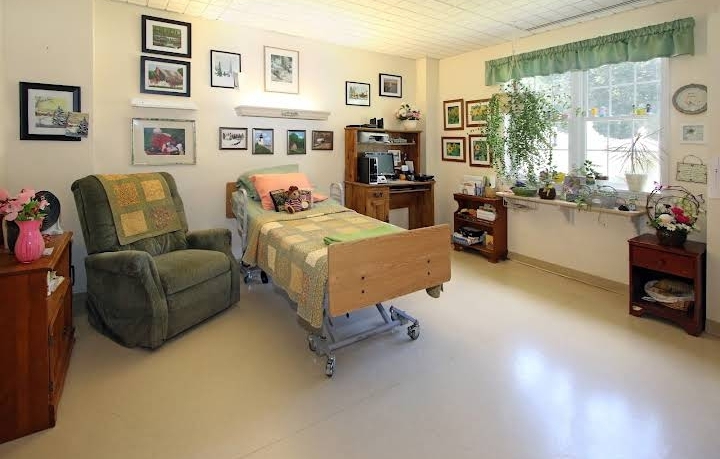
Who Owns and Operates Cooperstown Center For Rehabilitation And Nursing?

COOPERSTOWN CENTER FOR REHABILITATION AND NURSING is owned by a for-profit company. For-profit facilities operate as businesses with obligations to shareholders or private owners. The facility is operated by CENTERS HEALTH CARE, a chain that manages multiple nursing homes. With 174 certified beds and approximately 165 residents (about 95% occupancy), it is a mid-sized facility located in COOPERSTOWN, New York.
How Does Cooperstown Center For Rehabilitation And Nursing Compare to Other New York Nursing Homes?

Compared to the 100 nursing homes in New York, COOPERSTOWN CENTER FOR REHABILITATION AND NURSING's overall rating (2 stars) is below the state average of 3.1, staff turnover (65%) is significantly higher than the state average of 46%, and health inspection rating (2 stars) is below the national benchmark.

What Should Families Ask When Visiting Cooperstown Center For Rehabilitation And Nursing?

Based on this facility's data, families visiting should ask: "How do you ensure continuity of care given staff turnover, and what is your staff retention strategy?" "Can you walk me through typical staffing levels on day, evening, and night shifts?" "Can I visit during a mealtime to observe dining assistance and food quality?" "How do you handle medical emergencies, and what is your hospital transfer rate?" These questions are particularly relevant given the facility's high staff turnover rate and the below-average staffing rating.

Is Cooperstown Center For Rehabilitation And Nursing Safe?

Based on CMS inspection data, COOPERSTOWN CENTER FOR REHABILITATION AND NURSING has a clean safety record: no substantiated abuse findings (meaning no confirmed cases of resident harm), no Immediate Jeopardy citations (the most serious violation level indicating risk of serious injury or death), and is not on the Special Focus Facility watch list (a federal program monitoring the lowest-performing 1% of nursing homes). The facility has a 2-star overall rating and ranks #100 of 100 nursing homes in New York. While no facility is perfect, families should still ask about staff-to-resident ratios and recent inspection results during their visit.

Do Nurses at Cooperstown Center For Rehabilitation And Nursing Stick Around?

Staff turnover at COOPERSTOWN CENTER FOR REHABILITATION AND NURSING is high. At 65%, the facility is 19 percentage points above the New York average of 46%. High turnover means new staff may not know residents' individual needs, medications, or preferences. It can also be disorienting for residents, especially those with dementia who rely on familiar faces. Families should ask: What is causing the turnover? What retention programs are in place? How do you ensure care continuity during staff transitions?

Was Cooperstown Center For Rehabilitation And Nursing Ever Fined?

COOPERSTOWN CENTER FOR REHABILITATION AND NURSING has been fined $24,586 across 2 penalty actions. This is below the New York average of $33,325. While any fine indicates a compliance issue, fines under $50,000 are relatively common and typically reflect isolated problems that were subsequently corrected. Families should ask what specific issues led to these fines and confirm they've been resolved.

Is Cooperstown Center For Rehabilitation And Nursing on Any Federal Watch List?

COOPERSTOWN CENTER FOR REHABILITATION AND NURSING is not on any federal watch list. The most significant is the Special Focus Facility (SFF) program, which identifies the bottom 1% of nursing homes nationally based on persistent, serious quality problems. Not being on this list means the facility has avoided the pattern of deficiencies that triggers enhanced federal oversight. This is a positive indicator, though families should still review the facility's inspection history directly.