CHESTNUT PARK REHABILITATION AND NURSING CENTER
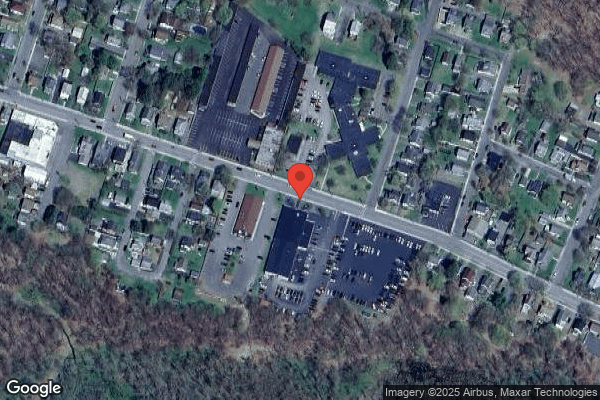
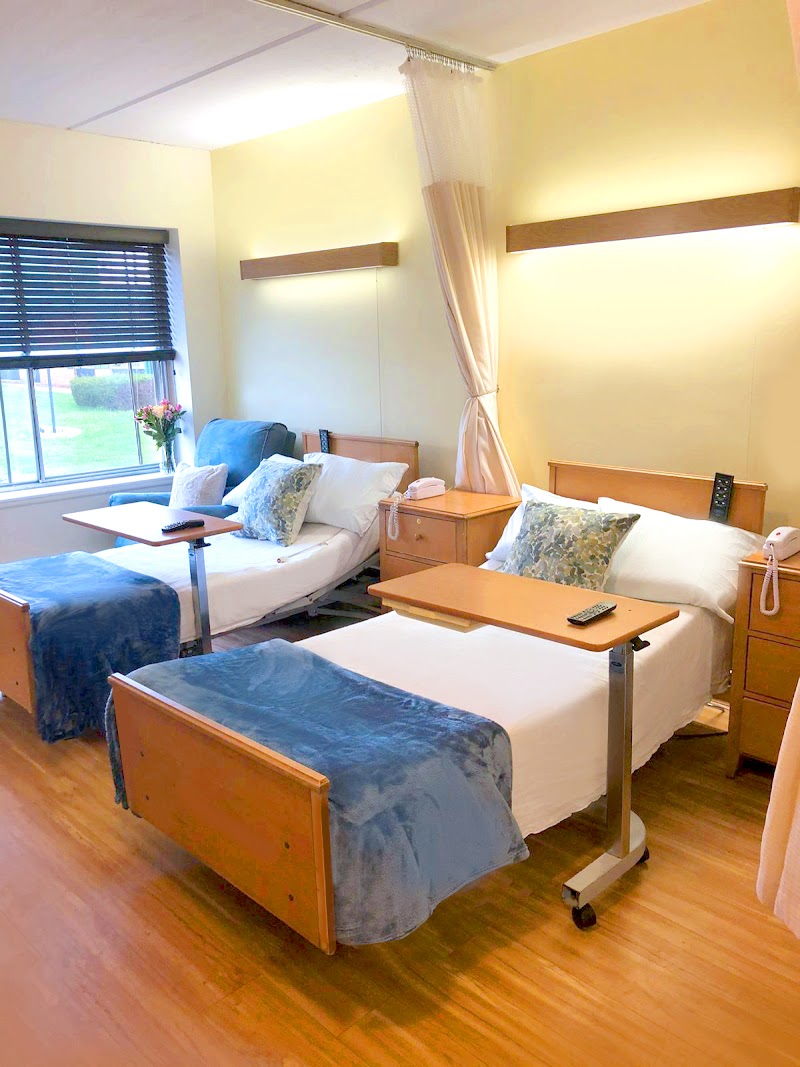
330 CHESTNUT STREET, ONEONTA, NY 13820 (607) 432-8500
For profit - Corporation 80 Beds UPSTATE SERVICES GROUP Data: November 2025
Trust Grade
13/100
#493 of 594 in NY
Last Inspection: May 2023

Over 2 years since last inspection. Current conditions may differ from available data.

Overview

Chestnut Park Rehabilitation and Nursing Center has received a Trust Grade of F, indicating significant concerns about the facility's quality and care. They rank #493 out of 594 in New York, placing them in the bottom half of nursing homes in the state, and #3 out of 3 in Otsego County, meaning there are no better local options. The facility is showing signs of improvement, with issues decreasing from six in 2023 to two in 2024, but staffing remains a concern with a low rating of 1 out of 5 stars and a high turnover rate of 60%, well above the state average. There have been troubling incidents, including a resident suffering a fracture after not receiving the necessary assistance for bed mobility and ongoing cleanliness issues throughout the facility. While there is average RN coverage, the presence of fines totaling $7,901 suggests there are still compliance challenges to address.

Trust Score
F
13/100
In New York
#493/594
Bottom 18%
Safety Record
High Risk
Review needed
Inspections
Getting Better
6 → 2 violations
Staff Stability
⚠ Watch
60% turnover. Above average. Higher turnover means staff may not know residents' routines.
Penalties
✓ Good
$7,901 in fines. Lower than most New York facilities. Relatively clean record.
Skilled Nurses
⚠ Watch
Each resident gets only 28 minutes of Registered Nurse (RN) attention daily — below average for New York. Fewer RN minutes means fewer trained eyes watching for problems.
Violations
⚠ Watch
27 deficiencies on record. Higher than average. Multiple issues found across inspections.
★☆☆☆☆
1.0
Overall Rating
★☆☆☆☆
1.0
Staff Levels
★★☆☆☆
2.0
Care Quality
★★☆☆☆
2.0
Inspection Score
Stable
2023: 6 issues
2024: 2 issues

The Good

  • Full Sprinkler Coverage · Fire safety systems throughout facility
  • No fines on record

Facility shows strength in fire safety.

The Bad

1-Star Overall Rating

Below New York average (3.0)

Significant quality concerns identified by CMS

Staff Turnover: 60%

14pts above New York avg (46%)

Frequent staff changes - ask about care continuity

Federal Fines: $7,901

Below median ($33,413)

Minor penalties assessed

Chain: UPSTATE SERVICES GROUP

Part of a multi-facility chain

Ask about local staffing decisions and management

Staff turnover is elevated (60%)

12 points above New York average of 48%

The Ugly 27 deficiencies on record

1 actual harm
May 2024 2 deficiencies
CONCERN (D) 📢 Someone Reported This

A family member, employee, or ombudsman was alarmed enough to file a formal complaint

Potential for Harm - no one hurt, but risky conditions existed

Deficiency F0757 (Tag F0757)

Could have caused harm · This affected 1 resident

Based on record review and interviews during an abbreviated survey (NY00326640), the facility did not ensure each resident's drug regimen was free from unnecessary drugs. An unnecessary drug is any dr...

Read full inspector narrative →
Based on record review and interviews during an abbreviated survey (NY00326640), the facility did not ensure each resident's drug regimen was free from unnecessary drugs. An unnecessary drug is any drug when used for excessive duration and without adequate indication for 1 (Resident #10) of 1 resident reviewed. Specifically, Resident #10 was administered Atarax (an antihistamine used to treat anxiety, nausea, vomiting, itching and skin rash without obtaining a physician's order. This is evidenced by: Resident #10 was admitted to the facility with the diagnoses of hemiplegia (total or partial paralysis of one side of the body) and hemiparesis (weakness or the inability to move on one side of the body), cerebral infarction (stroke), and depression. The Minimum Data Set (an assessment tool) dated 03/19/2024 documented resident was cognitively intact, could be understood and able to understand others. The Facility's Policy and Procedure Titled Administering Medication revised on 1/2023 documented Medications must be administered in accordance with the orders including any required time frame. Resident #10's Medication Administration Record dated October 2023 had orders for Hydroxyzine hydrochloride Tablet 10 milligram (Atarax) Give 1 tablet by mouth two times a day for Rash to trunk, arms, and legs for 3 Days -Start Date 10/26/2023 at 19:30 PM. The Medication Error Incident Report dated 10/23/2023, documented Resident #10 was given 10 milligram Atarax by mouth, no physician order present on 10/21/2023. Resident #10 showed no adverse effects from the incident. The Facility Investigative Report dated 10/23/2023, documented Licensed Practical Nurse #2 initially denied giving Resident #10 Atarax medication from a discharged resident medication supply. They later changed their statement and admitted to giving Resident #10 Atarax 10 milligrams from a discharged resident medication supply. The Facility Investigative Report documented Licensed Practical Nurse #2 stated they changed their story because they were initially afraid. During an interview on 4/03/2024 at 11:45 AM, Resident #10 stated some staff at this facility were not good. However, Licensed Practical Nurse #2 always gave them medications on time and was nice. Resident #10 stated nurses never told them what medications they were given, and they just took what they gave them. During an interview on 4/03/2024 at 11:16 AM, Certified Nurse Aide #2 stated on 10/21/2023 at approximately 1:00 PM, Resident #10 was anxious. Certified Nurse Aide #2 stated they knew Resident #10 had a pill for anxiety that they received in the past. Certified Nurse Aide #2 asked Licensed Practical Nurse #2 if Resident #10 could have something for their anxiety. Licensed Practical Nurse #2 was noted to have in their personal backpack a blister pack medication for discharged Resident #15. Licensed Practical Nurse #2 gave the medication from their backpack to Resident #10. During an interview on 4/03/2024 12:00 PM, Certified Nurse Aide #1 stated they personally did not see Licensed Practical Nurse #2 give medication from their backpack to Resident #10. Instead, they observed Licensed Practical Nurse #2 take something from their backpack, put something in their mouth and returned backpack to cubby. They notified Director of Nursing #1. During an interview on 4/03/2024 12:10 PM, Administrator #1 stated the day after incident on 10/21/2023, they interviewed Licensed Practical Nurse #2. Licensed Practical Nurse #2 stated they gave Resident #10 the medication because the resident was itching. Administrator #1 asked why they did not get an order. Licensed Practical Nurse #2 did not have an answer. They were terminated from their job immediately after incident, and a report filed with the Department of Health. During an interview on 4/08/2024 at 2:00 PM, Licensed Practical Nurse #2 stated they obtained an order for Atarax 10 milligrams from Nurse Practitioner for Resident #10 on 10/21/2023 prior to administering the medication. They stated they do not recall name of the ordering Nurse Practitioner. Licensed Practical Nurse #2 stated they did not enter the order before giving the medication and stated they should have entered the order. They stated due to short staffing they were very busy and forgot to enter the order. 10 New York Codes, Rules, and Regulations 415.12(l)(1)
CONCERN (D) 📢 Someone Reported This

A family member, employee, or ombudsman was alarmed enough to file a formal complaint

Potential for Harm - no one hurt, but risky conditions existed

Deficiency F0760 (Tag F0760)

Could have caused harm · This affected 1 resident

**NOTE- TERMS IN BRACKETS HAVE BEEN EDITED TO PROTECT CONFIDENTIALITY** Based on interviews and record review conducted during an abbreviated survey (Case #NY00316477), the facility did not ensure res...

Read full inspector narrative →
**NOTE- TERMS IN BRACKETS HAVE BEEN EDITED TO PROTECT CONFIDENTIALITY** Based on interviews and record review conducted during an abbreviated survey (Case #NY00316477), the facility did not ensure residents were free from significant medication errors for 1 (Resident #3) of 1 resident reviewed. Specifically, the facility did not ensure significant medications were accurately transcribed from Hospital Discharge instructions for Resident #3. Subsequently, Resident #3 did not receive orders for respiratory nebulizer treatments from 5/11/2023 to 5/13/2023 and was re-admitted to the hospital on [DATE] for respiratory distress. This is evidenced by: Resident #3 Resident #3 was admitted to the facility with diagnosis of metabolic encephalopathy (A problem in the brain caused by a chemical imbalance in the blood), acute and chronic respiratory failure (a condition where there's not enough oxygen or too much carbon dioxide in your body. It can happen all at once (acute) or come on over time (chronic), and myocardial infarction (heart attack). The Minimum Data Set (an assessment tool) dated 5/13/2023, documented the resident could be understood and could understand others. The Facility's Policy and Procedure Titled Administering Medication' revised 1/2023 documented Medications must be administered in accordance with the orders including any required time frame. The Hospital Discharge summary, dated [DATE], included discharge medications Budesonide (Pulmicort) 0.5 milligrams via nebulizer every 12 hours; Albuterol sulfate 2.5 milligrams via nebulizer every 6 hours as needed for wheezing. Physician progress note dated 5/13/2023 at 15:39 PM, documented Past Medical History: respiratory failure, status post extubating, Chronic Obstructive Pulmonary Disease. Respiratory medications not ordered on admission. Start Symbicort to continue Budesonide used inpatient but may switch to Breo or Advair based on availability. Breo is preferred in case patient progresses to eventually requiring triple therapy with addition of Long-Acting Muscarinic Antagonist. Albuterol inhaler as needed. Primary provider to follow up respiratory management. During an interview on 3/27/2024 at 1:30 PM, Director of Nursing #1 stated Resident #3 was sent to the hospital for respiratory distress on 5/14/2023. Resident's son complained to Registered Nurse #1 that resident was not receiving prescribed respiratory medication. The Director of Nursing stated, Registered Nurse #1 spoke to Resident's son, and they did not address the son's concern over respiratory medications. The Director of Nursing stated that due to a covid outbreak, the facility did not use any nebulizers. During an interview on 3/28/2024 at 1:15PM, Registered Nurse #1 stated they do not recall Resident #3. In general, when they admit a resident, the process included assessing the weight of resident; a head-to-toe assessment; and reconciliation of medications with provider. They enter the assessment into the computer. If the provider was in the building, the provider would look over the medication list from hospital discharge summary and decide if there would be any changes . If no provider was present, the admitting nurse would call the on-call provider and review medications with provider. Registered Nurse #1 stated Director of Nursing had not delegated family complaints to them. If there were a complaint, the Director of Nursing and Administrator would discuss for further direction. Registered Nurse #1 stated at one point, the facility was not prescribing nebulizer treatments if there was a COVID outbreak in the building. During an interview on 4/3/2024 at 12:25 PM, Nurse Practitioner #1, stated new admission discharge summary medications were reviewed. Alternate medications would have been prescribed or they would have documented why medication would be discontinued. 10 New York Codes, Rules, and Regulations 415.12(m)(2)
May 2023 6 deficiencies 1 Harm
SERIOUS (G) 📢 Someone Reported This

A family member, employee, or ombudsman was alarmed enough to file a formal complaint

Actual Harm - a resident was hurt due to facility failures

Free from Abuse/Neglect (Tag F0600)

A resident was harmed · This affected 1 resident

**NOTE- TERMS IN BRACKETS HAVE BEEN EDITED TO PROTECT CONFIDENTIALITY** Based on record review and interview during the recertification survey and an abbreviated survey (Case #NY00316948) dated 05/15/...

Read full inspector narrative →
**NOTE- TERMS IN BRACKETS HAVE BEEN EDITED TO PROTECT CONFIDENTIALITY** Based on record review and interview during the recertification survey and an abbreviated survey (Case #NY00316948) dated 05/15/23 through 05/22/23, the facility failed to protect the resident's right to be free from neglect for 1 (Resident #23) of 4 residents reviewed for abuse/neglect. Specifically, on 04/16/2023 Certified Nurse Aide (CNA) #2 did not use two staff for bed mobility as documented in Resident #23's Comprehensive Care Plan (CCP) . Subsequently, on 4/16/2023 Resident #23 rolled out of bed onto the floor sustaining a fracture of their left elbow and a gash requiring stitches on their left elbow. This resulted in actual harm that is not immediate jeopardy for Resident #23. This was evidenced by: Resident #23 was admitted to the facility with diagnoses of multiple sclerosis, Chronic Obstructive Pulmonary Disorder (COPD), and diabetes. The Minimum Data Set (MDS - an assessment tool) dated 02/04/2023 documented the resident was able to make themselves understood, was able to understand others, and was cognitively intact. The Policy and Procedure (P&P), titled Abuse Prevention Program/Abuse and Neglect - Clinical Prevention Protocol/Abuse Investigation and Reporting, with a review date of 01/2023, documented neglect was defined as the failure of the facility, its employees, or service providers to provide goods and services to a resident that were necessary to avoid physical harm, pain, mental anguish, or emotional distress. Neglect typically meant, among others, the failure to provide a resident with personal safety. The Comprehensive Care Plan (CCP), titled Decline in Activities of Daily Living (ADLs), revised 02/02/2023, documented the resident was totally dependent on 2 staff for bed mobility. The CNA [NAME] (used by CNAs to know what care to provide), dated 04/16/2023, documented the resident was totally dependent on 2 staff for bed mobility. A Progress Note dated 04/16/2023 at 01:22 PM, documented the resident rolled out of bed (OOB) during morning (AM) care while CNA #2 was attempting to change their linens. The resident sustained 2 skin tears; one on the back of their left hand that was closed with steri-strips (thin adhesive bandages), and another that was more significant and was covered with a dressing for protection. The on-call provider was contacted, and the resident was sent to the hospital for evaluation and treatment. A Progress Note, dated 04/16/2023 at 05:10 PM, documented Resident #23 returned from the Emergency Department (ED). A dressing was in place on their left arm with multiple stitches on a laceration on their left elbow. Radiology reports showed a fracture of the left arm, and the arm was in a sling. The resident reported they felt sore, their pain level was 3 out of 10 and tolerable; Tylenol was provided in the ED for pain. Radiology reports of the left elbow, dated 04/16/2023, documented a there was suspicion of a traumatic fracture. The facility Accident and Incident (A&I) report, dated 04/16/2023 at 08:15 AM, documented Resident #23 fell OOB (out of bed) and was lying between their bed and window on their stomach complaining of arm pain; 2 skin tears on their left hand and forearm were documented. CNA #2 was the only documented witness to the event. During an interview on 05/15/23 at 01:48 PM, Resident #23 stated they had fallen a few weeks ago, resulting in stitches in their left arm and a broken elbow, and said, it was one of those freak things. During an interview on 05/17/2023 at 03:39 PM, CNA #2 stated they were responsible for reviewing each resident's [NAME] every day to know what care the residents needed such as their bed mobility status. On 04/16/2023, they were assigned to Resident #23. The resident required an extensive assist of 2 people for bed mobility. While providing incontinence care, they attempted to roll the resident on to their side by themselves and the resident rolled onto the floor. CNA #2 stated they knew they needed another staff member to help with rolling the resident and asked for help but decided to roll the resident in bed anyway before help arrived because they wanted to complete the resident's care, and Resident #23 fell OOB. During an interview on 05/18/2023 at 10:09 AM, CNA #4 stated each resident's bed mobility status was documented on the [NAME]. When a resident was documented as 2 people for bed mobility, they would have to get another staff member to roll the resident in bed; they would not attempt to perform this by themselves. During an interview on 05/18/2023 at 12:09 PM, RN #2 stated that, at the time of Resident #23's fall they were working with the nurse educator when they heard Resident #23 was on the floor. CNA #2 had rolled the resident in bed, and they fell. They did not realize at the time that the resident required the total assistance of 2 people for bed mobility, but a second person should have been there to help. The resident had 2 skin tears, one on the top of their left hand, and one on their forearm. Nurse Practitioner (NP) #1 was notified, and the resident was sent to the hospital for further evaluation. During an interview on 05/18/2023 at 02:52 PM, Resident #23 stated that, on 04/16/2023, they fell OOB while a staff member was turning them onto their side. They sustained a left elbow fracture and skin tears from the incident. The elbow had healed since then, the skin tears had been healing more slowly. During an interview on 05/18/2023 at 12:54 PM, the RN Educator stated CNA education regarding using and documenting on the [NAME] and was provided during orientation of newly hired staff, and as needed when changes were made in the Electronic Medical Record (EMR). They were in the facility when Resident #23 fell, and they heard the resident was on the floor and went to see them. They helped get the resident back to bed, but they did not recall the resident complaining of any significant pain at the time. They informed the Director of Nursing (DON) about the incident, but could not recall if it was by text message or by verbal conversation. They recalled the facility was concerned about the incident, because Resident #23 required the assistance of 2 people for bed mobility, which was not provided. Since the resident required 2 people for bed mobility, there should have been a second staff present to help to turn the resident in bed. During an interview on 05/19/2023 10:24 AM, the Medical Director stated facility staff were supposed to do whatever was documented on each resident's CCP and [NAME]. When a resident had it documented that they required 2 staff to provide support for any of their care activities, 2 staff should be provided. During an interview on 05/22/2023 10:18 AM, the DON stated when they were initially informed of the resident fall, they were aware of the skin tears, but not the fracture; the investigation commenced when they were informed about the fracture. During an interview on 05/22/2023 11:31 AM, the Administrator stated that, after Resident #23's fall and elbow fracture on 04/16/2023, they were aware the resident required the total assistance of 2 people for bed mobility, and that turning someone side to side in bed could be considered bed mobility. 10 NYCRR 415.4(b)(1)(i)
CONCERN (D) 📢 Someone Reported This

A family member, employee, or ombudsman was alarmed enough to file a formal complaint

Potential for Harm - no one hurt, but risky conditions existed

Report Alleged Abuse (Tag F0609)

Could have caused harm · This affected 1 resident

**NOTE- TERMS IN BRACKETS HAVE BEEN EDITED TO PROTECT CONFIDENTIALITY** Based on observations, interviews, and record review during the recertification survey and an abbreviated survey (Case #NY003169...

Read full inspector narrative →
**NOTE- TERMS IN BRACKETS HAVE BEEN EDITED TO PROTECT CONFIDENTIALITY** Based on observations, interviews, and record review during the recertification survey and an abbreviated survey (Case #NY00316948), the facility did not ensure all alleged violations involving abuse, neglect, exploitation, or mistreatment, were reported immediately, but not later than 2 hours after the allegation was made for 1 (Resident #23) of 4 residents reviewed for abuse/neglect. Specifically, for Resident #23, the facility did not report that Resident #23 sustained a fractured elbow and a laceration on their left elbow requiring sutures when on 04/16/2023, the facility did not ensure that a staff member utilized 2 persons for bed mobility as documented both in their Comprehensive Care Plan (CCP) revised on 2/2/2023 and [NAME] dated 4/16/2023. This was evidenced by: Please refer to F600. Resident #23 Resident #23 was admitted to the facility with diagnoses of multiple sclerosis, Chronic Obstructive Pulmonary Disorder (COPD), and diabetes. The Minimum Data Set (MDS - an assessment tool) dated 02/04/2023 documented the resident was able to make themselves understood, able to understand others, and was cognitively intact. The Policy and Procedure (P&P), titled Abuse Prevention Program/Abuse and Neglect - Clinical Prevention Protocol/Abuse Investigation and Reporting, reviewed 01/2023, documented an alleged violation of abuse, neglect, exploitation, or mistreatment would be reported immediately, but no later than 2 hours if the alleged violation involved abuse or resulted in serious bodily injury. The Comprehensive Care Plan (CCP), titled Decline in Activities of Daily Living (ADLs), revised 02/02/2023, documented: - Bed Mobility: totally dependent x 2 staff. The [NAME] (instructions for providing resident care), dated 04/16/2023, documented: - Bed Mobility: Totally dependent x 2 staff. Radiology reports of the left elbow, dated 04/16/2023, documented a joint effusion was suspicious for traumatic fracture, and a questionable irregularity of the radial head and capitellum (a bone in the lower part of the arm) with a nondisplaced fracture a consideration. A progress note, dated 04/16/2023 at 05:10 PM, documented the resident returned from the ED. A dressing was in place on their left arm with multiple sutures in place on a laceration on their left elbow, no drainage from the site observed. Radiology reports showed a non-displaced fracture of the left radial head (the top of the radius bone in the arm), their left arm was in a sling. The resident reported they felt sore, their pain level was 3 out of 10 and tolerable; Tylenol was provided in the ED for pain. During an interview on 05/18/2023 at 03:18 PM, Registered Nurse (RN) #1 stated, even though Certified Nurse Aide (CNA) #2 was providing incontinence care to Resident #23 on 04/16/2023, they should have had a second person to help them roll the resident when they fell out of bed because the resident was an assist x 2 for bed mobility; this was a failure to follow the care plan/[NAME] for bed mobility. They did not know whether the incident had been reported to the New York State Department of Health (NYSDOH). During an interview on 05/22/2023 10:18 AM, the Director of Nursing (DON) stated not following the resident's care plan/[NAME], resulting in a resident injury, would be defined as neglect. Potential cases of neglect needed to be reported to the Administrator or the DON and reported within 2 hours of the suspicion of neglect. They were not working on 4/17/2023 when the investigation into Resident #23's fall on 4/16/2023 concluded and was not involved in the decision on whether to report the incident to the NYSDOH; the facility's Administrator made the decision regarding reporting. During an interview on 05/22/2023 11:31 AM, the Administrator stated any time a potential case of neglect was suspected, the facility would be required to be report the incident to the NYSDOH within 2 hours of the formation of the suspicion. Following Resident #23's fall and elbow fracture on 04/16/2023, the facility did not report the fall to the NYSDOH because CNA #2 had been providing incontinence care at the time, and the resident only required an assist x 1 for that task. They stated they were aware at the time of the investigation the resident was a total assist x 2 for bed mobility, and that turning someone side to side in bed could be considered bed mobility. 10 NYCRR 415.4(b)
CONCERN (D) 📢 Someone Reported This

A family member, employee, or ombudsman was alarmed enough to file a formal complaint

Potential for Harm - no one hurt, but risky conditions existed

Investigate Abuse (Tag F0610)

Could have caused harm · This affected 1 resident

**NOTE- TERMS IN BRACKETS HAVE BEEN EDITED TO PROTECT CONFIDENTIALITY** Based on record review and interviews during the recertification survey and an abbreviated survey (Case #NY00316948), the facili...

Read full inspector narrative →
**NOTE- TERMS IN BRACKETS HAVE BEEN EDITED TO PROTECT CONFIDENTIALITY** Based on record review and interviews during the recertification survey and an abbreviated survey (Case #NY00316948), the facility did not prevent further potential abuse, neglect, exploitation, or mistreatment while the investigation is in progress for 1 (Resident #23) of 4 residents reviewed for abuse/neglect. Specifically, for Resident #23, the facility did not ensure to prevent further potential abuse, neglect, exploitation, or mistreatment when the facility did not remove a staff member from resident care on 4/16/2023 when the staff member did not follow Resident #23's Comprehensive Care Plan (CCP) revised on 2/2/2023 and [NAME] dated 4/16/2023 that documented the resident required 2 persons for bed mobility. This resulted in a a fracture and a laceration requiring sutures to the resident's left elbow from a fall out of bed. The facility did not identify that the residents fall out of bed resulting in injury when a staff member did not follow the care plan required an investigation when the incident occurred on 4/16/2023. The facility identified that an investigation was needed on 4/17/2023, did not remove the staff member from resident care. This was evidenced by: Please refer to F600. Resident #23 Resident #23 was admitted to the facility with diagnoses of multiple sclerosis, Chronic Obstructive Pulmonary Disorder (COPD), and diabetes. The Minimum Data Set (MDS - an assessment tool) dated 02/04/2023 documented the resident was able to make themselves understood, able to understand others, and was cognitively intact. The Policy and Procedure (P&P), titled Abuse Prevention Program/Abuse and Neglect - Clinical Prevention Protocol/Abuse Investigation and Reporting, reviewed 01/2023, documented the Interdisciplinary Team (IDT) would investigate alleged occurrences of abuse and neglect to clarify details of the occurrence and identify possible causes. If an investigation involved an employee, the employee would be suspended pending the outcome of the investigation. The facility investigation summary, dated 04/17/2023, documented on 04/16/2023, Resident #24 fell OOB while incontinence care was being provided by CNA #2. The resident required a total assist x 1 for incontinence care, and total assist x 2 for bed mobility and bathing. At the time of the fall, Resident #23 had been incontinent, and CNA #2 was cleaning the resident. When they attempted to roll the resident toward the window, and away from their body, the resident rolled off the bed and onto the floor. An A&I (Accident and Incident) was completed by the Registered Nurse (RN) #2, NP #1 was contacted, and orders were received to send the resident to the Emergency Department (ED) related to lacerations sustained during the fall. Stitches were required for the lacerations, and x-rays showed a non-displaced fracture of the left elbow. The facility documented CNA #2 was following Resident #23's CCP by providing 1 assist for incontinence care, but they did not roll the resident properly; CNA #2 should have rolled the resident towards them instead of away from them. The incident was not reported to the NYSDOH, and the summary did not include documentation that CNA #2 was suspended during the facility's investigation. During an interview on 05/18/2023 at 03:18 PM, Registered Nurse (RN) #1 stated, even though Certified Nurse Aide (CNA) #2 was providing incontinence care to Resident #23 on 04/16/2023, they should have had a second person to help them roll the resident when they fell out of bed because the resident was an assist x 2 for bed mobility; this was a failure to follow the care plan/[NAME] for bed mobility. They did not know whether CNA #2 was suspended during the facility's investigation. During an interview on 05/22/2023 10:18 AM, the Director of Nursing (DON) stated not following the resident's care plan/[NAME], resulting in a resident injury, would be defined as neglect. When there was a potential case of neglect involving a staff member, the staff member needed to be suspended during the course of the facility's investigation. They were not aware of CNA #2 being suspended from the facility during the investigation into Resident #23's fall on 04/16/2023. During an interview on 05/22/2023 11:31 AM, the Administrator stated any time a potential case of neglect was suspected, any potential staff members involved needed to be suspended from work for the duration of the facility's investigation of the incident. Following Resident #23's fall and elbow fracture on 04/16/2023, the facility did not suspend CNA #2 during their investigation. 10 NYCRR 415.4(b)(3)
CONCERN (D) 📢 Someone Reported This

A family member, employee, or ombudsman was alarmed enough to file a formal complaint

Potential for Harm - no one hurt, but risky conditions existed

Drug Regimen Review (Tag F0756)

Could have caused harm · This affected 1 resident

Based on record review and interviews during the recertification survey conducted from 5/15/2023 through 5/22/2023, the facility did not ensure drug regimen irregularities were reported by the pharmac...

Read full inspector narrative →
Based on record review and interviews during the recertification survey conducted from 5/15/2023 through 5/22/2023, the facility did not ensure drug regimen irregularities were reported by the pharmacist to the attending physician for 1 (Resident #67) of 5 residents reviewed for unnecessary medications. Specifically, for Resident #67, the facility did not ensure an irregularity in the monitoring orders for Alendronate (used to prevent and treat certain types of bone loss (osteoporosis) in adults) was documented and reported to the physician by the consultant pharmacist on 5/2/2023. This was evidenced by: Resident #67 Resident #67 was admitted to the facility with the diagnoses of cerebrovascular accident (CVA), chronic obstructive pulmonary disease (COPD), and depression. The Minimum Data Set (MDS -an assessment tool) dated 04/11/2023, documented the resident had severely impaired cognition, could understand others, and could make themselves understood. The policy and procedure titled Medication Therapy/Drug Regimen Review, reviewed 1/2023, documented the Consultant Pharmacist would review each resident's medication regimen monthly, as requested by the staff or practitioner when clinically significant. The Medical Director and Consultant Pharmacist should collaborate to address issues of medication prescribing and monitoring with the practitioners and staff. In the event issues were found, the physician (or physician- designee) would be contacted by midnight of the next calendar day and the clinician would address prescribed/recommended actions by day 14. A physician's order dated 4/10/2023, documented the medication Alendronate 70 mg documented; take 1 tablet by mouth one time a day every Wednesday. Take on empty stomach with full glass of water and do not stay in upright position for 30 minutes. The Medication Administration Record (MAR) documented the medication (Alendronate) was administered on 4/19/2023, 4/26/2023, 5/3/2023, 5/10/2023, and 5/17/2023. A document titled Consultant Pharmacist Drug Regimen Review, dated 5/2/2023 did not include documentation for recommendations for Alendronate that the resident should be in an upright position after taking this medication for at least 30 minutes. During an interview on 5/18/2023 at 02:22 pm, the Consultant Pharmacist (CS) #1 stated they participated in a monthly medication review with physicians, nurses, and administration. They were familiar with Alendronate, and stated the current order was written incorrectly and the monitoring should document that the resident needed to be in an upright position after taking it for at least 30 minutes. They missed this in their most recent medication review on 5/2/2023 and should have identified it as an irregularity. During an interview on 5/19/2023 at 1:55 pm, Registered Nurse (RN) #1 stated they normally input medication orders after receiving them from the physician, but sometimes this was done by the Licensed Practical Nurses (LPNs). The current order for Alendronate did not have the correct monitoring instructions, there must have been an error made when transcribing the order; the order was entered by LPN #3. The staff were familiar with this medication, someone should have noticed this and reported it so it could have been followed up on with the provider. During an interview on 5/22/2023 at 1110, LPN #3 stated they did not recall placing the order for Alendronate on 4/10/2023, but if their name was on the order then it must have been them. When someone was receiving Alendronate, they should not be lying down after the medication was administered. The current monitoring instructions, that documented for the resident to lie down following administration of Alendronate were incorrect; this should have been identified and the physician should have been informed. During an interview on 05/22/2023 at 1115, the physician (MD) #1 stated nursing entered orders for medications into the Electronic Medical Record (EMR), and they signed off on them after they were reviewed. Most of the time, they reviewed their orders prior to signing off on them. Residents taking Alendronate should be instructed to lie down following administration of that medication; they must have missed this when they signed off on the order for Alendronate dated 4/10/2023. Once the error was made, someone should have identified it and informed them so it could have been corrected. During an interview on 5/22/2023 at 1220, the Director of Nursing (DON) stated the MD order was incorrect, and the consultant pharmacist should have identified it during their monthly review on 5/2/2023. NYCRR10 415.18(c)(2)
CONCERN (E) 📢 Someone Reported This

A family member, employee, or ombudsman was alarmed enough to file a formal complaint

Potential for Harm - no one hurt, but risky conditions existed

Safe Environment (Tag F0584)

Could have caused harm · This affected multiple residents

**NOTE- TERMS IN BRACKETS HAVE BEEN EDITED TO PROTECT CONFIDENTIALITY** Based on observation, record review, and interviews during the recertification survey dated 05/15/23 through 05/22/23, the facil...

Read full inspector narrative →
**NOTE- TERMS IN BRACKETS HAVE BEEN EDITED TO PROTECT CONFIDENTIALITY** Based on observation, record review, and interviews during the recertification survey dated 05/15/23 through 05/22/23, the facility did not ensure necessary housekeeping and maintenance services were provided to maintain a clean and homelike environment on two (2) of 2 resident units. Specifically, on the South Wing Unit, the floors were soiled with dirt and a black build-up where the door frame meets the floor and along the wall in the dining room, corridor, ice machine area, Beauty Shop, and in resident room #'s 102, 104, 108, and #116; the floor was soiled with dust and dirt below the chests of drawers in room #'s 205, 222, and #226; the radiators were soiled with food drips in room #'s 215, 222, and #226; the radiator cover was falling off in room [ROOM NUMBER]; and the ½ size oxygen tanks in the oxygen tank storage area were dusty. On the North Wing Unit, the floors were soiled with dirt where the door frame meets the floor and along the wall in the the dining room, nurse's station, linen closet, left medical supply room, soiled workroom, and resident room #'s 202, 215, 222, 226, and #228; the floors were dusty in the Supply Closet, and IT closet; the fan was dusty in the Dental Office; and the heat radiator covers were falling off in resident room #'s 102, 104, 113, and 116. This is evidenced as follows: Finding #1 - South Wing Unit: During observations on 05/17/23 at 1:59 PM, the floors were soiled with dirt and a black build-up where the door frame meets the floor and along the wall in the dining room, corridors, ice machine area, Beauty Shop, and in resident room #s 102, 104, 108, and 116; the floor was soiled with dust and dirt below the chests of drawers in room #s 205, 222, and #226; the radiators were soiled with food drips in room #s 215, 222, and 226; the radiator cover was falling off in room [ROOM NUMBER]; and the ½ size oxygen tanks in the oxygen tank storage area were dusty. Finding #2 - North Wing Unit: During observations on 05/17/23 at 1:59 PM, the floors were soiled with dirt where the door frame meets the floor and along the wall in the dining room, nurse's station, linen closet, left medical supply room, soiled workroom, and resident room #'s 202, 215, 222, 226, and #228; the floors were dusty in the supply closet, and IT closet; the fan was dusty in the Dental Office; and the heat radiator covers were falling off in resident room #s 102, 104, 113, and #116. Interviews: During an interview on 05/17/23 at 3:21 PM, the Administrator, Maintenance Director, and Director of Housekeeping stated that a person was hired part time to focus on scrapes and painting, and the cleaning items will be addressed. The Maintenance Director stated that the radiator covers will be reattached and cleaned. The Director of Housekeeping stated that the facility has an audit sheet for cleaning resident rooms but not for the Physical Therapy room, and the housekeeping staff recently hired will need to be re-educated to have a more critical eye as they are expected to keep rooms clean in the corners and along walls. The Administrator and Director of Housekeeping stated that more audits will be conducted to ensure that all areas are kept clean. 483.10(i)(2); 10 NYCRR 415.5(h)(4)
CONCERN (E) 📢 Someone Reported This

A family member, employee, or ombudsman was alarmed enough to file a formal complaint

Potential for Harm - no one hurt, but risky conditions existed

Food Safety (Tag F0812)

Could have caused harm · This affected multiple residents

Based on observation and interviews during the recertification survey dated 05/15/23 through 05/22/23, the facility did not prepare or serve food in accordance with professional standards for food ser...

Read full inspector narrative →
Based on observation and interviews during the recertification survey dated 05/15/23 through 05/22/23, the facility did not prepare or serve food in accordance with professional standards for food service safety. Specifically, the test papers used to check the concentration of the chemical used to manually sanitize food equipment were expired (expiration dates 12/15/2022 and 04/01/2023). The food temperature thermometer being used by cook #1 was found out of calibration when checked by the standard ice-bath method (temperature registered less than the lowest graduation on the thermometer scale). In the main kitchen, the can opener holder, microwave oven, scale, stove, shelving, reach-in freezer door gaskets, walls by stove, kitchen window still, ceiling, kitchen floor under equipment, floor under dishwashing machine, dry storage area floor, fire extinguisher, and kitchen fire suppression system canister were soiled with food particles, grime, or dirt; in the North Wing kitchenette, the drawers and floor were soiled with food particles; and in the South Wing kitchenette, the freezer door gasket and floor under the refrigerator were soiled with food particles. The laminate on the cabinetry in the North Unit kitchenette was peeling. This is evidenced as follows: During observations on 05/15/23 at 10:04 AM, the the test papers used to check the concentration of the chemical used to manually sanitize food equipment were expired (expiration dates 12/15/2022 and 04/01/2023). The food temperature thermometer being used by cook #1 was found out of calibration when checked by the standard ice-bath method (temperature registered less than the lowest graduation on the thermometer scale). In the main kitchen, the can opener holder, microwave oven, scale, stove, shelving, reach-in freezer door gaskets, walls by stove, kitchen window still, ceiling, kitchen floor under equipment, floor under dishwashing machine, dry storage area floor, fire extinguisher, and kitchen fire suppression system canister were soiled with food particles, grime, or dirt; in the North Wing kitchenette, the drawers and floor were soiled with food particles; and in the South Wing kitchenette, the freezer door gasket and floor under the refrigerator were soiled with food particles. The laminate on the cabinetry in the North Unit kitchenette was peeling. During an interview on 05/17/23 at 10:21 AM, the Administrator, Regional Director of Operations, and Dietary Director stated that new test papers and thermometers have been purchased and the soiled areas and items found in the kitchen and kitchenettes will be cleaned. The Administrator and Dietary Manager stated that the cleaning items in the kitchen have been an issue with staff turnover, but kitchen staff training on cleaning is ongoing. The Dietary Manager stated that going forward, individual staff will be assigned certain areas of the kitchen to keep clean. The Administrator stated that about 2 weeks ago the facility audited the kitchenettes and is in the process of purchasing new cabinetry and developing a cleaning schedule. 10 NYCRR 415.14(h); Chapter 1 State Sanitary Code Subpart 14-1
Jul 2021 7 deficiencies
CONCERN (D)

Potential for Harm - no one hurt, but risky conditions existed

Deficiency F0645 (Tag F0645)

Could have caused harm · This affected 1 resident

**NOTE- TERMS IN BRACKETS HAVE BEEN EDITED TO PROTECT CONFIDENTIALITY** Based on interview and record review during a recertification survey, the facility did not ensure a follow up screen was develop...

Read full inspector narrative →
**NOTE- TERMS IN BRACKETS HAVE BEEN EDITED TO PROTECT CONFIDENTIALITY** Based on interview and record review during a recertification survey, the facility did not ensure a follow up screen was developed based on a resident change of condition for one (Resident #66) of sixteen residents reviewed. Specifically, for Resident #66, whose pre-admission screen dated 3/05/2021 was checked no for the section for Danger to Self or Others, the facility did not ensure to perform a follow up screen when the resident exhibited violent behaviors at the facility. This was evidenced by: Resident #66 Resident #66 was admitted to the facility on [DATE] with diagnoses of cerebral infarction (CVA), schizoaffective disorder and encephalopathy. The Minimum Data Set (MDS-an assessment tool) dated 6/20/2021 documented the resident had severe cognitive impairment. The resident usually understood others and could usually be understood by others. A Policy and Procedure for PRI (Patient review Instrument) and Screen (PASSAR) dated 6/30/2016 documented a Policy Statement: All NYS skilled nursing facility require a PRI and Screen to enable them to determine a patient's condition for long term placement. Purpose: The first purpose of the Screen is to determine the person's ability to be cared for in a setting other than a Residential Health Care Facility (RHCF). The second purpose of the Screen is to assess persons being recommended for RHCF placement for possible mental illness and this is accomplished with a Level 1 Review. Definitions: A Patient Review Instrument (PRI) is an assessment tool developed by NYSDOH to assess selected physical. medical and cognitive characteristics of nursing home residents, as well as to documented selected services that they may receive. Also included is an assessment item of selected behaviors-the frequency which the resident has exhibited any of the following behaviors: verbally disruptive, physically aggressive, disruptive or socially inappropriate behavior, or has had hallucinations. A Nursing Progress Note dated 3/21/2021 at 2:36 PM documented; the resident was quite agitated today and would not sit down in wheelchair. The resident was yelling that nursing was forcing the resident to stay in the facility against the resident's will. The resident was asking what is happening. The resident was reassured and was reminded that the resident was in rehabilitation. The resident's son was called and resident was currently talking to the son. A Nursing Progress Note dated 4/15/2021 at 3:30 PM, documented the resident was yelling and swearing at staff frequently on 4/14 and 4/15/2021. At times the resident is rude to anyone around and needs to be redirected. An E-Interact Change in Condition Note dated 4/15/2021 at 8:35 PM, documented a Mental Status Evaluation for increased confusion. Abrupt significant change in cognitive function from usual, with or without altered level of consciousness. Resident has had a fall with history of falls associated with no or minor injury. Behavioral Evaluation: Resident's behavioral change is physical aggression. Resident is demonstrating verbal aggression. Resident has physical aggression. A Nurses Progress Note dated 4/17/2021 at 12:02 PM, documented the resident's behavior shows an increase in verbal outbursts, is constantly trying to exit and is standing up from chair without assistance thinking the resident can walk independently. No change in resident's pain from baseline. A Nursing Progress Note dated 4/20/2021 at 3:05 PM, documented the resident's behavior shows an increase in verbal and physical outbursts. The resident was attempting to go outside on pine tree hall. Is insistent that the resident just came in through those doors and can go back outside. The resident is yelling and swearing at staff. A Shift Level Administration Note dated 4/23/2021 at 9:50 AM, documented the resident was cursing at staff because of a desire to go home. A Nursing Note dated 5/02/2021 at 10:55 AM, documented the resident was standing and trying to get to doors so the resident could leave the facility. The resident was yelling and cursing at staff to let the resident get out the doors. Redirected resident to sit back in wheelchair. Very agitated and standing up in staff face yelling that the resident has to get out of the building. A Physician's Progress Note dated 5/03/2021, documented the resident has had occasional brief, loud and violent threatening outbursts in the last month. Resident was taking Risperdone 1 mg at bed time. Resident has schizoaffective disorder occasionally breaking through-chronic comorbidities. A Nursing Progress Note dated 5/6/2021 at 7:55 PM, the resident was agitated and wanted to go home, yelling that the resident promised mom and dad the resident would be home by 7:00 PM. Yelling and screaming that the resident would never come back here. The resident attempted to kick the receptionist. Was given IM (intramuscular injection) Haldol and was now peaceful. A Nursing Progress Note dated 5/29/2021 at 4:41 AM, documented the resident was found on the floor at 2:25 AM crawling on hands and knees. Refused to let staff get the resident up. Began swearing and yelling at staff to leave the resident the f . alone and get out. After staff were able to get the resident up, the resident continued to yell and swear at staff and was hitting at staff. The resident refused to have the brief changed and to have vitals taken. Order received for Haldol 5 mg/ml IM. The resident's son was notified of the fall and order for Haldol. A Nursing Progress Note dated 6/02/2021 9:40 AM, documented the resident had been constantly trying to leave the building and was trying to walk several times without assistance. Resident was not easily redirected. An E Interact Change in Condition Note dated 6/02/2021 at 9:35 PM, documented the resident was on all 4's looking on the floor around his bed. He was upset and yelling at staff. A Physician's Progress Note dated 6/06/2021, documented at night the resident often becomes combative and threatening. The resident had required IM Haldol on occasion to control his violent behaviors. Dementia is worsening, often confused and agitated. Risperdone has been increased to 2 mg at bedtime. In review of systems: Psychiatric, the resident is confused, occasional agitation, anxiety and threatened violence. A Nursing Progress Note dated 6/21/2021 at 11:00 PM, documented the resident became very agitated because staff were trying to get the resident to sit down for the resident's safety. Started to yell and curse at the staff. Telephone Order received for IM Haldol 5 mg/ml. During an interview on 07/12/2021 at 11:04 AM, Social Worker #2 stated upon admission, resident screens are reviewed. The social worker stated she is responsible for making a referral to the state agency for a Level II. The resident has been agitated. The social worker stated, based on the resident's behaviors at the nursing home, the resident would benefit from new PRI and screen which had not been done as of this date. If nursing needs an intervention or management they will call the social worker and also will call for significant change and behaviors. The licensed clinical SW, who usually comes in on Wednesdays, would also be called. The resident was taking Risperdal. The resident has difficulty staying on task and is currently stable. The social worker stated a new PRI and screen should have been done because of the resident's violent behaviors. The social worker receives information about the residents on morning report. The 24 report generally gets read, and the social worker also is told about resident behaviors if nurses on the units tell her. The social worker had not been aware of the resident's behaviors and of the resident receiving IM Haldol as needed. During a second interview on 07/12/2021 at 11:37 AM, Social Worker #2 stated the resident has exit seeking behaviors and has kicked out the plexiglass door. At night the resident wants to leave the facility. During an interview on 07/12/2021 at 12:53 PM, Registered Nurse Unit Manager (RNUM) #1 stated if a resident is having behaviors, a Behavioral Note pops up on the clinician's teams' dashboard so everyone sees it. Also, during morning meeting the behavior is discussed. If the behavior occurs during off shift, it is charted in nurses note. The resident's behavior will be reported in a shift to shift report. It will also be discussed in morning meeting. During an interview on 07/12/2021 at 11:18 AM, the Director of Nursing (DON) stated the resident gets determined to leave the facility to go to the car dealership across the street. The resident tries to kick the doors open while sitting in the wheelchair. At times, the resident is totally un-directable and had swung at people at times. 10NYCRR415.11(e)
CONCERN (D)

Potential for Harm - no one hurt, but risky conditions existed

ADL Care (Tag F0677)

Could have caused harm · This affected 1 resident

**NOTE- TERMS IN BRACKETS HAVE BEEN EDITED TO PROTECT CONFIDENTIALITY** Based on observation, interview and record review during a recertification survey, the facility did not ensure residents who wer...

Read full inspector narrative →
**NOTE- TERMS IN BRACKETS HAVE BEEN EDITED TO PROTECT CONFIDENTIALITY** Based on observation, interview and record review during a recertification survey, the facility did not ensure residents who were unable to carry out activities of daily living received the necessary services to maintain personal hygiene for 2 (Resident #'s 40 and #42) of 2 residents reviewed for Activities of Daily Living (ADLs). Specifically, for Resident #'s 40 and #42, the facility did not ensure the residents, who were unable to carry out activities of daily living, received a weekly shower to maintain good personal hygiene. This is evidenced by: The Policy and Procedure (P&P) titled Shower/Tub Bath last revised 1/2021, documented the purpose of this procedure was to promote cleanliness, provide comfort to the resident, and to observe the condition of the resident's skin. The P&P documented the following information should be recorded on the resident's ADL record: the date and time the shower/tub bath was performed, how the resident tolerated the shower/tub bath, and if the resident refused the shower/tub bath, the reason(s) why and the intervention taken. The P&P also documented to notify the supervisor if the resident refuses the shower/tub bath. Resident #40: Resident #40 was admitted to the facility with the diagnoses of cerebral infarction, heart failure and hypertension. The Minimum Data Set (MDS - an assessment tool) dated 5/18/2021 documented the resident had moderately impaired cognition, could understand others and could make self understood. The Comprehensive Care Plan (CCP) for Risk for Impaired Skin Integrity, last revised 6/1/2021, documented a skin observation with Wednesday evening shift shower/bath and to report any skin breakdown to nurse. The CCP for Activities of Daily Living (ADLs) related to cerebral infarction, last revised 6/1/2021, documented the resident required 2 staff for physical assistance with bathing activity. During an interview on 7/6/2021 at 11:08 AM, Resident #40 stated Resident #40 was supposed to have a scheduled shower once a week. Resident #40 stated Resident #40 had received a shower this past Friday on 7/2/2021, but prior to that had not consistently received a weekly shower. Resident #40 stated Resident #40 preferred a shower once a week. Resident #40 stated Resident #40 had not refused a weekly shower. During a record review on 7/8/2021, the medical record including ADL documentation for Bathing and progress notes from 6/1/2021-6/30/2021, did not include documentation the resident received or refused a shower. ADL documentation for Bathing on Friday, 7/2/2021 documented the resident received a shower. During an interview on 7/12/2021 at 11:00 AM, CNA #3 stated CNA #3 did not know Resident #40 to refuse a shower. CNA #3 stated Resident #40 should be showered by 2 staff in the shower room. CNA #3 stated if a shower was not documented it meant the resident did not receive a shower. CNA #3 stated the CNA's let the nurse know if a resident refused a shower and the CNA would document the refusal in resident's medical record using the kiosk on the wall. During an interview on 7/12/2021 at 11:08 AM, Licensed Practical Nurse (LPN) #1 stated the CNA's told the nurse if a resident refused a shower. The nurse would then go talk to the resident to find out why the resident had refused. LPN #1 stated the CNA's would also reapproach and re-offer a shower to the resident. If the resident refused a shower, the CNA's would document the refusal in the resident's medical record using the kiosk on the wall. The nurse would document in the progress notes the shower was refused by the resident and a bed bath would take the place of the shower if the resident allowed a bed bath. LPN #1 stated Resident #40 had refused showers, but if Resident #40 refused to shower it should be documented in the medical record by the CNA and the nurse. During an interview on 7/12/2021 at 11:20 AM, Registered Nurse (RN) #1 stated the residents received weekly showers unless the resident requested a shower more frequently, then an additional shower would be provided. RN #1 stated it should be documented in the medical record whether the resident received or refused their shower. RN #1 stated if a resident refused a shower, the CNA would tell the LPN and both the CNA and LPN should document the refusal in the medical record. RN #1 stated RN #1 had not heard Resident #40 refused weekly showers. RN #1 stated it had not been reported to RN #1 so RN #1 assumed Resident #40 was getting a shower weekly. RN #1 stated there should not be a reason the resident was not receiving a shower unless the resident refused, but then it would be documented in the kiosk by the CNAs and documented in a behavior progress note by the LPN. RN #1 stated staffing could be a factor if residents did not receive their weekly showers and at times, the staffing on the unit made it difficult for the staff to get the showers completed. During an interview on 7/12/2021 at 1:20 PM, the Director of Nursing (DON) stated the DON had heard through the grapevine that residents were not receiving weekly showers, but none of the residents or staff brought it directly to the DON's attention. The DON stated staffing should not have a role in whether a resident received a shower. The DON stated showers would be offered on the next shift if a CNA was unable to provide the shower on the previous shift. The DON stated the CNA's should document when a resident received or refused a shower and the LPNs should also be documenting the same. Resident #42: Resident #42 was admitted to the facility on [DATE] with diagnoses of muscle weakness, diabetes mellitus type 2, and urinary tract infection (UTI). The Minimum Data Set (MDS - an assessment tool) dated 5/9/2021, documented the resident could understand others and make self understood. The cognition section of the MDS was not completed. A physician progress note dated 6/29/2021, documented Resident #42 was alert and oriented x 3 (person, place, and time) with decreased hearing. The MDS also documented for Bathing, the resident was total dependence for self-performance and required one-person physical assist for support. The Comprehensive Care Plan (CCP) titled Assistance with Activities of Daily Living related to Immobility, last updated 7/8/2021, documented for bathing Resident #42 required a limited assist of one person. During an interview on 7/6/2021 at 12:02 PM, Resident #42 stated a preference for their weekly showers; however, they stated staff did not always provide them. Resident #42 stated when the staffing was short, showers were not consistently offered. Resident #42 stated yesterday, 7/5/2021 was their regularly scheduled shower day; however, they had an accident in the shower room and lost control of their bowels prior to their shower being performed. As a result, Resident #42 stated the staff needed to clean the shower room and the staff never offered Resident #42 another shower. Resident #42 stated in the past three months, approximately three weekly showers have not been offered. During a subsequent interview on 7/8/2021 at 12:09 PM, Resident #42 stated that they had still not been re-offered a shower following the events that occurred during their regularly scheduled shower day on Monday, 7/5/2021. Resident #42 stated that they were unable to complete their bathing independently and must have a CNA available to assist. During a record review on 7/9/2021, it was documented in the Certified Nursing Assistant (CNA) documentation between 6/13/2021 - 7/12/2021, Resident #42 did not receive 2 out of 5 of their weekly showers. During this period, there were no showers documented during the weeks of 6/13/2021 - 6/19/2021 and 7/4/2021 - 7/10/2021. A Progress Note dated 6/14/2021 at 3:04 PM, documented Resident #42 requested to have their regularly scheduled shower performed the following day on 6/15/2021. On 6/15/2021, there was no CNA documentation or nursing progress notes that a shower was provided as requested by the resident. CNA documentation revealed the next shower provided occurred on the resident's next scheduled shower day on 6/21/2021. During an interview on 7/12/2021 at 10:44 AM, CNA #2 stated Resident #42 was a one assist for showers and that they were not aware of this resident ever refusing any showers. CNA #2 stated the CNA's were responsible for documenting showers in the kiosk. During an interview on 7/12/2021 at 10:55 AM, CNA #3 stated the CNA's document resident showers in the kiosk with the appropriate amount of assistance required, and that any blank spots indicate that a shower was not performed. CNA #3 stated if A CNA offered a shower that was refused, the nurse was made aware and would reapproach the resident and re-offer the shower. During an interview on 7/12/2021 at 11:20 AM, Registered Nurse (RN) #1 stated residents were offered weekly showers; however, if requested they can have additional showers. RN #1 stated there should not be any reason other than refusal for missing showers. RN #1 stated they try to move showers to different shifts when necessary to accommodate staffing shortages; however, RN#1 also stated to be honest, staffing does factor into whether residents receive their showers or not. 10 NYCRR 415.12(a)(3)
CONCERN (D)

Potential for Harm - no one hurt, but risky conditions existed

Accident Prevention (Tag F0689)

Could have caused harm · This affected 1 resident

**NOTE- TERMS IN BRACKETS HAVE BEEN EDITED TO PROTECT CONFIDENTIALITY** Based on observation, record review, and interview during a recertification survey and abbreviated survey (Case #NY00278577) the...

Read full inspector narrative →
**NOTE- TERMS IN BRACKETS HAVE BEEN EDITED TO PROTECT CONFIDENTIALITY** Based on observation, record review, and interview during a recertification survey and abbreviated survey (Case #NY00278577) the facility did not ensure residents received adequate supervision and assistive devices to prevent avoidable accidents for 1 (one) (Resident #38) of (1) one resident reviewed. Specifically, for Resident #38, the facility did not implement a care planned intervention for a 2 person assist required while using an assistive device to be used in the transferring of the resident from the wheelchair to the bed to reduce the resident's risk of falls. This resulted in a fall from the bed on 6/27/2021 with an injury, requiring a transfer to the hospital. This is evidenced by: Resident #38 Resident #38 was admitted to the facility with diagnosis of end stage renal disease (ESRD), morbid obesity and spondylopathy (disorder of the vertebrae). The Minimum Data Set (MDS- an assessment tool) dated 04/08/2021, documented the resident could understand and was understood by others and was cognitively intact for daily decision making. The Comprehensive Care Plan (CCP) for Activities of Daily Living (ADL's), last updated on 6/27/2021, documented the resident was to transfer with 2 persons for assistance. The Certified Nursing Assistant (CNA) Care [NAME] dated 6/2021, documented the resident was a 2-person transfer. The MDS dated [DATE] documented the resident was a 2-person assist for transfer. The Incident and Accident (I&A) Report date 6/28/2021 documented the person was transferred by ANA (nursing assistant not yet certified) #7 using an APEX lift (hydraulic sit to stand lift with a sling used to transfer residents) without assistance from another staff member as care planned. ANA #7 was reeducated. Resident #38 had suffered a skin tear to the right forearm and was sent out to the hospital to rule out any other injury. Resident #38 was evaluated for fractures and head injury. All evaluations were negative for serious injuries and the resident was returned to the facility. During an observation on 7/7/2021 at 10:15 AM, Resident #38 had a 2-inch skin tear under a see-through dressing to the lower right forearm and resolving bruising on the upper right arm, blue/green in color. During an interview on 7/7/2021 at 10:30 AM, Resident #38 stated a CNA transferred me alone using a lift last week and I fell and hit my arm and my head. They sent me to the hospital to get checked and then sent me back. I got weak and couldn't hold on the lift. The CNA was trying to help me, and another person wasn't around. During an interview on 7/8/2021 at 11:07 AM, CNA #4 stated Resident #38 was a 2 person assist. This is written on the residents CNA care [NAME]. Some residents that are weak need 2 people to help when using mechanical lifts to prevent falls. Sometimes you need to wait to transfer a resident if 2 people are needed. It usually isn't a problem. During an interview on 7/9/2021 at 2:00 PM, the Director of Nursing (DON) stated Resident #38 had a fall that was reported to the New York State Department of Health (NYSDOH) on 6/28/2021. It had been determined, after the investigation was completed, that the fall was a result of a care plan violation. The resident was a 2-person assist for transfer. ANA #7 asked for help, but other staff were busy at the time. The resident was going to try to self-transfer and wouldn't wait, so ANA #7 transferred the resident without waiting for the other staff member. The wheel on the APEX lift was defective and the resident slid off the edge of the bed during the transfer. ANA #7 should not have transferred the resident alone. The APEX lift was sent to maintenance. Reeducation of staff was done after the investigation was completed. During an interview on 7/9/2021 at 2:30 PM, ANA #7 stated there was enough staff on 6/27/21. There were 3 CNA's supervised by 2 Licensed Practical Nurses (LPN's). After getting the resident to the bathroom using the lift, help was needed to return the resident to bed. The other CNA was busy, and the resident insisted they wouldn't wait. The resident told me we didn't need another person to use the lift. ANA #7 stated they were afraid the resident would attempt to self-transfer and fall if I left the room again for help, so I did it myself using the APEX lift. The CNA care [NAME] was not reviewed by me, but in training we were taught to do that. The resident stood fine at first but got weaker as we got near the bed, lost the grip on the lift bars, and flopped down hard on the bed. The wheel on the lift hadn't locked, the whole lift moved, and Resident #38 slipped off the bed on to the floor. The supervisor was called to check the resident. During an interview on 7/12/2021 at 1:35 PM, the Administrator stated that staff need to follow the CCP and the interventions for the safety of the resident to prevent avoidable accidents. ANA #7 had not followed the care plan. 10NYCRR 415.12(h)(1)
CONCERN (D)

Potential for Harm - no one hurt, but risky conditions existed

Drug Regimen Review (Tag F0756)

Could have caused harm · This affected 1 resident

Based on record review and interview during the recertification survey, the facility did not ensure a policy was developed, maintained, and implemented for the monthly medication regimen review (MRR) ...

Read full inspector narrative →
Based on record review and interview during the recertification survey, the facility did not ensure a policy was developed, maintained, and implemented for the monthly medication regimen review (MRR) process that addressed the time frames for the different steps in the process. Specifically, the facility did not ensure step #6 included time frames for the physician and staff to address medication related complications that require urgent action to protect the residents from harm. This is evidenced by: On 7/6/2021the facility provided a policy titled: Medication Therapy/Drug Regiment Review, with a revised date of 1/2021. The policy provided did not include timeframes for notifying the physician for clinically significant effects. Step #6 (medication follow up) of the policy documented the following: Every time circumstances are present that represent a greater risk for medication-related complications, a potential or actual clinically significant medication issue is identified throughout the resident's stay, it will be communicated to a physician and the physician - prescribed/recommended actions will be completed by the clinician in a timeframe that maximizes the reduction in risk for medication errors and resident harm. The staff and practitioner will review the medication regimen for continued indication, proper dosage, and duration, and possible adverse consequences. During an interview on 7/8/2021 at 2:55 PM, the Administrator stated the MRR policy, last revised on 1/2021, did not include time frames to address medication related complications for the residents detailed in Step #6 with the physician and staff. 10 NYCRR415.18(c)(2)
CONCERN (D)

Potential for Harm - no one hurt, but risky conditions existed

Deficiency F0757 (Tag F0757)

Could have caused harm · This affected 1 resident

Based on interview and record review during a recertification survey, the facility did not ensure that each resident's drug regimen was free from unnecessary drugs, for 2 (Resident #'s 29 and 40) of 6...

Read full inspector narrative →
Based on interview and record review during a recertification survey, the facility did not ensure that each resident's drug regimen was free from unnecessary drugs, for 2 (Resident #'s 29 and 40) of 6 residents reviewed for unnecessary medications. Specifically, for Resident #29, the facility did not ensure an as needed blood pressure medication was administered when the resident's blood pressure was higher than the physician ordered parameter and for Resident #40, the facility did not ensure blood pressures were obtained prior to administering a blood pressure medication that included a physician ordered parameter. This is evidenced by: The Policy and Procedure (P&P) titled Administering Medication dated 1/2021 documented medications must be administered in accordance with the orders, including any required time frame and information must be checked/verified for each resident prior to administrating medications including vital signs, if necessary. Resident #29: Resident #29 was admitted to the facility with the diagnoses of heart disease, hypertension (HTN), and angina (chest pain). The Minimum Data Set (MDS - an assessment tool) dated 5/5/21 documented the resident had severely impaired cognition, could understand others and could make self understood. The Comprehensive Care Plan (CCP) for alteration in cardiovascular function related to HTN, coronary artery disease (CAD), and a history of angina, last revised 5/14/21, documented to administer medications as prescribed, and to assess for signs and symptoms of cardiac decompensation and report to medical doctor (MD). A Physician Order dated 2/27/2021, documented clonidine HCl (blood pressure medication) 0.1 milligram (mg) 1 tablet every day for HTN. A Physician Order dated 4/7/2021, documented clonidine HCl 0.1 mg 1 tablet every 12 hours as needed (PRN) for HTN if systolic blood pressure (BP) was greater than 170. A Physician Order dated 4/24/2021, documented daily vitals every evening shift for COVID-19 monitoring. The June 2021 Medication Administration Record (MAR) documented the following daily COVID-19 vitals with a systolic BP greater than 170: 6/09/2021- 178/68 6/10/2021- 180/64 6/11/2021- 176/68 6/13/2021- 176/60 6/16/2021- 176/73 6/17/2021- 172/70 6/26/2021- 175/86 6/30/2021- 172/83 The MAR dated June 2021 did not include documentation that clonidine HCl 0.1 mg PRN was administered when the Resident #29's systolic BP was greater than 170. During an interview on 7/12/2021 at 12:02 PM, Registered Nurse (RN) #1 stated blood pressures were taken on all the residents every day. RN #1 reviewed Resident #29's BP's and stated Resident #29 had BP's documented over 170 and should have received the PRN order for clonidine. RN #1 stated the clonidine order should trigger the nurse to obtain a blood pressure. RN #1 stated the nurse may not know the PRN order was there and available to administer if a BP was not attached to the order. RN #1 stated it would have been better if an order to obtain a BP had been attached to the standing clonidine order and then the PRN should have been administered when the resident's BP was over 170. During an interview on 7/12/2021 at 12:21 PM, Licensed Practical Nurse (LPN) #1 stated Resident #29 had BP's taken on the evening shift for the COVID-19 daily vital signs that were completed on all residents. LPN #1 stated vital signs or BPs were not obtained for Resident #29 on the day shift unless the resident reported a headache or a feeling of head spinning. If the resident reported those symptoms, the LPN's would check the resident's BP otherwise BPs were obtained on the evening shift. LPN #1 stated if Resident #29 had a BP over 170 on the evening shift, the resident should have been administered clonidine PRN. During an interview on 7/12/2021 at 1:06 PM, the Director of Nursing (DON) stated when the nurses documented the medication was administered there should be a separate column to tell the nurse to obtain a BP with that medication. The DON stated it was assumed the doctor was putting in the medication orders the way the order needed to be done. The DON stated the BPs should be documented with the medication order on the MAR. The DON stated the order for clonidine PRN was not a well entered order and the medication nurses should have noticed there was not a BP attached with medication order. The medication nurses should have let someone know. The DON stated the nurses have the capability of adding the BP feature to a medication order or the nurses could have made the unit manager, the Assistant DON, or the DON aware. The DON was not aware there was a clonidine PRN order with parameters and that BPs were not being obtained. The DON stated the order for once a day COVID-19 vital signs did not correlate with the administration of blood pressure medications. Resident #40: Resident #40 was admitted to the facility with the diagnoses of cerebral infarction, heart failure, and hypertension. The Minimum Data Set (MDS - an assessment tool) dated 5/18/2021 documented the resident had moderately impaired cognition, could understand others and could make self understood. The Comprehensive Care Plan (CCP) for alteration in cardiovascular function dated 12/16/2020, documented to monitor blood pressure (BP) and vital signs and to assess for signs and symptoms of cardiac decompensation and report to MD. A Physician Order dated 12/16/2020, documented metoprolol (blood pressure medication) 25 milligrams (mg) 1 tablet 2 times day (BID) for congestive heart failure (CHF) and to hold if systolic BP was less than 100. A Physician Order dated 1/11/2021, documented to obtain daily vitals every day shift for COVID-19 monitoring. The Medication Administration Record (MAR) dated June 2021 documented metoprolol 25 mg was administered BID at 9:00 AM and 8:00 PM from 6/1/2021 to 6/30/2021. The MAR did not include documentation of BP's BID with the administration of metoprolol to ensure the resident's systolic BP was less than 100 prior to administering. The MAR dated June 2021 documented daily COVID-19 vitals every day shift. During an interview on 7/12/2021 at 11:54 AM, Registered Nurse (RN) #1 stated if a blood pressure medication had parameters ordered, the nurses could not administer the medication without obtaining a BP. RN #1 stated the BP parameters would need to be added to the medication order for the nurses to document. RN #1 stated the BP should be documented with the blood pressure medication on the MAR and the BPs on the MAR should be at the time the medication was administered. During an interview on 7/12/2021 at 12:15 PM, Licensed Practical Nurse (LPN) #1 stated Resident #40's BP was taken every day shift for COVID-19 monitoring, but a BP should be popping up on the MAR to obtain a separate BP related to the blood pressure medication. LPN #1 stated there should have been BP monitoring with the metoprolol order. During an interview on 7/12/2021 at 1:13 PM, the Director of Nursing (DON) stated the daily COVID-19 BP's were not the BP's that correlated with the administration of blood pressure medications. The DON stated the BPs should be documented with the medication order on the MAR. The DON stated the medication nurses should have noticed there was not a BP attached to the medication order and should have let someone know. 10NYCRR 415.12(l)(1)
CONCERN (D)

Potential for Harm - no one hurt, but risky conditions existed

Deficiency F0885 (Tag F0885)

Could have caused harm · This affected 1 resident

Based on interview and record review conducted during a recertification survey, the facility did not ensure residents and were informed by 5:00 PM the next calendar day following the occurrence of a s...

Read full inspector narrative →
Based on interview and record review conducted during a recertification survey, the facility did not ensure residents and were informed by 5:00 PM the next calendar day following the occurrence of a single confirmed infection of COVID-19 for 3 (Resident #'s 13, 16, and #30) of 3 residents reviewed for notification. Specifically, the facility did not ensure Resident #'s 13, 16 and #30 were provided with verbal or written notification by 5:00 PM the next calendar day after a resident tested positive for COVID-19 on 7/2/2021. This is evidenced by: The Center of Medicare and Medicaid Services (CMS) guidance titled, Interim Final Rule Updating Requirements for Notification of Confirmed and Suspected COVID-19 Cases Among Residents and Staff in Nursing Homes (Ref: QSO-20-29-NH), dated May 6, 2020, provided that as part of a skilled nursing facility's COVID-19 reporting requirements, facilities must inform residents, their representatives, and families of those residing in facilities by 5:00 p.m. the next calendar day following the occurrence of either a single confirmed infection of COVID-19, or three or more residents or staff with new-onset of respiratory symptoms occurring within 72 hours of each other. Such requirements were made effective May 8, 2020 in regulatory amendments to 42 CFR 483.80 pursuant to 85 Fed. Reg. 27550, 27627. The Policy and Procedure titled, COVID-19 Guidance for Resident and Family Communication in Adult Care Facilities and Nursing Homes, last updated 5/2020, documented the facility must inform all residents, their representatives and families by 5pm the next calendar day following the occurrence of a single confirmed COVID-19 infection. On 7/5/2021, the Hospital Electronic Response Data System (HERDS) report listed the following information: COVID-19 positive residents; 1. During the entrance conference on 7/6/2021 at 11:29 AM, the Administrator stated there was 1 (Resident #65) COVID-19 positive resident in the facility. The Administrator stated robo calls and letters were used to inform residents and resident representatives for COVID-19 in the facility. The facility line list (an infection tracking tool) dated July 2021, documented Resident #65 was tested for COVID-19 on 7/1/2021 and the result was positive. Resident #13: Resident #13 was admitted to the facility with the diagnoses of intracerebral hemorrhage, chronic pain, and diabetes. The Minimum Data Set (MDS - an assessment tool) dated 4/15/2021 documented the resident was cognitively intact, could understand others and could make self understood. During an interview on 7/7/2021 at 11:31 AM, Resident #13 did not know if there was currently a COVID-19 positive resident in the facility. Resident #13 stated Resident #13 had heard about a staff member testing positive for COVID-19 but was not notified of a resident testing positive for COVID-19 recently. During a record review on 7/8/2021, the record did not include documentation that Resident #13 was notified a resident tested positive for COVID-19 on 7/2/2021. Resident #16: Resident #16 was admitted to the facility with diagnoses of diabetes, obsessive compulsive disorder, and epilepsy. The Minimum Data Set (MDS - an assessment tool) dated 4/20/2021, documented the resident was cognitively intact, could understand others, and could make self understood. During an interview on 7/6/2021 at 11:42 AM, Resident #16 stated the whole facility was on quarantine and indoor visitation had been stopped due to a staff testing positive for COVID-19 a week ago. The resident did not know of a resident recently testing positive for COVID-19. During a subsequent interview on 7/7/2021 at 9:37 AM, Resident #16 was not informed until this morning, 7/7/2021 that there was a COVID-19 positive resident currently in the facility. Resident #16 stated Resident #16 had asked to see the Administrator for another question this morning and it was at that time, the Administrator informed the resident there was a COVID-19 positive resident in the facility. Resident #16 stated Resident #16 knew about the staff being positive a week ago but had not known about a resident testing positive resident until this morning. During a record review on 7/8/2021, the record did not include documentation that Resident #16 was notified a resident tested positive for COVID-19 on 7/2/2021. Resident #30: Resident #30 was admitted to the facility with diagnoses of diabetes, acute kidney failure, and cerebral infarction. The Minimum Data Set (MDS - an assessment tool) dated 5/6/2021, documented the resident had moderately impaired cognition, could understand others, and could make self understood. During an interview on 7/7/21 at 10:05 AM, Resident #30 was not aware of a COVID-19 positive resident residing in the facility. Resident #30 stated Resident #30 had been made aware of a COVID-19 positive staff member but was not informed a resident had tested positive. Resident #30 stated there was no visitation indoors at the facility due to the facility being closed related to the COVID-19 positive staff. During a record review on 7/8/2021, the record did not include documentation that Resident #30 was notified a resident tested positive for COVID-19 on 7/2/2021. During an interview on 7/12/21 at 3:26 PM, the Administrator stated when there was a new COVID-19 positive resident or staff, it would be announced at morning report to all department heads and each department head was responsible for notifying their staff and the residents on the units of the new COVID-19 positive case. The Administrator stated the facility was not currently using letters to inform residents of new COVID-19 cases in the facility but had used letters in the past to notify residents. The Administrator stated the unit staff would be responsible for notifying the residents of new cases and the facility did not have a tracking method in place at this time to ensure each resident was being informed when a staff or resident tested positive for COVID-19. The Administrator stated the task of notifying the residents was not dedicated to one individual in the building. It would depend on what staff was available when there was a new positive result. 10NYCRR 400.2
CONCERN (E)

Potential for Harm - no one hurt, but risky conditions existed

Comprehensive Care Plan (Tag F0656)

Could have caused harm · This affected multiple residents

Based on observation, record review and interviews during the recertification survey the facility did not develop and implement a comprehensive person-centered care plan for each resident, consistent ...

Read full inspector narrative →
Based on observation, record review and interviews during the recertification survey the facility did not develop and implement a comprehensive person-centered care plan for each resident, consistent with the residents rights, that included measurable objectives and timeframes to meet a resident's medical, nursing, and mental and psychosocial needs that are identified in the comprehensive assessment for 7 (Resident #'s 4, 20, 23, 29, 40, 66, and #170) of 17 residents reviewed for comprehensive care plans (CCPs). Specifically, for Resident #4, the facility did not ensure an intervention on the CCP for an indwelling catheter to maintain the urine collection bag below the level of the resident's bladder was implemented; for Resident #'s 20, 23, 29, 40 and #66, the CCPs for psychotropic medications did not include non-pharmacological interventions and also for Resident #40, the CCP for alteration in comfort was person-centered and included non-pharmacological interventions; and for Resident #170, the facility did not ensure interventions documented on the CCP's for behavior symptoms and psychotropic medications related to monitoring, evaluation, and documentation of medication side effects were consistently implemented. This was evidenced by: The Policy and Procedure (P&P) titled Care Plan, Comprehensive Person-Centered last revised 1/2021, documented the interdisciplinary team, in conjunction with the resident and resident representative developed and implemented a comprehensive, person-center care plan for each resident. The care plan interventions were derived from a thorough analysis of the information gathered as part of the comprehensive assessment. Resident #4: Resident #4 was admitted to the facility with the diagnoses of neuromuscular dysfunction of bladder, pressure ulcers and osteomyelitis. The Minimum Data Set (MDS - an assessment tool) dated 6/27/2021, documented the resident was cognitively intact, could understand others and could make self understood. The comprehensive care plan (CCP) for an indwelling catheter, updated 4/7/2021, documented to maintain the urine collection bag (catheter bag) below the level of the bladder. During observations on 7/7/2021 at 9:52 AM, 7/8/2021 at 12:06 PM, and 7/9/2021 at 12:50 PM, Resident #4's catheter bag was hung at the top of foot board on the bed and not hung below the level of the resident's bladder. There was urine in the catheter bag and in the catheter tubing lying on the bed. During an observation and interview on 7/9/2021 at 1:06 PM, Licensed Practical Nurse (LPN) #3 and Certified Nursing Assistant (CNA) #4 observed how the resident's catheter bag was hung and the urine in the tubing. CNA #4 stated the catheter bag should be placed lower but there was no place to put the catheter bag with the air mattress on the bed. During an interview on 7/12/2021 at 11:39 AM, Registered Nurse (RN) #1 stated Resident #4's catheter bag should be hung below the resident's bladder level. RN #1 stated RN #1 ensured care plans were being implemented through staff education. RN #1 stated staff were educated in February 2021 regarding Foley catheter placement for Resident #4. The RN stated the resident had sensitive skin and the catheter tubing could irritate the resident's skin. During an interview on 7/12/2021 at 1:33 PM, the Director of Nursing (DON) stated the catheter bag should be hung below the resident's bladder. The DON stated the nurses should be spot checking when going in and out of the resident's room each day to ensure the catheter bag was hanging correctly and the care plan was being implemented. Resident #66: Resident #66 was admitted to the facility with diagnoses of cerebral infarction (CVA), schizoaffective disorder and encephalopathy. The Minimum Data Set (MDS- an assessment tool) dated 6/20/2021, documented the resident had severe cognitive impairment, could usually understand others, and usually could be understood by others. The Comprehensive Care Plan (CCP) for use of psychotropic medications related to schizoaffective disorder initiated on 3/5/2021, documented interventions to give medications as ordered by the physician, monitor/document side effects and effectiveness, to notify the physician of inappropriate behavior, and that a wander guard was applied to the resident's right ankle. The CCP for behavior symptoms such as confusion/disorientation and may have verbal outburst of frustration revised on 4/14/2021, documented to administer psychotropic medication as ordered. The CCP for At Risk for an Adjustment Problem related to confusion and disorientation and schizoaffective disorder initiated on 3/5/2021 documented interventions to provide emotional support and encouragement and to provide an opportunity for the resident to express self. A Physician's Order dated 4/30/2021, documented the resident was to receive Haldol (antipsychotic medication used to decrease eccccxcitement in the brain) Solution. Inject 5 mg/ml intramuscularly (IM) one time only for agitation related to anxiety disorder. A Physician's Order dated 5/29/2021, documented the resident was to receive Haldol Solution 5 mg/ml. Inject 0.5 ml IM one time only for agitation. A Physician's Order dated 7/03/2021, documented the resident was to receive Haldol Solution 5 mg/ml. Inject 5 mg/ml IM one time only for agitation. A Physician's order dated 5/17/2021, documented the resident was to receive a dose increase from 1 mg to 2 mg of Risperdal at bedtime for schizoaffective disorder. During an observation on 7/12/2021 at 11:10 AM, Resident #66 was out of the bedroom and was ambulating. During an interview on 7/12/2021 at 11:30 AM, Nurse Aide (ANA) #5 stated the resident watched TV and read the paper. The resident was offered snacks and coffee and the resident attended activities. The resident liked to stand but could not walk without a walker. At night the resident wanted to leave the facility. During an interview on 7/12/2021 at 11:37 AM, Director of Activities #2 stated the resident participated during Activities. The resident went outside and had exit seeking behaviors. The resident kicked out the plexiglass door. The resident's son came into visit. The staff pushed the resident in the wheelchair as a diversion. During an interview on 7/12/2021 at 1:00 PM, Registered Nurse Unit Manager (RNUM) #2 stated the staff managed behaviors with most residents by giving re-direction and following the interventions on the care cards. RNUM #2 did not find any non-pharmaceutical interventions on the CCP for psychotropic medication. RNUM stated Resident #66 was receiving psychotropic medication and should be care planned for non-pharmaceutical interventions. The resident was exit seeking and became combative. The resident kicked out a door and the physician was called. A non-pharmaceutical intervention with re-direction did not work so if it was necessary to use the PRN (as needed) Haldol. RNUM stated non-pharmaceutical interventions should be documented in the care plan and they will be added. RNUM was not sure when the CCP for psychotropic medications was last updated but would update it today. Resident #170: Resident #170 was admitted to the facility with diagnoses of unspecified mood (affective) disorder, major depressive disorder (single episode) severe with psychotic features, and delirium due to known physiological condition. An initial Minimum Data Set (MDS- an assessment tool) had not been completed. The admission Note dated 7/5/2021, documented Resident #170 was cognitively intact and was oriented to person, place, and time. The Policy and Procedure (P&P) titled Behavioral Assessment, Intervention, and Monitoring dated 1/2021, documented when medications were prescribed for behavioral symptoms documentation would include monitoring for efficacy and adverse consequences. The CCP for Psychotropic Medications (Cymbalta- antidepressant medication & Zyprexa- antipsychotic medication) for Mood Disorder, last updated 7/6/2021, documented to give medications ordered by physician and to monitor/document side effects and effectiveness. The CCP Behavior Symptoms such as Socially Inappropriate / Verbally Aggressive, last updated 7/6/2021, documented to evaluate side effects of medications. A physician order dated 7/5/2021, documented duloxetine (Cymbalta) 60 milligrams (mg) two times daily for depression. A physician order dated 7/5/2021, documented olanzapine (Zyprexa) 2.5 mg at bedtime for psychotic disorder for 30 days. During a record review on 7/9/2021, the medical record did not include documentation for monitoring side effects and did not include documentation of the effectiveness of the ordered psychotropic medications. During an interview on 7/12/2021 at 1:10 PM, the Director of Nursing (DON) stated behavior monitoring should be documented for residents with psychotropic medications on the Treatment Administration Record (TAR) for the first few days and after that, documented as needed as a progress note only when behaviors occurred. The DON stated progress notes and evaluations for psychotropic medications, were triggered automatically every shift for the first 7 or 10 days, and after that they were performed as needed. 10 NYCRR 415.11(c)(1)
Jun 2019 12 deficiencies
CONCERN (D)

Potential for Harm - no one hurt, but risky conditions existed

Resident Rights (Tag F0550)

Could have caused harm · This affected 1 resident

**NOTE- TERMS IN BRACKETS HAVE BEEN EDITED TO PROTECT CONFIDENTIALITY** Based on observation, interview and record review conducted during a recertification survey, the facility did not ensure each re...

Read full inspector narrative →
**NOTE- TERMS IN BRACKETS HAVE BEEN EDITED TO PROTECT CONFIDENTIALITY** Based on observation, interview and record review conducted during a recertification survey, the facility did not ensure each resident was treated in a dignified manner for two (Residents #'s 47 and #321) of three residents reviewed. Specifically for Resident #321, the facility did not ensure the resident was provided incontinence care in a timely manner to ensure the resident's dignity was maintained and her quality of life was enhanced, and for Resident #47, the facility did not ensure that the resident wore shoes on an outing to a restaurant. This is evidenced by: Resident #47: The resident was admitted to the nursing home on 1/9/19 with diagnoses of dementia, PVD, and DM. The Minimum Data Set (MDS) dated [DATE] assessed the resident as having severely impaired cognitive skills for daily decision making. It documented that the resident rarely understood and was understood by others. During an observation on 6/05/19 at 11:59 AM, the resident was with a group residents and staff going across the street to a restaurant for lunch. The resident was being pushed down the driveway, there were no leg rests on the chair or shoes on his feet. He was scooting in his wheel chair with only socks on . During an interview on 6/05/19 12:02 PM, Certified Nursing Assistant (CNA) #2 stated the resident should have shoes on. During an interview on 6/05/19 at 12:06 PM, the Director of Nursing (DON) stated the resident should not have gone out on an outing without shoes on. During an interview on 6/05/19 at 12:15 PM, CNA #3 stated the resident was on her assignment today but he was gotten up on the night shift. She was unaware that he went out without shoes on. Resident #321: The resident was readmitted to the facility on [DATE], with diagnosis of encephalopathy (a malfunction of the brain causing an altered mental state), sepsis, diabetes and pressure ulcer. The minimum Data Set (MDS) dated [DATE] documented the resident was without cognitive impairment. The MDS also documented the resident required extensive assistance with toileting, transferring, bed mobility and ambulation and was occasionally incontinent of urine. During an observation on 6/3/19 at 11:59 AM, the resident was laying in bed, a strong urine odor was present, and the sheet under the resident appeared wet with a dried yellow ring extended from the resident's shoulders to her knees. There was a pad noted under the resident that felt wet as well but without yellow color noted. A Certified Nurse Assistant (CNA) Accountability Care Card dated June 2019, documented the resident was incontinent of urine five out of eleven shifts, two of those eleven shifts had no documentation present. The CNA accountability Care Card was not completed for 6/2/19 from 10:15 pm - 6:15 AM on 6/3/19. During an interview on 6/3/19 at 12:17 PM, CNA #5 stated she was told approximately a half hour prior that the resident needed a bed change. CNA #5 stated her shift started today at 7:15 AM, and she did not checked the resident for incontinence. Licensed Practical Nurse (LPN) #1 and CNA #5 stated the yellow colored ring, extending from the resident's shoulders to her knees on the resident's bed sheet appeared to be dried urine, and it appeared someone placed a different pad over the sheet. LPN #1 and CNA #5 stated there was a strong urine odor from the resident. During an interview on 6/5/19 at 12:27 PM, RNUM Registered Nurse Unit Manager #2 stated he informed CNA #5 at 10:00 AM on 6/3/19 that the resident needed a bed change as he had observed the resident's bed sheet saturated in urine. During an interview on 6/5/19 at 3:33 PM, the Director of Nursing stated her expectation is that the residents would all be monitored for the need of incontinence care every 2 hours. 10NYCRR 415.3(c)(1)(i)
CONCERN (D)

Potential for Harm - no one hurt, but risky conditions existed

Transfer Notice (Tag F0623)

Could have caused harm · This affected 1 resident

**NOTE- TERMS IN BRACKETS HAVE BEEN EDITED TO PROTECT CONFIDENTIALITY** Based on record review and interview during a recertification survey, the facility did not ensure that written notification was ...

Read full inspector narrative →
**NOTE- TERMS IN BRACKETS HAVE BEEN EDITED TO PROTECT CONFIDENTIALITY** Based on record review and interview during a recertification survey, the facility did not ensure that written notification was sent to a representative of the Office of the State Long-Term Care Ombudsman of the resident's transfer or discharge and the reasons for the move for 1 (Residents #'s 31) of 2 residents reviewed for hospitalization. Specifically, the facility did not ensure that there was documented evidence that the Ombudsman was notified in writing by the facility when the resident was transferred to the hospital. This is evidenced by: The Policy & Procedure (P&P) titled Notice of Transfer/Discharge dated 3/2018, documented a copy of the transfer/discharge notice would be mailed to the ombudsman. Resident #31: The resident was admitted on [DATE] with diagnosis down syndrome, seizures, and hypothyroidism. The Minimum Data Set (MDS) dated [DATE] documented the resident had severely impaired cognition, was usually understood and usually understands others. A review of progress notes dated 3/18/19 - 3/25/19 documented the resident was sent to the emergency room from a scheduled appointment, was admitted to the hospital, and returned to the facility on 3/25/19. A review of the medical record did not include a copy of the Ombudsman notification. During an interview on 6/04/19 at 2:50 PM, the Director of Social Work stated the social worker was responsible for the Ombudsman notification, and was requested to send them monthly. She stated she did not receive notification from nursing very often when residents were transferred to the hospital, and she stated she did not have documentation that the Ombudsman was notified for the resident's hospitalization. During an interview on 6/05/19 at 3:17 PM, the Director of Nursing stated the Ombudsman should have been notified when the resident was transferred to the hospital. 10NYCRR415.3(h)(1)(iv)(a-e)
CONCERN (D)

Potential for Harm - no one hurt, but risky conditions existed

Deficiency F0625 (Tag F0625)

Could have caused harm · This affected 1 resident

**NOTE- TERMS IN BRACKETS HAVE BEEN EDITED TO PROTECT CONFIDENTIALITY** Based on interview and record review during the recertification survey, the facility did not ensure written notice of the facili...

Read full inspector narrative →
**NOTE- TERMS IN BRACKETS HAVE BEEN EDITED TO PROTECT CONFIDENTIALITY** Based on interview and record review during the recertification survey, the facility did not ensure written notice of the facility's bed hold policy was provided to the resident and the resident representative for 2 (Resident #'s 26 and 31) of 2 residents reviewed for hospitalization. Specifically, the facility did not ensure there was documented evidence that the resident and the resident representative received written notice of the bed hold policy when the resident was admitted to the hospital. This was evidenced by: The undated Policy & Procedure (P&P) titled Bed Reservations documented the facility was to provide written information that specified the facility's policies regarding bed-hold to the resident and/or designated representative at the time of transfer. Resident #26: The resident was admitted on [DATE] with diagnoses of cancer, diabetes, obstructive uropathy. The Minimum Data Set, dated [DATE] doucmented the resident was able to understand and be understood. The medical record did not contain doucmentation that the family was notified of the bed hold policy. A nursing note dated 4/1/19 documented the resident was admitted to the hospital directly from the oncologist's office. A nursing note dated 4/15/19 documented the resident was admitted to the hospital directly from the oncologist's office. During an interview on 6/6/19 at 9:08 AM, the Director of Admissions stated she did not provide the bed hold policy in writing to the resident or resident representative. The Director of Admissions stated she was unaware the policy needed to be provided in writing when the resident was transferred to the hospital. Resident #31: The resident was admitted on [DATE] with diagnosis down syndrome, seizures, and hypothyroidism. The Minimum Data Set (MDS) dated [DATE] documented the resident had severely impaired cognition, was usually understood and usually understands others. A review of progress notes dated 3/18/19-3/25/19 documented the resident was sent to the emergency room from a scheduled appointment, was admitted to the hospital, and returned to the facility on 3/25/19. A review of the medical record did not include documentation that a written bed hold notice was provided to the resident and resident representative. During an interview on 6/04/19 at 3:16 PM, the Admissions Director #9 stated a bed hold notice was not sent to the resident or resident representative when the resident was hospitalized . She stated the resident's payment source was Medicaid and since the facility's census was under 76 a notice was not provided. She stated if the census was over 76, then a notice would be sent when the resident's payment source was Medicaid. If the resident's payment source was private pay or Medicare, a phone call would be made to the family, but a written notice would not be provided. During an interview on 6/05/19 at 3:17 PM, the Director of Nursing stated the bed hold notice should have been sent to the resident or resident representative when the resident was transferred to the hospital. 10NYCRR 415.3(h)(4)(i)(a)
CONCERN (D)

Potential for Harm - no one hurt, but risky conditions existed

Pressure Ulcer Prevention (Tag F0686)

Could have caused harm · This affected 1 resident

**NOTE- TERMS IN BRACKETS HAVE BEEN EDITED TO PROTECT CONFIDENTIALITY** Based on observation, record review and interview during a recertification survey, the facility did not ensure residents receive...

Read full inspector narrative →
**NOTE- TERMS IN BRACKETS HAVE BEEN EDITED TO PROTECT CONFIDENTIALITY** Based on observation, record review and interview during a recertification survey, the facility did not ensure residents received care to prevent avoidable pressure ulcers, and that residents with pressure ulcers received necessary treatment and services to promote healing, prevent infection and prevent new ulcers from developing for two (2) (Resident #s 30 and 322) of four (4) residents reviewed for pressure sores. Specifically, for Resident #30, the facility did not ensure a pressure ulcer was treated per physician order, for Resident #322, the facility did not ensure measures to prevent the development or deterioration or pressure ulcers were implemented. This is evidenced by: Resident #30: Resident was admitted to the facility on [DATE] with diagnosis of Alzheimer's Disease, hypothyroidism, chronic ischemic heart disease, HTN, MDD, hyperlipidemia, chronic pain. The Minimum Data Set (MDS) dated [DATE] documented the resident had severely impaired cognition, and can rarely/never understand others and rarely/never make himself understood. A Comprehensive Care Plan for skin integrity, dated 1/29/19 documented a goal of intact skin. A weekly wound assessment dated [DATE] documented the resident had a Stage 2 scrotum wound that measured 2cm x 2cm. A physician order dated 5/31/19 documented to cut a small piece of xeroform and apply to scrotal wound. During an interview on 6/05/19 at 4:20 PM, the Director of Nursing (DON) stated the care plan should have been updated to include the wound and treatment. She stated if the order for the treatment did not populate on the Treatment Administration Record (TAR), she would have to assume the resident was no receiving the treatment. During an interview on 6/05/19 at 4:34 PM, Licensed Practical Nurse (LPN) #6 stated she took care of this resident regularly, and did his treatments. She stated she was not aware resident had a physician order for xeroform treatment. She stated the treatment had not been done since the order was writted, and she would not know to do the treatment because it was not on the TAR. She stated the resident is noted in the Medical Doctor (MD) book to be seen for the area on his scrotum tomorrow. During an interview on 6/06/19 at 9:36 AM, Registered Nurse (RN) #1 stated she did not know the physician's order did not transfer over to the TAR. She stated there was no system in place at this time to check that physician orders transfer over to the TAR. Resident #322: The resident was admitted to the facility on [DATE], with diagnoses of heart failure, diabetes, unstageable pressure ulcer of the right heel, and muscle weakness. The resident was alert and oriented and presented with intact cognition. The Comprehensive Care Plan titled impaired skin integrity dated 5/8/19, documented the resident had a wound on his heel and the left flank. Interventions did not include measures to relieve pressure. A document titled Bedside [NAME], did not include pressure relieving. A document titled Admission/readmission Evaluation dated 5/8/19, documented the resident had a pressure ulcer to the right heel, a reddened area to the coccyx and a skin tear to the right iliac crest (the largest of three bones that form the hip bone) . A nursing note dated 5/9/19, documented the resident had wounds present to the left iliac crest and the right heel. A document titled wound assessment and plan dated 5/20/19, documented the resident had a stage 3 pressure ulcer to the left flank, and a stage 3 pressure ulcer to the right heel. A nursing note dated 5/30/19, documented the area noted to the right flank as a skin tear was incorrectly documented and should have reflected a left flank unstageable pressure ulcer present on admission. A document titled wound assessment and plan dated 6/3/19, documented the wounds to the left flank and right heel had and the decline was related to the patient's inability to adhere to offloading. The document included a new stage 2 pressure ulcer to the left heel. A nursing note dated 6/4/19, documented the resident had an intact blister to his left heel, as well an open wound to the right heel and left flank. During an interview on 6/5/19 at 11:12 AM, Certified Nurse Assistant #1 stated the resident is not on a turn and position schedule and is not turned and positioned routinely, the resident's heels are not offloaded to relieve pressure, and she is unaware of current pressure relieving devices in place. During an interview on 6/5/19 at 11:26 AM, Licensed Practical Nurse (LPN) #5 stated the resident is not sure if the resident is turned and positioned on a routine basis. LPN #5 stated she is unsure if the resident had a care plan in place for pressure relieving measures. LPN #5 stated the resident's heels are not offloaded to relieve pressure. Nursing care plan reviewed with LPN #5, she stated the resident did not have interventions in place to relieve pressure and he should have. LPN #5 stated the Registered Nurse Unit Manager (RNUM) is responsible for updating the care plan. During an interview on 6/5/19 at 11:55 AM, RNUM # 2 stated the did not have a care plan in place to prevent pressure ulcers and interventions to prevent the development of new pressure ulcers, and promote the healing of current pressure ulcers, and he should have. During an interview on 6/5/19 at 2:37 PM, the Director of Nursing stated the resident should have a care plan in place to promote the healing of pressure ulcers and prevent the development of pressure ulcers. 10NYCRR415.12 (c)(1)
CONCERN (D)

Potential for Harm - no one hurt, but risky conditions existed

Deficiency F0692 (Tag F0692)

Could have caused harm · This affected 1 resident

**NOTE- TERMS IN BRACKETS HAVE BEEN EDITED TO PROTECT CONFIDENTIALITY** Based on observations, record review, and interviews during a recertification survey the facility did not ensure nutrition and h...

Read full inspector narrative →
**NOTE- TERMS IN BRACKETS HAVE BEEN EDITED TO PROTECT CONFIDENTIALITY** Based on observations, record review, and interviews during a recertification survey the facility did not ensure nutrition and hydration care and services were provided to each resident consistent with the resident's comprehensive assessment and provided a therapeutic diet when there is a nutritional indication for 3 (Resident #s 5, 33, and 370) of 3 residents reviewed for nutrition. Specifically, the facility did not ensure Residents #s 5 and 370, who received renal dialysis, received physician-ordered renal diets that were limited in potassium and fluid restrictions, fluid intakes were monitored for fluid restriction for Resident #5, and for Resident #33 the facility did not ensure nutritional supplements were administered when recommended by the dietitian. This is evidenced by: An undated Fluid Restriction Policy, documented a physician (MD) order was needed for fluid restriction, meal tickets would indicate that the resident was on a fluid restriction, the resident would not receive a water pitcher at the bedside, fluid restrictions would be care planned and fluids consumed each shift will be documented. Resident #5: The resident was admitted to the facility on [DATE] with diagnoses of end stage renal disease on dialysis, diabetes, and chronic pain. The Minimum Data Set (MDS) dated [DATE] assessed the resident as having intact cognitive skills for daily decision making. The MDS documented that the resident understood and was understood by others. The physician orders dated 4/11/19, documented the resident was to receive dialysis every Tuesday, Thursday, and Saturday at 10:30 AM. The Comprehensive Care Plan (CCP) for actual/potential for fluid deficit related to hemodialysis dated 4/11/19 documented staff were to ensure the resident had access to thin liquids that comply with the physician-ordered 1500mL (milliliter) fluid restriction. The Comprehensive Care Plan (CCP) for fluid overload or potential fluid volume overload related to end stage renal disease dated 4/11/19 documented staff were to ensure snacks and beverages offered in activities complied with fluid and diet restrictions. Staff were to monitor and document the resident's intake. The undated Bedside [NAME] Report did not include documentation that the resident was to receive a renal diet or a fluid restriction, and did not include documentation to monitor and document the resident's intake. A nutrition assessment dated [DATE] documented the resident's admission weight on 4/10/19, was 264 pounds (lbs). The assessment documented the resident was to receive a renal diet and 1500 mL/day of fluids due to end stage renal disease and dependence on hemodialysis. Finding #1: The facility did not ensure Resident #5, who was on renal dialysis, received a physician-ordered renal diet that was limited in potassium. Physician orders dated 4/11/19 documented the resident was to receive a renal diet. The following diet guides were provided by the facility: A renal restriction diet guide dated 1989 documented residents on a renal diet were to avoid the following items due to their potassium content: - orange juice - apricots - raisins - all vegetable juices - butternut squash - potatoes (instant mashed ok 3-4 times weekly) - spinach - sweet potatoes - tomatoes - tomato products (tomato sauce ok 1/2 cup 2 to 3 times weekly) - granola - cream-based soups An undated, electronically-accessed nutrition care manual (NCM) renal diet guide documented the following foods/drinks were not recommended on a renal diet: - greater than 4 ounces of milk daily - potatoes - spinach - sweet potatoes - tomatoes - tomato sauce - V-8 juice - orange juice - raisins Meal Tickets dated 6/3/19, 6/14/19 and 6/5/19 for the renal diet, documented the following: - On 6/3/19 the resident received 8 ounces (oz) of milk - On 6/4/19 the resident received 8 oz of milk, 4 oz of cream of mushroom soup, potato salad, and raisin toast. - On 6/5/19 the resident received 8 oz of milk, spinach, and 12 oz of orange juice. Laboratory results documented the following Potassium levels (normal level is 3.4 - 4.5): 4/9/19 - 5.0 5/7 /19 - 7.1 6/4/19 - 6.2 During an interview on 6/04/19 at 12:07 PM, Certified Nursing Assistant (CNA) #1 stated residents got what was on their meal ticke,t and unless they were told otherwise, staff gave the residents what was on their tray. During an interview on 6/05/19 at 3:38 PM, the Director of Nursing (DON) stated she was not aware Resident #5 was receiving high potassium foods and that could have caused her high potassium levels. During an interview on 6/04/19 at 7:10 AM, the Food Service Director (FSD) stated the contract food service company wrote the menus and she imported them into the meal ticket system. She stated she was not aware a resident on a renal diet should limit their intake of orange juice. She stated the menu had been in place for approximately one month. During an interview on 6/04/19 at 7:19 AM, Registered Dietitian (RD) #11 stated she was not aware that high potassium foods were on the renal menu. She stated the facility renal diet consisted of low potassium, low phosphorus, and no added salt foods and drinks. She stated on a renal diet, intake of high potassium foods such as orange juice, tomatoes, potatoes, should have been limited. During an interview on 6/06/19 at 10:49 AM, the Nurse Practitioner (NP) stated giving the resident high potassium foods could have contributed to her increased potassium levels. During an interview on 6/04/19 at 7:19 AM, RD #11 stated the menu the resident was being served could have been a contributing factor to her elevated potassium level. Finding #2: The facility did not ensure fluid intakes were monitored for Resident #5, who was on a fluid restriction Physician orders dated 4/11/19 documented the resident was to receive a 1500 mL fluid restriction daily. During an interview on 6/03/19 at 2:57 PM, the resident stated she was on a fluid restriction, and that she did not know how much fluid she could have. During an observation on 6/3/19 at 2:57 PM, the resident had on her overbed table, a 120 mL glass half full of water, a 500 mL bottle of ginger ale, a small unopened can of diet gingerale, ginger ale in a cup, and a full water pitcher. During an observation on 6/4/19 at 8:15 AM, the resident had on her overbed table, 1/2 a pitcher of ice water, one unopened small can gingerale and a 1,000 mL bottle of gingerale. The resident's breakfast tray was placed on the overbed table with an additional 4 oz of juice, 4 oz of milk and a 360 mL cup of tea. The meal ticket did not document the resident was on a fluid restriction. During an observation on 6/05/19 at 9:55 AM, the resident had on her overbed table, a 120 mL glass of water, a pitcher of water, and a 360 mL glass of fluid. A CNA documentation report for fluid intake, dated from 4/11/19 through 5/31/19, documented the percentage of fluid consumed at each meal and not the actual amount in mL that the resident consumed. A Medication Administration Record (MAR) dated from 4/11/19 through 5/31/19, documented the amount of fluids consumed in mL with each medication pass. The 24-hour totals ranged from 120 mL to 600 mL. Dietary Progress notes documented the following: - 5/8/19 the resident weighed 273.9 lb which was up 9.9 lb in 1 month. The resident was on a 1500mL fluid restriction - 5/15/19 the resident weighted 276.9 lb; 2.6 lb increase in one week. She remains on a 1500 mL fluid restriction and the total of fluids consumed each day was to be documented. - 5/29/19 The residents weight is up 12.2 lb since 4/10/19 her current weight was 176.2, She remains on a 1500 mL fluid restriction and the total of fluids consumed each day was to be documented. During an interview on 6/04/19 at 9:03 AM, CNA #4 stated the resident was not on a special diet or fluid restriction that she knew of. During an interview on 6/04/19 at 12:07 PM, CNA #1 stated the kiosk (computer for CNA documentation) did not give the option to document how many mL of fluid the resident consumed, it only gave the option to document what percentage of fluid was taken. Unless they were told otherwise, staff gave the residents what was on their meal tray. They would not know if someone was on a fluid restriction unless someone told them. During an interview on 6/05/19 at 1:58 PM, Registered Nurse (RN) #1 stated fluid restriction should be documented on the CNA [NAME] to alert CNAs the resident was on a fluid restriction. During an interview on 6/05/19 at 3:38 PM, the DON stated that the nurses were educated on diets and that the previous dietitian did a read-and-sign inservice with staff, but she was unable to find documentation of the inservice. The physician order documented how much fluid the resident was to receive. The DON was not aware the fluid restriction was no documented on the CNA [NAME], and Unit managers should have reviewed the [NAME] for accuracy. She was aware the Kiosk's only option was to document fluid intake as a percentage. During an interview on 6/04/19 at 7:19 AM, RD #11 stated that she assumed nursing was documenting the total amount of fluids a resident took each, and that it should have been noticed prior to now that it was not happening. Resident #370: The resident was admitted to the facility on [DATE] with diagnoses of end stage renal disease on dialysis, diabetes, and atrial fibrillation. The MDS dated [DATE] documented the resident was cognitively intact, understood others and was able to make himself understood. A nutrition assessment dated [DATE] documented the resident's estimated nutritional needs were 2,400 - 2,500 calories per day, 105-115 grams of protein, and less than 1,200 mL daily. During an interview on 6/03/19 at 12:16 PM, the resident stated he was on a fluid restriction and that he received too much fluid during the course of the day. A physician order dated 5/22/19 documented the resident was to receive a 1200 mL fluid restriction, with 840 mL provided by dietary and 360 mL provided by nursing. The order documented dietary staff was to provide 360 mL of fluid at breakfast, 240 mL at lunch, and 240mL at dinner. The order documented nursing was to provide 180mL of fluid on the 7am-3pm shift, 120mL on the 3pm-11pm shift, and 60mL on the 11pm - 7am shift. During an observation on 6/04/19 at 8:19 AM, the resident was brought a tray with the following items: 8 oz 1% milk, 4 oz apple juice, 8 oz coffee. The total amount of fluid on the tray was 600mL which is equivalent to 20 oz of fluid (1 oz = 30 mL). During an interview on 6/04/19 at 8:25 AM, the FSD stated there was a 4 oz milk and 4 oz coffee on the resident's tray ticket, and an 8 oz milk and 8 oz coffee on the tray served to the resident. She stated the resident should not have received the 8 oz beverages. During an interview on 6/04/19 at 8:40 AM, Licensed Practical Nurse #3 stated nursing was supposed to compare the meal ticket with the items on the tray to ensure the food and fluids provided to the resident were a match. During an interview on 6/05/19 at 3:35 PM, the DON stated diet orders were prescribed by the MD, and the information was given to the kitchen staff by nursing. She stated dietary staff printed meal tickets and nursing staff were to ensure the food on the ticket matched the food served to the resident. Resident #33: The resident was admitted to the facility on [DATE] with diagnoses of Parkinson's disease, dementia, and atrial fibrillation. The MDS dated [DATE] assessed the resident could usually understand, usually be understood, and had severely impaired cognitive skills. The Comprehensive Care Plan (CCP) for nutrition, initiated on 10/24/18, documented the resident had a significant weight loss and required an altered diet (pureed, honey thickened), with a goal of maintaining weight with no significant changes. Interventions documented the resdient was to receive a supplemental pudding in the afternoon which was initiated on 12/31/18, and staff were to provide supplements as ordered including a nutrional pudding every day, fortified ice cream twice daily, and 30 mL of a protein supplement three times daily, which was initiated on 5/1/19. The Medication Administration Record (MAR) did no include nutritional supplements for 1/2019. The MAR documented that, starting 2/13/2019, nutritional pudding was administered once daily instead of the RD-recommended twice daily. The MAR for 5/2019 documented 30 mL of RD-recommended liquid protein three times daily was started on 5/15/19. Dietary notes dated 12/31/18 documented the resident's weight was 151 pounds, the resident had a significant weight loss and nutritional pudding was added to the lunch and dinner meals. A Dietary Note dated 2/12/19 documented the resident's weight was 144 pounds the resident had significant weight loss and nutritional pudding was to be added once a day for extra protein and calories. During an interview on 6/6/19 at 10:38 AM, RN #1 stated that if nutritional pudding was administered it would have been documented on the MAR. The dietician was not writing orders for the physician to sign, but only wrote dietary notes, so supplements were not being administered because the physician was not seeing them so they could be ordered. During an interview on 6/6/19 at 1:27 PM, RD #11 stated all supplements were documented on the MAR. She was aware that dietary recommendations were not implemented as they should have been prior to her coming to the facility, and she was aware Resident #33 did not start supplements when he was supposed to. 10NYCRR415.12(i)(1) 10NYCRR415.12(j)
CONCERN (D)

Potential for Harm - no one hurt, but risky conditions existed

Deficiency F0698 (Tag F0698)

Could have caused harm · This affected 1 resident

**NOTE- TERMS IN BRACKETS HAVE BEEN EDITED TO PROTECT CONFIDENTIALITY** Based on record review and interviews during a recertification survey, the facility did not ensure residents who required dialys...

Read full inspector narrative →
**NOTE- TERMS IN BRACKETS HAVE BEEN EDITED TO PROTECT CONFIDENTIALITY** Based on record review and interviews during a recertification survey, the facility did not ensure residents who required dialysis received such services, consistent with professional standards of practice, the comprehensive person-centered care plan, and the residents' goals and preferences for 2 (Resident #s 5 and 370) of 2 residents reviewed for dialysis. Specifically, the facility did not ensure there was resident-specific communication between the dialysis center and the facility. This was evidenced by: A Policy and Procedure dated 4/2011 documented a dialysis report form was to be initiated, completed, and accompany the resident to dialysis treatment to enhance communications for continuity of care. Resident #370: The resident was admitted to the facility on [DATE] with diagnosis of end stage renal disease on dialysis, diabetes, and atrial fibrillation. The Minimum Data Set (MDS) dated [DATE] documented the resident was cognitively intact, understood others and was able to make himself understood. A Comprehensive Care Plan (CCP) for dialysis did not include documentation of communication with the dialysis center. The Medication Administration Record for May 2019 documented the resident attended dialysis on 5/14/19, 5/23/19, 6/4/19. Resident #370's dialysis communication book did not include documentation of communication between the facility and the dialysis center for the dates the resident received dialysis. During an interview on 6/04/19 at 9:30 AM, RN #1 stated she was unable to determine whether the resident did or did not attend dialysis on 5/18/19. She stated she was supposed to be aware of the outcomes and any concerns about the resdient when he retruned from dialysis. During an interview on 6/04/19 at 2:12 PM, the dialysis center's Registered Dietitian (RD) #12 stated he communicated with the facility on an as-needed basis, and had not communicated with the facility recently. He stated he was unsure who was responsible for communicating with the facility on a regular basis when resdients came to the dialysis center. During an interview on 6/05/19 at 3:35 PM, the Director of Nursing stated residents on dialysis were supposed to have a communication log book that contained the resident's weights, vital signs, and other concerns. She stated the communication book was sent with the resident back-and-forth from the facility to the dialysis center, and staff were supposed to document any concerns. She stated implementing the dialysis communication book had not been effective because staff were not consistently documenting in the book when residents went to dialysis. Resident #5: The resident was admitted to the facility on [DATE] with diagnoses of end stage renal disease on dialysis, Diabetes, and chronic pain. The MDS dated [DATE] assessed the resident as having intact cognitive skills for daily decision making. It documented that the resident understood and was understood by others. A Physician Order dated 4/11/19, documented the resident was to receive dialysis every Tuesday, Thursday, and Saturday at 10:30 AM. A CCP for dialysis dated 4/12/19, did not include documentation of communication with the dialysis center. Laboratory results from dialysis center documented the following Potassium levels (normal level is 3.4 - 4.5): 4/9/19 - 5.0 5/7 /19 - 7.1 6/4/19 - 6.2 A review of the Dialysis Communication Sheets from 5/2/19 - 5/30/19, did not include documentation between the facility and the dialysis center of the elevated potassium levels. During an interview on 6/5/19 at 2:00 PM the resident stated she was told at the dialysis center that her potassium level was high. During an interview on 6/5/19 at 3:15 PM, RN #2 stated he was not aware of an elevated potassium level for the resident. During an interview on 6/04/19 at 2:12 PM, the dialysis center's Registered Dietitian (RD) #12 stated he communicated with the facility on an as-needed basis, and had not communicated with the facility recently. He stated he was unsure who was responsible for communicating with the facility on a regular basis when resdients came to the dialysis center. During an interview 6/06/19 at 9:02 AM, RD #11 stated there was no real communication with the dialysis center. She would talk to the dietitian at dialysis monthly or if there was a significant change. A high potassium level in a resdient was something she should have been notified of. During an interview on 6/06/19 at 11:31 AM, the Nurse Practitioner (NP) stated she did not know how the communication worked between the dialysis center and the facility. She was not aware that the residents potassium level was elevated but should have been because she could not treat it if she did not know about it. 10NYCRR 415.12
CONCERN (E)

Potential for Harm - no one hurt, but risky conditions existed

Deficiency F0655 (Tag F0655)

Could have caused harm · This affected multiple residents

**NOTE- TERMS IN BRACKETS HAVE BEEN EDITED TO PROTECT CONFIDENTIALITY** Based on interviews and record review during a recertification survey and an abbreviated survey (Case #NY00233813 and 238931), t...

Read full inspector narrative →
**NOTE- TERMS IN BRACKETS HAVE BEEN EDITED TO PROTECT CONFIDENTIALITY** Based on interviews and record review during a recertification survey and an abbreviated survey (Case #NY00233813 and 238931), the facility did not ensure completion of a baseline care plans that include the instructions needed to provide effective and person-centered care and did not provide the residents and their representatives, if applicable with a written summary of the baseline care plans for 9 (Resident #'s 12, 21, 31, 32, 44, 54, 70, 170, and #322) of 9 residents reviewed for baseline care plans. Specifically, for Resident #'s 12, 21, 32, 44, and 54, the facility did not ensure baseline care plans were completed and written summaries provided to the residents and their representatives, for Resident #170, who was admitted s/p surgery, the baseline care plan did not address pain. ; for Resident # 31, the baseline care plan did not include a communication plan for a non-verbal resident; for Resident #322, the facility did not ensure a baseline care plan for the management of pain or pressure ulcer prevention/ treatment, and for Resident #70, the baseline care plan did not include interventions for a resident on a gluten free diet. This is evidenced by: Resident #21: The resident was admitted the facility on 6/16/2018, with diagnosis including dementia, major depressive disorder, and atherosclerotic heart disease. The Minimum Data Set, dated [DATE], documented the resident usually understood, could usually understand, and had moderately impaired cognitive skills. The medical record did not include documentation that a baseline care plan was completed and reviewed with the resident and the resident's representative. During an interview on 6/6/19 at 10:49 AM, Registered Nurse (RN) #1stated that baseline care plans were not done prior to February 2019. Resident #322 The resident was admitted to the facility on [DATE], with diagnoses of heart failure, diabetes, unstageable pressure ulcer of the right heel, and muscle weakness. The resident was alert and oriented and presented with intact cognition. A Registered Nurse (RN) admission evaluation dated 5/8/19 documented the resident had a pressure ulcer present to the right heel. The resident complained of pain to the coccyx that affected his mobility and desire to participate in activities. It documented the resident utilized narcotic pain medications every 6 hours as needed. During an interview on 6/5/19 at 12:05 PM, RNUM #2 stated he would expect the resident to have a baseline care plan for pain management and pressure ulcer treatment and prevention. RNUM #2 stated he does not complete baseline care plans therefore is unable to state why this did not occur. During an interview on 6/5/19 at 2:35 PM, the Director of Nursing (DON) stated they identified that baseline care plans were not being completed with resident specific information to ensure an initial treatment plan was in place. The DON stated an admissions nurse was recently hired and the facility was continuing to work on a plan to ensure all baseline care plans were completed timely and accurately. Resident #170: The resident was admitted to the nursing home on 4/10/19 with diagnoses of staus post right below knee amputation, diabetis, and heart failure. The resident was assessed as having intact cognitive skills for daily decision making and able to make his needs known. The baseline care plan did not include a care plan to address the resident's pain. During an interview on 6/06/19 at 2:11 PM, the DON stated she was not aware that the baseline CP did not include an area to careplan for pain; staff should have noticed especially for a surgical patient.
CONCERN (E)

Potential for Harm - no one hurt, but risky conditions existed

Comprehensive Care Plan (Tag F0656)

Could have caused harm · This affected multiple residents

**NOTE- TERMS IN BRACKETS HAVE BEEN EDITED TO PROTECT CONFIDENTIALITY** Based on observation, record review and interviews during the recertification survey, the facility did not ensure the developmen...

Read full inspector narrative →
**NOTE- TERMS IN BRACKETS HAVE BEEN EDITED TO PROTECT CONFIDENTIALITY** Based on observation, record review and interviews during the recertification survey, the facility did not ensure the development and implementation of comprehensive person-centered care plans (CCP), that included measurable objectives and timeframes to meet the resident's medical, nursing, mental and psychosocial needs for 7 (Resident #s 24, 31, 58, 171, 321, 322, and 370) of 19 residents reviewed. Specifically, for Resident #31, there was no CCP to address communication for a non-verbal resident, for Resident #171 there was no CCP to address the diagnosis of Chronic Obstructive Pulmonary Disease or the use of inhalers, for Resident #58 there was no CCP to address the use of antipsychotic medication, for Resident #370, the CCP for dialysis was not person-centered, for Resident #322 he facility did not ensure a CCP for pain management was developed, for Resident #321 there was no CCP to address incontinence, and for Resident #24 there was no CCP to address weight loss. This is evidenced by: Resident #322: Resident #322 was admitted to the facility on [DATE], with diagnoses of heart failure, diabetes, unstageable pressure ulcer of the right heel, and muscle weakness. The resident was alert and oriented and presented with intact cognition. There was no CCP for pain management in the resident's medical record. During an observation and interview on 6/3/19 at 10:55 AM, Resident #322 was repeatedly yelling for help. Upon entering the resident's room, he stated he had pain and was waiting for assistance from staff. The resident complained of pain at a level of 10, utilizing a 0-10 pain scale. During an observation on 6/3/19 at 11:45 AM through 12:00 PM, Resident #322 intermittently yelled for help. A Certified Nursing Assistant (CNA) entered and exited the resident's room once during this time. A Licensed Practical Nurse entered the resident's room at 12:00 PM and stated she would see if the resident was able to receive pain medication. During an observation on 6/5/19 at 8:05 AM, the resident was yelling for help. Upon entering the resident's room he stated he had pain and needed medication or ointment to help. The LPN was made aware of the resident's complaints. The Medication Administration Record (MAR) documented Percocet (a combination medication used to help relieve moderate to severe pain) was administered one to two times each day on an as-needed basis 12 days over the previous 14 days reviewed. The MAR documented the resident's pain level prior to medication administration was rated 4-10 on a 0-10 pain scale. A physician's order dated 6/5/19, documented the resident was to have a pain management evaluation completed every shift. During an interview on 6/3/19 at 11:00 AM, the resident stated he complained of pain regularly to the staff. He stated he was in horrible pain all night, and that when he requested pain medication, he was told he was not due for pain medication. During an interview on 6/5/19 at 11:12 AM, CNA #1 stated the resident constantly complained of pain and requested pain medications. During an interview on 6/5/19 at 11:26 AM, LPN #5 stated the resident complained of pain one to two times per shift. During an interview on 6/5/19 at 2:35 PM, the DON stated when a resident routinely complained of pain and required pain medication and a pain assessment, he would expect a CCP to be in place for the management of pain. 10 NYCRR 415.11(c)(1)
CONCERN (E)

Potential for Harm - no one hurt, but risky conditions existed

Menu Adequacy (Tag F0803)

Could have caused harm · This affected multiple residents

Based on observation, record review and interviews during the recertification survey, the facility did not ensure menus met the nutritional needs of residents in accordance with established national g...

Read full inspector narrative →
Based on observation, record review and interviews during the recertification survey, the facility did not ensure menus met the nutritional needs of residents in accordance with established national guidelines and were reviewed by the facilities dietitian for nutritional adequacy. Specifically, the facility did not ensure the renal menu limited high potassium foods, the gluten free menu did not include items that contained gluten, and that the renal and gluten free menu met nutritional needs of the residents and were reviewed for nutritional adequacy. This is evidenced by: Finding #1 The facility did not ensure the renal menu limited high potassium foods. During an interview on 6/03/19 at 12:16 PM, Resident #370 stated he receives a renal diet, and does not get the food he should. The following diet guides were provided by the facility: A renal restriction diet guide dated 1989 documented to avoid: - orange juice - apricots - raisins - all vegetable juices - butternut squash - potatoes (instant mashed ok 3-4 times weekly) - spinach - sweet potatoes - tomatoes - tomato products (tomato sauce ok 1/2 cup 2 to 3 times weekly) - granola - cream-based soups An undated, electronically accessed nutrition care manual renal (NCM) diet guide documented the following foods/drinks not recommended on a renal diet: - greater than 4 ounces of milk daily - potatoes - spinach - sweet potatoes - tomatoes - tomato sauce - V-8 juice - orange juice - raisins A review of the renal diet spring/summer menu week 1 documented the following foods that were not recommended or foods to avoid on a renal diet; raisin toast, scrambled egg with cheese, granola, cream of broccoli soup, chef salad, spinach, grilled cheese and tomato, orange sherbet, butternut squash, tomato bisque soup, ham and swiss on rye, ice cream, whipped sweet potato, mashed potato, potato salad, garlic mashed potatoes, mandarin oranges, stuffed shells with marinara, apricots, tator tots, lettuce and tomato, and boiled potato. A review of resident meal tickets dated 6/3/19 - 6/5/19 documented: - Resident #26 was to receive a renal diet. The resident meal tickets documented the resident was to receive orange juice - 16 oz total (a drink not recommended for or foods to avoid on a renal diet). - Resident #370 was to receive a renal diet. The meal tickets documented the following foods raisin toast, cream of broccoli soup, potato salad, spinach, garlic mashed potatoes, and mashed potatoes with gravy (foods not recommended for or foods to avoid on a renal diet). During an observation on 6/05/19 at 12:55 PM, Resident #370's meal tray consisted of foods spinach and cheese in a chef salad foods nnnnnot recommended for or foods to avoid on a renal diet). A juice of the day schedule documented the residents in the facility were to receive orange juice (drink not recommended or drink to avoid on a renal diet) on Sundays and Wednesdays. Resident #66's meal tickets documented she was to receive a renal diet and the juice of the day at breakfast, lunch, and dinner. Resident #370's meal tickets documented he was to receive the juice of the day at breakfast. During an interview on 6/04/19 at 7:10 AM, the Food Service Director (FSD) stated the contract food service company wrote the menus and she imported them into the meal ticket system. She stated she was not aware a resident on a renal diet should limit orange juice. She stated the current menu had been in place for approximately one month. During an interview on 6/04/19 at 7:19 AM, the Registered Dietitian (RD) #11 stated she was not aware that high potassium foods were on the renal menu. She stated the facility renal diet is low potassium, low phosphorus, and no added salt. She stated on a renal diet, high potassium foods such as orange juice, tomatoes, potatoes, should be limited. Finding #2 The facility did not ensure the gluten free menu did not include items that contained gluten. During an interview on 6/04/19 at 7:45 AM, Resident #23 stated she was to receive a gluten free diet, and she receives food that is not gluten free on her meal trays. She stated it happens often, especially on the weekends. The United States Food and Drug Administration (FDA) document titled Gluten and Food Labeling, dated 7/16/19 documented gluten occurs naturally in wheat, rye, barley, and crossbreeds of these grains. The FDA documented foods that typically contain gluten include: - breads - cakes - cereals - pastas - and many other grain-based foods. A review of the gluten free spring/summer week 1 menu documented residents on a gluten free diet were to receive the following foods that contain gluten: a meatball sub, chicken tenders, cold cereal, a dinner roll, French toast, cream of wheat, parsley noodles, cookie, grilled cheese and tomato, stuffed shells, garlic bread, biscuit, fish sandwich, and an open faced hot turkey sandwich. A review of resident meal tickets dated 6/3/19 - 6/5/19 documented: - A dinner meal ticket dated 6/3/19, documented the resident was to receive 2 chicken fingers (foods that contains gluten). - A dinner meal ticket dated 6/4/19, documented the resident was to receive a cheeseburger (food that contains gluten). During an interview on 6/04/19 at 7:10 AM, the FSD stated Resident #23 was to receive a gluten free diet. She stated they would provide gluten free bread and pasta as a substitute for gluten containing food. She stated chicken tenders were on her meal tickets and should not be because they are not gluten free. She stated she became aware of the issue yesterday and did not have time to update the tickets. Finding #3 The facility did not ensure the renal and gluten free menu met nutritional needs of the residents and were reviewed for nutritional adequacy. Renal A review of the renal diet spring/summer week 1 menu documented: - The menu documented the regular diet was to receive sausage patty, pancakes, and cream of wheat cereal (3 items) on Monday for breakfast. The menu documented the renal diet was to receive sausage patty (1 item) on Monday for breakfast. - The menu documented the regular diet was to receive cheeseburger, potato salad, green beans, and diced peaches (4 items) on Tuesday for dinner. The menu documented the renal diet was to receive potato salad (1 item) on Tuesday for dinner. - The menu documented the regular diet was to receive bacon, French toast, and cream of wheat cereal (3 items) on Wednesday for breakfast. The menu documented the renal diet was to receive bacon (1 item) on Wednesday for breakfast. - The renal diet menu did not document a protein source for the following meals: Sunday dinner, Tuesday dinner. A review of meal tickets documented the following: - A dinner meal ticket dated 6/4/19, documented Resident #26 was to receive no protein source. - A dinner meal ticket dated 6/4/19, documented Resident #66 was to receive no protein source. - A lunch meal ticket dated 6/5/19, documented Resident #66 was to receive no protein source. Gluten Free A review of meal tickets for Resident #23 dated 6/3/19 - 6/5/19 documented the following: - A lunch meal ticket dated 6/5/19 documented the resident was to receive no protein source. - A dinner meal ticket dated 6/5/19, documented the resident was to receive no protein source. During an interview on 6/06/19 at 9:08 AM, RD #11 stated the gluten containing items on the gluten free menu should have been substituted for nutritional adequacy. During an interview on 6/06/19 at 10:47 AM, the nurse practitioner stated a nutritionally comparable diet should be provided to residents on a therapeutic diet. During an interview on 6/06/19 at 2:38 PM, RD #11 stated she had not reviewed the current facility menus for nutritional adequacy. During an interview on 6/06/19 at 4:39 PM, RD #11 stated the protein content of the renal menu was not adequate to meet the resident's needs. 10NYCRR415.14(c)1-3
CONCERN (E)

Potential for Harm - no one hurt, but risky conditions existed

Food Safety (Tag F0812)

Could have caused harm · This affected multiple residents

Based on observation and staff interview during the recertification survey, the facility did not store, prepare, distribute and serve food in accordance with professional standards for food service sa...

Read full inspector narrative →
Based on observation and staff interview during the recertification survey, the facility did not store, prepare, distribute and serve food in accordance with professional standards for food service safety. The safe and sanitary operation of a professional kitchen is to include certain methods of operation. Specifically, food-contact equipment was not stored safely, food temperature thermometers were not in calibration, and equipment and the floor required cleaning. This is evidenced as follows. The main kitchen and unit kitchenettes were inspected on 06/03/2019 at 10:06 AM. In the cooking line area, toxic cleaning chemicals were stored above clean and ready to use cooking pots. One of 2 food temperature thermometers was found not in calibration when tested in a standard ice-bath method as follows: 35 degrees Fahrenheit (F). The can opener holder, microwave oven, and class K fire extinguisher in the main kitchen and drawers, cabinets, floors, and refrigerators in the North Unit kitchenette and South Unit kitchenette were soiled and required cleaning. The Dietary Director stated in an interview on 06/03/2019 at 10:52 AM, that she will in-service staff to store all chemicals away from food surfaces and will update the cleaning schedule to cover the items found in the kitchen and kitchenettes. 10 NYCRR 415.14(h); Chapter 1 State Sanitary Code Subpart 14-1.60(a), 14-1.85, 14-1.110, 14-170
CONCERN (E)

Potential for Harm - no one hurt, but risky conditions existed

Infection Control (Tag F0880)

Could have caused harm · This affected multiple residents

**NOTE- TERMS IN BRACKETS HAVE BEEN EDITED TO PROTECT CONFIDENTIALITY** Based on observation, record review and interview during a recertification survey, the facility did not maintain an infection pr...

Read full inspector narrative →
**NOTE- TERMS IN BRACKETS HAVE BEEN EDITED TO PROTECT CONFIDENTIALITY** Based on observation, record review and interview during a recertification survey, the facility did not maintain an infection prevention and control program designed to provide a safe, sanitary and comfortable environment and to help prevent the development and transmission of communicable diseases and infections for of two units reviewed for infection control. Specifically, for Resident #24, the facility did not ensure soiled attends with feces was discarded appropriately, for Resident #322, the facility did not ensure that infection control standards were maintained during a dressing change, and for Residents #47 and #170, the facility did not ensure that purified protein derivative (PPD) (a 2 step injection to test for tuberculosis; the result is to be read 48 and 72 hours after administration of the test and the 2nd step administered two weeks from the first), were administered correctly. This is evidenced by: Resident #24: The resident was admitted to the facility on [DATE] with diagnoses of chronic obstructive pulmonary disorder, cerebral infarction, heart failure, pneumonia, and chronic kidney disease. The Minimum Data Set (MDS) dated [DATE], documented the resident was without cognitive impairment and had the ability to understand and be understood. During an observation on 6/3/19 at 12:52 PM, a stool filled diaper and a under pad was noted on the bedside stand near the resident's head. During an interview on 6/3/19 at 12:52 PM, the resident reported the Certified Nurse Assistant (CNA) provided him incontinence care around 8:00 AM that morning and must have forgot it. During an interview on 6/3/19 at 1:05 PM, Licensed Practical Nurse (LPN) # 8 stated she was not aware the dirty under pad was left on the resident's bedside table and would provide clean up immediately. During an interview on 6/6/19 at 11:20 AM, Registered Nurse Unit Manager (RNUM) #2 stated the expectation was that staff would immediately discard soiled under pads and attends and not place these items on a resident's bedside stand. Resident #322 The resident was admitted to the facility on [DATE] with diagnoses of heart failure, diabetes, unstageable pressure ulcer of the right heel, and muscle weakness. The resident was alert and oriented and presented with intact cognition. During an observation of a dressing change to the resident's right heel on 6/4/19 at 11:31 AM, LPN # 1 washed her hands, donned gloves and placed wound care supplies on the bedside tray table without cleaning the field. She removed a soiled dressing from the right medial heel, touched the outside of each dressing package and tube of Santyl with dirty gloves. She opened a bottle of saline with contaminated gloves and poured the saline over a 2x2 gauze and cleansed the right medial wound with the 2x2 saline soaked gauze. LPN #1 did not remove gloves, wash hands or don clean gloves. LPN # 1 opened a tube of Santyl (an ointment used to aide in the healing of wounds), sorted through the dressing packages on the bedside table and obtained a q-tip. LPN# 1 applied Santyl to the base of the wound utilizing the q-tip and placed a dry gauze over the wound. LPN # 1 sorted through the closed dressing packages on the bedside table, obtained a Kling wrap and applied this to the resident's right ankle/ heel. LPN # 1 removed her gloves and washed her hands. LPN#1 removed a saturated dressing from the resident's left flank area. As she opened the dressing supplies and placed them on the bedside table with her gloved hands, she touched the contaminated packages of dressings, and placed 2 q-tips and 4x4 gauze on the clean field. LPN #1 picked up contaminated bottle of saline with a gloved hand and poured saline over 4x4 gauze. LPN#1 cleansed wound with saline soaked gauze, removed gloves and donned new gloves. LPN #1 did not wash hands between glove changes. LPN #1 packed wound with xeroform gauze and covered wound with dry clean dressing. LPN #1 completed remainder of wound care, gathered unused supplies and bottle of saline and exited room. LPN #1 did not cleanse bed side table. LPN #1 returned to med cart and attempted to place contaminated saline bottle back in med cart until surveyor intervened. The bottle was not cleansed. LPN#1 then discarded unused dressing packages. During an interview on 6/4/19 at 12:25 PM LPN #1 stated she realized she did not change her gloves nor wash her hands after removing the contaminated dressing and cleansing the wound bed during wound care to the right medial heel ulcer, and she should have. She should have cleansed the bedside table before and after use. LPN #1 stated she was not aware she contaminated the outside of the saline bottle or the closed dressing packages on the bedside table until the surveyor told her. During an interview on 6/5/19 at 11:55 AM, RNUM #2 stated wound care should be completed as per MD orders. RNUM #2 stated when wound care order clarification is needed, the nurse should obtain clarification from the physician prior to initiating wound care. RNUM #2 stated he would expect all wound care to be completed using aseptic technique. Finding #1: Record review for the administration of PPDs documented the following: Resident #170 PPD #1 was administered on 5/20/19, the PPD test was not read resulting in the need to readminister on 5/31/19. Resident #47 the PPD# 1 was administered on 1/10/19. The PPD# 2 was administered 9 days later on 1/19/19. During an interview on 6/6/19 at 1:00 PM, the Infection Control Nurse (ICN) stated that initially the PPDs were put on the RN Medication Administration Record (MAR) and there were issues with completing the tests. 10NYCRR415.19(b)(1)
CONCERN (E)

Potential for Harm - no one hurt, but risky conditions existed

Deficiency F0947 (Tag F0947)

Could have caused harm · This affected multiple residents

Based on interview and record review conducted during a recertification survey, the facility did not ensure that the nurse aides were provided the required hours of training and annual in-service trai...

Read full inspector narrative →
Based on interview and record review conducted during a recertification survey, the facility did not ensure that the nurse aides were provided the required hours of training and annual in-service training on dementia care management and resident abuse prevention to ensure safe delivery of care. This was evident for 4 of 5 Certified Nursing Aides (CNA #'s 1, 2, 4, and #5) reviewed for nurse aide training. This is evidenced by: Review of the facility's CNA annual in-service training records revealed that the following CNAs were not provided 12 hours of training annually (based on their date of hire) and that the mandatory training on abuse prevention and dementia care had not been done annually: - CNA #1 was hired on 10/9/17. Abuse in-service training was dated 5/22/18. The records did not include documentation that dementia care management training was provided, and the total hours of inservice training received since hire was 22 hours. - CNA #2 was hired on 5/8/18. Abuse in-service training was done on 5/8/18. The total hours of training received since hired was 5 hours. - CNA #4 was hired on 1/20/15. The record did not include documentation that CNA #4 received abuse training since 5/22/18 and did not include documentation of training on dementia care since the date of hire. The total hours of training in 2018 was 3.75 hrs and as of 6/5/2019, there was no documentation that CNA #4 received any training. - CNA #5 was hired on 2/7/17. The Employee Service History documented Abuse and Dementia training were last received on 2/7/17. The total hours of training from 2/7/18 - 2/7/19, was 0 hours. During an interview on 6/06/19 at 2:05 PM, the Director of Nursing stated that she did not have a staff educator to ensure the CNAs received 12-hour training annually and did not know if it was up to date. They had an LPN to do orientation but not the CNA training and they had a CNA training program, but there was no one to teach it at this time. 10NYCRR 415.26(c)(1)(iv)
Understanding Severity Codes (click to expand)
Life-Threatening (Immediate Jeopardy)
J - Isolated K - Pattern L - Widespread
Actual Harm
G - Isolated H - Pattern I - Widespread
Potential for Harm
D - Isolated E - Pattern F - Widespread
No Harm (Minor)
A - Isolated B - Pattern C - Widespread

Questions to Ask on Your Visit

  • "What safeguards are in place to prevent abuse and neglect?"
  • "Why is there high staff turnover? How do you retain staff?"
  • "Can I speak with families of current residents?"
  • "What's your RN coverage like on weekends and overnight?"

Our Honest Assessment

Strengths
  • • Licensed and certified facility. Meets minimum state requirements.
Concerns
  • • Multiple safety concerns identified: Federal abuse finding, 1 harm violation(s). Review inspection reports carefully.
  • • 27 deficiencies on record, including 1 serious (caused harm) violation. Ask about corrective actions taken.
  • • Grade F (13/100). Below average facility with significant concerns.
  • • 60% turnover. Above average. Higher turnover means staff may not know residents' routines.
Bottom line: This facility has a substantiated abuse finding. Extreme caution advised. Explore alternatives.

About This Facility

What is Chestnut Park Rehabilitation And Nursing Center's CMS Rating?

CMS assigns CHESTNUT PARK REHABILITATION AND NURSING CENTER an overall rating of 1 out of 5 stars, which is considered much below average nationally. Within New York, this rating places the facility higher than 0% of the state's 100 nursing homes. A rating at this level reflects concerns identified through health inspections, staffing assessments, or quality measures that families should carefully consider.

How is Chestnut Park Rehabilitation And Nursing Center Staffed?

CMS rates CHESTNUT PARK REHABILITATION AND NURSING CENTER's staffing level at 1 out of 5 stars, which is much below average compared to other nursing homes. Staff turnover is 60%, which is 14 percentage points above the New York average of 46%. High turnover can affect care consistency as new staff learn residents' individual needs. RN turnover specifically is 58%, which is notably high. RNs provide skilled clinical oversight, so turnover in this role can affect medical care quality.

What Have Inspectors Found at Chestnut Park Rehabilitation And Nursing Center?

State health inspectors documented 27 deficiencies at CHESTNUT PARK REHABILITATION AND NURSING CENTER during 2019 to 2024. These included: 1 that caused actual resident harm and 26 with potential for harm. Deficiencies causing actual harm indicate documented cases where residents experienced negative health consequences.
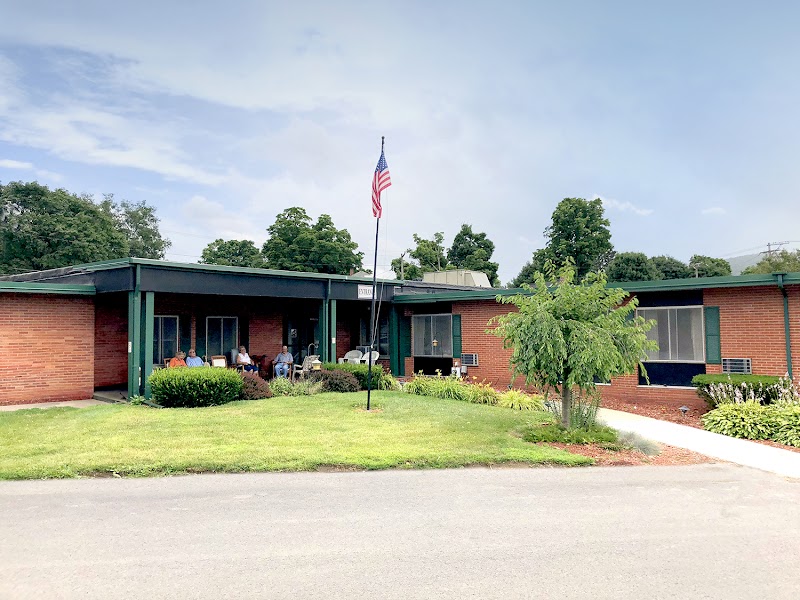
Who Owns and Operates Chestnut Park Rehabilitation And Nursing Center?

CHESTNUT PARK REHABILITATION AND NURSING CENTER is owned by a for-profit company. For-profit facilities operate as businesses with obligations to shareholders or private owners. The facility is operated by UPSTATE SERVICES GROUP, a chain that manages multiple nursing homes. With 80 certified beds and approximately 75 residents (about 94% occupancy), it is a smaller facility located in ONEONTA, New York.

How Does Chestnut Park Rehabilitation And Nursing Center Compare to Other New York Nursing Homes?

Compared to the 100 nursing homes in New York, CHESTNUT PARK REHABILITATION AND NURSING CENTER's overall rating (1 stars) is below the state average of 3.0, staff turnover (60%) is significantly higher than the state average of 46%, and health inspection rating (2 stars) is below the national benchmark.

What Should Families Ask When Visiting Chestnut Park Rehabilitation And Nursing Center?

Based on this facility's data, families visiting should ask: "What safeguards and monitoring systems are in place to protect residents from abuse or neglect?" "How do you ensure continuity of care given staff turnover, and what is your staff retention strategy?" "Can you walk me through typical staffing levels on day, evening, and night shifts?" "Can I visit during a mealtime to observe dining assistance and food quality?" These questions are particularly relevant given the substantiated abuse finding on record, the facility's high staff turnover rate, and the below-average staffing rating.

Is Chestnut Park Rehabilitation And Nursing Center Safe?

Based on CMS inspection data, CHESTNUT PARK REHABILITATION AND NURSING CENTER has documented safety concerns. The facility has 1 substantiated abuse finding (meaning confirmed case of resident harm by staff or other residents). The facility has a 1-star overall rating and ranks #100 of 100 nursing homes in New York. Families considering this facility should ask detailed questions about what corrective actions have been taken since these incidents.

Do Nurses at Chestnut Park Rehabilitation And Nursing Center Stick Around?

Staff turnover at CHESTNUT PARK REHABILITATION AND NURSING CENTER is high. At 60%, the facility is 14 percentage points above the New York average of 46%. Registered Nurse turnover is particularly concerning at 58%. RNs handle complex medical decisions and coordinate care — frequent RN changes can directly impact care quality. High turnover means new staff may not know residents' individual needs, medications, or preferences. It can also be disorienting for residents, especially those with dementia who rely on familiar faces. Families should ask: What is causing the turnover? What retention programs are in place? How do you ensure care continuity during staff transitions?

Was Chestnut Park Rehabilitation And Nursing Center Ever Fined?

CHESTNUT PARK REHABILITATION AND NURSING CENTER has been fined $7,901 across 1 penalty action. This is below the New York average of $33,158. While any fine indicates a compliance issue, fines under $50,000 are relatively common and typically reflect isolated problems that were subsequently corrected. Families should ask what specific issues led to these fines and confirm they've been resolved.

Is Chestnut Park Rehabilitation And Nursing Center on Any Federal Watch List?

CHESTNUT PARK REHABILITATION AND NURSING CENTER is not on any federal watch list. The most significant is the Special Focus Facility (SFF) program, which identifies the bottom 1% of nursing homes nationally based on persistent, serious quality problems. Not being on this list means the facility has avoided the pattern of deficiencies that triggers enhanced federal oversight. This is a positive indicator, though families should still review the facility's inspection history directly.