EVERGREEN COMMONS REHABILITATION AND NURSING CTR
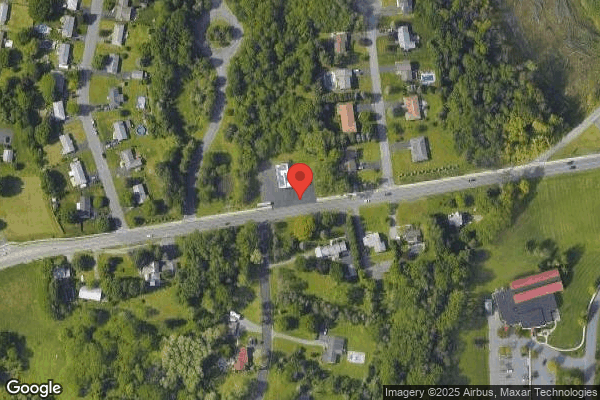
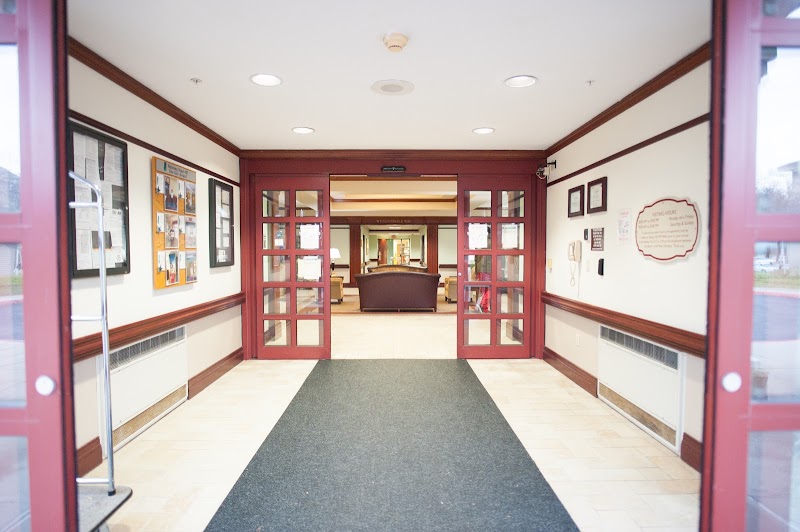
1070 LUTHER ROAD, EAST GREENBUSH, NY 12061 (518) 479-4662
For profit - Corporation 240 Beds UPSTATE SERVICES GROUP Data: November 2025
Trust Grade
55/100
#399 of 594 in NY
Last Inspection: January 2024

Within standard 12-15 month inspection cycle. Federal law requires annual inspections.

Overview

Evergreen Commons Rehabilitation and Nursing Center has a Trust Grade of C, indicating that it is average and falls in the middle of the pack compared to other facilities. It ranks #399 out of 594 in New York, placing it in the bottom half, but it is #2 out of 9 in Rensselaer County, meaning only one other local facility is rated higher. Unfortunately, the facility's trend is worsening, with issues increasing from 1 in 2023 to 8 in 2024. Staffing is rated average at 3 out of 5 stars, with a turnover rate of 50%, which is typical for the state. On a positive note, there are no fines recorded, but concerningly, it has less RN coverage than 78% of facilities in New York, which could impact care quality. Inspection findings revealed several issues, such as unclean floors in multiple resident rooms and bathrooms, posing potential health risks. Additionally, there were problems with medication labeling and storage, as some insulin pens lacked proper expiration dates, which could lead to administering unsafe medications. Lastly, the kitchen and food service areas were not maintained according to safety standards, with dirty utensils and floors, raising concerns about food safety. Overall, while the facility has some strengths, these significant weaknesses highlight areas that need urgent attention.

Trust Score
C
55/100
In New York
#399/594
Bottom 33%
Safety Record
Low Risk
No red flags
Inspections
Getting Worse
1 → 8 violations
Staff Stability
⚠ Watch
50% turnover. Above average. Higher turnover means staff may not know residents' routines.
Penalties
✓ Good
No fines on record. Clean compliance history, better than most New York facilities.
Skilled Nurses
⚠ Watch
Each resident gets only 22 minutes of Registered Nurse (RN) attention daily — below average for New York. Fewer RN minutes means fewer trained eyes watching for problems.
Violations
⚠ Watch
17 deficiencies on record. Higher than average. Multiple issues found across inspections.
★★☆☆☆
2.0
Overall Rating
★★★☆☆
3.0
Staff Levels
★★★☆☆
3.0
Care Quality
★★☆☆☆
2.0
Inspection Score
Stable
2023: 1 issues
2024: 8 issues

The Good

  • Full Sprinkler Coverage · Fire safety systems throughout facility
  • No fines on record

Facility shows strength in fire safety.

The Bad

2-Star Overall Rating

Below New York average (3.1)

Below average - review inspection findings carefully

Staff Turnover: 50%

Near New York avg (46%)

Higher turnover may affect care consistency

Chain: UPSTATE SERVICES GROUP

Part of a multi-facility chain

Ask about local staffing decisions and management

The Ugly 17 deficiencies on record

Jan 2024 8 deficiencies
CONCERN (D)

Potential for Harm - no one hurt, but risky conditions existed

Comprehensive Care Plan (Tag F0656)

Could have caused harm · This affected 1 resident

**NOTE- TERMS IN BRACKETS HAVE BEEN EDITED TO PROTECT CONFIDENTIALITY** Based on observation, staff and resident interviews, and record review conducted during the recertification survey from 01/03/20...

Read full inspector narrative →
**NOTE- TERMS IN BRACKETS HAVE BEEN EDITED TO PROTECT CONFIDENTIALITY** Based on observation, staff and resident interviews, and record review conducted during the recertification survey from 01/03/2024 to 01/11/2024, the facility did not ensure that the development and implementation of comprehensive person-centered care plans included measurable objectives and timeframes to meet residents' medical, nursing, mental and psychosocial needs for 4 (Residents #'s 539, 25, 69 and 4) of 35 residents reviewed for comprehensive care plans. Specifically, for Resident #'s 539, 25, 69, and 4, the facility did not include interventions specific to the residents' need for oxygen therapy in accordance with professional standards. This is evidenced by: Resident #539: Resident #539 was admitted to the facility on [DATE] with diagnoses including repeated falls, chronic obstructive pulmonary disease (COPD, refers to a group of diseases that cause airflow blockage and breathing-related problems), and unspecified asthma with exacerbation. The Minimum Data Set (an assessment tool) dated 12/12/2023 indicated that the resident could understand and be understood but had some cognitive impairments and required assistance to complete activities of daily living. The Minimum Data Set, dated [DATE], assessed the resident required oxygen therapy. During observations on 1/03/2024 at 10:54 AM, a portable oxygen tank on the back of the resident's wheelchair was set to deliver 3 liters per minute of oxygen via nasal cannula. The oxygen meter showed the tank was in the red zone, indicating it was empty. During observations on 1/04/2024 at 10:26 AM, the resident's oxygen concentrator was noted to be set at 2.5 liters per minute. The humidifier bottle was noted to be in place and was empty of fluid. During observations on 01/08/2024 at 09:21 AM, the resident's oxygen concentrator was noted to be set to 2.5 liters per minute. No date or time noted was noted on the oxygen tubing or system. The Treatment Administration Record dated 12/6/2023 to 1/10/2024 documented the resident had an active oxygen therapy order for 3 liters per minute via nasal cannula, as well as an active order to check the humidifier bottle every shift. The Comprehensive Care Plan dated 12/6/2023 to 1/10/2024 did not document any oxygen related care plans, interventions, or treatment details regarding the resident's use and need for oxygen therapy. Resident #25: The resident was admitted to the facility initially on 5/29/2018 with diagnoses including chronic diastolic (congestive) heart failure, type 2 Diabetes Mellitus with diabetic neuropathy, and morbid (severe) obesity. The Minimum Data Set (an assessment tool) dated 4/3/2023 documented that the resident could be understood and could understand others, and the resident had the cognition for daily living decisions. During observations on 01/05/2024 at 10:19 AM, the resident's oxygen concentrator was set at five (5) liters per minute. The humidifier bottle was in place and had liquid, and the oxygen tubing was dated 12/24/2023. During observations on 01/08/24 at 10:52 AM, the resident's oxygen concentrator was set to five (5) liters per minute. The humidifier bottle was in place and had liquid, and the oxygen tubing was dated 1/7/2024. During observations on 01/09/24 at 11:33 AM, the resident's oxygen concentrator was noted to be set to five (5) liters per minute. The Treatment Administration Record dated 1/8/2023 documented that the resident had oxygen therapy for four (4) liters per minute nasal cannula as needed. The treatment record documented the resident's oxygen therapy to be as needed. Completion was documented by Licensed Practical Nurse #10. The Treatment Administration Record dated 1/7/2023 documented the resident was to have oxygen tubing and humidifier changed weekly on Sundays during the night shift. Completion documentation was included on the treatment admission report by Licensed Practical Nurse #10. The Medication Administration Records from 1/3/2024 through 1/11/2024 documented that a licensed provider administered no oxygen to the resident during this time frame. The Comprehensive Care Plan dated 12/6/2023 to 1/10/2024 did not document any oxygen-related care plans, interventions, or treatment details regarding the resident's use and need for oxygen therapy. The Comprehensive Care Plan for Compromised Respiratory Status dated 1/10/2024 by the Assistant Director of Nursing documented that the resident had obstructive/central sleep apnea and that their oxygen saturation levels were to be monitored. It also documented that oxygen was to be given per the medical doctor's orders. Resident #69: The resident was admitted on [DATE], with diagnoses of chronic congestive heart failure, acute and chronic respiratory failure, and chronic obstructive pulmonary disease. The Minimum Data Set, dated [DATE], documented the resident usually understood others and was usually understood, and required some assistance with activities of daily living. The Minimum Data Set, dated [DATE], assessed the resident to require oxygen therapy. During an observation on 01/04/2024 at 09:42 AM, the resident's oxygen concentrator was noted to be set at 2.5 liters per minute via nasal cannula, no water noted to be in the humidification bottle attached to machine. During an observation on 01/05/2024 at 09:13 AM, the resident's oxygen concentrator was noted to be set at 2 liters per minute via nasal cannula, no water in the humidification bottle attached to machine. Nasal cannula prongs were noted to be both prongs in one nostril on the left side, instead of one prong in each nostril. During an observation on 01/05/2024 at 09:24 AM, the resident's portable oxygen tank was noted to be set at 2 liters per minute via nasal cannula. The Treatment Administration Record dated 12/10/2023 to 1/10/2024 documented the resident had an active oxygen therapy order for two (2) liters per minutes nasal cannula, as well as an active order to check humidifier bottle every shift. The Comprehensive Care Plan dated 3/01/2023 to 1/10/2024, did not document any oxygen related care plans, interventions, or treatment details regarding the resident's use and need for oxygen therapy. Resident #4 The resident was admitted to the facility initially on 3/2/2022, with diagnoses including chronic obstructive pulmonary disease with exacerbation, type 2 Diabetes Mellitus with chronic kidney disease, and unspecified atrial fibrillation. The Minimum Data Set, dated [DATE] documented that the resident could be understood and could understand others, and the resident had the cognition for daily living decisions. The Comprehensive Care Plan for Compromised Respiratory Status dated 4/9/2023 by the Assistant Director of Nursing documented that the resident had a chronic obstructive pulmonary disease with acute exacerbation, and their oxygen saturation levels were to be monitored. It also documented that oxygen was to be given per the medical doctor's orders. During observations on 01/08/2024 at 10:52 AM, a portable oxygen tank on the armrest of the resident's walker was set to deliver 2 liters per minute of Oxygen via nasal cannula. The oxygen meter showed the tank was in the red zone, indicating it was empty. The Treatment Administration Record dated 1/4/2024 through 1/10/2024 documented that the resident was to have oxygen therapy for two (2) liters per minute nasal cannula. Treatment records document routine checks every day and every shift. They documented completed by Licensed Practical Nurses three (3) times daily. The Medication Administration Records from 1/4/2024 through 1/10/2024 document that a licensed provider administered no oxygen to the resident during this time frame. The Comprehensive Care Plan dated 1/4/2024 to 1/10/2024 did not document any oxygen-related care plans, interventions, or treatment details regarding the resident's use and need for oxygen therapy. During an interview on 1/4/2024 at 2:19 PM, Resident #4 stated that they were on 2 liters of oxygen via nasal cannula because of their chronic obstructive pulmonary disease. They stated that their portable oxygen tanks did not last long and had to be changed regularly. The resident stated that if their bottle was empty, they would notify someone at the front desk area, and someone would get a new bottle for them. They stated that they needed to monitor their oxygen tanks most of the time as the staff did not check to see if the tanks needed to be replaced. They stated that the Certified Nursing Assistants would take the bottles and tanks to the basement, where they could refill them and bring them back to the unit. Interviews: During an interview on 1/9/2024 at 12:01 PM, Licensed Practical Nurse #8 stated they believed Resident #25 was on two (2) to three (3) liters of oxygen per minute but would have to verify in either the medication administration records or the orders. They stated that most fully alert residents with oxygen could self-monitor and turn oxygen on or off, but that those residents should keep the settings the same. If a resident was altered, staff would be more diligent in monitoring the oxygen administration to the resident. During an interview on 1/10/2024 at 2:15 PM, Licensed Practical Nurse #9 stated Resident #'s 25 and 4 were on Oxygen but would have to verify the orders. They stated that the resident was not on oxygen for a specific time, and there was no order to monitor the resident's oxygen level. They further stated that if a resident needed to have their oxygen measured, it would have been conducted by a nurse; residents were not allowed to self-monitor their oxygen or adjust the flow rate. They stated they would refer to the resident's care plan and orders for liter flow, that all residents should have had a care plan for all aspects of their care, and that - if a resident was admitted with oxygen orders - an oxygen care plan should have been in place as soon as they were admitted . Licensed Practical Nurse #9 further stated that they would contact the nursing supervisor to get one in place if one did not exist. During an interview on 1/10/2024 at 10:57 AM, Registered Nurse Educator #1 stated that all staff were educated on oxygen therapy, handling of oxygen concentrators and tanks during orientation, and at least once a year during special focus months. During an interview on 1/10/2024 at 11:20 AM, the Assistant Director of Nursing was asked to show where the care plans for oxygen administration were located on the electronic records system. They stated that they should be in the system's care plan grid and proceeded to pull the grid up on the computer but was unable to locate the proper care plan for oxygen administration. They then looked in the medication administration and treatment administration records but could not find the appropriate care plan. They stated that if a resident was on oxygen, then there would be an order for the oxygen as well as a care plan. They also stated that the care plan could be in another location within the electronic records system, but it would ultimately be within the care plan grid of the electronic records system. During an interview on 1/11/2024 at 10:06 AM, the Director of Nursing stated that when a resident was admitted on oxygen treatment, the admission director would send an email to the admission registered nurse and unit nurse manager to have the resident's care plan set up. They further stated that care plans were reviewed 14 days post admission and 90 days post admission; and that unit managers were responsible for reviewing the care plans for accuracy. 10 New York Codes, Rules and Regulations 483.21(b)(1)
CONCERN (D) 📢 Someone Reported This

A family member, employee, or ombudsman was alarmed enough to file a formal complaint

Potential for Harm - no one hurt, but risky conditions existed

Accident Prevention (Tag F0689)

Could have caused harm · This affected 1 resident

**NOTE- TERMS IN BRACKETS HAVE BEEN EDITED TO PROTECT CONFIDENTIALITY** Based on observation, staff interviews, and medical and facility record review conducted during the recertification and abbrevia...

Read full inspector narrative →
**NOTE- TERMS IN BRACKETS HAVE BEEN EDITED TO PROTECT CONFIDENTIALITY** Based on observation, staff interviews, and medical and facility record review conducted during the recertification and abbreviated survey (Case # NY00310589) from 01/03/2024 to 01/11/2024, the facility did not ensure adequate supervision was provided for one (Resident #195) of 7 residents reviewed for accidents. Specifically, on 2/11/2023, the facility did not ensure Resident #195 was provided adequate supervision to prevent an elopement from the facility. This is evidenced by: The facility's Policy and Procedure titled Resident Elopement, revised on 12/17/2018, documented each employee shall be informed of their responsibility in regard to door alarms and response to same, reporting elopements and reporting behavior of residents. The Policy and Procedure also documented precautions including residents at risk for elopement having their picture taken on admission and placed in the electronic medical record and maintained in a notebook by the front door receptionist for identification. Preventions documented in the Policy and Procedure include the receptionist to observe the front doors and redirect an at-risk resident from exiting and notifying the nursing supervisor. The facility's Policy and Procedure titled Wanderguard/Watchmate Bracelet, revised on 12/17/2018, documented a Wanderguard/watchmate bracelet was to be worn by residents identified as a wandering risk or elopement risk by interdisciplinary team assessment and/or history of wandering or elopement behaviors. The Wanderguard/watchmate bracelet was to be checked for proper placement at a minimum of every shift. Resident #195: Resident #195 was admitted to the facility with the diagnoses of alcohol abuse, hypertension, and altered mental status. The Minimum Data Set (an assessment tool) dated 2/16/2023 documented Resident #195 was able to understand others, was able to make self-understood, and had mild cognitive impairment. Resident #195 was able to walk without assistance or supervision with a walker. Resident #195 was observed on their unit during the recertification survey 1/3/2024 through 1/11/2024. The resident did walk around the unit but did not test the doors during multiple observations throughout the survey. The resident was observed wearing a Wanderguard and walking unassisted with a steady gait and a walker. Resident was pleasant but confused. The Elopement assessment dated [DATE] documented Resident #195 was at risk for elopement. The Comprehensive Care Plan dated as initiated on 2/10/2023, documented the resident was at risk for elopement related to verbalizing they wanted to leave the facility, impaired safety awareness and poor impulse control. The Comprehensive Care Plan documented a Wanderguard (a device worn by the resident that will alarm when the resident would try to exit the facility) was applied to the resident's right wrist. The Comprehensive Care Plan also documented that on 2/11/2023, Resident #195 cut the band and removed the Wanderguard with their own pair of scissors then left the facility. The facility's Incident Report dated 2/11/2023 documented the resident returned to the facility without injury. The facility's Investigation Report dated 2/16/2023 documented the resident was an elopement risk. The incident Report documented the resident was last seen before elopement on 2/11/2023 at 3:30 PM. The facility was informed by law enforcement on 2/11/2023 at 4:30 PM that Resident #195 was at a local restaurant. The resident returned to the facility without injury. The facility's Investigation Report included staff statements documenting: - The roam alert system was intact and fully functional on 2/11/2023 - The receptionist on duty did not recognize the resident as an elopement risk and, at the time of the elopement, had been letting visitors gathered by the door out of the facility on 2/11/2023. - The admitting nurse applied a Wanderguard to the left ankle on 2/10/2023 A document titled Daily Walk Through dated 2/11/2023 documented signatures confirming the roam alerts were functioning at the front door. The employee file for Receptionist #2 was reviewed. The employee had received training on Wandering and Elopement as evidenced by the signed in-service sheet and completed post-test with a passing grade. During an interview on 1/9/2024 at 10:50 AM, Receptionist #1 stated there was a binder with a list of residents who were an elopement risk along with their pictures and Wanderguard. The binder was signed by the receptionists every shift to indicate that it had been checked for updates. Receptionist #1 stated that if a resident with a Wanderguard approached the door, an alarm will sound. Then the staff member would redirect the resident away from the door and call the resident's unit. During an interview on 1/9/2024 at 11:17 AM, Licensed Practical Nurse #1 stated the resident had not had any exit seeking behaviors since the incident but did talk about leaving sometimes. The resident had a Wanderguard on as a precaution. The unit was a locked unit that required a code to get onto the unit and an employee badge to unlock the door to leave the unit. During an interview on 1/9/2024 at 12:04 PM, Activities Aide stated they received dementia training and wandering and elopement training when they were hired and annually. During an interview on 1/10/2024 at 12:13 PM, the Registered Dietician stated the facility provided education on wandering and elopement upon hire and annually. The Registered Dietician stated they recalled receiving education on wandering and elopement after the incident. During an interview on 1/10/2024 at 9:06 AM, the Director of Maintenance stated it was the responsibility of the maintenance department to complete daily rounds of the facility, which included checking the roam alerts at exit points to make sure they worked. The duty is signed off on a checklist that is kept in a binder. If a roam alert did not function during rounds, or maintenance is alerted that a roam alert wasn't working, it is fixed immediately. The Director of Maintenance stated they received training on wandering and elopement when they were hired and annually. They stated they did receive additional training on wandering and elopement after the incident. During an interview on 1/10/2024 at 11:05 AM, the Regional Administrator stated the incident was reported per the New York State Department of Health regulation. Receptionist #2 had given their statement at the time of the incident but did not return calls or return to the facility after the incident. The Receptionist #2 was terminated for job abandonment. During an interview on 1/10/2024 at 11:20 AM, the Director of Nursing stated the resident had used their own scissors to remove the Wanderguard. They stated that it was not the policy of the facility to search a resident's belongings without cause, and there had not been any further elopements from this resident or other residents. Based on the following corrective actions, the facility corrected the non-compliance as of 3/2/2023. The facility reached past noncompliance by taking sufficient corrective actions prior to the recertification and abbreviated survey to fully correct the noncompliance before the start of the survey. The facility's corrective actions included the following effective 3/2/2023: - Resident #195 was transferred to a locked memory care unit upon their return. - 100% of staff had been reeducated on elopement and wandering. The education provided included: unsafe wandering/elopement in-service that includes elopement prevention policy and procedure with emphasis on ensuring education to the front desk staff to check the elopement/wandering binder. -Four convex mirrors were installed in the reception/front entrance area to maximize visualization for the receptionist. These mirrors continued to be in place and in good condition during the recertification survey. 10 New York Codes, Rules and Regulations 483.25(d)(1)(2)
CONCERN (D)

Potential for Harm - no one hurt, but risky conditions existed

Respiratory Care (Tag F0695)

Could have caused harm · This affected 1 resident

**NOTE- TERMS IN BRACKETS HAVE BEEN EDITED TO PROTECT CONFIDENTIALITY** Based on observations, record review, and interviews conducted during the recertification survey from 1/3/2024 through 1/ 11/202...

Read full inspector narrative →
**NOTE- TERMS IN BRACKETS HAVE BEEN EDITED TO PROTECT CONFIDENTIALITY** Based on observations, record review, and interviews conducted during the recertification survey from 1/3/2024 through 1/ 11/2024, the facility did not ensure that each resident received the necessary respiratory care and services that is in accordance with professional standards of practice, the resident's care plan and the resident's choice for 4 (Resident #'s 539, 25, 69 and 4) of 35 residents reviewed for oxygen administration. Specifically, (a) supplemental oxygen was not provided as ordered by the physician for Resident #'s 539, 25, and 69; (b) portable oxygen tanks ran out of oxygen for Resident #'s 539 and 4; and (c) oxygen delivery was provided by unlicensed personnel for Residents #'s 539, 25, 69 and 4. This is evidenced by: Resident #539 was admitted to the facility on [DATE], with diagnoses including repeated falls, chronic obstructive pulmonary disease, and unspecified asthma with exacerbation. The Minimum Data Set (an assessment tool) dated 12/12/2023, assessed that the resident could understand, be understood, but had some cognitive impairments and required assistance to complete activities of daily living. Resident #25 was admitted to the facility initially on 5/29/2018, with diagnoses including chronic diastolic (congestive) heart failure, type 2 Diabetes Mellitus with diabetic neuropathy, and morbid (severe) obesity. The Minimum Data Set, dated [DATE], documented that the resident could be understood and could understand others, and the resident had the cognition for daily living decisions. Resident #69 was admitted on [DATE], with diagnoses of chronic congestive heart failure, acute and chronic respiratory failure, and chronic obstructive pulmonary disease. The Minimum Data Set, dated [DATE], documented the resident usually understood others and was usually understood, and required some assistance with activities of daily living. Resident #4 was admitted to the facility initially on 3/02/2022, with diagnoses including chronic obstructive pulmonary disease with exacerbation, type 2 Diabetes Mellitus with chronic kidney disease, and unspecified atrial fibrillation. The Minimum Data Set, dated [DATE] documented that the resident could be understood and could understand others; the resident had the cognition for daily living decisions. (a) Supplemental oxygen was not provided as ordered by the physician for Resident #'s 539, 25, and 69: The Treatment Administration Record dated 12/6/2023 to 1/10/2024 documented Resident #539 had an active oxygen therapy order for three (3) liters per minutes nasal cannula, as well as an active order to check humidifier bottle every shift. During observations on 1/04/24 at 10:26 AM, Resident #539's oxygen concentrator was noted to be set at 2.5 liters per minute. The humidifier bottle was noted to be in place and was empty of fluid. During observations on 01/08/24 at 09:21 AM, Resident #539's oxygen concentrator was noted to be set to 2.5 liters per minute, no date or time noted was noted on the tubing or system. During observations on 01/05/2024 at 10:19 AM, Resident #25's oxygen concentrator was set at five (5) liters per minute. The humidifier bottle was in place and had liquid, and the oxygen tubing was dated 12/24/2023. During observations on 01/08/24 at 10:52 AM, Resident #25's oxygen concentrator was set to five (5) liters per minute. The humidifier bottle was in place and had liquid, and the Oxygen tubing was dated 1/7/2024. During observations on 01/09/24 at 11:33 AM, Resident #25's oxygen concentrator was noted to be set to five (5) liters per minute. The Treatment Administration Record dated 1/8/2023 documented that Resident #25's resident had oxygen therapy for four (4) liters per minute nasal cannula as needed. The treatment record documents the resident's oxygen therapy to be as needed. Completion documented by Licensed Practical Nurse #10. The Treatment Administration Record dated 1/7/2023 documented Resident #25's was to have oxygen tubing, and humidifier changed weekly on Sundays during the night shift. Completion documentation was included on the treatment admission report by Licensed Practical Nurse #10. The Comprehensive Care Plan for Compromised Respiratory Status dated 1/10/2024 by the Assistant Director of Nursing documented that Resident # 25 had obstructive/central sleep apnea and that their oxygen saturation levels were to be monitored. It also documented that oxygen was to be given per the medical doctor's orders. During an observation on 01/04/2024 at 09:42 AM, Resident #69's oxygen concentrator was noted to be set at 2.5 liters per minute via nasal cannula, no water noted to be in the humidification bottle attached to machine. During an observation on 01/05/2024 at 09:13 AM, Resident #69's oxygen concentrator was noted to be set at 2 liters per minute via nasal cannula, no water in the humidification bottle attached to machine. Nasal cannula prongs were noted to be both prongs in one nostril on the left side, instead of one prong in each nostril. During an observation on 01/05/2024 at 09:24 AM, Resident #69's portable oxygen tank was noted to be set at 2 liters per minute via nasal cannula. The Minimum Data Set, dated [DATE], assessed Resident #69 to require oxygen therapy. The Treatment Administration Record dated 12/10/2023 to 1/10/2024 documented Resident #69 had an active oxygen therapy order for two liters per minutes nasal cannula, as well as an active order to check humidifier bottle every shift. The facility policy titled Oxygen Therapy - Mask and Nasal Cannula, dated 12/2023, documents that oxygen is initiated by licensed staff. Only a nurse, doctor, nurse practitioner, or physician's assistant may adjust the oxygen liter flow. Additionally, the policy documented that when humidification is required, change the water bottle weekly. Water bottle change will be documented on the Treatment Administration Record. The Comprehensive Care Plan dated 3/01/2023 to 1/10/2024, did not document any oxygen related care plans, interventions, or treatment details regarding Resident #69's use and need for oxygen therapy. (b) Portable oxygen tanks ran out of oxygen for Resident #'s 539 and 4: During observations on 01/03/2024 at 10:54 AM, a portable oxygen tank on the back of Resident #539's wheelchair was set to deliver 3 liters per minute of oxygen via nasal cannula and the oxygen meter showed the tank was in the red zone, indicating it was empty. During observations on 01/08/2024 at 10:52 AM, a portable oxygen tank on the armrest of Resident #4's walker, was set to deliver 2 liters per minute of Oxygen via nasal cannula. The oxygen meter showed the tank was in the red zone, indicating it was empty. (c) Oxygen delivery was provided by unlicensed personnel for Residents #'s 539, 25, 69 and 4: The facility policy titled, Oxygen Therapy - Mask and Nasal Cannula, dated 2/2023, documented that oxygen was initiated by licensed staff. Only a nurse, doctor, nurse practitioner, or physician's assistant may adjust the oxygen liter flow. Additionally, the policy documented that when humidification is required, change the water bottle weekly. Water bottle change would be documented on the Treatment Administration Record. The Minimum Data Set, dated [DATE], assessed Resident #539 to require oxygen therapy. The Comprehensive Care Plan dated 12/6/2023 to 1/10/2024 did not document any oxygen related care plans, interventions, or treatment details regarding the resident's use and need for oxygen therapy for Resident #539. The Comprehensive Care Plan dated 12/6/2023 to 1/10/2024 did not document any oxygen-related care plans, interventions, or treatment details regarding Resident # 25's use and need for oxygen therapy. The Medication Administration Records from 1/3/2024 through 1/11/2024 documented that a licensed provider did not administer oxygen to Resident #25 during this time frame. During an observation on 01/09/2024 at 10:26 AM, Certified Nurse Assistant #3 removed Resident #69 from a portable oxygen tank and initiated an oxygen concentrator. Certified nurse assistant #3 asked Registered Nurse #7 how many liters to set the concentrator to and the Registered Nurse replied 2 liters. The Certified Nurse Assistant turned on the oxygen concentrator and placed the nasal cannula on the resident's face. The Treatment Administration Record dated 1/4/2024 through 1/10/2024 documented that Resident #4 was to have oxygen therapy for two (2) liters per minute nasal cannula. Treatment records document routine checks every day and every shift. The documentation was completed by a Licensed Practical Nurse three (3) times daily. During an interview on 1/4/2024 at 2:19 PM, Resident #4 stated that they were on oxygen of 2 liters via nasal cannula because of their chronic obstructive pulmonary disease. They stated that their portable oxygen tanks did not last long and must be changed regularly. The resident stated that if their bottle was empty, they would notify someone at the front desk area, and someone would get a new bottle for them. They stated that they must monitor their oxygen tanks most of the time as the staff does not check to see if the tanks need replacing. They stated that the Certified Nursing Assistants would take the bottles and tanks to the basement, where they could refill them and bring them back to the unit. Interviews: During an interview on 1/09/2024 at 10:42 AM, Certified Nurse Assistant #3 stated that certified nurse assistants were allowed to check tanks and adjust the dials as needed. During an interview on 1/09/2024 at 11:17 AM, Licensed Practical Nurse #7 stated that certified nurse assistants were allowed to adjust oxygen and put residents on oxygen if needed. During an interview on 1/9/2024 at 12:01 PM, Licensed Practical Nurse #8 stated they believed Resident #4 and Resident #25 were on two (2) to three (3) liters of oxygen but would have to verify in the medication administration records or their orders to verify. They stated that most residents with oxygen and fully alert could self-monitor and turn it on or off, but they should keep the settings the same. If a resident was altered, they would be more diligent in administering oxygen to the resident. They stated that Certified Nursing Assistants were not allowed to change or set the oxygen level provided to residents or change residents from their concentrator to portable. Certified Nursing Assistants could take the empty portable canisters to the basement and fill them. They stated that Resident #4 got anxiety a lot and could be on a lower amount or no oxygen at all; the resident was on portable oxygen canisters, and they stated that they know of no issues with the oxygen. During an interview on 1/10/2024 at 10:45 AM, Certified Nursing Assistant # 4 stated that Resident #'s 25 and #4 were on oxygen and had no issues regarding the oxygen or oxygen tubing. They indicated that they had hooked up the residents' oxygen and turned the machine on, setting the liter flow for the resident. During an interview on 1/10/2024 at 10:57 AM with Registered Nurse Educator #1, they stated that all staff were educated on oxygen therapy, handling of oxygen concentrators and tanks during orientation and at least once a year during special focus months. During an interview on 1/10/2024 at 11:45 AM, Certified Nursing Assistant # 6 stated that Resident #4 was on oxygen and had no issues regarding the Oxygen or oxygen tubing. They stated they are not supposed to adjust or set the machines for the residents as they are not licensed providers. They have witnessed Certified Nursing Assistants adjusting and placing residents on Oxygen in the past. During an interview on 1/10/2024 at 2:15 PM, Licensed Practical Nurse #9 stated Resident #4 was on oxygen but would have to verify the orders. If a resident needed to have their Oxygen measured, it would have to be conducted by a nurse. Residents were not allowed to self-monitor their oxygen or adjust it if needed. They stated that Certified Nursing Assistants were not allowed to alter or set the oxygen level provided to residents or change residents from their concentrator to portable. Certified Nursing Assistants could take the empty portable canisters to the basement and fill them. They stated that if the liter flow were wrong on the oxygen delivery device, they would change it to the prescribed ordered amount and notify the Unit Manager. During an interview on 1/11/2024 at 9:30 AM, Registered Nurse Educator #1 stated that all staff were educated on oxygen therapy and handling oxygen concentrators and tanks during orientation and at least once a year during particular focus months. Certified nursing assistants were educated on what they could and could not do for oxygen administration. They stated that the certified nursing assistants could not adjust flow rates, apply oxygen to residents, or monitor oxygen levels. Certified Nursing Assistants could turn on oxygen administration devices and check tubing for kinks. Agency staff individuals were provided the same orientation education as the facility staff. During an interview on 1/11/2024 at 10:06 AM, the Director of Nursing stated registered nurses regulated the oxygen for residents. Certified nurse assistants were not allowed to adjust oxygen, only tell the licensed staff what would be needed for residents. The Director of Nursing further stated that when a resident was admitted on oxygen treatment, the admission director would send an email to the admission registered nurse and unit nurse manager to have the resident's care plan set up. They further stated that care plans were reviewed 14 days post admission and 90 days post admission; and that unit managers were responsible for reviewing the care plans for accuracy. Additionally, it was stated that only licensed staff were allowed to alter, adjust, place, or remove oxygen administration to residents. 10 NYCRR 415.12(k)(6)
CONCERN (E) 📢 Someone Reported This

A family member, employee, or ombudsman was alarmed enough to file a formal complaint

Potential for Harm - no one hurt, but risky conditions existed

Safe Environment (Tag F0584)

Could have caused harm · This affected multiple residents

Based on observation, interviews, and record review conducted during the recertification survey from 01/03/2024 to 01/11/2024, the facility did not provide effective housekeeping and maintenance servi...

Read full inspector narrative →
Based on observation, interviews, and record review conducted during the recertification survey from 01/03/2024 to 01/11/2024, the facility did not provide effective housekeeping and maintenance services on five (5) of 5 resident units checked. Specifically, the the facility did not ensure that resident room, resident bathroom, common areas, and closets were clean; and furniture and walls were in good repair. This is evidenced by: The following observations were noted on 01/10/2024 from 10:26 AM through 1:31 PM: Finding #1: Soiled Floors Floors were soiled in corners and next to walls in the following areas: Resident room #s 135, 147, 147, 158, 195, 184, 186, 183, 176, 215, 216, 217, 218, 222, 224, 225, 226, 232, 234, 235, 274, 281, 285, 287, 288, 293, 294, 295, and 296. Bathrooms in resident room #s 111, 113, 116, 117, 118, 123, 124, 127, 128, 131, 133, 134, 135, 142, 144, 145, 147, 156, 158, 162, 163, 164, 165, 166, 175, 182, 184, 187, 214, 215, 216, 217, 218, 222, 224, 225, 226, 228, 231, 232, 234, 235, 272, 275, 281, 283, 285, 286, 287, 288, 291, 294, 295, and 296. One Greenbush Lane closets and doctor office. One Wynantskill Way closets. One Schodack Square closets and shower 2 C Tub Room. Two Schodack Square closets and laundry room. Two Greenbush Lane closets. Finding #2: Cobwebs Cobwebs were found between furniture and between furniture and walls in resident room #s 113, 116, 117, 118, 123, 124, 126, 127, 128, 131, 133, 134, 135, 142, 144, 156, 214, 215, 217, 218, 221, 224, 226, 228, 235, 272, 281, 283, 285, 286, 287, 288, 293, 294, 295, and 296. Finding #3: Soiled Toilets Toilets were soiled behind the seat in resident room #s 113, 116, 118, 123, 124, 126, 127, 128, 131, 133, 134, 142, 145, 152, 158, 162, 163, 164, 165, 166, 181, 183, 215, 218, 221, 222, 224, 225, 226, 228, 231, 234, 235, 275, 283, 286, 287, 288, 294, 295, and 296. Finding #4: Maintenance of Walls, Furniture, and Showers A dark-colored, mold-like substance was found on the walls near the floor in the One Wynantskill Way C Tub Room. The finish on the bed footboards was worn in resident room #s 144 and 195, and the drawers were in disrepair room #s 222 and 228. Walls were scraped or missing paint in resident room #s 195, 186 and 222; the One Wynantskill Way common area; the Two Schodack Square common area; the 109s corridor; and the 240s corridor. Record review of Housekeeping Inservice Training (undated) documented that housekeeping staff were trained to thoroughly clean all resident rooms monthly including dusting and cleaning behind furniture, and were to clean floors along walls and in corners, and to thoroughly clean toilets daily. The document did not include information on reporting furniture, walls, or other areas in disrepair. During an interview on 01/11/2024 at 11:40 AM, The Regional Housekeeping Director stated that the facility was aware that the resident rooms required thorough cleaning, and the facility was actively trying to recruit more housekeeping staff to solve the problem. During an interview on 01/11/2024 at 11:45 AM, the Director of Maintenance stated that the One Wynantskill Way tub room would be cleaned that day, and would be investigated as to whether the substance found was mold. The Director of Maintenance stated that staff had not reported furniture being in disrepair, that wall scrapes were a constant issue, and that the items found would be addressed immediately. During an interview on 01/11/2024 at 11:50 AM, the Administrator stated that the facility would conduct a full house audit for cleanliness, wall scrapes, and the condition of furniture; the results would be reported to the quality assurance committee. To prevent future occurrences, housekeeping recruitment and rounding efforts would be increased, and all current housekeeping staff will be re-educated on cleaning and reporting maintenance issues. 483.10(i)(2); 10 New York Codes, Rules and Regulations 415.5(h)(4)
CONCERN (E) 📢 Someone Reported This

A family member, employee, or ombudsman was alarmed enough to file a formal complaint

Potential for Harm - no one hurt, but risky conditions existed

Deficiency F0761 (Tag F0761)

Could have caused harm · This affected multiple residents

Based on observation, interviews, and record review during the recertification survey from 01/03/2024 to 01/11/2024, the facility did not ensure safe and appropriate labeling and storage of all medica...

Read full inspector narrative →
Based on observation, interviews, and record review during the recertification survey from 01/03/2024 to 01/11/2024, the facility did not ensure safe and appropriate labeling and storage of all medications for 3 of 3 units for medication labeling and storage. Specifically, 5 insulin pens were not labeled with expiration dates after opening, and 1 insulin pen was not labeled with the date opened and the expiration date after opening by facility policy. This was evidenced by: The facility Medication Administration Policy, dated 07/28/2023, documented that the expiration date on the medication label must be checked prior to administering. The facility's Diabetic Management Policy, dated 11/2023, documented that upon opening a new vial of insulin, the nurse must date and initial the vial. Insulin vials were to be discarded after 28 days of the date they were opened. During an observation of the team 2 medication cart on 1 Wynantskill Way on 01/08/2024 at 9:45 AM, 1 Degludec insulin Flex pen and one glargine insulin Flex pen were not labeled with the expiration date after opening. During an observation of the team 1 medication cart on 2 Wynantskill Way on 01/08/2024 at 9:55 AM, 1 Victoza insulin Flex pen and 1 Lispro Flex pen were not labeled with an expiration date after opening. During an observation of the team 2 medication cart on 2 Wynantskill Way on 01/08/2024 at 10:05 AM, 1 Basaglar insulin Flex pen was not labeled with the expiration date after opening. During an observation of the team 1 medication cart on 1 Schodack Way 01/08/2024 at 10:15 AM, 1 Humalog insulin Flex pen was not labeled with the date opened and was not labeled with the expiration date after opening. During an interview on 01/08/2024 at 09:31 AM, Licensed Practical Nurse #2 stated that they would determine the expiration date by looking it up on the internet. During an interview on 01/08/2024 at 09:45 AM, Licensed Practical Nurse #3 was not able to identify the expiration date on the Lispro insulin pen. Licensed Practical Nurse #3 stated they were unaware that insulin expiration dates vary. Licensed Practical Nurse #3 stated they did not receive insulin administration training upon hire. During an interview on 01/08/2024 at 10:15 AM, Licensed Practical Nurse #5 stated they overlooked filling in the date the insulin was opened and filling in the date of expiration. During an interview on 01/08/2024 at 12:30 PM, the Nurse Educator stated nurses who were newly hired received medication administration training. The training did not include specific insulin administration training but was included with general medication administration training. During an interview on 01/11/2024 at 10:30 AM, the Director of Nursing stated Licensed Practical Nurse #3 was given additional 1 on 1 training. The Director of Nursing stated the overnight nurse generally cleaned and organized the medication cart. However, it was the responsibility for every nurse to make sure their cart was clean, organized and that medications were labeled according to policy. All expired medications were to be discarded by the nurse. 10 New York Codes, Rules and Regulations 415.18(d)
CONCERN (E) 📢 Someone Reported This

A family member, employee, or ombudsman was alarmed enough to file a formal complaint

Potential for Harm - no one hurt, but risky conditions existed

Food Safety (Tag F0812)

Could have caused harm · This affected multiple residents

Based on observation, staff interview, and record review during the recertification and abbreviated survey (Case #NY00324857) from 01/03/2024 to 01/11/2024, the facility did not store, prepare, distri...

Read full inspector narrative →
Based on observation, staff interview, and record review during the recertification and abbreviated survey (Case #NY00324857) from 01/03/2024 to 01/11/2024, the facility did not store, prepare, distribute, and serve food in accordance with professional standards for food service safety in the main kitchen and 11 of 11 kitchenettes checked. Specifically, serving utensils, food preparation area floors, and kitchenettes were not clean; and the main kitchen floor was not in good repair. This is evidenced by: During observations in the main kitchen on 01/03/2024 at 9:32 AM: - In the clean utensil rack, a wire whisk, 5 ladles, and one 4 ounce measuring spoon were soiled with food residue. - The stove, front of the logbook drawer, floor behind cooking equipment, doors to storage areas, and fire extinguisher were soiled with food particles and/or dirt. - Sections of the floor throughout kitchen were missing grout between tiles and were not cleanable. During observations on 01/03/2024 between 10:30 AM and 1:00 PM: - In the 1 Greenbush Lane kitchenette, the refrigerator was soiled with food particles, the wall and front of the drawer were soiled with food drip marks, and the ice machine table was soiled with rust. - In the 1 Wynantskill Way kitchenette, the wall was soiled with food splatters. - In the 1 Wynantskill Way serving kitchenette, the refrigerator, microwave oven, floor behind steamtable, and floor in corners were soiled with food particles. - In the 1 Schodack Square kitchenette, the refrigerator and floor below the refrigerator were soiled with food particles. - In the 1 Schodack Square serving kitchenette, the refrigerator and floor were soiled with food particles. - In the 2 Greenbush Lane Kitchenette, the freezer and floor below refrigerator were soiled with food particles. - In the 2 Greenbush Lane serving kitchenette, the plate warmer and floor below steamtable were soiled with food particles. - In the 2 Wynantskill Way Kitchenette, the floor below the refrigerator was soiled with food particles. - In the 2 Wynantskill Way serving kitchenette, the drawers, wall right of the steamtable, tray rack cart, and dining room wall by kitchenette were soiled with food particles or food splatters. - In the 2 Schodack Square Kitchenette, the refrigerator and drawer were soiled with food particles. - In the 2 Schodack Square serving kitchenette, the floor was soiled with food particles. The undated document titled, Training Checklist documented that dietary staff were trained to clean microwave ovens, refrigerators, plate warmers, and cabinets in the kitchenettes. Additionally, the Training Checklist was an audit tool to check for cleanliness in these areas. During an interview on 01/11/2024 at 12:09 PM, the Regional Manager of Dietary stated that the serving utensils had been cleaned, work had started on cleaning the kitchenettes, and all kitchen employees would be retrained on cleaning utensils thoroughly and cleaning the kitchenettes. The Regional Manager of Dietary stated that a cleaning scheduled would be developed, and the Assistant Food Services Director had received consultation to visually check for cleanliness at various points throughout the workday. During an interview on 01/11/2024 at 12:11 PM, the Administrator stated it was not certain as to why the missing grout in the kitchen floor had not been identified, but the Director of Maintenance would be directed to contact a vendor to re-grout the floor and to notify the quality assurance committee when complete. The Administrator stated that the dietary and housekeeping departments would be directed to clean the unit kitchenettes and serving kitchenettes; and to ensure the serving utensils, kitchen floor, unit kitchenettes, and serving kitchenettes were properly cleaned, more audits would be conducted with the findings reported to the quality assurance committee. 10 New York Codes, Rules and Regulations 415.14(h); Chapter 1 State Sanitary Code Subpart 14
CONCERN (E) 📢 Someone Reported This

A family member, employee, or ombudsman was alarmed enough to file a formal complaint

Potential for Harm - no one hurt, but risky conditions existed

Room Equipment (Tag F0908)

Could have caused harm · This affected multiple residents

Based on observation and interviews during the recertification and abbreviated survey (Case # NY00315024) from 01/03/2024 to 01/11/2024, the facility did not maintain all mechanical, electrical, and p...

Read full inspector narrative →
Based on observation and interviews during the recertification and abbreviated survey (Case # NY00315024) from 01/03/2024 to 01/11/2024, the facility did not maintain all mechanical, electrical, and patient care equipment in safe operating condition. Specifically, one hot water heater, the hot water holding tank thermometers, and one shower valve were not maintained in good repair. This is evidenced by: During hot water temperature checks on 01/05/2024 at 1:45 PM, the Two Schodack Square 20s shower hot water temperature was 58-degrees Fahrenheit; and hot water temperatures were between 95 and 113-degrees Fahrenheit on the following resident units: One Greenbush Lane, One Schodack Square, Two Greenbush Lane, Two Schodack Square, and Two Wynantskill Way (3 shower temperatures and 3 resident room sink temperatures taken each unit). During observations on 01/08/2024 at 12:10 PM, the thermometer on hot water holding tank #2 was not functioning, the thermometer on hot holding tank #1 read 105 degrees Fahrenheit, and hot water heater #2 was not functioning. During an interview on 01/08/2024 at 12:15 PM, the Director of Maintenance stated that occasionally the facility would receive complaints about low water temperatures, but due to the size of the building and the design of the hot water system, turning on the water valve would allow hot water to reach the far ends of the hot water loop and resolve the problem. The Director of Maintenance stated that it was not known how long the thermometer on hot water holding tank #2 was not functioning. During an interview on 01/08/2024 at 12:20 PM, the Regional Director of Maintenance stated that the thermometer on holding tank #1 was probably not working since some of the hot water temperatures measured last week were higher than what holding tank #1 thermometer read. During an interview on 01/09/2024 at 10:54 AM, the Administrator stated that the valve in the 2 Schodack Square 20s shower had been repaired, new thermometers would be ordered for the hot water holding tanks, that the Director of Maintenance would be directed to monitor the hot water temperatures in the showers and on hot water tank thermometers, and that the findings would be reported to the quality assurance committee. During an interview on 01/11/2024 at 10:02 AM, the Director of Maintenance stated that the facility would not be replacing hot water heater #2 as the hot water system design was not based on the use of four hot water heaters. 10 New York Codes, Rules and Regulations 415.5(e)(1)(2)
CONCERN (E) 📢 Someone Reported This

A family member, employee, or ombudsman was alarmed enough to file a formal complaint

Potential for Harm - no one hurt, but risky conditions existed

Deficiency F0925 (Tag F0925)

Could have caused harm · This affected multiple residents

**NOTE- TERMS IN BRACKETS HAVE BEEN EDITED TO PROTECT CONFIDENTIALITY** Based on observation, record review, and interviews during the recertification and abbreviated survey (Case #NY00315024 and #NY0...

Read full inspector narrative →
**NOTE- TERMS IN BRACKETS HAVE BEEN EDITED TO PROTECT CONFIDENTIALITY** Based on observation, record review, and interviews during the recertification and abbreviated survey (Case #NY00315024 and #NY00324857) from 01/03/2024 to 01/11/2024, the facility did not maintain a pest-free environment and an effective pest control program on three (3) of 6 resident units. Specifically, rodent droppings were found in resident rooms and dining areas, and staff were not familiar with the procedure for reporting pest findings. This is evidenced by: During observations on 01/03/2024 at 11:02 AM, rodent droppings were found in the drawers and along the walls in the One Schodack Square serving kitchenette. During observations on 01/09/2024 at 2:10 PM, rodent droppings were found behind the television in resident room [ROOM NUMBER]. During observations on 01/10/2024 at 1:08 PM, rodent droppings were found behind furniture in resident room [ROOM NUMBER]. The document titled, Evergreen Commons Pest Sightings (the pest sightings logbooks kept on the resident) and dated 11/23/2023 through 01/04/2024 documented the following: - Rodent droppings were found in the cabinet drawers in the One Schodack Square serving kitchenette on 01/03/2024 and in the One Greenbush Lane serving kitchenette on 01/04/2024. - Rodents were sighted in the Two Wynantskill Way dining room on 12/03/2023 and in the Two Wynantskill Way 50s corridor on 11/23/2023. - Rodents were sighted in the Two Schodack Square 10s corridor and in room [ROOM NUMBER] on 12/29/2023. The policy document titled, Evergreen Commons Rehabilitation and Nursing Pest Control and updated 11/2023 documented that staff should report pest sightings and that the maintenance department should ensure proper treatment of any affected areas. This document required that work orders should be completed to address areas that may facilitate pest access or harbor growth. Record revealed no policy or procedure that detailed who was responsible to check for harborage areas if pests were sighted. There was no documented evidence that the facility checked for or sealed harborage areas or entry points for rodents in resident room #s 216 or 296. Record review of pest control document titled, [Vendor] and dated 01/02/2023 through 12/28/2023 documented that the facility was treated for rodents monthly during 2023, and mouse activity on the One Schodack Unit kitchenette was noted on 12/04/2023. During an interview on 01/08/2024 at 11:46 AM, the Director of Maintenance stated that kitchen staff reported mouse droppings on the One Schodack Unit dining room serving kitchenette the week prior. The Director of Maintenance stated that rodent problems were not previously reported, but the pest control vendor would be contacted when an issue with pests was reported. They further stated that as of approximately 6 months ago, pest logs had been kept on the units for staff to record sightings and for the pest control vendor to review twice per month. During an interview on 01/08/24 at 2:59 PM, the Regional Manager of Dietary stated that rodent droppings in the One Schodack Square serving kitchenette had been cleaned. The Regional Manager of Dietary stated that kitchen staff did not know how to report sightings of rodent infestation in the pest sighting logbooks, but the staff would now receive the necessary training. During an interview on 01/09/2024 at 2:10 PM, Resident #25 stated that mice had been sighted in their room but not lately. During an interview on 01/11/2024 at 11:27 AM, the Regional Housekeeping Manager stated that the resident in one room would not let housekeeping staff into their room to clean, but staff would approach the resident again. The Regional Housekeeping Manager stated that not cleaning up the droppings in that room could be due to staffing issues. During an interview on 01/11/2024 at 11:36 AM, the Administrator stated that the pest control vendor would be immediately contacted; the drawers and floor in the One Schodack Square serving kitchenette have been cleaned; the housekeeping department would be directed to clean rooms #s 216 and 296; and all serving kitchenettes and resident rooms would be audited for pest sightings. The Administrator stated that the results of the audits would be reported to the quality assurance committee, staff would be re-educated on how to utilize the pest sighting logbooks, and the facility safety committee would discuss pest control strategies. During an interview on 01/11/2024 at 12:02 PM, the Regional Manager of Dietary stated that a pest entry point in the One Schodack Square serving kitchenette had been identified and sealed. 10 New York Codes, Rules and Regulations 415.29(j)(5)
Apr 2023 1 deficiency
CONCERN (E) 📢 Someone Reported This

A family member, employee, or ombudsman was alarmed enough to file a formal complaint

Potential for Harm - no one hurt, but risky conditions existed

Deficiency F0692 (Tag F0692)

Could have caused harm · This affected multiple residents

**NOTE- TERMS IN BRACKETS HAVE BEEN EDITED TO PROTECT CONFIDENTIALITY** Based on observation, interview, and record review during an abbreviated survey (Case #NY00307197), the facility did not ensure ...

Read full inspector narrative →
**NOTE- TERMS IN BRACKETS HAVE BEEN EDITED TO PROTECT CONFIDENTIALITY** Based on observation, interview, and record review during an abbreviated survey (Case #NY00307197), the facility did not ensure acceptable parameters of nutrition were maintained for 3 (Residents #'s 1, 5, and #6) of 5 residents reviewed for nutrition. Specifically, for Resident #'s 1, 5 and #6, the facility did not ensure the residents' weights and meal intakes were documented and monitored in accordance with professional standards of practice. This is evidenced by: The Policy & Procedure (P&P) titled Supervision of Resident's Nutrition dated 4/2022, documented each resident shall receive proper nutrition in accordance with the resident's assessment, care plan, and physician's order. Food and fluid intake must be observed by nursing personnel at each meal. The amount eaten must be recorded in the electronic medical record (EMR). The P&P titled Height & Weight dated 4/20/2022, documented upon admission and/or readmission, all resident's heights and weight were to be obtained by nursing personnel within 24 hours. The data would be recorded on the initial admission assessment on the computer and would be transcribed onto the resident's monthly weight record. For new admissions or re-admissions, the resident would be weighed weekly for 4 weeks. If a resident's monthly weight resulted in a 5-pound loss or gain from the previously recorded weight, a reweigh would occur. A reweigh would be obtained within 24 hours after the previous weight was obtained. Resident #1: Resident #1 was admitted to the facility with diagnoses of chronic obstructive pulmonary disease, chronic kidney disease, and hyperlipidemia. The Minimum Data Set (MDS - an assessment tool) dated 11/21/2022 documented the resident's cognition was not assessed but the resident was usually able to understand others and was usually able to make themselves understood. The Comprehensive Care Plan for Nutrition dated 11/16/2022 documented to monitor weight per MD (physician) orders: Weekly. Physician orders did not include documentation of an order to weigh the resident. Weight Record (in pounds) from 11/15/2022 to 12/10/2022 documented: 11/15/2022- refused admission weight 11/23/2022- 120.8 lbs. The medical record did not include a weight after 11/23/2022. Meal Intake Record from 11/16/2022 to 12/10/2022: -Breakfast: 13 out of 25 opportunities were not documented. -Lunch: 18 out of 25 opportunities were not documented. -Dinner: 17 out of 25 opportunities were not documented. Nutrition Progress Notes documented: -11/30/2022: Weekly weight pending. The resident's intake at meals was 75%. -12/7/2022: Weight pending. The resident's intake at meals was 75%. Resident #5: Resident #5 was admitted to the facility with diagnoses of cancer, diabetes, and depression. The Minimum Data Set (MDS - an assessment tool) dated 2/21/2023 documented the resident had moderately impaired cognition, was able to understand others and was able to make themselves understood. The resident census documented Resident #5 was re-admitted to the facility on [DATE]. The Comprehensive Care Plan for Nutrition dated 2/9/2023 documented to monitor weight per MD (physician) orders: Weekly. Physician orders did not include an order to weigh the resident. Weight Record (in pounds) documented from 2/8/2023 to 3/22/2023: -2/8/2023- Unable: Need Hoyer (full mechanical lift) Weight -2/16/2023- 229.6 -3/1/2023- 205.1 The medical record did not include a weight after 3/1/2023, did not include weekly weights for 4 weeks after the resident was readmitted to the facility on [DATE], and did not include a reweigh when there was 24.5-pound weight loss from 2/16/2023 to 3/1/2023. Meal Intake Record from 3/1/2023 to 3/22/2023: -Breakfast: 10 out of 22 opportunities were not documented. -Lunch: 13 out of 22 opportunities were not documented. -Dinner: 13 out of 22 opportunities were not documented. Nutrition Progress Notes documented: -3/8/2023: The resident's intake at meals was 76-100%. The resident weighed 205.1 on 3/1/2023 with a reweigh pending. The resident's weight was showing a 24-pound loss from 2/16/2023. The note documented ? wt on 2-16: of 229.6#. -3/15/2023: The resident's intake at meals was 76-100%, and a weekly weight was pending. Resident #6: Resident #6 was admitted to the facility with diagnoses of cerebrovascular accident, diabetes, and depression. The Minimum Data Set (MDS - an assessment tool) dated 2/18/2023 documented the resident was cognitively impaired, was usually able to understand others and was usually able to make themselves understood. The resident census documented Resident #6 was re-admitted to the facility on [DATE]. The Comprehensive Care Plan for Nutrition dated 1/17/2023 documented to monitor weight per MD (physician) orders: Weekly. Physician orders did not include an order to weigh the resident. Weight Record (in pounds) documented from 1/7/2023 to 3/22/2023: -1/17/2023: 182.2 -2/8/2023: 169.2 -2/27/2023: 161.4 -3/8/2023: 168.0 The medical record did not include weekly weights after the resident was readmitted on [DATE] and did not include a reweigh when there was a 13-pound weight loss from 1/17/2023 to 2/8/2023, when there was a 7.8-pound weight loss from 2/8/2023 to 2/27/2023, and when there was a 6.6-pound weight gain from 2/27/2023 to 3/8/2023. Meal Intake Record from 3/1/2023 to 3/22/2023: -Breakfast: 14 out of 22 opportunities were not documented. -Lunch: 7 out of 22 opportunities were not documented. -Dinner: 19 out of 22 opportunities were not documented. Nutrition Progress notes documented: -2/10/2023: The resident's intake at meals was 75% and intake varied. On 1/17/2023, the resident weighed 182.2 and now weighed 169.2 on 2/8/2023. The note documented ? accurate wt. Reweigh requested. Do ? 182.2# on 1-17. -2/16/2023: The resident's intake at meals was 75% and intake varied. Weekly weight pending. Resident had varying weights since admission. -2/24/2023: The resident's intake at meals was 75% and intake varied. Weekly weight and reweigh pending. Resident had varying weights since admission. Interviews: During an interview on 3/23/2023 at 10:00 AM, Certified Nursing Assistant (CNA) #3 stated all residents were supposed to be weighed monthly, by the 10th of every month, unless they were on weekly weights. If they were on weekly weights, they would be weighed during the week their weight was due. The CNA stated the Registered Dietitians (RDs) gave the unit weight sheets that told the staff which residents needed to be weighed monthly and weekly, and who needed a reweight. After a resident's weight was obtained, the CNAs would cross the resident's name off the sheet and the CNA or nurse would document the resident's weight in the computer. During an interview on 3/23/2023 at 11:45 AM, CNA #4 stated monthly weights were obtained for all residents anywhere from the 1st to the 10th of each month, and if a resident needed a weekly weight dietary would let the staff know which residents needed to be weighed weekly. The CNA stated if a resident needed a reweigh, dietary would let them know that too. The CNAs were provided with lists of the residents that needed to be weighed. The CNA stated the CNAs documented the weights in the computer. During an interview on 3/23/2023 at 1:35 PM, the RD stated new admissions or readmissions were weighed weekly for 4 weeks or until they were stable. Reweighs were obtained when a resident weighed above or below 5 pounds from their previous weight, or when there was a significant weight loss. A reweigh should be obtained within 24 hours. The RD stated if a weight was not obtained, the RD would initially document in their progress note that the weekly weight, or re-reweight, was pending, and then go to the unit and let the staff know the weight was needed. The weight did not get skipped just because it had been documented by the RD that it was pending. A follow up note would be written when the weight was obtained. The RD stated they would get an alert in the computer when a reweigh was needed and would let the staff know. The CNAs and the nurses obtained the residents' weights on the unit and the CNAs or nurses documented the weights on weekly weight sheets that were posted on the unit and they would also enter the weight into the computer. The RD stated the RDs could also enter the weight into the computer from what was written on the weight sheet. The RD stated the units were provided with weight sheets for residents who needed to be weighed monthly and weekly, and those who needed to be reweighed. The RD stated even if there was not a physician order to a weigh the resident, the protocol was to weigh weekly upon admission or readmission. The RD reviewed Resident #1's medical record and stated the resident had a right to refuse to be weighed but the admission weight should have been attempted the next morning after the resident's admission and documented if they had refused. The RD stated it looked like Resident #1 did not have any more weights obtained after 11/23/2022 and would not be able to say if the resident had lost or gained weight while in the facility. The RD stated Resident #5 was on the list to be reweighed and stated they did not know why the resident had not been reweighed. The RD stated Resident #5 would be a full weight loss trigger and a 3 day calorie count would need to be put in place. The RD stated Resident #6 was still on weekly weights and Resident #6 was on their weekly weight list that they sent out every morning to the interdisciplinary team. During an interview on 3/23/2023 at 1:50 PM, the Assistant Administrator stated they were aware that there were residents who needed to be weighed and the RD kept in close contact with everyone. The Assistant Administrator stated there was a lack of documentation when a resident refused to have their weight obtained. The CNAs should be making the Unit Managers aware of any refusals and the residents should be reapproached to have their weights done. The Assistant Administrator stated when they received the weight email from the RD, they would bring it up in morning report and would tell the Unit Managers the weights needed to be done. During an interview on 3/24/2023 at 9:20 AM, CNA #5 stated the CNAs documented meal intakes in the medical record. It was the responsibility of the CNAs to document how much a resident ate at breakfast, lunch, and dinner. If a resident refused, the CNA would document the refusal in the computer and report it to the nurse. The Unit Managers oversaw that the CNAs completed their documentation. The CNA stated the staff were very busy and they tried to document after each meal but it might not always get done. During an interview on 3/24/2023 at 9:30 AM, Registered Nurse (RN) #1 stated it was the responsibility of the CNAs to document meal intakes for all residents. The RN stated as a Unit Manager they would print out the CNA documentation that was not completed at the end of each shift and let the CNAs know what documentation was missed and would ask them to document. The Unit Managers were responsible for ensuring documentation was completed. The RN stated the RDs would also say in morning report when there were meal intakes missing and would say the intakes needed to be documented. The RN stated the staff were very busy and documentation was not always done. During a subsequent interview on 3/24/2023 at 10:30 AM, the RD stated every morning before morning report they emailed a list of residents who needed to be weighed and a list of residents who were missing meal intake documentation to Administration and the Unit Managers and then the list was also discussed in morning report. There was a facility computer system (Real-Time) that provided a Nutritional Alerts Summary that alerted the RD when more than 20% of a resident's meal intakes were not documented. When the RD got this alert, they would send it to Administration and the Unit Managers. The RD stated the meal intake percentage documented in the RD notes was the average of the meal intakes that were documented in the medical record for that week. When there was missing documentation for meal intakes, the RDs still monitored the resident's intake by reviewing nursing notes, conducting staff interviews, and making their own observations of the resident. The RD stated there needed to be better documentation for meal intakes and stated it was the Unit Managers' responsibility to oversee that CNA documentation was completed. During an interview on 3/24/2023 at 11:15 AM, the Administrator stated RDs gave weight lists to the units and made staff aware which residents needed to be weighed. The staff attempted to obtain admission weights and reweighs as soon as possible within 24 hours, and if a resident refused, the nurse on the unit should be made aware and it should be documented. The Administrator stated there was an email thread that the RDs sent out to administration and the Unit Managers regarding weights and the RDs also reported in morning report when weights needed to be obtained. It was the responsibility of the Unit Managers to bring that information back to the staff on the unit. The RDs also made rounds on the units to assist with obtaining weights and it was an all-hands-on deck approach to get the weights completed. The Administrator stated the RDs were responsible for monitoring the residents' meal intakes and weights and in the event a weight was not obtained, the RD would write a generalized note that the weight was not collected yet, but the resident was still eating and would follow up. The resident's nutritional status was still monitored through the intake, appearance, and activity of daily living status even though a weight may not have been obtained. The Administrator stated the CNAs were responsible for documenting meal intakes. The facility's computer system (Real-Time) and 24-hour report were reviewed for alerts regarding resident meal intakes and there would follow up with the staff and residents as necessary based on those alerts. The Unit Managers should be running the reports and monitoring that the CNAs were documenting the meal intakes. The Administrator stated the care plan should be implemented regarding the frequency a resident was to be weighed. The care plan drove the physician orders, and if there was not a physician order for weights, the care plan would be followed. 10NYCRR 415.12(i)(1)
Sept 2021 3 deficiencies
CONCERN (D)

Potential for Harm - no one hurt, but risky conditions existed

Safe Environment (Tag F0584)

Could have caused harm · This affected 1 resident

Based on observation and staff interview during the recertification survey, the facility did not provide effective housekeeping and maintenance services. Specifically, floors were not clean in residen...

Read full inspector narrative →
Based on observation and staff interview during the recertification survey, the facility did not provide effective housekeeping and maintenance services. Specifically, floors were not clean in resident rooms. This is evidenced as follows. The floors in resident rooms were spot checked on 08/26/2021 at 2:30 PM, 08/30/2021 at 12:30 PM, and on 08/31/2021 at 2:30 PM. The floors in resident rooms #'s 114, 131, 183, 184, 185, 186, 191, 193, 194, 196, 197, 214, 273, 274, and #281 were soiled with dirt and brownish build-up. The Director of Maintenance stated in an interview on 08/30/2021 at 2:30 PM, that the facility will make sure that the floors are cleaned in the resident rooms. The Administrator stated in an interview on 08/31/2021 at 3:05 PM, that the facility will audit the floors in resident rooms to ensure that they are clean. 483.10(i)(2)
CONCERN (D)

Potential for Harm - no one hurt, but risky conditions existed

Garbage Disposal (Tag F0814)

Could have caused harm · This affected 1 resident

Based on observation and staff interview during the recertification survey, the facility did not dispose of garbage and refuse properly. Specifically, the trash compactor and surrounding area was not ...

Read full inspector narrative →
Based on observation and staff interview during the recertification survey, the facility did not dispose of garbage and refuse properly. Specifically, the trash compactor and surrounding area was not maintained in a sanitary condition. This is evidenced as follows. The trash compactor was inspected on 08/26/2021 at 9:30 AM. The sides of the trash compactor were covered in an oily black substance, and the concrete pad below the compactor was covered in food debris. The Director of Food Services stated in an interview on 08/26/2021 at 1:31 PM, that the trash compactor, and the concrete pad will be cleaned. The Administrator stated in an interview on 08/26/2021 at 3:15 PM, that the facility will pressure wash the trash compactor and concrete pad, and the food debris will be cleaned. 10 NYCRR 415.14(h)
CONCERN (E)

Potential for Harm - no one hurt, but risky conditions existed

Food Safety (Tag F0812)

Could have caused harm · This affected multiple residents

Based on observation and staff interview during the recertification survey, the facility did not store, prepare, distribute, and serve food in accordance with professional standards for food service s...

Read full inspector narrative →
Based on observation and staff interview during the recertification survey, the facility did not store, prepare, distribute, and serve food in accordance with professional standards for food service safety. Food time/temperature controlled for safety (TCS foods), is to be cooled to 41 degrees Fahrenheit (F) within 6 hours provided the food is cooled from 135F to 70F within the first two hours of cooling, automatic dishwashing machines are to operate in accordance with manufacturer specifications, and food and non-food contact surfaces are to be kept clean. Specifically, TCS foods were not cooled properly, the automatic dish washing machine was not rinsing at the specified water pressure, and floors and equipment were not clean in the main kitchen and 6 of 6 kitchenettes. This is evidenced as follows. The main kitchen and kitchenettes were inspected on 08/26/2021 at 9:09 AM. Internal temperature of 6 corned beef roasts, approximately 10 pounds each located in the walk-in cooler that were prepared on 08/25/2021 at 4:00 PM, had an internal temperature of 48.6 degrees Fahrenheit (F) when checked. The automatic dish washing machine (dish machine) in the main kitchen final rinse was 17 pounds per square inch (psi); the data plate instructions on this machine state that the final rinse water flow pressure is to be at a minimum of 20 psi. Five cutting boards were soiled with a black substance and the oven, stovetop, fryer, walls in the three-bay sink area, and floors in the 6 kitchenettes were covered in food debris. The Director of Food Service stated in an interview on 08/26/2021 at 10:00 AM that the corned beef roasts were cooked on 08/25/2021 at 4:00 PM, then placed in the walk-in cooler, but were too large to cool to 41 F within 6 hours, the low pressure on the dish machine will be reported to the maintenance department, and there is an area for improvement with cleaning the kitchenettes and main kitchen. The Administrator stated on 08/26/2021 at 2:45 PM, that the Food Service Director will re-educate kitchen staff on proper cooling and cleaning procedures, and the maintenance staff will repair the dish machine. 10 NYCRR 415.14(h); Chapter 1 State Sanitary Code Subpart 14-1.40(a) 14-1.110, 14-1.113
Aug 2019 5 deficiencies
CONCERN (D)

Potential for Harm - no one hurt, but risky conditions existed

Safe Environment (Tag F0584)

Could have caused harm · This affected 1 resident

Based on observation and staff interview during the recertification survey, the facility did not provide effective maintenance services. Specifically, on 1 (Greenbush 2 unit) of 3 resident units, a sh...

Read full inspector narrative →
Based on observation and staff interview during the recertification survey, the facility did not provide effective maintenance services. Specifically, on 1 (Greenbush 2 unit) of 3 resident units, a shower floor drain was not in good repair. This is evidenced as follows. Observations of the shower rooms on 08/23/2018 at 11:55 AM, revealed that a shower room floor drain in Greenbush 2 resident unit was leaking onto the suspended ceiling of Greenbush 1 unit. During an interview on 08/23/2019 at 11:58 PM, the Regional Director of Physical Plant and Maintenance stated that he was unaware that the floor drain in shower of Greenbush 2 was leaking onto the drop ceiling of the shower room (80's wing) on Greenbush 1, and he will repair the leak. 483.10(i)(2)
CONCERN (D)

Potential for Harm - no one hurt, but risky conditions existed

PASARR Coordination (Tag F0644)

Could have caused harm · This affected 1 resident

**NOTE- TERMS IN BRACKETS HAVE BEEN EDITED TO PROTECT CONFIDENTIALITY** Based on record review and interview the facility did not refer residents with newly evident mental illness for a level II revie...

Read full inspector narrative →
**NOTE- TERMS IN BRACKETS HAVE BEEN EDITED TO PROTECT CONFIDENTIALITY** Based on record review and interview the facility did not refer residents with newly evident mental illness for a level II review for two (Resident #'s 109 and #230) of two residents reviewed for PASRR (Pre-admission Screening and Resident Review). Specifically, the facility did not ensure Resident #'s 109 and #230, who were newly diagnosed with a mental illness, received a level 1 screen to determine if a level II screen needed to be done. This is evidenced by: Resident #109: The resident was admitted on [DATE] with diagnoses of congestive heart failure (CHF), atrial fibrillation and type 2 diabetes mellitus. The Minimum Data Set (MDS) of 6/27/19, documented the resident had moderate impairment for cognition, was able to understand others, and was able to be understood by others. The MDS documented the resident had diagnoses of dementia with behavior disturbance, Schizophrenia and Manic Depression (Bipolar disease) . The Screen Form dated 7/11/16, Level 1 Review for Possible Mental Illness (question #23) documented the resident did not have a serious mental illness. A Physician's Order dated 8/20/19, documented the resident was to receive Quetiapine Fumarate 50 milligrams (mg) 0.50 tabs every day for schizophrenia. A Careplan for use of Psychotropic Drugs dated 9/29/17 and revised on 7/11/19, documented potential side effects from psychotropic medication to treat schizophrenia and bipolar disorder. A Gradual Dose Reduction (GDR) meeting was held on 5/20/19 and reviewed with the Medical Director. Quetiapine fumarate dose was reduced to 25 mg every day. The resident had not had any increase in behaviors (maintained baseline behaviors). A Careplan for Potential for Mood Disturbance dated 9/29/17 and revised on 6/21/19, documented a diagnosis of depression. A Care Plan for Behaviors dated 9/29/17 and revised on 7/11/19, documented the resident displays inappropriate behaviors such as verbal aggression, socially inappropriate behavior, disruptive behavior, dementia, bipolar. The resident believes he is engaged to a staff member and yells profanities to staff and other residents. Interdisciplinary Social Work Progress Note dated 7/08/19 at 2:47 PM, documented the resident had a history of disruptive behaviors (at times yells out, makes derogatory statements). Interdisciplinary Nursing Progress Note dated 6/13/19 at 11:15 PM, documented the resident was very distraught, another resident bumped into his wheelchair and he though the other resident was trying to start a fight with him. The resident was redirected and monitored to ensure he did not go looking for the other resident. Redirection and monitoring were effective. Interdisciplinary Nursing Progress Note dated 5/31/19 at 10:39 AM, documented the resident was observed with his call light wrapped around his neck while he was slightly pulling on it. The nurse immediately removed the cord. The resident stated he had nothing better to do. Medical Progress Note dated 5/27/29 at 1:22 PM, documented the resident was seen to evaluate the continued use of Seroquel (an anti-psychotic). The resident continues to have angry bouts and name-calling. Dose adjustment was done a few months ago with the resident taking 50 mg every evening. No behavior changes were noted. History includes schizophrenia and bipolar disease. There is a note indicating the psychiatrist recommended Depakote in February which was not started. Will request psychiatrist perform an evaluation related to continued symptoms. Seroquel will be tapered down to 25 mg for two weeks. During an interview on 08/26/19 at 09:28 AM, Social Worker #1 stated the resident should have had a new level 1 screen to include new diagnoses of serious mental illness to determine if a level II screen needed to be done. Resident #230: The resident was admitted on [DATE] with diagnoses of vascular dementia without behavioral disturbance, Type II diabetes mellitus and diabetic chronic kidney disease stage II. The Minimum Data Set (MDS) of 6/04/19, documented the resident had severe impairment for cognition, was able to understand others, and was usually understood by others. The MDS documented the resident had diagnoses of dementia, anxiety disorder, depression, psychotic disorder and schizophrenia. The Screen Form dated 6/9/17, Level 1 Review for Possible Mental Illness (question #23) documented the resident did not have a serious mental illness. A Physician's Order dated 8/20/19, documented the resident was to receive Trazadone 50 mg, 0.5 tablet every evening for major depressive disorder, recurrent. A Careplan for Use of Psychotropic Drugs dated 9/19/17 and revised on 7/09/19, documented potential side effects from psychotropic medication to treat schizophrenia and major depressive disorder and generalized anxiety. Evaluation Note dated 8/06/19, documented the resident was seen by psychiatry with recommendations: Patient with psychotic-like symptoms possibly related to major depressive disorder and intellectual disabilities; Patient is having partial response to Lexapro which is the maximum dose for her age; Would recommend to wean off Lexapro by decreasing the dose to 5 mg daily for one week then discontinue. Start Venlafazine ER 37.5 mg every morning for symptoms of depression and anxiety. A Careplan for Potential for Mood Disturbance dated 7/19/17, documented a diagnoses of vascular dementia, major depressive disorder, recurrent generalized anxiety, schizophrenia, and unspecified psychosis. The resident presents with some confusion/forgetfulness at baseline - has been noted to become increasingly confused and anxious in the evening hours. During an interview on 08/26/19 at 09:28 AM, Social Worker #1 stated the resident should have, but did not have, a new level 1 screen to include new diagnoses of serious mental illness to determine if a level II needed to be done. 10NYCRR 145.11(e)
CONCERN (D)

Potential for Harm - no one hurt, but risky conditions existed

Medication Errors (Tag F0758)

Could have caused harm · This affected 1 resident

Based on record review, and interviews during a recertification survey the facility did not ensure that residents who use psychotropic drugs receive gradual dose reductions (GDR's), and behavioral int...

Read full inspector narrative →
Based on record review, and interviews during a recertification survey the facility did not ensure that residents who use psychotropic drugs receive gradual dose reductions (GDR's), and behavioral interventions, in an effort to discontinue these drugs, for one (Resident #76) of 5 residents reviewed for psychotropic medications. Specifically, for Resident #76, the facility did not ensure that the resident's behaviors were monitored during a GDR attempt that resulted in a failed GDR and justified the increase in Olanzapine (Zyprexa) (an antipsychotic medication). This is evidenced by: Resident #76: The resident was admitted to the nursing home on 3/8/19 with diagnoses of bipolar disorder, vascular dementia with behavior disturbances, major depressive disorder, Diabetes Mellitus (DM), anxiety disorder, and psychotic disorder with delusions. The Minimum Data Set (MDS-an assessment tool) dated 6/8/19, assessed the resident as having moderately impaired cognitive skills for daily decision making. It documented that the resident usually understood and was usually understood by others. Medical Doctor (MD) orders were as follows: 12/5/18 - Zyprexa 2.5 mg at 9:00 AM and 9:00 PM. 1/10/19 - Zyprexa 2.5 mg; daily at 9:00 AM and every other day at 9:00 PM. 2/01/19 - Zyprexa 2.5 milligrams (mg); daily at 9:00 AM and every other day at 9:00 PM; Discontinued (d/c'd) on 2/10/19. 2/12/19 - Zyprexa 2.5 milligrams (mg); daily at 9:00 AM and every other day at 9:00 PM; d/c'd on 2/28/19. 2/28/19 - Zyprexa 2.5 milligrams (mg); daily at 9:00 AM and 9:00 PM. Review of the following Progress notes documented: 2/1/19 - A Interdisciplinary Team Meeting (IDT) was held to discuss a GDR initiated, will closely monitor the resident for 2 weeks to possibly d/c the Zyprexa. 2/7/19 - Pharmacy review: a GDR of Zyprexa was completed on 1/10/19 and a further GDR of Zyprexa will be reevaluated on 2/10/19 for discontinuation. 2/10/19 - Pharmacy consultant documented Zyprexa will be evaluated on 2/10/19 for discontinuation at that time. 2/22/19 - the resident was loitering wearing a winter coat verbalizing that she wanted to go for a walk to the store. She refused a wanderguard; the resident was redirected to the dining room and provided with a snack. The progress notes did not include any other documentation of behaviors. 2/28/19 - Nurse Practitioner (NP) #2 documented the resident failed the GDR; will resume 2.5 mg Zyprexa every 12 hours. A Nurse Practitioner note dated 2/18/19, documented the resident had a recent GDR that was initially tolerated, however the resident had been having emerging behaviors trying to leave the unit, saying she needed to get an apartment and frequently calling family and asking for cigarettes. During an interview on 08/23/19 at 01:05 PM, Resident Assistant (RA) #5 stated she was not aware the resident was having behaviors. During an interview on 08/23/19 at 01:11 PM, Licensed Practical Nurse (LPN) #6 stated for the most part the resident was low key. Occasionally she would yell out if someone bothered her, but would de-escalate easily. When a GDR was done, she thought they had to document behaviors every shift for 30 days. During an interview on 08/23/19 01:15 PM, Registered Nurse Manager (RNM) #7 stated when a GDR was done, they had to document on them for 21 days, even if there were no issues. She would expect to see behaviors documented in the chart to justify increasing the Zyprexa. RNM #7 stated she could not find a justification for restarting the Zyprexa in February of 2019. Based on what she was seeing in the nursing progress notes, the Zyprexa could be considered unnecessary. During an interview on 08/23/19 at 01:59 PM, Assistant Director of Nursing (ADON) #5 stated that the resident's behaviors were documented in a Nurse Practitioner note on 2/27/19. Staff should have documented any behaviors in the progress notes. During an interview on 08/26/19 at 01:28 PM, NP #2 stated that the resident was started on a GDR in early February 2019. When she returned from vacation, near the end of February, she was told by nursing that she was having behaviors. There should have been documentation by nursing of negative behaviors to justify increasing the Zyprexa. What was in the notes did not reflect what she was told by nursing. She felt the resident wanting cigarettes was because one of her sons would take her out and let her smoke. 10NYCRR 415.12(l)(2)(ii)
CONCERN (D)

Potential for Harm - no one hurt, but risky conditions existed

Garbage Disposal (Tag F0814)

Could have caused harm · This affected 1 resident

Based on observation and staff interview during the recertification survey, the facility did not dispose of garbage and refuse properly. Specifically, the trash compactor was leaking liquid waste and ...

Read full inspector narrative →
Based on observation and staff interview during the recertification survey, the facility did not dispose of garbage and refuse properly. Specifically, the trash compactor was leaking liquid waste and the door of the compactor was left open. This is evidenced as follows. The trash compactor area was inspected on 08/20/2019 at 9:15 AM. The compactor was leaking liquid waste, and the portal door was left open. The Director of Food Service stated in an interview on 08/20/2019 at 9:15 AM, that he will have the trash compactor serviced, and he will re-educate staff to close the door portal after each use. 10 NYCRR 415.14(h)
CONCERN (D)

Potential for Harm - no one hurt, but risky conditions existed

Infection Control (Tag F0880)

Could have caused harm · This affected 1 resident

**NOTE- TERMS IN BRACKETS HAVE BEEN EDITED TO PROTECT CONFIDENTIALITY** Based on observation, interview and record review during a recertification survey, the facility did not establish and maintain a...

Read full inspector narrative →
**NOTE- TERMS IN BRACKETS HAVE BEEN EDITED TO PROTECT CONFIDENTIALITY** Based on observation, interview and record review during a recertification survey, the facility did not establish and maintain an infection prevention and control program designed to help prevent the development and transmission of communicable diseases and infections determined for 2 (Resident #'s 135 and 193) of 2 residents. Specifically, the facility did not ensure standard precautions were maintained during a dressing change for Residents #'s 135 and 193. This is evidenced by: Resident #135: The resident was admitted on [DATE], with diagnoses of schizoaffective disorder, chronic pain and morbid obesity. The Minimum Data Set (MDS) dated [DATE], documented the resident had no cognitive impairments, was able to understand others and was able to be understood by others. Dressing Aseptic Technique Policy and Procedure with a review date of 6/13/19 documented: Remove soiled dressing and discard into plastic bag. Change gloves. Cleanse the wound with sterile normal saline solution or as specified by physician. Remove gloves and apply a dressing as specified by physician, touching only the outer part of the dressing. Skin Condition assessment dated [DATE], documented the resident was observed to have a stage II pressure ulcer to her left buttock measuring 0.7 centimeters (cm) x 1.2 cm x 0.2 cm with pink pale tissue to the wound bed. During an observation of a dressing change to the resident's left buttock on 8/26/19 at 7:56 AM: - Licensed Practical Nurse (LPN) #1 applied gloves and holding the spray bottle of normal saline, cleansed the wound. She then opened a package of gauze, pulled out the gauze and dried the wound. She did not remove gloves, wash her hands and donn a new pair of gloves after she touched the outside of the spray bottle and gauze package. - LPN #1 donned a new pair of gloves, and opened the package containing the sureprep (a skin protective barrier). She applied the sureprep to the outside of the wound, opened the package containing opticell ag (an antibacterial gelling fiber dressing) and applied it to the wound. The LPN then opened the package of optimfoam (a highly conformable silicone border dressing) and applied it to the wound. LPN #1 did not remove her gloves, wash her hands and apply a new pair of gloves after touching the outside of the dressing packages and before touching the dressing supplies. During an interview on 8/26/19 at 8:08 AM, LPN #1 stated she should not have touched the outside of the dressing packages and touch the dressing contents without first removing her gloves, washing her hands and putting on another pair of gloves. She has been inserviced not to touch the outside of the packages without changing her gloves. She stated she did not follow her usual practice because she was nervous. During an interview on 8/26/19 at 8:14 AM, the Assistant Director of Nursing/Infection Control Nurse (ADON/ICN) #1, stated the LPN had been inserviced and should have removed her gloves, washed her hands and donned a new pair of gloves after touching the outside of the dressing packages. During an interview on 8/26/19 at 9:49 AM, the Registered Nurse Manager (RNM) #2 stated the LPN should not have touched the outside of the dressing packages without changing her gloves. Resident #193: The resident was admitted to the nursing home on 4/12/19, with diagnoses of lymphdema, sacral pressure ulcer, and diabetes. The Minimum Data Set (MDS - an assessment tool) dated 7/13/19 assessed the resident as having intact cognitive skills for daily decision making. It documented that the resident understood and was understood by others. During an wound care observation on 08/22/19 at 03:26 PM, the Registered Nurse (RN) removed the dressing to the right lower extremity exposing 5 open areas and one open area on the right posterior heel. Another nurse was holding the resident's leg up while the RN changed the dressing. The resident requested a rest and the nurse put the residents heel down directly on the heels-off cushion. During an interview on 08/26/19 at 02:19 PM, ADON/ICN #1 stated the resident's leg should not have been placed down on the heels-off cushion. 10NYCRR415.19(a)(1-3)
Understanding Severity Codes (click to expand)
Life-Threatening (Immediate Jeopardy)
J - Isolated K - Pattern L - Widespread
Actual Harm
G - Isolated H - Pattern I - Widespread
Potential for Harm
D - Isolated E - Pattern F - Widespread
No Harm (Minor)
A - Isolated B - Pattern C - Widespread

Questions to Ask on Your Visit

  • "Can I speak with families of current residents?"
  • "What's your RN coverage like on weekends and overnight?"

Our Honest Assessment

Strengths
  • • No major safety red flags. No abuse findings, life-threatening violations, or SFF status.
  • • No fines on record. Clean compliance history, better than most New York facilities.
Concerns
  • • 17 deficiencies on record. Higher than average. Multiple issues found across inspections.
  • • Grade C (55/100). Below average facility with significant concerns.
Bottom line: Mixed indicators with Trust Score of 55/100. Visit in person and ask pointed questions.

About This Facility

What is Evergreen Commons Rehabilitation And Nursing Ctr's CMS Rating?

CMS assigns EVERGREEN COMMONS REHABILITATION AND NURSING CTR an overall rating of 2 out of 5 stars, which is considered below average nationally. Within New York, this rating places the facility higher than 0% of the state's 100 nursing homes. A rating at this level reflects concerns identified through health inspections, staffing assessments, or quality measures that families should carefully consider.
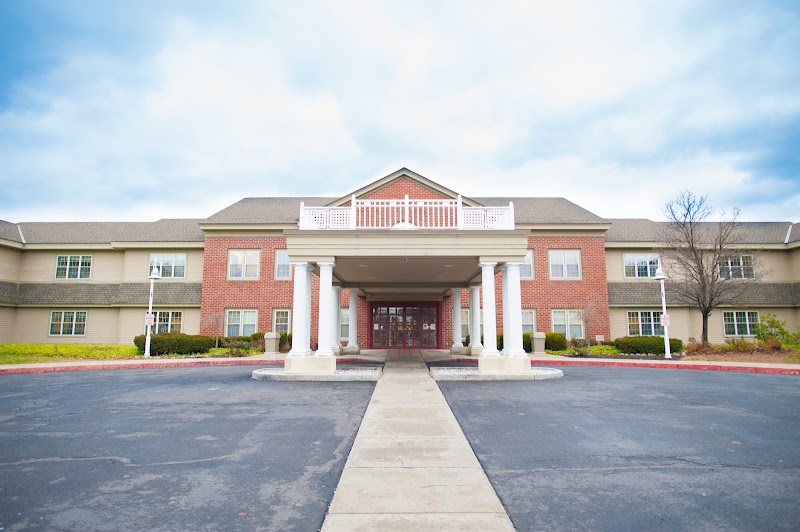
How is Evergreen Commons Rehabilitation And Nursing Ctr Staffed?

CMS rates EVERGREEN COMMONS REHABILITATION AND NURSING CTR's staffing level at 3 out of 5 stars, which is average compared to other nursing homes. Staff turnover is 50%, compared to the New York average of 46%.

What Have Inspectors Found at Evergreen Commons Rehabilitation And Nursing Ctr?

State health inspectors documented 17 deficiencies at EVERGREEN COMMONS REHABILITATION AND NURSING CTR during 2019 to 2024. These included: 17 with potential for harm.
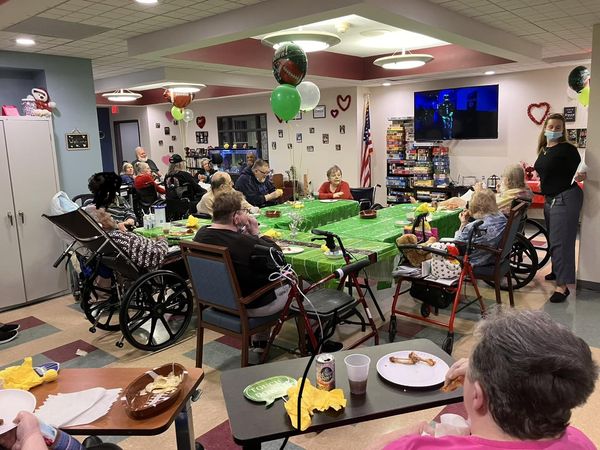
Who Owns and Operates Evergreen Commons Rehabilitation And Nursing Ctr?

EVERGREEN COMMONS REHABILITATION AND NURSING CTR is owned by a for-profit company. For-profit facilities operate as businesses with obligations to shareholders or private owners. The facility is operated by UPSTATE SERVICES GROUP, a chain that manages multiple nursing homes. With 240 certified beds and approximately 230 residents (about 96% occupancy), it is a large facility located in EAST GREENBUSH, New York.
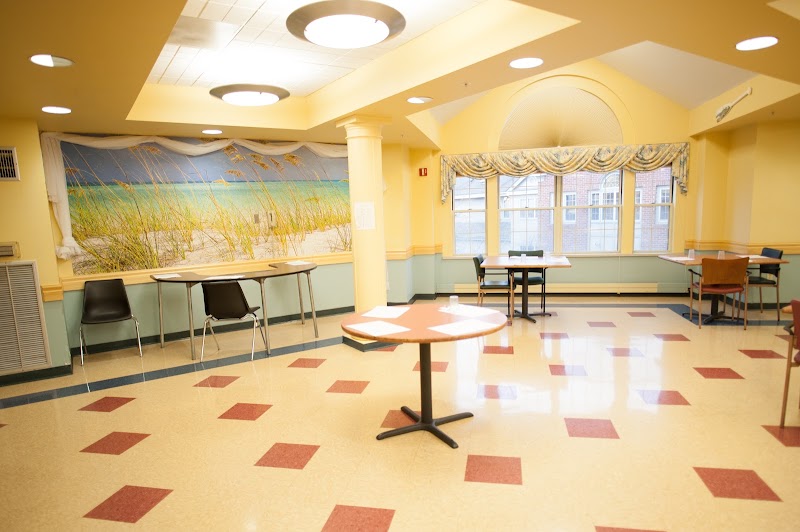
How Does Evergreen Commons Rehabilitation And Nursing Ctr Compare to Other New York Nursing Homes?

Compared to the 100 nursing homes in New York, EVERGREEN COMMONS REHABILITATION AND NURSING CTR's overall rating (2 stars) is below the state average of 3.1, staff turnover (50%) is near the state average of 46%, and health inspection rating (2 stars) is below the national benchmark.

What Should Families Ask When Visiting Evergreen Commons Rehabilitation And Nursing Ctr?

Based on this facility's data, families visiting should ask: "Can I visit during a mealtime to observe dining assistance and food quality?" "How do you handle medical emergencies, and what is your hospital transfer rate?" "Can I speak with family members of current residents about their experience?"

Is Evergreen Commons Rehabilitation And Nursing Ctr Safe?

Based on CMS inspection data, EVERGREEN COMMONS REHABILITATION AND NURSING CTR has a clean safety record: no substantiated abuse findings (meaning no confirmed cases of resident harm), no Immediate Jeopardy citations (the most serious violation level indicating risk of serious injury or death), and is not on the Special Focus Facility watch list (a federal program monitoring the lowest-performing 1% of nursing homes). The facility has a 2-star overall rating and ranks #100 of 100 nursing homes in New York. While no facility is perfect, families should still ask about staff-to-resident ratios and recent inspection results during their visit.

Do Nurses at Evergreen Commons Rehabilitation And Nursing Ctr Stick Around?

EVERGREEN COMMONS REHABILITATION AND NURSING CTR has a staff turnover rate of 50%, which is about average for New York nursing homes (state average: 46%). Moderate turnover is common in nursing homes, but families should still ask about staff tenure and how the facility maintains care continuity when employees leave.

Was Evergreen Commons Rehabilitation And Nursing Ctr Ever Fined?

EVERGREEN COMMONS REHABILITATION AND NURSING CTR has no federal fines on record. CMS issues fines when nursing homes fail to meet care standards or don't correct problems found during inspections. The absence of fines suggests the facility has either maintained compliance or corrected any issues before penalties were assessed. This is a positive indicator, though families should still review recent inspection reports for the full picture.

Is Evergreen Commons Rehabilitation And Nursing Ctr on Any Federal Watch List?

EVERGREEN COMMONS REHABILITATION AND NURSING CTR is not on any federal watch list. The most significant is the Special Focus Facility (SFF) program, which identifies the bottom 1% of nursing homes nationally based on persistent, serious quality problems. Not being on this list means the facility has avoided the pattern of deficiencies that triggers enhanced federal oversight. This is a positive indicator, though families should still review the facility's inspection history directly.