EDDY MEMORIAL GERIATRIC CENTER
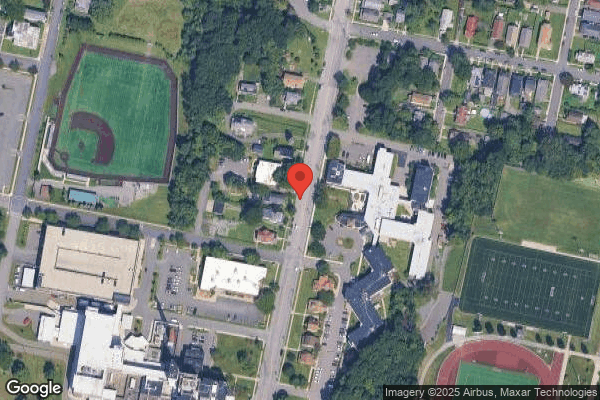
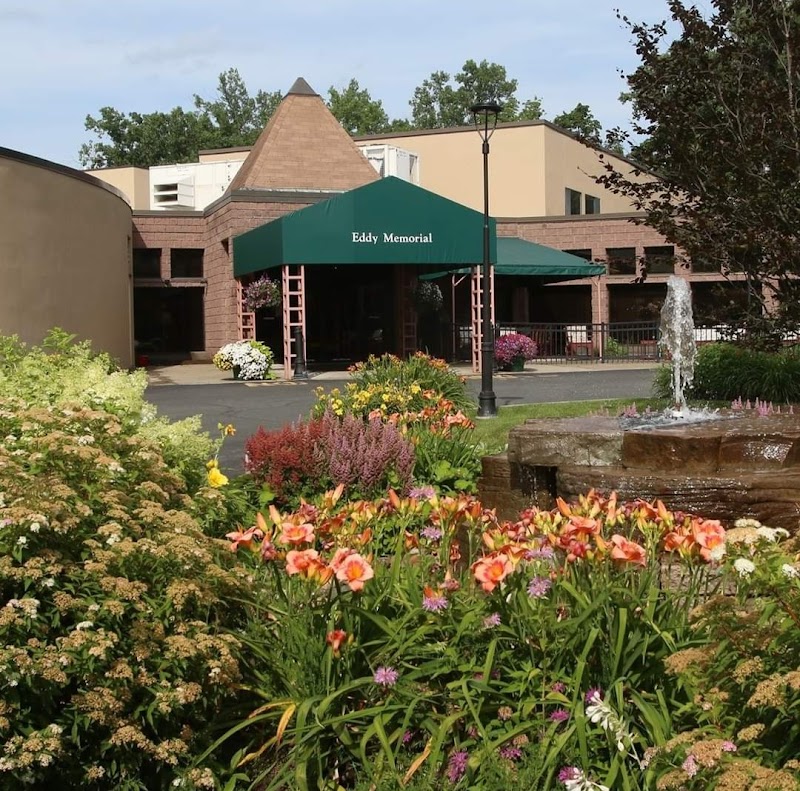
2256 BURDETT AVENUE, TROY, NY 12180 (518) 274-9890
Non profit - Corporation 80 Beds TRINITY HEALTH Data: November 2025
Trust Grade
60/100
#274 of 594 in NY
Last Inspection: August 2024

Within standard 12-15 month inspection cycle. Federal law requires annual inspections.

Overview

Eddy Memorial Geriatric Center has a Trust Grade of C+, indicating a decent facility that is slightly above average. They rank #274 out of 594 nursing homes in New York, placing them in the top half, and are the top facility among 9 options in Rensselaer County. However, the facility is trending worse, with the number of issues increasing from 4 in 2022 to 9 in 2024. Staffing is a relative strength with a 4/5 rating, but the turnover rate is concerning at 56%, significantly higher than the state average of 40%. The center has not received any fines, which is a positive sign, and the RN coverage is average, meaning they have adequate oversight for resident care. Several specific incidents raise concerns, such as the failure to ensure accurate assessments for anticoagulant medications for multiple residents, indicating potential risks in medication management. Additionally, the center did not develop comprehensive care plans for several residents, which is essential for addressing their medical and psychosocial needs. Lastly, there have been issues with food safety, including the presence of dented cans and unclean kitchen equipment, which could compromise residents' health. Overall, while there are strengths in staffing and a lack of fines, the increasing number of concerns and specific incidents highlight areas that need improvement.

Trust Score
C+
60/100
In New York
#274/594
Top 46%
Safety Record
Low Risk
No red flags
Inspections
Getting Worse
4 → 9 violations
Staff Stability
⚠ Watch
56% turnover. Above average. Higher turnover means staff may not know residents' routines.
Penalties
✓ Good
No fines on record. Clean compliance history, better than most New York facilities.
Skilled Nurses
○ Average
Each resident gets 40 minutes of Registered Nurse (RN) attention daily — about average for New York. RNs are the most trained staff who monitor for health changes.
Violations
⚠ Watch
17 deficiencies on record. Higher than average. Multiple issues found across inspections.
★★★☆☆
3.0
Overall Rating
★★★★☆
4.0
Staff Levels
★★☆☆☆
2.0
Care Quality
★★★☆☆
3.0
Inspection Score
Stable
2022: 4 issues
2024: 9 issues

The Good

  • 4-Star Staffing Rating · Above-average nurse staffing levels
  • Full Sprinkler Coverage · Fire safety systems throughout facility
  • No fines on record

Facility shows strength in staffing levels, fire safety.

The Bad

3-Star Overall Rating

Near New York average (3.1)

Meets federal standards, typical of most facilities

Staff Turnover: 56%

Near New York avg (46%)

Frequent staff changes - ask about care continuity

Chain: TRINITY HEALTH

Part of a multi-facility chain

Ask about local staffing decisions and management

Staff turnover is elevated (56%)

8 points above New York average of 48%

The Ugly 17 deficiencies on record

Aug 2024 9 deficiencies
CONCERN (D)

Potential for Harm - no one hurt, but risky conditions existed

Comprehensive Care Plan (Tag F0656)

Could have caused harm · This affected 1 resident

Based on record review and interviews during a recertification survey, the facility did not ensure it developed and implemented a comprehensive person-centered care plan that included measurable objec...

Read full inspector narrative →
Based on record review and interviews during a recertification survey, the facility did not ensure it developed and implemented a comprehensive person-centered care plan that included measurable objectives and timeframe to attain or maintain the resident's highest practicable physical, mental, and psychosocial well-being for 1 (Resident # 57) of 24 residents reviewed for comprehensive person-centered care plans. Specifically, Resident #57 was diagnosed with a urinary tract infection and prescribed an antibiotic. There was no documented evidence that a care plan was written that addressed the change in condition. This is evidenced by: The Policy and Procedure titled, Interdisciplinary Care Conference and Care Planning dated 6/27/2023, documented it was the facility's policy to develop a comprehensive resident centered plan of care within 14 days of admission. The care plan was to be updated quarterly and with any significant change thereafter. Resident #57 was admitted to the facility with the diagnoses of dementia, type 2 diabetes mellitus, and hypertension. The Minimum Data Set (an assessment tool) dated 7/01/2024 documented the resident had moderately impaired cognition, was understood, and could understand others. The Comprehensive Care Plan did not have documented evidence that a care plan for urinary tract infection or antibiotic use was developed and implemented. A Progress Note dated 8/05/2024 documented Resident #57 was diagnosed with a urinary tract infection. A Nurse's Note dated 8/05/2024 at 9:07 AM, documented Registered Nurse Unit Manager #1 spoke with the Nurse Practitioner and Levaquin (an antibiotic) was ordered for 3 days for a urinary tract infection. The family was aware. During an interview on 8/09/2024 at 10:30 AM, Registered Nurse #1 stated a care plan should be initiated when there was a change. They did not know why there was not a care plan for urinary tract infections or antibiotics use. During an interview on 8/09/2024 at 10:43 AM, Director of Nursing #1 stated when a resident had a new diagnosis like a new infection, a care plan should be initiated for it and discontinued when resolved. They stated unit managers were responsible for initiating and resolving care plans. 10 New York Codes, Rules, and Regulations 415.11(c)(1)
CONCERN (D)

Potential for Harm - no one hurt, but risky conditions existed

Deficiency F0657 (Tag F0657)

Could have caused harm · This affected 1 resident

Based on observations, record review, and interviews conducted during a recertification survey, the facility did not ensure Comprehensive Care Plans were reviewed after each assessment and revised bas...

Read full inspector narrative →
Based on observations, record review, and interviews conducted during a recertification survey, the facility did not ensure Comprehensive Care Plans were reviewed after each assessment and revised based on changing goals, preferences, and needs of the resident and in response to current interventions for 2 (Resident #'s 27, and 180) of 24 residents reviewed. Specifically, (a.) for Resident #27, Comprehensive Care Plan for medications was not reviewed and revised for a resident who required Guaifenesin cough medication, daily Aspirin for blood thinning, and Cepacol lozenge as needed for sore throat. (b.) for Resident #180, Comprehensive Care Plan for nutrition was not reviewed and revised to account for discontinuation of the weekly weights that were to be done on Mondays. This is evidenced by: A review of the policy titled Interdisciplinary Care Conference and Care Planning dated 11/28/2016 and last revised 11/2019, documented the facility would develop a baseline interdisciplinary, resident centered plan of care within 48 hours of admission, and a comprehensive resident centered plan of care within 14 days of admission and provide follow-up evaluation based on admission/readmission dates/or a significant change in condition. Additionally, the policy documented that the plan would include initial goals, physician orders, medications, dietary orders, therapy orders, social service and any applicable Preadmission, Screening, and Resident Review (PASRR) recommendations and that the plan would be updated quarterly and with any significant change thereafter. Resident #27 was admitted with diagnoses of Alzheimer's Disease (a degenerative memory disease), type 2 diabetes (an endocrine dysfunction that causes inaccurate bodily responses to sugar), and adjustment disorder with depressed mood (depression caused by the struggle to acclimate to a new environment). The Minimum Data Set (an assessment tool) dated 5/24/2024 documented that the resident was understood and usually understood others, was minimally cognitively impaired but required significant assistance for most activities of daily living. The Comprehensive Care Plan dated 4/24/2023, and last updated 8/02/2023, for immunity impairment did not document the need for Guaifenesin cough medicine or Cepacol lozenge, the signs and symptoms that would require the need for the medications, or any documented resolution of symptoms. The Comprehensive Care Plan for active bleeding risk dated 4/24/2023 and last revised 5/30/2023, documented the resident was at risk for bleeding related to the use of anticoagulant therapy for prophylactic therapy for cardiac disease, however the resident was not on anticoagulant therapy medications. The interventions listed documented to assess for bruising and bleeding due to Aspirin use, however aspirin did not qualify as an anticoagulant. Resident #180 was admitted with diagnoses including unspecified dementia (a degenerative neurological memory disease), unspecified severe protein-calorie malnutrition (severely poor nutrition), unspecified hydronephrosis (physical dysfunction of the flow of urine from kidney to the bladder which can lead to kidney damage). The Minimum Data Set (an assessment tool) dated 7/19/2024, documented the resident was sometimes understood and could sometimes understand others, was minimally cognitively impaired but required significant assistance for most activities of daily living. The Comprehensive Care Plan for nutrition initiated 4/06/2023 and last updated 7/06/2024 documented that the resident was at nutritional risk related with the resident's medical history. Goals included maintaining weight in a stable range of 126-136 pounds plus or minus 5%. Interventions included weekly weights on Mondays. Physician order dated 7/17/2023 documented that weekly weights were to be done every Monday. The order was discontinued 8/02/2023. The discontinuation of the weekly weight order was not reflected in any of the care plan revisions. During an interview on 8/09/2024 at 8:35 AM, Licensed Practical Nurse #4 stated care plans should be updated when there was a change in resident conditions or if medications were added or removed. Care plans were reviewed quarterly and annually. Resolved or discontinued focuses, goals, or interventions should come off the care plans. During an interview on 8/09/2024 at 8:50 AM, Registered Nurse Unit Manager #1 stated care plans should be updated quarterly, annually after the resident's care conference and whenever there were changes. If medications were changed, added, or removed, the care plan should reflect the change, or the care area should be removed if something was discontinued. During an interview on 8/09/2024 at 9:32 AM, Social Worker #1 stated for a long time it was them who was responsible for providing the baseline care plans to the resident or resident representative. They stated that they were the only Social Worker in the building and it was difficult for them to get them to the residents/representatives within 48 hours because they only work Monday - Friday. Social Worker #1 stated they spoke with the Director of Nursing regarding the limitations they were having, and a performance improvement plan was implemented (in 2024, did not have exact date) which made Nursing responsible for providing baseline care plans to the residents/representatives. During an interview on 8/09/2024 at 9:55 AM, Admissions Director #1 stated they would add to their care plan if a resident was on hospice. They stated the facility adds to the care plan if residents were admitted to or referred to Hospice. Earlier in the year, they noticed they had a problem with the resident's baseline care plans. There was no documentation in Point Click Care that care plans were sent to the family or return of documentation from the family after they signed it. The performance improvement plan was initiated in April 2024. Reevaluation of the plan was ongoing. They stated they did a care plan within the first few hours and made sure the Certified Nurse Aides were provided with the care plan, so they know what care the residents needed. All departments were required to complete their assessments to create the care plan. 10 New York Codes of Rules and Regulations 415.11(c)(2) (i-iii)
CONCERN (D)

Potential for Harm - no one hurt, but risky conditions existed

Quality of Care (Tag F0684)

Could have caused harm · This affected 1 resident

Based on observations, record review and interviews during a Recertification Survey, the facility did not provide needed care and services that were resident centered and in accordance with profession...

Read full inspector narrative →
Based on observations, record review and interviews during a Recertification Survey, the facility did not provide needed care and services that were resident centered and in accordance with professional standards of practice to meet each resident's physical, mental, and psychosocial needs for 1 (Resident #11) of 24 residents reviewed. Specifically, the facility did not identify, document, investigate or monitored bruises to Resident #11's bilateral upper extremities. Resident #11 was prescribed an anticoagulant (blood thinning) medication and was at risk for bruising. The is evidenced by: The Policy and Procedure titled, Skin and Wound Care, effective 5/13/2024, documented it was the policy of the facility to assess/inspect the resident's skin, to monitor closely for changes and to document any new skin issues promptly and accurately. Resident #11 admitted to facility with diagnoses which included dementia, facial weakness following cerebral infarction (a pathologic process that results in an area of necrotic tissue in the brain), and anemia. The Minimum Data Set (as assessment tool) dated 6/25/2024 documented the resident had severe cognitive impairment, could sometimes be understood, and could sometimes understand others. The Care Plan dated 12/18/2020, documented Resident #11 had an active bleeding risk related to the use of anticoagulant therapy. The resident was documented to be at risk for bruising and bleeding due to anticoagulant medication use. Interventions included that staff should monitor for complications of anticoagulant therapy, such as bleeding gums, vomiting, blood, excessive bruising, blood in urine or tarry stool. Staff were to report any fall or injury to physician. During an observation on 8/05/2024 at 11:47 AM, Resident #11 was observed to have multiple bruises to their left hand, wrist, (dark blue in color) and arm and a bruise on their right hand and lighter purple colored bruising to their right arm. Review of Skin Assessments and Nursing Progress Notes did not reveal documentation of the resident's bruises. Upon request, the facility could not provide documented evidence that the bruises had been identified, monitored or investigated. During an interview on 8/08/2024 at 11:10 AM, Licensed Practical Nurse #3 stated they had not noticed the resident's bruises previously but that any new bruises or injuries should be documented and investigated. They stated Resident #11 had behaviors that could contribute to bruises and would wear a protective sleeve on their left arm that was also intended to help with edema (swelling), but the resident would often remove the sleeve. They stated bruising should be documented and investigated to determine interventions to prevent further injuries. They stated that Resident #11 had cognitive impairments and would be unable to state how they were injured. During an interview on 8/08/2024 at 2:11 PM, Registered Nurse #2 stated bruising to a resident should be documented and investigated if the resident was unable to state what had happened to cause the bruises. They stated the purpose of an investigation would be to identify the cause of the injury to prevent recurrence. They stated they were unaware of Resident #11's bruises and that the resident could be resistive to care at times. They stated staff statements should be obtained for three shifts back prior to the observation of the injury to try to determine what may have happened or if there were any observed behaviors that could have caused the bruising. A Skin/Wound Note dated 8/08/2024 at 3:09 PM, written by Registered Nurse #2 documented that it was brought their attention that the resident had scattered bruising to the top of their left hand and small bruise was also noted to the resident's right hand which were of an unknown origin. The note documented the resident was prescribed blood thinning medication and had paper thin skin. The physician was updated. During an interview on 8/09/2024 at 1:04 PM, Director of Nursing #1 stated Resident #11 received anticoagulant medication and that any new bruises should be documented, monitored and investigated to determine what may have caused the bruises in order to enact interventions to prevent recurrence. They stated investigation of bruises of an unknown origin entailed getting statements from staff who worked within the 72 hours prior to the observation of the injury and try to determine how the resident may have been injured. They stated Resident #11's bruises were not documented before it was brought to their attention by this surveyor. They stated that head to toe skin checks should document any bruises, skin issues or anything that was different from the resident's baseline. 10 New York Codes, Rules, and Regulations 415.12
CONCERN (D)

Potential for Harm - no one hurt, but risky conditions existed

Accident Prevention (Tag F0689)

Could have caused harm · This affected 1 resident

Based on observations, record review, and interviews during a recertification survey, the facility did not ensure the resident environment remained as free of accident hazards as possible for 1 (Resid...

Read full inspector narrative →
Based on observations, record review, and interviews during a recertification survey, the facility did not ensure the resident environment remained as free of accident hazards as possible for 1 (Resident # 19) of 3 residents reviewed for accident hazards. Specifically, on 6/10/2024 and 7/26/2024 Resident #19 was injured while nursing staff attempted to cut the resident's fingernails; there was no documented evidence completed incident and accident reports/investigations following the incidents and no interventions implemented to prevent recurrence after the first time the resident was injured. This is evidenced by: The Policy and Procedure titled Patient Safety Event Reporting effective 1/22/2021 documented the intent of the policy was to inform staff of the type of events and/or concerns about patient safety or quality of care to report, to achieve consistency in process and format for investigation, review, analysis and trending of patient events, and to identify opportunities to improve the quality of patient care and safety, systems/processes, and security practices. An Adverse Event/Patient Safety Event was defined as an unexpected occurrence which results in an adverse effect on the patient or had the potential for an adverse effect. A Root Cause Analysis was defined as a systematic process to determine the underlying reasons for a deficiency or failure. The Root Cause Analysis should pinpoint the special cause(s) in clinical processes and common cause(s) in organization systems and processes that were involved in the event and should identify improvements that could be made to avoid recurrences. The procedure included that the employee who discovered, witnessed or received notice of the event completed an electronic event report. Documentation of the event in the electronic event report system should be objective, stating facts of what occurred, any injury to the patient, what follow-up actions were taken to treat the patient and the results, response(s) or patient outcome(s) following the actions taken. Resident #19 admitted to facility with diagnoses which included dementia, facial weakness following cerebral infarction, and anemia. The Minimum Data Set (as assessment tool) dated 5/16/2024 documented the resident had cognitive impairment, could sometimes be understood, and could sometimes understand others. The resident was assessed to be dependent on the assistance of nursing staff to complete personal hygiene. A Skin/Wound Note dated 6/10/2024 documented a Certified Nurse Aide was cutting Resident #19's fingernails and the resident sustained a small laceration to the middle finger on their right hand. It was documented the Certified Nurse Aide stated the resident moved and pulled away just as staff was cutting the nail and they nicked the cuticle. The wound was cleansed, bleeding controlled, and a dry protective dressing applied. A Skin/Wound Note dated 7/26/2024 documented Resident #19's left thumb was nicked (cut) while staff were trimming the resident's fingernails, and the area was cleansed. Upon request, the facility could not produce documentation that the facility investigated the incidents during which Resident #19 was injured while having their fingernails trimmed nor that interventions to prevent recurrence had been implemented. During an interview on 8/08/2024 at 2:11 PM, Registered Nurse #2 stated Resident #19 had anxiety, a behavior of clenching their fingers and required coaxing (gentle) and encouragement to complete personal hygiene. They stated they recalled the first incident when Resident #19 was cut while having their nails trimmed but were unaware that it had happened twice. They stated they could not recall whether an incident and accident report had been completed when the resident was cut while having their fingernails clipped, however, that one should have been completed. They stated the purpose of completing an incident and accident report would be to identify interventions to prevent recurrence, identify areas for improvement and complete any needed education with staff on how to approach the task. The Activities of Daily Living Care Plan, undated, documented that Resident #19 was dependent on staff to complete personal hygiene, however, did not include person-centered interventions on how staff should approach performing activities of daily living with the resident, taking into consideration the resident's cognitive impairment, anxiety and behaviors. During an interview on 8/09/2024 at 1:04 PM, Director of Nursing #1 stated the facility did not complete an incident and accident reports during the two incidents when Resident #19 was cut while having their nails trimmed, however, that incident and accident reports should have been completed because the resident sustained injuries. They stated the reports should have been completed to determine a root cause and implement new approaches/interventions and provide any needed staff education. 10 New York Codes, Rules, and Regulations 415.4(b)
CONCERN (D)

Potential for Harm - no one hurt, but risky conditions existed

Respiratory Care (Tag F0695)

Could have caused harm · This affected 1 resident

Based on observation, record review, and interviews during the recertification survey, the facility did not ensure that a resident who needs required respiratory care, was provided such care, consiste...

Read full inspector narrative →
Based on observation, record review, and interviews during the recertification survey, the facility did not ensure that a resident who needs required respiratory care, was provided such care, consistent with professional standards of practice, the comprehensive person-centered care plan, the resident's goals and preferences were provided by a qualified professional for the assessment, treatment, and monitoring of residents with deficiencies or abnormalities of pulmonary function for 1 (Resident #58) of 3 residents reviewed for respiratory care. Specifically, Resident #58's oxygen tubing was not labeled with the date and time it was changed in accordance with professional standards and facility policy. This is evidenced by: Resident #58 was admitted to the facility with the diagnoses of traumatic subarachnoid hemorrhage (bleeding on the brain), chronic respiratory failure with hypoxia (repeated shortness of breath), and type 2 diabetes mellitus (endocrine dysfunction causing issues controlling blood sugar levels). The Minimum Data Set (an assessment tool) dated 7/19/2024 documented the resident had some significant cognitive impairment, was sometimes understood, usually understood others. t. Additionally, the resident needed significant help with activities of daily living. The Policy and Procedure titled Oxygen Administration, dated 9/18/2017, documented that oxygen tubing should be changed weekly and as needed. A Physician order dated 11/03/2023 at 8:00 PM, documented oxygen delivered at 2 liters continuously. A Physician order dated 3/21/2024 at 11:00 PM, documented to change the oxygen tubing on concentrator and portable tank weekly, and label with date and initials. The Medication Administration Record for August 2024 documented that from 8/05/2024 to 8/09/2024 every two hours Resident #58's oxygen was checked and set at 2 liters. The Treatment Administration Record for August 2024 documented that Resident #58's oxygen tubing was changed on the concentrator and portable tank, labeled with date and initials on 8/01/2024 and on 8/08/2024. During an observation on 8/05/2024 at 12:00 PM, Resident #58 was noted to have 2 liters of oxygen being delivered by nasal cannula. The tubing used did not have any labeling documenting when the oxygen tubing was changed. During an observation on 8/07/2024 at 11:08 AM, Resident #58 was noted to have 2 liters of oxygen being delivered by nasal cannula. The tubing used did not have any labeling documenting when the oxygen tubing was changed. During an observation on 8/08/2024 at 9:00 AM, Resident #58 was noted to have 2 liters of oxygen being delivered by nasal cannula. The tubing used did not have any labeling documenting when the oxygen tubing was changed. During an interview on 8/09/2024 at 8:56 AM, Registered Nurse Unit Manager #3, stated oxygen tubing was changed and labeled on Thursday overnight shifts and as needed, for example if there was an infection control problem, like the tubing was dirty or was laying on the floor, the expectation was that new tubing would be acquired. 10 New York Codes, Rules, and Regulations 415.12(k)(6)
CONCERN (D)

Potential for Harm - no one hurt, but risky conditions existed

Deficiency F0761 (Tag F0761)

Could have caused harm · This affected 1 resident

**NOTE- TERMS IN BRACKETS HAVE BEEN EDITED TO PROTECT CONFIDENTIALITY** Based on observation, record review, and interviews conducted during a recertification survey, the facility did not ensure drugs...

Read full inspector narrative →
**NOTE- TERMS IN BRACKETS HAVE BEEN EDITED TO PROTECT CONFIDENTIALITY** Based on observation, record review, and interviews conducted during a recertification survey, the facility did not ensure drugs and biologicals were labeled and stored in accordance with professional standards of practice. Specifically, opened insulin pens had no open and/or expiration dates written on them. This was evident for 1 medication cart on [NAME] Unit out of 2 medication carts reviewed in the facility for medication storage. This is evidenced by: The facility's Medication Administration Policy and Procedure, effective [DATE] documented, the expiration date on the medication label must be checked prior to administering. When opening a multi-dose container, the date should be recorded on the container. Facility staff should record the date opened on the medication container when the medication has a shortened expiration date once opened. Facility staff may record the calculated expiration date based on date opened on the medication container. During an observation on [DATE] at 11:36 AM of a medication pass with Licensed Practical Nurse #2 on [NAME] Unit, it was observed that when Resident #34's insulin Aspart Flexpen was removed from the medication cart drawer, it was labeled with only the date opened. There was no expiration date noted on the label. During an interview on [DATE] at 11:36 AM, Licensed Practical Nurse #2, stated both the date opened, and date expired should be put on the sticker when a new pen was opened. Licensed Practical Nurse #2 stated they would get a new pen to administer Resident #34's insulin however Licensed Practical Nurse #2 stated they were going to wait to give the insulin because lunch had not yet been delivered and Licensed Practical Nurse #2 was concerned that lunch might be late. During a medication cart review on [NAME] Unit with Licensed Practical Nurse #4 on [DATE] at 9:12 AM, the following were observed: - Resident #34's insulin Aspart Flexpen with a sticker for date opened and date expired. The sticker did not document the open or expired date. - Resident #5's insulin Aspart Flexpen and Lantus SoloStar insulin pens were noted to have stickers without the date opened or date expired filled out. - Resident #27's insulin Aspart Flexpen and Lantus Solostar insulin pens were noted to have stickers without the date opened or date expired filled out. - Resident #58's Lantus SoloStar insulin pen was noted to have a sticker without the date opened or date expired filled out. During an interview on 8/092024 at 9:12 AM, Licensed Practical Nurse #4, stated if they went to use any of the above referenced pens and found them not labeled as they were, they would not use them. Licensed Practical Nurse #4 stated they would try to determine when the pens were opened by looking at the Medication Administration Records and nursing notes. If they were not able to determine the date they were opened, they would go to their supervisor for advice. During an interview on [DATE] at 9:38 AM, Registered Nurse Unit Manager #4 stated insulin pens should be labeled when opened with the date opened and the expiration date. When told about the insulin pens found during the medication cart review, Registered Nurse Unit manager #4 stated they would be doing an educational in-service with the staff regarding insulin pen management. 10 New York Codes, Rules, and Regulations 415.18(d)
CONCERN (D)

Potential for Harm - no one hurt, but risky conditions existed

Food Safety (Tag F0812)

Could have caused harm · This affected 1 resident

Based on observations, record review, and staff interviews, the facility failed to ensure food was stored and served under safe and sanitary conditions to prevent the potential contamination of food a...

Read full inspector narrative →
Based on observations, record review, and staff interviews, the facility failed to ensure food was stored and served under safe and sanitary conditions to prevent the potential contamination of food and the spread of food-borne illness in one of one kitchen. Specifically, expired foods were not disposed of in a timely manner, the kitchen was not clean and sanitary, and dented canned foods were not removed from common stock. This is evidenced by: The Policy and Procedure titled Food Supply and Storage, last revised January 2024, documented that food, non-food items and supplies used in food preparation should be stored in such a manner as to prevent contamination to maintain the safety and wholesomeness of the food for human consumption. The procedure included that most products had an expiration date. The words sell-by, best-by, enjoy-by or use-by should precede the date. Foods past the use-by, sell-by, best-by, or enjoy-by date should be discarded. The dry food storage procedure included that the facility should maintain a designated area for items that were damaged such as dented cans that were returned for credit. The Associate Daily and Weekly Kitchen Cleaning Schedule documented that the stove tops including the sides of front of the stove top was scheduled to be cleaned daily. The kitchen floors, walls and under equipment were scheduled to be cleaned weekly on Sundays. The following observations were made in the kitchen/ food storage areas on 8/05/2024 at 9:00 AM: -Diced tomatoes and cucumber were labeled with a used-by date of 8/04/2024. -Baked potatoes were labeled with a use-by date of 8/02/2024. -Parsnips stored in a plastic container was labeled with two dates of 7/12/2024 and 7/15/2024. -Six chicken patties were in a container covered with plastic wrap and labeled with a use-by date of 8/03/2024. -A container of shredded carrots was labeled with a use-by date of 8/04/2024. -A container of sliced cucumbers was labeled with a use-by date of 8/04/2024. -Fifteen tomatoes halves with parmesan cheese on top of the tomato halves were labeled diced tomatoes with a use-by date of 8/01/2024 -Seven packages of meat were unlabeled. -An open packet of taco seasoning was on a shelf with no labeling/date of when it was opened. -A dented can of peaches was on the common stock rack in the dry storage room. -A dented can of sliced beets was on the common stock rack in the dry storage room. -The wall next to the fryer had dark, greasy build-up which was also present on the floor next to the fryer and on the wall behind a storage rack containing clean pans. -There were areas of thick grime/build-up on the floors under the food preparation stations, ovens and sinks. -There was grease/build up on the handles and fixtures to the oven. -There was debris/build-up on the ice scoop holder/container. The following observations were made in the kitchen/ food storage areas on 8/07/2024 at 11:25 AM: -Four lemons with brown spotting. -Two packages of cut lettuce with brown discolorations in the middle of the lettuce bunches. -A package of shredded green cabbage with a use-by date of 8/01/2024 -Three packages of shredded red cabbage with a use-by date of 7/26/2024. -The wall next to the fryer had dark, greasy build-up which was also present on the floor next to the fryer and on the wall behind a storage rack containing clean pans. -The floor and area between the stoves had dark buildup/ grease/ food/ debris. -There were areas of thick grime/build-up on the floors under the food preparation stations, ovens and sinks. -There was grease/build up on the handles and fixtures to the oven. -There was debris/build-up on the ice scoop holder/container. During an interview on 8/07/2024 at 2:11 PM, Dietitian #1 stated, per facility policy, all foods should that were past their use-by date should be discarded. They stated that produce should be inspected for spoilage daily and food items showing signs of spoilage should be discarded as needed. During an interview on 8/08/2024 at 12:35 PM, Service Manager #1 stated the kitchen should be cleaned daily. They stated the facility maintained a cleaning schedule which outlined the duties of kitchen staff for maintaining a clean and sanitary kitchen. During an interview on 8/09/2024 at 12:18 PM, Executive Chef #1 stated they would go through food storage each morning to discard of food items that were past the use-by date or that showed signs of spoilage. They stated that sometimes they would miss food items that should have been discarded. They stated they would remove dented cans from the general stock and move them to a different area for return. They stated dented cans needed to be removed and returned because damaged cans could have air pockets that could compromise the food inside. They stated the kitchen should be cleaned daily. They stated they had noted areas that had been missed during cleaning/mopping that were noted by this surveyor. They stated deep cleaning occurred on the weekends. 10 New York Codes, Rules, and Regulations 415.4(h) Chapter 1 State Sanitary Code Subpart 14
CONCERN (D) 📢 Someone Reported This

A family member, employee, or ombudsman was alarmed enough to file a formal complaint

Potential for Harm - no one hurt, but risky conditions existed

Infection Control (Tag F0880)

Could have caused harm · This affected 1 resident

**NOTE- TERMS IN BRACKETS HAVE BEEN EDITED TO PROTECT CONFIDENTIALITY** Based on observations and interviews during a recertification survey, the facility did not ensure to maintain an infection contr...

Read full inspector narrative →
**NOTE- TERMS IN BRACKETS HAVE BEEN EDITED TO PROTECT CONFIDENTIALITY** Based on observations and interviews during a recertification survey, the facility did not ensure to maintain an infection control program designed to provide a safe, sanitary, and comfortable environment to help prevent the possible development and transmission of communicable diseases/illnesses. Specifically, the facility did not ensure staff completed hand hygiene when indicated during meal service. This is evidenced by: The Policy and Procedure titled Hand Hygiene/Artificial Fingernails, last revised 6/18/2024, documented the purpose of the policy was to prevent the direct or indirect spread of microorganisms via the hands of colleagues and healthcare workers who provided direct patient care. The procedure included that hand washing/hand antisepsis was indicated before and after touching a patient, before and after wearing gloves, before and after touching the patient's surroundings, before, during, and after preparing food, anytime hands were visibly soiled, after bodily fluid exposure risk from a patient or self (sneezing, coughing, blowing nose, etc.), when moving from patient care of a potentially contaminated body site to a clean body site, after skin to skin contact with a patient and before touching laptop or phone and after using the restroom. During an observation on 8/05/2024 at 12:55 PM, Certified Nurse Aide #2 was wearing surgical gloves while assisting residents with their lunch meals in the [NAME] dining room. They started to provide Resident #180 with feeding assistance, then stood up and delivered two other meal trays, then assisted Resident #27 to cut up their meal into smaller pieces, and then returned to provide feeding assistance to Resident #180. Certified Nurse Aide #2 wore the same pair of gloves and did not perform hand hygiene in between assisting residents or after touching trays/other items in the environment. During an observation on 8/05/2024 at 12:58 PM, Licensed Practical Nurse #2 was in the [NAME] dining room assisting residents with their lunch meals. Licensed Practical Nurse #2 pulled up their pants, touched their hair, touched a chair, and then sat down and began providing feeding assistance to Resident #20. Licensed Practical Nurse #2 was observed to scratch their arm and rest their head with their left hand while assisting the resident and then reached for a glass of milk and assisted the resident to take a drink. They then wiped the residents face with the resident's clothing protector. Licensed Practical Nurse #2 did not perform hand hygiene after touching their clothing, face, and hair before assisting Resident #20. During an observation on 8/05/2024 at 1:03 PM, Certified Nurse Aide #3 was seated at a table providing Resident #58 with feeding assisting and adjusted the resident's clothing protector and touched the resident's wheelchair while assisting them. They then assisted Resident #12, who was seated at the same table with set up of their meal. They then stood up and went over to Resident #27 who was coughing and rested their left hand on the top of Resident #27's wheelchair while speaking with them and then returned to provide feeding assistance to Resident #58 without perform hand hygiene between residents of after touching environmental surfaces. It was observed that there was one hand sanitizer dispenser in the dining room which was in the corner on the opposite side of the room. During an observation on 8/06/2024 at 12:23 PM, Licensed Practical Nurse #2 was assisting with lunch meal services in the [NAME] dining room. Licensed Practical Nurse #2 was observed to carry three plastic cups filled with beverages with their fingers touching the top/mouth of the cups and then delivered the cups to Resident #20, then they wiped their hand on their pants and picked up three more plastic cups while again, holding the cups from the top/mouth and delivered the three cups to Resident #180. They then picked up a tray and put it down before picking up three more plastic cups filled with beverages and delivered them to Resident #71. Licensed Practical Nurse #2 did not perform hand hygiene after touching their pants, touching items in the environment, between residents or before placing their fingers on the mouth/top of the cups. During an interview on 8/07/2024 at 10:45 AM, Certified Nurse Aide #2 stated they had received training on hand hygiene practices when they were in training but not recently. They stated that hand hygiene should be performed before and after they assisted residents if their hands became soiled or if they touched anything in the resident environment to prevent cross contamination. During an interview on 8/08/2024 at 11:23 AM, Certified Nurse Aide #4 stated hand sanitizer should be used between residents and after touching anything in the resident environment. They stated they previously worked in the kitchen, and as a kitchen staff member, they had received training on where to place their fingers when carrying cups and plates for best service practice and to prevent spread of germs. They stated they had not received the same education as a certified nurse aide. They stated hand hygiene should be done frequently to prevent spread of infections. During an interview on 8/09/2024 at 11:56 AM, Infection Preventionist #1 stated staff should perform hand hygiene if their hands become soiled while serving meal trays and in between residents. They stated all staff had received training in hand hygiene practices and they would perform audits of hand hygiene practices by observing staff. They stated that if staff were observed to not perform hand hygiene when indicated, the staff member would receive reeducation and would need to complete a return demonstration. They stated nursing staff had not received education on finger placement on plates or cups because it seemed to them to be common sense that cups and plates should not be carried with fingers touching areas that the resident would eat from or touch with their lips while drinking. They stated there was only one hand sanitizer dispenser in the dining room but that the facility could add more dispensers. During an interview on 8/09/2024 at 1:04 PM, Director of Nursing #1 stated hand hygiene should be performed between residents and after touching items/surfaces in the resident environment to prevent spread of infection/cross contamination. They stated all nursing staff had received education on hand hygiene. 10 New York Codes, Rules, and Regulations 415.19 (a) (1-3)
CONCERN (E)

Potential for Harm - no one hurt, but risky conditions existed

Assessment Accuracy (Tag F0641)

Could have caused harm · This affected multiple residents

**NOTE- TERMS IN BRACKETS HAVE BEEN EDITED TO PROTECT CONFIDENTIALITY** Based on record reviews and interviews during the recertification survey, the facility did not ensure that each resident receive...

Read full inspector narrative →
**NOTE- TERMS IN BRACKETS HAVE BEEN EDITED TO PROTECT CONFIDENTIALITY** Based on record reviews and interviews during the recertification survey, the facility did not ensure that each resident received an accurate assessment reflective of the resident's status at the time of the assessment including the correct coding for anticoagulants for 7 (Residents #s #12, 25, 52, 53, 57, 62, and 72) of 24 residents reviewed. Specifically, for (a.) Resident #s 12, 25, 52, 53, 57, and 62 antiplatelet medications were coded as anticoagulants in the Minimum Data Set (an assessment tool). (b.) for Resident #72, there was not documented evidence that the resident was on anticoagulant, but it was documented in the Minimum Data Set that Resident #72 was on anticoagulant. This is evidenced by: The Minimum Data Set 3.0 Resident Assessment Instrument Manual (v1.08) Errata (v2) effective 4/1/2012 stated the coding instructions in Section N had been amended to include N0410 E. Anticoagulant. Specifically, the coding instructions stated that antiplatelet medications such as Aspirin were not to be coded as anticoagulants. (https://www.cms.gov/medicare/quality-initiatives-patient-assessment-instruments/nursinghomequalityinits/downloads/mds30-raimanual-v108-errata-v3.pdf) Resident #53 was admitted to the facility with diagnoses of anemia, hypertension, and personal history of transient ischemic attack (a brief stroke). The Minimum Data Set, dated [DATE] documented the resident had severe cognitive impairment, could sometimes be understood, and sometimes understand others. It documented Resident #53 had received anticoagulants within the seven days of Minimum Data Set completion. A Physician's Order dated 5/10/2024 documented the resident was prescribed Aspirin 81 oral tablet chewable, give 1 tablet by mouth one time a day. A review of the resident's Medication Administration Record for May 2024 documented the resident was not prescribed anticoagulant medications. Resident #57 was admitted to the facility with the diagnoses of dementia, diabetes mellitus and hypertension. The Minimum Data Set, dated [DATE] documented the resident had moderately impaired cognition, could be understood, and understand others. It documented resident had received anticoagulants within the seven days of Minimum Data Set completion. A Physician's Order dated 10/20/2023 documented the resident was prescribed Aspirin 81 oral tablet chewable give 1 tablet by mouth one time a day. A review of the resident's Medication Administration Records for June and July 2024 documented the resident was not prescribed any anticoagulant medications. Resident #72 was admitted to the facility with the diagnoses of displaced fracture of seventh cervical vertebra (a spinal injury that can be caused by falls, motor vehicle accidents, violence, and sport activities), Alzheimer's disease, and type 2 diabetes mellitus. The Minimum Data Set, dated [DATE] documented the resident had received anticoagulants within the seven days of Minimum Data Set completion. There were no documented evidence of physician orders for anticoagulant or antiplatelet medications. A review of the resident's Medication Administration Records for April and May 2024 documented the resident was not prescribed any anticoagulant or antiplatelet medications. During an interview on 8/08/2024 at 2:00 PM, Minimum Data Set Coordinator #1 stated that the Minimum Data Set may not consider Aspirin as an anticoagulant, but it was used as an anticoagulant, so they were going to code it as such. During an interview on 8/08/2024 at 2:14 PM, Director of Nursing #1 stated they did not know why Aspirin was being coded on the Minimum Data Set as an anticoagulant and it was not supposed to be coded that way. 10 New York Codes, Rules, and Regulations 415.11(b)
May 2022 4 deficiencies
CONCERN (D)

Potential for Harm - no one hurt, but risky conditions existed

Report Alleged Abuse (Tag F0609)

Could have caused harm · This affected 1 resident

Based on record review and interviews during a recertification survey and an abbreviated survey (Case #NY00287716) from 5/11/2022 through 5/17/2022, the facility did not ensure all alleged violations ...

Read full inspector narrative →
Based on record review and interviews during a recertification survey and an abbreviated survey (Case #NY00287716) from 5/11/2022 through 5/17/2022, the facility did not ensure all alleged violations of abuse, neglect, or mistreatment, including injuries of unknown source were immediately reported to the State Agency for 2 (Resident #'s 5 and #274) of 2 residents reviewed for abuse. Specifically, for Resident #5, the facility did not ensure the New York State Department of Health was notified within 2 hours, when a resident injury occurred on 1/21/2022 during a mechanical lift transfer using one staff member to assist when the resident's care plan documented the resident required two staff to assist with transfers and for Resident #274, the facility did not ensure an injury of unknown origin identified on 12/2/2021 was reported to the New York State Department of Health (NYSDOH) in a timely manner. The injury of unknown origin was reported to NYSDOH on 12/8/2021. This was evidenced by: Resident #274: Resident #274 was admitted with diagnoses of dementia without behavioral disturbance, traumatic subdural hemorrhage, and chronic kidney disease. The Minimum Data Set (MDS-an assessment tool) dated 2/4/2022, documented the resident had severely impaired cognition, could rarely/never understand others and could rarely/never make self understood. The Policy and Procedure (P&P) titled Abuse Prevention & Investigation Protocol dated 11/10/2019, documented when abuse was suspected or alleged, resident safety was priority. The incident would be reported immediately to the Nursing Supervisor, Nurse Manager, Director of Nursing, and the Nursing Home Administrator. The employee had the obligation to also report the incident to the Department of Health./ That obligation could be met by facility administration making the report and notifying the employee of this in writing. Failure to report such incidents was also considered a violation of regulations and policies governing resident abuse and compromises the facility's ability to provide a safe and secure environment for residents. The facility's Investigation/Root Cause Analysis Summary Form initiated on 12/2/2021 at 11:08, documented the resident was noted to have discoloration on their face by a Certified Nursing Assistant, who reported it to the Licensed Practical Nurse. The incident type was a bruise, an injury of unknown origin. The form documented the facility's protocol for injuries of unknown origin was followed. All staff for the last 72 hours prior to discovery were interviewed and there was not a definitive root cause identified from the interviews. It was documented the investigation was started by the Registered Nurse Manager (RNM) and the Investigator was the Director of Nursing (DON). The Nursing Home Incident Form submitted to NYSDOH by the facility, dated 12/8/2021 at 2:45 PM, documented on 12/02/2021 at 11:08 AM, the resident was noted to have a 6.5 cm bruise on the left side of their face by their eye and a root cause had not been identified from interviews. During a record review on 5/13/2022, Nursing Progress Notes documented: -12/02/2021 at 6:02 AM, a bruise was observed on left side of the resident's face. The resident was unaware, denied pain and the Nurse Manager was aware. -12/02/2021 at 11:08 AM (a late entry note documented on 12/3/21 at 11:10 AM), the resident had a 6.5 cm bruise noted to the face. There was no complaint of pain or discomfort when touched. The resident was unable to identify where the bruise came from related to dementia. -12/04/2021 at 1:43 PM, the resident had a dark purple, brown, and greenish contusion (bruise) on the left side of their face and the left eye. The resident was unaware of the cause. It was on the 24 hour report and the resident had no complaint of pain. The Registered Nurse Supervisor was made aware. During an interview on 5/17/2022 at 9:07 AM, RNM #1 stated they did not recall the details of the bruise for Resident #274, and stated typically, when something was discovered, like the bruise on Resident #274's face, they completed the Incident and Accident (I&A) report, notified the family, the physician, the DON and the Administrator. During an interview on 5/17/2022 at 10:36 AM, the DON stated they saw the bruise on the resident's face on 12/8/2021. The DON stated they did not recall being made aware of the bruise until 12/8/2021, but that did not mean they were not aware prior to 12/8/2021. The DON stated when they saw the bruise, it was fresh and purple, not yellowing and it was large on the resident's face. The DON stated they reported injuries of unknown origin to NYSDOH as soon as they find out about them. The DON stated they would look into the injuries first and discuss it with the Administrator before reporting. The DON and Administrator decided together whether to report an incident. The DON stated Resident #274's bruise was an injury of unknown origin and should have been reported prior to 12/8/2021. During an interview on 5/17/2022 at 10:54 AM, the Administrator stated the process for reporting in the facility was funneled up through the DON. The DON and the Administrator would discuss if something needed to be reported to NYSDOH. The Administrator stated the only time that would fail would be if the reporting did not make its way up to the DON and Administrator. The Administrator stated an injury of unknown origin would be reported within 24 hours and then if they facility suspected abuse, they would report the injury within the 2-hour reporting window. The Administrator stated when a CNA discovered something, they would report it to a nurse or nurse manager and then it would up flow to the nurse on call, or to the DON. If an incident happened on off hours the on-call staff would be notified and would automatically notify the DON or Administrator. At that time, the DON and Administrator would take it from there in terms of determining whether to report it or not. The Administrator did not recall the bruise on the face of Resident #274, and stated if it was an injury of unknown origin and abuse was not suspected, it should have been reported within 24 hours of discovery. Resident #5: Resident #5 was admitted to the facility with diagnoses of rheumatoid arthritis, peripheral vascular disease, and mood disorder. The Minimum Data Set (MDS - an assessment tool) dated 1/28/2022, documented the resident was able to make themselves understood, understand others, and was moderately cognitively impaired. The Comprehensive Care Plan (CCP) titled Actual Alteration in Mobility revised 2/11/2022, documented for transfers to be performed with a total lift x 2; this intervention was initiated on 9/8/2014. During an interview on 05/17/22 at 11:40 AM, the Director of Nursing (DON) stated the facility determined the incident that occurred on 1/21/2022 where Resident #5 fell to the floor and sustained a bump on their head during an improperly performed mechanical lift transfer that violated the resident's care plan was not reportable based on their interpretation of the New York State Department of Health Nursing Home Incident Reporting Manual. 10 NYCRR 415.4 (b)
CONCERN (D)

Potential for Harm - no one hurt, but risky conditions existed

Investigate Abuse (Tag F0610)

Could have caused harm · This affected 1 resident

Based on record review and interviews during a recertification survey and an abbreviated survey (Case #NY00287716) from 5/11/2022 through 5/17/2022, the facility did not ensure alleged violations of a...

Read full inspector narrative →
Based on record review and interviews during a recertification survey and an abbreviated survey (Case #NY00287716) from 5/11/2022 through 5/17/2022, the facility did not ensure alleged violations of abuse, mistreatment, and neglect, including an injury of unknown source were thoroughly investigated for 2 (Resident #5 and #274) of 3 residents reviewed for investigations. Specifically, for Resident #5, the facility did not ensure the investigation for the incident dated 1/22/2022 was thorough when the facility's plan for corrective action to prevent reoccurrence was not performed. The facility's corrective action to provide education to agency staff regarding the need to follow resident care cards and the transfer policy by 1/31/2022 had not been provided as of the date of survey (5/17/2022); and for Resident #274, the facility did not ensure a 6.5 centimeter (cm) facial bruise with an unknown origin was thoroughly investigated to rule out abuse, mistreatment, or neglect. The facility investigation did not include evidence regarding the resident's history of leaning on medical equipment, that all staff who worked 72 hours prior to the bruise being discovered were interviewed to determine to a root cause, and that staff education was completed to prevent reoccurrence. This was evidenced by: The Policy and Procedure (P&P) titled Abuse Prevention & Investigation Protocol dated 11/10/2019, documented it is important that investigations are thoroughly documented. A thorough investigation includes the following; the date and time the incident was discovered, who discovered the incident, how the incident was discovered, a description of the resident and any pertinent information regarding their condition noted prior to the discovery, a record of interviews, an explanation of the evidence reviewed, what documents (i.e. care plans & policies and procedures) were reviewed, and why these documents were selected for review, and the conclusion reached as a result of the investigation with a discussion of its basis, and any changes made to the care plans or processes. The facility shall make any necessary changes to care plan, policies, procedures, and staff education as identified as a result of the investigation. Resident #5: Resident #5 was admitted to the facility with diagnoses of rheumatoid arthritis, peripheral vascular disease, and mood disorder. The Minimum Data Set (MDS - an assessment tool) dated 1/28/2022, documented the resident was able to make themselves understood, understand others, and was moderately cognitively impaired. The Comprehensive Care Plan (CCP) titled Actual Alteration in Mobility revised 2/11/2022, documented that transfers are performed with a total lift x 2; this intervention was initiated on 9/8/2014. The facility's Incident Report dated 1/22/2022 at 8:00 AM, documented that Resident #5 fell while in the process of being transferred. The incident report contained a witness statement from LPN #3 dated 1/21/2022 at 11:20 AM that documented they were transferring Resident #5 with the mechanical lift in the shower room when the resident slipped out of the sling and hit their head. It documented that the resident's current care plan was followed and was signed by the Director of Nursing (DON) on 1/22/2022. The facility investigation summary dated 1/25/2022 documented that on 1/21/2022 at 11:20 AM, Resident #5 fell from the mechanical lift sling while LPN #3 was attempting to transfer the resident by themselves. Resident #5's care plan documented a full lift assist x 2 for all transfers. Corrective action for this incident included following care cards and the facility transfer policy and documented a completion target date set for 1/31/2022, with 3 month follow up on 4/21/2022, and 6 month follow up on 7/21/2022. The education scheduled for 1/31/2022 was documented as not completed, and as of 5/17/2022 it had not been provided. During an interview on 05/17/22 at 11:40 AM, the DON stated that regarding the incident involving Resident #5 on 1/21/2022, LPN #3 failed to follow the resident's care plan by transferring the resident using a mechanical lift by themselves instead of with two staff members. They could not explain the inconsistency between the incident report that documented there was no care plan violation and the investigation summary that documented that a care plan violation existed. The DON stated that following this event, LPN #3 should have been re-educated by the facility, the incident should have been reported to LPN #3's agency for additional follow up, and the nursing education that the facility determined was necessary should have been provided. Resident #274: Resident #274 was admitted with diagnoses of dementia without behavioral disturbance, traumatic subdural hemorrhage, and chronic kidney disease. The Minimum Data Set (MDS-an assessment tool) dated 2/4/2022, documented the resident had severely impaired cognition, could rarely/never understand others and could rarely/never make self understood. The Nursing Home Incident Form submitted to NYSDOH by the facility, dated 12/8/2021 at 2:45 PM, documented on 12/02/2021 at 11:08 AM, the resident was noted to have a 6.5 cm bruise on the left side of their face by their eye and a root cause had not been identified from interviews. All staff who worked in the prior 72 hours before the bruise was noted were interviewed and asked if they had observed anything unusual such as (the resident) leaning into the Broda chair (tilt-in-space positioning chair) support or bar of lift; if anything had happened on their shift that may have caused the bruise; if they had seen any other resident touching the resident; if they had followed the resident's care plan. A root cause was not identified from the interviews. The facility documented the facility's immediate response and plan to prevent recurrence was to involve therapy as needed with staff education regarding the use of the lift and Broda Chair and to educate staff regarding following the care card and reporting abuse was started. The facility's investigation dated 12/2/2021 at 11:08 AM, documented the Certified Nursing Assistant (CNA) noted a slight bruise at around midnight on the resident's face. The CNA reported it to the LPN. When the CNA returned to work it had gotten bigger involving the resident's left eye and cheek. The resident had no complaints of pain or discomfort and was unable to tell (communicate to staff) if anything had happened due to the resident having dementia. The investigation documented the facility's protocol for injuries of unknown origin was followed. All staff for the last 72 hours prior to discovery were interviewed and a definitive root cause was not identified from the interviews. The conclusion of the investigation documented since the resident has been seen in the past leaning into the bar of the lift and support of the Broda chair, those pieces of equipment were the most reasonable root cause for the bruise. The investigation documented no one saw another resident approach the resident and all staff stated they followed the resident's care plan. The investigation did not include documentation of all staff statements or interviews for the 72 hours prior to the discovery of the bruise, did not include documentation the resident had a history of leaning on equipment, and did not include documentation that the staff were re-educated. The Comprehensive Care Plan did not address a history of the resident leaning on equipment and did not include that the resident required a mechanical sit to stand lift to be transferred. During an interview on 5/13/2022 at 10:48 AM, CNA #5 stated Resident #274's transfer status and an extensive assist of 2 staff at one time but then the resident was having difficulty transferring, so the staff used a sit to stand lift to transfer the resident. CNA #5 stated the resident did well with the sit to stand lift and they had never seen the resident put their head on the lift. CNA #5 stated the resident's out of bed seating was a Broda chair and the resident might lean side to the side at times depending on how they were positioned in the chair, but the Broda chairs had cushions on each side to prevent the resident's from lying their head on the bar frame. The CNA stated the cushions were adjustable and could be moved up or down to position the resident. The CNA stated they did not remember seeing Resident #274 leaning on the side bar of the Broda chair and the resident's Broda chair had bilateral side cushions. During an interview on 5/17/2022 at 8:37 AM, the Manager of Rehabilitation stated Resident #274 was not on a therapy program and was not sure what the resident's transfer status was at the time of the bruise. The Manager of Rehab stated the resident was in a Broda chair for out of bed seating and stated all the Broda chairs had bilateral cushions that were adjustable to keep the residents positioned upright. The Manager of Rehab stated even if the resident leaned to one side, the cushion would prevent the resident's head from lying on the bar frame of the Broda. The Manager of Rehab stated it was unlikely that the resident would have been able to lean over the cushion, even if the cushion was in the lowest position, and place their head on the bar frame of the Broda chair. All Broda chairs had the bilateral cushions, and the Manager of Rehab could not think of a case when one of cushions would be removed. Therapy and nursing worked together to recommend residents for those types of chairs and would determine who would best be fitted for the chair. Therapy and nursing also worked together on care planning residents' status and updating the care plans to reflect the residents' current status. During an interview on 5/17/2022 at 8:54 AM, CNA #1 stated they remembered Resident #274 having a bruise on their face but did not know how it happened. CNA #1 stated the resident's transfer status was a sit to stand lift with 2 staff. CNA #1 stated the resident hung onto the handles of the lift and did pretty well in the lift. CNA #1 stated the resident would lean if they were tired, but the CNA had not seen the resident put their head on the bar of the lift. CNA #1 stated the resident sat in a Broda chair when they were not in bed. CNA #1 did not recall seeing the resident lean their head onto the bar or frame of the Broda chair. CNA #1 stated the Broda chair had a cushion on both sides of the resident if the resident were to lean one way or the other. During an interview on 5/17/2022 at 9:07 AM, Registered Nurse Manager (RNM) #1 stated Resident #274 leaned to both sides and the resident was put in the Broda chair for positioning. RNM #1 stated the resident did well with the bilateral cushions in the Broda chair for positioning. RNM #1 stated the bilateral cushions were adjustable and did not recall seeing the resident's head on the bar frame of the Broda chair. RNM #1 stated if the staff had seen that, they would adjust the cushion. RNM #1 stated they had no idea how the bruise happened. RNM #1 stated the resident's care plan should have reflected the resident's current status for transfer status. RNM #1 stated nursing and therapy both initiated and added to the care plans and the care plans should be updated to reflect the resident's status. During an interview on 5/17/2022 at 10:36 AM, the DON stated they saw the bruise on the resident's face on 12/8/2021 and when they saw the bruise, it was fresh and purple, not yellowing, and large on the resident's face. The DON stated they immediately started looking into why the bruise happened and none of the staff thought it was abuse, but they did not know where it came from. The DON stated the resident's transfer status was a sit to stand lift at the time when the resident had the facial bruise. The DON stated the sit to stand lift was not documented on the care plan or care card (CNA caregiving instructions) and stated that was a process with therapy that needed to be looked at to better communicate changes in a resident's status to nursing. The DON stated staff reported the resident leaned and maybe the resident had leaned on the bar frame of the Broda chair or the bar on the sit to stand lift. The DON stated routine staff had reported they were using a blanket on the sit to stand lift when the resident leaned to prevent the resident's head from lying on the bar of the lift. The DON stated that was not reflected in the resident's plan of care. The DON stated all staff were interviewed, but not all staff wrote a written statement for the investigation. The DON stated the conclusion of the investigation related the bruise to the resident leaning on the Broda chair or the sit to stand lift. The DON stated they were able to conclude abuse or accident had not happened. The resident bruised easily and had fragile skin. The DON stated education was typically completed as part of the investigation. The DON stated they would have to say they probably completed the staff education but did not have record of it. The DON stated things got missed with changes in staff over time. 10 NYCRR 415.4(b)
CONCERN (D)

Potential for Harm - no one hurt, but risky conditions existed

Deficiency F0692 (Tag F0692)

Could have caused harm · This affected 1 resident

Based on observation, record review and interviews during the recertification survey on 04/11/2022 through 04/17/2022 and an abbreviated survey (Case # NY00273659), the facility did not ensure each re...

Read full inspector narrative →
Based on observation, record review and interviews during the recertification survey on 04/11/2022 through 04/17/2022 and an abbreviated survey (Case # NY00273659), the facility did not ensure each resident maintained acceptable parameters of nutritional status, such as usual body weight or desirable body weight range, unless the resident's clinical condition demonstrated that this was not possible or resident preferences indicated otherwise for 1 (Resident #275) of 2 residents reviewed for nutrition. Specifically, the facility did not ensure that the resident's actual intake of food and fluid at meals was monitored and documented and did not identify the resident had refused multiple meals. This was evidenced by: Resident #275: Resident #275 was admitted with the diagnoses of dementia, fracture of left femur, and hypertension. The Minimum Data Set (MDS-an assessment tool) dated 03/11/2021, documented the resident had severely impaired cognition, could make self-understood, could understand others and required extensive assistance of one person for eating. The Comprehensive Care Plan (CCP) titled Nutritional risk dated 03/05/2021 documented the resident was at a nutritional risk related to poor/fair intake of liquids/solids. The interventions documented on the CCP included: meals in room, provide 6.5-8 cups of fluid throughout the day, RD shake at all meals, offer hs (hours of sleep) snack. An additional intervention added on 03/09/2021 documented to offer 90 ml of TwoCal supplement every two hours while awake at medication pass. The physician orders dated 03/05/2021 through 03/31/2021 documented the following nutritional supplements: 03/09/2021- Two Cal HN supplement three times per day for maximize nutritional intake 90 ml (milliliters), document amount consumed. 03/16/2021- Two Cal HN supplement every 2 hours for increased nutrition and hydration 90 ml, document amount consumed. Review of the resident's food and fluid consumption for meals dated from 03/05/2021 through 03/17/2021 are as follows: 03/05/2021- resident refused food and fluid for one meal 03/06/2021- no documentation for food or fluids consumed at meals 03/07/2021- one meal documented an intake of 50% food and 480 ml of fluid 03/08/2021- one meal documented an intake of 0% food and 120 ml of fluid 03/09/2021- three meals documented an intake respectively of 25% food and 150 ml of fluid; 0% food and 240 ml of fluid; 50% food and no fluid 03/10/2021- two meals documented an intake respectively of 25% food and 100 ml of fluid: 25% of food and 100 ml of fluid 03/11/2021- three meals documented one intake of 25% food and 120 ml of fluid and the refusal of two meals 03/12/2021- three meals documented one intake of 25% food and 150 ml of fluid; resident refused two meals 03/13/2021- three meals documented one intake of 25% food and 60 ml fluid; resident refused two meals 03/14/2021- one meal documented the resident refused food and fluid 03/15/2021- one meal documented the resident refused food and fluid 03/16/2021- one meal documented the resident refused food and fluid; and 03/17/2021- one meal documented with resident refused food and fluid. A review of the resident's supplement/liquid intake from 03/05/2021 through 03/17/2021 documented the amount of fluid supplement in milliliters the resident consumed: 03/09/2021=36 ml; 03/10/2021=0 ml; 03/11/2021=0 ml; 03/12/2021=60 ml; 03/13/2021=60 ml; 03/14/2021 through 03/17/2021=0 ml. A review of the resident's Medication Administration Record dated March 2021 documented the amount of the TwoCal HN liquid supplement the resident consumed for three shifts: 03/09/2021- consumed 90 ml. 03/10/2021- consumed 220 ml. 03/11/2021- consumed 390 ml. 03/12/2021- consumed 240 ml. 03/13/2021- consumed 270 ml. 03/14/2021- consumed 270 ml. 03/15/2021- consumed 240 ml. 03/16/2021- consumed 270 ml. The Progress Note written by the Registered Dietician (RD) dated 03/09/2021 at 3:23 PM documented the resident was not eating well, adding 90 ml HiCal supplement three times per day at medication pass and RD shake at all meals. The Progress Note written by an LPN dated 03/14/2021 at 3:12 PM, documented; resident lying in bed. Resident refusing to eat, continue to push fluids. There was no documentation of previous refusals or physician notification of meal refusals and intakes. The Progress Note written by the Registered Dietician (RD) dated 03/16/2021 at 3:10 PM, documented; poor oral intake. Takes liquids-solids, RD shake at meals and 90 ml TwoCal three times per day at med pass. Will change TwoCal to 90 ml every two hours while awake. May benefit from appetite stimulant. The Progress Note written by an LPN dated 03/17/2021 at 10:21 AM, documented; unable to administer TwoCal due to resident not swallowing. The Progress Note written by the Speech Therapist dated 03/17/2021 at 10:49 AM, documented; downgraded patient's diet to pureed solids with thin liquids. Patient is extremely fatigued. Downgrading diet to decrease risk of choking/aspiration and to hopefully conserve energy to help increase intake. The Progress Note written by a Registered Nurse (RN) dated 03/17/2021 at 11:58 AM, documented; had lengthy conversation with resident's daughter who stated they were very concerned with the resident's current status. Stated they had previously been able to have a conversation with the resident who is now not even coherent. The Progress Note written by an RN dated 03/17/2021 at 12:04 PM, documented; updated physician with resident current status and discussion with family. New orders to hold Lasix (diuretic) and Potassium (supplement) for 5 days. Have lab run BMP (basic metabolic panel-blood sample) with specimen obtained yesterday. Urinalysis and culture and sensitivity ordered. The Progress Note written by an RN dated 03/17/2021 at 4:39 PM, documented; received telephone call with critical values, BUN: 179 [reference range 6 to 24], Na (Sodium): 166 [reference range 136-145, K (Potassium): 6.3 [reference range 3.5-5.1]. Updated Physician, new order to send to hospital of family choosing. The laboratory report dated 03/17/2021, documented; Glucose: 177 [reference range 70-99], Urea Nitrogen: 179 [reference range 7-18], Creatinine: 3.76 [reference range 0.60-1.30], Sodium: 166, Potassium: 6.3. During an interview on 05/17/2022 at 09:15 AM, Licensed Practical Nurse (LPN) #1 stated if a resident was not eating, the Registered Dietician (RD) would add supplements, and nursing would offer snacks throughout the shifts. The Certified Nurse Aides (CNAs) document what the resident ate and needed to report to the nurse if a resident did not eat or ate poorly. The nurse should document in the nurses notes if it was reported to them that a resident was not eating. There were some residents with poor intake that will have their meal intakes placed on the MAR for the nurse to document the intake. Extra fluids were also documented on the MAR. The meal intakes that were not documented by the CNAs for Resident #275, should have been documented. LPN #1 stated they did have a recollection of Resident #275 but did not remember any details. During an interview on 05/17/2022 at 09:27 AM, Registered Dietician (RD #1) stated the CNA documented the meal intake and should alert the LPN when a resident was not eating, then the LPN should alert the Physician and see if labs should be done. There was no system to look at the meal trays once they were put back on cart after a meal, so no one would notice that a full tray was being sent back to the kitchen. RD #1 remembered Resident #275 but not many details, did not remember being aware of the intake being that bad. RD #1 looked in the medical record for Resident #275 and stated they must have been aware of the poor intake on 03/16/2021 when they made the change in the TwoCal supplement, to every two hours. RD #1 stated they would have notified the Physician in person, of the poor intake when they came in on 03/18/2021. If the Physician was not due to come in, they would have asked the Registered Nurse Manager (RNM) to call the Physician. Resident #275 was a new admission and was on isolation for PUI (patient under investigation for COVID-19 symptoms), was not out in the general population, and was limited assist of one for feeding. This situation with Resident #275 was not the norm for this facility. There are alerts in the computer that would show if a resident consumed less than 25% of meals, did not remember alerts for Resident #275. We do discuss those cases of residents that go to the hospital unexpectedly. During an interview on 05/17/2022 at 09:50 AM, CNA #1 stated they did work on the unit when Resident #275 was admitted but did not remember the resident at all. CNA #1 stated that when a resident refused to eat the CNA would tell the nurse. Limited assistance with eating would mean the resident needed a little help and the CNA would need to stay with the resident for the whole meal. If a resident did not eat CNA #1 would try to feed the resident and would go back to the resident later with snacks or ensure. During an interview on 05/17/2022 at 09:50 AM CNA #2 stated they remembered Resident #275 from the picture but did not remember caring for the resident. If a resident did not eat their meal the CNA would tell the nurse. CNAs documented the meal intake, and they have no way of seeing the documentation of the previous meals. CNAs would be told in morning report if a resident was not eating then the CNA would try to push fluids and give snacks. If a resident needed limited assist with meals the CNA would set up the meal tray and supervise their meal. During an interview on 05/17/2022 at 10:03 AM, LPN #2 stated they remembered Resident #275 but did not remember if they had been assigned to the resident. For a limited assist the CNA would set up the meal tray and encourage the resident. Resident #275 would have been in her room on isolation for PUI. Any meal refused should have been reported to the nurse, the nurse would have found an alternate supplement to offer. The nurse would report to the RNM, and steps should be taken, the Physician should have been notified. During an interview on 05/17/2022 at 10:16 AM, Registered Nurse Manager (RNM) #1 stated they remembered Resident #275, but not completely. The RNM #1 stated they had changed the resident's diet and the CNAs should have reported the refusals to the nurses and attempts should have been made to feed her fully. RNM #1 stated if they had been aware of the refusals, the Physician would have been notified sooner. If a resident refused meals or ate less than 25% an alert would come up on the computer dashboard. The Director of Nursing (DON) and/or the RNM would have seen the alert. RNM #1 did not know how Resident #275 fell through the cracks, but there were attempts to correct things after Resident #275 went to the hospital. They put the meal intakes and the supplements on the MAR, and for new admissions they would document intakes in the nurse notes for the first 14 days. During an interview on 05/17/2022 at 11:07 AM, the Director of Nursing (DON) stated that new admission protocols were developed after Resident #275, looking at dehydration and nutrition. The DON stated someone should have been aware of all the refusals. The CNAs should have been reporting to the nurses. The alert would have come up on the computer dashboard. The DON did get the alerts and looked at them every day, and they would have discussed them with the RD and RNM. The DON did not remember getting the alerts for Resident #275. The DON remembered the resident was on PUI and the RD was concerned but did not have an answer for why no one knew of all the refusals. The DON stated we had a doctor here on Tuesdays and Thursdays, a doctor should have been spoken to about Resident #275. 10NYCRR415.12(i)(1)
CONCERN (E)

Potential for Harm - no one hurt, but risky conditions existed

Comprehensive Care Plan (Tag F0656)

Could have caused harm · This affected multiple residents

**NOTE- TERMS IN BRACKETS HAVE BEEN EDITED TO PROTECT CONFIDENTIALITY** Based on observation, record review and interviews during the recertification survey, the facility did not develop and implement...

Read full inspector narrative →
**NOTE- TERMS IN BRACKETS HAVE BEEN EDITED TO PROTECT CONFIDENTIALITY** Based on observation, record review and interviews during the recertification survey, the facility did not develop and implement a comprehensive person-centered care plan for each resident, consistent with the resident rights that includes measurable objectives and timeframes to meet a resident's medical, nursing, and mental and psychosocial needs that are identified in the comprehensive assessment for 7 (Resident #'s 5, 6, 7, 17, 18, 30, and #49) of 23 residents reviewed for comprehensive care plans (CCPs). Specifically, for Resident #5, the facility did not ensure the resident's CCP was implemented, resulting in a resident fall on 1/21/2022; for Resident #6, the facility did not ensure geri-sleeves were implemented and were added to the resident's CCP and [NAME] after documenting these as completed post-incident interventions on an incident report on 5/8/2022; for Resident #7, the facility did not ensure interventions were included in the CCP for Risk of infection of the mouth due to broken root tips, did not ensure the CCP for Dehydration included interventions to monitor and prevent dehydration, and did not ensure personalized interventions were included in the CCP for Altered Mood; for Resident #17, the facility did not ensure the CCP addressed the resident's use of continuous oxygen; for Resident #18, the facility did not ensure a care plan was developed to address the resident's independent use of the unit microwave or the potential risks associated with using the microwave; for Resident #30, the facility did not ensure personalized interventions were included in the CCP for Altered mood, and Behaviors of anxiety and depression; and for Resident #49, the facility did not ensure the psychotropic medication care plan included person centered interventions. This was evidenced by: The Policy & Procedure (P&P) titled Interdisciplinary Team Conference and Care Plan dated 10/2015 documented, it is the policy of facilty (named) to develop an interdisciplinary plan of care for each resident within 14 days of admission and provide follow-up evaluation. Written care plan with department specific and team oriented problems, goals and interventions are to be done by all staff. Utilize standard format for care plan, identifying problem, goals and interventions. Resident #5: Resident #5 was admitted to the facility with diagnoses of rheumatoid arthritis, peripheral vascular disease, and mood disorder. The Minimum Data Set (MDS - an assessment tool) dated 1/28/2022, documented the resident was able to make themselves understood, could understand others, and was moderately cognitively impaired. The Comprehensive Care Plan (CCP) titled Actual Alteration in Mobility revised 2/11/2022, documented for transfers to be performed with a total lift x 2; this intervention was initiated on 9/8/2014. The facility investigation summary dated 1/25/2022 documented on 1/21/2022 at 11:20 AM, Licensed Practical Nurse (LPN) #3 attempted to transfer Resident #5 to the toilet in the shower room without assistance, and the resident slid out of the sling to the floor and hit their head. The resident received an Registered Nurse (RN) assessment, no injuries were documented, the resident refused an emergency department evaluation and physical therapy evaluation for transfer. The mechanical lift was inspected, no equipment defects were identified. A witness statement dated 1/21/2022 at 11:20 AM, documented LPN #3 was transferring Resident #5 in the shower room using the total lift when the resident slipped out of the sling and fell to the floor hitting their head. During an interview on 5/16/2022 at 2:26 PM, Certified Nurse Aide (CNA) #3 stated that resident transfer status was documented in the care plan and on the [NAME]. When residents were documented as a total lift, that meant that the resident required a mechanical lift device for transfers. When staff used mechanical lift devices, two staff members were required to perform resident transfers. If a resident's care plan documented a total lift x 2 for transfers, there would be no circumstances that less than two staff would be used to transfer the resident. During an interview on 5/16/2022 at 2:44 PM, LPN #4 stated resident transfer status was documented on the [NAME] in the resident transfer section. If residents were documented as a total lift transfer, they would require a mechanical lift device for transfers. If the [NAME] documented for a total lift x 2, this meant that no less than two staff were required to perform the resident transfer with the mechanical lift. LPN #4 stated that they were not aware of any situation in which a mechanical lift transfer would ever be performed with less than two staff. During an interview on 5/17/2022 at 9:17 PM, Registered Nurse Manager #2 stated that a mechanical lift device required two staff for transfers. When the resident's care plan documents that two staff members were required for a transfer, no less than two staff members would be used to perform the transfer. If a care plan calls for a total lift x 2 for transfers, and a transfer is performed with only one staff member, this would be a failure to follow the care plan. During an interview on 5/17/2022 at 11:40 AM, the Director of Nursing (DON) stated that prior to performing resident transfers, staff must review the [NAME] to see how many staff were required. Mechanical lift transfers require at least two staff, but some residents require as many as three staff, which was why reviewing the [NAME] was important. Regarding the incident on 1/21/2022 involving Resident #5, the DON stated that the care plan for Resident #5 was not followed, because the resident required two staff for transfers with a mechanical lift and LPN #3 was transferring the resident by themselves when the resident slipped out of the lift and hit their head. Based on the resident's care plan, the DON stated that this transfer should have been performed with two staff. Resident #18: Resident #18 was admitted with diagnoses of dementia without behavioral disturbance, diabetes mellitus, and polyosteoarthritis. The Minimum Data Set (MDS-an assessment tool) dated 2/18/2022, documented the resident was cognitively intact, could understand others and could make self understood. During an observation on 5/11/2022 at 9:51 AM and 5/12/2022 at 12:38 PM, Resident #18 was independently using the microwave on the unit to heat a cup of tea. Staff were not present while the resident was using the microwave. The Comprehensive Care Plan (CCP) did not include a care plan to address the resident's independent use of the unit microwave, or the potential risks associated with using the microwave. During an interview on 5/13/2022 at 9:59 AM, Resident #18 stated they were independent and liked to get their ice, coffee, and tea themselves. The resident stated they made their own tea in the microwave and stated the staff said they could use the microwave without assistance. The resident stated they put the mug in the microwave for one minute without the tea bag, just water and then put the mug back in the microwave for 30 seconds with the tea bag in it. The resident stated they liked their tea nice and hot, not lukewarm. The resident stated they also would heat up their meal in the microwave for 30 seconds if it was not warm enough. During an interview on 5/16/2022 at 10:53 AM, Certified Nursing Assistant (CNA) #1 stated the staff only assisted Resident #18 to shower. The resident did everything else for themself. The CNA stated the resident knew how to use the microwave and there had not been any concerns with the resident using the microwave. During an interview on 5/16/2022 at 2:00 PM, CNA #4 stated Resident #18 did not let the CNA do very much for them. The resident did everything for themself and the resident knew how to use the microwave. The CNA stated they did not know of any issues with the resident using the microwave and the resident knew exactly what they were doing when they used the microwave. During an interview on 5/17/2022 at 9:32 AM, Registered Nurse Manager (RNM) #1 stated Resident #18 was very independent and if they wanted to do something, they did it themself. The RNM stated they knew the resident did not have a care plan in place to use the microwave. They just never thought to put a care plan in place. The resident was independent and had the ability to go upstairs (2 floors) to use the library, get their own ice, and use the microwave. There had not been a concern about the resident using the microwave and the resident was safe using it. The RNM stated there was not a concern with other residents bothering Resident #18 when using the microwave. RNM #1 stated the resident should have a care plan about their ability to use the microwave and the care plan would cue the staff to periodically reevaluate the resident's ability to use the microwave for safety. The RNM stated staff were aware the resident used the microwave and there were always staff nearby to assist if the resident needed it. The RNM stated they did not have other residents who used the microwave, and this was the first resident that they knew of who used the microwave independently and they just had not thought to include it in the resident's care plan. During an interview on 5/17/2022 at 10:23 AM, the Director of Nursing (DON) stated Resident #18 should have a care plan in place to address their independent use of the microwave. The DON stated there had not been safety issues with the resident using the microwave and although the resident resided on a memory care unit, Resident #18 was alert and oriented and independent for mobility. The cognitively impaired residents on the unit did not bother Resident #18 when they used the microwave. The DON stated the resident liked to do things for themself, so if they were able to do it themself, they wanted to do it themself. The DON stated the resident's use of the microwave had become normalized and the staff had not thought of care planning the resident's use of the microwave but stated a care plan would be developed. Resident #30: Resident #30 was admitted to the facility with the diagnoses of depression, adjustment disorder with mixed anxiety and depressed mood, and diabetes mellitus. The Minimum Data Set (MDS-an assessment) dated 3/4/22, documented the resident had moderate cognitive impairment, could make self understood and could understand others, and received antianxiety and antidepressant medications. The Physician orders documented the following medications and the date they were ordered: Buspirone (antianxiety) 10 mg (milligrams) twice per day for anxiety 12/08/2021; Sertraline 25 mg once per day for depression 12/9/2021 . The Comprehensive Care Plan (CCP) titled exhibits behaviors of anxiety and depression dated 12/09/2021 documented the interventions, behavior monitoring, and medications as ordered. There were no personalized interventions documented. The CCP titled Altered mood as evidenced by major depressive disorder dated 12/10/2021 documented interventions for behavior monitoring and listed adverse side effects. There were no personalized interventions documented. The Certified Nurse Aide (CNA) Care Card (used by the CNAs to know what care the resident required) dated 05/17/2022 did not include interventions for the CNAs to use for the resident's behaviors of anxiety and depression. During an interview on 05/16/2022 at 10:45 AM, Registered Nurse Manager (RNM #2) stated when a resident was admitted we would initiate a care plan from the computer, once we get to know the resident, we would add more to it. The Social Worker may help with mood and depression care plans. The mood and depression care plans were done with a combination of staff and would be reviewed in the care plan meeting. The care plans for Residents #7 and #30 should have more personalized interventions. During an interview on 05/17/2022 at 10:52 AM, the Social Work Director (SWD) stated the mood and behavior care plans could be initiated by Social Work and Nursing, Residents #7 and #30 should have had their care plans updated. During care conference the members of the interdisciplinary team discuss the resident and their issues, we do not look at the care plans during care conference. The SWD stated she could not say if the interventions should be more personalized. During an interview on 05/17/2022 at 11:07 AM, the Director of Nursing (DON) stated the care plans should be more personalized, when a resident was admitted someone would put in the initial care plan, but it needs to be personalized. DON stated they go through residents' diagnoses, orders and personal preferences and look at the care plans and makes it the best that they can. They should be looking at the care plans during the care conferences. 10 NYCRR 415.11(c)(1)
Dec 2019 4 deficiencies
CONCERN (D)

Potential for Harm - no one hurt, but risky conditions existed

Deficiency F0655 (Tag F0655)

Could have caused harm · This affected 1 resident

**NOTE- TERMS IN BRACKETS HAVE BEEN EDITED TO PROTECT CONFIDENTIALITY** Based on interviews and record review during the recertification survey, the facility did not develop and implement a baseline c...

Read full inspector narrative →
**NOTE- TERMS IN BRACKETS HAVE BEEN EDITED TO PROTECT CONFIDENTIALITY** Based on interviews and record review during the recertification survey, the facility did not develop and implement a baseline care plan for each resident that included the instructions needed to provide effective and person-centered care of the resident that met professional standards of quality care for 4 (Resident #'s 10, 16, 35, and 38) of 7 residents reviewed for baseline care plans. Specifically, for Resident #'s 10, 16, 35, and 38, the facility did not ensure a baseline care plan was developed within 48 hours of admission. This is evidenced by: Resident #10: The resident was admitted to the facility on [DATE], with diagnoses of dementia, dysphagia, and vertigo. The Minimum Data Set (MDS- an assessment tool) dated 11/23/19, documented the resident had severely impaired cognition, could sometimes understand others, and could make self understood. The resident's baseline care plan was dated 3/15/19 (15 days after admission). Resident #35: The resident was admitted to the facility on [DATE], with diagnoses of dementia, dysphagia, and vertigo. The Minimum Data Set (MDS- an assessment tool) dated 9/21/19 documented the resident had severely impaired skills for daily decision making, could sometimes understand others, and could rarely/never make self understood. The resident's baseline care plan was dated 6/11/19 (4 days after admission). During an interview on 12/09/19 at 10:40 AM, the Social Worker (SW) stated social work was responsible for developing the baseline care plan. The SW stated if a resident is admitted when the SW is not in the facility, nursing should be responsible for developing the baseline care plan within 48 hours of admission. The SW stated baseline care plans were not consistently developed within 48 hours of admission. During an interview on 12/09/19 at 10:50 AM, the Director of Nursing (DON) stated the facility's performance improvement project for the baseline care plans did not address the late development of the baseline care plans. 10NYCRR415.11
CONCERN (D)

Potential for Harm - no one hurt, but risky conditions existed

Comprehensive Care Plan (Tag F0656)

Could have caused harm · This affected 1 resident

**NOTE- TERMS IN BRACKETS HAVE BEEN EDITED TO PROTECT CONFIDENTIALITY** Based on observation, record review and interviews conducted during the recertification survey and abbreviated survey (Case #NY0...

Read full inspector narrative →
**NOTE- TERMS IN BRACKETS HAVE BEEN EDITED TO PROTECT CONFIDENTIALITY** Based on observation, record review and interviews conducted during the recertification survey and abbreviated survey (Case #NY00240461), the facility did not ensure the development and implementation of comprehensive person-centered care plans (CCP), that included measurable objectives and timeframes to meet the resident's medical, nursing, mental and psychosocial needs, for 3 (Residents #'s 1, 31, and #35) of 21 residents reviewed. Specifically: For Resident #1 the facility did not ensure that a CCP was developed to address edema, for Resident #'s 31 and 35, the facility did not ensure the CCP for Communication included person-centered interventions to meet the residents' needs, and for Resident #35, did not ensure the CCP for Altered Mood and Anxiety included person-centered interventions to meet the resident's needs. The findings are: Resident #1: The resident was admitted with diagnosis including Alzheimer's Disease, edema, and peripheral vascular disease. The Minimum Data Set (MDS - an assessment tool) dated 8/17/19, documented the resident had severely impaired cognition. The Treatment Administration Record for December 2019 documented the resident was having tubular gauze applied from base of toes to knees every day shift for edema and removed every evening shift at bedtime. Review of the CCP's did not include interventions to address the care and treatment of the resident's edema. During an interview on 12/10/19 at 10:30 AM, the Director of Nursing (DON) stated there was not a Care Plan for edema and there should be. Resident #31: The resident was admitted to the facility with diagnoses of bilateral sensorineural hearing loss, bilateral tinnitus (ringing in ears), and anxiety disorder. The resident had moderate cognitive impairment, could understand others, and could make self understood. The Policy and Procedure titled Safe Storage and Maintenance of Hearing Aids dated 9/19 documented licensed staff were to utilize the medication administration record (MAR) to indicate hearing aide placement applied in the morning and removed in the evening unless otherwise directed based on resident preference. The P&P documented licensed staff or the certified nursing aids were to store hearing aids in a hearing aid case or labeled denture cup, and store the hearing aids in the labeled container after removing them. The Comprehensive Care Plan (CCP) for Communication, last updated 9/17/19, documented staff were to ensure left and right hearing aids were in place during waking hours and store the hearing aids in the medication cart at night. The CCP did not include documentation of the resident removing her hearing aids, use of the otoclip, or the resident's discomfort with her hearing aid. The physician orders documented the following: - Apply left and right hearing aids every evening shift and remove bilateral hearing aids and store in medication cart (started on 3/29/19). - Apply bacitracin ointment 500 unit/gm to right ear topically every day and evening shift for abrasion for 8 days and hold right hearing unit until resolved (started on 11/30/19). A progress note dated 9/21/19, documented the resident had tenderness to the right external ear when staff attempted to insert right hearing aid, and a superficial abrasion, irritation, and milk inflammation were noted, likely from an ill-fitting hearing aid. The progress note documented the right hearing aid would not be used until area resolved and follow up with audiologist to assess for fit. An audiologist note dated 9/24/19, documented the resident's right hearing aid was buffed to reduce likelihood of sore spot, and otoclip and eyelet were added to the left side. Progress notes documented the following: - 9/24/19, documented the resident had returned from an audiologist appointment and an otoclip and eye were added. - 10/13/19 - the resident reported pain when the right hearing aid was inserted, redness and pain were noted, and the hearing aid was taken out. - 11/20/19 - the resident was pulling at the hearing aid. - 11/28/19 - the resident had a 0.2cm x 1cm area inside the right ear. The family was notified that the right hearing aid was locked in cart until ear area is resolved, and the family stated they were going to contact the hearing aid company because the hearing aid had been irritating the resident's ear. During an interview on 12/06/19 on 8:27 AM, Certified Nurses Aid (CNA) #1 stated the resident wears hearing aids, and the CNA's role is to put them back in if they fall out, but that did not happen often. The CNA stated the resident was able to take the hearing aid out and had not seen the resident play with the otoclip. During an interview on 12/06/19 at 8:51 AM, the Licensed Practical Nurse (LPN) #1 stated the resident wore hearing aids and the LPN's role was to place the hearing aids, check the battery, and check the placement and function. During an interview on 12/06/19 at 9:54 AM, the DON stated the facility policy was to keep the hearing aids in the medication cart, and though the resident takes them out his/herself, and staff should encourage the resident to wear the hearing aids. The DON stated the nurses should be placing the hearing aids in on the 11:00 AM-7:00 PM shift in the morning, and removing them after the resident speaks with her daughter before bedtime. The DON stated when the resident took the hearing aide out and handed them to the nurse, it should have been care planned or documented, and it is not. The DON stated periodically, the right ear gets a sore, the cause of the current skin issue was the hearing aid, and a treatment is currently in place. Resident #35 The resident was admitted to the facility with diagnoses of dementia, dysphagia, and anxiety disorder. The Minimum Data Set, dated [DATE], documented the resident had severely impaired skills for daily decision making, could sometimes understand others, and could rarely/never make self understood. Finding #1: The Comprehensive Care Plan (CCP) for Altered Mood, last updated 10/9/19, documented the resident was to receive a mood stabilizer (Depakote). A review of the resident's current physician orders dated 12/9/19 did not include Depakote. During an interview on 12/09/19 at 10:56 AM, the DON stated the care plan should have been updated to reflect the resident's current medication. Finding #2: During an observation on 12/03/19 at 12:07 PM, the resident's leg was shaking continuously. The CCP for Altered Mood last updated 10/9/19, documented staff were to call the resident's daughter when the resident was anxious. The CCP did not include information about the resident's leg shaking as a sign of increased anxiety. A progress note dated 11/11/19, documented the resident's leg was shaking continuously. During an interview on 12/09/19 at 10:56 AM, the DON stated the resident's leg shaking occurred with an increase in anxiety and may have accidentally been left off the resident's care plan. Finding #3: During an observation on the 12/03/19 at 2:34 PM, the resident's communication sheet located on the tray of the walker was wet and dirty from a spill. Staff were observed attempting to redirect the resident and did not use the communication sheet. The CCP for Communication last updated 10/9/19, documented staff were to allow time for the resident to respond, use dementia communication skills, rephrase rather than restate, use hand gestures, and obtain feedback to ensure understanding and minimize confusion or frustration. The CCP did not include documentation of the low tech AAC (Augmentive and Alternative Communication) board. The CCP for Activities of Daily Living (ADLs) last updated 10/29/19, documented staff were to reinforce plans taught by therapist. The Speech Therapy Discharge summary dated [DATE], documented the recommendation to use a low tech AAC (Augmentive and Alternative Communication) board to supplement the resident's verbal expression. During an interview on 12/09/19 at 12:15 PM, the Registered Nurse (RN) #2 stated the communication sheet is there in case the resident can't get her words out, and she doesn't use it all the time. She stated the resident's care plan directs staff to use yes/no questions and ask the resident what her needs are.
CONCERN (E)

Potential for Harm - no one hurt, but risky conditions existed

Food Safety (Tag F0812)

Could have caused harm · This affected multiple residents

Based on observation and staff interview during the recertification survey, the facility did not store, prepare, distribute or serve food in accordance with professional standards for food service saf...

Read full inspector narrative →
Based on observation and staff interview during the recertification survey, the facility did not store, prepare, distribute or serve food in accordance with professional standards for food service safety. Food packages shall be in good condition and protect the integrity of the contents so that the food is not exposed to adulteration or potential contaminants, and food preparation and serving areas and equipment are to be kept clean. Specifically, cans of food were dented, and non-food contact equipment in the main kitchen was not clean. This is evidenced as follows. The main kitchen was inspected on 12/03/2019 at 10:55 AM. In the storage area two dented cans of food were found with the common stock. The reach in cooler and freezer units were soiled with food particles, and the exhaust fan guards, kitchen fire suppression system nozzles, stovetop, fryers, and the wall behind the grill line were covered in grease. The Senior Director of Dining Services stated in an interview on 12/03/2019 at 11:45 AM, that he will update cleaning schedules to ensure non-food contact surfaces will be kept clean, and he will re-educate staff to check cans for dents before stocking them on shelfs. 10 NYCRR 415.14(h); Chapter 1 State Sanitary Code Subpart 14-1.32, 14-1.110, 14-1.170
CONCERN (E)

Potential for Harm - no one hurt, but risky conditions existed

Infection Control (Tag F0880)

Could have caused harm · This affected multiple residents

**NOTE- TERMS IN BRACKETS HAVE BEEN EDITED TO PROTECT CONFIDENTIALITY** Based on observation, record review and interview during the recertification survey, the facility did not maintain an infection ...

Read full inspector narrative →
**NOTE- TERMS IN BRACKETS HAVE BEEN EDITED TO PROTECT CONFIDENTIALITY** Based on observation, record review and interview during the recertification survey, the facility did not maintain an infection control program to prevent the development and transmission of disease and infection determined for 1 of 2 dressing changes for one (1) (Resident #38) of two (2) residents reviewed. Also, the nursing home did not ensure infection control standards were maintained during the medication pass. Specifically; for Resident #38, the facility did not ensure standard precautions were maintained during a dressing change to the resident's unstageable decubitus ulcer on the left great toe and for Resident #70, the resident was not provided LPN with one tissue for each eye after eye drops were instilled. This is evidenced by: Finding #1: Resident #38: This resident was admitted to the facility on [DATE], with diagnoses of unstageable pressure ulcer to left and right great toes, dementia and idiopathic peripheral autonomic neuropathy. The Minimum Data Set (MDS) dated [DATE], documented the resident was severely impaired for cognition and was understood by others and was able to understand others. Skin and Wound Evaluation dated 12/06/19, documented the resident had an unstageable pressure ulcer to his left 1st digit. Wound measurements: area - 2.6 centimeters (cm) x length-1.6 cm x width - 2.2 cm. Wound bed contains slough. 100% of wound filled. Exudate moderate with seropurulent drainage. A physician's order dated 12/05/19, documented the resident was to receive Maxorb Extra AG+Pad 4 (Calcium Alginate-Silver). Apply to left great toe topically every day shift for pressure injury. Cleanse with normal saline, apply maxorb then cover with derma dressing. A physician's order dated 10/28/19, documented the resident was to receive silvaSorb Gel (wound dressing) every day shift on Monday, Wednesday and Friday for pressure area. Care Plan for Alteration in Skin Integrity dated 8/07/19, related to cognition, poor perfusion and chronic kidney disease - 8/10/19 with unstageable pressure injury to left and right great toe. During an observation on 12/09/19 at 9:27 AM, Licensed Practical Nurse (LPN) #2 was observed: - to place the dressing supplies on a small table without providing a barrier. - opened dressing supplies, left the opened dressing supplies by the bed side and went out into the hall to the treatment cart to retrieve scissors. She returned and donned a new pair of gloves without washing her hands. (Resident's bed was left in high position when LPN #2 left bedside to go out into the hall). - with gloved hands the package of 2 x 2 gauze was opened and a small amount of silvadene was squeezed onto the gauze. Wearing the same gloves the 2 x 2 gauze was placed onto the wound. Gloves were not removed, hands were not washed and a new pair of gloves were not donned after touching the outside of the dressing package and prior to touching the 2 x 2 gauze. - LPN #2 went out into the hall to the treatment cart, picked up a pen that had fallen on the floor and donned a pair of gloves without first washing her hands. She opened the protective dressing package and applied it to the left underside of the foot callous. She removed her gloves and washed her hands. (Resident's bed was left in high position when LPN #2 left bedside to go out into the hall). During an interview on 12/09/19 at 9:59 AM, LPN #2, stated she was inserviced to removed her gloves and wash her hands after touching the outside of dressing packages. During an interview on 12/09/19 at 11:35 AM, Registered Nurse Manager (RNM) #2, stated the LPN should have changed her gloves after opening the dressing packages. The nurses are educated during orientation, yearly and as needed on proper techniques to use during a dressing change. The nurse educator also observed dressing changes on a continuing basis to see they if they are being performed properly. In the past, LPN #2 had been removed from performing treatments in order to be re-educated. During an interview on 12/10/19 at 9:38 AM, Infection Control Coordinator #3 stated handwashing needed to occur between glove changes. The nurses are trained not to touch the outside of packages and then touch the inside contents without removing gloves, washing hands and donning a new pair of gloves. Dressing competencies are being reviewed on several occasions. LPN #2 is a new employee and education is continuing. Proper procedure for the dressing change performed by the LPN would be to wipe the table, get supplies prepared ahead of time and then perform the dressing change. All areas will be reviewed as dressing change standard of care was violated. Audits will also take place. Finding #2: During observation on 12/09/19 at 7:59 AM, during medication administration, LPN #1 gave Resident #70 one tissue to hold and instilled an eye drop into resident's left eye. The LPN removed her gloves. After giving the resident her oral medications she donned gloves without first washing her hands and instilled an eye drop into both eyes. The resident, still holding the one tissue, wiped her mouth then wiped one eye and then the other eye. During an interview on 12/05/19 at 8:54 AM, LPN #1 stated she thought she was inserviced that she should be giving the resident two tissues, if giving eye drops into both eyes. She stated she did not wash her hands after removing her gloves because she was nervous. During an interview on 12/09/19 at 11:38 AM, Nurse Manager #2 stated the nurses are taught they need two tissues, one for each eye, if instilling eye drops into both eyes. 10NYCRR415.19(a)(1-3)
Understanding Severity Codes (click to expand)
Life-Threatening (Immediate Jeopardy)
J - Isolated K - Pattern L - Widespread
Actual Harm
G - Isolated H - Pattern I - Widespread
Potential for Harm
D - Isolated E - Pattern F - Widespread
No Harm (Minor)
A - Isolated B - Pattern C - Widespread

Questions to Ask on Your Visit

  • "Why is there high staff turnover? How do you retain staff?"
  • "Can I speak with families of current residents?"
  • "What's your RN coverage like on weekends and overnight?"

Our Honest Assessment

Strengths
  • • No major safety red flags. No abuse findings, life-threatening violations, or SFF status.
  • • No fines on record. Clean compliance history, better than most New York facilities.
Concerns
  • • 17 deficiencies on record. Higher than average. Multiple issues found across inspections.
  • • 56% turnover. Above average. Higher turnover means staff may not know residents' routines.
Bottom line: Mixed indicators with Trust Score of 60/100. Visit in person and ask pointed questions.

About This Facility

What is Eddy Memorial Geriatric Center's CMS Rating?

CMS assigns EDDY MEMORIAL GERIATRIC CENTER an overall rating of 3 out of 5 stars, which is considered average nationally. Within New York, this rating places the facility higher than 0% of the state's 100 nursing homes. This mid-range rating indicates the facility meets federal standards but may have areas for improvement.

How is Eddy Memorial Geriatric Center Staffed?

CMS rates EDDY MEMORIAL GERIATRIC CENTER's staffing level at 4 out of 5 stars, which is above average compared to other nursing homes. Staff turnover is 56%, which is 10 percentage points above the New York average of 46%. High turnover can affect care consistency as new staff learn residents' individual needs.

What Have Inspectors Found at Eddy Memorial Geriatric Center?

State health inspectors documented 17 deficiencies at EDDY MEMORIAL GERIATRIC CENTER during 2019 to 2024. These included: 17 with potential for harm.

Who Owns and Operates Eddy Memorial Geriatric Center?

EDDY MEMORIAL GERIATRIC CENTER is owned by a non-profit organization. Non-profit facilities reinvest revenue into operations rather than distributing to shareholders. The facility is operated by TRINITY HEALTH, a chain that manages multiple nursing homes. With 80 certified beds and approximately 77 residents (about 96% occupancy), it is a smaller facility located in TROY, New York.

How Does Eddy Memorial Geriatric Center Compare to Other New York Nursing Homes?

Compared to the 100 nursing homes in New York, EDDY MEMORIAL GERIATRIC CENTER's overall rating (3 stars) is below the state average of 3.1, staff turnover (56%) is near the state average of 46%, and health inspection rating (3 stars) is at the national benchmark.

What Should Families Ask When Visiting Eddy Memorial Geriatric Center?

Based on this facility's data, families visiting should ask: "How do you ensure continuity of care given staff turnover, and what is your staff retention strategy?" "Can I visit during a mealtime to observe dining assistance and food quality?" "How do you handle medical emergencies, and what is your hospital transfer rate?" "Can I speak with family members of current residents about their experience?" These questions are particularly relevant given the facility's high staff turnover rate.

Is Eddy Memorial Geriatric Center Safe?

Based on CMS inspection data, EDDY MEMORIAL GERIATRIC CENTER has a clean safety record: no substantiated abuse findings (meaning no confirmed cases of resident harm), no Immediate Jeopardy citations (the most serious violation level indicating risk of serious injury or death), and is not on the Special Focus Facility watch list (a federal program monitoring the lowest-performing 1% of nursing homes). The facility has a 3-star overall rating and ranks #100 of 100 nursing homes in New York. While no facility is perfect, families should still ask about staff-to-resident ratios and recent inspection results during their visit.

Do Nurses at Eddy Memorial Geriatric Center Stick Around?

Staff turnover at EDDY MEMORIAL GERIATRIC CENTER is high. At 56%, the facility is 10 percentage points above the New York average of 46%. High turnover means new staff may not know residents' individual needs, medications, or preferences. It can also be disorienting for residents, especially those with dementia who rely on familiar faces. Families should ask: What is causing the turnover? What retention programs are in place? How do you ensure care continuity during staff transitions?

Was Eddy Memorial Geriatric Center Ever Fined?

EDDY MEMORIAL GERIATRIC CENTER has no federal fines on record. CMS issues fines when nursing homes fail to meet care standards or don't correct problems found during inspections. The absence of fines suggests the facility has either maintained compliance or corrected any issues before penalties were assessed. This is a positive indicator, though families should still review recent inspection reports for the full picture.

Is Eddy Memorial Geriatric Center on Any Federal Watch List?

EDDY MEMORIAL GERIATRIC CENTER is not on any federal watch list. The most significant is the Special Focus Facility (SFF) program, which identifies the bottom 1% of nursing homes nationally based on persistent, serious quality problems. Not being on this list means the facility has avoided the pattern of deficiencies that triggers enhanced federal oversight. This is a positive indicator, though families should still review the facility's inspection history directly.