ESSEX CENTER FOR REHABILITATION AND HEALTHCARE
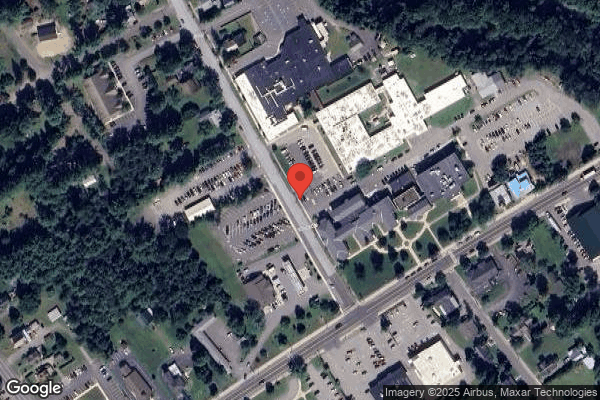
81 PARK STREET, ELIZABETHTOWN, NY 12932 (518) 873-3570
For profit - Limited Liability company 100 Beds CENTERS HEALTH CARE Data: November 2025
Trust Grade
35/100
#505 of 594 in NY
Last Inspection: November 2024

Within standard 12-15 month inspection cycle. Federal law requires annual inspections.

Overview

Essex Center for Rehabilitation and Healthcare has received a Trust Grade of F, indicating significant concerns regarding the quality of care provided. Ranked #505 out of 594 facilities in New York, they are in the bottom half of nursing homes statewide and #3 out of 3 in Essex County, meaning there are no better local options available. The facility is worsening, with issues increasing from 6 in 2022 to 11 in 2024, and staffing is a major concern, evidenced by a poor 1-star rating and an alarming 81% turnover rate, well above the state average of 40%. While it is positive that they have no fines on record, the nursing home has lower RN coverage than 90% of state facilities, which is problematic as registered nurses play a crucial role in identifying care issues. Specific incidents include unkempt living environments, with dirty floors and walls, as well as inadequate food safety practices, such as expired sanitizer test kits and improperly calibrated thermometers, which raise concerns about the overall hygiene and safety of the facility.

Trust Score
F
35/100
In New York
#505/594
Bottom 15%
Safety Record
Low Risk
No red flags
Inspections
Getting Worse
6 → 11 violations
Staff Stability
⚠ Watch
81% turnover. Very high, 33 points above average. Constant new faces learning your loved one's needs.
Penalties
✓ Good
No fines on record. Clean compliance history, better than most New York facilities.
Skilled Nurses
⚠ Watch
Each resident gets only 19 minutes of Registered Nurse (RN) attention daily — below average for New York. Fewer RN minutes means fewer trained eyes watching for problems.
Violations
⚠ Watch
19 deficiencies on record. Higher than average. Multiple issues found across inspections.
★☆☆☆☆
1.0
Overall Rating
★☆☆☆☆
1.0
Staff Levels
★☆☆☆☆
1.0
Care Quality
★★☆☆☆
2.0
Inspection Score
Stable
2022: 6 issues
2024: 11 issues

The Good

  • Full Sprinkler Coverage · Fire safety systems throughout facility
  • No fines on record

Facility shows strength in fire safety.

The Bad

1-Star Overall Rating

Below New York average (3.0)

Significant quality concerns identified by CMS

Staff Turnover: 81%

34pts above New York avg (46%)

Frequent staff changes - ask about care continuity

Chain: CENTERS HEALTH CARE

Part of a multi-facility chain

Ask about local staffing decisions and management

Staff turnover is very high (81%)

33 points above New York average of 48%

The Ugly 19 deficiencies on record

Nov 2024 7 deficiencies
CONCERN (D)

Potential for Harm - no one hurt, but risky conditions existed

Deficiency F0582 (Tag F0582)

Could have caused harm · This affected 1 resident

Based on medical record review and interview during the recertification survey, the facility did not ensure that residents and/or their designated representative were fully informed of potential finan...

Read full inspector narrative →
Based on medical record review and interview during the recertification survey, the facility did not ensure that residents and/or their designated representative were fully informed of potential financial liability for rehabilitative services during a non-covered stay for 2 (Resident #s 56 and 74) of 3 resident records reviewed). Specifically, residents who remained in the facility and after receiving covered rehabilitative services were not provided with the Advance Beneficiary Notice of Noncoverage form for Medicare Part A and received timely notification (2-day notification) of the termination of Medicare Part A services with the required Notice of Medicare Non-Coverage form. This is evidenced by: There was no documented evidence that Resident #s 56 and 74 were informed of potential financial liability for rehabilitative services during a non-covered stay with the required Advance Beneficiary Notice of Noncoverage form for Medicare Part A and that the Notice of Medicare Non-Coverage form was given to Resident #56 two days prior to the termination of services. During an interview on 11/05/2024 at 11:51 AM, Minimum Date Set Coordinator #1 stated for Resident #s 56 and 74 and not knowing it was the incorrect form, their superiors directed them to use the Advance Beneficiary Notice of Noncoverage form for Medicare Part B and not the form for Medicare Part A; and they were not sure as to why the Notice of Medicare Non-Coverage form was not given to Resident #56 prior to the termination of services. 10 New York Codes, Rules, and Regulations 415.3 (g)
CONCERN (D) 📢 Someone Reported This

A family member, employee, or ombudsman was alarmed enough to file a formal complaint

Potential for Harm - no one hurt, but risky conditions existed

Free from Abuse/Neglect (Tag F0600)

Could have caused harm · This affected 1 resident

Based on observation, record review, and interview during a recertification survey and abbreviated survey (Case #NY00351614), the facility did not ensure it protected the resident's right to be free f...

Read full inspector narrative →
Based on observation, record review, and interview during a recertification survey and abbreviated survey (Case #NY00351614), the facility did not ensure it protected the resident's right to be free from abuse and neglect for one (Resident #68) of three residents reviewed. Specifically, the facility investigation determined the likely cause of the resident's elopement on 8/15/2024 was, they were placed in the locked utility room by a terminated employee. This is evidenced by: The Facility's Policy titled, Abuse last reviewed 6/01/2024 documented the following: the facility prohibits the mistreatment, neglect, abuse, and misappropriation of resident property by anyone. Resident #68 was admitted to the facility with diagnoses of dementia with behaviors, chronic obstructive pulmonary disease (a group of lung disease that block airflow and make it difficult to breathe), and. schizoaffective disorder. The Minimum Data Set (an assessment tool) dated 10/12/2024, documented the resident could be understood, could sometimes understand, and had severely impaired cognition for daily decision making. The facility's investigation form dated 8/19/2024, documented that at approximately 4:15 PM on 8/15/2024 the resident was noticed missing from the secure locked unit with no indication of door alarms from secure locked unit. The resident was found in a non-patient care utility area that was equipped with a coded locked door. The resident had no injuries or any signs of distress or pain. The investigation team did not feel the resident would have been able to manipulate a keypad and guess the correct code to enter the locked area due to dementia. Corporate Communications contacted local news station and confirmed a Certified Nurse's Aide contacted the news station reporting a missing person. Four Aides were terminated between 2:15pm and 3:10 PM on 8/15/24. The State Police were contacted by the Administrator to investigate the possibility that a staff member may have placed the resident in the locked utility area and a formal deposition was given. During an observation on 11/08/2024 at 12:15 PM, the doors exiting Unit 3 were locked, requiring a keypad entry, or pushing the door resulting in an alarm. The first door to the boiler room was locked, requiring a keypad entry that resulted in an alarm. The second door was not locked; however, it was heavy and required significant effort to open. The room was very warm, and loud with multiple large pieces of equipment running. During an interview on11/08/2024 at 11:20 AM, Administrator #1 stated the code gray was called when the resident was discovered not on the locked unit when the evening meal was served. Prior to the discovery no door alarms had gone off indicating someone had opened the door without using the code. Administrator #1 found the resident in the locked utility/boiler room. All doors and alarms were tested and functioning. They were unable to determine how the resident could have gotten through the locked unit doors and into the locked boiler room without sounding any alarms. The local police department came to the facility to investigate a missing person reported to them by a news station. The news station was contacted and reported a Certified Nurse Aide called them to report a missing resident. There were 4 Certified Nurse Aides that were terminated at around 3:00 PM and the Administrator believed one of them came back into the building, put the resident in the boiler room and called the news station. A report was filed with the police, but they were unable to contact 3 of the terminated employees as they were out of state contracted staff, they had likely returned home, after being terminated. During an interview on 11/13/2024 at 11:20 AM, Assistant Administrator #1 stated they assisted with the investigation and follow-up after the incident. It was determined the resident did not elope but was put in the boiler room by one of the terminated staff. They stated they could not determine which staff because they did not have cameras in the facility. The policy was changed to include escorting terminated staff from the building and changing the entry codes immediately. 10 New York Codes Rules and Regulations 415.4(b)(1)(i)
CONCERN (D) 📢 Someone Reported This

A family member, employee, or ombudsman was alarmed enough to file a formal complaint

Potential for Harm - no one hurt, but risky conditions existed

Deficiency F0657 (Tag F0657)

Could have caused harm · This affected 1 resident

Based on record review and interviews during a recertification survey, the facility did not ensure comprehensive care plans were reviewed after each assessment and revised based on changing goals, pre...

Read full inspector narrative →
Based on record review and interviews during a recertification survey, the facility did not ensure comprehensive care plans were reviewed after each assessment and revised based on changing goals, preferences, and needs of the resident and in response to current interventions for 1 (Resident #84) of 20 residents reviewed. Specifically, for Resident #84, the facility did not ensure an interdisciplinary care plan meeting was held to review the comprehensive care plan. Resident #84 was admitted to the facility with the diagnoses of cerebral infarction (stroke), gastro-esophageal reflux disease and hemiplegia and hemiparesis following cerebral infarction (paralysis on one side after stroke). The Minimum Data Set (an assessment tool) dated 9/27/2024 documented the resident was usually understood, could usually understand others, and had a mild cognitive impairment. The Policy and Procedure titled Care Planning - Interdisciplinary Team dated 8/2019, documented the Interdisciplinary Team was responsible for the review and updating of care plans including inviting and encouraging the resident, the resident's family and/or the resident's legal representative/guardian or surrogate to participate in the development of and revisions to the resident's care plan. During an interview on 11/06/2024 at 9:53 AM, Resident #84 stated they, their spouse, and health home care coordinator were setting up all discharge needs on their own. During an interview on 11/06/2024 at 9:53 AM, Family Member #1 stated they had requested a meeting with the social worker but one had not been scheduled yet. Family Member #1 stated there had been no care plan meeting for the resident's entire stay. During an interview on 11/13/2024 at 8:49 AM, Social Worker #1 stated that families were called by them when scheduling a care planning meeting. They stated Resident #84 had not had a care plan meeting and one should have been held in mid-October 2024. Social Worker #1 stated that they did not understand how the resident was not scheduled for a care planning meeting at the appropriate time. 10 New York Codes, Rules, and Regulations 415.11(c)(2)(i-iii)
CONCERN (D)

Potential for Harm - no one hurt, but risky conditions existed

Accident Prevention (Tag F0689)

Could have caused harm · This affected 1 resident

Based on observation and interview during the recertification survey, the environment was not free from accident hazards over which the facility had control. Specifically, dangerous tools were left un...

Read full inspector narrative →
Based on observation and interview during the recertification survey, the environment was not free from accident hazards over which the facility had control. Specifically, dangerous tools were left unattended in resident areas on unit 3. This is evidenced by: During observations on 11/06/2024 at 8:05 AM through 8:15 AM, an unattended maintenance tool cart with open access to tools such as screwdrivers was found on Unit #3 in the corridor by the library; a six-inch broad fixed blade knife was on the unenclosed middle tier shelf of the cart. There was no documented evidence in the facility Incident and Accident reports of residents having facility tools or getting tools off the facility tool carts for the past 6-months. The undated document titled Maintenance Assistant documented that maintenance staff were trained to place tools in storage upon leaving work areas. During an interview on 11/07/2024 at 12:09 AM, Director of Maintenance #1 stated that they brought their tool cart to the library area on Unit #3 when they were called off the unit. On route to greet a vendor they asked the Maintenance Assistant to move the cart to a secure area; moving the cart took about one minute but it was never appropriate to leave tool carts unattended even for one minute. During an interview on 11/07/2024 at 12:26 PM, Administrator #1 stated that they would expect all maintenance staff to place tool carts in secure areas when they must leave a work area. 10 New York Codes, Rules, and Regulations 415.12(h)(1)
CONCERN (D)

Potential for Harm - no one hurt, but risky conditions existed

Garbage Disposal (Tag F0814)

Could have caused harm · This affected 1 resident

Based on observation and staff interview during the recertification survey, the facility did not dispose of garbage and refuse properly. Specifically, the waste contained in dumpsters was not covered....

Read full inspector narrative →
Based on observation and staff interview during the recertification survey, the facility did not dispose of garbage and refuse properly. Specifically, the waste contained in dumpsters was not covered. This is evidenced by: During observations on 11/04/2024 at 1:21 PM, three of the 4 garbage dumpsters were not closed, and garbage was found within. During an interview on 11/04/2024 at 1: 29 PM, Administrator #1 stated that they would speak with staff about keeping the dumpsters closed after filling them. 10 New York Codes, Rules, and Regulations 415.14(h)
CONCERN (E) 📢 Someone Reported This

A family member, employee, or ombudsman was alarmed enough to file a formal complaint

Potential for Harm - no one hurt, but risky conditions existed

Safe Environment (Tag F0584)

Could have caused harm · This affected multiple residents

Based on observation, record review, and interview during the recertification survey, the facility did not ensure necessary housekeeping and maintenance services were provided to maintain a clean, san...

Read full inspector narrative →
Based on observation, record review, and interview during the recertification survey, the facility did not ensure necessary housekeeping and maintenance services were provided to maintain a clean, sanitary, comfortable, and homelike environment on resident unit #s 1, 2, and 3 and the lobby/administrative areas. Specifically, floors and windows were not clean, and walls were not in good repair. This is evidenced by: During observations on 11/07/2024 at 10:38 AM through 11:40 AM, the floors in the following areas were soiled with dirt or were soiled dirt and cobwebs next to walls and in corners: • Meeting Room. • Ice Machine room. • Director of Nursing office. • Medical Records office. • Activities room. • Main Dining Room. • Unit #1 Dirty Utility room. • Unit #3 short hall foyer, long hall foyer, janitor closet & floor sink, electrical closet, and Clean Utility room. • Resident room #s: 2, 10, 11, 12, 14, 101, 107, 112, 116, 118, 119, 120, 122, 124, 123, and 127. Additionally, the walls were scraped in room #s 101, 107, 116, 117, 122, and 124; and the window tracks were soiled with dirt and dead insects in room #s 101, 107, 119, 122, and 123. The undated document titled Housekeeping Aide Job Description documented that Housekeeping Aides were to clean resident room floors and walls daily and report maintenance issues to their supervisor. During an interview on 11/07/2024 at 11:41 AM, Director of Housekeeping #1 stated that they would clean the rooms and window tracks and would contact the maintenance department to repair the wall scrapes. 10 New York Codes, Rules, and Regulations 415.5(h)(4)
CONCERN (E)

Potential for Harm - no one hurt, but risky conditions existed

Food Safety (Tag F0812)

Could have caused harm · This affected multiple residents

Based on observation, record review, and interview during the recertification survey, the facility did not ensure food was stored, prepared, distributed, or served in accordance with professional stan...

Read full inspector narrative →
Based on observation, record review, and interview during the recertification survey, the facility did not ensure food was stored, prepared, distributed, or served in accordance with professional standards for food service safety in the main kitchen and 3 of 3 nourishment kitchenettes. Specifically, surfaces were soiled with food particles, and/or dirt, equipment was not in good repair, thermometers were not in calibration, and the facility did not have the correct test kit to check the concentration of sanitizing solution used to manually sanitize food contact surfaces. This was evidenced by: All observations were on 11/04/2024 from 12:05 PM through 1:10 PM. In the main kitchen: • One of 3 food temperature thermometers was not in calibration at 37 degrees Fahrenheit when tested in the standard ice bath method. • The test papers for checking the concentration of chemical sanitizer were dated 11/01/2024 and were expired. • The automatic dishwashing machine final rinse was 9 pounds per square inch of water pressure; the machine data plate information required the rinse to be between 15 and 25 pounds per square inch. • The bulk sugar and bulk flour containers were not labeled. • One 10-inch by 10-inch hole in the wall below the dishwashing machine and two wall tiles were missing by the spray hose in the dishwashing machine area. • Water leaked from the dishwashing machine while in operation. • Spray hose faucet was leaking in the dishwashing machine area. • Cooking area utensil drawers would not open and close freely. The following items in the main kitchen were soiled with food particles and/or grime: • Can opener holder. • Stove/grill and drip pans. • Utensil drawers. • Shelving and moveable utensil rack. • Handwashing sink. • K-rated fire extinguisher. • Floor next to walls and below cooking equipment. • Walls, wall fan, and the ventilation duct covers in the dishwashing machine area. • Piping and food grinder, floor drain, and floor below the dishwashing machine. The following items were observed in the unit nourishment kitchenettes: • The cabinets and floor were soiled with food particles or dirt in the Unit 1 nourishment kitchenette. • One spray bottle was not labeled in the Unit 2 nourishment kitchenette. • The ice machine was not operational, and the refrigerator including the door gaskets, microwave oven, and floor were soiled with food particles in the Unit 3 nourishment kitchenette. During an interview on 11/04/2024 at 1:10 PM, Food Service Director #1 stated that they would assign staff to label the bulk foods and to clean the items found in the kitchen and unit kitchenettes, discuss with staff about checking the thermometer calibration, contact the maintenance department to adjust the dishwashing machine water pressure, repair the ice machine, repair the faucet leak, utensil drawers, and wall holes/missing tiles, contact the vendor to the dishwashing machine leak, and contact the vendor to get new test papers for the chemical sanitizer. 10 New York Codes, Rules, and Regulations 415.14(h)
Jun 2024 4 deficiencies
CONCERN (D) 📢 Someone Reported This

A family member, employee, or ombudsman was alarmed enough to file a formal complaint

Potential for Harm - no one hurt, but risky conditions existed

Resident Rights (Tag F0550)

Could have caused harm · This affected 1 resident

**NOTE- TERMS IN BRACKETS HAVE BEEN EDITED TO PROTECT CONFIDENTIALITY** Based on observations, record review, and interviews during an abbreviated survey (Case #s sNY00328017 and NY00340585), the faci...

Read full inspector narrative →
**NOTE- TERMS IN BRACKETS HAVE BEEN EDITED TO PROTECT CONFIDENTIALITY** Based on observations, record review, and interviews during an abbreviated survey (Case #s sNY00328017 and NY00340585), the facility did not ensure the resident had a right to a dignified existence for 1 (Resident #1) of 7 residents reviewed for residents' right to a dignified existence. Specifically, Resident #1's colostomy bag was exposed, their upper body was not covered, and breasts were exposed, and the resident's lower body was not appropriately clothed, as they were observed lying on their bed and walking in the hallway with only a brief on. This is evidenced by: The facility's Corporate Compliance Manual updated 7/12/2021, documented residents must be afforded their right to a dignified existence. Resident #1 was admitted to the facility with diagnoses of post-traumatic stress disorder (a mental health condition that's triggered by an event. Symptoms may include flashbacks, nightmares and severe anxiety, as well as uncontrollable thoughts about the event), vascular dementia (loss of memory, language, problem-solving and other thinking abilities caused by decreased blood flow to the brain), and diabetes. The Minimum Data Set (an assessment tool) dated 3/27/2024, documented the resident had severe cognitive deficit, could be understood, and could usually understand others. During an observation on 5/01/2024 from 12:03 PM- 12:26 PM on Resident #1's unit, Resident #1 was unkempt, with only a brief and t-shirt on. Their abdomen and colostomy bag were exposed, and the bed pad was wet and had a dried ring of a urine appearing substance. During an observation on 5/01/2024 at 1:33 PM, Resident #1 was seen in the hallway outside of their room wearing only a brief. During the afternoon of 5/03/2024, Investigator #1 stated they walked by Resident #1's room and observed their shirt pulled up with their breasts exposed. The Comprehensive Care Plan for Verbal/Physical Behaviors initiated on 8/09/2021, documented the resident may disrobe (taking their clothes off) and to redirect negative behavior as needed. The Certified Nurse Aide [NAME] (an electronic system that contains directions for providing resident-specific care) as of 5/08/2024, documented to monitor/record occurrence of disrobing (taking their clothes off) and redirect the resident to their room. During an interview on 6/05/2024 at 2:16 PM, Registered Nurse #3 stated as soon as staff see Resident #1 disrobed, they would cover the resident and redirect them to their room to help them redress. They would also try to divert their attention with an activity. Registered Nurse #3 stated staff tried to find the cause that may have led to the behavior. For example, if the disrobing behavior caused by a family issue, did the resident possibly have a urinary tract infection, were they too warm, did they need to be toileted, or changed. During an interview on 6/10/2024 at 2:03 PM, Director of Nursing #1 stated Resident #1 had a history of disrobing. If the resident was observed in the hallway, staff were educated to redirect the resident to their room and help them redress. They stated the resident could become combative and staff were supposed to stay in the room with them until they were able to redress the resident since it would not be safe to leave the resident alone with their door closed. Director of Nursing #1 stated staff were educated to go into the resident's room to have them pull their shirt down if it was pulled up and their breasts were exposed. They stated they were not always on the unit so did not know if staff were consistently redirecting the resident when they exposed themselves. They stated the resident could be difficult to redirect when unclothed because Resident #1 would state they could do whatever they wanted to because of how old they were. Director of Nursing #1 stated if there was a problem redirecting the resident, they would ask other staff for assistance. 10 New York Codes, Rules, and Regulations 415.3(c)(1)(i)
CONCERN (D) 📢 Someone Reported This

A family member, employee, or ombudsman was alarmed enough to file a formal complaint

Potential for Harm - no one hurt, but risky conditions existed

Deficiency F0583 (Tag F0583)

Could have caused harm · This affected 1 resident

**NOTE- TERMS IN BRACKETS HAVE BEEN EDITED TO PROTECT CONFIDENTIALITY** Based on record review and interviews during an abbreviated survey (Case #sNY00328017 and NY00340585), the facility did not ensu...

Read full inspector narrative →
**NOTE- TERMS IN BRACKETS HAVE BEEN EDITED TO PROTECT CONFIDENTIALITY** Based on record review and interviews during an abbreviated survey (Case #sNY00328017 and NY00340585), the facility did not ensure the resident had a right to personal privacy and confidentiality of their personal and medical records for 2 (Residents #1 and #2) of 2 residents reviewed for the right to personal privacy and confidentiality. Specifically, the facility did not maintain confidentially for Residents #1 and 2 when staff were texting Health Insurance Portability and Accountability Act (HIPAA)-protected information to other staff members using an application on their personal cell phones not sanctioned by the facility. This is evidenced by: The Policy and Procedure titled, Cell Phone Use last revised 10/2019, documented to maintain the privacy and confidentiality rights of our residents and to be in compliance with the Health Insurance Portability and Accountability Act, the use of any non-company issued personal electronic device, such as cellular telephones was prohibited in resident areas. Inappropriate use of a cellular device by an employee included, but is not limited to, sharing Health Insurance Portability and Accountability Act protected information via unsecured networks such as text message. Resident #1 was admitted to the facility with diagnoses of post-traumatic stress disorder (a mental health condition that's triggered by an event. Symptoms may include flashbacks, nightmares and severe anxiety, as well as uncontrollable thoughts about the event), vascular dementia (loss of memory, language, problem-solving and other thinking abilities caused by decreased blood flow to the brain), and diabetes. The Minimum Data Set (an assessment tool) dated 3/27/2024, documented the resident had severe cognitive deficit, could be understood, and could usually understand others. Resident #2 was admitted to the facility with diagnoses of epilepsy (a brain disease where nerve cells don't signal properly that causes seizures), diabetes, and chronic obstructive pulmonary disease (narrowing of airways in the lungs making it difficult to breathe). The Minimum Data Set, dated [DATE], documented the resident was cognitively intact, could be understood, and could understand others. During an interview 5/02/2024 at 11:36 PM, Licensed Practical Nurse #1 stated the following incident was texted to them using a texting application the facility had sent them an invitation to use the application and download it on their phone. Licensed Practical Nurse #1 read the message verbatim to the surveyor (Note: Both residents' names were written in full in the texts): - At 8:21 AM on 4/27/2024, Registered Nurse #2 texted that they had a concern regarding Residents #1 and 2. I went into a room to do an assessment (across the hall from Resident #1's room). I noticed Resident #2; they went into Resident #1's room and closed the door. After doing my assessment, I went to Resident #1's room and saw the resident lying in bed. They were already at the edge of the bed about to fall. Resident #1's shirt is up until below their breasts, their pant down up to their thighs. Resident #1 was still wearing pull up and bra on. I told them breakfast is coming and Resident #2 need to step out the room because I needed to do assessment on Resident #1. Resident #1 is back to their room now. I don't know if I need to write this up, please advise. - Then at 8:26 AM on 4/27/2024, Registered Nurse #2 texted, Resident #1 has dementia and Resident #2 I think is in the right mind. I'm also concerned Resident #1's child stops by from time to time. - At 9:31 AM on 4/27/2024, Registered Nurse #2 texted, The Certified Nurse Aide just caught them again doing the act, Resident #1 and Resident #2. ' Review of the noted texting application revealed it was not a Health Insurance Portability and Accountability Act (HIPAA)-compliant telecommunication service. During an interview on 5/03/2024 at 12:26 PM, Administrator #1 stated on 5/02/2024, they heard rumors of a sex act between Residents #1 and 2. They stated they heard a Certified Nurse Aide who no longer worked at the facility had told Certified Nurse Aide #1 about either on 4/29/2024 or 4/30/2024. They stated when they, themselves, came to the facility on 4/27/2024, they rounded on all the units and asked questions. Administrator #1 stated the rumor was likely started from this information being shared by the staff on 4/29/2024 and 4/30/2024 as well as by the texts sent by staff that the other nurses could read. Administrator #1 stated they had started Health Insurance Portability and Accountability Act training, and that the texting application that staff were using was not sanctioned by the facility or ownership group. During an interview on 5/03/2024 at 2:09 PM, Licensed Practical Nurse #3 stated they were using a texting application they installed on their personal phone for things such as communicating with other nurses to ask if they had supplies. They stated they went to another unit to let one of the nurses know the nurse needed to be added back onto the application. Licensed Practical Nurse #3 stated they were informed that they were no longer using the application. During an interview on 5/03/2024 at 2:26 PM, Registered Nurse #2 stated they used the texting application on their personal phone. During an interview on 5/03/2024 at 2:28 PM, Registered Nurse #3 stated they did not like the staffs' use of the texting application. They stated there should have been open verbal communication. Registered Nurse Unit Manager #3 stated they did not like texts sent back and forth between staff, that it was unprofessional and a violation of the Health Insurance Portability and Accountability Act. Registered Nurse #3 stated the staff used the texting application on their personal phones, and that staff do not have work-issued cell phones. 10 New York Codes, Rules, and Regulations 415.3(d)(1)(ii)
CONCERN (D) 📢 Someone Reported This

A family member, employee, or ombudsman was alarmed enough to file a formal complaint

Potential for Harm - no one hurt, but risky conditions existed

Report Alleged Abuse (Tag F0609)

Could have caused harm · This affected 1 resident

Based on record review and interviews during an abbreviated survey (Case #sNY00328017 and NY00340585), the facility did not ensure that all alleged violations involving abuse were reported immediately...

Read full inspector narrative →
Based on record review and interviews during an abbreviated survey (Case #sNY00328017 and NY00340585), the facility did not ensure that all alleged violations involving abuse were reported immediately, but not later than 2 hours after the allegation is made, if the events that cause the allegation involve abuse to the State Survey Agency in accordance with State law through established procedures for 2 residents (Resident #1 and #2) of 2 residents reviewed for incident reporting. Specifically, an allegation of sexual abuse that involved 2 residents and alleged to have occurred on 4/27/2024 was not reported to the New York State Department of Health within 2 hours. This is evidenced by: The Policy and Procedure titled, Abuse and last revised on 12/2022, documented to notify the local law enforcement and appropriate State Agency(s) immediately (no later than 2 hours after allegation/identification of allegation) by Agency's designated process after identification of alleged/suspected incident. An addendum to the Intake Information form dated 5/06/2024, documented the facility reported the allegation of sexual abuse alleged to have occurred on 4/27/2024 to the New York State Department of Health on 5/03/2024. During an interview on 5/02/2024 at 11:36 AM, Licensed Practical Nurse #1 stated they came to work at 11:00 PM on 4/27/2024. They received a report from the evening nurse who did not work the day shift on 4/27/2024. Licensed Practical Nurse #1 stated they received information second hand about the alleged incident so the next morning (4/28/2024) they asked the staff that had been working on the day shift of 4/27/2024 what had happened. They were told by Registered Nurse #2 they had to remove Resident #2 from Resident #1's room because it looked suspicious. Resident #1 had their shirt pulled up, their brief was on, but their slacks were pulled down. Licensed Practical Nurse #1 stated they would report abuse to the Administrator who was the abuse coordinator for the facility. During an interview on 5/03/2024 at 11:27 AM, Director of Nursing #1 stated they had received no reports of a sexual act between Resident #s 1 and 2. They stated they would have expected the Complainant who reported the alleged incident to the New York State Department of Health to have reported it to facility Administration so they could have kept the residents safe. It was upsetting that the Complainant did not do that. During an interview on 5/3/2024 at 12:26 PM, Administrator #1 stated at 10:29 AM on 4/27/2024, they received a text message from Licensed Practical Nurse #2 who asked them to call Registered Nurse #2. Administrator #1 stated they attempted to call Registered Nurse #2, but they did not answer so they called Business Office Manager #1 who was the manager on duty assigned to be in the building on 4/27/2024. The Administrator asked them if they had heard about any issues on Unit 3 because they could not reach Registered Nurse #2. The Administrator stated that was when they were told that Resident #2 was found in Resident #1's room with the door closed. At that time, they notified Regional Administrator #1 and Regional Clinical Director #1 of the alleged incident. They stated they were not aware until 5/02/2024 that Resident #2 was in Resident #1's room twice with the door closed on 4/27/2024. They would have expected to be informed of both incidents. They stated as soon as staff were aware, whether by eyewitness, overhearing anything, by resident or family reports for example, staff were to contact the Director of Nursing or Administrator. The Administrator stated the facility had 2 hours to report abuse to New York State Department of Health. The Administrator stated they had called their regional team and reported that their findings were not definitive. They stated their regional team told them the incident did not meet the criteria for reporting because there was not a witness that anything had occurred. 10 New York Codes, Rules, and Regulations 415.4(b)
CONCERN (E) 📢 Someone Reported This

A family member, employee, or ombudsman was alarmed enough to file a formal complaint

Potential for Harm - no one hurt, but risky conditions existed

ADL Care (Tag F0677)

Could have caused harm · This affected multiple residents

**NOTE- TERMS IN BRACKETS HAVE BEEN EDITED TO PROTECT CONFIDENTIALITY** Based on observations, record review, and interviews during an abbreviated survey (Case #sNY00328017 and NY00340585), the facili...

Read full inspector narrative →
**NOTE- TERMS IN BRACKETS HAVE BEEN EDITED TO PROTECT CONFIDENTIALITY** Based on observations, record review, and interviews during an abbreviated survey (Case #sNY00328017 and NY00340585), the facility did not ensure residents who were unable to carry out activities of daily living received the necessary services to maintain grooming and personal hygiene for 3 residents (Resident #s 1, 3, and 7) of 7 residents reviewed for activities of daily living. Specifically, (a) Resident #1's appearance was unkempt, they were wearing only a t-shirt and brief, and their bed had a dried ring of a urine appearing substance on the incontinence pad. (b)Resident #3's fingernails were not clean, and their hair was greasy. (c)Resident #7's hair was greasy, their fingernails were not clean, and the upper right leg of their slacks was soiled. This is evidenced by: The Policy and Procedure titled Activities of Daily Living Care and Support revised 3/13/2024, documented activity of daily living care and support would be provided for residents who were unable to carry out Activities of Daily Living independently, with the consent of the resident and in accordance with the resident's assessed needs, personal preferences, and individualized plan of care, that included but not limited to supervision and assistance with hygiene (bathing, dressing, grooming, and oral care) and toileting. Resident #1 was admitted to the facility with diagnoses of post-traumatic stress disorder, vascular dementia (dementia caused by decreased blood flow to the brain), and diabetes. The Minimum Data Set (an assessment tool) dated 3/27/2024, documented the resident had severe cognitive deficit, could be understood, and could usually understand others. The Resident #3 was admitted to the facility with diagnoses of dementia, multiple sclerosis, and diabetes. The Minimum Data Set, dated [DATE], documented the resident had moderate cognitive impairment, was sometimes understood, and could usually understand others. Resident #7 was admitted to the facility with diagnoses of Alzheimer's Disease, need for assistance with personal care, and mood disorder. The Minimum Data Set, dated [DATE], documented the resident had severe cognitive impairment, could be understood, and could sometimes understand others. Resident #1 During an observation on 5/1/2024 from 12:01 PM- 12:26 PM on Resident #1's unit, Resident #1 was unkempt, with only a brief and t-shirt on. Their abdomen and colostomy bag were exposed, and the bed pad was wet and had a dried ring of a urine appearing substance. The Comprehensive Care Plan for Required Assist with Activities of Daily Living related to dementia, being legally blind, and colostomy status was initiated on 10/19/2020. The care plan documented the resident was to have a shower/bath on the Monday and Thursday day shift. There was no documentation in the resident's care plan they refused care. The Certified Nurse Aide [NAME] (documented the care a resident was to be provided) as of 5/08/2024 documented the resident was to have a shower or bath Monday and Thursday on the day shift. It did not document the resident refused care. The Document Survey Report dated 4/2024 documented the Certified Nurse Aide care provided daily on all 3 shifts. No resident care was documented as provided on the 7:00 AM- 3:00 PM shift for 4/04/2024, 4/18/2024, 4/24/2024, 4/29/2024, or 4/30/2024, on the 3:00 PM- 11:00 PM for 4/02/2024, 4/03/2024, 4/08/2024, 4/11/2024 4/20/2024, 4/22/2024, 4/23/2024, 4/24/2024, 4/25/2024, 4/27/2024, 4/28/2024, or 4/30/2024, or on the 11:00 PM- 7:00 AM shift on 4/01/2024, 4/05/2024, 4/10/2024, or 4/11/2024. Resident #3 During an observation on 5/03/2024 at 10:59 AM, Resident #3's fingernails were not clean, and their hair was greasy. The Comprehensive Care Plan for Required Assist with Activities of Daily Living related to confusion, and dementia was initiated on 5/30/2023. The following interventions were initiated by Licensed Practical Nurse #5: 5/26/2023- shower/bath Tuesday and Friday day shift. There was no documentation in the resident's care plan they refused care. The Certified Nurse Aide [NAME] (documented the care a resident was to be provided) as of 5/09/2024 documented the resident was to have a shower or bath Tuesday and Friday on the day shift. It did not document the resident refused care. The Document Survey Report dated 4/2024 documented the Certified Nurse Aide care provided daily on all 3 shifts. No resident care was documented as provided on the 7:00 AM- 3:00 PM shift for 4/08/2024, 4/21/2024, 4/24/2024, or 4/28/2024, on the 3:00 PM- 11:00 PM for 4/2/2024 or 4/14/2024, or on the 11:00 PM- 7:00 AM shift on 4/01/2024, 4/03/2024, 4/6/2024, 4/07/2024, 4/15/2024, or 4/20/2024. Resident #7 During an observation on 5/03/2024 at 11:11 AM, Resident #7 was sitting in the hallway. Their hair was combed but greasy. Their fingernails were not clean, and the upper right leg of their slacks was soiled. The Comprehensive Care Plan for Required Assist with Activities of Daily Living related to confusion, and dementia was initiated on 9/14/2023. It documented the resident was to have a shower/bath Wednesday and Saturday evening shift. The Certified Nurse Aide [NAME] (documented the care a resident was to be provided) as of 5/09/2024 documented the resident was to have a shower or bath Wednesday and Saturday on the evening shift. The Document Survey Report dated 4/2024 documented the Certified Nurse Aide care provided daily on all 3 shifts. No resident care was documented as provided on the 7:00 AM- 3:00 PM shift for 4/08/2024, 4/21/2024, 4/24/2024, or 4/28/2024, on the 3:00 PM- 11:00 PM for 4/02/2024, or on the 11:00 PM- 7:00 AM shift on 4/01/2024, 4/02/2024, 4/03/2024, 4/06/2024, 4/07/2024, 4/10/2024, 4/15/2024, or 4/20/2024. During an interview on 5/03/2024 at 2:16 PM, Certified Nurse Aide #3 stated the residents got nail care when they were washed up, or if they could not get it done then, they did nail care on rounds or during down time. Certified Nurse Aide #3 stated residents were showered on a schedule. Some showers were given on different shifts. When it was not a resident's shower day, they were washed up in their room. Certified Nurse Aide #3 stated if a resident refused their shower, they would tell the nurse and ask the resident if they wanted to get washed up in their room. During an interview on 5/03/2024 at 2:28 PM, Registered Nurse Unit Manager #3 stated nail care should be done when the residents were showered and as needed. They stated nail care consisted of trimming long nails, filing until smooth and cleaning under them. Registered Nurse Unit Manager #3 stated showers were scheduled for residents 1-2 times a week. They stated if a resident refused a shower, staff were supposed to reapproach and if the resident still refused, they were supposed to tell the charge nurse. If that failed, they were to tell the Unit Manager. They stated they put residents who refused their shower on the list for the next shift, or on the as needed list for the Certified Nurse Aides for the next day. During an interview on 6/10/2024 at 1:43 PM, Licensed Practical Nurse Manager #4 stated nail care was provided to the residents by Certified Nurse Aides, Nurses, and Activities staff. The residents were showered twice a week but did not always allow their hair to be washed. They stated Resident #3, who required total care chronically refused it. Sometimes staff could get the resident to the shower, other times they refused. They stated the resident could be combative with care. They stated Resident #3's care plan would need to be updated to document refusal of care. Licensed Practical Nurse #4 observed Resident #7's hair during this interview and stated it was greasy. They asked Resident #7 if they would allow them to wash their hair and Resident #7 stated yes. They stated the resident could be easily redirected and cooperative with care most of the time. They stated the all in one bodywash/shampoo did not always work to effectively clean the residents' hair. Licensed Practical Unit Manager #4 stated recently the team discussed the use of dry shampoo for in-between showers or if a resident's hair looked greasy, but they had not heard back if the facility would be ordering it. During an interview on 6/10/2024 at 2:11 PM, Director of Nursing #1 stated when a resident refused a shower, the Certified Nurse Aide was supposed to tell the nurse, make sure the reason for the refusal was documented, and then the Certified Nurse Aide was to reapproach the resident to shower them. They stated the nurse needed to know why a resident was refusing to be showered. Director of Nursing #1 stated they noticed there were quite a few residents whose hair was greasy, and they wondered if maybe it was the product they were using. They stated recently when they saw a resident with greasy hair and when asked why, resident stated they did not like to get their hair wet under the shower head. They stated they had purchased one inflatable shampoo board for each unit as an alternative to shampooing residents' hair in the shower. They approached the Administrator at the end of last week to discuss possibly ordering dry shampoo. The Director of Nursing stated any time residents were showered and whenever it was noticed residents' nails were dirty, nail care should be provided. They stated Resident #7 was cooperative with care but could be anxious and Resident #3 needed to be reapproached frequently for care due to refusals. They stated when Resident #3 said no, they meant no. The Director of Nursing stated refusals of care should be documented and there should be care plans in place for residents who refused care. 10 New York Codes, Rules, and Regulations 415.12(a)(2)
Dec 2022 6 deficiencies
CONCERN (D)

Potential for Harm - no one hurt, but risky conditions existed

Deficiency F0551 (Tag F0551)

Could have caused harm · This affected 1 resident

Based on record review and interviews conducted during the recertification survey, the facility did not ensure 1 (Resident #75) of 2 residents reviewed for advance directives had the right to formulat...

Read full inspector narrative →
Based on record review and interviews conducted during the recertification survey, the facility did not ensure 1 (Resident #75) of 2 residents reviewed for advance directives had the right to formulate advance directives. Specifically, Resident #75's the facility did not ensure the residents representative was court appointed under State law to act on the resident's behalf. This is evidenced by: The Policy and Procedure titled Advanced Directives, last revised 2/19, documented appropriate primary decision-makers are a conservator of the resident's person, or agent(s) named in health care proxy. Resident #75 Resident #75 was admitted to the facility with the diagnoses of autistic disorder, dysphagia, and severe intellectual disability. The Minimum Data Set (MDS - an assessment tool) dated 10/12/22, documented the resident was severely cognitively impaired, rarely/never understood others and was rarely/never understood. Resident #75's medical record did not include a Health Care Proxy (HCP), a Medical Order for Life Sustaining Treatment (MOLST) and did not include documentation regarding a conservatorship or guardianship. Resident #75's face sheet dated 6/28/2022, documented the resident's primary contact person's relationship with the resident was their caregiver. A Progress Note titled Social Service Documentation dated 10/3/22 at 3:59 PM, documented Resident #75 did not have a court appointed guardian and was not responsible for self. During an interview on 12/12/2022 at 9:25 AM, the group home care giver (GHCG) stated they were listed as a person to contact and the facility notifies them if anything is wrong with the resident. There was no legal or formal document that designated them legal guardian or health care proxy. The GHCG stated they had attended Interdisciplinary Team (IDT) Meetings (meetings with designated representatives to address care needed) and had been contacted by the facility social worker to address Resident #75's Advanced Directive. During an interview on 12/14/2022 at 1:24 PM, the Licensed Practical Nurse Unit Manager (LPNUM) #3 stated the resident had no family. The resident was admitted to the facility after an acute hospital stay. The group home that Resident #75 previously resided at was unable to care for the resident after a peg-tube (Percutaneous Endoscopic Gastrostomy tube) was placed. The person designated for decision making was a care giver at the group home. The social workers are the people who take care of legal documentation for the residents. LPNUM #3 stated the care giver was listed on Resident #75's face sheet and was notified if anything was wrong with the resident. The Director of Social Worker had just resigned and LPNUM #3 believed someone from administration was taking their place. During an interview on 12/15/22 at 11:27 AM, the Director of Admissions stated the medical record did not include documentation of who was authorized to make decisions for Resident #75. During an interview on 12/15/22 at 11:45 AM, the Administrator stated the facility did not have any documentation stating who is authorized to be the decision maker for Resident #75. The Administrator an ethics committee would be convened to discuss Resident #75. 10NYCRR 415.3(c)(1)(iii)
CONCERN (D)

Potential for Harm - no one hurt, but risky conditions existed

Report Alleged Abuse (Tag F0609)

Could have caused harm · This affected 1 resident

Based on interviews during the recertification survey dated 12/11/22 through 12/19/22, the facility did not notify The New York State Department of Health (NYSDOH) of an occurrence where the health an...

Read full inspector narrative →
Based on interviews during the recertification survey dated 12/11/22 through 12/19/22, the facility did not notify The New York State Department of Health (NYSDOH) of an occurrence where the health and safety of residents are endangered. Specifically, the facility did not ensure the facility's investigative report was submitted to the NYSDOH no later than 5 days of a fire incident. This is evidenced as follows: A document titled Emergency Prep last updated on 2/2020 documented the following: POLICY: The facility has a designated procedure for fires and explosions that shall be followed if such an emergency arises. Staff receives training at least annually on fire procedures (R.A.C.E.) and the use of fire extinguishers a. All employees are trained to utilize the R.A.C.E. Procedure and notify the Fire Department of the exact circumstances of the situation. b. All staff receives training in the proper use of fire extinguishers. Fire extinguishers are located in every corridor of the facility. The extinguishers, type A, B, or C, can be utilized on these classes of fire within the facility. c. When a fire is discovered, begin firefighting procedures if it is safe to do so. Safety is the first priority. Do not endanger your personal safety or the lives of others trying to extinguish the fire. d. Do not try to extinguish the fire if it is spreading rapidly or the area is too hot, too smoky, or otherwise too dangerous (e.g., because of collapsing walls or falling debris). e. Activate the ICS to manage the incident, if necessary. The most qualified staff member (in regard to the Incident Command System) on duty at the time assumes the Incident Commander position. f. Notify 911 to alert the emergency response system that an emergency situation is in progress. Provide the 911 dispatcher with as much relevant information as possible. g. Notify the Administrator and Director of Nursing if they are not on the premises. During Resident Council interviews on 12/12/22 at 10:41 AM, Resident #9 and Resident #59 stated they heard there was a fire in a trash can in the basement during the night shift about a month ago. Resident #9 and Resident #61 stated they smelled smoke that evening. Resident #9 stated that a Code Red was not made and residents were not directly informed by staff that there was a fire. Resident #9 stated this was reported to the Ombudsman who investigated the incident. Resident #9 stated the residents were concerned that the fire had not been reported. During an interview on 12/13/2022 at 8:30 AM, the facilities Ombudsman stated residents had reported smelling smoke over a month ago and expressed concerns that staff may be smoking in the facility at night. Further investigation by them provided evidence that a possible fire event had occurred in the basement. The exact day and time of the event was not provided and details of what had happened was unclear. The Ombudsman stated they had spoken with the Administrator (ADMIN) who was aware an event had occurred. During an interview on 12/12/22 at 3:16 PM, the Director of Maintenance (DM) stated that on 11/22/22 during the evening shift, the Licensed Practical Nurse (LPN) for Unit #3 smelled something coming from the basement, on further investigation LPN #3 went down to the basement with 2 other staff members and found a trash can in the mechanical room was smoldering. No Alarms had activated and the staff members immediately put it out using the mechanical room fire extinguisher. The DM was notified as was the ADMIN, and both responded to the facility within 15 minutes. The Fire Department was notified and felt there was no need to come to the facility. The State Police were notified, at the suggestion of the Fire Department, to rule out suspicions of wrong doing. No code Red had been called. Employees had followed protocol and an investigation was started to determine the cause. The DM was not aware if any residents expressed concern or if they were aware of the incident. During an interview on 12/12/22 at 3:34 PM, the ADMIN stated that on the evening of 11/22/22 they were notified of a possible fire incident at the facility and responded by immediately going to the facility. After smelling smoke on Unit #3, Staff investigated and had found a plastic garbage can with debris smoldering in the mechanical room. No open flame was reported but the staff used a fire extinguisher in that room to ensure no fire would occur. The ADMIN called 911 asking for a Chief Fire Officer who declined to respond at that time. The Fire Department is a voluntary department and the facilities emergency alarm had not alarmed prior to staff containment with use of the fire extinguisher. State Police were notified to investigate the fire incident in the basement that evening to rule out accident or deliberate setting of a fire. The facility was conducting an investigation and was waiting to hear back from the State Police on their investigation of how it occurred. The Administrator stated that the facility did not notify New York State Department of Health (NYSDOH) of this incident. The ADMIN had not been aware this was required. 10 NYCRR 415.4(b)(2)
CONCERN (D) 📢 Someone Reported This

A family member, employee, or ombudsman was alarmed enough to file a formal complaint

Potential for Harm - no one hurt, but risky conditions existed

Comprehensive Care Plan (Tag F0656)

Could have caused harm · This affected 1 resident

**NOTE- TERMS IN BRACKETS HAVE BEEN EDITED TO PROTECT CONFIDENTIALITY** Based on observation, record review, and interview during the recertification and an abbreviated survey (Case #NY00289586), cond...

Read full inspector narrative →
**NOTE- TERMS IN BRACKETS HAVE BEEN EDITED TO PROTECT CONFIDENTIALITY** Based on observation, record review, and interview during the recertification and an abbreviated survey (Case #NY00289586), conducted on 12/11/2022 through 12/16/2022, the facility did not ensure comprehensive care plans (CCP) were developed and implemented for each resident consistent with the resident rights and that included measurable objectives and timeframe's to meet a resident's medical, nursing, and mental and psychosocial needs for 3 (Resident #'s 11, 22, and #48) of 22 residents reviewed for Comprehensive Care Plans (CCPs). Specifically, for Resident #11, the facility did not ensure a CCP required to address urinary incontinence was implemented as goals and interventions changed; for Resident #22, did not ensure a CCP that addressed the resident's right lower leg cellulitis requiring treatment was implemented; and for Resident #48, did not ensure a low bed was provided as of 12/14/22, as documented on their care plan. This is evidenced by: The Policy and Procedure (P&P) titled Care Plans - Comprehensive, revised 10/2019, documented the comprehensive, person-centered care plan described the services that were to be furnished to attain or maintain the resident's highest practicable physical, mental, and psychosocial well-being. Resident #11: Resident #11 was admitted to the facility with diagnoses of anemia, urine retention, and ulcerative colitis. The Minimum Data Set (MDS - an assessment tool) dated 10/11/22, documented the resident was cognitively intact, was usually able to understand others and was usually able to make themselves understood. A Provider Note dated 1/13/2022 documented the following: Burning with urination, repeat urine culture, first contaminated, monitor for chills and fever, urinary retention with incomplete emptying, formerly with Foley catheter since removed, remains on Oxybutynin (urinary antispasmodic) and use of Pure wick urinary collection system at HS (hour of sleep). A physician's order dated 9/23/2021 documented the following: Apply Pure wick Collection System at HS for urine collection and skin breakdown at bedtime. An electronic Treatment Administration Record (e-TAR) for January 2022, documented the following: Apply Pure wick Collection System at HS for urine collection and skin breakdown at bedtime. Start date 9/23/2021 - End Date 4/11/2022 An MDS dated [DATE] documented Resident #11's care did not include an indwelling catheter for diagnosis of neurogenic bladder. A Provider Note dated 1/13/2022 documented the following: Burning with urination, repeat urine culture, first contaminated, monitor for chills and fever, urinary retention with incomplete emptying, remains on Oxybutynin, Pure wick collection system for urine collection and skin breakdown and urinary incontinence. The e-TAR for October 2022 documented the following: Apply Pure wick Collection System everyday shift for urine collection and skin breakdown and urinary incontinence, remove when getting out of bed. Start date 10/07/2022 - End Date 10/26/2022 The e-TAR for October 2022 documented the following: Apply Pure wick Collection System at HS for urine collection and skin breakdown at bedtime. Start date 10/07/2022 - End Date 10/26/2022 The CCP for urinary incontinence did not include documentation of current goals and interventions from October 2022 after discontinuation of a system that was used to maintain urinary collection and skin breakdown. During an interview on 12/14/2022 at 1:35 PM, the Licensed Practical Nurse Unit Manager (LPNUM) #3 stated the resident had history of urinary tract infections and incontinence. The resident came in with a Foley catheter that was removed after a UTI and the facility began using a new system for incontinence care for Resident #11. That system did not involve indwelling placement of a catheter. The system was discontinued in October 2022 and 2-hour toileting was put in place. The residents CCP for urinary incontinence had not addressed the changes made. The LPNUM #3 could not do CCP, and the Registered Nurses (RNs) were responsible for the implementation and changes needed for the residents CCP's. The changes needed are discussed in Interdisciplinary Team (IDT) Meetings and hopefully updated as necessary. During an interview on 12/14/2022 at 4:35 PM, the Assistant Director of Nursing (ADON)stated there had been many staff changes and the CCP had been identified as an area that required attention. The residents CCP needed to be reviewed and updated with current treatment and goals when this changes. The current CCP for urinary incontinence had not included changes made for Resident #11 to evaluate if the residents' goals were being met as changes occurred. Resident #22 Resident #22 was admitted to the facility with diagnoses of venous insufficiency, edema, and osteoarthrosis. The Minimum Data Set (MDS - an assessment tool) dated 11/20/22, documented the resident was cognitively intact, was able to understand others and was able to make themselves understood. A CCP signed as initiated by LPNUM #3 on 10/21/22 for Infection Cellulitis to Right Lower Extremity (RLE). The CCP did not include follow up with goals and interventions to address cellulitis or infection of the RLE as the RN had not signed off on the CCP as needed to implement the CCP. Resident #22 was receiving treatment with compression therapy for the unresolved condition. During an observation on 12/14/2022 at 2:23 PM, Registered Nurse #5 provided wound care to Resident #22. Treatment to both the RLE and LLE was completed as ordered and wrapped with ace wraps. The e-TAR for 12/2022 documented the following: RLE cleanse with Normal Saline (NS) and gently pat dry, Apply Eucerin cream with compression therapy. A Nursing Progress note dated 12/8/2022 documented the following: A weekly skin monitoring has been complete for Resident #22. The resident has previously noted skin alteration(s). Left lower leg (front) - LLE is improving with the current treatment. Mild to moderate serosanguinous discharge noted. No greenish discharge noted. No foul smell noted., Right lower leg (front) - RLE is stable with the current treatment. WCTM (wound care team meeting). During an interview on 12/14/2022 at 1:45 PM, LPNUM #3 stated the resident had history of vascular ulcers. The residents CCP for cellulitis had been put in place by LPNUM #3 but could not be completed until an RN assessed the skin, reviewed the treatment and added resident specific goals and interventions needed for the residents CCP. The LPNUM #3 could not provide documentation to support the CCP for RLE cellulitis had been completed. During an interview on 12/14/2022 at 4:55 PM, the Assistant Director of Nursing (ADON) reviewed Resident #22's CCP for RLE cellulitis. The ADON could not provide any further documentation to support the residents CCP had been addressed by an RN. LPNs cannot complete a CCP because that requires a resident assessment. A CCP for the resident's diagnosis of right lower extremity cellulitis should have been implemented at the time it was discovered. Resident #48: Resident #48 was admitted to the facility with diagnoses of repeated falls, dementia, and osteoporosis. The MDS dated [DATE], documented the resident had severely impaired cognition, was usually able to understand others and was able to make themselves understood. The Fall Risk Evaluation, dated 10/31/22 at 7:30 PM, documented for a low bed to be initiated as an intervention to decrease the risk for falls. The CCP for falls, revised 11/20/22, did not include a low bed as a fall prevention intervention. During an observation on 12/14/22 at 11:07 AM, Resident #48 had a one of the facilities regular beds. During an interview on 12/14/22 at 11:07 AM, Certified Nursing Assistant (CNA) #1 stated they were not aware of a low bed currently being used for Resident #48. CNA #1 confirmed with one of the nurses, the bed currently in use in Resident #48's room was one of the facility's regular beds, and not a low bed. During an interview on 12/15/22 at 1:50 PM, LPNUM #1 stated after a resident falls, any follow up interventions that were documented in the Fall Risk Evaluation needed to be documented in the resident's CCP and implemented as soon as the CCP was updated. They reviewed Resident #48's CCP and stated there was no documentation of a low bed as a fall prevention intervention. On 10/31/22, the low bed intervention should have been added to Resident #48's care plan and communicated to the unit manager or supervisor when it was added. During an interview on 12/15/22 at 2:43 PM, the Director of Nursing (DON) stated after a fall, any new interventions needed to be added to the CCP and implemented immediately. On 10/31/22, the low bed should have been added to the CCP and provided for Resident #48 as soon as the bed was available. If there were any issues obtaining a bed, or if the resident refused the low bed, a progress note should have been written; there was no documentation of the resident refusing the low bed or staff attempting to obtain the low bed. 10 NYCRR 415.11(c)(1)
CONCERN (D) 📢 Someone Reported This

A family member, employee, or ombudsman was alarmed enough to file a formal complaint

Potential for Harm - no one hurt, but risky conditions existed

ADL Care (Tag F0677)

Could have caused harm · This affected 1 resident

Based on observations, interviews and record reviews during a recertification and an abbreviated survey (Case #NY00298692), survey 12/11/2022 through 12/19/2022, the facility did not ensure residents ...

Read full inspector narrative →
Based on observations, interviews and record reviews during a recertification and an abbreviated survey (Case #NY00298692), survey 12/11/2022 through 12/19/2022, the facility did not ensure residents who were unable to carry out activities of daily living (ADLs) received the necessary services to maintain good nutrition, grooming, and personal and oral hygiene for 1 (Resident #47) of 5 residents reviewed for ADL's. Specifically, for Resident #47, who required extensive assistance of staff for ADL care, the facility did not ensure the resident was received showers and had their hair washed as documented on the resident's care plan. This is evidenced by: The Policy and Procedure (P&P) titled ADL Support, dated 10/2019 documented, residents will be provided with care, treatment, and services as appropriate to maintain or improve their ability to carry out activities of daily living (ADL's). Residents who are unable to carry out ADL's independently will receive services necessary to maintain good nutrition, grooming and personal and oral hygiene in accordance with the plan of care. The Policy and Procedure (P&P) titled ADL- Personal Hygiene dated 10/2021 documented, resident bath or shower will be scheduled per resident preference but at least weekly per the unit shower schedule and a bed bath will be provided on non-shower days. The Policy and Procedure (P&P) titled ADL- Bath (Shower) dated 7/2019 documented it was facility's policy to shower residents, to cleanse and refresh the resident, observe skin, and to provide increased circulation. The Policy and Procedure (P&P) titled Charting and Documentation - Certified Nursing Assistant (CNA) dated 2/2020 documented CNAs are encouraged to document care as close to completion of task as possible, if not, must be documented by the end of the shift. Resident #47: Resident #47 was admitted to the facility with diagnoses of cerebral vascular accident (CVA), diabetes mellitus, and hypertension. The Minimum Data Set (MDS= an assessment tool) dated 10/1/2022 documented the resident had severe cognitive impairment and was sometimes able to make their needs known. The Comprehensive Care Plan (CCP) titled, Activities of Daily Living documented the resident required extensive assistance of one staff member with bathing and dressing, and showers were scheduled on Wednesdays and Saturdays on the 7AM-3PM shift. The document titled CNA accountability dated 12/14/2022 at 9:30 AM documented the resident was provided a bed bath, with extensive assistance of one staff. This document was requested on 12/14/2022 at 3:51 PM and was provided by the facility on 12/15/2022 at 10:16 AM. On 12/14/2022 at 10:30 AM, the electronic medical record documented that a shower was provided and was signed by CNA #3 at 9:32 AM. During an interview on 12/14/2022 at 10:25 AM, Licensed Practical Nurse (LPN) #2 said residents' hair should be washed during the shower, if a shower was refused a bed bath should be provided instead. On 12/14/2022 at 10:36 AM, Resident #47 was in a wheelchair leaned forward and resting their head on the nurse's desk, their hair was uncombed and appeared greasy. LPN #2 asked resident #47 if they had their hair washed that morning during their shower, and resident #47 lifted their head and responded no, what shower? During an interview on 12/14/2022 at 10:36 AM, Resident #47 said they had not had a shower or bed bath before going to therapy that morning. During an interview on 12/14/2022 at 10:41 AM, LPN #2 said the resident was not showered and did not have their hair washed. Staff should have showered and washed resident #47's hair as per the shower schedule and the CCP. Staff should not have signed that the shower was done at 9:32 AM when it was not done. During an interview on 12/14/2022 at 10:43 AM, CNA #3 said they did not give resident #47 a shower but did give a bed bath that morning. When questioned as to why they signed for a shower at 9:32 AM, CNA #3 said they signed for all care at the same time. During an interview on 12/14/2022 at 1:44 PM, RNUM #1 said staff have been reminded to document all care provided before the end of the shift, however staff should never document for care before it was provided, pre documenting is unacceptable, reeducation is needed. During an interview on 12/14/2022 at 2:13 PM, RNUM #1 said before lunch today, resident #47 requested to have their hair washed but refused a shower. Resident #47 said they were tired and in pain after having physical therapy that morning. RNUM#1 said the resident was medicated for pain, hair was washed and after lunch went back to bed to rest. On 12/14/2022 at 2:20 PM, Resident #47 was observed in bed, appeared to be sleeping, hair appeared to have been washed and combed and did not look greasy. During an interview on 12/15/2022 at 11:30 AM, the Administrator said residents should receive showers as scheduled. The unit managers were responsible to monitor the shower schedules to ensure resident care was provided and documented. Resident care should be provided and then documented, it is not acceptable to document that care was provided before it was done, this would result in disciplinary action and reeducation. During an interview on 12/15/2022 at 11:48 AM, the Assistant Director of Nursing (ADON)/Nurse Educator said washing of resident's hair should be included with the shower unless specified not to wash hair, for example, if a resident attends the hairdresser regularly. If a shower was refused or not given for any reason staff should have reported this to their supervisor and documented in the electronic record that the shower was not provided and the reason why. During an interview on 12/15/2022 at 11:55 AM, the ADON/Nurse Educator said the CNAs should document the care provided by the end of the shift, and should never document care before it was provided, that is falsifying documentation. The unit managers monitor CNAs documentation and should report concerns to the nurse educator for follow up and further education. 10NYCRR415.12(a)(3)
CONCERN (E) 📢 Someone Reported This

A family member, employee, or ombudsman was alarmed enough to file a formal complaint

Potential for Harm - no one hurt, but risky conditions existed

Safe Environment (Tag F0584)

Could have caused harm · This affected multiple residents

Based on observation, record review and interviews during the recertification survey, the facility did not ensure a clean, comfortable, and homelike environment for 2 of 3 resident units (units 1 and ...

Read full inspector narrative →
Based on observation, record review and interviews during the recertification survey, the facility did not ensure a clean, comfortable, and homelike environment for 2 of 3 resident units (units 1 and 2) reviewed for environment. Specifically, for Unit 1, the facility did not ensure the hallway did not have a strong odor of urine, and the floors of the hallway and main dining area were not dirty on 12/11/22. Specifically, for Unit 1, the facility did not ensure the floors in the hallway and dining area was free from dirt and debris (crumbs, tissues, small colored discs, empty, ripped plastic packaging, and sticky areas) and the hallway and dining area were free from the odor of urine and for Unit 2, the facility did not ensure the floors of the hallway were free from dirt and debris (food crumbs, and shiny/sticky areas) and the hallway and dining area had a strong odor of urine. This is evidenced by: Finding #1 For Unit 1, the facility did not ensure the floors in the hallway and dining area were free from dirt and debris (crumbs, tissues, small colored discs, empty, ripped plastic packaging, and sticky areas) and the hallway and dining area were free from the odor of urine. During observations and interviews on: - 12/11/22 at 12:06 PM, the floor in the main dining room was dirty; food crumbs, tissues, small colored discs, empty, ripped plastic packaging, and sticky areas were present on the floor. - 12/11/22 at 12:10 PM, a strong odor of urine was present in the hallway. -12/11/22 at 12:22 PM, the sitting area for residents that required assistance with meals had a strong urine odor. One resident was sitting in a chair with a bedside tray. The white floor surrounding the resident had a grey haze and was sticky. Two chairs by the desk in the area had flowered cloth seats that were discolored and spill stained seats. Interviews During an interview on 12/11/2022, Certified Nursing Assistant (CNA) #4 stated carts for soiled linen in the halls contributed to strong urine odors. Residents are changed as often as possible. Shortages on staffing limit the number of changes that can be done especially on the weekend. Housekeeping is responsible for the floors. If there are food spillage after meals, we call housekeeping to come clean but there are not a lot of staff on the weekend or at night. During an interview on 12/12/2022 at 9:30 AM, Housekeeper #1 stated the residents' rooms and bathrooms are cleaned daily. How often depends on staff. We do the best we can but a strong urine odor in the facility is common. During an interview on 12/12/2022 at 10:20 AM, Licensed Practical Nurse Unit Manager (LPNUM) #3 stated there is usually 1 CNA and 1 LPN on the unit for over 20 residents. Residents are checked and changed as often as we can. Urine odor is noticeable on most days. Floors get dirty because the residents eat in their rooms and things get spilled frequently. We are short staffed and always working to keep things clean and as odor free as possible. Finding #2 The facility did not ensure the floors of the hallway were free from dirt and debris (food crumbs, and shiny/sticky areas) and the hallway and dining area had a strong odor of urine The Unit 2 hallway and dining area had a strong odor of urine on 12/11/22 at 12:22 PM, 12/12/22 at 9:07 AM, 12/14/22 at 8:31 AM, and 12/15/22 at 10:33 AM. During observations and interviews on: - 12/11/22 at 12:22 PM, brown fluid was present on the top counter at the nursing station, multiple dirty areas were present on the floor in the hallway. - 12/12/22 at 9:07 AM, the floors were dirty, and crumbs were scattered throughout the floor between rooms 25 - 34 and near the common area. Interviews During an interview on 12/14/22 at 9:15 AM, Registered Nurse (RN) #1 stated the number of incontinent residents on Unit 2 made it very difficult to keep them all clean and dry, even when staff checked and changed them every two hours. During an interview on 12/15/22 at 12:24 PM, Certified Nurse Aid (CNA) #2 stated they noticed Unit 2 had an overall odor of urine a few days ago. They thought the odor was coming from the residents' beds. They had not reported the odor to anyone recently, but they had reported this to the Unit Manager in the past. In the past when they had reported the urine odor on the unit, the facility cleaned some of the bed mattresses. During an interview on 12/15/22 at 2:12 PM, Licensed Practical Nurse Unit Manager (LPNUM) #1 stated when they arrived on Unit 2 today, there was a strong odor of urine throughout the unit. This was not new, as family members had complained about this in the past as well. There were a lot of incontinent residents on the unit; this was the biggest source of the odor. Staff performed check and changes on these residents every 2 hours to try and manage this, but the volume of incontinent residents was very high. During an interview on 12/15/22 at 3:08 PM, the Director of Nursing (DON) stated that they had noticed that Unit 2 had a strong odor of urine, and that this had been an ongoing issue on this unit for several months. This had been a challenge to deal with, as so far none of the efforts the facility had made to improve the odor have had a lasting impact. 10 NYCRR 415.5(h)(2)
CONCERN (E)

Potential for Harm - no one hurt, but risky conditions existed

Food Safety (Tag F0812)

Could have caused harm · This affected multiple residents

Based on observation, record review, and interviews during the recertification survey dated 12/11/22 through 12/19/22, the facility did not store, prepare, distribute and serve food in accordance with...

Read full inspector narrative →
Based on observation, record review, and interviews during the recertification survey dated 12/11/22 through 12/19/22, the facility did not store, prepare, distribute and serve food in accordance with professional standards for food service safety in the main kitchen and three (3) of 3 unit kitchenettes. Specifically, the automatic dishwashing machine was not operating within the manufacturer's specifications, equipment and floors required cleaning, and the main kitchen refrigerator doors and the Unit 1 kitchenette wall were in disrepair. This is evidenced as follows: During observations on 12/11/22 at 12:12 PM, in the main kitchen drawers, shelving, roll-in refrigerator, K-rated fire extinguisher, storage room floor, top of the dishwashing machine, dishwashing machine room wall fan and ceiling vents, and the floors under cooking equipment and preparation sink and in the walk-in freezer were soiled with a black build-up or food particles. The walk-in refrigerator door would not close, and the gasket on the dairy refrigerator was split. The automatic dishwashing machine final rinse registered 190 degrees Fahrenheit (F) at 47 pounds per square inch (psi) water pressure; the automatic dishwashing machine information data plate states that the minimal final rinse water pressure is to be 20 psi (plus or minus 5 psi). During observations on 12/11/22 at 1:05 PM, the refrigerators in the Unit 1, Unit 2, and Unit 3 kitchenettes were soiled with food particles. In the Unit 1 kitchenette, the microwave oven, cabinets, fire extinguisher, and floor under the refrigerator were soiled with food particles, and the wall was peeling under the light switch. During an interview on 12/11/22 at 1:31 PM, the Administrator stated that the soiled items will be cleaned today, the facility will have the refrigerator gasket replaced, the walk-in refrigerator door will be repaired, maintenance will check the final rinse water pressure on the dishwashing machine, and the Director of Food Service will be consulted about updating the cleaning schedule. 10 NYCRR 415.14(h); Chapter 1 State Sanitary Code Subpart 14-1.110, 14-1.112, 14-1.113, 14-170
Mar 2020 2 deficiencies
CONCERN (D)

Potential for Harm - no one hurt, but risky conditions existed

Safe Environment (Tag F0584)

Could have caused harm · This affected 1 resident

Based on observation and staff interview during the recertification survey, the facility did not provide effective housekeeping and maintenance services. Specifically, floors were not clean, and wardr...

Read full inspector narrative →
Based on observation and staff interview during the recertification survey, the facility did not provide effective housekeeping and maintenance services. Specifically, floors were not clean, and wardrobes and walls were not in good repair on 3 of 3 resident units. This is evidenced as follows. The floors were spot checked on 03/05/2020 at 1:45 PM. The floors next to walls, in corners, and at the base of door frames were soiled with dirt and a brown build-up in resident bathroom #'s 5, 24, 26, 118, 119, 120, and #127. Bathroom floor tiles in resident room #'s 119 and #120 were cracked. Walls were heavily scratched and missing paint in resident room #'s 118, 120, and #125. The doors on the wooden wardrobes in resident room #'s 1 and #5 were cracked. The Director of Maintenance stated in an interview on 03/05/2020 at 2:35 PM, that he will clean the floors, replace the broken floor tiles, and repair the walls and wardrobes. 483.10(i)(2)
CONCERN (D)

Potential for Harm - no one hurt, but risky conditions existed

Deficiency F0804 (Tag F0804)

Could have caused harm · This affected 1 resident

Based on observations and interviews during the recertification survey, the facility did not ensure that each resident received, and the facility provided food and drink that was palatable, attractive...

Read full inspector narrative →
Based on observations and interviews during the recertification survey, the facility did not ensure that each resident received, and the facility provided food and drink that was palatable, attractive, and at a safe and appetizing temperature for three out of three units. Specifically, on 3/5/20, the facility did not ensure that cold foods were served at a temperature less than 41 degrees Fahrenheit (F) and warm foods were served at a temperature greater than 135 degrees F. Also, did not ensure that the food served was palatable and attractive as determined by the type of food. This was evidenced by: A facility policy titled Food and Nutrition Services; Tray Set Up and Assisting with Meals, with a last revised date of 4/2019, documented to minimize the risk of food borne illness, the time that potentially hazardous food remain in the danger zone (41 degrees F to 135 degrees F) will be kept to a minimum. Foods that are left on the trays without a source of heat (for hot foods or refrigeration (for cold foods) longer than 2 hours will be discarded. During the Resident Council Interview on 3/3/2020 at 9:14 AM, Resident #'s 6, 37, and #64 stated the food is cold at all meals. Resident #64 stated they have addressed this at the monthly Food Council Meeting and nothing has changed. Resident #6 reported that the residents have discussed this on multiple occasions with staff from dietary, the kitchen, and with the Administrator. It is an unresolved and ongoing issue. The resident stated cold food is not very appetizing. On 03/05/20 a test tray was performed on Unit 1: At 12:12 PM, the last tray was served, and the test tray was sampled with the following results: Cheeseburger-113.0 degrees F, dry and hard on the edges, barely warm and bland to taste; Stuffing-124.8 degrees F, very dry, crunchy edges and bland to taste; Spinach-112.0 degrees F; Magic Cup pudding- 44.6 degrees F, not cool to taste. On 03/05/20, a test tray was performed on Unit 2: The Dementia Unit: At 12:38 PM, the last tray was served, and the test tray was sampled with the following results: Spinach-126.0 degrees F; Milk-45 degrees F; Apple juice-48 degrees F. On 03/05/20, a test tray was performed on Unit 3: At 12:08 PM, the last tray was served, and the test tray was sampled with the following results: Dressing-132.2 F, was hard, sticky and bland tasting; Spinach-123.4 F, appeared to be canned. It varied in color from dark and crusty to lighter green; Cheeseburger-123.0 F, the meat and bun was hard and bland tasting; Hot water-128.6 F. During an interview on 03/02/20 at 12:38 PM, Resident #69, who was sitting in the Main Dining Room, stated that the food is sometimes cold because it takes so long to get here. During an interview on 03/02/20 at 12:39 PM, Resident #64 stated the food could be better. The eggs are cold and the food in general is cold. The trays sit in the hallway until staff get to them. During an interview on 03/06/20 at 11:35 AM, Resident #5 stated the food is usually cold when it is delivered to his/her room and the macaroni and cheese that was served last night was cold and tasted very bland. During an interview on 3/5/2020 at 12:45 PM, the Certified Nursing Assistant (CNA) #1 stated there is a microwave in the cabinet in the dementia dining room, but it is for staff only. They do not reheat the resident's food. The staff are supposed to call for a new tray if a resident's meal is cold. Some of the residents complain their food is cold, but most of the residents on the dementia unit just eat what is put in front of them. It probably does get cold when it sits in front of them if they need assistance to eat. The drinks aren't ever really cold because they come up in a bowl with ice. If the container of milk isn't down in the ice it can get warm. No one temps the food once it arrives on the floor. During an interview on 03/05/20 at 03:40 PM, Dietician #1 stated she does not know how long it took for the food to get to the residents or how long it remains on the steam table. The longer hamburgers stay on the steam table the harder they get. She is in and out of the kitchen when the food is being cooked. The temperature of the food is taken to see if it is at proper cooking temperature. After the food is cooked, it is put in pans and covered. It is then placed in a warming oven at 250 degrees until 10 minutes before serving time. Still covered, the food is then placed on the steam table where it remains from an hour to an hour and fifteen minutes for all 6 carts. The time on the steam table is approximately 20 minutes per cart. Resident #64 receives food from one of the later carts. 10NYCRR415.14(d)(1)(2)
Understanding Severity Codes (click to expand)
Life-Threatening (Immediate Jeopardy)
J - Isolated K - Pattern L - Widespread
Actual Harm
G - Isolated H - Pattern I - Widespread
Potential for Harm
D - Isolated E - Pattern F - Widespread
No Harm (Minor)
A - Isolated B - Pattern C - Widespread

Questions to Ask on Your Visit

  • "Why is there high staff turnover? How do you retain staff?"
  • "Can I speak with families of current residents?"
  • "What's your RN coverage like on weekends and overnight?"

Our Honest Assessment

Strengths
  • • No major safety red flags. No abuse findings, life-threatening violations, or SFF status.
  • • No fines on record. Clean compliance history, better than most New York facilities.
Concerns
  • • 19 deficiencies on record. Higher than average. Multiple issues found across inspections.
  • • Grade F (35/100). Below average facility with significant concerns.
  • • 81% turnover. Very high, 33 points above average. Constant new faces learning your loved one's needs.
Bottom line: Trust Score of 35/100 indicates significant concerns. Thoroughly evaluate alternatives.

About This Facility

What is Essex Center For Rehabilitation And Healthcare's CMS Rating?

CMS assigns ESSEX CENTER FOR REHABILITATION AND HEALTHCARE an overall rating of 1 out of 5 stars, which is considered much below average nationally. Within New York, this rating places the facility higher than 0% of the state's 100 nursing homes. A rating at this level reflects concerns identified through health inspections, staffing assessments, or quality measures that families should carefully consider.
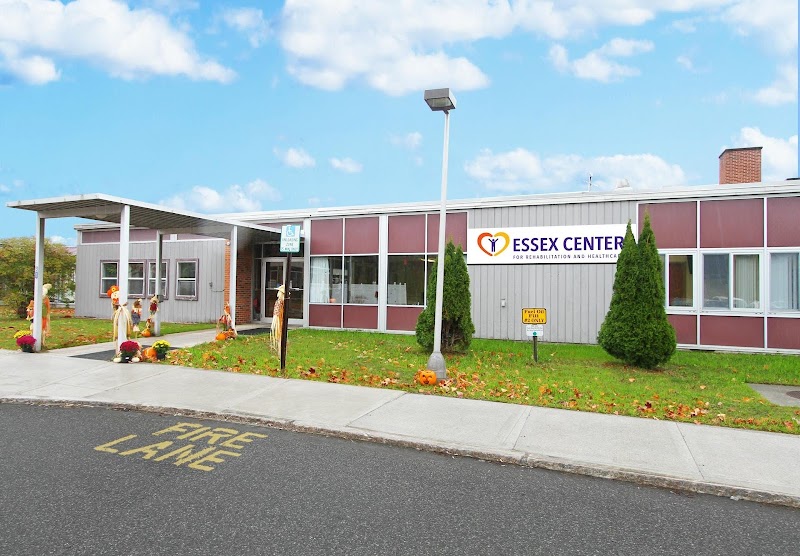
How is Essex Center For Rehabilitation And Healthcare Staffed?

CMS rates ESSEX CENTER FOR REHABILITATION AND HEALTHCARE's staffing level at 1 out of 5 stars, which is much below average compared to other nursing homes. Staff turnover is 81%, which is 34 percentage points above the New York average of 46%. High turnover can affect care consistency as new staff learn residents' individual needs. RN turnover specifically is 80%, which is notably high. RNs provide skilled clinical oversight, so turnover in this role can affect medical care quality.

What Have Inspectors Found at Essex Center For Rehabilitation And Healthcare?

State health inspectors documented 19 deficiencies at ESSEX CENTER FOR REHABILITATION AND HEALTHCARE during 2020 to 2024. These included: 19 with potential for harm.
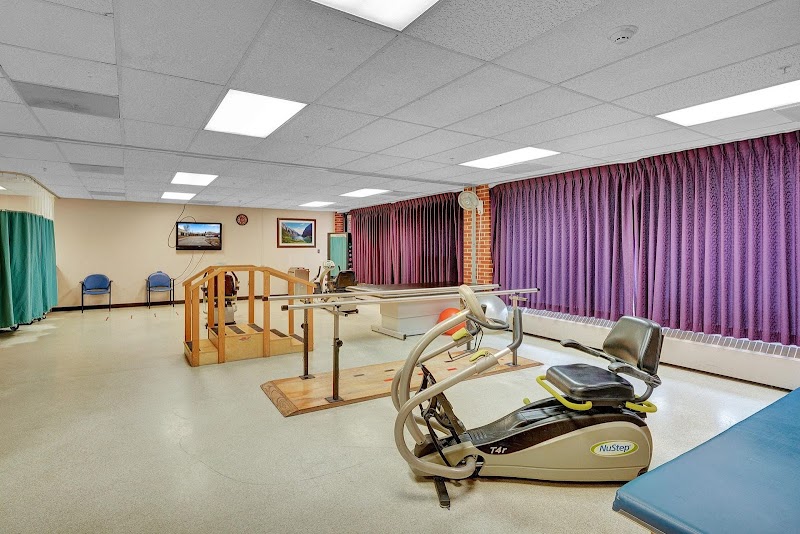
Who Owns and Operates Essex Center For Rehabilitation And Healthcare?

ESSEX CENTER FOR REHABILITATION AND HEALTHCARE is owned by a for-profit company. For-profit facilities operate as businesses with obligations to shareholders or private owners. The facility is operated by CENTERS HEALTH CARE, a chain that manages multiple nursing homes. With 100 certified beds and approximately 92 residents (about 92% occupancy), it is a mid-sized facility located in ELIZABETHTOWN, New York.
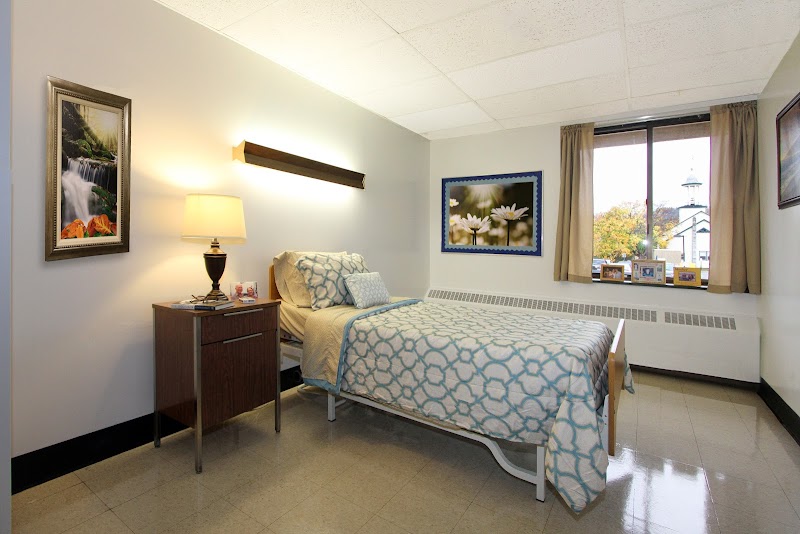
How Does Essex Center For Rehabilitation And Healthcare Compare to Other New York Nursing Homes?

Compared to the 100 nursing homes in New York, ESSEX CENTER FOR REHABILITATION AND HEALTHCARE's overall rating (1 stars) is below the state average of 3.0, staff turnover (81%) is significantly higher than the state average of 46%, and health inspection rating (2 stars) is below the national benchmark.

What Should Families Ask When Visiting Essex Center For Rehabilitation And Healthcare?

Based on this facility's data, families visiting should ask: "How do you ensure continuity of care given staff turnover, and what is your staff retention strategy?" "Can you walk me through typical staffing levels on day, evening, and night shifts?" "Can I visit during a mealtime to observe dining assistance and food quality?" "How do you handle medical emergencies, and what is your hospital transfer rate?" These questions are particularly relevant given the facility's high staff turnover rate and the below-average staffing rating.

Is Essex Center For Rehabilitation And Healthcare Safe?

Based on CMS inspection data, ESSEX CENTER FOR REHABILITATION AND HEALTHCARE has a clean safety record: no substantiated abuse findings (meaning no confirmed cases of resident harm), no Immediate Jeopardy citations (the most serious violation level indicating risk of serious injury or death), and is not on the Special Focus Facility watch list (a federal program monitoring the lowest-performing 1% of nursing homes). The facility has a 1-star overall rating and ranks #100 of 100 nursing homes in New York. While no facility is perfect, families should still ask about staff-to-resident ratios and recent inspection results during their visit.

Do Nurses at Essex Center For Rehabilitation And Healthcare Stick Around?

Staff turnover at ESSEX CENTER FOR REHABILITATION AND HEALTHCARE is high. At 81%, the facility is 34 percentage points above the New York average of 46%. Registered Nurse turnover is particularly concerning at 80%. RNs handle complex medical decisions and coordinate care — frequent RN changes can directly impact care quality. High turnover means new staff may not know residents' individual needs, medications, or preferences. It can also be disorienting for residents, especially those with dementia who rely on familiar faces. Families should ask: What is causing the turnover? What retention programs are in place? How do you ensure care continuity during staff transitions?

Was Essex Center For Rehabilitation And Healthcare Ever Fined?

ESSEX CENTER FOR REHABILITATION AND HEALTHCARE has no federal fines on record. CMS issues fines when nursing homes fail to meet care standards or don't correct problems found during inspections. The absence of fines suggests the facility has either maintained compliance or corrected any issues before penalties were assessed. This is a positive indicator, though families should still review recent inspection reports for the full picture.

Is Essex Center For Rehabilitation And Healthcare on Any Federal Watch List?

ESSEX CENTER FOR REHABILITATION AND HEALTHCARE is not on any federal watch list. The most significant is the Special Focus Facility (SFF) program, which identifies the bottom 1% of nursing homes nationally based on persistent, serious quality problems. Not being on this list means the facility has avoided the pattern of deficiencies that triggers enhanced federal oversight. This is a positive indicator, though families should still review the facility's inspection history directly.