ELDERWOOD OF UIHLEIN AT LAKE PLACID
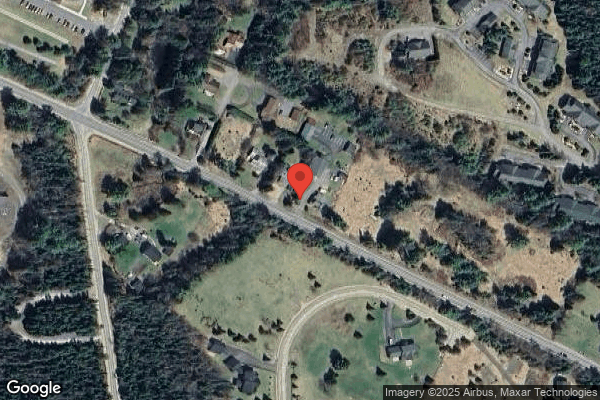

185 OLD MILITARY ROAD, LAKE PLACID, NY 12946 (518) 585-6771
For profit - Limited Liability company 156 Beds ELDERWOOD Data: November 2025
Trust Grade
45/100
#396 of 594 in NY
Last Inspection: October 2024

Within standard 12-15 month inspection cycle. Federal law requires annual inspections.

Overview

Elderwood of Uihlein at Lake Placid has a Trust Grade of D, which indicates that the facility is below average and has some concerns that families should be aware of. It ranks #396 out of 594 nursing homes in New York, placing it in the bottom half of facilities in the state, but it is the top option in Essex County, where it ranks #1 of 3. The facility is worsening, as issues have increased from 6 in 2021 to 13 in 2024, reflecting a trend of declining quality. Staffing is a weakness, with a rating of 2 out of 5 stars and a concerning 64% turnover rate, which is significantly higher than the state average of 40%. Although there have been no fines recorded, there are serious concerns regarding medication storage and food safety; for instance, medications were found improperly labeled and expired, and the kitchen showed signs of unsanitary conditions. Overall, while the lack of fines is a positive aspect, the increasing number of issues coupled with staffing challenges raises significant red flags for potential residents and their families.

Trust Score
D
45/100
In New York
#396/594
Bottom 34%
Safety Record
Low Risk
No red flags
Inspections
Getting Worse
6 → 13 violations
Staff Stability
⚠ Watch
64% turnover. Above average. Higher turnover means staff may not know residents' routines.
Penalties
✓ Good
No fines on record. Clean compliance history, better than most New York facilities.
Skilled Nurses
⚠ Watch
Each resident gets only 28 minutes of Registered Nurse (RN) attention daily — below average for New York. Fewer RN minutes means fewer trained eyes watching for problems.
Violations
⚠ Watch
26 deficiencies on record. Higher than average. Multiple issues found across inspections.
★★☆☆☆
2.0
Overall Rating
★★☆☆☆
2.0
Staff Levels
★★★☆☆
3.0
Care Quality
★★☆☆☆
2.0
Inspection Score
Stable
2021: 6 issues
2024: 13 issues

The Good

  • Full Sprinkler Coverage · Fire safety systems throughout facility
  • No fines on record

Facility shows strength in fire safety.

The Bad

2-Star Overall Rating

Below New York average (3.1)

Below average - review inspection findings carefully

Staff Turnover: 64%

17pts above New York avg (46%)

Frequent staff changes - ask about care continuity

Chain: ELDERWOOD

Part of a multi-facility chain

Ask about local staffing decisions and management

Staff turnover is elevated (64%)

16 points above New York average of 48%

The Ugly 26 deficiencies on record

Oct 2024 13 deficiencies
CONCERN (D)

Potential for Harm - no one hurt, but risky conditions existed

Resident Rights (Tag F0550)

Could have caused harm · This affected 1 resident

**NOTE- TERMS IN BRACKETS HAVE BEEN EDITED TO PROTECT CONFIDENTIALITY** Based on observation, record review, and interview conducted during the recertification survey, the facility did not ensure trea...

Read full inspector narrative →
**NOTE- TERMS IN BRACKETS HAVE BEEN EDITED TO PROTECT CONFIDENTIALITY** Based on observation, record review, and interview conducted during the recertification survey, the facility did not ensure treatment with respect, dignity, and care for each resident in a manner and in an environment that promoted maintenance or enhancement of their quality of life, recognizing each resident's individuality for 3 (Resident #s48, 100 and 113) of 32 residents reviewed for dignity. Specifically, (a.) Resident #48 was administered an insulin shot in the resident common area during lunch; (b.) Resident #100 had their shirt on inside and backwards, and (c.) Resident #113 was seen in their room removing their pants with their room door open and in full view of the resident common area. This is evidenced by: A facility policy titled Dignity date modified 8/01/2019, documented that each resident had the right to be treated with dignity and respect. All activities and interaction with residents by any staff, temporary agency staff or volunteers must focus on assisting the resident in maintaining and enhancing his or her self-esteem and self-worth and incorporating the resident's, goals, preferences, and choices. When providing care and services, staff must respect each resident's individuality, as well as honor and value their input. Resident #48 was admitted with the diagnoses of type 2 diabetes with hyperglycemia (an endocrine dysfunction causing problems regulating blood sugar levels), dementia without behavioral disturbance (a neurological disease causing memory issues), and hypertension (high blood pressure). The Minimum Data Set, dated [DATE] assessment documented the resident was able to understand others, be understood, was significantly cognitively impaired and required some assistance with activities of daily living. The Cognitive Skills Care Plan dated 2/19/2024 documented that Resident #48 was moderately impaired with decision making related to financial and healthcare decisions. Goals included maintaining/attaining the highest practicable level of cognitive function. Interventions listed included but were not limited to encouraging the resident to make decisions as able. Facility Policy titled Medication Administration Methods dated 1/25/2024, did not document any rules regarding medication administration in public common areas. During a general observation on 9/25/2024 at 11:02 AM, Registered Nurse #3 was observed administering insulin to Resident #48 in the common area dining room. It was noted that Registered Nurse #3 did not ask the resident if they were comfortable receiving their injection in the common area and lifted the resident's shirt to administer the injection into the resident's abdomen exposing their abdominal area to all the residents in the common area. Two other residents were sitting at the table, and two other residents were at another table, while two more residents were sitting in front of the television. During an interview on 9/26/2024 at 11:34 AM, Registered Nurse #3 was asked if and how they explained to residents what they were doing. Registered Nurse #3 stated that they knew the resident was getting their medications, so no explanation needed. During an interview on 10/01/2024 at 10:44 AM, Director of Nursing #1 stated nursing staff could pass medication in the dining area as long as it was not during a meal time or an activity. During a subsequent interview on 10/02/2024 at 9:59 AM, Director of Nursing #1 stated that giving medications in public areas was allowed unless it was during meals or activities. If the medication was receiving an invasive procedure like an injection, it should be done in private. If the resident needed to have medications at the exact moment when they were doing an activity or during mealtime, the staff should ask the resident if they wanted their medications then and help them to a private area or wait until the activity or meal was finished. The decision was left to resident preference. Resident #100 was admitted with the diagnoses of unspecified dementia with behavioral disturbance (a progressive neurological disease), hypertension (high blood pressure), and abnormalities of gait and mobility (problems with movement and walking). The Minimum Data Set (an assessment tool) dated 8/16/2024 documented the resident could sometimes be understood, sometimes understand others, was significantly cognitively impaired, and required extensive assistance with activities of daily living. The Behavior Care Plan dated 6/03/2023 documented the resident could disrobe in the public areas of the unit. Goals included maintain stable behavior status through positive socialization/interaction with staff/other residents, altercations/confrontations with staff/other residents would be addressed immediately to minimize negative outcomes, and the resident would maintain/attain the highest practicable level of psychosocial well-being as evidenced by the absence of or reduced behaviors. Interventions included, but were not limited to, administering medications as ordered, anticipate the resident's needs, check for loose fit for clothing if noting to be removing clothing in public areas, encourage clothing to be tucked in if noted to be stripping, and if removing clothing, ensure the resident does not need to use the restroom. During an observation on 9/24/2024 at 12:40 PM, Resident #100 walked out of their room topless and was redirected back to their room to find a shirt by housekeeping staff. During an observation on 9/27/2024 at 11:01 AM, Resident #100 was observed walking in and around the sensory room on unit 4 with their shirt on backwards and inside out. During an interview on 10/02/2024 at 9:45 AM, Certified Nurse Aide #2 stated that it was the expectation that if a resident needed to change their clothes or use the bathroom that the staff would assist them to do so and close the door for privacy. If a resident was observed wearing their clothes incorrectly, they would attempt to fix it at the time it was seen if the resident was in a state to be approached about it. During an interview on 10/02/2024 at 9:30 AM, Registered Nurse #1 stated that if a resident was to be seen wearing their clothes incorrectly, they would expect that staff would fix it at the time it was seen, unless there was something else going on that staff were involved in, or the resident was not approachable at the time. During an interview on 10/02/2024 at 9:59 AM, Director of Nursing #1 stated that if a resident was wearing clothing incorrectly, it would be expected that the staff would fix the resident's clothing at the time it was seen, unless the resident was unapproachable, or if the staff were in the middle of something more pressing. Resident #113 was admitted with the diagnoses of Alzheimer's disease (a progressive neurological disease causing confusion and memory loss), dementia with behavioral disturbance (a progressive neurological disease causing memory issues and behavior disturbances), and hypertensive chronic kidney disease (high blood pressure causing kidney damage). The Minimum Data Set, dated [DATE] documented the resident was usually able to understand others, usually be understood, was significantly cognitively impaired, and required some assistance with activities of daily living. The Behavior Care Plan dated 2/28/2024 and last revised 8/02/2024, documented that the resident could self-transfer and not use their assistive device, refuse to wear glasses, remove shoes and socks stating that they didn't need them, and urinate or spit on the floor. Goals included demonstrating stable behavior status through positive socialization/interaction with staff and other residents. Interventions included but were not limited to anticipating needs, encouraging resident to keep their shoes on, monitor for changes in mood and behavior, provide verbal cues, and redirect, intervene and/or provide distraction during episodes of agitation. Resident #113 was observed on 9/27/2024 at 10:23 AM removing their pants and undergarments in their room with the door open in full view of the common area and people in the common area. During an interview on 10/02/2024 at 9:45 AM, Certified Nurse Aide #2 stated that it is the expectation that if a resident needed to be changed or use the bathroom that the staff would assist to do so and close the door for privacy. During an interview on 10/02/2024 at 9:30 AM, Registered Nurse #1 stated that if staff were to assist someone to the bathroom or to change their clothes, they would expect that they would shut the resident's door and blinds so that their privacy could be ensured. During an interview on 10/02/2024 at 9:59 AM, Director of Nursing #1 stated that it was expected that if a resident needed to be changed or use the bathroom, the staff would shut the doors and blinds for privacy. 10 New York Code Rules Regulations 415.5(a)
CONCERN (D)

Potential for Harm - no one hurt, but risky conditions existed

Deficiency F0554 (Tag F0554)

Could have caused harm · This affected 1 resident

Based on observation, record review, and interviews during a recertification survey, the facility did not ensure a resident was assessed by the interdisciplinary team to determine a resident's ability...

Read full inspector narrative →
Based on observation, record review, and interviews during a recertification survey, the facility did not ensure a resident was assessed by the interdisciplinary team to determine a resident's ability to safely administer their own medications if clinically appropriate for 1 (Resident #73) of 32 residents reviewed. Specifically, Resident #73 was observed with topical pain medications in their room and there was no assessment and/or physician order for the resident to self-administer the medications. This is evidenced by: The Policy and Procedure titled, Self- Administration of Medication, revised 4/10/2018, documented residents who desired to self-administer medication were permitted to do so upon review and approval by the interdisciplinary care planning team members and with an order from the attending physician. Legend or over-the-counter medications would be stored in a locked drawer in the resident's room. The use of self-administered medication would be monitored by licensed nursing staff. Resident # 73 was admitted with diagnoses of chronic obstructive pulmonary disease, polyneuropathy (damage to multiple nerves outside the brain and central nervous system, which causes pain, discomfort, and mobility difficulties), and diabetes. The Minimum Data Set (an assessment tool) dated 6/25/2024, documented the resident was cognitively intact. The Comprehensive Care Plan for Pain Management, revised 8/22/2024, documented the resident had the potential for alteration in comfort related to osteoarthritis (disease of the entire joint). Interventions documented to report non-verbal or verbal signs and symptoms of pain promptly to the nurse; provide medication as ordered; monitor/document effect of treatment plan. The interventions did not include self-administration of any medications. The Comprehensive Care Plan for Behavior/Mood, revised 7/2/2024, documented the resident had reported seeing big animals on the ceiling and they would order things online if they were not provided to them. Interventions documented the resident was to request social service support if assistance was needed with purchasing items. During a tour of Unit 1 on 9/24/2024 at 12:47 PM, four (4) over-the-counter topical pain relief medications were noted in Resident #73's room. One of the medications was generically labeled as lidocaine (pain medication that numbs the skin) cream. Resident #73 stated they purchased the medications themselves, and they (the resident) applied them when they had pain in their joints. Review of the Order Summary Report for active orders as of 8/01/2024, did not document a physician order for the over-the-counter topical pain medications observed in Resident #73's room and there was no order for the resident to self-administer the medications. There was an order dated 4/30/2024, for Aspercreme w/Lidocaine Cream 4% (Lidocaine) that was to be applied to the resident's back topically every 8 hours as needed for pain and another order dated 12/6/2023, for the same medication to be applied to the lower back, knees, shoulders topically every 8 hours as needed for pain. Review of the electronic medical record did not include an assessment by the interdisciplinary team for the resident to safely self-administer the topical pain medications and safely store the medications in their room. During an interview on 10/02/24 09:00 AM, Director of Nursing #1 stated they were not aware Resident #73 had pain medication creams/lotions in their room. They stated the only resident in the facility who was able to self-administer medications resided on the Unit 4. They stated if Resident # 73 was permitted to self-administer medications, they needed to be assessed by the interdisciplinary team to ensure they were able to correctly name the medications used and what they for; was able to follow directions and know when it was time to use the medication; was able to ensure medications were stored safely and securely in their room. They stated the resident also needed to have a physician order to self-administer medications. 10 New York Code of Rules and Regulations 415.3(f)(1)(vi)
CONCERN (D)

Potential for Harm - no one hurt, but risky conditions existed

Safe Environment (Tag F0584)

Could have caused harm · This affected 1 resident

Based on observation, record review, and interviews during the recertification survey, the facility did not provide necessary maintenance services to maintain a clean, sanitary, comfortable, and homel...

Read full inspector narrative →
Based on observation, record review, and interviews during the recertification survey, the facility did not provide necessary maintenance services to maintain a clean, sanitary, comfortable, and homelike environment relative to building #1. Specifically, the roof leaked. This is evidenced by: During observations on 09/27/2024 at 10:18 AM, evidence of roof leaks was found in the following areas: • Unit One data room had a large tarp hanging from the ceiling. • Unit One janitor closet had water-stained ceiling tiles. • Activities room had a water-stained ceiling tile. • Core area had 2 areas with drain hoses attached to ceiling tiles draining into catch-buckets. During an interview on 09/30/2024 at 2:02 PM, Administrator #1 stated that the facility is looking to secure a contractor and have the roof leaks repaired before winter. 10 New York Codes, Rules, and Regulations 415.5(h)(4)
CONCERN (D)

Potential for Harm - no one hurt, but risky conditions existed

Deficiency F0637 (Tag F0637)

Could have caused harm · This affected 1 resident

Based on record review and interviews during a recertification survey, the facility did not ensure a Significant Change Minimum Data Set assessment was completed for 1 (Resident #128) of 1 resident re...

Read full inspector narrative →
Based on record review and interviews during a recertification survey, the facility did not ensure a Significant Change Minimum Data Set assessment was completed for 1 (Resident #128) of 1 resident reviewed. Specifically, a Significant Change Minimum Data Set assessment was not completed for Resident #128, when the resident was diagnosed with a left arm fracture on 4/11/2024, and the resident was no longer able to stand or walk on 4/12/2024. This is evidenced by: Cross-referenced to: F684: Quality of Care Resident #128 was admitted to the facility with diagnoses of rheumatoid arthritis, muscle weakness, and difficulty walking. The Minimum Data Set (an assessment tool) dated 8/7/2024, documented the resident was cognitively intact. The resident was able to make themselves understood and understand others. The document titled, SNF ADL Summary (Interventions) - V2, and dated 4/08/2024, documented focus: ADL (activities of daily living) function/mobility/restorative care: - Sit to stand: the ability to come to a standing position from sitting in a chair, wheelchair, or on the side of the bed documented supervision or touching needed, touching assistant, gait belt, left prosthetic on, shoe on right foot, stand pivot transfer to wheelchair. - Walk 10 feet: once standing, the ability to walk at least 10 feet in a room, corridor, or similar space documented supervision or touching assistance needed, touching assistance, gait belt, left prosthetic on, shoe on right foot. The Hospital Imaging/Cardiology report dated 4/11/2024, documented X-ray of left humerus (upper arm). Impression documented distal humerus fracture (lower part of upper arm). The Hospital Patient Visit Information dated 4/11/2024, documented the resident was seen for a humeral (left upper arm) fracture. It documented the resident's instructions were reviewed and received on 4/11/2024 at 5:04 PM. The document titled, SNF ADL Summary (Interventions) - V3, dated 4/12/2024, focus: ADL (activities of daily living) function/mobility/restorative care: - Sit to stand: the ability to come to a standing position from sitting in a chair, wheelchair, or on the side of the bed documented do no transfer/activity did not occur related to unable to stand, use slide board for transfers, bed to wheelchair. - Walk 10 feet: once standing, the ability to walk at least 10 feet in a room, corridor, or similar space documented resident is not able to walk/activity did not occur. Review of the electronic medical record did not include a Significant Change Minimum Data Set, following diagnoses of a left arm fracture and the resident's inability to stand or walk. During an interview on 10/02/2024 at 10:00 AM, Resident # 128's Representative #1 stated the resident fell and broke their elbow. They stated that on 4/04/2024, they (Representative #1) decided for the resident to do transfers on their own because they needed to be able to prior to discharge. They stated the resident had only been transferring on their own for a whole day and a half when they fell. Resident # 128 was present during the interview and stated they got their wheelchair over to the bathroom door and was going to use the walker. They stated the brake was not on, the wheelchair moved, and they fell. Representative #1 stated the resident broke their elbow in 2 or 3 places. They stated the resident was not able to use their walker for about 2 months following the fracture. During an interview on 10/02/2024 at 11:48 AM, Registered Nurse #5 stated they did not see a Significant Change Minimum Data Set for the resident on 4/11/2024 or after that date. They stated there needed to be two (2) significant changes in the resident's status before a significant change assessment was done. During an interview on 10/02/2024 at 12:11 PM, Director of Nursing #1 stated there should have been a Significant Change Minimum Data Set assessment because the resident fell and sustained a fracture and was no longer able to use their walker. They stated a therapy referral was made. They stated the fracture and the change in ambulation were the 2 changes in the resident's status that would necessitate a Significant Change Minimum Data Set. 10 New York Code of Rules and Regulations 415.11(a)(3)(ii)
CONCERN (D) 📢 Someone Reported This

A family member, employee, or ombudsman was alarmed enough to file a formal complaint

Potential for Harm - no one hurt, but risky conditions existed

Comprehensive Care Plan (Tag F0656)

Could have caused harm · This affected 1 resident

**NOTE- TERMS IN BRACKETS HAVE BEEN EDITED TO PROTECT CONFIDENTIALITY** Based on interviews and record review conducted during recertification and abbreviated survey, the facility did not ensure that ...

Read full inspector narrative →
**NOTE- TERMS IN BRACKETS HAVE BEEN EDITED TO PROTECT CONFIDENTIALITY** Based on interviews and record review conducted during recertification and abbreviated survey, the facility did not ensure that the development and implementation of comprehensive person-centered care plans included measurable objectives and timeframes to meet residents' medical, nursing, mental and psychosocial needs for 1 (Resident #42) of 31 residents reviewed for comprehensive care plans. Specifically, for Resident #42 , Certified Nurse Aide did not implement the intervention of geri sleeves prior to care which resulted in skin tear to resident's right forearm. This is evidenced by: Resident #42 was admitted to the facility with diagnoses of unspecified atrial fibrillation (an irregular heartbeat), chronic kidney disease (a disease characterized by progressive damage and loss of function in the kidneys), and atherosclerotic heart disease (a chronic condition that occurs when plaque builds up in the arteries of the heart, reducing blood flow to the heart). The Minimum Data Set (an assessment tool) dated 8/28/2024, documented the resident had severe cognitive impairment, and rarely or never could be understood or understand others. A review of the residents Minimum Data Set section GG - Functional Abilities and Goals dated 8/28/2024 documents that the resident requires full dependance and one person assistance for upper body dressing. A review of the facility policy titled Activities of Daily Living Assistance and Supervision last revised 1/08/2024 documented that the facility would ensure that a plan of care for receiving Activities of Daily Living assistance and/or supervision was incorporated into the daily nursing care of each resident. The policy further documented the Nursing Assistant provides Activities of Daily Living assistance/supervision to assigned residents and assists other Nursing Assistants in giving care as needed. A review of the facility policy titled Care Planning last revised 1/22/2019 documented the [NAME] (Resident care card followed by Certified Nurse Aides) would be developed, revised, and utilized by the interdisciplinary team as a guide to provide care to the resident. The [NAME] would be made available either printed and placed in a designated location in the resident's room or will be available electronically. A review of the resident's skin integrity care plan initiated on 7/05/2024 and revised on 7/18/2024 documented the resident has skin integrity due to frail skin and that the resident is to have Geri sleeves in place on their arms during care. A review of the resident's [NAME] (Resident care card followed by Certified Nurse Aides) dated 9/30/2024 documented resident skin/equipment care to have Geri sleeves on arms during care. A review of the incident and accident report dated 7/17/2024 documented that Resident #42 received a skin tear while Certified Nurse Aide #8 was providing care and changing the resident's shirt. During the investigation it was determined that the residents care plan was not followed by the Certified Nurse Aide #8 providing the care for the resident. The Certified Nurse Aide did not apply Resident #42's Geri sleeves causing a skin tear on the resident's arm. During an interview on 10/01/2024 at 11:22 AM, Certified Nurse Aide #8 stated that after placing the resident's shirt on them they noticed a skin tear to the resident's arm. They stated that they did not read the [NAME] (Resident care card followed by Certified Nurse Aides) before providing care to the resident and that they needed to place the Geri sleeves on the resident before providing care. They stated that they were disciplined for not following the residents care plan. During an interview on 10/02/2024 at 12:30 PM, Director of Nursing #1 stated that the Certified Nurse Aide did not follow the residents care plan or [NAME] when they failed to apply Geri sleeves before providing care to the resident causing an injury to the resident's arm. They stated that the Certified Nurse Aide was disciplined and had to be orientated on the proper use of the [NAME] (Resident care card followed by Certified Nurse Aides) and to follow residents care plans. Certified Nurse Aide #8 was placed on additional training days and reeducated on care plan documentation. Director of Nursing #1 stated Certified Nurse Aide #8 was fully trained and educated on residential abuse and neglect. 10 New York Codes, Rules, and Regulations 483.21(b)(1)
CONCERN (D)

Potential for Harm - no one hurt, but risky conditions existed

Deficiency F0657 (Tag F0657)

Could have caused harm · This affected 1 resident

**NOTE- TERMS IN BRACKETS HAVE BEEN EDITED TO PROTECT CONFIDENTIALITY** Resident #2: Resident #2 was admitted with diagnosis of traumatic brain injury a sudden injury that causes damage to the brain);...

Read full inspector narrative →
**NOTE- TERMS IN BRACKETS HAVE BEEN EDITED TO PROTECT CONFIDENTIALITY** Resident #2: Resident #2 was admitted with diagnosis of traumatic brain injury a sudden injury that causes damage to the brain); generalized muscle weakness; and adjustment disorder with depressed mood (excessive reactions to stress that involve negative thoughts, strong emotions, and changes in behavior). The Minimum Data Set (an assessment tool) dated 9/2024, documented a Brief Interview for Mental Status (BIMS) score of 03, suggests resident with severe cognitive impairment. Resident #107 was admitted with diagnosis of adjustment disorder (excessive reactions to stress that involve negative thoughts, strong emotions, and changes in behavior) major depression (persistent feeling of sadness) and dementia (the loss of cognitive functioning, thinking, remembering, and reasoning). The Minimum Data Set (an assessment tool) dated 9/2024, documented a Brief Interview for Mental Status (BIMS) score of 05, suggests resident with severe cognitive impairment. Based on review of Facility Reported Incident dated 8/3/2024, there had been three resident to resident incidents between Resident #2 and Resident #107. Incident #1 (NY00346912) occurred on 7/1/2024, incident #2 (NY00347483) occurred on 7/8/2024, and incident #3 (NY00350225) occurred on 8/3/2024. In all three incidents Resident #107 was documented as the aggressor and had approached Resident #2. Review of Care Plan for Resident #107 documented revisions on: 7/5/2024 - Verbal altercation with another resident with no psychosocial distress noted. AGGRESSOR: potential for aggressive behaviors or actions that can be threatening or harmful and can be physical in nature (hitting) at others when provoked. On 8/03/2024 - Physical Altercation with another resident with no psychosocial distress noted. Intervention: Break tasks down into simple, manageable steps and proceed with one at a time. o Do not have multiple staff approach. o Reduce stimulation in the environment as possible (control noise levels) and promote a calm environment (soft lighting, avoid crowding). o Remove any staff/residents in the immediate area who may be in danger. o Slowly assess for unmet needs (presence of pain, hunger/thirst, hot or cold body, temperature, need to go to the bathroom) and attempt to meet my needs with caution and in a safe manner. o Talk to my provider about my behaviors and medication regimen as needed. Review of Care Plan for Resident #2, revised 10/01/2024 documented, BEHAVIOR/MOOD PART 2/2: I can go to bed following breakfast tray delivery. I can report that I do not recall staff waking me up. I can refer to staff as liars, if they seek clarification with other staff. I can refuse to use sit and stand lift. I can tease or antagonize residents, such as making faces, when I think staff members can't see me. Review of Care Plan for Resident #2, revised 8/13/2024 documented, BEHAVIOR/MOOD PART 2/2: I can go to bed following breakfast tray delivery. I can report that I do not recall staff waking me up. I can refer to staff as liars, if they seek clarification with other staff. I can refuse to use sit and stand lift. Review of Care Plan for Resident #2, revised 7/01/2024 documented, BEHAVIOR/MOOD PART 2/2: I can go to bed following breakfast tray delivery. I can report that I do not recall staff waking me up. I can refer to staff as liars, if they seek clarification with other staff. Review of Care Plans for Resident #2 did not document revisions following resident to resident incidents and interventions for dates 7/1/2024, 7/8/2024 and 8/3/3024. 10 New York Code of Rules and Regulations 415.11(c)(2)(i-iii) Based on record review and interviews during a recertification survey, the facility did not ensure patient centered care plans were reviewed and revised by the interdisciplinary team after each assessment in a timely manner for 2 (Resident #'s 128 and 2) of 32 residents reviewed. Specifically, the facility did not ensure A) Resident #128's care plan was reviewed and revised timely following a fall on 4/6/2024 and fracture diagnosed on [DATE] and B) Resident #2's care plan was reviewed and revised following resident-to-resident altercations on 7/01/2024, 7/08/2024 and 8/03/3024. This is evidenced by: Cross-referenced to: F684: Quality of Care, F637: Comprehensive Assessment After Significant Change The Policy and Procedure titled, Care Planning (IDT), revised 1/22/2019, documented the interdisciplinary team (IDT) would review/revise the care plan after each assessment, including both the comprehensive and quarterly review assessments per the Resident Assessment Instrument manual. It documented that between care plan reviews, each discipline updates/adds/resolves care plan problems, goals, and approaches as needed. Resident #128 Resident #128 was admitted to the facility with diagnoses of rheumatoid arthritis, muscle weakness, and difficulty walking. The Minimum Data Set (an assessment tool) dated 8/7/2024, documented the resident was cognitively intact. The Comprehensive Care Plan for Safety, revised 8/29/2024, documented the resident was at risk for falls related to impaired gait. The Incident Report for Resident #128 dated 4/6/2024 at 4:32 PM, documented the resident had an unwitnessed fall. The resident stated their left arm was tender. The resident was assessed by the Registered Nurse and was able to move their left arm and had normal range of motion. The Nurse's Note dated 4/11/2024 at 12:08 PM by Director of Nursing #1, documented the resident's left arm/hand was noted to be swollen, with bruising to the arm/hand and the resident complained of left arm pain/discomfort. The resident had a recent fall. A new order was received for x-ray of left arm. The Hospital Imaging/Cardiology report dated 4/11/2024, documented X-ray of left humerus (upper arm). Impression documented distal humerus fracture (lower part of upper arm). The Care Plan for Safety was not revised to include the resident's fall on 4/06/2024 and subsequent fracture diagnosed on [DATE]. A care plan for the fracture was not initiated until 5/18/2024. During an interview on 10/2/2024 at 12:11 PM, Director of Nursing #1 Stated they should have developed and implemented a care plan for the fracture when the resident returned from the hospital on 4/11/2024.
CONCERN (D)

Potential for Harm - no one hurt, but risky conditions existed

Deficiency F0676 (Tag F0676)

Could have caused harm · This affected 1 resident

Based on observations, interviews, and record review during the recertification survey, the facility did not ensure a dependent resident was provided with appropriate treatment and services to maintai...

Read full inspector narrative →
Based on observations, interviews, and record review during the recertification survey, the facility did not ensure a dependent resident was provided with appropriate treatment and services to maintain or improve their language and communication for 1 of 1 resident (Resident #118) reviewed for Activities of Daily Living. Specifically, nursing staff did not provide Resident #118 with adequate, consistent interpreter services in accordance with professional standards of care. This is evidenced by: Resident #118 was admitted with diagnosis of stenosis of small artery (the walls of the small arteries in the heart aren't working properly); cervicalgia (pain in or around your spine beneath your head) and history of falls. The Minimum Data Set (an assessment tool) dated 9/2024, documented a Brief Interview for Mental Status indicated resident was cognitively intact. The facility document titled, Limited English Proficiency Policy, last modified 4/24/2018, documented Language assistance will be provided through use of competent bilingual staff, staff interpreters contracts of formal arrangements with local organizations providing interpretation or translation services, or technology and telephonic interpretation services. All staff will be provided notice of this policy and procedure, and staff that may have direct contact with Limited English Proficiency individuals will be trained in effective communications techniques, including the effective use of an interpreter. The New York State Department of Health Code, Rules and Regulation, Volume C (Title 10) Section 415.3 Effective 2/24/2022, documented each resident shall have the right to: (i) adequate and appropriate medical care, and to be fully informed by a physician in a language or in a form that the resident can understand, using an interpreter when necessary, of his or her total health status including but not limited to, his or her medical condition including diagnosis, prognosis, and treatment plan. Residents shall have the right to ask questions and have them answered. On 9/24/2024 at 11:45 AM, Resident #118 was observed in their room sitting in wheelchair intermittently watching television. Writer knocked on door and asked if they may come in. Resident #118 pleasantly responded in another language. Writer entered and resident continued to speak in another language. During an interview on 9/24/2024 at 12:40 PM, Certified Nurse Aide #4 stated Resident #118 speaks creole, and they did not have any training on communication with Resident #118 or with any other resident with Limited English Proficiency. When caring for Resident #118 they generally made gestures or use their google translator on their personal cell phone. During an interview and observation on 9/24/2024 at 01:13 PM, Registered Nurse #2 stated Resident #118 spoke creole only. Nursing staff utilized tablet translator to communicate with Resident #118. Registered Nurse #2 was asked to demonstrate tablet translator. Registered Nurse #2 tried then conceded they were not familiar with use of the tablet translator. They asked for assistance from Certified Nurse Aide #7. Certified Nurse Aide #7 had limited familiarity and was unsuccessful in communicating with resident using the tablet translator. When approached with the tablet, Resident #118 appeared curious and confused as though they had never used device previously. Registered Nurse #2 stated they also use a language line. However, they had never used the language line and did not know where to obtain telephone number and or instructions. During an observation on 9/24/2024 at 01:20 PM, a laminated card with simple tasks were noted at Resident #118's bedside. There were no posted signs regarding language line or other means of communication in Resident #118's room. During an interview on 09/27/2024 at 10:38 AM, Registered Nurse #5 stated they used an electronic device for communicating with Limited English Proficiency residents, and deferred training of language device to the Registered Nurse #2 and Director of Nursing #1. They stated Social Worker #1 helped provide the electronic device, but 'no one really had been trained in its use.' Registered Nurse #4 and #5 had no knowledge of the language line. On 10/01/2024 at 10:28 AM, Registered Nurse #2, Certified Nurse Aide #6 and Registered Nurse #5 were observed in Resident #118's room reviewing tablet translator. During an interview on 10/01/2024 at 10:32 AM, Social Worker #2 stated facility used the Institute of Buffalo language interpreter line for Residents with Limited English Proficiency, with instructions were in the Social Worker's office, and utilized a website translator on tablets. Social Worker #2 stated instructions on use of language line were posted in resident's room on 9/30/2024. During an interview on 10/01/2024 at 11:00 AM, Director of Nursing #1 stated staff communicated with Resident #118 via language line, and instructions were posted on the wall above phone in their room. They stated training of staff was done as needed with new residents. Director of Nursing #1 further stated that Resident #118's family member could be called to translate, and there was a certified nurse aide who spoke creole. During an interview on 10/02/2024 at 09:45 AM, Licensed Practical Nurse #1 stated prior to this week when the New York State Department of Health was conducting the survey, they had communicated with Resident #118 by asking the certified nurse aide who spoke creole to be their interpreter. Licensed Practical Nurse #1 further stated that when the certified nurse aide who spoke creole was not working, the resident would make gestures when something was wrong. Care Plan dated 6/24/2024 documented for any meetings to utilize the International Institute of Buffalo and documented a phone number but no pin code. Care Plan dated 10/1/2024 documented to utilize the International Institute of Buffalo when needed and included a phone number and pin code. 10 New York Codes, Rules, and Regulations 415.12(a)(2)
CONCERN (D)

Potential for Harm - no one hurt, but risky conditions existed

Quality of Care (Tag F0684)

Could have caused harm · This affected 1 resident

Based on record review and interviews during a recertification survey, the facility did not ensure a resident received treatment and care in accordance with professional standards of practice, the com...

Read full inspector narrative →
Based on record review and interviews during a recertification survey, the facility did not ensure a resident received treatment and care in accordance with professional standards of practice, the comprehensive person-centered care plan and the resident's choices for 1 (Resident #128) of 1 resident reviewed for hospitalization. Specifically, the facility did not ensure Resident #128 received an assessment by a qualified person when they returned to the facility on 4/11/2024, following diagnosis and treatment of a left upper arm fracture in the Emergency Department. This is evidenced by: Resident #128 was admitted to the facility with diagnoses of rheumatoid arthritis, muscle weakness, and difficulty walking. The Minimum Data Set (an assessment tool) dated 8/7/2024, documented the resident was cognitively intact. The Comprehensive Care Plan for Safety, revised 8/29/2024, documented the resident was at risk for falls related to impaired gait. The Incident Report for Resident #128 dated 4/6/2024 at 4:32 PM, documented the resident had an unwitnessed fall. The resident stated their left arm was tender. The resident was assessed by the Registered Nurse and was able to move their left arm and had normal range of motion. The Nurse's Note dated 4/11/2024 at 12:08 PM by the Director of Nursing #1, documented the resident's left arm/hand was noted to be swollen, with bruising to the arm/hand and the resident complained of left arm pain/discomfort. The resident had a recent fall. A new order was received for x-ray of left arm. The Hospital Imaging/Cardiology report dated 4/11/2024, documented X-ray of left humerus (upper arm). Impression documented distal humerus fracture (lower part of upper arm). The Hospital Patient Visit Information dated 4/11/2024, documented the resident was seen for a humeral (left upper arm) fracture. It documented the resident's instructions were reviewed and received on 4/11/2024 at 5:04 PM. The electronic medical record did not include a documented assessment of the resident's condition upon return to the facility on 4/11/2024. During an interview on 10/2/2024 at 12:11 PM, Director of Nursing #1 stated the resident should have received an assessment by the Registered Nurse when they returned to the facility. They stated there should have been a Nursing note that the resident returned from the hospital, along with the outcome of the visit. 10 New York Code of Rules and Regulations 415.12
CONCERN (D)

Potential for Harm - no one hurt, but risky conditions existed

Respiratory Care (Tag F0695)

Could have caused harm · This affected 1 resident

**NOTE- TERMS IN BRACKETS HAVE BEEN EDITED TO PROTECT CONFIDENTIALITY** Based on observations, record review, and interviews conducted during the recertification survey, the facility did not ensure th...

Read full inspector narrative →
**NOTE- TERMS IN BRACKETS HAVE BEEN EDITED TO PROTECT CONFIDENTIALITY** Based on observations, record review, and interviews conducted during the recertification survey, the facility did not ensure that each resident received the necessary respiratory care and services that were consistent with professional standards of practice, for 2 (Resident #'s 29 and 35) of 2 residents reviewed for oxygen administration. Specifically, for Residents #29 and 35, their supplemental oxygen tubing was not dated and labeled to reflect when the tubing was changed. This is evidenced by: A review of the facility's policy and procedure titled Oxygen Therapy, Concentrator, last revised on 3/26/2018, documented that oxygen would be administered by licensed nurses with a physician's order. As part of the procedure nursing staff would label and date the tubing and all tubing would be changed at least weekly (7 days), or more often if soiling with secretions occurs. A review of the facility's policy and procedure titled Oxygen Therapy, Oxygen Cylinder, last revised on 6/27/2023, documented that oxygen would be administered via an open oxygen cylinder by licensed nurses with a physician's order. As part of the procedure nursing staff would label and date the tubing and all tubing would be changed at least weekly (7 days), or more often if soiling with secretions occurs. Oxygen flow rates, tubing connections, and the amount of oxygen remaining in the cylinder should be checked every shift and as needed. Resident #29 was admitted to the facility with diagnoses of hypertensive heart disease with heart failure, chronic congestive heart failure (a syndrome caused by an impairment in the heart's ability to fill with and pump blood), and chronic obstructive pulmonary disease (lung disease characterized by chronic respiratory symptoms and airflow limitation). The Minimum Data Set (an assessment tool) dated 8/21/2024 documented the resident could be understood and understand others with no impaired cognition. During an observation on 9/24/2024 at 11:50 AM, Resident #29 was on oxygen at 2 liters per minute via a nasal cannula. The oxygen tubing was not labeled or dated when it was last changed. During an observation on 9/25/2024 at 9:41AM, Resident #29's oxygen tubing was labeled and dated for 9/24. During an observation on 9/27/2024 at 9:41AM, Resident #29's oxygen tubing was labeled and dated 9/24. During an observation on 10/01/2024 at 10:32 AM, Resident #29 oxygen tubing was labeled and dated for 9/24. A review of Resident's #29 Treatment Administration Record for September 2024 documented Oxygen tubing to be changed tubing and mask/cannula every Saturday night shift. - A review of Treatment Administration Record on 9/27/2024 at 11:50 AM documented that Resident #29's oxygen tubing was changed on 9/22/2024. - A review of Treatment Administration Record on 10/01/2024 at 10:45 AM documented that the resident's oxygen tubing was changed on 9/28/2024. Resident #35 was admitted to the facility with diagnoses of chronic respiratory failure with hypoxia, (when the body does not receive enough oxygen) chronic obstructive pulmonary disease (lung disease characterized by chronic respiratory symptoms and airflow limitation), and hypertensive heart and kidney disease with heart failure. The Minimum Data Set, dated [DATE], documented the resident could be understood and understand others with no impaired cognition. During an observation on 9/24/2024 at 12:54 AM, Resident #35 was on oxygen at 4 liters per minute via a nasal cannula. The nasal cannula was hanging from the resident's ear and not in their nose and the oxygen tubing was not labeled or dated when it was last changed. During an observation on 9/25/2024 at 11:21 AM, Resident #35's oxygen tubing had no label on the tubing when it was changed. During an observation on 9/27/2024 at 10:44 AM, Resident #35's oxygen tubing was labeled 9/25/2024. The resident nasal cannula was not in the resident's nose and sitting on the floor next to the resident's chair appearing discolored at nostril prongs. A review of Resident #35's Treatment Administration Record for September 2024 documented Oxygen tubing to be changed tubing and mask/cannula every Sunday night shift. - A review on 9/27/2024 at 11:50 AM documented that the resident's oxygen tubing was changed on 9/22/2024. - A review on 10/01/2024 at 10:45 AM documented that the resident's oxygen tubing was changed on 9/28/2024. During an interview on 10/01/2024 at 11:22 AM, Certified Nurse Aide #8 stated that they sometimes change the oxygen tubing for the resident when it appeared damaged or soiled. They stated that they sometimes changed the oxygen tanks that are within the concentrator when it beeps, which were low or portable cylinders when needed. They stated that once the oxygen tubing or tank was changed they would let the nurse know that it was completed. During an interview on 10/01/2024 at 12:32 PM, Certified Nurse Aide #9 stated that they change the oxygen tubing for the resident when it appeared damaged or soiled since they know how to do it. They stated that they sometimes changed the oxygen tanks that are within the concentrator when it beeps that it was low or they look at the gauge and know that it is not flowing. They stated that they would not let the nurse know that they had changed tubing or oxygen cylinders. During an interview on 10/02/2024 at 9:26 AM, Licensed Practical Nurse #2 stated that the resident's oxygen tubing was to be changed every 14 days or when the order documented to be changed. They stated that Certified Nurse Aides were not allowed to change tanks or oxygen tubing and that this was a licensed nursing staff's task. Certified Nurse Aides were not allowed to do anything with resident's oxygen, and they were supposed to notify a nurse if anything needs to be done. During an interview on 10/02/2024 at 12:27 PM, Registered Nurse #1 stated that the resident's oxygen tubing was to be changed every Sunday during the overnight shift. They stated that Certified Nurse Aides were not allowed to touch the resident's oxygen. They stated that the Certified Nurse Aides were to notify a licensed nursing staff member when there was a question or problem with the oxygen of a resident. In mentioning the observations discovered to Registered Nurse #1, they stated that the tubing was not changed for the residents, which they stated was an issue. During an interview on 10/02/2024 at 12:30 PM, Director of Nursing #1 stated that the nursing staff administered the oxygen per the order from the physician. They stated that Certified Nurse Aides were not allowed to touch or do anything with the oxygen for the resident. They stated that oxygen administration was a medication that was prescribed by the physician and should be monitored regularly by the nursing staff. They stated that oxygen tubing was changed weekly and scheduled on the overnight shift to be completed by the licensed nursing staff. They stated that when the tubing was changed the individual performing the task should label and date when the tubing was changed. In mentioning the observations discovered to Director of Nursing #1, they stated that the tubing was not changed for the residents, which they stated was an issue. They stated they would need to have additional education for the staff. 10 New York Codes, Rules, and Regulations 415.12(k)(3)
CONCERN (D)

Potential for Harm - no one hurt, but risky conditions existed

Infection Control (Tag F0880)

Could have caused harm · This affected 1 resident

**NOTE- TERMS IN BRACKETS HAVE BEEN EDITED TO PROTECT CONFIDENTIALITY** Based on observation, interview, and record review during the recertification survey, the facility did not ensure infection prev...

Read full inspector narrative →
**NOTE- TERMS IN BRACKETS HAVE BEEN EDITED TO PROTECT CONFIDENTIALITY** Based on observation, interview, and record review during the recertification survey, the facility did not ensure infection prevention control practices were followed to help prevent the spread, development, and transmission of communicable diseases and infection for all residents and staff on 4 of 4 units (Units #1, 2, 3, and 4) during the recertification survey. This is evidenced by: The facility's policy titled Infection Prevention Control Program dated 7/15/2024, documented that all department heads would ensure that the following procedures would be followed: 1. Staff were responsible for washing their hands frequently, especially after handling soiled or contaminated objects; before and after coming into contact with residents or handling possessions of resident, and handling equipment. 2. Protective gloves or other protective equipment were worn when a staff member had direct contact with body fluids during work duties. Staff member should follow infection prevention policies and procedures and use protective equipment when coming into contact with resident (or their belongings) who were on transmission-based precautions. The facility's policy titled Transmission Based Precaution Levels (Type of Infectious Condition, Techniques and Documentation) Skilled Nursing Facility dated 6/06/2024, documented that: 1. Enhanced barrier precautions involve gown and glove use during high-contact resident care activities for residents known to be colonized or infected with a Multi-Drug Resistant Organism as well as those at increased risk of Multi-Drug Resistant Organism acquisition (e.g., residents with wounds or indwelling medical devices). 2. Contact Precautions involve gown and glove use when patient care activities require working within 3 feet of the resident and/or clothing would come in contact with the resident's environment. 3. If a resident was on transmission-based precautions, items needing removal from the precaution room (for disposal, laundering, laboratory tests, reuse in another location) would be double bagged at change of shift. Resident #124 was admitted to the facility with the diagnoses of hemiplegia and hemiparesis following cerebral infarction affect a non-dominant side (a bleed on the brain that caused limited to no use of the side of the body), dysphagia following cerebral infarction (a bleed on the brain causing difficult swallowing), and atrial fibrillation (an irregular heart rate). The Minimum Data Set (an assessment tool) dated 8/06/2024 documented that the resident was able to understand others, be understood by others, had minimal cognitive issues but required significant assistance to complete activities of daily living. During an observation on 10/01/2014 at 10:39 AM, staff were seen cleaning room [ROOM NUMBER] which had a contact precaution sign on the room. The Support Aide #10 was not wearing any personal protective equipment. Bed linen was placed in a bag and a Support Aide #10 was observed coming out of the resident's room carrying the bag to dispose of in the dirty utility room. The Support Aide #10 then proceeded to push Resident #124 in their wheelchair back into their room. They then took the resident's water pitcher to fill. Support Aide #10 did not sanitize their hands between any of these actions. During lunch observations on Unit 3 on 10/01/2024 at 11:45 AM, it was noted that 3 Certified Nurse Aides were distributing lunches to residents. Certified Nurse Aide #11 and Support Aide #10 did not sanitize their hands between residents when handing out the lunch meals for the residents. Certified Nursing Aide #8 sanitized their hands in between distributing residents' meals. During an interview on 9/26/2024 at 1:33 PM, Registered Nurse #4 stated staff should be washing their hands when they come into building, prior to stepping in and providing care. Hand washing should be done (with soap and water) at mealtime, after smoking, eating, coming out bathroom, or if they pick something off the floor. Hand sanitizer should be used before and after coming out of resident rooms depending on what the staff did in the room after removing their gloves. Staff should not be walking out of a room with gloves on. During an interview on 10/01/2024 at 10:48 AM, Support Aide #10 stated they were waiting for the next class to start to become a Certified Nurse Aide. The contact precaution sign on the resident's door meant that they needed to wear extra personal protective equipment for care. Additionally, Support Aide #10 stated they would wear personal protective equipment while performing care, cleaning, and changing linen on the bed. During an interview on 10/01/2024 at 11:15 AM, Certified Nurse Aide #8 stated everyone should wear personal protective equipment when doing anything with the resident. Personal protective equipment should be put on when entering the room. Personal protect equipment was kept on the back of the door. When exiting the room, the personal protective equipment should have been removed before leaving the room and placed in the garbage. After removing, the garbage should be taken out and then hands should be washed. Any resident who had yellow or red contact precaution signs on their doors would require that the personal protective equipment be taken off in the cluster in front of the garbage area. Once they were done in the resident's room they need to wash or sanitize hands. During an interview on 10/01/2024 at 12:30 PM, Certified Nurse Aide #9 stated green contact signs were standard precautions and yellow signs meant resident care required staff to wear extra personal protective equipment on. Residents with additional enhanced barrier signs required dressing up for care, including gowns and gloves. Additionally, the staff needed to wash hands, put gloves on, and gown on to provide care. When the care was completed, the staff should take off the personal protective equipment and throw them in the garbage in the room. It was then expected that the staff member took the garbage out then washed their hands. Certified Nurse Aide #9 also stated staff were supposed to wash their hands in between residential distribution of meals. Certified Nurse Aide #9 stated that they had seen staff not washing hands when distributing the meals to residents in the past. They did not say anything to them at the time, but probably should have. During an interview on 10/02/2024 at 10:20 AM, Registered Nurse #1 stated it was stated that there was one sign for COVID exposure. [NAME] means the resident was OK, yellow meant the resident had been exposed to COVID and red meant the resident had COVID. The other sign noted was for enhanced barrier or contact precautions. Anything involving providing direct care of residents, would require that the staff would need to wear personal protective equipment. Registered Nurse #1 stated they would not wear personal protective equipment if they were not providing care such as answering call bell. Staff should never walk across the cluster to dispose of or remove the personal protective equipment. During an interview on 10/02/2024 at 10:47 AM, Director of Nursing #1 stated that there was one sign for COVID exposure. [NAME] means the resident was OK, yellow meant the resident had been exposed to COVID and red meant the resident had COVID. The other sign noted was for enhanced barrier or contact precautions. Anything involving providing direct care of residents, would require that the staff would need to wear personal protective equipment. Director of Nursing #1 stated they would not wear personal protective equipment if they were not providing care such as answering call bell. Staff should never walk across the cluster to dispose of or doff the personal protective equipment. 10 New York Codes, Rules, and Regulations 415.19(a)(1-3)
CONCERN (E)

Potential for Harm - no one hurt, but risky conditions existed

Deficiency F0761 (Tag F0761)

Could have caused harm · This affected multiple residents

**NOTE- TERMS IN BRACKETS HAVE BEEN EDITED TO PROTECT CONFIDENTIALITY** Based on observation, record review, and interviews conducted during the recertification survey, the facility did not ensure dru...

Read full inspector narrative →
**NOTE- TERMS IN BRACKETS HAVE BEEN EDITED TO PROTECT CONFIDENTIALITY** Based on observation, record review, and interviews conducted during the recertification survey, the facility did not ensure drugs and biologicals were labelled and stored in accordance with professional standards of practice. Specifically, (a.) an opened medication bottle had an expired date; (b.) opened medication bottles had no open dates (c.) opened insulin pens were labeled with incorrect expiration dates; (d.) a pre-poured medication cup was noted at a resident's bedside. This was evident for 2 out of 3 medication carts reviewed. This is evidenced by: The facility's Policy and Procedure titled, Medications Administration Methods, date last modified: [DATE] documented under PRODCEDURE #5: Medications may not be pre-poured/pre-punched. #6: Medication expiration dates are checked prior to administration. Refer to manufacturer guidelines for medications with shortened expiration dates (i.e. insulin). GENERAL PRECAUTIONS FOR ADMINISTRATION OF MEDICATIONS #3: A medication must never be left at bedside or be out of sight of the nurse administering the medication. The nurse must watch each resident take the medication, and ensure the medication is swallowed, unless the resident has an order for self-administration of medications. Medications will not be handled with bare hands. Medicine cups are discarded after use in administering a medication to a resident. The facility's Health Direct Pharmacy Services Insulin Expiration Dates Grid documented, All insulins should be stored in the refrigerator until opening and protected from light. Once opened or removed from the refrigerator for storage in the medication cart, the insulin should be dated as it will expire in a specified time per manufacturer. Insulin Glargine U-100 (Lantus, Basaglar, Semglee, Insulin Lispro (Humalog, Admelog, Lyumjev - expiration is 28 days after opening. During an observation and interview on [DATE] at 12:54 PM, Resident # 41 was noted to have approximately 10 empty medication cups stacked on end table, and a medication cup with approximately 4 pills at the bedside. Resident #41 stated nurse often left pills and they take them when they get up. During an observation on [DATE] at 11:34 AM, Unit 100 medication cart contained 1 bottle of saline nasal spray with an expiration date of 8/2024; 1 bottle of sertraline suspension with no open date, the expiration date was written for 5/2026; 1 bottle of lactulose suspension with no open date and a manufacturer expiration date of 12/2025. During an interview at this time, Registered Nurse #3 stated they would discard the expired medication and proceeded to fill in open dates for medications without open dates. During an observation on [DATE] at 12:20 PM, Unit 200, cart A contained 1 Lispro insulin pen with open date of [DATE] and an expiration date of [DATE]; 1 Lantus insulin pen with an open date of [DATE] and an expiration date of [DATE], both greater than manufacturer expiration of 28 days after opening. During an observation and interview on [DATE] at 12:57 PM, Unit 200, cart B contained 1 Humalog insulin pen with open date of [DATE], the expiration date was not legible. Licensed Practical Nurse #4 stated it looked like the expiration date was [DATE]. During an interview on [DATE] at 10:40 AM, Registered Nurse #2 stated they were not aware of any residents who self-medicated. They stated if a resident wished to self-medicate there was a process to follow, although they had never gone through the process. During an interview on [DATE] at 10:39 AM, Social Worker #2 stated, to their knowledge, they had no residents who self-medicate, however, there were steps to take if resident wishes to do so. During an interview on [DATE] at 10:44 AM, Director of Nursing #1 stated they had 1 resident on the 400 unit that self-medicated. Once a resident is evaluated by Occupational Therapy and Medical Doctor, a self-medication form is completed by nurse, and care plan is updated. Resident who self-medicates had a pillbox, and medications were poured into pillbox weekly. During an interview on [DATE] at 10:44 AM, Director of Nursing #1 stated nurses follow the 6 Rights of Medication Administration. They further stated that the nurse is to stay with resident until all medications have been taken, and do not leave medication at the bedside. Nurses could administer medications in the dining room as long as it was not during a meal or an activity. They stated it was the responsibility of the nurse who is assigned to the medication cart to ensure the cart is clean, organized and each medication was labeled appropriately. They stated that when opening medications, nurse should label medication with open and expiration dates; multi dose vial medications would follow the pharmacy grid of shortened expiration dates after opening. 10 New York Codes, Rules, and Regulations 415.18(d)
CONCERN (E)

Potential for Harm - no one hurt, but risky conditions existed

Food Safety (Tag F0812)

Could have caused harm · This affected multiple residents

Based on observation and interviews during the recertification survey, the facility did not ensure food was stored, prepared, distributed or served in accordance with professional standards for food s...

Read full inspector narrative →
Based on observation and interviews during the recertification survey, the facility did not ensure food was stored, prepared, distributed or served in accordance with professional standards for food service safety for the main kitchen and one of 3 resident unit kitchenettes. Specifically, appliances and surfaces were not clean. This is evidenced by: During observations on 09/24/2024 at 11:04 AM, in the main kitchen, the following appliances or surfaces were soiled with food particles or oily dust: • Slicer • Cooking line drawers • Bulk food bins • Cupboard doors • 2 exterior windows (windows, windowsills, window screens) • 2 exterior window fan grills • ABC-rated fire extinguisher During observations on 09/24/2024 at 11:56 AM, in the Unit Four Resident Kitchenette, the following was soiled with food particles: Interior of the microwave oven The undated document titled Cooks Cleaning Check List documented that the slicer is to be cleaned and free of debris and utensil drawers are to be clean inside and out. During an interview on 09/24/2024 at 12:01 PM, Director of Dining Services #1 stated that they would have the items found in the kitchen and the Unit Four Resident Kitchenette cleaned and that the maintenance department would be contacted to have the windows, window fans, and fire extinguisher cleaned. During an interview on 09/25/2024 at 12:40 PM, Administrator #1 stated that they would discuss the cleaning items found with the Director of Dining Services. 10 New York Codes, Rules, and Regulations 415.14(h) Chapter 1 State Sanitary Code Subpart 14
CONCERN (E)

Potential for Harm - no one hurt, but risky conditions existed

Garbage Disposal (Tag F0814)

Could have caused harm · This affected multiple residents

Based on observation and interviews during the recertification survey, the facility did not dispose of garbage and refuse properly. Specifically, the side doors to the two outdoor garbage dumpsters we...

Read full inspector narrative →
Based on observation and interviews during the recertification survey, the facility did not dispose of garbage and refuse properly. Specifically, the side doors to the two outdoor garbage dumpsters were not closed, the sides of the dumpsters below the doors were soiled with food drips, and the grounds around dumpsters were littered. This is evidenced by: During observations on 9/30/2024 at 12:02 PM, litter was found in the outdoor employee break area, around the dumpsters, and the loading dock area. During an interview on 9/30/2024 12:27 PM, Administrator #1 stated that they would have the areas outside cleaned, and staff would be in-serviced on keeping the break area and dumpster area pick-up. 10 New York Codes, Rules, and Regulations 415.14(h)
Nov 2021 6 deficiencies
CONCERN (D)

Potential for Harm - no one hurt, but risky conditions existed

Deficiency F0655 (Tag F0655)

Could have caused harm · This affected 1 resident

Based on record reviews and interviews during a recertification survey, the facility did not develop and implement a baseline care plan for each resident that included the instructions needed to provi...

Read full inspector narrative →
Based on record reviews and interviews during a recertification survey, the facility did not develop and implement a baseline care plan for each resident that included the instructions needed to provide effective and person-centered care of the resident that met professional standard of quality care for 3 (Resident #'s 2, 32, and #57) of 11 residents reviewed for baseline care plans. Specifically, for Resident #'s, 32 and #57, the facility did not ensure a baseline care plan was developed or completed within 48 hours of the residents' admission. This is evidenced by: The facility Policy and Procedure titled Care Plan - BASELINE last revised 2/15/2018, documented that the interdisciplinary team will develop a baseline care plan within 48 hours of admission which provides instructions for the provision of effective and person-centered care to each resident. Resident #2: Resident #2 was admitted to the facility with diagnoses of acquired absence of right leg below the knee, type 2 diabetes mellitus with other specified complication, and major depressive disorder single episode unspecified. The Significant Change Minimum Data Set (MDS - an assessment tool) dated 8/6/2021, documented the resident was understood, was able to make self understood and was cognitively intact. During a record review on 11/18/2021 at 12:40 PM, the medical record did not include documentation of a baseline care plan for Resident #2. During an interview on 11/18/2021 at 1:14 PM the Director of Nursing (DON) stated baseline care plans should be completed within 48 hours of admission. DON stated this was an issue they were looking into. Resident #32: Resident #32 was admitted to the facility with a diagnosis of dementia, congestive heart failure, and stage 3 chronic kidney disease. The admission Minimum Data Set (MDS-an assessment tool) dated 10/1/2021, assessed the resident had adequate hearing, clear speech, was understood, understood others and had a moderate cognitive impairment. During a record review on 11/19/2021 at 12:42 PM, the medical record did not include documentation of a baseline care plan for Resident #32. During an interview on 11/19/2021 at 11:45 AM, the Director of Nursing (DON) stated an awareness that there were baseline care plans absent from residents' charts and that the facility was in the process of improving this process. Resident #57: Resident #57 was admitted to the facility with a diagnosis of dementia, cognitive communication deficit and hypertension. The admission Minimum Data Set (MDS-an assessment tool) dated 10/20/2021, assessed the resident had adequate hearing, adequate vision, clear speech, was understood, and understood others. The resident also had severely impaired cognitive skills. During a record review on 11/19/2021, the medical record did not include documentation that Resident #57's baseline care plan was completed within 48 hours of admission. During an interview on 11/19/2021 at 11:45 AM, the Director of Nursing (DON) stated that baseline care plans were expected to be completed within 48 hours of admission. The baseline care plan should have been completed sooner for this resident. 10 NYCRR 415.11
CONCERN (D)

Potential for Harm - no one hurt, but risky conditions existed

ADL Care (Tag F0677)

Could have caused harm · This affected 1 resident

Based on observation, interview and record review during the recertification survey and an abbreviated survey (Case #NY00280258), the facility did not ensure residents who were unable to carry out act...

Read full inspector narrative →
Based on observation, interview and record review during the recertification survey and an abbreviated survey (Case #NY00280258), the facility did not ensure residents who were unable to carry out activities of daily living (ADLs) received the necessary services to maintain good nutrition, grooming, and personal and oral hygiene for 2 (Resident #'s 37 and 40) of 3 residents reviewed for ADL's. Specifically, for Resident #'s 37 and 40, who were dependent on staff for ADL care, the facility did not ensure incontinence care was provided in accordance with the resident's care plan. This is evidenced by: The Policy and Procedure (P&P) titled ADL Assistance and Supervision dated 1/8/2018, documented the Unit Manager/designee would ensure that a plan of care for receiving ADL assistance and/or supervision was incorporated into the daily nursing care of each residents, if needed. The P&P titled Bladder and Bowel, Incontinence Management dated 4/10/2018, documented residents who were incontinent, or unable to express their needs should have a bladder incontinence management program and should be placed on the toilet or bedpan every 2 to 4 hours, before and after meals, before going to bed and after high level of fluid intake. Resident #37: Resident #37 was admitted to the facility with the diagnoses of Alzheimer's disease, anxiety disorder, fracture of left femur fracture. The Minimum Data Set (MDS - an assessment tool) dated 10/11/2021 documented the resident had severely impaired cognition, could understand others and could make self understood. The Comprehensive Care Plan (CCP) for Elimination last revised 11/12/2021, documented the resident was occasionally incontinent, was to receive incontinent care every 1-2 hours and PRN (as needed), and was to be provided with prompt incontinent care. The CCP for ADLs last revised 11/17/2021, documented the resident was an extensive assist of one person for toileting transfers and toileting hygiene. During an observation on 11/17/2021 at 8:20 AM - 11:20 AM (3 hours), Resident #37 was not provided incontinence care every 1-2 hours and PRN in accordance with the CCP. -8:20 AM, Resident #37 was lying in bed and there was a very strong smell of urine in the resident's room at bedside. -10:10 AM, staff did not enter the resident's room since 8:20 AM. The incontinence pad on the resident's bed was saturated with what appeared to be urine and smelled like urine. The resident was standing alone in the bathroom at the sink with the water running. -10:15 AM, Resident #37 came out of their room walking toward the surveyor and smelled like urine. A staff member directed the resident to sit in a chair in the common area. -11:18 AM, Resident #37 stood up from the chair in the common area and a staff member intervened, commenting the resident smelled like urine. -11:20 AM, 2 staff came to assist the resident to the resident's room and one of the staff carried incontinence care supplies into the room with them. There was a large wet circle on the seat of chair when the resident stood up from it. -11:26 AM, CNA #2 stated the chair was wet from Resident #37 and removed the chair from the area. During an observation on 11/18/2021 from 9:25 AM - 12:05 PM (2 hours, 40 minutes), Resident #37 was not provided incontinence care every 1-2 hours and PRN in accordance with the CCP. -9:25 AM - 9:50 AM, Resident #37 was walking around with a staff member. The resident was not toileted during that time or before sitting in the common area. -10:50 AM, Staff intervened to re-direct resident back to their wheelchair after the resident stood up to un-assisted walk to a table. -11:36 AM, Resident #37 was getting their lunch tray and was not toileted or offered to be toileted before lunch. -12:05 PM, when the observation ended, Resident #37 was finishing lunch at the table and had not been toileted since the observation began at 9:25 AM. During an interview on 11/18/2021 at 9:41 AM, Certified Nursing Assistant (CNA) #1 stated the CNAs were constantly toileting residents. CNA #1 stated Resident #37 was incontinent and was toileted often, but it was difficult to toilet residents, including Resident #37, according to the toileting schedules on the care plan. During an interview on 11/18/2021 at 2:44 PM, CNA #2 stated toileting was provided to the residents, but it may not be right on time with the resident's toileting schedule. CNA #2 stated the CNAs toileted the residents when the CNAs were able to do it and it could be difficult to toilet according the resident's toileting schedule. CNA #2 stated the CNAs tried to get a routine down to get the care done for the residents. During an interview on 11/18/2021 at 3:35 PM, Licensed Practical Nurse (LPN) #3 stated Resident #37 was incontinent all the time and was supposed to be toileted every 2 hours. LPN #3 stated they were not aware the resident was not being toileted every 2 hours. During an interview on 11/19/2021 at 8:28 AM, the Director of Nursing (DON) stated they were not aware residents were not being toileted according the toileting schedule on the CCP. The DON stated Resident #37 should be toileted according to their care plan, every 1-2 hours. The DON stated it was a collaboration of everyone to ensure care plans were being followed and stated they would not know this was not being done unless staff reported it to them. During a subsequent interview on 11/19/21 at 9:06 AM, CNA #2 stated they tried to follow the care plan for toileting, but it could be difficult with 2 CNAs on the unit, especially with every 1-2 hour toileting schedules. CNA #2 stated they worked hard to get things done in a timely manner. The CNA stated toileting schedules were tough and this was a tough unit (the facility's Memory Care unit). CNA #2 stated they did rounds to try to get all the resident's toileted and cleaned. During an interview on 11/19/2021 at 10:27 AM, the Administrator stated the Interdisciplinary Team (IDT) was responsible for ensuring interventions were implemented, including toileting schedules. The Administrator stated if the care plan documented a toileting schedule then that was the care that should be provided. The Administrator stated as far as they knew care was being provided according to the care plans and stated they were made aware if there were issues or concerns related to care not being provided. Resident #40: Resident #40 was admitted to the facility with the diagnoses of Alzheimer's disease, dementia with behavioral disturbance and anxiety disorder. The Minimum Data Set (MDS - an assessment tool) dated 10/13/2021 documented the resident had severely impaired cognition, could rarely/never understand others and could rarely/never make self understood. The Comprehensive Care Plan (CCP) for Elimination last revised 11/12/2021, documented the resident always incontinent, received Incontinent care every 2-3 hours and PRN (as needed) and was on a toileting schedule every 2-3 hours and PRN to bedside commode. The CCP for ADLs last revised 11/12/2021, documented the resident required a mechanical lift with an assistance of 2 staff for toileting transfers and was total dependence of 2 staff for toileting hygiene. During an observation on 11/17/2021 at 8:18 AM - 12:30 PM (4 hours 12 minutes), Resident #40 was not provided incontinence care every 2-3 hours and PRN in accordance with the CCP. -8:18 AM, Resident #40 was sitting in Broda chair (tilt and space wheelchair) in the common area. -11:00 AM, Resident #40 was sitting in common since observation began and had not been offered by staff to be changed or toileted. -12:10 PM, Staff were feeding the resident. Resident #40 appeared to be restless, fidgety in the chair. The staff stated to the resident You're ok. It's ok and continued to feed the resident. -12:30 PM, when the observation ended, the resident was fidgeting in their chair, making low groaning sounds and had not been changed or toileted since the observation began at 8:18 AM. A progress note dated 11/12/2021, documented the resident's transfers status changed to stand lift with x2 staff to chair/bed and to commode every 2-3 hours and PRN for toileting. During an interview on 11/17/2021 at 11:30 AM, Certified Nursing Assistant (CNA) #2 stated Resident #40 was assisted out of bed and changed around 7:30 AM. CNA #2 stated that was the last time Resident #40 was changed. CNA #2 stated they documented the morning care they provided at 7:30 AM to Resident #40 at 10:55 AM. CNA #2 stated they documented the care provided after it was done but not at the time care provided. During an interview on 11/18/2021 at 9:41 AM, CNA #1 stated Resident #40 was incontinent and was toileted or changed every couple of hours. CNA #1 stated it could be difficult to toilet according to the toileting schedules on the care plan and the CNAs were constantly toileting residents. During a subsequent interview on 11/18/2021 at 2:44 PM, CNA #2 stated toileting was done for the residents but may not be right on time with the resident's toileting schedule. CNA #2 stated the CNAs toileted the residents when the CNAs were able to do it and it could be difficult to toilet according the resident's toileting schedule. During an interview on 11/19/2021 at 8:29 AM, the Director of Nursing stated (DON) stated Resident #40 was incontinent and was supposed to be toileted every 2-3 hours. The DON stated they were not aware residents were not being toileted according the toileting schedule on the CCP. The DON stated Resident #40 should be toileted according to their care plan, every 2-3 hours and it was a collaboration of everyone to ensure care plans were being followed. The DON stated they would not know this was not being done unless staff reported it to them. During an interview on 11/19/2021 at 10:36 AM, Administrator stated there was no question Resident #40 should have been toileted within 2-3 hours. The Administrator stated the care documented on the care plan should have been provided. The Administrator stated the Interdisciplinary Team (IDT) was responsible for ensuring interventions were implemented, including toileting schedules. 10NYCRR415.12(a)(3)
CONCERN (D)

Potential for Harm - no one hurt, but risky conditions existed

Pressure Ulcer Prevention (Tag F0686)

Could have caused harm · This affected 1 resident

Based on observation, record review and interviews during the recertification survey and an abbreviated survey (Case #NY00280271), the facility did not ensure a resident with pressure ulcers received ...

Read full inspector narrative →
Based on observation, record review and interviews during the recertification survey and an abbreviated survey (Case #NY00280271), the facility did not ensure a resident with pressure ulcers received necessary treatment and services, consistent with professional standards of practice for 1 (Resident #8) of 3 residents reviewed for pressure ulcers. Specifically, for Resident #8, the facility did not ensure an open area on the resident's coccyx was assessed upon discovery and did not ensure that a timely treatment plan was initiated. This is evidenced by: The facility Policy & Procedure titled Skin Care Program, last modified on 5/8/2018 documented: If a skin breakdown occurs, the Team Leader informs the Unit Manager/Designee and completes a skin assessment and documents in the medical record, notifies the Attending Physician, Dietician, and other members of the inter-disciplinary care team as necessary. The Unit Manager/designee and/or Skin Care Assessment Team will determine ongoing monitoring after assessment of the wound. Resident #8: Resident #8 was admitted to the facility with diagnoses of Parkinson's disease, chronic pain syndrome, and anxiety disorder. The Minimum Data Set (MDS- an assessment tool) dated 8/4/2021, documented the resident had mild cognitive impairment. A Progress Note dated 7/24/2021 at 9:13 AM, Licensed Practical Nurse (LPN) #1 documented a new pressure area discovered on right buttock near coccyx. Supervisor and on call provider notified. A Progress Note dated 7/26/2021 at 12:00 PM, written by the Director of Nursing (DON) documented, writer notified this morning, resident noted to have an open area to coccyx, wound assessed to be stage 2 pressure ulcer. Resident also noted to have a stage 2 pressure ulcer to left ischial tuberosity. Wounds cleansed, hydrogel applied, and covered with foam border dressing, orders and care plan updated. Physician's Order dated 7/26/2021, documented the resident was to receive a hydrogel wound dressing to sacrum every day shift for wound healing, cleanse with normal saline, pat dry, and cover with dry clean dressing and the resident was to receive a hydrogel wound dressing to left ischial tuberosity every day shift for wound healing, cleanse with normal saline, pat dry, and cover with dry clean dressing. The Treatment Administration Record (TAR) for July 2021 documented the treatments ordered on 7/26/2021 were administered starting on 7/27/2021. During an interview on 11/17/2021 at 1:58 PM, LPN #1 reported having observed the area on the coccyx on 7/24/2021 and reporting to the Supervisor. The Supervisor should have assessed the area and reported to the physician to obtain treatment orders immediately. LPN #1 stated I did not notify the provider, I believed the Supervisor had done it. During an interview on 11/18/2021 at 11:56 AM, the DON reported the Supervisor should have done an assessment and gotten orders from the provider during the shift the wound was discovered. The DON stated, it appears the treatment was unnecessarily delayed and that should not have happened. The facility Administrator, present during the interview, agreed with the DON. 10NYCRR415.12(c)(2)
CONCERN (D)

Potential for Harm - no one hurt, but risky conditions existed

Accident Prevention (Tag F0689)

Could have caused harm · This affected 1 resident

**NOTE- TERMS IN BRACKETS HAVE BEEN EDITED TO PROTECT CONFIDENTIALITY** Based on record review and interviews during the recertification survey, the facility did not ensure the resident's environment ...

Read full inspector narrative →
**NOTE- TERMS IN BRACKETS HAVE BEEN EDITED TO PROTECT CONFIDENTIALITY** Based on record review and interviews during the recertification survey, the facility did not ensure the resident's environment remained as free of accident hazards as possible for 1 (Resident #37) of 1 resident reviewed for falls. Specifically, for Resident #37, who had 19 falls from 9/21/2021 - 11/10/2021 resulting in 2 fractures (collarbone and hip), the facility did not ensure the resident's fall risk was consistently re-assessed and did not conduct a root cause analysis after the resident fell, did not consistently identify, implement, or revise resident specific interventions in a timely manner to reduce the resident's risk to fall and did not consistently monitor care planned interventions for effectiveness. This is evidenced by: The Policy and Procedure (P&P) titled Accidents/Incident Reporting and Review (Staff/Visitors/Residents) dated 6/14/2021, documented the Administrator and Director of Nursing Services would review all accidents/incidents involving residents to ensure that appropriate actions were taken, and to identify any trends that may affect resident safety. Resident #37: Resident #37 was admitted to the facility with the diagnoses of Alzheimer's disease, anxiety disorder and fracture of left femur fracture. The Minimum Data Set (MDS - an assessment tool) dated 10/11/2021 documented the resident had severely impaired cognition, could understand others and could make self understood. The Comprehensive Care Plan (CCP) for Elimination last revised 11/12/2021, documented the resident was occasionally incontinent, was to receive incontinence care every 1-2 hours and PRN (as needed) initiated 10/7/2021 and revised 11/12/2021 and was to be provided with prompt incontinent care, initiated 10/7/2021. The CCP for Safety last revised 11/18/2021, documented the resident had several falls with injury. Interventions included a green busy box to provide to resident during breakfast hour and after dinner for distraction, initiated 9/24/2021 and revised 11/1/2021; encourage the resident to wear hip protectors initiated 11/3/2021 and revised 11/5/2021; offer resident to go to bed after dinner, initiated 11/18/2021; offer snack in the afternoon, initiated 11/18/2021; complete fall risk assessment per policy; assess for risk factors related to falls/safety, initiated 10/7/2021; Monitor for signs of dizziness, vertigo, and unsteadiness, initiated 7/7/2020; and provide a safe environment, initiated 6/1/2020. During observations on: -11/16/2021 at 9:52 AM, Resident #37 was in their wheelchair with their walker in front of them trying to stand. A housekeeper reminded the resident not to stand and then went into a resident room. There were no other staff supervising the common area. The resident was not offered a busy box after breakfast. -11/17/2021 at 8:20 AM - 11:20 AM (3 hours), Resident #37 was not provided incontinence care every 1-2 hours and PRN in accordance with the CCP. At 10:10 AM, the resident was standing alone in their bathroom, at the sink running water. There were no staff in the common area. At 10:15am, the resident was walking toward the Surveyor. A staff member directed the resident to sit in a chair. The resident was not offered to be toileted or provided with a busy box as care planned. -11/18/2021 at 9:25 AM - 12:05 PM (2 hours, 40 minutes) the resident was not toileted per the CCP, was not provided with a busy box per the CCP and was redirected by staff after standing from the wheelchair and walking to a table unassisted. -11/19/21 at 7:54 AM - 9:05 AM, the resident was at the breakfast table. The resident was looking around, leaning back in their chair. A busy box was not offered. A review of facility Incident and Accident (I&A's) reports documented the resident had 19 falls from 9/21/2021 to 11/10/2021 resulting in 2 fractures: a clavicle (collarbone) fracture on 9/21/2021 and a hip fracture on 10/2/2021. A review of 10 of 19 Fall I&A's dated 9/21/2021, 9/24/2021, 9/25/2021, 10/2/2021, 10/15/2021, 10/23/2021, 10/27/2021, 10/28/2021, 10/31/2021, and 1/10/2021 and corresponding progress notes documented: -9/21/21 at 9:20 AM: The I&A documented the resident fell in their room and was observed sitting on their buttocks on the floor next to the bed. A hematoma (collection of blood outside of blood vessels) was noted to the resident's left head with bleeding. The immediate action taken was to apply an ice pack to the forehead and to send the resident to the emergency room (ER) for further evaluation. The I&A documented on 9/22/2021 that the Interdisciplinary Team (IDT) reviewed the incident, and the interventions after the fall were to have a Physical Therapy (PT) evaluation and a provider evaluation. A progress note dated 9/21/2021, documented the resident returned from the ER with a report that indicated a fracture to the distal clavicle (located between your sternum (rib cage) and scapula (shoulder blade)). The note documented the resident's Activities of Daily Living (ADLs) were updated to reflect a 1 assist for all transfers and ambulation with a gait belt until the PT evaluation. There was no documentation of a root cause analysis for the fall or a re-assessment of the resident's fall risk. -9/24/2021 at 8:45AM: The I&A documented the resident was observed on floor against wall in the cluster (common area on the unit). The resident's right shoe was noted not to be on properly and the heel of the foot was pressing down on the heel of the shoe. The resident was self-transferring without assistance. The I&A documented on 9/27/2021, the IDT reviewed the incident, and the interventions were to have a provider visit and to provide an activity box specifically for this resident. The activity box was added to the care plan on 9/24/2021. There was no documentation of a root cause analysis for the fall or a re-assessment of the resident's fall risk. A provider note dated 9/24/2021 at 9:48 AM, documented resident with multiple falls and a CT scan (Computed tomography (CT) scan is a useful diagnostic tool for detecting diseases and injuries) was done at the time with no acute findings. The note documented there were reports of urinary incontinence starting 2 weeks ago with increased malodor and it was difficult to obtain frequency/urgency changes due to the resident's confusion. The note documented to obtain Urinalysis (UA) at this time with blood work and continue fall precautions. -9/25/2021 at 7:15AM: The I&A documented the resident was sitting on floor in room with their pants down in front of their bathroom door and urine was on the floor. The I&A documented on 10/7/2021 the IDT reviewed the incident, and the intervention was to attempt to toilet the resident every 2-3 hours. This intervention was added to care plan on 10/7/2021 (13 days after the fall and after the resident fell on [DATE] sustaining a hip fracture). There was no documentation of a root cause analysis for the fall, a re-assessment of the resident's fall risk or a resident specific intervention implemented at the time of the fall to reduce the resident's risk of falling in the future. A provider note dated 9/27/2021 at 11:06 AM, documented the resident had a fall on Saturday (9/25/2021) with left rib pain. The note documented to continue neurological checks per protocol, staff to assist with ambulation and transfers as needed to prevent falls, fall precautions, encourage resident to use a wheelchair for mobility, continue PT/OT (occupational therapy), and a UA (urinalysis) with Culture and Sensitivity (C&S). The note documented staff had been unable to obtain the UA since the last fall. A progress note dated 9/27/2021 at 7:53 PM, documented several attempts to obtain urine were unsuccessful. The resident continued to ambulate independently and refused to allow staff to assist with ambulation and transfers. A progress note dated 9/29/2021 at 6:03 PM, the facility provider was updated that the resident was having increased difficulty with ambulation, increased confusion, UA was negative for a urinary tract infection (UTI) and the family did not wish to have a further neurological work up to rule out TIA (transient ischemic attack- mini stroke). A provider note dated 9/30/2021 at 3:51 PM, documented hematoma still with fluid collection on left temple and there was concern for continued drainage or rupture of hematoma. The note documented the resident was weaker, continued as a 1 assist with ambulation and family declined workup for TIA/CVA (cerebrovascular accident- stroke). The note also documented staff had concerns for falls but were monitoring closely. -10/2/2021 at 3:21 PM: The I&A documented after dinner the resident was witnessed walking toward another resident's room when they lost their balance, fell, and hit their head. The I&A documented on 10/4/2021 the intervention was to transfer the resident to the ER and was admitted with a hip fracture and to re-assess the resident when they returned from hospital. There was no documentation of a root cause analysis for the fall. The intervention implemented on 10/7/2021 was for incontinence care every 2-3 hours and PRN. A Fall Risk assessment dated [DATE] documented the resident was at high risk for falling. A progress note dated 10/7/2021, documented the resident was re-admitted to the facility status post a left hip fracture repair. -10/15/2021 at 5:20 PM: The I&A documented the resident was walking with their wheelchair, lost their balance and fell. The resident was wearing nonskid socks. The I&A documented on 10/18/2021, the intervention was to trial a fidget apron. There was no documentation of a root cause analysis for the fall, a re-assessment of the resident's fall risk or evidence a fidget apron was attempted to reduce the resident's risk to fall in the future. -10/23/2021 at 3:53 PM: The I&A documented the resident was observed on the side of their bed with their back up against the metal bed frame. The resident was observed to be incontinent of urine. The I&A documented on 10/25/2021, the intervention was to wear hip protectors to prevent further injury. This intervention was added to the care plan on 11/3/2021 (11 days after the fall occurred). There was no documentation of a root cause analysis for the fall, a re-assessment of the resident's fall risk or a resident specific intervention implemented at the time of the fall to reduce the resident's risk of falling in the future. -10/27/2021 at 8:02 PM: The I&A documented the resident was attempting to transfer self from wheelchair to bed. The nurse got behind the resident and held them and lowered the resident down the nurse's leg to floor without causing injury. The I&A documented on 11/1/2021, the intervention was to offer to go to bed after dinner. The intervention was added to care plan on 11/18/2021 (22 days after the fall). There was no documentation of a root cause analysis for the fall, a re-assessment of the resident's fall risk or a resident specific intervention implemented at the time of the fall to reduce the resident's risk of falling in the future. -10/28/2021 at 2:05 PM: The I&A documented the resident had an unwitnessed fall and was sitting on buttocks next to their wheelchair on the floor in the cluster. The I&A documented on 11/1/2021, the intervention was to offer the resident a snack in the afternoon. The intervention was added to care plan on 11/18/2021 (21 days after the fall). There was no documentation of a root cause analysis for the fall, a re-assessment of the resident's fall risk or a resident specific intervention implemented at the time of the fall to reduce the resident's risk of falling in the future. -10/31/2021 at 7:40 PM: The I&A documented the resident was on the floor and complained of pain to left shoulder and elbow. The resident was sent out for an x-ray. The I&A documented on 11/1/2021 the intervention was to offer a green busy box to resident during breakfast and after dinner for distraction. An activity box specifically for this resident was added to the care plan on 9/24/2021. There was no documentation of a root cause analysis for the fall or a re-assessment of the resident's fall risk. -11/10/2021 at 11:15 PM: The I&A documented the resident had an unwitnessed fall. Upon entering the room, the nurse found the resident without clothing or footwear on floor with their feet near bed and the resident's head near the nightstand. The I&A documented on 11/12/2021 the intervention was to change the resident's toileting schedule to every 1-2 hours and PRN. The intervention was added to the care plan on 11/12/2021. There was no documentation of a root cause analysis for the fall or a re-assessment of the resident's fall risk. A progress note dated 11/10/2021 at 11:15 PM, documented the resident was found sitting on the floor with no clothing on and was incontinent of stool. A progress note dated 11/10/2021 at 11:47 PM, documented the resident was last known to be toileted at 8:00 PM. During an interview on 11/18/2021 at 9:41 AM, Certified Nursing Assistant (CNA) #1 stated the CNAs were constantly toileting residents. CNA #1 stated Resident #37 was incontinent and was toileted often, but it was difficult to toilet residents, including Resident #37, according to the toileting schedules on the care plan. Resident #37 is all over the place and the resident did not necessarily fall because they needed to go to the bathroom, the resident just wanted to be up walking so the staff would walk with the resident. CNA #1 stated there was not enough staff to do 1:1 supervision with a resident. During an interview on 11/18/2021 at 2:44 PM, CNA #2 stated toileting was provided to the residents, but it may not be right on time with the resident's toileting schedule. CNA #2 stated the CNAs toileted the residents when the CNAs were able to do it and it could be difficult to toilet according the resident's toileting schedule. CNA #2 stated the CNAs tried to get a routine down to get the care done for the residents. The CNA stated they heard of changes or new interventions on a resident's care plan in shift-to-shift report or verbally by administration, and they would also read the resident's care card. During an interview on 11/18/2021 at 3:27 PM, CNA #4 stated everyone assisted with supervision on the unit and it was everyone's responsibility. CNA #4 stated the staff communicated with each other to let each other know where they were so that staff could watch over the common area if they were in a room providing care. CNA #4 stated the staff found out about changes to the care plan in shift-to-shift report before each shift and the changes would be on the care card. CNA #4 stated they checked the care cards room by room, so they knew what the care was that needed to be provided to each resident. During an interview on 11/18/2021 at 3:35 PM, Licensed Practical Nurse (LPN) #3 stated supervision on the unit was everyone's responsibility. LPN #3 stated the reason Resident #37 fell was because the resident would get up from the chair, get dizzy and lose their balance. LPN #3 stated if they had time they would walk around with the resident. LPN #3 stated the resident was supposed to be toileted every 2 hours and was not aware that the resident was not being toileted every 2 hours. LPN #3 stated the resident was incontinent all the time. During an interview on 11/19/2021 at 8:28 AM, Director of Nursing (DON) stated when a resident fell, the RN (Registered Nurse) was notified and assessed the resident for injury. If the RN felt there was an injury, they would call the provider for direction. The DON stated neurological checks and vital signs were initiated for unwitnessed falls, an incident/accident report was initiated, and new interventions should be put in place at the time of the fall. The DON stated if the nurse did know what intervention to put into place at the time of the fall, they should call the DON or Administrator to come up with an intervention. The interventions should typically be put on the care plan at that time, or when the I&A was reviewed during morning meeting. The DON stated there were a few interventions for Resident #37's falls that were missed and were not put on the care plan timely. The DON stated those interventions should have been on the care plan at the time of the fall. The DON stated the staff would know there was a change in the care plan by looking at the care card, but if the interventions were not on care plan, then the staff would not know to implement those interventions. The DON stated the busy box was at the nurses' station and the staff knew it was there. The DON stated the staff should be aware of all the interventions on the fall care plan. The DON stated the facility did not know why Resident #37 is falling. There had been conversations with the facility providers and family, but they have not been able to figure it out why the resident was falling. The DON stated the family did not want a full work up. The DON stated to maintain a safe environment meant making sure there was no clutter in the resident's way and making sure she had the equipment care planned. The DON stated the resident should be toileted every 1-2 hours and that toileting that frequently would also count as doing frequent checks for supervision. The DON stated Resident #37 should be toileted according to their care plan, every 1-2 hours. The DON stated it was a collaboration of everyone to ensure care plans were being followed and stated they would not know this was not being done unless staff reported it to them. The DON stated a new fall risk assessment was not completed every time a resident fell but an assessment was done for injury with each fall. The DON stated they tried to come up with a root cause at the time of the fall and during the IDT meeting. After a fall when a new intervention was initiated it was then communicated with the staff to be implemented. Staff were made aware of what the new intervention was or what change had been made. During an interview on 11/19/2021 at 9:03 AM, CNA #3 stated Resident #37 might have a busy box in the nurse's room, but CNA #3 had never used it. During an interview on 11/19/2021 at 9:06 AM, CNA #2 stated a busy box for the resident was initiated months ago but the resident did not use it and it was not effective. The CNA stated it was packed away and the staff did not use it. The CNA stated they tried to follow the resident's care plan but a 1-2 hour toileting schedule could be difficult. During an interview on 11/19/2021 at 10:27 AM, the Administrator stated the interventions implemented were part of the team discussion and there should be feedback about the effectiveness of the interventions. The Administrator stated it was their understanding that the resident liked the busy box. The Administrator stated the IDT was responsible for ensuring interventions were implemented, for example the toileting schedule and the activity box. The Administrator stated the staff were made aware of new interventions that needed to be implemented from the Nurse Manager, the DON or during shift-to-shift report. The Administrator stated the interventions discussed by the IDT should be put on the care plan and could be put on the care plan by anyone on the IDT. The Administrator stated the process was that the I&A's were reviewed at morning report and anyone could put the new intervention on the resident's care plan at that time. During an interview on 11/19/21 at 11:02 AM, CNA #5 stated the staff tried everything to maintain the resident's safety but because of the resident's dementia, the resident could not understand. CNA #5 stated the resident was never put on 1:1 supervision, but there was a time when the resident was on 15-minute safety checks. The resident was no longer on 15 minutes checks. CNA #5 stated Resident #37 did not have a fidget box and stated maybe a fidget box could work for Resident #37. CNA #5 stated the nurses would communicate any changes to the care plan that would then be on the care card for the CNAs to follow. During an interview on 11/19/2021 at 11:15 AM, LPN #4 stated the staff tried activities with Resident #37 including books, socialization, moving or walking around with the resident, offering snacks. LPN #4 stated they were aware an activity box was in the medication room. The LPN stated everyone looked out for Resident #37, but the staff cannot be everywhere. LPN #4 stated for Resident #37 it was more about the staff's approach with the resident and continuing to re-approach the resident to maintain the resident's safety. 10NYCRR 415.12(h)(1)
MINOR (C)

Minor Issue - procedural, no safety impact

Safe Environment (Tag F0584)

Minor procedural issue · This affected most or all residents

Based on observation and staff interview during the recertification survey, the facility did not provide effective housekeeping and maintenance services. Specifically, the facility did not ensure floo...

Read full inspector narrative →
Based on observation and staff interview during the recertification survey, the facility did not provide effective housekeeping and maintenance services. Specifically, the facility did not ensure floors were clean on 3 of 3 resident units. This is evidenced as follows. Resident rooms and common areas were spot-checked on 11/17/2021 at 12:05 PM. The floors were soiled next to walls and/or door thresholds in resident room #'s 216, 221, 223, 224, 352, 355, 360, 361, 368, 369, 373, 378, and #380; the Units 1, 3, and 4 common areas and corridors; and the core area. The Housekeeping Supervisor stated in an interview on 11/17/2021 at 12:25 PM, that housekeeping was aware of the floor cleanliness and has recently hired a floor technician. The Administrator stated in an interview on 11/17/21 at 02:16 PM, that the facility does not have a staffing issue with housekeeping and the floors will be cleaned. 483.10(i)(3); 10 NYCRR 415.5(h)(4)
MINOR (C)

Minor Issue - procedural, no safety impact

Deficiency F0813 (Tag F0813)

Minor procedural issue · This affected most or all residents

Based on record review and staff interview during the recertification survey, the facility did not ensure the policy regarding foods brought to residents is in accordance with adopted regulations. Spe...

Read full inspector narrative →
Based on record review and staff interview during the recertification survey, the facility did not ensure the policy regarding foods brought to residents is in accordance with adopted regulations. Specifically, the policy does not include a procedure to ensure all residents have the necessary assistance in accessing and consuming food brought to them by visitors. This is evidenced is as follows. Record review of the facility policy for food brought in by visitors was reviewed on 11/16/2021. This policy did not include a procedure to assist residents that are unable on their own to access and consume food brought to them by visitors. The Administrator stated in an interview on 11/16/21 at 11:26 AM the policy on food brought in by residents or for residents does not include a provision for helping residents that need assistance in accessing their food, but the policy will be updated. 10 NYCRR 415.14(h)
Aug 2019 7 deficiencies
CONCERN (D)

Potential for Harm - no one hurt, but risky conditions existed

Transfer Notice (Tag F0623)

Could have caused harm · This affected 1 resident

**NOTE- TERMS IN BRACKETS HAVE BEEN EDITED TO PROTECT CONFIDENTIALITY** Based on record reviews and interviews during the recertification survey, the facility did not ensure for one (Resident #75) of ...

Read full inspector narrative →
**NOTE- TERMS IN BRACKETS HAVE BEEN EDITED TO PROTECT CONFIDENTIALITY** Based on record reviews and interviews during the recertification survey, the facility did not ensure for one (Resident #75) of one resident reviewed for hospitalization received written notice of transfer/discharge with the reason for the transfer/discharge in a language they understand. Specifically, for Resident #75, the facility did not ensure the written notice of transfer/discharge with the reasons for the transfer were provided to the resident or the resident's representative when the resident was transferred to the hospital. This is evidenced by: Resident #75: The resident was admitted to the facility on [DATE], with diagnoses of dementia with behavioral disturbance, coronary artery disease, and congestive heart failure. The Minimum Date Set dated 6/24/19, documented the resident was cognitively intact and able to make her needs known. A policy titled: Discharge Planning and Review with a date last modified of 2/13/19 documented for: Procedure - Step 3 - Emergency Discharge or Planned Transfer/discharge: Following notification of an emergency discharge or planned transfer/discharge, the director of social services/designee sends to the responsible party the Notice of Transfer/Discharge form documenting the reason for transfer/discharge. A copy is kept on file in the social services department. In the event the social worker is unavailable to complete the Notice/Discharge form, a licensed nurse will prepare the form and provide a copy for the responsible party. The original is given to the director of social services/unit social worker. The facility will send a copy of the notice to a representative of the Office of the State Long Term Care Ombudsman with every transfer or discharge. The unit social worker enters a summary note in the Social Services Progress Notes in the resident's medical record that includes the name of the hospital, reason for hospitalization. And whether the bed is on reserve at this facility. A nursing progress note dated 6/7/19 at 14:26 PM, documented the resident was sent to the hospital for an evaluation of mental status changes. A nursing progress note dated 6/7/19 at 5:00 PM, documented the resident had been admitted to the hospital for altered mental status. The Hospital Discharge summary dated [DATE], documented the resident was brought to the emergency room on 6/7/19 due to altered mental status and was admitted to the hospital for observation. On 7/30/19 at 3:00 PM, the medical record did not document written notification of transfer/discharge with the reasons for transfer was provided to the resident and/or residents' representatives at the time of the transfer/discharge. During an interview on 8/2/19 at 8:46 AM, the Director of Social Services stated she did not provide written notification of transfer/discharge with the reasons fot transfer to the resident and/or residents' representatives at the time of the transfer/discharge. During an interview on 8/2/19 at 9:05 AM, the Director of Nursing stated that she is responsible to notify the ombudsman of transfers/discharges, social work is responsible to provide the written notification of transfer/discharge and the Assistant Administrator is responsible to provide the notice of bed hold policy to residents and/or residents' representatives at the time of transfer/discharge. During an interview on 8/2/19 at 9:10 AM, the Supervising Administrator stated written notification of transfer/discharge with the reasons for transfer should have been provided to residents and/or residents' representatives at the time of the transfer/discharge. 10NYCRR415.3(h)[1](iii)(a-c)
CONCERN (D)

Potential for Harm - no one hurt, but risky conditions existed

Deficiency F0625 (Tag F0625)

Could have caused harm · This affected 1 resident

**NOTE- TERMS IN BRACKETS HAVE BEEN EDITED TO PROTECT CONFIDENTIALITY** Based on record reviews and interviews during the recertification survey, the facility did not ensure one (Resident #75) of one ...

Read full inspector narrative →
**NOTE- TERMS IN BRACKETS HAVE BEEN EDITED TO PROTECT CONFIDENTIALITY** Based on record reviews and interviews during the recertification survey, the facility did not ensure one (Resident #75) of one resident reviewed for hospitalization recieved a bed hold policy notice upon transfer. Specifically, for Resident #75, the facility did not ensure that the resident and/or the residents' representative was notified in writting of the bed hold policy when the resident was transfered to the hospital. This is evidenced by: Resident #75: The resident was admitted to the facility on [DATE], with diagnoses of dementia with behavioral disturbance, coronary artery disease, and congestive heart failure. The Minimum Date Set dated 6/24/19, documented the resident was cognitively intact and able to make her needs known. A policy titled: Hospitalization (Bed Reservations, Readmission, Notifications) with a date last modified of 7/11/19 documented: The Director of Social Services/Designee is responsible for coordinating the bed reservation process, for knowing the bed reservations status of a resident at all times, and for informing the resident or legally designated representative and/or responsible party of the facility bed reservation policies upon discharge and readmission. A nursing progress note dated 6/7/19 at 12:26 PM, documented the resident was sent to the hospital for an evaluation of mental status changes. A nursing progress note dated 6/7/19 at 5:00 PM documented the resident had been admitted to the hospital for altered mental status. The Hospital Discharge summary dated [DATE], documented the resident was brought to the emergency room on 6/7/19 due to altered mental status and was admitted to the hospital for observation. During an interview on 8/2/19 at 8:46 AM, the Director of Social Services stated she did not provide a copy of the bed hold policy to the resident and/or residents' representative at the time of transfer/discharge. She stated her understanding was that the administration office was responsible to provide the bed hold policy to residents and/or residents' representative at the time of transfer/discharge. During an interview on 8/2/19 at 9:05 AM, the Director of Nursing stated that the Assistant Administrator is responsible to provide the notice of bed hold policy to residents and/or residents' representatives at the time of transfer/discharge. During an interview on 8/2/19 at 9:10 AM, the Assistant Administrator stated the notice of bed hold policy was not provided to the resident and/or residents' representative at the time of transfer/discharge. During an interview on 8/2/19 at 9:10 AM, the Supervising Administrator stated the bed hold policy should have been provided at the time of the transfer/discharge. 10NYCRR415.3(h)[4(i)(a)
CONCERN (D)

Potential for Harm - no one hurt, but risky conditions existed

Quality of Care (Tag F0684)

Could have caused harm · This affected 1 resident

**NOTE- TERMS IN BRACKETS HAVE BEEN EDITED TO PROTECT CONFIDENTIALITY** Based on observation, record review, and staff interview during a recertification the facility did not ensure that based on the ...

Read full inspector narrative →
**NOTE- TERMS IN BRACKETS HAVE BEEN EDITED TO PROTECT CONFIDENTIALITY** Based on observation, record review, and staff interview during a recertification the facility did not ensure that based on the comprehensive assessment of a resident, residents receive treatment and care in accordance with professional standards of practice to maintain the highest practicable physical well-being for one (Resident #44) of twenty-one residents reviewed. Specifically, Resident #44 was not assisted out of bed for care, services and activities at the facility for more than two months. This is evidenced by: Resident #44: This resident was admitted to the facility on [DATE], with diagnoses of multiple sclerosis, stage IV pressure ulcer and contracture of multiple sites. The Minimum Data Set (MDS- an assessment tool) dated 5/20/19, documented the resident was without cognitive impairment and had the ability to understand and be understood. The MDS documented the resident was transferred with extensive two-person assistance. During observations on 7/29/19 at 12:30 PM, 7/30/19 at 8:05 AM and 1:33 PM, and 8/1/19 at 10:02 AM, the resident was lying in bed. The Comprehensive Care Plan (CCP) for Mobility, last updated 5/22/19, documented the resident required a mechanical lift with two-person assist for transfers. The CCP documented the resident was to be positioned in a tilting wheelchair. A physical therapy (PT) note dated 5/20/19 documented the resident was provided wheelchair management and positioning to obtain comfort while out of bed in the wheelchair. A PT note dated 5/30/19 documented concerns from the nursing department regarding the resident's potential positioning in her wheelchair. A plan was made for the following day to address these concerns. PT notes dated 6/1/19 through 7/30/19 did not document additional wheelchair management evaluations and/or attempts. During an interview on 7/30/19 at 9:50 AM, Resident #44 reported she had not been assisted out of bed since soon after she arrived at the facility in 5/2019. She did not know why the facility did not help her out of bed and stated she would enjoy participating in some of the activities at the facility. During an interview on 7/31/19 at 1:20 PM, Certified Nurse Aide (CNA) #3 stated when the resident first arrived at the facility she was assisted out of bed. She stated she did not know why staff no longer assisted her out of bed. During an interview on 7/31/19 at 1:42 PM, CNA #2 stated she regularly provided care for Resident #44 and the resident never refused to get out of bed. The resident did not participate in activities at the facility outside of her room, as she was only assisted out of bed to attend appointments. During an interview on 8/1/19 at 10:20 AM, Physical Therapist (PT) #7, stated staff used a mechanical lift to assist the resident out of bed. The resident received therapy for range of motion exercises while in bed and had no limitation from a therapy standpoint to transfer out of bed using a mechanical lift with staff. During an interview on 8/1/19 at 12:04 PM, the Director of Activities (DOA) stated the resident was not allowed out of bed for activities. She did not know why but was aware the resident needed to stay in bed. The DOA stated the resident was social and intelligent and enjoyed activities and visits in her room. During an interview on 8/1/19 at 10:37 AM, Resident #44 stated she was excited because a staff member invited her to a cookout later in the day and she was going to get out of bed and into her wheelchair. During an interview on 8/1/19 at 1:30 PM, the DOA stated Resident #44 did not attend the cookout that afternoon, and she was unsure why a staff member invited her, because she thought the resident was not allowed out of bed. During an interview on 8/1/19 at 2:48 PM, Registered Nurse Unit Manager (RNUM) #4 stated the resident should have been assisted out of bed as care planned. She did not know the resident had not been assisted out of bed for activities and socialization. During an interview on 8/1/19 at 2:52 PM, the Director of Nursing (DON) stated she was not aware Resident #44 had not been assisted out of bed as care planned. 10 NYCRR 415.12
CONCERN (D)

Potential for Harm - no one hurt, but risky conditions existed

Accident Prevention (Tag F0689)

Could have caused harm · This affected 1 resident

**NOTE- TERMS IN BRACKETS HAVE BEEN EDITED TO PROTECT CONFIDENTIALITY** Based on observation, record review and interviews during the recertification survey the facility did not ensure each resident w...

Read full inspector narrative →
**NOTE- TERMS IN BRACKETS HAVE BEEN EDITED TO PROTECT CONFIDENTIALITY** Based on observation, record review and interviews during the recertification survey the facility did not ensure each resident was free from accident hazards for 1 (Resident #54) of 21 residents reviewed. Specifically, for Resident #54, who had difficulty swallowing, the facility did not ensure the resident was sitting fully upright in bed while eating. This is evidenced by: Resident #54: The resident was admitted to the facility on [DATE], with the diagnosis of dementia, dysphagia and gastroesophageal reflux disease (GERD). The Minimum Data Set (an assessment tool) dated 7/22/19, documented the resident had severe cognitive impairment. The resident was sometimes able to understand others and usually able to be understood. The resident required the supervision of 1 person while eating. The Policy & Procedure (P&P) titled Feeding a Resident (partial assistance) dated 7/23/18, documented residents were to be sitting in a chair if possible or head of bed elevated as tolerated to 90 degrees while eating. The Comprehensive Care Plan (CCP) titled Nutrition dated as last revised on 7/25/19, documented: Safe swallow precautions - Resident is safe to have meals in bed and needs to be fully upright in bed for meals; Preferred dining location - Cluster or bedroom. If resident is eating in room, ensure the door is left open to visualize resident while eating. The Certified Nurse Aide (CNA) [NAME] (resident specific care instructions) documented: Safe swallow precautions - Resident is safe to have meals in bed and needs to be fully upright in bed for meals; Preferred dining location - Cluster or bedroom. If in room eating, ensure door is left open to visualize resident while eating. During an observation on 7/31/19 at 9:57 AM, Resident #54 was lying in bed with the head of bed raised at a 30-45-degree angle. The resident's breakfast tray was set-up on her overbed table that was positioned over her mid-section. She had a spoon in her hand and was struggling to reach her breakfast tray. During an interview on 07/31/19 at 10:00 AM, CNA #1 stated the position of the resident in bed was the resident's normal position while eating because her neck hurt, and she did not want to be raised any higher in bed. During an interview on 07/31/19 at 10:45 AM, the Speech Therapist (SLP) stated a swallowing evaluation was last completed in June 2019, and the SLP recommended the resident be seated fully upright in bed for meals due to safety with swallowing. During an interview on 7/31/19 at 2:20 PM, Registered Nurse (RN) #2 stated that when the CNAs delivered the food tray, they should have put Resident #54 in a fully upright position. Resident #54 should not have been eating at a 30-45 degree angle. During an interview on 8/2/19 at 9:30 AM, the Director of Nursing (DON) stated Resident #54 should have been positioned fully upright for the meal. 10NYCRR415.12(h)(2)
CONCERN (D)

Potential for Harm - no one hurt, but risky conditions existed

Medication Errors (Tag F0758)

Could have caused harm · This affected 1 resident

**NOTE- TERMS IN BRACKETS HAVE BEEN EDITED TO PROTECT CONFIDENTIALITY** Based on observations, record reviews and interviews during a recertification survey, the facility did not ensure residents who ...

Read full inspector narrative →
**NOTE- TERMS IN BRACKETS HAVE BEEN EDITED TO PROTECT CONFIDENTIALITY** Based on observations, record reviews and interviews during a recertification survey, the facility did not ensure residents who use psychotropic drugs received gradual dose reductions, and behavioral interventions, unless clinically contraindicated for 1 (Resident #36) of 5 residents reviewed for unnecessary psychotropic medications. Specifically: For Resident #36, the facility did not ensure the resident received a gradual dose reduction for the use of an antidepressant medication. This is evidenced by: Resident #36: The resident was admitted on [DATE], with diagnoses of cerebral infarction accident with hemiplegia, chronic pain syndrome, and major depressive disorder. The Minimum Data Set (MDS- an assessment tool) dated 5/9/19, assessed the resident was without cognitive impairment. The resident received antidepressant medication daily. The medical record documented the resident received Venlafaxine 75mg by mouth daily from April 2016 through 5/24/19 for a diagnosis of depression. The medical record did not include documentation of any attempted GDRs or a resident specific contraindication for a GDR. During an interview on 8/2/19 at 9:01 AM, The Director of Nursing stated the doctor should have documented specific indications for the ongoing need for psychotropic medications and either attempt a gradual dose reduction (GDR) of the medication or document specific clinical contraindications. The Director of Nursing stated that documentation regarding a gradual dose reduction (GDR) could not be found or produced. 10NYCRR415.12(I)(2)(ii)
CONCERN (D)

Potential for Harm - no one hurt, but risky conditions existed

Food Safety (Tag F0812)

Could have caused harm · This affected 1 resident

Based on observation, record review, and staff interview during the recertification survey, the facility did not store, prepare, distribute or serve food in accordance with professional standards for ...

Read full inspector narrative →
Based on observation, record review, and staff interview during the recertification survey, the facility did not store, prepare, distribute or serve food in accordance with professional standards for food service safety. Food preparation and serving areas and equipment are to be kept clean, kitchen equipment is to be kept in good repair, and a test kit is to be provided to measure the parts per million (ppm) concentration of the solution used to sanitize equipment. Specifically, equipment in the main kitchen and unit kitchenettes were not clean, equipment was not in good repair, and an accurate test kit was not provided. This is evidenced as follows. The main kitchen and the kitchenettes were inspected on 07/29/2019 at 10:15 AM. In the main kitchen and unit kitchenettes, the shelving, drawers, mixer, slicer, ABC fire extinguisher, and microwave ovens were soiled with food particles; the floor in the floor right of the sink in the Unit 4 kitchenette was soiled with a black build-up. In the main kitchen, the interior plastic panel of the Nor-Lake reach-in refrigerator was cracked exposing the insulation liner, and the handwashing sink faucet was leaking. On the unit kitchenettes, the shelving below the handwashing sinks was warped, had peeling or missing laminate, and was not cleanable. The label of the chemical concentrate used to manually sanitize food equipment was reviewed on 07/29/2019. The label states that the efficacy range of the sanitizer chemical is to be between 150 ppm and 400 ppm. When requested on 07/29/2019 at 10:15 AM, the facility could not provide a test kit with the required graduations to measure the concentration of the chemical solution used to sanitize food equipment. The Director of Nutrition Services stated in an interview on 07/29/2019 at 10:15 AM, that he will purchase the correct chemical test kit, he will clean all soiled items found and double check staff assigned to cleaning equipment, and though he has not yet, he will put in an electronic work order for the refrigerator, drawers, handwashing sink, and shelves under the kitchenette sinks. 10 NYCRR 415.14(h); Chapter 1 State Sanitary Code Subpart 14-1.95, 14-1.110, 14-1.112, 14-1.170
CONCERN (D)

Potential for Harm - no one hurt, but risky conditions existed

Infection Control (Tag F0880)

Could have caused harm · This affected 1 resident

**NOTE- TERMS IN BRACKETS HAVE BEEN EDITED TO PROTECT CONFIDENTIALITY** Based on observation, interview and record review during a recertification survey, the facility did not maintain an infection pr...

Read full inspector narrative →
**NOTE- TERMS IN BRACKETS HAVE BEEN EDITED TO PROTECT CONFIDENTIALITY** Based on observation, interview and record review during a recertification survey, the facility did not maintain an infection prevention and control program designed to help prevent the development and transmission of communicable diseases and infection for 2 (Resident #'s 13 & 45) of 2 residents. Specifically, for Resident #13, the facility did not ensure infection control standards were maintained during a dressing change, and for Resident #45 the facility did not ensure tracheostomy (a surgically created breathing passage in the neck with an airway applicance) care was provided using standard infection control precautions. This is evidenced by: Resident #13: The resident was admitted to the facility on [DATE] and readmitted on [DATE] with diagnoses of multiple sclerosis, stage IV pressure ulcer (injuries to skin and underlying tissue resulting from prolonged pressure on the skin - that reaches into muscle and bone) of the left buttock, and muscle contracture of multiple sites. The Minimum Data Set (MDS- an assessment tool) dated 4/9/19, documented the resident was without cognitive impairment and had the ability to understand and be understood. The MDS documented the resident had a stage IV pressure ulcer. The Policy & Procedure (P&P) titled Dressing, Clean. Wound, Incision, last modified on 6/14/19, documented steps to complete wound care included: to remove the soiled dressing, discard gloves and wash hands, open supplies, apply gloves, cleanse the wound, place dressing over wound, discard soiled items and gloves, and wash hands. The Medical Doctor (MD) orders for wound care dated 7/29/19, documented wound care to the left and right ischium included: Cleanse the wound with wound cleanser, pat dry, place Hydrofera blue on the wound bed only, cover with a foam border dressing or gauze and tape to be completed every other day and as needed. During an observation of a dressing change to the resident's right and left ischium on 7/31/19 at 10:55 AM, Registered Nurse (RN) #5 removed a soiled dressing from the right ischium, discarded the dressing did not remove her gloves or wash her hands prior to cleansing the wound and applying a clean dressing per MD orders. RN #5 repeated the above process to the wound on the left ischium as well. During an interview on 7/31/19 at 11:20 AM, RN#5 stated she should have changed her gloves and washed her hands after removing the soiled dressing. During an interview on 7/31/19 at 11:56 AM, the Director of Nursing (DON) stated nurses were supposed to follow the policy and procedure for wound care and dressing changes. The DON stated RN #5 should have changed her gloves and washed her hands after removing a soiled dressing. Resident #45 The resident was admitted to the facility on [DATE] with diagnoses of chronic respiratory failure, chronic obstructive pulmonary disorder, obstructive sleep apnea, and asthma. The MDS documented the resident was without cognitive impairment, understood and understands. The MDS documented the resident required tracheostomy care and oxygen therapy while a resident at the facility. The P&P titled Tracheostomy Tube Cleaning dated 5/8/18, documented the nurses were to wash their hands thoroughly, and apply gloves prior to beginning hands-on care of the resident's tracheostomy to maintain infection control. During an observation on 7/29/19 at 3:00 PM, RN #5 was not wearing gloves and changed the inner cannula (a plastic tube inserted into tracheostomy that provides an air passage for breathing) of the tracheostomy. During an interview on 7/29/19 at 3:10 PM, RN #5 stated she should have worn gloves while performing this resident's tracheostomy care. During an interview on 8/1/19 at 4:41 PM, Infection Control RN #6 stated the nurse should have worn gloves while providing tracheostomy care including washing her hands and wearing gloves. 10NYCRR415.19(b)(3)
Understanding Severity Codes (click to expand)
Life-Threatening (Immediate Jeopardy)
J - Isolated K - Pattern L - Widespread
Actual Harm
G - Isolated H - Pattern I - Widespread
Potential for Harm
D - Isolated E - Pattern F - Widespread
No Harm (Minor)
A - Isolated B - Pattern C - Widespread

Questions to Ask on Your Visit

  • "Why is there high staff turnover? How do you retain staff?"
  • "Can I speak with families of current residents?"
  • "What's your RN coverage like on weekends and overnight?"

Our Honest Assessment

Strengths
  • • No major safety red flags. No abuse findings, life-threatening violations, or SFF status.
  • • No fines on record. Clean compliance history, better than most New York facilities.
Concerns
  • • 26 deficiencies on record. Higher than average. Multiple issues found across inspections.
  • • Grade D (45/100). Below average facility with significant concerns.
  • • 64% turnover. Above average. Higher turnover means staff may not know residents' routines.
Bottom line: Trust Score of 45/100 indicates significant concerns. Thoroughly evaluate alternatives.

About This Facility

What is Elderwood Of Uihlein At Lake Placid's CMS Rating?

CMS assigns ELDERWOOD OF UIHLEIN AT LAKE PLACID an overall rating of 2 out of 5 stars, which is considered below average nationally. Within New York, this rating places the facility higher than 0% of the state's 100 nursing homes. A rating at this level reflects concerns identified through health inspections, staffing assessments, or quality measures that families should carefully consider.

How is Elderwood Of Uihlein At Lake Placid Staffed?

CMS rates ELDERWOOD OF UIHLEIN AT LAKE PLACID's staffing level at 2 out of 5 stars, which is below average compared to other nursing homes. Staff turnover is 64%, which is 17 percentage points above the New York average of 46%. High turnover can affect care consistency as new staff learn residents' individual needs.

What Have Inspectors Found at Elderwood Of Uihlein At Lake Placid?

State health inspectors documented 26 deficiencies at ELDERWOOD OF UIHLEIN AT LAKE PLACID during 2019 to 2024. These included: 24 with potential for harm and 2 minor or isolated issues.

Who Owns and Operates Elderwood Of Uihlein At Lake Placid?

ELDERWOOD OF UIHLEIN AT LAKE PLACID is owned by a for-profit company. For-profit facilities operate as businesses with obligations to shareholders or private owners. The facility is operated by ELDERWOOD, a chain that manages multiple nursing homes. With 156 certified beds and approximately 141 residents (about 90% occupancy), it is a mid-sized facility located in LAKE PLACID, New York.

How Does Elderwood Of Uihlein At Lake Placid Compare to Other New York Nursing Homes?

Compared to the 100 nursing homes in New York, ELDERWOOD OF UIHLEIN AT LAKE PLACID's overall rating (2 stars) is below the state average of 3.1, staff turnover (64%) is significantly higher than the state average of 46%, and health inspection rating (2 stars) is below the national benchmark.

What Should Families Ask When Visiting Elderwood Of Uihlein At Lake Placid?

Based on this facility's data, families visiting should ask: "How do you ensure continuity of care given staff turnover, and what is your staff retention strategy?" "Can you walk me through typical staffing levels on day, evening, and night shifts?" "Can I visit during a mealtime to observe dining assistance and food quality?" "How do you handle medical emergencies, and what is your hospital transfer rate?" These questions are particularly relevant given the facility's high staff turnover rate and the below-average staffing rating.

Is Elderwood Of Uihlein At Lake Placid Safe?

Based on CMS inspection data, ELDERWOOD OF UIHLEIN AT LAKE PLACID has a clean safety record: no substantiated abuse findings (meaning no confirmed cases of resident harm), no Immediate Jeopardy citations (the most serious violation level indicating risk of serious injury or death), and is not on the Special Focus Facility watch list (a federal program monitoring the lowest-performing 1% of nursing homes). The facility has a 2-star overall rating and ranks #100 of 100 nursing homes in New York. While no facility is perfect, families should still ask about staff-to-resident ratios and recent inspection results during their visit.

Do Nurses at Elderwood Of Uihlein At Lake Placid Stick Around?

Staff turnover at ELDERWOOD OF UIHLEIN AT LAKE PLACID is high. At 64%, the facility is 17 percentage points above the New York average of 46%. High turnover means new staff may not know residents' individual needs, medications, or preferences. It can also be disorienting for residents, especially those with dementia who rely on familiar faces. Families should ask: What is causing the turnover? What retention programs are in place? How do you ensure care continuity during staff transitions?

Was Elderwood Of Uihlein At Lake Placid Ever Fined?

ELDERWOOD OF UIHLEIN AT LAKE PLACID has no federal fines on record. CMS issues fines when nursing homes fail to meet care standards or don't correct problems found during inspections. The absence of fines suggests the facility has either maintained compliance or corrected any issues before penalties were assessed. This is a positive indicator, though families should still review recent inspection reports for the full picture.

Is Elderwood Of Uihlein At Lake Placid on Any Federal Watch List?

ELDERWOOD OF UIHLEIN AT LAKE PLACID is not on any federal watch list. The most significant is the Special Focus Facility (SFF) program, which identifies the bottom 1% of nursing homes nationally based on persistent, serious quality problems. Not being on this list means the facility has avoided the pattern of deficiencies that triggers enhanced federal oversight. This is a positive indicator, though families should still review the facility's inspection history directly.