Chemung County Health Center - Nursing Facility
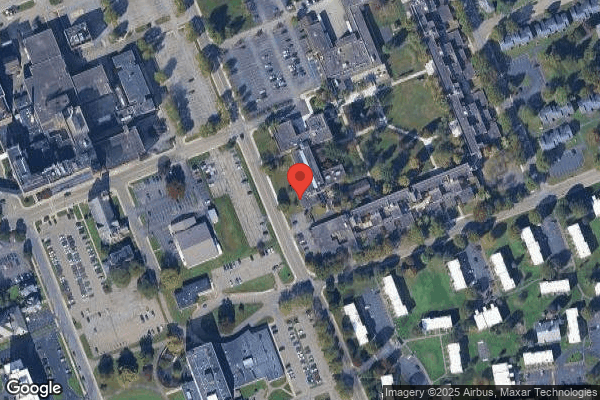
103 Washington Street, Elmira, NY 14901 (607) 737-2001
Government - County 200 Beds Independent Data: November 2025
Trust Grade
90/100
#23 of 594 in NY
Last Inspection: September 2023

Over 2 years since last inspection. Current conditions may differ from available data.

Overview

Chemung County Health Center - Nursing Facility has received a Trust Grade of A, indicating it is excellent and highly recommended for care. It ranks #23 out of 594 facilities in New York, placing it in the top half, and #2 out of 4 in Chemung County, meaning only one local option is better. However, the facility is currently worsening, with issues increasing from 1 in 2021 to 2 in 2023. Staffing is rated at 4 out of 5 stars, but it has a concerning turnover rate of 51%, which is higher than the state average. Fortunately, there have been no fines, which is a positive sign, but RN coverage is only average, suggesting that residents may not receive as much oversight as needed. Specific incidents reported during inspections raise some concerns. For example, one resident was not provided timely care for urinary incontinence, leading to them being observed in soiled clothing multiple times. Additionally, another resident's care plan was not updated to reflect their need for extensive assistance with toileting, which posed a risk for falls. While the facility has strong overall ratings, these issues highlight areas needing improvement.

Trust Score
A
90/100
In New York
#23/594
Top 3%
Safety Record
Low Risk
No red flags
Inspections
Getting Worse
1 → 2 violations
Staff Stability
⚠ Watch
51% turnover. Above average. Higher turnover means staff may not know residents' routines.
Penalties
✓ Good
No fines on record. Clean compliance history, better than most New York facilities.
Skilled Nurses
✓ Good
Each resident gets 45 minutes of Registered Nurse (RN) attention daily — more than average for New York. RNs are trained to catch health problems early.
Violations
○ Average
9 deficiencies on record. Average for a facility this size. Mostly minor or procedural issues.
★★★★★
5.0
Overall Rating
★★★★☆
4.0
Staff Levels
★★☆☆☆
2.0
Care Quality
★★★★★
5.0
Inspection Score
Stable
2021: 1 issues
2023: 2 issues

The Good

  • 4-Star Staffing Rating · Above-average nurse staffing levels
  • Full Sprinkler Coverage · Fire safety systems throughout facility
  • No fines on record

Facility shows strength in staffing levels, fire safety.

The Bad

Staff Turnover: 51%

Near New York avg (46%)

Higher turnover may affect care consistency

The Ugly 9 deficiencies on record

Sept 2023 2 deficiencies
CONCERN (D) 📢 Someone Reported This

A family member, employee, or ombudsman was alarmed enough to file a formal complaint

Potential for Harm - no one hurt, but risky conditions existed

Deficiency F0657 (Tag F0657)

Could have caused harm · This affected 1 resident

**NOTE- TERMS IN BRACKETS HAVE BEEN EDITED TO PROTECT CONFIDENTIALITY** Based on interviews and record reviews conducted during the Recertification Survey and complaint investigation (#NY00319989) 9/1...

Read full inspector narrative →
**NOTE- TERMS IN BRACKETS HAVE BEEN EDITED TO PROTECT CONFIDENTIALITY** Based on interviews and record reviews conducted during the Recertification Survey and complaint investigation (#NY00319989) 9/18/23 to 9/22/23, it was determined that for 1 (Resident #315) of 26 residents reviewed for person centered Comprehensive Care Plans (CCP) the facility did not review and revise the resident's care plans as necessary to meet the resident's current needs. Specifically, the care plan was not revised to reflect the current level of assist the resident required for safe toileting. This is evidenced by the following: Resident #315 had diagnoses including difficulty with walking, muscle weakness, and heart failure requiring a pacemaker. The Minimum Data Set assessment dated [DATE] included that the resident was cognitively intact, required extensive assistance involving two persons for transferring and toileting, and had no behavioral symptoms or rejection of care. The CCP created on 6/13/23, included that Resident #315 was at risk for falls and had a history of falls with fractures. Interventions included, but not limited to, for staff NOT to leave the resident unattended on the toilet or in the bathroom. The Certified Nursing Assistant (CNA) [NAME] (care plan used by the CNAs to drive daily care) at the time of the incident included that Resident #315 required the assistance of one person and a walker for ambulation into the bathroom. The [NAME] did not include the instructions to staff that Resident #315 was not to be left unattended on the toilet or in the bathroom. Review of the facility Investigation Report, dated 7/9/23, revealed that Resident #315 was assisted to the bathroom by a CNA and instructed to ring their bell when done. The CNA then left Resident #315 alone in the bathroom. Staff reported hearing the resident yelling who was then found on the floor. The resident had stated (at the time) that they lost their balance while reaching for toilet paper. The resident was sent to the hospital and received seven stitches to the forehead. Resident #315 returned to the facility the following day. When interviewed on 9/20/23 at 3:33 PM, the Occupational Therapy Assistant stated that when therapy evaluates a resident, their condition is documented, and a copy of the therapy notes are given to the nurse on the unit (which occurred in this case). Nursing is then responsible for updating the care plans. When interviewed on 9/20/23 at 3:57 PM, the Director of Nursing (DON) stated that nursing has to hit the letter K (input the updates into the computer in a certain way) to ensure that interventions are also added to the [NAME] (along with the CCP). The DON said that every CCP and [NAME] should mimic each other so that all the information is up to date, consistent, and accurate and staff can safely and appropriately care for the residents. When interviewed on 9/22/23 at 9:25 AM, the Registered Nurse (RN)/Head Nurse #1 stated it is their job to create a care plan for each resident and that in order for information on the care plan to be transferred to the CNA [NAME], the person documenting (in the care plan) must manually enter the individualized instructions and type in the letter K (referencing the [NAME]) so that it is transferred to the [NAME]. The RN Head Nurse #1 stated they never went into Resident #315's electronic health record to update the CNA [NAME]. 10 NYCRR 415.11(c)(2)(iii)
CONCERN (D) 📢 Someone Reported This

A family member, employee, or ombudsman was alarmed enough to file a formal complaint

Potential for Harm - no one hurt, but risky conditions existed

ADL Care (Tag F0677)

Could have caused harm · This affected 1 resident

**NOTE- TERMS IN BRACKETS HAVE BEEN EDITED TO PROTECT CONFIDENTIALITY** Based on observations, interviews, and record reviews conducted during the Recertification Survey from 9/18/23 to 9/22/23, it wa...

Read full inspector narrative →
**NOTE- TERMS IN BRACKETS HAVE BEEN EDITED TO PROTECT CONFIDENTIALITY** Based on observations, interviews, and record reviews conducted during the Recertification Survey from 9/18/23 to 9/22/23, it was determined that for one (Resident #34) of three residents reviewed, the facility did not ensure that Activities of Daily Living (ADLs) care was provided for dependent residents. Specifically, the resident was observed on multiple occasions in soiled clothing and was not provided care (for urinary incontinence) in a timely manner. This is evidence by the following: Resident #34 was admitted to the facility with diagnoses that included hemiplegia (unable to move one side of the body), dementia and a right-hand contracture (a shortening of muscles or tendons leading to deformity and rigidity of joints). The Minimum Data Set assessment dated [DATE] included that the resident was moderately impaired cognitively, was frequently incontinent of urine (unable to control bladder) and required the extensive assistance of two people for toilet use. Review of the current Comprehensive Care Plan and [NAME] (care plan used by the Certified Nursing Aides (CNAs) for daily care) revealed Resident #34's toileting needs included incontinence briefs, two-person assist to the bathroom and for episodes of incontinence, a urinal on request, and to offer scheduled rounds and as needed (assistance) (resident would make bathroom needs known). During an observation on 9/18/23 at 11:32 AM, Resident #34 was sitting in their wheelchair in the doorway of their room. The resident's pants were discolored and appeared wet in the peri-area (genitals, scrotum, and buttocks). During an observation on 9/19/23 at 9:51 AM, Resident #34 was sitting in their wheelchair in their room and again their pants appeared wet across the peri-area. During an observation on 9/21/23 at 1:08 PM, Resident #34 reported to a staff member delivering clothing outside their room that they needed to go to the bathroom which was also heard by CNA #1 who was in the hallway passing by the resident's doorway at the time. CNA #1 responded that two other CNAs were assigned to the resident and that they were removing residents from the dining room. At 1:14 PM, Resident #34 reported to a staff member that they wanted to go back to bed. CNA #1 stated that they had to remove all residents from the dining room before they can assist residents back to bed. In an observation at 1:42 PM, CNA #1, and CNA #3 assisted Resident #34 back to bed and upon standing from their wheelchair the resident's pants were visibly soaked through their clothing and wheelchair. Resident #34 stated, my pants are wet. The resident was transferred back to bed and requested they go to the bathroom to which CNA #1 responded You did. While incontinence care was provided the resident's briefs were observed saturated with urine. During an interview on 9/21/23 at 2:25 PM, CNA #2 stated that Resident #34 required a two-person assist for toileting, is sometimes incontinent, and will yell that they need the commode, urinal, or bathroom. CNA #2 stated that staff are supposed to check and provide incontinence care (if needed) every two hours, which is not realistic due to staffing. CNA #2 stated that they had gotten Resident #34 out of bed between 7:15-7:20 AM that morning and had not toileted or given incontinence care since then. CNA #2 stated the resident had not told them that they needed to go to the bathroom. During an interview on 9/22/23 at 10:47 AM, Licensed Practical Nurse (LPN) #1 stated Resident #34 was incontinent of bladder and should be on every two-hour toileting schedule in the bathroom with assistance. During an interview on 9/22/23 at 10:58 AM, Registered Nurse Manager (RNM) #1 stated staff should be checking on residents at least every two hours if they are incontinent of bladder. RNM #1 stated Resident #34 could communicate their need to use the bathroom but was also incontinent at times. 10 NYCRR 415.12 (a)(3)
May 2021 1 deficiency
CONCERN (D)

Potential for Harm - no one hurt, but risky conditions existed

Tube Feeding (Tag F0693)

Could have caused harm · This affected 1 resident

Based on observations, interviews and record reviews conducted during the Recertification Survey, completed on 5/28/21, it was determined for one (Resident #103) of one resident reviewed, the facility...

Read full inspector narrative →
Based on observations, interviews and record reviews conducted during the Recertification Survey, completed on 5/28/21, it was determined for one (Resident #103) of one resident reviewed, the facility did not provide appropriate treatment and services to prevent complications for a resident who receives nutrition via a feeding tube (a tube inserted directly into the stomach via the abdomen). Specifically, the facility did not provide staff with thorough education and training on correct use of the feeding tube pump and did not provide timely preventive maintenance of a feeding pump to ensure the resident was receiving accurate amounts in order to prevent complications. This is evidenced by the following: Resident #103 had diagnoses including Parkinson's disease, dementia, and dysphagia (difficulty swallowing) requiring a feeding tube. The Minimum Data Set Assessment, dated 4/13/21, revealed that Resident #103 was severely impaired cognitively, received majority of daily calories and fluids via a feeding tube and had no significant weight loss or weight gain. The current Comprehensive Care Plan revealed an unfavorable weight loss. The plan was to increase the calories in the tube feeding by providing 330 milliliters (mls) per shift versus 280 mls with a goal to maintain the resident's weight within five % of current body weight. In a Quarterly Nutrition Assessment, dated 4/15/21, the Registered Dietician (RD) documented that Resident #103 received 100% tube feeding (TF) as ordered yet an insidious weight loss trend continued. The RD wrote weight losses noted for one month, three months, six months and over the course of a year the resident lost 10.6 % body weight. A continued weight loss would not be desirable so will recommend increasing the TF from 280 mls per shift (1008 calories per day) to 330 mls per shift (1188 calories per day). Current medical orders direct Osmolite 1.2 (a high-protein liquid nutrition TF) at 60 mls per hour for 5.5 hours or until a total of 330 mls each shift. In an observation on 5/24/21 at 2:20 p.m., the tube feeding pump (a Covidien ePump) was turned off (indicating the total amount for that shift had been completed). The pump display read TF delivered at 60 mls per hour with 650 mls fed. A one-liter (1000 mls) bottle of Osmolite 1.2 was dated as hung on 5/24/21 at 2:00 a.m. There were 550 mls remaining in the bottle (versus the 350 mls that should have remained if 650 mls had been fed). In an observation on 5/25/21 at 2:32 p.m., the pump was turned off (indicating the day shift had completed their 330 mls as ordered). A one-liter bottle of Osmolite 1.2 was dated as hung on 5/25/21 at 2:00 a.m. There were 580 mls of TF remaining in the bottle versus 490 mls which should have been remaining. In an interview on 5/26/21 at 9:41 a.m. and again at 11:30 a.m., and at 11:55 a.m., Licensed Practical Nurse (LPN) #1 said they forgot to zero out the pump this morning but knows the pump was turned on at 6:40 a.m. to end at approximately 12 noon. LPN#1 said they had reviewed progress notes by the night nurse who wrote that 150 mls of TF had been given and at 2:00 a.m., a new bottle had to be hung to provide the remaining 180 mls for the night shift and therefore the bottle should have had 490 mls remaining. She said that the pump display read that 656 mls had been administered but 600 mls remained in the bottle, making it difficult to ensure the correct amount is being infused. When asked to run the memory function of the pump, LPN#1 said they had not been taught how to use it. LPN#1 added that there was no current preventative maintenance process in place for feeding pumps that she was aware of, but Central Supply would replace a pump if nursing identified an issue and asked them to. In an interview on 5/26/21 at 12:30 p.m., LPN#2 said they had not been taught how to use the memory function of the pump. During interviews on 5/26/21 at 3:41 p.m., and again on 5/27/21 at 1:18 p.m., the Central Supply Clerk said they had placed a call to the manufacturer who said the pumps are to be calibrated at least once a year but that this had not been done since November 2019. He said they have provided some training for nursing on pump use, but none related to memory function. He said he performed a pump calibration (after surveyor intervention) using sterile water and the pump appeared to be functioning correctly. During an interview on 5/27/21 at 1:27 p.m., the Registered Nurse Supervisor stated that they did not have a yearly training for the LPNs on use of the TF pumps but staff did get an initial competency for using TF pumps at the time of the hire which was 1999 and 2007 for some of the LPN's currently using the TF pumps for Resident #103. In an interview on 5/27/21 at 11:22 a.m., the Certified Dietary Manager said dietitians have not received any training on pump function. She said Resident #103's TF amounts had to be increased recently due to a gradual weight loss. [10 NYCRR 483.90(d)(2)]
Nov 2018 6 deficiencies
CONCERN (D)

Potential for Harm - no one hurt, but risky conditions existed

Comprehensive Care Plan (Tag F0656)

Could have caused harm · This affected 1 resident

**NOTE- TERMS IN BRACKETS HAVE BEEN EDITED TO PROTECT CONFIDENTIALITY** Based on observations, interviews, and record review conducted during the Recertification Survey, it was determined that for 5 o...

Read full inspector narrative →
**NOTE- TERMS IN BRACKETS HAVE BEEN EDITED TO PROTECT CONFIDENTIALITY** Based on observations, interviews, and record review conducted during the Recertification Survey, it was determined that for 5 of 35 residents reviewed for care planning, the facility did not develop and/or implement a plan of care for each resident that included measureable objectives and interventions to address the residents' medical, physical, mental and psychosocial needs. The issues involved the lack of a care plan with person centered approaches for behaviors (Residents #98 and #42), the lack of a care plan for impaired vision (Resident #183), the lack of a plan of care for Tubi-grips (Resident #117), and the lack of following the plan of care for feeding strategies (Resident #56). This evidenced by, but not limited to, the following. Review of the facility policy, Comprehensive Care Plan (CCP), dated 7/31/17, revealed that an individualized CCP included measurable goals, objectives and timetables to meet the resident's medical, nursing, mental and psychological needs is developed for each resident and will always be reflective of the resident's status. 1. Resident #98 was admitted to the facility on [DATE] and had diagnoses that included dementia without behaviors, sleep apnea and anxiety. The Minimum Data Set (MDS) Assessment, dated 8/31/18, revealed the resident had severely impaired cognition and exhibited rejection of care daily during the look back period. Review of the CCP, dated 9/12/18, revealed that the resident had the potential for behaviors, and the family reported that the resident had sundowner's symptoms which occurred between 2:00 p.m. and 5:00 p.m., and had a history of wandering. Interventions included to intervene before behaviors escalate, leave and reapproach if the resident is upset or resistive, analyze triggers and assess and document causative factors. The current bedside [NAME] documented in the behaviors and mood section to analyze circumstances and triggers and alter if able, if resident becomes angry or agitated intervene before escalation by engaging in calm conversation, guide away from the source of distress, and leave and reapproach if the resident is upset or resistive. When interviewed on 11/1/18 at 4:04 p.m., Certified Nursing Assistant (CNA) #1 stated she would check the resident's [NAME] for behaviors. She stated if a resident had behaviors and was aggressive, she would reapproach the resident and report the behavior to the nurse. CNA #1 stated the facility had a book that included interventions that were general approaches but not resident specific. Duning an interview on 11/1/18 at 4:15 p.m., Licensed Practical Nurse (LPN) #1 stated the resident was typically very anxious at the start of the shift. She stated the resident would pace, fidget with his clothes, bend over trying to pick up things from the floor that were not there, and sometimes make and remake his bed. LPN #1 stated on occasion the resident would go into another resident's room and would be redirected. LPN #1 stated diversional activities would include giving the resident a magazine or trying standard things. She stated that walking with the resident was an effective intervention. LPN #1 stated that therapeutic communication means trying to comfort the resident. She stated the resident becomes anxious over money and needs reassurance that expenses are taken care of. LPN #1 stated these interventions should be on the CCP and the [NAME]. LPN #1 reviewed the resident's [NAME] and then stated the interventions were not specific to the resident. She stated the diversional activities contained in the diversional activity book were not resident specific. When interviewed on 11/2/18 at 10:48 a.m., the Registered Nurse Manager stated she developed the care plan addressing the resident's behaviors. After review of the resident's CCP, she stated the interventions were approaches utilized for all residents. She stated the CCP should include interventions specific to the resident. 2. Resident #183 was admitted to the facility on [DATE] and had diagnoses including subdural hemorrhage, dysphagia and osteoarthritis. The comprehensive MDS Assessment, dated 1/22/18, documented in the Care Area Assessment section that visual function was addressed in the CCP. The MDS Assessment, dated 10/2/18, revealed the resident had moderately impaired cognition, impaired vision, and glasses were used. The optometry consult, dated 12/11/17, revealed the resident was seen as requested and a new prescription for glasses was filled. The CCP, dated 7/18/18, revealed the resident's risk for falls included poor vision, and the current [NAME] revealed the resident's preference was watching television. During an observation and interview on 10/29/18 at 10:45 a.m., the resident was not wearing glasses. A family member applied the glasses and stated the staff do not put the resident's glasses on. During an observation on 11/1/18 at 9:02 a.m., the resident was sitting up in bed, the television was on, and a pair of glasses were lying folded on the overbed table out of the resident's reach. A CNA entered the room and offered to put the resident's head down. When interviewed on 10/31/18 at 3:28 p.m., CNA #2 stated the resident wore glasses, and it should be on the [NAME]. During an interview on 11/1/18 at 11:15 a.m., Unit Manager #2 stated if a resident wears glasses it should be on the CCP and [NAME]. She stated the family had expressed concern about the glasses not being applied. 3. Resident #117 was admitted to the facility on [DATE] and had diagnoses including venous insufficiency and edema. The MDS Assesment, dated 9/7/18, revealed that the resident was cognitively intact and required extensive assistance with dressing. The current physician orders (with a start date of 7/3/18) included Tubi-grip stockings for legs, apply a double layer on in the morning and a single layer on at bedtime. Review of the August 2018 through October 2018 Treatment Administration Records (TAR) revealed entries for the Tubi-grip stocking as ordered and was signed as completed The current CCP revealed that the resident had bliateral leg edema with complaints of discomfort. Interventions included a double layer of Tubi-grip stockings during the day and a single layer of Tubi-grip stockings at bedtime. The resident was non-compliant with transfer and toileting assistance. Review of the Integrated Progress Notes, from 7/3/18 through 11/1/18, revealed no documentation that the resident had refused to wear a double layer of Tubi-grips. During an observation and interview on 10/30/18 at 3:00 p.m., the resident was wearing one layer of Tubi-grips and one pair of stockings. The resident said that she was supposed to wear a double layer of Tubi-grips but prefers one pair of Tubi-grips and a pair of stockings. On 10/31/18 at 3:50 p.m. and on 11/1/18 at 10:01 a.m., the resident was sitting in her chair and was wearing one layer of Tubi-grips and stockings. When interviewed on 11/1/18 at 1:00 p.m., the LPN said that the CNA was responsible to put on the resident's Tubi-grips, and the nurses sign off on the TARs that she is wearing them. The LPN stated she wrote a note that the resident refused to wear a double layer of Tubi-grips. She said the resident will only wear one layer and everybody knows, including the Nurse Manager. The LPN said she assumed the Nurse Manager would discuss with the physician the resident's refusal to wear the two layers of Tubi-grips. When interviewed on 11/1/18 at 4:29 p.m., the RN Manager said it was an oversite and it should have been done. 4. Resident #56 was admitted to the facility on [DATE] and had diagnoses inlcuding dementia, dysphagia, and borderline intellectual functioning. The MDS Assessment, dated 8/13/18, revealed the resident had severely impaired cognition, required supervision after set-up for eating, and had a mechanically altered and therapeutic diet. The current physician orders for diet are no added salt and pureed texture with regular consistency. Recommend all meal items in separate bowls. To ensure safety and a low rate of intake, recommend staff and/or family provide one meal item at a time. The CCP for nutrition includes to follow Speech Therapist recommended feeding strategies per the 9/7/17 swallow evaluation which includes to recommend all meal items in separate bowls to ensure safety and slow rate of intake. Also, recommend staff and/or family provide one meal item and one drink at a time and provide distant supervision. During an observation of the lunch meal on 10/29/18 at 12:41 p.m., the resident was served his entire lunch tray with pureed items in separate bowls. The resident quickly emptied each bowl either by drinking the contents from the bowl and/or with a spoon. On 10/31/18 at 12:44 p.m., the resident was served his entire tray that included five bowls with pureed solids and regular liquids including apple juice and milk from a carton. All items were left on the tray for the resident to eat himself. The resident was alternating bites and sips on his own. The resident ate his meal and then got up to leave the dining room. A staff member said to the resident are you done and then documented what the resident ate as he left the dining room. When interviewed on 11/1/18 at 1:19 p.m., the resident's assigned CNA said that the resident required set up for meals. She said that she removes covers and opens everything and then the resident eats on his own. The CNA said that the resident required supervision due to eating so fast. After reviewing the resident's care [NAME], the CNA said that the resident does not like to be given one bowl at a time and will get up and leave the dining room if the tray is served that way. The CNA said that the resident gets his meal tray first because he will get mad and leave if he has to wait. When asked if nursing had been made aware of the resident's refusal to accept one meal item at a time, the CNA responded that all of the nurses are aware that the resident is supposed to receive one meal item at a time and that the resident will leave the dining room if served one item at a time. During an interview on 11/2/18 at 10:38 a.m., the Director of Nursing stated that her expectation would be that nursing staff would notify Speech Therapy and the physician, and update the physician's order and the CCP. [10 NYCRR 415.11(c)(1)(2)(ii)]
CONCERN (D)

Potential for Harm - no one hurt, but risky conditions existed

Deficiency F0676 (Tag F0676)

Could have caused harm · This affected 1 resident

**NOTE- TERMS IN BRACKETS HAVE BEEN EDITED TO PROTECT CONFIDENTIALITY** Based on observations, interviews, and record reviews conducted during the Recertification Survey, it was determined that for on...

Read full inspector narrative →
**NOTE- TERMS IN BRACKETS HAVE BEEN EDITED TO PROTECT CONFIDENTIALITY** Based on observations, interviews, and record reviews conducted during the Recertification Survey, it was determined that for one (Resident #9) of one resident reviewed for rehabilitation and restorative care, the facility did not provide the treatment and services in the resident's plan of care to maintain functional ability. Specifically, the resident was not consistently ambulated by staff per the resident's individualized plan of care. This is evidenced by the following: Resident #9 was admitted to the facility on [DATE] and had diagnoses including dementia, spinal stenosis and generalized muscle weakness. The Minimum Data Set Assessment, dated 10/12/18, revealed the resident had severely impaired cognition and required the limited assist of one staff member to walk in her room but did not walk in the corridor at all during the period assessed from 10/6/18 through 10/12/18. Review of the Physical Therapy Discharge summary, dated [DATE], revealed that the resident was able to ambulate greater than 150 feet, that caregiver training included safety precautions, the use of an assistive device (walker) to facilitate improved functional ability, and for staff to continue to encourage transfers and ambulation for safety. The current Comprehensive Care Plan revealed that the resident had an Activity of Daily Living (ADL) performance deficit and was at risk for falls due to dementia, non-compliance in asking for assistance, poor safety awareness and a history of falls. Interventions included, but were not limited to, ambulate the resident to the dining room at lunch and dinner. The current Certified Nursing Assistant (CNA) Bedside [NAME] included to transfer the resident with one assist and a walker, to keep the resident in a populated area and to remove the wheelchair foot pedals as the resident attempts to get up unassisted. The [NAME] did not include instructions for ambulating the resident. An undated sign posted in the nursing station included a list of residents, including Resident #9, who were to be ambulated to the dining room (approximately 80 feet) and back for lunch and dinner. Review of the ADL response history in the electronic medical record (system used by staff to record resident's daily ADLs) for the past 30 days revealed documentation that the resident was able to ambulate in her room on 22 of 30 days but ambulated in the hallway on just one day for the past 30 days. Review of the Resident Incident Investigations revealed that the resident had three falls in the past month while attempting to get up unassisted. The most recent Fall and Investigation Report, dated 10/20/18, resulted in an abrasion and a visit to the emergency room to rule out a fracture due to complaints of pain. The physician progress note, dated 10/21/18, documented that a Physical Therapy evaluation would be requested due to recent falls. A Rehabilitation Referral for Therapy Services, dated 10/21/18 and signed by the Licensed Practical Nurse, included that the resident needed more assist with ADLs. During multiple observations daily from 10/29/18 through 11/2/18, the resident was sitting in a wheelchair in the hall outside her room. At no time was the resident observed ambulating. In an interview on 10/29/18 at 11:08 a.m., a visiting family member stated that the resident used to walk but the resident had recently gone downhill and the visitor did not think that staff walked the resident anymore. Interviews conducted on 10/31/18 included the following: a. At 12:23 p.m., the day shift CNA stated that the resident can walk from the bed to the toilet but no further. She said that if she has time she will walk the resident in the afternoon but most days it is just back and forth to the bathroom. She said she does not walk the resident to the dining room. b. At 3:33 p.m., the Director of Physical Therapy stated that the most recent therapy note was when the resident was discharged from therapy on 11/3/17. When asked if he had any other screens or evaluations for the resident since that time, the Director stated no. c. At 3:35 p.m., the evening shift CNA stated that the resident walks but not much since her fall a few weeks ago. She said the resident was too weak and walks a few feet from bed to chair or toilet but not more. Interviews conducted on 11/2/18 included the following: a. At 8:42 a.m., the Registered Nurse Manager stated that if staff are unable to complete tasks on the care plan they should notify the team leader. She said the resident was referred to therapy after the last fall but they were not able to see her until that week (after surveyor intervention). b. At 8:47 a.m., the Director of Physical Therapy said that therapy received the evaluation but had not been able to get to it until recently due to staffing issues. He said that the resident will be picked up for daily Physical Therapy, but he could not say if her decline was functional or due to her dementia. [10 NYCRR 415.12(a)(1)(ii)]
CONCERN (D)

Potential for Harm - no one hurt, but risky conditions existed

Incontinence Care (Tag F0690)

Could have caused harm · This affected 1 resident

**NOTE- TERMS IN BRACKETS HAVE BEEN EDITED TO PROTECT CONFIDENTIALITY** Based on observations, interviews, and record reviews conducted during the Recertification Survey, it was determined that for on...

Read full inspector narrative →
**NOTE- TERMS IN BRACKETS HAVE BEEN EDITED TO PROTECT CONFIDENTIALITY** Based on observations, interviews, and record reviews conducted during the Recertification Survey, it was determined that for one (Resident #131) of two residents reviewed for indwelling urinary catheters, the facility did not ensure that the residents with a urinary catheter received the treatment and services needed to prevent infections to the extent possible. Specifically, the resident's indwelling catheter was not secured to prevent tension on the insertion site, and the tubing and drainage bag were observed on several occasions in a manner that could potentially predispose the resident to an infection. This is evidenced by the following: Resident #131 was admitted to the facility on [DATE] and had diagnoses including dementia, a pressure ulcer and recurrent urinany tract infections, including a hospital stay for an antibiotic resistant urine infection. The Minimum Data Set Assessment, dated 9/14/18, revealed that the resident had severely impaired cognition and was always incontinent of urine. The resident did not have a catheter at that time. The facility policy, dated as last reviewed July 2012, Catheterization/Peri care, under guidelines included, but was not limited to, that the catheters must be ordered by a physician and include catheter and balloon size, that drainage bags need to have a blue drainage bag holder when in bed if the resident is in a high low bed, that the bag and tubing must not drag on the floor, must be free of kinks, and to secure the catheter by using a 'Cath-secure' band. The current Certified Nursing Assistant (CNA) Bedside [NAME] included that the resident had a catheter, to position the bag and tubing below the level of the bladder and away from the room door entrance (for privacy), and to monitor for discomfort. It did not include the use of a leg strap. The current Comprehensive Care Plan did not include that the resident had an indwelling urinary catheter. Review of the nursing progress note, dated 9/29/18 and signed by the Licensed Practical Nurse, revealed that the resident did not void that shift, that a bladder scan was done revealing 350 cubic centimeters (ccs) of urine, and an indwelling catheter was inserted. Review of medical orders, dated 9/29/18, revealed an order for a bladder scan and if greater than 200 ccs, put in a catheter. The medical orders did not include the catheter or balloon size, flushing of or changes until 10/27/18. Observations conducted included the following: a. On 10/29/18 at 2:00 p.m., the resident was being wheeled in a geriatric chair. The catheter tubing was caught between the spokes of the wheel pulling back and forth as she was wheeled. b. On 10/30/18 at 9:24 a.m., the catheter drainage bag was on the floor uncovered, lying under a dirty fall mat, and was not secured to the bed or linens to prevent tension. c. On 11/1/18 at 8:58 a.m., the catheter drainage was attached to the resident's bed frame, was on the floor, uncovered, and able to be seen from the hallway. d. On 11/1/18 at 10:00 a.m. during incontinence and wound care, the drainage tubing was not secured to anything to prevent tension as the resident was turned back and forth several times for care with the tubing pulled across the body several times. Interviews conducted on 11/1/18 included the following: a. At 10:15 a.m., the Registered Nurse (RN) stated that the resident had not had a leg strap on to secure the catheter for several days. b. At 1:52 p.m., the CNA stated that the drainage bag should not be on the floor. She said the drainage should be in a protector bag and that the resident should have a leg strap on. c. At 2:19 p.m., the RN Nurse Manager stated that the catheter bag should never be on the floor. She said the resident should always have a strap on to secure the Foley. She said that the catheter was placed on 9/29/18 which was a weekend, but the complete orders were not written until several weeks later when it was noticed that there was no care guidelines and/or size ordered. [10 NYCRR 415.12]
CONCERN (D)

Potential for Harm - no one hurt, but risky conditions existed

Respiratory Care (Tag F0695)

Could have caused harm · This affected 1 resident

**NOTE- TERMS IN BRACKETS HAVE BEEN EDITED TO PROTECT CONFIDENTIALITY** Based on observation, interviews and record review conducted during the Recertification Survey, it was determined that for two (...

Read full inspector narrative →
**NOTE- TERMS IN BRACKETS HAVE BEEN EDITED TO PROTECT CONFIDENTIALITY** Based on observation, interviews and record review conducted during the Recertification Survey, it was determined that for two (Residents #51 and #159) of four residents reviewed for respiratory care, the facility did not provide proper respiratory treatments and care consistent with professional standards of practice. Specifically, oxygen therapy was not provided per the physician order and/or the resident's respiratory status was not consistently monitored. This is evidenced by the following: Review of the facility policy, Oxygen Therapy, dated October 2014, revealed oxygen was a drug and must be administered as prescribed. The policy included to monitor and document the effectiveness of oxygen therapy, check oxygen saturations levels every shift, and document on the vital signs sheet. The policy instructed to change the tubing every other Wednesday on the 3-11 shift. 1. Resident #51 was admitted to the facility on [DATE] and had diagnoses that included multiple sclerosis, dysphagia and contractures. The Minimum Data Set (MDS) Assessment, dated 11/7/18, revealed the resident was rarely/never understood, received oxygen therapy and required total assistance of staff for activities of daily living. The current physician orders included oxygen at 2 liters per minute via nasal cannula continuously (start date 8/23/18). Review of the October 2018 Treatment Administration Record (TAR) revealed an entry to clean the oxygen contractor and filter every Saturday night and oxygen at 2 liters per minute continuously via nasal cannula. Review of the Oxygen Saturation Level Summary sheet revealed oxygen saturations were checked once daily on 8/29/18, 9/19/18, 10/2/18, 10/12/18 and 10/29/18. Review of nursing progress notes, from 10/21/18 through 10/29/18, revealed that on 10/29/18 at 4:00 p.m., vital signs were documented that included an oxygen saturation level that was 96 percent on 2 liters of oxygen, color was good, and skin was warm and dry. During an observation on 10/29/18 at 12:24 p.m., the resident was sitting in a Broda chair (specialized wheelchair) in the dining room. Staff was observed feeding the resident. The resident was wearing a nasal cannula, and the oxygen tank was on the back of the chair. The oxygen tubing was not connected to the oxygen tank. When interviewed at that time, Licensed Practical Nurse (LPN) #1 stated she did not know the oxygen tubing was not connected to the oxygen tank. She said she would need to check on the resident's order for oxygen. Another staff member stated the resident was on 2 liters, and the nurse then connected the tubing to the tank and administered oxygen at 2 liters. During an observation on 10/31/18 at 10:15 a.m., the resident was in bed receiving oxygen at 2 liters per minute via nasal cannula. The oxygen tubing was dated 10/17/18. When interviewed on 10/31/18 at 10:06 a.m., LPN #2 stated that the oxygen tubing was changed by the night nurse every week or two. During an interview on 11/1/18 at 11:15 a.m., the Registered Nurse Manager (RNM) stated she developed the resident's Comprehensive Care Plan (CCP). After review of the resident's CCP, the RNM stated oxygen therapy was not addressed on the CCP and it should have been. 2. Resident #159 has diagnoses including Alzheimer's disease, heart disease, and hypoxia (low oxygen levels). The MDS Assessment, dated 9/28/18, revealed the resident had moderately impaired cognition and required oxygen therapy. The current physician orders and the October 2018 and November 2018 Medication Administration Records included oxygen at 2 liters per minute continuously for hypoxia. During observations on 11/1/18 at 9:06 a.m. and 10:30 a.m., the resident was receiving oxygen at 3 liters per minute via nasal cannula and oxygen concentrator. In an observation with RNM #2, on 11/2/18 at 10:01 a.m., the resident was in bed and was receiving oxygen at 3 liters per minute via nasal cannula. When interviewed at that time, RNM #2 stated that the resident's oxygen was supposed to be set at 2 liters per minute. She said that the nurses are the only staff who adjust the resident's oxygen liter flow. [10 NYCRR 415.12(k)(6)]
CONCERN (D)

Potential for Harm - no one hurt, but risky conditions existed

Deficiency F0745 (Tag F0745)

Could have caused harm · This affected 1 resident

**NOTE- TERMS IN BRACKETS HAVE BEEN EDITED TO PROTECT CONFIDENTIALITY** Based on interviews and record reviews conducted during the Recertification Survey, it was determined that for one (Resident #48...

Read full inspector narrative →
**NOTE- TERMS IN BRACKETS HAVE BEEN EDITED TO PROTECT CONFIDENTIALITY** Based on interviews and record reviews conducted during the Recertification Survey, it was determined that for one (Resident #48) of one resident reviewed for a death in the facility, the facility did not provide medically related social services to attain or maintain the highest practical, mental and psychosocial well-being of each resident. Specifically, there was a lack of social services for a resident and family during end of life care and related family interactions prior to the resident's death in the facility. This is evidenced by the following. Resident #48 was admitted to the facility on [DATE] with diagnoses including dementia, Parkinson's disease and a stroke. The Minimum Data Set Assessment, dated [DATE], revealed that the resident had severely impaired cognition, was totally dependent on staff for all activities of daily living and had occasional behaviors such as hitting and kicking. The resident expired in the facility on [DATE]. The current Comprehensive Care Plan included that the resident had a communication problem due to aphasia (difficulty speaking) from a stroke, a cognitive loss due to dementia, and that the resident can be physically aggressive as evidenced by attempts to hit staff and family. Interventions included, but were not limited to, to anticipate and meet all needs and assist the spouse in addressing any concerns. The care plan did not include difficult family interactions and special visiting instructions that were in place for the resident's spouse. In an interview on [DATE] at 1:47 p.m., the resident's spouse stated that she was not allowed to visit her husband in his room for the past two months because she yelled at him a few times when he was attempting to hit her. She stated that they had been married for 56 years and that when she told him to stop hitting her and he realized who she was he was fine. She said the Social Worker told her she had to call ahead of time prior to her visits so staff could get the resident out of bed. The resident's spouse said she was told she could only visit with him in the hallway, including after he went on comfort care. She said sometimes he was up and sometimes he was not causing her visit to be cut short due to her transportation arrangements. She said she did not think the resident would be able to tolerate getting up much longer and her time with him was coming to an end. The resident's spouse said she asked if someone could be in the resident's room when she visited, and she was told no. The resident's spouse said she told the previous Director of Nursing (DON) about her concerns but nothing was changed, and she was not allowed private time prior to his death and that upset her. Review of the resident's electronic medical record revealed the following: a. The resident's spouse was listed as Health Care Proxy, Power of Attorney, Executer and primary emergency contact. b. Interdisciplinary progress notes from [DATE] through [DATE] revealed multiple notes of aggressive behavior of the resident towards staff that were sometimes re-directed with a calm approach and explanations. The notes also included that the resident's spouse was notified of any changes in the resident's condition. c. The most recent Social Work note, dated [DATE], included information related to a Medicaid application. There were no Social Work notes in the medical record related to visiting instructions for the spouse and/or support related to end of life care. d. Review of a physician progress note, dated [DATE], revealed that the resident was readmitted to the facility following a hospital stay for heart failure and gastrointestinal (stomach) bleed and was changed to comfort care. e. Review of a progress note, dated [DATE] and signed by the Registered Nurse Manager (RNM), revealed that the RNM and the Social Worker met with the resident's spouse to discuss comfort care. Hospice services were offered and declined, and comfort care guidelines worksheet was filled out and initiated at that time. A summary signed by the Administrator, dated [DATE], revealed that on [DATE] the Administrator was notified that the resident's spouse was overheard being inappropriate and that the spouse was agreeable to a visitation plan. After an investigation, it was determined that there was no abuse, neglect or mistreatment and that the plan will be re-evaluated as needed. Interviews conducted on [DATE] included the following: a. At 8:51 a.m., the RNM stated that there were multiple issues with the family. She said other members of the family requested the visits be monitored due to concerns related to verbal abuse and so that plan was initiated. She stated she had a good rapport with the resident's spouse, that she was really trying and that she was not aware that the spouse was unhappy about visiting the resident only in the hallway. b. At 11:26 a.m., the Social Work stated that she received a call from another family member who was concerned with verbal aggression a few months ago. She stated she requested the spouse to meet with the resident in the hallway and that she thought she was ok with the plan. The Social Worker said that she had no documentation related to the issue and or the visitation rules that the facility set up. The Social Worker said that she had no further documentation since the [DATE] note and the [DATE] comfort care worksheet that she completed. In an interview on [DATE] at 11:30 a.m., the Administrator and the Director of Nursing stated that there was no formal investigation conducted or documented to rule out verbal abuse as it was just an informal discussion by staff and that they did not feel the spouse was verbally abusive. The Administrator stated that he had never had any conversations with the spouse or other family members related to the issue. [10 NYCRR 415.5(g)(1)(i-xv)]
CONCERN (E)

Potential for Harm - no one hurt, but risky conditions existed

Safe Environment (Tag F0584)

Could have caused harm · This affected multiple residents

**NOTE- TERMS IN BRACKETS HAVE BEEN EDITED TO PROTECT CONFIDENTIALITY** Based on observations and interviews conducted during the Recertification Survey, it was determined that for five of five reside...

Read full inspector narrative →
**NOTE- TERMS IN BRACKETS HAVE BEEN EDITED TO PROTECT CONFIDENTIALITY** Based on observations and interviews conducted during the Recertification Survey, it was determined that for five of five residential units that the facility did not provide housekeeping and maintenance services necessary to maintain a safe, clean, comfortable and homelike environment. Specifically, rigid plastic door coverings were damaged and jagged. This is evidenced by the following: 1. Observations during the initial tour of the facility on 10/29/18 from approximately 1:00 p.m. to 1:20 p.m. revealed the lower edges of the doors and frames to the third-floor day room and Resident room [ROOM NUMBER] were covered with a pink rigid plastic material that was broken and jagged. 2. Observations on 10/30/18 at 8:30 a.m. revealed the rigid plastic covering the lower edges of doors and doorframes in Resident Rooms #200, #202, #206, #210, #214, and #225 were broken, jagged and damaged. 3. Observations on 10/31/18 from 8:22 a.m. to 8:56 a.m. revealed the rigid plastic covering the lower edges of doors and doorframes in Resident Rooms #613, #609, #522, #508, #405, #402, #401, #324, #305, #301, #225, #214, #210, #206 and the fourth floor day room and dining/activities room were broken, jagged, and damaged. 4. On 11/2/18 at 11:18 a.m. the second-floor Registered Nurse Manager (RNM) was shown the jagged damaged edges of the doors on the second floor. When interviewed at that time, the RNM said, yes she could see that the door edges are jagged, and could be a potential accident for residents especially those who self-propel. She said there are some residents in the rooms identified that can self-propel. [10 NYCRR 415.29(j)(1)]
Understanding Severity Codes (click to expand)
Life-Threatening (Immediate Jeopardy)
J - Isolated K - Pattern L - Widespread
Actual Harm
G - Isolated H - Pattern I - Widespread
Potential for Harm
D - Isolated E - Pattern F - Widespread
No Harm (Minor)
A - Isolated B - Pattern C - Widespread

Questions to Ask on Your Visit

  • "Can I speak with families of current residents?"
  • "What's your RN coverage like on weekends and overnight?"

Our Honest Assessment

Strengths
  • • Grade A (90/100). Above average facility, better than most options in New York.
  • • No major safety red flags. No abuse findings, life-threatening violations, or SFF status.
  • • No fines on record. Clean compliance history, better than most New York facilities.
Concerns
  • • No significant concerns identified. This facility shows no red flags across CMS ratings, staff turnover, or federal penalties.
Bottom line: Generally positive indicators. Standard due diligence and a personal visit recommended.

About This Facility

What is Chemung County Health Center - Nursing Facility's CMS Rating?

CMS assigns Chemung County Health Center - Nursing Facility an overall rating of 5 out of 5 stars, which is considered much above average nationally. Within New York, this rating places the facility higher than 99% of the state's 100 nursing homes. This rating reflects solid performance across the metrics CMS uses to evaluate nursing home quality.

How is Chemung County Health Center - Nursing Facility Staffed?

CMS rates Chemung County Health Center - Nursing Facility's staffing level at 4 out of 5 stars, which is above average compared to other nursing homes. Staff turnover is 51%, compared to the New York average of 46%.

What Have Inspectors Found at Chemung County Health Center - Nursing Facility?

State health inspectors documented 9 deficiencies at Chemung County Health Center - Nursing Facility during 2018 to 2023. These included: 9 with potential for harm.

Who Owns and Operates Chemung County Health Center - Nursing Facility?

Chemung County Health Center - Nursing Facility is owned by a government entity. Government-operated facilities are typically run by state, county, or municipal agencies. The facility operates independently rather than as part of a larger chain. With 200 certified beds and approximately 146 residents (about 73% occupancy), it is a large facility located in Elmira, New York.

How Does Chemung County Health Center - Nursing Facility Compare to Other New York Nursing Homes?

Compared to the 100 nursing homes in New York, Chemung County Health Center - Nursing Facility's overall rating (5 stars) is above the state average of 3.1, staff turnover (51%) is near the state average of 46%, and health inspection rating (5 stars) is much above the national benchmark.

What Should Families Ask When Visiting Chemung County Health Center - Nursing Facility?

Based on this facility's data, families visiting should ask: "Can I visit during a mealtime to observe dining assistance and food quality?" "How do you handle medical emergencies, and what is your hospital transfer rate?" "Can I speak with family members of current residents about their experience?"

Is Chemung County Health Center - Nursing Facility Safe?

Based on CMS inspection data, Chemung County Health Center - Nursing Facility has a clean safety record: no substantiated abuse findings (meaning no confirmed cases of resident harm), no Immediate Jeopardy citations (the most serious violation level indicating risk of serious injury or death), and is not on the Special Focus Facility watch list (a federal program monitoring the lowest-performing 1% of nursing homes). The facility has a 5-star overall rating and ranks #1 of 100 nursing homes in New York. While no facility is perfect, families should still ask about staff-to-resident ratios and recent inspection results during their visit.

Do Nurses at Chemung County Health Center - Nursing Facility Stick Around?

Chemung County Health Center - Nursing Facility has a staff turnover rate of 51%, which is 5 percentage points above the New York average of 46%. Moderate turnover is common in nursing homes, but families should still ask about staff tenure and how the facility maintains care continuity when employees leave.

Was Chemung County Health Center - Nursing Facility Ever Fined?

Chemung County Health Center - Nursing Facility has no federal fines on record. CMS issues fines when nursing homes fail to meet care standards or don't correct problems found during inspections. The absence of fines suggests the facility has either maintained compliance or corrected any issues before penalties were assessed. This is a positive indicator, though families should still review recent inspection reports for the full picture.

Is Chemung County Health Center - Nursing Facility on Any Federal Watch List?

Chemung County Health Center - Nursing Facility is not on any federal watch list. The most significant is the Special Focus Facility (SFF) program, which identifies the bottom 1% of nursing homes nationally based on persistent, serious quality problems. Not being on this list means the facility has avoided the pattern of deficiencies that triggers enhanced federal oversight. This is a positive indicator, though families should still review the facility's inspection history directly.