Elcor Nursing and Rehabilitation Center
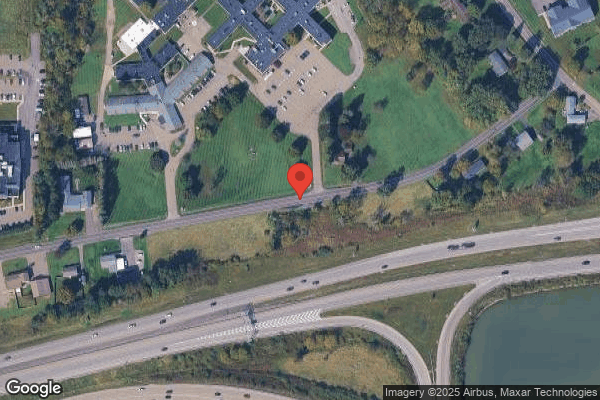
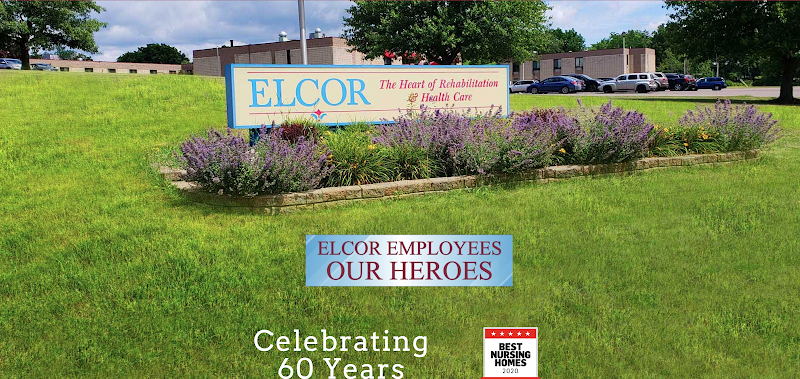
48 Colonial Drive, Horseheads, NY 14845 (607) 739-3654
For profit - Limited Liability company 305 Beds Independent Data: November 2025
Trust Grade
55/100
#400 of 594 in NY
Last Inspection: December 2023

Within standard 12-15 month inspection cycle. Federal law requires annual inspections.

Overview

Elcor Nursing and Rehabilitation Center has received a Trust Grade of C, which means it is average and in the middle of the pack among nursing homes. It ranks #400 out of 594 facilities in New York, placing it in the bottom half of all state options, and #4 out of 4 in Chemung County, indicating there is only one local facility performing better. The facility is improving, with issues decreasing from 9 in 2023 to 3 in 2024. Staffing is a concern with a rating of 2 out of 5 stars and a turnover rate of 42%, which is about average for the state. However, there have been no fines, which is a positive sign. Despite these strengths, there are notable weaknesses. For example, the facility failed to ensure that residents who smoke were properly assessed for safe smoking practices, potentially leading to safety hazards. Additionally, issues with cleanliness and food safety have been identified, including dirty floors, damaged equipment, and improper food storage that could lead to contamination. More RN coverage is needed, as the facility has less than 80% of state facilities, meaning residents may not receive the nursing oversight they require.

Trust Score
C
55/100
In New York
#400/594
Bottom 33%
Safety Record
Low Risk
No red flags
Inspections
Getting Better
9 → 3 violations
Staff Stability
○ Average
42% turnover. Near New York's 48% average. Typical for the industry.
Penalties
✓ Good
No fines on record. Clean compliance history, better than most New York facilities.
Skilled Nurses
⚠ Watch
Each resident gets only 20 minutes of Registered Nurse (RN) attention daily — below average for New York. Fewer RN minutes means fewer trained eyes watching for problems.
Violations
⚠ Watch
19 deficiencies on record. Higher than average. Multiple issues found across inspections.
★★☆☆☆
2.0
Overall Rating
★★☆☆☆
2.0
Staff Levels
★★☆☆☆
2.0
Care Quality
★★☆☆☆
2.0
Inspection Score
Stable
2023: 9 issues
2024: 3 issues

The Good

  • Full Sprinkler Coverage · Fire safety systems throughout facility
  • No fines on record
  • Staff turnover below average (42%)

    6 points below New York average of 48%

Facility shows strength in fire safety.

The Bad

2-Star Overall Rating

Below New York average (3.1)

Below average - review inspection findings carefully

Staff Turnover: 42%

Near New York avg (46%)

Typical for the industry

The Ugly 19 deficiencies on record

Nov 2024 3 deficiencies
CONCERN (D) 📢 Someone Reported This

A family member, employee, or ombudsman was alarmed enough to file a formal complaint

Potential for Harm - no one hurt, but risky conditions existed

Resident Rights (Tag F0550)

Could have caused harm · This affected 1 resident

Based on observations, interviews, and record review conducted during an Abbreviated Survey (NY00339596, NY00342850, NY00343008), for six of six residents (Resident #6, #11, #12, #15, #16, and #23) re...

Read full inspector narrative →
Based on observations, interviews, and record review conducted during an Abbreviated Survey (NY00339596, NY00342850, NY00343008), for six of six residents (Resident #6, #11, #12, #15, #16, and #23) reviewed, the facility did not ensure that the residents on multiple units were treated in a respectful and dignified manner. Specifically, Resident #6 stated staff do not like them and staff are not mean, but not nice either. Resident #11 was repeatedly ignored by a staff member during care when asking questions about their care, Resident #12's family member stated they overheard a staff member using foul language in the resident's presence, Resident #15 stated the Registered Nurse speaks nasty to them, Resident #16 stated that staff were not always respectful, and Resident #23 stated the nurse was nasty to them. This was evidenced by, but not limited to, the following: Review of the facility policy Resident Rights, revised 03/18/2024, revealed the policy aims to promote a resident-centered approach where residents are treated with dignity, respect, and sensitivity to their individual needs and preferences. 1. Resident #11 had diagnoses of paraplegia and depression. The Minimum Data Set Resident Assessment, dated 10/11/2024, documented that Resident #11 was cognitively intact. Review of Resident #11's current Comprehensive Care Plan included maintaining a friendly, pleasant, non-confrontation approach, demeanor, and attitude. During an observation on 11/06/2024 at 2:10 PM, Registered Nurse #1 entered Resident #11's room to complete a skin assessment. Resident #11 asked Registered Nurse #1 where they wanted to start and if they were checking the abdomen first. Registered Nurse #1 did not respond. Resident #11 asked how they wanted them to turn. Registered Nurse #1 again did not respond. Resident #11 stated this is what they (staff) do, they ignore the resident, they do not answer when the resident speaks, and act like the resident is not there. 2. Resident #15 had diagnoses including anxiety and severe depressive disorder. The Minimum Data Set Resident Assessment, dated 09/30/2024, documented that Resident #15 was cognitively intact. During an interview on 11/13/2024 at 12:45 PM, Resident #15 stated that they (staff) do not care. They also stated Registered Nurse #1 is a robot/android, speaks to them nasty, is short with them, not respectful, and acts like they do not care. 3. Resident #16 had diagnoses that included severe depressive disorder. The Minimum Data Set Resident Assessment, dated 10/11/2024, documented that Resident #16 was cognitively intact. During an interview on 11/13/2024 at 11:55 AM, Resident #16 stated that they (staff) call them sweetie, honey, or baby, and they should not call them by those names. Resident #16 stated they (staff) talk down to them like they are a child, and some staff are snotty and stuck up. Resident #16 stated the nurses and aides have answered their cell phones multiple times in the middle of care, specifically when changing their incontinence brief. During an interview on 11/13/2024 at 2:05 PM, the Director of Resident Care Services stated no one should be called honey, baby, or sweetheart. The Director of Resident Care Services also stated they have spoken to Registered Nurse #1 about how they come across to residents and that they should respond to Resident #11's questions. During an interview on 11/13/2024 at 2:45 PM, the Assistant Director of Nursing stated new employees receive a handbook at orientation that includes resident rights (to be treated with dignity). 10 NYCRR 415.5
CONCERN (D) 📢 Someone Reported This

A family member, employee, or ombudsman was alarmed enough to file a formal complaint

Potential for Harm - no one hurt, but risky conditions existed

Report Alleged Abuse (Tag F0609)

Could have caused harm · This affected 1 resident

Based on observations, interviews, and record review conducted during an Abbreviated Survey (NY00359178), for two (Residents #22 and #23) of three residents reviewed, the facility did not ensure that ...

Read full inspector narrative →
Based on observations, interviews, and record review conducted during an Abbreviated Survey (NY00359178), for two (Residents #22 and #23) of three residents reviewed, the facility did not ensure that all alleged violations involving abuse, neglect, exploitation, or mistreatment were reported immediately, but not later than two hours after the allegation is made if the events that cause the allegation involve abuse or result in serious bodily injury, or not later than 24 hours if the events that cause the allegation do not involve abuse and do not result in serious bodily injury, to the administrator of the facility and to other officials in accordance with State law through established procedures. Specifically, the facility did not report allegations of abuse, neglect, or mistreatment involving Residents #22 and #23. The findings are: The facility policy Recognizing and Reporting Elder Abuse/Neglect - Criteria, revised 10/10/2024, included the results of all investigations must be reported to the Administrator or designated representative and to other officials in accordance with state law (including the state survey and certification agency). The policy included verbal and physical abuse. 1. Resident #22 had diagnoses including schizoaffective and bipolar disorders and malingering behavior (intentional act of exaggerating physical and psychological symptoms). The Minimum Data Set Resident Assessment, dated 11/05/2024, included the resident had moderate impairment of cognitive function. Review of statements obtained by the facility included: In a report titled Alleged Incident Date: 10/27/2024, the Assistant Director of Nursing documented that Resident #22 had reported to Registered Nurse Supervisor #1 that the nurse had the pulled them down the hall to their room on their stomach by their arms. Registered Nurse Supervisor #1 reported this allegation to the Director of Residential Care Services immediately. During an observation and interview on 11/04/2024 at 4:30 PM, Resident #22 had black and blue bruising to both knees. Resident #22 stated the nurse held their hands and dragged them down the hall on their stomach which caused the bruises on their knees. 2. Resident #23 had diagnoses including bipolar and conversion disorders (forms of mental illness). The Minimum Date Set Resident Assessment, dated 10/04/2024, included the resident was cognitively intact. Review of an undated and unsigned form titled Resident Interview and Observation revealed when Resident #23 was asked if staff, a resident, or anyone else at the facility had abused them, including verbal, physical, or sexual abuse, the resident's response was yes that they felt that the nurse had verbally abused them. The facility investigation, dated 11/08/2024, included that Resident #23 felt the Licensed Practical Nurse had verbally abused them. During an interview on 11/06/2024 at 3:00 PM, Resident #23 stated that they reported verbal abuse because the nurse is nasty and does not treat them appropriately. Additional interviews conducted on 11/06/2024 included the following: - At 8:40 AM, the Administrator stated they use the 2016 complaints manual and if the allegation is ruled out after two hours, the allegation is not reportable to New York State Department of Health. - At 11:05 AM, the Director of Resident Care Services stated they know they only have two hours to report, and after talking to staff, the allegation was unfounded and not reportable to New York State Department of Health. - At 11:20 AM, the Assistant Director of Nursing stated they interpreted Resident #22's and Resident #23's allegations as not reportable. - At 12:47 PM, the Director of Nursing stated that the definition of abuse included verbal and physical abuse, neglect, mistreatment, and misappropriation. They also stated if suspected abuse is reported, the investigation is started, and they have two hours to determine if abuse is suspected. If abuse is suspected, the allegation is reported to New York State Department of Health. If abuse is not concluded, the investigation is completed in 24 hours, and written up with the conclusion that abuse is not substantiated and not reportable. The Director of Nursing added that the 2016 (New York State) complaint manual is used (versus the federal guidelines). 10 NYCRR 415.4(b)(1)(i)
CONCERN (E) 📢 Someone Reported This

A family member, employee, or ombudsman was alarmed enough to file a formal complaint

Potential for Harm - no one hurt, but risky conditions existed

Accident Prevention (Tag F0689)

Could have caused harm · This affected multiple residents

**NOTE- TERMS IN BRACKETS HAVE BEEN EDITED TO PROTECT CONFIDENTIALITY** Based on observations, interviews, and record review conducted during an Abbreviated Survey (NY00333741) for six (Residents #16,...

Read full inspector narrative →
**NOTE- TERMS IN BRACKETS HAVE BEEN EDITED TO PROTECT CONFIDENTIALITY** Based on observations, interviews, and record review conducted during an Abbreviated Survey (NY00333741) for six (Residents #16, #17, #18, #19, #20, and #21) of six residents reviewed, the facility did not ensure the environment remained free from accident hazards. Specifically, the facility did not ensure that all six residents who were identified as cigarette smokers had been assessed and care planned for safe smoking. This is evidenced by, but not limited to, the following: 1. Resident #16 had diagnoses including peripheral vascular disease and congestive heart failure. The Minimum Data Resident Assessment, dated 09/26/2024, documented that Resident #16 was cognitively intact. During an observation on 11/12/2024 at 8:05 AM, Resident #16 was seated in a wheelchair behind a stop sign on facility property, approximately 200-300 feet away from the facility, smoking a cigarette. During an observation on 11/13/2024 at 11:55 AM, Resident #16's cigarettes and lighter were in an unlocked drawer in their room, and an additional lighter was on the tray table. During an interivew at this time, Resident #16 stated that they put the cigarette butts in their pocket and then later give them to a family member to put in the garbage at home. 2. Resident #17 had diagnoses including peripheral vascular disease and heart failure. The Minimum Data Resident Assessment, dated 10/09/2024, documented that Resident #17 is cognitively intact. During an observation on 11/12/2024 at 8:20 AM, Resident #17 was observed seated in a wheelchair outside the facility door by the dumpsters, approximately 10-15 feet from the facility entrance. Approximately six cigarette butts were observed on the pavement by the dumpsters. 3. Resident #20 had diagnoses including cerebral infarction and conversion disorder with seizures or convulsions. The Minimum Data Resident Assessment, dated 10/12/2024, documented that Resident #20 is cognitively intact. During an observation on 11/04/2024 at 8:00 AM, Resident #20 was seated in a wheelchair approximately 10 feet from the Hickory [NAME] facility entrance smoking a cigarette. Four cigarette butts were observed on the pavement by the entrance. During an observation on 11/12/2024 at 8:10 AM, Resident #20 was seated in a wheelchair approximately 10 feet from the Hickory [NAME] facility entrance. A blanket was placed over their head and body with an opening at the face and mouth. A lit cigarette was sticking out of the opening. Five cigarette butts were observed on the pavement by the entrance. The facility was unable to provide any smoking assessments or care plans related to smoking for any of the six residents identified by the facility as smokers. During an interview on 11/06/2024 at 9:20 AM, the Director of Nursing stated that receptables for cigarettes butts are not provided by the facility because smoking is not allowed on facility property. The Director of Nursing said safety assessments for smokers and care planning for safe smoking are not completed because the facility is smoke-free, and maintenance staff pick up cigarette butts. During an interview on 11/12/2024 at 8:20 AM, the Director of Resident Care Services stated Resident #17 is not supposed to be smoking there, and that the facility is a smoke-free facility. During an interview on 11/12/2024 at 8:30 AM, the Director of Nursing stated providing receptacles may encourage residents to smoke. The Director of Nursing approached Resident #17 and asked them where they put their cigarette butts. Resident #17 stated the butts were thrown on the ground outside. During an interview on 11/13/2024 at 3:15 PM, the Assistant Director of Nursing stated residents' smoking paraphernalia should be locked up in a metal lock box as that is what was usually done when there were designated smoking areas. Review of the facility policy No Smoking, effective 03/13/2018 and revised 05/17/2024, revealed smoking is forbidden in all indoor and outdoor areas of the facility for residents, staff members, and visitors. Review of undated admission Agreements, dated and signed by Residents #16, #17, #18, #19, #20, and #21, revealed that effective 12/09/2016, new admissions will not be granted smoking privileges on the campus. If the resident is admitted after this date, and wishes to smoke, they will have to find a location off campus to do so. All cigarettes and other smoking materials will be locked in the nursing supervisor's office and will not be allowed to be kept in the resident's room. 10 NYCRR 415.12(h)(1-2)
Dec 2023 9 deficiencies
CONCERN (D) 📢 Someone Reported This

A family member, employee, or ombudsman was alarmed enough to file a formal complaint

Potential for Harm - no one hurt, but risky conditions existed

Deficiency F0567 (Tag F0567)

Could have caused harm · This affected 1 resident

**NOTE- TERMS IN BRACKETS HAVE BEEN EDITED TO PROTECT CONFIDENTIALITY** Based on observations, interviews and record review conducted during the Recertification Survey and complaint investigation (#NY...

Read full inspector narrative →
**NOTE- TERMS IN BRACKETS HAVE BEEN EDITED TO PROTECT CONFIDENTIALITY** Based on observations, interviews and record review conducted during the Recertification Survey and complaint investigation (#NY00316076) from 11/27/23 to 12/1/23, for one (Resident #41) of two residents reviewed for personal funds, the facility did not act as a fiduciary (trustee) of the resident's funds and hold, safeguard, manage, and account for the residents' personal funds deposited with the facility. Specifically, Resident #41 did not receive their entitled monthly Medicaid funds for an extended period of time or notify the resident if funds were no longer available to the resident. This is evidenced by the following: Review of facility policy Resident Personal Funds, dated reviewed June 2022, included that a computerized accounting system was used to maintain individual ledgers for each account and that full accounting of all transactions are maintained by the Business Office in accordance with all applicable government regulations. Resident #41 was admitted to the facility with diagnoses that included obsessive compulsive disorder (OCD), generalized anxiety, and bipolar disorder. The Minimum Data Set (MDS) assessment dated [DATE], revealed Resident #41 was cognitively intact. Review of Resident #41's admission Record Payer Information revealed Medicaid as the primary payer and Medicare as a subsequent payer. During an interview on 11/29/23 at 1:15 PM, Resident #41 said they did not have any money to pay for a haircut, and last received a haircut in June 2023. During an interview on 11/29/23 at 2:04 PM, the Business Office Manager (BOM) said that when Resident #41 was originally admitted in June 2020, they received Social Security Income (SSI) payments ($35 per month) and had a private representative payee (also known as rep-payee or person or organization who receives and manages Social Security or SSI benefits for an individual who cannot self-manage). The BOM said that on 1/11/21, the facility applied to become the Resident #41's 's rep payee, which was accepted, and on 1/12/21, payments stopped due to the former rep payee returning the monies. The BOM said that the facility never received any money for Resident #41 and that Social Worker (SW) #2 contacted them on 11/28/23 (after surveyor intervention) and they reapplied for direct deposit of the resident's monies and submitted for SSI payments to be sent directly to the facility. During an interview on 11/30/23 at 1:26 PM, Resident #41 stated that until June 2023, they were cutting their hair themselves and they could not recall if a staff member had ever asked if they wanted a haircut. Resident #41 stated that a church member had offered them $40 for a haircut when at the time, their hair was approximately a foot long and getting in their mouth. During an interview on 12/1/23 at 11:13 AM, the Administrator stated they paid for Resident #41's haircut in June (2023) because the resident wanted one and did not have any money. The Administrator said at that time, they reached out to the BOM and requested they look into the resident's source of income. Upon review of emails, the Administrator said an email dated 6/6/23 from the BOM included that Resident #41 had never had any money in their personal account and did not have any resident income. The Administrator said they were unsure of what occurred between January 2021 and the present to the resident's source of income. During an interview on 12/1/23 at 10:49 AM, SW #2 said the facility was investigating this issue (lack of resident's income) for some time. SW #2 said that per the BOM, there was a hold on the resident's funds (unsure why) and that the facility was approved to be the resident's rep payee the day prior. Between January 2021 and current, SW #2 stated they were unsure what happened to the resident's income, as other Social Workers had been assigned to Resident #41. 10 NYCRR 415.3(h)(1)
CONCERN (D) 📢 Someone Reported This

A family member, employee, or ombudsman was alarmed enough to file a formal complaint

Potential for Harm - no one hurt, but risky conditions existed

Deficiency F0761 (Tag F0761)

Could have caused harm · This affected 1 resident

Based on observations, interviews, and record reviews conducted during the Recertification Survey from 11/27/23 to 12/1/23, it was determined that for one (Hickory Knolls) of four medication carts rev...

Read full inspector narrative →
Based on observations, interviews, and record reviews conducted during the Recertification Survey from 11/27/23 to 12/1/23, it was determined that for one (Hickory Knolls) of four medication carts reviewed for medication storage, the facility did not ensure that all drugs and biological were properly stored in accordance with State and Federal Laws. Specifically, multiple loose unlabeled pills were observed stored in a drawer of one medication cart. This is evidenced by the following: The facility Nursing Home Policy and Procedure, Drug Procurement, Storage, and Inspection, dated 2/20/12 documented that the responsibility for control of medications within this facility rests with Professional Nursing Staff (Registered Nurses-RNs and Licensed Practical Nurses-LPNs). During an observation on 11/29/23 at 8:46 AM, 39 loose unlabeled pills (medications) of varying colors, size and shape were in a drawer of one of the medication carts on the Hickory Knolls resident care unit. LPN #2 stated at this time they were unable to identify the pills. LPN #2 stated they were not sure who was responsible for cleaning medication carts. During an interview on 11/29/23 at 9:20 AM LPN #3 Unit Manager stated it was the responsibility of the medication nurse to clean the top of the medication cart and check medication expiration dates but was unsure of who was responsible for cleaning the drawers. In an interview on 11/29/23 at 12:35 PM the Director of Nursing (DON) stated the responsibility of the medication cart cleanliness is the night nurse. The night shift Shift Charge Nurse Duties form, reviewed with the DON at this time, did not include the responsibility for cleaning the medication cart drawers. 10 NYCRR 415.18(e)(1-4)
CONCERN (D) 📢 Someone Reported This

A family member, employee, or ombudsman was alarmed enough to file a formal complaint

Potential for Harm - no one hurt, but risky conditions existed

Infection Control (Tag F0880)

Could have caused harm · This affected 1 resident

Based on observations and interviews, conducted during the Recertification Survey from 11/27/23 to 12/1/23, it was determined that the facility did not implement the appropriate standard for use of Pe...

Read full inspector narrative →
Based on observations and interviews, conducted during the Recertification Survey from 11/27/23 to 12/1/23, it was determined that the facility did not implement the appropriate standard for use of Personal Protective Equipment (PPE) and transmission-based precautions (TBP) by all staff on one of six resident care units reviewed for TBP. Specifically, a medical professional was observed on multiple occasions with inappropriate wearing of a face mask while on a TBP unit with several positive COVID-19 residents. This is evidenced by the following: The facility policy, COVID- 19 Vaccine Policy and Procedure documented; All staff and visitors should adhere to the core principles of COVID- 19 prevention (hand hygiene, face covering, instruction signage throughout the facility, proper visitor education on COVID- 19 signs and symptoms, frequent cleaning/ disinfection of high-touch surfaces, appropriate PPE use, effective cohorting of residents, and resident and staff testing). During an observation on 11/29/23 at 12:13 PM, Physician #1 was walking on a resident care unit that had multiple active positive COVID-19 cases including observed speaking with a resident who was on TBP for COVID-19. Physician #1 had their face mask pulled down with both their nose and mouth uncovered. During an observation and interview on 12/1/23 at 12:13 PM, Physician #1 was on a TBP unit (currently with multiple COVID-19 positive residents residing) conversing with staff who were approximately two feet away. Physician #1 again had their face mask pulled down under their chin exposing their mouth and nose and a resident within six feet proximity. During an immediate interview Physician #1 stated that all facility staff were required to wear a face mask, but that they did not believe in masking because it has yet to prevent the spread of COVID- 19 and that further they also remove their mask when talking to residents who are positive with COVID-19. During interviews on 12/1/23 at 12:33 PM and at 1:12 PM, with the Infection Preventive (IP) and the Director of Nursing (DON), the IP stated that all staff were expected to appropriately wear a face mask including the medical providers. The IP said that they have had to speak to Physician #1 regarding masking concerns in the past. The IP said the mask requirement was reinstated at the beginning of October 2023 and they have signage on all entrance doors and throughout the facility regarding positive COVID-19 in the facility. Additionally, Physician #1 is part of their call system that updates staff when face masks were to be worn. The DON stated that Physician #1 has also been heard discouraging residents from getting the COVID-19 vaccine and has repeatedly been told to mask while in the facility. 10 NYCRR 415.19
CONCERN (E) 📢 Someone Reported This

A family member, employee, or ombudsman was alarmed enough to file a formal complaint

Potential for Harm - no one hurt, but risky conditions existed

Safe Environment (Tag F0584)

Could have caused harm · This affected multiple residents

**NOTE- TERMS IN BRACKETS HAVE BEEN EDITED TO PROTECT CONFIDENTIALITY** Based on observations, interviews, and record review conducted during the Recertification Survey completed on 11/27/23 to 12/1/2...

Read full inspector narrative →
**NOTE- TERMS IN BRACKETS HAVE BEEN EDITED TO PROTECT CONFIDENTIALITY** Based on observations, interviews, and record review conducted during the Recertification Survey completed on 11/27/23 to 12/1/23, it was determined that for six (Colonial Ridge North, Colonial Ridge North, Maple Creek Meadows, Maple Creek Valley, Hickory [NAME] Upper Level, Hickory [NAME] Lower Level) of eight resident units the facility did not provide housekeeping and maintenance services necessary to maintain a sanitary, orderly, and comfortable interior. Specifically: furniture and equipment were damaged, exhaust ventilation was not functional, there was wall damage and missing ceiling tiles, fabric lining corridor walls was pilling and had stains, floors and walls were dirty, there were damaged heater covers, and a dirty oxygen concentrator. The findings are: Review of the facility policy titled 'Daily Patient Room Cleaning and Common Areas' last revised 11/20/18 included the following: a) Spot clean walls: vertical surfaces to be spot cleaned. b) Mop underneath beds and move furniture as necessary. Observations on 11/27/23 at 11:08 AM included the exterior surfaces of the Airsep-brand oxygen concentrator located in resident room [ROOM NUMBER] (B-Bed, Colonial Ridge North) was soiled. In an interview at this time, the Maintenance Technician (MT) stated that the concentrator needed to be cleaned. Observations on 11/27/23 at 11:24 AM included seats on two wheeled stools in the Colonial Ridge North dining room had no vinyl covering exposing the underlying foam. Observations on 11/27/23 at 1:25 PM included the Maple Creek Meadows soiled utility room next to room [ROOM NUMBER] contained multiple bins of soiled linen and lacked a hand washing sink. Water valves were present extending from the wall, however, there was no hand-wash sink fixture. Observations on 11/27/23 at 1:36 PM included that the monitor on the Dectecto-brand electronic scale located in the corridor on Maple Creek Meadows was broken off the swivel ball socket below and was being held together with zip ties. Further observations included that the protective wire insultation was worn where electrical wires entered the scale monitor, exposing a portion of the wires. In an interview at this time, the MT stated that they put the zip ties on to hold the top of the scale together to the piece of rubber that would normally be there. Observations on 11/27/23 at 2:22 PM included that there was no exhaust ventilation grate present in the ceiling tiles of the bathroom in resident room [ROOM NUMBER] (Maple Creek Valley). Observations on 11/28/23 at 12:45 PM included wall damage in the bathroom of resident room [ROOM NUMBER] (Hickory [NAME] Upper Level). There was an approximately two-inch by six-inch section of the wall near the grab bar that was cracked and damaged and several small holes where it appeared that screws had been pulled out of the wall. Observations on 11/28/23 at 2:38 PM included the heater cover in the 500 unit shower room (Hickory [NAME] Upper Level) was rusty, bent, jagged at the base, and had come off of the heating unit. Observations on 11/29/23 at 2:00 PM included large sections of missing drywall exposing the wall studs located around electrical panels in the Maple Creek Valley soiled linen room. Further observations in this room included multiple ceiling tiles were missing. Observations on 11/29/23 at 2:12 PM included the exhaust ventilation was not functioning in the Hickory [NAME] Upper Level men's bathroom and the Hickory [NAME] Lower Level men's locker room. In both rooms there was a heavy urine and fecal odor and when a small piece of paper was placed against the ceiling exhaust grates there was no air draw observed. On 11/30/23 at 8:53 AM the Surveyor was provided with a facility binder titled 'Rooftop/exhaust Vents' for review. Review of this binder revealed quarterly preventative maintenance checklists of rooftop ventilation items including, but not limited to: check [NAME] alignment, check electrical connections in motor switches, check belt tensions. Further review included that the last time that the rooftop/exhaust units were documented to be checked by facility staff was 4/12/18 (Colonial Ridge), 1/4/19 (Maple Creek), and 1/10/19 (Hickory [NAME]). During a interview at this time the Director of Facilities (DOF) stated that they didn't give the surveyor the right binder and they thought they had a new one. During an interview on 11/30/23 at 10:15 AM, the MT stated that the new ventilation check log got damaged by water around September of this year. During an interview on 11/30/23 at 3:06 PM, the MT stated after review of the bathroom in resident room [ROOM NUMBER] (Maple Creek Valley) it looked like the construction crew had not fully connected the grate to the exhaust ventilation. Observations on 12/1/23 at 9:20 AM included a dried, brown spill measuring approximately three feet long by one foot wide under the head of the bed in resident room [ROOM NUMBER] (A-bed, Colonial Ridge North). Further observations included brown splatter present on the wall behind this bed. Additional observations included the resident's television was placed on top of a small, unstable box on top of a nightstand. In an interview at this time, Resident #54 stated: that they had not spilled anything in their room in several days and they could not see their television without it being on top of the box. The Minimum Data Set assessment dated [DATE] documented that the resident was cognitively intact. Observations on 12/1/23 at 9:30 AM included that the red fabric lining the lower three feet of the corridor walls on Colonial Ridge South (East Wing) had significant pilling in sections throughout and had multiple stains. In an interview at this time, the Registered Nurse Assistant Director for Resident Care stated that residents will sit in chairs along the wall, which slides against the fabric causing the pilling. Observations on 12/1/23 at 9:47 AM included the exhaust ventilation was not functioning in the Hickory [NAME] Upper Level soiled utility room (near the 700/800 Nurse Station). When a small piece of paper was placed against the ceiling exhaust grates there was no air draw observed. Observations on 12/1/23 at 10:05 AM included the exhaust ventilation was not functioning in the Hickory [NAME] Upper Level tub room across from resident room [ROOM NUMBER]. When a small piece of paper was placed against the ceiling exhaust grate there was no air draw observed. Observations on 12/1/23 at 10:09 AM included the exhaust ventilation was not functioning in the Colonial Ridge North soiled utility room (near the entrance to unit). When a small piece of paper was placed against the ceiling exhaust grate there was no air draw observed. During an interview on 12/1/23 at 10:41 AM, the DOF stated that they would check on the ventilation and it was possible that a belt broke in the last month or so. During an interview on 12/1/23 at 12:29 PM, the DOF stated that the exhaust ventilation in the Hickory [NAME] Upper soiled utility room works if you hold a tissue to the grate, but the ventilation in the other rooms appeared to not be pulling. 10 NYCRR: 415.29, 415.29(B), 415.29(d), 415.29(i)(3), 415.29(h)(1), 415.29(j)(1), 713-2.5(c)(6)
CONCERN (E) 📢 Someone Reported This

A family member, employee, or ombudsman was alarmed enough to file a formal complaint

Potential for Harm - no one hurt, but risky conditions existed

Food Safety (Tag F0812)

Could have caused harm · This affected multiple residents

**NOTE- TERMS IN BRACKETS HAVE BEEN EDITED TO PROTECT CONFIDENTIALITY** Based on observations, interviews, and record review conducted during a Recertification Survey 11/27/23 to 12/1/23, it was deter...

Read full inspector narrative →
**NOTE- TERMS IN BRACKETS HAVE BEEN EDITED TO PROTECT CONFIDENTIALITY** Based on observations, interviews, and record review conducted during a Recertification Survey 11/27/23 to 12/1/23, it was determined that for one of one main kitchen and two (Maple Creek Valley, Hickory [NAME] Upper Level) of eight resident units the facility did not store, prepare, distribute, and serve food in accordance with professional standards for food service safety. Specifically: potentially hazardous foods were not cold held at or below 45 degrees (°) Fahrenheit (F), cooking equipment was not maintained in good working order, non-food contact surfaces were dirty, food items and utensils were stored beneath unprotected sewer pipes, there was moldy bread, and food was not protected from contamination. The findings are: Review of the facility policy 'Food Preparation' last revised 7/6/23 included the following: a) All staff will practice proper hand washing techniques and glove use. b) Dining Services staff will be responsible for food preparation procedures that avoid contamination by potentially harmful physical, biological, and chemical contamination. c) All foods will be help at appropriate temperatures, greater than 135°F (or as state regulation requires) for hot holding, and less than 41°F for cold food holding. Review of the facility policy 'Food Storage' last revised 7/6/23 included the following: a) Dry food supplies will be stored at least six inches above the floor in a clean, dry, ventilated room that is not subject to wastewater back flow. b) Spoiled food should be removed from storage promptly to prevent contamination of other foods. Observations in the main kitchen on 11/27/23 at 10:20 AM included stainless steel pans of pureed macaroni salad, pureed turkey, and pureed chicken being held in a steam table. When measured by the surveyor using a 'EXTECH' digital thermometer the temperatures were as follows: pureed macaroni salad - 78°F to 81.4°F, pureed turkey - 53°F, and pureed chicken - 65°F to 69°F. When interviewed at this time, the Food Service Director (FSD) stated the temperatures are too warm and that these items are for the lunch meal that starts serving at 11:00 AM. Further observations included that the water below the pans in the steam table was 61°F and one of the bays of the steam table adjacent to the pureed items was set for hot holding of a separate food item. Further interview with another food service worker (cook) revealed the items had been prepared about 20-minutes ago. Observations in the main kitchen on 11/27/23 at 10:27 AM included a two-compartment 'Cleveland' brand convection steamer and a large soup kettle that were not currently in use. When interviewed at this time, the FSD stated that they did not believe the steamer and soup kettle worked. During a subsequent interview, a Food Service Worker stated that neither item has worked for about two years and they believed that they had sent a work order to maintenance a long time ago. Observations in the main kitchen on 11/27/23 at 10:32 AM included the exhaust hood and grease traps located above the skillet, range, and deep fryers were heavily coated in dust and grease. Additionally, two of the grease traps were observed to be damaged and not tightly fitting into the hood. During an interview at this time, a Food Service Worker stated that they have been cleaning them and the last time was probably seven-months ago. The Food Service Worker also stated that they did not think a vendor comes in to clean the exhaust hood. Observations on 11/27/23 at 2:01 PM included a black-speckled substance on the interior upper lip of the ice machine located in the Maple Creek kitchen. Observations on 11/27/23 at 2:05 PM included open boxes of straws, spoons, single use containers of jellies, and other assorted condiments stored in a cabinet directly under the drainpipe for the handwash sink located in the Maple Creek Valley nourishment room. Observations on 11/28/23 at 2:42 PM included small spots of bluish-gray mold on a loaf of bread located on top of the refrigerator in the Hickory [NAME] upper level 500-Unit nourishment room. The plastic bag for the bread was marked '100% Whole Wheat Best By 10/25/23'. Observations in the main kitchen during food service tray line on 11/30/23 from 11:27 AM to 12:00 PM included a dietary aide removed pureed food off a plate with a gloved finger, handled dirty bowls, and then used the same gloved hand to grab a handful of lettuce salad and put it in a bowl on a tray for service. Additionally, a dietary cook was observed to wipe their gloved hands on a dish towel that had spaghetti sauce on it, then proceeded to pick up garlic bread with the same gloved hands and placed it on a plate for service. 10 NYCRR: 415.14(h); 10 NYCRR: Subparts 14-1.31(a), 14-1.40(a), 14-1.43(b), 14-1.20(b), 14-1.95, 14-1.110(d)
CONCERN (E) 📢 Someone Reported This

A family member, employee, or ombudsman was alarmed enough to file a formal complaint

Potential for Harm - no one hurt, but risky conditions existed

Deficiency F0836 (Tag F0836)

Could have caused harm · This affected multiple residents

**NOTE- TERMS IN BRACKETS HAVE BEEN EDITED TO PROTECT CONFIDENTIALITY** Based on observations, interviews, and record review conducted during the Recertification Survey 11/27/23 to 12/1/23, it was det...

Read full inspector narrative →
**NOTE- TERMS IN BRACKETS HAVE BEEN EDITED TO PROTECT CONFIDENTIALITY** Based on observations, interviews, and record review conducted during the Recertification Survey 11/27/23 to 12/1/23, it was determined that the facility did not ensure compliance with all applicable State codes. Specifically, the facility was not in compliance with Section 915 of the 2015 Edition of the International Fire Code as adopted by New York State, which requires the use of carbon monoxide (CO) detection in a building that has fuel-burning appliances. The findings are: On 11/27/23 at 10:43 AM it was observed that a Universal-brand, single-station CO detector was located on the wall in the corridor next to room [ROOM NUMBER] (Colonial Ridge). In an interview at this time, the Maintenance Technician (MT) stated that the detector is battery-operated, and they had tested it maybe two to three months ago. On 11/27/23 at 11:49 AM it was observed that a single-station, CO detector was located on the top of the light switch in the boiler room (Hickory [NAME] lower level). Further observations in this room included natural gas-powered boilers. In an interview at this time, the MT stated that the CO detector was removed from the wall because it was beeping. On 11/28/23 at 9:28 AM it was observed that a Universal-brand, single-station CO detector was located on the wall in the boiler room (Maple Creek lower level). Further observations included printed instructions by the manufacturer on the back of the CO detector which included 'press test/silence button weekly.' On 11/28/23 at 9:54 AM it was observed that a First Alert-brand, single-station CO detector was located on the wall in Laundry next to four natural gas-powered dryers (Maple Creek lower level). Record review on 11/28/23 at 11:04 AM included a facility log titled 'Carbon Monoxide Detector Test.' The log included documentation that some of the CO detectors in the facility were tested on [DATE]. Further review included that the CO detectors located in the Hickory [NAME] and Maple Creek boiler rooms had not been tested since 5/8/23. No documentation was provided to show that the CO detector in the Laundry had been tested or that other CO detectors in the facility had been tested at least monthly. In an interview at this time, the MT stated that they are testing CO detectors quarterly, and that when they changed the log form in August, they forgot to include the boiler room CO detectors on the new log. The 2015 Edition of the International Fire Code requires that carbon monoxide alarms shall be maintained in accordance with NFPA 720. The 2012 Edition of NFPA 720, Standard for the Installation of Carbon Monoxide Detection and Warning Equipment, requires that single-station carbon monoxide alarms shall be inspected and tested in accordance with the manufacturer's published instructions at least monthly. 10NYCRR: 415.29(a)(2), 711.2(a)(1), 42 CFR: 483.70(b), 2015 IFC: Section 915, 915.6 2012 NFPA 720: 8.7.1
CONCERN (E) 📢 Someone Reported This

A family member, employee, or ombudsman was alarmed enough to file a formal complaint

Potential for Harm - no one hurt, but risky conditions existed

Deficiency F0925 (Tag F0925)

Could have caused harm · This affected multiple residents

**NOTE- TERMS IN BRACKETS HAVE BEEN EDITED TO PROTECT CONFIDENTIALITY** Based on observations, interviews, and records review conducted during the Recertification Survey completed 11/27/23 to 12/1/23 ...

Read full inspector narrative →
**NOTE- TERMS IN BRACKETS HAVE BEEN EDITED TO PROTECT CONFIDENTIALITY** Based on observations, interviews, and records review conducted during the Recertification Survey completed 11/27/23 to 12/1/23 it was determined that for one (Hickory [NAME] Upper Level) of eight resident units, the facility did not maintain an effective pest control program. Specifically, small brown flies and fruit flies were present and untreated. The findings are: Observations on 11/27/23 at 12:11 PM included multiple small brown flies that appeared to be fruit flies in resident room [ROOM NUMBER] (Hickory [NAME] Upper Level). Observation on 11/27/23 at 12:42 PM included two visible fruit flies near a meal cart in the Hickory [NAME] North Hallway. Observations on 11/27/23 at 1:09 PM included a fruit fly in resident room [ROOM NUMBER]. Observations on 11/28/23 at 10:43 AM included several fruit flies in resident room [ROOM NUMBER] and several napkins and tissues on the floor with several fruit flies. During an interview at this time, Resident #41 stated that they (facility) have not done anything, and they (the flies) are in other rooms too. Observations on 11/28/23 at 12:45 PM included more than a dozen small brown flies that appeared to be fruit flies located in resident room [ROOM NUMBER] (Hickory [NAME] Upper Level). The flies were in the air, on the wardrobe, the wall, the door frame, and on the privacy curtain. During an interview at this time, Resident #41 stated the fruit flies get on their food and then it is contaminated. Observations on 11/28/23 at 2:45 PM included dozens of small brown flies in the Hickory [NAME] Upper Level soiled utility room. The flies were in the air, on the walls, on the soiled linen and on the trash bags. During an interview at this time the Maintenance Technician stated that they have a pest vendor that comes in but is not sure how often. Record review on 11/30/23 at 9:20 AM included a pest vendor service report dated 11/28/23 that included treatment of room [ROOM NUMBER] for fruit flies. The report also listed the comment: 'unable to locate the source of fruit fly activity.' There were no additional pest vendor reports provided to show that fruit flies had been identified or treated. During an interview at this time, the Director of Facilities (DOF) stated that if staff notice pests, they generally call maintenance or the administrator to have them follow up with the vendor. The DOF also stated that they searched the past couple months of work orders and could not find anything related to fruit flies. Observations on 12/1/23 included a significant amount of fruit flies in the Hickory [NAME] Upper Level soiled utility room and the exhaust ventilation in the room was not functional. 10 NYCRR: 415.29(j)(5)
MINOR (B) 📢 Someone Reported This

A family member, employee, or ombudsman was alarmed enough to file a formal complaint

Minor Issue - procedural, no safety impact

Transfer Notice (Tag F0623)

Minor procedural issue · This affected multiple residents

**NOTE- TERMS IN BRACKETS HAVE BEEN EDITED TO PROTECT CONFIDENTIALITY** Based on interviews and record reviews conducted during a Recertification Survey from 11/27/23 to 12/1/23, it was determined tha...

Read full inspector narrative →
**NOTE- TERMS IN BRACKETS HAVE BEEN EDITED TO PROTECT CONFIDENTIALITY** Based on interviews and record reviews conducted during a Recertification Survey from 11/27/23 to 12/1/23, it was determined that for three (Residents #75, #241 and #242) of three residents reviewed for transfer and/or discharge, the facility did not notify the resident, the resident's representative, and/or the Ombudsman of the transfer and/or discharge and the reasons for the transfer and/or discharge in writing in a language and manner that they understood. Specifically, the facility could not provide evidence that the notification of a transfer and admittance to the hospital (Resident #75) was provided in writing to the resident, the resident's representative, or the Ombudsman and could not provide evidence that the Ombudsman was notified of facility initiated discharges home (Residents #241 and #242). The findings are: The facility Policy Notice of Transfer/Discharge dated reviewed on 8/23/21, documented to notify residents, and if known, family members/legal representatives of discharges/transfers before they occur and send a copy of the notice to a representative of the Office of the State Long-Term Care Ombudsman. The policy also documented Social Services or designee will complete and give discharge/transfer notices. 1.Resident #75 had diagnoses including diabetes, urinary retention, and enterocolitis due to clostridium difficile (inflammation of the colon caused by a bacteria). The Minimum Data Set (MDS) Assessment, dated 10/10/23, documented Resident #75 was cognitively intact. Review of progress notes revealed Resident #75 was sent to the Emergency Department on 10/4/23 and admitted to the hospital. The resident's emergency contact was notified of the transfer on 10/4/23 at 11:15 AM verbally. There was no documented evidence that a written notification of the reason for the transfer/discharge in a language and manner that they understood was provided to the resident or their representative or to the State Ombudsman Office per the regulations. 2. Resident #241 was admitted to the facility with diagnoses that included a femur (leg) fracture, hypertension, and muscle weakness. The Discharge MDS Assessment documented the resident was discharged from the facility to home on [DATE]. 3.Resident #242 was admitted to the facility with diagnoses including a femur fracture, osteoarthritis, and tremors. The Discharge MDS Assessment documented that the resident was discharged from the facility to the hospital on [DATE]. Review of a Social Work Progress Note dated 10/13/23 revealed that the resident was discharged home (not to the hospital) on 10/13/24 (not 10/11/24 per the MDS). During an interview on 11/29/23 at 5:25 PM the Administrator stated that medical records should notify the Ombudsman of transfers and discharges and this was usually done once a month per the Ombudsman request. In an interview on 12/1/23 at 8:17 AM Medical Records Staff Member #1 stated the Ombudsman notification was completed by the Social Worker (SW). During an interview on 12/1/23 at 8:21 AM SW #1 stated they notify the Ombudsman of a transfer to the hospital if the Ombudsman was working with a specific resident and requested it but that they do not notify the Ombudsman regarding all transfers and discharges. SW #1 stated they were unsure if the Ombudsman got a document monthly (from the facility) related to discharges as medical records department does not provide that. In an interview on 12/1/23 at 8:49 AM SW #2 stated they were not sure if the residents or family (representatives) were notified in writing when a resident is transferred to the hospital. SW #2 was aware the Ombudsman had stopped receiving the transfer and discharge notifications since the previous Administrator was at the facility approximately two years ago. During an interview on 12/1/23 at 8:55 AM the Administrator stated Social Work is responsible for sending the transfer notices to the resident and/or family and medical records would be responsible for sending a copy to the Ombudsman Office monthly. The Administrator stated there was a breakdown in communication and they were not aware written notification was not being provided. Documented evidence of Ombudsman notification was requested and in an emailed correspondence dated 12/1/23 at 9:44 AM, the Administrator wrote that there was no Ombudsman notification of the discharges. 10 NYCRR 415.3(i)(1)(iii)(a-c)
MINOR (B) 📢 Someone Reported This

A family member, employee, or ombudsman was alarmed enough to file a formal complaint

Minor Issue - procedural, no safety impact

Deficiency F0625 (Tag F0625)

Minor procedural issue · This affected multiple residents

Based on interviews and record reviews conducted during a Recertification Survey from 11/27/23 to 12/1/23, it was determined that for one (Resident #75) of three residents reviewed for transfer and/or...

Read full inspector narrative →
Based on interviews and record reviews conducted during a Recertification Survey from 11/27/23 to 12/1/23, it was determined that for one (Resident #75) of three residents reviewed for transfer and/or discharge, the facility did not ensure that residents or resident's representatives were notified in writing of the facility Bed Hold Policy. Specifically, Resident #75 was transferred to the hospital and the facility was unable to provide evidence that the facility Bed Hold Policy was given to the resident or their representative. The findings are: The facility Policy Bed Holds and Therapeutic Leaves reviewed 8/3/21, documented the facility shall provide written information to the resident and/or to their family member or legal representative about the bed hold policy when a resident is transferred to the hospital. Resident #75 had diagnoses including diabetes, urinary retention, and enterocolitis due to clostridium difficile (inflammation of the colon caused by a bacteria). The Minimum Data Set Assessment, dated 10/10/23, documented Resident #75 was cognitively intact. Review of progress notes revealed Resident #75 was sent to the Emergency Department on 10/4/23 and was admitted to the hospital. There was no documented evidence that the facility provided the facility's Bed Hold policy to the resident and/or the resident's representative. During an interview on 11/29/23 at 1:15 PM Unit Clerk #1 stated that when a resident was being transferred to the hospital that they would call medical records and medical records would call the family and go over the bed hold information. In an interview on 12/1/23 at 8:17 AM Medical Records staff #1 stated that medical records do not send out the bed hold policy information to the resident and/or the resident's representative. During an interview on 12/1/23 at 8:21 AM Social Worker (SW) #1 stated the Bed Hold policy information was in the admission paperwork and is not provided upon transfer as it was only provided to the residents and/or the residents representative on admission to the facility. In an interview on 12/1/23 at 8:49 AM SW #2 stated providing the Bed Hold policy was based off a certain census number and they were not sure of what that number was and that they should reinitiate providing the policy with transfers (to the hospital). During an interview on 12/1/23 at 8:55 AM the Administrator stated Social work is responsible for sending the Bed Hold policy to the resident and/or family. The Administrator stated there was a breakdown in communication and they were not aware the policy was not being provided. 10 NYCRR 415.3(i)(3)(i)(a)
Dec 2018 7 deficiencies
CONCERN (D)

Potential for Harm - no one hurt, but risky conditions existed

Comprehensive Care Plan (Tag F0656)

Could have caused harm · This affected 1 resident

**NOTE- TERMS IN BRACKETS HAVE BEEN EDITED TO PROTECT CONFIDENTIALITY** Based on observations, interviews, and record reviews conducted during the Recertification Survey, it was determined that for on...

Read full inspector narrative →
**NOTE- TERMS IN BRACKETS HAVE BEEN EDITED TO PROTECT CONFIDENTIALITY** Based on observations, interviews, and record reviews conducted during the Recertification Survey, it was determined that for one (Resident #134) of five residents reviewed for pain, the facility did not develop a person centered Comprehensive Care Plan (CCP) that included measurable goals and interventions to meet the resident's medical, physical, and nursing needs. Specifically, there was no care plan, developed that addressed the presence of or management of the resident's pain. This is evidenced by the following: The facility policy, Pain Assessment/Management, revised January 2018, included for staff to document the resident's pain management plan on their CCP. Resident #134 was admitted to the facility on [DATE] with diagnoses including a stroke with right-sided hemiplegia (paralysis), aphasia (difficulty speaking), and depression. The Minimum Data Set Assessment, dated 9/17/18, revealed that the resident had moderately impaired cognition, no speech, and was rarely or never understood. The pain interview was not able to be completed with the resident and staff reported no signs or symptoms of pain observed. The current CCP and the Visual/Bedside [NAME] Report (care plan used by Certified Nursing Assistant-CNA) did not include pain management. Current physician orders included to document current pain level twice daily and notify supervisor immediately if pain level not acceptable or adequate, and Acetaminophen 650 milligrams by mouth every six hours as needed for mild pain or elevated temperature was initiated on 10/23/18. Review of Medication Administration Records (MAR) revealed the resident received 3 doses of acetaminophen for pain levels ranging from 3 to 5 in October 2018 and 14 doses for pain levels ranging from 2 to 7 from 11/1/18 through 11/27/18. The Acetaminophen was noted to be effective. Review of nursing progress notes from, 11/1/18 through 11/27/18, revealed that nursing frequently evaluated the resident for pain. The resident at times denied pain or discomfort and at times presented as weepy and crying which was sometimes attributed to feeling sad, down, or being in pain. Review of medical visit notes in October 2018 and November 2018 did not include any assessment and/or plan related to pain. Observations and interviews included the following: a. On 11/26/18 at 11:55 a.m., the resident was heard crying out. Two staff members asked her what was wrong, and she was able to tell the second staff member that she had pain in her right arm. A later review of the MAR did not reveal that the resident received any acetaminophen on 11/26/18. b. On 11/27/18 at 10:09 a.m., the resident appeared comfortable. When asked at that time if the pain in her right arm was better, she shook her head no. c. On 11/28/18 at 12:36 a.m., when asked if she had any pain, the resident said, yes. A family member who was present at that time added that the resident had a stroke that left her paralyzed on her right side and that some days are better than others, but she does have on-going pain in her right arm. d. When interviewed on 11/30/18 at 8:32 a.m., the CNA stated the resident can say if she is in pain but cannot tell you where her pain is due to her trouble speaking. e. In an interview on 11/30/18 at 8:53 a.m., the Licensed Practical Nurse (LPN) stated that the resident was crying quite a bit on and off that morning. When asked if she had pain, the resident told the LPN yes but because she had difficulty with getting her words out she was not able to tell the nurse where her pain was located. The LPN gave the resident some Acetaminophen which seemed to help. The LPN said she was not sure if the resident needed routine pain medication because she also gets upset when her husband leaves the room. The nurse thought sometimes her crying was related to depression and anxiety rather than pain. f. In an interview on 11/30/18 at 2:08 p.m., the Registered Nurse (RN) stated that pain assessments are done for all residents twice daily. If the CNA notices the resident has pain during care, he/she would be expected to notify the nurse, and the nurse would evaluate the resident for pain and medicate if necessary. The RN stated that she would expect a care plan related to pain in place for residents who are on routine pain medication and as needed pain medication. [10 NYCRR 415.11(c)(1)]
CONCERN (D)

Potential for Harm - no one hurt, but risky conditions existed

ADL Care (Tag F0677)

Could have caused harm · This affected 1 resident

**NOTE- TERMS IN BRACKETS HAVE BEEN EDITED TO PROTECT CONFIDENTIALITY** Based on observations, interviews, and record reviews conducted during the Recertification Survey, it was determined that for on...

Read full inspector narrative →
**NOTE- TERMS IN BRACKETS HAVE BEEN EDITED TO PROTECT CONFIDENTIALITY** Based on observations, interviews, and record reviews conducted during the Recertification Survey, it was determined that for one (Resident #211) of two residents reviewed for Activities of Daily Living (ADLs), the facility did not provide the necessary care and services to maintain personal hygiene. The issue involved lack of timely nail care. This is evidenced by the following: Resident #211 was admitted to the facility on [DATE] and readmitted after a hospital stay on 11/15/18 with diagnoses including end stage renal disease on dialysis, a stroke with right hemiplegia (paralysis of one side of body) and diabetes. The Minimum Data Set Assessment, dated 10/7/18, revealed that the resident was cognitively intact and required extensive assist for personal hygiene. The Comprehensive Care Plan (CCP), dated 9/13/18, revealed that the resident had an ADL self-care deficit and interventions included for staff to assist with grooming, personal hygiene and bathing. The resident had diabetes and the Certified Nursing Assistants (CNA) may not cut the resident's nails. The CNA should notify the nurse if nail care is needed. During observations conducted on 11/27/18 at 10:24 a.m., and at 3:30 p.m., and on 11/28/18 at 4:26 p.m., the resident was in bed resting and eating snacks with her hands. The nail bed and cuticles of several nails on the right hand and all nails on the left hand were filled with brown debris and several nails were uncut. The resident had multiple scabs, bruises and a skin tear to both forearms. The resident stated that she was not sure how the scabs occurred but that she scratched her arms a lot. In an interview on 11/28/18 at 4:27 p.m., the Registered Nurse (RN), Director of Resident Care Services stated that the resident's nails were dirty, especially on the hand she was eating with and that even the cuticles were dirty. She said the resident was diabetic and should have good nail care. She said the resident may have refused nail care but if so then the nurse should have been notified. Interviews conducted on 11/29/18 included the following: a. At 8:45 a.m., the RN Director of Resident Care Services, stated that they soaked the resident's nails the previous evening and the nurse was cutting them now. She said she spoke with the CNA yesterday regarding the need to let the nurse know when a resident needs nail care. b. At 8:55 a.m., the RN stated that she was not aware that the resident needed nail care but she is cutting them now without difficulty. c. At 9:00 a.m., the resident stated that her nails had been very dirty, and she was glad that they were being cleaned and cut. [10 NYCRR 415.12(a)(3)]
CONCERN (D)

Potential for Harm - no one hurt, but risky conditions existed

Accident Prevention (Tag F0689)

Could have caused harm · This affected 1 resident

**NOTE- TERMS IN BRACKETS HAVE BEEN EDITED TO PROTECT CONFIDENTIALITY** Based on observations, interviews, and record reviews conducted during the Recertification Survey, it was determined for the one...

Read full inspector narrative →
**NOTE- TERMS IN BRACKETS HAVE BEEN EDITED TO PROTECT CONFIDENTIALITY** Based on observations, interviews, and record reviews conducted during the Recertification Survey, it was determined for the one (Maple Creek Valley) of seven resident units reviewed for accident hazards, and one (Resident #345) of five residents reviewed for accidents, the facility did not ensure that the resident's environment was free from accident hazards and did not ensure that supervision and assistive devices were provided to each resident to prevent avoidable accidents. The issues involved broken window stops in seven resident rooms and the lack of an assessment for the safety of a resident being transported via a wheelchair. This is evidenced by the following: 1. Resident #345 was admitted to the facility on [DATE] with diagnoses including cerebral vascular accident (stroke), endocarditis (infection in the heart) and status post coronary angioplasty implant and graft. A Health Status Note, dated 11/24/18, revealed the resident was alert and oriented to person, place, and time. The Decision Tree for Elopement Risk/Exiting Facility Assessment form, dated 11/23/18, revealed that the resident was not an elopement risk and can exit the facility without supervision. The Comprehensive Care Plan (CCP) and Visual/Bedside [NAME] Report, initiated on 11/23/18, revealed that the resident could leave the facility without supervision or assistance. Interventions included that the facility protocol will be followed regarding signing out and that staff will provide education/teaching if the resident's decisions are not in her best interest. The Health Status Note, dated 11/24/18, revealed that the resident's friend was in and took her to the mall. Per the aide, the friend had a car and when the resident signed out they stated that they were going to the mall and would be back at 8:00 p.m. The note also included that the resident was wearing pajama pants, a t-shirt and a wet hooded sweatshirt, slipper socks and two bath blankets and had been seen being wheeled to the mall by the friend. A second Health Status Note revealed that the resident returned to the facility at 7:00 p.m. A Health Status Note, dated 11/25/18, revealed that the resident had gone to the mall with a friend and returned to the facility around 3:00 p.m. A Health Status Note, dated 11/28/18 written at 10:58 p.m., revealed the resident had been out of the facility with her friend. An observation made by three surveyors on 11/28/18 at approximately 5:00 to 5:15 p.m. while driving their vehicles away from the facility, revealed a person being pushed in a wheelchair down the side of the road with no sidewalk and minimal shoulder on the road. The surveyors stated that they swerved to the center of the road to safely maneuver around the wheelchair to avoid an accident. The surveyors stated that it was dark at that time and the person was difficult to see as there were no lights or reflectors on the wheelchair. Interviews conducted on 11/29/18 included the following: a. At 12:08 p.m., the Registered Nurse Manager (RNM) stated that one of their residents had signed out with her friend on 11/28/18. The RNM said that she had been told that morning that the resident was seen being pushed on the road in her wheelchair coming back towards the facility. When asked about safety issues, the RNM stated that at the very least reflective strips should be added to the wheelchair. b. At 4:29 p.m., the Occupational Therapist (OT) stated that nursing sends a referral for a specific evaluation. The OT checked the electronic medical record and then stated there was no referral for wheelchair safety. c. At 4:47 p.m., the Director of Nursing (DON) said that they had been told earlier that day that a surveyor had brought the concern to staff regarding someone later identified as their resident, being pushed down the road in her wheelchair. The DON said that she was not aware that the resident was being taken out by her friend. The DON stated that residents are assessed upon admission for their safety to exit the facility. She said that the assessment does not include safety related to how residents exit the grounds of the facility. The DON said that to her knowledge, the resident's wheelchair had not been assessed and/or equipped for safety outside of the facility when dark at night. The DON stated that it would be her expectation that the wheelchair be made safe for the resident. When interviewed on 11/30/18 at 8:36 a.m., the Assistant Director of Resident Care stated she was not aware of the resident going out to the mall the first time on 11/24/18. She said it was brought to her attention on 11/29/18 that the resident had gone out in her wheelchair on 11/28/18, and there were concerns with the resident being warm enough and with being wheeled on the side of the road by her friend. She said there is no sidewalk, and that the road is busy and does not have much of a shoulder. She said if she had known that the resident was being wheeled down the road, they would have educated the resident and her friend regarding safety and alternate transportation options. She said that she would have requested a therapy referral for wheelchair safety and safety with car transfers. 2. Observations on 11/27/18 between 10:00 a.m. and 10:18 a.m. revealed that window stops were either broken off or missing in Resident Rooms #9,#10, #18, #20, #21, #25 and #28 which are located on the Maple Creek Valley unit allowing the windows to be fully opened. Further observations of the windows in Resident Rooms #25 and #28 revealed a sticker attached to the window that read, Caution for resident safety window only opens a maximum of 4 inches. In an interview at that time, the Director of Maintenance stated he told the maintenance staff to check the window stops over a month ago. He said that he did not believe that there was a work order, he just told the guys in their travels to check the window stops. The Director of Maintenance stated, the Administrator told him about three months ago to check the window stoppers because some lady fell out of a window somewhere. [10 NYCRR 415.12(h)(2), 415.12 (h)(1)]
CONCERN (D)

Potential for Harm - no one hurt, but risky conditions existed

Deficiency F0692 (Tag F0692)

Could have caused harm · This affected 1 resident

**NOTE- TERMS IN BRACKETS HAVE BEEN EDITED TO PROTECT CONFIDENTIALITY** Based on observations, interviews and record reviews conducted during the Recertification Survey, it was determined that for one...

Read full inspector narrative →
**NOTE- TERMS IN BRACKETS HAVE BEEN EDITED TO PROTECT CONFIDENTIALITY** Based on observations, interviews and record reviews conducted during the Recertification Survey, it was determined that for one of one residents reviewed for hydration, and one of two residents reviewed for dialysis, the facility did not have a system in place to ensure that daily fluid intake was consistent with or followed physician orders. The issues involved inconsistent monitoring and documentation for residents on fluid restrictions (Residents #89 and #41). This is evidenced by the following: 1. Resident #89 was admitted to the facility on [DATE] with diagnoses including chronic kidney disease with dialysis three times a week. The Minimum Data Set (MDS) Assessment, dated 9/1/18, revealed the resident had moderately impaired cognition, received a therapeutic diet and was on dialysis. The current physician orders directed a fluid restriction of 1,500 cubic centimeters (cc) per day, limit fluids with medication to 90 cc twice a day with medication pass. The Comprehensive Care Plan (CCP), revised 9/13/17, revealed the resident had a fluid volume deficit imbalance. Interventions included to provide a 1,500 cc fluid restriction, document any signs or symptoms of fluid overload and report abnormalities to the primary medical team, provide and encourage adequate fluids with and between meals, and report any negative fluid trends from the intake record to the medical team. A review of medical provider notes, dated 10/12/18 and 11/16/18, revealed the resident was on a renal diet. There was no documentation regarding fluid intake or restriction. A review of the November 2018 Medication Administration Record (MAR), from 11/1/18 through 11/29/18, revealed that for 39 of 57 opportunities less than 90 cc fluids was documented with each medication pass. During an observation of lunch on 11/26/18 at 12:23 p.m., the resident was in the main dining room, and her tray ticket read 1,500 cc fluid restriction, low sodium, and low potassium. Fluids offered per the tray ticket were eight ounces each of whole milk, apple juice and milkshake. There was a seven-ounce cup of coffee on the tray and the resident was drinking it. At 12:43 p.m., the resident had finished her lunch and had consumed seven ounces of coffee, six ounces of milk and four ounces of milkshake, a total of 17 ounces or 510 cc. Review of a Fluid Intake Report, dated 11/26/18 for lunch, revealed 300 cc were consumed. Observations and interviews conducted on 11/28/18 included the following: a. At 11:48 a.m., the resident said she knows she must limit her fluids and does not like that because she is thirsty. b. At 11:55 a.m., the resident was seated in the main dining room, and the tray ticket read 1,500 cc fluid restriction. Fluids offered per the tray ticket were eight ounces each of milk, apple juice and a strawberry milkshake. A tablemate was observed to give her coffee to the resident. The resident took the coffee, removed the lid, and began to drink the coffee. c. At 12:06 p.m., the resident left the dining room. At that time, she had consumed 60 cc coffee and 90 cc of milkshake for a total of 150 cc. A review of the Fluid Intake Total, dated 11/28/18 for lunch, revealed 210 cc consumed. When interviewed at 12:34 p.m., Certified Nursing Assistant (CNA) #1 said the resident drank half of her milkshake (four ounces) and almost all of the coffee. d. At 2:10 p.m., CNA #2 said the resident was not on a fluid restriction. CNA #2 said she documents what each resident eats and drinks. CNA #2 said that if a resident consumes less than 50 percent of solids, a milkshake supplement is offered. She said she does not know who reviews the intakes at the end of the day. Observations and interviews conducted on 11/29/18 included the following: a. At 8:12 a.m., the resident was in the dining room and her breakfast tray ticket read 1,500 cc fluid restriction. Fluids served were eight ounces of apricot juice and seven ounces of coffee (15 ounces or 450 cc). At 8:43 a.m., the resident had consumed five ounces of apricot juice and one half of her coffee (3.5 ounces) and pushed her tray away. At 8:50 a.m., CNA #3 said she had recorded the resident's fluid intake as 300 cc. b. At 2:13 p.m., a Licensed Practical Nurse (LPN) Manager said her staff monitors and records resident intake daily at each meal, and then dietary reviews the information. At 2:27 p.m., the LPN Manager reviewed the Fluid Intake Total Report, from 11/23/18 through 11/29/18, and then said the resident did not meet the 1,500 cc mark any day. c. At 2:53 p.m., the Dietitian printed out tray tickets for 11/28/18 and 11/29/18 and reviewed them with the surveyor. The Dietician said that the fluids offered to the resident on 11/28/18 were 1440 cc with meals and 90 cc with medication pass for a total of 1,530 cc of fluid offered per day. She said the tray ticket for 11/29/18 revealed 1,650 cc with trays and 90 cc with medication pass for a total of 1,740 cc for the day. The Dietitian said the resident is chronically below her fluid restriction, and when her albumin dropped, she added a milkshake but did not discuss that with medical. The Dietitian said she does not monitor the resident fluid intake daily. She said that it was the responsibility of the LPN Manager. In an interview on 11/30/18 at 11:28 a.m., the Registered Dietitian (RD) at the Dialysis Center said she talks to the facility dietitians about once a month. She said the facility was responsible to monitor fluid intake according to their rules and then let her know if there are any concerns. The RD said she does not know what the resident consumes at dialysis as they do not record her intake during treatment. 2. Resident #41 was admitted to the facility on [DATE] with diagnoses that included chronic kidney disease with hemodialysis and schizophrenia. The MDS Assessment, dated 8/16/18 revealed the resident was cognitively intact, had not exhibited behavior symptoms, ambulated independently and required supervision with eating. The Comprehensive Care Plan (CCP), dated 3/28/18, included the resident received dialysis and was at risk for fluid volume imbalance due to nutrition risk factors and refusal to comply with restrictions despite education, reminders and limit setting. Interventions included a 1,500 cc fluid restriction, remind the resident to follow the 1,500 cc fluid restriction and report negative fluid trends from the intake record to the primary medical team. A Nutrition note, dated 8/1/18, documented the resident was having unfavorably high fluid gains between treatments. The Dietician documented the resident was offered 900 ccs per day on his meal trays. The current [NAME] included to remind the resident to follow the 1,500 cc fluid restriction. Current physician orders included a fluid restriction of 1500 ccs per day, and directed to limit fluids with medications to 90 ccs per medication pass three times a day. The November 2018 MAR included the orders and had seven different medication administration times scheduled. A review of the fluid intake reports, from 11/14/18 through 11/28/18, revealed the resident had an intake of greater than 1,500 ccs on 4 of 15 days and less than 1,500 ccs on 11 of 15 days. The Dietician note, dated 11/28/18, documented dialysis was having a hard time obtaining the resident's goal weight (89.5 kilograms or 196.9 pounds) due to the resident's fluid gains, and the resident continued to be non-compliant with his fluid restriction. During an observation on 11/30/18 at 12:00 p.m., the resident was in a common area on the unit and had a white Styrofoam cup half filled with ice chips. When interviewed at 12:26 p.m., a Certified Nursing Assistant (CNA) stated that he gave the resident a cup of ice and did not check to see if he could have it as it was the first time the resident had asked him that day. The CNA stated he should have checked with the nurse before giving the resident ice. When interviewed on 11/29/18 at 11:51 a.m., LPN #1 stated the resident was on a 1,500 cc fluid restriction per day. She stated she was unsure of the amount of fluids that the resident received on his meal trays. She said the resident receives 90 ccs of fluids with medications. In an interview on 11/29/18 at 12:00 p.m., the LPN Unit Manager stated she was unsure of the amount of fluids the resident received on his meal trays, but he received 90 ccs with medications four times a day. She stated she reviewed the resident's intakes every day and the resident was non-compliant. When interviewed on 11/29/18 at 12:00 p.m., the Dietician stated the resident was on a 1,500 cc fluid restriction. She stated she calculated the amount to be given with medication administration. She stated the meal ticket document 1,500 cc fluid restriction, but it did not delineate the amount to be on each meal tray. She stated the CCP does not include a breakdown of fluids to be provided at meals, in between meals, and or with medications. In an interview on 11/29/18 at 2:28 p.m., the Registered Nurse (RN) stated dietary calculated the fluids the resident received on his meal trays and entered the amount into the Geri-menu. He stated the fluid amount at meals is on the meal ticket. The RN stated dietary determined the amount of fluids for meals, nourishments and medication pass. He stated the resident received 90 ccs of fluids for medication administration. He stated the nurse would document the amount of fluid given at each medication pass under nourishments. When interviewed on 11/30/18 at 8:32 a.m., the LPN Manager stated she would give the resident a drink when he asked for one. The LPN Manager said that she did not check the resident's fluid intake before giving him fluids but she should. When interviewed on 11/30/18 at 11:45 a.m., the RN Dialysis Administrator stated the facility should be monitoring the resident's fluid intakes. [10 NYCRR 415.12(j)]
CONCERN (D)

Potential for Harm - no one hurt, but risky conditions existed

Respiratory Care (Tag F0695)

Could have caused harm · This affected 1 resident

**NOTE- TERMS IN BRACKETS HAVE BEEN EDITED TO PROTECT CONFIDENTIALITY** Based on observations, interviews and record reviews conducted during the Recertification Survey, it was determined that for two...

Read full inspector narrative →
**NOTE- TERMS IN BRACKETS HAVE BEEN EDITED TO PROTECT CONFIDENTIALITY** Based on observations, interviews and record reviews conducted during the Recertification Survey, it was determined that for two (Residents #40 and #270) of four residents reviewed for respiratory care, the facility did not provide proper respiratory treatments and care consistent with professional standards of practice. Specifically, oxygen therapy was not provided per physician orders. This is evidenced by the following: Review of the facility policy, Administration and Maintenance of Oxygen Therapy, dated as revised November 2017, revealed that an order is required for continuous and 'as needed' use of oxygen and saturation levels will be checked per orders. Maintenance of the oxygen concentrator is the responsibility of the Registered Nurse (RN) or the Licensed Practical Nurse (LPN). 1. Resident #40 was admitted to the facility on [DATE] and had diagnoses including chronic respiratory failure, chronic obstructive pulmonary disease and a stroke. The Minimum Data Set (MDS) Assessment, dated 8/27/18, revealed that the resident was unable to complete the interview for mental status, that staff identified the resident as having modified independence regarding daily decision making, and required extensive assist to total dependence of staff for all activities of daily living. The current Comprehensive Care Plan (CCP) includes that the resident has altered respiratory status and interventions include to administer medication as ordered. Physician orders, dated 8/14/18, included oxygen therapy every shift for hypoxia (low oxygen levels) at 3 liters via nasal cannula. A second order includes oxygen at 2 liters via nasal cannula as needed for chest pain. Observations conducted on 11/26/18 at 2:04 p.m., on 11/28/18 at 1:52 p.m. and again at 2:30 p.m., the resident was receiving 5 liters of oxygen by nasal cannula. Review of the Medication Administration Record for November 2018 revealed an entry for 3 liters of oxygen via nasal cannula was signed off as being administered every shift including the above times. The 'as needed' oxygen entry for chest pain was not signed off as administered at all for the month of November 2018. Interviews conducted on 11/28/18 included the following: a. At 2:36 p.m., the Certified Nursing Assistant (CNA) stated that the resident requires total care for all activities of daily living. The CNA said that she can put the nasal cannula on the resident but she does touch the concentrator. She said the nurses are the only ones that can touch the concentrator. b. At 2:43 p.m., the (LPN) Licensed Practical Nurse stated that he did not apply the resident's oxygen today at all as it was already on the resident and running in the morning and after lunch. The LPN said that he signed off that it was on but did not actually check the liters flow to make sure it was at the correct liters. In an interview on 11/30/18 at 2:00 p.m., the RN/Unit Manager stated that the nurse should be checking the liters when signing off the oxygen to make sure it is correct. She said that the resident would not be capable of changing the liter flow by themselves. 2. Resident #270 was readmitted to the facility on [DATE] with diagnoses that included chronic obstructive pulmonary disease, acute and chronic respiratory failure with hypoxia and seizures. The MDS Assessment, dated 10/19/18, revealed the resident had severely impaired cognition and required the extensive assist of staff for personal hygiene. Physician orders, dated 10/21/18, documented 2 liters of oxygen with humidification every shift for hypoxia, and then directed oxygen at hour of sleep continuously throughout the night, and remove in the morning. Oxygen at 2 liters via nasal cannula as needed for chest pain and may titrate oxygen to 3 liters via nasal cannula following a seizure. The current CCP and current [NAME] (care plan used by the Certified Nursing Assistants -CNA) included that the resident was on oxygen via nasal cannula at bedtime, to monitor for signs of respiratory distress, and report increased respirations, increased heart rate, restlessness, sweating, headaches, lethargy and/or confusion. Observations and interviews included the following: a. On 11/27/18 at 10:54 a.m., the resident was receiving 2 liters of oxygen. b. On 11/28/18 at 2:10 p.m., the primary CNA stated that the resident can wear the oxygen whenever he is in bed. Observations and interviews conducted on 11/29/18 included the following: c. At 8:33 a.m., the resident stated that he thought his oxygen was supposed to be at 3 liters. d. At 11:21 a.m., the resident was in bed, asleep with the oxygen set at 3 liters. e. At 11:26 a.m., LPN #2 stated that the resident's oxygen should be at 2 liters. She said the order should be written to receive oxygen when in bed instead of at bedtime because when she works nights the resident is often up at night and she does not apply the oxygen as he is not in bed. f. At 9:53 a.m., and at 11:33 a.m., the LPN/Nurse Manager (NM) stated that the physician order is for oxygen not 3 liters. When reviewed at that time, the LPN/NM corrected herself and said it should be 2 liters at bedtime and off in the morning. The LPN/NM said the current physician order also included that if needed, the oxygen may be titrated up to 3 liters. She said a nurse would have to titrate the oxygen to 3 liters. The LPN/NM said that the as needed order is very confusing as it directs to titrate up for seizure, not chest pain. At 1:59 p.m., the LPN/NM asked the resident who applied the oxygen, and the resident stated that he did. The LPN/NM stated that a nurse should apply the oxygen and added that using more oxygen as ordered can alter the chemistry of the blood. She said she had discussed the order with medical who was in the process of writing a clarification. [10 NYCRR 415.12(k)(6)] .-
CONCERN (E)

Potential for Harm - no one hurt, but risky conditions existed

Food Safety (Tag F0812)

Could have caused harm · This affected multiple residents

**NOTE- TERMS IN BRACKETS HAVE BEEN EDITED TO PROTECT CONFIDENTIALITY** Based on observations, interviews, and record reviews conducted during the Recertification Survey, it was determined that for on...

Read full inspector narrative →
**NOTE- TERMS IN BRACKETS HAVE BEEN EDITED TO PROTECT CONFIDENTIALITY** Based on observations, interviews, and record reviews conducted during the Recertification Survey, it was determined that for one of one main kitchen, the facility did not store, prepare, distribute and serve food under sanitary conditions. Specifically, food was contaminated by condensate in the walk-in freezer and a drain pipe from an ice machine was below the top of the funnel going into the sewer system. This is evidenced by the following: 1. Observation conducted on 11/26/18 at 10:23 a.m., during the initial walk through of the Main Kitchen with the Director of Food Service and Assistant Director of Food Service, there was condensation dripping from the insulated line below the evaporator in the walk-in freezer. There was frozen condensate found on boxes of frozen potato wedges and frozen egg patties. The Director of Food Service said that was a new concern and he would contact maintenance for repair. During an obseration on 11/28/18 at 10:43 a.m., there was condensation dripping from an insulated line below the evaporator in the walk-in freezer. Frozen condensate was found on boxes of frozen formed potatoes, frozen potato chips and a box of hamburger patties which contained an open bag. In an interview at that time, the Director of Food Service stated that he would be more concerned if the items were not in plastic packaging. He said the burgers would be more of a concern. The Director of Food Service did not take corrective action while the surveyor was present. During an observation and interview on 11/30/18 at 11:20 a.m., the Director of Food Service and the surveyor returned to the walk-in freezer. The Director of Food Service said that he had removed the ice buildup but it was starting to build back up. There were three boxes of frozen food on the top shelf with a small amount of ice buildup. There was a box of potato wedges and an open box of frozen egg patties below the condensate line of drip. The Director of Food Service said maintenance had contacted the refrigerant contractors but they had not shown up yet. 2. In an observation on 11/26/18 at 2:24 p.m., the drain for the ice machine in the Hickory [NAME] Dining Room was below the top of the funnel for the sewage system. In an interview at that time, a Maintenance Worker stated that he was unaware that the drain was not right. He said he would cut the drain pipe a little. [10 NYCRR14-1.43, 14-1.44]
MINOR (B)

Minor Issue - procedural, no safety impact

Deficiency F0655 (Tag F0655)

Minor procedural issue · This affected multiple residents

**NOTE- TERMS IN BRACKETS HAVE BEEN EDITED TO PROTECT CONFIDENTIALITY** Based on interviews and record reviews conducted during the Recertification Survey, it was determined that for 3 (Resident #41, ...

Read full inspector narrative →
**NOTE- TERMS IN BRACKETS HAVE BEEN EDITED TO PROTECT CONFIDENTIALITY** Based on interviews and record reviews conducted during the Recertification Survey, it was determined that for 3 (Resident #41, #134, and #243) of 16 residents reviewed for Baseline Care Plans, the facility did not develop a baseline care plan within 48 hours of admission that included instructions needed to provide care, and the resident and/or representative were not provided with a written summary of the baseline care plan. This is evidenced by the following: The facility policy, dated 2/28/18, CMS Guidelines to Notify Resident and or Responsible Party of Baseline Care Plans revealed that a baseline care plan will include a Discharge Planning Review, a [NAME] (Certified Nursing Assistant Care Plan), and Physician orders. A letter to the resident (if alert and oriented) or to the resident representative will accompany the information and be presented within three to five days after admission. If the information is to the representative, it will be mailed by Social Work and documented in a progress note. 1. Resident #234 was admitted to the facility on [DATE] with diagnoses including spinal stenosis requiring a lumbar laminectomy (back surgery) and chronic pain. The resident was most recently readmitted [DATE] following a hospital stay for a deep vein thrombosis (blood clot). The Minimum Data Set (MDS) Assessment, dated 10/16/18, revealed that the resident was cognitively intact. There was no baseline care plan in the resident's medical record, and no progress note that it was discussed with the resident at any time. 2. Resident #134 was admitted to the facility on [DATE] with diagnoses including a stroke with right-sided hemiplegia, aphasia, and major depressive disorder. The MDS Assessment, dated 9/17/18, revealed the resident had moderately impaired cognition. There was no baseline care plan in the resident's medical record, and no progress note that it was discussed with the resident at any time. 3. Resident #41 was admitted to the facility on [DATE] with diagnoses including chronic kidney disease with hemodialysis and schizophrenia. The MDS Assessment, dated 8/16/18, revealed the resident was cognitively intact. There was no baseline care plan in the resident's medical record and no progress note that it was discussed with the resident at any time. In an interview on 11/28/18 at 2:23 p.m., the Registered Nurse/MDS Coordinator stated that the packet that the Social Worker (SW) reviews with the resident and/or family includes admission orders, [NAME] and goals as indicated on the Discharge Planning Review. She said the baseline care plans are not kept in the resident record. She said that the SW keeps a log which documents when the information was given to the resident and or sent to the family. She said the SW should also be documenting in the resident's record. She said the facility can reproduce the admission orders in the electronic medical record but are not able to reproduce the admission [NAME] after it has been updated. In an interview on 11/30/18 at 1:59 p.m., the Director of Social Work stated that the SW for each unit are responsible for putting the packet together and reviewing the information with the resident. She said the SW does not keep a copy of the information reviewed. She said the SW document the date it was reviewed on the log or in the resident's record. She said that Resident #234 was missed due to several hospital readmissions and the baseline care plan was never reviewed with the resident or mailed to any family member. When interviewed on 11/30/18 at 1:37 p.m., the SW stated at the time of Resident # 41's admission, the facility did not provide written summaries of the baseline care plan to the resident or representative. She stated the facility started providing baseline care plans a few months ago. [10 NYCRR 415.11]
Understanding Severity Codes (click to expand)
Life-Threatening (Immediate Jeopardy)
J - Isolated K - Pattern L - Widespread
Actual Harm
G - Isolated H - Pattern I - Widespread
Potential for Harm
D - Isolated E - Pattern F - Widespread
No Harm (Minor)
A - Isolated B - Pattern C - Widespread

Questions to Ask on Your Visit

  • "Can I speak with families of current residents?"
  • "What's your RN coverage like on weekends and overnight?"

Our Honest Assessment

Strengths
  • • No major safety red flags. No abuse findings, life-threatening violations, or SFF status.
  • • No fines on record. Clean compliance history, better than most New York facilities.
  • • 42% turnover. Below New York's 48% average. Good staff retention means consistent care.
Concerns
  • • 19 deficiencies on record. Higher than average. Multiple issues found across inspections.
  • • Grade C (55/100). Below average facility with significant concerns.
Bottom line: Mixed indicators with Trust Score of 55/100. Visit in person and ask pointed questions.

About This Facility

What is Elcor Nursing And Rehabilitation Center's CMS Rating?

CMS assigns Elcor Nursing and Rehabilitation Center an overall rating of 2 out of 5 stars, which is considered below average nationally. Within New York, this rating places the facility higher than 0% of the state's 100 nursing homes. A rating at this level reflects concerns identified through health inspections, staffing assessments, or quality measures that families should carefully consider.

How is Elcor Nursing And Rehabilitation Center Staffed?

CMS rates Elcor Nursing and Rehabilitation Center's staffing level at 2 out of 5 stars, which is below average compared to other nursing homes. Staff turnover is 42%, compared to the New York average of 46%. This relatively stable workforce can support continuity of care.

What Have Inspectors Found at Elcor Nursing And Rehabilitation Center?

State health inspectors documented 19 deficiencies at Elcor Nursing and Rehabilitation Center during 2018 to 2024. These included: 16 with potential for harm and 3 minor or isolated issues.

Who Owns and Operates Elcor Nursing And Rehabilitation Center?

Elcor Nursing and Rehabilitation Center is owned by a for-profit company. For-profit facilities operate as businesses with obligations to shareholders or private owners. The facility operates independently rather than as part of a larger chain. With 305 certified beds and approximately 269 residents (about 88% occupancy), it is a large facility located in Horseheads, New York.

How Does Elcor Nursing And Rehabilitation Center Compare to Other New York Nursing Homes?

Compared to the 100 nursing homes in New York, Elcor Nursing and Rehabilitation Center's overall rating (2 stars) is below the state average of 3.1, staff turnover (42%) is near the state average of 46%, and health inspection rating (2 stars) is below the national benchmark.

What Should Families Ask When Visiting Elcor Nursing And Rehabilitation Center?

Based on this facility's data, families visiting should ask: "Can you walk me through typical staffing levels on day, evening, and night shifts?" "Can I visit during a mealtime to observe dining assistance and food quality?" "How do you handle medical emergencies, and what is your hospital transfer rate?" "Can I speak with family members of current residents about their experience?" These questions are particularly relevant given the below-average staffing rating.

Is Elcor Nursing And Rehabilitation Center Safe?

Based on CMS inspection data, Elcor Nursing and Rehabilitation Center has a clean safety record: no substantiated abuse findings (meaning no confirmed cases of resident harm), no Immediate Jeopardy citations (the most serious violation level indicating risk of serious injury or death), and is not on the Special Focus Facility watch list (a federal program monitoring the lowest-performing 1% of nursing homes). The facility has a 2-star overall rating and ranks #100 of 100 nursing homes in New York. While no facility is perfect, families should still ask about staff-to-resident ratios and recent inspection results during their visit.

Do Nurses at Elcor Nursing And Rehabilitation Center Stick Around?

Elcor Nursing and Rehabilitation Center has a staff turnover rate of 42%, which is about average for New York nursing homes (state average: 46%). Moderate turnover is common in nursing homes, but families should still ask about staff tenure and how the facility maintains care continuity when employees leave.

Was Elcor Nursing And Rehabilitation Center Ever Fined?

Elcor Nursing and Rehabilitation Center has no federal fines on record. CMS issues fines when nursing homes fail to meet care standards or don't correct problems found during inspections. The absence of fines suggests the facility has either maintained compliance or corrected any issues before penalties were assessed. This is a positive indicator, though families should still review recent inspection reports for the full picture.

Is Elcor Nursing And Rehabilitation Center on Any Federal Watch List?

Elcor Nursing and Rehabilitation Center is not on any federal watch list. The most significant is the Special Focus Facility (SFF) program, which identifies the bottom 1% of nursing homes nationally based on persistent, serious quality problems. Not being on this list means the facility has avoided the pattern of deficiencies that triggers enhanced federal oversight. This is a positive indicator, though families should still review the facility's inspection history directly.