FOREST VIEW CENTER FOR REHABILITATION & NURSING
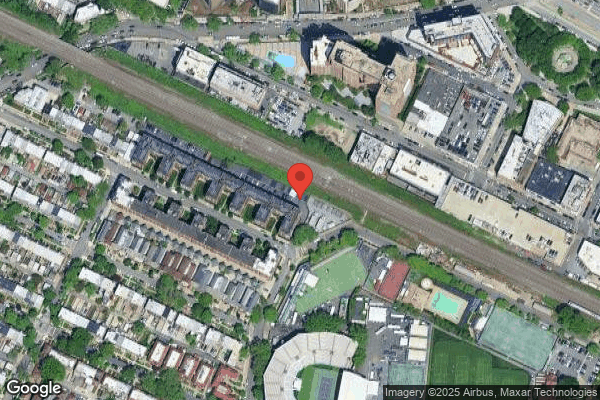

71 20 110TH STREET, FOREST HILLS, NY 11375 (718) 793-3200
For profit - Corporation 160 Beds Independent Data: November 2025
Trust Grade
90/100
#37 of 594 in NY
Last Inspection: May 2024

Within standard 12-15 month inspection cycle. Federal law requires annual inspections.

Overview

Forest View Center for Rehabilitation & Nursing has an excellent Trust Grade of A, meaning it is highly recommended and performs well compared to other facilities. With a state ranking of #37 out of 594 in New York, it is in the top half, and it ranks #4 out of 57 in Queens County, indicating that only three local facilities are better. The facility is improving, having reduced its issues from four in 2022 to two in 2024. Staffing is average with a 3/5 star rating and a 30% turnover rate, which is better than the state average, suggesting that staff members typically stay longer and get to know the residents. Notably, there have been no fines, which is a positive indicator of compliance. However, there are some concerns to note. Inspection findings revealed that one resident fell and was found on the floor without witnesses, raising questions about supervision during transfers. Additionally, there was a failure to thoroughly investigate an allegation of abuse involving another resident, which could indicate a lack of thoroughness in handling serious issues. Lastly, the assessments for one resident did not accurately reflect their need for a wander alarm, which is crucial for safety. While there are strengths in staffing stability and overall care quality, these incidents highlight areas for improvement in resident safety and oversight.

Trust Score
A
90/100
In New York
#37/594
Top 6%
Safety Record
Low Risk
No red flags
Inspections
Getting Better
4 → 2 violations
Staff Stability
○ Average
30% turnover. Near New York's 48% average. Typical for the industry.
Penalties
✓ Good
No fines on record. Clean compliance history, better than most New York facilities.
Skilled Nurses
○ Average
Each resident gets 33 minutes of Registered Nurse (RN) attention daily — about average for New York. RNs are the most trained staff who monitor for health changes.
Violations
○ Average
9 deficiencies on record. Average for a facility this size. Mostly minor or procedural issues.
★★★★★
5.0
Overall Rating
★★★☆☆
3.0
Staff Levels
★★★★★
5.0
Care Quality
★★★★★
5.0
Inspection Score
Stable
2022: 4 issues
2024: 2 issues

The Good

  • 5-Star Quality Measures · Strong clinical quality outcomes
  • Full Sprinkler Coverage · Fire safety systems throughout facility
  • No fines on record
  • Staff turnover below average (30%)

    18 points below New York average of 48%

Facility shows strength in quality measures, fire safety.

The Bad

Staff Turnover: 30%

15pts below New York avg (46%)

Typical for the industry

The Ugly 9 deficiencies on record

May 2024 2 deficiencies
CONCERN (D) 📢 Someone Reported This

A family member, employee, or ombudsman was alarmed enough to file a formal complaint

Potential for Harm - no one hurt, but risky conditions existed

Report Alleged Abuse (Tag F0609)

Could have caused harm · This affected 1 resident

**NOTE- TERMS IN BRACKETS HAVE BEEN EDITED TO PROTECT CONFIDENTIALITY** 2. Resident #70 was admitted to the facility with diagnoses of Anxiety Disorder, Dementia with Behavioral Disturbances, and Repe...

Read full inspector narrative →
**NOTE- TERMS IN BRACKETS HAVE BEEN EDITED TO PROTECT CONFIDENTIALITY** 2. Resident #70 was admitted to the facility with diagnoses of Anxiety Disorder, Dementia with Behavioral Disturbances, and Repeated Falls. The Minimum Data Set, dated [DATE] documented Resident #70 had short and long term memory problem and moderately impaired cognitive skills. Resident #70 was incontinent of bowel and bladder. The assessment further documented that Resident #1 required supervision for transfers and was able to walk 150 feet with supervision. A facility's Accident / Incident Report dated 04/11/2024 documented that on 04/11/2024 at 3:00 AM, Resident #70 was observed lying on their right side by the right side of their bed. Resident was unable to state what happened. A review of the Accident / Incident Report and employee statements did not indicate any witness to Resident #70's fall occurrence. A nurse's progress notes dated 04/16/2024 at 6:19 PM documented that Resident #70's x-ray (a test that captures images of the structures inside the body particularly the bones) showed acute left femoral neck (thigh bone close to the hip joint) fracture (a break in a bone) . Resident #70 was transferred to the hospital. On 05/06/2024 at 9:28 AM, an interview was conducted with the Assistant Director of Nursing who stated that Resident #70's fracture was not reported to the New York state Department of Health because they assumed Resident #70's fracture was related to the fall that occurred on 04/11/2024. 10 NYCRR 415.4 (b) Based on record review and interviews conducted during Recertification and Abbreviated (NY00321724) survey from 04/29/2024 to 05/06/2024 , the facility did not ensure that all alleged violations involving neglect and injuries of unknown source were reported immediately but not later than 2 hours after the allegation was made to the New York State Department of Health. This was evident for 2 (Residents #62 and #70 ) of 38 total sampled residents. Specifically, 1.) On 02/22/2023, Resident #62 sustained a swelling on the forehead. The injury was not witnessed, and the source of injury could not be explained by the Resident. The injury was not reported to the New York State Department of Health. 2.) On 04/11/2024, Resident #70 had an unwitnessed fall that resulted in an acute left femoral fracture. The Resident was unable to explain the occurrence. The injury was not reported to the New York State Department of Health. The findings are: The facility policy titled Abuse Prevention with a reviewed date od 04/14/2023 documented that the facility will report any incident and/or violation where abuse, neglect, exploitation, or mistreatment is suspected or has reasonable cause to believe that abuse has occurred. The facility will notify the New York State Department of Health when an investigation identifies abuse. 1. Resident #62 had diagnoses of Dementia, Parkinson Disease, Depression, and Psychotic Disorder. The Minimum Data Set assessment (an assessment tool that measures health status of nursing home residents) dated 01/11/2024 documented that Resident #62 was severely cognitively impaired and required extensive assistance of 2 person for transfers and personal hygiene. Registered Nurse's note dated 02/22/2023 documented that at around 4:30 PM of 02/22/2023, they were approached by Resident #62's sister who was visiting the resident at that time to check resident's forehead. Resident #62's forehead was observed with mild swelling to left side of his forehead. The facility Accident/Incident Investigation Report Summary documented that on 02/22/2023 at approximately 4:30 PM, Resident #62 was observed by their family member with a bump on the forehead. Upon assessment, resident was noted with a swelling to the left side of the forehead measuring 2.5 by 3.5 centimeters. Resident was interviewed and could not relate to the event due to poor cognition. A review of the Accident / Incident Report and employee statements did not indicate any witness to how Resident #62 sustained the forehead swelling. There was no documented evidence that the swelling to Resident #62's forehead was reported to the New York State Department of Health. On 05/03/2024 at 02:03 PM, an interview was conducted with the Director of Nursing who stated that allegations of abuse were reported to the New York State Department of Health when the investigation was completed. The Director of Nursing stated they rule out abuse before deciding if an incident need to be reported to the New York State Department of Health. The Director of Nursing stated Resident # 62's alleged incident was not reported because they believed Resident #62 may have hit their forehead on the upper side rails while in bed and concluded that it was not abuse.
MINOR (B)

Minor Issue - procedural, no safety impact

Assessment Accuracy (Tag F0641)

Minor procedural issue · This affected multiple residents

Based on record review and interview conducted during the Recertification Survey from 04/29/2024 to 05/06/2024, the facility did not ensure that the Minimum Data Set assessment accurately reflect the ...

Read full inspector narrative →
Based on record review and interview conducted during the Recertification Survey from 04/29/2024 to 05/06/2024, the facility did not ensure that the Minimum Data Set assessment accurately reflect the resident's status. This was evident in 3 (Resident # 16, # 63, and #65) of 38 total sampled residents. Specifically, 1.) Resident #16's Minimum Data Set assessment did not reflect the Resident being in hospice care, 2.) Resident #63's Minimum Data Set assessment did not document Resident having colostomy, and 3.) Resident #65's Minimum Data Set assessment did not document any active diagnoses. The findings are: The facility have not provided a documented policy on Minimum Data Set assessment and completion. 1.) Resident #16 was admitted to the facility with diagnoses of Dysphasia and Abnormal Results of Liver Function Studies. A nurse's progress notes dated 03/16/2024 documented Resident #16 remained alert and verbally responsive. The note documented that Resident #16 was evaluated by the Hospice nurse and was accepted to hospice care. The Minimum Data Set assessment with reference date of 03/29/2024 did not document Resident #16 being in hospice care. 2.) Resident #63 was admitted to the facility with diagnoses of Cerebrovascular Accident, Pancreatic Mass, and Stercoral Colitis. A physician's readmission note dated 03/26/2024 documented that Resident #63 had a colostomy on the left lower abdomen. The Minimum Data Set assessment with reference date of 03/31/2024 did not document Resident #16 having colostomy. 3.) Resident #65 was admitted to the facility with diagnoses of Recurrent Depressive Disorder, Psychotic Disorder, Insomnia, Hypertension, and Embolism. The Minimum Data Set assessment with reference date of 01/23/2024 did not document any of Resident #65's active diagnoses. On 05/03/2024 at 11:00 am, the Minimum Data Set Coordinator was interviewed and stated each department was responsible for ensuring that their sections were completed timely and accurately. The Minimum Data Set Coordinator stated they were responsible for scheduling and ensuring completion for timely submission of the Minimum Data Set assessment. 10 NYCRR 415.11(b)
Apr 2022 4 deficiencies
CONCERN (D)

Potential for Harm - no one hurt, but risky conditions existed

Investigate Abuse (Tag F0610)

Could have caused harm · This affected 1 resident

**NOTE- TERMS IN BRACKETS HAVE BEEN EDITED TO PROTECT CONFIDENTIALITY** Based on record review and interview conducted during the Recertification survey, the facility did not ensure that allegations o...

Read full inspector narrative →
**NOTE- TERMS IN BRACKETS HAVE BEEN EDITED TO PROTECT CONFIDENTIALITY** Based on record review and interview conducted during the Recertification survey, the facility did not ensure that allegations of abuse were thoroughly investigated for 1 of 1 residents reviewed for Abuse in a sample of 32 (Resident #95). Specifically, Resident #95 had a left wrist fracture of unknown origin that was not investigated. The findings are: The facility policy titled Abuse Preventions Policy, dated 04/14/22, documented the facility will investigate allegations of abuse by interviewing and obtaining statements from the staff and witnesses, and reviewing medical records. The undated facility policy titled Accident and Incident documented the facility will investigate every accident, incident or occurrence of residents in the facility. Resident #95 had diagnoses of Alzheimer dementia and psychotic disorder. The Minimum Data Set 3.0 (MDS) assessment dated [DATE] documented the resident was severely cognitively impaired and required extensive assistance of one person to perform activities of daily living. On 04/14/22 at 02:20 PM, Resident #95 was observed to be restless in their wheelchair and attempted to get up unassisted several times. A Nursing note (NN) dated 10/15/2021 documented Resident #95 was restless, exhibited pain to the left wrist, the Medical Doctor (MD) was made aware, and an left wrist x-ray was ordered. NN dated 10/15/21 subsequently documented the left wrist x-ray showed an acute distal radial and ulnar styloid fracture. The MD was made aware and Resident #95 was transferred to the hospital. An x-ray Patient Report dated 10/15/21 documented Resident #95 had an acute distal radial and ulnar styloid fracture of the left wrist. NN dated 10/16/2021 at 1:31 PM documented Resident #95 was readmitted with diagnosis of left hand/wrist fracture and Resident #95 had a soft cast to their left wrist. There was no documented evidence the facility conducted an investigation for the resident's fracture of unknown origin to rule out abuse, neglect, or mistreatment. On 04/20/22 at 9:45 AM, Registered Nurse (RN) #1 was interviewed and stated on 10/15/21, Resident #95's family member reported that Resident #95 had a swollen left wrist. RN #1 assessed Resident #95, informed the MD, and endorsed the matter to RN #2 who no longer works in the facility. RN #2 received the x-ray results and coordinated Resident #95's transfer to the hospital. Thee Assistant Director of Nursing (ADNS) and Director of Nursing (DON) were informed of the incident. On 04/20/22 at 11:08 AM, the ADNS was interviewed and stated they were made aware Resident #95 had a left wrist fracture on 10/16/21. The ADNS was unable to provide a reason the facility did not investigate the origin of Resident #95's left wrist fracture. On 04/20/22 at 2:00 PM, the DON was interviewed and stated the facility must thoroughly investigate if a resident sustains a serious injury to rule out abuse. The RN supervisor is responsible for obtaining staff statements and the ADNS formulates the conclusion of the investigation. The DON was unable to provide a reason why Resident #95's left wrist fracture was not investigated to rule out abuse. 415.4(b)(1)(i)
CONCERN (D)

Potential for Harm - no one hurt, but risky conditions existed

Assessment Accuracy (Tag F0641)

Could have caused harm · This affected 1 resident

**NOTE- TERMS IN BRACKETS HAVE BEEN EDITED TO PROTECT CONFIDENTIALITY** Based on observations, record review, and interviews conducted during the Recertification survey, the facility did not ensure as...

Read full inspector narrative →
**NOTE- TERMS IN BRACKETS HAVE BEEN EDITED TO PROTECT CONFIDENTIALITY** Based on observations, record review, and interviews conducted during the Recertification survey, the facility did not ensure assessments accurately reflected the resident's status for 1 of 32 sampled residents (Resident # 126). Specifically, the Minimum Data Set 3.0 (MDS) assessment for Resident #126 did not document the use of a wander/elopement alarm. The findings are: Resident #126 had diagnoses of dementia, depression, and psychotic disorder. The MDS dated [DATE] documented Resident #126 was severely cognitively impaired, required supervision when ambulating in the hallway, and a wander/elopement alarm was not used. On 04/14/22 at 10:46 AM, Resident #126 was observed with a wander-guard (WG) alarm to their right ankle. The Comprehensive Care Plan (CCP) related to behavior symptoms was last revised 06/30/2021 and documented interventions including a WG to Resident #126's right ankle. The Physician Order, initiated 06/30/21 and last renewed 3/28/22, documented the right ankle WG on Resident #126 should be checked every shift. The Medication Administration Records (MARs) documented the nursing staff checked the right ankle WG on Resident #126 every shift daily from 01/14/22 to 04/14/22. On 04/20/22 at 02:48 PM, the License Practical Nurse (LPN #1) was interviewed and stated LPN #1 is responsible for physically assessing the residents and and inputting the data into the MDS assessment. The MDS coordinator then reviews and signs the MDS. After reviewing MDS dated [DATE], LPN #1 stated it was an oversight that Resident #126 was not coded as having a WG alarm. On 04/20/22 at 03:02 PM, the MDS Director was interviewed and stated the LPN does not assess the residents. The LPN collects data that is already in the medical record. The MDS Director reviews and signs all MDS assessments. It was an oversight that Resident #126 was not coded as having a WG alarm. 415.11 (b)
CONCERN (D)

Potential for Harm - no one hurt, but risky conditions existed

Deficiency F0657 (Tag F0657)

Could have caused harm · This affected 1 resident

**NOTE- TERMS IN BRACKETS HAVE BEEN EDITED TO PROTECT CONFIDENTIALITY** Based on record review and interviews conducted during the Recertification survey, the facility did not ensure residents were in...

Read full inspector narrative →
**NOTE- TERMS IN BRACKETS HAVE BEEN EDITED TO PROTECT CONFIDENTIALITY** Based on record review and interviews conducted during the Recertification survey, the facility did not ensure residents were involved in developing their comprehensive care plan (CCP) for 1 of 32 sampled residents (Resident #20). Specifically, Resident #20 was not invited to a CCP meeting with the interdisciplinary team (IDT). The findings are: The facility policy titled CCP dated 07/12/2020 documented Social Services notifies the resident and/or family, encourages them to attend the meeting, and provides alternate arrangements to include the resident in the CCP process. Resident #20 had diagnoses of cerebral infarction, pain, and seizures. The Minimum Date Set 3.0 (MDS) assessment dated [DATE] documented Resident #20 was cognitively intact, able to make themselves understood, and participated in their assessment. Resident #20 was interviewed on 04/14/22 at 12:42 PM and stated they and their designated representative had not been invited to attend a CCP meeting with the IDT on 04/12/2022. The resident was alert and oriented but preferred the facility contact their designated representatives re: their CCP. The CCP schedule dated 1/12/2022 documented Resident # 20 's representative was invited and would attend the admission care plan meeting. The CCP schedule dated 4/12/2022 documented a meeting was scheduled for Resident #20. The Care Plan Meetings History dated 04/12/2022 documented a Registered Nurse and Physical Therapist attended the CCP meeting. There was no documented evidence Resident #20 or their designated representative was invited to attend the scheduled CCP meeting on 4/12/22 with the IDT. On 04/19/22 at 11:00 AM, the Social Worker (SW) was interviewed and stated residents/representatives were invited to initial, significant change, and annual but not quarterly CCP meetings. Residents/representative are invited a few days before the scheduled meeting. Resident #20 was cognitively intact and asked that CCP meeting invitations be handled by their representative. Resident #20 and their representative were not invited to the CCP meeting on 04/12/2022. On 04/19/22 at 12:16 PM, the Director of Social Work (DSW) was interviewed and stated residents/representatives were invited up to a week in advance of CCP meetings. Residents/representatives were not invited to the quarterly CCP meetings with the IDT. 415.11(c)(2)(i-iii)
CONCERN (D)

Potential for Harm - no one hurt, but risky conditions existed

Deficiency F0679 (Tag F0679)

Could have caused harm · This affected 1 resident

**NOTE- TERMS IN BRACKETS HAVE BEEN EDITED TO PROTECT CONFIDENTIALITY** Based on observation, record review, and interviews conducted during the Recertification survey, the facility did not ensure res...

Read full inspector narrative →
**NOTE- TERMS IN BRACKETS HAVE BEEN EDITED TO PROTECT CONFIDENTIALITY** Based on observation, record review, and interviews conducted during the Recertification survey, the facility did not ensure residents were provided with an ongoing activities program designed to meet their choices and interests. This was evident for 1 of 2 residents reviewed out of a sample of 32 residents (Resident #21). Specifically, Resident #21 was not provided with activities of their choice, including television (TV) channels in the French Creole language. The findings are: The facility policy titled Procedure for Individual Activities dated 7/1/19 documented every resident was involved in a meaningful program of activity, tailored to their individual needs and preferences. Resident #21 had diagnoses of recurrent depressive disorder and right-sided Hemiplegia following cerebral infarction. The Minimum Data Set 3.0 (MDS) dated [DATE] documented Resident #21 had mild cognitive impairment, was able to understand others, made self understood, and participated in the assessment. On 04/14/22 at 11:17 AM, Resident #21 was observed sitting in a wheelchair in the hallway without on-going activity. Resident #21 was interviewed using an interpreter via phone language line and stated their native language was French Creole, they did not speak English, and they enjoyed watching TV in Creole French. Resident #21 was not asked by facility staff about their activity preferences, does not enjoy reading or writing, and does not have French Creole channels on their TV. The TV in Resident #21's room was observed and there were no French Creole channels available. A radio was not observed in the resident's room. Resident #21 was observed multiple times on 04/15/22 from 09:18 AM to 11:59 AM, 04/18/22 from 10:13 AM to 04:31 PM, 04/19/22 from 10:02 AM to 02:51 PM, 04/20/22 from 10:25 AM to 03:26 PM, and 04/21/22 at 09:50 AM sitting in a wheelchair in the hallway without ongoing activity. The Comprehensive Care Plan (CCP) related to Activities initiated 3/3/2016 documented Resident #21 had a language barrier and was at risk for isolation. Interventions documented to reevaluate Resident #21's needs, interests, and capabilities through interview and observation, and place Resident #21 in a level of functioning that best suits their needs, interests and capabilities. The Therapeutic Recreation (TR) Annual assessment dated [DATE] documented Resident #21 preferred TV and radio/music. The MDS dated [DATE] documented Resident #21 was the primary respondent for activity preferences and it was somewhat important for Resident # 21 to do their favorite activities. The TR Quarterly assessment dated [DATE] documented Resident #21 preferred TV and radio/music. The facility Television Channel List was undated and did not document French Creole channels. On 04/19/22 at 10:12 AM, Certified Nursing Assistant (CNA) #1 was interviewed and stated Resident # 21 was alert, oriented, able to make needs known, and spoke French Creole. Resident #21 did not like to participate in activities and sat in their wheelchair most of time. CNA #1 did not observe Resident #21 watching TV often and did not know wether Resident #21 had any language barrier issues. The facility did not have any French Creole TV channels available. On 04/19/22 at 10:21 AM, the TR was interviewed and stated Resident # 21 was alert, oriented, and had a language barrier because Resident #21 spoke French Creole and did not speak any English. The facility had a language line for staff to use for language interpretation with residents; however, the TR did not know how to use the language line and did not use it to communicate with Resident #21. The TR did not know Resident # 21's activity preferences, including Resident #21's preference to watch French Creole TV. On 04/20/22 at 10:10 AM, the Director of Recreation (DOR) was interviewed and stated the DOR was responsible for completing the recreation assessments but had only worked at the facility for 2 months and did not complete the assessment for Resident #21. The facility does not offer TV channels in French Creole but if the DOR was aware of Resident #21's language barrier, the DOR would have provided Resident #21 with their activity preferences. 415.5(f)(1)
Jul 2019 3 deficiencies
CONCERN (D)

Potential for Harm - no one hurt, but risky conditions existed

Comprehensive Care Plan (Tag F0656)

Could have caused harm · This affected 1 resident

**NOTE- TERMS IN BRACKETS HAVE BEEN EDITED TO PROTECT CONFIDENTIALITY** Based on observation, interviews and records review, conducted during the recertification survey; the facility did not develop a...

Read full inspector narrative →
**NOTE- TERMS IN BRACKETS HAVE BEEN EDITED TO PROTECT CONFIDENTIALITY** Based on observation, interviews and records review, conducted during the recertification survey; the facility did not develop a comprehensive person-centered care plan resident. Specifically 1) Resident #155 has hearing difficulty and uses a hearing aid. There was no comprehensive care plan that identified the resident has having hearing difficulty or lists hearing aid device as an intervention. There was no instruction for which discipline would be responsible for ensuring hearing aid was properly maintained and worn by resident. This was evident for 1 out of 33 sampled residents. (Resident #155) The facility's undated policy/procedure Comprehensive Care Plan document an initial comprehensive care plan is initiated upon admission and developed on the 21st day after admission and reassessed quarterly or more often as determined by the resident's condition. The findings are: Resident #155 was admitted to the facility on [DATE] and has diagnosis of Unspecified intracapsular fracture of left femur, initial encounter for closed fracture, Hypertension, and Chronic ischemic heart disease MDS dated [DATE] documented resident #155 hearing as adequate, no difficulty in normal conversation and has hearing aids. It also documented that the resident has intact cognition. On 07/11/19 at 09:22 AM, an interview was conducted with Resident #155 who stated she wears hearing aids and entered the facility with her personal hearing aids. Resident #155 stated staff is aware that she wears a hearing aid. Review of Resident #155 records did not contain a comprehensive person-centered care plan identifying that resident requires the use of hearing aid to enable hearing. There is no instruction in the record indicating which discipline would be responsible for ensuring the device is maintained and working properly, or if resident is responsible or capable of hearing aid maintenance. On 07/11/19 at 02:44 PM an interview was conducted with Registered Nurse (RN #2). The RN stated that the condition: Hard of Hearing would be listed in general orders and not necessarily in the Physician Orders. RN #2 stated that care plans would be developed for residents with hearing aids, but was not sure that it was picked up that Resident#2 had a hearing aid. RN#2 stated the admission note does state that the resident has a hearing aid. RN#2 stated the evening nurse generates the care plan , because residents are generally admitted in the evening. RN #2 stated that the care plan for hearing/hearing aid would need to be initiated manually. On 07/11/19 at 02:53 PM an interview was conducted with the Certified Nursing Assistant (CNA #2) who stated the resident has a hearing aid in one ear. CNA #2 stated the resident takes care of the hearing aid herself and is alert and oriented to person, place, and time. CNA #2 stated the resident does not have difficulty hearing while wearing hearing aid. 415.11(c)(1)
CONCERN (D)

Potential for Harm - no one hurt, but risky conditions existed

Medication Errors (Tag F0758)

Could have caused harm · This affected 1 resident

**NOTE- TERMS IN BRACKETS HAVE BEEN EDITED TO PROTECT CONFIDENTIALITY** Based on observation, record reviews, and staff interviews during the Recertification Survey the facility did not ensure residen...

Read full inspector narrative →
**NOTE- TERMS IN BRACKETS HAVE BEEN EDITED TO PROTECT CONFIDENTIALITY** Based on observation, record reviews, and staff interviews during the Recertification Survey the facility did not ensure residents were from unnecessary antipsychotic medications. Specifically, two residents were prescribed the antipsychotic medication Seroquel with no proper documentation of behavioral symptoms, without periodic re-evaluation for the clinical indication for the use of the antipsychotic medication, and without attempt for Gradual Dose Reduction (GDR). This was evident for 2 of 5 residents reviewed for Unnecessary Medications out of 33 sampled residents. (Resident # 156 and Resident #121). The findings are: Resident # 156 was admitted to the facility 6/2/16. The resident was admitted with diagnosis that include Unspecified Dementia without behavioral disturbances, unspecified psychosis not due to a substance or known physiological condition, Major Depressive Disorder, Major Depressive Disorder with psychotic symptoms, Senile Degeneration of Brain, Disorientation unspecified, and Restlessness and Agitation. The resident was in therapy to work on regulation of anger and associated dysphoria On 7/10/19 Resident # 156 was observed in her room sitting in her wheelchair calmly while getting her hair set by her private aid. Resident #156 was able to have a conversation but could not report how long she was in the facility. On 7/12/19 Resident #156 was observed in the Penthouse area of the facility with other residents. Resident was sitting calmly waiting for her lunch to be served The Significant Change Minimum Data Set (MDS) initiated for hospice care dated 3/27/19 documented the resident is cognitively impaired with no delirium, or psychosis. Th resident is usually understood, and usually understands others. Resident had no behavioral symptoms towards self or others. The resident did not reject care and was extensive assistance for Activities of Daily Living (ADLs). The resident used a wheelchair. Active diagnosis included, but not limited to; Non-Alzheimer's Dementia, Depression, Psychotic Disorder, and Senile Degeneration of brain. Resident received and antipsychotic medication 7/7 days, antidepressant 7/7 days. Gradual Dose Reduction (GDR) has not been documented by a physician as clinically contraindicated. Last Quarterly MDS dated [DATE] documented the resident is cognitively impaired with no delirium, or psychosis. Th resident is usually understood, and usually understands others. The resident did not reject care and was extensive assistance for Activities of Daily Living (ADLs). The resident used a wheelchair. Active diagnosis included, but not limited to; Non-Alzheimer's Dementia, Depression, and Psychotic Disorder. Resident received and antipsychotic medication 7/7 days, antidepressant 7/7 days. GDR has not been documented by a physician as clinically contraindicated. The Comprehensive Care Plan (CCP) titled Cognitive Loss/Dementia dated 6/2/16 documented- cognitive deficit related to dementia, impaired short and long term memory. Interventions include- orient resident, break activities into manageable subtasks, and provide positive reinforcement. The CCP titled ADL extensive assistance dated 8/22/18 documented the resident is unable to perform ADL functions without extensive assistance secondary to dementia and depression. Interventions included- provide ADLs, range of motion, and body positioning. The CCP titled Psychosocial well being dated 8/22/18 documented the resident had a decline in psychosocial wellbeing related to medical conditions and continued stay at the facility, and the resident is known to make false allegations against caregivers. Interventions included- psychological services as ordered, monitor for declines, and encourage consistency. The CCP titled Psychotropic Drug Use dated 8/22/18 documented the resident was on psychiatric medications with potential for side effects. Interventions included- psychiatry consult annually per MD orders, monitor side effects of medications, explore non-pharmacological interventions. The CCP titled Hospice dated 3/19/19 documented the resident is on hospice related to Senile Degeneration of brain. Interventions included- assess physical cues, pain, signs and symptoms of infection, etc. asses psychological causes, medicate per MD order, provide emotional support, offer diversional activities (guided imagery, music, relaxation, etc.) A review of the physicians orders documented the resident is receiving Namenda Oral Tablet 10mg (for Unspecified Dementia started on 6/2/16) twice a day, Lexapro Oral Tablet 20 mg ( for Major Depressive Disorder started on 7/5/16) daily, and Seroquel Oral Tablet 25 mg (for Unspecified Psychosis started on 5/22/18) 0.5 tablet at bedtime. Monthly Medication Review conducted by a pharmacist dated 6/9/19 documented the Resident is currently receiving Seroquel. Unable to locate recent documentation of current need/effect, absence or presence of side effects, and ability or lack of ability to taper current dose in chart. Physician responded with psych consult ordered. The nursing admission note dated 6/2/16 documented no potential indicators of psychosis. The social worker note dated 6/5/16 documented the resident was admitted with a diagnosis of Dementia and Major Depressive Disorder. The physician admission note dated 6/5/16 documented the resident has diagnosis of Depression and Dementia. Psychiatric conditions include memory loss and Depression. The physician progress note dated 5/22/18 documented the medication Remeron 7.5 mg was discontinued and Seroquel 12.5 mg was started per the resident's daughter request. July 2018- July 2019 progress notes were reviewed and no behavioral notes or mention of psychosis were observed. Psychiatric consult dated 6/9/18 documented the resident was receiving Lexapro 20 mg daily, Namenda 10 mg twice daily, and Seroquel 12.5 mg daily. The resident appeared sad, guarded, suspicious, depressed. Resident was reported to tell staff someone was going to murder her. Impression- dementia with psychosis. Recommend increasing Seroquel 12.5 mg po daily and add Seroquel 25 mg po. Psychiatric consults dated 9/5/18 documented the resident was receiving Lexapro 20 mg daily, Namenda 10 mg twice daily, and Seroquel 12.5 mg daily and Seroquel 25 mg daily. The recommendation to discontinue Seroquel orders and start on Seroquel 12.5 mg po secondary to a decrease in paranoid delusions. Psychiatric consult dated 1/14/19 documented the resident was receiving Lexapro 20 mg daily, Namenda 10 mg twice daily, and Seroquel 12.5 mg daily. The resident stated she was doing ok. Decreased suicidal/homicidal thoughts and decreased audio/visual hallucinations. Memory and cognition limited. Impression- Dementia with mood disorder, memory and cognition limited. Psychiatric consult dated 3/15/19 documented the resident was receiving Lexapro 20 mg daily, Namenda 10 mg twice daily, and Seroquel 12.5 mg daily. The resident is doing ok. Decreased suicidal/homicidal thoughts and decreased audio/visual hallucinations. Impression- Dementia with mood disorder. Psychology note dated 1/7/19 documented the resident was showing suicidal ideation and risk of self-harm in conversation with therapist when interviewed on 1/7/19. Resident does not recall statements. Resident is not at risk for self-harm at this time. Specific of suicidal ideations were not ellaborated in psychologists notes. Psychology note dated 1/31/19 documented the resident has had a cognitive decline, has delusions/hallucinations, confusion, and the resident is unaware. Unaware of what? Psychology note dated 2/7/19 documented the resident was in therapy to work on regulation of anger and associated dysphoria. Psychology note date 2/13/19 documented the resident had diagnoses of Major Depressive Disorder, and Unspecified Dementia. The resident does not recognize the provider and services will be discontinued. On 7/10/19 at 11:15 AM the Private Aid (PA) caring for the resident was interviewed. The PA stated that she has been working with the resident for the past 4 years. The PA stated she is with the resident for 12 hours a day for 4 days a week. The PA stated that the resident does have dementia and can exhibit mood swings at times. The PA stated the mood swings are when the resident is confused and can call the staff names or will ask if she is in danger or if the nursing home is safe. The PA further stated that the resident is confused and will say things that did not happen. The PA stated that the residents behavior never escalates besides the occasional name calling. The PA stated the resident has never had to be removed from a situation where she was out of control. The PA stated that sometimes the resident will go for months at a time without having an name calling. On 7/10/19 at 12:13 PM the Registered Nurse Supervisor #1 (RNS) on the resident's floor was interviewed. The RNS #1 stated that the resident is sometimes depressed, and does not really interact with other residents on the unit. The RNS #1 stated the resident will go up to the Penthouse for her meals and to socialize. RNS #1 stated she has never seen a behavior problem with the resident, further stating the resident usually stays in her room with her private aid. RNS #1 stated that the resident was started on Seroquel because she was screaming, but she had never seen the resident screaming. RNS #1 stated there are no behavior notes in the computer for the resident at this time. On 7/10/19 at 3:27 PM the Medical Doctor #1 (MD) for the resident was interviewed. MD #1 stated the resident has been declining and was put on hospice in March. MD #1 stated the resident is still on Seroquel for her psychosis, agitation, and behavioral disturbances. MD #1 stated the staff monitor how the resident behaves while eating and interacting with other residents. MD #1 stated the resident has not has any disruptive behavior since she was started on the Seroquel and the residents daughter is happy with the residents behavior. MD #1 stated that Seroquel is continued because the resident is behaviorally stable and doing well. MD #1 stated that the resident should have been seen by the psychiatrist in June 2019. When asked to see documentation for June 2019 psychology consult the MD provided March 2019 consult. The MD could not provide explaination to why the resident was not seen by the psychiatrist in June despite Medication Regimen Review comment stating psychiatry consult was ordered. The residents psychiatrist was not available for interview per the Assistant Director of Nursing (ADNS). ADNS stated the regular psychiatrist was on vaction. A phone call on was made to the covering psychiatrist on 07/11/19 at 02:54 PM. The covering psychiatrist stated he was not the regular psychiatrist for resident and did not have information on resident. The covering psychiatrist was not able to answer any questions on resident # 156 psychaitric history and prescription of antipsychotic medication. A review of the record did not document any behavioral symptoms indicating the continued use of the antipsychotic medication Seroquel. A review of the record did not show that periodic re-evaluation for the clinical indication for the use of the antipsychotic medication was completed. 415.18(c)(1) 2) Resident # 121 is a [AGE] years old admitted to the facility on [DATE] with diagnoses that include Unspecified dementia without behavioral disturbance, depressive disorders, hypertension and diabetes. On 7/09/19 the resident's medical record was reviewed. The resident's current orders and Medication Administration Record was also reviewed and revealed that the resident was currently receiving the following medication: Clonazepam (anti-anxiety) 0.5mg 0.5 tablet by mouth 1 tab every 12 hours, Seroquel (antipsychotic) 25 mg 1 tab by mouth at bedtime, Remeron (antidepressant) 15 mg 0.5 tab at bedtime and Zoloft (antidepressant) 50 mg 1 tab by mouth daily. The Patient Review Instrument (PRI) dated 2/05/19 documented diagnoses of diabetes, dementia, vertigo, cerebral amyloid angiopathy. There is no diagnosis of psychotic disorder documented in the PRI. The Initial Assessment documented on the MDS (Minimum Data Set 3.0) and with a reference date of 2/27/19 documented the resident with impaired cognition. It documents that the resident has no evidence of acute mental changes. The resident has no disorganized thinking, there is no altered level of consciousness and the resident has no difficulty focusing attention. There is no mood indicators documented in the initial MDS. There are no symptoms of psychosis documented. There are no behaviors that indicate psychosis on the MDS. There are no verbal, physical and other behavioral symptoms directed toward others. There are no delusions and no hallucinations documented in the MDS. There are no rejections of care behaviors documented in the MDS. The resident required supervision in most activities of daily living. Dementia is documented as the primary diagnosis for the resident. In addition, the MDS documented that the resident received Antipsychotic medications. The Comprehensive Care Plan documented that the resident has impaired cognition related to dementia. The resident is alert and oriented to person and place with periods of confusion and forgetfulness. The interventions include orient resident to environment and staff during interactions, establish ADL, task segmentation, provide positive experiences and positive reinforcements, approach resident in calm gentle and therapeutic manner and involve resident in decision making. On 07/08/19 at 10:04 AM, on 07/09/19 at 11:15 AM, on 07/10/19 at 02:18 PM and on 07/12/19 at 10:23 AM, the resident was observed seating around the nursing station clamly with no signs of aggression noted. There were no signs of delusions and no signs of hallucinations noted. Nursing notes dated 2/18/19 to 2/24/19 documented the resident was physically aggressive when approached by staff. The resident only speaks Russian. The resident has a language barrier. The primary care physician was notified, and the Primary Care Physician ordered that the resident start Seroquel 25 mg at bedtime. Nursing notes from 3/11/19 to 3/20/19 documented no aggressive behaviors. The behavior notes do not document that Resident #121 has exhibited any inappropriate behaviors that would indicate psychosis. Nursing notes dated 4/2/19 to 4/15/19 documented that resident # 121 is refusing to take showers. The resident became combative when the nursing assistant tried to change her clothes. The resident becomes physically aggressive due to language barrier. The behavior notes do not document that Resident #121 has exhibited any inappropriate behavior that would indicate psychosis. Nursing notes dated 5/1/19 to 5/24/19 documented no behavior problems. The resident gets agitated when she is approached by staff. The behavior notes do not document that Resident #121 has exhibited any inappropriate behavior that would indicate psychosis. Nursing noted dated 6/7/19 to 6/21/19 documented no behavior problems. The resident refused to wear wander guard which was ordered for use while in the facility. The behavior notes do not document that Resident #121 has exhibited any wandering behavior nor inappropriate behaviors that would indicate psychosis. Physician evaluation dated 3/7/19 documented diagnoses of dementia without behavior disturbance, congestive heart failure, anxiety disorder, deep vein thrombosis and coronary heart disease. The resident is at risk of worsening mental and emotional problems. The plan is for the resident to continue present psychiatric evaluations to adjust medications. Psychotic disorder was not mentioned in the physician evaluation. Pharmacy Review dated 3/11/19 documented that the resident was recently admitted on Seroquel with no clear diagnosis to support the current use. The Pharm Consultant wrote, Please consider obtaining a psychosocial work up along with performing a medical work up as soon as possible. Should the workups and nursing behavioral monitoring reveal no significant behaviors or identification of a chronic psychiatric condition, please consider implementing a tapering schedule or discontinue. The physician's documented response agreed with recommendations. Psychiatry consult dated 3/11/19 documented low mood and poor appetite. The resident is depressed. The resident denied hallucinations. Physician evaluations dated 4/5/19, 5/2/19, 5/31/19 and 6/29/19 documented the resident's mood and behavior has improved. The resident is compliant with medical regimen. The physician notes also documented that the resident is on Seroquel 25 mg at bedtime (antipsychotic). The physician's progress notes did not document that the resident is currently displaying problematic behaviors or exhibited signs of psychosis. There is no documentation supporting the use of Seroquel and whether it was necessary to treat the resident's medical condition. There was no evidence that an evaluation was conducted by either the attending physician or a psychiatrist to weigh the benefits of this medication against the risk of use to the resident. There was no documented evidence that a Gradual dose reduction was considered by the physician and the psychiatrist as recommended by the pharmacist on 3/11/19. On 07/11/19 at 12:34 PM, CNA # 3 stated that at times, resident # 121 would become aggressive to prevent new staff from going into her room. The resident does not exhibit any behaviors when she is being assisted by a staff member she is familiar with. CNA #1 also stated that the resident does not exhibit any behaviors when she is assisting the resident with activities of daily living. On 07/11/19 at 12:42 PM, LPN # 3 stated that resident # 121 was non-compliant with following rules at first. The resident would become very aggressive and annoyed when the staff would try to redirect her. The resident is currently calm. The resident has adjusted to the unit. There has not being any aggression noted the past few weeks. LPN # 3 further stated that the resident is not showing any signs of delusions nor hallucinations. On 07/11/19 at 12:48 PM, RN Nursing Supervisor # 2 stated that resident # 121 was aggressive at first. The resident had behavior problems the day after she was admitted to the facility which was 2/16/19. Resident # 121 is currently calm. The resident was put on Seroquel on 2/18/19 due to aggressive behaviors. The resident would get aggressive when staff that she is not familiar with approach her. The resident has adjusted to the unit. The resident has calmed down. There have not been any aggression behaviors noted on the unit the past few weeks. On 07/11/19 at 03:38 PM, Physician # 2 stated that the resident was very aggressive, psychotic, uncooperative and confused in the beginning. Physician # 2 stated that the nursing staff reported to him that the resident was being aggressive toward staff. Physician # 2 stated he immediately prescribed Seroquel 25 mg at bedtime. Physician # 2 further stated that Seroquel was chosen due to the resident's severe psychosis. Physician # 2 also stated that currently the resident condition is controlled. Physician # 2 also stated that the resident has been mentally stable the past few weeks. Physician # 2 also stated he is familiar with the antipsychotic drug Black box warning. Physician # 2 also stated that he chose to prescribe Seroquel to resident # 121 because Seroquel is considered a safe drug. Physician # 2 further stated he did not initiate a gradual dose reduction for the Seroquel because he usually tries to keep the residents on anti-psychotic medications for three to six months to ensure the medication is working. Physician # 2 stated that the resident is not currently exhibiting any problematic behaviors. Physician monthly evaluations and progress notes from February 2019 to June 2019 were reviewed. There is no documentation supporting the use of Seroquel was necessary to treat the resident's medical condition. There is no documentation supporting how the IDT team determined that the resident needed to continue to take seroquel which is an antipsychotic medication several weeks after the resident's behaviors has improved. There was no evidence that an evaluation was conducted by either the attending physician or a psychiatrist to weigh the benefits of this medication against the risk of use to the resident. There is no documented evidence that a Gradual dose reduction was considered by the physician and the psychiatrist as recommended by the pharmacist on 3/11/19. 415.15(b) (2) (iii)
CONCERN (D)

Potential for Harm - no one hurt, but risky conditions existed

Infection Control (Tag F0880)

Could have caused harm · This affected 1 resident

**NOTE- TERMS IN BRACKETS HAVE BEEN EDITED TO PROTECT CONFIDENTIALITY** Based on observations, interviews and the facility did not ensure a safe, sanitary and comfortable environment to prevent the tr...

Read full inspector narrative →
**NOTE- TERMS IN BRACKETS HAVE BEEN EDITED TO PROTECT CONFIDENTIALITY** Based on observations, interviews and the facility did not ensure a safe, sanitary and comfortable environment to prevent the transmission of infections and communicable diseases. Specifically, a resident's oxygen tubing was observed on two occasions coming into contact with and laying on the floor. (Resident #122). The findings are: A Quarterly Minimum Data set (MDS) dated [DATE] documented that Resident # 122 was severely impaired in cognition and has a diagnosis of Dementia, Parkinson's disease, Hypertension, Asthma, Pneumonia. Resident is on hospice. On 7/8/19 at 8:57 AM and 10:34 AM, Resident # 122 was observed in his room with private aid at bed side. Residents oxygen tubing was noted to be coming into contact with and laying on the floor next to the oxygen machine and right next to the residents bed. On 7/10/19 at 10:31 AM, Resident #122 was observed in a reclined wheel chair in the day room with oxygen machine at side. The nasal canula was still inserted in the resident's nose with the slack of the oxygen tubing laying on the floor between the resident's wheelchair and the oxygen concentrator positioned beside the wheelchair. On 07/10/19 at 11:00 AM, the Private Aid #2 (PA) was interviewed. PA #2 stated she is a companion and does not provide care to the resident. PA #2 stated that the Certified Nursing Assistants (CNA) perform all daily care, which involves moving the resident from the bed to the chair and putting the nasal cannula in the resident's nose for oxygen. PA #2 stated that if the resident's oxygen tubing is on the floor she will tell the nurse. On 07/10/19 at 11:28 AM, CNA #1 was interviewed. CNA # 1 stated the resident is total care with ALDs. CNA # 1 stated the resident is on oxygen therapy. CNA # 1 stated for oxygen we make sure the oxygen is on, we make sure it is always in his nose, make sure with the oxygen we make sure everything is in place because sometimes the resident removes the nasal cannula. CNA # 1 stated she will set the oxygen up when the resident transfers from the bed to the chair. CNA # 1 stated sometimes the oxygen come off and is on the floor and when we notice we get a new tubing. CNA # 1 stated when the resident is in the wheel chair the tubing never stays wrapped up and it falls out and when that happens we don't put it back on him. CNA # 1 stated the CNAs get infection control in servicing for oxygen. CNA # 1 stated she was not aware that the residents oxygen tubing had been observed on the floor on multiple occasions. On 07/10/19 at 11:47 AM, the Licensed Practical Nurse (LPN ) # 1 was interviewed. LPN #1 stated that she is the staff who will replace the oxygen tubing if it touches the floor. LPN #1 stated that the nurse secures the oxygen tubing when the resident is placed in the chair or in bed. LPN #1 stated the oxygen tubing will slip out onto the floor. LPN #1 stated she did not notice the residents oxygen tubing was laying on the floor underneath the residents wheelchair. 415.19 (a)(1-3)
Understanding Severity Codes (click to expand)
Life-Threatening (Immediate Jeopardy)
J - Isolated K - Pattern L - Widespread
Actual Harm
G - Isolated H - Pattern I - Widespread
Potential for Harm
D - Isolated E - Pattern F - Widespread
No Harm (Minor)
A - Isolated B - Pattern C - Widespread

Questions to Ask on Your Visit

  • "Can I speak with families of current residents?"
  • "What's your RN coverage like on weekends and overnight?"

Our Honest Assessment

Strengths
  • • Grade A (90/100). Above average facility, better than most options in New York.
  • • No major safety red flags. No abuse findings, life-threatening violations, or SFF status.
  • • No fines on record. Clean compliance history, better than most New York facilities.
  • • 30% turnover. Below New York's 48% average. Good staff retention means consistent care.
Concerns
  • • No significant concerns identified. This facility shows no red flags across CMS ratings, staff turnover, or federal penalties.
Bottom line: Generally positive indicators. Standard due diligence and a personal visit recommended.

About This Facility

What is Forest View Center For Rehabilitation & Nursing's CMS Rating?

CMS assigns FOREST VIEW CENTER FOR REHABILITATION & NURSING an overall rating of 5 out of 5 stars, which is considered much above average nationally. Within New York, this rating places the facility higher than 99% of the state's 100 nursing homes. This rating reflects solid performance across the metrics CMS uses to evaluate nursing home quality.
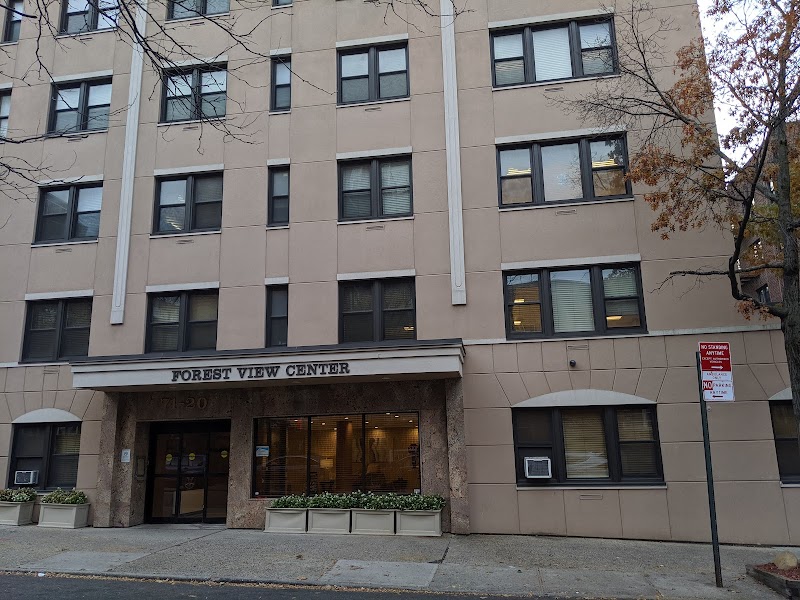
How is Forest View Center For Rehabilitation & Nursing Staffed?

CMS rates FOREST VIEW CENTER FOR REHABILITATION & NURSING's staffing level at 3 out of 5 stars, which is average compared to other nursing homes. Staff turnover is 30%, compared to the New York average of 46%. This relatively stable workforce can support continuity of care.

What Have Inspectors Found at Forest View Center For Rehabilitation & Nursing?

State health inspectors documented 9 deficiencies at FOREST VIEW CENTER FOR REHABILITATION & NURSING during 2019 to 2024. These included: 8 with potential for harm and 1 minor or isolated issues.
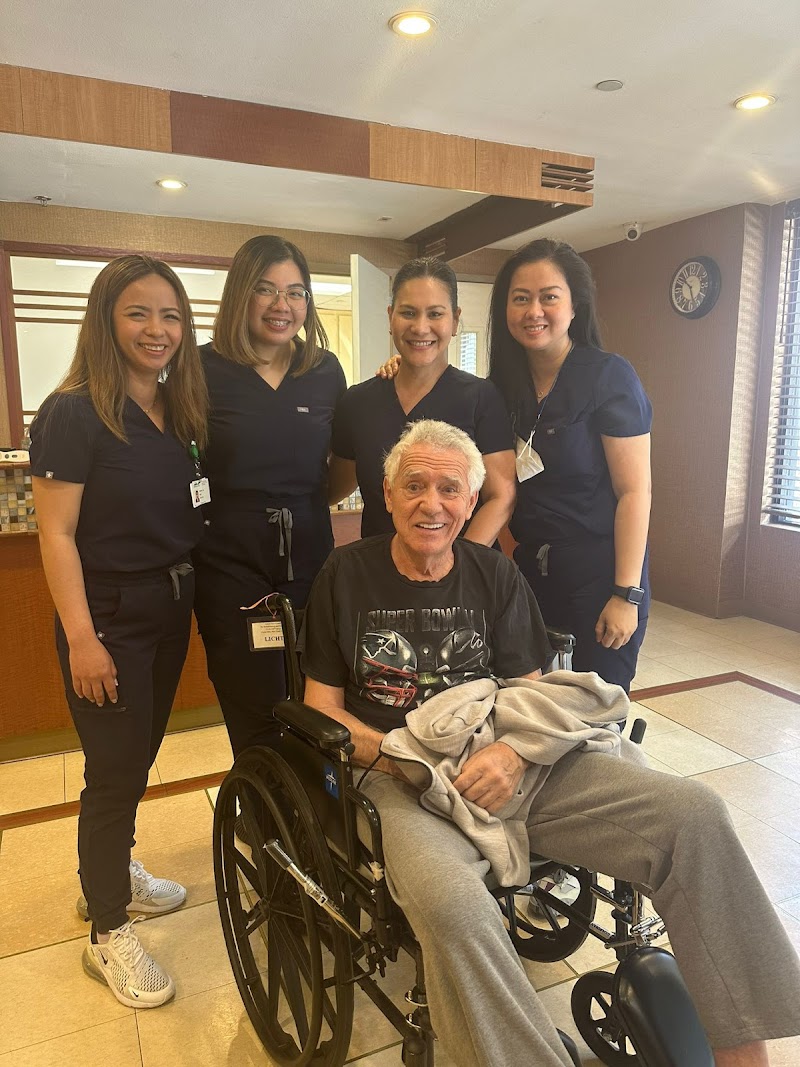
Who Owns and Operates Forest View Center For Rehabilitation & Nursing?

FOREST VIEW CENTER FOR REHABILITATION & NURSING is owned by a for-profit company. For-profit facilities operate as businesses with obligations to shareholders or private owners. The facility operates independently rather than as part of a larger chain. With 160 certified beds and approximately 157 residents (about 98% occupancy), it is a mid-sized facility located in FOREST HILLS, New York.

How Does Forest View Center For Rehabilitation & Nursing Compare to Other New York Nursing Homes?

Compared to the 100 nursing homes in New York, FOREST VIEW CENTER FOR REHABILITATION & NURSING's overall rating (5 stars) is above the state average of 3.1, staff turnover (30%) is significantly lower than the state average of 46%, and health inspection rating (5 stars) is much above the national benchmark.

What Should Families Ask When Visiting Forest View Center For Rehabilitation & Nursing?

Based on this facility's data, families visiting should ask: "Can I visit during a mealtime to observe dining assistance and food quality?" "How do you handle medical emergencies, and what is your hospital transfer rate?" "Can I speak with family members of current residents about their experience?"

Is Forest View Center For Rehabilitation & Nursing Safe?

Based on CMS inspection data, FOREST VIEW CENTER FOR REHABILITATION & NURSING has a clean safety record: no substantiated abuse findings (meaning no confirmed cases of resident harm), no Immediate Jeopardy citations (the most serious violation level indicating risk of serious injury or death), and is not on the Special Focus Facility watch list (a federal program monitoring the lowest-performing 1% of nursing homes). The facility has a 5-star overall rating and ranks #1 of 100 nursing homes in New York. While no facility is perfect, families should still ask about staff-to-resident ratios and recent inspection results during their visit.

Do Nurses at Forest View Center For Rehabilitation & Nursing Stick Around?

FOREST VIEW CENTER FOR REHABILITATION & NURSING has a staff turnover rate of 30%, which is about average for New York nursing homes (state average: 46%). Moderate turnover is common in nursing homes, but families should still ask about staff tenure and how the facility maintains care continuity when employees leave.

Was Forest View Center For Rehabilitation & Nursing Ever Fined?

FOREST VIEW CENTER FOR REHABILITATION & NURSING has no federal fines on record. CMS issues fines when nursing homes fail to meet care standards or don't correct problems found during inspections. The absence of fines suggests the facility has either maintained compliance or corrected any issues before penalties were assessed. This is a positive indicator, though families should still review recent inspection reports for the full picture.

Is Forest View Center For Rehabilitation & Nursing on Any Federal Watch List?

FOREST VIEW CENTER FOR REHABILITATION & NURSING is not on any federal watch list. The most significant is the Special Focus Facility (SFF) program, which identifies the bottom 1% of nursing homes nationally based on persistent, serious quality problems. Not being on this list means the facility has avoided the pattern of deficiencies that triggers enhanced federal oversight. This is a positive indicator, though families should still review the facility's inspection history directly.