FORT HUDSON NURSING CENTER INC
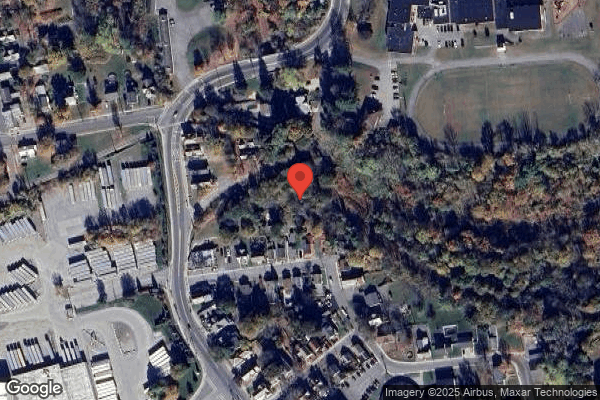
319 UPPER BROADWAY, FORT EDWARD, NY 12828 (518) 747-2811
Non profit - Corporation 196 Beds Independent Data: November 2025
Trust Grade
65/100
#280 of 594 in NY
Last Inspection: December 2024

Within standard 12-15 month inspection cycle. Federal law requires annual inspections.

Overview

Fort Hudson Nursing Center Inc has a Trust Grade of C+, indicating it is decent and slightly above average among nursing homes. It ranks #280 out of 594 facilities in New York, placing it in the top half, and #2 out of 4 in Washington County, meaning only one other local option is better. However, the facility is experiencing a worsening trend, with issues increasing from 2 in 2021 to 6 in 2024. Staffing is a significant concern, rated just 1 out of 5 stars, and there have been reports of understaffing, delayed response times to call lights, and resident complaints about inadequate staff levels. On a positive note, the facility has not incurred any fines and has a good turnover rate of 0%, suggesting that staff remain consistent, though it has less RN coverage than 78% of other state facilities, which could impact care quality. Specific incidents include failing to provide sufficient nursing staff daily, which raises safety concerns, and past issues with food service safety standards that compromised hygiene. Overall, while Fort Hudson has strengths in staff stability and no fines, there are significant weaknesses in staffing levels and recent compliance issues.

Trust Score
C+
65/100
In New York
#280/594
Top 47%
Safety Record
Low Risk
No red flags
Inspections
Getting Worse
2 → 6 violations
Staff Stability
○ Average
Turnover data not reported for this facility.
Penalties
✓ Good
No fines on record. Clean compliance history, better than most New York facilities.
Skilled Nurses
⚠ Watch
Each resident gets only 25 minutes of Registered Nurse (RN) attention daily — below average for New York. Fewer RN minutes means fewer trained eyes watching for problems.
Violations
⚠ Watch
14 deficiencies on record. Higher than average. Multiple issues found across inspections.
★★★☆☆
3.0
Overall Rating
★☆☆☆☆
1.0
Staff Levels
★★★★★
5.0
Care Quality
★★★☆☆
3.0
Inspection Score
Stable
2021: 2 issues
2024: 6 issues

The Good

  • 5-Star Quality Measures · Strong clinical quality outcomes
  • Full Sprinkler Coverage · Fire safety systems throughout facility
  • No fines on record

Facility shows strength in quality measures, fire safety.

The Bad

3-Star Overall Rating

Near New York average (3.1)

Meets federal standards, typical of most facilities

The Ugly 14 deficiencies on record

Dec 2024 6 deficiencies
CONCERN (D)

Potential for Harm - no one hurt, but risky conditions existed

Deficiency F0554 (Tag F0554)

Could have caused harm · This affected 1 resident

**NOTE- TERMS IN BRACKETS HAVE BEEN EDITED TO PROTECT CONFIDENTIALITY** Based on observation, record review, and interviews during a recertification survey, the facility did not ensure residents could...

Read full inspector narrative →
**NOTE- TERMS IN BRACKETS HAVE BEEN EDITED TO PROTECT CONFIDENTIALITY** Based on observation, record review, and interviews during a recertification survey, the facility did not ensure residents could safely self-administer medication when clinically appropriate for 2 (Residents #35 and #168) of 2 residents reviewed for medication administration. Specifically, (a) Resident #35 was observed with their prescribed Albuterol inhaler on their overbed table on 12/02/2024 and 12/04/2024, and (b) Resident #168 was observed changing their empty oxygen tank to a full oxygen tank on 12/03/2024 and setting the flow rate. There was no documented evidence that Resident #'s 35 and 168 were assessed to determine their ability to safely self-administer medications, or for physician orders for self-administration of medications. This is evidenced by: The facility Medication Self-Administration Policy, dated 9/2017, documented that staff and practitioners would assess each resident's mental and physical abilities to determine whether self-administering medications was clinically appropriate for the resident upon request. Self-administered medications were to be stored in a safe and secure place that was not accessible by other residents. Resident #35 Resident #35 was admitted to the facility with diagnoses of Spina Bifida (a condition that occurs when the spine and spinal cord don't form properly), morbid obesity (a disorder that involves having too much body fat), and paraplegia (paralysis that affects all or part of the trunk, legs, and pelvic organs). The Minimum Data Set (an assessment tool) dated 10/18/2024 documented that the resident was cognitively intact, could be understood, s and understand others. During an observation on 12/02/2024 at 2:21 PM, Resident #35 was observed to have Proventil inhaler (a medication used to prevent and treat wheezing, difficulty breathing, chest tightness, and coughing caused by lung diseases such as asthma and chronic obstructive pulmonary disease) on their overbed table. A review of Resident #35's medical record did not include documentation that the resident was assessed for their ability to self-administer their medications. A review of Resident #35's medical record did not include documentation from the resident's physician that the resident could self-administer their medications. A review of Resident #35's care plan did not include documentation the resident could self-administer their medications. A review of the physician orders for Resident #35 dated 10/25/2024 documented Proventil Inhalation to be taken every 4 hours as needed for shortness of breath or wheezing. May keep at bedside and self-administer. The medication orders further documented do not leave medications on Resident #35 table, please wait and observe resident taking it every shift for medication safety. During an interview on 12/05/2024 at 2:13 PM, Licensed Practical Nurse #1 stated that the resident could not self-administer medication. They stated that the resident was to be observed taking their medications and they had always left the inhaler at her bedside as the order stated it could be. When asked to review the medications orders they acknowledged that the Medication Administration Record stated that medications should not be left at the resident's bedside. They stated the order was for resident's administration of pill medications as they had a history of hoarding and hiding their medications. In asking Licensed Practical Nurse #1 if the resident's inhaler was a medication they stated that it was and probably should not be left at the bedside per the specific order. When asked if the resident had a specific order allowing them to self-administer medications they stated the resident did not have an order and should have orders for self-administration of the inhaler. During an interview on 12/05/2024 at 2:40 PM, Registered Nurse #1 stated Resident #35 did not have an order for self-administration of medications. They stated that they believed there was an assessment done for the resident to be able to self-administer their medications. When asked to review the medications orders they acknowledged that the Medication Administration Record stated that medications should not be left at the resident's bedside. They stated that the order was for resident's administration of pill medications as they had a history of hoarding and hiding their medications. During an interview on 12/06/2024 at 10:02 AM, Assistant Director of Nursing #1 stated for a resident to self-administer medications, there should be a care plan in place and an assessment completed to demonstrate feedback had occurred and the resident could safely administer medications on their own. They stated that they were not sure of the policy off the top of her head and would have to review it to determine what it stated. They stated that the resident did not have a self-administration assessment done. Resident #168 Resident #168 was admitted to the facility with diagnoses of chronic obstructive pulmonary disease (a common lung disease that makes it difficult to breathe), end-stage renal disease (a terminal illness that occurs when the kidneys can no longer function properly), and chronic systolic heart failure (a condition that occurs over time and prevents the heart from pumping enough blood). The Minimum Data Set, dated [DATE] documented that the resident was cognitively intact, could be understood, and understand others. During an observation on 12/03/2024 at 10:23 AM, Resident #168 was observed to have an empty oxygen tank in the basket of their motorized scooter. The resident had an additional oxygen tank in the basket and proceeded to change their oxygen tubing from the empty tank to the full one and set the flow rate on their own. A review of Resident #168's medical record did not include documentation that the resident was assessed for their ability to self-administer their medications. A review of Resident #168's medical record did not include documentation from the resident's physician that the resident could self-administer their medications. A review of Resident #168's care plan did not include documentation the resident could self-administer their medications. During an interview on 12/05/2024 at 12:22 PM, Certified Nurse Aide #1 stated that the residents were not allowed to self-regulate or change their oxygen tanks. They stated that it was the job of the nurses to change the tanks of residents if they were empty and adjust the oxygen flow rate. They stated that to check the amount of oxygen in the system they have to lift the bottle up and the gauge would read the correct amount of oxygen that was in the tank. Certified Nurse Aide #1 stated that if the tank was empty then they would notify the nursing staff that it would need to be changed. They stated that they were unable to get the tanks as they were locked up in the medication room. During an interview on 12/05/2024 at 2:13 PM, Licensed Practical Nurse #1 stated that residents were not allowed to change their own tanks when they were empty or adjust their flow rates. They stated that the responsibility of changing tanks and adjusting the flow rates lay solely on the nurses of the unit. They stated that oxygen is a medication, and residents should be assessed to self-administer and self-regulate just like any other medication. They stated that they were unsure if the resident had an assessment done as they were not a resident on their assignment. During an interview on 12/05/2024 at 2:40 PM, Registered Nurse #1 stated that residents were not to change their own tank and that the nursing staff should be doing it as oxygen is considered a medication. They stated that residents should not be setting their own flow rate unless there was an order for them to do so. Resident #161 did not have an order for self-administration of medications. They stated that they believed there was an assessment done for the resident to be able to self-administer their medications. During an interview on 12/06/2024 at 10:02 AM, Assistant Director of Nursing #1 stated that for a resident to self-administer medications, there should be a care plan in place and an assessment completed to demonstrate feedback has occurred and the resident can safely administer medications on their own. They stated that they were not sure of the policy off the top of her head and would have to review it to determine what it stated. They stated that the resident did not have a self-administration assessment done. 10 New York Codes, Rules, and Regulations 415.3(e)(1)(vi)
CONCERN (D)

Potential for Harm - no one hurt, but risky conditions existed

Comprehensive Care Plan (Tag F0656)

Could have caused harm · This affected 1 resident

Based on observations, record review, and interviews conducted during a recertification survey, the facility did not ensure the development and implementation of a comprehensive person-centered care p...

Read full inspector narrative →
Based on observations, record review, and interviews conducted during a recertification survey, the facility did not ensure the development and implementation of a comprehensive person-centered care plan for each resident, that includes measurable objectives and timeframes to meet a resident's medical, nursing, mental and psychosocial needs for 1 (Residents #334) of 35 residents reviewed. Specifically, Resident #334 received oxygen that was not noted in the care plan. This is evidenced by: The Policy titled Care Planning dated 09/21/2017, documented the purpose of the policy was to have a written plan for staff to follow to provide care to a resident of the facility. Upon admission the 48-hour care plan would be developed and reviewed with the resident and/or the health care proxy within 48 hours. The care plan would be completed by the first care plan meeting within 14 days of admission. The care plan will be added to as new issues arise and when recognized plans have been resolved. Resident #334 was admitted to the facility with the diagnoses of hypertension, paroxysmal atrial fibrillation (irregular heartbeat), and supraventricular tachycardia (a faster than normal heart rate beginning above the heart's two lower chambers). The Minimum Data Set (an assessment tool) dated 11/28/2024 documented the resident could understand and be understood by others; resident was cognitively intact. Resident #334 used oxygen at 2 liters per minute continuously at the facility. The Comprehensive Care Plan dated 11/21/2024, did not have documented evidence of Resident #334's use of oxygen and nebulizer. The electronic health record documented an order on 11/25/2024 for oxygen at 2 liters per minute continuously, Ipratropium-Albuterol inhalation solution via nebulizer four times a day and every 6 hours as needed. The progress note dated 11/21/2024 documented Resident #334 arrived at the facility with oxygen in place at 2 liters per minute via nasal cannula. On 12/04/2024 at 8:39 AM, Resident #334 was observed with oxygen in place at 2 liters per minute. During an interview on 12/06/2024 at 9:24 AM, Licensed Practical Nurse #3 stated the registered nurse unit managers would update the care plans. They would receive some orders and process them into the electronic health record and call to pharmacy when needed but the registered nurse would update the care plan. During an interview on 12/06/2024 at 9:59 AM, Assistant Director of Nursing #1 confirmed there was no care plan for oxygen for Resident #334, stated they would expect the oxygen to be on the care plan. 10 New York Codes, Rules, and Regulations 415.11(c)(2) (i-iii)
CONCERN (D)

Potential for Harm - no one hurt, but risky conditions existed

Medication Errors (Tag F0758)

Could have caused harm · This affected 1 resident

**NOTE- TERMS IN BRACKETS HAVE BEEN EDITED TO PROTECT CONFIDENTIALITY** Resident #86 Resident #86 was admitted to the facility with diagnoses of dementia, anxiety disorder, and depression. The Minimum...

Read full inspector narrative →
**NOTE- TERMS IN BRACKETS HAVE BEEN EDITED TO PROTECT CONFIDENTIALITY** Resident #86 Resident #86 was admitted to the facility with diagnoses of dementia, anxiety disorder, and depression. The Minimum Data Set (an assessment tool) dated 10/04/2024 documented the resident was able to be understood, could understand others, and was severely cognitively impaired. Resident #86 had an order for Risperidone oral tablet (an antipsychotic) 0.5 milligram every 4 hours as needed for agitation/anxiety. The order start date was documented as 12/04/2024. There was no end date documented; the end date was documented as indefinite. A Medication Regimen Review was completed on 12/03/2024. The pharmacy consultant recommended an end date be applied to the Risperidone order. Nurse Practitioner #1 documented disagreement with the recommendation and no end date was added to the order. During an interview on 12/06/2024 at 12:49 PM, Nurse Practitioner #1 stated there was a fear that if the medication had an end date, it might not be renewed. They understood that it was a Centers for Medicare and Medicaid requirement that psychotropic medications given on an as needed basis had an end date in the order. 10 New York Codes, Rules, and Regulations 415.18 (c)(2) Based on records review and interviews during the recertification survey, the facility did not ensure each resident's drug/medication regimen was managed and monitored to promote or maintain the resident's highest practicable mental, physical, and psychosocial well-being for 2 (Residents #59 and #86) of 6 residents reviewed for unnecessary medications. Specifically, for Residents #59 and #86, as-needed psychotropic medication orders did not include stop dates. This is evidenced by: The policy and procedure titled Psychotropic Medication Use, dated 6/2024, stated as needed orders for psychotropic medications would be time limited. Resident #59 Resident #59 was admitted to the facility with diagnoses of dementia, anxiety disorder and depression. The Minimum Data Set, dated [DATE] documented the resident was usually able to be understood and could usually understand others; the resident was severely cognitively impaired. Resident #59 had an order for lorazepam (a sedative), 0.5 milligrams by mouth every 6 hours as needed for agitation, which was ordered 11/12/2024 and started 11/13/2024, and there was no end date for the order. Resident #59's Medication Administration Record dated 11/2024 and 12/2024 documented that the as needed lorazepam was administered on the following dates and times: 11/15/2024, 5:40 PM 11/16/2024, 11:45 AM 11/21/2024, 10:59 AM 11/23/2024, 10:38 AM 11/25/2024, 1:47 PM 11/30/2024, 10:16 AM 12/3/2024, 10:44 AM
CONCERN (D)

Potential for Harm - no one hurt, but risky conditions existed

Deficiency F0806 (Tag F0806)

Could have caused harm · This affected 1 resident

Based on observations, record review, and interviews during the recertification survey, the facility did not ensure that each resident received accommodated resident choices, intolerances, and prefere...

Read full inspector narrative →
Based on observations, record review, and interviews during the recertification survey, the facility did not ensure that each resident received accommodated resident choices, intolerances, and preferences. This was identified for one (Resident #82) of 35 residents reviewed. Specifically, Resident #82 had a dietician recommendation, signed by the physician, to discontinue a collagen supplement. For 35 days after the recommendation, the collagen was still ordered. This is evidenced by: The Policy titled Pressure Injury (PI)/ and Wound Care dated 11/15/2024 documented the facility was to ensure that the residents would receive wound care consistent with resident needs, goals, and recognized standards of practice. The procedure was that the nurse manager or designated registered nurse, dietician, physical therapist, and other interdisciplinary team members as needed would evaluate resident's clinical condition and pressure ulcer risk factors. The interdisciplinary team would define and implement interventions as appropriate. The facility would maintain a system to assure that the procedure for monitoring and documentation were implemented consistently throughout the facility. Resident #82 was admitted with diagnoses including hypertension and a fracture of the femur (broken leg). The Minimum Data Set (an assessment tool) dated 10/04/2024 documented Resident #82 could understand others and be understood by others, and was cognitively intact. The Comprehensive Care Plan titled, Eating initiated on 10/30/2024, documented Resident #82 received a collagen supplement, revised on 11/04/2024, documented the resident had the collagen supplement discontinued. A physician's order dated 10/01/2024 documented an order for collagen supplement 60 cubic centimeters daily. The medication administration record for November 2024 documented that Resident #82 had the 60 cubic centimeter collagen supplement administered each day all month. The medication administration record for December 2024 documented the 60 cubic centimeter collagen supplement continued to be administered up until the 5th of December 2024. The progress note dated 11/04/2024 documented Resident #82 would like to discontinue the collagen supplement, the provider was agreeable, and Registered Nurse unit manager #2 was notified and the care plan was updated. The progress note dated 12/04/2024 documented requested discontinue collagen supplement at last follow up. The order was still in place, Registered Nurse unit manager #2 was notified. On 12/05/2024 a 7:33 AM, Resident #82 was observed in their room on precautions and in no apparent distress. During an interview on 12/05/2024 at 8:08 AM, Registered Nurse unit manager #2 stated that new orders were processed by them and put in the electronic medical record, then placed in the paper medical record. They confirmed that the order was in the paper record and not processed in the electronic record for the administration record. Registered nurse unit manager #2 stated that they missed this one and would take care of it right away. During an interview on 12/05/2024 at 10:07 AM, Director of Nursing #1 stated they would expect the signed dietary recommendation signed by the provider to be followed and discontinued as ordered. 10 New York Codes, Rules, and Regulations 415.14(d)(4)
CONCERN (D)

Potential for Harm - no one hurt, but risky conditions existed

Medical Records (Tag F0842)

Could have caused harm · This affected 1 resident

**NOTE- TERMS IN BRACKETS HAVE BEEN EDITED TO PROTECT CONFIDENTIALITY** Based on observation, record review, and interviews during the recertification survey, the facility did not maintain medical rec...

Read full inspector narrative →
**NOTE- TERMS IN BRACKETS HAVE BEEN EDITED TO PROTECT CONFIDENTIALITY** Based on observation, record review, and interviews during the recertification survey, the facility did not maintain medical records in accordance with accepted professional standards and practices that were accurately documented and completed for 3 (Residents #21, 144. and #171) of 35 residents reviewed. Specifically, (a.) for Resident #21, the facility incontinence care provided was not documented; (b.) for Residents #144 and #171 the care provided by Certified Nurse Aides were not consistently documented, including the amount of meals consumed, consumption of supplements, and nourishment for bedtime snacks. This is evidenced by: A review of policy titled Documentation for Certified Nursing Assistants dated 11/22/2010 documented all documentation of care delivered to a resident by a Certified Nursing Assistant would be done using the Point Click Care (PCC) kiosks. The policy stated care should be entered as close as possible after the care had been rendered and staff was to enter information at the kiosk at various times during their tour of duty, not waiting until the end of a shift. The policy also documented all documentation was to be completed accurately prior to the completion of the Certified Nursing Aide's tour of duty. Resident #21 Resident #21 was admitted to the facility on [DATE] with a diagnoses of unspecified dementia, mild, without behavioral disturbance, paroxysmal atrial fibrillation (an irregular, often rapid heart rate that commonly causes poor blood flow), and muscle wasting and atrophy. The Minimum Data Set (an assessment tool) dated 10/18/2024, documented the resident was able to make themself understood and had the ability to understand others. Resident #21 had a moderate cognitive impairment for activities of daily living. A review of Resident #21's Minimum Data Set, dated [DATE] indicated for Resident #21, a trial of a toileting program (e.g., scheduled toileting, prompted voiding, or bladder training) had been attempted and was currently being used to manage the resident's urinary continence. Resident #21 was listed as being frequently incontinent (7 or more episodes of urinary incontinence, but at least one episode of continent voiding) for urinary continence. A review of Resident #21's care plan initiated 08/17/23 with focus, Resident #21 has bladder incontinence related to impaired mobility listed an intervention as, Check me every 2-4 hours and as required for incontinence. Wash, rinse, and dry perineum. Change clothing PRN and after incontinence episodes. A review of task log for Resident #21 listed task as, Individualized toileting schedule: toilet before meals, then walk to D-wing dining room. Must wake up and take to toilet during the overnight shift even if already incontinent. This task log indicated Resident #21 was checked to see if they voided on the following dates at the following times: 11/08/2024: Documented care was performed at 1:04 AM; 10:18 AM, 1:41 PM, 8:54 PM, 8:54 PM (8:54 PM was listed twice). 11/09/2024: Documented care was performed at 2:15 AM, 4:56 AM, and 10:00 AM. 11/10/2024: Documented care was performed at 7:00 AM and 8:00 PM. 11/11/2024: Documented care was performed at 9:06 PM and 9:06 PM (9:06 PM was listed twice). 11/12/2024: Documented care was performed at 1:24 AM, 7:24 PM and 7:24 PM (7:24 PM was listed twice). 11/13/2024: Documented care was performed at 1:34 PM. 11/14/2024: Documented care was performed at 12:00 PM. 11/15/2024: Documented care was performed at 8:00 AM, 12:00 PM, 9:45 PM, 9:45 PM (9:45 PM was listed twice). 11/16/2024: Documented care was performed at 10:42 AM, 1:49 PM, 7:32 PM, 7:32 PM (7:32 PM was listed twice). 11/17/2024: Documented care was performed at 10:43 AM, 1:46 PM, 7:13 PM, 7:13 PM (7:13 PM was listed twice). 11/18/2024: Documented care was performed at 11:23 PM. 11/19/2024: Documented care was performed at 5:54 AM. 11/20/2024: Documented care was performed at 4:12 AM. 11/21/2024: Documented care was performed at 3:42 PM. 11/22/2024: Documented care was performed at 9:02 PM. 11/23/2024: Documented care was performed at 1:32 AM, 11:01 AM, 12:00 PM. 8:43 PM, and 8:44 PM. 11/24/2024: Did not document care was performed. 11/25/2024: Documented care was performed at 3:22 AM, 4:08 PM, 7:01 PM. 11/26/2024 through 11/29/2024: Resident #21 was unavailable for voiding review due to being hospitalized and out of the facility. 11/30/2024: Documented care was performed at 5:00 PM and 8:00 PM. 12/01/2024 Documented care was performed at 1:49 AM, 9:38 PM and 9:38 PM (9:38 PM was listed twice). 12/02/2024: Documented care was performed at 1:28 AM, 8:00 AM, 12:00 PM, 8:05 PM, and 8:05 PM (8:05 PM was listed twice). 12/03/2024: Documented no care was performed. 12/04/2024: Documented care was performed at 10:56 AM, 1:49 PM, 9:42 PM, and 9:42 PM (9:42 PM was listed twice). 12/05/2024: Documented care was provided 7:47 PM and 7:47 PM (7:47 PM was listed twice). During an interview on 12/05/24 at 1:32 PM, Certified Nurse Aide #1 stated they used a peri wash, wipe the resident from front to back, and clean Resident #21 every time they go to the bathroom. Certified Nurse Aide #1 stated they documented the toileting of Resident #21 on the kiosk. Certified Nurse Aide #1 stated they tried to document services provided when they occurred, but t was not always possible, and they may document the services provided at the end of their shift. During an interview on 12/05/24 at 11:57 AM, Licensed Practical Nurse #1 stated that after the Certified Nurse Aides provided care relating to toileting/continence for Resident #21, they should document they provided care. Licensed Practical Nurse #1 stated they would expect to see a check on the report every 4 hours for Resident #21. During an interview on 12/05/24 at 2:40 PM, Registered Nurse #1 stated they did not know if there was a place for Certified Nurse Aides to document they had provided care for a resident. When Registered Nurse #1 was shown the task log mentioned above, they stated they never saw it before and would have to look into it further. During an interview on 12/06/24 at 10:02 AM, Assistant Director of Nursing #1stated if a resident was care planned to be checked and changed for toileting, there should be a task for it to allow Certified Nurse Aides to document the care provided. The Certified Nurse Aides documented tasks on the kiosk when care was performed, but they may wait to document that care was performed because they may not have a chance to document when they performed the actual care. If a resident was to be checked/changed every 4 hours, it should be documented that it occurred every 4 hours. When the Assistant Director of Nursing was shown the above referenced task log, they stated, There is a documentation issue. Resident #144 Resident #144 was admitted with diagnoses of Alzheimer's disease, anxiety disorder, and severe protein-calorie malnutrition. The Minimum Data Set (an assessment tool) dated 10/11/2024 documented the resident was understood, was able to be understood, and severely cognitively impaired. Resident #144's comprehensive care plan documented the resident was at nutritional risk. The documented interventions included: offer a bedtime snack nightly and provide health shakes three times a day. The Point of Care Response History for Supplement consumed - health shake three times a day? (11/5/2024-12/5/2024) documented incomplete or missing documentation for the following dates: 11/7/2024: two health shakes documented at 8:30 AM and 12:00 PM 11/8/2024: no health shakes documented. 11/11/2024: one health shake documented at 8:48 PM 11/12/2024: no health shakes documented. 11/14/2024L two health shakes documented at 8:30 AM and 12:00 PM 11/15/2024: one health shake documented at 9:04 PM 11/18/2024: one health shake documented at 8:30 AM and 12:00 PM 11/19/2024: no health shakes documented. 11/20/2024: two health shakes documented at 11:05 AM and 7:30 PM 11/21/2024: one health shakes documented at 6:32 PM 11/22/2024: one health shake documented at 8:48 PM 11/23/2024: two health shakes documented, both at 1:53 PM 11/24/2024: two health shakes documented at 12:00 PM and 9:39 PM 11/25/2024: one health shakes documented at 8:37 PM 11/26/2024: two health shakes documented at 1:45 PM and 8:25 PM 11/27/2024: one health shake documented at 9:42 PM 11/28/2024: no health shake documented. 11/29/2024: one health shake documented at 9:33 PM 12/1/2024: one health shake documented at 8:29 PM 12/3/2024: one health shake documented at 9:29 PM 12/4/2024: one health shakes documented at 9:31 PM 12/5/2024: two health shakes documented at 1:31 PM and 1:32 PM The Point of Care Response History for what percentage of the meal was eaten? (11/5/2024-12/5/2024) documented incomplete or missing documentation for the following dates: 11/8/2024: no meals documented. 11/11/2024: one meal documented at 6:21 PM 11/12/2024: no meal documented. 11/14/2024: two meals documented at 8:30 AM and 12:00 PM 11/15/2024: one meal documented at 9:04 PM 11/18/2024: two meals documented at 8:30 AM and 12:00 PM 11/19/2024: no meals documented. 11/20/2024: two meals documented at 11:05 AM and 7:30 PM 11/21/2024: one meal documented at 6:32 PM 11/23/2024: one meal documented at 1:53 PM 11/24/2024: two meals documented at 12:00 PM and 9:19 PM 11/25/2024: no meals documented. 11/26/2024: one meal documented at 8:24 PM 11/27/2024: one meal documented at 9:42 PM 11/28/2024: no meals documented. 11/29/2024: one meal documented at 9:33 PM 12/1/2024: one meal documented at 8:29 PM 12/3/2024: one meal documented at 9:29 PM 12/4/2024: one meal documented at 9:24 PM Point of Care Response History for offer nourishing snack: task completed (11/5/2024-12/5/2024) documented missing documentation for the following dates: 11/14/2024 11/18/2024 11/19/2024 11/20/2024 11/23/2024 11/28/2024 12/02/2024 12/05/2024 During an interview on 12/5/2024 at 12:16 PM, Licensed Practical Nurse #4 stated the registered nurses checked for documentation completion. During an interview on 12/5/2024 at 12:23 PM, Registered Nurse #3 stated the licensed practical nurses were to check the electronic medical record dashboard for the completion of certified nurse aide tasks before the certified nurse aides leave at the end of the shift. Resident #171 Resident #171 was admitted with diagnoses that included dysphagia (trouble swallowing), difficulty walking, and muscle wasting and atrophy (muscle loss). The Minimum Data Set (an assessment tool) dated 9/26/2024 documented the resident was able to be understood and could understand others; the resident was severely cognitively impaired. It further documented that the resident was totally dependent on assistance to eat, toilet, and lower body dressing. On 06/26/2024, the resident weighed 151.4 pounds. On 12/02/2024, the resident weighed 130.8 pounds which is a -13.61 % Loss in 6 months. Resident #171's care plan documented that the resident had a potential for weight loss, initiated 9/13/2024, and the intervention was to monitor and record food intake at each meal if applicable (also initiated 9/13/2024). Resident #171's amount of food eaten from 11/4/2024 - 12/2/2024, printed 12/3/2024, was missing meal documentation as follows: 11/4/2024 - 1 meal documented at 5:00 PM 11/5/2024 - 1 meal documented at 5:00 PM 11/6/2024 - 1 meal documented at 6:18 PM 11/7/2024 - 1 meal documented at 7:36 PM 11/8/2024 - all 3 meals documented. 11/9/2024 - 1 meal documented at 5:00 PM 11/10/2024 - all 3 meals documented. 11/11/2024 - all 3 meals documented. 11/12/2024 - 2 meals documented at 10:39 AM and 1:45 PM 11/13/2024 - 1 meal documented at 5:00 PM 11/14/2024 - 1 meal documented at 7:03 PM 11/15/2024 - 2 meals documented at 8:30 AM and 12:00 PM 11/16/2024 - all 3 meals documented. 11/17/2024 - 1 meal documented at 8:33 PM 11/18/2024 - all 3 meals documented 11/19/2024 - 1 meal documented at 9:53 PM 11/20/2024 - 1 meal documented at 9:37 PM 11/21/2024 - 1 meal documented at 9:38 PM 11/22/2024 - 2 meals documented at 8:30 AM and 12:00 PM 11/23/2024 - 1 meal documented at 9:45 PM 11/24/2024 - 1 meal documented at 5:00 PM 11/25/2024 - 1 meal documented at 9:08 PM 11/26/2024 - all 3 meals documented. 11/27/2024 - 1 meal documented at 5:00 PM 11/28/2024 - 1 meal documented at 9:16 AM 11/29/2024 - 1 meal documented at 9:27 PM 11/30/2024 - 1 meal documented at 9:41 PM 12/1/2024 - all 3 meals documented. 12/2/2024 - all 3 meals documented. During an interview on 12/5/2024 at 12:25 PM, Certified Nurse Aide #2 stated all care was to be documented after it was given. This included meals, supplements, and snack consumptions. They stated if the task read for a supplement to be given three times a day, it should be documented that it was given three times a day. During an interview on 12/6/2024 at 10:00 AM, Assistant Director of Nursing #1 stated that documentation should be completed as ordered. They stated the amount of meals consumed should be documented with each meal. The licensed practical nurses were able to access the dashboard in the electronic medical record to check if documentation was completed with the expectation that it was completed. 10 New York Codes, Rules, and Regulations 483.70 (h)(2)(ii)
CONCERN (F)

Potential for Harm - no one hurt, but risky conditions existed

Deficiency F0725 (Tag F0725)

Could have caused harm · This affected most or all residents

**NOTE- TERMS IN BRACKETS HAVE BEEN EDITED TO PROTECT CONFIDENTIALITY** Based on observation, record review, and interviews during the recertification, the facility did not ensure provision of suffici...

Read full inspector narrative →
**NOTE- TERMS IN BRACKETS HAVE BEEN EDITED TO PROTECT CONFIDENTIALITY** Based on observation, record review, and interviews during the recertification, the facility did not ensure provision of sufficient nursing staff to assure resident safety and attain or maintain the highest practicable physical, mental, and psychosocial well-being of each resident throughout the facility. Specifically, the facility's minimum staffing levels of Certified Nursing Aides and Licensed Practical Nurses were not met every day on multiple shifts and multiple units, from 12/01/2024 - 12/05/2024. In addition, record review indicated resident grievances related to staffing shortages, there were observations of delayed call light responses times, and resident complaints of low staffing. This is evidenced by: Based on the facility assessment, dated 8/28/2024, the following was the current staffing plan, presented as the number of Full Time Employees by position by shift. 6 AM-2 PM (days) 2 PM-10 PM(evenings) 10 PM-6 AM (nights) Registered Nurse 11 2 1 Licensed Practical Nurse 10 10 5 Certified Nursing Assistant 23 20 10 Review of the facility daily staffing guidelines dated 12/01/2024, the following were missing from the evening shift: A-wing was missing 1.375 Certified Nurse Aides, 1 Licensed Practical Nurse B-wing was missing 1 Certified Nurse Aide, 1 Licensed Practical Nurses D-wing was missing 1.5 Certified Nurse Aides, 1.5 Licensed Practical Nurse G-wing was missing 0.5 Certified Nurse Aide, 1 Licensed Practical Nurses S-wing (secure) was missing 2.125 Certified Nurse Aides, 1 Licensed Practical Nurse Review of the facility daily staffing guidelines dated 12/01/2024, the following were missing from the night shift: B-wing was missing 1 Certified Nurse Aide D-wing was missing 1 Certified Nurse Aide, 0.5 Licensed Practical Nurse Review of the facility daily staffing guidelines dated 12/02/2024, the following were missing from the day shift: A-wing was missing 1 Certified Nurse Aide B-wing was missing 1 Licensed Practical Nurses D-wing was missing 2 Certified Nurse Aides G-wing was missing 1 Certified Nurse Aides, 1 Licensed Practical Nurses S-wing (secure wing) was missing 2.5 Certified Nurse Aides Review of the facility daily staffing guidelines dated 12/02/2024, the following were missing from staff from the evening shifts: A-wing was missing 2 Licensed Practical Nurses B-wing was missing 1 Certified Nurse Aide, 2 Licensed Practical Nurses D-wing was missing 2.25 Certified Nurse Aides, 2 Licensed Practical Nurses G-wing was missing 1.5 Certified Nurse Aides, 1 Licensed Practical Nurse S-wing was missing 3 Certified Nurse Aides, 1 Licensed Practical Nurse Review of the facility daily staffing guidelines, dated 12/02/2024, documented the following were missing from the night shifts: B-wing was missing 0.5 Certified Nurse Aides D-wing was missing 0.1876 Certified Nurse Aides, 1 Licensed Practical Nurse G-wing was missing 0.5 Certified Nurse Aide S-wing was missing 1.5 Certified Nurse Aides From 10:00 PM - 11:00 PM there was not a Registered Nurse working at the facility. Review of the facility daily staffing guidelines, dated 12/03/2024, documented the following were missing from the day shifts: A-wing was missing 2 Certified Nurse Aides B-wing was missing 1.5 Certified Nurse Aides, 1 Licensed Practical Nurse D-wing was missing 2.5 Certified Nurse Aides G-wing was missing 2 Certified Nurse Aides S-wing was missing 1.5 certified Nurse Aides Review of the facility daily staffing guidelines, dated 12/03/2024, documented the following were missing from the evening shifts: A-wing was missing 0.5 certified nurse aides, 1.5 Licensed Practical Nurses B-wing was missing 1 Certified Nurse Aide, 1 Licensed Practical Nurse D-wing was missing 2 Certified Nurse Aides, 1.5 Licensed Practical Nurses G-wing was missing 2 Certified Nurse Aides, 1 Licensed Practical Nurse S-wing was missing 1.5 certified nurse aides, 0.5 licensed Practical Nurse Review of the facility daily staffing guidelines, dated 12/03/2024, documented the following were missing from the night shifts: A-wing was missing 1 Certified Nurse Aide B-wing was missing 0.5 Certified Nurse Aide D-wing was missing 0.5 Certified Nurse Aides Review of the facility daily staffing guidelines, dated 12/04/2024, documented the following were missing from the day shifts: A-wing was missing 2.5 Certified Nurse Aides B-wing was missing 1 Certified Nurse Aide D-wing was missing 1.5 Certified Nurse Aides G-wing was missing 1 Certified Nurse Aide, 1 Licensed Practical Nurse S-wing was missing 3 certified nurse aides, 0.5 Licensed Practical Nurse Review of the facility daily staffing guidelines, dated 12/04/2024, documented the following were missing from the evening shifts: A-wing was missing 0.5 Certified Nurse Aide, 1.5 Licensed Practical Nurses B-wing was missing 1.5 Certified Nurse Aide, 2 Licensed Practical Nurses D-wing was missing 2 Certified Nurse Aides G-wing was missing 0.5 Certified Nurse Aide, 1 Licensed Practical Nurse S-wing was missing 1.5 certified nurse aides, 2 Licensed Practical Nurses Review of the facility daily staffing guidelines, dated 12/04/2024, documented the following were missing from the night shifts: A-wing was missing 1 Certified Nurse Aide B-wing was missing 1 Certified Nurse Aide D-wing was missing 0.5 Certified Nurse Aide G-wing was missing 0.5 Certified Nurse Aide S-wing was missing 1 Certified Nurse Aide Review of the facility daily staffing guidelines, dated 12/05/2024, documented the following were missing from the day shifts: A-wing was missing 2.5 Certified Nurse Aides, 1.5 Licensed Practical Nurses, 1 Registered Nurse B-wing was missing 1.5 Certified Nurse Aides D-wing was missing 0.5 Certified Nurse Aides G-wing was missing 2.5 Certified Nurse Aides, 1.5 Licensed Practical Nurses S-wing was missing 2.5 certified nurse aides, 1 Registered Nurse Review of the facility daily staffing guidelines, dated 12/05/2024, documented the following were missing from the evening shifts: A-wing was missing 1.5 certified nurse aides, 2 Licensed Practical Nurses B-wing was missing 2 Licensed Practical Nurses D-wing was missing 2.5 Certified Nurse Aides, 1 Licensed Practical Nurse G-wing was missing 2.5 Certified Nurse Aides, 2 Licensed Practical Nurses S-wing was missing 1.5 certified nurse aides, 1 Licensed Practical Nurse Review of the facility daily staffing guidelines, dated 12/05/2024, documented the following were missing from the night shifts: A-wing was missing 0.5 Licensed Practical Nurses G-wing was missing 1 Certified Nurse Aides Review of the facility grievance sheets documented 10 grievances related to staffing levels between 02/2024 - 09/2024. A grievance dated 2/05/2024 regarded poor care from a Certified Nurse Aide with the facility response of, there was only 1 Certified Nurse Aide on the unit between 2 PM - 4 PM. .A grievance dated 2/14/2024 regarded toileting with the facility response of, staffing was minimal. A grievance dated 2/12/2024 - 02/13/2024 regarded long wait for assistance with the facility response of, .is waiting a long time for BR [bathroom], as is every other resident. A grievance dated 2/13/2024 regarded a 2.5- hour call light wait by a resident that led to incontinence with the facility response of, 2 Certified Nursing Assistants and 1 Licensed Practical Nurse, looking at adding 2 agency Certified Nursing Assistants. A grievance dated 6/25/2024 regarded a resident asking to use the restroom and staff saying no with the facility response of, because that means not helping others that are needing help at that time. A grievance dated 8/11/2024 regarded a resident who waited over 30 minutes and had an accident with the facility response of, this was right after supper. A grievance dated 8/26/2024 regarded a resident being left by the nursing station without staff interaction with the facility response of social worker decided to have resident out in the lobby watching TV with other residents to promote social interaction. A grievance dated 9/19/2024 regarded a resident not being toileted and the facility response of the family member attempted to assist the resident with toileting at 1:00 PM and 2:00 PM. A grievance dated 9/25/2024 regarded a resident that wished to go back to bed after care at 5:00 - 6:00 AM and a Certified Nurse Aide told the resident they had to stay up because there were 22 other residents who needed assistance. A grievance dated 10/06/2024 regarded a resident engaging a call light without a timely response to the point that the resident used the waste bin to urinate with a facility response of, only 1 Certified Nursing Assistant and 1 Licensed Practical Nurse from 2200 [10:00 PM] - 0600 [6:00 AM]. During an observation in the G wing on 12/02/2024 at 12:01 PM, a call light was active in room [ROOM NUMBER] and was answered at 12:23 PM for a response time of 22 minutes. During an observation on the G wing on 12/02/2024 at 1:01 PM a call light was on in room [ROOM NUMBER] and was answered at 1:23 PM for a response time of 22 minutes. During an observation on the G wing on 12/03/2024 at 11:38 AM, a call light was on in room [ROOM NUMBER] and was answered at 11:52 AM for a response time of 14 minutes. During an observation on the G wing on 12/04/2024 at 7:30 AM, a call light was on in room [ROOM NUMBER] and was answered at 8:23 AM for a response time of 53 minutes. During an observation in the D wing on 12/05/2024 at 6:05 AM, a foul odor was noted by room [ROOM NUMBER] and a separate foul odor beyond room [ROOM NUMBER]. During an observation on the D wing on 12/05/2024 at 6:32 AM, a strong urine smell was still noted when first entered the unit by room [ROOM NUMBER], and a separate urine smell by room [ROOM NUMBER] was still present. During an observation on the D wing on 12/05/2024 at 6:55 AM the foul odor by room [ROOM NUMBER] and separate odor on other side of 24 were still present. During an observation on 12/05/2024 at 6:13 AM, the call light G wing room [ROOM NUMBER] was engaged and it was still on at 6:53 AM for a 40- minute call light time. During an observation on 12/05/2024 at 6:16 AM, there was an odor of urine outside of room G-18. During an observation on 12/05/2024 at 6:27 AM on the S Wing, there were 3 residents in recliners in the television room with no staff around, and at 6:48 AM 2 of the same residents were in the same place in the television room. At 6:46 AM, 2 residents were in recliners in the living room area with the lights off and no staff present. During an observation on 12/05/2024 at 7:00 AM on A Wing, the call light was engaged in room [ROOM NUMBER] and remained on until 7:46 AM for a 46- minute call light response time. During an observation on 12/05/2024 at 7:00 AM on A Wing, 6 residents in geri chairs were lined up in the hall by lower numbered rooms with 1 resident calling for help from the chair, and 3 residents in geri chairs were across the nurses' station area in the hall; 1 resident had an electronic device, and the rest had no music, television, or staff interaction in the hall. At 7:30 AM the same residents were in the same positions in the hallway around the nurses' station. During an interview on 12/02/2024 at 12:01 PM, Resident #35 stated the facility needed more help and the roommate had waited over 30 minutes for help after engaging the call light. During an interview on 12/02/2024 at 12:08 PM, Resident #334 stated they screamed until their throat hurt after their call light wait was on too long and the resident wet themselves and then staff tell the resident to stop shouting. On 12/03/2024 at 11:30 AM during a resident council meeting, several residents stated that multiple times residents had waited for a long period of time for staff to answer the call lights. In addition, it was stated that sometimes staff were too busy to help residents eat. Everyone stated that there was not enough staff to help and take care of daily needs. During an interview on 12/03/2024 at 12:35 PM, Resident #21 stated the facility was short on staff and sometimes the resident had to wait for a long time to get help, easily over an hour on average. The wait time was the most around mealtimes because staff were with other residents. During an interview on 12/05/2024 at 6:13 AM, Licensed Practical Nurse #5 stated there was only one Certified Nurse Aide for the second half of the night shift. During an interview on 12/06/2024 at 11:48 AM, Registered Nurse #3 stated that it was difficult when all shifts were not filled; they stated that staff from other units would sometimes cover but those filler staff did not know the residents as well, so it took longer to provide care when it was not the staff assigned to the unit. During an interview on 12/06/2024 at 12:00 PM, Licensed Practical Nurse #6 stated that they had experienced understaffing on several units, and it tended to slow down care of the residents when the staff were stretched too thin. During an interview on 12/06/2024 at 1:12 PM, Assistant Director of Nursing #1 stated that call lights were answered as quick as possible, and it was unrealistic to expect a light to be answered in a specific time frame. They stated that 36 of 40 residents on Unit A required a mechanical lift to get out of bed and that was why residents were lined up along the nurse's station, there was nowhere else to put the residents first thing in the morning. They also stated it was acceptable for a call light to be engaged for over 50 minutes on this unit in the morning and at different times on different units call light times of over 30 minutes was expected. 10 New York Code Rules and Regulations 415.13(a)(1)(i-iii)
Dec 2021 2 deficiencies
CONCERN (D)

Potential for Harm - no one hurt, but risky conditions existed

Notification of Changes (Tag F0580)

Could have caused harm · This affected 1 resident

**NOTE- TERMS IN BRACKETS HAVE BEEN EDITED TO PROTECT CONFIDENTIALITY** Based on record review and interviews during the recertification survey, the facility did not ensure to immediately consult with...

Read full inspector narrative →
**NOTE- TERMS IN BRACKETS HAVE BEEN EDITED TO PROTECT CONFIDENTIALITY** Based on record review and interviews during the recertification survey, the facility did not ensure to immediately consult with the resident's physician when there was a need to alter treatment significantly for 1 (Resident #57) of 1 resident reviewed for dental services. Specifically, for Resident #57, the facility did not ensure the physician was notified when a physician ordered medication, Kenalog in Orabase (triamcinolone- a corticosteroid used to reduce swelling and ulcers in the mouth) was not available to be administered. This is evidenced by: Resident #57: Resident #57 was admitted to the facility with the diagnoses of rheumatoid arthritis, chronic kidney disease, and diabetes. The Minimum Data Set (MDS - an assessment tool) dated 10/1/2021, documented the resident was cognitively intact, could understand others and could make self understood. The Policy and Procedure (P&P) titled Medication Administration and Treatment Documentation last revised 3/29/2012, documented when a medication was not available to call the pharmacy to check on delivery and note in the resident progress notes who was spoken with and to alert the physician and obtain an order to give the medication when the medication arrives from the pharmacy, or hold, etc. A dental note dated 12/2/2021, documented the resident had what appeared to be an aphthous lesion (canker sore- painful sore in the mouth that can make it hard to eat and talk) distal (refers to sites located away from a specific area) to upper dentures on the right side of the soft palate. The note documented the dentist ordered Kenalog in Orabase and would follow up in 2 weeks. A physician order dated 12/2/2021 documented to give 1 application of Kenalog in Orabase 0.1% by mouth three times a day for an oral lesion on the resident's back right palate for 5 days. A review of the December 2021 Medication Administration Record (MAR) from 12/2/2021 to 12/6/2021, documented Kenalog in Orabase 0.1% was not administered 8 of 13. MAR notes documented: -12/3/2021 at 11:04 AM, Kenalog order; Medication not available yet. -12/3/2021 at 2:00 PM, Kenalog order: not available. -12/4/2021 at 12:10 PM, Kenalog order; not available from Pharmacy. -12/4/2021 at 12:12 PM, Kenalog order; not available from pharmacy. Pharmacy called. -12/5/2021 at 2:11 PM, Kenalog order; not received from pharmacy. -12/5/2021 at 7:21 PM, Drug not available. -12/6/2021 at 2:09 PM, Kenalog order; not available. -12/6/2021 at 2:10 PM, Kenalog order; Not available, pharmacy called. A review of progress notes dated 12/2/2021 to 12/8/2021, did not include documentation the physician was notified that Kenalog in Orabase 0.1% was not available to administer. During an interview on 12/10/2021 at 10:47 AM, Licensed Practical Nurse (LPN) #1 stated the resident had mouth pain and an oral medication had been ordered for the resident's mouth, but they had a hard time getting it from pharmacy. LPN #1 stated it finally arrived from pharmacy on Monday, 12/6/2021. LPN #1 stated an oral medication that was not available would not be something they would bother the on-call provider with and stated they called pharmacy to check to see where the medication was. LPN #1 stated they never applied the oral paste because it came after their shift on 12/6. During an interview on 12/10/2021 at 10:59 AM, Registered Nurse (RN) #1 stated the resident had mouth pain and it started around 12/2/2021. The Dentist saw the resident on 12/2/2021 and ordered Kenalog ordered for 5 days. RN #1 stated they were never made aware the medication did not come to the facility and was not aware of a pharmacy issue. If the medication was not available and the resident was having mouth pain, the nurses should have documented the oral paste was not applied, notified the RN, and contacted the pharmacy. The RN stated they would have called the dentist, but the nurses could call the on-call provider to ask for an alternative treatment. RN #1 stated if the medication was not here in the facility or not available, it could not be administered, and so it should be marked that way on the MAR. During an interview on 12/10/2021 at 2:15 PM, Pharmacist #1 stated the oral medication was delivered to the facility on [DATE] at 9:29 PM and on 12/6/2021 at 1:09 PM. There were no notes that documented there was an issue with this medication. The Pharmacist stated it was ordered to be applied for 5 days so the facility may have had to re-order it if they used it all within the 5 days. During an interview on 12/10/2021 at 2:59 PM, LPN #2 stated they were aware the resident saw the dentist and they did not receive the medication from the pharmacy on 12/2/2021. LPN #2 received the medication from Pharmacy on 12/6/2021. During an interview on 12/13/2021 at 10:10 AM, the Director of Nursing (DON) stated the process the nurses should follow was to search for the medication, if they could not find it, and then they would enter a note in the MAR. The nurses should call the pharmacy and document they called the pharmacy. The nurses should also alert the physician to get an order to hold the medication or to get an order to do something in place of that. The DON stated the nurses would notify the physician so they knew what to do because the physician may order something else, or they may hold the medication until it comes from pharmacy. The DON stated the responsibility fell to the nurses to report up if a medication was not available. 10 NYCRR 415.3 (e)(2)(ii)(b)
CONCERN (E)

Potential for Harm - no one hurt, but risky conditions existed

Food Safety (Tag F0812)

Could have caused harm · This affected multiple residents

Based on observation, manufacturer directions review, and staff interview during the recertification survey, the facility did not store, prepare, distribute, and serve food in accordance with professi...

Read full inspector narrative →
Based on observation, manufacturer directions review, and staff interview during the recertification survey, the facility did not store, prepare, distribute, and serve food in accordance with professional standards for food service safety. Specifically, the concentration of quaternary ammonium compound chemical sanitizing rinse (QAC) was less than that required by the manufacturer, shelving and sections of the floor were not in good repair, and equipment and floors required cleaning. This is evidenced as follows. The kitchen was inspected on 12/08/2021 at 9:39 AM. The concentration of QAC used to sanitize food contact equipment at the 3-compartment sink was found to be less than 150 parts per million (ppm) when measured at 70 degrees Fahrenheit (F), and the concentration of QAC used to sanitize food contact equipment at the preparation sink was found to be less than 150 ppm when measured at 71 F. The manufacturer's label directions stated the concentration is to be between 150 ppm and 400 ppm when the solution is measured between 65 F and 75 F. The tabletop mixer, can opener and holder, floor behind cooking line, cooking line utensil drawers, and several unit kitchenettes required cleaning. The shelving far right of the cooking stoves were chipped and had exposed raw wood. Several floor tiles in the cooking line area were broken and had missing grout. The Multi Services Director stated in an interview on 12/08/2021 at 11:59 AM, that the floor tiles will be repaired, the broken shelving will be replaced with metal counters, the vendor will be contacted about the sanitizing solution concentration, and the soiled equipment and areas will be addressed. The Administrator stated in an interview on 12/08/2021 at 1:18 PM, that the Dietary and Maintenance departments will be contacted to address the issues found in the kitchen. 10 NYCRR 415.14(h); Chapter 1 State Sanitary Code Subpart 14-1.90, 14-1.110, 14-1.112, 14-170
Jul 2019 6 deficiencies
CONCERN (D)

Potential for Harm - no one hurt, but risky conditions existed

Deficiency F0582 (Tag F0582)

Could have caused harm · This affected 1 resident

**NOTE- TERMS IN BRACKETS HAVE BEEN EDITED TO PROTECT CONFIDENTIALITY** Based on medical record review and staff interview during the recent recertification survey, the facility did not ensure that re...

Read full inspector narrative →
**NOTE- TERMS IN BRACKETS HAVE BEEN EDITED TO PROTECT CONFIDENTIALITY** Based on medical record review and staff interview during the recent recertification survey, the facility did not ensure that resident and/or their designated representative were fully informed of potential financial liability for rehabilitative services during a non-covered stay. Specifically, the facility did not ensure that residents who remained in the facility and received covered rehabilitative services were provided with the Skilled Nursing Advanced Beneficiary Notice (SNF ABN), Form CMS-10055 or residents who were discharged from the facility were not provided with the Notice to Medicare Provider Non-coverage (NOMNC), form CMS-10123. This was evident for three (3) out of three (3) sampled residents reviewed for Beneficiary Protection Notification (Residents #'s 93, 162, and #439). This is evidenced by: A policy titled Medicare Notice of Non-Coverage dated April 2018 documented: Form CMS-10055 (2018) - To be used when Medicare Part A services are determined to no longer be required or if Medicare coverage is not available due to technical reasons (e.g. no qualifying hospital stay or skilled need); Form CMS-10123 - NOMNC - To be used when an individual is determined to be no longer eligible for Medicare A (in conjunction with CMS-10055). Resident #93: The resident had a Medicare Part A Skilled Services Episode Start Date of 01/11/19 and a Last covered day Part A Service date of 01/30/19. The resident was admitted to the hospital on [DATE] and readmitted to the facility on [DATE]. Review of Resident #93's medical records on 07/10/19, revealed that the resident remained in the facility and had received rehabilitative services. The resident was not provided the SNF ABN, Form CMS-10055 to inform the resident of their potential financial liability if receiving non-covered rehabilitation services. Resident #162: The resident had a Medicare Part A Skilled Services Episode Start Date of 06/11/19 and a Last covered day Part A Service date of 06/25/19. Review of Resident #162's medical records on 07/10/19, revealed that the resident was not provided the NOMNC form CMS-10123 to inform the resident of their right to an expedited review of service termination. Resident #439: The resident had a Medicare Part A Skilled Services Episode Start Date of 04/09/19 and a Last covered day Part A Service date of 04/23/19. Review of Resident #439's medical records on 07/10/19, revealed that the resident was not provided the NOMNC form CMS-10123 to inform the resident of their right to an expedited review of service termination. During an interview on 07/10/19 at 3:46 PM, the Minimum Data Set (MDS) Coordinator stated that she does not provide the NOMNC form CMS-10123 to residents who had a planned discharge to home. She stated she did not provide the SNF ABN form 10055 to Resident #93 because the resident was discharged to the hospital on 1/30/19, was readmitted to the facility on [DATE] and had not received Medicare Part A services. The MDS Coordinator stated that if this is what is supposed to be done then I'm just going to have to start doing it. During an interview on 7/10/19 at 4:36 PM, the Administrator stated the expectation is that residents and/or their representative would be provided advanced notice of Medicare notice of non-coverage per facility policy which reflects the regulation. 10 NYCRR 415.3(g)
CONCERN (D)

Potential for Harm - no one hurt, but risky conditions existed

Assessment Accuracy (Tag F0641)

Could have caused harm · This affected 1 resident

**NOTE- TERMS IN BRACKETS HAVE BEEN EDITED TO PROTECT CONFIDENTIALITY** Based on interviews, and record reviews during a recertification survey, the facility did not ensure the assessment accurately r...

Read full inspector narrative →
**NOTE- TERMS IN BRACKETS HAVE BEEN EDITED TO PROTECT CONFIDENTIALITY** Based on interviews, and record reviews during a recertification survey, the facility did not ensure the assessment accurately reflected the resident's status for two (Resident #'s 36 and #125) of thirty-five residents reviewed for accurate resident assessments. Specifically; for Resident #125, the facility did not ensure the accuracy of the Minimum Data Set (MDS) when the reason for the resident's weight loss was documented as intentional rather than unintentional, and for Resident #36, whose medical record did not include a diagnosis of schizophrenia, the facility did not ensure the Minimum Data Set (MDS) did not include documentation that the resident had a diagnosis of schizophrenia. This is evidenced: Resident #36: The resident was admitted to the facility on [DATE], with the diagnoses of mood disorder, delusional disorder, and major depressive disorder. The MDS dated [DATE] documented the resident had moderately impaired cognition and was able to make herself understood and understand others. A review of the resident's medical record dated 6/27/14 through 1/29/18, did not include documentation of a diagnosis of Schizophrenia. The MDS dated [DATE], documented the resident had a diagnosis of Schizophrenia. During an interview on 07/12/19 at 10:03 AM, the MDS Coordinator stated the MDS dated [DATE] was completed by the previous Nurse Manager who for that unit and she documented the diagnosis of Schizophrenia. The MDS Coordinator sets up the schedule for the MDS assessments to be completed, she does not review the MDS questions that other staff are responsible for completing. Resident #125: The resident was admitted to the facility on [DATE], with the diagnoses of right hip replacement, Type II Diabetes, and repeated falls. The MDS dated [DATE], documented the resident was unable to complete a cognition assessment, had moderately impaired cognition, could usually understand others and could usually make self-understood. The MDS documented the resident had a significant weight loss and was on a physician prescribed weight-loss regimen. The Centers for Medicare & Medicaid Services' RAI 3.0 Instruction Manual documented a weight loss of 5% or more in 30 days or 10% or more in 180 days (6 months) as a result of a physician ordered diet plan or expected weight loss due to loss of fluid with physician orders for diuretics, should be coded as a physician-prescribed resident weight-loss regimen. Weight Change Notes documented: 5/10/19 - weight loss of 5.9 percent over the past month and a weight loss of 15.4 percent over the past 6 months. 5/27/19 - weight loss of 7.9 percent over 1 month and a weight loss of 12.8 percent over 6 months. 6/7/19 - weight loss of 5.4 percent over the previous month and a weight loss of 17.4 percent over the past 6 months. The recommendation was to double the amount of the resident's dietary supplement (Two-cal) for a total of 120 ml three times daily. The medical record did not include documentation that the resident's weight loss was expected due to a physician prescribed weight loss regime or due to a loss of fluid with physician orders for diuretics. During an interview on 7/12/19 at 11:04 AM, Dietitian #1 stated he completed the MDS dated [DATE]. He made a mistake when he documented the resident was on a physician-prescribed weight-loss regimen. The MDS would indicate the resident had a significant weight loss if he didn't document the resident was on a physician prescribed weight loss regime and that would look bad for the company's published ratings. Dietitian #1 stated he felt a significant portion of the resident's weight loss was initially due to post-operative fluid gain, but the resident was not on a physician's ordered weight loss plan or was the weight loss due to post-operative fluid loss. Dietitian #1 stated the resident was receiving nutritional supplements and was followed closely by the dietary department due to weight loss. During an interview on 7/12/19 at 12:02 PM, the Administrator stated she expected the staff to complete the MDS per the Centers for Medicare & Medicaid Services' RAI 3.0 Instruction Manual. 10NYCRR415.11(b)
CONCERN (D)

Potential for Harm - no one hurt, but risky conditions existed

Respiratory Care (Tag F0695)

Could have caused harm · This affected 1 resident

**NOTE- TERMS IN BRACKETS HAVE BEEN EDITED TO PROTECT CONFIDENTIALITY** Based on observation, record review and interview conducted during a recertification survey, the facility did not ensure that re...

Read full inspector narrative →
**NOTE- TERMS IN BRACKETS HAVE BEEN EDITED TO PROTECT CONFIDENTIALITY** Based on observation, record review and interview conducted during a recertification survey, the facility did not ensure that residents in need of respiratory care, received such care consistent with professional standards for one (1) resident (Residents #37) of one (1) resident reviewed. Specifically, for Resident #37, the facility did not ensure an oxygen tank was replaced when empty. This is evidenced by: The Policy and Procedure for Oxygen Use and Storage, last updated 8/31/17, documented, nurses are to check each shift, or more frequently as appropriate, the oxygen tank to ensure appropriate flow and sufficient oxygen is present in the tank Resident #37: This resident was admitted [DATE], with diagnoses of obstructive sleep apnea, respiratory failure, type II diabetes, peripheral vascular disease, atrial fibrillation and morbid obesity. The Minimum Data Set (MDS) dated [DATE], documented the resident was without impaired cognition, was able to understand others and was able to be understood. The physician's order dated 12/11/18, documented 02 (oxygen) at 3 to 3.5 liters per minute via nasal canula, during the day and evening to keep oxygen saturations greater than 91 percent. The Medication Administration Record (MAR) dated July 2019, documented the resident received oxygen on 7/1/19 through 7/9/19 day shift at 3 to 3.5 liters per minute via nasal canula. The MAR and Treatment Administration Record (TAR) did not include documentation for when to check or change oxygen levels in the portable oxygen tank. During an observation on 7/9/19 at 2:19 PM, the resident was sitting in his wheelchair in his room with an oxygen tank attached. The gauge on the oxygen tank was pointed to empty, indicating the resident was not receiving oxygen. The resident stated there was no oxygen coming out of the nasal canula. Registered Nurse Unit Manager (RNUM) #1 was asked to observe the oxygen, RNUM #1 stated the tank was empty, then placed the resident on the concentrator in his room and resumed the resident's oxygen administration. During an interview on 7/9/19 at 2:35 PM, RNUM #1 stated that she was not assigned to this resident. The oxygen tanks should be checked regularly to ensure the tank is not empty. RNUM #1 stated the facility protocol is to place the resident on a full oxygen tank when they get out of bed in the morning and change the oxygen tank between 12:00 PM and 1:00 PM. RNUM #1 stated the facility protocol was that the resident be placed on the oxygen concentrator when in his room. RNUM #1 stated she was unsure when the oxygen tank was changed last as the nurse in charge of this resident left at 2:00 PM, and the resident was not yet seen by the oncoming nurse. During an interview on 7/12/19 at 11:56 AM, the Administrator stated portable oxygen tanks are expected to be checked on a regular basis to ensure the resident received oxygen per doctor's orders. The Administrator stated the facility protocol is to place the resident on a full oxygen tank when they get out of bed in the morning and change the oxygen tank between 12:00 PM and 1:00 PM. The Administrator stated the protocol was based on a resident receiving 2 liters per minute of oxygen and the facility had not assessed the change frequency of portable oxygen tanks for residents that received a higher concentration of oxygen therapy. 10NYCRR415.12(k)(6)
CONCERN (D)

Potential for Harm - no one hurt, but risky conditions existed

Drug Regimen Review (Tag F0756)

Could have caused harm · This affected 1 resident

Based on record review and interview during the recertification survey, the facility did not ensure a policy was developed for the monthly medication regimen review (MRR) that included time frames for...

Read full inspector narrative →
Based on record review and interview during the recertification survey, the facility did not ensure a policy was developed for the monthly medication regimen review (MRR) that included time frames for the different steps in the process and steps the pharmacist must take when he or she identifies an irregularity that requires urgent action to protect the resident. This is evidenced by: A facility Policy titled Timeliness of Medication Regimen Review (MRR) Reports approved 1/2/19, documented that when the consultant pharmacist identified an irregularity that required immediate or urgent action, the pharmacist would notify the Director of Nursing (DON) and the assigned nurse at the time the irregularity was identified. The policy did not include the timeframe for contacting the physician. During an interview on 7/12/19 at 1:10 PM, the Administrator stated that she thought the policy did addressed the timeframe's. 10NYCRR 415.18(c)(2)
CONCERN (D)

Potential for Harm - no one hurt, but risky conditions existed

Deficiency F0813 (Tag F0813)

Could have caused harm · This affected 1 resident

Based on record review and interview, the facility did not ensure a policy regarding use and storage of foods brought to residents by family and other visitors was developed to ensure safe and sanitar...

Read full inspector narrative →
Based on record review and interview, the facility did not ensure a policy regarding use and storage of foods brought to residents by family and other visitors was developed to ensure safe and sanitary storage, handling, and consumption. Specifically, the facility did not ensure facility staff would assist dependent residents in accessing and consuming food brought in by family or visitors. This is evidenced by: A Policy and Procedure titled Food From Outside Sources dated 3/19, did not include documentation of how the facility would assist dependent residents in accessing and consuming food brought in by family or visitors. During an interview on 7/12/19 at 10:18 AM, the Food Service Director (FSD) stated the policy did not include a process or procedure to ensure dependent residents could access and consume foods brought in by family or visitors. 10NYCRR415.14 (h)
CONCERN (E)

Potential for Harm - no one hurt, but risky conditions existed

Food Safety (Tag F0812)

Could have caused harm · This affected multiple residents

Based on observation and staff interview during the recertification survey, the facility did not maintain floors and floor coverings in a clean and sanitary manner in accordance with professional stan...

Read full inspector narrative →
Based on observation and staff interview during the recertification survey, the facility did not maintain floors and floor coverings in a clean and sanitary manner in accordance with professional standards for food service safety. Floors are to be maintained in good repair and are to be smooth, durable, and not absorbent. Specifically, the floor of the dish machine room and walk in cooler #2 were not maintained in a sanitary manner. This is evidenced as follows. The main kitchen was inspected on 07/09/2019 at 9:39 AM. The floor tiles in the dish room of the main kitchen were not properly grouted, and the floor of the walk-in freezer #2 was covered in a layer of brown debris under the storage racks. The Director of Food Service stated in an interview on 07/09/2019 at 10:15 AM, that the facility just power washed the floors in the dish room and noticed that the floor needed to be re-grouted. Additionally, he stated that the floor in the walk-in cooler will be cleaned. 10 NYCRR 415.14(h); Chapter 1 State Sanitary Code Subpart 14-1, 14-1.110 (b), 14-1.110 (d), 14-1.150 (c) 14-1.170.
Understanding Severity Codes (click to expand)
Life-Threatening (Immediate Jeopardy)
J - Isolated K - Pattern L - Widespread
Actual Harm
G - Isolated H - Pattern I - Widespread
Potential for Harm
D - Isolated E - Pattern F - Widespread
No Harm (Minor)
A - Isolated B - Pattern C - Widespread

Questions to Ask on Your Visit

  • "Can I speak with families of current residents?"
  • "What's your RN coverage like on weekends and overnight?"

Our Honest Assessment

Strengths
  • • No major safety red flags. No abuse findings, life-threatening violations, or SFF status.
  • • No fines on record. Clean compliance history, better than most New York facilities.
Concerns
  • • 14 deficiencies on record. Higher than average. Multiple issues found across inspections.
Bottom line: Mixed indicators with Trust Score of 65/100. Visit in person and ask pointed questions.

About This Facility

What is Fort Hudson Nursing Center Inc's CMS Rating?

CMS assigns FORT HUDSON NURSING CENTER INC an overall rating of 3 out of 5 stars, which is considered average nationally. Within New York, this rating places the facility higher than 0% of the state's 100 nursing homes. This mid-range rating indicates the facility meets federal standards but may have areas for improvement.
How is Fort Hudson Nursing Center Inc Staffed?

CMS rates FORT HUDSON NURSING CENTER INC's staffing level at 1 out of 5 stars, which is much below average compared to other nursing homes.

What Have Inspectors Found at Fort Hudson Nursing Center Inc?

State health inspectors documented 14 deficiencies at FORT HUDSON NURSING CENTER INC during 2019 to 2024. These included: 14 with potential for harm.

Who Owns and Operates Fort Hudson Nursing Center Inc?

FORT HUDSON NURSING CENTER INC is owned by a non-profit organization. Non-profit facilities reinvest revenue into operations rather than distributing to shareholders. The facility operates independently rather than as part of a larger chain. With 196 certified beds and approximately 179 residents (about 91% occupancy), it is a mid-sized facility located in FORT EDWARD, New York.
How Does Fort Hudson Nursing Center Inc Compare to Other New York Nursing Homes?

Compared to the 100 nursing homes in New York, FORT HUDSON NURSING CENTER INC's overall rating (3 stars) is below the state average of 3.1 and health inspection rating (3 stars) is at the national benchmark.

What Should Families Ask When Visiting Fort Hudson Nursing Center Inc?

Based on this facility's data, families visiting should ask: "Can you walk me through typical staffing levels on day, evening, and night shifts?" "Can I visit during a mealtime to observe dining assistance and food quality?" "How do you handle medical emergencies, and what is your hospital transfer rate?" "Can I speak with family members of current residents about their experience?" These questions are particularly relevant given the below-average staffing rating.

Is Fort Hudson Nursing Center Inc Safe?

Based on CMS inspection data, FORT HUDSON NURSING CENTER INC has a clean safety record: no substantiated abuse findings (meaning no confirmed cases of resident harm), no Immediate Jeopardy citations (the most serious violation level indicating risk of serious injury or death), and is not on the Special Focus Facility watch list (a federal program monitoring the lowest-performing 1% of nursing homes). The facility has a 3-star overall rating and ranks #100 of 100 nursing homes in New York. While no facility is perfect, families should still ask about staff-to-resident ratios and recent inspection results during their visit.

Do Nurses at Fort Hudson Nursing Center Inc Stick Around?

FORT HUDSON NURSING CENTER INC has not reported staff turnover data to CMS. Staff turnover matters because consistent caregivers learn residents' individual needs, medications, and preferences. When staff frequently change, this institutional knowledge is lost. Families should ask the facility directly about their staff retention rates and average employee tenure.

Was Fort Hudson Nursing Center Inc Ever Fined?

FORT HUDSON NURSING CENTER INC has no federal fines on record. CMS issues fines when nursing homes fail to meet care standards or don't correct problems found during inspections. The absence of fines suggests the facility has either maintained compliance or corrected any issues before penalties were assessed. This is a positive indicator, though families should still review recent inspection reports for the full picture.

Is Fort Hudson Nursing Center Inc on Any Federal Watch List?

FORT HUDSON NURSING CENTER INC is not on any federal watch list. The most significant is the Special Focus Facility (SFF) program, which identifies the bottom 1% of nursing homes nationally based on persistent, serious quality problems. Not being on this list means the facility has avoided the pattern of deficiencies that triggers enhanced federal oversight. This is a positive indicator, though families should still review the facility's inspection history directly.