THE VALLEY VIEW CENTER FOR NURSING CARE AND REHAB
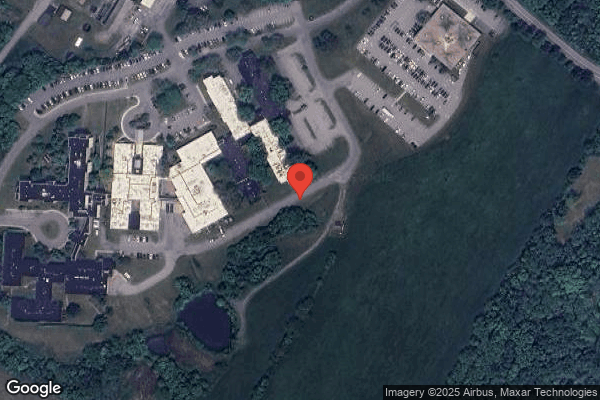
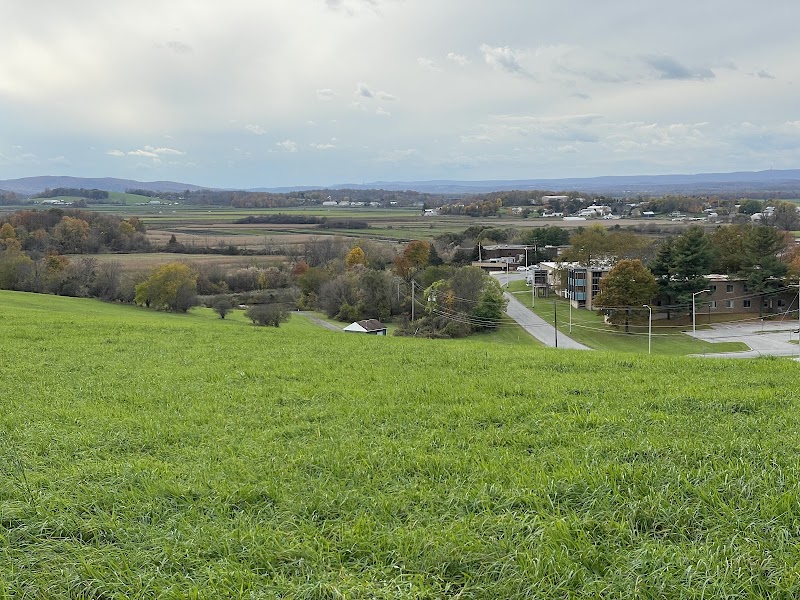
2 GLENMERE COVE RD, GOSHEN, NY 10924 (845) 291-4740
Government - County 360 Beds Independent Data: November 2025
Trust Grade
55/100
#466 of 594 in NY
Last Inspection: June 2023

Over 2 years since last inspection. Current conditions may differ from available data.

Overview

The Valley View Center for Nursing Care and Rehab has a Trust Grade of C, which means it is average and in the middle of the pack compared to other facilities. It ranks #466 out of 594 in New York, placing it in the bottom half, and #6 out of 10 in Orange County, indicating only a few options are better nearby. Unfortunately, the facility's performance is worsening, with the number of issues increasing from 1 in 2024 to 4 in 2025. Staffing is a strength, with a rating of 4 out of 5 stars and a low turnover rate of 20%, which is better than the state average. However, there have been concerning incidents, such as inadequate staffing during shifts, which could compromise residents' care, and failures to deliver mail on Saturdays, limiting residents' rights. Additionally, there were multiple instances where injuries of unknown origin were not reported to the state in a timely manner, raising concerns about resident safety. Overall, while there are some strengths, families should be aware of these significant weaknesses when considering this facility for their loved ones.

Trust Score
C
55/100
In New York
#466/594
Bottom 22%
Safety Record
Low Risk
No red flags
Inspections
Getting Worse
1 → 4 violations
Staff Stability
✓ Good
20% annual turnover. Excellent stability, 28 points below New York's 48% average. Staff who stay learn residents' needs.
Penalties
✓ Good
No fines on record. Clean compliance history, better than most New York facilities.
Skilled Nurses
○ Average
Each resident gets 32 minutes of Registered Nurse (RN) attention daily — about average for New York. RNs are the most trained staff who monitor for health changes.
Violations
⚠ Watch
33 deficiencies on record. Higher than average. Multiple issues found across inspections.
★★☆☆☆
2.0
Overall Rating
★★★★☆
4.0
Staff Levels
★★★★★
5.0
Care Quality
★☆☆☆☆
1.0
Inspection Score
Stable
2024: 1 issues
2025: 4 issues

The Good

  • 4-Star Staffing Rating · Above-average nurse staffing levels
  • 5-Star Quality Measures · Strong clinical quality outcomes
  • Low Staff Turnover (20%) · Staff stability means consistent care
  • Full Sprinkler Coverage · Fire safety systems throughout facility
  • No fines on record
  • Staff turnover is low (20%)

    28 points below New York average of 48%

Facility shows strength in staffing levels, quality measures, staff retention, fire safety.

The Bad

2-Star Overall Rating

Below New York average (3.1)

Below average - review inspection findings carefully

The Ugly 33 deficiencies on record

Jul 2025 1 deficiency
CONCERN (D) 📢 Someone Reported This

A family member, employee, or ombudsman was alarmed enough to file a formal complaint

Potential for Harm - no one hurt, but risky conditions existed

Deficiency F0657 (Tag F0657)

Could have caused harm · This affected 1 resident

**NOTE- TERMS IN BRACKETS HAVE BEEN EDITED TO PROTECT CONFIDENTIALITY** Based on interview, and record review conducted during the recertification and abbreviated survey (813417) from 7/15/25 - 7/22/2...

Read full inspector narrative →
**NOTE- TERMS IN BRACKETS HAVE BEEN EDITED TO PROTECT CONFIDENTIALITY** Based on interview, and record review conducted during the recertification and abbreviated survey (813417) from 7/15/25 - 7/22/25, the facility did not ensure Comprehensive Care Plans were revised to reflect the resident's current condition for 1 of 6 residents (Resident #227) reviewed for Accidents. Specifically, for Resident #227, there was no documented evidence that comprehensive care plans were reviewed and/or revised to include safety interventions recommended by occupational therapy after a 1/18/2024 fall.The findings include:The policy titled Falls Standard of Care and Comprehensive Planning, reviewed 3/2019 documented care plans will be updated in the Electronic Medical Record as soon as the fall investigation is complete.Resident #227's diagnoses included Alzheimer's disease, dependence on renal dialysis, and history of falling.The quarterly Minimum Data Set, dated [DATE] documented Resident #227 was cognitively intact, required a wheelchair for ambulation and was dependent for toileting and transfers. A nursing note dated 1/18/24 documented at 3:45 PM the resident was sitting on the floor in front of a tipped wheelchair. The residents back was against the seat of the wheelchair. No complaints of pain on passive range of motion.An occupational therapy note dated 1/19/24 documented recommend the additional mechanical lift pad only be placed right before outside trips and removed immediately after appointments to reduce Resident 227's risk of sliding forward. Nurse Case Manager made aware of this safety recommendation.There was no documented evidence in the fall care plan to address the 1/19/24 occupational therapy recommendation to place an additional mechanical lift pad right before outside appointments and remove the additional pad immediately after appointments to reduce the risk of falling forward.During an interview on 07/22/2025 at 8:45 AM, Occupational Therapist #9 stated they assessed Resident #227 on 1/19/24 after a 1/18/24 fall. They stated Resident #227 attended out-patient dialysis three times a week and required a mechanical lift for transfers. They stated the dialysis center used a different mechanical lift which required the use of 2 lift pads. They stated the use of an additional pad could have been a factor in Resident #227 sliding out of wheelchair. They stated Resident #227 had poor core strength which could also lead to the resident sliding out of wheelchair. Occupational Therapist #9 stated after the 1/19/24 they recommended removal of one of the mechanical lift pads upon Resident #227's return from dialysis. They stated the safety recommendation was discussed with the unit nursing staff. During an observation of resident care plans, Occupational Therapist #9 stated they were unable to locate the recommended safety care plan intervention. Occupational Therapist #9 stated the Unit Manager Nurse would be responsible for adding the updated care plans safety recommendations to the resident care plan.During an interview on 07/22/2025 at 10:23 AM the Unit Manager Registered Nurse #20 stated they were aware of safety intervention suggested by the occupational therapist status post Resident's #227 fall on 1/18/24. They stated they were not able to locate a care plan update that included the safety intervention of removing the dialysis mechanical lift pad when Resident #227 returned to the building after dialysis appointments. They stated they were responsible for entering any new interventions and should have added it to the care plan. 10 NYCRR 415.11(c)(2)(i-iii)
Jul 2025 3 deficiencies
CONCERN (D) 📢 Someone Reported This

A family member, employee, or ombudsman was alarmed enough to file a formal complaint

Potential for Harm - no one hurt, but risky conditions existed

Resident Rights (Tag F0550)

Could have caused harm · This affected 1 resident

Based on observations, record review and interviews conducted during the Abbreviated Surveys (NY00342238 and NY00364422), the facility did not ensure that residents had the right to a dignified existe...

Read full inspector narrative →
Based on observations, record review and interviews conducted during the Abbreviated Surveys (NY00342238 and NY00364422), the facility did not ensure that residents had the right to a dignified existence by promoting resident independence and dignity while dining for 1(Resident #6) of 3 residents observed for residents' rights. Specifically, Licensed Practical Nurse #7 was observed standing over Resident #6 while assisting them to eat their dinner. The findings are. The facility's policy titled residents rights dated 2//5/2021 documented resident have a right to dignified experience and be treated with respect, kindness, and dignity. Resident #7 was admitted with diagnoses including but not limited to Alzheimer's disease with late onset hemiplegia and hemiparesis, and dysphagia. The 3/23/25 Quarterly Minimum Data Set(MDS-an assessment tool) documented that Resident #6 had severely impaired cognition, and dependent with eating. On 5/14/25 at 6:01 pm, Licensed Practical Nurse #6 was observed standing over Resident #6 while assisting them to eat their dinner. During an interview on 5/14/25 at 6:05 PM, Licensed Practical Nurse #6 stated that they know that while assisting residents with their meals, they should be sitting down and at eye level, but they are the only nurse on the floor and must be in the dining room, and they wanted to make sure all the Residents eat and it's easier to stand up so that they can go back and forth between the residents. During an interview on 5/14/25 at 6:15 PM, the Director of Nursing stated that staff should not be standing up while assisting Residents with their meals, and they have the right to have a comfortable dining experience. 10 NYCRR 415.3(d)(1)(i)
CONCERN (D) 📢 Someone Reported This

A family member, employee, or ombudsman was alarmed enough to file a formal complaint

Potential for Harm - no one hurt, but risky conditions existed

Deficiency F0838 (Tag F0838)

Could have caused harm · This affected 1 resident

Based on record and interviews conducted during the Abbreviated Surveys (NY00342238 and NY00364422), the facility did not ensure that a facility-wide assessment was conducted to thoroughly assess the ...

Read full inspector narrative →
Based on record and interviews conducted during the Abbreviated Surveys (NY00342238 and NY00364422), the facility did not ensure that a facility-wide assessment was conducted to thoroughly assess the needs of its residents and to determine the required resources to provide the care and services to its residents during its day-to-day operations, did not address what is considered sufficient, particularly on the weekends, how the care required on a weekend shift is different than the care required on other shifts, and did not include behavioral health services necessary to meet resident needs. Additionally, the facility assessment did not have the date that it was reviewed with Quality Assurance and Performance Improvement (QAPI). Specifically, the Facility assessment dated 6/2018 and last revised on 5/12/2025 did not include the minimum staffing requirements for Certified Nurses' Aides and Licensed Practical Nurses and did not include the number of staff needed for behavioral healthcare and services, and the Facility assessment dated 6/2018 and last revised on 4/9/2025 did not include the amount of staff needed for behavioral healthcare and services, did not have a signature of approval and did not have the date that it was reviewed with Quality Assurance and Performance Improvement (QAPI). The Findings are: The Facility assessment dated 6/2018, last revised on 5/12/2025 documented that that Payroll-Based Journal (PBJ) reports and staffing needed to be seen for further information to identify the facility resources needed to provide competent support and care for their Resident population every day and during emergencies, and that the facility will follow the minimum staffing requirements for Certified Nurses' Aides, and Licensed Practical Nurses. Also, the Facility will maintain daily average staffing hours equal to 3.5 hours of care per resident day by a Certified Nurse Aide, Registered Nurse, or Licensed Practical Nurse. Of the average 3.5 hours, no less than 2.2 hours of care per resident per day shall be provided by a Certified Nurse Aide, and no less than 1.1 hours of care per resident day shall be provided by a Registered Professional Nurse or Licensed Practical Nurse. The Facility assessment dated 6/2018, last revised on 5/12/2025 did not have the date that it was reviewed with Quality Assurance and Performance Improvement (QAPI). The Facility assessment dated 6/2018, last revised on 5/12/2025 did not include nights and weekends as part of day-to-day operations in addition to emergencies, and did not document sufficient the staff with the appropriate competencies and skill sets necessary to care for their residents. During an interview on 5/14/2025 at 6:30 PM, the Administrator stated that the Facility Assessment correlates with the regulations and that they did not feel it was necessary to include the exact number of staffing needing to care for the Residents because people can refer to the Payroll-Based Journal (PBJ) for staffing. The Administrator stated that due to the issues with staffing in the facility, they did not document the exact number of Certified Nurses Aides or Licensed Practical Nurses on the Facility Assessment because staffing in the facility changes often. The Administrator was unable to provide documented evidence that the Facility Assessment was reviewed by the Quality Assurance and Performance Improvement. The Administrator stated that the Facility Assessment should be signed and dated and stated that the Facility assessment dated 6/2018 and last revised on 4/9/2025 should have been signed and dated. 10 NYCRR 415.26
CONCERN (E) 📢 Someone Reported This

A family member, employee, or ombudsman was alarmed enough to file a formal complaint

Potential for Harm - no one hurt, but risky conditions existed

Deficiency F0725 (Tag F0725)

Could have caused harm · This affected multiple residents

Based on observations, record review and interviews conducted during the Abbreviated Surveys (NY00342238 and NY00364422), the facility did not ensure that there was sufficient nursing staff to attain ...

Read full inspector narrative →
Based on observations, record review and interviews conducted during the Abbreviated Surveys (NY00342238 and NY00364422), the facility did not ensure that there was sufficient nursing staff to attain or maintain the highest practicable physical, mental, and psychosocial well-being of each resident. Specifically, 1) The facility did not provide adequate staffing to meet the needs of the residents, and as per their Facility assessment dated 6/2018 and revised on 4/9/2025; 2) Upon review of the nursing staffing schedule on 6/2/2024 (3pm-11pm), there were a total of 27 Certified Nurse Aides and a total of 5 Licensed Practical Nurses in the facility and the Facility Assessment documented that there must be 29-32 Certified Nurse Aides and 6-9 Licensed Practical Nurses in the building on the evening shift,; 3) On 12/8/2024(11pm-7am), there were a total of 21 Certified Nurses' Aides, and one nurse covered 2 units in which the Facility Assessment does not indicate that one nurse should cover more than one unit; 4) On 2/9/2025(3pm-11pm shift), there were a total of 24 Certified Nurse Aides and a total 4 Licensed Practical Nurses in the facility and the Facility assessment dated 6/2018 and revised on 4/9/2025 documented that there must be 29-32 Certified Nurse Aides and 6-9 Licensed Practical Nurses in the building on the evening shift,; 5) On 2/15/2025(11pm-7am shift)), there were a total of 14 Certified Nurse Aides and a total of 3 Licensed Practical Nurses in the facility and the Facility assessment dated 6/2018 and revised on 4/9/25 documented that there must be 18-22 Certified Nurse Aides and 6-8 Licensed Practical Nurses in the building on the night shift. Additionally, due to insufficient staffing on 6/2/2024, 2/9/2025, and 2/15/2025, 41 Residents did not receive their medications which included but not limited to antibiotics, anticoagulants, insulins, and psychotropics. The Findings are: Review of the Facility-Wide assessment dated 6/2018 and revised on 4/9/2025 that did not have a signature of approval and did not have a date that it was reviewed by the Quality Assurance Agency/Quality Assurance and Performance Improvement documented nursing staff as follows: Certified Nurse Aides - Total number needed or average or range per day on days and evening shifts for the facility was 29-32 Certified Nurse Aides, and on night shift 18-22 Certified Nurse Aides. Licensed Practical Nurses- Total number needed or average or range per day on days and evening shifts for the facility was 6-9 Licensed Practical Nurses, 6-8 Licensed Practical Nurses on the night shift. Upon review of the staffing schedule dated 6/2/2024, there were a total of 27 Certified Nurse Aides and a total of 5 Licensed Practical Nurses in the facility on the evening shift. Upon review of the staffing schedule dated 2/9/2025, there were a total of 24 Certified Nurse Aides and a total 4 Licensed Practical Nurses in the facility on the evening shift. Upon review of the staffing schedule dated 2/15/2025, there were a total of 14 Certified Nurse Aides in the facility and a total of 3 Licensed Practical Nurses on the night shift. During an interview on 4/10/2025 at 10:38 am, Resident #1 stated that due to insufficient staffing, there has been multiple occurrences where there was no nurse on their unit to pass medications, and they did not receive their medications. Resident #1 stated that they have mentioned to administration numerous times and has mentioned it during Resident council meetings. During an interview on 4/10/2025 at 12:41 pm, Resident #60 stated that they recall a time where the nurse on their unit left the unit to go to another floor and they did not have a nurse. Resident #60 stated that they have not experienced getting medications but know of other Residents who did not get their medications. During an interview on 5/28/2025 at 12:52 pm, Certified Nurse Aide #10 stated that staffing is bad and that somedays it is not enough staff, and it is difficult to provide good care to the Residents. During an interview on 4/10/2025 at 1:35 pm, Licensed Practical Nurse # 11 stated that they there have been times that there were not enough nurses on the overnight shift and must split units, that nurses splitting units happens very often where two nurses would split 3 units, and that sometimes there is only one nurse for three units. Licensed Practical Nurse #11 stated that they get asked to do overtime every single day, and that the mandating list moves quickly and can work back to back and would work a double shift and gets mandated on the weekend due to inadequate staffing. Licensed Practical Nurse stated that sometimes it can be 1 Nurse passing medications to 40 Residents on some units. During an interview on 01/29/2025 at 08:29 AM, the Staffing Coordinator stated that they were unaware that the facility assessment indicated that the minimum amount of Certified Nurse Aide that can work on the night shift was 3. The Staffing Coordinator stated that although it is difficult and the units are heavy, the units can operate with only 2 Certified Nurse Aides. The Staffing Coordinator reviewed the schedules for 12/23/2024, 12/29/2024, 1/5/2025, and 1/18/2025, and confirmed that as per the facility assessment, the units were inadequately staff and did not meet the minimum requirements for staffing. During an interview on 4/10/2025 at 1:41 pm, Registered Nurse Care Manager #6 stated that they have complained to Nursing and Administration about staffing. Registered Nurse Care Manager #6 stated that on the weekdays and the weekends, they must be nursing supervisor and pass medications. Registered Nurse Care Manager #6 stated that the facility never have staff on reserve to come in if they do not have enough staff and that when call staff is called to come in, they refuse because they are so tired from working. During an interview on 4/10/2025 at 4:49 pm, the Union President stated that they receive multiple complaints a day from staff stating that they are working short staffed, and that the facility is mandating employees and then change the paperwork to document that they volunteered, and they tell them that they can't leave because there is no one to take the keys. The Union President stated that they have had Residents report to them that staffing is bad especially on the 11-7 am shift, and that they have complained about not getting medications. During an interview on 4/11/2025 at 10:34 AM, the Director of Staff Resources stated they complete the schedule based on the staff schedules that they have, and when they are short staffed, they will call everybody, and most of the times they refuse, and once they call everybody, they will consult with nursing and ask them what they're going to do with the staffing. The Director of Staff Resources stated that there were only 4 nurses working the entire shift in the facility and that A100 did not have a nurse on that unit for the 11pm-7am shift. During an interview on 5/11/2025 at 10:58 am, the Director of Nursing stated Units A and C have 18 residents when at maximum capacity and that when they're at maximum capacity, one nurse goes between both units to pass medications. The Director of Nursing stated that that on 12/8/2024 11-7 am shift, A100 did not have a nurse, and that based on the schedule, that would be considered insufficient staffing. The Director of Nursing stated that on 2/9/2025 on the 3-11 pm shift, there were only 4 Licensed Practical Nurses and 2 Nursing supervisors and 1 covered 2 units, and that is not normal or ideal, and that on 2/15/2025 11-7 am there were 4 Licensed Practical Nurses and 2 Nursing Supervisors and 1 covered 2 units. The Director of Nursing stated that they ideally want one nurse to cover each unit, but it is not always possible, and they must sometimes split nurses up to cover 2 units. The Director of Nursing stated that the acuity level on the dementia units is higher and that they should have more than one nurse, and that the daily minimum staffing is not accurate because the range of census on units goes up and down, and that they split the units between nurse because they have no staff. During an interview on 4/11/2025 at 4:12 pm, the Administrator stated that if they don't have enough nurses to cover units then they will pull the Assistant Director of Nursing to pass medications. The Administrator stated that when they revised the Facility Assessment, they do address staffing with the Director of Nursing, and that it should be signed and reviewed with Quality Assurance Agency/Quality Assurance and Performance Improvement. The Administrator stated that the staffing requirements on the Facility Assessment needs to be updated because it is inaccurate because they have units that are closed and the census is low on some units, and the staffing needs have changed. 10NYCRR 415.13(a)(1)(i-iii)
Apr 2024 1 deficiency
CONCERN (D) 📢 Someone Reported This

A family member, employee, or ombudsman was alarmed enough to file a formal complaint

Potential for Harm - no one hurt, but risky conditions existed

Accident Prevention (Tag F0689)

Could have caused harm · This affected 1 resident

**NOTE- TERMS IN BRACKETS HAVE BEEN EDITED TO PROTECT CONFIDENTIALITY** Based on interview and record review conducted during an abbreviated survey (NY00318168), the facility did not ensure adequate s...

Read full inspector narrative →
**NOTE- TERMS IN BRACKETS HAVE BEEN EDITED TO PROTECT CONFIDENTIALITY** Based on interview and record review conducted during an abbreviated survey (NY00318168), the facility did not ensure adequate supervision was provided and residents environment remained free of accidents hazards as possible for 1 of 3 residents reviewed for accidents. Specifically, on 6/10/2023, Resident #1 who had a wander guard in place exited the facility through the north hall exit undetected by staff. Resident #1 was found by staff outside the facility up the hill by the roadway and was returned to the facility by Nurse Care Supervisor. The north hall exit sensor did not alarm/sound when Resident #1 exited. The findings are: The Facility Electromagnetic System Policy created 6/1/2002 and last revised 3/2019 documented that the purpose is to prevent identified at risk residents from wandering into unsafe environments. Upon identification of high risk for elopement, an electronic wandering device anklet will be obtained and placed on the resident. Placement and function of transmitter(device) is monitored on a daily transmitter log. Security personnel will monitor door devices on all first floor exits to the facility daily and notate accordingly. Daily testing of each transmitter is completed by assigned Certified Nurse Aide at each shift change. Documentation of this check is completed on the transmitter/active log sheet. The Facility Policy on Elopement Risk created 9/2005 and last revised 11/2013 documented the purpose was to ensure freedom along with security to our residents. The elopement risk review will be completed upon admission, annually and with a significant change. Elopement risk review scoring: less than 6 equals no risk, 6 or 7 at risk and 8 or higher high risk. Utilize wander guard detection system if necessary for score >8. The care plan will be added or updated as necessary to address elopement risks. Resident #1 had diagnoses that included Alzheimer's Disease, Type II Diabetes, Hyperlipidemia, Chronic Kidney Disease, Hypertension and Dysphagia. Review of Resident #1 Quarterly MDS dated [DATE] documented Brief Interview for Mental Status (BIMS, used to determine attention, orientation, and ability to recall information) score value of 4, which indicated Resident #1 severely impaired for interview (00-7 severe impairment, 08-12 moderate impairment and 13-15 cognitively intact). The resident required limited assistance with bed mobility, transfer, locomotion on unit and extensive assistance with locomotion off unit, dressing, toilet use and personal hygiene and supervision with eating and walking. No wander guard behavior exhibited. Review of Resident #1 Care Plan review date 8/11/2022 documented potential for elopement. The goal was for resident to be free from harm to self through next review. Interventions included involve resident in structured activities, provide divisional activity, one on one to vent feelings, identify concerns and redirect resident, assure resident has proper identification including facility phone number and location and discuss with family/support person residents attempts to leave. Wander guard attached to left ankle. The Physician Order dated 8/26/2022 documented Resident #1 was ordered wander guard attached to left ankle. There was no documented reason why the resident needed a wander guard. Review of Resident #1's Elopement/Wandering Risk assessment dated [DATE] documented Resident #1 was cognitively impaired or demonstrated impaired decision making but independently mobile. Total score of 2 indicated no risk. Wander guard not necessary. The Elopement/Wandering Risk assessment dated [DATE] documented Resident #1 was cognitively impaired or demonstrated impaired decision making but independently mobile. Total score of 2 indicated no risk. Wander guard not necessary. Review of Treatment Administration Record (TAR) dated 6/1/2023 - 6/31/2023 documented on 6/10/2023 wander guard was checked for all shifts as functional. Review of nursing progress notes dated 4/1/2023 - 4/31/2023 documented no placement of wander guard system. Review of Treatment and Administration Record (TAR) dated 5/1/2023-5/31/2023 documented wander guard attached to left ankle initiated 8/26/2022 Review of Treatment Administration Record (TAR) dated 6/1/2023 - 6/31/2023 documented on 6/10/2023 wander guard was checked for all shifts as functional. Review of maintenance work order dated 6/11/2023 documented exit door was reset and door alarm was fixed by maintenance. The Accident/incident Report dated 6/10/2023 documented that at approximately 5:40 PM on 6/10/2023, Resident #1 left the unit via exit door. Exit door alarm did not trigger when the door was opened. Resident #1 walked up the hill from the facility unattended to the road. Investigation outcome documented resident is at risk for elopement. Found by staff outside facility near road. Resident left unit through exit door. No abuse/mistreatment/neglect found. Accidental incident. Remain on 15-minute visuals for safety. Elopement protocol in place. Review of Investigation Statement Form of Certified Nurse Assistant #6 documented that they were serving dinner trays on 6/10/2023 between 5:00 PM and 5:30 PM. Resident #1 was sitting at dinner table and had a green bag in their possession. Certified Nurse Assistant #6 stated after they passed out trays, they noticed Resident #1 had left the green bag at the table. Certified Nurse Assistant #6 stated they went to look for resident and did not find the resident, so they notified the other aides and nurses. Review of maintenance work order dated 6/11/2023 documented exit door was reset, and door alarm was fixed by maintenance. During an interview 2/23/2024 at 3:55 PM with Director of Nursing (DON) and Administrator both stated that Resident #1 walked out of exit door. Administrator stated that exit door alarm did not trigger alarm. Administrator stated that resident walked unattended up hill to road. Administrator stated that door alarm was not functioning properly, so it did not trigger alarm, and work order was placed to fix. Director of Nursing stated that upon return to the facility wander guard triggered alarm at main entrance. During an interview on 3/11/2024 at 11:55 AM with housekeeping staff, they stated they came into work at 3PM and took a break at around 5PM. Housekeeping staff stated they saw someone walking very slowly up the hill toward the road. They pulled up close to them and recognized them as Resident #1. Housekeeping staff stated they got out of their car and asked the resident where they were going, and Resident #1 stated they were heading home. Housekeeping staff stated they guided Resident #1 back towards the facility and informed security that a resident was walking around the grounds housekeeping staff stated they announced over walkie talkie and informed. Housekeeping staff stated they made sure Resident #1 did not walk toward the road and was safe. Housekeeping staff stated that nurse manager was able to get resident to sit in wheelchair and return to the facility. During an interview on 3/22/2024 at 9:51 AM, the Director of Nursing stated Resident #1's last three elopement risk evaluations completed were dated 2/26/2022, 2/23/2023 and 1/14/2024. Wander guard was placed on Resident #1 on 4/26/2023 no new elopement risk evaluation was completed prior to placement. Video footage requested on 2/23/2024 at 11:30 AM. Administrator stated it was no longer available to view. On 4/12/2024 at 10:10AM, call placed to the physician (who placed the order for the wander guard) but was unable to reach them. §483.25(d)(2)
Jun 2023 14 deficiencies
CONCERN (D) 📢 Someone Reported This

A family member, employee, or ombudsman was alarmed enough to file a formal complaint

Potential for Harm - no one hurt, but risky conditions existed

Notification of Changes (Tag F0580)

Could have caused harm · This affected 1 resident

Based on record review and interview during the 6/1/2023 to 6/8/2023 recertification and abbreviated surveys (#NY00301182), the facility did not promptly notify the resident's representative of a need...

Read full inspector narrative →
Based on record review and interview during the 6/1/2023 to 6/8/2023 recertification and abbreviated surveys (#NY00301182), the facility did not promptly notify the resident's representative of a need to alter treatment for 1 of 1 resident (Resident #39) reviewed for notification. Specifically, on 8/22/2022 Resident #39 was found to have new bruising and pain to their right upper right arm, x-rays were ordered, and there was no documented evidence that the resident's Health Care Proxy (HCP) was notified until 8/23/2022. Findings include: The facility policy on Injuries of Unknown Origin dated 4/2019, did not specify who was responsible to notify the resident representative when there was a change in condition or treatment. Resident #39 was admitted to the facility with diagnoses including hypertension, paraplegia, and non-Alzheimer's dementia. A Quarterly Minimum Data Set (MDS: an assessment tool) dated 6/1/2022, documented Resident #39 had moderately impaired cognition for decision making, was totally dependent with assist of 2 persons for bed mobility, transfer, dressing, toilet use, and personal hygiene, and had functional limitation in range of motion on with impairment on both sides of upper and lower extremities. Review of Resident #39's record revealed that their family member was their health care proxy (HCP). Physicians' orders dated 8/22/22 included x-rays of the right shoulder and humerus (upper arm): Diagnostic: Shoulder Right 2 views, and Humerus - Right 2 views for diagnosis: pain in right shoulder. There was no documented evidence that the residents' HCP was notified of Resident #39's change in condition and the NP's recommendation for x-rays until one day after the occurrence. Review of Nursing and Nurse Practitioner notes dated 8/22/2022 - 8/23/2022 revealed that Resident #39 had new bruising and pain of right upper arm and x-rays were ordered on 8/22/2022, and a phone call notification was placed to their HCP on 8/23/2022. In a telephone interview on 6/5/2023 at 11:34 AM, Resident #39's HCP reported that the incident occurred on 8/22/2022 and they were notified by the NP on 8/23/2022. §483.10(g)(14)
CONCERN (D)

Potential for Harm - no one hurt, but risky conditions existed

Deficiency F0604 (Tag F0604)

Could have caused harm · This affected 1 resident

**NOTE- TERMS IN BRACKETS HAVE BEEN EDITED TO PROTECT CONFIDENTIALITY** Based on observation, record review and interviews conducted during the recertification survey from 6/1/23 to 6/8/23, the facili...

Read full inspector narrative →
**NOTE- TERMS IN BRACKETS HAVE BEEN EDITED TO PROTECT CONFIDENTIALITY** Based on observation, record review and interviews conducted during the recertification survey from 6/1/23 to 6/8/23, the facility did not ensure residents were free from physical restraints for 2 of 2 residents (#91 and #190) reviewed for physical restraints. Specifically, Resident #190 did not have a thorough restraint assessment and re-assessments were not completed to address the continued use of a lap tray while in the wheelchair, and for Resident # 91 the lap tray was not removed every 2 hours and with meals as ordered. Findings include: The facility policy and procedure titled Resident Restraints, revised on 03/2023, documented that residents maintain their highest practicable wellbeing while in an environment that prohibits the use of restraints for discipline or convenience and limits restraint use to circumstances in which the resident has a medical symptom that warrants the use of the restraints. The policy and procedure further documented the rehab therapist in conjunction with the nurse care manager/designee, will assess the resident, using the Physical Restraint Assessment (page 1 attached to policy). The Physical Restraint Assessment form (page 2 attached to policy) will be used during the initial and quarterly care plan meeting, to determine ongoing restraint use. 1. Resident #190 was admitted to the facility with diagnoses including Alzheimer's disease, muscle weakness, and a history of falling. The Quarterly Minimum Data Set (MDS, an assessment tool) dated 3/6/23, documented the resident had severely impaired cognition; required extensive assistance of one person for bed mobility and toileting; extensive assist of 2 for transfers; had no falls in the last quarter; and received 163 minutes physical therapy. This MDS further indicated the resident used a limb restraint. The Quarterly MDS dated [DATE] documented the resident used a trunk restraint. The physician order dated 12/8/22 documented a lap tray order with instructions to release lap tray every 2 hours for meals, ambulation, bathing and toileting; with specifics to release every 2 hours while out of bed, during meals for 60-90 minutes, and during toileting for 10-20 minutes. The Restraint care plan was initiated 7/27/22 for the use of a lap tray and documented the reason for the restraint was lack of safety awareness that resulted in multiple falls. The interventions included the plan to decrease the use of the restraint at each care plan meeting. The care plan was last revised on 3/11/23 and documented to continue with lap tray with no adverse reactions. Goals and interventions reviewed and ongoing. The occupational therapy (OT) note dated 7/25/22 documented the resident was seen by OT regarding wheelchair safety and evaluated for a lap tray due to multiple falls resulted from lack of safety awareness. The occupational therapy (OT) note dated 5/22/23 documented OT made aware that resident's lap tray was broken. In the past, resident's lap tray was broken and had to be repaired multiple times. Now residents lap tray was completely replaced. Nursing will continue to monitor and notify rehab of the need for any changes. Review of Resident #190's electronic medical record (EMR) on 6/6/23 at 3:00 PM, revealed no evidence of the Physical Restraint Assessment done initially or quarterly. During an interview with Director of Nursing (DON) on 6/06/23 at 3:14 PM, the DON stated the team met monthly to discuss residents with restraints and determine if the resident continued to need a restraint. The DON stated physical therapy (PT) and occupational therapy (OT) will trial the resident if they can or cannot remove the restraint. They conduct a 2-week trial and if the resident was doing well without a belt and has not had any falls, they would discontinue the restraint. The DON stated the Restraint Policy had a Restraint Assessment form attached to it that was used by PT/OT for assessing. During an interview with Director of Rehab (DOR) on 6/06/23 at 3:35 PM, the DOR stated when a restraint was put in place, nursing would provide the physician order for the referral with a reason such as multiple falls. The DOR stated they started with the least restrictive device such as a seatbelt. The DOR stated a reassessment of restraints was done quarterly and if the score was lower they would discuss with MD if restraint could be removed. The DOR stated the assessments and reassessments were not kept in the resident's EMR and were kept in the rehab office. When requested during the interview, the DOR provided Resident #190's Physical Restraint Assessment. Page 1 was undated and unsigned and documented the resident had a score of 30 indicating moderate risk for restraint use; and Page 2 that had sections for quarterly reviews was completely blank, not dated and not signed. During an interview with Occupational Therapist (OT) on 6/08/23 at 1:00 PM, the OT the restraint assessment form (page 2) was not filled in because the information that would have been written on page 2 was communicated to the nursing department via emails or team meetings. The OT stated they did not have the assessment form in the electronic medical record but did always communicate with the team regarding the use of restraints or change in any of the restraints being used or discontinued. When asked why the restraint assessment that was provided did not have a date or signature, the OT stated that it was their fault for not filling it out completely. 2. Resident # 91 had diagnoses including chronic obstructive pulmonary disease (COPD, a breathing problem), dementia, and benign neoplasm of the cranial nerves. The policy & procedure titled Resident Restraints dated 3/2023, documented the purpose was to ensure the resident was maintained in the least restrictive environment while not compromising the resident's health or safety. The Annual Minimum Data Set (MDS, an assessment tool) dated 3/19/2023 documented the resident cognition as being severely impaired. The resident had a trunk restraint, bed alarm, and a chair alarm. The physician order dated May 2023 documented a Lap Tray for Wheelchair, to be released every 2 hours, while out of bed and during meals. Resident #91's care plan, dated 3/20/2023, documented a plan for restraints to be re-evaluated quarterly and as needed. During meal observations on 06/02/23 at 11:57 AM and 06/05/23 at 11:50 AM the resident was in the wheelchair with the tray table attached; the tray table remained attached throughout the meal. During an observation on 06/06/23 from 10:25 AM to 12:26 PM, the resident was in their wheelchair, lap tray in place, in the dining room. The lap tray was not removed during the observation period. During an interview on 06/06/23 at 03:10 PM, Certified Nurse Aide (CNA) # 9 stated the resident's lap tray was not a restraint and was removed during meals and when the resident went to the bathroom. During an interview on 6/6/23 at 3:03 PM, Registered Nurse (RN) #6 stated the lap tray was a restraint and needed to be removed every 2 hours and at meals. During an interview on 06/06/23 at 03:23 PM, the Director of Nursing (DON) stated the lap tray was a restraint and should have been removed during the meal. 415.4(a)(2-7)
CONCERN (D) 📢 Someone Reported This

A family member, employee, or ombudsman was alarmed enough to file a formal complaint

Potential for Harm - no one hurt, but risky conditions existed

Investigate Abuse (Tag F0610)

Could have caused harm · This affected 1 resident

Based on record review and interview conducted during the recertification and abbreviated surveys (NY00298858) from 6/1/2023 to 6/8/2023, the facility did not ensure all alleged violations involving p...

Read full inspector narrative →
Based on record review and interview conducted during the recertification and abbreviated surveys (NY00298858) from 6/1/2023 to 6/8/2023, the facility did not ensure all alleged violations involving physical abuse including injuries of unknown source were thoroughly investigated and did not prevent the potential for further abuse while an investigation was in progress . This was evident for 2 out of 5 residents (Residents #55 and #173) reviewed for abuse. Specifically, 1) Certified Nurse Aide (CNA) #14 was accused of slapping Resident #55 and was not immediately removed from resident care while the investigation was in progress. 2) When an injury of unknown origin was identified for Resident #173, and then diagnosed as a spiral fracture of the distal tibia, there was no documented evidence that the incident was investigated. Findings include: The policy and procedure titled Accident incident revised 2/2014 documented it is the policy of the facility that an accident/ incident report will be initiated and completed for all accidents and incidents / purpose to perform a systemic review of all residents' accidents/ incidents and/ or injuries to determine potential hazards and a corrective action to maintain a safe and secure environment. 1. Resident #55 had diagnoses including cerebrovascular accident (stroke), dysphagia and diabetes. The Quarterly Minimum Data Set (MDS, an assessment tool) dated 4/17/2022 documented Resident #55 had severely impaired cognition and required extensive assistance for bed mobility, transfers and toilet use. The Resident Accident/Incident Report, dated 7/8/22, documented a physical therapy assistant (PTA) reported to the Nursing Supervisor on 7/8/22 that CNA #14 slapped Resident #55 on the upper thigh three times. The report documented that CNA #14 was immediately reassigned to another unit and continued performing patient care on 7/8/2022. On 7/11/2022 CNA #14 was placed on administrative leave on 7/11/2022 until investigation and determination is completed. The daily nursing schedules documented CNA #14 worked on 7/9/22 and 7/10/22. When interviewed on 06/07/23 at 04:45 PM, the Registered Nurse (RN) Supervisor #7 stated that after the incident that occurred on 7/8/2022, they moved CNA #14 to another unit and began the investigation. When interviewed on 06/07/23 at 03:53 PM, the Director of Nursing (DON) stated that the incident occurred on a Friday 7/8/2023 and was reported to RN Supervisor #7 after 3pm. The DON stated that RN Supervisor #7 did not report the incident to them or to the Administrator. The DON stated that when they came in on Monday 7/11/2023, they became aware of the abuse allegation and suspended the employee pending the outcome of the investigation. 2. Resident #173 had diagnoses including to muscle weakness, Alzheimer's disease and a pressure ulcer. The Quarterly Minimum Data Set (MDS, a resident assessment tool) dated 3/5/2023 documented resident had severely impaired cognition. Resident #173 received total dependence and one-person physical assist with transfers and toilet use, and total dependence and two-person physical assist with bed mobility. A progress note dated 3/14/2023 at 5:16 PM, documented the resident had bruising at the left shin and swelling at the left ankle and the resident had a fall on 3/8/2023. The physician was aware and an x-ray was ordered. (Review of progress notes dated 3/8/23 to 3/14/23 did not include any injuries to the resident's lower extremities from the fall on 3/8/23.) The x-ray report dated 3/16/2023 documented a distal left tibia fracture. There was no documented evidenced that incident and accident report was generated, or an investigation was initiated for the injury of unknown origin identified on 3/14/23. During an interview with the Assistant Director of Nursing (ADON)#1 on 6/6/23 at 1:00 PM, they stated the fracture was related to the fall the resident had on 3/8/2023 and an investigation was done. ADON#2 stated they assumed the fracture was a result of the fall and an investigation or an incident report was not done. During an interview with the Director of Nursing (DON) on 6/6/23 at 1:15PM, they stated the resident had a fall on 3/8/23 and the fracture could have been from that incident. The DON stated the fracture from 3/16/2022 was not investigated. 415.4(b)(ii)
CONCERN (D)

Potential for Harm - no one hurt, but risky conditions existed

Deficiency F0655 (Tag F0655)

Could have caused harm · This affected 1 resident

Based on interview and record review conducted during the recertification survey of 6/1/2023 - 6/8/23 the facility did not ensure that a Baseline Care Plan was developed and implemented within 48 hour...

Read full inspector narrative →
Based on interview and record review conducted during the recertification survey of 6/1/2023 - 6/8/23 the facility did not ensure that a Baseline Care Plan was developed and implemented within 48 hours for a resident admitted with an indwelling catheter. This was evident for 1 (Resident #211) of 3 residents reviewed for urinary catheter/urinary tract infection. Specifically, Resident #211's baseline care plan did not include the instructions needed and the physician orders for care of the resident's urinary indwelling catheter. The findings are: Resident #211 was admitted with diagnoses including Parkinson's disease, urinary tract infection, and benign prostatic hypertrophy. The admission Minimum Data Set (MDS, an assessment tool) dated 4/30/23 documented the resident had moderately impaired cognition and had an indwelling catheter. Physician's orders dated 4/26/23 included a Foley (Indwelling) Catheter to straight drainage, change every 4 weeks, irrigate the Foley as needed for obstruction, and Foley care every shift. Review of the record revealed no baseline care plan was found for the Foley/Urinary Indwelling Catheter. A care plan for the Foley/Urinary Indwelling Catheter was developed on 5/2/2023, which was six (6) days after the resident was admitted . In an interview on 06/07/23 at 9:52 AM, registered nurse (RN) #8 reported she was responsible for Resident #211's baseline care plan and she did not include the Foley catheter as she may not have known that the Resident had an indwelling catheter on admission. In an interview on 6/08/23 at 8:55 AM, the Director of Nursing (DON) reported that development of a Foley (Indwelling) Catheter care plan for a new admission should be completed on the day of admission. 415.11 (c)(1)
CONCERN (D)

Potential for Harm - no one hurt, but risky conditions existed

Comprehensive Care Plan (Tag F0656)

Could have caused harm · This affected 1 resident

**NOTE- TERMS IN BRACKETS HAVE BEEN EDITED TO PROTECT CONFIDENTIALITY** 656 Based on interviews and record review conducted during the Recertification survey from 06/01/23-06/08/23, the facility did n...

Read full inspector narrative →
**NOTE- TERMS IN BRACKETS HAVE BEEN EDITED TO PROTECT CONFIDENTIALITY** 656 Based on interviews and record review conducted during the Recertification survey from 06/01/23-06/08/23, the facility did not develop and implement a comprehensive person-centered care plan for 1 of 2 residents (Resident #54) reviewed for pressure ulcers. Specifically, Resident #54 did not have a care plan developed to address a Stage 4 pressure ulcer. The Findings are: The policy and procedure titled Comprehensive Care Plan Process, revised 7/2015, documented the interdisciplinary team was responsible for the development of resident care plans. Resident #54 was admitted with diagnoses of Alzheimer's Disease functional Quadriplegia and hypertension. The quarterly Minimum Data Sheet (MDS, an assessment tool) dated 10/30/2022 did not document any pressure ulcers. The annual MDS assessment dated [DATE] documented there was one unhealed Stage 4 pressure ulcer. The resident had severe cognitive impairment and needed total assistance of 2 persons for bed mobility, transfers, dressing and was incontinent of bowel and bladder. The physician order dated 3/9/2023 included a bed cradle to the foot of bed at all times when in bed and the nurse was to check for placement. The physician order dated 4/11/23 documented to float heels at all times, and a ROHO (specialized pressure relieving cushion) cushion to be used in the wheelchair. The physician order dated 5/12/23 documented; treatment for sacrococcygeal wound and new partial thickness wound left buttocks; cleanse with sterile water and pat dry, loosely pack sacral wound bed with fibracol then cover with large gentle border dressing. The Wound Care note dated 6/2/23, documented the reopened Stage 4 pressure ulcer to sacrococcygeal area. The plan was for pressure redistribution, optimizing intake and nutrition, and monitoring for worsening problems. The nursing care plan titled Pressure Ulcer was dated 2/4/21 but did not have any goals and did not contain any of the treatments ordered by the physician for the stage 4 pressure ulcer. There were no new interventions since 2/4/21. An interview was conducted with the Registered Nurse Unit Manager #3 on 6/6/2023 at 11:07 AM who acknowledged the resident's care plan for pressure ulcers was not updated for the current Stage 4 pressure ulcer. The RNUM # 3 stated the care plan should have all the interventions included so the information can be communicated to the Certified Nurse Aides (CNAs) and other nurses who will know exactly what needs to be done for the resident. 415.11(c)(1)
CONCERN (D) 📢 Someone Reported This

A family member, employee, or ombudsman was alarmed enough to file a formal complaint

Potential for Harm - no one hurt, but risky conditions existed

Deficiency F0676 (Tag F0676)

Could have caused harm · This affected 1 resident

**NOTE- TERMS IN BRACKETS HAVE BEEN EDITED TO PROTECT CONFIDENTIALITY** Based on observation, record review and interview conducted during the recertification and abbreviated surveys (NY00303369), fro...

Read full inspector narrative →
**NOTE- TERMS IN BRACKETS HAVE BEEN EDITED TO PROTECT CONFIDENTIALITY** Based on observation, record review and interview conducted during the recertification and abbreviated surveys (NY00303369), from 6/1/23 to 6/8/23, the facility did not ensure for 1 of 3 residents (Resident #84), reviewed for activities of daily living (ADL), that each resident was provided the necessary care and services to ensure that a resident's abilities in activities of daily living did not diminish unless unavoidable. Specifically, Resident #84 was required to be put back to bed at for toileting and was not. The Findings include: The Policy and Procedure titled Weekly Activities of Daily Living (ADL) Note undated documented a weekly ADL form will be completed on each resident. To ensure complete and accurate documentation of the most recent resident ADL status. Resident # 84 had diagnoses that included Aphasia, CVA, Non-Alzheimer's Dementia, and Seizure Disorder. The Quarterly Minimum Data Set (MDS) assessment dated [DATE] documented the resident had severe cognitive impairment with both short term and long-term memory problems. The MDS documented the resident was totally dependent of 2 people for transfer and toileting. Resident required extensive assist of 2 people for bed mobility. The physician's order dated 9/30/22 documented the resident needed to go back to bed after lunch for a nap and needed to get out of bed for dinner. The Certified Nurse Assistant Accountability Record was reviewed for September 2022 that indicated on 9/23/22 at 11:31 AM bed mobility was done by CNA #10. The Treatment Administration Record (TAR) for September 2022 reviewed was signed off on for the entire month of September, that the resident was put back to bed after lunch for nap and needed to get out of bed for dinner. The Activities of Daily Living Care Plan initiated 4/16/14 documented resident toilet use required total assist with 2, 10-10:30 AM change attends prior to getting out of bed; 1:30 PM-2 PM put back in bed and change attends; 4 PM-4:30 PM change attends and get out of bed for supper; 57PM-8 PM put back to bed and change attends; and 10-10:30 PM change attends. A Disciplinary Report Form signed 9/28/22 documented CNA #10 was written up for not changing the resident's adult brief and for not putting resident back to bed at 2 PM. During a review of Social Services Note dated 9/30/23 documented high care meeting held with family, Ombudsman, the Assistant Director of Nursing and the Nurse Care Manager. The toileting schedule was changed to occur every 3 hours instead of every 4 hours. The nap schedule was addressed and changed. The family also concerned about documentation and the Registered Nurse would sign off on all cares to ensure cares are received. During an interview with certified nurse aide (CNA #10) on 6/07/23 at 11:11 AM, CNA #10 stated they remembered being brought to the nursing office for signing off on something that was not done. CNA #10 stated it was a mistake and could not verify the date. During a follow up interview with CNA #10 on 6/08/23 at 1:28 PM, CNA #10 stated they were written up as a result of signing off on putting Resident #84 to bed for toileting when she did not provide the care. During an interview with the Assistant Director of Nursing (ADON) on 6/07/23 at 12:21 PM, the ADON stated that CNA #10 documented providing care for Resident #84 that was not provided, specifically did not put Resident #84 to bed for toileting as planned. 10 NYCRR 415.12(e)(1)
CONCERN (D)

Potential for Harm - no one hurt, but risky conditions existed

Pressure Ulcer Prevention (Tag F0686)

Could have caused harm · This affected 1 resident

Based on observations, record reviews, and interviews conducted during the recertification survey 6/1/23-6/8/23, the facility did not ensure 1 (Resident #54) of 2 residents reviewed for pressure ulcer...

Read full inspector narrative →
Based on observations, record reviews, and interviews conducted during the recertification survey 6/1/23-6/8/23, the facility did not ensure 1 (Resident #54) of 2 residents reviewed for pressure ulcers received care and services to promote healing and to prevent new pressure ulcers from developing. Specifically, Resident #54 had a Stage 4 pressure ulcer and interventions were not implemented as ordered. The findings are: Resident #54 was admitted with diagnoses including Alzheimer's Disease, Functional Quadriplegia, and a pressure ulcer on sacrum. The Minimum Data Set (MDS, an assessment tool) quarterly assessment, dated 10/30/22, did not document any pressure ulcers. The MDS annual assessment, dated 1/29/2023, documented there was one unhealed pressure ulcer, Stage 4. The resident had severe cognitive impairment and needed total assistance of 2 persons for bed mobility, transfers, dressing and incontinent of bowel and bladder. The physician order dated 3/9/2023 included a bed cradle to the foot of bed at all times when in bed and the nurse was to check for placement. The physician order dated 4/11/23 documented to float heels at all times, and a ROHO (specialized pressure relieving cushion) cushion to be used in the wheelchair. The physician order dated 5/12/23 documented the treatment for the sacrococcygeal wound and a new partial thickness wound on the left buttocks was to cleanse with sterile water and pat dry, loosely pack sacral wound bed with fibracol then cover with large gentle border dressing. The Wound Care note dated 6/2/23, documented the reopened Stage 4 pressure ulcer to sacrococcygeal area (previously healed 2016) was mostly closed with small partial thickness reopening at superior edge, poor healing at risk for reoccurrence. The plan was for pressure redistribution, optimizing intake and nutrition, and monitoring for worsening problems. The nursing care plan titled Pressure Ulcer was dated 2/4/21 but did not have any goals and was not current for the re-opened stage 4 pressure ulcer. The plan did not include treatments ordered by the physician. The treatment administration record (TAR) dated May and June 2023 documented the sacrococcygeal wound treatment every shift, offload heels every shift, bed cradle while in bed, and air mattress were signed off as completed. The certified nurse aide (CNA) accountability record documented turning and positioning was only performed 2 times from 6/5/23-6/7/23 while the resident was in bed. Review of the resident's TAR for April 2023, May 2023 and June 2023 documented the bed cradle was on the bed while resident was in bed, and the offloading of heels was being performed. During 4 observations, on 6/5/2023 at 2:53 PM, 6/6/2023 at 8:40 AM and 9:21 AM, and 6/7/23 at 9:19 AM, Resident #54 was in bed and the bed cradle was not on the bed. During 2 of these observations, Resident #54 had their heels directly on the bed and not floated. When interviewed on 6/6/23 at 11:34 AM, CNA #3 stated they came in at 7 AM and got the resident up at 10:30 AM. CNA#3 stated the resident often was leaning to one side and sometimes was turned but not always. CNA#3 also stated they did not put the bed cradle on the bed when the resident was in bed, it was done on nights but not all of the time. When interviewed on 6/06/23 at 11:46 AM, LPN#4 stated the bed cradle was only used at night and that was why it was not on the bed during the daytime hours while the resident was in their bed. LPN#4 was unable to give any reason why they signed the TAR for the bed cradle, off-loading heels, and turn and positioning when it was not done. LPN#4 also stated there had been turning charts but the residents who wander took them down, so CNAs have not been doing turning. When interviewed on 6/6/23 at 12:15PM, the registered nurse unit manager (RNUM#3) stated she did not go into residents' rooms to ensure CNAs and nurses were implementing care as ordered and planned. RNUM #3 stated there was no way to ensure turning and positioning was done every 2 hours when in bed, every shift. RNUM #3 did not know why interventions were not in the care plan for pressure ulcer but stated they needed to be there. 415.12(c)(1)
CONCERN (D)

Potential for Harm - no one hurt, but risky conditions existed

Accident Prevention (Tag F0689)

Could have caused harm · This affected 1 resident

Based on observations, record review and interviews during the recertification survey from 6/1/23-6/8/23, the facility did not ensure the resident environment remained free of accident hazards and eac...

Read full inspector narrative →
Based on observations, record review and interviews during the recertification survey from 6/1/23-6/8/23, the facility did not ensure the resident environment remained free of accident hazards and each resident received adequate supervision to prevent accidents for 1 (Resident #182) of 3 residents reviewed for accidents. Specifically, Resident #182, with a history of wandering, was not provided supervision to prevent the ingestion of medicated cream and the resident's level of supervision was not reassessed for ongoing unsafe wandering. The findings are: Resident #182 had diagnoses including Alzheimer's disease, anxiety, depression and wandering. The Quarterly Minimum Data Set (MDS, an assessment tool) dated 5/28/23 documented the resident had severe cognitive impairment and received supervision for ambulation. The facility policy Resident Safety dated 3/19 documents residents who are assessed to need close supervision related to dementia or other related neurological conditions or history of wandering will wear light weight ankle bracelet which contains a radio transmitter. The purpose is to prevent residents identified as at risk from wandering into unsafe environments. Resident #182's Potential for Abuse Nursing Care Plan dated 4/6/2022, documented the goal was the resident would remain free from abuse. Interventions included frequent visualization of the resident to monitor whereabouts and safety. The nursing progress notes documented: - On 3/3/23 at 12:48 PM the resident wandered on and off the unit, went in and out of rooms and took other's belongings. - On 3/10/23 at 8:20 PM, the resident wandered on and off the unit, collecting towels and washcloths, and was redirected by staff. The resident was agitated at times. - On 3/31/23 at 9:31 PM, the resident wandered on and off the unit most of the shift. - On 4/3/23 at 9:30 PM, the resident was seen coming out of a room on the Forest Unit with a tube of medicated cream in their mouth. The Poison Control Center was called by staff and they were instructed to wash the resident's mouth. During observations on 6/7/23 at 9:23 AM, Resident #182 was observed in another resident's room washing their hands at the sink, while the other resident was sleeping. There was no staff observing the resident during this time. On 6/7/23 at 9:28 AM Resident #182 was observed walking through the doors and exiting the unit. During an observation on 6/7/23 from 12:00 PM to 12:30 PM, Resident #182 entered another resident's room, on another unit, took off their shoes and was asleep in bed. There was another resident asleep in the other bed. When requested on 6/6/23, the facility was unable to provide an accident/incident report relative to the ingestion of medicated topical cream and the Director of Nursing (DON) stated she was unaware of the incident. When interviewed on 6/7/23 at 12:20 PM, certified nurse aide (CNA) #4 stated when assigned to Resident #182, they made sure the resident was dry and had something to eat. They kept an eye out for them because they knew the resident took things from other resident rooms and other residents got mad. CNA#4 stated they could not ensure the resident's safety when out of sight. When interviewed on 6/7/23 at 9:29 AM, licensed practical nurse (LPN) #2 stated they were only aware of the resident's whereabouts at the beginning of the shift, before breakfast, before lunch and before the end of the shift because residents were allowed to wander. LPN#2 stated they did not change Resident #182's supervision plans after the medication incident because the facility permits residents to wander on to three other units freely. When interviewed on 6/8/23 at 09:43 AM, Registered Nurse Unit Manager (RNUM) #2 stated it was not acceptable to have other residents wander in and sleep in other residents' beds but there was nothing they could do about it. RNUM#2 stated some residents got really mad when others wandered in their rooms and shouted for them to get out or would even push them out. §483.25(d)(2)
CONCERN (D)

Potential for Harm - no one hurt, but risky conditions existed

Incontinence Care (Tag F0690)

Could have caused harm · This affected 1 resident

**NOTE- TERMS IN BRACKETS HAVE BEEN EDITED TO PROTECT CONFIDENTIALITY** Based on record review and interview during the 6/1/2023 to 6/8/2023 recertification survey, the facility did not ensure for 1 o...

Read full inspector narrative →
**NOTE- TERMS IN BRACKETS HAVE BEEN EDITED TO PROTECT CONFIDENTIALITY** Based on record review and interview during the 6/1/2023 to 6/8/2023 recertification survey, the facility did not ensure for 1 of 3 residents (Resident #211) reviewed for urinary catheter or urinary tract infection (UTI) that a urinary indwelling (Foley) catheter was discontinued as soon as it was clinically possible. Specifically, Resident #211 was admitted to the facility with a Foley catheter for a diagnosis of other retention of urine and no services were provided to the resident in order to restore or improve as much bladder function to the extent possible. The findings are: Resident #211 was admitted on [DATE] with diagnoses Parkinson's Disease, urinary tract infection, and benign prostatic hypertrophy. The admission Minimum Data Set (MDS, an assessment tool) dated 4/30/23 documented the resident had moderately impaired cognition and had an indwelling catheter. The resident's care plan, dated 5/2/23, documented the resident had an indwelling catheter and UTI with interventions to handle catheter with care, keep below level of bladder. Provide additional fluid between meals and at bedtime. Provide catheter care per policy. A facility review of the care plan on 5/9/23 noted all interventions and goals were reviewed and continued. A facility policy and procedure dated 1/08, revised 5/16, and titled Bladder Retraining Program documented it is the policy of the facility to ensure that a resident who is incontinent of urine is identified, assessed, and provided appropriate treatment and services to achieve and maintain as much urinary function as possible. The purposes of the policy included to enable the resident to control urination without an indwelling catheter and to restore and maintain the resident to his/her highest level of bladder function. The procedures of the policy included new admissions who are incontinent will be evaluated within two (2) weeks of admission for bladder training, and following removal of an indwelling catheter the resident will be evaluated for bladder retraining. For residents with an indwelling catheter, procedures included Resident evaluated for bladder retraining program, and NCM (Nurse Care Manager) obtains order for catheter removal. Review of Resident # 211's record revealed no evidence that the resident was evaluated for the continuation of the catheter and no evidence services were provided to the resident in order to restore or improve as much bladder function to the extent possible. In an interview on 06/07/23 at 9:52AM registered nurse (RN) #8 stated that Resident #211 was admitted on [DATE] with the Foley catheter due to urinary retention related to an enlarged prostate and had failed a voiding trial in the hospital. RN #8 stated that no voiding trial was done in this facility due to the residents' prostate diagnosis and staff would train Resident #211 and their spouse for Foley care prior to his scheduled discharge. In a telephone interview on 6/7/23 at 4:41PM Resident's #211's physician stated that Resident #211's diagnosis was benign prostatic hypertrophy (BPH) and urinary retention with lower UTI symptoms. The physician stated that Resident #211 had the Foley catheter in the hospital, was started on Flomax (a medication used by men to treat the symptoms of an enlarged prostate - BPH). The physician also stated that a voiding trial should have been done. . In an interview on 6/08/23 at 8:55 AM the Director of Nursing (DON) stated that when a resident was admitted with a Foley catheter the goal was that the resident can urinate on their own. DON reported that the supervisory nurse completing an admission assessment should speak with the primary physician and discuss if a voiding trial should be ordered. The DON stated a voiding trial should have been done within 14 days of admission.
CONCERN (D)

Potential for Harm - no one hurt, but risky conditions existed

Deficiency F0761 (Tag F0761)

Could have caused harm · This affected 1 resident

Based on observations, record reviews and interviews during a recertification survey, the facility did not ensure drugs and biologicals were stored in locked compartments for 2 of 3 residents (Residen...

Read full inspector narrative →
Based on observations, record reviews and interviews during a recertification survey, the facility did not ensure drugs and biologicals were stored in locked compartments for 2 of 3 residents (Residents #72 and #128) reviewed for medication storage. Specifically, 1) medicated creams and ointments for Resident #72 were found in a dresser drawer and 2) medicated powder was observed on a dresser top in Resident #128 room. Both residents were on units with other resident who had known wandering behaviors. The findings are: 1)Resident # 72 had diagnoses including dementia, psychosis, and candidiasis (yeast infection). The physician order dated 5/30/23 documented orders for Nystatin topical ointment and Triamcinolone acetonide topical ointment to be applied three times a day for 14 days to penis and scrotum after washing/drying. An observation was made on tour with the Registered Nurse Unit Manager (RNUM) #2 on 6/8/23 at 9:40 AM and Nystatin ointment and Triamcinolone ointment were found in Resident #72's bedside table. When interviewed during the observation, RNUM#2 stated it was not acceptable to have medicated ointments in the resident's room because there were a lot of residents who wandered in and out of rooms and took things out of the rooms. RNUM #2 stated they did not know why the ointments were not locked up in the treatment cart. 2) Resident #128 was admitted with diagnoses of Alzheimer's disease, chronic obstructive pulmonary disease (COPD) and asthma. An observation was made on the Grand unit on 6/8/23 at 9:59 AM on tour with RNUM #5 of a container of Miconazole nitrate 2% powder on the top of Resident #128's dresser. When interviewed during the observation, RNUM# 5 stated the powder needed to be locked up on the treatment cart and did not know why it was left out. §483.45(h)
CONCERN (D)

Potential for Harm - no one hurt, but risky conditions existed

Deficiency F0809 (Tag F0809)

Could have caused harm · This affected 1 resident

**NOTE- TERMS IN BRACKETS HAVE BEEN EDITED TO PROTECT CONFIDENTIALITY** Based on observation, interview and record review conducted during a recertification survey, the facility did not ensure that re...

Read full inspector narrative →
**NOTE- TERMS IN BRACKETS HAVE BEEN EDITED TO PROTECT CONFIDENTIALITY** Based on observation, interview and record review conducted during a recertification survey, the facility did not ensure that residents were consistently offered and provided with evening snacks. Specifically, 8 out of 8 residents from that attended the resident council meeting stated that they were not offered a snack, or if they asked for a snack, they were not provided with an evening snack. The findings are: The policy and procedure titled Resident Nourishments revised 8/2020 documented nourishments will be made available to those residents requiring additional calories, protein and other nutrients to promote weight maintenance/gain, nutritional status and skin integrity. Nourishments will be delivered to the unit by the food service helper and placed directly into the unit refrigerator/freezer. During flu season or other contagious outbreaks, the nourishments will be delivered on the top of the breakfast and lunch meal carts. Nursing staff will take the snack trays and place them in the unit refrigerators. AM snacks are delivered to each unit before the 10 AM snack time. PM and HS snacks are delivered together to the unit before the 3 PM snack time. A resident council meeting was conducted on 06/06/23 at 10:49 AM, 8 of 8 residents in attendance stated they were not provided or offered evening snacks and if they asked for an evening snack, they were told that nobody was answering the phone in the kitchen or that the kitchen was closed. During an observation on 6/07/23 at 12:58 PM of the [NAME] Forest Unit, there were no snacks in the cabinet or in the refrigerator. During an observation on 6/07/23 at 1:28 PM of the [NAME] Grand Unit, there were no snacks in the cabinet or in the refrigerator. During an observation in the kitchen on 6/07/23 at 4:28 PM, the refrigerator in the kitchen had pudding, Jell-O, cheese and crackers, fruit, and cottage cheese. [NAME] crackers and regular crackers along with cookies were also available in the kitchen. During an interview with Food Service Director on 6/07/23 at 4:28 PM, the FSD stated that the nourishments went up to the units on the top of the cart during meal distribution. The FSD stated the unit snacks also went up with the carts. FSD stated these snacks go up with the carts during breakfast, lunch, and dinner. During an observation with the Food Service Director (FSD) on 6/07/23 at 4:44 PM, the FSD observed the following units: [NAME] Forest, [NAME] Grand and Glenmere, each unit had 2-3 puddings or cereal. The FSD stated they would check with the units to see what the residents needed and would like. During a follow up interview with Food Service Director, FSD on 6/08/23 at 12:28 PM, FSD showed this surveyor the tickets with snacks on it for the units, labeled top of cart. When asked why only 2 puddings would be sent to the unit, FSD stated that it tends to pile up if they send more than 2. The FSD stated the diet tech went around to check what each unit needed for snacks and would alter the ticket per the unit's request. The FSD stated diet tech resigned 3 weeks ago and did not realize that this task was not being completed since diet tech left. 415.14(f)(1)(2)(3)(4)
CONCERN (D)

Potential for Harm - no one hurt, but risky conditions existed

Infection Control (Tag F0880)

Could have caused harm · This affected 1 resident

**NOTE- TERMS IN BRACKETS HAVE BEEN EDITED TO PROTECT CONFIDENTIALITY** Based on observations, interviews and record review during a recertification survey from 6/1/23-6/8/23, the facility did not ens...

Read full inspector narrative →
**NOTE- TERMS IN BRACKETS HAVE BEEN EDITED TO PROTECT CONFIDENTIALITY** Based on observations, interviews and record review during a recertification survey from 6/1/23-6/8/23, the facility did not ensure that Infection Control practices and procedures were maintained. Specifically, 1) Staff did not practice proper hand hygiene during a pressure ulcer dressing change for Resident #54 and contaminated the clean dressing field with dirty gloves, 2) A dirty linen cart was positioned next to a clean linen cart on the Echo unit, and 3) Resident #211's Foley catheter was observed on the floor without the use of a barrier. Findings include: 1) Resident #54 had diagnoses including Alzheimer's dementia and a Stage 4 pressure ulcer to sacrum. The physician orders dated 3/31/23 documented the treatment for the sacrococcygeal wound and new partial thickness wound on the left buttocks was to cleanse with sterile water and pat dry, apply skin prep to peri-wound skin, loosely pack wound bed only with fibracol, cover both wounds with large gentle border Allevyn dressing. The facility policy for Dressing change-clean technique, dated 09/03, documents all dressings are performed using clean technique and the procedure documents to remove the old dressing and discard in plastic bag, assess wound site and remove gloves, wash hands, and don clean gloves. During observation of the pressure ulcer dressing change on 6/6/23 at 09:28 AM, licensed practical nurse (LPN) #4 prepared a clean field on over bedside table, opened packages of combines, fibercol pad, Allevyn dressing and dropped all on the clean field. LPN#4 donned gloves touched the back of the resident's gown, peeled off wet incontinence brief and removed the old dressing. LPN #4 put a clean incontinence brief in place and doffed gloves, dropping the dirty gloves on the clean field next to the prepared clean dressing. LPN #4 donned clean gloves and finished the dressing change. The LPN did not perform hand hygiene before the dressing change or after doffing gloves at the time of the incontinence brief change and donning clean gloves to complete the change. The LPN #4 was interviewed on 6/6/23 at 09:46 AM and stated that she did not realize she dropped dirty gloves on the clean field and was so nervous she forgot to wash hands before the dressing change and after taking off gloves before putting on the clean dressing, but knew they should have washed their hands. 2) An observation was made on 6/6/23 at 09:50 AM outside room [ROOM NUMBER] of two dirty laundry carts placed right next to a clean cart of clean gowns, chux and sheets. During an interview with LPN#4 they stated they were not sure why the carts were together because they must be separated to prevent the spread of infection and could not understand why since there was so much room on the hallway for the carts to go. During an interview with certified nurse aide (CNA) #3 on 6/6/23 at 11:39 AM, CNA #3 stated the dirty cart can contaminate the clean cart. CNA#3 stated she knew she had it too close and was in a rush when it happened. 3) Resident #211 had diagnoses including Parkinson's Disease, Urinary tract infection, and Benign Prostatic Hypertrophy. The admission Minimum Data Set (MDS: an assessment tool) dated 4/30/23, documented Resident #211 had moderately impaired cognition and an indwelling catheter. During observations on 6/06/23 at 09:15 AM and 6/07/23 at 9:23 AM, Resident #211 was sleeping in bed, and the indwelling catheter bag and a portion of the catheter tubing were observed on the floor. During an interview on 06/07/23 at 09:52 AM, registered nurse (RN) #8 stated that the catheter bag should not have been on the floor due to concern with cleanliness and risks for contamination and infection.
CONCERN (E)

Potential for Harm - no one hurt, but risky conditions existed

Deficiency F0576 (Tag F0576)

Could have caused harm · This affected multiple residents

Based on observation, staff and resident interviews conducted during the recertification survey from 6/1/2023 to 6/8/2023, the facility did not ensure the rights of citizenship, including the right to...

Read full inspector narrative →
Based on observation, staff and resident interviews conducted during the recertification survey from 6/1/2023 to 6/8/2023, the facility did not ensure the rights of citizenship, including the right to receive mail, were maintained for all residents. Specifically, mail was not delivered to residents on Saturdays, thereby denying all residents the same rights provided to other citizens of the general community. The findings are: During a group interview with the resident council held on 6/06/23 at 10:49 AM, 8 of 8 residents in attendance stated mail and packages were not delivered to them on Saturdays. During an observation of the Glenmere unit on 6/07/23 at 4:48 PM, there was a clear plastic file folder holder affixed to the wall outside the nurse care managers office with a few pieces of residents' mail still in it. During an interview on 6/06/23 at 11:54 AM, the Administrator stated residents did not get the mail on Saturdays, and mail was delivered Monday through Friday. The Administrator stated when packages arrived at the facility on the weekend, they were put in the administration office and delivered on Monday. 415.3(d)(2)(i)
CONCERN (E) 📢 Someone Reported This

A family member, employee, or ombudsman was alarmed enough to file a formal complaint

Potential for Harm - no one hurt, but risky conditions existed

Report Alleged Abuse (Tag F0609)

Could have caused harm · This affected multiple residents

**NOTE- TERMS IN BRACKETS HAVE BEEN EDITED TO PROTECT CONFIDENTIALITY** Based on record review and interview conducted during the 6/1/2023 - 6/8/2023 recertification and abbreviated surveys (NY0030118...

Read full inspector narrative →
**NOTE- TERMS IN BRACKETS HAVE BEEN EDITED TO PROTECT CONFIDENTIALITY** Based on record review and interview conducted during the 6/1/2023 - 6/8/2023 recertification and abbreviated surveys (NY00301182, NY00298858), the facility did not ensure that all alleged violations involving an injury of unknown origin or allegations of abuse were reported to the New York State Department of Health (NYSDOH) within 2 hours of occurrence for 4 out of 5 residents (Resident #39, #55, #173 #175) reviewed for abuse. Specifically, 1)Resident #173 had left shin swelling and left ankle swelling identified on 3/15/23, an X-ray was completed on 3/16/23 and revealed an acute spiral fracture of the distal tibia, the incident was not reported to the NYSDOH. 2) Resident #175 sustained a fracture of unknown origin and the incident was not reported to the NYSDOH. 3) Resident #39 was observed with new bruising to right upper arm and complaints of pain, x-ray results revealed right acute spiral fracture proximal shaft of the humerus (arm), and the facility did not report this injury of unknown origin to the NYSDOH until 2 days later. 4)CNA #14 was alleged to have slapped Resident #55 and the incident was not reported to NYSDOH until 3 days later. The findings are: The facility policy on Resident Abuse and Neglect dated 4/2019 was reviewed and noted that Federal Regulations (42 CFR 483.13) and New York State (NYS) Regulations (10 NYCRR 415.4) require the reporting of alleged violations of abuse, mistreatment, exploitation, and neglect, including injuries of unknown origin, immediately to the Facility Administrator/designee and to the Department of Health (DOH). A Covered Individual is to report any suspicion of abuse immediately (not to exceed 24 hours) or in the case of serious bodily injury, not to exceed 2 hours. 1. Resident #173 had diagnoses including muscle weakness, Alzheimer's disease and a pressure ulcer. The Quarterly Minimum Data Set (MDS, a resident assessment tool) dated 3/5/2023 documented resident had severely impaired cognition. Resident #173 received total dependence and one-person physical assist with transfers and toilet use, and total dependence and two-person physical assist with bed mobility. A progress note dated 3/14/2023 at 5:16 PM, documented the resident had bruising at the left shin and swelling at the left ankle and the resident had a fall on 3/8/2023. The physician was aware and an x-ray was ordered. Review of progress notes dated 3/8/23 to 3/14/23 did not include any injuries to the resident's lower extremities from the fall on 3/8/23. The x-ray report dated 3/16/2023 documented a distal left tibia fracture. When requested, the facility was unable to provide evidence the injury of unknown origin was reported to the Department of Health (DOH). During an interview with the Assistant Director of Nursing (ADON) #1 on 6/6/2023 at 1:00 PM, ADON #1 stated they thought fracture was related to the fall the resident had on 3/8/2023 (6 days earlier) and an investigation was done for that incident. They did not know why the incident was not reported to the DOH. During an interview with the Director of Nursing (DON) on 6/6/2023 at 1:15 PM the DON stated they should have reported it to the DOH. 2) Resident #175 had diagnoses including respiratory failure, chronic obstructive pulmonary disease (COPD), and age related osteoporosis. An accident report dated 2/13/23 documented Resident #175 was in a wheelchair in her room and appeared to have had a seizure. The resident was transferred back to bed and then sent to the emergency room for evaluation. At the hospital the physician note, dated 2/13/23, documented a CAT scan showed comminuted right acetabular fracture (break in the socket portion of the hip joint) with hematoma (swelling of clotted blood). There was no evidence the facility notified the Department of Health (DOH) of the injury of unknown origin. During an interview with the Assistant Directors of Nursing (ADON)#1 and ADON #2 on 06/06/23 at 12:59 PM, both stated they did not know what happened, based the accident report the resident had a seizure. They stated they did not report the DOH because the resident did not have pain, and they did not think they need to notify the DOH. 3. Resident #39 was admitted with diagnoses including hypertension, paraplegia, and non-Alzheimer's dementia. A Quarterly Minimum Data Set (MDS, an assessment tool) dated 6/1/2022 documented Resident #39 had moderately impaired cognition for decision making, was totally dependent with assist of 2 persons for bed mobility, transfer, dressing, toilet use, and personal hygiene, and had functional limitation in range of motion on with impairment on both sides of upper and lower extremities. The Accident/Incident (A/I) report dated 8/23/2022 documented: - the resident had right upper extremity (arm) swelling with bruising and pain first noted on 8/22/2022 by the Certified Nurse Aide (CNA) performing morning care at approximately 7:30 AM-8:00 AM. - Resident #39 was seen by the Nurse Practitioner (NP) on 8/22/22 for right upper extremity swelling with bruising and pain and X-rays of the right shoulder and right humerus were ordered. - On 8/23/22, Resident #39 was seen for follow up by the NP. A spiral fracture of the right humerus and right shoulder was documented, and the resident was sent to the emergency room. The facility radiology report dated 8/23/2023 documented right acute spiral fracture proximal shaft of the humerus. Documentation of submission of the incident noted the incident was submitted to the Department of Health on 8/24/22 at 11:48 AM, which was 2 days after the injury of unknown origin was first identified. When interviewed on 06/07/23 at 3:32 PM, the Director of Nursing (DON) reported that she had not immediately reported the incident to the DOH as they were trying to find out what had happened first before calling it in. 4. Resident # 55 had diagnoses including cardiovascular accident (stroke), with hemiplegia (weakness), and dysphagia (difficulty swallowing). The Quarterly MDS, dated [DATE], documented the resident had severely impaired cognition and required extensive assistance with bed mobility, and was dependent on 2 or more staff with transfers and toilet use. A Resident Accident/Incident Report, dated 7/8/22, documented a physical therapy assistant (PTA) reported to the Nursing Supervisor on 7/8/22 that CNA #14 slapped Resident #55 on the upper thigh three times. The HERDS (Health Electronic Response Data System) Nursing Home Incident Form (method for reporting to the NYSDOH) was submitted to the DOH on 7/11/22. An interview was conducted with RN Nursing Supervisor # 7 on 06/07/23 at 04:45 PM stated they moved the CNA #14 off the unit to another resident care assignment, and began the investigation. When interviewed on 06/07/23 at 03:53 PM, the Director of Nursing (DON) stated the incident occurred on a Friday and was reported to RN Supervisor #7 after 3PM. RN Supervisor #7 did not report the allegation to them or the Administrator. RN Supervisor #7 removed CNA # 14 from the unit with Resident # 55 and initiated an investigation. The DON stated when they came in Monday morning, they immediately started the investigation and reported it to the DOH.
Aug 2019 10 deficiencies
CONCERN (D)

Potential for Harm - no one hurt, but risky conditions existed

Deficiency F0604 (Tag F0604)

Could have caused harm · This affected 1 resident

Based on observation, interview and record review conducted during the recertification survey, the facility did not ensure that staff documented specific instructions or implemented interventions on t...

Read full inspector narrative →
Based on observation, interview and record review conducted during the recertification survey, the facility did not ensure that staff documented specific instructions or implemented interventions on the use of seat belts for safety and prevention of falls. This was evident for 1 resident (Residents # 172) reviewed for restraints. Specifically, 1. Residents # 172 - no specific instructions were provided in the care guide on the use of a Velcro seat belt. The findings are: 1. Resident # 172 had diagnoses and conditions including Alzheimer's Disease, Generalized Anxiety, and History of Falls. According to the 6/16/19 Quarterly Minimum Data Set ( MDS; an assessment tool) the resident had severely impaired cognition and required extensive assistance for activities of daily living (ADLs). A medical note dated 3/29/19 documented the resident was evaluated following a fall from his wheelchair. Recommendations included foot pedals and a seat belt to prevent falling forward. An occupational therapy progress note dated 3/29/19 documented that the resident was assessed and provided with a Velcro seat belt for safety and prevention of future falls while in his wheelchair. The resident was observed on 8/9/19 at 11:29 AM in his wheelchair with a Velcro seat belt around his waist. The physician orders dated 7/19/19 documented the following order; Velcro seatbelt in wheelchair-cannot self-release. Review of the 6/27/19 restraint care plan and the 7/19/19 physician's orders revealed no documented instructions for the staff to follow i.e. how to apply, when to release, skin checks, and when to remove the Velcro seat belt. Additionally, there were no specific instructions in the August 2018 certified nursing assistant (CNA) accountability record on the use of the Velcro seat belt. The Registered Nurse Manager (RNM#1) was interviewed on 8/9/19 at 3:30 PM and stated that the CNAs apply the seat belt in the morning when the resident gets up and release it at meal time. RNM # 1 stated that the seat belt instructions were not included in the CNAs care guide as it was an oversight. CNA # 4 was interviewed on 8/9/19 at 3:51 PM and stated that the resident uses a seat belt because he has a habit of leaning forward, which puts him at risk of falling. 415.4(a) (2-7)
CONCERN (D)

Potential for Harm - no one hurt, but risky conditions existed

Deficiency F0657 (Tag F0657)

Could have caused harm · This affected 1 resident

Based on record review and interview conducted during the recertification survey, the facility did not ensure that the care plan was updated and did not develop appropriate interventions to address ch...

Read full inspector narrative →
Based on record review and interview conducted during the recertification survey, the facility did not ensure that the care plan was updated and did not develop appropriate interventions to address changes in the resident's current health status. Specifically , a care plan for constipation was not revised to address issues related to a resident's hospitalization. This was evident for 1 resident reviewed for quality of care. (Resident #269). The findings are: Resident #269 was admitted with diagnoses including fecal impaction and slow transit constipation. The Minimum Data Set ( MDS- a resident assessment and screening tool) dated 4/27/19 documented that the resident had mild cognitive impairment but was capable of making decisions and was frequently incontinent of bowel. The physician's orders dated 9/8/18 included fleet enema pr (per rectum) q 3 days prn(as needed) and the following medications were prescribed for the treatment of constipation; Miralax 17 grams daily, Senna 8.6 mg 2 tabs daily and MOM (milk of magnesia) 30 ml daily prn. The Medication Administration Records (MARs) for April and May 2019 revealed that the Miralax was refused by the resident on 5/1, 5/3 and 5/4 and the Senna was refused from 4/18/19 until 4/30/19. Review of the care plan for constipation/impaction indicated that the resident was at risk for constipation due to limited mobility and an inability to evacuate bowels independently. Interventions included dietary recommendations i.e. provide power pudding, high fiber diet, chopped consistency, provide additional fluids between meals and at bedtime, monitor for hard stools and straining and report to the MD. Review of the care plan revealed no documented evidence that it was reviewed and revised with new interventions to address the resident's ongoing bowel problems. The Registered Dietician (RD) was interviewed on 08/08/19 at 10:44 AM and she stated the resident had orders for the following laxatives; Bisacodyl, Miralax, MOM, Lactulose and Senna. She added he is a picky eater and must be encouraged to consume adequate fluids. The Resident CNA Documentation History Detail showed that the resident had no bowel movements on the following dates; from 4/28/19 until 5/5/19 when he was admitted to the hospital for chest pain. Review of the medical record revealed no documented evidence that fleet enemas were administered after the resident did not have a bowel movement for 3 days or more. The Discharge Summary from the hospital dated 5/16/19 documented the results of the CT Scan of the abdomen. It revealed the resident's stomach to be largely distended with a massive fecal impaction. In an interview with the certified nursing assistant (CNA) #1 on 8/09/19 at 1:11 PM she stated that the procedure is if the resident has had no bowel movement for 3 days the CNAs must report this to the nurse. In an interview with Licensed Practical Nurse (LPN) #1 on 8/09/19 at 1:30 PM she stated that the procedure is to check daily if any resident has not had a bowel movement in 3 days. If not then the bowel protocol is initiated. In an interview with the Director of Nursing on 8/09/19 at 11:29 AM she stated the nurse on the 11-7 shift is responsible to review the bowel movement list. A fleet enema is administered within 24 hours if no bowel movement in 3 days. She added that Resident #269 refused Miralax for two days 5/2/19, 5/5/19 but did accept the Senna as prescribed. 415.11 (c) (2) (i-iii)
CONCERN (D)

Potential for Harm - no one hurt, but risky conditions existed

Quality of Care (Tag F0684)

Could have caused harm · This affected 1 resident

Based on record review and interview conducted during the recertification survey the facility did not ensure that care was provided in accordance with professional standards of practice. Specifically ...

Read full inspector narrative →
Based on record review and interview conducted during the recertification survey the facility did not ensure that care was provided in accordance with professional standards of practice. Specifically , the physician's orders for the treatment of constipation were not consistently implemented. This was evident for 1 resident reviewed for hospitalization. (Resident #269). The findings are: Resident #269 was admitted with diagnoses including; fecal impaction, slow transit constipation and congestive heart failure. The Minimum Data Set ( MDS- a resident assessment and screening tool) dated 4/27/19 documented the resident had cognitive impairment but was capable of making decisions. It further documented that he was frequently incontinent of bowel. The physician's orders dated 9/8/18 included fleet enema pr (per rectum) q 3 prn (as needed) and the following medications were prescribed for the treatment of constipation, Miralax 17 grams daily, Senna 8.6 mg 2 tabs daily, and MOM (milk of magnesia) 30 ml daily prn. The Medication Administration Records (MARs) for April 2019 and May 2019 revealed that the resident refused Miralax on May 1, 3 and 4 and refused the Senna from 4/18/19 through 4/30/19. Review of the certified nursing assistant (CNA) Documentation History Detail documented that the resident had no bowel movements (bms) from 4/28/19 through 5/5/19. Review of the treatment administration record revealed no documented evidence that fleet enemas were administered after the resident had no bowel movement for over 3 days. Interview with CNA#1 on 8/09/19 at 1:11 PM revealed that if a resident does not a have a bm for 3 days we must notify the nurse. Interview with LPN #1 on 8/09/19 at 1:30 PM revealed the nurses look at the bowel list each morning and if a resident has not had a bm in 3 days, the CNAs are instructed to provide them with prune juice. She added that this resident often refuses his medications. In an interview with the Director of Nursing on 8/09/19 at 11:29 AM she stated the nurse on the night is responsible to review the bm list to create the bowel management list. Resident #269 refused Miralax for two days (5/2/19 and 5/5/19) but he took the Senna as prescribed. She further stated inservice education is provided during orientation which includes a review of the facility bowel protocol. 415.12
CONCERN (D)

Potential for Harm - no one hurt, but risky conditions existed

Accident Prevention (Tag F0689)

Could have caused harm · This affected 1 resident

**NOTE- TERMS IN BRACKETS HAVE BEEN EDITED TO PROTECT CONFIDENTIALITY** Based on observation, interview and record review conducted during the recertification survey, it cannot be ensured that the fac...

Read full inspector narrative →
**NOTE- TERMS IN BRACKETS HAVE BEEN EDITED TO PROTECT CONFIDENTIALITY** Based on observation, interview and record review conducted during the recertification survey, it cannot be ensured that the facility's environment remained as free of accidents as possible, Specifically 2 of 2 residents (Residents #159 and #314) reviewed for accidents. The findings are: 1. Resident #159 is a 63year old male was admitted to the facility on [DATE] from an acute hospital stay. Resident #159 has diagnoses that include cerebral infarction due to embolism of right cerebral artery, Hemiplegia, Type 2 Diabetes Mellitus. Based on admission Minimum Data Set (MDS - a resident assessment tool) completed on 6/11/2019, Resident #159 requires extensive assistance of 2 persons for Bed mobility, Toilet use, Bathing, and Transfer. He also requires extensive assistance of 1 person for Locomotion on unit, personal hygiene and dressing. He requires total dependence of 1 person for Locomotion off unit. Resident #159 also has frequent incontinence of Bowel and bladder functions. The Fall care plan dated 5/29/2019 indicates potential for fall related to CVA and Hypotension. The goal is for Resident #159 to have no complication due to falls through next review of 8/27/2019. Interventions include 15 minutes visual checks, the call bell is to remain within the resident's reach, a fall risk assessment is to be completed upon admission, readmission, annually and change in status as well as adjustment to Resident #159's bed height if needed. The Certified Nursing Assistant (CNA) care sheets are to be updated as needed with changes in the resident's care plan. On 8/7/2019 at 3:43PM, LPN #3 was interviewed and stated that on 7/3/2019 at 6:45pm she was called to Resident #159's room by a CNA (did not remember which CNA) and Resident #159 was found sitting on the floor in the bathroom facing the toilet. She went on to explain that the resident stated that he did not fall, she [the CNA] sat me down. LPN#3 the shared that she assisted CNA#5 to put Resident #159 back into his chair because he refused to wait for nursing supervisor to come and assess him. On 8/8/2019 at 7:35PM, CNA #5 was interviewed regarding the incident of 7/3/2019, and she stated that she was assisted by another (CNA #7) in transferring resident #159 to toilet. She went on to tell that she stayed with resident while he utilized the restroom. Then CNA #5 further stated that she assisted Resident #159 without utilizing 2 persons for the transfer to a standing position after restroom use. She went on to explain that Resident #159 turned around to sit in the wheelchair and began to fall. CNA #5 reported that she assisted the resident to the floor. Based on interview and record review the staff failed to use 2 persons to transfer resident off the toilet which was contrary to resident's comprehensive assessment and care plan indication. 2. Resident #314 is a [AGE] year old female resident admitted on [DATE]. Resident #314 has had multiple admissions to the facility; the latest on 5/24/2019 with diagnoses including Nondisplaced bicondylar fracture of left tibia, Hypertension, Hemiplegia unspecified affecting right dominant side and Type 2 Diabetes Mellitus without complications. Review of a Resident Accident/ Incident report dated 7/14/2019 showed that Resident #314 was being transferred from her bed to her wheelchair utilizing a sliding board by two Certified Nurse Aides (CNAs). During the transfer, Resident #314 sustained a laceration to left lower leg. As a result, Resident #314 was transferred to the hospital emergency room for further interventions where 12 sutures were applied. On 8/8/2019 at 4:55PM, the Assistant Director of Nursing (ADON) was interviewed regarding Staff training for use of Sliding board for transfer. She stated that the Physical Therapist trained the nursing staff. The surveyor reviewed the training record provided by the ADON. The 2 CNAs that transferred the resident according to the report, were not trained prior to the date of the accident. Based on observation interview and record review the facility did not provide adequate training for staff to prevent accident/injury. Although the 2 CNAs involved were in-serviced after the accident, a systemic response is indicated. 415.12(h)(1)
CONCERN (D)

Potential for Harm - no one hurt, but risky conditions existed

Deficiency F0800 (Tag F0800)

Could have caused harm · This affected 1 resident

Based on interview and observation conducted during the recertification survey, the facility did not ensure adequate holding temperatures for cold foods in accordance with professional standards of fo...

Read full inspector narrative →
Based on interview and observation conducted during the recertification survey, the facility did not ensure adequate holding temperatures for cold foods in accordance with professional standards of food safety practice. According to the Food Safety and Inspection Service of the US Department of Agriculture (www.fsis.usda.gov), cold foods should be held at or below 40 degrees Fahrenheit (F) and placed in containers on ice. The findings are: Temperatures of cold foods held for service on the serving line were checked by the Food Service Supervisor (FSS) on 8/06/19 at about 12:20 PM and the following was observed: - individual yogurt 54 degrees F - 4-ounce Lactaid Milk 55.5 degrees F - 8-ounce low fat chocolate milk 53 degrees F - 4-ounce nectar chocolate milk 56.2 degrees - chicken salad sandwich 54 degrees F - ham salad sandwich 54 degrees F At that time, the FSS was interviewed and reported she will be making changes to ensure cold foods are maintained at acceptable temperatures. 415.14
CONCERN (D)

Potential for Harm - no one hurt, but risky conditions existed

Food Safety (Tag F0812)

Could have caused harm · This affected 1 resident

Based on observation and interview conducted during the recertification survey, the facility did not ensure proper storage, preparation, distribution and service of food in accordance with professiona...

Read full inspector narrative →
Based on observation and interview conducted during the recertification survey, the facility did not ensure proper storage, preparation, distribution and service of food in accordance with professional standards for food safety. Specifically, 1. the facility did not ensure food contact equipment and kitchenware were maintained in sanitary condition, and 2. the concentration of quaternary ammonium compound chemical sanitizing rinse (QAC) was less than required by the manufacturer. Chapter 1 Sub-Part 14-1 of the State Sanitary Code states that food contact surfaces are to be washed, rinsed and sanitized after each use and when contaminated. The findings are: A follow up tour of the kitchen conducted on 8/05/19 at 2:25 PM revealed: 1. In the dry storage room the following were observed: -22 bins ranging in size from 22-42 gallons were in use for dry storage. -14 of 22 bins had sliding lids which were soiled with an accumulation of dried debris. -5 of 22 bins were soiled on the exterior surface with sticky-to-touch brown-ish and black-ish colored residue. -2 of 22 bins were soiled with sticky-to-touch brown-ish and black-ish colored residue on the interior surface of the bins. -1 of 22 bins was soiled on the interior surface of the bin and contained a white-ish colored, powdery- looking substance. The Food Service Director (FSD) was interviewed at that time and reported the bins are cleaned daily Monday through Friday; the white powdery substance was quick thickener which would be discarded, and the bin cleaned; and further stated she would be checking all the bins and discarding the stored foods as necessary. 2. On 8/05/19 at 3:15 pm the Dietary Worker (DW #2) responsible for checking the sanitizer concentration in the 3-bay sink was interviewed and reported he fills the sanitizing sink with a mixture of sanitizer and water until it is one quarter to one half full, then he fills the rest of the sink with hot water. At that time DW #2 tested the sanitizer sink water for sanitizer concentration and the strip did not detect any concentration of sanitizer. A total of five strips were tested and all did not detect the presence of sanitizer. The Food Service Supervisor (FSS) was interviewed on 8/05/19 at 3:40 PM and was unable to produce any documented evidence that the sanitizer concentration was being monitored and documented. 415.14(h)
CONCERN (D)

Potential for Harm - no one hurt, but risky conditions existed

Infection Control (Tag F0880)

Could have caused harm · This affected 1 resident

Based on observation, interview, and record review conducted during the recertification survey, the facility did not provide a safe, sanitary environment to help prevent the transmission and developme...

Read full inspector narrative →
Based on observation, interview, and record review conducted during the recertification survey, the facility did not provide a safe, sanitary environment to help prevent the transmission and development of communicable diseases and infections. Specifically, 1) the facility did not ensure that the potable water system was tested as required by public health laws and regulations, to determine the presence of Legionella and/or other opportunistic waterborne pathogens and 2) the facility did not ensure that staff followed proper hand hygiene to prevent cross contamination and the spread of infection for 3 residents (Residents #24, #46, and #196) observed during the lunch meal observation. The findings are: 1. Review of the facility's water management plan revealed no documented evidence that its potable water system was tested, as required by public health laws and regulations to determine the presence of Legionella and/or other opportunistic waterborne pathogens. The Director of Plant Operation (DPO) was interviewed on 8/9/19 at 1:45PM, in the presence of the Administrator, and stated that the facility did not conduct water testing on the potable water system. The DPO stated that the Centers for Disease Control (CDC ) guidelines that the facility followed did not specify potable water testing as a requirement and that his understanding was that the water system would be tested on ly if someone developed Legionella Disease. The administrator offered no explanation as to why water testing was not done. 2. A lunch meal observation was conducted on 7/31/19 at 1:22 PM and the following were observed: Registered Nurse Manager (RNM #3) was observed in the dining room assisting with feeding Resident #46. Resident # 24 who was sitting at the same table, spilled liquid on the floor. With her bare hands, RNM # 3 used a towel to clean up the spill, then gave the soiled towel to Certified Nursing Assistant ( CNA # 9) to discard. Without washing or sanitizing her hands, RNM # 3 returned to assist with feeding Resident # 46. RNM # 3 was interviewed on 7/31/19 at 2:11PM, following the observation, and stated that she used the no contact approach which meant the liquid did not touch her hands. A follow up lunch meal observation was conducted on 8/2/19 at 1:08 PM on Glenmere 2 Unit and the following was observed: with her bare hands, CNA # 10 removed her eyeglass case from her pant pocket and placed the eye glasses in it, then returned the case to her pocket. Without washing or sanitizing her hands, CNA #10 removed the lunch tray for Resident # 196 from the meal cart and delivered it to the resident in her room. CNA # 10 was interviewed on 8/2/19 at 1:15 PM and stated that she should have washed her hands prior to touching the resident's meal tray. 415.19 (a) (1-3)
CONCERN (D)

Potential for Harm - no one hurt, but risky conditions existed

Deficiency F0919 (Tag F0919)

Could have caused harm · This affected 1 resident

**NOTE- TERMS IN BRACKETS HAVE BEEN EDITED TO PROTECT CONFIDENTIALITY** Based on interview and observations conducted during the recertification survey, the facility did not ensure that residents cons...

Read full inspector narrative →
**NOTE- TERMS IN BRACKETS HAVE BEEN EDITED TO PROTECT CONFIDENTIALITY** Based on interview and observations conducted during the recertification survey, the facility did not ensure that residents consistently had a means of directly contacting staff for assistance. The findings are: - 08/08/19 at 10:42 AM during random observations, resident room [ROOM NUMBER] bed A call bell was tested and found to be non-functioning and the wall cover plate was missing. - 08/08/19 at 12:01 PM room [ROOM NUMBER] bed A call bell was tested and the call light soft pad was found to be non-functioning. The registered nurse manager (RNM) was interviewed on that date at 11:52 AM regarding the procedure for reporting environmental /equipment issues and she stated that staff are required to enter a work order when there are problems with equipment. 415.29
CONCERN (E)

Potential for Harm - no one hurt, but risky conditions existed

Deficiency F0726 (Tag F0726)

Could have caused harm · This affected multiple residents

Based on interview and record review conducted during the recertification survey, the facility did not ensure that staff received proper training to provide competent care for 1 resident (Resident #31...

Read full inspector narrative →
Based on interview and record review conducted during the recertification survey, the facility did not ensure that staff received proper training to provide competent care for 1 resident (Resident #314) reviewed for safe transfer using a sliding Board. Specifically, the facility did not provide evidence to show that 2 Certified Nursing Assistants (CNAs) were trained effectively on how to transfer a resident out of bed with a sliding board. The findings are: Resident #314 was admitted with diagnoses that included; nondisplaced bicondylar fracture of the left tibia and hemiplegia. The admission Minimum Data Set (MDS- an assessment tool) dated 6/6/19 documented that the resident required extensive physical assistance of two persons for transfer. Review of the Accident/ Incident report dated 7/14/19 indicated that Resident #314 was being transferred from bed to wheel chair with a sliding board by two CNAs. The resident sustained a laceration to her left lower leg and was transferred to the emergency room for evaluation. On 8/7/19 at 11:45 AM CNA #6 was interviewed regarding the resident's left lower leg injury and stated that she was notified of the accident after it occurred. On 8/7/19 at 4:29 PM LPN #4 was interviewed and stated that 2 CNAs were transferring the resident out of bed to the wheelchair with a sliding board and noted a moderate amount of blood on the floor. They notified LPN #4. LPN#4 then notified the nursing supervisor who sent the resident to the emergency room. On 8/8/19 at 4:50 PM CNA #8, who was assigned to the resident on the date of the incident, was interviewed. She stated the resident's left leg got injured on the wheelchair break handle during the transfer. On 8/8/19 at 4:55 PM the assistant director of nursing (ADON) was interviewed regarding staff training for use of the sliding board. She stated that a Physical therapist had trained the nursing staff. Review of a document submitted by the ADON revealed no evidence that either of the CNAs involved in the incident had prior training in the use of the sliding board. On 8/9/19 at 5:00 PM the Nursing in-service coordinator was interviewed and she stated that she is only involved in special equipment training if she is requested to follow up with staff after Physical therapy performs their training. 415.26(c)(1)(iv)
CONCERN (E)

Potential for Harm - no one hurt, but risky conditions existed

Deficiency F0925 (Tag F0925)

Could have caused harm · This affected multiple residents

Based on observation, interviews and record review, the facility did not ensure that an effective pest control program was in place. Specifically, gnats were found in the kitchen dry storage room. Ch...

Read full inspector narrative →
Based on observation, interviews and record review, the facility did not ensure that an effective pest control program was in place. Specifically, gnats were found in the kitchen dry storage room. Chapter 1 of the State Sanitary Code, subpart 14-1, states the premises are to be free from insects, rodents, harborage, and insect or rodent breeding conditions. The findings are: A follow up tour of the kitchen conducted on 8/05/19 at 2:25 PM revealed: The kitchen dry storage room contained a tray rack holding 6 trays of bananas which were surrounded by a multitude of gnats. The FSD (food service director) was interviewed at that time and reported she had not had a recent problem with gnats; she would speak to the exterminator about it and she was going to discard the bananas. An interview with the Director of Housekeeping (DH) conducted on 8/06/19 at 11:20 AM revealed he was not aware there were gnats in the kitchen dry storage room. Then, without observing the dry storage room, the DH further stated they are not gnats, they are drain flies, and the facility has been using fly lights to attract the flies and the flies become stuck to a sticky surface within the fly light. When asked how the drains are treated to address drain flies, the DH referred Surveyor to the Director of Plant operations. When asked the process to communicate a problem with gnats or drain flies, the DH responded kitchen staff are to write the problem on the Exterminator form on the clipboard found in the kitchen. At that time the kitchen Exterminator form was reviewed by DH and Surveyor and there was no mention of gnats or drain flies. An interview of the Director of Plant Operations (DPO) conducted on 8/06/19 at 3:45 PM revealed the facility has had an ongoing issue with drain flies since before he began working there 4 year ago; they do not have a monitoring system for the drain flies, they rely on reports from staff; staff call Maintenance and they treat the drains. The DPO then referred surveyor to the Director of Maintenance (DM) for information on treatment of the drains. A telephone interview conducted with the Director of Maintenance (DM) on 8/06/19 at 3:53 PM revealed he was not informed of a gnat or drain fly problem in the kitchen dry storage room. The DM further reported he expects that the staff would put in a work order through the computerized system for any gnat and drain problems; once a month to keep everything under control they treat the drains with a biochemical concentrate in the kitchen drains and slop sink drains; and further stated the exterminator does not address this problem. 415.29(j)(5)
Sept 2017 4 deficiencies
CONCERN (D)

Potential for Harm - no one hurt, but risky conditions existed

Deficiency F0280 (Tag F0280)

Could have caused harm · This affected 1 resident

**NOTE- TERMS IN BRACKETS HAVE BEEN EDITED TO PROTECT CONFIDENTIALITY** Based on record review and interview conducted during a recertification survey, the facility did not ensure that care and servic...

Read full inspector narrative →
**NOTE- TERMS IN BRACKETS HAVE BEEN EDITED TO PROTECT CONFIDENTIALITY** Based on record review and interview conducted during a recertification survey, the facility did not ensure that care and services were provided for 1 of 1 resident reviewed for dialysis (#348). Specifically, dietary interventions were not consistently provided to address an unplanned weight loss for this at-risk resident. The findings are: Resident #348 was admitted to the facility on [DATE] following hospitalization for intracranial hemorrhage. The current diagnoses include End Stage Renal Disease (ESRD), Hypertension, and Multiple Sclerosis. The admission Minimum Data Set (MDS; a resident assessment tool) dated 8/10/17 indicated the resident is 60 inches tall and weighed 181 lbs., at the time of the assessment. This MDS indicated there had been a significant weight loss in the past 1-6 months and the resident was not on a physician-prescribed weight loss program. At the time of the assessment the resident was receiving a mechanically-altered therapeutic diet. The September 2017 Physician Orders indicated an order for a 2 Gm. sodium chopped diet and a 1200 cc fluid restriction, 900 cc to be given by dietary and the 300 cc to be given by nursing. The monthly weights indicated the resident had lost 9 lbs between 8/3/17 and 9/4/17. The Certified Nurse Aide Accountability record for September 2017 indicated that the resident's food intake was mostly poor (26-50%). Review of the dietary progress note dated 8/8/17, written by the facility Registered Dietitian, indicated that the dietitian from the dialysis center recommended that some of the dietary restrictions be lifted due to weight loss and abnormal laboratory values. The dialysis center dietitian suggested liberalizing the diet from the more restrictive renal diet to the less restrictive 2 Gm sodium diet. Prostat (a protein supplement) was also recommended by the dialysis center dietitian. The laboratory results dated [DATE] indicated that the total protein and albumin (another measure of protein status) levels were both low. The total protein was 5.1 (reference range = 6.0-8.5) and albumin was 2.9 (reference range = 3.5-5.2). The facility Registered Dietitian (RD) was interviewed on 9/11/17 at 11:00 AM and was asked about what she was doing to prevent further weight loss for the resident. She stated that snacks were provided to the resident. When asked about supplements, she stated the resident refused supplements when they were offered. The care plan for Altered Nutrition, updated on 8/9/17, indicated the resident reported lack of appetite due to nausea. The resident reported recent weight loss of 5 lbs in past 4-5 days. Interventions included to provide diet as ordered, provide food preferences, weekly weights, monitor labs, assess fluid retention relative to dialysis and ESRD, and Prostat twice daily. There was no evidence in the care plan or the dietary progress notes that documented the inclusion of snacks, the resident's refusal of supplements or any other measures to address the resident's continued weight loss. 415.11(c)(2)(i-iii)
CONCERN (D)

Potential for Harm - no one hurt, but risky conditions existed

Deficiency F0282 (Tag F0282)

Could have caused harm · This affected 1 resident

**NOTE- TERMS IN BRACKETS HAVE BEEN EDITED TO PROTECT CONFIDENTIALITY** Based on record review and interview conducted during a recertification survey, the facility did not ensure consistent communica...

Read full inspector narrative →
**NOTE- TERMS IN BRACKETS HAVE BEEN EDITED TO PROTECT CONFIDENTIALITY** Based on record review and interview conducted during a recertification survey, the facility did not ensure consistent communication between the dialysis center and the facility regarding care of 1 of 1 resident reviewed for hemodialysis. Specifically, exchange of information relevant to the care of the resident receiving hemodialysis treatment was not consistently conducted between the dialysis center and the facility. The findings are: The facility policy for Care Planning for Residents on Hemodialysis indicated that, Residents going to and from a dialysis center will have a marble notebook maintained for the purpose of regular communication between the dialysis center and the facility. The Dialysis Standards of Care under Communication indicated Communicate with dialysis center via notebook with each dialysis visit. Resident #348 was admitted to the facility on [DATE] following hospitalization for intracranial hemorrhage. The current diagnoses include End Stage Renal Disease (ESRD), Hypertension, and Multiple Sclerosis among others. The admission Minimum Data Set (a resident assessment tool) dated 8/10/17 indicated the resident was receiving dialysis treatments three time a week. The care plan for dialysis initiated on 8/16/17 indicated the resident is at risk for hemorrhage or occlusion of shunt in left arm. Interventions included to check the shunt site upon return from dialysis for signs of bleeding and infection and check for occlusion by feeling or auscultation of the dialysis access site, communicate with dialysis regarding daily issues or any issues with needed intervention after reading communication book, monitor for pain, and no blood pressure or blood draw on the left arm. A communication book is sent with the resident to the dialysis center and contained information about the resident's condition The communication book was reviewed. The first entry was dated 8/5/17. Pre- and post-weights and vital signs were documented. No entries were documented until 8/25/17 where a set of vital signs and a weight were documented once. It could not be determined if these vital signs were pre- or post-dialysis or a combination. The next entry was 8/29/17. Blood pressure and pulse were recorded but no weight. It was unclear whether they were pre- or post-dialysis vital signs. The 8/31/17 entry was missing. A total of 9 entries were missing. In an interview with the Nurse Manager on 9/8/17 at 1:15 PM regarding the missing dialysis entries in the communication book, she stated it was possible the resident forgot to bring the communication book with her or that the dialysis center forgot to ask for it. Additionally, when asked about the missing vital signs, she stated she would have to communicate to the dialysis center the information they needed. The Nurse Manager checked with the resident and told her that she forgets to give the communication book to the dialysis center when she goes. When asked who checks the book when the resident gets back to the facility, she stated that she checks the book if she's here, and if not, the Licensed Practical Nurse should at least read the book to see if the information was available. If the information is missing the dialysis center should be contacted. 415.11(c)(3)(ii)
CONCERN (D)

Potential for Harm - no one hurt, but risky conditions existed

Deficiency F0441 (Tag F0441)

Could have caused harm · This affected 1 resident

Based on observation and interview conducted during a recertification survey, the facility did not ensure that proper hand hygiene was followed to prevent contamination and spread of infection. Specif...

Read full inspector narrative →
Based on observation and interview conducted during a recertification survey, the facility did not ensure that proper hand hygiene was followed to prevent contamination and spread of infection. Specifically, proper hand hygiene were not performed between residents by, (1.)facility staff including Certified Nursing Aides (CNAs) and a unit clerk during lunch meal observation in the Grand and Homestead units, respectively, and (2.) by a Licensed Practical Nurse (LPN) during a medication pass observation in the Grand unit. The findings are: 1. Lunch Meal a. A lunch meal observation was conducted on 9/6/17 at 12:45 PM in the Homestead unit dining room and the following was observed: CNA #1 and CNA #2 were observed wearing gloves to clean multiple residents' hands without changing gloves between residents. No hand hygiene was performed by both CNAs following the procedure, prior to serving the residents' meals. CNA #1 and CNA #2 were interviewed on 9/6/17 immediately following this observation and stated they should have changed their gloves and washed hands in between residents, and prior to serving meals. b. A lunch meal observation was conducted on 9/6/17 between 1:00 PM to 2:00 PM in the Grand unit dining rooms and the following was observed: - CNA #3 assisted Resident #207 with her lunch meal set up. CNA #3 was observed to directly touch the resident's peanut butter and jelly sandwich without using a barrier. CNA # 3 was interviewed immediately following the observation and stated she was unaware of what she had done. CNA #3 stated she should not have touched the sandwich with her bare hands and should have left the sandwich on the plastic wrapper. - CNA #4 removed a pair of gloves from the pocket of his uniform and used it to set up and feed Resident #27. CNA #4 was interviewed on 9/6/17 following the observation and stated that he should not have used the gloves from his pocket to assist the resident. - The Unit Clerk repositioned Residents # 319 and # 354 in their wheelchairs. Without performing hand hygiene, the Unit Clerk went over to Resident #119 and started rubbing her back while talking with her. Without performing hand hygiene, the Unit Clerk then took the other residents' meal trays from the cart that was in the hallway, and assisted them with the set up. The Unit Clerk was interviewed on 9/6/17 following the observation and stated that she was unaware of what she did at the time. The Unit Clerk stated she should have washed her hands prior to touching the meal trays. 2. A medication (med) pass was conducted 9/7/17 at 10:00 AM on Grand unit, and the following was observed: During the med pass, the LPN used her bare hands to remove the Acidophilus Pectin 75mm-110 capsule medication from a cup, then placed it in another cup, along with other medications. Then, a capsule of Namenda XR 28 mg. fell on the medication cart, the LPN picked it up with her bare hands and placed it in the cup with other medications, and administered them to Resident #163. The LPN was interviewed on 9/7/17 immediately after the observation and stated she should should have wasted the Namenda capsule medication and used a new one from the packet. 415.19(a) (1-3)
CONCERN (E)

Potential for Harm - no one hurt, but risky conditions existed

Deficiency F0371 (Tag F0371)

Could have caused harm · This affected multiple residents

**NOTE- TERMS IN BRACKETS HAVE BEEN EDITED TO PROTECT CONFIDENTIALITY** Based on observation and interview conducted during a recertification survey, the facility did not ensure that foods for residen...

Read full inspector narrative →
**NOTE- TERMS IN BRACKETS HAVE BEEN EDITED TO PROTECT CONFIDENTIALITY** Based on observation and interview conducted during a recertification survey, the facility did not ensure that foods for residents were labeled, dated and discarded as needed. Specifically, the refrigerators on the nursing units had foods that were either brought in by families for residents or foods that were sent up from the kitchen, were not dated or labeled with the residents' names. Additionally, outdated foods were found in the unit food refrigerators for residents. This was evident in refrigerators located in [NAME] B100, [NAME] C100, Forest, Glenmere 1 and 2 and Homestead. The findings are: All the unit refrigerators on the nursing units were observed in the morning of 9/12/17. The following were identified: - [NAME] B100 - 3 hard boiled eggs were in a bag with no date or name, and a dried up salami sandwich with no date or name; - [NAME] C100 - 3 items in the refrigerator had names but no dates. The Certified Nurse Aide who was present at the time of the observation stated she didn't think that 2 of the 3 items were there yesterday. A fourth item observed in the refrigerator that looked like soup was dated 9/5/17 (7 days old); - Forest unit - 3 sandwiches sent up from the kitchen with no date; - Homestead unit - 3 sandwiches sent up from the kitchen had no date; - Glenmere 1 - 3 sandwiches left over from lunch not dated. The following food was observed in three smaller refrigerators throughout the unit: Refrigerator #1 - 1 item no date, Refrigerator #2 - egg salad in a cup dated 9/8, spaghetti and meat in a take out container dated 8/31, sandwich on a plate with no date, Refrigerator #3 - rice pudding no label or date. Staff on unit stated they discard food after 48 hours; - Glenmere 2 - 5 sandwiches leftover from lunch not dated. Additionally, staff lunches were observed in resident-only refrigerators on the [NAME] units. In an interview with the Food Service Director on 9/12/17 at 2:00 PM she stated the policy for keeping food in refrigerators on the units is 72 hours. 415.14(h)
Understanding Severity Codes (click to expand)
Life-Threatening (Immediate Jeopardy)
J - Isolated K - Pattern L - Widespread
Actual Harm
G - Isolated H - Pattern I - Widespread
Potential for Harm
D - Isolated E - Pattern F - Widespread
No Harm (Minor)
A - Isolated B - Pattern C - Widespread

Questions to Ask on Your Visit

  • "Can I speak with families of current residents?"
  • "What's your RN coverage like on weekends and overnight?"

Our Honest Assessment

Strengths
  • • No major safety red flags. No abuse findings, life-threatening violations, or SFF status.
  • • No fines on record. Clean compliance history, better than most New York facilities.
  • • 20% annual turnover. Excellent stability, 28 points below New York's 48% average. Staff who stay learn residents' needs.
Concerns
  • • 33 deficiencies on record. Higher than average. Multiple issues found across inspections.
  • • Grade C (55/100). Below average facility with significant concerns.
Bottom line: Mixed indicators with Trust Score of 55/100. Visit in person and ask pointed questions.

About This Facility

What is The Valley View Center For Nursing Care And Rehab's CMS Rating?

CMS assigns THE VALLEY VIEW CENTER FOR NURSING CARE AND REHAB an overall rating of 2 out of 5 stars, which is considered below average nationally. Within New York, this rating places the facility higher than 0% of the state's 100 nursing homes. A rating at this level reflects concerns identified through health inspections, staffing assessments, or quality measures that families should carefully consider.
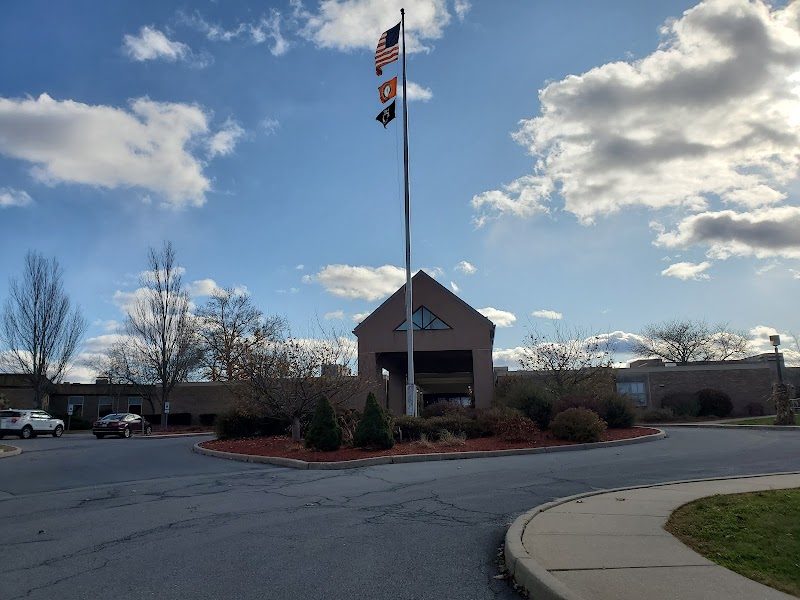
How is The Valley View Center For Nursing Care And Rehab Staffed?

CMS rates THE VALLEY VIEW CENTER FOR NURSING CARE AND REHAB's staffing level at 4 out of 5 stars, which is above average compared to other nursing homes. Staff turnover is 20%, compared to the New York average of 46%. This relatively stable workforce can support continuity of care.

What Have Inspectors Found at The Valley View Center For Nursing Care And Rehab?

State health inspectors documented 33 deficiencies at THE VALLEY VIEW CENTER FOR NURSING CARE AND REHAB during 2017 to 2025. These included: 33 with potential for harm.
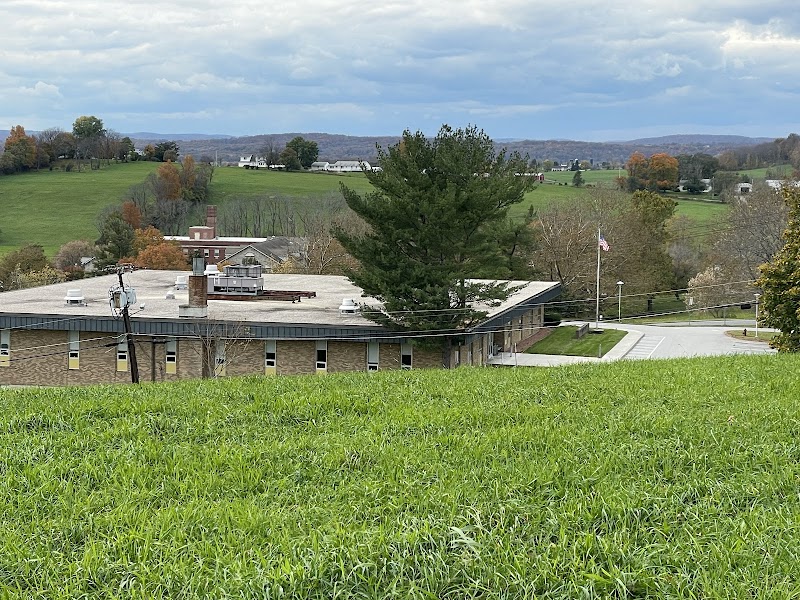
Who Owns and Operates The Valley View Center For Nursing Care And Rehab?

THE VALLEY VIEW CENTER FOR NURSING CARE AND REHAB is owned by a government entity. Government-operated facilities are typically run by state, county, or municipal agencies. The facility operates independently rather than as part of a larger chain. With 360 certified beds and approximately 221 residents (about 61% occupancy), it is a large facility located in GOSHEN, New York.

How Does The Valley View Center For Nursing Care And Rehab Compare to Other New York Nursing Homes?

Compared to the 100 nursing homes in New York, THE VALLEY VIEW CENTER FOR NURSING CARE AND REHAB's overall rating (2 stars) is below the state average of 3.1, staff turnover (20%) is significantly lower than the state average of 46%, and health inspection rating (1 stars) is much below the national benchmark.

What Should Families Ask When Visiting The Valley View Center For Nursing Care And Rehab?

Based on this facility's data, families visiting should ask: "Can I visit during a mealtime to observe dining assistance and food quality?" "How do you handle medical emergencies, and what is your hospital transfer rate?" "Can I speak with family members of current residents about their experience?"

Is The Valley View Center For Nursing Care And Rehab Safe?

Based on CMS inspection data, THE VALLEY VIEW CENTER FOR NURSING CARE AND REHAB has a clean safety record: no substantiated abuse findings (meaning no confirmed cases of resident harm), no Immediate Jeopardy citations (the most serious violation level indicating risk of serious injury or death), and is not on the Special Focus Facility watch list (a federal program monitoring the lowest-performing 1% of nursing homes). The facility has a 2-star overall rating and ranks #100 of 100 nursing homes in New York. While no facility is perfect, families should still ask about staff-to-resident ratios and recent inspection results during their visit.

Do Nurses at The Valley View Center For Nursing Care And Rehab Stick Around?

Staff at THE VALLEY VIEW CENTER FOR NURSING CARE AND REHAB tend to stick around. With a turnover rate of 20%, the facility is 25 percentage points below the New York average of 46%. Low turnover is a positive sign. It means caregivers have time to learn each resident's needs, medications, and personal preferences. Consistent staff also notice subtle changes in a resident's condition more quickly. Registered Nurse turnover is also low at 12%, meaning experienced RNs are available to handle complex medical needs.

Was The Valley View Center For Nursing Care And Rehab Ever Fined?

THE VALLEY VIEW CENTER FOR NURSING CARE AND REHAB has no federal fines on record. CMS issues fines when nursing homes fail to meet care standards or don't correct problems found during inspections. The absence of fines suggests the facility has either maintained compliance or corrected any issues before penalties were assessed. This is a positive indicator, though families should still review recent inspection reports for the full picture.

Is The Valley View Center For Nursing Care And Rehab on Any Federal Watch List?

THE VALLEY VIEW CENTER FOR NURSING CARE AND REHAB is not on any federal watch list. The most significant is the Special Focus Facility (SFF) program, which identifies the bottom 1% of nursing homes nationally based on persistent, serious quality problems. Not being on this list means the facility has avoided the pattern of deficiencies that triggers enhanced federal oversight. This is a positive indicator, though families should still review the facility's inspection history directly.