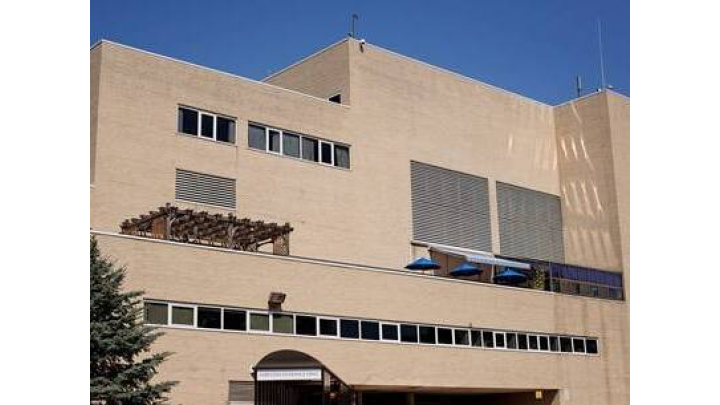
ST JOSEPHS PLACE

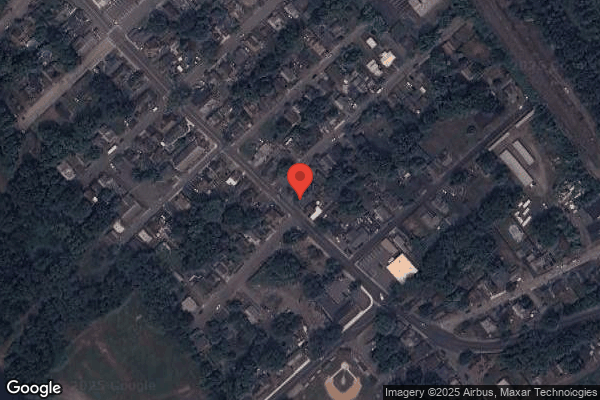
160 EAST MAIN STREET, PORT JERVIS, NY 12771 (845) 856-5351
Non profit - Corporation 46 Beds Independent Data: November 2025
Trust Grade
95/100
#102 of 594 in NY
Last Inspection: February 2024

Within standard 12-15 month inspection cycle. Federal law requires annual inspections.

Overview

St. Joseph's Place in Port Jervis, New York, has a Trust Grade of A+, indicating it is an elite facility and among the best in its category. It ranks #102 out of 594 facilities in New York, placing it in the top half, and #2 out of 10 in Orange County, meaning there is only one better option nearby. The facility is improving, having reduced its issues from four in 2019 to zero in 2024. Staffing is a strength, with a rating of 4 out of 5 stars and a turnover rate of just 21%, well below the state average. There are some concerns, however, including past issues related to behavioral care and medication management for residents, as well as a lack of carbon monoxide detectors in certain areas, though no fines have been issued, indicating compliance with regulations has improved.

Trust Score
A+
95/100
In New York
#102/594
Top 17%
Safety Record
Low Risk
No red flags
Inspections
Getting Better
4 → 0 violations
Staff Stability
✓ Good
21% annual turnover. Excellent stability, 27 points below New York's 48% average. Staff who stay learn residents' needs.
Penalties
✓ Good
No fines on record. Clean compliance history, better than most New York facilities.
Skilled Nurses
✓ Good
Each resident gets 59 minutes of Registered Nurse (RN) attention daily — more than average for New York. RNs are trained to catch health problems early.
Violations
✓ Good
Only 4 deficiencies on record. Cleaner than most facilities. Minor issues only.
★★★★★
5.0
Overall Rating
★★★★☆
4.0
Staff Levels
★★★☆☆
3.0
Care Quality
★★★★★
5.0
Inspection Score
Stable
2019: 4 issues
2024: 0 issues

The Good

  • 4-Star Staffing Rating · Above-average nurse staffing levels
  • Low Staff Turnover (21%) · Staff stability means consistent care
  • No fines on record
  • Staff turnover is low (21%)

    27 points below New York average of 48%

Facility shows strength in staffing levels, staff retention.

The Bad

No Significant Concerns Identified

This facility shows no red flags. Among New York's 100 nursing homes, only 1% achieve this.

The Ugly 4 deficiencies on record

Jun 2019 4 deficiencies
CONCERN (D)

Potential for Harm - no one hurt, but risky conditions existed

Deficiency F0740 (Tag F0740)

Could have caused harm · This affected 1 resident

**NOTE- TERMS IN BRACKETS HAVE BEEN EDITED TO PROTECT CONFIDENTIALITY** Based on interview and record review conducted during the most recent recertification survey, the facility did not ensure that a...

Read full inspector narrative →
**NOTE- TERMS IN BRACKETS HAVE BEEN EDITED TO PROTECT CONFIDENTIALITY** Based on interview and record review conducted during the most recent recertification survey, the facility did not ensure that appropriate behavioral care was provided to address the ongoing problem of depression for 1 of 5 residents (Resident #33) reviewed for the use of psychoactive medications. Specifically, 1) the resident's initial comprehensive assessment did not address the resident's behavioral care history which necessitated the need for the treatment of depression with the use of an antipsychotic medication and two antidepressant medications prior to and upon admission to the facility; and 2) the ongoing assessments of depression by the psychiatrist were addressed by increasing the dose of an antidepressant with no consideration for the provision of supportive counseling for a period of seven months (from January 2018 to July 2018). The findings are: Resident #33, a [AGE] year-old male with the diagnoses of Major Depression (a mental disorder characterized by a persistently depressed mood and long-term loss of pleasure or interest in life) was admitted to the facility on [DATE]. The resident's admission physician's orders included an antipsychotic medication, Abilify, and two antidepressant medications, Paxil and Zoloft, for the treatment of major depression. The admission Minimum Data Set (MDS, an assessment instrument) revealed that the resident had no cognitive impairment and was receiving psychoactive medications (antidepressant and antipsychotic) during the assessment period. The Care Area Assessment (CAA, an extension of the MDS designed to provide in depth information about the root cause for the triggered care area) was reviewed. This CAA did not refer to any other source that could provide in depth information about the use of the above mentioned medications or the resident's behavioral/psychiatric history. The CAA noted that the Medication Administration Record (MAR) should be reviewed for further information. The MAR was reviewed and provided no historical information regarding the resident's behavioral/psychiatric history requiring the use of the medications. Additionally there was no history regarding the use of these medications prior to admission to the facility. This infomation was necessary to develop an approriate plan of care to address the resdient's behavioral care needs. The resident's plan of care addressing depression was initiated on 10/21/17. The goal was for the resident to exhibit indicators of depression, anxiety and sad mood less than daily. The interventions included to achieve this goal were to 1) administer the medications as ordered and monitor for effectiveness and side effects, 2) psy (psychiatric) consult as indicated and 3) monitor for signs and symptoms of depression. On 12/19/17 an initial psychiatric evaluation was completed for the resident. This evaluation noted that the facility's nursing staff reported that the resident's mood demonstrated lack of reaction to pleasant events and that he showed indifference. The psychiatrist's assessment was that the resident's mood was a bit better. The diagnoses of depression NOS (not otherwise specified) was made and a recommendation was made to increase Zoloft from 50 mg to 75 mg daily. This evaluation made no reference to the root cause(s) for the resident's depression prior to admission and since admission to the facility. It also included no recommendations to address the need for supportive counseling or other non-pharmacological interventions to help the resident cope and minimize dependence on psychoative medications . On 12/31/17 a physician's order was obtained to increase Zoloft to 75 mg. On 1/29/18 the resident was again evaluated by the psychiatrist. This evaluation showed that a recommendation was made for Zoloft to be increased due to ongoing problems with depression. There was no reference made regarding supportive counseling. On 2/6/18 the physician's orders included the increase of Zoloft from 75 mg to 100 mg, which remained in effect at the time of this review. A review of the resident's medical record (social workers notes and the evaluation of the resident's plan of care) did not include evidence that the need for supportive counseling was addressed by the care planning team memebers between 12/31/17 and 8/8/18 prior to increasing Zoloft. On 8/9/18 the resident was evaluated by a psychologist. The psychological evaluation noted feelings of depression, trouble sleeping, poor appetite, feeling bad about self and thoughts that would be better off dead. This evaluation also noted that the resident was depressed about not being able to walk and the recent loss of a friend. Ongoing psychological counseling was initiated after this evaluation. Subsequent to the initiation of counseling, the annual MDS dated [DATE] and the most recent quarterly MDS dated [DATE] showed that the resident had no cognitive impairment and no mood problems. The annual MDS also showed that the resident expressed preferences to be engaged in multiple activities. On 6/5/19 the resident was interviewed. He stated that he gets sad at times about not being at home. The social worker assigned to the care of the resident from the time of admission to the time of the psychological evaluation (8/9/18) was no longer employed by the facility. The current social worker was interviewed on 6/7/19 in the afternoon. She was asked to comment on the lack of supportive counseling for the resident and reliance solely on the use of medication to address his problem of depression. After reviewing the resident's record she offered no rationale or explanation why the need for supportive counseling was not addressed prior to 8/9/18. 415.12(f)(1)
CONCERN (D)

Potential for Harm - no one hurt, but risky conditions existed

Pharmacy Services (Tag F0755)

Could have caused harm · This affected 1 resident

**NOTE- TERMS IN BRACKETS HAVE BEEN EDITED TO PROTECT CONFIDENTIALITY** Based on interview, observation and record review conducted during the recertification survey and an abbreviated survey (#NY0023...

Read full inspector narrative →
**NOTE- TERMS IN BRACKETS HAVE BEEN EDITED TO PROTECT CONFIDENTIALITY** Based on interview, observation and record review conducted during the recertification survey and an abbreviated survey (#NY00230838), the facility did not provide pharmaceutical services to assure accurate acquiring, receiving and administering of all medications to meet the needs of each resident. This was evident for 1 resident (Resident # 13) reviewed for administration of medications. Specifically, 1) the nursing staff did not ensure that a cholesterol lowering medication, Lipitor, documented on the Medication Administration Record as being administered was specifically ordered for the resident, and 2) that this medication was refilled when indicated. The findings are: The facility Policy and Procedure (P&P) for Ordering and Receiving Medications from the dispensing Pharmacy documented the following; a.)Reorder medication (three to four) days in advance of need to assure an adequate supply is on hand. b.) The refill order is electronically transmitted to the pharmacy. Resident #13 is an [AGE] year-old female admitted to the facility on [DATE] with the diagnoses of Dementia, Hyperlipidemia, Congestive Heart Failure, Alzheimer's disease, and Type 2 Diabetes Mellitus. A physician's order dated 10/3/2018 included a new order for Lipitor (a cholesterol lowering medication) 10 mg to be given by mouth at bedtime. A blister pack (a type of packaging that protects individual doses of medication) designed for 30 Lipitor tablets and labeled with the resident's name was reviewed on 6/4/19. This review showed that the blister pack was dispensed by the pharmacy to the facility on [DATE] to be refilled after 10/28/2018. (This date signified the date the facility was to alert the pharmacy of the next refill.). Review of the Medication Administration Record (MAR) for the month of October 2018 showed that the administration of Lipitor started on 10/4/2018 and that the medication was administered for the entire month except on 10/5/2018. According to a nurse's note on 10/5/18 the medication was not administered due to medication pending delivery. Additionally, another nursing noted 10/23/18 showed that the resident refused to take the medication on that date. In November 2018 the MAR showed that the medication was administered for the entire month except on 11/2/2018, 11/3/2018 and 11/20/2018. The MAR showed that on these dates the resident refused the medication. In December 2018 the MAR showed that the medication was administered from 12/1/2018 to 12/7/2018 and the medication was discontinued on 12/8/2018. According to the MAR for the period of 10/4/18 to 12/7/18 Lipitor was administered to the resident 60 times and refused 4 times. Since the blister pack received by the facility on 10/4/18 contained only 30 tablets, the Director of Nursing (DON) was asked on 6/6/19 to show evidence that additional Lipitor was obtained from the pharmacy to account for a total of 64 tablets. The DON failed to produce any such evidence. Multiple nursing staff who administered Lipitor to the resident during the period of 10/4/18 to 12/7/18 (as evidenced by their initials on the MAR) and the vendor pharmacist were interviewed to account for the accurate acquiring, receiving, and administration of the resident's medication. The responses are as follows: - On 6/4/2019 3:40 PM LPN #1 stated that she administered Lipitor whenever she was assigned to the resident. She said LPN #2 informed her that the Lipitor blister pack had too many tablets left on it. She said the resident refused her medications a few times. But she had no documentation to reflect it. - On 6/4/2019 at 4:15 PM LPN #2 stated that on 10/5/2018 she documented that Lipitor delivery was pending and did not realized that it was actually delivered on 10/4/2018 and placed in a different cart. She also stated that she was the person to administer the first tablet from the blister pack on 10/9/2018 (despite documentation on the MAR showing that the resident was administered the medication 4 times from 10/4/18 to 10/8/18). She further stated that sometime after 10/9/2018 she realized that the blister pack was not used and brought it to the attention of the charge nurse and DON who assured her that she would take care of it. However, nothing was done about it. (This DON was no longer employed by the facility.) - On 6/6/2019 at 12:55 PM LPN #3 stated via telephone that when she was assigned to the resident the blister pack was supposed to have been completed but it was not, so she reported it to the DON who requested blood work to check the resident's cholesterol level. - On 6/6/2019 at 1:40 PM the vendor pharmacist stated via telephone that Lipitor 30 day blister pack was filled and delivered to the facility on [DATE] and another 30 day blister pack was filled and sent to the facility on [DATE] following a call from the facility by a staff member requesting a refill. She further stated that the order was discontinued 12/8/2018. - On 6/6/2019 at 2:40 PM LPN #4 (who administered the medication on 10/4/18 and is no longer working at the facility) stated via telephone that he did not remember much from the incident as it occurred a long time ago. But he remembered administering the medication the days he was assigned to give them to the resident. He further stated if there was no medication in house the nurses would borrow from another resident receiving the same medication. When asked if he had borrowed medications, LPN #4 did not acknowledge that he administered borrowed medication to the resident. - On 6/7/2019 at 9:30 AM LPN #5 stated via telephone that she was on orientation during the time of the incident and she resigned her position after the two weeks of suspension of all 3-11 shift LPNs. She further stated that she administered the medication as per physician orders and documented when the resident refused to take the medicine. (The surveyor verified LPN #5's documentation.) - All the above nurses, excluding LPN #4, denied that they borrowed medications. On 6/7/19 in the afternoon the DON was asked to review the facility's records to determine if anyone had signed that they received the second blister pack reported by the vendor pharmacist to have been delivered on 11/22/18. After conducting a search, the DON reported that no documented evidence was found to show that the second blister pack was requested and/or received by the facility. Documentation provided for the receipts of medications for 10/4/18 showed no evidence that the blister pack dispensed on 10/4/18 for the resident was received by the facility on that date. In summary, the MAR showed that 60 Lipitor tablets were administered and 4 refused, totaling 64 tablets for which the facility should account. The evidence provided above did not demonstrate that the facility ensured that the each tablet of Lipitor recorded on the MAR as being administered were specifically dispensed by the pharmacy for this resident. Also, the facility did not ensure that the system in place to account for the receipt of medications was implemented. 415.18(e)(2)
CONCERN (D)

Potential for Harm - no one hurt, but risky conditions existed

Deficiency F0836 (Tag F0836)

Could have caused harm · This affected 1 resident

**NOTE- TERMS IN BRACKETS HAVE BEEN EDITED TO PROTECT CONFIDENTIALITY** Based on observation and interview during the recertification survey, the facility was not in compliance with Section 915 of the...

Read full inspector narrative →
**NOTE- TERMS IN BRACKETS HAVE BEEN EDITED TO PROTECT CONFIDENTIALITY** Based on observation and interview during the recertification survey, the facility was not in compliance with Section 915 of the 2015 edition of the International Fire Code as adopted by New York State, which requires the installation of carbon monoxide detectors in buildings with fuel-fired appliances. Carbon monoxide detectors were not installed in mechanical rooms containing fuel fired equipment (laundry room, boiler room, generator room, etc) or in previously approved locations. The findings are: The life safety tour of the facility was conducted during the recertification survey on 6/7/19 between 9:00 AM - 1:00 PM. At that time it was observed that carbon monoxide monitors were not installed in areas in which fuel fired (natural gas and diesel) equipment was located. These areas included the generator room located off of the stairwell adjacent to resident room [ROOM NUMBER], the hospital kitchen, the boiler room, and laundry room. In an interview at 9:15 AM on 6/7/19, the Director of Facilities Management stated that there is no fuel fired equipment located on the nursing home unit. He also stated that the hospital is working with local code enforcement officials (Fire Marshal, Code Compliance Officer, Building Inspector) to install carbon monoxide detectors as part of a hospital renovation project that was underway. 483.70 (b)
MINOR (B)

Minor Issue - procedural, no safety impact

Transfer Notice (Tag F0623)

Minor procedural issue · This affected multiple residents

Based on record review and interview conducted during the most recent re-certification survey, the facility did not ensure that the residents' representatives were notified in writing of the residents...

Read full inspector narrative →
Based on record review and interview conducted during the most recent re-certification survey, the facility did not ensure that the residents' representatives were notified in writing of the residents' transfer to the hospital. This was evident for 2 of 2 residents (#19, and #34) reviewed for hospitalization. The findings are: 1. Resident # 19 was admitted to the facility 1/9/17 with diagnoses of Diabetes Mellitus, Aphasia (inability to speak) and Hemiplegia. The Nursing Progress Notes dated 5/12/19 revealed the resident had episodes of emesis (vomiting) of undigested food and on 5/13/19 the resident was transferred to the hospital with temperature of 102 degrees Fahrenheit. The admission note dated 5/18/19 revealed the resident had a 5/13/19 discharge to the hospital due to a temperature of 102 with emesis, with a new diagnosis of Gallstones with cholecystectomy. The Nurse Manager (RN #1) was interviewed on 6/7/19 at 11:46 AM and stated the nursing staff notified the residents' representatives via telephone when a resident was transferred to the hospital. The Social Worker (SW) was interviewed on 6/7/19 at 11:48 PM and stated she was not aware that the facility was required to send written notification of hospital discharge to the residents' representatives. 2. Resident # 34 was admitted to facility on 5/1/19 with diagnoses of Heart Failure, Hypertension and Asthma. The Nursing Progress Notes dated 5/13/19 revealed the resident received Doxycycline (an antibiotic) for a diagnosis of right lower extremity cellulitis (a skin infection) with a temperature of 101degrees F. The Progress Note of 5/15/19 indicated the resident was transferred to the hospital due to a temperature of 102.8 and had a diagnosis of urosepsis (a blood infection that starts in the urinary tract). The Nurse Manager (RN #1) was interviewed on 6/7/19 at 11:46 AM and stated the nursing staff notified the residents' representatives via telephone when a resident was transferred to the hospital. The Social Worker (SW) was interviewed on 6/7/19 at 11:48 PM and stated she was not aware that the facility was required to send written notification of hospital discharge to the residents' representatives. 415.3(h)(1)(iii)(a-c)
Understanding Severity Codes (click to expand)
Life-Threatening (Immediate Jeopardy)
J - Isolated K - Pattern L - Widespread
Actual Harm
G - Isolated H - Pattern I - Widespread
Potential for Harm
D - Isolated E - Pattern F - Widespread
No Harm (Minor)
A - Isolated B - Pattern C - Widespread

Questions to Ask on Your Visit

  • "Can I speak with families of current residents?"
  • "What's your RN coverage like on weekends and overnight?"

Our Honest Assessment

Strengths
  • • Grade A+ (95/100). Above average facility, better than most options in New York.
  • • No major safety red flags. No abuse findings, life-threatening violations, or SFF status.
  • • No fines on record. Clean compliance history, better than most New York facilities.
  • • Only 4 deficiencies on record. Cleaner than most facilities. Minor issues only.
Concerns
  • • No significant concerns identified. This facility shows no red flags across CMS ratings, staff turnover, or federal penalties.
Bottom line: Generally positive indicators. Standard due diligence and a personal visit recommended.

About This Facility

What is St Josephs Place's CMS Rating?

CMS assigns ST JOSEPHS PLACE an overall rating of 5 out of 5 stars, which is considered much above average nationally. Within New York, this rating places the facility higher than 99% of the state's 100 nursing homes. This rating reflects solid performance across the metrics CMS uses to evaluate nursing home quality.

How is St Josephs Place Staffed?

CMS rates ST JOSEPHS PLACE's staffing level at 4 out of 5 stars, which is above average compared to other nursing homes. Staff turnover is 21%, compared to the New York average of 46%. This relatively stable workforce can support continuity of care.

What Have Inspectors Found at St Josephs Place?

State health inspectors documented 4 deficiencies at ST JOSEPHS PLACE during 2019. These included: 3 with potential for harm and 1 minor or isolated issues.

Who Owns and Operates St Josephs Place?

ST JOSEPHS PLACE is owned by a non-profit organization. Non-profit facilities reinvest revenue into operations rather than distributing to shareholders. The facility operates independently rather than as part of a larger chain. With 46 certified beds and approximately 37 residents (about 80% occupancy), it is a smaller facility located in PORT JERVIS, New York.

How Does St Josephs Place Compare to Other New York Nursing Homes?

Compared to the 100 nursing homes in New York, ST JOSEPHS PLACE's overall rating (5 stars) is above the state average of 3.1, staff turnover (21%) is significantly lower than the state average of 46%, and health inspection rating (5 stars) is much above the national benchmark.

What Should Families Ask When Visiting St Josephs Place?

Based on this facility's data, families visiting should ask: "Can I visit during a mealtime to observe dining assistance and food quality?" "How do you handle medical emergencies, and what is your hospital transfer rate?" "Can I speak with family members of current residents about their experience?"

Is St Josephs Place Safe?

Based on CMS inspection data, ST JOSEPHS PLACE has a clean safety record: no substantiated abuse findings (meaning no confirmed cases of resident harm), no Immediate Jeopardy citations (the most serious violation level indicating risk of serious injury or death), and is not on the Special Focus Facility watch list (a federal program monitoring the lowest-performing 1% of nursing homes). The facility has a 5-star overall rating and ranks #1 of 100 nursing homes in New York. While no facility is perfect, families should still ask about staff-to-resident ratios and recent inspection results during their visit.

Do Nurses at St Josephs Place Stick Around?

Staff at ST JOSEPHS PLACE tend to stick around. With a turnover rate of 21%, the facility is 25 percentage points below the New York average of 46%. Low turnover is a positive sign. It means caregivers have time to learn each resident's needs, medications, and personal preferences. Consistent staff also notice subtle changes in a resident's condition more quickly.

Was St Josephs Place Ever Fined?

ST JOSEPHS PLACE has no federal fines on record. CMS issues fines when nursing homes fail to meet care standards or don't correct problems found during inspections. The absence of fines suggests the facility has either maintained compliance or corrected any issues before penalties were assessed. This is a positive indicator, though families should still review recent inspection reports for the full picture.

Is St Josephs Place on Any Federal Watch List?

ST JOSEPHS PLACE is not on any federal watch list. The most significant is the Special Focus Facility (SFF) program, which identifies the bottom 1% of nursing homes nationally based on persistent, serious quality problems. Not being on this list means the facility has avoided the pattern of deficiencies that triggers enhanced federal oversight. This is a positive indicator, though families should still review the facility's inspection history directly.