HOUGHTON REHABILITATION & NURSING CENTER

9876 LUCKEY DRIVE, HOUGHTON, NY 14744 (585) 567-2207
For profit - Limited Liability company 100 Beds PERSONAL HEALTHCARE MANAGEMENT Data: November 2025
Trust Grade
35/100
#517 of 594 in NY
Last Inspection: May 2025

Inspected within the last 6 months. Data reflects current conditions.

Overview

Houghton Rehabilitation & Nursing Center has received a Trust Grade of F, indicating significant concerns about the facility's care quality. It ranks #517 out of 594 in New York, placing it in the bottom half of state facilities, and #4 out of 4 in Allegany County, meaning there are no better local options available. The facility is worsening, with issues increasing from 6 in 2023 to 8 in 2025. Staffing is rated average, with a turnover rate of 50%, which is concerning as it suggests that staff may not remain long enough to build strong relationships with residents. Additionally, the facility has accumulated $65,052 in fines, which is higher than 93% of New York facilities, indicating repeated compliance issues. Specific incidents include a failure to provide sufficient nursing staff on a 24-hour basis, relying on non-certified staff to meet minimum requirements. There were also multiple days without the required eight hours of Registered Nurse coverage, which is critical for resident safety. Lastly, several resident assistants have been working for over four months without the necessary certification, raising concerns about the quality of care provided. While there are strengths in some quality measures, these serious deficiencies should be carefully considered by families looking for a nursing home.

Trust Score
F
35/100
In New York
#517/594
Bottom 13%
Safety Record
Moderate
Needs review
Inspections
Getting Worse
6 → 8 violations
Staff Stability
⚠ Watch
50% turnover. Above average. Higher turnover means staff may not know residents' routines.
Penalties
○ Average
$65,052 in fines. Higher than 70% of New York facilities. Some compliance issues.
Skilled Nurses
○ Average
Each resident gets 30 minutes of Registered Nurse (RN) attention daily — about average for New York. RNs are the most trained staff who monitor for health changes.
Violations
⚠ Watch
19 deficiencies on record. Higher than average. Multiple issues found across inspections.
★☆☆☆☆
1.0
Overall Rating
★★★☆☆
3.0
Staff Levels
★★★★☆
4.0
Care Quality
★☆☆☆☆
1.0
Inspection Score
Stable
2023: 6 issues
2025: 8 issues

The Good

  • 4-Star Quality Measures · Strong clinical quality outcomes
  • Full Sprinkler Coverage · Fire safety systems throughout facility
  • No fines on record

Facility shows strength in quality measures, fire safety.

The Bad

1-Star Overall Rating

Below New York average (3.0)

Significant quality concerns identified by CMS

Staff Turnover: 50%

Near New York avg (46%)

Higher turnover may affect care consistency

Federal Fines: $65,052

Above median ($33,413)

Moderate penalties - review what triggered them

Chain: PERSONAL HEALTHCARE MANAGEMENT

Part of a multi-facility chain

Ask about local staffing decisions and management

The Ugly 19 deficiencies on record

May 2025 8 deficiencies
CONCERN (D)

Potential for Harm - no one hurt, but risky conditions existed

Deficiency F0561 (Tag F0561)

Could have caused harm · This affected 1 resident

**NOTE- TERMS IN BRACKETS HAVE BEEN EDITED TO PROTECT CONFIDENTIALITY** Based on observation, interview, and record review conducted during the Standard survey completed on 5/2/25, the facility did no...

Read full inspector narrative →
**NOTE- TERMS IN BRACKETS HAVE BEEN EDITED TO PROTECT CONFIDENTIALITY** Based on observation, interview, and record review conducted during the Standard survey completed on 5/2/25, the facility did not ensure residents had the right to choose activities, schedules, and health care consistent with their interests, assessments, and plan of care for two (2) (Resident #18 and #52) of two (2) residents reviewed for choices. Specifically, Resident #18 was not provided with the frequency of showers they preferred and Resident #52 was not offered or provided with a shower as scheduled. The findings are: The policy titled Activities of Daily Living-Bathing and Bathing Preferences reviewed 3/25 documented the facility would bathe/shower resident based upon his/her preferences, needs and choices. A licensed nurse/activities/designee will gather information about residents' personal preferences for bathing/showers upon initial assessment and periodically thereafter. Bathing/shower schedules will be developed according to resident's needs, schedule and routine and not for staff convenience. The policy documented that a resident schedule will be revised as needed if a resident expresses a change in preference. The policy titled Adherence to Comprehensive Care Plan dated 3/7/22, documented staff will provide care and services in accordance with each resident's individualized care plan to attain or maintain the highest practicable level of physical, mental, and psychosocial well-being. All nursing, therapy, and other applicable staff are required to follow the current care plan as written. 1. Resident #52 had diagnoses including wedge compression fracture (a type of compression fracture where the front of a vertebra collapses while the back remains intact, creating a wedge shape) of thoracic vertebra (spine), schizophrenia (mental health disorder), and major depressive disorder. The Minimum Data Set (a resident assessment tool) dated 3/19/25 documented Resident #52 was understood, understands, was cognitively intact, and had no documented behaviors or refusals. The comprehensive care plan dated 12/11/24 documented Resident #52 had impaired cognitive function and impaired thought processes related to confusion with interventions to communicate with the resident regarding residents' capabilities and needs and keep the resident's routine consistent. The [NAME] (a guide used by staff providing care) dated as of 5/1/25 documented Resident #52 required an extensive assist of one staff member for bathing and toileting. Review of an untitled undated document provided by the facility revealed Resident #52's scheduled shower day was Tuesdays during the evening shift (2:00 PM - 10:00 PM). A document titled Follow up Question Report Activities of Daily Living Shower Schedule, dated 3/1/25 to 4/30/25 documented Resident #52 received a shower on 4/8/25 by Nurse Aide Trainee #7. There was no documented evidence a shower was provided on 4/22/25 and 4/29/25. The Daily Unit Management Sheet dated 4/8/25 evening shift documented Resident #52 received a bed-bath from Nurse Aide Trainee #7 that shift and Licensed Practical Nurse #1 initialed next to it that they acknowledged. The Daily Unit Management Sheet dated 4/22/25 evening shift was blank next to the shower section for Resident #52. There was no documented evidence that a shower was offered and provided. Review of Daily Unit Management Sheet dated 4/29/25 evening shift documented Resident #52 received a bed-bath from Certified Nurse Aide #5 and Registered Nurse #3 initialed next to it that they acknowledged. During an interview on 4/29/25 at 8:50 AM, Resident #52 stated they had not had a shower in over two (2) weeks and their shower day was Tuesday evenings so they should receive one that evening. During an interview on 4/30/25 at 9:04 AM, Resident #52 stated they did not receive their shower on their scheduled shower day (4/29) the night prior and felt dirty and grimy. They stated staff never mentioned a shower or brought up taking one. The resident also stated they had not asked staff about it. During an interview on 4/30/25 at 1:20 PM, Certified Nurse Aide #5 stated they were the assigned aide for Resident #52 on the evening of 4/29/25 and had not offered or provided Resident #52 with their shower. They stated they did not look at the shower schedule until the end of their shift. They stated there were only two (2) Certified Nurse Aides working on the unit (Unit 3), and they were only scheduled until 7:00 PM leaving Certified Nurse Aide #6 by themselves on the unit. They stated they were unable to give Resident #52 their shower before they left at 7:00 PM and told Certified Nurse Aide #6 the shower had not been completed. They stated they did not make Registered Nurse #3 aware the shower was not given prior to leaving for the night, but they should have. Certified Nurse Aide #5 stated they should have offered Resident #52 their shower, and at the very minimum let them know they would not be able to give it and offered them another option. During a telephone interview on 5/1/25 at 10:40 AM, Licensed Practical Nurse #8 stated they were not made aware Resident #52 had not received their shower on 4/29/25 as per their schedule. They stated that staff should have offered Resident #52 their shower and at the very least made them aware they had not so they could have documented it. During an interview on 5/1/25 at 11:10 AM, Registered Nurse #4 stated Certified Nurse Aide #5 should have offered Resident #52 their shower on their assigned shower day, and if they were unable to give it, they should have updated the nurse and attempted to offer an alternate option. During a telephone interview on 5/1/25 at 1:35 PM, Certified Nurse Aide #6 stated they had not offered or provided Resident #52 a shower on 4/22/25 during the evening shift due to being the only aide on the unit, and they should have. They stated their priorities were feeding residents, providing incontinent care, and ensuring fall risk residents were safe. They stated they should have made Resident #52 aware they were not going to be able to provide them their shower that night, and they should have informed the nurse that they were unable to complete the task. During an interview on 5/1/25 at 3:52 PM, Nurse Aide Trainee #7 stated they were assigned to Resident #52 on 4/8/25 during the evening shift (2:00 PM - 10:00 PM) and stated they thought they just gave a bed bath but should have offered Resident #52 a choice to have a shower, it was important to keep them clean. During a telephone interview on 5/2/25 at 8:25 AM, Licensed Practical Nurse #1 stated they were the nurse assigned to Resident #52 on 4/8/25 during the evening shift (2:00 PM - 10:00 PM) and were not made aware the resident did not receive their shower. They stated Nurse Aide Trainee #7 should have made them aware they had not offered and provided Resident #52 their shower per their care plan. They stated Nurse Aide Trainee #7 should have offered Resident #52 their shower. Additionally, they stated the unit utilized assignment sheets which the aide's documented showers on and the nurse checked off they were completed. During an interview on 5/2/25 at 10:01 AM, Registered Nurse/Educator #2 stated Certified Nurse Aides were trained to offer showers to residents on their assigned shower days, and if they refused to update nurse so they could document that. During an interview on 5/2/25 at 10:57 AM, the Director of Nursing stated they expected Certified Nurse Aides to offer residents their showers per their plan of care. Resident #52 should be offered and receiving their weekly showers. If the aide was unable to give the shower on the residents scheduled day, they should try to accommodate it within the next shift if possible. They stated it should be documented in the resident's electronic medical record and the nurse should be notified. 2. Resident #18 had diagnoses including dementia, bipolar (mental illness) and hypothyroidism (thyroid disease). The Minimum Data Set, dated [DATE] documented Resident #18 was usually understood, usually understands, and was cognitively intact. The assessment tool documented that Resident #18 was a moderate assist for shower/bathing self. The Comprehensive Care Plan dated 4/10/24 documented Resident #18 would have choices as able, and interventions included to take showers. The comprehensive care plan documented that Resident #18 had activities of daily living deficit related to muscle weakness and interventions included the resident was an extensive assist for showering. The [NAME] dated as of 5/2/25 documented Resident #18 required an extensive assist of one staff member for bathing and preferred showers. Review of untitled undated document provided by the facility revealed Resident #18's scheduled shower day was Wednesday during the day shift (6:00 AM-2:00 PM). There were no other days documented to give the resident a shower. Review of the Documentation Survey Report (electronic medical record report for certified nurse aide documentation) dated 4/1/25-4/30/25 documented that Resident #18 was to have showers on Wednesday's day shift. There were no other days documented to give the resident a shower. During an initial pool interview on 4/29/25 at 8:42 AM, Resident #18 stated that staff help to them with their showers that are scheduled on Wednesday's day shift. They stated they do not like only once a week showers and have asked staff to give them more than once a week. Resident #18 stated that staff had told them that shower days are only once a week. During an interview on 5/2/25 at 10:19 AM, Registered Nurse #1, Unit Manager stated that a resident's scheduled shower usually depends on their room number but if they request a different day or different shift then they would accommodate that request. Registered Nurse #1 stated that Resident #18 could make their needs known depending on how the resident's morning went. Registered Nurse #1 stated they knew Resident #18 had requested more than one shower a week but there were time constraints based on staffing. They stated that Resident #18 choices were not being honored if they had requested more than one shower a week and were only getting one. During an interview on 5/2/25 at 11:38 AM, the Social Worker stated that if a resident requested more than one shower a week, then they should get more than one. They stated that a resident should have everything they need because the facility was their home, and they should feel as if it was their home. During an interview on 5/2/25 at 10:50 AM, Certified Nurse Aide #9 stated they work the 6:00 AM- 2:00 PM shift and Resident #18 asks for more than one shower a week all the time. They stated that it was very hard to give them more than one shower per their request because of staffing. Certified Nurse Aide #9 stated Resident #18 can make their needs known and they had notified Registered Nurse #1 that they requested more than one shower a week. During an interview on 5/2/25 at 11:47 AM, the Director of Nursing stated if a resident was asking for more than one shower a week, then they should be provided one to honor their preferences. They stated it was important to honor a resident's preference for their dignity. 10 NYCRR 415.5 (b) (1,3)
CONCERN (D)

Potential for Harm - no one hurt, but risky conditions existed

Deficiency F0658 (Tag F0658)

Could have caused harm · This affected 1 resident

**NOTE- TERMS IN BRACKETS HAVE BEEN EDITED TO PROTECT CONFIDENTIALITY** Based on interview and record review conducted during the Standard survey completed on 5/2/25, the facility did not provide serv...

Read full inspector narrative →
**NOTE- TERMS IN BRACKETS HAVE BEEN EDITED TO PROTECT CONFIDENTIALITY** Based on interview and record review conducted during the Standard survey completed on 5/2/25, the facility did not provide services consistent with professional standards of quality for one (1) (Resident #6) of one (1) resident reviewed for dialysis. Specifically, Resident #6 did not receive Torsemide 40 milligrams as ordered by the physician on non-dialysis days, and it was given on dialysis days. The finding is: The policy titled Orders dated 3/19 documented, it is the facility's policy that all orders are accurately transcribed and executed in a timely manner per physician/Nurse Practitioner orders. The healthcare provider will provide timely and appropriate medical orders, and the healthcare provider will verify the accuracy of verbal orders when they are given and will authenticate, co-sign, and date them in a timely manner no later than the next visit to the resident. Resident #6 had diagnoses that included end stage renal disease (receiving dialysis), lymphedema (a buildup of lymph fluid in the fatty tissues just under the skin that causes swelling (edema)), and atrial fibrillation (an irregular and often very rapid heart rhythm). The Minimum Data Set (a resident assessment tool) dated 3/12/25 documented Resident #6 was cognitively intact, understands, understood; does not exhibit behaviors of rejection of care; and received special treatments, procedures including hemodialysis (a type of dialysis treatment of filtering the blood of a person whose kidneys are not working normally). The comprehensive care plan dated 12/9/24, documented Resident #6 was on diuretic therapy related to edema. Interventions included to administer diuretic medications as ordered by the physician. The physician orders dated 12/4/24 through 5/1/25 documented Resident #6 had an order dated 12/4/24 through 5/1/25 to administer Torsemide 20 milligrams (2 tablets) by mouth one time a day every Monday, Wednesday, Friday and Sunday for end stage renal disease on non-dialysis days. There was an order dated 12/26/24 through 5/1/25 for the resident to attend Dialysis on Monday, Wednesday, Friday and time 4:00 PM through 7:00 PM, resident returned to facility at approximately 8:00 PM. Review of the Medication Administration Records dated 12/1/24 through 5/1/25 revealed Torsemide 20 milligram give (2) tablets by mouth one time a day every Monday, Wednesday, Friday and Sunday for end stage renal disease non- dialysis days was administered on Mondays, Wednesdays, Fridays (which are Resident #6's dialysis days) and Sundays. During an interview on 5/1/25 at 3:23 PM, Unit Manager Registered Nurse #1 stated they wrote and transcribed Resident #6's admission orders for the Dialysis schedule and the Torsemide medication and did not notice the Torsemide was only to be administered on non-dialysis days even though they wrote the orders, they didn't notice the specific direction. They stated Resident #6 had been receiving the Torsemide as ordered Mondays, Wednesdays and Fridays and had been receiving Dialysis on Mondays, Wednesdays and Fridays since 12/4/24. They stated the Torsemide should not have been scheduled the same days as dialysis according to the order. They stated that they should have identified the discrepancy and had the Torsemide order changed to be administered on Tuesdays, Thursdays and Saturdays. During an interview on 5/2/25 at 8:30 AM, Registered Nurse Director of Dialysis #1 stated Resident #6 was scheduled for dialysis on Mondays, Wednesdays, and Fridays since their admission on [DATE] to the nursing home because those were the only days of the week, they were open for dialysis. During an interview on 5/2/25 at 9:49 AM, Medical Director #1 stated they signed all of Resident #6's physician orders upon admission and monthly and did not notice the Dialysis days were scheduled the same time as the Torsemide was being administered with the direction to be administered on non-dialysis days and they should have identified the discrepancy and changed the order. They stated they were responsible to ensure all orders were appropriate for all residents. During an interview on 5/2/25 at 12:40 PM, the Director of Nursing stated upon review of Resident #6's orders the Torsemide order should have been clarified and it should not have been given on Mondays, Wednesdays and Fridays as ordered because the direction documented it was to be given on non-dialysis days and the resident was receiving dialysis on Mondays, Wednesdays and Fridays. They stated they would have expected either a staff nurse administering the medication to have fully read the order that included the direction, the Unit Manager Registered Nurse #1 and/or the physician signing the orders to have identified the discrepancy and changed the order. The Director of Nursing stated since their admission, the resident had not been receiving Torsemide according to the direction in the order. 10 NYCRR 415.12
CONCERN (D)

Potential for Harm - no one hurt, but risky conditions existed

Incontinence Care (Tag F0690)

Could have caused harm · This affected 1 resident

**NOTE- TERMS IN BRACKETS HAVE BEEN EDITED TO PROTECT CONFIDENTIALITY** Based on observation, interview, and record review conducted during the Standard survey completed on 5/2/25, the facility did no...

Read full inspector narrative →
**NOTE- TERMS IN BRACKETS HAVE BEEN EDITED TO PROTECT CONFIDENTIALITY** Based on observation, interview, and record review conducted during the Standard survey completed on 5/2/25, the facility did not ensure that residents who had a suprapubic catheter (tube inserted into the bladder, through the abdomen, to drain urine) received the appropriate care and services to manage catheters for one (1) (Resident #20) of three (3) residents reviewed. Specifically, staff did not utilize enhanced barrier precautions (interventions designed to reduce transmission of multi-drug-resistant organisms including gown and glove use during high contact resident care activities) during care, improperly emptied the drainage bag, did not offer Resident #20 a leg drainage bag and did not ensure the catheter drainage bag and tubing remained off the floor. The finding is: The policy and procedure titled Catheter Care - Male/Female Urinary and Suprapubic reviewed 2/2025 documented staff were to ensure the drainage bag was not touching the floor and to place in a bag for dignity. If the resident was transferred out of bed to a wheelchair, attach the drainage bag to the base of the wheelchair and place in a bag for dignity. Ensure the bag was not touching the floor. The policy and procedure titled Catheter - Positioning and Emptying of Drainage Bag reviewed 2/2025 documented never allow the urinary drainage bag to touch the floor, this caused contamination. When the resident was out of bed in a wheelchair, it was preferred that a privacy bag be added to cover the drainage bag. Before emptying the drainage bag, wash hands, don (put on) gloves, wipe the spigot with an alcohol sponge. Empty the bag without letting the spigot touch the receptacle. When the bag was empty, wipe the spigot with another alcohol sponge. The policy and procedure titled Enhanced Barrier Precautions - Multidrug-Resistant Organisms (MDRO- a germ that was resistant to many antibiotics) dated 4/28/2025 documented Enhanced Barrier Precautions were an infection control intervention designed to reduce transmission of multidrug-resistant organisms in nursing homes. Enhanced barrier precautions should be followed for any resident in the facility with an indwelling catheter for the duration of their stay. The enhanced barrier precautions required the use of gown and gloves during high contact/high-risk resident care activities that provide opportunities for transfer of multidrug-resistant organisms to staff hands and clothing. Examples of high-contact resident care activities include dressing, bathing/showering, performing transfers, providing hygiene, changing briefs/assisting with toileting, device care or use of indwelling catheters, and urinary catheters. Resident #20 had diagnoses including benign prostatic hyperplasia (enlarged prostate gland), obstructive and reflux uropathy (obstruction in the urinary tract) and chronic kidney disease. The Minimum Data Set (a resident assessment tool) dated 4/9/2025 documented Resident #20 was understood, understands, was cognitively intact and had an indwelling catheter. Review of the comprehensive care plan revised on 1/7/25, documented Resident #20 was on enhanced barrier precautions related to a suprapubic catheter. Interventions included post signage outside their door, use gown and gloves when performing high contact activities including toileting/incontinence care, dressing, bathing/showering, transferring, care of device, changing linens or any activity with close contact. The resident had a suprapubic catheter related to benign prostatic hyperplasia with lower urinary tract symptoms, retention of urine, history of urinary tract infection and sepsis. Interventions included to use a leg bag when out of bed as needed. Review of the [NAME] (a tool for staff to provide care) dated 5/1/25 documented to maintain enhanced barrier precautions at all times when giving personal care, use gown and gloves when performing high contact activities including toileting/incontinent care, dressing, bathing and showering, transferring, care of device, wound care, changing linens or any activity with close contact. Suprapubic catheter and care of catheter, drainage tubing and receptacles as per physician order and facility protocol. Use a leg bag when out of bed as needed. Review of the nursing progress notes dated 4/1/25 through 4/30/25 revealed no documented evidence that a leg bag was offered and/or refused by Resident #20. Review of the order summary report dated 5/1/25 documented orders for enhanced barrier precautions, suprapubic catheter: keep collection bag below level of bladder at all times, do not rest the bag on the floor, cover with privacy bag at all times, and suprapubic catheter leg bag when out of bed as needed. During an observation on 4/29/25 at 10:10 AM, Resident #20 was lying in bed with the bed lowered to the floor. The catheter drainage bag was hanging on the bed, next to a blue privacy bag, and was touching the floor. There was a pink sign posted on the outside of Resident #20's door documenting staff were to follow enhanced barrier precautions. During a continuous observation on 4/29/25 from 2:18 PM through 2:23 PM, Resident #20 was wheeling their wheelchair past the conference room. Approximately eight (8) inches of catheter drainage tubing was under Resident #20's wheelchair, dragging on the floor. Resident #20 wheeled themselves to the centrally located nurse's station where a staff member offered to wheel them the rest of the way to their room. The catheter drainage tubing remained hanging under the wheelchair, dragging on the floor to Resident #20's room. During a continuous observation on 4/30/25 from 7:42 AM through 8:26 AM, Resident #20 was lying in bed with the bed in low position. The catheter drainage bag was attached to the side of the bed with half of the bag and approximately twelve (12) inches of drainage tubing laying on the floor. There was a large amount of pale urine in the bag. Resident #20 turned on their call light and requested a staff member to get them up for the day. Certified Nurse Aide #3 entered the room at 7:59 AM to provide morning care. They gathered and set up supplies at Resident #20's bedside and performed morning care. They did not don a gown prior to performing morning care. Throughout morning care, the catheter drainage bag was attached to the side of the bed and came in contact with Certified Nurse Aide #3's scrubs (uniform). At approximately 8:17 AM, Certified Nurse Aide #4 knocked, entered the room and stated they would assist Certified Nurse Aide #3 with transferring Resident #20 out of bed to their chair. Certified Nurse Aide #4 did not don a gown and offered to empty the catheter drainage bag. They gathered and placed a barrier and urinal on the floor near the catheter drainage bag. Without wiping off the spigot of the drainage bag, they placed the spigot into the urinal, opened the spigot to empty the urine from the drainage bag, closed it and then placed it back into the drainage bag. Certified Nurse Aide #3 finished dressing Resident #20 while Certified Nurse Aide #4 emptied the urinal into the toilet. Both Certified Nurse Aide #3 and #4 assisted the resident to use the sit to stand lift and transferred Resident #20 to their wheelchair. Certified Nurse Aide #4 placed the catheter drainage bag into a blue privacy bag under Resident #20's wheelchair. Approximately 6-8 inches of drainage tubing rested on the floor directly behind the heels of Resident #20's shoes. During an observation and interview on 4/30/25 at 8:26 AM, Certified Nurse Aide #3 stated they were not sure how long Resident #20's catheter drainage bag and tubing were on the floor prior to them entering the room but it should have never been on the floor because there was a risk for infection. Certified Nurse Aide #3 stated the catheter drainage tubing was on the floor after the transfer. Resident #20 stated to Certified Nurse Aide #3 that thing was always dragging on the floor; it needs to be in that bag. Certified Nurse Aide #3 stated enhanced barrier precautions included wearing a gown and gloves and would be used whenever a resident had wounds, tracheostomy or infection. After reading the enhanced barrier sign outside of Resident #20's room, Certified Nurse Aide #3 stated the sign indicated that enhanced barrier precautions should have been worn during catheter care. They stated they did not think the facility had leg bags to offer the residents with catheter and that was why they did not offer Resident #20 a leg drainage bag. During an interview on 4/30/25 at 8:43 AM, Licensed Practical Nurse #7 stated they were not sure how long Resident #20's catheter drainage bag was on the floor, but it should not have been on the floor because of the risk for infection. They stated the drainage bag should have been in a privacy bag for both privacy and keeping it off the floor. They stated enhanced barrier precautions, including a gown and gloves, should have been worn when providing care to the suprapubic catheter including emptying the catheter drainage bag because of the risk of cross contamination and infection. They stated that Certified Nurse Aide #4 should have used an alcohol pad to wipe off the spigot of the catheter drainage bag before and after emptying the drainage bag for infection prevention. Licensed Practical Nurse #7 stated there was an order indicating Resident #20 could wear a leg bag as needed, and it should have been offered for Resident #20's dignity. They stated Resident #20 had a history of urinary tract infections. During an interview on 4/30/25 at 8:52 AM, Certified Nurse Aide #4 stated the catheter drainage bag and tubing should not have been on the floor. Whenever they noticed the catheter drainage tubing dragging on the floor, they fix it by putting it in the privacy bag. They were not sure if anyone has tried using a leg bag with Resident #20; that was something they would have to ask the nurse. They stated that they were never taught to use alcohol wipes to wipe the spigot of the catheter drainage bag before and after draining it but that would probably make the process more sterile. They stated they knew when a resident was on enhanced barrier precautions when there was a sign on their door, or it was in the care plan. Certified Nurse Aide #4 stated enhanced barrier precautions were part of catheter care but not all of the care provided to the resident and catheter care would include emptying out the catheter drainage bag. During an interview on 5/2/25 at 8:48 AM, Nurse Practitioner #1 stated whenever the catheter system was open, which would include emptying the catheter drainage bag, enhanced barrier precautions would be used for infection prevention. Emptying the catheter drainage bag opened the system and increased the risk for coming in contact with bacteria. Nurse Practitioner #1 stated they were unsure if the certified nurse aides should be wiping off the spigot of the catheter drainage bags before or after draining them. They stated they would expect the catheter drainage bag and tubing would be kept off the floor for infection control reasons. During an interview on 5/2/25 at 9:59 AM, Registered Nurse #1 Unit Manager stated they expected certified nurse aides and licensed practical nurses to use enhanced barrier precautions when performing any care with a catheter and the catheter drainage bag and tubing should never be on the floor because that was all a part of infection control. While emptying the catheter drainage bag, it was expected the certified nurse aide wipe the spigot of the drainage bag with an alcohol wipe before and after emptying it, for infection control. Registered Nurse #1 Unit Manager stated it was expected that staff would offer a leg drainage bag to Resident #20 because it was smaller and would provide dignity. They stated Resident #20 might want to use a leg bag on some days but on others may not want to use one because the certified nurse aides would need to empty it more often. During an interview on 5/2/25 at 10:21 AM, the [NAME] President of Clinical Services/Infection Preventionist stated they expected the nursing staff to use enhanced barrier precautions including donning a gown and gloves when providing care to residents with catheters and nursing staff should put the catheter drainage bag and tubing into the privacy bag to conceal the drainage bag and to keep it from dragging on the floor. They stated enhanced barrier precautions and keeping the catheter drainage bag and tubing off the floor were for infection prevention purposes. During an interview on 5/2/25 at 10:52 AM, the Director of Nursing stated they expected nursing staff to follow the enhanced barrier precautions when providing care to residents with catheters; the catheter drainage bag and tubing should not be on the floor, and the spigot of the catheter drainage bag should be wiped with an alcohol pad before and after draining to maintain infection control. They stated they expected nursing staff to follow the care plan and offer a leg drainage bag or place the catheter drainage bag into a privacy bag to maintain dignity. 10 NYCRR 415.12
CONCERN (D) 📢 Someone Reported This

A family member, employee, or ombudsman was alarmed enough to file a formal complaint

Potential for Harm - no one hurt, but risky conditions existed

Infection Control (Tag F0880)

Could have caused harm · This affected 1 resident

**NOTE- TERMS IN BRACKETS HAVE BEEN EDITED TO PROTECT CONFIDENTIALITY** Based on observation, interview and record review conducted during a Complaint investigation (#NY00375024) during a Standard sur...

Read full inspector narrative →
**NOTE- TERMS IN BRACKETS HAVE BEEN EDITED TO PROTECT CONFIDENTIALITY** Based on observation, interview and record review conducted during a Complaint investigation (#NY00375024) during a Standard survey completed on 5/2/25, the facility did not maintain an infection prevention and control program designed to provide a safe, sanitary, and a comfortable environment, to help prevent the development and transmission of communicable diseases and infections for three (3) (Residents #28, #42, and #67) of five (5) residents reviewed for infection prevention and control and one (1) (Resident #31) of three (3) residents observed for pressure ulcers. Specifically, Residents #28, #42, and #67 started experiencing cold signs and symptoms (wet cough, raspy voice, sore throat), were tested for influenza A, respiratory syncytial virus, and COVID-19 on 4/29/25, and were not placed on transmission based precautions pending their test results; staff did not ensure hand washing after changing their gloves, after cleansing wounds, prior to the application of treatment and between draining wound sites for Resident #31. The findings are: The policy titled Influenza Outbreak dated 9/2022, documented implementation of outbreak control measures can be considered as soon as possible when one or more residents have acute respiratory illness with suspected influenza and the results of influenza molecular tests are not available the same day of specimen collection. Note that older adults and other long-term care residents may manifest atypical signs and symptoms of influenza virus infection (e.g. behavior change) and may not have fever. Infection preventionist/designee is responsible for monitoring and overseeing influenza activity within the facility. Implement isolation protocols for exhibiting influenza symptoms. Droplet precautions are intended to prevent transmission of pathogens spread through close respiratory or mucous membrane contact with respiratory secretions and should be implemented for residents with suspected or confirmed influenza for seven (7) days after illness onset or until 24 hours after the resolution of fever and respiratory symptoms, whichever is longer. Test any resident with symptoms of COVID-19 for both viruses. The policy titled Respiratory Syncytial Virus (RSV) dated 12/20/23, documented respiratory syncytial virus was a common respiratory virus that affected the lungs and bronchi (smaller passageways that carry air to the lung). The facility followed current guidelines and recommendation for managing respiratory syncytial virus outbreak in the facility. Common symptoms were nonspecific, like a cold and other respiratory infections e.g. runny nose, coughing, sneezing, nasal congestion, and sometimes fever. The virus is spread through respiratory secretions via close contact with infected individuals or contact with contaminated surfaces. Infection Preventionist must be informed of all suspected cases of respiratory syncytial virus and transmission-based precautions, specifically droplet precautions, must be implemented when respiratory syncytial virus is suspected or confirmed. The policy titled Hand Hygiene dated 3/2021, documented it was the expectation of the facility that all personnel perform hand hygiene appropriately in accordance with current standards of practice. Appropriate hand hygiene must be followed by all staff to prevent the spread of infection under the following conditions but not limited to before and after all patient contact, immediately after removing gloves, and before putting on and after removing personal protective equipment. Hands must be washed with soap and water when visibly soiled, after contact with blood, body fluids or excretions, mucous membranes, non-intact skin or wound dressings, and contaminated equipment. Gloves should be used as an adjunct to, not a substitute for hand washing. 1a. Resident #28 had diagnoses including schizoaffective disorder (mental health disorder), spinal stenosis (narrowing of spaces within spine compressing the spinal cord and nerve roots), and anxiety. The Minimum Data Set (a resident assessment tool) dated 3/26/25 documented Resident #28 was cognitively intact, was understood and understands. The comprehensive care plan dated 12/26/24 documented Resident #28 required an extensive assist of one (1) person for toileting and personal hygiene. Review of the 24-Hour Summary dated 4/28/25 documented Resident #28 had a moist cough and was requesting cough syrup from the doctor. Nurse Practitioner #1 documented Resident #28 complained of cold signs and symptoms. Review of 24-Hour Summary dated 4/29/25 documented Resident #28 had worsening respiratory symptoms, a congested cough and chills. Lungs were rhonchorous (low pitched, gurgling) throughout. Nurse Practitioner #1 ordered a chest x-ray and to swab for COVID-19, influenza, and respiratory syncytial virus. The Director of Nursing was notified along with the emergency contact. Swabs were obtained and sent out for testing. 1b. Resident #42 had diagnoses including pneumonitis (inflammation of the lungs) due to inhaled food or vomit, chronic obstructive pulmonary disorder (lung disease that causes airflow obstruction and breathing problems), and heart failure. The Minimum Data Set, dated [DATE] documented Resident #42 was cognitively intact, was understood and understands. The comprehensive care plan dated 12/5/24 documented Resident #42 required an extensive assist of one (1) person for toileting and transferring. Review of 24-Hour Summary dated 4/26/25 documented Resident #42 had a moist cough and cough syrup was given. Review of 24-Hour Summary dated 4/27/25 documented Resident #42 was given cough syrup. Review of 24-Hour Summary dated 4/28/25 documented Resident #42 complained of not feeling well and refused a shower, was given cough syrup, and was incontinent of loose stool. Review of 24-Hour Summary dated 4/29/25 documented Resident #42 had a congested cough and hoarse voice, was given cough syrup. Physician #1 was updated and ordered Mucinex twice a day, COVID-19 and influenza swabs were collected. 1c. Resident #67 had diagnoses including schizophrenia (mental health disorder) and dementia. The Minimum Data Set, dated [DATE] documented Resident #67 was cognitively intact, was usually understood and usually understands. The comprehensive care plan dated 4/13/23 documented Resident #67 required an extensive assist of one (1) person for personal hygiene and was dependent on two (2) staff members for toileting. Review of 24-Hour Summary dated 4/30/25 documented Resident #467 was swabbed for COVID-19, respiratory syncytial virus, and influenza. During intermittent observations on 4/30/25 at 8:25 AM and 10:12 AM, Residents #28, #42, and #76 did not have isolation precautions in place. There were no posted precautions signs or personal protective equipment outside of their rooms. During an observation and interview at 11:14 AM, Resident #42 was sitting in their room coughing, it was a wet cough that could be heard from the hallway. Certified Nurse Aide #1 stated Resident #42 had a cough for a couple days, had recently been tested and was not on isolation precautions. Certified Nurse Aide #1 stated Resident #28 had been coughing for a while, had a chest x-ray done the day prior and was not on isolation precautions. Certified Nurse Aide #1 stated Resident #67 had a cough here and there, was unsure if they were recently tested, and was not on isolation precautions. During an interview on 4/30/25 at 11:50 AM, Licensed Practical Nurse #1 stated Residents #28 and #42 had wet coughs and were tested for influenza, respiratory syncytial virus and COVID-19 on 4/29/25 and were not on isolation precautions. They stated Resident #67 had a cough and was tested on the morning of 4/30/25. They stated the policy was for any resident experiencing respiratory symptoms to be placed on droplet isolation precautions until swab results were obtained, requiring staff to wear a gown, gloves, and mask when providing care. Licensed Practical Nurse #1 stated they did not know why they were not on isolation precautions; they would have to consult with the Infection Preventionist. They stated it was important for staff to follow the proper isolation precautions to prevent the spread of communicable infections. During a telephone interview on 5/1/25 at 8:50 AM, the Regional Epidemiologist stated if a resident in a long-term care facility was experiencing respiratory symptoms such as a cough, diarrhea, and/or sore throat, they should be placed on isolation precautions until the results of a non-rapid test type were received. They stated it was not usually something they talked about with facilities because nursing staff should know to put residents on isolation precautions as soon as symptoms start, or a non-rapid test was obtained for any potential communicable disease. They stated residents experiencing respiratory symptoms and not placed on isolation precautions was concerning as that was how infection was spread. During an interview on 5/2/25 at 9:00 AM, Nurse Practitioner #1 stated they were unaware as to what the policy for influenza prevention stated, but as a facility they would want a resident experiencing respiratory symptoms such as a cough and sore throat to stay in their room away from other residents and encourage spacing. They would expect staff to report resident symptoms to their superiors and then follow the proper protocols. They stated staff should be wearing gloves and a mask while caring for residents experiencing respiratory symptoms to stop the spread of infection. During an interview on 5/2/25 at 9:45 AM, [NAME] President of Clinical Services/ Infection Preventionist stated their policy directed that any resident with a suspected upper respiratory infection should be placed on Droplet isolation precautions, best practice would be to initiate as soon as symptoms began. They stated Residents #28, #42, and #67 should have been placed on Droplet isolation precautions as soon as their symptoms started, by the supervising nurse at the time, to mitigate the spread, at least until their swab results were received. During an interview on 5/2/25 at 11:04 AM, the Director of Nursing reviewed the influenza outbreak policy and stated Residents #28, #42, and #67 should have been placed on Droplet isolation precautions as soon as their respiratory symptoms started, especially since they were all tested for influenza, COVID-19, and respiratory syncytial virus. They should have been placed on precautions within 48 hours of their symptoms starting, to prevent the spread of infection. They stated the floor nurse was responsible for updating the unit manager or supervisor on the resident's symptoms, who should have initiated Droplet isolation precautions until swab results were received. 2. Resident #31 had diagnoses including cellulitis (a common potentially serious bacterial skin infection) of their right lower limb, morbid obesity, and lymphedema (swelling most often in arm or leg, caused by a lymphatic system blockage). The Minimum Data Set, dated [DATE] documented Resident #31 was cognitively intact, was sometimes understood and understands. Resident #31 was at risk for pressure ulcers, had 1 unhealed pressure ulcer Stage 3 (characterized by full thickness skin loss, extending into the subcutaneous tissue (fat layer) but not reaching muscle or bone), and one venous/arterial ulcer (both types of open sores, often found on the lower legs and feet caused by impaired blood circulation). Review of the comprehensive care plan revised on 4/22/25, documented Resident #31 had a right anterior skin venous ulcer, Stage 3 pressure ulcer to distal right buttocks related to immobility, occasional urinary incontinence and potential for skin impairment/injury related to fragile skin and history of cellulitis. Interventions included to administer treatments as ordered, follow facility policies/protocols for the prevention/treatment of skin breakdown. During an observation of treatment application on 4/30/25 at 9:49 AM, Licensed Practical Nurse #1 with Wound Certified Registered Nurse Assistant Director of Nursing # 1 assisting revealed the following: -Licensed Practical Nurse #1 washed their hands and donned (put on) gloves, removed a border gauze from Resident #31's right distal buttocks, changed their gloves and had not washed their hands, revealing a superficial open area 5 centimeters x 2 centimeters with a small amount of serosanguinous drainage (a common type of wound drainage, a mixture of thin watery, pale red or pink fluid containing a small amount of blood, and a clear yellow fluid called blood serum) present on the dressing. Licensed Practical Nurse #1 cleansed the superficial open area with normal saline and a gauze dressing, changed their gloves and did not wash their hands. They applied zinc oxide as ordered and covered it with a border gauze, changed their gloves and did not wash their hands. -Licensed Practical Nurse #1 proceeded with treatment #2 located on Resident #31's right lower leg, donned gloves and did not wash their hands. They removed the Coban (self-adherent wrap) dressing, kerlix dressing, the hydrofera blue (a type of wound dressing designed to provide antibacterial protection and promote wound healing) dressing and a part of the moistened calcium alginate (a highly absorbent wound dressing made from alginate, a natural polymer derived from the cell walls of brown seaweed), then used a gauze dressing with normal saline to moisten and pull the remaining calcium alginate from the wound revealing a superficial open wound 8 centimeters x 4.5 centimeters with a moderate amount of serosanguinous drainage and did not change gloves and wash hands, they proceeded to open a new bottle of Dakin's solution with the contaminated gloves, then cleansed the right lower leg wound with Dakin's solution and used a gauze dressing to cleanse the open wound, did not change gloves and wash hands, between removing additional calcium alginate and cleansing the wound and then used a clean gauze dressing to pat dry the wound and had not changed gloves and washed hands between cleansing and drying the open wound. They changed gloves and did not wash hands prior to applying the new treatment to the wound. Licensed Practical Nurse #1 was observed to wash their hands at the end of the treatment. During an interview on 4/30/25 at 10:23 AM, Licensed Practical Nurse #1 stated they should have washed their hands after removing the previous dressings and before cleansing the wounds, after cleansing the wounds before applying the treatment, between each treatment site and any time they change their gloves. They stated they should have removed their gloves and washed their hands prior to touching the Dakin's solution bottle because they contaminated the bottle. They stated changing gloves and washing hands was standard of practice for infection control purposes to prevent cross contamination and promote healing of wounds. During an interview on 4/30/25 at 10:35 AM, Registered Nurse Wound Certified Assistant Director of Nursing #1 stated they did not notice Licensed Practical Nurse #1 had not washed their hands during the treatment observation and would have expected them to have changed their gloves and washed their hands before initiating a treatment, after removing an old dressing, after cleansing a wound and prior to initiating a treatment and in between treatment sites. They stated Licensed Practical Nurse #1 should not have touched the Dakin's bottle with their contaminated gloves because they cross contaminated to the Dakin's bottle and other nurses would touch the bottle with their hands to prepare for the application of the treatment, therefore they will need to throw it out. They stated the purpose of changing gloves and washing hands was for infection control purposes, to prevent cross contamination and promote healing of wounds. During an interview on 5/2/25 at 12:37 PM, the Director of Nursing stated they would have expected Licensed Practical Nurse #1 to have washed their hands every time they changed their gloves and at a minimum of at the initiation of a treatment, after removing old dressings, after cleansing a wound, at the completion of a treatment and prior to the initiation of a treatment at another site. They stated changing gloves and washing hands was important for infection control purposes to prevent cross contamination and promote wound healing. During an interview on 5/2/25 at 12:48 PM, [NAME] President of Clinical Services/ Infection Preventionist stated changing gloves and washing hands was important for infection control purposes and to prevent cross contamination. They stated at a minimum Licensed Practical Nurse #1 should have washed their hands any time they changed their gloves, at the initiation of a treatment, after removing a dressing, after cleansing a wound, and at the completion of a treatment prior to the next treatment site. 10NYCRR 415.19 (a)(2)(b)(4)
CONCERN (F)

Potential for Harm - no one hurt, but risky conditions existed

Deficiency F0725 (Tag F0725)

Could have caused harm · This affected most or all residents

Based on interview and record review conducted during the Standard survey completed on 5/2/25, the facility did not ensure that there was sufficient nursing staff with the appropriate competencies on ...

Read full inspector narrative →
Based on interview and record review conducted during the Standard survey completed on 5/2/25, the facility did not ensure that there was sufficient nursing staff with the appropriate competencies on a 24-hour basis to provide care to all residents for one of one facility reviewed for sufficient staffing. Specifically, the facility did not meet their minimum staffing levels for Certified Nurse Aides to meet the needs of each resident as they utilized non-certified Resident Assistants to meet their established minimums. The findings are: REFER TO: F 561 - Self Determination F 728 - Facility Hiring and Use of Nurse The policy titled Staffing dated 4/1/22, documented in accordance with current federal law the facility will ensure sufficient nursing staff to provide nursing and related services to assure resident safety and attain or maintain the highest practicable physical, mental and psychosocial well-being of each resident. Development of the staffing plan shall include consideration of the following including: the scopes of practice of Registered Nurses, Licensed Practical Nurse, authorized duties of Certified Nursing assistants and Resident Assistants. Staffing assignments are designed to match resident needs with the qualifications/competence of the staff to allow the assigned staff to function within their scope of practice. The Facility Assessment Tool dated 2/14/25 documented the average daily census was 68-83 residents over the past year. The staffing plan for direct care staff included 4-9 Certified Nurse Aides on the 6:00 AM-2:00 PM shift, 3-6 Certified Nurse Aides on the 2:00 PM-10:00 PM shift, and 2-5 Certified Nurse Aides on the 10:00 PM-6:00 AM shift. The undated facility Job Title: Certified Nursing Assistant (CNA) documented they assist professional nursing personnel by performing routine functions of nursing care to residents and must possess current New York State Certification as a Nurse's Aide. The facility Daily Census Report by unit dated March 28, 2025, through April 28, 2025, documented the following: -On 3/28/25 for Unit 2, the total resident census was 38. -On 3/29/25 for Unit 1, the total resident census was 18 and for Unit 4 the total resident census was 18. -On 4/10/25 for Unit 2, the total resident census was 37. -On 4/13/25 for Unit 1, the total resident census was 18, for Unit 2 the census was 36 residents, and for Unit 4 the census was 18. -On 4/14/25 for Unit 2, the total resident census was 36. -On 4/23/25 for Unit 2, the total resident census was 36. Review of the facility nursing schedule titled Daily Nursing Sheet dated March 28, 2025, through 4/28/25 documented the following: -On 3/28/25 for Unit 2, the 2:00 PM - 10:00 PM shift did not have a qualified certified nursing assistant scheduled. The schedule documented Certified Nurse Aide Trainees, identified as Resident Assistants #1, #6, and #7, provided resident hands-on care beyond the allowed 120 days and were not certified. -On 3/29/25 for Unit 1/Unit 4, the 2:00 PM - 10:00 PM shift did not have a qualified certified nursing assistant scheduled. The schedule documented Certified Nurse Aide Trainees, identified as Resident Assistants #3, and #5, provided resident hands-on care beyond the allowed 120 days and were not certified. -On 4/10/25 for Unit 2, the 2:00 PM - 10:00 PM shift did not have a qualified certified nursing assistant scheduled. The schedule documented Certified Nurse Aide Trainees, identified as Resident Assistants #1, and #7, provided resident hands-on care beyond the allowed 120 days and were not certified. -On 4/13/25 for Unit 1/Unit 4, the 10:00 PM - 6:00 AM shift did not have a qualified certified nursing assistant scheduled. The schedule documented Certified Nurse Aide Trainee, identified as Resident Assistant #4, provided resident hands-on care beyond the allowed 120 days and was not certified. On Unit 2, the 2:00 PM - 10:00 PM shift did not have a qualified certified nursing assistant scheduled. The schedule documented Certified Nurse Aide Trainees identified as Resident Assistants #3 and #5, provided resident hands-on care beyond the allowed 120 days and were not certified. -On 4/14/25 for Unit 2, the 2:00 PM - 10:00 PM shift did not have a qualified certified nursing assistant scheduled. The schedule documented Certified Nurse Aide Trainees identified as Resident Assistants #1 and #6, provided resident hands-on care beyond the allowed 120 days and were not certified. -On 4/23/25 for Unit 2, the 6:00 AM - 2:00 PM shift did not have a qualified certified nursing assistant scheduled. The schedule documented Certified Nurse Aide Trainee, identified as Resident Assistant #6, provided resident hands-on care beyond the allowed 120 days and was not certified. During an interview on 4/29/25 at 10:04 AM during the Resident Council Meeting, Resident #46 stated staffing had gotten worse and staff don't stick to protocols and were not always doing things the way they were taught to. They stated staff would answer call lights and not come back to assist the residents at all times of the day. They stated staffing on the weekends was bare because no one was picking up extra shifts. During an interview on 4/30/25 at 1:20 PM, Certified Nurse Aide #5 stated that when there were only two (2) Certified Nurse Aides working on the unit there were certain things that were not able to be completed, like residents scheduled showers. During an interview on 4/30/25 at 3:17 PM, Resident Assistant #6 stated they had been working as a Certified Nurse Aide Trainee since the completion of the class in December 2024 providing hands on resident care including showers, baths, incontinence care, dressing, transfers, ambulating and feeding residents when scheduled until April 27, 2025. During an interview on 4/30/25 at 3:17 PM, Resident Assistant #5 stated they had been working as a Certified Nurse Aide Trainee since the completion of the class in December 2024 providing hands on resident care including showers, baths, incontinence care, dressing, transfers, ambulating and feeding residents when scheduled until April 27 2025. During an interview on 5/1/25 at 12:34 PM, Certified Nurse Aide #2 stated the identified Resident Assistants that were working beyond their 120 days should not have been providing resident hands-on care and they should never have been scheduled together on a unit without a Certified Nurse Aide present. During a telephone interview on 5/1/25 at 1:35 PM, Certified Nurse Aide #6 stated they were the only Certified Nurse Aide on the evening shift (2:00 PM - 10:00 PM) on 4/22/25 working on Unit 3, along with a Resident Assistant, and they were unable to complete all their assigned resident showers. They stated that when they worked short staffed their priorities were feeding residents, providing incontinent care and ensuring fall risk residents were safe. During an interview on 5/1/25 at 3:16 PM, Certified Nurse Aide #8 stated they have worked on 2:00 PM - 10:00 PM shift and could not always get all the residents showers or nailcare completed. They stated they would do their best to transfer residents to the toilet, but it was not according to the plan of care every two hours. They stated there were times they did a two-assist transfer by themselves because they could not find another staff member to help them, and the nurses were too busy to help. Certified Nurse Aide #8 stated that if they were on another unit attempting to locate a staff member to help them with a transfer then there was a lack of supervision to the residents on their unit. During an interview on 5/1/25 at 3:49 PM, the Assistant Director of Nursing stated the identified Resident Assistants that were working and titled on the Nursing Schedule as Certified Nurse Aide Trainees should not have been titled as Certified Nurse Aide Trainees as that was deceiving and they were not certified. The identified Resident Assistants were providing resident hands-on care beyond the allowed 120 days and they should not have. They stated the Scheduler should have ensured the identified employees were offered a non-resident hands-on care position on their respective 120-day date. Upon review of the facility's schedule of the identified dates 3/28/25, 3/29/25, 4/10/25, 4/13/25, 4/14/25, and 4/23/25 they stated there was not a Certified Nurse Aide scheduled on the identified units. They stated the facility did not ensure sufficient qualified nursing staff to care for each resident's needs in accordance with the regulations. During an interview on 5/1/25 at 4:39 PM, Licensed Practical Nurse #5 stated they were the staff nurse who worked on March 28, 2025, 2:00 PM - 10:00 PM on Unit 2. They reviewed the schedule and stated the Certified Nurse Aide Trainees, identified as Resident Assistants #1, #6, and #7, provided resident hands-on care and there was no Certified Nurse Aide scheduled on the unit. They stated because they should not have been providing hands-on care, the facility did not ensure there was qualified sufficient nursing staff on the unit to provide care for each resident as required. During an interview on 5/1/25 at 4:45 PM, Registered Nurse #3 stated they were the Nursing Supervisor on 3/29/25 evening shift and were not aware the staff scheduled on Unit 1 and Unit 4 were not certified nurse aides. They provided hands-on care to residents and should not have been because they were beyond the allowed 120-days. Registered Nurse #3 stated they would have expected the Scheduler to have removed them from the schedule as required and would have expected the facility to ensure there were qualified, certified or licensed nursing personnel scheduled and providing the hands-on care as required. During an interview on 5/1/25 at 5:17 PM, Registered Nurse #4 reviewed the facility's schedule of the identified dates 3/28/25, 3/29/25, 4/10/25, 4/13/25, 4/14/25, and 4/23/25 and stated they would have expected the Director of Nursing and Administrator to have ensured the facility had scheduled qualified sufficient nursing staff to care for each resident's needs in accordance with the regulations. During an interview on 5/1/25 at 5:50 PM, Certified Nurse Aide #7 stated staffing for the 2:00 PM - 10:00 PM shift was terrible. They stated that lately they had been working with only one aide per unit and residents would get mad because they could not get to bed when they requested, because they required two persons for a transfer to bed. During an interview on 5/2/25 at 10:04 AM, the Medical Director stated they would have expected the Director of Nursing and Administrator to ensure the facility had scheduled qualified sufficient nursing staff to care for each resident's needs in accordance with the regulations. During an interview on 5/2/25 at 11:27 AM, Human Resource Department Director/Scheduler reviewed the facility's schedule of the identified dates 3/28/25, 3/29/25, 4/10/25, 4/13/25, 4/14/25, and 4/23/25 for the identified units. They stated they did not meet the minimum staffing requirements and did not ensure sufficient qualified nursing staff were scheduled to provide hands-on care for each resident in accordance with the regulations. During an interview on 5/2/25 at 12:14 PM, the Director of Nursing reviewed the facility's schedule of the identified dates 3/28/25, 3/29/25, 4/10/25, 4/13/25, 4/14/25, and 4/23/25 for the identified units. They stated they were not aware the identified staff working on the identified dates and units were beyond 120-days and were not qualified to provide resident hands-on care. They stated the facility did not meet the minimum staffing requirements and did not ensure sufficient qualified nursing staff were scheduled to provide hands-on care for each resident in accordance with the regulations. During an interview on 5/2/25 at 12:52 PM, the Administrator reviewed the facility's schedule of the identified dates 3/28/25, 3/29/25, 4/10/25, 4/13/25, 4/14/25, and 4/23/25 for the identified units. They stated they were not aware the identified staff working on the identified dates and units were beyond 120-days and were not qualified to provide resident hands-on care. They stated the facility did not meet the minimum staffing requirements and did not ensure sufficient qualified nursing staff were scheduled to provide hands-on care for each resident in accordance with the regulations. 415.13(b)(1)(i-iii)
CONCERN (F)

Potential for Harm - no one hurt, but risky conditions existed

Deficiency F0727 (Tag F0727)

Could have caused harm · This affected most or all residents

Based on interview and record review conducted during the Standard survey completed on 5/2/25, the facility did not ensure there were services of a Registered Nurse for at least eight (8) consecutive ...

Read full inspector narrative →
Based on interview and record review conducted during the Standard survey completed on 5/2/25, the facility did not ensure there were services of a Registered Nurse for at least eight (8) consecutive hours, seven (7) days a week unless when waived. Specifically, the facility did not have eight (8) consecutive hours of Registered Nurse coverage on 3/30/25, 4/5/25, 4/12/25 and 4/13/25 as required and did not have a waiver. The finding is: The policy and procedure titled Registered Nurse Coverage & Full-Time Director of Nursing revised April 2025 documented, the facility ensures compliance with federal regulations by ensuring a registered nurse is onsite for a minimum of eight (8) consecutive hours each day, seven (7) days per week. Scheduling of Registered Nurse coverage will be handled by the Staffing Coordinator or designee to ensure compliance. During an entrance conference interview on 4/28/25 at 12:27 PM, the Administrator stated the facility had no nursing staff waivers. The daily staffing sheets dated 3/28/25 through 4/27/25, documented they did not have a Registered Nurse for eight (8) consecutive hours, in the facility on the following dates: 3/30/25, 4/5/25, 4/12/25 and 4/13/25. Review of Daily Timecards provided by the facility, documented: Registered Nurse #3 worked 7 hours on 3/30/25, 7 hours on 4/12/25, and 6.75 hours on 4/13/25; and the Assistant Director of Nursing #1 worked 7.25 hours on 4/5/25. During an interview on 5/2/25 at 11:27 AM, Human Resource Department Director #1 stated they were assigned to be the Staffing Scheduler on April 1, 2025, and was aware of the federal regulation to have a Registered Nurse eight (8) consecutive hours seven (7) days a week. Human Resource Department Director #1 reviewed the schedule and timecards for 3/30/25, 4/5/25, 4/12/25 and 4/13/25 and stated they were not aware Registered Nurse #3 and Assistant Director of Nursing did not fulfill their eight (8) hour scheduled time and they should have. During an interview on 5/2/25 at 11:49 AM Medical Records Department Director #1, (previous Staffing Scheduler) prior to April 1, 2025, stated Registered Nurse #3 was scheduled to work eight (8) consecutive hours on 3/30/25 and they were not aware Registered Nurse #3 left prior to the end of their shift. During an interview on 5/2/25 at 12:04 PM, Registered Nurse #3 stated they were aware they were scheduled for eight (8) consecutive hours and had not worked the entire eight (8) hours on 3/30/25, 4/12/25 and 4/13/25 because if the weather was not good, their family member picks them up and they leave the building. During an interview 5/2/25 at 12:14 PM, the Director of Nursing stated they verbally educated Registered Nurse #3 a couple weeks ago concerning leaving the building early and working less than eight (8) consecutive hours but had no documented evidence of the education. They stated they were not aware they did not meet the requirement for eight (8) consecutive Registered Nurse hours on 3/30/25, 4/5/25, 4/12/25 and 4/13/25 as required. During an interview on 5/2/25 at 12:52 PM, the Administrator stated they were not aware the facility was not meeting the requirement for eight (8) consecutive Registered Nurse hours seven (7) days a week and would have expected the Director of Nursing to ensure they were following the regulation. During an interview on 5/2/25 at 1:43 PM, the Assistant Director of Nursing stated they do not recall know why they did not work eight (8) consecutive hours on 4/5/25. 10NYCRR 415.13(b)(1)
CONCERN (F)

Potential for Harm - no one hurt, but risky conditions existed

Deficiency F0728 (Tag F0728)

Could have caused harm · This affected most or all residents

Based on record review and interview conducted during a Standard survey completed 5/2/25, the facility did not ensure any individual working in the facility as a nurse aide for more than 4 months was ...

Read full inspector narrative →
Based on record review and interview conducted during a Standard survey completed 5/2/25, the facility did not ensure any individual working in the facility as a nurse aide for more than 4 months was competent to provide nursing and nursing related services and that individual has completed a training and competency evaluation program or a competency evaluation program approved by the State for six (6) (Resident Assistant #1, #3, #4, #5, #6, and #7) of seven (7) resident assistants reviewed. Specifically, Resident Assistants #1, #3, #4, #5, #6 and #7 worked greater than 4 months (120 days) as a nurse aide without receiving nurse aide certification. The finding is: Review of the New York State Nursing Home Nurse Aide Training Program and Certification dated January 2017, documented the Nurse Aide Training Program is responsible for scheduling the certification examination for its successful trainees within ten (10) business days of the last day of the Nurse Aide Training Program. The trainee must pass both the clinical skills test and the written (or oral) test in order to obtain New York State Nursing Home Nurse Aide certification. If the individual has not passed the certification examination within the three attempts and/or within 120 days of their first day of training or employment, the individual may no longer work as a nurse aide trainee in the nursing home. The facility may assign the individual to non-resident contact duties. The facility's undated Nurse Aide Trainee job description documented, Professional Licensure and Certification Required - must take the nurse aide certification exam within 10 days of successful completion of the facility's Nurse Aide Training Program. The facility's policy titled Supervision of Nurse Aide Trainees Post - Nurse Aide Training Program Completion dated 3/7/22 documented, upon successful completion of a New York State - approved Nurse Aide Training Program (NATP), a nurse aide trainee may be employed to provide care for residents for a period not to exceed 120 days from the date of hire, while they await certification testing. During this period, the trainee must work under the direct supervision of a licensed nurse. This policy ensures compliance with current New York State Department of Health regulations and supports quality resident care. Employment must be discontinued or job reassignment to non-direct care position must be implemented if the trainee does not pass the certification exam within the allowed period. Review of the facility's Nurse Aide Training Program Attendance Records, the employee's Clinical Skills Performance Record Evaluation Checklist, and employee files revealed the following start dates and completion dates for the Nurse Aide Training Program: - Resident Assistant #1 started on 10/14/24 with a completion date of 11/1/24, therefore should not have provided resident hands-on care after 2/14/25. - Resident Assistants #3 and #4 started on 11/4/24 with a completion date of 11/22/24, therefore should not have provided resident hands-on care after 3/4/25. - Resident Assistants #5, #6, and #7 started on 11/25/24 with a completion date of 12/16/24, therefore should not have provided resident hands-on care after 3/25/25. Resident Assistants #1, #3, #4, #5, #6, and #7 had not received their New York State Nurse Aide Certification. Review of a facility document titled Facility Nurse Aide Training Program Students revealed the following documentation for each Resident Assistants #1, #3, #4, #5, #6, and #7, the class date, test date and results of testing for the Certified Nurse Aide exam revealed the following: - Resident Assistant #1 class date 10/14/24 - 11/1/24, test date of 12/14/24 did not test, arrived, was told they no longer test at that site and awaiting new test date. - Resident Assistant #3 class date 11/4/24 - 11/22/24, Test #1 1/18/25 Failed, awaiting new test date. - Resident Assistant #4 class date 11/4/24 - 11/22/24, Test #1 1/18/25 Failed, Test #2 2/15/25 Failed, awaiting new test date. - Resident Assistant #5 class date 11/25/24 - 12/16/24 Test #1 1/8/25 was cancelled by the test administration company, Test #2 3/21/25 - Failed, awaiting new test date. - Resident Assistant #6 class date 11/25/24 - 12/16/24 Test #1 1/22/25 Failed, Test #2 3/5/25 - Failed, awaiting new test date. - Resident Assistant #7 class date 11/25/24 - 12/16/24 Test #1 4/25/25 - overslept (did not test), awaiting new test date. Review of the facility's Daily Nursing Sheet (schedules) dated 3/28/25 through 4/27/25 revealed Resident Assistants #1, #3, #4, #5, #6, and #7 were identified on the schedules as CNAT (Certified Nurse Aide Trainee), their names were listed under the Certified Nursing Assistants column for the respective unit on the following dates, and were beyond 120 days: - Resident Assistant #1 - March 28, 31; April 1, 2, 4, 5, 6, 9, 10, 11, 14, 15 and 16. - Resident Assistant #3 - March 29, 30; April 1, 2, 3, 4, 7, 8, 9, 10, 12, 13, 16, 17, 18, 22, and 23. - Resident Assistant #4 - March 28, 29, 30; April 1, 2, 3, 4, 7, 8, 9, 10, 11, 12, 13, 15, 16, 17, 20, 21, 22, 24, 25, 26, and 27. - Resident Assistant #5 - March 28, 29, 30, 31; April 2, 3, 4, 5, 7, 8, 9, 12, 13, 14, 16, 17, 18, 21, 22, 23, 25, 26, and 27. - Resident Assistant #6 - March 28, 30, 31; April 2, 9, 11, 12, 13, 14, 17, 21, 23, 25, and 27. - Resident Assistant #7 - March 28, 31; April 1, 3, 4, 5, 6, 8, 9, 10, 11, 14, 15, 17, 19, 20, 22, 23, and 24. During an interview on 4/30/25 at 3:17 PM, Resident Assistant #6 stated they started the Nurse Aide Training class in November 2024 and had been working as a Certified Nurse Aide Trainee since the completion of the class in December 2024 providing hands on resident care including showers, baths, incontinence care, dressing, transfers, ambulating and feeding residents when scheduled until April 27, 2025 when their titled changed to Resident Assistant and they were informed they could no longer provide hands on care because they were beyond the allowed time frame of 120 days. During an interview on 4/30/25 at 3:17 PM, Resident Assistant #5 stated they started the Nurse Aide Training class in November 2024 and had been working as a Certified Nurse Aide Trainee since the completion of the class in December 2024 providing hands on resident care including showers, baths, incontinence care, dressing, transfers, ambulating and feeding residents when scheduled until April 27 2025 when their titled changed to Resident Assistant and they were informed they could no longer provide hands on care because they were beyond the allowed time frame of 120 days. During an interview on 5/1/25 at 11:23 AM, Licensed Practical Nurse #2 stated they recall the identified Resident Assistants were on the schedules as Certified Nurse Aide Trainees (CNAT) and worked on their unit completing the same tasks and providing hands on resident care the same as a Certified Nurse's Aide. They stated they were not educated or requested to provide supervision according to the facility policy because there were not certified. Additionally, they stated they didn't know the Certified Nurse Aide Trainees should not have been providing resident hands-on care because they were beyond 4 months (120 days) and were not certified. During an interview on 5/1/25 at 11:28 AM, Licensed Practical Nurse #3 stated they recall the identified Resident Assistants were on the schedules as Certified Nurse Aide Trainees and worked on their unit completing the same tasks and providing hands on resident care the same as a Certified Nurse Aide. They stated they were not educated or requested to provide supervision according to the facility policy because they were not certified. Additionally, they stated they didn't know the Certified Nurse Aide Trainees should not have been providing resident hands-on care because they were beyond 4 months (120 days) and were not certified. During an interview on 5/1/25 at 11:35 AM, Resident Assistant #4 stated they started the Nurse Aide Training class in November 2024 and had been working as a Certified Nurse Aide Trainee since the completion of the class in November 2024 providing hands on resident care including showers, baths, incontinence care, dressing, transfers, ambulating and feeding residents when scheduled until April 27, 2025, night shift into April 28, 2025. They stated they were informed their titled changed to Resident Assistant on April 29, 2025, and informed they could no longer provide hands on care because they were beyond the allowed time frame of 120 days. During an interview on 5/1/25 at 11:45 AM, Registered Nurse #2 stated the identified Resident Assistants were on the schedules as Certified Nurse Aide Trainees and worked on their unit completing the same tasks and providing hands on resident care the same as a Certified Nurse Aide. They stated they were not educated or requested to provide supervision according to the facility policy because they were not certified. They stated they didn't know the Certified Nurse Aide Trainees should not have been providing resident hands-on care because they were beyond 4 months (120 days) and were not certified. During an interview on 5/1/25 at 11:57 AM, Licensed Practical Nurse #4 stated the identified Resident Assistants were on the schedules as Certified Nurse Aide Trainees and worked on their unit completing the same tasks and providing hands on resident care the same as a Certified Nurse Aide. They stated they were not educated or requested to provide supervision according to the facility policy because they were not certified. They stated they didn't know the Certified Nurse Aide Trainees should not have been providing resident hands-on care because they were beyond 4 months (120 days) and were not certified. During an interview on 5/1/25 at 12:09 PM, Unit Manager Registered Nurse #1 stated they were the Unit Manager for all units and the identified Resident Assistants that were on the schedules as Certified Nurse Aide Trainees should not have been providing resident hands-on care because they were beyond 4 months (120 days) and were not Certified and was not educated or requested to provide supervision according to the facility policy. During an interview on 5/1/25 at 3:55 PM, Resident Assistant #7 stated they started the Nurse Aide Training class in November 2024 and had been working as a Certified Nurse Aide Trainee since the completion of the class in December 2024 providing hands on resident care including showers, baths, incontinence care, dressing, transfers, ambulating and feeding residents when scheduled until April 25 2025 when their titled changed to Resident Assistant and they were informed they could no longer provide hands on care because they were beyond the allowed time frame of 120 days. During an interview on 5/1/25 at 4:45 PM, Registered Nurse #3 stated the identified Resident Assistants were on the schedules as Certified Nurse Aide Trainees and worked on their unit completing the same tasks and providing hands on resident care the same as a Certified Nurse Aide. They stated they were not educated or requested to provide supervision according to the facility policy because they were not certified. They stated they didn't know the Certified Nurse Aide Trainees should not have been providing resident hands-on care because they were beyond 4 months (120 days) and were not certified. During an interview on 5/1/25 at 4:55 PM, Licensed Practical Nurse #6 stated the identified Resident Assistants that were on the schedules as Certified Nurse Aide Trainees have worked on their unit and had not been educated or requested to provide supervision according to the facility policy. They stated they didn't know the Certified Nurse Aide Trainees should not have been providing resident hands-on care because they were beyond 4 months (120 days) and were not certified. During an interview on 5/1/25 at 5:17 PM, Registered Nurse #5 (previous Director of Nursing) stated the identified Resident Assistants that were working as Certified Nurse Aide Trainees were not certified and they should not have been identified as Certified Nurse Aide Trainees on the schedule and should not have been providing resident hand-on care beyond 120 days. Additionally, they stated Human Resource Department Director/Scheduler #1 and Medical Records Department Director/previous scheduler #1 should have ensured the identified Resident Assistants were assigned to a position that didn't require resident hands-on care as required before the allowed 120 days. During an interview on 5/2/25 at 10:04 AM, the Medical Director stated they would have expected the facility to have ensured the identified Resident Assistants that were working as Certified Nurse Aides on the units were removed from resident hands-on care positions as required before 120 days. During an interview on 5/2/25 at 10:47 AM, Resident Assistant #1 stated they started the Nurse Aide Training class in October 2024 and had been working as a Certified Nurse Aide Trainee since the completion of the class in November 2024 providing hands on resident care including showers, baths, incontinence care, dressing, transfers, ambulating and feeding residents when scheduled until April 25, 2025 when their titled changed to Resident Assistant. They were informed they could no longer provide hands on care because they were beyond the allowed time frame of 120 days. During an interview on 5/2/25 at 11:27 AM, Human Resource Department Director/Scheduler #1 stated they informed the Administrator on 4/25/25 that the identified Resident Assistants were on the schedule titled as Certified Nursing Aide Trainees and were providing resident hands-on care beyond the allowed 120 days. They stated they were not tracking or monitoring the identified staff's hire date and end date if they had not passed the New York State examination and should have, then moved the identified employees to nonresident hands-on positions according to the regulation. They stated they had informed all identified Resident Assistants of their position change on 4/28/25 and did not realize some of the identified staff were scheduled to work on 4/26/25 and 4/27/25 and they worked as scheduled providing resident hands-on care. During a telephone interview on 5/2/25 at 11:49 AM, Medical Records Department Director previous Scheduler #1 stated they were not aware of the specific regulation that Nurse Aide Trainees could only provide resident hands-on care up to 120 days and would have expected the Director of Nursing or Administrator to have informed them. During an interview on 5/2/25 at 12:14 PM, the Director of Nursing stated they were aware on 4/28/25 the identified Resident Assistants were providing resident hands-on care beyond 120 days and should not have been. They stated the facility needed a better tracking system and communication between departments to identify employees who were required to be removed from hands-on care positions before 120 days if they had not passed the New York State Certified Nursing Assistant exam as required. During an interview on 5/2/25 at 12:52 PM, the Administrator stated the identified Resident Aides that were identified as Certified Nurse Aide Trainees on the nursing staffing schedules up to April 27, 2025, were not certified therefore the title was misleading and they would have expected the nursing schedule to have the identified employees titled as Nurse Aide Trainees. They stated it was very concerning the identified Resident Assistants had been providing hands-on care weeks up to months beyond the allowed 120-day limit without being certified. They stated there was a communication and process issue with tracking and ensuring the staff were tested timely and removed from resident hands-on care positions according to the regulation. They stated they were ultimately responsible to ensure the facility followed the regulations. 10NYCRR 415.13(d)(2)(iii)
CONCERN (F)

Potential for Harm - no one hurt, but risky conditions existed

Administration (Tag F0835)

Could have caused harm · This affected most or all residents

Based on interview and record review conducted during the Standard survey completed on 5/2/2025, the facility was not administered in a manner that enables it to use its resources effectively and effi...

Read full inspector narrative →
Based on interview and record review conducted during the Standard survey completed on 5/2/2025, the facility was not administered in a manner that enables it to use its resources effectively and efficiently to attain or maintain the highest practicable physical, mental, and psychosocial well-being of each resident. The facility must operate and provide services in compliance with all applicable Federal, State, and local laws, regulations, and codes, and with accepted professional standards and principles that apply to professionals providing services in such a facility. The facility must have a governing body, or designated persons functioning as a governing body, that is legally responsible for establishing and implementing policies regarding the management and operation of the facility; and the governing body is responsible and accountable for the Quality Assurance and Performance Improvement program. Specifically, the administration did not ensure nurse aide trainees were removed from providing hands on care within the required timeframe. The findings are: REFER TO: F725 - Sufficient Nursing Staffing F728 - Facility Hiring and Use of Nurse Aides The policy and procedure titled Supervision of Nurse Aide Trainees Post - Nurse Aide Trainee Program Completion revised 3/2022 documented upon successful completion of a New York State approved Nurse Aide Training Program, a nurse aide trainee may be employed to provide care for residents for a period not to exceed 120 days from the date of hire, while they await certification testing. Employment must be discontinued or job reassignment to non-direct care position must be implemented if the trainee does not pass the certification exam within the allowed period. An undated document provided by the facility titled Job Title: Licensed Nursing Home Administrator that documented the Licensed Nursing Home Administrator was responsible for the overall leadership, management, and administration of the nursing facility in a manner that ensures effective and efficient use of resources to achieve and maintain the highest practicable physical, mental and psychosocial well-being of each resident in full compliance with federal, state and local regulations. The Administrator must oversee and direct operations including clinical care, human resources, budgeting, compliance, resident services and community engagement to ensure the delivery of high-quality care and services. Review of a letter from the New York State Department of Health provided by the facility dated 12/13/24 to the Administrator documented a notification that the facility was prohibited from conducting nurse aide training and testing for a period of two (2) years from the date imposed. The letter documented the facility was to provide a list of names of the nurse aide trainees currently enrolled in the nurse aide training program and those who have recently completed the program but have not taken the certification examination to the New York State Department of Health. Additionally, the letter documented that an exemption to the ban to the nurse aide training program and testing may be requested. Review of an E-mail sent from the facility's Administrator to the Nurse Aide Training Program at Department of Health dated 2/24/25 at 12:10 PM documented, a list of the nurse aide trainees who were waiting to test or that needed to re-test in response to the notification of the ban for the training program at the facility. The listed employees included Resident Assistants #1, #3, #4, #5, #6, and #7. During an interview on 5/2/25 at 1:18 PM, the Administrator stated they had received the letter dated 12/13/24. Once they received the letter, they had notified the regional staff of the facility. They stated they needed to send into New York State a list of any nurse aide trainee who was still in the nurse aide training class and needed to test for their certification. They stated the nurse aide trainees who had not received their certification should have not been completing hands on care beyond their 120 days of hire. A combination of human resources and scheduling were responsible for removing the nurse aide trainees who were not certified past 120 days of hire from the schedule. The Administrator stated they were responsible for overseeing human resources and scheduling. During an interview on 5/2/25 at 1:24 PM, the Regional Administrator stated they were a member of the governing body for the facility. Their expectation of the Administrator of the facility was to maintain compliance with federal, state and local regulations. The nurse aide trainees who were in the nurse aide training class and did not receive their certification within 120 days of hire should not have worked as direct care providers past the 120 days of hire. Human resources were responsible to remove those employees from hands on care and the Administrator was responsible to oversee human resources. 10 NYCRR 415.26
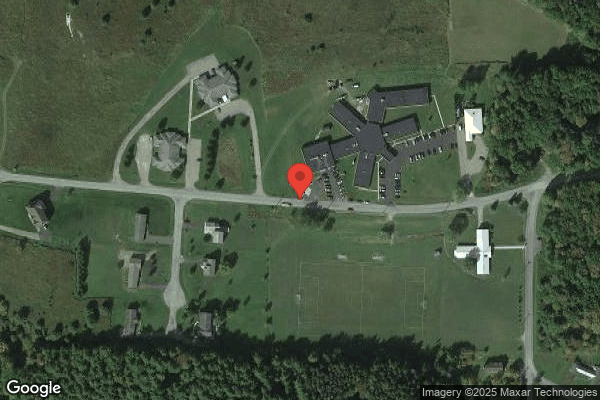
Mar 2023 6 deficiencies
CONCERN (D)

Potential for Harm - no one hurt, but risky conditions existed

Deficiency F0568 (Tag F0568)

Could have caused harm · This affected 1 resident

**NOTE- TERMS IN BRACKETS HAVE BEEN EDITED TO PROTECT CONFIDENTIALITY** Based on interview and record review conducted during the Standard survey completed on 3/23/23, the facility did not ensure that...

Read full inspector narrative →
**NOTE- TERMS IN BRACKETS HAVE BEEN EDITED TO PROTECT CONFIDENTIALITY** Based on interview and record review conducted during the Standard survey completed on 3/23/23, the facility did not ensure that the individual financial record was available to the residents through quarterly statements and upon request for two (Residents #14 and #41) of two residents reviewed. Specifically, the facility did not provide quarterly statements of their individual financial record for personal funds. The findings are: The policy and procedure (P&P) titled Accounting and Records of Resident Funds dated 6/2022 documented; The individual financial record will be available to the resident through quarterly statements and upon request. 1.Resident #14 has diagnoses that include chronic obstructive pulmonary disease (COPD a group of lung diseases that block airflow and make it difficult to breathe), anxiety disorder and major depressive disorder. The Minimum Data Set (MDS - a resident assessment tool) dated 1/1/23 documented the resident was moderately cognitively impaired, understands and was understood. During an interview on 3/27/23 at 12:14 PM, Resident #14 stated they have a financial account with the facility and used to get a statement but has not received a quarterly statement since there was a change of personnel in the business office. Resident #14's financial statement provided by the facility's Financial Coordinator #1 dated November 10, 2022, documented Resident Fund Ledger 7/1/2022 - 9/30/22 and statement dated March 29, 2023, documented Resident Fund Ledger 10/1/22 - 12/31/22. 2. Resident #41 has diagnoses that include chronic pulmonary edema (build- up of fluid in the lungs), diabetes type 2, and end stage renal disease. The MDS dated [DATE] documented the resident was cognitively intact, understands and was understood. During an interview on 3/27/23 at 3:09, PM Resident #41 stated they do not receive quarterly statements and would like to receive their quarterly financial statements. Review of Resident #41 financial statement provided by the facility's Financial Coordinator #1 dated November 10, 2022, documented Resident Fund Ledger 7/1/2022 - 9/30/22 and statement dated March 29, 2023, documented Resident Fund Ledger 10/1/22 - 12/31/22. During an interview on 3/28/23 at 2:58 PM, the facility's Finance Coordinator #1 stated the corporate office sends out financial statements quarterly to the alert and oriented residents unless otherwise indicated. They stated Resident #41 and their financial representative were to receive copies of the financial statement quarterly. Resident #14's grandson was the financial representative and was to receive the financial statement quarterly. During an interview on 3/29/23 at 9:28 AM, the Corporate Accounts Receivable Director #1 stated prior to September 2022 the financial statements were mailed to the resident's financial representative and to the facility for those residents responsible for their own finances. Corporate Accounts Receivable Director #1 stated the process for sending the resident's financial statements has changed as of the 3rd quarter 2022. They stated the statements for the residents who wish to continue to receive their financial statements and/ or if the resident was their own financial representative the statements were e-mailed to the facility. The Corporate Account Receivable Director #1 stated they did not know who the e-mail was sent to or who was responsible to provide the information to the residents. The Corporate Accounts Receivable Director #1 stated the Resident's Accounts Coordinator was responsible to send the resident's financial statements to the appropriate financial representative and ensure they were receiving them. During an interview on 3/29/23 at 9:37 AM, the facility's Finance Coordinator #1 stated they do not recall receiving e-mails with all the resident's financial statements from the corporate office for the 3rd and 4th quarter of 2022 and had not provided the resident's with financial statements. During an interview on 3/29/23 at 12:53 PM the facility's Finance Coordinator #1 stated upon reviewing their e-mails they received an e-mail with all the resident's financial statements for the 3rd Quarter of 2022 (that ended September 30, 2022) on November 10th, 2022. The 4th quarter of 2022 (that ended on December 31, 2022) were received today (3/29/23). Finance Coordinator #1 stated the statements were not provided to the residents as they believed the statements were only copies and did not know they were responsible to provide the financial statements to the residents. Review of an e-mail dated 3/29/23 from the Residents Accounts Coordinator #1 to the facility's Finance Coordinator #1 documented, apologize this process was not explained early on but the ledgers are sent out and a copy is usually sent to the facilities, from that copy they did receive and sign the ledger. It's possible with the change or transition we did not send or receive this back from the facility but moving forward will be sending these ledgers out automatically every quarter. During an interview on 3/29/23 at 3:01 PM, the Corporate Residents Accounts Coordinator #1 stated the 3rd and 4th Quarterly 2022 resident's financial statements were sent by USP (United Postal Service) to the facility with the resident's name on them. The statements would have been delivered to the residents by a facility staff member and a copy of the statements with the resident's signature verifying they had received their statement would have been sent back to them. The Cooperate Residents Accounts Coordinator #1 stated upon review of their records they have not received verification the resident's received their statements. During an interview on 3/29/23 at 3:19 PM, the Activities Aide #1 stated the activity department does not provide financial statements to the residents. During an interview on 3/29/23 at 3:23 PM, Receptionist #1 stated they were responsible to separate the facility's mail and forward the financial statements to the facility's Financial Coordinator (#1). Receptionist #1 stated they did not recall receiving any financial statements from the corporate office for Quarterly 3 and Quarterly 4 of 2022. During interview on 3/29/23 at 3:39 PM, the facility's Finance Coordinator #1 stated they had not received any resident's financial statements through the mail for Quarter 3 and 4 of 2022. Finance Coordinator #1 stated, until today (3/29) they did not know they were responsible to provide the statements to the residents, get verifying signatures and forward the information to the Residents Accounts Coordinator. The facility's Finance Coordinator #1 stated they received their education from the Corporate Finance Director but had not been educated on this process. During an interview on 3/29/23 at 4:05 PM, the Corporate Finance Director #1 stated they had educated the facility's Finance Coordinator #1 upon their hire but did not provide any education concerning resident's personal funds and doesn't know the process for personal funds. During an interview on 3/30/23 at 8:50 AM, the Administrator stated their understanding was the corporate business office sends the financial quarterly statements to the financial representative and/ or resident through the mail. The receptionist sorts the mail, and the statements were given to the Finance Coordinator, and the Finance Coordinator was responsible to provide the statements to the residents. During a telephone interview on 3/30/23 at 9:19 AM, Resident #14's financial representative stated they do not recall ever receiving a financial statement from the facility or the corporation. Upon review of the address documented on the financial statement with the representative, Resident #14's financial representative stated they have not lived at that address since 2016 and has resided in Virginia since 2020. During an interview on 3/30/23 at 8:59 AM, the Supervising Administrator stated Resident #14 and #41 financial statements were being sent to their responsible representative not to them, but the facility will ensure the alert and oriented residents who wish to receive their statements are receiving them. At 9:37 AM, the Supervising Administrator stated the address was not changed for Resident #14 in the corporate computer system and should have been. During an interview on 3/32/34 at 10:23 AM, the Administrator stated they would have expected the corporate office to provide clear direction to the facility's Finance Director regarding the resident's financial statements, ensure the statements were sent timely after the quarter ended, and have accurate mailing addresses for all financial representatives. 10 NYCRR 415.26(h)(5)(ii)(b)
CONCERN (D)

Potential for Harm - no one hurt, but risky conditions existed

Comprehensive Care Plan (Tag F0656)

Could have caused harm · This affected 1 resident

**NOTE- TERMS IN BRACKETS HAVE BEEN EDITED TO PROTECT CONFIDENTIALITY** Based on observation, interview, and record review conducted during the Standard survey completed on 3/31/23, the facility did n...

Read full inspector narrative →
**NOTE- TERMS IN BRACKETS HAVE BEEN EDITED TO PROTECT CONFIDENTIALITY** Based on observation, interview, and record review conducted during the Standard survey completed on 3/31/23, the facility did not implement a comprehensive person-centered care plan for each resident, consistent with the resident rights and that includes measurable objectives and timeframes to meet a resident's medical, nursing and mental and psychosocial needs for two residents (Resident #2 and #62) of 2 residents reviewed. Specifically, Residents (#2, #62) had a history of falls, and did not have safety floor mats in place next to their beds as planned. The findings are: The policy and procedure (P&P) titled Comprehensive Care Planning dated 11/8/22 documented an interdisciplinary team approach is utilized in care plan development that includes the resident, their representative and all appropriate disciplines. The policy did not include information regarding the implementation of the care plan. 1. Resident #2 had diagnoses that included schizoaffective disorder, anxiety disorder and morbid obesity. The Minimum Data Set (MDS- a resident assessment tool) dated 2/27/23 documented Resident #2 was cognitively intact. The MDS documented Resident #2 required extensive assist of two staff member for all activities of daily living (ADLS). Additionally, the resident had two or more falls without injury since the prior assessment. The comprehensive care plan (CCP) with a revised date of 3/27/23 documented Resident #2 was at risk and had a history of falls. Interventions included a floor mat to open side of bed. An untitled document (guide used by staff to provide care) dated 3/9/23, documented Resident #2 was to have a floor mat to the open side of the bed. During observations on 3/30/23 at 3:15 PM and 3/31/23 at 8:15 AM, Resident #2 was observed lying in bed and there was no floor mat in place to the open (right) side of the bed and there was no safety floor mat in the room. During an interview on 3/29/23 at 1:46 PM, Resident #2 stated that when they go into bed staff do not put a floor mat down and they did not have a floor mat in their room. During an observation on 3/31/23 at 8:49 AM Certified Nursing Assistant (CNA) #3 and #9 were getting Resident #2 out of bed and into their wheelchair. There was no floor mat in place. During an interview on 3/31/23 at 8:53 AM, (CNA) #3 (in the presence of CNA #9) stated they know how to care for a resident and the safety measures a resident was to have in place by reading the [NAME] (guide used by staff to provide care) in the electronic medical record. CNA #3 stated they along with CNA #9 had just completed AM (morning) care for Resident #2. CNA #3 stated that Resident #2 did not have a floor mat down to the open side of the bed. CNA #3 reviewed Resident #2 [NAME] and stated that, Resident #2 was care planned to have a floor mat to the open side of the bed. CNA #3 stated that they did not know why there was not a floor mat in place but there should have been. CNA #9 stated they agreed with what CNA #3 said. During an observation of Resident #2's room and interview on 3/31/23 at 9:00 AM, Licensed Practical Nurse (LPN) #6 stated they could not locate a floor mat in the room. LPN #6 stated due to Resident #2 recurrent falls and safety they were care planned to have a floor mat on the open side of the bed. During an interview on 3/31/23 at 10:54 AM, the Director of Nursing (DON) after review of Resident #2's care plan, stated when Resident #2 was in bed they were to have floor mat on the open side of the bed, and the purpose of the floor mat was to prevent injury as Resident #2 had a history of rolling out of bed. 2. Resident #62 had diagnoses that included vascular dementia, anxiety disorder and neuropathy (disorder affecting nervous system). The MDS dated [DATE] documented Resident #62 had severe cognitive impairments and required the assistance of one staff member for ADLs. Additionally, the resident had a documented unwitnessed fall in their room on 3/27/23. The CCP initiated 4/21/21 documented Resident #62 was at risk and had a history of falls related to deconditioning, gait/balance problems. Resident #62 frequently transferred and ambulated without assistance. Intervention initiated on 3/1/22 documented a floor mat to left side of bed. The [NAME] documented Resident #62 was to have a floor mat to left side of bed. During intermittent observation on 3/27/23 at 11:01 AM, 12:42 PM and 1:10 PM; 3/28/23 at 8:41 AM and 2:38 PM; 3/29/23 at 8:43 AM and 12:06 PM and 3/30/23 at 7:29 AM, Resident #62 was lying in bed and there was no floor mat in place next to bed. During an interview on 3/30/23 at 10:43 AM, CNA #4 stated they did not know if Resident #62 was supposed to have a floor mat but could check the [NAME]. Upon reviewing Resident #62's [NAME], CNA #4 stated, yep Resident #62 was supposed to have a floor mat. During an interview on 3/30/23 at 10:49 AM, Registered Nurse (RN) Educator (RNS #1) stated if a resident was care planned for a floor mat it should be in place During an interview on 3/30/23 at 11:17 AM, LPN #3 Unit Manager (UM) stated their expectation was for all nursing staff to read resident [NAME]'s daily. LPN UM #3 stated residents who were care planned for a floor mat should have them down when they were in bed. LPN UM #3 stated Resident #62 should have had a floor mat because they were at risk for falls and injury. LPN UM #3 stated Resident #62's CP was not followed. During an interview on 3/30/23 at 4:21 PM, DON stated their expectation was for the nursing staff to ensure the residents' care plans were followed. During an interview on 3/31/23 at 11:01 AM, the Supervising Administrator stated it was their expectation for residents to have safety measures in place per their plan of care. 10 NYCRR 415.11(c)(1)
CONCERN (E)

Potential for Harm - no one hurt, but risky conditions existed

Safe Environment (Tag F0584)

Could have caused harm · This affected multiple residents

**NOTE- TERMS IN BRACKETS HAVE BEEN EDITED TO PROTECT CONFIDENTIALITY** Based on observation, interview, and record review conducted during the Standard survey completed on 3/31/23, the facility did n...

Read full inspector narrative →
**NOTE- TERMS IN BRACKETS HAVE BEEN EDITED TO PROTECT CONFIDENTIALITY** Based on observation, interview, and record review conducted during the Standard survey completed on 3/31/23, the facility did not ensure that residents had a right to a safe, clean, comfortable, and homelike environment for four (100 Unit, 200 Unit, 300 Unit, 400 unit) of four resident units. Specifically, there was a lack of hot water in resident rooms and care areas. Sink faucets that did not function properly. Floor transitions between the hallway and resident living spaces in poor condition. Poor lighting in resident living spaces and safety floor mats soiled and in poor condition (Resident #29). The findings are: The facility P&P titled Daily Domestic Hot Water Testing dated 4/2018 documented to test the domestic hot water supply daily to provide safe, comfortable levels of hot water within all areas of the facility. The daily testing of the domestic water supply to ensure it is regulated within 90-120 degrees Fahrenheit (°F). Turn on hot water faucet and let the water run approximately 10 seconds. Keep the probe immersed in the water stream for 10-15 seconds. Allow the water to run for an additional 2 to 2 ½ minutes (3 minutes total) and retest the water temperature. The policy and procedure (P&P) titled, Quality of Life - Homelike Environment dated 11/8/22 documented residents are provided with a safe, clean, comfortable, and homelike environment. All areas that are observed not to be clean/sanitary and/or homelike are to be communicated to housekeeping and/or maintenance in a timely manner. The facility staff and management shall maximize, to the extent possible, the characteristics of the facility that reflect a personalized, homelike setting. These characteristics include: Clean, sanitary, and orderly environment, comfortable yet adequate lighting. Comfortable and adequate lighting is provided in all areas of the facility to promote a safe, comfortable, and homelike environment. The lighting design emphasizes sufficient general lighting in resident use areas, even light levels and task lighting as needed. The P&P titled Room of the Day dated 4/2018 documented, to maintain a clean, comfortable, and safe and dignified environment for residents, staff, and visitors and to minimize the risk of resident and healthcare personnel exposure to potentially infectious microorganisms, and hazards. The resident care environment will be maintained in a state of cleanliness and safety that meets professional standards. 1. During observations of the 300 Unit on 3/27/23 from 10:33 AM to 12:13 PM revealed the following (Hot water temperatures were taken using a digital thermometer): - Resident room [ROOM NUMBER], the cold- water faucet to sink was not functioning properly as it was unable to be shut off completely and when the hot water faucet was turned on, it was not functioning properly as there was no running water available from the faucet. - Resident room [ROOM NUMBER] faucet was not functioning properly as when it was turned on, there was no running water available from hot water faucet. - Shower room, was unattended and the hot water faucet was running in sink and shower. The water was cool to touch. The hot water temperature from the shower head measured 75.4 °F and the hot water temperature from the sink measured 86.8 °F. - Resident room [ROOM NUMBER], was unattended and had running water from both sink faucets. When the cold faucet was turned off there was no hot water flowing. The hot water temperature in room sink after 4 minutes was 82.6 °F, then temperature fluctuated downward. The bathroom sinks hot water measured 88°F after 1 minute then dropped to 80.4°F. - Resident room [ROOM NUMBER], there was water running from the sink in bathroom and in the room. The hot water from the room sink measured 74.1°F after 1 minute and the bathroom sink hot water measured 75.7°F after one minute. - Resident room [ROOM NUMBER] had no running warm/hot water available from the room or bathroom sink. During an interview on 3/27/23 at 4:12 PM, Certified Nursing Assistant (CNA) #1 stated the 300 units hot water was cold. CNA #1 stated they were unsure how long the 300 Unit had been having issues with hot water, but maintenance was aware of the problem as staff mention it to them quite often. CNA #1 stated they get permission from the nurse to take residents over to the 200 Unit to shower them with warm water. During an interview on 3/27/23 at 4:23 PM, Licensed Practical Nurse (LPN) #1 stated residents on the 300 Unit would normally refuse their shower because of the water temperature being to cool and would become behavioral. They can go to another unit to give the showers, but it was difficult. During 300 Unit observations on 3/28/23 from 8:21 AM to 8:47 AM revealed the following: - Resident room [ROOM NUMBER] had a trickle of cold water running from cold water faucet. There was no running water available from hot water faucet. - Resident room [ROOM NUMBER] had a trickle of cold water running from cold water faucet. The hot water faucet was not functioning as there was no running water available from hot water faucet. There was a posted printed note on bathroom door that stated, Please do not shut off the water in this room at all. - Shared bathroom for room [ROOM NUMBER]/#308 the sink had no running water from cold and hot faucet when turned on. - Resident room [ROOM NUMBER] sink had only cold water available from hot and cold-water faucets and was cold to the touch. During an observation in Resident room [ROOM NUMBER] on 3/28/23 at 2:38 PM the cold-water faucet was unable to be turned completely off and the bathroom sink hot water faucet had ice cold water running from it. During an interview on 3/28/23 at 3:01 PM, LPN #3 Unit Manager stated they have brought up to administration that the water doesn't get warm enough for the residents. LPN UM #3 stated they have not had any specific complaints from the 300 unit, as the resident on the unit have dementia. During an interview on 3/28/23 at 3:12 PM, CNA #6 stated they don't like to use the water on the 300 Unit because it was too cold. CNA #6 stated the residents push them away when the water was cold. During intermittent observations on the 300 Unit on 3/29/23 from 8:34 AM -12:04 PM: - Resident room [ROOM NUMBER] the hot water faucet was not functioning properly as it was running cold water to the touch. - Resident room [ROOM NUMBER] the hot water faucet was not functioning as there was no water running from the faucet when turned on. - Resident room [ROOM NUMBER] the bedroom sink hot water faucet was not functioning properly as the water ran lukewarm for less than 30 seconds then turned cold. The bathroom sink hot water faucet was not functioning properly as it was running with cold water to the touch. During an interview on 3/29/23 at 8:49 AM, a resident that resided in room [ROOM NUMBER] stated the water was cold and stated when they can get hot water, they would use it for washing up. They have an awful time keeping hot water and if it's not hot, they don't take a bath. During an interview on 3/29/23 at 9:00 AM, CNA #2 stated it takes at least 15 minutes for the hot water to warm up or it's cold. Additionally, CNA #2 stated the water in some rooms will get warm, others only lukewarm. During an interview on 3/30/23 at 7:32 AM, CNA #3 stated they had worked at facility since July of 2022 and the water in the residents' rooms on the 300 Unit was always cold water from hot water faucets. CNA #3 stated that one of the first things taught to them was to turn on the water faucets in a room and then repeat in room across the hall to warm up the water. During an interview on 3/30/23 at 7:50 AM, LPN UM #3 stated the water in the shower room was left running to warm up the water through the day. Maintenance tells staff to turn on the water faucets daily to get warm water to unit. LPN UM #3 stated the hot water was cold. During observations on the 300 Unit of the water temperatures with a digital thermometer on 3/30/23 from 10:13 AM to 11:14 AM the following temperatures were obtained: - Shower room sink at 10:13 AM -10:15 AM measured 83.2°F then fluctuated down to 71.4°F - Resident room [ROOM NUMBER] sink at 10:15 AM - 10:18 AM measured 80.4°F then fluctuated down to 77.6°F - Resident room [ROOM NUMBER] sink at 10:31 AM -10:35 AM measured 83.3°F and bathroom sink measured 80.3°F During an interview on 3/30/23 at 10:43 AM, CNA #4 stated the water was always cold and they tell maintenance all the time. CNA #4 stated maintenance tells them to run the water and after 10-20 minutes it will heat up. Additionally, CNA #4 stated the shower hot water temperature goes from warm to cold and residents will scream when the water was too cold. During an interview on 3/30/23 at 3:37 PM, the Maintenance Director stated it was terrible how long it takes to get hot water down to the 300 Unit, they had been complaining about it for a year, and the Administrator and Corporate were aware of the problem. The faucets in the resident's rooms on the 300 Unit must be left running during the cold months to prevent freeze outs because the plumbing pipes run along the outside wall of the building and if the faucets were not left running, water would freeze in the pipes causing the pipes to burst. The facility had a pipe freeze in the shower room located near the entrance of the 300 Wing in December of 2022. The Maintenance Director stated they had told and continue to tell the nursing staff on the 300 Unit to turn the hot water on and let it run from sink's faucets in Resident Rooms 307, 308, and from the sink's faucet in the shower room near these rooms, when they first come onto the wing in the morning to draw hot water down to the wing. It takes 15-20 minutes to draw hot water to the 300 Unit. The 300 Unit's water comes from the hot water tank in the basement that was at least 290 feet away from the 300 Unit. The plumbing pipes form a T before they reach 300 Wing instead of being run straight to the unit, slowing the draw of the water to the wing. The plumbing on the 300 Unit does not have a recirculating pump (a pump that is used to ensure that hot water is always available as close to the consumption point as possible, to reduce water waste, and to increase comfort). The Maintenance Director also stated that the building has one hot water plumbing system (boiler and hot water tank located in the basement) that supplies water the 100 Unit, half of the 200 Unit (the 200 Unit addition has its own hot water tank), the 300 Unit, the 400 Unit, and the Main Street unit (the Laundry and the Kitchen are located on the Main Street Wing). If the other wings were using hot water, and if the Kitchen and Laundry were using hot water, it will decrease the draw of the hot water flow away from the 300 Wing. During an interview on 3/30/23 at 4:26 PM, Director of Nursing (DON) stated they were aware of concerns about water temperatures not being warm enough on the 300 Unit. The DON couldn't give a specific time frame but stated, it's been a bit. DON stated this concern has been reported to maintenance and they were trying to get it fixed. The DON stated they believed every resident should have hot water in their room and that it was a dignity issue not to have warm water. Additionally, DON stated their expectation was for nursing staff to get warm water from somewhere else if not available in the resident's room. During an interview on 3/30/23 at 4:33 PM, Supervising Administrator stated they were aware of issues with the water on the 300 Unit, after unit manager expressed concern to them this week. Supervising Administrator stated their understanding was that it takes a long time for the water to get warm. Additionally, Supervising Administrator stated all residents should have warm water for their comfort. During an interview on 3/31/23 at 7:24 AM, Maintenance Director stated the water temperature needed to be above 90°F. 2. During intermittent observations of Resident room [ROOM NUMBER] on 3/28/23 at 1:18 PM, 3/29/23 at 9:19 AM and 3/30/23 at 8:17 AM the floor transition entering the room between the hall and the living space was elevated (lifting off the floors) in the center with worn, partially intact duct tape (a wide strong cloth-backed waterproof adhesive tape) on the floors that no longer adhered to the floor. During observations on 3/30/23 at 8:18 AM revealed the following: - Resident room [ROOM NUMBER] A the floor transition entering the room between hall and the living space was lifting and had residual duct tape on the floor. - Resident room [ROOM NUMBER] B the floor transition entering the room between hallway and the living space had residual duct tape on the floor. - Resident room [ROOM NUMBER] A the floor transition entering the room between the hallway and the living space had masking tape over the floor transition point. - Resident room [ROOM NUMBER] A the floor transition entering the room between the hallway and the living space had pieces of residual duct tape on the floor. - Resident room [ROOM NUMBER] B the floor transition entering the room between the hallway and the living space had pieces of residual duct tape on the floor. - Resident room [ROOM NUMBER] the floor transition between the hallway and the living space had red tape on both sides of the floor transition. During an interview on 3/27/23 at 3:10 PM, the resident residing in room [ROOM NUMBER] A stated they don't believe the room was clean and homelike because of the duct tape on the floor between the room and the hallway. During an interview on 3/30/23 at 8:18 AM, Housekeeper #1 stated the duct tape might be a quick fix to adhere the floor transitions until maintenance could fix it the correctly. During an interview and observation on 3/30/23 at 8:27 AM the Maintenance Director stated the following: - Resident Rooms #209 and #221 the floor transition entering the rooms were a tripping hazard because it was lifting. The duct tape was no longer effective and should be removed and the transition between the resident's room and the hallway should be replaced. - Resident room [ROOM NUMBER] room entry transition was glued, and the red tape was used to hold it in place while the glue dried a month ago and should have been removed. The Maintenance Director stated this was the resident's home and it should be a home like environment and in good repair, but they are unable to get everything done and the Administrator and corporate was aware. During an interview and observations with the Administrator of Resident Rooms #206, #209, #212, #215, #216, #219 and 221 on 3/30/23 at 8:40 AM, the Administrator stated they expected the maintenance department to use duct tape if necessary for a short time and to be removed as soon as the transitions have adhered to the floor. The Administrator stated the two rooms identified as having a tripping hazard related to the transitions lifting should be repaired. In addition, the Administrator stated duct tape does not promote a homelike environment and is unsightly. 3. During intermittent observations of Resident room [ROOM NUMBER] A on 3/28/23 at 3:36 PM and 3/29/23 at 9:09 AM the light above the sink within the room and the light above the bed (top right half) was not functioning as they did not light up when turned on. During an interview on 3/28/23 at 3:26 PM, the resident residing in room [ROOM NUMBER] A resident stated the light above the sink was not working and the light above the bed was only half working and it's too dark in here at night. During an interview on 3/30/23 at 8:06 AM Licensed Practical Nurse (LPN) Unit Manager (UM) #6 stated they were unaware the lights in room [ROOM NUMBER] A were not working properly and would notify the maintenance department. During an observation of Resident room [ROOM NUMBER] A on 3/31/23 at 8:48 AM the light above the sink and the light above the bed right top half was not working as they did not light up when turned on. The Environmental Log dated 3/22/23 to present (3/31/23) revealed there was no documented evidence the maintenance department was notified the lights in room [ROOM NUMBER] A needed to be repaired. During an interview on 3/31/23 at 8:59 AM, Maintenance Worker #2 stated they review the environmental logs and make necessary repairs that are documented when able. Maintenance Worker #2 reviewed the Environmental Log and stated there were no entries to repair the lighting in Resident room [ROOM NUMBER] and was not aware there were lighting issues. During an interview on 3/31/23 at 9:07 AM, Maintenance Director stated they were not aware there was a lighting issue in Resident room [ROOM NUMBER] and would have expected to have been informed verbally or the information written in the Environmental Log to ensure the lighting was fixed. During an interview on 3/31/23 at 10:19 AM the Administrator stated they would have expected the lighting in Resident room [ROOM NUMBER] to have been repaired to promote adequate lighting. 4. Resident #29 has diagnoses that include diabetes mellitus type 2, hypertension and altered mental status. The Minimum Data Set (MDS - a resident assessment tool) dated 2/15/23 documented Resident #29 had poor short term and long-term memory. During intermittent observations on 3/28/23 at 11:19 AM and 3:31 PM, 3/29/23 at 9:06 AM, 3/30/23 at 7:57 AM the floor mat (placed for safety) next to Resident #29's bed was soiled with brown dried debris. The mat was in poor condition and had multiple tears on both edges, and across the center of the mat. During an interview on 3/30/23 at 7:58 AM, CNA #11 stated Resident #29's the floor mat was dirty and had multiple tears on the edges. CNA #11 stated they do not know the process for replacing resident equipment and who was responsible to ensure floor mats were clean and in good condition. During an interview and observation on 3/30/23 at 8:03 AM, LPN UM #6 stated Resident #29's floor mat was dirty and had multiple tears. LPN UM #6 stated they would have expected the CNAs to have notified them the floor mat needed to be exchanged to promote a home like environment with equipment in good condition. During an interview on 3/30/23 at 8:49 AM, the Administrator stated floor mats were to be cleaned. If a floor mat was torn and in poor condition, they would have expected any staff member who entered the room to have noticed the torn floor mat and had it replaced. 10 NYCRR 415.29
CONCERN (E)

Potential for Harm - no one hurt, but risky conditions existed

Deficiency F0836 (Tag F0836)

Could have caused harm · This affected multiple residents

Based on observation, interview and record review during a Standard survey starting on 3/27/23 and completed on 3/31/23, the facility did not operate and provide services in compliance with all applic...

Read full inspector narrative →
Based on observation, interview and record review during a Standard survey starting on 3/27/23 and completed on 3/31/23, the facility did not operate and provide services in compliance with all applicable Federal, State, and local laws, regulations, and codes. Specifically, the facility was not in compliance with Section 915 of the 2020 Fire Code of New York State, which requires carbon monoxide (CO) detectors shall be maintained in good working order and tested per Section 915 and the manufacturer's instructions/ recommendations. This affected the Basement and two (Main Street and 200 Wing) of five resident use wings and the South Nurse's station (nurses station located at the center point between the building's five wings). The findings are: According to the 2020 Fire Code of New York State, carbon monoxide (CO) detection shall be installed in residential buildings and commercial buildings in all rooms, occupiable space, dwelling units, sleeping areas, and sleeping units that contain a fuel burning appliance. Additionally, the 2020 Fire Code of New York State documented carbon monoxide detectors shall be maintained in good working order and tested in accordance with Section 915 of this code, National Fire Protection Association (NFPA) 720 (Standard for the Installation of Carbon Monoxide Detection and Warning Equipment), and the manufacturer's instructions/recommendations. Review of the facility policy and procedure titled Carbon Monoxide Detection and Maintenance effective date 8/1/18 documented, Maintenance: Carbon monoxide detectors shall be maintained in an operative condition at all times, shall be replaced or repaired where defective and shall be replaced when they cease to operate as intended. The facility uses 10-year permanent power sealed battery-operated carbon monoxide alarms. The maintenance director/ designee will document date of installation and the date monitor is to be replaced. The carbon monoxide alarm will be tested and maintained as per the manufacturer's recommendations. During an interview on 3/30/23 at 11:24 AM the Maintenance Director stated: - The facility's had five carbon monoxide (CO) detectors:one in the Kitchen; one in the Basement Boiler room; one in the Laundry; one near the South Nurse's station; one in the Electric room on the 200 Wing. -The facility had two different types of (CO) detectors; type A and type B. -The Maintenance Staff tested the CO detectors alarms monthly and brushed the cover with a paint brush to remove dust. -They were not aware the (CO) detector located at the South Nurse's station was not listed on the Carbon Monoxide Testing logs. 1a. Observation on the Main Street Wing on 3/30/23 at 11:55 AM revealed a type A carbon monoxide (CO) detector was installed in the Kitchen. 1b. Observation in the Basement on 3/30/23 at 11:56 AM revealed a type A (CO) detector was installed in the Boiler room. 1c. Observation on the Main Street Wing on 3/30/23 at 11:58 AM revealed a type A (CO) detector was installed in the Laundry room. 1d. Observation in the South Nurse's station (nurses station located at the center point between the building's five wings) on 3/30/23 at 11:59 AM revealed a type B (CO) detector was installed on the wall near the main fire alarm panel. 1e. Observation on the 200 Wing on 3/30/23 at 12:00 PM revealed a type A (CO) detector was installed in the Electric room near the North Nurse's station. Further observation revealed the room contained a natural gas hot water tank and maintenance equipment and supplies. During an interview at the time of the observation the Maintenance Director stated the hot water tank was a natural gas hot water tank. The Maintenance Director further stated this room was listed as 200 Main on the Carbon Monoxide Testing logs. Review of Carbon Monoxide Testing logs revealed carbon monoxide (CO) detectors were tested monthly from January through March of 2023 and from January through December of 2022. Further review of the Carbon Monoxide Testing logs revealed (CO) detectors located in the Kitchen, 200 Main, Basement, and Laundry were listed on the logs and the (CO) detector located in the corridor near the South nurse's station (nurses station located at the center point between the building's five wings) was not listed on the logs. Review of the User's Manual for the type A carbon monoxide alarm documented, Regular Maintenance This unit has been designed to be as maintenance free as possible, but there are a few simple things you must do to keep it working properly. -Test it at least once per week. -Clean the CO Alarm at least once a month; gently vacuum the outside of the CO alarm using your household vacuum's soft brush attachment. A can of clean compressed air (sold at a computer or office supply store) may also be used. Follow the manufacturer's instructions for use. Test the CO alarm. Never use water, cleaners, or solvents since they may damage the unit. The type A carbon monoxide detector had a 10-year limited warranty. Review of the User Guide for the type B carbon monoxide alarm documented, Maintenance. Note this unit is sealed. The cover is not removable. Maintenance Tips. To keep your alarm in good working order, you must follow these steps. -Test the alarm once a week by pressing the Test/ Reset button. -Vacuum the alarm cover once a month to remove accumulated dust. -Never use detergents or solvents to clean the alarm. Chemicals can permanently damage or temporarily contaminate the sensor. -Avoid spraying air fresheners, hair spray, paint, or aerosols near the alarm. -Do not paint the unit. Paint will seal the vents and interfere with the proper sensor operation. The type B carbon monoxide detector had a 10-year limited warranty. 42 CFR 483.70(b) 10NYCRR: 415.29(a)(2), 711.2(a)(1) 2020 Fire Code of New York State, Section 915, 915.6, 9.15.6.4
MINOR (B)

Minor Issue - procedural, no safety impact

Staffing Information (Tag F0732)

Minor procedural issue · This affected multiple residents

Based on observation, interview, and record review conducted during the Standard survey completed on 3/31/23, the facility did not post, on a daily basis: the total number and the actual hours worked ...

Read full inspector narrative →
Based on observation, interview, and record review conducted during the Standard survey completed on 3/31/23, the facility did not post, on a daily basis: the total number and the actual hours worked by licensed and unlicensed nursing staff directly responsible for resident care per shift. Specifically, the facility did not ensure staffing sheets were completed daily and that they were updated at the beginning of each shift to reflect changes in the schedule. The finding is: The policy and procedure (P&P) titled Posting Direct Care Daily Staffing Numbers dated 4/1/2018 documented the information recorded on the form shall include: The resident census at the beginning of the shift for which the information is posted; The actual time worked during that shift for each category and type of nursing staff; Total number of licensed and non-licensed nursing staff working for the posted shift. Within two hours of the beginning of each shift, the shift supervisor shall review and revise when applicable (account for cancellations and call-outs) the number of direct-care staff and complete the Nursing Staff Directly Responsible for Resident Care form. Intermittent observations from 3/28/23 to 3/30/23 between 8:00 AM and 4:00 PM the document titled Report of Nursing Staff Directly Responsible for Resident Care was displayed in a clear plastic sleeve on bulletin board outside the Director of Nursing office, in a prominent place. Intermittent observations upon entering the facility from 3/28/23 to 3/31/23 between 7:30 AM and 8:00 AM revealed facility titled document Report of Nursing Staff Directly Responsible for Resident Care was completed for all three shifts. The total number and total hours for Registered Nurses (RNs), Licensed Practical Nurses (LPNs), and Certified Nurse Aides (CNAs) were pre-calculated for each shift. Continued intermittent observations from 3/27/23 to 3/29/23 between 11:00 AM and 4:30 PM revealed there were no updates made to the document to reflect schedule changes. Review of documents titled Report of Nursing Staff Directly Responsible for Resident Care dated 3/1/2023 through 3/29/23, revealed there were incomplete and/or no completed forms for 3/2/23, 3/4/23, 3/5/23, 3/8/23, 3/9/23, 3/10/23-3/12/23, 3/17/23, 3/18-3/19/23. Additionally, there were no amendments made to the document to reflect changes in actual staffing per the nursing schedule. During an interview on 3/30/23 at 10:00 AM, the Receptionist stated whoever was covering the reception desk (which was usually them) was responsible for completing and posting the staffing information. The Receptionist stated the form was completed first thing in the morning for all three shifts and was not updated during the day. Additionally, the Receptionist stated the daily staffing sheets should accurately reflect amount of nursing staff in the building to care for the residents, so visitors (ombudsman, Department of Health (DOH), family), residents, and staff know the census and how many staff were working each shift. During an interview with the Receptionist and Human Resources on 3/31/23 at 7:06 AM, the Receptionist and Human Resource (HR) both stated if the forms were not in the binder that meant they were missed, and not completed. Receptionist and HR reviewed the binder and verified the dates in March that were incomplete or missing. Additionally, the Receptionist stated the forms, were completed for the weekend in advance on Friday's and placed, to be posted, in plastic sleeve on bulletin board. During an interview on 03/31/23 at 7:28 AM, the Director of Nursing (DON) stated the receptionist was responsible for filling out the nurse staffing information daily and should be completed at the beginning of every shift; Days (6AM -2PM) at beginning of shift and evening shift (2PM-10PM) before they leave. The receptionist should complete the night shift (10PM-6AM) prior to leaving and amend with changes the next morning. The DON stated it is important for the accurate information to be posted so families, staff, residents, and DOH know they are meeting the criteria for nursing staff and hours. Additionally, the DON stated they were ultimately responsible for overseeing the nurse staffing information and the nurse staffing information should have been amended with any changes in the schedule. 10 NYCRR 415.13
MINOR (B)

Minor Issue - procedural, no safety impact

Deficiency F0914 (Tag F0914)

Minor procedural issue · This affected multiple residents

**NOTE- TERMS IN BRACKETS HAVE BEEN EDITED TO PROTECT CONFIDENTIALITY** Based on observation, interview, and record review conducted during the Standard survey completed on 3/7/23 the facility did not...

Read full inspector narrative →
**NOTE- TERMS IN BRACKETS HAVE BEEN EDITED TO PROTECT CONFIDENTIALITY** Based on observation, interview, and record review conducted during the Standard survey completed on 3/7/23 the facility did not ensure resident rooms were equipped to assure full visual privacy for four (100 Unit, 200 Unit, 300 Unit, 400 Unit) of four resident units. This involved Resident Rooms #114, #221, #304, #306, #411, and #414. The findings are: The policy and procedure (P&P) titled Room of the Day dated 4/2018 documented inspect curtains for visible soiling and remove, send to laundry, and replace as indicated. a. During intermittent observations on the 100 Unit from 3/28/23 to 3/30/23 between 8:06 AM and 3:36 PM, 3/29/23 revealed Resident room [ROOM NUMBER] A (semi -private) was not equipped with a privacy curtain for full privacy. During an interview on 3/28/23 at 3:26 PM, the resident residing in room [ROOM NUMBER] A stated they do not have a privacy curtain surrounding their bed and would like one for privacy. During an interview on 3/30/23 at 7:52 AM, Certified Nursing Assistant (CNA) #10 stated they do not know why room [ROOM NUMBER] A (semi-private) did not have a privacy curtain to ensure full privacy. During an interview on 3/30/23 at 8:06 AM, LPN #6 Unit Manager stated they do not know why there was not a privacy curtain to ensure full privacy, in case another resident was admitted into the room of 114 A. b. During intermittent observations on the 200 Unit from 3/28/23 to 3/31/23 between 8:11 AM and 2:26 PM revealed Resident room [ROOM NUMBER] A (semi- private room) was not equipped to assure full privacy. During an interview on 3/29/23 at 11:41 AM, Licensed Practical Nurse (LPN) #3 Unit Manager stated that some rooms have two curtains while other rooms have only one, but all double beds should have their own privacy curtain. During an interview on 3/30/23 at 9:03 AM, the resident residing in 221 A stated their door has been broken for about six months and the maintenance staff were aware. The resident also stated it bothered them that there wasn't a privacy curtain to be pulled when staff were doing care. During an observation and interview on 3/30/23 at 9:45 AM, LPN #3 stated there was no privacy curtain for 221 A. LPN #3 stated without the door being able to be closed all the way and no curtain this could be a resident rights concern. c. During intermittent observation on the 300 Unit from 3/27/23 to 3/30/23 between 7:30 AM and 12:22 PM revealed the following: -The resident in room [ROOM NUMBER] A (semi-private room) was lying in bed and had no means to achieve full visual privacy while occupying their bed. Resident room [ROOM NUMBER] A was not equipped with a privacy curtain. During an interview on 3/30/23 at 10:43 AM, CNA #4 stated room [ROOM NUMBER] A should have a privacy curtain. - Resident room [ROOM NUMBER] (semi-private room) was located on ground level and lacked a window treatment to provide full privacy. During an interview on 3/30/23 at 11:17 AM, LPN #3 Unit Manager stated Resident room [ROOM NUMBER] should have curtain for privacy over window so there was no exposure of residents during care. LPN UM #3 stated they were unaware room [ROOM NUMBER] was without window treatment for privacy. d. During an observation on the 400 Unit on 3/30/23 at 12:14 PM Resident room [ROOM NUMBER] A (semi -private) and Resident room [ROOM NUMBER] A (semi -private) were not equipped with privacy curtains to ensure full privacy. During an interview on 3/30/23 at 12:14 PM, LPN #6 Unit Manager stated they do not know why Resident Rooms #411 A (semi -private) and Resident room [ROOM NUMBER] A (semi -private) do not have privacy curtains and should because they may get a roommate. During an interview on 3/30/23 at 9:33 AM, the Maintenance Director stated privacy curtains were replaced on routine basis, if we find them tattered or torn, it gets reported to them by laundry staff. During an interview on 3/30/23 at 10:49 AM, Registered Nurse Educator (RNS) #1 stated residents have the right to privacy and should have privacy curtains. RNS #1 stated a privacy curtain should extended around bed to provide privacy and dignity to residents. During an interview on 3/30/23 at 1:36 PM, the DON stated privacy curtains have been an issue. The privacy curtains have slowly been dwindling and had really come to the forefront in the last 3 months. During an interview on 3/31/23 at 10:04 AM, the Supervising Administrator stated they were informed this week the facility was short on privacy curtains. The expectation was that privacy curtains were available for all residents and that the door was closed during care. 10 NYCRR 415.29
Nov 2019 5 deficiencies
CONCERN (D)

Potential for Harm - no one hurt, but risky conditions existed

Investigate Abuse (Tag F0610)

Could have caused harm · This affected 1 resident

Based on observation, interview and record review conducted during a Standard Survey completed on 11/22/19, the facility did not have evidence that all alleged violations of abuse were thoroughly inve...

Read full inspector narrative →
Based on observation, interview and record review conducted during a Standard Survey completed on 11/22/19, the facility did not have evidence that all alleged violations of abuse were thoroughly investigated for one (Resident #140) of four residents reviewed for abuse. Specifically, there was a lack of an investigation of the resident with scabs on the top of both hands and bruising of the left index finger. The finding is: The undated facility Policy and Procedure (P&P) titled Weekly Skin Assessment revealed weekly skin assessments will be completed on each resident in the Electronic Medical Record (EMR). Best practice is to do skin check on shower day. The licensed nurse will examine the skin of each resident weekly on a specified day. If an abnormality is found, then a weekly wound form is initiated and the physician, Director of Nursing (DON) /designee, and family are notified. The P&P titled Accident and Incident Reporting and Follow-Up dated 3/2019 revealed incidents and accidents (A&I) will be reported and report forms completed in a timely manner consistent with federal regulations and facility guidelines. Examples of incidents and accidents requiring completion includes skin tears, abrasions, lacerations, burns, superficial bruises, hematomas (collection of blood under the skin) and sprains; or any fall related injury that causes the resident to complain of pain. All injuries will be documented and include assessment characteristics (i.e. color, size, etc.). Injuries found after completion of the initial assessment that are likely to be related to the incident may be documented on the same A&I form. 1. Resident #140 had diagnoses that included Wernicke's encephalopathy (brain damage caused by the lack of vitamin B1), dementia, and cirrhosis (scarring) of the liver. Review of the Interdisciplinary Team (IDT) progress notes dated 11/1/19 to 11/22/19 documented the resident was alert, confused, sometimes able to understand verbal communication and sometimes able to make self-understood. Intermittent observations of the resident from 11/19/19 to 11/22/19 between 8:55 AM and 1:30 PM revealed the resident had black, dry scabs on the top of both hands. The scab on the left hand measured approximately 1.5 centimeters (cm) long and the one on the right hand measured approximately 2.0 cm long. The tops of bilateral hands were noted with purplish- brown discoloration around the scabbed areas. Additionally, the left index finger was noted with reddish purple discoloration (bruising) and slight swelling at the tip of the finger. The Comprehensive Care Plan dated 11/1/19 documented; Focus Area: activity of daily living (ADL's) self -care deficit related to frequent falls and muscle weakness. Interventions: required extensive assist of one staff person for ADL's and personal hygiene. Focus Area: risk for impaired skin integrity. Interventions: follow facility protocols for treatment of injury. Focus Area: risk for falls with actual falls on 11/3/19, 11/4/19, and 11/9/19. The Clinical admission Evaluation dated 11/1/19 at 11:10 AM documented the resident's skin warm is and dry, skin color within normal limits (WNL), and turgor (skin elasticity) normal. The Skin Only Evaluation dated 11/1/19 at 11:10 AM documented no current skin issues noted at this time. A Plan of Care Progress Note dated 11/1/19 at 12:25 PM documented bruising noted to bilateral hands from IV (intravenous)/lab draws. No other skin issues noted. Review of the PHC NRSNG: Skin Check Weekly dated 11/5/19 at 11:08 AM documented the resident's skin was clear. The Treatment Administration Record (TAR) for November 2019 documented the resident had weekly skin monitoring every day shift every Tuesday for skin integrity completed on 11/5/19, 11/12/19 and 11/19/19. Review of the A&I Reports dated 11/3/19, 11/4/19 and 11/9/19 documented the resident was found on the floor sitting next to his bed, slid out of recliner onto the floor, and slid out of wheelchair to the floor, respectively. Registered Nurse (RN) assessment on the three A&I's documented no injuries were observed. Review of the Progress Notes dated 11/1/19 to 11/21/19 revealed no documentation of scabbing identified on the tops of the resident's hands or bruising/ swelling to the tip of the left index finger. During an interview on 11/22/19 at 9:13 AM, Certified Nurse Assistant (CNA) #4 assigned to the resident stated, she noticed the resident had scabs on the top of both hands for a while. She was assigned to the resident on 11/18/19 but she could not remember if she reported it to the nurse. During an interview on 11/22/19 at 9:16 AM, Licensed Practical Nurse (LPN) #3 stated the resident had transferred from another unit, after residing in the facility for approximately one week, and had the scabs and his finger was more swollen that it is now when transferred to her unit. She figured it was taken care of already and that an A&I had been completed before the resident was transferred to her unit. During an interview on 11/22/19 at 9:21 AM, the Assistant Director of Nurses (ADON) reviewed the resident's EMR and stated she had completed the resident's admission assessment and did not remember seeing anything on him when he came in. Additionally, she reviewed the A&I's and stated that the RN assessment revealed no injuries on the A&I reports. During an interview on 11/22/19 at 9:25 AM, the ADON revealed she would expect CNA's and nurses to report any observed skin injury/ issue when it is noticed so it can be investigated to try and figure out what happened. In addition, measurements are taken of the area involved, and RN wound assessment would be done weekly until the area is healed. Statements are obtained from the staff to determine the root cause. The ADON stated, the resident had a history of dry skin and itching related to his diagnosis of cirrhosis and it was possible that he could have scratched himself somehow, and I would've expected that to be reported because it appears as though there would've been some pretty big gashes on his hands. During an interview on 11/22/19 at 10:01 AM, the DON stated the resident can be combative and sometimes swings and strikes out at staff, It's possible that the staff didn't notice it. I'd expect the staff to report an injury so an investigation could be started right away. We work together to put interventions in place to prevent an injury from happening again. When there is an injury we follow up and do a weekly RN assessment until the area is resolved. 415.4(b)(3)
CONCERN (D)

Potential for Harm - no one hurt, but risky conditions existed

ADL Care (Tag F0677)

Could have caused harm · This affected 1 resident

Based on observation, interview, and record review conducted during the Standard survey completed on 11/22/19, the facility did not ensure a resident who was unable to carry out activities of daily li...

Read full inspector narrative →
Based on observation, interview, and record review conducted during the Standard survey completed on 11/22/19, the facility did not ensure a resident who was unable to carry out activities of daily living (ADLs) received the necessary services to maintain grooming and personal hygiene for one (Resident #53) of three residents observed for ADL's. Specifically, a resident who was dependent on staff for ADL's, had long, jagged fingernails with brown debris under multiple fingernails and preferred them clean and cut. The finding is: Review of the facility policy and procedure titled Nail Care with a revision date of 2/18 revealed nail care should be provided on bath/shower day and as needed. 1. Resident #53 had diagnoses which included diabetes, Parkinson's (a nervous system disorder that affects movement, often including tremors), and hypertension (high blood pressure). Review of the Minimum Data Set (MDS- a resident assessment tool) dated 9/15/19 documented the resident was cognitively intact and required the assistance of one staff for personal hygiene. During an observation and interview with Resident #53 on 11/18/19 at 2:54 PM, the resident had long fingernails with brown debris underneath multiple nails. A couple of the nails were chipped and jagged. Interview with the resident at the time of the observation revealed the resident was diabetic and could not remember the last time the nails were cut. The resident stated, Look at my nails, they're supposed to do them when I have a shower, they only do it if they have time. Additionally, the resident stated, Sometimes I scratch my head, then my eyes and I feel like my eyes are all gooped up. Review of the Comprehensive Care Plan dated 6/14/19 documented, Focus Area: diabetes. Intervention: nurse to cut fingernails. Observation of the resident on 11/20/19 at 7:50 AM, revealed long, jagged fingernails with brown debris underneath the nails. Review of the Treatment Administration Record (TAR) revealed weekly skin monitoring every day shift, every Monday had been completed on 11/4/19, 11/11/19, and 11/18/19. There was no documented evidence the resident's fingernails were cleaned or trimmed. Review of the Progress Notes dated 10/14/19 to 11/18/19 revealed there was no documented evidence the resident refused care. During an interview on 11/21/19 at 9:23 AM, Resident #53 looked at his nails and stated, My nails could be cut, look at them, they're dirty. During an interview 11/21/19 at 9:25 AM, Certified Nurse Assistant (CNA) #3 stated, I try to do nail care whenever they need to be done. During an interview on 11/21/19 at 9:29 AM, Licensed Practical Nurse (LPN) #1 stated, Nail care is to be done as we see they need it and weekly on bath days. The nurse does it if the resident is diabetic. During an observation and interview with Resident #53 on 11/21/19 at 9:31 AM, with LPN #1 present, the resident stated, My nails are breaking off and dirty. LPN #1 stated, Yes, they could be soaked, cleaned and cut. LPN #1 further revealed she would expect nail care to be done on the resident's shower day and stated, They were clean on Monday (11/18/19) but he refused to have them cut. The resident is alert and oriented, and we go by what the resident says. During an interview on 11/21/19 at 9:46 AM, CNA #2 revealed she was assigned care of Resident #53 on 11/18/19. She stated, you get to the know the resident's care plans when you are trained on the unit and if anything changes it would be documented in the rounding book. She was 100 percent sure Resident #53 was not a diabetic. At 9:49 AM CNA #2 reviewed the daily unit assignment sheet, dated 11/18/19, indicating it was the resident's shower day and stated, she could not remember if she gave the resident a shower on 11/18/19. CNA #2 stated, I wouldn't have put my initials by his name if I hadn't showered or given the resident a bed bath, but I'd say no, that I didn't do his nails. During an interview on 11/22/19 at 9:58 AM, the Director of Nurses stated, if a resident is diabetic, nails can only be trimmed by a nurse. Resident #53 prefers long nails and will refuse to get them cut. She would expect documentation in the nursing Progress Notes if a resident refused nail care. 415.12(a)(3)
CONCERN (D)

Potential for Harm - no one hurt, but risky conditions existed

Drug Regimen Review (Tag F0756)

Could have caused harm · This affected 1 resident

**NOTE- TERMS IN BRACKETS HAVE BEEN EDITED TO PROTECT CONFIDENTIALITY** Based on interview and record review conducted during a Standard survey completed on 11/22/19, the facility did not ensure the a...

Read full inspector narrative →
**NOTE- TERMS IN BRACKETS HAVE BEEN EDITED TO PROTECT CONFIDENTIALITY** Based on interview and record review conducted during a Standard survey completed on 11/22/19, the facility did not ensure the attending physician documented in the resident's medical record an identified irregularity was reviewed and what if any, action had been taken to address it for one (Resident #27) of five residents reviewed for unnecessary medications. Specifically, the physician did not document a rationale for not decreasing a resident's psychotropic medications per the pharmacist's recommendation. The finding is: The facility policy titled Medication Regimen Reviews dated 10/2018 documented the attending physician must document in the resident's medical record that the identified irregularity has been reviewed and what actions were taken, if any. If no action is to be taken and the medication not changed, the attending physician should document his/ her rationale in the resident's medical record. 1. Resident #27 had diagnoses including dementia with behavioral disturbance, heart failure, and major depressive disorder. The Minimum Data Set (MDS - a resident assessment tool) dated 10/2/19 documented the resident had severe cognitive impairment and had no verbal or physical behaviors directed toward self or others. The Order Summary Report dated 11/21/19 revealed orders for Seroquel Quetiapine-antipsychotic medication) 100 mg (milligrams) three times per day (TID) for psychosis with a start date of 4/8/17, and Remeron (Mirtazapine -antidepressant medication) 7.5 mg daily for depression, appetite stimulant with a start date of 3/16/18. The Pharmacist Consultant forms titled Note to Attending Physician/ Prescriber each dated 3/22/19 revealed the documents were reviewed and signed by the physician on 4/8/19. The notes documented, please review the use of Seroquel 100 mg TID for psychosis in this [AGE] year-old patient. She has been on this therapy for quite some time. Her most recent MDS shows that she is not having any hallucinations or delusions. She is not exhibiting any behavioral symptoms. Please consider a taper at this time. The second note documented, This patient continues on Remeron 7.5 mg daily for 1-year charting with a diagnosis of depression. Please evaluate the continued need for this medication currently. This patient is also on Lexapro (Escitalopram-antidepressant medication) 10 mg daily for depression. The physician checked that he disagreed but did not document a rationale for continuing the medications. The Physician Progress: 60-day Review dated 4/17/19 completed by the physician revealed there was no evidence the attending physician documented in the resident's medical record that the identified irregularity was identified, reviewed and what, if any, action was been taken to address it. Also, the note did not address and document the rationale for continuing the Seroquel and Remeron. During an interview on 11/22/19 at 9:45 AM, the Pharmacy Consultant stated, when they make recommendations, they follow up to check for the response from the doctor. If they do not see a response or if they do not give a reason for disagreeing with their recommendation, they will make the recommendation again. The Pharmacy Consultant also stated they made recommendations to decrease the Seroquel dose back in March of 2019 and considered the note dated sometime in May that the psychiatrist refused a GDR (gradual dose reduction) because it took a long time to find a regimen that worked for the resident, as the reason for the disagreement with their recommendation. During an interview on 11/22/19 at 11:30 AM, the attending Physician/ Medical Director stated, I've been following the patient since January of this year and know she sees a psychiatrist, so I follow their recommendations regarding her psychotropic medications. I'm aware I'm supposed to include a rationale when the pharmacist makes recommendations and, in this case, I deferred to the psychiatrist. During an interview on 11/22/19 at 11:45 AM, the Director of Nursing (DON) stated, that either herself or the Assistant Director of Nursing look at the pharmacy recommendations and make sure the physician addresses them. The doctor should document a rationale for disagreeing with a recommendation, I don't know why a rationale wasn't written or why we didn't catch it. 415.18(c)(2)
CONCERN (D)

Potential for Harm - no one hurt, but risky conditions existed

Medication Errors (Tag F0758)

Could have caused harm · This affected 1 resident

**NOTE- TERMS IN BRACKETS HAVE BEEN EDITED TO PROTECT CONFIDENTIALITY** Based on observation, interview and record review conducted during a Standard survey completed on 11/22/19, the facility did not...

Read full inspector narrative →
**NOTE- TERMS IN BRACKETS HAVE BEEN EDITED TO PROTECT CONFIDENTIALITY** Based on observation, interview and record review conducted during a Standard survey completed on 11/22/19, the facility did not ensure that residents who have not used psychotropic drugs are not given these drugs unless the medication is necessary to treat a specific condition as diagnosed and documented in the clinical record for two (Residents #27, 37) of five residents reviewed for unnecessary medications. Specifically, a resident admitted with an antipsychotic medication did not have an order for a psychiatric evaluation, did not have documented psychotic behaviors, and was not reviewed by the interdisciplinary team psychotropic medication committee (Resident #37); and a resident on an antipsychotic medication since April 2017 had no documented psychotic behaviors to support ongoing use and lacked an adequate indication for use (Resident #27). The findings are: Review of the facility policy and procedure titled Psychotropic Medication Use dated 10/2018 revealed that an evaluation will be completed if an individual is receiving a psychotropic medication; and that non-pharmalogical interventions will be considered and used when indicated, instead of, or in addition to medication. 1. Resident #37 had diagnoses of Alzheimer's, depression, and anxiety. Review of the admission Minimum Data Set (MDS - a resident assessment tool) dated 10/3/19 documented the resident was severely cognitively impaired, understood, and understands. The resident did not have any psychosis and was on an antipsychotic medication. Review of a transfer summary Medication List dated 9/26/19 documented the resident was started on Seroquel (quetiapine-antipsychotic medication) 25 milligrams (mg) on 7/9/19 and was continued upon admission to the facility. The Order Summary Report dated 11/21/19 documented an order for Seroquel 25 mg at bedtime. The Comprehensive Care Plan (CCP) initiated on 9/27/19 documented the resident had behaviors of clothes packed into bags; wandered through halls; refused hands on care; and refused medications. Interventions: re-approach by staff if refusing care; offer to walk with the resident to redirect; and monitor, document, and report behaviors to the physician. A Physician Progress Note dated 10/1/19 documented the resident was pleasant and holding the physician's hands during their visit and, was in no obvious physical distress. A Physician Progress Note dated 10/31/19 documented under assessment and plan, the resident was receiving Seroquel at bedtime to help her sleep. The Progress Notes dated 9/26/19 to 11/14/19 documented the resident refused care; refused medication; yelled expletives at staff; wandered around unit; packed belongings; wore roommate's shoes; and slammed walker on the floor. The Certified Nurse Assistant (CNA) Behavior Report dated 9/27/19 to 11/21/19 revealed the resident did not have behaviors on 149 out of 166 shifts documented. Observations of the resident revealed the following; -11/20/19 at 8:33 AM - the resident rested quietly in her room. -11/20/19 at 12:00 PM - the resident walked down the hall; CNA chased the resident carrying her walker; the resident grabbed, slammed, and swore after getting the walker; Licensed Practical Nurse (LPN) #1 calmed her by giving her an air kiss and walked with the resident down the hall. -11/21/19 at 8:15 AM - the resident refused to go to breakfast; refused to take her medications; LPN #1 called her mom and gave compliments on clothing and jewelry; the resident complied with request, took medications, and walked to the dining room. -11/22/19 between 9:45 AM and 10:30 AM - the resident sat next to another resident in the main hall; observed to be pleasant with other residents. During an interview on 11/21/19 at 8:31 AM, the Social Worker (SW) revealed that the resident was supposed to get a Psychiatry referral but there was no order for it. The SW stated, wandering and refusing care are not psychotic behaviors; she brought up the resident's name in an Interdisciplinary Behavior Modification Assessment Record Committee (BMARC) on 11/12/19 but that they did not review the resident's medications. During an interview on 11/21/19 at 9:22 AM, CNA #2 revealed that she had not witnessed the resident being combative, violent or have any kind of hallucinations. The resident liked to talk about her family, and when staff talk about her family, the resident complied with care. During an interview on 11/21/19 at 9:25 AM, LPN #1 revealed she had not witnessed any psychotic type behavior from the resident. The resident refused care and refused medications, but she had never been violent with staff or other residents. During an interview on 11/22/19 at 9:43 AM, the Director of Nursing (DON) revealed that they had spoken with the resident's physician and the physician agreed that the dose of the antipsychotic was small, and it should be discontinued. During an interview on 11/22/19 at 10:04 AM, the Pharmacist Consultant revealed that 25 mg of Seroquel is not an adequate dose for psychotic behaviors, and it was more for sedation. She said that wandering and refusing care are not psychotic behaviors. 2. Resident #27 had diagnosis including dementia with behavioral disturbance, heart failure, and major depressive disorder, single episode. Review of the MDS dated [DATE] documented the resident had severe cognitive impairment. Section E dated 1/16/19, 4/10/19, and 7/2/19, documented the resident had no indicators of psychosis, had no verbal/ physical behavioral symptoms directed toward others, and no rejection of care. Section N documented the resident received antipsychotic medication on a routine basis and a GDR (gradual dose reduction) was not attempted. The Order Summary Report dated 11/21/19 documented orders for Seroquel 100 mg three times per day (TID) for psychosis with a start date of 4/8/17, Remeron (Mirtazapine-antidepressant) 7.5 mg daily for depression, appetite stimulant with a start date of 3/16/18, Depakote (valproic acid -mood stabilizer) capsule 125 mg two times daily for dementia with behaviors with a start date of 7/11/17, Lexapro (Escitalopram-antidepressant) 10 mg daily for depression with a start date of 6/1/18, and Klonopin (Clonazepam-antianxiety medication) 0.25 mg at bedtime for general anxiety disorder with a start date of 11/8/19. The CCP last revised 8/8/19 documented the resident had behavior problems such as delusions and hallucinations, scratching at self, physically and verbally aggressive (hitting, kicking, pinching, biting), resistive to care, difficult to redirect at times, and history of resident to resident altercations. Progress Notes dated 1/1/19 to 11/22/19 revealed the following behavior documentation: SW) Notes: -2/28/19 at 12:50 PM, Seen by psychiatrist today. Reviewed every 3 months due to history of extensiveness of her mood and behavior concerns. She has been clinically stable, no increased mood or behaviors, eating and sleeping fine. No recommendations at this time, psychiatrist does not like to consider GDR of her medications due to long standing history and length of time it took to stabilize her. Follow up 3 months. -5/23/19 at 12:23 PM, Reviewed with psychiatrist today. Remains unchanged in mood and behavior. She at times will be combative with care but psychiatrically stable. Psychiatrist again recommends no changes at this time due to length of time it took to find a medication regimen that worked well for her. He mentions that she has failed GDRs in the past when reduced her Seroquel and Depakote and these should be considered long term maintenance medications. Nursing Notes: -7/25/19 at 5:24 PM, No change in anxiety or restlessness considering the decreased Klonopin. -7/29/19 at 12:41 PM, No noted behaviors. -7/30/19 at 5:27 PM, No increased in show of anxiety. -8/2/19 at 9:43 PM, No problems or behavior this evening. -8/3/19 at 11:01 PM, No changes in mood or behavior. -8/4/19 at 10:37 PM, Displaying increased movement in wheelchair. Pushing staff away during attempts to feed her, increased moaning noted. -8/6/19 at 9:21 PM, Uneventful evening. -8/25/19 at 9:37 PM, Very restless evening, numerous times moving about in her bed and required re-positioning. Was removed from her bed for dinner but when she continued stirring to a point of danger she was placed back in bed. -10/17/19 at 10:28 PM, Appears anxious this shift, climbing out of her chair repeatedly, brought to Nurse's Station to be observed. Review of the IDT - Psychoactive Medication/ Behavior Quarterly Review dated 7/23/19 documented behavior symptoms exhibited included combative with care at times and non-pharmacological interventions are effective. Review of CNA Behavior Reports dated 8/1/19 to 11/22/19 documented Resident #27's behaviors exhibited included kicking/ hitting for four shifts, yelling/ screaming for two shifts, pinching for two shifts, and grabbing for 29 shifts out of 339 eight-hour shifts in that time period. During an observation of morning care on 11/20/19 at 8:40 AM, Resident #27 grabbed at CNA #1's arms while being turned onto her side during care. CNAs #1 and #5 reassured the resident and redirected the resident by holding her hands during these times with good effect. The resident did not kick, scream, or pinch during care. During an interview on 11/20/19 at 9:32 AM, CNA #1 stated, sometimes Resident #27 grabs you while you are taking care of her. They always use two people; one of them will hold her hands and she is more content. The resident's behavior is predictable, so they can handle it. During an interview on 11/21/19 at 10:56 AM, LPN #1 stated, Resident #27 can hit and kick out at caregivers. She will slap at the staff's hands when helping her eat but she calms down when she gets a drink in her hands. Her behaviors are short lived, and they will reapproach her. LPN #1 stated, the resident is not a danger to herself or others. During an interview on 11/21/19 at 1:31 PM, the SW stated, Resident #27 is followed by a psychiatrist that is hesitant to change her medications due to past failed GDRs and considers them long term maintenance doses. During her most recent GDR in April 2017 she was yelling, physically combative toward staff and other residents. We decreased the Klonopin recently and when we reviewed her in July, she progressed with her dementia so a couple of us felt we should decrease her medications. The SW stated, the behaviors documented by CNAs (grabbing, yelling) are not reasons to keep her on the antipsychotic medications. During an interview on 11/22/19 at 10:56 AM, the Assistant Director of Nursing) (ADON) Registered Nurse (RN) #1 stated, Resident #27 can get a little combative with staff if you get close to her she reaches out and holds on to you; they keep a bit of space between her and other residents for this reason. The resident's behaviors are predictable and usually happen just with care and do not last long; she would not harm herself or others. The resident's targeted behaviors for using medications are that she grabs or swats at the girls when she does not want to be touched and they will reapproach her and she is fine. During an interview on 11/22/19 at 11:30 AM, the attending Physician stated, he has been following Resident #27 since January 2019. She sees a psychiatrist, so he follows their recommendations regarding her psychotropic medications. The physician stated, he knew it took her a long time clinically to get to the way she is behaving now, and the psychiatrist's recommendations have been to leave her where she is. During an interview on 11/22/19 at 11:45 AM, the DON stated, it has been hard to get the resident stable and they did not want to risk decompensation. After reviewing the care plan the DON stated, the resident's targeted behaviors are delusions and hallucinations, scratching at self, hitting, kicking, pinching and biting. When asked if the resident still exhibits these behaviors, the DON stated, At times she can still be difficult to redirect, she'll grab and squeeze you real tight. 415.12(l)(1)(2)(i)
MINOR (B)

Minor Issue - procedural, no safety impact

Deficiency F0638 (Tag F0638)

Minor procedural issue · This affected multiple residents

**NOTE- TERMS IN BRACKETS HAVE BEEN EDITED TO PROTECT CONFIDENTIALITY** Based on interview and record review conducted during the Standard Survey completed on 11/22/19, the facility did not assess the...

Read full inspector narrative →
**NOTE- TERMS IN BRACKETS HAVE BEEN EDITED TO PROTECT CONFIDENTIALITY** Based on interview and record review conducted during the Standard Survey completed on 11/22/19, the facility did not assess the resident using the quarterly review instrument not less frequently than once every three months for four (Residents #2, 15, 19, 20) of four residents reviewed for quarterly resident assessments. Specifically, the residents did not have quarterly Minimum Data Set (MDS - a resident assessment tool) completed timely as required. The findings are but not limited to: The facility policy titled MDS - Resident Assessments dated 10/2018 revealed in accordance with regulatory grouping 483.20 (Quarterly Review Assessment is an Omnibus Budget Reconciliation Act (OBRA) '87- required, non-comprehensive assessment that must be completed at least every 92 days following the previous OBRA assessment of any type. It is used to track a resident's status between comprehensive assessments to ensure critical indicators of gradual change in a resident's status are monitored. As such, not all MDS items appear on the Quarterly assessment in the CMS Manual, specific requirements will be followed, by the facility, with regards to automated data processing requirements. Assessment accuracy, coordination and certification of assessment will be completed per outlines requirements. 1. Resident #15 had diagnoses including hypertension (HTN - high blood pressure), congestive heart failure (CHF), and cerebral vascular disease (disorder that affects the blood vessels and blood supply to the brain). The MDS dated [DATE] documented the resident was severely cognitively impaired, understands and was understood. The MDS Summary revealed the resident's admission date was 11/21/14. The MDS had an Assessment Reference Date (ARD) of 9/27/19, a complete date by date of 10/11/19 and the submission information documented the MDS was In Progress. 2. Resident #19 had diagnoses including cerebral infarction (stroke), HTN, and schizoaffective disorder. The MDS dated [DATE] revealed the resident was severely cognitively impaired, understands and was understood. The MDS Summary revealed the resident's admission date was 4/2/19. The MDS had an ARD of 9/18/19, a completed date by date of 11/18/19 and the submission information documented the MDS was Export Ready. 3. Resident #20 had diagnoses including diabetes, heart failure and morbid obesity. The MDS dated [DATE] revealed the resident was cognitively intact, understands and was understood. The MDS Summary revealed the resident's admission date was 2/13/13. The MDS had an ARD of 9/25/19, a complete date by date of 10/9/19 and the submission information documented the MDS was In Progress. During an interview on 11/22/19 at 9:53 AM, the Director of Nursing (DON) stated that she was responsible for completing the residents MDS's. The MDS completion and submissions are not on time because the facility had staffing issues for a while and she was passing medications on multiple days in the facility. She stated, I'm really behind with the MDS and once you get behind it's really hard to catch up. I do the MDS remotely and another Registered Nurse (RN), that works at the facility, is helping remotely too. During an interview on 11/22/19 at 11:54 AM, the DON stated, the facility had hired two nurses to do MDS's, but they only worked at the facility about three months and they have been unable to replace them. Corporate level people help to get the MDS's caught and to keep completion and submission within the regulations. 415.11(a)(4)
Understanding Severity Codes (click to expand)
Life-Threatening (Immediate Jeopardy)
J - Isolated K - Pattern L - Widespread
Actual Harm
G - Isolated H - Pattern I - Widespread
Potential for Harm
D - Isolated E - Pattern F - Widespread
No Harm (Minor)
A - Isolated B - Pattern C - Widespread

Questions to Ask on Your Visit

  • "Can I speak with families of current residents?"
  • "What's your RN coverage like on weekends and overnight?"

Our Honest Assessment

Strengths
  • • Licensed and certified facility. Meets minimum state requirements.
Concerns
  • • 19 deficiencies on record. Higher than average. Multiple issues found across inspections.
  • • $65,052 in fines. Extremely high, among the most fined facilities in New York. Major compliance failures.
  • • Grade F (35/100). Below average facility with significant concerns.
Bottom line: Trust Score of 35/100 indicates significant concerns. Thoroughly evaluate alternatives.

About This Facility

What is Houghton Rehabilitation & Nursing Center's CMS Rating?

CMS assigns HOUGHTON REHABILITATION & NURSING CENTER an overall rating of 1 out of 5 stars, which is considered much below average nationally. Within New York, this rating places the facility higher than 0% of the state's 100 nursing homes. A rating at this level reflects concerns identified through health inspections, staffing assessments, or quality measures that families should carefully consider.

How is Houghton Rehabilitation & Nursing Center Staffed?

CMS rates HOUGHTON REHABILITATION & NURSING CENTER's staffing level at 3 out of 5 stars, which is average compared to other nursing homes. Staff turnover is 50%, compared to the New York average of 46%.

What Have Inspectors Found at Houghton Rehabilitation & Nursing Center?

State health inspectors documented 19 deficiencies at HOUGHTON REHABILITATION & NURSING CENTER during 2019 to 2025. These included: 16 with potential for harm and 3 minor or isolated issues.

Who Owns and Operates Houghton Rehabilitation & Nursing Center?

HOUGHTON REHABILITATION & NURSING CENTER is owned by a for-profit company. For-profit facilities operate as businesses with obligations to shareholders or private owners. The facility is operated by PERSONAL HEALTHCARE MANAGEMENT, a chain that manages multiple nursing homes. With 100 certified beds and approximately 89 residents (about 89% occupancy), it is a mid-sized facility located in HOUGHTON, New York.

How Does Houghton Rehabilitation & Nursing Center Compare to Other New York Nursing Homes?

Compared to the 100 nursing homes in New York, HOUGHTON REHABILITATION & NURSING CENTER's overall rating (1 stars) is below the state average of 3.0, staff turnover (50%) is near the state average of 46%, and health inspection rating (1 stars) is much below the national benchmark.

What Should Families Ask When Visiting Houghton Rehabilitation & Nursing Center?

Based on this facility's data, families visiting should ask: "Can I visit during a mealtime to observe dining assistance and food quality?" "How do you handle medical emergencies, and what is your hospital transfer rate?" "Can I speak with family members of current residents about their experience?"

Is Houghton Rehabilitation & Nursing Center Safe?

Based on CMS inspection data, HOUGHTON REHABILITATION & NURSING CENTER has a clean safety record: no substantiated abuse findings (meaning no confirmed cases of resident harm), no Immediate Jeopardy citations (the most serious violation level indicating risk of serious injury or death), and is not on the Special Focus Facility watch list (a federal program monitoring the lowest-performing 1% of nursing homes). The facility has a 1-star overall rating and ranks #100 of 100 nursing homes in New York. While no facility is perfect, families should still ask about staff-to-resident ratios and recent inspection results during their visit.

Do Nurses at Houghton Rehabilitation & Nursing Center Stick Around?

HOUGHTON REHABILITATION & NURSING CENTER has a staff turnover rate of 50%, which is about average for New York nursing homes (state average: 46%). Moderate turnover is common in nursing homes, but families should still ask about staff tenure and how the facility maintains care continuity when employees leave.

Was Houghton Rehabilitation & Nursing Center Ever Fined?

HOUGHTON REHABILITATION & NURSING CENTER has been fined $65,052 across 1 penalty action. This is above the New York average of $33,729. Fines in this range indicate compliance issues significant enough for CMS to impose meaningful financial consequences. Common causes include delayed correction of deficiencies, repeat violations, or care failures affecting resident safety. Families should ask facility leadership what changes have been made since these penalties.

Is Houghton Rehabilitation & Nursing Center on Any Federal Watch List?

HOUGHTON REHABILITATION & NURSING CENTER is not on any federal watch list. The most significant is the Special Focus Facility (SFF) program, which identifies the bottom 1% of nursing homes nationally based on persistent, serious quality problems. Not being on this list means the facility has avoided the pattern of deficiencies that triggers enhanced federal oversight. This is a positive indicator, though families should still review the facility's inspection history directly.