NOTTINGHAM R H C F

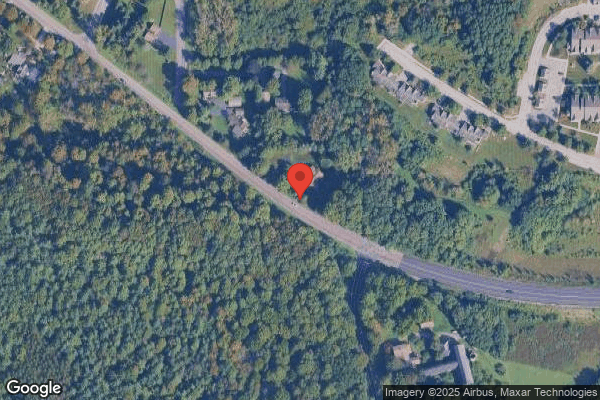
1305 NOTTINGHAM ROAD, JAMESVILLE, NY 13078 (315) 445-0123
Non profit - Corporation 40 Beds Independent Data: November 2025
Trust Grade
90/100
#80 of 594 in NY
Last Inspection: March 2024

Within standard 12-15 month inspection cycle. Federal law requires annual inspections.

Overview

Nottingham R H C F, located in Jamesville, New York, has received a Trust Grade of A, indicating it is excellent and highly recommended. Ranked #80 out of 594 facilities in New York, they are in the top half for overall quality, and #2 out of 13 in Onondaga County, meaning only one local option is better. However, the facility's trend is worsening, with issues increasing from 3 in 2021 to 4 in 2024, and they reported a total of 9 concerns during their latest inspection. Staffing is a strength, rated 4 out of 5 stars with a turnover rate of 36%, which is below the state average of 40%. Positive aspects include no fines on record, but there are concerns about resident care; for example, one resident did not receive necessary foot care, and a treatment cart with potentially hazardous items was left unlocked, posing safety risks.

Trust Score
A
90/100
In New York
#80/594
Top 13%
Safety Record
Low Risk
No red flags
Inspections
Getting Worse
3 → 4 violations
Staff Stability
○ Average
36% turnover. Near New York's 48% average. Typical for the industry.
Penalties
✓ Good
No fines on record. Clean compliance history, better than most New York facilities.
Skilled Nurses
✓ Good
Each resident gets 44 minutes of Registered Nurse (RN) attention daily — more than average for New York. RNs are trained to catch health problems early.
Violations
○ Average
9 deficiencies on record. Average for a facility this size. Mostly minor or procedural issues.
★★★★★
5.0
Overall Rating
★★★★☆
4.0
Staff Levels
★★★★★
5.0
Care Quality
★★★★☆
4.0
Inspection Score
Stable
2021: 3 issues
2024: 4 issues

The Good

  • 4-Star Staffing Rating · Above-average nurse staffing levels
  • 5-Star Quality Measures · Strong clinical quality outcomes
  • Full Sprinkler Coverage · Fire safety systems throughout facility
  • No fines on record
  • Staff turnover below average (36%)

    12 points below New York average of 48%

Facility shows strength in staffing levels, quality measures, fire safety.

The Bad

Staff Turnover: 36%

10pts below New York avg (46%)

Typical for the industry

The Ugly 9 deficiencies on record

Mar 2024 4 deficiencies
CONCERN (D)

Potential for Harm - no one hurt, but risky conditions existed

Resident Rights (Tag F0550)

Could have caused harm · This affected 1 resident

Based on observation, interview, and record review during the recertification survey conducted 3/04/2024-3/07/2024, the facility did not care for each resident in a manner and in an environment that p...

Read full inspector narrative →
Based on observation, interview, and record review during the recertification survey conducted 3/04/2024-3/07/2024, the facility did not care for each resident in a manner and in an environment that promoted maintenance or enhancement of quality of life for 1 of 1 resident (Residents #21) reviewed. Specifically, Resident #21 did not receive regular foot care and their toenails were long and uncomfortable for the resident. Findings include: The facility policy Resident Rights & Notice of Resident Rights and Responsibilities, revised 8/8/2022, documented all residents of the facility had a right to a dignified existence and would be supported by the facility in exercising their rights. The residents also had the right to self-determination and to participate in their care planning and treatment. The facility policy Resident Nail Care, revised 8/8/2022, documented all residents would receive toenail care from licensed staff. If a licensed staff member was unable to provide proper toenail care, the resident would be seen by podiatry (foot care practitioner). Resident #21 had diagnoses including congestive heart failure, atrial fibrillation (abnormal heart rhythm), and chronic kidney disease. The 12/6/2023 Minimum Data Set assessment documented the resident was cognitively intact, utilized a walker and a wheelchair for mobility, and required supervision or touching assistance for most activities of daily living. The comprehensive care plan, revised 12/12/2022, documented the resident had an activities of daily living deficit related to heart failure. Interventions included to check the resident's nail length, trim and clean nails on the resident's bath day and as needed. Any changes were to be reported to the nurse. The resident required supervision/touch assistance to set up for most activities of daily living and required partial assistance of one for bathing and toileting hygiene. The 11/21/2023 podiatrist #9 consult documented the resident's toenails were painful upon palpation, were discolored, and had onychomycosis (fungal infection) on all ten toenails. The plan included a debridement (removal of infected/damaged tissue) of all ten toenails and a follow up in ten weeks. The following interview and observations were made: - On 3/4/2024 at 6:25 PM, the resident's toes were purplish in color with crusty yellow and white toenails. The resident stated the podiatrist had not visited recently and that they needed to be seen as their toes were bad. - On 03/6/24 at 2:28 PM, the resident stated because their toenails were so long their toes curled up in their shoe and it made them ugly. The top of the toes on the resident's right foot were reddish-purple all the way around to the middle of the toes, on the bottom of the toes, and down the side of the last toe. The nails of all five toes were yellow and white with a grooved pattern and were thick. The second toe had white and cracked skin underneath the toenail. The toenail on the second to last toe was long and curved into the side of the middle toe. The top of the toes on the resident's left foot were reddish purple all the way around to middle of the toe, and on the bottom of the toes. All five toes had thickened yellow and white crusty-looking nails with a grooved pattern and the nails of the second and third toe were jagged. There were four small red spots on the second to last toe beneath the bottom of the nail. The second to last toe was also long, met the side of the middle toe, and there were red and flakey marks on the side of the middle toe. During an interview on 3/6/24 at 9:57 AM, unit clerk #10 stated a podiatrist came to the facility once a month to meet with residents. Unit clerk #10 stated they kept a running list of who saw the podiatrist and when the resident had a follow-up visit. A resident was usually seen every three months unless the provider documented the resident required a sooner visit. The podiatrist filled out the facility's podiatrist consult form with what was done during the appointment and what the plan for follow up was. If the podiatrist marked on the form a resident needed to be seen in ten weeks, they would put them on the schedule to be seen in ten weeks. The unit clerked was unaware if Resident #21 was designated to have a ten week follow-up from the last time they were seen on 11/21/2023. They reviewed the consult and stated the resident was supposed to have a ten week follow up which they had missed on the consult sheet. During an interview on 3/6/24 at 2:40 PM, registered nurse Unit Manager #3 stated they had input on who needed to be seen by the podiatrist. They stated if an issue came up, they would let the unit clerk know if a resident needed to be added to the podiatry list. They stated feet were checked as part of daily care and if a certified nurse aide saw an issue, they brought it to the attention of the licensed nurse. They stated if there was a concern about nails, they would inform the medical providers. They expected if a podiatry consult recommended the resident should have a ten week follow up, it should be adhered to. They were unaware of any issues or concerns with Resident #21's toenails. During an interview on 3/6/24 at 2:55 PM, podiatrist #9 stated Resident #21 should receive routine foot care. They stated they were available to receive phone calls from the facility if an issue with a resident's toes or toenails came up prior to their next visit. They stated if they were available, they would come see the resident in person prior to the next scheduled visit. It was important to have routine toenail maintenance for general health. Without regular maintenance, it could cause painful toes. During an interview on 03/7/24 at 9:28 AM, licensed practical nurse #4 stated they did head to toe skin checks on a resident's shower day as the resident would already be disrobed for their shower. They would expect the certified nurse aides to inform them of any changes to a resident's skin or nails/toenails noticed during care. They stated toenail maintenance was usually done by the podiatrist, but a licensed nurse could cut a non-diabetic resident's toenails if they were long. They were unaware of any changes to the coloration of Resident #21's toes or that their toenails were long. 10NYCRR 415.5 (a)
CONCERN (D)

Potential for Harm - no one hurt, but risky conditions existed

Accident Prevention (Tag F0689)

Could have caused harm · This affected 1 resident

**NOTE- TERMS IN BRACKETS HAVE BEEN EDITED TO PROTECT CONFIDENTIALITY** Based on observation, record review, and interview during the recertification survey conducted 3/4/2024-3/7/2024, the facility d...

Read full inspector narrative →
**NOTE- TERMS IN BRACKETS HAVE BEEN EDITED TO PROTECT CONFIDENTIALITY** Based on observation, record review, and interview during the recertification survey conducted 3/4/2024-3/7/2024, the facility did not ensure the resident environment remained free of accident hazards for 1 of 1 treatment cart. Specifically, the treatment cart was unlocked and contained scissors and potentially hazardous medications in an area accessible to residents. Findings include: The facility policy Storage of Medications, revised 8/2000, documented medications and biologicals were stored safely, securely, and properly, and accessible only to licensed nursing personnel, pharmacy personnel, or staff members lawfully authorized to administer medications. Additionally, medication rooms, carts, and medication supplies were locked when they were not attended by persons with authorized access. During an observation on 3/5/2024 at 1:57 PM the treatment cart was in the hallway between room [ROOM NUMBER] and 140 and was unlocked. The top drawer contained scissors and the remaining drawers contained medicated shampoos, antifungal creams, steroid creams, antibiotic creams, and dressing supplies. During an observation on 3/5/2024 at 1:58 PM Resident #2 was wandering in the hall between room [ROOM NUMBER] and 138. During an interview on 3/6/2024 at 10:35 AM, certified nurse aide #5 stated the unit had residents who wandered and went into other residents' rooms and included Resident #2. During an interview on 3/6/2024 at 2:29 PM, licensed practical nurse #4 stated the medication and treatment carts were always locked when unattended for resident safety. They stated the treatment cart contained scissors, hydrocortisone cream, diclofenac pain cream, estrogen (hormone) creams, and other medications that were dangerous if ingested. They stated that residents wandered, and carts should not be left unlocked for the safety of those residents. During an interview on 3/7/2024 at 8:22 AM registered nurse Unit Manager #3 stated the treatment cart should be always locked when unattended. The treatment cart contained scissors that were dangerous if residents with dementia obtained them. Some of the medications in the treatment cart like Volteran (diclofenac) gel, betamethasone cream (corticosteroid), and antifungals were dangerous if ingested. They stated on 3/5/2024 they removed tape from the treatment cart and did not lock the cart after they removed the tape, and they should have locked the cart. They had residents with dementia that wandered on the unit and in the area where the treatment cart was. During an interview on 3/7/2024 at 10:05 AM, the Director of Nursing stated the treatment cart should always be locked when unattended. The treatment cart contained scissors and topical medications that were dangerous if residents obtained them. They stated the unit had residents with dementia and some residents wandered on the unit. They stated the treatment cart was always locked to prevent wandering residents from getting into medications and for resident safety. Residents could get injured or cut with the scissors and could get sick if they ingested medications. 10 NYCRR 415.12(h)(2)
CONCERN (D)

Potential for Harm - no one hurt, but risky conditions existed

Respiratory Care (Tag F0695)

Could have caused harm · This affected 1 resident

Based on observation, record review, and interviews during the recertification survey conducted 3/4/2024-3/7/2024, the facility did not ensure residents who needed respiratory care was provided such c...

Read full inspector narrative →
Based on observation, record review, and interviews during the recertification survey conducted 3/4/2024-3/7/2024, the facility did not ensure residents who needed respiratory care was provided such care consistent with professional standards of practice for 1 of 2 residents (Resident #9) reviewed. Specifically, Resident #9 was not administered oxygen as ordered and did not have a care plan that included oxygen. Findings include: The facility policy, Oxygen Therapy dated 11/2023 documented oxygen could be administered by a licensed nurse and all as needed oxygen use will include the number of hours used on the shift under the supplemental documentation on the treatment administration record. Resident #9 had diagnoses of pleural effusion (a buildup of fluid between the lungs and chest), chronic diastolic congestive heart failure, and hypertensive heart disease with heart failure. The 1/2024 Minimum Data Set documented the resident had moderately impaired cognition, required total assistance for transfers with a mechanical lift, used a wheelchair for mobility, and did not use oxygen. Physician order documented: - on 3/16/2023 apply oxygen as needed to maintain oxygen saturation levels above 92%. - on 10/29/2023 check oxygen saturation every 4 hours while on oxygen. - on 11/12/2023 attempt to wean oxygen but oxygen saturations above 90%. The 1/12/2024 physician #8 progress note documented the resident's oxygen saturation (amount of oxygen in the blood) was 94% on room air on 1/11/2024. The resident was sitting up in their wheelchair and receiving oxygen by a nasal cannula (tube delivering oxygen into the nose). The assessment included chronic hypoxic (low oxygen) respiratory failure, use oxygen as needed to keep saturations above 92%. The 1/2024 medication and treatment administration records did not include oxygen provided or oxygen saturations per physician orders. The 1/18/2024 registered nurse #7 progress note documented the resident expressed they were frustrated they had to wear continuous oxygen and felt they did not need it. The 2/2024 and 3/2024 medication and treatment administration records did not include oxygen provided or oxygen saturations. Nursing progress notes dated 2/7/2024-3/5/2024 did not document oxygen use or attempts to wean the resident from oxygen. The weights and vital signs summary sheet for 2/28/2024-3/6/2024 documented oxygen saturation levels for Resident #9 as follows: - on 2/28/2024-94% - on 2/29/2024-96% - on 3/1/2024-95% - on 3/4/2024-97%. There were no documented oxygen saturations on 3/5/2024 or 3/6/2024. There was no documented evidence oxygen saturation levels were measured every 4 hours while on oxygen. There was no documented evidence the comprehensive care plan and care instructions included oxygen use. During an observation on 3/4/2024 at 6:34 PM, the resident was being assisted into bed and there was an oxygen concentrator at the foot of their bed; the concentrator had oxygen tubing attached to it, was turned on and set to 2 liters per minute. During an observation on 3/6/2024 at 9:29 AM, the resident was sitting in a high back wheelchair in the dining room with a portable oxygen tank attached to the back and set to 2 liters per minute. The resident was receiving oxygen via nasal cannula and was escorted back to their room. Certified nurse aide #6 unhooked the portable oxygen tank's tubing from the resident's face, turned on the oxygen concentrator, and placed oxygen tubing from the concentrator on the resident. The concentrator was set to 2 liters per minute. During an observation on 3/7/2024 at 9:54 AM, the resident was sitting in their high back wheelchair in the television activity room receiving oxygen from a portable oxygen tank attached to the back of their chair set to 2 liters per minute. During an interview on 3/6/2024 at 9:38 AM, certified nurse aide #6 stated they had received oxygen therapy training. Certified nurse aides were allowed to turn on the oxygen concentrators and place the tubing on the resident's face, but they could not adjust the numbers on the machine. They stated Resident #9 used oxygen but did not know if they required oxygen all the time. During an interview on 3/7/2024 at 9:56 AM, licensed practical nurse #4 stated physician orders automatically appeared on their computer screen for the resident's medication records when the physician entered them. They stated if an order was new, it would appear as a red box, and they would review the order to make sure it was correct. Licensed practical nurse #4 stated oxygen should show as a treatment order and treatments were usually administered by registered nurse Unit Manager #3. Licensed practical nurse #4 stated they only administered medications. During an interview on 3/7/2024 at 10:05 AM, registered nurse Unit Manager #3 stated oxygen was a treatment order and was applied via a standing order if a resident needed oxygen. A standing order was in place and nurses could implement when necessary. They stated Resident #9 should not receive continuous oxygen and nurses needed to check oxygen saturation levels (amount of oxygen in their blood measured by a machine) before they administered it. If the resident's oxygen saturation levels were above 92% then they did not need it. Registered nurse Unit Manager #3 stated if the resident wore it continuously, they could become dependent on it. Oxygen should be care planned so staff knew how to care for the resident. During an interview on 3/7/2024 at 10:50 AM, the Director of Nursing stated physicians wrote orders and nurses confirmed them in the resident's electronic medical record. Oxygen was documented as a treatment order and was a batch order in the system, meaning there were several parts to the order. The nurses were responsible to put the batch orders into the resident's record. They stated if the resident had an oxygen order that was on an as needed basis, they should not be wearing it continuously. The resident could become dependent on the oxygen. They stated care planning drove care for the resident and oxygen should be care planned so staff knew how to care for that resident. 10 NYCRR 415.12(k)(6)
CONCERN (D)

Potential for Harm - no one hurt, but risky conditions existed

Deficiency F0882 (Tag F0882)

Could have caused harm · This affected 1 resident

Based on record review and interviews during the recertification survey conducted 3/4/2024-3/7/2024, the facility did not ensure the designated Infection Preventionists completed specialized training ...

Read full inspector narrative →
Based on record review and interviews during the recertification survey conducted 3/4/2024-3/7/2024, the facility did not ensure the designated Infection Preventionists completed specialized training in infection prevention and control for 2 of 2 Infection Preventionists (Director of Nursing and the Assistant Director of Nursing). Specifically, the Director of Nursing and the Assistant Director of Nursing who shared the role of Infection Preventionist, did not have documented evidence of a certificate of completion or equivalent documentation to meet the requirement for specialized training in infection prevention and control. Findings include: The facility policy Infection Prevention and Control Program dated 10/2023, documented authority for the Infection Prevention and Control Program has been delegated by the Director of Nursing to the Infection Preventionist. The ultimate responsibility for overseeing the Infection Prevention/Control Program is delegated to the Infection Preventionist along with the Quality Assurance Committee. The facility's Infection Preventionist is a registered nurse and has attended the Statewide Program for Infection Prevention and Control APIC I and II. During an interview on 3/7/2024 at 9:47 AM, the Director of Nursing and the Assistant Director of Nursing stated they shared the role of Infection Preventionist and could not find their certificate of completion for the infection prevention and control training. They completed a one-hour Infection Control Training on 1/17/2024. There was no documented evidence the Director of Nursing nor the Assistant Director of Nursing had completed the required specialized training in infection prevention and control. 10NYCRR 415.19 (a)
Dec 2021 3 deficiencies
CONCERN (D)

Potential for Harm - no one hurt, but risky conditions existed

ADL Care (Tag F0677)

Could have caused harm · This affected 1 resident

Based on observation, record review and interview during the recertification survey conducted 12/1-12/3/21, the facility failed to ensure residents who were unable to carry out activities of daily liv...

Read full inspector narrative →
Based on observation, record review and interview during the recertification survey conducted 12/1-12/3/21, the facility failed to ensure residents who were unable to carry out activities of daily living (ADLs) received the necessary services to maintain good grooming and personal hygiene for 2 of 4 residents (Residents #4 and 7) reviewed. Specifically, Resident #4 was not assisted with timely nail care and facial grooming and Resident #7 was not assisted with timely nail care. The facility policy Resident Nail Care dated 8/2020 documented the facility was to ensure that residents received fingernail and toenail care to prevent potential infection, discomfort and or injury. It was the task of the facility that all residents will have their fingernails trimmed (clipped and shaped) as needed. The facility policy ADLs dated 1/21/20 documented the resident will be given the appropriate treatment and services to maintain or improve his/her ability to carry out the activities of daily living, to include: Hygiene - bathing, dressing, grooming, and oral care. 1) Resident #4 had diagnoses including dementia and age-related debility. The 9/15/21 Minimum Data Set (MDS) assessment documented the resident had severe cognitive impairment and required total dependence on staff for personal hygiene. The comprehensive care plan (CCP) documented staff were to check nail length and trim and clean on bath day and as necessary. The resident was to be showered weekly and as necessary and required the assistance of 1 staff for personal hygiene. The 12/2/21 care instructions documented the resident was showered every Thursday on the 7:00 AM - 3:00 PM shift. Staff were to keep fingernails short, and check nail length and trim as necessary on bath days. There were no specifications for facial grooming (shaving) on the care instructions. The certified nurse aide (CNA) activities of daily living (ADL) record documented the resident was provided personal hygiene on 12/1/21. The resident was observed on 12/1/21 at 10:11 AM, 11:57 AM; and 12/2/21 at 8:20 AM and 8:57 AM with long, untrimmed, and unclean fingernails and long strands of hair on their chin. During an interview with CNA #16 on 12/2/21 at 1:22 PM, they stated personal hygiene would include shaving. The CNA stated the night shift got the resident out of the bed and the day shift would clean the resident's face. The CNA stated they checked to make sure the resident looked presentable which included making sure their hands were clean. The CNA stated they did not ask Resident #4 if they were ok with the hair on their face and they did not shave them. During an interview with CNA #17 on 12/2/21 at 1:37 PM, they stated personal care would include bed baths, hand care, and giving showers. On shower days staff washed, shaved, and trimmed the nails of the resident. The CNA stated they gave the resident a shower on this date. The CNA stated they did not shave the resident or cut their nails, but they did wash their nails. They thought the resident had nail care the day prior. The resident was observed with long, untrimmed, and unclean nails on 12/2/21 at 1:51 PM and on 12/3/21 at 9:01 AM. During an interview with licensed practical nurse (LPN) #11 on 12/2/21 at 2:00 PM, they stated personal hygiene included showers, nail care and shaving. Everyone was responsible for providing personal care to residents. The resident's shower day would be on the care plan and residents were showered once to twice per week. The LPN stated on their shower days the residents would have nail care done. Shaving could be done at any time and if staff saw a resident with long facial hair it needed to be trimmed as it was part of personal care. The LPN stated primarily CNAs shaved and did nail care for residents. The LPN stated staff should have shaved Resident # 4's chin and their fingernails should have been cleaned and cut. During an interview with registered nurse (RN) Assistant Unit Manager #2 on 12/2/21 at 2:13 PM, they stated that personal hygiene included nail care and shaving. CNAs were primarily responsible for personal hygiene. Nail care was to be done as needed by CNAs. The resident ate a lot with their hands, and they had to cleaned more often. Staff should have cut the resident's nails and trimmed their chin even if the resident could not voice their preference. 2) Resident #7 had diagnoses including dementia, hemiplegia, and hemiparesis (one sided paralysis). The 9/1/21 Minimum Data Set (MDS) assessment documented the resident had severe cognitive impairment and required extensive assistance with personal hygiene. The 6/3/21 comprehensive care plan (CCP) documented the resident had an activities of daily living (ADL) self-care deficit. Staff were to check nail length and trim and clean on bath day and as necessary. There was no documentation from 10/2021-12/2021 the resident had declined or refused nail care. The 12/2/21 care instructions documented the resident was totally dependent on staff for personal hygiene. Staff were to keep the resident's nails short to reduce the risk of scratching or injury from picking at the skin. During an observation on 12/1/21 at 10:26 AM the resident had long fingernails that were unclean on top and underneath the nail. The resident stated they would like their nails cut and cleaned. At 3:35 PM the resident was observed with long, unclean fingernails, with dark build up underneath and remnants of nail polish on some nails. The resident was observed picking at their nails. During an interview with certified nurse aide (CNA) #18 on 12/3/21 at 10:18 AM, they stated they were assigned to the resident. The resident required extensive assistance with personal hygiene and did not have use of one of their arms. The CNA stated they provided care to the resident that morning and did not do nail care. During the interview the CNA observed the resident and the resident's nails were clean and their left hand had long nails and one with jagged edges. The CNA asked the resident if their nails were too long and if they wanted them cut and the resident stated yes. During an interview with CNA #19 on 12/3/21 at 10:23 AM, they stated they were assigned to the resident on 12/1 and 12/2/21. The resident was unable to do their own care and required the assistance of staff with nail care. The residents should always have short nails unless they asked for them to be kept long. The CNA stated the resident should have short nails because the resident picked at areas. The CNAs were responsible for cleaning nails and were able to cut nails when needed. The CNA stated they did clean or cut the resident's nails on 12/1 or 12/2. During an interview with registered nurse (RN) Unit Manager #1 on 12/3/21 at 11:12 AM, they stated the CNAs were responsible for nail care and it should be been done every day. Some residents needed their nails trimmed. Resident #7 would get food under their nails and their nails should be checked daily for build-up. 10NYCRR 415.12(a)(3)
CONCERN (D)

Potential for Harm - no one hurt, but risky conditions existed

Deficiency F0688 (Tag F0688)

Could have caused harm · This affected 1 resident

Based on observation, interview, and record review during the recertification survey conducted 12/1/21-12/3/21, the facility failed to ensure a resident with limited range of motion receives appropria...

Read full inspector narrative →
Based on observation, interview, and record review during the recertification survey conducted 12/1/21-12/3/21, the facility failed to ensure a resident with limited range of motion receives appropriate treatment and services to increase range of motion and/or to prevent further decrease in range of motion for 1 of 1 resident (Resident #28) reviewed. Specifically, Resident #28 did not receive their care planned contracture device and their hand was observed to be unclean. Additionally, the device was recommended for both hands and the care plan documented placement for one hand. This is evidenced by: The facility policy Range of Motion dated 1/21/20 documents when a resident is observed with decreased ability with range of motion (ROM), a therapy trigger will be generated by the nursing unit. The therapy department will perform an assessment and commend any ROM and/or equipment necessary of the resident and document on the plan of care. The information from the therapy assessments and plan of care will be transcribed by nursing to the certified nurse aide (CNA) assignment sheet for documentation by the CNA once completed. Recommendations for contracture devices such as hand rolls will be transcribed to the CNA assignment sheet by the CNA once completed. Resident #28 was admitted to the facility with diagnoses including traumatic brain injury. The 11/3/21 Minimum Data Set (MDS) assessment documented the resident had severely impaired cognition, required extensive assistance or total dependence for all activities of daily living, and had range of motion (ROM) impairment on both upper extremities. The 6/14/21 physician order documented to apply a disposable washcloth to the resident's right hand in the evening and remove in the morning. There was no documentation the resident had a contracture device ordered for their left hand. The 9/3/21 revised comprehensive care plan (CCP) documented the resident had contractures to their bilateral hands; the resident was to receive skin care daily to their hands to keep clean and prevent skin breakdown. The resident was to receive passive range of motion (PROM) to bilateral upper exterminates and hands with daily morning and evening care, and to place rolled disposable wash clothes to bilateral hands on in the morning, off in the evening; staff were to check hand hygiene. The 9/3/21 Occupational Therapy Discharge Summary completed by occupational therapist (OT) #5 documented the resident was seen for OT evaluation/treatment starting 8/12/21 to address bilateral hand contractures. OT tried to provide PROM and prolong stretch techniques to try to loosen muscles and get digits out in extension in order to trial rolled wash clothes and/or palm guards to resident tolerance. The resident, nursing, and the resident's representative were educated on importance of PROM, completing hand hygiene and their limited tolerance for ROM/placing anything in their hands. Wool palm guards were ordered to try to fit in bilateral hands as the blue palm guards were too thick and were unable to get into the resident's palms. The OT and nursing consulted about the use of disposable rolled wash clothes to be in place to resident tolerance to prevent any further contracture or skin breakdown. The OT documented the resident's plan of treatment and treatment services were reviewed with interdisciplinary team members. The 11/29/21 certified nurse aide (CNA) Task entered by registered nurse (RN) Unit Manager #1 documented to apply a disposable washcloth to the resident's right palm in the evening and remove in the morning. The task was documented twice under activities of daily living (ADL) and personal hygiene. Licensed practical nurse (LPN) #7 documented the task was completed on 12/1/21 at 12:33 PM. There was no documentation of application of washcloths to the resident's left palm. The 11/2021 treatment administration record (TAR) documented to apply a disposable washcloth to the resident's right hand in the evening and remove in the morning. There was no documentation the resident had a device ordered for their left hand. The care instructions active on 12/3/21 documented to provide PROM to bilateral upper exterminates and hands with daily morning and evening care, and to place rolled disposable wash clothes to bilateral hands, on in the morning, off in the evening; staff were to check hand hygiene. The 11/4/21 OT #5 progress note documented the resident was seen for a screen per nursing referral. The OT documented to please continue to follow plan of care as indicated; the resident had contractures of their bilateral hands and was to receive skin care daily to keep clean and prevent skin breakdown. The resident was to receive PROM to bilateral upper exterminates and hands with daily morning and evening care, and to place rolled disposable wash clothes to bilateral hands on in the morning, off in the evening; staff were to check hand hygiene. On 12/1/21 at 10:04 AM, the resident was observed in their room. Their left hand was contracted, and no device was in their hand. Their right hand was underneath a blanket and was not be observed at that time. On 12/1/21 at 12:50 PM, the resident was observed in the dining room. Both hands were contracted and there were no devices in their hands. On 12/2/21 at 8:50 AM, the resident was observed in their room with no devices in either hand. The resident's left hand had a dark substance on the palm underneath their fingers. The resident had use of their pointer finger on their left hand and all the other fingers were contracted. The resident was unable to open their fingers when asked. During an interview on 12/2/21 at 1:51 PM, CNA #6 stated contracture devices for residents could be found on the care plan. Contracture devices could be applied by the CNAs or the nurses and they would follow the tasks for instructions. The resident had contractures in both hands and used to have devices in their hands. The CNA was unsure if the resident was supposed to have any current devices. The CNA stated the resident previously had washcloths in their hands though not recently. The CNA provided as much care to the resident's hands as the resident would tolerate. The resident got up on the night shift and was up when the CNA arrived to work most days. The CNA stated the resident's hands had gotten tighter over time. During an interview on 12/2/21 at 2:03 PM, licensed practical nurse (LPN) #5 stated resident's devices were documented on the treatment administrator record (TAR). The CNA task list also documented the order and the LPN sometimes documented devices there. The LPN stated the resident was supposed to have rolled-up wash cloths in their hands and they could not recall if the resident was to have their device put on in the morning or the evening. The CNAs could also place the resident's wash clothes if the LPN did not get to them. The resident had wash clothes to help minimize contractures, keep their fingers stretched, and to protect the skin. The LPN stated they did not arrive to work until 10:00-10:30 AM on 12/1/21 and completed the resident's contracture care and documented in the point of care (CNA Tasks) at that time. At 2:08 PM, the LPN and surveyor observed the resident's hands. There were no devices in the resident's hands. During an interview on 12/2/21 at 4:21 PM, registered nurse supervisor (RNS) #10 stated they put devices on residents themself. The RNS stated they documented when the resident refused. The resident was supposed to have both their hands washed with soap and water and was to have a rolled washcloth in their right hand. During an interview on 12/3/21 at 8:37 AM, OT #5 stated they started working with the resident in 8/2021. The resident had contractures to their hands. Palm guards and wool clothes would not fit in the resident's hands because they were too tight. The former Assistant Nurse Manager had suggested disposable wash clothes which were not as rough as the regular wash clothes. The resident seemed to tolerate the disposable wash clothes the best. The OT recommended to put the disposable washcloths on in the morning instead of the evening to allow for staff to monitor the placement and replace as needed without having to wake the resident up. The resident needed wash clothes in both hands as both hands were contracted. The OT was not aware the order and tasks did not match the OT's recommendations and the care plan. During an interview on 12/3/21 at 8:54 AM, RN Unit Manager #1 stated therapy recommendations were communicated verbally, and they thought therapy put their own orders in the electronic medical record when they updated the care plan. The resident had contracted hands and was to have a washcloth placed in their hands at night. The RN looked at the orders in the electronic record and stated the order documented for a washcloth for the right hand only, to be placed at night and to be removed in the morning. The RN stated the care plan documented disposable washcloths for both hands to be placed in the morning and take off in the evening. The RN stated it appeared as though the OT had recommended something new, and the order had not been put in. The RN stated the resident had a washcloth for skin protection from their fingers folding over and their nails digging into their palm. During an interview on 12/3/21 at 9/16/21 AM, RN Assistant Manager #2 stated the resident's hands were severely contracted and the resident was to have a soft (disposable) washcloth placed in both their hands at night and removed in the morning. The RN stated the physician orders documented to apply a disposable washcloth to the right hand in the evening and to remove in the morning. The RN stated the care plan documented the resident needed rolled disposable washcloths to both hands in the morning and removed in the evening. The care plan contradicted the order. The RN stated the progress notes documented multiple occurrences of the resident refusing placement of the washcloths at night which had not been communicated to the RN. The resident was to have the disposable washcloth to add extra space between their fingers and their hand, so their nails did not dig in. The washcloths were also added hygiene to take away moisture to prevent skin breakdown or infection, and to prevent further contractures. On 12/3/21 at 9:41 AM, the resident's hands were observed with RN Assistant Manager #2. The resident did not have disposable washcloths in either hand. The RN could not open the resident's left hands, there was some darkened areas on the left hand at the palm, right below the pointer finger. 10NYCRR 415.12(e)(2)
CONCERN (D)

Potential for Harm - no one hurt, but risky conditions existed

Deficiency F0761 (Tag F0761)

Could have caused harm · This affected 1 resident

Based on observation and interview during the recertification survey conducted from 12/1/21-12/3/21, the facility failed to ensure drugs and biologicals were labeled in accordance with currently accep...

Read full inspector narrative →
Based on observation and interview during the recertification survey conducted from 12/1/21-12/3/21, the facility failed to ensure drugs and biologicals were labeled in accordance with currently accepted professional principles, and include the appropriate accessory and cautionary instructions, and the expiration date when applicable for 1 of 1 medication storage rooms reviewed. Specifically, there were two boxes of expired loperamide HCl (antidiarrheal) 2 milligram (mg) tablets observed in the medication room. This is evidenced by: The facility policy Storage of Medications revised 8/2020 documents outdated medications are to be immediately removed from inventory, disposed of according to procedures for medication disposal, and reordered from the pharmacy if a current order exists. On 12/1/21 at 2:00 PM the medication storage room was observed with two boxes of loperamide HCl 2 mg tablets with expiration dates of 10/2021. One of the boxes had been opened. During an interview on 12/1/21 at 2:14 PM, licensed practical nurse (LPN) #11 stated the nurses were responsible for checking the expiration dates on the medications when they were removed from the stock room. During an interview on 12/1/21 at 2:19 PM, unit secretary #12 stated they were responsible for ordering over the counter medications. The unit secretary stated they went into the medication room and would see what needed to be ordered based on par levels. The unit secretary stated they rotated the stock and checked the expiration dates. During an interview on 12/3/21 at 9:17 AM, the Director of Clinical Operations stated the medication LPNs were responsible for checking the expiration dates of medications including the medications in the storage room. The Director stated the LPNs should be checking for expired medications routinely. During an interview on 12/3/21 at 9:23 AM, the Director of Nursing (DON) stated the LPNs were responsible for checking medication storage rooms. Each shift was responsible for checking any medication that came in or went out of the medication room and they were expected to check the storage room whenever they went into the room. Once a month, a pharmacy representative came into the room and checked everything. The nurse managers had started to check the medication storage rooms and they had all done audits. The DON stated during a recent mock survey they had not found the expired loperamide. 10NYCRR 415.18(e)(4)
Sept 2019 2 deficiencies
CONCERN (D)

Potential for Harm - no one hurt, but risky conditions existed

Deficiency F0688 (Tag F0688)

Could have caused harm · This affected 1 resident

**NOTE- TERMS IN BRACKETS HAVE BEEN EDITED TO PROTECT CONFIDENTIALITY** Based on record review, observation, and interview during the recertification survey, the facility did not ensure a resident wit...

Read full inspector narrative →
**NOTE- TERMS IN BRACKETS HAVE BEEN EDITED TO PROTECT CONFIDENTIALITY** Based on record review, observation, and interview during the recertification survey, the facility did not ensure a resident with limited range of motion (ROM) received the appropriate treatment and services to improve and/or to prevent a decrease in ROM for 1 of 1 resident (Resident #2) reviewed for ROM. Specifically, Resident #2 did not have a contracture device implemented as care planned. Findings include: Resident #2 was admitted to the facility on [DATE] and readmitted on [DATE] with diagnoses including contractures. The 7/10/19 Minimum Data Set (MDS) assessment documented the resident had severely impaired cognition, required extensive assistance with most activities of daily living (ADLs), had limited range of motion in both arms and legs, had pain in her right hand, and received 4 days of occupational therapy during the assessment period. The 6/20/19 occupational therapy (OT) evaluation documented the resident expressed a desire to decrease hand pain. It was recommended the resident would wear a soft [NAME] splint on her right and left hand at all times, except during bathing and exercising, to improve ROM, reduce pain from muscle tightening and maintain joint integrity. The evaluation documented the resident was issued a right soft [NAME] splint due to finger contractures. The 8/22/17 physician order documented a soft [NAME] splint to the right hand, on in the morning and off at bedtime. The 7/17/19 updated comprehensive care plan (CCP) documented the resident had contractures. Interventions included keep skin clean and dry, encourage to keep nails short, total assistance with activities of daily living (ADLs), adaptive/positioning equipment as directed and right-hand soft [NAME] splint on in the morning and off at bedtime. The 9/25/19 resident care instructions documented right soft [NAME] splint on in the morning and off at bedtime. The 9/2019 treatment administration record (TAR) documented the resident did not have the soft [NAME] splint applied on 9/15/19, 9/25/19, and 9/26/19. The TAR documented staff were unable to locate the splint on 9/25/19 and 9/26/19. During an observation on 9/25/19 at 11:58 AM, the resident was sitting in the dining room in her positioning chair, her right and left hands were contracted and there were no splints in either hand. During an observation on 9/25/19 at 12:54 PM, there were no palmar splints located in her dressers or her room. The resident was observed sitting in the dining room with contracted hands and no palm splints in either hand. During observations on 9/26/19 at 10:15 AM, 11:00 AM and 11:32 AM, the resident was in her positioning chair and did not have a soft [NAME] splint in either hand. When interviewed on 9/26/19 at 2:01 PM, certified nurse aide (CNA) #4 stated staff knew how to provide resident specific care by looking at resident care instructions and the instructions would include any equipment a resident needed. She stated the resident's hand splint was kept in the resident's room or in the treatment cart and only the nurses were to put it on the resident and sign for it. When interviewed on 9/26/19 at 11:47 AM, the resident's family member stated the resident was supposed to have a soft [NAME] splint in her hand. Sometimes it was in the wrong hand and he had not seen it on her in a couple of weeks. He would visit with the resident at least 4 hours every day. He stated the resident had pain when staff put the splint on initially, but she had no pain once it was on. He stated the resident could not open either hand by herself and her ability to do so had declined since not wearing the soft [NAME] splint. When interviewed on 9/26/19 at 2:23 PM and 3:37 PM, licensed practical nurse (LPN) Assistant Nurse Manager #5 stated she did not apply the resident's soft [NAME] splint that morning as she could not find the splint. She stated she checked with laundry and the resident's room and could not find the splint. She went to therapy, told them she could not find the splint and asked if they had another one. She expected staff to put either a rolled towel or washcloth in the resident's palm until a soft [NAME] splint could be obtained from therapy. The resident could have skin breakdown, or the contractures could worsen if something was not in place. When interviewed on 9/26/19 at 2:29 PM and 3:25 PM, LPN #6 stated she had done treatments on 9/25/19 and she could not find the resident's right-hand splint. She informed LPN Assistant Nurse Manager #5 who told her she would follow up with therapy. Without the hand splint, the resident's nails could dig in to her palm, and the resident could lose more function of her fingers if they became more contracted. LPN #6 stated she should have rolled up a washcloth and placed it in the resident's palm. When interviewed on 9/26/19 at 3:25 PM, occupational therapist (OT) #7 stated a soft [NAME] splint was used for positioning for finger contractures. Therapy had an extra stock of soft [NAME] splints. She stated she was just made aware earlier in the day the resident did not have a [NAME] splint. She stated staff could use a rolled wash cloth or towel in lieu of the splint. 10NYCRR 415.12(e)(2)
CONCERN (D)

Potential for Harm - no one hurt, but risky conditions existed

Deficiency F0761 (Tag F0761)

Could have caused harm · This affected 1 resident

**NOTE- TERMS IN BRACKETS HAVE BEEN EDITED TO PROTECT CONFIDENTIALITY** Based on observation, record review, and interview during the recertification survey, the facility did not maintain drug and bio...

Read full inspector narrative →
**NOTE- TERMS IN BRACKETS HAVE BEEN EDITED TO PROTECT CONFIDENTIALITY** Based on observation, record review, and interview during the recertification survey, the facility did not maintain drug and biological storage and labeling in accordance with currently accepted professional principles, and include the appropriate accessory and cautionary instructions, and the expiration date when applicable for 1 of 1 medication storage room observed for medication storage and labeling. Specifically, one vial of purified protein derivative (PPD, used to determine exposure to tuberculosis) was opened and undated. Findings include: The 8/2009 revised Drug and Biological Storage policy documented once an injectable drug is opened the date the vial was opened, the expiration date, and the initials of the nurse, shall be placed on the vial. All injectable drugs shall be discarded after 28 days. During an observation of the medication room on [DATE] at 9:00 AM with licensed practical nurse (LPN) #1, one opened vial of tuberculin protein derivative was not dated or initialed to indicate when it was opened and there was no date or initials on the box the vial was in. During an interview with LPN #1 on [DATE] at 9:10 AM, she stated the PPD vial should have been dated and initialed by the nurse that opened the vial. She stated the night nurse generally looked at the medications in the refrigerator and she did not know why the vial was not dated. She stated the test result could have been incorrect if expired PPD was used. During an interview on [DATE] at 9:30 AM, the Director of Nursing (DON) stated when a vial of any kind was opened, the vial and box should be dated and initialed by the nurse. She stated the medication nurses on evening and night shift inspected the contents of the refrigerator for expiration dates and labeling. 10NYCRR 415.18(d)(e)(1-4)
Understanding Severity Codes (click to expand)
Life-Threatening (Immediate Jeopardy)
J - Isolated K - Pattern L - Widespread
Actual Harm
G - Isolated H - Pattern I - Widespread
Potential for Harm
D - Isolated E - Pattern F - Widespread
No Harm (Minor)
A - Isolated B - Pattern C - Widespread

Questions to Ask on Your Visit

  • "Can I speak with families of current residents?"
  • "What's your RN coverage like on weekends and overnight?"

Our Honest Assessment

Strengths
  • • Grade A (90/100). Above average facility, better than most options in New York.
  • • No major safety red flags. No abuse findings, life-threatening violations, or SFF status.
  • • No fines on record. Clean compliance history, better than most New York facilities.
  • • 36% turnover. Below New York's 48% average. Good staff retention means consistent care.
Concerns
  • • No significant concerns identified. This facility shows no red flags across CMS ratings, staff turnover, or federal penalties.
Bottom line: Generally positive indicators. Standard due diligence and a personal visit recommended.

About This Facility

What is Nottingham R H C F's CMS Rating?

CMS assigns NOTTINGHAM R H C F an overall rating of 5 out of 5 stars, which is considered much above average nationally. Within New York, this rating places the facility higher than 99% of the state's 100 nursing homes. This rating reflects solid performance across the metrics CMS uses to evaluate nursing home quality.

How is Nottingham R H C F Staffed?

CMS rates NOTTINGHAM R H C F's staffing level at 4 out of 5 stars, which is above average compared to other nursing homes. Staff turnover is 36%, compared to the New York average of 46%. This relatively stable workforce can support continuity of care.

What Have Inspectors Found at Nottingham R H C F?

State health inspectors documented 9 deficiencies at NOTTINGHAM R H C F during 2019 to 2024. These included: 9 with potential for harm.

Who Owns and Operates Nottingham R H C F?

NOTTINGHAM R H C F is owned by a non-profit organization. Non-profit facilities reinvest revenue into operations rather than distributing to shareholders. The facility operates independently rather than as part of a larger chain. With 40 certified beds and approximately 38 residents (about 95% occupancy), it is a smaller facility located in JAMESVILLE, New York.

How Does Nottingham R H C F Compare to Other New York Nursing Homes?

Compared to the 100 nursing homes in New York, NOTTINGHAM R H C F's overall rating (5 stars) is above the state average of 3.1, staff turnover (36%) is significantly lower than the state average of 46%, and health inspection rating (4 stars) is above the national benchmark.

What Should Families Ask When Visiting Nottingham R H C F?

Based on this facility's data, families visiting should ask: "Can I visit during a mealtime to observe dining assistance and food quality?" "How do you handle medical emergencies, and what is your hospital transfer rate?" "Can I speak with family members of current residents about their experience?"

Is Nottingham R H C F Safe?

Based on CMS inspection data, NOTTINGHAM R H C F has a clean safety record: no substantiated abuse findings (meaning no confirmed cases of resident harm), no Immediate Jeopardy citations (the most serious violation level indicating risk of serious injury or death), and is not on the Special Focus Facility watch list (a federal program monitoring the lowest-performing 1% of nursing homes). The facility has a 5-star overall rating and ranks #1 of 100 nursing homes in New York. While no facility is perfect, families should still ask about staff-to-resident ratios and recent inspection results during their visit.

Do Nurses at Nottingham R H C F Stick Around?

NOTTINGHAM R H C F has a staff turnover rate of 36%, which is about average for New York nursing homes (state average: 46%). Moderate turnover is common in nursing homes, but families should still ask about staff tenure and how the facility maintains care continuity when employees leave.

Was Nottingham R H C F Ever Fined?

NOTTINGHAM R H C F has no federal fines on record. CMS issues fines when nursing homes fail to meet care standards or don't correct problems found during inspections. The absence of fines suggests the facility has either maintained compliance or corrected any issues before penalties were assessed. This is a positive indicator, though families should still review recent inspection reports for the full picture.

Is Nottingham R H C F on Any Federal Watch List?

NOTTINGHAM R H C F is not on any federal watch list. The most significant is the Special Focus Facility (SFF) program, which identifies the bottom 1% of nursing homes nationally based on persistent, serious quality problems. Not being on this list means the facility has avoided the pattern of deficiencies that triggers enhanced federal oversight. This is a positive indicator, though families should still review the facility's inspection history directly.