UPSTATE UNIVERSITY HOSP AT COMMUNITY GENERAL T C U
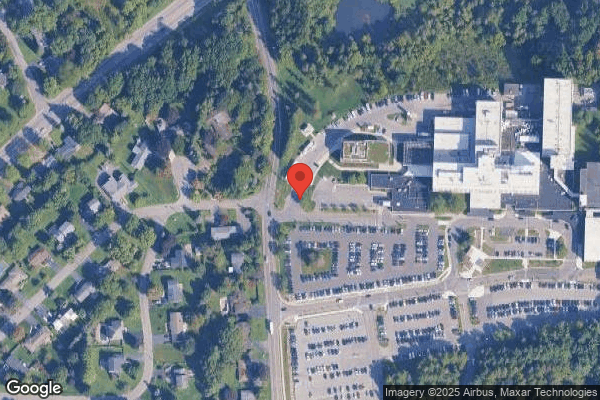
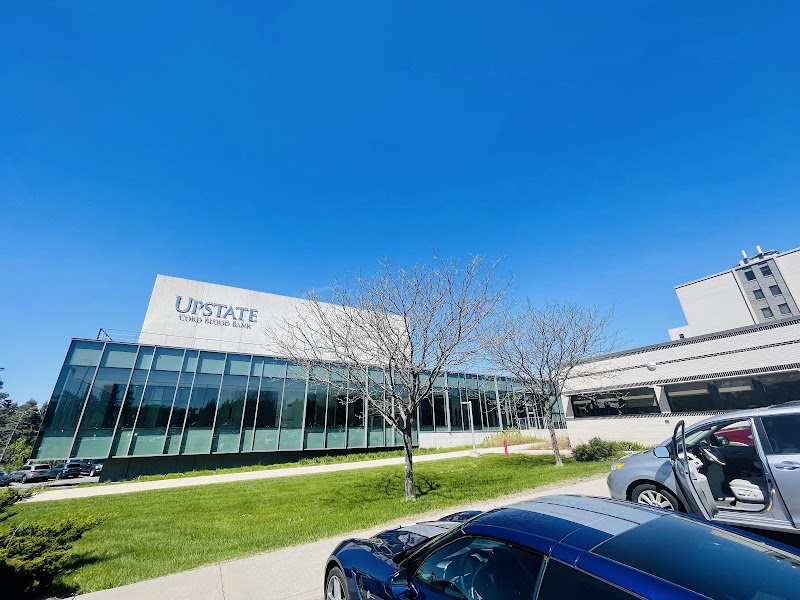
4900 BROAD ROAD, SYRACUSE, NY 13215 (315) 492-5786
Government - State 20 Beds Independent Data: November 2025
Trust Grade
93/100
#125 of 594 in NY
Last Inspection: July 2025

Inspected within the last 6 months. Data reflects current conditions.

Overview

Upstate University Hospital at Community General TCU has received an impressive Trust Grade of A, indicating it is excellent and highly recommended for families looking for care. It ranks #125 out of 594 facilities in New York, placing it in the top half of all facilities, and #3 out of 13 in Onondaga County, meaning only two local options are better. The facility is improving, having reduced its issues from two in 2024 to just one in 2025, and it also boasts an outstanding staffing rating with only 30% turnover, which is lower than the state average of 40%. While there are no fines on record, which is a positive sign, the inspector did find some concerns, including an inadequate infection prevention program and failure to properly manage food safety in the kitchen, which could pose risks to residents. Overall, while the facility has notable strengths, families should be aware of these weaknesses when considering care options.

Trust Score
A
93/100
In New York
#125/594
Top 21%
Safety Record
Low Risk
No red flags
Inspections
Getting Better
2 → 1 violations
Staff Stability
✓ Good
30% annual turnover. Excellent stability, 18 points below New York's 48% average. Staff who stay learn residents' needs.
Penalties
✓ Good
No fines on record. Clean compliance history, better than most New York facilities.
Skilled Nurses
✓ Good
Each resident gets 404 minutes of Registered Nurse (RN) attention daily — more than 97% of New York nursing homes. RNs are the most trained staff who catch health problems before they become serious.
Violations
✓ Good
Only 4 deficiencies on record. Cleaner than most facilities. Minor issues only.
★★★★★
5.0
Overall Rating
★★★★★
5.0
Staff Levels
★★★★☆
4.0
Care Quality
★★★★★
5.0
Inspection Score
Stable
2024: 2 issues
2025: 1 issues

The Good

  • 5-Star Staffing Rating · Excellent nurse staffing levels
  • 4-Star Quality Measures · Strong clinical quality outcomes
  • Low Staff Turnover (30%) · Staff stability means consistent care
  • Full Sprinkler Coverage · Fire safety systems throughout facility
  • No fines on record
  • Staff turnover is low (30%)

    18 points below New York average of 48%

Facility shows strength in staffing levels, quality measures, staff retention, fire safety.

The Bad

No Significant Concerns Identified

This facility shows no red flags. Among New York's 100 nursing homes, only 1% achieve this.

The Ugly 4 deficiencies on record

Jul 2025 1 deficiency
MINOR (C)

Minor Issue - procedural, no safety impact

Administration (Tag F0835)

Minor procedural issue · This affected most or all residents

Entrance conference worksheet documents required for survey were not received timely.Based on record review and interviews during the recertification survey conducted 7/23/2025-7/25/2025, the facility...

Read full inspector narrative →
Entrance conference worksheet documents required for survey were not received timely.Based on record review and interviews during the recertification survey conducted 7/23/2025-7/25/2025, the facility did not make available clinical records on each resident in accordance with accepted professional standards and practices that were complete and accurately documented for all 15 residents of the facility. Specifically, upon survey entrance, resident-identifiable information including form CMS-802 Matrix for Providers, and an alphabetical listing of all residents was not provided to the Department of Health in a timely manner. Additional information needed from the facility within one hour and four hours of entrance was not provided in a timely manner. Findings include:The Centers for Medicare and Medicaid Services survey form Entrance Conference Worksheet documents:The complete matrix for new admissions in the last 30 days who were still residing in the facility and an alphabetical list of all residents was to be provided to the surveyors immediately upon survey entrance. The schedule of mealtimes, schedule of medication administration, number and location of medication cart and storage rooms, actual working schedules for all staff, and a list of key personnel were to be provided within one hour of survey entrance.The complete matrix for all other residents, admission packet, dialysis contract, infection prevention and control program standards policies and procedures, influenza and pneumonia immunization policy, Quality Assurance committee information and Quality Assurance and Performance Improvement Plan, and facility assessment were to be provided within four hours of survey entrance. The Department of Health survey team entered the facility on 7/23/2025 at 9:30 AM. The Team Coordinator met with the Deputy Director of Nursing at 9:45 AM for the entrance conference meeting and reviewed the documents required for survey as outlined on the entrance conference worksheet. The Deputy Director of Nursing was also provided a copy of the worksheet. This included the time frame for providing CMS-802 Matrix for Providers and the alphabetical list of all residents (immediately upon entrance). The Deputy Director of Nursing was unable to provide the completed matrix for new admissions in the last 30 days and the alphabetical list of all residents. The Team Coordinator sent a follow up email with electronic copies of the required documents at 10:07 AM including a blank matrix form and the instructions for completion. Required documents were received via secure file transfer:On 7/23/2025 at 12:25 PM, (over two and a half hours after survey entrance) the Administrator sent an alphabetical list of residents (due immediately upon entrance), and a document labeled CMS-802. The document labeled CMS-802 was not the correct form. At 12:31 PM, the Team Coordinator informed the Administrator that document was not correct and again requested the correct CMS-802 form that was provided in both a hard and electronic copy and due upon entrance.On 7/23/2025 at 2:12 PM, (four and a half hours after survey entrance) the Administrator sent form CMS-802. The new admission matrix (due immediately upon entrance) and the complete matrix (due four hours after entrance) were the same as there were no residents at the facility longer than 30 days. On 7/23/2025 at 2:54 PM, the Team Coordinator sent an email via secure file transfer to the Administrator and the Associate Administrator for Accreditation and Regulatory informing them the entrance conference items were past due. A follow up email was sent at 4:15 PM documenting entrance conference items were not received and was impeding the survey process. On 7/23/2025 at 4:17 PM, (six and a half hours after survey entrance) the information required from the facility within one hour of entrance was received.On 7/24/2025 at 9:00 AM, the Team Coordinator sent another follow up email to the Administrator, the Deputy Director of Nursing, and the Director of Quality regarding the missing documents from the entrance conference worksheet that were due within four hours of entrance.On 7/24/2025 at 11:05 AM, (over 25 hours after survey entrance) the remaining required information was received. During an interview on 7/25/2025 at 9:32 AM, the Administrator stated the unit should always be ready for survey entrance. The delay in providing the documents in the required timeframe was because the unit was recognized as part of the hospital. It should be recognized as a stand-alone unit despite being located in the hospital. They did not have a process to identify staff that was responsible for providing the surveyors requested documents timely. 10NYCRR 483.70(i)
Mar 2024 2 deficiencies
CONCERN (E)

Potential for Harm - no one hurt, but risky conditions existed

Infection Control (Tag F0880)

Could have caused harm · This affected multiple residents

Based on record review and interview during the recertification survey conducted 3/11/2024-3/13/2024 the facility did not ensure they established and maintained an infection prevention and control pro...

Read full inspector narrative →
Based on record review and interview during the recertification survey conducted 3/11/2024-3/13/2024 the facility did not ensure they established and maintained an infection prevention and control program designed to provide a safe, sanitary, and comfortable environment and to help prevent the development and transmission of communicable diseases and infections for 11 of 11 residents (Residents #1, 106, 107, 108, 109, 110, 111, 112, 113, 114, and 115) reviewed. Specifically, the facility did not have an infection prevention control program including standards, policies and procedure that were current, specific to the resident population, and reviewed at least annually. Findings include: The policy Infection Prevention Manual revised 6/24/22 to add the Centers for Medicare and Medicaid Services (CMS) updated requirements for vaccine reporting for all hospital and Transitional Care Unit specific data. The surveillance activities reflect regulatory mandates and internal infection control risk assessments performed annually. Results of the Hospital Surveillance activities are reported to the infection prevention committee at least quarterly. The policy Antimicrobial Stewardship revised 6/27/2023 documented the hospital has adopted a statement of leadership commitment for antibiotic stewardship. The institutional leadership is committed to embracing and executing the Centers for Disease Control and Prevention's core elements of Hospital Antibiotic Stewardship. Hospital Leadership has identified a physician and a pharmacy champion who are responsible for stewardship outcomes. The Transitional Care Unit Policy and Procedure Manual Table of Contents dated 3/13/2024 did not include policies for infection control. The facility did not have an individual infection prevention plan, antibiotic stewardship program, and infection control policies that were specific to the needs of the residents on the Transitional Care Unit. The 8/2023 facility assessment documented professional Transitional Care Unit support services shared with the hospital included infection prevention. The Infection Prevention Program of the hospital will provide a safe hospital environment through a comprehensive multidisciplinary Infection Prevention Program. The focus of the program is to improve patient care by disease prevention in patients and hospital team members. The Director of Infection Prevention acts as the Infection Prevention Officer for the hospital. During the entrance conference interview on 3/11/2024 at 7:08 AM, the Director of Patient Safety and Quality stated the Infection Preventionist was the Director of Infection Prevention #8 and was shared with the hospital. During an interview on 3/11/2024 at 7:56 AM, registered nurse/covering Unit Manager #11 stated they were not aware of a separate Infection Preventionist, and it was possible that a clinical leader (registered nurse) was the Infection Preventionist for the unit. During an interview on 3/11/2024 at 8:02 AM, the Administrator stated there was no full time Infection Preventionist designated for the Transitional Care Unit, as there were only 20 beds. There was a nurse assigned to the unit, but the Director of Infection Prevention for the whole hospital was also located on this campus. During an interview on 3/13/2024 at 6:49 AM, the Director of Patient Safety and Quality stated the Transitional Care Unit, like all other units in the hospital, had their own policies, but they followed the hospital policies. During an interview on 3/13/2024 at 9:20 AM, registered nurse/ Unit Manager #2 stated the Infection Preventionist for the Transitional Care Unit was registered nurse/Infection Preventionist #9 and they were not dedicated to the Transitional Care Unit, as they were responsible for additional units in the hospital. They stated registered nurse/Infection Preventionist #9 was available for their unit on a part time basis. During an interview on 3/13/2024 at 10:29 AM, registered nurse/Infection Preventionist #9 stated they had been assigned the Infection Preventionist on the Transitional Care Unit within the last year. They stated they were on the unit at least 4 times a week and they reported to the Director of Infection Prevention #8 who was responsible for the infection prevention program for the hospital. The hospital had an infection exposure plan that applied to the Transitional Care Unit. They did not believe there was a specific documented infection prevention plan for the Transitional Care Unit. The unit influenza and pneumonia vaccine policies and masking policy were found under the general hospital infection control policies. There was a Transitional Care Unit policy for COVID-19 infection control because they did not keep the COVID-19 positive patients on the Transitional Care Unit. They stated the antibiotic stewardship for the Transitional Care Unit was lumped into the hospital's antibiotic stewardship program. The Nurse Managers were not involved with antibiotic stewardship, it included pharmacy, physicians, and the Director of Infection Prevention. During an interview on 3/13/2024 at 11:35 AM, registered nurse/Unit Manager #2 stated the Transitional Care Unit policies should be updated every 2 years. The Transitional Care Unit had a COVID-19 infection plan and policy. The standard for the Transitional Care Unit policy review was the hospital standard of every 2 years. There were no Transitional Care Unit policies for infection prevention. They stated registered nurse/Infection Preventionist #9 was their Infection Preventionist and was utilized hospital wide. During an interview on 3/13/2024 at 1:59 PM, the Administrator stated Director of Infection Control #8 oversaw both hospital campuses and registered nurse/Infection Preventionist #9 covered this campus including the Transitional Care Unit. There were specific policies for the Transitional Care Unit, including specific policies for infection control because the long-term care regulations differ from the acute hospital care regulations. It was important to have specific infection prevention policies to address how staff would need to respond differently to the infection process in long term care versus hospital acute care. The policies were reviewed every 2 years. 10 NYCRR 415.19(a)(1); 400.2
MINOR (C)

Minor Issue - procedural, no safety impact

Administration (Tag F0835)

Minor procedural issue · This affected most or all residents

Based on interview and record review during the recertification survey conducted 3/11/2024-3/13/2024 the facility was not administered in a manner that enabled it to use its resources effectively and ...

Read full inspector narrative →
Based on interview and record review during the recertification survey conducted 3/11/2024-3/13/2024 the facility was not administered in a manner that enabled it to use its resources effectively and efficiently to attain or maintain the highest practicable physical, mental, and psychosocial well-being for 11 of 11 residents residing on the unit. Specifically, administration did not ensure the facility appropriately outlined the roles of the required administrative staff and that they had developed specific policies and procedures for resident care that were reviewed annually. Additionally, deficiencies related to Administration were identified in the area of infection control (F 880). Findings include: The 3/13/2024 Transitional Care Unit Administrative Organizational Chart documented registered nurse/Unit Manager #2 reported to Director of Nursing #21. The 8/2023 Facility Assessment documented professional Transitional Care Unit support services shared with the hospital included the Transitional Care Unit Administrator and Infection Prevention. The staffing plan for the Transitional Care Unit as of 6/16/2022 included one full time Unit Manager and did not designate a Director of Nursing. During an interview on 3/11/2024 at 5:52 AM, registered nurse #10 stated Director of Nursing #12 covered the two hospital campuses. They stated the Unit Manager for the Transitional Care Unit would be in at 9:00 AM and the Administrator did not come to this hospital campus, as they worked at the other hospital campus. During an interview on 3/13/2024 at 9:10 AM, registered nurse #6 stated the recipients of care on the Transitional Care Unit should be referred to as residents. The Transitional Care Unit functioned with long term care regulations and the unit was supposed to present a home like unit for the resident as they prepared for discharge. During an interview on 3/13/2024 at 9:20 AM, registered nurse/ Unit Manager #2 stated they were aware they worked in the role of Director of Nursing for long term care, but the hospital title on this unit was Unit Manager. During an additional interview at 11:35 AM, they stated the standard for policy review as every 2 years. The hospital standard was biannually and if a policy needed to be changed or reviewed this was done as needed. During an interview on 3/13/2024 at 1:59 PM, the Administrator stated Director of Nursing #21 was the Transitional Care Unit Director of Nursing and was the responsible Director of Nursing for the hospital. They stated according to the hospital staffing registered nurse/Unit Manager #2 was a Unit Manager but was technically the Director of Nursing for the Transitional Care Unit without the official title. They were aware that registered nurse/Unit Manager #2 should have a badge and title of Director of Nursing per long-term care regulations. Registered nurse/Unit Manager #2 was listed as the Director of Nursing in the Health Commerce System and was responsible for leading the quality assurance meetings. They stated the Transitional Care Unit policies were on the policy network and coded TCU. It was important to have specific policies for the Transitional Care Unit because the unit was required to follow the long-term care regulations which were very different from the hospital acute care regulations and guidelines. It was important to have specific long term care Transitional Care Unit policies for infection control because the regulations for acute care did not match the long-term care regulations. The staff responded to infection control issues differently in long term care than they would in acute inpatient care settings. They were not aware there were no specific infection control policies, and all their policies should be reviewed annually. 10 NYCRR 483.70(i)
Dec 2021 1 deficiency
CONCERN (D)

Potential for Harm - no one hurt, but risky conditions existed

Food Safety (Tag F0812)

Could have caused harm · This affected 1 resident

**NOTE- TERMS IN BRACKETS HAVE BEEN EDITED TO PROTECT CONFIDENTIALITY** Based on observation and interview during the recertification survey conducted 12/28/21-12/29/21, the facility failed to ensure ...

Read full inspector narrative →
**NOTE- TERMS IN BRACKETS HAVE BEEN EDITED TO PROTECT CONFIDENTIALITY** Based on observation and interview during the recertification survey conducted 12/28/21-12/29/21, the facility failed to ensure food was stored and served in accordance with professional standards for food service safety for 1 of 2 kitchen areas (main kitchen). Specifically, the facility failed to remove expired food items and maintain clean surfaces in the main kitchen. Findings include: The facility policy Food and Supply Storage revised 1/2022 documented all food, non-food items and supplies used in food preparation shall be stored in such a manner as to prevent contamination to maintain the safety and wholesomeness of the food for human consumption. Most, but not all, products contain an expiration date. The words sell-by, best-by, enjoy-by or use-by should precede the date. The sell-by date is the last date that food can be sold or consumed; do not sell products in retail areas or place on patient trays/resident plates past the date on the product. Foods past the use by, sell-by, best-by, or enjoy by date should be discarded. Cover, label and date unused portions and open packages. Complete all sections on a [NAME] orange label or use the Medvantage/Fresh date or other approved labeling system. Products are good through the close of business on the date noted on the label. Refer to the Food Storage Chart in this policy to determine discard dates for food items. During an observation in the main kitchen on 12/28/21 at 9:35 AM, the following was observed: - the dairy cooler contained a 5-pound (lb) bag of mozzarella cheese with a printed date of 10/20/21 on the package and delivery sticker date of 12/1/21, and a 16-ounce (oz) container of milk with a use by date of 12/24/21. - the cook's cooler contained a tray of hash browns, a large, covered metal container of pancake mix, and a small, covered metal container of an unidentified item that were not dated. - a drink cooler near the steam table contained a 6 oz Lactaid milk with an expiration date of 12/27/21, an 8 oz chocolate milk with an expiration date of 12/24/21 and a 4 oz Mighty Shake (nutritional supplement) with a use by date of 12/18/21. - cooler #4 contained a 5 lb container of sour cream with a use by date of 12/27/21. There was a cardboard sheet of 27 oz cans of sliced chili with stickered delivery dates of 3/21/21. The stickers blocked the expiration date on each individual can. There was a metal container with slices of roast beef with an orange sticker labeled use by 12/27/21. - the storage room had 5 cardboard boxes of paper products sitting directly on the floor. During the observation the Food Service Director stated that the 5 lb bag of mozzarella, 16 oz of milk, 6 oz Lactaid, 8 oz chocolate milk, and the 4 oz Mighty Shake were outdated and needed to be removed. The Food Service Director stated the items in the cook's cooler were placed in the cooler each morning, so they knew the items had been from that morning. They stated the roast beef should have been thrown away and the chili was good for one year after the delivery date and they could not tell what the expiration date was because of the sticker blocking the date. During an observation in the main kitchen on 12/28/21 at 9:35 AM there were 2 steam tables turned on and warming up. The shelving underneath one steam table had significant dried spillage of white/blue matter on the full length of the shelf, and the second steam table had dried white matter on almost the entire length of the shelf. During the observation, the Food Service Director said the steam tables were in prep and would be wiped down. During an observation in the main kitchen on 12/28/21 at 10:06 AM, the following was observed: - a small cooler near the preparation area and storage room had a metal container covered with plastic wrap with cut up slices of ham that had a use by date of 12/27/21. - a second small cooler had a large plastic container of olives with an open date of 10/26 and use by date of 12/27/21. - the gluten free freezer contained chicken patties that expired 5/4/21 and an open box of [NAME] (not labeled with an opened date) with an expiration date of 12/2020. - there were two cardboard box sleeves of frozen pre-made desserts with expiration dates of 8/2021. During the observation, the Food Service Director stated, the olives should have been removed. They stated the chicken patties box was not open, and they had removed the [NAME] box from the freezer. During an observation of the main kitchen on 12/29/21 at 10:53 AM, the 5 lb sour cream with use by date of 12/27/21 remained in cooler #4. There were also nine 27 oz cans of diced green chilis with the delivery date sticker removed from one of the cans and a best by date of 10/2021. The Food Service Director stated the spare food was mixed in with regular supplies and was checked monthly. During an interview with the Food Service Director on 12 /29/21 at 11:49 AM, they stated it was the storeroom clerk's responsibility for checking dates on food items. When the storeroom clerk was not available, the chefs and/or lead cooks would take that responsibility. The Director would walk through weekly or every couple of weeks. Any outdated milk products could make a resident sick. Staff should have been using the best by dates on cans and not placing stickers over these dates on the chili cans. The chili cans should have been discarded at the end of 10/2021. The undated pancake mix and hash browns were part of the breakfast cart for that day and would have been used that morning. The Food Service Director stated frozen food items were not allowed to be out of date and should have been checked. The frozen food items were not used often. The dishwasher was asked to clean the steam table and shelf below. The whole area should have been cleaned by the end of the night eat day and would be checked daily during the kitchen walk through. During an observation on 12/29/21 at 12:35 PM of the gluten free freezer, there was an apple cobbler frozen dessert with a package date of 2/19/21 and a received date of 6/16/21; individual bags with receive date of 6/23/20 and a date on the box of 8/18/20, 25 or more chocolate chip cookies with a receive date of 6/9/20 and 48 chocolate chip cookies with a receive date of 7/3/20. During an interview with the Food Service Director on 12/29/21 at 12:40 PM, they stated frozen items, even if expired, should be immediately discarded. During an interview with lead cook #4 on 12/29/21 at 1:38 PM, they stated they were covering as the stock person was off. When they were covering the stock room, they would check expiration dates, rotate stock, and would check best by dates on cans when placing received by labels on the cans and they would ensure these dates were not covered over. The cook stated if an item was found outdated, the item would be discarded. They were not aware of any outdated items. 10NYCRR 415.14(h)
Understanding Severity Codes (click to expand)
Life-Threatening (Immediate Jeopardy)
J - Isolated K - Pattern L - Widespread
Actual Harm
G - Isolated H - Pattern I - Widespread
Potential for Harm
D - Isolated E - Pattern F - Widespread
No Harm (Minor)
A - Isolated B - Pattern C - Widespread

Questions to Ask on Your Visit

  • "Can I speak with families of current residents?"
  • "What's your RN coverage like on weekends and overnight?"

Our Honest Assessment

Strengths
  • • Grade A (93/100). Above average facility, better than most options in New York.
  • • No major safety red flags. No abuse findings, life-threatening violations, or SFF status.
  • • No fines on record. Clean compliance history, better than most New York facilities.
  • • Only 4 deficiencies on record. Cleaner than most facilities. Minor issues only.
Concerns
  • • No significant concerns identified. This facility shows no red flags across CMS ratings, staff turnover, or federal penalties.
Bottom line: Generally positive indicators. Standard due diligence and a personal visit recommended.

About This Facility

What is Upstate University Hosp At Community General T C U's CMS Rating?

CMS assigns UPSTATE UNIVERSITY HOSP AT COMMUNITY GENERAL T C U an overall rating of 5 out of 5 stars, which is considered much above average nationally. Within New York, this rating places the facility higher than 99% of the state's 100 nursing homes. This rating reflects solid performance across the metrics CMS uses to evaluate nursing home quality.

How is Upstate University Hosp At Community General T C U Staffed?

CMS rates UPSTATE UNIVERSITY HOSP AT COMMUNITY GENERAL T C U's staffing level at 5 out of 5 stars, which is much above average compared to other nursing homes. Staff turnover is 30%, compared to the New York average of 46%. This relatively stable workforce can support continuity of care.

What Have Inspectors Found at Upstate University Hosp At Community General T C U?

State health inspectors documented 4 deficiencies at UPSTATE UNIVERSITY HOSP AT COMMUNITY GENERAL T C U during 2021 to 2025. These included: 2 with potential for harm and 2 minor or isolated issues.

Who Owns and Operates Upstate University Hosp At Community General T C U?

UPSTATE UNIVERSITY HOSP AT COMMUNITY GENERAL T C U is owned by a government entity. Government-operated facilities are typically run by state, county, or municipal agencies. The facility operates independently rather than as part of a larger chain. With 20 certified beds and approximately 16 residents (about 80% occupancy), it is a smaller facility located in SYRACUSE, New York.

How Does Upstate University Hosp At Community General T C U Compare to Other New York Nursing Homes?

Compared to the 100 nursing homes in New York, UPSTATE UNIVERSITY HOSP AT COMMUNITY GENERAL T C U's overall rating (5 stars) is above the state average of 3.1, staff turnover (30%) is significantly lower than the state average of 46%, and health inspection rating (5 stars) is much above the national benchmark.

What Should Families Ask When Visiting Upstate University Hosp At Community General T C U?

Based on this facility's data, families visiting should ask: "Can I visit during a mealtime to observe dining assistance and food quality?" "How do you handle medical emergencies, and what is your hospital transfer rate?" "Can I speak with family members of current residents about their experience?"

Is Upstate University Hosp At Community General T C U Safe?

Based on CMS inspection data, UPSTATE UNIVERSITY HOSP AT COMMUNITY GENERAL T C U has a clean safety record: no substantiated abuse findings (meaning no confirmed cases of resident harm), no Immediate Jeopardy citations (the most serious violation level indicating risk of serious injury or death), and is not on the Special Focus Facility watch list (a federal program monitoring the lowest-performing 1% of nursing homes). The facility has a 5-star overall rating and ranks #1 of 100 nursing homes in New York. While no facility is perfect, families should still ask about staff-to-resident ratios and recent inspection results during their visit.

Do Nurses at Upstate University Hosp At Community General T C U Stick Around?

Staff at UPSTATE UNIVERSITY HOSP AT COMMUNITY GENERAL T C U tend to stick around. With a turnover rate of 30%, the facility is 16 percentage points below the New York average of 46%. Low turnover is a positive sign. It means caregivers have time to learn each resident's needs, medications, and personal preferences. Consistent staff also notice subtle changes in a resident's condition more quickly. Registered Nurse turnover is also low at 27%, meaning experienced RNs are available to handle complex medical needs.

Was Upstate University Hosp At Community General T C U Ever Fined?

UPSTATE UNIVERSITY HOSP AT COMMUNITY GENERAL T C U has no federal fines on record. CMS issues fines when nursing homes fail to meet care standards or don't correct problems found during inspections. The absence of fines suggests the facility has either maintained compliance or corrected any issues before penalties were assessed. This is a positive indicator, though families should still review recent inspection reports for the full picture.

Is Upstate University Hosp At Community General T C U on Any Federal Watch List?

UPSTATE UNIVERSITY HOSP AT COMMUNITY GENERAL T C U is not on any federal watch list. The most significant is the Special Focus Facility (SFF) program, which identifies the bottom 1% of nursing homes nationally based on persistent, serious quality problems. Not being on this list means the facility has avoided the pattern of deficiencies that triggers enhanced federal oversight. This is a positive indicator, though families should still review the facility's inspection history directly.