GOLDEN HILL NURSING AND REHABILITATION CENTER
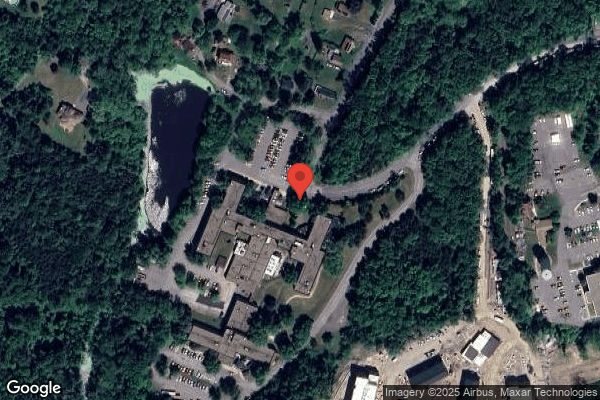
99 GOLDEN HILL DRIVE, KINGSTON, NY 12401 (845) 340-3390
For profit - Limited Liability company 280 Beds INFINITE CARE Data: November 2025
Trust Grade
60/100
#285 of 594 in NY
Last Inspection: May 2025

Inspected within the last 6 months. Data reflects current conditions.

Overview

Golden Hill Nursing and Rehabilitation Center has a Trust Grade of C+, indicating it is slightly above average but still has room for improvement. It ranks #285 out of 594 facilities in New York, placing it in the top half, and #3 out of 7 in Ulster County, suggesting only two local options are better. The facility's trend is worsening, with issues increasing from 6 in 2024 to 11 in 2025. While staffing has a decent turnover rate of 36%, which is below the state average, the RN coverage is concerning as it is lower than 75% of other New York facilities. Notably, in recent inspections, there were incidents where a resident did not receive lunch on time, and personal hygiene needs were not adequately met for another resident, highlighting some significant areas of concern, despite the absence of fines and an overall quality measure rating of 5/5.

Trust Score
C+
60/100
In New York
#285/594
Top 47%
Safety Record
Low Risk
No red flags
Inspections
Getting Worse
6 → 11 violations
Staff Stability
○ Average
36% turnover. Near New York's 48% average. Typical for the industry.
Penalties
✓ Good
No fines on record. Clean compliance history, better than most New York facilities.
Skilled Nurses
⚠ Watch
Each resident gets only 25 minutes of Registered Nurse (RN) attention daily — below average for New York. Fewer RN minutes means fewer trained eyes watching for problems.
Violations
⚠ Watch
23 deficiencies on record. Higher than average. Multiple issues found across inspections.
★★★☆☆
3.0
Overall Rating
★★☆☆☆
2.0
Staff Levels
★★★★★
5.0
Care Quality
★★☆☆☆
2.0
Inspection Score
Stable
2024: 6 issues
2025: 11 issues

The Good

  • 5-Star Quality Measures · Strong clinical quality outcomes
  • Full Sprinkler Coverage · Fire safety systems throughout facility
  • No fines on record
  • Staff turnover below average (36%)

    12 points below New York average of 48%

Facility shows strength in quality measures, fire safety.

The Bad

3-Star Overall Rating

Near New York average (3.1)

Meets federal standards, typical of most facilities

Staff Turnover: 36%

Near New York avg (46%)

Typical for the industry

Chain: INFINITE CARE

Part of a multi-facility chain

Ask about local staffing decisions and management

The Ugly 23 deficiencies on record

May 2025 9 deficiencies
CONCERN (D) 📢 Someone Reported This

A family member, employee, or ombudsman was alarmed enough to file a formal complaint

Potential for Harm - no one hurt, but risky conditions existed

Safe Environment (Tag F0584)

Could have caused harm · This affected 1 resident

Based on observations, interviews, and record reviews during the Recertification and Abbreviated (NY00363234) surveys from 5/13/2025-5/20/2025, the facility did not ensure a comfortable and homelike e...

Read full inspector narrative →
Based on observations, interviews, and record reviews during the Recertification and Abbreviated (NY00363234) surveys from 5/13/2025-5/20/2025, the facility did not ensure a comfortable and homelike environment by maintaining comfortable sound levels. Specifically, during construction on the South 1 Unit, sounds were not maintained at comfortable levels. Findings included: The Approval for Construction from the Department of Health dated 7/20/2024 documented construction to start on or before 12/2024 and must be completed by 5/1/2025, and project completion by 8/1/2025. An extension was attached and documented a new completion of construction date as November 1, 2025, and project completion date as 2/1/2026. The attached Resident Safety Plan documented that the renovations would occur Monday to Friday 8:00 AM-5:00 PM and Sunday 8:00 AM-5:00 PM. At all times the health, dignity, privacy, and safety of the residents will take precedence over the renovation process. The undated facility Renovation/Construction Policy documented that the facility that must ensure that all renovation activities in the nursing home are conducted safely, efficiently, and with minimal disruption to residents, staff, and visitors. Residents will be temporarily relocated if work affects their rooms or living areas. Noise and dust control measures must be in place. The undated Notification of Construction documented that residents were notified verbally by the facility marketers of construction on the rehabilitation units where they would be admitted . There was no documented evidence of resident notification. A Stop Work order dated 1/8/2025 documented an order to cease all construction due to failed and missing inspections. During an observation on 5/15/25 at 9:44 AM, evidence of ongoing construction was observed. On the South 1 unit there was a tarp hanging, signage indicating areas of construction, and unfinished sheet rock to the left of the nurses' station. Residents were present sitting by the nurses' station and residing on the unit. During an interview on 5/15/25 at 10:00 AM, Licensed Practical Nurse #12 stated that the unit was recently renovated, uncertain of when it commenced and how long it would last. They stated when the construction was being completed, they tried to keep the residents that resided on the unit away from the area being worked on. During an interview on 5/15/25 at 10:06 AM, Certified Nursing Assistant #11 stated they had worked at the facility since the end of October 2024. They stated there was construction going on when they started at the facility on the South 1 unit, but they could not remember specific details about the construction or instructions for the residents residing on the South 1 unit. During an interview on 5/15/25 at 03:37 PM, the Director of Maintenance stated that there had been ongoing renovations on the South 1 unit. They stated that they isolated and contained the areas that were being worked on to prevent residents from being exposed to dust, smells, and noise. They coordinated their work with nursing, and the hours for construction were daytime hours, unless there was a need for less staff on the unit like flooring replacement. During an interview on 5/16/25 at 11:10 AM with Visitor #1, they stated that construction on the South 1 Unit during the months of November and December 2024 was going on right near the residents and in the rooms next door to the resident rooms. They stated they complained to the facility about the noise and the fact that the work was going on with the residents close by. They stated it was also dusty, but the noise was their main concern. The banging was terrible. They thought the facility may have responded to their complaint because work stopped after they complained. They stated they made many phone calls to different agencies to report the noise. During an interview on 05/20/25 at 10:07 AM, Registered Nurse Unit Manager #8, stated that renovations had been going on for approximately one year in January 2025. They stated everything had been done in phases and they usually tried to do the rooms in blocks. Two rooms were worked on at a time, and the two rooms surrounding them were kept empty. When they had a lower census, they would try to adjust the layout and move residents away from the areas being worked on. Construction was performed during day hours and they only did quiet tasks during later hours. They stated when the nurses' station was being renovated they had no workstation and there was a lot of loud noise including jackhammering. During an interview on 05/20/25 at 3:08 PM, the Administrator stated that the County did come in to inspect the facility because of a complaint received regarding the noise from the construction. The County did issue a stop work order, but stated that was the result of missing forms, not the noise. They stated that residents were informed of the construction by the facility marketers prior to admission. 10NYCRR 415.5(h)(5)
CONCERN (D) 📢 Someone Reported This

A family member, employee, or ombudsman was alarmed enough to file a formal complaint

Potential for Harm - no one hurt, but risky conditions existed

Report Alleged Abuse (Tag F0609)

Could have caused harm · This affected 1 resident

Based on observations, interviews and record reviews conducted during the recertification and abbreviated (NY00346686, NY00352562) surveys from 5/13/25 to 5/20/25 it was determined that for 1 of 6 res...

Read full inspector narrative →
Based on observations, interviews and record reviews conducted during the recertification and abbreviated (NY00346686, NY00352562) surveys from 5/13/25 to 5/20/25 it was determined that for 1 of 6 residents (Resident #32) reviewed for Accidents, and for 1 of 4 residents (Resident #489) reviewed for Abuse, the facility did not ensure that injuries of unknown origin were reported to the state agency. Specifically, 1) Resident #32 the Department of Health was not notified after the 12/07/24 Accident/Incident Report documented Resident #32 was observed with bruising to their hand and arm, and 2) Resident #489 was documented on 6/24/24 to have bruising to bilateral arms and small area on left hip, and it was not investigated or reported to the Department of Health. The findings include: Policy and Procedure titled Abuse Prevention dated 6/24 documents Reporting/Response - report alleged violations and substantiated incidents to appropriate authorities. 1. Resident #32 with diagnoses of osteoarthritis, bipolar disorder, and dementia. A review of the Quarterly Minimum Date Set (assessment tool) dated 5/1/25 documented the resident's cognition was intact. The resident required supervision for eating and substantial to maximal assist for all other activities of daily living. A review of the progress note dated 12/7/24 documented the resident's daughter advised the desk nurse about bruising. Bruising was noted to left hand and upper left arm. A review of an Accident & Incident report dated 12/7/24 at 3:30 PM documented the resident was observed with a 5-centimeter x 5 centimeter circular area of discoloration on the back of their right hand that was purple/red/black, and a 0.4 x 0.4 centimeter area under the right upper arm of the same color. The resident reported it happened during cares early Thursday morning (12/5/24) at around 5 AM. The incident report documented the Interdisciplinary Team met and determined no abuse/neglect/mistreatment on 12/9/24 and was signed off by the Director of Nursing on 12/30/24 and the Administrator on 1/9/25. The Occurrence Report Investigation Summary documented on 12/7/24, Resident #32's family member came to the nurses' desk asking about bruising. Investigation that was not signed, dated or timed and did not rule out abuse . The Investigation included untimed statements from staff that did not include any information regarding the bruises, none of the statements included whether the bruises were present or not present when the staff provided care. Four certified nurse aide statements were verbal and only documented they did not see anything out of the ordinary. During an Interview with Director of Nursing on 5/16/25 at 2:53 PM, they stated the investigation was completed by the Assistant Director of Nursing. They felt they did do a complete investigation and ruled out abuse. The did not know why the investigation did not document abuse was ruled out. The investigation was about the accusation the resident made about being man handled by a Certified Nurse Aide. When we started the investigation, and we felt there was no reasonable cause to believe abuse occurred. It was noted on the root cause analysis the resident has fragile skin. Staff often offer the resident support to stand by holding onto the resident's upper arm which most likely caused the bruise. They did not know if the staff was not interviewed regarding the bruises. During an interview with Assistant Director of Nursing on 05/19/25 at 2:45 PM stated they completed the investigation regarding the abuse allegation from 12/7/24 when it was reported. The bruises were most likely caused by her behavior of sitting in the doorway. The resident was not evaluated by the physician. We did obtain statements they think within the 2-hour time frame. They do not know what time the staff statements were obtained; they did not know why the staff were not questioned about the presence or absence of the bruises. They did not report to the Department of Health because we felt we had ruled out abuse. 2. Resident #489 was admitted to the facility with diagnoses including cerebrovascular accident, non-Alzheimer's dementia, and muscle weakness. The 4/26/24 Minimum Data Set (assessment tool) documented the resident had severely impaired cognition and was dependent on staff with toileting hygiene, needed substantial assistance with shower/bathe self, partial assistance with personal hygiene and chair to bed transfer. The Comprehensive Care Plan, Risk for Skin Impairment, last revised on 5/22/24, documented to observe skin redness, swelling or bruising with cares, provide comfort and well-fitting clothing, weekly skin observations, consult Physical and Occupational Therapy for proper positioning. The 1/19/2024 Physician's order documented Clopidogrel Bisulfate Tablet 75 MG (blood thinner), Give 1 tablet by mouth one time a day for blood clot. The 3/11/24 Physician's order documented Skin Check every day shift every Monday ensure skin check and shower is completed- fill out skin evaluation. Review of the Skin Observation Tool dated 6/24/24 documented bruising on bilateral arms and small area remains on left hip. There was no documented evidence that an investigation was completed in relation to the resident's bruising on bilateral arms and the area on left hip. During an interview on 5/19/25 at 12:06 PM, the Acting Director of Nursing stated that there was no Accident/Incident Report for June 2024 for Resident #489. During an interview on 5/20/25 at 10:51 AM, the Director of Nursing stated that once the nurse identified bruises of unknown origin, the nurse should have initiated an investigation, interviewed the staff and the resident, conducted a skin assessment, contacted the doctor and resident's family, and reported the incident to the New York State Department of Health. In this case, the incident was not reported because the nurse did not report bruises, and the investigation was not initiated. NYCRR 415.4(b)(2)
CONCERN (D) 📢 Someone Reported This

A family member, employee, or ombudsman was alarmed enough to file a formal complaint

Potential for Harm - no one hurt, but risky conditions existed

Investigate Abuse (Tag F0610)

Could have caused harm · This affected 1 resident

Based on observation, record review and interviews during the recertification survey and abbreviated (NY00352562) surveys, the facility did not ensure that an investigation was completed for a residen...

Read full inspector narrative →
Based on observation, record review and interviews during the recertification survey and abbreviated (NY00352562) surveys, the facility did not ensure that an investigation was completed for a resident with an injury of unknown origin for 1 (Resident #489) of 4 residents reviewed for abuse. Specifically, there was no documented evidence an investigation was conducted for Resident #489 with documented bruising on bilateral arms and left hip. The findings are: Resident #489 was admitted to the facility with diagnoses including cerebrovascular accident, non-Alzheimer's dementia, and muscle weakness. The 4/26/24 Minimum Data Set (assessment tool) documented the resident had severely impaired cognition and was dependent on staff with toileting hygiene, needed substantial assistance with shower/bathe self, partial assistance with personal hygiene and chair to bed transfer. The Comprehensive Care Plan, Resident is at Risk for Skin Impairment, last revised on 5/22/24, documented to observe skin redness, swelling or bruising with cares, provide comfort and well-fitting clothing, weekly skin observations, consult Physical and Occupational Therapy for proper positioning. The 1/19/2024 Physician's order documented Clopidogrel Bisulfate Tablet 75 MG (blood thinner), Give 1 tablet by mouth one time a day for blood clot. The 3/11/24 Physician's order documented Skin Check every day shift every Monday ensure skin check and shower is completed- fill out skin evaluation. The 6/24/24 Skin Observation Tool documented bruising on bilateral arms and small area remains on left hip. There was no documented evidence that an investigation was completed in relation to the resident's bruising on bilateral arms and the area on left hip. During an interview on 5/19/25 at 12:06 PM, the Acting Director of Nursing stated that there was no Accident/Incident Report for June 2024 for Resident #489. During an interview on 5/19/25 at 3:38 PM, Licensed Practical Nurse #16 stated that Resident #489 had very small skin discoloration spots on both arms and small area on their left hip, which did not look like bruises. They stated that they should not have documented those skin discoloration as bruises. Licensed Practical Nurse #16 stated when they found these skin discolorations, they did not have any concerns for abuse and decided not to document or report this to the manager. They stated that Resident #489 at times exhibited restlessness while sitting at the table and could banging their arms and legs against the table, and was on Clopidogrel (blood thinner). Licensed Practical Nurse #16 stated that they received annual in-services related to Accidents/Incidents and Abuse. During an interview on 5/19/25 at 4:33 PM, Registered Nurse Supervisor #15 stated that when the Licensed Practical Nurse observed bruises of unknown origin, they should have reported that to the Registered Nurse Supervisor to initiate an investigation, which required to determine whether there was any abuse especially in cognitively impaired residents. The doctor and the resident's family needed to be informed. Registered Nurse Supervisor #15 stated that they had not heard anything from Licensed Practical Nurse #16 about Resident #489's bruises. During an interview on 5/20/25 at 10:51 AM, the Director of Nursing stated that once the nurse identified bruises of unknown origin, the nurse should have initiated an investigation, interviewed the staff and the resident, conducted a skin assessment, contacted the doctor and resident's family. In this case Licensed Practical Nurse #16 should have reported this to their supervisor to initiate an investigation, which was not done. 10 NYCRR 415.4(b)(1)(ii)
CONCERN (D)

Potential for Harm - no one hurt, but risky conditions existed

Infection Control (Tag F0880)

Could have caused harm · This affected 1 resident

Based on observation, interview, and record review completed during a Recertification survey from 5/13/25-5/20/25 the facility did not ensure provision of a safe, sanitary, and comfortable environment...

Read full inspector narrative →
Based on observation, interview, and record review completed during a Recertification survey from 5/13/25-5/20/25 the facility did not ensure provision of a safe, sanitary, and comfortable environment to help prevent the development and transmission of communicable diseases and infections for one (Resident #167) of five (5) residents reviewed for Pressure Ulcers. Specifically, Resident #167 who had a Pressure Ulcer and a Chronic Vascular ulcer with Physician ordered dressing changes was not placed on enhanced barrier precautions (interventions designed to reduce transmission of multi-drug-resistant organisms including gown and glove use during high contact resident care activities) and staff did not wear proper personal protective equipment (gowns) during care while completing wound dressing changes. The finding is: A Policy and Procedure titled Enhanced Barrier Precautions dated 4/24 stated, the use of gowns and gloves for high-contact resident care activities is indicated for nursing home residents with wounds and or indwelling medical devices. Resident #167 had diagnoses including Diabetes, Dementia, and a pressure ulcer to left buttock. The 4/6/25 quarterly Minimum Data Set (assessment tool) documented the resident's cognition as moderately impaired. The resident required partial to moderate assist with eating, substantial to moderate assist with toilet hygiene, and partial to moderate assist with all other activities of daily living. The resident was documented as having one Stage 3 pressure ulcer. During observations on 05/14/25 at 10:45 AM and 05/15/25 at 9:01 AM, the resident was noted in bed asleep. There was no Enhanced Barrier Precautions sign on the door. During an observation and interview on 05/15/25 at 1:55 PM of wound care for both buttock, and left heel dressings changes, the Infection Preventionist stated the resident was not on Enhanced Barrier Precaution because the wounds were not draining. The Infection Preventionist and Licensed Practical Nurse Unit Manager #10 did not don a gown prior to changing the resident's dressing. The electronic medical record did not document a Physician's order or a care plan for Enhanced Barrier Precautions. During an interview with the Infection Preventionist on 05/15/25 at 1:26 PM, they stated they made a mistake, and the resident should have been on Enhanced Barrier Precautions. They stated they should have worn a gown when changing the resident's dressing. 10 NYCRR 415.19(a)(2)
CONCERN (E) 📢 Someone Reported This

A family member, employee, or ombudsman was alarmed enough to file a formal complaint

Potential for Harm - no one hurt, but risky conditions existed

Resident Rights (Tag F0550)

Could have caused harm · This affected multiple residents

2) During an observation on 5/14/25 at 12:48 PM Resident #105, #93, #121 were served lunch and began eating. Fourth table mate, Resident #16 was not served lunch until 1:00 PM. Resident #93 verbalized...

Read full inspector narrative →
2) During an observation on 5/14/25 at 12:48 PM Resident #105, #93, #121 were served lunch and began eating. Fourth table mate, Resident #16 was not served lunch until 1:00 PM. Resident #93 verbalized that Resident #16 had not received lunch and repeatedly asked for them to be served. During an interview on 5/15/25 at 12:30 PM Certified Nurse Aide #17 stated they were not aware that all residents at the same table should have been served at the time before moving onto the next table. Unit Manager Registered Nurse #21 stated they were not aware of any residents' concern for everyone to be served at the same time. 10 NYCRR 415.3(d)(1)(i) Based on record review and interviews conducted during the recertification and abbreviated surveys (NY00376199), the facility did not ensure residents were treated in a dignified manor for 3 residents (Residents #1, #3, and #227), reviewed during a staff performance evaluation review, and for 1 resident (Resident #16) reviewed during dining. Specifically, 1) Review of Certified Nurse Aide #4's employment file revealed Residents #1, 3 and 227 were not treated in a dignified manner when requesting assistance from Certified Nurse Aide #4. 2) Resident #16 was served lunch 12 minutes later than the other residents at the table. Findings include: 1) A review of Certified Nurse Aide #4's employee file, during a Nurse Aide Performance Evaluation review on 5/14/25, revealed disciplinary notices for Certified Nurse Aide #4 related to customer service for Residents #1, #3, and #227. The 2/13/24 Occurrence Summary documented Resident #3 complained that they asked Certified Nurse Aide # 4 when they would be getting their hair washed. Certified Nurse Aide # 4's response made the resident feel like they were a bother and Certified Nurse Aide #4 did not want to help them. Certified Nurse Aide#4 was given a Corrective Discipline Notice and counseled on the importance of customer service being kind and respectful with all interactions with everyone, staff, resident, and family members. The 2/13/24 Occurrence Summary documented Resident #227 complained Certified Nurse Aide #4 was in their room at bedtime, they were feeling weak but was assessed to be independent level of care. Instead of helping them, Certified Nurse Aide #4 stood in the room with an aggravated look telling the resident how to get themselves ready for bed. Resident #227 also reported that Certified Nurse Aide #4 seemed to not like their job and did not want to help when they come to answer the call bell. The conclusion documented Certified Nurse Aide #4 was given a Corrective Discipline Notice and was counseled on the importance of customer service being kind and respectful with all interactions with everyone, staff, residents, and family members. The 2/29/24 Occurrence Summary documented Resident #1's spouse complained that Resident #1 was completely soaked at lunch time, Certified Nurse Aide #4 came in their room and told the resident to stop ringing the bell so much. Certified Nurse Aide #4 got the resident out of bed and brought them in the bathroom. The resident sneezed on the certified nurse aide, so they left the room for some time and they had a bad attitude. The conclusion documented Certified Nurse Aide #4 was given a Corrective Discipline Notice. Certified Nurse Aide #4 was given the mission statement and spoken to at length regarding resident complaints about her body language and mannerisms and how they could affect residents and family members who were already upset about their loved one's health and wellbeing. During an interview on 5/19/25 at 11:07 AM, the Assistant Director of Nursing stated the complaints from families were related to the way Certified Nurse Aide #4 responded to a directive, which was either very curt or brass. The Assistant Director of Nursing stated they observed Certified Nurse Aide #4 while they provided care and stated they were good with the residents. When requested, the Assistant Director of Nursing was unable to provide documented evidence of the care observations with Certified Nurse Aide #4. They stated Resident #227 was removed from Certified Nurse Aide #4's assignment at the request of the resident.
CONCERN (E) 📢 Someone Reported This

A family member, employee, or ombudsman was alarmed enough to file a formal complaint

Potential for Harm - no one hurt, but risky conditions existed

ADL Care (Tag F0677)

Could have caused harm · This affected multiple residents

2) Resident #538 had diagnoses that included metabolic encephalopathy, hypertension, and muscle wasting. The 9/25/2024 admission Minimum Data Set (assessment tool) documented moderately impaired cogni...

Read full inspector narrative →
2) Resident #538 had diagnoses that included metabolic encephalopathy, hypertension, and muscle wasting. The 9/25/2024 admission Minimum Data Set (assessment tool) documented moderately impaired cognition, foley catheter, occasional incontinence of bowel, maximum assistance for toileting hygiene and transfers. The 12/18/2024 Discharge Minimum Data Set documented moderately impaired cognition, foley catheter, incontinent of bowel, dependent on assistance for toileting hygiene and transfers. The Certified Nurse Aide Kardex dated 12/7/24 documented Resident #528 required maximum assistance and was dependent on staff for all ADLs and transfers, except oral and personal hygiene. The September 2024 Documentation Survey Report contained no documented evidence that personal hygiene, toileting hygiene and toilet transfers were completed on 9/24/24 day shift, 9/26/24 evening shift, and 9/21 and 9/25/24 night shift. The October 2024 Documentation Survey Report contained no documented evidence that personal hygiene, toileting hygiene and toilet transfers were completed on 10/4/24 day shift and 10/31/24 evening and night shifts. The 10/22/24 and 10/29/24 nursing skin assessments documented dry fragile skin. The November 2024 Documentation Survey Report contained no documented evidence that personal hygiene, toileting hygiene, and toilet transfers were completed on 11/6, 11/24, and 11/28/24 day shift and 11/30/24 night shift. The 11/5/24 nursing skin assessment documented dry fragile skin. The 11/12/24 and 11/20/24 nursing skin assessments documented bilateral groin reddened areas-anti fungal powder. The 11/21/24 wound consultation documented sacrum and left buttocks moisture associated skin damage. The 11/27/24 nursing skin assessments documented wound to buttocks-triad and dry protective dressing. The December 2024 Documentation Survey Report contained no documented evidence that personal hygiene, toileting hygiene, and toilet transfers were completed on 12/10/24 day shift, 12/14/24 evening shift, and 12/1 and 12/5/24 night shift. The 12/4/24 and 12/11/24 nursing skin assessments documented wound to buttocks-triad and dry protective dressing. The 12/5/24 wound consultation documented sacrum and left buttocks moisture associated skin damage. During an interview on 05/20/25 at 10:07 AM, Registered Nurse Unit Manager #8 stated that Resident #538 required moderate-maximum assistance with washing and bathing, toileting hygiene personal hygiene and transfers. They expected Certified Nurse Aides to check and change Resident #538 every two-three hours. Peri care should be completed every shift regardless of whether a resident has foley catheter. There should not be omissions on the Documentation Survey Reports/Certified Nurse Aide's Accountability records. They stated if there was no documentation it was not done. 3) Resident #49 was admitted to the facility with diagnoses including non-Alzheimer's dementia, schizophrenia and muscle weakness. The Minimum Data Set (assessment tool) dated 2/15/25 documented the Resident #49 had severely impaired cognition and was dependent on staff assistance with toileting hygiene, required partial assistance with personal hygiene, and required supervision with chair to bed transfers. The Comprehensive Care Plan, Activities of Daily Living Needs, last updated on 8/14/23, documented Resident #49 required extensive assistance of one person with grooming/personal hygiene. During observations on 5/13/25 at 12:47 PM, on 5/14/25 at 11:01 AM, and on 5/15/25 at 1:32 PM Resident #49 was observed with long fingernails on both hands. During an interview on 5/15/25 at 1:39 PM, Certified Nurse Aide #17 stated they provided care today for Resident #49. They stated the resident was dependent on staff with assistance for personal hygiene, which included grooming task, such as shaving facial hair and trimming fingernails. The Certified Nurse Aide stated that they could see the resident's long fingernails on both hands, but did not have time to check the resident's fingernails today, and did not know when the resident's fingernails were last trimmed. During an interview on 5/15/25 at 2:01 PM, Licensed Practical Nurse #18 stated that they provide care for the resident at least three days a week. The nurse stated that when they started their shift and during the shift they observed Resident #49. Licensed Practical Nurse #18 observed Resident #49 and stated that the resident had long fingernails on both hands, which needed to be trimmed. The nurse stated that nobody reported to them about long fingernails and did not know when the resident's fingernails were last trimmed. They stated that since Resident #49 was not a diabetic, the Certified Nurse Aide was responsible for trimming the resident's fingernails. 10 NYCRR 415.12(a)(2) Based on observation, record review, and interviews conducted during the recertification and abbreviated surveys (NY00363395, NY00352562, NY00363234, NY00342723) from 5/13/25-5/20/25, the facility did not ensure each resident who was unable to carry out activities of daily living received the necessary care and services for 5 of 10 residents (Residents #49, #338, #538, #488, and #489) reviewed for Activities of Daily Living. Specifically, 1) for Residents #338, #538, #488, and #489, there was no documented evidence in the Certified Nurse Aide records Documentation Survey Report that assistance with activities of daily living was consistently provided, and 2) Resident #49 who required dependent assistance with activities of daily living was observed during multiple observations with fingernails that were long and ungroomed. The findings include: The March 2024 facility policy, Activity of Daily Living, documented the facility will provide ADL care to all residents based on assessment of needs, which includes bathing, dressing, eating, transfers, toileting, bed mobility, ambulation. It documented it is the licensed nurse's responsibility to assess the resident to determine their ADL needs and the certified nurse aide's responsibility to provide care and assistance with care in accordance with the instructions (plan of care). 1. Resident #338 was admitted with diagnoses including Parkinson's disease, history of falls, and dementia. The 4/24/24 admission / Medicare-5 Day Minimum Data Set (resident assessment) documented Resident #338 had moderately impaired cognition, was frequently incontinent of bladder, and required moderate assistance with toileting hygiene, personal hygiene, and toilet transfers. The Certified Nurse Aide Kardex dated 5/15/2024 documented to provide moderate assistance with toilet transfers, toileting hygiene and personal hygiene. The April 2024 Documentation Survey Report contained no documented evidence that personal hygiene, toileting hygiene and toilet transfers were completed on 4/20, 4/21 and 4/28/24 for day shift, 4/22, 4/24, 4/26, 4/27, and 4/28/24 for evening shift, and 4/19 and 4/30/24 for night shift. The May 2024 Documentation Survey Report contained no documented evidence that personal hygiene, toileting hygiene and toilet transfers were completed on 5/1, 5/4, and 5/5/24 for day shift 5/13/24 for evening shift, and 5/14 and 5/15/24 for night shift. During an interview on 5/16/25 at 9:38 AM, Licensed Practical Nurse #7 stated they did not know why there were blanks on some dates. They stated it could have been due to the cares not being completed or due to another reason. They stated the nurses were responsible to assure the certified nurse aides complete the resident's care and the unit manager was responsible to assure the Certified Nurse Aides complete documentation on the Documentation Survey Report. During an interview on 5/16/25 at 9:52 AM, Registered Nurse Unit Manager #8 stated the unsigned Documentation Survey Reports was due to Certified Nurse Aides not documenting the care they provided but they could not provide a reason for not documenting. During an interview on 5/16/25 at 11:09 AM, Certified Nurse Aide #9 stated the undocumented cares might have been incomplete because either the staff did not have time to document the cares, or the cares were not provided.
CONCERN (E) 📢 Someone Reported This

A family member, employee, or ombudsman was alarmed enough to file a formal complaint

Potential for Harm - no one hurt, but risky conditions existed

Deficiency F0730 (Tag F0730)

Could have caused harm · This affected multiple residents

Based on interview and record review during the recertification and abbreviated (NY00376199) survey from 05/13/25 through 05/20/25, the facility did not ensure Certified Nurse Aide performance reviews...

Read full inspector narrative →
Based on interview and record review during the recertification and abbreviated (NY00376199) survey from 05/13/25 through 05/20/25, the facility did not ensure Certified Nurse Aide performance reviews were completed at least once every 12 months. Specifically, five of five Certified Nurse Aides (#1, #2, #3, #4, #5) did not have a performance review documented at least once every 12 months. The findings include: Policy and Procedure Titled Staff Evaluations dated 1/25 documented the purpose is to establish a consistent and fair process for evaluating the performance of Nursing Home staff to ensure high-quality resident care, compliance with regulations and professional development. A review of 5 Certified Nurse Aide performance reviews noted 5 out of 5 Certified Nurse Aides had no annual performance appraisals in the last 12 months. Certified Nurse Aide #4, with a hire date of 10/24/23, had 14 corrective discipline notices dated 1/11/24 to 5/2/25 in their employment file. The notices included poor customer service, insubordination, failure to follow policy, absenteeism, tardiness, and violation of company policy. Certified Nurse Aide #4 was terminated on 5/2/25. The file did not contain an annual performance appraisal. Certified Nurse Aide #1 with a hire date of 9/5/23 had an undated and unsigned employee performance review in the Human Resource File. Certified Nurse Aide #2 with a hire date of 5/22/23, Certified Nurse Aide #3 with a hire date of 9/8/23, and Certified Nurse Aide #5 with a hire date of 11/28/21 had no performance appraisal in the last 12 month. During an interview on 05/20/25 at 11:56 AM, the Director of Human Resources stated the Unit Managers were responsible to complete Annual Performance Reviews. The Unit Managers should have reviewed the hire date and ensured the performance reviews were completed at least once every 12 months. The Unit Managers should have presented the evaluation to the employee and had them sign it. Once completed it should have been brought to Human Resources for filing. During an interview with the Unit Managers of C1 on 5/20/25 at 12:05 PM, they stated they were responsible to complete performance reviews. They had a list of staff members and the hire dates. Performance reviews should have been completed annually. During an interview on 05/20/25 at 12:36 PM, the Director of Nursing stated the with the Director of Nursing were responsible for completing annual performance reviews. They were unaware they were not being completed. 10NYCRR 415.26 (c) (2) (iii)
CONCERN (E) 📢 Someone Reported This

A family member, employee, or ombudsman was alarmed enough to file a formal complaint

Potential for Harm - no one hurt, but risky conditions existed

Deficiency F0804 (Tag F0804)

Could have caused harm · This affected multiple residents

Based on observation and interview conducted during the recertification and abbreviated (NY00365130) surveys from 5/13/25 to 5/20/25, the facility did not ensure residents were provided food and drink...

Read full inspector narrative →
Based on observation and interview conducted during the recertification and abbreviated (NY00365130) surveys from 5/13/25 to 5/20/25, the facility did not ensure residents were provided food and drink that was palatable, attractive, and at a safe and appetizing temperature. Specifically, a test tray was sampled and found food was not served at a palatable, appetizing temperature; and many residents complained about the food. Findings include: The facility policy titled Meal Delivery documented, meals should be delivered promptly to ensure appropriate temperatures, and all staff is responsible to report any concerns regarding meal temperatures and resident satisfaction. During an interview on 05/13/25 at 10:52 AM, Resident #174 stated the food at the facility is terrible. The vegetables were often undercooked and hard, and the meats were often overdone. The meals came luke warm and alternates were offered but they were not very good either. During interviews on 05/13/25 at 3:27 PM and 05/16/25 at 10:52 AM, Resident #106 stated that they did not like the food at the facility. They stated the food quality was poor regardless of the mealtime and they refuse it. Stated they did not like most of the alternates offered either, so they just order out all the time. During an interview on 5/14/25 at 10:02 AM, Resident #202 stated they did not eat the food served, but ordered take out. During an interview on 5/15/25 at 11:31 AM, the Assistant Food Service Director stated there had been complaints about cold food. The facility had some enclosed insulated food carts that were used on the units further away from the kitchen. The units that were closer to the kitchen used the open racks for meal trays. The facility had a pellet system, and they had called the company to service the pellet system to make sure it was heating properly. During an interview on 5/15/25 at 1:23 PM, the Administrator stated there had been no recent complaints regarding cold food. Currently open racks are used to deliver food to closer units and closed carts were used for the further distance units. There was no timeline plan for moving over to the enclosed thermal carts for the entire building. On 5/16/25 at 11:17 AM, tray line food temperatures were taken with the Assistant Food Service Director. The fish was 140 degrees Fahrenheit, steak fries were 120 degrees Fahrenheit, the asparagus was 140 degrees Fahrenheit. The Assistant Food Service Director asked the cook to reheat the steak fries. On 5/16/25 at 11:49 AM lunch meal trays were delivered to unit C1 on an open rack. The lunch meal for Resident #174 was intercepted just prior to delivery to the room at 12:09 PM and was used as a test tray for palatability and temperature. The cod fish and asparagus taste were acceptable but temperature was lukewarm. The steak fries were cold with a tough texture. The soup taste was acceptable and had a temperature of 100 degrees Fahrenheit and the coffee was unappetizing and lukewarm at 78 degrees Fahrenheit. During an interview on 5/19/25 at 1:33 PM with the Diet Clerk, they stated they visited Resident #202 almost every day for food preferences and offered items from all menus to try to achieve satisfaction. They stated Resident #202 complained about the food being served cold. During an interview on 5/19/25 at 2:28 PM Licensed Practical Nurse Charge Nurse #7, stated Resident #202 would go to the cafe if they did not like what was served at meals. During an interview on 5/19/25 at 3:55 PM, Resident #204's friend stated Resident #204 had reported to them that the meals were delivered cold day after day, and Resident #204 had expressed this to the staff with no resolution. 10NYCRR 415.14 (d)(1)(2)
CONCERN (E)

Potential for Harm - no one hurt, but risky conditions existed

Food Safety (Tag F0812)

Could have caused harm · This affected multiple residents

Based on observation and interviews conducted during the recertification survey from 5/13/25 to 5/20/25, the facility did not ensure food was distributed and served in accordance with professional sta...

Read full inspector narrative →
Based on observation and interviews conducted during the recertification survey from 5/13/25 to 5/20/25, the facility did not ensure food was distributed and served in accordance with professional standards for food service safety. Specifically, 1.) On initial kitchen tour, food items were found undated, unsealed, and expired. The handwash sink in food prep area did not work. 2) On follow-up kitchen tour, food temperatures were not at control level on the steam table and dietary staff did not wear proper hair/beard restraint or utilize hygienic practices. 3) The pantry refrigerator on Unit C1 contained undated foods, expired foods and an incomplete temperature log. Findings include: The facility policy Food Receiving and Storage, dated 1/30/24 included documentation that food shall be stored off the floor; all food items will be covered, labeled and dated; refrigerator and freezer temperatures must be monitored and logged; food must be dated and sealed/covered and held no longer than 72 hours. The facility policy Personal Hygiene dated 1/30/24 included documentation that employees must use hair restraint and beard restraint when applicable, refrain from touching face when preparing food, and properly wash hands. The Label and Dating Policy updated 2/4/16, and posted on the C1 Unit refrigerator, documented that all items in the refrigerator should be labeled properly with resident name, item description, and date opened. Every food item opened or freshly made has a 72-hour shelf life. All items will be discarded after that time. Anything without proper labeling will be discarded during floor stocking. 1) During the initial tour of the kitchen on 5/13/25 at 9:57 AM, the following items were observed: -In the freezer there were unsealed frozen hamburgers, unsealed chicken nuggets, and unsealed frozen rolls. There were waffles with an expiration date of 5/5/25. In the dry storage there were unsealed bag of granola and unsealed cranberry juice. The angel food cake mix had an expiration date of 2/2/24 and the biscuit mix expired 4/3/25. Boxes of grape jelly were observed stored on the floor. -In the refrigerator there was undated pepperoni, tortillas, humus, tossed salads, sandwiches, fruit cups and pudding. -The handwash sink was not working, and kitchen staff mentioned the sensor had not been working for about a week. During an interview with the Assistant Food Service Director at the time of the tour, they stated all food should be sealed once opened, all foods should be dated, and all staff was responsible for disposing of expired foods. They were unaware of sink sensor not working and would be notifying maintenance. 2) During a follow up visit to the kitchen on 5/16/25 at 11:17 AM, lunch food temperatures were taken with the Assistant Food Service Director for steam table service. The steak fries were 120 degrees Fahrenheit, and the puree meat was 130 degrees Fahrenheit. The Assistant Food Service Director advised staff to remove the items and replace with new product from the oven. During this observation of the tray line Diet Aide #19 was not wearing a beard restraint as they served soup. Diet Aide #20 used gloved hand to pick up steak fries to place onto the plate and pushed vegetables onto the plate, then wiped brow with gloved hand. During an interview with the Assistant Food Service Director at the time of the observation, they stated the staff needed a lot of retraining and supervision. They asked Diet Aide #19 to step away from the tray line to don a beard restraint and wash hands and Diet Aide #20 to use tongs to pick up food and don new gloves. 3) During an observation of the C1 Dining Room Pantry Refrigerator on 5/13/25 at 12:26 PM the refrigerator temperature log was blank from 4/29/25-5/12/25 and documented on 5/13/25 at 10:12 AM the refrigerator was 36 degrees, and the freezer was -2 degrees. The refrigerator contained multiple open items with no dates including juice bottles, applesauce, a pizza box, and guacamole. There were two sandwiches dated 5/5/25, for Residents #54 and #211. There was personal food for Resident #10 dated 5/1/25, and multiple Yoplait yogurts with an expiration date of 3/18/2025. During an interview on 05/13/25 at 1:05 PM, Licensed Practical Nurse Unit Manager #6 stated that it was the responsibility of food services to monitor and check the temperatures of the freezer and refrigerator. Nursing and food services were both responsible for checking the contents of the refrigerator. They stated that the refrigerator contained many items that needed to be discarded, and the temperature log was incomplete. 10 NYCRR 415.14(h)
May 2025 2 deficiencies
CONCERN (D) 📢 Someone Reported This

A family member, employee, or ombudsman was alarmed enough to file a formal complaint

Potential for Harm - no one hurt, but risky conditions existed

Deficiency F0628 (Tag F0628)

Could have caused harm · This affected 1 resident

**NOTE- TERMS IN BRACKETS HAVE BEEN EDITED TO PROTECT CONFIDENTIALITY** Based on record review and interviews conducted during the abbreviated survey (NY00377486) the facility did not ensure that the ...

Read full inspector narrative →
**NOTE- TERMS IN BRACKETS HAVE BEEN EDITED TO PROTECT CONFIDENTIALITY** Based on record review and interviews conducted during the abbreviated survey (NY00377486) the facility did not ensure that the resident, resident's representative(s), or ombudsman was notified of the transfer or discharge, and the reasons for the move, in writing and in a language and manner they understand for 1 (Resident #3) of 3 residents reviewed for discharge. Specifically, Resident #3 was discharged home on 3/13/2025 and there was no documented evidence that the facility provided a notice of discharge at least 30 days before the resident was discharged . a bed hold notice was not provided, the facility did not document discussions with the resident and/or the representative that included information on discharge planning and arrangements for post-discharge care. Additionally, there was no progress notes that documented the reason for discharge, the effective date of discharge, or the location of where the resident will be discharged to. There was no documented evidence that the Managed Long-Term Care were notified to assess the resident for additional hours at home as per Resident's request. Furthermore, the discharge documentation indicating that Resident #3 will be discharged on 3/13/2025 was incomplete with no date indicating when the home care nursing services, physical and occupational therapies, or med assist was notified. The form titled Team discharge and Care Plan Summary Guide was not initiated until 3/7/2025. The findings are: The facility policy titled Transfer/Discharge Notice revised on 12/2024 documented that the facility shall provide a resident and/or the resident's representative (sponsor) with a thirty (30) day written notice of an impending transfer or discharge. The resident and/or representative (sponsor) will be notified in writing of the following information: a. The reason for the transfer or discharge; b. The effective date of the transfer or discharge; c. The location to which the resident is being transferred or discharged . The reasons for the transfer or discharge will be documented in the resident's medical record. The Facility Policy titled Notice of Transfer or Discharge, last revised October 2024, documented the facility must notify the resident and the resident's representative(s) of the transfer or discharge and the reasons for the move in writing and in a language and manner they understand. The Social Worker and Nurse Supervisors/Unit managers are responsible to ensure residents, and their representatives are notified of any transfers and discharges in a timely manner indicating reason of transfer and discharge. Notice to the Office of the State Long Term Care Ombudsman must occur at the same time the notice of discharge is provided to the resident and resident representative. Resident #1 was admitted with diagnoses including but not limited to anxiety disorder, chronic obstructive pulmonary disorder, depression, and Polye osteoarthritis. The 2/1/2025 admission 5-day Minimum Data Set (an assessment tool) documented that Resident #1 had intact cognition, and there were no reports of entry/discharge. The 5-day Minimum Data Set assessment dated [DATE] documented Resident #8 had intact cognition, required maximum assistance or was dependent on staff for most activities of daily living except eating and oral hygiene. The 2/6/2025 Social worker Progress Note documented that a Care plan meeting was held with Resident #3, family and the facility Interdisciplinary team. Resident's discharge plan is to return home. Resident #3 is requesting an assessment with their Managed Long-Term Care (MLTC -Fidelis) for increase in hours at home. Discharge Planning was to reach out to Fidelis to schedule and assessment. There was no documented evidence that Resident #3's Managed Long-Term Care (MLTC) was notified to assess Resident #3 for additional hours prior to the discharge home. The 3/11/2025 Nursing Progress note documented that Physician saw resident for a discharge visit, and Resident #3 was cleared for discharge on [DATE]. The 3/13/2025 Nursing Progress Note documented that Resident #3 was discharged from facility with all personal belongings, and that all medications and follow up appointments was reviewed with resident. There was no documented evidence that the facility discussed discharge with Resident #3 or their representative that included information on discharge planning and arrangements for post-discharge care. There was no documented evidence that Resident #3 was provided with a bed hold notification for discharge on [DATE]. The 3/13/2025 Social Worker Progress Note documented that they discharged resident home with all their personal belongings. A friend was there to transport, the daughter was made aware of discharge, and referrals were made for the visiting nurse, an aide, and Occupational Therapy/Physical Therapy. Also provided was the med assist and lifeline of the [NAME] valley contact numbers. There was no documented evidence that Resident #3 or resident representative was provided a 30-day notice prior to discharge on [DATE]. Upon request of records from facility on 5/9/2025, the facility was unable to provide documented evidence that the Ombudsman was notified of Resident #3's discharge on [DATE]. During an interview on 5/9/2025at 3:09 PM, the Social Worker stated that Resident #3 had an initial Care Plan meeting on 2/6/2025, where therapy addressed their goals, gathered information about who they live with, long term care options if they want to. The Social Worker stated that Resident #3 had Management Long term care (MLTC) at home and was looking for more long-term hours, and that they requested that the Managed Long-Term Care come into facility to assess to see if they could get more hours. The Social Worker stated that they were not aware of the Managed Long-Term Care coming in to assess Resident #3. The Social Worker stated that when a family comes to the Care Plan meetings, they let them know the plans for discharge if any and was able to provide documentation that they discussed discharge planning and interventions to be put in place before going home. The Social Worker stated that the Resident's family should always be involved with discharge, and that if a resident is discharged from the facility, it should always be a safe discharge, and that everything should be in place prior to discharge including the referrals for therapy, a home health care (aide in home) as well as adaptive equipment. The Social Worker stated that they do not facilitate discharges because they have a discharge liaison in the facility that handle discharges. During an interview on 5/9/2025 at 3:44 PM, Discharge Liaison #1 stated they have weekly Utilization Review meetings once a week which consists of facility staff to discuss all residents, and if a Resident is nearing discharge, they discuss what adaptive equipment they may need when they go home and to make sure it is place before discharge, they set up medical services for post discharge for a safe discharge, and will make sure home cares services are in place before discharge. During an interview on 5/9/2025 at 3:51 PM, Discharge Liaison #2 stated that they notified Resident #3's Management Long term care but they never came to the facility to assess the resident before discharge as per the family members recommendation and the resident's request. Discharge Liaison #2 stated they did not write a progress note. Discharge Liaison #2 stated they notified Resident #3's family about the discharge but they did not write a progress note. They were supposed to complete their documentation before they leave the facility to be sure everything is in place. When requested, Discharge Liaison #2 was unable to provide documentation that Resident #3 or their representative was notified of discharge 30 days prior to their discharge on [DATE], or that a bed hold notification was provided, and that the Ombudsman was notified. 10NYCRR 415.3(i)(1)(iii)(a-c)
CONCERN (D) 📢 Someone Reported This

A family member, employee, or ombudsman was alarmed enough to file a formal complaint

Potential for Harm - no one hurt, but risky conditions existed

Deficiency F0760 (Tag F0760)

Could have caused harm · This affected 1 resident

Based on observations, record review, and interviews conducted during an Abbreviated Survey (NY00340219), the facility did not ensure residents were free of significant medication errors for 1 (Reside...

Read full inspector narrative →
Based on observations, record review, and interviews conducted during an Abbreviated Survey (NY00340219), the facility did not ensure residents were free of significant medication errors for 1 (Resident #1) of 4 residents reviewed for Medication Administration. Specifically, on 4/23/24 at 8pm, Licensed Practical Nurse #1 administered Coumadin 2mg to Resident #1 which was put on hold as per Physicians orders on 4/23/24 at 1:24 pm, due to their International Normalized Ratio (INR) being high at 3.3 (normal range 2.0-3.0). Subsequently, Resident #1's International Normalized Ratio (INR) rate increased to 7.9. Resident #1 received 2.5mg of Vitamin K (for prevention of bleeding) immediately. Resident #1's coumadin 2.5mg was discontinued until the International Normalized Ratio (INR) became therapeutic. The Findings are: The undated facility policy titled Medication Errors documented that a medication error is any event that may cause or lead to inappropriate medication use or resident harm. Types of errors include but are not limited to medication that is administered even though it has been held. Resident #1 was admitted with diagnosis including but not limited to atrial fibrillation, cervical disc degeneration, congestive heart failure, and pulmonary edema. The 4/19/24 admission Minimum Data Set documented that Resident #1 had intact cognition and received an anticoagulant. The 4/23/24 at 1:24pm Physicians orders, documented that Resident #1's Coumadin 2mg was put on hold due to their International Normalized Ratio (INR) being 3.3. The Medication Error Report documented that on 4/23/24 at 8pm Licensed Practical Nurse #1 administered Coumadin 2mg that was put on hold as per Physicians orders from 4/23/34 at 1:24pm. The 4/24/24 at 7am Physicians orders documented that Resident #1's is to be given Phytonadione (Vitamin K) 2.5mg one time only for International Normalized Ration (INR) being 7.9 The 4/24/24 Physicians orders documented that Resident #1's Coumadin 2mg is to be discontinued International Normalized Ratio (INR) becomes therapeutic. The 4/16/24 Anticoagulant Care Plan documented that Resident #1 is on anticoagulant therapy (coumadin) related to atrial fibrillation. Interventions included administering labs as ordered, report abnormal lab results to the Medical Doctor. Anticoagulant medications as ordered by physician The 4/12/24 Medication Care Plan documented that Resident #1 utilizes medication with anticoagulation properties related to mechanical mitral valve replacement and is at increased risk for purpura, bruising, and bleeding. Interventions included doing International Normalized Ratio (INR) labs as per order, monitoring appropriate labs to assess possible bleeding as ordered, and monitoring for signs and symptoms of bleeding. The 4/23/24 at 1:55 pm Nursing Progress Note documented that the Physician saw Resident #1 for follow up visit and International Normalized Ratio was 3.3 and gave order to hold coumadin on 4/23/24 and resume 2.5mg on 4/24/24. The 4/25/24 at 1:16 pm, a Late entry (4/24/24 at 1:08 pm) Medical Progress Note documented that Resident #1 was seen for acute care visit due to receiving a dose of Coumadin in error, and their International Normalized Ratio is 7.9 in which they received vitamin K 2.5 mg. The plan is to hold Coumadin, and to follow up with International Normalized Ratio early in the evening. During an interview on 3/20/25 at 10:17 am, the Complainant stated that Resident #1 called them early in the morning on 4/25/24 upset stating that the nurse told them that they gave them their Coumadin that was put on hold by the Physician due to an elevated International Normalized Ratio and that the nurse told them that they did not check the notes. During an interview on 3/20/25 at 12:23 pm, Licensed Practical Nurse #2 stated that they get report from the prior shift of medications on hold or discontinued but it is up to the nurses to check the electronic health records and Physicians orders prior to medication administration so that a medication error does not occur. During an interview on 3/20/25 at 2:40 pm, Physician #1 stated that they were not sure when they were notified about Licensed Practical Nurse #1 administering Resident #1's Coumadin 2mg that was held due to an elevated International Normalized Ratio and that administering the Coumadin could have harmed Resident #1 if they developed a bleed. Physician #1 stated that administering Coumadin with an elevated International Normalized Ratio can cause the resident to have a greater risk of bleeding causing them to spontaneously bleed, and drawing blood would become dangerous. Physicians #1 stated that that they were not sure if the International Normalized Ratio went up to 7.9 due to giving Coumadin with an already increased International Normalized Ratio, but Resident #1's International Normalized Ratio target range is 2-3 and Vitamin K was given immediately to quicky reduce the International Normalized Ratio. During an interview on 3/21/25 at 1:34 pm, Licensed Practical Nurse #1 stated that they mistakenly administered Resident #1 Coumadin that was on hold, and that they realized after administration. Licensed Practical Nurse #1 stated that they did see the physicians order that it was on hold but gave it by accident because they were overwhelmed because they were working alone. During an interview on 3/24/25 at 5:27 pm, the Director of Nursing stated that nurses should follow Physicians orders and do the 5 rights of medication administration prior to administering medications. The Director of Nursing stated that if Coumadin is given with an elevated International Normalized Ratio, the resident has a risk of bleeding out. 10 NYCRR 415.12(m)(2)
Apr 2024 6 deficiencies
CONCERN (D)

Potential for Harm - no one hurt, but risky conditions existed

Deficiency F0558 (Tag F0558)

Could have caused harm · This affected 1 resident

Based on observation, record review and interview conducted during the recertification survey from 4/8/24- 4/16/24, the facility did not ensure that the call bell system was accessible for 1 of 35 res...

Read full inspector narrative →
Based on observation, record review and interview conducted during the recertification survey from 4/8/24- 4/16/24, the facility did not ensure that the call bell system was accessible for 1 of 35 residents reviewed for environment. Specifically, Resident #133 was observed on two occasions with the call bell system not within the resident's reach. The findings: Resident # 133 was admitted to the facility with diagnoses including mild cognitive impairment, generalized muscle weakness, and hypertension. The 3/4/24 Quarterly Minimum Data Set Assessment documented the resident had intact cognition, required set up assistance with bed mobility and transfers, and required minimal assistance with activities of daily living. On 04/08/24 at 10:44 AM the resident was observed in bed. The call bell cord was observed wrapped on a hook on a wall near the resident's dresser and was not within arm's length of the resident. On 04/09/24 at 09:49 AM the resident was observed in bed. The call bell cord was observed leading from the wall to the floor behind the resident's dresser and was not within arm's length of the resident. On 04/15/24 at 10:11 AM during an interview, Staff # 13 (Licensed Practical Nurse) stated that resident should have their call bell within reach when in bed or sitting in a chair. On 04/16/24 at 10:39 AM during an interview, Staff # 14 (Licensed Practical Nurse) stated Resident #133 knew how to use their call bell. They stated that the call bell should be within reach whether the resident was in the bed or chair. 10NYCRR 415.3
CONCERN (D)

Potential for Harm - no one hurt, but risky conditions existed

Safe Environment (Tag F0584)

Could have caused harm · This affected 1 resident

Based on observation, interview, and record review conducted during the recertification survey from 4/8/24 to 4/16/24, the facility did not maintain a safe, clean, and comfortable environment in 2 res...

Read full inspector narrative →
Based on observation, interview, and record review conducted during the recertification survey from 4/8/24 to 4/16/24, the facility did not maintain a safe, clean, and comfortable environment in 2 resident rooms (Room C2-14, and C2-16). Specifically, Room C2-14 had a hole in the ceiling near the resident's bed and damaged ceiling tiles towards the front of the room, and Room C2-16 had large areas of uncovered ceiling where tiles were missing. Findings include: During an observation on 04/08/24 at 12:09 PM, room C2-14 had a large hole in the ceiling above the light fixture near the resident's bed. Water damage was noted around the hole and throughout the ceiling. More water damage was noted to the ceiling near the front of the room. During an observation on 04/09/24 at 09:52 AM, room C2-14 continued to have the large hole in ceiling near the resident's bed and it remained uncovered. The damaged ceiling tiles near the front of the room remained uncovered. During an observation on 04/09/24 at 12:12 PM, room C2-16 had water damage throughout the room. There was a large, uncovered area in the ceiling by the window on the A side of the room, where ceiling tiles were missing. There was another large uncovered open area in the ceiling over the dresser on the B side of the room. During an observation on 04/11/24 at 09:50 AM it was noted both C2-14 and C2-16 remained with uncovered open areas in the ceiling. No water was noted coming through these openings. On 4/9/24 at 12:12 PM during an interview, Resident #36 stated that there was a big flood, and the ceiling had been like that since last year. On 4/9/24 at 12:25 PM during an interview, the Director of Maintenance stated that replacing the ceiling tiles in the resident rooms was a work in progress and that other resident rooms had ceiling tiles that must be replaced. The Director of Maintenance further stated that there was sometimes an overflow of condensation from the individual heat and air units in the rooms that caused damage to the ceiling tiles, and the pumps had to be adjusted or there was an overflow from the toilets. On 04/11/24 at 11:13 AM during an interview, the Director of Nursing and the Administrator stated that the holes in room C2-14 and C2-16, should have been reported by staff, staff were supposed to put in a work order, and notify a supervisor, or maintenance worker that there was an issue. They stated that ceiling tiles were something that the facility had been working on and had been repairing them, but the tiles were no longer made. On 04/15/24 at 10:11 AM during an interview, Staff #13 (Licensed Practical Nurse) stated that the issue in room C2-14 and C2-16 had been like that for a while and it was an ongoing problem. Staff #13 stated the water was coming into those rooms (C2-14 and C2-16) from someone clogging the toilet above and water flowing down. The resident upstairs was flushing socks and shirts down the toilet. The maintenance crew was fixing the tiles constantly and then they stopped. Staff #13 stated that unit staff were constantly putting in work orders when the floods were happening. There was no discussion of a temporary fix to the holes in the ceiling. Maintenance was keeping up with it before but lost some staff in the department. 10 NYCRR 415.3
CONCERN (D)

Potential for Harm - no one hurt, but risky conditions existed

Comprehensive Assessments (Tag F0636)

Could have caused harm · This affected 1 resident

Based on record review and interviews during the re-certification survey from 4/8/24 to 4/16/24, the facility did not ensure Minimum Data Set 3.0 comprehensive assessments were completed in a timely m...

Read full inspector narrative →
Based on record review and interviews during the re-certification survey from 4/8/24 to 4/16/24, the facility did not ensure Minimum Data Set 3.0 comprehensive assessments were completed in a timely manner. Specifically, the annual assessment was not completed within 14 calendar days from admission and/or by the required Assessment Reference Date. This was evident for 1 of 1 resident reviewed for Resident Assessment (Resident #120). The findings are: The facility policy and procedure titled Minimum Data Set 3.0 Policy and Procedure (last revised 5/2023) documented the following: According to federal regulations, the facility conducts initially and periodically a comprehensive, accurate and standardized assessment of each resident's functional capacity, using the Resident Assessment Instrument specified by the State. An Annual Assessment - completed using an Assessment Reference Date not >366 days from the most recent prior comprehensive assessment and not >92 days from the most recent Quarterly Assessment (counting Assessment Reference Date to Assessment Reference Date). Resident #120 was admitted to facility on 1/16/2023. There was no documented evidence to indicate the completion of the Annual Minimum Data Set (an assessment tool) that was due January 2024. The Annual Minimum Data Set Assessment for resident #120 was documented as completed on 3/14/24 and signed by Minimum Data Set Coordinator on 3/27/24. On 4/15/24 at 1:17 PM, the Minimum Data Set Coordinator stated they were responsible for the submissions of the Minimum Data Set. The Coordinator stated the annual Minimum Data Set was to be completed in January of 2024 and that it was an oversight. The Minimum data Set Coordinator stated they completed a care plan meeting on 1/31/24 and there was a documented care plan note but did not have an explanation as to why the Annual Minimum Data Set was not completed when the care plan was completed. 10 NYCRR 415.11(a)(3)(i)
CONCERN (D)

Potential for Harm - no one hurt, but risky conditions existed

Quality of Care (Tag F0684)

Could have caused harm · This affected 1 resident

Based on observation, record review, and staff interview during the recertification survey from 4/8/24 to 4/16/24, the facility did not ensure that appropriate treatment and services were provided to ...

Read full inspector narrative →
Based on observation, record review, and staff interview during the recertification survey from 4/8/24 to 4/16/24, the facility did not ensure that appropriate treatment and services were provided to prevent a further decrease in range of motion for 1 of 2 residents (Resident #102) reviewed for position and mobility. Specifically, Resident #102 was observed on two occasions without the blue carrot (or hand roll) in their left hand as ordered. Findings include: Resident #102 had diagnoses including cerebral vascular accident, quadriplegia, and left arm contracture. The quarterly Minimum Data Set (resident assessment tool) dated 12/14/2023 documented the resident had upper and lower extremity impairments on both sides, their cognition was severely impaired, and they were dependent on staff for all activities of daily living. The 6/19/23 Care Plan titled Alteration in Musculoskeletal Status-Severe Osteopenia, at risk for spontaneous fractures without an identifiable or precipitating event, contractures of all extremities. Interventions included to apply blue carrot (or hand roll) in left hand in AM, (check skin integrity), and remove at bedtime (check skin integrity). The 6/6/23 physician's order documented apply blue carrot (or hand roll) in left hand in AM, (check skin integrity) and remove at bedtime (check skin integrity). On 04/08/24 at 12:21 PM, observed Resident #102 lying in bed, observed their left hand was contracted, and no blue carrot (or hand roll) was observed in their left hand. On 04/09/24 at 11:45 AM, observed Resident #102 sitting in their gerichair at the nurse's station, observed their left hand was contracted, and no blue carrot (or hand roll) was observed in their left hand. On 04/09/24 at 11:56 AM during an interview, Staff #2 (Certified Nurse Aide) stated they were not sure who should put the blue carrot in Resident #102's left hand. Staff #2 checked the certified nurse aide instructions and stated the blue carrot (or hand roll) was not documented in the certified nurse aide instructions. Staff #2 stated the nurse did not communicate with them any instructions regarding the blue carrot or hand roll. On 04/09/24 at 12:12 PM during an interview, Staff #3 (Licensed Practical Nurse) stated the blue carrot (or hand roll) should be placed in Resident #102's left hand in the morning by the nurse. Staff #3 stated when they administered medications to the resident at 8:00AM, they should have applied the blue carrot (or hand roll). On 4/12/24 at 3:53 PM during an interview, the Director of Rehabilitation stated that the order for the blue carrot (or hand roll) to Resident #102's left hand during the day was for the purpose of keeping the resident's fingernails from digging into their left palm, and to prevent further contracture of their left hand. The Director of Rehabilitation stated the nurses should be applying the blue carrot (or hand roll) to Resident #102's left hand as ordered. 10 NYCRR 415.12
CONCERN (E)

Potential for Harm - no one hurt, but risky conditions existed

Food Safety (Tag F0812)

Could have caused harm · This affected multiple residents

Based on observation and interview conducted during a recertification survey from 4/8/24 to 4/16/24, the facility did not ensure that food was stored in accordance with professional standards for food...

Read full inspector narrative →
Based on observation and interview conducted during a recertification survey from 4/8/24 to 4/16/24, the facility did not ensure that food was stored in accordance with professional standards for food safety practice, contact and non-food contact equipment and kitchenware were maintained in sanitary condition in accordance with the standards for food service safety. Specifically, leftover foods were unlabeled and labeled foods were expired in the kitchen refrigerator, expired food items were stored on the shelve and dented cans were not separated from good cans, and the milk cooler was full of food particles and debris. The findings include: Observations and interviews from the kitchen tour conducted on 04/08/2024 at 10:45 AM, 04/09/2024 at 9:45 AM and 04/11/2024 between 1:15 PM and 1:25 PM revealed - Expired leftover prunes were found in the refrigerator, with a start date of 04/01/2024 and an intended use-by date of 04/04/2024. Additionally, slices of cake and leftover cucumber salad lacked proper labeling. - Two bottles of kitchen bouquet were discovered to be expired, with one nearly fully utilized, and both bottles bearing an expiration date of December 24, 2023. - Dented cans of applesauce were mixed with undamaged cans, occurring twice during the observation. - Red liquid was observed on the floors of both dry storage and the kitchen, indicating a spill or leakage. - On 04/09/2024 at 9:45 AM, the milk cooler was observed to be heavily soiled with food particles and debris. - Pudding and pie filling mix containers lacked expiration dates. On 04/08/2024 at 10:45 AM during an interview, the Food Service Director stated it was mentioned that the prunes were initially labeled incorrectly, prompting immediate relabeling of the cake and cucumber salad. The Food Service Director also acknowledged the expired kitchen bouquet bottles and promptly removed them from shelves, along with addressing the issue of mixed dented and undamaged cans upon inquiry. However, regarding the filthy milk cooler, the Food Service Director stated there was a cleaning schedule but could not provide a documented log. Similarly, the absence of expiration dates on the pudding and pie filling mix was discussed, with an explanation provided based on the manufacturer's shelf life of 730 days. On 4/11/2024 at 1:15 PM during an interview the Dietary Aide Supervisor stated that any staff member could be assigned to check for dented cans, and they had received training on this procedure. On 4/11/2024 at 1:25 PM during an interview, the [NAME] stated that whoever packed new food items was responsible for checking the expiration dates of older items before restocking shelves and ensuring all items in their pantry were properly labeled. 10NYCRR 415.14 (h)
CONCERN (E)

Potential for Harm - no one hurt, but risky conditions existed

Infection Control (Tag F0880)

Could have caused harm · This affected multiple residents

Based on observation, record review, and interview during the recertification survey conducted from 4/8/24 to 4/16/24, the facility did not establish and maintain an infection prevention and control p...

Read full inspector narrative →
Based on observation, record review, and interview during the recertification survey conducted from 4/8/24 to 4/16/24, the facility did not establish and maintain an infection prevention and control program designed to provide a safe, sanitary, and comfortable environment and to help prevent the development and transmission of communicable diseases and infections for 5 of 5 residents reviewed for indwelling medical devices. Specifically, Residents #230, #38, #198, and #122 had urinary catheters, Resident # 224 had nephrostomy tubes, and enhanced barrier precautions were not implemented. The findings are: The Centers for Medicaid and Medicare Services Quality Safety and Oversight Group documented that Enhanced Barrier Precautions must be implemented on April 1st 2024 for high contact resident care activities for nursing home residents with wounds and indwelling medical devices and for residents with multi-drug resistant organism infection or colonization. Examples of high-contact resident care activities requiring gown and glove use for enhanced barrier precautions include (but are not limited to) dressing, bathing, transferring, providing hygiene, changing linens, changing briefs, or assisting with toileting, device care or use (central line, urinary catheter, feeding tube, tracheostomy/ventilator), and wound care. The procedure included placing an enhanced barrier precaution sign on the door. Wear a gown and gloves whenever high-contact resident activities are performed. 1.Resident #230 was admitted to the facility with diagnoses which included inhibited neuropathic bladder, other complications of colostomy, and dementia. The admission Minimum Data Set (resident assessment tool) dated 1/12/2024 documented the resident had an indwelling urinary catheter and colostomy. The resident required maximal assistance with toileting hygiene and bathing, and was dependent with transfers. During an observation on 4/9/2024 at 10:00 AM, Resident #230 was lying in bed with an indwelling catheter. Outside the resident room, there was no observed personal protective equipment caddy or enhanced barrier precautions signs. On 4/15/2024 at 9:15 AM during an interview, Staff #12 (Certified Nurse Aide) stated that the enhanced precaution signs and the caddies were put in place on 4/11/2024. Prior to the signs being posted, they provided care for the resident without gloves or gowns. On 4/15/2024 at 9:30 AM during an interview, Staff #11 (Registered Nurse Unit Manager) stated the enhanced barrier precaution signs were up on Thursday, 4/11/2024, but the physician orders, the care plan, and the certified nurse aide care instructions were not updated with enhanced barrier precautions until 4/12/2024. On 4/15/2024 at 10:05 AM during an interview, the Infection Control Nurse stated that education for enhanced barrier precautions was ongoing, but it was not fully implemented. They stated they were responsible for the education and posting of the signs and the caddies. 2. Resident #224 was admitted with diagnoses including cancer, multidrug-resistant organism urinary tract infection in the previous 30 days, and artificial openings of urinary tract status. The resident required maximal assistance with bathing and toileting hygiene, and was dependent with transfers. The admission Minimum Data Set (resident assessment tool) dated 2/19/2024 documented the resident had been receiving intravenous antibiotics, hemodialysis, and they had a central line for intravenous access. Physician's orders documented: - on 2/12/2024 change nephrostomy drainage bag as needed. - on 4/10/2024 Registered Nurse to flush bilateral nephrostomy tubes with 10 milliliters of normal saline weekly on Wednesdays. A care plan dated 2/9/2024 (updated 3/20/2024 and 4/9/2024) documented the resident needed hemodialysis related to renal failure, and nephrostomy tubes. Interventions included to maintain nephrostomy tubes as per medical order, change dressing as per medical MD order, and empty nephrostomy tubes as per order. On 04/12/24 at 12:06 PM during an interview, Staff #17 (Licensed Practical Nurse Unit Manager) stated the enhanced barrier precautions had just been rolled out, and they received education from the corporate Registered Nurse and the infection control nurse. When asked how staff were informed of the residents requiring enhanced barrier precautions, Staff #17 stated they were going according to the policy that was provided to them. At that time, surveyor reviewed the enhanced barrier precautions policy with Staff #17, and Staff #17 stated that the implementation of the enhanced barrier precautions and care plan update had not been completed yet and they thought that the infection control nurse was working to implement it as soon as possible. On 4/12/24 at 12:33 PM during an interview, the Infection Control Nurse stated that they had educated the staff on enhanced barrier precautions. The Infection Control Nurse stated that they had not obtained medical orders for enhanced barrier precautions, and they had not implemented the enhanced barrier precautions on the care plans or certified nurse aide tasks for the affected residents. 3. Resident #38 was admitted with diagnoses including hematuria (blood in the urine), malignant neoplasm (cancer) of prostate, unspecified urethral stricture (narrowing of the urine duct). The 3/10/24 quarterly Minimum Data Set (resident assessment tool) documented the resident had an indwelling urinary catheter. The resident was dependent with toileting hygiene and toilet transfers, required maximal assistance with bathing, and required moderate assistance with transfers. On 04/08/24 at 11:47 AM and 4/12/24 at 3:00 PM , no enhanced barrier precaution signage was observed posted on the resident's door and no personal protective equipment cart was observed at or near the resident's room door. The 12/6/23 Care Plan titled, the resident is at risk for urinary tract infection related to utilizing a urinary catheter for urinary structure. Interventions included to change the urine drainage bag every 2 weeks, document urine output amount every shift, observe output for sediment, mucous shreds, blood, color changes, odor changes, perform catheter care at insertion site daily. There was no documented evidence in the April 2024 certified nurse aide and/or physician orders directing enhanced precautions for urinary catheter care. On 4/12/24 at 12:44 PM during an interview, Staff #4 (Registered Nurse Unit Manager) stated that enhanced precautions had not been implemented yet and the Infection Preventionist was responsible for the implementation and education of the enhanced precautions. 10 NYCRR 415.19 (b)(2)
Oct 2023 3 deficiencies
CONCERN (D) 📢 Someone Reported This

A family member, employee, or ombudsman was alarmed enough to file a formal complaint

Potential for Harm - no one hurt, but risky conditions existed

Safe Environment (Tag F0584)

Could have caused harm · This affected 1 resident

Based on observation, record review, and interview during an abbreviated survey (NY00300850), the facility did not ensure an area of the facility used by residents was safe for residents to receive se...

Read full inspector narrative →
Based on observation, record review, and interview during an abbreviated survey (NY00300850), the facility did not ensure an area of the facility used by residents was safe for residents to receive services safely and that an equipment was in good repair. Specifically, Resident #1 slipped and fell on the floor while getting water to drink due to an ice machine that leaked and caused moisture on the floor. The findings are: The facility policy titled Resident Safety created 9/2021, and last revised 4/2023 documented residents have the right to live in an environment that promotes safety and well-being. Staff responsibilities included promptly reporting safety concerns and incidents to supervisor. Resident #1 was admitted to the facility with diagnoses that included Alzheimer's disease, anxiety, and hypertension. The Quarterly Minimum Data Set (MDS, and assessment tool) dated 4/16/2022 documented that Resident #1 had severely impaired cognitive skills. The Facility Incident/Accident Investigation Report (A/I) Summary dated 8/3/2022 documented that at approximately 7:40AM Resident #1 self-transferred from their wheelchair that was parked by the window in the dining room and ambulated unassisted to the kitchenette area where the water cooler and ice machine were located. Resident#1 slipped and fell to the floor. Resident #1 stated they ambulated to the area to get a drink of water. The root cause analysis determined Resident #1 had a failed attempt to self-ambulate to get a drink of water. Resident #1 had a spine x-ray due to complaints of back pain. Staff statement obtained during the investigation on 8/3/2023 documented that the Licensed Practical Nurse (LPN #4) found Resident #1 laying on the floor with their back against the ice machine and Resident #1 stated they were trying to get a cup of water but slipped due to water coming from the ice machine. During an interview conducted with Licensed Practical Nurse (LPN# 2) on 9/6/2023 at 4:37PM, LPN# 2 stated Resident #1 stood up and tried to ambulate, staff re-directed the resident to prevent falls. The ice machine in the kitchenette was leaking and staff reported it to the Registered Nurse Unit Manager (RNUM). Work orders were placed by the RNUM to maintenance who repaired it, but water continued to leak out. LPN #2 stated they kept close monitor of the door that led to the kitchenette after staff got the residents who were prone to falls out of bed. LPN #2 stated they asked the RNUM if the door could be locked because residents with dementia wandered into the room all the time and were out of the view of the staff. During an interview conducted with the Director of Nursing (DON) on 9/7/2023 at 12:29 PM, the DON stated if a work order was placed for the repair of the ice machine on unit C3, it should be repaired the same day, but the DON had no information about work ticket that maintenance received during that time. The DON stated that the RNUMs did not keep copies of the repair tickets they submitted, the Maintenance Director would have that information. During an interview conducted with the Maintenance Director (MD) on 9/7/2023 at 2:24PM, the MD stated they took over from the former MD in December 2022. The MD stated if there were any record of the work requisition tickets for repair of the leaking ice machine, they were placed in the work speed program, and the MD did not have access to it. The MD stated that they and the administration had to terminate some maintenance staff due to their poor performance. The MD stated they were told by the DON that there was no record of a ticket placed for the ice machine repair. During an interview conducted with the Maintenance Aide (MA) on 9/15/2023 at 2:42PM, the MA stated they worked in facility 8 years and repaired items in the facility that needed repair such as beds, wheelchairs, and ice machines. The MA stated that on the day of the incident they were walking by the kitchenette on the C3 unit and noticed Resident #1 on the floor and notified the nursing staff. The MA stated they were not sure if other residents were also in the area but there was no staff present. The MA stated the kitchenette can be accessed from the dining room; residents could enter from the dining room to a big open area which led to the kitchenette. The MA stated they have done some repairs and replaced parts on the C3 unit ice machine. The MA stated the units have a catch pan that catches water from the ice that leaked as it went out to the drain. The MA stated they have fixed the ice machine twice, but other maintenance staff have also repaired it, it was an older unit that had not been replaced. The MA stated that they received work speed tickets, but nurses also requested repairs when they were in the area. 415.5(h)(2)
CONCERN (D) 📢 Someone Reported This

A family member, employee, or ombudsman was alarmed enough to file a formal complaint

Potential for Harm - no one hurt, but risky conditions existed

Quality of Care (Tag F0684)

Could have caused harm · This affected 1 resident

Based on observation, record review and interview conducted during an Abbreviated Survey (NY00300850), it was determined that for one (Resident #3) of three residents reviewed for Quality of Care, the...

Read full inspector narrative →
Based on observation, record review and interview conducted during an Abbreviated Survey (NY00300850), it was determined that for one (Resident #3) of three residents reviewed for Quality of Care, the facility did not ensure the resident received treatment and care in accordance with professional standards of practice and their comprehensive person-centered care plan. Specifically, (1) medications were not provided to Resident #3 in the form it was ordered and necessary to prevent choking. Resident #3 was on a puree diet and had a crush order for their medications. On 8/18/2023 at 10:50AM the survey team observed Resident #3 in bed with partially dissolved 1 oval pinkish pill on the mattress and 1 round white pill on their abdomen. Facility staff identified the pills as a Diltazem ER 180mg tablet and a Furosemide 40mg or Acetaminophen 325mg tablet; (2) Resident #3 who was diagnosed with Dysphagia (difficulty swallowing) had no Dysphagia Care Plan. The findings are: The facility policy and procedure titled medication Administration created 2/2016, last revised 3/2023 documented nursing personnel shall ensure the safe and effective administration of medications. The procedure includes read medication order on electronic medication administration record. Crush medications: each medication must be crushed and administered separately. Assure medication has been swallowed. Medication should not be left at the bedside for the resident to take later. Resident #3 had diagnoses that included but were not limited to stroke, heart failure, and dysphagia. The Quarterly Minimum Data Set (MDS, an assessment tool) dated 7/2/2023 documented Resident #3 had severe cognitive impairment, was incontinent of bowel and bladder, and was dependent on 2 staff for transfers,1 staff for dressing, personal hygiene, required extensive assist of 2 staff for bed mobility, toileting, and extensive assist of 1 staff for eating. The Therapeutic Diet nutrition care plan dated 3/27/2023 documented the goal was Resident #3 will tolerate meal textures. Interventions included monitor meal intakes. The Decreased Cardiac Output care plan dated 3/27/2023 documented the goal was for resident to have effective cardiac function. Interventions included administer medications as ordered. There was no evidence of a Dysphagia care plan prior to the Surveyor site-visit on 8/18/2023. The physician's orders dated 3/27/2023 documented resident #1's medications included but were not limited to Diltazem HCL 180mg ER 1x day, Furosemide 40mg 1x day, and Acetaminophen 325mg 2 tablets 2x day as needed. During an interview conducted with Licensed Practical Nurse (LPN #1) on 8/18/2023 at 11:01AM, LPN #1 stated they administered Resident #1's morning medication this morning and it was crushed. LPN #1 stated they did not see the pills found on the resident and in their bed because they did not pull back the bed covers which was covering the pills. LPN #1 stated all Resident #1's medications were ordered to be crushed and they were not to get whole pills. LPN #1 stated if a resident was on a puree diet as Resident #1 was, the nurse knew that the pills were to be crushed, also the order to crush the medications were noted on the electronic health record listed above the medications on the medication administration record (MAR), the information was also passed to the oncoming nurse in report. During an interview conducted with Registered Nurse Unit Manager (RNUM #1) on 8/18/2023 at 11:05AM, the RNUM #1 stated once in a while when the nurses pop the pills from the blister packet one may drop on the floor and was found later by staff. RNUM #1 stated the medication administration protocol was for nurses to administer the medication in the form it was ordered, and the nurses were to observe the resident until they swallowed all the pills given. RNUM #1 stated that finding pills not taken by residents was normally not an issue. During an interview conducted with RNUM #2 on 8/18/2023 at 3:00 PM, RNUM #2 stated residents who were on a puree diet had to have their medications crushed, the desk nurse sat with the physician and obtained crush orders when needed. The Speech Therapist (ST) had a sheet they provided to the nurses that listed the residents' diet order, residents on pureed diet need their medications crushed. During an interview conducted with LPN# 2 on 9/6/2023 at 4:37PM stated there were 37 residents on their unit, only 3 residents took their pills whole. LPN #2 stated they did mouth checks to confirm residents took their medications. LPN #2 stated they left no medications on top of their carts or in resident's rooms, some residents would walk up and take it. LPN #2 stated when residents refused their medications, they disposed of the dose then re-attempted later. Directions to crush meds were found on the resident's profile. LPN #2 stated they also gave report to the oncoming nurses, so they knew which resident's medications needed to be crushed. During an interview conducted with the Director of Nursing (DON) on 9/7/2023 at 12:29 PM, the DON stated it was never in the policy to communicate the crush order in report for nurses working on the unit. Residents who have crush order must receive their medications in the form it was ordered. The DON stated they will do an audit and will add to the policy to pass on the information in report. §483.10(i)(2)
CONCERN (D) 📢 Someone Reported This

A family member, employee, or ombudsman was alarmed enough to file a formal complaint

Potential for Harm - no one hurt, but risky conditions existed

Accident Prevention (Tag F0689)

Could have caused harm · This affected 1 resident

**NOTE- TERMS IN BRACKETS HAVE BEEN EDITED TO PROTECT CONFIDENTIALITY** Based on observations, record reviews and interviews conducted during an abbreviated and extended survey (NY00300850), the facil...

Read full inspector narrative →
**NOTE- TERMS IN BRACKETS HAVE BEEN EDITED TO PROTECT CONFIDENTIALITY** Based on observations, record reviews and interviews conducted during an abbreviated and extended survey (NY00300850), the facility did not ensure that 1 of 3 residents' (Resident #1) environment remained as free of accident hazards as possible and that each resident received adequate supervision and assistance to prevent accidents. Specifically, on 8/3/2023 Resident # 1 who was cognitively impaired, required extensive 1-person physical assistance for locomotion on and off the unit, and assessed as high risk for falls slipped and fell by the kitchenette off the dining room. Resident #1 complained of lower back pain post incident and a spinal x-ray dated 8/3/2023 revealed T-12 mild compression fracture of indeterminate acuity. The findings are: The facility policy titled Preventing an Accident/Incident created 2/2020, last revised 4/2023 documented that all reasonable steps are taken to help prevent resident from falls and related injury. Residents will be evaluated for their potential risk for falls to assure that measures are implemented to keep residents safe from falls and related injury. Resident #1 was admitted to the facility with diagnoses that included Alzheimer's disease, anxiety, and hypertension. The Quarterly Minimum Data Set (MDS, and assessment tool) dated 4/16/2022 documented that Resident #1 had severely impaired cognitive skills. Resident #1 wore a wander/elopement device. The Significant change MDS dated [DATE] documented Resident #1 was re-admitted to the facility on [DATE] from the hospital with a pelvic fracture and was extensive assist of 2 staff for transfer, personal hygiene, toileting, extensive assist of 1 staff for bed mobility, dressing, locomotion on and off the unit. The Fall assessment dated [DATE] documented Resident #1 was scored 50 prior to fall, now scored at 80 which was high risk for falls. The At Risk for Falls Care Plan dated 11/17/2021 documented that the resident will not sustain serious injury through the review date. Interventions included to anticipate and meet resident's needs, ensure resident's call light is within reach, the resident needs prompt response, ensure environment is clean and well lit. An Actual Fall Care Plan dated 6/29/2022 related to a cardiac event, 7/13/22 fall no injury, revised 7/14/2022. The interventions included to encourage resident to be in a common area, in dining room or by the nurse's station, physical therapy consult for strength and mobility, anticipate, and meet the resident's needs, ensure the call light is within reach, ensure a clean, dry, well-lit environment. The Certified Nurse Aide (CNA) [NAME] Report dated 7/15/2022 documented that resident required extensive assist of 2 staff for transferring and extensive assist of 1 staff for locomotion on the unit. The Facility Accident/Incident Investigation Report (A/I) Summary dated 8/3/2022 and completed by the Director of Nursing (DON) documented that at approximately 7:40AM Resident #1 self-transferred from their wheelchair that was parked by the window in the dining room and ambulated unassisted to the kitchenette area where the water cooler and ice machine were located. Resident #1 slipped and fell to the floor. Resident #1 was found by the housekeeping staff who notified the nurse. Resident #1 was awake, alert but confused. Resident #1 stated they ambulated to the area to get a drink of water. The root cause analysis determined Resident #1 had a failed attempted to self-ambulate to get a drink of water. The Facility Flex- Tele Radiology Report dated 8/3/2023 documented Spinal, Lumbosacral 2 or 3 views was completed. Impression was mild anterior compression fracture T12 of indeterminate acuity, decreased intervertebral disc space heights at T12-L1 through L3-4. The Nursing Note dated 8/4/2023 at 17:19 documented Resident #1 was noted with increased pain with movement and change in position related to T12 compression fracture. Nurse Practitioner (NP) notified, received orders for Tramadol 50mg 2xday, give one dose now, continue Tylenol 650mg every 6 hours. During an interview conducted on 8/18/2023 at 2:13 PM, CNA #1 stated they made rounds every 2 hours to toilet residents and check for safety. They try to monitor residents with dementia with behaviors every 15 minutes. CNA #1 stated that residents are placed in the hallway by the TV room or at the nurse's station where they could be monitored more closely to prevent falls. During an interview conducted with CNA #2 on 8/18/2023 at 2:33 PM, CNA #2 stated they worked with Resident #1, they were very non-compliant and agitated. Resident #1 tried to self-transfer, so staff had to keep a close eye on Resdent#1. During an interview conducted with the Assistant Director of Nursing (ADON) on 9/6/2023 at 1:44 PM, the ADON stated they went up to the floor to make rounds at approximately 7:44AM and saw the resident sitting on the floor next to the water cooler in the room right off the dining room. The ADON stated there was a water dispenser in-between the ice machine and the kitchenette. Usually, the door from the dining room that led to the kitchenette was closed but not locked so another resident must have given Resident #1 access. The ADON stated that Resident #1's wheelchair was found by the window in the dining room which is next to the kitchenette so they must have walked over to where they were found. During a subsequent interview conducted with the ADON on 10/2/2023 at 11:02 AM, the ADON stated the residents had supervision in the dining room and was not allowed in the kitchenette. The CNAs opened the door to the dining room around 8AM then they brought the residents in for breakfast and 1 of the CNAs remained in the room to supervise them during the process. The ADON stated there was no set assignment for the CNA who stayed and helped residents get seated at their tables. The ADON stated that the night staff get residents up to their wheelchair between 6:30AM and 8AM. Once residents got up in their wheelchair, they sat in the nurse's desk area by the nurse's station where they had a small television. A nurse was in the area preparing for medications and oversaw the residents with the CNAs. The ADON stated that there was no staff in the dining room that morning at the time Resident #1 entered. The ADON stated Resident #1 must have gone in the dining room when another resident opened the door to go in, Resident #1 was in the dining room when there was no supervision at that time. During an interview conducted with Licensed Practical Nurse (LPN) # 2 on 9/6/2023 at 4:37PM stated Resident #1 stood up and tried to ambulate, staff re-directed the resident to prevent falls. LPN #2 stated they asked the Registered Nurse Unit Manager (RNUM) if the door to the kitchenette could be locked because residents with dementia wandered into the room all the time and were out of view of the staff so they could not be monitored. Resident #1 always wandered the unit and needed to be re-directed by staff to maintain their safety. During an interview conducted with LPN#3 on 9/12/2023 at 10:20 AM, LPN #3 stated Resident #1 often wandered the unit and would enter the kitchenette where the ice machine was. LPN #3 stated residents should not be in the kitchenette without supervision, but residents were at liberty to wander the unit and the entry to the kitchenette was not locked. The activities aide arrived at around 9am in the mornings and supervised residents who were in that area. LPN #3 stated the ice machine was leaking on and off when they started working at the facility in 2021 and was still doing so when they last worked on the unit in January 2023. 483.25(d)(1)(2)
Aug 2021 3 deficiencies
CONCERN (D)

Potential for Harm - no one hurt, but risky conditions existed

Deficiency F0761 (Tag F0761)

Could have caused harm · This affected 1 resident

**NOTE- TERMS IN BRACKETS HAVE BEEN EDITED TO PROTECT CONFIDENTIALITY** Based on observation, interview, and record review conducted during a recertification survey, the facility did not ensure that c...

Read full inspector narrative →
**NOTE- TERMS IN BRACKETS HAVE BEEN EDITED TO PROTECT CONFIDENTIALITY** Based on observation, interview, and record review conducted during a recertification survey, the facility did not ensure that current acceptable professional standard of practice regarding storage of multi-dose insulin injection medication were followed. Specifically, (1) An opened, undated and in use multi-dose Levemir Flex Pen Insulin was observed in a plastic bag, assigned to Resident #195, in the B side medication cart; (2) Review of the facility's portable emergency drug box revealed a pharmacy expiration date of 7/2021 affixed to the box. There were conflicting expiration dates on the box and the content list; and (3) The facility provided no evidence that the box was checked or monitored by the nursing staff to ensure accuracy and to detect expiration of the drugs in order to notify the pharmacy of replacement, discrepancies, or to prevent potential problems. This was evident during review of the facility's medication storage for one of seven facility units (A2 Unit). The findings are: 1. A medication storage observation was conducted on [DATE] at 12:54PM with Licensed Practical Nurse (LPN #2). An opened, undated, and in use multi-dose Levemir Flex Pen Insulin was observed in a plastic bag, assigned to Resident #195, in the B side medication cart. The Insulin pen had a pharmacy dispensed date of [DATE]. There was no evidence that the Insulin was discarded after the recommended 42-day period per manufacture specification. Additional instructions on the plastic bag stated to administer 34 units of the Levemir Insulin subcutaneous (SC) at bedtime for Diabetes Mellitus. Review of Resident #195 current physician orders dated [DATE] and the corresponding 8/1-31/2021 Medication Administration Record (MAR) revealed the resident was on the 34 units Levemir Flex Touch Insulin pen SC daily at 9PM bedtime for Type-2 Diabetes. The MAR revealed a dose of the Levemir Insulin was administered at 9PM on [DATE]. The manufacturer of Levemir Flex Touch Insulin recommended that opened and unrefrigerated insulin must be dated when opened and discarded after 42 days, even if the vials and pens still contain the medication. The Licensed Practical Nurse (LPN #2) was interviewed on [DATE] at the time of the above observation and stated that h/she did not notice the Levemir Insulin in the cart. H/She stated it was in use and given at bedtime. LPN #2 stated the Insulin should have been dated when opened. 2. Review of the facility's portable emergency drug box revealed a pharmacy expiration date of 7/2021 affixed to the box. The box was locked. The emergency contents in the box, based on the attached content list, included, but not limited to Naloxone, Nitroglycerin, and Benadryl, were not expired. There were conflicting expiration dates on the box and the content list. The facility provided no evidence that the box was checked or monitored by the nursing staff to ensure accuracy and to detect expiration of the drugs in order to notify the pharmacy of replacement, discrepancies, or to prevent potential problems. According to the facility 9/2020 Policy/Procedure regarding Back-up/Stat/Emergency Kit Supply of Medications, the consultant pharmacists or designee review the medications for correct quantity and expiration. Any discrepancies are communicated to the pharmacy immediately. The emergency drug kit will be kept on the nursing unit in a readily visible and accessible area for licensed personnel only. All kits indicate the earliest expiration date of its contents. In an interview with the Registered Nurse Manager (RN #1) on [DATE] at 1:04PM, h/she stated the nurses should have been checking the box daily. H/She stated there was no policy in place for checking the box. RN #1 said h/she was not aware the box was not changed. H/She stated it should have been changed. In an interview with a [NAME] RX Pharmacist on [DATE] at 3:34PM, h/she stated the pharmacy supplies the facility with the emergency medication box. The pharmacist checks the contents and places an expiration date on the box. The pharmacist does not come to the facility to check the box. If the staff takes medication from the box, they will call the pharmacist, and the pharmacist would send a replacement box. In an interview with the Director of Nursing (DON) on [DATE] at 2:18PM, h/she stated the emergency drugs were not expired. H/She stated that h/she was not aware of the drug box expiration date 7/2021 or that the expiration date did not match the drugs. The DON stated h/she was unaware of a policy that indicates who and when the emergency box should be checked. H/She stated before COVID, the pharmacist would come and check the box, but h/she was unsure how often it was checked. The DON stated since this year, the pharmacist had not checked the emergency boxes. If the staff open the box, they will call the pharmacy to replace it. The pharmacists are not allowed on the floor now, related to COVID-19, so the supervisors would have to take the box downstairs to them. 415.18 (d)
CONCERN (D)

Potential for Harm - no one hurt, but risky conditions existed

Deficiency F0825 (Tag F0825)

Could have caused harm · This affected 1 resident

**NOTE- TERMS IN BRACKETS HAVE BEEN EDITED TO PROTECT CONFIDENTIALITY** Based on interview and record review conducted during a recertification and Abbreviated survey (NY00264492), the facility did en...

Read full inspector narrative →
**NOTE- TERMS IN BRACKETS HAVE BEEN EDITED TO PROTECT CONFIDENTIALITY** Based on interview and record review conducted during a recertification and Abbreviated survey (NY00264492), the facility did ensure that a resident received the necessary care and services to maintain functional ability. Specifically, 1) one of 5 residents (Resident # 428) reviewed for activities of daily living (ADLs) did not receive consistent physical and occupational therapy as ordered by the physician. The findings are: A complainant reported to the NYS DOH the resident was supposed to receive physical and occupational therapy, but therapy was sporadic. Resident #428 is an [AGE] year-old who was admitted to the facility on [DATE] with diagnoses including Major Depression, Parkinson Disease, Hypertension Heart Disease, and Generalized Muscle Weakness. The resident was not in the facility at the time of the survey investigation. The resident was discharged home from the facility on 10/2/2020. According to the 9/15/2020 admission Minimum Data Set (MDS; a resident assessment and screening tool), the resident had intact cognition and required extensive staff assistance of two people with bed mobility and toilet use; extensive assistance of one person with dressing, personal hygiene, and total assistance of two people with transfer. The Care Plan for Activities of Daily Living (ADL) Functional/Rehabilitation Potential initiated on 9/4/2020 and updated on 10/2/2020 showed the goal was for the resident to improve in her ADL function. The interventions to achieve this goal included, but no limited to occupational and physical therapy which was to include ADL training and education. The Care Plan showed the resident required extensive staff assistance of one with bathing, grooming, and two-person assistance with toileting, and transfer with the use of a Hoyer lift. Physician Orders dated 9/4/2020 had orders for occupational and physical therapy (OT/PT) screen, evaluate and treat as indicated. A 9/5/2020 PT clarification order stated OT/PT once/day, 5 days/week for 4 weeks. The Physical Therapy Start of Care Note dated 9/5/2020 showed certification period from 9/5/2020 to 10/4/2020, five times a week daily for 4 weeks, related to new onset of decrease in strength, functional mobility, and reduced ADL participation. Short-Term goals included the resident will safely perform functional transfers with maximum assistance and perform safe bed mobility task with minimum assistance with the use of siderails and 25% verbal cues. Long-Term goals included the resident will safely perform functional transfers with minimum assistance and perform safe bed mobility task with minimum assistance with the use of siderails and 10% verbal cues. Physical Therapy Progress Reports showed the resident received therapy on: -9/5, 7, 8, 9, 10, 11, 15, 16, 17,18/2020, which indicated 10 days during the 9/5-18/2020 progress period. -9/19-24/2020 progress period showed the resident received therapy on 9/21, 22, 23, 24/2020 which indicated 4 days during this period. The note stated the resident was discharged to the hospital on 9/24/2020. The schedule showed one day therapy day was missing from this period. According to the current Director of Rehabilitation (DR), the resident should have received therapy on 9/19/2020. There was no documented evidence in the PT progress notes as to why the resident did not receive therapy on 9/19/2020. No evidence provided by the DR. A Nursing Interdisciplinary Care Plan (IDCP) Note dated 9/21/2020 showed the resident's daughter voiced concerns that the resident had not been getting therapy. The note stated the daughter was updated on the resident's cognitive status and that the resident did not like to get out of bed. The facility staff provided no evidence that they investigated the daughter's concern as indicated above. A Nursing Note dated 9/24/2020 revealed the resident was transferred to hospital related to a change in condition. Nursing Note dated 9/29/2020 showed the resident was readmitted from the hospital status post Trans Ischemic Attack (stroke). Physician Orders dated 9/29/2020 had orders to for OT/PT screen, evaluate and teat as indicated. A Physical Therapy Start of Care Note dated 9/30/2020 showed certification period from 9/30/2020 to 10/29/2020 five times a week daily for 4 weeks. Further review of the note showed the resident was evaluated and goal were established on 9/30/2020. The resident was discharged from the service on 9/30/2020. It was not clear why the resident did not receive PT on 10/1/2020. Occupational Start of Care Note showed certification period 9/5/2020 to 10/4/2020 daily five times/week for 4 weeks related to continued decline in functional ability with transfer/ADLs. Short-Term Goals included, but not limited to the resident will safely perform upper body dressing, grooming, and oral hygiene with moderate assistance. Long-Term goals included, but not limited to the resident will perform toilet/commode transfers from bed or wheelchair. Review of Occupational Therapy Progress Reports showed the resident received therapy on: - 9/5, 7, 8, 9, 10, 11, 16, 17, 18, 21/2020 which indicated 10 days during the 9/5-21/2020 progress period. -9/22-24/2020 progress period showed the resident received therapy on 9/22, 23, 24/2020 which indicated 3 days during this period. The note showed the resident was discharged to the hospital on 9/24/2020. Review of the Medical Record revealed the resident did not consistently receive PT/OT services. The resident missed his/her 9/19/2020 physical therapy (PT) without documented reason. The PT Discharge Note indicated the resident was discharged from PT on 9/30/2020 with home exercise program. An entry in the PT Discharge Summary Note stated discharged per Physician or Case Manager. There was no documentation to show a Physician, or a Case Manager discontinued the PT service on 9/30/2020. Nursing, Social and Medical notes documented potential discharge on [DATE]. Further review of the Occupational Progress Notes revealed the resident was never screened or provided the service as per the physician 9/29/2020 orders. There was no documented evidence why the resident did not receive the occupational therapy after the resident was readmitted from the hospital on 9/29/2020. The facility provided no evidence upon request. During an interview with a Physical Therapist on 8/26/ 2021 at 12:36PM, h/she stated the resident was referred to physical therapy (PT) services related to decreased in strength and functional ability. The resident's Start of Care service was on 9/7/2020, at which time the resident required moderate assistance with bed mobility, total dependence with transfer, and maximum assistance with wheelchair ability. H/She stated the physician ordered 5 days of PT/OT for 4 weeks. The PT stated the resident received 5 days of PT for the 1st week, 4 days in the second/third week. The PT stated the resident was supposed to be scheduled on 9/19/2020 for PT/OT but missed that day and was transferred to the hospital on 9/24/2020. The PT said h/she was assigned to the resident, but not daily. H/She stated other therapists were also assigned to the resident. H/She was asked why the resident did not receive both services on 9/19/2020. H/She stated h/she was not the one assigned to the resident on 9/19/2020 and 10/1/2020 and was not sure why the resident did not receive the services on those days. The PT stated the resident returned from the hospital on 9/29/2020. A PT evaluation was done on 9/30/2020 related to status post right sided weakness. Recommendation was for 5 days a week for 4 weeks. H/She stated there should have been an evaluation on 9/30/2020 for occupational therapy. H/She stated h/she did not know why it was not done. During an interview with the Director of Rehabilitation (DR) on 8/26/2021 at 12:50PM, h/she stated that h/she was not the Director during the time of the resident's facility stay. The DR stated h/she did not know why the resident missed his/her 9/19/2020 OT/PT services. The DR stated the resident went to the hospital on 9/24/2020 and returned 9/29/2020. The DR stated OT service was not resumed on 9/29/2020 as per the physician order. There was no indication/documentation why it was not done. H/She stated there should have been an evaluation on 9/30/2020 by OT. H/She did not know why the service was not done. PT did an evaluation on 9/30/2020. The resident received PT on 9/30/2020, but not on 10/1/2020. H/She stated there was no indication/documentation why the resident did not receive therapy on 10/1/2020. H/She stated that the Acting Rehab Director who was responsible for scheduling residents' rehab services no longer worked at the facility. The DR stated the resident should have received PT/OT on 9/19/2020 and 10/1/2020. The DR stated the resident was discharged from the facility on 10/2/2020. 415.16(a)
CONCERN (D)

Potential for Harm - no one hurt, but risky conditions existed

Infection Control (Tag F0880)

Could have caused harm · This affected 1 resident

**NOTE- TERMS IN BRACKETS HAVE BEEN EDITED TO PROTECT CONFIDENTIALITY** Based on observation, interview, and record review, conducted during a recertification survey, the facility did not ensure that ...

Read full inspector narrative →
**NOTE- TERMS IN BRACKETS HAVE BEEN EDITED TO PROTECT CONFIDENTIALITY** Based on observation, interview, and record review, conducted during a recertification survey, the facility did not ensure that facility staff followed proper hand hygiene and gloving technique to prevent cross contamination and the spread of infection. Specifically, (1) cross contamination of wound and wound supplies was observed; and (2) removal of soiled gloves and hand hygiene were not observed during a wound care procedure for 1 of 5 residents (Residents #157) reviewed for pressure ulcer/injury. The findings are: Resident #157 is a [AGE] year-old who was admitted to the facility on [DATE] with diagnoses not limited to Diabetes Mellitus, Major Depression, and Morbid Obesity. According to the 2/2/2021 Annual Minimum Data Set (MDS; a resident assessment and screening tool), the resident had intact cognition, and required extensive staff assistance with activities of daily living (ADLs). The MDS coded the resident at risk for pressure ulcer (PU), and stage 3 PU. Physician Orders dated 8/25/2021 included an order to clean the right buttock wound with Dakin's solution 0.125%, pat dry, apply Silver Alginate Sheet, and cover with Border gauze daily and as needed. A wound observation on Resident #157 was conducted on 8/26/2021 and the following were observed: -Licensed Practical Nurse (LPN #1) donned a pair of gloves, saturated several pieces of 4x 4 gauze with the ordered Dakin's Solution, then used the gloves to clean the resident's right buttock wound. During the cleansing of the wound, LPN #1 used her gloved hand to open and throw multiple pieces of soiled gauze in the plastic garbage bag. No removal of gloves or hand hygiene was observed after touching the garbage bag. Without performing hand hygiene LPN #1 picked up the saturated gauze with the soiled gloves, cleansed the wound but did not cleanse the periwound/surrounding wound, picked up a pair of scissors to cut the desired size of the clean Silver Alginate dressing and applied it to the wound bed. LPN #1 was interviewed on 8/26/2021 at 3:25PM following the wound care procedure and stated there was no order to clean the outside of the resident's wound. LPN #1 stated she thought she had changed her gloves after cleaning the wound, but she was not sure. 415.19 (b) (4)
Understanding Severity Codes (click to expand)
Life-Threatening (Immediate Jeopardy)
J - Isolated K - Pattern L - Widespread
Actual Harm
G - Isolated H - Pattern I - Widespread
Potential for Harm
D - Isolated E - Pattern F - Widespread
No Harm (Minor)
A - Isolated B - Pattern C - Widespread

Questions to Ask on Your Visit

  • "Can I speak with families of current residents?"
  • "What's your RN coverage like on weekends and overnight?"

Our Honest Assessment

Strengths
  • • No major safety red flags. No abuse findings, life-threatening violations, or SFF status.
  • • No fines on record. Clean compliance history, better than most New York facilities.
  • • 36% turnover. Below New York's 48% average. Good staff retention means consistent care.
Concerns
  • • 23 deficiencies on record. Higher than average. Multiple issues found across inspections.
Bottom line: Mixed indicators with Trust Score of 60/100. Visit in person and ask pointed questions.

About This Facility

What is Golden Hill's CMS Rating?

CMS assigns GOLDEN HILL NURSING AND REHABILITATION CENTER an overall rating of 3 out of 5 stars, which is considered average nationally. Within New York, this rating places the facility higher than 0% of the state's 100 nursing homes. This mid-range rating indicates the facility meets federal standards but may have areas for improvement.

How is Golden Hill Staffed?

CMS rates GOLDEN HILL NURSING AND REHABILITATION CENTER's staffing level at 2 out of 5 stars, which is below average compared to other nursing homes. Staff turnover is 36%, compared to the New York average of 46%. This relatively stable workforce can support continuity of care.

What Have Inspectors Found at Golden Hill?

State health inspectors documented 23 deficiencies at GOLDEN HILL NURSING AND REHABILITATION CENTER during 2021 to 2025. These included: 23 with potential for harm.

Who Owns and Operates Golden Hill?

GOLDEN HILL NURSING AND REHABILITATION CENTER is owned by a for-profit company. For-profit facilities operate as businesses with obligations to shareholders or private owners. The facility is operated by INFINITE CARE, a chain that manages multiple nursing homes. With 280 certified beds and approximately 236 residents (about 84% occupancy), it is a large facility located in KINGSTON, New York.

How Does Golden Hill Compare to Other New York Nursing Homes?

Compared to the 100 nursing homes in New York, GOLDEN HILL NURSING AND REHABILITATION CENTER's overall rating (3 stars) is below the state average of 3.1, staff turnover (36%) is near the state average of 46%, and health inspection rating (2 stars) is below the national benchmark.

What Should Families Ask When Visiting Golden Hill?

Based on this facility's data, families visiting should ask: "Can you walk me through typical staffing levels on day, evening, and night shifts?" "Can I visit during a mealtime to observe dining assistance and food quality?" "How do you handle medical emergencies, and what is your hospital transfer rate?" "Can I speak with family members of current residents about their experience?" These questions are particularly relevant given the below-average staffing rating.

Is Golden Hill Safe?

Based on CMS inspection data, GOLDEN HILL NURSING AND REHABILITATION CENTER has a clean safety record: no substantiated abuse findings (meaning no confirmed cases of resident harm), no Immediate Jeopardy citations (the most serious violation level indicating risk of serious injury or death), and is not on the Special Focus Facility watch list (a federal program monitoring the lowest-performing 1% of nursing homes). The facility has a 3-star overall rating and ranks #100 of 100 nursing homes in New York. While no facility is perfect, families should still ask about staff-to-resident ratios and recent inspection results during their visit.

Do Nurses at Golden Hill Stick Around?

GOLDEN HILL NURSING AND REHABILITATION CENTER has a staff turnover rate of 36%, which is about average for New York nursing homes (state average: 46%). Moderate turnover is common in nursing homes, but families should still ask about staff tenure and how the facility maintains care continuity when employees leave.

Was Golden Hill Ever Fined?

GOLDEN HILL NURSING AND REHABILITATION CENTER has no federal fines on record. CMS issues fines when nursing homes fail to meet care standards or don't correct problems found during inspections. The absence of fines suggests the facility has either maintained compliance or corrected any issues before penalties were assessed. This is a positive indicator, though families should still review recent inspection reports for the full picture.

Is Golden Hill on Any Federal Watch List?

GOLDEN HILL NURSING AND REHABILITATION CENTER is not on any federal watch list. The most significant is the Special Focus Facility (SFF) program, which identifies the bottom 1% of nursing homes nationally based on persistent, serious quality problems. Not being on this list means the facility has avoided the pattern of deficiencies that triggers enhanced federal oversight. This is a positive indicator, though families should still review the facility's inspection history directly.