LIVINGSTON HILLS NURSING AND REHABILITATION CENTER
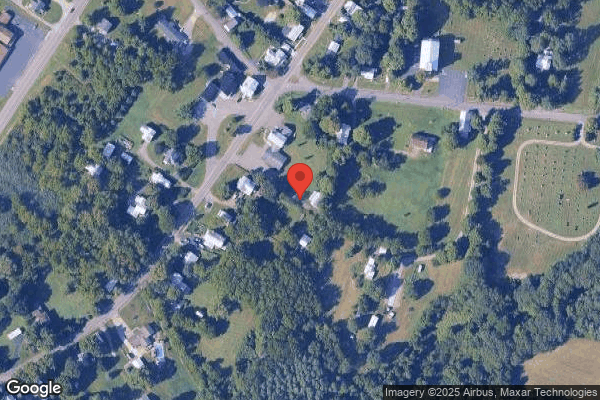
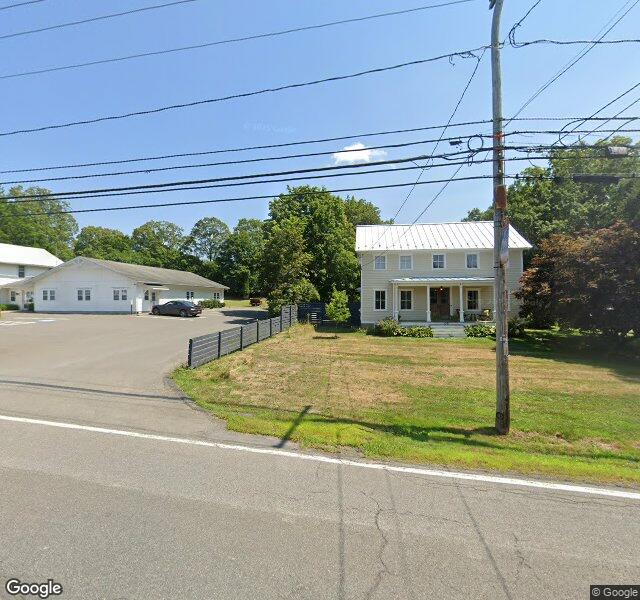
2781 ROUTE 9, LIVINGSTON, NY 12541 (518) 851-3041
For profit - Corporation 120 Beds Independent Data: November 2025 1 Immediate Jeopardy citation
Trust Grade
0/100
#525 of 594 in NY
Last Inspection: July 2025

Inspected within the last 6 months. Data reflects current conditions.

Overview

Livingston Hills Nursing and Rehabilitation Center has received a Trust Grade of F, indicating significant concerns about the quality of care provided. With a state rank of #525 out of 594, they are in the bottom half of facilities in New York, and #3 out of 4 in Columbia County, meaning only one local option is better. While the facility has shown some improvement in reducing the number of issues from 35 to 31, they still have a concerning number of 74 total issues, including a critical finding related to meal safety that puts residents at risk for choking. Staffing is rated poorly, with a turnover rate of 49%, which is near the state average, indicating that staff may not be consistently familiar with residents' needs. Additionally, fines totaling $89,794 are alarming, as they are higher than 94% of facilities in New York, suggesting ongoing compliance problems. Specific incidents include failure to provide modified diets for residents at risk of choking and issues with residents not being able to access their personal funds or receive mail in a timely manner. While there are some strengths in staffing stability, overall the facility's repeated issues raise significant concerns for families considering this home for their loved ones.

Trust Score
F
0/100
In New York
#525/594
Bottom 12%
Safety Record
High Risk
Review needed
Inspections
Getting Better
35 → 31 violations
Staff Stability
⚠ Watch
49% turnover. Above average. Higher turnover means staff may not know residents' routines.
Penalties
✓ Good
$89,794 in fines. Lower than most New York facilities. Relatively clean record.
Skilled Nurses
⚠ Watch
Each resident gets only 24 minutes of Registered Nurse (RN) attention daily — below average for New York. Fewer RN minutes means fewer trained eyes watching for problems.
Violations
⚠ Watch
74 deficiencies on record. Higher than average. Multiple issues found across inspections.
★☆☆☆☆
1.0
Overall Rating
★☆☆☆☆
1.0
Staff Levels
★☆☆☆☆
1.0
Care Quality
★☆☆☆☆
1.0
Inspection Score
Stable
2024: 35 issues
2025: 31 issues

The Good

  • Full Sprinkler Coverage · Fire safety systems throughout facility
  • No fines on record

Facility shows strength in fire safety.

The Bad

1-Star Overall Rating

Below New York average (3.0)

Significant quality concerns identified by CMS

Staff Turnover: 49%

Near New York avg (46%)

Higher turnover may affect care consistency

Federal Fines: $89,794

Well above median ($33,413)

Moderate penalties - review what triggered them

The Ugly 74 deficiencies on record

1 life-threatening
Jul 2025 27 deficiencies
CONCERN (D)

Potential for Harm - no one hurt, but risky conditions existed

Deficiency F0554 (Tag F0554)

Could have caused harm · This affected 1 resident

**NOTE- TERMS IN BRACKETS HAVE BEEN EDITED TO PROTECT CONFIDENTIALITY** Based on observations, record review, and interviews conducted during a recertification survey, the facility did not ensure resi...

Read full inspector narrative →
**NOTE- TERMS IN BRACKETS HAVE BEEN EDITED TO PROTECT CONFIDENTIALITY** Based on observations, record review, and interviews conducted during a recertification survey, the facility did not ensure residents were assessed by an interdisciplinary team to determine their ability to safely self-administer medication when clinically appropriate for three (3) (Residents #'s 10, 29, and 47) of three (3) residents reviewed for self-administration of medication. Specifically, (a.) Resident #'s 10 and 29 were observed with unprescribed medications on their nightstands; and (b.) Resident #47 was noted to have discontinued Clindamycin Phosphate cream in their nightstand. There was no documented evidence that Resident #'s 10, 29, and 47 were assessed by an interdisciplinary team to determine their ability to safely self-administer medications, and there was no physician order for self-administration of medications.This is evidenced by:The Facility Policy titled, Resident Self-Administration of Medication, created 7/2020, documented that residents who expressed a wish to self-administer medications would be assessed by nursing and by rehabilitation services for their ability to do so safely. This assessment would include parameters of cognitive ability, awareness of dosing times, understanding of purpose for medication and awareness of potential outcomes if not completed, manual dexterity, ability to understand and observe any applicable infection control practices, ability to maintain storage safely and securely and ability to report to nursing when re-supply was needed. The physician would issue the appropriate medical order for residents who met the criteria for self-administration. Residents who were not fully able to meet all of the above criteria but were cognitively eligible would be facilitated in self-administration of medications with the appropriate level of staff support.Resident #10Resident #10 was admitted to the facility with diagnoses of multiple sclerosis (a chronic, often debilitating disease of the central nervous system that disrupts the flow of information within the brain, and between the brain and body), chronic obstructive pulmonary disease (a group of lung diseases that block airflow and make it difficult to breathe), and tachycardia (a condition where the heart beats faster than normal, typically more than 100 beats per minute). The Minimum Data Set (an assessment tool) dated 7/22/2025, documented the resident was understood, able to understand others, and was cognitively intact.During an observation and interview on 7/21/2025 10:58 AM, Resident #10 was lying in bed. An unopened box of Nasacort Allergy 24 Hour Spray was noted on their nightstand. There was no name on the box. Resident #10 stated they were unsure where the nasal spray came from, but it had been there for a while.During an observation on 7/28/2025 at 11:48 AM, the unopened box of Nasacort nasal spray was noted on Resident #10's nightstand.A review of Resident #10's medical record did not include documented evidence that the resident was assessed for their ability to self-administer their medications. A review of Resident #10's Comprehensive Care Plan did not include documented evidence that the resident could self-administer their medications.A review of the physician orders for Resident #10 dated 4/21/2025, documented Fluticasone Propionate 50 microgram/actuation nasal spray, suspension. 2 sprays (100 micrograms) to be inhaled by nasal route once daily at bedtime for other seasonal allergic rhinitis.A review of the physician orders for Resident #10 did not include an order for the use of Nasacort Allergy 24 Hour Spray.During an interview on 7/25/2025 at 11:39AM, Licensed Practical Nurse #1 stated family must have brought in the nasal spray found on Resident #10's nightstand.Resident #29Resident #29 was admitted to the facility with diagnoses of type 2 diabetes (an endocrine dysfunction causing unregulated blood glucose levels), chronic obstructive pulmonary disease, and acute on chronic diastolic (congestive) heart failure (a sudden worsening of symptoms of a pre-existing condition of weakened heart muscles). The Minimum Data Set, dated [DATE], documented the resident could be understood, understand others, and had moderate cognitive impairment.During an observation and interview on 7/21/2025 at 11:48 AM, Resident #29 was lying in bed. There was a bottle of Hydrocortisone cream on their nightstand with no name, dated 5/11/2025. Resident #29 stated the cream was used for a rash that developed under their breasts and in their folds at times. They stated they did not put the cream on by themselves.During an observation on 7/22/2025 at 9:38 AM, the same bottle of hydrocortisone cream was on Resident #29's nightstand.A review of Resident #29's medical record did not include documented evidence that the resident was assessed by an interdisciplinary team for their ability to self-administer their medications. A review of Resident #29's Comprehensive Care Plan did not include documented evidence that the resident could self-administer their medications.A review of the physician orders for Resident #29 did not include an order for the use of Hydrocortisone cream.During an interview on 7/25/2025 at 11:39 AM, Licensed Practical Nurse #1 stated Resident #29's family must have brought in the Hydrocortisone cream. They stated Resident #29 did not have an order for Hydrocortisone cream.During an observation and interview on 7/25/2025 1:15 PM, the bottle of Hydrocortisone cream was still observed on Resident #29's nightstand. Resident #29 stated they did not recall where the cream came from, but it had been there for a while, and they still used it.Resident #47 Resident #47 was admitted to the facility with diagnoses of fibromyalgia (a chronic condition that causes widespread musculoskeletal pain, fatigue, and sleep disturbance), type 2 diabetes, and morbid obesity (a severe form of obesity characterized by a Body Mass Index (BMI) of 40 or higher). The Minimum Data Set, dated [DATE], documented the resident was cognitively intact, could be understood, and understand others. During an observation and interview on 7/22/2025 at 12:38 PM, Resident #47 stated they had a fungal rash and pulled a ziploc bag out of their nightstand with a bottle of Clindamycin Phosphate gel. The bag had their name on it and read: Refill on 6/21/2025. Resident #47 stated staff would put it on them after a shower if needed. They were unable to put it on themselves due to pain in their shoulders and inability to lift their right arm. A review of Resident #47's medical record did not include documented evidence that the resident was assessed for their ability to self-administer their medications. A review of Resident #47's Comprehensive Care Plan did not include documented evidence that the resident could self-administer their medications. A review of the physician orders for Resident #29 dated 12/17/2024, documented clindamycin one (1) percent topical gel, apply by topical route two (2) times per day. Apply to areas of cellulitis; buttocks, skin folds of trunk/axilla for diagnosis of cellulitis of buttock. The order was discontinued on 7/08/2025. During an interview on 7/25/2025 at 11:39 AM, Licensed Practical Nurse #1 stated they thought Resident #47 could self-administer the clindamycin gel, but they were not sure if there was an order for it. During an interview on 7/25/2025 at 11:48 AM, Licensed Practical Nurse #1 stated residents should not have medications, including over-the-counter medications in their rooms unless they could self-administer their medications and have an order to self-administer their medications. They stated they believed only one (1) resident on the unit was able to self-administer medications. Licensed Practical Nurse #1 stated it was likely that families brought over-the-counter medications into the facility or residents purchased them online. During an interview on 7/28/2025 at 12:42 PM, Director of Nursing #1 stated for a resident to have medications in their room, the resident needed to be screened, educated, have an assessment completed, and a doctor's order to self-administer medications. There should be no medications at the bedside unless a resident was screened to self-administer medications. They stated there were only two (2) residents in the building that were able to self-administer medications. 10 New York Codes, Rules, and Regulations: 415.3(f)(1)(vi)
CONCERN (D)

Potential for Harm - no one hurt, but risky conditions existed

Deficiency F0557 (Tag F0557)

Could have caused harm · This affected 1 resident

Based on observations, record reviews, and interviews conducted during the recertification survey, the facility did not ensure that residents had the right to be treated with respect and dignity to re...

Read full inspector narrative →
Based on observations, record reviews, and interviews conducted during the recertification survey, the facility did not ensure that residents had the right to be treated with respect and dignity to retain and use personal possession, including furnishings, and clothing, as space permits, unless to do so would infringe upon the rights or health and safety of other residents for one (1) (Resident #14) of five (5) residents reviewed for personal property. Specifically, (a.) for Resident #14 was observed at nurses' station, in a common area, wearing a hospital gown. Resident #14 stated they were wearing a hospital gown because their clothing was not returned to them from the off-site laundry facility. This is evidenced by: The Facility's Policy titled; Resident Rights last reviewed 7/2022 documented resident have the right to keep and use their personal belongings and property as long as they did not interfere with the rights, health, or safety of others.Resident #14 was admitted to the facility with diagnosis of Parkinson's Disease (a progressive neurological disorder that primarily affects movement, but can also impact mental health, sleep, and pain), major depressive disorder (a common and serious mental health condition characterized by persistent feelings of sadness, hopelessness, and loss of interest or pleasure in activities. and Schizophrenia unspecified (a chronic mental health condition characterized by disruptions in thought processes, perceptions, emotions, and behavior). The Minimum Data Set (an assessment tool) dated 5/04/2025 documented the resident was severely cognitively impaired, usually could be understood, and understand others.During an observation on 7/21/2025 at 11:45 AM and 7/23/2025 at 12:30 PM, Resident #14 was observed sitting in wheelchair at nurses' station along with other residents in the common area, wearing a hospital gown, untied in back. During an interview on 7/21/2025 at 11:45 AM, Resident #14 stated they were wearing a hospital gown because they had no clothing. Their clothing had not been returned from laundry, which happens all the time. During an interview on 7/21/2025 at 1:30 PM, Regional Social Worker #1 stated missing laundry was reported. Laundry was sent to an outside service; it was sent out in a bag labeled patient room and returned clean in same bag. There were times articles of clothing or other laundry was missed and later relocated. If not found, facility would replace items, if the resident filed a grievance.During an interview on 7/30/2025 at 9:55 AM, Regional Administrator #1 stated they were aware of missing laundry items. The facility used an outside service for laundry. The process was each resident had a mesh bag. Once mesh bag was full, it goes into a bundle then to the laundry service. The laundry was returned in the same bag once cleaned, which was usually on the next delivery day. Regional Administrator #1 stated they would investigate why laundry was not returned timely. 10 New York Code of Rules and Regulations
CONCERN (D)

Potential for Harm - no one hurt, but risky conditions existed

Deficiency F0577 (Tag F0577)

Could have caused harm · This affected 1 resident

This is evidenced by:The Facility Policy titled, Resident Right- Right to Survey Results/Advocate Agency Information, last reviewed 11/2024, documented it was the policy of the facility to inform resi...

Read full inspector narrative →
This is evidenced by:The Facility Policy titled, Resident Right- Right to Survey Results/Advocate Agency Information, last reviewed 11/2024, documented it was the policy of the facility to inform residents of survey results and advocate agencies in such manner to acknowledge and respect resident rights. The facility will post in a place readily accessible to residents, family members, and legal representatives of residents the results of the most recent survey of the facility. The facility will post notice of the availability of such reports in areas of the facility that are prominent and accessible to the public.During a surveyor led Resident Council Meeting on 7/22/2025 at 10:32 AM, eight (8) of eight (8) anonymous residents present stated they did not know where survey results were located for them to read.During a walkthrough of the facility on 7/22/2025 at 11:50 AM, a white binder with survey results was observed on the second shelf of a shelving unit in the lobby. There was a sign listing visiting hours taped to the shelf above the binder. The sign hung down directly in front of the binder, obstructing it from view. There were no signs in the lobby that indicated survey results were available to view. There were no survey binders or signs stating the results of surveys were available for viewing on East, North, and South units or in hallways that connected the units. During an interview on 7/25/2025 at 10:56 AM, Administrator#1 stated results of most recent surveys were kept in a binder in their office, and there was also a copy kept in a binder in the shelving unit in the lobby. They stated there were no signs posted that listed where the results of the surveys were located for residents or visitors to view.During an observation on 7/29/2025 at 9:54 AM, the binder that contained the survey results was not on the shelving unit in the lobby where it was previously kept. It was not located anywhere in the lobby.During an interview at this time, Receptionist #1 stated there were always a binder that contained survey results in the shelving unit, but that it was not there now. They stated they would have to ask Administrator #1 where it was.During an interview at this time, Corporate Administrator #1 stated the binder was in the office of Administrator #1 and they went to retrieve it.During an interview on 7/29/2025 at 11:34 AM, Director of Nursing #1 stated survey results were to be kept in a binder in the front of the building so any resident or visitor could access them. They stated they did not know if there was a sign posted noting the availability of survey results but should be. 10 New York Code Rules Regulations 415.3 (d)(1)(v)
CONCERN (D)

Potential for Harm - no one hurt, but risky conditions existed

Deficiency F0655 (Tag F0655)

Could have caused harm · This affected 1 resident

Based on record review and interviews during the recertification survey, the facility did not ensure a base line care plan was developed and implemented for each resident within 48 hours of admission ...

Read full inspector narrative →
Based on record review and interviews during the recertification survey, the facility did not ensure a base line care plan was developed and implemented for each resident within 48 hours of admission for one (10 (Resident #114) of 30 residents reviewed for baseline care plans. Specifically, for Resident # 114, a baseline care plan was not developed within 48 hours of admission.This is evidenced by:Resident #114 was admitted to the facility with the diagnoses of vascular dementia (a general term describing problems with reasoning, planning, judgment, memory and other thought processes caused by brain damage from impaired blood flow to the brain), depression (a mood disorder that causes a persistent feeling of sadness and loss of interest), and metabolic encephalopathy (a condition where brain function is disrupted due to chemical imbalances in the body, often resulting from illnesses or organ dysfunction). The Minimum Data Set (an assessment tool) dated 7/23/2025 documented the resident was usually able to be understood, was usually able to understand others, and was severely cognitively impaired.The Policy and Procedure titled, Comprehensive Care Plans, last revised 5/2024, documented every resident would have an interdisciplinary care plan with the interim/baseline interdisciplinary care plan initiated within 48 hours of admission.A review of Resident #114's medical record did not have documented evidence of baseline care plan.In an email received 7/25/2025 at 10:53 AM, Regional Nursing Coordinator #1 stated they could not locate a baseline care plan for Resident #114.During an interview on 7/28/2025 at 12:10 PM, Director of Nursing #1 stated that a baseline care plan should be put in place for every resident when they are admitted . They were unable to explain why Resident #114 did not have a baseline care plan. 10 New York Codes, Rules, and Regulations 415.11
CONCERN (D)

Potential for Harm - no one hurt, but risky conditions existed

Deficiency F0657 (Tag F0657)

Could have caused harm · This affected 1 resident

**NOTE- TERMS IN BRACKETS HAVE BEEN EDITED TO PROTECT CONFIDENTIALITY** Based on record review and interviews conductedion during the recertification survey, the facility did not ensure the resident's...

Read full inspector narrative →
**NOTE- TERMS IN BRACKETS HAVE BEEN EDITED TO PROTECT CONFIDENTIALITY** Based on record review and interviews conductedion during the recertification survey, the facility did not ensure the resident's comprehensive care plan was reviewed and revised by the interdisciplinary team after each assessment based on changing goals, preferences, and needs of the resident for two (2) (Resident #'s 16, and 47) of 30 residents reviewed. Specifically, (a.) for Resident #16, there was no documented evidence that the Comprehensive Care Plan for Psychotropic Drug Use was reviewed and revised after a psychotropic medication change occurred on 7/03/2025; and (b.) Resident #47's Comprehensive Care Plan for Physical Therapy was not reviewed and revised after each assessment or after they discharged from physical therapy services on 7/15/2025. This is evidenced by:The Facility Policy titled; Comprehensive Care Plans dated 4/2019 documented the care plan would be complete, current, realistic, time specific and appropriate to each resident's individual needs. A comprehensive care plan would be reviewed and revised by the interdisciplinary team after each assessment, including both the comprehensive and quarterly review assessments. Care Plans were modified between care plan conferences when appropriate to represent the resident's current needs, problems, and goals. The Care Plan would be updated and/or revised for the following reasons: (a.) significant change in the resident's condition; (b.) a change in planned interventions; (c.) goals were achieved and new goals established to meet the resident's current needs and/or goals; and (d.) when a resident received a new diagnosis, new medication, or had abnormal labs. Any revision, addition, or deletions to the care plan would be dated and initialed. Regularly scheduled resident care conferences were held by the 21st day after admission, quarterly, annually, or if a significant change in status occurred.Resident #16Resident #16 was admitted to the facility with diagnoses of type 2 diabetes (an endocrine system dysfunction when the body cannot use insulin correctly and sugar builds up in the blood), chronic obstructive pulmonary disease (a group of lung diseases that block airflow and make it difficult to breathe), and major depressive disorder (a mental health condition characterized by persistent sadness, loss of interest, and other symptoms that significantly impair daily life). The Minimum Data Set (an assessment tool) dated 7/06/2025, documented that the resident was cognitively intact, could be understood, and could understand others.A Comprehensive Care Plan titled, Psychiatric Drug Use initiated on 7/01/2025, documented Resident #16 was on Trazadone and Auvelity related to major depressive disorder.An order for Auvelity 45 milligram - 105 milligram tablet, extended release, give 1 tablet by oral route 2 times per day for major depressive disorder initiated on 7/01/2025 was discontinued on 7/03/2025.An order for Bupropion 150 milligrams tablet, 12 hour sustained release, give 1 tablet by oral route 2 times per day for major depressive disorder was initiated on 7/03/2025.A progress note written by Director of Nursing #1 dated 7/03/2025, documented Auvelity was out of stock per the pharmacy. The psychiatrist was notified and recommended Bupropion in its place. The Nurse Practitioner was made aware. There was no documented evidence that the Comprehensive Care Plan for Psychiatric Drug Use was revised after Resident #16's order for Auvelity was discontinued and replaced with Bupropion. Resident #47Resident #47 was admitted to the facility with diagnoses of fibromyalgia (a chronic condition that causes widespread musculoskeletal pain, fatigue, and sleep disturbance), type 2 diabetes, and morbid obesity (a severe form of obesity characterized by a Body Mass Index (BMI) of 40 or higher). The Minimum Data Set, dated [DATE], documented the resident was cognitively intact, could be understood, and understand others.A Comprehensive Care Plan titled; Physical Therapy was initiated for Resident #47 on 12/06/2025. There was no documented evidence that the care plan was reviewed and revised after the quarterly assessments on 4/15/2025 and 7/15/2025.A document titled, Physical Therapy Discharge summary, dated [DATE] documented that Resident #47 was discharged from physical therapy services on 7/15/2025 after they achieved their highest practical level.There was no documented evidence that Resident #47's Comprehensive Care Plan for Physical Therapy was reviewed or revised with updated goals, interventions, or functional status after they discharged from physical therapy services. During an interview on 7/29/2025 at 9:08 AM, Licensed Practical Nurse #3 stated the Director of Nursing was supposed to update care plans. They stated they were aware that care plans were not being updated.During an interview on 7/29/2025 at 9:19 AM, Licensed Practical Nurse #1 stated that Director of Nursing #1 was responsible for updating care plans. They stated they had no concerns with getting their care plans updated.During an interview on 7/30/2025 at 10:04 AM, Director of Nursing #1 stated they did most of the updates to care plans. They stated there were two (2) other Registered Nurses that also worked on care plans, but most of the time the Registered Nurses worked a medication cart, so they did not have time to update care plans either. 10 New York Codes, Rules, and Regulation 415.11(c)(2)(i-iii)
CONCERN (D)

Potential for Harm - no one hurt, but risky conditions existed

Deficiency F0675 (Tag F0675)

Could have caused harm · This affected 1 resident

Based on observations, record reviews, and interviews conducted during the recertification survey, the facility did not ensure that the residents received the necessary care and services to attain and...

Read full inspector narrative →
Based on observations, record reviews, and interviews conducted during the recertification survey, the facility did not ensure that the residents received the necessary care and services to attain and maintain the resident's highest practicable physical, mental, and psychosocial well-being for one (1) (Resident #37) of 30 residents reviewed. Specifically, for Resident #37, the resident's room was bare of home-like touches and furniture with no care-planned reason or physician order.This is evidenced by:Resident #37 was admitted to the facility with the diagnoses of type 2 diabetes mellitus (a long-term condition in which the body has trouble controlling blood sugar and using it for energy), dementia (a group of thinking and social symptoms that interferes with daily functioning), and schizoaffective disorder (a mental health condition that is marked by a mix of schizophrenia symptoms, such as hallucinations and delusions, and mood disorder symptoms, such as depression, mania and a milder form of mania called hypomania). The Minimum Data Set (an assessment tool) dated 5/08/2025 documented the resident was able to be understood, understand others, and was severely cognitively impaired.During an observation on 7/21/2025 at 11:37 AM, the resident's mattress was noted to be on the floor without a frame. The room was observed to be empty with no furniture (for example a dresser or nightstand) and the walls were bare. There were no homelike touches observed in Resident #37's room.The Progress Note dated 6/25/2025 documented the resident was found lying on the floor under the bed.The Physician's Orders were reviewed. There was no documented evidence of an order for the resident's room to be stripped bare and the mattress to be placed on the floor without a bedframe.The Comprehensive Care Plan was reviewed and there was no documented evidence of no care plan for no furniture, room decorations, or mattress on the floor. During an interview on 7/28/2025 at 12:10 PM, Director of Nursing #1 stated they had noticed the resident was not care planned for a mattress on the floor but they had corrected the care plan that morning.During an interview on 7/30/2025 at 9:28 AM, Certified Nurse Aide #7 stated they did not know why the resident's room was set up the way it was. They stated that the resident used to have a bed frame, but it was taken out.During an interview on 7/30/2025 at 9:34 AM, Licensed Practical Nurse #3 stated all furniture, and the bedframe had been removed from Resident #37's room because they would try to take apart the bed frame and behaviors made the resident unsafe. They stated that should be care planned for, but as a Licensed Practical Nurse, they did not deal with the care plans. They stated they were unsure if a physician order was required. 10 New York Codes, Rules, and Regulations 415.5
CONCERN (D)

Potential for Harm - no one hurt, but risky conditions existed

Quality of Care (Tag F0684)

Could have caused harm · This affected 1 resident

Based on observations, record review, and interviews conducted during a recertification survey, the facility did not ensure that residents received treatment and care in accordance with professional s...

Read full inspector narrative →
Based on observations, record review, and interviews conducted during a recertification survey, the facility did not ensure that residents received treatment and care in accordance with professional standards for one (1) (Resident #16) of 30 residents reviewed. Specifically, for Resident #16, a large bruise was not reported and assessed in a timely manner.This is evidenced by:Resident #16 was admitted to the facility with the diagnoses malignant neoplasm of kidney (cancerous tumor characterized by uncontrolled cell growth that can invade nearby tissues and spread to other parts of the body), type 2 diabetes mellitus (a long-term condition in which the body has trouble controlling blood sugar and using it for energy), and heart failure (a condition where the heart can't pump enough blood to meet the body's needs). The Minimum Data Set (an assessment tool) dated 7/06/2025 documented the resident was understood, could understand others, and was cognitively intact. During an observation on 7/29/2025 at 8:51 AM, Resident #16 was noted to have a large bruise on their left outer leg, from knee to midcalf.The Certified Nurse Aide Guide documented the resident required one-person physical help in part of bathing activity, one-person extensive assistance for dressing, and one-person extensive assistance with toilet use.The Physical Therapy Treatment Encounter Note dated 7/15/2025 documented Resident #16 reported pain in the left knee. They documented the resident had a bruise that was tender to the touch.The Progress Note dated 7/15/2025 documented the resident reported to staff that they fell. Medical provider was informed.The Accident and Incident Report dated 7/15/2025 documented the resident reported a fall on 7/08/2025 or 7/09/2025.The Treatment Administration Record for July 2025 did not have documented evidence of weekly skin checks completed on 7/01/2025 or 7/08/2025 as ordered.During an interview on 7/22/2025 at 11:37 AM, Resident #16 stated they had fallen while ambulating on 7/08/2025 or 7/09/2025 and unidentified staff assisted them.During an interview on 7/29/2025 at 10:34 AM, Licensed Practical Nurse stated that all ordered care should be provided for and documented as given.During an interview on 7/29/2025 at 12:05 PM, Director of Nursing #1 stated that skin checks should have been completed weekly and signed for. They stated that when the Certified Nurse Aide provided care and found a new bruise or other skin issue, it should have been reported immediately to the charge nurse.10 New York Codes, Rules, and Regulations 415.12
CONCERN (D)

Potential for Harm - no one hurt, but risky conditions existed

Deficiency F0688 (Tag F0688)

Could have caused harm · This affected 1 resident

Based on observations, record review, and interviews conducted during a recertification survey, the facility did not ensure that a resident with limited range of motion received appropriate treatment ...

Read full inspector narrative →
Based on observations, record review, and interviews conducted during a recertification survey, the facility did not ensure that a resident with limited range of motion received appropriate treatment and services to increase range of motion and/or prevent further decrease in range of motion for one (1) (Resident #4) of two (2) residents reviewed for range of motion. Specifically, for Resident #4, a washcloth roll was not applied to the resident's left hand for contracture management as indicated by physician orders.This is evidenced by:The facility's Policy titled; Physical Rehabilitation Department Issuing and Use of Splints, undated, documented the Physical Rehabilitation Department staff were responsible for the evaluation and determination of appropriate splinting devices with assistance from Orthotist when necessary. The treating therapist assessed the resident's need for a positioning device for the involved extremity/body part and made recommendations for resident splinting needs (that is monitor for contracture, type of splint, indications and contraindications). If a splint was indicated, nursing staff was notified, and a specific wearing schedule would be documented in the resident's medical chart.The Facility's Policy titled; Comprehensive Care Plans, last revised 09/2023, documented the facility must develop and implement a comprehensive person-centered care plan for each resident, consistent with the resident rights that included measurable objectives and timeframes to meet a resident's medical, nursing, and mental and psychosocial needs that are identified in the comprehensive assessment. The comprehensive care plan must describe the services that were to be furnished to attain or maintain the resident's highest practicable physical, mental, and psychosocial well-being.Resident #4 was admitted to the facility with a diagnoses of hemiplegia (weakness or paralysis on one side of the body) following cerebral infarction (a condition where brain tissue dies due to lack of blood supply), type two (2) diabetes mellitus (a chronic condition that happens when a person has persistently high blood sugar levels), and essential hypertension (high blood pressure with no identifiable underlying cause). The Minimum Data Set (an assessment tool) dated 7/07/2025 documented the resident had intact cognition, could be understood, and could understand others.Physician order dated 10/17/2024 documented for Resident #4, to apply daily towel rolls to left shoulder, elbow, and under forearm, apply washcloth roll to left hand as indicated in care plan for contracture management; apply at all times except care.Resident #4's Comprehensive Care Plan was reviewed. There was no documented evidence of contracture management care plan as mentioned in the physician's order.Contracture Joint Stiffness evaluation dated 6/10/2025 documented Resident #4 had a contracture in the left upper extremity. Regarding their wrist, flexion (the movement of bending the hand towards the forearm bringing the palm closer to the arm) was within functional limits, extension (when the wrist bends backwards with the back of the hand pulling away from the body) was negative 30 degrees, and phalanges (bones that make up the fingers) were flexed. Comments included Resident #4 had limited range of motion on left upper and lower extremity.During an observation on 7/22/2025 at 12:53 PM, Resident #4 was lying in bed. They stated their left hand was contracted. There was no washcloth roll in their left hand.During an interview at this time, Resident #4 stated no nursing staff attempted to put a washcloth roll in their hand today.During an observation on 7/28/2025 at 10:45 AM, Resident #4 was lying in bed. There was no washcloth roll in their left hand.Treatment Administration Record dated July 2025 documented left upper extremity (left upper arm including the shoulder, upper arm, forearm, wrist, and hand)- apply daily towel rolls to shoulder, elbow, and under forearm, apply wash cloth roll to left hand as indicated in care plan for contracture management. Apply at all times except care.Treatment Administration Record reviewed for the month of July through July 27, 2025 documented washcloth roll was applied and signed by nursing staff on 7/01/2025, 7/04/2025, 7/06/2025, 7/07/202025, 7/08/2025, 7/11/2025, 7/12/2025, 7/13/2025, 7/14/2025, 7/15/2025, 7/16/2025, 7/18/2025, 7/20/2025, 7/21/2025, 7/22/2025, 7/23/2025, 7/24/2025/, and 7/27/2025 at 7:00 AM- 3:00PM, 3:00PM-11:00PM, and 11:00PM- 7:00AM. On 7/02/2025, it was applied and signed for by nursing staff on at 700AM-3:00PM and 11:00PM- 7:00AM. On 7/03/2025 it was applied and signed for by nursing staff at 7:00AM- 3:00PM and 3:00PM-11:00PM. On 7/09/2025 it was applied and signed for by nursing staff at 7:00 AM- 3:00PM and 11:00PM- 7:00AM. On 7/10/2025 it was applied and signed for by nursing staff at 7:00 AM- 3:00PM and 11:00PM- 7:00AM. On 7/19/25 it was applied and signed for by nursing at 7:00AM-3:00PM and 3:00PM-11:00PM. On 7/25/25 and on 7/26/2025 it was applied and signed for by nursing at 7:00AM-3:00PM and 11:00PM-7:00AM.Record review revealed no documented evidence that this treatment was done for the following dates/times: 7/02/2025 3:00 PM-11:00 PM, 7/03/2025 11:00 PM-7:00 AM, 7/05/2025 7:00 AM-3:00 PM, 3:00PM-11:00 AM, and 11:00 PM-7:00 AM, 7/09/2025 3:00 PM-11:00 PM, 7/10/2025 3:00 PM-11:00 PM, 7/17/2025 11 PM-7AM, 7/19/2025 11 PM-7AM, 7/25/2025 3:00 PM-11:00 PM, 7/26/25 3:00 PM- 11:00 PM.During an interview on 7/28/2025 at 10:45 AM, Licensed Practical Nurse #1 stated Certified Nurse Aides applied the washcloth in Resident #4's left hand. They stated they signed for the treatment after they would check to make sure the washcloth roll was in place. They stated it was not done at the time of the interview. The surveyor stated that Treatment Administration Record documented the treatment was done and signed by Licensed Practical Nurse #1. Licensed Practical Nurse #1 stated they signed the Treatment Administration Record but did not do the treatment. They stated they signed for having done treatments before doing them, even though they knew that the treatment had to be done before signing.During an interview on 7/28/2025 at 11:00 AM, Director of Nursing #1 stated they could not locate the care plan that documented Resident #4 was to have a washcloth handroll in their left hand. They stated that should be documented on the Skin Condition and Activities of Daily Living care plan. They stated the Registered Nurse initiated the care plan and Licensed Practical Nurse could update it with changes. They stated there should have been a care plan for the washcloth roll to left hand and did not know why it was not done. They stated the order had been there since 10/17/2024 and there should have been a care plan for that. They stated nurses should be doing the treatment. They stated the Licensed Practical Nurse should sign for treatment and it should be signed when the nurse knew the treatment was done. They stated the treatment should not be signed as completed prior to doing the treatment in case the resident refused, and that anything could happen. They stated the unit managers were responsible for the changes on the care plans. They stated they ensured that the care plans were up to date and did not know why the care plan was missed for a washcloth roll to be placed in Resident #4's left hand.During an interview on 7/29/2025 at 10:14 AM, Director of Rehabilitation #1 stated Resident #4 had a contracture in both legs and in the left hand. They looked at the Contracture Joint Stiffness Evaluation for Resident #4 and explained that within functional limits extension of the left wrist joint was usually 85-90 degrees, but for Resident #4 it was negative 30 which indicated limited extension and there was a contraction. Resident #4's phalanges (bones that make up the fingers) were marked as flexed which meant their ability to extend their fingers was limited. They stated the Physical Therapist assessed the appropriateness of the use of the washcloth roll when they completed this evaluation and if it was no longer appropriate, it would have been mentioned on the evaluation. They stated Resident #4 should have the washcloth roll in their left hand at all times to prevent the hand from going into further contracture. 10 New York Code of Rules and Regulations 415.12(e)(2)
CONCERN (D)

Potential for Harm - no one hurt, but risky conditions existed

Accident Prevention (Tag F0689)

Could have caused harm · This affected 1 resident

**NOTE- TERMS IN BRACKETS HAVE BEEN EDITED TO PROTECT CONFIDENTIALITY** Based on observations, record review, and interviews conducted during a recertification survey, the facility did not ensure that...

Read full inspector narrative →
**NOTE- TERMS IN BRACKETS HAVE BEEN EDITED TO PROTECT CONFIDENTIALITY** Based on observations, record review, and interviews conducted during a recertification survey, the facility did not ensure that resident environments were as free from accidents hazards as is possible for one (1) (Resident #10) of nine (9) residents reviewed for accidents hazards. Specifically, Resident #10 resided in a semi-private room and two (2) disposable razors, and an unlabeled electric razor were observed in the resident's shared bathroom.This is evidenced by:Resident #10 was admitted to the facility with diagnoses of multiple sclerosis (a chronic, often debilitating disease of the central nervous system that disrupts the flow of information within the brain, and between the brain and body), chronic obstructive pulmonary disease (a group of lung diseases that block airflow and make it difficult to breathe), and tachycardia (a condition where the heart beats faster than normal, typically more than 100 beats per minute). The Minimum Data Set (an assessment tool) dated 7/22/2025, documented the resident was understood, able to understand others, was cognitively intact, and required set up assistance for personal hygiene.Resident #10's roommate was admitted to the facility with diagnoses of Alzheimer's disease (is a type of dementia that affects memory, thinking and behavior), major depressive disorder (a mental health condition characterized by persistent sadness, loss of interest, and other symptoms that significantly impair daily life), and chronic obstructive pulmonary disease. The Minimum Data Set, dated [DATE], documented the resident was understood, could understand others, had severe cognitive impairment, and required supervision to touching assist with personal hygiene.During an observation on 7/21/2025 10:58 AM, two (2) disposable razors and an unlabeled electric razor were noted in a cabinet above the sink in Resident #10's bathroom. Resident #10 resided in a semi-private room and shared a bathroom with their roommate.During an observation on 7/29/2025 at 11:06 AM, two (2) disposable razors and an unlabeled electric razor were observed in Resident #10's bathroom.During an interview on 7/29/2025 at 11:10 AM, Licensed Practical Nurse #1 stated Resident #10 and their roommate should not have razors in their bathroom. Staff shave both Resident #10 and their roommate. When asked about the risks involved with this, Licensed Practical Nurse #1 stated the residents could use the razors to cut themselves and gestured to their wrist. Licensed Practical Nurse #1 stated they would remove the razors. During an interview on 7/29/2025 1:15PM PM, Director of Nursing #1 stated that resident's personal belongings should not be left in the bathroom unless they are in a private room for infection control reasons. They stated there are risks involved with razors being left in the bathroom. Director of Nursing #1 stated the facility had many residents that were ambulatory and/or [NAME] mental health issues. They stated a resident could get ahold of the razors and cut themselves or do something else that they should not. 10 New York Codes, Rules and Regulations 483.25(d)(1)(2)
CONCERN (D)

Potential for Harm - no one hurt, but risky conditions existed

Deficiency F0698 (Tag F0698)

Could have caused harm · This affected 1 resident

Based on observations, record review, and interviews conducted during a recertification survey, the facility did not ensure that residents who required dialysis received such services, consistent with...

Read full inspector narrative →
Based on observations, record review, and interviews conducted during a recertification survey, the facility did not ensure that residents who required dialysis received such services, consistent with professional standards of practice, for one (1) (Resident #s 43) of two (2) residents reviewed for dialysis. Specifically, nursing did not consistently complete, reviewed, and logged dialysis communication sheets for Resident #43 between 4/08/2025 and 7/21/2025.This is evidenced by:The Facility's Policy and Procedure titled Care of Residents Receiving Hemodialysis, revised 9/2023, documented: Before Dialysis: Locate resident's dialysis Communication Book and enter pre-treatment information per the form fields. Include any relevant continuity of care information and vital signs. Ensure resident receives Activity of Daily Living and hygienic care well prior to departure time; ensure that resident takes Communication Book to treatment. Care After Dialysis: Obtain vital signs. If blood pressure drops more than 20 millimeters of mercury from the supine to upright position, the following interventions should be implemented: 1. Instruct resident to call for assistance when getting out of bed or up from the chair because of the potential loss of balance or dizziness. 2. Follow the fall prevention protocol carefully. 3. Notify physician if systolic blood pressure is less than 100 millimeters of mercury or much lower than the original baseline. Review Resident's Communication Book for entries made by the Dialysis Center and for any continuity of care information provided or requested for next visit. Record post-treatment data per the form fields. Enter resident's return in the clinical record as leave of absence return.Resident #43 was admitted to the facility with diagnoses of end stage renal disease (the final, irreversible stage of chronic kidney disease / when kidney are no longer able to function), essential hypertension (a condition characterized by persistently elevated blood pressure),and adjustment disorder (a mental health condition where a person experiences emotional or behavioral symptoms in response to a stressful event or change in their life). The Minimum Data Set (an assessment tool) dated 7/16/2025 documented resident had intact cognition, could be understood and understand others.The Comprehensive Care Plan titled, Renal Disease: Dialysis dated 4/14/2025 documented Resident is currently on dialysis Monday-Wednesday-Friday. Interventions: Follow dietary restrictions as per physician order. Monitor fluid intake and output, vital signs and weight as ordered by physician. Monitor for signs of infection and communicate with the dialysis center any abnormal findings non-crimping clamp at bedside for emergency use for bleeding from HD catheter. Provide renal diet as per physician order.During an observation on 7/22/2025 at 11:00AM, Resident #43's dialysis communication book could not be located. Registered Nurse #2 was asked to assist with locating the book and Registered Nurse #2y stated they were not sure where the book was at that time, perhaps it was left at dialysis.On 7/22/2025 at 11:50 AM, Resident #43's Dialysis Communication Log was reviewed; three dates were completed for 07/09/2025: 07/11/2025 and 07/14/2025. Electronic medical record had documentation of dialysis visits for 6/25/2025, 6/27/2025, and 6/29/2025.There was no documented evidenced of Dialysis Communication on 6/25/2025, 6/27/2025, and 6/29/2025.During an interview on 7/22/2025 at 11:36 AM, Director of Nursing #1 stated Resident #43's Dialysis Communication Book had been in the conference room for morning report. They stated Resident #43 had dialysis ordered for Monday, Wednesday and Friday at 11:00 AM. Director of Nursing #1 stated pre-dialysis vital signs taken and filed. Communication Book log was completed and sent to dialysis. Upon return the patient assessed, the Communication Book was reviewed, and a progress note was entered into the electronic medical record. Director of Nursing #1 stated resident had been at this facility for a few months and Registered Nurse #2 completed the Communication Book per policy. Director of Nursing #1 was made aware there were only documentation for 7/09/2025: 07/11/2025 and 07/14/2025 in Resident's Communication Book and electronic medical record had documentation of dialysis visits for 6/25/2025, 6/27/2025, and 6/29/2025. Director of Nursing #1 stated Dialysis Sheets were scanned then placed in the electronic medical record. They stated they will look into where the sheets were and if they were awaiting to be scanned.On 7/23/2025 at 2:55 PM, a document was sent via Health Commerce System requesting Resident #43's dialysis communication logs for 5/1/2025 - 7/23/2025. A second request was sent on 7/25/2025 at 11:02:15 AM. The documents were not received.During a subsequent interview on 7/28/2025 at 11:30 AM, Director of Nursing #1 stated dialysis documentation should be in in the electronic medical records. 10 New York Code of Rules and Regulations 415.12
CONCERN (D)

Potential for Harm - no one hurt, but risky conditions existed

Staffing Information (Tag F0732)

Could have caused harm · This affected 1 resident

Based on an observation, record review, and interviews conducted during the recertification survey, it was determined that the facility did not post nurse staffing information in an area accessible to...

Read full inspector narrative →
Based on an observation, record review, and interviews conducted during the recertification survey, it was determined that the facility did not post nurse staffing information in an area accessible to all residents and visitors, as required by the posting requirements. Specifically, daily nurse staffing levels for staff working in the facility on each shift was not posted in the facility on July 21, 2025, through July 25,2025, and July 28, 2025, through July 29, 2025.This is evidenced by:Facility Policy titled, Posted Nurse Staffing Information, last revised 09/2024, documented it was the policy of the facility to make nurse staffing information readily available in a readable format to residents and visitors at any given time. The nursing staffing sheet would be posted on a daily basis at the beginning of each shift. The information posted would be presented in a clear and readable format and in a prominent place readily accessible to residents and visitors.During an observation on 7/22/2025 at 11:50 AM, nurse staffing information was not posted at the reception desk, in the lobby, or on any units or hallways within the facility.During an interview on 7/29/2025 at 9:30 AM, Staffing Coordinator #1 stated nurse staffing information was to be posted at the receptionist's desk. They further stated that staffing information was not posted there because they had not had the time to do it while the survey team was onsite. 10 New York Codes, Rules, and Regulations 415.13
CONCERN (E)

Potential for Harm - no one hurt, but risky conditions existed

Grievances (Tag F0585)

Could have caused harm · This affected multiple residents

Based on observation, record review, and interviews conducted during a recertification survey, the facility did not ensure residents were aware of the grievance process. Specifically, (1.) residents o...

Read full inspector narrative →
Based on observation, record review, and interviews conducted during a recertification survey, the facility did not ensure residents were aware of the grievance process. Specifically, (1.) residents on South Unit did not have the option to file a grievance anonymously; and (2.) seven (7) out of eight (8) residents at a surveyor led Resident Council meeting reported they did not know the process by which to file a grievance.This is evidenced by:Facility Policy titled, Grievance Reporting and Response, last revised 7/01/2022 documented it was the policy of the facility to investigate and respond to all resident grievances in a timely manner. The procedure to file a grievance included filling out a grievance form and giving it to the Director of Social Services or put it in the grievance box located by the social work office. Grievances could also be filed verbally with the Director of Social Services or Administrator. Grievances may be named or anonymous when put in the drop box.During a surveyor led Resident Council meeting on 7/22/2025 at 10:32 AM, seven out of eight residents present stated they were unsure how to file a grievance within the facility. The residents stated they could take their complaint to the resident council president, and the resident council president could follow up with whom they needed to follow up with. All eight residents present during this meeting were unaware of who the grievance official was in the facility. During an observation on 7/22/2025 at 11:50 AM, a suggestion/grievance box in which grievance forms could be deposited anonymously were seen on North Unit and East Unit on the wall across from the nurse's station. There was no suggestion/grievance box for depositing anonymous grievances on the South Unit. There was no suggestion/grievance box by the social work office as noted in the facility policy. There were no other suggestion/grievance boxes in common areas such as the lobby, by the dining room, or by the therapy gym.During an interview on 7/25/2025 at 9:56 AM, Director of Social Services #1 stated they were the grievance official in the facility. They stated there was a sign posted on the bulletin board of each unit with their email address and phone number that stated they were the grievance official. They stated they verbally notified residents they were the grievance official upon admission to the facility, but it was not noted in the admission paperwork provided to the resident that they were the grievance official. They stated a resident on the South Unit tried to rip the suggestion/grievance box f of the wall, so it was removed and there were no suggestion/grievance boxes in common areas or outside of the social services office for them to file a grievance anonymously.During an interview on 7/25/2025 at 10:56 AM, Administrator#1 stated grievances went to the social services department, but they try to keep all residents happy. When asked if all residents could file a grievance anonymously, they stated the residents could call the Department of Health anonymously to file a grievance or the resident could fill out a grievance form and not sign it. Administrator #1 stated they were not aware where the suggestion/grievance boxes were off the top of their head, but they thought they were located on the units.During an interview on 7/29/2025 at 11:34 AM, Director of Nursing #1 stated all grievances went through the social services department and they were discussed during morning report. If a resident wanted to file a grievance anonymously, there were supposed to be boxes on all the units for them to do so, and they assumed there were boxes on all the units. 10 New York Codes Rules and Regulations 415.3(c)(1)(i)
CONCERN (E)

Potential for Harm - no one hurt, but risky conditions existed

Comprehensive Care Plan (Tag F0656)

Could have caused harm · This affected multiple residents

**NOTE- TERMS IN BRACKETS HAVE BEEN EDITED TO PROTECT CONFIDENTIALITY** This is evidenced by:The policy and procedure titled, Comprehensive Care Plans, last revised 5/2024, documented interdisciplinar...

Read full inspector narrative →
**NOTE- TERMS IN BRACKETS HAVE BEEN EDITED TO PROTECT CONFIDENTIALITY** This is evidenced by:The policy and procedure titled, Comprehensive Care Plans, last revised 5/2024, documented interdisciplinary comprehensive care plans would identify problems and needs, reflecting the resident's strengths, limitations, and goals.Resident #2Resident #2 was admitted to the facility with the diagnoses of dementia, major depressive disorder, and atrial fibrillation (irregular heartbeat). The Minimum Data Set (an assessment tool) dated 7/02/2025, documented the resident was able to understand others, be understood, and was severely cognitively impaired.During a general observation of the unit on 7/21/2025 at 10:52 AM, Resident #2 was still in bed, still sleeping, and did not appear to have been gotten up or cleaned up for the day. The resident was noted to have floor mats next to their bed, call bell on the floor.Resident #2's Comprehensive Care Plan for Risk for Falls, dated 11/30/2024, documented to keep the resident's environment safe and clutter free, call bell within reach and encourage use. The care plan was revised 1/17/2025 to include a raised edge mattress.There was no documented evidence of the use of floor mats in any of Resident #2's comprehensive care plan care areas.There was no documented evidence of provider's order to use floor mats in Resident #2's room.Resident #16Resident #16 was admitted to the facility with the diagnoses malignant neoplasm of left kidney (cancerous tumor characterized by uncontrolled cell growth that can invade nearby tissues and spread to other parts of the body), type 2 diabetes mellitus (a long-term condition in which the body has trouble controlling blood sugar and using it for energy), and heart failure (a condition where the heart can't pump enough blood to meet the body's needs). The Minimum Data Set, dated [DATE] documented the resident was understood, could understand others, and was cognitively intact.The Comprehensive Care Plan titled, Edema did not have documented evidence of goals or interventions. During an interview on 7/28/2025 at 12:10 PM, Director of Nursing #1 stated that comprehensive care plans should have goals and person-centered interventions addressing each area of care.Resident #77Resident #77 was admitted to the facility with inflammatory spondylopathies (a group of chronic inflammatory diseases that primarily affect the spine and other joints), chronic pain syndrome (persistent pain that lasts weeks to years), and cellulitis of the lower leg (a common bacterial skin infection that can cause redness, swelling, pain, and warmth in the affected area). The Minimum Data Set, dated [DATE] documented the resident was understood, could understand others, and was cognitively intact. The Minimum Data Set documented the presence of one venous or arterial ulcer.A Physician's Order dated 7/14/2025 documented to cleanse left lower extremity with wound cleanser, pat dry, apply xeroform to open areas (cut to size), urea cream to scabbed areas, cover with dry dressing and kerlix, then apply Coban dressing from toes to knee three times weekly on shower days.A Progress note dated 6/25/2025 documented the resident was seen on wound rounds, wound was measured, and resident would continue to be followed on wound rounds.A Progress Note dated 7/14/2025 documented the resident was seen on wound rounds with a treatment order change and would continue to be followed by wound care.Review of resident's medical record did not include documented evidence of a comprehensive care plan for wounds, open areas, or impaired skin integrity.During an interview on 7/28/2025 at 11:48 AM, Regional Nursing Coordinator #1 stated they would expect a care plan for any open area that was being tracked and treated.During an interview on 7/28/2025 at 12:37 PM, Director of Nursing #1 stated there should have been a care plan in place to address the wound. 10 New York Codes, Rules, and Regulations 415.11(c)(1)
CONCERN (E) 📢 Someone Reported This

A family member, employee, or ombudsman was alarmed enough to file a formal complaint

Potential for Harm - no one hurt, but risky conditions existed

ADL Care (Tag F0677)

Could have caused harm · This affected multiple residents

**NOTE- TERMS IN BRACKETS HAVE BEEN EDITED TO PROTECT CONFIDENTIALITY** Based on observation, record review, and interviews conducted during the recertification and abbreviated survey (Case #664249), ...

Read full inspector narrative →
**NOTE- TERMS IN BRACKETS HAVE BEEN EDITED TO PROTECT CONFIDENTIALITY** Based on observation, record review, and interviews conducted during the recertification and abbreviated survey (Case #664249), the facility did not ensure residents who were unable to carry out activities of daily living received the necessary services to maintain good grooming, personal and oral hygiene for six (6) (Resident #s 2, 47, 50, 71, 77, and 97) of ten (10) residents reviewed. Specifically, (a.) Resident #2 was observed to be unkempt and in need of assistance to perform activities of daily living; (b.) Resident #47 did not receive twice weekly showers as per the resident's plan of care; (c.) Resident #50 was observed on 7/22/2025 at 1:41 PM, 7/24/2025 at 1:10 PM, 7/28/2025 at 10:00 AM, and 7/29/2025 at 11:22 AM, in their room with door closed, temperature warm and sweltering, disheveled appearance, clothing soiled, unshaven, hair unkempt with strong urine odor; (d.) Resident #71 was not regularly offered or provided the opportunity to get of bed and was not given a bed bath or shower in accordance with their plan of care; (e.) Resident #77, the resident stated they were not being bathed; and (f.) Resident #97 reported that they were not regularly offered or provided the opportunity to shower, despite being care planned to receive showers twice a week because of a fungal infection.This is evidenced by:The facility's Policy and Procedure titled; Activities of Daily Living, dated 5/2024, documented the facility would ensure a resident is given the appropriate treatment and services to maintain or improve their ability to carry out the activities of daily living. The facility would provide care and services for the following activities of daily living: (a.) Hygiene - bathing, dressing, grooming and oral care. (b) mobility - transfer and ambulation including walking (c) elimination - toileting (d) dining; eating, including meals and snacks; communication including speech, language and other functional communication systems. A resident who is unable to carry out activities of daily living would receive the necessary services to maintain good nutrition, grooming and personal and oral hygiene.Resident #47 Resident #47 was admitted to the facility with diagnoses of fibromyalgia (a chronic condition that causes widespread musculoskeletal pain, fatigue, and sleep disturbance), type 2 diabetes (a chronic condition where the body either doesn't produce enough insulin or cannot properly use the insulin it produces, leading to high blood sugar levels), and morbid obesity (a severe form of obesity characterized by a Body Mass Index (BMI) of 40 or higher). The Minimum Data Set, dated [DATE], documented the resident was cognitively intact, could be understood, and understand others.The Comprehensive Care Plan dated 12/06/2024 titled; Activities of Daily Living documented that Resident #47 required extensive assist of 1 for bathing. Their shower days were Sunday and Thursday on the evening shift. Interventions included weekly shower per preferences/schedule and as needed. The Resident Certified Nurse Aide Documentation Record dated July 2025 for Resident #47 documented the resident's bathing schedule was Tuesday and Fridays on the morning shift.Review of Resident Certified Nurse Aide Documentation Record dated July 2025 for Resident #47, there was no documented evidence that resident received a shower on the following dates: 7/01/2025, 7/11/2025, 7/15/2025, 7/18/2025, and 7/28/2025. During an interview on 7/22/2025 at 12:38 PM, Resident #47 stated they were supposed to get a shower twice a week but were lucky if they got a shower once a week or even once every 3 weeks. They stated they were always told by staff that they were shorthanded. Resident #47 stated they needed to shower because they had skin breakdown. During an observation on 7/24/2025 at 2:25PM, Resident #47's hair was noted to be greasy and there was strong smell of urine present. During an interview on 7/24/2025 at 2:25PM, Resident #47 stated their showers were scheduled for Sunday and Thursdays on the evening shift. They stated they usually had to beg for a shower on the day it was scheduled and then they might get it.During an interview on 7/28/2025 at 12:42 PM, Director of Nursing #1 reviewed Resident #47's care plan and verified they should receive a shower on Monday and Thursday evenings. The care plan was correct, and the Certified Nurse Aide tasks were incorrect. They stated nursing had put the task in incorrectly and then updated the task. When asked if they were aware of any issues with residents not getting shower, Director of Nursing #1 stated a few residents had not gotten showers. They stated they had now informed staff that they needed to document better, like writing a note if a resident refused showers. They stated if there were staffing struggles, they would try to make up the shower if it was missed.Resident #71Resident #71 was admitted to the facility with diagnoses of morbid obesity (a severe form of obesity characterized by a Body Mass Index (BMI) of 40 or higher), major depressive disorder (a serious mental health condition characterized by persistent sadness, loss of interest, and other symptoms that significantly impair daily life), and generalized anxiety disorder (mental health condition characterized by excessive fear or anxiety that interferes with daily activities). The Minimum Data Set, dated [DATE], documented the resident was understood, could understand others, and had moderately impaired cognition.During an interview on 7/22/2025 at 9:42 AM, Resident #71 stated the mechanical lift for obese people was broken and they had not been able to get out of bed. They thought it had been about two and half weeks since they were out of bed. They stated staff had no other way to get them out of bed. They stated staff told them that they were worried about using the other mechanical lift on the unit to get them out of bed because of how the lift was composed and the piece that comes out to hold them, might not hold their weight and they could fall. Resident #71 stated they have been living 24 hours a day in their bedroom. They had not been able to go to activities in a while because they could not get out of bed. Resident #71 stated when they were in bed for over 2 weeks, they became agitated and depressed.During an interview on 7/25/2025 at 10:35 AM, Director of Maintenance #1 reported that the bariatric mechanical lift was functioning. They stated it only needed a new battery, which was ordered and replaced after a week ago.During an interview on 7/25/2025 at 11:17 AM, Certified Nurse Aide #3 stated the bariatric mechanical lift was broken and the other mechanical lift was not capable of getting Resident #71 up due to their weight. They stated they got the bariatric mechanical lift back a few weeks ago. Certified Nurse Aide #3 stated the resident used to get up all the time. During an interview on 7/25/2025 at 11:39 AM, Licensed Practical Nurse #1 stated the bariatric mechanical lift was down for a week. It needed a new battery, maintenance was made aware, and it was replaced. The bariatric mechanical lift was working now. Resident #71 got up yesterday. They stated Resident #71 did not get up every day. It depended on how they felt. They stated bariatric mechanical lift was basically only used for Resident #71. During an interview on 7/28/2025 at 11:27 AM, Licensed Practical Nurse #1 stated Resident #71required a mechanical lift with 3-person assist. There were days due to staffing, Resident #71 was not gotten out of bed as there were not enough staff to assist.During an interview on 7/29/2025 at 1:15 PM, Director of Nursing #1 stated that they believed their mechanical lifts were standard bariatric. They stated they have a lot of bariatric residents at the facility. They stated Resident #71 was often panicky and anxious during care which may be why Resident did not get up often.During an interview on 7/30/2025 at 9:08 AM, Certified Nurse Aides #'s 1 and 2 stated they did not feel safe using the other mechanical lift on the unit with Resident #71 because it was old, and they were afraid to use it because of resident's shape and size. Certified Nurse Aide #'s 1 and 2 stated Resident #71 only liked to get up on the days when there was Bingo activity or when there was a larger event planned. Certified Nurse Aides #'s 1 and 2 stated they did not have a shower chair that Resident #71 fits in. They stated a former Certified Nurse Aide would shower Resident #71 in their wheelchair. They stated they usually provided Resident #71 with a bed bath. During an observation on 7/30/2025 at 9:48 AM Resident #71 was observed lying in bed, saturated in urine with 5 flies flying around them.During an interview on 7/30/2025 at 9:48 AM, Resident #71 stated they had not received care yet. Resident #71 stated they would prefer to have a shower once a week if they could instead of a bed bath. They stated a former Certified Nurse Aide would put them in their wheelchair and gave them a shower on a nice day. Then the Certified Nurse Aide would bring their wheelchair outside to dry. Resident #71 stated that they received a bed bath daily but had not had a shower in over a month. Resident #71 stated prior to the mechanical lift not working, 80% of the time staff would get them out of bed. They stated they wanted to get out bed at least every other day. Resident #71 stated staff did not offer to get them out of bed, they had to ask. During an interview on 7/30/2025 at 9:15 AM, Licensed Practical Nurse #1 stated the facility did have a bariatric shower chair. It's shared among the units.During an interview on 7/30/2025 at 10:06 AM, Director of Nursing #1 reviewed Resident #71's Comprehensive Care Plan and the Certified Nurse Aide Documentation Record. They stated Resident #71 could have a bed bath or a shower per their care plan. In the Certified Nurse Aide Documentation Record, it was scheduled for Tuesday and Fridays on the 7-3 shift. They stated the Certified Nurse Aide Documentation Record does not clarify if a bath or a shower was provided. Director of Nursing #1 stated they must have a bariatric shower chair. They believed they did and would have to track it down. During an interview on 7/30/2025 at 11:18 AM, Certified Nurse Aide #3 stated they thought Resident #71 was last up about a week ago. During a subsequent interview on 7/30/2025 at 11:29 AM, Director of Nursing #1 confirmed that they did have a bariatric shower chair. It was on the east unit and was shared among the units. Resident #50Resident #50 was admitted to the facility with diagnoses of multiple sclerosis (a chronic, often debilitating disease that affects the central nervous system (brain and spinal cord); Dysphagia (difficulty or discomfort in swallowing) and major depressive disorder (a common and serious mental health condition characterized by persistent feelings of sadness, hopelessness, and loss of interest or pleasure in activities). The Minimum Data Set (an assessment tool) dated 06/05/2025 documented the resident's cognition was intact and could understand and be understood by others.The Comprehensive Care Plan titled; Activities of Daily Living dated 5/27/2025 documented Resident has self-Care Deficit in the following areas: Bathing- Setup Supervision/Shower supervision. Personal Hygiene-Set up. which is related to: Cognitive status/Dementia. Intervention: Resident will improve Activity of Daily Living performance as evidenced by requiring less support to complete tasks over course of review period. Encourage maximal independence, assist to complete cares only as needed. During an observation on 7/22/2025 at 1:41 PM, 7/24/2025 at 1:10 PM, 7/28/2025 at 10:00 AM, and 7/29/2025 at 11:22 AM, Resident #50 observed in room, in bed, fully clothed with door closed, temperature warm and sweltering, disheveled appearance. Resident and room had strong urine odor on all days. Several flies were circling the room; floor was sticky. Review of Certified Nurse Aide Documentation for dates 7/21/2025 through 07/29/2025 were Not Documented all shifts including bathing; certified nurse aide care provided; dressing; locomotion on and off unit; nutrition; personal hygiene and skin check care. During an interview on 7/28/2025 at 10:45 AM, Assistant Director of Nursing #1 stated Certified Nurse Aide documentation should be completed every shift. They stated Certified Nurse Aide documentation for 7/21/2025 through 7/27/2025 was not done. They stated they would follow up with staff and educate on documentation requirements. 10 New York Codes, Rules, and Regulations 415.12(a)(2)
CONCERN (E)

Potential for Harm - no one hurt, but risky conditions existed

Deficiency F0679 (Tag F0679)

Could have caused harm · This affected multiple residents

**NOTE- TERMS IN BRACKETS HAVE BEEN EDITED TO PROTECT CONFIDENTIALITY** Based on observation, record review, and interviews conducted during the recertification survey, the facility did not ensure ong...

Read full inspector narrative →
**NOTE- TERMS IN BRACKETS HAVE BEEN EDITED TO PROTECT CONFIDENTIALITY** Based on observation, record review, and interviews conducted during the recertification survey, the facility did not ensure ongoing provision of programs to support each resident and their choices of activities, designed to meet the interests of and support the physical, mental, and psychosocial well-being for three (3) (Resident #'s 34, 50, and 71) of four (4) residents reviewed. Specifically, Resident #'s 34, 50, and 71 did not consistently attend meaningful, accommodating activities to maintain their highest practicable quality of life. This is evidenced by:The Facility Policy titled; Activity Programs, last revised 5/2024, documented (a.) activity programs were designed to encourage maximum individual participation and were geared to the individual resident's needs; (b.) the activity programs consisted of individual, small, and large group activities that were designed to meet the needs and interests of each resident; (c.) individual and at least 4 group activities were offered per day; and (d.) individualized and group activities were provided that: reflect the schedules, choices and rights of the residents and reflect the cultural and religious interests, hobbies, life experiences, and personal preferences of the residents. Resident #34Resident #34 was admitted to the facility with diagnoses of paraplegia (paralysis of the legs and lower body) without sensation below the waist, chronic osteomyelitis (a bone infection) of the pelvic bones, and neurogenic bladder (condition where the nerves that control the bladder function abnormally, leading to problems with urination). The Minimum Data Set (an assessment tool) dated 6/05/2025, documented the resident's cognition was intact, could be understood and understand others.A review of Resident #34's Comprehensive Care Plan did not include a plan titled or related to Activities. On 7/28/2025, during the recertification survey, the Comprehensive Care Plan was updated as follows: resident presents with an inability to participate in activities due to personal choice, physical limitations. Resident is invited to come to activities on a weekly basis but declines.During an observation on 7/22/2025 at 1:10 PM, Resident #34 was observed in bed wearing a hospital gown. They were watching television. A wheelchair was observed in the bathroom.During an interview at this time, Resident #34 stated they rarely got out of bed due to staffing shortages. They stated they were able to self-transfer from their bed to their wheelchair, but their wheelchair was in the bathroom. Resident #34 stated they would have to call for assistance to get the wheelchair and due to staffing shortages, they did not want to bother the staff. They stated they generally stayed in bed all day with the hope of discharging home. Resident #34 stated they did not really attend any activities.A review of the Activity Log dated July 2025 for Resident #34, documented a one-on-one (1:1) social visit on 7/05/2025. The remaining dates for the month of July 2025 were blank.Resident #50Resident #50 was admitted to the facility with diagnoses of multiple sclerosis (a chronic, often debilitating disease that affects the central nervous system, brain and spinal cord), dysphagia (difficulty or discomfort in swallowing), and major depressive disorder (a mental health condition characterized by persistent feelings of sadness, hopelessness, and loss of interest or pleasure in activities). The Minimum Data Set, dated [DATE], documented the resident was cognitively intact, could be understood and understand others.The Comprehensive Care Plan dated 6/23/2025 titled, Activities documented the resident did not participate in any activities offered due to personal choice. Resident will receive one-to-one (1:1) visits, sensory stimulation at least one (1) time per week to maintain communication.The Comprehensive Care Plan dated 1/17/2025, titled, Mood, documented problem as depressed; anxious. Interventions included to provide recreational activities; encourage participation in religious services.During observations on 7/22/2025 at 1:41 PM; 7/24/2025 at 1:10 PM, 7/28/2025 at 10:00 AM, and 7/29/2025 at 11:22 AM, Resident #50 was observed in their room, in bed, fully clothed, with the door closed. A review of the Activity Log dated July 2025 for Resident #50, documented a one-to-one (1:1) social visit on 7/06/2025. The remaining dates for the month of July were blank.During an interview on 7/24/2025 at 1:20 PM, Resident #50 stated they did not come out of room because ‘they, the people in charge,' would not let them out. Resident #50 was asked if they would like to attend an activity and they reiterated, the people in charge would not let them out. During an interview on 7/24/2025 1:30 PM, Director of Nursing #1 stated Resident #50 ambulated independently in and out of their room; and that Resident #50 chose not to attend activities.Resident #71Resident #71 was admitted to the facility with diagnoses of morbid obesity (a severe form of excess weight characterized by a Body Mass Index of 40 or higher), major depressive disorder (a mental health condition characterized by persistent sadness, loss of interest, and other symptoms that significantly impair daily life), and generalized anxiety disorder (mental health condition characterized by excessive fear or anxiety that interferes with daily activities). The Minimum Data Set, dated [DATE], documented the resident could be understood, understand others, and had moderately impaired cognition.The Comprehensive Care Plan titled, Activities, dated 7/17/2025, documented that Resident #71 would receive one-to-one (1:1) visits and sensory stimulation at least two (2) times per week to maintain social skills and independence. Intervention included providing supplies/materials as needed.During an observation and interview on 7/22/2025 at 9:42 AM, Resident #71 stated they had not gone to activities in a while since they could not get out of bed. Activity staff offered them coloring books, but they were not interested in coloring. They stated they would rather do word searches. Resident #71 stated they have not received any one-to-one (1:1) visits from activities. There were no books, magazines, or word searches observed in Resident #71's room.A review of the Activity Log dated July 2025 for Resident #71, documented Resident #71 received one-to-one (1:1) social visits on 7/05/2025, 7/06/2025, 7/11/2025, and 7/20/2025. The remaining dates for the month of July were blank. During an interview on 7/28/2025 at 11:27 AM, Licensed Practical Nurse #1 stated Resident #71 required a mechanical lift with three (3)-person assist. There were days that Resident #71 was not gotten out of bed as there were not enough staff to assist. During an interview on 7/30/2025 at 9:08 AM, Certified Nurse Aide #1 stated Resident #71 only liked to get up on days when Bingo was the activity or other larger events were planned. They stated they had not really seen Resident #71 do any activities in their room other than watching television.During an interview on 7/30/2025 9:48 AM, Resident #71 was lying in bed and stated they liked going to the activities offered and would go more if they got out of bed more often. They stated there were not many activities that the activity staff can provide to them with the way they are positioned in bed. Resident #71 stated Director of Activities #1 brought in magazines for them to look at which they enjoyed. They stated they did not really receive one-to-one (1:1) visits from staff.During an interview on 7/28/2025 at 10:30 AM, Director of Activities #1 stated for those residents who were unable to attend group activities or choose not to attend group activities, one-to-one (1:1) activities were provided once a week. They stated activities may include bringing residents magazines to read among other things. Director of Activities #1 stated some residents were not able to attend group activities due to staffing shortages. They stated, for example, Resident #71 would ask to attend a group activity, but on several occasions could not because they were not dressed and out of bed in time for the activity. During an interview on 7/30/2025 at 10:00 AM, Regional Administrator #1 stated Activities Director #1 was new to the facility and to the role of Activities Director. They stated Activities Director #1 was not familiar with documentation and would be paired with a seasoned Activities Director for training. They stated that in addition, when there were unexpected staffing shortages, all staff members should assist with care. They stated Physical Therapy, Occupational Therapy, the Directors of Nursing, the Assistant Director of Nursing and Administrator #1 could assist with patient care, particularly assisting with getting residents out of bed to attend activities. 10 New York Codes, Rules, and Regulations 415.5(f)(1)h
CONCERN (E)

Potential for Harm - no one hurt, but risky conditions existed

Unnecessary Medications (Tag F0759)

Could have caused harm · This affected multiple residents

**NOTE- TERMS IN BRACKETS HAVE BEEN EDITED TO PROTECT CONFIDENTIALITY** Based on observation, record review, and interviews conducted during a recertification survey, the facility did not ensure that ...

Read full inspector narrative →
**NOTE- TERMS IN BRACKETS HAVE BEEN EDITED TO PROTECT CONFIDENTIALITY** Based on observation, record review, and interviews conducted during a recertification survey, the facility did not ensure that its medication error rate did not exceed 5 percent for Four (4) (Resident #33, 36, 76, and 11) of four (4) residents observed during medication administration with 25 observations. This resulted in a medication error rate of 84 percent.This is evidenced by:The Facility's Policy and Procedure titled; Administering medications, effective 1/2024, documented a licensed nurse will be responsible for passing medications to residents in accordance with techniques approved for use in the facility, in compliance with New York State Codes, rules and regulations ad with other applicable Federal and State Laws. Medications will be administered using the six rights of medication administration: right resident, right medication, right dose, right time, right route, right documentation. If medication supply is found to be equal or less than 7 days, the refill icon should be clicked to initiate resupply. Medication administration must be charted in the Medication Administration Record (MAR) immediately before going on to the next resident, as follows: Documentation to indicate medication was given as ordered.Resident #36Resident #36 was admitted with a diagnoses of chronic obstructive pulmonary disease (a group of lung diseases characterized by persistent and progressive airflow obstruction and chronic respiratory symptoms), polyneuropathy (a condition where multiple peripheral nerves in the body are damaged, leading to a range of symptoms due to impaired nerve function), lower extremity gangrene (a condition where tissue dies due to a lack of blood supply), status post amputation. The Minimum Data Set (an assessment tool) dated 4/28/2025 documented the resident's cognition was intact and could understand and be understood by others.Resident #36 Medication Administration Record dated July 2025 documented, Gabapentin 300 milligram capsule: Give 1 capsule (300 milligram) by oral route 2 times per day at 8:00 AM and 8:00 PM Breo Ellipta 100 micrograms-25 microgram/dose powder for inhalation: Inhale 1 puff by inhalation route once daily at 9:00 AM Ensure Plus (Strawberry) 240 milliliters at 9:00 AM Slow-Mag 71.5 milligram tablet delayed release: Take 1 tablet by oral route once daily at 9:00 AM Pro Stat 30 cubic centimeters orally twice daily at 9:00 AM Multivitamin with minerals-ferrous fumarate 15 milligram iron tablet: Give1 tablet by oral route once daily at 9:00AM Potassium chloride ER 20 milliequivalent tablet: Give 1 tablet (20 milliequivalent) by oral route 2 times per day with food at 8:00 AM and 8:00 PM Furosemide 40 milligram tablet: Give 1 tablet (40milligrams) by oral route once daily at 9:00 AM Docusate sodium 100 milligram capsule: Give 1 capsule (100 milligrams) by oral route 2 times per day at 8:00 AM and 8:00 PM Carvedilol 6.25 milligram tablet: Give 1 tablet (6.25 milligram) by oral route 2 times per day with food at 8:00 AM and 8:00 PM. Aspirin 81 milligram tablet, delayed release: Give 1 tablet (81 milligram) by oral route once daily for 10 days Start Date: 04/22/2025 7:07 AM Amlodipine 10 milligram tablet. Give 1 tablet (10 milligram) by oral route once daily at 9:00 AM During an observation on 7/29/2025 at 10:35 AM, Registered Nurse #1 administered the following medications prescribed for 8:00 AM at 10:35 AM: docusate sodium 100 milligram capsule Carvedilol 6.25 milligram tablet Potassium chloride ER 20 milliequivalent tablet Gabapentin 300 milligram capsuleDuring an observation on 07/29/2025 at 10:35 AM, Registered Nurse #1 administered the following medications prescribed for 9:00 AM at 10:35 AM: Pro Stat 30 cubic centimeters Amlodipine 10 milligram tablet. furosemide 40 milligram tablet Multivitamin with minerals-ferrous fumarate 15 milligram iron tabletDuring an observation on 7/29/2025 at 10:35 AM, Registered Nurse #1 administered Aspirin 81 milligram tablet, delayed release after its 10-day order expiration date, without obtaining order clarification or renewal order: The Physician order documented Give 1 tablet (81 milligram) by oral route once daily for 10 days Start Date: 4/22/2025 7:07 AM. During an observation on 7/29/2025 at 10:35 AM, Registered Nurse #1 did not administer Breo Inhaler Ellipta 1 Puff as order at 9:00AM, and Ensure supplement as ordered for 9:00 AM. Initially Breo inhaler medication was not available; then Resident #36 stated to Registered Nurse #1 that they did not take this medication or supplement anymore. Registered Nurse #1 did not verify orders; did not re-order medication, instead withheld medication and supplement. Both Breo Inhaler and Ensure Nutritional Supplement were signed as given on previous day by Registered Nurse #2.During an observation on 7/29/2025 at 10:35 AM, Registered Nurse #1 did not administer Slow-Mag 71.5 milligram tablet delayed release as ordered for 9:00AM. Registered Nurse #1 stated the medication was not available and was unable to give. Resident #76Resident #76 was admitted to the facility with diagnoses of cerebral palsy (group of disorders that affect movement, balance, and posture due to damage to the developing brain), muscle weakness, and major depressive disorder (a common and serious mental health condition characterized by persistent feelings of sadness, hopelessness, and loss of interest or pleasure in activities). The Minimum Data Set, dated [DATE] documented the resident was cognitively intact, could be understood, and be understand by others.Resident #76 Medication Administration Record dated July 2025 documented, Hydromorphone 4 milligram tablet: Give 1 tablet (4 milligram) by oral route every 6 hours at 3:00AM; 9:00AM; 3:00PM and 9:00PM. Lokelma 10-gram oral powder packet: Give 1 packet (10 gram) mix in 45 milliliters of water and drink immediately by oral route once daily rinse glass with water and drink for full dose Omeprazole 40 milligram capsule, delayed release: Give 1 capsule (40 milligram) by oral route once daily before a meal at 7:30 AM. Lorazepam 1 milligram tablet: Give 1 tablet (1 milligram) by oral route 3 times per day for 14 days as needed: Start Date: 7/09/2025 06:22 PM Baclofen 10 milligram tablet. Give 1 tablet (10 milligram) by oral route every 4 hours for 30 days as needed Start Date: 7/08/2025 8:13 AMDuring an observation on 7/29/2025 at 9:45 AM, Registered Nurse #1 stated Hydromorphone 4 milligram drug was not available. They stated it was last given at 9:00 PM the previous evening. Registered Nurse #1 stated they were told in report that the physician had not signed off on the order yet. Resident #76 observed from outside room asking Registered Nurse #1 for their pain medication. Registered Nurse #1 entered Resident # 76's room, they did not knock on door prior to entering, nor did they introduce themselves. Registered Nurse #1 informed Resident #76 that Hydromorphone 4 milligram drug was not available, then asked resident what they thought would help? Resident #76 asked for Baclofen and Lorazepam. Registered Nurse #1 then asked resident how they take medication, example: whole, pudding, etcetera? Resident replied whole.During an observation on 7/29/2025 at 9:49 AM, Registered Nurse #1, poured Lorazepam 1 milligram tablet and Baclofen 10 milligram tablet into medication cup without verifying order how to take medication. During an observation on 7/29/2025 at09:49 AM, Registered Nurse #1, administered Omeprazole one (1) 40 milligram capsule, delayed release. The order was to give 1 capsule (40 milligram) by oral route once daily before a meal at 7:30 AM. Resident #76 had completed breakfast. During an interview on 7/29/2025 at 9:49 AM, Registered Nurse #1, stated they would use a disposable plastic drinking cup to mix Lokelma 10-gram oral powder packet and was unsure of how many ounces the cup held. The order was to mix in 45 milliliters of water or drink. Registered Nurse #1 asked Activities Aide #1 how many ounces did the plastic drinking cup hold? Activities Aide #1 stated they were not sure. Registered Nurse #1 was then prompted to use a medicine cup, which was a small, cylindrical container specifically designed for measuring liquid medications. Registered Nurse #1 stated they did not think of doing that, and stated they were not trained in this position.Resident #118Resident #118 was admitted with a diagnoses Parkinson's disease (a progressive neurological disorder that primarily affects movement, but can also impact mental health, sleep, and pain), chronic obstructive pulmonary disease (a group of lung diseases characterized by persistent and progressive airflow obstruction and chronic respiratory symptoms), and anxiety disorder (a group of mental health conditions characterized by excessive, persistent worry and fear that interfere with daily life). The Minimum Data Set, dated [DATE] documented the resident was cognitively intact, could be understood and understand others.Resident #118's Medication Administration Record dated July 2025 documented, Carbidopa 25 milligram- levodopa 100 milligram tablets: Give 2.5 tablets by oral route every 3 hours at 2:00 AM; 5:00 AM; 8:00 AM; 11:00 AM; 2:00 PM; 5:00 PM; 8:00 PM; 11:00 PM Ferrous sulfate 325 milligram (65 milligram iron) tablet, delayed release: give 1 tablet by oral route once daily at 9:00 AM Docusate sodium 100 milligram capsule: Give 1 capsule (100 milligram) by oral route once daily at 9:00 AM Eliquis 5 milligram tablet: Give 1 tablet (5 milligram) by oral route 2 times per day at 8:00 AM and 8:00 PMDuring an observation on 7/24/2025 at 10:21AM, Registered Nurse #1 administered two and a half (2.5) Carbidopa 25 milligram- levodopa 100 milligram tablets: and one (1) Eliquis 5 milligram tablet both due at 8:00 AM, given at 10:21 AM. Registered Nurse #1 administered one (1) Ferrous sulfate 325 milligram (65 milligram iron) tablet and one (1) Docusate sodium 100 milligram capsule both due 9:00 AM at 10:21AM. During an interview on 7/29/2025 at 10:50 AM, Registered Nurse #1 was asked what their next steps were when medication was not available or if there was a discrepancy. Registered Nurse #1 stated they were not there to pass medications. They were called in by Director of Nursing #1 to assist with supervision. Upon their arrival they were assigned a medication cart after 9:00 AM. Registered Nurse #1 stated they were previously a Licensed Practical Nurse for seven (7) years. They had been a Registered Nurse for one (1) year and had been supervising staff. Registered Nurse #1 stated they had no training at this facility of their supervisory role or role as a Registered Nurse. Registered Nurse #1 stated they were not aware that they should notify the physician or nurse practitioner when medications were held or late.During an interview on 7/29/2025 at 11:40 AM, Director of Nursing #1 stated all nurses completed a competency skills checklist specific to task, in addition to medication administration training and audit prior to passing medications. If a medication was late, the physician must be made aware, and it was documented in progress notes. If a medication was missing from the medication cart, it was the responsibility of the medication nurse to first look in bottom drawer for overflow medications; check the medication room to see if it was delivered; call pharmacy for status or re-order. Furthermore, the facility had a pyxis machine that dispensed several narcotics as well as other routine medications. The nurse should contact supervisor and or check pyxis for medication availability. They further stated, the nurse must notify physician that medication could not be given until pharmacy delivered medication. The pharmacy generally delivered on the same day order was sent. The physician then may give new orders or advise to wait for medication. They stated Hydromorphone 2 milligram tablets were stocked in the Pyxis machine. Registered Nurse #1 should have given two (2) Hydromorphone 2 milligram tablets to Resident #76 to comply with order to give Hydromorphone 4 milligram tablet. 10 New York Codes, Rules, and Regulations 415.12 (m)(1)
CONCERN (F)

Potential for Harm - no one hurt, but risky conditions existed

Deficiency F0567 (Tag F0567)

Could have caused harm · This affected most or all residents

Based on observation, record review, and interviews conducted during recertification surveys, the facility did not ensure action as a fiduciary (trustee) of the resident's funds and hold, safeguard, m...

Read full inspector narrative →
Based on observation, record review, and interviews conducted during recertification surveys, the facility did not ensure action as a fiduciary (trustee) of the resident's funds and hold, safeguard, manage, and account for the residents' personal funds deposited with the facility. Specifically, seven (7) out of eight (8) residents at a surveyor led Resident Council meeting reported they were not able to get money from their resident funds account because the money in the cash box at the reception desk would be empty, even if the arrangements for withdrawal were made in advance.This is evidenced by:The Facility's Policy titled, Resident Finance dated 9/2024, documented the facility would maintain written records of all financial arrangements with the resident or responsible family member and/or source of payment; copies of monthly statements would be provided to the resident, family, and/or source of payment on request. The facility would provide to the residents the service of holding monies in trust. The facility would maintain an individual resident Personal Income Account ledger recording the deposit and withdrawal of funds which would be available to residents or legal representative at the Reception Desk in the Lobby, seven days a week, 24 hours a day. Written receipts would be given for all personal possessions and funds received or deposited with this facility. Petty cash was only disbursed on the resident's signatures or Power of Attorney. However, if the medical records indicated that the resident was unable to sign, the Nurse or the Social Worker would sign for the resident.The Facility's Policy titled, Resident Personal Income Account, dated 9/2024, documented all Personal Income Account funds were deposited directly into a resident account at a facility designated bank and designated Personal Income Account. A cash reserve would be kept in the Petty Cash fund. Records of the individual resident's account would be maintained. Deposits and withdrawals could be made at the Reception Desk in the Lobby, seven days a week, 24 hours a day.During the surveyor led Resident Council meeting on 7/23/2025 at 9:38 AM, residents stated they had to make arrangements in advance to get their money and frequently when they went to get the money, they were told there was none. The vending machines cost money so the residents could not use the vending machines because they could not get money.During an interview on 7/25/2025 at 10:00 AM, Administrator #1 stated personal funds from corporate were kept in a box at the reception desk. Corporate brings money once a week, which was usually $500 to $600 dollars in $5s and $1s. Sometimes the delivery came every other week. If the box ran out of money and a resident wanted money before the delivery came, Administrator #1 stated that they gave the residents a few bucks because they usually only wanted to use the vending machine. They stated there was an accounting sheet they used to track resident funds. Administrator #1 stated relative of the owner managed accounts off site and their contact information was provided.During an interview on 7/25/2025 at 12:48 PM, Receptionist #1 stated that residents needed to sign out their money. They stated they kept a list of trial balances and the sign out sheet was sent to Corporate Personal Funds Manager #1. Receptionist #1 stated that when they run out of room on the balance sheets, they had to call and ask for a new sheet. Copies of the current sheet at the time of the interview was provided. The sheets provided listed the resident name, their current balance, the resident's monthly allowance amounts, and the resident's account status. The sheets provided had handwritten dates and amounts written under account status and the balances were crossed out and new balance amounts handwritten in next to them (and around them as space allowed) which indicated what the new balances were after withdrawals were made. Receptionist #1 verified the handwritten alterations were written by them at the time of the resident's withdrawal. Receptionist #1 stated that a corporate person came with envelope full of cash, but there was no set time as to when they were coming. The cash envelope got handed to Administrator #1, who gave it to Receptionist #1 who kept it in the locked box. The cash box, drawer the box was kept in and the door to the reception office were all separately locked. During the interview, Receptionist #1 opened the drawer without unlocking it and the lock box was wide open. Receptionist #1 stated that they thought they had the only key to the box. The drawer and door may have had other keys, but they could not say for sure. Receptionist #1 stated that maybe the supervisor had keys. The lock box shown during the interview had about $80 in $20 bills from making change for people, about $100 in $1 dollar bills and $50 in $5 dollar bills. It was noted that these amounts were not exact counts, just quickly calculated based on what Receptionist #1 stated and thumbed through. Receptionist #1 stated that the cash usually lasted about two weeks. If they ran out, it usually took a day or two for the envelope of money to be delivered.During an interview on 7/28/2025 at 10:52 AM, Corporate Personal Funds Manager #1 stated that Receptionist #1 kept the resident funds. The tally list got sent from Receptionist #1 weekly so that they could reconcile the balances. A driver delivered money weekly, sometimes 10 days, sometimes 2 weeks. Corporate Personal Funds Manager #1 stated that they just got the list Monday or Tuesday and that they needed to reconcile. The list provided by Receptionist #1 was dated 7/07/2025. Corporate Personal Funds Manager #1 stated that if they did not get the list after a week or two, they would reach out to the facility. They stated residents should have been able to access their funds 8 AM through 5 PM, Monday through Friday. On the weekends there was a lock box on the unit that the unit manager had access to. Corporate Personal Funds Manager #1' stated to their understanding finances were mostly done when the Receptionist #1 was there. Corporate Personal Funds Manager #1 stated that they had heard that money was running low at times, and it could take a day or two to get it replenished, but they had not heard no money available for residents. If a resident wanted a large sum of money, they would have to arrange it in advance because it would be sent separately from the facility funds so it would not get mixed into the facility pot. They stated residents could not take more than $50 out without advance arrangement and that was discussed with residents when they were admitted and the arrangements for delivery were made with social work. Corporate Personal Funds Manager #1 stated that Receptionist #1 was supposed to call when the cash box was $110 or less.During an interview on 7/30/2025 at 11:41 AM, Corporate Administrator #1 stated that resident financial issues were not known to Corporate Administrator #1, but they stated they would be bringing it to corporate teams. They stated they were big on making processes for improvement but were struggling to have staff to implement the processes, which was why there were staff in management positions contributing to the resident care processes in the facility. 10 New York Code Rules and Regulations 415.3(g)(1)
CONCERN (F)

Potential for Harm - no one hurt, but risky conditions existed

Deficiency F0576 (Tag F0576)

Could have caused harm · This affected most or all residents

Based on record review and interviews conducted during the Recertification survey, the facility did not ensure that residents had the right to send and promptly receive mail, and to receive letters, p...

Read full inspector narrative →
Based on record review and interviews conducted during the Recertification survey, the facility did not ensure that residents had the right to send and promptly receive mail, and to receive letters, packages and other materials delivered to the facility for the resident through a means other than a postal service. Specifically, residents did not receive mail on Saturdays. This impacted all residents within the facility.This is evidenced by: Facility Policy titled, Resident Right-Right to Forms of Communication with Privacy, dated 11/2024, documented residents had the right to send and receive mail, and to receive letters, packages, and other materials delivered to the facility for the residents through a means other than the postal service. During a surveyor led Resident Council Meeting on 7/22/2025 at 10:32 AM, eight (8) of eight (8) residents present reported mail was not delivered to them on Saturdays. During an interview on 7/25/2025 at 10:45 AM, Director of Activities #1 stated mail was delivered to the front desk after lunch time Monday through Friday. A staff member from the activities department sorted the mail according to unit and the mail was then delivered to the unit to be distributed to the residents. Mail was delivered to the residents Monday through Friday. Mail was not delivered to the Residents on Saturdays because there was no one there from the activities department to receive and distribute the mail. During an interview on 7/25/2025 at 10:56 AM, Administrator #1 stated delivery of mail to the residents was completed by the Activities department. They stated they did not know when letters were delivered to the residents and stated they would need to check with Director of Activities #1 regarding when letters were delivered. 10 New York Code Rules and Regulations 415.3(e)(2)(i)
CONCERN (F)

Potential for Harm - no one hurt, but risky conditions existed

Deficiency F0725 (Tag F0725)

Could have caused harm · This affected most or all residents

Based on observations, record review, and interviews conducted during the recertification and abbreviated survey (664249), the facility did not ensure provision of sufficient nursing staff with the ap...

Read full inspector narrative →
Based on observations, record review, and interviews conducted during the recertification and abbreviated survey (664249), the facility did not ensure provision of sufficient nursing staff with the appropriate competencies and skills sets to provide nursing and related services to assure resident safety and attain or maintain the highest practicable physical, mental, and psychosocial well-being of each resident throughout the facility. Specifically, the facility did not have the desired staffing levels for Licensed Practical Nurses and Certified Nurse Aides, and Registered Nurses as documented in the Facility Assessment for 13 of 13 days from 7/13/2025 to 7/25/2025. As a result of the insufficient staffing, nursing staff reported that indirect and direct resident care activities were unable to be completed. This included the inability to develop comprehensive care plans and the inability to supervise the implementation of resident-specific care plans. Additionally, multiple residents complained that they were not given care or had to wait excessively long times to get staff assistance.This is evidenced by:Cross Referenced: to F656: Comprehensive Care Plan, F657: Care Plan Timing and Revision, F677: Activities of Daily Living for Dependent Residents, F842: Resident RecordsThe facility census upon entry to the facility on 7/21/2025 was 110.The Facility Assessment last updated 2/26/2025, documented minimum staff required across 3 units. The Facility Assessment documented that the maximum capacity was 120 residents and that the average daily census was 92 percent occupation. The minimum staff documented as required to care for residents in a 24-hour period was 6-9 Licensed Practical Nurses, 9-27 Certified Nurse Aides, and 1 Registered Nurse (required for 8 hours), and that 3 Other nursing personnel e.g. those with administrative duties were required, with no documentation of the required time those 3 other nursing staff would be available.A review of Staffing Sheets dated 7/13/2025 to 7/25/2025 documented the following total staff numbers for a 24-hour period:7/13/2025 - 1 Registered Nurses, 11 Licensed Practical Nurses, 10 Certified Nurse Aides7/14/2025 - 3 Registered Nurses, 5 Licensed Practical Nurses, 10 Certified Nurse Aides7/15/2025 - 3 Registered Nurses, 6 Licensed Practical Nurses, 11 Certified Nurse Aides7/16/2025 - 3 Registered Nurses, 7 Licensed Practical Nurses, 10 Certified Nurse Aides7/17/2025 - 4 Registered Nurses, 4 Licensed Practical Nurses, 10 Certified Nurse Aides7/18/2025 - 3 Registered Nurses, 7 Licensed Practical Nurses, 6 Certified Nurse Aides7/19/2025 - 1 Registered Nurses, 4 Licensed Practical Nurses, 7 Certified Nurse Aides7/20/2025 - 1 Registered Nurses, 8 Licensed Practical Nurses, 7 Certified Nurse Aides7/21/2025 - 3 Registered Nurses, 6 Licensed Practical Nurses, 9 Certified Nurse Aides7/22/2025 - 3 Registered Nurses, 4 Licensed Practical Nurses, 10 Certified Nurse Aides7/23/2025 - 4 Registered Nurses, 6 Licensed Practical Nurses, 13 Certified Nurse Aides7/24/2025 - 4 Registered Nurses, 6 Licensed Practical Nurses, 12 Certified Nurse Aides7/25/2025 - 3 Registered Nurses, 2 Licensed Practical Nurses, 5 Certified Nurse AidesDuring general observations on 7/21/2025 at 11:40 AM, the North unit was noted to have one Licensed Practical Nurse and 2 Certified Nurse Aides on the unit.During general observations on 7/25/2025 at 8:19 AM, the North unit was noted to have one Licensed Practical Nurse and 2 Certified Nurse Aides.During general observations on 7/28/2025 at 9:08 AM, the South unit was noted to have one Licensed Practical Nurse and 2 Certified Nurse Aides.During an interview on 7/21/2025 at 11:54 AM, Resident #97 stated that they had been at the facility for 3 years. Resident #97 stated they did not have agency staff available. House staff were mandated to work frequently. Usually there was only one aide available on the unit. It was shocking that they had two (2) aides today. Sometimes there were no aides at night. Residents did not get to shower, and Resident #97 had not had a shower in two (2) weeks. It was normal for 1 aide on the floor and on the weekends, there were sometimes no nurses available.During an interview on 7/21/2025 at 12:33 PM, Resident #3 stated that the facility did not have enough staff to ask the resident what they needed. They had agency people there sometimes, but when there was one aide or one nurse on the floor, there was not anyone to provide the basic care to any resident. If there was one nurse aide, then it was unsafe. Sometimes there were no nurse on the floor. During an interview on 7/21/2025 at 2:21 PM, Resident #8 stated that there were very little staff, and they needed to wait long times for assistance. Resident #8 stated that there was only 1 aide all the time. During an interview on 7/22/2025 at 10:55 AM, Resident #9 stated that there was not enough staff. That day Resident #9 stated there was 1 unit manager who was passing meds and 2 Certified Nurse Aides. Resident #9 stated that they had not had no morning care as of 10:25 am and stated was sitting in their wet bed since last night.During an interview on 7/22/2025 at 11:31 AM, Resident #16 stated that they needed help to the bathroom and knew they did not have enough workers to answer lights quick enough. Resident #16 stated that sometimes they waited for an hour for assistance.During an interview on 7/22/2025 at 12:34 PM, Resident #11 stated that they had to wait long times for assistance. Resident #11 stated that there was only 1 or 2 staff members for 40 residents. Resident #11 stated that their shower was regularly given late or sometimes skipped all together.During an interview on 7/22/2025 at 1:07 PM, Resident #34 stated that there was usually only 1 aide on, they had to wait long time for an aide most of time.During an interview on 7/23/2025 at 10:00 AM, Resident #86 stated that staff did not answer call lights and questioned if the staff knew how to use the call bell system. Resident #86 stated that they sit near the nursing station so that they would be sure the staff paid attention to them.During an interview on 7/23/2025 at 9:17 AM, Resident #77 stated that the facility did not have enough staff, especially at night. Resident #77 stated that they did not get changed or even checked on at night because there was not enough staff. Resident #77 stated that staff were rude to them because they assumed the resident had dementia. They stated staff hung up the phone when their spouse called the unit.During an interview on 7/24/2025 at 12:13 PM, Certified Nurse Aide #3 stated that they had no time to stop and take a lunch break because they had so much work to do. Certified Nurse Aide #3 stated they might get 15 minutes of a break daily.During an interview on 7/29/2025 at 9:08 AM, Licensed Practical Nurse #3 stated that the Director of Nursing was supposed to update care plans when asked why care plans did not appear to have been updated. Licensed Practical Nurse #3 stated that they struggled to get anything other than resident care done. They did not have time to get their annual educations done, nor could they speak to the educations other what nursing staff had received.During an interview on 7/29/2025 at 9:30 AM, Staffing Coordinator #1 stated that staffing was a significant issue. They were unable to complete a schedule in advance and was frequently working to create a weekend schedule on the Monday of the same upcoming weekend. Staff would be mandated up to 16 hours as needed. It used to be that staff were mandated during emergency situations, like snowstorms, but it was becoming regular practice due to lack of staff in general. Bonuses were given for volunteering to pick up a shift or if the staff member was mandated. The bonus used to be offered only on Fridays, Saturdays, and Sundays. However, for roughly the last two months, the bonus was offered every day. There was also a bonus called the All Alone bonus, which was given when the staff member was the only one for the entire unit. Staffing Coordinator #1 stated that they tried to make deals with staff members by offering to swap shifts when it was possible to do so. Staffing coordinator stated that there were two staffing agencies that the facility employed. When asked if there were agencies that would not work with the facility because they had trouble getting paid, Staff Coordinator stated that it was told that was a corporate problem. There was someone that was supposed to pay the bill and Staffing Coordinator #1 did not know what had happened, but the result was there were agencies that would not work at the facility. There were also issues regarding the remote location of the facility and how agency staff did not want to come out that far or could not, due to lack of public transportation. There were no vans or buses that could pick up staff from the nearest bus stop in town. When shown the Facility Assessment staffing minimum, Staffing Coordinator #1 stated that they had not ever seen the Facility assessment and never had nine (9) nurses and 27 certified nurse aides on any day. Staffing Coordinator #1 stated that they aimed to have 2 nurses and 2 certified nurse aides per unit. Sometimes, they would be able to get a third person on the unit. Staffing Coordinator #1 stated that coordinating with a local school, college or career school to help recruiting efforts was brought up in morning meetings, but they did not know if anything had been done. During an interview on 7/30/2025 at 10:04 AM, Director of Nursing #1 stated that they worked every day. If they only worked Monday through Friday, they would not have time to do all the things they had to do. Director of Nursing #1 stated they worked regularly off hours and on the weekend. Director of Nursing #1 stated that something had changed in the nursing field. The last five (5) interviews for nurses they had scheduled did not show up or call to cancel their interview. Director of Nursing #1 stated that they struggled to get all their work done because there were so many things to do, including helping with resident care. Director of Nursing #1 stated that staff educations were behind because there were not enough staff to pull them off the units to do education. Director of Nursing #1 stated they had not been at the facility for a full year yet and to the best of their knowledge there were a total of six (6) Registered Nurses employed at the building and most of the time, those nurses were working on carts on the units and therefore struggled to do jobs that were specific to Registered Nurses. Director of Nursing #1 stated that they were dealing with issues as they arose and framed educations to fit the problems. Director of Nursing #1 stated that when a new admit comes in during the day, social work did the talking to family about inventorying personal items. When 4 residents that were admitted without items being inventoried was presented, Director of Nursing #1 stated staffing was probably the issue. Director of Nursing #1 stated that working with agencies had been discussed with Administrator #1, and that they were concerned that current facility staff were dedicated to the facility but were starting to look burnt out. Director of Nursing #1 stated that they advocated for their staff often and arranged for bonuses above and beyond the established bonuses. Director of Nursing #1 stated they had also reached out to people they knew that worked in healthcare and there were referral bonuses for any staff member that brought someone in.During an interview on 7/30/2025 at 11:41 AM, Corporate Administrator #1 stated that staffing was an issue everywhere. The facility had ads on various online platforms for positions. It was their expectation that everyone in the facility was in an all-hands-on deck situation. It was expected that everyone needed to pitch in and help each other. If the Certified Nurse Aides were struggling to get people out of bed, Physical Therapists and Occupational Therapists should have been helping them. Resident care was considered top priority and believed that if the therapists were helping, the Certified Nurse Aides would have enough time to complete both resident care and the charting their job required. Corporate Administrator #1 stated that the facility was working on hiring Unit Assistants so that they could learn to be Certified Nurse Aides and grow staff from within the ranks. The facility also relied on word of mouth by staff to refer people to them. Corporate Administrator #1 stated that Administrator #1 shared the same ethos and was very involved in the day-to-day management of the facility. Corporate Administrator #1 believed that it was important for staff to see everyone working together and that it raised the moral of the building. 10 New York Code Rules and Regulations 415.13(a)(1)(i-iii)
CONCERN (F)

Potential for Harm - no one hurt, but risky conditions existed

Deficiency F0726 (Tag F0726)

Could have caused harm · This affected most or all residents

**NOTE- TERMS IN BRACKETS HAVE BEEN EDITED TO PROTECT CONFIDENTIALITY** Based on observations, record reviews, and interviews conducted during the recertification survey, the facility did not have suf...

Read full inspector narrative →
**NOTE- TERMS IN BRACKETS HAVE BEEN EDITED TO PROTECT CONFIDENTIALITY** Based on observations, record reviews, and interviews conducted during the recertification survey, the facility did not have sufficient nursing staff with the appropriate competencies and skills sets to provide nursing and related services to assure resident safety and attain or maintain the highest practicable physical, mental, and psychosocial well-being of each resident, as determined by resident assessments and individual plans of care. Specifically, the facility nursing staff did not have documentation of completed annual mandatory educations as listed in the Facility Assessment.This is evidenced by:The Facility assessment dated [DATE] documented Staff Training/Education and Competencies that were necessary to provide the level and types of care needed for the resident population: Resident's rights and facility responsibilities; Abuse, neglect and exploitation; Infection control; Culture change; In-service training for nurse aides no less than 12 hours per year, including dementia management training, and training for residents with cognitive impairments; Identification of resident changes in condition; and Cultural competencies.Additionally listed in the Facility Assessment were the Competencies, in parenthesis that it was not an inclusive list: Person-center care; Activities of daily living; Disaster planning and procedures; Infection control; Medication administration, Measurements; Resident assessment and examinations; Caring for persons with Alzheimer's or other dementia; Specialized care; Care for residents with mental and psychosocial disorders.Education records were provided for Licensed Practical Nurse #4, Licensed Practical Nurse #1, Licensed Practical Nurse #5, Certified Nurse Aide #4, Certified Nurse Aide #5, and Registered Nurse #1. All education records were noted to be incomplete for annual educations and varied in the number of educations provided.During an interview on 7/29/2025 at 9:08 AM, Licensed Practical Nurse #3 stated that there was no system in place that triggers the staff to know they have educations due. There was a pile of mandatory educations near the time clock and the staff were supposed to take their education, do the test and sign that they did it. Licensed Practical Nurse #3 stated they had no time to get their educations done. There was no education given for Certified Nurse Aides that separated education for care of demented residents versus residents that had a mental illness as far as they knew. Licensed Practical Nurse #3 stated that it had been a while since they had been educated on the topic. They stated they could not say when the last time they were educated on the topic but the last time it happened, it had been the first time in a long time that it had happened at all.During an interview on 7/29/2025 at 9:30 AM, Staffing Coordinator #1 stated that they were not involved with education of nursing staff but knew that there were baskets full of handouts staff were supposed to take, complete, and return to Director of Nursing #1 who was also the Nurse Educator.During an interview on 7/30/2025 at 10:04 AM, Director of Nursing #1 who also the Nurse Educator, stated that they had been the nurse educator since September 2024. The new Assistant Director of Nursing was being trained to take over as Nurse Educator. Assistant Director of Nursing #1, also the Infection Preventionist, had just completed taking the Preventionist course and now that they had finished that, they were working on getting them ready take over education in the building. They stated When Director of Nursing #1 started, the annual educations that had already been done were unable to be located so they had to start from scratch and create a tracking system. Director of Nursing #1 stated that getting educations organized was their weekend project and provided tracking binders, sporadically filled out, as examples of what the intended end product would look like. Director of Nursing #1 stated that monthly educations were put out near the time clock for staff to do and sign off that they were done. Director of Nursing #1 stated that they did not have time to audit the educations as much as they should and that there were not enough staff to pull them off the units to do education at this time. Director of Nursing #1 stated they had not been at the facility for a year and therefore was unable to speak to yearly evaluations as they had not yet been completed. Educations have been ad hoc based on house wide practices noted to be problematic. They stated they deal with issues as they popped up at this time.Director of Nursing #1 stated they had plans to do education on the difference between caring for residents with mental illnesses versus residents with dementia and Alzheimer's. They stated they also wanted to do training on personal safety when dealing with aggressive residents.During an interview on 7/30/2025 at 11:41 AM, Corporate Administrator #1 stated that the facility needed a lot of work after their last survey and that the staff had been focusing on the major problem areas and creating organization for processes to be implemented. They stated educations would be done. The focus had been working on behavior management and medication reduction. 10 New York Codes, Rules, and Regulations 415.26(c)(1)(iv)
CONCERN (F)

Potential for Harm - no one hurt, but risky conditions existed

Deficiency F0761 (Tag F0761)

Could have caused harm · This affected most or all residents

**NOTE- TERMS IN BRACKETS HAVE BEEN EDITED TO PROTECT CONFIDENTIALITY** Based on observation, record review, and interviews conducted during the recertification survey, the facility did not ensure dru...

Read full inspector narrative →
**NOTE- TERMS IN BRACKETS HAVE BEEN EDITED TO PROTECT CONFIDENTIALITY** Based on observation, record review, and interviews conducted during the recertification survey, the facility did not ensure drugs and biologicals were labeled and stored in accordance with professional standards of practice for two (2), (South and East Units) of three (3) medication rooms reviewed, and four (4) (East Unit Cart #1; North Unit Cart #1 and #2; South Unit Cart #1) of six (6) medication carts reviewed. Specifically, (a.) one (1) open bottle of purified protein derivative (PPD) had expired; (b.) one (1) vial of COVID 19 vaccine mRNA Comirnaty had expired; (c.) Jevity tube feed formula was stored in resident's room; (d.) pre-poured medication was found stored in medication cart; (e.) one (1) empty inhaler was found in cart. (f.) two (2) open inhalers had no open and or expiration date; (g.) three (3) open bottle of eye drops had no open and or expiration date, and (h.) one (1) bottle of eyedrops belonging to cart #1 found in cart #2.This is evidenced by:The Facility ' s Policy and Procedure titled, Storage of Drugs, effective 3/2023, documented drugs shall be stored in an orderly manner in cabinets, drawers or carts or sufficient size to prevent crowding. All medications and other drugs, including treatment items, shall be stored in a locked cabinet inaccessible to residents and visitors. Drugs shall not be kept on hand after the expiration date on the label, and no contaminated or deteriorated drugs shall be available. Drug storage areas in the medication cart shall not contain non-drug items.The Facility ' s Policy and Procedure titled; administering medications, effective 1/2024, documented a medication must never be left at the bedside or be out of sight of the medication nurse. Administration of Controlled Substances: The medication is prepared or administration at the resident's bedside. Immediately following preparation of the medication for administration, the amount to be administered is recorded on the specific resident's Controlled Substance Inventory form. Medication administration is recorded after the administration of the medication to the resident. If for any reason, the resident refuses, the medication becomes contaminated, or there is a medical reason to withhold the medication, then the medication documentation is entered into the Medication Administration Record indicating not given and the reason why. If the controlled medication is not given, then the medication nurse needs to seek another licensed nurse to witness the appropriate ad irretrievable wasting of the controlled drug. Both nurses' signatures are required as documentation of this event, both on the controlled substance log and in the electronic medication administration record.During an observation on [DATE] at 2:55 PM, the North Unit Medication Room refrigerator contained one (1) open bottle of purified protein derivative (PPD) with open date of [DATE]. A tuberculin PPD vial, once opened, should be discarded 30 days after opening or when it reaches the manufacturer's expiration date, whichever comes first Per Manufacturer's insert A vial of TUBERSOL which has been entered and in use for 30 days should be discarded.During an observation on [DATE] at 3:03 PM, East Unit Medication Cart #2 contained a pre-poured medication cup with one (1) clonazepam 0.5 milligram tablet prescribed for Resident #8. The medication was signed out in narcotic book and in electronic medical record at 1:19 PM. The medication was brought and administered to the resident at 2:26 PM. The cart also contained one (1) empty Atrovent inhaler; one (1) Atrovent inhaler and one (1) Dulera inhaler both had no open and or expiration dates.During an observation on [DATE] at 8:19 AM, North Unit Medication Cart #1 contained three (3) bottles of Latanoprost eye drops with no open and or expiration date. Three (3) open over the counter medications had no open dates (Tylenol, Senna and Multivitamins). During an observation on [DATE] at 8:30 AM, North Unit Medication Cart #2 contained one (1) bottle of Latanoprost eyedrops belonging to cart #1 found in cart #2.During an observation on [DATE] at 11:20 AM, South Unit Medication Room refrigerator contained COVID 19 vaccine mRNA Comirnaty with an expiration date of [DATE].During an observation on [DATE] at 2:18 PM, four (4) bottles of Jevity Tube Feed were at Resident #50's bedside. One (1) of those bottles were opened with approximately 200 milliliters remaining in bottle. During an interview on [DATE] at 03:03 PM, Licensed Practical Nurse #2 stated when the medication was brought to the resident, they were asleep. Licensed Practical Nurse #2 stated they should have awakened resident and given the medication.During an interview on [DATE] at 11:22 AM, Licensed Practical Nurse #3 stated the over-the-counter stock medications should be labeled with an open date. During an interview on [DATE] at 2:41 PM, Director of Nursing #1 stated per the Medication Administration Policy nurses cannot pre-pour medications. If a medication is pre-poured and the resident became unavailable or refused, the medication should be discarded. It is the responsibility of each nurse to ensure their mediation cart is clean and orderly prior to passing medications. They also stated upon opening a multivial medication, the medication should be labeled with open and expiration dates. Director of Nursing #1 stated Tube Feed formula is stored in the medication room. Tube feedings should not be left at the bedside unless it is a continuous feed infusing via pump. 10 New York Codes, Rules, and Regulations 415.18(d)
CONCERN (F) 📢 Someone Reported This

A family member, employee, or ombudsman was alarmed enough to file a formal complaint

Potential for Harm - no one hurt, but risky conditions existed

Menu Adequacy (Tag F0803)

Could have caused harm · This affected most or all residents

**NOTE- TERMS IN BRACKETS HAVE BEEN EDITED TO PROTECT CONFIDENTIALITY** Based on observation and interviews conducted during the recertification and abbreviated survey (Case #664249), the facility did...

Read full inspector narrative →
**NOTE- TERMS IN BRACKETS HAVE BEEN EDITED TO PROTECT CONFIDENTIALITY** Based on observation and interviews conducted during the recertification and abbreviated survey (Case #664249), the facility did not ensure that posted menu items were served, that notification was provided when menu items were substituted and that individual food preferences were honored for five (5) (Resident #'s 11, 14, 40, 47, and 97) of five (5) residents reviewed. Specifically, residents were not served posted menu items, food preferences, or food items that were listed on the meal tray tickets. Additionally, residents were not notified of menu substitutions.this is evidenced by:The Facility Policy titled; Food and Nutrition revised 04/2024 documented that it was the policy of the facility to ensure that facility staff support the nutritional well-being of the residents while respecting an individual's right to make choices about his or her diet. The facility would provide each resident with a nourishing, palatable, well-balanced diet that met their daily nutritional and special dietary needs, taking into consideration the preferences of each resident. Each resident would receive, and the facility would provide at least three meals a day.Resident #11Resident #11 was admitted to the facility with diagnoses of multiple sclerosis (a chronic, often debilitating disease of the central nervous system that disrupts the flow of information within the brain, and between the brain and bod), dysphagia (difficulty swallowing), and type 2 diabetes (a chronic condition where the body either does not produce enough insulin or cannot properly use the insulin it produces). The Minimum Data Set (an assessment tool) dated 6/26/2025, documented the that the resident was cognitively intact, could be understood, and could understand others.During an interview on 7/21/2025 at 12:50PM, Resident #11 stated the menu was sent around, but the meal was never correct. The kitchen served whatever they wanted to serve. They stated they were not given a chance to choose their lunch meal that day. Resident #11 stated when they would ask for an alternate, sometimes they were served something else, sometimes they were not. They stated they had not gotten tea for 8 months as per their preference. They further stated that they had gone to Resident Council and told them about their issues with the food/menu and nothing was done about it.During an observation on 7/21/2025 at 12:50PM, Resident #1 was served their lunch. The meal ticket read tator tots, but they were served mashed potatoes. They were also not served tea, as was indicated on the meal ticket.Resident #40Resident #40 was admitted to the facility with diagnoses of asthma (a respiratory condition marked by spasms in the lungs causing difficulty breathing), gastro-esophageal reflux disease (a condition in which acidic gastric fluid flows backward into the esophagus resulting in heartburn), and dysphagia (difficulty swallowing). The Minimum Data Set, dated [DATE], documented that the resident was cognitively intact, could be understood, and understand others.During Resident Council meeting on 7/22/2025 at 10:32 AM, Resident #40 stated that alternative items were frequently unavailable.During an interview on 7/28/2025 at 12:13 PM, Resident #40 stated that they rarely got a meat or protein item on their food tray. They stated that they had no choice on what they were served. They took what they were given. Resident #40 stated there were no choices and no advance menu. Resident #40 stated that after they were served eggs multiple times, although the resident was not able to eat eggs, they took their tray to the kitchen themselves, made the kitchen staff look at their tray, and their ticket which said, no eggs and asked them to explain why they continued to get eggs. Resident #40 stated the kitchen stopped sending eggs after that.During a tray sampling on 7/28/2025 at 12:05 PM, Resident #40's tray was provided. The meal ticket read peaches however, the mixed fruit cup was made up of both peaches and pears.Resident #47Resident #47 was admitted to the facility with diagnoses of fibromyalgia (a chronic disorder characterized by widespread pain and other symptoms such as fatigue, muscle stiffness, and insomnia), type 2 diabetes, and morbid obesity due to excess calories (a severe form of obesity characterized by an extremely high body mass index). The Minimum Data Set, dated [DATE], documented that the resident was cognitively intact, could be understood, and understood others.During an interview on 7/22/2025 at 12:38 PM, Resident #47 stated that they were told by kitchen staff that the kitchen was having problems with orders. They stated the Dietitian had offered to bring them a new menu to cross out items they did not like, but that never happened. They stated the menu had not changed since December 2024 and that residents could not ask for alternates, because the kitchen would often not have any. Resident #47 stated, you never knew what you would be served. Resident #47's roommate was present during the interview and agreed. During a tray sampling on 7/29/2025 at 8:15 AM, Resident #47's food tray was provided. The meal ticket documented that there would be nondairy creamer, orange juice, and cottage cheese. Coffee was observed to be served separately from the breakfast trays. Apple juice was provided, and there was no creamer or cottage cheese.During an interview on 7/21/2025 at 11:18 AM, Kitchen Director #1 stated the system they used allowed them to put allergies as well as likes and dislikes. It took time to ensure that when an item was listed as an allergy, it really was an allergy. Some residents did not like eggs or milk and were upset when they did not receive cake or baked goods. The system was now in a better place. Kitchen Director #1 stated they always had peanut butter and jelly sandwiches, cold cut sandwiches, burgers, and chicken patties available if a resident did not like what was on the menu.During an interview on 7/23/2025 at 1:27 PM, Kitchen Director #1 stated that they were no longer allowed to order directly from the distributers. Unfortunately, now when an order was placed, they did not know when the distributor was out of something until the order arrived. They stated they had to make changes to the menu on the fly because of this. Kitchen Director #1 further stated that corporate was setting up a procedure with the distributor where corporate would email the distributor to find out if food items were unavailable before the shipment was sent to the facility. If this was arranged, the kitchen would be able to make substitutions at that point. 10 New York Codes, Rules, and Regulation 415.14(c)(1-3)
CONCERN (F) 📢 Someone Reported This

A family member, employee, or ombudsman was alarmed enough to file a formal complaint

Potential for Harm - no one hurt, but risky conditions existed

Deficiency F0804 (Tag F0804)

Could have caused harm · This affected most or all residents

**NOTE- TERMS IN BRACKETS HAVE BEEN EDITED TO PROTECT CONFIDENTIALITY** Based on observations, record reviews, and interviews conducted during the recertification and abbreviated survey (Case # 664249...

Read full inspector narrative →
**NOTE- TERMS IN BRACKETS HAVE BEEN EDITED TO PROTECT CONFIDENTIALITY** Based on observations, record reviews, and interviews conducted during the recertification and abbreviated survey (Case # 664249), the facility did not ensure that food and drink were palatable and attractive for seven (7) (Resident #s 6, 14, 19, 40, 47, 87, and 97) of seven (7) residents reviewed for palatable and attractive food and drink. Specifically, Resident #s 6, 14, 19, 40, 47, 87, and 97 complained of food being cold, unattractive, and not palatable. This is evidenced by: Facility Policy titled, Food Safety Requirements Policy, last revised 5/01/2025, documented that it was the policy of this facility to provide safe and sanitary storage, handling, and consumption of all food including food and fluids brought to residents by family and other visitors. Additionally, the facility procures food from sources approved or considered satisfactory by federal, state or local authorities. This included storage, preparations, distribution, and serving food in accordance with professional standard for food service safety.Facility Policy titled, Food and Nutrition Services, last revised 4/2024, documented that it was the policy of the facility to ensure that facility staff supports the nutritional well-being of the residents while respecting an individual's right to make choices about their diet. The facility would provide each resident with a nourishing, palatable, well-balanced diet that meets their daily nutritional and special dietary needs, taking into consideration the preferences of each resident. Suitable, nourishing alternative meals and snacks would be provided to residents who wanted to eat at non-traditional times or outside of scheduled meal service times, consistent with the resident plan of care.Resident #6Resident # 6 was admitted to the facility with diagnoses of type 2 diabetes (a chronic condition where the body either doesn't produce enough insulin or can't properly use the insulin it produces), severe morbid obesity (a severe form of obesity characterized by an extremely high body mass index), and hypertension (high blood pressure). The Minimum Data Set (an assessment tool) dated 3/24/2025, documented that the resident was cognitively intact, could be understood, and understand others.During Resident Council meeting on 7/22/2025 at 10:32 AM, Resident #6 stated that their food was unappetizing, and that alternative items were frequently unavailable. Additionally, Resident #6 believed that the portions were too small, and the juice had no flavor.Resident #40Resident #40 was admitted to the facility with diagnoses of asthma (a respiratory condition marked by spasms in the lungs causing difficulty breathing), gastro-esophageal reflux disease (a condition in which acidic gastric fluid flows backward into the esophagus resulting in heartburn), and dysphagia (difficulty swallowing). The Minimum Data Set, dated [DATE], documented that the resident had intact cognition, could be understood, and understand others.During Resident Council meeting on 7/22/2025 at 10:32 AM, Resident #40 stated that their food was unappetizing, and that alternative items were frequently unavailable.During an interview on 7/28/2025 at 12:13 PM, Resident #40 stated that they rarely got meat or protein item on their tray. Resident #40 stated that they had no choice on what they were given. Resident #40 stated they took what staff gave them. There were no choices, and no advance menu. Resident #40 stated that after they were served eggs multiple times, and the resident was not able to eat eggs, the resident took their tray to the kitchen themselves, made the kitchen staff look at their tray, and their ticket which said, no eggs and asked them to explain to why Resident #40 continued to get eggs. Resident #40 stated after they did that, the kitchen stopped sending eggs to them.Resident #47Resident #47 was admitted to the facility with diagnoses of fibromyalgia (a chronic disorder characterized by widespread pain and other symptoms such as fatigue, muscle stiffness, and insomnia), type 2 diabetes (a chronic condition where the body either does not produce enough insulin or cannot properly use the insulin it produces), and morbid obesity due to excess calories (a severe form of obesity characterized by an extremely high body mass index). The Minimum Data Set, dated [DATE], documented that the resident had intact cognition, could be understood, and understand others.During Resident Council meeting on 7/22/2025 at 10:32 AM, Resident #47 stated that their food was unappetizing, and that alternative items were frequently unavailable.During an interview on 7/22/2025 at 12:38 PM, Resident #47 stated the food was bad. Food was burnt or raw. Vegetables were overcooked. Resident #47 stated they were supposed to get double protein, but usually only got one serving and were lucky if they got a salad once a month. Resident #47 stated that the kitchen staff stated they were having problems with orders. The facility Nutritionist stated they would bring a new menu to cross out things Resident #47 did not like, but that never happened. The menu had not changed since December 2024. People could not ask for alternates, because the kitchen did not usually have them.During an interview on 7/29/2025 at 8:20 AM, Resident #47 agreed to allow this surveyor to test their tray for temperature and taste, but only if they could see what was on it before it was taken because they did not believe that the kitchen would be able to provide a replacement tray containing the same items.During a lunch observation on 7/21/2025 at 1:29 PM, Resident #13's meal ticket was observed to say coleslaw, however the resident was not served coleslaw. They were served what was observed to look like mechanically soft beans. During a tray sampling on 7/28/2025 at 12:05 PM, Resident #40's tray was provided. The meal ticket documented that there would be coffee available on the tray. No coffee was noted. Resident #40 stated they hand out coffee separately from the trays. Additionally, the tray ticket stated peaches however the mixed fruit cup was peaches and pears mixed. The lunch provided was tested for taste and temperature and the results were as follows: Broccoli 115.9 degrees, macaroni and cheese 140.5 degrees, mixed peaches and pears 77.9 degrees, and reduced fat milk 61.2 degrees. All items had their expected consistency.During a tray sampling on 7/29/2025 at 8:15 AM, Resident #47's tray was provided. The meal ticket documented that there would be nondairy creamer, orange juice, and cottage cheese. Coffee was observed to be served separately from the breakfast trays. Apple juice was provided, there was no creamer or cottage cheese. The breakfast provided was tested for taste and temperature and the results were as follows: Fruit yogurt 66.8 degrees, 2 slices of French toast 103.1 degrees, 2 breakfast sausage links 96.6 degrees, apple juice 68.3 degrees, a pat of butter 78.1 degrees, and skim milk 58.6 degrees. The butter was nearly melted.During an interview on 7/23/2025 at 1:27 PM, Kitchen Director #1 stated that they were no longer allowed to order directly from the distributers. Unfortunately, now when they placed the order, they did not know if the kitchen would be out of anything until the order arrived. When that happened Kitchen Director #1 stated they had to make changes to the menu on the fly. Corporate had said that they were setting something up with the shipping company so that they could email someone before the shipment went out to let the facility know if things would be missing and hopefully after that happened, the facility would be able to make substitutions for residents. 10 New York Code of Rules and Regulations 415.14(d)(1)(2)
CONCERN (F)

Potential for Harm - no one hurt, but risky conditions existed

Deficiency F0806 (Tag F0806)

Could have caused harm · This affected most or all residents

**NOTE- TERMS IN BRACKETS HAVE BEEN EDITED TO PROTECT CONFIDENTIALITY** Based on observations, record review, and interviews during a recertification survey, the facility did not ensure that each resi...

Read full inspector narrative →
**NOTE- TERMS IN BRACKETS HAVE BEEN EDITED TO PROTECT CONFIDENTIALITY** Based on observations, record review, and interviews during a recertification survey, the facility did not ensure that each resident received, and the facility provided food that accommodated resident allergies, intolerances, and preferences, and appealing options of similar nutritive value to residents who choose not to eat food that was initially served or who requested a different meal choice. Specifically, seven (7) out of eight (8) residents at a surveyor led Resident Council meeting reported they were not able to get substitutions or an alternative menu option.This is evidenced by: A facility policy titled Food and Nutrition Services, date revised 4/2024, documented that it was the policy of the facility to ensure that facility staff supports the nutritional well-being of the residents while respecting an individual's right to make choices about his or her diet. Under procedures, documented was the following. The facility would provide each resident with a nourishing, palatable, well-balanced diet that meets his or her daily nutritional and special dietary needs, taking into consideration the preferences of each resident. 10. Suitable, nourishing alternative meals and snacks would be provided to residents who wanted to eat at non-traditional times or outside of scheduled meal service times, consistent with the resident plan of care.Resident #6Resident # 6 was admitted to the facility with diagnoses of type 2 diabetes (a chronic condition where the body either does not produce enough insulin or cannot properly use the insulin it produces), severe morbid obesity (a severe form of obesity characterized by an extremely high body mass index), and hypertension (high blood pressure). The Minimum Data Set (an assessment tool) dated 3/24/2025, documented that the resident was cognitively intact, could be understood, and understand others.During Resident Council meeting on 7/22/2025 at 10:32 AM, Resident #6 stated that their food was unappetizing, and that alternative items were frequently unavailable.Resident #40Resident #40 was admitted to the facility with diagnoses of asthma (a respiratory condition marked by spasms in the lungs causing difficulty breathing), gastro-esophageal reflux disease (a condition in which acidic gastric fluid flows backward into the esophagus resulting in heartburn), and dysphagia (difficulty swallowing). The Minimum Data Set, dated [DATE], documented that the resident was cognitively intact, could be understood, and understand others.During Resident Council meeting on 7/22/2025 at 10:32 AM, Resident #40 stated that that alternative items were frequently unavailable.During an interview on 7/28/2025 at 12:13 PM, Resident #40 stated that they rarely got meat or protein item on their tray. Resident #40 stated that they had no choice on what they were given. Resident #40 stated they take what they gave them. There were no choices, and no advance menu. Resident #40 stated that after they were served eggs multiple times, and the resident could not eat eggs, the resident took their tray to the kitchen themselves, made the kitchen staff look at their tray, and their ticket which said, no eggs and asked them to explain to why Resident #40 continued to get eggs. Resident #40 stated after they did that, the kitchen stopped sending eggs to them.Resident #47Resident #47 was admitted to the facility with diagnoses of fibromyalgia (a chronic disorder characterized by widespread pain and other symptoms such as fatigue, muscle stiffness, and insomnia), type 2 diabetes (a chronic condition where the body either doesn't produce enough insulin or can't properly use the insulin it produces), and morbid obesity due to excess calories (a severe form of obesity characterized by an extremely high body mass index). The Minimum Data Set, dated [DATE], documented that the resident was cognitively intact, could be understood, and understand others.During Resident Council meeting on 7/22/2025 at 10:32 AM, Resident #47 stated that their food was unappetizing, and that alternative items were frequently unavailable.During an interview on 7/22/2025 at 12:38 PM, Resident #47 stated the food was bad. Food was burnt or raw. Vegetables were overcooked. Resident #47 stated they were supposed to get double protein, but usually only got one serving and were lucky if they got a salad once a month. Resident #47 stated that the kitchen staff stated they were having problems with orders. The facility Nutritionist stated they would bring a new menu to cross out things Resident #47 did not like, but that never happened. The menu had not changed since December 2024. They stated residents could not ask for alternate, because the kitchen did not usually have them.During an interview on 7/23/2025 at 1:27 PM, Kitchen Director #1 stated that they were no longer allowed to order directly from the distributers. Unfortunately, now when they placed the order, they did not know if the kitchen would be out of anything until the order arrived. When that happened Kitchen Director #1 stated they had to make changes to the menu on the fly. Corporate had said that they were setting something up with the shipping company so that they could email someone before the shipment went out to let the facility know if things would be missing and hopefully after that happened, the facility would be able to make substitutions for residents. 10 New York Code of Rules and Regulations 415.14(d)(1)(2)
CONCERN (F)

Potential for Harm - no one hurt, but risky conditions existed

Medical Records (Tag F0842)

Could have caused harm · This affected most or all residents

**NOTE- TERMS IN BRACKETS HAVE BEEN EDITED TO PROTECT CONFIDENTIALITY** Based on record review and interviews conducted during the recertification and abbreviated survey (Case # 664249), the facility ...

Read full inspector narrative →
**NOTE- TERMS IN BRACKETS HAVE BEEN EDITED TO PROTECT CONFIDENTIALITY** Based on record review and interviews conducted during the recertification and abbreviated survey (Case # 664249), the facility did not maintain medical records in accordance with accepted professional standards and practices, as accurately documented and completed for six (6) (Resident #'s 2, 3, 16, 44, 77, and 97) of the 30 residents reviewed. Specifically, (a.) Resident #2 was observed to be unkempt and in need of assistance to perform activities of daily living, there was no documented evidence of care provided; (b.) Resident #3 medications and monitoring of behaviors were not documented as completed; (c.) Resident #16 did not have weekly skin checks and showers documented as completed; (d.) Resident #44 did not have weekly skin checks and showers documented as completed; (e.) Resident #77 reported they had not received a shower, there was no documented evidence that resident had been given a shower, and an order for skin checks under a wrist brace was not entered correctly into the Treatment Administration Record; and (f.) Resident #97 reported that they were not regularly offered or provided the opportunity to shower, despite being care planned to receive showers twice a week because of a fungal infection. There was no documented evidence that resident was offered showers twice a week.Resident #2Resident #2 was admitted to the facility with the diagnoses of dementia (a group of conditions characterized by impairment of at least two brain functions, such as memory loss and judgment), major depressive disorder (a serious mental health condition characterized by persistent feelings of sadness, loss of interest in activities, and a range of other symptoms that significantly impact daily life), and atrial fibrillation ( an irregularly heartbeat). The Minimum Data Set (an assessment tool), dated 7/02/2025, documented the resident was able to understand others, be understood, and was severely cognitively impaired.During a general observation of the unit on 7/21/2025 at 10:52 AM, Resident #2 was still in bed, still sleeping, and did not appear to have been gotten up or cleaned up for the dayResident #2's Comprehensive Care Plan for Activities of Daily Living dated 11/30/2024 documented the resident required daily support of a minimal one assist staff member to shower related to their cognitive status. There was no documented day or shift for the weekly shower.The Treatment Administration Record for July 2025 did not have documented evidence that Resident #2 was provided a shower.The Treatment Administration Records for June 2025 documented Resident #2 received a shower or bath on 6/14/2025, and 6/28/2025.Resident #3 Resident #3 was admitted to the facility with the diagnoses of Parkinson's disease (a progressive neurodegenerative disorder that primarily affects movement), unspecified dementia, and essential hypertension (high blood pressure). The Minimum Data dated 6/30/2025 documented the resident was rarely/never understood by others, could rarely/never understand others, and was severely cognitively impaired. The Medication Administration Record for July 2025 documented the following medications were not documented as administered:- Quetiapine 25 milligrams (an antipsychotic medication) did not have documented evidence as administered on 7/02/2025 at 4:00 PM and 8:00 PM, 7/12/2025 at 4:00 PM and 8:00 PM, 7/16/2025 at 4:00 PM and 8:00 PM- Famotidine 20 milligrams (antacid medication) did not have documented evidence as administered on 7/02/2025 at 8:00 PM, 7/12/2025 at 8:00 PM, 7/16/2025 at 8:00 PM- Acetaminophen arthritis pain 650 milligrams (non-opioid pain medication) did not have documented evidence as administered on 7/02/2025 at 8:00 PM, 7/12/2025 at 8:00 PM, 7/16/2025 at 8:00 PM- Artificial Tears 1.4% eyedrops (for dry eyes) did not have documented evidence as administered on 7/02/2025 at 8:00 PM, 7/12/2025 at 8:00 PM, 7/16/2025 at 8:00 PM- Tamsulosin 0.4 milligram (medication to treat urinary retention) did not have documented evidence as administered on 7/02/2025 at 9:00 PM, 7/12/2025 at 9:00 PM, 7/16/2025 at 9:00 PM- Atorvastatin 10 milligrams (medication to treat high cholesterol) not documented as administered on 7/02/2025 at 8:00 PM, 7/12/2025 at 8:00 PM, 7/16/2025 at 8:00 PM- Behaviors every shift did not have documented evidence as completed on 7/02/2025 3:00 PM-11:00 PM shift, 7/12/2025 3:00 PM-11:00 PM shift, and 11:00 PM-7:00 AM shift, 7/16/2025 3:00 PM-11:00 PM shiftResident #16Resident #16 was admitted to the facility with the diagnoses malignant neoplasm of left kidney (cancerous tumor characterized by uncontrolled cell growth that can invade nearby tissues and spread to other parts of the body), type 2 diabetes mellitus (a long-term condition in which the body has trouble controlling blood sugar and using it for energy), and heart failure (a condition where the heart can't pump enough blood to meet the body's needs). The Minimum Data Set, dated [DATE] documented the resident could be understood, understand others, and was cognitively intact. During an observation on 7/29/2025 at 8:51 AM, Resident #16 was noted to have a large bruise on their left outer leg, from knee to midcalf. The Certified Nurse Aide Guide documented the resident required one-person physical help in part of bathing activity, one-person extensive assistance for dressing, and one-person extensive assistance with toilet use. The Physical Therapy Treatment Encounter Note dated 7/15/2025 documented Resident #15 reported pain in the left knee. They documented the resident had a bruise that was tender to the touch.The Accident and Incident Report dated 7/15/2025 documented the resident reported a fall on 7/08/2025 or 7/09/2025.The Treatment Administration Record for July 2025 did not have documented evidence of weekly skin checks completed on 7/01/2025 or 7/08/2025 as ordered.The Resident Certified Nurse Aide Documentation Record for July 2025 did not have documented evidence that Resident #16 had been bathed or shower in the month of July 2025.The Resident Certified Nurse Aide Documentation Record for July 2025 documented Certified Nurse Aide care provided for 7/01/2025 7:00 AM - 3:00 PM shift, 7/02/2025 11:00 PM - 7:00 AM shift, 7/03/2025 7:00 AM - 3:00 PM shift and 11:00 PM - 7:00 AM shift, 7/04/2025 11:00 PM - 7:00 AM shift, 7/05/2025 11:00 PM - 7:00 AM shift, 7/06/2025 11:00 PM - 7:00 AM shift, 7/07/2025 11:00 PM - 7:00 AM shift, 7/10/2025 3:00 PM - 11:00 PM shift and 11:00 PM - 7:00 AM shift, 7/11/2025 11:00 PM - 7:00 AM shift, 7/12/2025 11:00 PM - 7:00 AM shift, 7/13/2025 11:00 PM - 7:00 AM shift. This task was ordered to be documented every shift.The Resident Certified Nurse Aide Documentation Record for July 2025 ordered Skin Check/Care every shift. This was documented as completed on 7/01/2025 7:00 AM - 3:00 PM shift, 7/02/2025 11:00 PM - 7:00 AM shift, 7/03/2025 7:00 AM - 3:00 PM shift and 11:00 PM - 7:00 AM shift, 7/04/2025 11:00 PM - 7:00 AM shift, 7/05/2025 11:00 PM - 7:00 AM shift, 7/06/2025 11:00 PM - 7:00 AM shift, 7/07/2025 11:00 PM - 7:00 AM shift, 7/10/2025 3:00 PM - 11:00 PM shift and 11:00 PM - 7:00 AM shift, 7/11/2025 11:00 PM - 7:00 AM shift, 7/12/2025 11:00 PM - 7:00 AM shift, and 7/13/2025 11:00 PM - 7:00 AM shift.There was no documented evidence in the resident's electronic medical records that a bruise was noted during these documented skin checks.During an interview on 7/29/2025 at 12:05 PM, Director of Nursing #1 stated that skin checks should have been completed weekly and signed for. They stated that when the Certified Nurse Aide provided care and found a new bruise or other skin issue, it should have been reported immediately to the charge nurse. Resident #44Resident #44 was admitted with the diagnoses of dementia, major depressive disorder, and hypertension. The Minimum Data Set, dated [DATE], documented the resident was able to be understood, sometimes understand others, and was severely cognitively impaired.Comprehensive Care Plan for Activities of Daily Living, dated 12/20/2024, documented the resident was dependent on an extensive one person assist for activities of daily living related to their cognitive status and physical state.The Physician's Order dated 5/12/2025 documented weekly skin checks on bathing days, enter Medication Administration Record comment/progress note documenting findings every week on Tuesday at 11:00 PM - 7:00 AM.The Treatment Administration Record for July 2025 did not have documented evidence that Resident #44 was provided a shower. There was no documentation related to bathing/shower on 7/01/2025, 7/04/2025, 7/08/2025, 7/11/2025, 7/15/2025, 7/18/2025, 7/22/2025, 7/25/2025, or 7/29/2025. Documentation indicating not scheduled was documented on the rest of the dates in July 2025.The Treatment Administration Records for June 2025 documented Resident #44 received a shower or bath on 6/13/2025, and 6/20/2025. There was no documented evidence of bathing or shower on 6/03/2025, 6/06/2025, 6/10/2025, 6/17/2025, 6/24/2025, and 6/27/2025. Documentation indicating not scheduled was documented on the rest of the dates in June 2025.Resident #77Resident #77 was admitted to the facility with inflammatory spondylopathies (a group of chronic inflammatory diseases that primarily affect the spine and other joints), chronic pain syndrome (persistent pain that lasts weeks to years), and cellulitis of the lower leg (a common bacterial skin infection that can cause redness, swelling, pain, and warmth in the affected area). The Minimum Data Set, dated [DATE] documented the resident was understood, could understand others, and was cognitively intact. The Minimum Data Set documented the presence of one venous or arterial ulcer. The Physician's Order dated 5/17/2025 documented splint to right wrist at all times, remove every shift for skin check and skin care.The Physician's Order dated 6/20/2025 documented weekly skin checks on bathing days: enter Medication Administration Record comment/progress note documenting findings. Follow through with skin report and notification to supervisor if newly discovered after admission every week on Wednesday at 7:00 AM - 3:00 PM.The Treatment Administration Record for May 2025 documented device type - splint right wrist at all times, remove twice daily for skin check and skin care. This order was only scheduled for 5/16/2025 and documented as completed on 5/16/2025 7:00 AM-3:00 PM shift and 3:00 PM - 11:00 PM shift.The Treatment Administration Record for June and July 2025 did not reflect the order and was not entered onto the Treatment Administration Records.The Resident Certified Nurse Aide Documentation Record for June 2025 documented that bathing was provided on 6/12/2025 on 3:00 PM - 11:00 PM shift.The Resident Certified Nurse Aide Documentation Record for July 2025 documented that bathing was provided on 7/03/2025 on 3:00 PM - 11:00 PM shift. During an interview on 7/23/2025 at 9:16 AM, Resident #77 stated they received a shower once a month, if that. They stated they wore the brace on the right wrist all the time for pain.Resident #97Resident #97 was admitted to the facility with the diagnoses of polyneuropathy (a condition where multiple peripheral nerves malfunction, causing various symptoms like numbness, tingling, pain, and muscle weakness), systemic involvement of connective tissue (refers to a group of autoimmune diseases, known as systemic autoimmune rheumatic diseases that affect connective tissues throughout the body), and major depressive disorder. The Minimum Data Set, dated [DATE], documented the resident was able to understand others, be understood, and was cognitively intact. Resident 97's Comprehensive Care Plan for Activities of Daily Living dated 12/16/2024 documented the resident required a one assist to shower in a high back wheelchair. Resident 97's documented preference for safety and comfort was Tuesday and Friday 3 PM to 11PM shift. Resident 97's Treatment Administration Record for July 2025 documented Resident #97 did not have documented evidence that the resident received a shower on the following Tuesdays: 7/01/2025, 7/08/2025, 7/15/2025, or 7/29/2025; or the following Fridays: 7/11/2025, 7/18/2025, or 7/25/2025. Bathing was documented only as being given on 7/04/2025, 7/14/2025, 7/21/2025, and 7/22/2025 for the entire month.During an interview on 7/29/2025 at 10:34 AM, Licensed Practical Nurse stated that all ordered care should be provided for and documented as given.During an interview on 7/30/2025 at 9:28 AM, Certified Nurse Aide #7 stated there was not enough time to document when the unit was staffed with one or two aides per shift. During an interview on 7/30/2025 at 9:34 AM, Licensed Practical Nurse #3 stated that documentation may not be complete because staff did not know how to navigate the documentation system, or they did not have access. The documentation may not be complete because there isn't enough time as well. They stated that all medication should be documented at the time of administration. 10 New York Codes, Rules, and Regulations 415.22(a)(1-4)
CONCERN (F)

Potential for Harm - no one hurt, but risky conditions existed

Deficiency F0865 (Tag F0865)

Could have caused harm · This affected most or all residents

Based on record review and interviews conducted during a recertification survey, the facility did not ensure the Quality Assurance and Performance Improvement committee developed and implemented appro...

Read full inspector narrative →
Based on record review and interviews conducted during a recertification survey, the facility did not ensure the Quality Assurance and Performance Improvement committee developed and implemented appropriate plans of action to correct identified quality deficiencies as well as opportunities for improvement. Specifically, the facility had repeat deficiencies in the areas of Baseline Care Plan (F655), Develop/Implement Comprehensive Care Plan (F656), Care Plan Timing and Revision (657), staffing (F725), Competent Nursing Staff (726), and Label/store/Drugs and Biologicals (F761).This is evidenced by:The Facility Quality Assurance and Improvement Policy dated 05/2025, documented it is the policy of the facility to evaluate our residents experience of the services facility provides to determine how the experience can be improved, to realize our vision of innovation and continuous improvement in the delivery of care. To accomplish our purpose, we engage all members of each service to evaluate the quality of care we provide to our residents and hold ourselves to the highest standard by continually improving the care of the resident's behalf. Documented in Element III - Feedback, Data Systems and Monitoring, was that following: Pertinent resident care information would be reviewed daily by Interdisciplinary Team; daily morning minutes (running log or needed follow up for each unit) will be reviewed and revised on an ongoing basis by Interdisciplinary Team; any areas that needed immediate Performance Improvement would be identified and followed up by Quality Assurance Steering Committee as indicated; the facility would utilize multiple data sources to monitor performance including Quality Measures, State and National benchmarks as well as tracking and investigating any adverse events affecting residents. Feedback from staff would be encouraged and welcomed via Unit Quality Improvement rounds, regular meetings and open door policy by Department Heads and Administration. Quality Improvement alert would be distributed to each Department Head for staff educations as indicated.During an interview on 7/30/2025 at 10:04 AM, Director of Nursing #1 stated that they had been the nurse educator since September 2024. The new Assistant Director of Nursing who started in March 2025 was in training to take on the role. Assistant Director of Nursing #1 started as the Infection Control Preventionist upon hiring at the facility. That certification had recently been completed and therefore, they would be able to focus on education now. They stated during the onsite survey, there was a particularly high instance of late medications, and because of that, Assistant Director of Nursing #1 was working with the nursing staff to ensure better performance. The gap in the system, which lead to the outcome of a high medication error rate, was not known to the Director of Nursing or the Corporate Administrator until it had occurred while survey was happening. Director of Nursing #1 stated that they had to work on facility related tasks every day, including off hours and weekends because there were so many things that needed to be done. The previous administration and high-level nursing left minimal information and a mess when they left, and the new staff were brought in. Director of Nursing #1 stated they felt supported by their corporate structure, but the culture of nursing care had changed. Director of Nursing #1 stated that their door was always open for residents and staff to come and talk to them regarding issues within the facility. Director of Nursing #1 stated that they had not been employed at the facility for a full year yet and there were so many issues when they arrived, that they started with what they believed to be the most egregious issues and went from there. There were not enough staff currently to be able to pull them off the units to do educations or one on one performance improvement plans. Director of Nursing #1 also stated that they were not able to audit staff educations as often as they should because of the amount of work they needed to do. Educations had been ad hoc based on house wide practices noted to be problematic.During an interview on 7/30/2025 at 11:41 AM, Corporate Administrator #1 stated that they were treating the facility as all hands-on deck. It was expected that everyone in the building needed to pitch in. Quality Assurance Performance Improvement met every three months. Some corporate people came to the meetings; however, the Regional Director of Operations had just left the organization so Corporate Administrator #1 was covering a lot of people's positions. Corporate Administrator #1 stated that they would be at the next Quality Assurance Performance Improvement meeting because they were in the facility for the survey. Performance Improvement Plans were done with people as needed. Working on reducing fall rates, behavior management, and psychotropic medications were the focus when they all started at the facility. Corporate Administrator #1 stated that when issues were identified, the Performance Improvement Plan would start. Some of the issues identified during the survey process were not known to Corporate Administrator #1 prior to being pointed out. Issues like inventorying resident belongings was known because it was brought up by resident council. Food supply issues, and resident financial issues were not known to Corporate Administrator #1, but they stated they would be bringing it to corporate teams. Corporate Administrator #1 offered the information that they were big on making processes for improvement but were struggling to have staff to implement the processes, which was why there were staff in management positions contributing to the resident care processes in the facility. 10 New York Code Rules and Regulations 415.27(a.c)
CONCERN (F)

Potential for Harm - no one hurt, but risky conditions existed

Deficiency F0925 (Tag F0925)

Could have caused harm · This affected most or all residents

Based on observation, record review, and interviews conducted during the recertification and abbreviated surveys (Case #664249), the facility did not maintain a pest-free environment and an effective ...

Read full inspector narrative →
Based on observation, record review, and interviews conducted during the recertification and abbreviated surveys (Case #664249), the facility did not maintain a pest-free environment and an effective pest control program on two (2) of two (2) resident units. Specifically, insect infestation was found in resident rooms, the main kitchen, and staff areas.This is evidenced by:During observations on 7/21/2025 through 7/30/2025 between 8:00 AM and 5:00 PM fly activity was always identified in the below locations throughout the duration of the survey at various intensities noted in the North Unit activity room which was provided to the team as the survey team meeting area.During initial interviews on 7/21/2025 at 10:58 AM, flies were noted to be in the room of Resident #10.During an interview on 7/21/2025 at 12:22 PM, flies were noted to be in the office of Regional Nursing Coordinator #1.During initial interviews on 7/21/2025 at 1:22 PM, small flying insects were noted in the bathroom of Resident #87.During a test tray observation on 7/29/2025 at 8:16 AM, flies were noted in the room of Resident #47.There was no evidence that the facility maintained a Pest control Management book.During an interview on 7/21/2025 at 12:00 PM, Director of Maintenance #1 stated that the vendor had treated for flies last Friday (7/18/2025) but they had not yet received the report and invoice for the work performed. 10 New York Codes, Rules and Regulations 415.29(j)(5)
Jul 2025 4 deficiencies
CONCERN (D) 📢 Someone Reported This

A family member, employee, or ombudsman was alarmed enough to file a formal complaint

Potential for Harm - no one hurt, but risky conditions existed

Infection Control (Tag F0880)

Could have caused harm · This affected 1 resident

Based on observation, interview and record review conducted during an Abbreviated Survey (Compliant #NY00378346) completed on 7/14/2025, the facility did not ensure provision of a safe, sanitary, and ...

Read full inspector narrative →
Based on observation, interview and record review conducted during an Abbreviated Survey (Compliant #NY00378346) completed on 7/14/2025, the facility did not ensure provision of a safe, sanitary, and comfortable environment to help prevent the development and transmission of communicable diseases and infections for one (1) (Resident #1) of one (1) resident reviewed for infection control practices. Specifically, Resident #1 was on Enhanced Barrier Precautions (interventions designed to reduce transmission of multi-drug-resistant organisms including mask, gown and glove use during high contact resident care activities) and staff did not wear proper personal protective equipment while providing wound care and did not change gloves and wash hands according to standards of practice. This is evidenced by: The facility policy and procedure titled, Enhanced Barrier Precautions, revised 2/19/2025, documented the following: it is the policy of the facility to implement enhanced barrier precautions for preventing transmission of novel or targeted multidrug-resistant organisms. Novel or targeted Multi Drug Resistant Organisms are organisms that are resistant to all or most antibiotics tested, are uncommon in a geographic area, or have special genes that allow them to spread their resistance to other germs. Enhanced Barrier Precautions are indicated for resident with any of the following: Infection or colonization with a Centers for Disease Control and Prevention (the national public health agency of the United States) - targeted Multi Drug Resistant Organism when Contact Precautions do not otherwise apply or wounds and / or indwelling medical devices even if the resident is not known to be infected or colonized with a Multi Drug Resistant Organism. Enhanced barrier precautions require the use of gown and gloves for certain residents during specific high-contact resident care activities in which there is an increased risk for transmission of multidrug resistant organisms. High-contact resident care activities include bathing/showering, transferring, providing hygiene, changing linens, changing briefs or assisting with toileting, device care or use: central line care, urinary catheter, feeding tube, tracheostomy, wound care: any skin opening requiring a dressing. *Note to reader: Enhanced Barrier Precautions is an infection control strategy that uses targeted gown and glove use during high-contact resident care activities to reduce the transmission of multidrug-resistant organisms; it is a supplement to standard precautions and existing isolation guidelines, aiming to reduce the spread of microorganisms that can cause infections. The facility specific card (signage) for Enhanced Barrier Precautions, documented everyone must clean their hands, including before entering and when leaving the room, providers and staff must also: Wear gloves and gown for the following high-contact resident care activities included wound care. The facility policy and procedure titled, Hand Hygiene, dated 4/2024, documented the following: it is the policy of the facility to perform hand hygiene in accordance with national standards from the Centers for Disease Control and Prevention and the World Health Organization. The Centers for Medicare and Medicaid State Operations Manual indicates that hand hygiene should be performed in situation such as but no limited to: when moving from contaminated to clean when changing a brief or a wound dressing and after removal of gloves and prior to donning (applying) clean gloves. The facility policy and procedure titled, Dressing Change - Clean, revised 5/2025, documented the following: it is the policy of the facility to ensure dressings are changed in accordance with State and Federal Regulations, and national guidelines. Perform hand hygiene, put on clean gloves, remove dressing and place in the resident's trash can, remove gloves and perform hand hygiene, put on clean gloves, cleanse wound with gauze and prescribed cleanser, removed gloves and preform hand hygiene, put on clean gloves, apply clean dressing as ordered, remove gloves and perform hand hygiene, discard all disposable items into appropriate receptacle, remove trash from resident's room, wash and dry hands thoroughly. Resident #1 had diagnoses including non-pressure chronic ulcer (a sore on the skin that has failed to heal for an extended period, typically more than four (4) to six (6) weeks, despite appropriate treatment) of right lower leg, peripheral vascular disease (a circulatory condition in which narrowed blood vessels reduce blood flow to the limbs), and Anxiety Disorder (a group of mental heal conditions characterized by excessive, persistent and uncontrollable feelings of worry, fear, and unease, which can significantly impair daily functioning). The Minimum Data Set (a resident assessment tool) dated 6/20/2025 documented Resident #1 was cognitively intact, understood and understands, had a surgical wound and received antibiotics. Review of the comprehensive care plan titled Care Plan Activity Report identified as current by Director of Nursing #1 documented the following: Chronic skin condition chronic ulcer to right lower extremity requiring daily dressing changes dated 6/25/2025, interventions included: apply treatments as ordered; notes: dated 7/01/2025 documented; Right lower extremity measures 14.6 centimeters length by 8.9 centimeters wide by 0.1 centimeters depth, 30 percent eschar (dead tissue) and 70 percent granulation and moderate serosanguinous drainage (fluid discharge). Treatment will be a thin layer of bacitracin with xeroform (a Sterile, non-adherent wound dressing) and dry dressing daily and as needed. Review of the Physician Orders identify as current by Director of Nursing #1 documented the following: Dated 7/04/2025 check every shift for stocked personal protective equipment bin and signage precautions still appropriate; dated 7/09/2025 Enhanced Barrier Precautions for chronic wound every shift, and dated 7/04/2025 cleanse right lower extremity with normal saline and pat dry, apply thin layer of bacitracin then xeroform (cut to size) and dry protective dressing daily and as needed. Review of Progress Note Physician History and Physical dated 6/28/2025 documented the following: Resident has a chronic wound on right lower extremity, which developed after a hot stone massage in May 2024. Multiple courses of intravenous antibiotics have been administered and multiple surgeries, including femoral stent placement and debridement (process of removing dead cells and material from a wound) due to local infection. During an observation on 7/09/2025 at 10:25 AM, Resident #1 in bed with right lower extremity elevated on a pillow with a bed pad covering the pillow with bloody serosanguinous (a type of wound drainage that is thin and watery, with a pinkish or light red color due to the presence of a small amount of blood mixed with serous fluid) drainage noted striking through the kerlix gauze on the posterior (back) aspect of the leg onto the bed pad approximately five (5) centimeters by five (5) centimeters area on the bed pad and bloody serosanguinous drainage on the left foot end of the bed sheet approximately five (5) centimeters by three (3) centimeters. During an observation on 7/09/2025 at 12:03 PM of Resident #1, Registered Nurse #1 applied gloves, gathered wound care supplies included, three (3) xeroform dressings (a fine mesh gauze occlusive dressing impregnated with petrolatum maintains a moist wound environment), three (3) packages of triple antibiotic ointment, q-tips, 4 inch by 4 inch gauze dressing packages (to clean and dry the wound) normal saline, and kerlix gauze (a secondary dressing to cover and wrap) and prepared the xeroform dressing by smearing the triple antibiotic ointment onto to the xeroform dressings with the q-tip. Registered Nurse #1 entered Resident #1's room with gloves on and set up the treatment supplies on Resident #1's tray table and did not don (put on) a gown or change gloves and wash hands after touching the treatment cart and all outside treatment packaging. Registered Nurse #1 removed soiled dressing from Resident #1's right lower extremity with a moderate amount of serosanguinous drainage present of the dressing and did not change their gloves or wash their hands. Registered Nurse #1 proceeded to cleanse the wound with normal saline and a four (4) inch by four (4) inch gauze. After cleansing the wound, Registered Nurse #1 changed their gloves and did not wash their hands. Registered Nurse #1 applied the moist xeroform gauze to the open wound, did not change their gloves and wash their hands and applied the kerlix wrap (secondary dressing). Registered Nurse #1 removed their gloves and did not wash their hands, then retrieved additional supplies from the treatment cart, donned (put on) gloves and dated the dressing on Resident's right lower extremity. Registered Nurse #1 removed their gloves gathered all soiled linens with bare hands, disposed of soiled linens into soiled work room, then took a clean pillowcase from the linen cart then washed their hands at the sink in the hallway. During an interview on 7/09/2025 at 12:19 PM, Registered Nurse #1 stated they did not know why there was a bin with personal protective equipment outside Resident #1's room doorway or why there was an Enhanced Barrier Precaution sign on the wall outside Resident #1's room doorway. Registered Nurse #1 stated they did not hang the Enhanced Barrier Precaution signage, did not know who hung the Enhanced Barrier Precaution sign for Resident #1 and did not know why Resident #1 would need to be on Enhanced Barrier Precautions. They stated they did not need to wear additional personal protection equipment while providing wound care. Registered Nurse #1 read the Enhanced Barrier Precaution signage at Resident #1's room and stated they should have been wearing a gown while providing wound care because it was an open wound. Registered Nurse #1 stated Resident #1's wound was open and there was a moderate amount of serosanguinous drainage present on the old dressing and drainage on the wound while cleansing. They stated they should have washed their hands any time they changed their gloves. Registered Nurse #1 stated they should have changed their gloves and washed their hands minimally, after setting up the supplies, after removal of old dressing, after cleansing the wound, after applying a moist dressing (such as the xeroform gauze), after applying the kerlix gauze, after completion of the treatment, before leaving the resident's room and after disposing of soiled linens. Registered Nurse #1 stated the purpose of hand washing, changing gloves and Enhanced Barrier Precautions was to mitigate pathogens for infection control purposes for all residents. They stated they had not changed their gloves and washed their hands based on standards of practice they had cross contaminated during the treatment, to the treatment cart and the linen cart. During an interview on 7/10/2025 at 8:23 AM, Director of Nursing #1 stated they would have expected Registered Nurse #1 to have worn a gown while providing wound care as required for Enhanced Barrier Precautions. They stated they would have expected Registered Nurse #1 to have changed their gloves and washed their hands minimally; after setting up the supplies, after removal of old dressing, after cleansing the wound, after applying a moist dressing (such as the xeroform gauze), after applying the kerlix gauze, after completion of the treatment, before leaving the resident's room and after disposing of soiled linens. Director of Nursing #1 stated Registered Nurse #1 was educated on Enhanced Barrier Precautions and would have expected they follow the facility policy and procedure for Enhanced Barrier Precautions for infection control purposes for all residents. During an interview on 7/10/2025 at 12:16 PM, Administrator #1 stated they would have expected Registered Nurse #1 to have followed the Enhanced Barrier Precaution policy and signage and put on a gown to provide wound care and would have expected them to wash their hands and change their gloves to maintain proper infection control practices and prevent cross contamination. 10 New York Codes, Rules and Regulations 415.19(a)(2) (b)(4)
CONCERN (D) 📢 Someone Reported This

A family member, employee, or ombudsman was alarmed enough to file a formal complaint

Potential for Harm - no one hurt, but risky conditions existed

Deficiency F0940 (Tag F0940)

Could have caused harm · This affected 1 resident

Based on record review and interviews conducted during an Abbreviated Survey (Compliant #NY00378346) completed on 7/14/2025, the facility did not ensure an effective training program for all new and e...

Read full inspector narrative →
Based on record review and interviews conducted during an Abbreviated Survey (Compliant #NY00378346) completed on 7/14/2025, the facility did not ensure an effective training program for all new and existing staff was developed, implemented and maintained based on the facility assessment for two (2) of two (2) staff (Licensed Practical Nurses #1 and #3) reviewed. Specifically, there was no documented evidence Licensed Practical Nurses #1 and #3 had peripheral intravenous training and competencies and they administered antibiotics via peripheral intravenous to Resident #2. This is evidenced by: The Facility Assessment Tool completed 4/23/2025, documented the following: Medication awareness of any medications that residents need, by route including intravenous) peripheral or central lines). Facility resources needed to provide competent support and care for our resident population every day and during emergencies included staff training / education and competencies for medication administration and specialized care. The facility policy and procedure titled, Core Competencies, dated 6/12/2024, documented the following: the facility will have sufficient nursing staff with the appropriate competencies and skill sets to provide nursing and related services to assure resident safety and attain or maintain the highest practicable physical, mental, and psychosocial well-being of each resident, as determined by resident assessments and individual plans of care. This will be met by documented competency evaluation upon hire, annually, with the introduction of new equipment or services, and as needed. The facility will ensure that licensed nurses have the specific competencies, and skill sets necessary to care for residents' needs. The New York State Education Department Office of the Professions website dated 7/10/2025 documented the following: New York's Nurse Practice Act allows Licensed Practical Nurses to provide Intravenous Therapy services only if the Licensed Practical Nurse is appropriately trained and clinically competent to do so. New York law requires intravenous training for Licensed Practical Nurses who provide intravenous therapy in hospitals, nursing homes diagnostic and treatment centers, ambulatory surgery centers, dialysis facilities, home care agencies, and hospice programs. The training must include supervised clinical experiences and competency assessments. Licensed Practical Nurses must complete additional intravenous training at least annually. Resident #2 had diagnoses including osteonecrosis of the jaw (a severe bone disease that involves the death of jawbone cells), Major Depressive Disorder (a mood disorder that causes a persistent feeing of sadness and loss of interest), and muscle weakness. The Minimum Data Set (a resident assessment tool) dated 6/24/2025 documented Resident #2 was cognitively intact, could be understood and understands others. Review of the comprehensive care plan titled, Care Plan Activity Report, identified as current by Director of Nursing #1 documented the following: Infection - osteonecrosis of jaw dated 6/05/2025, interventions included: administer medications as ordered, monitor for signs and symptoms of side effects of antibiotics. Review of the Physician Orders identify as current by Director of Nursing #1 documented the following: Dated 7/03/2025 Ceftriaxone (an antibiotic used to treat a wide variety of bacterial infection), two (2) grams solution for injection by intravenous route once daily for six (6) weeks. Review of the Medication Administration Record dated July 2025 documented the following: Ceftriaxone two (2)-gram solution for injection by intravenous route once daily for six (6) weeks start date 7/04/2025. Medication initialed as administered by the following nurses:-Dated 7/05/2025 and 7/06/2025 at 9 AM by Licensed Practical Nurse #1-Dated 7/07/2025 and 7/08/2025 at 9 AM by Licensed Practical Nurse #3 Nursing Staff Education folders and Employee Personnel Folders reviewed and revealed the following:-Licensed Practical Nurse #1, did not have documented evidence of facility education and competency for peripheral intravenous medication administration and care. -Licensed Practical Nurse #3, did not have documented evidence of facility education and competency for peripheral intravenous medication administration and care. During an interview on 7/10/2025 at 7:52 AM, Licensed Practical Nurse #3 stated they administered the peripheral intravenous antibiotic to Resident #2 on 7/07/2025 and 7/08/2025. They stated the last received peripheral intravenous education in 1976. They stated they were not intravenous certified and had not had any peripheral intravenous education and competency evaluations completed annually. During an interview on 7/10/2025 at 8:23 AM, Director of Nursing #1 stated Licensed Practical Nurses were allowed to hang peripheral intravenous antibiotics after the first dose of antibiotic administered by a Registered Nurse and Licensed Practical Nurses should have peripheral intravenous education and competencies in their education or personnel files. Upon review of Licensed Practical Nurse #1 and #3 facility education and competencies, they stated they are unable to verify the facility provided peripheral intravenous education and competencies. They stated Licensed Practical Nurses should not be providing peripheral intravenous antibiotics without the education and competency completed. Director of Nursing #1 stated they had no evidence the facility's education program included peripheral intravenous education and competency evaluations. During an interview on 7/10/2025 at 9:27 AM, Licensed Practical Nurse #1 stated they had asked Director of Nursing #1 if they were allowed to administer peripheral intravenous antibiotics, and were informed by Director of Nursing #1 the first antibiotic dose was always administered by a Registered Nurse and then a Licensed Practical Nurse was allowed to administer the remaining peripheral intravenous antibiotics as ordered. Licensed Practical Nurse #1 stated they had administered the peripheral intravenous antibiotics to Resident #2 on 7/05/2025 and 7/06/2025 at 9 AM. They stated they were not intravenous certified and had not had any peripheral intravenous education and competency completed at this facility. During an interview on 7/11/2025 at 10:15 AM, Administrator #1 stated the facility did not have any evidence that Licensed Practical Nurses have received peripheral intravenous education upon hire and had peripheral intravenous competency assessments upon hire and annually to administer peripheral intravenous antibiotics in the facility and they should have. 10 New York Codes, Rules and Regulations 415.26
CONCERN (F) 📢 Someone Reported This

A family member, employee, or ombudsman was alarmed enough to file a formal complaint

Potential for Harm - no one hurt, but risky conditions existed

Medical Records (Tag F0842)

Could have caused harm · This affected most or all residents

**NOTE- TERMS IN BRACKETS HAVE BEEN EDITED TO PROTECT CONFIDENTIALITY** Based on record review and interviews conducted during an Abbreviated Survey (Complaint #NY00342787, #NY00355908, and #NY0034830...

Read full inspector narrative →
**NOTE- TERMS IN BRACKETS HAVE BEEN EDITED TO PROTECT CONFIDENTIALITY** Based on record review and interviews conducted during an Abbreviated Survey (Complaint #NY00342787, #NY00355908, and #NY00348307) completed on [DATE], the facility did not maintain clinical records on each resident in accordance with accepted professional standards and practices, that were complete and accurately documented for three (3) (Resident #3, #4, and #5) of three (3) reviewed for medical records. Specifically, the facility transitioned to another electronic medical record company [DATE] and the facility did not have access to resident medical information for any residents that are current, discharged or expired prior to [DATE]. This is evidenced by: The facility policy titled Resident Medical Record dated 5/2025 documented the following: it is the policy of the facility to maintain Medical Records in accordance with State and Federal regulations. The facility will maintain clinical records on each resident in accordance with accepted professional standards and practices that are complete, accurately documented, readily accessible, systematically organized and include: Residents admissions and discharges; medical and general health status; personal and social history; identity and address of next of kin or responsible party; the resident's comprehensive care plan; results of any preadmission screening and resident review evaluations and determinations conducted by the State; Physicians, Nurses and other licensed professionals progress notes; and laboratory, radiology and other diagnostic services reports. The facility will retain medical records for the time period required by state law or five years from the date of discharge when there is no requirement in state law. The facility will safeguard clinical record information against loss, destruction or unauthorized use. Resident #3 had diagnoses including Neurocognitive disorder with Lewy bodies (a progressive brain disorder that causes a decline in thinking, reasoning and independent function), Alzheimer's disease (a type of dementia that affects memory, thinking and behavior), and Major Depressive Disorder (a mood disorder that causes a persistent feeing of sadness and loss of interest). The Minimum Data Set (a resident assessment tool) dated [DATE] documented Resident #3 was severely cognitively impaired. Resident #4 had diagnosis including Parkinson's Disease (a progressive movement disorder of the nervous system that worsens over time), dementia (the loss of cognitive functioning, thinking, remembering and reasoning to such an extent that it interferes with a person's daily life and activities), and depression (a mental health disorder characterized by persistently depressed mood or loss of interest in activities, causing significant impairment in daily life). The Minimum Data Set, dated [DATE] documented Resident #4 was rarely / never understood and rarely / never understands. Resident #5 facility face sheet print date [DATE] had no documented diagnosis, and facility had no accessible medical information. A Medical Record review conducted [DATE] and [DATE] revealed there was no access to medical record information prior to [DATE] for Resident #3 and Resident #4; and there was no access to medical record information for Resident #5. During an interview on [DATE] at 9 AM, Administrator #1 stated they needed to contact Corporate Information Technology Nurse #1 to obtain medical record access for Resident #3, #4, and #5. During an interview on [DATE] at 2:45 PM, Director of Nursing #1 stated when the facility corporation changed the Electronic Medical Record Company Contract #1 to Electronic Medical Record Company Contract #2 in October or November of 2024, they realized they did not have access to the previous electronic medical record prior to [DATE] since approximately [DATE]. They stated they should have access to all medical record information for all residents that were admitted to the facility in the last five(5) years according to the regulations and for continuity for all residents currently residing in the facility that were admitted prior to [DATE] for continuity of care. During an interview on [DATE] at 2:54 PM, Administrator #1 stated the facility corporation changed the Electronic Medical Record Company Contract #1 to Electronic Medical Record Company Contract #2 in October or November of 2024 and their access to the electronic medical records from the previous company was taken away from them and the facility staff and had not identified this to be a concern. They stated they just did not think about the facility's need to always have access. Administrator #1 stated they were referring all additional questions concerning the lack of medical record access to Corporate Information Technology Nurse #1. During an interview on [DATE] at 11:23 AM, Corporate Information Technology Nurse #1 stated the facility changed to Electronic Medical Record Company Contract #2 [DATE] and did not know the facility did not have access to their residents electronic medical records from Electronic Medical Record Company Contract #1, until yesterday ([DATE]) when they were requested to provide access to the electronic medical record for the New York State Department of Health. They stated they were informed by Electronic Medical Record Company Contract #1 that the facility had been denied access related to an unpaid bill. They stated when the facility owner requested to change the facility to Electronic Medical Record Company Contract #2, they had a plan to download certain sections of the previous electronic medical records; such as care plans, labs, doctor visits and Minimum Data Set information; and scan it into the current electronic medical record for each current resident for continuity of care. They stated they did not formulate a coordinated plan or assign a specific staff member to complete this task and upon further review, they determined the transition of downloading resident information was being completed alphabetically by resident's last name and it stopped at the letter ‘C.' They stated it was their responsibility to ensure the electronic medical record company transition was smooth and thorough, and the facility should not have been denied access to their resident medical records. They stated they did not know when the facility was denied access to their electronic medical records from Electronic Medical Record Company Contract #1 and stated the facility should have access to their electronic medical records at all times for any resident admitted to the facility in the past five (5) to seven (7) years. They stated it was concerning that the facility did not have access for continuity of care, litigations, insurance claims and access for New York State Department of Health. During an interview on [DATE] at 12:28 PM, Regional Director of Nursing #1 stated they were not aware the facility did not have access to the previous electronic medical records for all residents prior to [DATE]. They stated the facility should always have had access to all medical record information for all current residents and all residents admitted to the facility within the last seven (7) years. They stated they were aware the facility had changed electronic medical record company contacts and would have expected continued access to the previous electronic medical records for continuity of care. They stated they did not recall if Administrator #1 or Director of Nursing #1 had informed them they did not have access to the previous electronic medical record. During an interview on [DATE] at 12:50 PM, Operator #1 stated they were not aware the facility did not have access to the resident's medical records from Electronic Medical Record Company Contract #1 until they were informed on [DATE] of the concern. They stated Corporate Information Technology Nurse #1 was responsible to ensure a smooth transition from the previous electronic medical record company to the current medical record company and was not aware there was an issue. They stated they had corporate employees assigned to manage medical record information and would not have expected to have been involved. They stated they would have expected Administrator #1 to have informed Corporate Information Technology Nurse #1 if they had any concerns accessing medical records, but they were informed Administrator #1 did not identify this as an issue. Review of an e-mail dated [DATE] at 4:22 PM, previous electronic medical record Client Success Manager #1 documented the following: The facility had not used their electronic medical records from Electronic Medical Record Company Contract #1 since [DATE] because the facility did not sign up for maintenance mode for access of historical records and the facility was required to pay the balance owed before any options for historical data can be received. During an interview on [DATE] at 3:55 PM, Administrator #1 stated Corporate Information Technology Nurse #1 was continuing to work with the previous electronic medical record company to gain access to their resident's medical records. 10 New York Codes, Rules and Regulations 415.22(a)(1)(3)(4)(b)
CONCERN (F) 📢 Someone Reported This

A family member, employee, or ombudsman was alarmed enough to file a formal complaint

Potential for Harm - no one hurt, but risky conditions existed

Deficiency F0895 (Tag F0895)

Could have caused harm · This affected most or all residents

Based on record review and interviews conducted during an Abbreviated Survey (Complaint #NY00342787, #NY00355908, and #NY00348307) completed on 7/14/2025, the facility did not effectively communicate ...

Read full inspector narrative →
Based on record review and interviews conducted during an Abbreviated Survey (Complaint #NY00342787, #NY00355908, and #NY00348307) completed on 7/14/2025, the facility did not effectively communicate and implement the standards of its compliance and ethics program that is likely to be effective in preventing care violations and promoting quality of care. Specifically, at a minimum, the facility did not implement the standards of its compliance and ethics program-resident medical records dated prior to November 2024 were not accessible. A risk area of record retention is associated with the delivery of health care to nursing facility residents. This could place all residents at risk of diminished quality of care. This is evidenced by: The facility policy titled, Compliance and Ethics Program, undated, identified as current by Administrator #1 documented the following: we are accountable and responsible for fulfilling out pledge to safeguard the welfare of each resident in a lawful and principled manor. The compliance and ethics program includes ongoing monitoring and auditing to assess compliance. The facility provides services that assist each resident in attaining or maintaining his or her highest practicable physical, mental, and psychosocial well-being. The facility requires the retention of all generated and received recorded information, electronic and paper, related to financial, medical, or legal issues for the applicable period required by law. All records should be kept in their original form or a suitable alternative form for storage for the duration of the period at which time such records should be destroyed in the event of legal hold notice, requiring retention of certain records that may be relevant to matters that are subject of litigation, investigations, or audits is issued, the terms of such notice should be carefully observed, superseding normal document retention practices. During an interview on 7/11/2025 at 10:45 AM, Administrator #1 stated they were the Corporate Compliance Officer for the facility and were responsible for the oversight of all facility compliance with regulations and adherence to legal and ethical standards. The stated they were aware the facility did not have access to all their resident's electronic medical records from the previous electronic medical company for all residents admitted prior to November 2024 but did not identify it was a concern, and they should have. They stated they had not discussed the lack of medical record accessibility with the Corporate Compliance Committee or the Quality Assurance Performance Improvement Committee and should have. Additionally, they stated they had not voiced a concern to the Corporate Information Technology Nurse #1 because they believed they were aware because they were in charge of the transitioning the medical records from the previous electronic medical record company to the present electronic medical records company and they should have identified this as a concern and informed them. Administrator #1 stated they were responsible to have ensured the facility Corporate Compliance Program was effective. During an interview on 7/11/2025 at 11:23 AM, Corporate Information Technology Nurse #1 stated they would have expected Administrator #1 to have informed them if they were unable to access the previous electronic medical records for all their residents for continuity of care. During an interview on 7/11/25 at 12:50 PM, Operator #1 stated they would have expected the Corporate Compliance Officer who is Administrator #1 to have informed Corporate Information Technology Nurse #1 if they identified they needed to access the records. 10 New York Codes, Rules and Regulations 415.26(b)(3)
May 2024 21 deficiencies
CONCERN (D) 📢 Someone Reported This

A family member, employee, or ombudsman was alarmed enough to file a formal complaint

Potential for Harm - no one hurt, but risky conditions existed

Deficiency F0561 (Tag F0561)

Could have caused harm · This affected 1 resident

**NOTE- TERMS IN BRACKETS HAVE BEEN EDITED TO PROTECT CONFIDENTIALITY** Based on observation, record review, and interviews during the recertification survey, the facility did not ensure residents hav...

Read full inspector narrative →
**NOTE- TERMS IN BRACKETS HAVE BEEN EDITED TO PROTECT CONFIDENTIALITY** Based on observation, record review, and interviews during the recertification survey, the facility did not ensure residents have the right to and the facility must promote and facilitate resident self-determination through support of resident choice, and that the resident had a right to make choices about aspects of their life in the facility that are significant to the resident for 1 (Resident #80) of 1 resident reviewed Specifically, Resident #80 did not get out of bed due to facility not having the appropriate wheelchair. This is evidenced by: The facility's Policy and Procedure titled, Resident Rights and effective 8/2022, documented Resident of [NAME] Hills had the Right (including but not limited) to: • dignity, respect and a comfortable living environment • quality of care and treatment without discrimination • freedom of choice to make your own, independent decisions • be informed in writing about services and fees before you enter the nursing home • the safeguard of your property and money • appeal a transfer or discharge with the New York State Department of Health • privacy in communications • choose your own schedule, activities and other preferences that are important to you • receive visitors of your choosing at the time of your choosing • an easy-to-use and responsive complaint procedure • be free from abuse including verbal, sexual, mental and physical abuse • be free from restraints • exercise all of your rights without fear of reprisals The document titled, Your Rights as a Nursing Home Resident in New York State (NYS), published by the New York State Department of Health, documented under self-determination that the resident had the right to be offered choices and allowed to make decisions that were important to them; to make personal decisions such as what to wear, when to sleep or how to spend free time; and to accept or refuse care and treatment. Resident #80 was admitted with diagnoses of Cerebral Palsy unspecified (group of conditions that affect movement and posture); morbid obesity due to excess calories; unspecified diastolic congestive heart failure (left heart chamber has become stiffer than normal. Because of that, the heart can't relax the way it should). The Minimum Data Set (an assessment tool) of 04/01/2024, documented resident had a moderate cognitive impairment, could be understood and understand others. During an observation on 5/13/2024 at 11:00 AM, and on 5/14/2024 at 11:15 AM, Resident #80 was in bed wearing a hospital gown, watching a movie on their cell phone. During an interview on 5/15/2024 at 10:30 AM, Resident # 80 stated they do not get out of bed because no one gets them out of bed. Resident #80 stated they do not have a wheelchair that fitted them. They had asked for a wheelchair over and over for months. They were given a geriatric chair and resident refused this chair. Resident #80 stated they were unable to self-propel a geriatric chair. They were given a standard wheelchair that was too small in width for comfort. Resident #80 stated they no longer attended therapy, it was discontinued. They would like to go to the gym. Resident had limited lower body movement but had full upper body strength. Resident was alert and oriented to person, place, and time. During an interview on 5/15/2024 at 12:15 PM, Certified Nurse Aide #6 stated, they did not offer to get Resident #80 up because they always refused. During an interview on 5/15//2024, Licensed Practical Nurse #2 stated Resident never get out of bed because they refused. On 5/15/2024 at 4:00 PM, Resident #80 was moved from South unit to East Unit. Resident stated not sure why they were moved, but they were very happy to be on the East Wing, which was the subacute rehabilitation unit. During an interview on 5/16/2024 at 9:45 AM, Director of Rehabilitation #1 stated Resident #80 had plateaued and was no longer receiving therapy. They were given a geriatric wheelchair due to their diagnosis of cerebral palsy and requirement to tilt back when in chair. Resident refused geriatric chair as they were unable to self-propel using a geriatric chair. Another wheelchair was offered, and resident declined stating it was too tight. This was the standard wide chair with high back. Director of Rehabilitation #1 stated Resident with special needs could have custom size (bariatric) wheelchairs ordered. During an observation on 5/17/2024, Resident #80 was noted to have received a high back wheelchair that met their needs for width and self-propelling. Resident attended gym session and was told they could go to gym at any time. Resident was observed out of bed self-propelling in corridor and also noted to spend time in gym independently. 10 New York Codes, Rules and Regulations 415.5(b)(1-3)
CONCERN (D) 📢 Someone Reported This

A family member, employee, or ombudsman was alarmed enough to file a formal complaint

Potential for Harm - no one hurt, but risky conditions existed

Deficiency F0578 (Tag F0578)

Could have caused harm · This affected 1 resident

Based on observations, interviews and record review conducted during the Recertification Survey, the facility did not ensure that all residents had the right to request, refuse, and/or discontinue tre...

Read full inspector narrative →
Based on observations, interviews and record review conducted during the Recertification Survey, the facility did not ensure that all residents had the right to request, refuse, and/or discontinue treatment, and to formulate an advance directive (medical interventions in the event of a life-threatening episode) that would be honored for 1 (Residents #316) of 1 resident reviewed. Specifically, Resident #316's advance directive (code status) identifiers were not consistently documented to reflect Medical Orders for Life-Sustaining Treatment orders that could be easily identified by for all staff. This is evidenced by: Resident # 316 was admitted to the facility with the diagnoses of unspecified dementia, without behavior disturbances, early onset of Alzheimer's disease, and type 2 diabetes. The Minimum Data Set (an assessment tool) dated documented the resident had severe cognitive impairment, could understand others and make themselves understood. A review of the facility's policy and procedure titled, Medical Order for Life-Sustaining Treatment and revised on 6/2023, documented the purpose was to ensure that all residents received person-centered care with respect and dignity, with end-of-life wishes acknowledged and honored, in a manner consistent with best practice and prevailing State and Federal regulations. The policy documented that the resident's Advance Directives would be maintained in the care plan, as a physician order, on the resident ID band (cross-reference Identifying Code Status Policy), in Social Work progress notes, and on the Medical Order for Life-Sustaining Treatment. A review of medical orders from 5/10/2024 documented phone orders from Medical Director #1 for Resident #316 for their code status as a Do Not Resuscitate/Do Not Intubate. A review of social work progress notes dated 5/12/2024 at 11:45 AM, documented resident had a Cardio-Pulmonary Resuscitation code status. During an observation on 5/14/2024 at 10:59 AM, Resident was a 'Do Not Resuscitate' per their Medical Order for Life-Sustaining Treatment reviewed in their medical chart. No Medical Order for Life-Sustaining Treatment information was in the resident's electronic records. Resident #316 did not have an identification bracelet on them at the time of observation. During an interview on 5/20/2024 at 12:05 PM, Certified Nurse Aide #3 stated that residents' code status was located on their Medical Order for Life-Sustaining Treatment in their chart. They stated that the code status was located on the resident ID bracelet as well and should also be in the resident electronic chart. During an interview on 5/20/2024 at 1:06 PM, Certified Nurse Aide #4 stated that residents' code status was located on the resident identification bracelet as well and should also be in the resident electronic chart. They notified the unit nurse if they noticed a resident was unresponsive. During an interview on 5/21/2024 at 11:25 AM, Licensed Practical Nurse #4 stated that residents' code status was located on their Medical Order for Life-Sustaining Treatment in their chart. They stated that the code status was located on the resident ID bracelet as well and should also be in the resident electronic chart. They stated that the residents sometimes took their bracelets off of them and staff would find them on the floor, under the bed, in the bathroom, or sometimes not at all depending on when and where they took it off. They stated that they wee not sure why the advance directive was not in the electronic records as of yet since the medical provider signed off on the Medical Order for Life-Sustaining Treatment last Friday 5/17/2024. They stated that the resident was a full code, which means the resident required Cardio-Pulmonary Resuscitation. They stated that they remembered doing the informational meeting for the Medical Order for Life-Sustaining Treatment with the resident and the family upon admission to the facility. Licensed Practical Nurse #4 stated that the Medical Order for Life-Sustaining Treatment gets scanned in the system after the medical provider reviews and signs off on the document. They stated that the process from the initial meeting to having the document scanned and placed in the system usually took about 48 hours. They stated that the process for an advanced directive was: 1) They would do the advanced directive review upon resident arrival to the facility with the resident if they were alert and cognitively intact. 2) If the resident was not alert or cognitively intact then they would call the family or resident representative and discuss the document and resident wishes with them. 3) The provider then reviewed the document usually within 24 hours. They stated that they would leave it in the doctor review folder at the front desk. 4) Once the medical provider reviewed and signs off on the document the unit clerk or administrative assistant scanned it into the electronic records within 24 hours. They stated that all updates for advanced directives should be updated on the bracelet and in the system when the resident or family member had made a change to their code status. In a subsequent interview on 5/22/2024 at 10:35 AM, Licensed Practical Nurse #4 stated that the Medical Order for Life-Sustaining Treatment form was now scanned into the system and the electronic records were updated to reflect the Medical Order for Life-Sustaining Treatment documented code status. They stated that they were unsure why the document was not scanned but they would make sure that they would be scanned in the future. During an interview on 5/22/2024 at 10:43 AM, Director of Nursing #1 stated that all advanced directives should be done during the admission process. They stated that depending on resident cognition they should have a discussion on advanced directives or family representative within 24 hours of the resident arriving at the facility. They stated that the Medical Order for Life-Sustaining Treatment should be completed, and reviewed, with the medical provider signing the document within 48 hours. Then the document needs to be placed in the front of the resident's chart. 10 New York Codes, Rules and Regulations 415.3(f)(1)(ii)
CONCERN (D) 📢 Someone Reported This

A family member, employee, or ombudsman was alarmed enough to file a formal complaint

Potential for Harm - no one hurt, but risky conditions existed

Deficiency F0637 (Tag F0637)

Could have caused harm · This affected 1 resident

**NOTE- TERMS IN BRACKETS HAVE BEEN EDITED TO PROTECT CONFIDENTIALITY** Based on observation, record review, and interview conducted during the recertification survey, the facility did not ensure Sign...

Read full inspector narrative →
**NOTE- TERMS IN BRACKETS HAVE BEEN EDITED TO PROTECT CONFIDENTIALITY** Based on observation, record review, and interview conducted during the recertification survey, the facility did not ensure Significant Change Minimum Data Set assessment was completed for a 1 (Resident #36) of 1 resident reviewed for significant changes in health status. Specifically, Resident #36 experienced a change in respiratory status, was sent to the hospital on 4/18/2024 and returned on 4/19/2024 with diagnosis of respiratory bronchiolitis interstitial lung disease requiring oxygen and inhaler use. This is evidenced by: Resident #36: The resident was admitted to the facility on with the diagnoses of chronic obstructive pulmonary disease, respiratory bronchiolitis interstitial lung disease, and type 2 diabetes. The Minimum Data Set, dated [DATE] documented the resident was cognitively intact, could understand others, and could make themselves understood. The Policy and Procedure titled, Comprehensive Care Plans and dated 9/2023, documented every resident will have an Interdisciplinary Care Plan, with the Interim/baseline Interdisciplinary Care Plan updated or modified between care plan conferences when appropriate to meet the resident's current needs, problems and goals. The Care Plan would be updated and/or revised for any Significant change in the resident's condition or a change in any planned interventions. Physician order date 4/19/2024 documented Ipratropium Bromide inhalation aerosol solution 17 micrograms per actuation. I unit inhale orally route 4 times a day for bronchiolitis and chronic obstructive pulmonary disease. Start day 04/19/2024. Physician order date 4/19/2024 documented Symbicort inhalation aerosol 4.5 micrograms per actuation 2 inhalations inhale orally 2 times a day for chronic obstructive pulmonary disease. Start day 4/19/2024. Physician order date 4/19/2024 documented Albuterol Sulfate inhalation nebulization solution 2.5 milligrams/3 milliliters. Inhale 3 milliliters by inhalation via nebulizer every 2 hours for shortness of breath and wheezing. Start day 4/19/2024. During an interview on 5/21/2024 at 10:41 AM, Licensed Practical Nurse #4 stated documentation should have been added to the resident's care plan for respiratory issues because Resident #36 had a significant change in their respiratory status requiring inhalers and the use of a nebulizer treatment. They stated the resident had been complaining about difficulty in breathing and was sent to the hospital on 4/18/2024 and returned on 4/19/2024 with diagnoses of respiratory bronchiolitis and chronic obstructive pulmonary disease. They stated that the resident is to have the inhalers and nebulizers but were unable to find the care plan located in the resident electronic record. They stated that a care plan should have been initiated as the resident did not have the medications before being sent to the hospital for respiratory distress. During an interview on 5/20/2024 at 11:02 AM, the Minimum Data Set Coordinator #1 stated the resident had a significant change on 4/19/2024 upon readmission from the hospital. They stated that the care plans had to be completed by all involved disciplines within 48 hours of a resident's admission. They stated that the care plans and the Minimum Data Set should have been updated as the resident had a significant change. 10 New York Codes, Rules and Regulations 415.11(a)(3)(ii)
CONCERN (D) 📢 Someone Reported This

A family member, employee, or ombudsman was alarmed enough to file a formal complaint

Potential for Harm - no one hurt, but risky conditions existed

Deficiency F0655 (Tag F0655)

Could have caused harm · This affected 1 resident

**NOTE- TERMS IN BRACKETS HAVE BEEN EDITED TO PROTECT CONFIDENTIALITY** Based on record review and interviews during a recertification and abbreviated survey (Case #s NY00317289 and NY00325414), the f...

Read full inspector narrative →
**NOTE- TERMS IN BRACKETS HAVE BEEN EDITED TO PROTECT CONFIDENTIALITY** Based on record review and interviews during a recertification and abbreviated survey (Case #s NY00317289 and NY00325414), the facility did not ensure it developed and implemented a baseline care plan for each resident that included the instructions needed to provide effective and person-centered care of the resident within 48 hours of a resident's admission for 1 resident (Resident #115) of 3 residents reviewed for baseline care plans. Specifically, Resident #115 baseline care plan was not completed by staff and signed by the resident within 48 hours of their admission to the facility. This is evidenced by: The Policy and Procedure titled, Comprehensive Care Plans and dated 9/2023, documented every resident will have an Interdisciplinary Care Plan, with the Interim/baseline Interdisciplinary Care Plan initiated within 48 hours of admission. Resident #115 The resident was admitted to the facility with diagnoses of a fractured back, diabetes, and chronic bladder inflammation. The Minimum Data Set (an assessment tool) dated 10/12/2023, documented the resident had moderate cognitive impairment, could be understood, and could usually understand others. The document titled, Baseline Care Plan, documented Resident #115 was admitted to the facility on [DATE]. It was signed by the resident on 9/19/2023. Licensed Practical Nurse #1 documented they completed the plan on 9/19/2023. During an interview on 5/20/2024 at 11:02 AM, Minimum Data Set Coordinator #1 stated baseline care plans had to be completed by all involved disciplines within 48 hours of a resident's admission. They stated the nurses on the unit reviewed the baseline care plan with the resident upon completion within 48 hours and had resident sign it. They stated if the resident was cognitively impaired, the facility would have to review it with the resident representative or the Health Care Proxy. They stated they were aware that baseline care plans were not always being completed within 48 hours. During an interview on 5/20/2024 at 11:11 AM, Director of Nursing stated #1 baseline care plans needed to be completed within 24 hours, or maybe it was 48 hours. The baseline care plan should be reviewed with the resident within that timeframe. If the resident was unable to review the care plan with staff the resident representative, Power of Attorney, or Health Care Proxy were notified to go over it. 10 New York Codes, Rules, and Regulations 415.11
CONCERN (D) 📢 Someone Reported This

A family member, employee, or ombudsman was alarmed enough to file a formal complaint

Potential for Harm - no one hurt, but risky conditions existed

Deficiency F0657 (Tag F0657)

Could have caused harm · This affected 1 resident

Based on record review and interviews conducted during a recertification survey, the facility did not ensure Comprehensive Care Plans were reviewed after each assessment and revised based on changing ...

Read full inspector narrative →
Based on record review and interviews conducted during a recertification survey, the facility did not ensure Comprehensive Care Plans were reviewed after each assessment and revised based on changing goals, preferences, and needs of the resident and in response to current interventions for 1 (Resident #'67) of 1 resident reviewed. Specifically, for Resident #67's\ Comprehensive Care Plan for psychotropic medications was not reviewed and revised after medication changes. This is evidenced by: Resident # 67 was admitted to the facility with diagnoses of unspecified dementia with agitation, major depressive disorder, and hypertension. The Minimum Data Set (an assessment tool) dated 6/13/2023 documented the resident had moderate cognitive impairment, could understand others, and could make self-understood. A review of Policy and Procedure for Dementia Care, last revised 10/2023, documented that in certain cases and after interdisciplinary considerations a resident may benefit from the use of medication when clinically indicated and as necessary to treat a specific condition and target symptoms as diagnosed. Residents who use antipsychotic drugs would receive a Gradual Dose Reduction and behavioral interventions unless clinically contraindicated. The staff would observe, document, and report to the attending physician information regarding the effectiveness of any interventions and report any side effects and adverse consequences of antipsychotic medications to the attending physician. A review of Policy and Procedure for Comprehensive Resident Centered Care Plans, last revised 9/2023, documented it was the policy of the facility to promote interdisciplinary care for the residents by utilizing an interdisciplinary plan of care based on assessment, planning, treatment, service, and intervention. Care plans were modified between care plan conferences when appropriate to meet the resident's current needs, problems, and goals were updated with changes of a new diagnosis, new medications, or abnormal labs. A review of the Medication Administration Records for March 2024 indicated an order for zoloft (sertraline) Oral Tablet 150 milligrams 1 tablet along with zoloft (sertraline) Oral Tablet 25 milligrams 1 tablet for a total of 175 milligrams to be given by mouth daily starting 8/03/2023 and ending on 4/12/2024. A review of the Medication Administration Records for April 2024 indicated an order for zoloft (Sertraline) Oral Tablet 100 milligrams 1 tablet along with zoloft (sertraline) Oral Tablet 25 milligrams 1 tablet for a total of 125 milligrams to be given by mouth daily starting 4/13/2023 and ending on 5/09/2024. A review of the Medication Administration Records for May 2024 indicated a new order for zoloft (sertraline) Oral Tablet 100 milligrams 1 tablet to be given by mouth daily starting 5/10/2024. A review of the psychiatric medication review dated 4/12/2024 by nurse practitioner documented 150 milligrams by mouth daily with sertraline 25 milligrams by mouth totaling 175 mg daily dose decreased to sertraline 125 milligrams total and will continue to taper as tolerated. No other medication review was conducted after 4/12/2024. A review of the comprehensive care plan dated documented Resident #67 was at risk for alteration in mood due to dementia with behaviors, anxiety, and depression. The last update created by social work was entered on 4/23/2024 and documented that the resident was seen by psychiatry. The last revision of interventions and goals for psychiatry recommendations was entered on 12/22/2023 documented the resident to continue with sertraline of 175 milligrams daily. During an interview on 5/22/2024 at 11:11 AM, Director of Nursing #1 stated the Comprehensive Care Plan should be person-centered and include non-pharmacological interventions and monitoring. The Comprehensive Care Plan should have been reviewed and revised, based on the changing goals, preferences, and needs of the resident and in response to current interventions not reviewed and revised by the interdisciplinary team after each assessment. 10 New York Codes, Rules and Regulations 415.11(c)(2)(i-iii)
CONCERN (D) 📢 Someone Reported This

A family member, employee, or ombudsman was alarmed enough to file a formal complaint

Potential for Harm - no one hurt, but risky conditions existed

Quality of Care (Tag F0684)

Could have caused harm · This affected 1 resident

Based on observation, record review, and interviews during the recertification survey, the facility did not ensure to complete a comprehensive assessment of a resident, to receive treatment and care i...

Read full inspector narrative →
Based on observation, record review, and interviews during the recertification survey, the facility did not ensure to complete a comprehensive assessment of a resident, to receive treatment and care in accordance with professional standards of practice for 1 (Resident #89) of 1 resident reviewed Specifically, Resident #89's standing order for compression stockings was not carried out and staff stated compression stockings were never placed because the resident would take them off. This is evidenced by: Resident #89 was admitted with diagnoses of Alzheimer's Disease (a disorder of brain causing dementia, impaired ability to think or make decisions), Atherosclerotic Heart Disease (the buildup of fats, cholesterol, and other substances in and on the artery walls), and depression. The Minimum Data Set (an assessment tool) dated 02/25/2024, documented resident had severe impaired cognition a Brief Interview of Mental Status score assessed them with severe cognitive impairment. The facility Policy and Procedure titled, Comprehensive Care Plans and revised 9/2023, documented comprehensive care plan would be Developed within 7 days after completion of the comprehensive assessment and address specific care areas (focuses) as identified. The services provided or arranged by the facility, as outlined by the comprehensive care plan, would meet professional standards of quality. Each discipline will check and/or add interventions/approaches to include but not limited to: a. The intervention statements describe those measures performed by the staff to help the resident achieve the expected outcomes b. Interventional entries reflect activities that incorporate observations, assessments, management, and teaching components that would restore, maintain and/or promote the resident's well-being. c. Each planned intervention would be specific and include parameters for frequency and time schedule. 4. Each discipline would check or add expected outcomes and goals. Expected outcomes describe the realistic short-range goals to be achieved by the resident within a specific time frame. 5. These activities would be completed for each patient problem. During an observation on 5/13/2024 to 5/22/2024, Resident #89 was noted to have 2+ bilateral lower extremity edema (swelling). The Medication Administration Record dated May 2024 documented apply compression stockings to bilateral lower extremities daily for edema with an effective date of 11/14/2023. Resident #89 was observed wearing non-skid socks without compression stockings. There were notable indentations on lower legs left from non-skid socks. A physician note dated 1/03/2024 documented vital signs stable, last weight 136.4 pounds, Ideal Body Weight 120 pounds, resident had significant lower extremity edema. Care Plan dated 4/09/2024 documented monitor and report cardiac symptoms: chest pain or pressure especially with activity, heartburn, nausea and vomiting, shortness of breath, excessive sweating, dependent edema, changes in cap refill, color/warmth of extremities. During an interview on 05/22/2024 at 09:47 AM, Director of Nursing #1 stated Resident 89's order for compression stockings should had been discontinued because Resident #89 was non-compliant and removed them secondary to their dementia (impaired ability to think or make decisions). They stated a new Nurse Practitioner started on 5/20/2024 who would assess the needs of residents at the facility. Orders were reviewed quarterly. During an interview on 5/22/2024 at 10:30 AM, Licensed Practical Nurse #2 stated standing routine orders had not been reviewed in a while. They reviewed orders with the physician about three months ago. Licensed Practical Nurse #2 stated due to several changes in leadership many things had been missed. Resident #89's compression stockings were never placed because resident would take them off. During an interview on 5/22/2024 at 2:01 PM, Nurse Practitioner #1 stated they started at this facility two days ago and they believed they were to assess residents monthly, and with any change in condition. Nurse Practitioner #1 stated they would assess resident with edema, review medical history, medication history, order labs, imaging, and medication change if needed. 10 New York Codes Rules and Regulations 415.12
CONCERN (D) 📢 Someone Reported This

A family member, employee, or ombudsman was alarmed enough to file a formal complaint

Potential for Harm - no one hurt, but risky conditions existed

Accident Prevention (Tag F0689)

Could have caused harm · This affected 1 resident

**NOTE- TERMS IN BRACKETS HAVE BEEN EDITED TO PROTECT CONFIDENTIALITY** Based on observations, record review, and interviews during a recertification survey, the facility did not ensure that it provid...

Read full inspector narrative →
**NOTE- TERMS IN BRACKETS HAVE BEEN EDITED TO PROTECT CONFIDENTIALITY** Based on observations, record review, and interviews during a recertification survey, the facility did not ensure that it provided a residential environment that was as free from accident hazards as possible, and that each resident received adequate supervision to prevent accidents for 1 (Resident #36) of 1 resident reviewed for accident hazards. Specifically, Resident #36 was observed using tobacco in their room without supervision; approach was utilized to communicate observed hazards related to the accessibility of the resident's use of tobacco supplies, and the facility did not develop and implement an individualized care plan to address the resident's potential or actual non-compliance with the facility's smoking policy. This is evidenced by: Resident #36: The resident was admitted to the facility on with the diagnoses of chronic obstructive pulmonary disease, respiratory bronchiolitis interstitial lung disease, and type 2 diabetes. The Minimum Data Set documented the resident was cognitively intact, could understand others, and could make themselves understood. The policy and procedure titled, Smoking Policy and last reviewed on 1/01/2024, documented it was the goal of the facility to provide a safe environment for residents, visitors, and staff by allowing smoking at the facility under close supervision at designated times and locations. The policy documented the residents were not permitted to smoke in the facility, and possession of lighters/matches, or tobacco products of any kind was not allowed on the facility property by residents. The comprehensive care plan for hypertension, last revised on 4/19/2024, documented that hypertension was related to an inappropriate diet and smoking. The care plan did not include interventions to address the resident's potential or actual non-compliance with the facility's smoking policy. The care plan did address Resident #36 as a smoker and was to only smoke under supervision at designated times. The resident was not allowed to have any tobacco products on their person not supervised by staff. A review of nursing progress notes dated 5/12/2024 at 1:02 PM documented the resident came out of their room and accused staff of taking their tobacco and gum. The nurse educated and reminded Resident #36 to move around their belongings before accusing staff of stealing. The resident went back into their room and found their tobacco and gum underneath their sheets. The most recent Smoking assessment dated [DATE], documented the resident smoked daily and was determined to be safe to smoke with supervision. The medical record did not include subsequent smoking assessments before 5/14/2024. During an interview on 5/13/2024 at 12:23 PM, Resident #36 stated that they were allowed to smoke at the facility. They were only allowed to smoke at planned times throughout the day. They stated that they never have any tobacco products in their room, and it was always kept with the facility. During a subsequent interview on 5/16/2024 at 12:50 PM, Resident #36 was observed using chewing tobacco in their room and had a spittoon cup in their hands. In asking the resident if they were allowed to use tobacco in their room they confirmed and stated they were as long as they did not go out of the room with the tobacco juice cup. During an interview on 5/20/2024 at 11:18 AM, Certified Nursing Aide #3 stated that the resident was self-sufficient and does everything themself. They stated that the resident did smoke and had not witnessed the resident smoking in their room. They stated that the resident sometimes had cigarettes on them and was reminded that they were not allowed to have them unsupervised and unlocked with staff. They stated that the resident had chewing tobacco at times and explained to the resident that they should give it to the nurse as it was a violation of the policy. They stated that the resident gets irate and upset when reminded that they were not allowed to have tobacco products. During an interview on 5/20/2024 at 12:45 PM, Certified Nursing Aide #4 stated that the resident smoked and goes out at the designated times and had never been witnessed in room smoking. They stated that they had never seen the resident with cigarettes. They have seen the resident using chewing tobacco at times and seen the tobacco spittoon on the resident's stand. They stated that it was a potential hazard since a resident could come into Resident #36 room and mistake it for a drink. They had mentioned to Resident #36 that they should not have tobacco products in their room and should give them to the nurse. They stated that they had told Licensed Practical Nurse #4 about what they had witnessed. During an interview on 5/21/2024 at 10:34 AM, Licensed Practical Nurse #4 stated that the resident was a nicotine user and goes out at designated times for predetermined smoke breaks. They stated that the resident used chewing tobacco as well and had been caught using tobacco in their room witnessing the tobacco spittoon on the resident's stand. They stated that chewing tobacco was treated like cigarette tobacco and residents were not allowed to have this in their rooms as it was against the smoking policy. They stated it was a concern that the resident had tobacco in their room due to other residents wandering on the unit. They stated the staff on the unit were supposed to check on the resident when they returned to the unit after being out with family but sometimes when no one was around when they returned, the resident would quickly go to their room to hide the tobacco. They stated staff would find the tobacco supplies when the resident left them out and visible in their room. During an observation on 5/21/2024 at 12:14 PM, Director of Nursing #1 stopped next to the surveyor in the hall and stated that they confiscated 4 canisters of chewing tobacco from the resident's room. During an interview on 5/22/2024 at 10:15 AM, Music Therapy Director #1 stated they were usually the individual who came out during the day and supervised the residents at their designated smoke breaks. They stated that the residents 'were assessed for smoking when they were admitted or in any change that they would like to smoke and sign a contract for smoking. They stated that the residents are allowed only 2 cigarettes at break time and are not allowed to light on their own. Cigarettes were usually paid for by the resident or brought into the facility by family. All tobacco products were to be securely locked in a cabinet and residents were not allowed to have them in their room. There were smoking aprons and fire extinguishers in the cart in cases of emergency. They stated that they attempt to keep track of the residents smoking the cigarettes and if a resident did not completely smoke them, they were to return the unused portions of the cigarettes to them. On occasion, residents have smuggled cigarettes into the facility but has not been the usual ones they had smoked before. During an interview on 5/22/2024 at 10:43 AM, Director of Nursing #1 stated that they had never had to do room searches for residents before up until recently. They stated that usually if a resident brought tobacco products into the facility from outside, they were good about telling staff and abiding by the policy. Residents were dismissed from being able to smoke if they violated the policy. They stated that residents were allowed to use tobacco products as directed in the policy which was at designated times and location. They stated that residents were not allowed to have any tobacco-related products in their rooms. 10 New York Codes, Rules and Regulations 415.12(h)(1)
CONCERN (D) 📢 Someone Reported This

A family member, employee, or ombudsman was alarmed enough to file a formal complaint

Potential for Harm - no one hurt, but risky conditions existed

Deficiency F0710 (Tag F0710)

Could have caused harm · This affected 1 resident

Based on observations, record reviews and interviews during recertification survey, the facility did not ensure that resident care was supervised by a physician for their immediate need for 1 (Residen...

Read full inspector narrative →
Based on observations, record reviews and interviews during recertification survey, the facility did not ensure that resident care was supervised by a physician for their immediate need for 1 (Resident #63) of 1 resident reviewed for physician care. Specifically, Resident #63 had a significant amount of weight loss and did not receive adequate medical supervision to intervene. This is evidenced by: Resident #63 was admitted with diagnoses of traumatic subdural hemorrhage, urinary calculus, and scoliosis. The Minimum Data Set (an assessment tool) dated 4/11/2024, documented that the resident had significant cognitive impairment, could sometimes be understood and sometimes understand others. A facility policy titled, Visiting Consultant Visits and dated 9/2023, documented visiting consultants will be vetted per Federal and State guidelines for credentialing and provided with HIPAA compliant access to the Electronic Medical Record. They will be oriented to facility, unit, room, and care team prior to and ongoing during period of provision of services. Appropriateness of visiting consultant visit vs outside consult will be determined by Interdisciplinary Care Provider team. Considerations include complexity of care and potential diagnostic equipment needed as well as resident physical ability to tolerate outside appointment. If visiting consultant was available for the services needed, and it was deemed appropriate, this would be preferred modality for consult. Order is entered per Medical Doctor/Nurse Practitioner to medical record indicating consult type. Nursing will coordinate provision of visit list, pertinent records, and room location with visiting consultants. Upon completion of consultation rounds, documents generated (encounter reports, recommendations) would be provided to Facility by agreed-upon format (hard-copy reports, electronic files etc.) within time frames that were compliant with best practice and prevailing regulations. Documentation would be reviewed for recommendations and new impressions or diagnoses. The Medical Doctor/Nurse Practitioner would be notified of recommendations and orders implemented per their directions. A nursing note should be entered to document consult, results of visit and orders received. If appropriate given resident's mentation and Health Care Proxy wishes, family would be updated regarding the outcome of the consultation. A facility policy titled, Notification of Change in Condition and dated 11/2022, documented a resident's designated representative would be notified of any change in a resident's condition. For example, with physician order change to medications; with any incident/accident occurrence; with change in condition of skin; with any noted significant change in function, behavior, or weight; with any change in medical status indicating need for evaluation at acute care setting; in the event of alleged or suspected resident rights concerns; in accordance with specific request of designated representative or resident. Comprehensive Care Plan for potential for Inadequate Oral Intake dated 5/04/2023 documented that the resident had potential for inadequate oral intake related to impaired cognition as evidenced by medical history of dementia. Multiple nutritional risk factors were noted as well as interventions that included but were not limited to providing the current diet ordered, encouraging meals and fluids, with assistance as needed, offering meal substitutes if the resident did not consume more than 50% of their meal and monitor weight trends, diet adequacy and tolerance. Additionally, the care plan interventions listed included Monitor, record and report to the medical doctor signs and symptoms of malnutrition like emaciation (abnormally thin or weak), muscle wasting and significant weight loss such as 3 pounds in a week, 5% in a month, 7.5% in 3 months and 10% in 6 months. During lunch observations on 5/21/2024 at 12:50 PM, Resident #63's lunch tray was noted to have very small portions of non-appetizing appearing food and the meat appeared not fully cooked. The following observations of the meal were as follows: - pudding which did not taste like pudding and was not sweet. - mashed potatoes were salty. - ground meat which was very salty and did not taste like meat. During record review on 5/14/2024 at 10:25 AM, records documented that Resident #63 had a 17.45% weight loss between 12/04/2023 and 4/15/2024. There were two notes from dietary on 1/22/2024 and 4/09/2024. Both notes indicated a significant weight loss and dehydration were present at the time of both notes. Dietary note undated documented most recent weight of 138 pounds (1/15/2024) indicated 24 pounds, 14.8% weight loss less than 6 months. There was no documented evidence that the physician was notified of the significant weight loss. Physicians' note dated 3/22/2024, did not document Resident #63's weight loss concerns. A nursing health status note dated 3/31/2024 at 2:04 PM documented that the resident required total assistance with meals, ate 50% for breakfast and 25% for lunch. During an interview on 5/21/2024 at 11:00 AM, Registered Dietician #1 stated they reviewed resident food preferences with them. They stated they based their care plan based on what the resident, staff, members of the interdisciplinary team tell them and on record review. 10 New York Code of Rules and Regulations 415.15(b)(1)(i)(ii)
CONCERN (D) 📢 Someone Reported This

A family member, employee, or ombudsman was alarmed enough to file a formal complaint

Potential for Harm - no one hurt, but risky conditions existed

Deficiency F0757 (Tag F0757)

Could have caused harm · This affected 1 resident

Based on observations, record reviews, and interviews during recertification survey, the facility did not ensure that each resident's drug regimen was free from unnecessary drugs, which was any drug u...

Read full inspector narrative →
Based on observations, record reviews, and interviews during recertification survey, the facility did not ensure that each resident's drug regimen was free from unnecessary drugs, which was any drug used in excessive dose, for excessive duration, without adequate monitoring, without adequate indications for its use, or in the presence of adverse consequences which indicated the dose should be reduced or discontinued for 1 (Resident #78) of 4 resident reviewed for unnecessary medications. Specifically, Resident #78's physician order for Abilify (antipsychotic medication) did not include an indication for use in accordance with professional standards. This is evidenced by: Resident #78 was admitted to the facility with diagnoses of chronic systolic congestive heart failure, acquired deformity of right lower leg and major depressive disorder severe with psychotic symptoms. The Minimum Data Set (an assessment tool) dated 4/30/2024, documented the resident had minimal cognitive impairment, could be understood and could understand others. An undated facility policy titled, Mediation Regimen Review, documented a written diagnosis, indication, or documented objective findings was required for each medication order. Resident #78's physician orders dated 3/21/2024 documented the resident was to receive Aripiprazole 2 milligram tablet by mouth once daily. Additionally, the resident was to receive Aripiprazole 5 milligram tablet by mouth once daily. Neither order contained a reason for the medication order as required per regulation standards. Resident #78's progress notes reviewed for Medication Regimen Reviews, documented that the last 2 reviews were performed on 1/30/2024 and 10/23/2023. Upon request for Monthly Medication Regimen Reviews from Assistant Administrator #1, a Consultant Pharmacist Medication Regimen Review dated 3/17/2024 was provided as well as a Monthly Progress Note dated 2/22/2024 signed by Nurse Practitioner #1. Additionally, a Consultant Pharmacist Medication Regimen Review dated 2/26/2024 was provided as well as a Monthly Progress Notes dated 2/22/2024 signed by Nurse Practitioner #1. Documents did not contain a reason for the medication order. During an interview on 5/22/2024 at 1:50 PM, Director of Nursing #1 stated that the Medication Regimen Reviews were sent through email, and they received emails weekly. Director of Nursing #1 also stated that the reviews were put in the Medical Provider book if follow up was needed or to the unit manager. Additionally, the reviews were uploaded to the electronic record system used by the facility. Director of Nursing #1 stated that they believed the reviews should be done on admission, quarterly, or if there was a change in condition. The pharmacist came in 2-3 times a month and completed the review. During an interview on 5/22/2024 at 2:00 PM Registered Nurse #1 stated that medication regimen reviews were done on admission, when there were changes in medications or conditions, readmissions, or if something needs to be renewed. During an interview on 5/22/2024 at 2:06 PM Pharmacist #1 stated that they completed the Medication Regimen Reviews monthly and emailed them to the Director of Nursing when completed. 10 New York Code of Rules and Regulations 415.12(I)(1)
CONCERN (D) 📢 Someone Reported This

A family member, employee, or ombudsman was alarmed enough to file a formal complaint

Potential for Harm - no one hurt, but risky conditions existed

Garbage Disposal (Tag F0814)

Could have caused harm · This affected 1 resident

Based on observation and interviews during the recertification survey, the facility did not dispose of garbage and refuse properly. Specifically, one (1) of 3 dumpsters was leaking waste and the dumps...

Read full inspector narrative →
Based on observation and interviews during the recertification survey, the facility did not dispose of garbage and refuse properly. Specifically, one (1) of 3 dumpsters was leaking waste and the dumpster area was not clean. This is evidenced by:. During observations on 05/13/2024 at 11:56 AM, the front dumpster was leaking a black oily liquid from the bottom, and a build-up of brown leaves was found on the ground around the back dumpster. During an interview on 05/14/2024 at 2:01 PM, Corporate Director of Maintenance #1 stated that the leaking dumpster would be replaced. During an interview on 05/20/2024 at 10:55 AM, Assistant Administrator #1 stated that the leaky dumpster had been replaced, and the area around the dumpsters would be cleaned that day. 10 New York Codes, Rules and Regulations 415.14(h)
CONCERN (D) 📢 Someone Reported This

A family member, employee, or ombudsman was alarmed enough to file a formal complaint

Potential for Harm - no one hurt, but risky conditions existed

Infection Control (Tag F0880)

Could have caused harm · This affected 1 resident

Based on observation, record review, and staff interviews during the recertification survey, the facility did not ensure infection control practices in accordance with professional standards of care f...

Read full inspector narrative →
Based on observation, record review, and staff interviews during the recertification survey, the facility did not ensure infection control practices in accordance with professional standards of care for 1 (Resident #24) of 1 resident reviewed. Specifically, Resident #24 peripheral inserted central catheter dressing changes were not done per physician orders to prevent infection. This is evidenced by: The Facility's Peripheral Inserted Central Catheter Insertion and care Policy and Procedure effective 1/17/2019, documented general guidelines to include: 1. Dressings must stay clean, dry, and intact. 2. Change transparent semi-permeable membrane dressings at least every 5-7 days and as needed (when wet, soiled, or not intact). The following information should be recorded in the resident's medical record: 1. Date and time dressing was changed. 2. Location and objective description of insertion site. 3. Any complications /interventions that were done. 4. Condition of sutures (if present). 5. Any questions, education given to resident, resident's statement regarding intravenous therapy and response to procedure. 6. Signature and title of the person recording the date. According to the Centers for Disease Control and Prevention's Core Infection Prevention and Control Practices for Safe Healthcare Delivery in All Settings, last reviewed 11/19/2022, retrieved 4/23/2024 online from https://www.cdc.gov/infectioncontrol/guidelines/core-practices/index.html, core infection control practices in a healthcare should include training and education of healthcare personnel on infection prevention practices as well as monitoring and feedback. Core practices should include development of processes to ensure that all healthcare personnel understood and were competent to adhere to infection prevention requirements as they performed their roles and responsibilities and provided written infection prevention policies and procedures that were available, current, and based on evidence-based guidelines. Resident #24 was admitted with diagnoses of osteomyelitis (infection that has spread to the bone) of vertebra (spine) sacral and sacrococcygeal region (low back and tailbone); obstructive and reflux uropathy; (back-up of urine into the kidneys); systemic lupus erythematosus (the immune system of the body mistakenly attacks healthy tissue, mainly skin, blood, and joints). The Minimum Data Set (an assessment tool) dated 5/12/2024, documented resident had moderate cognitive impairment, could be understood and understand others. Resident #24's right upper arm had a Peripherally inserted central catheter (a thin, flexible tube that is inserted into a vein in the upper arm and threaded into a large vein above the right side of the heart called the superior vena cava) dressing. The Medication Administration Record dated May 2024 documented change dressing every Wednesday and as needed. Registered Nurse #1 signed Medication Administration Record on 5/15/2024 that indicated Peripherally inserted central catheter dressing was changed. During an observation on 5/16/2024 at 2:13 PM, the right upper arm Peripherally inserted central catheter dressing for Resident #24 was peeling away from skin; edges of dressing were curled with soil along edges; dressing was not dated; double lumen lines were dangling and tucked behind resident. During an observation on 5/17/2024 at 9:53 AM, Peripherally inserted central catheter dressing for Resident # 24 was clean, dry and intact. Dressing was dated for Thursday, 5/16/2024 at 9:00 PM. The double lumen ports were dangling behind Resident #24, white port had no cap covering insertion site. The surveyor informed Registered Nurse #1 of the observation, and Registered Nurse #1 immediately placed cap onto exposed port. During an interview on 5/16/2024 at 2:30 PM, Director of Nursing #1 verbalized policy and procedure steps to change central line dressings. They stated the order was to change dressing weekly should be dated and signed. The Director of Nursing #1 stated, Registered Nurse #1 was a former emergency room Nurse and knew how to change central line dressings. They also stated Peripherally inserted central catheter lines were to be flushed weekly and the order to flush daily should have been discontinued. 10 New York Codes, Rules and Regulations 415.19(b)(4)
CONCERN (E) 📢 Someone Reported This

A family member, employee, or ombudsman was alarmed enough to file a formal complaint

Potential for Harm - no one hurt, but risky conditions existed

Resident Rights (Tag F0550)

Could have caused harm · This affected multiple residents

**NOTE- TERMS IN BRACKETS HAVE BEEN EDITED TO PROTECT CONFIDENTIALITY** Based on observations, record reviews and interviews during recertification survey, the facility did not protect and promote the...

Read full inspector narrative →
**NOTE- TERMS IN BRACKETS HAVE BEEN EDITED TO PROTECT CONFIDENTIALITY** Based on observations, record reviews and interviews during recertification survey, the facility did not protect and promote the rights of the resident; did not provide equal access to quality care regardless of diagnosis or severity of condition; and did not ensure residents had the right to be free of interference from the facility in exercising their right to wear clothing for 3 of 3 residents (Resident #'s 61, 63 and 89) reviewed for resident rights and exercise of rights. Specifically, (a) Resident #61 did not have access to their clothing, and staff who were interviewed stated it was difficult to find clothing that fit Resident #61. (b) For over an hour, Resident #63 was viewable from the hallway wearing a hospital gown with their back and buttocks exposed without any underclothes or briefs on. (c) Resident #89 was noted to smell of feces and wear clothing that was soiled with what looked like feces. This is evidenced by: During unit observations on 5/13/2024 at 10:15 AM, Resident #63 was observed from the hallway, in bed, door and privacy curtain opened, wearing a hospital gown with their back and buttocks exposed without any underclothes or briefs on. Resident #63 was observed still wearing hospital gown, with exposed back and buttocks in their room at 11:30 AM. During unit observations on 5/13/2024 at 12:40 PM, Resident #89 was observed wandering about the unit and in other resident rooms. Resident #89 was noted to smell of feces, have socks soiled with what looked like feces, and wore an incontinence brief that looked to be heavily saturated and smelled of feces. During initial interviews on 5/14/2024 at 11:19 AM, Resident #61 stated that they were made to wear a hospital gown because their clothes were dirty, and no laundry service had been done. Resident #61 stated they had been wearing the same hospital gown for two days and was not very happy about it. Resident #61 stated they would rather wear regular clothes. During an interview on 5/16/2024 at 12:52 PM, Resident #61 stated that the staff did not have any other clothes for them due to the resident's size. Resident #61 also stated that staff had not offered to go and purchase any clothing and that they did not like to be in the hospital gown. Resident #61 was observed 4 days in a row wearing a hospital gown. On day 4, the facility provided a second hospital gown to wear backwards, enabling the resident's bare back not be visible. The previous 3 days, this had not occurred. During an interview on 5/17/2024 at 8:44 AM, Certified Nurse Assistant #3 stated that clothes from previous residents were kept [NAME] given to residents who did not have clothes or were waiting for laundry to come back. The facility didn't have clothing for residents other than donated clothing or hospital gowns. During an interview on 5/20/2024 at 11:23 AM, Certified Nurse Assistant #3 stated that Resident #61 didn't like the clothing the facility offered, and that it was hard to find clothing that fit the resident. Certified Nurse Assistant #3 stated that they were aware that Resident #61 was upset and aggravated when the resident was forced to wear the hospital gown. During an interview on 5/20/2024 at 12:58 PM, Certified Nurse Assistant #4 stated Resident #61 was a large person and difficult to find clothes for. Certified Nurse Aide #4 also stated that it was possible that the resident had to wear a hospital gown because the resident did not have any laundry on Saturday (5/11/2024), when Resident #61's belongings were due to arrive. Additionally, if Resident #61 had been on their assignment, they would make sure that Resident #61 had two coats on to be covered. Certified Nurse Assistant #4 did not know why the resident body was partially exposed on Monday (5/13/2024) and Tuesday (5/14/2024) and stated that it should not have happened. During an interview on 5/21/2024 at 11:00 AM, Licensed Practical Nurse #4 stated that staff had searched the donated clothing, but nothing fit Resident #61. Licensed Practical Nurse #4 made mention that resident should have had another gown on to wear covering their body and not leaving their back exposed. Licensed Practical Nurse #4 could not give answer as to why Resident #61 was not covered for 2 full days on Monday (5/13/2024) or Tuesday (5/14/2024) during unit observations in both the common area and the hallways of the facility. 10 New York Code of Rules and Regulations 415.5(a) Resident #61 was admitted to the facility with diagnoses which included rhabdomyolysis (a condition that causes muscles to break down), post-traumatic stress disorder (a mental health condition that's triggered by an event. Symptoms may include flashbacks, nightmares and severe anxiety, as well as uncontrollable thoughts about the event), and schizoaffective disorder (a mental health disorder that is marked by a combination of schizophrenia symptoms, such as hallucinations or delusions, and mood disorder symptoms, such as depression or mania). The Minimum Data Set (an assessment tool) dated 4/12/2024, documented the resident could be understood and could understand others with a Brief Interview of Mental Status score indicated minimum cognitive impairment for decisions of daily living. Resident #63 was admitted with diagnoses of traumatic subdural hemorrhage (traumatic bleeding near the brain), urinary calculus (hard deposits of minerals and salts commonly called bladder stones), and scoliosis (a sideways curve of the spine). The Minimum Data Set (an assessment tool) dated 4/11/2024, documented that the resident could sometimes be understood and sometimes understand others and sometimes follow direction. The Brief Interview of Mental Status score indicated the resident had significant cognitive impairment for decisions of daily living. Resident #89 was admitted with diagnoses of Alzheimer's disease (a type of dementia that affects memory, thinking, and behavior), disorders of bone density and structure, and dementia with agitation (loss of memory, language, problem-solving and other thinking abilities that are severe enough to interfere with daily life). The Minimum Data Set (an assessment tool) dated 2/25/2024, documented that the resident could be understood and understand others and follow direction. The Brief Interview of Mental Status score indicated the resident had severe cognitive impairment for decisions of daily living. A facility policy titled Residents' Rights dated 8/2022, documented [NAME] Hills Nursing and Rehabilitation was committed to providing a compliant and respectful environment. Residents of [NAME] Hills have the Right (including but not limited) to dignity, respect, and a comfortable living environment; quality of care and treatment without discrimination; freedom of choice to make their own, independent decisions. During an observation on 5/13/2024 at 10:15 AM, Resident #63 was observed in bed with the door opened, privacy curtain also opened. Resident #63's buttocks was exposed, no underwear or brief, and was wearing hospital gown. During an observation on 5/13/2024 at 11:30 AM, Resident #63 was still wearing hospital gown in bed.
CONCERN (E) 📢 Someone Reported This

A family member, employee, or ombudsman was alarmed enough to file a formal complaint

Potential for Harm - no one hurt, but risky conditions existed

Safe Environment (Tag F0584)

Could have caused harm · This affected multiple residents

**NOTE- TERMS IN BRACKETS HAVE BEEN EDITED TO PROTECT CONFIDENTIALITY** Based on observations, record reviews and interviews during recertification survey, the facility did not ensure that the facilit...

Read full inspector narrative →
**NOTE- TERMS IN BRACKETS HAVE BEEN EDITED TO PROTECT CONFIDENTIALITY** Based on observations, record reviews and interviews during recertification survey, the facility did not ensure that the facility did not exercise reasonable care for the protection of the resident's property from loss or theft for 4 (Residents #1, 34, 73, and 108) of 4 residents reviewed for missing property. Specifically, Residents #1, 34, 73, and 108 personal belongings sent out for laundering were not returned to the residents timely. This is evidenced by: A facility policy titled, Personal Property Theft and Loss Risk and dated October 2023, documented the facility provided for the reasonable safekeeping of personal property and funds for residents in the facility per state and federal requirements. The policy further documented that the facility provided labeling of the resident's clothing and personal property. Additionally, all resident property was to be listed on the inventory record and updated when new items were obtained. Resident #1 was admitted with diagnoses of Waldenstrom Macroglobulinemia (a slow growing type of non-Hodgkin lymphoma), nutritional anemia, and generalized anxiety disorder. The Minimum Data Set (an assessment tool) dated 5/03/2024, documented that the resident was cognitively intact, could be understood and understand others. Resident #34 was admitted to the facility with diagnoses which included unspecified dementia, major depressive disorder, and cerebral infarction. The Minimum Data Set, dated [DATE], documented the resident had significant impaired cognition, could usually be understood and could understand others. Resident #73 was admitted with diagnoses of atherosclerotic heart disease, cachexia (muscle loss, and severe protein-calorie malnutrition. The Minimum Data Set, dated [DATE], documented that the resident was cognitively intact, could be understood and understand others. Resident #108 was admitted with diagnoses of dementia, displaced fracture of proximal phalanx of left index finger, and diverticulosis of intestine. The Minimum Data Set, dated [DATE], documented that the resident was cognitively impaired, could be understood and usually understand others. Facility grievances filed in April 2024, of which there were 4, only one involved missing item, and it was documented to have been returned. There was no description of what was missing. During an observation on 5/13/2024 a new resident was admitted . They were observed to have two bags of belongings. Further observations revealed that the resident had clothing in their dresser that was not labeled. The resident stated no one had inventoried their belongings. No inventory sheet was located in the paper chart or in point click care. During an observation on 5/21/24 at 4:05 PM, the dresser observed on 5/13/2024 was still full of clothing and noted to not have any labels. During observations on 5/21/2024 at 11:44 AM. Resident #108's closet was noted to have one tee shirt labeled with resident's name. The rest of the resident's clothing had no label. During initial interview on 5/13/2024 at 11:06 AM, Resident #73 stated that they were missing personal laundry. When asked if they had filed a grievance regarding missing items, the resident stated that they never filed a grievance because the facility would not do anything. During initial interviews on 5/13/2024 at 12:20 PM, Resident #1 stated that clothing had gone to laundry and did not come back. Resident #1 further stated that they had asked Director of Environmental Services #1 about the missing items, but never filed a grievance. Some of the clothing was returned after being missing for roughly 3 weeks. During an interview on 5/16/2024 at 12:00 PM, Certified Nurse Aide #1 stated laundry was done off site. The receptionist made sure that clothing were labeled with the resident's name and room number. Certified Nurse Aide #1 stated that dirty laundry was put in mesh bags and that each wing had a different colored bag. The laundry bags were collected and put in a bin in the dirty utility room in a white bucket that was labeled window and door (bed side. The laundry was and picked up on Tuesdays. Certified Nurse Aide #1 stated they assume that housekeeping took them from the dirty utility room to the truck that came to take the laundry to where laundry was done. Clean laundry was brought back on hangers (underwear and socks in the mesh bags) with a cart that had rods and rolled through the unit to be passed out. They stated they had someone that passed out the laundry but not sure where they have been lately. They stated If a resident reported that they were missing laundry, they would call Director of Environmental Services #1or housekeeping. Certified Nurse Assistant #1 stated they used to inventory resident's belongings when they were admitted and believed that staff were supposed to inventory belongings when resident's came in on paper and the paper was supposed to be in the chart. During an interview on 5/17/2024 at 10:23 AM, Licensed Practical Nurse #3 stated that when someone was admitted to the unit, it was usually from another unit. If the resident was new to the building, the process should be that the resident's stuff went to receptionist who labeled them and filled out the inventory sheet. Licensed Practical Nurse #3 stated that the staff do not check the inventory sheet when people were transferred to the unit or to another unit. The inventory list was kept in the paper chart and was supposed to be updated when more stuff came for the resident. During an interview on 5/17/2024 at 10:49 AM, Licensed Practical Nurse #4 stated clothing was given to receptionist to be inventoried and labeled. Anything that needs to be plugged in is sent to maintenance to be checked and inventoried. These inventory sheets could possibly two different sheets. A copy of the inventory sheet sometimes got scanned into electronic medical charting system. If something went missing, the Social Worker or Maintenance was notified. If the items were not found, a staff meeting was held to discuss what actions would be taken regarding the missing items. If a resident was unable to make a complaint for themselves but it was noted that they were missing items, the floor staff might do it for them but usually it fell to the Social Worker. During an interview on 5/21/2024 at 10:57 AM, Receptionist #1 stated personal belongings were supposed to come to reception to be tagged and inventoried, but the process had changed because the labels kept falling off. Now the labels were the iron on kind and Laundry Person #1 was responsible for labeling and inventory of the resident belongings. Receptionist #1 stated the inventory sheets were supposed to be filled out by Laundry Person #1. The inventory sheets were kept at the desk with the receptionist. No one comes to check the sheets when residents change rooms. The staff would come and check the inventory sheets when things were missing. Receptionist received emails regarding new admissions and when they were coming. The night receptionist leaves the belongings of new residents or new belongings of current residents in the receptionist office for the day person to bring to Laundry Person #1. Laundry Person #1 was also the person responsible for distributing the clean laundry when it came back. During an interview on 5/21/24 at 1:04 PM, Certified Nurse Aide #5 stated that if a resident complained about missing personal items or issues that could be considered grievance level concern, they would bring it to the nurse on the unit. If that does not resolve the situation, Certified Nurse Aide #5 stated they would take it to a higher leveled staff like the Director of Nursing or the administrator or the social worker. Certified Nurse Assistant #5 stated they do not fill out grievance forms. During an interview on 5/21/2024 at 3:48 PM, Director of Maintenance #1 stated that each unit had their own colored bags. North unit had blue bags and was picked up on Tuesday. East unit had red bags and was picked up on Thursday. South unit had gray bags and was picked up on Saturday. The clothing is dropped off the following laundry day. Tuesday's laundry was brought back on Thursday. Thursday's laundry was brought back Saturday. Every resident had 3 bags. Laundry Person #1 had been hired to receive and distribute laundry. They were also responsible for filling out the sheet and ironing on the label to the clothing. The inventory sheets were kept with the reception desk. Residents were encouraged to send new items they have ordered to be labeled as well as items brought in from family. New items brought in get a new inventory sheet. The sheets were referenced when a resident reported something was missing. Otherwise, typically the inventory sheet was not accessed, for example, if a resident was moved from one unit to another. 10 New York Code of Rules and Regulations 483.10(i)
CONCERN (E) 📢 Someone Reported This

A family member, employee, or ombudsman was alarmed enough to file a formal complaint

Potential for Harm - no one hurt, but risky conditions existed

Grievances (Tag F0585)

Could have caused harm · This affected multiple residents

**NOTE- TERMS IN BRACKETS HAVE BEEN EDITED TO PROTECT CONFIDENTIALITY** Based on observations, record reviews and interviews during recertification survey, the facility did not ensure that grievances ...

Read full inspector narrative →
**NOTE- TERMS IN BRACKETS HAVE BEEN EDITED TO PROTECT CONFIDENTIALITY** Based on observations, record reviews and interviews during recertification survey, the facility did not ensure that grievances were resolved in a timely manner for 3 (Residents #1, 34, and 73) or 3 residents reviewed. Specifically, resident's concerns were not documented and resolved through the facility grievance process. This is evidenced by: A facility policy titled, Grievance Reporting and Response and dated 10/01/2022, documented that to make a complaint or a recommendation, fill out a grievance form and put it in one of the grievances boxes located by the Social Work office and on each unit. Forms would be collected and brought to the attention of the Administrator and/or Director of Nursing Services for review and resolution by the appropriate party. Grievances could also be filed verbally with the Director of Social Work or the Administrator. If a grievance included issues involving abuse, neglect, or misappropriation, the administrator and the Director of Nursing would be notified immediately, and an investigation and appropriate reporting would commence as per the abuse/neglect/maltreatment policy. Resident #1 was admitted with diagnoses of Waldenstrom Macroglobulinemia (a slow growing type of non-Hodgkin lymphoma), nutritional anemia, and generalized anxiety disorder. The Minimum Data Set (an assessment tool) dated 5/03/2024, documented that the resident had minimal impaired cognition, could be understood, and understand others and follow direction. Resident #34 was admitted to the facility with diagnoses which included unspecified dementia, major depressive disorder, and cerebral infarction. The Minimum Data Set, dated [DATE], documented the resident had significant cognitive impairment, could usually be understood, and could understand others. Resident #73 was admitted with diagnoses of atherosclerotic heart disease, cachexia, (muscle wasting) and severe protein-calorie malnutrition. The Minimum Data Set, dated [DATE], documented that the resident was cognitively intact, could be understood, and understand others. Facility grievances filed in April 2024, of which there were 4, only one involved missing item, and it was documented to have been returned. There was no description of what was missing. The other grievances filed involved a yogurt that was taken from the refrigerator, a lock box that needed repairing, and replacing of an air mattress. During initial interview on 5/13/2024 at 11:06 AM, Resident #73 stated that they were missing personal laundry. When asked if they had filed a grievance regarding missing items, the resident stated that they never file a grievance because it doesn't end up doing anything During initial interviews on 5/13/2024 at 12:20 PM, Resident #1 stated that their clothing had gone to laundry and did not come back. Resident #1 further stated that they had asked the Director of Environmental Services #1 about the missing items, but never filed a grievance. Some of the clothing was returned after being missing for roughly 3 weeks. During a Resident Council Meeting on 5/15/2024 at 9:43 AM, residents stated that they did not know who was in charge of grievances and that when questions were asked by the residents, the staff respond that it will be looked into but residents did not see resolutions to complaints raised. During an interview on 5/16/2024 at 12:00 PM, Certified Nurse Aide #1 stated if a resident reported to them that they were missing laundry, they would call Director of Maintenance Services #1 or housekeeping. Certified Nurse Aide #1 stated they used to inventory resident's belongings when they were admitted and believed that staff were supposed to inventory belongings when residents came in on paper and the paper was supposed to be in the chart. During an interview on 5/17/2024 at 10:23 AM, Licensed Practical Nurse #3 stated that when someone was admitted to the unit, they were usually from another unit. If the resident was new to the building, the process should be that the resident's stuff goes to receptionist who labels them and fills out the inventory sheet. Licensed Practical Nurse #3 stated that the staff do not check the inventory sheet when people were transferred to the unit or to another unit. Licensed Practical Nurse #3 stated that there was a box and a folder with grievance forms in the hallway. The folder kept getting knocked off the wall, so now the grievance forms were kept in the Licensed Practical Nurse #3's office. The box for the forms was located behind a linen cart on the unit. Licensed Practical Nurse #3 asked a Certified Nurse Aide to move the linen cart so the box could be accessed. When asked the last time someone opened the box to retrieve grievance forms, Licensed Practical Nurse #3 stated that they had never seen someone open the box but them. During an interview on 5/17/2024 at 10:49 AM, Licensed Practical Nurse #4 stated clothing were given to receptionist to be inventoried and labeled. Anything that needed to be plugged in is sent to maintenance to be checked and inventoried. If something went missing, the Social Worker was notified or Maintenance was notified. If the items were not found, a staff meeting was held to discuss what actions would be taken regarding the missing items. If a resident was unable to make a complaint for themselves but it was noted that they were missing items, the floor staff might do it for them but usually it fell to the Social Worker. During an interview on 5/21/24 at 1:04 PM, Certified Nurse Aide #5 stated that if a resident complained about missing personal items or issues that could be considered grievance level concern, they would bring it to the nurse on the unit. If that did not resolve the situation, then they would take it to a higher leveled staff like the Director of Nursing or the administrator or the social worker. Certified Nurse Aide #5 stated they do not fill out grievance forms. 10 New York Code of Rules and Regulations 483.10(i)
CONCERN (E) 📢 Someone Reported This

A family member, employee, or ombudsman was alarmed enough to file a formal complaint

Potential for Harm - no one hurt, but risky conditions existed

Comprehensive Care Plan (Tag F0656)

Could have caused harm · This affected multiple residents

Based on observations, record reviews and interviews during recertification survey, the facility did not ensure to develop or implement a comprehensive person-centered care plan for each resident for ...

Read full inspector narrative →
Based on observations, record reviews and interviews during recertification survey, the facility did not ensure to develop or implement a comprehensive person-centered care plan for each resident for 3 (Residents #1, #23, #63) of 3 residents reviewed for comprehensive person-centered care plans. Specifically, for Resident #s 1 and 23, a care plan was not developed, or interventions implemented for use of anticoagulants (blood thinners). For Resident #63, care plan did not document physician's supervision for significant weight loss or interventions implemented. This is evidenced by: A facility policy titled Comprehensive Care Plans dated 9/2023, documented that every resident would have an Interdisciplinary Care Plan, with the Interim/baseline Interdisciplinary Care Plan initiated within 48 hours of admission. The care plan would identify priority problems and needs to be addressed by the interdisciplinary team, and would reflect the resident's strengths, limitations, and goals. The care plan would be complete, current, realistic, time specific and appropriate to the individual needs for each resident. There would be ongoing documentation of the nursing process related to resident needs from admission to discharge. The interdisciplinary plan of care would be developed through collaborative efforts of the Interdisciplinary Team and other health care professionals. It would be consistent with the medical plan of care and those disciplines that had direct involvement with the resident's care. The resident and/or family member would be involved in the care planning. The care plan would contain information about the physical, emotional/psychological, psychosocial, spiritual, educational, and environmental needs as appropriate. The Interim Interdisciplinary Care Plan will be located in the care plan section of the Medical Record. The purpose was to ensure that each resident was provided with individualized, goal-directed care, which was reasonable, measurable, and based on resident needs. A resident's care should have the appropriate intervention and provide a means of interdisciplinary communication to ensure continuity in resident care. Resident #1 was admitted with diagnoses of Waldenstrom Macroglobulinemia (a slow growing type of non-Hodgkin lymphoma), nutritional anemia, and generalized anxiety disorder. The Minimum Data Set (an assessment tool) dated 5/03/2024, documented that the resident had minimal cognitive impairment, could be understood and understand others. Resident #23 was admitted to the facility with diagnoses which included fatty liver, fibromyalgia, and unspecified mood disorder. The Minimum Data Set (an assessment tool) dated 4/12/2024, documented the resident was cognitively intact, could be understood and could understand others. Resident #63 was admitted with diagnoses of traumatic subdural hemorrhage, urinary calculus, and scoliosis. The Minimum Data Set (an assessment tool) dated 4/11/2024, documented that the resident had significant cognitive impairment, could sometimes be understood and sometimes understand others. Resident #1 Comprehensive Care Plan dated 3/06/2024 did not document a care plan with interventions for the blood thinning medication Resident #1 was taking. Resident #23 Comprehensive Care Plan dated 3/14/2024 did not document a care plan with intervention for the blood thinning medication Resident #23 was taking. Resident #63 Comprehensive Care Plan dated 2/11/2024 did not document 17% weight loss were supervised by a physician. Physician progress notes dated 1/1/2024 - 5/21/2024 did not document physician progress of 17% weight loss. 10 New York Codes, Rules, and Regulations 415.11 (c)(1)
CONCERN (E) 📢 Someone Reported This

A family member, employee, or ombudsman was alarmed enough to file a formal complaint

Potential for Harm - no one hurt, but risky conditions existed

Deficiency F0726 (Tag F0726)

Could have caused harm · This affected multiple residents

Based on observations, record reviews and interviews during the recertification survey, the facility did not have sufficient nursing staff with the appropriate competencies and skills sets to provide ...

Read full inspector narrative →
Based on observations, record reviews and interviews during the recertification survey, the facility did not have sufficient nursing staff with the appropriate competencies and skills sets to provide nursing and related services to assure resident safety and attain or maintain the highest practicable physical, mental, and psychosocial well-being of each resident, as determined by resident assessments and individual plans of care. Specifically, the facility did not perform the appropriate competency evaluations for the licensed nursing staff to measure the pattern of knowledge, skills, abilities, behaviors and other characteristics that an individual needs to perform work roles or occupational functions successfully. This is evidenced by: Resident #73 was admitted with diagnoses of atherosclerotic heart disease, cachexia, and severe protein-calorie malnutrition. The Minimum Data Set (an assessment tool) dated 4/28/2024, documented that the resident could be understood and understand others and follow direction. The Brief Interview of Mental Status score was assessed to be 15/15 which was indicative of no impairment for decisions of daily living. During an observation on 5/16/2024 at 10:26 AM, Resident #73 was noted to have 4 inhalers in their room. The resident stated that one inhaler was from the hospital and was garbage, two of the same type of inhaler were on the bedside table (which the resident stated was because one was almost empty and the other one was its replacement, and 1 rescue inhaler was noted to be on the resident's bed. The resident stated there was no way they would be able to wait for the staff to bring the rescue inhaler to them, so they won't turn them over to the staff. During an observation on 5/17/2024 at 09:00 AM, Resident #73 was noted to have two inhalers on their bed. During an observation on 5/21/2024 at 11:33 AM, Resident #73 was noted to have two inhalers on the bedside table of their room. During an observation on 5/16/2024 at 10:20 AM, the Medication Room on East Unit refrigerator contained a 24-hour urine specimen stored in same refrigerator with multiple resident medications including insulin pens; insulin vials, and glatiramer acetate. Resident #24's right upper arm had a Peripherally inserted central catheter (a thin, flexible tube that is inserted into a vein in the upper arm and threaded into a large vein above the right side of the heart called the superior vena cava) dressing. The Medication Administration Record dated May 2024 documented change dressing every Wednesday and as needed. Registered Nurse #1 signed Medication Administration Record on 5/15/2024 that indicated Peripherally inserted central catheter dressing was changed. During an observation on 5/16/2024 at 2:13 PM, the right upper arm Peripherally inserted central catheter dressing for Resident #24 was peeling away from skin; edges of dressing were curled with soil along edges; dressing was not dated; double lumen lines were dangling and tucked behind resident. During an interview on 5/22/2024 at 10:30 AM, Licensed Practical Nurse #2 stated standing routine orders had not been reviewed in a while. They reviewed orders with the physician about three months ago. Licensed Practical Nurse #2 stated due to several changes in leadership many things had been missed. Resident #89's compression stockings were never placed because resident would take them off. During an interview on 5/23/2024 at 10:07 AM, Staff Development Nurse #1 stated that they just took this position and was working on setting up new processes to have a better idea of what educations were needed. Staff Development Nurse #1 stated that educations on grievances were handled through the Director of Nursing and Social Work, care planning was done by registered nurses, and specimens should never be stored with medications or food. Additionally, the Staff Development Nurse #1 stated that there will be orientation competencies going forward, one for registered nurses and one for certified nurse assistants. At the time of the interview, there was no process for new hires to determine the level of competency the staff member came with. When asked what the staff would do if there was a need for a registered nurse but there were only licensed practical nurses available, the Staff Development Nurse #1 stated that a registered nurse would come from home. The Staff Development Nurse #1 was unable to list how many nurses were working in the facility but was able to name 6 registered nurses on staff. Staff Development Nurse #1 also stated that there were no competencies for their job when they were hired either. On 5/23/2024 at 10:07 AM, surveyor requested to see the policies and procedures that staff were to utilize, however, there was no binder or digital completion available. There was no documented evidence of online completed competencies available for staff learning. During an interview on 5/23/2024 at 10:26 AM, Registered Nurse #2 stated that they did receive basic training on codes and what they mean but was unsure when that training occurred, but it was under a former Director of Nursing, who was two directors ago. When asked if there were any competencies done when they were hired, Registered Nurse #2 stated that they watched a medication pass and 'some other things.' Registered Nurse #2 stated that an outside vendor came in 3 months ago to show staff how to do a wound vac dressing. Registered Nurse #2 stated that they did not recall any competency related to central line dressing changes; antibiotic administration was considered part of medication training that was expected to have occurred in nursing school. Registered Nurse #2 stated that all specimens should be kept in their own refrigerator, care planning or updating is done by either the MDS coordinator and the unit managers. Registered Nurse #2 stated that central line dressings were done weekly. Registered Nurse #2 verbally described the correct procedure to change a central line dressing. 10 New York Codes, Rules and Regulations 415.26(c)(1)(iv)
CONCERN (E) 📢 Someone Reported This

A family member, employee, or ombudsman was alarmed enough to file a formal complaint

Potential for Harm - no one hurt, but risky conditions existed

Drug Regimen Review (Tag F0756)

Could have caused harm · This affected multiple residents

**NOTE- TERMS IN BRACKETS HAVE BEEN EDITED TO PROTECT CONFIDENTIALITY** Based on observations, record reviews and interviews during recertification survey, the facility did not ensure that the drug re...

Read full inspector narrative →
**NOTE- TERMS IN BRACKETS HAVE BEEN EDITED TO PROTECT CONFIDENTIALITY** Based on observations, record reviews and interviews during recertification survey, the facility did not ensure that the drug regimen of each resident were reviewed at least once a month by a licensed pharmacist for 4 (Resident #'s 23, 78, 30, 67) of 4 residents reviewed. This is evidenced by: Resident #23 was admitted to the facility with diagnoses of fatty liver, fibromyalgia (a chronic condition where there is heightened pain and widespread pain), and unspecified mood disorder. The Minimum Data Set (an assessment tool) dated 4/12/2024, documented the resident was cognitively intact, could be understood and could understand others. Resident #78 was admitted to the facility with diagnoses of chronic systolic congestive heart failure, acquired deformity of right lower leg and major depressive disorder severe with psychotic symptoms. The Minimum Data Set, dated [DATE], documented the resident had minimal cognitive impairment, could be understood and could understand others. Resident #30 was admitted to the facility with diagnoses of absence of right leg above knee, chronic total occlusion of artery of the extremities, and atherosclerosis of native arteries of extremities with rest pain and gangrene right leg. The Minimum Data Set, dated [DATE], documented the resident had significant cognitive impairment, could be understood and could understand others. Resident #67 was admitted to the facility with diagnoses of unspecified dementia with agitation, major depressive disorder, and post-traumatic disorder. The Minimum Data Set, dated [DATE], documented that the resident had significant, could be understood and understand others. Residents #23, #78, #30, and #67 were all observed interacting with staff and other residents in respectful ways without observations of being overmedicated or appearing to be suffering maladies related to medications being administered by nursing staff. An undated facility policy titled, Mediation Regimen Review, documented that the consultant pharmacist was to perform a comprehensive medication regimen review at least monthly. Findings and recommendations were to be reported to the director of nursing and the attending physician, and if appropriate, the medical director and/or the administrator. Additionally, the policy documented that if resident-specific irregularities and/or clinically significant risks resulting from or associated with medications are documented on a Medication Regimen Review form and reported to the Director of Nursing, and/or physician as appropriate. Resident #23's progress notes reviewed for Medication Regimen Reviews, documented that the last 3 reviews were performed on 1/30/2024, 10/31/2023, and 10/19/2023. Upon request for Monthly Medication Regimen Reviews from the Assistant Administrator #1, the following was provided to the surveyor: - A Consultant Pharmacist Medication Regimen Review dated 2/26/2024, - A Monthly Progress Note dated 3/22/2024 signed by Physician #1. - A Consultant Pharmacist Medication Regimen Review dated 3/17/2024, - A Monthly Progress Notes dated 3/22/2024 signed by Physician #1. The drug regimen of Resident #23 was not reviewed at least once a month by a licensed pharmacist for the months of April 2024, December 2023, November 2023. Resident #78's progress notes reviewed for Medication Regimen Reviews, documented that the last 2 reviews were performed on 1/30/2024 and 10/23/2023. Upon request for Monthly Medication Regimen Reviews from Assistant Administrator #1, the following was provided to the surveyor: - A Consultant Pharmacist Medication Regimen Review dated 3/17/2024, - A Monthly Progress Note dated 2/22/2024 signed by Nurse Practitioner #1. - A Consultant Pharmacist Medication Regimen Review dated 2/26/2024, - A Monthly Progress Note dated 2/22/2024 signed by Nurse Practitioner #1. The drug regimen of Resident #78 was not reviewed at least once a month by a licensed pharmacist for the months of April 2024, March 2024, December 2023, November 2023. Resident #30's progress notes reviewed for Medication Regimen Reviews, documented that the last reviews were performed on 2/26/2024, 10/31/2023, and 10/19/2023. Upon request for Monthly Medication Regimen Reviews from Assistant Administrator #1, the following was provided to the surveyor: - A Consultant Pharmacist Medication Regimen Review dated 4/14/2024, - A Monthly Progress Note dated 3/22/2024 signed by Physician #1. - A Consultant Pharmacist Medication Regimen Review dated 2/26/2024, - A Monthly Progress Notes dated 3/22/2024 signed by Physician #1. The drug regimen of Resident #30 was not reviewed at least once a month by a licensed pharmacist for the months of January 2024, December 2023, November 2023. Resident #67's progress notes reviewed for Medication Regimen Reviews, documented that the last reviews were performed on 1/30/2024, 10/31/2023, and 10/19/2023. Upon request for Monthly Medication Regimen Reviews from Assistant Administrator #1, the following was provided to the surveyor: - A Consultant Pharmacist Medication Regimen Review dated 3/17/2024, - A Monthly Progress Notes dated 3/18/2024. - A Consultant Pharmacist Medication Regimen Review dated 2/26/2024 without an accompanying progress note. The drug regimen of Resident #67 was not reviewed at least once a month by a licensed pharmacist for the months of April 2024, December 2023, November 2023. During an interview on 5/22/2024 at 1:50 PM, Director of Nursing #1 stated that the Medication Regimen Reviews were sent through email, and they received emails weekly. Director of Nursing #1 also stated that the reviews were put in the Medical Provider book if follow up was needed or to the unit manager, and were uploaded to the electronic record system used by the facility. Director of Nursing #1 stated that they believed the reviews should be done on admission, quarterly, or if there is a change in condition. The pharmacist who came in 2-3 times a month completed the reviews and went through the medication carts. During an interview on 5/22/2024 at 2:00 PM, Registered Nurse #1 stated that medication regimen reviews were done on admission, when there were changes in medications or conditions, readmissions, or if something needed to be renewed. During an interview on 5/22/2024 at 2:06 PM, Pharmacist #1 stated that they did the Medication Regimen Reviews monthly and emailed them to the Director of Nursing when completed. 10 New York Code of Rules and Regulations 483.45(c)(1-5)
CONCERN (E) 📢 Someone Reported This

A family member, employee, or ombudsman was alarmed enough to file a formal complaint

Potential for Harm - no one hurt, but risky conditions existed

Deficiency F0761 (Tag F0761)

Could have caused harm · This affected multiple residents

Based on observation and interview during the recertification survey, the facility did not maintain drugs and biologicals, labeled in accordance with currently accepted professional standards, and inc...

Read full inspector narrative →
Based on observation and interview during the recertification survey, the facility did not maintain drugs and biologicals, labeled in accordance with currently accepted professional standards, and include the appropriate accessory and cautionary standards, and expiration date when applicable for 3 of 3 units reviewed. Specifically: (1) urine was stored in the same refrigerator with multiple insulin pens and insulin vials; (2) purified protein derivative solution stored in the refrigerator with no open date was expired on 3/2024; (3) eye drops, ear drops, Vitamin D, and insulin pens in the medication cart opened did not have expiration dates. Additionally, the controlled substance cabinet inside lock was broken. This is evidenced by: The facility's Medication Administration Policy and Procedure, effective 1/2024 documented section 1. Controlled substances were obtained from the double-locked controlled substance cabinet. The facility's Pharmacy Services Policy and Procedure, effective 2022, documented drugs and biologicals used in the facility would be labeled in accordance with currently accepted professional principles, and include the appropriate accessory and cautionary instructions, and the expiration date when applicable. The facility would provide separately locked, permanently affixed compartments for storage of controlled as required by prevailing regulation. Drugs and biologicals would be handled in a manner consistent with best practice for infection control at all times, including in storage and administration. The facility's Specimen Collection and Storage Policy and Procedure, effective 2023, documented lab specimens that required refrigeration or freezing were to be stored in the refrigerator that was labeled and intended for strictly this purpose; at no time were biological specimens to be co-mingled with food, medications or other items. During an observation on 05/16/24 09:14 AM, South Unit Medication Cart #2 contained an opened bottles of Lumigan eye drops and Olopatadine Hydrochloride eye drops, both with no open and or expiration dates. An open bottle of Vitamin D with no open and or end-use expiration date. At the time of observation, Licensed Practical Nurse #2 stated when they opened stock medications, they labeled the bottle with open dates. Licensed Practical Nurse #2 stated there had been 8 Director of Nurses since they had been working on South Unit; there had been no clear directive for nursing staff and some things were not done. During an observation on 5/16/2024 at 10:11 AM, the Medication Room on East Unit Side 2 Narcotic Box inside lock was broken. At the time of observation, Licensed Practical Nurse # 5 stated this was the first time they were made aware lock was broken and contacted maintenance. During an observation on 5/16/2024 at 10:20 AM, the Medication Room on East Unit refrigerator contained a 24-hour urine specimen stored in same refrigerator with multiple insulin pens; insulin vials, glatiramer acetate; and a purified protein derivative diluted (PPD) solution with no open date and an expiration date of 3/2024. At the time of observation when the surveyor asked about the urine specimen, Licensed Practical Nurse # 5 removed the urine specimen and stated the specimen should be stored on the North Unit specimen refrigerator located in the laboratory. Licensed Practical Nurse # 6 discarded the purified protein derivative solution. During an observation on 5/21/2024 at 9:19 AM, North Unit Cart #1 contained Cipro ear drops opened on 5/11/2024 with no expiration date. The following stock meds were open with no expiration date: Melatonin, famotidine; stool softener. During an observation on 05/21/2024 at 09:27 AM, East Unit Cart #1 contained Chewing Gum with no resident name. Licensed Practical Nurse #4 stated they were holding gum for a resident. There were two Toujeo Insulin Pens opened 5/15/2024 with no expiration date. During an interview on 5/22/2024 at 9:40 AM, Director of Nursing #1 stated laboratory specimens were to be kept in a separate refrigerator on North Unit. Medications were to be labeled according to manufacturer instructions. During an interview on 5/23/2024 at 9:15 AM, Nurse Educator #1 stated they were in process of creating and implementing nurse competencies that included medication administration and skills. Currently nursing staff, were observed during their initial medication pass after hire. When nursing staff were required to complete a skill, they could ask Nurse Educator, Director of Nursing or another nurse if needed. Nurse Educator #1 stated lab specimens were kept in the medication room refrigerator along with medications. 10 New York Codes, Rules and Regulations 415.18(d)
CONCERN (E) 📢 Someone Reported This

A family member, employee, or ombudsman was alarmed enough to file a formal complaint

Potential for Harm - no one hurt, but risky conditions existed

Food Safety (Tag F0812)

Could have caused harm · This affected multiple residents

Based on observation and staff interview during the recertification survey from 05/13/2024 to 05/23/2024, the facility did not store, prepare, distribute, and serve food in accordance with professiona...

Read full inspector narrative →
Based on observation and staff interview during the recertification survey from 05/13/2024 to 05/23/2024, the facility did not store, prepare, distribute, and serve food in accordance with professional standards for food service safety in the main kitchen and one (1) of 3 kitchenettes. Specifically, dented cans were with the common stock, the food temperature thermometer was out of calibration, and kitchen and kitchenette equipment were not clean and/or in good repair. This is evidenced by: During observations in the main kitchen and unit kitchenettes on 05/13/2024 from 11:05 AM through 12:02 PM: • One #10-sized can mashed potatoes found in the common stock had a V-shaped dent in top seam of the can. • Two #10-sized cans of red pepper strips found in the common stock had metal touching metal at top seam of the can. • The slicer, stainless steel utility cart, handwashing sink, and floor under cooking equipment line were soiled with food particles and/or dirt. • The food temperature thermometer was found not in calibration when tested in a standard ice-bath method as follows: 25 Fahrenheit. • In the South Unit kitchenette, the refrigerator door gasket was split and uncleanable, and the drawers and cabinets were soiled with food particles. During an interview on 05/13/2024 at 11:25 AM, Food Service Director #1 stated that the dented cans found should have been in the dented can area, and the dietary aides that stock the shelves needed to be educated on dented cans. Food Service Director #1 stated that the slicer, stainless steel utility cart, handwashing sink, and floor under cook equipment line would be cleaned. During an interview on 05/20/2024 at 10:45 AM, Assistant Administrator #1 stated that kitchen staff would be educated on dented cans, and Food Service Director #1 would be directed to educate staff on the cleaning items found and proper thermometer calibration. Assistant Administrator #1 stated that Director of Maintenance #1 would be asked to replace the gasket on the South Unit refrigerator door, and Director of Housekeeping #1 will be asked to ensure the housekeeping staff cleaned the South Unit cabinets. 10 New York Codes, Rules and Regulations 415.14(h) Chapter 1 State Sanitary Code Subpart 14
CONCERN (F)

Potential for Harm - no one hurt, but risky conditions existed

Deficiency F0837 (Tag F0837)

Could have caused harm · This affected most or all residents

**NOTE- TERMS IN BRACKETS HAVE BEEN EDITED TO PROTECT CONFIDENTIALITY** Based on observation, interview and record review conducted during a recertification survey, it was determined that the governin...

Read full inspector narrative →
**NOTE- TERMS IN BRACKETS HAVE BEEN EDITED TO PROTECT CONFIDENTIALITY** Based on observation, interview and record review conducted during a recertification survey, it was determined that the governing body did not implement policies regarding the management and operation of the facility. Specifically, the facility did not ensure professional staff were licensed, certified, or registered in accordance with applicable Federal and State laws for a full-time, onsite Administrator. The facility did not appoint a licensed and currently registered Nursing Home Administrator to provide onsite, full time oversight prior to expiration of New York State Department of Health Unlicensed Acting Administrator approvals. Additionally during the recertification survey, there was no Nursing Home Administrator onsite. This is evidenced by: Record review of New York State Department of Health 'notification and request for approval of unlicensed acting administrator' forms revealed the following: • Facility Operator signed a request on 5/04/2023, submitted to the New York State Department of Health for Assistant Administrator #1 to act as unlicensed administrator for a period of 3 months beginning 5/04/2023, with Administrator #2 as the Administrator of Record. • Facility Operator signed a request on 8/18/2023, submitted to the New York State Department of Health for Assistant Administrator #1 to act as unlicensed administrator for a period of 3 months beginning 5/04/2023, with Administrator #1 as the Administrator of Record. Form 'reason for request' documented 'extension request for supervision period of unlicensed acting administrator (Assistant Administrator #1) with aggressive recruitment efforts have not yet resulted in successful engagement of permanent licensed nursing home administrator.' Supporting documentation provided by the facility in the application read in part, 'supervising Licensed Nursing Home Administrator to provide minimum of 4-6 hours of on-site supervision per week, with routine telephone and/or email contact.' • Facility Operator signed a request on 12/05/2023, submitted by Regional Nursing Coordinator #1, to the New York State Department of Health for Assistant Administrator #1 to act as unlicensed administrator for a period of 3 months beginning 12/05/2023. The request was approved by the New York State Department of Health on 12/06/2023 with an expiration of 3/05/2024. During general observations throughout the entire recertification survey, the Nursing Home Administrator (Administrator #1) was not noted to be in the building. All Administrator level questions were directed to Assistant Administrator #1. The office that staff directed surveyors to the 'Administrator' was Assistant Administrator #1's office. Record review revealed Assistant Administrator #1 was not a licensed nursing home administrator. The facility document titled [NAME] Hills Nursing and Rehabilitation Center Facility Survey Report provided 5/17/2024, documented that the Nursing Home Administrator License expiration date was 12/31/2025. The facility's report further documented that Assistant Administrator #1 was the assistant and not the actual Administrator. During an interview on 5/22/2024 at 10:30 AM, Licensed Practical Nurse #2 stated that due to several changes in leadership many things had been missed. There have been about 8 Directors of Nursing over the last 8 years and 3 administrators. Assistant Administrator #1 was noted to be the acting administrator, but Licensed Practical Nurse #2 could not remember who was overseeing Assistant Administrator #1. In an email from Assistant Administrator #1 to the New York State Department of Health on 5/23/2024, Assistant Administrator #1 referred to themselves in their email signature line as 'Acting Administrator/Social Work Resource Liaison.' During an interview on 5/23/2024 at 1:09 PM, Assistant Administrator #1 stated that Administrator #1 was present in the building usually once a week for 4 to 6 hours. Assistant Administrator #1 further stated that Administrator #1 could be here [at the facility] more often if it were needed. When asked what Administrator #1 did when they were in the building, Assistant Administrator #1 stated that Administrator #1 guided them in the mechanics of their job. 10 New York Codes, Rules and Regulations 415.26
CONCERN (F) 📢 Someone Reported This

A family member, employee, or ombudsman was alarmed enough to file a formal complaint

Potential for Harm - no one hurt, but risky conditions existed

QAPI Program (Tag F0867)

Could have caused harm · This affected most or all residents

Based on observation, record review, and interviews conducted during the recertification and abbreviated surveys (NY00317289, NY00325414, NY00334048, NY00335064, NY00336444, and NY00336400), the facil...

Read full inspector narrative →
Based on observation, record review, and interviews conducted during the recertification and abbreviated surveys (NY00317289, NY00325414, NY00334048, NY00335064, NY00336444, and NY00336400), the facility did not ensure a quality assessment and assurance committee developed and implemented appropriate plans of action to correct identified quality deficiencies. Additionally, the facility did not develop written policies and procedures for feedback, data collection systems, and monitoring, including adverse event monitoring. Specifically, the facility had repeat deficiencies in the areas of safe/clean/comfortable/homelike environment (F-584), food procurement, store/prepare/serve-sanity (F-812), and infection control (F-880); the facility did not ensure that previously approved Plans of Correction for F-584, F-812, and F-880 cited during Recertification Surveys completed on 5/10/2023, 4/14/2021, and 4/05/2019 were implemented as indicated by the same deficiencies being issued on the current survey. This is evidenced by: The facility policy titled, Quality Assurance Performance Improvement with effective date 2022, documented the purpose was to evaluate their residents experience of the services that were provided to determine how the experience could be improved, to realize the facility's vision of innovation and continuous improvement in the delivery of care. It also documented the committee was to evaluate the quality of care provided to our residents and hold ourselves to the highest standard by continually improving the care of the resident's behalf. There was no documented evidence of written procedures for developing, monitoring and evaluating performance indicators, including the frequency and how the facility would develop, monitor, and evaluate its performance indicators. There was no documented evidence of written procedures for how the facility would develop corrective actions designed to effect change at the systems level to prevent quality of care, quality of life, or safety problems. There was no documented evidence of written procedures for how feedback would be obtained, what to collect and how to use the data collection to inform monitoring. There was no documented evidence of written procedures for what data would be collected from an adverse event for the purposes of monitoring, or what instances would be considered adverse events. Record review of previous Recertification Survey Statement of Deficiencies issued by the New York State Department of Health revealed the facility received deficient practice statements for F Tags F-584 (provide a clean, comfortable, homelike environment), F-812 (ensure food was prepared, stored and served in accordance with professional standards for food safety), and F-880 (maintain an infection control program). During an interview on 5/23/2024 at 1:09 PM, Assistant Administrator #1 stated that the facility used the Quality Assurance Performance Improvement plan as the process to evaluate each department for deficits and to monitor adverse events. Information discussed included what departments found lacking was derived from past surveys, by grievances filed, or issues identified by staff. When a problem was identified, the committee looked at the data gathered related to the issue and implemented programs that led to improvement. Assistant Administrator #1 stated that the department heads met daily to discuss important issues and subcommittees were created to help implement improvements made. Additionally, there was a tracking sheet that was given to all the department heads to fill out. The trackers were reviewed in the daily meeting and in the Quality Assurance meeting. The documents were then audited to ensure areas of concern were effectively addressed. Assistant Administrator #1 stated that a town hall meeting as well as the Quality Assurance meeting were held monthly to ensure resident concerns as well as staff concerns could be addressed. 10 New York Codes, Rules and Regulations 415.27(a-c)
May 2024 14 deficiencies 1 IJ (1 affecting multiple)
CRITICAL (K) 📢 Someone Reported This

A family member, employee, or ombudsman was alarmed enough to file a formal complaint

Immediate Jeopardy (IJ) - the most serious Medicare violation

Accident Prevention (Tag F0689)

Someone could have died · This affected multiple residents

**NOTE- TERMS IN BRACKETS HAVE BEEN EDITED TO PROTECT CONFIDENTIALITY** Based on observations, record review, and interviews during an abbreviated survey (Case # NY00325764), the facility failed to en...

Read full inspector narrative →
**NOTE- TERMS IN BRACKETS HAVE BEEN EDITED TO PROTECT CONFIDENTIALITY** Based on observations, record review, and interviews during an abbreviated survey (Case # NY00325764), the facility failed to ensure the resident environment remained as free of accident hazards as possible for 7 (Resident #'s 2, 3, 20, 21, 22, 25, and 26) of 7 residents reviewed. Specifically, the facility (A) failed to provide meals to Resident #'s 2, 20, 21, 22, 25 and 26 who required a modified diet (provides foods that have a texture that is easier to eat), with meal items that were consistent with the physician ordered food texture, and (B) did not ensure that kitchen and nursing staff knew how to properly and consistently prepare and identify modified diets that were safe for residents. Subsequently, this put all residents with modified diets at risk for choking. This resulted in Immediate Jeopardy to resident health and safety and Substandard Quality of Care for Resident #'s 2, 20, 21, 22, 25 and 26, and had the likelihood to affect all 36 residents in the facility who required modified diets. Additionally, (C) the facility failed to ensure Resident #3, with a history of aggression towards others and self-harm, did not have sharp objects in their room and that behavioral interventions were followed for safety; and (D) Resident #2's care plan was not updated, or new interventions implemented after the resident had multiple falls with injuries. This is evidenced by: Cross-referenced to: F600: Abuse Prohibition, F610: Investigate/Prevent/Correct Alleged Violations, F725: Sufficient Nursing Staff. The undated Policy and Procedure titled Meal Tray Preparation and Tray Pass documented it was the policy of the facility's Dietary Department to identify the process followed to deliver food in a safe, accurate, effective, and timely manner to resident consistent with physician prescribed diets. It documented a diet order must be received prior to a meal being accepted. All food/beverage requests were entered into the Meal Service Program, meal production sheets were printed, and meals would be prepared accordingly. Menu items were placed on a tray and prior to loading, all items were checked against the meal ticket for accuracy. (A) The facility failed to provide meals to Resident #'s 2, 20, 21, 22, 25 and 26 who required a modified diet, with meal items that were consistent with the physician ordered food texture, and (B) did not ensure that kitchen and nursing staff properly and consistently knew how to prepare and identify modified diets that were safe for residents. Resident #20 Resident #20 was admitted to the facility with diagnoses of, hypoglycemia (low blood sugar), generalized muscle weakness, and dementia of unspecified severity with psychotic disturbance. The Minimum Data Set (an assessment tool) dated 2/10/2024, documented the resident had moderate cognitive impairment, could understand others, and be understood by others. Comprehensive Care Plan for Significant Weight Loss, revised 2/17/2023, related to inadequate nutritional intake relative to needs, as evidenced by significant weight loss and was at risk for malnutrition. Interventions documented staff were to monitor/document/report as needed any signs/symptoms of dysphagia (difficulty swallowing): pocketing, choking, coughing, drooling, holding food in mouth, several attempts at swallowing, refusing to eat, and appears concerned during meals. Order Summary Report dated as of 4/01/2024, documented an order dated 2/18/2023 for a regular diet; mechanical soft (food) texture. During an observation on 4/09/2024 at 12:12 PM, Resident #20, who was ordered to have a mechanical soft diet, was served a hamburger patty and kernel corn instead of creamed corn, per the meal ticket. Licensed Practical Nurse #6 was observed cutting the hamburger patty into pieces and then walked away from the resident. At 12:26 PM, Resident #20 was observed not eating their lunch and Licensed Practical Nurse #6 verbally encouraged Resident #20 to eat. At 12:31 PM, Resident #20 was observed using their walker to exit the dining area while crying, and the resident did not eat the meal. Resident #20's meal ticket for the lunch tray dated 4/09/2024, documented mechanical soft (diet). It documented ground #8 beef enchilada casserole and creamed corn. During an interview on 4/09/2024 at 12:34 PM, Registered Dietician #1 inspected Resident #20's lunch tray and stated Resident #20's hamburger patty should have been served with a ground texture instead of cut. Registered Dietician #1 stated Resident #20 was served whole kernel corn instead of creamed corn as it was listed on resident's meal ticket. Resident #21 Resident #21 was admitted to the facility with diagnoses of gastro-esophageal reflux disease without esophagitis (acid reflux disease without erosion of the esophagus), muscle wasting and atrophy (decrease in size or wasting away of a body part) and unspecified dementia with unspecified severity with agitation. The Minimum Data Set, dated [DATE], documented Resident #21 had severe cognitive impairment, could understand others, and be understood by others. Comprehensive Care Plan for Underweight for Age, revised 2/19/2024, related to inadequate PO (oral) intake, documented the resident had impaired swallowing function and was to have a mechanically altered diet. Interventions documented staff were to instruct the resident to eat slowly and chew each bite thoroughly. Comprehensive Care Plan for Oral/Dental Health Problems, revised 2/20/2024, related to poor nutrition, poor oral hygiene, and edentulous (no teeth); has upper dentures. Interventions documented diet as ordered. Order Summary Report dated as of 4/01/2024, documented an order dated 8/01/2023 for a regular diet, mechanical soft texture. During an observation on 4/11/2024 at 12:49 PM, Resident #21's plate was observed to have a sliced turkey meat sandwich cut into 4 (four) pieces. Resident #21's meal ticket was on the tray and indicated the resident was ordered a mechanical soft diet. During observation of the lunchtime meal on 4/11/2024 at 1:05 PM, Registered Dietician #1 was observed talking to Resident #21 at their lunch table. Registered Dietician #1 was heard offering to bring Resident #21 an egg salad sandwich if it would be easier to chew. Resident #21 was observed to pull a long segment of partially chewed, yet still intact, turkey deli meat out of their mouth. Registered Dietician #1 asked Resident #21 whether they had teeth or dentures in their mouth. Resident #21 opened their mouth slightly. Resident #21 was observed to be edentulous (without teeth). Registered Dietician #1 indicated they would get Resident #21 an alternative to the turkey sandwich. The facility was not able to print the lunch meal ticket dated 4/11/2024 for Resident #21. An untitled, undated report provided by the facility documented that on 4/11/2024, Resident #21 was to receive a turkey salad sandwich. During observation of the dinner meal on the South unit, on 4/11/2024 at 5:10 PM, Resident #21's meal ticket documented they were to receive a mechanically soft diet and to be served 6 ounces of chicken noodle soup pureed. Resident #21 was observed to have received a bowl of chicken noodle soup of regular consistency, not pureed. The facility was not able to print the dinner meal ticket dated 4/11/2024 for Resident #21. An untitled, undated report provided by the facility documented that on 4/11/2024, Resident #21 was to receive pureed chicken noodle soup. Resident #22 Resident #22 was admitted to the facility with diagnoses of cerebral infarction (stroke), chronic kidney disease (stage 4), and dementia. The Minimum Data Set (an assessment tool) dated 3/01/24 documented Resident #22 had mild impaired cognition, resident could understand others, and could be understood by others. Comprehensive Care Plan for Has a Swallowing Problem, revised 3/26/2023, related to complaints of difficulty or pain with swallowing, coughing, or choking during meals. Interventions documented all staff were to be informed of the resident's special dietary and safety needs, diet was to be followed as prescribed, instruct resident to eat slowly and chew each bite thoroughly, and the resident was to eat only with supervision. Order Summary Report dated as of 4/01/2024, documented an order dated 7/13/2023, for a no-salt added diet, mechanical soft texture. Observations of the lunchtime meal on the South unit on 4/11/2024 were made between 12:41 PM and 1:18 PM. At 12:41 PM, the kitchen staff were observed delivering the lunch cart to the unit. The facility's Minimum Data Set Coordinator #1 was observed checking resident trays against the meal tickets prior to handing them to staff to deliver and serve to the residents. During an interview on 4/11/2024 at 12:58 PM, Minimum Data Set Coordinator #1 stated the broccoli was tough in texture and needed to be cut. Minimum Data Set Coordinator #1 informed staff to cut the broccoli florets which had already been served. On 4/11/2024 at 1:10 PM, Registered Dietician #1 went into Resident #22's room to check on their lunch. Resident #22 was unsupervised and was observed propped up in bed eating lunch from the tray on the over the bed table. Resident #22's lunch included a side of uncut broccoli florets which appeared uneaten. Registered Dietician #1 asked Resident #22 about the broccoli and Resident #22 replied, not eating it. Registered Dietician #1 asked Resident #22 if the broccoli was too tough for them and Resident #22 stated yes. Resident #22's meal ticket was on the tray and indicated they had a physician's order for a chopped diet. The facility was not able to print the lunch meal ticket dated 4/11/2024 for Resident #22. An untitled, undated report provided by the facility documented that on 4/11/2024, Resident #22 was to receive buttered broccoli. The consistency of the broccoli was not documented. Additional Interviews: During a follow-up interview on 4/11/2024 at 1:13 PM, Registered Dietician #1 indicated mechanical soft and chopped diets do not require sides to be chopped or cut before being served to the resident if the items were soft enough in texture. Registered Dietician #1 indicated Resident #22's broccoli florets should have been cut into quarter inch pieces. Registered Dietician #1 indicated mechanical soft and chopped diets required sandwiches to be served quartered (cut into 4 equal parts). During an interview on 4/12/2024 at 4:02 PM, Registered Dietician #1 stated there were 3 components of a diet order: therapeutic (renal, regular, no sugar and/or no salt), liquid (viscosity), and consistency (chopped, mechanical, regular). Registered Dietician #1 indicated the facility would be switching to a different standard of defining food consistencies because the current system was confusing. Registered Dietician #1 indicated they were auditing past records to be sure diets were currently correct. Registered Dietician #1 stated they did an audit in March 2024 focusing on chopped diets and found mistakes that were being made by kitchen staff. Registered Dietician #1 stated they then educated the kitchen supervisor, who was to train kitchen staff. Registered Dietician #1 stated the facility held large classes as part of their orientation for food safety which included information on cutting sandwiches into quarter pieces. During an interview on 4/12/2024 at 5:00 PM, Administrator #1 stated they indicated the first line in ensuring correct resident diets is the education of the kitchen staff. Administrator #1 indicated they are working on facility-wide education of the facility nursing staff and certified nursing assistants. Administrator #1 indicated they are doing meal audits for 7 (seven) days or as long as it takes to reach 100% accuracy of meal trays. Administrator #1 indicated meal accuracy would be added to the reviews done by their quarterly quality assurance committee. Administrator #1 indicated outside vendors for speech and dietary will be consulted to ensure the in-house dietary education is the way it should be to help get a process together that is less confusing. Administrator #1 indicated a kitchen staff supervisor was in the facility every day to ensure accurate resident textures and consistencies and nursing staff should be the second line of defense in catching meal tray mistakes if those mistakes were to make it out of the kitchen. During an interview on 4/14/2024 at 7:30 AM, Administrator #1 indicated the dietary electronic system for generating meal tickets was not integrated with the electronic medical record used by the facility; therefore, any changes, including new admissions, discharges, and/or changes in resident diets made in the electronic medical record must be manually entered into the dietary system used by the kitchen. Administrator #1 indicated they were catching some meal tickets that were incorrect. Administrator #1 also indicated they discovered that when an alternative meal option is requested in the dietary electronic system for residents with a mechanical soft diet, it lists club sandwich - chopped as an allowable alternative option which was not right. Administrator #1 indicated, now, when they catch mistakes on meal tickets, they are marking the tickets for follow-up corrections to be done in the dietary system. Administrator #1 indicated, from a corporate level, they would be changing to a different dietary electronic system. During a subsequent interview on 4/14/2024 at 5:45 PM, Administrator #1 indicated the Food Director was the person responsible for checking the tickets and ensuring they were correct before the food cart with meal trays were delivered to the units. During an interview on 4/15/2024 at 7:18 AM, Regional Director of Nursing #1 was interviewed and indicated the problems of inaccurate meal trays was coming from the kitchen because the facility had a Food Director who they have since replaced. Regional Director of Nursing #1 indicated the facility anticipated a big improvement with the new Food Director. During an interview on 4/15/2024 at 3:48 PM, interim Director of Speech Pathology #1 was interviewed and indicated they had worked in the facility for about 3 (three) weeks and focused on individual diets and treatments. Director of Speech Pathology #1 indicated they were currently asked to look at the menus and make sure they were correct for all the modified diets. Director of Speech Pathology #1 indicated some of the categories of mechanically altered diets used at the facility (mechanically soft, chopped, and pureed) were outdated and often caused confusion for kitchen and unit staff. They indicated the facility would be shifting to a new, internationally accepted standard for dysphagia diets, but this would be done gradually as residents with physician-ordered mechanically altered diets need to be reassessed for tolerance of new diet guidelines for mechanical soft. Director of Speech Pathology #1 indicated the residents who were currently prescribed a mechanically soft diet would be downgraded to a ground diet for their safety until they could be reassessed by a speech therapist, diet orders reviewed by physician, and all staff trained. Director of Speech Pathology #1 gave the facility a list of the new standardized dysphagia diet levels that included items allowed or prohibited in each diet and the various sizes that were described. Director of Speech Pathology #1 indicated they would be checking daily to ensure meals were served correctly. Director of Speech Pathology #1 indicated Registered Dietician #1 was making a new menu with their consultation. During an interview on 4/17/2024 at 11:30 AM, Director of Nursing #1 was interviewed and indicated meals were to arrive on the unit as ordered per diet from the kitchen. Director of Nursing #1 indicated unit nursing staff should be consulted if a diet texture or size did not look accurate to staff. They indicated the unit nurses must judge whether that current food is appropriate, needs to be cut up or should be returned to the kitchen. Director of Nursing #1 indicated it was the Food Director's responsibility to educate the kitchen staff. Director of Nursing #1 indicated 36 residents in the facility out of 113 residents had physician-ordered mechanically altered diets. Director of Nursing #1 indicated that of the 36 residents, 7 (seven) residents had physician-ordered mechanical soft diets and of those residents, 4 (four) residents needed their care plans updated. Director of Nursing #1 indicated that in total, all 36 residents on a mechanically altered diet had their diets and care plans reviewed and 8 residents had diets changed and care plans updated. During an interview at 4/30/2024 at 3:47 PM, Medical Director #1 indicated physician's orders for mechanically altered diet was intended to reduce resident risk for choking or aspiration. Medical Director #1 indicated a resident who receives food of a size or texture contrary to the physician's order would be at an increased risk for choking. Medical Director #1 indicated they were unsure how the kitchen double checked food on meal trays to ensure the appropriate textures for the diet ordered. Medical Director #1 indicated Registered Dietician #1 should know what a mechanically altered diet was. Medical Director #1 indicated the unit nursing staff should check for accurate diets before passing out the meal trays. They stated they did not know if the nurses received training on diet textures and consistencies. Medical Director #1 reiterated that an altered diet would be less of a choking/aspiration risk for a resident with swallowing difficulties or at risk for aspiration and stated a wrong texture contrary to the physician's order would increase the risk for choking. Medical Director #1 indicated, for that reason, they expect nurses to ensure the meals are served as ordered. (C) The facility did not ensure Resident #3, with a history of aggression towards others and self-harm, did not have sharp objects in their room and that behavioral interventions were followed for safety. Resident #3 Resident #3 was admitted to the facility with diagnoses which included severe intellectual disabilities, schizoaffective disorder (a mental health condition with symptoms of both schizophrenia and mood disorders), and cerebral palsy (a condition marked by impaired muscle coordination). The Minimum Data Set, dated [DATE], documented the resident could be understood and could understand others, with a Brief Interview of Mental Status score assessed to be 7/15 indicative of cognitive impairment for decisions of daily living. The Policy and Procedure titled Resident Right-Safe/Clean/Comfortable/ Homelike Environment, last revised 9/2023, read in part that it was the policy of the facility to provide a safe, clean, comfortable, homelike environment in such a manner to acknowledge and respect resident rights. The resident has a right to a safe, clean, comfortable, and homelike environment, including but not limited to receiving treatment and supports for daily living safely. Comprehensive Care Plan for Behavioral Symptoms: History of Self-Harm, initiated on 10/04/2023, documented Resident #3 had a history of self-harm by cutting themselves and was documented to have cut themselves with a razor earlier this year (2023) at a different skilled nursing facility. Regular rooms checks were to be performed to ensure the resident did not have access to sharp objects. During an observation on 2/11/2024 at 6:20 PM, Resident #3's room was observed to have a thick, metal safety-pin shaped object which was approximately eight inches long and was unfastened, open, and had a sharp metal end. Additionally, there was a metal fork in the trash bin in the room. During an interview on 2/11/2024 at 6:37 PM, Assistant Social Worker #1 stated they worked with Resident #3 and the resident was treated with medication for their psychiatric diagnosis and behaviors. They stated staff would observe the resident for behaviors. Assistant Social Worker #1 observed the sharp metal object on the floor of the resident's room and stated that it was used to fasten laundry bags in the resident's closet. They were unaware of interventions implemented in the resident's care plan that staff should monitor the resident's room for sharp objects. During an interview on 2/27/2024 at 3:31 PM, Certified Nursing Aide #1 stated that Resident #3 had regularly exhibited aggressive behaviors directed at staff and other residents. They stated the resident had multiple altercations with other residents and had spit at them and punched another resident in the leg during a recent incident. They stated that the former Director of Nursing had instituted a daily schedule for the resident each day which was signed off to keep their day structured and help with behaviors. They stated the resident's daily schedule was no longer in place, that no safety checks for sharp objects in resident's room had ever been done, and they were unaware of safety interventions having been implemented. They stated each time the resident would get in an altercation with another resident, the facility would send the resident out to the hospital. The hospital would send them back and nothing would change. They stated they asked Assistant Social Worker #1 about the behaviors and expressed concern for safety of the staff and other residents; however, they were told that referrals to group home settings had been made, but the resident had not been accepted and there was nothing that could be done. During an interview on 4/24/2024 at 10:44 AM, Director of Social Work #1 stated Resident #3 was not a typical nursing home resident due to their psychiatric diagnosis, history, and cognitive limitations. They stated they had verbalized on numerous occasions that staff should be trained to deal with the resident's behaviors and emotional needs. They stated the resident could be easily triggered, but it was all about how the resident was approached and that they were aware some staff were more reactive to the resident's behaviors, which would further exasperate the resident. They stated that staff should monitor the resident's environment for hazards such as sharp objects. They stated Resident #3 did not have safety awareness and had behaviors that could be triggered by others. During an interview on 4/30/2024 at 3:16 PM, Director of Nursing #1 stated staff should be monitoring Resident #3's room for any safety concerns due to the resident's diagnosis and history of behaviors. They stated Resident #3 should not have access to items that could potentially be a danger to themselves or others. (D) The facility did not ensure that Resident #2's care plan was updated, and new interventions implemented after the resident had multiple falls with injuries. The Policy and Procedure titled, Resident Right-Safe/Clean/Comfortable/ Homelike Environment, last revised September 2023, read in part that it was the policy of the facility to provide a safe, clean, comfortable homelike environment such a manner to acknowledge and respect resident rights. The resident has a right to a safe, clean, comfortable and homelike environment, including but not limited to receiving treatment and supports for daily living safely. The Policy and Procedure titled, Resident Falls, last revised September 2023, read in part that each resident would be evaluated for fall risk upon admission, readmission significant change in status and with occurrence of fall event. Care planning should be individualized for the specific resident and will represent input from multiple disciplines. Each resident fall should be managed in a manner that maximizes well-being and safety including assessment for injury with appropriate follow up. The follow up procedure should determine causative/contributory factors, root cause, interventions to prevent recurrence or, in event that recurrence is highly likely, means to prevent major injury from falls. Anytime a resident had a fall the Nursing Supervisor should be notified immediately. The Nursing Supervisor should complete an assessment immediately. Resident #2 Resident #2 was admitted to the facility with diagnoses of unspecified dementia (condition characterized by progressive or persistent loss of intellectual functioning) with agitation, contusion (bruise) of lower back and pelvis and muscle weakness. The Minimum Data Set (an assessment tool) dated 1/18/2024, documented the resident could be understood and could sometimes understand others with a Brief Interview of Mental Status indicating severe cognitive impairment for decisions of daily living. The Resident Care Plan, initiated 4/21/2023, documented Resident # 2 was at risk for falls related confusion, incontinence, psychoactive drug use and inability of the resident to recognize safety needs. The care plan documented that the resident had a fall on 5/22/2023, a fall 6/1/2023 which resulted in a hematoma and the resident being sent to the emergency room, a fall on 10/21/2023 with injury, a fall on 11/9/2023 which resulted in injury and sent to the hospital, falls on 12/6/2023, 1/25/2024 and on 2/1/2024 was noted with a laceration to the back of their head which was documented to be an unknown injury. On 2/18/2024 the resident was sent to the emergency room after being found in bed with blood on their face and clothing and multiple bruises. Review of the care plan revealed that new interventions were not implemented based on fall/incident investigations to prevent recurrence of falls and injuries. A Health Status Note dated 1/25/2024 at 3:06 PM written by Licensed Practical Nurse #6 documented that at 1:45 PM, a Certified Nurse Aide notified them that they had heard a bang and that Resident #2 was on the floor next to another resident. Resident #2 was documented to be lying on their back with their pants around their ankles and next to another resident. The resident was documented as able to move all extremities without signs or symptoms of pain or discomfort and vital signs were obtained. The resident was documented to have been assisted from the floor, by two nursing staff. The supervisor, physician and resident representative were documented as having been notified. A Health Status Note dated 2/1/2024 at 6:57 AM written by Licensed Practical Nurse #9 documented Resident #2 was noted to have been walking on the unit that morning and a Certified Nurse Aide noted that the back of their head looked pink. The writer was documented to assess the resident and discovered a small laceration. The resident's neuro checks were documented to be within normal limits. Review of the facility record revealed the resident last fell on 1/25/2024, however no injuries were noted. A Health Status Note dated 2/2/2024 at 2:52 PM written by Licensed Practical Nurse #6 documented the resident was on follow up for a fall, on day 2 out of 3, a small laceration to back of head, which cleansed and bacitracin was applied. The resident was documented to have no signs or symptoms of discomfort and indicated that staff would continue to monitor. There was no documentation of the resident having a fall and the investigation into the injury did not determine the cause of the injury No new interventions were not identified/implemented to prevent recurrence. A Health Status Note dated 2/18/2024 documented the resident had been found lying in their bed with blood on the right side of their face, nose and on clothing. The resident was noted to have swelling on their nose. Bruising was noted on the right of the resident's face as well as bilateral upper and lower extremities. A Health Status Note dated 2/18/2024 documented a new order was received to transfer resident to the hospital to evaluate for a fall earlier in the day. Resident #2 was transferred to hospital by emergency medical services. The resident complained of pain on the right side of their face which was documented as not an abnormal complaint of this resident. Multiple hematomas noted on face at different stages of healing that were associated with resident's history of crawling on floor. During an interview on 2/27/2024 at 3:31 PM, Certified Nurse Aide #1 stated that Resident #2 had numerous falls at the facility and had been sent out to the hospital multiple times. They stated the facility did not implement new interventions after the resident would fall. They stated they were told to just try to get the resident to stay seated. They stated the resident was always on the floor and constantly had bruising on their body. They stated that the facility did not have enough staff to properly supervise the residents. They stated the resident was frequently found on the floor and that neurological checks should be completed with each fall, whether the resident was observed to hit their head or when they had an unwitnessed fall where it could not be determined whether they had hit their head. During an interview on 4/24/2024 at 10:44 AM, Director of Social Work #1 stated that incident/fall investigations should be conducted to look at the environment in the room and what might have caused injury or contributed to the incident and implement new interventions to prevent recurrence. They stated that there was not enough 'eyes on' residents who required supervision to prevent falls/accidents due to insufficient staffing levels and that they were very concerned for the residents at the facility. During an interview on 4/30/2024 at 3:16 PM, Director of Nursing #1 stated that each time a resident had a fall, and they were unable to state what happened, the fall should be investigated to determine the root cause of the fall/injury and the care plan should be updated with new interventions to prevent recurrence. They stated that interventions should be implemented based on what occurred and those interventions should be added to the resident's care plan. 10 New York Codes Rules and Regulations 415.12(h)(1)
CONCERN (D) 📢 Someone Reported This

A family member, employee, or ombudsman was alarmed enough to file a formal complaint

Potential for Harm - no one hurt, but risky conditions existed

Deficiency F0554 (Tag F0554)

Could have caused harm · This affected 1 resident

Based on observation, record review and interviews during an abbreviated survey (Case # NY00325764), the facility did not ensure a resident was assessed by the interdisciplinary to determine a residen...

Read full inspector narrative →
Based on observation, record review and interviews during an abbreviated survey (Case # NY00325764), the facility did not ensure a resident was assessed by the interdisciplinary to determine a resident's ability to safely administer their own medications if clinically appropriate for one 1 (Resident #7) out of 3 residents reviewed for medication administration. Specifically, Resident # 7 was observed with medications in their room and self-administered those medications without being evaluated as to whether they could safely do so. This is evidenced by: The Policy and Procedure titled, Activities of Daily Living, last revised October 2023, read in part, that Residents who expressed a wish to self-administer medications would be assessed by nursing and by rehabilitation services for ability to do so safely. This assessment would include parameters of cognitive ability, awareness of dosing times, understanding of purpose for medication and awareness of potential outcomes if not completed, manual dexterity, ability to understand and observe any applicable infection control practices, ability to maintain storage safely and securely and ability to report to nursing when re-supply was needed. Residents who were not fully able to meet all of the above criteria but were cognitively eligible will be facilitated in self-administration of medications with the appropriate level of staff support. If a medication was not depleted during the expected time frame, the resident must be assessed by Medical Doctor/Nurse Practitioner for well-being. Items that required special storage would be maintained in facility storage per policy. Medications which were not deemed appropriate or safe for self-medication would not be included in self-administration care planning. Care planning will reflect assessment outcomes, interventions put in place and ongoing evaluation of effectiveness of the plan. Family would be included in plan of care per resident wishes (if able to state) and per care planning policy. Re-assessment will be completed on a routine basis, including readmission, quarterly, annually and with significant change in condition/status. Residents whose ability to self-administer medications diminished and was not deemed restorable, would return to staff-administered medication basis. In the event that objective data suggested that self-administration of medications did not maintained well-being, the care plan will be reviewed and a re-assessment may be completed. Resident #7 Resident #7 was admitted to the facility with diagnoses of type II diabetes, major depressive disorder, and hoarding disorder. The Minimum Data Set (an assessment tool) dated 1/20/2024, documented the resident was cognitively intact, could be understood, and could understand others. A Therapy Progress Note dated 11/2/2023 documented Resident #7 was seen by Speech Language Pathology for a swallowing assessment due to the resident having reported to have had difficulty swallowing a pill that had lodged in their throat and took several hours and liquid flushes to get it down. Education was provided to patient regarding drinking some liquid prior to medications to lubricate their pharynx (throat) to ease swallowing of medications. During an observation on 1/24/2024 at 11:00 AM, Resident #7 was lying in their bed. There was a small clear plastic cup that was full of medication at bedside which the resident was observed to self-administer. During interview, the resident stated that they usually gave themself their medications except for insulin, which was administered by nursing staff. In review of the Resident #7's electronic medical record, there was no documented evidence that the resident was assessed to safely self-administer medications; there was no physician order or care plan in place for the resident to self-administer. During an interview on 2/11/2024 at 5:52 PM, Licensed Practical Nurse #8 stated they were unaware of whether Resident #7 was able to self-administer medications. They stated, as far as they knew, if a resident had been assessed to safely self-administer medications, there would be a physician order indicating that they could do so and that it would also be documented in the resident's care plan. During an interview on 4/26/2024 at 3:32 PM, Assistant Director of Nursing #1 stated that a few residents had previously been assessed to administer their own inhalers, however, there were no residents currently in the facility that could administer their own inhalers or medications. They stated all medications should be directly administered by a nurse. They stated Resident #7 had not been assessed to safely their own medications and all their medications should be administered directly by a nurse. 10 New York Codes, Rules, and Regulations 415.3 (e)(1)(vi)
CONCERN (D) 📢 Someone Reported This

A family member, employee, or ombudsman was alarmed enough to file a formal complaint

Potential for Harm - no one hurt, but risky conditions existed

Report Alleged Abuse (Tag F0609)

Could have caused harm · This affected 1 resident

Based on record review and interviews, the facility did not ensure that all alleged violations involving abuse, neglect, exploitation, or mistreatment, including injuries of unknown source and misappr...

Read full inspector narrative →
Based on record review and interviews, the facility did not ensure that all alleged violations involving abuse, neglect, exploitation, or mistreatment, including injuries of unknown source and misappropriation of resident property were reported immediately, but not later than two (2) hours to the State Survey Agency for 2 of 2 qualifying reportable incident and accident investigations reviewed. Specifically, when Resident #2 was observed with injuries of an unknown origin on 2/01/2024 and 2/18/2024, the facility did not report the incidents to the State Survey Agency. This is evidenced by: Cross-referenced to: F610: Investigate/Prevent/Correct Alleged Violations The Policy and Procedure titled, Injuries of Unknown Origin, last revised September 2023, read in part that it was the policy of the facility that injuries of unknown origin would be investigated to rule out abuse and to determine etiology for the purposes of education and prevention of recurrence. Immediately upon discovery of an injury or change in condition/ the origin of which was unknown, the Nursing Supervisor must be made aware. Reporting of the event will be in keeping with State and Federal Reporting guidelines. Resident #2 Resident #2 was admitted to the facility with diagnoses of unspecified dementia (condition characterized by progressive or persistent loss of intellectual functioning) with agitation, contusion (bruise) of lower back and pelvis and muscle weakness. The Minimum Data Set (an assessment tool) dated 1/18/2024, documented the resident could be understood and could sometimes understand others with a Brief Interview of Mental Status indicating severe cognitive impairment for decisions of daily living. Review of the facility record revealed two (2) Incident and Accident Reports and Facility Investigations dated 2/01/2024 and 2/18/2024 that documented staff discovered Resident #2 with injuries of unknown origin. On 2/01/2024, Resident #2 was observed walking past a staff person with a laceration on the back of their head. On 2/18/2024, Resident #2 was found in bed with bed with blood on their face and clothing and multiple bruises. These incidents were not reported to the State Survey Agency. During an interview on 2/27/2024 at 3:31 PM, Certified Nurse Aide #1 stated they had heard about Resident #2 being sent out to the hospital on 2/18/2024, however, was not aware of any investigation as to how the resident was injured. They stated they did not receive training on how to address or recognize injuries of unknown origin at the facility. They stated sometimes the facility would investigate injuries of unknown origin and sometimes they would not, and the staff member was unaware of reporting requirements for injuries of unknown origin. During an interview on 4/24/2024 at 12:17 PM, Director of Nursing #1 stated that all injuries of unknown origin should be investigated and should be reported to the State Survey Agency within twenty-four (24) hours and would defer to the facilities corporate team to determine what incidents were reportable. During an interview on 4/26/2024 at 2:57 PM, Assistant Director of Nursing #1 stated they could not recall the incidents when Resident #2 was found with injuries of unknown origin on 2/01/2024 and 2/18/2024, however, that all injuries of unknown should be reported to the State Survey Agency within twenty-four (24) hours and that both incidents should have been reported. 10 New York Codes, Rules, and Regulations 415.4(b)(2)
CONCERN (D) 📢 Someone Reported This

A family member, employee, or ombudsman was alarmed enough to file a formal complaint

Potential for Harm - no one hurt, but risky conditions existed

Investigate Abuse (Tag F0610)

Could have caused harm · This affected 1 resident

Based on record review, and interviews during an abbreviated survey (Case # NY00325764), the facility did not ensure thorough and accurate investigations were conducted after injuries of an unknown or...

Read full inspector narrative →
Based on record review, and interviews during an abbreviated survey (Case # NY00325764), the facility did not ensure thorough and accurate investigations were conducted after injuries of an unknown origin were for 2 of 2 facility investigations reviewed. Specifically, when Resident #2 was observed to have injuries of an unknown origin during two separate incidents, the facility did not follow their investigative process, did not thoroughly investigate the injuries to rule out abuse, and did not determine when or how the resident injured themself to prevent further injury. This is evidenced by: Cross-referenced to: F609: Reporting, F689: Accident Hazards and F684: Quality of Care The Policy and Procedure titled, Injuries of Unknown Origin, last revised September 2023, read in part, that it was that policy of this facility that injuries of unknown origin would be investigated to rule out abuse and to determine etiology for the purposes of education and prevention of recurrence. Immediately upon discovery of an injury or change in condition/range of motion, the origin of which was unknown, the Nursing Supervisor must be made aware. The Nursing Supervisor would initiate an investigation immediately, which would be documented and which would include: a full head to toe body audit/assessment; collection of resident statement and interviews with staff which begin with the last known date/time prior to the presence of the injury; examination of the resident environment for potential causative/contributory factors, including phlebotomy, recent documented incidents or known resident behavior such as skin picking; notification to the provider, resident representative(s) and to the Director of Nursing and Administrator. Care planning for safety would occur based upon findings of the investigation; any consults deemed appropriate and therapeutic for the resident would be ordered and facilitated. Resident #2 Resident #2 was admitted to the facility with diagnoses of unspecified dementia (condition characterized by progressive or persistent loss of intellectual functioning) with agitation, contusion (bruise) of lower back and pelvis and muscle weakness. The Minimum Data Set (an assessment tool) dated 1/18/2024, documented the resident could be understood and could sometimes understand others with a Brief Interview of Mental Status indicating severe cognitive impairment for decisions of daily living. The Resident Care Plan, initiated 4/21/2023, documented Resident # 2 was at risk for falls related confusion, incontinence, psychoactive drug use and ability of the resident to recognize safety needs. The care plan documented that the resident had falls on 5/22/2023, a fall on 6/01/2023 which resulted in a hematoma and the resident being sent to the emergency room, a 10/21/2023 fall with injury, a fall on 11/09/2023 resulted in injury and sent to the hospital, falls on 12/o6/2023, 1/25/2024 and on 2/01/2024 was noted with a laceration to the back of their head which was documented to be an unknown injury. A Health Status Note dated 2/01/2024 at 6:57 AM written by Licensed Practical Nurse #9 documented Resident #2 was noted to have been on the walking on the unit that morning and was observed by a staff member who noted that the back of their head looked pink. The writer documented they assessed the resident and discovered a small laceration. Review of the record revealed no nursing assessment was performed by a Registered Nurse. Review of the Facility Investigation dated 2/01/2024, there was no documented evidence of additional facility staff interviews aside from Certified Nurse Aide #10 who initially observed the resident's laceration on the back of their head and who reiterated their observation of the resident with the injury. The facility investigation did not conduct additional interviews to determine how or when the resident may have been injured and the cause of the injury was not determined. A Health Status Note dated 2/18/2024 documented the resident had been found lying in their bed with blood on the right side of their face, nose, and on clothing. The resident was noted to have swelling on their nose. Bruising was noted on the right of the resident's face as well as bilateral (both sides) upper and lower extremities. A Health Status Note dated 2/18/2024 written by Registered Nurse #2 documented a new order was received to transfer resident to the hospital to evaluate for a fall earlier in the day on 2/18/2024. There was no direct indication in the note that the resident had fallen as they were unable to give a statement as to how they were injured and were found in their bed with injuries. The note documented that Resident #2 was transferred to hospital by emergency medical services. Multiple hematomas (pools of mostly clotted blood that forms in an organ, tissue, or body space) were noted on the resident's face at different stages of healing that were, according to the writer, associated with resident's history of crawling on the floor. An Accident and Incident Report, dated 2/18/2024, included that an assessment of Resident #2 was completed by Licensed Practical Nurse #6 after the resident was noted with blood on the right side of their face, nose and well to right of their face. Review of the Facility Investigation, dated 2/18/2024, revealed that only one staff member, Certified Nurse Aide #13 was interviewed regarding the incident. Certified Nurse Aide #13 provided the statement that that they had last toileted the resident at 10:00 PM and the resident was observed at 10:30 PM to be sleeping in bed and without injury and that when they returned for their shift the following morning the resident was observed with blood on their face and bruising. The facility investigation did not include interviews with staff who worked during the overnight shift or other residents and the facility did not identify the source of the resident's injuries, however, concluded that there was no evidence that abuse occurred. During an interview on 2/27/2024 at 3:31 PM, Certified Nurse Aide #1 stated they had heard about Resident #2 being sent out to the hospital on 2/18/2024, however, was not aware of any investigation as to how the resident was injured. They stated they had never received training on how to recognize injuries of unknown origin and what to do if they discover a new injury. They stated that sometimes the facility would investigate injuries of unknown origin and sometimes they would not. During an interview on 4/24/2024 at 10:44 AM, Director of Social Work #1 stated that after an injury of unknown origin occurred, it was their role to check in with the resident and assess for any potential emotional distress if the resident could not state what had happened to them and then report back to the team. They stated that injuries of unknown origin should be thoroughly investigated to determine what happened to prevent further injuries and rule out potential abuse. During an interview on 4/24/2024 at 12:17 PM, Director of Nursing stated #1 that all injuries of unknown origin should be thoroughly investigated and include statements from staff from all shifts and statements from residents to determine the potential cause of the injury to prevent recurrence and to rule out potential abuse. During an interview on 4/26/2024 at 2:57 PM, Assistant Director of Nursing #1 stated they could not recall the incidents where Resident #2 was found with injuries of unknown origin on 2/01/2024 and 2/18/2024. They stated that injuries of unknown origin should be investigated and include statements from staff from staff who had worked in the previous within seventy-two (72) hours to try to determine what happened and to rule out abuse. 10 New York Codes, Rules, and Regulations 415.4(b)(3)
CONCERN (E) 📢 Someone Reported This

A family member, employee, or ombudsman was alarmed enough to file a formal complaint

Potential for Harm - no one hurt, but risky conditions existed

Resident Rights (Tag F0550)

Could have caused harm · This affected multiple residents

Based on observations and interviews during an abbreviated survey (Case # NY00325764), the facility did not ensure each resident was treated with respect and dignity in a manner and environment that p...

Read full inspector narrative →
Based on observations and interviews during an abbreviated survey (Case # NY00325764), the facility did not ensure each resident was treated with respect and dignity in a manner and environment that promoted maintenance or enhancement of their quality of life. Specifically, (A) three residents (Resident #'s 1, 4 and 8) did not receive regular, timely assistance to carry out activities of daily living, which impacted their right to be treated in a dignified way; residents reported feeling their dignity was impacted by lack of showers and not receiving care in a timely fashion; (B) Resident #11 reported that loud sounding call bell alarms would be going off constantly on their unit, which impacted their ability to sleep; and (C) residents were served with plastic utensils rather than silverware. This was evident for 45 residents (Resident #'s 1, 4, 11, 8; and 39 of 39 residents on the South Care Unit). This is evidenced by: Cross-referenced to: F584: Safe, Clean, Comfortable Home-like Environment, F677: Activities of Daily Living for Dependent Residents and F725: Sufficient Nursing Staff The Policy and Procedure titled, Resident Rights, last reviewed July 2022, read in pertinent part that the facility was to promote the exercise of rights for each resident. All residents had the right to be informed about their rights, and the basic right of a nursing home resident was to be treated with respect and dignity. At a minimum, federal law specified that nursing homes must protect and promote the rights of residents, including to be treated with respect, to be able to participate in activities, to be free from abuse and neglect and to receive proper medical care. (A) Regular, timely assistance to carry out activities of daily living. During an interview on 1/24/2024 at 11:08 AM, Resident #14 stated they had not been getting showers, and were told they would not be tended to if they were incontinent during the night shift, and would wait until the morning. They stated it was a a total lack of dignity to lay in their own mess. During an interview and observation on 2/11/2024 at 2:37 PM, Resident #1 was observed to be lying in their bed, wearing a hospital gown. The resident stated they had not been out of bed in two weeks, due to the recall of the mechanical lift they had been using. They stated when staff attempted to use a different lift, the resident almost fell face first onto the floor. They stated the facility should have a more sustainable lift, not just for them, but for other residents, as well. They stated they would like to be able to get up and sit in their wheelchair and participate in activities. They stated they would try to exercise their legs from their bed, but would like to be able to mobilize and get stronger. They stated staff would come in and give them bed baths; however, their hair had not been washed in three weeks. They stated the facility did not have enough staff to provide care, and staff would make a big deal about needing more than one staff person to perform their care. Many times there was only one staff working on the unit and they had to wait hours to have a soiled brief changed. They stated on overnight shifts, there had been times where they needed to be changed and had to wait until the morning shift came in because it was just the medication nurse working. They stated the morning shift staff would get upset to find the residents left soiled and unchanged. During an observation on 2/11/2024 at 2:57 PM, a strong smell of urine was present in Resident #4's room. Resident #4 was seated in a chair next to their bed with their head on a bedside table. Resident #4 was visible from the hallway as undressed from the waist down with their incontinence brief exposed. (B) Loud sounding call bell alarms. During an observation on 2/11/2024 at 3:45 PM, a loud alarm began sounding in the hallway and continued beyond 4:40 PM. Call bell systems located on the ceiling at either side of the 300 unit had a yellow light indicating urgent. The unit was toured, and no call bell lights outside of rooms (indicating they had been initiated) could be observed. Certified Nurse Aide #5 was observed going into resident rooms to determine where the alarm was triggered. At the time of observation, Certified Nurse Aide #5 stated they could not determine what room was causing the alarm to sound. They stated the alarm would go off when a call bell was not answered for an extended period of time, but they said they checked the resident rooms and could not determine how the alarm was triggered. They stated typically, the system could indicate where the alarm was coming from, but the system had been malfunctioning since Friday 2/09/2024 (two days prior) and would not provide a room number. They would walk around the unit to try to determine where the alarm was triggered. During an interview on 2/11/2024 at 4:40 PM, Resident #11 stated that loud urgent call bell alarms on the unit would go off all the time and were 'never ending.' They said it was very annoying being constantly woken up by the call bell system alarm going off. During an observation and interview on 2/11/2024 at 4:22 PM, Resident #8 was lying in bed dressed in a hospital gown. The resident's room had a strong odor of feces. The resident stated it was not their preference to have to wear a hospital gown; they would like to wear their own clothing and get out of bed, but they required two staff members to transfer them and there was not enough staff to get them up or change them. They said, on many occasions, they could not be changed on the overnight shift because of lack of staff and would have to wait for morning shift to come on to be toileted and cleaned up. They stated that on one occasion they waited ten (10) hours to be changed. They stated this made them feel frustrated to be left unchanged. During an interview on 2/27/2024 at 3:31 PM, Certified Nurse Aide #1 stated Resident #1 was unable to be transferred for weeks, due to the mechanical lift they had been using having been recalled and returned. They stated that therapy staff attempted to use a different mechanical lift; however, they said the legs on the mechanical lift they attempted to use did not have a base that opened wide enough to accommodate the resident. They stated the lift almost tipped over while attempting to transfer the resident. They stated the resident required two people to provide care; however, often there was only one staff working on the overnight shift. They recalled an instance where the resident had diarrhea for two days and they had come in for their morning shift and found the resident in their bed covered in feces. They stated there had not been overnight staff and were told by the Nurse they had a bad back and were the only staff working, therefore was unable to change the resident. They stated it was common for them to come in for a morning shift and find the residents were soiled and had been left unchanged from the overnight shift. (C) Plastic utensils. During an observation and interview on 4/11/2024 at 12:05 PM, Resident #23 had a large stack of plastic utensils which were packaged in clear plastic. Resident #23 stated that they saved the plastic utensils and would often eat with their hands. They stated that sometimes they were served with silverware, but often they were served with plastic utensils. During an observation and interview on 4/11/2024 at 12:43 PM, Resident # 22 was seated in their room and was attempting unsuccessfully to cut into a piece of pork with a plastic knife. They stated that the pork chop they were served was too tough to cut into with the plastic utensils provided. They stated that sometimes they were provided with silverware and other times they were provided with plastic utensils. During an observation on 4/11/2024 at 12:46 PM, all 39 residents on the South Care Unit (including Resident #22 and Resident #23) were observed to be served their lunch meal with plastic utensils. During an interview on 4/11/2024 at 12:49 PM, Director of Nursing #1 stated that some residents were care planned to have plastic utensils. They stated they were unsure of why all the residents on the South Care Unit had been provided with plastic utensils. During an interview on 4/11/2024 at 1:10 PM, Director of Nursing #1 stated residents were served with plastic utensils due to a shortage of silverware. They stated residents should be served with silverware and not plastic utensils to support their right for a home-like environment. During an interview on 4/24/2024 at 12:17 PM, Director of Nursing #1 stated it was a resident right to be treated with dignity and integrity. They stated that residents should receive care in accordance with their individual needs and preferences. They stated residents should be dressed, provided with showers, and transferred based on their individual plan of care and preferences. They stated that residents should have autonomy to make choices for themselves regarding their care and routines, including when they want to be out of bed. They stated residents should not be told they needed to wait to be changed when soiled and residents should not be left undressed while visible to others, to maintain their dignity. 10 New York Codes, Rules, and Regulations 415.5(a)
CONCERN (E) 📢 Someone Reported This

A family member, employee, or ombudsman was alarmed enough to file a formal complaint

Potential for Harm - no one hurt, but risky conditions existed

Safe Environment (Tag F0584)

Could have caused harm · This affected multiple residents

**NOTE- TERMS IN BRACKETS HAVE BEEN EDITED TO PROTECT CONFIDENTIALITY** Based on observations, record review and interviews during an abbreviated survey (Case # NY00325764), the facility did not ensur...

Read full inspector narrative →
**NOTE- TERMS IN BRACKETS HAVE BEEN EDITED TO PROTECT CONFIDENTIALITY** Based on observations, record review and interviews during an abbreviated survey (Case # NY00325764), the facility did not ensure a safe, clean, comfortable, home-like environment for 3 of 3 resident care units. Specifically, the facility did not ensure that the resident rooms and common spaces were clean and sanitary and that areas of disrepair were repaired. This is evidenced by: Cross-referenced to: F550: Resident Rights The Policy and Procedure titled, Housekeeping and Sanitation, last reviewed 8/03/2023, read in part, in order to prevent and control the spread of disease, it was the objective of the housekeeping department to maintain a clean, sanitary, clutter free, and safe environment for residents, visitors, and staff. The Policy and Procedure titled, Resident Right - Safe/Clean/Comfortable/ Homelike Environment, last revised September 2023, read in part, that it was the policy of the facility to provide a safe, clean, comfortable homelike environment in such a manner to acknowledge and respect resident rights. The resident has a right to a safe, clean, comfortable, and homelike environment, including but not limited to, receiving treatment and supports for safe daily living. During an observation on 1/24/2024 at 11:30 AM, in the bathroom of room [ROOM NUMBER], the toilet was noted to have a brown line inside the toilet at the water line. Additionally, there was a buildup of a brown substance inside the toilet with hair and floating debris in the water. During an observation on 1/24/2024 at 11:58 AM, in the shared bathroom in room [ROOM NUMBER], there was a dark, thick substance around the water line of the toilet and on the interior sides of the toilet bowl. There were thick orange stains under the lid of the toilet at the end of the seat that appeared to be urine droplets that had dried to the toilet seat. During an observation on 1/24/2024 at 1:05 PM in room [ROOM NUMBER], there were large clusters of dust and dirt under bed nearest to the door, a light brown ring/stain around the water line in the bathroom toilet, dark yellow spots under the lid of the toilet seat that appeared to be urine that had dried to the seat. At the time of the observation, resident stated they hardly ever cleaned in the bathroom. During an observation on 1/24/2024 at 1:45 PM, room [ROOM NUMBER] bathroom toilet had yellow and brown substances under the toilet seat, light brown speckling of a substance on the top of the toilet seat and on the front of the toilet bowl, and body hair stuck in the substance on the toilet seat. During an observation on 2/11/2024 at 2:57 PM, a strong smell of urine was present in room [ROOM NUMBER]. Both beds in the room were visibly soiled with debris, crumbs, and stains. Bed nearest the window appeared saturated and had a dark red stain of what appeared to be blood on the sheet. During an observation on 2/11/2024 at 3:11 PM, room [ROOM NUMBER] had a dirty paper plate, two empty milk cartons, wrappers, and other garbage items under the head of the bed nearest the door. There were stains on the floor that appeared to be dried liquid that contained dirt. During an observation on 2/11/2024 at 3:56 PM, room [ROOM NUMBER] was observed to have wallpaper peeling away from the walls in sections. The wallpaper was completely removed on the back left wall. Graffiti was noted to be where the wallpaper had been removed. There were black and brown stains on the wall that appeared to be from water/moisture. The ceiling tiles above the wall had circular shaped brown stains. There was paneling approximately two-feet wide around the left side of the room was pulled away from the wall. The baseboard was missing. The upper half of the walls in the bathroom were comprised of exposed sheet rock and light brown colored stains on the sheet rock along the back wall and right corner of the room. During an observation on 4/09/2024 at 10:51 AM, room [ROOM NUMBER] toilet had brown colored residue/build up in the toilet below the water line, and there was a soiled, wet paper towel left in the sink. During an observation on 4/09/2024 at 12:26 PM, there was a large amount of water on the floor of the bathroom in room [ROOM NUMBER]. There was a bed pan on the floor with a light brown substance and water in it, additionally another plastic container was on the floor next to the bed pan. Interviews During an interview on 1/24/2024 at 1:15 PM, Resident #17 stated that their room was rarely cleaned. They stated that there was not enough staff working at the facility to ensure that resident needs were met. During an interview on 1/24/2024 at 1:30 PM, Physical Therapy Assistant #1 stated the facility was struggling with staffing. They stated 'people (staff) are killing themselves' trying to ensure care was completed. They stated there was insufficient housekeeping oversight and that they had noticed that the resident rooms were not being cleaned. During an interview on 2/11/2024 at 5:55 PM, Licensed Practical Nurse #8 stated that the resident's rooms were not cleaned and sanitized regularly. They stated that they felt badly for the residents and 'things needed to change.' During an interview on 4/18/2024 at 11:32 PM, Housekeeper #1 stated resident rooms and common areas should be cleaned and sanitized daily. They stated that they tried to get to all their assigned rooms daily, however, when housekeeping was short staffed, not all resident rooms could be attended to. During an interview on 4/18/2024 at 2:32 PM, Director of Maintenance #1 stated that they also functioned as the Director of Housekeeping for the facility. They stated that the facility tried to hire more housekeeping and maintenance staff, but that maintaining the building and housekeeping had been difficult. During an interview on 4/24/2024 at 12:17 PM, Director of Nursing #1 stated the building was old and needed upgrading. They stated the environment contributed to the quality of care and keeping it from feeling like a homelike environment for the residents. They stated resident rooms should be cleaned and sanitized daily, and room deep cleaning should have occurred monthly. 10 New York Codes, Rules, and Regulations 415.5(h)(2)
CONCERN (E) 📢 Someone Reported This

A family member, employee, or ombudsman was alarmed enough to file a formal complaint

Potential for Harm - no one hurt, but risky conditions existed

Free from Abuse/Neglect (Tag F0600)

Could have caused harm · This affected multiple residents

**NOTE- TERMS IN BRACKETS HAVE BEEN EDITED TO PROTECT CONFIDENTIALITY** Based on record review and interviews during an abbreviated survey (Case #'s NY00325764, NY00333406, and NY00333793) the facilit...

Read full inspector narrative →
**NOTE- TERMS IN BRACKETS HAVE BEEN EDITED TO PROTECT CONFIDENTIALITY** Based on record review and interviews during an abbreviated survey (Case #'s NY00325764, NY00333406, and NY00333793) the facility did not ensure residents were free from abuse. Specifically, the facility did not implement effective interventions to manage aggressive behaviors exhibited by Resident #3 and resulted in two incidents of resident-to-resident altercations that resulted in Resident #3 being punched by Resident #6 and in a separate incident where Resident #3 hit Resident #18. Prior to both incidents occurring, the resident was named in the complaint for having aggressive behaviors and altercations with other residents. This is evidenced by: The Policy and Procedure, titled Resident Abuse Prevention and Reporting, last revised 10/13/2022, read in part it was the policy of the facility that all residents be treated with respect and dignity, with self-determination and freedom from abuse, mistreatment, neglect and misappropriation of property. The Policy and Procedure titled, Resident to Resident Mistreatment, last revised August 2022, read in part that the facility recognized that all residents have the right to live in a safe environment that supports each resident's individuality and ensures they are treated with respect and dignity. The policy documented that it was a requirement of both state and federal regulation that residents be protected from abuse, neglect, and exploitation. The procedure included that the facility should identify residents who were at risk for resident-to-resident mistreatment. Resident determined to be at risk for negative interaction with peers were to be care planned for early intervention and prevention. Residents with significant cognitive impairments, other behavioral symptoms including aggression and/or a history of negative interactions were to be identified. Residents were to be care planning as appropriate for interventions that would identify possible contributory factors, address potential contributory factors and prevent recurrence. The facility was to assure on going safety and psychosocial well-being of both involved residents and those who have the potential to have been affected and evaluate the effectiveness of interventions. Resident #3 Resident #3 was admitted to the facility with diagnoses that included severe intellectual disabilities, schizoaffective disorder (a mental health disorder that is marked by a combination of schizophrenia symptoms) and cerebral palsy (a condition marked by impaired muscle coordination and/or other disabilities). The Minimum Data Set, dated [DATE], documented the resident could be understood and could understand others with a Brief Interview of Mental Status indicative of cognitive impairment for decisions of daily living. Resident #3's Behavioral Care Plan, updated on 9/20/2023, documented Resident #3 had made verbally aggressive remarks to staff and other residents and had accused staff and other residents of making threats against them. Resident #3 had a history of self-harm and cutting and was at risk for being a victim of abuse related to cognitive status, behaviors and diagnosis of dementia and schizophrenia and had a history of self-harming by cutting themself and was documented to have cut themself with a razor at a different skilled nursing facility. Resident #3's care plan included that the resident had a trauma history related to incarceration, family stress and alleged neglect at a former placement. Inventions listed included that staff should display warmth, answer questions directly and offering unconditional acceptance, establish and maintain a trusting relationship, guide the resident in relaxation techniques or deep breathing exercises, maintain a calm non-threatening manner when speak with the resident and observe for increasing anxiety, assume a calm manner, decrease environmental stimulation and provide temporary isolation as needed. Resident #3 was documented to have impaired cognitive function/dementia and impaired thought processes related to developmental delays. Interventions included that the resident's routine should be consistent and should be kept with consistent care givers as much as possible in order to decrease confusion and to cue, reorient and supervise the resident as needed. Resident #6 Resident #6 was admitted to the facility with diagnoses that included rhabdomyolysis (death of muscle fibers), post-traumatic stress disorder and schizoaffective disorder. The Minimum Data Set (an assessment tool) dated 1/18/2024, documented the resident could be understood and could understand others with a Brief Interview of Mental Status score indicative of intact cognition for decisions of daily living. The Facility Investigation, dated 2/09/2024, documented that on 2/09/2024 at approximately 1:20 PM, facility staff responded to Resident #3 yelling in the hallway. Staff observed Resident #3 and Resident #6 in a verbal altercation. A staff member attempted to intervene between the two residents when Resident #6 allegedly hit Resident #3 in the abdomen. While being escorted to their room, Resident #3 then spat at Resident #6 and threw a box of gloves towards them. The investigation revealed that Resident #3 felt that Resident #19 and Resident #6 had been instigating with them. Investigation findings included that Resident #3 approached Resident #19 to talk with them and they stated they were not interested in talking with Resident #3 and they became angry. Resident #6 entered into a verbal altercation with Resident #3 and then punch Resident #3 in the abdomen while staff attempted to intervene. Resident #3 was transferred to the emergency room for evaluation following the incident. During an interview on 2/11/2024 at 2:20 PM, Resident #3 stated they weren't feeling good and that another resident on their unit had punched them in the stomach and they had been sent to the hospital. They stated that their stomach still hurt. They stated that they wanted to move to and group and hoped that they would be soon. During interview on 2/11/2024 at 2:57 PM, Resident #6 stated that they had an altercation with Resident #3. They stated that Resident #3 had been 'bothering elderly women' on the unit and they told Resident #3 to back away. They stated that they had had numerous problems with Resident #3 previously. They stated they took their fist and pushed it into Resident #3's stomach to make them back up. They stated they were tired of the resident's behaviors. During an interview on 2/27/2024 at 3:31 PM, Certified Nurse Aide #1 stated that Resident #3 had regularly exhibited behaviors directed at staff and other residents. They stated the resident had had multiple altercations with other residents. They stated the resident had spit at them and the staff they were working with and punched another resident in the leg during a recent incident. They stated the former Director of Nursing had instituted a daily schedule for the resident each day that was signed off to keep their day structured and help with behaviors. They stated the resident' s daily schedule was no longer in place, that no safety checks for sharp objects in resident's room had ever been done and they were unaware of safety interventions having been implemented. They stated each time the resident would get in an altercation with another resident, the facility would send the resident out to the hospital and the hospital would send them back and nothing would change. They stated when they asked the Social Worker about the behaviors and expressed concern for safety of the staff and other residents however, they were told that referrals to group home settings had been made but the resident had not been accepted and there was nothing that could be done. During an interview on 4/30/2024 at 1:12 PM, Administrator #1 stated it was a resident's right to remain free from abuse. They stated Resident #3 regularly exhibited aggressive behaviors. They stated that they had unsubstantiated that abuse occurred during the incident between Resident #3 and Resident #6 because, based on the information of the incident, they did not feel that Resident #6 went out of their way to punch Resident #3 but was responding to the behaviors exhibited by Resident #3. Resident #18 Resident #18 was admitted to the facility with diagnoses that included multiple sclerosis, cellulitis, and generalized anxiety disorder. The Minimum Data Set, dated [DATE], documented the resident could be understood and could understand others with a Brief Interview of Mental Status indicated intact cognition for decisions of daily living. The Facility Investigation, dated 2/15/2024, documented at 11:30 AM, Resident #3 requested to be tucked in bed by staff and then threw a cup of coffee at and spit on a Certified Nurse Aide, yelled, and threw a bottle of hand sanitizer at Licensed Practical Nurse #2. Resident #18 who was within close proximity to Resident #3 was hit in the left knee by Resident #3 as they made their way to their room. Resident #3 was removed from the unit and sent to the emergency room for a mental health evaluation. The facility investigation concluded that no abuse had occurred. A Health Status Note dated 2/16/2024 at 9:03 AM documented that Resident #3 had returned from the emergency room at 6:50 PM the previous night with no new orders. It was documented that the resident was sleeping and would continue to be monitored for behaviors. A Health Status Note written by Licensed Practical Nurse #2 dated 2/16/2024 at 2:17 PM documented they were at the nurse's station waiting for supervisor to come to the floor because Resident #3 had poured coffee and spit at a staff person. They documented Resident #3 then got in the face of another staff person and spit at them too. Resident #3 then threw a hand sanitizer bottle at Licensed Practical Nurse #2, which hit them in their right breast. Another resident approached and Resident #3 then punched the resident in the leg. A Psychiatric Evaluation dated 2/21/2024 documented that Resident #3 was experiencing behaviors such as aggression towards staff and other residents. The resident was evaluated via telehealth by their psychiatric provider and described that they felt they were picked on at the facility as a source of distress. The resident was documented as stat that they had been sent to the emergency room the night before as well although no medication changes were made. Resident was asked if they ever journaled but replied that they did not because they could not read or write. The resident was asked if they liked to draw, and they stated they liked to draw when they were in jail. The resident agreed to draw some pictures to share with their provider. During an interview on 2/27/2024 at 3:31 PM, Certified Nurse Aide #1 stated that Resident #3 had regularly exhibited behaviors directed at staff and other residents. They stated that they had observed the incident between Resident #3 and Resident #18. They stated that Resident #3 approached the other Certified Nurse Aide working on the unit while they were documenting at the nurse's station, and they asked the resident to give them a minute. They stated the resident then spit at the other aide twice and then spit at them. They stated they went to guide the resident away from the nurse's station when Resident #18 approached and stated to Resident #3, 'we're all tired of your behavior.' They stated that Resident #3 then punched Resident #18 in the leg. They stated they pulled Resident #3 back while Resident #18 was kicking back to keep Resident #3 away. They stated that Resident #3 was brought to the Social Work office and subsequently was sent to the hospital and then brought back to the facility. During an interview on 4/04/2024 at 2:30 PM, Licensed Practical Nurse #2 stated that they did not directly see Resident #3 hit Resident#18, however, they stated when they asked Resident #18 about what happened, they stated that Resident #3 had hit them. They stated that the asked the resident if they had been hurt but they stated no. They stated they looked the resident over but did not further assess for injury. They stated that Resident #3 would act out aggressively and had hit them in the back and in the breast before. They stated that the resident took psychiatric medications and when incidents would occur, the facility would send them to the hospital but that the hospital would send them right back. They stated they were unaware of what interventions staff were doing with Resident #3 in order to maintain safety. During an interview on 4/09/2024 at 11:20 AM, Resident #18 stated that Resident #3 had punched them in leg and in the face. They stated that there was history with Resident #3's behaviors and that the resident had attacked them twice before. They stated the facility had not done anything about the resident's behaviors. They stated that even after they had complained about aggressive behaviors exhibited by Resident #3, the facility had placed them in a room right next to theirs. They stated they did not feel the facility managed the resident's behaviors, that they would send the resident out of the hospital with each occurrence and then nothing would change. They stated that the resident had gone after multiple other residents in the past. They stated that Resident #3 would be around them during smoke breaks and that they did not feel that others were safe around the resident. They stated that they felt if staff had proper training to address the resident's behaviors and interact with them, incidents could be avoided. During an interview on 4/24/2024 at 10:44 AM, Director of Social Work #1 stated Resident #3 was not a typical nursing home resident due to their psychiatric diagnosis, history and cognitive limitations. They stated they had verbalized on numerous occasions that staff should be trained to deal with the resident's behaviors and emotional needs. They stated the resident could be easily triggered, but it was all about how the resident was approached and that they were aware some staff were more reactive to the resident's behaviors with would further exasperate them. They stated that particular residents would pick on the resident and agitate them. They stated that staff intervention could have prevented the incident between Resident #3 and Resident #6. They stated that the facility staff did not know how to handle the resident's behaviors and that was not fair to the resident or other residents around them. During an interview on 4/30/2024 at 1:12 PM, Administrator #1 stated that during the incident on 2/15/2024, Resident #3 was acting out and being aggressive towards staff. They stated that they had unsubstantiated that abuse had occurred during the facility's investigation into the incident between Resident #3 and Resident #18 because they believed abuse occurred when there was malicious intent towards another individual. They stated Resident #18 just happened to be near Resident #3 when they were exhibiting explosive behaviors and ended up getting hit. They stated that Resident #3 was not thinking clearly at the time. During an interview on 4/30/2024 at 3:16 PM, Director of Nursing #1 stated that Resident #3 could be redirected if there was intervention when their behaviors would begin to escalate. They stated abuse, to them, meant any unwanted contacted. They stated that a resident hitting another resident constituted abuse if was the intent to hit them. 10 New York Codes, Rules, and Regulations 415.4(b)
CONCERN (E) 📢 Someone Reported This

A family member, employee, or ombudsman was alarmed enough to file a formal complaint

Potential for Harm - no one hurt, but risky conditions existed

ADL Care (Tag F0677)

Could have caused harm · This affected multiple residents

**NOTE- TERMS IN BRACKETS HAVE BEEN EDITED TO PROTECT CONFIDENTIALITY** Based on observations, record review and interviews during an abbreviated survey (Case #NY00325724) the facility did not ensure ...

Read full inspector narrative →
**NOTE- TERMS IN BRACKETS HAVE BEEN EDITED TO PROTECT CONFIDENTIALITY** Based on observations, record review and interviews during an abbreviated survey (Case #NY00325724) the facility did not ensure residents who were unable to carry out activities of daily living received the necessary services to maintain good nutrition, grooming, and personal and oral hygiene for 5 (Resident #'s 1, 4, 5, 6 and, 8) of 5 residents reviewed for activities of daily living. Specifically, Resident #'s 1, 4, 5, 6 and 8 did not receive required assistance to perform activities of daily living as determined by assessment of the residents' needs and individual plans of care. This is evidenced by: Cross-referenced to: F550: Resident Rights, F692: Nutrition/ Hydration Status Maintenance, F725: Sufficient Nursing Staffing, F838: Facility Assessment The Policy and Procedure titled, Activities of Daily Living/Maintain Abilities, last revised October 2023, read in part that it was the intent of policy of the facility to create and sustain an environment that humanizes and individualizes each resident's quality of life by ensuring all staff, across all shifts and departments, understand the principles of quality of life, and honor and support these principles for each resident; and that the care and services provided were person-centered, and honored and supported each resident's preferences, choices, values and beliefs. Based on the comprehensive assessment of a resident and consistent with the resident's needs and choices, the facility was to provide the necessary care and services to ensure that a resident's abilities in activities of daily living do not diminish unless circumstances of the individual's clinical condition demonstrate that such diminution was unavoidable. The facility was to ensure a resident is given the appropriate treatment and services to maintain or improve his or her ability to carry out the activities of daily living. The facility would provide care and services for the following activities of daily living: hygiene (bathing, dressing, grooming, and oral care), mobility (transfer and ambulation, including walking), elimination (toileting) and dining (eating, including meals and snacks). A resident who was unable to carry out activities of daily living was to receive the necessary services to maintain good nutrition, grooming, and personal and oral hygiene. Resident # 1 Resident #1 was admitted to the facility with diagnoses which included functional quadriplegia (lack of functional use of arms and legs on both sides of the body), cellulitis (inflammation of subcutaneous connective tissue) and personal history of infectious and parasitic diseases. The Minimum Data Set (an assessment tool) dated 12/30/2023, documented the resident had intact cognition, could understand others and be understood. The resident was assessed as being dependent on staff to complete bathing, transfers, lower body dressing, bed mobility, toileting, toileting hygiene and wheelchair mobility. The resident was assessed to require substantial/maximal assistance from staff to complete personal hygiene, and upper body dressing. Resident #1's Activities of Daily Living Care Plan, last revised 5/04/2023, documented the resident was dependent on the assistance of three staff to perform transfer with a mechanical lift and required larger width equipment. The resident was documented to require the assistance of one to two staff to perform toileting depending on the shift of fluid in their abdomen. Review of the Activities of Daily Living Tasks for assistance provided with transfers from 1/14/2024 to 2/12/2024, revealed transfers were documented as not applicable on 1/14/2024, 1/17/2024, 1/22/2024, 1/27/2024, 1/28/2024, 1/29/2024, 2/01/2024, 2/03/2024, 2/05/2024, 2/6/2024, 2/07/2024, 2/08/2024 and 2/09/2024. The record revealed no documentation of the resident having received assistance from staff to transfer on 1/20/2024, 1/21/2024, 1/24/2024, 1/30/2024, 1/31/2024 and 2/04/2024. The resident was documented to have received assistance to transfer at 2:34 PM on 2/11/2024, however, observation of the resident at 2:37 PM on 2/11/2024 revealed the resident had not been transferred from their bed (see observation below). A Health Status Note dated 2/08/2024 at 11:38 AM, documented a bariatric mechanical lift that had been returned to the company it was purchased from due to recall. The company was contacted regarding status for replacing the mechanical lift and reported to be unsure as to when the lift could be replaced. Resident #1 was documented as requiring a bariatric mechanical lift and was unable to get out of bed at that time. During an interview and observation on 2/11/2024 at 2:37 PM, Resident #1 was observed to be lying in their bed wearing a hospital gown. The resident stated they had not been out of bed in two weeks. They stated the mechanical lift they had previously been using was recalled and the facility ordered a new mechanical lift, however, when staff attempted to use the new lift, they they almost fell face first into the floor. They stated the facility should have a more sustainable lift, not just for them, but for other residents as well. They stated they would like to be able to get up and sit in their chair and wheelchair. They stated they would try to exercise their legs from their bed but would like to be able to mobilize and get stronger. They stated staff would come in and give them bed baths, however, that their hair had not been washed in three weeks. They stated the facility did not have enough nursing staff to provide care. They stated that the staff would make a big deal about needing more than one person to perform their care, however, there were often times were there was only one staff working on the unit. They stated they had waited hours on many occasions to have a soiled brief changed. They stated that on overnight shifts, there had been times where it was just the medication nurse working and they needed to be changed and had to wait until morning shift staff came in before they could be changed and cleaned. They stated the morning shift staff would get upset to find the residents left soiled and unchanged. They stated they had worked as a nurse, so they were understanding of how hard the nursing staff works, however felt they did not have enough help. During an interview on 2/27/2024 at 3:31 PM, Certified Nurse Aide #1 stated Resident #1 was unable to be transferred for weeks due to the mechanical lift they had been using having been recalled and returned. They stated that therapy staff attempted to use a different mechanical lift; however, they said the legs of the mechanical lift they attempted to use, did not have a base that opened wide enough to accommodate the resident. They stated the lift almost tipped over when staff attempted to transfer the resident. They stated the resident required two people to provide care, however, often there was only one staff working on the overnight shift. They recalled an instance where the resident had had diarrhea for two days and they had come in for their morning shift and found the resident and their bed covered in feces. They stated there hadn't been overnight staff and was told by the Nurse they had a bad back and was unable to change the resident and was the only staff working on the shift. They stated it was common for them to come in for a morning shift and find the residents were soiled and had been left unchanged from the overnight shift. During an interview on 4/09/2024 at 11:50 AM, Director of Rehabilitation #1 stated that Resident #1 required a minimum of three staff in order to perform transfers. They stated that they were working with nursing staff to ensure they could transfer the resident without therapy staff since therapy staff were not always present in the building. During an interview on 4/24/2024 at 10:07 AM, Occupational Therapist #2 stated that Resident #1 required the assistance of a minimum of three staff to perform transfers. They stated the facility needed more nursing staff and bariatric equipment to adequately provide care for the resident. They stated, it just comes to the fact that we need more people to provide care. They stated that Resident #1 should utilize a particular type of bariatric mechanical lift for optimal safety in transfers which the facility did not have. Resident #4 Resident #4 was admitted to the facility with diagnoses which included severe intellectual disabilities, urinary incontinence, and cellulitis of right lower limb. The Minimum Data Set, dated [DATE], documented the resident had impaired cognition, could usually understand others and could usually be understood. The resident was assessed to require substantial/maximal assistance to eat, complete personal hygiene, and bathing. Resident #4's Activities of Daily Living Care Plan, last revised 10/18/2023, documented the resident required substantial/maximal assistance from one staff to perform personal hygiene and toilet use. The resident required moderate/partial assistance from one staff to complete transfers and dressing. Review of the Activities of Daily Living Tasks from 1/16/2024 to 2/13/2024, revealed personal hygiene assistance was documented as not applicable on 1/17/2024. The record revealed no documentation of the resident having received assistance from staff to perform personal hygiene on 1/15/2024, 1/18/2024, 1/19/2024, 1/20/2024, 1/21/2024, 1/22/2024, 1/23/2024 1/26/2024 1/28/2024, 1/30/2024, 1/31/2024, 2/01/2024, 2/02/2024, 2/03/2024, 2/04/2024, 2/05/2024 and 2/06/2024. During an observation on 2/11/2024 at 2:57 PM, a strong smell of urine was present in room [ROOM NUMBER]. Both beds in the room were visibly soiled with debris, crumbs, and stains. Resident #4 was seated in a chair next to their bed in the room with their head on a bedside table. There was a used surgical glove sitting on the bedside table where the resident was resting their head. The resident had numerous wounds and scabs on upper and lower extremities and was wearing a hospital gown which covered their upper body to their waist. The resident was wearing an incontinence brief which appeared thick/saturated. The resident had long, dirty, broken fingernails with a dark area that appeared to blood/bruising under the nail bed of their middle finger of their left hand. During an observation on 2/11/2024 at 4:36 PM Resident #4 was observed seated in the same position in their room, in the chair next to their bed. The resident was visible from the hallway to still be dressed in a hospital gown that covered to their waist with their incontinence brief still appearing to be saturated/ thick. The resident was calling out/making sounds but could not articulate words and was trying to raise their arms. During an interview on 2/26/2024 at 12:41 PM, Resident #4's Health Care Proxy stated they had not been able to see the resident in a while, however, had been in contact with the Residential Supervisor at the residential community care home where the resident was hoping to return to and who had been seeing the resident regularly. They stated they had numerous concerns regarding the resident's care. They stated the Residential Supervisor had reported to that the resident had declined and was observed with apparent lack of personal hygiene care and bathing. They stated the resident had previously been able to speak clearly and interact coherently and now had difficulty speaking and interacting. They stated they were trying to get the resident back to their community care home. During an interview on 2/26/24 at 2:36 PM, the Residential Supervisor for Resident #4's long term care home said they had worked with the resident for twelve years. They stated they had remained involved in the resident's care while at the facility with the hope of the resident returning to their previous home. They stated they had seen the resident on multiple occasions at the facility and were concerned about their apparent lack of care. They stated they noticed the resident having a start decline since the end of December 2023. They stated they had observed Resident #4 to have dirty, long fingernails with dried blood on their fingers and to have a general unkept appearance when they had visited them. They stated they had been with the resident for outside provider appointments the previous week on Wednesday (2/21/2024) and Friday (2/23/2024). They stated they were shocked by the condition of the resident when they saw them. They stated the resident's positioning in the wheelchair was contorted with their knee bent up towards their chest and head hanging down with their chin on their chest. They stated the resident tried to speak but could not get words out. They stated they had spoken with the Director of Nursing, Physical Therapy, Social Worker, and Certified Nurse Aides about concerns regarding the resident's care. They stated when they had voiced concerns, they were told the facility would fix it but then nothing would change. They stated it was reported to them that the resident had fallen out of their wheelchair in the hallway of the unit, however, when they asked about the Director of Nursing told them that the resident had never fallen. They stated they had difficulty connecting with the Social Worker and they would often not return phone calls. They stated that when they were in to see the resident on one occasion, they were approached by another resident who said they tried to look after Resident #4; would bring them water, encourage them to eat and would make them oatmeal to ensure that they ate. They stated the other resident told them they knew they weren't allowed to feed Resident #4, but that they would provide them with spoons and encourage them to feed themself. They stated they were aware of the facility being short staffed and that they were trying to get the resident back to their group home. During an interview on 4/30/2024 at 3:16 PM, Director of Nursing #1 stated that residents should receive daily assistance with personal hygiene with frequent hand washing as needed and that nail care assistance should occur weekly. They stated residents should receive assistance with activities of daily living in accordance with individual plans of care and resident preferences. They stated that Resident #4 had a behavior of picking their skin and would have benefited from wearing clothing (other than a hospital gown) to help prevent this but also that it was matter of dignity for residents to be dressed and be visible with an incontinence brief exposed. Resident #5 Resident #5 was admitted to the facility with diagnoses which included hemiplegia and hemiparesis (weakness on one side of the body) following cerebral infarction (stroke) affecting left non dominant side, unspecified dementia and severe protein-calories malnutrition. The Minimum Data Set, dated [DATE], documented the resident had severe cognitive impairment, could sometimes understand others and could sometimes be understood. Resident #5's Care Plan, dated 3/27/2023, documented the resident required substantial/maximal assistance from two staff to perform transfers, dressing and bed mobility. The resident was documented to require supervision with eating however, review of the record revealed a Nutrition/ Dietary Note dated 1/18/2024 after the resident had experienced significant weight loss and was recommended to require full assistance with eating, the care plan was not updated to reflect the change in care. During an interview on 4/09/2024 at 12:10 PM, Resident #5's spouse was present with the resident while they were eating their lunch. They stated that the resident had significant weight loss since they were admitted to the facility, and they were concerned that staff were not providing the resident with meal assistance regularly. They stated that they came in daily to see the resident and assist them to eat their lunch meal, however, they were concerned that staff were not providing meal assistance for other meals and snacks when they were not in the building. They stated that on multiple occasions they had come in close to lunch time and observed the resident's breakfast meal as untouched, uneaten and without any beverages or meal item containers/lids opened for them. They stated that when they would come in, Resident #5 would still be lying in bed, undressed with their breakfast meal sitting there and that they would be told that they were told that there was not enough nursing staff working. They stated that they had noticed unopened food items had been left in the resident room for weeks. They stated they had marked particular food items and left them there to try to determine how long the staff would leave the food items in the room and that was how they knew food items were left in the resident's room for weeks. During an interview on 4/08/2024 at 12:01 PM, Registered Dietician #1 stated that insufficient staffing levels, especially on the weekends, meant not having enough staff to provide feeding assistance to residents who were dependent on staff for meal intake. They stated that staff should be monitoring and documenting meal intake and reporting any signs of nutritional decline. During an observation on 4/24/2024 at 9:58 AM, Resident #5 was still in bed and dressed in a hospital gown. During an interview on 4/24/2024 at 10:00 AM, Certified Nurse Aide #5 stated that Resident #5 had not been assisted to get dressed and out of bed, however, should have been gotten up and dressed to provide meal assistance during breakfast. They stated the arrived late for their shift that day and there was an emergency on the unit which delayed assistance to the residents they were assigned. They stated that Resident #5 was dependent on staff for meal assistance and to perform activities of daily living. During an interview on 4/24/2024 at 12:17PM, Director of Nursing #1 stated that Resident #5 was on a list of residents that should be dressed and transferred to a chair to receive their breakfast meal. They stated Resident #5 would not be able to ask for assistance to get dressed or transferred due to their cognitive limitations. Resident #6 Resident #6 was admitted to the facility with diagnoses which included rhabdomyolysis (death of muscle fibers), post-traumatic stress disorder and schizoaffective disorder. The Minimum Data Set assessment dated [DATE], documented the resident had intact cognition, could understand others and be understood. The resident required the assistance of staff to perform activities of daily living. Resident #6's Activities of Daily Living Care Plan, last updated 7/12/2023, documented the resident required set up assistance to perform dressing, supervision to complete transfers and was independent with use of commode once they were transferred with set up, supervision and cues. During an observation and interview on 2/11/2024 at 2:57 PM, a strong smell of urine was present in room [ROOM NUMBER]. Both beds in the room were visibly soiled with debris, crumbs and stains. Bed two appeared saturated and had a stain of what appeared to be blood on it. Resident #6 was seated in their wheelchair, dressed in a shirt with a hospital gown draped over them, covering their lower body. They said had urinary incontinence in their bed and through their pants and had taken their pants off themself. They said they had been waiting for someone to help them change and clean them and change their bed since 9:45 AM. They stated that they felt uncomfortable and wanted to be cleaned up. They stated the facility did not have enough nursing staff. During an observation on 2/11/2024 at 4:49 PM, Certified Nurse Aide #5 entered room [ROOM NUMBER] and was heard to interact with Resident #6. Resident #6 complained to Certified Nurse Aide #5 that they had been left wet since this morning and that no one had been in to help to them get changed or clean up their bed. Certified Nurse Aide #5 replied that they had arrived on the unit 10 minutes prior and were unaware of what had happened with the day shift and said they would assist the resident and then closed the door to the resident's room. During an observation and interview on 4/24/2024 at 11:35 AM, Resident #6 was seated in a wheelchair dressed in a hospital in the hallway. They stated that they that they put their call bell and they had been waiting for a while for assistance to get dressed. They stated that they did not think their call bell worked. They stated they were waiting in the hallway to try to catch a staff person to assistance them. Resident #8 Resident #8 was admitted to the facility with diagnoses which included peripheral vascular disease, difficulty in walking and cellulitis of left lower limb. The Minimum Data Set assessment dated [DATE], documented the resident had intact cognition, could understand others and be understood. The resident was assessed to be dependent on staff to perform transfers, and toileting hygiene and required substantial/maximal assistance to complete bathing and lower body dressing. The resident required partial/moderate assistance to complete upper body dressing. Resident #8's Care Plan, initiated 11/22/22, documented the resident was dependent on staff with toileting and transfers and the resident utilized a wheelchair for mobility. The resident was dependent on the use of a sit-to- stand lift (mechanical lift) for transfers with substantial/maximal assistance from two nursing staff. The care plan was updated on 3/29/23 and the documented the resident was incontinent of bladder with interventions which included that staff should clean peri area after each episode of incontinence, encouragement of the resident to use the bathroom prior to going to bed and to keep a urinal in reach and empty throughout shift. The resident care plan did not include that the resident was incontinent of bowel or that the resident was to wear an incontinence brief. During an observation and interview and interview on 2/11/2024 at 4:22 PM, Resident #8 was lying in bed dressed in a hospital gown. The resident's room had a strong odor of feces. The resident stated it was not their preference to have to wear a hospital gown, they said they would like to wear their own clothing and get out of bed, but that they required two staff members to transfer them and there was not enough staff to get them up or change them. They stated that on many occasions, they could not be changed on the overnight shift because of lack of staff and would have to wait for morning shift to come on to be toileted and cleaned up. They stated on one occasion they waited ten hours to be changed. They stated it made them feel frustrated to be left unchanged. Beneath the resident's bed were food wrappers, debris, dust, food remnants and stains that appeared to be a spilled liquid that had dried to the floor. Review of the Activities of Daily Living Tasks for transfer assistance from 1/14/2024 to 2/12/2024, revealed transfers were documented as not applicable on 1/24/24, 2/08/24 and 2/11/2024. The record revealed no documentation of the resident having received assistance from staff to transfer from 1/14/2024 to 1/24/2024, 1/26/2024, and from 1/28/2024 to 2/08/2024. The resident was documented to have received assistance to perform transfers five days out of a thirty-day period. Review of the Activities of Daily Living Tasks for toileting assistance from 1/14/2024 to 2/12/2024, revealed toileting assistance were documented to be not applicable on 1/15/2024 and 2/08/2024. The record revealed no documentation of toileting assistance having been provided on 1/16/2024, 1/18/2024, 1/19/2024, 1/20/2024, 1/21/2024, 1/22/2024, 1/23/2024, 1/26/2024, 1/28/2024 or 1/30/2024 to 2/08/2024. The resident was documented to have received toileting assistance on nine occasions out of a thirty-day period. During an interview on 4/24/2024 at 9:57 AM, Certified Nurse Aide #5 stated that Resident #8 utilized a sit-to-stand mechanical lift to perform transfers. They stated the resident would put their call bell on if they needed toileting or transfer assistance and they would try to get to the resident not so late. During an interview on 4/24/2024 at 10:08 AM, Occupational Therapist #2 stated that the facility did not have the right equipment to care for all bariatric residents at the facility. They stated facility only had one sit-to-stand lift despite that there were residents on all three care units who required them for transferring. During an interview on 4/24/2024 at 12:17 PM, Director of Nursing #1 stated it was a resident right to be treated with dignity and integrity. They stated that residents should receive care in accordance with their individual needs and preferences. They stated residents should be dressed, provided with showers and transferred based on their individual plan of care and preferences. They stated that residents should have autonomy to make choices for themselves regarding their care and routines including when they want to be out of their bed. They stated that residents should not be told they needed to wait to be changed when soiled. During an observational tour on 4/24/2024 at 1:45 PM with Regional Director of Maintenance #1 and Director of Maintenance #1, the facility was observed to have one sit-to stand mechanical lift. 10 New York Codes, Rules, and Regulations 415.12 (a)(3)
CONCERN (E) 📢 Someone Reported This

A family member, employee, or ombudsman was alarmed enough to file a formal complaint

Potential for Harm - no one hurt, but risky conditions existed

Quality of Care (Tag F0684)

Could have caused harm · This affected multiple residents

**NOTE- TERMS IN BRACKETS HAVE BEEN EDITED TO PROTECT CONFIDENTIALITY** Based on record review and interviews during an abbreviated survey (Case # NY00325764), the facility did not provide needed care...

Read full inspector narrative →
**NOTE- TERMS IN BRACKETS HAVE BEEN EDITED TO PROTECT CONFIDENTIALITY** Based on record review and interviews during an abbreviated survey (Case # NY00325764), the facility did not provide needed care and services in accordance with professional standards of practice to meet each resident's physical, mental, and psychosocial needs for 3 (Resident #'s 2, 30 and 31) of 3 sampled residents reviewed for nursing assessments after an accident/incident. Specifically, Residents #'s 2, 30 and 31 were not assessed by a Registered Nurse after accidents/incidents that were unwitnessed and/or when the residents observed with injuries. This is evidenced by: Cross referenced to: F689: Accident Hazards, F725: Sufficient Nursing Staff According to New York State Education Law §6902, Licensed Practical Nurses typically provide the following services: (a) administer immunization, most types of medications, and some blood products (with additional training) (b) bedside nursing care in hospitals and nursing homes (c) clinical procedures (i.e., urinary catheterizations, tracheal suctioning, sterile dressing changes) (d) supervise patient care staff (i.e., Certified Nurse Aides in nursing homes). It is not within scope of practice of an Licensed Practical to: (a) perform nursing assessments, determine nursing diagnoses, develop or change nursing care plans (2) triage (assess a person to identify the nature and severity of the person's health problems and care needs, and prioritize whether, when and how the person will receive care or further evaluations) (3) administer intravenous chemotherapy, intravenous immunotherapy, intravenous sedation or intravenous anesthesia, the first dose of an intravenous drug, intravenous push drugs (except saline or heparin flushes). Licensed Practical Nurses do not administer intravenous fluid bolus for plasma volume expansion or access a central line (except when providing dialysis care in a dialysis clinic). When a federal or state law required a Registered Nurse to perform a task or service, the Licensed Practical Nurse should not perform the task or service on behalf of a Registered Nurse. The Policy and Procedure titled, Resident Falls, last revised September 2023, read in part that each resident would be evaluated for fall risk upon admission, readmission significant change in status and with occurrence of fall event. Care planning should be individualized for the specific resident and would represent input from multiple disciplines. Each resident fall should be managed in a manner that maximizes well-being and safety including assessment for injury with appropriate follow up. The follow up procedure should determine causative/contributory factors, root cause, interventions to prevent recurrence or, in event that recurrence was highly likely, means to prevent major injury from falls. Anytime a resident had a fall the Nursing Supervisor should be notified immediately. The Nursing Supervisor must complete an assessment immediately. The facility policy included that each resident should be assessed by a Nurse Supervisor, however, did not specify that the assessment be completed by a Registered Nurse. The facility employed Licensed Practical Nurses as supervisors/charge nurses. Resident #2 Resident #2 was admitted to the facility with diagnoses of unspecified dementia (condition characterized by progressive or persistent loss of intellectual functioning) with agitation, contusion (bruise) of lower back and pelvis, and muscle weakness. The Minimum Data Set (an assessment tool) dated 1/18/2024, documented the resident had cognitive impairment, could sometimes understand others and could be understood. A Health Status Note dated 1/25/2024 at 3:06 PM and written by Licensed Practical Nurse #6 documented that at 1:45 PM, they were notified by a Certified Nurse Aide that they had heard a bang, and that Resident #2 was on the floor next to another resident. It documented Resident #2 was lying on their back with their pants around their ankles, next to another resident. The resident was documented able to move all extremities without signs or symptoms of pain or discomfort or discomfort and vitals were obtained. The resident was documented to have been assisted by two staff from the floor and that the resident continued to ambulate. Review of the record revealed no documentation that the resident was assessed by a Registered Nurse. A Health Status Note dated 2/01/2024 at 6:57 AM and written by Licensed Practical Nurse #9 documented Resident #2 was noted to have been walking on the unit that morning and was observed by a staff member who noted that the back of their head looked pink. The writer documented they assessed the resident and discovered a small laceration. Review of the record revealed no documentation that the resident was assessed by a Registered Nurse. An Accident and Incident Report dated 2/08/2024, completed by Licensed Practical Nurse #6, documented that Resident #2 had lost their balance near the kitchen and landed on their right side. The report documented that the resident's vital signs were obtained and injury of ecchymosis (discoloration under the skin typically caused by bruising) was noted, however, not documented as to where the injury was on the resident's body. Review of the record revealed no documented evidence that the resident was assessed by a Registered Nurse. An Incident Note dated 2/08/2024 written by Licensed Practical Nurse #6 documented that at 6:40 AM, Resident #2 walked fast by the nurse's station, lost their balance and fell by the kitchenette. The resident was documented to have landed on their right side and had no slipper socks on their feet. The resident was assisted by two staff to their wheelchair. The resident's bottom lip was bleeding and noted that they may have been bitten their lip during the fall. The resident was able to move all extremities without signs or symptoms of pain or discomfort and vitals recorded. Review of the record revealed no documented evidence that the resident was assessed by a Registered Nurse. During an interview on 4/18/2024 at 10:48 AM, Licensed Practical Nurse #6 stated that they were not supposed to complete nursing assessments as it was not within their scope of practice. They stated that a Registered Nurse was supposed to come and assess residents if they had falls or injuries. They stated there were times where there was no Registered Nurse in the building to assess residents after a fall. They stated that they tried to use their best judgement when they were the only nurse available. They stated Resident #2 had fallen at times where there was no Registered Nurse available to assess the resident. When asked about the facility's procedure for assessment of residents when no Registered Nurse was in the building, they stated they were unsure of what should be done. Resident #30 Resident #30 was admitted to the facility with diagnoses that included insomnia (inability to sleep), muscle weakness and disorientation. The Minimum Data Set, dated [DATE], documented the resident had cognitive impairment, could sometimes understand others and be understood. An Accident and Incident Report dated 2/03/2024 was completed by Licensed Practical Nurse #6 documented. Resident#30 was noted lying on their back parallel to their bed. The assessment was signed by Licensed Practical Nurse #6 as the nurse supervisor. Review of the record revealed no documentation that the resident was assessed by a Registered Nurse. An Incident Note dated 2/03/2024 written by Licensed Practical Nurse #6 documented at 9:00 AM, Resident #30 was noted to be lying on the floor, parallel to their bed. The resident stated that they were cold but did not recall falling. They documented the resident did not have slipper socks on at the time of the fall and was documented to have been assisted to their bed by two nursing staff. The resident was documented as being able to move all extremities without pain or discomfort and vitals were obtained. Review of the record revealed the resident was moved by staff and there was no documentation that an assessment was completed by a Registered Nurse. Resident #31 Resident #31 was admitted to the facility with diagnoses that included anemia (a problem of not having enough healthy red blood cells or hemoglobin to carry oxygen to the body's tissues), glaucoma (increased pressure within the eyeball, causing gradual loss of sight), and urinary tract infection. The Minimum Data Set, dated [DATE], documented the resident had impaired cognition, could understand others and be understood. An Accident and Incident Report dated 2/13/2024 and completed by Licensed Practical Nurse #6 documented Resident #31 was observed sitting on their buttocks by the nurse's station with their back up against a staff member. The resident was documented to have stated that they went to sit in a chair and lost their balance and fell. It was documented resident had a bump on the side of the right side of their head and the size of the injury documented as 4x4 without a measurement increment. The resident's vital were obtained and the report was signed by Licensed Practical Nurse #6 as the nurse supervisor. An Incident Note dated 2/13/2024 and written by Licensed Practical Nurse #6 documented they were notified that Resident #31 was on the floor. The resident was observed to be sitting on their buttocks on the floor by the nurse's station. The resident stated they lost their balance when they went to sit in a chair and fell. The note documented a bump on the right side of the resident's forehead and neurological (nervous system) checks were initiated every hour for one day and then every four hours for two days. Vitals were taken and recorded. Review of the record revealed no documented evidence that an assessment was completed by a Registered Nurse. During an interview on 4/10/2024 at 12:55 PM, Licensed Practical Nurse #1 stated that as a Licensed Practical Nurse, it was not within their scope of practice to complete nursing assessments. They stated that they could collect data to provide to a Registered Nurse. They stated that a supervisor was supposed to come and then do their own assessment if a resident were to fall or sustain an injury that required assessment. During an interview on 4/18/2024 at 10:48 AM, Licensed Practical Nurse #6 stated they were not supposed to complete nursing assessments and that a Registered Nurse was supposed to come and assess residents if they had falls or injuries. They stated that there were times where there was no Registered Nurse in the building to assess residents after a fall. They stated that they tried to use their best judgement when they were the only nurse available. They stated Resident #2 had fallen at times where there was no Registered Nurse available to assess the resident. When asked about the facility's procedure for assessment of residents when no Registered Nurse was in the building, they stated they were unsure of what should be done. During an interview on 4/18/2024 at 4:25 PM, Licensed Practical Nurse #8 they stated that if a resident was found on the floor or had an injury, they would make sure the resident was okay and document what they observed, however, it was not within their scope as a Licensed Practical Nurse to complete assessments. They stated that assessment of the resident should be completed by a Registered Nurse, however, when there was no Registered Nurse in the facility, no nursing assessment could be completed, and that they would do their best to assist the resident and document what they observed. They stated residents who had falls would be assisted up without a Registered Nurse assessing them when there was no Registered Nurse in the building. They stated that if the resident was observed to hit their head or had an unwitnessed fall where it was not apparent if they hit their head, ongoing neurological assessments should be complete. During an interview on 4/24/2024 at 12:17 PM, Director of Nursing #1 stated that if a resident had an unwitnessed fall, was injured or whether it was not apparent whether the resident had hit their head; the resident should be assessed by a Registered Nurse. They stated that it was not within the scope of practice for a Licensed Practical Nurses to complete nursing assessments. They stated Licensed Practical Nurses could obtain and document vital signs. They stated a resident should not be moved before they were assessed by a Registered Nurse and that if no Registered Nurse was in the building, then the resident should be left in their position and emergency services should be called to come assess the resident. During an interview on 4/26/2024 at 2:57 PM, Assistant Director of Nursing #1 stated it was not within the scope of practice for Licensed Practical Nurses to complete nursing assessments. They stated that there should be an assessment completed by a Registered Nurse with each Incident and Accident Report. They stated residents should not be moved if the resident was injured or whether it was unclear if they were injured. They stated if there was no Registered Nurse in the building, one should be called to drive to the facility or that emergency services should be contacted if the resident was injured and on the floor. 10 New York Codes, Rules, and Regulations 415.12
CONCERN (E) 📢 Someone Reported This

A family member, employee, or ombudsman was alarmed enough to file a formal complaint

Potential for Harm - no one hurt, but risky conditions existed

Deficiency F0692 (Tag F0692)

Could have caused harm · This affected multiple residents

**NOTE- TERMS IN BRACKETS HAVE BEEN EDITED TO PROTECT CONFIDENTIALITY** Based on observation, record review, and interviews during an abbreviated survey (Case #'s NY00325764 and NY00324136), the facil...

Read full inspector narrative →
**NOTE- TERMS IN BRACKETS HAVE BEEN EDITED TO PROTECT CONFIDENTIALITY** Based on observation, record review, and interviews during an abbreviated survey (Case #'s NY00325764 and NY00324136), the facility did not ensure the provision of nutritional and hydration care and services to each resident, consistent with the resident's comprehensive assessment, therapeutic diet and preferences for 2 (Residents #4 and #5) of 3 sampled residents reviewed for weight loss. Specifically, the facility did not ensure that Residents #4 and #5, who were dependent on staff for meal assistance, regularly received meal assistance, were regularly monitored for meal intake, were provided with adaptive feeding equipment and that they received their full, correct meal orders. This is evidenced by: Cross-referenced to: F689: Accidents/Hazards, F677: Activities of Daily Living for Dependent Residents and F725: Sufficient Nursing Staff. The Policy and Procedure, titled Management of Resident Weight, revised 10/20/2022, read in part, that any resident with an unplanned weight loss or gain of 5 percent in one (1) month, 7.5 percent in three (3) months or 10 percent in six (6) months was considered to be a significant weight change. Significant weight loss or gain was to be addressed by the Physician/Nurse Practitioner, Nursing and or Registered Dietician in their progress notes, Minimum Data Set assessment and the Comprehensive Care Plan. The Care Plan should be updated and adjusted accordingly to address the weight fluctuation problem by the Registered Dietician or nursing staff. The Registered Dietician was to discuss the unplanned weight fluctuation with the Unit Nurse Manager to consider any medical, pharmacological, emotional, or other events that may have influenced the resident's intake/weight. The Registered Dietician was to identify the known or suspected factors influencing the resident weight change in the care plan and update the care plan based on this information and specifically identify new goals and interventions to be instituted to stabilize resident's weight. These goals had to be measurable and identify a specific and appropriate time frame at which time the success of these new goals and interventions will be measured and evaluated. If any resident was noted to have an unplanned significant weight loss or gain, the Registered Dietician was to notify the Medical Doctor/Nurse Practitioner and Unit Manager. Any acute changes in condition that posed a risk to the resident had to be addressed by the Registered Dietician in the Dietary Progress Notes and the Care Plan. New goals were to be established and evaluated as situations changed, especially if these events occurred between quarterly reviews. The undated Policy and Procedure titled, Meal Tray Preparation and Tray Pass, read in part that it was the policy of the Dietary Department to assemble and pass meal trays that were nutritious, appetizing, palatable and at appropriate temperature; to identify the process followed to deliver food in a safe, accurate, effective, and timely manner to residents consistent with physician prescribed diets; and to specify the system to correctly identify resident meal trays. The procedure included that upon admission, a diet order must be received prior to the meal being accepted into the system, all food/beverage requests were to be entered into Meal Service Program (facility dietary system), meal production sheets were printed, and the meal prepared accordingly. Menu items were to be placed on the tray and prior to loading, all items checked against the meal ticket for accuracy. The Policy and Procedure titled, Adaptive Feeding Equipment, last revised 2022, documented that the facility was to provide for the assessment, assignment, use and maintenance of equipment which promoted the independence of residents while they received support with dining. Devices which were identified as appropriate for the resident were to be provided to the Dietary Department and placed on meal trays prior to meal service. Nursing staff were to assist as needed in the application or set up of devices and that adaptive devices remained on the meal tray to be returned to the kitchen for cleaning and sanitation. Resident #4 Resident #4 was admitted to the facility with diagnoses which included severe intellectual disabilities, urinary incontinence, and cellulitis (inflammation of subcutaneous connective tissue) of a limb. The Minimum Data Set (an assessment tool) dated 12/29/2023, documented the resident could be understood and could understand others with a Brief Interview of Mental Status indicating cognitive impairment for decisions of daily living. The resident was assessed to require substantial/maximal assistance to eat, complete personal hygiene, and bathing. Resident #4's Care Plan, initiated 9/23/2023, documented the resident was at risk for malnutrition with potential for inadequate meal intake related to history of severe intellectual disabilities and modified consistency in their diet. Nutritional risk factors included significant weight loss, that the resident required full feeding assistance, had impaired cognition and was at risk for pressure injury, dehydration, and constipation. Interventions included that staff should monitor meal and fluid intake, provide the resident's diet as ordered, offer substituted meals when less than 50 percent of their meal was consume, provide full assistance with all meals, and offering encouragement with meal and fluid intake. The resident's dietary order was documented to include that the resident receive 'super mashed potatoes' during lunch and dinner meals with extra gravy and fluids added to the tray. The resident's dietary order was for a regular diet, ground texture, regular consistency, lactose (dairy) free with no tomato sauce or greasy foods. During an observation on 2/11/2024 at 5:10 PM, Resident #4's meal tray was on a small dresser, across from their bed in their room. The resident's meal ticket was on the resident's tray, and documented the resident's dinner order as: 8 ounces decaffeinated coffee, 1 nondairy creamer, 2 sugar packets, 1 packet of salt, 1 packet of pepper, 3 ounces of ground deli ham, a half of a cup of super mashed potatoes, 'large' 2 ounces of gravy, 4 ounces of ground mandarin oranges, and 8 ounces of assorted juice. The meal ticket included that the resident could not have any dairy products or tomato sauce and that the resident should be provided with a two handled cup. On the resident's tray was a scoop of ground ham and a scoop of mashed potatoes without gravy, tomato soup (not listed on order and resident documented as not being able to have tomato sauce), four (4) ounces of orange juice in a sealed, disposable container without handles and a small plastic container of mandarin oranges which were not ground consistency. Review of the Vitals Record documented the Resident #4's weight as 139 pounds on 10/07/2023, 144 pounds on 11/05/2023, 113 pounds on 12/7/2023, 115 pounds on 12/13/2023, 113 pounds on 1/07/2024 and 104 pounds on 2/12/2024, revealing the resident had significant weight loss. A Nutrition/ Dietary Note dated 12/21/2023 at 4:53 PM documented Resident #4 was alert when visited, with impaired cognition and very limited ability to participate in the nutritional interview. The resident was documented to require full feeding assistance with meals and that they used a two (2) handled cup for liquids per Occupational Therapy. It was documented that, per staff report, the resident's meal intake had varied, often consuming less than 50% of meals, was dependent on feeding assistance and had at times declined intake. No recent reports of nausea, vomiting or diarrhea were documented. The note documented the resident's weight loss was clinically significant weight loss. The resident's diet was documented as mechanical soft with thin liquids, lactose free with two handled cups for liquids. Supplementation included that the resident received extra gravy with super mashed potatoes for lunch and dinner and additional fluids added to their tray. A Nutrition/Dietary Note dated 2/08/2024 at 12:25 PM and written by Registered Dietician #1 documented that, per discussion with nursing and in house staff, the resident would benefit from a ground diet (a change from a mechanical soft diet which provided ground meats and chopped sides however a better tolerance and intake was noted with ground consistencies). The Resident was documented to require full feeding assistance. Review of the Activities of Daily Living Tasks Record documented from 1/13/2024 to 2/12/2024, the resident received physical assistance from staff to eat for one meal on 1/24/2024, one meal on 2/08/2024, one meal on 2/09/2024, for three meals on 2/10/2024 and for one meal on 2/12/2024. Review of the record documented Resident #4 received assistance with eating during seven meals out of ninety meals served in a thirty-day period. Review of the Meal Percentage Intake Record documented from 1/13/2024 to 2/12/2024, the resident ate 76 to 100 percent of one meal on 1/24/2024, 51 to 75 percent of one meal on 2/08/2024, 26 to 50 percent of one meal on 2/09/2024, 26 to 50 percent of two meals and 51 to 75 percent of one meals on 2/10/2024 and 51 to 75 percent of one meal on 2/12/2024. The record revealed that the resident's meal percentage intake was monitored and recorded for seven meals out of ninety meals served in a thirty-day period. A Nutrition/Dietary Note dated 2/15/2024 documented the resident was alert when visited, with impaired cognition and very limited ability to participate in nutrition interview. Per staff report meal intake varied from 25-75 percent of most meals provided. The resident required 100 full feeding assistance with all meals and was documented as often being not self-motivated to eat or drink. Per staff report and during observation by the Registered Dietician, the resident was documented to eat well when provided with full meal assistance. There were no recent reports of nausea, vomiting, diarrhea abdominal pain or intolerance to their diet. Food preferences were reviewed with resident and knowledgeable staff. Resident #4's most recent weight of 104 pounds (2/12/2024) indicated a clinically significant weight loss of 9 pounds (8.7 percent over a 30-day period and 18.8 percent within 180 days). Diet was ordered as regular, ground with thin consistency for liquids. The resident required a lactose free diet and should be provided with two-handled cups for liquids. The plan of care was continued with the following changes: Glucerna (nutritional supplement) was changed to ensure plus (nutritional supplement) for additional calories. Staff were to continue to provide super cereal (a nutritional supplement) in the morning and 'super mashed potatoes' with extra gravy during lunch and dinner and to provide full feeding assistance with all meals and supplements between meals if meal intake was poor. The resident was discussed with the interdisciplinary team and a message documented was to have been left for the resident's Health Care Proxy regarding the changes. During an interview on 2/26/2024 at 12:41 PM, Resident #4's Health Care Proxy stated that they had not been able to see the resident in a while, however, had been in contact with the Residential Supervisor at the residential community care home where the resident was hoping to return to and who had been seeing the resident regularly. They stated they had numerous concerns regarding the resident's care and specifically with their weight loss and nutrition. They stated the Residential Supervisor had reported to them the resident being deconditioned and observed with apparent lack of personal hygiene care and bathing. They stated the resident had previously been able to speak clearly and interact coherently and now had difficulty speaking and interacting. They stated that they were trying to get the resident back to their community care home. During an interview on 2/26/2024 at 2:36 PM, the Residential Supervisor for Resident #4's long term care home stated that they had worked with the resident for twelve years. They stated they had remained involved in the resident's care while at the facility with the hope of the resident returning to their previous care home. They stated they were very concerned about the care the resident was receiving at the facility and had had brought multiple concerns up to staff and facility management and that each time were told that the facility would fix the issues. They stated they noticed the resident's condition had declined since the end of December 2023. They stated they had been with the resident for outside provider appointments the previous week on Wednesday (2/21/2024) and Friday (2/23/2024) and that they were 'shocked' by the condition of the resident when they saw them. They stated on multiple occasions, when they visited the resident's meal tray would be sitting on an end table and the resident had not received assistance to eat. They stated they observed the resident's meal as one whole breaded chicken patty on a plate with nothing else aside from a nutritional supplement. They stated they brought it to the staff's attention that the meal was incomplete and not ground consistency as ordered and that the resident would not be able to eat the meal they were served. They stated that they were told by staff that they would get the meal fixed. They stated they were concerned about the resident's weight loss, apparent cognitive decline, and general deconditioning since being at the facility. They stated they had spoken with the Director of Nursing, Physical Therapy, Social Worker, and Certified Nurse Aides about concerns regarding the resident's care. They recalled one occasion when they were at the facility visiting Resident #4; they were approached by another resident who told them they tried to look after Resident #4 because they were concerned about their weight loss. They stated the other resident told them would bring Resident #4 water, encourage them to eat and would make them oatmeal. They stated the other resident told them they knew they weren't allowed to feed Resident #4, but that they would provide them with spoons and encourage them to feed themself because there was not enough staff to regularly assist Resident #4. They stated they were aware of the facility being short staffed and that they were trying to get the resident back to their group home. During an interview on 4/08/2024 at 12:01 PM, Registered Dietician #1 stated Resident #4 was admitted to the facility with some edema (swelling) which contributed to some fluctuation in their weight, however, that the resident also had significant dry weight loss. They stated that they evaluated a number of factors including the resident's toileting program and how often the resident was receiving toileting assistance. They stated that the resident could feed themself when they first admitted to the facility but was assessed during the course of their stay at the facility as being no longer able to eat independently and required full feeding assistance from staff. They stated the resident would eat well when they were provided with one-on-one feeding assistance and did not appear to have issues with appetite. They stated that insufficient staffing levels, especially on the weekends, was an issue that could contribute to resident weight loss when there were not enough staff to provide feeding assistance to residents who were dependent on staff for meal intake. They stated they were working with the new Food Service Director to correct the meal system to ensure that orders were entered correctly, and they were aware of issues with accuracy of the meal orders. They stated that residents should receive all ordered items in order to receive their adequate caloric intake. Resident #5 Resident #5 was admitted to the facility with diagnoses which included hemiplegia and hemiparesis (paralysis of one side of the body) following cerebral infarction (stroke) affecting left non dominant side, unspecified dementia, and severe protein-calories malnutrition. The Minimum Data Set, dated [DATE], documented the resident could sometimes be understood and could sometimes understand others with a Brief Interview of Mental Status indicating severe cognitive impairment for decisions of daily living. Review of the Vitals Record documented the resident's weight as 125.8 pounds on 9/07/2023, 120.4 pounds on 10/07/2023, 120 pounds on 11/13/2023, 113.5 pounds on 12/12/2023, 108 pounds on 1/07/2024 and 106.5 pounds on 2/12/2024, which revealed the resident had significant weight loss. Resident #5's Care Plan, dated 3/27/2023, documented Resident #5 had inadequate oral intake related to impaired cognition and history of dementia. Interventions included staff should monitor, record and report to the physician signs of malnutrition such as emaciation (Cachexia), muscle wasting and significant weight loss. It was documented Resident #5 required supervision with eating and that meals be cut into bite sized pieces. Review of the record revealed after the resident had experienced significant weight loss and was recommended to require full assistance with eating, the care plan was not updated to reflect the change in care. The care plan did not include any assistive eating devices. Review of the Activities of Daily Living Tasks Record documented from 1/13/2024 to 2/12/2024, the resident received set-up assistance only for two (2) meals on 1/17/2024 and set up assistance two meals on 1/20/2024. It was documented Resident received physical assistance to eat one meal on 1/24/2024, for one meal on 1/25/2024, for three meals on 2/09/2024 and for three meals on 2/10/2024. The resident received set-up assistance only for one meal and physical assistance for two meals on 2/11/2024 and physical assistance to eat two meals on 2/12/2024. Review of the record revealed that the resident received physical assistance to eat during twelve meals out of ninety meals served in a thirty-day period. Review of the Meal Percentage Intake Record documented from 1/13/2024 to 2/12/2024, revealed Resident #5's meal intake was not consistently monitored and documented. Meal intake percentage was documented for seventeen meals out of ninety meals served in a thirty-day period. A Nutrition/ Dietary Note dated 1/18/2024 written by Registered Dietician #1 documented the resident had been noted with decreased appetite and meal intake and so they met with the resident and their spouse. The resident was documented to be alert and non-verbal at the time of the visit. Per nursing staff, the resident's meal intake varied from 0-75 percent and was typically less than 50 percent. There were no recent reports of nausea, vomiting, diarrhea or abdominal pain or diet intolerance and bowel regularity was noted to be a major factor in resident's nutritional intake. The resident was documented to have had recent weight loss of 4.8 percent in less than one month and 13.8 percent in less than six months. The weight change was documented to be change clinically significant although skewed to some degree by fluid shifts due to diuretic medication; dry weight loss related to inadequate nutritional intake was also apparent. The resident's Body Mass Index was documented to be 18 (underweight). Recommended changes to the plan of care included that the resident receive full feeding assistance, be encouraged for meal and fluid intake. Juice and chocolate nutritional shakes were added to all meals and the resident should continue to receive a Magic Cup (nutritional supplement) during lunch and dinner. Additionally, medication for appetite stimulation were considered. During an observation on 2/11/2024 at 5:06 PM, Resident #5 was seated in their room with their meal tray in front of them on a bedside table. The resident's meal ticket was on the resident's tray, and which documented the resident's dinner order as: 8 ounces decaffeinated coffee, one (1) nondairy creamer, two sugar packets, one packet of salt, one packet of pepper, a half of a cup of super mashed potatoes, (6) ounces of tomato bisque soup, a chopped hot ham and cheese sandwich on a croissant four (4) ounces of chopped mandarin oranges, four (4) ounces of assorted juice, 8 ounces of 2 percent milk, a chocolate health shake and a vanilla Magic Cup (nutritional supplement). The order documented the resident should be provided with a 'sippy cup,' which referred to an assistive device for ease with drinking. Resident #5 did not receive a Magic Cup on their tray and was served whole segments of mandarin oranges which was not chopped consistency. The ham and cheese sandwich on the plate was quartered into four pieces which were not bite size. The resident was served a plastic (disposable) water bottle and individually packaged juices with aluminum, peel-back seals, an individual carton of milk and ginger ale with a plastic straw in it; no assistive drinking device ('sippy cup') was provided to the resident. During an interview on 4/09/2024 at 12:10 PM, Resident #5's spouse was present with the resident while they were eating their lunch. They stated that the resident had significant weight loss since they were admitted to the facility, and they were concerned that staff were not providing the resident with meal assistance regularly. They stated that they came in daily to see the resident and assisted them to eat their lunch meal, however, they were concerned that staff were not providing meal assistance for other meals and snacks when they were not in the building. They stated that on multiple occasions they had come in close to lunch time and observed the resident's breakfast meal as untouched, uneaten and without any beverages or meal item containers/lids opened for them. They stated that when they would come in, Resident #5 would still be laying in bed, undressed with their breakfast meal sitting there and that they would be told that they were told that there was not enough nursing staff working. They stated that they had noticed unopened food items had been left in the resident room for weeks. They stated they had marked particular food items and left them there to try to determine how long the staff would leave the food items in the room and that was how they knew food items were left in the resident's room for weeks. During an interview on 4/08/2024 at 12:01 PM, Registered Dietician #1 stated that insufficient staffing levels, especially on the weekends, meant not having enough staff to provide feeding assistance to residents who were dependent on staff for meal intake. They stated that staff should be monitoring and documenting meal intake and reporting any signs of nutritional decline. During an observation on 4/24/2024 at 9:58 AM, Resident #5 was still in bed and dressed in a hospital gown. During an interview on 4/24/2024 at 10:00 AM, Certified Nurse Aide #5 stated that Resident #5 had not been assisted to get dressed and out of bed, however, should have been gotten up and dressed to provide meal assistance during breakfast. They stated they arrived late for their shift that day and there was an emergency on the unit which delayed assistance to the residents they were assigned. They stated that Resident #5 was dependent on staff for meal assistance and to perform activities of daily living. During an interview on 4/24/2024 at 12:19 PM, Director of Nursing #1 stated that Resident #5 was on a list of residents who should be out of bed and dressed for meals. They stated the resident did not have the cognitive ability to ask to be out of bed and dressed for meals. They stated it was a dignity and safety issue to have residents eating in bed. 10 New York Codes, Rules, and Regulations 415.12(i)(1)
CONCERN (E) 📢 Someone Reported This

A family member, employee, or ombudsman was alarmed enough to file a formal complaint

Potential for Harm - no one hurt, but risky conditions existed

Infection Control (Tag F0880)

Could have caused harm · This affected multiple residents

**NOTE- TERMS IN BRACKETS HAVE BEEN EDITED TO PROTECT CONFIDENTIALITY** Based on observations, record review and interviews during an abbreviated survey (Case #NY00325764), the facility did not ensure...

Read full inspector narrative →
**NOTE- TERMS IN BRACKETS HAVE BEEN EDITED TO PROTECT CONFIDENTIALITY** Based on observations, record review and interviews during an abbreviated survey (Case #NY00325764), the facility did not ensure to maintain an infection control program designed to provide a safe, sanitary, and comfortable environment to help prevent the possible development and transmission of communicable infections for 3 of 3 care units. Specifically, the facility did not ensure that staff appropriately used and discarded of personal protective equipment and that the resident environment was sanitary. This is evidenced by: Cross-referenced to F584: Safe/clean/comfortable homelike environment. The Policy and Procedure titled, Housekeeping and Sanitation, last reviewed 8/03/2023, read in part, in order to prevent and control the spread of disease, it was the objective of the housekeeping department to maintain a clean, sanitary, clutter free and safe environment for residents, visitors and staff. The undated Policy and Procedure titled, Standard and Transmission-based Precautions, read in part that it was the policy of the facility to ensure that appropriate infection prevention and control measures were taken to prevent the spread of communicable disease and infections in accordance with State and Federal Regulations, and national guidelines. All staff were to adhere to standard precautions. The procedure included the following: • Personal protective equipment (that included gloves, gowns, masks, goggles, or face shield) was to be worn to protect health care workers to create a barrier from contact with body fluids. • The personal protective equipment worn to vary by task being performed and likelihood of exposure to body fluid. • Soiled linens and refuse/waste were to be managed as all potentially infectious. The Transmission-Based Precautions (droplet, contact precautions) procedure included in pertinent part that transmission-based precautions were applied in addition to standard precautions and in accordance with nationally recognized guidelines such as those from the Centers for Disease Control and Prevention , Association for Professionals in Infection Control , and or the Society for Healthcare Epidemiology of America . When a resident was placed on transmission-based precautions (i.e. isolation), the least restrictive option for isolation given current circumstances was be used. Transmission-based precautions were to be applied presumptively or upon first suspicion that a resident may have an infection that required transmission-based precautions. When a room was designated for transmission-based precautions, a sign was to be placed on or near the door to the room and an isolation caddy with personal protective equipment and other supplies would be placed at the entrance of the resident room. The facility staff were to be notified of the type of transmission-based precautions a resident was placed on and the reason. According to the Centers for Disease Control and Prevention's Core Infection Prevention and Control Practices for Safe Healthcare Delivery in All Settings, last reviewed 11/19/2022, retrieved 4/23/2024 online from https://www.cdc.gov/infectioncontrol/guidelines/core-practices/index.html, core infection control practices in a healthcare should include training and education of healthcare personnel on infection prevention practices as well as monitoring and feedback. Core practices should include development of processes to ensure that all healthcare personnel understood d and were competent to adhere to infection prevention requirements as they performed their roles and responsibilities and provided written infection prevention policies and procedures that were available, current, and based on evidence-based guidelines. Healthcare personnel were required to perform hand hygiene in accordance with Centers for Disease Control and Prevention recommendations. Staff should use an alcohol-based hand rub or wash with soap and water for the following clinical indications: Immediately before touching a patient, before performing an aseptic task (e.g., placing an indwelling device) or handling invasive medical devices, before moving from work on a soiled body site to a clean body site on the same patient, after touching a patient or the patient's immediate environment, after contact with blood, body fluids or contaminated surfaces and immediately after glove removal. Healthcare facilities were to ensure proper selection and use of personal protective equipment based on the nature of the patient interaction and potential for exposure to blood, body fluids and/or infectious material: including the use of gloves when it could be reasonably anticipated that contact with blood or other potentially infectious materials, mucous membranes, non-intact skin, potentially contaminated skin, or contaminated equipment could occur. Staff should wear a gown that was appropriate to the task to protect skin and prevent soiling of clothing during procedures and activities that could cause contact with blood, body fluids, secretions, or excretions. Personal protective equipment should be removed and discarded upon completing a task before leaving the patient's room or care area. Healthcare personnel should not use the same gown or pair of gloves for care of more than one patient and disposable gloves should be removed and discarded upon completion of a task or when soiled during the process of care. Healthcare facility were to ensure that healthcare personnel have immediate access to and were trained and able to select, put on, remove, and dispose of personal protective in a manner that protects themselves, the patient, and others. During an observation on 1/24/2024 at 1:45 PM, the toilet in in room [ROOM NUMBER] had yellow and brown substances that had accumulated under the toilet seat. There was brown substance that was speckled on the top of the toilet seat and on the top front of the toilet bowl. There was body hair stuck in the substance on the toilet seat. During an observation on 2/11/2024 at 2:57 PM, a strong smell of urine was present in Room # 322. Both beds in the room were visibly soiled with debris, crumbs, and stains. The bed adjacent to the window appeared saturated with an unknown substance and had a stain that looked like blood. During an observation on 2/11/2024 at 3:00 PM, Resident #4 was seated in a chair next to their bed in the room with their head on a bedside table. There was a used surgical glove sitting on the bedside table where the resident was resting their head. The resident had numerous wounds and scabs on upper and lower extremities and was wearing a hospital gown that covered their upper body to their waist. The resident was wearing an incontinence brief that was thick and saturated. The smell of urine was strong throughout the room. The resident had long, dirty fingers with a dark area that appeared to be blood/bruising under the nail bed of their [NAME] middle finger. In the bathroom, there were two used surgical gloves on the ground near the left wall, in front of the entrance to the bathroom. Review of Resident #4's record revealed the resident had a diagnosis of methicillin resistive staphylococcus aureus infection of unspecified site (a communicable infection). During an observation on 2/11/2024 at 3:11 PM, a used surgical glove was on room [ROOM NUMBER] bathroom floor, next to an empty trash bin near the entrance of the bathroom. During an interview on 2/11/2024 at 5:55 PM, Licensed Practical Nurse #8 stated the resident rooms were filthy, and the facility used to follow infection control procedures but the facility had recently had an outbreak and sanitation protocols were not followed. They further stated that equipment and surfaces were not being sanitized. They stated the handling of laundry did not follow infection control practices, with soiled laundry - including that visibly soiled with feces - would be hung in mesh bags in the resident rooms and next to clean clothes. During an observation on 2/11/2024 at 6:05 PM, soiled laundry was observed hanging in a mesh bag in the shared bathroom of room [ROOM NUMBER]. The toilet in the room had a brown substance that appeared to be feces on the seat. A thick dark brown substance was on the seat of a chair and on the floor of the room. The privacy curtain had a large light brown stain of the right edge of the curtain. During an observation on 4/09/2024 at 11:06 AM, a used surgical glove was on a fall mat next to bed closest to the window in room [ROOM NUMBER]. During an interview on 4/09/2024 at 11:20 AM, Licensed Practical Nurse #2 stated that they had participated in trainings pertaining to infection control practices. They stated that hand hygiene should be performed before donning gloves and after removing them. They stated that all used personal protective equipment should be discarded either in a red biohazard bin or that surgical gloves could be discarded of in the trash bin after use to prevent the spread of infection. During an interview on 4/18/2024 at 9:50 AM, Regional Director of Nursing #1 stated that all care units in the building were closed due to a stomach virus that they suspected to be Norovirus. They stated they had submitted stools samples and were awaiting results. They stated that residents on all three units had experienced symptoms that included nausea, vomiting and diarrhea. During an observation and interview on 4/18/2024 at 11:53 AM, Certified Nurse Aide #3 entered room [ROOM NUMBER] that was under contact precautions and quarantine for a stomach virus without donning any personal protective equipment, dropped off a meal tray and left the room and picked up the next resident meal tray without performing hand hygiene. They stated that residents were under quarantine for a stomach virus, and that they had a stomach virus the week before. They stated that they should wear personal protective equipment and perform hand hygiene frequently when coming into contact with residents who were under quarantine precautions, but that they had forgotten to do so. During an observation and interview on 4/18/2024 at 12:07 PM, there was a posted notice outside of room [ROOM NUMBER] that indicated that the room was under contact precautions and there was personal protective equipment in a plastic container outside of the room. Certified Nurse Aide #1 was in room [ROOM NUMBER] wearing a mask but not wearing gloves or a gown (as were indicated as required to be worn on the posted notice) and was assisting the resident in bed two (2) near the window. Certified Nurse Aide #1 adjusted the resident's bed, touched the dividing curtain, and then removed a meal tray from the room and brought it to a meal cart in the hallways outside of the room, they did not perform hand hygiene when exiting the room and did not wear gloves or a gown while assisting the resident. During interview, Certified Nurse Aide #1 stated that they had not received any recent training on infection control or since the start of the current outbreak at the facility. They stated that they last received 'during Covid.' They stated that when providing care in rooms under quarantine, they should put on gloves, a mask and gown. They stated that they should perform hand hygiene before and after entering a resident room. During an observation on 4/18/2024 at 1:19 PM, there was a posted notice outside of room [ROOM NUMBER] that indicated that the room was under contact precautions and there was personal protective equipment in a plastic container outside of the room. Certified Nurse Aide #15 was observed feeding the resident in bed one (1) near the door. Certified Nurse Aide #15 had on a surgical mask that hung below their nose and no other personal protective equipment such as gloves and a gown (as were indicated as required to be worn on the posted notice on the door) while feeding the resident. During an observation on 4/24/2024 at 9:47 AM, a used surgical glove was on a bedside table in the hallway of the North Care Unit. During an observation on 4/24/2024 at 11:35 AM, used surgical gloves were on the back of the sink, stuffed behind the faucet with used paper towels in the shared bathroom of room [ROOM NUMBER]. During an interview on 4/24/2024 at 9:50 AM, the used surgical glove left in the hallway of the North Care Unit was brought to the attention of Director of Nursing. They stated that the glove was likely left there from the breakfast meal pass. They stated that used surgical gloves should be discarded in the garbage after use due to infection control. During an interview on 4/26/2024 at 3:32 PM, Assistant Director of Nursing / Infection Preventionist #1 stated that staff should ask the unit nurse about what symptoms residents placed on isolation precautions were experiencing. They stated that hand hygiene should be performed before and after contact with a resident or resident's environment and before putting on surgical gloves and after they remove them. They stated contact precautions should be utilized when providing direct care with residents with suspected infections that were not airborne. They stated that gloves and gowns should be worn to protect the staff and prevent spread of infection. They stated that used surgical gloves and other personal protective should be properly disposed in red biohazard bins within the resident's room, however, they added that they were unsure whether red biohazard bins had been placed in resident rooms. They stated all staff received hand hygiene re-education at the start the facility's most recent outbreak. They stated that resident rooms should be cleaned and sanitized daily as part of infection prevention. 10 New York Codes, Rules, and Regulations 415.19 (a) (1-3)
CONCERN (F) 📢 Someone Reported This

A family member, employee, or ombudsman was alarmed enough to file a formal complaint

Potential for Harm - no one hurt, but risky conditions existed

Deficiency F0725 (Tag F0725)

Could have caused harm · This affected most or all residents

**NOTE- TERMS IN BRACKETS HAVE BEEN EDITED TO PROTECT CONFIDENTIALITY** Based on observations, record review and interviews During an abbreviated survey (Case #'s NY00325764, NY00324136, and NY0032107...

Read full inspector narrative →
**NOTE- TERMS IN BRACKETS HAVE BEEN EDITED TO PROTECT CONFIDENTIALITY** Based on observations, record review and interviews During an abbreviated survey (Case #'s NY00325764, NY00324136, and NY00321074) the facility did not maintain sufficient nursing staff to ensure that residents received care and services as determined by assessment of resident needs and plans of care and in accordance with the facility assessment. Specifically, there was not sufficient nursing staff to meet the residents' needs including activities of daily living in accordance with individual plans of care and the facility assessment for 3 of 3 care units at the facility. In addition, three (3) of the complaints investigated onsite had allegations of insufficient nursing staffing levels and during resident and staff interviews on 1/24/2024, 2/11/2024, 4/9/2024, 4/10/2024 and 4/24/2024 multiple residents and staff reported care was not being provided due to insufficient staffing levels and expressed concerns for resident safety. This is evidenced by: Cross-referenced to: F550: Resight Rights, F584: Safe, Homelike Environment, F677: Activities of Daily Living for Dependent Residents; F689: Accident Hazard, F692: Nutrition/Hydration Status Maintenance, and F838: Facility Assessment The Policy and Procedure titled Staffing, last revised December 2023, read in part, the facility would strive to provide services by sufficient numbers of each of the following types of personnel on a 24-hour basis to provide nursing care to all residents in accordance with resident care plans: Registered Professional Nurses or Licensed Practical Nurses; Certified Nurse Aides and other nursing personnel. The facility would strive to maintain daily average staffing hours equal to 3.5 hours of care per resident per day by a Certified Nurse aide, Registered Professional Nurse, or Licensed Practical Nurse. Out of such 3.5 hours, no less than 2.2 hours of care per resident per day should be provided by a Certified Nurse Aide, and no less than 1.1 hours of care per resident per day should be provided by a Registered Professional Nurse or Licensed Practical Nurse. The facility would designate one charge nurse for each tour of duty on each resident care unit or on proximate nursing care units in the facility provided that each nursing care unit in the facility was under the supervision of a charge nurse. The facility should utilize the services of a registered professional nurse for at least 8 consecutive hours a day, 7 days a week. Challenges in staffing should be managed by Emergency Staffing Strategies in order to provide for ongoing resident well-being and hygiene. This should include step-down procedures, ancillary staff participation and participation of Rehabilitation Department staff to meet needs as appropriate. The Facility Assessment, dated 12/20/2023, documented that the facility required one (1) Registered Nurse for eight hours within a 24-hour period, two (2) to three (3) Licensed Practical Nurses per shift, three (3) to nine (9) Certified Nurse Aides per shift and three (3) other nursing personnel with other administrative duties. The assessment documented the facility as being licensed for 120 beds with an average daily census of 95 percent (114 residents). The facility assessment did not account for the total needs of the resident population and had different totals of residents accounted for across various activities of daily living. The assessment documented the resident population required the following levels of assistance to complete tasks of daily living: • Dressing: Twenty-eight (28) residents were independent, (80) residents required assistance from one (1) or two (2) staff to complete and no residents were documented to be dependent on staff which accounted for the needs of a total of one hundred and eight (108) residents. • Bathing: One (1) resident was independent, eighty-three (83) residents required assistance from one (1) or two (2) staff to complete and four (4) residents were dependent which accounted for the needs of a total of eighty-eight (88) residents. • Transfer: Thirty-five (35) resident were independent, fifty-seven (57) residents required assistance from one (1) or two (2) staff to complete and seventeen (17) residents were dependent on staff; which accounted for the needs of total of one hundred and nine (109) residents. • Eating: fifty-nine (59) residents were independent, fifty-one (51) residents required assistance from one (1) or two (2) staff to complete and four (4) residents were dependent on staff; which accounted for the needs of a total of one hundred and fourteen (114) residents. • Toileting: Thirty-one (31) resident was independent, seventy-nine (79) residents required assistance from 1 or 2 staff to complete and four (4) residents were dependent; which accounted for the needs of one hundred and fourteen (114) residents. • Mobility: Twelve (12) resident was independent, thirty-five (35) residents required an assistive device for mobility and seventy-six (76) residents were documented to be in a chair/bedfast, which accounted for the needs of one hundred and twenty-three (123) residents. Record review of the Nursing Staff Schedule on the 11:00 PM to 7:00 AM shift from 1/18/2024 to 1/19/2024 revealed no Certified Nurse Aide was scheduled to work on the East Unit and the Certified Nurse Aide scheduled to work on the South Unit called out with no staff documented as coming in to fill the shift, which one Certified Nurse Aide on the North Unit for the whole for a census of 120 residents (100 percent occupancy). Record review of the Nursing Staff Schedule for the 11:00 PM to 7:00 AM shift between 1/23/2024 and 1/24/2024 revealed there were two Certified Nurse Aide callouts with no staff documented as coming in to fill the shits. This left one Certified Nurse Aide in the building for a census of 118 residents. During an interview on 1/24/2024 at 10:49 AM, Licensed Practical Nurse #4 stated staffing at the facility was terrible. They stated often care could not be completed due to insufficient staffing. They stated that resident showers were often pushed to different shifts or would not occur. They stated that residents were often not able to be transferred from bed due to lack of staffing. They stated that the overnight shifts from 11:00 PM to 7:00 AM, had, at times, no aides working. During an interview on 1/24/2024 at 10:53 AM, Certified Nurse Aide #3 stated that often when they came in for their shifts, residents were found saturated with urine and/or were soiled with feces. They stated that they were concerned for the resident's safety due to lack of sufficient staffing. They stated the previous weekend they had worked alone and that it was common for only one Certified Nurse Aide to be working while responsible for the care of forty (40) residents on the unit. They stated that whenever they had voiced concerns to management about insufficient staffing, they received the response that the facility was working on it. During an observation on 1/24/2024 at 11:00 AM, Resident # 7 was laying in their bed. A small clear plastic cup was full of medication at bedside and the resident was observed to self-administer. The filter on the resident's oxygen concentrator had a layer of dust/debris. During an interview at the time of observation, the resident stated they usually gave themself their medications. The resident stated that nursing staff never changed out the nasal cannula, tubing or concentrator filter. They stated the facility did not have enough nursing staff to complete care tasks including changing their oxygen tubing and that they had not received regular showers due to short staffing. During an observation on 1/24/2024 at 11:06 AM in room [ROOM NUMBER], two urinals were laying on their side half full of urine on the bed, touching the pillow of bed one. During an interview on 1/24/2024 at 11:08 AM, Resident #14 and Resident #15 were present in their shared room. Both residents stated that they had not been getting their showers. Resident #15 stated that the facility did not have enough Certified Nurse Aides, especially during the night shifts. They stated that they would not be changed if they were incontinent during the night shift and were told that they would need to wait until the morning. Resident #14 stated, 'it's a total lack of dignity, who wants to lay in their own mess' and added that the building was frequently understaffed. During an interview on 1/24/2024 at 11:31 AM, Certified Nurse Aide #4 stated that they 'tried to do as much as they could' for the residents, but that it was difficult to complete all care tasks when the facility was so frequently short staffed. They stated that they would come onto a shift and find that residents had been left wet and unchanged, and that this would happen 'more often that it should.' During an interview on 1/24/2024 at 12:12 PM, Certified Nurse Aide #1 stated that they were often the only aide for forty (40) residents. They stated that of the forty (40) residents on the unit, fifteen (15) residents required two-person staff assistance to perform activities of daily living. They stated that if a resident needed two-person staff assistance, they would try to get the nurse to assist them but would often end up doing transfers that should be done by two people, by themself. They stated it was unsafe for the residents and added, 'it's almost impossible, you just can't get to them.' During an interview on 1/24/2024 at 1:15 PM, Resident #17 stated that their room was rarely cleaned. They stated there was not enough staff working at the facility to ensure resident needs were met. They stated their oxygen tubing was not changed out regularly; the oxygen tubing and cannula had not been changed since they were sick with pneumonia a few weeks ago During an interview on 1/24/2024 at 1:30 PM, Physical Therapy Assistant #1 stated the facility was struggling with having enough staffing. They stated, people (staff) are killing themselves trying to ensure care was completed. They stated there was no housekeeping oversight and they noticed that the resident rooms were not being cleaned. During an interview on 1/24/2024 at 3:05 PM, Director of Human Resources #1 stated that they were also the staffing coordinator for the facility. They stated that they had started working at the facility in September 2023 and that staffing the facility had been difficult since they started. They stated they felt that the facility offered comparable rates to other nearby facilities, however, that they had a hard time filling nursing shifts. They stated that the previous night shift, two Certified Nurse Aides had called out which left one Certified Nurse Aide for the whole building. They stated on the overnight shift, minimum staffing should be one Certified Nurse Aide on each of the three units. They stated that the supervisors 'try to figure it out' when staff called out for an overnight shift, however, no one called them to them know about the call outs and there was nothing they could do about it after the fact. They stated nurse management had not come in to cover or assist on the shift. The stated that staffing at the facility was based on acuity/needs of the resident population. They stated they scheduled for three Certified Nurse Aides on the overnight shifts, however, did not have enough staff to schedule for a float or additional staff to cover in case of call outs. They stated staff would often call out for their shift last minute. They stated the facility was trying to recruit more staff with advertising and incentives. They stated they were unaware of whether the facility was continuing to admit new residents during staffing shortages. During an interview and observation on 2/11/2024 at 2:37 PM, Resident #1 was lying in their bed wearing a hospital gown. The resident stated they had not been out of bed in two weeks due to the recall to the mechanical lift they had been using. They stated when staff attempted to use a different lift, they they almost fell face first into the floor. They stated the facility should have a more sustainable lift, not just for them, but for other residents as well. They stated they would like to be able to get up and sit in their wheelchair and participate in activities. They stated they would try to exercise their legs from their bed but would like to be able to mobilize and get stronger. They stated staff would come in and give them bed baths, however, that their hair had not been washed in three weeks. They stated the facility did not have enough staff to provide care. They stated the staff would make a big deal about needing more than one staff person to perform their care, however, many times there was only one staff working on the unit and they were forced to wait hours to have a soiled brief changed. They stated on overnight shifts, there had been times where it was just the medication nurse working and they needed to be changed and had to wait until morning shift staff came in before they could be changed and cleaned. They stated the morning shift staff would get upset to find the residents left soiled and unchanged. During an observation and interview on 2/11/2024 at 2:57 PM, a strong smell of urine was present in Resident #6's room. Both beds within that room were visibly soiled with debris, crumbs and stains. Bed two appeared saturated and had a stain of what appeared to be blood on it. Resident #6 was seated in a wheelchair in their dressed in a shirt with a hospital gown draped over them. They stated they had urinary incontinence in their bed, through their pants, and took their pants off themself. They stated they had been waiting for someone to help them change themself and their bed since 9:45 AM. They stated the facility did not have enough nursing staff working and that caused delays in care. During an observation on 2/11/2024 at 2:58 PM, Resident #4 was seated in a chair next to their bed in the room with their head on a bedside table. There was a used surgical glove sitting on the bedside table where the resident was resting their head. The resident had numerous wounds and scabs on upper and lower extremities and was wearing a hospital gown that covered their upper body to their waist. The resident was wearing an incontinence brief that appeared thick/saturated. The resident had long, dirty, broken fingernails with a dark area that appeared to blood/bruising under the nail bed of their middle finger on their left hand. During an observation on 2/11/2024 at 3:45 PM, a loud alarm began sounding in the hallway. Call bell systems located on the ceiling located at either side of the 300 unit had a yellow light indicating urgent. The unit was toured, and no call bell lights outside of rooms (indicating they had been initiated) could be observed. Certified Nurse Aide #5 was observed going into resident rooms to determine where the alarmed was triggered. During an interview at the time of observation, Certified Nurse Aide #5 stated they could not determine what room was causing the alarm to sound. They stated the alarm would go off if a call bell was not answered for an extended period of time, but they stated they checked the resident rooms and could not determine where the alarm was triggered. They stated the system could typically indicate where the alarm was coming from, but that the system had been malfunctioning since Friday (two days prior) and the system would not provide a room number. They stated that they would walk around the unit to try to determine where the alarm was triggered from. During an observation and interview on 2/11/2024 at 4:22 PM, Resident #8 was lying in bed dressed in a hospital gown. The resident's room had a strong odor of feces. The resident stated it was not their preference to have to wear a hospital gown. They stated they would like to wear their own clothing and get out of bed, but that they required two staff members to transfer them and there was not enough staff to get them up or change them. They stated that on many occasions, they could not be changed during the overnight shift because of lack of staff and would have to wait for morning shift to come on to be toileted and cleaned up. They stated on one occasion, they waited ten (10) hours to be changed. They stated this made them feel frustrated to be left unchanged. Beneath the resident's bed were food wrappers, debris, dust, food remnants and stains that appeared to be a spilled liquid that had dried to the floor. During an observation on 2/11/2024 at 4:13 PM, Resident #9 was observed pushing Resident #12 down the 300-unit hallway in their wheelchair and then started pushing Resident #6 down the hallway in their wheelchair. Resident #9 had an orthopedic boot on their right foot. Resident #9 stated that they would help other residents out because there was not enough staff to help people. They stated they knew they were not supposed to push other residents in their wheelchairs but that they felt bad and wanted to help other residents. Resident #9 proceeded to walk down the unit hallway, pushing Resident #9 and then stopped and interacted Licensed Practical Nurse #2 who was at the medication cart and then proceeded to push Resident #6 in their wheelchair further down the hallway. During an observation on 2/11/2024 at 4:36 PM, Resident #4 was observed seated in their room in the same position they had been in since 2:57 PM. They were visible from the hallway with their incontinence brief still appearing to be saturated/ thick. The strong smell of urine was still present in the room. A loud alarm on the ceiling continued to be loudly sounding outside of the resident's room since 3:45 PM. The resident was trying to call out and was raising their arms. During an interview on 2/11/2024 at 4:40 PM, Resident #11 stated that on the previous Thursday night, there was only one Certified Nurse Aide working on their unit. They stated, 'it really scares me' and that they were concerned for many of the high needs/high risk residents on the unit. They stated that they worried about what would happen if there was only staff member on the unit, and that staff person were to get hurt or become unconscious, that there would be no one would be there to get help. During an interview on 2/11/2024 at 5:55 PM, Licensed Practical Nurse #8 stated that residents were not receiving showers or the general care they required due to short staffing. During an interview on 4/08/2024 at 12:01 PM, Registered Dietician #1 stated that insufficient staffing levels, especially on the weekends, meant not having enough staff to provide feeding assistance to residents who were dependent on staff for meal intake. They stated that staff should be monitoring and documenting meal intake and reporting any signs of nutritional decline. During an interview and observation on 4/09/2024 at 11:20 AM, Resident #18 was observed to be dressed in a hospital gown and seated in a wheelchair next to their bed. The resident stated that they were upset that they missed an appointment with their eye doctor that morning because there was not enough staff to assist them with getting up ready in time for their transportation to their appointment. They stated there was only one Certified Nurse Aide working that morning and that they were pregnant and limited in their ability to assist them. They stated that they were frustrated with not being able to get their glasses and that the appointment needed to be rescheduled and that they could not read without having glasses. During an interview on 4/09/2024 at 11:32 AM, Unit Clerk #1 stated that they were aware of Resident #18's scheduled appointment and had put the appointment on the unit board to alert staff that the resident would need to be ready for the appointment, however they stated there was only one Certified Nurse Aide on the unit until 9:30 AM (after Resident #18's scheduled appointment time), and the other nurse aide working was pregnant. They stated that the resident ended up missing their appointment because there was not enough staff to assist with getting residents up and ready in the morning. They stated that mornings were a particularly difficult time be short-staffed. Record review of the Facility Staffing Sheet and nursing staff time punches for 4/09/2024 revealed that two Certified Nurse Aides were scheduled to start work at 7:00 AM on the 300-care unit, however, one of the schedule nurse aides (Certified Nurse Aide #10) did not clock in for their shift until 9:35 AM. During an interview on 4/09/2024 at 12:10 PM, Resident #5's spouse was present with the resident while they were eating their lunch. They stated that the resident had significant weight loss since they were admitted to the facility, and they were concerned that staff were not providing the resident with meal assistance regularly. They stated that they came in daily to see the resident and assist them to eat their lunch meal, however, they were concerned that staff were not providing meal assistance for other meals and snacks when they were not in the building. They stated that on multiple occasions they had come in close to lunch time and observed the resident's breakfast meal as untouched, uneaten and without any beverages or meal item containers/lids opened for them. They stated that when they would come in, Resident #5 would still be lying in bed, undressed with their breakfast meal sitting there and that they would be told that they were told that there was not enough nursing staff working. They stated that they had noticed unopened food items had been left in the resident room for weeks. They stated they had marked particular food items and left them there to try to determine how long the staff would leave the food items in the room and that is how they knew food items were left in the resident's room for weeks. During an interview on 4/10/2024 at 1:20 PM, Unit Scheduling Assistant #1 stated that Resident #18 had a scheduled appointment to see the eye doctor on 4/09/2024 and they had gone into the resident's room to let them know about the appointment shortly after 7:00 AM on 4/09/2024. They stated that they set up the resident's transportation to the appointment to arrive at 9:00 AM. They stated that they went into the resident's room at 8:45 AM and the resident was still in bed and not dressed or ready for their appointment and so the appointment needed to be rescheduled. They stated that the unit was short staffed that morning and there was only one Certified Nurse Aide working at that time to help get residents up and ready and they were limited in their ability to do so. They stated that morning time was a particularly difficult time to be short staffed because that was a time when residents were needing to be getting up to participate in therapy and other daily activities. During an observation on 4/24/2024 at 9:58 AM, Resident #5 was still in bed and dressed in a hospital gown. During an interview on 4/24/2024 at 10:00 AM, Certified Nurse Aide #5 stated that Resident #5 had not been assisted to get dressed and out of bed, however, should have been gotten up and dressed to provide meal assistance during breakfast. They stated the arrived late for their shift that day and there was an emergency on the unit which delayed assistance to the residents they were assigned. They stated that Resident #5 was dependent on staff for meal assistance and to perform activities of daily living. During an observation and interview on 4/24/2024 at 11:35 AM, Resident #6 was seated in their wheelchair in the hallway dressed in a hospital gown. They stated they were trying to get the attention of nursing staff to help them get changed. They stated they had put their call light on 'a long time ago' and no one had come to assist them. They stated that they felt like there was never enough nursing staff at the facility to help them. During an interview on 4/30/2024 at 1:12 PM, Administrator #1 stated minimum nurse staffing for the facility was two (2) Certified Nurse Aides and one (1) Licensed Practical Nurse to each unit, however, that three (3) or four (4) Certified Nurse Aides per unit would be ideal. They stated they tried to offer bonuses to get shifts covered and were trying to recruit and hire more nursing staff. They stated that the facility staff tried to work together to meet the needs of the resident population when staffing numbers were low. When asked, they could not state how the facility determined whether they were meeting or below the staffing measure put forth in their policy of 3.5 hours of care per resident per day with the minimum staffing level. They stated that the acuity of resident needs across units changed daily, and they would try to move staff around to wherever there was greater need at the time. During an interview on 4/30/2024 at 3:16 PM, Director of Nursing #1 that staffing at the facility had room for improvement and they were trying to hire more nursing staff. They stated that two (2) Certified Nurse Aides and one (1) Licensed Practical Nurse or Registered Nurse per unit was more of a standard minimum staffing level that did not take the acuity of the resident population on different units into account. They stated the minimum staffing needed for one unit was not the same as would be for another unit at a given time. They stated they tried to shift any additional staff to units with higher acuity of needs. They stated that residents should have autonomy to make choices for themselves regarding their care and routines including when they want to be out of their bed. They stated that residents should not be told they needed to wait to be changed when soiled and residents should not be left undressed and visible to others to maintain their dignity. During an interview on 1/25/2024 at 5:30 PM, Administrator #1 stated their plan for posting staffing sheets was to post the day shift when the Human Resources Director came in for the day. They stated that overnights are given the first shift staffing sheet and the facility would post staffing sheets shift-by-shift. Administrator #1 stated that when they post additional shifts, the staff would call their friends or send photos and staff will call out if they didn't want to be on a unit they didn't want to be on. Administrator #1 stated that by not posting shifts ahead of time, the facility noted call outs were less when posting was done in that manner. Administrator #1 stated that staffing sheets were posted where staff clocked in, and the nurse supervisor had a book with shifts. They stated that there was a limited pool for staff, so there was repercussion for call outs. They stated that if a staff member for bonuses picked up a shift, if working a double, but then called out the next day, the staff member would lose the bonuses accrued within the next week. Administrator #1 stated that when a staff called out, a supervisor would look at the staffing sheet 'for wiggle room for another unit,' and then call Director of Nursing #1 and Administrator #1 to let them know what was happening for coverage. Administrator #1 stated retention was hard and was actively recruiting. 10 New York Code, Rules and Regulations 415.13(a)(1)(i-iii)
CONCERN (F) 📢 Someone Reported This

A family member, employee, or ombudsman was alarmed enough to file a formal complaint

Potential for Harm - no one hurt, but risky conditions existed

Deficiency F0838 (Tag F0838)

Could have caused harm · This affected most or all residents

Based on record reviews and interview during an Abbreviated survey (Case #NY00325764), the facility did not ensure that the facility assessment addressed the care required by the resident population c...

Read full inspector narrative →
Based on record reviews and interview during an Abbreviated survey (Case #NY00325764), the facility did not ensure that the facility assessment addressed the care required by the resident population considering the types of disabilities, overall acuity, and other pertinent facts within the population. Specifically, the facility assessment did not account for the total resident population and their care needs. This has the potential to affect all residents. This is evidenced by: Cross-referenced to F725: Sufficient Nursing Staff, F677: Activities of Daily Living for Dependent Residents The Policy and Procedure, titled Facility Assessment, last revised August 2023, read in part that it was the intent of the facility assessment for the facility to evaluate its resident population and identify the resources needed to provide the necessary care and services the residents required, in accordance with State and Federal Regulations. The Facility Assessment, dated 12/20/2023, documented the facility as being licensed for one hundred-twenty (120) beds with an average daily census of 95 percent (114 residents). The facility assessment did not account for the total needs of the resident population and had different totals of residents accounted for across various activities of daily living. The assessment documented the resident population required the following levels of assistance to complete tasks of daily living: • Dressing: Twenty-eight residents were independent, residents required assistance from one or two staff to complete and no residents were documented to be dependent on staff which accounted for the needs of a total of one hundred and eight residents. • Bathing: One resident was independent, eighty-three residents required assistance from one or two (2) staff to complete and four (4) residents were dependent, which accounted for the needs of a a total of eighty-eight (88) residents. • Transfer: Thirty-five residents were independent, fifty-seven ( residents required assistance from one (1) or two (2) staff to complete and seventeen (17) residents were dependent on staff, which accounted for the needs of total of one hundred and nine (109) residents. • Eating: fifty-nine (59) residents were independent, fifty-one (51) residents required assistance from one (1) or two (2) staff to complete and four (4) residents were dependent on staff; which accounted for the needs of a total of one hundred and fourteen (114) residents. • Toileting: Thirty-one residents were independent, seventy-nine residents required assistance from 1 or 2 staff to complete and four residents were dependent, which accounted for the needs of one hundred and fourteen (114) residents. • Mobility: Twelve (12) residents were independent, thirty-five residents required an assistive device for mobility and seventy-six (76) residents were documented to be in a chair/bedfast, which accounted for the needs of one hundred and twenty-three (123) residents. Review of the Facility Assessment also revealed the facility did not include all of the equipment required to provide care for the resident population. The assessment identified that 'lifts' were required, however did not specify the various types and number of lifts required to care for the resident population. The assessment indicated that equipment would be ordered as needed and the facility would maintain a back-up supply of equipment. During an interview and observation on 2/11/2024 at 2:37 PM, Resident #1 was observed to be lying in their bed wearing a hospital gown. Their hair appeared saturated/oily and unwashed, and they were wearing a hospital gown. The resident stated they had not been out of bed in two weeks due to the recall of the mechanical lift that they had utilized previously. They stated the facility tried a different mechanical lift, however, when staff attempted to use the new lift, they 'almost fell face first into the floor.' They stated the facility should have a more sustainable mechanical lift, not just for them, but for other residents as well. They stated they would like to be able to get up and sit in their wheelchair and participate in activities. During an interview on 4/24/2024 at 10:08 AM, Occupational Therapist #2 stated that the facility did not have the right equipment to care for all bariatric residents at the facility. They stated facility only had one sit-to-stand lift despite that there were residents on all three care units who required them for transfer. They stated that they had started a wish list of items they felt were needed to care for the resident population. They stated that Resident #1 should utilize a particular type of bariatric mechanical lift for optimal safety in transfers and which the facility did not have. During an interview on 4/24/2024 at 1:45 PM, Regional Director of Maintenance #1 and Director of Maintenance #1 both stated that they did not recall taking an inventory of equipment used for care or resident assistance such as mechanical lifts and mechanical lift slings as part of completion for the facility assessment. Both stated they were not involved in completing the facility assessment. During an interview on 4/30/2024 at 1:12 PM, Administrator #1stated that the facility assessment should identify the needs and acuity of the resident population, the physical environment and the equipment required to meet the resident needs. When asked about the mechanical lifts utilized at the facility; they reviewed the facility assessment to determine the type and number of mechanical lifts that were required to provide care for the resident population and could not ascertain the information from the assessment. They stated that all dependent residents required mechanical lifts for transfers. They stated that the facility assessment was a team approach and was updated as needed to reflect any changes. During an interview on 4/30/2024 at 3:16 PM, Director of Nursing #1 stated the number of dependent residents listed in the facility assessment did not reflect the number of residents who required to be transferred by a mechanical lift and some residents could be transferred with assistance from two staff without a mechanical lift. They stated that the various types of mechanical lifts utilized for resident care were not included in the facility assessment but should have been identified as part of the facility assessment. 10 New York Codes, Rules, and Regulations 415.26
CONCERN (F) 📢 Someone Reported This

A family member, employee, or ombudsman was alarmed enough to file a formal complaint

Potential for Harm - no one hurt, but risky conditions existed

Deficiency F0925 (Tag F0925)

Could have caused harm · This affected most or all residents

Based on observation and interview during a post survey revisit on 8/16/2024, the facility did not maintain an effective pest control program on (3) of 3 units. Specifically, house flies were noted on...

Read full inspector narrative →
Based on observation and interview during a post survey revisit on 8/16/2024, the facility did not maintain an effective pest control program on (3) of 3 units. Specifically, house flies were noted on the A) North, B) East, and C) South residential units, in the hallways and in resident rooms. This is evidenced by: House flies were noted on the North unit: During observation of the North unit on 8/8/2024 at 9:35 AM, Resident #3 was in the hall and told the surveyor they wanted to talk to them. At 9:38 AM, the surveyor entered Resident #3's room and a house fly landed on the surveyor's head and the surveyor then swatted flies away from them with their clipboard. Resident #3 stated that every resident room had flies, according to what they heard from the other residents. They stated the facility was aware of the flies and gave residents fly swatters and showed the surveyor the fly swatter. Resident #3's roommate (Resident #4) was in bed and covered with a blanket. The surveyor noted 3 house flies crawling on Resident #4's blanket, a fly on the resident's dresser, and a fly on the partially filled urinal that was on the resident's over- the-bed table, located at the side of the bed. Resident #4 stated the flies were terrible and asked the surveyor if the facility could get fly tape or spray. Resident #4 stated they were given a fly swatter but could not get up and out of bed to reach it. Resident #4 stated they used the fly swatter when they were out of bed in their room and when they were out in the hall. During an interview on 8/8/2024 at 11:02 AM, Certified Nurse Aide #1 on the North unit stated they saw flies on the unit and in resident rooms and stated it was disgusting. They stated the facility was aware of flies. During an interview on 8/9/2024 at 11:34 AM, Resident #9 on the North unit stated they were bothered by the flies. The surveyor asked the resident if the facility had provided them with a fly swatter. Resident #9 stated, They wouldn't give me a fly swatter here. They would give me an old rolled up newspaper and say have at it. Resident #9 then showed the surveyor a fly swatter that they had purchased themselves because of the flies in their room. During an observation of the North unit on 8/12/2024 at 11:46 AM, four (4) house flies were noted to land and crawl on a resident's slippers and lower legs, while the resident was sitting in their wheelchair in the hallway. During an interview on 8/12/2024 at 1:57 PM, Resident #13 on the North unit asked the surveyor if they had seen the flies. Resident #13 stated one of the nurses put a window fly trap on the foot of their bed to trap the flies. The surveyor notes a long rectangular piece of double-side tape on the foot of the resident's bed, that did not have any flies on it. The resident stated the fly trap placement was not effective because the flies crawled along the top edge of the foot of the bed. Resident #13, stated, It would have been better putting it on them (the resident) because the flies land them. The resident stated, the flies were diving towards them and have landed in their hair. During the interview, the surveyor noted a fly landing on one the of the resident's hair braids. During an interview on 8/15/2024 at 10:42 AM, Resident #7 on the North unit stated they occasionally saw flies in their room. House flies were noted on the East unit: During an interview on 8/6/2024 at 10:17 AM, Resident #17 on the East unit was asked what was going on with the flies after a house fly had landed on the surveyor's face. During the interview a fly was also noted on the resident's roommate's face, who was asleep in the bed closest to the window. Resident #17 reported they did not know where the flies were coming from. As the interview continued, the surveyor had to swat a fly away from themselves. During an observation of the East unit on 8/7/2024 at 1:56 PM, house flies were flying in the hallways of the unit and the surveyor had to swat the flies away from themselves. House flies were noted on the South unit: During observation of the South unit on 8/7/2024 at 11:25 AM, house flies were flying in the hallway. During an interview on 8/15/2024 at 12:58 PM, Maintenance Director #1 stated they were aware of the flies and had called the pest control company. They stated the company was working on a solution and suggested using fly strips to trap the flies. They stated the last time the pest control company was in the building was at the beginning of August 2024. They stated they were not aware of the facility providing fly swatters to the residents and would not have taken that approach to address the problem with the flies. They stated their approach would be to investigate where the flies were coming from. They stated they started working at the facility on 7/1/2024, have been busy with other things, and has not had time to address pest control issues. 10 New York Codes Rules and Regulations 415.29(j)(5)
May 2023 8 deficiencies
CONCERN (D)

Potential for Harm - no one hurt, but risky conditions existed

Infection Control (Tag F0880)

Could have caused harm · This affected 1 resident

Based on observation, record review and interviews the facility did not ensure an infection control prevention and control program was implemented to provide a safe, sanitary and comfortable environme...

Read full inspector narrative →
Based on observation, record review and interviews the facility did not ensure an infection control prevention and control program was implemented to provide a safe, sanitary and comfortable environment and to help prevent the development and transmission of communicable diseases and infections for 1 (Resident #74) of 1 residents. Specifically, the facility did not ensure Resident 74's urinary catheter drainage bag was kept off the floor in a privacy bag. The Policy and Procedure (P&P) titled Management of Indwelling/Foley Catheters dated 2/2023 stated the collection bag will be kept in a privacy bag both when in and out of bed for infection control and resident dignity. Resident #74 Resident #74 was admitted to the facility with the diagnoses of metabolic encephalopathy, other specified disorders of kidney and ureter, and hydronephrosis with renal and ureteral calculous obstruction. The Minimum Data Set (MDS - an assessment tool) dated 2/28/2023 documented the resident was understood and could understand others, and the resident was cognitively intact. During an observation on 5/4/2023 at 11:07 AM, the urinary collection bag was noted to be in a privacy bag but on the floor. During observations on 5/5/2023 and 5/8/2023, the urinary catheter collection bag was noted to be on the floor with no privacy bag. On 5/8/2023, the urinary catheter collection bag was visible from the door. During an interview on 5/10/23 at 10:20 AM, the Director of Nursing (DON) stated a resident's catheter drainage bag should always be covered and should never be on the floor. During an interview on 5/10/23 at 11:51 AM, CNA #2 stated that a CNA task list should be read at the start of the shift because things can change. The catheter bag, if not in a leg bag, should be in a privacy bag. The catheter bag should never be on the floor because it can cause an infection.
CONCERN (E) 📢 Someone Reported This

A family member, employee, or ombudsman was alarmed enough to file a formal complaint

Potential for Harm - no one hurt, but risky conditions existed

Deficiency F0563 (Tag F0563)

Could have caused harm · This affected multiple residents

Based on record review and interviews during an abbreviated survey (Case #NY00292669) and recertification survey completed on 5/10/2023, the facility did not ensure residents had a right to receive vi...

Read full inspector narrative →
Based on record review and interviews during an abbreviated survey (Case #NY00292669) and recertification survey completed on 5/10/2023, the facility did not ensure residents had a right to receive visitors of his or her choosing at the time of his or her choosing, subject to the resident's right to deny visitation when applicable, and in a manner that does not impose on the rights of another resident. Specifically, in March of 2022 the facility was restricting all resident visitors to 2 visitors by scheduled appointment of 30 minutes in length. This is evidenced by the following: The Centers for Medicare & Medicaid Services (CMS) memo (Ref: QSO-20-39-NH) titled Nursing Home Visitation - COVID-19 (Revised) dated 9/17/2020, documented Facilities must allow indoor visitation at all times and for all residents as permitted under the regulations. While previously acceptable during the PHE, facilities can no longer limit the frequency and length of visits for residents, the number of visitors, or require advance scheduling of visits. The Facility Policy titled Livingston Hills COVID-19 Visitation Policy, effective 3/11/2022, documented the following: Visitation will be limited to 2 visitors per resident. Visitation will be by appointment only, appointments will be 30 minutes in length. All appointments must be scheduled at least 48 hours in advance and only through the facility receptionist. Visitation will be monitored by staff. A document provided to the Department of Health by the facility's former Administrator on 3/14/2022 documented, the visitation policy was modified last Friday to document our practice that families traveling distances can stay and visit longer. While not in the policy, our visiting times are 10-11:30, 2:30-4:30, and 5:30-7:30. We do need some parameters to ensure resident safety by supervising the social distancing and wearing of masks as well as rapid tests. During an interview on 5/10/2023 at 2:00 PM the Regional Director of Nursing stated there was no COVID-19 positive residents in the facility on 3/15/2022. There would have been no reason to restrict visitors at that time. During an interview on 5/10/2023 at 2:45 PM, the former Facility Administrator (held position at the time of the reported incident) reported the facility was restricting visitors in March of 2022. They were instructed by the owner of the facility to err on the side of caution for the protection of the residents. 10 NYCRR 483.10(f)(4)
CONCERN (E) 📢 Someone Reported This

A family member, employee, or ombudsman was alarmed enough to file a formal complaint

Potential for Harm - no one hurt, but risky conditions existed

Safe Environment (Tag F0584)

Could have caused harm · This affected multiple residents

**NOTE- TERMS IN BRACKETS HAVE BEEN EDITED TO PROTECT CONFIDENTIALITY** Based on observation, record review, and interviews during the recertification survey dated 05/04/23 through 05/10/23, the facil...

Read full inspector narrative →
**NOTE- TERMS IN BRACKETS HAVE BEEN EDITED TO PROTECT CONFIDENTIALITY** Based on observation, record review, and interviews during the recertification survey dated 05/04/23 through 05/10/23, the facility did not ensure necessary housekeeping and maintenance services were provided to maintain a clean, sanitary, comfortable, and homelike environment on three (3) of 3 resident units, the lobby and core area, and the service areas. Specifically, on the South Unit, the south-end toilet was soiled with a brown substance; the corridor floors including next to walls and where door frames meet the floor were soiled with dirt; the floors were soiled with dirt in corners and next to walls in resident room #s 203, 205, 206, 212, 216, 217, 218, and 222; the shower A floor tiles were soiled with a black build-up; the bottom of the frames of the overbed tables in room #s 217 and 222 were soiled with drip marks and dust; the wall was scraped behind bed B in room [ROOM NUMBER], cobwebs were found on the ceiling in room #s 203 and 218; windows were soiled with airborne debris and water stains in room #s 203, 205, 206, 212, 216, 217, 218, and 222; the glass exit doors were soiled with airborne debris and water stains; the finish on the furniture in room #s 203 and 206 was worn; the nightstand in room [ROOM NUMBER] was dusty and was missing the back piece; and the doors to the smoke barrier, clean linen room, and shower room B, and room #s 203, 205, 217, and 218 were scraped or chipped. On the East Unit, the floors in the corridor were soiled with a dirt including next to walls and in corners; the floors were soiled with dirt in corners and next to walls in resident room #s 303, 311, 319, 321, 323, and 328; the corridor walls were soiled with scuff marks and drip marks; windows were soiled with airborne debris and water stains in room #s 303, 311, 319, 321, 323, and 328; the glass exit doors were soiled with airborne debris and water stains; the corner molding finishing piece in the corridor was missing by room [ROOM NUMBER]; and the doors to room [ROOM NUMBER], shower room B, the clean linen room, the kitchenette, the soiled utility room, and the whirlpool room were scraped or chipped. On the North Unit, the corridor floors including next to walls and where door frames meet the floor were soiled with dirt; the floors were soiled with dirt in corners and next to walls in resident room #s 405, 408, 409, 414, 416, 417, and 419 (the floor in resident room [ROOM NUMBER] was also dusty); the wall in room [ROOM NUMBER] was soiled with food splatters; the corridor walls were soiled with scuff marks and drip marks; the windows were soiled with airborne debris and water stains in room #s 405, 408, 409, 414, 416, 417, and 419; the glass exit doors were soiled with airborne debris and water stains; coving base was falling off wall by room #s 422 and 408 and was missing by room [ROOM NUMBER]; two holes were found in the corridor wall by the clean linen room; and the doors were scraped or chipped to room [ROOM NUMBER], the smoke barrier to the core area, the smoke barrier by room [ROOM NUMBER], the kitchenette, the clean linen room, shower room B, and the Specialty Services Room. In the lobby, core area, and service areas, the stairwell to the basement and basement floor were heavily soiled with dirt; the floors were soiled with dirt in corners and next to walls in the Dining Room, Activities Room, and Physical Therapy Room and restroom; the wallpaper on the Dining Room wall common with the kitchen was bubbling and peeling; the doors to the kitchen and the Resident and Family Services room were scraped; walls throughout the core area were unpainted and were missing coving base, 7 heater registers were dented, and the windows surrounding the Courtyard were soiled with airborne debris and water stains. This is evidenced as follows: Finding #1 - South Unit: During observation on 05/04/23 at 11:54 AM, the south-end toilet was soiled with filth. During observations on 05/09/23 at 3:19 PM, the corridor floors including next to walls and where door frames meet the floor were soiled with dirt. The floors were soiled with dirt in corners and next to walls in resident room #s 203, 205, 206, 212, 216, 217, 218, and 222. Shower A floor tiles were soiled with a black build-up. The wall was scraped behind bed B in room [ROOM NUMBER], and cobwebs were found on the ceiling in room #s 203 and 218. The finish on the furniture in room #s 203 and 206 was worn; the nightstand in room [ROOM NUMBER] was dusty and was missing the back piece; and the bottom of the frames of the overbed tables in room #s 217 and 222 were soiled with drip marks and dust. During observations on 05/10/23 at 10:05 AM, the corridor walls were soiled with scuff marks and drip marks; the doors to the smoke barrier, clean linen room, and shower room B, and room #s 203, 205, 217, and 218 were scraped or chipped; windows were soiled with airborne debris and water stains in room #s 203, 205, 206, 212, 216, 217, 218, and #222; the glass exit doors were soiled with airborne debris and water stains. Finding #2 - East Unit: During observation on 05/04/23 at 11:54 AM, the floors in the East Unit corridor were soiled with dirt including next to walls and in corners. During observations on 05/09/23 at 3:19 PM, the floors were soiled with dirt in corners and next to walls in resident room #s 303, 311, 319, 321, 323, and #328. During observations on 05/10/23 at 10:05 AM, the corridor walls were soiled with scuff marks and drip marks; the corner molding finishing piece in the corridor was missing by room [ROOM NUMBER]; the doors to room [ROOM NUMBER], shower room B, clean linen room, kitchenette, soiled utility room, and whirlpool room were scraped or chipped; windows were soiled with airborne debris and water stains in room #s 303, 311, 319, 321, 323, and #328; the glass exit doors were soiled with airborne debris and water stains. Finding #3 - North Unit During observations on 05/09/23 at 3:19 PM, the corridor floors including next to walls and where door frames meet the floor were soiled with dirt. The floors were soiled with dirt in corners and next to walls in resident room #s 405, 408, 409, 414, 416, 417, and #419; the floor in resident room [ROOM NUMBER] was also dusty. The wall in room [ROOM NUMBER] was soiled with food splatters. During observations on 05/10/23 at 10:05 AM, the corridor walls were soiled with scuff marks and drip marks; coving base was falling off wall by room #s 422 and #408 and was missing by room [ROOM NUMBER]; 2 holes were found in the corridor wall by the clean linen room; the doors to room [ROOM NUMBER], the smoke barrier to core area, the smoke barrier by room [ROOM NUMBER], the kitchenette, the clean linen room, shower room B, and the Specialty Services Room were scraped or chipped; the windows were soiled with airborne debris and water stains in room #s 405, 408, 409, 414, 416, 417, and #419; and the glass exit doors were soiled with airborne debris and water stains. Finding #4 - Lobby, Core Area, and Service Areas: During observations on 05/04/23 at 11:54 AM, the stairwell to the basement and basement floor were heavily soiled with dirt. During observations on 05/09/23 at 3:19 PM, the floors were soiled with dirt in corners and next to walls in the Dining Room, Activities Room, and Physical Therapy Room and restroom. The wallpaper on the Dining Room wall common with the kitchen was bubbling and peeling. During observations on 05/10/23 at 10:05 AM, the doors to the kitchen and the Resident and Family Services room were scraped; the walls throughout the core area were unpainted and were missing coving base, 7 heater registers were dented, and the windows surrounding the Courtyard were soiled with airborne debris and water stains. Record Review: The document titled Environmental and Infection Control Rounds (not dated) documented that the facility is to check resident rooms for cleanliness, doors in good repair, and furniture in good repair. The document titled Terminal Cleaning Schedule and (not dated) documented a monthly schedule by which the facility is to check rooms for the environmental concerns identified in the Environmental and Infection Control Rounds. Interviews: During an interview on 05/10/23 at 1:28 PM, the Regional Director of Nursing, the Administrator of Record (AOR), the Acting Administrator (AA), the Corporate Director of Maintenance, and the Director of Maintenance stated the facility will conduct a facility-wide audit on cleanliness and good repair of the floors, walls, and furniture. The AOR stated that the core area and dining room walls are in the process of being refinished, and the state of the building was inherited from the previous owners. The Regional Director of Nursing and the AA stated that the facility has a schedule for cleaning and is actively recruiting more housekeeping staff. 483.10(i)(2); 10 NYCRR 415.5(h)(4)
CONCERN (E)

Potential for Harm - no one hurt, but risky conditions existed

Transfer Notice (Tag F0623)

Could have caused harm · This affected multiple residents

**NOTE- TERMS IN BRACKETS HAVE BEEN EDITED TO PROTECT CONFIDENTIALITY** Based on observation, record review and interviews during the recertification survey, the facility did not ensure the resident a...

Read full inspector narrative →
**NOTE- TERMS IN BRACKETS HAVE BEEN EDITED TO PROTECT CONFIDENTIALITY** Based on observation, record review and interviews during the recertification survey, the facility did not ensure the resident and the resident's representative(s) were notified in writing and in a language and manner they understood and did not send a copy of the notice to a representative of the Office of the State Long-Term Care Ombudsman for 3 (Resident #'s 4, 74, and 116) of 3 residents reviewed for hospitalization. Specifically, for Resident #4, the facility did not ensure the resident and resident's representative were provided with written notification upon the resident's transfer to the hospital on 3/02/2023 and did not ensure a copy of the notice was sent to the Ombudsman, for Resident #74, the facility did not ensure the resident and resident's representative were provided with written notification upon the resident's transfer to the hospital on 3/02/2023 and did not ensure a copy of the notice was sent to the Ombudsman, for Resident #116, the facility did not ensure the resident and resident's representative were provided with written notification upon the resident's transfer to the hospital on 3/23/2023 and did not ensure a copy of the notice was sent to the Ombudsman. This was evidenced by: The undated Policy and Procedure (P&P) titled Notice of Transfer and Discharge, documented the facility must notify the resident and the resident's representative(s) of the transfer or discharge and in the reasons for the move in writing and in a language and manner they understand. A copy of the notice would be sent to the Office of the State Long Term Care (LTC) Ombudsman. Resident #4 Resident #4 was admitted to the facility with the diagnoses of metabolic encephalopathy, end stage renal disease (ESRD), diabetes mellitus and morbid obesity. The Minimum Data Set (MDS - an assessment tool) dated 4/10/2023, documented the resident was understood, could understand others, and was cognitively intact. A progress note dated 3/02/2023 at 8:45 PM, documented Resident #74 was transferred to the hospital emergency department. A Hospital admission summary dated [DATE] at 1:30 PM, documented the resident was transferred from the facility to the local hospital on 3/2/2023 and then transferred and admitted to the larger medical center on 3/03/2023. The facility did not provide documentation that the Ombudsman was provided with a copy of the written transfer/discharge notification upon the resident's transfer to the hospital on 3/02/2023. During an interview on 05/08/23 at 10:31 AM, the Director of Social Work (DSW) stated they were unfamiliar with a transfer discharge policy and believed that was handled by another department. The DSW stated they did not have any paperwork regarding Resident #4's discharge/transfer to the hospital in March of 2023. The DSW stated they had not been at the facility very long and would check to see who was responsible for handling the notifications to the Ombudsman. During an interview on 05/19/23 at 11:23 AM, the Director of Nursing (DON) stated all discharge notifications including community discharges and hospital transfers are handled by the Social Worker. Notification to the Ombudsman was another task assigned to the Social Workers but did not know how this was done. Resident #74 Resident #74 was admitted to the facility with the diagnoses of metabolic encephalopathy, other specified disorders of kidney and ureter, and hydronephrosis (excess urine accumulation in kidney(s) that causes swelling of kidneys) with renal and ureteral calculous obstruction. The MDS dated [DATE] documented the resident was understood, could understand others, and was cognitively intact. A progress note dated 2/12/2023 at 9:45 PM documented Resident #74 was transferred to the hospital emergency department. During an interview on 05/09/23 at 3:55 PM, the DSW stated they handle paperwork for residents who are discharged home and do not handle notification letters for other discharges. During an interview on 05/10/23 at 10:36 AM, the Director of Nursing (DON) stated all discharge notifications including community discharges and hospital transfers are handled by the Social Worker. Resident #116 Resident #116 was admitted to the facility with diagnoses of immunodeficiency, hypothyroidism, and cerebral ischemia. A progress note, dated 3/22/2023, documented the resident was alert and oriented to person, place, and time. The facility facesheet for Resident #116 documented they were discharged to the hospital on 3/23/2023. The medical record did not include documentation the resident and their representative were provided with a written transfer/discharge notification upon their transfer to the hospital on 3/23/2023. The facility did not provide documentation that the Ombudsman was provided with a copy of the written transfer/discharge notification upon the resident's transfer to the hospital on 3/23/2023. During an interview on 05/10/23 at 10:46 AM, Registered Nurse (RN) #1 stated after a resident was transferred or discharged , nursing did not complete the written discharge/transfer notice and Ombudsman notifications; they thought the Social Work Department was doing this. During an interview on 05/10/23 at 11:41 AM, the DSW stated the Social Work Department was responsible for ensuring the written discharge/transfer and Ombudsman notification documents were completed, but they were not aware of this prior to that morning. There was no record of Resident #116's written transfer/discharge and Ombudsman notification documents in the Social Work Department following their discharge to the hospital on 3/23/2023. During an interview on 05/10/23 at 11:55 AM, the Director of Nursing (DON) stated after a resident was discharged /transferred, the Social Work Department was responsible for ensuring the written transfer discharge notice and Ombudsman notification were completed. After Resident #116 was discharged on 3/23/2023, Social Work should have completed these documents. 10 NYCRR 415.3(h)(1)(iii)(a-c)
CONCERN (E)

Potential for Harm - no one hurt, but risky conditions existed

Deficiency F0625 (Tag F0625)

Could have caused harm · This affected multiple residents

**NOTE- TERMS IN BRACKETS HAVE BEEN EDITED TO PROTECT CONFIDENTIALITY** Based on observation, record review and interviews during the recertification survey, the facility did not ensure written notice...

Read full inspector narrative →
**NOTE- TERMS IN BRACKETS HAVE BEEN EDITED TO PROTECT CONFIDENTIALITY** Based on observation, record review and interviews during the recertification survey, the facility did not ensure written notice of the facility's bed hold policy was provided to the resident and/or resident's representative upon transfer to the hospital for 3 (Resident #'s 4, 74, and 116) of 3 residents reviewed for hospitalization. Specifically, for Resident #4 the facility did not ensure a copy of the bed hold policy was provided to the resident and or/residents representative upon transfer to the hospital, for Resident #74, the facility did not ensure the resident and family received a copy of the bed hold policy upon discharge to hospital, for Resident #116, the facility did not ensure written notice of the facility's bed hold policy was provided to the resident and/or resident's representative upon the resident's transfer to the hospital on 3/23/2023. This was evidenced by: The undated Policy and Procedure (P&P) titled Private Resident's Bed Hold Policy, documented the resident/designated representative must be informed verbally and in writing of the facility's bed retention policy. Resident #4 Resident #4 was admitted to the facility with the diagnoses of metabolic encephalopathy, diabetes mellitus, and morbid obesity. The Minimum Data Set (MDS - an assessment tool) dated 4/10/2023 documented the resident was understood, could understand others, and was cognitively intact. A progress note dated 3/2/2023 at 8:45 PM, documented Resident #74 was transferred to the hospital emergency department. A Hospital admission summary dated [DATE] at 1:30 PM, documented the resident was transferred from the facility to the local hospital on 3/2/2023 and then transferred and admitted to the larger medical center on 3/03/2023. The medical record did not include documentation the resident/designated representative was provided with a copy of the bed hold policy upon their transfer to the hospital on 3/02/2023. During an interview on 05/08/23 at 10:31 AM, the Director of Social Work (DSW) stated they were unfamiliar with transfer discharge policy and believed that was handled by another department. The DSW stated they did not have any paperwork regarding Resident #4's discharge/transfer to the hospital in March of 2023. During an interview on 05/10/23 at 10:36 AM, the Director of Nursing (DON) stated all discharge notifications including community discharges and hospital transfers are handled by the social worker. Resident #74 Resident #74 was admitted to the facility with the diagnoses of metabolic encephalopathy, other specified disorders of kidney and ureter, and hydronephrosis with renal and ureteral calculous obstruction. The Minimum Data Set (MDS - an assessment tool) dated 2/28/2023, documented the resident was understood and could understand others, and the resident was cognitively intact. A progress note dated 2/12/2023 at 9:45 PM, documented Resident #74 was transferred to the hospital emergency department. During an interview on 05/09/23 at 03:55 PM, the Social Worker (SW) stated they handle paperwork for residents who are discharged home and they do not handle notification letters for other discharges. During an interview on 05/10/23 at 10:36 AM, the Director of Nursing (DON) stated all discharge notifications including community discharges and hospital transfers are handled by the social worker. During an interview on 05/10/23 at 10:50 AM, the SW stated they send monthly notifications to the ombudsman. They stated they didn't know they were responsible for the notifications and bed holds but were re-educated on their responsibilities today. Resident #116 Resident #116 was admitted to the facility with diagnoses of immunodeficiency, hypothyroidism, and cerebral ischemia. A progress note, dated 3/22/2023, documented the resident was alert and oriented to person, place, and time. The facility facesheet for Resident #116 documented they were discharged to the hospital on 3/23/2023. The medical record did not include documentation the resident/designated representative was provided with a copy of the bed hold policy upon their transfer to the hospital on 3/23/2023. During an interview on 05/10/23 at 11:41 AM, the DSW stated the Social Work Department was responsible for ensuring the bed hold policy was provided to residents or their designated representatives following discharge, but they were not aware of this prior to that morning. There was no documentation that the bed hold policy notification was provided to Resident #116 or their designated representative following their discharge to the hospital on 3/23/2023. During an interview on 05/10/23 at 11:55 AM, the Director of Nursing (DON) stated after a resident was discharged , the Social Work Department was responsible for ensuring the bed hold policy notification was completed. After Resident #116 was discharged on 3/23/2023, Social Work should have ensured this was done. 10 NYCRR 415.3(i)(3)(i)(a)
CONCERN (E) 📢 Someone Reported This

A family member, employee, or ombudsman was alarmed enough to file a formal complaint

Potential for Harm - no one hurt, but risky conditions existed

Deficiency F0804 (Tag F0804)

Could have caused harm · This affected multiple residents

**NOTE- TERMS IN BRACKETS HAVE BEEN EDITED TO PROTECT CONFIDENTIALITY** Based on observations and interviews during the recertification and abbreviated survey (Case #s: NY00297245 and NY00311218), the...

Read full inspector narrative →
**NOTE- TERMS IN BRACKETS HAVE BEEN EDITED TO PROTECT CONFIDENTIALITY** Based on observations and interviews during the recertification and abbreviated survey (Case #s: NY00297245 and NY00311218), the facility failed to ensure each resident received and the facility provided food and drink that was palatable, attractive, and at a safe and appetizing temperature for 3 of 3 units. Specifically, the meal trays tested on [DATE] were not served at palatable and appetizing temperatures on the East, North and South units. Additionally, the facility did not ensure thermal insulated domes were utilized on all resident meal trays where required during meals observed between 5/8/2023 - 5/9/2023. This was evidenced by: The Policy and Procedure (P&P) titled Meal Tray Preparation and Tray Pass undated, documented it is the policy of the Dietary Department to assemble and pass meal trays that are nutritious, appetizing, palatable, and at appropriate temperature. Findings included: Finding #1: The facility did not ensure residents on the East Unit received food and drink that was palatable, attractive and at a safe and appetizing temperature. During an interview on 5/4/2023 at 12:06 PM, Resident #101 stated most meals are cold by the time they are served, the staff have offered to reheat the food, but it takes too long so they don't ask anymore. During an interview on 5/5/2023 at 10:59 AM, Resident #104 stated breakfast is always cold, staff have offered to rewarm it but by the time they return the meal it is cold again, so they gave up asking and just eat cold eggs. Resident #104 also stated the hamburgers are over cooked and rubbery. During an interview on 5/5/2023 at 11:24 AM, Resident #109 stated the quality of the food served is the same whether it is served on the unit or in the main dinning room and it is usually over cooked, dried out and cold. On 5/9/2023 at 12:18 PM, a meal tray was tested on the East Unit. The food was served on a black plastic disposable plate and covered with a black plastic disposable plate. The food temperatures were measured in degrees Fahrenheit (F): milk was warm at 56.0, the fruit juice was warm at 62.6, the coffee was lukewarm at 109.6, the meat was unidentifiable;soft cubes covered with creamy red sauce that tasted bland and was cold at 102.0, the rice tasted bland and was cold at 104.5, and the mixed vegetables were bland and cold at 86.1. During an interview on 5/9/2023 at 12:25 PM, Registered Nurse (RN) #1 stated the food on the test tray looked like throw up and they would not eat the food provided to the residents because it did not look or smell good. Finding #2: The facility did not ensure residents on the North Unit received food and drink that was palatable, attractive and at a safe and appetizing temperature. During an interview on 5/4/2023 at 11:29 AM, Resident #44 stated the food was terrible and cold. During an interview on 5/4/2023 at 1:58 PM, Resident #22 stated the food was not good and was cold. During a Group resident interview on 5/5/2023 at 11:08 AM, 4 of 5 residents reported the food was awful and cold. During an interview on 5/5/2023 at 1:45 PM, Resident #49 stated the food was horrible and was frequently cold. On 5/9/2023 at 12:14 PM, a meal tray was tested on the North Unit. The food was served on a plastic plate with another plastic plate used as a cover. The following food temperatures were measured in degrees Fahrenheit: milk was tepid at 63.7, the juice was tepid at 65.5, the coffee was warm at 104.2, the rice tasted overcooked and lukewarm at 101.5, the mixed vegetables were bland and lukewarm at 103.3 and the enchilada casserole at 110.3 was presented on the plate as a mound of red sauce covered chunks of beef and an unidentified starch (tortilla or pasta) with a sparse covering of cheese. The meat was tasteless and mushy in texture and the red sauce was bland. Finding #3: The facility did not ensure thermal insulated domes were utilized on all resident meal trays where required during meals observed between 5/8/2023 - 5/9/2023 and did not ensure that the residents received food and drink that was palatable, attractive and at a safe and appetizing temperature on the 2 South nursing unit. The Policy and Procedure (P&P) titled Kitchen Meal Tray Preparation, dated 5/2023, documented dishes used at mealtime included 9-inch dinner plates, thermal insulated lids (for hot foods), 5 oz. insulated bowls for extras, and insulated 8 oz. coffee mugs with a lid. On 05/09/23 at 12:11 PM, a test tray was performed on the 2 South nursing unit: - Coffee, 104.7 degrees; the coffee was lukewarm. - Milk 8 oz., 65.3 degrees; the milk was cool. - Fruit punch, 69.3 degrees; the fruit punch was cool. - Mixed vegetables, 85.5 degrees; the vegetables were cold. - [NAME] rice, 87.1 degrees; the rice was cold. - Unidentified substance saturated with brown gravy, covered with congealed cheese, 110.8 degrees; this was chewy, tasted like beef, and was cold. During observations on: - 05/08/23 at 08:50 AM, disposable plates were used to cover 3 resident meals instead of thermal insulated domes on the 2 South meal cart. - 05/09/23 at 08:42 AM, disposable plates were used to cover 2 resident meals instead of thermal insulated domes on the 2 South meal cart. During interviews on: - 05/08/23 at 08:50 AM, Certified Nurse Aid (CNA) #4, stated meal trays arrived covered with disposable plates instead of thermal insulated domes several times a week, and at different mealtimes; the residents had complained about it. The residents' food also sometimes got stuck to the top of the disposable plates. They were not sure if the kitchen had enough thermal insulated domes to provide for all the meal trays. - 05/09/23 at 08:51 AM, Resident #7 stated sometimes they received meals covered with disposable plates covering their food instead of thermal insulated domes; they were not sure why the kitchen did this. When they were sent food that was covered with the disposable plates, the food was not as warm as it should be. - 05/10/23 at 08:21 AM, the Food Service Director (FSD) stated thermal insulated domes were supposed to be used at mealtime to ensure resident meals were kept warm. Presently, the facility did not have enough of these insulated domes in the kitchen to provide to all the residents, so they were using disposable plates as needed to make up the difference. They had ordered replacement lids in the past, but the facility only had enough in the inventory to match the census. When any of the domes went missing, their inventory became short. The residents had complained about receiving cold food related to being covered with the disposable plates; typically, they received about 2-3 complaints/week from residents regarding cold food. - 05/10/23 at 12:14 PM, the LPNUM stated they had seen the disposable plates used instead of thermal insulated domes on resident trays. They heard the facility did not have enough of these to provide to the residents because some of them had gone missing, and they were expensive to replace. Resident #7 complained about cold food approximately twice a week, they frequently received meal trays covered with disposable plates. - 05/10/23 at 01:30 PM, the Director of Nursing (DON) stated sometimes the residents complained about cold food, they communicate these to the FSD when these occurred. The facility should not be utilizing disposable plates instead of thermal insulated domes to try and keep resident food warm. Some of the residents have kept a few of these domes in their rooms, but the facility should still have enough of these in their inventory. 10NYCRR415.14(d)(1)(2)
CONCERN (E)

Potential for Harm - no one hurt, but risky conditions existed

Food Safety (Tag F0812)

Could have caused harm · This affected multiple residents

Based on observation and interview during the post survey revisit survey dated 07/13/23, the facility did not store, prepare, distribute or serve food in accordance with professional standards for foo...

Read full inspector narrative →
Based on observation and interview during the post survey revisit survey dated 07/13/23, the facility did not store, prepare, distribute or serve food in accordance with professional standards for food service safety for the main kitchen and two (2) of 3 units kitchenettes. Specifically, in the main kitchen, the can opener and holder, mixer, slicer, microwave oven, bulk food containers, drawers, shelf under worktables, walls, and floor in corners and next to walls, and under equipment were soiled with food particles; the South Unit kitchenette and the East Unit kitchenette microwave ovens were soiled with food particles; and the East Unit kitchenette cabinets and walls were soiled with food splatters. This is evidenced as follows: Finding #1 - Main Kitchen: During observation on 07/13/23 at 2:30 PM, the can opener and holder, mixer, slicer, microwave oven, bulk food containers, drawers, shelf under worktables, walls, and floor in corners and next to walls, and under equipment were soiled with food particles. Finding #2 - Unit Kitchenettes: During observation on 07/13/23 at 2:30 PM, the South Unit kitchenette and the East Unit kitchenette microwave ovens were soiled with food particles, and the East Unit kitchenette cabinets and walls were soiled with food splatters. Interview: During an interview on 05/10/23 at 1:28 PM, the Acting Administrator stated that the facility will clean these areas in the kitchen and kitchenettes by July 19, 2023. 10 NYCRR 415.14(h); Chapter 1 State Sanitary Code Subpart 14-1
CONCERN (E)

Potential for Harm - no one hurt, but risky conditions existed

Deficiency F0924 (Tag F0924)

Could have caused harm · This affected multiple residents

Based on observation and interviews during the recertification survey dated 05/04/23 through 05/10/23, the facility did not ensure corridors were equipped with firmly secured handrails on each side in...

Read full inspector narrative →
Based on observation and interviews during the recertification survey dated 05/04/23 through 05/10/23, the facility did not ensure corridors were equipped with firmly secured handrails on each side in the core area. Specifically, the following sections of handrailing was missing in core area: 32-feet, 16-feet, 6- feet, 10-feet, 36-feet, 14-feet, 2-feet, 6-feet, 10-feet, 6-feet, 33-feet, 12-feet, 29-feet, and 8-feet. This is evidenced as follows: During observations on 05/10/23 at 10:05 AM, the following sections of handrailing was missing in core area: 32-feet, 16-feet, 6- feet, 10-feet, 36-feet, 14-feet, 2-feet, 6-feet, 10-feet, 6-feet, 33-feet, 12-feet, 29-feet, and 8-feet. During an interview on 05/10/23 at 1:28 PM, the Regional Director of Nursing, the Administrator of Record, the Acting Administrator, and the Director of Maintenance stated that the core area is in the process of being refinished with new handrails being installed by the end of June 2023. 483.90(i)(3)
Understanding Severity Codes (click to expand)
Life-Threatening (Immediate Jeopardy)
J - Isolated K - Pattern L - Widespread
Actual Harm
G - Isolated H - Pattern I - Widespread
Potential for Harm
D - Isolated E - Pattern F - Widespread
No Harm (Minor)
A - Isolated B - Pattern C - Widespread

Questions to Ask on Your Visit

  • "What changes have you made since the serious inspection findings?"
  • "Can I speak with families of current residents?"
  • "What's your RN coverage like on weekends and overnight?"

Our Honest Assessment

Strengths
  • • Licensed and certified facility. Meets minimum state requirements.
Concerns
  • • Multiple safety concerns identified: 1 life-threatening violation(s), Special Focus Facility, $89,794 in fines, Payment denial on record. Review inspection reports carefully.
  • • 74 deficiencies on record, including 1 critical (life-threatening) violation. These warrant careful review before choosing this facility.
  • • $89,794 in fines. Extremely high, among the most fined facilities in New York. Major compliance failures.
  • • Grade F (0/100). Below average facility with significant concerns.
Bottom line: This facility is on CMS's Special Focus list for poor performance. Consider alternatives strongly.

About This Facility

What is Livingston Hills's CMS Rating?

CMS assigns LIVINGSTON HILLS NURSING AND REHABILITATION CENTER an overall rating of 1 out of 5 stars, which is considered much below average nationally. Within New York, this rating places the facility higher than 0% of the state's 100 nursing homes. A rating at this level reflects concerns identified through health inspections, staffing assessments, or quality measures that families should carefully consider.

How is Livingston Hills Staffed?

CMS rates LIVINGSTON HILLS NURSING AND REHABILITATION CENTER's staffing level at 1 out of 5 stars, which is much below average compared to other nursing homes. Staff turnover is 49%, compared to the New York average of 46%.

What Have Inspectors Found at Livingston Hills?

State health inspectors documented 74 deficiencies at LIVINGSTON HILLS NURSING AND REHABILITATION CENTER during 2023 to 2025. These included: 1 Immediate Jeopardy (the most serious level, indicating potential for serious harm or death) and 73 with potential for harm. Immediate Jeopardy findings are rare and represent the most serious regulatory concerns. They require immediate corrective action.

Who Owns and Operates Livingston Hills?

LIVINGSTON HILLS NURSING AND REHABILITATION CENTER is owned by a for-profit company. For-profit facilities operate as businesses with obligations to shareholders or private owners. The facility operates independently rather than as part of a larger chain. With 120 certified beds and approximately 104 residents (about 87% occupancy), it is a mid-sized facility located in LIVINGSTON, New York.

How Does Livingston Hills Compare to Other New York Nursing Homes?

Compared to the 100 nursing homes in New York, LIVINGSTON HILLS NURSING AND REHABILITATION CENTER's overall rating (1 stars) is below the state average of 3.0, staff turnover (49%) is near the state average of 46%, and health inspection rating (1 stars) is much below the national benchmark.

What Should Families Ask When Visiting Livingston Hills?

Based on this facility's data, families visiting should ask: "What changes have been made since the serious inspection findings, and how are you preventing similar issues?" "Can you walk me through typical staffing levels on day, evening, and night shifts?" "Can I visit during a mealtime to observe dining assistance and food quality?" "How do you handle medical emergencies, and what is your hospital transfer rate?" These questions are particularly relevant given the facility's Immediate Jeopardy citations and the below-average staffing rating.

Is Livingston Hills Safe?

Based on CMS inspection data, LIVINGSTON HILLS NURSING AND REHABILITATION CENTER has documented safety concerns. Inspectors have issued 1 Immediate Jeopardy citation (the most serious violation level indicating risk of serious injury or death). The facility is currently on the Special Focus Facility watch list (a federal program monitoring the lowest-performing 1% of nursing homes nationwide). The facility has a 1-star overall rating and ranks #100 of 100 nursing homes in New York. Families considering this facility should ask detailed questions about what corrective actions have been taken since these incidents.

Do Nurses at Livingston Hills Stick Around?

LIVINGSTON HILLS NURSING AND REHABILITATION CENTER has a staff turnover rate of 49%, which is about average for New York nursing homes (state average: 46%). Moderate turnover is common in nursing homes, but families should still ask about staff tenure and how the facility maintains care continuity when employees leave.

Was Livingston Hills Ever Fined?

LIVINGSTON HILLS NURSING AND REHABILITATION CENTER has been fined $89,794 across 1 penalty action. This is above the New York average of $33,977. Fines in this range indicate compliance issues significant enough for CMS to impose meaningful financial consequences. Common causes include delayed correction of deficiencies, repeat violations, or care failures affecting resident safety. Families should ask facility leadership what changes have been made since these penalties.

Is Livingston Hills on Any Federal Watch List?

LIVINGSTON HILLS NURSING AND REHABILITATION CENTER is currently an SFF Candidate, meaning CMS has identified it as potentially qualifying for the Special Focus Facility watch list. SFF Candidates have a history of serious deficiencies but haven't yet reached the threshold for full SFF designation. The facility is being monitored more closely — if problems continue, it may be added to the official watch list. Families should ask what the facility is doing to address the issues that led to this status.