THE GRAND REHABILITATION AND NURSING AT BARNWELL
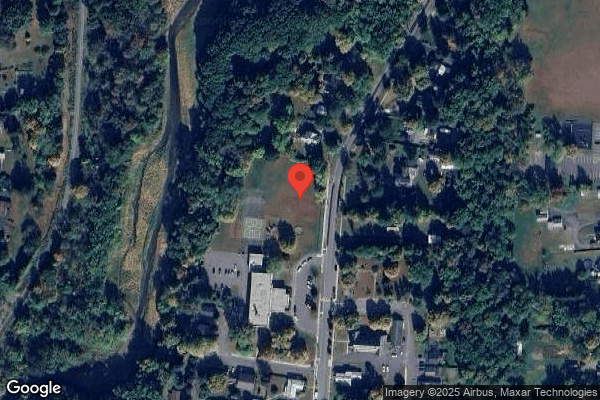

3230 CHURCH STREET, VALATIE, NY 12184 (518) 758-6222
For profit - Partnership 236 Beds THE GRAND HEALTHCARE Data: November 2025
Trust Grade
0/100
#572 of 594 in NY
Last Inspection: June 2024

Within standard 12-15 month inspection cycle. Federal law requires annual inspections.

Overview

The Grand Rehabilitation and Nursing at Barnwell has received a Trust Grade of F, indicating significant concerns about the quality of care provided. With a state rank of #572 out of 594, they are in the bottom half of nursing homes in New York, and they rank #4 out of 4 in Columbia County, meaning there are no better local options available. Although the facility's issues have slightly improved from 17 in 2024 to 16 in 2025, they still face serious problems, including a concerning total of $142,734 in fines, which is higher than 93% of facilities in the state. Staffing is rated poorly, with a turnover rate of 44%, and residents have reported delays in care due to staff shortages. Specific incidents include a resident who fell and suffered a broken neck due to inadequate supervision and another report of unclean conditions throughout the facility, including sticky floors and soiled bathrooms. Overall, while there are some improvements, the facility has serious weaknesses that families should consider carefully.

Trust Score
F
0/100
In New York
#572/594
Bottom 4%
Safety Record
High Risk
Review needed
Inspections
Getting Better
17 → 16 violations
Staff Stability
○ Average
44% turnover. Near New York's 48% average. Typical for the industry.
Penalties
○ Average
$142,734 in fines. Higher than 61% of New York facilities. Some compliance issues.
Skilled Nurses
⚠ Watch
Each resident gets only 25 minutes of Registered Nurse (RN) attention daily — below average for New York. Fewer RN minutes means fewer trained eyes watching for problems.
Violations
⚠ Watch
57 deficiencies on record. Higher than average. Multiple issues found across inspections.
★☆☆☆☆
1.0
Overall Rating
★☆☆☆☆
1.0
Staff Levels
★☆☆☆☆
1.0
Care Quality
★☆☆☆☆
1.0
Inspection Score
Stable
2024: 17 issues
2025: 16 issues

The Good

  • Full Sprinkler Coverage · Fire safety systems throughout facility
  • No fines on record
  • Staff turnover below average (44%)

    4 points below New York average of 48%

Facility shows strength in fire safety.

The Bad

1-Star Overall Rating

Below New York average (3.0)

Significant quality concerns identified by CMS

Staff Turnover: 44%

Near New York avg (46%)

Typical for the industry

Federal Fines: $142,734

Well above median ($33,413)

Significant penalties indicating serious issues

Chain: THE GRAND HEALTHCARE

Part of a multi-facility chain

Ask about local staffing decisions and management

The Ugly 57 deficiencies on record

1 actual harm
Jun 2025 2 deficiencies
CONCERN (E) 📢 Someone Reported This

A family member, employee, or ombudsman was alarmed enough to file a formal complaint

Potential for Harm - no one hurt, but risky conditions existed

Pharmacy Services (Tag F0755)

Could have caused harm · This affected multiple residents

Based on record review and interviews during an abbreviated survey (Case #s NY00376223 and NY00377464), the facility did not ensure it established a system of records of receipt and disposition of all...

Read full inspector narrative →
Based on record review and interviews during an abbreviated survey (Case #s NY00376223 and NY00377464), the facility did not ensure it established a system of records of receipt and disposition of all controlled drugs in sufficient detail to enable accurate reconciliation and that it determined that drug records were in order and that an account of all controlled drugs was maintained and periodically reconciled. Specifically, (a) the facility did not ensure narcotics were counted by two (2) licensed staff members on the B-side of unit two (2), on 2/23/2025 at the end of the 3:00 PM to 11:00 PM shift. On 2/24/2025, the 7:00 AM - 3:00 PM nurse discovered twenty (20) Oxycontin extended release 10 milligram (extended-release narcotic pain medication) prescribed for Resident #1 were missing. During the facility's investigation it was determined that narcotic counts were not done by the required two (2) nurses. The physician reordered the medication on 2/24/2025 and was received in the facility on 2/25/2025. On 2/25/2025 at 9:00 PM, the medication administration record documented the medication was given, when the controlled medication record did not indicate a pill was administered, and (b) the facility did not document nursing unit narcotics as having been counted by two licensed staff members and signed as appropriate on the facility-provided narcotic record sheets for six (6) of six (6) nursing units. This is evidenced by: The Policy and Procedure titled, Controlled Substance/Narcotic Management Protocol, reviewed 1/2025, documented it was the facility's policy to prescribe, administer, store and destroy all controlled substances within accepted regulations of the responsible governing body. All controlled substances ordered would be ordered in accordance with best practice and regulations. With each administration, the nurse must document the date, time, prior count and post administration count of the remainder of the medication and sign in the controlled substance logbook in addition to the medication administration record. All narcotics would be counted and reconciled at the beginning of every shift with the outgoing and oncoming nurse. Both must sign the controlled substance log attesting to the presence of the narcotic as stated from the previous shift. Any discrepancies in the count must be reported to the unit manager or nursing supervisor immediately. Staff responsible for narcotic administration would not leave the shift until the narcotic count was reconciled. The facility's Lesson Plan for Controlled Substances & Narcotic Count, dated 2/20/2025, documented the objective was to ensure nurses were following the policy and procedure of narcotic handling and narcotic count. The Policy and Procedure, titled Controlled Substances/Narcotic Management Protocol, reviewed 1/2023 was referenced. Lesson Plan procedure documented nurses would count and reconcile all narcotics at the beginning of every shift with the outgoing and oncoming nurse. Both nurses would sign the controlled substance log attesting to the presence of the narcotic as stated from the previous shift. All nurses would follow the count in chronological order from the previous number stated. Any discrepancies in the count must be reported to the unit manager/nursing supervisor immediately. Resident #1: Resident #1 was admitted to the facility with diagnoses of fibromyalgia (long-term condition that involves widespread body pain), chronic pain syndrome (pain that lasts for over 3 months), and anxiety disorder (repeated episodes of sudden feelings of intense anxiety and fear or terror that reach a peak within minutes (panic attack). The Minimum Data Set (an assessment tool) dated 2/18/2025, documented the resident was cognitively intact. The resident was able to make themselves understood and usually understood others. Order Recap Report for order date 2/1/2025 to 4/25/2025, documented an order dated 2/14/2025 for Oxycontin Oral Tablet extended release 12 Hours Abuse-Deterrent 10 milligram (Oxycodone HCl), give one (1) tablet by mouth two (2) times a day for pain for 14 days. The order start date was 2/16/2025 and end date was 2/24/2025. Individual Controlled Medication Record for Resident #1 dated 2/14/2025, documented Oxycontin Oral Tablet 10 milligrams ER, give one (1) tablet by mouth two (2) times a day for pain for 14 days. The last documented administration was on 2/23/2025 at 10:18 PM by Licensed Practical Nurse #1, with 20 pills remaining. Medication Administration Record dated February 2025, documented Oxycontin Oral Tablet extended release 12 Hours Abuse-Deterrent 10 milligram (Oxycodone HCl) was scheduled to be given daily at 9:00 AM and 9:00 PM. The order start date was 2/16/2025 and was discontinued on 2/24/2025 at 8:59 PM. It documented the medication was administered on 2/23/2025 at 9:00 PM by Licensed Practical Nurse #1. Loss of Controlled Substances Report, date of incident 2/24/2025 at 10:00 AM on unit 2. Description documented: Oxycontin ten (10) milligrams extended release, twenty (20) pills discovered missing morning of 2/24/2025. Medication was last administered on 2/23/2025 at 10:18 PM by Licensed Practical Nurse #1. Licensed Practical Nurse #1 was relieved by Licensed Practical Nurse #2. Licensed Practical Nurse #1 stated they counted all narcotics at medication cart while oncoming nurse, Licensed Practical Nurse #2 was present at desk. Licensed Practical Nurse #2 told Licensed Practical Nurse #1 to lock medications back in the medication cart. Licensed Practical Nurse #2 stated they were not present when Licensed Practical Nurse #1 did the count, but did tell them to keep the medications in the lock box in the medication cart. Licensed Practical Nurse #2 stated they never removed medications from the lock box during their shift, as they did not need to administer the oxycontin to the resident on their 11:00 PM to 7:00 AM shift. The 7:00 AM to 3:00 PM nurse on 2/24/2025 discovered the count was off and 20 pills were missing. Review of the untitled narcotic count signature sheet by the on-coming and off-going nurse dated 2/23/2025 on unit two (2) (B-side), documented nurse signatures for all three (3) shifts, indicating the narcotic count was done on all shifts. Notice of Disciplinary Actions documented 2/24/2025, documented Licensed Practical Nurse #s 1, 2, and 3 were given a first and final warning for failure to perform narcotic count with two (2) nurses present at the beginning and end of the shift. General Statement dated 2/24/2025 written by the Director of Nursing #1, documented a phone interview with Licensed Practical Nurse #1. The nurse was asked if they counted the narcotics with their relief on 2/23/2025 at 11:00 PM and they stated yes and stated, 'everything was there.' The nurse was informed that a card of 20 pills of oxycodone was missing for Resident #1. Licensed Practical Nurse #1 stated they gave the resident their dose and it (the pill pack) was there when they left. The nurse suggested that pills may have gotten 'mixed up in other meds.' The nurse was asked where the narcotics were when they gave Licensed Practical Nurse #2 the keys and they stated they asked Licensed Practical Nurse #2 where they wanted the narcotics, and they stated the medication cart and Licensed Practical Nurse #1 put them back in the medication cart. Review of a written statement dated 2/25/2025 by Licensed Practical Nurse #1, documented they counted all the narcotics at the medication cart while Licensed Practical Nurse #2 was sitting at the desk. General Statement dated 2/24/2025 written by the Director of Nursing #1, documented a phone interview with Licensed Practical Nurse #2. Licensed Practical Nurse #2 stated Licensed Practical Nurse #1 called them after they (Licensed Practical Nurse #2) left on the morning of 2/24/2025 and told them the count was off. Licensed Practical Nurse #2 was asked if they counted with the 3:00 PM to 11:00 PM nurse (Licensed Practical Nurse #1) before taking the keys and they stated, 'Kind of. I didn't thoroughly count. They told me it was good.' Licensed Practical Nurse #2 stated they told Licensed Practical Nurse #1 to leave the narcotics in the medication cart and stated they administered narcotics on their shift to two (2) other residents but did not give any medications to Resident #1. Review of an email dated 2/26/2025 by Licensed Practical Nurse #3 and sent to Director of Nursing #1, documented they got to the unit at 7:00 AM and Licensed Practical Nurse #2 was there and handed them the keys stating they had to leave in a hurry. Licensed Practical Nurse #3 then began counting the narcotics on both sides of the unit and noticed the B side medication cart was missing the blister pack of Oxycontin. Licensed Practical Nurse #3 texted Licensed Practical Nurse #2 and asked them what happened. Licensed Practical Nurse #2 responded back and stated, 'They were going to be honest. They did not count the narcotics at all on their shift.' General Statement dated 2/26/2025 written by Director of Nursing #1, documented a phone interview with Trooper #1 and Licensed Practical Nurse #2. Licensed Practical Nurse #2 stated they did not count at all with Licensed Practical Nurse #1, who they were relieving. Licensed Practical Nurse #2 stated they took Licensed Practical Nurse #1's 'word that everything was good.' General Statement dated 2/27/2025 written by Licensed Practical Nurse #2, documented the off-going nurse (Licensed Practical Nurse #1) was at the medication cart finishing up their work and asked them if they wanted them to leave the medications in the medication cart, and they told them to leave them there. Licensed Practical Nurse #2 documented, 'at no point did they count the narcotics with [Licensed Practical Nurse #1].' The facility investigation report for missing narcotics dated 3/4/2025, for date of incident 2/24/2025, by Director of Nursing #1. Incident: missing narcotics on unit 2. Oxycontin extended release ten (10) milligrams, twenty (20) tablets missing. Last administration of Oxycontin was by Licensed Practical Nurse #1 at 10:18 PM. It documented: Licensed Practical Nurse #1 stated they counted all narcotics with Licensed Practical Nurse #2 and was instructed by them to place all narcotics back into the medication cart narcotic box. Licensed Practical Nurse #2 stated they were not present for the count but did tell the other nurse to keep the medications in the lock box in the medication cart. Licensed Practical Nurse #2 stated they never removed any medications from the lock box during their shift. Oxycontin extended release ten (10) milligrams was not scheduled to be administered on the 11:00 PM to 7:00 AM shift. The 7:00 AM to 3:00 PM nurse on 2/24/2025 discovered the count was not accurate and 20 pills were missing and notified the Director of Nursing. At time of narcotics reported missing, narcotic cabinets were inspected with no damage noted. All narcotics counted with no discrepancies. Medication carts searched. State police and Bureau of Narcotic Enforcement were notified of missing medications. Employees received disciplinary action regarding failure to perform appropriate narcotic count. Narcotic handling education to be completed for all nurses. Incident was reported to the New York State Department of Health. During an interview on 4/23/2025 at 3:09 PM, Licensed Practical Nurse #1 stated they had already met with the Department of Health in the Director of Nursing #1's office in February 2025 and gave a written statement. They stated they never signed anything about not doing a narcotic count and never had a verbal conversation with the Director of Nursing #1 or the Assistant Director of Nursing. During an interview on 4/23/2025 at 3:19 PM, Licensed Practical Nurse #2 stated they all got in trouble for not doing the narcotic count. They stated, 'that was a big thing for us. We were just taking the keys without counting.' They stated they all knew each other and trusted each other. They stated it was a 'big mistake' and they would never do it again. Order Recap Report for order date 2/1/2025 to 4/25/2025, documented an order dated 2/24/2025 for Oxycontin Oral Tablet extended release 12 Hours Abuse-Deterrent 10 milligram (Oxycodone HCl), give one (1) tablet by mouth two (2) times a day for pain for 14 days. The order start date was 2/24/2025 and end date was 3/10/2025. Documentation on the a) Individual Controlled Medication Record was inconsistent with documentation on the b) Medication Administration Record: Individual Controlled Medication Record for Resident #1 dated 2/25/2025, documented Oxycontin Oral Tablet ten (10) milligrams extended release, give one (1) tablet by mouth two (2) times a day for pain for 14 days. The medication was received 2/25/2025. Medication Administration Record dated February 2025, documented Oxycontin Oral Tablet extended release 12 Hours Abuse-Deterrent 10 milligram (Oxycodone HCl) was scheduled to be given daily at 9:00 AM and 9:00 PM. The order start date was 2/24/2025 at 9:00 PM. 2/25/2025 a) did not document any administrations. The first documented administration was on 2/26/2025 at 9:00 PM. 2/25/2025 b) Oxycontin extended release ten (10) milligrams was administered by Licensed Practical Nurse #6. During an interview on 4/25/2025 at 2:02 PM, Administrator #1 stated they would be starting education related to missed medications, failure to notify the provider, and documentation on the medication administration record. During an observation on 4/23/2025 at 10:56 AM on unit 6 (A-side), the untitled narcotic count signature sheets by the on-coming and off-going nurse dated April 2025 were reviewed. The sheets did not consistently document signatures by the on-coming and off-going nurse. For instance, 4/20/2025 days on, days off, evenings on, and evenings off did not document a signature for the nurse. During an interview with Licensed Practical Nurse #17 on 4/23/2025 at 11:02 AM, they stated they were aware of the ongoing investigation by the Bureau of Narcotic Enforcement. They stated they usually reviewed all the narcotic books and if they found a shift that was not signed, they would find the nurse who worked the shift on 4/20/2025 and would have them sign the book. Immediately following the interview, Licensed Practical Nurse #17 was observed reviewing the narcotic count sheets and was writing on them. Review of the Employee Education Attendance Record for Controlled Substances documented Licensed Practical Nurse #17 attended the training on 3/07/2025. During an observation on 4/23/2025 at 11:10 AM on unit 5 (A-side), the untitled narcotic count signature sheets by the on-coming and off-going nurse dated April 2025 were reviewed. The sheets did not consistently document signatures by the on-coming and off-going nurse. For instance, 4/20/2025 nights on, 4/21/2025 nights off, and 4/22/2025 days on and days off did not document a signature for the nurse. During an interview on 4/23/2025 at 11:16 AM, Licensed Practical Nurse #18 stated they had education on narcotics in late February/early March 2025 and stated narcotics were to be counted before and after each shift and discrepancies reported. During an observation on 4/23/2025 at 11:18 AM on unit 4 (A-side), the untitled narcotic count signature sheets by the on-coming and off-going nurse dated April 2025 were reviewed. The sheets did not consistently document signatures by the on-coming and off-going nurse. For instance, 4/1/2025 nights on, days off, evenings on, evenings off and nights on did not document a signature for the nurse. During the observation Licensed Practical Nurse #4 was observed writing in the unit's (B-side) narcotic count sheet book. During an interview on 4/23/2025 at 11:24 AM, Licensed Practical Nurse #4 stated they did not recall having any formal training about the narcotic counts and/or signing the narcotic count sheets. Review of the Employee Education Attendance Record for Controlled Substances documented Licensed Practical Nurse #4 attended the training on 3/04/2025. During an observation on 4/23/2025 at 11:18 AM on unit 3 (B-side), the untitled narcotic count signature sheets by the on-coming and off-going nurse dated April 2025 were reviewed. The sheets did not consistently document signatures by the on-coming and off-going nurse. For instance, 4/13/2025 nights on, days on, days off, and nights on did not document a signature for the nurse. During an interview on 4/23/2025 at 11:40 AM, Registered Nurse #2 stated they received education in March about the narcotic counts and signing the sheets. They stated they looked at the narcotic count books frequently and stated that sometimes 'staff do miss' and had to be told to sign it. They stated they would check to see who worked the shift on 4/20/2025 and would have them sign it. Review of the Employee Education Attendance Record for Controlled Substances documented Registered Nurse #2 attending the training on 3/4/2025. During an observation on 4/23/2025 at 11:55 AM on unit 2 (B-side), the untitled narcotic count signature sheets by the on-coming and off-going nurse dated April 2025 were reviewed. The sheets did not consistently document signatures by the on-coming and off-going nurse. For instance, 4/23/2025 nights off and days on did not document a signature for the nurse. During an interview on 4/23/2025 at 12:02 PM, Licensed Practical Nurse #1 stated they arrived on the unit after 9:00 AM. They stated the nurse working the unit prior to 9:00 AM, (Licensed Practical Nurse #6) should have counted the narcotics and signed the sheet. Surveyor asked if a count was done upon their arrival to the unit and they stated they counted for the B-side with Licensed Practical Nurse #6 and should have signed for 'days on.' They stated there should have been two (2) signatures on the line for 'days on,' theirs and Licensed Practical Nurse #6's. Review of the Employee Education Attendance Record for Controlled Substances documented Licensed Practical Nurse #1 attended the training on 2/27/2025. During an observation on 4/23/2025 at 2:18 PM on unit 1, the untitled narcotic count signature sheets by the on-coming and off-going nurse dated April 2025 were reviewed. The sheets did not consistently document signatures by the on-coming and off-going nurse. For instance, 4/20/2025 did not document any nurse signatures for the entire day on all three (3) shifts. During an interview on 4/23/2025 at 2:27 PM, Licensed Practical Nurse #19, stated they received education a while ago on counting narcotics and signing the narcotic sheet. During an interview on 4/24/2025 at 3:10 PM, Director of Nursing #1 stated there was house-wide education in February 2025, regarding counting narcotics with another nurse (on-coming and off-going) signing narcotic books and making sure control records were signed and dated. During an interview on 4/24/2025 at 2:02 PM, Administrator #1 stated they started education today, 4/24/2025, regarding narcotic count sign on/off with two (2) nurses. They stated the Educator would be auditing the narcotic sheets every sheet for the next two (2) weeks and then daily on the dayshift. They stated the Educator would audit the dayshift, 7:00 AM to 3:00 PM and the nursing supervisor would audit 3:00 PM to 11:00 PM and 11:00 PM to 7:00 AM. They stated that after that they would decide if the audits would be continued weekly or daily. 10 New York Code Rules and Regulations 415.18(a)
CONCERN (E) 📢 Someone Reported This

A family member, employee, or ombudsman was alarmed enough to file a formal complaint

Potential for Harm - no one hurt, but risky conditions existed

Deficiency F0760 (Tag F0760)

Could have caused harm · This affected multiple residents

**NOTE- TERMS IN BRACKETS HAVE BEEN EDITED TO PROTECT CONFIDENTIALITY** Based on record review and interviews during an abbreviated survey (Case #s NY00376223 and NY00377464), the facility did not ens...

Read full inspector narrative →
**NOTE- TERMS IN BRACKETS HAVE BEEN EDITED TO PROTECT CONFIDENTIALITY** Based on record review and interviews during an abbreviated survey (Case #s NY00376223 and NY00377464), the facility did not ensure residents were free from significant medication errors for seven (7) (Resident #s 2, 3, 4, 5, 6, 7, and 12) of seven (7) residents reviewed. Specifically, the facility did not ensure accurate medication administration and documentation of controlled substances for a) Clonazepam (treats anxiety) for Resident #s 2, 5, and 12, b) Clonazepam and Tramadol (narcotic pain medication) for Resident #3, c) Alprazolam (treats anxiety) for Resident #4, and d) Oxycodone (narcotic pain medication) for Resident #s 6 and 7. This is evidenced by: The Policy and Procedure titled, Controlled Substance/Narcotic Management Protocol, reviewed 1/2025, documented it was the facility's policy to prescribe, administer, store and destroy all controlled substances within accepted regulations of the responsible governing body. All controlled substances ordered would be ordered in accordance with best practice and regulations. With each administration, the nurse must document the date, time, prior count and post administration count of the remainder of the medication and sign in the controlled substance logbook in addition to the medication administration record. In the event a resident did not take a controlled substance that had already been removed from its package, the nurse must document the details of the failed administration and destroy the medication in the presence of another nurse. Destruction must render the substance irretrievable. Two (2) nurses must witness and sign for all narcotic wastage in the controlled substance binder on the unit and document the new count. The nursing supervisor or Unit Manager must be made aware of the destruction and circumstances regarding same immediately. Resident #5: Resident #5 was readmitted to the facility with diagnoses of unspecified depression (mental health disorder that affects how a person feels, thinks, and handles daily activities), anxiety disorder (mental health disorder that causes fear, dread and other symptoms that are out of proportion to the situation), and conduct disorder (a mental health condition that involves a persistent pattern of aggressive and antisocial behaviors). The Minimum Data Set (an assessment tool) dated [DATE], documented the resident had moderate cognitive impairment. The resident was able to make themselves understood and understood others. Care Plan for Resident #5 used Psychotropic Medications (drugs that affect a person's mental state) related to anxiety and depression, revised [DATE]. Interventions documented give medications ordered by the physician; monitor/document side effects and effectiveness. Medication Review Report for date range [DATE] to [DATE], documented an order dated [DATE] for Clonazepam oral tablet 0.5 milligram, give one (1) tablet by mouth in the morning for five (5) administrations. The order start date was [DATE]. Review of the a) Individual Controlled Medication Record and the b) electronic Medication Administration Record dated February 2025 documented: Individual Controlled Medication Record for Resident #5 dated [DATE], documented Clonazepam 0.5 milligram, give one (1) tablet by mouth in the morning for 5 administrations. Medication Administration Record dated February 2025, documented Clonazepam 0.5 milligram, give one (1) tablet by mouth in the morning for five (5) administrations. The medication was scheduled to be given at 10:00 AM. Documentation on the a) Individual Controlled Medication Record was inconsistent with documentation on the b) Medication Administration Record. For instance: a) Clonazepam 0.5 milligram was administered on [DATE] at 10:47 AM, [DATE] at 8:00 AM, [DATE] at an illegible time, [DATE] at 8:00 AM, and [DATE] at 9:00 AM, respectively, for a total of five (5) administrations. b) Clonazepam 0.5 milligram was administered at 10:00 AM on [DATE], [DATE], [DATE], and [DATE], for a total of four (4) administrations. Order Summary Report for order date range [DATE] to [DATE], documented an order dated [DATE] for Clonazepam oral tablet 1 milligram, give one (1) tablet by mouth at bedtime for anxiety for fourteen (14) days. The order was started on [DATE] and was to end on [DATE]. Review of the a) Individual Controlled Medication Record and the b) electronic Medication Administration Record dated [DATE] documented: Individual Controlled Medication Record for Resident #5 dated [DATE], documented Clonazepam 1 milligram, give one (1) tablet by mouth at bedtime for anxiety for fourteen (14) days. Medication Administration Record dated [DATE], documented Clonazepam 1 milligram, give one (1) tablet by mouth at bedtime for anxiety for fourteen (14) days. The medication was scheduled to be given at 9:00 PM. Documentation on the a) Individual Controlled Medication Record was inconsistent with documentation on the b) Medication Administration Record. For instance: [DATE] a) Clonazepam 1 milligram was administered at 9:00 AM by Licensed Practical Nurse #8, when it was scheduled for 9:00 PM. [DATE] b) Medication Administration Record did not document the administration. [DATE] a) Clonazepam 1 milligram was administered at 9:00 AM by Licensed Practical Nurse #8, when it was scheduled for 9:00 PM. [DATE] b) Medication Administration Record did not document the administration. [DATE] a) Clonazepam 1 milligram was administered at 9:00 AM by Licensed Practical Nurse #8, when it was scheduled for 9:00 PM. [DATE] b) Medication Administration Record did not document the administration. Medication Administration Incident Report for Resident #5, date of discovery [DATE] at 9:00 PM. Date of error: [DATE], [DATE], and [DATE] at 9:00 AM. Type of error: wrong medication administered. Description of medication error: [DATE], [DATE], and [DATE] clonazepam one (1) milligram was administered at 9:00 AM. The order was to administer at bedtime. The report was signed by Licensed Practical Nurse #8 on [DATE]. Notice of Disciplinary Action for Licensed Practical Nurse #8 dated [DATE], documented a first and final warning for a medication error. Licensed Practical Nurse #8 gave Klonopin (clonazepam) on [DATE], [DATE], and [DATE], without a physician order. Medication was signed out on the narcotic sheet. Loss of Controlled Substances Report dated [DATE] by Director of Nursing #1, documented Resident #5 had a standing order for Clonazepam one (1) milligram to be administered at bedtime. Licensed Practical Nurse #8 administered the medication at 9:00 AM on [DATE], [DATE], and [DATE], without a physician's order. Medication was signed out on the narcotic sheet by the nurse. Resident #3: Resident #3 was admitted to the facility with diagnoses of unspecified schizophrenia (a condition and a spectrum of disorders involving a disconnection from reality), anxiety disorder, and conduct disorder. The Minimum Data Set, dated [DATE], documented the resident was cognitively intact. The resident was able to make themselves understood and understood others. Care Plan for Resident Exhibits Behavior Symptoms such as anxious, agitated and refusal of care and medications; socially inappropriate/verbally aggressive/abusive; physically aggressive/abusive; hallucinations (seeing, hearing, feeling or smelling something that does not exist); delusions (an unshakable belief in something that is untrue), revised [DATE]. Interventions documented administer psychotropic medications as ordered. Order Summary Report for order date range [DATE] to [DATE], documented an order dated [DATE] for Clonazepam 0.5 milligram, give one (1) tablet by mouth two (2) times a day for anxiety for fourteen (14) days. The order was started on [DATE] and was to end on [DATE]. Review of the a) Individual Controlled Medication Record and the b) electronic Medication Administration Record dated February 2025 documented: Individual Controlled Medication Record for Resident #3 dated [DATE], documented Clonazepam 0.5 milligram, give one (1) tablet by mouth two times a day for anxiety for fourteen (14) days. Medication Administration Record dated February 2025, documented Clonazepam 0.5 milligram, give one (1) tablet by mouth two times a day for anxiety for fourteen (14) days. The medication was scheduled to be given at 9:00 AM and 9:00 PM. The order was to start on [DATE] at 9:00 PM and ended on [DATE] at 9:00 AM. Documentation on the a) Individual Controlled Medication Record was inconsistent with documentation on the a) Medication Administration Record. For instance: [DATE] a) Clonazepam 0.5 milligram was administered at 2:00 PM, when it was scheduled to be given at 9:00 AM and 9:00 PM, and was already given at 9:00 AM. [DATE] b) Medication Administration Record did not document the 2:00 PM administration. [DATE] a) Clonazepam 0.5 milligram was administered at 9:00 PM, when the order had expired after the 9:00 AM administration on [DATE], and there was no new order until [DATE] at 9:00 PM. [DATE] b) Medication Administration Record did not document the administration. [DATE] a) Clonazepam 0.5 milligram was administered at 9:00 AM, when there was no new order until [DATE] at 9:00 PM. [DATE] b) Medication Administration Record documented the order was to start on [DATE] at 9:00 PM and did not document the 9:00 AM administration. Order Summary Report for order date range [DATE] to [DATE], documented an order dated [DATE] for Clonazepam 0.5 milligram, give one (1) tablet by mouth two (2) times a day for anxiety for fourteen (14) days. The order was started on [DATE] and was to end on [DATE]. Review of the a) Individual Controlled Medication Record and the b) electronic Medication Administration Record dated March documented: Individual Controlled Medication Record for Resident #3 dated [DATE], documented Clonazepam 0.5 milligram, give one (1) tablet by mouth two (2) times a day for anxiety for fourteen (14) days. Medication Administration Record dated [DATE], documented Clonazepam 0.5 milligram, give one (1) tablet by mouth two (2) times a day for anxiety for fourteen (14) days. The medication was scheduled to be given at 9:00 AM and 9:00 PM. Documentation on the a) Individual Controlled Medication Record was inconsistent with documentation on the b) Medication Administration Record. For instance: [DATE] a) Clonazepam 0.5 milligram was administered at 9:00 AM and was documented as wasted. There was no documentation that another nurse witnessed the waste. A subsequent entry documented the medication was administered at 10:00 AM. [DATE] b) Medication Administration Record documented one (1) administration at 9:00 AM. Order Summary Report for order date range [DATE] to [DATE], documented an order dated [DATE] for Tramadol HCl oral tablet 50 milligrams, give one (1) tablet by mouth two (2) times a day for fourteen (14) days. The order was started on [DATE] and was to end on [DATE]. Review of the a) Individual Controlled Medication Record and the b) electronic Medication Administration Record dated February documented: Individual Controlled Medication Record for Resident #3 dated [DATE], documented Tramadol HCl oral tablet 50 milligrams, give one (1) tablet by mouth two (2) times a day for fourteen (14) days. Medication Administration Record dated February 2025, documented Tramadol HCl oral tablet 50 milligrams, give one (1) tablet by mouth two (2) times a day for fourteen (14) days. The medication was scheduled to be given at 9:00 AM and 9:00 PM. Documentation on the a) Individual Controlled Medication Record was inconsistent with documentation on the b) Medication Administration Record. For instance: [DATE] a) Tramadol 50 milligram was administered on [DATE] at 9:00 PM by Licensed Practical Nurse #3 and at 9:00 AM by Licensed Practical Nurse #7, respectively. [DATE] b) Medication Administration Record documented the medication was administered on [DATE] at 9:00 AM by Licensed Practical Nurse #5 and at 9:00 PM by Licensed Practical Nurse #3. [DATE] a) There were no documented administrations. [DATE] b) Medication Administration Record documented the medication was administered on [DATE] at 9:00 AM by Licensed Practical Nurse #7 and at 9:00 PM by Licensed Practical Nurse #9. Order Summary Report for order date range [DATE] to [DATE], documented an order dated [DATE] for Tramadol HCl oral tablet 50 milligrams, give one (1) tablet by mouth two (2) times a day for fourteen (14) days. The order was started on [DATE] and was to end on [DATE]. Review of the a) Individual Controlled Medication Record and the b) electronic Medication Administration Record dated [DATE] documented: Individual Controlled Medication Record for Resident #3, documented Tramadol HCl oral tablet 50 milligrams, give one (1) tablet by mouth two (2) times a day for fourteen (14) days. Medication Administration Record dated [DATE], documented Tramadol HCl oral tablet 50 milligrams, give one (1) tablet by mouth two (2) times a day for fourteen (14) days. The medication was scheduled to be given at 9:00 AM and 9:00 PM. Documentation on the a) Individual Controlled Medication Record was inconsistent with documentation on the b) Medication Administration Record. For instance: [DATE] a) Tramadol 50 milligram was administered at 9:00 AM, when the order ended on [DATE] at 9:00 PM and there was no new physician order until [DATE] at 9:00 AM. [DATE] b) Medication Administration Record did not document the administration. [DATE] a) Tramadol 50 milligram was administered at 9:00 AM, when there was no new physician order until [DATE] at 9:00 AM. [DATE] b) Medication Administration Record did not document the administration. Order Summary Report for order date range [DATE] to [DATE], documented an order dated [DATE] for Tramadol HCl oral tablet 50 milligrams, give one (1) tablet by mouth two (2) times a day for fourteen (14) days. The order was started on [DATE] and was to end on [DATE]. Review of the a) Individual Controlled Medication Record and the b) electronic Medication Administration Record dated [DATE] documented: Individual Controlled Medication Record for Resident #3 dated [DATE], documented Tramadol HCl oral tablet 50 milligrams, give one (1) tablet by mouth two (2) times a day for fourteen (14) days. Medication Administration Record dated March and [DATE], documented Tramadol HCl oral tablet 50 milligrams, give one (1) tablet by mouth two (2) times a day for fourteen (14) days. The medication was scheduled to be given at 9:00 AM and 9:00 PM. Documentation on the a) Individual Controlled Medication Record was inconsistent with documentation on the b) Medication Administration Record. For instance: [DATE] a) Tramadol 50 milligram was administered at 9:00 PM, when the order ended on [DATE] at 9:00 PM and there was no new physician order until [DATE] at 8:59 AM. [DATE] b) Medication Administration Record did not document the administration. [DATE] a) Tramadol 50 milligram was administered at 9:00 AM, when there was no new physician order until [DATE] at 8:59 AM. [DATE] b) Medication Administration Record did not document the administration. [DATE] a) Tramadol 50 milligram was administered at 9:00 AM and 9:00 PM, when there was no new physician order until [DATE] at 8:59 AM. [DATE] b) Medication Administration Record did not document the administrations. Resident #6: Resident #6 was readmitted to the facility with diagnoses of spinal stenosis lumbar region (narrowing of the spinal canal in the lower back) without neurogenic claudication (condition that causes pain, weakness, and heaviness in the legs when walking), sciatica unspecified side (pain that travels along the path of the sciatic nerve from the buttocks and down each leg) and other chronic pain. The Minimum Data Set, dated [DATE], documented the resident was cognitively intact. The resident was able to make themselves understood and understood others. Care Plan for Resident has Musculoskeletal Impairment related to spinal stenosis, vertebrae fracture (broken bone in spine), and osteoporosis (disease that weakens the bones), revised [DATE]. Intervention documented administer pain medications per physician orders. Order Summary Report for order date range [DATE] to [DATE], documented an order dated [DATE] for Oxycodone HCl oral tablet ten (10) milligrams, give one (1) tablet by mouth every six (6) hours as needed for pain for fourteen (14) days. Review of the a) Individual Controlled Medication Record and the b) electronic Medication Administration Record dated March and [DATE] documented: Individual Controlled Medication Record for Resident #6 dated [DATE], documented Oxycodone HCl oral tablet 10 milligrams, give one (1) tablet by mouth every six (6) hours as needed for pain for fourteen (14) days. Medication Administration Record dated [DATE], documented Oxycodone HCl oral tablet ten (10) milligrams, give one (1) tablet by mouth every six (6) hours as needed for pain for fourteen (14) days. Documentation on the Individual Controlled Medication Record was inconsistent with documentation on the Medication Administration Record. For instance: [DATE] a) Oxycodone ten (10) milligram was administered at 9:00 PM. [DATE] b) Medication Administration Record did not document the administration. [DATE] a) Oxycodone ten (10) milligram was administered at 8:00 AM and 2:00 PM. [DATE] b) Medication Administration Record did not document the administrations. [DATE] a) Oxycodone ten (10) milligram was administered at 10:00 PM, 8:00 AM, and 1:00 PM respectively. [DATE] b) Medication Administration Record documented one (1) administration on [DATE] at 2:18 PM. [DATE] a) Oxycodone ten (10) milligram was administered at 1:35 PM by Licensed Practical Nurse #10. [DATE] b) Medication Administration Record did not document the 1:35 PM administration. Also, there was documentation of an administration at 9:48 PM by Licensed Practical Nurse #10, that was not documented on the Individual Controlled Medication Record. [DATE] a) Oxycodone ten (10) milligram was administered at 7:00 PM. [DATE] b) Medication Administration Record did not document the administration. [DATE] a) did not document any administrations. [DATE] b) Medication Administration Record documented one (1) administration at 11:45 PM. [DATE] a) Oxycodone ten (10) milligram was administered at 5:00 PM, 11:30 PM, 7:00 AM, 3:00 PM, and 9:12 PM, respectively. [DATE] b) Medication Administration Record only documented one (1) administration on [DATE] at 9:12 PM administration. [DATE] a) Oxycodone ten (10) milligram was administered at 1:00 PM. [DATE] b) Medication Administration Record did not document the administration. Loss of Controlled Substances Report dated [DATE] by Director of Nursing #1, Lost/stolen controlled substance listing documented one (1) Oxycodone ten (10) milligram tablet. Date/time of incident was [DATE] at 1:30 PM. Name of suspect documented Licensed Practical Nurse #10. It documented Resident #6 requested prn (as needed) pain medication and was informed they already received it at 1:35 PM. Resident #6 stated they never requested pain medication at that time because they were in therapy. During an interview on [DATE] at 10:29 AM, Licensed Practical Nurse #4 stated they were aware of Resident #5's Clonazepam administration issues. They stated they noticed a problem with the medication administration on the evening shift of [DATE], when they went to give the 9:00 PM dose of clonazepam. They looked at the prior administration on the narcotic control sheet and saw it was given at 9:00 AM on [DATE] and [DATE] and reported the errors on [DATE] to the Director of Nursing #1. They stated the errors were made by Licensed Practical Nurse #8. They stated the narcotic count was correct, but they noticed that Licensed Practical Nurse #8 gave the medication at 9:00 AM. They told the Director of Nursing #1 they could not give the daily dose because it was already given, and Licensed Practical Nurse #4 was told they had to call the doctor. The Assistant Director of Nursing stated they would call the physician and then called the Nurse Practitioner. When they called, they said they had a resident who received their medication early and the Nurse Practitioner told them to hold the medication. Licensed Practical Nurse #4 asked Resident #5 if they got their Clonazepam in the morning and resident said they take that at night. They stated the resident knew the color of the pill and that they get the pill at bedtime. During an interview on [DATE] at 3:06 PM, Registered Nurse #1 stated they knew the 'rules' regarding narcotic medication administration. They stated when a narcotic was administered the narcotic control record, and the electronic medication administration record were to be signed/documented. They stated signing the narcotic control record but not signing the electronic medication record meant the nurse did not give the medication to the resident. They stated a nurse needed another nurse to witness the wasting of a narcotic medication and the witness needed to sign the narcotic control record that they witnessed the waste. During an interview on [DATE] at 3:10 PM, Director of Nursing #1 stated there was house-wide education in February 2025, regarding counting narcotics with another nurse (on-coming and off-going) signing narcotic books and making sure control records were signed and dated. When narcotics are administered, they need to be signed out on the control record and then documented in the electronic medication record once they are administered. They stated narcotics needed to be wasted with a second nurse and documented why it was wasted, with the second nurse signature on the narcotic control record. During an interview on [DATE] at 2:02 PM, Administrator #1 stated they started education today, [DATE], regarding narcotic count sign on/off with two (2) nurse, documentation and reason for wasting narcotics on the control record. They stated the Educator would be auditing the narcotic sheets every sheet for the next two (2) weeks and then daily on the dayshift. They stated the Educator would audit the dayshift, 7:00 AM to 3:00 PM and the nursing supervisor would audit 3:00 PM to 11:00 PM and 11:00 PM to 7:00 AM. They stated that after that they would decide if the audits would be continued weekly or daily. 10 New York Code of Rules and Regulations 415.12(m)(2)
Jun 2025 14 deficiencies
CONCERN (D) 📢 Someone Reported This

A family member, employee, or ombudsman was alarmed enough to file a formal complaint

Potential for Harm - no one hurt, but risky conditions existed

Resident Rights (Tag F0550)

Could have caused harm · This affected 1 resident

**NOTE- TERMS IN BRACKETS HAVE BEEN EDITED TO PROTECT CONFIDENTIALITY** Based on observation, record review and interviews conducted during the recertification and abbreviated survey (Case #'s NY00350...

Read full inspector narrative →
**NOTE- TERMS IN BRACKETS HAVE BEEN EDITED TO PROTECT CONFIDENTIALITY** Based on observation, record review and interviews conducted during the recertification and abbreviated survey (Case #'s NY00350241, NY00366370, NY00368315, NY00369256, and NY00374241), the facility did not ensure each resident was treated with respect and dignity and care in a manner and in an environment that promotes maintenance or enhancement of their quality of life for three (3) (Resident #s 11, 35, and 89) of 35 residents reviewed. Specifically, (a.) Resident #11 expressed in general that certified nurse aides were rude and or ignored them when asking for help; (b.) Resident #35 expressed they did not get out of bed because they were a two-person mechanical lift and there were not enough staff to assist, and or if they were to get out of bed, they would not be able to go back to bed until late night hours. In addition, they stated they did not take showers or tub baths due to not enough staff to assist; (c.) Resident #89 was observed eating in the common area in front of television with food smeared on face and clothing. Resident's hands also had food underneath nails and between fingers from eating without a utensil. Resident #89 was observed being wheeled from the 6th floor in the elevator, through the lobby and corridor to the therapy gym with food on face and clothing, and saliva and food drooling from resident's mouth. This is evidenced by: The facility Policy and Procedure titled Quality of Life - Dignity, reviewed on 1/2025, documented each resident shall be cared for in a manner that promotes and enhances quality of life, dignity, respect and individuality. 1. Residents shall be treated with dignity and respect at all times. 2. Treated with dignity means the resident would be assisted in maintaining and enhancing their self- esteem and self-worth. 3. Residents shall be groomed as they wish to be groomed (hair styles, nails, facial hair, etc.). 4. Residents shall be encouraged and assisted to dress in their own clothes rather than in hospital gowns. 7. Staff shall speak respectfully to residents at all times, including addressing the resident by their name of choice and not labeling or referring to the resident by their room number, diagnosis, or care needs. 8. Staff shall keep the resident informed and oriented to their environment. Procedures shall be explained before they are performed, and residents will be told in advance if they are going to be taken out of their usual or familiar surroundings. Resident #11: Resident #11 was admitted to the facility with diagnoses of paroxysmal atrial fibrillation (fast, irregular heartbeat that lasts a few hours or days), old myocardial infarction (heart muscle tissue damage from past heart attack), and osteoarthritis (degenerative joint disease). The Minimum Data Set (an assessment tool) dated 4/20/2025, documented the resident was cognitively intact. The resident was able to make themselves understood and understood others. During an interview on 6/08/2025 at 4:31 PM, Resident #11 stated there were a few Certified Nurse Aides who were nasty and had 'sharp' tongues. They stated sometimes the aides ignored them and did not help them with their requests. They stated that about a month ago they made a complaint to the supervisor about a nurse who was nasty, and they were fired. They stated other nurses who still worked in the facility were just as nasty as the nurse who was fired. They stated they had never seen such lack of care for the patients. During an interview on 6/17/2025 at 10:31 AM, Licensed Practical Nurse #9 stated they were moved to the unit this week and were in the process of orienting one of the nurses. Resident #35: Resident #35 was admitted to the facility with a diagnoses of chronic obstructive pulmonary disease (a lung disease causing restricted airflow and breathing problems), congestive heart failure (a long-term condition that happens when your heart can't pump blood well enough to give your body a normal supply). and morbid obesity (Individuals are usually considered morbidly obese if their weight is more than 80 to 100 pounds above their ideal body weight). The Minimum Data Set, dated [DATE] documented the resident was able to be understood and was able to understand others with intact cognition. During an interview on 6/09/2025 at 12:04 PM, Resident #35 stated most of the time there were only two (2) Certified Nurse Aides working for 40 residents. They stated they needed a mechanical lift to get out of bed which was a two-person transfer. They only got out of bed on occasion because there were no staff to get them in and out of bed, and if they did get out of bed, they had to stay up late at night before someone could put them back to bed. They stated last time they got out of bed was about ten (10) days prior. Resident #35 stated staff did not ask any longer if they wanted to get out of bed because they did not have enough staff to help. Resident #35 also stated there was a lot of tension between aides and others. If they ask an aide for assistance, aide would give them an attitude and could not do it due to staffing. Resident #35 stated they did not get a shower or tub bath due to them being a two (2) person assist and no staff to accommodate them. They instead got a full bed bath, but that was not very often. During an interview on 6/13/2025 at 1:00 PM, Licensed Practical Nurse #2 stated on their unit there were two (2) to three (3) Certified Nurse Aides on day shift for 40 residents. They stated they were able to manage as several residents did not get out of bed on their unit. Resident #89: Resident #89 was admitted to the facility with a diagnoses of Parkinson's disease (a movement disorder of the nervous system that worsens over time), major depressive Disorder (a mood disorder that causes a persistent feeling of sadness and loss of interest), and bipolar disorder (a mental health condition that causes extreme mood swings). The Minimum Data Set, dated [DATE] documented the resident could be understood and was able to understand others with mild cognitive impairment. During an observation on 6/12/2025 at 2:43 PM, Resident #89 was observed on unit common area extremely lethargic, drooling, spilling oatmeal in lap when attempting to feed themselves. Resident was unable to converse with writer due to lethargy; a decline from two days prior. Licensed Practical Nurse Unit Manager #2 went over and to help the resident eat the oatmeal, and did not clean the resident up. In an interview at this time, Licensed Practical Nurse Unit Manager #2 stated the resident was lethargic because they just returned from neurology, having received Botox injections for Parkinson's disease. Resident was then observed wheeled by staff member from unit onto elevator through main lobby through corridor to therapy gym. At that time resident was drooling saliva mixed with food from mouth, food was smeared on face, hands and clothing. During an interview on 6/12/2025 at 03:01 PM, Director of Nursing #1 stated Certified Nurse Aides access resident Kardex (resident care instructions for Certified Nurse Aide) using a tablet that was on the floor. The Care Kardex contained instructions on activities of daily living, level of care required. Resident #89's care Kardex list interventions for agitation and care was provided based on resident's behavior. They further stated all residents should be treated with dignity and respect. 10 New York Code of Rules and Regulations 415.3 (c)(1)(i)
CONCERN (D) 📢 Someone Reported This

A family member, employee, or ombudsman was alarmed enough to file a formal complaint

Potential for Harm - no one hurt, but risky conditions existed

Report Alleged Abuse (Tag F0609)

Could have caused harm · This affected 1 resident

Based on record review and interviews conducted during a recertification and abbreviated (Case #'s NY00350852, NY00360717, NY00362053, NY00365247, NY00374739) survey, the facility did not ensure alleg...

Read full inspector narrative →
Based on record review and interviews conducted during a recertification and abbreviated (Case #'s NY00350852, NY00360717, NY00362053, NY00365247, NY00374739) survey, the facility did not ensure alleged violations involving abuse were reported immediately, but not later than two (2) hours after the allegation was made, if the events that cause the allegation involve abuse, to the administrator of the facility and to other officials (including to the State Survey Agency) in accordance with State law through established procedures for one (1) (Resident #148) of ten (10) residents reviewed. Specifically, an alleged sexual interaction between a physical therapist and Resident #148 on 10/29/2025 was not reported to the New York State Department of Health within two (2) hours of the allegation being made. This is evidenced by: The Policy and Procedure titled Abuse-Prohibition Protocol, Types of Abuse, Response/Reporting, last reviewed 1/2025, documented the following information should be reported to the supervisor/nurse: the names of the residents involved; the date and time that the incident occurred/discovery occurred; where the incident took place; the names of any of the witnesses to the incident; the type of abuse that was committed (i.e.: verbal, physical, sexual, neglect, etc.) and other information that may be requested by the nurse. Additionally, any alleged violations involving mistreatment, neglect or abuse, including serious injuries of an unknown source must be reported to the Administrator/Designee, Director of Nursing/Designee or department director immediately. An immediate investigation must be made and the findings of such investigation must be reported to the: Administrator/Designee within 24 hours of the occurrence/discovery of such incident, to the New York State Department of Health via the Electronic Incident Reporting form within 24 hours of occurrence/discovery, the facility must report any suspected resident abuse immediately, and no later than two hours after the allegation if the incident resulted in physical injury, all other reportable incidents are to be communicated to the New York State Department of Health within 24 hours, the facility is required to report the results of an investigation into an alleged abuse incident to the relevant authorities, such as the state Department of Health, within five business days of the incident occurring; essentially, they must provide a full report on their findings within that timeframe. Facility investigation dated 10/30/2024, documented on 10/29/2024 Resident #148 received physical therapy treatment from Physical Therapist #1 and Occupational Therapist #1. On 10/30/2024, Resident #148 reported to Occupational Therapist #1 that Physical Therapist #1 inappropriately touched them during the treatment given on 10/29/2024. Occupational Therapist #1 reported Resident #148's statement to Director of Physical Therapy #1 on 10/30/2024, who in turn reported to Director of Nursing #1. Director of Nursing #1 investigated the allegation, determined Resident #148 had made a false accusation and documented in the facility investigation that no abuse occurred within 2 hours of the reporting window. During an interview on 6/17/2025 at 8:41 AM, Director of Physical Therapy #1 stated that they had reported the abuse allegation to the Director of Nursing #1. When asked if they had reported it to the New York State Department of Health, Director of Physical Therapy #1 stated the allegation was investigated and unfounded. During an interview on 6/17/2025 at 9:58 AM, Director of Nursing #1 stated that they had gathered statements, determined there was no care plan violation, there were two (2) people in the room at the time and there was no witnessed abuse. Resident #148 had made conflicting statements when interviewed and refused to participate in follow up questioning. When asked if the allegation should have been reported, Director of Nursing #1 stated that because it was not true and they figured that out in the two (2)-hour window, it did not need to be reported. 10 New York Code of Rules and Regulations 415.4(b)(2)
CONCERN (D) 📢 Someone Reported This

A family member, employee, or ombudsman was alarmed enough to file a formal complaint

Potential for Harm - no one hurt, but risky conditions existed

Investigate Abuse (Tag F0610)

Could have caused harm · This affected 1 resident

Based on observation, record review, and interviews during the Recertification and abbreviated (Case #'s NY00350678, NY00350852, NY00362053,365247, NY00374739) survey, the facility did not ensure that...

Read full inspector narrative →
Based on observation, record review, and interviews during the Recertification and abbreviated (Case #'s NY00350678, NY00350852, NY00362053,365247, NY00374739) survey, the facility did not ensure that all allegations of abuse and neglect were thoroughly investigated for one (1) (Resident #89) of ten (10) residents reviewed. Specifically, Resident #89 reported a staff member was rough with them in September of 2024. The investigation was closed without interviewing and or obtaining statement from resident, other residents, staff, family, visitors and or establishing timeline of event. This is evidenced by: The facility's Policy and Procedure titled, Abuse Investigation and Reporting, reviewed 01/2025, documented all reports of resident abuse, neglect, exploitation, misappropriation of resident property, mistreatment and/or injuries of unknown source (abuse) should be promptly reported to local, state and federal agencies (as defined by current regulations) and thoroughly investigated by facility management. Findings of abuse investigations would also be reported. If an incident or suspected incident of resident abuse, mistreatment, neglect or injury of unknown source is reported, the Administrator will assign the investigation to an appropriate individual. The Administrator will provide any supporting documents relative to the alleged incident to the person in charge of the investigation. The Administrator will keep the resident, and his/her representative (sponsor) informed of the progress of the investigation. The Administrator will suspend immediately any employee who has been accused of resident abuse, pending the outcome of the investigation. The Administrator will ensure that any further potential abuse, neglect exploitation or mistreatment is prevented. The Administrator will inform the resident and his/her representative of the status of the investigation and measures taken to protect the safety and privacy of the resident. The individual conducting the investigation will, as a minimum: a. Review the completed documentation forms. b. Review the resident's medical record to determine events leading up to the incident. c. Interview the person(s) reporting the incident. d. Interview any witnesses to the incident. e. Interview the resident (as medically appropriate); f. Interview the resident's Attending Physician as needed to determine the resident's current level of cognitive function and medical condition. g. Interview staff members (on all shifts) who have had contact with the resident during the period of the alleged incident. h. Interview the resident's roommate, family members, and visitors. i. Interview other residents to whom the accused employee provides care or services; and j. Review all events leading up to the alleged incident. Resident #89 was admitted to the facility with a diagnosis of Parkinson's Disease (a movement disorder of the nervous system that worsens over time), major depressive disorder (a mood disorder that causes a persistent feeling of sadness and loss of interest), and bipolar disorder (a mental health condition that causes extreme mood swings). The Minimum Data Set (an assessment tool) dated 3/05/2025 documented the resident could be understood, understand others, and had mild cognitive impairment. During an interview on 6/10/2025 at 11:07 AM, Resident #89 stated Registered Nurse #3 hit them three (3) times in face about three (3) weeks ago while in the elevator. Resident #89 stated they reported the incident to Activities Director #1 who then notified the Director of Nursing #1. During an interview on 6/10/2025 at 11:10 AM, Licensed Practical Nurse #2 stated they were never made aware of an incident with Resident #89 and Registered Nurse #3. They however stated Resident #89 and Registered Nurse #3 have had personality conflicts. They stated Resident #89 did not like Registered Nurse #3 and was not sure why. During an interview on 6/10/2025 at 11:12 AM, Activities Director #1 stated they were never notified of any incident involving Resident #89. They stated if they were notified, they would have reported to the Director of Nursing #1. During an interview on 6/10/2025 at 11:15 AM, Director of Nursing #1 stated they were never notified any alleged abuse incident involving Resident #89. During an interview on 6/10/2025 at 11:21 AM, Administrator #1 stated they had no knowledge of incident with Resident #89 and Registered Nurse #3 happening a few weeks ago. However, Resident #89 had history of conflict with staff members. They stated Resident #89 went from person to person that they dislike and would make complaints against. Administrator #1 stated when they first started in August 2024, Resident #89 approached them and stated Registered Nurse #3 was rough with them. An investigation was initiated, and the allegation was unsubstantiated, because Registered Nurse #3 did not work that shift. Administrator #1 stated Registered Nurse was not to work with Resident #89 unless there was at least one witness present. The Investigative report dated 6/11/2025 consisted of staffing sheets from 9/17/2024 - 9/20/2024 and a statement written by the Administrator #1 outlining Registered Nurse #3 was not working at the time of the allegation. The exact date of the allegation was not provided. Administrator #1's original statement was Resident #89 approached them in August 2024. The statement was later amended and stated it was September 2024. However, the specific date was not determined by evidence. Record review revealed the following: There was no documentation in electronic medical records. There were no interviews or statements from any witnesses; resident's physician; staff who had contact with resident; resident's roommate; family and or visitors; other resident who had contact with Registered Nurse #3 and any events leading up to and validating the date and time of the alleged incident. In addition, the resident's care plan was not updated to reflect the alleged incident. During an interview on 6/11/2025 at 11:00 AM, Administrator #1 stated the incident from September 2024 was not reported because it was not considered abuse. Administrator #1 stated the investigation was not thorough in that there were no interviews and statements obtained as listed in the policy. They stated the incident should have been reported to New York state Department of Health. They also stated the alleged incident of three (3) weeks ago involving the same Registered Nurse #3 and Resident #89 was reported on 6/10/2025, and the investigation was underway. They also stated Resident Nurse #3 was suspended until the investigation was completed. 10 New York Codes, Rules, and Regulations 415.4 (b) (3)
CONCERN (D) 📢 Someone Reported This

A family member, employee, or ombudsman was alarmed enough to file a formal complaint

Potential for Harm - no one hurt, but risky conditions existed

Deficiency F0676 (Tag F0676)

Could have caused harm · This affected 1 resident

Based on observation, record review and staff interviews conducted during the Recertification and Abbreviated survey (Case #'s NY00349553, NY00351346, NY00357492, NY00365247, NY00365338, NY00371134, N...

Read full inspector narrative →
Based on observation, record review and staff interviews conducted during the Recertification and Abbreviated survey (Case #'s NY00349553, NY00351346, NY00357492, NY00365247, NY00365338, NY00371134, NY00366370), the facility did not provide the necessary care and services to ensure that a resident's abilities in activities of daily living (ADLs) do not diminish unless circumstances of the individual's clinical condition demonstrate that such diminution was unavoidable for one (1) (Resident #35) of ten (10) residents reviewed for activities of daily living. Specifically, Resident #35 was not assisted out of bed during observed dates of 6/09/2025, 6/10/2025, 6/11/2025, 6/12/2025, 6/13/2025, 6/16/2026, and 6/17/2025. Resident #35 stated they did not get out of bed because they were a two - person mechanical lift transfer and there were not enough staff to assist. In addition, Resident #35 was no longer offered showers only bed baths due to need for mechanical lift and two-person transfer. This is evidenced by: The facility Policy and Procedure titled, Quality of Life - Dignity, reviewed 1/2025, documented each resident shall be cared for in a manner that promotes and enhances quality of life, dignity, respect and individuality. Residents shall be treated with dignity and respect at all times. Treated with dignity means the resident will be assisted in maintaining and enhancing their self- esteem and self-worth. Residents shall be groomed as they wish to be groomed (hair styles, nails, facial hair, etc.). Demeaning practices and standards of care that compromise dignity is prohibited. Staff shall promote dignity and assist residents as needed by: Promptly responding to the resident's request for toileting assistance; and Allowing residents unrestricted access to common areas open to the public, unless this poses a safety risk for the resident. Resident #35 was admitted to the facility with a diagnoses of chronic obstructive pulmonary disease (a lung disease causing restricted airflow and breathing problems), congestive heart failure (a long-term condition that happens when your heart can't pump blood well enough to give your body a normal supply), and morbid obesity (Individuals are usually considered morbidly obese if their weight is more than 80 to 100 pounds above their ideal body weight). The Minimum Data Set (an assessment tool) dated 3/05/2025 documented the resident was able to be understood and was able to understand others with intact cognition. The Comprehensive Care Plan titled, Activity of Daily Living dated 5/18/2025 documented, resident is at risk for functional decline in mobility and self-care related to primary diagnosis of lack of coordination, and rehab treatment diagnosis of muscle weakness, need for assistance with personal care. Interventions: Encourage resident to participate to the fullest extent possible with each interaction. Encourage resident to use bell to call for assistance. Engage, encourage, educate and regularly assess resident's ability to use call bell and appropriate assistive/adaptive devices to improve, maintain, and reduce risk of decline in function, injury and falls. Monitor for changes in status, notify interdisciplinary team as needed. Wheelchair / Scooter Use: Broda chair. Shower/Bathing; substantial/maximal. During an interview on 6/09/2025 at 12:04 PM, Resident #35 stated most of the time there were only two (2) Certified Nurse Aides working for 40 residents. They stated they needed a mechanical lift to get out of bed which was a two-person transfer. They only got out of bed on occasion because there were no staff to get them in and out of bed, and if they did get out of bed, they had to stay up until late at night before someone would put them back to bed. The last time they got out of bed was about ten (10) days prior. Resident #35 stated staff did not ask anymore if they wanted to get out of bed because they did not have enough staff to help. Resident #35 stated they do not get a shower or tub bath due to them being a two (2) person assist and no staff to accommodate them. They instead get a full bed bath, but that was not very often. During an interview on 6/13/2025 at 1:00 PM, Licensed Practical Nurse #2 stated on their unit there were two (2) to three (3) Certified Nurse Aides on day shift for 40 residents. They stated they were able to manage as several residents did not get out of bed on their unit. During an interview on 6/16/2025 at 12:17 PM, Director of Rehabilitation #1 stated Resident #35 on occasion got out of bed. They were a mechanical lift from bed to chair. Resident #35 previously sat in a Broda chair (a Broda Chair is a chair or wheelchair that provides comfort, support, and mobility throughout the day), but was transitioned to sitting into a wide wheelchair. Resident related to rehabilitation director #1 that they preferred to sit in the Broda reclining chair. The Broda chair was no longer available and was in use by another resident. Rehabilitation Director #1 stated they were in process of reviewing what other types of chairs could be offered to Resident #35. Resident #35 was to attend physical therapy five times per week. They stated since resident did not get out of bed, therapy provides services at bedside for upper and lower body strengthening. 10 New York Codes, Rules, and Regulations 415.12(a)(2)
CONCERN (D) 📢 Someone Reported This

A family member, employee, or ombudsman was alarmed enough to file a formal complaint

Potential for Harm - no one hurt, but risky conditions existed

Accident Prevention (Tag F0689)

Could have caused harm · This affected 1 resident

**NOTE- TERMS IN BRACKETS HAVE BEEN EDITED TO PROTECT CONFIDENTIALITY** Based on observations and interviews conducted during the recertification and abbreviated survey (Case #s NY00350771 and NY00350...

Read full inspector narrative →
**NOTE- TERMS IN BRACKETS HAVE BEEN EDITED TO PROTECT CONFIDENTIALITY** Based on observations and interviews conducted during the recertification and abbreviated survey (Case #s NY00350771 and NY00350999), the facility did not ensure that residents were as free from accidents and hazards as possible for three (3) (Resident #s 143, 158, and 192) of nine (9) residents reviewed for accident hazards. Specifically, (a.) for Resident #143, the corridor door to the resident's room was ajar and was unable to be freely closed or opened; (b.) for Resident #158 there was no adequate supervision to prevent an elopement on two different occasions 8/10/2024 and 8/19/2024 when the resident had been identified as an elopement risk from admission; (c.) Resident # 192 was not provided adequate supervision on 8/08/2024, when the resident eloped (left the facility without staff's knowledge). Resident #192 who was on 30-minute safety checks due to cognitive impairment, was last seen at 1:30 PM. At 1:42 PM, Resident #192 was found outside by staff and stated they exited the facility through a side exit door after holding the door release for fifteen (15) seconds. Unit staff did not respond to the door alarm and were unaware the resident was missing. This is evidenced by: The Facility's Policy and Procedure titled, Wandering and Elopement revised 1/2024, documented staff shall promptly report any resident who tried to leave the premises or is suspected of being missing to the Charge Nurse of Director of Nursing. If an employee observed a resident leaving the premises they should: a. attempt to prevent the departure in a courteous manner; (b). get help from other staff members in the immediate vicinity, if necessary; and (c.) Instruct another staff member to inform the Charge Nurse or Director of Nursing Services that a resident has left the premises. When the resident returns to the facility the Director of Nursing Services or Charge Nurse shall: (a.) Examine the resident for injuries; (b.) Notify the Attending Physician; (c.) Notify the resident's legal representative of the incident; (d.) Complete and file a report of an Incident and Accident; and (e.) Document the event in the resident's medical record. The Policy and Procedure titled, Elopements, renewal date 1/25, documented staff would investigate and report all cases of missing residents. A situation in which a resident leaves the premises or safe area without the facility's knowledge and supervision, if necessary, would be considered an elopement. Staff were to promptly report any resident who tried to leave the premises or was suspected of being missing to the Charge Nurse or Director of Nursing. If an employee observed a resident leaving the premises they should attempt to prevent the departure in a courteous manner, get help from other staff members in the immediate vicinity if necessary, and instruct another staff member to inform the Charge Nurse or Director of Nursing Services that a resident had left the premises. If an employee discovered a resident was missing from the facility they should initiate an extensive search of the surrounding area. Resident #143 Resident #143 was admitted to the facility with the diagnoses of peripheral vascular disease (a circulatory issue where blood vessels outside the heart and brain narrow, blocking or restricting blood flow, often to the limbs), hypertension, and glaucoma (a group of disorders that damage the optic nerve of the eye, which carries visual signals from the retina to the brain, allowing us to see). The Minimum Data Set (an assessment tool) dated 5/23/2025 documented the resident could be understood, usually understand others, and was moderately cognitively impaired. During an observation on 6/08/2025 at 3:33 PM, the corridor door to the resident's room was ajar and was unable to be freely closed or opened. The resident was in the room during this observation. During an observation on 6/08/2025 at 4:09 PM, the corridor door to the resident's room was stuck half-way open and would not freely fully close; a resident was in the room during observations. During an observation on 6/08/2025 at 4:52 PM, the corridor door to the resident's room was ajar and was unable to be freely closed or opened. During an observation on 6/08/2025 at 5:30 PM, the corridor door to the resident's room was fixed and able to open and close freely. During an interview on 6/08/2025 at 5:15 PM, Certified Nurse Aide #3 stated the door had not been like that when they came on shift at 3:00 PM. During an interview on 6/09/2025 at 10:38 AM, Licensed Practical Nurse #2 stated they had not noticed an issue with the door the previous day. During an interview on 6/09/2025 at 12:46 PM, Administrator #1 stated that the door to room [ROOM NUMBER] now opens and closes freely without obstruction, and a full house audit of all doors found no other obstructions Resident #158: Resident #158 was admitted to the facility with diagnoses of Schizophrenia (a mental health disorder with various symptoms that include hallucinations, delusions, disorganized thinking and behavior and flat or inappropriate affect, that causes difficulty with social interaction), traumatic brain injury (an acquired injury to the brain caused by an outside source, causing problems with brain functioning, behaviors and decision making), and epilepsy (a condition affecting the central nervous system or neurological disorder that causes abnormal brain behavior, that causes, triggering seizures, loss of consciousness, and unusual behavior). The Minimum Data Set, dated [DATE] documented the resident could be understood, understand others, and had severely impaired cognition. Comprehensive Care Plan for risk for Elopement related to change in environment, cognitive Impairment related to recent (TBI) traumatic brain injury with desire to leave the facility. Resident will remove and will refuse placement of wander guard, effective 6/19/2024, last updated 6/5/2025 documented, Stated Goals: Resident will not leave facility unattended through the review date, initiated 6/19/2024. Interventions included: Check Placement of wander guard each shift. encourage placement of wander guard. Elopement on 8/10/2024 and 8/19/2024 with interventions not documented and not updated as documented in both incident and accident reports. During an observation on 6/8/2025 at 5:45 PM, Resident #158 was observed sitting in a chair over by the elevator on Unit #3. The resident was seen without a wanderguard on and had a one-to-one staff member assigned and monitoring them. Facility Incident Report dated 8/10/2024 documented Resident #158 reached the lobby and quickly exited the building when a Receptionist in training let the resident exit the front door and staff redirected the resident back into the facility. Resident #158 was returned to Unit #4 assessed for injury and no injury found, family and physician were notified. Receptionist was immediately reeducated on safety precautions regarding wandering residents. Facility investigation dated 8/10/2024, documented the residents elopement occurred when the resident got past the receptionist and got out of the building from the first-floor unit. Witness stated the resident was gone approximately 10 minutes. A staff member observed them outside and returned them to the unit. It was determined the resident eloped and had no injury had occurred. Resident #158 was placed on one-to-one observation until further interventions could be put in place for the residents safety. The Facility Investigative Report dated 8/19/2024, documented on 8/19/2024 at 6:00 PM, the receptionist paged the supervisor to call them, after being informed by a Certified Nurse Aide #17 that Resident #158 was outside the building. Registered Nurse Supervisor #2 responded to the lobby and stated that the resident was found by an aide outside the building. Certified Nurse Aide #17 had notified them that Resident #158 was found walking down the sidewalk across the street from the building. Certified Nurse Aide #17 stated they had approached Resident #158 and were able to direct them back into the building where the Supervisor now was waiting. They had determined Resident #158 was last seen on 8/19/2024 on the 4th floor by the elevator at 5:40 PM by Certified Nurse Aide # 18. Registered Nurse Supervisor #2 stated there were no noticeable injuries to Resident #158. The resident was not wearing any wanderguard. Resident #158 was then closely monitored with nursing staff by the nurses station to check if the resident attempted to go down the elevator. The incident was considered an elopement and was noted to be missing at 6:00 PM only when the Certified Nursing Aide #17 found the resident outside when they went outside the building and called the receptionist. Care plan updated. It had been determined that staff did not follow the elopement policy. A nursing progress note dated 8/10/2024 at 6:00 PM, documented Resident #158 walked quickly out the main door from the lobby and was redirected. No injuries occurred. Administration team and Director of Nursing made aware. Health Care Proxy notified. Care Plan updated. One-on-One ordered for resident until further changes completed. A Nursing Practitioner #1 progress note dated 8/10/2024 at 7:29 PM, documented they were notified by staff that the resident was found outside of the building across the street and was assisted back into the building. No injuries occurred. Appropriate people notified by nursing. Discussed temporary plan of care over the weekend that currently nursing has the resident on a one-to-one. Further intervention for safety will be discussed with administration. A progress note dated 8/19/2024 at 10:47 PM written by Registered Nurse Supervisor #2 documented an incident/elopement had occurred on 8/19/2024 at 6:00 PM. Receptionist paged this writer (Registered Nurse Supervisor #2) to call her. Supervisor went down to the lobby and the receptionist stated that Resident #158 was found by an aide outside the building. Aide safely redirected Resident #158 back to the facility where the supervisor was waiting. No injury noted. Resident is confused at his baseline. Observed the resident was not wearing any wanderguard. Resident was closely monitoring at this time and make sure nursing staff will be in the nursing station to check resident going down to elevator. A written statement dated 8/19/2024 written by Certified Nurse Aide #17 documented at 5:58 PM they observed Resident #158 walking on Church Street across from the Daycare Center. They reported they stopped their car and asked the resident where they were going. The resident stated, I'm going to a different program. Certified Nurse Aide documented they then notified the facility immediately by phone and safely redirected the resident back to the facility where the supervisor was waiting. During an interview on 6/08/2025 at 6:00 PM, Certified Nurse Aide #6 stated Resident #158 was an elopement risk and had eloped in the past. Not sure how that happened but the resident will not leave a wanderguard on. Resident #158 needed to be monitored for behaviors and elopement, but staffing did not always allow for the resident to have a one on one, it left the floor short and difficult to monitor other residents who had behaviors as well. Administration was aware. They stated resident was aggressive and could get physical with staff and other residents. During an interview on 6/12/2025 at 9:16 AM, Licensed Practical Nurse #3 stated Resident #158's was currently on a one to one and did not have a wander guard on. The resident had eloped in the past but now when the resident leaves the unit a staff member was with them. The resident would not wear a wander guard and resident was very skilled on how to remove one if they do manage to get one on the resident. It only alarms the front door, and the receptionists have those monitored During an interview on 6/13/2025 at 11:38 AM, Licensed Practical Nursing Unit Manager #2 stated they had worked at the facility when the elopement occurred. Resident #158 was on a different unit when they eloped twice. The resident was then transferred to unit 6 and the facility was having difficulty managing them. Resident #158 had no further elopements, that they were aware of, but had many resident to resident and abuse to staff concerns. They stated they had sent the resident out and had looked for more appropriate placement. Resident #158 was transferred off this unit after a February 2025 incident. The resident would not keep a wanderguard on. When Resident #158 was on the unit staff had to check the wanderguard and was frequently one on one monitoring or close supervision with 15-minute checks as allowed. During an interview on 6/17/2025 at 11:47 AM, Director of Nursing #1 stated they had not been working at the facility when the resident was first admitted and when the elopement took place. Facility had a different Director of Nursing and Administrator. The investigative report they had provide to the surveyors was everything they had found in the file. Many of the staff that had been at the facility in the summer of 2024 were no longer at the facility. Reviewing the records it was clear Resident #158 had eloped on two occasions in August of 2024. Both were reported to the New York State Department of Health reporting division by the previous administration. Multiple changes to Residents #158 Comprehensive Care Plan for elopement and behaviors had been implemented and updated with needed changes and attempts to place the resident in a more appropriate setting after many crises and failed changes in interventions, that included being sent out to psychiatric facilitates, had been done. Attempted interviews with staff that were present working on 8/10/2024 and 8/19/2024 were unsuccessful. The administrator and Director of Nursing #2 were no longer at the facility to clarify aspects of the elopement and the investigation that was provided to the surveyor. Interviews conducted onsite during the Recertification and complaint investigation determined conclusively that Resident #158 had eloped from the facility on 8/10/2024 and 8/19/2024 and interventions were not revised, and the care plan was not updated nor documented both elopements. During an interview on 6/13/2025 at 1:01 PM, Director of Nursing #1 stated they did not know how the resident left the unit unattended on the 2 occasions they left the facility. Resident #192: Resident #192 was admitted to the facility with diagnoses of hemiplegia and hemiparesis (muscle weakness and partial paralysis) following cerebral infarction (stroke) affecting left non-dominant side, major depressive disorder (serious mental illness characterized by persistent feelings of sadness, loss of interest, and difficulty functioning in daily life), and chronic obstructive pulmonary disease (ongoing lung condition caused by damage to the lungs). The Minimum Data Set, dated [DATE], documented the resident had severe cognitive impairment. The resident could be understood and usually understand others. Nursing Progress Note dated 8/08/2024 at 3:06 PM written by Registered Nurse #4, documented the resident was observed outside the facility and was redirected back into the facility. The resident had an observed fall resulting in a head strike and received a one (1) inch laceration above the left eye. Resident was able to perform assisted range of motion of upper and lower extremities and able to come to a standing position independently. Resident's vitals were taken, and blood pressure was documented as 180/107 (normal is 120/80). Resident #192 refused all medications and refused a full body assessment. The physician was made aware, and the resident was sent to the hospital for further evaluation related to hypertension (high blood pressure) and head strike. Incident Report for Resident #192 dated 8/08/2024 at 4:00 PM by Registered Nurse #4, documented a fall outside. Resident #192 was observed outside. Upon redirecting, the resident tripped and fell and caught themselves with their hands and hit their head. Injury observed documented abrasion on the face. Nursing Home Facility Incident Report dated 8/8/2024 at 3:13 PM by Director of Nursing #2, documented elopement on 8/8/2024 at 1:30 PM. Date/time noted missing was 8/08/2024 at 1:42 PM. Incident overview documented Resident #192 was on 30-minute checks due to cognitive impairment and was last seen at 1:30 PM. Resident #192 was found walking down the sidewalk by Registered Nurse #4. Resident #192 stated they exited through a side exit door after holding the door release for fifteen (15) seconds. Resident #192 walked down the road and Registered Nurse #4 identified them. Resident #192 returned to the facility with staff and sustained a laceration to left eyebrow due to falling while transferring into the vehicle when returning to the facility. Resident #192 was seen by the Nurse Practitioner for medical evaluation and was sent to the emergency room for further evaluation. It documented the resident was at risk for future elopement and a wander guard would be placed on the resident upon their return. A General Statement dated 8/08/2024 by Registered Nurse #4, documented the resident was observed outside the facility and was redirected back into the facility by them (Registered Nurse #4). The resident had an observed fall resulting in a laceration above the left eye. The resident refused a full body assessment. The physician was made aware with orders to send to hospital for further evaluation. Nursing Progress Note dated 8/09/2024 at 4:52 AM, documented Resident #192 returned from the hospital and had no signs and symptoms of pain or discomfort. A General Statement dated 8/08/2024 by Public Relations #1, documented the resident stated they went out a side door at the facility. The facility tried to redirect the resident back into the building. A staff member who was in their car stopped and they got the resident in the car. At that time, the resident fell and had a cut over their left eye. The resident was brought back into the building, was treated, and was sent to the hospital. There were no documented statements by unit staff and no documented evidence that the facility investigated the resident's elopement. During an interview on 6/12/2025 at 11:30 AM, Registered Nurse #4 stated they were driving back to the facility and noticed someone sitting on a rock and it was raining. They stated they realized it was Resident #192 and they were able to redirect the resident into the car. They stated the resident was usually unsteady on the feet and tripped and fell. They did not recall what time of day it was and said it was during the dayshift. They were unsure of how the resident was able to exit the building. They stated the resident explained how they were able to push the door open after the alarm sounded and then exited the building. Surveyor asked if staff were interviewed. They stated everyone had to write a statement. When asked about staffing, they stated they did not recall what staffing was like that day. They stated staffing was generally not good. During an observation of Unit 3 on 6/12/2025 11:38 AM, Nurse Manager #4 showed the surveyor the room Resident #192 used to reside in. The room was located next to a door that exits into a stairwell. A sign on the door read: Emergency Exit Only, push until alarm sounds. Door can be opened in 15 seconds. Surveyor asked Registered Nurse #4 to open the door. The alarm sounded and was opened after fifteen (15) seconds. Surveyor and Registered Nurse #4 traveled down three (3) flights of stairs to a door that Registered Nurse #4 said exited to the outside. Door sign: Fire Door Keep Closed. Surveyor and Registered Nurse #4 tried to open the door but it would not open. Registered Nurse #4 stated they had never used the stairwell. During an observation on 6/12/2025 1:58 PM, Registered Nurse #4 showed the surveyor where they found Resident #192 outside the building on 8/8/2024. They pointed to a small tree located on the same side of the facility about 23 feet from the edge of the facility's visitor parking lot. They stated the resident was sitting on a brick that was on the ground. Surveyor asked if there was an investigation about how the resident was able to exit unnoticed by unit staff through a door that was alarmed. They stated they wrote a statement, and the resident was able to report that they exited through the door. They did not question unit staff about the door alarm and/or that the resident was missing. They stated that the questioning by the surveyor was an eye opener. During an observation on 6/12/2025 at 2:12 PM, Housekeeper #2 was observed exiting the building from a stairwell exit door. Surveyor asked if they could show them the other stairwell exit that the resident could have used to exit the building from unit 3. Housekeeper #2 brought the surveyor to unit 3 and both went down the stairwell next to the resident's room. The surveyor was not able to open the door to exit the building. Housekeeper #2 stated that maybe the door was locked because of the incident with the resident. They then brought the surveyor back up the stairs and then outside the building. They showed the surveyor where the door was located from the outside of the building and the surveyor was unable to open the door. Housekeeper #2 stated the door stays permanently locked. Surveyor used an application on their cell phone to measure the walking distance via the sidewalk from the door to the tree where the resident was found, and it was 0.11 miles. During an interview on 6/12/2025 at 4:19 PM, Administrator #1 stated Public Relations #1 was involved in the investigation of Resident #192's elopement. They stated the receptionist heard the alarm on the panel box and then notified Public Relations #1. They stated the former Director of Nursing #2 reported the incident to the New York State Department of Health. During an interview on 6/17/2025 at 12:02 PM, Public Relations #1 stated the unit 3 door alarm sounded at the reception desk. They stated Receptionist #1 usually contacted them when they were not sure of something, and Receptionist #1 told them they thought someone got out of the building. Public Relations #1 went outside the front door and then walked up the hill to the sidewalk and saw Registered Nurse #4 trying to get Resident #192 into the car. The resident fell and was attended to once they were back in the building. Surveyor asked how the resident was able to get out of the facility. They stated the resident exited through one of the doors and an alarm sounded. When activated, door alarms sound on the unit and then at the reception desk. They stated it was important to do an investigation following an elopement to find out how the resident got out of the building to prevent it from happening again. During an interview on 6/17/2025 at 12:14 PM, Receptionist #1 stated a side door was alarming at the reception desk. They stated they called Public Relations #1 because there was no supervisor until 4:00 PM. They stated somebody was coming into work and saw the resident outside. They stated the resident fell when the staff member was trying to get the resident back in the building. 10 New York Code, Rules, and Regulations 483.25 (d)(1)(2)
CONCERN (E) 📢 Someone Reported This

A family member, employee, or ombudsman was alarmed enough to file a formal complaint

Potential for Harm - no one hurt, but risky conditions existed

Free from Abuse/Neglect (Tag F0600)

Could have caused harm · This affected multiple residents

**NOTE- TERMS IN BRACKETS HAVE BEEN EDITED TO PROTECT CONFIDENTIALITY** Based on observation, record review, and interviews conducted during the recertification and abbreviated survey (Case #'s NY0035...

Read full inspector narrative →
**NOTE- TERMS IN BRACKETS HAVE BEEN EDITED TO PROTECT CONFIDENTIALITY** Based on observation, record review, and interviews conducted during the recertification and abbreviated survey (Case #'s NY00350852, NY00350999, NY00351150, NY00351346, NY00351455, NY00352656, NY00362053, NY00365247, NY00349022, NY00349553, NY003716080), the facility did not ensure the resident's right to be free from abuse and neglect for four (4) (Resident #s 52, 158, 192, and 208) of ten (10) residents reviewed for abuse and neglect. Specifically, (a.) on 10/16/2024, Resident #192 was injured by Resident #158 after the resident entered their room and hit them in the face causing a laceration to Resident #192's face above and below their left eye requiring an emergency room visit. Resident #158 was sent out for evaluation to the emergency room due to repeated aggressive behaviors; (b.) on 12/17/2024, Resident #158 punched Resident #52 in the face while attempting to take an item from their walker resulting in an injury to Resident #52's pinky; (c.) on 3/20/2025 Resident #158 punched Resident #475 in the face after the resident pushed Resident #158 three times to prevent them from entering their room. This resulted in Resident #475 suffering an injury to the lip; (d.) on 2/10/2025, Resident #208 was forcefully pushed by Resident #475, to prevent them from entering Resident #475's room, resulting in both residents falling to the floor on top of one another. This was the third incident of aggression to other residents with cognitive impairment by Resident #475 since their admission date. This is evidenced by: A Policy and Procedure titled, Abuse Prevention Protocol reviewed on 1/2025, documented it is the policy of the facility that every resident has the right to be free from abuse, mistreatment, neglect, misappropriation of property and to be free from abuse facilitated or caused by the facility's staff taking or using photographs or recordings in any manner that would demean or humiliate the residents. All personnel must attempt to immediately stop the abuse, then promptly report any incident or suspected incident of resident abuse. The facility has developed and operationalized policies and procedures for screening and training employees, protection of residents, and for the prevention, identification, investigation and reporting of abuse, neglect, mistreatment, misappropriation of property and exploitation. It is facility's policy to do all that is within their control to prevent such occurrences. Resident #158 Resident #158 was admitted to the facility with diagnoses of Schizophrenia (a mental health disorder with various symptoms that include hallucinations, delusions, disorganized thinking and behavior and flat or inappropriate affect, that causes difficulty with social interaction), traumatic brain injury (an acquired injury to the brain caused by an outside source, causing problems with brain functioning, behaviors and decision making), and epilepsy (a condition affecting the central nervous system or neurological disorder that causes abnormal brain behavior, that causes, triggering seizures, loss of consciousness, and unusual behavior). The Minimum Data Set, dated [DATE] documented the resident could be understood, understand others, and was cognitively intact. Record review of selected nursing progress notes from Resident #158's admission date to 10/17/2024 documented the following: • Note dated 6/20/2024 documented Resident #158 had horrible night with negative interactions with other residents. • Note dated 6/23/2024 documented Resident #158 in and out of other residents' rooms, Physician notified. • Note dated 7/07/2024 documented Resident #158 in and out of residents room. • Note dated 7/10/2024 documented Resident #158 was friendly with female resident in [nearby] room. The staff separating residents due to both residents being cognitively impaired, placed on 30-minute safety checks. • Note dated 9/25/2024 documented Resident #158 lost their balance, bumped head, was sent out to emergency room for evaluation. Resident was out of control running in halls in and out of residents rooms. Remains at the hospital readmitted [DATE]. • Note dated 10/08/2024 documented Resident #158 had begun exit seeking on hospital return 10/08/2024 and had been moved to another unit. • Nursing progress note dated 10/16/2024 documented Resident #158 was noted with blood on their hands carrying a plastic bag with blood on it. Nursing supervisor notified. Resident #192 noted with eye laceration, other residents reported Resident #158 had been seen fighting with another resident. Resident had hit and punched another resident. • Nursing Progress note dated 10/16/2024 at 4:20 PM, documented #158 Resident had belt incident with another resident. Physician called and Troopers called. Emergency service called and Resident #158 was transported to hospital for evaluation residents' family made aware. (a.) Resident #'s 158 and 192 Resident #192 was admitted to the facility with diagnoses of hemiplegia and hemiparesis following cerebral vascular accident (stroke, brain damage due to lack of blood supply from a blocked or ruptured blood vessel, affecting non-dominant side with (weakness and loss of function and strength on the affected side of the body), major depressive disorder (a mood disorder that causes a persistent feeling of sadness and loss of interest), and chronic obstructive pulmonary disease (a group of diseases that cause airflow blockages and breathing related problems). The Minimum Data Set, dated [DATE], documented the resident had severe cognitive impairment, could make themselves understood and usually understood others. An investigation dated 10/16/2024 started at 4:04 PM, documented Resident #192 was observed to have blood running down their face by another resident and called the nurse manager. Resident #192 was found with a laceration above and below the left eye. They reported a [person] in the yellow shirt entered their room and when they told them to get out the resident punched them in the face with a fist and a bag. Upon further investigation Resident #158 was observed holding a bag with a belt in it and blood spots on the outside of the bag but no blood on their hands. Resident #158 put the belt on and refused to allow anyone to look at or take the belt. Resident #158 had not recalled any part of the incident. Resident #192 identified Resident #158 as the person who hit them. Both residents were on 15-minute checks. Another resident stated they had witnessed Resident #158 hit Resident 192. A report dated 10/17/2024 prepared by the former Director of Nursing #2 documented the conclusion of the investigation. The findings determined Resident #158, who wandered, entered Resident #192's room and when they were told to get out, they assaulted resident #192 with their fist and a bag containing a belt. Resident #192 suffered a laceration to their upper and lower left eye, requiring medical care at the emergency room. Registered Nurse assessment was provided to both residents, family and physician notification was done. Resident #158 was sent out to the hospital for evaluation and upon return was moved to a private room and placed on 15-minute checks. Psychiatry and social work followed up with both residents. Conclusion on the investigation determined a resident-to-resident altercation occurred with injury and the Incident is reportable to New York State Nursing Home reporting division. A nursing progress note date 10/16/2024 at 3:45 PM, documented the following: Resident #192 notified this writer (Licensed Practical Nurse #1) and unit manager that they had been physically assaulted by another resident. Resident was noted to be actively bleeding from lacerations above and below the left eye. Area's cleansed with normal saline, steri strips applied and icepack applied for swelling. Unit manager asked resident what happened, they stated, 'that [person] who wanders into my room all the time, came into my room and when they were told to get out, punched me in the eye and then hit me with a white shopping bag that had something in it.' Administrative staff notified along with nursing supervisor who called the Physician. A nursing progress note dated 10/16/2024 at 8:42 PM, documented Licensed Practical Nurse #2 called supervisor to the unit to assess Resident #192 after the resident was hit by another resident. Laceration to upper and lower eye with steri strips continuing to bleed. Provider ordered resident to be sent to emergency room for stitches. Police notified and 911 dispatch called. Resident #192 sent to hospital. Resident #158 sent out for psychiatric evaluation. Comprehensive Care Plan for behaviors dated 8/09/2024 documented Resident #192 exhibited behavior symptoms such as socially inappropriate /verbally aggressive/abusive; physically aggressive/abusive; Hallucinations; Delusions; Wandering Behavior. Goals: Resident #192 will exhibit fewer episodes of behavioral activity through the review date. Resident will verbalize understanding of the need to control inappropriate behavior through the review date. Resident will not harm self or others through the review date. Resident will seek out staff/caregivers when agitation occurs through the review date. Only revision documented from 8/09/2024 was dated 6/09/2025. Interventions dated 8/9/2024 as follows: Administer psychotropic meds as ordered, determine cause of behaviors and remove resident as needed, distract resident from wandering by offering pleasant diversions. Document all behaviors and identify triggers safety checks every 30 minutes. Modify the environment to reduce episodes of negative behavior. There was no documented evidence of Comprehensive Care Plan for at risk for abuse found in Resident #192's records before the incident on 10/16/2024 or after the resident returned to the facility from the hospital. During an interview on 6/16/2025 at 10:47 AM, Licensed Practical Nurse #2 stated Resident #158 had assaulted Resident #192 on 10/16/2024 around 4:00 PM. They stated they could not get the laceration to stop bleeding, so the Resident #192 was sent out by the physician to have it sutured. They further stated Resident #158 was sent out to the hospital for a psychiatric evaluation and was returned with no new orders and put in a private room. Licensed Practical Nurse #2 stated Resident #158 was move to a different unit. They further stated Resident #158 had been monitored the best they could. Staffing issues did not allow for the resident to always be placed on one to one (1:1) monitoring; Even with one to one (1:1) monitoring, Resident #158 was a problem because of their impulsive behavior; the facility had sent them out multiple times and they were returned without any solutions. A recent court order had prevented the facility from discharging the resident. During an interview on 6/12/2025 at 11:07 AM, Director of Social Work #1 stated they had made many attempts to discharge Resident #158 to a more appropriate setting. The resident came from a hospital that had not disclosed their aggressive and violent behavior. Medication had been changed, and it was determined when the resident was demonstrating behaviors, they needed to be placed on a one to one (1:1) monitoring. The resident was currently on a one to one (1:1) but had not been on one to one (1:1) monitoring when the incident occurred. They stated large population of behaviors made it difficult to manage and maintain care planning and adequate supervision to everyone who needed it. During an interview on 6/17/2025 at 11:07 AM, Director of Nursing #1 stated they had not been working at the facility at the time the incident occurred between Resident #192 and Resident #158 and did not do the investigation. (b.) Resident #'s 158 and 52 Resident #52 was admitted to the facility with diagnoses of dementia (the loss of cognitive functioning that affects thinking, remembering and reasoning to such an extent that it interfered with a person's daily life and activities), chronic obstructive pulmonary disease (a group of diseases that cause airflow blockages and breathing related problems), and bipolar disorder with anxiety and depression (a mental illness characterized by extreme shifts in mood, energy and activity levels, ranging from periods of intense happiness to deep sadness). The Minimum Data Set, dated [DATE] documented the resident was able to be understood, understand others, and had moderately impaired cognition for daily decision making. The comprehensive care plan for behavioral symptoms for Resident #52, documented resident exhibits behavioral symptoms such as verbally aggressive/abusive behavior towards staff and other residents. Goals stated to resident will exhibit fewer or no behavioral activity through the review date and will verbalize understanding of need to control inappropriate behavior. Interventions as follows: Administer psychotropic medication as ordered. Allow resident to express feelings. Determine cause of the behaviors. Distract resident with activities of interest. Document all behaviors. Evaluate the effectiveness of medication. Notify physician of inappropriate behaviors, negative behavior or activity. Through review date of 1/06/2024. The Nursing Home Investigative Report dated 12/20/2024, documented Resident #52 reported Resident #158 had punched them in the face and taken their peanut butter jar. Resident #52 had sustained a scratch to their left pinky. No facial injury was found. Resident #158 denied hitting the resident and the incident was unwitnessed by staff. Police was notified and Resident #158 was sent out to the emergency room for aggressive behavior to others to be evaluated. Resident #158 returned to the facility on [DATE] with no new orders. New interventions placed the resident on one to one (1:1) when out of the room for escalated behaviors. Referral to psychiatry for follow up. Resident #52 was monitored, offered a room change, and was seen by psychology. Conclusion of the investigation determined Resident #158 hit Resident #52. In a physician progress note dated 1/10/2025 at 10:15 AM, documented all medical records examined from inpatient hospital as well as skilled nursing care, noted the Resident #158 poses a risk to themselves and others despite interventions implemented in the facility. The resident has been involved in numerous verbal and physical confrontations with both residents and staff, leading to injuries. Since June 2023, the resident has experienced 11 hospital transfers due to aggressive behaviors and has spent several weeks in a psychiatric inpatient setting. The resident requires ongoing assistance with activities of daily living and instrumental activities of daily living, in addition to medication management. Given the residents diagnoses of psychoactive substance abuse, anxiety disorder, and traumatic brain injury, it is recommended that Resident #158 be placed in a long-term care psychiatric facility. I concur that the resident necessitates a higher level of care which is not suitable for a geriatric skilled nursing facility. After discussion with the Medical Director, they are agreeable with this plan. During an interview on 6/16/2025 at 2:19 PM, Director of Nursing #1 stated Resident #52 had no further resident to resident issues that they were aware of. Resident #192 had been put on another unit and often was 1 on 1 for monitoring. Resident #192 was prone to behaviors including aggression and abuse of residents and staff. Multiple discharge and readmissions for behaviors had occurred since the initial admission. They further stated that Resident #192 was not on one to one (1:1) monitoring at the time the resident-to-resident incident occurred between Resident #52 and Resident #158. The comprehensive Care Plan titled, Behavioral Symptoms for Resident #158, documented resident exhibited behavior symptoms such as verbally aggressive/abusive; physically aggressive towards staff and residents, wandering behavior with difficult redirection at times wanders without purpose on unit, refuses meds, outbursts of physical aggression without provocation at times is unable to be redirected has been sent to hospital for psychiatric evaluations and follow up. Involvement in resident-to-resident physical altercations on 10/16/2024 and 12/17/2024, last updated 1/08/2025. Stated Goals: Resident #158 will not harm self, or others Initiated 10/24/2024 through 6/08/2025. Following interventions when the resident exhibits behavior symptoms such as socially inappropriate or verbally aggressive behavior are as follows: Administer psychotropic meds as ordered, Evaluate the effectiveness of medications. Initiate psychiatric evaluations as needed Close Observation by staff when out of room wandering and escalated behaviors. Initiated 1/08/2024. Distract resident with activities, determine cause of behavior and remove the resident. Be sure the resident had call bell in reach. Document all behaviors and evaluate effectiveness of medication. Notify physician of inappropriate behavior. Psychology follow up when resident returns from hospital after incident 12/17/2024. Redirect negative behavior as needed 11/29/2024. Social worker to follow up on 12/18/2024. Placed on one-to-one (1:1) on 4/02/2024. Record review of the Comprehensive Care Plan for Resident #158 revealed there were no further changes in interventions since 04/2025. During an interview on 6/17/2025 at 12:35 PM, Nurse Practitioner #1 stated they were continuing to try to manage Resident #158 by adjusting their medication and with behavioral interventions. The facility was still trying to find a more appropriate setting but as of, yet all referrals had been met with rejection for admission. Staff would need training on behavioral interventions because more of this type of difficult behavioral resident were being admitted . During an interview on 6/13/2025 at 4:00 PM, Administrator #1 stated the facility had a high population of residents with mental health diagnoses. They stated they were trying to screen residents who came from the hospital more carefully. They further stated hospitals were not always being honest about resident behaviors and that was what happened with Resident #158's admission. Administrator #1 stated they were doing the best they could. 10 New York Code, Rules, and Regulations 415.4(b)(1)(i)
CONCERN (E) 📢 Someone Reported This

A family member, employee, or ombudsman was alarmed enough to file a formal complaint

Potential for Harm - no one hurt, but risky conditions existed

Comprehensive Care Plan (Tag F0656)

Could have caused harm · This affected multiple residents

**NOTE- TERMS IN BRACKETS HAVE BEEN EDITED TO PROTECT CONFIDENTIALITY** Based on record review and interviews conducted during a recertification and abbreviated (Case #'s NY00349022, NY00349553, NY003...

Read full inspector narrative →
**NOTE- TERMS IN BRACKETS HAVE BEEN EDITED TO PROTECT CONFIDENTIALITY** Based on record review and interviews conducted during a recertification and abbreviated (Case #'s NY00349022, NY00349553, NY00350241, NY00350495, NY00351346, NY00357834, NY00368315, NY00369256) survey, the facility did not develop and implement a comprehensive person-centered care plan for each resident, consistent with the resident rights that includes measurable objectives and timeframe's to meet a resident's medical, nursing, mental, and psychosocial needs that were identified in the comprehensive assessment for seven (7) (Resident #s 59, 98, 104, 167, 171, 198, and 524) of 37 residents reviewed for care plans. Specifically (a.) Resident #104 was a risk for elopement, and their electronic monitoring device was not implemented and continued upon return from the hospital on 5/16/2025; (b.) Resident #171 was assessed to have a small open area to their coccyx area on 2/16/2025. There was no care plan developed that documented the discovery of this open area with interventions/tasks to be completed as a result of the open area to their coccyx; (c.) Resident #524, the comprehensive care plan for infection did not include any interventions; (d.) Resident #59 was assessed with a stage III pressure ulcer on the left heel on 5/06/2025. There was no documented evidence of care plan until 6/09/2025 and the stage III pressure ulcer was incorrectly documented as a stage II pressure ulcer; (e.) Resident #98 was ordered to have BiPAP (bilevel positive airway pressure - noninvasive ventilation) therapy on 11/27/2023. There was no care plan with goals and interventions for the therapy until 4/04/2025; (f.) Resident # 167, a comprehensive care plan was not developed for diagnosis and treatment of major depressive disorder; (g.) Resident #198 was admitted with concerns of substance abuse, predatory behaviors against others, and homelessness. There was no documented evidence of person-centered comprehensive care plan developed for adjusting to the facility that addressed these concerns. A generic care plan for discharge did not address those issues after an eight (8)-month admission with stated goals and interventions. This is evidenced by: Facility policy titled Care Plans, Comprehensive Person-Centered, effective 8/2017 reviewed 1/2025 documented a comprehensive, person-centered care plan that included measurable objectives and timetables to meet the resident's physical, psychosocial and functional needs would be developed and implemented for each resident. The interdisciplinary team, in conjunction with the resident and their family or legal representative developed and implemented a comprehensive, person- centered care plan for each resident. The care plan interventions were derived from a thorough analysis of the information gathered as part of the comprehensive assessment. The care plan described services furnished to attain or maintain the resident's highest practicable physical, mental, and psychosocial well-being. Care plan interventions were chosen only after careful data gathering, proper sequencing of events, careful consideration of the relationship between the resident's problem areas and their causes, and with relevant clinical decision making. Assessments of residents was ongoing, and care plans were revised as information about the resident and the resident's condition changed. The comprehensive, person-centered care plan was developed within seven (7) days of the completion of the required comprehensive assessment (Minimum Data Set). Resident # 104 Resident #104 was admitted to the facility with the diagnoses of Alzheimer's disease (a progressive brain disorder that gradually destroys memory, thinking skills, and eventually, the ability to carry out the simplest tasks), dementia (a decline in mental ability severe enough to interfere with daily life), and a high risk for elopement. The Minimum Data Set (an assessment tool) dated 5/16/2025 documented that the resident was usually understood, could understand others, and had moderate cognitive impairment. Resident #104 was admitted to the facility on [DATE] and sent to the hospital on 5/11/2025 for evaluation related to a fall with pain. Resident #104 was readmitted to the facility on [DATE] from the hospital. A review of Resident #104's Comprehensive Care Plan dated 4/17/2025 documented that they exhibit risk for elopement related to attempts or previous elopement, change in environment, cognitive impairment, desire to leave the facility, and mood disorder. Interventions and tasks implemented included checking the placement of the electronic monitoring device each shift. Record review revealed no goals, interventions, or revisions were done for Resident #104's care plan upon their return from the hospital. A review of Resident #104's Medication Administration Record for 05/2025 documented to check the placement of the electronic monitoring device on the resident's left ankle every shift, and if missing, to notify the supervisor. The documented start date of this record was on 4/17/2025 at 3:00 PM and discontinued on 5/11/2025 at 11:05 when Resident #104 was sent out to the hospital. There was no further documentation regarding the implementation of the resident's electronic monitoring device checks after the resident returned from the hospital on 5/16/2025. A review of Resident #104's Medication Administration Record for 06/2025 did not have documented evidence regarding the checking of the placement of the electronic monitoring device on the resident. An admission-readmission evaluation for elopement was completed on 5/16/2025 at 6:52 PM, documented Resident #104 scored a high risk level for elopement. During an interview on 6/16/2025 at 1:30 PM, Registered Nurse # 4 stated that the resident did have an electronic monitoring device in place, as they remembered it required to be taken off before they were recently sent to the hospital. The resident is currently out at the hospital because of a change in status. They stated that they were monitoring the device before resident was sent out on 5/11/2025, in the Medication Administration Record, but did not include the monitoring of the device when they returned on 5/16/2025. They stated that if there were changes, then the resident's care plan should have been updated. They also stated that since the Comprehensive Care Plan documented that interventions and tasks included checking the placement of the wander guard each shift, it should have been continued in the Medication Administration Record when they returned. Resident # 171 Resident #171 was admitted to the facility with a diagnoses of hemiplegia and hemiparesis (weakness or paralysis on one side of the body) following cerebral infarction (a condition where brain tissue dies due to lack of blood supply) affecting non-dominant side, pressure ulcer of right buttock, stage 3 (injury to skin and underlying tissue resulting from prolonged pressure on the skin), and muscle wasting and atrophy (decrease in size and strength of muscle tissue). The Minimum Data Set, dated [DATE] documented the resident had moderate cognitive impairment, could be understood and understand others. A review of nursing progress notes dated 2/16/2025 written by Licensed Practical Nurse #12 documented the following: On 2/16/2025, a small open area was noted on Resident #171's coccyx (tailbone) area. Calmoseptine (a topical substance commonly used to treat and prevent minor skin irritations) was applied by a Certified Nursing Aide. Will have Registered Nurse look at it tomorrow. A review of Care Plan with focus Resident #171 has bowel incontinence related to hemorrhagic stroke with bilateral lower extremity weakness, left upper extremity weakness, initiated 1/25/2024. Goal included Resident #171 will not have skin breakdown due to incontinence through review date, initiated 2/01/2024. There was no documented evidence of an open area on coccyx on 2/16/2025 nor did it document interventions/tasks specific to treatment of this open area. A review of Care Plan with focus Resident #171 is at risk for pressure ulcer development related to incontinence, bilateral lower extremity weakness, left upper extremity weakness due to stroke, initiated 2/02/2024. Goal included Resident #171 will have no voidable skin breakdown through the review date, initiated 2/02/2024. There was no documentation of an open area on coccyx on 2/16/2025 nor did it list interventions/tasks specific to treatment of this open area. A review of Care Plan with focus Resident #171 is at risk for impaired skin integrity related to bilateral lower extremity weakness, left upper extremity weakness, incontinence, initiated 1/25/2024. Goal included Resident #171 skin will remain intact throughout the review period, initiated 1/25/2024. There was no documentation of an open area on coccyx on 2/16/2025 nor did it document interventions/tasks specific to treatment of this open area. A review of care plan with focus Resident #171 has bladder incontinence related to urinary retention, initiated 1/25/2024. Goal included Resident #171 will remain free from skin breakdown due to incontinence and brief use through the review date, initiated 2/02/2024. There was no documentation of an open area on coccyx on 2/16/2025 nor did it list interventions/tasks specific to treatment of this open area. During an interview on 6/13/2025 at 11:41 AM, Licensed Practical Nurse #8 stated Resident #171 had an open area on their coccyx but now they had moisture associated skin damage. Resident #171 was turned and positioned every two to three (2-3) hours, the staff provided incontinence care, and the moisture associated skin damage was currently being treated with the application of triad paste and application of a bandage once a day and every day shift as needed. Licensed Practical Nurse #8 looked at Resident #171's care plan and stated there were no updates made to the care plan after the open area on the coccyx was discovered on 2/16/2025 and a care plan that addressed this open area should have been implemented. During an interview on 6/16/2025 at 12:50 PM, Assistant Director of Nursing #1 stated each care plan had a focus that was related to a resident's medical problems which were personalized for the care they required. Interventions to help the residents reach their goals were included on the care plan. Care plans were updated quarterly and as needed. If a new wound was discovered, they would initiate a skin care plan or a pressure ulcer care plan. Assistant Director of Nursing #1 stated a new care plan should have been initiated after the open area to Resident #171's coccyx was discovered, but it was not. They stated they would have expected to see information about the open area and how to care for the area, but this information was not captured on Resident #171's care plan. Resident #524 Resident #524 was admitted to the facility with the diagnoses of major depressive disorder, hypertension, and pressure ulcer of the sacral regions. The Minimum Data Set, dated [DATE] documented the resident was understood, could understand others, and was cognitively intact. The Minimum Data Set documented the resident had one stage three (3) pressure ulcer (full thickness tissue loss but tendons and muscle are not exposed) and one stage four (4) pressure ulcer (full thickness tissue loss with exposed bone, tendon, or muscle). The Comprehensive Care Plan titled, Resident has infection on antibiotics intravenously, initiated 4/08/2025 did not include any interventions. 10 New York Code of Rules and Regulations 415.11(c)(1)
CONCERN (E) 📢 Someone Reported This

A family member, employee, or ombudsman was alarmed enough to file a formal complaint

Potential for Harm - no one hurt, but risky conditions existed

Respiratory Care (Tag F0695)

Could have caused harm · This affected multiple residents

**NOTE- TERMS IN BRACKETS HAVE BEEN EDITED TO PROTECT CONFIDENTIALITY** Based on observations, record review, and interviews conducted during the recertification survey, the facility did not ensure th...

Read full inspector narrative →
**NOTE- TERMS IN BRACKETS HAVE BEEN EDITED TO PROTECT CONFIDENTIALITY** Based on observations, record review, and interviews conducted during the recertification survey, the facility did not ensure that each resident received the necessary respiratory care and services that followed professional standards of practice, for six (6) (Residents #s 8, 35, 78, 98, 147, and 190) of seven (7) residents reviewed for oxygen administration. Specifically, (a.) for Residents #s 8, 78, 98, and 190, supplemental oxygen tubing was not dated and labeled to reflect when the tubing was changed; (b.) for Resident #147 supplemental oxygen was not provided as ordered by the physician; and (c.) Residents # 35 and 98 oxygen delivery devices (BiPAP (bilevel positive airway pressure - noninvasive ventilation) machine were not appropriately cleaned to prevent respiratory infections. This is evidenced by: A review of the facility policy titled, Oxygen Administration, dated 01/2025, documented that the facility was to provide oxygen by way of an oxygen mask, nasal cannula, and/or nasal catheter. oxygen mask/cannula to residents with deficiencies or abnormalities of pulmonary function, to prevent or reverse hypoxia, and improve tissue oxygenation. The procedure is documented to verify that there is a physician's order for this procedure and review the physician's orders or facility protocol for oxygen administration; review the resident's care plan to assess for any special needs of the resident; and assemble the equipment and supplies as needed. Resident #8: Resident #8 was admitted to the facility with diagnoses of Muscular Dystrophy (a group of genetic diseases that cause progressive weakness and breakdown of the body's muscles), chronic respiratory failure with hypoxia(a condition where the lungs cannot adequately exchange oxygen and carbon dioxide), and a stage 4 pressure ulcer of sacral region (a severe type of pressure injury, characterized by full-thickness tissue loss with exposed bone, tendon, or muscle). The Minimum Data Set (an assessment tool) dated 4/21/2025, documented that the resident could be understood and could understand others, and had a severe impact on cognition. During an observation on 6/08/2025 at 4:18 PM, the resident was in bed receiving oxygen at three (3) liters via a nasal cannula that was connected to an oxygen concentrator (a device that provides a continuous supply of oxygen). There was no dated label on the oxygen tubing when it was changed. During an observation on 6/10/2025 at 9:45 AM, the resident was in bed receiving oxygen at three (3) liters via a nasal cannula that was connected to an oxygen concentrator (a device that provides a continuous supply of oxygen). There was no dated label on the oxygen tubing when it was changed. During an observation on 6/11/2025 at 11:01 AM, the resident was in bed receiving oxygen at three (3) liters via a nasal cannula that was connected to an oxygen concentrator (a device that provides a continuous supply of oxygen). There was no dated label on the oxygen tubing when it was changed. During an observation on 6/13/2025 at 1:22 PM, the resident was in bed receiving oxygen at three (3) liters via a nasal cannula that was connected to an oxygen concentrator (a device that provides a continuous supply of oxygen). There was no dated label on the oxygen tubing when it was changed. A review of medical orders with a start date of 1/13/2025 documented that the resident was to receive oxygen at three (3) liters per minute via nasal cannula (a device that gives additional oxygen through the nose) continuously every shift for shortness of breath. A review of the Medication Administration Record dated June 2025, documented that the oxygen tubing (nasal cannula) was to be changed one time weekly on Sundays, during the 11-7 shift, and was documented as being changed on 6/08/2025. During an interview on 6/13/2025 at 12:23 PM, Registered Nurse #2 stated the oxygen tubing change was usually done weekly during the 11:00 PM - 7:00 AM shift on Sundays and should have a label on it when it was changed. Licensed Practical Nurse #2 was asked what the potential problems were of oxygen tubing that was dirty or not changed, and they stated a multitude of issues for the resident, including but not limited to respiratory infections. During an interview on 6/16/2025 at 12:17 AM, Director of Nursing #1 stated that staff should change the oxygen tubing once a week. They stated that staff should be labeling the oxygen tubing when they are finished with the process of changing it. Mentioned the labeling observations with the Director of Nursing #1, and they stated that the tubing should not be unlabeled. Resident #98: Resident #98 was admitted to the facility with diagnoses of chronic respiratory failure (a condition where there is not enough oxygen or too much carbon dioxide in the body) with hypoxia (low levels of oxygen in body tissues), chronic obstructive pulmonary disease (ongoing lung condition caused by damage to the lungs), and dependence on supplemental oxygen. The Minimum Data Set (an assessment tool) dated 3/23/2025, documented that the resident was cognitively intact. The resident was able to make themselves understood and understood others. Care Plan for Alteration in Respiratory System related to chronic obstructive pulmonary disease, revised 5/27/2025. Interventions documented to provide oxygen per physician orders and maintain/change tubing per protocol. Physician order dated 11/22/2024, documented oxygen three (3) liters/minute via nasal cannula (thin flexible tube that provides supplemental oxygen therapy) or mask; continuously or PRN (as needed) for shortness of breath every shift. Treatment Administration Record dated June 2025, documented an order dated 12/5/2024 to change the oxygen tubing weekly, every night shift, and every Thursday. On 6/5/2025, it was documented that the tubing was changed. During an observation on 6/09/2025 at 11:18 AM, Resident #98 had oxygen in use via an oxygen concentrator (a medical device that gives you extra oxygen) at three (3) liters. Resident #3 stated they used three (3) liters of oxygen continually. There was no label/date on the oxygen tubing that was in use by the resident. Physician order dated 11/27/2023 documented BiPAP (bilevel positive airway pressure - noninvasive ventilation) nightly; settings 18/6 with 30% FiO2 at bedtime for Sleep Apnea (a potentially serious sleep disorder in which breathing repeatedly stops and starts). Care Plan for Alteration in Respiratory System related to OSA (obstructive sleep apnea) syndrome, revised 5/27/2025, documented BiPAP ((bilevel positive airway pressure - noninvasive ventilation) treatment was started during recent hospitalization, and documented that the resident, at times, would refuse BiPAP despite education and encouragement. There were no documented interventions for the BiPAP treatment refusals. Additionally, there were no documented interventions for the cleaning/maintenance of the BiPAP equipment until 5/28/2025. Review of the Treatment Administration Record dated May 2025, documented: Use BiPAP nightly at bedtime for sleep apnea. The start date was 11/7/2023, and it was scheduled to be done at 9:00 PM. Review of the record documented that the resident refused BiPAP treatment on 17 of 31 days. For instance, 5/23/2025 through 5/26/2025 documented 2 (drug refused). Review of Nursing Progress Notes dated May 2025 did not document the refusals and/or that the physician was notified. There were no orders dated for the cleaning/maintenance of the BiPAP (bilevel positive airway pressure - noninvasive ventilation) equipment until June 2025. Review of the Treatment Administration Record dated June 2025, documented: BiPAP headgear wash with warm water and soap as needed every day shift, every Wednesday for BiPAP use. The start date was 6/4/2025 and was documented as done on 6/4/2025. Clean BiPAP mask and tubing with warm soapy water and allow to soak, then rinse with warm water and air dry every day shift for BiPAP use. The start was 6/9/2025 and was documented as done on 6/9/2025. During an interview on 6/17/2025 at 11:39 AM, Assistant Director of Nursing #1 stated that the nurses should be notifying the provider to obtain further instruction when Resident #98 refused the BiPAP therapy. There should be documentation of the refusal and the notification to the physician. They stated there should have been an order for the cleaning/maintenance of the BiPAP when the physician first ordered it. Resident #147: Resident #147 was admitted to the facility with diagnoses of Non-Alzheimer's dementia (a range of conditions that cause cognitive decline that impact memory, thinking and behavior), anemia (a condition where red blood cells and hemoglobin (a protein) are diminished and effect the amount of oxygen throughout the body) and acute respiratory failure with hypoxia (condition where the lungs cannot adequately oxygenate the blood resulting in low levels of oxygen in the blood stream). The Minimum Data Set, dated [DATE], documented that the resident could understand and was understood by others with moderately impaired cognition for daily decision making. A physician's order dated 1/14/2024 documented Oxygen 2 liters via nasal cannula continuously for shortness of breath. A physician's order dated 6/8/2025 documented changing the tubing every week, 11 to 7 shift every Sunday. Record review of Residents comprehensive care plan for respiratory system related to acute respiratory failure with hypoxia dated 1/01/2025 documented stated goal for the resident to be adequately oxygenated with interventions as follows: Observed signs and symptoms of poor airway clearance and gas exchange, report abnormalities, provide oxygen per physician's orders and maintain tubing per protocol. Review of the electronic treatment administration record dated 6/2025, the following was documented: (1) Oxygen 2 liters via nasal cannula continuously for shortness of breath every shift, dated 1/14/2025, there was no documented evidence that this was done on 6/9/2025 for the day shift (2). Resident to have foam ear protectors in place when the oxygen nasal cannula is in use. Every shift. Dated 5/22/2025 During an observation on 6/8/2025 at 4:35 PM, Resident #147 was sitting in their wheelchair in the dining room, the oxygen was being delivered by a portable oxygen tank and was set at 2.5 Liters, and did not have labeling indicating the date the tubing was changed. During an observation on 6/9/2025 at 9:35 AM, Resident #147 did not have labeling indicating the date the oxygen tubing was changed. The resident was still in bed and was lying flat with the oxygen concentrator delivering oxygen via the nasal cannula; the concentrator was set at 2 Liters. During an observation on 6/10/2025 at 1:30 PM, Resident #147 was sitting in the dining room with their family. The portable oxygen was being used and was being delivered at 2.5 Liters via nasal cannula. During an interview on 6/10/2025 at 1:45 PM, Registered Nurse Manager #3 stated the correct amount of oxygen for Resident #147 was 2 liters. Tubing is due to be changed once a week on Sunday, and tubing should be dated when changed. The documentation on the electronic treatment record for 6/9/2025 was not done for the day shift, and they would review why. If it's not recorded, it may have been missed. The delivery of the oxygen needs to match the physicians' orders. Education on checking the oxygen would need to be given. Any nebulizers and BIPAP machines should be labeled, and nebulizer equipment needs to be cleaned and placed in a plastic bag labeled with the resident's name and their room number. During an interview on 6/17/2025 at 10:22 AM, Infection Control Specialist #1 stated that oxygen tubing is changed weekly on Sunday. Nurses sign the electronic treatment administration record and are supposed to place a tag on the tubing documenting the date the tubing was changed. Staff are educated on this, and it is in the facility's infection control policy. The nebulizers and BIPAP machines are to be cleaned after use, and staff are required to put them in a clean plastic bag that identifies the resident and room number. This is also in the infection control policy. 10 New York Code of Rules and Regulations 415.12(k)(6)
CONCERN (E) 📢 Someone Reported This

A family member, employee, or ombudsman was alarmed enough to file a formal complaint

Potential for Harm - no one hurt, but risky conditions existed

Unnecessary Medications (Tag F0759)

Could have caused harm · This affected multiple residents

**NOTE- TERMS IN BRACKETS HAVE BEEN EDITED TO PROTECT CONFIDENTIALITY** Based on observation, record review, and interviews conducted during a recertification survey, the facility did not ensure that ...

Read full inspector narrative →
**NOTE- TERMS IN BRACKETS HAVE BEEN EDITED TO PROTECT CONFIDENTIALITY** Based on observation, record review, and interviews conducted during a recertification survey, the facility did not ensure that its medication error rate did not exceed 5% for three (3) (Resident #s 46, 206, and 67) of four (4) residents observed during a medication pass for a total of 27 observations. This resulted in an error rate of 59.26%. This is evidenced by: The Policy and Procedure titled, Administering Medications, reviewed 01/25, documented medications would be administered in a safe and timely manner, and as prescribed. Medications would be administered in accordance with the orders, including any required time frame. Medications would be administered within one (1) hour of the prescribed time, unless otherwise specified (for example, before and after meal orders). Resident #46: Resident #46 was admitted to the facility with diagnoses of epilepsy (a brain condition that causes recurring seizures), chronic obstructive pulmonary disease (ongoing lung condition caused by damage to the lungs), and hypertension (high blood pressure). The Minimum Data Set (an assessment tool) dated 6/03/2025, documented the resident had moderate cognitive impairment. The resident was able to make themselves understood and understood others. The Medication Administration Record dated June 2025 for Resident #46 documented the following medications were to be administered at 9:00 AM: Lyrica (pregabalin) oral capsule 150 milligrams, give 1 capsule 2 times a day for 14 days for pain. Acetaminophen Extra Strength tablet 500 milligrams, give 2 tablets by mouth 2 times a day for pain. Cholecalciferol tablet 1000 unit, give 1 tablet by mouth 1 time a day for vitamin D deficiency. Aspercreme Lidocaine Patch 4%, apply to lower back topically for pain relief, apply in AM and remove at bedtime During the medication administration observation on 6/11/2025, Licensed Practical Nurse #10 administered the above medications at 10:23 AM. Resident #206: Resident #206 was admitted to the facility with diagnoses of orthopedic aftercare following surgical amputation, anemia (low levels of healthy red blood cells to carry oxygen throughout the body), and atherosclerosis (buildup of fats, cholesterol, and other substances on artery walls) of native arteries of extremities with gangrene (death of body tissue due to a lack of blood flow or serious infection) of bilateral legs. The Minimum Data Set, dated [DATE], documented the resident was cognitively intact. The resident was able to make themselves understood and understood others. The Medication Administration Record dated June 2025 for Resident #206 documented the following medications were to be administered at 9:00 AM: Atorvastatin Calcium oral tablet 20 milligrams, give 1 tablet by mouth 1 time a day for high triglyceride level. Gabapentin capsule 300 milligrams, give 1 capsule by mouth 3 times a day for neuropathy (nerve damage outside the brain and spinal cord). Metoprolol Succinate Extended Release 24-hour oral tablet, give 1 tablet by mouth 1 time a day for hypertension. Ferrous Sulfate tablet 325 milligrams, give 1 tablet by mouth 1 time a day for supplementation. During the medication administration observation on 6/11/2025, Licensed Practical Nurse #10 administered the above medications at 10:50 AM. Resident #67: Resident #67 was admitted to the facility with diagnoses of wedge compression fracture of unspecified vertebra (fracture usually occurs in front of the vertebra (bone of spine) and collapses), schizoaffective disorder depressive type (chronic mental health condition characterized by symptoms of schizophrenia such as hallucinations and delusions and mood disorder such as depression), and chronic pain syndrome (chronic pain that lasts over three months). The Minimum Data Set, dated [DATE], documented the resident had severe cognitive impairment. The resident was able to make themselves understood and sometimes understood others (responded adequately to simple, direct communication only). The Medication Administration Record dated June 2025 for Resident #67 documented the following medications were to be administered at 9:00 AM: Amlodipine Besylate oral tablet 10 milligrams, give 1 tablet by mouth 1 time a day for hypertension. Ascorbic Acid tablet 500 milligrams, give 1 tablet by mouth 2 times a day to promote wound healing. Fluoxetine HCl oral capsule 40 milligrams, give one 1 capsule by mouth 1 time a day for depression. Folic Acid oral tablet 1 milligram, give one 1 tablet by mouth 1 time a day for hematopoietic (the process of blood cel formation). Benztropine Mesylate oral tablet 1 milligram, give one 1 tablet by mouth 2 times a day for anticonvulsive. Venlafaxine HCl Extended Release 24-hour 150 milligrams, give one 1 tablet by mouth 1 time a day for depression. LPS Protein 30 milliliters, two times a day to promote wound healing. Pyridoxine (vitamin B6) HCl tablet 100 milligrams, give 1 tablet by mouth 1 time a day for vitamin supplement - was scheduled to be given at 9:00 AM and was not available. During the medication administration observation on 6/11/2025, Licensed Practical Nurse #10 administered the above medications at 10:55 AM. During an interview on 6/11/2025 at 11:12 AM, Licensed Practical Nurse #10 stated they knew medications were late, but they could not pass all medications on time while they were alone on the unit. Surveyor asked Licensed Practical Nurse #10 if they asked for help, and they stated management staff knew they needed help. New York Code Rules and Regulations 415.12(m)(1)
CONCERN (E) 📢 Someone Reported This

A family member, employee, or ombudsman was alarmed enough to file a formal complaint

Potential for Harm - no one hurt, but risky conditions existed

Safe Environment (Tag F0921)

Could have caused harm · This affected multiple residents

Based on observation and interviews conducted during the recertification survey, the facility did not provide a safe, functional, sanitary, and comfortable environment for residents, staff, and the pu...

Read full inspector narrative →
Based on observation and interviews conducted during the recertification survey, the facility did not provide a safe, functional, sanitary, and comfortable environment for residents, staff, and the public. Specifically, the exterior of the facility building, and the grounds were not clean and maintained. This is evidenced by: During observations on 6/08/2025 at 4:18 PM, the blocks in the retaining wall on the west end of the property were crumbling, the propane tank area was overgrown with vegetation and the wooden fence in disrepair, brickwork in the loading dock wall was crumbling, the east exterior wall stucco had black water staining, and grounds along the west exterior wall was littered and had a build-up of leaves and overgrown vegetation. During an interview on 6/10/2025 at 11:11 AM, Director of Plant Operations #1 stated that they would repair the walls and fencing and cut the overgrown vegetation. New York Codes Rules and Regulations Title 10 §415.5(h)(4)
CONCERN (F) 📢 Someone Reported This

A family member, employee, or ombudsman was alarmed enough to file a formal complaint

Potential for Harm - no one hurt, but risky conditions existed

Safe Environment (Tag F0584)

Could have caused harm · This affected most or all residents

**NOTE- TERMS IN BRACKETS HAVE BEEN EDITED TO PROTECT CONFIDENTIALITY** Based on observation and interviews conducted during the recertification and abbreviated (Case #'s NY00350251, NY00357834, NY003...

Read full inspector narrative →
**NOTE- TERMS IN BRACKETS HAVE BEEN EDITED TO PROTECT CONFIDENTIALITY** Based on observation and interviews conducted during the recertification and abbreviated (Case #'s NY00350251, NY00357834, NY00359849, NY00360717) survey, the facility did not provide effective housekeeping and maintenance services on six (6) of six (6) resident units. Specifically, floors and resident units were not clean and maintained. This is evidenced by: During observations on 6/08/2025 between 1:30 PM and 5:30 PM: • The floors were sticky in the corridors on resident units One (1), Three (3), and Six (6). • The floors were sticky in resident Room #s 305, 605, and 606. • Trash was found in the corridor on Unit One (1). • The bathroom toilet and floor were soiled in resident room [ROOM NUMBER]. • The bathroom floor was littered wads of used toilet paper, and the wallpaper was improperly patched in resident room [ROOM NUMBER]. • The baseboard below sink was warped in resident room [ROOM NUMBER]. • The privacy curtain was stained in resident room [ROOM NUMBER]. During observations on 6/08/2025 at 3:03 PM, the soap dispenser in the resident room [ROOM NUMBER] bathroom was ripped off the wall and laying on the floor. During observations of Resident #23's room on 6/09/2025 at 3:29 PM: • The bed A top bed sheet had several dried blood stains. • The bottom sheet was visibly soiled with a large stain; the stain was partially covered with folded sheets and a protective cloth. • A soiled brief was draped over the side of the resident waste receptacle; the waste receptacle was placed close to the bedside. • The bed table and nightstand were cluttered with empty and unopened beverage bottles. • The resident room floor was sticky. During an interview on 6/13/2025 at 12:49 PM, Resident #23 stated that staff changed their top bed sheet but did not change the bottom sheet. The same bottom sheet was on their bed all week. The sheet was not useable and disgusting. Resident #23 stated staff covered the dirty stained sheet with a folded blanket. During observations on 6/16/2025 at 11:41 AM through 2:00 PM: • The floors soiled where door frame meets floor on resident units Two (2), Four (4), Five (5), and Six (6). • A moldy odor was detected on Unit Two (2). During an interview on 6/16/2025 at 11:51 AM, Director of Housekeeping #1 stated that they would clean where the door frame meets the floors and that they were not able to detect a moldy odor on Unit Two (2). During observations on 6/17/2025 at 11:38 AM, the surface of the wall around the west stairwell was crumbling and was soiled with a black mold-like substance. During an interview on 6/17/2025 at 11:40 AM, Director of Maintenance #1 that that they would repair the west stairwell wall. Director of Housekeeping #1 stated that they would clean the wall. 10 New York Codes, Rules, and Regulations 415.5(h)(4)
CONCERN (F) 📢 Someone Reported This

A family member, employee, or ombudsman was alarmed enough to file a formal complaint

Potential for Harm - no one hurt, but risky conditions existed

Deficiency F0725 (Tag F0725)

Could have caused harm · This affected most or all residents

Based on observation, record review, and interviews during a recertification and abbreviated (Case #s NY00350251, NY00350678, NY00350852, NY00359849, NY00366370, NY00380238, and NY00381177, NY00360717...

Read full inspector narrative →
Based on observation, record review, and interviews during a recertification and abbreviated (Case #s NY00350251, NY00350678, NY00350852, NY00359849, NY00366370, NY00380238, and NY00381177, NY00360717) survey, the facility did not ensure the provision of sufficient nursing staff to assure resident safety and attain or maintain the highest practicable physical, mental, and psychosocial well-being of each resident throughout the facility. Specifically, (a.) staff reported a lack of sufficient staffing, and (b.) residents reported during interviews that the facility was short-staffed at times, and this resulted in call bells not being answered promptly and long wait times for care to be provided. This is evidenced by: Upon entrance to the facility on 6/08/2025, there were 222 residents residing in six (6) units. The Facility Assessment, last reviewed on 6/02/2025, documented that the facility's bed capacity was 226, with an average daily census of 222 - 225 residents. Section 3.2, titled Staffing Plan, documented the following: - Day shift required 6-11 Licensed Nurses providing direct care, and 12 -23 Certified Nurse Aides. - Evening shift required 6-10 Licensed Nurses providing direct care, and 12 -23 Certified Nurse Aides. - Night shift required 5-7 Licensed Nurses providing direct care, and 6 - 12 Certified Nurse Aides. During an interview on 6/09/2025 at 10:59 AM, Resident #59 stated that staff took long time to answer the call light. They stated it took about an hour for staff to come in, and sometimes staff would just come in and turn the call light off and leave, and they must put it on again. They stated that the second shift also took a long time to come in and assess their needs. During an interview on 6/09/2025 at 11:39 AM, Resident #171 stated that the second shift took a long time to come in. They stated that there was no supervision on the floor at shift change, and staff would not come in tight away or provide an excuse that they just arrived, and they wee unable to provide the care at that time. During an interview on 6/09/2025 at 12:04 PM, Resident #35 stated that only two aides working most of the time and that it was impossible to take care of 40 residents on the unit. They stated that to get out of bed, they required 2 aides and mechanical lift. They stated most of the time, they did not get out of bed because there were not enough staff to assist them. They stated they did not receive full showers or baths due to staffing. During an interview on 6/09/2025 at 3:45 PM, Resident #107 stated that they were always short-staffed and there were not enough staff to take care of all the residents. During an interview on 6/10/2025 at 11:39 AM, Resident #8's family stated that they believed there were not enough staff, and the residents' did not get the care that they required. During a surveyor-led group resident meeting on 6/10/2025 at 11:07 AM, the eight (8) residents in attendance all reported insufficient staffing to meet their needs. They stated that they had often had to wait up to an hour at times for staff to answer their call light. They stated that the staff would turn off their call light and tell them they would be back to provide requested care and never returned. They stated that on the weekends and the 3:00 PM-11:00 PM and 11:00 PM-7:00 AM shifts were the most difficult times. They stated that there had been times when there was one aide by themselves, along with a single nurse. They stated residents' were not getting the care they deserved because they were short-staffed. During an interview on 6/11/2025 at 11:53 AM, Certified Nurse Aide #2 stated they were often short-staffed, and residents would have to wait for care. They stated that there were usually only two aides on the unit, and if they had three, it would be a rare occasion. They stated that there were a lot of individuals on the unit who required added attention, and sometimes they were not able to give them the extra attention that was needed. They stated that there were 6 - 7 residents on the unit that required 2 persons to move, and they had to wait an additional amount of time to provide the care due to the number of staff on the unit at a time. They were able to provide all the needed care, but no time for anything extra. During an interview on 6/11/2025 at 11:53 AM, Certified Nurse Aide #3 stated that there were usually only two aides on the unit most of the time. They further stated that there were a lot of individuals on the unit who required a lot of care, and there was only so much that they could do with the number of staff who were on the unit. They stated that they were able to provide all the needed care, and no resident has gone without care, but there was no time for anything extra, and they would need to wait a little bit longer. During an interview on 6/18/2025 12:09 PM, Licensed Practical Nurse #10 stated that there have been times when they have been short-staffed. Being short-staffed was very stressful and made it difficult completing job functions tasks on time. They stated that there have been times when their medication administrations have been late due to having to assist in the care of residents. During an interview on 6/13/2025 12:32 PM, Registered Nurse #2 stated they often helped by giving medications, toileting residents, and doing dressing changes when the staffing was low, and then stayed late to get their job done. They stated that everyone attempted to pitch in and assist when staffing was low. Many times, other nursing staff came to their unit and assist, as it was one of the larger units in the facility. During an interview on 6/16/2025 at 12:20 PM, Director of Nursing #1 stated they were aware of consistent staffing issues. They stated that staffing was looked at daily and adjusted as needed. They stated that units 2 and 3 were the most demanding units due to the number of residents and their required needs. They stated that they were using multiple incentives to attempt to get additional staffing into the facility. They stated they were not aware of any care not being provided; however, insufficient staffing resulted in residents waiting for care that they should not have to wait for. 10 New York Code Rules and Regulations 415.13(a)(1)(i-iii)
CONCERN (F) 📢 Someone Reported This

A family member, employee, or ombudsman was alarmed enough to file a formal complaint

Potential for Harm - no one hurt, but risky conditions existed

Deficiency F0726 (Tag F0726)

Could have caused harm · This affected most or all residents

**NOTE- TERMS IN BRACKETS HAVE BEEN EDITED TO PROTECT CONFIDENTIALITY** Based on record review and interview conducted during the recertification and abbreviated survey (Case #'s NY00349022 and NY0036...

Read full inspector narrative →
**NOTE- TERMS IN BRACKETS HAVE BEEN EDITED TO PROTECT CONFIDENTIALITY** Based on record review and interview conducted during the recertification and abbreviated survey (Case #'s NY00349022 and NY00368315), the facility did not ensure licensed nurses and Certified Nurse Aides had the specific competencies and skills necessary to care for residents' needs. Specifically, nursing staff did not possess the knowledge needed to complete the tasks assigned to their position regarding the mentally disabled and intellectually disabled residential population. This is evidenced by: The facility assessment dated [DATE] documented the following: - Section 1.1 resident profile numbers documented that they are licensed to care for 236 residents with six nursing units. Units 3,4,5, & 6 are each 40-bed units that are for long-term care. Unit 1 is a 30-bed secured unit for those with Dementia/Alzheimer's. Unit 2 is a 47-bed unit that provides long-term care and short-term rehab. There are no designated beds secured for residents with mental health or behavioral disorders. - Section 1.3 that the resident population had Disease/Conditions, Physical and Cognitive Disabilities which included Psychiatric/Mood Disorders such as Anxiety Disorder, Bipolar Disorder, Depression, Impaired Cognition, Mood Disorders, Borderline Personality Disorder, Schizophrenia, Schizoaffective Disorder, Traumatic Brain Injury, Psychosis (Hallucinations, Delusions, etc.). - Section 1.4 for decisions regarding care for those not listed in documents, assessment of resident referrals includes identifying additional needs of residents, such as physical space, equipment, assisted technology, individual communication devices, or other material resources that are needed to provide the required care and services to residents. If Nursing Administration believes the facility can manage a referral, a referral will be made to the Nursing Educator to provide education to the nursing staff. Competency of staff will be assessed to ensure understanding of the education provided. - Section 1.5 documented the resident acuity of mental health and behavioral health needs with an average range of 42 residents in the facility. - Section 2.1 residents care and services the facility offers documents under mental health and behavior they offer services to manage medical conditions & medication related issues causing psychiatric symptoms & behavior, identify & implement interventions to help support residents with issues related to dealing with anxiety, care of someone with cognitive impairment, care of person with depression, other psychiatric diagnoses and developmental disabilities. During a review of annual competencies for nursing staff, there were no documented evidence of annual educational competencies to address residents with mental health or behavioral needs. During an interview on 6/8/2025 at 5:13 PM, Certified Nurse Aide #6 stated there were only three (3) aides and one (1) Licensed Practical Nurse on the unit. They stated that they do have residents with difficult behaviors, and there was not enough time to monitor and provide all the residents' care. During an interview on 6/12/2025 at 11:15 AM, Director of Social Work #1 stated that they have a large population of residents with behavioral needs and mental health issues, which makes it challenging to manage and maintain care planning and adequate supervision for everyone who needs it. During an interview on 6/13/2025 at 4:00 PM, Administrator #1 stated the facility had a high population of residents with mental health diagnoses. They stated they were trying to screen residents who came from the hospital more carefully. Hospitals were not always honest about Residents' behaviors. They stated that staff education was going to have to include training in de-escalating and managing behaviors, but with unpredictable residents, that did not always work. During an interview on 6/16/2025 at 11:15 AM, Nurse Educator #1 stated that they did not have any education during orientation or annually for mental health or behavioral health needs. 10 New York Code of Rules and Regulations 415.26(c)(1)(iv)
CONCERN (F) 📢 Someone Reported This

A family member, employee, or ombudsman was alarmed enough to file a formal complaint

Potential for Harm - no one hurt, but risky conditions existed

Deficiency F0804 (Tag F0804)

Could have caused harm · This affected most or all residents

**NOTE- TERMS IN BRACKETS HAVE BEEN EDITED TO PROTECT CONFIDENTIALITY** Based on record review, observations and interviews during the recertification survey and abbreviated survey (Case #'s NY0036637...

Read full inspector narrative →
**NOTE- TERMS IN BRACKETS HAVE BEEN EDITED TO PROTECT CONFIDENTIALITY** Based on record review, observations and interviews during the recertification survey and abbreviated survey (Case #'s NY00366370, NY00349022, NY00365338), the facility did not ensure each resident received and the facility provided, food and drink that was palatable, attractive, and at a safe and appetizing temperature of greater than 135 degrees Fahrenheit (F) for warm food and less than 41 degrees Fahrenheit for cold food for four (4) (Resident #s 23,35, 109, and 198) of four (4) residents reviewed. Specifically, (a.) residents complained that the food was cold, appeared uncooked, and was generally unpalatable during the resident council meeting; (b.) Resident #23 complained about cold, undercooked, and unappetizing food; (c) Resident #35's meal was not palatable and not served at a safe and appetizing temperature during lunch service on 6/13/2025; (d.) Resident #109 and their family member complained about cold and unappetizing food; and (e.) Resident #198 complained about cold, undercooked food. This is evidenced by: The Policy and Procedure titled, Food and Nutrition Services, revised 01/2025, documented each resident was provided with a nourishing palatable, well-balanced diet that met their daily nutritional and special dietary needs, taking into consideration the preferences of each resident. Food and nutrition services staff would inspect food trays to ensure that the correct meal was provided to each resident, the food appears palatable and attractive and was served at a safe and appetizing temperature. During the resident council meeting on 6/10/2025 at 11:07 AM, residents reported food was cold, hard and uncooked. If the food was cold, they would ask staff to reheat it, but staff would not always do it. They stated there were concerns about frequent inconsistencies with the meal ticket and what they received on the meal tray. Resident #35: Resident #35 was admitted to the facility with a diagnoses of chronic obstructive pulmonary disease (a lung disease causing restricted airflow and breathing problems), congestive heart failure (a long-term condition that happens when your heart can't pump blood well enough to give your body a normal supply), and morbid obesity (usually considered morbidly obese if their weight is more than 80 to 100 pounds above their ideal body weight). The Minimum Data Set (an assessment tool) dated 3/05/2025, documented the resident was able to be understood and was able to understand others with intact cognition. Unit 6: On 6/13/25 at 11:50 AM, Resident #35's lunch tray arrived and was tested. The lunch tray temperatures were taken, and items served were tasted. The results were as follows: Beef taco: 114.1 Fahrenheit, meat did not appear appetizing; did not resemble meat (meat was in crumbs, dry) and did not taste like meat. The taco shell was hard and unable to chew. Carrots and green beans: 108 Fahrenheit Chocolate ice cream: 21.2 Fahrenheit and was liquidly. Jello: 56.5 Fahrenheit Coffee was on the meal ticket but was not on tray. Resident 109: Resident #109 was admitted to the facility with diagnoses of type 2 diabetes mellitus (a chronic condition that happens when a person has persistently high blood sugar levels), end stage renal disease (a condition in which the kidneys lose the ability to remove waste and balance fluids), and chronic obstructive pulmonary disease (narrowing of the airways of the lungs making it difficult to breathe). The Minimum Data Set, dated [DATE] documented the resident had moderate cognitive impairment, could make themselves understood, and understand others. During an interview on 6/10/2025 at 12:44 PM, Family Member #1 of Resident #109 stated prison inmates received better food than Resident #109. They stated they brought food from outside of the facility for Resident #109 to eat. During an interview on 6/17/2025 at 10:09 AM, Resident #109 stated they did not like anything about the food the facility provided. They stated the food had no flavor; the vegetables were bland. The facility did not provide seasoning such as salt and pepper or they did not provide butter to add to the food. They stated by the time they received the food it was cold. Staff did not heat up the food or offer to get a replacement when they complained of being served cold food. They stated the only time they received hot food was when Family Member #1 came to visit and brought them food from outside of the facility. They stated overall the food looked unappetizing; like it was just thrown on the plate. Unit 5: On 6/13/2025 at 12:12 PM, a test tray was provided. The test tray temperatures were taken, and items served were tasted. The results were as follows: Beef taco (2): 112.6 Fahrenheit and 113.5 Fahrenheit. When the beef tacos were picked up, grease was pooled on the plate underneath them. The tacos tasted greasy, and they were not hot. Peas and carrots: 103.1 Fahrenheit and were not hot. Tossed Salad: 55.6 Fahrenheit Canned Fruit (peaches): 55.4 Fahrenheit Coffee: 126 Fahrenheit, was warm. Creamers (2): 60.1 Fahrenheit and 62.2 F Diet cola: 68.5 Fahrenheit, was tepid, not cold. Yogurt: 47.7 Fahrenheit Cottage cheese: 61 F, was not cold. Italian dressing: 75.2 F Fahrenheit Side container of cheddar cheese: 68.4 F, was not cold. Side container of salsa: 68.4 Fahrenheit, was not cold. Side container of lettuce: 59.7 Fahrenheit, was not cold. Sour cream: 66.6 Fahrenheit was not cold. Resident #23: Resident #23 was admitted to the facility with diagnoses of excoriation (skin-picking) disorder, lymphedema (tissue swelling caused by an accumulation of protein-rich fluid that is usually drained through the lymphatic system, often affecting arms and legs), and chronic peripheral venous insufficiency (leg veins become damaged and struggle to send blood back up to the heart). The Minimum Data Set, dated [DATE], documented the resident was cognitively intact. The resident was able to make themselves understood and understand others. During an interview on 6/10/2025 at 9:24 AM, Resident #23 stated they just finished their breakfast. They stated the food they received was either overcooked or undercooked and cold. They lifted the cover from their food plate and pointed to the hashbrown patty on the plate and stated it was dry and was not warm when it arrived. They stated the bagel was hard, cold and was not toasted. They stated they have received meat that was pink and did not look done and would not eat it. They stated they have complained about the food, but nothing was done about it. Unit 4: On 6/13/2025 at 1:41 PM, Resident #23's lunch tray arrived and was tested. The lunch tray temperatures were taken, and items served were tasted. The results were as follows: Beef taco (2): one 126.7 Fahrenheit and tasted bland. The other taco was not tested. Peas and carrots: 124.5 Fahrenheit. There was a double portion of peas and carrots on the plate that did not look appetizing. Several peas were shriveled and overcooked, while other peas appeared undercooked. The carrots appeared to be overcooked and were mushy. The vegetables were not palatable. Jello: 53.2 Fahrenheit and was not cold. Cottage cheese: 55.6 Fahrenheit and was not cold. During an interview on 6/11/2025 at 9:38 AM, Regional Manager Food Service #1 stated they had complaints of food being cold. They currently had open carts and there were 6 units. They had requested closed carts but have received nothing yet. Distributing trays to the residents was often a problem because the elevators were slow. Unit 3: On 6/13/2025 at 1:20 PM, a test tray was provided. The test tray temperatures were taken, and items served were tasted. The results were as follows: Beef taco: 110 Fahrenheit and the soft taco shell was soggy from the juice of the peas and carrots that were separated from the taco. Peas and carrots: 100.4 Fahrenheit were cool not hot. The carrots were overcooked, and the peas were undercooked and mixed in together with excess juice. Butter would not melt on the peas and carrots. The carrots and peas were bland and unappetizing. Milk: 60 F and was warm. Cola was unopened and the can of soda was warm. No ice was provided on the tray. During an interview on 6/13/2025 at 1:50 PM, Licensed Practical Nurse #3 stated the residents without cognitive concerns always complained about the food being cold. The trays come up and because they are not always on time, staff might be giving care and there would be delays passing them especially if staffing was low. They stated the carts did not keep the trays hot even with the covers on the plate. If a resident complains, staff call down and ask for a new tray but that was not always a solution because of the time frame involved, especially if someone was hungry. This has been discussed with administration and the food service people, but nothing has been changed. During an interview on 6/13/2025 at 1:58 PM, Certified Nurse Aide #6 stated the trays come up late and because they were not always on time staff might be giving care and there were delays passing them. They have a resident who needed 1 on 1 supervision on the unit and that made it harder to get trays passed. The carts do not keep the trays hot even with the covers on the plates. They stated food was always cold, and most residents just ate it cold rather than wait to get another tray, or they ordered a sandwich. Administration was aware of the problem with the food, but nothing was done. During an interview on 6/16/2025 at 12:16 PM, Certified Nurse Aide #14 stated if a resident did not like their meal, they could call the kitchen for an alternative meal. Items such as salads, sandwiches, and cheeseburgers were always available. They stated if a resident complained they received cold food, they would call the kitchen to bring up a new tray or warm the food in a microwave on the floor. Certified Nurse Aide #14 stated some complaints they received from residents regarding the food were due to the food not being hot, but there more complaints were about the taste of the food and that it was bland. During an interview on 6/16/2025 at 12:19 PM, Licensed Practical Nurse #8 stated if a resident complained about the food, they would call down to the kitchen to see if they could get a replacement. During an interview on 6/17/2025 at 8:42 AM, Director of Kitchen Services #1 stated they were trying to resolve the complaints regarding the food being cold. They stated trays sometimes get held up when being delivered from the kitchen to the floors due to kitchen staff needing to wait for an elevator as the kitchen does not have a separate elevator to use for deliveries. They stated they were trying to get closed carts or carts that have a plastic covering that go over them to help insulate the carts. They were also considering a system that would enable them to serve food on the floors like a buffet style. They stated this would reduce the waiting time for the food to be delivered, and it would help with having the food served at the appropriate temperature. Director of Kitchen Services #1 stated they wanted the residents to be happy and they tried to make accommodations for food items they liked. If the resident did not like their meal, an alternative hot meal was available along with sandwiches, hamburgers, and grilled cheese. During an interview on 6/17/2025 at 11:19 AM, Director of Nursing #1 stated the temperature of the food was checked before it left the kitchen. Once the food arrived on the unit, it was the responsibility of the nursing staff to distribute the food. If residents complained of the food being cold, the nursing staff should warm it up in a microwave on the unit or contact the kitchen for a replacement tray. They stated they were not aware of food getting to the units late and being served cold because it took a long time for the elevators to arrive, causing the food to not be distributed in timely manner from the kitchen. 10 New York Code Rules and Regulations 415.14(d)(1)(2)
Jul 2024 1 deficiency
CONCERN (D) 📢 Someone Reported This

A family member, employee, or ombudsman was alarmed enough to file a formal complaint

Potential for Harm - no one hurt, but risky conditions existed

Deficiency F0697 (Tag F0697)

Could have caused harm · This affected 1 resident

Based on record review and interviews during an abbreviated survey (Case# NY00338151), the facility did not ensure pain management was provided to residents who required such services, consistent with...

Read full inspector narrative →
Based on record review and interviews during an abbreviated survey (Case# NY00338151), the facility did not ensure pain management was provided to residents who required such services, consistent with professional standards of practice and the resident's goals and preferences for 1 (Resident #9) of 3 residents reviewed. Specifically, Licensed Practical Nurse #2 did not notify Registered Nurse Supervisor #1 in a timely manner on 3/31/2024, when Resident #9 was in pain and their scheduled Oxycodone (narcotic pain medication) was not available at 12:00 PM. The resident received the medication at 3:15 PM, over 3 hours past the scheduled time. This is evidenced by: Resident #9: Resident #9 was admitted to the facility with diagnoses of inflammatory spondylopathies, sacral and sacrococcygeal region (bone inflammation in the sacrum or coccyx); hidradenitis suppurativa (also known as acne inversa; a condition that causes small, painful lumps to form under the skin that usually develops in areas where the skin rubs together, such as the buttocks); and chronic pain syndrome. The Minimum Data Set (an assessment tool) dated 1/16/2024, documented the resident was cognitively intact. The Policy and Procedure titled, Pain - Clinical Protocol, reviewed 1/2024, documented that with input from the resident, the physician and staff would establish goals of pain management. The physician would order appropriate non-pharmacologic and medication interventions to address the individual's pain. Depending on the severity and location of pain, the physician might start with PRN (as needed) doses or supplement standing doses with PRN doses for breakthrough pain. Staff would reassess the individual's pain and related consequences at regular intervals, at least each shift for acute pain or significant changes in levels of chronic pain and at least weekly in stable chronic pain. The Comprehensive Care Plan for Alteration in Comfort related to sacral wounds, chronic pain syndrome, and chronic hidradenitis suppurativa, revised 6/27/2023, documented the resident was able to verbalize pain and request pain medications as needed and for staff to report to the nurse the resident's complaints of pain or requests for pain treatment. The Comprehensive Care Plan for Risk for Impaired Skin Integrity related to hidradenitis suppurativa, revised 5/04/2023, documented to give pain medications as ordered. Review of the Order Summary Report for order date range 3/01/2024 to 4/30/2024, documented: - An order dated 3/29/2024 for Oxycodone oral tablet 20 milligrams, give 1 tablet every 6 hours for pain. - An order dated 3/31/2024 for Oxycodone oral tablet 10 milligrams, give 2 tablets one-time only pain, take from e-kit (emergency kit). Review of the Medication Administration Record 3/01/2024 to 3/31/2024, documented: - An order dated 3/29/2024 for Oxycodone oral tablet 20 milligrams, give 1 tablet every 6 hours for pain. The medication was scheduled to be given at 12:00 AM, 6:00 AM, 12:00 PM, and 6:00 PM. - An order dated 3/31/2024 for Oxycodone oral tablet 10 milligrams, give 2 tablets one time only for pain, take from e-kit. It documented the medication was administered on 3/31/2024 at 3:15 PM. The DT Usage with Lockout (an automated medication dispensing system report) dated 3/31/2024, documented Oxycodone 10 milligrams was dispensed at 3:03 PM and 3:13 PM for Resident #9 by Registered Nurse Supervisor #1. During an interview on 4/02/2024 at 1:13 PM, Resident #9 stated that on Sunday, 3/31/2024, they had run out of their Oxycodone and the nurses were getting it of the e-kit, the electronic medication dispensing system. Resident #9 talked about their diagnoses of hidradenitis suppurativa and explained that their bottom was a wound, meaning there was a large open area, and they were in a lot of pain because of it. They stated their pain was managed when they received the pain medication as scheduled at 6:00 AM, 12:00 PM, 6:00 PM, and 12:00 AM. They stated Licensed Practical Nurse #2 who did not work on their unit that often, was their assigned nurse on 3/31/2024. They stated they told Licensed Practical Nurse #2 before 12:00 PM that they were out of the Oxycodone and told the nurse that the nurses had been getting it out of the e-kit. They stated they did not receive the 12:00 PM dose until after 3:00 PM, when Registered Nurse Supervisor #1 brought it to them. Resident #9 stated their pain level was 7 or 8, on a pain scale of 0-10 and stated if they had to wait any longer for the medication, they would have had to go to the hospital. During an interview on 4/03/2024 at 1:43 PM, Registered Nurse Supervisor #1 stated they did not know when Licensed Practical Nurse #2 told them on 3/31/2024, that Resident #9's Oxycodone was not available. They stated they physician renewed the order for the Oxycodone 20 milligrams on Friday, 3/29/2024 but the physician did not sign the order. Registered Nurse Supervisor #1 called the pharmacy on 3/31/2024, and they gave them authorization, but it was only for 10 milligrams. They called pharmacy again and told them the order was for 20 milligrams. They stated the pharmacy then gave authorization for an additional 10 milligrams. Registered Nurse Supervisor #1 stated the medication was dispensed from the electronic medication dispensing system and they brought it to the resident. During an interview on 4/03/2024 at 2:23 PM, Licensed Practical Nurse #2 stated they worked on Resident #9's unit on 3/31/2024 during the dayshift, and it was not where they usually worked. They stated they did not recall saying anything to Registered Nurse Supervisor #1 about Resident #9's pain medication because they were working with Registered Nurse Supervisor #1 about Resident #10, whose medications were not available in their medication cart. During an interview on 4/05/2024 at 3:20 PM, Registered Nurse Supervisor #2 stated Resident was always in a significant of pain because of an abscess on their buttock that was enormous. They stated Resident #9 was supposed to get Oxycodone every 6 hours to help manage their pain. They stated orders for narcotic pain medications were ordered by the provider for 14 days. The nurse or nurse supervisor would enter the order in the electronic ordering system and then would send a text message to the provider for the order to be signed. Registered Nurse Supervisor #2 stated when/if the provider did not respond to the text, Registered Nurse Supervisor #2 would call the pharmacy to get an authorization code to dispense the medication from the electronic medication dispensing system. They stated that in the meantime, the residents would be in a significant amount of pain because they must wait. They stated the charge nurse on the night shift was responsible for ensuring that narcotic medications were ordered and available, and was not consistently being done. 10 New York Codes Rules and Regulations 415.12
Jun 2024 16 deficiencies 1 Harm
SERIOUS (G) 📢 Someone Reported This

A family member, employee, or ombudsman was alarmed enough to file a formal complaint

Actual Harm - a resident was hurt due to facility failures

Accident Prevention (Tag F0689)

A resident was harmed · This affected 1 resident

Based on observation, record review, and interview during the recertification survey, the facility did not ensure a resident received adequate supervision and assistive device to prevent accidents for...

Read full inspector narrative →
Based on observation, record review, and interview during the recertification survey, the facility did not ensure a resident received adequate supervision and assistive device to prevent accidents for 1 (Resident #64) of 6 residents reviewed for accidents. Specifically, Resident #64, who was identified as high risk for falls on admission, had a witnessed fall on 7/01/2023 while ambulating without a walker. There were no interventions initiated or implemented following the fall to prevent further accidents. Subsequently, on 9/26/2023 Resident #64 fell and sustained a cervical 1 vertebrae fracture (broken neck). This resulted in actual harm for Resident #64 that is not immediate jeopardy. This is evidenced by: The Policy and Procedure titled Falls and Fall Risk management dated 10/1997, revision dates; 3/2022, 1/2023 and last revised on 1/2024 documented based on previous evaluations and current data, staff would identify interventions related to resident's specific risks and causes to try to prevent the resident from falling and minimize complications from falls. Staff, with the input of the attending physician, would identify appropriate interventions to reduce the risks of falls. It also documented if falls recur despite initial interventions, staff will implement additional or different interventions. If underlying causes could not be readily identified or corrected, staff would try various interventions, based on assessment of the nature or category of fall until falls were reduced or stopped. Staff would monitor and document each resident's response to intervention intended to reduce falls or the risk of falling. The Policy and Procedure titled Accidents or Incidents dated 1/2024, documented all accidents or incidents involving a residents would be investigated, and any corrective action taken would be documented. Incident/accident reports would be reviewed by the safety committee for trends related to accident or safety hazards in the facility and analyze any individual resident vulnerabilities. Resident #64 was admitted to the facility with diagnoses of unspecified displaced fracture of first cervical vertebra, metabolic encephalopathy (a brain disorder that occurs when a chemical imbalance in the blood caused by an illness or organ dysfunction impairs brain function), and depression. Minimum Data Set, dated (an assessment tool) dated 7/13/2023 documented resident had moderately impaired cognition, could be understood, and could understand others. The Comprehensive Care Plan Titled Actual fall related to increase agitation, cognitive deficit, decreased mobility, and gait problems last revised on 4/09/2024 documented actual falls on the following dates: -7/1/2023 witnessed fall. -9/26/2023- witnessed fall, head strike. -9/30/2023 unwitnessed fall, no injury. There was no documented evidence on the care plan that interventions were put in place after these actual falls to prevent further accidents. The facility's Incident and Accident Investigation Summary dated 7/01/2023 at 12:45 PM documented Resident #64 walked from unit 2 to reception without a walker, lost balance and fell. It documented contributing factors were loss of balance and repeated falls. It further documented fall risk assessment was completed and identified resident as high risk. Recommended steps to prevent recurrence was to remind the resident to use walker. There was no documented evidence on the care plan the intervention was put in place after this actual fall to prevent further accidents. The facility's Incident and Accident Investigation Summary dated 9/26/2023 documented Resident #64 tripped on an intravenous pole and fell striking the left side of head. Resident was transported to the hospital. It further documented Resident #64 returned from the hospital on 9/29/2023 with diagnosis of cervical 1 vertebra fracture with a cervical collar (a medical device used to support and immobilize a person's neck) in place. Recommended steps to prevent recurrence was to remove clutter from resident areas to prevent tripping. There was no documented evidence on the care plan the intervention was put in place after this actual fall to prevent further accidents. Resident #64's Fall Risk Evaluation dated 8/15/2023 at 4:13 PM, documented resident has had multiple falls within last six months. Resident #64's Fall Risk Evaluation dated 9/16/2023 at 8:30 PM, documented resident has had multiple falls within last six months. Health Status Note dated 9/16/2023 at 9:04 PM written by Licensed Practical Nurse #12 documented they were notified by assigned staff that Resident #64 was observed on the floor in the resident's room. It documented the resident stated they struck their head. Neuro checks were started and on call physician made aware. Health Status Note dated 9/26/2023 at 9:30 AM written by Registered Nurse #4 documented they were called to the unit for a witnessed fall for Resident #64. It documented on arrival resident was observed sitting on the floor alongside Licensed Practical Nurse #13 holding pressure on the left side of the head laceration with minimal bleeding. It further documented, per Licensed Practical Nurse #13, the resident tripped on an intravenous pole and struck the left side of their head on a desk chair. Resident was transported to the hospital. Nurse Practitioner Notes dated 9/26/2023 at 9:42 AM written by Nurse Practitioner #3 documented they were asked to assess resident for a fall while ambulating. Resident stated they tripped on an intravenous pole and fell forward and struck their head. It was documented the resident had a small laceration to their left eyebrow. Resident had complaint of headache. Resident was sent to the hospital for further examination and monitoring. Resident #64's History and Physical from the hospital dated 9/26/2023 documented resident presented from nursing home after sustaining a mechanical fall resulting with a cervical 1 vertebra fracture at the posterior arch (a break in the vertebra). Cervical collar on at all times. Resident #64's computed tomography angiogram (a diagnostic test) of the neck dated 9/26/2023 from the hospital documented there was a [NAME] fracture of the cervical 1 vertebral body (a bone fracture of the anterior and posterior arches of cervical 1 vertebra). admission Note dated 9/29/2023 at 4:01 PM written by Registered Nurse #3 documented resident was admitted from the hospital. The reason for admission was resident had a mechanical fall from standing while using a walker. Resident #64 had a cervical collar due to cervical 1vertebra fracture. The was no documented evidence Resident #64's care plan for falls was updated with interventions after their return from the hospital. Physicians Progress Note dated 10/02/2023 at 10:54 AM, documented Resident #64 had a fall with head strike on 9/26/23. Resident was transferred to the emergency room for evaluation due to head strike, laceration, and the need for further evaluation. Resident found to have cervical 1 vertebra fracture bilateral posterior arch acute fractures, soft tissue hematoma (bruise) measuring 2.4 centimeters at the lateral left hip soft tissue without underlying osseous (bone) fracture. Patient returned to facility on 9/29/23 with cervical collar and recommendation for Ortho spine follow up. Resident did not have surgery. During an interview on 6/27/2024 at 11:55 AM, Assistant Director of Nursing #2 stated they were responsible for updating the fall Care plans after each fall. They stated every fall had to have an intervention and their main goal was for the resident not to get injured. They stated they did not see an intervention on the care plan for Resident #64 after the fall on 7/01/2023 and there should have been one on the care plan. They stated they did not know why interventions were not on the care plan. During an interview on 6/27/2024 at 12:07 PM, Director of Nursing #1 stated after a resident fall the Registered Nurse Supervisor would get notified and the resident would be assessed. The care plan would be updated with interventions after each fall and would be done at the time of the incident. They stated the Assistant Director of Nursing ensured the interventions were on the care plan after each fall. They stated they met with the Assistant Director of Nursing after falls and made sure interventions were discussed and put on the care plan after each fall to prevent it from happening again. They stated every actual fall had to have an intervention in place after the incident. They stated Resident #64 fell on 9/26/2023 and was sent to the hospital. Resident #64 sustained cervical 1 vertebra fracture and returned with cervical collar. Director of Nursing #1 looked on Resident #64's fall care plan and could not find the interventions that were put in after the fall on 7/01/2023. They stated there should have been interventions in place for the 7/01/2023 fall. During an interview on 6/27/2024 at 12:10 PM, Regional Clinical Director of Nursing #1 stated there should be interventions on the care plan after each fall to prevent further accidents. On 6/28/2024 multiple attempts were made to get in contact with facility's physician for interview but no response. 10 New York Codes, Rules, and Regulations 415.12(h)(1)
CONCERN (D) 📢 Someone Reported This

A family member, employee, or ombudsman was alarmed enough to file a formal complaint

Potential for Harm - no one hurt, but risky conditions existed

Deficiency F0554 (Tag F0554)

Could have caused harm · This affected 1 resident

Based on observation, record review, and interviews during a Recertification and abbreviated survey (Case #NY00335134), the facility did not ensure residents were assessed by an interdisciplinary team...

Read full inspector narrative →
Based on observation, record review, and interviews during a Recertification and abbreviated survey (Case #NY00335134), the facility did not ensure residents were assessed by an interdisciplinary team to determine their ability to safely self-administer medication when clinically appropriate for 1 (Resident #35) of 1 resident reviewed for medication administration. Specifically, Resident #35 was observed with a cup containing 7 pills and a cup of medicine mixed in water at their bedside, without being evaluated as to whether they could safely self-administer their medication. This is evidenced by: Resident #35 was admitted to the facility with diagnoses of chronic diastolic congestive heart failure (heart does not pump blood well enough to give the body a normal supply), morbid obesity ( weight is more than 80 to 100 pounds above ideal body weight), and bipolar disorder (a mental illness that causes unusual shifts in a person's mood, energy, activity levels, and concentration). The Minimum Data Set (an assessment tool) dated 4/11/2024, documented the resident was cognitively intact, could be understood, and could understand others. The facility policy titled, Self-Administration of Medications, dated 1/2024, documented Residents had the right to self-administer medications if the interdisciplinary team had determined that it was clinically appropriate and safe for the resident to do so. As part of their overall evaluation, the staff and practitioner would assess each resident's mental and physical abilities to determine whether self-administering medications was clinically appropriate for the resident. Self-administered medications must be stored in a safe and secure place, which was not accessible by other residents. If safe storage was not possible in the resident's room, the medications of residents permitted to self-administer would be stored on a central medication cart or in the medication room. Nursing would transfer the unopened medication to the resident when the resident requested them. Nursing staff would review the self-administered medication record on each nursing shift, and they would transfer pertinent information to the medication administration record kept at the nursing station, appropriately noting that the doses were self-administered. During an observation and interview on 6/24/2024 at 10:35 AM, Resident #35 was noted to have a cup containing 7 pills along with cup of medicine mixed in water sitting on overbed table at their bedside. Resident #35 stated the nurse left medication for them to take. They stated nurse often would leave medication at the bedside and they eventually would take them. During an interview on 6/24/2024 at 10:40 AM, Licensed Practical Nurse #11 stated the protocol for passing medications was to: check chart and pull medications needed; knock on door announce themself; proceed to administer medications as ordered; follow precautions on door; give patient pills; hand pills to patient and go over what's in cup. Licensed Practical Nurse #11 stated medications left in Resident 335's room was their mistake. They left medications at bedside when they left the room to answer a call light. During interview on 6/24/2024 at 10:45 AM, Licensed Practical Nurse #2 stated no resident on 5th floor was cleared to self-administer medications. If a resident wanted to self-administer medications, the physician would assess and provide the order for resident to self-medicate. During interview on 6/26/24 2:30 PM, Director of Nursing #1 stated there were no residents at this facility that self-medicate. If a resident wanted to self-administer medications, the physician would assess and provide the order for resident to self-medicate. The care plan would also be updated. Upon review of Resident #35's electronic medical record, there was no documented evidence that the resident was assessed to safely self-administer medications; there was no physician order or care plan in place for the resident to self-administer medications. 10 New York Codes, Rules, and Regulations 415.3 (e)(1)(vi)
CONCERN (D) 📢 Someone Reported This

A family member, employee, or ombudsman was alarmed enough to file a formal complaint

Potential for Harm - no one hurt, but risky conditions existed

Deficiency F0645 (Tag F0645)

Could have caused harm · This affected 1 resident

**NOTE- TERMS IN BRACKETS HAVE BEEN EDITED TO PROTECT CONFIDENTIALITY** Based on record review and interviews during a recertification and abbreviated survey (Case # NY00333003) , the facility did not...

Read full inspector narrative →
**NOTE- TERMS IN BRACKETS HAVE BEEN EDITED TO PROTECT CONFIDENTIALITY** Based on record review and interviews during a recertification and abbreviated survey (Case # NY00333003) , the facility did not ensure that a Level II PASRR (Preadmission Screening and Resident Review) assessment was conducted prior to admission for 1 (Resident # 179) of 37 residents reviewed with a diagnosis of mental illness/intellectual disability. Specifically, Resident #179's preadmission Screen and the Resident Review form was not completed prior to admission on [DATE]. This is evidenced by: Per federal regulations, a Level II PASRR (Preadmission Screening and Resident Review) assessment must be completed for all individuals who are known or suspected of having an intellectual and/or developmental disability prior to skilled nursing facility admission. Federal regulations also stated that the state intellectual and/or developmental disability authority had an average of 7-9 working days to complete the Level II PASRR (Preadmission Screening and Resident Review) assessment. https://www.medicaid.gov/medicaid/long-term-services-supports/institutional-long-term-care/preadmission-screening-and-resident-review/index.html Resident #179 was admitted with diagnoses of metabolic encephalopathy (brain disorder caused by chemical imbalance in the blood), unspecified intellectual disabilities (a developmental disorder characterized by less than average intelligence and significant limitations in adaptive behavior with onset before the age of 18), and other specified disorders of the brain. The Minimum Data Set (an assessment tool) dated 4/18/2024 documented resident had severe cognitive impairment, usually could be understood, and sometimes could understand others. Resident #179 was previously admitted to the facility from 8/28/2023 to 10/31/2023 and discharged home with family. The resident was readmitted to the facility on [DATE] from the Hospital for rehabilitation after treatment of weakness and urinary tract infection. A record review of the resident's Preadmission Screen and the Resident Review form documented their most recent review was conducted on 8/23/2023. During an interview on 6/28/2024 at 9:38 AM, Social Worker #1 stated a Level 1 screening was conducted prior to discharged from the hospital. They stated if a level II was required, the referral was made before admission. They stated that if the level II referral is not made from the hospital, then the social worker at the facility completed the referral. An inquiry was made regarding where the level II referral for the recent admission to the facility was located. Social Worker #1 stated that they were told by admissions that residents only needed a level II assessment if their stay with the facility was long-term. They stated that the referral was sent a couple of days ago. 10 New York Codes of Rules and Regulations 415.11(E)
CONCERN (D)

Potential for Harm - no one hurt, but risky conditions existed

Tube Feeding (Tag F0693)

Could have caused harm · This affected 1 resident

**NOTE- TERMS IN BRACKETS HAVE BEEN EDITED TO PROTECT CONFIDENTIALITY** Based on observations, record review, and interviews conducted during a recertification survey, the facility did not ensure resi...

Read full inspector narrative →
**NOTE- TERMS IN BRACKETS HAVE BEEN EDITED TO PROTECT CONFIDENTIALITY** Based on observations, record review, and interviews conducted during a recertification survey, the facility did not ensure resident with a percutaneous endoscopic gastrostomy tube (a tube placed in the stomach through the abdominal wall to provide a means of feeding when oral intake is not adequate) received the appropriate treatment and services to prevent complications for 1 (Residents # 200) of 1 resident reviewed for tube feeding. Specifically for Resident #200 care and maintenance of the percutaneous endoscopic gastrostomy tube was not provided after enteral feedings were discontinued on 5/02/2024. This is evidenced by: Resident #200 was admitted to the facility with diagnoses of dysphagia following cerebral infarction (stroke), metabolic encephalopathy (brain dysfunctions due to problems with metabolism), and gastrostomy status (feeding tube). The Minimum Data Set (an assessment tool) dated 4/30/2024 documented resident had moderate cognitive impairment, could be understood, could understand others, and received 51% or more calories through a feeding tube. The Minimum Data Set, dated [DATE] documented a feeding tube was not used. A Physician's Order for tube feeding documented the resident was to be given Jevity (formula) at 29 milliliters per hour from 4:00 PM to 8:00 AM every day with 150 milliliters of water flushes once daily. The order was discontinued on 5/02/2024. Review of the medical record revealed no current orders for tube feeding, maintenance of the percutaneous endoscopic gastrostomy, or skin care of the insertion site. Review of the medical record revealed no current Care Plan for the maintenance and care of the percutaneous endoscopic gastrostomy tube. During an interview on 6/28/2024 at 9:53 AM, Licensed Practical Nurse #6 stated the resident no longer received tube feeds but still had the tube. They also stated a feeding tube that was not used should still be flushed and skin care provided daily. Current orders were reviewed and there were no orders for the care of the percutaneous endoscopic gastrostomy tube. During an interview on 6/28/2024 at 9:59 AM, Registered Nurse #2 stated, a percutaneous endoscopic gastrostomy tube that's not being used should be flushed daily and skin care to the site should be done. No orders were found in the electronic medical record and Registered Nurse #2 stated they did not know what happened, but would call the doctor right now and get orders. During an interview on 6/28/2024 at11:03 AM, Director of Nursing #1 stated percutaneous endoscopic gastrostomy tube that was not used should be flushed and daily skin care. There were no current Care Plans or orders for care and maintenance of the percutaneous endoscopic gastrostomy tube. The order for flushes was attached to the feeding order and when that was discontinued the flushes were too. There were no policies that addressed the care of a feeding tube that was no longer used. 10 New York Codes, Rules, and Regulations 415.12(g)(2)
CONCERN (D) 📢 Someone Reported This

A family member, employee, or ombudsman was alarmed enough to file a formal complaint

Potential for Harm - no one hurt, but risky conditions existed

Deficiency F0694 (Tag F0694)

Could have caused harm · This affected 1 resident

Based on record review and interviews during a recertification survey and abbreviated surveys (Case #NY00337074), the facility did not ensure parenteral fluids (delivery of fluid or nutrition through ...

Read full inspector narrative →
Based on record review and interviews during a recertification survey and abbreviated surveys (Case #NY00337074), the facility did not ensure parenteral fluids (delivery of fluid or nutrition through an intravenous (into a vein) route) was administered consistent with professional standards of practice and in accordance with physician orders for 1 (Resident #224) of 1 resident reviewed for parenteral fluids. Specifically, Resident #224's Medical Doctor orders were not followed when their total parenteral nutrition was not started at 5:00 PM on 03/08/2024 stopped on 03/09/2024 at 9:00 AM as ordered. This is evidenced by: Resident #224 was admitted to the facility with diagnoses of pneumonia, severe malnutrition, and a stroke. The Minimum Data Set (an assessment tool) dated 1/14/2024, documented the resident was cognitively intact, could be understood, and could understand others. The Policy and Procedure titled, Total Parenteral Nutrition dated January 2024, documented Nursing would confirm a physician order was in place that included frequency. The Comprehensive Care Plan for Implanted Left Chest Access Port (a needle is place in the port to infuse the total parenteral nutrition into the vein) related to resident Receives Total Parenteral Nutrition initiated 7/13/2023, documented to administer total parenteral nutrition per orders. A Physician's order dated 2/26/2024, documented total parenteral nutrition for a 16-hour cycle, starting at 5:00 PM and ending an 9:00 AM. A late entry Physician's Progress Note created on 03/10/2024 at 6:21 PM, for an event that occurred on 03/09/2024 at 3:09 PM, written by Nurse Practitioner #1 documented Nursing stated the patient was on total parenteral nutrition, and was scheduled from 5:00 PM- 9:00 AM, but the total parenteral nutrition was never taken down at 9:00 AM (on 03/09/2024) as ordered by the physician. Nurse Practitioner #1 advised the Registered Nurse to call the pharmacy regarding the next infusion and how to administer it as it was to be administered in 2 hours. During an interview on 6/28/2024 at 10:57 AM, Assistant Director of Nursing #2 stated they did not recall the 3/09/2024 incident, but the provider orders should have been followed and the total parenteral nutrition taken down at the time ordered. Technically the order was not followed. Anything outside of the order, the provider should have been notified. During an interview on 6/28/2024 at 11:28 AM, Licensed Practical Nurse #7 stated they recalled the resident, but could not recall whether they took down the total parental nutrition at 9:00 AM per the medical doctor order on 3/09/2024. They stated the resident was sent out to the hospital on 3/10/2024. During an interview on 06/28/2024 at 12:20 PM, Director of Nursing #1 stated there was a problem with the documentation. It was likely the incident occurred on 3/10/2024 because Licensed Practical Nurse #7 documented that at 9:25 AM on 3/10/2024, the resident refused to allow them to take down the total parenteral nutrition. It was explained to Director of Nursing #1 that the late entry written by Nurse Practitioner #1 on 3/10/2024 at 6:21 PM, documented that on 03/09/2024 at 3:09 PM the Registered Nurse reported the resident's total parenteral nutrition had not been taken down at 9:00 AM that morning. Nurse Practitioner #1 advised the Registered Nurse to call the pharmacy since the resident's next administration was due in 2 hours (5:00 PM). On 3/10/2024, it was documented at 2:25 PM the resident was very ill, and their condition was rapidly declining. 911 was called and the resident sent to the hospital. It was further discussed with Director of Nursing #1 that since Resident #224 was acutely ill and sent to the hospital on 3/10/2024, it would not be logical that Nurse Practitioner #1 would have advised a nurse to call the pharmacy on 3/10/2024 since the resident was not at the facility to receive the total parenteral nutrition. It was logical the date and time of Nurse Practitioner #1's late entry was correct, and that the total parenteral nutrition was not taken down on at 9:00 AM on 3/09/2024 per the physician's order. Director of Nursing #1 stated on 3/08/2024, Resident #224's total parenteral nutrition was started at 6:52 PM, which was a late start. It was ordered to be started at 5:00 PM. 10 New York Codes, Rules, and Regulations 415.12(k)(3) .
CONCERN (D)

Potential for Harm - no one hurt, but risky conditions existed

Respiratory Care (Tag F0695)

Could have caused harm · This affected 1 resident

Based on observation, record review, and interviews during the recertification survey, the facility did not ensure that a resident who needs required respiratory care, including tracheostomy care and ...

Read full inspector narrative →
Based on observation, record review, and interviews during the recertification survey, the facility did not ensure that a resident who needs required respiratory care, including tracheostomy care and tracheal suctioning, was provided such care, consistent with professional standards of practice, the comprehensive person-centered care plan, the resident's goals and preferences were provided by a qualified professional for the assessment, treatment, and monitoring of residents with deficiencies or abnormalities of pulmonary function for 2 (Resident #108 and 473) of 3 residents reviewed for respiratory care. Specifically, for (a) Resident #108 was not provided with oxygen at 4 liters per minutes via nasal cannula every shift as ordered by the physician and interventions for resident's oxygen use were not implemente; and (b) Resident # 473 did not have a physician's order for oxygen administration, however Resident # 473 received oxygen for at least the 5 days prior to the oxygen order being written in the resident's medical chart. This is evidenced by: The Policy and Procedure titled Oxygen Administration, dated 1/2024, documented a physician's orders was required to be verified to initiate oxygen therapy, except in an emergency. Additionally, the policy documented that a review of the physician's orders or facility protocol for oxygen administration should be completed prior to administration. Resident #108 was admitted to the facility with the diagnoses of chronic osteomyelitis of the left ankle and foot (an infection of the bone), morbid obesity (weight more than 80-100 pounds over ideal body weight) , and paraplegia (paralysis of the legs and lower body, typically caused by spinal injury or disease).The Minimum Data Set (an assessment tool) dated 5/23/2024 documented the resident was cognitively intact, could be understood, and understand others. The Minimum Data Set documented Resident #108 was receiving oxygen therapy and non-invasive mechanical ventilation while in the facility. During observations on 6/26/2024, 6/27/2024, and 6/28/2024, Resident #108 was not wearing supplemental oxygen. A Physician's Order dated 5/16/2024 documented oxygen 4 liters per minute continuously via nasal cannula. A Physician's Order dated 5/16/2024 documented BiPAP (a bilevel positive airway pressure -non-invasive mechanical ventilation) at bedtime for sleep apnea. Review of Resident #108's Comprehensive Care Plans did not have documented evidence of oxygen or BIPAP (a bilevel positive airway pressure -non-invasive mechanical ventilation) use. During an interview on 6/27/2024 at 11:38 AM, Resident #108 stated they were admitted to the facility wearing oxygen. They stated they only wore the oxygen at night or when in bed and rarely wore the bilevel positive airway pressure (BiPAP) as they were not comfortable with the mask. During an interview on 6/27/2024 at 12:53 PM, Registered Nurse Unit Manager #2 stated the Resident #108 was ordered to receive oxygen continuously. They stated that when a resident receivesd oxygen or usesd a bilevel positive airway pressure (BiPAP), they should have a care plan to address both. They stated that if a resident refused to wear oxygen as ordered, there should be a non-compliance or refusal care plan and the doctor should be informed. They stated the respiratory care plan should have had interventions addressing the use of oxygen and BiPAP. During an interview on 6/28/2024 at 11:36 AM, Director of Nursing #1 stated there should have been a respiratory care plan for oxygen administration and use of bilevel positive airway pressure (BiPAP). They stated the oxygen should have been administered as ordered and if not, the doctor advised of the refusal to wear the oxygen so orders and care plans could have been adjusted accordingly. Resident # 473 was admitted to the facility with diagnoses of chronic obstructive pulmonary disease with (acute) exacerbation (narrowing of airways in the lungs making it difficult to breathe), chronic respiratory failure with hypoxia (shortness of breath with inability to breath), and emphysema (a chronic respiratory disease). The Minimum Data Set (an assessment tool) dated 6/22/2024, documented resident had minimal cognitive impairment, could be understood, and understand others. The Comprehensive Care Plan titled Alteration in Respiratory system dated 6/12/2024 documented Resident # 473 required oxygen and medications in the event the resident had to evacuate the home, related to their pulmonary status. Additionally, the Comprehensive Care Plan documented that resident had an alteration in respiratory system related to chronic obstructive pulmonary disorder with acute exacerbation, chronic respiratory failure with hypoxia, obstructive sleep apnea, dependence on supplemental oxygen and emphysema. Interventions included observe for signs and symptoms of poor airway clearance and gas exchange and provide oxygen per medical doctor's orders. During an observation of the third-floor unit on 6/20/2024 at 3:02 PM, Resident # 473 was noted to be wearing 3 liters of oxygen via nasal cannula. There was no oxygen order in the medical record. During an observation of the third-floor unit on 6/21/2024 at 11:30 AM, Resident # 473 was again observed wearing 3 liters of oxygen via nasal cannula. There was no oxygen order in the medical record. During an observation of the third-floor unit on 6/26/24 at 11:15 AM, Resident # 473 was again observed wearing 3 liters of oxygen via nasal cannula without an order for oxygen in the medical record. During an observation of the third-floor unit on 6/27/2024 at 10:35 AM, Resident #473 was observed sleeping wearing oxygen at 3 liters via nasal cannula. Physician Orders dated 6/27/2024 at 10:54 AM documented continuous oxygen to be delivered at 4 liters per minute via nasal cannula. Review of the Treatment Administration Record and Medication Administration Record, dated June 2024, did not include documentation of the use of oxygen for Resident # 473 until 6/27/2024, after an interview with the Unit Manager. Progress Notes dated 6/13/2024 at 10:11 AM, documented Resident #473 was dependent on oxygen. Progress Notes dated 6/18/2024 at 8:21 PM, documented Resident #473 agreed to wear a nasal cannula with 3 Liters of oxygen. When their oxygen saturation was noted to be 94%. During an interview on 6/27/2024 at 10:42 AM, Certified Nurse Aide #6 stated if a resident who previously was not wearing oxygen, and then suddenly had oxygen, they would ask a nurse on the unit if the situation should be the way it was or if something new happened. During an interview on 6/27/2024 at 10:44 AM, Registered Nurse Unit Manager #2 stated when a resident was on oxygen, there should be orders in Point Click Care. Additionally, Registered Nurse Unit Manager #2 stated they run a report to check which residents need specific treatments. If there was a new situation unfolding with a resident, they would document the situation and made sure the order was entered into the chart and given to the doctor. If a change of status occurred, they would adjust orders and notify the Medical Doctor of the need to sign new orders. They further stated they should check to make sure the oxygen orders were correct for the residents on oxygen because the conversation made them nervous. During an interview on 6/27/2024 at 10:53 AM, Certified Nurse Aide #7 stated if they came into work and saw a resident wearing oxygen that had not previously wore worn oxygen, they would check with the nurse if there was a new order for oxygen. During an interview on 6/27/2024 at 10:56 AM, Licensed Practical Nurse #5 stated all residents with oxygen should have orders in Point Click Care for the oxygen being delivered. During an interview on 6/28/2024 at 11:49 AM, Director of Nursing #1 stated residents using oxygen should have oxygen orders in Point Click Care. 10 New York Codes, Rules and Regulations 415.12(k)(6)
CONCERN (D) 📢 Someone Reported This

A family member, employee, or ombudsman was alarmed enough to file a formal complaint

Potential for Harm - no one hurt, but risky conditions existed

Deficiency F0698 (Tag F0698)

Could have caused harm · This affected 1 resident

Based on record review and interviews during the recertification survey, the facility did not ensure that residents who required dialysis received such services, consistent with professional standards...

Read full inspector narrative →
Based on record review and interviews during the recertification survey, the facility did not ensure that residents who required dialysis received such services, consistent with professional standards of practice for 1 (Resident #75) of 2 residents reviewed for dialysis care. Specifically, for Resident #75, was not monitored for complications before and after dialysis treatments were not completed consistently completed and communicated to the dialysis center through the dialysis communications log. This is evidenced by: Resident #75 was admitted to the facility with the diagnoses of chronic systolic (congestive) heart failure (condition where the heart can't pump enough blood to satisfy the normal needed supply), end stage renal failure) final stage of kidney disease, when the kidneys no longer co0mplete their function) and type 2 diabetes mellitus (a chronic condition that happens when a person has persistently high blood sugar levels ), cerebral infarction (stroke), metabolic encephalopathy, and gastrostomy status (feeding tube). The Minimum Data Set (an assessment tool) dated 4/22/2024 documented resident had no cognitive impairment, could be understood, and could understand others. A Policy and Procedure titled Dialysis dated 1/2024 documented a communications log would be used for each resident who left the building for dialysis, in order to communicate the resident's needs and response to the dialysis treatments. A Physician's Order dated 5/04/2024 stated documented dialysis vitals should be taken before and after dialysis and documented in dialysis binder. The dialysis communications log for 4/18/2024-6/20/204 was reviewed on 6/26/2024 at 12:27 PM. The dialysis intercommunication form was left blank by the facility for pre-dialysis vital signs, dialysis access site condition, medication changes (yes/no), infections, acute condition documentation and nurse signature for the following dates: 4/20/2024, 4/30/2024, and 5/11/2024. The dialysis intercommunication form was left blank by the facility for post-dialysis vital signs, dialysis access site condition, medication changes (yes/no), infections, acute condition documentation and nurse signature for the following dates: 4/20/2024, 4/23/2024, 4/25/2024, 4/30/2024, 5/2/2024, 5/07/2024, 5/11/2024, 5/14/2024, 5/18/2024, 5/23/2024, 6/06/2024, 6/08/2024, 6/15/2024 and 6/20/2024. During an interview on 6/26/2024 at 12:45 PM, Registered Nurse Unit Manager #2 stated the dialysis communication sheets should be completely filled out before and after dialysis treatments by the nurses. They stated they did not know why it was not done. During an interview on 6/28/2024 at 11:36 AM, Director of Nursing #1 stated it was the expectation that monitoring of a resident going to and returning from dialysis should be completed and documented. They stated the form provided for the dialysis communication sheet, should be completed and kept in the resident's dialysis communications log and sent with resident to each dialysis appointment. 10 New York Code of Rules and Regulations 415.12
CONCERN (D)

Potential for Harm - no one hurt, but risky conditions existed

Deficiency F0745 (Tag F0745)

Could have caused harm · This affected 1 resident

Based on record review and interviews during a recertification survey, the facility did not ensure to it provided medically related social services to attain or maintain the highest practicable, menta...

Read full inspector narrative →
Based on record review and interviews during a recertification survey, the facility did not ensure to it provided medically related social services to attain or maintain the highest practicable, mental, and psychosocial well-being of each resident for 1 (Resident #376) of 37 residents reviewed for medically related Social Services. Specifically, Resident #376 who had a documented history of depression was not assessed by a Social Worker when they were admitted to the facility. This is evidenced by: Resident #376 was admitted to the facility with diagnoses of a fractured neck, fractured back, and depression (a mood disorder that causes a persistent feeling of sadness and loss of interest). The Minimum Data Set (an assessment tool) dated 6/10/2024, documented the resident had moderate cognitive impairment, could be understood, and could understand others. The Policy and Procedure titled, Care Planning-Interdisciplinary Team dated January 2024, documented the facility's Care Planning/Interdisciplinary Team was responsible for the development of an individualized comprehensive care plan based on the resident's comprehensive assessment. The Social Services Worker responsible for the resident was part of the team. There was no Social Work assessment completed by a Social Worker for the resident's admission or subsequent readmissions. The comprehensive care plan for Psychotropic Medications related to depression initiated on 5/03/2024, documented to give medications as ordered by physician. Monitor/document for effectiveness. There was no documented person-centered care plan for Resident #376 for their depression prior to their verbalization of suicidal ideation on 6/21/2024. The admission Note dated 5/05/2024 at 9:47 AM, documented the Medical Doctor examined the resident. The resident was on an antidepressant for a diagnosis of depression. The May 2024 Medication Administration Record documented Duloxetine Hydrochloride capsule (a medication to treat depression) 60 milligrams 1 capsule once a day for depression. The resident received their first dose on 5/04/2024 at 9:00 AM. A Nurse Practitioner Note dated 6/21/2024 at 12:20 PM, documented they spoke with the Psychiatric Nurse Practitioner and the Licensed Practical Nurse Unit Manager regarding the resident's suicidal ideations, and it was decided to transfer the resident to the emergency room due to suicidal ideation with an actual plan. During an interview on 6/21/24 at 10:41 AM, Resident #376 stated they wanted to kill themselves and had been thinking of ways to do it. The resident stated they had lost everything. Their kids would have nothing to do with them, their ex-spouse took everything they had, they lost their house and had nothing to live for. During an interview on 6/26/2024 at 9:48 AM, Director of Social Work #1 stated the initial social service assessment form was in the electronic medical record under the tab for evaluations. They stated the assessment included screening for depression and cognitive function. They stated the Social Workers tried to complete it within 48 hours. It was also done on readmission. During an interview on 6/26/2024 at 9:54 AM, Social Worker #1 stated on 6/21/2024, they were requested to visit Resident #376 who stated they felt very depressed, they did not want to be at the facility any longer and did not have any reason to live. They stated the resident told them they had tried to cut their wrists with the plastic cutlery provided them and stated they understood why the residents were not provided with silverware. Social Worker #1 stated they asked the resident if they wanted to speak with the psychiatrist and the resident stated they would. They stated psychiatrist saw the resident and the resident was sent to the hospital for psychiatric evaluation. During an interview on 6/26/2024 at 10:41 AM, Director of Nursing #1 stated the form for Social Work initial assessments was in the evaluation section of the electronic medical record. They stated a Social Worker had not completed an assessment for Resident #376. They stated a Social Worker was supposed to do an assessment on admission or roughly around admission. 10 New York Codes, Rules, and Regulations 415.5(g)(1)(i-xv)
CONCERN (E) 📢 Someone Reported This

A family member, employee, or ombudsman was alarmed enough to file a formal complaint

Potential for Harm - no one hurt, but risky conditions existed

Resident Rights (Tag F0550)

Could have caused harm · This affected multiple residents

**NOTE- TERMS IN BRACKETS HAVE BEEN EDITED TO PROTECT CONFIDENTIALITY** During an interview on 6/28/2024 at 10:14 AM, Director of Food Service #1 stated the kitchen had to use plastic utensils because...

Read full inspector narrative →
**NOTE- TERMS IN BRACKETS HAVE BEEN EDITED TO PROTECT CONFIDENTIALITY** During an interview on 6/28/2024 at 10:14 AM, Director of Food Service #1 stated the kitchen had to use plastic utensils because the facility ran out of real utensils. Additionally, Director of Food Service #1 stated the facility needed to order real cutlery almost weekly because they did not come back to the kitchen after meals. Director of Food Service #1 stated all residents should have real utensils. During an interview on 6/28/2024 at 11:49 AM, Director of Nursing #1 stated they did not know why the residents did not have cutlery, nor did the interviewee know why the first-floor residents were not provided knives. Director of Nursing #1 stated they assumed there was some sort of safety concern, however they had not heard that there was an issue regarding plastic cutlery or the lack of knives. 10 New York Code of Rules and Regulations 415.5(a) Resident #108 was admitted to the facility with the diagnoses of chronic osteomyelitis of an extremity (an infection of the bone), morbid obesity (weight more than 80-100 pounds above ideal body weight), and paraplegia (an impairment in motor or sensory function of the lower extremities. The Minimum Data Set, dated [DATE] documented was cognitively intact, could be understood, and understand others. Resident #180 was admitted with diagnoses of Alzheimer's disease (a type of dementia that affects memory, thinking, and behavior), degenerative disease of nervous system (chronic conditions that damage and destroy parts of the nervous system over time), adult failure to thrive. The Minimum Data Set, dated [DATE], documented resident had significant cognitive impairment, could sometimes be understood and sometimes understand others. During general lunch observations on 6/20/2024 at 12:30 PM on the first floor, residents were served their meals on plastic lunch trays with plastic forks and spoons. No knives, plastic or otherwise, were noted to be on the trays. Resident #180 was observed attempting to cut a hamburger with a plastic fork and plastic spoon. During breakfast observations on 6/21/2024 at 9:21 AM on the first floor, residents' meals were served on trays with plastic utensils and no knives. During a lunch observation on 6/26/2024 at 12:47 PM on the third floor, residents meals were served on trays with plastic utensils. During a lunch observation on 6/27/2024 at 12:42 PM on the third floor, residents' meals were served on trays with plastic utensils. During a lunch observation on 6/27/2024 at 1:16 PM on the fourth floor, Resident #26 was served lunch on a plastic tray, food on a paper plate, and with plastic utensils. During an in interview on 6/27/2024 at 1:00 PM, Resident #108 stated they always received plastic utensils and did not know why. During an interview on 6/27/2024 at 12:56 PM, Licensed Practical Nurse #4 stated they did not know why the residents were given plastic utensils. They stated there were no residents care planned or order for plastic utensils or assessed as a safety risk. Based on observations, record reviews, and interviews during the recertification and abbreviated survey (Case #NY00341467), the facility did not ensure each resident was treated with respect, dignity, and cared for each resident in a manner and in an environment that promoted maintenance or enhancement of his or her quality of life, recognizing each resident's individuality for 5 (Residents #s 26, 66, 71, 108, and 180) of 37 residents observed in 4 of 6 dining rooms reviewed for respect and dignity. Specifically, Resident #s 26, 66, 71,108, and 180 were served with disposable utensils during meals. This is evidenced by: A facility policy titled, Food and Nutrition Services and dated 1/2024, documented residents were provided with a nourishing, palatable, well-balanced diet that met their daily nutritional and special dietary needs, taking in consideration the preferences of each resident. Additionally, the policy stated, a resident-centered diet and nutrition plan would be based on an assessment of the resident's needs, likes and dislikes and eating habits. Resident #26 was admitted with diagnoses of chronic obstructive pulmonary disease with (acute) exacerbation (narrowing of airways in the lungs making it difficult to breathe), unspecified cerebrovascular disease (a group of conditions that affect blood flow and the blood vessels in the brain), and dysphagia (difficulty swallowing). The Minimum Data Set (an assessment tool) dated 5/31/2024, documented the resident had minimal cognitive impairment, could be understood, and could understand others. Resident #66 was admitted with diagnoses of metabolic encephalopathy (a brain disorder caused by a chemical imbalance in the blood), cystitis (inflammation of the bladder), and pleural effusions (an unusual amount of fluid around the lung). The Minimum Data Set, dated [DATE], documented the resident had severe cognitive impairment, could rarely be understood, and understand others. Resident #71 was admitted with diagnoses of sepsis (a condition that arises when the body's response to infection causes injury to its own tissues and organs), chronic obstructive pulmonary disease (narrowing of airways in the lungs making it difficult to breathe), and spinal enthesopathy, lumbar region (a disorder involving the attachment of a tendon or ligament. The Minimum Data Set, dated [DATE], documented the resident had minimal cognitive impairment, could be understood and understand others.
CONCERN (E) 📢 Someone Reported This

A family member, employee, or ombudsman was alarmed enough to file a formal complaint

Potential for Harm - no one hurt, but risky conditions existed

Comprehensive Care Plan (Tag F0656)

Could have caused harm · This affected multiple residents

**NOTE- TERMS IN BRACKETS HAVE BEEN EDITED TO PROTECT CONFIDENTIALITY** Resident #376 was admitted with diagnoses of a fractured (broken) neck, fractured back, and depression (a mood disorder that may...

Read full inspector narrative →
**NOTE- TERMS IN BRACKETS HAVE BEEN EDITED TO PROTECT CONFIDENTIALITY** Resident #376 was admitted with diagnoses of a fractured (broken) neck, fractured back, and depression (a mood disorder that may cause a persistent feeling of sadness and loss of interest). The Minimum Data Set, dated [DATE], documented the resident had moderate cognitive impairment, could be understood, and could understand others. The comprehensive care plan for Psychotropic Medications related to depression initiated on 5/3/2024, documented to give medications as ordered by physician. Monitor/document for effectiveness. There was no documented evidence of person-centered care plan for Resident #376 for their depression prior to their verbalization of suicidal ideation on 6/21/2024. A person-centered care plan for depression was initiated on 6/24/2024. The admission Note dated 5/05/2024 at 9:47 AM, documented the Medical Doctor examined the resident. The resident was on an antidepressant for a diagnosis of depression. The May 2024 Medication Administration Record documented Duloxetine Hydrochloride (a medication to treat depression) 60 milligrams, 1 capsule once a day for depression. The resident received their first dose on 5/04/2024 at 9:00 AM. A Nurse Practitioner Note dated 6/21/2024 at 12:20 PM, documented they spoke with the Psychiatric Nurse Practitioner and the Licensed Practical Nurse Unit Manager regarding the resident's suicidal ideations, and it was decided to transfer the resident to the emergency room due to suicidal ideation with an actual plan. During an interview on 6/21/2024 at 10:41 AM, Resident #376 stated they wanted to kill themselves and had been thinking of ways to do it. The resident stated they had lost everything. Their kids would have nothing to do with them, their ex-spouse took everything they had, they lost their house and had nothing to live for. During an interview on 6/26/2024 at 9:48 AM, Director of Social Work #1 stated the resident did not have a diagnosis of depression. During an interview on 6/26/2024 at 9:54 AM, Social Worker #1 stated Resident #376 had requested a Social Work visit on 6/19/2024. The resident did not express they were depressed. During an interview on 6/26/2024 at 10:41 AM, Director of Nursing #1 stated either Social Work, the Assistant Director of Nursing or Registered Nurse Unit Manager developed the resident's comprehensive care plans. 10 New York Codes, Rules, and Regulations 415.11 (c)(1) Based on observations, record review and interviews during a recertification survey, the facility did not ensure a comprehensive person-centered care plan was developed and implemented for each resident consistent with resident rights and that includes measurable objectives and timeframes to meet a resident's medical, nursing, and mental and psychosocial needs that are identified in the comprehensive assessment for 3 (Residents #108, 118 and 376) of 37 residents reviewed for comprehensive care plans. Specifically, for (a)Resident #108, a comprehensive care plan addressing oxygen use was not developed; for (b) Resident #118, a care plan to address the diagnosis of post-traumatic stress syndrome and a trauma informed comprehensive care plan were not developed; and for (c) Resident #376, a person-centered care plan to meet their psychosocial needs related to their history of depression as documented in the facility medical provider's admission history and physical was not developed. This is evidenced by: The Policy and Procedure titled, Care planning - Interdisciplinary Team, dated 1/2024, documented the interdisciplinary team was responsible for the development of an individualized comprehensive care plan for each resident. The Policy and Procedure titled, Trauma Informed Care Plan, dated 1/2024, documented care plans would be developed that were person centered and interdisciplinary, to help improve resident engagement, treatment adherence, decrease incidents of re-traumatization and health outcomes. Plans would include interventions to help residents feel safe physically and psychologically throughout the organization. Resident #108 was admitted with the diagnoses of chronic osteomyelitis (infection of the bone) of an extremity, morbid obesity (weight more than 80-100 pounds above ideal body weight), and paraplegia (paralysis of the legs and lower body). The Minimum Data Set (an assessment tool) dated 5/23/2024, documented the resident was cognitively intact, could be understood, and understand others. Resident #108 was receiving oxygen therapy and non-invasive mechanical ventilation while in the facility. A Physician's Order dated 5/16/2024 documented oxygen 4 liters per minute continuously via nasal cannula (a tube placed into a person's nostrils). A Physician's Order dated 5/16/2024 documented BiPAP (non-invasive mechanical ventilation) at bedtime for sleep apnea. During an interview on 6/27/2024 at 11:38 AM, Resident #108 stated they were admitted to the facility wearing oxygen. During an interview on 6/27/2024 at 12:53 PM, Registered Nurse Unit Manager #2 stated the resident was ordered to receive oxygen continuously. They stated that when a resident received oxygen or used a BiPAP, they should have had a care plan to address that. During an interview on 6/28/2024 at 11:36 AM, Director of Nursing #1 stated there should have been a respiratory care plan for oxygen administration and use of bilevel positive airway pressure. Resident #118 was admitted with diagnoses of post-traumatic stress disorder (a mental health condition triggered by a terrifying event, causing flashbacks, nightmares and severe anxiety.), wedge compression fracture of first lumbar vertebra (a bone fracture occurring when the bone collapses, and the front part of the vertebral bone forms a wedge shape), and Wernicke's encephalopathy (a neuropsychiatric disorder which arises as a result of thiamine deficiency). The Minimum Data Set, dated [DATE] documented the resident was cognitively intact, could be understood, and understand others. Review of Resident #118's medical record did not have documented evidence of a comprehensive care plan addressing the resident's post-traumatic stress disorder. Review of the medical record did not have documented evidence of trauma-informed comprehensive care plan or interventions. During an interview on 6/26/2024 at 12:12 PM, Director of Social Work #1 stated they asked the resident about any trauma history on admission. They stated Resident #118 did not disclose any trauma history, so a trauma-centered care plan was not developed. They stated a trauma-centered care plan should have been developed for Resident #118 because they had a diagnosis of post-traumatic stress disorder. During an interview on 6/28/2024 at 11:36 AM, Director of Nursing #1 stated they would consider a diagnosis of post-traumatic stress disorder as a documented history of trauma and a person-centered care plan should have been implemented.
CONCERN (E) 📢 Someone Reported This

A family member, employee, or ombudsman was alarmed enough to file a formal complaint

Potential for Harm - no one hurt, but risky conditions existed

Deficiency F0657 (Tag F0657)

Could have caused harm · This affected multiple residents

**NOTE- TERMS IN BRACKETS HAVE BEEN EDITED TO PROTECT CONFIDENTIALITY** Resident #200 Resident #200 was admitted to the facility with diagnoses of dysphagia (difficulty swallowing) following cerebral ...

Read full inspector narrative →
**NOTE- TERMS IN BRACKETS HAVE BEEN EDITED TO PROTECT CONFIDENTIALITY** Resident #200 Resident #200 was admitted to the facility with diagnoses of dysphagia (difficulty swallowing) following cerebral infarction (stroke), metabolic encephalopathy (a brain disorder that occurs when a chemical imbalance in the blood caused by an illness or organ dysfunction impairs brain function), and gastrostomy status (feeding tube). The Minimum Data Set, dated [DATE] documented resident had moderate cognitive impairment, could be understood, could understand others, and received 51% or more calories through a feeding tube. The Minimum Data Set, dated [DATE] documented a feeding tube was not used. A Physician's Order for tube feeding documented the resident was to be given Jevity (formula) at 29 milliliters per hour from 4:00 PM to 8:00 AM every day with 150 milliliters of water flushes once daily. The order was discontinued on 5/02/2024. Review of the medical record revealed no current orders for tube feeding. A Comprehensive Care Plan titled, Potential risk for complication during evacuation process related to gastrostomy tube with enteral feeding, was last updated 02/20/2024. There was no current care plan interventions for the maintenance and care of the feeding tube. During an interview on 6/28/2024 at 9:53 AM, Licensed Practical Nurse #6 stated the resident no longer received tube feeds but still had a feeding tube. They also stated a feeding tube that was not used should still be flushed and skin care provided daily. During an interview on 6/28/2024 at11:03 AM, Director of Nursing #1 stated there was no current care plan for the feeding tube, it appeared the ones that were in place have been resoved instead of being updated. 10 New York Codes, Rules and Regulation 415.11(c)(2)(i-iii) Resident #75 Resident #75 was admitted to the facility with the diagnoses of chronic systolic (congestive) heart failure (long-term condition where the heart can't pump blood well enough to give the body a normal supply), end stage renal failure (the final stage of kidney disease where kidneys can no longer support the body's needs) and type 2 diabetes mellitus (a chronic condition that happens when a person has persistently high blood sugar levels). The Minimum Data Set, dated [DATE] documented resident had no cognitive impairment, could be understood, and could understand others. A progress note dated 4/26/2024 documented an initial meeting with Resident #75 with Social Work. During an interview on 6/21/2024 at 9:59 AM, Resident #75 stated they had not been involved in care planning, had not been invited to any care planning meeting and not been told when they could be discharged . During an interview on 6/26/2024 at 12:12 PM, Director of Social Work #1 stated the resident did not yet have a care plan meeting and should have had one by now. They stated they did not know why it took 11 days for a social Worker to initially meet with the resident. Based on observations, record review, and interviews conducted during a recertification survey, the facility did not ensure Comprehensive Care Plans were reviewed and revised based on changing goals, preferences, and needs by the interdisciplinary team after each assessment for 3 (Residents #64, 75, and 200) of 37 residents reviewed for care plans. Specifically, (a) Resident #64 was identified as high risk for falls on admission and fell (witnessed) on 7/01/2023 while ambulating without a walker. The comprehensive Care Plan for Falls was not revised to include interventions initiated or implemented to prevent further accidents following the fall. Subsequently, on 9/26/2023, Resident #64 fell and sustained a cervical 1 vertebrae fracture (broken neck); (b) for Resident #75, the facility did not include the resident in care planning and did not hold a care plan meeting during the comprehensive assessment; and (c) for Resident #200, the comprehensive care plan was not revised after enteral feedings were discontinued on 5/02/2024. This is evidenced by: A review of policy and procedure titled, Care Planning-Interdisciplinary Team, last revised in January 2024, documented the Interdisciplinary Team was responsible for development of an individualized Comprehensive Care Plan for each resident. A Comprehensive Care Plan for each resident was to be developed within seven days of completion of the resident assessment. Resident #64 was admitted to the facility with diagnoses of unspecified displaced fracture of first cervical vertebra (neck fracture), metabolic encephalopathy (a brain disorder that occurs when a chemical imbalance in the blood caused by an illness or organ dysfunction impairs brain function), and depression (a mood disorder that causes a persistent feeling of sadness and loss of interest). Minimum Data Set, dated (an assessment tool) dated 7/13/2023 documented resident had moderately impaired cognition, could be understood, and could understand others. The Comprehensive Care Plan documented the diagnosis Actual fall related to increased agitation, cognitive deficit, decreased mobility, and gait problems, last revised on 4/09/2024. Actual falls were documented on the following dates: -7/01/2023 witnessed fall. -9/26/2023- witnessed fall, head strike. -9/30/2023 unwitnessed fall, no injury. There was no documented evidence on the care plan that nursing interventions were put in place after these actual falls to prevent further accidents. The facility's Incident and Accident Investigation Summary dated 7/01/2023 at 12:45 PM, documented Resident #64 walked from unit two (2) to reception area without a walker, lost their balance and fell. It The report documented contributing factors were loss of balance and repeated falls. It further documented fall risk assessment was completed and identified resident as high risk. Recommended steps to prevent recurrence was: to remind the resident to use walker. There was no documented evidence on the care plan the interventions were put in place after the actual fall to prevent further accidents. The facility's Incident and Accident Investigation Summary dated 9/26/2023 documented Resident #64 tripped on an intravenous pole and fell, striking the left side of head. Resident was transported to the hospital. It further documented Resident #64 returned from the hospital on 9/29/2023 with diagnosis of cervical 1 vertebra fracture with a cervical collar (a medical device used to support and immobilize a person's neck) in place. Recommended steps to prevent recurrence was to remove clutter from resident areas to prevent tripping. There was no documented evidence on the care plan the interventions were put in place after this actual fall to prevent further accidents. During an interview on 6/27/2024 at 11:55 AM, Assistant Director of Nursing #2 stated they were responsible for updating the fall care plans after a resident had a fall. They stated every fall had to have an intervention and their main goal was for the resident not to get injured. They stated they did not see an intervention on the care plan for Resident #64 after the fall on 7/01/2023 and there should have been a revision with intervention on the care plan. During an interview on 6/27/2024 at 12:07 PM, Director of Nursing #1 stated after a resident fall the Registered Nurse Supervisor would be notified and the resident would be assessed. The care plan would be updated with interventions after each fall and would be done at the time of the incident. They stated Assistant Director of Nursing # 2 ensured the interventions were on the care plan after each fall. They stated they met with Assistant Director of Nursing # 2 after a resident fell and made sure interventions for prevention were discussed and put on the care plan. They stated every actual fall had to have an intervention in place after the incident. They stated Resident #64 fell on 9/26/2023 and was sent to the hospital. Resident #64 sustained cervical 1 vertebra fracture and returned with cervical collar. Director of Nursing #1 looked on Resident #64's fall care plan and could not find the interventions that were put in after the fall on 7/01/2023. They stated there should have been interventions in place for the 7/01/2023 fall.
CONCERN (E)

Potential for Harm - no one hurt, but risky conditions existed

Pharmacy Services (Tag F0755)

Could have caused harm · This affected multiple residents

Based on observations, record review, and interviews during a recertification survey, the facility did not ensure that drug records were in order; and that an account of all controlled drugs was maint...

Read full inspector narrative →
Based on observations, record review, and interviews during a recertification survey, the facility did not ensure that drug records were in order; and that an account of all controlled drugs was maintained and periodically reconciled on 2 (Units #s 5 and 6) of 6 units reviewed. Specifically, the shift-to-shift staff signature form for controlled drugs (untitled) on Units # 5 and Unit #6, did not consistently include the signatures of staff members at each shift change, validating the correct narcotic count. This is evidenced by: A review of the Controlled Substances policy dated 1/2024 documented that nursing staff must count controlled medications at the end of each shift. The nurse coming on duty and the nurse going off duty must make sure they counted together documenting and reporting any discrepancies to the Director of Nursing Services. A review of the Administering Medications policy dated 1/2024 documented the individual administering the medication must sign the resident's electronic administration record after giving the resident medication and before administering the resident medication. A review of the shift-to-shift reconciliation of narcotics forms on unit #6 revealed three days, 6/23/2024, 6/24/2024, and 6/25/2024, of missing staff reconciliation for controlled drugs forms of missing staff reconciliation for controlled drugs forms. During an observation of medication administration for Resident #186 on 6/25/2024 at 10:45 AM, Licensed Practical Nurse #8 was witnessed giving the resident their prescribed Lacosamide 100 milligram tablet from their medication blister pack, a controlled substance. Licensed Practical Nurse # 8 did not sign out the medication when they removed the medication and did not sign the administration record immediately after administration, During a review of medication administration documentation for Resident #45 on 6/25/2024 at 11:31 AM, Licensed Practical Nurse #9 gave the resident their prescribed Lacosamide 100 milligrams tablet from their medication blister pack, a controlled substance. Licensed Practical Nurse # 9 did not sign out the medication when they removed the medication. There were 27 medications counted in the blister pack and 28 medications listed on the controlled substance logbook. Licensed Practical Nurse #9 stated that they should have signed the controlled substance log when they removed the medication. The electronic records signed by Licensed Practical Nurse #9 showed that they administered the resident's medication at 9:00 AM. During a review of medication administration documentation for Resident #14 on 6/25/2024 at 11:31 AM, Licensed Practical Nurse #9 had documented in the medication log for Resident # 14's Fentanyl patch 75 micrograms, topical application every 72 hours, documented that there should have been 9 medication patches in the medication cart. During an observation of the Fentanyl patches 75 micrograms, there were only 8 patches accounted for present in the medication cart. Licensed Practical Nurse # 9 stated they were not sure of the missing Fentanyl patch. Resident #14 was observed to have a medication patch on their right lower abdominal area placed on 6/23/2024 by Licensed Practical Nurse #10. During an interview on 6/26/2024 at 2:30 PM, Director of Nursing #1 stated every time there was a shift change the nurse were expected to sign the shift-to-shift documentation form verifying the count was correct. Director of Nursing # 1 also stated that the unit managers were responsible for monitoring the narcotic count sheets and contacting the staff involved immediately, to resolve any issues. They stated the policy on narcotic administration is to sign out the narcotics once removed from the medication package and sign the electronic records immediately after administration of the controlled substance medication. Director of Nursing #1 stated that all Registered Nurses and Licensed Practical Nurses have annual face-to-face competencies which included medication administration and the correct handling and documentation of all controlled substances. They stated this was done annually on their anniversary date or unit-specific if needed. 10 New York Codes, Rules and Regulations 415.18(b)(3)
CONCERN (E)

Potential for Harm - no one hurt, but risky conditions existed

Deficiency F0761 (Tag F0761)

Could have caused harm · This affected multiple residents

Based on observation, record review, and interviews conducted during the recertification survey, the facility did not ensure drugs and biologicals were labeled and stored in accordance with profession...

Read full inspector narrative →
Based on observation, record review, and interviews conducted during the recertification survey, the facility did not ensure drugs and biologicals were labeled and stored in accordance with professional standards of practice for 6 out of 6 medication carts and 2 of 3 medication storage rooms reviewed. Specifically, (a.) opened medications had no open and/or expiration dates; (b.) controlled substances were not kept secured in a double locked cabinet; (c.) multiple loose pills were found in medication cart, and (d.) medications were found pre-poured on one medication cart. This is evidenced by: The facility's Medication Administration Policy and Procedure, revised 01/2024, documented The expiration / beyond use date on the medication label must be checked prior to administering. When opening a multi-dose container, the date opened should be recorded on the container. For residents not in their rooms or otherwise unavailable to receive medication on the pass, the Medication Administration Record may be flagged. After completing the medication pass, the nurse would return to the missed resident to administer the medication. A review of the Controlled Substances policy dated 1/2024 documented Schedule I, II, III, IV, and V Controlled Substances must be stored under a double lock system. During an observation and interview on 6/25/2024 at 10:45 AM, the 5th floor medication cart B was noted to have several loose pills throughout top drawer of cart. Licensed Practical Nurse #8 stated they were stock medications that spilled. They discarded the loose pills and found additional loose pills further back in the drawer and discarded those as well. Licensed Practical Nurse #8 stated it was the responsibility of each nurse to keep medication cart clean and orderly. The 5th floor Medication cart B was also observed to have the following open medications without an open and expiration date after opening; two (2) bottles of Ketorolac eye drop 4%; one (1) bottle Systane eye drops; one bottle of sodium chloride ophthalmic solution 5%; and one bottle of deep-sea nasal spray. The following stock medications had no open dates: One (1) A bottle of Iron, one (1) bottle of Vitamin B1 and one (1) bottle of acetaminophen. The following had no expiration date after opening: two (2) Basaglar insulin Kwik pens; one (1) lispro insulin vial and one (1) glargine insulin pen with no expiration date after opening. During an observation on 6/25/2024 at 11:20 AM, the 5th floor medication room, Narcotic lock box A, inside lock was found unlocked, although it was a functioning lock. During an observation and interview on 6/25/2024 at 11:31 AM, of the 6th floor Medication Cart A, the following medications had no open and no expiration date after opening: two (2) bottles of brimonidine tartrate eye drops; one (1) bottle of systane eye drop; one (1) inhaler of ventolin HFA. The following had no expiration date after opening; one (1) Lispro insulin vial. Licensed Practical Nurse #9 stated the expiration date after opening insulin was 30 days. They stated they were not aware of pharmacy or manufacturer guidelines for shortened expiration dates. During an observation on 6/25/2024 at 11:45 AM, the 6th floor medication room refrigerator was noted to have one (1) open vial bottle of tubersol, tuberculin purified protein derivative with no open date. During an observation on 6/25/2024 at 12:30 PM, the 5th floor medication room, Narcotic lock box A, inside lock was found unlocked; although it was a functioning lock. During an observation and interview on 6/25/2024 at 12:40 PM, the 3rd floor Medication Cart A contained the following open medications without an open date and without an expiration date after opening: one (1) humalog insulin kwik pen; one (1) basaglar insulin kwik pen; one (1) vial of lispro insulin; one (1) glargine insulin pen. Licensed Practical Nurse #10 stated they would discard the unlabeled insulin and obtain new medication since insulin were not dated. They stated they were not aware of pharmacy or manufacturer guidelines for shortened expiration dates. During an observation and interview on 6/26/2024 at 10:41 AM, the 2nd floor Medication Cart A, was noted to have unlabeled pre-poured medications in back of top drawer. Licensed Practical Nurse #7 stated resident was not in their room when they went to pass medication, and they held medication on cart awaiting resident's return. The following had no expiration date after opening: one (1) lispro insulin vial; One (1) lantus kwik pen. During an observation and interview on 6/26/2024 at 10:50 AM, the 2nd floor Medication Cart B contained the following with no expiration date after opening: one (1) FIASP insulin kwik pen; one (1) lantus vial. Licensed Practical Nurse #6 stated they discarded insulin after 30 days and were was not aware of pharmacy or manufacturer guidelines for shortened expiration dates. They stated pharmacy came in once a month and checked cart for expired medications. It was also the nurse's responsibility to label medication upon opening. During an observation and interview on 6/26/2024 at 2:16 PM, the 4th floor Medication Cart A, contained the following medications without an expiration date after opening: one (1) bottle of refresh eye drops; one (1) vial of lispro insulin; one (1) FIASP insulin pen. During an interview on 6/26/24 at 2:30 PM, Director of Nursing #1 stated nursing staff should follow policy and procedure when passing medications. Staff were to check expiration dates prior to administering medication. Nursing staff should label insulin with open and discard dates upon opening a new vial or insulin pen. They stated pharmacy did not provide a grid of shortened expiration dates. Nursing staff are prohibited from pre-pouring medications. Licensed Practical Nurses and Registered Nurses have annual face to face competencies which included medication administration. 10 New York Codes, Rules and Regulations 415.18(d)
CONCERN (E) 📢 Someone Reported This

A family member, employee, or ombudsman was alarmed enough to file a formal complaint

Potential for Harm - no one hurt, but risky conditions existed

Deficiency F0804 (Tag F0804)

Could have caused harm · This affected multiple residents

**NOTE- TERMS IN BRACKETS HAVE BEEN EDITED TO PROTECT CONFIDENTIALITY** Based on observations, record reviews, and interviews during recertification survey, the facility did not ensure that food and d...

Read full inspector narrative →
**NOTE- TERMS IN BRACKETS HAVE BEEN EDITED TO PROTECT CONFIDENTIALITY** Based on observations, record reviews, and interviews during recertification survey, the facility did not ensure that food and drink were palatable and attractive for 10 (Resident #s 26, 53, 59, 71, 75, 86, 107, 108, 111, and 161) of 37 residents reviewed for palatable and attractive food and drink. Specifically, residents complained of food being cold, unattractive, and not palatable in general during resident council meeting. Additionally, 3 floors (2, 3, and 4) of 6 floors served food that was not palatable and was not at appetizing temperature. This is evidenced by: A facility policy titled Food and Nutrition Services dated 1/2024, documented that the facility would provide each resident with a nourishing, palatable, well-balanced diet that meets his or her daily nutritional and special dietary needs, taking into consideration the preferences of each resident. Resident #71 was admitted with diagnoses of sepsis (a serious condition resulting from infection that can cause multiple organ failure), chronic obstructive pulmonary disease (narrowing of airways in the lungs making it difficult to breathe) , and spinal enthesopathy (inflammation of the connections of bones and muscles causing pain and mobility issues). The Minimum Data Set (an assessment tool) dated 5/16/2024, documented that the the resident had minimal cognitive impairment, could be understood, and understand others. Resident #86 was admitted with diagnoses of orthopedic aftercare(aftercare provided after a joint replacement) , displaced fracture of medial malleolus of left tibia (an unstable break of the lowest part of the tibia (leg) bone), and patellar tendinitis of right knee (an inflammation of the tendon that attaches the kneecap to the shin bone). The Minimum Data Set, dated [DATE], documented the resident had minimal cognitive impairment, could be understood, and understand others. Resident #111 was admitted with diagnoses of flaccid hemiplegia affecting left dominant side (inability to move the left side of the body), chronic obstructive pulmonary disease with (acute) exacerbation (narrowing of airways in the lungs making it difficult to breathe ), and personal history of transient attack and cerebral infarction without residual deficits (history of blood clots on the brain). The Minimum Data Set, dated [DATE], documented that the resident could be understood, and understand others. During lunch observation on 6/20/2024 at 12:53 PM, the first-floor staff were observed pouring resident beverages without wearing gloves. Food was served on trays and left on the trays while the residents ate. Plastic cutlery was provided; however, no residents were given plastic knives. They were only given spoons and forks. During an observation on 6/21/24 of the breakfast tray in the Resident #71's room at 11:15 AM, a plastic tray with food covered by a plastic cloche was observed. There was also a plastic spoon and fork on the tray. Resident #71 was interviewed about the meal. Resident #71 stated I did not eat it. The resident stated, look at it, it was cold when they brought it in and there is no way to warm it up. Observation of the meal revealed 2 slices of uneaten bread/ French toast, and what appeared to be 2 uneaten ham slices. There were also two packages of syrup on the tray. There appeared to be congealed (semisolid) fat on the top slice of ham. Temperature of the ham was 74.8 degrees Fahrenheit. The french toast temperature was 87.6 degrees Fahrenheit. Resident #71 stated the food was usually cold when served in room because it took a long time to bring the food up on the elevators. Resident # 71 stated hot food should be hot, and cold food should be cold. During a test tray on 6/27/2024, temperature and taste were performed on multiple units. Lunch was served on the second floor at 12:34 PM. The hamburger served on a bun was temped at 129 degrees and had no taste. Baked beans were temped at 120 degrees and tasted as expected. Non plastic cutlery was provided. Lunch was served on the third floor at 12:56 PM. The tray ticket stated chopped grilled chicken was to be served, however the tray had chopped hamburger on it and was temped at 95.2 degrees Fahrenheit. The baked beans was temped at 114.9 degress Fahrenheit and tasted like canned pork and beans. The cutlery served was plastic and the food was served on a tray and left on the tray while the residents were eating. Lunch was served on the fourth floor at 1:16 PM. The hamburger was precut and was temped at 100.6 degrees Fahrenheit. The burger was bland and chewy. The coffee served smelled burnt and was temped at 132.6 degrees Fahrenheit. Plastic cutlery was provided, and the food was served on a paper plate and left on the tray. During an interview on 6/27/2024 at 12:56 PM, Licensed Practical Nurse #4 stated they did not know why the residents were given plastic utensils. They stated there were no residents care plannned or had an order for plastic utensils or assessed as a safety risk. During an interview on 6/28/2024 at 10:14 AM, Director of Food Service #1 stated the kitchen had to use plastic utensils because the facility ran out of real utensils. Additionally, the Director of Food Service #1 stated the facility had to order real cutlery almost weekly because they did not come back to the kitchen after meals. The Director of Food Service #1 stated all residents should have real utensils. They stated the building only had one elevator with a rear door to use. The trays could be cold when they get to the floor due to delays. During an interview on 6/28/2024 at 11:49 AM Director of Nursing #1 stated that they did not know what the issue was with cutlery, nor did they know why the first-floor residents were not provided knives at all. They stated that they assumed there was some sort of safety concern, however they had not heard that there was an issue regarding plastic cutlery or the lack of knives. 10 New York Code of Rules and Regulations 415.14(d)(1)(2)
CONCERN (E)

Potential for Harm - no one hurt, but risky conditions existed

Food Safety (Tag F0812)

Could have caused harm · This affected multiple residents

Based on observation and staff interview during the recertification survey, the facility did not prepare and store food in accordance with professional standards for food service safety in the main ki...

Read full inspector narrative →
Based on observation and staff interview during the recertification survey, the facility did not prepare and store food in accordance with professional standards for food service safety in the main kitchen and 1 of 6 kitchenettes. Specifically, ground chicken was not cooled safely, and the Unit #1 kitchenette was not clean. This is evidenced by: The document titled (Hazard Analysis Critical Control Points) HACCP Cooling Step by Step Process and dated 6/03/2020 and the document titled Temperatures Cooking and Cooling and dated 4/2024 both documented the cooked food was to be cooled from 140 degrees Fahrenheit to 70 degrees Fahrenheit within 2 hours then to 41 degrees Fahrenheit within 4 hours. During observations on 6/20/2024 at 10:54 AM, ground chicken in hotel pan found in the walk-in refrigerator was 52 degrees Fahrenheit. During an interview on 6/20/2024 11:24 AM, Assistant Director of Food Service #1 stated the chicken was ground and placed in the walk-in refrigerator at 7:00 AM this morning. During an interview on 6/20/2024 at 11:26 AM, Chef #1 stated the chicken was cooked on 6/19/2024. During an interview on 6/20/2024 at 11:33 AM, Director of Food Service #1 stated all chicken that was grounded that morning would be disposed. During an observation on 6/20/2024 at 11:30 AM, the ground chicken was observed disposed by facility staff. During an interview on 6/21/2024 at 11:21 AM, Regional Manager [food service vendor] #1 stated that the kitchen staff would receive training on food temperatures and safe cooling procedures. During an interview on 6/21/2024 at 12:19 PM, Administrator #1 stated that they would re-train all cooks on the proper cooling procedures for food and that the housekeeping staff would be asked to clean the Unit #1 kitchenette freezer and cabinets. 10 New York Codes, Rules, and Regulations 415.14(h)
CONCERN (E)

Potential for Harm - no one hurt, but risky conditions existed

Deficiency F0813 (Tag F0813)

Could have caused harm · This affected multiple residents

Based on observation, record review, and interview during the recertification survey, the facility did not ensure food brought for residents by family or visitors (food) was stored safely and in a way...

Read full inspector narrative →
Based on observation, record review, and interview during the recertification survey, the facility did not ensure food brought for residents by family or visitors (food) was stored safely and in a way that is either separate or easily distinguishable from facility food on 3 of 6 resident units. Specifically, resident and personal food stored in the resident unit kitchenette refrigerators was not properly labeled. This is evidenced by: During an observations on 6/20/2024 at 12:43 PM, in the Unit #1 kitchenette refrigerator, deli sandwiches labeled with the name of Resident #109 and their room number was not dated. During an interview on 6/20/2024 at 12:44 PM, Registered Nurse Unit Manager #1 stated the food brought in for Resident #109 should have been dated by the nursing staff. During an observations on 6/20/2024 at 2:55 PM, in the Unit #6 kitchenette refrigerator, lactose-free milk and orange tonic were not labeled. During an interview on 6/20/2024 at 2:57 PM, Licensed Practical Nurse #1 stated that the milk and orange tonic were brought in by family members for a resident on the unit and should have been labeled with the resident name, room number, and date. During observations on 6/20/2024 at 3:14 PM, in the Unit #3 kitchenette refrigerator, food found in a green re-useable lunch bag was not labeled. During an interview on 6/20/2024 at 3:16 PM, Certified Nurse Aide #1 stated the food in green bag was their personal food. The undated document posted on the resident unit kitchenette refrigerators documented that all food must be labeled with the resident name and be dated. During an interview on 6/20/2024 at 12:40 PM, Administrator #1 stated that the nursing staff would be re-educated on labeling personal food and food brought to residents. 10 New York Codes, Rules, and Regulations 415.14(h)
Aug 2023 2 deficiencies
CONCERN (D) 📢 Someone Reported This

A family member, employee, or ombudsman was alarmed enough to file a formal complaint

Potential for Harm - no one hurt, but risky conditions existed

Quality of Care (Tag F0684)

Could have caused harm · This affected 1 resident

Based on record review and interviews during an abbreviated survey (Case #NY00309238), the facility did not provide needed care and services that are resident centered and in accordance with professio...

Read full inspector narrative →
Based on record review and interviews during an abbreviated survey (Case #NY00309238), the facility did not provide needed care and services that are resident centered and in accordance with professional standards of practice to meet each resident's physical, mental, and psychosocial needs for one (1) resident (Resident #2) out of seventeen (17) sampled residents. Specifically, the facility did not ensure results were obtained and reviewed after a urine analysis was ordered and urine sample obtained for Resident #2. The findings include: The Policy and Procedure (P&P) titled, Lab and Diagnostic Test Results, last revised January 2023, read in pertinent part, The physician will identify, and order diagnostic and lab testing based on diagnostic and monitoring needs. The staff will process test requisitions and arrange tests. The laboratory, diagnostic radiology provider or other testing source will report test results to the facility via telephone, fax or electronic medical record (EMR) integration. Nursing staff are expected to review all results and relay results to the medical professional. If the staff who first receive or review lab and diagnostic test results cannot follow the remainder of this procedure for reporting and documenting the results and their implications, another nurse in the facility (supervisor, charge nurse, etc.) should follow or coordinate the procedure. Staff will document information about when, how, and to whom the information was provided and the response. This will be done in the progress notes section of the medical record and not on the lab results report, because results should be correlated with other relevant information such as the resident's overall situation, current symptoms, advance directives, prognosis, etc. All efforts must be made to direct voice communicate with the physician any results requiring immediate notification, especially when the resident's clinical status is unstable or current treatment needs review or clarification. For information that does not need immediate physician response, staff may use alternatives such as faxing, voicemail, or a clipboard/folder in the facility. Alternatively, staff and physician may also establish designated times during the day when they will review test results with the physician by phone. A physician will respond within an appropriate time frame, based on the request from nursing staff and the clinical significance of the information. Resident #2 was admitted to the facility with diagnoses to the facility with diagnosis which included hemiplegia and hemiparesis following cerebral infarction, inflammatory spondylopathy and adult failure to thrive. The Minimum Data Set (MDS, an assessment tool) dated 7/1/2023, documented the resident could be understood and could understand others with a Brief Interview of Metal Status (BIMS) score assessed to be 15/15 with intact cognition for decisions of daily living. A Physician Progress Note dated 12/19/2022 was written by the Nurse Practitioner (NP) documented, asked to see patient by nursing staff for complaint of patient not feeling well. Patient complains of sore throat, nonproductive cough, minor headache, and nursing states urine has a foul odor. No fever or SOB (shortness of breath). A urine analysis (UA) and urine culture were ordered. The note documented, will await labs for treatment decisions unless patient spikes a fever or develops other symptoms. A Physician Order dated 12/19/2022 documented a UA was ordered by the NP. A Physician Progress note dated 12/21/2022 written by the NP documented, follow up for patient complainant of not feeling well. Patient complains of sore throat, nonproductive cough, minor headache, and nursing states urine has a foul odor. No fever or SOB. The note documented, UA and urine culture still pending. A Physician progress note dated 12/22/2022 written by the NP documented, follow up for patient complainant of not feeling well. Patient complains of sore throat, nonproductive cough, minor headache, and nursing states urine has a foul odor. No fever or SOB. The note documented, UA and urine culture not yet obtained by nursing staff. Review of the resident record did not reveal documentation that the results from ordered urine analysis were ever received or reviewed. During an interview on 8/7/2023 at 11:15 AM, Resident #2 said that the facility had collected a urine specimen for analysis a long time ago, however, they were never informed of the results. They said they did not know why the urine analysis was ordered. They said they asked one of the nurses about the results of the urine screen and was told that the facility had not gotten the results back but that they would follow up. They said no one ever followed up to provide them with the results. During an interview on 8/7/2023 at 3:38 PM, NP #1 reviewed the resident's chart and said that they had ordered a urine analysis be performed for Resident #2 on 12/19/22. They said they did not see the results of the UA in the system. They recalled that nursing staff had reported the resident had been having foul smelling urine at the time. They said, it does not look like the order was completed. They said all lab results need to be reviewed and signed off on. They said they did not see any communication regarding the lab results from the urine screen in the electronic medical record. They said they were unaware of the circumstances that could have led to the lab results not being obtained. They said for their orders they did not necessarily track what happened after an order the was given, but that they would need to sign off on the results when they came back. They said, the nurse managers are usually good with following up. During an interview on 8/9/2023 at 1:54 PM, Licensed Practical Nurse Unit Manager (LPNUM) #6 reviewed the resident record and stated a urine specimen for Resident #2 was obtained on 12/21/2022 at 1:52 PM by a nurse, however they did not believe the nurse who obtained the specimen was still working at the facility. They said when a urine analysis was ordered, the specimen would be collected by nursing staff and then placed in a refrigerator on the unit. They said the laboratory staff were in the building five days per week Monday through Friday and would collect the specimen. They said they would typically wait for a few days and then call the lab to follow up if the results had not been obtained. During an interview on 8/11/2023 at 10:32 AM, the Director of Nursing (DON) said the physician had ordered a urine analysis for the resident. Upon reviewing the resident record, the DON said, it looked like the UA was obtained and no results were reported on that. They said once a urine sample was obtained it would be placed in a refrigerator located in the nurse manager's office and would then be sent to the lab for processing. They said the results would be directly transmitted into the EMR and then reviewed by the nurse who would relay the results to the physician. They said a urine culture can take more time to come back than blood work and typically would take between three (3) to five (5) days. They said if UA results are not received within a few days after the sample is sent to the lab, the nurse unit manager should call the lab to ensure they received the sample and follow up regarding the results. They said they did not see any documentation in the EMR of nursing staff having communicated with the lab after the results were not received for Resident #2. They said they attempted to the follow up with the lab after it was realized (during survey) that the results had never been received and they said the lab representative said they would look into it. 10 NYCRR 415.12
CONCERN (D) 📢 Someone Reported This

A family member, employee, or ombudsman was alarmed enough to file a formal complaint

Potential for Harm - no one hurt, but risky conditions existed

Accident Prevention (Tag F0689)

Could have caused harm · This affected 1 resident

**NOTE- TERMS IN BRACKETS HAVE BEEN EDITED TO PROTECT CONFIDENTIALITY** Based on observations, interviews, and facility record review during an abbreviated survey (Case #NY00317263), the facility fail...

Read full inspector narrative →
**NOTE- TERMS IN BRACKETS HAVE BEEN EDITED TO PROTECT CONFIDENTIALITY** Based on observations, interviews, and facility record review during an abbreviated survey (Case #NY00317263), the facility failed to ensure each resident received adequate supervision to prevent accidents for 1 (Resident #11) of 2 residents reviewed for possible elopement and Wanderguard placement. Specifically for Resident #11, the facility did not follow their process to prevent accidents and elopement on [DATE] when Resident #11, who was severely cognitively impaired, left the building undetected. Resident #11: Resident #11 was admitted to the facility on [DATE] with diagnoses of violent behavior, unspecified Schizophrenia, and unspecified anxiety disorder. The Minimum Data Set (MDS- an assessment tool) dated [DATE], documented that the resident had severely impaired cognition, and could be understood by others. The policy and procedure titled Wandering, Unsafe Resident, dated 1/2023, documented the facility's process was for the facility to identify residents who are at risk for harm of unsafe wandering (including elopement) and assess potentially at-risk factors for unsafe wandering. The policy and procedure titled Wanderguard System, dated 1/2023 with revisions on 3/2023 and 6/2023, documented that it is the policy of the facility to provide and maintain a secure environment and prevent negative outcomes (e.g., eloping through exit doors) for residents who exhibit unsafe wandering or elopement behavior. Residents identified with risks will be evaluated to wear a Wanderguard bracelet (a wearable alarm emitting a sound to alert staff if a resident enters an unsafe area). All residents who are missing or possess a non-functioning wander bracelet must be on an hourly check that is documented in a timely manner in a log system kept at the nurse's station. The Comprehensive Care Plan for Resident #11 documented that the resident has exhibited behavior for abusive and aggressive behavior as well as wandering and exit seeking behavior. Resident #11 has had a history of elopements prior to admission and was to have Wanderguard placed on their wrist for safety. Resident has a history of taking the Wanderguard bracelet off and is on one (1) hour checks with Wanderguard placement. Staff are to distract the resident from wandering by offering pleasant diversions. The facilities Investigation Report dated [DATE] concluded that Resident #11 was found outside by staff walking on the sidewalk and had lost their balance, causing them to fall to the ground. Staff assisted the resident and brought them back into the facility. Supporting statements from all individuals involved were included in the investigation report. The initial review of the incident and investigation report documentation did not have any conclusion or findings of how the resident was able to leave the building or if Wanderguard was in place at the time of the incident. According to the investigative report the last documented occurrence of the Wanderguard in place on the resident was on [DATE] at 10:55 AM. An addendum document to the original investigative report on [DATE] was received on [DATE] at 2:50 PM from the DON that was not included in the initial investigation file reviewed. This document stated that Resident #11 exited the facility out the front door and did not have their Wanderguard in place. During an interview on [DATE] at 1:30 PM with Receptionist #1, stated they mainly work the day shift and started working at the facility on [DATE]. They stated that they are familiar with the Wanderguard system in place as they were trained during their orientation. There are approximately twenty (20) pictures placed behind the desk wall that show the residents who are equipped with a Wanderguard device. This allows the individual working at the reception desk to recognize those residents with a Wanderguard device in place if they were in the lobby area. They stated that for the door to open, they must push the button behind the desk to let individuals in or out of the building. They noted that the doors would remain unlocked for approximately 20 - 30 seconds and could be opened by any individual near the door's sensor. They stated that anyone could push the door open without them pressing the button, but it would take extreme force to open the doors. They stated that since employed, there were several occasions when a resident would try to leave but would be brought back into the facility and never make it to the outer door. They also stated that to be in the receptionist position, individuals need to be hypervigilant during certain times of day, especially when it gets busy. During an interview on [DATE] at 2:30 PM, the Director of Nursing (DON) stated that the resident was recently readmitted from a facility in Connecticut. They stated that the facility investigation found the receptionist at fault for allowing the resident to exit the building, most likely when others were being let out. They did not recall if the Wanderguard was on the resident when they were found outside. The Receptionist was replaced, and their replacement was trained. They have been very diligent, so much so that complaints were being made since they were making people wait for residents to be clear of the door area before they would open it. The front door is the only exit that is not fully locked with an emergency egress release and alarm. The only way to open the front door is by pressing the button behind the reception desk. During an interview on [DATE] at 4:00 PM, CNA #3 stated the resident usually has the Wanderguard on but will take it off regularly because they did not like to wear it. Staff on the unit had continuously placed the device on the resident but they would always remove it. They had also tried placing the device in multiple locations; however, the resident would always find the device. The CNA stated that if the Wanderguard was not on the resident, then the resident was to be on 1-hour checks. CNA #3 stated that they try to put the resident in the common area to monitor them when the device is not in place. During an interview on [DATE] at 09:15 AM, LPN #4 stated that the resident occasionally gets confused about where they are and what they are doing but can be easily distracted from the escalation of any adverse potential behaviors. The resident has been sent to the emergency room several times due to escalation of behaviors that were not distracted and stated that behaviors would increase in the afternoon. The resident would want to be with family (brother & mother) who have both been deceased . The resident would consistently wander the facility every couple of hours, looking for the finance person to get money for vending machines. LPN #4 stated that the resident would take off the Wanderguard regularly since they did not want to wear the device. They would attempt to place the device in other areas, such as the resident's purse or clothing, but the resident would find and remove the device, sometimes leaving it at the nurse's station desk. LPN #4 does not recall the events of the elopement that day. They stated that since the resident has returned, they have yet to show signs of wandering or wanting to leave the unit. Presently the resident is on 15-minute checks as per the DON direction, and if the resident would like to leave the floor, a CNA would accompany the resident, and other CNAs would assist with other duties if needed when they were off the unit. During a follow-up interview on [DATE] at 10:00 AM, the DON reported that there are no cameras in the lobby or door area of the facility. A pool of staff has been trained to monitor the door and are available to cover breaks and callouts. They stated after the incident a discussion was had about possibly placing resident on the locked Dementia unit even though the resident did not possess a Dementia diagnosis at the time. Upon the family's request, the decision was made to not put the resident in the locked Dementia unit. The team reviewed this decision (UM, DON, ADON, Administration, medical, and psych), and it was decided that the resident's behaviors would increase if their mobility were restricted to the locked unit. An interview was attempted on [DATE] at 10:45 AM with LPN #5, however LPN #5 declined to participate in an interview. During an interview on [DATE] at 10:50 AM, CNA #4 stated they recalled the event with the resident. They stated they were driving westbound on Church Street after leaving the employee parking lot and noticed an elderly female walking on the sidewalk near the visitor parking lot. They stated they did not think too much about it as they thought it was just an elderly female out for a walk and did not realize it was a resident. They witnessed the resident fall to the ground and pulled over to the side of the road to help the fallen individual. They stated that their supervisor was behind them, and they pulled over along with CNA #4 to assist. Upon coming up to the individual, they realized that the individual was a facility resident. With the assistance of their supervisor, whom they identified as LPN #5, they helped get the resident back into the facility. They stated that they did not notice any injuries on the resident and did not notice whether the resident had a Wanderguard in place. During an interview on [DATE] at 12:15 PM with CNA #1 stated that the patio door is usually unlocked and there is no way an individual could leave the patio area. When asked about the zip ties observed on the gate leading out of the patio area, they stated that they have been in place since she returned to work at the facility in 2021. During an interview on [DATE] at 12:39 PM with Activity Aide (AA) #2 (former Receptionist) recalling the events, stated that the resident was at the desk asking for change. They provided the resident the change, and then witnessed the resident walk down the hall toward Unit 2. They stated they were watching the door for their lunch break replacement to come in from getting something out of their car and never took their eyes off the door or opened it for anyone during that time. They then noticed that staff came into the facility to obtain a wheelchair to bring the resident in because they were outside on the ground. AA #2 stated they do not know how the resident got out of the facility, but it was definitely not out the front door. When the nurse was assessing the resident, immediately upon being brought into the building, they did not find a Wanderguard device on them. They stated that the facility administration said the resident got out the front door on their watch, even though they know that is not how the resident got out. AA #2 also stated that there are cameras in the lobby, but the facility does not turn them on. Based on the following corrective actions, the facility corrected the noncompliance as of [DATE]. The facility reached past noncompliance by taking sufficient corrective actions prior to the abbreviated survey to fully correct the noncompliance. The facility's corrective actions included the following effective [DATE]: 100% of staff that are trained to be at the front reception area have been re-educated on the procedure of the wander guard system and the elopement policy; a post-test was administered after the training to evaluate employee comprehension. 10 NYCRR 415.12(h)(2)
Jun 2023 5 deficiencies
CONCERN (D) 📢 Someone Reported This

A family member, employee, or ombudsman was alarmed enough to file a formal complaint

Potential for Harm - no one hurt, but risky conditions existed

Deficiency F0657 (Tag F0657)

Could have caused harm · This affected 1 resident

Based on observation, record review and interviews during the recertification survey, the facility did not ensure care plans were reviewed and revised in a timely manner for 3 (Resident #'s 16, 98, an...

Read full inspector narrative →
Based on observation, record review and interviews during the recertification survey, the facility did not ensure care plans were reviewed and revised in a timely manner for 3 (Resident #'s 16, 98, and 108) of 45 residents reviewed for Comprehensive Care Plans (CCP). Specifically, for Resident #16, the facility did not ensure the CCP for psychotropic medications was reviewed and revised after the resident's Wanderguard was discontinued, for Resident #98, the facility did not ensure the CCP included participation, to the extent possible, of the resident or resident representative or explanation in the resident's medical record determining the resident or representative is not practicable for developing the resident's CCP. For Resident #108, the facility did not ensure the resident's CCP for musculoskeletal impairment was reviewed and revised after their left arm sling was discontinued on 6/14/2023. This was evidenced by: The Policy and Procedure (P&P) titled Care Plans, Comprehensive Person-Centered, reviewed 1/2023, documented the Interdisciplinary Team (IDT) must review and update each resident's care plan when there has been a significant change in condition, when a desired outcome had not been met, following admission/readmission to the facility from a hospital stay, and at least quarterly with the required quarterly Minimum Data Set (MDS - an assessment tool) assessment. Resident #16 Resident #16 was admitted to the facility with diagnoses of Parkinson's disease, epilepsy, and dementia. The Minimum Data Set (MDS - an assessment tool) dated 05/27/2023, documented the resident was usually able to make themselves understood, sometimes able to understand others, and severely cognitively impaired. The CCP, titled Psychotropic Medications, revised 04/04/2023, documented to check the resident's Wanderguard every shift. Physician orders, dated 6/20/2023, were reviewed; they did not include Wanderguard orders. The facility document titled Wanderguard List, dated 6/21/2023, did not include Resident #16. During an observation on 06/21/23 at 09:23 AM, Resident #16 did not have a Wanderguard device in place on any of their limbs. During an interview on 06/21/23 at 09:26 AM, Licensed Practical Nurse (LPN) #7 stated when residents had a Wanderguard, there would be an order and the resident would be on the facility's Wanderguard list. Resident #16 does not currently have orders for a Wanderguard and was not on the facility's list of residents who were assigned Wanderguards. LPN #7 stated Resident #16 currently did not have a Wanderguard in place because they had not exhibited wandering behaviors in a long time. During an interview on 06/21/23 at 09:37 AM, Licensed Practical Nurse Unit Manager (LPNUM) #3, stated the Assistant Director of Nursing (ADON) for Unit 6 was primarily responsible for reviewing and revising the nursing care plans, including the psychotropic medication care plans. Resident #16 had not had a Wanderguard in place for a very long time; it had been at least over a year since it was discontinued. During an interview on 06/21/23 at 10:21 AM, the Director of Nursing (DON) stated the CCP was supposed to be reviewed or revised by a Registered Nurse any time there was a change in the resident's condition, as new needs were identified, and at least quarterly with MDS assessments. Resident #16's psychotropic medication care plan should have been revised at the time their Wanderguard was discontinued. Resident #98 Resident #98 was admitted to the facility with diagnoses of cerebral infarct due to unspecified occlusion, type II diabetes, and paraplegia with spinal cord disease. The Minimum Data Set (MDS - an assessment tool) dated 4/15/2023 documented that the resident was cognitively intact, could understand others and could be self-understood. The Minimum Data Set (MDS - an assessment tool) dated 4/15/2023 documented that the resident participated in their initial assessment and has no plans to leave the facility. A policy and procedure for Care Plans, Comprehensive Person-Centered, last revised in 1/2023, documented that an Interdisciplinary Team (IDT), which includes the resident or representative, develops and implements a CCP for each resident. Each resident's CCP will be consistent with the resident's right to participate in developing and implementing their personalized CCP. The facility shall inform the resident of their right to participate or an explanation placed in the residents' medical records determining that the resident or representative is not practicable. The care planning process will facilitate the involvement of the resident or representative. A binder documented Residential Care Planning Meeting Attendance was provided 6/20/2023 at 11:55 AM by Administration #3. In reviewing the binder submitted for the resident and the progress notes documents incomplete attendance for binder submission compared to the progress notes listed. Progress notes show that Nursing, social services, recreation, and therapy were in attendance. Binder documentation only documents social services and possibly the resident in attendance. The resident's name was written on binder note, but no documentation stating that the resident was or was not in attendance. During an interview on 6/13/2023 at 11:17 AM with resident, they stated that they would like to participate in their care plans if they could. The resident stated that they have participated in the past but are unsure of the last time they did participate. During an interview on 6/20/2023 at 10:17 AM, with Licensed Practical Nurse (LPN) #1, stated that the resident does not usually come to the care plan meetings and is unsure whether they have been invited to attend. They stated they would make appropriate arrangements if the resident could not participate in the planned meetings. During an interview on 6/20/2023 at 11:45 AM, Administration Personnel #3 stated that they are not familiar with the resident as they have recently started in the position. They noted that meetings have yet to be set up with the resident, and the resident has not advised of any needs. They stated they were unsure of the process before arriving, and the newly implemented process will have documentation of resident or resident family participation in CCP meetings or refusals. They stated that the Administrative Secretary would schedule residential CCP meetings. During an interview on 6/20/2023 at 12:10 PM, Administration personnel #4 stated they are responsible for creating the schedule for CCP meetings. They stated that they send letters to the residents two weeks before the resident's CCP meeting informing them that their meeting is scheduled once they create the schedule the Social Office then receives from the administration. Either office does not keep documentation of whether the resident attends or refuses to attend. During a follow-up interview on 06/21/23 at 09:00 AM, LPN #1 states that one of the Assistant Nursing Directors creates the unit's care plans. LPN #1 stated that if they are not available, then the Director of Nursing does the planning. LPN #1 stated that the residents are usually involved in their initial admission care planning and usually involved in their care plan meetings. During an interview on 6/21/23 at 9:10 AM, Unit Clerk #7 stated they receive notification letters from administration and pick them up in the mailbox in the office and distribute to residents on the floor. They state that they distribute it to residents when they are in their rooms and place it on the resident's end table. They are unsure whether the resident reads the notification and has no documentation of whether the resident goes to CCP meetings or refuses to take the letter or go to the meeting. They receive the schedule for CCP meetings from the administration, highlight residents on the floor, and then place them in the charge nurse's office. Resident #108 Resident #108 was admitted to the facility with diagnoses of Parkinson's disease, diabetes, and cerebral infarction (stroke). The Minimum Data Set (MDS - an assessment tool) dated 06/03/2023, documented the resident was usually able to make themselves understood, sometimes able to understand others, and moderately cognitively impaired. The CCP, titled Musculoskeletal Impairment, revised 6/9/2023, documented sling to left arm; may remove when sleeping. Physician orders dated 05/26/2023, documented sling to left arm, may remove for sleep and care; this order was discontinued on 06/14/2023. An orthopedics consult, dated 06/14/2023, documented the resident's left shoulder injury was consistent with an acromioclavicular (AC) joint sprain; conservative treatment was recommended, and the resident could discontinue the sling and advance activity of their left upper extremity as tolerated. A progress note, dated 06/14/2023 at 11:39 AM, documented the resident returned from their orthopedics appointment and had no evidence of a shoulder fracture. Conservative treatment was recommended, the left shoulder sling could be discontinued, and activity resumed as tolerated. During an interview on 06/21/23 at 09:37 AM, Licensed Practical Nurse Unit Manager (LPNUM) #3 stated they were aware Resident #108's left arm sling was discontinued and informed the ADON on 06/14/2023. The CCP should have been revised to reflect this change after the sling was discontinued on 06/14/2023. During an interview on 06/21/23 at 10:00 AM, the ADON stated they were responsible for reviewing and revising the care plans on Unit 6 as changes occurred. They thought they recalled hearing that Resident #108's sling had been discontinued but had forgotten to update the resident's CCP; that should have been done on 06/14/2023, and the intervention regarding the resident's sling should have been discontinued. During an interview on 06/21/23 at 10:21 AM, the DON stated Resident #108's CCP should have been revised on 06/14/2023 when their left arm sling was discontinued. 10 NYCRR 415.11(c)(2)(i-iii)
CONCERN (D) 📢 Someone Reported This

A family member, employee, or ombudsman was alarmed enough to file a formal complaint

Potential for Harm - no one hurt, but risky conditions existed

Dental Services (Tag F0791)

Could have caused harm · This affected 1 resident

Based on interviews and record review during the recertification survey, the facility did not ensure residents received routine dental services for one (1) (Resident #98) of one (1) resident reviewed ...

Read full inspector narrative →
Based on interviews and record review during the recertification survey, the facility did not ensure residents received routine dental services for one (1) (Resident #98) of one (1) resident reviewed for dental services. Specifically, for Resident #98, the facility did not obtain the services of a dentist to provide the resident with annual routine dental services or dental services as requested. This is evidenced by: Resident #98: Resident #98 was admitted to the facility with diagnoses of cerebral infarct due to unspecified occlusion, type II diabetes, and paraplegia with spinal cord disease. The Minimum Data Set (MDS - an assessment tool) dated 4/15/2023 documented that the resident was cognitively intact, could understand others and could be self-understood. The MDS also documented that the resident has no loose teeth, broken teeth, or dentures. The resident has not complained of dental pain. The Comprehensive Care Plan for Dental Care documented the resident has oral/dental health related to poor hygiene with missing teeth. Intervention includes coordinating dental care as needed, providing mouth care per resident ADLs and hygiene, and referring resident to a dentist as needed. A dental progress note documented that the resident received dental services on 08/23/2021 after complaining of dental pain. The recommendation from the dentist was to have remaining teeth extracted and dentures. The resident's last dental service was on 02/07/2022 for a follow-up. During a resident interview on 06/13/2023 at 11:21 AM, Resident #98 stated they do not have any issues currently with dental problems. The resident also stated that they have requested dentures but are unsure where they are. In a follow-up interview with the resident on 6/15/2023 at 12:07 PM Resident #98 stated that they did have their upper teeth extracted and were supposed to have dentures but were unsure where they were. During an interview with Licensed Practical Nurse (LPN #1), the Unit Charge Nurse, on 6/20/2023 at 10:17 AM, stated that they had never seen the resident with dentures and never known the resident to have impressions done to receive dentures. Stated residents have the ability to see the dentist according to their care plan as the facility has an in-house dental program. A follow-up interview with LPN #1 on 6/21/2023 at 9:00 AM stated they followed up with house dental services and indicated that the resident had not had any significant follow-up since their last visit. LPN #1 also stated that due to the COVID pandemic, residents were not allowed to go to dental offices as no dentist would see NH residents, and no dentist was allowed to come into the facility because of COVID. They also confirmed that the resident was placed on the list for Monday, June 26, to see the dentist for potential dentures. 10NYCRR415.17(c)
CONCERN (D) 📢 Someone Reported This

A family member, employee, or ombudsman was alarmed enough to file a formal complaint

Potential for Harm - no one hurt, but risky conditions existed

Deficiency F0925 (Tag F0925)

Could have caused harm · This affected 1 resident

**NOTE- TERMS IN BRACKETS HAVE BEEN EDITED TO PROTECT CONFIDENTIALITY** Based on observation, record review, and interviews during the recertification survey dated 06/12/23 through 06/21/23, the facil...

Read full inspector narrative →
**NOTE- TERMS IN BRACKETS HAVE BEEN EDITED TO PROTECT CONFIDENTIALITY** Based on observation, record review, and interviews during the recertification survey dated 06/12/23 through 06/21/23, the facility did not maintain a pest-free environment and an effective pest control program for one (1) of 6 resident units. Specifically, small gnat-sized flies were noted by bed B in room [ROOM NUMBER] and by bed A in room [ROOM NUMBER]. This is evidenced as follows: During observations 06/14/23 at 10:49 AM and again on 06/15/23 at 10:48 AM, small gnat-sized flies were noted by bed B in room [ROOM NUMBER]. During observations on 06/16/23 at 10:15 AM, small gnat-sized flies were noted by bed A in room [ROOM NUMBER]. The document titled All State Pest Management and dated 01/18/23 through 06/08/23 (this document is a pest activity log completed by staff) documents that gnat flies were found by the Unit 5 nurse station on 03/19/23 and gnat flies were found by bed B in resident room [ROOM NUMBER] on 05/12/23. The document titled ASPM Pest Management Service Inspection Report dated from 01/06/23 through 06/15/23 documents that the facility treated the kitchen only for flies on 06/08/23. During an interview with the Administrator, Assistant Director of Nursing (ADON) and Director of Housekeeping on 06/21/23 at 9:43 AM, the Director of Housekeeping stated that the flies could be due to resident incontinence, and the mattresses in these rooms have been replaced several times to help control both odors and flying insects. The ADON stated that often the residents in room #s 502 and 517 are incontinent, they do not always use the toilet, and often refuse personal care. The ADON stated that if staff did not see insects in room [ROOM NUMBER], then it would not have been logged into the pest activity log. The Administrator stated that in addition to using plastic mattress covers, the pest control vendor will be assigned to treat room #s 502 and 517 as the next steps in addressing this issue. 10 NYCRR 415.29(j)(5)
CONCERN (E) 📢 Someone Reported This

A family member, employee, or ombudsman was alarmed enough to file a formal complaint

Potential for Harm - no one hurt, but risky conditions existed

Deficiency F0576 (Tag F0576)

Could have caused harm · This affected multiple residents

Based on observation, record review and interviews during the recertification survey, the facility did not ensure residents had the right to receive mail, and receive letters, packages, and other mate...

Read full inspector narrative →
Based on observation, record review and interviews during the recertification survey, the facility did not ensure residents had the right to receive mail, and receive letters, packages, and other materials delivered to the facility for the residents for 6 (Units 1, 2, 3, 4, 5, and 6) of 6 Units reviewed for resident rights. Specifically, the facility did not ensure resident mail was picked up from the post office and delivered to the residents on Saturdays. This was evidenced by: During a Resident Council meeting on 06/12/2023 at 12:30 PM, the residents in attendance reported they were not receiving mail that was arriving at the post office on Saturdays on the weekend, because the weekend driver was not picking up resident mail from the post office on Saturdays. The Policy and Procedure (P&P) titled Mail and Electronic Communication, dated 1/2023, documented mail and packages would be delivered to the residents within 24 hours of delivery on premises, including Saturday deliveries. The facility driver schedule, dated June 2023, documented Driver #1 worked the following dates: - Saturday, June 3rd, and Sunday June 4th - Saturday, June 10th, and Sunday June 11th - Saturday, June 17th, and Sunday June 18th During an interview on 06/20/2023 at 08:45 AM, the Director of Nursing (DON) stated resident mail was picked up from the post office by facility drivers Monday - Saturday, brought back to the facility, and delivered by the Activities Department. There was no formal schedule or checklist for picking up the resident mail each day for the drivers. During an interview on 06/20/2023 at 03:33 PM, Driver #1 stated they worked as the facility's driver almost every weekend, unless they were on vacation. They had not been picking up the residents' mail from the post office on Saturdays because they were not aware they were supposed to be doing this. Someone at the facility spoke to them earlier in the day and told them they were supposed to be doing this. During an interview on 06/20/2023 at 03:46 PM, the DON stated the facility drivers should be picking up the mail from the post office every day from Monday - Saturday, including Saturdays. The facility's weekend driver should have been picking up the residents' mail from the post office on Saturdays so it could be delivered to the residents in a timely manner. 10 NYCRR 415.3(d)(2)(i)
CONCERN (E) 📢 Someone Reported This

A family member, employee, or ombudsman was alarmed enough to file a formal complaint

Potential for Harm - no one hurt, but risky conditions existed

Safe Environment (Tag F0584)

Could have caused harm · This affected multiple residents

**NOTE- TERMS IN BRACKETS HAVE BEEN EDITED TO PROTECT CONFIDENTIALITY** Based on observation, record review, and interviews during the recertification survey dated 06/12/23 through 06/21/23, the facil...

Read full inspector narrative →
**NOTE- TERMS IN BRACKETS HAVE BEEN EDITED TO PROTECT CONFIDENTIALITY** Based on observation, record review, and interviews during the recertification survey dated 06/12/23 through 06/21/23, the facility did not provide necessary housekeeping and maintenance services to maintain a clean, sanitary, comfortable, and homelike environment for six (6) of 6 resident units, the lobby, and entrance foyer. Specifically, on Unit #1, in the dining room, the underside of the tables and the chair frames were caked with dried food, the windowsills and floors were soiled with dirt and a black build-up, and a strong urine-odor was detected that originated from the corridor; the door to the nightstand in room [ROOM NUMBER] was loose; the finish on the handrails throughout the unit were worn to the bare wood; in the Beauty Shop (the Beauty Shop is located on Unit #1) the ceiling light had dead flies and the hardware holding the spray hose to the beautician sink was loose and not attached to the sink. On Unit #2, the fans were soiled with dust in room [ROOM NUMBER] and the nurse station; the sink had green water stains in room [ROOM NUMBER]; and in room [ROOM NUMBER], the floor was soiled, 4 ceiling tiles were broken or stained, the ceiling light was soiled with dead flying insects, the bathroom floor was soiled with dirt, and the bedside table had 6 screws put into the top of the table, the table itself was not level, and a 2-inch by 3-inch area was broken from the corner. On Unit #3, the heater register was rusty in room [ROOM NUMBER]. On Unit #4, the floor was soiled in corners and next to the walls in the wheelchair storage area; the upholstery on one chair in the sitting area was ripped; laminate was missing on the edging of the nurse station desk; in room [ROOM NUMBER], ceiling tiles were stained, and a urine odor was detected; and the wheelchair for Resident #98 in room [ROOM NUMBER] had caked on dirt and food on the wheels, frame, and seat. On Unit #5, a urine odor was detected in room [ROOM NUMBER]; the floor was soiled in corners and next to walls in room #s 506, 508, and 509; the paint on the bathroom door frame in room [ROOM NUMBER] was scraped; the dresser drawers were loose in room [ROOM NUMBER]; the door was loose on the nightstand in room [ROOM NUMBER]; the soiled utility room cabinet doors below the sink were warped, missing laminate, and swollen exposing uncleanable particle board; the call light cover was missing above the door to room [ROOM NUMBER]; the fabric on the wheelchair for resident #100 in room [ROOM NUMBER] was torn; and the cover was loose on the heater register by the elevator. On Unit #6, the corridor ceiling tile by room [ROOM NUMBER] was stained; the faucet was leaking in the kitchenette; and the electrical outlets were dusty in room #s 602, 608, and 612. In the Lobby and Entrance Foyer, the floor in the lobby was soiled with dirt accumulation in corners and next to walls; the carpeting in the outer section of the entrance foyer was heavily soiled with ground-in dirt and black drip stains; and floor of the inner section of the entrance foyer was heavily soiled with dirt including next to the walls and in corners. This is evidenced as follows: Unit #1 During observations on 06/12/23 at 11:30 AM, again on 06/14/23 at 11:00 AM, again on 06/16/23 at 10:00 AM, and again on 06/20/23 at 11:41 AM, in the dining room, the underside of the tables and the chair frames were caked with dried food, the windowsills and floors were soiled with dirt and a black build-up, and a strong urine-odor was detected that originated from the corridor. During observations 06/15/23 at 10:48 AM, the door to the nightstand in room [ROOM NUMBER] was loose, and the finish on the handrails throughout the unit were worn to the bare wood. During observations on 06/16/23 at 1:25 PM, in the Beauty Shop (the Beauty Shop is located on Unit #1) the ceiling light had dead flies and the hardware holding the spray hose to the beautician sink was loose and not attached to the sink. Unit #2 During observations 06/15/23 at 10:48 AM, the fans were soiled with dust in room [ROOM NUMBER] and the nurse station, and the sink had green water stains in room [ROOM NUMBER], During observations on 06/15/23 at 10:48 AM and again at 11:21 AM, the floor and walls in room [ROOM NUMBER] were soiled with dirt, ceiling tiles were broken or stained, the ceiling light was soiled with dead flying insects, the bathroom floor was soiled with dirt, and the bedside table had 6 screws put into the top of the table, the table itself was not level, and a 2-inch by 3-inch area was broken from the corner. Unit #3 During observations 06/15/23 at 10:48 AM, the heater register was rusty in room [ROOM NUMBER]. Unit #4 During observations 06/15/23 at 10:48 AM, the floor was soiled in corners and next to the walls in the wheelchair storage area; the upholstery on one chair in the sitting area was ripped; laminate was missing on the edging of the nurse station desk; and in room [ROOM NUMBER], ceiling tiles were stained, and a urine odor was detected. During observations on 06/15/23 at 12:33 PM, the wheelchair for Resident #98 in room [ROOM NUMBER] had caked on dirt and food on the wheels, frame, and seat. Unit #5 During observations 06/14/23 at 10:49 AM and again on 06/15/23 at 10:48 AM, a urine odor was detected in room [ROOM NUMBER]. During observations 06/15/23 at 10:48 AM, the floor was soiled in corners and next to walls in room #s 506, 508, and 509; the paint on the bathroom door frame in room [ROOM NUMBER] was scraped; the dresser drawers were loose in room [ROOM NUMBER]; and the door was loose on the nightstand in room [ROOM NUMBER]. During observations on 06/16/23 at 10:15 AM, the soiled utility room cabinet doors below the sink were warped, missing laminate, and swollen exposing uncleanable particle board; the call light cover was missing above the door to room [ROOM NUMBER]; the fabric on the wheelchair for resident #100 in room [ROOM NUMBER] was torn; and the cover was loose on the heater register by the elevator. Unit #6 During observations on 06/12/23 at 10:21 AM, the corridor ceiling tile by room [ROOM NUMBER] was stained, and the faucet was leaking in the kitchenette. During observations 06/15/23 at 10:48 AM, the electrical outlets were dusty in room #s 602, 608, and 612. Lobby and Entrance Foyer During observations from 06/12/23 at 9:00 AM through 06/21/23 at 11:00 AM, the floor in the lobby was soiled with dirt accumulation in corners and next to walls. The carpeting in the outer section of the entrance foyer was heavily soiled with ground-in dirt and black drip stains, and floor of the inner section of the entrance foyer was heavily soiled with dirt including next to the walls and in corners. Interviews During an interview on 06/16/23 at 12:05 PM, the Administrator, when asked about the condition of the chairs and floor in the Unit #1 dining room, stated that the conditions in this dining room should not be like this, and staff will need to do a thorough cleaning of chairs and floor. During an interview with the Administrator, Director of Maintenance, and the Director of Environmental Services on 06/21/23 at 9:30 AM, the Director of Maintenance stated that in investigating the odor on Unit #1, an exhaust fan that required servicing was fixed and should help alleviate the odor, and all other items found such as ceiling tiles and bugs in lights are being or will be addressed. The Director of Environmental Services stated that some items found during survey have already been corrected, such as cleaning room #s 506, 508, and 509, all other cleaning items will be addressed, and to help with the urine odors, covers have been purchased for the mattresses in room #s 410, 502, and 517. The Administrator stated that the carpeting in the foyer will be replaced if it cannot be cleaned, and the cleaning and maintenance items will be discussed with housekeeping and maintenance. The Administrator stated that the type of environmental items found are in fact being addressed but take time; and the facility expectations do not yet meet the goals. 10 NYCRR 415.5(h)(4)
Jun 2023 1 deficiency
CONCERN (E) 📢 Someone Reported This

A family member, employee, or ombudsman was alarmed enough to file a formal complaint

Potential for Harm - no one hurt, but risky conditions existed

Accident Prevention (Tag F0689)

Could have caused harm · This affected multiple residents

**NOTE- TERMS IN BRACKETS HAVE BEEN EDITED TO PROTECT CONFIDENTIALITY** Based on observations, record review and interviews during an abbreviated survey (Case #NY00308790), the facility did not ensure...

Read full inspector narrative →
**NOTE- TERMS IN BRACKETS HAVE BEEN EDITED TO PROTECT CONFIDENTIALITY** Based on observations, record review and interviews during an abbreviated survey (Case #NY00308790), the facility did not ensure the resident environment remained as free from accidents hazards as possible in (6) resident rooms and two resident common areas on three (3) out of six (6) units. Specifically, the facility did not ensure that the windows in resident room numbers (#'s) 221, 222, 224, 226, 229 and #607 were restricted or had a barrier to prevent residents from going out of the windows. Additionally, the third-floor unit had three windows in resident common areas which were restricted with loose screws. The findings include: The Policy and Procedure (P&P) titled, Hazardous areas, Devices and Equipment, last reviewed January 2023, documented All hazardous areas, devices and equipment in the facility was to be identified and addressed appropriately to ensure resident safety and mitigate accident hazards to the extent possible. A hazard was defined as anything in the environment that had the potential to cause injury or illness. An exampled of a hazard provided in the P&P included disabled locks, latches or alarms, During an observation on 4/12/23 at 11:55 AM, the window in room [ROOM NUMBER] was fully open without restriction. The room was on the second floor of the facility. There was concrete directly below the window and a parked car. During an observation on 4/12/23 at 12:10 PM, the window in room [ROOM NUMBER] could be fully opened without restriction. During an observational tour of the facility on 4/12/23 at 12:50 PM, five (5) rooms (#'s 221, 222, 224, 226 and #229) on the second floor and room [ROOM NUMBER] on the sixth floor could be opened fully without restriction. Resident room #'s 221, 222, 224, 226, and #229 could be opened 22 inches and room [ROOM NUMBER] could be opened 14 inches without restriction or barrier. Two windows in the third-floor dining room were restricted by screws that were unscrewed approximately one (1) inch and were loose. The window by the elevator on the third floor was not secured and came off the track when it was checked for a barrier and was able to be opened. Review of the facility's Daily Resident Room Round (a resident room auditing tool) documented resident rooms should be checked to ensure that windows were restricted to opening a maximum of six (6) inches and the opening, locks, screens, curtains/shades were checked for function. During an interview on 4/13/23 at 1:46 PM, Licensed Practical Nurse (LPN) #3 stated the facility had to restrict how far the windows in the facility would open for safety reasons. They said residents could climb out the window if not restricted. LPN #3 stated if windows were not restricted, it would definitely be a safety concern. During an interview on 4/13/23 at 1:55 PM, Certified Nurse Aide (CNA) #3 stated the windows in the facility needed to be locked/restricted to prevent the residents from going out of the windows. They said, the probability of a resident getting out of a window was high. They said residents could jump or fall from a window. They said there were residents at the facility who wandered or try to elope. They said the windows not being secured would be a major hazard. They said the barriers in the windows were there to keep the residents safe. During an interview on 4/13/23 at 2:23 PM, the Director of Maintenance (DOM) stated they were made aware during survey of windows in resident rooms being unrestricted and that loose screws were restricting other windows. They said the facility had performed an audit and began fixing all the windows to be restricted with an L-bracket barrier that would be secured. The DOM stated the previous DOM had not maintained records that the windows had been checked to ensure a barrier/restriction of the windows. The DOM said the windows should be routinely checked during auditing of resident rooms to ensure they had a barrier to restrict how far the window could open. The DOM stated, I get it, it's a hazard. 10 NYCRR 415.12(h)(1)
Dec 2022 16 deficiencies
CONCERN (D)

Potential for Harm - no one hurt, but risky conditions existed

Report Alleged Abuse (Tag F0609)

Could have caused harm · This affected 1 resident

Based on record review and interviews during the recertification survey on 11/28/2022 through 12/08/2022, the facility did not ensure all alleged violations involving abuse were reported immediately, ...

Read full inspector narrative →
Based on record review and interviews during the recertification survey on 11/28/2022 through 12/08/2022, the facility did not ensure all alleged violations involving abuse were reported immediately, but not later than 2 hours after the allegation was made, if the events that cause the allegation involve abuse to the State Agency for 1 (Resident #212) of 3 residents reviewed. Specifically, for Resident #212, the facility did not ensure an allegation that staff intentionally gave the resident a cold shower on 11/24/2022 was reported to the New York State Department of Health (NYSDOH). This is evidenced by: Resident #212: Resident #212 was admitted with diagnoses of hemiplegia and hemiparesis following cerebral infarction affecting right dominant side, visual loss, and diabetes. The Minimum Data Set (MDS- an assessment tool) dated 10/7/2022, documented the resident had moderately impaired cognition, could understand others and could make self understood. The Policy and Procedure (P&P) titled Abuse-Prohibition Protocol, Types of Abuse, Response/Reporting dated 1/2022, documented any alleged violations involving mistreatment, neglect, or abuse must be reported to the Administrator, Director of Nursing (DON) or department director immediately. Long Term Care facilities must report abuse, neglect, and misappropriation within 24 hours after the reasonable cause threshold was concluded. All other reportable incidents were to be communicated to the NYSDOH by the next business day. An undated Registered Nurse Supervisor (RNS) #1 statement documented on 11/25/2022, Resident #212 stated they felt the staff did not want to give them a shower and that the staff used cold water intentionally. RNS #1 documented they had been in contact with the DON during this process and scanned them (the statements) to the DON. An untitled facility document dated 11/24/2022, documented on 11/24/2022 at 9:00 PM, the staff received a phone call from the resident's representative who was concerned regarding the resident's care and requested the resident have a shower and clean bed sheets. The resident received a shower that evening as requested and clean sheets. The resident representative called again and stated the Certified Nursing Assistant (CNA) told Resident #212 they were to receive a cold shower. The conclusion documented, during the shower, the resident voiced the water was cold. The CNAs stopped the shower immediately and proceeded to dry off the resident. The RNS was on the unit to ensure the shower occurred and overheard the resident complain the water was cold, and the CNA responded with Ok, I will dry you off and cover you up. The RNS spoke with the resident's representative and explained the situation that occurred. The RNS spoke with the resident representative on 11/25/2022 again concerning the incident on 11/24/2022, offered the resident another shower and the resident declined. The resident received another shower on 11/26/2022. After the completion of the investigation, the incident was not reportable according to the New York State Department of Health Abuse Reporting Manual. The conclusion did not address Resident #212's allegation that they felt the staff did not want to give them a shower and that the staff used cold water intentionally. The conclusion did not rule out abuse, neglect and mistreatment and did not include a completion date for the investigation. During an interview on 12/01/2022 at 10:00 AM, RNS #1 stated on 11/25/2022 sometime in the evening around 5:00 PM, it was reported to them by staff that Resident #212 and their resident representative were reporting that the staff who gave the resident a shower on 11/24/2022 had given the resident a cold shower on purpose. Resident #212 stated to RNS #1 they felt they were intentionally given a cold shower. The RNS stated on 11/25/2022, they obtained statements from the staff who showered the resident the previous evening and notified the DON. The RNS stated they did not complete an Accident/Incident Report and did not complete an investigation. During an interview on 12/05/2022 at 12:00 PM, the DON stated they were first made aware of the allegation when RNS #1 called them on the night of 11/25/2022 and told them the resident and their representative reported the resident was intentionally given a cold shower by staff on 11/24/2022. The DON told RNS #1 to obtain staff statements. On Monday, 11/28/2022 after the rest of the staff statements were reviewed, it was determined the cold shower was not intentional. The DON stated the incident was discussed with the team, including the Administrator and Regional DON and it was felt the allegation did not meet the criteria to report the allegation to NYSDOH based on the New York State reporting manual. During an interview on 12/05/2022 at 1:06 PM, the Administrator stated they verbally heard about the allegation from the DON and had not reviewed the written report yet. The Administrator stated the allegation was that the resident got a cold shower, but it was determined the resident did not receive a cold shower. The Administrator stated they were usually notified within 2 hours but was not sure when they were notified about this allegation. The Administrator stated the allegation should have been investigated as abuse and believed that was how the DON investigated the allegation. The Administrator stated they did not think the allegation was reportable and the allegation also was discussed with the Corporate Nurse. It was determined the allegation was not reportable. The Administrator stated if they believed there was a possibility that the allegation occurred, they would report it whether it was substantiated or not. 10 NYCRR 415.4(b)(2)
CONCERN (D)

Potential for Harm - no one hurt, but risky conditions existed

Investigate Abuse (Tag F0610)

Could have caused harm · This affected 1 resident

Based on record review and interviews during the recertification survey on 11/28/2022 through 12/08/2022, the facility did not ensure alleged violations of abuse, mistreatment, and neglect, including ...

Read full inspector narrative →
Based on record review and interviews during the recertification survey on 11/28/2022 through 12/08/2022, the facility did not ensure alleged violations of abuse, mistreatment, and neglect, including an injury of unknown source were thoroughly investigated for 1 (Resident #212) of 3 residents reviewed for abuse. Specifically, for Resident #212, the facility did not ensure an allegation that staff intentionally showered the resident with cold water on 11/24/2022 was thoroughly investigated to rule out abuse, mistreatment, or neglect. This is evidenced by: Resident #212: Resident #212 was admitted with diagnoses of hemiplegia and hemiparesis following cerebral infarction affecting right dominant side, visual loss, and diabetes. The Minimum Data Set (MDS-an assessment tool) dated 10/7/2022, documented the resident had moderately impaired cognition, could understand others and could make self understood. The Policy and Procedure (P&P) titled Abuse-Prohibition Protocol, Types of Abuse, Response/Reporting dated 1/2022, documented a full investigation by the facility would be initiated as soon as an allegation of resident abuse had been voiced. Upon receiving information concerns a report of abuse, the resident's safety during the course of the investigation would be maintained by ensuring that there was no contact between the resident and persons involved in the allegation. This may be accomplished by moving the person involved from the resident's unit, by suspension of the persons involved in the alleged incident or similar action. The social worker would provide ongoing support and counseling to the resident during the investigative phase. Investigations shall include: a written statement from the complainant, applicable staff members, other interested parties, including family members, visitors, and other residents. Statements must be dated and signed clearly indicating the name of the person giving the statement, their title and must be specific to the investigation and must be a complete and accurate account of the incident. If an investigation involved an employee, the employee was to be suspended pending the outcome of the investigation. If an investigation involved resident behavior, revision in care plan is done with appropriate evaluation. The Registered Nurse Manager/Supervisor must initiate an investigation and obtain a written, signed, and dated statement from the person reporting the incident. The final report would evidence a statement determining if there had or had not been credible evidence to substantiate the allegation of abuse, neglect, mistreatment. The Comprehensive Care Plan for Activities of Daily Living (ADLs), dated 10/5/2022, documented Resident #212 required physical help for bathing activity x 1 staff. An untitled facility document dated 11/24/2022, documented on 11/24/2022 at 9:00 PM, the staff received a phone call from the resident's representative who was concerned regarding the resident's care and requested the resident have a shower and clean bed sheets. The resident received a shower that evening as requested and clean sheets. The resident representative called again and stated the Certified Nursing Assistant (CNA) told Resident #212 that they were to receive a cold shower. The conclusion documented the assigned CNAs on the unit both provided the resident with a shower and during the shower, the resident voiced the water was cold, the CNAs stopped the shower immediately and proceeded to dry off the resident and provided them resident with blankets. The RNS was on the unit to ensure the shower occurred and overheard the resident complain the water was cold, and the CNA responded with Ok, I will dry you off and cover you up. The Registered Nurse Supervisor (RNS) spoke with the resident's representative and explained the situation that occurred. The RNS spoke with the resident representative on 11/25/2022 again concerning the incident on 11/24/2022, offered the resident another shower and the resident declined. The resident received another shower on 11/26/2022. After the completion of the investigation, the incident was not reportable according to the New York State Department of Health Abuse Reporting Manual. The untitled facility document dated 11/24/2022, documented a conclusion that did not address Resident #212's allegation that they felt the staff did not want to give them a shower and that the staff used cold water intentionally. The conclusion did not rule out abuse, neglect and mistreatment and did not include a completion date for the investigation. Additionally, the facility did not provide documentation that included: -Who the investigator was; -An immediate assessment of Resident #212 and provision of medical treatment as necessary; -An evaluation of whether Resident #212 felt safe or documentation that the social worker provided ongoing support and counseling to the resident during the investigative phase; and -Documentation that the care plan was reviewed and/or revised. There were 4 staff statements included with the untitled facility document dated 11/24/2022: -A statement dated 11/24/2022 at 9:00 PM by RNS #2 documented, they received a phone call from the resident's representative stating that when they came in for Thanksgiving the resident was dirty, and their bed was soiled. RNS #2 stated that the situation would be investigated and upon arriving to the unit, Certified Nursing Assistant (CNA) #8 was present in the room as the resident's representative had already called the unit. CNA #8 took the resident into the shower and the RNS was outside of the door and heard the resident complain that the water was cold. The CNA verbally responded OK and stated that they were going to dry off the resident and cover them. The RNS returned to the supervisor's office, the resident's representative called again stating that the resident told them The CNA said they were told to give him a cold shower. The RNS told the resident's representative what had occurred on the unit and that the resident must not have heard correctly as they were outside the shower room door and heard the resident state the water was cold, and the CNA then covered the resident and dried them off. The resident's representative was understanding at the end of the conversation and was aware that the resident was in a clean gown, in a clean bed, but that the resident may have been upset due to water not being as hot as they preferred. An undated statement by RNS #1 documented, on 11/25/2022, they were called to the resident's room by the resident's representative who verbalized they were upset over events of the previous day concerning their request that the resident get a shower. The resident representative stated the resident never got the shower and staff used cold water. While in the room RNS #1 asked the resident what had occurred. Resident #212 stated they felt the staff did not want to give them a shower and that the staff used cold water intentionally. The resident did not identify who, but it was stated by the resident's representative that CNA #8 helped with the shower. RNS #1 then discovered that RNS #2 had initiated the shower with staff on 11/24. RNS #2 stated they were present when the resident was in the shower and the resident did indeed complain the water was too cold and the resident was taken out of the shower immediately. RNS #1 interviewed the CNAs who gave the resident a shower, and both stated they had stopped the shower because the resident complained it was too cold. RNS #1 removed CNA #8 from the assignment of the resident because the resident's representative had mentioned CNA #8 specifically; feeling the shower was cold intentionally by CNA #8. RNS #1 supervised on 11/26 and called the nurse to instruct that the resident must receive a hot shower and shave which did occur. A statement dated 11/25/2022 by CNA #8 documented, the resident's representative called demanding the resident receive a shower and new bedding. The resident representative complained the resident had been sitting in soil bedding when they came to visit. Staff went to provide care when the Supervisor on duty called the unit claiming to have received a phone call from the resident's representative regarding a shower and care being provided. Staff members went to the shower room to turned on water, finished rounds then grabbed the shower chair and transferred the resident to the shower chair. When in the shower room, staff member wet towels with soap and began to clean the resident. When it was time to rinse resident off with water, the resident complained the water was cold. Staff member then stopped the shower immediately per resident's complaint of water being cold and then proceeded to dry the resident off. A statement dated 11/26/2022 by CNA #13 documented, the resident's representative requested the resident be given a shower. Staff began to give the resident a shower, the resident complained the water was cold and the shower was stopped immediately. The resident was brought back to their room and put to bed; no further complaints were made. During an interview on 11/29/2022 at 12:06 PM, the resident representative stated they complained the resident was dirty on Thanksgiving and not showered. The resident representative stated staff retaliated and gave the resident the coldest shower of their life. The resident told their representative they were screaming and crying. The resident representative stated it was CNA #8 who gave the cold shower and stated they reported this to staff and RNS #1 stated they would do an investigation but had not heard anything since. During a subsequent interview on 12/01/2022 at 9:30 AM, the resident representative stated they first reported the cold shower to RNS #2 on 11/24/2022, then reported it to RNS #1 on 11/25/2022 who stated they would start an investigation. The resident representative stated Resident #212 told RNS #1 they were told they were going to get a shower and it was going to be the coldest shower of their life. During an interview on 12/01/2022 at 10:00 AM, RNS #1 stated on 11/25/2022 around 5:00 PM, it was reported to them by staff that Resident #212 and their resident representative were reporting that the staff who gave the resident a shower on 11/24/2022 had given the resident a cold shower on purpose. Resident #212 stated to RNS #1 they felt they were intentionally given a cold shower. The RNS stated they obtained statements from the staff who showered the resident the previous evening and notified the DON. According to the staff statements, the water was cold, and they immediately took the resident out of the shower. There was consistency in their statements. The RNS stated they spoke with the resident and the resident representative on 11/25/2022 but did not complete an Accident/Incident (A&I) report or an assessment and investigated the allegation on their end by notifying the DON and obtaining staff statements. The RNS stated they did not know if there was follow up with the resident, but they had instructed CNA #8 not to care for the resident. During an interview on 12/02/2022 at 10:20 AM, Resident #212 stated when they went into the shower room and the water was cold. They told the CNA the water was cold and that was when the CNA stated they were given the order to give me the coldest shower. The resident stated they said stop, it was too cold, and the CNA did not stop. The CNA continued to wash the resident and then rinsed them with the cold water. The resident stated they yelled for the CNA to stop. The resident stated they were very upset at the time but were not upset anymore. The resident stated they were not afraid or fearful but stated I won't take another shower here. I am not going to take a shower here. The resident stated they had not taken a shower after this incident. The resident stated the only person from the facility who talked to them about the incident was RNS #1. The resident stated after the cold shower, it took them a while to catch their breath because the shower was so cold. The resident stated they felt the cold shower was intentional because the staff did not want them a shower that evening. The resident stated they were legally blind but were able to identify staff by their voice. During an interview on 12/02/2022 at 12:58 PM, CNA #8 stated the residents complained about water temperatures very frequently and there was nothing the CNAs could do about it. The CNA stated on Thanksgiving, Resident #212's representative called and was mad because the resident had not had a shower that Monday and was dirty. The resident was dirty when the CNAs went to check on the resident. The CNAs brought the resident into the shower, used a washcloth to soap up the resident, then when they went to rinse the resident, the resident said the water was cold when it hit their shoulder. The CNA stated they did not use water to get the resident wet initially, they used a washcloth and soap. The CNA stated the resident said the shower was cold and the CNAs brought back the resident to their room and cleaned off soap in the resident's room. The CNA stated they were not told to give the resident a cold shower. When the resident said water was cold, the shower ended. The CNA stated they had stepped away from the resident's care since the accusation was made that the resident felt the staff intentionally gave them a cold shower. The CNA stated they did not have control over the water temperature, and they usually let the residents feel the water first but stated they did not have Resident #212 feel the water first to see if it was warm enough. During a subsequent interview on 12/02/2022 at 3:30 PM, RNS #1 stated CNA #8 was removed from care at the end of their shift on 11/25/2022. RNS #1 had instructed CNA #8 not to care for Resident #212 because the resident felt the staff intentionally gave them a cold shower because the staff had not wanted to give the resident a shower. RNS #1 stated they instructed staff on 11/26/2022 to give the resident a shower and stated they did not know if the shower happened but had delegated the resident's shower to the nurse on the unit. During an interview on 12/05/2022 at 9:26 AM, Licensed Practical Nurse (LPN) #1 stated they had no knowledge about the incident with Resident #212 on Thanksgiving. They learned about the incident this past Thursday, a week later, from the resident representative. The LPN stated they did not know that CNA #8 had been removed from the resident's care and did know if that was still in effect. The LPN stated CNA #8 was working on the resident's unit. The LPN stated they were not informed about the investigation, or the incident. During an interview on 12/05/2022 at 10:22 AM, Social Worker (SW) #1 stated Resident #212 was on one of their assigned units in the facility. SW #1 stated they were not made aware of allegation regarding the cold shower and therefore, did not speak with resident to follow up. During an interview on 12/05/2022 at 11:49 AM, Assistant Director of Nursing (ADON) #2 stated they were made aware by the DON about the abuse investigation regarding Resident #212 and the cold shower. The ADON stated they were the RN assigned to Resident #212's unit and assisted with care planning but did now know if the resident's care plan had been updated as a result of the allegation or investigation. The ADON did not know if CNA #8 was no longer caring for the resident and stated the DON handled the investigation. During an interview on 12/05/2022 at 12:00 PM, the DON stated they were first made aware of the allegation when RNS #1 called them on the night of 11/25/2022 and told them the resident and their representative reported the resident was intentionally given a cold shower by staff on 11/24/2022. The DON told RNS #1 to obtain staff statements. On Monday, 11/28/2022 after the rest of the staff statements were reviewed, it was determined the cold shower was not intentional. The DON stated CNA #8 was not removed from the facility but was removed from Resident #212's care per the facility's normal protocol. Currently, CNA #8 continued to work on the resident's unit but did not to care for the resident. The DON stated they did not think the resident's plan of care was updated after the incident, except for CNA #8 no longer caring for the resident; however, that was not documented as part of the resident's care plan. The DON stated Resident #212 did not voice concerns regarding emotional distress but stated the lack of emotional distress was not documented as part of the investigation. The DON stated they were able to rule out emotional/psychological abuse through their investigation. The DON stated RNS #1 followed up with the resident, but it was not documented. The DON stated they did not think the Social Worker met the resident after the incident because the resident and resident representative were pleased after RNS #1 spoke with them. The DON stated the investigation was completed and concluded the cold shower was not intentional so social work would not have followed up with the resident. The DON stated the Administrator, and the on-call physician were notified of the allegation, but the notification was not documented in the investigation. The DON stated their statement from 11/25 should also be part of the investigation when they spoke with the staff, but it was not. The DON stated the resident received a shower on 11/26/2022 and then stated they believed the resident received the shower as staff did not document the shower was given on 11/26. The DON stated the DON completed the investigation on 11/28 although neither was documented in the investigation. The DON stated the accusation was made that the shower was intentionally cold, but it was determined that it was not an intentional act of doing. The DON stated the water temperatures were within the state regulation range and were above 90 degrees when they were tested. The DON stated they concluded abuse had not happened based on staff statements and the incident was not reportable according to the New York State Department of Health Abuse Reporting Manual. During an interview on 12/05/2022 at 1:06 PM, the Administrator stated they verbally heard about the allegation from the DON and had not reviewed the written report yet. The Administrator stated the allegation was that the resident got a cold shower, but it was determined the resident did not receive a cold shower. The Administrator stated different people have a different perception of what was cold and the facility's water temperatures were within the state regulation range above 90 degrees. The Administrator stated the allegation should have been investigated as abuse and believed that was how the DON investigated the allegation. It was determined the allegation was not reportable. The Administrator stated if they believed there was a possibility that the allegation occurred, they would report it whether it was substantiated or not. The Administrator stated if there was a particular employee involved, then they would make it, so the resident did not have to see that employee, unless the resident objected. When the Administrator was asked about following up and speaking with the resident when ruling out abuse, the Administrator directed any further questions about follow up with the resident to the DON. The Administrator stated some complaints were legit and some were not. The Administrator stated the CNA involved in the incident was probably removed from the resident's care and that removing a CNA from a resident's care was the best way to protect the resident whether they believed the accusation or not. The Administrator did not want the resident to be afraid and that was why staff were removed from care after an incident. The Administrator stated they left it to the DON to communicate to staff when caregivers were not to care for a resident. The Administrator stated it was determined the resident did not get a cold shower and the Administrator heard the staff pulled the resident out of the shower and dried them off. The Administrator stated there was a witness to the whole thing, but the CNA was still removed from the resident's care out of an abundance of caution. During an interview on 12/07/2022 at 3:37 PM, RNS #2 stated the resident representative called and complained that they were there for Thanksgiving and the resident was dirty and not showered. RNS #2 told the resident representative they would make sure the resident was cleaned and showered. When they went up to the unit, CNA #8 was going into the room to get the resident and got the resident into the shower. Resident #212 said the water was cold and CNA #8 got the resident out of the shower. The RNS stated the water in the facility did not get hot. RNS #2 stated they were outside the shower room and did not hear what Resident #212 said at first to the CNA, but then CNA #8 said they was trying to adjust the water. The resident said they wanted to get out and CNA #8 said Ok and got the resident dried off. When RNS #2 went downstairs to the office, the resident representative was on speaker phone with another nurse and stated the resident had called them and told them the CNA said they were to give the resident a cold shower. RNS #2 stated they let the resident representative know they went up to the unit personally and that did not happen, and the CNA was trying to regulate the water. RNS #2 assured the resident representative the resident was clean and showered. The RNS stated they did not go back up that evening to speak with the resident to see what happened. They did not talk to the resident but reassured the resident representative that CNA #8 was not told to give the resident a cold shower. 10 NYCRR 415.4(b)
CONCERN (D)

Potential for Harm - no one hurt, but risky conditions existed

Deficiency F0625 (Tag F0625)

Could have caused harm · This affected 1 resident

**NOTE- TERMS IN BRACKETS HAVE BEEN EDITED TO PROTECT CONFIDENTIALITY** Based on record review and interview during the recertification survey on 11/28/2022 through 12/08/2022, the facility did not en...

Read full inspector narrative →
**NOTE- TERMS IN BRACKETS HAVE BEEN EDITED TO PROTECT CONFIDENTIALITY** Based on record review and interview during the recertification survey on 11/28/2022 through 12/08/2022, the facility did not ensure written notice of the facility's bed hold policy was provided to the residents and the resident representatives for 1 (Resident #162) of 2 residents reviewed for hospitalization. Specifically, for Resident #162, the facility did not ensure the resident and the resident representative received written notice of the facility's bed hold policy when the resident was transferred to the hospital. This was evidenced by: Resident #162: Resident #162 was admitted to the facility with diagnoses of hypertension, end stage renal disease, and diabetes mellitus. The Minimum Data Set (MDS - an assessment tool) dated 9/30/2022 was cognitively intact and was able to make needs known. The facility Policy and Procedure titled Bed-Holds and Returns dated 1/2022, documented prior to transfers and therapeutic leaves, residents or resident representatives will be informed in writing of the bed-hold and return policy. A progress note dated 10/18/2022 at 2:33 PM, documented the resident stated that they wanted to kill themselves and was transferred to the hospital via emergency medical services (EMS) for evaluation and treatment. A document titled Transfer/Discharge Notice dated 10/18/2022 documented the resident was transferred to the hospital on [DATE]. The resident record did not document the resident and the resident representative received written notice of the facility's bed hold policy when the resident was transferred to the hospital. During an interview on 12/8/2022 at 10:03 AM, the Director of Nursing (DON) stated the facility did not offer bed holds and therefore written notice of the bed hold policy were not provided at the time of transfer. During an interview on 12/8/2022 at 10:04 AM, the Public Relations Representative (PR) #1 stated a copy of the bed hold policy was included in the admission packet, however the facility did not provide written notice of bed hold policy to residents or their representatives at the time of transfer because currently the facility did not have the bed hold option available for any residents. 10 NYCRR415.3(h)(4)(i)(a)
CONCERN (D)

Potential for Harm - no one hurt, but risky conditions existed

Comprehensive Care Plan (Tag F0656)

Could have caused harm · This affected 1 resident

**NOTE- TERMS IN BRACKETS HAVE BEEN EDITED TO PROTECT CONFIDENTIALITY** Based on observation, record review and interview during the recertification survey on 11/28/2022 through 12/08/2022, the facili...

Read full inspector narrative →
**NOTE- TERMS IN BRACKETS HAVE BEEN EDITED TO PROTECT CONFIDENTIALITY** Based on observation, record review and interview during the recertification survey on 11/28/2022 through 12/08/2022, the facility did not ensure comprehensive care plans (CCP) were developed and implemented for each resident consistent with the resident rights and that included measurable objectives and timeframes to meet a resident's medical, nursing, and mental and psychosocial needs for 4 (Resident #'s 42, 56, 210, and #212) of 44 residents reviewed for Comprehensive Care Plans (CCPs). Specifically, for Resident #42, the facility did not ensure an Activities of Daily Living (ADL) care plan was implemented that addressed the residents need for supervision and help with meals; for Resident #56, did not ensure that a person centered care plan was developed for dementia; for Resident #210, did not ensure the CCP for Risk to Fall was implemented when the resident's bed was not placed in the lowest position; and for Resident #212, did not ensure the fall care plan was implemented when floor mats were not placed on both sides of the resident's bed when the resident was in bed on 11/30/2022, 12/01/2022, 12/02/2022, and 12/05/2022. This is evidenced by: The Policy and Procedure (P&P) titled Care Plans, Comprehensive Person-Centered last reviewed 1/2022 documented a comprehensive, person-centered care plan that includes measurable objectives and timetables to meet the resident's physical, psychosocial and functional needs is developed and implemented for each resident. Resident #56: Resident #56 was admitted with diagnoses of cerebral vascular accident (CVA), non-Alzheimer's dementia, and schizophrenia. The Minimum Data Set (MDS-an assessment tool) dated 9/19/2022, documented the resident could usually understand and was usually understood by others with severely impaired cognition. Review of the comprehensive care plans did not include an active care plan for dementia. During an interview on 12/06/2022 at 10:18 AM, the Licensed Practical Nurse Unit Manager (LPNUM) #1 stated, after reviewing the resident's care plans, no CCP was found for Resident #56 diagnosis for dementia. None of the other care plans addressed the resident's dementia diagnosis documented in the record. During an interview on 12/06/2022 at 10:25 AM, the Assistant Director of Nursing (ADON) #1 stated the Registered Nurses were the only ones who could do CCP for the residents. Most of the Nurse Managers for the units were LPN's. They would bring concerns to the RN and attended IDT (Interdisciplinary team) meetings and the RN care plan any concerns adding goals and interventions as needed. CCP also are generated by the residents diagnoses. Resident #56 should have had a CCP for dementia. Resident #210: Resident #210 was admitted to the facility with diagnoses of dementia, repeated falls, and muscle weakness. The Minimum Data Set (MDS - an assessment tool) dated 10/27/2022, documented the resident was usually understood, sometimes able to understand others, and severely cognitively impaired. The CCP titled Risk for Falls, revised 10/27/2022, documented for the resident's bed to be in the lowest position. The [NAME] dated 11/30/2022, documented for the resident's bed to be in the lowest position. During an observation on 11/30/2022 at 10:37 AM, the resident was in bed; the bed was not in the lowest position. During an interview/observation on 11/30/2022 at 10:43 AM, Certified Nurse Aid (CNA) #14 stated they were not aware of any fall prevention interventions currently in place for this resident. Other than the CNA task completion documentation, they were not aware of any other place CNAs could find documentation regarding fall prevention interventions for their residents. CNA #14 confirmed that the resident's bed was not in the lowest position and could not be moved because the remote control for the bed was missing. During an interview on 11/30/2022 at 11:00 AM, Licensed Practical Nurse (LPN) #8 stated the CNAs should be reviewing the [NAME] as part of their daily workflow; information they needed to know regarding their residents, including fall prevention information, was documented there. During an interview on 11/30/2022 at 11:07 AM, CNA #15 stated CNAs were responsible for reviewing the [NAME] to ensure they had all the information they needed about their residents, including information regarding fall prevention measures. During an interview on 12/1/2022 at 9:20 AM, Registered Nurse (RN) #1 stated CNAs were responsible for reviewing and implementing any care plan interventions documented on the [NAME]. When a resident had documented on their [NAME] to have their bed placed in the lowest position, the bed should be placed in the lowest position prior to the staff member leaving the room once the resident was in bed. On 11/30/2022, the CNA caring for this resident should have reviewed this resident's [NAME], been familiar with their fall prevention interventions, and lowered the resident's bed prior to leaving them in their room. During an interview on 12/1/2022 at 10:55 AM, the Director of Nursing (DON) stated the CNAs should be reviewing each resident's [NAME] at the beginning of their shift every day, because the information on them can change. If this had been done on 11/30/2022, the CNA would hace been familiar with the resident's fall prevention interventions and would have known to put the resident's bed in the lowest position prior to leaving them in bed. Resident #212: Resident #212 was admitted with diagnoses of hemiplegia and hemiparesis following cerebral infarction affecting right dominant side, dysphagia and chronic obstructive pulmonary disease (COPD). The Minimum Data Set (MDS-an assessment tool) dated 10/7/2022, documented the resident had moderately impaired cognition, could understand others and could make themselves understood. The Comprehensive Care Plan for At Risk for Falls, dated 10/05/2022, documented floor mats. The [NAME] (caregiving instructions), print date 11/30/2022, documented floor mats. During observations on: -11/30/2022 at 9:51 AM, Resident #212 was sleeping in bed and there was one floor mat next to the right side of the resident's bed. There was no floor mat on the left side of the resident's bed (window side). A floor mat was folded up next to the dresser. -12/01/2022 at 9:50 AM, Resident #212 was sleeping in bed with their left leg over the left side of bed. There was one floor mat next to the right side of the resident's bed. There was no floor mat on the left side of the resident's bed. A floor mat was folded up next to the dresser. -12/02/2022 at 10:20 AM, Resident #212 was lying in bed and stated both floor mats were supposed to be on the floor next to their bed because they had fallen out of bed. There was one floor mat next to the right side of the resident's bed. There was no floor mat on the left side. A floor mat was folded up next to the dresser. -12/02/2022 at 5:00 PM, Resident #212 was lying in bed with their eyes closed and there was one floor mat next to the right side of the resident's bed. There was no floor mat on the left side of the resident's bed. A floor mat was folded up next to the dresser. -12/05/2022 at 8:35 AM, Resident #212 was sleeping in bed and there was one floor mat next to the right side of the resident's bed. There was no floor mat on the left side of the resident's bed. A floor mat was folded up next to the dresser. During an interview on 12/05/2022 at 8:38 AM, Certified Nursing Assistant (CNA) #8 stated Resident #212 was supposed to have both floor mats down next to their bed when they were in bed. CNA #8 stated they did not care for the resident this morning and was not sure why both mats were not down. During an interview on 12/05/2022 at 8:45 AM, CNA #10 stated the CNAs were to always check the computer before giving care to see what interventions needed to be in place. The CNA stated floor mats would be documented in the [NAME] and the floor mats were used to help lessen an injury when the resident were to fall out of bed. CNA #10 stated whenever Resident #212 was in bed, the floor mats should be down especially if the resident was a fall risk. During an interview on 12/05/2022 at 9:11 AM, CNA #12 stated the CNAs checked the [NAME] before giving care and the [NAME] would tell the CNAs if the resident needed floor mats and any other safety devices. CNA #12 stated the CNAs were to follow what was on the [NAME]. If the [NAME] documented floor mats, then mats should be placed next to the resident's bed anytime they were in bed. During an interview on 12/05/2022 at 9:26 AM, Licensed Practical Nurse (LPN) #1 stated they were not positive if Resident #212 was supposed to have both floor mats down. LPN #1 stated they believed the resident was supposed to have both floor mats down, but the LPN also knew that the resident wanted a place on the floor next to their bed for their urinal, that way the resident could reach the urinal when they were in bed. LPN #1 stated the CNAs put the fall interventions in place and then whoever went into the room after that would make sure the interventions were in place. LPN #1 stated it was not the responsibility of just one person to monitor that interventions were implemented, and all staff were to ensure interventions were in place. During an interview on 12/05/2022 at 11:35 AM, the Assistant Director of Nursing (ADON) #1 stated as a Registered Nurse (RN) in the facility, they developed care plans and the staff on the unit should be implementing the care plan. The Unit Manager should be seeing that interventions on the care plan were in place. If interventions were not in place, the Unit Manager should address it with staff. If there was not a resolution, the Unit Manager should notify Nursing Administration. During an interview on 12/05/2022 at 11:49 AM, the ADON #2 stated as an RN in the facility, they developed care plans and documented interventions on the care plans. The ADON #2 stated the nurses or CNAs on the unit were to ensure the implementation of interventions. During an interview on 12/05/2022 at 12:00 PM, the Director of Nursing (DON) stated interventions from the resident's care plan flowed over to the [NAME] for the CNA to see. The DON stated it was the responsibility of the Nurse Manger or the Charge Nurse to ensure care plans were implemented. 10 NYCRR 415.11(c)(1)
CONCERN (D)

Potential for Harm - no one hurt, but risky conditions existed

ADL Care (Tag F0677)

Could have caused harm · This affected 1 resident

**NOTE- TERMS IN BRACKETS HAVE BEEN EDITED TO PROTECT CONFIDENTIALITY** Based on observation, record review and staff interviews during the recertification survey on 11/28/2022 through 12/08/2022, the...

Read full inspector narrative →
**NOTE- TERMS IN BRACKETS HAVE BEEN EDITED TO PROTECT CONFIDENTIALITY** Based on observation, record review and staff interviews during the recertification survey on 11/28/2022 through 12/08/2022, the facility did not ensure residents who were unable to carry out activities of daily living received the necessary services to maintain personal hygiene for 2 (Resident #s 42 and 107) of 8 resident reviewed for Activities of Daily Living (ADLs). Specifically, for Resident #42, the facility did not ensure the resident received set up and supervision at meals to maintain good hydration and nutrition; and for Resident #107, the facility did not ensure the resident received weekly showers to maintain good personal hygiene. This is evidenced by: Resident #42: Resident #42 was admitted with diagnoses of Cerebral Vascular Accident (CVA), obstructive uropathy, and hypertension. The Minimum Data Set (MDS, an assessment tool) dated 11/26/2022, documented the resident could usually understand and was usually understood with moderately impaired cognition for daily decision making. A CCP for Activities of Daily Living related to weakness, dementia, status post CVA, last revised 1/13/2022 documented Resident #42 was a 1/1 supervision/set up help for eating and an extensive assistance for bed mobility. Resident #42's meal tickets documented: -12/02/2022: Black Pepper 1 packet (pc), salt 1 pc, sugar 2 each, Coffee 1 each, Creamer 1 each, [NAME] Doones 1 package, Super Mashed 3 oz, Yogurt 1 each, Chocolate Brownie 1 each, Water 6 oz, Split Pea Soup 6 oz, Chicken Tenders 4 oz., Potato Chips 1 each, French Fries ½ cup, Ketchup 2 each. No Condiments!!! -12/05/2022: Black Pepper 1 packet (pc), salt 1 pc, sugar 2 each, Coffee 1 each, Creamer 1 each, Cheese and Crackers 2 oz, Cottage Cheese 4 oz, Mixed Fruit ½ cup, Water 6 oz, Oven Fried Chicken 3 oz., Biscuit 1 each, Potato Chips 1 each, Mixed Vegetables ½ cup, No Condiments!!! During an observation on 12/02/2022 at 5:45 PM, Resident #42 was observed in their room in bed laying almost flat with their over bed table pulled over them. The resident's food tray was sitting on the overbed table with all food items uncovered. Resident #42 was observed trying to reach up and pull the tray towards them and was able to reach an unopened plastic creamer and placed it in their mouth and began chewing on it. The surveyor alerted staff to prevent a possible choking situation. At 5:56 PM, Licensed Practical Nurse (LPN) #1 and another staff member entered Resident #42's room and positioned the resident in an upright position in bed, opened items on the tray and placed the tray within reach. All non-edible items were removed from the tray. During observation on 12/5/2022 at 5:02 PM, the door to Resident #42's room was closed. After knocking and resident giving permission to enter, the surveyor observed the resident in the dark, in bed eating crackers. The resident's room was foul smelling and the resident had brown loose liquid on the front of their gown and on their hands up to their wrists. Resident #42 had the brown matter on the crackers and was in the process of placing the crackers with the brown matter it their mouth. The surveyor altered staff to assit the resident. A progress note for Resident #42 dated 12/05/2022 at 6:55PM, written by the Director of Nursing (DON) documented the resident was noted with the appearance of feces on their hands while eating crackers they had bedside. The Certified Nursing Assistants (CNAs) performed care to the resident and the resident was yelling at the CNAs that they were fine. After much encouragement, the resident agreed to care. The care plan was updated to wash hands before meals and as needed and to trim nails weekly. During an interview on 12/2/2022 at 6:01 PM, LPN #1 stated whoever brought the tray into the resident and uncovered it should have repositioned the resident and set up the resident with their tray. Resident #42 required 2 staff to assist for positioning but once the resident was set up, they could eat without assistance but did require supervision. LPN #1 stated trays came late and more staff came to help from other floors but may not would have been familiar with the resident. At that point, they should have looked at the [NAME] (caregiving instructions) or asked someone and should not have just left the tray. During an interview on 12/5/2022 at 10:13 AM, CNA #12 stated the resident needed the assistance of 2 staff for meal set up. The resident did not like to sit up right and that needed to be reinforced. All items needed to be opened and anything that was not edible needed to be removed from the tray or the resident would attempt to place it in their mouth. The CNA stated not all staff were aware of that and when staffing was short, things get missed. CNA #12 was not sure if the direction about removing non-edible items from the resident's tray was on the [NAME], but stated the resident was set up with supervision. That meant monitoring the resident after setting up. CNA #12 stated independent residents were the only residents that staff could bring a tray in and just leave it bedside. During an interview on 12/05/2022 at 6:15 PM, the DON stated residents should be readied for meals and be set up with hand washing done and toileted, if possible, prior to trays arriving on the units. That was the expectation especially for residents that required ADL care and set up with meals. During an interview on 12/06/2022 at 10:25 AM, LPN #1 stated they had not been at the facility when Resident #42 was first admitted . Given the recent concerns with eating, the resident probably needed their ADL care plan revised and the [NAME] for ADL care and assistance reviewed. It appeared they need more direct supervision when the resident was given food items. If residents needed set up with meals because of deficits with mobility, handwashing and positioning was standard before meals. Resident #107: Resident #107 was admitted with diagnoses of diabetes, end stage renal disease and hypertension. The Minimum Data Set (MDS-an assessment tool) dated 10/10/2022 documented the resident had moderately impaired cognition, could understand others and could make self understood. The Policy and Procedure (P&P) titled Shower/Tub Bath dated 1/2022, documented the following information should be recorded on the resident's Activity of Daily Living (ADL) record and/or in the resident's medical record: the date and time the shower/tube bath was performed; the name and title of the individual(s) who assisted; all assessment data of the resident's skin; how the resident tolerated the shower/tub bath; and if the resident refused the shower/tub bath, the reasons why and the intervention taken. The P&P documented to notify the supervisor if the resident refused the shower/tub bath. During an observation and interview on 11/28/2022 at 12:18 PM, Resident #107 stated they did not receive a shower and had received only 2 showers in the 3 years while they had been residing at the facility. The resident stated the staff did not want to shower them because they would have to cover their dialysis port. The resident's hair was greasy and stringy. The resident stated their chart documented they could shower if their port was covered. The resident stated they wanted to take showers. During an observation on 11/30/2022 at 10:59 AM, the resident's hair was greasy and stringy. The Comprehensive Care Plan titled Activities of Daily Living (ADLs) dated 9/29/2021, documented the resident required assistance with ADLs and the resident required physical assistance with bath activity x 2 staff. A Physician Order dated 6/6/2022, documented the resident may shower and to keep the dialysis site dressing dry and intact by covering it with an Aqua Guard (self-adhesive moisture barrier) or plastic dressing and towel. The 4th Floor Shower List documented Resident #107 was to receive a weekly shower on Wednesdays on the day shift, 7:00 AM to 3:00 PM. A review of ADL bathing documentation for November 2022, did not include documentation the resident received a shower and did not include documentation the resident refused a shower. During an interview on 12/02/2022 at 12:58 PM, Certified Nursing Assistant (CNA) #8 stated Resident #107 went to dialysis so it might be hard for staff to give them a shower if they were at dialysis or when they got back from dialysis. The CNA stated they had never given the resident a shower. The CNA stated there was a shower list kept at the nurses' station to let the staff know when the resident's shower was scheduled. During a subsequent interview on 12/02/2022 at 3:11 PM, Resident #107 stated they had not received a shower this week because the staff would not cover their port. The resident stated they took bed baths but had not refused to take a shower. During an interview on 12/02/2022 at 3:30 PM, Registered Nurse Supervisor (RNS) #1 stated they vaguely recalled a while ago when Resident #107 reported they were not getting showers. The RNS did not recall what happened at that time with the resident's showers after they reported they were not getting showers. The RNS stated staff should tell the nurse so the nurse could go speak with the resident to see why they were refusing. The nurse and CNA should document the refusal of a shower. During an interview on 12/05/2022 at 8:45 AM, CNA #10 stated they had never given Resident #107 a shower and did not know if the resident refused showers. During an interview on 12/05/2022 at 9:11 AM, CNA #12 stated they were familiar with Resident #107's care and stated the resident was often on their assignment. The CNA stated had not had the resident's port covered to give the resident a shower because they had not given the resident a shower. The CNA stated the resident had not refused a shower. The CNA stated the CNAs documented when showers were given, reported refusals to the nurse, and documented refusals. During an interview on 12/05/2022 at 9:26 AM, Licensed Practical Nurse (LPN) #1 stated it had not been reported that Resident #107 was not getting showers and if the resident had been refusing, it should be documented. As far as the LPN knew, the resident was getting showered. A nurse would have to cover the resident's port before the shower. The LPN stated Resident #107 refused care in general, but it should be documented. The LPN stated there was a disconnect in communication because the CNA may report it to a floor nurse and not report it them as the Unit Manager. The communication did not always make its way to LPN #1 and if it was not documented, then it did not flow over to the report that the LPN checked in the computer. The LPN stated they would not necessarily know when residents refused care. During an interview on 12/05/2022 at 11:49 AM, the Assistant Director of Nursing (ADON) #2 stated it had not been brought to their attention that Resident #107, or any other resident, had not received a shower. The ADON stated the nurse on the unit would cover the port so the resident could shower. The ADON stated the CNA documentation for ADLs was monitored to ensure documentation was being done. During an interview on 12/05/2022 at 12:00 PM, the DON stated they had not heard of residents not receiving showers. It should be documented and reported to the nurse if showers were refused. 10 NYCRR 415.12(a)(3)
CONCERN (D)

Potential for Harm - no one hurt, but risky conditions existed

Respiratory Care (Tag F0695)

Could have caused harm · This affected 1 resident

Based on record review and interview during the recertification survey on 11/28/2022 through 12/08/2022, the facility did not ensure it provided necessary respiratory care and services consistent with...

Read full inspector narrative →
Based on record review and interview during the recertification survey on 11/28/2022 through 12/08/2022, the facility did not ensure it provided necessary respiratory care and services consistent with professional standards of practice for 1 (Resident #71) of 1 resident reviewed for respiratory care. Specifically, for Resident #71, the facility did not ensure the resident's CPAP (continuous positive airway pressure- a machine that used mild air pressure to keep breathing airways open while asleep) for obstructive sleep apnea (repeated obstruction to the airway during sleep) was cleaned in accordance with the User Manual Instructions, the physician order, and the facility policy. This is evidenced by: Resident #71: Resident #71 was admitted with diagnoses of hypoxemia, atrial fibrillation, and hypertension. The Minimum Data Set (MDS-an assessment tool) dated 9/23/2022 documented the resident was cognitively intact, could understand others and could make self understood. The Policy and Procedure titled CPAP/BiPAP Support dated 1/2022, documented there were general guidelines for cleaning. Specific cleaning instructions were obtained from the manufacturer/supplier of the PAP (positive airway pressure) Machine. The P&P documented to clean the machine, wipe the machine with warm soapy water and rise at least once a week. To clean masks, nasal pillows, and tubing: clean daily by placing in warm, soapy water and soaking/agitating for 5 minutes. Mild dish soap was recommended. Rinse with warm water and allow it to air dry between uses. The P&P documented to notify the physician if the resident refused the procedure. The CPAP User Manual, dated 2018, documented to clean the device, unplug, and wipe the outside of the device with a cloth slightly damp with water and a mild detergent. Instructions for cleaning the tubing documented to hand wash the tubing and the mask adapter before first use and daily. The Comprehensive Care Plan titled Alteration in Respiratory System, dated 4/20/2022, documented the resident has a history of acute respiratory failure with hypoxia (low oxygen levels) and hypercapnia (high partial pressure of carbon dioxide) and used a CPAP. The interventions documented to observe for signs and symptoms of poor airway clearance and gas exchange for example, shortness of breath, coughing, changes in skin color. A Physician Order dated 9/19/2022, documented to clean the CPAP equipment with mild soap and water, soak the water chamber with white vinegar and water then rinse, every day shift every Tuesday. A review of the Treatment Administration Record (TAR) for November 2022 documented the CPAP was cleaned every day shift on Tuesday on 11/1, 11/8, 11/15, 11/22, and 11/29. Progress notes dated: -10/25/2022, documented by a Respiratory Therapist (RT), CPAP 7-day compliance note: Average usage 6/5 hours a night. -11/4/2022, documented by the Physician, the resident had some burning in their nose which the resident believed to be their sinuses. The resident related it to the usage of the CPAP. The resident reported they used their CPAP but had difficulties with it which limited their compliance. The resident reported when they used it, they got a burning sensation up in their right nostril. The resident was not currently using their CPAP according to staff and the Physician directed the resident to not use it for a week to see if there was any improvement. -11/4/2022, documented by the Psychologist, the resident was having a lot of frustration with issues of sleeping and seeing the Physician about their CPAP. The resident stated they could not use the CPAP, but it was reported that the resident actually had not used the machine for a number of weeks. -11/29/2022, documented by the Physician, the resident stated they have been unable to use their CPAP. The resident was concerned that perhaps their CPAP machine needed to be cleaned. The Physician asked if the resident thought it was their mask or tubing, but the resident believed it to be the machine. According to nurses, the resident had been noncompliant with their CPAP for a long time. The Physician would discuss with the Director of Nursing (DON) regarding having the resident's machine serviced/cleaned. A review of progress notes from 10/25/2022 to 11/29/2022 did not include documentation the resident refused to have their CPAP cleaned. During an interview on 11/29/2022 at 9:47 AM, Resident #71 stated their CPAP needed to be cleaned and serviced. They had not been able to wear the CPAP in 3 weeks. The resident stated they reported it to the nurse on the unit and the Physician. The resident stated the Physician said not to wear the CPAP for few days and see what happened. That was a couple weeks ago. The resident stated it felt like there was dust or powder in the CPAP that bothered their nose. The resident stated they could not sleep for more than 1/2 hour at a time without the CPAP and they were tired during the day. During a subsequent interview on 11/30/2022 at 11:44 AM, Resident #71 stated they spoke with the Physician again yesterday and told the Physician they needed their CPAP machine professionally cleaned. The resident stated they could not wear it and could not sleep without it. The resident stated not having the CPAP impacted their sleep and stated no one was doing anything about it. During an interview on 12/01/2022 at 11:10 AM, Licensed Practical Nurse (LPN) #6 stated Resident #71 had stated the CPAP did not work. The LPN stated the resident had not used the CPAP and was refusing it for 3 weeks. The LPN stated they used to clean the CPAP before the facility hired the Respiratory Therapist but had not cleaned the resident's CPAP in a long time. The LPN stated they might have signed for cleaning the CPAP on the TAR but stated they did not clean it and they must have made a mistake by signing that they cleaned it. During an interview on 12/02/2022 at 12:40 PM, RT #1 stated they had replaced the resident's CPAP once or twice but did not know when the last time was it had been replaced. The RT stated they were asked to look at the resident's CPAP today. The RT stated they were last in the facility 2 weeks ago and the resident said something 2 weeks ago that they could not wear the CPAP, and it was bothering them. The RT stated they were not sure if they documented their conversation with the resident. If there was a problem with the CPAP the facility should call vendor for the CPAP. The RT stated the standard of care was to clean out the CPAP once a week. The RT stated they had cleaned the resident's machine in the past and would document when they cleaned it. The RT stated the resident had refused CPAP cleanings in the past and that would be documented in the progress notes. The RT stated the standard of care was that the tubing and machine would be cleaned once a week. During an interview on 12/05/2022 at 9:26 AM, LPN #1 stated they had never cleaned the resident's CPAP machine and the RT would be the one to clean a CPAP. During an interview on 12/05/2022 at 12:00 PM, the DON stated they found out last week the resident was asking for the CPAP to be cleaned. The RT checked machine and said it was working appropriately. The DON stated the RT or nursing staff cleaned the CPAP machines. The DON stated the nurses should not document or sign for something they did not do. If they did not clean the CPAP, they should not document that they did. 10 NYCRR 415.12 (k)(6)
CONCERN (D)

Potential for Harm - no one hurt, but risky conditions existed

Medical Records (Tag F0842)

Could have caused harm · This affected 1 resident

Based on record review and interviews during the Post Survey Revisit on 2/8/2023 through 2/14/2023, the facility did not maintain medical records in accordance with accepted professional standards and...

Read full inspector narrative →
Based on record review and interviews during the Post Survey Revisit on 2/8/2023 through 2/14/2023, the facility did not maintain medical records in accordance with accepted professional standards and practices that are accurately documented and complete for 1 (Resident #508) of 3 residents reviewed for late medications. Specifically, for Resident #508, the facility did not ensure documentation on the Medication Administration Record (MAR) was accurate for physician ordered insulin when Licensed Practical Nurse (LPN) #11 signed they administered insulin to Resident #508, that they had not administered. This was evidenced by: Resident #508: Resident #508 was admitted to the facility with the diagnoses of acute respiratory failure with hypoxia, type 2 diabetes, and encephalopathy. The Minimum Data Set (MDS- an assessment tool) dated 12/24/2022, documented the resident was cognitively intact, could understand others, and could make themselves understood. The Policy and Procedure (P&P) titled Administering Medications revised 1/2022, documented medications must be administered in accordance with orders, including any required time frame. It documented; medications must be administered within one hour of their prescribed time. The P&P documented if a drug was given at a time other than the scheduled time, the individual administering should document in the electronic medication administration record (eMAR) and notify the attending physician. A physician order dated 12/22/2022, documented Basaglar Kwikpen 100 unit/Milliliters (ml); inject 56 units subcutaneously (injected under the skin) two times a day for diabetes. A physician order dated 12/23/2022, documented Novolog Flexpen 100 Unit/ml; inject 40 units subcutaneously with meals for diabetes. Hold if blood sugar was lower than 70. During a record review on 2/13/2023 at 11:28 AM, the Medication Administration Record (MAR) was not signed that the resident's Novolog ordered at 7:30 AM and Basaglar ordered at 9:00 AM had been administered. During an interview on 2/13/2023 at 11:33 AM, Licensed Practical Nurse (LPN) #11 stated Resident #508 received their morning insulin, and it was signed off for in the computer at 11:30 AM by them. The LPN stated they did not give Resident #508 the insulin, but they signed it off as being administered at 11:30 AM. LPN #11 stated they signed off the insulin at 11:30 AM because the other nurse who administered the insulin earlier in the morning had not signed for it. The LPN stated they knew the other nurse had administered the insulin because when they came on the unit at 9:15 AM or 9:30 AM the other nurse had given them a cheat sheet where they had documented that Resident #508 received their morning insulin. LPN #11 stated they had already shredded the cheat sheet, so it was unable to be reviewed. LPN #11 stated LPN #12, who administered the insulin in the morning had not documented it in the medical record, and therefore LPN #11 signed off on the insulin that they did not give so they could sign off on the next dose of insulin due at 12:30 PM. LPN #11 stated they sometimes sign off medications they did not administer when other nurses told them they had already administered them. During a record review on 2/13/2023 at 11:37 AM, the MAR was signed by LPN #11 as having administered Basaglar ordered at 9:00 AM and Novolog ordered at 7:30 AM. A progress note dated 2/13/2023 at 11:40 AM, written by LPN #12, documented the resident received morning meds and insulin at 7:45 AM this morning as scheduled. During an interview on 2/13/2023 at 1:00 PM, LPN #12 stated since the surveyor spoke with LPN #11, they went into the computer and signed for insulin they administered and wrote a note. The LPN stated this morning they were on the unit passing medications by themselves and when they were by themselves it was a struggle to get the finger sticks and vital signs done. The LPN stated they administered the insulin to Resident #508 at 7:45 AM this morning. The LPN stated they tried to prioritize so they would do the finger sticks, insulin and any vital signs that were needed first, then they would go back and signed the MAR after they were done. The LPN stated it took time to sign off in the medical record when they were passing meds and they did not always sign at the same time they administered the medications. The LPN stated they did not know the other LPN was coming in to help them. They thought they were going to be by themselves so they did not sign the insulin was administered and had planned to go back and sign for it afterward, but in the meantime, LPN #11 had come to help. When LPN #11 saw that the insulins were not signed for they signed for it. The LPN stated they were the Unit Manager, but they also passed medications a lot and they did not have regular LPN on the unit to pass medications. The LPN stated a nurse should absolutely not sign for something they did not do or administer themselves. LPN #12 stated LPN #11 should not have signed that they administered it when LPN #11 did not administer them. During an interview on 2/14/2023 at 10:50 AM, the Director of Nursing stated LPN #12 was by themselves passing medications this morning and went through the unit to administer all the insulins that were due to be given. The LPN did not sign for the insulin that they administered. LPN #12 told LPN #11 that the insulins had been administered prior to LPN #11 coming to the unit to pass medications. The DON stated LPN #11 took it upon themselves to sign for Resident #508's morning insulins. The DON stated a nurse should not sign for something they did not administer. The DON stated the LPN who administered the insulin should have signed for it at the time of administration. The DON stated this was more of a miscommunication between the 2 LPNs and LPN #12 went back into the computer and wrote a note that they administered the morning insulins. The DON stated the medical record had since been corrected. 10 NYCRR415.22(c)
CONCERN (E)

Potential for Harm - no one hurt, but risky conditions existed

Safe Environment (Tag F0584)

Could have caused harm · This affected multiple residents

**NOTE- TERMS IN BRACKETS HAVE BEEN EDITED TO PROTECT CONFIDENTIALITY** Based on observation, record review, and interviews during the recertification survey dated 11/28/22 through 12/8/22, the facili...

Read full inspector narrative →
**NOTE- TERMS IN BRACKETS HAVE BEEN EDITED TO PROTECT CONFIDENTIALITY** Based on observation, record review, and interviews during the recertification survey dated 11/28/22 through 12/8/22, the facility did not provide necessary housekeeping and maintenance services to maintain a clean, sanitary, comfortable, and homelike environment for five (5) (Units 1, 2, 4, 5 and 6) of 6 resident units and the lobby. Specifically, the facility did not ensure that resident room and resident common area floors, walls, windows, ceilings, furniture, linen carts, and radiators were clean and in good repair, and privacy curtains were free from tears and stains. Additionally, for the 4th Floor, the facility did not ensure a homelike environment when resident complaints regarding the hot water being too cool in the bathrooms and showers were not addressed. This is evidenced as follows: Finding #1: The facility did not ensure that resident room and resident common area floors, walls, windows, ceilings, furniture, linen carts, and radiators were clean and in good repair, and privacy curtains were free from tears and stains. Unit #1: During observations on 12/07/22 at 12:07 PM, the walls were scraped in rooms #103 and #108. The floors were soiled with dirt behind the bathroom toilets in rooms #103, #108, #110, and #112. The ceilings were stained the shower room and the bathroom in room [ROOM NUMBER]. Laminate on furniture was missing in rooms #103 and #110. The privacy curtain was torn in room [ROOM NUMBER]. The thermostats were detached from the radiators in rooms #110 and #112. And the soiled utility room door was scraped. Unit #2: During observations on 12/06/22 at 2:38 PM and again on 12/07/22 at 12:07 PM, laminate was missing laminate from furniture in room [ROOM NUMBER], and the radiator transition piece was loose in room [ROOM NUMBER]. The floor in room [ROOM NUMBER] was soiled with dirt. In the dining room, walls and cabinets were scuffed and floor tiles were missing by the exit door to patio. And in the nurse's station, the floor threshold was soiled with a black grime substance and the ceiling fans were soiled with dust. Unit #4: During observations on 11/28/22 from 10:57 AM and again on 12/01/22 at 9:50 AM, in room [ROOM NUMBER], the wall under the television was scraped and soiled with black marks, the floor was soiled with a dark brown substance in chunks and littered with empty beverage cans and used plastic gloves, the bottom of the bathroom wash basin was soiled with dried substance, and the bathroom floor was soiled with grimy film and discolored. The floor was soiled with dirt in room [ROOM NUMBER]. The white window shade was torn with a large slit in it in room [ROOM NUMBER]. During an interview on 12/01/22 at 9:30 PM, the representative for resident in room [ROOM NUMBER] stated that room [ROOM NUMBER] is filthy and has a urine odor, the floor is always dirty and littered with rubber gloves and garbage, the bathroom is dirty, and the same linen or garbage will stay on the floor for days. During observations on 11/29/22 at 9:43 AM, in room [ROOM NUMBER], the floor was soiled with dirt and littered with empty soda cans. During observations on 11/29/22 at 9:50 AM, in room [ROOM NUMBER], there was a water-stained ceiling tile. Resident #71 stated the ceiling tile had been changed but it kept leaking which caused the stain to come back. During observations on 11/30/22 from 2:10 PM to 2:16 PM, in the common areas, the pillars outside of room [ROOM NUMBER] and #423 had black scuffs, the lounge windows were soiled with dirt, and the baseboard by room [ROOM NUMBER] was soiled with a dark brown or black cake like substance. These observations were noted again on 12/01/2022 at 9:57 AM, again on 12/02/2022 at 10:12 AM, and again on 12/05/2022 at 9:09 AM. During an observation on 12/05/22 at 12:24 PM, the top of the pink colored linen cart had brown matter and dust. During an interview on 12/05/22 at 12:38 PM, CNA #12 stated maintenance and the housekeepers were responsible for cleaning the floors and the baseboard. The staff should keep the tops of the linen carts clean if they noticed they were soiled. During observations on 12/06/22 from 11:28 AM to 3:00 PM, the weight scale and a lounge chair had a brown matter that looked like feces, wheelchairs and the scale were soiled with food and dirt. The windowsill near refrigerator had chipped paint, and the ice machine by the drip pan was stained with a white scaly substance. And the linen cart cover was torn with brown stains. During an interview on 12/06/22 at 12:56 PM, LPN #6 stated the matter in the chair looks like feces, all wheelchairs should be cleaned before being put in this common area. It was unacceptable and items should have been cleaned before they were placed out in the hall. During interviews on 12/06/22 at 1:30 PM and 3:03 PM, CNA #2 stated that there was not enough staff for cleaning, and the Director of Environmental services stated the linen cart cover should be cleaned and changed. During observations on 12/07/22 at 12:07 PM, walls were soiled with scuff marks in room [ROOM NUMBER] and in the bathrooms in room [ROOM NUMBER] and #416. The privacy curtain was soiled in room [ROOM NUMBER]. The wallpaper was bubbling out in room [ROOM NUMBER] and room [ROOM NUMBER] bathroom. Unit #5: During observations on 12/06/22 at 2:50 PM and again on 12/07/22 at 12:07 PM, wallpaper was bubbling out in the bathrooms in rooms #501 and #523, the bathroom floor was soiled with dirt in room [ROOM NUMBER], and bathroom ceiling tiles were stained in room [ROOM NUMBER]. The dining room radiators underside of the dining room tables were scuffed and soiled with dirt, and the underside of the dining room tables were soiled with food particles. Unit #6: During observations on 12/06/22 at 2:26 PM and again on 12/07/22 at 12:07 PM, in the dining area, radiators were soiled with dirt and the paint was peeling off the wall near the exit doors. Five stained ceiling tiles were found in the corridor outside room [ROOM NUMBER]. Lobby: During observations on 12/07/22 at 12:07 PM, behind the vinyl coving base, a 26-foot by 4-inch length of gypsum board was crumbling. During interviews on 12/05/22 11:33 AM and again on 12/7/22 at 1:57 PM, the Administrator, Director of Maintenance, and the Director of Environmental Services stated that the windows on Unit 4 windows were last cleaned over the summer but not since; one resident in room [ROOM NUMBER] is resistant to letting staff clean the room; the floor in rooms #415 and #416 had just been and remainder of the fourth floor unit is in the process of being stripped and waxed; new window shades were being ordered; Unit 5 had problems with toilets overflowing which caused ceiling tiles on the Unit 4 to have to be replaced; and prior to this interview, the facility management had not been informed of cleanliness issues in room [ROOM NUMBER]. The Administrator stated that repair issues will be referred to the Director of Maintenance and cleaning issues will be referred to the Director of Environmental Services. Finding #2: For the 4th Floor, the facility did not ensure a homelike environment when resident complaints regarding the hot water being too cool in the bathrooms and showers were not addressed. The Policy and Procedure (P&P) titled Shower/Tub Bath, dated 1/2022, documented to fill the tub approximately one-half full with water (105 degrees Fahrenheit (F)). Test the water with the bath thermometer or your elbow. If using a shower regulate the temperature and the flow of the water. The P&P did not specify a temperature when regulating the shower. The P&P titled Giving a Bed Bath, dated 1/2022 documented to fill the wash basin two-thirds full of warm water. Using your elbow, test the water. The P&P did not specify a temperature for the water when providing a bed bath. During an on observation on 12/01/2022 at 9:50 AM, room [ROOM NUMBER]'s bathroom water was lukewarm to the touch of the hand. During an interview on 12/02/2022 at 10:20 AM, Resident #126 stated they would like for the water to be hotter. They were unable to take showers due to having a compressive dressing on their lower extremity and needed to take bed baths/sponge baths but were unable to because the water was not hot. During an observation and interview on 12/02/2022 at 10:20 AM, Resident #212, in room [ROOM NUMBER], stated the shower water was cold and their bathroom water was cold. It was too cold to be washed up with. At 10:31 AM, room [ROOM NUMBER] bathroom sink water temperature was taken at 91 F. The water did not get warm to the touch and felt lukewarm. During an interview on 12/02/2022 at 11:30 AM, Assistant Nurse Aide (ANA) #9 stated some days the water was cold and some days it was not. They made the shower quick when the shower water/ room water was cold. They reported it to the secretary or notated it in the kiosk and maintenance would check it. When asked what the temperature for the water should be, the ANA stated they did not know. During an interview on 12/02/2022 at 11:44 AM, Certified Nursing Assistant (CNA) #4 stated the residents would complain about the cold water and they reported it to maintenance. When the water was cold, the CNA stated they still gave the resident a bed bath to clean private areas. On 12/02/2022, on the 4th Floor, the following temperatures were confirmed with the facility's maintenance team: -12:33 PM, Shower Room on the 4th Floor: 95.7 degrees F. -12:35 PM, room [ROOM NUMBER] Bathroom sink: 93.6 degrees F. -12:40 PM, room [ROOM NUMBER] Bathroom sink: 95 degrees F. During an interview on 12/02/2022 at 12:58 PM, CNA #8 stated the residents complained about water temperatures very frequently and there was nothing the CNAs could do about it. The showers and resident bathrooms sinks both had cold water. CNA #8 stated they did not have control over the water temperature, and they usually let the residents feel the water first, to see if it was warm enough. CNA #8 stated they did know how warm the water was supposed to be but let the residents tell them if it was too cold. During an interview on 12/02/2022 at 3:20 PM, the Director of Maintenance stated they had not received complaints pertaining to the water temperatures. The maintenance staff checked the water temperatures in a daily cycle (6 rooms on each floor; 4 resident rooms and the shower rooms) to ensure the water stayed between the 90 F to 120 F range. When asked about the process to investigate complaints, the Director of Maintenance stated they checked the temperature to ensure they were in range. If they were not, then they investigated to find the issue. During an observation on 12/02/2022 at 4:45 PM, two Surveyors went into the shower room on the 4th Floor and let the shower run. The shower water did not get to a comfortable temperature. The water was warm to touch with hand but on the wrist felt cool. During an interview on 12/05/2022 at 9:11 AM, CNA #12 stated the water was cold a lot and the residents complained and would refuse their showers. The CNA stated if a resident complained the water was cold, the shower was stopped. The CNA stated they reported the cold-water complaints to the nurses and the unit secretary, who would report it to maintenance. The CNA stated the water being cold happened all the time, it was not new, and it was reported. During an interview on 12/05/2022 at 9:26 AM, Licensed Practical Nurse (LPN) #1 stated they had not received direct complaints from residents about the water being cold, but staff had reported it. The receptionist sent maintenance requests about cold water when staff reported them. During an interview 12/05/2022 at 12:00 PM, the Director of Nursing (DON) stated they had not been hearing the water was cold and heard about it for the first time on Friday, 12/2/2022. The staff should be reporting it to the nurse on the floor and to maintenance. During an interview on 12/07/2022 at 1:05 PM, the Director of Maintenance stated the water temperature throughout the facility was set at 100-110 degrees, but they increased the temperature to 110 F to 120 F just a couple days ago. The Director of Maintenance stated they were not aware of cold-water complaints because the water temperatures fell within the state range (90 F to 120 F). The Director of Maintenance stated the 2nd boiler was up and running, and was fully functional, but was only running at 50% capacity. The Director of Maintenance stated a part on the 2nd boiler was replaced on Monday, 12/5 and another part was on order. The Director of Maintenance stated the boiler was fully functional and did not provide an answer when asked why a part was ordered/replaced if the boiler was not broken or not functioning at 100%. The Director of Maintenance stated by the time the water got to the floors it would be colder than when it left the boiler, but temperature logs were in the 90 F range and stated the facility was within New York State (NYS) regulation because the water temps did not go below 90 F. The Director of Maintenance did not know if there was a preferred temperature for showering or bathing residents or if the residents' preference was to shower in water that was in the 90 F range. The Director of Maintenance stated the water just needed to be within range, above 90 F, and there was no need to adjust water since they were within regulation for NYS. During an interview on 12/07/2022 at 1:09 PM, the Administrator stated the facility had 2 boilers and both were up and running at 100%. When the Administrator was told that the Director of Maintenance stated the 2nd boiler was functioning at 50%, the Administrator stated they did not know both boilers were not running at 100% and were not informed of that. The Administrator stated they did not know if the boiler was or was not functioning before the part was repaired and stated they did not know why the facility would have replaced a part if it was working. The Administrator stated shower water in the 90 F range may be too cold for residents for shower and bathe in. During a subsequent interview on 12/08/2022 at 8:41 AM, the Administrator stated the 2nd part for the 2nd boiler will be in tomorrow. The Administrator stated last week they were running on 1 boiler. When the 2nd boiler was fixed this week, they got 2 of the 4 burners going and tomorrow, they would have the 2nd boiler repaired at 100%. At 8:55 AM, the Administrator stated they reviewed the shower policy and stated the policy only said that bath water needed to be 105 degrees, and that the shower water should be regulated. When asked what temperature the shower would be regulated to, the Administrator stated the shower water would be regulated to the resident's preference and the bath would be 105 F per the policy. The Administrator stated the policy did not document to regulate per the resident's preference and stated they would educate the staff about shower temps and to regulate to resident's preference. 10 NYCRR 415.5(h)(4)
CONCERN (E) 📢 Someone Reported This

A family member, employee, or ombudsman was alarmed enough to file a formal complaint

Potential for Harm - no one hurt, but risky conditions existed

Pressure Ulcer Prevention (Tag F0686)

Could have caused harm · This affected multiple residents

Based on interview and record review during the recertification survey and abbreviated survey (Case #NY00282292) on 11/28/2022 through 12/08/2022, the facility did not ensure residents received treatm...

Read full inspector narrative →
Based on interview and record review during the recertification survey and abbreviated survey (Case #NY00282292) on 11/28/2022 through 12/08/2022, the facility did not ensure residents received treatment and care in accordance with professional standards of practice and the comprehensive person-centered care plan for 4 (Resident #'s 30, 69, 107 and #225) of 4 residents reviewed for pressure ulcers. Specifically, for Resident #30, the facility did not ensure daily wound care treatments ordered to an unstageable pressure ulcer on the resident's left buttocks were documented as being completed in accordance with the physician order; for Resident #69, the facility did not ensure wound care treatments to the resident's right heel were administered in accordance with the physician order; for Resident #107, the facility did not ensure wound care treatments to the resident's feet were administered in accordance with the physician order; and for Resident #225, the facility did not ensure wound care treatments to the resident's right thigh were administered in accordance with the physician order. This is evidenced by: The Policy and Procedure (P&P) titled Wound Care dated 1/2022, documented the following information should be recorded in the resident's medical record: the type of wound care given, the date and time the wound care was given, the position in which the resident was placed, the name and title of the individual performing the wound care, any change in the resident condition, all assessment data obtained when inspecting the wound, how the resident tolerated the procedure, any problems or complaints made by the resident related to the procedure, if the resident refused the treatment and the reason(s) why, the signature and title of the person recording the data. The P&P documented to notify the supervisor if the resident refused wound care and to report other information in accordance with facility policy and professional standards of practice. Resident #30: Resident #30 was admitted with diagnoses of Parkinson's Disease, Bipolar Disorder, and Peripheral Vascular Disease (PVD). The Minimum Data Set (MDS-an assessment tool) dated 10/17/2022, documented the resident was understood and could usually understand others and was cognitively intact for daily decision making. A Comprehensive Care Plan (CCP) for At Risk for Development of a Pressure Ulcer dated 10/27/2021, documented a goal that the resident will have no avoidable skin breakdown through the review date of 11/17/2022. The Wound and Skin Record dated 11/17/2022, documented the resident had an unstageable pressure ulcer to their left buttocks. A CCP for Alteration in Skin Integrity dated 10/11/2022, documented the resident has an actual unstageable left buttocks pressure ulcer related to impaired mobility and incontinence. Documented goal: Wound will show improvement appropriate for wound size and type by review date of 1/17/2023. Interventions documented the following: Monitor wound daily for signs and symptoms of infection, monitor dressing daily to ensure clean/dry/intact, monitor/document/report to MD changes in skin status, appearance, color, wound healing, signs and symptoms of infection, wound size, and stage of wound, and refer to wound care specialist as needed. A physician's order dated 10/11/2022 documented; cleanse left buttocks with wound cleanser or normal saline and pat dry, apply skin prep to peri wound and apply nickel thick layer of Santyl (debriding ointment) to wound daily. A progress note dated 10/11/2022 at 4:00 PM, wound documentation as follows: Wound assessment/measurements completed for Resident #30. Left Buttock- Pressure: Length 3.5, Width 4.5, Unstageable, Scant amount of exudate (drainage), Exudate is serosanguineous. No wound odor present. Surrounding tissue is normal for resident. Resident tolerated assessment/dressing change well. A physician's order dated 10/26/2022 documented; cleanse left buttocks with wound cleanser or normal saline and pat dry, apply skin prep to peri wound and apply nickel thick layer of Santyl to wound bed daily. Cover with border foam every-day shift for wound care. A wound care treatment order dated 11/17/2022, documented cleanse wound with normal saline or sterile water, apply nickel thick Santyl, cover with Moist Gauze and Dry, clean dressing every day and prn (as needed) for unstageable pressure ulcer on left buttocks The Treatment Administration (TAR) for October 2022, documented a new wound care order as follows: cleanse left buttocks with wound cleanser or normal saline and pat dry, apply skin prep to peri wound and apply nickel thick layer of Santyl to wound bed daily. Cover with border foam every-day shift for wound care. There was no documentation that wound care was completed in the medical record or on the TAR for the following dates; 10/12, 10/11, 10/15, 10/19, 10/21, 10/27, 10/28, and 10/30/2022. The record did not include documentation documented evidence of notification to the physician that the wound care had been refused or omitted was provided. The Treatment Administration (TAR) for November 2022, documented modified wound care order as follows: cleanse left buttocks with wound cleanser or normal saline and pat dry, apply skin prep to peri wound and apply nickel thick layer of Santyl to wound bed daily. Cover with border foam every-day shift for wound care. The medical record did nmot include documentation that wound care was completed on 11/11, 11/12, 11/13, 11/14, 11/23, 11/24, 11/25, 11/26, 11/27/2022, and 11/30/2022. The medical record did not include documentation of physician notification that wound care had been refused or omitted. During an interview on 12/5/2022 at 9:57 AM, CNA #12 stated the Resident #30 was no longer at the facility. The resident called 911 a couple days ago and went out to the hospital. During an interview on 12/5/2022 at 11:57 AM, Licensed Practical Nurse (LPN) #6 stated if the wound care nurse isn't available the nurse on the unit is responsible to the wound care and the medication administration. If there is only one nurse meds are behind and wound care doesn't always get done. If it isn't signed on the electronic record it wasn't done. The nurses document in the electronic record if a resident refuses. Resident #30 did refuse at times, but a code documenting refusal is placed in the eTar with the nurses' initials. The resident is currently out of the facility to the hospital. During an interview on 12/5/2022 at 12:16 PM, the Licensed Practical Nurse Unit Manager (LPNUM) #1 stated Resident #30 was receiving daily treatment for the pressure sore. If the nurses miss a treatment for a resident, they are supposed to notify a supervisor. The doctor is supposed to be notified when medications or treatments are not done. The LPNUM #1 stated they were unaware if medications or treatments had not been done as ordered and was unaware if anyone checks to make sure they are completed daily. During an interview on 12/06/2022 at 12:07 PM, LPN #5 stated they knew for a while wound care was not getting done. The residents tell me their dressings are not being done. I don't know who is reviewing the documents but when the nurse on the unit is made aware that the wound care nurse is not available, they are responsible to complete wound care and dressing changes. If there is 1 nurse on the unit responsible for administering medication everything can't get done. The facility is aware. No process is in place to check if wound care has been done as ordered before staff leave for the day that the LPN #5 was aware of. Dressings are found with initials and dates that are several days old when wound care rounds are done. This clearly demonstrates the treatment was not done. This is reported. Resident #30 did not have any serious outcome that I know of due to missed wound care treatments but missing the treatment does not provide the opportunity for optimum healing. During an interview 12/06/2022 at 1:35 PM, the Director of Nursing (DON) stated wound care was performed by the LPN treatment nurse and the floor nurses also provided wound care when the treatment nurse was not available. The treatment nurse communicated with the unit to let them know that they would not be available for the treatments. The DON stated there should not be blanks on the TAR for the wound treatments. Documentation of refusal can be documented on the TAR or in the medical record if that is the reason it was not completed. Resident #107: Resident #107 was admitted with diagnoses of diabetes, end stage renal disease, and hypertension. The Minimum Data Set (MDS-an assessment tool) dated 10/10/2022 documented the resident had moderately impaired cognition, could understand others and could make self understood. During an observation and interview on 11/28/2022 at 12:12 PM, Resident #107 stated wound care dressings on their feet had not been changed over the weekend. The resident stated there was drainage on their bed sheet at the foot of the bed where the resident's feet had been lying when they were in bed. At the foot of the bed, there was a dry, brown stain on the fitted bed sheet. The resident stated their foot wounds drained through their socks and onto the bed. The resident stated they still had on the same socks and their socks must be dirty dirty since their wounds had soaked threw their socks onto the bed sheet. The resident had on yellow socks that had brown circular areas on them around the heel area on both socks. The Comprehensive Care Plan (CCP) for Pressure Ulcers, dated 12/1/2022, documented the resident had a right lateral foot pressure ulcer, stage 3. Interventions included: monitor daily for infection and to monitor dressing daily to ensure it was clean, dry and intact. The CCP for Arterial Ulcers dated 12/1/2022, documented the resident had arterial ulcers to their left heel, right 3rd metatarsal (long bones in the foot that connect the ankle to the toes), and right heel. Interventions included: apply treatment per physician order and monitor for infection. Physician Orders dated 11/10/2022, documented: -Right lateral foot: Cleanse with wound cleanser or normal saline, pat dry. Apply wound gel and cover with Optilock (an absorbent wound dressing) and wrap with Kling (gauze roll) every day shift for wound care. -Right heel: Cleanse heel with saline or wound cleanser, pat dry. Apply wound gel to wound base, cover with Alginate (absorb fluids from covered wounds), Optilock dressing and secure with Kelix [sic] (Kerlix- gauze bandage wrap) every day shift for wound care. -Left heel: Cleanse with normal saline or wound cleanser, pat dry. Apply skin prep to peri wound and wound gel to wound bed, cover with Alginate and Optilock and wrap with Kling every day shift for wound care. A review of the Treatment Administration Record (TAR) from 11/23/2022 to 11/28/2022 and on 11/30/2022 did not include documentation that wound care was administered to the resident's right lateral foot, right heel or left heel and did not include documentation that the resident refused to have the treatments administered to their right lateral foot, right heel or left heel. A review of progress notes from 11/23/2022 to 11/30/2022 did not include documentation that wound care was administered to the resident's right lateral foot, right heel or left heel and did not include documentation that the resident refused to have the treatments administered. During an interview 12/01/2022 at 11:10 AM, Licensed Practical Nurse (LPN) #6 stated they did not do the treatments for Resident #107. The treatment nurse completed the wound care treatments on the unit. The nurse on the unit would do the resident's treatments if the treatment nurse was not in the facility. The LPN stated if they were the only nurse on the unit to pass medications and do treatments, then treatments may not get done. The LPN stated if the treatment was not signed for then it was considered not done and if a resident refused the treatment, the nurse had to document that the resident refused and that could be documented on the TAR. During an interview 12/02/2022 at 10:50 AM, LPN #5 stated they had noticed the wound care for Resident #107 was not being done as ordered. The LPN changed the resident's dressing this morning and the same dressings the LPN put on the resident's wounds on Tuesday, 11/29/2022 was still on the wounds. On Tuesday, when the LPN did the resident's wound care, the drainage was dry and crusty, and the resident reported their dressings had not been changed over the weekend. The LPN changed the dressings on Tuesday and stated there was not a date on the dressings but stated they looked at wound care dressings all the time and could tell the dressings had not been changed over the weekend. The LPN stated they reported to administration when dressing changes were not done. During an interview 12/02/2022 at 5:09 PM, LPN #1 stated the nurses had not come to them to report the dressings were not getting done, but the resident had gone downstairs to report their dressings not getting changed. The LPN did not know who the resident reported to downstairs. The LPN stated the resident had reported their dressings not getting done. The LPN stated they reviewed and monitored the documentation on the TAR and noticed there were blank spots on the TAR where treatments were not signed for. The TAR should not have blank spaces. The LPN stated they should be notified if the resident refused to have their dressings changed or when the nurse could not get to the treatments. During an interview on 12/05/2022 at 11:35 AM, Assistant Director of Nursing (ADON) #1 stated it had not been brought to their attention that wound care treatments were not being done. The LPN treatment nurse did the wound care treatments and when they were not available, the Unit Manager or the Charge Nurse were responsible for doing the treatments for the unit. The ADON stated the protocol was to report that treatments were not completed, notify the physician, and document it in the resident's medical record. During an interview 12/07/2022 at 10:55 AM, the Director of Nursing (DON) stated wound care was performed by the LPN treatment nurse and the floor nurses also provided wound care when the treatment nurse was not available. The treatment nurse usually communicated with the unit to let them know that they would not be available for the treatments, or the unit manager told the nurses on the unit. The DON stated they heard on Monday, 12/05/2022 that there were issues with wound treatments being completed and individual education was provided to some of the nurses about this. The DON stated there should not be blanks on the TAR for the wound treatments. Resident #225: Resident #225 was admitted to the facility with a stage 4 pressure ulcer, cellulitis of right lower limb, and diabetes mellitus. The Minimum Data Set (MDS - an assessment tool) dated 8/22/2021 documented the resident was cognitively intact, could understand others and could make self-understood. The Comprehensive Care Plan for Actual Skin Impairment, last revised 9/8/2021, documented the resident had an unstageable pressure ulcer to the right thigh related to a fall at home with inability to move. Interventions included: monitor and document the wound appearance, size, odor, drainage, surrounding tissue, any signs or symptoms of infection and report abnormalities to the physician, monitor dressing daily to ensure it is clean/dry/intact, and refer to wound care specialist as needed. A Physician Order dated 8/23/2021, documented Santyl ointment 250 unit/gm (Collagenase) apply to right posterior thigh topically every day for wound care, assess for pain prior to treatment and medicate per MD orders. A Physician Order dated 8/23/2021, documented Santyl ointment 250 unit/gm (Collagenase) apply to right posterior thigh topically as needed for wound care for soiled or missing dressing. A Physician Order dated 9/9/2021, documented Right thigh: loosely pack upper wound with alginate ag rope and cover with SAD daily and prn for soiled or missing dressing, as needed for wound care. The Treatment Administration Record (TAR) dated 8/2021 did not include documentation of the physicians order for; Santyl ointment 250 unit/gm (Collagenase) apply to right posterior thigh topically daily for wound care, assess for pain prior to treatment and medicate per MD orders was administered on 8/24/2021, 8/28/2021, or on 8/29/2021. The Treatment Administration Record (TAR) dated 9/2021 did not document the physicians order for; Right thigh: loosely pack upper wound with alginate ag rope and cover with SAD daily and prn for soiled or missing dressing, as needed for wound care was administered on 9/12/2021, 9/15/2021 or on 9/17/2021. A document titled Wound Physician Services-Wound Assessment and Plan dated 9/23/21, documented recommend urgent hospital evaluation for necrotizing fasciitis. Procedure note: Right posterior thigh intramuscular abscess drained and debrided but needs more debridement and wide drainage under general anesthesia, culture obtained, needs IV antibiotics, imaging, and debridement. During an interview on 12/07/2022 at 12:02 PM, Licensed Practical Nurse (LPN) #11 said the wound care nurse was responsible to provide wound care to all residents with pressure ulcers and the unit nurse was responsible to provide all other wound care and treatments. If the wound care nurse is not available or able to complete treatments the unit nurse is responsible for all treatments. All treatments are signed for in the TAR, if there is no signature then the treatment was not provided. During an interview on 12/7/2022 at 12:25 PM, the Director of Nursing (DON) said the wound nurse was responsible to assess and provide treatments for pressure wounds and the management of the wound vacs. When they are not on the schedule the unit managers and/or the unit nurses are responsible for all wound care and treatments. The DON also said, if the treatment is not signed for then it would be considered not done, all treatments should be signed for in the TAR once completed. 10 NYCRR 415.12(c)(1)
CONCERN (E)

Potential for Harm - no one hurt, but risky conditions existed

Deficiency F0725 (Tag F0725)

Could have caused harm · This affected multiple residents

Based on observation, interview and record review during the Post Survey Revisit on 2/8/2023 through 2/14/2023, the facility did not ensure there was sufficient qualified nursing staff was available a...

Read full inspector narrative →
Based on observation, interview and record review during the Post Survey Revisit on 2/8/2023 through 2/14/2023, the facility did not ensure there was sufficient qualified nursing staff was available at all times to provide nursing and related services to meet the residents' needs safely and in a manner that promotes each resident's rights, physical, mental and psychosocial well-being on 3 (Units 2, 3, and 5) of 6 units reviewed for sufficient staffing. Specifically, for Units 2, 3 and 5, the facility did not ensure that sufficient nursing staff was available to administer medications in accordance with physician orders. This is evidenced by: Refer to F 760 The Facility assessment dated 1/2023, documented there were 6 nursing units and Units 3, 4, 5, & 6 were 40-bed units for long term care. Unit 1 was a 30-bed unit for those with dementia and Unit 2 was a 47-bed unit that provided long and short term care. The Facility Assessment documented the staffing plan for the facility included 6-11 Licensed Practical Nurses (LPNs) providing direct care on the day shift and 6-10 LPNs providing direct care on the evening shift. The Facility Assessment also documented the facility looked at the medical, physical, & behavioral needs of residents, and for instance, by increasing the number of short term residents on Unit 5, the facility added a second nurse on the evening shift (3-11 PM). A document titled Daily Assignment Sheet Unit 5 (2 Aide List) dated 2/8/2023 for the 7:00 AM to 3:00 PM shift documented one LPN assigned to the unit. A document titled Daily Assignment Sheet Unit 5 (2 Aide List) dated 2/8/2023 for the 3:00 PM to 11:00 PM shift documented one LPN assigned to the unit. A document titled Daily Assignment Sheet Unit 2 (2) Aide Assignment dated 2/8/2023 for the 3:00 PM to 11:00 PM shift documented one LPN assigned to the unit. A document titled Daily Assignment Sheet Unit 2 (2) Aide Assignment dated 2/9/2023 for the 7:00 AM to 3:00 PM shift documented one LPN assigned to the unit. A document titled Daily Assignment Sheet Unit 2 (3) Aide Assignment dated 2/9/2023 for the 3:00 PM to 11:00 PM shift documented one LPN assigned to the unit. A document titled Daily Assignment Sheet Unit 2 (2) Aide Assignment dated 2/10/2023 for the 7:00 AM to 3:00 PM shift documented one LPN assigned to the unit. A document titled 3rd Floor 2 CNA Assignments dated 2/10/2023 for the 7:00 AM to 3:00 PM shift documented 1 charge nurse LPN and one LPN assigned to the A side of the unit and there was no nurse assigned for the B side of the unit. During an observation and interview on 2/9/2023 at 10:30 AM, Licensed Practical Nurse (LPN) #5 on Unit 2 stated their computer screen had resident still shaded in the color red because they were still passing medications and the medications were late. The LPN stated the medication were being administered late because they were the only nurse on the unit. The LPN stated they notified the Nurse Practitioner (NP) in passing in the hallway and stated it was difficult to pass all the medications on time with 1 nurse on the unit. During an observation and interview 2/9/2023 at 10:35 AM, on Unit 5, LPN #4 stated their computer screen had resident still shaded in the color red because the medications they were passing right now were late. They had about 12 more residents to pass medications to and all the medication were late. The LPN stated there was normally just 1 nurse on the unit to pass medications and it was difficult to get the medications passed on time. The LPN stated they notified the NP when meds were being passed late via text message. The LPN stated out of the 5 days a week they worked, meds were passed late 3 or 4 of those days. During an interview on 2/9/2023 at 10:55AM, Resident #50, who was cognitively intact, on Unit 2 stated when there was only 1 nurse working on the unit, their medications were passed late. The resident stated their medications were often late and could be up to a couple hours late depending on how busy the 1 nurse was. The resident stated their medications were given late today. The resident stated the nurses were very busy and tried hard to get everything done that they needed to. During an observation and interview on 2/10/2023 at 10:35 AM, the Licensed Practical Nurse (LPN) #6 on Unit 3 stated their computer screen had resident names shaded in the color red because the medications they were passing were late. They were the only nurse on the unit until a little while ago when other nurses came to help them from other units. The LPN stated it was very hard to complete a medication pass on time with 1 nurse. The LPN stated they would stop now to notify the provider before they passed any more late meds. They had not notified the provider yet but would do it now. During an interview on 2/10/2023 at 10:49 AM, LPN #15 on Unit 2 stated if they have one set of keys and one cart, they can get through the medication pass on time. LPN #15 stated if they have two sets of keys and two medication carts it is impossible to get the medications done on time. LPN #15 stated they have told the Director of Nursing about the staffing concerns. During an interview on 2/10/2023 at 10:54 AM, LPN #5 stated they cannot administer medications on time if they are the only nurse on the unit. LPN #5 stated they have told the staffing coordinator. During an interview on 2/10/2023 at 11:21 AM, LPN #3 stated they worked on Units 2, 3, and 5 and it was difficult to get meds passed on time when there was only one nurse assigned. The LPN stated there was not enough staff to get the meds passed on time. When the LPN got behind on passing medications they would notify the provider to make sure it was OK to give the late medications and then would write a progress note. The supervisor was usually made aware as well. The LPN stated they worked 4 days a week and typically passed late medications 1-2 days a week due to the staffing issues. The LPN stated when they came in at 8:00 AM, the 7:00 meds may not be given and when they told the supervisor, they were typically told to notify the doctor. During an interview on 2/10/2023 at 12:48 PM, Resident #508, who was cognitively intact, on Unit 3 stated when there is 1 nurse for 40 residents the medications are administered late. Resident #508 stated their medications can be 2 or more hours late. During an interview on 2/10/2023 at 3:35 PM, the Director of Nursing (DON) stated nurses were being monitored by Nurse Manager directly, and the facility would keep that nurse in one area with more consistency with the residents & manager to ensure as much consistency as possible. The DON stated they'd been working with the nurses for medication administration. The DON stated a big factor for late medication administration was polypharmacy (the simultaneous use of multiple medicines by a patient for their conditions) and events that happen on the units. The DON stated they were not finding staffing levels to be a factor for late medications. During a subsequent interview on 2/14/2023 at 10:35 AM, the DON stated review of medication audits showed some improvement. The DON stated that staff has told them that issues with Electronic Medical Record (EMR) log ins, unit incidents such as falls or sending a resident to the hospital could impact the administration of medications. The DON stated that specific staffing concerns were not brought up to them. The DON stated the recruiter was holding job fairs and the facility had reached out to additional staffing agencies along with hiring new staff. During an interview on 2/14/2023 at 1:12 PM, the Administrator stated that staffing is the same as anywhere and the facility is doing the best it can. The Administrator stated they were made aware by staff that staffing was bad especially on weekends. The Administrator stated they were working with Corporate to increase starting rates. The Administrator was aware that medications were being administered late and the nurses told them it was because of low staffing. They stated they told the nurses to contact the providers to monitor for adverse outcomes. The Administrator stated the residents were receiving their medications late but they were still getting their medications every day. The Administrator stated the Facility Assessment was not reviewed while they've been there but they stated they did not think late medications and staffing complaints should trigger a review of the Facility Assessment. During an interview on 2/14/2023 at 2:00 PM, the Staffing Coordinator stated that staffing is a major complaint and the nurses are requesting more help. The Staffing Coordinator stated the facility is not staffed below minimum per the facility assessment of 1 licensed nurse and 2 certified nursing assistants per unit. 10 NYCRR 415.13(a)(1)(i-iii)
CONCERN (E)

Potential for Harm - no one hurt, but risky conditions existed

Deficiency F0760 (Tag F0760)

Could have caused harm · This affected multiple residents

Based on record review and interviews during the recertification survey on 11/28/2022 through 12/08/2022, the facility did not ensure residents were free of significant medication errors for 2 (Reside...

Read full inspector narrative →
Based on record review and interviews during the recertification survey on 11/28/2022 through 12/08/2022, the facility did not ensure residents were free of significant medication errors for 2 (Resident #s 71 and 126) of 2 residents reviewed for late medications. Specifically, for Resident #71, the facility did not ensure medications were administered in a timely manner on 11/29/2022 and 11/30/2022, and for Resident #126, the facility did not ensure medications were administered timely on 11/28/2022. This is evidenced by: The Policy and Procedure (P&P) titled Administering Medications revised 1/2022, documented medications must be administered in accordance with orders, including any required time frame. It documented; medications must be administered within one hour of their prescribed time. The P&P documented if a drug was given at a time other than the scheduled time, the individual administering should document in the electronic medication administration record (eMAR) and notify the attending physician. The P&P titled, Documentation of Medication Administration revised 1/2022, documented in the event a medication pass time has passed, the nurse will inform the medical profession and obtain orders to either give the medication, hold or discontinue. The nurse will monitor and report any adverse effects related to the delay in medication administration. Resident #71: Resident #71 was admitted with diagnoses of hypoxemia, atrial fibrillation, and pain. The Minimum Data Set (MDS-an assessment tool) dated 9/23/2022, documented the resident was cognitively intact, could understand others and could make self understood. During an interview on 11/29/2022 at 10:18 AM, Resident #71 stated they had not received their morning medications yet, including Eliquis (anticoagulant- a blood thinner). The resident stated when there was one nurse passing meds for the unit, the meds were late. At 12:15 PM, Resident #71 stated they received their morning medications at 12:05 PM. During an interview on 11/30/2022 at 11:42 AM, Resident #71 stated they had not received their morning medications yet. At 2:28 PM, Resident #71 stated they received their morning medications around 12:30PM-12:45PM. Physician Orders dated: -8/3/2022, Eliquis 2.5 milligrams (mg) two times a day (BID) for atrial fibrillation at 9:00 AM and 9:00 PM. -8/3/2022, Metoprolol (treats high blood pressure) 0.5 tablet BID for hypertension 9:00 AM and 9:00 PM. A review of the Medication Administration Record (MAR) on 11/29/2022 at: -11:25 AM, did not include documentation that the resident's Eliquis and Metoprolol scheduled for 9:00 AM were administered. -12:30 PM, documented the resident's medications administered at 9:00 AM. A review of the MAR on 11/30/2022 at: -11:42 AM, did not include documentation that the resident's Eliquis and Metoprolol scheduled for 9:00 AM were administered. -2:28 PM, documented the resident's medications were administered at 9:00 AM. A review of Progress Notes dated 11/27/2022 through 11/30/2022 for Resident #71 did not include documentation that there was communication with the medical provider regarding late medication administration. Resident #126: Resident #126 was admitted with diagnoses of diabetes, chronic obstructive pulmonary disease (COPD), and congestive heart failure (CHF). The Minimum Data Set (MDS-an assessment tool) dated 9/25/2022, documented the resident was cognitively intact, could understand others and could make self understood. During an interview on 11/28/2022 at 11:37 AM, Resident #126 stated they had not received their 8:00 AM and 9:00 AM medications that they take in pill form including Eliquis as of 11:37 AM. The resident stated they received their insulin earlier this morning but was not sure of the time of the insulin administration. The resident stated their medications were often administered late. The resident stated when there was only 1 nurse on passing medications, the medications were late, but it there were 2 nurses working, then the medication were more likely to be on time. Physician Orders dated: - 10/13/2022, Basaglar Insulin Injection (used to manage diabetes), inject 52 units two times a day (BID) for diabetes at 9:00 AM and 9:00 PM. - 10/13/2022, Humalog Insulin Injection (used to manage diabetes), inject 12 units with meals for diabetes at 8:30 AM, 12:30 PM and 6:00 PM. - 11/04/2022, Eliquis 5 milligrams (mg) two times a day BID for atrial fibrillation at 9:00 AM and 9:00 PM. A review of the Medication Administration Record (MAR) for 11/28/2022 documented: - Humalog 12 Units: scheduled to be given with meals at 8:30 AM was administered at 10:34 AM and the 12:30 PM Humalog dose was administered at 12:46 PM. - Basaglar 52 units: scheduled at 9:00 AM was administered at 10:34 AM. - Eliquis 5 mg: administered at 9:00 AM. A review Progress Notes dated 11/27/2022 through 11/30/2022 for Resident #126 did not include documentation that there was communication with the medical provider regarding late medication administration. During an interview on 12/01/2022 at 11:10 AM, Licensed Practical Nurse (LPN) #6 stated Resident #126's morning medications were late a lot of the time. During an interview on 12/02/2022 at 5:09 PM, LPN #1 stated Humalog should not have been given that close together and the provider should have been notified. Interviews: During an interview on 12/01/2022 at 11:10 AM, LPN #6 stated when there was only 1 LPN on the unit passing medications, the medications were late. It was not physically possible to get all the medications passed on time. The LPN stated they did not contact the provider when medications were late. They would let LPN #1 know and LPN #1 would contact the provider, because if they stopped to contact the provider it would take away more time from passing meds. The LPN stated they go ahead and pass the medications while LPN #1 notified the physician. LPN #6 stated they did not document when medications were administered late; they documented in the MAR that the medications were given. During an interview on 12/02/2022 at 5:09 PM, LPN #1 stated the nurses had not told them that they had not been able to pass their medications on time. The LPN stated the nurses may not notify them of late medications if they notified the provider. The LPN stated there should be documentation in the chart that the provider was notified, and that the meds were given late. The provider would give the nurse direction on what to do, either give the medication, or hold it until the next dose. LPN #1 stated it was possible for 1 nurse to give all medications and do all treatments on the unit and not be late. The LPN stated given the 1-hour leeway before and after the scheduled time, 1 nurse should be able to pass the medications on time. The LPN stated medications should not be given more than 1 hour before or after the scheduled time and it was important to notify the physician when the meds were late, especially if the medications were scheduled to be administered two or three times a day. During an interview on 12/05/2022 at 11:49 AM, Assistant Director of Nursing (ADON) #2 stated it had not been brought to their attention that medications were being passed late. ADON #2 stated if the nurse was unable to pass medications timely then they should notify the provider to get further instructions; whether to give the medication or hold the medication. The Unit Manager should also be notified and there should be documentation the provider was notified. During an interview on 12/05/2022 at 12:00 PM, the Director of Nursing (DON) stated they had not heard medications were being administered late. The DON stated the nurse passing meds should call the provider to make them aware that the medication was out of the prescribed time frame. The nurse should document the provider was notified in the progress note. During an interview on 12/06/2022 at 11:32 AM, LPN #9 stated they were still passing morning medications and there were 3 residents in pink/red on the computer screen that indicated their medications were late. LPN #9 stated medications were passed late when there was 1 nurse passing medications which was often. The LPNs should notify the physician and told the Unit Manager when medications were not on time. The LPN stated they tried to prioritize passing medications based on what residents were taking and the residents who were not earlier risers, were given their medications later then those who were up early. During an interview on 12/07/2022 at 11:41 AM, the Administrator stated they had not been aware medications were being administered late but stated, intuitively it would make sense that the medications would late, if the unit needed 2 nurses and there was only 1 nurse passing medications, then the medications would be late. 10 NYCRR 415.12(m)(2)
CONCERN (E)

Potential for Harm - no one hurt, but risky conditions existed

Deficiency F0806 (Tag F0806)

Could have caused harm · This affected multiple residents

Based on observation, record review and interviews during the recertification survey, the facility did not ensure food that accommodated resident preferences, and options of similar nutritive value we...

Read full inspector narrative →
Based on observation, record review and interviews during the recertification survey, the facility did not ensure food that accommodated resident preferences, and options of similar nutritive value were provided to residents who choose not to eat food that is initially served or who request a different meal choice for 3 (Resident #'s 31, 71 and 126) of 28 residents reviewed for dining. Specifically, for Resident #31, the facility did not ensure all food items documented on the resident's breakfast meal ticket were provided on 12/06/22. For Resident #71, the facility did not ensure all food items documented on the resident's meal ticket were provided on 11/30/2022 and for Resident #126, the facility did not ensure all food items documented on the resident's meal ticket were provided on 11/28/2022 and 11/30/2022. This was evidenced by: The Policy and Procedure (P&P) titled Assisting the Resident with In-Room Meals, reviewed 1/22, documented to check the meal tray before serving it to be sure that it was the correct diet ordered for the resident. The P&P titled Tray Identification/Meal Tickets, revised 10/22, documented it is the policy of the facility that each resident's tray would be identified by a tray ticket; the Meal Tracker system would be utilized for this purpose. This would ensure that each resident received the correct diet as ordered and ensure food preferences were identified so the diet experience was pleasant. Resident Council Minutes for August, September and October 2022 documented Residents did mention tickets are not always matching their trays. Resident #31 Resident #31 was admitted to the facility with diagnoses of dementia, peripheral vascular disease, and chronic obstructive pulmonary disease (COPD). The Minimum Data Set (MDS - an assessment tool) dated 11/02/22, documented the resident was usually able to make themselves understood, usually able to understand others, and severely cognitively impaired. A dietary note dated 11/07/22 at 12:39 PM, documented the unit manager reported Resident #31 enjoyed sandwiches and vanilla flavored items. The Comprehensive Care Plan (CCP) titled Nutritional Problem or Potential Nutritional Problem, reviewed 12/01/22, documented to identify/honor food preferences. The Meal Tracker resident preference profile dated 12/06/22, documented one vanilla ice cream was to be sent at breakfast every day for Resident #31. During observations and interviews on: - 12/06/22 at 08:39 AM, one vanilla ice cream was documented on Resident #31's breakfast meal ticket. LPNUM #1 stated the ice cream was not provided on the meal tray, and they believed this item was a meal preference for the resident. - 12/06/22 at 12:03 PM, Certified Nurse Aid (CNA) #21, stated when the meal carts arrived on the unit, the staff were supposed to check the items on the tray against the meal ticket before delivering the tray. If the items did not match the ticket, the staff were supposed to call the kitchen and request any missing items. - 12/06/22 at 12:09 PM, Licensed Practical Nurse Unit Manager (LPNUM) #1 stated the meal trays were typically passed out by the CNAs, and if any items were missing, the kitchen should be called. If the requested item was unavailable, a substitution should be sent. They were not aware of anyone calling the kitchen that morning and requesting the missing vanilla ice cream from Resident #31's breakfast tray. They noticed the ice cream was missing from the tray as well but did not call the kitchen. Resident #31's meal ticket documented: - 12/06/22: Breakfast - vanilla ice cream, 1 each Resident #71: Resident #71 was admitted with diagnoses of hypoxemia, atrial fibrillation, and pain. The Minimum Data Set (MDS-an assessment tool) dated 9/23/2022, documented the resident was cognitively intact, could understand others and could make self understood. During observations and interviews on: -11/29/2022 at 9:54 AM, Resident #71 stated the food received on their meal trays did not match what was documented on their meal tickets. They did not get everything listed on their ticket. The resident stated it happened all the time and was not an infrequent occurrence. -11/30/2022 at 12:33 PM, Resident #71 stated their ticket listed a 1/2 cup of chicken salad and pickles with their meal. The resident stated they rarely get those items and would like them. The resident's lunch tray did not have the 1/2 cup scoop of chicken salad or the pickles. Resident #71's meal ticket documented: -11/30/2022: Lunch- chicken salad scoop- 1/2 cup and pickles with meal. Resident #126: Resident #126 was admitted with diagnoses of diabetes, chronic obstructive pulmonary disease (COPD), and congestive heart failure (CHF). The Minimum Data Set (MDS-an assessment tool) dated 9/25/2022, documented the resident was cognitively intact, could understand others and could make self understood. During observations and interviews on: -11/28/2022 at 11:40 AM, Resident #126's meal ticket documented canned fruit and cottage cheese. The resident's tray did not have those items on it. The resident stated it was not uncommon for the tickets not to match what was on the meal tray and it happened frequently. The resident stated they would eat the canned fruit and cottage cheese, but it was not on their tray and by the time staff called the kitchen and it was delivered to the unit, it would take too long. -11/30/2022 at 12:28 PM, Resident #126's meal ticket documented canned fruit and cottage cheese. The resident's tray did not have those items on it. The resident stated they would like those items on their tray. Resident #126's meal tickets documented: -11/28/2022: Lunch- cottage cheese 4 ounces and canned fruit -11/30/2022: Lunch- cottage cheese 4 ounces and canned fruit During an interview on 12/01/2022 at 11:41 AM, Certified Nursing Assistant (CNA) #11 stated the staff passing trays looked to make sure the consistency of the food and liquids were correct. The kitchen staff matched the tickets to the plates, but sometimes they made mistakes so the staff passing the trays should also check to see that all items were on the residents' trays. If food items were missing, the staff could call down to the kitchen, but it took a while for the food to come up because the kitchen staff were busy at mealtimes. During an interview on 12/05/2022 at 9:11 AM, CNA #12 stated when they were passing trays, they made sure the tray matched the tickets. The CNA stated it happened a lot that the trays and tickets did not match. The staff reported it to the nurse or the Unit Secretary so they could call the kitchen. The residents would also come out of their rooms and report items were missing from their trays. The CNA stated it was hit or miss if the kitchen brought up the missing food item after they were called. During an interview on 12/05/2022 at 9:26 AM, LPN #1 stated it had been reported that trays and tickets did not match at breakfast and lunch. The LPN stated they called down to the kitchen and if the kitchen did not bring up the missing food items, then staff would go down to get the items directly from the kitchen. The LPN stated it happened frequently that items were missing off the trays. During an interview on 12/05/2022 at 10:28 AM, Dietary Aide (DA) #1 stated there was a tray line for plating the residents' food. There was a staff member responsible for plating cold food items, like cottage cheese and fruit, and then the person at the end of the line capped the plates and made sure the tray matched the ticket. The DA stated they plated hot food and made sure the hot food matched the ticket and was the correct consistency. The DA stated they had heard items were missing from the residents' trays and it was usually the side items that were missing. During an interview on 12/05/2022 at 10:32 AM, the Assistant Food Service Director stated they were aware that trays and tickets were not matching. They had been educating the staff and were starting to hold the kitchen staff more accountable for tray accuracy. They stated the responsibility was going to fall to the capper to ensure the trays and tickets matched. They stated that some of the items were missing from trays because their par levels were too low, so they had orders coming in and that should fix that problem. They stated there was a checks and balance system in place for the trays, but the kitchen staff needed to be held accountable when the trays and tickets continually did not match. During an interview on 12/05/2022 at 12:00 PM, the Director of Nursing (DON) stated there had been tray discrepancies and the facility was working on it. There was a new Food Service Director and there was a checker at the end of the tray line to ensure trays and tickets matched. The DON stated the nurses on the unit also checked the trays and if there were missing items, nursing called down to the kitchen for those missing items. During an interview on 12/07/2022 at 11:41 AM, the Administrator stated they were aware of the inaccuracies between meal tickets and meal trays and the facility was working on accuracy to ensure the items on the meal tickets were being plated on the trays. The Administrator stated the facility needed to focus on checking accuracy and specifically the cold food items. 10NYCRR 415.14(d)(4)
CONCERN (E)

Potential for Harm - no one hurt, but risky conditions existed

Food Safety (Tag F0812)

Could have caused harm · This affected multiple residents

Based on observation, manufacturer's directions review, and interviews during the recertification survey dated 11/28/2022 through 12/08/2022, the facility did not store, prepare, distribute, and serve...

Read full inspector narrative →
Based on observation, manufacturer's directions review, and interviews during the recertification survey dated 11/28/2022 through 12/08/2022, the facility did not store, prepare, distribute, and serve food in accordance with professional standards for food service safety in the main kitchen and three (3) of 4 kitchenettes observed. Specifically, the automatic dishwashing machine and preparation sink were not in good repair and equipment and walls were soiled with food particles. This is evidenced as follows: During observations of the main kitchen on 11/28/22 at 10:30 AM, the automatic dishwashing machine was in operation and the final rinse thermometer and pressure gauge broken; additionally, zero ppm of available chlorine was found in the final rinse. The can openers and holders, slicer, waste receptacle cover, fire extinguisher, and walk-in freezer door were soiled with food particles and required cleaning. The 2-bay preparation sink by the walk-in refrigerators was leaking water onto the floor. During observations on 11/28/22 at 12:17 PM, the refrigerators and/or cabinets were soiled with food particles in the Unit #1, Unit #2, and Unit #3 kitchenettes. The wall behind and below serving counter was splattered with food particles in the Unit #2 kitchenette. During an interview on 11/28/22 at 12:00 PM, the Assistant Food Service Director stated that the dishwashing machine must have just broken, and the facility will now use paper service for the next meal, a work order was submitted about 3-weeks ago to have the preparation sink repaired, and as there are many new staff, they will be re-educated on cleaning the areas found. During an interview on 11/28/2022 at 12:55 PM, the Director of Maintenance stated that a new automatic dishwashing machine has been purchased. During an interview on 11/28/22 at 01:12 PM, the Administrator and Assistant Administrator stated that the facility has purchased a new automatic dishwashing machine but has not arrived yet, and the cleaning items and drain leak will be addressed. 10 NYCRR 415.14(h); Chapter 1 State Sanitary Code Subpart 14-1.110, 14-1.115, 14-1.140
CONCERN (E)

Potential for Harm - no one hurt, but risky conditions existed

Administration (Tag F0835)

Could have caused harm · This affected multiple residents

**NOTE- TERMS IN BRACKETS HAVE BEEN EDITED TO PROTECT CONFIDENTIALITY** Based on observation, interview, and record review during the Post Survey Revisit on 2/8/2023 through 2/14/2023, the facility wa...

Read full inspector narrative →
**NOTE- TERMS IN BRACKETS HAVE BEEN EDITED TO PROTECT CONFIDENTIALITY** Based on observation, interview, and record review during the Post Survey Revisit on 2/8/2023 through 2/14/2023, the facility was not administered in a manner that enabled it to use its resources effectively and efficiently to attain or maintain the highest practical, physical, mental and psycho-social well-being of each resident. Specifically, the facility's administration did not ensure accepted Plans of Correction (POCs) for 8 (Tag #'s F609, F610, F656, F677, F686, F695, F760, and F806) of 13 F Tags cited during the recertification survey were implemented when staff education was not completed by the date certain, 2/6/2023 and did not ensure, for the staff who were educated, that they understood the education they received. Additionally, the facility's administration did not ensure 3 (Tag #'s F686, F760, and F806) of the 13 F Tags cited during the facility's recertification survey, were in substantial regulatory compliance by the facility's date certain, 2/6/2023 resulting in repeat deficiencies. This is evidenced by: Finding #1: The facility's administration did not ensure accepted Plans of Correction (POCs) for 8 (Tag #'s F609, F610, F656, F677, F686, F695, F760, and F806) of 13 F Tags cited during the recertification survey were implemented when staff education was not completed by the date certain, 2/6/2023 and did not ensure the staff educated understood the education they received. A recertification survey was conducted at the facility from 11/28/2022 through 12/08/2022 to determine compliance with 42 CFR Part 483 requirements for Long Term Care facilities. As a result of this survey, 13 F Tags (Tag #s F584, F609, F610, F625, F656, F677, F686, F695, F760, F806, F812, F867, and F925) were cited and a Statement of Deficiencies (Form CMS-2567) was issued to the facility on [DATE]. The facility submitted POCs for each F Tag that were accepted on or before 1/23/2023. The facility's date certain was 2/6/2023. F609 and F610: The facility POCs, titled F609 and F610, documented all nursing staff re-educated on policy and procedure of Abuse prohibition protocol. The documentation provided by the facility did not document what education was provided or that education was provided to all nursing staff by 2/6/2023. The facility provided 5 staff signature sheets. On the top of the sheets it was handwritten, F tag 610 & 609. The sheets did not document what the staff were signing for. The education for nursing staff documented 105 staff were educated. Only 8 signatures were dated, all on or prior to 2/6/2023. Fifteen (15) staff did not sign and written next to their names was verbal phone with no signature or date. The remaining 82 signatures were not dated. F656: The facility POC, titled F656, documented all Registered Nurse (RN) staff educated on implementing and developing specific resident centered care plans, all Certified Nurse Aides (CNA) re-educated on reviewing residents [NAME] every shift and where to locate [NAME] on the Electronic Medical Record (EMR) system to identify fall prevention measures, and all Licensed Practical Nurses (LPN) educated on the location of care plans, and that updating or the implementation of care plans was only to be completed by a RN. If LPNs note changes that are needed in the care planm they are to notify the RN. The education documents provided did not include documentation that the education was provided to all nursing staff by 2/1/2023 or the date certain, 2/6/2023. The education for RNs documented 14 RNs were educated, 4 were dated between 1/23/22 and 1/30/22, 4 were dated between 2/1/2023 and 2/6/2023, and 2 staff did not sign. Documented next to the names of the 2 RNs, who did not sign, was documented verbal phone with no signature or date. One RN signed on 2/7/2023. The documentation of education provided to the 5 RNs was not dated. The education for LPNs documented 34 LPNs were educated with only one date provided for the education. Thirty-three (33) signatures documented did not include a date. The education for CNAs documented 57 CNAs were educated, 12 did not sign and verbal phone was written next to their names with no signature or date. F677: The facility POC, titled F677, documented all nursing staff re-educated on Activities of Daily Living (ADL) assistance, reporting care refusals and hand hygiene before meals. The education documents provided did not include documentation that the education was provided to all nursing staff by 2/1/2023 or the date certain, 2/6/2023. The education for RNs documented 14 RNs were educated, 4 were dated between 1/23/22 and 1/30/22, 4 were dated between 2/1/2023 and 2/6/2023, and 2 staff did not sign. Documented next to the names of the 2 RNs, who did not sign, was documented verbal phone with no signature or date. One RN signed on 2/7/2023. The documentation of education provided to the 5 RNs was not dated. The education for LPNs documented 34 LPNs were educated with only one date provided for the education. Thirty-three (33) signatures documented did not include a date. The education for CNAs documented 57 CNAs were educated, 12 did not sign and verbal phone was written next to their names with no signature or date. F686: The facility POC, titled F686, documented all licensed nurses would be re-educated on wound care policy and treatments to be completed per shift. The education documents provided did not show the education was provided to all nursing staff by 2/6/2023. The education for nursing staff documented 46 staff were educated, 3 were dated after 2/1/23, 1 was dated after 2/6/23, and 15 staff did not sign, written next to their names was written verbal phone with no signature or date. The documentation of education provided to the remaining 27 signatures had no dates. F695: The facility POC, titled F695, documented all licensed nurses re-educated on Continuous Positive Airway Pressure (CPAP) policy. A review of the education sign in sheets titled F-Tag 695 CPAP documented 43 nurses signed they received respiratory care education. The sign-in sheets did not document what the staff were signing for. The education documented 43 nursing staff were educated. Thirty-three (33) nurses signed they received education but did not document the date they received their education, 3 nurses had verbal written next to their names with no signature or date to document when they received the verbal education, and 1 nurse signed they received education after the date certain, 2/6/2023. F760: The facility POC, titled F760, documented all licensed nursing staff re-educated on policy and procedure Administering medications and Documentation of medication administering and notifying providing of medications delivered late. The documentation provided by the facility did not document that education was provided to all nursing staff by 2/6/2023. The facility provided three staff signature sheets, the sheets were not labeled and did not document what the signatures indicated. There were 48 signatures, 38 signatures were not dated, and 1 signature was dated after 2/6/2023. F806: The facility POC, titled F806 documented, all food service department, cooks, kitchen staff would be in-serviced on the following topics: Tray Inconsistencies- Ensuring all diet aides double check the tray and accuracy; provide appealing options of similar nutritive value to residents who choose not to eat that food is initially served or who request a different meal choice; and Tray Identification/Meal Tickets updating Mealtracker (the meal ticket system used by the facility). The facility inservice logs, titled Ticket Accuracy, dated 2/9/2023, documented 16 of 23 required kitchen staff received the inservice education and facility inservice logs, titled Updating Meal Preferences in Mealtracker Program, dated 2/9/2023, documented 3 of the 4 required staff received the inservice education. Interviews: During an interview on 2/9/2023 at 11:16 AM, Dietary Aid (DA) #1 stated they had not received any education related to meal ticket accuracy since their orientation, approximately 6 months ago. During an interview on 2/10/23 at 10:17 AM, the Food Service Director (FSD) stated they were responsible for implementing the POC for F806. The education related to ticket accuracy, appealing options of similar nutritive value, and Mealtracker should have been provided by 1/19/2023, the alleged date of compliance for F806. This was not done, because they did not think there was any new material documented in the POC for F806 that the staff did not already know. On 2/9/2023, education for ticket accuracy and updating meal preferences in Mealtracker was initiated. There was 1 required staff member who had still not received the Mealtracker education, and 7 required staff who had not received the education on ticket accuracy, including DA #1. As of 2/10/2023, education on providing appealing options of similar nutritive value had not been provided to any staff. During an interview on 2/13/2023 at 11:15 AM, Licensed Practical Nurse (LPN) #4 stated, about a month ago they were given several policies to review. LPN #4 stated there was no opportunity to ask questions, they were just told to read. During an interview on 2/14/2023 at 10:10 AM, LPN #15 stated, they were given a large packet of information and policies for many areas of care and told to sign for the information. There was no discussion. LPN #15 could not recall what information was included in the packet. During an interview on 2/14/2023 at 10:45 AM, the Director of Nursing (DON) said the staff were reeducated on the policy for medication administration and documentation, the education was provided by the DON and the Assistant Directors of Nursing (ADONs). All educations was provided at the same time; the medication administration, documentation, wound care and CPAPs. Paper copies of the information reviewed were provided if staff asked for them, the training did not include posttest, staff signed that they received the training, some staff were provided verbal education over the phone as documented on the sign in sheet, and the staff signatures dated after 2/1/2023 were educated when they returned to work. Verbal education was provided individually and in small groups on the units by the DON and ADONs. The DON stated packets were not provided to the staff with the exception that if staff requested a copy of the policies; they were given copies. Facility policies were used as the agenda for the staff education. There was not a post-test given to ensure comprehension because they were not teaching the staff anything they did not already know. During an interview on 2/14/2023 at 11:05 AM, Certified Nursing Assistant (CNA) #6 stated they had received a packet and a signature sheet but could not recall what the packet contained. CNA #6 thought they were given the packet a month ago but there was no follow up on the contents. During an interview on 2/14/23 at 2:33 PM, the Assistant Administrator stated education related to the facility's POC was reviewed at the facility's Quality Assurance and Performance Improvement (QAPI) meeting on 1/24/2023. They were not sure why the education that was not provided by the Food Service Director (FSD), specifically related to meal tray accuracy, appealing options of similar nutritive value, and Mealtracker was not revealed at that time. During an interview on 2/14/23 at 2:33 PM, the Administrator stated the facility's educator left in January 2023, leaving gaps regarding the dissemination of facility education. Ultimately, the DON was responsible for ensuring all of the clinical education related to the POC was provided and they were responsible for ensuring the non-clinical education was provided. Finding #2: The facility's administration did not ensure 3 (Tag #'s F686, F760, and F806) of the 13 F Tags cited during the facility's recertification survey, were in substantial regulatory compliance by the facility's date certain, 2/6/2023 resulting in repeat deficiencies. A recertification survey was conducted at the facility from 11/28/2022 through 12/08/2022 to determine compliance with 42 CFR Part 483 requirements for Long Term Care facilities. As a result of this survey, 13 F Tags (Tag #s F584, F609, F610, F625, F656, F677, F686, F695, F760, F806, F812, F867, and F925) were cited. The Statement of Deficiencies (Form CMS-2567) issued to the facility on [DATE] documented for: - F686, the facility did not ensure residents received treatment and care in accordance with professional standards of practice and the comprehensive person-centered care plan for 4 (Resident #'s 30, 69, 107 and #225) of 4 residents reviewed for pressure ulcers. - F760, the facility did not ensure residents were free of significant medication errors for 2 (Resident #s 71 and 126) of 2 residents reviewed for late medications. - F806, the facility did not ensure food that accommodated resident preferences, and options of similar nutritive value were provided to residents who choose not to eat food that is initially served or who request a different meal choice for 3 (Resident #'s 31, 71 and 126) of 28 residents reviewed for dining. Refer to F 686 During the Post Survey Revisit on 2/8/2023 through 2/14/2023, the facility did not ensure wound care treatments were administered and documented in accordance with professional standards of practice and physician's orders for 3 (Residents #s 5, 14, and 47) of 3 residents reviewed for pressure ulcers. During an interview on 2/14/2023 at 10:45 AM, the Director of Nursing (DON) stated they have continued weekly audits to ensure dressing changes are done and were aware of some missing documentation. Refer to F 760 During the Post Survey Revisit on 2/8/2023 through 2/14/2023, for Resident #507, the facility did not ensure Tizanidine (a muscle relaxant), Risperidone (antipsychotic medication), Clonazepam (anti-convulsant), and Tramadol (pain medication) were administered in a timely manner on 2/8/2023, for Resident #508, the facility did not ensure insulins, Novolog and Basaglar, were administered in a timely manner from 2/7/2023 to 2/12/2023, and for Resident #509, the facility did not ensure the Olanzapine (antipsychotic) and Topiramate (treats seizures) were administered in a timely manner on 2/7/2023, 2/8/2023, and 2/9/2023. During an interview on 2/9/23 at 4:00 PM, the DON stated they were going to change the system related to late medication administration and documentation of notification of the provider to include progressive disciplinary action, because reeducation of staff was not working. The DON said the medication administration times were adjusted on Unit 4 only because the 2 residents referenced in the citation were both on Unit 4. The DON said they planned to start reviewing the medication pass times on the other units. During an interview on 2/14/2023 at 1:12 PM, the Administrator stated they were aware that medications were being administered late and the nurses told them it was because of low staffing. They stated they told the nurses to contact the providers to monitor for adverse outcomes. The Administrator stated the residents were receiving their medications late but they were still getting their medications every day. The Administrator stated the Facility Assessment was not reviewed while they've been there but they stated they did not think late medications and staffing complaints should trigger a review of the Facility Assessment. Refer to F 806 During the Post Survey Revisit on 2/8/2023 through 2/14/2023, the facility did not ensure for 10 (Resident #'s 42, 71, 126, 511, 512, 513, 514, 515, 516, and #517) of 12 residents reviewed for dining, that all food items documented on resident meal tickets were provided on 2/8/2023 and 2/9/2023. During an interview on 2/10/23 at 10:17 AM, the Food Service Director (FSD) stated, prior to leaving the kitchen, the [NAME], who was the employee assigned to review each meal tray, made sure all items were correct before sending the trays to the resident units. Substitutions should be made when items on the meal tickets were unavailable and the substitutions documented on the meal ticket for accuracy. After each meal tray was reviewed by the [NAME], and it was confirmed that the items on the tray were correct, the [NAME] needed to initial each meal ticket prior to putting the meal tray on the cart and sending it to the resident unit. Resident #'s 512, 513, and 515 should have received the items documented on their meal tickets on 2/9/2023, and their tray tickets should have been reviewed and initialed by the [NAME] before leaving the kitchen. If any items were unavailable, substitutions should have been made and documented on each resident's tray ticket. During a subsequent interview on 2/14/23 at 2:33 PM, the Administrator stated the facility's educator left in January 2023, leaving gaps regarding the dissemination of facility education. Ultimately, the DON was responsible for ensuring all of the clinical education related to the POC was provided and they were responsible for ensuring the non-clinical education was provided. 10 NYCRR 415.26
CONCERN (E)

Potential for Harm - no one hurt, but risky conditions existed

QAPI Program (Tag F0867)

Could have caused harm · This affected multiple residents

Based on observation, record review and interviews during the recertification survey on 11/28/2022 through 12/08/2022, the facility did not ensure that the Quality Assurance Performance Improvement Pr...

Read full inspector narrative →
Based on observation, record review and interviews during the recertification survey on 11/28/2022 through 12/08/2022, the facility did not ensure that the Quality Assurance Performance Improvement Program (QAPI) developed and implemented appropriate plans of action to correct identified quality deficiencies and regularly reviewed, analyzed, and acted on available data to make improvements related to F 584 Environment, F 610 Investigations, and F 812 Food Procurement. Specifically, the facility did not ensure that the approved Plan of Correction (POC) for F 584, F 610, and F 812 during the Recertification Survey completed on 6/09/2022 were implemented, resulting in the same deficiencies being issued during the current survey. Additionally, the facility did not ensure that the approved Plan of Correction (POC) for F 812, during the Post Survey Revisit completed on 8/10/2022 was implemented, resulting in the same deficiency being issued during the current survey. This is evidenced by: The facility document titled (Facility Name) QAPI Plan, dated 1/2012 documented, the purpose of QAPI was to evaluate their resident experience of the services provided to determine how the experience could be improved, to realize the vision of innovation and continuous improvement in the delivery of care. A review of the approved Plan of Correction for the Recertification Survey completed on 8/09/2022, documented the facility identified a correction date of 7/29/2022 for the deficient practice cited under F Tag 610 and a correction date of 8/02/2022 for the deficient practices cited under F Tag 584 and F Tag 812. Additionally, a review of the approved Plan of Correction for the Post Survey Revisit completed on 8/10/2022 documented the facility identified a correction date of 8/10/2022 for the deficient practice cited under F Tag 812. The following corrective actions were identified for the Recertification Survey completed on 6/09/2022: -For F 584, an audit of all rooms for wallpaper, scrape marks and holes to ensure every room was homelike would be conducted monthly x 6 months. A deep cleaning schedule was to be initiated for all rooms and common areas. The schedule would be audited to ensure deep cleaning was complete by the Environmental Services Manager/designee. Audits would be completed at least x 4 biweekly by the Environmental Services Manager/designee then monthly x 3 months and reviewed by Administrator and presented to the QAPI committee. -For F 610, an incident checklist was implemented to ensure investigations were completed. All staff were educated on the new incident checklist. An audit tool was created to ensure all incident reports were thoroughly investigated for potential abuse, neglect, exploitation, or mistreatment. The Director of Nursing or designee would conduct audits daily x 1 week, weekly x 4 weeks then monthly x 6 months. -For F 812, audits would be conducted, using the Sanitation audit tool, to ensure compliance with F 812. Any deviation noted would be corrected immediately and reported to the Administrator. The departmental process for adherence to 2017 FDA Food Code guidelines and Fed F 812 Food Procurement, store/prepare/serve-Sanitary, were reviewed with leadership and the food service director. Audits would be performed as followed: Appropriate Quaternary Ammonium Compound (QAC) Sanitizer Test Strips; Sanitation; Unit Kitchenette. Audits would be conducted by the Assistant Administrator/FSD/Cooks/Supervisors by shift/daily/weekly/monthly. These audits would be ongoing. Results of the audits would be reported to and reviewed by the administrator then presented the Quality Assurance Performance Improvement (QAPI) Committee monthly. The following corrective action were identified for the Post Survey Revisit completed on 8/10/2022: -For F 812, audits would be conducted, using the Sanitation audit tool, to ensure compliance of no mold, dirt, discoloration to ice machines and other areas of concern. Any deviation noted would be corrected immediately and reported to the Administrator. The departmental process for adherence to 2017 FDA Food Code guidelines and Fed F 812 Food Procurement, store/prepare/serve-Sanitary, were reviewed with leadership and the food service director. Cleaning Schedules were to be created and implemented weekly and monthly schedules for the Kitchen, equipment, and unit kitchenettes. The dietary staff would be/were in-serviced on the schedules and expectations for cleaning. Audits would be conducted by the Assistant Administrator/FSD/Cooks/Supervisors by shift/daily/weekly/monthly. These audits would be ongoing. Results of the audits would be reported to and reviewed by the administrator then presented the Quality Assurance Performance Improvement (QAPI) Committee monthly. During an interview on 12/07/2022 on 11:41 AM, the Assistant Administrator stated the facility had several active audits in place, including audits related to suicidal ideations, narcotics sign off sheets, fall prevention, wounds, infection control, air and water temperatures, and environment, that were reviewed monthly at their QAPI meetings. The Assistant Administrator believed there was an active audit for abuse investigations. The Assistant Administrator stated the audits were showing 100% compliance when they were reviewed in QAPI. During an interview on 12/07/2022 on 11:41 AM, the Administrator stated the facility's QAPI was based on past plans of correction from deficiencies that were cited. The Administrator stated for environment, the facility implemented rounding sheets per their plan of correction and the audits were coming back at 100% compliance. The Administrator stated for the kitchen, a new dish machine was on order because the dishwasher was not sanitizing properly. The Administrator stated the staff needed to test the machine for proper sanitization before they used it to wash. The Administrator stated the audits reviewed at QAPI were at 100% compliance. The Administrator stated they knew the facility had to step up their game and it took time when a facility had a lot of issues, but the facility was doing better. 10 NYCRR 415.27(c)(3)(v)
CONCERN (E) 📢 Someone Reported This

A family member, employee, or ombudsman was alarmed enough to file a formal complaint

Potential for Harm - no one hurt, but risky conditions existed

Deficiency F0925 (Tag F0925)

Could have caused harm · This affected multiple residents

**NOTE- TERMS IN BRACKETS HAVE BEEN EDITED TO PROTECT CONFIDENTIALITY** Based on observation, record review, and interviews during the recertification survey dated 11/28/22 through 12/8/22 and abbrevi...

Read full inspector narrative →
**NOTE- TERMS IN BRACKETS HAVE BEEN EDITED TO PROTECT CONFIDENTIALITY** Based on observation, record review, and interviews during the recertification survey dated 11/28/22 through 12/8/22 and abbreviated survey (Case #NY00297979), the facility did not maintain a pest-free environment and an effective pest control program in the main kitchen and on 3 (Unit #s 1, 4, and 5) of 6 resident units. Specifically, the facility did not adequately treat for crawling and flying insects. This is evidenced as follows: During observations on 11/28/22 at 10:30 AM, in the main kitchen small flies were found by the one-bay food preparation sink. During observations on 11/30/22 at 2:16 PM, again on 12/02/22 at 10:12 AM to 5:29 PM, and again on 12/05/22 at 9:11 AM, on Unit #4, the common area windows had spider webs and spider eggs; house flies were found by room [ROOM NUMBER] and in room [ROOM NUMBER]; and small black flies were found in the Unit #4 shower room. During observations on 12/6/22 at 11:59 AM, windows in the common areas on Unit #4 were open and did not have screening. During an interview on 12/02/22 at 3:31 PM, Certified Nurse Aide (CNA) #8 stated that the shower on Unit #4 frequently has flies and wishes the facility would take care of them. At 5:29 PM, Resident #113 and Resident #114 stated there are always flies in their room, and we try to swat them away. During an interview on 12/05/22 at 9:11 AM, CNA #12 stated that there are always flies in the halls, resident rooms, and showers on Unit #4. The documents titled Service Inspection Report dated 6/2/22 through 12/1/22 documented that the facility has been continually treated for cockroaches (roaches) and small flies for the past 12 months. The 9/22/22, 9/29/22, and 10/13/22 Service Inspection Reports recommend better sanitation practices in room [ROOM NUMBER] and on Unit 5. The 7/14/22 Service Inspection Report recommended that resident room windows be kept closed to reduce fly entry. The 7/12/22 Service Inspection Report recommends that sanitation and maintenance issues be addressed as the conditions are conducive to pest activity. The pest activity logs dated 8/16/22 through 11/17/22 documented that staff are reporting roach and fly activity on Units #1, #4, and #5. During an interview on 12/6/22 at 2:54 PM, the Director of Maintenance stated that the facility was treating the building for cockroaches, believes that staff mistake other insects for cockroaches, and that this issue is slowly dissipating. The Director of Maintenance stated that the facility does not have screening for windows that are left open. During an interview on 12/08/22 at 8:41 AM, the Administrator stated that the facility is aware of flies, the flies are more concentrated in some areas of the facility than others, and the Director of Maintenance was told to contact the exterminator. 10 NYCRR 415.29(j)(5)
Understanding Severity Codes (click to expand)
Life-Threatening (Immediate Jeopardy)
J - Isolated K - Pattern L - Widespread
Actual Harm
G - Isolated H - Pattern I - Widespread
Potential for Harm
D - Isolated E - Pattern F - Widespread
No Harm (Minor)
A - Isolated B - Pattern C - Widespread

Questions to Ask on Your Visit

  • "Can I speak with families of current residents?"
  • "What's your RN coverage like on weekends and overnight?"

Our Honest Assessment

Strengths
  • • 44% turnover. Below New York's 48% average. Good staff retention means consistent care.
Concerns
  • • Multiple safety concerns identified: Special Focus Facility, 1 harm violation(s), $142,734 in fines. Review inspection reports carefully.
  • • 57 deficiencies on record, including 1 serious (caused harm) violation. Ask about corrective actions taken.
  • • $142,734 in fines. Extremely high, among the most fined facilities in New York. Major compliance failures.
  • • Grade F (0/100). Below average facility with significant concerns.
Bottom line: This facility is on CMS's Special Focus list for poor performance. Consider alternatives strongly.

About This Facility

What is The Grand Rehabilitation And Nursing At Barnwell's CMS Rating?

CMS assigns THE GRAND REHABILITATION AND NURSING AT BARNWELL an overall rating of 1 out of 5 stars, which is considered much below average nationally. Within New York, this rating places the facility higher than 0% of the state's 100 nursing homes. A rating at this level reflects concerns identified through health inspections, staffing assessments, or quality measures that families should carefully consider.
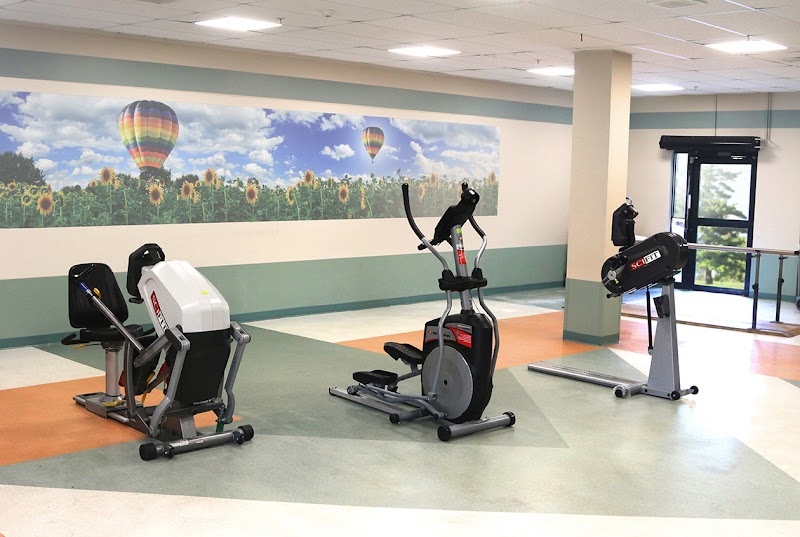
How is The Grand Rehabilitation And Nursing At Barnwell Staffed?

CMS rates THE GRAND REHABILITATION AND NURSING AT BARNWELL's staffing level at 1 out of 5 stars, which is much below average compared to other nursing homes. Staff turnover is 44%, compared to the New York average of 46%. This relatively stable workforce can support continuity of care.

What Have Inspectors Found at The Grand Rehabilitation And Nursing At Barnwell?

State health inspectors documented 57 deficiencies at THE GRAND REHABILITATION AND NURSING AT BARNWELL during 2022 to 2025. These included: 1 that caused actual resident harm and 56 with potential for harm. Deficiencies causing actual harm indicate documented cases where residents experienced negative health consequences.
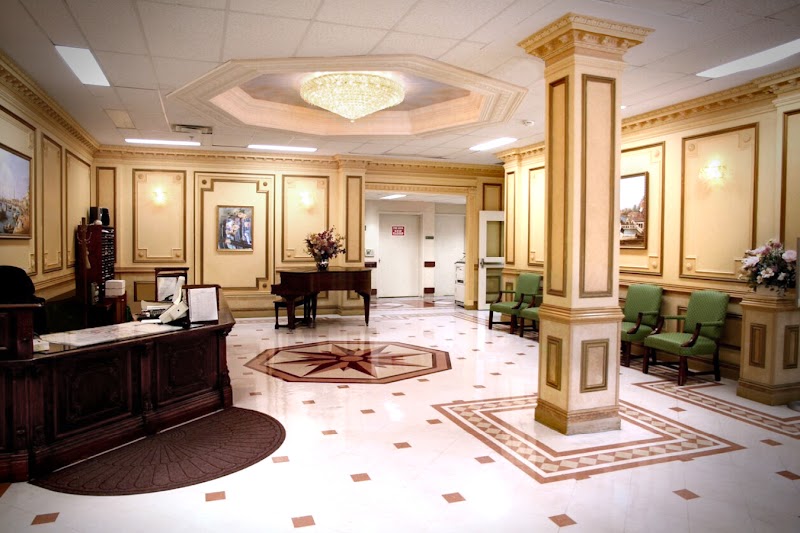
Who Owns and Operates The Grand Rehabilitation And Nursing At Barnwell?

THE GRAND REHABILITATION AND NURSING AT BARNWELL is owned by a for-profit company. For-profit facilities operate as businesses with obligations to shareholders or private owners. The facility is operated by THE GRAND HEALTHCARE, a chain that manages multiple nursing homes. With 236 certified beds and approximately 227 residents (about 96% occupancy), it is a large facility located in VALATIE, New York.

How Does The Grand Rehabilitation And Nursing At Barnwell Compare to Other New York Nursing Homes?

Compared to the 100 nursing homes in New York, THE GRAND REHABILITATION AND NURSING AT BARNWELL's overall rating (1 stars) is below the state average of 3.0, staff turnover (44%) is near the state average of 46%, and health inspection rating (1 stars) is much below the national benchmark.

What Should Families Ask When Visiting The Grand Rehabilitation And Nursing At Barnwell?

Based on this facility's data, families visiting should ask: "Can you walk me through typical staffing levels on day, evening, and night shifts?" "Can I visit during a mealtime to observe dining assistance and food quality?" "How do you handle medical emergencies, and what is your hospital transfer rate?" "Can I speak with family members of current residents about their experience?" These questions are particularly relevant given the below-average staffing rating.

Is The Grand Rehabilitation And Nursing At Barnwell Safe?

Based on CMS inspection data, THE GRAND REHABILITATION AND NURSING AT BARNWELL has documented safety concerns. The facility is currently on the Special Focus Facility watch list (a federal program monitoring the lowest-performing 1% of nursing homes nationwide). The facility has a 1-star overall rating and ranks #100 of 100 nursing homes in New York. Families considering this facility should ask detailed questions about what corrective actions have been taken since these incidents.

Do Nurses at The Grand Rehabilitation And Nursing At Barnwell Stick Around?

THE GRAND REHABILITATION AND NURSING AT BARNWELL has a staff turnover rate of 44%, which is about average for New York nursing homes (state average: 46%). Moderate turnover is common in nursing homes, but families should still ask about staff tenure and how the facility maintains care continuity when employees leave.

Was The Grand Rehabilitation And Nursing At Barnwell Ever Fined?

THE GRAND REHABILITATION AND NURSING AT BARNWELL has been fined $142,734 across 2 penalty actions. This is 4.1x the New York average of $34,506. Fines at this level are uncommon and typically indicate a pattern of serious deficiencies, repeated violations, or failure to correct problems promptly. CMS reserves penalties of this magnitude for facilities that pose significant, documented risk to resident health or safety. Families should request specific documentation of what issues led to these fines and what systemic changes have been implemented.

Is The Grand Rehabilitation And Nursing At Barnwell on Any Federal Watch List?

THE GRAND REHABILITATION AND NURSING AT BARNWELL is currently an SFF Candidate, meaning CMS has identified it as potentially qualifying for the Special Focus Facility watch list. SFF Candidates have a history of serious deficiencies but haven't yet reached the threshold for full SFF designation. The facility is being monitored more closely — if problems continue, it may be added to the official watch list. Families should ask what the facility is doing to address the issues that led to this status.