LOCKPORT REHAB & HEALTH CARE CENTER
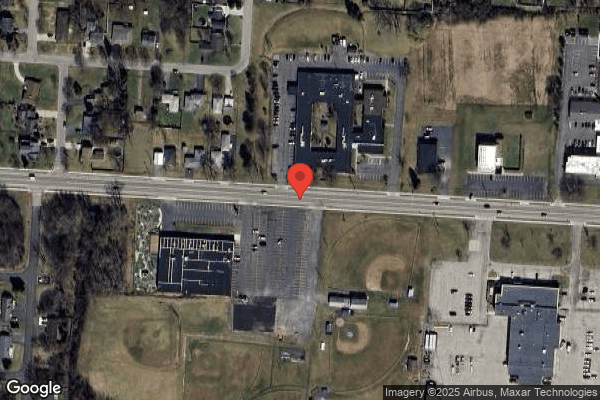
909 LINCOLN AVE, LOCKPORT, NY 14094 (716) 434-6361
For profit - Limited Liability company 82 Beds MAXIMUS HEALTHCARE GROUP Data: November 2025
Trust Grade
80/100
#193 of 594 in NY
Last Inspection: June 2024

Within standard 12-15 month inspection cycle. Federal law requires annual inspections.

Overview

Lockport Rehab & Health Care Center has a Trust Grade of B+, which means it is above average and recommended for families considering care options. It ranks #193 out of 594 facilities in New York, placing it in the top half, and #4 out of 10 in Niagara County, indicating only three local options are better. The facility is improving, with issues decreasing from 4 in 2022 to 3 in 2024. Staffing is rated average with a 3/5 star rating and a turnover rate of 45%, which is in line with the state average. While there are no fines, which is a positive sign, the center has concerning RN coverage, being below 87% of facilities in New York. Specific incidents of concern include failures in employee screening practices that could prevent abuse and neglect, and issues with monitoring residents on antipsychotic medications without proper gradual dose reductions. Overall, while there are strengths in its rating and absence of fines, families should be aware of staffing levels and some significant care protocol concerns.

Trust Score
B+
80/100
In New York
#193/594
Top 32%
Safety Record
Low Risk
No red flags
Inspections
Getting Better
4 → 3 violations
Staff Stability
⚠ Watch
45% turnover. Above average. Higher turnover means staff may not know residents' routines.
Penalties
✓ Good
No fines on record. Clean compliance history, better than most New York facilities.
Skilled Nurses
⚠ Watch
Each resident gets only 24 minutes of Registered Nurse (RN) attention daily — below average for New York. Fewer RN minutes means fewer trained eyes watching for problems.
Violations
⚠ Watch
12 deficiencies on record. Higher than average. Multiple issues found across inspections.
★★★★☆
4.0
Overall Rating
★★★☆☆
3.0
Staff Levels
★★★★☆
4.0
Care Quality
★★★★☆
4.0
Inspection Score
Stable
2022: 4 issues
2024: 3 issues

The Good

  • 4-Star Quality Measures · Strong clinical quality outcomes
  • Full Sprinkler Coverage · Fire safety systems throughout facility
  • No fines on record

Facility shows strength in quality measures, fire safety.

The Bad

Staff Turnover: 45%

Near New York avg (46%)

Higher turnover may affect care consistency

Chain: MAXIMUS HEALTHCARE GROUP

Part of a multi-facility chain

Ask about local staffing decisions and management

The Ugly 12 deficiencies on record

Jun 2024 3 deficiencies
CONCERN (D)

Potential for Harm - no one hurt, but risky conditions existed

Deficiency F0561 (Tag F0561)

Could have caused harm · This affected 1 resident

**NOTE- TERMS IN BRACKETS HAVE BEEN EDITED TO PROTECT CONFIDENTIALITY** Based on observation, record review and interview conducted during the Standard survey completed on 6/4/24 the facility did not ...

Read full inspector narrative →
**NOTE- TERMS IN BRACKETS HAVE BEEN EDITED TO PROTECT CONFIDENTIALITY** Based on observation, record review and interview conducted during the Standard survey completed on 6/4/24 the facility did not ensure residents had the right to choose activities, schedules, and health care consistent with their interests, assessments, and plan of care for one (Resident #9) of two residents reviewed for choices. Specifically, Resident #9 was provided with a shower once a week in the evening instead of twice a week during the day as care planned and preferred. The finding is: The policy and procedure titled Resident Rights reviewed 5/24 documented each resident was ensured the right to a dignified existence, self-determination, and communication with and access to persons and services inside and outside the facility. The policy and procedure titled Quality of Life dated 4/92 documented the resident has the right to choose activities, schedules, and health care consistent with their interests, assessments and plans of care and the right to make choices about aspects of their life in the facility that are significant to the resident. Resident #9 had diagnoses including depression, anxiety, and diabetes mellitus. The Minimum Data Set (MDS- a resident assessment tool) dated 3/9/24 documented Resident #9 always understood, always understands, and was cognitively intact. The Minimum Data Set documented, Resident #9 required partial/moderate assistance for showering and there were no refusals of care. The Minimum Data Set, dated [DATE] documented it was very important for Resident #9 to choose between a tub bath, shower, bed bath or sponge bath. The comprehensive care plan dated 2/27/24, documented Resident #9 had an activity of daily living self-care performance deficit. Interventions included supervision for bathing, baths on Tuesday and Friday between 6AM-2PM. Review of the [NAME] (a guide used by staff to provide care) dated 6/3/24 documented Resident #9's bathing was on Tuesday and Friday between 6AM-2PM. Review of the 6-2 PM Shower Schedule dated 5/24/24 located at the nurse's station, lacked documented evidence of Resident #9's care planned shower schedule. Review of the 2-10 PM Shower Schedule dated 5/24/24, documented Resident #9 was to receive a shower on Tuesday between 2-10 PM. During an observation and interview on 5/29/24 at 9:20 AM, Resident #9 stated they always got a shower at about 8:30 PM and then they went straight to bed. Resident #9 stated because their shower was given at that time, they were unable to watch their television shows before bed and that was upsetting for them. Resident #9 stated they had told the certified nursing aides that they would like a shower twice a week and during the day shift, but nothing was ever done about it. Resident #9 stated they were told they were only allowed one shower per week, and they wanted another shower during the week so they could feel clean. During an interview on 6/3/24 at 10:29 AM, Resident #9 stated they never were offered nor received a shower on 5/31/24 (Friday). During an observation and interview on 6/3/24 at 10:45 AM, Certified Nursing Aide #1 stated they knew when a resident was due for a shower because it would show up on the electronic charting program and there was a book on the unit with the shower schedule in it. Certified Nursing Aide #1 stated the showers would show up on the [NAME] too, but they used the electronic charting program to let them know if a resident was scheduled for a shower that shift. Certified Nursing Aide #1 demonstrated on the electronic charting program and showed that the bathing task would not show up if the resident was not scheduled for a shower that shift. Certified Nursing Aide #1 demonstrated how to access the [NAME] using their electronic device. Certified Nursing Aide #1 stated the [NAME] showed that Resident #9 should have a shower on Tuesdays and Fridays between 6 AM and 2 PM. Certified Nursing Aide #1 opened the book with the shower schedule and stated the shower schedule did not match the [NAME]. Certified Nursing Aide #1 stated the nurses were responsible for updating the care plan, [NAME], and shower schedule. Certified Nursing Aide #1 stated the staff should treat all residents the way they wanted to be treated because it was their dignity. During an interview on 6/3/24 at 10:55 AM, Certified Nursing Aide #2 stated there was a bath schedule in the book at the nurses' station and in the residents' [NAME]. Certified Nursing Aide #2 stated they usually looked at the book with the bath schedule in it to know if a resident was scheduled for a shower. Certified Nursing Aide #2 stated the bath schedule and the [NAME] should probably match, and it would be the unit manager who changed that. Certified Nursing Aide #2 stated Resident #9 should get their shower when they preferred because it was their right. During an interview on 6/3/24 at 11:05 AM, Licensed Practical Nurse #1 stated the care plan and the shower schedule in the book should both match and since it was in the care plan, it was possible that someone knew Resident #9's wishes to have a shower twice a week during the day shift. During an interview on 6/3/24 at 11:09 AM, Registered Nurse Supervisor #1 stated if Resident #9 had told someone they wanted their shower twice a week during the day shift and it was in the care plan, it was possible that someone knew that was what Resident #9 wanted. Registered Nurse Supervisor #1 stated if Resident #9 had switched rooms and the care plan was not updated, someone should have still asked them what their preference was for bathing. Registered Nurse Supervisor #1 stated this was Resident #9's home and they should receive their shower when they would like it. Registered Nurse Supervisor #1 stated the Director of Nursing had updated the shower scheduled on 5/24/24. Registered Nurse Supervisor #1 stated the Director of Nursing, Supervisor, and/or Unit Manager had access to update the bathing schedule. During an interview on 6/4/24 at 8:25 AM, the Director of Nursing stated if a resident had indicated to staff they were not happy with the schedule, then the schedule should have been changed to accommodate their request. The Director of Nursing stated that when Resident #9 was on the rehabilitation unit, their shower schedule was twice a week during the day shift and when they moved to their current unit, their shower schedule went down to once a week. The Director of Nursing stated the shower schedule should have been discussed during a care plan meeting. The Director of Nursing stated Resident #9's shower schedule should have been discussed with Resident #9 when they transferred from one unit to the other because it was their preference. During an interview on 6/4/24 at 8:48 AM, the Administrator stated it was expected that the nursing staff involved in the transfer of Resident #9 from one unit to the other would have had a conversation with Resident #9 about their preferences. The Administrator stated when Resident #9 had spoken to the certified nursing aide about their shower, the certified nursing aide should have told the licensed practical nurse. The Administrator stated this was important for Resident #9's comfort and their preferences should have been honored. 10 NYCRR 415.5 (b) (1,3)
CONCERN (D)

Potential for Harm - no one hurt, but risky conditions existed

ADL Care (Tag F0677)

Could have caused harm · This affected 1 resident

Based on observation, interview, and record review conducted during a Standard survey completed on 6/4/24, the facility did not ensure that each resident who was unable to carry out activities of dail...

Read full inspector narrative →
Based on observation, interview, and record review conducted during a Standard survey completed on 6/4/24, the facility did not ensure that each resident who was unable to carry out activities of daily living received the necessary services to maintain grooming and personal hygiene for one (Resident #29) of three residents reviewed. Specifically, Resident #29 had long thick jagged fingernails with dark brown debris underneath on their left contracted (loss of joint mobility) hand, and long jagged fingernails with chipped polish and dark brown debris underneath on their right hand. The finding is: The policy and procedure titled Nail Care dated 2/23, documented the facility will provide appropriate nail care to all residents. Nails would be observed daily by staff providing direct AM care, would be trimmed weekly on bath day, and residents with special needs (diabetic and residents on blood thinners) will have nails trimmed by the nurse weekly. 1. Resident #29 had diagnoses including vascular dementia, obstructive hydrocephalus (excessive accumulation of cerebral spinal fluid on the brain), and history of multiple pulmonary emboli (blood clots in the lungs). The Minimum Data Set (a resident assessment tool), dated 4/12/24, documented the resident was severely cognitively impaired, was always understood and always understands, exhibited no behaviors, such as, rejection of care, and was a substantial/maximum assistance for personal hygiene. The comprehensive care plan revised on 4/24/24, documented Resident #39 had an activities of daily living self-care performance deficit, had contractures of the left hand, was a partial/moderate assistance for personal hygiene, and substantial/maximum assistance for bathing. The care plan also documented that Resident #29 was on blood thinners. Review of the treatment administration records from 3/1/24-5/31/24 revealed no documentation related to nail care. Review of the certified nurse aide task documentation from 4/1/24- 5/31/24 revealed Resident #29 received personal hygiene care daily and was either dependent or required substantial/maximum assistance with care. There were no documented care refusals. During an observation on 5/29/24 at 11:56 AM, Resident # 29 was sitting in their wheelchair in the dining room. The nails on their right hand were long and jagged, had chipped nail polish and dark brown debris underneath. Their left hand was contracted, with the left thumb nail long, thick, and dark yellow, curled upward. During an observation and interview on 5/31/24 at 7:59 AM, Resident #29 was sitting in their wheelchair in the dining room. The nails on their left hand were all thick, yellow, and jagged with chipped polish. The left thumb nail was long, thick, and dark yellow, curled upward. Nails on the right hand were long with chipped polish. The right thumb nail was cracked and jagged. Resident #29 stated they did not recall when someone last cleaned or trimmed their nails. During an interview on 5/31/24 at 10:34 AM, Certified Nurse Aide #2 stated that nails were usually checked for cleanliness during morning care every day and they were trimmed on shower/bath days. They stated that the aides were responsible for cleaning and trimming nails, but the nurse had to trim nails for residents that were on blood thinners. During an interview on 5/31/24 at 2:35 PM, Licensed Practical Nurse #3 stated that it was the responsibility of the nurse to trim Resident #39's fingernails because they were on a blood thinner, and that nails should be trimmed on the resident's shower/bath day. They stated that they were aware of the thick, long nails on the resident's left hand. Licensed Practical Nurse #3 stated that Resident #29 did not like their nails trimmed so they would try distraction when they attempted to trim them. They stated that it was important to keep resident's nails trimmed and clean to prevent them from injuring themselves and to prevent bacteria from growing underneath, especially because Resident #29's left hand was contracted. During an interview and observation on 5/31/24 at 2:39 PM, Registered Nurse #1 stated it was the responsibility of the nurse to trim the nails of residents that were on blood thinners. Nails should be checked daily and trimmed on shower/bath days. They stated it was important to keep resident's nails trimmed to prevent infection and/or injuries to themselves, especially a resident with a contracted hand because their nails could dig into their hand and cause a wound. Registered Nurse #1 observed Resident #29's nails and stated they were very thick, too long and should be trimmed, especially their left hand because it was contracted. During an interview on 6/3/24 at 10:56 AM, the Director of Nursing stated that they expected staff to check/clean resident's nails daily with morning care and to trim nails on their shower/bath day. Nail care was important because unkempt nails could be a source of infection or cause injury. It was also a dignity issue for residents that can't speak for themselves. The Director of Nursing stated it was especially important to keep nails clean and trimmed when the hand was contracted because it could lead to a pressure area and infection. 10 NYCRR 415.12 (a)(3)
CONCERN (D)

Potential for Harm - no one hurt, but risky conditions existed

Tube Feeding (Tag F0693)

Could have caused harm · This affected 1 resident

**NOTE- TERMS IN BRACKETS HAVE BEEN EDITED TO PROTECT CONFIDENTIALITY** Based on record review and interview conducted during a Complaint investigation (Complaint #NY00323467) during the Standard surv...

Read full inspector narrative →
**NOTE- TERMS IN BRACKETS HAVE BEEN EDITED TO PROTECT CONFIDENTIALITY** Based on record review and interview conducted during a Complaint investigation (Complaint #NY00323467) during the Standard survey completed on 6/4/24, the facility did not ensure that a resident who was fed by enteral means (method of feeding that uses the gastrointestinal (GI) tract to deliver part or all a person's caloric requirements) received the appropriate treatment and services to prevent possible complications for one (Resident #127) of one resident reviewed for feeding tubes. Specifically, the facility did not provide the tube feed formula as per the hospital discharge summary. The finding is: The policy and procedure titled Enteral Feeding/Gastrostomy (a tube that passes through the abdominal wall into the stomach) - Jtube (jejunostomy tube- a tube placed through the abdominal wall into the small intestine)- Nasogastric Tube (tube inserted through the nose into the stomach) - Duodenal Feeding Tube (a tube inserted into the small intestine) reviewed 05/23 documented the purpose was to provide adequate prescribed nutritional intake by way of a Gastrostomy Tube. The policy and procedure titled Physician Orders reviewed 03/24 documented a system is established and maintained for transcription and advisement of all physician orders by a licensed nurse and the purpose is to assure accurate and timely implementation of orders. Resident #127 admitted with diagnoses of malignant neoplasm (malignant tumor that tends to spread to other parts of the body) of the tonsil and right lung, diabetes mellitus, and dysphagia (difficulty swallowing). Review of the Speech and Language Pathologist progress note dated 9/7/23 documented Resident #127 was alert and oriented and within normal limits cognitive communicative functions. The Base Line Care Plan dated 9/6/23 documented Resident #127 had nutritional needs related to enteral feeding. The goals listed included Resident #127 would tolerate tube feedings without complications. Interventions included: provide tube feeding and water flushes as ordered. The diet order was nothing by mouth. Additionally, the Base Line Care Plan documented, Resident #127 was at risk for signs and symptoms of hypoglycemia (low blood sugar) related to diabetes mellitus. Interventions included monitor blood sugars and to provide diet as ordered. Review of the hospital Discharge summary dated [DATE] documented Resident #127 was to continue feeds/formula: Glucerna 1.2 at 70 cubic centimeters per hour and free water flush 150 cc (cubic centimeters) every four hours. Additionally, the hospital discharge summary documented Resident #127 had a diagnosis of diabetes mellitus and should be reevaluated for initiation of therapy now that feeds were going well. The hospital discharge summary documented Resident #127 had a barium swallow study that showed Resident #127 had a nonfunctional swallow. Review of the Order Summary Report documented an order on 9/6/23 nothing by mouth (NPO) diet. There were no orders to continue the feed/formula as per the discharge summary. Review of the nursing progress note dated 9/6/23 at 4:55 PM, Licensed Practical Nurse Supervisor #1 documented peg tube placement was verified via stethoscope and Resident #127 had no complaints of pain, nausea, or abdominal distension. Review of the nursing progress note dated 9/6/23 at 5:28 PM, Licensed Practical Nurse Supervisor #1 documented Resident #127 arrived at the facility at 4:55 PM and the on call made aware. Review of the nursing progress note dated 9/6/23 at 7:28 PM, Licensed Practical Nurse Supervisor #1 documented new order from Nurse Practitioner #1 Humalog (a type of insulin) sliding scale for diabetes mellitus. Finger Sticks three times a day before meals. Review of the nursing progress note dated 9/6/23 at 11:38 PM, Licensed Practical Nurse #2 documented they spoke with Nurse Practitioner #1 regarding Resident #127 having a peg tube, no orders for feeds and no formula/feed. A new order was received to check blood sugars every four hours and give glucagon if blood sugar falls below 70. Continue 150 cubic centimeter water flush every four hours to maintain patency. As per discharge instructions from hospital, this writer did 150 cubic centimeter water flush at night with nightly meds. admission orders to be clarified in AM. Review of the Nutritional assessment dated [DATE] documented Resident #127 was dependent upon enteral feeding due to highly unsafe swallow/dysphagia caused by underlying malignancy; multiple co-morbidities including diabetes. Additionally, the Nutritional Assessment documented a suggestion of Glucerna 1.2 at 30 cubic centimeters per hour increasing by 10 cubic centimeters every eight hours for a total goal of 70 cubic centimeters per hour. Review of the Medication Administration Record dated 9/1/23 through 9/30/23 documented Glucerna 1.2 at 70 cubic centimeters via peg tube began at 8:00 AM on 9/7/23. Review of the Medication Discrepancy Form dated 9/7/23 documented the date of the error was 9/6/23 by Licensed Practical Nurse Supervisor #1. It was documented, Resident #127 arrived at the facility at 4:55 PM, was nothing by mouth with continuous G-tube feeding of Glucerna 1.2 at 70 cubic centimeters per hour. The Medication Discrepancy Form documented the possible harmful effects to Resident #127 included failure to provide adequate hydration and nutrition. During an interview on 5/31/24 at 7:17 AM, Licensed Practical Nurse #2 stated there were no orders for the feed/formula in the electronic medical record. At about 11:30 PM they noticed it was missing and they contacted the Nurse Practitioner. The Supervisor (LPN #1) should have contacted the Nurse Practitioner or the Physician earlier. License Practical Nurse #2 stated Resident #127 should have had a feed given to them soon after admission because it was ordered from the hospital as a continuous feed. During a telephone interview on 5/31/24 at 9:58 AM, License Practical Nurse Supervisor #1 stated the hospital was supposed to send a supply of tube feed/formula with Resident #127. License Practical Nurse Supervisor #1 stated they called and left a voicemail for the on-call provider stating Resident #127 arrived without any feed supply from the hospital. License Practical Nurse Supervisor #1 stated the on-call provider never returned their phone call. License Practical Nurse Supervisor #1 stated they did not attempt to notify the Director of Nursing, pharmacy, or hospital that the feed was not available and should have. During a telephone interview on 5/31/24 at 10:18 AM, the Nurse Practitioner stated they expected the nursing staff to follow orders, attempt to obtain the feed ordered, and notify them soon rather than later regarding missing feed. During a telephone interview on 5/31/24 at 10:58 AM, the Registered Dietitian stated sometimes the hospital would supply some of the feed for enteral feeds, but that agreement needed to be very definite. The Registered Dietitian stated the facility was usually aware of new admissions around noon and that would be adequate time for the facility to obtain feed/formula. The Registered Dietitian stated the facility had different options for feed already at the facility. The Registered Dietitian stated if they were not at the facility when a new admission with an enteral feed admitted , then the nursing staff could call them for recommendations, especially if the specific feed was not available. The Registered Dietitian stated for Resident #127 to go 15 hours without their continuous enteral feed was concerning. The Registered Dietitian stated Resident #127 should have been given an appropriate substitute for their feed and water flushes would not be considered an appropriate substitute. During an interview on 6/4/24 at 8:30 AM, the Director of Nursing stated they were alerted that Resident #127 was admitting to the facility with a peg tube and the hospital was supposed to send the feed. The Director of Nursing stated there were other types of feed that were on hand at the facility that could have been used. They stated, Licensed Practical Nurse Supervisor #1 was under the impression that the feed was coming from the pharmacy around 9:00 PM but it never came in. The Director of Nursing stated Licensed Practical Nurse Supervisor #1 should have called them or the Registered Nurse on call. The Director of Nursing stated they would have reached out to the Registered Dietitian for recommendations of rates and dilutions. 10 NYCRR 415.12(g)(2)
Jun 2022 4 deficiencies
CONCERN (D)

Potential for Harm - no one hurt, but risky conditions existed

Notification of Changes (Tag F0580)

Could have caused harm · This affected 1 resident

Based on interview and record review completed during a Standard survey conducted from 6/22/22 through 6/28/22, the facility did not inform the resident's representative of a need to alter treatment s...

Read full inspector narrative →
Based on interview and record review completed during a Standard survey conducted from 6/22/22 through 6/28/22, the facility did not inform the resident's representative of a need to alter treatment significantly for one (Resident #55) of one resident reviewed for notification of change. Specifically, Resident #55 was placed on an antipsychotic medication (Zyprexa) for aggression related to dementia and the responsible party was not notified prior to initiation of the medication. The finding is: The policy and procedure (P/P) titled Notification of Change in Resident Condition/ Status revised date 3/22 documented the facility will assure that communication with Resident's responsible family member and physician is made in the event of a change in condition and/or status. The Resident's responsible family member will be notified if the resident's physical, communicative, psychosocial and/or functional status changes unexpectedly or substantially. The resident's plan of care must be altered significantly. 1. Resident #55 had diagnoses including dementia without behavioral disturbance, cognitive communication deficit, and hypotension (low blood pressure). The Minimum Data Set (MDS- a resident assessment tool) dated 5/12/22 documented Resident #55 was severely cognitively impaired, was sometimes understood and sometimes understands. Review of the undated Care Profile documented the niece was Resident #55's responsible party. Review of the untitled comprehensive care plan with revised date 5/20/22 documented Resident #55 had diagnosis of dementia and used psychotropic medication. Documented interventions included to administer medications as ordered, monitor and document for side effects and effectiveness with initiated date of 5/10/22. Review of the Psychiatry Consult- Initial Psychiatric Evaluation dated 5/9/22 documented psychotropic medication recommendations: begin Zyprexa tab 2.5 mg (milligrams) by mouth (po) twice a day (BID) for organization of thoughts, an aggression related to dementia. Monitor tolerability and efficacy. Review of the Health Status Note completed by Licensed Practical Nurse (LPN) #1 Unit Manager (UM) dated 5/10/22 documented Psych Nurse Practitioner (NP) in to see Resident #55 5/9/22 with recommendations to start Zyprexa 2.5 mg po BID. After reviewing with the physician, Resident #55 to start the medication (Zyprexa) as ordered. Review of the Progress Notes dated 5/9/22 - 5/20/22 revealed there was no documented evidence that the responsible party was notified that Resident #55 was started on Zyprexa. The Medication Administration Record (MAR) dated 5/1/22 - 5/31/22 documented Zyprexa 2.5 mg was administered to Resident #55 as ordered 5/11/22 to 5/18/22, until the medication was discontinued on 5/18/22. During a telephone interview on 6/23/22 at 8:23 AM, Resident #55's niece (responsible party) stated they were called on 5/18/22 to come in as Resident #55 was unresponsive. At that time, they spoke to the Nurse Practitioner (NP) who told them that they felt the resident went unresponsive and that the two falls they had were because of the Zyprexa the resident was recently placed on. The niece stated that they were never informed of the resident being started on Zyprexa until that call with the NP on 5/18/22. During an interview on 6/27/22 at 1:55 PM, the Director of Nursing (DON) stated they would have expected the staff to have contacted the health care proxy (HCP) of any new orders for psychotropic medication and that a phone call to the family would be warranted. During a telephone interview on 6/27/22 at 4:46 PM, LPN #1 UM stated they did not contact the family when the new medication Zyprexa was ordered. LPN #1 stated if they would have notified the family, they would have documented it in the chart and if it wasn't documented they did not do it. 415.3(f)(iv)
CONCERN (D)

Potential for Harm - no one hurt, but risky conditions existed

Free from Abuse/Neglect (Tag F0600)

Could have caused harm · This affected 1 resident

**NOTE- TERMS IN BRACKETS HAVE BEEN EDITED TO PROTECT CONFIDENTIALITY** Based on observation, interview and record review completed during a Standard survey started 6/22/22 and completed 6/28/22, the ...

Read full inspector narrative →
**NOTE- TERMS IN BRACKETS HAVE BEEN EDITED TO PROTECT CONFIDENTIALITY** Based on observation, interview and record review completed during a Standard survey started 6/22/22 and completed 6/28/22, the facility did not ensure the resident's rights to be free from abuse for one (Resident #55) of two residents reviewed for abuse. Specifically, Resident #55 was bitten on the left (L) hand sustaining a skin tear measuring 3 x 3.5 by Resident #75 who has a history (hx) of physical aggression towards other residents and staff. The findings are: The policy and procedure (P/P) titled Abuse Prevention with revision date 8/21 documented it is the policy of the facility to implement and maintain an abuse prevention program. Physical abuse defined as striking, pinching, kicking, shoving, bumping or unwanted sexual attention. The purpose is to prevent incidents of abuse, neglect, involuntary seclusion, and misappropriation of property for all residents. The P/P titled Resident to Resident dated 3/22 documented the staff will identify potentially harmful situations and create a plan of care which prevents resident to resident abuse with the purpose to assure the safety of all residents. 1. Resident #55 had diagnoses including dementia without behavioral disturbance, cognitive communication deficit, and hypotension (low blood pressure). The Minimum Data Set (MDS- a resident assessment tool) dated 5/12/22 documented Resident #55 was sometimes understood, sometimes understands and was severely cognitively impaired. During observations made throughout survey from 6/22/22 to 6/28/22 between 8:00 AM to 3:00 PM Resident #55's left hand was bandaged. Resident #55 wandered up and down the hallways, sometimes into other residents' rooms or they sat in a chair near the nursing station. At times Resident #55 would continuously and repetitively talk non-sense words. When addressing Resident #55, they only talked gibberish and were unable to make conversation. Resident #55 appeared to be calm when approached. Review of the untitled Comprehensive Care Plan revealed there were no documented interventions for ensuring a safe environment for the resident who was cognitively impaired, had a diagnosis of dementia and wandered. The Incident Note dated 6/19/22 completed by Registered Nurse (RN) #1 Unit Manager documented Resident #55 was wandering on the unit and was bitten by another resident (#75) on the back of the left hand leaving a skin tear. The skin tear measurement was documented as approximately 3 x 3.5 (with no reference to length, width, or height), the skin tear was cleansed and covered with dry clean dressing (DCD). The Nurse practitioner (NP) on call was updated with new orders (N.O.) to send Resident #55 to the hospital for tetanus shot and to start antibiotic (ABT) if the resident representative was in agreement. The Resident's representative was called, and message left to call facility on update and new orders. Resident 55's niece doesn't want resident sent to emergency department (ED) for the injection. Pharmacy able to supply Tetanus injection. NP notified. Physician orders dated 6/19/22 documented Augmentin (antibiotic medication) 500-125 milligrams (mg)- give 1 tablet twice daily (BID) for prophy (prophylaxis, action taken to prevent disease) for 7 days. Tetanus- Diphtheria- Acellular Pertussis (vaccination, infection prevention) injection 1 application intramuscular (IM) x1 for human bite. Review of Medication Administration Record dated 6/1/22 through 6/30/22 documented Tetanus- Diphtheria- Acellular Pertussis Suspension was administered 6/19/22 intramuscularly in Resident #55's left thigh. Review of the Progress Note completed by the NP dated 6/20/22 documented Resident #55 was seen due to (d/t) human bite over the weekend. Resident #55 was ambulating on the unit and was bitten by another resident (#75). The interaction was witnessed, and Resident #55 was not being aggressive to the other resident in anyway. Resident #55 does not seem to have any pain, dizziness, mood changes, or gastrointestinal (GI) upset. Resident #55's left hand with large skin tear and no redness. Resident #55 has been started on Augmentin prophy; Tetanus shot to be updated. Topical wound care. Monitor for infection. Review of the Progress Note completed by the NP dated 6/22/22 documented Resident #55 was seen for follow-up of human bite on their hand. Resident remains afebrile (not feverish), without pain at site, no shortness of breath (sob), no chest pain, no nausea/ vomiting (N/V). Resident #55 is with good active range of motion (AROM) to left hand without discomfort. Left hand skin tear is dry, no redness, no drainage. 2. Resident #75 had diagnoses including schizoaffective disorder, bipolar disorder, major depressive disorder, narcissistic personality disorder, and mood disorder due to known physiological condition. The MDS dated [DATE] documented Resident #75 was understood, understands and was severely cognitively impaired. In addition, the MDS documented verbal behavioral symptoms were directed toward others and other behavioral symptoms not directed toward others. During an observation on 6/22/22 at 12:30 PM Resident #75 was lying in their bed with the sheets over their head. Resident was silent and would not respond to questions. On 6/23/22 at 9:20 AM Resident #75 was sitting up in bed with breakfast tray in front of them. Resident #75 conversed calmly at first, but then became agitated and started yelling to Get out. On 6/24/22 at 9:00 AM Resident #75 was in their room lying in bed. When addressed the resident immediately became very agitated and started to yell. Review of current Comprehensive Care (unknown date) documented Resident #75 had behavioral symptoms and makes threats to the safety of others when upset. Resident #75 insults and repeatedly will tell roommate they are going to kill them. Physical altercation between Resident #75 and roommate on 9/18/20. At that time Resident #75 was moved to a private room. Behavioral problems documented (verbal and physical aggression towards other residents and staff). On 6/21/22 resident #75 was placed on 1:1 at all times when out of bed. Review NYS DOH (New York State Department of Heath) No Action Necessary ([NAME]) Automated Complaint Tracking System (ACTS) Complaint/ Incident Investigation Reports for Resident #75 documented the resident has had multiple altercations with other residents. In addition, on 6/7/22 at 12:35 PM Resident #75 grabbed tightly on Resident #55's right hand in the dining room as Resident #55 was walking past Resident #75. Incident was unprovoked. Two certified nurse aides assisted to get Resident #75 to release their grip on Resident #55. Resident #75 was given Haldol 5mg intramuscular (IM) and remained on 15-minute checks when out of their room. Review of the Potential Abuse Investigation signed by RN #1 Unit Manager (UM) and dated 6/19/22 documented Resident #75's statement They (Resident #55) touched me, on the shoulder, so I licked them. Asked Resident #75 why was there blood and they became loud and said, I bit them!! When I asked Resident #55 if they were afraid, they responded non-sense words and appeared calm. They used their left hand to eat ice cream. The two residents were separated. Resident #75 was placed in their room, with 1:1 (one on one) supervision when out of their room. Resident #55's left hand (dorsum) over 3rd knuckle was cleansed and dressed with TAO (triple antibiotic ointment). Care plan was followed. Summary of findings documented Resident #55 doesn't exhibit or verbalize any fear of being here. Resident #75 will be 1:1 when out of their room. Is this a reportable incident was marked yes- if yes notify Director of Nursing (DON) or Administrator immediately. Time and date notified 6/19/22 at 9:15 AM. Review of the Investigation of Incident completed by the Administrator on 6/19/22 documented date and time of occurrence 6/19/22 at approximately 9:15 AM. Persons involved in incident included Resident #75 and Resident #55. Injuries included Resident #55 was bitten on the left hand leaving a skin tear measuring 3 x 3.5 (no reference to length, width, or height). Area (skin tear) was cleaned and covered with DCD. NP ordered a tetanus injection. Synopsis of incident: Resident #55 was ambulating by Resident #75. Resident #75 reached out, grabbed Resident #55's left hand, raised it to their mouth and bit it. Residents were immediately separated, and Resident #75 was placed in their room and was to have 1:1 when out of their room. Resident #55 had their left hand cleansed and covered. They did not show signs of fear of Resident #75. We will have Resident #55 monitored for psychosocial wellbeing every (q) shift for 48 hours. Resident #75 had psych consult on 6/15/22 with a medication change. Activities to evaluate Resident #75 to see if they can implement non-pharmacological interventions. Conclusion after investigation and interviews was left blank. Final actions and plans to prevent recurrence: Residents were immediately separated. Resident #75 is 1:1 when out of their room. Activities to evaluate Resident #75 to see if they can implement non-pharmacological interventions: hobbies, likes, music, TV, etc. Investigation complete. Review of Witness Statements dated 6/19/22 and signed by RN #1 UM documented certified nurse aide (CNA) #2 observed Resident #55 ambulating by Resident #75. Resident #75 reached out, grabbed Resident #55's left hand, raised it to their mouth and bit the hand. Resident #75 was placed in their room. CNA #2 said Resident #75 initiated the contact and that Resident #55 never even talked to Resident #75 prior to the incident. During an interview on 6/27/22 at 12:21 PM, RN #1 UM stated they were called over to the unit because there was an incident. Resident #55 had a skin tear over the knuckle of their left hand as Resident #75 bit them. Certified Nurse Aide #2 (CNA) witnessed the incident and told me that Resident #55 was walking by Resident #75, who then grabbed Resident #55's hand like they were going to kiss them but then proceeded to bite it. The residents were separated, an incident report was initiated, new orders were obtained, and the Administrator and Director of Nurses (DON) were notified. During an interview on 6/27/22 at 1:51 PM, the DON stated Resident #75 has had multiple altercations with other residents prior to this one. Resident #75 has been care planned each time there has been an incident to prevent further altercations. This incident on 6/19/22 was reportable as it would be considered abuse. During an interview on 6/28/22 at 11:10 AM, the Administrator stated the incident on 6/19/22 between Resident #75 and resident #55 was definitely considered a resident to resident and was reportable but there needs to be intent to harm for it to be considered abuse. Resident #75 has a BIMS (brief interview for mental status) of 5 and are cognitively impaired and does not purposely try to hurt other residents. Additionally, stated Resident #75 has had altercations in the past with other residents. 415.4(b)(1)(i)
CONCERN (D)

Potential for Harm - no one hurt, but risky conditions existed

Report Alleged Abuse (Tag F0609)

Could have caused harm · This affected 1 resident

**NOTE- TERMS IN BRACKETS HAVE BEEN EDITED TO PROTECT CONFIDENTIALITY** Based on interview and record review completed during a Standard survey started 6/22/22 and completed 6/28/22, the facility did ...

Read full inspector narrative →
**NOTE- TERMS IN BRACKETS HAVE BEEN EDITED TO PROTECT CONFIDENTIALITY** Based on interview and record review completed during a Standard survey started 6/22/22 and completed 6/28/22, the facility did not ensure that all alleged violations including abuse are reported immediately, but not later than 2-hours after the allegation is made, if the events that cause the allegation involve abuse or result in serious bodily injury, to the appropriate officials (including the State Survey Agency). Specifically, two (Residents #55 and 75) of two residents reviewed for abuse were involved in a resident-to-resident altercation which was not reported timely to the New York State (NYS) Department of Health (DOH) as required. The finding is: The policy and procedure (P/P) titled Abuse Prevention with revision date 8/21 documented it is the policy of the facility to implement and maintain an abuse prevention program. Physical abuse defined as striking, pinching, kicking, shoving, bumping or unwanted sexual attention. The purpose is to prevent incidents of abuse, neglect, involuntary seclusion, and misappropriation of property for all residents. The P/P titled Resident to Resident dated 3/22 documented the staff will identify potentially harmful situations and create a plan of care which prevents resident to resident abuse with the purpose to assure the safety of all residents. Any incident of resident-to-resident abuse will be investigated using the Potential Abuse Investigation form. If deemed to be reportable event per guidelines of the Nursing Home Incident Reporting Manual the incident will be reported to NYSDOH via HERDS (Health Electronic Response Data System) system. 1. Resident #55 had diagnoses including dementia without behavioral disturbance, cognitive communication deficit, and hypotension (low blood pressure). The Minimum Data Set (MDS- a resident assessment tool) dated 5/12/22 documented Resident #55 was sometimes understood, sometimes understands and was severely cognitively impaired. 2. Resident #75 had diagnoses including schizoaffective disorder, bipolar disorder, major depressive disorder, narcissistic personality disorder, and mood disorder due to known physiological condition. The MDS dated [DATE] documented Resident #75 was understood, understands and was severely cognitively impaired. Review the Potential Abuse Investigation signed by Registered Nurse (RN) #1 Unit Manager (UM) and dated 6/19/22 documented Resident #75's statement They (resident #55) touched me, on the shoulder, so I licked them. Asked Resident #75 why was there blood and they became loud and said, I bit them!! When I asked Resident #55 if they were afraid, they responded non-sense words and appeared calm. They used their left hand to eat ice cream. The two residents were separated. Resident #75 was placed in their room, with 1:1 (one on one) supervision when out of their room. Resident #55's left hand (dorsum) over 3rd knuckle was cleansed and dressed with TAO (triple antibiotic ointment). Care plan was followed. Summary of findings documented Resident #55 doesn't exhibit or verbalize any fear of being here. Resident #75 will be 1:1 when out of their room. Is this a reportable incident was marked yes- if yes notify Director of Nursing (DON) or Administrator immediately. Time and date notified 6/19/22 at 9:15 AM via e-mail. Review of the NYS DOH Automated Complaint Tracking System (ACTS) Complaint/Incident Investigation Report revealed the Date/time of occurrence: 6/19/22 at 9:15 AM. Submitted by facility: 6/19/22 at 2:15 PM. The question is there reasonable cause to believe that abuse, neglect, or mistreatment occurred documented it was undetermined at this time. During an interview on 6/27/22 at 12:21 PM, RN #1 UM stated they were called over to the unit because there was an incident. Resident #55 had a skin tear over the knuckle of their left hand as Resident #75 bit them. Certified Nurse Aide (CNA) witnessed the incident and told me that Resident #55 was walking by Resident #75, who then grabbed Resident #55's hand like they were going to kiss them but then proceeded to bite it. After speaking with Resident #55, they did not appear to be upset at all over the incident. Resident #55 was asked if they were afraid, but they were just speaking gibberish. Resident #55 was given ice cream and they used their left hand to eat it. Spoke with Resident #75 who stated Resident #55 touched their wheel chair. They then stated they only licked Resident #55's hand. When asked, Then why was there blood? Resident #75 stated they bit resident #55. Resident #75 was taken to their room and was placed on 1:1 when out of their room. The wound was then cleaned up and a dressing was placed on it. The niece of Resident #55, the Nurse Practitioner (NP) on call, and the brother of Resident #75 were all called and notified. The Administrator and DON were notified via e-mail, but it wasn't within the 2- hour time frame. When they did not respond after sending out the e-mails, the front desk called them and then the Administrator got back to me. I am aware of the 2-hour rule of reporting to the DOH now, I thought it was five hours. During an interview on 6/27/22 at 1:51 PM the DON stated it is my expectations that the DON and/or the Administrator are notified immediately by a phone call so that it can be reported within 2-hours to the DOH. We were notified via e-mail which is not the proper way to contact us. I did not even see the e-mail as I was off on vacation. The Administrator was the one who took care of it. The employee who did this was spoken to about alerting us via phone instead of an e-mail because this needed to be sent in to the DOH within 2-hours. Yes this incident was reportable to the state within 2-hours of the time of the notification. During an interview on 6/27/22 at 3:03 PM the Administrator stated it would be my expectation for staff to notify me by the phone so that I have the 2-hours to report this. I try to make sure they are reported timely. When notified by phone of the incident, it was then reported to the DOH right away. The staff member who sent the e-mail instead of calling me, was educated immediately regarding the 2-hour reporting requirements. 415.4(b)(4)
CONCERN (D)

Potential for Harm - no one hurt, but risky conditions existed

Incontinence Care (Tag F0690)

Could have caused harm · This affected 1 resident

Based on observation, record review, and interview during the standard Survey started 6/22/22 and completed 6/28/22, the facility did not ensure a resident with an indwelling catheter received the nec...

Read full inspector narrative →
Based on observation, record review, and interview during the standard Survey started 6/22/22 and completed 6/28/22, the facility did not ensure a resident with an indwelling catheter received the necessary services and treatment for catheter use for one (Resident #44) of one resident reviewed. Specifically, Resident #44's indwelling urinary catheter (tube inserted into the bladder to drain urine) was not anchored to prevent excessive tension on the catheter. Additionally, the facility's policy and procedure (P&P) did not address anchoring of the catheter. The finding is: Review of the facility P&P titled Urinary Catheterization dated 10/18, revealed there was no documentation that a resident's urinary catheter was to be anchored to prevent tension on the catheter. 1. Resident #44 had diagnoses including multiple sclerosis (chronic disease affecting the brain and spinal cord) and neurogenic bladder (bladder with diminished sensation). The Minimum Data Set (MDS-a resident assessment tool) dated 4/23/22 documented Resident #44 was cognitively intact and had an indwelling urinary catheter. The comprehensive care plan documented Resident #44 had an indwelling catheter related to neuromuscular dysfunction initiated on 7/1/21. Interventions documented included to position the catheter bag and tubing below the level of the bladder, change and irrigate the catheter per order. There was no intervention to anchor the catheter tubing to prevent tension on the catheter. Review of the Order Summary Report dated 6/28/22 revealed an order for a catheter size 20 Fr (French-unit of measurement), flush daily with 50cc (cubic centimeters) of normal saline, and may change if the catheter was plugged or leaking. Review of nurse Progress Notes dated 4/14/22 through 6/26/22 revealed the following: -On 4/14/22 at 2:27 PM, catheter noted to be leaking -On 5/5/22 at 6:47 AM, catheter was leaking -On 6/8/22 at 4:36 AM, resident was wet with urine, attempted to flush the catheter without success, catheter was changed, and a small stone was attached at end of the catheter -On 6/23/22 at 5:08 AM, catheter leaking and was changed -On 6/26/22 at 6:35 PM, catheter changed per as needed order if plugged or leaking During an observation of morning care on 6/27/22 at 9:36 AM, Certified Nurse Aide (CNA) #3 provided catheter care. The catheter tubing had dried blood near the urinary meatus (external opening of the urinary tract) and some streaks of blood in the urine drainage tube. Resident #44 stated, be careful with that, I just had it changed last night. The resident's catheter was not anchored to prevent pulling on the catheter. During an interview on 6/27/22 at 1:51 PM, CNA #3 stated that the nurses were responsible for changing the catheter and making sure the catheter was anchored with a leg strap. During an observation on 6/28/22 at 9:03 AM, with Licensed Practical Nurse (LPN) #2 present, Resident #44 was lying in bed and the catheter was not anchored. LPN #2 stated that the resident should have a leg strap and they would go get one. Resident #44 stated he used to have a leg strap but didn't know what happened to it and would like to have one. During an interview on 6/28/22 at 9:08 AM, LPN #2 stated nurses were supposed to make sure residents had a catheter strap on, to keep the catheter stabilized. LPN #2 stated Resident #44 occasionally had leaking or plugging of their catheter and had orders to flush and change the catheter. LPN #2 stated they didn't know why the resident didn't have a leg strap on or how long the resident didn't have one in place. During an interview on 6/28/22 at 9:34 AM, the Director of Nursing (DON) stated they expected residents with indwelling urinary catheters to have a leg strap in place to prevent pulling of the catheter. The DON stated LPNs should check, but also CNAs should let the nurses know if a resident didn't have one in place. The DON stated that staff should check for a leg strap during incontinent care or during catheter care. During further interview at 1:04 PM, the DON stated they were not aware the facility policy did not include a catheter strap and that the strap was for resident's comfort and safety. 415.12 (d)(2)
Aug 2019 5 deficiencies
CONCERN (D)

Potential for Harm - no one hurt, but risky conditions existed

Deficiency F0804 (Tag F0804)

Could have caused harm · This affected 1 resident

Based on observation, interview, and record review conducted during the Standard survey completed on 8/30/19, the facility did not provide food and drink for resident consumption that was palatable, a...

Read full inspector narrative →
Based on observation, interview, and record review conducted during the Standard survey completed on 8/30/19, the facility did not provide food and drink for resident consumption that was palatable, attractive, and at a safe and appetizing temperature. Specifically, three (Units A, B, C) of five resident units observed for meal service had issues with hot and cold food items that were not served at appetizing temperatures. Residents #A, B, C, D and family representative E were involved. The findings are: Review of a facility policy titled Dietary Services Philosophy and Objectives dated 3/19 documented staff will endeavor to prepare and serve food that is attractive, at all proper temperatures, meeting the individual preferences of the resident, and properly seasoned unless otherwise restricted. All potentially hazardous food transported from one food service area to another should be kept at 41 degrees Fahrenheit (F) or below (cold foods) or 135 degrees Fahrenheit (F) or above (hot liquid) during transportation. Keep the temperature of prepared foods that are to be served cold at 41 degrees Fahrenheit (F) or below throughout the meal service period. Interviews from 8/26/19 to 8/27/19 revealed the following: - 8/26/19 at 9:59 AM, Family representative E stated they visit daily and they felt the quality of food has gone way down. Specifically, they use to get name brand jelly and now that get some generic kind that taste awful. - 8/26/19 at 11:15 AM Resident B stated the food is terrible. The meatballs are made from sausage. It's always the same thing beef or pork - 8/26/19 at 12:20 PM, Resident D stated the quality of food has really gone down. They don't get fresh fruit regularly, we get a lot of canned fruit. The resident further stated your lucky if you get your meal hot. - 8/26/19 at 2:31 PM, Resident A stated the food was awful. It's never at the right temperature. - 8/27/19 at 8:52 AM, Resident C stated people that eat in their rooms get cold food. They tell me to go to the dining room and get hot food but I don't want to go to the dining room. Last night the pulled pork sandwich were and the potato wedges were cold. The food doesn't taste good. Observation of the [NAME] Wing dining area on 8/28/19 revealed the lunch meal was started to be served at 11:45 PM to those residents eating in their rooms on the [NAME] Wing. After all trays were served at 12:14 PM, a test tray was conducted. The Food Service Director (FSD), using a facility digital thermometer, obtained temperatures of the food on the plate as follows: Oven fried chicken- 118 degrees F, was not palatable as it was luke warm, tough to chew, and had little flavor. Brown rice-118 degrees F and was not palatable. It was luke warm, sticky, and bland to taste. Oriental blend vegetables-104 degrees F and were cold to taste. Coffee-125 degrees F and was luke warm. During a follow up interview on 8/28/19 at 12:20 PM, Resident C stated her lunch wasn't very warm. It's never warm Observation of the East Wing dining area on 8/28/19 revealed the lunch meal was started to be served at 12:04 PM to those residents eating in their rooms on the East Wing. After all trays were served at 12:17 PM, a test tray was conducted. The facility Cook, using a facility digital thermometer, obtained temperatures of the food on the plate as follows: Oven Fried Chicken-100 degrees F and was not palatable as it was dry, tuff, and tasteless. Brown Rice-100 degrees F. The rice was sticky and tasted bland. Oriental Blend Vegetables-88 degrees F were not palatable tasted cold and had no flavor. Juice-50 degrees F and tasted luke warm Coffee-120 degrees F and tasted luke warm Interview with the Food Service Director on 8/28/19 at 12:17 stated she randomly picks a unit and waist till the last tray is passed. I proceed to take temps and then ask the residents if everything was ok. The hot foods need to be warm enough to be palatable and the cold food has to be at 41 or below. 415.14 (d)(1)(2)
CONCERN (E)

Potential for Harm - no one hurt, but risky conditions existed

Abuse Prevention Policies (Tag F0607)

Could have caused harm · This affected multiple residents

Based on interview and record review during the Standard survey completed on 8/30/19, the facility did not implement written policies and procedures for screening employees that would prohibit and pre...

Read full inspector narrative →
Based on interview and record review during the Standard survey completed on 8/30/19, the facility did not implement written policies and procedures for screening employees that would prohibit and prevent abuse, neglect, and exploitation of residents and misappropriation of resident property. Specifically, the lack of documented evidence that verified four (Employee #1, Employee #2, Employee #3, Employee #4) of fifteen files reviewed for background checks had been screened through the New York State Nurse Aide Registry prior to their employment. The findings are: The facility's policy and procedure (P&P) titled Pre-Hire Screening of Employees, revised 7/2019, documented the facility will screen all employees for history of abuse or neglect before hiring, and this will include a search of the Nurse Aide Registry for each prospective employee and the result will be printed. 1. Record review of the personnel file for Employee #1 (Occupational Therapist) revealed Employee #1 was hired on 7/3/19 and Employee #1's file contained a Nurse Aide Registry verification conducted on 7/3/19 for a person with the same first name and different last name. During an interview on 8/29/19 at 3:30 PM, the Human Resources and Payroll Coordinator stated there is no Nurse Aide Registry verification sheet for Employee #1, and the Nurse Aide Registry Verification sheet that appeared in Employee #1's file was for a different person. She further stated she does not know who placed the Nurse Aide Registry verification sheet in Employee #1's file, but it was a mistake. Record review of the automated time and attendance record revealed Employee #1 worked in this facility four days between 7/3/19 and 8/29/19. 2. Record review of the personnel file for Employee #2 (Certified Nurse Aide) revealed Employee #2 was hired on 6/28/19 and the Nurse Aide Registry verification was conducted on 8/14/19. Record review of the automated time and attendance record revealed Employee #2 worked second shift in this facility 25 days between 7/1/19 and 8/14/19. 3. Record review of the personnel file for Employee #3 (Certified Nurse Aide In Training) revealed Employee #3 was hired on 6/28/19 and the Nurse Aide Registry verification was conducted on 7/8/19. Record review of the automated time and attendance record revealed Employee #3 worked first shift in this facility six days between 6/30/19 and 7/8/19. During an interview on 8/30/19 at 12:00 PM, the Director of Nursing stated the Certified Nurse Aide In Training Program contains students who have completed the Nurse Aide Training Program at a sister facility and are practicing their clinical skills at this facility, under the guidance of a Certified Nurse Aide, prior to taking their certification exam. 4. Record review of the personnel file for Employee #4 (Certified Nurse Aide In Training) revealed Employee #4 was hired on 6/28/19 and the Nurse Aide Registry verification was conducted on 7/9/19. Record review of the automated time and attendance record revealed Employee #4 worked second shift in this facility one day between 7/1/19 and 7/9/19. During an interview on 8/29/19 at 3:30 PM, the Human Resources and Payroll Coordinator stated she was on vacation around the end of June and the first week of July, and she does not believe anyone from the facility was checking the Nurse Aide Registry for new hires in her absence. 415.4(b)(1)(ii)(a)(b)
CONCERN (E)

Potential for Harm - no one hurt, but risky conditions existed

Drug Regimen Review (Tag F0756)

Could have caused harm · This affected multiple residents

**NOTE- TERMS IN BRACKETS HAVE BEEN EDITED TO PROTECT CONFIDENTIALITY** Based on observation, interview, and record review conducted during the Standard survey completed on 8/30/19, the facility did n...

Read full inspector narrative →
**NOTE- TERMS IN BRACKETS HAVE BEEN EDITED TO PROTECT CONFIDENTIALITY** Based on observation, interview, and record review conducted during the Standard survey completed on 8/30/19, the facility did not ensure that the Pharmacist report any irregularities to the attending Physician and the facility's Medical Director and Director of Nursing for two (Resident #35 and #63) of five residents reviewed for Drug Regimen Reviews. Specifically, the pharmacist did not identify or report antipsychotic (Risperidone and Haldol) medications prescribed and administered for an excessive duration without an attempt of a gradual dose reduction (GDR). In addition, the lack of documented evidence to warrant its continued use. The policy and procedure (P&P) titled Pharmacy Services - Medication Regimen Review dated 4/18 documented the consultant pharmacist will perform a monthly medication regimen review, documenting the appropriateness of medication regimen and recommendations for change. The findings are: 1. Resident #35 was admitted [DATE] and had diagnoses which included vascular dementia, neurological deficits, anxiety, and depression. Review of the Minimum Data Set (MDS, a resident assessment tool) dated 7/5/19 revealed the resident was severely cognitively impaired was rarely/never understood. Review of a Physician Order dated 1/27/15 revealed the medication Risperidone (Risperdal, antipsychotic medication) was increased to 1 mg BID (twice daily) for dementia. During intermittent observations of the resident on 8/28/19, 8/29/19 and 8/30/19 between 8:30 AM and 3:00 PM revealed the resident was self propelling around the facility in her wheel chair with a lap buddy (cushioned device that fits up the wheel chair to remind a person not to get up unassisted) in place. She was not observed trying to stand or remove the lap buddy. She was not observed throwing food or yelling out. She was observed without the lap buddy while in wheel chair at meals and when supervised at the nurse's station per her care plan. During these times the resident was not observed to have behaviors that would be harmful to herself or others. Review of a Progress Notes dated 11/2/15 at 10:48 AM revealed BMARC (Behavior Modification Assessment Review Committee) recommendations to decrease Risperdal to .5 mg (milligram) in AM and 1 mg PM. Continued review revealed at 11:50 AM it was documented the daughter was contacted regarding the BMARC recommendation and was very opposed to any medication changes. The physician was notified on 11/2/15 of daughter's concern of medication change and discontinued the initiation of the GDR (gradual dose reduction). Review of BMARC recommendations from 7/2018 through 8/2019 revealed there was no recommendation made to GDR the Risperdal and did not document the benefits outweighed the risks. Review of Pharmacy Consultant notes from 11/5/18 through 7/19/19 revealed there was no recommendations for a GDR. Psych meds continue, resident functioning at highest level, quality of life would be negatively impacted. Review of the medical record (progress notes, provider notes, consultant notes) revealed no further GDR had been recommended since 11/2/15. During an interview on 8/28/19 at 9:50 AM, Registered Nurse (RN) Unit Coordinator #1 stated the resident doesn't try to stand up out of the chair anymore. During an interview on 8/30/19 at 9:45 AM, Pharmacist Consultant #1 stated if there was a GDR it would cause the resident harm, she could fall. We don't want to cause her harm. The GDR is contraindicated. She is functioning at her highest level. Review of the medical record from 11/2015 through 8/30/19 revealed there was no documented evidence regarding a fall with injury. The resident had been using a lap buddy (cushioned device that fits the wheel chair to remind a person not to get up unassisted and can be used for positioning if a person tends to lean forward in wheelchair and is in danger of falling forward) for the last five years. 2. Resident #63 was admitted to the facility on [DATE] and had diagnoses that included dementia with behavioral disturbances, major depressive disorder (MDD), and anxiety disorder. The MDS dated [DATE] revealed that the resident was cognitively impaired, usually understood and sometimes understands. Section E (Behavior) of the MDS revealed the resident had no potential indicators of psychosis. There were no physical behavioral symptoms exhibited. The resident was not at significant risk for physical illness or injury; there was no significant interference with the resident's care, participation in activities or social interactions and there was no impact on others. Section N (Medications) of the MDS revealed the resident received an antipsychotic medication. Review of the Care plan date 5/29/19 (identified as current) documented the resident had a history of socially inappropriate behaviors, calling out and teeth grinding. Interventions included monitor behaviors and pharmacy consultant reviews. Review of the Physician Orders dated 11/9/18 included an order for Haloperidol (Haldol) 2 mg/ml (milligrams/milliliter) oral concentrate, give 1 ml (2 mg) by oral route two times per day. Review of the provider note 7/3/2019 revealed the resident was with advanced dementia and really has no behavioral issues although she does grind her teeth. She is treated with Lorazepam (antianxiety medication) and Haldol due to delusions. Despite discussions with her daughter about the risks of these medications and the potential that she would do fine without them her daughter has expressed significant concerns about instability with GDR attempts and causing her mother undue stress and discomfort if the GDR is unsuccessful. Review of Medication Administration Records dated 11/9/18 through 8/29/19 revealed Haldol 2 mg was administered at 8:00 AM and 8:00 PM. Review of the monthly regimen reviews dated from 12/20/2018 through 6/17/2019 revealed there was no recommendation made to attempt a GDR of the Haldol. The pharmacist documented the benefits of current medications clearly outweigh the risks, and that a GDR of Haldol was done in the past with very poor results. Review of the Behavioral Modification Assessment Record Committee (BMARC) notes dated 8/8/19 revealed the resident was on Haloperidol 2 mg/ml, Concentrate (2 mg orally BID) with the last increase being 1/30/17. The last GDR was left blank. There were no behaviors noted, and the resident had been noted to be sleeping more during the day and less verbal. Review of progress notes 6/1/19 through 8/29/19 revealed there was no documented evidence the resident had behaviors that were harmful to herself or others. During intermittent observations from 8/26/19 through 8/30/19 between 8:30 AM and 3:30 PM the resident did not display any inappropriate behaviors or calling out. During an interview on 8/30/19 at 8:27 AM, Licensed Practical Nurse (LPN) Unit Manager #1 stated the resident has never had a GDR of the Haldol. During an interview on 8/30/19 at 8:35 AM, the Medical Director (MD), stated he does pharmacy reviews monthly in conjunction with the nursing staff. The MD could not recall discussing Resident #63 and did not know why her GDR was not reflected in the Medication Administration Record (MAR), stating, I'm sure we did it I'm just thinking maybe it didn't carry over to the new medical record? During an interview on 8/30/19 at 9:45 AM, the Pharmacist Consultant #1 stated during the BMARC meetings they do reference the GDR on each resident and, of course I would expect that it had been completed. 415.18(c)(1)
CONCERN (E)

Potential for Harm - no one hurt, but risky conditions existed

Medication Errors (Tag F0758)

Could have caused harm · This affected multiple residents

**NOTE- TERMS IN BRACKETS HAVE BEEN EDITED TO PROTECT CONFIDENTIALITY** Based on observation, interview, and record review conducted during the Standard survey completed on 8/30/19 the facility did no...

Read full inspector narrative →
**NOTE- TERMS IN BRACKETS HAVE BEEN EDITED TO PROTECT CONFIDENTIALITY** Based on observation, interview, and record review conducted during the Standard survey completed on 8/30/19 the facility did not ensure that residents who use antipsychotic drugs receive gradual dose reductions (GDR), and behavioral interventions, unless clinically contraindicated, in an effort to discontinue these drugs for two (Resident #35 & 63) of two residents reviewed for antipsychotic medications. Resident #35 received Risperidone (Risperdal, antipsychotic medication) 1 mg (milligrams) BID (twice a day) since 1/2015 without a GDR. Resident #63 received Haldol (antipsychotic medication) 2 mg BID since 10/2017 without a GDR or behavioral documentation for its continued use. The findings are: The facility policy and procedure titled Antipsychotic Medications, and Guidelines for Use dated 5/18 documented the purpose of the policy is to ensure that a patient/resident is not given anti-psychotic medications unless indications of need necessary to treat a specific condition as diagnosed and documented in the medical records; which have been quantitively and objectively documented. The indication for any psychotropic medication will be thoroughly documented in the clinical record to include an appropriate supporting diagnosis and identification of the behavioral symptom being treated. Antipsychotics should not be used for wandering, anxiety, nervousness, unspecified agitation, impaired memory, or fidgeting. Information should be quantitatively and objectively documented. Assess whether the resident's behavioral symptoms is in need of some intervention. Determine whether behavioral symptoms are transitory of permanent. Ruling out environmental causes. Persistent behaviors which are not preventable and could cause harm to the resident or others. 1. Resident #35 was admitted [DATE] and had diagnoses which include vascular dementia, neurological deficits worsening, anxiety, and depression. The Minimum Data Set (MDS, a resident assessment tool) dated 7/5/19 revealed the resident was severely cognitively impaired and rarely/never understood. Review of the Care Plan dated 7/12/19 revealed resident had diagnoses of anxiety and depression. Behaviors include repetitive verbalizations, fidgeting with clothing or items near her, resistive to care, and trouble falling asleep. Approaches include administer medications as ordered (Risperidone 1 mg BID and Xanax .5 mg BID), allow to propel around the facility, modify environment if overstimulating, offer snacks, blanket, different setting when agitated, and use tactile approach if resident allows. Review of the Physician Orders dated 1/27/15 revealed the medication Risperidone was increased to 1 mg BID for dementia. Review of a Progress Note dated 11/2/15 at 10:48 AM revealed BMARC (Behavior Modification Assessment Review Committee) recommendations to decrease Risperdal to .5 mg in AM and 1 mg in PM. Continued review of a Progress Note dated 11/2/15 at 11:50 AM revealed the daughter was contacted regarding the BMARC recommendation and was very opposed to any medication changes. The Physician was notified on 11/2/15 PM of daughter's concern of medication change and discontinued the initiation of the GDR. Review of BMARC recommendations from 7/2018 through 8/2019 revealed there was no recommendation to GDR the Risperdal and there was no documented evidence the benefits outweighed the risk. Review of the Progress Notes from January 2019 through 8/30/19 revealed the resident had behaviors which included refusing medications. Continued review of the Progress Notes from 1/2019 to present included occasionally throwing food and yelling out. During an interview on 8/30/19 at 9:45 AM, the Pharmacist Consultant stated refusing meds was not a behavior. Review of the Medication Administration Record (MAR) dated 3/19 through 8/19 revealed the resident refused/spit out the Risperdal for 49 of 364 opportunities during the past 6-month period. During an interview on 8/30/19 at 8:55 AM, the Physician stated there should have been a GDR within the past five years and doesn't feel the resident has behaviors that warrant the use of an antipsychotic medication, but he has to take into consideration the surrogate/HCP wishes. During an interview on 8/30/19 at 9:05 AM, the Social Worker stated it was her understanding there hadn't been a GDR because the family doesn't want it. During an interview on 8/30/19 at 9:50 AM, the Pharmacist Consultant #1 stated if there was a GDR it would cause her harm, she could fall. We don't want to cause her harm. It is contraindicated. During intermittent observations of the resident on 8/28/19, 8/29/19 and 8/30/19 between 8:30 AM and 3:00 PM revealed the resident was self propelling around the facility in her wheel chair with a lap buddy (cushioned device that fits up the wheel chair to remind a person not to get up unassisted) in place. She was not observed trying to stand or remove the lap buddy. She was not observed throwing food or yelling out. She was observed without the lap buddy while in wheel chair at meals and when supervised at the nurse's station per her care plan. There were no observed behaviors that were harmful to herself or others. During an interview on 8/28/19 at 9:50 AM, Registered Nurse (RN) Unit Coordinator #1 stated the lap buddy was for positioning. In addition, the resident's daughter doesn't want the medication discontinued because she is afraid, she will fall forward. The resident doesn't really try to stand up anymore. 2. Resident #63 was admitted to the facility on [DATE] and had diagnoses that included dementia with behavioral disturbances, major depressive disorder (MDD), and anxiety disorder. The MDS dated [DATE] revealed that the resident was cognitively impaired, usually understood and sometimes understands. Section E (Behavior) of the MDS revealed the resident had no potential indicators of psychosis. There were no physical behavioral symptoms exhibited. The resident was not at significant risk for physical illness or injury; there was no significant interference with the resident's care, participation in activities or social interactions and there was no impact on others. Section N (Medications) of the MDS revealed the resident received an antipsychotic medication for the past seven days. Review of the Care plan date 5/29/19 (identified as current) documented the resident had a history of socially inappropriate behaviors, calling out and teeth grinding. Interventions included to administer medications as ordered, monitor side effects, monitor mood to determine if problems seem related to external causes and pharmacy consultant reviews. Review of the provider note 7/3/2019 revealed the resident was with advanced dementia and really has no behavioral issues although she does grind her teeth. She is treated with Lorazepam (antianxiety medication) and Haldol due to delusions. Despite discussions with her daughter about the risks of these medications and the potential that she would do fine without them her daughter has expressed significant concerns about instability with GDR attempts and causing her mother undue stress and discomfort if the GDR is unsuccessful. Review of the Physician Orders dated 11/9/18 included an order for Haloperidol 2 mg/ml oral concentrate, give 1 milliliter (2 mg) by oral route two times per day. Review of Medication Administration Records dated 11/9/18 - 8/29/19 revealed Haldol 2 mg was administered at 8:00 AM and 8:00 PM. Review of progress notes 6/1/19 through 8/29/19 revealed there was no documented evidence the resident had behaviors that were harmful to herself or others. During intermittent observations from 8/26/19 through 8/30/19 between 8:30 AM and 3:30 PM the resident did not display any inappropriate behaviors or calling out. Review of the Behavioral Modification Assessment Record Committee (BMARC) notes dated 8/8/19 revealed the resident was on Haloperidol (Haldol) 2 mg/ml (milligrams per milliliter), Concentrate (2 mg orally BID) with the last increase being 1/30/17. The last GDR was left blank. There were no behaviors noted, and the resident had been noted to be sleeping more during the day and less verbal. During an interview on 8/30/19 at 8:27 AM, Licensed Practical Nurse (LPN) Unit Manager #1 stated the resident has never had a GDR of the Haldol. During an interview on 8/30/19 at 8:35 AM, the Medical Director (MD), stated he does pharmacy reviews monthly in conjunction with the nursing staff. The MD could not recall discussing Resident #63 and did not know why her GDR was not reflected in the Medication Administration Record (MAR), stating, I'm sure we did it I'm just thinking maybe it didn't carry over to the new medical record? During an interview on 8/30/19 at 9:45 AM, the Pharmacist Consultant #1 stated during the BMARC meetings they do reference the GDR on each resident and, of course I would expect that it had been completed. During an interview on 8/30/19 at 10:05 AM, the Director of Nursing stated she was aware the resident did not have a GDR related to family wishes to continue the medication. 415.12(1)(2)(ii)
MINOR (B)

Minor Issue - procedural, no safety impact

Assessment Accuracy (Tag F0641)

Minor procedural issue · This affected multiple residents

**NOTE- TERMS IN BRACKETS HAVE BEEN EDITED TO PROTECT CONFIDENTIALITY** Based on interview and record review conducted during the Standard survey completed on 8/30/19, the facility did not ensure that...

Read full inspector narrative →
**NOTE- TERMS IN BRACKETS HAVE BEEN EDITED TO PROTECT CONFIDENTIALITY** Based on interview and record review conducted during the Standard survey completed on 8/30/19, the facility did not ensure that each resident receives an accurate assessment, reflective of the resident's status at the time of the assessment, by staff qualified to assess relevant care areas and are knowledgeable about the resident's status, needs, strengths, and areas of decline for two (Residents #35, 63) of twenty three residents reviewed for the Minimum Data Set (MDS, a resident assessment tool) accuracy. Specifically, the lack of an accurate assessment to reflect the most recent gradual dose reduction (GDR) of psychotropic medications. The findings are: The policy titled MDS 3.0 dated 8/2019, documented the MDS is updated quarterly; a comprehensive assessment is done annually and in the event of a significant change. The Resident Assessment Coordinator and the Regional MDS Consultant will review samples of MDS completed for accuracy. Any errors found on submitted assessments will be corrected and submitted. 1. Resident #63 was admitted to the facility on [DATE] and had diagnoses which included dementia with behavioral disturbances, major depressive disorder (MDD), and anxiety disorder. The MDS dated [DATE] documented the resident was cognitively impaired, usually understood and sometimes understands. Section E (Behavior) of the MDS revealed the resident had no potential indicators of psychosis. There were no physical behavioral symptoms exhibited. The resident was not at significant risk for physical illness or injury; there was no significant interference with the resident's care, participation in activities or social interactions and there was no impact on others. Section N (Medications) of the MDS revealed the resident did receive an antipsychotic medication. The MDS also documented a GDR attempt was completed on 10/25/17. During an interview on 8/30/19 at 8:27 AM, Licensed Practical Nurse (LPN) Unit Manager #1 stated she completed the MDS entry for Resident #63 and stated the last psychotropic GDR was conducted on 10/25/17. When asked to identify the GDR for Haldol. LPN #1 reviewed the medical record and stated, I was looking at the wrong medication, it was Lorazepam (antianxiety medication). She has never had a GDR'd for Haldol (antipsychotic medication). During an interview on 8/30/19 at 10:37 AM, the Registered Nurse (RN) MDS Nurse #1 stated that she does not review each and every entry made on the MDS but reviews the MDS for completeness before submitting it. Also, in section N for Antipsychotic Medication Review she would have expected only medications in this section to be antipsychotic medications. If not, she would submit a correction; then reeducate the individual who made the mistake. 2. Resident #35 was admitted [DATE] and had diagnoses which included vascular dementia, neurological deficits, anxiety, and depression. The MDS dated [DATE] revealed the resident was severely cognitively impaired and was rarely/never understood. The MDS documented in section N the resident received antipsychotic and antianxiety medications for 7 of 7 days of the look back period. Review of the antipsychotic section revealed the resident received an antipsychotic on a routine basis and that there had been a GDR on 2/20/18. Additionally, the MDS dated [DATE] also indicated a GDR was conducted on 2/20/18. Review of the IDT-BMARC (Interdisciplinary Behavior Modification Assessment Review Committee) report dated 7/17/18 revealed the resident was on Risperidone (antipsychotic) 1 mg (milligram) BID (twice a day) with no change since 2/2014. Additionally, Xanax (antianxiety) .5 mg with no change since March 2018. Review of Progress Notes dated 11/2/15 revealed an attempt to initiate a GDR of the Risperidone 1 mg BID to .5 mg in the AM and 1 mg at HS. It was rescinded 62 minutes later due to the daughter's opposition of the order. There never was an actual GDR as the resident would have received her AM dose of the medication. Review of the IDT-BMARC dated 7/17/19 revealed resident remained on the same dose of Risperidone and it had not been changed since 11/1/15. Additionally, she remained on the same dose of Xanax since 3/15/18. Review of the monthly IDT-BMARC reports and Progress Notes from 7/2018 through 7/2019 revealed the was no documented evidence a GDR was attempted for either medication (Xanax and Risperidone). During an interview on 8/30/19 at 1:20 PM, the RN MDS Nurse #1 stated she must have made a mistake and looked at the wrong line when filling out the information. 415.11 (b)
Understanding Severity Codes (click to expand)
Life-Threatening (Immediate Jeopardy)
J - Isolated K - Pattern L - Widespread
Actual Harm
G - Isolated H - Pattern I - Widespread
Potential for Harm
D - Isolated E - Pattern F - Widespread
No Harm (Minor)
A - Isolated B - Pattern C - Widespread

Questions to Ask on Your Visit

  • "Can I speak with families of current residents?"
  • "What's your RN coverage like on weekends and overnight?"

Our Honest Assessment

Strengths
  • • Grade B+ (80/100). Above average facility, better than most options in New York.
  • • No major safety red flags. No abuse findings, life-threatening violations, or SFF status.
  • • No fines on record. Clean compliance history, better than most New York facilities.
Concerns
  • • 12 deficiencies on record. Higher than average. Multiple issues found across inspections.
Bottom line: Generally positive indicators. Standard due diligence and a personal visit recommended.

About This Facility

What is Lockport Rehab & Health's CMS Rating?

CMS assigns LOCKPORT REHAB & HEALTH CARE CENTER an overall rating of 4 out of 5 stars, which is considered above average nationally. Within New York, this rating places the facility higher than 99% of the state's 100 nursing homes. This rating reflects solid performance across the metrics CMS uses to evaluate nursing home quality.
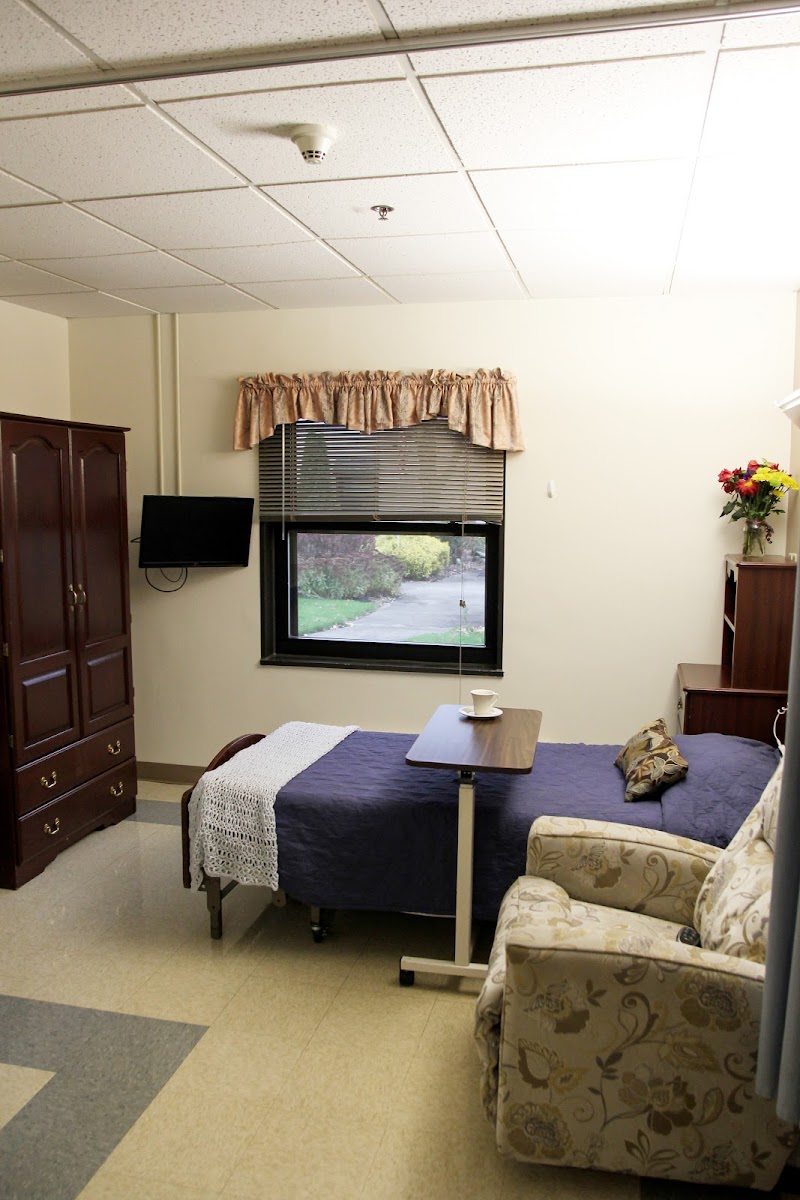
How is Lockport Rehab & Health Staffed?

CMS rates LOCKPORT REHAB & HEALTH CARE CENTER's staffing level at 3 out of 5 stars, which is average compared to other nursing homes. Staff turnover is 45%, compared to the New York average of 46%. This relatively stable workforce can support continuity of care.

What Have Inspectors Found at Lockport Rehab & Health?

State health inspectors documented 12 deficiencies at LOCKPORT REHAB & HEALTH CARE CENTER during 2019 to 2024. These included: 11 with potential for harm and 1 minor or isolated issues.
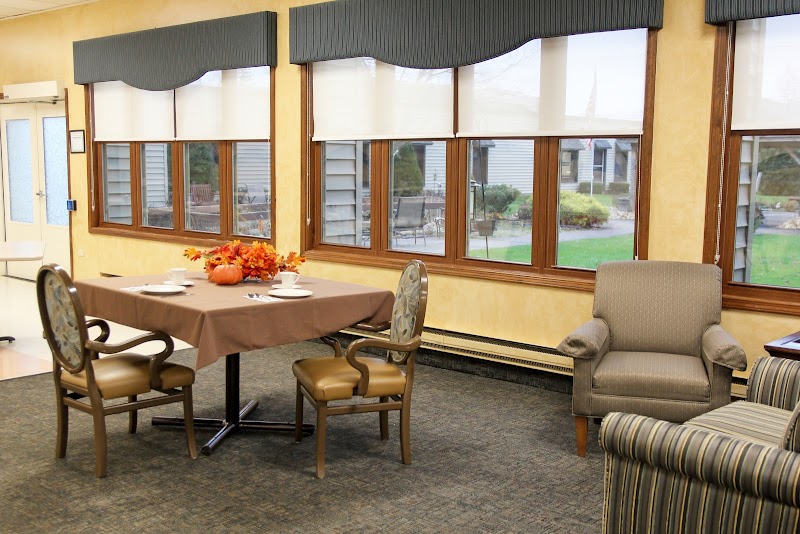
Who Owns and Operates Lockport Rehab & Health?

LOCKPORT REHAB & HEALTH CARE CENTER is owned by a for-profit company. For-profit facilities operate as businesses with obligations to shareholders or private owners. The facility is operated by MAXIMUS HEALTHCARE GROUP, a chain that manages multiple nursing homes. With 82 certified beds and approximately 78 residents (about 95% occupancy), it is a smaller facility located in LOCKPORT, New York.
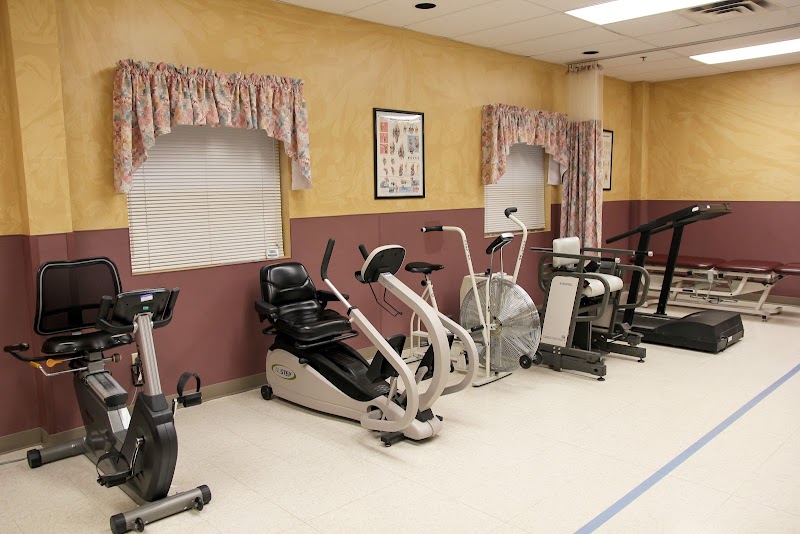
How Does Lockport Rehab & Health Compare to Other New York Nursing Homes?

Compared to the 100 nursing homes in New York, LOCKPORT REHAB & HEALTH CARE CENTER's overall rating (4 stars) is above the state average of 3.1, staff turnover (45%) is near the state average of 46%, and health inspection rating (4 stars) is above the national benchmark.

What Should Families Ask When Visiting Lockport Rehab & Health?

Based on this facility's data, families visiting should ask: "Can I visit during a mealtime to observe dining assistance and food quality?" "How do you handle medical emergencies, and what is your hospital transfer rate?" "Can I speak with family members of current residents about their experience?"

Is Lockport Rehab & Health Safe?

Based on CMS inspection data, LOCKPORT REHAB & HEALTH CARE CENTER has a clean safety record: no substantiated abuse findings (meaning no confirmed cases of resident harm), no Immediate Jeopardy citations (the most serious violation level indicating risk of serious injury or death), and is not on the Special Focus Facility watch list (a federal program monitoring the lowest-performing 1% of nursing homes). The facility has a 4-star overall rating and ranks #1 of 100 nursing homes in New York. While no facility is perfect, families should still ask about staff-to-resident ratios and recent inspection results during their visit.

Do Nurses at Lockport Rehab & Health Stick Around?

LOCKPORT REHAB & HEALTH CARE CENTER has a staff turnover rate of 45%, which is about average for New York nursing homes (state average: 46%). Moderate turnover is common in nursing homes, but families should still ask about staff tenure and how the facility maintains care continuity when employees leave.

Was Lockport Rehab & Health Ever Fined?

LOCKPORT REHAB & HEALTH CARE CENTER has no federal fines on record. CMS issues fines when nursing homes fail to meet care standards or don't correct problems found during inspections. The absence of fines suggests the facility has either maintained compliance or corrected any issues before penalties were assessed. This is a positive indicator, though families should still review recent inspection reports for the full picture.

Is Lockport Rehab & Health on Any Federal Watch List?

LOCKPORT REHAB & HEALTH CARE CENTER is not on any federal watch list. The most significant is the Special Focus Facility (SFF) program, which identifies the bottom 1% of nursing homes nationally based on persistent, serious quality problems. Not being on this list means the facility has avoided the pattern of deficiencies that triggers enhanced federal oversight. This is a positive indicator, though families should still review the facility's inspection history directly.