MASSENA REHABILITATION & NURSING CENTER
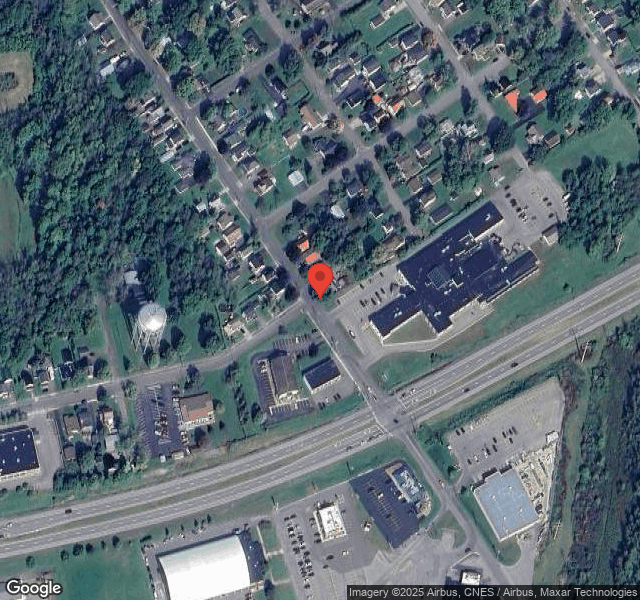

89 GROVE STREET, MASSENA, NY 13662 (315) 769-2494
For profit - Individual 160 Beds PERSONAL HEALTHCARE MANAGEMENT Data: November 2025
Trust Grade
10/100
#528 of 594 in NY
Last Inspection: December 2023

Within standard 12-15 month inspection cycle. Federal law requires annual inspections.

Overview

Massena Rehabilitation & Nursing Center has received a Trust Grade of F, indicating significant concerns about the quality of care provided. With a state rank of #528 out of 594 facilities in New York, it is in the bottom half, and it ranks #4 out of 4 in St. Lawrence County, suggesting that there are no better local options. The facility's situation is worsening, as the number of issues identified increased from 2 in 2024 to 3 in 2025. Staffing has a 3 out of 5 rating, which is average, but the turnover rate of 60% is concerning, as it is significantly higher than the state average of 40%. The facility has incurred $105,537 in fines, which is higher than 94% of New York facilities, pointing to repeated compliance problems. There have been serious incidents found during inspections, including one resident who developed a diabetic ulcer due to a lack of necessary treatments, leading to a severe bone infection. Another resident with pressure ulcers did not receive the required care, resulting in their condition worsening to a critical stage that required hospitalization. Additionally, the facility failed to maintain proper infection control measures, notably neglecting to test water cooling towers for Legionella, which could pose health risks to residents. Overall, while there are some average staffing ratings, the serious concerns around care and safety make this facility a risky choice for families.

Trust Score
F
10/100
In New York
#528/594
Bottom 12%
Safety Record
High Risk
Review needed
Inspections
Getting Worse
2 → 3 violations
Staff Stability
⚠ Watch
60% turnover. Above average. Higher turnover means staff may not know residents' routines.
Penalties
○ Average
$105,537 in fines. Higher than 64% of New York facilities. Some compliance issues.
Skilled Nurses
○ Average
Each resident gets 31 minutes of Registered Nurse (RN) attention daily — about average for New York. RNs are the most trained staff who monitor for health changes.
Violations
⚠ Watch
35 deficiencies on record. Higher than average. Multiple issues found across inspections.
★☆☆☆☆
1.0
Overall Rating
★★★☆☆
3.0
Staff Levels
★★☆☆☆
2.0
Care Quality
★☆☆☆☆
1.0
Inspection Score
Stable
2024: 2 issues
2025: 3 issues

The Good

  • Full Sprinkler Coverage · Fire safety systems throughout facility
  • No fines on record

Facility shows strength in fire safety.

The Bad

1-Star Overall Rating

Below New York average (3.0)

Significant quality concerns identified by CMS

Staff Turnover: 60%

14pts above New York avg (46%)

Frequent staff changes - ask about care continuity

Federal Fines: $105,537

Well above median ($33,413)

Significant penalties indicating serious issues

Chain: PERSONAL HEALTHCARE MANAGEMENT

Part of a multi-facility chain

Ask about local staffing decisions and management

Staff turnover is elevated (60%)

12 points above New York average of 48%

The Ugly 35 deficiencies on record

2 actual harm
Aug 2025 3 deficiencies
CONCERN (D) 📢 Someone Reported This

A family member, employee, or ombudsman was alarmed enough to file a formal complaint

Potential for Harm - no one hurt, but risky conditions existed

Resident Rights (Tag F0550)

Could have caused harm · This affected 1 resident

Based on observations, record review, and interviews during the recertification and abbreviated (IQIES 525144 and 2582064) surveys conducted 8/11/2025-8/15/2025, the facility did not ensure residents ...

Read full inspector narrative →
Based on observations, record review, and interviews during the recertification and abbreviated (IQIES 525144 and 2582064) surveys conducted 8/11/2025-8/15/2025, the facility did not ensure residents had the right to a dignified existence in a manner and an environment that promoted the maintenance or enhancement of quality of life for six (6) of six (6) staff (Licensed Practical Nurse #12, and Certified Nurse Aides #22, #51, #52, #53, and #54) observed. Specifically, during meal service on Unit A2 residents were observed being fed by Licensed Practical Nurse #12, and Certified Nurse Aides #22 and #51 while standing; and Licensed Practical Nurse #12, and Certified Nurse Aides #52, #53, and #54 addressed residents as honey and feeders. Findings include: The facility policy Maintaining Resident Respect and Dignity, revised 5/27/2025, documented the facility provided loving care to all residents in a timely manner that best bespeaks dignity, respect, compassion, sensitivity, and concern. The care embraced the physical, emotional, and spiritual needs of all residents. They respected social status and created a dignified homelike environment respecting the resident’s room and personal space. Clothing was clean, fit properly, and matched. Residents would be addressed by his/her given name in an adult manner. When feeding staff should be seated at eye level to promote socialization. The dining experience was pleasant, relaxing, and like that in a fine restaurant. The following observations were made in the Unit A2 dining room: -on 8/11/2025 at 12:20 PM, Licensed Practical Nurse #12 was feeding a resident while standing. At 12:24 PM, Licensed Practical Nurse #12 moved and stood while feeding Resident #35. -on 8/11/2025 at 12:36 PM, Certified Nurse Aide #22 fed residents while standing. -on 8/12/2025 at 12:45 PM, Licensed Practical Nurse #12 was standing while feeding Resident #35. -on 8/12/2025 at 12:47 PM, Certified Nurse Aide #51 was standing while feeding Resident #48. -on 8/13/2025 at 9:34 AM, Licensed Practical Nurse #12 addressed multiple residents by the name “honey” and not their preferred names. -on 8/13/2025 at 11:12 AM, Certified Nurse Aide #52 asked staff in the area Is this where the feeders are going? -on 8/13/2025 at 11:13 AM, Certified Nurse Aides #54 and #53 were at the nurse’s station where multiple residents were sitting and asked where “the feeders were going.” During an interview on 8/13/2025 at 12:07 PM, Certified Nurse Aide #53 stated they had many trainings on different topics including dignity and abuse training. They were not trained to refer to residents as “feeders”. It was not professional to call residents “feeders,” and they should not do it. They were trained not to address residents as “honey” but did it all the time because they felt it was welcoming. During an interview on 8/13/2025 at 12:18 PM, Licensed Practical Nurse #12 stated they tried to use the residents’ last names but that they did use pet names. Residents should not be called honey or sweetie or labeled as a lift or a Hoyer because it was a dignity issue. Residents should be addressed in the way their parents named them. They stated they knew they should be sitting down when feeding a resident, but the chairs were locked up and they did not have access to them. They should not be standing when feeding because it intimidated residents into eating. During an interview on 8/13/2025 at 12:40 PM, Certified Nurse Aide #51 stated when feeding residents, staff should sit next to them and not stand over them. They stood when feeding Resident #48 because they did not know they were allowed to pull up a chair and there was not a lot of room for the chair. 10 NYCRR 415.5(d)(1)(i)
CONCERN (E) 📢 Someone Reported This

A family member, employee, or ombudsman was alarmed enough to file a formal complaint

Potential for Harm - no one hurt, but risky conditions existed

Safe Environment (Tag F0584)

Could have caused harm · This affected multiple residents

**NOTE- TERMS IN BRACKETS HAVE BEEN EDITED TO PROTECT CONFIDENTIALITY** Based on observations, record review, and interviews during the recertification and abbreviated (NY00372537) surveys conducted 8...

Read full inspector narrative →
**NOTE- TERMS IN BRACKETS HAVE BEEN EDITED TO PROTECT CONFIDENTIALITY** Based on observations, record review, and interviews during the recertification and abbreviated (NY00372537) surveys conducted 8/11/2025-8/15/2025, the facility did not ensure a safe, clean, comfortable, and homelike environment for the main lobby area, common areas, and four (4) of four (4) units (Units A1, A2, B2, and C1) reviewed. Specifically, the facility did not maintain comfortable temperatures on nursing units A1, A2, B2, and C1, A2 and B2 dining rooms, and the A1 and C1 atriums; and Units A1, A2, B2, and C1, and the main lobby were unclean and in disrepair. Findings include:The facility policy Quality of Life- Homelike Environment, revised 12/15/2025, documented residents were provided with a safe, clean, comfortable, and homelike environment. Characteristics that reflected a homelike setting included a clean, sanitary, and orderly environment; inviting colors and decor; comfortable and safe temperatures (71 degrees Fahrenheit- 81 degrees Fahrenheit); and comfortable noise levels. Temperatures:The resident council meeting minutes documented on 6/16/2025 the air conditioning was not working and on 7/28/2025 there were still issues with the air conditioning.The July 2025- August 2025 Maintenance log documented open requests for broken air conditioning units as follows:-On 7/14/2025 for B2 Unit rooms 214, 219, 226; and A2 Unit room [ROOM NUMBER]. -On 7/30/2025 B2 Unit rooms 206, 207, 214, 215, 219, 222, 226, and 245.-On 7/31/2025 A1 Unit rooms [ROOM NUMBERS]; and the second-floor dining room.-On 8/11/2025 Unit C1 room [ROOM NUMBER]. During an anonymous resident group meeting on 8/11/2025 at 1:35 PM, seven of seven residents stated the facility was too hot in the summer. The following temperature observations were made on 8/11/2025:-Unit A1 at 3:07 PM, the hallway outside room [ROOM NUMBER] was 82 degrees Fahrenheit; at 3:10 PM, the hallway outside room [ROOM NUMBER] was 81.5 degrees Fahrenheit; and at 3:18 PM, the atrium on the first floor by the couch in front of the television was 84 degrees Fahrenheit.-Unit A2 at 3:05 PM, the dining room was 88.9 degrees Fahrenheit. Resident #59 was in the dining room and stated they could not handle it; it was so hot. The nurse's station was 87.8 degrees Fahrenheit; the television/ laundry room was 85.5 degrees Fahrenheit; the hallway on the lower number side was 85.3 degrees Fahrenheit; and the hallway with the higher number side was 83.8 degrees Fahrenheit. -Unit B2 at 3:10 PM, the hallway outside room [ROOM NUMBER] was 83.7 degrees Fahrenheit; the hallway outside room [ROOM NUMBER] was 81.7 degrees Fahrenheit; the hallway outside room [ROOM NUMBER] was 82.4 degrees Fahrenheit; the hallway outside the therapy department was 83.1 degrees Fahrenheit; and the dining room was 86 degrees Fahrenheit. -Unit C1 at 3:03 PM, the hallway outside room [ROOM NUMBER] was 82.5 degrees Fahrenheit; at 3:04 PM, the hallway outside room [ROOM NUMBER] was 82 degrees Fahrenheit; at 3:10 PM, the shaded area of the atrium measured 83.4 degrees Fahrenheit and a sunny area in the middle of the atrium was 87.4 degrees Fahrenheit. The following temperature observations were made on 8/12/2025: -Unit A1 at 11:12 AM, the nurse's station was measured at 82.2 degrees Fahrenheit. At 11:54 AM, the dining room was 83.6 degrees Fahrenheit, and many residents were seated waiting on the lunch meal. Resident #62 stated it was hot in there and they did not want to fix it. At 4:16 PM, the hallway outside room [ROOM NUMBER] was 83.8 degrees Fahrenheit; the nurse's station was 82.8 degrees Fahrenheit; the temperature in the middle of the atrium was 90.0 degrees Fahrenheit; and the dining room was 88.7 degrees Fahrenheit where Resident #62 was seated.-Unit A2 at 11:05 AM, the dining room was 82.9 degrees Fahrenheit and the nurse's station was 81.7 degrees Fahrenheit. At 12:03 PM, residents were being brought to the dining room for lunch, and the temperature was 85.3 degrees Fahrenheit. At 1:51 PM, the dining room was empty, two wall vents were not blowing any air and two were blowing warm air. One vent's air exhaust was measured at 97.2 degrees Fahrenheit and the dining room measured at 90.1 degrees Fahrenheit. At 3:54 PM, the short hall was 82 degrees Fahrenheit, the long hall was 85.3 degrees Fahrenheit, and it was 85.8 degrees Fahrenheit across from the nurse's station. The television area was 88 degrees Fahrenheit, and the dining room was 91 degrees Fahrenheit. -Unit B2 at 4:07 PM, the dining room was 86.2 degrees Fahrenheit; the hallway outside room [ROOM NUMBER] was 82.2 degrees Fahrenheit; the hallway outside room [ROOM NUMBER] was 81.3 degrees Fahrenheit; and the hallway outside room [ROOM NUMBER] was 83.9 degrees Fahrenheit.-Unit C1 at 11:30 AM, the atrium was 82.4 degrees Fahrenheit, and five residents were seated there; the atrium measured 84.9 degrees in a sunny area; the hallway outside room [ROOM NUMBER] was 81.5 degrees Fahrenheit; and the hallway outside room [ROOM NUMBER] was 81.6 degrees Fahrenheit. At 4:16 PM the dining room was 84.2 degrees Fahrenheit, and the atrium was 84.9 degrees Fahrenheit. At 4:17 PM, a resident walked in and stated it was hot in there. At 4:22 PM, in the hallway outside room [ROOM NUMBER] the temperature was 82.7 degrees Fahrenheit; and at 4:24 PM, in the hallway outside room [ROOM NUMBER] the temperature was 83.3 degrees Fahrenheit.During an interview on 8/11/2025 at 12:24 PM, Resident #9's representative stated the air conditioning had not worked in the hallways or the atrium all summer. During an interview on 8/12/2025 at 12:29 PM, Certified Nurse Aide #30 stated the dining room was always hot. There used to be fans, but they did not know where they went. They stated Resident #144 often complained that it was hot but many of the residents on unit A2 were unable to voice their complaints. During an interview on 8/12/2025 at 1:28 PM, Dietary Aide #31 stated the air conditioner was always broken. It was broken a while ago and they were told it was fixed but the past two weeks it did not seem like it was working. It was so hot in the facility. During an interview on 8/12/2025 at 1:58 PM, Licensed Practical Nurse #10 stated they were told to take Resident #40's blood sugar because the resident was sweating profusely in the dining room. The resident's blood sugar was fine, and they thought they were probably sweaty because it was so hot on the unit. During an interview on 8/12/2025 at 4:16 PM, the Director of Nursing stated the air conditioning company came out earlier today and stated the air conditioning was fixed. They called them again because the temperatures were not getting cooler. The company was on their way. The dining room for the A2 unit was warm today when they were up there. They stated the dining room was going to be closed until the temperature was cooler. They were going to let residents eat in the atrium if they wanted to. During the bingo activity today, that was held in the dining room, they walked around and told the residents they could leave if the area was too warm. During an interview on 8/15/2025 at 2:36 PM, Maintenance Technician #2 stated there was a heating ventilation and air conditioning (HVAC) unit in each resident room. They were aware of a broken one on A1 and a broken one on A2. They thought new units were on order but had not arrived yet. All the units were fed from a unit on the roof. On Monday (8/11/2025) they went onto the roof and noticed the system that controlled the air conditioning was set to 77 degrees Fahrenheit, so it was not kicking on and that was why the building was warm. They changed this setting to 70 degrees but then they realized a fuse was blown and the air conditioning company was called and came out the same day. On Tuesday night, they noticed another fuse was broken and again the air conditioning company was called and came out. They stated they checked temperatures in the common areas and the highest temperature they got was 80 degrees Fahrenheit. They were not sure if the residents were being monitored. Areas Unclean and in Disrepair:The following observations were made on Unit A1:-On 8/11/2025 at 12:51 PM, the bathroom sink in room [ROOM NUMBER] was one third full of standing water with black flecks. Resident #116 stated staff knew the sink was clogged and nothing was done about it. -On 8/11/2025 at 4:16 PM, room [ROOM NUMBER] had sticky floors, and the bathroom sink was half full of standing water with black flecks. Resident #9's representative stated the sink was that way for a week or longer and the floors were always dirty. They stated staff filled a basin in that sink to provide hygiene care to Resident #9. -On 8/12/2025 at 11:26 AM, the bathroom sink in room [ROOM NUMBER] was half full of standing water with black flecks. Resident #116 stated staff used the sink to fill a basin for hygiene purposes. They asked to speak with maintenance, but they had not been in. -On 8/12/2025 at 11:41 AM, room [ROOM NUMBER]'s floors were sticky and had black scruff marks. The bathroom sink was half full of standing water with black flecks. -On 8/12/2025 at 2:30 PM, in the kitchenette the drawer labeled lids had coffee grounds and coffee stains in it, the ice machine had a locked-out tag on it, the face of the cabinet doors had brown streaks, and the cabinet door under the drawer labeled lids was not secured to the hinges. -On 8/13/2025 at 9:10 AM in the high side hallway shower room the shower handle only moved down to the dependent position so there was no way to add cold water. The water temperature measured at 113 degrees Fahrenheit in the presence of Certified Nurse Aide #4. Certified Nurse Aide #4 stated the whirlpool tub in that shower room also did not work and the reservoir did not fill.-On 8/14/2025 at 11:21 AM, the headboard of the bed in room [ROOM NUMBER] was bent towards the mattress at a 45-degree angle. During an interview on 8/13/2025 at 8:37 AM, Certified Nurse Aide #33 stated the sinks in rooms [ROOM NUMBERS] had standing water in them the past week and a half. They told the Regional Director of Nursing about it and was told to put an electronic request in the system, but they did not have access. They had also told Registered Nurse Unit Manager #26. Both Residents #9 and #116 were dependent for hygiene needs and they filled a basin in the sink and then dumped it in the toilet. There was not a housekeeper assigned to the unit. The floors were not really mopped, and it had probably been a week or more since room [ROOM NUMBER] was mopped. The sinks and the floor were not clean. During an interview on 8/13/2025 at 8:57 AM, Certified Nurse Aide #32 stated the sinks in room [ROOM NUMBER] and 134 were disgusting. Everyone knew about it, but nothing was being done. During an interview on 8/13/2025 at 9:13 AM, Environmental Services Aide #28 stated former Director of Maintenance #17 quit and so did the housekeeper for the unit. They cleaned rooms [ROOM NUMBERS] today and called a plumber because the sinks did not work and were disgusting. Resident rooms and bathrooms should be clean because it was the residents' home. Resident rooms should be cleaned every day. They did not know there was nobody covering Unit A1 until they were made aware on 8/11/2025. During an interview on 8/13/2025 at 9:55 AM, Licensed Practical Nurse #27 stated the resident rooms should be clean for their well-being and to prevent infection. They stated they barely had room above the standing water in the sink to rinse Resident #116's urinal after it was emptied. During an interview on 8/15/2025 at 10:57 AM, Registered Nurse Unit Manager #26 stated the housekeeper had quit. Even before the housekeeper quit there were dirty floors because they only worked part time. They were not sure how long the sinks were clogged in rooms [ROOM NUMBERS] but it was brought to their attention on 8/11/2025 and they put in an electronic maintenance request. The residents should have a clean environment as it was their home. The kitchenette was a shared responsibility between housekeeping and maintenance. They knew the kitchenette was dirty with coffee stains. The ice machine had been down for a least 3 months and they had to go to the kitchen to get ice. Broken headboards were also maintenance's responsibility. They should be in good repair to prevent injury. The following observations were made on Unit A2:-On 8/11/2025 10:05 AM the floor across from the nurses' station had various debris including pieces of crackers, other wrappers and various debris that continued down the hall. -On 8/11/2025 at 10:12 AM room [ROOM NUMBER]-B's bed footboard was dangling on one side. -On 8/11/2025 at 10:15 AM room [ROOM NUMBER]-B's bed footboard was tilted outward and not attached tightly.-On 8/11/2025 at 10:36 AM room [ROOM NUMBER]-A had no bed footboard. -On 8/11/2025 at 11:04 AM Resident #35 was seated in their wheelchair in the television room. The left armrest of the wheelchair was peeling with exposed foam underneath.-On 8/11/2025 at 11:20 AM there was brown [NAME] debris in the hall in the upper 20's rooms. -On 8/11/2025 at 11:22 AM room [ROOM NUMBER]-B's footboard was not on the bed and was resting up against the dresser. A nut and bolt were on the floor under the foot of the bed. There was a moderate amount of brown food like debris on the floor. -On 8/11/2025 at 11:31 AM room [ROOM NUMBER]-A there were pieces of donut scattered on the floor with a large area of dried fluid under the bed and a large area of yellow dried material at the foot of the bed.-On 8/11/2025 at 11:45 AM room [ROOM NUMBER]-A the top drawer of the nightstand was on the floor near the foot of the bed, and the face of the drawer was on the floor in front of nightstand. There was dried on brown debris on the floor between the bed and wall.-On 8/11/2025 at 1:45 PM room [ROOM NUMBER]-A there the metal strip on the door was lifted from the bottom of the door frame creating a sharp edge. The heater pulled away from the wall about 6 inches. -On 8/12/2025 at 11:16 AM the floors had brown debris at the start of the hall for higher number rooms. -On 8/12/2025 at 11:46 AM room [ROOM NUMBER]-B's bed footboard was loose. -On 8/13/2025 at 1:19 PM room [ROOM NUMBER]-B's footboard was flat on the floor. There was food debris on the left side of the bed.-On 8/14/2025 at 11:47 AM room [ROOM NUMBER]-A the room smelled of urine and the floor was slippery.-On 8/14/2025 at 11:48 AM room [ROOM NUMBER]-B had food debris (crackers) and brown scattered debris on the floor. The left enabler bar had dried crusty debris on it.During an interview on 8/13/2025 at 9:13 AM, Environmental Services Aide #28 stated resident rooms and units were cleaned every day. This was the residents' home, and it should be clean. During a follow up interview on 8/14/2025 at 12:01 PM, they stated it was common for the headboards and footboards to be bent or broken because staff leaned on them. There should be an electronic request so maintenance could repair or replace the items. There should be routine bed checks. During an interview on 8/14/2025 at 1:52 PM, Certified Nurse Aide #21 stated some footboards were missing and they reported it. They were also aware of some that were not yet reported. Footboards should not be missing or loose. During an interview on 8/14/2025 at 2:26 PM Licensed Practical Nurse #20 stated they went through the unit and wrote down all the missing footboards and gave them to Registered Nurse Unit Manager #19 who was currently on vacation. The following observations were made on Unit B2:-On 8/12/2025 at 11:06 AM, there were 5 discolored and cracked floor tiles across from the nurse's station.-On 8/12/2025 at 11:30 AM, the soffit across from room [ROOM NUMBER] had an area approximately 18 inches long that was peeling off. There were 3 ceiling tiles missing from this area. During an interview on 8/13/2025 at 10:37 AM, Certified Nurse Aide #29 stated maintenance was called for discolored floor or ceiling tiles. The archway where the soffit was peeling off had a leak about a month ago. Maintenance was aware and they did not know why it was not fixed. During an interview on 8/14/2025 at 2:21 PM, Registered Nurse #11 stated maintenance looked at the soffit last week and said they were working on it. It was not a homelike environment for the residents. The following observations were made on Unit C1:-On 8/11/2025 at 12:15 PM room [ROOM NUMBER]-A, there was a hole in the wall about upper shin height to the right of the head of the bed frame.-On 8/12/2025 at 10:58 AM the kitchenette had a sign documenting the ice machine was broken.-On 8/14/2025 at 10:07 AM there were food crumbs/particles on the floor under the overbed table and stationary chair parallel to the nurses' station outside the patient lounge.-On 8/14/2025 at 12:49 PM there was food debris in front of the chair parallel with the nurse's station. The following observations were made in the main lobby area:-On 8/12/2025 at 11:00 AM there was an alarm sounding coming from the stairwell. -On 8/13/2025 at 8:00 AM, to the left of the front entrance sliding door, the panel was broken and in a position that allowed entry. The water fountain was leaking with a red bucket underneath to catch the water.-On 8/13/2025 at 5:15 PM, the entrance door was broken and ajar. The water fountain was leaking and had a red bucket underneath. The alarm in the stairwell was sounding while an unidentified resident and visitor were conversing in the main lobby. -On 8/14/2025 at 12:14 PM, the alarm was sounding in the stairwell in the main lobby. During an interview on 8/15/2025 at 11:50 AM, Maintenance Technician #2 stated their boss quit on Friday, and they were the only person working in the maintenance department. Their job was to respond to broken items. They did not have access to the electronic maintenance request system, so they only knew if something needed fixed if it was verbalized to them. They were aware of broken headboards and footboards throughout the facility, but they were not easy to replace as it took a long time to get replacement parts. They were unaware of the metal coming out of the doorframe in room [ROOM NUMBER] or any holes in the walls in the facility. There was a water leak in the soffit, and they just replaced the ceiling tiles on B2. They were not aware of cracked floor tiles. They were made aware of the broken sinks in rooms [ROOM NUMBERS] on 8/8/2025 but did not know who to call but apparently Environmental Services Aide #28 had called a plumber a couple days ago. They did not know the shower handle, or the whirlpool tub needed repair. The ice machines were a known issue and to their understanding corporate had ordered new units, but they were waiting for them to come in. They fixed the alarm in the stairwell yesterday as a staff from another facility had come to help them. They did not know how to fix the front entrance. The water fountain was out of order because the drain needed to be snaked. They fixed wheelchairs if it was reported to them but again, the staff entered requests into the electronic system they did not have access to. Everything in the facility should be in good repair as it was the residents' right to feel at home. During an interview on 8/15/2025 at 12:23 PM the Administrator stated the Maintenance Director walked off the job the previous Friday. Maintenance Technician #2 did not have access to the electronic work orders, and they were working on that. They stated the floor scrubber was broken. They just stripped and waxed all the common areas. Some of the tiles were replaced and not pretreated. The floors had not been maintained. They stated the housekeeper quit last week on A1 after being educated on how to properly clean. 10NYCRR 415.29(j)(1)
CONCERN (E) 📢 Someone Reported This

A family member, employee, or ombudsman was alarmed enough to file a formal complaint

Potential for Harm - no one hurt, but risky conditions existed

Deficiency F0700 (Tag F0700)

Could have caused harm · This affected multiple residents

Based on observations, record review, and interviews during the recertification and abbreviated (NY00357525) surveys conducted 8/11/2025-8/15/2025, the facility did not provide on-going assessment and...

Read full inspector narrative →
Based on observations, record review, and interviews during the recertification and abbreviated (NY00357525) surveys conducted 8/11/2025-8/15/2025, the facility did not provide on-going assessment and monitoring of bed rails (side rails) for three (3) of three (3) residents (Residents #4, #30, and #126) reviewed. Specifically, Resident #4 had bilateral bed rails and did not have an order or a comprehensive care plan that included the use of bed rails, regular assessments to ensure the bed rails remained appropriate or documented evidence that risks and benefits were reviewed with the resident or resident representative or consents were obtained prior to bed rail use; Residents #30 and #126 had bilateral bed rails and did not have regular assessments to ensure the bed rails remained appropriate or documented evidence that risks and benefits were reviewed with the resident or resident representative or consents were obtained prior to bed rail use; and the facility did not have documented evidence of inspections of bed frames, mattress, and bed rails as part of a regular maintenance program. Findings include:The facility policy Siderail and Enabler, revised 10/16/2024, documented side rails were used as enablers to promote independent movement in bed; the side rail assessment would be completed by the rehabilitation department upon admission, readmission, quarterly, significant change, and as needed; maintenance would ensure if enabler bars were recommended they were secured in the upright enabler position to prevent them from being moved out of the enabler position; and the resident or designated representative would be educated on the benefits and risks of side rail use.1) Resident #4 had diagnoses including arthropathies (joint diseases). The 6/9/2025 Minimum Data Set assessment documented the resident had severely impaired cognition, required supervision for bed mobility, and did not use bed rails.The following observations of Resident #4 were made:-on 8/11/2025 at 11:45 AM bed rails were zip tied in an upright position on the resident's bed.-on 8/14/2025 at 2:41 PM the bed rails were double looped p-shaped bed rails engaged in the enabler bar position.The Comprehensive Care Plan initiated 9/14/2023, and revised 9/13/2024, documented an activities of daily living self-care performance deficit. Interventions included extensive assistance of one for bed mobility and use of a concave mattress. There was no documented evidence of the use of bed rails/enabler bars.The physician orders did not document the use of enabler bars.There was no documented evidence of risk/benefits, an assessment, or a consent for the use of the rails.The 7/25/2025 Physical Therapist #43 discharge summary documented the resident required minimal assistance to perform bed mobility tasks without the use of side rails. There was no documented evidence of a recommendation for the use of side rails.During an interview on 8/14/2025 at 2:58 PM Resident #4 stated they needed the enabler bars and used them to get in and out of bed.During an interview on 8/15/2025 at 11:43 AM Certified Nurse Aide #44 stated if a resident was supposed to have mobility bars on their bed it would be listed on their care card. They stated Resident #4's mobility bars were taken off and the resident was really upset about it. They believed they were taken off on 8/14/2025 when there was a realization they were not in their care plan. The resident had since been reassessed and a bar was going to be put back on the bed. During an interview on 8/15/2025 at 12:00 PM Licensed Practical Nurse #10 stated if a resident had mobility bars on their bed, they should be care planned for it. Resident #4 told them their bars were removed, and they were upset about it. Physical therapy went in and talked to the resident and one small bar was put back on the bed. Zip ties were used so the residents could not pull down the bar and create a risk for entrapment. They did not think that prior to that day the resident was care planned for the bars but should have been.During an interview on 8/15/2025 at 12:14 PM Registered Nurse Unit Manager #36 stated if a resident had mobility bars on their bed, they should have a care plan. They were not aware that resident #4 had mobility bars. They should have had a related care plan prior to 8/15/2025 as well as a consent.2) Resident #30 had diagnoses of kidney disease. The 7/11/2025 Minimum Data Set assessment documented the resident had severely impaired cognition, required supervision with most activities of daily living, and did not used bed rails. The 12/23/2022 Comprehensive Care Plan documented an activities of daily living self-care performance deficit. Interventions included concave mattress and 2 enabler bars.The 4/14/2025 physician order documented bilateral enabler bars to enhance mobility.There was no documented evidence of a bed rail assessment or a consent for use of the rails.During observations on 8/11/2025 at 10:15 AM and 8/14/2025 at 11:31 AM the resident had two mismatched bilateral bed rails, both zip tied in an up position at the head of the bed.During an observation on 8/14/2025 at 11:31 AM the resident sat on the edge of the bed and reclined to a lying position without using the bed rails.During an interview on 8/14/2025 at 1:33 AM Certified Nuse Aide #21 stated enabler bars were zip tied if the resident was not care planned to have them. Resident #30's rails were positioned such that they were not in use. If they were in use, they would not be zip tied and would be positioned lower on the bed. They stated the resident did not use the bed rails and after checking the care card, stated the resident was care planned for 2 enablers.3) Resident #126 had diagnoses including stroke with left sided weakness. The 5/11/2025 Minimum Data Set assessment documented the resident had moderately impaired cognition, a functional range of motion impairment on one side, required moderate assistance for bed mobility, and did not use bed rails.The Comprehensive Care Plan initiated 9/12/2019 and revised 2/25/2020 documented an activity of daily living deficit. Interventions included extensive assistance of one for turning and repositioning, a specialized air mattress, and 2 bed enablers.The 10/16/2024 physician order documented enabler bars to enhance mobility.The 4/23/2025 Physical Therapist # 43 discharge summary documented the resident required minimal assistance to perform bed mobility tasks without the use of side rails. There was no documentation for the recommendation for bed rail use.There was no documented evidence of a bed rail assessment or a consent for use of the rails.During an interview on 8/14/2025 at 11:54 AM Certified Nurse Aide #4 stated Resident #126 could move themselves in bed and did not use the bed rails. Their rails were supposed to be strapped but they were not, so the mattress moved all over.During an interview on 8/15/2025 11:42 AM Maintenance Technician #2 stated they installed bed rails if physical therapy told them to. They checked beds for rusty bolts, made sure nothing was broken, and checked the condition of the bed rails. They did not know about entrapment zones, what entrapment meant, and had not had any related training.During an interview on 8/14/2025 at 2:26 PM Licensed Practical Nurse #20 stated bed rails should be listed in the care plan and be zip tied. They thought if there was not a zip tie then the resident could use the bar as an enabler. They were unsure why a bed with two bars only had one with a zip tie.During an interview on 8/15/2025 at 11:34 AM the Rehabilitation Director stated if a resident needed bed rails, they completed the device form and updated the care plan. They would also update the care plan with any changes. There should not be a rail on a bed if there was no recommendation for it or if it had not been cared planned for. Zip ties were put in place so the bars could not be put down. If they were down, then they were considered siderails. Zip ties prevented them from becoming a siderail. Any rail that was on a bed should be zip tied.10NYCRR 415.12(h)(1)(2)
Nov 2024 1 deficiency
CONCERN (D) 📢 Someone Reported This

A family member, employee, or ombudsman was alarmed enough to file a formal complaint

Potential for Harm - no one hurt, but risky conditions existed

Quality of Care (Tag F0684)

Could have caused harm · This affected 1 resident

Based on record review and interviews during the abbreviated survey (NY00359676), the facility did not ensure residents received treatment and care in accordance with professional standards of practic...

Read full inspector narrative →
Based on record review and interviews during the abbreviated survey (NY00359676), the facility did not ensure residents received treatment and care in accordance with professional standards of practice, the comprehensive care person-centered care plan, and the residents' choices for 1 of 3 residents (Resident #2) reviewed. Specifically, Resident #2's wound consultant recommended to start an antibiotic for a wound infection and the recommendation was not reviewed timely. Findings include: The facility policy, Consults-Outside Facility, effective 7/2023, documented upon return from an outside appointment, the Nurse Manager/designee followed up with the physician to discuss any new consult recommendations (this could be done by telephone or in-person if attending was in the facility at the same time resident returned from consultation). The attending physician might not agree with consultation recommendations which required documentation in the medical record by the Nurse Manager/designee. Resident #2 had diagnoses including diabetes, Stage 3 chronic kidney disease, and peripheral vascular disease (poor circulation). The 8/20/2024 Minimum Data Set assessment documented the resident's cognition was intact, they were dependent for bed mobility and transfers, and had 9 venous or arterial ulcers (wounds caused by poor circulation). The 1/14/2024 Comprehensive Care Plan documented the resident had wounds present due to limited mobility. Interventions included assess, record, and monitor wound healing, turn and position every 2-3 hours and an alternating air mattress for pressure relief. The 6/13/2024 outside Wound Consultant #8 note documented the resident was seen and had 13 arterial wounds on their right and left lower legs/feet. They spoke to the resident about the recommendation they received elsewhere for amputation and the resident indicated they did not want amputation at this time. A wound culture (test that identifies bacteria, viruses, or fungi) came back positive for methicillin-resistant Staphylococcus aureus (strong bacteria, resistant to some antibiotics) in 2 locations and a prescription was issued for doxycycline (antibiotic) 100 milligrams twice daily for 30 days. The consult documented it was printed by facility Nurse Practitioner #1 On 6/18/24. There was no documented evidence of a physician order for doxycycline and no documented rationale why the antibiotic was not ordered as recommended by the Wound Consultant. The 6/17/2024 Nurse Practitioner #1 note documented a routine 30-day visit. The resident was followed by a local wound healing center for treatment of both lower leg wounds. The plan was to continue all medications. There was no documentation regarding the positive wound culture and doxycycline prescription issued during the 6/13/2024 Wound Consultant visit. The 6/18/2024 at 10:38 AM Registered Nurse #7 progress note documented the resident was seen by the nurse practitioner (unidentified) on 6/17/2024 for a routine visit with no new orders. The care plan was reviewed and found to be appropriate for the resident's needs. The 6/27/2024 Wound Consultant #8 note documented the resident was seen for their wounds and the plan was for doxycycline. The consult documented it was printed by Nurse Practitioner #1 on 7/2/2024. The 6/28/2024 at 3:01 PM late entry note written 7/2/2024 at 3:00 PM by Registered Nurse Manager #7 documented a new order for doxycycline 100 milligrams twice daily for 30 days. The 7/2/2024 physician order documented doxycycline 100 milligrams twice daily for 30 days for infection of both legs. There was no corresponding provider note. During a telephone interview on 11/13/2024 at 2:22 PM, former Registered Nurse Manager #7 stated consultants faxed their notes and recommendations and office staff placed the consult into the provider's mailbox. Once the provider reviewed the consult, orders were written if the provider agreed with the recommendations. They could not recall why there was a delay in reviewing the resident's wound consults or why the order for doxycycline was not obtained timely. During a telephone interview on 11/19/2024 at 8:11 AM, Nurse Practitioner #1 stated they became aware of consultant recommendations after the consultant sent their office notes or the consult form back with the resident. The notes were often faxed. If notes were not obtained timely, they expected nursing to follow up to obtain them. Nurse Practitioner #1 had access to an online portal through the hospital and could obtain notes in real time if the consultant was affiliated with that hospital. Once Nurse Practitioner #1 agreed with recommendations, they alerted nursing via email. On 6/13/2024 and 6/27/2024, they did not recall what happened or why the recommendation was missed, and the order was not written timely. There were no negative effects from the delay as the resident was not symptomatic at that time. 10NYCRR 415.12
Jan 2024 1 deficiency
CONCERN (D) 📢 Someone Reported This

A family member, employee, or ombudsman was alarmed enough to file a formal complaint

Potential for Harm - no one hurt, but risky conditions existed

Deficiency F0692 (Tag F0692)

Could have caused harm · This affected 1 resident

Based on record review and interview during the abbreviated survey (NY00331713), the facility did not ensure residents maintained acceptable parameters of nutritional status for 1 of 6 residents revie...

Read full inspector narrative →
Based on record review and interview during the abbreviated survey (NY00331713), the facility did not ensure residents maintained acceptable parameters of nutritional status for 1 of 6 residents reviewed (Resident #1). Specifically: Resident #1 had a significant weight loss, noted worsening of wounds, decreased appetite/intakes, and a nurse practitioner's recommendation for a dietary consult, and the resident was not reassessed by clinical nutrition staff timely. Findings include: The 5/2019 Nutritional Assessment Policy documented an individualized care plan should address to the extent possible identified causes of impaired nutrition; the resident's personal preferences; goals and benchmarks for improvement, and time frames and parameters for monitoring and reassessment. The 7/2023 Consults - Outside Facility policy documented upon the residents' return from an outside appointment, the Nurse Manager/designee would follow-up with the physician to discuss any new consult recommendations. The attending physician might not agree with consultation recommendations which required documentation in the medical record by the Nurse Manager/designee. The Nurse Manager/designee would transcribe any orders if indicated. Any consult recommendations with new orders would be noted on the 24-Hour Report. Resident #1 had diagnoses including peripheral vascular disease (reduced blow flow to the limbs), kidney failure, and diabetes. The 11/27/2023 Minimum Data Set assessment documented the resident's cognition was intact, they required substantial/maximal assistance with rolling left to right, they were dependent for transfers, had diabetic foot ulcers, and weighed 200 pounds. The 11/22/2023 comprehensive care plan documented the resident had an activity of daily living self-care deficit and diabetic ulcers. Interventions included extensive assistance with bed mobility and transfers, an alternating air mattress and 2 enabler bars (assists with bed mobility), and the facility would assess, record, and monitor the resident's wound healing weekly. The 12/6/2023 at 4:13 PM, registered dietitian #1's initial nutrition assessment documented the resident was overweight and recently admitted with congestive heart failure and diabetes. The resident's weight was 200 pounds, and they were on a regular diet with regular portions that provided 2500 calories and 95 grams of protein daily. The resident was eating 75% of meals. Registered dietitian #1 noted the resident had increased nutritional needs for wound healing and estimated needs were 87 grams of protein and 1900 calories per day. Needs were assessed based on an adjusted body weight due to overweight status. The resident tolerated the regular diet which was expected to help promote needed optimal intake in light of increased needs. Registered dietitian #1 noted a weight of 145.6 pounds recorded that date, questioned the accuracy of the weight, documented a weight history of 190 to 205 pounds, and a reweight was pending. The 12/11/2023 at 12:50 PM, registered dietitian #1's progress note documented the resident was reweighed at 150 pounds and they suspected the recorded admission weight was a hospital weight. The resident was treated with intravenous diuretic medication in the hospital and weight loss was likely fluid related. The resident consumed 80 to 85% at meals and a new weight goal was established at 140 to 155 pounds. The comprehensive care plan, updated by registered dietitian #1 on 12/11/2023, documented the resident was at risk for nutritional decline related to multiple comorbidities and compromised skin integrity. The resident had diabetic ulcers. There were no documented interventions for nutrition or wound healing. The Weights and Vitals Summary documented the resident weighed 140.6 pounds on 12/20/2023 (10 pound/5.6% loss in under 1 month). The 12/19/2023 nurse practitioner #4's progress note documented the resident was noted with weight loss. The resident received diuretics and was fluid overloaded on admission. The resident reported they did not have much appetite. A dietary consult and reweight were requested and the resident declined an appetite stimulant and stated they wanted to try to increase their intakes. There was no documentation clinical nutrition addressed the resident's 10 pound weight loss noted on 12/20/2023 or nurse practitioner #4's recommendation for a dietary consult. The 12/21/2023 wound care center's progress note documented the resident had 3 ulcers that were full thickness (depth unknown) on the right heel, left ankle, and left heel. All 3 wounds were noted with a large amount of drainage. Measurements of all 3 wounds were documented and the left heel wound was 12.5 centimeters x 4 centimeters x 0.2 centimeters (documented as 6.3 centimeters x 3.5 centimeters x 0.1 centimeters on 12/14/2023). The note further documented the resident was an obese diabetic with advanced arterial (artery) disease who presented with wounds that had been treated unsuccessfully since 8/2023 and the resident was now in rehabilitation. The note documented the resident needed 1.5-2 grams per kilogram of protein daily, good blood sugar control, and a high protein, low salt diet to heal wounds. The 12/21/2023 nurse practitioner #4's progress note documented they reviewed the wound care center's note from 12/21/2023 and the resident needed a high protein diet. The 1/4/2024 wound care center's progress note documented the resident continued with 3 ulcers that were full thickness on the right heel, left ankle, and left heel. The left heel wound had increased depth since the 12/21/2023 appointment and now had a depth of 0.5 centimeters. The 1/10/2024 at 7:34 PM, registered dietitian #3's progress note documented they were aware of recommendations from the wound care center to decrease the resident's salt intake and increase protein. The resident's weight was 141 pounds. The resident's estimated protein needs at that time were 89 to 96 grams per day based on a weight of 64 kilograms (1.4 to 1.5 grams per kilogram of body weight). Current diet was regular with regular portions which provided 90 grams of protein but with current intakes of 50-75%, the resident was consuming 45 to 67 grams of protein daily. That day, the nurse practitioner added Ensure (dietary supplement) 3 times daily for an additional 24 grams of protein for a total of 69 to 91 grams of protein daily. Sugar free pudding was also recommended at supper (9 grams of protein) to meet the resident's nutritional needs. A diet change to no added salt with limited concentrated sweets was recommended. The 1/11/2024 nurse practitioner #4's progress note documented the resident was sent to the emergency room from the wound clinic today and prior to that they added Ensure three times per day. During a telephone interview on 1/25/2024, former registered dietitian #1 stated they became aware a medical provider wanted them to assess a resident when the Nurse Manager either called or texted them and they expected the assessment to be done within 24 to 48 hours. They were responsible to update the care plan after they did their initial nutrition assessment and they typically listed interventions such as the resident's diet order, portion size, preferences, and monitoring intakes on the care plan. They were not sure why there were no nutrition interventions listed when they initiated the care plan on 12/11/2023. On 12/21/2023, when the resident went to the wound care center, they were not notified of the recommendations. They stated the recommendations were not addressed timely when interventions were added 3 weeks later. During a telephone interview on 1/25/2024 at 1 PM, registered nurse Manager #2 stated clinical nutrition staff became aware of an outside consultant recommendation after the dietitian reviewed a resident for skin concerns. They were not sure how often the dietitian reviewed skin concerns. The dietetic technician attended morning report and wounds were discussed there. Registered nurse Manager #2 was responsible to notify the facility medical provider of outside consultant recommendations and they provided a copy of the consult to the medical provider. On 12/21/2023, a copy of the resident's wound care center consult was forwarded to nurse practitioner #4. They stated the wound care center's recommendation for increased protein was not followed up on timely. During a telephone interview on 1/25/2024 at 2:43 PM, registered dietitian #4 stated they started working at the facility on 1/1/2024 and while they were reviewing the resident's record, they saw the recommendation for high protein diet from the wound care center. They reviewed the resident's intakes and re-estimated their nutritional needs. The resident's intakes had decreased, and they increased their protein on 1/10/2024. During an interview on 1/29/2024 at 12:30 PM, nurse practitioner #4 stated if they wanted a resident reassessed by the registered dietitian, they discussed it at morning meeting where a dietetic technician was present. Nurse practitioner #4 stated they were not responsible to estimate protein needs and clinical nutrition staff did that. They saw the resident on 12/19/2023 and at that time, they offered an appetite stimulant however the resident declined and wanted to try increasing their intakes. On 12/21/2023, they reviewed the wound care center's consult and when the consultant recommended to increase protein. They believed clinical nutrition had already reviewed the resident when they received that recommendation. 10 NYCRR 415.12(i)1
Dec 2023 10 deficiencies
CONCERN (D) 📢 Someone Reported This

A family member, employee, or ombudsman was alarmed enough to file a formal complaint

Potential for Harm - no one hurt, but risky conditions existed

Pressure Ulcer Prevention (Tag F0686)

Could have caused harm · This affected 1 resident

**NOTE- TERMS IN BRACKETS HAVE BEEN EDITED TO PROTECT CONFIDENTIALITY** Based on observation, record review, and interview during the recertification and abbreviated surveys (NY00315659, NY00327075, a...

Read full inspector narrative →
**NOTE- TERMS IN BRACKETS HAVE BEEN EDITED TO PROTECT CONFIDENTIALITY** Based on observation, record review, and interview during the recertification and abbreviated surveys (NY00315659, NY00327075, and NY00319488) conducted 12/11/2023 - 12/15/2023, the facility did not ensure residents with pressure ulcers received the necessary treatment and services, consistent with professional standards of practice, to promote wound healing, prevent infection, and prevent new ulcers from developing for 1 of 5 residents (Resident #22) reviewed. Specifically, Resident #22 developed three facility acquired pressure ulcers and: - The pressure relieving air mattress (specialty mattress used to relieve pressure) was not accurately set to the resident's weight. - There was no treatment ordered to the Stage 4 (full thickness skin and tissue loss with muscles, tendons or bones exposed) to left gluteal fold (the skin crease below the buttocks, separating the upper thigh from the buttocks) from 12/8/2023 - 12/14/2023. - Pressure relieving devices were not implemented as care planned. - The resident was not turned and repositioned as care planned. Findings include: The facility policy Turning and Positioning created 10/2019 documented the facility developed an individualized plan of care that ensured residents in wheelchairs and those in bed were repositioned at a minimum of every two to three hours as tolerated to prevent pressure areas from forming. The need for turning and repositioning was determined by the Nurse Manager/designee upon admission, re-admission, significant change, and quarterly and the start date was documented and placed on the residents' certified nurse aide [NAME] (care instructions). Turning and repositioning was documented on the certified nurse aide profile. The facility policy Activities of Daily Living created 10/2020 documented a resident with limited mobility received appropriate services, equipment, and assistance. An individualized plan of care was developed for the resident and included what activities of daily living required assistance and the frequency of assistance, level of assistance, and equipment that was needed. The plan of care was documented in the resident's comprehensive care plan and on their [NAME] and served as a reference for caregivers. Completed care was documented in the resident's electronic medical record. Accurate documentation was extremely important. It was important for the certified nurse aide to pay attention to what was documented and document what was done. The facility policy Air Mattress created 9/2021 documented air mattress settings were adjusted by the licensed nurse per resident weight and updated by the licensed nurse when indicated. During rounds at the start of the shift, the air mattress was to be checked that it was secured to the footboard, plugged in and functioning and settings were checked on the pump and matched the appropriate settings based on the resident's weight. Staff assigned to the resident was responsible to ensure that the air mattress pump was adjusted to the resident's corresponding weight setting. The facility policy Pressure Injury Prevention and Management/ Wound Rounds created 7/2023 documented the purpose was preventing avoidable pressure injuries and existing pressure injuries were evaluated and managed. Avoidable meant the resident developed pressure injury because the facility did not develop and implement interventions consistent with the resident's needs and goals; the facility was not consistent with recognized standards of practice; residents were not monitored and evaluated on the implemented interventions, and interventions were not revised as appropriate. When a resident was identified as at risk for development of a pressure injury, the comprehensive care plan team had individualized interventions that were consistent with recognized standards of practice and included a turning and repositioning schedule when in bed, pressure reducing mattress and the use of heel pads. The charge nurse/ licensed nurse administered treatments as ordered and monitored the certified nurse aide so that the established plan of care was implemented. The certified nurse aide was responsible for turning and positioning per resident schedule as outlined on the certified nurse aide [NAME]. Resident #22 was admitted to the facility with a diagnosis of multiple sclerosis (a disease that impacts the brain, spinal cord, and optic nerves which makes up the central nervous system that causes weakness/ problems with movement). The Minimum Data Set assessment dated [DATE] documented the resident had severely impaired cognition, upper and lower extremity impairment, was dependent on staff for assistance with toileting, dressing, bathing, hygiene and bed mobility, was at risk for developing pressure ulcers, had one stage 4 (full thickness loss of skin layers) and 1 unstageable pressure ulcer (full thickness, depth unknown), received daily dressing changes, had pressure relieving devices for the chair and bed and was to be turned and repositioned every two hours. The comprehensive care plan initiated on 10/24/2019 and revised on 11/29/2023 documented the resident had pressure ulcers to the left gluteal fold, right gluteal fold, and right posterior thigh related to disease processes, immobility, and incontinence. Interventions included pressure relieving air mattress to the bed; cushion to the wheelchair to reduce pressure and promote wound healing; treatments as ordered and monitor for effectiveness; assess/ monitor/ record wound healing; report improvements and declines to the medical doctor; heel booties; knee abductor wedge; and, assistance to turn/ reposition every two to three hours. The comprehensive care plan, revised on 12/8/2023, documented the resident had an acute infection of the right buttocks wound and interventions included antibiotics per physician orders and enhanced barrier precautions (personal protective equipment of gown, gloves and mask to be worn during direct care activities). The undated care instructions ([NAME]) documented a pressure relieving air mattress to the bed and a cushion to the chair to reduce pressure and promote wound healing, heel booties, knee abductor wedge and blue wedge pillow. The resident needed extensive assistance of two to turn and reposition every two hours. The 12/5/2023 wound center's discharge instructions, following wound debridement (surgical removal of dead tissue) of 3 pressure wounds, from the wound center, written by physician # 27, documented the following orders: - Turn and reposition every 2 hours. - Left gluteal fold (stage 4), acquired 2/1/2020, measured 4.5 centimeters by 2 centimeters by 3.5 centimeters, dress with Iodoform (a type of gauze packing strip) ½-inch in base of wound, cover with silver antimicrobial dressing (5 inches by 4 inches) and cover with a bordered dressing (4 inches by 4 inches) and cover by absorbent dressing (8 inches by 7.5-inches) dressing daily and as needed if soiled. - Right gluteus (buttocks) stage 3 (full thickness tissue loss) acquired 10/17/2023, measuring 3 centimeters by 2 centimeters by 3 centimeters, dress in silver antimicrobial dressing (2 inches by 2 inches) and cover with a bordered dressing (4 inches by 4 inches) daily and as needed if soiled. - Right upper posterior thigh (stage 3) acquired 11/14/2023, measuring 1 centimeter by 1 centimeter by 0.5 centimeters, dress in silver antimicrobial dressing (2 inches by 2 inches) and cover with a bordered dressing (4 inches by 4 inches) daily and as needed if soiled. The 12/5/2023 facility wound nurse practitioner #17's progress note documented the same wound dimensions and treatment orders as the wound center's discharge orders. The orders were unchanged from previous orders. The stage 4 pressure ulcer treatment order was discontinued on 12/7/2023. The 12/2023 Treatment Administration Record documented daily wound treatment orders were completed for right gluteal fold and right posterior thigh as ordered through 12/14/2023 and documented: Right gluteal fold cleanse with normal saline solution and pat dry. Apply silver antimicrobial dressing and cover with bordered dressing. Right upper posterior thigh cleanse with normal saline solution and pat dry. Apply silver antimicrobial dressing and cover with bordered dressing. There was no documentation a wound treatment was ordered or administered to the left gluteal fold (stage 4) pressure ulcer from 12/8/2023 through 12/14/2023. The certified nurse aide activities of daily living tasks revealed there was no documentation the resident was turned and repositioned on 12/11/2023, 12/12/2023, 12/13/2023, 12/14/203 from 12:15 AM until 4:15 PM, and for 12/15/2023. The resident's medical record contained no documentation for the appropriate settings for the pressure relieving air mattress. Observations of the resident in bed with the pressure relieving air mattress being set at 210 pounds were made on: 12/11/2023 at 11:14 AM, 12/12/2023 at 2:49 PM, 12/13/2023 at 9:46 AM, and 12/14/2023 at 10:08 AM. (The resident's last noted weight in the electronic medical record was on 12/7/2023 and was 126 pounds.) During an observation while the resident was in bed on 12/14/2023 at 10:56 AM, the resident's pressure relieving air mattress dial was adjusted to 180 pounds by registered nurse #16. The pressure relieving air mattress was observed while the resident was in bed set at 180 pounds on: 12/14/2023 at 11:04 AM, 12/14/2023 at 12:32 AM, 12/14/2023 at 1:27 PM, and 12/14/2023 at 1:53 PM. Resident #22 was observed at the following times lying supine (on back) in bed with both heels on the bed with their knees together and the blue wedge pillow and heel booties sitting on the windowsill: - On 12/11/2023 at 11:47 AM. - On 12/12/2023 at 8:58 AM. - On 12/12/2023 at 9:19 AM. - On 12/12/2023 at 2:47 PM. - On 12/12/2023 at 2:54 PM. Resident #22 was observed lying supine in bed with both heels on the bed and knees together and the heel booties were observed in the recliner chair: - On 12/13/2023 at 9:01 AM. - On 12/13/2023 at 9:46 AM. - On 12/13/2023 at 1:17 PM. There was no knee abductor pillow observed. During an interview with Resident #22's family member on 12/12/2023 at 2:47 PM, they stated the resident was supposed to get out of bed for meals and was often in their wheelchair for extended periods of time. The resident had three facility acquired pressure wounds to their buttocks and the orders were not being followed per the wound center's instructions. The pressure relieving devices were seldom used. During an interview with Resident #22's family member on 12/13/2023 at 1:22 PM, they stated with the help of other visitors, they had repositioned the resident in bed. The resident was rarely repositioned by staff members. During an interview and observation of incontinence care with resident assistant #12 on 12/13/2023 at 2:12 PM, the blue wedge pillow (planned to be placed under the resident for weight redistribution) was lying next to the resident and was not relieving pressure as it was placed. They stated the wounds were getting worse and did not remember there being a third wound a few weeks ago. They would tell the nurse if there was a new wound or if a dressing needed changing because it was soiled. The dressings were frequently soiled or dislodged with fecal matter. Three dressings were observed intact and clean, dated 12/13/2023. The resident could not reposition themselves and required assistance of two for turning and repositioning. They just performed care on the resident themself because there was no one available to assist. Resident #22 was supposed to be repositioned often to keep pressure off their buttocks, but it was hard to do because there was not enough staff, and the resident was not repositioned as planned because they did not have time. The heel booties relieved pressure off the heels, and they were only worn at night. The resident never refused care. During an interview with registered nurse manager #16 on 12/13/2023 at 2:52 PM, they stated Resident #22 was at risk for pressure ulcers because they had multiple sclerosis with impaired mobility and were dependent on staff for care. Interventions included a pressure relieving air mattress and wedge cushion pillow as pressure relieving devices, and it was an expectation that interventions were followed as care planned. The resident was turned and repositioned every two hours. This information was located on the certified nurse aide [NAME] and was documented on the certified nurse aide activities of daily living documentation in the electronic medical record. Repositioning was very important for the prevention of pressure sores. They were a part of weekly wound rounds and were responsible for assessing the effectiveness of interventions, made sure the interventions were completed as ordered and they entered the treatment orders after wound rounds. They did not know why there was not an order for the stage 4 pressure ulcer to the left gluteal fold in the treatment administration record. They stated treatment was being completed to the left gluteal fold despite there being no order for it. They would have expected the licensed staff would have alerted them if they did not have orders for a wound that was present. Without orders they would not know how the wound should be dressed and would not be able to document that the treatment was completed. It was important that treatment orders were followed as they were there to aide in the prevention of pressure ulcers and supported wound improvement. During an observation of the wound treatments with licensed practical nurse #14 on 12/14/2023 at 1:31 PM, the following was observed: - The three pressure wounds were uncovered. The left gluteal fold wound was billiard ball sized with granulation tissue and a moderate amount of serosanguinous drainage. The right gluteal fold wound was golf ball sized with slough and the right posterior thigh wound was marble sized with slough. - Licensed practical nurse #14 completed a dressing change to left gluteal fold, right gluteal fold and right upper posterior thigh with aseptic technique. - The wounds were not covered as wound rounds had been done that morning at 10:48 AM and the dressings had been removed. - Left gluteal fold was flushed with normal saline solution and patted dry. Silver antimicrobial dressing was cut to size and applied to eschar (dead tissue), half inch Iodoform packing to base of wound and covered with bordered dressing. This was completed without an order. During an interview on 12/14/2023 at 1:31 PM licensed practical nurse #14 stated they documented wound treatments on the Treatment Administration Record, and they did not know why the resident did not have orders for the left gluteal stage 4 pressure ulcer. The registered nurse manager needed to enter the order. The resident was at risk for pressure ulcers because they could not reposition themself and were often in the wheelchair for long periods of time. There was not enough staff to provide incontinence care or to reposition them every two hours as planned. The resident did not have an order for the pressure relieving air mattress. The resident should have had an order for the pressure relieving air mattress with an accurate weight. If the pressure relieving air mattress was not set to an accurate weight the wounds could get worse. Resident #22's pressure relieving air mattress was set at 180 pounds, and they did not know if this was an accurate weight. The pressure relieving air mattress should also be signed off in the Treatment Administration Record. Because there were no settings documented in the Treatment Administration Record for the resident's pressure relieving air mattress, nursing was not checking for this. This could result in the wounds worsening. Resident #22's wounds had gotten worse in the past month. During a telephone interview with wound nurse practitioner #17 on 12/14/2023 at 5:53 PM, they stated after wound rounds, registered nurse manager #16 entered the wound orders in the Treatment Administration Record. The expectation was that all wounds had orders in the Treatment Administration Record. Without orders, the nurse would not know how the wounds were dressed. Treatment orders were important to prevent and treat pressure ulcers and without them, the wounds would get worse. Other interventions for pressure reduction such as pressure relieving air mattresses, heel booties and turning and positioning were also expected to be followed and were in place to support wound healing and prevent wound decline. If they were not followed as ordered, the wounds could get worse or new wounds could arise. They had never known the resident to refuse care. The 12/14/2023 facility wound nurse practitioner #17's progress note of weekly skin assessment documented: - Left gluteal fold (stage 4) measured 4.3 centimeters by 2.2 centimeters by 1.5 centimeters with 100% granulation (bright red tissue with grainy appearance) of wound bed with undermining (significant loss of tissue resulting in extensive damage below skin surface) of 2.25 centimeters and heavy serosanguinous drainage. There was no documented evidence of previous undermining. - Right gluteal fold (stage 3) measured 1.9 centimeters by 1.8 centimeters by 0.75 centimeters with 100% slough (yellow, non-viable tissue) in wound bed. - Right upper posterior thigh (stage 3) measured 1.7 centimeters by 1.5 centimeters by 0 centimeters with 100% slough. - Treatment orders were not changed from the 12/5/2023 recommendations from the wound healing center. The 12/14/2023 physician orders documented: - Left gluteal fold cleanse with mild soap and water daily, flush with saline and gently pat dry, do not rub or scrub, apply silver antimicrobial dressing to eschar area, Iodoform packing 1/2-inch to base of wound, cover with bordered dressing (4 inches by 4 inches) and cover with absorbent dressing (8 inches by 7.5 inches), change daily and as needed if soiled. - Right gluteal fold cleanse with normal saline and pat dry, apply silver antimicrobial dressing to wound base and cover with bordered gauze, change daily and as needed. - Right upper posterior thigh, cleanse with normal saline and pat dry, apply silver antimicrobial dressing to wound base and cover with bordered dressing, change daily and as needed. During an interview with the Director of Nursing on 12/15/2023 at 11:54 AM, they stated there should be orders for wounds in the Treatment Administration Record. It was not appropriate that a stage 4 pressure ulcer did not have orders, and without orders the pressure ulcer could get worse. It was expected that if the nurse realized there was not an order, they should have called the provider to obtain an order. Pressure relieving air mattresses were not listed in the orders, but they were expected to be set at a resident's weight. The licensed practical nurse and the registered nurse were responsible for a resident's weight being checked with the pressure relieving air mattress setting. The mattress was checked every shift or any time a treatment was completed. If the pressure relieving air mattress settings were too high, it could increase the mattress pressure and make the wounds worse. The expectation was that registered nurse #16 would have checked the resident's weight prior to the dial being changed to 180 pounds on 12/14/2023 at 10:56 AM. Because there was no documentation of the pressure relieving air mattress being checked, the accuracy of the settings to the appropriate weight was not being checked or monitored. This was a problem that needed to be addressed. During a telephone interview with the Medical Director on 12/15/2023 at 12:58 PM, they stated Resident #22's pressure relieving air mattress should be set to the resident's weight and checked each shift. It was not appropriate for Resident #22 to have the pressure relieving air mattress set to 180 pounds or 210 pounds if their weight was only 126 pounds. This increased the pressure and could cause the wounds to get worse. Turning, repositioning and pressure relieving interventions were expected to be followed as ordered to prevent wounds from getting worse. All pressure wounds should have orders and if they did not, it was expected the nurse would call the physician for orders. They were not aware Resident #22 did not have treatment orders for the stage 4 pressure ulcer from 12/8/2023 - 12/14/2023. They were aware that Resident #22 had pressure ulcers including a stage 4 pressure ulcer, and without orders, they were not being properly cared for, the wounds could get worse, and they could even become septic and possibly expire. 10NYCRR 415.12(c)(1)
CONCERN (D) 📢 Someone Reported This

A family member, employee, or ombudsman was alarmed enough to file a formal complaint

Potential for Harm - no one hurt, but risky conditions existed

Deficiency F0728 (Tag F0728)

Could have caused harm · This affected 1 resident

Based on record review, observation, and interview during the recertification survey conducted 12/11/2023 -12/15/2023, the facility did not ensure 4 of 4 resident assistants (resident assistants #7, #...

Read full inspector narrative →
Based on record review, observation, and interview during the recertification survey conducted 12/11/2023 -12/15/2023, the facility did not ensure 4 of 4 resident assistants (resident assistants #7, #8, #9, and #10) who completed a Nurse Aide Training and Competency Evaluation Program and working in the capacities of nurse aide trainees, were in compliance with the state approved Nurse Aide Training and Competency Evaluation Program. Specifically, the facility received a letter from Centers for Medicare and Medicaid Services dated 10/11/2023, prohibiting the provision of a Nurse Aide Training and Competency Evaluation Program for a period of two years, effective 6/28/2023 through 6/27/2025. The facility hired resident assistants #7, #8, #9, and #10 after the 10/11/2023 prohibition letter to work as nurse aide trainees while waiting to take their nurse aide certification exam. Findings include: The undated facility job description for resident assistants documented they worked under the supervision of nurses to perform assigned functions of non-medical care to residents. Essential functions included feeding residents after training and demonstration of proficiency, cleaning resident rooms, changing linens, and accompanying/transporting residents to activities and social events within the facility and to outpatient clinic appointments. Resident assistants must have successfully completed all the facility's specified training programs. The undated facility job description for nurse aide trainee documented the purpose was to obtain certification as a nurse aide by completing the facility's nurse aide training program in accordance with Federal and State regulations. Essential functions included assisting in ambulating and transferring from and to the bed and toilet, offering and removing bedpans, washing, and grooming residents, and taking temperatures, pulses, and respirations under the direct supervision of the program clinical instructor. The hire dates of 4 resident assistants hired after 10/11/2023 were: - Resident assistant #7: 10/17/2023 - Resident assistant #8: 10/17/2023 - Resident assistant #9: 11/7/2023 - Resident assistant #10: 11/7/2023 During an interview on 12/11/2023 at 4:18 PM the Administrator stated they thought they had two TCNAs which meant they were nurse aide trainees. They were from a sister nursing home facility and were waiting to take their nurse aide certification test. During a follow-up interview on 12/12/2023 at 9:44 AM the Administrator stated they had four nurse aide trainees and was not sure of their hire dates but thought it was after 10/11/2023. During a follow-up interview on 12/12/2023 at 10:53 AM the Administrator stated that of the four nurse aide trainees, two were hired on 10/17/2023 and two were hired on 11/7/2023 all as resident assistants. They referred to the 10/11/2023 letter from Centers for Medicare and Medicaid Services prohibiting the facility from having a nurse aide training program from 6/28/2023 - 6/27/2025, and stated they thought they were doing the right thing by allowing resident assistants #7, #8, #9, and #10 to work as nurse aide trainees. During an interview on 12/14/2023 at 11:14 AM corporate registered nurse #3 stated they had not been directly supervising resident assistants #7, #8, #9, and #10 while the resident assistants were working in the facility as nurse aide trainees. They stated prior to 12/11/2023, they had not been in the facility for weeks. Resident assistants #7, #8, #9, and #10 had done the textbook lessons for the nurse aide training program remotely at the facility, and they had done the laboratory portion of the nurse aide training program at a sister facility. They had only handled mannequins during the laboratory portion of the training at the sister facility. During an interview on 12/14/2023 at 11:32 AM the Administrator stated the textbook portion of the nurse aide training program was done remotely on computers, at the facility from November 20-22, 2023, and from November 24-25, 2023. The laboratory portion of the nurse aide training program was held at a sister facility November 27-20, 2023, and December 1, 2023. Corporate registered nurse #3 was the instructor for both of those weeks. Prior to 11/20/2023 resident assistants #7, #8, #9, and #10 were functioning as resident assistants. After December 1, 2023, they worked as nurse aide trainees in the facility. Their job titles remained as resident assistants, but they were working as nurse aide trainees with a certified nurse aide mentor, and a registered nurse on the unit as their supervisor. After the facility received the 10/11/2023 letter from Centers for Medicare and Medicaid Services prohibiting them from having a Nurse Aide Training and Competency Evaluation Program they should not have been working in the facility as nurse aide trainees at all. During an interview on 12/14/2023 at 12:59 PM, resident assistant #7 stated they were hired on 10/17/2023 as a resident assistant and their job duties were to make beds, get residents drinks, make sure residents had their call bells in reach, urinals were in garbage bags with the resident's name on them, emptying the dirty linen bags, and cleaning rooms and on the unit if they saw a mess. They took a certified nurse aide class at a sister facility on 12/1/2023 and received a certificate when they passed the class. Their job duties changed after the class and they were able to change, bathe, and put residents to bed. They were able to work independently, and they answered to the charge nurse on their unit, but when they came into work on 12/12/2023 they were told by administration they were only allowed to complete resident assistant duties until further notice. During an interview on 12/14/2023 at 1:04 PM resident assistant #9 stated to date, they had worked three shifts at the facility as a nurse aide trainee; one shift was on the day shift, and two shifts were on the night shift. Their official job title was still resident assistant. On one of those shifts they were bumped down from a nurse aide trainee to a resident assistant. They had a certified nurse aide mentor. For one shift they only sat with a resident throughout the shift. During another shift they had helped turn and position a resident. They had not fed any residents. They did not have a specific registered nurse supervisor, but they knew who to go to if they had any questions or concerns. As of this date (12/14/2023) they were working as a resident assistant and were aware they could not provide any hands-on care to residents as a nurse aide trainee after being spoken to by administration this week. 10 NYCRR 415.26(c)(2)
CONCERN (D) 📢 Someone Reported This

A family member, employee, or ombudsman was alarmed enough to file a formal complaint

Potential for Harm - no one hurt, but risky conditions existed

Menu Adequacy (Tag F0803)

Could have caused harm · This affected 1 resident

**NOTE- TERMS IN BRACKETS HAVE BEEN EDITED TO PROTECT CONFIDENTIALITY** Based on observation, interview, and record review during recertification and abbreviated (NY00319036) surveys conducted 12/11/2...

Read full inspector narrative →
**NOTE- TERMS IN BRACKETS HAVE BEEN EDITED TO PROTECT CONFIDENTIALITY** Based on observation, interview, and record review during recertification and abbreviated (NY00319036) surveys conducted 12/11/2023 through 12/15/2023, the facility did not ensure menus were followed for 1 of 2 residents (Resident #95) reviewed. Specifically, during 5 meal observations, Resident #95 had missing menu items from their meal trays, and substitutions were not consistently provided as planned. Findings include: The undated facility policy, Food and Nutritional Services, documented that each resident was provided with a nourishing, palatable, well-balanced diet that met their daily nutritional and special dietary needs and took into consideration the preferences of each resident. Meal trays would be assembled, and all required items would be placed on the meal tray in an organized fashion. Food and nutrition services staff would inspect food trays to ensure that the correct meal was provided to each resident. If an incorrect meal was provided to a resident, or a meal did not appear palatable, the nursing staff would report it to the Food Service Manager, and a new food tray would be issued. Resident #95 had diagnoses including iron deficient anemia and non-pressure ulcer of the right heel and midfoot with the fat layer exposed. The Minimum Data Set assessment dated [DATE] documented the resident was cognitively intact, required setup or partial assistance for all activities of daily living and was receiving nutrition or hydration interventions to manage skin problems. The comprehensive care plan initiated on 10/29/2022 and revised on 10/12/2023 documented the resident was at risk for nutritional decline related to multiple comorbidities with increased needs for wound healing. Interventions included a regular diet with regular portions. A revision on 11/8/2023 documented the resident had an alteration in gastrointestinal status related to gastroesophageal reflux disease and a potential for alteration in hematological status related to anemia (low iron in the blood). Interventions included avoiding foods or beverages that tended to irritate the esophageal lining, such as spicy, fried, or fatty foods, and encouraging the intake of foods high in iron and Vitamin C. The 10/12/2023 annual nutrition assessment by the Registered Dietitian documented the resident remained at risk for nutritional decline related to multiple comorbidities with increased needs associated with compromised skin integrity. The resident was receiving a regular diet with regular portions, the meal plan provided 2500 calories and 95 grams of protein, and they were eating well at 75-100% of meals served. During an interview on 12/11/2023 at 11:29 AM, Resident #95 stated that they did not like sausage, and it was the only protein served. They did not ask for an alternative, because they thought the kitchen was short-staffed. The food combinations were a bit odd with pudding served at every meal. Meal observations: - On 12/11/2023 at 12:58 PM the lunch meal ticket documented: 8 ounces water, 1 packet of salt, 1/2 cup of yogurt (no strawberry), 1/2 cup of vanilla pudding, 3/4 ounces barbeque potato chips, 1/2 cup of corn and no sausage. The resident received diced carrots, 1 cup vanilla pudding, and a 1-ounce bag of spiced tortilla chips. The water, packet of salt, and yogurt were not provided. The resident provided their own 16.9-ounce bottle of water. - On 12/12/2023 at 9:01 AM the breakfast meal ticket documented: 8 ounces whole milk, 8 ounces cranberry juice, 3/4 cup rice-puffed cold cereal, 2 packets of sugar substitute, 1/2 cup yogurt (no strawberry), no egg and no toast. The resident received the whole milk, cranberry juice, shredded wheat cold cereal, and sugar substitutes. The yogurt was not provided. - On 12/12/2023 at 2:46 PM the lunch meal ticket documented: 8 ounces water, 1 packet of salt, 1/2 cup of yogurt (no strawberry), chocolate cookie pudding, hamburger on a bun, tossed salad, and garlic bread. The resident received the hamburger, chocolate cookie pudding and garlic bread; however, they received strawberry/banana yogurt when their ticket documented no strawberry and they received three-bean salad instead of the tossed salad. - On 12/13/2023 at 10:28 AM the breakfast meal ticket documented: 8 ounces whole milk, 8 ounces cranberry juice, 3/4 cup rice-puffed cold cereal, 2 packets of sugar substitute, 1/2 cup of yogurt (no strawberry), no egg and no toast, 2 ounces maple syrup, 2 pancakes, 2 slices of bacon and no sausage. The resident received all of the items with the exception of the bacon, in which they received sausage when the ticket documented no sausage, the yogurt received was strawberry/banana when the ticket documented no strawberry, and the cold cereal received was frosted corn flakes instead of rice-puffed cereal. - On 12/13/2023 at 12:32 PM the lunch meal ticket documented: 8 ounces water, 1 packet of salt, 1/2 cup of yogurt (no strawberry), 1/2 cup of chilled peaches, 3 ounces of pot roast, 1/2 cup of mashed potatoes and gravy and 1/2 cup of green beans. The resident did not receive the yogurt. During an interview on 12/13/2023 at 1:08 PM, resident assistant #29 stated the trays were identified and served to the residents based on the resident name on the meal ticket. During the interview, registered nurse #32 approached and interjected, stating meal tickets and food on the trays were determined by dietary and not reviewed by the staff on the unit. They were to provide the trays to the residents and dietary ensured the meals were correct. During an interview on 12/14/2023 at 6:32 PM, dietary aide #23 stated if a meal ticket listed no sausage, the resident should be given an alternate meat. However, all that information would be listed on the ticket. The resident should have received more than just a vegetable for lunch on 12/11/2023. The Director of Food Service printed the meal tickets, and the dietary aides followed the meal tickets as written. During an interview on 12/14/2023 at 6:39 PM, the registered dietitian stated they were responsible for evaluating and addressing residents at nutrition risk or impairment. The 12/11/2023 lunch meal ticket for Resident #95 was reviewed. There was no protein listed on the ticket, with a notation of no sausage. The resident should have received a protein with a meat alternative for that meal. The 12/12/2023 breakfast meal ticket for Resident #95 was reviewed. The shredded wheat was nutritionally sound. However, the resident was meal planned for yogurt for 2 of 3 meals and they were not sure why they had not received it. They added dietary recommendations to the nutrition care plan and documented them in the progress notes. If the resident had foods listed to avoid on their care plan, they should not be receiving those food items. The 12/12/2023 lunch meal ticket was reviewed. Garlic was listed to avoid due to gastrointestinal status; the resident should not have received garlic bread with their meal. Communication between the registered dietitian, provider, and nursing was done via electronic mail and phone calls. They were unaware that the care plan had been updated by nursing to avoid certain foods. Meal tickets were a computerized ticket, and items were eliminated based on preferences and allergies. There should have been an oversight to each meal ticket to ensure they were nutritionally sound. During an interview on 12/15/2023 at 1:06 PM, the Director of Food Service stated they had worked in their role at the facility for just over two months. It was the responsibility of the dietary technician to make food alternative changes in the computer. They demonstrated how resident meal tickets were adjusted for preference and how alternative changes were made based on the computerized-approved alternative listing. There was a hold on meal tickets that needed to be reviewed. There were notes in the computer on what could be changed out and items auto-populated to meet the nutritional value. There was also an option to select that would place a note on the meal ticketing stating No next to the disliked food. This would ensure the residents were not getting the disliked food. They did not make the changes that would physically display on resident meal tickets. The 12/11/2023 lunch meal ticket for Resident #95 was reviewed. The resident should have had an alternative entree with a protein provided. The items the resident received were reviewed and the meal was not of nutritional value. The 12/12/2023 breakfast meal ticket for Resident #95 was reviewed, and the meal was nutritionally appropriate as written. Resident #95 had yogurt recommended by the registered dietitian, and they should have received the yogurt. The Director of Food Service ensured all items were included on the trays from the meal tickets by talking with the residents. The residents would tell them if items were missing. Residents should be provided with the food they wanted to eat. The lack of preferred food and lack of nutritionally balanced meals would negatively impact a resident's quality of care and quality of life. It was important to follow the meal plan because that outlined the residents' needs and wants. If it was not followed the resident could become malnourished. During an interview on 12/15/2023 at 1:21 PM, dietary technician #24 stated the Director of Food Service was responsible for printing and making changes based on the held tickets. Tickets were held based on preferences and alternative meal requirements. The Director of Food Service took out the disliked food, and added the alternative food based on the approved items list. When Resident #95 was only served diced carrots, they should have been provided fortified potatoes or cottage cheese. The resident should have been provided with the yogurt. If the facility did not have yogurt available, an alternative to the missing yogurt should have been provided, such as fruit or another flavor of yogurt. Resident #95 and all residents should always be served food they liked and enjoyed. Following the meal plan was important because the resident needed proper nutrition for wound healing and to prevent skin breakdown. If the meal plan was not followed the resident could become depressed, have weight loss and poor hydration. The lack of proper nutrition and food for the resident could negatively impact their quality of care and quality of life. 10NYCRR 415.14(c)(1-3)
CONCERN (D) 📢 Someone Reported This

A family member, employee, or ombudsman was alarmed enough to file a formal complaint

Potential for Harm - no one hurt, but risky conditions existed

Deficiency F0804 (Tag F0804)

Could have caused harm · This affected 1 resident

**NOTE- TERMS IN BRACKETS HAVE BEEN EDITED TO PROTECT CONFIDENTIALITY** Based on observation and interview during the recertification and abbreviated (NY00319036) surveys conducted 12/11/2023 - 12/15/...

Read full inspector narrative →
**NOTE- TERMS IN BRACKETS HAVE BEEN EDITED TO PROTECT CONFIDENTIALITY** Based on observation and interview during the recertification and abbreviated (NY00319036) surveys conducted 12/11/2023 - 12/15/2023, the facility did not ensure each resident received and the facility provided food and drink that was palatable, flavorful, and at an appetizing temperature for 2 of 2 meals reviewed (12/11/2023 and 12/13/2023 lunch meals). Specifically, food was not flavorful and was not served at palatable and appetizing temperatures. Findings include: During an observation on 12/11/2023 at 2:17 PM, the last lunch meal tray passed on Unit A1 was taken as a test tray in the presence of activities aide #19. The tray was tested, and a replacement was ordered for the resident. At 2:19 PM, the food temperatures were measured with the following results: the milk was 57 degrees Fahrenheit; and carrots were 118 degrees Fahrenheit. The milk and carrots were not held at palatable temperatures. During an observation on 12/13/2023 at 12:37 PM the lunch tray had been left in room [ROOM NUMBER]A Unit B2 before the resident arrived in their room. The tray was tested, and a replacement was ordered for the resident. At 12: 40 PM, the food temperatures were measured with the following results: milk was 65 Fahrenheit; mashed potatoes were 120 degrees Fahrenheit; green beans were 121 degrees Fahrenheit, and the roast beef was 116 degrees Fahrenheit. The cold items (milk) and the hot food items (mashed potatoes, green beans, and roast beef) were not held at palatable temperatures. During an interview on 12/13/2023 at 4:23 PM, the Food Service Director stated cold food items should have been held at 40 degrees Fahrenheit or lower, and hot food items should have been held at 140 degrees Fahrenheit or higher. The milk temperature of 57 degrees Fahrenheit and 65 degrees Fahrenheit, the mashed potatoes temperature of 120 degrees Fahrenheit, the green beans temperature of 121 degrees Fahrenheit, the roast beef temperature of 116 degrees Fahrenheit, and the carrots temperature of 118 degrees Fahrenheit were not acceptable temperatures. They had never done any food test trays on the resident units. All hot food item temperatures were checked prior to serving since they had worked there. They had made sure that that the food was held at appropriate temperatures within the steam table in the main kitchen, and when needed, would go to the resident floors to ensure food was being dispersed timely. Residents had complained in the past about food items being cold. It was important for food to be served at palatable temperatures so residents could enjoy their meals in a safe manner. 10NYCRR 415.14(d)(2)
CONCERN (E) 📢 Someone Reported This

A family member, employee, or ombudsman was alarmed enough to file a formal complaint

Potential for Harm - no one hurt, but risky conditions existed

Safe Environment (Tag F0584)

Could have caused harm · This affected multiple residents

**NOTE- TERMS IN BRACKETS HAVE BEEN EDITED TO PROTECT CONFIDENTIALITY** Based on observation and interview during the recertification and abbreviated (NY00319488, NY00326236, NY00319036) surveys condu...

Read full inspector narrative →
**NOTE- TERMS IN BRACKETS HAVE BEEN EDITED TO PROTECT CONFIDENTIALITY** Based on observation and interview during the recertification and abbreviated (NY00319488, NY00326236, NY00319036) surveys conducted 12/11/2023 - 12/15/2023, the facility did not ensure residents' rights to a safe, clean, comfortable, and homelike environment for 12 isolated areas (C1 unit handicap bathroom, C1 unit bathroom near the lobby, C1 unit central bath room [ROOM NUMBER], C1 unit central bath room [ROOM NUMBER], B2 unit central bath room [ROOM NUMBER], A1 unit resident room [ROOM NUMBER], C1 unit long hall soiled utility room, A1 unit long hall soiled utility room, A1 unit resident room [ROOM NUMBER], second floor main dining area, occupational therapy/physical therapy room, A2 unit central bath room [ROOM NUMBER]). Specifically, call light devices were not functioning for multiple rooms (C1 unit handicap bathroom, C1 unit bathroom near the lobby, C1 unit central bath room [ROOM NUMBER], C1 unit central bath room [ROOM NUMBER], B2 unit central bath room [ROOM NUMBER], A1 unit resident room [ROOM NUMBER]); there was no negative air pressure in the C unit long hall soiled utility room and the A1 unit long hall soiled utility room; a footboard was broken in A1 unit resident room [ROOM NUMBER]; there were miscellaneous food items left on top of the second floor dining room ledge area; there was a rusty metal ceiling track in C1 unit central bath room [ROOM NUMBER]; there was peeling vinyl flooring, a stained tub, and drain flies in C1 unit central bath room [ROOM NUMBER]; there was a hydrocollator (a stationary or mobile stainless-steel thermostatically controlled liquid heating device) with a damaged lid in the occupational therapy/physical therapy room; and there was a stained curtain in A2 unit central bath room [ROOM NUMBER]. Findings include: The facility Cleaning-Housekeeping policy, revised 5/2023, documented it was the policy of the facility to keep a clean, safe, and sanitary environment for the benefit of all residents. Specific procedures included housekeeping surfaces (for example, floors; tabletops) were cleaned on a regular basis, when spills occurred and when those surfaces were visibly soiled. Also, horizontal surfaces were wet-dusted regularly (for example, daily; three times per week) using clean cloths moistened with an Environmental Protection Agency-registered hospital disinfectant (or detergent) prepared as recommended by the manufacturer. Call Light Devices Not Functioning: On 12/12/2023 the following rooms had call light devices that were not functioning on the C1 unit: - At 12:35 PM, the C1 unit handicap bathroom had a call light device cord in the on position and the call light in the hallway outside the room was not on. - At 12:59 PM, the C1 unit bathroom near the lobby had two separate call light device cords (one by the toilet and one by the urinal); when the cords were pulled, the call light in the hallway outside the room would not turn on. - At 1:10 PM, the C1 unit central bath room [ROOM NUMBER] had two separate call light device cords (one by the toilet and one by the shower); when the call light buttons were pressed, the call light in the hallway outside the room would not turn on. - At 1:30 PM, the C1 unit central bath room [ROOM NUMBER] had two separate call light device cords (one by the toilet and one by the shower); when the call light buttons were pressed, the call light in the hallway outside the room would not turn on. During an observation on 12/12/2023 at 3:03 PM, the B2 unit central bath room [ROOM NUMBER] had two separate call light device cords (one by the toilet and one by the shower); when the call light buttons were pressed, the call light in the hallway outside the room would not turn on. The call light device press button had been cut off of the cord near the toilet, and the Y-connector for both of the call lights in the room were missing. On 12/15/2023 at 12:30 PM, the A1 unit resident room [ROOM NUMBER] had two separate call light device pull cords (one by the toilet and one by the resident bed); when the cord was pulled, the call light in the hallway would not turn on. During an interview on 12/15/2023 at 12:09 PM and follow-up interview on 12/15/2023 at 12:30 PM, the Maintenance Director stated they were not aware of the cut call light cord and missing Y-connecter for both of the call lights in B2 unit central bath room [ROOM NUMBER] and that the call light was not functioning in A1 unit resident room [ROOM NUMBER]. They were not aware that the call lights were not functioning in the areas found during tour of the facility, and that the call light bulbs were blown and never replaced. The Maintenance Director stated it was important for call lights to activate so that staff would be aware if a resident needed assistance. No Negative Air Pressure in Soiled Utility Rooms: During an observation on 12/12/2023 at 1:41 PM, the C1 unit long hall soiled utility room had no negative pressure. During an observation on 12/12/2023 at 2:20 PM, the A1 unit long hall soiled utility room had no negative pressure. During an interview on 12/15/2023 at 12:09 PM, the Maintenance Director stated they were aware that soiled utility rooms were required to have negative pressure, and that the grill covers in the C1 unit long hall and A1 unit long hall soiled rooms were not allowing proper testing of air pressure. It was important for negative pressure rooms to have negative pressures so odors did not flow out of the rooms. Miscellaneous: Observations of A1 unit resident room [ROOM NUMBER]: - On 12/11/2023 at 11:22 AM the footboard was on the floor near the straight-backed chair. - On 12/15/2023 at 12:36 PM the footboard was on the floor, leaning against a dresser. Observations of second floor main dining ledge area: - On 12/11/2023 at 10:33 AM there were two pieces of toast, a napkin, a spoon and dried debris. - On 12/12/2023 at 8:58 AM the two pieces of toast, napkin, spoon and dried debris remained on the ledge. During an observation on 12/12/2023 at 1:10 PM, the C1 unit central bath room [ROOM NUMBER] shower area had a rusty metal ceiling track over it. During an observation on 12/12/2023 at 1:30 PM, the C1 unit central bath room [ROOM NUMBER] vinyl flooring material around two of three floor drains were peeling, with water going under this floor covering; the inside of the bathtub had a slow dripping water leak which had created discolored scaling; and, there were four drain flies in the bathtub. During an observation and interview on 12/12/2023 at 2:58 PM, the occupational therapy/physical therapy room had a hydrocollator in it, which had two holes in the inner layer of the metal lid and was constructed with a homemade handle. The Therapy Director stated that it had been that way for a few years. During an observation on 12/12/2023 at 3:20 PM, the A2 unit central bath room [ROOM NUMBER] had a stained shower curtain. During an interview on 12/15/2023 at 10:44 AM, registered nurse #4 stated they were not sure who was responsible for cleaning the dining room area, and thought that the housekeeping department cleaned the common areas. The second floor fencing with a ledge was viewed first, where the two pieces of toast, spoon, and napkin sitting on the ledge were visible. The second floor ledge was not clean, tidy, or homelike, and it was not dignified for residents to eat in an area with old, stale food. Registered nurse #4 had put their arm through the second floor ledge's fencing demonstrating that the second floor ledge area could be cleaned. During an interview on 12/15/2023 at 11:54 AM, the Director of Nursing stated that the expectation of the main dining room area for residents was for it to be kept clean, tidy and presentable, with good lighting and light music. It was the responsibility of all staff to keep the dining area clean, and if there was something on the floor it would be expected that whoever saw it would have cleaned it up. The housekeeping staff should be cleaning the common area and the ledge daily. It was not appropriate or dignified for two pieces of toast, a napkin, a spoon and dried debris be left on the second floor ledge for multiple days. During an interview on 12/15/2023 at 12:19 PM and follow-up interview on 12/15/2023 at 12:36 PM, the Maintenance Director stated they were not aware of the rusty metal track in the shower room, the damaged vinyl flooring around the floor drains, the unclean shower curtain, the unclean bathtub with the four drain flies in it, the damaged occupational therapy/physical therapy room hydrocollator top cover, and the broken footboard in A1 unit resident room [ROOM NUMBER]. Throughout the day maintenance staff reviewed the work order books which were located at each nursing station. There were no work orders made for any of the above mentioned issues found during the tour of the facility. 10NYCRR 415.29(j)(1)
CONCERN (E) 📢 Someone Reported This

A family member, employee, or ombudsman was alarmed enough to file a formal complaint

Potential for Harm - no one hurt, but risky conditions existed

Deficiency F0725 (Tag F0725)

Could have caused harm · This affected multiple residents

**NOTE- TERMS IN BRACKETS HAVE BEEN EDITED TO PROTECT CONFIDENTIALITY** Based on observation, record review, and interviews during the recertification and abbreviated (NY00314558, NY00315659, NY003190...

Read full inspector narrative →
**NOTE- TERMS IN BRACKETS HAVE BEEN EDITED TO PROTECT CONFIDENTIALITY** Based on observation, record review, and interviews during the recertification and abbreviated (NY00314558, NY00315659, NY00319036, NY00326236, and NY00327075) surveys conducted 12/11/2023 - 12/15/2023, the facility did not ensure sufficient nursing staff to provide nursing care to assure resident safety and attain or maintain the highest practicable physical, mental, and psychosocial well-being for 6 of 6 residents who expressed concerns regarding lack of sufficient staffing and not receiving care in a timely manner, and for four residents (Residents #22, #38, #89 and #107) reviewed. Specifically, during a confidential group meeting (resident council), 6 residents stated they had long wait times before their call lights were answered, Resident #22 was observed being provided care at an inappropriate assistance level, Resident #38's call light was answered after 72 minutes, Resident #89's call light was answered after 53 minutes and Resident #107's call light was answered after 74 minutes. Additionally, deficiencies related to staffing were identified in the areas of Facility Hiring and Use of Nurse Aide (resident assistants #7, #8, #9 and #10) and Posted Nurse Staffing Information (resident census and nurse staffing information not posted daily for 5 of 5 days). Findings include: The facility policy Staffing dated 4/1/2022 documented the skill mix and competency of the nursing staff (registered nurses, licensed practical nurses and certified nursing assistants) should ensure the nursing care needs of the resident were met and should ensure resident safety. The number of nursing staff on duty should be sufficient to ensure nursing care needs of each resident were met. Staffing patterns on each unit would be adjusted based upon acuity. Daily staffing should be evaluated at the beginning of the shift and adjusted as needed by the nurse manager/designee while the staffing coordinator maintained day-to-day data to ensure accurate staffing. Staffing assignments were designed to match resident needs with the qualifications/competencies of the staff to allow the assigned staff to function within their scope of practice. Core staffing was determined on each resident care unit and was defined as the minimum number of positions required to care for the typical resident census and acuity. During the entrance conference on 12/11/2023 the Administrator stated the facility census was 151 residents. Additionally, on day 1 of survey, the alphabetical roster documented 152 residents, and the actual number of residents on all four units added up to 155 residents. During an interview on 12/11/2023 at 2:09 PM, the facility Ombudsman stated they had concerns regarding the continued short staffing on all shifts. During a confidential group meeting on 12/11/2023 at 2:43 PM, 6 residents reported long wait times for their call bells to answered. A review of resident council minutes from September 2023, October 2023, and November 2023 documented long call bell wait time concerns. The undated Facility Assessment, provided by the facility on 12/12/2023, documented the facility's current number of residents was 152, with a total bed capacity of 162.The facility's population served both long-term care and skilled nursing. All potential admissions were reviewed to ensure the facility could meet the needs of the resident, based on the current population, staffing, and equipment needed. Direct care staffing was adjusted on acuity and census. The staffing plan included the following staff positions with the desired number total for the facility: Nurse aides, desired number 68, with a professional requirement of certified nurse aide; medication nurses, desired number 10 with a professional requirement of licensed practical nurse; and, unit manager/supervisor, desired number 10 with a professional requirement of registered nurse. There were no positions documented in the Facility Assessment for resident assistants. Scheduled Staffing The facility staffing schedule provided on day 1 of survey documented the following nursing schedule for 12/11/2023 through 12/15/2023 (there were 4 nursing care units; A1, A2, B2 and C1): Monday 12/11/2023, day shift (6:30 AM to 2:30 PM) staffing documented the following schedule for 155 residents: - Unit A1: 1 registered nurse, 1 licensed practical nurse, and 4 certified nurse aides. - Unit A2: 1 registered nurse, 1 licensed practical nurse, 3 certified nurse aides, and 1 resident assistant. - Unit B2: 1 licensed practical nurse, 3 certified nurse aides, and 1 resident assistant. - Unit C1: 1 registered nurse, 1 licensed practical nurse, and 3 certified nurse aides. Monday 12/11/2023, evening shift (2:30 PM to 10:30 PM) staffing documented the following schedule for 155 residents: - 4 licensed practical nurses. - 8 certified nurse aides (1 worked 12:30 PM to 9:30 PM). - 1 resident assistant worked 2:30 PM to 6:30 PM. Monday 12/11/2023, night shift (10:30 PM to 6:30 AM) staffing documented the following schedule for 155 residents: - 4 licensed nurses (1 worked 10:30 PM to 2:00 AM). - 3 certified nurse aides. Tuesday 12/12/2023, day shift (6:30 AM to 2:30 PM) staffing documented the following schedule for 155 residents: - Unit A1: 1 registered nurse, 1 licensed practical nurse, 3 certified nurse aides, and 1 resident assistant. - Unit A2: 1 registered nurse, 1 licensed practical nurse, 4 certified nurse aides, and 1 resident assistant. - Unit B2: 1 registered nurse, 1 licensed practical nurse, 3 certified nurse aides, and 1 resident assistant. - Unit C1: 1 registered nurse, 1 licensed practical nurse worked 8:30 AM to 2:30 PM, and 3 certified nurse aides. Tuesday 12/12/2023, evening shift (2:30 PM to 10:30 PM) staffing documented the following schedule for 155 residents: - 2 licensed practical nurses. - 9 certified nurse aide (2 worked 2:30 PM to 6:30 PM and 5:30 PM to 10:30 PM, respectively). - 3 resident assistants (worked 3:00 PM to 8:45 PM, 3:00 PM to 8:30 PM, and 3:30 to 8:30 PM, respectively). Tuesday 12/12/2023, night shift (10:30 PM to 6:30 AM) staffing documented the following schedule for 155 residents: - 2 licensed practical nurses. - 5 certified nurse aides, with an additional orienting certified nurse aide. Wednesday 12/13/2023, day shift (6:30 AM to 2:30 PM) staffing documented the following schedule for 155 residents: - Unit A1: 1 registered nurse, 2 licensed practical nurse (1 worked 9:00 AM to 2:30 PM), and 2 certified nurse aides. - Unit A2: 1 registered nurse, 1 licensed practical nurse worked 8:30 AM to 2:30 PM, and 3 certified nurse aides. - Unit B2: 1 registered nurse, 1 licensed practical nurse, 4 certified nurse aides, and 1 resident assistant. - Unit C1: 1 registered nurse, 1 licensed practical nurse, and 3 certified nurse aides. Wednesday 12/13/2023, evening shift (2:30 PM to 10:30 PM) staffing documented the following schedule for 155 residents: - 3 licensed practical nurses. - 8 certified nurse aides. - 3 resident assistants. Wednesday 12/13/2023, night shift (10:30 PM to 6:30 AM) staffing documented the following schedule for 155 residents: - 5 licensed practical nurses. - 3 certified nurse aides Thursday 12/14/2023, day shift (6:30 AM to 2:30 PM) staffing documented the following schedule for 155 residents: - Unit A1: 1 registered nurse, 2 licensed practical nurse (1 worked 9:00 AM to 2:30 PM), and 3 certified nurse aides. - Unit A2: 1 registered nurse, 1 licensed practical nurse worked 8:30 AM to 2:30 PM, 5 certified nurse aides, and 1 resident assistant. - Unit B2: 1 registered nurse, 1 licensed practical nurse, and 3 certified nurse aides. - Unit C1: 1 registered nurse, 1 licensed practical nurse, and 3 certified nurse aides, and 1 resident assistant. Thursday 12/14/2023, evening shift (2:30 PM to 10:30 PM) staffing documented the following schedule for 155 residents: - 3 licensed practical nurses, - 9 certified nurse aides (1 worked 2:30 PM to 6:30 PM). - 2 resident assistants. Thursday 12/14/2023, night shift (10:30 PM to 6:30 AM) staffing documented the following schedule for 155 residents: - 2 licensed practical nurses. - 5 certified nurse aides. Friday 12/15/2023, day shift (6:30 AM to 2:30 PM) staffing documented the following schedule for 155 residents: - Unit A1: 1 licensed practical nurse and 2 certified nurse aides. - Unit A2: 1 registered nurse, 1 licensed practical nurse, 4 certified nurse aides, and 1 resident assistant. - Unit B2: 1 registered nurse, 1 licensed practical nurse, 3 certified nurse aides, and 1 resident assistant. - Unit C1: 1 registered nurse, 1 licensed practical nurse, and 3 certified nurse aides. Friday 12/15/2023, evening shift (2:30 PM to 10:30 PM) staffing documented the following schedule for 155 residents: - 2 licensed practical nurses. - 9 certified nurse aides. - 4 resident assistants. Friday 12/15/2023, night shift (10:30 PM to 6:30 AM) staffing documented the following schedule for 155 residents: - 1 licensed practical nurses. - 3 certified nurse aides. Actual Staffing: Monday 12/11/2023, day shift (6:30 AM to 2:30 PM) staffing was observed: - Unit A1: 1 registered nurse, 1 licensed practical nurse, and 2 resident assistants for 39 residents. - Unit A2: 1 registered nurse, 1 licensed practical nurse, 3 certified nurse aides, and 1 resident assistant for 39 residents. - Unit B2: 1 licensed practical nurse, 3 certified nurse aides, and 1 resident assistant for 37 residents. - Unit C1: 1 registered nurse, 1 licensed practical nurse and 2 certified nurse aides for 40 residents. Tuesday 12/12/2023, day shift (6:30 AM to 2:30 PM) staffing was observed: - Unit A1: 1 registered nurse, 1 licensed practical nurse, 1 certified nurse aide, and 1 resident assistant for 39 residents. - Unit A2: 1 registered nurse, 1 licensed practical nurse, 2 certified nurse aides, and 2 resident assistants for 39 residents. - Unit B2: 1 licensed practical nurse, 3 certified nurse aides, and 1 resident assistant for 37 residents. - Unit C1: 1 registered nurse, 1 licensed practical nurse and 3 certified nurse aides for 40 residents. Wednesday 12/13/2023, day shift (6:30 AM to 2:30 PM) staffing was observed: - Unit A1: 1 registered nurse, 1 licensed practical nurse, 1 certified nurse aide, and 1 resident assistant for 39 residents. - Unit A2: 1 registered nurse, 1 licensed practical nurse, 2 certified nurse aides, and 1 resident assistant for 39 residents. - Unit B2: 1 registered nurse, 1 licensed practical nurse, 3 certified nurse aides, and 1 resident assistant for 37 residents. - Unit C1: 1 registered nurse, 1 licensed practical nurse, 2 certified nurse aides and 1 resident assistant for 40 residents. Thursday 12/14/2023, day shift (6:30 AM to 2:30 PM) staffing was observed: - Unit A2: 1 registered nurse, 1 licensed practical nurse, 3 certified nurse aides, and 1 resident assistant for 39 residents. - Unit B2: 1 licensed practical nurse, 2 certified nurse aides, and 1 resident assistant for 37 residents. Friday 12/15/2023, day shift (6:30 AM to 2:30 PM) staffing was observed: - Unit A2: 1 registered nurse, 1 licensed practical nurse, 3 certified nurse aides, and 1 resident assistant for 39 residents. - Unit B2: 1 licensed practical nurse, 2 certified nurse aides, and 1 resident assistant for 37 residents. An undated resident roster documented that unit A1 had 11 of 39 residents, unit A2 had 12 of 39 residents, B2 had 14 of 37 residents, and C1 had 8 of 40 residents that required assistance of 2 or more for activities of daily living. During an interview on 12/11/2023 at 11:29 AM, Resident #95 stated they only had 2 certified nurse aides for 40 residents. The staff that did work were frequently overworked and tired. During an observation on 12/11/2023 at 1:26 PM, on Unit A2, an unidentified staff was asking another staff if they wanted to stay for a double shift. Another unidentified staff stated they could not be up next to stay late, as they just worked three, 16-hour shifts in a row. During a continuous observation on 12/12/23 at 11:03 AM, unit A1 room [ROOM NUMBER] activated their call light and their concern was not addressed until 11:33 AM. During an interview on 12/13/2023 at 1:31 PM, registered nurse #31 stated the facility had limited staff and resident care was being completed. The licensed practical nurses and registered nurses did not have to assist in cares, but the schedule was tough to get done. The units used to have 6 to 9 certified nurse aides on day shift before the COVID-19 pandemic. During an observation and interview on 12/13/2023 at 2:12 PM, resident assistant #12 had provided incontinence care for Resident #22. They stated Resident #22 was supposed to be a two person assist, but they had completed care independently because there were only two nurse aides on the unit. They stated Resident #22 was not being turned and repositioned as ordered because they did not have time. During an interview on 12/14/2023 at 10:43 AM, registered nurse #4 stated that resident assistant #29 had to be paired with a certified nurse aide as they were not certified yet. Resident assistant #29 could act in the capacity of a certified nurse aide and they would just request assistance from a certified nurse aide when they went to provide cares for residents. During a continuous observation on 12/14/23 from 11:12 AM to 12:26 PM, the following was observed of Resident #107 on Unit A1: - At 11:12 AM, call light was activated. - At 11:44 AM, call light was remained lit and alarming while registered nurse #16 sat at the nurse station; no other staff was observed in the hallway. - At 12:11 PM, social worker #28 answered the call light and entered the room stating they would get them some assistance. - At 12:19 PM, family arrived at the room and the resident stated they were soiled, and someone was supposed to come give them assistance. - At 12:20 PM, a family member walked to the nurse station stating they were upset that their family member was still in bed and soiled. Certified nurse aide #30 stated they would let resident assistant #29 know as soon as they saw them. -At 12:26 PM, resident assistant #29 entered the room carrying linens. During a continuous observation on 12/14/2023 at 11:16 AM, Resident #89 in on Unit A1 activated their call light and their concern was not addressed until 12:09 PM. Registered nurse #16 sat at the nurse station while the call light was activated. During an interview on 12/14/2023 at 11:34 AM, certified nurse aide #32 stated they usually had 8 residents to provide care to but was equally responsible for the whole unit. The unit functioned typically with 2 or 3 certified nurse aides. They could usually complete morning care but could not always get to additional tasks like nail care or hair care. They worked well with their unit as a team to ensure all cares were completed. Showers were always done, and if they could not get to them during day shift, they would pass the information to evenings to finish before assisting the residents to bed for the night. There was not enough staff for the weekends; there was a maximum of 2 certified nurse aides during the day on the weekends. Certified nurse aide #32 stated they were asked every day to stay late. They were almost mandated twice this week, but others volunteered to stay. The last 3 weeks had been quite difficult. The unit should have a minimum of 4 certified nurse aides, based on the number of residents and their needs. There were at least 6 residents who required mechanical lift transfers on the unit. There was not enough staff, and they were burned out and tired. During a continuous observation on 12/14/2023 at 11:45 AM, Resident #38 on Unit A1 activated their call light and their concern was not addressed until 12:57 PM. Registered nurse #16 and licensed practical nurse #14 sat at the nurse station while the call light was activated. During an interview on 12/14/2023 at 2:52 PM, certified nurse aide #11 stated they had worked on Unit B2 for a year and usually worked with one other certified nursing aide on the evening shift. They would split the assignment, so they had about twenty residents apiece when the unit was full. Weekends were tough as a lot of staff called out. They sometimes would run the entire shift to get everything done and did not leave the unit until their assignments were completed. They often would get asked to come in early and stay late each week. Sometimes no one would show up to relieve them so they had to stay on shift or they would be abandoning their residents. They did not know how staffing needs were determined, but if they had more staff things would go more smoothly, they would get to their residents faster, and they would be less exhausted. During an interview on 12/15/2023 at 10:44 AM, registered nurse #4 stated that 3 certified nurse aides were responsible for the 39 residents on the unit. The unit typically had 3 certified nurse aides, but sometimes only had 2 during the day. The certified nurse aides picked their assignments because they knew the residents best. Licensed practical nurse #33 and registered nurse #4 would assist with cares such as bathing of the residents to ensure it was done. The facility scheduler was responsible for scheduling the whole building. It was not often they were asked to stay late, but they knew it was different for certified nurse aides. During an interview on 12/15/2023 at 11:54 AM, the Director of Nursing stated they were currently responsible for staffing and scheduling as the facility did not currently have Human Resources staff or the scheduler. Staffing was determined by the facility census and acuity levels. Staffing requirements were reassessed daily during morning report where administration talked about the needs of the facility. Census affected staffing; as the census increased, the staffing needs increased. The weekend staffing was the most challenging. Unit managers, the Director of Nursing, and the Activity Director came in to assist. There was always a director on duty to assist, and they had a rotating schedule for weekends. Families brought up staffing concerns to the Director of Nursing. The Director of Nursing had a system in place to address those concerns. The administrative team would review the concerns to see if there was anything that could be done differently or at the moment of concern. Staff were doing the best they could to ensure residents were cared for appropriately and timely. The certified nurse aides worked late, came in early, and worked extra on a daily basis. They experienced approximately 5 to 6 call-outs daily. Call-outs and staffing shortages were handled by calling anyone and everyone to come in and help. The facility offered bonuses for picking up extra shifts. The lack of staffing could negatively affect the residents' quality of care and quality of life. During an interview on 12/15/2023 at 12:47 PM, the Administrator stated they were trying to actively recruit staff by increasing pay rates, had given bonuses, advertised everywhere including Canada, had refer-a- friend bonuses, retention bonuses and additional shift bonuses. They had a job fair every Wednesday, posted on social media and distributed flyers to cover a 100-mile radius. The weekends were more challenging, and Administration and the Director of Nursing were coming in on the weekends to help with resident care. 10NYCRR 415.(a)(1)(i-iii)
CONCERN (E)

Potential for Harm - no one hurt, but risky conditions existed

Deficiency F0802 (Tag F0802)

Could have caused harm · This affected multiple residents

Based on observation, record review, and interview during the recertification survey conducted 12/11/2023 - 12/15/2023, the facility did not ensure sufficient support personnel to safely carry out the...

Read full inspector narrative →
Based on observation, record review, and interview during the recertification survey conducted 12/11/2023 - 12/15/2023, the facility did not ensure sufficient support personnel to safely carry out the functions of the food and nutrition services for 2 of 4 resident units (Unit A1 and Unit C1), the downstairs dining room and the main kitchen. Specifically, Unit A1, Unit C1 and the downstairs dining room had resident meal trays delivered over one hour after the posted scheduled meal times, and concerns were identified with the effectiveness of meal preparation and other food and nutrition services. Additionally, deficiencies related to food and nutrition services were identified in the areas of: Menus Meet Resident Needs/Prepare in Advance/Followed; Nutritive Value/Appear, Palatable/Prefer Temperature; and, Food Procurement, Store/Prepare Serve-Sanitary. Findings include: The Resident Listing Report, dated 12/11/2023, documented the facility's resident census was 152. On 12/11/2023, the facility provided a dietary employee schedule which documented the projected schedule for the week of 12/10/2023 - 12/16/2023. This schedule also included staff that had quit and called off of work for 2 days. The schedule documented the following: - On 12/10/2023 there were three kitchen staff working the morning shift, and three kitchen staff working the dinner shift. - On 12/11/2023 there were four kitchen staff working the morning shift, and three kitchen staff working the dinner shift. - On 12/12/2023 there were four kitchen staff working the morning shift, and four kitchen staff working the dinner shift. - On 12/13/2023 there were three kitchen staff working the morning shift, and three kitchen staff working the dinner shift. - On 12/14/2023 there were four kitchen staff working the morning shift, and five kitchen staff working the dinner shift. - On 12/15/2023 there were four kitchen staff working the morning shift, and three kitchen staff working the dinner shift. The facility's undated Cart Delivery Time sheet documented the meal cart delivery time for Unit A1 lunch was 12:07 PM, the delivery time for Unit C1 lunch was 12:15 PM, and the delivery time for the downstairs dining room lunch was 12:25 PM. The following food delivery time observations were made on Unit A1: - On 12/11/2023, the lunch trays were delivered at 1:23 PM, and the last resident tray from the meal cart was delivered at 1:53 PM. -On 12/14/2023, the lunch trays were delivered at 12:45 PM. The following food delivery time observations were made on Unit C1: - On 12/11/2023, the lunch trays were delivered at 1:19 PM. - On 12/13/2023, the lunch trays were delivered at 1:10 PM. The following food delivery time observations were made in the downstairs dining room: - On 12/11/2023, the lunch trays were delivered at 1:30 PM. - On 12/13/2023, the lunch trays were delivered at 1:23 PM. During an interview on 12/11/23 at 1:35 PM, Resident #31, who ate in the downstairs dining room, stated lunch sometimes would come as late as 2:00 PM, and weekend meal times were worse. They stated the facility did not have enough staff. During an interview on 12/11/23 at 1:56 PM, the Administrator stated that Unit A1 lunch tickets were wrong because most of the unit residents were eating on the unit due to positive COVID-19 cases. The food service department had to print the meal tickets again. During a follow up interview on 12/15/2023 at 10:11 AM, the Administrator stated there was a delay of food delivered to the dining room as Unit A1 was being closed due to COVID-19. It was unacceptable that it took 47 minutes to pass the 12/11/2023 lunch trays for Unit A1. The Administrator was unaware the certified nurse aides and nurses had to adjust their work around the food delivery to assist residents and properly administer time-sensitive medications. During an interview on 12/15/2023 at 10:17 AM, the Food Service Director stated if they needed help in the kitchen they would call the Administrator and they would assign additional staff to the kitchen to make things go faster. All ancillary department staff had been cross-trained to assist in the kitchen if there was an emergency. They stated 47 minutes was a long time for the food to sit on the meal carts prior to being served to the residents, as it could alter the taste, temperature, and quality of the food. On 12/11/2023, they did not contact the units to let them know the meal delivery times were going to be late and they were unaware staff had to adjust their work assignments to assist residents or administer medications due to late meals. During a follow-up interview on 12/15/2023 at 1:22 PM, the Food Service Director stated the main kitchen needed 5 people every day for the kitchen to run smoothly. The roles included: 1 person set up the meal trays with napkins, silverware, and cold beverages, 1 person placed condiments and cold desserts on trays, and 1 person set up the hot plate and called hot items out to the cook. The cook plated hot food items and 1 person placed the meal trays on the carts and delivered them to the units. The current kitchen staff were working 6 days a week. Kitchen staff did not document what time the meal carts left the kitchen to be delivered to the units. During an interview on 12/15/2023 at 1:27 PM, cook #21 stated the food service department was short staffed and had been this way since they were hired two months ago. There were some overlapping hours for lunch, but dinner was always short staffed, especially on the weekends. [NAME] #21 stated since they had been employed at the facility three people had quit and there were a lot of call-outs. Staff were always trying to call other staff to come in to help. 10NYCRR 415.14(b)(1)(2)
CONCERN (E) 📢 Someone Reported This

A family member, employee, or ombudsman was alarmed enough to file a formal complaint

Potential for Harm - no one hurt, but risky conditions existed

Food Safety (Tag F0812)

Could have caused harm · This affected multiple residents

Based on record review, observation, and interview during the recertification and abbreviated (NY00319036) surveys conducted 12/11/2023 - 12/15/2023, the facility did not ensure storage, preparation, ...

Read full inspector narrative →
Based on record review, observation, and interview during the recertification and abbreviated (NY00319036) surveys conducted 12/11/2023 - 12/15/2023, the facility did not ensure storage, preparation, distribution, and service of food in accordance with professional standards for food service safety for the main kitchen. Specifically, the main kitchen had undated and outdated food; staff were not wearing hair nets as required; floors, walls and other items were not clean; food scoops were left in sugar and flour bins; there were fruit flies within the kitchen; the three-bay sanitizer strips were expired; and the dish machine water temperatures were out of range. Findings include: The Use of Dish Machine policy, effective date 5/2023, documented that the operator would check temperatures using the machine gauge with each dishwashing machine cycle, and record the results in a facility approved log. The operator would monitor the gauge frequently during dishwashing machine cycles. Inadequate temperatures were to be reported to the supervisor and corrected immediately. The placard attached to the main kitchen dish machine stated the water for wash side of the dish machine was required to be between 120 degrees Fahrenheit and 140 degrees Fahrenheit. The monthly Dish Machine Temperature Log for November 2023 and December 2023 did not indicate the required water temperature range for the wash side of the dish machine. The water temperatures were not recorded from 12/12/2023 to 12/15/2023. The temperature for the wash side of the dish machine were as follows: - 34 of 44 documented wash side water temperatures for the breakfast shift were 110 degrees Fahrenheit. - 32 of 42 documented wash side water temperatures for the lunch shift were 110 degrees Fahrenheit and 1 of 42 was 112 degrees Fahrenheit. - 34 of 41 documented wash side water temperatures for the dinner shift were 110 degrees Fahrenheit and 2 of 41 was 112 degrees Fahrenheit. On 12/11/2023, between 9:47 AM and 10:16 AM, the following was observed in the main kitchen: - The Food Service Director was not wearing a hair net while walking about the main kitchen area. - 1 large metal pan of uncovered frozen stuffing was observed in the main freezer. - There was a 6 inch to 8 inch ice buildup on the freezer condenser drainage pipe, and this was located over the frozen foods in boxes on a metal rack. - The main cooler floor had a 1.5 foot x 6 inch section of reddish stain under a metal rolling rack that contained beef products. - 7 milk crates filled with unopened cartons of milk were stored on the floor. - 1 small metal pan had two cheeseburgers, which were undated, 1 plastic 3 quart container of pork and beans that was dated 12/6/2023, and 1 plastic container had twelve beef patties that were dated 12/6/2023. - The cooler by the office had an undated 1 gallon plastic container of chicken soup, a 3/4 quart container of chicken soup that was dated 12/3/2023, and a plastic container of beets that was dated 12/4/2023. - The small white cooler by the tray line had 1 package of wrapped undated sliced cheese. - Assistant cook #25 was not wearing a hair net while removing two pans from the clean pots and pans area with food debris and placing them through the dish machine. - The floor drain under the food preparation sink had a grayish white substance with food debris on it. - The floor under the dish line was unclean with grayish substances with food debris and plastic lids on it. - The scoops for the flour bin and sugar bin were left in the bins. On 12/13/2023, between 9:42 AM and 10:38 AM, the following was observed in the main kitchen: - 3 of 6 cleaned coffee carafes had a stained layers inside and were not clean. - The back wall behind the dish machine was not clean, and there were over 15 fruit flies on this wall. - There were 5 fruit flies near and on the ceiling tiles over the juice machine. - The sanitizer strips located near the three-bay sink had expired in December 2017 and the test strips did not match the test strip directions located on the wall. - The metal surface on top of the oven was not clean. - The wall behind the coffee machine was not clean. - A nozzle for the juice dispenser was on the ground and this nozzle was covered with a stained, plastic hand glove over it. During an interview on 12/13/2023 at 10:13 AM, the Food Service Director stated that the three-bay sink had not been used since they had started working in the facility over two months ago. They stated items would be washed, rinsed and sanitized on the three bay sink and then run through the dish machine. During an interview on 12/13/2023 at 4:45 PM, the Food Service Director stated they were not aware that the sanitizer strips for the three-bay sink were expired on December 2017, or that the type of test strips did not match the test strip directions on the wall. The walls within the kitchen should have been cleaned daily, all countertops should have been cleaned after each meal, the oven top should have been cleaned weekly, and the unclean walls in the kitchen were unacceptable. They were not aware of the juice nozzle that was covered with a plastic glove. The nozzle was not hooked up to the juice machine, and the unclean nozzle was not acceptable. They were unaware the clean coffee pots were upright with standing water in them and that three of the pots were stained. Those coffee pots were used and cleaned every day, and standing water could be an infection control issue. Food expired 3 days after being dated, and the cooks working over the weekend were responsible for dating food items and checking food expiration dates. They had not yet done their rounds in the coolers and freezers on 12/11/2023. It was important for food to be dated and discarded after 3 days so residents did not get sick. On 12/11/2023, during the first kitchen tour, the floor had not been cleaned yet after the last meal and before the prep of the next meal. The stuffing had been wrapped with aluminum foil with tears in it, which resulted in being freezer burned. The stuffing had been in the freezer since Thanksgiving, and it should not be served to residents. The scoops for the flour and sugar bin should not be stored in the bins for infection control reasons. They were unaware the milk crates, which contained milk cartons, could not be stored directly on the floor. During an observation on 12/14/2023 at 3:09 PM, the main kitchen dish machine was a chemical dish machine, and when cups were run through it, the wash cycle temperature was between 105 degrees Fahrenheit and 110 degrees Fahrenheit. When the temperature was taken of the water inside of the dish machine the wash side water was 111 degrees Fahrenheit. During an interview on 12/14/2023 at 3:56 PM, the Food Service Director stated they were not aware that the required water temperatures for the chemical dish machine were on the machine itself. The vendor had come onsite prior to the survey and had never indicated there were any water temperature issues on the 11/14/2023 vendor report. During an interview on 12/15/2023 at 1:04 PM, the Food Service Director stated they had contacted the vendor and the vendor had told them that the wash side water must be 120 degrees Fahrenheit or higher. During an interview on 12/14/2023 at 3:32 PM, the Food Service Director stated the juice vendor had been there approximately 3 weeks ago and had placed the glove over the leaking juice dispenser nozzle. The nozzle was not being used the two months that they had been employed at the facility. If the glove had been removed and the nozzle used it would have been an infection control issue. During an interview on 12/14/2023 at 3:36 PM, cook #21 stated one of the tasks on the weekends was to check food and expiration dates. They would date the food items they had made which would then expire in three days. They had pulled out some expired food items on Sunday, 12/10/2023. The beef patty had been made on 12/5/2023 and should have been discarded on Friday, 12/8/2023. Chicken noodle soup was always an alternate item available and usually did not last longer than three days. 10NYCRR 415.14(h)
CONCERN (F)

Potential for Harm - no one hurt, but risky conditions existed

Infection Control (Tag F0880)

Could have caused harm · This affected most or all residents

Based on record review and interview during the recertification survey conducted 12/11/2023 -12/15/2023, the facility did not ensure an infection prevention and control program was maintained to provi...

Read full inspector narrative →
Based on record review and interview during the recertification survey conducted 12/11/2023 -12/15/2023, the facility did not ensure an infection prevention and control program was maintained to provide a safe, sanitary, and comfortable environment, and to help prevent the development and transmission of communicable diseases and infections. Specifically, the facility water cooling towers had not been tested monthly for Legionella in 2023, and the annual Legionella testing was not completed in 2022. Findings include: The Legionella Culture Sampling and Analysis, effective 5/2019, documented: Provisions requiring Legionella culture sampling and analysis at intervals not to exceed 90 days for the first year following adoption of the sampling and management plan. Thereafter, the plan should include provisions for annual Legionella culture sampling and analysis. The policy did not reference any sampling of the cooling towers. There was no documented evidence the facility water cooling towers had been tested monthly for Legionella in 2023. The monthly testing for the facility water cooling towers in 2022 had been completed from 5/22/2022 to 9/29/2022. There was no documented evidence that the annual Legionella water testing was completed in 2022. The annual Legionella testing for the facility water supply was completed on 2/17/2023. During an interview on 12/15/2023 at 1:00 PM the Administrator stated the monthly testing for the facility water cooling towers had not been completed for Legionella in 2023. They could not find the 2022 annual testing for the facility water supply. During a follow-up interview on 12/15/2023 at 2:02 PM, the Administrator stated it was important to ensure that the water within the facility did not contain Legionella or other water-borne pathogens because if Legionella was present in the water, it could potentially make someone sick. 10NYCRR 415.19(a)
MINOR (C) 📢 Someone Reported This

A family member, employee, or ombudsman was alarmed enough to file a formal complaint

Minor Issue - procedural, no safety impact

Staffing Information (Tag F0732)

Minor procedural issue · This affected most or all residents

Based on observation and interview during the recertification survey conducted 12/11/2023 - 12/15/2023, the facility did not ensure to post on a daily basis the current resident census and the total n...

Read full inspector narrative →
Based on observation and interview during the recertification survey conducted 12/11/2023 - 12/15/2023, the facility did not ensure to post on a daily basis the current resident census and the total number, and the actual hours worked by licensed and unlicensed nursing staff directly responsible for resident care per shift, in a prominent place readily accessible to residents and visitors for 5 of 5 days reviewed. Specifically, the facility did not post the resident census and nurse staffing information daily, as required. Findings include: The facility policy Staffing, dated 4/1/2022, documented staffing was evaluated at the beginning of the shift and adjusted as needed by the nurse manager/designee. Staffing analysts were available to support the designee on each unit during hours they were available and included: Providing timely, accurate data to the staffing office when needs changed and collaborating with the staffing office to correctly maintain call-off-data. Daily full time equivalents were to be posted in the glass display case by the night supervisor with updates made by shift supervisors as needed. During an observation on 12/11/2023 at 9:37 AM, the main lobby, main atrium, and main dining room were observed. No nurse staffing or resident census was posted. During an observation on 12/12/2023 at 3:16 PM, the main lobby, main atrium, main dining room, hallway off the main dining room, and the back hallway where the staffing time clock was located, were observed. No nurse staffing or resident census was posted. During an interview on 12/13/23 at 8:40 AM, scheduler/receptionist #5 stated they did not have a staffing schedule in the front lobby area. The staffing schedule was in the back hall where the time clock was located. During an observation on 12/13/2023 at 8:53 AM, the main lobby, main atrium, main dining room, hallway off the main dining room, and the back hallway where the staffing time clock was located were observed. No nurse staffing or resident census was posted. During a follow-up interview on 12/14/2023 at 8:08 AM, scheduler/receptionist #5 stated there was not a staffing roster posted, but there should have been. They printed a daily staffing schedule with the facility census for their personal use, but it was not posted for the public. There should have been a book by the back hall time clock with the staffing schedule in it. During an observation on 12/14/2023 at 10:25 AM the back hallway and staffing time clock were observed. No nurse staffing or resident census was posted. During an observation on 12/15/2023 at 10:00 AM the back hallway and staffing time clock were observed with no nurse staffing or resident census posted. During an interview on 12/15/2023 at 11:54 AM, the Director of Nursing stated the scheduler/receptionist #5 or the Director of Human Resources was responsible for posting the staffing in a public area. However, it was ultimately the Director of Nursing's responsibility in their absence. They thought the requirement for posting staffing and census in public view was a new regulation. The importance of the posted staffing information was to provide transparency for the residents and family. 10 NYCRR 415.13 .
Dec 2023 1 deficiency
CONCERN (E) 📢 Someone Reported This

A family member, employee, or ombudsman was alarmed enough to file a formal complaint

Potential for Harm - no one hurt, but risky conditions existed

Deficiency F0836 (Tag F0836)

Could have caused harm · This affected multiple residents

Based on record review and interview during the abbreviated survey (NY00328448), the facility did not provide services in compliance with all applicable Federal, State, and local laws, regulations, an...

Read full inspector narrative →
Based on record review and interview during the abbreviated survey (NY00328448), the facility did not provide services in compliance with all applicable Federal, State, and local laws, regulations, and codes, and with accepted professional standards and principles for 3 of 3 employees reviewed (Employees #1, 2, and 3). Specifically, the facility did not complete the required health screenings Employees #1, 2, and 3 and the employees' health records were not completed accurately based on available information and standards of nursing practice. Additionally, Employees #1 and 2's health records included they received the influenza (flu)vaccinations when they had not received them. Findings include: The undated Employee Health Program policy documented the Employee Health Program consisted of: - pre-employment physical examinations and testing. - Providing immunization programs for recommended or required vaccines upon hire and annually when indicated. - Providing employee screening for communicable diseases and infections. The 5/2019 Influenza Vaccine policy documented for employees who receive the vaccination, the date of vaccination, lot number, expiration date, person administering, and the site it was administered will be documented in the employee's health record. The 8/2022 Employee Tuberculosis (infectious bacterial disease) Infection Screening policy documented: - a 2-step tuberculosis skin test is needed for every newly hired employee. - The first tuberculosis skin test will be administered during the pre-employment physical. - Employment may begin after the tuberculosis skin test has been read (the site the test was administered must be observed for a reaction) with a negative result. - A second step is administered 7-21 days after the first tuberculosis skin test (if the first one is negative). - At initial hire, employees with documentation of previous treatment for latent tuberculosis (positive for tuberculosis but not ill) do not need to undergo another test. These employees should receive an annual clinical evaluation for symptoms suggestive of tuberculosis. Employee #1: 1) The Employee Contact List, provided by the Administrator on 12/5/2023 documented Employee #1's hire date was 10/31/2023. Employee #1's health record included the following: The Annual Employee Health Self-Assessment: Employee #1 signed and completed the employee section of the form dated 11/2/2023. Section II of the form, to be completed by a physician, physician assistant, nurse practitioner, or registered nurse included areas to record weight, blood pressure, comments, referrals, and employee education and were incomplete. The bottom of the form documented whether the employee was physically able to work, was checked yes, and signed by registered nurse #6 and dated 11/2/2023. The Employee Vaccination Education and Influenza Consent/Declination was completed and signed by Employee #1 with no date. The employee checked the responses to the vaccination screening questions and consented to the vaccine. The vaccination administration information signed by registered nurse #6 documented: - the vaccine was administered on 11/2/2023 in the left arm. - The dose was 0.5 milliliters. - The manufacturer and lot number sections were noted Seqiol (correct name is Serqirus) and no lot number was noted. - The VIS date (Vaccine Information Statement date, per Centers for Disease Control, information related to the vaccine to be provided at the time the vaccine is given, the most recent version is 8/6/2021) was noted as 10/24 (an inaccurate date for this document). The Tuberculosis Screening form signed by Employee #1 and dated 11/2/2023 documented: - the employee noted they had a prior positive tuberculosis skin test. - The date of last chest x-ray was left blank and results were noted as negative. - The section titled Administration of initial purified protein derivative (the substance used in tuberculosis skin tests) included: administration date of 11/2/2023 in the left forearm, with manufacturer, lot number, and expiration date noted; administered by registered nurse #6, and read on 11/4/2023, signed by registered nurse #6. - There was no follow-up tuberculosis test documented (per the 2-step tuberculosis skin test process for a second test 7-21 days after the first). Employee #1's health record did not include documentation related to a medical follow-up for the noted prior positive tuberculosis test. Employee #1's timesheet documented on 11/4/2023, they clocked in at 6:03 PM and clocked out at 6:42 PM. Registered nurse #6's timesheet documented they did not work on 11/4/2023. During an interview with Employee #1 on 12/5/2023 at 2:50 PM, they stated they completed the health forms dated 11/2/2023 on 12/5/2023 at the request of registered nurse #6. They did not receive the tuberculosis skin test or influenza vaccine on 11/2/2023 or at any other time since their employment. Employee #2: 2) The Employee Contact List, provided by the Administrator on 12/5/2023 documented Employee #2's hire date was 10/6/2023. Employee #2's health record included the following: The Annual Employee Health Self-Assessment: Employee #2 signed and completed the employee section. A date was initially written, crossed out and dated 10/6/2023. Section II of the form, to be completed by a physician, physician assistant, nurse practitioner, or registered nurse included areas to record weight, blood pressure, comments, referrals, and employee education and were incomplete. The bottom of the form documented whether the employee was physically able to work, was checked yes, and signed by registered nurse #6 dated 10/6/2023. The Employee Vaccination Education and Influenza Consent/Declination was completed and signed by Employee #2 with no date. The employee checked the responses to the vaccination screening questions and consented to the vaccine. The vaccination administration information signed by registered nurse #6 documented: - the vaccine was administered on 10/6/2023 in the left arm. - The dose was 0.5 milliliters. - The manufacturer and lot number sections were noted Seqiol (correct name is Seqirus) and no lot number was noted. - The VIS date (Vaccine Information Statement date, per the Centers for Disease Control, information related to the vaccine, most recent version is 8/6/2021) was noted as 10/24 (an inaccurate date for this document). The Tuberculosis Screening form dated 10/6/2023 and signed by Employee #2 documented: - Employee #2 completed the initial screen and signed the bottom, with no date. - The section titled Administration of initial purified protein derivative (the substance used in tuberculosis skin tests) included: administration date of 10/6/2023, in the left forearm, with manufacturer, lot number, and expiration date noted; administered by registered nurse #6, and read on 10/8/2023, signed by registered nurse #6. - There was no follow-up tuberculosis test documented (per the 2-step tuberculosis skin test process for a second test 7-21 days after the first). Employee #2's timesheet documented they worked on 10/6/2023, 10/8/2023, and did not work on 10/16/2023. The Employee Contact List, provided by the Administrator on 12/5/2023 documented registered nurse #6's hire date was 10/16/2023. Registered nurse #6's timesheet documented they did not work prior to 10/16/2023. During an interview with Employee #2 on 12/6/2023, they stated on 12/5/2023, registered nurse #6 asked them to complete their employee health forms. The employee had no prior orientation or health screening before this date. When registered nurse #6 asked the employee to complete the health forms, the employee signed and dated the forms and was told by registered nurse #6 not to enter the dates. The employee crossed out the date on the form and did not enter any dates on any of the other forms. The employee did not receive a tuberculosis skin test or influenza vaccine on 10/6/2023 or any other date since their employment. The employee had not been advised of getting a tuberculosis test or influenza vaccine and was unaware of any plans to do so. Employee #3: 3) The Employee Contact List, provided by the Administrator on 12/5/2023 documented Employee #3's hire date was 10/24/2023. Employee #2's health record included the following: The Annual Employee Health Self-Assessment: Employee #3 signed and completed the employee section, dated 10/24/2023. Section II of the form, to be completed by a physician, physician assistant, nurse practitioner, or registered nurse included the employee's weight and dated 10/24/2023. The areas for blood pressure, comments, referrals, and employee education and were incomplete. The bottom of the form documented whether the employee was physically able to work, was not checked and there was no signature of a medical provider or registered nurse. The Tuberculosis Screening form dated 10/24/2023 and signed by Employee #3 documented: - Employee #3 completed the initial screen and signed the bottom, dated 10/24/2023. - The section titled Administration of initial purified protein derivative (the substance used in tuberculosis skin tests) included: administration date of 10/24/2023, in the left (unspecified), with manufacturer, lot number, and expiration date noted; administered by registered nurse #6. There was no read date or results noted. - There was no follow-up tuberculosis skin test documented (per the 2-step tuberculosis skin test process for a second test 7-21 days after the first). Employee #3 was unable to be reached for interview. During interviews with registered nurse #6 on 12/5/2023 at 3:18 PM and 12/6/2023 at 11:05 AM, they stated: - their role was Inservice Coordinator/Employee Health and their duties included providing new hire orientation, reviewing health requirements, and performing health screenings, including administration of tuberculosis tests and influenza vaccinations. - They completed the health screening and vaccination forms for Employees #1, 2, and 3 on 12/5/2023 and dated them for the time the employees first began working. - They were unaware of standard nursing practice in regard to administration of tuberculosis tests and vaccinations and they did not document at the time of the administration due to being new in their role at the facility and being unaware of the process. - It was not best practice to backdate health information and they entered the information on the forms based on memory and knowledge and that they always used the left arm for administration sites. - They were able to record the purified protein derivative manufacturer, lot numbers, and expiration dates based on having used the same vial since then but did not record it at the time they stated they administered the solution. - They read the tuberculosis results as noted on the employee health forms and did not document at the time of the reading. They documented from memory and knew the tests were negative as they would remember if someone was positive. - They were unaware of the timing for the 2-step tuberculosis test and could not state how they tracked employees for needed follow-up, having not initially recorded it at the time. They were unaware if Employees #1, 2, or 3 were late or missing the second step for the tuberculosis tests. - They were unaware of the reason they did not include lot numbers or expiration dates on the forms for the influenza vaccines they administered. - They verified their signature and initials on each of the health forms for Employees #1, 2, and 3. - For Employee #1, they administered the tuberculosis test and influenza vaccine on 11/2/2023 and read the test on 11/4/2023 but did not document it at the time. When registered nurse #6 approached Employee #1 on 12/5/2023 to complete the paperwork, Employee #1 told the registered nurse when they received the tuberculosis test and vaccination from registered nurse #6, as registered nurse #6 could not recall. Registered nurse #6 was unaware of the protocol for employees who reported a prior positive tuberculosis test and did not know the employee noted a prior positive on the tuberculosis screening from. They stated there may have been a mistake in the dates when it was noted the registered nurse did not work on 11/4/2023 according to their timesheet, to have read the tuberculosis test on that date. - For Employee #2, registered nurse #6 stated they asked the employee to complete the forms on 12/5/2023 because they had not completed them at the time, they administered the tuberculosis test and influenza vaccine. Registered nurse #6 stated the forms were started on 10/6/2023 and on 12/5/2023, they completed them. The dates may have been written incorrectly when it was noted the registered nurse had not yet begun working at the facility at the time of the dates noted on the forms. Registered nurse #6 was unaware of another possible error in the dates when it was noted Employee #2 did not work on 10/16/2023 to have received the tuberculosis test. - For Employee #3, registered nurse #6 stated they asked the employee to complete the forms on 12/5/2023 and reviewed the health information. The registered nurse stated the tuberculosis test was administered as it was noted on the from, but they must not have obtained the reading of the test 2 days later, as this was blank. The registered nurse was unaware of the reason they did not obtain the tuberculosis result reading if the employee was present for work. During an interview with the Administrator on 12/6/2023 at 11:45 AM, they stated all new hires needed to have a health screening prior to the start of their employment, including a tuberculosis test that must be read and be negative prior to working. If an employee reported a prior positive tuberculosis test, the Administrator would expect there to be documentation of medical clearance and a chest x-ray from a medical provider prior to the start of employment. The Administrator stated they did not condone the manner in which registered nurse #6 completed the forms and the health forms were not accurate based on this information. 10NYCRR 400.2
Jun 2023 5 deficiencies 2 Harm
SERIOUS (G) 📢 Someone Reported This

A family member, employee, or ombudsman was alarmed enough to file a formal complaint

Actual Harm - a resident was hurt due to facility failures

Quality of Care (Tag F0684)

A resident was harmed · This affected 1 resident

Based on observation, interview, and record review during the abbreviated survey (NY00315847), the facility failed to ensure residents received treatment and care in accordance with professional stand...

Read full inspector narrative →
Based on observation, interview, and record review during the abbreviated survey (NY00315847), the facility failed to ensure residents received treatment and care in accordance with professional standards of practice for 1 of 4 residents reviewed (Resident #7). Specifically, for Resident #7 who developed a diabetic ulcer, treatments ordered were not transcribed; ordered treatments were not implemented; attending physician #17 or nurse practitioner #1 were not notified of worsening wounds; a wound culture was not ordered as recommended, and wound culture results were not reported to the medical provider. Subsequently, the wound worsened, the resident developed osteomyelitis (bone infection) and required treatment with intravenous (IV) antibiotics and a wound V.A.C (vacuum assisted closure). This resulted in harm to Resident #7 that was not Immediate Jeopardy. Findings include: The undated facility policy Managing Skin Integrity documented any deterioration in or development of an alteration in skin integrity would be promptly addressed and individualized approaches would be implemented. Upon admission and readmission, the registered nurse (RN) would thoroughly inspect all residents' skin and document findings in the medical record. The attending physician would be notified of any alteration(s) to skin integrity and interventions/treatments would be ordered as indicated. A licensed nurse skin observation should be completed weekly, and any abnormal looking skin should be reported to the Nurse Manager/Supervisor immediately. The area of concern should be reported to the attending physician and resident's representative. If an alteration in skin was deemed to be significant, the resident would be referred to the wound team for weekly follow-up. The facility policy Consults-Outside Facility dated 5/2019 documented the medical provider would order medical appointments/clinic visits. The Nurse Manager/designee would make the appointment, notify medical records staff of the appointment, complete the consult packet, and notify the resident/resident representative of the appointment. The facility policy Laboratory, Radiology and Other Diagnostic Services revised 4/2023 documented a licensed nurse would obtain an order for the lab from the provider and the licensed nurse would complete the lab request before cosigning the order had been picked up. When a lab was received, the nurse completed the lab tracking form noting the lab result was received. When the lab result was obtained, the form would be cosigned by the provider indicating they had reviewed the results. Lab tests that had critical results would be reported to the provider immediately. Resident #7 was admitted to the facility with diagnoses including diabetes, a left below knee amputation, and peripheral vascular disease (PVD, impaired blood flow). The 9/27/2022 Minimum Data Set (MDS) assessment documented the resident's cognition was intact. The resident required extensive assistance with bed mobility and transfers, and had no pressure ulcers or venous or arterial ulcers (ulcers resulting from impaired blood flow). The 10/12/2022 weekly skin check completed by licensed practical nurse (LPN) #21 documented the resident's right heel had an open area with a large amount of clear light yellow drainage. There was no documentation in the resident's orders or Treatment Administration Record (TAR) of an ordered treatment for the resident's right heel from 10/12/2022 to 10/17/2022. The 10/18/2022 at 1:13 PM, LPN Manager #13's progress note documented a new treatment order for a deep tissue injury (DTI, full thickness depth unknown) on the resident's right heel to cleanse with normal saline, apply skin prep (protective liquid film barrier) to the peri wound (the skin around the wound), apply silver antimicrobial wound gel (hydrates wounds, protects against infection) to the open areas around the dark area in center of wound, and cover with a foam dressing daily. There was no documentation as to who gave the order to LPN Manager #13 or if the resident's wound was assessed. The 10/2022 Treatment Administration Record (TAR) documented on 10/18/2022, a new order for silver antimicrobial wound gel to open areas around the dark area in center of wound, and cover with a foam dressing daily. The 10/28/2023 nurse practitioner (NP) #1's progress note contained no documentation that NP #1 was aware the resident had a DTI on the right heel. The 11/2/2022 at 11:50 AM, LPN Manager #13's progress note documented LPN Manager #13 observed the resident's right heel wound had a foul odor and the old dressing had bloody drainage. There was no documentation LPN Manager #13 reported the foul odor or bloody drainage to a registered nurse (RN), attending physician #17, or NP #1. The 11/2/2022 attending physician #17's progress note did not document the physician was aware of the resident's right heel wound. On 11/6/2022 at 8:52 AM, RN #20's progress note documented the resident reported severe pain to their right leg and heel and received pain medication (Tylenol). On 11/6/2022 at 1:58 PM, RN #20's progress note documented RN #20 completed the treatment to the resident's right heel wound and noted some redness on their right heel and leg and no warmth was noted to the right leg. The 11/7/2022 NP #1's progress note documented the resident's right heel wound had increased foul drainage over the weekend. The plan was to start doxycycline (antibiotic) for 10 days, obtain a wound culture, and STAT (immediate) referral to wound care for an evaluation. The resident was to start calcium alginate (a topical absorbent dressing) and an absorbent dressing (secondary dressing) to the right heel. The 11/2022 Medication Administration Record (MAR) documented on 11/7/2022, the antibiotic was ordered and administered for 10 days. There was no documentation an order was written for the wound culture, the treatment change to calcium alginate, or for the STAT wound care referral. The 11/2022 TAR documented from 11/7/2022 through 11/16/2022, the treatment to the resident's right heel DTI remained as skin prep, silver antimicrobial wound gel, and a foam dressing daily. On 11/16/2022 at 3:54 PM, LPN #22's progress note documented the resident had bloody drainage on the right heel dressing and the surrounding DTI appeared slightly red and warm to touch. The resident complained of pain during the dressing change and refused to take anything for pain. There was no documentation the resident's skin condition or pain was reported to an RN, attending physician #17, or NP #1. On 11/17/2022 at 5:57 PM, RN #11's progress note documented the resident complained of severe pain to the right heel and requested to be sent to the hospital. The 11/17/2022 hospital emergency room (ER) report documented the resident was seen for a right heel diabetic ulcer. Recommendations included a follow up with podiatry (health care provider specializing in disorders of the foot) and Bactrim DS (antibiotic) 800-160 mg for 10 days for a wound infection. The 11/18/2022 at 4:09 AM, LPN #22's progress note documented the resident returned to the facility from the ER. The 11/18/2022 at 10:18 AM, LPN Manager #13's progress note documented the podiatrist's office called with an appointment for the resident on 12/15/2022 at 2:00 PM. The 11/2022 TAR documented from 11/16/2022 through 11/21/2022, the treatment to the resident's right heel DTI remained as skin prep, silver antimicrobial wound gel, and a foam dressing daily. The 11/22/2022 weekly wound assessment completed by an unidentified RN documented the resident's right heel diabetic ulcer had declined and measured 4 cm x 7 cm with heavy serosanguinous (thin, bloody fluid) drainage. The RN recommended to change the treatment to collagenase (an enzyme that breaks down dead tissue) and a foam dressing. LPN Manager #13's progress note documented on 12/1/2022, the resident's right heel wound was necrotic (dead tissue) with slough (soft, yellow dead tissue) and had heavy purulent (pus) drainage with a foul odor. Collagenase and foam dressing continued. There was no documentation an RN, attending physician #17, or NP #1 were notified of the resident's skin condition. LPN Manager #13's progress note on 12/6/2022 at 7:33 PM documented they discussed the resident's heel wound with NP #1 and a new order was obtained for Bactrim DS twice daily for 10 days. The 12/2022 MAR documented the antibiotic was ordered and administered from 12/7/2022 through 12/16/2022. LPN Manager #13's progress note on 12/15/2022 PM documented the resident returned from podiatry and the treatment was changed to Providine iodine (antiseptic), covered with a gauze pad and gauze wrap daily. LPN Manager #13's progress note documented on 1/4/2023 at 10:47 AM, the resident's heel had a foul odor, and the NP ordered a wound culture. LPN Manager #13's progress note documented on 1/7/2023 at 10:47 AM and 1/8/2023 at 7:35 AM, the resident's heel continued with a foul odor. The faxed wound culture report, received by the facility on 1/9/2023 documented the bacteria present in the resident's right heel wound and which antibiotics the bacteria was sensitive too. There was no documentation attending physician #17 or NP #1 were made aware of the wound culture results. The 1/9/2023 at 12:42 PM, Director of Nursing (DON) progress note documented the resident had an appointment on 1/13/2023 for a magnetic resonance imaging (MRI)/ultrasound. LPN Manager #13's progress note documented the resident's right heel had foul to extremely foul odor on 1/10/2023, 1/11/2023, 1/12/2023, 1/16/2023 and 1/17/2023. There was no documentation in the progress notes that LPN Manager #13 reported the foul odor to an RN, attending physician #17, or NP #1 for evaluation. LPN Manager #13's progress note on 1/17/2023, documented the podiatrist called and said the resident's test results were received and reviewed by podiatry and the resident had osteomyelitis (bone infection) of the right foot. LPN Manager #13's progress note on 1/18/2023 at 10:07 AM, documented the resident was lethargic, cool, and clammy to touch and had delayed speech. NP #1 was notified and advised to send the resident to the emergency room (ER). The 1/18/2023 ER report documented the resident had fever, pallor (pale appearance) and malaise (general feeling of discomfort), and osteomyelitis of the right foot. The resident was scheduled to go to a different hospital for an amputation that week. The 1/31/2023 hospital report documented the resident was sent to the hospital for an amputation of their foot and the resident wanted their foot saved if possible. They had a large heel ulcer that was down to the bone and 40% of the wound had green, malodorous (foul odor), wet necrotic tissue. The resident went to the operating room and had a partial resection of the calcaneus (heel bone) and received IV antibiotics. The resident was discharged back to the facility with a wound V.A.C and IV antibiotics. The medical record from 1/31/2023 through 5/25/2023 (the date of the on-site investigation) contained documentation that orders were in place for wound care and orders were implemented. On 5/23/2023 at 10:30 AM, the resident was observed for a dressing change with LPN #12 and Wound RN #14. The resident's dressing was removed from the right foot and an approximately 6 cm x 2 cm x 0.2 cm wound was observed on the right heel with red granulation tissue (new tissue) and a small amount of yellow slough on the outer perimeter of the wound. The wound was cleansed, and the treatment was applied by LPN #12 and Wound RN #14. During a telephone interview on 6/9/2023 at 3:13 PM, LPN Manager #13 stated they became the LPN Manager in 8/2022 and completed weekly wound rounds at the facility. For several weeks, NP #1 accompanied them on wound rounds but when NP #1 was not present, they completed rounds with LPN #12. LPNs #13 and 12 collected data and completed wound sheets that were given to the Director of Nursing (DON) or NP #1 to review. When they gave the wound sheets to the DON for review, they never got them back so they started making a copy for the DON and keeping their notes on the unit. LPN #13 stated they determined the best treatments for residents along with LPN #12. They did not call attending physician #17 or NP #1 to discuss the treatments, LPN #13 entered the new orders into the medical record and attending physician #17 or NP #1 signed the orders the next time they were in the facility. If NP #1 was in the building at the time a skin concern was identified, they would have NP #1 evaluate the resident but because that often took a while to get NP #1 to the unit, LPN #13 stated they preferred to look at the wound themselves. LPN Manager #13 looked at wounds weekly. When a resident had a change in condition, the RN or medical provider should be notified. On 10/12/2022, LPN #21 should have had an RN assess the resident's wound. On 10/18/2022, it was not timely when it took 6 days to obtain a treatment order for the resident's heel. LPN Manager #13 stated they determined what treatment to use that day along with LPN #12 who was present. On 11/2/2022, they did not notify anyone the resident had foul drainage from the wound. They stated it was not timely when it took 5 days for NP #1 to evaluate the resident and order an antibiotic. Sometimes it took weeks to receive NP #1's notes and because of this, NP #1 wrote what orders they wanted in the communication book. During the interview, LPN Manager #13 reviewed the communication book and stated there was nothing documented by NP #1 about the treatment order being changed, the wound culture, or the STAT wound care referral and that was why they were not ordered. LPN Manager #13 stated the communication book was used by NP #1 and the nurses documented concerns in there for NP #1 to be aware of and NP #1 documented any new orders for the nurses to enter into the electronic medical record. LPN Manager #13 stated on 12/1/2022, they did not believe they notified the medical provider. On 1/9/2023, they were not sure if they saw the wound culture results. They stated the medical provider should have been notified of the wound culture results. During a telephone interview on 6/20/2023 at 8:30 AM, NP #1 stated, when they wanted a treatment, medication or consult ordered, they wrote the order in the communication book and a nurse entered the orders in the electronic medical record (EMR). NP #1 stated they were not able to enter their own orders. Nursing or a medical records staff person were in charge of scheduling appointments for outside consults. On 10/12/2022, an RN should have assessed the resident's heel and called a medical provider for a treatment order. NP #1 stated it was not timely when it took 6 days to obtain a treatment order. On 10/22/2022, they were not sure if they were aware the resident had a right heel ulcer when they wrote their note and if they had known, they would have documented it. On 11/2/2022, they did not recall being notified the resident's right heel had foul drainage. On 11/7/2022, when they ordered a STAT referral for a wound consult, they expected the referral would have occurred within the day and if the appointment could not be made that quickly, they wanted to be notified and would have sent the resident to the ER for evaluation. They ordered the wound culture because they wanted to see what bacteria the resident's wound had so they could order the appropriate antibiotic. They expected the wound culture to be obtained immediately and was not aware it was not. Calcium alginate was ordered because the resident had a lot of drainage. They were not aware it was not ordered and the silver treatment that was ordered was not an appropriate treatment for that drainage. On 12/1/2022, they should have been notified the resident had foul odor and drainage from the wound and it was not timely when Bactrim was ordered on 12/6/2022. On 1/9/2023, they would have wanted to know about the wound culture results and would have ordered an antibiotic the bacteria was sensitive to. When the resident had extremely foul drainage that continued from 1/8/2023 to 1/17/2023, they would have sent the resident to the hospital had they been aware. All the delays in assessments, treatments and laboratory testing could have led to the resident developing osteomyelitis. During a telephone interview on 6/28/2023 at 11:39 AM, the DON stated wounds should be monitored weekly by the RN during wound rounds and daily during dressing changes by LPNs. LPNs should report any wound changes to an RN/NP so the wound could be assessed to determine if a treatment change was needed. If wound rounds were not occurring routinely or an RN/NP was not available during wound rounds, they expected to be notified to intervene. Assessments should be completed by a RN/NP because LPNs were not allowed to assess. If the NP wanted a culture ordered, the NP was responsible to notify the nurse so orders could be implemented. They stated from 11/2022 through 3/2023, the LPN Managers completed wound rounds along with NP #1. They were not aware that wound rounds were not completed routinely with NP #1. They were not aware a wound culture was not ordered timely and when the results were available, nursing should have communicated the results to the provider. They were not aware the resident's wound had a foul odor and expected that would have been communicated timely to the provider. 10 NYCRR 415.12
SERIOUS (G) 📢 Someone Reported This

A family member, employee, or ombudsman was alarmed enough to file a formal complaint

Actual Harm - a resident was hurt due to facility failures

Pressure Ulcer Prevention (Tag F0686)

A resident was harmed · This affected 1 resident

**NOTE- TERMS IN BRACKETS HAVE BEEN EDITED TO PROTECT CONFIDENTIALITY** Based on observation, record review, and interview during the abbreviated survey (NY00304851 and NY00315847), the facility faile...

Read full inspector narrative →
**NOTE- TERMS IN BRACKETS HAVE BEEN EDITED TO PROTECT CONFIDENTIALITY** Based on observation, record review, and interview during the abbreviated survey (NY00304851 and NY00315847), the facility failed to ensure a resident with pressure ulcers received the necessary treatment and services, consistent with professional standards of practice, to promote wound healing, prevent infection, and prevent new ulcers from developing for 2 of 4 residents (Residents #3 and 6) reviewed. Specifically, Resident #3 developed pressure ulcers and treatments were not ordered, transcribed, or administered and pressure relief interventions were not provided. This resulted in harm that was not immediate jeopardy to Resident #3 when their pressure ulcers subsequently worsened to Stage 3 (full thickness tissue loss) and Stage 4 (full thickness tissue loss with exposed bone, tendon, or muscle), requiring hospitalization and (IV) antibiotics for osteomyelitis (bone infection). Additionally, Resident #6's pressure ulcer treatments were not completed as ordered. Findings include: The facility policy Pressure Injury Prevention & Management/Wound Rounds revised 12/2022 documented when a pressure ulcer was identified, the nurse was responsible to notify the physician and obtain the appropriate treatment order, initiate the Skin Tracking Assessment Sheet, notify the dietitian, and document in a nurse's note. The registered nurse (RN) Manager/designee was responsible to monitor and assess healing/deterioration minimally on a weekly basis and communicate changes to the physician so that appropriate revision to the plan of care could be implemented. The dietitian was responsible for conducting a nutrition assessment and reassessing the resident when an actual pressure injury was identified. The medical provider was responsible to complete an assessment and document findings in the medical record, conduct periodic evaluation of the pressure injury on an ongoing basis until healed, modify treatment plans and make referrals. 1) Resident #3 was admitted to the facility with diagnoses including dementia, venous insufficiency (poor blood flow) and functional quadriplegia (paralysis of both arms and legs). The 11/2/2022 Minimum Data Set (MDS) assessment documented the resident's cognition was severely impaired, they required extensive assistance of 2 with bed mobility and transfers, was at risk of developing pressure ulcers, and had no current pressure ulcers. The 8/23/2022 comprehensive care plan (CCP) documented the resident had potential for skin impairment related to incontinence. Interventions included avoid scratching, good nutrition and hydration, keep skin clean and dry, and a pressure relieving cushion in the wheelchair. The 12/1/2022 wound rounds tracking sheet by licensed practical nurse (LPN) Manager #13 documented the resident had an open coccyx (tailbone) pressure ulcer that had 90% granulation tissue (new healthy tissue) and 10% slough (tan/yellow dead tissue) and the current treatment was wound gel (water-based treatment, hydrates wounds) and a dressing daily. There was no documentation of the wound stage and no evidence the medical provider (attending physician #17, nurse practitioner (NP) #1 were contacted for a treatment for the wound. The 12/2022 Treatment Administration Record (TAR) did not include documentation of a treatment to the coccyx wound from 12/1/2022 through 12/9/2022. The 12/9/2022 at 1:13 PM LPN Manager #13's progress note documented a certified nurse aide (CNA) reported the resident had scar tissue on their coccyx that had re-opened. Nurse practitioner (NP) #1 was notified and ordered a treatment. The 12/9/2022 medical order, entered into the electronic medical record (EMR) by LPN Manager #13 documented to the open area on the coccyx, cleanse with normal saline (NS), apply wound gel and cover with a foam dressing daily. The 12/2022 TAR contained no documentation that the coccyx wound treatment order entered by LPN Manager #13 on 12/9/2022 carried over as an order onto the resident's 12/2022 TAR. The 12/2022 TAR contained no documentation a treatment was applied to the coccyx wound from 12/10/2022 through 1/4/2023. The 12/15/2022, 12/22/2022 and 12/29/2022 wound rounds tracking sheet, completed by NP #1 documented the resident's coccyx pressure ulcer was 5 centimeters (cm) x 2.7 cm with 90% granulation and 10% slough. NP #1 noted the current treatment was wound gel and a dressing. There was no documentation on the 12/2022 TAR that the treatment to the resident's coccyx wound was ordered or administered from 12/9/2022 through 1/3/2023. The 1/4/2023 and 1/5/2023 physician's order documented a treatment to a Stage 2 (partial thickness loss of skin layer) pressure ulcer on the resident's coccyx including wound gel and cover with foam dressing daily and to deep tissue injuries (DTI, purple/maroon intact skin, or blood-filled blister due to damage from pressure) on both heels, both ankles, and the right outer foot, apply skin prep (a liquid protective film) every shift. The 1/17/23 at 4:16 PM LPN Manager #13's progress note documented the resident's right heel had a DTI and the left ankle had an open area that measured 0.1 cm and appeared to be lifting. The note documented to start wound gel and collagen (a protein, stimulates new tissue growth), cover with abdominal pad (ABD) and secure with gauze wrap (dressing) daily. The 1/18/23 medical order documented to the right heel and left ankle, cleanse right heel and left ankle, apply skin prep (treatment), mix wound gel and collagen to open area and cover with an ABD pad, and secure with gauze wrap daily. The 1/2023 TAR documented treatments were not administered: - on 1/5/2023 through 1/11/2023 to the coccyx pressure ulcer; and - on 1/18/2023 through 1/23/2023 to the right heel and left ankle DTIs. There was no documented rationale why the treatments were not administered as ordered. The 1/24/2023 physician's order documented the coccyx pressure ulcer treatment was changed from once daily to every shift. Wound tracking sheets documented: - on 2/7/2023 by registered nurse (RN) #19 the resident's coccyx pressure ulcer had minimal drainage and wound gel continued as the treatment. - on 2/14/23 by RN #19, the coccyx, right ankle had minimal drainage, left outer ankle, left outer foot and right ankle had 100% eschar, and the left heel had 25% eschar (black necrotic tissue). - on 2/21/23 (unsigned), the coccyx continued with wound gel and dressing, the left outer ankle was red and warm with moderate drainage and all other areas were unchanged. - on 2/28/2023 (unsigned) documented the resident's foot and ankle wounds were DTI's and the coccyx wound was a Stage 2. The 2/28/23 at 8:24 AM, LPN Manager #13's progress note documented the resident had multiple wounds including the right heel wound had bloody drainage; the right ankle wound continued with a black scab; the left ankle wound had bloody drainage; the left foot outer aspect wound continued with a black scab, and the resident continued with a Stage 2 on the coccyx. LPN Manager #13 noted there was no dressing on the resident's coccyx wound at the time of wound rounds and all treatments continued as previously ordered and were rendered at that time by LPN Manager #13. The updated 3/11/2023 CCP documented the resident had a Stage 2 pressure ulcer on the coccyx and unstageable pressure ulcers on both heels and ankles. Interventions included an air mattress, monitor/document/report any changes in skin status; appearance, color and wound healing, signs and symptoms of infection, wound size, and stage. The 3/13/2023 at 5:41 PM, RN #6's progress note documented a CNA asked them to assess the resident's right heel, left outer foot, and left outer ankle area. The resident's right heel DTI was necrotic (dead tissue) and had a thick area that was lifting at the distal (furthest) end. The area appeared to have some depth and a foul odor. The left outer ankle had shiny moist skin and yellow slough. The lateral (outer side) foot was necrotic and not open. The note documented they would notify the interdisciplinary team. There was no documentation the medical provider was notified of RN #6's concerns. The 3/15/2023 at 3:32 PM LPN Manager #13's progress note documented NP #1 was on the unit and assessed the resident's foot wounds and ordered Bactrim DS (antibiotic) twice daily for 7 days. The treatment was changed to cleanse the ulcers on the left and right heels and ankles, cover with a petroleum dressing and silver alginate (a highly absorbent antimicrobial dressing) and wrap with gauze dressing daily. There was no documented evidence the petroleum dressing was ordered as noted in LPN Manager #13's progress note on 3/15/2023. The 3/2023 TAR and Medication Administration Record (MAR) documented: - wound gel and collagen treatment to the right heel and left ankle was discontinued on 3/15/2023. - Skin prep was to be applied to all pressure areas every shift from 3/16/2023 to 3/21/2023. - Bactrim DS 800-160 milligrams (mg) every 12 hours for infected wounds on both feet for 7 days. There was no documentation that petroleum and silver alginate dressings were ordered and/or added to the resident's TAR. The 3/16/2023 at 10:53 AM LPN Manager #13's progress note documented all the resident's foot wounds had a foul odor. The coccyx dressing was noted to be off. The surrounding tissue was uneven, had broken edges and was macerated (softening/breaking down of tissue from prolonged moisture). The 3/21/2023 physician's order documented to wounds on left and right heels and ankles apply petroleum dressing then silver alginate and wrap with gauze dressing daily. The order was written 6 days after LPN Manager #13 noted the planned order change. The 3/24/2023 at 1:42 PM LPN Manager #13's progress note documented the resident's right heel wound had brownish green drainage; the left ankle wound had greenish yellow drainage, a foul odor, and 60% slough; the left outer foot wound had brownish green drainage and a foul odor; and the coccyx wound had 75% slough. There was no evidence the medical provider was notified the resident's wounds continued with foul odor 2 days after the course of Bactrim was completed. The 3/28/2023 at 5:54 PM, LPN Manager #13's progress note documented the resident's right heel wound had brown/green drainage and foul odor; right ankle wound had brown/green drainage; left ankle wound now had depth, red/pink wound bed, broken edges, green-brown drainage, and no odor; left outer foot wound now had depth, 60% slough, green-brown drainage, and no odor, and coccyx wound had depth increased from 0.2 cm to 0.5 cm. There was no documentation the medical provider was notified for consideration of a treatment change when the wounds worsened and continued with foul odor. The 3/30/2023 at 4:53 PM LPN Manager #13's progress note documented they discussed the resident's right heel odor and drainage with NP #1. A new order was received for doxycycline (antibiotic) 100 mg twice daily for 10 days for an infected ulcer. The 3/30/2023 NP #1's progress note documented a urinary catheter (drains urine form the bladder) would be placed to promote better healing to the resident's coccyx ulcer. The resident had been given rounds of oral antibiotics for the left and right heel and ankle DTIs. Wound tracking sheets from 3/14/23 to 4/4/23 were incomplete or blank and did not document assessment of the resident's wounds. The 4/4/2023 NP #1's progress note documented the resident presented with an infection to the left heel and left ankle DTIs. The resident was currently on doxycycline and prior to that had completed a regimen of Bactrim DS twice daily for 10 days. The left heel and ankle had ongoing DTIs that progressed over the last month. Both wounds had foul thick brown drainage, and the surrounding tissue was very red, warm, and tender. The wound beds were necrotic, boggy (spongy), and had slough. The right heel DTI and coccyx appeared to be doing poorly, were not progressing, and did not appear infected. The 4/4/23 at 1:45 PM LPN #13 Manager note documented NP #1 was on the unit and assessed the following wounds: coccyx had depth to the tailbone, right heel was boggy, pink and necrotic with foul odor, left outer heel and left ankle had very foul odor. They had given report to the hospital nurse and informed them of impending transfer. The resident was transferred to the hospital emergency department on 4/4/23 for evaluation of worsening pressure ulcers. The 4/10/2023 hospital discharge summary documented the resident was admitted on [DATE] with acute osteomyelitis of the right and left feet and wound cultures showed Proteus Mirabilis (bacteria). The resident was treated with intravenous (IV) antibiotics during their stay. They were to continue daily wound care, continue oral doxycycline and Augmentin (antibiotic) and were stable for discharge. On 5/24/2023 at 10:20 AM, the resident was observed during a dressing change with Wound RN #14 and LPN #12. The resident was positioned on their left side and their adult brief was removed. There was no dressing on the resident's coccyx. LPN #12 and RN #14 both stated the dressing frequently fell off and the staff did not always report when that happened. The resident's coccyx wound was approximately 2.4 cm x 2.8 cm x 0.2 cm with 100% slough. Wound gel, a highly absorbent dressing and a bordered gauze dressing was applied. During a telephone interview on 6/1/2023 at 9:53 AM, the Assistant Director of Nursing (ADON) stated the order for wound gel was not entered correctly in the EMR by LPN Manager #13, so it did not show up as an order on the 12/2022 TAR. During a telephone interview on 6/9/2023 at 8:30 AM, CNA #23 stated the resident required assistance with bed mobility and transfers. They had an air mattress, a pillow between their knees, was on a turning and positioning program, and had booties on their feet while in bed for pressure relief. The resident had an open area on their buttocks and if the dressing fell off when they did care, they would notify the nurse to apply a new one. During a telephone interview on 6/9/2023 at 10:21 AM, LPN #12 stated there was a period when the facility did not have a wound team and LPN #12 and LPN Manager #13 completed wound rounds together. They rounded weekly and documented their findings. They never had an RN or NP accompany them during wound rounds. They believed LPN Manager #13 had NP #1 or the DON sign off on the wound round tracking sheets. They stated when a treatment was not available, they should notify the medical provider for an alternate treatment. They were not sure why they had missing documentation on the TAR in 1/2023 on multiple dates and stated it could have been because the order dropped off the TAR. They stated if they were not able to complete their treatment during their shift, they stayed late to complete the treatments. During a telephone interview on 6/9/2023 at 3:13 PM, LPN Manager #13 stated they completed wound rounds at the facility for several months. NP #1 accompanied them on wound rounds for several weeks but otherwise, they completed them with LPN #12. They documented on the wounds and gave the wound sheets to the DON or NP #1 to review weekly. LPN Manager #13 stated they and LPN #12 determined the best treatment when they saw residents and they did not call the medical provider to discuss the treatment plan. The medical provider signed any new orders the next time they were in the facility. If a medical provider was in the building at the time a skin concern was identified, they would have them assess the resident. LPN Manager #13 stated they were responsible to enter treatment orders in the EMR and the order transferred to the TAR. When the resident developed DTIs on their feet and a Stage 2 pressure ulcer to their coccyx in 12/2022, they entered the orders and was not aware the orders did not transfer to the TAR to alert the nurses to the orders. LPN Manager #13 stated there was an issue in the past with orders falling off the TAR and they did not report the issue to anyone. On 12/28/2022, they noted the area to the resident's right heel was opening and they thought they got an order for wound gel and was not aware there was no order entered. If a treatment product was not available, the DON should be notified to determine next steps. LPN Manager #13 stated they were not aware treatments were not signed as completed on multiple occasions in 1/2023 and not doing treatments increased the resident's risk of infection. On 2/28/2023 and 3/16/2023, the resident's dressing probably fell off during incontinence care and they believed they spoke with the CNA at the time but could not be sure. LPN Manager #13 stated they were responsible for implementing and updating CCPs. When a resident developed pressure ulcers, interventions should be added immediately to the CCP. On 3/11/2023, they implemented an alternating air mattress for the resident for pressure relief, it had never been discussed prior to that date, and it was not added to the plan of care timely. On 3/15/2023, they were not aware the orders for petroleum and silver alginate were not implemented and it was not timely when they were added 6 days later. On 3/24/2023 and 3/28/2023, they did not ask a RN to assess the resident when their wounds had a change in condition and was not sure if NP #1 assessed them. They stated the ADON read progress notes daily and should have been aware to do an assessment. When orders were obtained 2 days later on 3/30/2023, it was not done timely. During an interview on 6/20/2023 at 8:30 AM, NP #1 stated, they were a part of the wound team for a short time along with LPNs. During wound rounds, they got called away frequently for resident emergencies and when they would return to complete the rounds, the LPNs were already done. They were supposed to review the LPN's documentation on wounds but sometimes the sheets were not available for up to a month. They reported the issue to the DON and the DON was aware LPNs were doing wound rounds on their own. The protocol was a RN was to be present during wound rounds. They expected a RN to assess new wounds or deteriorating wounds and wanted to be contacted so they could intervene and determine a treatment. If treatments were not available for any reason, they should be contacted for an alternate treatment. If no treatment was available and they were not contacted, the resident could be at risk of infection or worsening wound condition. From 12/1/2022 to 1/5/2023, 6 weeks was not timely to obtain a treatment order for the resident. They were not made aware that staff did not administer treatments from 1/5/2023 through 1/11/2023 and 1/18/2023 through 1/23/2023 and they should have been notified. The resident should have had an alternating air mattress added to their CCP after they developed pressure ulcers and it was not timely when it was added in 3/2023. On 3/13/2023, they expected the RN to call them for orders and the resident's heel wound was probably infected at that time. They were not aware on 3/15/2023 that the order for petroleum dressing and silver alginate was not carried through and skin prep was not an appropriate treatment for foul odor and drainage. On 3/24/2023, they should have been notified to assess the resident to determine if they needed another antibiotic. On 3/28/2023, when the wound depth increased, the wound was deteriorating, and they expected to be notified. On 3/30/2023, it was not timely when the antibiotic was ordered. That day they ordered a urinary drainage catheter to assist with healing and to prevent worsening of the resident's Stage 3 coccyx pressure ulcer. The cumulative effect of untimely care could have led to the resident developing osteomyelitis. During a telephone interview on 6/28/2023 at 11:39 AM, the DON stated, pressure ulcers were to be monitored weekly by the RN during wound rounds and daily during dressing changes by LPNs. LPNs should report any wound changes to a RN/NP so the wound could be assessed to determine if a treatment change was needed. If wound rounds did not occur routinely or a RN/NP was not available during wound rounds, they expected to be notified to intervene. Assessments needed to completed with a RN/NP because LPNs could not assess. Back in 11/2022 through 3/2023, the LPN Managers completed wound rounds along with NP #1. They were not aware that wound rounds were not completed routinely with NP #1. The air mattress was not added timely and should have been added when the resident initially developed pressure ulcers. They were not aware the resident had foul odor from their wounds on multiple occasions and the medical provider should have been notified. 2) Resident #6 was admitted to the facility with diagnoses including end stage renal disease (kidney disease), diabetes, and cellulitis (infection) of the right leg. The 9/19/2022 Minimum Data Set (MDS) assessment documented the resident had intact cognition, required extensive assistance of 2 for bed mobility and transfers, and had 2 unhealed unstageable (depth unknown) pressure ulcers that were present on admission. Physician orders documented treatments were ordered to wounds on the resident's right heel and coccyx including: - on 9/13/2022, to the right heel, cleanse and apply calcium alginate (absorbent dressing for wound healing), and wrap with gauze, one time daily. - On 9/15/2022, to the coccyx: cleanse wound with NS (normal saline), apply calcium alginate, cover with DSD (dry sterile dressing), and wrap with gauze daily. The 9/2022 Treatment Administration Record (TAR) did not document the right heel treatment was not completed on 9/14/2022 and 9/19/2022 and the coccyx treatment was not signed as completed on 9/20/2022. Physician orders documented treatment changes were ordered to the wounds on the resident's right heel and coccyx including: - on 9/21/22, to the right heel, apply skin prep (protective barrier/film), float heels, every shift. - On 9/21/22, to the coccyx, cleanse with NS, apply Santyl (collagenase, an enzymatic debriding treatment) and calcium alginate to the wound bed followed by superabsorbent dressing. The 9/2022 TAR documented the heel wound treatments were not signed as completed on 9/23/2022 and 9/25/2022 during the day shift and on 9/29/22 during the evening shift. The coccyx wound treatment was not signed as completed from 9/23/2022 through 9/27/2022 and on 9/29/2022. There were no documented progress notes related to the multiple heel and coccyx treatments that were not signed/completed in 9/2022. There was no documented evidence the medical provider was notified of the missed treatments in 9/2022. The 10/3/2022 registered nurse (RN) #6's progress note documented nurse practitioner (NP) #1 ordered a new treatment for wounds to bilateral feet: calcium alginate (highly absorbent treatment) and cover with transparent film until healed. The 10/4/2022 NP #1's progress note documented the resident was noted with 2 half dollar sized deep tissue injuries (DTIs, dark/purple areas, depth unknown) to the bottom of their bilateral feet. The coccyx pressure ulcer continued to worsen, and daily dressings remained in place. Physician orders documented: - on 10/4/22, to the bilateral feet, calcium alginate dressing with a transparent film cover to bilateral foot wounds daily. - On 10/3/2022, to the sacrum, cleanse with NS, fill with hydrogel (adds moisture to a wound and encourages removal of dead tissue), and cover with a foam dressing, every day. - On 10/6/2022, to the coccyx, cleanse with NS, apply calcium alginate to wound bed followed by superabsorbent dressing, every day shift. The 10/2022 TAR documented multiple treatments were not signed as completed including: - the bilateral heel treatments on 10/4/2022 and from 10/22/2022 through 10/24/2022. - The right heel treatment for 17 shifts. - The coccyx treatment from 10/1/2022 through 10/4/2022 and 10/22/2022 through 10/26/2022. - The sacral treatment on 10/4/2022 and from 10/22/2022 through 10/26/2022. The 10/6/2022 Weekly Wound Assessment documented a treatment change for the coccyx wound, to discontinue hydrogel. There were no documented progress notes related to the multiple heel/feet and coccyx treatments that were not signed/completed in 10/2022. There was no documented evidence attending physician #17 or NP #1 were notified of the missed treatments in 10/2022 and no documentation treatment orders were clarified when multiple treatments were ordered to the same wounds. During an interview on 6/12/2023 at 1:59 PM, the Director of Nursing (DON) stated when treatments were completed, the TAR would be signed. If the TAR was not signed, a nursing progress note should be documented related to the reason the treatment was not completed and what the plan was, such as medical provider notification. When the resident had a new order for bilateral foot treatments, the DON was unaware of the location of the areas to be treated. They stated the order did not clarify the location of the foot wounds and was not aware if the treatment for the right heel should have been discontinued. The orders should have been clarified to show the location of each treatment for each foot. The resident's coccyx wound, and sacral wound were likely the same area. The DON was not able to clarify which treatment was to be completed for the areas and stated there were 2 different active treatment orders. The treatments were different, and the DON stated both treatments could not have been completed at the same time. There was no documentation of clarification, and the orders should have been clarified by the medical provider. The treatments that were not signed should have a progress note documenting the reason why the treatments were not completed. During a telephone interview on 6/20/2023 at 8:30 AM NP #1 stated when they entered the new order on 10/4/2022 for Resident #6's feet, it was for DTIs on both heels. The NP ordered calcium alginate because both heels were on the verge of opening. The order for skin prep should have been discontinued at that time and the NP was not sure why it was not. NP #1 was not able to enter or discontinue their own orders into the electronic medical record (EMR). NP #1 was not notified of the missing treatments and should have been notified. Hydrogel should have been discontinued when calcium alginate started. There was only one wound on the sacral area. The NP was not aware there were missing treatments and expected to be notified. 10 NYCRR 415.12(c)(2)
CONCERN (D) 📢 Someone Reported This

A family member, employee, or ombudsman was alarmed enough to file a formal complaint

Potential for Harm - no one hurt, but risky conditions existed

Deficiency F0687 (Tag F0687)

Could have caused harm · This affected 1 resident

**NOTE- TERMS IN BRACKETS HAVE BEEN EDITED TO PROTECT CONFIDENTIALITY** Based on record review and interview during the abbreviated survey (NY00315847), the facility did not ensure residents were assi...

Read full inspector narrative →
**NOTE- TERMS IN BRACKETS HAVE BEEN EDITED TO PROTECT CONFIDENTIALITY** Based on record review and interview during the abbreviated survey (NY00315847), the facility did not ensure residents were assisted in making appointments with a qualified person and arranging for transportation to and from such appointments for 1 of 4 residents reviewed (Resident #1). Specifically, Resident #1 was referred to a podiatrist following a hospital stay and the referral for the appointment was not made timely. Findings include: The Consults-Outside Facility policy effective 5/2019 documented the physician will order medical appointments/clinical visits. The Nurse Manager/designee will make the appointment, notify the medical records clerk of the appointment, complete the consult packet, and notify the resident of the appointment. Resident #1 had diagnoses including acute myocardial infarction (heart attack) and type 2 diabetes mellitus. The 11/1/22 Minimum Data Set (MDS) assessment documented the resident had intact cognitive function and required extensive assistance of 2 staff for bed mobility, transfers, toileting, and hygiene. The resident had 1 unstageable (full thickness, depth unknown) pressure ulcer that was present on admission and no infection of the foot or other open lesions on the foot. Nursing progress documented: - on 11/19/22, by licensed practical nurse (LPN) #24, they were called to the resident's room due to concerns from the floor nurse about the wound on the resident's left heel. The left heel had what appeared to be a black, purple wound to the entire left heel. The center of the wound looked to be opening with some purulent (pus) drainage. LPN #24 contacted the on-call medical provider and received orders to monitor the resident's temperature. - On 11/21/22, by registered nurse (RN) #11, they were called to check on the resident who had a wound to the sternum and left heel. The family was concerned about increased confusion throughout the weekend and the resident's history of sepsis (widespread infection) and wanted them sent to the hospital. The 11/21/22 hospital emergency room discharge summary documented the resident was seen for an open wound to the left heel and confusion. The heel had malodorous (foul odor) discharge and osteomyelitis (infection that spread to the bone) was suspected and ruled out. The resident was to complete a full course of antibiotics, follow up with podiatry for cleaning and debriding (removal of dead tissue) of the wound, and use heel protectors until the podiatry evaluation. The podiatrist's name was included with the instruction to call in one day. The 11/21/22 RN #6's progress note documented a referral to podiatry was received and the note included the podiatrist's name and phone number. There was no documentation related to an appointment date or time. The 11/22/22 physician's order documented a referral to the podiatrist for the heel wound and included the podiatrist's name and phone number. Nursing progress notes by RN Manager #2 documented on 11/22/22 and 11/23/22, the resident had a referral for a podiatry appointment for a left heel ulcer and they would call for an appointment. RN Manager #2's progress note on 12/12/22 documented LPN #25 informed them the resident had an appointment with the podiatrist on 12/19/22 at 2:00 PM. The 12/19/22 podiatrist's consultation note documented the resident had absent pedal pulses (pulse felt in the top of the foot), the wound measured 9 centimeters (cm) x 6 cm x 1.5 cm (depth), with most of the heel bone exposed. There was necrotic (dead) tissue and purulent (pus) drainage. The resident was transported to the hospital due to chills and the clinical exam. The resident was at high risk of sepsis and likely bacteremia (bacteria in the blood) and was aware they will probably needed a below or above knee amputation. During a telephone interview on 6/2/23 at 8:00 AM, RN Manager #2 stated the nursing department was responsible for setting up outside appointments. When Resident #1 returned from the hospital on [DATE], they could not recall if there were delays in making the appointment for podiatry as recommended. The RN Manager reviewed their notes and stated they were not able to locate notes related to possible delays in getting the appointment. If the RN Manager called and was waiting for an insurance authorization or for the podiatrist office to return the call, they would have included that in their notes. If there was a delay in getting an appointment, the medical provider should have been notified. During a telephone interview with attending physician #17 on 6/9/23 at 12:27 PM, they stated they expected to be notified if there was a delay or barrier in obtaining an outside consultation appointment. They were unaware of any issues related to Resident #1 getting an appointment to see the podiatrist following their emergency room visit. During an interview with the Director of Nursing (DON) on 6/12/23 at 1:59 PM, they stated when outside appointments were needed, the nursing department prepared a referral packet, sent it to the consultant or specialist, and then followed up with a telephone call to verify receipt and make an appointment. When Resident #1 was discharged from the emergency room on [DATE] with instructions for a podiatry referral, it appeared as if RN #6 sent a referral on 11/21/22, but there was no further information documented related to calling for an appointment. The appointment was made on 12/12/22, noted by the RN Manager, and it was not clear if there were prior attempts. Resident #1 had a serious foot condition that required timely podiatry follow-up per the 11/21/22 hospital discharge instructions. If there were any barriers or delays in getting the appointment, the medical provider should have been notified within days of the hospital discharge. The DON stated there was no documentation found related to the reasons for the delay in setting up the appointment or that the provider was notified. 415.12(k)(7)
CONCERN (D) 📢 Someone Reported This

A family member, employee, or ombudsman was alarmed enough to file a formal complaint

Potential for Harm - no one hurt, but risky conditions existed

Deficiency F0757 (Tag F0757)

Could have caused harm · This affected 1 resident

Based on interview and record review during the abbreviated survey (NY00315847) the facility did not ensure each resident's drug regimen was free from unnecessary drugs for 1 of 3 Residents reviewed (...

Read full inspector narrative →
Based on interview and record review during the abbreviated survey (NY00315847) the facility did not ensure each resident's drug regimen was free from unnecessary drugs for 1 of 3 Residents reviewed (Resident #1). Specifically, Resident #1 was prescribed similar psychoactive medications and when the pharmacist's review identified the issue, the facility did not identify the resident was on duplicated drug therapy and the resident remained on the medication. Findings include: The Medication Regimen Review policy effective 5/2019 documented: - Duplication of medication orders include a written rationale for the duplication and evidence of monitoring for both efficacy and cumulative adverse medication effects. - The attending physician must document in the resident's record the identified irregularity has been reviewed and what, if any, action has been taken to address it. If there is to be no change in the medication, the attending physician should document their rationale in the resident's medical record. Resident #1 had diagnoses including major depressive disorder and anxiety disorder. The 11/1/22 Minimum Data Set (MDS) assessment documented the resident had intact cognitive function and a PHQ-9 (Patient Health Questionnaire, a brief depression assessment) score of 11, indicating moderate depression. The resident took antidepressant and antianxiety medications. Physician orders documented: - on 11/19/22, Pristiq Extended Release (ER) 24-hour 50 milligram (mg) (desvenlafaxine succinate ER), 1 tablet daily for depression. The order remained active through 4/30/23; - on 1/11/23, desvenlafaxine ER 50 mg, 1 tablet daily for depression, discontinued 1/11/23, duplicate order, entered by the Director of Nursing (DON). - on 1/11/23, venlafaxine ER 24-hour, 37.5 mg, 1 tablet twice daily for depression. The order was discontinued on 2/15/23 with the comment s/e [side effects] possible increased confusion. The 1/11/23 Pharmacist Medication Regimen Review (MRR) documented: - The resident had an order for both desvenlafaxine ER 50 mg once daily and venlafaxine ER 37.5 mg twice daily. These antidepressants have similar chemical structure and mechanisms of action. Please clarify these duplicate orders. - a handwritten note on the review form pointing to desvenlafaxine ER 50 mg documented this order not found in place. - a handwritten note on the review form pointing to venlafaxine documented continues - the form was initialed by registered nurse (RN) Manager #2 and dated 1/12/23. - the physician/prescriber response was marked agree, noted corrected, and signed by physician #17. - a duplicate of the form contained the physician #17's signature, marked agree, noted corrected, and was signed by the Assistant Director of Nursing (ADON) on 1/12/23, and noted completed. The 1/2023 Medication Administration Record (MAR) documented: - Pristiq, 50 mg once daily and venlafaxine, 37.5 mg twice daily were both administered from 1/13/23 to 1/31/23. The 2/2023 MAR documented: - Pristiq, 50 mg once daily and venlafaxine, 37.5 mg twice daily was administered from 2/1/23 to 2/15/23. The 2/14/23 RN #6's progress note documented the resident's spouse called and discussed concerns with increased confusion they had noted recently when talking with the resident on the phone. The resident's spouse would like the new medication Effexor (venlafaxine) that was started 1/11/23 to be reviewed by the medical provider to see if it could be the reason for the confusion. The RN discussed the medication at length with the resident's spouse, and most of the other medications and will ask nurse practitioner (NP) #1 to speak to them about the medications tomorrow. The 2/15/23 NP #1's progress note documented the resident was seen for reports of increased confusion. Nursing stated they were at their baseline and had no concerns. The NP's plan noted increased confusion, Effexor (brand name for venlafaxine)? Benadryl? The 2/15/23 nursing progress note entered by RN #6 documented a new order from NP #1 to discontinue venlafaxine and do a UA C&S (urine test) for reports of increased confusion. During a telephone interview on 6/2/23 at 8:00 AM, RN Manager #2 stated when pharmacy recommendations were made, the form was reviewed by the medical provider and the nurse signed off. The 1/11/23 Pharmacist MRR was reviewed by the ADON and signed off by physician #17. When asked about the duplicate 1/11/23 Pharmacist MRR form, the RN Manager stated it was their initials and they wrote this order not found in place pointing to the desvenlafaxine and wrote continues under venlafaxine. The RN Manager #2 stated they wrote that because the ADON must have already taken care of it. The RN Manager stated they reviewed the orders and looked up medications for brand name and generic names. The RN Manager was not aware of the reason they wrote that if both orders remained in place. They said if they did, it was due to the ADON having already taken care of it. During a telephone interview 6/5/23 at 2:00 PM, the ADON stated: - the physician signed the Pharmacist MRR form first and advised nursing what was to be done, such as an order change. Nursing was responsible to complete any noted changes and ensure there was a secondary check for any order changes. - The ADON reviewed the 1/11/23 MRR form and stated they signed it as completed on 1/12/23 and physician #17 noted it was corrected, meaning the physician let someone know to address the issue. - When the ADON signed the form, they noted it was already completed, meaning the order for desvenlafaxine was discontinued. - The ADON did not address the order for Pristiq that was still an active order because the MRR form did not specify Pristiq, it only referred to desvenlafaxine. - The ADON was aware desvenlafaxine was the generic name for Pristiq and the MRR did not specify to address Pristiq, only desvenlafaxine. They would not look for alternate medication names, such as brand names if it was not specified on the MRR and it would be based on personal knowledge if it was known what the brand name was in order to review the orders for the medication. - When asked if it the medication Pristiq was identified as an active order because desvenlafaxine was noted in parentheses following the brand name, the ADON stated they did not see the generic name. - The ADON reviewed the orders only for desvenlafaxine in the active orders and it was already discontinued. -The ADON did not think the order for Pristiq should have been discontinued, even though it was the same medication (desvenlafaxine) because the MRR did not specify that. - When RN Manager #2 documented on the MRR form that the order was not found in place, they referred to the discontinued order for desvenlafaxine and would not necessarily have looked for an order under Pristiq. - The ADON interpreted the MRR to address only the order written as desvenlafaxine without looking for it under its brand name, Pristiq and should have clarified with the physician and did not. During a telephone interview on 6/9/23 at 12:27 PM, physician #17 stated when they reviewed Pharmacy MRR forms, they checked agree or disagree, made a note, and then emailed all the order changes to be completed to the nursing department. When the physician reviewed the 1/11/23 Pharmacy MRR for Resident #1, they checked agree and noted corrected, they wanted the medication desvenlafaxine discontinued, as the resident was also on venlafaxine, a similar medication for depression. The physician expected nursing to review the orders for both generic and brand names when discontinuing a medication. If there was an order listed under both desvenlafaxine and Pristiq, the physician expected both orders to be discontinued and nursing should clarify with the physician if they were uncertain. The physician stated the generic name desvenlafaxine followed Pristiq on the orders and expected nursing to have noticed that. The physician was not aware the resident continued on both desvenlafaxine and venlafaxine from 1/11/23 to 2/15/23 and stated the medications used at the same time could lead to confusion, mental status changes, and serotonin syndrome (a drug reaction from too much serotonin in the body). During a telephone interview on 6/12/22 at 1:59 PM, the Director of Nursing (DON) stated the Pharmacist MRRs were reviewed by the physician, who would note any changes, and send all MRR forms electronically to the Nurse Managers. The Nurse Managers would identify the residents on their respective units, print the MRR forms, and sign off when completed. The ADON maintained a record of all the Pharmacist MRR forms to ensure they were all addressed and signed off when completed. The DON confirmed physician #17 emailed the order changes for Resident #1 on 1/11/23. The DON discontinued the order for desvenlafaxine per the physician's directive and did not see the same medication was also listed under the brand name Pristiq. The DON stated they should have reviewed the orders for the brand name as well and clarified with the physician if additional orders for the medication were found. All order changes were to have a secondary check by another RN who was expected to review all the orders for the medication. When RN Manager #2 and the ADON signed the MRR forms, the DON expected they would have identified there was another order for desvenlafaxine under its brand name and clarified with the physician. 415.12(l)(1)
CONCERN (D) 📢 Someone Reported This

A family member, employee, or ombudsman was alarmed enough to file a formal complaint

Potential for Harm - no one hurt, but risky conditions existed

Laboratory Services (Tag F0770)

Could have caused harm · This affected 1 resident

**NOTE- TERMS IN BRACKETS HAVE BEEN EDITED TO PROTECT CONFIDENTIALITY** Based on record review and interview during the abbreviated survey (NY00315847), the facility did not ensure laboratory services...

Read full inspector narrative →
**NOTE- TERMS IN BRACKETS HAVE BEEN EDITED TO PROTECT CONFIDENTIALITY** Based on record review and interview during the abbreviated survey (NY00315847), the facility did not ensure laboratory services were obtained to meet the needs of its residents for 1 of 3 residents (Resident #1) reviewed. Specifically, Resident #1 had medical orders for laboratory tests to check their digoxin level (medication to manage and treat heart failure). The laboratory tests were not performed timely, and the resident was found to have digoxin toxicity (too much digoxin in the system, causing nausea, confusion, vomiting). Findings include: The Laboratory, Radiology, and other Diagnostic Services policy effective 10/2017 documented: - it is the policy of the facility to provide and/or obtain laboratory, radiology, and other diagnostic services to meet the needs of residents, ensure the timeliness of the services, and maintain laboratory records within the medical record. - Blood lab tests that are prescheduled (every week, 2 weeks, monthly) will be noted on the calendar, lab slips will be completed and placed in the lab book on the designated day due. - A licensed nurse will complete a lab request, a second and third licensed nurse will ensure any laboratory tests ordered are placed on the unit's tracking sheet and lab slip completed, the night nurse will review the calendar each night to ensure any labs are entered onto the lab tracking sheet and a lab slip is made out. - the medical provider will be notified if a lab test cannot be obtained in a timely manner. Resident #1 had diagnoses including acute myocardial infarction (heart attack) and type 2 diabetes mellitus (DM). The 1/17/23 Minimum Data Set (MDS) assessment documented the resident had intact cognitive function, required extensive assistance of 1 staff for bed mobility, transfers, toileting and hygiene, and ate independently. The 11/21/22 physician's orders included an order to check the resident's digoxin level once a day every 3 months starting on the 20th for 3 days, start date of 3/20/23. The 3/2023 Medication Administration Record (MAR) documented to check the digoxin level one time a day for 3 days every 3 months starting on the 20th. The order date was 11/21/22 and the start date for the order was 3/20/23. The MAR was blank/not signed on 3/20, 3/21, and 3/22/23 for the completion of the labs. There was no documented evidence the resident's digoxin level was completed on 3/20/23. There were no laboratory requisitions provided when requested by the surveyor. The 4/14/23 at 10:52 AM, registered nurse (RN) Manager #2's progress note documented the resident had a poor appetite, complaint of nausea, and chest discomfort at times. The resident was notified of lab orders to be done next week when the resident went to an appointment at the wound clinic. Nurse practitioner (NP) #1 was notified and stated they would see the resident later in the day. The 4/14/23 at 8:28 PM, licensed practical nurse (LPN) #3's progress note documented the resident was sent to the hospital via ambulance related to excessive vomiting and abdominal pain. The 4/20/23 hospital discharge summary documented the resident's principal problem was digoxin toxicity. The resident had admitting symptoms of nausea, anorexia, and abdominal discomfort likely due to the combination of digoxin toxicity and constipation. The resident was improving with discontinuation of digoxin and treatment of constipation. During an interview with NP #1 on 5/8/23 at 1:35 PM, they stated the attending physician ordered digoxin levels to be done every 3 months and the resident's was due in 3/2023. NP #1 was not notified the digoxin level was not completed when it was due in 3/2023. The resident had a history of digoxin toxicity, and the NP was aware when they were hospitalized on [DATE], the resident had digoxin toxicity. The NP stated this could possibly have been caught sooner if the lab was done in 3/2023. On 4/14/23, when the resident became ill, the NP suspected digoxin toxicity due to the resident's confusion, nausea, loss of appetite, and vomiting. During a telephone interview on 6/2/23 at 8:00 AM, RN Manager #2 stated the nursing department was responsible for ensuring ordered labs were completed. When the order was entered, the schedule should also be entered in order to ensure it would trigger on the MAR when due. A digoxin level was a separate lab test and had to be specified on the lab requisition. The RN manager reviewed the order for the digoxin level for Resident #1 and stated it was due on 3/20/23 and they could not locate a completed lab report. The RN manager did not think lab requisitions were retained by the facility, there was a lab book on the unit, and tracking labs had been a challenge. They were unable to locate documentation related to a lab requisition for the digoxin level in 3/2023 or of any provider notification the lab was not completed as ordered. During a telephone interview with physician #17 on 6/9/23 at 12:27 PM, they stated the purpose of digoxin was to control heart rate. Monitoring digoxin levels was to determine if the resident had the potential for digoxin toxicity and did not necessarily determine if the dosage should be adjusted. The physician expected to be notified if the ordered lab was not completed and was not notified when it was not competed in 3/2023. 10 NYCRR 415.20
Mar 2023 3 deficiencies
CONCERN (D) 📢 Someone Reported This

A family member, employee, or ombudsman was alarmed enough to file a formal complaint

Potential for Harm - no one hurt, but risky conditions existed

Quality of Care (Tag F0684)

Could have caused harm · This affected 1 resident

Based on observation, interview, and record review during the abbreviated survey (NY00312499), the facility failed to ensure residents received treatment and care in accordance with professional stand...

Read full inspector narrative →
Based on observation, interview, and record review during the abbreviated survey (NY00312499), the facility failed to ensure residents received treatment and care in accordance with professional standards of practice for 1 of 4 residents (Resident #1) reviewed. Specifically, Resident #1 complained of pain and requested X-rays for 2 days without being assessed; and the resident did not receive their medically prescribed continuous oxygen and their oxygen saturation level (oxygen level in the blood) was 82% on room air. Findings include: The facility policy Change in Status Notification dated 9/2019 documented the resident's attending physician would be notified by the Nurse Manager/Nursing Supervisor/Designee: - When there was a sudden or unexpected change or deterioration in the resident's physical, mental or psychosocial/ emotional status. - Of any situation which required a change in the resident's plan of care, medication, or treatment regimen, including exacerbation of known condition, onset of new condition, and abnormal lab values. The facility policy Oxygen therapy dated 2/2018 documented a physician's order was required to initiate oxygen therapy, except in an emergency. Physician's order shall include the following: liter flow rate, administration device (i.e., nasal cannula, etc.), duration of therapy, and oxygen saturation (SpO2). A physician's order was required to discontinue oxygen therapy. All oxygen tubing, humidifier's, masks, and cannulas used to deliver oxygen should be changed weekly, when visibly soiled, or as needed with date of change noted. Resident #1 was admitted to the facility with diagnoses including respiratory failure, chronic pulmonary disease (COPD), and anxiety. The 3/2/23 Minimum Data Set (MDS) assessment documented the resident had intact cognition, did not reject care, required limited assistance of 1 with transfers, walking, and locomotion on the unit, was not steady and could only stabilize with staff assistance, and used a wheelchair. The resident had shortness of breath or trouble breathing when lying flat; received scheduled pain medication, did not have any pain, and received an opioid medication for 7 days. The revised 1/24/23 comprehensive care plan (CCP) documented the resident required assistance with activities of daily living (ADL), used a wheelchair for long distances, and used oxygen. The resident had an altered respiratory status related to COPD. Interventions included to provide medications as ordered, monitor for signs and symptoms of respiratory distress, report any issues to the physician, and provide 3 liters of oxygen (02) continuously via nasal cannula. The 3/7/23 physician's orders documented the resident was to receive 3 liters of oxygen per minute via nasal cannula every shift for COPD and to check SpO2 levels 3 times daily. The undated care instructions documented the resident received oxygen continuously via nasal cannula at 3 liters per minutes. On 3/8/23, licensed practical nurse (LPN) #5's progress note documented the resident used oxygen at 3 liters per minute via nasal cannula continuously. The resident appeared winded while speaking. On 3/9/23 at 4:40 PM, registered nurse (RN) #8's progress note documented the resident fell out of bed, they had a red area to the palm of their hand, the resident refused neurological checks and vital signs, the resident placed themselves back into bed prior to the RN entering the room and had a positive head strike. On 3/9/23 at 10:15 PM, RN #8's progress note documented the resident slid out of their bed while using a urinal. There were no injuries, the resident denied pain, and there was no head strike. On 3/10/23 at 11:03 AM, LPN #5's progress note documented the resident propelled themselves to the nursing station prior to breakfast complaining that their nebulizer (a device that turns liquid medicine into a mist that can be inhaled) was not working. The resident asked to have medical contacted about getting an X-ray of their right wrist and right lower leg as they thought they were broken. The resident was able to use both feet and hands without pain or difficulty. A note was sent to nurse practitioner (NP) #6. On 3/10/23 at 10:13 PM, RN #8's progress note documented the resident requested to speak to a supervisor, they were in good spirits, and appeared less anxious than the previous evening. There was no documentation the resident was assessed by a qualified professional for their complaint of a broken right wrist and right lower leg. On 3/11/23 at 1:29 PM, LPN #5's progress note documented the resident was at the nursing station requesting to go to the hospital. The resident's blood pressure was 162/96 (elevated), temperature was 97.3 degrees Fahrenheit (F) (normal), pulse was 98 (normal), respiration rate was 26 (elevated), and oxygen saturation level was 86% (low) on room air. Their lungs had an audible wheeze (high pitched whistling sound). LPN #5 called 911 and the hospital emergency room to give report. The 3/11/23 emergency medical services (EMS) report documented they were dispatched to the facility as the resident was reported to have elevated blood pressure and low oxygen saturation level. Upon arrival to the facility at 1:43 PM, the resident was unattended in the hallway, not wearing their prescribed oxygen, was pale and diaphoretic (excessive sweating), wheezing, and the resident's oxygen saturation level ranged between 82-84% on room air. The resident was requesting to go to the hospital due to not being able to breathe. LPN #5 stated to EMS staff the resident had been bothering them all day about going, reported the resident's vital signs were off, and the resident removed their own oxygen when they came out of their room. LPN #5 reported they were too busy to bring the resident their oxygen. EMS provided the resident with 4 liters of oxygen per minute and the resident's oxygen saturation levels rose to the 90's. The resident was provided an albuterol (bronchodilator) and stated they could breathe better. The resident was transported to the emergency room. The Medication Administration Record (MAR) dated 3/11/23 and signed by LPN #3 documented the resident's oxygen saturation level was other/see nurse note during the day shift. There was no corresponding nursing note documented by LPN #3. The 3/13/23 hospital discharge summary documented the resident presented to the emergency room with complaints of a cough for 2 days and chest discomfort. The resident's oxygen saturation levels were in the low 80's, and they experienced rapid heart rate and elevation of blood pressure in the emergency room. Their oxygen saturation levels improved after being placed on 2 liters per minute of oxygen and they were hyponatremic (low blood levels of sodium). The resident was diagnosed with COPD exacerbation and sent back to the facility. A physician's order dated 3/13/23 documented provide oxygen at 3 liters per minute via nasal cannula for diagnosis of COPD. LPN #5 documented on 3/14/23 in a facility investigation summary: - the resident had been requesting X-rays of their right wrist and right leg on 3/10/23 and 3/11/23 and they sent a note to NP #6. - On 3/11/23, the resident stated their pneumonia returned and they needed to go back to the hospital. Their lung sounds were clear with occasional wheezes were noted. The resident was given medications as ordered and their oxygen saturation was 86% on room air. While the resident was in their room, they had taken off their supplemental oxygen. When their oxygen was replaced at 3 liters per minute via nasal cannula their oxygen saturation level was 92-93%. - On 3/11/23 at 1:10 PM, they went on break and upon their return the resident was seated at the nursing station not wearing oxygen and requesting to go to the hospital for X-rays stating their pneumonia was back. The resident's blood pressure was 162/96 (elevated), temperature was 97.3 degrees Fahrenheit (F) (normal), their pulse was 98 (normal), respiration rate was 26 (elevated), and their oxygen saturation level was 86% (low) on room air. Their lungs had an audible wheeze. At that time, they called for an ambulance and called the hospital to give report. The Director of nursing (DON) was notified. On 3/16/23, the resident was observed at 10:25 AM, 1:16 PM, and 2:10 PM in their room with their oxygen running at 2.5 liters, and not 3 liters as ordered. During an interview on 3/16/23 at 1:19 PM, LPN #3 stated the resident was supposed to wear oxygen continuously, was noncompliant wearing oxygen, and did not request any breathing treatments during their shift on 3/11/23. During the lunch meal on 3/11/23, the resident brought themselves to the nursing station, was not wearing their ordered oxygen, and demanded to go to the hospital for X-rays. The resident did not complain of shortness of breath and did not appear to be short of breath. They were not aware the resident's oxygen was not running at 3 liters per minute as ordered. If they had noticed the resident's oxygen was not running as ordered they would have encouraged the resident to leave it at the ordered settings, documented their findings, and notified a supervisor. During an interview on 3/16/23 at 1:51 PM, certified nurse aide (CNA) #4 stated the resident was supposed to wear oxygen continuously and was known to not wear it as ordered. If the resident had mentioned to them, they were in pain or wanted to go to the hospital they would have told the nurse. When they observed the resident not wearing their oxygen, they reminded them to put it on and would tell the nurse. They stated the resident was not wearing oxygen while seated at the nursing station prior to being sent to the hospital. During an interview with LPN #5 on 3/16/23 at 2:20 PM, they stated: - the resident was ordered to receive 3 liters of oxygen per minute via nasal cannula continuously but did not always wear their oxygen as ordered. - The resident requested X-rays to be obtained on 3/10/23 because they thought they had broken something; they had sent a note to NP #6 letting them know the resident's request. They did not hear back from NP #6, and they forgot to notify a RN to have them assess the resident or contact another medical provider. They stated the resident was self-propelling themselves in their wheelchair and did not appear to be in any pain. - On 3/11/23, prior to lunch, the resident was asking again for X-rays and talking about going to the hospital. They let the resident know NP #6 did not get back to them. LPN #5 stated they left the unit around 1:10 PM for a break and when they came back the resident was seated at the nursing station and thought their pneumonia had come back. When the resident's vital signs were taken the resident's oxygen saturation level was 86% on room air and at that time, they called 911 and gave report to the hospital, and called the DON. - LPN #5 stated they did not document the resident was not wearing oxygen or refused to reapply their oxygen when offered. They stated they should have notified the medical provider and a nurse when the resident originally requested X-rays and prior to sending them out to the hospital. - The resident did not have a portable oxygen tank on their wheelchair. - They were unaware the resident was not receiving their 3 liters of oxygen as ordered and expected staff to check each shift to ensure it was running as ordered. During a telephone interview on 3/17/23 at 10:36 AM, the DON stated if a resident complained of pain or requested X-rays, LPN #5 should have notified NP #6 and a RN so the resident could have been assessed since LPNs could not assess residents. They stated they expected staff to encourage the resident to wear their oxygen as ordered and document any refusals. They stated the documentation was incomplete and LPN #5 should have notified medical and the RN on call of the resident's requests to go to the hospital. During a telephone interview with NP #6 on 3/20/23 at 2:40 PM, they stated they expected the resident to wear their oxygen as ordered and staff should document any refusals. Nursing staff should be checking the oxygen settings each shift to ensure it was running as ordered. They stated if the resident requested X-rays, they should have been assessed by a RN and notify medical. If the resident was not wearing their oxygen as ordered or adjusting the oxygen settings medical should be notified. They stated the resident required oxygen continuously for their compromised respiratory status. NP #6 stated medical should have been made aware the resident was being sent out for low oxygen saturation levels. During a telephone interview on 3/29/23, RN #8 stated they were the RN Supervisor on 3/9/23 and 3/10/23. Resident #1 had a fall out of their bed on 3/9/23 and when the resident was assessed they had full range of motion of all of their extremities and refused to have neurological vitals taken. The resident did not complain of pain during their assessment and was not short of breath. On 3/10/23, Resident #1 had requested to speak with them to discuss why they did not want to take their medication. The resident did not express they had any pain, did not request X-rays, and seemed to be in good spirits. They stated at times the resident did remove their prescribed oxygen, but if they were prompted to put it back on, they would. They were unaware the resident was complaining of pain or requesting X-rays. If they were made aware they would have assessed the resident and notified medical of the resident's concerns. 10NYCRR 415.12
CONCERN (D) 📢 Someone Reported This

A family member, employee, or ombudsman was alarmed enough to file a formal complaint

Potential for Harm - no one hurt, but risky conditions existed

Accident Prevention (Tag F0689)

Could have caused harm · This affected 1 resident

**NOTE- TERMS IN BRACKETS HAVE BEEN EDITED TO PROTECT CONFIDENTIALITY** Based on record review and interview during the abbreviated survey (NY00303717), the facility failed to ensure residents receive...

Read full inspector narrative →
**NOTE- TERMS IN BRACKETS HAVE BEEN EDITED TO PROTECT CONFIDENTIALITY** Based on record review and interview during the abbreviated survey (NY00303717), the facility failed to ensure residents received adequate supervision and assistance devices to prevent accidents for 1 of 4 residents (Resident #4) reviewed. Specifically, Resident #4 had two unwitnessed falls: - on 9/1/22, the resident was assisted to the unit restroom by day shift staff. During the evening shift, the resident's whereabouts was unknown and facility staff contacted the family to determine the resident's whereabouts. The resident was later found during the evening shift on the floor in the unit bathroom. In addition, the investigation into the incident was not thorough and complete and did not determine if the resident's care plan was followed. - On 9/1/22 on the night shift, the resident was found on the floor of the bathroom in their room by a staff member from another unit. The facility investigation was not thorough and complete as they did not determine when the resident was last seen or when the resident last received care. Findings include: The facility policy Accident/Incident Investigation and Reporting, revised on 6/2020, documented the Nursing Supervisor/Nurse Manager/designee would follow up with the direct caregivers over the past 24 hours if appropriate for Accident and Incident Reports (prior to and at the time of the incident) to complete the Employee Interview Questionnaire form. Resident #4 had diagnoses including dementia, history of falls, and weakness. The 7/22/2022 Minimum Data Set (MDS) assessment documented the resident had severe cognitive impairment, exhibited inattention, disorganized thinking, and required extensive assistance with most activities of daily living (ADL). The resident had not had any falls since their prior MDS assessment. The Fall Risk assessment dated [DATE] documented the resident was at moderate risk for falls. An assistive device was to be used. The comprehensive care plan (CCP) initiated on 3/31/22, documented the resident had an ADL self-care performance deficit related to activity intolerance, confusion, and dementia. Interventions included providing limited assistance of 1 person for toileting with a 3-in-1 commode over the toilet, and limited assistance of 1 person with a 2 wheeled walker and a gait belt for ambulation short distances. Registered nurse (RN) #8's progress note dated 9/1/2022 at 5:30 PM, documented the resident had an unwitnessed fall in the bathroom on the second floor across from the elevators in the back rehabilitation hall. The resident did not sustain any injury. The Accident/Incident Report completed by RN #8 documented at 5:30 PM, the resident was found on the floor in the restroom near the Unit A2 dining room and was unable to verbalize what occurred. The report further documented: - the resident was found by licensed practical nurse (LPN) #14 lying on the floor in the bathroom near Unit A2 on their stomach. The resident had no complaints of pain and range of motion (ROM) was within normal limits. There was a possible head strike. - The resident was toileted by the day shift staff and left in the restroom outside of the Unit A2 dining room. The resident tried to get themselves off the toilet and into their wheelchair and fell. - Recommendations included monitoring the resident when in the restroom and the resident was not to be left alone for extended periods of time. Statements obtained by the facility from evening shift (2:30 PM to 10:30 PM) staff included statements from trainee certified nurse aide #11, CNAs #12 and 13, and LPN #14 which documented none of them had seen the resident yet on their shift. - The report documented there was no cause to believe abuse, neglect, or mistreatment occurred. - The report was signed by the Director of Nursing (DON) on 9/6/22 and 10/5/22 and by the Medical Director and Administrator on 10/5/22. There was no documentation the facility determined who assisted the resident to the restroom on the day shift and no documentation when the staff last saw the resident prior to them being found on the floor. The Accident/Incident Report dated 9/1/23 by RN #9 documented at 10:50 PM, the resident was found lying on the floor in their bathroom with their pants down. They were on their right side and sustained a skin tear to the right elbow and redness to the right hip and right shoulder. The resident was unable to move their right leg. The report further documented: - The facility was unable to determine how long the resident was on the floor. - The resident was sent to the emergency room for evaluation. - It was documented as unknown whether the resident was toiled in the last 2 hours. Statements obtained by the facility documented: - trainee CNA #17 visited the resident at 6:30 PM and that was when they last saw them. - trainee CNA #18 did not see the resident during their shift. - The report was signed by the Director of Nursing (DON) on 9/6/22 and 10/5/22 and by the Medical Director and Administrator on 10/5/22. There was no documentation the facility determined the last time the resident was seen or received care. The CNA care documentation for 9/1/23 documented CNA #19 provided care to the resident on the day shift. On 3/29/23 at 2:53 PM, the resident's family member was interviewed and stated: - on 9/1/23, sometime after 4 PM, another family member received a call from the facility asking if they took the resident out as the facility could not find them. About 2 hours later, they received a call the resident was found on the floor in the restroom. - The family received multiple versions from the facility of what happened including the resident wheeled themselves from the dining room to the restroom, but the resident could not do this and did not know where this public restroom was; the resident walked but the resident was unable to walk, and that a CNA left the resident on the toilet and then forgot due to shift change. - The resident used an elevated toilet seat for support and the public restroom did not have this type of toilet seat. On 3/29/23 at 4:10 PM, a second family member of the resident stated in an interview: - On 9/1/23, at 4:30 PM, someone from the facility called and asked if the resident was with them as the facility could not locate the resident. A few hours later, they were called back and was told the resident was found on the floor in the restroom. When the resident was found, it looked as though they tried to get up and fell and blocked the door. Staff had to push hard to open the door. - The resident did try to get up and walk but could not so they could not have brought themselves to the restroom near the dining room. The resident also could not wheel themselves there as they had leg rests on the wheelchair and could not use their arms to move. - When the resident fell the second time on 9/1/23 they were found by trainee CNA #17 who worked on another unit. In a telephone interview with RN #8 on 3/28/23 at 2:55 PM, they stated: - The evening shift started at 2:30 PM. - The resident was found in the restroom across from the elevators on the other side of the dining hall at 5:30 PM on 9/1/22. - The staff on the resident's unit were notified by a staff member from a different unit who walked by that restroom that the resident was in there. They were not sure why the resident was in there or how they got to that restroom. - They were not sure why they did not interview staff from day shift and stated they should have if there was a question of how or when they got into the bathroom. - They stated it was odd that no one they obtained statements from had seen the resident on their shift prior to the fall and they should have noticed that and found out the last time the resident had been seen. - The resident always needed help from one person with transfers and toileting. - The resident had a 3-in-1 commode in their CCP, and they should not have been using the restroom in the hallway as it did not have that type of commode. On 3/30/23 at 8:21 AM, in a telephone interview with the Administrator, they stated when a fall occurred an Accident/Incident investigation was done to determine the root cause and to put interventions in place to prevent reoccurrence. They interviewed any staff member that was on the unit at the time of the incident and the investigation should include finding out the last time the resident was seen. At the beginning of every shift at the handoff, the CNAs should round on the residents to make sure all residents were safe and present. After completed, the Accident/Incident Reports went to the DON and then discussed at morning meeting. The reports were signed off by the Medical Director, Administrator, and DON and every report should be signed off to show it was reviewed. On 3/30/23 at 11:21 AM, CNA #19 stated in an interview, they did not recall the resident or them falling. They also could not recall any ADL assistance the resident needed and stated they always remembered when they toileted someone and would not have left for the day without telling someone. They did not leave the unit until the evening shift CNAs arrived; they did not complete rounds with the evening shift CNAs, but they told them anything pertinent about their residents. They stated if the resident was in the restroom when they left for the day, they would have told the evening shift CNA. In a telephone interview on 3/30/23 at 11:38 AM, the DON stated they reviewed Accident/Incident Reports after falls. They concluded that the first fall was during dinner time and so the resident would have been in the dining room prior to falling. The resident wheeled themselves into the bathroom and tried to self-transfer and fell. The DON stated the second fall was a result of the resident not using their call bell and self-transferring out of bed. No one interviewed had seen the resident before the second fall but during report, the staff were told the resident was sleeping in bed. The CNAs should have been rounding on the residents together at the change of shift. This was the facility's procedure and it was not followed. 10NYCRR 415.12(h)(2)
CONCERN (D) 📢 Someone Reported This

A family member, employee, or ombudsman was alarmed enough to file a formal complaint

Potential for Harm - no one hurt, but risky conditions existed

Deficiency F0777 (Tag F0777)

Could have caused harm · This affected 1 resident

Based on record review and staff interview during the abbreviated survey (NY00302717), the facility did not provide radiology diagnostic services as ordered by the physician for 1 of 4 residents (Resi...

Read full inspector narrative →
Based on record review and staff interview during the abbreviated survey (NY00302717), the facility did not provide radiology diagnostic services as ordered by the physician for 1 of 4 residents (Resident #4) reviewed. Specifically, an x-ray of Resident #4's right shoulder and right humerus were ordered following a fall and the x-rays were not obtained by the facility. Findings include: Resident #4 had diagnoses including dementia, history of falls, and weakness. The 7/22/2022 Minimum Data Set (MDS) assessment documented the resident had severe cognitive impairment. The facility Incident/Accident Report dated 9/1/2022 at 10:50 PM, documented the resident had an unwitnessed fall while attempting to ambulate to the bathroom. The resident was unable to move their right leg and they were sent to the hospital for evaluation. Registered nurse (RN) #11's progress note dated 9/2/2022 at 7:39 AM, documented the resident was resting in bed and Tylenol was administered for discomfort. Their right arm and shoulder were puffy and purple bruising was noted. The nurse practitioner (NP) would be notified for any new orders. NP #6's provider note documented the resident had a significant fall. They were sent to the emergency room (ER) and the work-up was negative. On assessment, the right shoulder and upper arm had significant swelling and bruising. The NP documented they would order testing of the area. The order summary report documented a 9/2/2022 phone order for an appointment to be set up for an x-ray to the right shoulder and right humerus, status post fall with bruising. RN #11's progress note dated 9/6/2022 at 6:36 PM, documented they spoke with a family member who requested the results from the x-ray. They explained that the x-ray results were not in yet and updated the family member on the resident's condition. In an interview with the vendor x-ray company administrator on 3/28/23 at 3:19 PM, they stated they did not have an x-ray report for Resident #4. They were unable to confirm whether an x-ray had been scheduled on 9/2/2022 or any time after. In a telephone interview with licensed practical nurse (LPN) Unit Manager #5 on 3/29/23 at 11:40 AM, they stated when a provider ordered an x-ray the facility called the vendor and the vendor came in and obtained the x-ray. The nurse on the unit, Nurse Manager, or Supervisor called for the x-ray to be done. The vendor usually came within 24 hours. Resident #4's x-ray was ordered on the Friday before a holiday weekend so they should have come to the facility on Tuesday, 9/6/2022. They did not know why the resident did not have the x-rays done. In a telephone interview with NP #6 on 3/29/23 at 1:45 PM, they stated they ordered the x-ray for the right arm and shoulder because the resident had extensive bruising to that area. They stated the emergency department had not done imaging of the area of concern. They put in the order and the nurses would call the vendor for them to come to the facility and do the x-ray. They stated that they were aware the order was placed on 9/2/22 but would not be able to be done until 9/6/22. They stated that the x-ray was supposed to be done on 9/6/22 but was not done. 10NYCRR 415.21
Nov 2021 6 deficiencies
CONCERN (D)

Potential for Harm - no one hurt, but risky conditions existed

Resident Rights (Tag F0550)

Could have caused harm · This affected 1 resident

**NOTE- TERMS IN BRACKETS HAVE BEEN EDITED TO PROTECT CONFIDENTIALITY** Based on observation, interview and record review during the recertification survey conducted 11/5/21-11/19/21, the facility fai...

Read full inspector narrative →
**NOTE- TERMS IN BRACKETS HAVE BEEN EDITED TO PROTECT CONFIDENTIALITY** Based on observation, interview and record review during the recertification survey conducted 11/5/21-11/19/21, the facility failed to ensure each resident was treated with respect and dignity and cared for in a manner that promotes maintenance or enhancement of quality of life for 1 of 3 residents (Residents #59) reviewed. Specifically, Resident #59 was observed lying in bed in their room exposed from the waist down. The resident's door was open, the privacy curtain was not pulled, and the resident was visible from the hallway. Additionally, a housekeeper was in the resident's room cleaning. Findings include: The facility policy Resident Dignity effective 9/2018 documents the facility promotes care for residents in a manner and environment that maintains or enhances each resident's dignity and respect in full recognition of their individuality. Staff were to respect the resident's private space and cover the resident 's skin while in bed. Resident #59 had diagnoses including Alzheimer's disease and anxiety. The 10/7/21 Minimum Data Set (MDS) assessment documented the resident had severely impaired cognition, did not reject care, and required extensive assistance of 1 with activities of daily living (ADLs). The 9/24/21 comprehensive care plan (CCP) documented the resident had bladder incontinence and the resident wore incontinence briefs. The resident had an ADL self-performance deficit and required extensive assistance of 2 to turn and reposition in bed. The undated care instructions ([NAME]) documented the resident required extensive assistance of 1 with dressing and toileting and extensive assistance of 2 to turn and reposition in bed. During observations on 11/18/21 at 8:16 AM and 8:21 AM Resident #59 was observed in their room, lying in bed, exposed from the waist down. The door was open, the privacy curtain was not pulled, and the resident was visible from the hallway. At 8:23 AM Housekeeper #1 entered the resident's room and began to clean while the resident remained exposed from the waist down. During an interview with Housekeeper #1 on 11/18/21 at 8:26 AM, they stated they had stopped cleaning Resident's #59 room and would go back later, when the resident had clothes on. The housekeeper stated they had pulled the privacy curtain closed so no one else would see the resident exposed. They did not think it was dignified for the resident to be exposed and visible from the hallway. During an interview with certified nursing assistant (CNA) #8 on 11/18/21 at 9:26 AM, they stated they had just finished washing the resident and the resident was exposed when they had entered the room. The CNA stated the resident had previously been covered up and must have removed their bedding. They stated the resident's privacy curtain should have been closed or staff should have notified a nurse the resident was exposed and could be seen from the hallway. The CNA stated it was not dignified if a resident was exposed, was visible from the hallway, and had nonclinical staff working in their room. During an interview with registered nurse (RN) Unit Manager #9 on 11/18/21 at 9:40 AM, they stated Resident #59 moved around a lot in their bed and did not wear briefs while in bed to prevent skin breakdown. The RN stated the privacy curtain, or the door should not be closed as the resident was a fall risk. The resident frequently requested to be placed back in their bed after staff got them up. When asked if it was undignified for a resident to be exposed and visible from the hall the RN declined to provide a response. During an interview on 11/19/21 at 8:36 AM, the Director of Nursing (DON) stated residents should be covered and not exposed as it was not dignified. The resident should be provided privacy and dignity regardless if they were a fall risk. The DON expected all staff to let the nurse know if a resident was exposed and visible from the hallway. 10NYCRR 415.3(a)
CONCERN (D)

Potential for Harm - no one hurt, but risky conditions existed

Deficiency F0577 (Tag F0577)

Could have caused harm · This affected 1 resident

Based on observation and interview during the recertification survey conducted 11/15/2021-11/19/2021, the facility failed to ensure results of the most recent federal/state survey were posted in a pla...

Read full inspector narrative →
Based on observation and interview during the recertification survey conducted 11/15/2021-11/19/2021, the facility failed to ensure results of the most recent federal/state survey were posted in a place readily accessible to residents, family members, and legal representatives of residents. Specifically, the Statement of Deficiency 3-ring binder in the main lobby did not include results from the last recertification survey on 7/11/19 or the 1/21/21 Focused Infection Control Survey. Findings include: The facility policy Your Rights as a Nursing Home Resident dated June 2010, documented the home shall make available for examination the results of the most recent survey of the facility conducted by Federal or State surveyors including any statement of deficiencies, any plan of correction in effect with respect to the facility and any enforcement actions taken by the Department of Health. They shall be made available in a place readily accessible to residents and designated representatives without staffing assistance. During an observation on 11/16/21 at 12:19 PM, the Statement of Deficiency 3-ring binder in the main lobby did not include results from the last recertification survey conducted 7/11/19. This survey's statement of deficiencies and plan of correction included resident rights, self-determination, care plan timing and revision, activities of daily living, and labeling/storage of drugs and biologicals. The 3-ring binder did not include the subsequent 1/21/21 Focused Infection Control Survey which included statement of deficiencies and a plan of correction for infection control. During an interview with the Administrator on 11/18/21 at 1:50 PM, the Administrator stated they were in charge of updating the survey result book and the most recent survey results should be available in the book to review without asking and had been placed in the binder. The Administrator stated there was a resident who would sometimes remove the results from the binder. 10NYCRR 415.3(c)(v)
CONCERN (D)

Potential for Harm - no one hurt, but risky conditions existed

ADL Care (Tag F0677)

Could have caused harm · This affected 1 resident

**NOTE- TERMS IN BRACKETS HAVE BEEN EDITED TO PROTECT CONFIDENTIALITY** Based on observation, record review and interview during the recertification and abbreviated surveys (NY00276030 and NY00283911)...

Read full inspector narrative →
**NOTE- TERMS IN BRACKETS HAVE BEEN EDITED TO PROTECT CONFIDENTIALITY** Based on observation, record review and interview during the recertification and abbreviated surveys (NY00276030 and NY00283911) conducted 11/15/21- 11/19/21, the facility failed to ensure residents who are unable to carry out activities of daily living (ADLs) receive the necessary services to maintain good nutrition, grooming, and personal and oral hygiene for 3 of 10 residents (Residents #14, 37, and 52) reviewed. Specifically, Resident #52 did not receive timely meal assistance at 3 observed meals, Resident #37 was observed wearing the same soiled clothing for 3 days, and Resident #14 did not receive incontinence care as care planned. Finding included: The facility policy Activities of Daily Living dated 9/2017 documented residents with limited mobility receive appropriate services, equipment, and assistance to maintain or improve mobility with maximum practicable independence unless a reduction in mobility is demonstrably unavoidable. Care and services for ADLs included hygiene, elimination, and dining. The facility policy Toileting revised 10/12/2019 documented the following information should be recorded on the resident's ADL record and/or in the resident's medical record: 1. The date and time the resident was assisted to the bathroom. 2. The name and title of the individual(s) who assisted the resident. 3. Any changes in the resident's ability to ambulate to the bathroom. 4. The signature and title of the person recording the data. 1) Resident #52 had diagnoses including Alzheimer's disease. The 10/13/21 Minimum Data Set (MDS) assessment documented the resident had severely impaired cognition, had a poor appetite nearly every day, did not reject care, required extensive assistance of 1 with eating, weighed 121 pounds, had a non - prescribed significant weight loss, and received a mechanically altered diet. The 10/21/21 Comprehensive Care Plan (CCP) documented the resident had an ADL deficit and required extensive assistance of 1 and verbal cues at meals. The resident had an unplanned/ unexpected weight loss, had poor oral intakes, received oral nutritional supplements, and a mechanically altered diet. The undated [NAME] (care instructions) documented the resident received a puree diet with small portions and required assistance of 1 at meals along with verbal cues. The resident was observed at the following times: - on 11/15/21 at 12:33 PM, the resident was sitting in the main dining room at a table without a meal tray. Staff were assisting the 2 other residents at the table with their meals, - on 11/15/21 at 12:46 PM, a staff member placed the resident's meal tray in front of them but did not uncover any items on the tray. - on 11/15/21 at 12:59 PM, staff began to uncover the resident's meal tray and assist them with their lunch meal. - on 11/16/21 at 8:28 AM, the resident was assisted by staff to the main dining room and placed at a table for the breakfast meal. Staff began to assist the other 2 residents at the table. - on 11/16/21 at 8:44 AM, the resident's breakfast tray was observed on a cart in the hallway, - on 11/16/21 at 9:00 AM, licensed practical nurse (LPN) #10 was observed assisting the resident with their breakfast meal. The resident's original meal tray remained on a cart in the hallway and LPN #10 stated staff had to call down to the kitchen to get the resident a new breakfast tray because the resident had not eaten yet. - on 11/17/21 at 12:58 PM, the resident was seated at a dining room table with their meal tray in front of them and all items were covered. - on 11/17/21 at 1:24 PM staff started to uncover the resident's meal tray and began to assist them with their lunch meal. During an interview with nutrition assistant #17 on 11/18/21 at 2:20 PM, they stated when they did meal rounding, they did not look at how long residents had to wait to be served and/or assisted with their meals. They stated everyone should be served at the same time as it was not a dignified dining experience if a resident had to wait to be assisted for their meal while their tablemates ate. The nutrition assistant stated if a resident had to wait for meal assistance it could result in food palatability issues. During an interview on 11/19/21 at 7:44 AM, CNA #19 stated Resident #59 needed assistance with meals, and they had to wait a long time. They stated If a resident had to wait a long time for meal assistance the food could become cold. The CNA stated it was not a dignified dining experience to have to wait to be assisted with meals while tablemates were eating. More staff was needed to feed all residents at the same time. On 11/19/21 at 7:55 AM, the registered nurse (RN) Unit Manager stated during mealtime all staff should be helping to assist the residents in the dining room with their meals except the staff assigned to the hallway meals. Resident #59 needed assistance with meals, and they did not eat a lot to begin with. If meals were not served timely it could contribute to colder food temperatures and poor palatability. The RN stated there was no order to how the meal trays were passed in the dining room and at times residents could be waiting to eat 20 to 30 minutes while their tablemates were eating or assisted with their meals. During an interview with LPN #10 on 11/19/21 at 8:10 AM, they stated there was not enough staff to provide timely meal assistance to the residents. The A2 Unit had the most residents who required assistance with meals, and they had to wait awhile for assistance. Their food could become cold if they had to wait. The LPN stated sometimes staff from other units would come help at mealtimes, but this was not a regular occurrence. During an interview with the Director of Nursing (DON) on 11/19/21 at 8:36 AM, they stated the facility was staffing challenged. All staff should be assisting the residents in the dining room expect the staff member assigned to the hallway. Residents should not have to wait to be assisted with their meals while their tablemates were eating. If a resident had to wait it could lead to palatability issues with food. The DON stated the facility did struggle to assist residents with their meals in a timely manner. They stated non-clinical staff had been trained to provide feeding assistance as well. On 11/19/21 at 9:10 AM, during a telephone interview with the registered dietitian (RD), they stated practical if the resident had not received timely assistance with their meal it could have a possible negative effect on their intakes. Resident #59 had a significant weight loss, received nutritional supplements, and their intakes were poor. 2) Resident #37 had diagnoses including encephalopathy (damage or disease that affects the brain), schizoaffective disorder, and cerebral infarction (stroke). The 9/23/21 Minimum Data Set (MDS) assessment documented the resident had moderately impaired cognition, did not reject care, and required limited assistance of 1 with dressing. The revised 1/8/21 comprehensive care plan (CCP) documented the resident had an activities of daily living (ADL) deficit and required extensive assistance of 1 with dressing. The undated [NAME] (care instructions) documented the resident required extensive assistance of 1 with dressing. The CNA Documentation Report for Resident #37 documented: - on 11/15/21 the resident was independent with personal hygiene. - on 11/15/21 the resident refused care at 11:59 PM. - on 11/16/21 the resident was independent with personal hygiene. - on 11/17/21 at 12:10 PM, the resident needed limited assistance with personal hygiene. - on 11/17/21 at 10:01 PM, the resident required extensive assistance with personal hygiene. The resident was observed: - on 11/15/21 at 12:10 PM walking down the hallway of the A2 Unit. There were brownish stains along the rear seam of their grey sweatpants, multiple dried white spots and 1 small wet area on the front groin area of their grey sweatpants, and a pink stain on the right shoulder area of their grey sweat shirt. - on 11/16/21 at 8:04 AM in the dining room wearing a grey sweatshirt, with a pink stain near their right shoulder and stains to the front groin area of their sweatpants, - on 11/16/21 at 1:59 PM walking the in the hallway of A2. In grey sweatpants with stains on the front groin area and a brownish stain along the rear seam of their grey sweatpants. -on 11/16/21 at 3:06 PM sitting in a chair around the unit desk, their grey sweatpants remained stained in the front groin area. - on 11/17/21 at 9:34 AM in the dining room wearing a grey sweatshirt with a pink stain near the right shoulder. - on 11/17/21 at 10:42 AM ambulating in the hallway on the A2 Unit in grey sweatpants with a brownish stain on the rear seam of their pants. - on 11/17/21 at 1:31 PM ambulating the hallway on the A2 Unit in a grey sweatshirt with a pink stain near their shoulder, stains on groin area on the front of their grey sweatpants, and brownish stains along the rear seam of their grey sweatpants. During an interview on 11/19/21 at 7:44 AM, CNA #19 stated CNAs looked at the resident's care plan to see what type of ADL assistance the resident required. If CNAs had questions about a resident's level of care, they should ask the nurse. Resident #37 was able to dress themself, at times the resident did refuse to have their clothes changed, staff should encourage the resident to change their clothes and let a nurse know if the resident refused. The CNA stated having visibly stained clothing was not dignified and they were unaware the resident had visibly stained clothing for multiple days. During an interview on 11/19/21 at 7:55 AM, the registered nurse (RN) Unit Manager stated the resident dressed themself. The resident needed to be reminded that their clothes were dirty. The RN stated the resident sometimes did not want to change their clothes. The RN stated stained clothing was not dignified and the resident should have been encouraged to change their clothes. They were unaware the resident had visibly stained clothing for multiple days. On 11/19/21 at 8:19 AM, licensed practical nurse (LPN) #10 stated the resident required assistance with dressing. The resident needed reminders and it was not uncommon for the resident to wear the same clothes for several days. Staff should have noticed the stains on the clothing and let the resident know. The LPN stated they did not consider it dignified to have visibly stained clothing and they were unaware the resident had visibly stained clothing on for multiple days. 3) Resident #14 had diagnoses including pneumonia and acute kidney failure. The 11/8/21 Minimum Data Set (MDS) assessment documented the resident had moderately impaired cognition, did not reject care, required extensive assistance of 2 with toileting and bed mobility, was on a toileting program to manage urinary continence, was frequently incontinent of bowel and bladder, and was at risk for skin breakdown. The 4/8/21 comprehensive care plan (CCP) documented the resident had an activities of daily living (ADL) deficit, required extensive assistance of 1 with toileting and bed mobility. The undated [NAME] (care instructions) documented the resident required extensive assistance of 1 with toileting and bed mobility. On 11/17/21 at 9:40 AM, the resident was observed lying in their bed. There was a strong odor in the room and there was a brown and yellow stain on the white fitted bed sheet under the incontinence pad the resident was lying on. On 11/17/21 at 10:00 AM the resident stated they had not been toileted since the previous evening. Occupational therapist (OT) #20 was present in the room and acknowledged the strong odor in the room and the stain on the white fitted bed sheet. On 11/17/21 at 10:17 AM, CNAs #8 and #19 entered the resident's room. CNA #8 stated CNA #21 was floated to the A2 unit at 7:30 AM and remained on the unit until 9 AM. CNA #21 was assigned to the resident and did not report Resident #14 had not been toileted. CNA #8 stated CNA #21 should have told the nurse that they were unable to provide care for the resident. CNA #8 stated there was a stain on the white fitted bed sheet, it appeared the resident had not been assisted with toileting, and if the resident stated they had not been assisted it was true. CNA #8 stated if the resident had received toileting assistance the white fitted sheet should have been changed as it was soiled. When CNA #8 checked Resident #14 they were not wearing a brief and the incontinence pad underneath them also had a stain on it. The CNA Documentation Report documented that Resident #14 was to be toileted every 4 hours, 12 AM, 4 AM, 8 AM, 12 PM, 4 PM, and 8 PM. On 11/17/21 no documentation was completed. On 11/17/21 at 10:36 AM, during an interview with temporary nurse aide (TNA) #21, they stated they were certified to provide care in 2/2021 and were able to complete all tasks CNAs completed. The LPNs and the RN Unit Manager would oversee the TNAs and CNAs. The TNA stated they were floated to the A2 Unit from the A1 Unit around 7:30 AM and they did not provide any care to Resident #14. They stated CNAs discussed who to provide care for amongst themselves. On 11/17/21 at 10:44 AM, during a follow up interview with TNA #21 they stated they never received a list of residents to provide care for. They did not report to any staff members which residents they had provided care for. During an interview with LPN #10 on 11/17/21 at 10:49 AM, they stated TNA #21 was floated from the A1 Unit to the A2 Unit and was assigned to Resident #14. TNA #21 did not let LPN #10 know they were unable to care for any residents. The LPN stated if the TNA was unable to provide care for a resident, they should have let a nurse know. The LPN stated they were unaware Resident #14 had not been toileted and if there was a stain on the white fitted bed sheet the resident had not been provided toileting care for a while. They stated staff should always document if they offered or provided assistance to residents. The CNAs should be following the resident's care plan and ask if they had any questions. During an interview with CNA #19 on 11/17/21 at 10:52 AM, they stated TNA #21 did not report they were unable to provide care for any residents when they relieved TNA #21. The CNA stated the TNA should have let them know if there were residents who still needed to receive care. During an interview on 11/17/21 at 12:37 PM, RN Unit Manager stated TNA #21 was floated to the A 2 Unit. The CNAs discuss their assignments amongst themselves. CNAs were expected to provide care for the residents on their assignment list. If a CNA was unable to provide care for residents, they should let a nurse know prior to leaving the unit so the CNA relieving them was aware. The RN stated they expected staff to be checking and providing toileting at least every 2 hours. If there was a stain on the white fitted bed sheet that indicated the resident had not been toileted and they were not aware Resident #14 had not been toileted. During an interview on 11/19/21 at 8:36 AM, the Director of Nursing (DON) stated any staff who float to other units should receive an assignment list, so they know which residents they need to provide care for. Staff should check the residents care plan, so they know how to provide care for the residents. Staff should be checking and toileting residents at least every 2 hours and document when it is offered and if the resident refused. If staff was unable to provide care for the residents on their assignment, they should let a nurse know. It was important for float staff to let the nurse and staff relieving them know what care still needed to be completed. 10NYCRR 415.12 (a)(1)(4)
CONCERN (D)

Potential for Harm - no one hurt, but risky conditions existed

Deficiency F0804 (Tag F0804)

Could have caused harm · This affected 1 resident

Based on observation, interview, and record review during the recertification and abbreviated (NY00280353) surveys conducted from 11/15/21-11/19/21, the facility failed to provide food and drink that ...

Read full inspector narrative →
Based on observation, interview, and record review during the recertification and abbreviated (NY00280353) surveys conducted from 11/15/21-11/19/21, the facility failed to provide food and drink that was palatable, attractive, and at a safe and appetizing temperature for 1 of 2 meal trays tested (breakfast). Specifically, food was not served at palatable and safe temperatures for the 11/16/21 breakfast meal. Findings include: The facility's meal cart times documented the breakfast tray line started in the main kitchen at 7:25 AM and the meal carts arrived to the A2 Unit at 8:05 AM. During the breakfast meal observation on 11/16/21 the meal cart arrived to the A2 Unit Dining Room at 8:13 AM. At 08:53 AM, staff was observed bringing the last meal tray on the cart to an anonymous resident's room. Facility staff were asked to provide the resident with another breakfast tray and the original tray was used to measure food temperatures. The poached egg was 105 degrees Fahrenheit (F), the egg was firm and the consistency of a hard-boiled egg, 1 glass of ginger ale was 59.7 degrees F, 1 glass of apple juice was 64.5 degrees F, 1 glass of water was 62.5 degrees F, and the 2 slices of white toast were soggy and cool to the touch. During an interview on 11/18/21 at 2:20 PM, Nutrition Assistant #17 stated they had not completed any test tray temperature audits. During an interview on 11/18/21 at 3:56 PM, the Food Service Director stated they had only been in the Food Service Director position for 1 month and had not done test tray temperature audits. The Director stated the poached eggs were 180 degrees F on the tray line in the main kitchen and they were unsure of the temperature the poached eggs should be served to the residents. They stated cold items should be served at 40 degrees F or below. It was important to serve food at the proper temperatures for food safety reasons and to ensure palatability. During an interview on 11/19/21 at 9:09 AM, registered dietitian (RD) #18 stated they had not completed any test tray temperature audits. 10NYCRR 415.14(d)(1)(2)
CONCERN (E)

Potential for Harm - no one hurt, but risky conditions existed

Safe Environment (Tag F0584)

Could have caused harm · This affected multiple residents

**NOTE- TERMS IN BRACKETS HAVE BEEN EDITED TO PROTECT CONFIDENTIALITY** Based on observation and interviews during the recertification survey conducted from 11/15/21- 11/19/21, the facility failed to ...

Read full inspector narrative →
**NOTE- TERMS IN BRACKETS HAVE BEEN EDITED TO PROTECT CONFIDENTIALITY** Based on observation and interviews during the recertification survey conducted from 11/15/21- 11/19/21, the facility failed to maintain a safe, clean, comfortable, and home-like environment for 1 of 4 resident units (Unit B2) and 3 of 29 residents (Resident #3, 2, and 24) reviewed. Specifically, on Unit B2 there were stained, non-waxed, and sticky floors; sticky, unclean walls, baseboards, wall handrails; unclean wheelchairs; and unclean, ripped lift equipment used by residents. Additionally, Unit A2 and B2 did not have enough bath linens for morning care and enough clothing protectors available for use during lunch. Findings include: Housekeeping The facility's Your Rights as Nursing Home Resident in New York State dated June 2010, documents as a nursing home resident they have the right to dignity, respect, and a comfortable living environment. The nursing home must provide the resident with safe, clean, and comfortable rooms and surroundings. The facility's Environmental Services Cleaning Guidebook dated 3/12/20, documents cleaning is the physical removal of dust, soil, blood, and body fluids. Cleaning physically removes germs. It is accomplished with water, detergent, and mechanical action. The key to cleaning is the use of friction to remove germs and debris. The facility policy Enhanced Environmental Cleaning dated 3/12/20, documented during an outbreak of infection or an unusual increase in incidence of a particular organism, enhanced routine cleaning (minimum twice daily) will be implemented. This cleaning would entail cleaning/disinfection of the environment including frequently touched surfaces, and any area/piece of equipment that may potentially be contaminated. On 11/15/21 at 9:16 AM, 9:44 AM, 10:04 AM, 10:48 AM, and 11:30 AM the following observations were made on Unit B2: - the nursing station counter near the telephone was sticky and the floor in front of the station had clumps of hardened dirt. The floor where residents walk to the pantry was darkened with stains in multiple areas. - the handrails on the wall outside of resident room [ROOM NUMBER] were covered with a white, sticky substance. - the wall at the end of long hall B2 across from resident room [ROOM NUMBER] had brown liquid splashes and there was a circular spot of dried food on the floor beneath the staff telephone on the wall. - the wheelchairs belonging to Resident #2 and #3 were covered in old, dried food and had dust and cobwebs on the hand brakes, wheels, and seats. - the hallway floors were stained and discolored in multiple areas. -a sit-to-stand lift (mechanical lift used for transfers) was unclean and had a protective cover on the leg rest that was ripped and unclean. On 11/16/21 at 8:24 AM, 8:35 AM and 12:55 PM the following observations were made on Unit B2: - the hallway floors between rooms [ROOM NUMBERS] were stained and sticky in multiple areas. - the walls outside of room [ROOM NUMBER] were unclean with dripped brown liquid stains. - Resident #2's and #3's wheelchairs were covered in old, dried food and had dust and cobwebs on the hand brakes, wheels, and seats. - Resident #24's floor was sticky and unclean with food and melted ice-cream under the resident's chair and bed. During an observation on 11/17/21 at 8:12 AM, the Unit B2 long hall floor was sticky and unclean. On 11/18/21 at 8:16 AM, 8:29 AM, and 11:21 AM, the following observations were made on Unit B2: -the nursing station counter had a sticky substance near the telephone. -the pantry/ kitchen for use by residents had sticky grape jelly smeared on the floor. -the short hall of B2 had a sticky brown substance on the floor in front of resident rooms [ROOM NUMBERS]. -the whirlpool tub for use by residents had brown stains and a layer of soap scum on the bottom of the tub. -the walk-in shower ramp was black in appearance and visibly worn. -dried food remained at the end of the long hall of B2 beneath the staff wall telephone. -Resident #2's and #3's wheelchairs were covered in old, dried food and had dust and cobwebs on the hand brakes, wheels, and seats. -the sticky substance remained on the handrail outside of resident room [ROOM NUMBER]. -the sit-to-stand lift was plugged in near the clean linen room and was unclean. During an interview on 11/18/21 at 11:24 AM, housekeeper #3 stated they were a float housekeeper and started their shift at 7:30 AM. They stated they were usually assigned to Unit A1 and/or C1 but had recently been filling in on Unit B2. The housekeeper stated the floors were visibly dirty and should not be sticky. They stated they had mopped the floor last week and was not sure if anyone had mopped since then. The housekeeper observed the sticky substance on the handrail outside of room [ROOM NUMBER] and said they would clean this. They stated handrails should be kept clean to prevent the spread of germs. The housekeeper stated every resident room was supposed to be cleaned including the nourishment/pantry room, and the whirlpool room. They stated the hallways and rooms should be cleaned like it was their own home. During an interview on 11/18/21 at 12:44 PM, the Director of Environmental Services and Maintenance stated the regular housekeeper was recently terminated and the new housekeeper was out on sick leave. They had been floating housekeepers from other units to Unit B2. They stated the daily cleaning should include resident whirlpool tubs, showers, resident rooms, hallways, baseboards, and resident dining tables. The Director stated if housekeeping observed any unclean areas, they should clean them whether that area was on their schedule or not. They stated the wheelchairs should be cleaned when dirty and nursing should notify housekeeping to clean the wheelchairs. The Director stated the resident stand lift was not clean and needed a new leg rest pad. To get the lift equipment clean and replaced, the nursing staff were required to fill out a work order and they did not have any work orders for Unit B2. On 11/18/21 at 1:48 PM, the Director of Environmental Services and Maintenance stated they would not have a current cleaning checklist for unit B2 because they were in between housekeepers for that unit. Linen The facility Bed Change Policy dated 5/2019 documents staff would provide resident care linen appropriate to the specific requirements of each resident's care needs and clean linens are to be sorted on the clean linen carts or in the clean linen carts. On 11/17/21 during interviews staff reported the following linen shortages: - at 11:03 AM, certified nurse aide (CNA) #11 stated there were no washcloths available for resident use in the linen room on Unit B2. - at 11:07 AM, CNA #5 stated there were not enough towels or washcloths ever and they had barely enough to complete resident AM care today. They stated when there were no washcloths, they used towels or wet wipes to wash the residents. - at 11:09 AM, CNA #12 stated they had a few washcloths this morning and a couple of residents were still waiting for care because they did not have enough washcloths. The CNA stated they were also waiting for lift pads (pads that go under residents in bed to assist with repositioning). The CNA stated there were not enough linens provided to do resident showers or wash residents up this morning. They stated this happens daily and has been going on for a couple of months. When they called down to laundry, the laundry staff would say nursing staff can come to the laundry and get what linens they needed. Units A2 and B2 had to-share linen with each other. During an interview on 11/17/21 at 11:17 AM, laundry staff #13 was washing laundry and stated they were supposed to provide linens, pads, towels, washcloths to all units for the residents. They were responsible to wash, and dry clothes and they were the only person scheduled for laundry today. They added each unit had enough towels. They stated since the COVID unit opened there had not been enough towels for Unit A2. They stated the towels were in the dryer at the time of the interview and the units would have enough linen by the end of the day. They explained the units had been waiting on towels since this morning. They stated the Director of Environmental Services had ordered more towels. At 12:05 PM, CNA #12 was observed with a cloth lift pad that had holes throughout the quilted part of the pad. They stated most of the lift pads looked worn and torn and should be thrown away. During an interview at 12:14 PM, the Director of Environmental Services stated they were responsible for laundry oversight. They stated they were in charge of ordering towels, linen, and incontinent/lift pads. They stated they did not have a par level of linen and a lot of linen accidentally gets thrown away. Linen was stocked twice a day, every day, and there should be enough linen for everyone. They stated they were not aware Units A1, A2 and B2 did not have any washcloths this morning. Laundry staff should be inspecting linen for holes. The laundry staff start washing at 6 AM and clean linen should arrive to the units before 7 AM. There should be enough linen to allow time for dirty ones to be washed. There should always be washcloths available for use. They stated linen should be replaced on units as soon as it is available. At 1:02 PM, during resident lunch time on A2, CNA #8 stated there were no clothing protectors available for the residents to use and the resident meal was spaghetti and meat sauce. During observations on 11/18/21 at 8:16 AM, the clean linen room on Unit B2 was observed with 2 towels, and no washcloths. CNA #7 stated they never had wash cloths to provide care in the morning and today they only had 10 towels at 6:30 AM for all the residents. At 9:42 AM, CNA #15 stated there was limited linen to do the baths on Unit B2 and they had 4 wash cloths and 4 towels to use for residents. During an interview on 11/18/21 at 1:45 PM, the Administrator stated they heard there were issues with laundry. They stated it was not a lack of linen but new employees not knowing the laundry process. They stated they were unaware there were no wash clothes on the units and there was a shortage of incontinence and lift pads. They stated they were aware there was a timing issue and was working to correct that. They stated the laundry needs to be processed timely, for staff to have what they need to provide care. They stated they were made aware that there was a shortage of wash cloths and fitted sheets and they had ordered more. 10NYCRR 415.29(i)(1)
CONCERN (E)

Potential for Harm - no one hurt, but risky conditions existed

Food Safety (Tag F0812)

Could have caused harm · This affected multiple residents

Based on observation, interview, and record review during the recertification survey conducted 11/15/21 - 11/19/21, the facility failed to store, prepare, distribute and serve food in accordance with ...

Read full inspector narrative →
Based on observation, interview, and record review during the recertification survey conducted 11/15/21 - 11/19/21, the facility failed to store, prepare, distribute and serve food in accordance with professional standards during the initial kitchen tour on 11/15/21 Specifically, there were multiple undated/unlabeled food items in coolers, employee personal food items in with resident food, soiled soda cans were stored with clean dishes, scoops were in bulk bin items, a plastic container of pizza sauce was not covered fully in the freezer, 1 box of frozen croissants were stored on the floor in the freezer, there were dented cans on a shelf in the dry storage room, and ice buildup in the walk-in freezer. Findings include: The 10/2018 facility policy Proper Food and Drink Storage and Labeling documented that all food and drink will be properly stored and labeled to ensure safe consumption. All food and drink are required to have labeling for easy identification. The facility will properly store and label food and drink items thereby maintaining sanitary and safe conditions in order to prevent foodborne illness. UNDATED/UNLABELED FOOD During the initial main kitchen tour on 11/15/21 at 9:16 AM the following was observed in the double door reach in cooler: - 1 green plastic container with a yellow top was unlabeled, - 1 metal ¼ pan with ground ham was unlabeled, - 1 black 6-ounce (oz) plastic container of pureed bread was unlabeled, - 1 black 6-oz plastic container of tuna fish was unlabeled; and - 1 black 6-oz plastic container of egg salad was unlabeled, During an interview with the Food Service Director on 11/15/21 at 9:17 AM, they stated the green plastic container with a yellow top was an employee lunch and it should not have been in the reach in cooler. All items placed in the cooler should be labeled. During an interview on 11/15/21 at 9:18 AM, cook #22 stated all items in the cooler should be labeled and the items would be discarded. The cook stated labeling items was important for food safety issues. UNCLEAN/UNSANITARY KITCHEN ENVIRONMENT During the initial main kitchen tour on 11/15/21 at 9:25 AM the following was observed: - 2 visibly soiled 8 oz metal cans of root beer soda and ginger ale were sitting in the plastic container on the clean dish rack touching a clean whisk and strainer. - 1 red handled scoop was in the bulk container of powdered sugar. - 1 red handled scoop was observed in the bulk container of flour. - 1 plastic 6-quart container of pizza sauce was not completely covered in the reach in freezer and the sauce was exposed to the air, - 1 box of frozen croissants was sitting on the floor in the walk-in freezer. - there was ice buildup from the walk-in freezer condenser unit which had dripped and formed a 6-inch buildup of ice on a 1-gallon ice cream container, a 2-inch ice buildup had formed on a box of whipped topping and 2 boxes of frozen cookie dough. -3 dented metal cans of 28 oz pimentos. During an interview with the Food Service Director on 11/15/21 at 9:26 AM, they stated the used soda cans should not be stored with the clean dishes and this was considered unsanitary, and it was a possible infection control issue. The whisk and strainer were sent to the dishwashing area to be cleaned. The Director stated the red scoops should not have been stored in the bulk bins for sanitation reasons. The 6-quart plastic container of pizza sauce should have been completely covered and it would be discarded. The Director stated food should not be stored on the floor, and they were unaware the walk-in freezer condenser unit was dripping causing an ice buildup on the gallon of ice cream, whipped topping, and cookie dough. The 3 dented cans of pimentos should have been set aside and not mixed in with the undented cans. During an interview with the Director of Nursing (DON) on 11/19/21 at 8:36 AM, they and the facility Administrator rounded in the main kitchen. They were unaware of any issues with food labeling, storage, unclean, unsanitary kitchen equipment, and food storage. 10NYCRR 415.14(h)
Jul 2019 5 deficiencies
CONCERN (D)

Potential for Harm - no one hurt, but risky conditions existed

Deficiency F0561 (Tag F0561)

Could have caused harm · This affected 1 resident

**NOTE- TERMS IN BRACKETS HAVE BEEN EDITED TO PROTECT CONFIDENTIALITY** Based on observation, interview and record review during the recertification survey, the facility did not ensure that it promote...

Read full inspector narrative →
**NOTE- TERMS IN BRACKETS HAVE BEEN EDITED TO PROTECT CONFIDENTIALITY** Based on observation, interview and record review during the recertification survey, the facility did not ensure that it promoted and facilitated each resident's right to make choices about aspects of life that are significant to the resident for 1 of 1 resident (Resident #73) reviewed for choices. Specifically, Resident #73 had a wander alert device (elopement alarming device), was assessed as not at risk for wandering/elopement and when the resident asked to have the wander alert device removed, the facility did not remove it. Findings include: The 1/19 Risk of Elopement Policy documented all residents will be assessed for risk of wandering/elopement on admission/readmission, quarterly and whenever there is a significant change of condition. If a resident is found to be at risk, an interdisciplinary individualized plan of care will be developed to ensure the resident's safety. Resident #73 was admitted to the facility on [DATE] and had diagnoses including seizure disorder, history of falling and unspecified intracranial (brain) injury. The 5/3/19 Minimum Data Set (MDS) assessment documented the resident's cognition was intact, she had no mood or behavioral issues, and she required supervision with activities of daily living. She did not wander, and she used a wander/elopement alarm daily. The 6/12/17 admission assessment documented the resident did not wander. The Elopement Risk Assessments dated 11/23/18 and 2/15/19, documented the resident was not at risk of elopement. The 2/2019 comprehensive care plan (CCP) documented the resident had alterations in psychosocial well-being due to grief over lost status roles and changes in daily routine. Interventions included to involve resident/family in her plan of care and encourage decision-making to her ability. The resident requested her wander alert device be removed, she had intact cognition, was competent to make some decisions, and had poor judgement at times. The resident was upset, angry and weepy due to the wander alert device not being removed. The 4/4/19 social worker #11 progress note documented the resident was able to leave the facility with family, the resident questioned her ability to go outside alone and wished the wander alert device to be removed. A group decision was made not to remove the wander alert device. The resident continued to be upset the wander device was not removed. The 5/10/19 Elopement Risk Assessment documented the resident was not at risk of elopement. The 5/2019 CCP update documented the resident requested her wander alert device to be removed. The resident was cognitively intact, and she remained upset and angry. On 7/8/19 at 11:02 AM, Resident #73 stated in an interview she had a wander alert device because the facility did not want her to leave and stated she felt like a prisoner. She stated she did not have dementia, had lived at the facility for 2 years and never tried to leave the building on her own. On 7/10/19 at 9:31 AM, the resident stated she could not go down to the first floor alone to play BINGO and had to ask staff to take her because her wander alert device would alarm. On 7/11/19 at 9:38 AM, certified nurse aide (CNA) #10 stated in an interview wander alert devices were used to prevent residents from getting outside. She stated the resident had a wander alert device since admission. The resident had told the CNA a few times she wanted the device removed. The CNA had never known the resident to exit seek. She stated she was not sure why the resident wore a wander alert device and did not believe she needed one. On 7/11/19 at 9:44 AM, registered nurse (RN) #4 Manager stated in an interview all residents were assessed for elopement on admission, quarterly, or if they had a change in status. The resident could make her own medical decisions, would not intentionally leave the facility on her own, and was not confused, just forgetful. She stated the resident asked to have the wander alert device removed and the team discussed it in morning report in the past and the device was not removed. On 7/11/19 at 10:07 AM, social worker #12 stated in an interview if a resident had a diagnosis of dementia and was mobile, they would automatically have a wander alert device placed. If a resident did not have a dementia diagnosis and was exit seeking, they would also have a wander alert device placed. She stated wander alert devices were not used indefinitely. If a resident was no longer mobile, or not actively exit seeking, they would be reassessed for removal of the wander alert device. Resident #73 was cognitively intact, her judgement was impaired, and she could be impulsive and not be aware of safety factors. The social worker stated since the resident had been at the facility, she had not put herself in harm's way, and she had not eloped or had exit seeking behaviors. She stated the resident could not go outside on her own and could only do so with family or staff present. She stated she did not believe the wander alert device was appropriate for the resident. On 7/11/19 at 10:22 AM, the Director of Nursing (DON) stated in an interview the resident could be impulsive and forgetful but was alert and clear. She was self-directed and made her own medical decisions. The resident had mentioned she did not want the wander alert device and the team recently met and was concerned about the possibility of the resident leaving the facility without telling them. She stated the resident had not attempted to leave the facility since admission, the facility was not restricting her movement, and they wanted someone with the resident to keep her safe when outside. 10 NYCRR 415.5(b)(3)
CONCERN (D)

Potential for Harm - no one hurt, but risky conditions existed

Deficiency F0657 (Tag F0657)

Could have caused harm · This affected 1 resident

**NOTE- TERMS IN BRACKETS HAVE BEEN EDITED TO PROTECT CONFIDENTIALITY** Based on interview and record review during the recertification survey, the facility did not ensure that each resident and/or re...

Read full inspector narrative →
**NOTE- TERMS IN BRACKETS HAVE BEEN EDITED TO PROTECT CONFIDENTIALITY** Based on interview and record review during the recertification survey, the facility did not ensure that each resident and/or resident representative, was involved in developing the plan of care and making decisions about his or her care for 1 of 1 resident (Resident #73) reviewed for care planning. Specifically, there was no documented evidence Resident #73 attended or was invited to attend her annual care plan meeting. Findings include: The 1/2019 Care Plan Policy documented care plans and any identified special routines or needs will be discussed and multidisciplinary approaches to each problem noted will be reviewed, revised and incorporated into the care plan as indicated. Residents and families/representatives will be invited and encouraged to attend care plan meetings by the social worker; if unable to attend, the plan of care will be reviewed with them by the social worker. Resident #73 was admitted to the facility on [DATE] and had diagnoses including seizure disorder, history of falling and unspecified intracranial (brain) injury. The 5/3/19 Comprehensive Minimum Data Set (MDS) assessment documented the resident's cognition was intact. The 5/20/19 at 11:29 AM Care Conference Note, a late entry for 5/10/19 Annual Conference (care plan meeting), did not document the resident participated in the meeting. On 7/08/19 at 11:09 AM, the resident stated in an interview the facility did not tell her when her care plan meetings were scheduled, and she did not remember ever going to one. There was no documented evidence the resident was invited to or attended her 5/10/19 annual care plan meeting. On 7/11/19 at 8:10 AM, social worker #12 stated in an interview the nurse manager was provided a weekly care conference schedule and was responsible for notifying the resident of the meeting. She stated nursing used a template that documented all who attended the meeting and she did not think it was documented when a resident refused to attend. On 7/11/19 at 9:44 AM, registered nurse (RN) #4 Manager stated in an interview the unit received a weekly email detailing all the scheduled care conferences for the week. Either the unit RN or a licensed practical nurse (LPN) were responsible for notifying residents of pending care conferences. She could not recall if the resident had been invited to the meeting on 5/10/19. She stated there was a care conference template that documented all who attended the meeting. When she reviewed the 5/10/19 care conference template for Resident #73, RN #4 stated the resident's name was not on the list as an attendee. 10NYCRR 415.11(c)(2)(ii)
CONCERN (D)

Potential for Harm - no one hurt, but risky conditions existed

Deficiency F0676 (Tag F0676)

Could have caused harm · This affected 1 resident

**NOTE- TERMS IN BRACKETS HAVE BEEN EDITED TO PROTECT CONFIDENTIALITY** Based on observation, interview and record review during the recertification survey, the facility did not ensure residents were ...

Read full inspector narrative →
**NOTE- TERMS IN BRACKETS HAVE BEEN EDITED TO PROTECT CONFIDENTIALITY** Based on observation, interview and record review during the recertification survey, the facility did not ensure residents were given the appropriate treatment and services to maintain their ability to carry out activities of daily living (ADLs), including ambulation, for 1 of 4 residents (Resident #26) reviewed for ADLs. Specifically, Resident #26 was not ambulated to and from all meals as care planned. Findings include: The facility's undated Standard of Care (SOC) definitions include Standard #5, ADL: - The resident is to be encouraged to perform self-care with ADLs to the level indicated on the Resident's Task List. - If the resident shows a sustained change in ADL functioning lasting 7 days, the Unit Supervisor, MDS Coordinator, and rehab staff are to be notified. Resident #26 was admitted to the facility on [DATE] and had diagnoses including unspecified dementia without behavioral disturbance and anxiety disorder. The 5/17/19 Minimum Data Set (MDS) assessment documented the resident had severe cognitive impairment and required extensive assistance of two people for transfers and walking in her room. Walking in the corridor was not assessed as the activity did not occur during the 7-day assessment period. The resident utilized a walker and wheelchair, was able to stabilize with staff assistance when walking and moving from a seated to standing position and used a trunk restraint daily. The physical therapy Discharge summary dated [DATE] documented the resident's prognosis to maintain current level of functioning was good with consistent staff follow-through. Recommendations included to return to previous maintenance program with walking and back stretches 2-3 times per week. The Rehabilitation quarterly screen progress notes dated 10/1/18, 1/11/19, and 3/4/19 documented the resident was on a restorative rehabilitation maintenance program for ambulation and lower extremity stretching 2-3 times per week, with continued monitoring through nursing and quarterly screens. The Task List (care instructions) dated 7/10/19 documented the resident ambulated with extensive assistance of 2, a gait belt, and walker. Special instructions included to ambulate the resident to and from all meals with a 2-wheeled walker, gait belt, and a wheelchair to follow when walking. The comprehensive care plan (CCP) dated 6/19/19 documented the resident's ability to participate in ADLs had declined related to decreased strength, balance, and weakness associated with recent acute illness. Her ability to participate in ADLs was impeded by unsteady and/or altered gait pattern. Goals included to maintain an optimal level of functioning for participation in ADLs and return to baseline within the next three months. Approaches included the Standard of Care (SOC) #5, ADL. The Mobility and ADL Observations record for 7/1/19 - 7/10/19 documented the activity walk in corridor did not occur for 9 out of 10 days. The resident was observed being propelled by staff in her wheelchair to and/or from meals in the main dining room on: - 7/9/19 at 7:21 AM and 1:41 PM, - 7/10/19 at 9:27 AM, 12:04 PM, and 1:35 PM, and - 7/11/19 at 8:38 AM. When interviewed on 7/10/19 at 4:30 PM, certified nurse aide (CNA) #3 stated the resident was able to ambulate with a gait belt and the assistance of one to two staff. The resident ate in the dining room and she self-propelled in her wheelchair or was brought in by staff pushing her wheelchair. The CNA was unaware of instructions to ambulate the resident to and from the dining room. During an interview on 7/11/19 at 9:51 AM, the Director of Rehabilitation stated the resident ambulated with extensive assistance of two staff, a gait belt and 2-wheeled walker. The resident was on a maintenance program and previously had therapy aides to ambulate her. The aides were reassigned to daily CNA duties and were no longer dedicated to ambulating residents. She stated the resident was care planned to ambulate to and from all meals and to and from the bathroom in her room. She would expect to be notified if the resident was not ambulating daily and she had not been made aware the resident was not being ambulated. The purpose of daily ambulation was to ensure the resident maintained her ability to ambulate and to release her from her restraint, as she utilized a seat belt and was trialing other forms of restraints. On 7/11/19 at 10:43 AM, CNA #5 stated in an interview the resident used to ambulate more when there were therapy aides dedicated to ambulating residents. Staff occasionally ambulated the resident to and from meals and it depended on the resident's mood and behaviors. If the resident's behaviors interfered with care planned instructions, staff should report to the nurse and complete a Stop and Watch form to ensure follow up. The CNA had not completed any forms. She stated she did report to the nurse on several occasions the resident was not able to be ambulated. During an interview on 7/11/19 at 11:01 AM, CNA #6 stated the resident was able to ambulate and had declined in her ability since the reassignment of the therapy aides. She was unaware if the Task Module documented specific ambulation instructions and stated the resident was not typically ambulated to and from the dining room. She had not tried ambulating the resident, due to lack of time and limited staffing. If a resident was ambulated on the unit, it would be documented on ADL Observations under walk in corridor. When interviewed on 7/11/19 at 11:30 AM, registered nurse (RN) Unit Manager #4 stated the resident was able to ambulate to and from meals and staff were not assisting her with this. She stated staff had not brought any concerns to her attention as to the reason the resident was not being ambulated. Behaviors affecting ambulation, or a physical decline should be reported in order for physical therapy to re-evaluate her. She stated if staff were not ambulating the resident to and from meals it was a care plan violation. 10 NYCRR 415.12(1,2)(ii)
CONCERN (E)

Potential for Harm - no one hurt, but risky conditions existed

Resident Rights (Tag F0550)

Could have caused harm · This affected multiple residents

**NOTE- TERMS IN BRACKETS HAVE BEEN EDITED TO PROTECT CONFIDENTIALITY** Based on observation, interview, and record review during the recertification survey, the facility did not ensure each resident ...

Read full inspector narrative →
**NOTE- TERMS IN BRACKETS HAVE BEEN EDITED TO PROTECT CONFIDENTIALITY** Based on observation, interview, and record review during the recertification survey, the facility did not ensure each resident had the right to a dignified existence for 5 sampled residents (Residents #7, 46, 115, 140 and 149) and 17 additional residents (Residents #6, 9, 16, 19, 23, 29, 35, 54, 56, 67, 91, 100, 104, 109, 112, 150, and 503) reviewed for dining. Specifically, Residents #6, 9, 16, 19, 23, 29, 35, 46, 54, 56, 91, 100, 104, 109, 112, 115, 140, 149, 150, and 503 were observed in the dining room during meals wearing hospital gowns or isolation gowns (PPE, personal protective equipment). Residents #7 and 67 were observed being fed simultaneously by a staff member who was standing. Findings include: The facility's undated Standard of Care (SOC) definitions included Standard #5, Activities of Daily Living (ADLs): - The resident will be encouraged to make choices. - Preferences for rising, bathing, dressing will be honored, and the resident will be out of bed and dressed appropriately daily. Standing while feeding Resident #7 was admitted to the facility on [DATE] and had diagnoses including dementia. The 5/22/19 Minimum Data Set (MDS) assessment documented the resident's cognition was severely impaired and he required extensive assistance with eating. Resident #67 was admitted to the facility on [DATE] and had diagnoses including dementia. The 5/3/19 MDS assessment documented the resident's cognition was moderately impaired and he required limited assistance with eating. During a meal observation on 7/9/19 from 8:14 AM to 8:21 AM, Residents #7 and 67 were seated across the table from another in the dining room. Certified nurse aide (CNA) #10 was observed standing and feeding both residents. The CNA moved between the residents after providing one to two bites of food and sips of fluid to each resident. The CNA alternated between the residents seven times. On 7/11/19 at 11:01 AM, CNA #10 stated in an interview she typically fed an entire table and there were 3 tables of residents who required total assistance with eating. The tables were split between 3 to 4 CNAs. She stated she was supposed to be seated when feeding and not get up because the residents' food would get cold if she stepped away. On 7/11/19 at 11:30 AM, CNA #12 stated in an interview that she was taught to sit between two residents and not get up during the meal. She stated they tried not to stand when feeding, but when there was not enough staff and they saw other residents not feeding themselves, they had to get up to assist to ensure everyone was fed. On 7/11/19 at 11:53 AM, registered nurse (RN) #4 Manager stated it was not a dignified dining experience when staff stood to feed residents. Resident attire at meals Resident #46 was admitted to the facility on [DATE] and had diagnoses including dementia. The 4/9/19 Minimum Data Set (MDS) assessment documented the resident had moderate cognitive impairment and required extensive assistance of two people for dressing. Resident #23 was admitted to the facility on [DATE] and had diagnoses including dementia. The 3/29/19 Minimum Data Set (MDS) assessment documented the resident's cognition was moderately impaired and she required extensive assistance with dressing. On 7/9/19, the following was observed: - At 7:08 AM, Resident #46 was brought out of her room in a wheelchair, wearing a hospital gown. - At 7:42 AM, 11 residents in the dining room, seated at three different tables, were wearing hospital gowns. - At 7:49 AM, Resident #46 and four other female residents at the same table were wearing hospital gowns. - At 8:06 AM, all residents seated at three tables designated for residents who required feeding assistance were wearing hospital gowns and covered with blankets and clothing protectors. During an observation on 7/10/19 at 7:22 AM, certified nurse aide (CNA) #10 wheeled Resident #23 out of her room into the hallway. The resident was wearing a yellow cloth isolation gown (PPE). CNA #10 was observed telling registered nurse (RN) #4 Unit Manager they did not have enough hospital gowns available. During an observation on 7/10/19 At 8:06 AM, Resident #23 was seated in the main dining room with her tablemates, wearing a yellow cloth isolation gown, wrapped in a blanket and wearing a clothing protector. On 7/11/19 at 11:01 AM, certified nurse aide (CNA) #10 stated in an interview residents who were incontinent wore hospital gowns to bed because it was too difficult to change them. When CNAs arrived on duty at 6:30 AM each day, they had only one hour until breakfast began. The day shift staff were responsible for getting all the residents up because the night shift staff did not get anyone up. She stated they could not wash and dress residents before breakfast because there was only one hour until the meal started so residents remained in hospital gowns. She stated there were not enough hospital gowns on 7/10/19 and she had spoken with someone in laundry about it. She stated she put an isolation gown on Resident #23 when she could not find any clean hospital gowns. She stated she did not think it was right for a resident to dine in a hospital or isolation gown. On 7/11/19 at 11:30 AM, CNA #12 stated in an interview she felt residents should be dressed for meals. She stated there was not enough time to dress residents from when they came on duty until breakfast started. She stated the past couple of weeks they had a shortage of gowns and linens. Sometimes there was just one person doing laundry in the morning because the facility recently cut positions. Often, when they checked the linen closet it was not stocked. There was no laundry aide on the evening shift and when something was needed, the supervisor had to unlock the laundry door to get it. On 7/11/19 at 11:48 AM, the Housekeeping Supervisor #13 stated in an interview she was not aware of a shortage of hospital gowns in the facility. She stated 12 dozen gowns were purchased in April and all the gowns went to the units. On 7/11/19 at 11:53 AM, registered nurse (RN) #4 Manager stated in an interview it was not a dignified dining experience when a resident wore a hospital gown or isolation gown in the dining room. 10 NYCRR 415.5(a)
CONCERN (E)

Potential for Harm - no one hurt, but risky conditions existed

Deficiency F0761 (Tag F0761)

Could have caused harm · This affected multiple residents

**NOTE- TERMS IN BRACKETS HAVE BEEN EDITED TO PROTECT CONFIDENTIALITY** Based on observation and interview during the recertification survey, the facility did not ensure drugs and biological's used in...

Read full inspector narrative →
**NOTE- TERMS IN BRACKETS HAVE BEEN EDITED TO PROTECT CONFIDENTIALITY** Based on observation and interview during the recertification survey, the facility did not ensure drugs and biological's used in the facility were labeled in accordance with currently accepted professional principles, and include the appropriate accessory and cautionary instructions, and the expiration date when applicable for 1 of 2 medication carts (Unit C1) and 2 of 3 medication storage rooms (Units B2 and C1) reviewed for medication storage and labeling. Specifically, a medication cart contained an open vial of insulin that was not discarded 28 days after being opened and an expired bottle of a calcium supplement; and 2 medication storage rooms contained multiple medications past their manufacturer's expiration dates. Findings include: The facility policy Medication Storage and Labeling, reviewed 2019, documented outdated, contaminated, or deteriorated medication and those in containers that are cracked, soiled or without secure closures are immediately removed from stock, disposed of according to procedures for medication disposal, and reordered from the pharmacy, if a current order exists. Medication storage conditions are monitored by the facility on a (monthly) basis and by the consultant pharmacist on a (quarterly) basis. Corrective action is taken if problems are identified. The undated Storage and Disposal Guidelines, attached to the Medication Storage and Labeling Policy, documented Humalog insulin expires 28 days from the date opened. Medication Cart During a medication cart observation on Unit C1 with licensed practical nurse (LPN) #1 on [DATE] at 7:01 AM, 1 opened multi-dose Humalog (Insulin) vial was observed dated as opened on [DATE]. Additionally, there was 1 bottle of stock Oscal (Calcium) that expired 4/2019. During an interview on [DATE] at 7:01 AM, LPN #1 confirmed that the Humalog was expired according to policy and procedure and should have been discarded. She stated the facility policy was to discard opened Humalog after 28 days. She stated she had not used the insulin and did not notice the expiration date. She was not aware the Oscal was expired and was not sure who was responsible for checking the medication cart for expiration dates. Medication Storage Room The following medications were observed to be expired during a medication storage room review on Unit B2 with LPN #2 on [DATE] at 3:47 PM: - 6 bottles of Geri Lanta (antacid) with expiration dates of 5/18, 8/18, 12/18, 1/19, and 4/19; - 2 bottles of oyster shell calcium with expiration dates of 4/19; - 2 bottles of aspirin with expiration dates of 4/19; - 18 vials of albuterol (bronchodilator) labeled for Resident #124, expired 10/2018; and - 2 unopened boxes of albuterol labeled for Resident #87, expired 10/2018. During an interview on [DATE] at 3:47 PM, LPN #2 stated the night shift was responsible to go through medications and check expiration dates. During an interview on [DATE] at 4:25 PM, the Director of Nursing (DON) stated the pharmacy representative came to the facility routinely to inspect medication storage rooms. The pharmacy representative was at the facility recently and inspected some medication carts. Additionally, she stated the expectation was midnight staff or whomever was restocking medications, was supposed to go through and check expiration dates. 10NYCRR 415.18(d)
Understanding Severity Codes (click to expand)
Life-Threatening (Immediate Jeopardy)
J - Isolated K - Pattern L - Widespread
Actual Harm
G - Isolated H - Pattern I - Widespread
Potential for Harm
D - Isolated E - Pattern F - Widespread
No Harm (Minor)
A - Isolated B - Pattern C - Widespread

Questions to Ask on Your Visit

  • "Why is there high staff turnover? How do you retain staff?"
  • "Can I speak with families of current residents?"
  • "What's your RN coverage like on weekends and overnight?"

Our Honest Assessment

Strengths
  • • Licensed and certified facility. Meets minimum state requirements.
Concerns
  • • Multiple safety concerns identified: 2 harm violation(s), $105,537 in fines. Review inspection reports carefully.
  • • 35 deficiencies on record, including 2 serious (caused harm) violations. Ask about corrective actions taken.
  • • $105,537 in fines. Extremely high, among the most fined facilities in New York. Major compliance failures.
  • • Grade F (10/100). Below average facility with significant concerns.
Bottom line: Trust Score of 10/100 indicates significant concerns. Thoroughly evaluate alternatives.

About This Facility

What is Massena Rehabilitation & Nursing Center's CMS Rating?

CMS assigns MASSENA REHABILITATION & NURSING CENTER an overall rating of 1 out of 5 stars, which is considered much below average nationally. Within New York, this rating places the facility higher than 0% of the state's 100 nursing homes. A rating at this level reflects concerns identified through health inspections, staffing assessments, or quality measures that families should carefully consider.
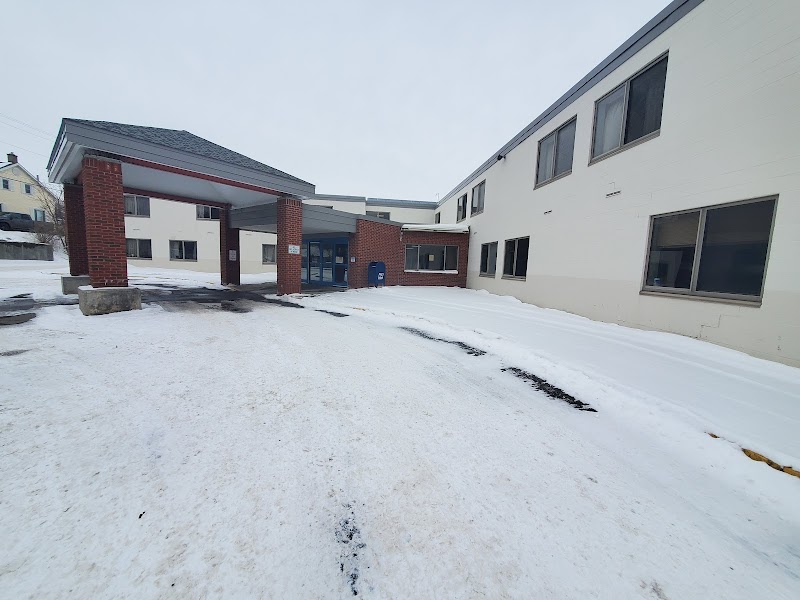
How is Massena Rehabilitation & Nursing Center Staffed?

CMS rates MASSENA REHABILITATION & NURSING CENTER's staffing level at 3 out of 5 stars, which is average compared to other nursing homes. Staff turnover is 60%, which is 14 percentage points above the New York average of 46%. High turnover can affect care consistency as new staff learn residents' individual needs. RN turnover specifically is 57%, which is notably high. RNs provide skilled clinical oversight, so turnover in this role can affect medical care quality.

What Have Inspectors Found at Massena Rehabilitation & Nursing Center?

State health inspectors documented 35 deficiencies at MASSENA REHABILITATION & NURSING CENTER during 2019 to 2025. These included: 2 that caused actual resident harm, 32 with potential for harm, and 1 minor or isolated issues. Deficiencies causing actual harm indicate documented cases where residents experienced negative health consequences.
Who Owns and Operates Massena Rehabilitation & Nursing Center?

MASSENA REHABILITATION & NURSING CENTER is owned by a for-profit company. For-profit facilities operate as businesses with obligations to shareholders or private owners. The facility is operated by PERSONAL HEALTHCARE MANAGEMENT, a chain that manages multiple nursing homes. With 160 certified beds and approximately 145 residents (about 91% occupancy), it is a mid-sized facility located in MASSENA, New York.
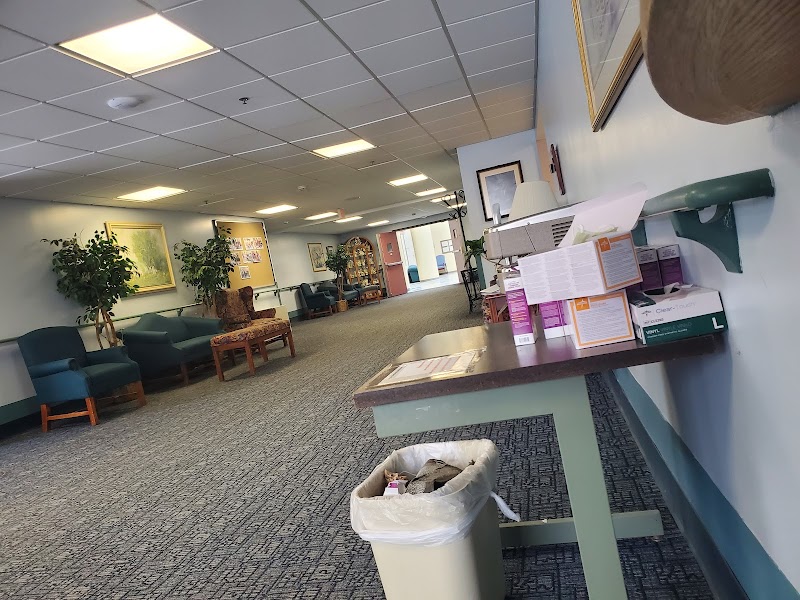
How Does Massena Rehabilitation & Nursing Center Compare to Other New York Nursing Homes?

Compared to the 100 nursing homes in New York, MASSENA REHABILITATION & NURSING CENTER's overall rating (1 stars) is below the state average of 3.0, staff turnover (60%) is significantly higher than the state average of 46%, and health inspection rating (1 stars) is much below the national benchmark.

What Should Families Ask When Visiting Massena Rehabilitation & Nursing Center?

Based on this facility's data, families visiting should ask: "How do you ensure continuity of care given staff turnover, and what is your staff retention strategy?" "Can I visit during a mealtime to observe dining assistance and food quality?" "How do you handle medical emergencies, and what is your hospital transfer rate?" "Can I speak with family members of current residents about their experience?" These questions are particularly relevant given the facility's high staff turnover rate.

Is Massena Rehabilitation & Nursing Center Safe?

Based on CMS inspection data, MASSENA REHABILITATION & NURSING CENTER has a clean safety record: no substantiated abuse findings (meaning no confirmed cases of resident harm), no Immediate Jeopardy citations (the most serious violation level indicating risk of serious injury or death), and is not on the Special Focus Facility watch list (a federal program monitoring the lowest-performing 1% of nursing homes). The facility has a 1-star overall rating and ranks #100 of 100 nursing homes in New York. While no facility is perfect, families should still ask about staff-to-resident ratios and recent inspection results during their visit.

Do Nurses at Massena Rehabilitation & Nursing Center Stick Around?

Staff turnover at MASSENA REHABILITATION & NURSING CENTER is high. At 60%, the facility is 14 percentage points above the New York average of 46%. Registered Nurse turnover is particularly concerning at 57%. RNs handle complex medical decisions and coordinate care — frequent RN changes can directly impact care quality. High turnover means new staff may not know residents' individual needs, medications, or preferences. It can also be disorienting for residents, especially those with dementia who rely on familiar faces. Families should ask: What is causing the turnover? What retention programs are in place? How do you ensure care continuity during staff transitions?

Was Massena Rehabilitation & Nursing Center Ever Fined?

MASSENA REHABILITATION & NURSING CENTER has been fined $105,537 across 11 penalty actions. This is 3.1x the New York average of $34,134. Fines at this level are uncommon and typically indicate a pattern of serious deficiencies, repeated violations, or failure to correct problems promptly. CMS reserves penalties of this magnitude for facilities that pose significant, documented risk to resident health or safety. Families should request specific documentation of what issues led to these fines and what systemic changes have been implemented.

Is Massena Rehabilitation & Nursing Center on Any Federal Watch List?

MASSENA REHABILITATION & NURSING CENTER is not on any federal watch list. The most significant is the Special Focus Facility (SFF) program, which identifies the bottom 1% of nursing homes nationally based on persistent, serious quality problems. Not being on this list means the facility has avoided the pattern of deficiencies that triggers enhanced federal oversight. This is a positive indicator, though families should still review the facility's inspection history directly.