NORTH COUNTRY NURSING & REHABILITATION CENTER


182 HIGHLAND ROAD, MASSENA, NY 13662 (315) 769-9956
For profit - Corporation 140 Beds Independent Data: November 2025
Trust Grade
50/100
#426 of 594 in NY
Last Inspection: December 2023

Within standard 12-15 month inspection cycle. Federal law requires annual inspections.

Overview

North Country Nursing & Rehabilitation Center has a Trust Grade of C, which means it is average and ranks in the middle of the pack among nursing homes. It is ranked #426 out of 594 in New York, placing it in the bottom half of facilities in the state, but #3 out of 4 in St. Lawrence County indicates that only one local option is better. The facility is showing improvement, with issues decreasing from 9 in 2023 to just 3 in 2025. Staffing is rated at 3 out of 5 stars, which is average, and the turnover rate is at 44%, similar to the New York state average. Notably, the facility has not incurred any fines, which is a positive sign. However, there are concerns about food service, including a lack of input from residents on menu options and issues with food safety standards, such as improper dish sanitation and the absence of qualified personnel in the food service department. Overall, while there are strengths in staffing and no fines, the facility faces challenges in food service and resident satisfaction.

Trust Score
C
50/100
In New York
#426/594
Bottom 29%
Safety Record
Low Risk
No red flags
Inspections
Getting Better
9 → 3 violations
Staff Stability
○ Average
44% turnover. Near New York's 48% average. Typical for the industry.
Penalties
✓ Good
No fines on record. Clean compliance history, better than most New York facilities.
Skilled Nurses
✓ Good
Each resident gets 56 minutes of Registered Nurse (RN) attention daily — more than average for New York. RNs are trained to catch health problems early.
Violations
⚠ Watch
37 deficiencies on record. Higher than average. Multiple issues found across inspections.
★★☆☆☆
2.0
Overall Rating
★★★☆☆
3.0
Staff Levels
★★★★☆
4.0
Care Quality
★★☆☆☆
2.0
Inspection Score
Stable
2023: 9 issues
2025: 3 issues

The Good

  • 4-Star Quality Measures · Strong clinical quality outcomes
  • Full Sprinkler Coverage · Fire safety systems throughout facility
  • No fines on record
  • Staff turnover below average (44%)

    4 points below New York average of 48%

Facility shows strength in quality measures, fire safety.

The Bad

2-Star Overall Rating

Below New York average (3.1)

Below average - review inspection findings carefully

Staff Turnover: 44%

Near New York avg (46%)

Typical for the industry

The Ugly 37 deficiencies on record

Aug 2025 3 deficiencies
CONCERN (D) 📢 Someone Reported This

A family member, employee, or ombudsman was alarmed enough to file a formal complaint

Potential for Harm - no one hurt, but risky conditions existed

Safe Environment (Tag F0921)

Could have caused harm · This affected 1 resident

Based on observations and interviews during the recertification survey conducted 8/11/2025- 8/15/2025, the facility did not ensure a safe, functional, sanitary, and comfortable environment for residen...

Read full inspector narrative →
Based on observations and interviews during the recertification survey conducted 8/11/2025- 8/15/2025, the facility did not ensure a safe, functional, sanitary, and comfortable environment for residents, staff, and the public in one (1) of (3) three units (Unit 200). Specifically, Unit 200 hallway was unclean and had odors.Findings include: The undated facility Housekeeping Tasks documented hallways/nurse's station should be dust mopped and wet mopped. The following observations were made on Unit 200:- On 8/11/2025 at 4:12 PM, there was a brown, dried, odorous substance smeared on the floor going down the hallway from the elevators to the shower room.- On 8/12/2025 at 8:52 AM, there was a brown dried, odorous substance on the floor in the hallway near the elevators. During an interview on 8/14/2025 at 10:07 AM, Housekeeper #2 stated they were responsible for sweeping, mopping, cleaning windowsill, and wiping down everything. They stated they were responsible for mopping the hallways every day, but they did not always get to them. Feces on the floors should be cleaned up by nursing staff. They stated they saw a brown streak down the hallway near the elevator. During an interview on 8/14/2025 at 2:30 PM, the Infection Preventionist stated the certified nurse aides were responsible for cleaning up feces on the floor and housekeeping would sanitize the area afterward. During an interview on 8/14/2025 at 2:45 PM, Certified Nurse Aide #4 stated if they observed feces and urine on the floor, they were responsible for cleaning up the feces or urine.10NYCRR 415.29
CONCERN (F) 📢 Someone Reported This

A family member, employee, or ombudsman was alarmed enough to file a formal complaint

Potential for Harm - no one hurt, but risky conditions existed

Menu Adequacy (Tag F0803)

Could have caused harm · This affected most or all residents

Based on record review, observations, and interview during the recertification and abbreviated surveys (NY00351103) conducted 8/11/2025-8/15/2025, the facility did not ensure facility menus reflected ...

Read full inspector narrative →
Based on record review, observations, and interview during the recertification and abbreviated surveys (NY00351103) conducted 8/11/2025-8/15/2025, the facility did not ensure facility menus reflected input received from residents and resident groups for 7 of 7 anonymous residents present at the resident group meeting. Specifically, generic menus were provided to the residents without specific fruits and vegetables to be served and had repetitive starches daily resulting in complaints about the lack of variety in food options. Findings included:The facility policy Resident Food Preferences, revised 7/2024 documented the dietitian, or designee would identify a resident's food preferences. Those preferences were documented in the resident's care plan. The Food Service Department would offer a variety of foods at each scheduled meal with alternates available, as well as access to snacks throughout the day and night.The facility policy Dietary Menu Development, last reviewed 11/2024, documented all residents received meals that were nutritionally adequate, appealing, and tailored to their preferences. All menus were reviewed and approved by a registered dietitian at least annually and with significant changes. Menus were planned 4 weeks in advance using a minimum 4-week cycle. There were three meals per day plus snacks as appropriate. The menus were to have variety in color, flavor, texture, and food group presentation. Resident council feedback would be reviewed and incorporated. Seasonal fruits and vegetables were included into the menu. The final menu was signed and dated by the registered dietitian.The 5/2025 monthly Resident Council minutes documented residents voiced they were not receiving condiments on a regular basis with their meals.During a resident group meeting on 8/12/2025 at 1:30 PM, seven anonymous residents stated meal portions were shrinking, and there was no variety to the menus.The 8/12/2025 Week at a Glance, documented the following lunch meals:- Monday 8/12/2025 fruit mix, rice, and assorted vegetable.- Tuesday 8/13/2025 assorted dessert, mashed potatoes, and vegetable of the day.- Wednesday 8/14/2025 chilled fruit cup, mashed potatoes, and assorted vegetable.- Thursday 8/15/2025 fruit mix, mashed potatoes, and assorted vegetable.- Friday 8/16/2025 assorted dessert, mashed potatoes, and assorted vegetable. The 8/12/2025 Week at a Glance, documented the following dinner meals:- Monday 8/12/2025 fruit cup, a pasta, and assorted vegetable.- Tuesday 8/13/2025 canned fruit, French fries, and coleslaw.- Wednesday 8/14/2025 assorted dessert, a pasta, and assorted vegetable.- Thursday 8/15/2025 assorted dessert, a pasta, and assorted vegetable.- Friday 8/16/2025 assorted dessert, rice, and assorted vegetable.The weekly menu documented mashed potatoes were served on Sunday, Tuesday, Wednesday, and Thursday for lunch. Every lunch included a generic vegetable of the day and generic chilled fruit cup, assorted fruit or assorted dessert. Most dinners also documented generic vegetable of the day and generic chilled fruit cup, assorted fruit or assorted dessert. The menu did not specify what the vegetables, fruits, or desserts were. During an interview on 8/15/2025 at 9:49 AM, Registered Dietitian #5 stated the Regional Food Service Director gave the facility the menu. They stated they reviewed the menu for variety and did not know why the posted menu was generic. A specific menu was programmed in the facility's Meal Tracker (specific electronic dietary program). Residents had a right to know what they were going to be eating on a routine basis. The posted menu met all residents' nutritional needs. The facility provided starches via mashed potatoes or rice. Butter or margarine was sent on the meal carts if a resident wanted them.During an interview on 8/15/2025 at 9:54 AM, Certified Nurse Aide #9 stated many residents complained about getting the same type of foods over and over. They stated the residents were served mashed potatoes or rice every day.During an interview on 8/15/2025 at 10:15 AM, Certified Nurse Aide #10 stated the residents got a lot of the same types of foods. The residents complained that sometimes the food was cold, and staff had to heat it up or call the kitchen for a replacement. The staff ensured the food was not too hot, after reheating it, by taking the food temperature before giving it to the resident. Some families brought food in they knew the residents would eat. Staff offered snacks and cereals when a resident did not eat the food.During an interview on 8/15/2025 at 10:39 AM, Licensed Practical Nurse #11 stated the residents complained about frequently getting the same types of food. They stated they had personally eaten the food in the past and it was bland. The kitchen usually had sandwiches available if a resident did not like the main entree. During an interview on 8/15/2025 at 11:00 AM, Food Service Director #1 stated the registered dietitian set the menu and signed off on approval. When asked to view the menu, the Food Service Director stated it was not readily available. The menu was generic to make it appear neater. The menu was decided daily based on the available foods in the kitchen. If there were vegetables and desserts on hand, that was adequate. They stated the food being served during survey was not always the posted menu as it was a very simple process of cooking the vegetables on hand. They stated the residents had a right to know exactly what the menu for each day would be. At 11:26 AM, the Food Service Director stated the facility did not have menus signed by the dietitian but was having them signed and sent to the facility.During an interview on 8/15/2025 at 11:03 AM, Licensed Practical Nurse #12 stated the residents received a lot of chicken. Mashed potatoes and vegetables were usually the same daily, and usually an assorted vegetable mix or just carrots. Most of the residents complained about getting the same thing all the time. They were able to have sandwiches as an alternate. During an interview on 8/15/2025 at 11:18 AM, the Director of Nursing stated alternates were listed on the menu for every meal. The facility also offered soup and sandwiches. They stated they were aware of residents complaining of getting the same types of meals. 415.4(c)(1-3)
CONCERN (F) 📢 Someone Reported This

A family member, employee, or ombudsman was alarmed enough to file a formal complaint

Potential for Harm - no one hurt, but risky conditions existed

Food Safety (Tag F0812)

Could have caused harm · This affected most or all residents

Based on observations, record review, and interviews during the recertification survey conducted 8/11/2025-8/15/2025, the facility did not store, prepare, distribute and serve food in accordance with ...

Read full inspector narrative →
Based on observations, record review, and interviews during the recertification survey conducted 8/11/2025-8/15/2025, the facility did not store, prepare, distribute and serve food in accordance with professional standards for food service safety for one (1) of one (1) main kitchen reviewed. Specifically, the main kitchen dish machine did not reach the temperature required to sanitize soiled dishware; food in the freezer was not labeled or dated; the dish machine temperature log and three bay sink sanitizer testing logs were not completed every day; and appropriate hand hygiene was not performed. Findings include:The facility policy Dishwasher Policy & Procedure, revised 10/2024, documented high temperature sanitizing dish machines must reach a minimum rinse temperature of 180 degrees Fahrenheit to ensure dishware was safe to use; and monitor daily logs for temperatures and chemicals.The facility policy Kitchen Sanitation, revised 10/2024, documented no eating or drinking was allowed in the kitchen, all food was to be labeled and dated, and all dishes that touched food was to be cleaned and sanitized before and after each use.Food Storage:During an observation of the walk-in freezer on 8/13/2025 at 10:32 AM, there was an unlabeled and undated stack of sliced meat; an opened unlabeled and undated bag of a breaded product; and an unlabeled and undated bag of frozen round patties.During an interview on 8/13/2025 at 1:51 PM, Food Service Director #1 stated leftover food in the freezer should be labeled and dated. Food Preparation:During an observation during lunch preparation on 8/13/2025 at 10:32 AM, Food Service Director #1 was preparing chicken and there was a personal beverage cup sitting on the same counter. The Food Service Director used their phone as they walked away from the area near the ovens, picked up a pan of ground chicken and their ungloved thumb was in the pan. The Food Service Director put on gloves and did not perform hand hygiene. During an interview on 8/13/2025 at 1:51 PM, Food Service Director #1 stated the hand hygiene policy required hand washing upon arrival, when changing gloves, and when hands were soiled. They stated it was not acceptable to have their thumb inside a pan of food without gloves on or put gloves on without washing their hands first. They stated they did not receive hand hygiene training. Dishwashing:During an observation and interview on 8/13/2025 at 10:32 AM, the rinse portion of the dish machine read 150 to 155 degrees Fahrenheit. There was no documented evidence of the dish machine temperature log and three bay sink sanitizer recording forms for 8/13/2025. Dietary Aide #8 stated they usually tested the sanitizer in the three-bay sink and the dish machine temperatures first thing when they started work, but they forgot to today. They stated testing was important to make sure dishes were cleaned and sanitized.During an interview on 8/13/2025 at 12:10 PM, Food Service Director #1 stated the dish machine was a high temperature machine and needed to reach 180 degrees Fahrenheit on the rinse to sanitize safely. They stated the plates observed earlier were not properly sanitized and were used to serve lunch. They stated without proper sanitation it could cause food born illness and contamination.During an interview on 8/13/2025 at 1:35 PM, Dietary Aide #8 stated they logged the dish machine temperature readings and sanitizer results from the three-bay sink on the forms, both in the morning and afternoon. They stated they forgot to test the sanitizer and dish machine temperatures on 8/13/25 in the morning. They stated the dishes from breakfast were pushed through the dish machine, air dried, then stacked on a cart, and put over by the steamtable and used at lunch. They stated these dishes were used to plate up lunch and they did not have enough plates to serve two meals without using the same plates.During an interview on 8/13/2025 at 1:51 PM, Food Service Director #1 stated they only had enough dishes in house for one meal service and the same dishes that were cleaned during observation of the dish machine not sanitizing properly were also used at lunch. They stated they were aware of the temperature issues with the dish machine not sanitizing properly before lunch and should have sanitized the dishes in the three-bay sanitizer before using them. They stated dishes required sanitizing to get rid of bacteria. 10NYCRR 483.60(i)(2)
Dec 2023 9 deficiencies
CONCERN (D)

Potential for Harm - no one hurt, but risky conditions existed

Comprehensive Care Plan (Tag F0656)

Could have caused harm · This affected 1 resident

Based on record review and interview during the recertification survey conducted 12/11/2023 -12/15/2023, the facility did not ensure a comprehensive person-centered care plan was developed and impleme...

Read full inspector narrative →
Based on record review and interview during the recertification survey conducted 12/11/2023 -12/15/2023, the facility did not ensure a comprehensive person-centered care plan was developed and implemented for each resident that included measurable objectives and timeframes to meet a resident's medical and nursing needs for 1 of 2 residents (Resident #22) reviewed. Specifically, Resident #22's wheelchair seat belt was not removed at meals as planned. Findings include: The facility policy Care Plans, revised 9/2023, documented the facility's care planning/interdisciplinary team were responsible for the development of an individualized comprehensive care plan for each resident. Resident #22 had diagnoses that included cerebrovascular accident (stroke), dysphagia (difficulty swallowing), and seizure disorder. The 10/1/2023 Minimum Data Set assessment documented the resident had moderately impaired cognition, required supervision to moderate assistance of one person for activities of daily living, and did not use physical restraints. The resident's comprehensive care plan, last reviewed on 10/12/2023, documented the resident had a seat belt to assist with positioning. The resident was able to unbuckle and buckle the seat belt themselves. The seat belt was to be put on when self-propelling in the wheelchair and removed during meals. The resident was observed during meals with their seat belt not removed: - On 12/11/2023 at 1:02 PM, brought into the dining room for lunch by a staff member. - On 12/13/2023 at 8:37 AM, in the dining room eating breakfast. - On 12/14/2023 at 8:41 AM, in the dining room eating breakfast. - On 12/14/2023 at 12:36 PM, in the dining room eating lunch. During an interview on 12/14/2023 at 2:19 PM, licensed practical nurse #7 stated Resident #22 was able to buckle and unbuckle the seat belt themselves and to their knowledge, there was no specific time the resident's seat belt was to be unbuckled. During an interview on 12/14/2023 at 3:59 PM, licensed practical nurse unit manager #3 stated Resident #22's seat belt should be undone at meals and when the resident was being toileted. Even though the resident was independent with buckling and unbuckling their seat belt, staff should be unbuckling it at meals. Staff were aware the resident's seat belt needed to be undone at meals as they had educated the unit staff. Therapy had educated the unit staff upon its initiation. During an interview on 12/15/2023 at 8:49 AM, physical therapy assistant #23 stated they just started working with Resident #22 again. The resident was able to buckle and unbuckle the seat belt and the resident felt more upright and secure with the seat belt on. The resident could take the seat belt off or ask staff to take it off. The resident could have the seat belt on at meals or remove it if they wanted to. They were unaware the care plan documented the seat belt should be removed at meals. During an interview on 12/15/2023 at 8:53 AM, the Director of Rehabilitation stated the resident released the seat belt when they wanted to and often did not allow staff to touch the seat belt. They did know the care plan documented the seat belt should be off at meals. A previous interim physical therapist likely put that on the resident's care plan previously as any device that could be considered a restraint, like a lap buddy or seat belt, was care planned to be off at meals. 10NYCRR 415.11(c)(2)(ii)
CONCERN (D) 📢 Someone Reported This

A family member, employee, or ombudsman was alarmed enough to file a formal complaint

Potential for Harm - no one hurt, but risky conditions existed

ADL Care (Tag F0677)

Could have caused harm · This affected 1 resident

**NOTE- TERMS IN BRACKETS HAVE BEEN EDITED TO PROTECT CONFIDENTIALITY** Based on observation, record review, and interview during the recertification and abbreviated (NY00293414, NY00294008, NY0029919...

Read full inspector narrative →
**NOTE- TERMS IN BRACKETS HAVE BEEN EDITED TO PROTECT CONFIDENTIALITY** Based on observation, record review, and interview during the recertification and abbreviated (NY00293414, NY00294008, NY00299190, NY00300100, and NY00308466) surveys conducted 12/11/2023 - 12/15/2023, the facility did not ensure residents who were unable to carry out activities of daily living received the necessary services to maintain good nutrition, grooming, and personal and oral hygiene for 2 of 12 residents (Residents #27 and #124) reviewed. Specifically, Resident #27 and #124, were not provided with adaptive equipment during meals as ordered for multiple days of survey. Findings include: The facility policy Activities of Daily Living-North Country Nursing and Rehab, revised 3/2023, documented residents would be provided with care, treatment, and services as appropriate to maintain or improve their ability to carry out activities of daily living. Residents who were unable to carry out their activities of daily living, would receive the services necessary to maintain good nutrition, grooming, and personal hygiene. The facility policy Adaptive Equipment With Meals. revised 07/2023, documented the residents would receive assistance with meals that met the individual needs of residents. Adaptive equipment (special eating equipment and utensils) would be provided to residents who needed or requested the items. Occupational or speech therapy would determine the need for adaptive equipment, update the care plan as needed, and the kitchen director would be notified. 1) Resident #27 had diagnoses which included dysphagia (a condition with difficulty in swallowing food or liquid), vision loss, and atherosclerotic heart disease of native coronary artery (a build-up of plaque in the arteries that minimizes blood flow). The Minimum Data Set assessment dated [DATE] documented the resident had severely impaired cognition, a swallowing disorder with coughing or choking with a mechanically altered diet, and required moderate to maximum assist for most activities of daily living. A physician's order dated 11/29/2023 by physician #4 documented the resident was to have a regular diet that was ground with a divided plate and thin liquids. The resident's undated care profile documented the resident was to have a regular diet, ground in texture, with a divided plate and thin liquids. The resident's meal ticket dated 12/14/2023 documented a divided, three-compartment plate at every meal. The following observations were made during mealtime of the resident: - On 12/11/2023 at 1:11 PM, the lunch meal was served on a regular, non-divided plate. - On 12/13/2023 at 1:05 PM, the lunch meal was served on a regular, non-divided plate. During an interview on 12/14/2023 at 1:52 PM, certified nurse aide #17 stated the certified nurse aides were to check the resident meal trays for accuracy, such as correct consistency and adaptive equipment prior to serving the tray to the resident. If the tray was incorrect in consistency or missing a piece of adaptive equipment, they would call the kitchen to get a replacement. If the resident's meal ticket documented a divided plate and they received a regular, non-divided plate, they would call down to the kitchen for a divided plate. If the resident did not have the right equipment, they would not be able to eat their meal independently. During an interview on 12/14/2023 at 1:57 PM, certified nurse aide #6 stated they verified everything that was on the meal ticket was on the tray, including adaptive equipment, before they set the tray up for the resident. If a resident did not have what was needed on the tray or something was incorrect, they would call the kitchen to get it fixed. The resident was supposed to get a divided plate per their meal ticket. If the resident got a regular plate instead of the divided plate, it would be incorrect. During an interview on 12/15/2023 at 8:49 AM, certified occupational therapy assistant #19 stated a divided plate was usually used related to impaired vision. The resident would be able to utilize the clock method to orient themselves to where different food groups were on their plate as they would be separated. If a resident did not have the correct adaptive equipment, staff should have called down to the kitchen to get the correct equipment. It was important that a resident received their ordered adaptive equipment at meals as that is what would make it easier for the resident to feed themselves and have independence during their meals. During an interview on 12/15/2023 at 8:53 AM, the Director of Rehabilitation stated it was important for Resident #27 to have their ordered, divided plate while eating as that was would give the resident more independence while eating. 2) Resident #124 had diagnoses including other lack of coordination, legal blindness, and chronic right heart failure. The Minimum Data Set assessment dated [DATE] documented the resident had moderately impaired cognition and required moderate assist for activities of daily living, including eating. Physician #4's order dated 10/5/2023 documented the resident was to have a no concentrated sweets, no added salt diet in chopped texture. Special instructions included food in bowls and thin liquids with no straws, in double-handled spouted cups. The comprehensive care plan, updated 12/8/2023, documented the resident would receive the appropriate level of assistance and be encouraged to perform activities of daily living to the best of their abilities. Interventions included the resident was limited assist of one for eating with no straws, double-handled spouted cups, and their food in bowls. The resident's undated care profile documented the resident had a diet of regular food, ground in texture, on a divided plate with thin liquids. The following observations were made during mealtime of the resident: - On 12/12/2023 at 8:24 AM, during the breakfast meal, they had one, double-handled spout cup filled with liquid and two, flexible, plastic cups filled with juice. - On 12/13/2023 at 8:32 AM, during the breakfast meal, they had a regular coffee cup. - On 12/14/2023 at 12:37 PM, during the lunch meal, they had one, double-handled spout cup filled with hot cocoa, two flexible plastic cups filled with juice, and one flexible plastic cup filled with milk from the carton. During an interview on 12/14/2023 at 1:52 PM, certified nurse aide #17 stated the resident was supposed to have a double-handled spout cup for all drinks but staff were educated to pour all drinks into the flexible plastic cups. The kitchen would usually send up two, double-handled spout cups and the certified nurse aides would rinse out the cups between each beverage for the resident after they were finished. During an interview on 12/14/2023 at 1:57 PM, certified nurse aide #6 stated they believed the resident's double-handled spout cup was only for hot drinks, but the ticket did not specify. It was important for a resident to have their ordered adaptive equipment during meals as it was for the resident's benefit. During an interview on 12/14/2023 at 2:19 PM, licensed practical nurse #7 stated they had oversight during tray pass and meals but were not actively involved in tray pass. It was important that a resident received their ordered adaptive equipment at mealtimes as those interventions were in place for their safety and ease of use to eat their meals. If a resident did not have the correct equipment, they would not be able to eat or drink effectively, which could lead to low nutrition and hydration issues. During an interview on 12/14/2023 at 3:59 PM, licensed practical nurse unit manager #3 stated they expected staff to have checked the resident meal tickets against the tray contents for accuracy. The adaptive equipment needed for each resident was listed on the meal ticket; if the ticket called for a divided plate or double-handled spout cup, the resident should have had that on their tray. In some instances, a resident may need a double-handled spout cup for only hot drinks, but the meal ticket would specify; if it was not specified, the cup should have been used for all drinks. 10NYCRR 415.12(a)(3)
CONCERN (D)

Potential for Harm - no one hurt, but risky conditions existed

Deficiency F0688 (Tag F0688)

Could have caused harm · This affected 1 resident

**NOTE- TERMS IN BRACKETS HAVE BEEN EDITED TO PROTECT CONFIDENTIALITY** Based on observation, record review and interview during the recertification survey conducted 12/11/2023 - 12/15/2023, the facil...

Read full inspector narrative →
**NOTE- TERMS IN BRACKETS HAVE BEEN EDITED TO PROTECT CONFIDENTIALITY** Based on observation, record review and interview during the recertification survey conducted 12/11/2023 - 12/15/2023, the facility did not ensure a resident with limited range of motion received appropriate treatment and services to increase range of motion and/or prevent further decrease in range of motion and proper positioning for 2 of 6 residents (Residents #36 and #38 ) reviewed. Specifically, Resident #36 did not have a left hand splint as ordered and planned; Resident #38 did not have supportive devices for their wheelchair or frequent positioning as planned. Findings include: The facility policy Repositioning revised 5/2023 documented repositioning was a common, effective intervention for preventing skin break down, promoting circulation, and providing pressure relief. Repositioning was critical for a resident that was immobile or dependent on staff for repositioning. The facility policy Splint/Orthotics/Prosthetics revised 8/2023 documented to promote quality care, the facility used appropriate techniques and devices for splints, prosthetics, and orthotics. Therapy would perform a thorough evaluation and assessment of the resident for splints, prosthetics, and orthotics. Facilities would acquire the necessary equipment, the device would be distributed to the resident, and the plan of care would include the type of device, location, wearing schedule and the goal for the resident. 1) Resident #36 was admitted to the facility with diagnoses including cerebral infarction (stroke), left wrist contracture, and hemiplegia (paralysis of one side of the body).The Minimum Data Set assessment dated [DATE] documented the resident had moderately impaired cognition, did not reject care, had limited range of motion/impairment on one side of upper and lower extremity (left side), required moderate assist of 1 to supervision for dressing, toileting, and personal hygiene. The 8/14/2021 physician #5's order documented the resident was to have a left upper extremity resting splint applied when out of bed. On 12/13/2023 at 11:51 AM, Resident #36's comprehensive care plan documented they were to wear the left upper extremity resting hand splint when out of bed to increase proper positioning of the left upper extremity. The undated resident care instructions documented a left upper extremity resting splint when out of bed. The 11/6/2023 at 10:43 AM, occupational therapist #20's updated plan of treatment documented a short term goal that included the staff would demonstrate proper hand hygiene strategies and ability to don splint with good awareness of precaution and wearing schedule. On 10/30/2023, the goal was not met because nursing staff were not consistent with applying the hand splint and were consistently misplacing the splint.They would attempt to find the splint again and develop a system with the therapy aide. The 11/11/2023 at 9:52 AM, occupational therapist #20's progress note documented the resident received passive stretch to the left hand with moderate tightness; the splint was missing so a washcloth roll was placed. Resident #36 was observed without hand splints applied as ordered: - On 12/11/2023 at 10:58 AM, they were in their room, left side flaccid and fingers curled into the left hand. - On 12/12/2023 at 2:26 PM, in their room dialing their phone with left hand with fingers curled in. - On 12/13/2023 at 12:07 PM, they were in wheelchair, leaving their room and their left hand on their lap with fingers curled in and no splint. - On 12/14/2023 at 9:29 AM and 10:35 AM, not wearing a splint on their left hand. The resident stated they were not sure where their splint was. At 2:48 PM, the resident was sitting in their wheelchair without a splint on their left hand. During an interview on 12/14/2023 at 1:52 PM, certified nurse aide #17 stated Resident #36 should have been wearing a splint but did not wear it all the time. Physical therapy and occupational therapy had been working with the resident. They were not aware of the splint being misplaced. The care plan would document if the certified nurse aides were responsible to apply the splint. During an interview on 12/14/2023 at 3:59 PM, licensed practical nurse unit manager #3 stated the resident's splint should be applied as they were care planned. There was no place in the electronic record for the aides to document the splint was applied or if the resident refused to wear it. Therapy should be documenting the resident splint usage as well as nursing. They were not aware Resident #36 was not wearing their left hand splint. During an interview on 12/15/2023 at 8:49 AM, the certified occupational therapy aide #19 stated the resident had a splint to use, they were not usually the one to work with the resident, but the resident had a splint they should be wearing. During an interview on 12/15/2023 at 8:53 AM, the Director of Rehabilitation stated in July of 2023 the resident was assisted by inconsistent nursing staff and the resident kept losing the splint. The laundry staff would find the splint in the dirty laundry frequently. They issued the resident a new splint a couple of times and then they started to keep the splint in the therapy gym. The splint was applied during therapy but not every day, and they usually only tolerated it for 4 hours. The orders should have been updated around mid- November 2023 when the resident was building a tolerance back up to the splint. When the responsibility was placed on the nursing staff to put the splint on, it was not always applied consistently or appropriately, and the splint would go missing. That is why therapy added the resident to therapy again, to work on a splinting schedule. 2) Resident #38 was admitted to the facility with diagnoses including traumatic brain injury, functional quadriplegia, and generalized muscle weakness. The Minimum Data Set assessment dated [DATE] documented the resident had intact cognition, had no behaviors, required extensive assist of 2 for most of their activities of daily living, and normally used a wheelchair. The 9/1/2023 - 12/15/2023 physician orders did not include any ordered splinting devices or instructions or repositioning the resident. The 11/13/2023 at 3:17 PM, certified occupational therapy aide #19's treatment encounter note documented the resident tolerated stretching to the right hand and finger, stretching the neck and tolerated the neck and right hand rolls. The 12/14/2023 comprehensive care plan documented the resident had a neurological disease/damage related to traumatic brain injury with quadriplegia and generalized weakness/fatigue. The interventions included to provide assistive/adaptive/postural devices to help the resident do as much for themselves as possible. When in the wheelchair the resident should have footrest, pommel cushion, lateral supports at the trunk and head, padded back and soft head support between the left side of head and lateral support at the head, with frequent repositioning, when in the recliner the resident should be repositioned frequently to sit upright. During an observation on 12/12/2023 at 8:48 AM, while the resident was sitting in a lounge chair in their room, the resident's right arm and right elbow were contracted. The resident's head was leaning to the left side, and there were no braces, splints, rolls or pillows in place. During an observaton on 12/12/2023 at 9:05 AM, the resident's right hand appeared contracted, and the resident's neck was hyper-flexed to the left side. During an observation on 12/13/23 at 9:38 AM, the resident was awake in their room, sitting in a recliner chair. Their right hand was contracted at the elbow. The left arm was at their left side and straight out. There was no adaptive equipment in the room or on the resident (no splint, no brace, no booties). During an interview on 12/15/2023 at 8:32 AM, certified occupational therapy aide #19 stated they worked with the resident in the past, and they were discharged from therapy on 11/30/23. The resident should have had a towel roll at their neck with 2 towels rolled together and a hand roll which was one wash cloth folded in half rolled up and place in the right hand. These should have been placed when the resident was in their wheelchair. The purpose of the towel rolls were to prevent further contracture of the hand and the neck roll was to promote proper alignment for comfort and safety when the resident would eat. If the staff were not providing the resident the towel rolls the resident's hand would become more contracted and the contraction harder to reverse and the neck would become stiffer. The interventions were on the care plan and the staff should be following the care plan. They did not think staff were documenting their use of these adaptive items. During an interview on 12/15/23 at 9:01 AM, certified nurse aide #29 stated they were familiar with the resident. The resident was very contracted and needed to transfer to the chair using a platform walker. The resident required two people to assist with the transfer. Once the resident was sitting in the recliner, they would support the resident with a pillow on the side because their head and body leaned to the left. The resident did not require any splints and was not required to use any towel rolls. They knew how to care for the resident based on the care card in the computer. The only training they received was from other aides on the floor regarding the resident's preferred routines. During an interview on 12/15/23 at 9:17 AM, licensed practical nurse #9 stated the resident was unable to reposition or brace themselves. When the resident was in the recliner, they required a roll in their right hand and a neck roll. The certified nurse aides were required to give the resident the towel rolls. Those instructions were in the care plan. The hand roll was to protect the skin on the resident's hand from injury from their fingernails and to help prevent further contracture. The neck roll was to support the resident's neck because they tended to lean their neck to the left side. The certified nurse aides were not required to document the task anywhere. 10NYCRR415.12(e)(2)
CONCERN (D)

Potential for Harm - no one hurt, but risky conditions existed

Respiratory Care (Tag F0695)

Could have caused harm · This affected 1 resident

Based on observation, record review, and interview during the recertification survey conducted 12/11/2023 - 12/15/2023, the facility did not ensure residents who needed respiratory care were provided ...

Read full inspector narrative →
Based on observation, record review, and interview during the recertification survey conducted 12/11/2023 - 12/15/2023, the facility did not ensure residents who needed respiratory care were provided such care, consistent with professional standards of practice for 1 of 1 residents (Resident #124) reviewed. Specifically, Resident #124 received oxygen at a flow rate that was not consistent with physician orders. Findings include: The facility policy Oxygen Therapy dated 5/2023 documented oxygen was delivered with a physician's order. The licensed nurse was responsible to consult the physician's order and turn the oxygen flow meter to the desired concentration. Resident #124 had diagnoses including Chronic Obstructive Pulmonary Disease, pulmonary fibrosis, and chronic respiratory failure with hypoxia (low oxygen in the blood). The 10/09/2023 Minimum Data Set assessment documented the resident had moderately impaired cognition, required moderate assistance for most activities of daily living, and received continuous oxygen therapy. The comprehensive care plan initiated 10/3/2023 documented the resident required oxygen therapy related to chronic obstructive pulmonary disease and respiratory failure. Interventions included to provide the supplemental oxygen per physician orders. The 10/3/2023 Physician #4 order documented apply supplemental oxygen at 4 liters per minute; always wear nasal cannula for oxygen due to diagnosis of respiratory failure. The December 2023 treatment administration record documented the resident's oxygen was ordered at 4 liters per minute and to always wear. The following observations of Resident #124 were made: - On 12/11/2023 at 2:32 PM, in bed with oxygen via nasal cannula set at 3.5 liter per minute. - On 12/12/2023 at 8:24 AM, in the dining room, connected to an oxygen concentrator via nasal cannula that was set at 3.5 liters per minute . - On 12/13/2023 at 8:32 AM, in the dining room, connected to an oxygen concentrator via nasal cannula that was set at 3.5 liters per minute. - On 12/13/2023 at 9:09 AM, the oxygen concentrator was shut off and the resident was moved out of the dining room with the oxygen tubing rolling under the wheelchair wheel. - On 12/13/2023 at 9:12 AM, the resident's oxygen tubing was re-attached to the oxygen concentrator in the common room at 3.5 liters per minute. - On 12/13/2023 at 9:17 AM, the resident was transported from the common area to their room by certified nurse aide #6 without their oxygen on; once in their room, the oxygen concentrator was not plugged in. - On 12/14/23 at 9:31 AM, in the common area, connected to an oxygen concentrator via nasal cannula that was set at 3.5 liters per minute. - On 12/14/2023 at 12:18 PM, they were in the dining room connected to an oxygen concentrator via nasal cannula that was set at 3.5 liters per minute. - On 12/14/2023 at 2:47 PM, they were in bed with oxygen via nasal cannula set at 3.5 liters per minute. During an interview on 12/14/2023 at 1:57 PM, certified nurse aide #6 stated they put oxygen tubing on the residents and were able to move the oxygen concentrators with the residents. They used the oxygen concentrators because they ran out of the portable oxygen tanks. The nurse was responsible for checking that oxygen settings were the correct liters per minute. During an interview on 12/14/2023 at 2:19 PM, licensed practical nurse #7 stated during the day shift they were responsible to checking oxygen tubing dates, oxygen flow rates and the oxygen saturation for the residents. The resident care plan documented what the liters per minute should be for the resident. Resident #124 was supposed to be on 4 liters per minute according to the treatment section of the care plan. If the resident did not receive the correct amount of oxygen, they could have trouble breathing and become hypoxic (oxygen deficient). Resident #124's order was for 4 liters per minute. The oxygen concentrator being set at 3.5 liters per minute was not correct. They could not recall if they had checked Resident #124's flow rate prior to the interview. During an interview on 12/14/2023 at 3:59 PM, licensed practical nurse unit manager #3 stated they expected the nurses to follow the orders in the electronic health record to ensure a residents' oxygen was on the correct liters per minute. Resident #124 was ordered 4 liters per minute, not 3.5 liter per minute. When a resident was not receiving the correct amount of oxygen, this could lead to respiratory distress. During an interview on 12/15/2023 at 9:58 AM, the Director of Nursing stated they expected the nursing staff to follow the physician order in the electronic health record. If the liters per minute were set lower than the order stated, they would expect the physician to be notified. If they were trying to titrate (decrease) the oxygen there would be an order for that, such as 2- 4 liters per minute. They confirmed Resident #124's order was 4 liters per minute and should be set as the order was written. The nurses should be checking the concentrator to make sure the oxygen was set to the correct rate. 10 NYCRR 415.12(k)(6)
CONCERN (D)

Potential for Harm - no one hurt, but risky conditions existed

Deficiency F0698 (Tag F0698)

Could have caused harm · This affected 1 resident

Based on record review and interview during the recertification survey conducted 12/11/2023 - 12/15/2023, the facility did not ensure that a resident who required dialysis received such services consi...

Read full inspector narrative →
Based on record review and interview during the recertification survey conducted 12/11/2023 - 12/15/2023, the facility did not ensure that a resident who required dialysis received such services consistent with professional standards of practice for 1 of 1 residents (Resident #34) reviewed. Specifically, Resident #34 did not receive a complete post-dialysis treatment assessment of their fistula (direct connection between an artery and a vein; dialyis access site) by a registered nurse. Findings include: The facility policy, Dialysis Residents - North Country Nursing and Rehab, revised 8/2023, documented residents receiving dialysis would have the following in effect: observe shunt for signs and symptoms of infection or inflammation; observe shunt for thrills (a vibration caused by blood flowing through the fistula) and bruits (a whooshing sound heard with a stethoscope near the fisula incision site) every shift and report any abnormal findings to physician and/or dialysis, and medications as ordered. Resident #34 had diagnoses of end-stage renal disease, respiratory failure, and diabetes mellitus. The 11/22/2023 Minimum Data Set assessment documented Resident #34 had intact cognition, end-stage renal disease, and attended dialysis as a resident. The 8/13/2022 physician #5 orders documented: - Check site every shift for complications: check bruit and thrill; check for bruising, bleeding (fistula or port) every shift on days, evening, and nights. - No blood pressures, blood work in right arm secondary to right arterio-venous shunt for all shifts; days, evenings and nights. - Weights and vital signs on Tuesdays, Thursdays and Saturdays pre-dialysis between 5:00 AM - 6:00 AM; post-dialysis between 2:00 PM-10:00 PM. The December 2023 Treatment Administration Record from 12/1/23 - 12/14/2023 documented the resident was to be monitored every shift for complications: check for bruit, thrill, bruising, and bleeding.This order was signed by the licensed practical nursing staff all three shifts with the exception of three times by registered nurses: 12/1/2023 night shift, 12/2/2023 day shift and 12/11/2023 evening shift. The comprehensive care plan, revised 12/4/2023, documented resident #34 was at risk for complications related to alteration in renal function and end-stage renal disease. Interventions included to assess resident for changes in mental status/general condition; administer medications as ordered and check for untoward effects; assess hemodialysis graft, i.e., arterio-venous graft for signs of bleeding, infection or any abnormality and notify medical doctor, check for thrill and bruit daily and monitor vital signs. During an observation on 12/11/2023 at 12:22 PM, Resident #34 was sitting in their wheelchair in their room working on a puzzle. Resident #34 then stated they went to dialysis three times a week on Tuesdays, Thursdays and Saturdays and had an arterio-venous fistula (a loop created from an artery and a vein for dialysis access) in their right arm. Their right arm did not have a bandage on it. Resident #34 stated whenever they returned from dialysis their arm was bandaged up and never not got looked at by a nurse. The fistula bled a couple of times upon return, but they just applied pressure and asked for a band-aid. They had learned how to apply pressure when they first attended dialysis, knew how to stop the bleeding and when it stopped they would remove their own bandage at bedtime. On 12/12/2023 at 8:50 AM, Resident #34 was out of the facility at dialysis. During an observation on 12/13/2023 at 8:36 AM, the resident was sitting in their wheelchair in their room eating breakfast. The resident's right arm dialysis fistula site did not have a bandage on it and was observed to be clean and dry. The resident stated they took their bandages off at bedtime after dialysis the day before. On 12/14/2023 at 9:00 AM Resident #34 was out of the facility at dialysis. On 12/14/2023 at 11:05 AM there were no documented registered nurse progress notes with an assessment of the resident and their right arm arterio-venous fistula post-dialysis treatement. During an interview on 12/15/2023 at 9:12 AM, certified nurse aide #1 stated they were familiar with Resident #34. The resident was picked up for dialysis in the early morning and returned around 11:00 AM. During an interview on 12/15/2023 at 9:17 AM, licensed practical nurse #12 stated they were familiar with Resident #34 and they would be picked up around 4:00 AM for dialysis and returned around 10:30 AM. The resident had a fistula in their right arm and no blood pressures or blood work could be obtained in that arm. They did not assess the resident's arm when they returned from dialysis as only a registered nurse could assess. During an interview on 12/15/2023 at 9:34 AM, licensed practical nurse Unit Manager #13 stated the resident attended dialysis three times a week and was picked up at 5:00 AM. The resident's vital signs were taken, and their communication book was checked when they returned. They thought dialysis staff took care of the resident's arm and the resident would notify the nursing staff if anything were wrong with the dialysis site. During an interview on 12/15/2023 at 9:54 AM, registered nurse #14, stated they primarily worked the overnight shift and were covering for day shift. Resident #34 had dialysis treatmetnts and a right arm fistula, but were unsure if their fistula was assessed by a registered nurse at the facility. They would have to find out more information as to whether the resident managed their own fistula, or if the fistula should be auscultated (listen with a stethoscope) to make sure it was functioning. A registered nurse assessment should be documented in a progress note. They had not assessed the resident's post-dialysis treatment. During an interview on 12/15/2023 at 11:36 AM, the Director of Nursing stated they were familiar with the resident and they attended dialysis. Only a registered nurse could do an assessment on a resident that received dialysis. It was important for a registered nurse to assess the resident's fistula to make sure it was functioning, and it would be a big problem for the resident if the fistula stopped working. Upon review of the resident's December 2023 treatment administration record, the Director of Nursing acknowledged that licensed practical nurses were signing the box for the resident's fistula assessment most of the time. This was wrong and only a registered nurse should be signing off on that task and that they would have the electronic record fixed. 10 NYCRR 415.12(K)
CONCERN (D) 📢 Someone Reported This

A family member, employee, or ombudsman was alarmed enough to file a formal complaint

Potential for Harm - no one hurt, but risky conditions existed

Deficiency F0804 (Tag F0804)

Could have caused harm · This affected 1 resident

Based on observation, interview, and record review during the recertification survey and abbreviated survey (NY00299190) 12/11/2023 - 12/15/2023, the facility did not ensure food was served at palatab...

Read full inspector narrative →
Based on observation, interview, and record review during the recertification survey and abbreviated survey (NY00299190) 12/11/2023 - 12/15/2023, the facility did not ensure food was served at palatable and appetizing temperatures in accordance with professional standards for food service safety in the main kitchen. Specifically, 4-ounce cartons of milk on the tray line (approximately 50) as well as on 1 of 2 test trays measured 63-64 degrees Fahrenheit on one day of survey. In addition, one lunch meal was burned and appeared over cooked at the steam table in the main kitchen, and, 1 of 2 test trays tasted over-cooked. Findings include: The facility policy, Food Receiving and Storage revised 10/2023 documented food should be received and stored in a manner that complied with safe food handling practices, refrigerated foods must be stored below 41 degrees Fahrenheit. The facility policy, Food Preparation and Service revised 10/2023 documented the 'danger zones' for food temperatures were between 41 degrees Fahrenheit and 135 degrees Fahrenheit. Those temperatures promoted the rapid growth of microorganisms (bacteria) that caused food borne illnesses. Potentially hazardous foods included meats, poultry, seafood, cut melon, eggs, milk, yogurt, and cottage cheese. During an interview on 12/11/2023 at 11:28 AM, Food Service Director #32 stated they were put into the position and had not been formally trained on how to be a Food Service Director. During an interview on 12/11/2023 at 3:11 PM, Resident #57 stated the food was terrible; it was always overcooked or mushy, and dietary staff had a hard time keeping it warm. During the lunch meal on 12/13/2023 the following were observed: - At 11:35 AM, the second lunch cart was leaving for Unit 100; there was a black, burned appearance to the tomato sauce inside of a six-inch pan all around the upper portion of the pan and multiple burned ends of ravioli. - At 12:13 PM, the lunch tray of an anonymous resident was tested, and a replacement was requested. The tray included ravioli that measured 138 degrees Fahrenheit; spinach at 136 degrees Fahrenheit, and milk at 64 degrees Fahrenheit. The ravioli texture was thick, pasty, and burned on the outer edges. - At 12:27 PM, a random milk was pulled from the kitchen and the temperature measured 63 degrees Fahrenheit. - At 1:18 PM on Unit 300, ravioli with burned edges was served. During an interview on 12/13/2023 at 12:27 PM, Food Service Director #32 stated the milk should not have been 63 degrees; they would replace the milk on the trays with refrigerated ones. During an interview on 12/13/2023 at 12:39 PM, cook #33 stated they did not serve hard or burned pieces of food. The ravioli could have been over-cooked. During a follow-up interview on 12/14/2023 at 12:45 PM, Food Service Director #32 stated the ravioli had been cooked too long, burned pieces should not be served and they would not like over-cooked or burned food served to them. 10NYCRR 415.14(d)(1)(2)
CONCERN (E)

Potential for Harm - no one hurt, but risky conditions existed

Deficiency F0801 (Tag F0801)

Could have caused harm · This affected multiple residents

**NOTE- TERMS IN BRACKETS HAVE BEEN EDITED TO PROTECT CONFIDENTIALITY** Based on record review and interview conducted during the recertification survey on 12/11/2023 - 12/15/2023, the facility did no...

Read full inspector narrative →
**NOTE- TERMS IN BRACKETS HAVE BEEN EDITED TO PROTECT CONFIDENTIALITY** Based on record review and interview conducted during the recertification survey on 12/11/2023 - 12/15/2023, the facility did not ensure sufficient staff with the appropriate competencies and skills to carry out the function of the food and nutrition service were in place at the facility. Specifically, the facility did not have a qualified person to serve as the Director of Food and Nutrition services or a qualified dietician onsite at the facility to carry out food and nutrition services. Findings include: The facility's Director of Food Services undated job description documented the primary purpose of the job was to assist the dietitian in planning, organizing, developing and directing the overall operation of the Dietary Department in accordance with federal, state, and local standards. The person must be registered as a food service director in this state, must be knowledgeable in dietary practices and procedures as well as the laws and regulations for long term care facility. The Employee Individual Mandatory In-Service Record for the Food Service Director dated 7/8/2022 included the following trainings: Infection Control/Hand Washing/COVID-19, bloodborne pathogens, personal protective equipment, tuberculosis, hazardous communications, fire safety, harassment, workplace violence, abuse, dietary services, telephone etiquette and performance improvement. The 8/18/2023 annual inservice training for the Food Service Director documented all the same trainings that were completed on 7/8/2022. These are the same general facility staff trainings required to be completed by all facility staff. The Food Service Director- Kitchen Manager job description/competency and evaluation form dated 7/9/2022, documented the primary purpose of the job position was to plan, organize, develop and direct the overall operation of the Food Service department in accordance with the established food services standard, policies, procedures and practices of the facility and requirements of current federal, state and local standards and be directed by the Administrator to assure that quality nutritional [NAME] were provided on a daily basis and that the dietary department was maintained in a clean, safe and sanitary manner. The Education and Qualifications listed on page 8 included the person to be a graduate of an accredited course in dietitic trainig approved by the American Dietetic Association and must provide documentation of registry/certificate upon application for position. Experience must include 2 years experience in a supervisory capacity in a health care setting. They must have training in cost control, food management, and diet therapy. The Food Services Director Acknowledgment on page 10 was not signed by the employee, the supervisor or Administrator. The Kitchen Manager responsibilities letter dated 7/9/2022, documented the following responsibilities: 1. Meal planning, 2. Food Preparation, 3. Dietary Compliance, 4. Inventory Management, 5. Staff Supervision, 6. Budgeting and Cost Control, 7. Quality Assurance, 8. Resident Satisfaction, 9. Compliance with Regulations, and 10. Collaborating with Healthcare Professionals. The Quality Assurance Audit Tool for survey finding of 7/2/2021 dated 11/7/2023 was signed by the kitchen manager #33 as the Food Service Director. The facility's Key Personnel list updated 12/1/223 listed the kitchen manager #33. There was no registered dietitian or Food Service Director listed. During an interview on 12/11/2023 at 11:28 AM, the Food Service Director/kitchen manager #33 stated they were put into their position without any formal training on the kitchen or how to be a Food Service Director. They stated they had started approximately July 2022. They stated the percentages of work duties listed were as follows: 15% on Administrative functions, 5% committee function, 10% Personnel Function, 25% Job specific functions, 10% staff development, 10% Competency, 5% Safety, 5% equipment and supply, 5% financial responsibilities, and 10% customer service. The undated and unsigned job requirements for the Food Service Director documented experience must be at least 2 years in a supervisory capacity and they must have been trained in cost control, food management and diet therapy. The Food Service Director/kitchen manager #33's resume documented working at the facility from 7/2022 to present, prior work experience was a retail store manager from 9/2021 - 7/2022 and prior to that was a babysitter from 1/2020 - 9/2020.There was no kitchen supervisor or food service management experience. During an interview on 12/13/2023 at 2:39 PM, the Administrator stated the Food Service Director/kitchen manager #33 was sick last week and then were called in and trying their best. They further stated the Corporate Food Service Director was not really involved and had been stuck downstate. During an interview on 12/14/2023 at 12:18 PM, the Food Service Director/Kitchen Manager #33 stated they were never trained for kitchen supervision when they were asked to be the Food Service Director. They only got a four hour training. They further stated the Registered Dietician #30 had access to the computer to get into the electronic medical records system and can call family's and residents. The Registered Dietitian #30 was not in the facility and may be out of state. The position had been a telecommuting service. During an additional interview on 12/14/2023 at 1:03 PM, the Food Service Director/kitchen manager #33 stated they had not recevied training or inservices related to kitchen basics like placement of hand wash signs, probe calibration and processes in the kitchen. When they got the position they were shown how to use the meal ticket system with limited access, the Material Data Safety sheets and the office area and computer. There was no food service or food safety training given. They further stated they were not Serve- Safe certified and had nothing in their file for food service safety and training at orientation or inservices. They tried to take a Serve-Safe training, but the course was not counted as they were given the resident public dining room space to take the course and test. The Serve-Safe moderator told them the coursework would not count with people coming and going in the room during the test. They asked during their interview to be trained and they were told by the Corporate Food Service Director that they would be given training for the position. They had not received any word or training since their hire in July 2022. The Corporate Food Service Director was never onsite to give guidance or training as they were always stuck downstate. They were not reachable a lot of the time. They had held previous positions at the facility as a dishwasher, dining room server and a night cook. During an interview on 12/14/2023 at 2:26 PM, registered dietician #30 stated they had been on staff approximately 2 years on and off. They started back at the facility in October 2023 and today had been their first physical visit to the building. They plan going forward to be onsite once every few months. They knew resident weights had fluctuated, with histories of refusing meals. They suspected some of the weights were not accurate. The biggest part of their job was weight monitoring and adding supplements as needed. They used video calls to meet with the residents regarding food preferences and food histories. They stated they relied on nursing staff to report concerns with residents and their nutritional status. They worked closely with the Food Service Director on menus and preferences. They relied on nursing and speech therapy to report observations of resident intakes/issues since they were not onsite. They had not attended care plan meetings, in person or by phone. They felt not being onsite would not impair their ability to perform all aspects of their job. There were no other clinical nutrition personnel on site or on staff. During an interview on 12/15/2023 at 11:21 AM, the Director of Nursing stated care plan meetings were held weekly. The Director of Nursing, Assistant Director of Nursing, Administrator, Social Worker, the Minimum Data Set Coordinator, wound care team, Rehab Director, Activities, and families and residents were invited to care plan meetings. The Registered Dietician #30 would join the meeting if necessary. The Registered Dietician would update the care plan if there was weight loss, dietary supplements, or change in diet for some reason. The Registered Dietician would send an email to department heads. 10 NYCRR 415.14(a)(1)
CONCERN (E) 📢 Someone Reported This

A family member, employee, or ombudsman was alarmed enough to file a formal complaint

Potential for Harm - no one hurt, but risky conditions existed

Food Safety (Tag F0812)

Could have caused harm · This affected multiple residents

Based on observation, record review and interview during the recertification survey and abbreviated survey (NY00299190) 12/11/2023 - 12/15/2023, the facility did not ensure the main kitchen was mainta...

Read full inspector narrative →
Based on observation, record review and interview during the recertification survey and abbreviated survey (NY00299190) 12/11/2023 - 12/15/2023, the facility did not ensure the main kitchen was maintained in accordance with professional standards for food service safety in the main kitchen. Specifically, the floors, ice machine and walk-in freezer were unclean with food debris and ice buildup. In addition, there was no hand wash sign adjacent to the dish machine and cartons of milk were stored past expiration date in the milk cooler. Findings include: The facility policy North Country Nursing and Rehabilitation Food Receiving and Storage, revised 10/2023, documented food would be received and stored in a manner that complied with safe food handling practices. The food services or other designated staff would always maintain clean food storage area and all food stored in the refrigerator or freezer would be labeled and dated with the use by date. The undated kitchen schedule and duties documented the kitchen staff was responsible to sweep and mop the kitchen every shift. The cook was responsible to remove outdated food from the coolers daily. The staff was to clean up food spilled immediately and to not leave food on the floor. Food Storage: During an observation on 12/13/2023 at 11:13 AM, three milk crates full of four-ounce milks were dated 12/11/2023. During an interview at the time of observation, kitchen manager #32 stated the milk would normally be discarded on the day of expiration. They were the only employee that did milk and food deliveries. They were short-staffed, so the milk had not been discarded yet. Cleanliness: During an observation on 12/11/2023 at 11:28 AM, the floor under the racks in the walk-in produce cooler were unclean and soiled with food debris at the wall and floor union. During an observation on 12/13/2023: - At 11:03 AM, the handwash sink adjacent to the dish machine did not have signage to indicate proper procedure for washing hands. - At 11:11 AM, the outside freezer had ice build-up in the inside corner of the freezer. - At 11:35 AM, the ice machine was unclean inside the sides of the machine with white residue and rust-colored material dripping down the side. There was food debris on the floors around and under the food prep and cooking area. During an interview on 12/11/2023 at 11:28 AM, kitchen manager #32 stated they cleaned every Friday under and behind the kitchen equipment, which included the walk-ins. During an interview on 12/13/2023 at 2:39 PM, the Administrator stated they had staffing issues related to staff being out with COVID-19 which had impacted the kitchen's efficiency and ability to complete tasks. During an interview on 12/14/2023 at 1:03 PM, kitchen manager #32 stated maintenance was supposed to clean the ice machine monthly. Maintenance cleaned the ice machine three weeks prior, but they did not feel the ice machine was clean. They had not had in-service trainings on where hand wash signs should be placed. There used to be a sign by the handwashing sink with the proper procedure, but they were not sure when it came down. The staff member who handled the ice build-up outside the walk-in freezer no longer worked for the facility. They had not been trained by the facility on the kitchen operation and protocols. 10NYCRR 415.14(h)
CONCERN (E)

Potential for Harm - no one hurt, but risky conditions existed

Infection Control (Tag F0880)

Could have caused harm · This affected multiple residents

Based on observation, record review and interviews during the recertification survey conducted 12/11/2023 -12/15/2023, the facility did not establish and maintain an infection prevention and control p...

Read full inspector narrative →
Based on observation, record review and interviews during the recertification survey conducted 12/11/2023 -12/15/2023, the facility did not establish and maintain an infection prevention and control program designed to provide a safe, sanitary, and comfortable environment, to help prevent the development and transmission of communicable diseases and infections for 10 of 10 staff members (certified nurse aides #1, 2, 6,10, 11,17 and 21 and licensed practical nurse unit managers #3, 9 and13) observed entering droplet precaution or COVID-19 resident rooms for 7 of 7 residents (Residents #27, 72, 31, 120, 121 and 382), 2 of 2 residents (#101 and 121) who were COVID-19 positive observed in common areas with non-positive residents and for 1 of 1 (Resident #63) residents with a urinary catheter reviewed. Specifically: - Certified nurse aides #6, 10, #11 and #21 were not wearing an N95 mask, gown and gloves as required in rooms with COVID-19 positive residents or residents on droplet precautions. - Certified nurse aides #1,2 and #17 did not sanitize equipment after exiting a droplet precaution room. - Licensed practical nurse unit managers #3, 9 and #13 were not wearing an N95 mask, gown and gloves prior to entering COVID-19 rooms. - Resident #101 was observed eating in the main dining room and Resident #121 was in common areas with non-COVID-19 positive residents. Staff did not separate COVID-19 exposed vs. non-COVID-19 exposed residents - Infection control standards during indwelling urinary catheter care for Resident #63 were not maintained. Findings include: The facility policy Personal Protective Equipment - COVID-19, revised 5/2020, documented all personal protective equipment must be worn by all staff when interacting with COVID-19 suspected or confirmed residents (droplet precautions). Specialty masks should be worn when caring for residents with respiratory illnesses; nurse aides should always change their masks when moving between residents and the same mask should not be worn when moving between residents. The facility policy Infection Prevention and Control Program, reviewed 1/2023, documented outbreak management was a process that determined the presence of an outbreak, managing the affected residents, preventing the spread to other residents, and educating the staff and the public. Prevention of infection included educating the staff on using proper techniques and procedures. The facility policy Cleaning and Disinfection of Non-Critical Resident Care Equipment, revised 8/2023, documented shared equipment, including transport equipment, would be cleaned and disinfected after use by each patient/resident and as needed. 1) PERSONAL PROTECTIVE EQUIPMENT with COVID-19 POSITIVE RESIDENTS AND CONTACT PRECAUTIONS The following staff observations were made on Unit 100 with COVID-19 positive residents: - On 12/11/2023 at 10:06 AM, certified nurse aide #11 was observed entering Resident #72 and #121's room that had signage indicating it was a COVID-19 positive room with a blue surgical mask on and no other personal protective equipment. At 10:07 AM, licensed practical nurse #13 entered the same room with a blue surgical mask on and told the aide they needed a gown on and exited the room wearing the same blue surgical mask. Certified nurse aide #11 donned a gown inside of the room with their blue surgical mask on, completed their task, washed their hands, exited the room, and walked down the hall to another resident's room with the same blue surgical mask on. Certified nurse aide #11 did not have an N95 mask on or face shield. - On 12/11/2023 at 11:22 AM, a family representative of Resident #64 was in their room marked as COVID-19 positive wearing a blue surgical mask and no other personal protective equipment. They were observed wiping down the bedside tables of the resident and their roommate. - On 12/11/2023 at 12:49 PM, residents from Unit 100, with COVID-19 positive residents residing on it, were sitting in the main floor dining room eating lunch. A resident from the 3rd floor (Resident #101) was also eating in the dining room. Staff did not separate COVID-19 exposed vs. non-COVID-19 exposed residents or direct Resident #101 to leave the unit. - On 12/11/2023 at 2:17 PM, certified nurse aide #11, who had earlier (12/11/2023 at 10:06 AM) been observed wearing personal protective equipment inappropriately, was instructing the 2nd shift certified nurse aides on how to don/doff personal protective equipment outside of Resident #121's COVID-19 positive room. The following resident observations on Unit 100 were as follows: - On 12/11/2023 at 9:52 AM, Resident #121 walked out of their COVID-19 positive room and sat in a chair near the nurse's station where other residents were sitting. - On 12/11/2023 at 1:04 PM Resident #121 was pushing Resident #72 in their wheelchair down the hall without a mask on. Resident #72 was their roommate. - On 12/11/2023 at 1:47 PM Resident #121 was walking out of their room without a mask on touching the personal protective equipment cart outside of their door, the box of masks and hand sanitizer. - On 12/11/2023 at 2:26 PM, Resident #121 was in the hall without a mask on touching the personal protective equipment cart outside of their room. The 12/12/2023 at 10:45 AM, facility line list for COVID-19 positive residents included Residents # 64,72,121 and 382. During an interview on 12/12/2023 at 1:41 PM, certified nurse aide #27 stated they did not know why they were placing clear plastic bags around the lunch trays and would ask their supervisor. During an interview on 12/12/2023 at 1:41 PM, certified nurse aide #28 stated staff were told to place bags around the COVID-19 positive room trays so kitchen staff would know they came from COVID-19 positive rooms due to not having disposable dishes. The following staff observations were made on Unit 200 with droplet precaution rooms: - On 12/13/2023 at 8:48 AM, Resident #27 was moved to a room with a stop sign and a droplet precaution sign on the door. - On 12/13/2023 at 9:23 AM, certified nurse aide #6 exited Resident #27's room with a blue surgical mask on; they were not wearing an N95 mask. - On 12/13/2023 at 9:32 AM, registered nurse #24 placed a red isolation trash bin and linen bin inside Resident #27's room, and a personal protective equipment cart outside of the room door. - On 12/13/2023 at 10:49 AM, certified nurse aides #1, 2, and 17 were observed exiting Resident #120's room (COVID-19 positive) with a mechanical lift and did not sanitize the equipment upon placing it in the hall. - On 12/13/2023 at 12:47 PM, certified nurse aide #21 entered Resident #120's room (Rhinovirus positive) wearing a blue surgical mask. They were not wearing an N95 mask or other personal protective equipment. - On 12/13/2023 at 12:53 PM, certified nurse aide #6 entered Resident #120's room (Rhinovirus positive) with a blue surgical mask, delivered a lunch tray, exited the room, donned personal protective equipment, and re-entered the room. During an interview on 1213/2023 at 10:47 AM with certified nurse aide #27, they stated the precaution signs on the COVID-19 positive rooms were so that staff knew what personal protective equipment to don, and the red arrows on the floors in front of the rooms were placed there in case staff missed the signs. During an interview on 12/13/2023 at 10:51 AM with certified nurse aide #32, they stated droplet precautions meant the resident had some type of disease in their spit and that the signs on the doors did not tell the specific disease but told staff what type of personal protective equipment wear before entering the rooms; staff should not enter the rooms without reading the signs on the doors. The following staff observations were made on Unit 300 with COVID-19 positive residents and residents on contact precautions: - On 12/13/2023 at 11:19 AM, licensed practical nurse #9 entered Resident #31's room with no personal protective equipment on.The signs on the door stated contact precautions, gown and gloves required. - On 12/13/2023 at 12:56 PM, certified nurse aide #10 entered Resident #382's room with a blue surgical mask on and no other personal protective equipment on. The signs on the door stated droplet precautions. At the time of the observation, certified nurse aide #10 stated they knew they needed to follow precautions to keep themselves and residents safe from germs; had not worked that side of the hall before and stated infection could spread if they did not follow precautions. The Infection Control staff education dated 12/2/2023 and 12/13/2023 documented education for donning/doffing (taking on/off) personal protective equipment for COVID-19 positive rooms. The staff sign-in sheet did not include certified nurse aide #11. During an interview on 12/14/2023 at 8:25 AM, certified nurse aide #11 stated the rooms with signs and red arrows signified COVID-19 positive rooms; staff were required to wear personal protective equipment including an N95 mask, gown, gloves, and face shield before they entered the room; they had several in-services and were educated on infection control last month. They should not enter COVID-19 positive rooms without an N95 mask as it could spread infection. During an interview on 12/14/2023 at 8:30 AM, licensed practical nurse #13 stated they were the unit manager for Unit 100 for the past 2 years. When a resident tested positive for COVID-19, they immediately cohorted positive residents together, placed signs on the doors and red arrows on the floors to prevent staff from entering without putting on personal protective equipment. They stated the facility missed the previous COVID-19 outbreak, had to re-educate their staff on how to properly put on personal protective equipment and usually assigned one staff member for the COVID-19 positive rooms. Licensed practical nurse #13 stated it would not be appropriate for staff to enter a COVID-19 positive room without an N95 mask and other personal protective equipment; it was important to prevent the spread of infection to either themselves or other residents. During an interview on 12/14/2023 at 9:43 PM, the Infection Control Nurse, who resumed the position in July 2023, stated they were also the Assistant Director of Nursing. During active COVID-19 outbreaks, they were responsible for calling the families of residents. The visitor policy included wearing a mask if they had symptoms, but they could not enforce it. Staff were expected to take off their surgical masks and put on an N95 mask, gown, gloves, and face shield prior to entering a COVID-19 positive room. Not doing so would result in the staff getting a written disciplinary notice. The Infection Control Nurse stated it would not be appropriate for a nurse manager to follow a staff member into a COVID-19 positive room without personal protective equipment on or they could risk the spread of infection to residents who were not COVID-19 positive. Residents should not eat in the main dining room with other residents who had been exposed to COVID-19. During active COVID-19 outbreaks, residents would be cohorted, staff would not float between units in the building and residents from other floors would not be allowed to eat in other dining rooms affected. 2) INFECTION PREVENTION FOR RESIDENT WITH URINARY CATHETER Resident #63 had diagnoses of urinary retention, urinary tract infection and nodular prostrate with lower urinary symptoms. The 11/20/2023 Minimum Data Set assessment documented the resident had intact cognition, had an indwelling urinary catheter, and required partial to moderate assistance of 1 with toileting. The 11/14/2023 physician #4 orders for Resident #63 were: - Foley catheter (a type of indwelling urinary catheter) size 16-French with a 10 cubic centimeter balloon. - The Foley catheter was related to urinary retention. - Change Foley catheter as needed for blockage/leakage. - Provide Foley catheter care every shift on days, evening, and nights. - Monitor and record Foley catheter output every shift on days, evenings, and nights. During an observation on 12/13/2023 at 9:37 AM, certified nurse aide #1 placed a paper towel on the floor underneath Resident #63's catheter bag and placed a measuring container on the paper towel. Certified nurse aide #1 emptied the catheter bag's urine into the container, wiped the catheter drainage spout with the same paper towel that was on the floor and placed the spout back in the holder on the bag. The measuring container was emptied and placed in the bathroom. During an interview on 12/13/2023 at 9:40 AM, certified nurse aide #1 stated they had worked as a certified nurse aide for 3 weeks; they looked up the resident's care instructions on the computer and had to perform catheter care once per shift. They stated they used the paper towel from the floor to wipe off the resident's catheter bag drain spout and should not have because this was unclean and it could cause the resident to get an infection. During an interview on 12/13/2023 at 1:02 PM, licensed practical nurse #3 stated certified nurse aides were taught how to do catheter care upon orientation and their certification process; resident care instructions would be found in the computer and were driven by the care plan. Licensed practical nurse #3 stated when emptying a catheter bag and before placing the drain spout back into the holder, staff should only use alcohol swabs to wipe off the spout; using a barrier such as a paper towel that had been on the floor could cause bacteria to enter the resident's urinary tract and cause an infection. During an interview on 12/14/2023 at 12:10 PM, the Registered Nurse Staff Educator stated they were new to the role of nurse educator, and had only been in the role for the last 6 weeks.They were responsible for yearly handwashing and fire safety education for the staff and putting on and taking off personal protective equipment. If they saw employees using the wrong technique, they would pull them aside and demonstrate how to properly don the personal protective equipment, which included an N95 mask, gown, gloves and a face shield. Also, they would show them how to properly doff the personal protective equipment and had staff do a return demonstration. Registered Nurse Staff Educator stated it was not appropriate for staff to enter COVID-19 positive rooms without wearing an N95 mask, gown, and gloves and the risk of doing so would spread the infection. 10 NYCRR 415.19(a)(b)
Jul 2021 12 deficiencies
CONCERN (D)

Potential for Harm - no one hurt, but risky conditions existed

Accident Prevention (Tag F0689)

Could have caused harm · This affected 1 resident

Based on interview and record review during the recertification survey conducted on 6/29/21-7/2/21, the facility did not ensure each resident received adequate supervision and assistance devices to pr...

Read full inspector narrative →
Based on interview and record review during the recertification survey conducted on 6/29/21-7/2/21, the facility did not ensure each resident received adequate supervision and assistance devices to prevent accidents for 1 of 3 (Resident #101) residents reviewed. Specifically, Resident #101 sustained multiple falls out of bed and their care plan was not updated with interventions to prevent further falls. Findings include: The 9/19/21 facility Fall Policy and Procedure documents the following: - At the time of fall occurrence, the staff member who becomes aware of the fall will immediately contact the charge nurse and/or Supervisor. - The charge nurse and/or designee will follow the facility accident/incident protocols and ensure that the resident's comprehensive care plan (CCP) is updated with interventions to reflect the event. The facility Safety Monitoring policy revised 1/2/21 documents residents may occasionally require increased frequency of monitoring and/or observation by staff which may be done by various interdisciplinary team members as a compliment to the resident's plan of care. Resident #101 was admitted to the facility with diagnoses including dementia. The 4/7/21 Minimum Data Set (MDS) assessment documented the resident had severely impaired cognition, required supervision for most activities of daily living (ADL) including walking in their room and corridor, was independent for locomotion on the unit, and did not use a mobility device. The resident had no falls since the previous assessment. The 5/4/21 Significant Change MDS assessment documented the resident required limited assistance for transferring, extensive assistance for bed mobility and toilet use, was dependent on staff for personal hygiene and dressing, walking in their room occurred only once or twice, and walking in the corridor and locomotion on the unit did not occur. The resident had a fall in the past month prior to admission and no falls since the last MDS assessment. The comprehensive care plan (CCP) dated 4/28/20 documented the following interventions for fall prevention: -medical evaluation to rule out infection, review of medications, orient to environment/placement of items with call bell in reach, instruct resident regarding safety measures with resident/family, for example, safe transfer techniques, proper footwear, locking wheelchair as applicable; keep environment clean, clutter free, and well lit; keep personal items in reach, including a reacher as applicable and see rehab devices. There was no documented evidence of any rehab devices. -Staff were to monitor for changes in ADL status, cognition, behavior, mood, and continence, and for changes in gait/balance and refer to physical therapy (PT)/occupational therapy (OT) as needed. Staff were to record and report any noted changes in condition to the physician; 1-2 assist for bed mobility, transfers, and toileting as indicated; assist with toileting habits including brief changes give resident verbal reminders not to ambulate/transfer without assistance as necessary; observe frequently and place in supervised area when out of bed as necessary; occupy resident with meaningful distractions. The Resident Profile (care instructions) effective 12/7/20 and current at the time of the resident's discharge documented the resident was independent with bed mobility, toileting, transfers, and walking in the room and corridor; the resident required extensive assistance for bathing, dressing, and personal hygiene. There were no fall interventions documented on the Resident Profile and it was not updated after the resident's significant change in 5/2021. The 4/6/21 Event Report documented the resident had an unwitnessed fall in their room. The resident had bruising under the right eye and a skin tear on the right elbow. A floor mat was in place and bed in low position, the floor was free from clutter, and the room was well lit. The fall was reviewed in IDT (Interdisciplinary Team) meeting and was unavoidable and the care plan was followed. Staff were to use resident checks more frequently and remind resident to use the call light. The 4/8/21 Event Report documented the resident was found on the floor in their room. The resident was non-complaint with self-ambulation and use of call light. The only intervention was first aid. Status would be monitored for 72 hours including neurological checks and vital signs. A nursing progress note dated 4/12/21, included with the event report, documented the resident's fall was discussed in the IDT meeting. Staff were aware of the resident's non-compliance with the use of the call light and agreed the resident was to be checked on more frequently and assisted. There was no documented evidence the care plan was reviewed or revised after the falls on 4/6/21 and 4/8/21. The 4/26/21 at 1:42 PM, nursing progress documented the resident was found in the hallway with blood on their head and chest, gesturing towards their room. The water was running in the tub with blood on the corner of the tub. The resident had blood on the back of their head, was lethargic, and slurring their speech. The resident was sent to the hospital for an evaluation. The 4/26/21 at 10:07 PM, nursing progress note documented the resident returned from the hospital with 3 staples to the back of their head. The resident was very sleepy and had received Haldol (anti-psychotic) and Ativan (anti-anxiety) medications at the hospital. There was no 4/26/21 Event Report documenting the resident's fall and no documentation of what interventions were in place for fall prevention, whether those interventions were in place at the time of the fall, or whether the CCP was followed. There was no documented evidence the CCP was reviewed to determine if interventions were needed related to the 4/26/21 fall. The 4/27/21 at 3:11 AM, nursing progress note documented the resident was found in the corner of their room next to their bed with a bedside table on top of them. Blood was noted from the resident's head wound and the resident was sent to the hospital for an evaluation. The 4/27/21 therapy referral documented the resident had 2 falls in 24 hours and lost their balance when walking. The 4/27/21 at 12:15 PM, nursing progress note documented the resident returned from the hospital at 7:30 AM. The 4/27/21 at 10:48 PM nursing progress note documented the registered nurse (RN) was called to the resident's room at 10:20 PM. The resident had a large hematoma above their right eye and complained of hip pain. The resident's vital signs were obtained, which the resident had lower than normal blood pressure and was breathing from their abdomen. The resident was sent to the hospital. The 4/27/21 at 10:15 PM staff statement documented the CNA found the resident laying on the floor on their back, the resident's bed alarm was sounding, and bed was in the lowest position. There was no corresponding Event Report for the fall to determine if the care plan had been followed and appropriate interventions were in place. The 4/30/21 Hospital Discharge Summary documented the resident had a myocardial infarction (heart attack) and returned to the facility with comfort measures only. The Incident and Accident Cover Sheet documented the resident had a fall in their room on 4/30/21 at 6:00 PM. The Care Plan Updated section was checked. The DON reviewed the incident. There was no documented evidence the care plan was updated. The 4/30/21 Event Report documented the resident returned to the facility at 12:30 PM and had 2 falls that afternoon while self-transferring from bed. The resident was issued a wheelchair lap buddy (keeps from standing from wheelchair) but was unable to trial as resident was not cooperative with getting up and out of bed. PT was to re-evaluate on SAT. The 4/30/21 OT progress note documented the resident returned from the hospital and was assessed for recent falls; the resident was going to trial a lap buddy in their wheelchair. The 4/30/21 PT Evaluation documented the resident had a recent decline in function; a wheelchair was administered and a lap buddy to increase safety. The 5/6/21 at 1:37 AM, nursing progress note documented the resident was found kneeling on the floor and leaning over their bed. There were no injuries and the resident was assisted back to bed. The 5/6/21 Incident and Accident Cover Sheet documented the resident's bed was in the lowest position and the area was free of clutter. The Care Plan Updated section was checked. The report documented the interdisciplinary team discussed a trial of using a lap buddy when the resident was in their wheelchair and the resident had been noncompliant with using a lap buddy. The DON reviewed the incident. The CCP dated 5/8/21 documented the resident had physical restraints of a lap buddy (prevents resident from rising from wheelchair) related to frequent falls with injuries. The restraint would be used when the resident was out of bed in chair related to frequent falls. The fall risk CCP edited 5/9/21 documented the resident would have therapy evaluation completed due to weakness. An evaluation note included in the fall risk CCP documented on 5/9/21 the resident was found on the floor in their room. The 5/9/21 at 2:21 AM, nursing progress note documented the resident was found in their room between the bed and the nightstand; the resident was on their back in a pool of urine; the resident was unclothed, their gown and brief were on the floor, and no skid socks on. The resident grimaced in pain when their left leg was moved, range of motion was normal, and the resident was mechanically lifted back to bed. The provider ordered a knee x-ray for the resident. The 5/9/19 Incident and Accident Cover Sheet documented environmental factors at the time of the fall included: wet floor, call bell was in reach, bed in lowest position, and the resident did not have non-skid socks on because they were in bed. The staff statement the resident's call bell was going off. The 5/12/21 nursing progress note documented the resident was found lying on the floor in their room by their bed. The 5/12/21 Incident and Accident Cover Sheet documented the resident had a fall in their room. The resident will continue to have frequent checks and to be out of the room and up in wheelchair as much as possible when awake. The Care Plan Updated section was checked. The DON reviewed the incident. There was no documented evidence the CCP was updated to include frequent checks. The 5/14/21 Event Report documented the resident had a fall in their room at 10:38 AM. The resident was going to be a priority in getting up in the morning. There was no documented evidence the CCP was revised to include prioritizing the resident for getting up in the morning. During an interview on 7/2/21 at 10:59 AM, CNA #1 stated resident's fall interventions were communicated by the nurses or by the equipment in the resident's room. Fall interventions were not always found on the Resident Profile in the electronic medical record. The CNA stated that they were not always able to check the profile. The resident had a couple of falls and had a lap buddy for their wheelchair and the resident was brought out by the nursing station. The CNA could not recall if the resident had any fall interventions while in bed or if the resident had a low bed. Before the resident started to have frequent falls, the resident was independent and then needed 2 staff to transfer. Resident's ADL needs were documented on the Resident Profile and sometimes the profile was not updated. The CNA did not think the resident's profile was updated to reflect their new care needs after the falls. During an interview on 7/2/21 at 1:23 PM, RN Unit Manager #2 stated the Assistant Director of Nursing (ADON) was responsible for updating CCPs as they were still learning. The RN stated they sometimes put in fall interventions following a resident's fall and they would want to put in something immediately to prevent further falls. Fall interventions could be changed if need be. The resident had had 3 to 4 falls within a few shifts. When the resident returned following the hospitalization, the resident was unable to walk on their own. The RN stated the resident had fall interventions put into place including fall mats, a low bed, frequent checks for safety, and to get the resident up earlier so they were not unattended in the room. The resident was trialed with a lap buddy which was so so for effectiveness as the resident was unable to remove it themselves. Fall interventions were to go into the care plan but the RN was newer to the facility at that time and was not as familiar with care plans. During an interview on 7/2/21 at 3:15 PM, occupational therapist (OT) #3 stated therapy was expected to update the care plan anytime there was an evaluation or a change in ADL status. The OT looked in the electronic medical record and stated the resident's last evaluation was on 4/30/21 and signed off by physical therapist (PT) #4. When therapy received a referral, therapy usually completed an evaluation unless it was a fluke fall. During an interview on 7/2/21 at 3:25 PM, PT #4 stated the resident had a decline in ADL status. When they returned from the hospital, the resident was screened for a lap buddy. The resident had previously been independent and came back in a wheelchair. The resident was not independent. The PT checked the care plan and stated the care plan documented the resident was mostly independent, it had not been updated, and it should have been updated. The PT stated the referral was sent later in the day when the resident returned from the hospital and they were rushing at the time. If therapy received a screen, they should be reviewing the care plan and updating it if necessary. The resident was supposed to be put near the nursing station for more supervision to prevent falls out of bed. During an interview on 7/2/21 at 4:20 PM, the ADON stated it was the Unit Manager's responsibility to update care plans. Care plans were reviewed during care plan meetings, but personalized interventions were to be completed by the Unit Managers who knew the residents and worked with them on a day to day basis. Care plans should be updated following a resident's fall. The RNs were expected to put interventions in place to prevent falls from happening again. The resident had some falls and the Unit Manager was expected to update their care plan. The resident had a drastic change in status and went from walking to being bedridden. Staff should have been able to look at the care plan to see that the resident's ADL status had changed. The need for frequent checks should have been documented. During an interview on 7/2/21 at 4:44 PM, the DON stated they looked over the incident reports to ensure interventions were in place and they checked the care plan to see if it had been updated. If the care plan was not updated or interventions were not put in the care plan, it was not communicated efficiently to staff. The DON expected care plans to be updated within a day of the fall to prevent future falls. The resident had a brief stay in the hospital and was insistent on being independent when they returned to the facility and continued to fall. A couple of interventions were trialed with the resident though they continued to fall. The DON expected the care plan to be updated by whoever was completing the incident report and the DON would usually check to ensure the care plan was updated. The DON did not know why the resident's care plan was not updated after their falls and was unsure why the section for Care Plan Updated was checked on the resident's Incident and Accident Report cover sheets. Most of the resident's falls had been out of bed, the care plan should have been updated, and the Unit Manager should have updated the care plan. 10NYCRR 415.12(h)(1)
CONCERN (D)

Potential for Harm - no one hurt, but risky conditions existed

Deficiency F0692 (Tag F0692)

Could have caused harm · This affected 1 resident

Based on observation, record review and interview during the recertification and abbreviated (NY00277042 and NY00275020) surveys conducted from 6/29-7/2/21, the facility did not maintain acceptable pa...

Read full inspector narrative →
Based on observation, record review and interview during the recertification and abbreviated (NY00277042 and NY00275020) surveys conducted from 6/29-7/2/21, the facility did not maintain acceptable parameters of nutritional status, such as usual body weight or desirable body weight range and electrolyte balance for 2 of 9 residents (Residents #22 and 99) reviewed. Specifically, Resident #22 was not weighed monthly as ordered and when they were weighed there was a significant weight loss and a re-weight was not completed. Resident #99 had a significant loss and staff did not re-weigh the resident to ensure proper nutritional interventions were in place. Findings include: 1) Resident #99 was admitted to the facility with diagnoses including hemiplegia (weakness affecting one side of the body), Type 2 diabetes mellitus, and chronic obstructive pulmonary disease COPD). The 3/19/21 Minimum Data Set (MDS) assessment documented the resident was cognitively intact, required limited assistance with most activities of daily living (ADLs), and had a significant weight loss while not on a physician-prescribed weight loss regimen. The 6/11/21 significant change MDS assessment documented the resident had moderately impaired cognition, required extensive assistance for most ADLs, and had a significant weight loss. The comprehensive care plan (CCP) initiated 1/26/20 and edited 6/30/21 documented the resident was at nutritional risk and had a history of significant weight loss. Interventions included a regular diet with ground consistency and thin liquids, obtain/update food preferences, morning and afternoon snacks, Glucerna (oral nutritional supplement) at 10 AM and 2 PM for weight stability/gain, and monitor intakes, weight trends, labs/vitals, skin integrity, compliance, hydration status and nutrition parameters as needed. The resident's long term goals were to consume at least 50% of their meals and 75% of the supplements, a gradual weight gain towards a Body Mass Index (BMI) of 23-27, compliance with diet, labs within normal limits, and to maintain skin integrity. A physician order with a start date of 3/30/20 documented monthly weights once between the 1st-6th of the month. The 2021 Weight Record documented the following weights: - 1/2/21: 159.6 pounds - 2/2/21: 150.4 pounds (9.2 pounds or 5.7% loss in 1 month, significant) - 3/11/21: 151.5 pounds - 4/6/21: 143.9 pounds (15.7 pounds or 9.8% loss in 3 months, significant) - 4/28/21: 143.9 pounds - 5/21/21: 129.6 pounds (14.3 pounds or 9.9% loss in 1 month; 30.3 pounds or 18.9% loss in 4 months) - 6/24/21: 122.4 pounds (7.2 pounds or 5.5% loss in 1 month; 29.1 pounds or 19% loss in 3.5 months; 37.2 pounds or 23.3% loss in 5.5 month). There was no documented evidence the resident was reweighed to verify significant weight loss. The 3/3/21 Significant Weight Loss/Quarterly Nutrition Assessment note documented the resident had been consuming 75-100% of meals and was on a regular diet with ground consistency and thin liquids. The resident had a significant, undesired, unplanned weight loss over 1 month and 6 months. The resident's current body weight was 150.6 pounds and the registered dietitian (RD) reassessed the resident's nutrition needs. The resident was to be placed on weekly weights and supplementation would be added as appropriate/necessary. The goal was to maintain their weight within 5 pounds. There was no documented evidence the resident was weighed weekly as recommended. The 4/21/21 Significant Weight Loss Nutrition Assessment note documented the resident's current weight was 143.9 pounds, the resident was consuming 75-100% of meals, was on a regular diet with ground consistency and thin liquids. The resident had an undesired, unplanned weight loss over 1 and 6 months which was likely due to inadequate intakes and inconsistent weights per documentation records. The 4/28/21 physician progress note documented the resident's current weight was 143 pounds which was unchanged from the previous measurement. The 6/4/21 High Risk/Wound nutrition note documented the resident had an unspecified ulcer to the right ankle and a deep tissue injury to the left ankle. The resident was consuming 75% of meals each day and was on a regular diet with ground consistency and thin liquids. The RD was awaiting a reweight after the 5/21/21 weight due to significant weight fluctuations while maintaining adequate oral intake. Oral intakes were to be encouraged and monitored; supplements to be warranted if oral intakes do not remain adequate. The goal was for residents to consume 75% of meals and maintain their current body weight within 5 pounds. There was no documented evidence the resident was reweighed as requested. The 6/18/21 Quarterly Assessment nutrition note documented the resident had an unspecified ulcer to the right ankle and a deep tissue injury to the left ankle. The RD was awaiting a reweight after the 5/21/21 weight due to significant weight fluctuations while maintaining adequate oral intake; the RD was going to reassess the resident's nutrition needs once they obtained the reweight. Oral intakes were to be encouraged and monitored; supplements to be warranted if oral intakes do not remain adequate. The goal was for residents to consume 75% of meals and maintain their current body weight within 5 pounds. There was no documented evidence the resident was reweighed as requested. The 6/30/21 Significant Weight Loss/Wound nutrition note documented the resident's intake varied from 0-100% at meals. The resident's ankle wounds were noted to be resolved as of 6/29/21. The etiology of the weight change was due to varied intake of meals and increased metabolic needs to wounds. The resident's current body weight was 122.4 pounds and the resident had a significant weight loss over 1, 3, and 6 months. The RD added Glucerna at snack times twice a day. The goal was for the resident to consume at least 50% of their meals and 75% of their supplements. On 6/29/21 at 1:07 PM, the resident was observed to have consumed 100% of their lunch. During an interview on 7/2/21 at 12:18 PM, licensed practical nurse (LPN) #21 stated residents were to be weighed monthly unless they had an order to weight more frequently. The certified nurse aides (CNAs) and the LPN obtained resident weights and the registered nurse and RD checked weights from the previous month. The RN would communicate if a re-weight was needed. If there was no weight in the electronic medical record, then it was not completed. During an interview on 7/2/21 at 12:51 PM, CNA #10 stated weights were taken by the CNAs and documented on a hard copy at the desk which the nurse's inputted into the electronic medical record. The CNA did not have access to resident's previous weights and the RN communicated if a reweight was needed. During an interview on 7/2/21 at 2:54 PM, RN Unit Manager #2 stated LPNs and RNs were responsible for ensuring monthly weights were completed. The resident had a significant weight loss and the resident should have been reweighed on 5/21/21 and 6/24/21 to ensure accuracy so staff could determine the cause of the loss and treat appropriately. Without updated weights, they were unable to treat the resident in a timely manner. During an interview on 7/2/21 at 3:39 PM, the Director of Nursing stated residents were to be weighed monthly between the 1st and 6th of the month for the physicians and RD to review. RDs monitored for weight loss and the RD or the physician could request reweights. The DON expected weights to be completed monthly, refusals should be documented and if there was not a weight or a reweight, the problem could not be corrected timely. During an interview on 7/2/21 at 3:54 PM, RD #32 stated resident's weights were sent to the RDs, which either RD #32 or RD #25 inputted. The RDs requested reweights if needed. They would contact the DON or Administrator if a reweight was needed and the RD expected the reweight to be completed within a week. The RD participated in weekly meetings on Wednesdays for residents with wounds or weight loss. The resident had been losing weight and Glucerna was added in 6/2021 for weight stability and hopefully some weight gain. The resident had decreased intakes and an increase in metabolic needs due to wounds which had resolved. The resident was still fragile, so the interventions were kept in place. 2) Resident #22 was admitted to the facility with diagnoses including adult failure to thrive, diabetes, and Alzheimer's disease. The 1/18/21 Minimum Data (MDS) assessment documented the resident had severely impaired cognition, required supervision or limited assistance for most activities of daily living (ADLs) and supervision for eating, and had no significant weight loss with a current weight of 190 pounds. The 4/16/21 MDS assessment documented the resident had severely impaired cognition, required supervision or limited assistance for most ADLs and supervision for eating, and had no significant weight loss with a current weight of 190 pounds. The 9/8/20 physician order documented the resident was to be weighed monthly. The 4/14/21 comprehensive care plan (CCP) documented the resident had a significant, unplanned, undesired weight loss over 3 months. The 6/16/21 updated CCP documented the resident had a nutritional problem and had a significant, unplanned, undesired weight loss over 3 months in 4/2021. Interventions included providing a no concentrated sweets (NCS), regular consistency with thin liquid diet and to monitor intakes, labs, weights, and skin status. The long term goal was for the resident to have weight stability with no further weight loss, meet at least 75% of their estimated nutritional needs via by mouth intake of meals, skin to remain intact, and labs to remain within normal limits. The Weight Record documented the following weights for the resident: - 12/4/20: 190.8 pounds - 1/5/21: 189.7 pounds - 2/10/21: 173 pounds (16.7 pounds or 8.8% loss in 1 month) - There was no 3/2021 weight - 4/6/21: 174 pounds (15.7 pounds or 8.2% loss in 3 months - There was no 5/2021 weight - 6/13/21: 165.8 pounds (23.9 pounds or 12.5% loss in 5 months: 25 pounds or 13.1% loss in 6 months) The 2/4/21 nutrition progress note documented the resident's weight had been stable, their most recent weight had been 189.7 pounds with the 2/2021 weight pending, and the goal was for weight stability. The resident was on Lasix (diuretic) which could cause weight fluctuations. The resident was on a regular diet with regular consistency and thin liquids and had been consuming 75-100% of their meals. The 3/26/21 physician progress note documented the resident's weight should be obtained to determine if the resident had lost any significant amount of weight since the previous month. The 4/7/21 physician progress note documented the resident's current weight was 174 pounds which was up one pound from 2/2021. The 4/14/21 significant weight loss nutrition progress note documented the resident had a significant, unplanned, and undesired weight loss. The resident's weight loss was likely due to their clinical condition; the resident had a past medical history of cancer and dementia. The resident was on Lasix (diuretic) which could contribute to weight changes for the resident. The resident's weight had been stable for 2 months with no 3/2021 weight available. The resident had been consuming 75-100% of their meals. The goal was for the resident to continue to consume at least 75% of their meals and maintain their weight within 5 pounds. The 6/16/21 significant weight loss note documented the resident had been consuming 50-75% of meals. The resident was on Lasix (diuretic) which could contribute to weight changes for the resident. The resident's current body weight was 165.8 pounds; there was no 5/2021 weight available, the resident had lost 4.7% since April, no 3/2021 weight was available, and the resident had lost 13.1% in 6 months. The RD reassessed the resident's nutrient needs based on their current body weight and added Glucerna (oral nutritional supplement) 8 ounces once per day at 2:00 PM. On 6/29/21 at 12:34 PM, the resident was observed to eat 100% of their lunch. During an interview on 7/2/21 at 12:18 PM, licensed practical nurse (LPN) #21 stated residents were to be weighed monthly unless they had an order to be weighed more frequently. The certified nurse aides (CNAs) and the LPNs obtained resident weights; the registered nurse and RD checked weights from the previous month. The RN would communicate if a re-weight was needed. If there was no weight in the electronic medical record, then it was not completed. During an interview on 7/2/21 at 12:51 PM, CNA #10 stated weights were taken by the CNAs and documented on a hard copy at the desk which the nurse's inputted into the electronic medical record. The CNA did not have access to resident's previous weights and the RN communicated if a reweight was needed. During an interview on 7/2/21 at 2:54 PM, RN Unit Manager #2 stated LPNs and RNs were responsible for ensuring monthly weights were completed. The resident did not always have a monthly weight and did not have a reweight. The resident had a significant weight loss, they should have had monthly weights and should have been reweighed. Without updated weights, they were unable to treat the resident in a timely manner. During an interview on 7/2/21 at 3:54 PM, RD #32 stated the resident had a history of weight loss in 2/2021 due to Lasix changing. The resident's weight continued on a downward trend and the RD added Glucerna to the resident's regimen on 6/16/21. Resident's weights were sent to the RDs, which either RD #32 or RD #25 inputted. The RDs requested reweights if needed; they would contact the DON or Administrator if a reweight was needed and the RD expected the reweight to be completed within a week. The RD participated in weekly meetings on Wednesdays for residents with wounds or weight loss. 10NYCRR 415.12(i)(1)
CONCERN (D)

Potential for Harm - no one hurt, but risky conditions existed

Respiratory Care (Tag F0695)

Could have caused harm · This affected 1 resident

Based on observation, record review and interview during the recertification survey conducted from 6/29-7/2/21, the facility did not ensure that a resident who needs respiratory care, is provided such...

Read full inspector narrative →
Based on observation, record review and interview during the recertification survey conducted from 6/29-7/2/21, the facility did not ensure that a resident who needs respiratory care, is provided such care, consistent with professional standards of practice, the comprehensive person-centered care plan, and the residents' goals and preferences for 1 of 1 resident (Resident #50) reviewed. Specifically, Resident #50 had orders for both continuous positive airway pressure (CPAP) and bilevel positive airway pressure (BiPAP) therapy (both use compressed air to open airway). There were no treatment administration directions for these devices, no orders in place for the care of the equipment, and the care plan was not updated to include these interventions. Findings include: The 3/2015 CPAP/BiPAP Support policy documented specific cleaning instructions are obtained from the manufacturer or supplier of the PAP device, and general guidelines for cleaning are listed under the facility policy. Resident #50 had diagnoses of chronic obstructive pulmonary disease (COPD), morbid obesity, and sleep apnea. The 2/5/21 Minimum Data Set (MDS) assessment documented the resident was cognitively intact, required supervision or limited assistance of one staff for most activities of daily living (ADLs), received respiratory treatments of oxygen and received respiratory therapy for at least 15 minutes a day in the past 7 days The 10/19/20 physician order documented respiratory monitoring at night with CPAP machine with of settings 16/20 at bedtime, titrate oxygen to keep saturation above 90%. The order history documented the order was discontinued on 6/26/21. The comprehensive care plan (CCP) initiated 12/17/20 and edited 6/26/21 documented the resident wore a CPAP at night, setting was to be at 16/20, and staff were to elevate the head of the bed while the resident slept. The resident's care plan did not address the BiPAP. The 12/20/20 physician progress note documented the resident had a medical history of obstructive sleep apnea and used a BiPAP. The 6/26/21 physician order documented BiPAP therapy including 18/6 cm (centimeters) humidified water (H2O) with oxygen at 4 liters (4 L), at bedtime, and to monitor pain every shift. There were no orders for BiPAP cleaning and maintenance. The 6/26/21 physician order documented respiratory monitoring at night with CPAP (continuous positive airway pressure) machine with of settings 16/20 at bedtime, titrate oxygen to keep saturation above 90%. The 6/2021 treatment administration record (TAR) documented respiratory monitoring at night with CPAP machine. On 6/27/21, under the CPAP treatment, it was documented that the BiPAP machine was added. There was no documentation for CPAP and BiPAP cleaning and maintenance. The comprehensive care plan (CCP) initiated 12/17/20 and edited 6/26/21 documented the resident wore a CPAP breathing machine at night with setting of 16/20. Interventions included head of bed elevated while sleeping. There was no documentation referencing cleaning and maintenance of the machine. During an interview on 6/29/21 at 4:32 PM, the resident stated they were supposed to be using a BiPAP. The resident stated that it was brought in and had been at the facility for over a week and had not been set up yet. The resident stated they currently had a CPAP machine, but not a BiPAP. The resident stated that the DON or registered nurse (RN) was supposed to set it up. There was a CPAP machine observed on the nightstand. On 7/1/21 at 12:02 PM, a BiPAP machine was observed in Resident #50 room. The resident stated that they had used it the previous night. The CPAP machine that they were using was rented and had been returned to the rental agency. The physician orders active 7/1/21 had no new BiPAP orders for maintenance, cleaning or changing of the tubing, filter, or the face mask. There were still two active orders present for BIPAP and CPAP. During an interview on 7/2/21 at 11:28 AM, RN Unit Manager #2 stated, if a resident used a CPAP, they used their own and they came in with them. The RN believed Resident #50 had a BIPAP. The nurse doing the admission was to put the orders in, including orders for the care of the machine. The licensed practical nurses (LPNs) documented the care and when they put the BiPAP on the resident. The BiPAP or CPAP, including the settings should be on the resident's care plan. The cleaning, and the tube changes should be in the orders, which carried over to the MAR (medication administration record) and the TAR (treatment administration record). RN #2 reviewed the orders and verified there were orders for both CPAP and BiPAP but no care instructions for either. RN #2 stated the assistant director of nursing (ADON) was initiating the care plans when residents were admitted , and they were updated every 3 months. They stated CPAP and BiPAP were important and should be reflected in the plan of care. During an interview on 7/2/21 at 2:12 PM, the Assistant Director of Nursing (ADON) stated they helped initiate care plans regarding resident diagnoses and medications. The RN Unit Managers personalized the care plans if someone was on a BiPAP. A BiPAP should be in both the care plan and the physician orders, and the care plan should have been personalized to the resident. During an interview on 7/2/21 at 3:59 PM, the DON stated orders for the care of the filter, the water reservoir, the mask, and tubing should have been put in at the time the machine orders were entered. The BiPAP mask should be cleaned and dried after each use, the reservoir cleaned and dried every day, and the filter should be cleaned once a week. Those interventions should also go on the care plan as well as how to wear the mask, how to turn it on and off, and who to notify for more water for the machine. The settings should be in the order but could go in the care plan as well. During an interview on 7/2/21 at 4:37 PM, licensed practical nurse (LPN) #18 stated they had not received orientation on the use of the CPAP or the new BiPAP machine. They had not used a manual but had just figured it out when they had used it on the resident the previous evening. 10NYCRR 415.12(k)(6)
CONCERN (D)

Potential for Harm - no one hurt, but risky conditions existed

Unnecessary Medications (Tag F0759)

Could have caused harm · This affected 1 resident

Based on observation, interview, and record review during the recertification survey conducted from 6/29/21-7/2/21, the facility failed to ensure medication rates were not greater than 5 percent for 2...

Read full inspector narrative →
Based on observation, interview, and record review during the recertification survey conducted from 6/29/21-7/2/21, the facility failed to ensure medication rates were not greater than 5 percent for 2 of 9 residents (Resident #20 and 72) reviewed. Specifically, Resident #72 was provided an alternative type of insulin without a physician order and Resident #20 was administered three medications over one hour late. The facility's medication error rate was 7.55%. This is evidenced by: The undated facility policy Medication Administration documents the nurse is responsible for checking to see if the medication and dosage schedule on the resident's Medication Administration Record (MAR) matches the label on the medication's container. If the medication container is marked with a signal-type label indicating a recent change or if there is a reason to check the dosage or dosage interval, the nurse is to check the physician's orders. Medication ordered must be available for use. The supervisor is to be notified when a medication is not available. The pharmacy should be contacted by the supervisor and an emergency drug order and/or physician notification for hold order or order to provide a substitute medication or dose should be obtained. The nurse should verify they have the right drug and dose before administering a medication. Medications are to be given per facility policy for times as well as recommended administration times. Medication errors are to be reported to the attending physician as soon as possible. The facility Medication Policy and Procedure dated 1/30/19 documents standard medication times for twice a day medications are given at 8:00 AM and 4:00 PM on the first run and 9:00 AM and 5:00 PM on the second run. The insulin time for both med runs was 7:15 AM. If medications are given at a time other than the standard medication time, the order must include the specific time. 1)Resident #72 had diagnoses including Type 2 diabetes. The 5/25/21 Minimum Data Set (MDS) assessment documented the resident had severely impaired cognition, required limited or extensive assistance for most activities of daily living (ADLs) and received insulin injections 6 out of 7 days. The comprehensive care plan (CCP) initiated 12/30/20 and edited 6/9/21 documented the resident was at risk for abnormal glucose levels secondary to diabetes. Interventions included providing diabetic medications and/or insulin as ordered. A 6/14/21 nursing progress note documented a call was received from the pharmacy and the resident's insurance would not pay for Basaglar but would pay for Lantus. Telehealth provider was called and updated and made the change. The 6/15/21 physician order documented the resident was to receive Lantus (insulin glargine, long-acting insulin) 30 units once a day at 9:00 AM. During a medication administration observation on 7/1/21 at 8:20 AM licensed practical nurse (LPN) #11 removed an insulin pen from the medication cart for Resident #72. The pen was labeled Basalglar (insulin glargine, long-acting insulin) and had the resident's name on the label. LPN #11 stated they did not have Lantus but they could substitute the Basalglar. LPN #11 administered 30 units of Basalglar to Resident #72. The medication administration history dated 6/2/21-7/2/21 documented Lantus insulin pen administer 30 units subcutaneous. Lantus was documented as administered 6/15/21-7/2/21 daily at 9:00 AM. 30 units of Lantus was administered by LPN #11 on 7/1/21 at 8:00 AM. During an interview on 7/2/21 at 2:54 PM with registered nurse (RN) Unit Manager #2, they stated Basalglar and Lantus were not interchangeable without a physician order. They were different products. The resident had an order for Lantus not Basalglar and staff should not be using Basalglar in place of Lantus. The physician should have been called to obtain a new order. During an interview with the Director of Nursing (DON) on 7/2/21 at 3:39 PM they stated Basalglar and Lantus cannot be substituted without a physician order. This would be considered a significant error and could affect the resident's blood sugar levels. During an interview with the physician on 7/2/21 at 3:46 PM they stated Basalglar and Lantus should not be substituted without a written physician order to ensure the resident was able to tolerate the medication change and would have no adverse effects from different medications. 2)Resident #20 was admitted to the facility with diagnoses including nontraumatic subdural hemorrhage (bleeding in the brain not from an injury, stroke), dysphagia (difficulty swallowing), and gastrostomy (feeding) tube. The 4/16/21 Minimum Data Set (MDS) assessment documented the resident had severely impaired cognition and required extensive assistance for most activities of daily living (ADL) and the resident received more than half of their nutritional needs from a tube feeding. The 1/14/21 CCP documented the resident was receiving psychotropic drugs. The 1/29/21 CCP documented the resident the resident was receiving Amantadine and the medication was to be provided as ordered. The 6/1/20 physician order documented Amantadine HCL (used for Parkinson's disease) 50 milligrams (mg) per 5 milliliters (mL) twice a day at 8:00 AM and 8:00 PM; benztropine (anticholinergic, used for Parkinson's disease) 1 mg twice a day at 8:00 AM and 8:00 PM; and haloperidol (antipsychotic) 0.5 mg twice a day at 8:00 AM and 8:00 PM. During the Resident Council Meeting on 6/30/21 at 3:37 PM, 1 anonymous resident stated they frequently did not get their morning medications until 10:30 AM. On 7/1/21 at 9:19 AM, LPN #11 was observed during a medication administration. Resident #20 was provided Amantadine HCL 50 mg per 5 mL, haloperidol 0.5 mg, and benztropine 1 mg. The medications were scheduled for twice a day at 8:00 AM and 8:00 PM and were administered over one hour later. During an interview on 7/1/21 at 9:19 AM, LPN #11 stated medications could be given an hour before and an hour after the scheduled time. Resident #20 received their medications late because the LPN was administering insulins at 8:00 AM. Insulin had to be provided 30 minutes before meals and breakfast was served around 8:30 AM. During an interview on 7/2/21 at 3:39 PM, the Director of Nursing (DON) stated they expected medications to be provided within a 1-hour window unless there were extenuating circumstances. If medications were administered late, they expected staff to document that in the notes with why they were late, and the RN Supervisor and physician should be notified. 10NYCRR 415.12(m)(1)
CONCERN (D)

Potential for Harm - no one hurt, but risky conditions existed

Deficiency F0761 (Tag F0761)

Could have caused harm · This affected 1 resident

**NOTE- TERMS IN BRACKETS HAVE BEEN EDITED TO PROTECT CONFIDENTIALITY** Based on observation, record review and interview during the recertification survey conducted from [DATE]-[DATE], the facility d...

Read full inspector narrative →
**NOTE- TERMS IN BRACKETS HAVE BEEN EDITED TO PROTECT CONFIDENTIALITY** Based on observation, record review and interview during the recertification survey conducted from [DATE]-[DATE], the facility did not ensure drugs and biologicals used in the facility were labeled in accordance with currently accepted professional principles, and include the appropriate accessory and cautionary instructions, and the expiration date when applicable for 1 of 2 medication rooms (Unit 2) and 1 of 3 medications carts (Unit 2 medication cart L) reviewed. Specifically, expired stock medications were observed in the medication room and on medication cart L. This is evidenced by: The facility policy Storage of Medications revised 4/2007 documented nursing staff shall be responsible for maintaining medication storage. The facility shall not use discontinued, outdated, or deteriorated drugs or biologicals, all such drugs should be returned to the pharmacy or destroyed. During an observation of Unit 2 medication cart L on [DATE] at 8:49 AM with licensed practical nurse (LPN) #19, 1 bottle of Senna (laxative) 8.6 milligram (mg) had no expiration date on the bottle and a handwritten date of [DATE] on top of the bottle indicating when the bottle was opened. The 2nd floor medication room had 2 bottles of zinc sulfate (nutritional supplement) with a manufacturer expiration date of 5/2021. When interviewed on [DATE] at 9:00 AM, LPN #19 stated that since there was no legible expiration date on the bottle of Senna, it was considered expired and should have been disposed of. The LPN stated the bottles of zinc sulfate were expired and should have been disposed of at the end of 5/2021. The LPN stated the night shift checked expiration dates monthly and the corporate nurse went through the medication rooms and carts 2 weeks ago. When interviewed on [DATE] at 2:54 PM registered nurse (RN) Manager #2 stated the night shift was expected to check medication expiration dates in both the medication carts and medication room monthly. There was no documentation to sign when the checks were completed. 10NYCRR 415.18(e)(4)
CONCERN (D)

Potential for Harm - no one hurt, but risky conditions existed

Deficiency F0805 (Tag F0805)

Could have caused harm · This affected 1 resident

Based on observation, record review and interview during the recertification survey conducted from 6/29-7/2/21, the facility did not ensure each resident receives and the facility provides food prepar...

Read full inspector narrative →
Based on observation, record review and interview during the recertification survey conducted from 6/29-7/2/21, the facility did not ensure each resident receives and the facility provides food prepared in a form designed to meet individual needs for 2 of 4 residents (Resident #20 and 61) reviewed. Specifically, Resident #61 was recommended for a pureed diet and received a soft cookie on two occurrences. Resident #20 was recommended for a pureed diet and received a pudding pie with graham cracker crust. This is evidenced by: The undated Diet Manual documents a pureed diet limits meal items to smooth or semi-smooth food textures. Bread is not included on this diet unless approved by the Speech Pathologist or physician. Foods to avoid includes desserts that were not mechanically altered; pudding was allowed on a pureed diet. 1) Resident #61 was admitted to the facility with diagnoses including Huntington's disease (neurological disorder causing uncontrollable movements) and protein-calorie malnutrition. The 5/8/21 Minimum Data Set (MDS) assessment documented the resident had moderately impaired cognition, required limited assistance for most activities of daily living (ADLs), extensive assistance for eating, and required a mechanically altered diet. The comprehensive care plan (CCP) initiated 11/4/19 and edited 2/4/21 documented the resident was at risk for nutritional decline related to Huntington's disease. The resident was downgraded to a pureed consistency diet on 6/19/20 by the speech language pathologist (SLP). There was no documentation the resident was safe to consume food items not consistent with a pureed diet. The 6/15/20 nutrition progress note documented the resident was placed on a pureed diet until the SLP could evaluate the resident that week. The staff had reported the resident was having more difficulty with the ground diet and was not chewing at all anymore. The 6/21/20 physician order documented the resident was to receive a pureed consistency, regular diet, and thin liquids. The 6/21/21 updated Resident Profile (care instructions) documented the resident was on a pureed consistency diet. On 6/29/21 at 1:17 PM, the resident was observed running down the hallway; the resident went up to the surveyor at the nursing desk and requested a cookie. Certified nurse aide (CNA) #8 redirected the resident and got a soft cookie for the resident. The CNA was overheard saying that now the resident knows there are cookies available on the unit, they request them daily. The CNA walked with the resident down the hallway towards their room. On 6/30/21 at 2:35 PM, the resident was observed running down the hallway. They requested a cookie from activities aide #9. The activities aide obtained a soft cookie for the resident and opened the wrapper. The resident was seated in a chair by the lounge, took the cookie out of the wrapper and put the entire cookie in their mouth using both hands. The resident stood up and began running down the hallway towards their room with their mouth full of cookie. The activities aide followed the resident down the hallway. During an interview on 7/2/21 at 12:48 pm, SLP #31 stated recommendations were documented in the progress note section of the electronic medical record. A soft cookie was not part of a pureed diet and would not be safe for residents on a pureed diet. A cookie required mastication (chewing) and residents who required a pureed diet had an impairment in mastication. If the resident had been requesting a soft cookie or nursing had been providing soft cookies, the SLP would expect a referral for an evaluation. The SLP could approve the item and would expect documentation in the chart for communication among the nursing staff. The SLP had not received any recent referrals for cookies. During an interview on 7/2/21 at 1:23 PM, registered nurse (RN) Unit Manager #2 stated the resident was on a pureed diet and they had been receiving soft cookies. The cookies were not considered to be a pureed food item, the RN was unsure if anyone had approved the resident for soft cookies, and the resident had been receiving the cookies since they started working at the facility about 4 months ago. They were unsure how the cookies came to be, and the RN expected that if the resident had been approved for cookies, it would be documented in the chart. During an interview on 7/2/21 at 4:20 PM, the Assistant Director of Nursing (ADON) stated diet consistencies were documented on the tray tickets and the resident profile. The ADON could not recall if the resident had been approved for soft cookies on a pureed diet. They expected it to be documented in the care plan, the profile, on the tray ticket, and in the nutrition computer system. The ADON stated that cookies were not part of a pureed diet. During an interview on 7/2/21 at 3:54 PM, registered dietitian (RD) #32 stated someone on a pureed diet should not be given cookies. During an interview on 7/2/21 at 4:44 PM, the Director of Nursing (DON) stated altered consistency diets were documented in the electronic medical record and on the tray tickets. If a resident was approved to have a soft cookie on a pureed diet, the DON expected it to be documented on the resident profile or care card. The resident should not have been receiving soft cookies on a pureed diet unless they had been cleared by the SLP. The DON expected the SLP to be notified if the resident was requesting a cookie or that nursing had been providing it. The resident could choke on the cookie. During an interview on 7/2/21 at 6:53 PM, activities aide #9 stated the activities staff was provided with a list of residents on different diets by the Activities Director. If the resident requested a food item between meals, the aide would ask the nurse on duty what the resident could have. The resident had been receiving a soft oatmeal cookie every afternoon even though they had been on a restricted diet. The activities aide stated they checked with the nurse who stated the resident could have it. The resident put the entire cookie in their mouth and the aide stated they were not comfortable with how the resident ate the cookie, so they followed the resident down the hall. 2) Resident #20 was admitted with diagnoses including nontraumatic subdural hemorrhage (bleeding in the brain not from an injury, stroke), dysphagia (difficulty swallowing), and gastrostomy (feeding tube). The 4/16/21 Minimum Data Set (MDS) assessment documented the resident had severely impaired cognition, required extensive assistance for most activities of daily living (ADLs), and the resident received more than half their nutritional needs from a tube feeding. Physician orders with a start date of 3/19/21 and end date of 6/1/21 documented the resident was to receive a pureed consistency diet. The 3/22/21 updated comprehensive care plan (CCP) documented the resident was at nutritional risk related to the need for tube feeding and mechanically altered diet (puree). The 4/21/21 and 6/2/21 nutrition progress note documented the resident was receiving a pureed consistency diet. Physician orders with a start date of 6/1/21 documented the resident was to receive a pureed consistency diet. During an observation on 7/1/21 at 12:11 PM, the resident was served their lunch meal by unidentified staff. At 12:18 PM, the resident's meal was observed. The tray ticket documented vanilla pudding as the dessert, and the resident received a mini chocolate pudding pie with a graham cracker crust. The resident was observed to not eat the pudding pie. At 12:22 PM, certified nurse aide (CNA) #8 was called over to look at the resident's lunch tray. The resident was on a pureed diet and the pudding pie with graham cracker crust was not allowed on a pureed diet. The pudding pie was removed, the CNA scooped out the pudding filling, and provided chocolate pudding to the resident. During an interview on 7/2/21 at 12:48 pm, SLP #31 stated the resident was on a pureed diet due to their tremors and difficulty eating. They expected staff to ask them about graham cracker crusts for pureed diets before serving it to the resident. During an interview on 7/2/21 at 9:58 AM, food service worker #30 stated they followed the tray ticket when building the trays. The tickets documented cherry vanilla tarts on 7/1/21 and they were told to serve the chocolate pudding pies instead. Residents on pureed diets were to receive plain pudding without the crust. The resident was on a pureed diet and they should not have received a chocolate pudding pie in a graham cracker crust. The resident could choke on the crust. During an interview on 7/2/21 at 10:04 AM, the Corporate Food Service Director stated food service staff were expected to follow the tray ticket. During an interview on 7/2/21 at 1:23 PM, registered nurse (RN) Unit Manager #2 stated the graham cracker crust was not compliant to a pureed diet; they expected to be told by staff so they could communicate with dietary. Staff should look at the tray tickets prior to delivering the trays. During an interview on 7/2/21 at 4:44 PM, the Director of Nursing (DON) stated the graham cracker crust was not acceptable on a pureed diet. 10NYCRR 415.14(d)(3)
CONCERN (E)

Potential for Harm - no one hurt, but risky conditions existed

Resident Rights (Tag F0550)

Could have caused harm · This affected multiple residents

Based on observation, record review and interview during the recertification survey conducted from 6/29-7/2/21, the facility did not ensure each resident had a right to a dignified existence for 2 of ...

Read full inspector narrative →
Based on observation, record review and interview during the recertification survey conducted from 6/29-7/2/21, the facility did not ensure each resident had a right to a dignified existence for 2 of 9 residents (Residents #71 and 72) reviewed and for 1 of 2 units (Unit 200) reviewed. Specifically, Residents #71 and 72 were not served their meals and other residents were served and eating before them, and residents on Unit 200 were referred to in a manner that was not dignified. Findings include: 1) Resident #71 had diagnoses including Alzheimer's disease. The 5/23/21 Minimum Data Set (MDS) assessment documented the resident had severely impaired cognition and required limited or extensive assistance for most activities of daily living (ADLs). The 4/20/20 comprehensive care plan (CCP) documented the resident was at risk for nutritional decline related to dementia. The resident was on a regular diet and interventions included monitoring intake. During an observation on 6/29/21 at 1:04 PM, Resident #96 was eating lunch in the lounge area behind the nursing station with other residents nearby. At 1:14 PM, Resident #71 was in the lounge by the nursing station and yelling at the surveyor because they did not have their lunch. At 1:31 PM, Resident #71 was served lunch while most of the residents nearby had already finished their meals. On 7/1/21 at 12:17 PM, Resident #7 was served their meal in the lounge behind the nursing station with Resident #71 nearby. At 12:38 PM, Resident #71 was saying they had not had any lunch yet while Residents #7 and 48 were eating in the same area. At 12:40 PM Residents #71 and 37 were served their meals. Resident #72 had diagnoses including dementia with behavioral disturbances. The 5/25/21 Minimum Data Set (MDS) assessment documented the resident had severely impaired cognition, required limited or extensive assistance for most activities of daily living (ADLs), and exhibited behaviors not directed at others 4 to 6 days per week. The 3/29/21 CCP documented the resident was at risk for alteration in nutritional status. Interventions included obtaining food preferences. The following was observed on 7/2/21 in the lounge area located near the Unit 2 nursing station: - At 4:50 PM, Residents #51 and 26 were served their dinner meal in the lounge area near the nursing station and began eating their meals, that included pork chops. Resident #72 was seated between them. - At 4:52 PM, Resident #72 was yelling and stating, where is the pumpkin pie, anything here? - At 4:54 PM, Resident #72 yelled twice about not having food yet. - At 5:00 PM, Resident #72 yelled about not getting food yet saying, are we going to get any food here? We are getting nothing here. Resident #26 asked Resident #71 if they wanted a grilled cheese sandwich and Resident #72 stated they did not know what they were supposed to eat. - At 5:01 PM, Resident #26 asked an employee if they could call and get a grilled cheese sandwich. Resident #72 was asking where their meal was. A CNA asked Resident #26 if the grilled cheese was for them and then asked if Resident #72 if they wanted a grilled cheese. Resident #72 stated they wanted pork chops. - At 5:02 PM, Resident #72 asking if they were getting anything here. - At 5:05 PM, Resident #72 was upset they did not have a meal. - At 5:07 PM, Resident #72 stated I do not get anything every - [expletive]- time. The resident then asked staff who were nearby for food. - At 5:09 PM, Resident #72 was asking for food and the RN Unit Manager stated it was coming. - At 5:11 PM, Resident #72 was stating, anyone here got anything to eat. At that time Resident #72 stated, I am starving to death. The RN Unit Manager assured it was coming and asked CNAs if they located the resident's meal tray. - At 5:17 PM, Resident #72 was yelling out they had not received any food. - At 5:19 PM, the Corporate Food Service Director went to look for the resident's tray. - At 5:20 PM, Resident #72 was served their meal. During an interview with food service worker #30 on 7/2/21 at 9:58 AM, they stated the meal trays were set up and placed on the cart by room number and hall. When the dining area was fully open, they set up trays in a different order. The order of tickets did not change to dining room set up as the dining rooms were not open yet. During an interview with Corporate Food Service Director on 7/2/21 at 10:04 AM, they stated tray tickets were printed by room number and then go on the cart for delivery to specific wings. That system had been set up when residents ate in their room during COVID-19 precautions. If a resident ate in the dining room, their tickets were separated. If residents now ate out of their room the tickets/meal trays should be specific to the area the residents were eating in. During an interview with temporary nurse aide (TNA) #14 on 7/2/21 at 10:32 AM, they stated the trays were not set up on the carts in the order of the resident's current locations and it made it difficult to pass the trays. 2) During an observation on 6/29/21 at 1:04 PM, there was a posted sign near the Unit 200 nursing station that documented, feeders are now allowed to go to the dining room and be fed there. On 6/29/21 at 4:40 PM, meal trays were being delivered to Unit 2. Unidentified dietary staff and direct care staff were discussing amongst themselves, Do you need help with the feeders? Dietary staff then stated, You have the feeders all set? During an interview with certified nurse aide (CNA) #13 on 7/2/21 at 9:57 AM, they stated they felt the term feeders was rude and staff should say, a person that needs feeding assistance. During an interview with temporary nurse aide (TNA) #14 on 7/2/21 at 10:32 AM, they stated a resident that had an altered consistency such as puree or ground would be called a feeder. During an interview with CNA #1 on 7/2/21 at 10:59 AM, she stated their unit had 3 residents that were feeders and then named 1 specific resident that was a feeder. During an interview with licensed practical nurse (LPN) #15 on 7/2/21 at 11:04 AM, they stated the residents should not be called feeders. During an interview with registered nurse (RN) Unit Manager #16 on 7/2/21 at 11:31 AM, they stated calling residents, feeders, was a dignity issue and the term should not be used. During an interview with RN Unit Manager #2 on 7/2/21 at 1:23 PM, they stated that they did not like the term feeder and the term was not dignified. The RN was unsure who wrote feeder on the whiteboard sign and it should not be written there. 10NYCRR 415.3(c)(1)(i)
CONCERN (E)

Potential for Harm - no one hurt, but risky conditions existed

ADL Care (Tag F0677)

Could have caused harm · This affected multiple residents

**NOTE- TERMS IN BRACKETS HAVE BEEN EDITED TO PROTECT CONFIDENTIALITY** Based on observation, record review and interview during the recertification and abbreviated (NY00274642 and NY00277985) surveys...

Read full inspector narrative →
**NOTE- TERMS IN BRACKETS HAVE BEEN EDITED TO PROTECT CONFIDENTIALITY** Based on observation, record review and interview during the recertification and abbreviated (NY00274642 and NY00277985) surveys conducted from 6/29/21-7/2/21, the facility did not ensure that residents who are unable to carry out activities of daily living (ADLs) receive the necessary services to maintain good nutrition, grooming, and personal and oral hygiene for 5 of 12 residents (Residents #2, 18, 22, 36 and 54) reviewed. Specifically, Resident #18 was not assisted with showers as scheduled. Resident #22 was not provided facial hair grooming or nail care. Resident #54 was not toileted timely. Residents #2 and #36 were not dressed or assisted out of bed per their preference. Findings include: The facility policy Activities of Daily Living (ADLs), Supporting revised 3/2018 documented residents will be provided with care, treatment, and services as appropriate to maintain or improve their ability to carry out activities of daily living. Residents who are unable to carry out activities of daily living independently will receive the services necessary to maintain good nutrition, grooming and personal and oral hygiene. 1) Resident #18 was admitted to the facility with diagnoses including right femur neck fracture, dementia, and anemia. The 4/10/21 Minimum Data Set (MDS) assessment documented that the resident had moderate cognitive impairment, required extensive assistance of 1 with dressing and personal hygiene and was totally dependent with bathing. The Resident Profile (care instructions) initiated 12/31/20 documented the resident required extensive assistance with bathing. The profile did not include the resident's preference for showering. The comprehensive care plan (CCP), dated 4/7/21, documented that the resident required extensive assistance with bathing and did not include a preference for showering. The Point of Care History (ADL documentation) dated 1/1/21-7/2/21 documented no showers were provided to the resident. The resident received partial bed baths or complete bed baths during this time. The Shower Roster updated 6/14/21 documented the resident was scheduled for showers on Monday and Thursday on the 3 PM-11 AM shift. During an interview on 6/29/21 at 1:08 PM, the resident stated they were not getting showers as often as they used to and would like to be showered. During an interview with TNA #14 on 7/2/21 at 10:32 AM, the TNA stated they had time to get to showers. A lot of residents had sponge baths instead of showers because they could not get in the showers. The CNAs usually say what residents get sponge baths and what residents get showers and the kiosk (profile) says what the residents need. During an interview with CNA #24 on 7/02/21 at 10:48 AM, they stated that Resident #18 required extensive care. The CNA stated they did not know the shower schedule and did a shower one evening a week. There is not time on days to do showers. Resident #18 was difficult to shower and that is why the resident's shower was scheduled for evening. During an interview with CNA #35 on 7/02/21 at 5:18 PM, they stated they cared for Resident #18 on evenings. The resident was dependent with bathing except for the face and hands. The resident received showers and it was recorded in the kiosk under bathing. The kiosk prompted to document a partial bath, a shower, or a complete bath. The CNA stated they had not given the resident a shower because the resident refused because they got cold at nighttime. The CNA stated they followed the resident's directions and did not give the resident a shower. 2) Resident #22 had diagnoses including Alzheimer's disease and adult failure to thrive. The 4/16/21 Minimum Data Set (MDS) assessment documented the resident had severely impaired cognition, required limited assistance of two staff for personal hygiene, was totally dependent with bathing and rejected care 1 to 3 of 7 days. The Resident Profile (care instructions) initiated 9/9/20 documented the resident required extensive assistance of 1 person for personal hygiene. The profile did not include resident shaving preferences. The comprehensive care plan (CCP) initiated 9/9/20 and reviewed 4/22/21 documented the resident required assistance with ADLs. Interventions included provide extensive assistance of 1 for personal hygiene. The following observations were made of Resident #22: -on 6/29/21 at 12:34 PM, the resident was lying on top of the bed dressed, with a long beard extending to the lower neck. -on 6/30/21 at 9:43 AM, the resident was in bed with a shirt on. Their blanket was covering their lower body. The resident had a long beard extending to the lower neck and the resident's hair was uncombed. At 2:04 PM the resident was in bed and had a beard extending to the lower neck. -on 7/01/21 at 8:28 AM, the resident was in bed wearing a hospital gown and remained unshaven with long facial hair and uncombed hair. -on 7/01/21 at 11:58 AM, the resident was sitting on the edge of the bed eating lunch wearing a hospital gown. The resident's fingernails were 1/4 inch past the tip of the fingers and had a brown substance under the nails. The resident's toenails were approximately 1/4 inch past the tip of the toes. The resident's hair was unkempt, and their beard was long. During an interview on 7/1/21 at 1:42 PM, a family member stated they were not satisfied with the resident's personal care at the facility. The resident had not received a haircut since entering the facility and had not been shaved. The family member stated the resident had never had a beard and now had one of considerable length and they did not think the resident would like the beard. During an interview with licensed practical nurse (LPN) #20 on 7/2/21 at 12:18 PM they stated males and females should be shaved as needed. Some CNAs shaved residents every 3 days. Resident #22 would sometimes be combative with care but if snacks were offered the resident would do better. The LPN stated staff had attempted to shave the resident several days ago and were unsuccessful. When interviewed on 7/2/21 at 12:57 PM, CNA #10 stated the resident usually allowed staff to perform care. Resident shaving should be done with care and it should be in the care plan if the resident refused care. The CNA stated the hairdresser was in weekly to perform haircuts. During an interview on 7/2/21 at 2:54 PM with registered nurse (RN) Unit Manager #2 they stated residents should be shaved when needed and allowed. The RN Manager stated there were no notes in the chart about the resident refusing to be shaved and refusal was not documented in the care plan. The RN Manager stated the RN was responsible for trimming the nails of the resident and had not had time to do so due to short staffing. The Director of Nursing (DON) was interviewed on 7/2/21 at 3:39 PM and stated males should be shaved at a minimum every other day. The DON thought Resident #22 had a beard when they were admitted . The resident could be combative with care at times, but 2 staff could possibly assist with shaving. 3)Resident #54 was admitted to the facility with diagnoses including Parkinson's disease (a neurological disease), schizophrenia, and diabetes mellitus. The Minimum Data Set (MDS) assessment dated [DATE] documented the resident had severe cognitive impairment, required total assistance with bathing, and extensive assistance of 1 person with toileting and personal hygiene. The comprehensive care plan (CCP) for urinary incontinence initiated 7/24/20 and edited 5/17/21 documented the resident was completely continent of bowel and bladder. The CCP for ADLs initiated 11/4/20 and edited 5/17/21 documented the resident was incontinent of bowel and bladder and required extensive assistance of 1 for toileting. The resident profile (care instructions) initiated 11/4/20 and active on 7/2/21 documented the resident required extensive assistance for toileting and was incontinent of bowel and bladder. The following observations were made of Resident #54: -on 7/1/21 at 10:10 AM, the resident was observed in bed with their incontinence brief soaking wet. The brief had leaked onto the bed blanket and the bed was wet. The resident had a t-shirt around their neck, with one arm through and the other arm out. Their gown was sliding off their shoulders and their incontinence brief was exposed. -on 7/1/21 at 10:36 AM, the resident's bed was soaked with urine and the resident was sitting in a chair. -on 7/1/21 at 10:55 AM, the resident's bed was wet with urine. During an interview with CNA #24 on 7/02/21 at 10:48 AM they stated the resident only needed help of one person. The resident could help a little but required between limited and extensive asssistance. The resident was not continent and wore a brief. The CNA stated when they arrived at the facility that morning the resident was in pajamas, the resident was wet, so they dressed the resident and removed the resident from their room. During an interview with registered nurse (RN) Unit Manager #16 on 7/02/21 at 11:31 AM they stated the resident had periods of incontinence but could also be continent. Staff should offer the resident to go to bathroom and the resident should be on a 2-hour toileting schedule. The RN stated they had seen the resident was saturated and had the CNA change the resident's brief. 10NYCRR 415.12 (a)(3) Surveyor: [NAME], [NAME] L. Surveyor: Brunnett, [NAME] M. Surveyor: [NAME], [NAME] M.
CONCERN (E)

Potential for Harm - no one hurt, but risky conditions existed

Deficiency F0725 (Tag F0725)

Could have caused harm · This affected multiple residents

Based on observation, interview and record review during the recertification and abbreviated surveys (NY00274642, NY00275020, and NY00277985) conducted 6/29/21 through 7/2/21, the facility failed to e...

Read full inspector narrative →
Based on observation, interview and record review during the recertification and abbreviated surveys (NY00274642, NY00275020, and NY00277985) conducted 6/29/21 through 7/2/21, the facility failed to ensure sufficient nursing staff to provide nursing services to attain or maintain the highest practicable physical, mental, and psychsocial well-being for all 108 residents in the facility. Specifically, the facility did not ensure there was sufficient staff to meet resident needs in the areas of activities of daily living, medication administration, resident rights, and nutrition/hydration status. In addition, during the resident group meeting multiple anonymous residents stated meals were late and cold, medications were given late, showers were not given, call lights were not answered timely and beds were not changed or made. Findings include: During the Entrance Conference on 6/29/21 at 11:08 AM, the Administrator stated the facility census was 108. The 6/29/21 Day Shift Actual Staffing documented: - The 100 Wing Census was 47 with 2 registered nurses (RN), 1 licensed practical nurse (LPN), and 5 certified nurse aides (CNAs) - The 200 Wing Census was 57 with 1 RN, 2 LPNs, and 5 CNAs The 6/29/21 Evening Shift Actual Staffing documented - The 100 Wing had 1 RN, 1 LPN, and 3 CNAs - The 200 Wing had 2 RNs, 2 LPNs, and 3 CNAs The 6/29/21 Night Shift Actual staffing documented: - The 100 Wing had 1 RN (the DON was covering at 3:00 AM), 3 CNAs with 1 CNA with a physician's note for light duty - The 200 Wing had 1 LPN and 2 CNAs The 7/2/21 Day Shift Actual Staffing documented: - The 100 Wing Census was 47 with 2 RNs and 1 additional Corporate RN, 1 LPN, and 4 CNAs (the schedule did not note that CNA #24 came in early on their day off to assist) - The 200 Wing Census was 60 with 2 RNs, 2 LPNs, and 5 CNAs. During the Resident Council Meeting on 6/30/21 at 3:37 PM, 7 anonymous residents stated the following: - 1 anonymous resident stated they did not get medications until 10:30 AM. - 1 resident stated they had not received a shower in 2 weeks as staff stated they were busy and had multiple residents to take care - 1 resident stated they were scheduled for showers twice weekly and received showers once a week and did not receive the second one as staff said they did not have enough help; their call bell was also not responded to timely and they would not be out of bed until near lunch time. - 1 resident stated they did not get their scheduled treatments on certain shifts as nurses state they are short staffed. - 1 resident stated staff was short as they had a lot of residents to take care of. - 1 resident stated their roommate sat in a soiled brief for an hour or longer - 1 resident stated they were on a 2-hour toileting schedule; if they requested toileting assistance in between the schedule, staff would not assist them, they went to the bathroom in the hallway and were not cleaned up timely. The residents stated the schedule was correct and then staff would call out. Staff told the residents they did not have time to take care of them. There was often 1 nurse for both floors which was not enough. 1) ACTIVITIES OF DAILY LIVING (Refer to F677) The facility did not ensure there was enough staff to provide ADL Care for Residents #2, 18, 22, 36 and 54. Resident #18 was not assisted with showers as scheduled. Resident #22 was not provided facial hair grooming or nail care. Resident #54 was not toileted timely. Residents #2 and #36 were not dressed or assisted out of bed per their preference. 2) NUTRITION/HYDRATION STATUS MAINTENANCE (Refer to F692) The facility did not maintain acceptable parameters of nutritional status for Residents #22 and 99 Residents # 22 and 99 had significant weight loss and were not re-weighed to ensure proper nutritional interventions were in place. 3) MEDICATION ADMINISTRATION (Refer to F 759) The facility failed to ensure medication rates were not greater than 5 percent. Resident #20 was administered three medications over one hour late. 4) RESIDENT RIGHTS (REFER TO F 550) The facility did not ensure each resident had a right to a dignified existence. Residents #71 and 72 were not served their meals and other residents were served and eating before them During an interview on 7/2/21 at 10:32 AM, TNA #14 stated there was not enough staff to get everything done. They had started working that week and on the second day, they worked 16 hours. They were not told they were going to be expected to work that much when they were hired. A lot of residents received sponge baths because they could not get into the shower. During an interview on 7/2/21 at 10:48 AM, CNA #24 stated it was their scheduled day off and they came in at 10:00 AM to help. There was not enough time to provide showers to residents during the day. During an interview on 7/2/21 at 10:59 AM, CNA #1 stated that staffing was a concern. There was often only one other CNA on Unit 2 and they were unable to get to all the care. CNA #1 stated trays often did not come up on time. Some residents needed assistance with eating while staff were still attempting to pass trays for the rest of the unit. During an interview on 7/2/21 at 11:04 AM, licensed practical nurse (LPN) #15 stated they had to assist CNAs with care at times due to staffing. During an interview on 7/2/21 at 11:31 AM, RN Unit Manager #16 stated staff did not have time to record all the intakes. During an interview on 7/2/21 at 1:23 PM, RN Unit Manager #2 stated they just hired a full time nurse. The RN stated they previously had to cover medication carts, which kept them from the Unit Manager job tasks. The RN stated the Director of Nursing (DON) was often working medication carts and had worked on every shift. The RN felt that the CNAs did not have enough time to document care and the focus was more on providing care in the time they had. During an interview on 7/2/21 at 1:57 PM, the Scheduler stated they were responsible for CNA and temporary nurse aide (TNA) staffing. They tried to staff the units to have 1 CNA/TNA per 10 residents during the day shift and 1 CNA/TNA per 14 to 15 residents on evenings. It was difficult to manage as there were residents with behaviors, and residents who were more difficult or required assistance with feeding. The Scheduler stated if there were extra staff available, they assigned them to cover the call outs. A lot of staff were using COVID-19 symptoms as an excuse to call out and staffing had been all over the place. The 200 Wing had more residents and the facility was starting to accept residents from a nearby facility that was closing. They attempted to have at least one more senior CNA on the schedule and 2 on the evening shift. The night shift had been hard to staff. The Scheduler was not notified of the shower schedule and stated that a lot of staff complained about staffing. The facility had not been utilizing agency staff and the LPN schedule was managed by the DON. During an interview on 7/2/21 at 2:54 PM with RN Manager #2, they stated they were responsible to trim nails and had not has time due to having to perform other duties due to staffing. 10NYCRR 415.13(a)(1)(i-iii)
CONCERN (E)

Potential for Harm - no one hurt, but risky conditions existed

Deficiency F0804 (Tag F0804)

Could have caused harm · This affected multiple residents

Based on observation and interview during the recertification survey conducted from 6/29/21-7/2/21, the facility did not ensure food and drink was palatable, attractive, and at safe and appetizing tem...

Read full inspector narrative →
Based on observation and interview during the recertification survey conducted from 6/29/21-7/2/21, the facility did not ensure food and drink was palatable, attractive, and at safe and appetizing temperatures for 2 of 2 meals reviewed. Specifically, food was not served at palatable temperatures for 2 lunch meals. Findings include: The undated Food Preparation and Service documented the danger zone for food temperatures is between 41 and 135 degrees Fahrenheit (F.). This temperature range promotes the rapid growth of pathogenic microorganisms. Potentially hazardous foods include meats poultry, and milk. The longer foods remain in the danger zone the greater the risk for growth of harmful pathogens. On 6/29/21 at 12:24 PM, Resident #82 stated the food was not good and the portions were too small. On 6/29/21 at 12:40 PM, lunch trays were observed on a meal cart near the nursing station on the 100 Wing. At 12:55 PM, meal trays were delivered to residents on that unit. At 1:44 PM staff removed a tray from the meal cart and brought it to Resident #18's room. Temperatures of the food on Resident #18's tray were measured, and a replacement tray was ordered: -French fries tasted cold and the temperature was measured at 84 degrees Fahrenheit (F); -roast beef sandwich (containing 2 small half pieces of roast beef between white bread) tasted lukewarm and had a temperature measured at 77 degrees F; -apple juice was measured at 54 degrees F; -coffee was measured at 110.5 degrees F and tasted lukewarm; and -apple sauce was measured at 72.3 degrees F. On 6/29/21 at 2:00 PM, Resident #31 stated their French fries were cold and did not taste good. On 6/29/21 at 2:00 PM, Resident #39 stated their French fries had been cold at lunch and they did not eat them. On 6/29/21 at 4:37 PM, 1 anonymous resident stated hot food was not served hot and cold food was not cold. On 6/29/21 at 5:15 PM, 1 anonymous resident stated the food was not always hot. During the resident council meeting held on 6/30/21 at 3:37 PM, 4 anonymous residents stated the meals were always cold, the French fries were cold the previous day, and lunch and dinner meals were served late. 1 anonymous resident stated their milk and juice were served warm. During an observation on 7/1/21 at 12:05 PM, the food cart was delivered to Unit 2. At 12:15 PM, a tray was delivered to Resident #50's room. Temperatures of the resident's tray were measured at 12:17 PM. The chocolate pudding in a graham cracker crust was 71 F. The pudding was not palatable. During an interview on 7/2/21 at 2:00 PM, the Food Service Director stated hot food should be held/maintained at 145 F or higher and cold food should be 36 F or colder. All hot foods left the steam table in the kitchen at 170 F or higher. The Food Service Director did tray audits from a resident area 2 or 3 times per week and check temperatures, palatability, and what was on the meal ticket. The #10 can of pudding was in a refrigerator before being opened and plated into bowls. Once the pudding was plated it went back into refrigerator until service. Chocolate pudding at 71 F. was not acceptable or palatable. The Director stated French fries at 85 F could be unpalatable to some residents. Apple juice was kept in the same ice bin as the milk, and they were not sure how long it was kept at room temperature. Apple juice was shelf stable and could be served over 45 F but could be unpalatable to some residents. A roast beef sandwich at 77 F was not acceptable or palatable. Apple sauce should have been in an ice bin prior to serving and 71 F was not acceptable or palatable. 10NYCRR 415.14(d)(1)(2)
CONCERN (E)

Potential for Harm - no one hurt, but risky conditions existed

Deficiency F0806 (Tag F0806)

Could have caused harm · This affected multiple residents

Based on observation and interview during the recertification survey conducted from 6/29-7/2/21, the facility did not ensure each resident receives and the facility provides food that accommodates res...

Read full inspector narrative →
Based on observation and interview during the recertification survey conducted from 6/29-7/2/21, the facility did not ensure each resident receives and the facility provides food that accommodates resident allergies, intolerances, and preferences for 9 residents (Residents #4, 18, 31, 33, 39, 50, 54, 82, and 96) and 3 anonymous residents. Specifically, Residents #4, 18, 31, 33, 39, 50, 54, 82, 96 and 3 anonymous residents at the resident group meeting did not receive food items as specified on their meal tickets. Findings include: The facility's undated Food Preparation and Service Policy did not address resident meal accuracy. During an interview on 6/29/21 at 12:24 PM, Resident #82 stated the kitchen was often running out of food. They were served a salad for lunch that was supposed to have tomatoes but there were no tomatoes on the salad. The resident's family brought in food items for the resident to eat since the kitchen could not provide food they preferred. The following observations were made: -on 6/29/21 at 1:44 PM, Resident #18 received their lunch meal and did not have condiments for their roast beef sandwich or French fries. The staff did not offer condiments. -on 6/29/21 at 1:57 PM, Resident #33 stated they did not eat their French fries yet as they had not received any ketchup. -on 6/29/21 at 2:00 PM, Resident #31 was seated in their room having lunch. The resident stated they had a milk carton but did not have a cup or straw for their milk and they did not have any ketchup for their French fries. -on 6/29/21 at 2:00 PM, Resident #39 was seated in their room having lunch. The resident stated they did not have mayonnaise for their roast beef sandwich or ketchup for their French fries. The resident's meal tray was observed and there no condiments on the tray. During a resident council meeting on 6/30/21 at 3:37 PM, 3 anonymous residents stated menus were not posted ahead of time on the units. When meal tickets/meals arrived the items on the tray did not always match the meal ticket or were missing items/condiments. During an observation on 7/1/21 at 12:17 PM, Resident #50's lunch tray ticket documented a cherry vanilla tart. There was no cherry vanilla tart on the tray but a chocolate pudding. On 7/1/21 at 12:56 PM, Resident #96 was overheard asking residents nearby if they received chocolate pudding for lunch. Resident #96 stated I did, and I didn't want one. During an observation on 7/1/21 at 1:04 PM, Resident #82's tray ticket documented the resident was to receive a cherry vanilla tart and the tray had a chocolate pudding pie. Resident #98's tray ticket documented vanilla pudding and the tray had chocolate pudding. The Week 4 menu documented for the 7/1/21 dinner lentil soup was to be served; no alternate soup was listed. The following was observed: -on 7/1/21 at 5:31 PM, Resident #4 was seated in their room with their meal tray. The resident had a bowl of potato soup on their tray and the resident's meal ticket read lentil soup. At 5:45 PM, a CNA entered the room to assist the resident with their meal and did not check the meal ticket or offer the soup listed on the meal ticket. -on 7/1/21 at 5:46 PM, Resident #54 was seated in the dining area with a meal tray in front of them and there were no staff present in the room. The resident's meal ticket read lentil soup and there was a bowl of creamed potato soup on the resident's tray. During an interview on 7/2/21 at 9:06 AM, food service worker #39 stated they ran out of vanilla pudding in the kitchen the day before and the Food Service Director approved chocolate pudding instead. During an interview on 7/2/21 at 9:20 AM, certified nurse aide (CNA) #10 stated staff should be checking the tray ticket when delivering the tray to make sure they were correct. The CNA stated they were not notified there was a change in the dessert for lunch on 7/1/21, they did not notice the dessert was different on the trays, and the kitchen often made changes without notifying the nursing staff. Often the meal listed on the board would be different from what was served, which the resident's found frustrating. During an interview on 7/2/21 at 9:58 AM, food service worker #30 stated the tray tickets said the tart was the dessert for 7/1/21 lunch and they served whatever the cooks told them to. During an interview with the Corporate Food Service Director on 7/2/21 at 10:04 AM, they stated food service staff were expected to follow the tray tickets when putting items on the tray. The vanilla pudding cans were dented, and they had to make a substitution for the lunch dessert on 7/1/21 to chocolate pudding. The Director stated they notified the nursing supervisor. The Director stated they had cleared it with the Regional Registered Dietitian prior to making the substitution. At 10:19 AM, the Director stated that the cook made potato chowder and lentil soup the night before. The potato chowder was the primary soup and there were some residents with lentil soup on Unit 100. During an interview with CNA #24 on 7/2/21 at 10:48 AM, they stated that the meal tickets did not match what was on the resident meal trays. The facility would have 2 types of soups available and the residents did not always receive the soup that was listed on their ticket. She felt condiments were usually on meal trays. During an interview with cook #23 on 7/2/21 at 11:25 AM, they stated they made potato chowder soup and then a small batch of lentil soup based on the tray ticket tallies. The cook stated the lentil soup was the main option and the resident's requested the potato chowder, which is why a larger batch of the potato chowder was made. The cook was told what to make and the resident meal tickets were printed the night prior. The cook filled the soup bowls and the food service aides were responsible for placing the correct soup on the tray based on the tray ticket. 10NYCRR 415.4(d)(4)
CONCERN (E)

Potential for Harm - no one hurt, but risky conditions existed

Infection Control (Tag F0880)

Could have caused harm · This affected multiple residents

**NOTE- TERMS IN BRACKETS HAVE BEEN EDITED TO PROTECT CONFIDENTIALITY** Based on observation, interview, and record review during the recertification survey conducted from 6/29/21-7/2/21, the facility...

Read full inspector narrative →
**NOTE- TERMS IN BRACKETS HAVE BEEN EDITED TO PROTECT CONFIDENTIALITY** Based on observation, interview, and record review during the recertification survey conducted from 6/29/21-7/2/21, the facility did not establish and maintain an infection prevention and control program to ensure the health and safety of residents and to prevent the transmission of COVID-19 and communicable diseases and infections for 1 of 3 residents (Resident #252) reviewed for transmission based precautions, 1 of 1 licensed practical nurse (LPN #11) reviewed for tube feeding administration, and 1 of 4 nurses (LPN #18) reviewed for medication administration. Specifically, the facility did not ensure proper hand hygiene and infection control practices (LPNs #11 and 18) and proper personal protective equipment (PPE, Resident #252) were used. Findings include: The New York State Department of Health (NYSDOH) Revised Health Advisory entitled COVID-19 Cases in Nursing Homes and Adult Care Facilities, dated 3/13/20 and updated 7/10/20, documented all healthcare personnel (HCP) and other facility staff shall wear a facemask while within 6 feet of residents. Extended wear of facemasks is allowed; facemasks should be changed when soiled or wet and when HCP go on breaks. The Centers for Disease Control and Prevention (CDC) guidance titled Interim Infection Prevention and Control Recommendations for Patients with Suspected or Confirmed Coronavirus Disease 2019 (COVID-19) in Healthcare Settings, dated 2/23/2021, recommended the following additional strategies to minimize chances for exposure to COVID-19: Hand Hygiene: HCP [healthcare personnel] should perform hand hygiene before and after all patient contact, contact with potentially infectious material, and before putting on and after removing PPE, including gloves. Hand hygiene after removing PPE is particularly important to remove any pathogens that might have been transferred to bare hands during the removal process. The 3/29/21 CDC guidance, titled Interim Infection Prevention and Control Recommendations to Prevent SARS-CoV-2 (COVID-19) Spread in Nursing Homes, directs nursing homes to implement source control measures. Per such guidance, source control means the use of well-fitting cloth masks, facemasks, or respirators to cover a person's mouth and nose to prevent spread of respiratory secretions when they are breathing, talking, sneezing, or coughing. In addition to providing source control, these devices also offer varying levels of protection against exposure to infectious droplets and particles produced by infected people. Because of the potential for asymptomatic and pre-symptomatic transmission, source control measures are recommended for everyone in a healthcare facility, even if they do not have symptoms of COVID-19. The undated facility policy Administering Medications documents staff were to wash their hands and apply clean, disposable gloves prior to enteral tube feeding medication administration. For injectable medications, staff were to wash hands and apply gloves prior to administering. The facility policy COVID-19: Personal Protective Equipment (PPE) revised 5/24/21 policy documents a surgical face mask is required to be worn at all times while in the facility. Eye protection was optional but is required to be worn at all times on observation/quarantine units or when caring for residents on observation/droplet precautions. There were no positive COVID-19 cases at the facility during the recertification survey. 1) Medication Administration and Mask Use During an observation on 6/29/21 at 4:41 PM, licensed practical nurse (LPN) #18 sat on Resident #50's bed to administer insulin. LPN #18 put the capped end of the insulin needle in their mouth and used their teeth to hold the cap while they removed the needle and gave the resident their insulin. The following was observed on 6/30/21 at 3:24 PM, during a medication administration with LPN #18: - LPN #18 removed Tramadol (pain medication) from the packaging and the pill fell on the top of the medication cart. LPN #18 picked up the pill with their bare hands and put the pill in a medication cup. LPN #18 entered the resident's room and assisted the resident to a sitting position and gave the resident the Tramadol. The LPN touched the resident's walker and assisted the resident to lie down and left the room without performing hand hygiene. - LPN #18 returned to the medication cart without performing hand hygiene, entered Resident #35's room, sat on the resident's bed and asked if the resident had pain. LPN #18 left the room and returned to the medication cart without performing hand hygiene. - LPN #18 removed their surgical mask to speak with Resident #22 within 6 feet of the resident. The LPN stated the resident became nervous when they could not see the staff member's face. LPN #18 pricked the resident's finger for glucose testing and blood dripped onto LPN #18's left glove. LPN #18 then adjusted their mask with their left gloved hand. LPN #18 touched the computer mouse at the medication cart with the same left gloved hand. LPN #18 drew 6 units of insulin wearing the same gloves and entered Resident #22's room. LPN #18 pulled their surgical mask away from their nose and mouth and leaned toward the resident and administered the insulin. The LPN touched their face, adjusted their surgical mask with their left hand, removed their gloves, and began to wipe the glucometer and medication cart with a bleach wipe. LPN #18 did not perform hand hygiene. - LPN #18 entered Resident #14's room, removed their surgical mask, asked the resident their pain level, and replaced their mask. The LPN was within 6 feet of the resident. - LPN #18 walked over to Resident #21, who was in the same room as Resident #14, asked their pain level, and left the room without performing hand hygiene. LPN #18 then used the computer on the medication cart. - LPN #18 entered Resident #97's room, shook their hand, and left the room without performing hand hygiene. During an interview on 6/29/21 at 3:24 PM, LPN #18 stated they put the insulin needle cap in their mouth as they did not have a free hand to provide the insulin and stated they should not have put the needle cap in their mouth due to bacteria. LPN #18 stated they should perform hand hygiene every time they left a resident room. They stated they should have performed hand hygiene after repositioning Resident #75. The LPN stated they were aware there was blood on their gloved hand, and they took the glove off. They stated they wiped their hand with the bleach wipe when wiping the glucometer. The LPN stated they should have taken off the gloves when leaving the resident's room and put on a new pair. They stated they should have completed hand hygiene between residents to prevent the spread of germs from one resident to another. During an interview on 7/2/21 at 12:08 PM, registered nurse (RN) Manager #2 stated a syringe cap should never be removed with teeth or held in the nurse's mouth. The RN stated the LPNs should change their gloves immediately after doing a finger stick and perform hand hygiene. LPNs were expected to wash their hands with soap and water after using hand sanitizer three times. During an interview on 7/2/21 at 2:12 PM, the Assistant Director of Nursing (ADON)/Infection Preventionist stated nurses were to wear gloves whenever completing finger sticks or administering insulin. The ADON expected staff to change their gloves when leaving resident rooms and before touching the computer. There was a risk of sticking themselves with the needle if they used their mouth to remove a needle cap and that was absolutely not an acceptable practice. Masks were to cover the staff member's nose and mouth. The ADON expected the nurse to change gloves and perform hand hygiene before they continued with their duties, especially if blood was involved. During an interview on 7/2/21 at 4:19 PM, the Director of Nursing (DON) stated it would never be appropriate for a nurse to use their teeth to uncap an insulin needle and they expected the LPN to remove the glove with blood on it, perform hand hygiene, and put new gloves on if needed. Gloves should be disposed of before leaving the resident's room. 2) Resident #252 was admitted to the facility on [DATE] with diagnoses including sepsis (infection), pneumonia, and Stage IV pressure ulcer (full-thickness skin and tissue loss). The 6/22/21 nursing progress note documented the resident refused the COVID-19 vaccine. The 6/25/21 comprehensive care plan (CCP) documented the resident required extensive assistance with most activities of daily living (ADL) and was a new admission. The resident was to be on contact and droplet transmission-based precautions for 14 days unless they received the COVID-19 vaccine. Personal protective equipment (PPE) used by staff was to include gowns, gloves, and face coverings with hand hygiene. During an interview on 6/29/21 at 4:32 PM, licensed practical nurse (LPN) #11 stated the resident was on droplet precautions, staff needed to wear a gown, gloves, eye protection, and a surgical mask when in the room with the resident. On 6/29/21 at 4:53 PM, temporary nurse aide (TNA) #12 was observed entering Resident #252's room wearing a surgical mask and eyeglasses. The TNA exited the room and reentered the resident's room and was not wearing gloves, gown, or eye protection. The TNA repositioned the resident and exited the room. During an interview on 7/2/21 at 11:04 AM, registered nurse (RN) Manager #2 stated residents admitted without the COVID-19 vaccine were placed on droplet and contact precautions for 14 days following admission and staff were required to wear gowns, gloves, surgical masks, and eye protection. Staff were expected to wear PPE every time they entered the room. PPE was to be donned in the hallway and doffed before exiting the room. During an interview on 7/2/21 at 11:53 AM, TNA #12 stated droplet precautions required a gown, gloves, surgical mask, and goggles or face shield. The TNA stated they were supposed to put on a gown when they repositioned the resident and they forgot. PPE was to be donned in the hallway and doffed inside the room. The TNA stated they should have put on a gown because COVID-19 was highly contagious and there was no guarantee the resident did not have COVID-19. During an interview on 7/2/21 at 2:12 PM, the Assistant Director of Nursing (ADON)/Infection Preventionist stated staff knew if a resident was on isolation precautions by the cart in front of the room, documentation in the electronic record, on the certified nurse aide (CNA) care sheet and the assignment sheet. They also received this information from the LPNs during report. CNAs were expected to wear goggles, a gown, gloves, and change their surgical mask when caring for residents on isolation precautions. During an interview on 7/2/21 at 3:39 PM, the Director of Nursing (DON) stated when entering isolation rooms for contact/droplet precautions, staff were expected to wear gowns, gloves, and eye protection. 3) Resident #20 was admitted to the facility with diagnoses including nontraumatic subdural hemorrhage (bleeding in the brain), dysphagia (difficulty swallowing), and gastrostomy (G-tube, feeding) tube. The 4/16/21 Minimum Data Set (MDS) assessment documented the resident had severely impaired cognition and received more than half of their nutritional needs from a tube feeding. The 1/14/21 comprehensive care plan (CCP) documented the resident had a feeding tube. On 7/1/21 at 9:19 AM, licensed practical nurse (LPN) #11 was observed providing the resident's medications, tube feeding, and water flushes and was not wearing gloves. During an interview on 7/1/21 at 9:19 AM, LPN #11 stated they did not have to wear gloves when administering tube feedings. Gloves were used to protect staff from body fluids. During an interview on 7/2/21 at 2:12 PM, the Assistant Director of Nursing (ADON)/Infection Preventionist stated nurses should wear gloves whenever there was a potential to come in contact with bodily fluids. The ADON expected staff to wear gloves during a tube feeding administration as it was possible the nurse could come in contact with bodily fluids. During an interview on 7/2/21 at 2:54 PM, registered nurse (RN) Manager #2 stated they expected nurses to wear gloves when accessing G-tubes for protection against bodily fluids. During an interview on 7/2/21 at 3:39 PM, the Director of Nursing (DON) stated they expected staff to wear gloves when accessing resident's G-tubes to protect against bodily fluids, as well as eye protection to protect against backsplash. 10NYCRR 415.19(a)(1-3)
Jul 2019 13 deficiencies
CONCERN (D)

Potential for Harm - no one hurt, but risky conditions existed

Resident Rights (Tag F0550)

Could have caused harm · This affected 1 resident

**NOTE- TERMS IN BRACKETS HAVE BEEN EDITED TO PROTECT CONFIDENTIALITY** Based on observation, interview and record review during the recertification survey, the facility did not ensure each resident h...

Read full inspector narrative →
**NOTE- TERMS IN BRACKETS HAVE BEEN EDITED TO PROTECT CONFIDENTIALITY** Based on observation, interview and record review during the recertification survey, the facility did not ensure each resident had the right to a dignified existence for 2 of 5 residents (Residents #9 and 34) reviewed for dignity. Specifically, a certified nurse aide (CNA) was observed mixing the Resident #9's food together, not explaining what food was being fed to him, leaving the resident with food running out of his mouth, and not engaging the resident during the meal. Resident #34 was left in bed until afternoon without having incontinence care and without getting dressed. Findings include: 1) Resident #9 was admitted to the facility on [DATE] with diagnoses of dementia and stroke with weakness of arms and legs. The 4/14/19 Minimum Data Set (MDS) assessment documented the resident was severely cognitively impaired and was totally dependent on staff for all activities of daily living (ADLs). The physician orders active in 7/2019 documented the resident was to receive a mechanically altered diet, requiring foods to be liquefied, and honey-thick liquids. The 5/1/19 comprehensive care plan (CCP) documented the resident was totally dependent on staff for eating. The 5/1/19 CNA (certified nurse aide) care instructions documented the resident required to be fed and that a rubber coated spoon was to be used. During a meal observation on 7/8/19 the following was observed: -At 12:55 PM, Resident #9 was brought to the dining room and seated at the table. CNA #31 mixed the contents of his breakfast meal together, walked away from the resident to place the top on a cart, then assisted other unidentified residents with drinks and cut-up food. - At 1:10 PM, CNA #31 returned to feed resident #9. His eyes remained closed during the meal. CNA #31 spooned the food into his mouth without telling the resident what the food was, and the CNA did not interact with the resident. Food was trickling out of the resident's mouth. - At 1:15 PM, CNA #31 stood up and held a cup of thickened red fluid to the resident's lips while she was standing. The resident coughed and the CNA removed and replaced the soiled clothing protector and removed the meal tray. The resident was observed with red thickened liquid oozing from his mouth on to his clothing protector. - At 1:25 PM, the resident was removed from the dining room with red thickened-fluid oozing from his mouth and wearing a soiled clothing protector. Staff had not interacted with him in 10 minutes. During a meal observation on 7/9/19, the following was observed: - At 12:13 PM, lunch trays were brought into the dining room - At 12:27 PM, the resident was served lunch. The resident's tray was used to obtain temperatures and another tray was requested from the kitchen. - At 12:35 PM, a new tray was delivered to the resident, staff took the lid off the tray and walked away. - At 12:38 PM, CNA #21 sat down to feed the resident. She did not interact with the resident or provide him with an explanation of what he was eating. She mixed the entire plate of food together and proceeded to feed the resident. During a meal observation on 7/10/19, the following was observed: - At 12:40 PM, the resident had his tray placed on the table next to him by CNA #24. - At 12:45 PM, CNA #30 took the top off the tray and mixed all the food together. She remained with resident for 10 minutes. She did provide encouragement for him to eat or attempt to engage him in conversation. During an interview on 7/10/19 at 2:00 PM, CNA #21 stated she always mixed the food together for the residents on a pureed diet and she was never told not to. During an interview on 7/11/19 at 10:30 AM, CNA #30 stated there was not enough staff to give any of the residents the time they deserved. She stated that everyone mixed his food together to feed him and she never thought it was not okay to do that. During an interview on 7/10/19 at 3:00 PM, RN Unit Manager#15 stated it was not acceptable to mix food together as it would be a dignity issue. 2) Resident #34 was admitted to the facility on [DATE] with diagnoses including fracture and surgical repair of tibia and fibula (bones in the lower leg). The 5/22/19 Minimum Data Set (MDS) assessment documented the resident was cognitively intact, required total assistance with toileting, bathing, dressing, and grooming and was occasionally incontinent of urine and bowel. The 5/1/19 comprehensive care plan (CCP) documented the resident was dependent on staff for activities of daily living (ADLs). The resident was at risk for skin breakdown due to occasional incontinence and interventions included routine toileting to decrease episodes of incontinence. The resident had a Stage 2 (partial thickness skin loss) pressure ulcer on her left buttock with interventions of check and change as needed and use commode for toileting. The 5/1/19 CNA (certified nurse aide) care instructions documented resident was incontinent of urine, was to be checked and/or changed as needed and preferred to be up by 8:30 AM. On 7/8/19 at 11:00AM, the resident was observed in bed in a facility gown. During an interview on 7/8/19 at 3:51 PM, the resident stated she remained in a facility gown all day because her clothes had not returned from the laundry. She stated she often waited until close to noon to get up and had not been toileted or changed prior to then. She did not want to eat in a soiled incontinence brief. She stated she had been told by the CNAs to just void in bed and they would change her when they could. The CNAs told the resident they did not have time due to lack of staff. During an observation on 7/9/19 at 11:38 AM, the resident was out of bed in a chair. The resident stated she had gotten up a few minutes ago. During an interview on 7/9/19 at 2:00 PM, CNA #21, stated that if staff entered a room and could tell the resident was soiled or if the resident asked to be changed, they would be changed right away. Otherwise, it was not common practice to change or toilet residents before breakfast because the meal trays arrived on the unit so early. There was not enough staff to get everyone cleaned up before breakfast. Distributing meal trays was always the top priority. On 7/10/19 at 9:35 AM, the resident was in bed in a gown waiting to be cleaned up. She stated she had not been changed since the previous shift. During an interview on 7/10/19 at 10:30 AM, CNA #30 stated there is not enough staff on any given day to provide care. No staff intentionally left anyone wet but there was very little time to change, toilet or dress residents before breakfast. On 7/10/19 at 11:30 AM, the resident was observed in a chair with only a shirt on, without pants and covered with a blanket. The resident stated she did not wear pants because it was difficult for staff when she needed to be toileted, so she preferred not to wear pants. On 7/11/19 at 10:30 AM, the resident was observed in bed waiting to be cleaned up. During an interview on 7/10/19 at 3:00 PM, registered nurse (RN) Unit Manager #15 stated that she expected residents to be dry and comfortable when breakfast was served, the unit had a very high acuity and there was not enough staff to assist all the dependent residents on the floor before breakfast. Getting the food to residents was a priority, and that was a huge barrier to getting residents up and into the dining room for breakfast. 10NYCRR 415.3(a)
CONCERN (D)

Potential for Harm - no one hurt, but risky conditions existed

Comprehensive Care Plan (Tag F0656)

Could have caused harm · This affected 1 resident

**NOTE- TERMS IN BRACKETS HAVE BEEN EDITED TO PROTECT CONFIDENTIALITY** Based on observation, record review and interview during the recertification survey the facility did not ensure resident person-...

Read full inspector narrative →
**NOTE- TERMS IN BRACKETS HAVE BEEN EDITED TO PROTECT CONFIDENTIALITY** Based on observation, record review and interview during the recertification survey the facility did not ensure resident person-centered care plans were implemented for 1 of 5 residents (Resident #68) reviewed for accidents. Specifically, Resident #68 was care planned to be placed in a common area when she was up in her Geri chair (reclining mobility chair); she was left alone in her room in the chair and fell out of the chair. Findings include: Resident #68 was admitted to the facility on [DATE], readmitted on [DATE] with diagnoses including right hip fracture with surgery on 6/18/19, dementia, and stroke with right sided weakness. The 6/25/19 Minimum Data Set (MDS) assessment documented the resident had severely impaired cognition, was totally dependent for most activities of daily living (ADLS) with exception of extensive assistance for eating, was always incontinent of bladder and urine and had falls in the last month, the last 2-6 months and had a fracture related to a fall in the past 6 months. The 4/26/19, 4/29/19, 5/11/19, 6/8/19, 6/17/19 and 6/27/19 Fall Risk Assessments documented the resident was high risk for falls. The 6/27/19 assessment documented the resident was non-weight bearing. Incident Reports documented the resident had 14 falls from 12/30/18-6/13/19. The 6/13/19 fall resulted in a right hip fracture requiring surgery. The updated 6/27/19 comprehensive care plan (CCP) documented the resident was a fall risk and had a recent right hip fracture requiring surgery. Interventions included reinforce to wait for assistance with toileting and transfers, non-weight bearing secondary to right hip fracture, monitor for change in mood and increased confusion, Hoyer lift (mechanical lift) into reclined Geri (positioning) chair, and sit in common area when up in Geri chair. The resident was to be assisted at meal time as needed. The updated 7/3/19 care guide (care instructions) documented the resident was a Hoyer (mechanical) lift to bed and chair for transfers, ongoing reinforcement by staff to wait for assistance, and was non-compliant regarding waiting for staff assist, breakfast meal location was in her room, and her usual seating was any chair of choice. There was no documentation the resident was to sit in a common area while in her Geri chair. On 7/08/19 at 2:07 PM, the resident was observed alone in her room lying on the floor in front of her Geri chair and yelling out for help. The surveyor immediately informed staff. The resident's lunch was observed on an over bed tray table near her. The 2 body pillows in her chair had slid down in the chair and the bottoms were near the floor. She had non-skid socks on her feet, and her eyeglasses were on. The call bell was not in reach and was near the bed. She had a skin tear on her right elbow. She denied hitting her head when asked by staff. She was assessed by the Director of Nursing (DON). The resident stated she could not move her legs and was complaining of pain when the DON touched her left hip area. There was no movement of the right leg noted. A nursing progress note dated 7/8/19 documented the resident was found on the floor in her room. The resident had previously been placed in her recliner and her lunch was left on her over bed table. The resident had abrasions on her right arm. The resident had good range of motion of left leg and hip and was unable to extend her right leg at the knee which was not new. The physician was informed of the fall. When interviewed on 7/10/19 at 1:52 PM, registered nurse (RN) Unit Manager #15 stated the RN Unit Manager was responsible for updating the CCP and care guides. The resident was non-compliant with care, had poor safety awareness, did not wait for staff to respond when called, usually did not call for assist, and had multiple falls in the past. She stated fall risk interventions were reviewed at each CCP conference and for any fall. She stated staff performed room checks when going down the halls while providing care. She stated the resident was not to be left alone in her room when out of bed, which was instituted when the resident returned from the hospital with a hip fracture on 6/27/19. The resident was left alone in her room when she fell again on 7/8/19. When interviewed on 7/11/19 at 9:57 AM, certified nurse aide (CNA) #16 stated resident specific care was documented on the care guide. She stated the resident had frequent falls, was to be positioned in a Geri chair with a body pillow on each side of her body, and she was not sure if the resident could be left in her room alone when out of bed in the chair. She stated she felt the resident should not have been left in her room alone when out of bed, and that the resident was assigned to her that day. She stated there was no reason for the resident to have been left alone in her room, she had just gotten the resident in her Geri chair from bed, brought her lunch tray, and the call bell was not in her reach. She stated the call bell should have been in her reach. When re-interviewed on 7/11/19 at 11:30 AM, RN Manager #15 stated it was documented on the resident's CCP and care guide the resident was not to be alone in room when out of bed to her Geri chair and she expected staff to look at a resident's care guide every few days. She did not expect staff to place the resident's call bell in her reach as the resident did not have the cognition to use it or be aware of it. When interviewed on 7/11/19 at 12:14 PM, the Director of Nursing (DON) stated she expected staff to follow the CCP and care guide, changes were conveyed by the nurse to other unit staff during shift report or impromptu meetings, and she expected staff to check on fall risk residents when walking by their location. She expected staff to not leave Resident #68 alone in her Geri chair in her room because she was not as visible and to lessen the frequency of her falls and injuries. 10NYCRR 415.11(c)(1)
CONCERN (D)

Potential for Harm - no one hurt, but risky conditions existed

ADL Care (Tag F0677)

Could have caused harm · This affected 1 resident

**NOTE- TERMS IN BRACKETS HAVE BEEN EDITED TO PROTECT CONFIDENTIALITY** Based on observation, interview, and record review during the recertification survey, the facility did not ensure all residents ...

Read full inspector narrative →
**NOTE- TERMS IN BRACKETS HAVE BEEN EDITED TO PROTECT CONFIDENTIALITY** Based on observation, interview, and record review during the recertification survey, the facility did not ensure all residents who were unable to carry out activities of daily living (ADLs) received the necessary services to maintain good nutrition, grooming, and personal and oral hygiene for 1 of 5 residents (Resident #269) reviewed for activities of daily living. Specifically, Resident #269 was not an offered a shower for 13 days and he wore a gown on 2 days because he did not have his clothes available to him. Findings include: The 2/2018 Dressing and Undressing Policy documented the resident should be dressed in their own clothes and clothing should not be swapped among residents. The 2/2018 Bath, Shower/Tub Policy did not include documentation for the frequency at which showers should be offered. Resident #269 was admitted to the facility on [DATE] with diagnoses including Parkinson's disease and left diabetic foot ulcer. The 7/4/19 Minimum Data Set (MDS) assessment documented the resident had moderately impaired cognition, was totally dependent on staff for ADLs, it was very important to choose between a tub bath, shower, bed bath, or sponge bath, and somewhat important to choose what clothes to wear and take care of his personal belongs. The 6/27/19 initiated certified nurse aide (CNA) care instructions documented the resident was totally dependent for bathing, dressing, and grooming. The 6/2019 and 7/2019 CNA shower sheet did not include documentation the resident had been offered or received a shower since his admission on [DATE] (13 days). On 7/8/19 at 1:23 PM, the resident stated in an interview he had not been offered a shower during his admission, had only received a bed bath, and he wore clothes that were not his on 7/7/19 because the facility could not find his clothes. On 7/9/19 at 12:28 PM, the resident was observed in bed eating lunch in jeans and a hospital gown. During an interview on 7/10/19 at 9:40 AM, the resident stated he wore a hospital gown on 7/9/19 because he ran out of his own shirts. He was currently wearing a shirt and pajama pants that were not his because his clothes were still in the laundry. He stated his family member had purchased him more clothes on 7/5/19. He had 7 shirts and 7 pairs of pants at the facility, none which were available to him. He had not been offered a shower, he had only had bed baths with a washcloth, and he wanted to have a shower. The resident's closet was observed to contain empty hangers and one pair of sneakers. On 7/10/19 at 12:21 PM, the resident's family member was visiting the resident in his room. She stated she purchased clothes for the resident, had brought them to social work to be labeled, and most had not returned to the resident. The sister looked in the resident's wardrobe which contained three shirts she had purchased for him and they were not labeled. She stated the occupational therapist found the resident's shirts in the laundry room. The resident had a pair of jeans and pajama pants in his drawer, and they did not know why he was wearing clothes that were not his own. During an interview on 7/10/19 at 1:41 PM, CNA #3 stated there was no shower schedule for residents. The CNAs looked at the shower sheet to see who had not had a shower in a while, and some residents she showered any day she was working. She stated they were very short staffed that day, there were 2 CNAs working and they would not be able to get to all the showers. She stated the resident was not specifically assigned to a CNA, and she and the other CNA were trying to do what they could. During an interview on 7/10/19 at 2:59 PM, CNA #5 stated there was a shower sheet and the CNAs looked to see which resident had gone the longest without a shower when determining who to shower that day. She stated she was assigned to the resident the previous shift, he did not get a shower the previous night, and she did not think he had been showered since he was admitted . She worked with 2 other CNAs the previous night who had lifting restrictions and she had not had the time to do all the showers. On 7/11/19 at 7:23 AM, the resident was observed wearing jeans and a hospital gown. The resident stated the CNAs already got him up and dressed for the morning, his family member took his shirts to be labeled again and they were not yet returned. He stated the staff put the hospital gown on him because he did not have shirts in his wardrobe. On 7/11/19 at 8:47 AM, the CNA assignment sheet (used to assign residents to CNAs) from the previous shift was requested. RN Unit Manager #9 stated old assignment sheets were shredded after each shift. During an interview on 7/11/19 at 8:54 AM, CNA #7 stated she looked at the shower sheet to see if a resident had not had a shower in a while, there was no typical time frame a resident went between showers, and it depended on staffing. She stated at times the CNAs were unable to do all their showers due to not enough staff. She stated residents went without clothes at times because the CNAs did not have time to get clothing from the laundry. She put the resident in a hospital gown that morning and on 7/9/19 because he did not have any shirts. She did not know he had not had a shower since his admission on [DATE] and she had not looked at the list. She said there was no shower schedule, she thought it would be easier if there a schedule, and if they had enough staff to give showers. During an interview on 7/11/19 at 9:05 AM, licensed practical nurse (LPN) #11 stated weekly skin checks were just started for residents and she did them when a resident had a shower. She said it was common for residents to go without showers, there was no schedule for resident showers, and she was concerned for the residents. She stated the CNAs said they did not have the time, they were short staffed, and there was no reinforcement for showers to be completed for residents. She stated she did not think the resident had a shower since he was admitted . She said there was not enough laundry staff and there was an issue with residents getting clothes back after they were laundered. During an interview on 7/11/19 at 10:01 AM, RN Unit Manager #9 stated there was not a shower schedule, the CNAs referenced a shower sheet, and tried to give 2 showers per week depending on the resident. She stated the resident did have clothes in the laundry, she was not aware the resident wore a hospital gown as a shirt that day, and she had not been on the floor that morning. On 7/11/19 at 12:24 PM, a copy of the 6/2019 CNA Shower Sheet was requested. LPN #11 stated that the sheets were given to the Director of Nursing (DON). At 12:26 PM, the DON stated that the previous months shower sheets were shredded after the month and they knew when a resident was last showered by writing the previous date next to their name on the current month. On 7/11/18 at 12:28 PM, LPN #11 found the 6/2019 shower sheet. 10NYCRR 415.12(a)(3)
CONCERN (D)

Potential for Harm - no one hurt, but risky conditions existed

Deficiency F0679 (Tag F0679)

Could have caused harm · This affected 1 resident

**NOTE- TERMS IN BRACKETS HAVE BEEN EDITED TO PROTECT CONFIDENTIALITY** Based on observation, record review and interview during the recertification survey the facility did not ensure all residents we...

Read full inspector narrative →
**NOTE- TERMS IN BRACKETS HAVE BEEN EDITED TO PROTECT CONFIDENTIALITY** Based on observation, record review and interview during the recertification survey the facility did not ensure all residents were provided an ongoing program to support resident choice in their activities and designed to meet their individual needs for 2 of 3 residents (Residents #50 and 60) reviewed for activities. Specifically, Resident #50 and 60 were not offered to attend activities of interest. Findings include: 1) Resident #60 was admitted to the facility on [DATE] with diagnoses including major depressive and anxiety disorders. The 4/14/19 Minimum Data Set (MDS) assessment documented the resident was severely cognitively impaired; required total dependence on staff for transferring and supervision with locomotion on the unit. The resident found doing his favorite activities very important, and having books, newspapers, magazines, music, news, groups, fresh air and religious services somewhat important. The certified nurse aide (CNA) instructions, last updated 1/16/19, had no documentation on the resident's personal interests. The activities comprehensive care plan (CCP) dated 4/17/19 documented the resident chose not to be involved in group activities and enjoyed 1:1 brief visits, self-propelled around the facility, and staff were to provide reading material, extra fluids, invite to music, and special dinners. The resident's therapeutic goal was documented as not to be socially isolated. There were no individualized interests or documented measurable goals for the resident. The most current activity assessment documented for 4/17/19, the resident had a current interest of reading, TV, talk/conversation, music, spiritual, outdoors, and airplanes. The resident enjoyed in room, day room, off unit, outside activities, and 1:1 visits. The assessment did not document individualized interests/genres specific to the noted topics. The activity attendance records documented the following: - For 5/2019, the resident did not attend activities 22 of 31 days. The resident had 3 visits with no documented length of visit. The resident attended music entertainment once. - For 6/2019, the resident did not attend activities 17 of 31 days. The resident attended food programs and religious activities. - For 7/1-7/11/19, the resident had not attended activities for 8 of the 11 days. The resident was observed lying in bed: - On 7/8/19 at 12:11 PM, 2:27 PM and 2:56 PM, the TV was on with no sound and he was in a gown. The resident said that staff had not assisted him up that date and he did want to be up. - On 7/9/19 at 12:19 PM, sitting in the hallway, moving slowly in a wheelchair drinking a shake, not engaging with others. At 3:17 PM, he was wheeling himself to the nursing station. - On 7/10/19 at 9:44 AM and 11:03 AM, the resident was in his room in bed with the TV on with no sound. During an interview with CNA #31 on 7/11/19 at 9:13 AM, she stated the resident occasionally attended activities. She stated if the resident would not attend an activity, she would notify the nurse and an individual activity like magazine, or a visit would be offered to him. The resident would be out of his room an hour a day and would otherwise be in bed. The resident liked music. The CNA stated a resident's interests should be documented in the CNA book and she stated there were no interests listed for this resident. During an interview with the Director of Activities on 7/11/19 at 10:15 AM, she stated the resident had periods where he was in bed and then days he was out of bed. She stated the resident enjoyed calling a family member in the past and she did not know if he had continued with that. She stated he would attend music, socials and picnics. She stated when he attended those programs, he did not interact with other residents. She stated her notes should reflect how engaged a resident was at a program. She stated she did not include measurable goals as part of the care plan or note specifics as they would then be held accountable to meeting those. 2) Resident #50 was admitted to the facility on [DATE] and had diagnoses including dementia and Parkinson's disease. The Minimum Data Set (MDS) assessment dated [DATE] documented the resident was moderately cognitively impaired and required extensive to total dependence on staff with activities of daily living (ADLs). The resident found books, newspapers, magazines, and favorite activities very important, and music and news somewhat important. The activity assessment dated [DATE] documented the resident enjoyed music, spiritual activities, the outdoors, gardening, trapping, dogs, cards, games and communication in the past. The resident currently enjoyed reading, watching television and talking/conversing with others. The resident preferred in room and 1:1 visits. There was not a thorough activity assessment completed after 2/26/19. The 6/19/19 comprehensive care plan (CCP) documented the resident had periods of delusions and was not to be socially isolated. Staff were to offer visits, reminisce, offer fluids and have the TV on westerns and game shows. There was no documentation measurable goals were included in the plan of care. The 6/19/19 certified nurse aide (CNA) instructions had no documentation of the resident's personal interests. Activity attendance records: - For 5/2019, the resident had no documentation of activities 20 of 31 days. The resident received 9 visits. - For 6/2019, there was no documentation the resident attended/received activities 20 of 30 days. The resident had visits on 6 days. - For 7/1-7/11/19, the resident had no documentation the resident attended/received activities 10 of 11 days. There was no documentation what the visits entailed, how long they were or the resident's response to the visits. The resident was observed in his room in bed on 7/8/19 at 12:13 PM and 2:32 PM with the TV on mute, at 3:19 PM sleeping; and on 7/9/19 at 1:42 PM and 7/10/19 at 11:03 AM lying in bed with the TV on low volume. During an interview with CNA #17 on 7/11/19 at 9:44 AM, she stated the resident did not get out of bed or attend activities. The resident usually watched TV or visited with family when they came in. The resident usually watched the TV Land channel. During an interview with CNA #31 on 7/11/19 at 9:13 AM, she stated she thought the CNA book had a place to review resident interests and document if a resident refused an activity. When reviewing the ADL book, she could not locate a place where this would be documented. During an interview with the Director of Activities on 7/11/19 at 10:15 AM, she stated the resident chose not to come out of his room and he loved TV. The resident enjoyed visits from staff and his family. She stated she would visit with the resident talk with him 5-10 minutes. She did not implement measurable goals in case they were not able to meet those goals. 10NYCRR 415.5(f)(1)
CONCERN (D)

Potential for Harm - no one hurt, but risky conditions existed

Quality of Care (Tag F0684)

Could have caused harm · This affected 1 resident

**NOTE- TERMS IN BRACKETS HAVE BEEN EDITED TO PROTECT CONFIDENTIALITY** Based on interview, observation, and record review during the recertification survey, the facility did not ensure residents rece...

Read full inspector narrative →
**NOTE- TERMS IN BRACKETS HAVE BEEN EDITED TO PROTECT CONFIDENTIALITY** Based on interview, observation, and record review during the recertification survey, the facility did not ensure residents received treatment and care in accordance with professional standards for 1 of 1 resident (Resident #14) reviewed for position and mobility. Specifically, Resident #14 was observed poorly positioned during meals, having difficulty consuming fluids and there was no documented evidence a physical therapy (PT) referral for a positioning evaluation was completed as recommended. Findings include: The facility policy titled Process for Referral to Therapy dated 6/17/19, documented following a change in status, nursing or medical will document the change in the resident's chart and the need for a rehab referral. The referral will then be placed in the communication folder on the nurse's unit and checked daily by physical and occupational therapy. Following completion of a referral, the therapist will document the outcome in the medical record. If an evaluation only or evaluation and treatment is indicated, a physician order for evaluation and treatment will be completed pending verification from physician and returned to the unit for signature. The undated facility policy titled Resident Mobility and Range of Motion documented residents with limited mobility will receive appropriate services, equipment and assistance to maintain or improve mobility unless reduction in mobility is unavoidable. Resident #14 was admitted to the facility on [DATE] with a diagnosis of anoxic brain injury (brain injury caused by lack of oxygen) related to cardiac arrest. The 4/16/19 Minimum Data Set (MDS) documented the resident was cognitively intact, totally dependent for all aspects of activities of daily living (ADLs), was nonverbal but communicated using thumbs up or down, eye gestures or blinking, and communication cards A nursing progress note dated 6/21/19 at 12:20 PM completed by registered nurse (RN) Unit Manager #15 documented she and a corporate rehabilitation consultant saw the resident to assess his positioning in the recliner and Geri chair. The resident expressed he was comfortable in the recliner but not in the Ger chair. A referral to PT was made a referral to PT was made for positioning in Geri chair (a reclining, mobile chair). Physician orders from 5/2019 and 6/2019 did not document a PT referral. There was no documented evidence the resident was evaluated by PT for positioning. During an observation on 07/08/19 at 1:30 PM, Resident #14 was brought in to the second-floor dining room in a Geri-chair and placed at a table. He was slouched down in the chair, his head bent sideways to the left almost resting on the arm of the chair, he had bilateral hand contractures and had difficulty grasping the cups. His left hand was contracted backward to about 45 degrees. The resident had difficulty raising the cup to his mouth and taking the cup away from his mouth. The resident was drinking independently and frequently coughing fluids with enough force to push the fluids back into cup. Fluids leaked from left side of his mouth, out his nose and onto his shoulder soaking clothing his protector and the left side of his shirt. During an observation on 7/9/19 at 12:30 PM Resident #14 was seated in a Geri chair, his feet were semi-reclined, his head was leaning to the left and there was a pillow under his left shoulder. The resident's head and torso were leaning to the left. The resident had difficulty grasping the cup and placing the straw into his mouth. After swallowing several mouthfuls of fluid, the resident began coughing, causing fluids to run out of his mouth and nose and the fluids in the straw portion of the cup to be pushed back up the straw. During an observation on 7/10/19 at 12:15 PM Resident#14 was seated in his Geri chair. The chair was reclined slightly. The resident's upper torso leaned to the left of the chair and the side of his chest was resting on the arm of the chair. He was drinking independently and frequently coughing fluids with enough force to push the fluids back into the cup. Fluids leaked from the left side of his mouth, out his nose and onto his shoulder soaking his clothing protector and the left side of his shirt. During an interview on 7/10/19 at 2:00PM, CNA#21, stated that the resident was poorly positioned in the chair and the resident said he was uncomfortable in the Geri chair. She stated that the CNAs do their best to get him as comfortable as possible. She stated she heard that PT was going to do something to help with positioning the resident, so he was more upright and centered in the chair. She stated it had not happened yet and she did not know the process for obtaining the evaluation. She stated that she did believe the CNAs had reported to the nurse they were having difficulty with positioning; however nothing has been done to this point, so they no longer bothered. During an interview on 7/10/19 at 11:00 AM CNA#30 stated that she felt awful because the resident always looked uncomfortable in the Geri chair. She stated it was difficult when he drank from the cups, she guided his hand to his mouth or took the cup out of his hand and set it down, so the liquids were not making him choke. During an interview on 7/11/19 at 3:00 PM, Registered Nurse Unit Manager #15, stated she recalled putting the referral in for PT to evaluate Resident #14 in his chair because he had indicated he was uncomfortable. She stated she had not noticed his positioning in the dining room at meals. She stated that referral forms were filled out and left at the nursing desk, someone from PT picked up the forms and she did not know what happened from that point. She stated there was no system of tracking to make sure referrals were followed up on. She stated that it would probably be the Unit Manger's responsibility to assure all referrals are followed up on and to obtain physician orders for therapy. She stated she did not follow-up on the request for positioning evaluation as she forgot about it. During an interview on 07/11/19 at 9:53 AM the Director of Rehabilitation stated that at morning meeting referrals were reviewed. There were referral sheets on each unit and the Unit Manager filled them out. Anyone could drop them off at PT and there were also drop boxes on the units. Drop boxes were checked throughout the day by therapy staff. She stated a referral that was made in June should have been completed before now. A PT evaluation would be included in a resident's chart. She stated she did recall a discussion regarding getting the resident a new chair to better support his head but did not know of any follow up being done regarding obtaining a new chair for the resident. She had not evaluated the resident for positioning. 10 CRR-NY 415.19 (a)(2)
CONCERN (D)

Potential for Harm - no one hurt, but risky conditions existed

Deficiency F0688 (Tag F0688)

Could have caused harm · This affected 1 resident

**NOTE- TERMS IN BRACKETS HAVE BEEN EDITED TO PROTECT CONFIDENTIALITY** Based on record review, observation, and interview during the recertification survey, the facility did not ensure 1 of 4 residen...

Read full inspector narrative →
**NOTE- TERMS IN BRACKETS HAVE BEEN EDITED TO PROTECT CONFIDENTIALITY** Based on record review, observation, and interview during the recertification survey, the facility did not ensure 1 of 4 residents (Resident #50) reviewed for position and mobility received the appropriate treatment and services to improve and/or to prevent a decrease in ROM. Specifically, Resident #50 was not provided with a device or services to address a neck contracture (shortening of a muscle or joint causing decreased ability to move) . Findings include: Resident #50 was admitted to the facility on [DATE] with diagnoses including dementia, Parkinson's disease and functional quadriplegia (weakness of arms and legs). The Minimum Data Set (MDS) assessment dated [DATE] documented the resident was moderately cognitively impaired and required moderate to total assistance with all activities of daily living (ADLs). The resident's record documented the resident was last seen by occupational therapy (OT) in 8/27/15. The resident was provided with Theraputty for hand strengthening/coordination. The resident's neck positioning (held in a fixed position) and pain interfered with his ability to be independent. There was no documentation regarding a plan for the resident's neck/head support. The most current physical therapy (PT) screen was dated 6/13/18 and all physical therapy (PT) documentation prior to and including 2018 did not mention the resident's neck. The comprehensive care plan (CCP) last reviewed 6/19/19 documented the resident had limited extension to neck in the forward position with headaches. The resident was to be positioned for comfort and provide a soft cervical collar as needed (prn). A reclined Geri chair had been a failed approach. Certified nurse aide (CNA) instructions last reviewed 6/19/19 documented the resident required assistance of 2 staff for bed mobility and a soft cervical collar was to be used prn. There was no documented plan for range of motion for the resident. Physician orders dated 7/2019 documented soft cervical collar prn. The resident was observed with his head and neck tilted to the left without a supportive device on 7/8/19 at 12:13 PM, 2:32 PM, 3:19 PM, 3:34 PM, and on 7/10/19 at 3:01 PM. During an interview with CNA #17 on 7/11/19 at 9:44 AM, she stated the resident's neck was usually in a downward position and she would prop it up with a pillow. She stated the resident did not have a neck collar. She stated the resident would sometimes refuse support and she did not notify anyone the resident declined support. She was not aware it was on the care plan to provide a soft collar. During an interview with therapy aide #33 on 7/11/19 at 10:02 AM, she stated she was not aware the resident had a contracture. There had been no referrals to PT. If the neck was leaning to the left, he should have had a referral to therapy. Therapy could then determine if the resident was willing to participate in a program. She stated it would be hard to document the severity without evaluating the resident. It was the staff's responsibility to make referrals for evaluations. During an interview with RN Unit Manager #15 on 7/11/19 at 12:09 PM, she stated she was not aware the resident had a contracture to his neck. She was aware there was an order for a soft collar to be used as needed. She stated she was he sometimes declined the use of the collar. She did not know why he did not want to wear it and staff would position his neck with pillows. She stated he should have a PT referral for further decline. 10NYCRR 415.12(e)
CONCERN (D)

Potential for Harm - no one hurt, but risky conditions existed

Accident Prevention (Tag F0689)

Could have caused harm · This affected 1 resident

**NOTE- TERMS IN BRACKETS HAVE BEEN EDITED TO PROTECT CONFIDENTIALITY** Based on observation, record review, and interview during the recertification survey, the facility did not ensure all residents ...

Read full inspector narrative →
**NOTE- TERMS IN BRACKETS HAVE BEEN EDITED TO PROTECT CONFIDENTIALITY** Based on observation, record review, and interview during the recertification survey, the facility did not ensure all residents were free of accident hazards, supervision and devices for 1 of 5 residents (Resident #15) reviewed for accidents. Specifically, the facility did not ensure there were adequate safety interventions in place to prevent Resident #15 from falling down the stairs in her wheelchair. Findings include: The 3/2018 Fall Risk Assessment Policy documented staff will evaluate functional, physiological, and environmental factors that may contribute to falling and address all modifiable fall risk factors and interventions to try to minimize the consequences of risk factors that are not modifiable. Resident #15 was admitted to the facility on [DATE] with diagnoses including dementia and history of falls. The 2/19/19 Minimum Data Set (MDS) assessment documented the resident had moderately impaired cognition, was totally dependent upon staff for activities of daily living (ADLs), she exhibited wandering behaviors, she had no falls since admission, and she did not have any restraints. The 4/17/19 Resident Incident/Accident Report initiated by registered nurse (RN) Unit Manager #15 documented the resident was found on her left side with her lap buddy on at the bottom of the stairs to the 200 Wing at 9:30 AM. The writer heard a loud bang when she was at the nurse's station. The resident was last seen in the common area self-propelling in her wheelchair and they thought the resident had self-propelled backwards down the stairs. The RN interviewed certified nurse aide (CNA) #5 and 18, who both stated they had seen the resident by the stairs at 8:45 AM and 9:00 AM, and she was redirected to the common area. The 4/17/19 nursing progress note documented the resident did not lose consciousness and she was sent to the hospital. The 4/18/19 hospital discharge summary documented the resident had a small contusion on her brain, was on an anticoagulant, and did not have any other injury. On 7/8/19 at 11:40 AM, stop sign barriers (a strip of mesh material that is hung between walls with Velcro) were observed at the top of the stairs to the 200 Wing. At 11:58 AM, the stop sign barriers were removed and a task aide (unit helper) was positioned at a table at the top of the stairs. During an interview on 7/10/19 at 2:09 PM, CNA #18 stated the resident self-propped in her wheelchair, the staff were busy on the floor that day, and she saw the resident in her wheelchair tipped on the side at the bottom of the stairs. She stated the resident was near the stairs earlier in the shift and she needed to be redirected away from the stairs. A barrier was placed after the resident went down the stairs, it was removed at the start of survey, and a staff member sat at the top of the stairs to monitor since the start of survey. During an interview on 7/10/19 at 3:36 PM, CNA #5 stated she redirected the resident away from the stairs 3 times before the resident fell on 4/17/19 and CNA #18 also redirected her 3 times before she fell. She stated she told licensed practical nurse (LPN) #19 the resident had to be redirected multiple times and distractions were not working. After the resident fell, a stop sign barrier was placed on the stairs and it was no longer in place; instead a task aide was positioned at the top of the stairs to monitor residents. During an interview on 7/11/19 at 5:50 AM, LPN #19 stated the resident moved around a bit and she had to be redirected away from the stairs and other resident's rooms. Redirection tactics included magazines, drinks and snacks, and none of the distraction methods were working the day resident fell. She stated she told RN Unit Manager #15, who told the LPN to keep trying to keep the resident away from the steps. The LPN stated they were caught at the right moment when no one was watching when the resident went down the steps. During an interview on 7/11/19 at 9:52 AM, RN Unit Manager #15 stated she did not hear the resident wheel past her at the desk and she did not see here near the stairs. When she heard the commotion, she got up and saw the resident at the bottom of the stairs. The resident was her usual self that day and she was busy on the unit. She stated the staff did not tell her the resident was frequently near the stairs that day until after the incident when she was doing interviews. During an interview on 7/11/19 at 1:10 PM, the Director of Nursing (DON) stated she signed off on fall investigations. The person who initiated the incident report was responsible for obtaining interviews from the staff. She stated usually they did verbal interviews and she would sometimes ask staff to write a statement. After the resident fell, there was a heightened sense of awareness of residents in that area. The resident was busy, she paddled about the unit, and there was not much that would keep her busy for very long. 10 NYCRR 415.12(h)(1)
CONCERN (D)

Potential for Harm - no one hurt, but risky conditions existed

Deficiency F0725 (Tag F0725)

Could have caused harm · This affected 1 resident

**NOTE- TERMS IN BRACKETS HAVE BEEN EDITED TO PROTECT CONFIDENTIALITY** Based on interview, record review, and observation during the recertification survey, the facility did not ensure sufficient sta...

Read full inspector narrative →
**NOTE- TERMS IN BRACKETS HAVE BEEN EDITED TO PROTECT CONFIDENTIALITY** Based on interview, record review, and observation during the recertification survey, the facility did not ensure sufficient staffing levels to maintain the highest practicable level of well-being for 2 of 5 residents (Residents #34, 269) and multiple anonymous residents at the resident group meeting. Specifically, deficiencies related to staffing levels were identified in the areas of resident rights (Residents #34), activities of daily living (ADL) care for dependent residents (Residents #34 and 269) Findings include: 1) Facility Census and Staffing Upon entrance to the facility on 7/8/19 at 11:30 AM, the Administrator stated the facility had a census of 72. The resident Census and Condition documented: - 35 residents required total dependence on staff and 37 with assistance of one or two staff with toileting; - 30 residents required total dependence on staff and 42 with assistance of one or two staff with dressing; - 56 residents were occasionally or frequently incontinent of bladder; and - 38 that were occasionally or frequently incontinent of bowel. During the Resident Council Meeting on 7/9/19 at 2:54 PM, multiple anonymous residents stated that it took 20 to 30 minutes for staff to answer a call bell. The residents stated that personal laundry was an issue. Laundry did not come back in a timely manner and residents must remain in night clothes or facility gowns because they had no clothes to wear. Staffing sheets were reviewed for 7/8/19 and documented the following: - Unit 100 was scheduled 3 certified nurse aides (CNAs) and 1 licensed practical nurse (LPN) for 7:00 AM-3:00 PM shift, 3 CNAs and 1 LPN for 3:00 PM-11:00 PM, and 2 CNAs and 2 LPNs for 11:00 PM-7:00 AM shift; and - Unit 200 was scheduled 3 CNAs and 1 LPN for 7:00 AM-3:00 PM shift, 2.5 CNAs and 1 LPN for 3:00 PM-11:00 PM shift, and 2 CNAs and 1 LPN for 11:00 PM-7:00 AM shift. Staffing sheets for 7/9/19 were reviewed and documented the following: - Unit 100 was scheduled 3 CNAs for the 7:00 AM-3:00 PM shift and 0 LPNs, 3 CNAs and 1 LPN for the 3:00 PM-11:00 PM shift, and 1 CNA and 1 LPN for the 11:00 PM-7:00 AM shift; and - Unit 200 was scheduled 2.5 CNAs and 1 LPN for the 7:00 AM-3:00 PM shift, 3 CNAs and 1 LPN for the 3:00 PM-11:00 PM shift, and 2 CNAs and 1 LPN for the 11:00 PM-7:00 AM shift. Staffing sheets for 7/10/19 were reviewed and documented the following: - Unit 100 was scheduled 2.5 CNAs and 0 LPNs for the 7:00 AM-3:00 PM shift, 3 CNAs and 0.5 LPNs for the 3:00 PM-11:00 PM shift, and 1 CNA and 1 LPN for the 11:00 PM-7:00 AM shift; and - Unit 200 was scheduled 3 CNAs and 1 LPN for the 7:00 AM-3:00 PM shift and 3 CNAs and 1 LPN for the 3:00 PM-11:00 PM shift, and 2 CNAs and 1 LPN for the 11:00 PM-7:00 AM shift. 2) Resident Rights (Refer to F 550) Resident #34 was admitted to the facility on [DATE]. On 7/8/19 at 11:00 AM Resident #34 was observed in her bed in a facility gown. On 07/08/19 at 3:51 PM Resident #34 stated she remained in a facility gown all day because she had no clothes. She was not sure why laundry never brought them back. She stated she often waited until close to noon to get up and has not been toileted or changed before then. She has been told by the CNA's to just go in bed and they would change her because they did not have the time to change her due to lack of staff. On 07/09/19 11:38 AM Resident #34 was observed out of bed in a chair. The resident stated she got up a few minutes ago On 07/10/19 at 9:35 AM Resident #34 was observed in bed in a gown waiting to be cleaned up. She stated she had not been changed since the previous shift. On 07/10/19 at11:30 AM Resident #34 was observed in a chair with a shirt on, with no pants, covered with a blanket. The resident stated she did not wear pants because it was difficult for staff to toilet her with pants on. On 07/11/19 at 10:30 AM Resident #34 was observed in bed waiting to be cleaned up. During an interview on 7/9/19 with CNA #21, she stated if staff entered a room and could tell the resident was soiled or if the resident asked to be changed, they would be changed right away. Otherwise it was not common practice to change or toilet residents before breakfast because the trays arrive on the unit so early. There were not enough staff to get everyone ready. Distributing meals was always the top priority. She stated there was no set assignment, everyone just does what they can when they can. She stated that resident laundry was put in a bin and then taken to laundry. She stated that previously there were task aides (TA) employed by the facility. These [NAME] did a lot of small tasks that were very important. She stated when the new owners took over the TA positions were eliminated, and no new CNAs had been hired. The [NAME] passed trays, made beds, passed linens, transported residents to the dining room, went to laundry and got resident clothes and passed them out and kept supplies stocked. She stated the [NAME] were gone and those tasks were assigned to the CNAs and it was not possible to complete the tasks. She stated the CNAs tried to prioritize and sometimes people were in gowns because no one could get to laundry and pass it out. During an interview on 07/10/19 CNA #30 stated there was not enough staff on any given day to provide care. No staff would intentionally leave anyone wet but there was very little time to change, toilet or get anyone cleaned up before breakfast. She stated the nurses worked every minute to get meds passed and treatments done. She stated 2 CNA's were needed for Hoyer or electric lift transfers. Currently the unit had 11 people that were transferred with an electric lift. Typically, there were 3 CNA's on the unit, that left one aide to cover the floor because the other two were bust trying to take care of the residents that required a lift. In addition she stated 16 residents on the unit were total care for ADLs. She stated there was no time was left to accomplish even minimum care like making sure residents were dry or toileted before meals. During an interview on 7/11/19 at 9:52 AM RN Unit Manager #15 stated that the expectation would be that residents were dry and comfortable when breakfast was served but the unit had a very high acuity and not enough staff. She stated the current floor census was 38 residents and 11 residents required an electric lift for all transfers and 2 CNAs were needed to use the lift. She stated in total there were 16 residents that were dependent for all ADLs and she felt staff does the best they can. She also stated getting the food to residents is a priority which is a huge barrier to getting residents up and into the dining room for breakfast. She stated typically there were 4 CNAs assigned but either there would be a call in, or a CNA would get pulled to another unit. 3) Activities of Daily Living (ADLs) for Dependent Residents (Refer to F 677) Resident #269 was admitted to the facility on [DATE] with diagnoses including Parkinson's disease and left diabetic foot ulcer. The 7/4/19 Minimum Data Set (MDS) assessment documented the resident had moderately impaired cognition, was totally dependent on staff for ADLs, it was somewhat important to choose what clothes to wear and take care of his personal belongings. The 6/27/19 certified nurse aide (CNA) care instructions documented the resident was totally dependent for bathing, dressing, and grooming. The 6/2019 and 7/2019 CNA shower sheet did not include documentation the resident had been offered or received a shower since his admission on [DATE]. On 7/8/19 at 1:23 PM, the resident stated he wore clothes that were not his on 7/7/19 because the facility could not find his clothes. On 7/9/19 at 12:28 PM, the resident was observed in bed eating lunch in jeans and a hospital gown. On 7/10/19 at 9:40 AM, the resident stated he wore a hospital gown on 7/9/19 because he ran out of his own shirts. He was currently wearing a shirt and pajama pants that were not his because his clothes were still in the laundry. The resident's closet was observed to contain empty hangers and one pair of sneakers. The resident stated he had not received a shower since his admission, and he wanted one. During an interview on 7/10/19 at 1:41 PM, CNA #3 stated there was no shower schedule for residents. The CNAs looked at the shower sheet to see who had not had a shower in a while, and some residents she showered any day she was working. She stated they were very short that day, there were 2 CNAs working at that time, and they would not be able to get to all the showers. She stated the resident was not specifically assigned to a CNA, and she and the other CNA were trying to do what they could. During observation of the laundry room on 7/10/19 at 2:28 PM, the laundry worker stated that she was the only one working that day. She had two large bins of clean clothing that were covered as she said she did not have time to go through them and they would have to wait until another day. She stated there were normally two staff and today there was only one, so she was not able to get to everything. During an interview on 7/10/19 at 2:59 PM, CNA #5 stated there was a shower sheet and the CNAs looked to see which resident had gone the longest without a shower when determining who to shower that day. She stated she was assigned to the resident the previous shift, he did not get a shower the previous night, and she did not think he had been showered since he was admitted . She worked with 2 other CNAs the previous night who had lifting restrictions, she cared for all the hard residents, and she had not had the time to do all the showers lately because she was the only unrestricted CNA on the floor. On 7/11/19 at 7:23 AM, the resident was observed out of bed in a recliner chair. He was wearing jeans and a hospital gown. The resident stated the CNAs already got him up and dressed for the morning, his family member took his shirts to be labeled again and they had not been returned. Staff put the hospital gown on him because he did not have shirts in his wardrobe. On 7/11/19 at 8:47 AM, the CNA assignment sheet from the previous shift was requested. RN Unit Manager #9 stated old assignment sheets were shredded after each shift. During an interview on 7/11/19 at 8:54 AM, CNA #7 stated she looked at the shower sheet to see if a resident had not had a shower in a while, there was no typical time frame a resident went between showers, and it depended on staffing. She stated at times the CNAs were unable to do all their showers due to not enough staff. She stated residents went without clothes at times because the CNAs did not have time to get clothing from the laundry. She put the resident in a hospital gown that morning and on 7/9/19 because he did not have any shirts. She did not know he had not had a shower since his admission on [DATE] and she had not looked at the list. She said there was no shower schedule, she thought it would be easier if there was a schedule, and if they had enough staff to give showers. During an interview on 7/11/19 at 9:05 AM, licensed practical nurse (LPN) #11 stated it was common for residents to go without showers, there was no schedule for resident showers, and she was concerned for the residents. She stated the CNAs said they did not have the time, they were short staffed, and there was no reinforcement for showers to be completed for residents. She stated she did not think the resident had a shower since he was admitted . She said there was not enough laundry staff and there was an issue with residents getting clothes. 10NYCRR 415.13(a)(1)(i-iii)
CONCERN (D)

Potential for Harm - no one hurt, but risky conditions existed

Deficiency F0742 (Tag F0742)

Could have caused harm · This affected 1 resident

**NOTE- TERMS IN BRACKETS HAVE BEEN EDITED TO PROTECT CONFIDENTIALITY** Based on observation, record review and interview during the recertification survey the facility did not ensure 2 of 2 residents...

Read full inspector narrative →
**NOTE- TERMS IN BRACKETS HAVE BEEN EDITED TO PROTECT CONFIDENTIALITY** Based on observation, record review and interview during the recertification survey the facility did not ensure 2 of 2 residents (Residents #35 and 38) reviewed for mood and behavior received the treatment and services for psychosocial adjustment difficulty to attain the highest practicable mental and psychosocial well-being. Specifically, Resident #35 had a history of depression and sexual inappropriateness and was not provided services to address his mental state and was secluded in his room. Resident #38 displayed adjustment difficulties with depressive symptoms that were not addressed timely by qualified facility staff. Findings include: The 12/2007 facility Suicide Threats policy documented resident suicide threats shall be taken seriously and addressed appropriately. Staff shall report any resident threats of suicide immediately to the nurse supervisor who will immediately assess the situation. After assessing the resident in more detail, the nurse supervisor shall notify the resident's physician and responsible party and shall seek further direction from the physician. As indicated, a psychiatric consultation or transfer for emergency psychiatric evaluation may be initiated. If the resident remains in the facility, staff will monitor the resident's mood and behavior and update care plans accordingly until a physician has determined that a risk of suicide does not appear to be present. 1) Resident #35 was admitted to the facility on [DATE] with diagnoses of Parkinson's disease (a neurological disorder), dementia and depression. The 5/17/19 Minimum Data Set (MDS) assessment documented the resident had moderately impaired cognition. He did not have behaviors of wandering or rejecting care, or verbal or physical behaviors directed toward self or others. He was totally dependent on one staff for eating, dressing, required extensive assistance of one for toileting, personal hygiene and bed mobility and used a walker. The 10/17/18 MDS assessment documented the resident had physical behavioral symptoms directed towards others for 1-3 days during the look back period. The 10/13/18 Director of Nursing (DON) progress note documented the resident had a sexual in nature encounter with a female resident. The residents were separated and physician #2 was notified. The DON documented physician #2 felt the behavior was related to the resident's Parkinson's medication and requested an appointment be made with the resident's neurologist. The 8/8/18 comprehensive care plan (CCP) in effect at the time documented the resident had dementia, depression and anxiety with a goal for his mood to be stable. Interventions were to medicate per order, update the physician as needed, monitor for change in mood, and minimize possible stimuli that contributes to anxiety. The CCP was updated to include a black curtain hung in the resident's room to prevent wandering residents from entering and door alarm to notify of intrusion if black curtain ineffective. Monitor for worsening behavior, monitor in public settings. The 10/18/18 nursing progress notes documented the resident was restless, awake most of the shift and agitated. He grabbed a female resident's face and kissed her. The next available appointment with the neurologist was not until 11/6/18. Physician #10 was notified of the second behavior and the resident's Parkinson medication Requip was discontinued. The resident was upset over having to stay in his room and had increased yelling. The 10/19/18 social worker #10 note documented a mental health facility was sent a referral and the resident did not meet criteria for a psychiatric admission. The Licensed Master Social Worker (LMSW) Consultant was asked to come visit the resident or make suggestions by phone for his recent behaviors. Review of the nursing progress notes documented the following: The resident stayed in his room or was redirected back to his room on 10/19 and 10/20/18. On 10/21/18, the resident muttered under his breath when redirected back to his room and became angry and agitated. He stayed in his room or was redirected back to his room on 10/22 and 10/23/18. On 10/24/18 the resident stated the door alarm gave him a headache, and he was redirected back to his room. On 10/26/18 the resident wandered in his room and told the certified nurse aide (CNA) that he did not know where he was. He was redirected back to his room on 10/27 and 10/28 and complained the motion sensor on his door gave him a headache. On 10/30/18, the resident ate only spoonfuls at lunch. The 11/5/18 social worker #10 progress note documented that the resident was seen by the LMSW who recommended follow through with the neurologist appointment. The 11/6/18 nursing progress note documented the resident went to his neurology appointment but was not seen. The 11/07/18 physician #2 progress note documented the resident had 2-3 episodes of sexual behavior, probably from the Parkinson's medication. As the medication was reduced his Parkinson's symptoms may become a little more but because of the behavior issue they would just wait and watch. The 11/7/18 nursing progress notes documented the resident was seen by physician #2, who expected a decline in the resident due to the Requip being discontinued, but it was necessary because of the sexual behavior. The resident required spoon feeding, and the neurology appointment was rescheduled to 11/15/18. The 11/9-11/14/18 nursing progress notes documented the resident had no behaviors, stayed in his room most of the shifts, or was redirected back to his room. He was seen by the neurologist on 11/15/18 and a new medication for Parkinson's was prescribed. The 11/15/18 neurologist progress note documented the resident had impulse control behavior and the Requip was discontinued. Rasagiline (for treatment of Parkinson's disease) was ordered. The 11/28/18 social worker #10 progress note documented the resident stated that he was stuck in his room and no one came in. The 11/28-12/8/18 nursing progress notes documented the resident had no behaviors, attempted several times to get out of his room and was shutting the door alarm off. On 12/8, the resident wandered to the nurse's desk and blew kisses at a female resident so was returned to his room. The 12/14/18 nursing progress note documented the resident stated he was sick of being in his room and was told activities would assist him in getting out of his room. He later stated he was lonely and was redirected back to his room. Nursing progress notes from 1/14-1/29/19 documented the resident had not made attempts to exit his room. The 2/10/19 nursing progress note documented the resident was seen by Physician #13, and was aware of the resident's appetite, pain, mood and behaviors and medications and there were no new orders. There are no further nursing notes until 2/24/19. The 2/24/19 at 6:30 PM nursing progress note documented the task aide found the resident in his room with the call bell wrapped around his neck. The aide removed the call bell and notified the RN. The RN documented when viewed, the resident was in bed with call bell on the side rail. She placed the call bell out of the resident's reach. The resident denied putting the call bell around his neck and there were no red marks. The resident was placed on hourly checks. The 2/25/19 at 3:00 PM DON nursing progress note documented physician #2 was notified of the incident with the call bell with instructions to monitor the patient. She wrote the resident voiced no desire to harm himself. The 2/25/29 at 9:05 PM nursing progress note documented the resident came out of his room unsupervised and was redirected back to his room. The 3/5/19 neurology progress note documented the resident was seen, impulse control behavior was better, Parkinson's remained the same and to follow up in 3 months. The 3/8/19 physician #13 progress note documented the resident felt well, was restless at times, behavior was stable, continue current management. The 3/26/19 social worker #10 progress note documented she saw the resident sitting at the nurse's station and escorted him back to his room. The resident became upset, stating I'm in jail and forcibly pushed his walker forward. The 4/3/19 social worker #10 progress note documented she met with the resident to discuss a room change so he was not on the same floor as the female resident he had the sexual episode with. The resident was initially agreeable, then became very agitated. The resident's sister was called and with her assistance he was convinced to move. The door curtain and alarm were removed after the room change. The 4/4/19 social worker #10 progress note documented that the interdisciplinary team met and decided to put the curtain and door alarm back in place. The 4/30/19 nursing progress note documented the resident became agitated when staff attempted to return him to his chair. The resident became agitated and attempted to throw his shoe at the CNA. Staff exited his room and made frequent visual checks from the hall. The 4/30/19- 6/30/19 nursing progress notes documented the resident was seen by the neurologist on 6/3/19 and a new medication, Nuplazid was ordered. The resident began hallucinating and became aggressive. The Nuplazid was discontinued after review with the neurologist on 6/18/19. The 5/29/19 CCP documented the resident had inappropriate sexual behavior towards female residents. Interventions included neurology consult as needed, door alarm, black curtain discontinued and changed to Velcro stop sign in front of door, monitor for worsening behavior, provide 1:1 time, take for coffee, offer magazines, TV in room, escort out of room by staff, escort back to room when out unsupervised. The 7/2019 activities calendar documented through 7/10/19, the resident attended 7 activities out of his room. A request was made for an Accident and Investigation report related to the 2/24/19 incident regarding the call bell cord being wrapped around the resident's neck. On 7/11/19, the facility Administrator #13 stated there was no investigation because it was determined that the resident had not made a suicide attempt. On 7/8/19 at 2:43 PM, the resident was observed in his room sitting in a chair by the far wall. The resident had a Velcro stop sign in front of his doorway. After knocking, the surveyor removed the stop sign and entered the resident's room. A motion detector alarm sounded. Social Worker #10 silenced the alarm. When asked the alarm's purpose, she stated it was to keep others out and to keep the resident in. On 7/9/19 at 11:17 AM, the resident was observed lying on his bed. There was a stop sign on his door and a motion sensor alarm was activated. At 11:43 AM, the Activities department held a picnic for the residents in the main activity area. At 12:05 PM, the resident was fed by a CNA in his room. At 2:08 PM, the resident was observed seated in the back of the activities room away from other residents listening to a guitar player. At 3:06 PM, the resident was ambulating in his room with a walker, the alarm sounded. CNA #7 walked down the hall and saw the resident, disabled the alarm and instructed the resident three times to return to his chair so she could silence the alarm. The resident sat in his chair by the far wall of his room. When interviewed on 7/9/19 3:10 PM, CNA #7 she wasn't assigned to Resident #35 on that day but provided his care often. She stated the resident could not be out of his room without supervision. As long as there were staff present the resident could go to activities, but the resident did not go to the picnic. She stated the alarm was put in when the resident had a sexual incident with a female resident. She stated she had seen the resident get agitated when he wanted to get out of his room. She took him for a walk if he was agitated, then he calmed down. On 7/10/19 at 8:50 AM, the resident was observed in his room lying on his bed. The stop sign was down, and the door alarm was off while housekeeping staff mopped the floor. At 11:11 AM, the resident was in a chair by the far wall. The stop sign and motion alarm were on. At 11:31 AM, the resident's call light was on. Social worker #26 asked from the door if the resident needed anything. The resident stated he rang by mistake. He stated he needed company. Social worker #26 stated she could not but the resident's sister was going to come visit him. The resident remained in his chair against the far wall of his room. When interviewed on 7/10/19 at 11:42 AM, social worker #26 stated that was the first time she had heard the resident ask for company. She stated he could have alert and oriented visitors and was not allowed out of his room unsupervised. He had family that worked at the facility that took him for walks but there was no person assigned to bring the resident out of his room on a scheduled basis. She stated the resident was not secluded because the stop sign, and motion alarm were care planned. When interviewed on 7/10/19 at 12:49 PM, the Activities Director #27 stated Resident #35 was not restricted from coming to activities, but he was the last one into the group and the first one out when he came to activities. She saw him lying down or watching TV in his room, but she did not have any individual activities scheduled for the resident. A family worked at the facility and saw him a lot. When interviewed on 7/10/19 at 1:24 PM, CNA #3 stated if the resident's alarm rang, she would have to run to make sure he had not left his room by himself. There was nothing scheduled for the CNAs to do with him and he had never asked her to come out of his room, but she did not know how anyone would know if the resident wanted to leave his room. She stated the CNAs were in his room for breakfast, lunch, and dinner to feed him but that was about it. When interviewed on 7/10/19 at 1:41 PM, CNA #4 stated there was nothing scheduled regularly for him, but she took him for a walk the other day because he was antsy. She worked one evening when the resident yelled out You've got me locked up in my room and I went to court for this, and it's all done. She stated the supervisor went in and talked to him and then she took him for a walk. She was not aware he did anything with a call bell. He had never made a comment about wanting to hurt himself or die but stated she cannot tell what the resident was feeling because he had a flat affect. When interviewed on 7/11/19 at 10:15 AM, registered nurse (RN) supervisor #28 stated she was the supervisor when Resident #35 had the call bell around his neck. She stated she did not remember who notified her and thought she was told the call bell was lying over his neck but if she documented it was wrapped around his neck then it was around his neck. She stated there were no marks on his neck and he did not say why the call bell was there. She stated she was the supervisor so there was no one to report it to. The resident went right back to sleep so she determined he was not suicidal but just playing with the call bell. She did not call his doctor or notify the social worker. She was unaware the resident had a history of depression. She had not noticed any decline in his condition, except mentally as he was getting older. She was unsure if he was referred for counseling. She thought he went see a neurologist instead. When interviewed on 7/11/19 at 10:51 AM, social worker #10 states since he had been a resident there, they had not contacted psychiatry. She believed the referrals went to neurology at the doctor's recommendation. She stated she met with the resident on 10/15/18. She stated the facility contracted with a LMSW and she believed in 10/2018 they made a referral to her regarding the resident's sexual encounter. She stated they called the LMSW and she met with him 1 on 1. The LMSW gave the facility a printout and those are kept on the chart. After reviewing the record, she stated the LMSW met with the resident in 11/2018 and documented that she looked forward to the neurologist's review of the resident's medications. She stated the resident had a decline in mood and the neurologist started a new medication. The resident began hallucinating so the medication was discontinued. She stated they referred the resident to an inpatient psychiatric facility in 10/2018 but the resident was declined because he did not meet the criteria for an inpatient admission. Since then, the resident had either a black curtain or a stop sign in his door and the motion alarm. The resident was fed, so he got that 1 to 1 interaction, but he was not allowed to eat in the dining room because if they had to get up in an emergency, he would be left unsupervised. They had not had a CNA, or someone just sit with him 1 to 1. She stated she was aware the resident stated he was in jail but did not consider his room to be a restraint because the resident could come out whenever he wanted. She stated that more than likely they were notified in the morning interdisciplinary team (IDT) meeting about the event in February with the call bell but she did not have anything documented. She vaguely remembered that RN supervisor #28 determined the resident was not suicidal. She reviewed the record then stated the physician was notified the next day and said to monitor him. The facility did not have services that came in and provided mental health services. She stated the LMSW consultant could see the resident, but she assumed they decided as a team that the resident was not making any abnormal statements or was out of his normal routine. When interviewed on 7/11/19 at 11:33 AM, the Director of Nursing (DON) stated that since 10/2018 the resident was out of his room only when supervised. The resident also went to activities and is brought in last. The resident also received 1 to 1 care three times a day during his meals. There were no scheduled times to bring him out of his room, and that was what they felt they had to do for the safety of others. The resident had not shown any sexual behaviors, but he had not had the opportunity. She stated sometimes he made statements about not being in jail, and he was angered and did not feel he did anything wrong. She stated the resident was sleeping when the call bell was wrapped around his neck. They felt that his movements during sleeping resulted in the call bell being that way. He didn't make any statements or voice anything. She did not find an incident report but was sure they discussed it. She stated based on the supervisor's assessment it was determined he was not suicidal. Psychiatric services were difficult to obtain and were scarce in the area. She stated the inpatient psychiatry clinic did not accept anybody with dementia. They could not predict what the resident might do unsupervised, the alarm and stop sign were to stay in place and presently there were no structured plans for scheduled breaks from his room. 2) Resident #38 was admitted on [DATE] with diagnoses including fall with compression fracture of the lumbar spine, spinal stenosis (narrowing of the spinal canal), and depression. The 5/23/19 Minimum Data Set (MDS) assessment documented the resident was cognitively intact, did not have symptoms of delirium, but had behaviors of rejecting care or evaluation for 1-3 days. He required extensive assistance for most activities of daily living (ADLs), and had frequent pain that limited day to day activities. The 5/29/19 MDS assessment documented the resident found his favorite activities and news very important; and fresh air, religion and books, newspapers and magazines somewhat important. Physician orders documented the resident received Cymbalta (an antidepressant) 90 milligrams daily for depression/pain starting on 5/17/19. The 5/22/19 activities progress note documented the resident had not shown interest in group socials, stated he was a recluse, had no interest in socializing after his wife's passing, and showed no interest in any group events. She documented she would visit and discuss on-going events, offer to do small tasks for him and encourage walks. The attendance record documented 4 visits between 5/17-5/31/19. The 5/30/19 initial social services resident assessment documented the resident had been married for 40 years prior to his wife's passing, had no children, and was once outgoing but now considered himself a recluse. He previously liked to study or look at old cars, but currently just watched television or laid around. He was not motivated to do things on his own. The 6/5/19 comprehensive care plan (CCP) updated on 7/3/19 documented the resident's mental status as not very motivated to participate in activities of daily living, needed a lot of encouragement to get up and stay out of bed with interventions of keep involved, inform about care, involve any available support system, assist to a chair in room or sitting area as he allowed. The resident had depression and required encouragement to complete tasks - allow to vent, encourage to complete ADLs, notify physician of mood swings or change in behaviors, medicate per order. Pain due to arthritis and fractures; the goal was to control pain to resident's tolerance, with interventions of reposition with pillows, offer gentle lotion rubs, offer warm whirlpool soaks, repositioning, occupational therapy program, encourage communication of pain, and notify physician of inadequacy of current medications as necessary. The 6/9-6/15/19 nursing progress notes documented the resident preferred to remain in bed but agreed to come out for meals, had poor motivation and needed encouragement with ADLs. The writer expressed concern to the physician regarding the resident's affect (mood) and a verbal order was obtained to follow up with neurology as needed. The resident was transferred to a new room to accommodate his needs. The 6/12/19 occupational therapy (OT) note documented the OT discussed with social work that the resident needed a lot of encouragement to initiate ADLs. The 6/28/19 social services progress note documented she met with the resident's family member who visited weekly. He was discouraged the resident was not helping himself. The resident sat in a dark room smelling of urine and was not motivated. The social worker attempted to explain how his depression might exacerbate and would talk to the interdisciplinary team (IDT) regarding his concerns. There was no documentation the IDT team addressed the resident's depression or adjustment difficulty or implemented a plan to monitor the resident's mood between 6/28-7/8/19. Activity attendance records: - For 6/2019, the resident had 20 of 30 days with no documented visits or activities. The resident had 8 documented visits. - For 7/1-7/11/19, 7 of 11 days the resident had no activities or interaction. The resident had 2 documented visits. When visits were documented, there was no indication how long those visits were or what the visits entailed. On 7/8/19 at 12:50 PM, the resident stated in interview he was confused about his room he newly moved in to and felt like he was being kicked out of the facility. During that time the resident had limited to no personal items in the room or on the walls. The resident was observed sitting or lying on his bed, in the dark, not engaged with others with no television or music on 7/8/19 at 12:09 PM, 12:50 PM, 2:27 PM, 3:33 PM; on 7/9/19 at 1:44 PM and 3:15 PM; on 7/10/19 at 9:44 AM, and 11:01 AM. A physician order dated 7/11/14 documented Celexa (antidepressant) 10 mg daily in addition to the Cymbalta. During an interview with CNA #34 on 7/11/19 at 9:06 AM, she stated the resident spent most of his time in his room. She stated the resident appeared at times depressed, but never verbally stated he was. The resident preferred to sit in the dark. She did not know what type of activities of interest he liked. She stated a family member came in to visit once in a while and would be able to get him out of the room. She reviewed the CNA instructions during the interview and said the resident loved old cars and watching TV. During an interview on 7/11/19 at 10:15 AM, the Director of Activities stated the resident was very reclusive and difficult to get information from. She stated it was hard to get him out of his room, and he did not say why. She stated his family member could get him going at times, but the resident would get frustrated with that family member. He even did not get up to go to the bathroom at times. The resident did not talk to his roommate, and she felt he did not have a rapport with any of the residents. She stated he wanted to return home but did not do anything to help get there. During an interview on 7/11/19 at 10:50 AM, social worker #10 stated the resident was not very motivated. The resident came in for short term rehabilitation, but it was looking like it was turning into long term placement. She stated the resident's family member felt the resident was not maintaining independent living. He had been to physical therapy, but they had to strongly encourage him. His hygiene was poor, so occupational therapy worked with him. He did have some improvement where he came out of his room for a meal and smiled but recently, he was back down again. She stated she was playing phone tag with a wellness facility and the resident's anti-depressant had just been increased. She stated that if mental health did not come through, she would have the neurologist see the resident. She had not attempted to implement additional services yet. She stated she thought the direct care staff needed to get him to joke and give him extra TLC and get him to talk because he only mumbled and gritted his teeth when talked to. She stated the facility had a Licensed Master Social Worker (LMSW) available and she had not made any referrals to the LMSW. During an interview with RN Unit Manager #15 on 7/11/19 at 10:52 AM, she stated the resident would want to go back to his room immediately after morning care. The resident did not like to watch TV and he liked to sit in his room quiet, in the dark. The resident was not interested in large activities and she had never seen anyone visiting with him 1:1. The resident was depressed and he was on an anti-depressant. Social services had made a referral to a mental health facility and she did not know the result of that. She stated she would expect the direct care staff to encourage him to come out of the room. 10NYCRR 415.12(f)(1)
CONCERN (D)

Potential for Harm - no one hurt, but risky conditions existed

Deficiency F0761 (Tag F0761)

Could have caused harm · This affected 1 resident

Based on observation, record review and interview during the recertification survey, the facility did not ensure the storage of drugs and biologicals under appropriate environmental controls for 1 of ...

Read full inspector narrative →
Based on observation, record review and interview during the recertification survey, the facility did not ensure the storage of drugs and biologicals under appropriate environmental controls for 1 of 2 medication storage refrigerators (100 W Unit medication room) reviewed for medication storage and labeling. Specifically, the medication refrigerator on the 100 W Unit contained a thick buildup of frost and ice in the freezer compartment. Findings include: The 5/2019 Medication Refrigeration Policy documented that the freezer should be checked monthly, or as needed, for defrosting. The policy documented that temperature daily logs are to be kept and documented that keeping track of the temperature is a way to comply with the standards required for daily monitoring of equipment. During a medication storage observation on 7/10/19 at 9:45 AM with licensed practical nurse (LPN) #8, the 100 W medication refrigerator in the medication storage room had buildup of ice and frost in the freezer compartment that extended past the freezer portion and into the refrigerator. During an interview on 7/10/19 at 9:45 AM, LPN #8 stated she did realize that the freezer had a buildup of frost and ice and did not know who was responsible to defrost the freezer. During an interview on 7/10/19 at 9:55 AM, the Director of Nursing (DON) #9 stated that she did not know who was responsible for defrosting the medication storage refrigerators on the units. She could not recall the last time it was defrosted and was not aware of any documentation to record defrosting. During an interview on 7/10/19 at 4:39 PM, registered nurse (RN) Unit Manager #9 stated she was not aware of the buildup of ice and frost in the freezer. She stated that it was everyone's responsibility and was not sure when it was done last. She stated she was not aware of any record keeping to monitor defrosting. 10NYCRR 415.18 (e)(1-4)
CONCERN (D)

Potential for Harm - no one hurt, but risky conditions existed

Food Safety (Tag F0812)

Could have caused harm · This affected 1 resident

**NOTE- TERMS IN BRACKETS HAVE BEEN EDITED TO PROTECT CONFIDENTIALITY** Based on observation, record review, and interview during the recertification survey, the facility did not maintain store, prepa...

Read full inspector narrative →
**NOTE- TERMS IN BRACKETS HAVE BEEN EDITED TO PROTECT CONFIDENTIALITY** Based on observation, record review, and interview during the recertification survey, the facility did not maintain store, prepare, distribute and serve food in accordance with professional standards for food service safety in 1 walk-in cooler (vegetable cooler), and 1 of 2 kitchenettes (100 unit kitchenette). Specifically, the floor of the walk-in vegetable cooler had food and debris on it, the 100 unit kitchenette refrigerator contained an undated item, and the 100 unit kitchenette ice machine was dirty with an unknown sticky substance inside the dispenser. Findings included: 1) Walk-In vegetable cooler floor: On 7/8/19 at 12:22 PM, the floor in the walk-in vegetable cooler floor was observed to contain two plastic glasses, a liter bottle of soda, an empty apple juice container (single serve), a full apple juice container (single serve), an orange, and a full cranberry cocktail (single serve) underneath the shelves. The 6/2019 and 7/2019 Dietary Department Weekly Cleaning Schedule verified that the floors of the kitchen coolers had been checked weekly. During interview on 7/10/19 at 9:29 AM, the Food Service Director stated: - the dish washing staff were responsible for moping the walk-in coolers; - the Food Service Director was responsible for checking the cleanliness of the kitchen and was in and out of coolers while in the facility; and - all staff were responsible for picking up after a mess they made or if they saw something on the floor. During an interview on 7/11/19 at 10:49 AM, the Food Service Director stated the main kitchen was mopped daily but the coolers were not. She was not aware that the Dietary Department Weekly Cleaning Schedule stated mop as needed for walk-in coolers. She stated the floor was now thoroughly mopped. During an interview on 7/11/19 at 11:03 AM, food service worker #14 stated that she mopped the floor of the walk-in vegetable cooler 2 to 3 times a week. She also swept under shelves while cleaning the walk-in vegetable cooler. She stated she had not gotten a chance to clean the floor of the walk-in cooler lately with the changes in task assignments. 2) Undated food: During observation on 7/8/19, between 1:20 PM and 1:52 PM, the 100 unit kitchenette refrigerator had an undated bottle of barbeque sauce in it. This bottle was a pancake syrup bottle with a taped barbeque sauce label on it. During observation on 7/10/19 at 9:50 AM, the 100 unit kitchenette refrigerator had an undated bottle of barbeque sauce in it. During interview on 7/10/19 at 9:50 AM, the Food Service Director stated she was not aware of the undated barbeque bottle and stated that the bottle was required to be dated. 3) Ice machine not cleaned: The 6/5/18 [NAME] Nursing Home Ice Machines and Ice Storage Chests Policy documented ice machines and ice storage/distribution containers will be used and maintained to assure a safe and sanitary supply of ice. The Monthly Maintenance Audit Checklists from 1/2019 to 4/2019 documented that ice machines were maintained monthly. During observation on 7/8/19 at 1:52 PM, the 100 unit ice machine was dirty with an unknown sticky substance inside dispenser. During interview on 7/8/19 at 1:52 PM, the Facility Director stated he was not aware of the buildup in the 100 unit ice machine. During interview on 7/10/19 at 9:53 AM, the Food Service Director stated she was not involved in the cleaning and maintenance of ice machines and was not aware the inside dispenser was not clean for 100 unit ice machine. 10NYCRR 415.14(h)
CONCERN (D)

Potential for Harm - no one hurt, but risky conditions existed

Infection Control (Tag F0880)

Could have caused harm · This affected 1 resident

**NOTE- TERMS IN BRACKETS HAVE BEEN EDITED TO PROTECT CONFIDENTIALITY** Based on observation, record review and interview during the recertification survey, the facility did not provide a safe, sanita...

Read full inspector narrative →
**NOTE- TERMS IN BRACKETS HAVE BEEN EDITED TO PROTECT CONFIDENTIALITY** Based on observation, record review and interview during the recertification survey, the facility did not provide a safe, sanitary environment to help prevent the development and transmission of communicable diseases and infections for the all the residents of the facility, including Resident #14. Specifically, there was cross contamination for clean linen access and Resident #14's Geri chair was not cleaned in a timely manner. Findings include: 1. Cross Contamination for Clean Linen Access During observation on 7/8/19 at 3:09 PM, the back wall within the laundry washer room was dirty and there was a 1 foot channel along the floor with standing water. There was wet wood and debris in and over this floor channel. This channel ran into the adjacent clean linen room. The channel in the clean linen room was covered by section of plywood that were wet and unclean. In addition, the wall was discolored and visibly unclean. During observation on 7/10/19 at 12:00 PM, the clean linen room, a clean area, was located adjacent to the laundry washer room, a dirty area. The edge of the sink used to wash off soiled items from clothes was located approximately 6 inches from the edge of the door frame to the clean linen room door. The width between the line of three washers and round storage containers for isolated linens and clothing was approximately 4 feet. Rolling carts are used to collect dirty linens from the resident units and bring them to the laundry washer room. Carts of similar size would later be used to bring clean linens to the resident units. The size of these carts were approximately 3 feet x 2 feet. During interview on 7/10/19 at 12:00 PM, the Housekeeping Director stated there was not an ideal flow from dirty linen to clean linen in the laundry area. Anytime someone takes linen from the clean linen room there was opportunity for contamination of clean linen because they are going from a clean area through a dirty area. The width of washers to wall was about 4 feet. During interview on 7/11/19 at 9:08 AM, the Housekeeping Director stated the sink in the laundry washer room was a dirty sink. The sink approximately 6 inches from edge of door frame. The size of cart was approximately 2 foot x 3 foot. There was no flow chart/policy in regard to flow from dirty to clean areas. She had been told not to go behind the washer room, dryer room and clean linen room because of water and pipes and electrical components. She had in the past, to the prior administrator, asked about fixing the floor, and the wooden shelves. The back wall that was unclean and has not been cleaned in any way in 20 years. During interview on 7/11/19 at 11:23 AM, the Facility Director stated he had not looked at the back wall in the clean linen storage room since he took over a month ago. The dirty wall in room should not be in a clean storage room and this wall would be cleaned up. 2. Geri Chair Not Clean Resident #14 was admitted to the facility on [DATE] with diagnoses including anoxic brain injury (brain injury caused by lack of oxygen to the brain) related to cardiac arrest (heart stops pumping blood). The 4/16/19 Minimum Data Set (MDS) assessment documented the resident was cognitively intact, and totally dependent for all activities of daily living. He was nonverbal but communicated using thumbs up or down, eye gestures or blinking, and communication cards. On 7/10/19 at 12:00 PM, Resident #14's Geri chair was soiled with dried liquid stains on the left side and was sticky. On 7/10/19 at 1:30 PM, the resident was removed from dining room. The side of the resident's chair was soiled with liquid residue. On 7/10/19 at 2:30 PM, the side of Resident #14's Geri chair remained soiled and sticky. On 7/11/19 at 8:45 AM, the side the resident's Geri chair remained soiled and sticky. During interview on 7/11/19 at 10:30 AM, CNA #30 stated that housekeeping was responsible for cleaning all the wheelchairs and equipment. She stated the CNAs did not have time to clean things as they do not have enough staff to take care of the residents. She stated soiled chairs would pose as an infection control issue. During interview on 7/11/19 at 9:30 AM, CNA #21 stated she was not certain who was supposed to clean the equipment. She had never been told to clean it so she did not think it was the CNA's responsibility. She stated that the chairs should be kept clean for the dignity of the resident. During interview on 7/11/19 at 10:22 AM, the Housekeeping Supervisor stated there was no schedule for cleaning wheelchairs and she was unaware of any policy regarding cleaning or scheduling cleaning of durable medical equipment. She stated wheelchairs and equipment should be washed by housekeeping staff whenever they are soiled. She told the staff to take wheelchairs to a shower if they need to. She stated they should never be dirty. She stated that she is aware that Resident #14's Geri chair had not been cleaned this week because she was the one that usually did it, and she had not been able to get to it. She stated a policy of who should be cleaning the equipment and when it should be done would be beneficial. She stated that dirty equipment was a poor reflection on the facility, could contribute to pest infestations in the facility, and was a matter of infection control. 10NYCRR 415.19(4)(c)
CONCERN (E)

Potential for Harm - no one hurt, but risky conditions existed

Deficiency F0804 (Tag F0804)

Could have caused harm · This affected multiple residents

Based on observation, and interview during the recertification survey, the facility did not ensure the provision of food and drink was palatable, attractive, and at a safe and appetizing temperature f...

Read full inspector narrative →
Based on observation, and interview during the recertification survey, the facility did not ensure the provision of food and drink was palatable, attractive, and at a safe and appetizing temperature for 3 of 3 meal trays tested. Specifically, food palatability (taste and temperature) was not maintained for grilled cheese, eggs, bacon, toast, and beets at breakfast, lunch, and dinner. Findings include: There was no policy for food temperatures when served. On 7/8/19 at 12:09 PM, Resident #53 stated her food was not warm and it did not taste good. On 7/9/19 at 12:26 PM, a pureed test tray was served to Resident #9 in the 200 Wing dining room. The pureed beets were brown and unappealing. The resident's replacement meal was served at 12:39 PM and the pureed beets were a normal color. On 7/9/19 at 2:54 PM, 15 anonymous residents in a Resident Council meeting stated the food was disgusting, had no taste, and was generally cold. Resident #33 stated she was served runny eggs the other day and they looked gross. On 7/10/19 at 5:11 PM, Resident #53 stated her food was always cold and/or soggy. On 7/10/19 at 5:27 PM, the dinner trays were brought to the 100 Wing. At 5:34 PM, a tray was brought to Resident #53's room. At 5:36 PM, the grilled cheese had a measured temperature of 111 degrees Fahrenheit (F), was lukewarm, and tasted bland. At 5:41 PM, the Food Service Director measured the temperature of the grilled cheese to be 102 degrees F. During interview on 7/10/19 at 5:45 PM, the Food Service Director stated dinner trays were brought to the floor at approximately 5:15 PM. The trays were stored in the rolling cart until served in the dining room or the resident room. She stated she attended Resident Council twice a year and when requested, and there were no food issues identified at the last meeting. She was surprised the food temperature dropped and stated that lukewarm grilled cheese sandwiches would not be palatable. On 7/11/19 at 8:02 AM, the second cart of breakfast trays were brought to the 200 Wing. At 8:13 AM, a tray was delivered to Resident #33 and the following temperatures were observed: - fried egg was 93 degrees F and did not taste warm or palatable; - bacon was unable to be tempted, was cold to the touch, and felt less than room temperature; and - toast was 90 degrees F, very faintly toasted, soggy, and did not taste warm. During interview on 7/11/19 at 10:49 AM, the Food Service Director stated the eggs, bacon, and toast were not palatable temperatures. She had not heard any recent complaints from residents regarding the temperatures. The beets were pureed just before the meal, they were the same beets the rest of the residents were served, and she did not know why the beets were brown. 10NYCRR 415.14(d)(1)(2)
Understanding Severity Codes (click to expand)
Life-Threatening (Immediate Jeopardy)
J - Isolated K - Pattern L - Widespread
Actual Harm
G - Isolated H - Pattern I - Widespread
Potential for Harm
D - Isolated E - Pattern F - Widespread
No Harm (Minor)
A - Isolated B - Pattern C - Widespread

Questions to Ask on Your Visit

  • "Can I speak with families of current residents?"
  • "What's your RN coverage like on weekends and overnight?"

Our Honest Assessment

Strengths
  • • No major safety red flags. No abuse findings, life-threatening violations, or SFF status.
  • • No fines on record. Clean compliance history, better than most New York facilities.
  • • 44% turnover. Below New York's 48% average. Good staff retention means consistent care.
Concerns
  • • 37 deficiencies on record. Higher than average. Multiple issues found across inspections.
  • • Grade C (50/100). Below average facility with significant concerns.
Bottom line: Mixed indicators with Trust Score of 50/100. Visit in person and ask pointed questions.

About This Facility

What is North Country Nursing & Rehabilitation Center's CMS Rating?

CMS assigns NORTH COUNTRY NURSING & REHABILITATION CENTER an overall rating of 2 out of 5 stars, which is considered below average nationally. Within New York, this rating places the facility higher than 0% of the state's 100 nursing homes. A rating at this level reflects concerns identified through health inspections, staffing assessments, or quality measures that families should carefully consider.
How is North Country Nursing & Rehabilitation Center Staffed?

CMS rates NORTH COUNTRY NURSING & REHABILITATION CENTER's staffing level at 3 out of 5 stars, which is average compared to other nursing homes. Staff turnover is 44%, compared to the New York average of 46%. This relatively stable workforce can support continuity of care.

What Have Inspectors Found at North Country Nursing & Rehabilitation Center?

State health inspectors documented 37 deficiencies at NORTH COUNTRY NURSING & REHABILITATION CENTER during 2019 to 2025. These included: 37 with potential for harm.
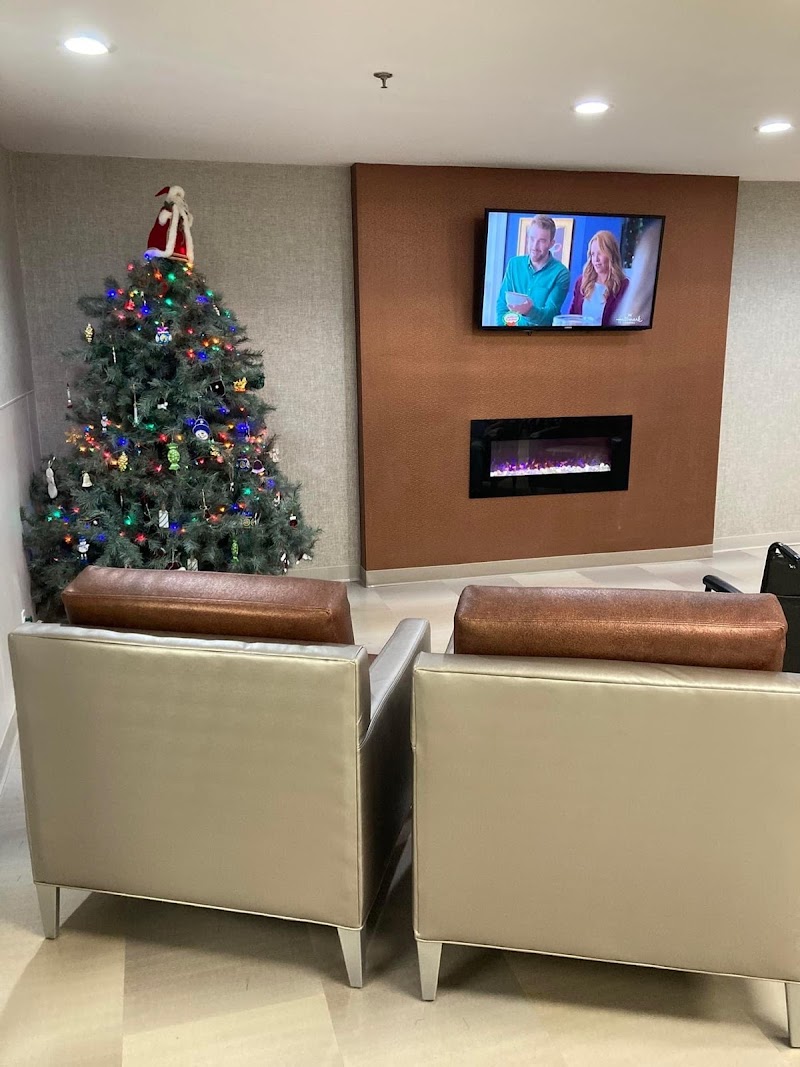
Who Owns and Operates North Country Nursing & Rehabilitation Center?

NORTH COUNTRY NURSING & REHABILITATION CENTER is owned by a for-profit company. For-profit facilities operate as businesses with obligations to shareholders or private owners. The facility operates independently rather than as part of a larger chain. With 140 certified beds and approximately 133 residents (about 95% occupancy), it is a mid-sized facility located in MASSENA, New York.
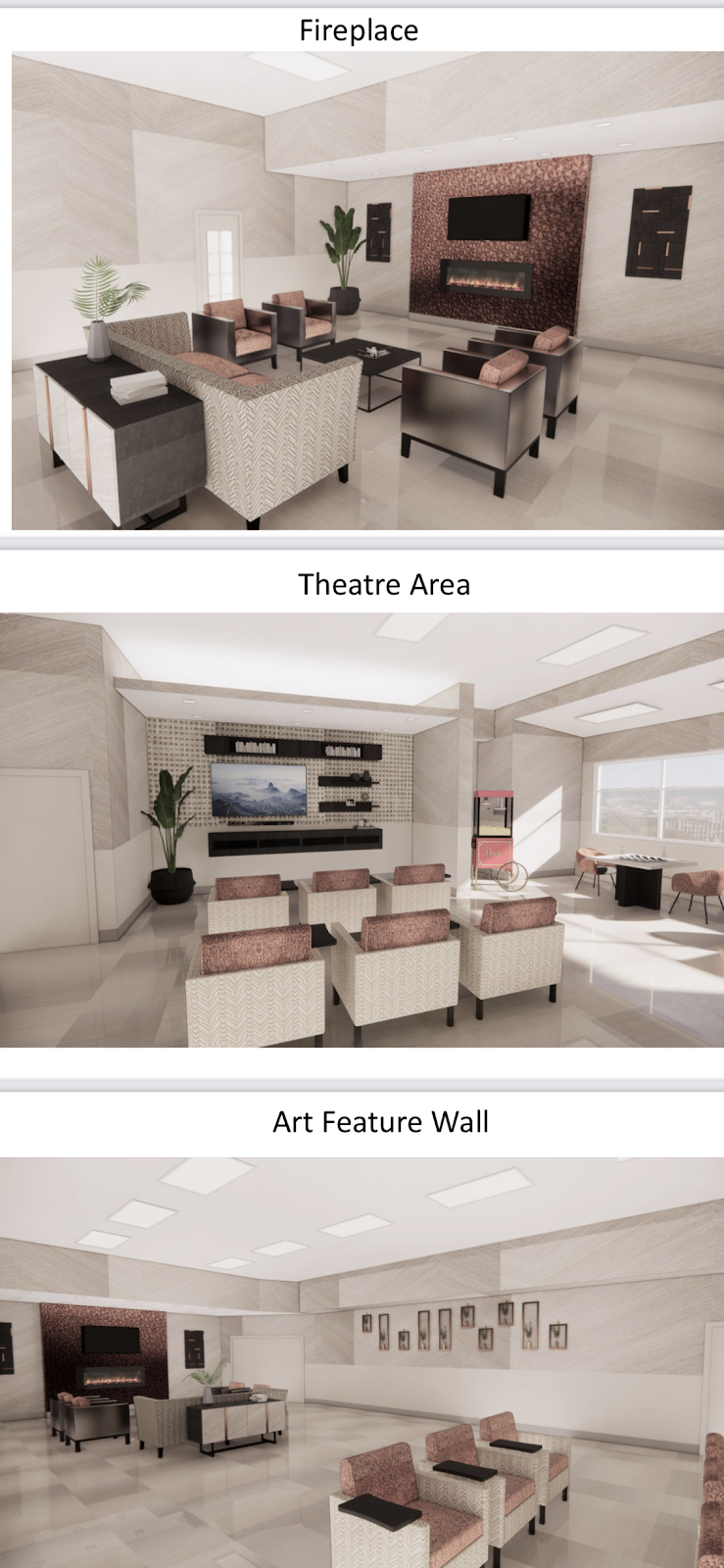
How Does North Country Nursing & Rehabilitation Center Compare to Other New York Nursing Homes?

Compared to the 100 nursing homes in New York, NORTH COUNTRY NURSING & REHABILITATION CENTER's overall rating (2 stars) is below the state average of 3.1, staff turnover (44%) is near the state average of 46%, and health inspection rating (2 stars) is below the national benchmark.

What Should Families Ask When Visiting North Country Nursing & Rehabilitation Center?

Based on this facility's data, families visiting should ask: "Can I visit during a mealtime to observe dining assistance and food quality?" "How do you handle medical emergencies, and what is your hospital transfer rate?" "Can I speak with family members of current residents about their experience?"

Is North Country Nursing & Rehabilitation Center Safe?

Based on CMS inspection data, NORTH COUNTRY NURSING & REHABILITATION CENTER has a clean safety record: no substantiated abuse findings (meaning no confirmed cases of resident harm), no Immediate Jeopardy citations (the most serious violation level indicating risk of serious injury or death), and is not on the Special Focus Facility watch list (a federal program monitoring the lowest-performing 1% of nursing homes). The facility has a 2-star overall rating and ranks #100 of 100 nursing homes in New York. While no facility is perfect, families should still ask about staff-to-resident ratios and recent inspection results during their visit.

Do Nurses at North Country Nursing & Rehabilitation Center Stick Around?

NORTH COUNTRY NURSING & REHABILITATION CENTER has a staff turnover rate of 44%, which is about average for New York nursing homes (state average: 46%). Moderate turnover is common in nursing homes, but families should still ask about staff tenure and how the facility maintains care continuity when employees leave.

Was North Country Nursing & Rehabilitation Center Ever Fined?

NORTH COUNTRY NURSING & REHABILITATION CENTER has no federal fines on record. CMS issues fines when nursing homes fail to meet care standards or don't correct problems found during inspections. The absence of fines suggests the facility has either maintained compliance or corrected any issues before penalties were assessed. This is a positive indicator, though families should still review recent inspection reports for the full picture.

Is North Country Nursing & Rehabilitation Center on Any Federal Watch List?

NORTH COUNTRY NURSING & REHABILITATION CENTER is not on any federal watch list. The most significant is the Special Focus Facility (SFF) program, which identifies the bottom 1% of nursing homes nationally based on persistent, serious quality problems. Not being on this list means the facility has avoided the pattern of deficiencies that triggers enhanced federal oversight. This is a positive indicator, though families should still review the facility's inspection history directly.