HIGHLAND REHABILITATION AND NURSING CENTER
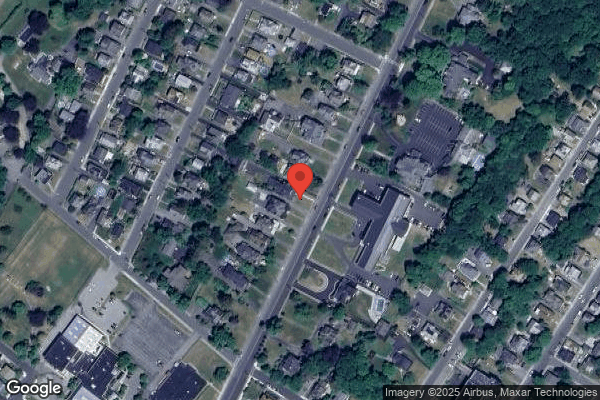
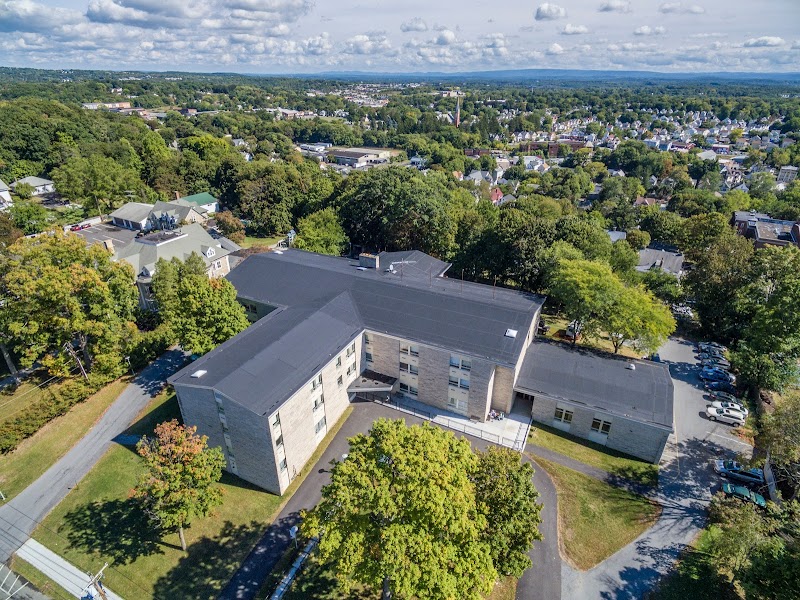
120 HIGHLAND AVENUE, MIDDLETOWN, NY 10940 (845) 342-1033
For profit - Partnership 98 Beds PERSONAL HEALTHCARE, LLC Data: November 2025
Trust Grade
40/100
#516 of 594 in NY
Last Inspection: August 2023

Over 2 years since last inspection. Current conditions may differ from available data.

Overview

Highland Rehabilitation and Nursing Center in Middletown, New York, has a Trust Grade of D, indicating below-average quality and some significant concerns. The facility ranks #516 out of 594 in New York, placing it in the bottom half of nursing homes in the state, and #8 out of 10 in Orange County, suggesting limited local options. Although the facility's trend is improving, with issues decreasing from 10 in 2023 to 6 in 2025, there are still notable weaknesses, including 31 total issues found during inspections, with 30 categorized as potential harm. Staffing is below average with a rating of 2 out of 5 stars and a concerning turnover rate of 55%, which is higher than the state average. On the positive side, the facility has not incurred any fines, indicating compliance with some regulations, but specific incidents, such as peeling wallpaper and unsanitary conditions in resident units, as well as failures in providing adequate personal care, highlight ongoing challenges that families should consider.

Trust Score
D
40/100
In New York
#516/594
Bottom 14%
Safety Record
Low Risk
No red flags
Inspections
Getting Better
10 → 6 violations
Staff Stability
⚠ Watch
55% turnover. Above average. Higher turnover means staff may not know residents' routines.
Penalties
✓ Good
No fines on record. Clean compliance history, better than most New York facilities.
Skilled Nurses
○ Average
Each resident gets 38 minutes of Registered Nurse (RN) attention daily — about average for New York. RNs are the most trained staff who monitor for health changes.
Violations
⚠ Watch
31 deficiencies on record. Higher than average. Multiple issues found across inspections.
★☆☆☆☆
1.0
Overall Rating
★★☆☆☆
2.0
Staff Levels
★★☆☆☆
2.0
Care Quality
★☆☆☆☆
1.0
Inspection Score
Stable
2023: 10 issues
2025: 6 issues

The Good

  • Full Sprinkler Coverage · Fire safety systems throughout facility
  • No fines on record

Facility shows strength in fire safety.

The Bad

1-Star Overall Rating

Below New York average (3.0)

Significant quality concerns identified by CMS

Staff Turnover: 55%

Near New York avg (46%)

Higher turnover may affect care consistency

Chain: PERSONAL HEALTHCARE, LLC

Part of a multi-facility chain

Ask about local staffing decisions and management

The Ugly 31 deficiencies on record

Jul 2025 6 deficiencies
CONCERN (D) 📢 Someone Reported This

A family member, employee, or ombudsman was alarmed enough to file a formal complaint

Potential for Harm - no one hurt, but risky conditions existed

Deficiency F0561 (Tag F0561)

Could have caused harm · This affected 1 resident

**NOTE- TERMS IN BRACKETS HAVE BEEN EDITED TO PROTECT CONFIDENTIALITY** Based on record review and interviews during recertification and abbreviated (NY00374708) surveys conducted from 6/25/2025-7/03/...

Read full inspector narrative →
**NOTE- TERMS IN BRACKETS HAVE BEEN EDITED TO PROTECT CONFIDENTIALITY** Based on record review and interviews during recertification and abbreviated (NY00374708) surveys conducted from 6/25/2025-7/03/2025, the facility did not ensure residents had the right to receive visitors of their choosing at the time of their choosing for 1 of 2 residents (Resident #25) reviewed for choices. Specifically, the facility restricted Resident #25's friend's visitation based on the resident's family member and the Administrator's wishes.Findings include: The facility policy, Resident Visitation, dated 5/2017, last reviewed 2/2025 documented all residents have the right to receive visitors of his or her own choosing at the time of his or her own choosing, subject to the residents right to deny visitation, and in a manner that does not impose on the rights of another resident. Supervised visits will depend on each residents' individual needs, safety, & issues (concern) at the time decisions are made. Resident #25 had diagnoses including adult failure to thrive, hypertension and interstitial lung disease. The Social Work Director note dated 2/18/25 documented that the Administrator and social worker contacted Residents #25's friend because the residents' family member requested visitation limitations due to variety of reasons regarding the residents' finances. The friend was informed of the visitation limitations and did not express any issues and/or concerns at this time.The Social Work Director note dated 3/24/25 documented staff received a call from the resident's family member regarding the resident's friend using the resident's debit card. The family member stated the friend was a [NAME] and Resident #25 was not in the right mind to let someone use their money. The 3/31/2025 quarterly Minimum Data Set (assessment tool) documented the resident had severely impaired cognition. The Psychiatric notes dated 4/09/2025 and 4/23/2025 documented the resident was alert, able to focus and answer questions appropriate, had a confused thought process, fair judgement, fair insight, and fair impulse control.On 5/13/2025, a New York Supreme Court judge ordered that a temporary guardian be appointed over Resident #25, pursuant to Mental Hygiene Law 81.21 through a petition filed by the Social Worker Director and the facility. The temporary guardian was ordered to take all steps to insure the safeguarding of the accounts, personal property, and assets of Resident #25. In addition, the temporary guardian was ordered to determine who shall provide personal care and assistance to Resident #25 including aides, nurses and other health care providers.On 6/30/25 at 9:45 AM, Resident #25 stated during an interview they wanted to see their friend and they never said they did not want to see their friend.On 06/30/25 at 4:08 PM, the Social Work Director stated during an interview that the family member was not the health care proxy, did not have a guardianship or hold a power of attorney.On 7/01/25 at 11:09 AM, Licensed Practical Nurse #20 stated during an interview that Resident #25 was a pleasant person and had issues with their friend visiting. Licensed Practical Nurse #20 stated that sometime 2-3 months ago, Resident #25 told them they wanted their friend to visit. There was drama between the friend, Resident #25's family member and the facility. They stated Resident #25 told them that their family member says the friend cannot visit here. On 7/02/25 at 12:02 PM, the Administrator stated during an interview that in March 2025, Resident #25 wanted to meet with their friend and give them cash. The friend was waiting outside the facility and the Administrator restricted Resident #25 and did not allow the visit to occur. Resident #25 was unable to meet with their friend and the friend left the facility. The Administrator stated they believed Resident #25 was being taken advantage of and with their severely impaired cognition and financial concerns, put restrictions on the visits. The Administrator stated they offered supervised visits to the friend, but they did not accept. The Administrator stated they told Resident #25 about supervised visits but Resident #25 stated it was their money and they wanted to see their friend. The Administrator stated they felt it was necessary and appropriate to restrict the friend for safety of Resident #25.On 7/03/25 at 11:03 AM, Certified Nurse Aide #16 stated during an interview that Resident #25 had spoken about wanting to visit or see their friend, but the facility would not allow it. They stated Resident #25 was sad and angry about not being able to see their friend and always stated they did not know why the facility would not allow it.10 NYCRR 483.10(f)(4)
CONCERN (D) 📢 Someone Reported This

A family member, employee, or ombudsman was alarmed enough to file a formal complaint

Potential for Harm - no one hurt, but risky conditions existed

Deficiency F0602 (Tag F0602)

Could have caused harm · This affected 1 resident

**NOTE- TERMS IN BRACKETS HAVE BEEN EDITED TO PROTECT CONFIDENTIALITY** Based on observation, interview, and record review conducted during the recertification and abbreviated (NY00354392) surveys fro...

Read full inspector narrative →
**NOTE- TERMS IN BRACKETS HAVE BEEN EDITED TO PROTECT CONFIDENTIALITY** Based on observation, interview, and record review conducted during the recertification and abbreviated (NY00354392) surveys from 6/25/2025 to 7/3/2025, the facility did not ensure a resident's right to be free from misappropriation of property. This was evident for 1 (Resident #5) of 3 residents investigated for abuse. Specifically, Resident #5's personal food was not stored safely and was eaten by staff, and facility staff diverted Resident #5's income directly to the facility without the resident's consent or knowledge. The findings are:The facility policy titled Abuse Prevention dated 5/23/2023 documented examples of misappropriation of resident property included identity theft, theft of money from bank accounts, and unauthorized or coerced purchases from resident's funds. The facility policy titled Food Preparation - Food Brought by Family/Visitor dated 6/2025 documented food brought by family/visitors that is left with the resident to consume later will be labeled and stored in a manner that it is clearly distinguishable from facility-prepared food. The housekeeping staff will discard perishable foods after 72 hours. A sample of the facility's current admission Agreement documented the facility provided reasonable security and locked storage upon request for resident personal property. The facility can only insure (to a maximum of $100) against the loss of valuable items if deposited with management (this limitation does not include the facilities management of resident funds).Resident #5 had diagnoses of Diabetes Mellitus and anxiety. The Quarterly Minimum Data Set 3.0 assessment dated [DATE] documented Resident #5 was cognitively intact and did not display mood or behavior symptoms.On 06/26/25 at 11:22 AM, Resident #5 was interviewed and stated they stored their personal food in a refrigerator in the floor dining room. In 9/2024, they retrieved their food from the fridge and found that part was missing. The facility investigated and informed Resident #5 a staff member was caught on camera taking the resident's meal from the refrigerator, eating some, and then putting the bag of leftover food back into the refrigerator. The facility reimbursed Resident #5 for the expense of the meal. Resident #5 stated they experienced no further personal food storage concerns since 9/2024. 6/25/2025 at 12:43 PM, Resident #5 was interviewed and stated the facility took their monthly income check without their consent or knowledge. Resident #5 stated they did not receive a 6/2025 deposit into their personal bank account as they normally did every preceding month since their admission to the facility. Resident #5 and their Representative spoke with the Finance Coordinator and was informed their monthly income check had been diverted to the facility's bank account because Resident #5 owed money to the facility. Resident #5 stated the Finance Coordinator reported that the Former Finance Coordinators took control of their income and made the changes. Resident #5 stated they were distrustful of the facility and was upset and frustrated by the situation because the Finance Coordinator told them there was nothing that could be done to address their concerns because the Former Finance Coordinator stopped working for the facility 2 months ago. Resident #5 stated the facility made no effort to inform them of monies owed, offer a payment plan, discuss other options, obtain their consent to make changes to their monthly income, and inform them after changes were made. The Comprehensive Care Plan related to psychosocial wellbeing was initiated 5/20/2025 and documented Resident #5 was at risk for a psychosocial wellbeing problem and interventions included increasing communication between resident and caregivers about care and living environment. The Comprehensive Care Plan related to mood initiated 6/11/2020 documented staff were to identify and reinforce Resident #5's strengths and positive coping skills.The facility Summary of Investigation dated 9/13/2024 documented Resident #5 reported an allegation of misappropriation of property. Licensed Practical Nurse #7's statement documented Resident #5 reported to them that they placed a bag of food in the dining room refrigerator on 9/11/2024 and not all their food was there when the resident went to retrieve it on 9/12/2024. The Registered Nurse statement documented they observed a staff member on surveillance camera on 9/12/204 at 1 AM removing Resident #5's bag of food from the dining room refrigerator, eating a portion of the food inside the bag, and then returning the bag to the refrigerator. A facility Memorandum dated 9/12/2024 documented all staff were reminded that refrigerators in floor dining rooms were for dietary and resident use only. Staff were to use the refrigerator in the staff lunchroom. Staff removal or consumption of resident food items was considered misappropriation of the resident's personal property. Violators will be terminated from employment. A sign-in sheet documented Licensed Practical Nurse #7's signature along with 19 other nursing staff. The Nursing Home Facility Incident Report Submission completed by the facility Administrator and dated 9/14/2024 at 10:34 PM documented the facility attempted to obtain Certified Nurse Aide #33's statement on 9/13/2024 and the aide decided to resign effective immediately from facility employment. The facility documented Resident #5 did experience misappropriation of property. There was no documented evidence a Comprehensive Care Plan related to Resident #5's risk for abuse/misappropriation of property was developed and implemented.On 6/27/2025 at 12:06 PM, the unit dining room refrigerator was observed with a combination lock on the outside of the door that was disengaged and unlocked. The refrigerator was opened with Licensed Practical Nurse #36 present and an unlabeled, undated navy-blue canvas lunch bag and black plastic bag were observed on the door, as well as an undated bottle of sweet Vidalia onion salad dressing labeled with Licensed Practical Nurse #7's name. Licensed Practical Nurse #36 was interviewed at the time and stated staff were provided with an in-service a few months ago and were reminded that no staff food was to be kept in the dining room refrigerators and any refrigerator food items must be labeled and dated. Licensed Practical Nurse #36 removed the black plastic bag from the refrigerator, opened it, and removed a large round unlabeled, undated plastic container filled with cooked pasta. Licensed Practical Nurse #36 stated the pasta possibly belonged to Resident #5 but since there was no date or name, the container would be discarded. On 7/01/2025 at 1:31 PM, Certified Nurse Aide #34 was interviewed and stated they recalled receiving in-service a few months ago regarding the dining room refrigerators. Staff stored their personal food items in the staff refrigerator and the dining room refrigerators were only for resident food items. A Request to be Selected as Payee Form dated 2/18/2025 documented Resident #5 lived in the facility, did not have access to their funds, and was unable to manage their own finances. The facility would be able to pay the resident's bills and get the resident access to their personal funds. The form was signed by the facility's Former Finance Coordinator. The facility Personal Needs Account Statement for Resident #5 documented a deposit for $532 on 6/3/2025, an auto-withdrawal debit of $482 on 6/3/2025, and a debit for $40 used at the facility gift shop on 6/17/2025, with a balance of $10 remaining in Resident #5's account. There was no documented evidence Resident #5 was aware of or gave consent to their monthly income being managed by the facility and diverted to a bank account managed by the facility.On 7/02/2025 at 4:56 PM, the Finance Coordinator was interviewed and stated Resident #5 approached them and inquired as to the status of their income check for 6/2025. The Finance Coordinator stated they were informed by their corporate oversight that the Former Finance Coordinator applied to become Resident #5's Representative Payee, giving them the power to change the bank account receiving the resident's income deposit. The Finance Coordinator stated that upon admission to the facility, residents agreed to allow the facility to apply for Medicaid and obtain the financial documents necessary to complete the application. The Facility contacted the resident's financial institutions and, when possible, obtained information on the resident's behalf. Resident #5 and their Representative approached the Finance Coordinator after the resident's 6/2025income check was not deposited in their resident's personal bank account. The Finance Coordinator stated the resident, and their Representative were very upset, and the discussion became confrontational. The Former Finance Coordinator was responsible for communicating with Resident #5 and informing them of monies owed to the facility, choice and consent to open a personal funds account managed by the facility, and decision to submit a Representative Payee application n Resident #5's behalf. The Finance Coordinator was unable to produce documented evidence of meetings or discussions between the Former Finance Coordinator and Resident #5. The Finance Coordinator stated it was not the facility's policy to become Representative Payee for cognitively intact residents without their consent or knowledge. The Finance Coordinator stated there was no recourse or action for Resident #5 to take and they did not offer the resident an opportunity to file a grievance. The Finance Coordinator stated the Administrator was aware of Resident #5's financial concerns and directed staff to only allow Resident #5's Representative to visit the facility under staff supervision. The Finance Coordinator was in-serviced on abuse prevention during their new employee orientation with the facility and stated taking control of a resident's income without their consent could be considered misappropriation of resident property. On 7/03/2025 at 8:43 AM, the Director of Nursing was interviewed and stated if any staff member witnesses or receives a report alleging abuse, they were responsible for reporting up the chain of command. All staff received abuse prevention in-service within the past year. Allegations of abuse needed to be reported to ensure an investigation is completed to determine whether abuse occurred. 10 NYCRR 415.4(b)
CONCERN (D) 📢 Someone Reported This

A family member, employee, or ombudsman was alarmed enough to file a formal complaint

Potential for Harm - no one hurt, but risky conditions existed

Deficiency F0657 (Tag F0657)

Could have caused harm · This affected 1 resident

**NOTE- TERMS IN BRACKETS HAVE BEEN EDITED TO PROTECT CONFIDENTIALITY** Based on observations, interviews, and record review conducted during the recertification and abbreviated (NY00356178) surveys c...

Read full inspector narrative →
**NOTE- TERMS IN BRACKETS HAVE BEEN EDITED TO PROTECT CONFIDENTIALITY** Based on observations, interviews, and record review conducted during the recertification and abbreviated (NY00356178) surveys conducted from 6/25/25 - 7/3/25, the facility did not ensure that Comprehensive Care Plans were reviewed and/or revised for 1 of 5 residents (Resident #345) reviewed for Accidents and 1 of 3 residents (Resident #363) reviewed for Abuse Specifically, 1. for Resident #345, there was no documented evidence the comprehensive care plan was reviewed and/or revised after a 6/22/25 fall and 2. there was no documented evidence comprehensive care plans were reviewed and/or revised to address Resident # 363's ongoing behaviors after 9/8/24, 9/12/24 and 9/22/24 episodes of physical and/or verbal aggression. The findings included:1. Resident #345's diagnoses included end stage renal disease, hemiplegia and hemiparesis following cerebral infarction affecting right dominant side, and long-term use of opioid analgesic.A care plan titled Activities of Daily Living, dated 6/17/25, documented the resident has a performance deficit and decline in physical mobility related to hemiplegia and pain. Resident requires limited assist of one staff for locomotion and toileting and transfers.A care plan titled Resident is a Risk for Falls, dated 6/17/25, documented the resident is at risk for falls (score 13) related to deconditioning, gait / balance problems, left leg bypass graft. Interventions included to anticipate and meet the resident's needs, educate the resident /family/caregiver about safety reminders and what to do if a fall occurs, and ensure the call bell is within reach. The five-day entry Minimum Data Set (a resident assessment tool) dated 6/22/25 documented Resident #345 was cognitively intact, ambulated by wheelchair, required partial to moderate assistance with toileting and transfers, and had prescribed pain medication for 10/10 pain, An Accident and Incident Report dated 6/22/25 documented the resident was last seen three minutes prior to heading to the restroom. Emergency bell heard. Upon entering the resident room, bathroom door was observed locked from the inside. Door was unlocked and resident was found on the floor with back against the toilet bowl complaining of right elbow and shoulder pain. Resident stated they slipped and hit right elbow against the wheelchair trying to transfer to the toilet. On-Call Physician notified, and X-ray of the right shoulder and elbow ordered. Resident not taken to hospital. No injuries observed at time of incident. There was no documented evidence that the care plan was reviewed and/or revised after a 6/22/25 fall. During an interview on 07/02/25 at 11:55 AM, the Director of Nursing stated resident care plans should be updated immediately after an incident and investigation. The Director of Nursing stated the Fall Care Plan was not updated to include the fall and did not include new interventions. They stated the Unit Manager, or any Registered Nurse staff, should have updated the care plan status post fall. During an interview on 07/02/25 at 01:23 PM, Registered Nurse Unit Manager #5 stated they were aware of a recent fall Resident #345 had in the bathroom. They stated the fall was not reported directly to them as they were just starting position in facility. They stated they did not update the care plan. They stated the Director of Nursing or Assistant Director of Nursing would have been responsible for updating the resident care plan. 2. Resident #363 had diagnosis of Cerebral Infarction (stroke).The Comprehensive Care Plan initiated 11/27/23 documented Resident #363 is/has potential to be verbally aggressive related to dementia, ineffective coping skills, and poor impulse control and has impaired cognitive function/dementia or impaired thought processes. When the resident becomes agitated, intervene before agitation escalates and 7/10/24 observe around others and when the resident becomes agitated, intervene before agitation escalates.The Quarterly Minimum Data Set assessment dated [DATE] documented Resident #363 had moderate cognitive impairment.A Nurse Progress note dated 9/08/24 documented Resident #363 was observed going into other residents' room by the activities staff. The Nurse encouraged Resident #363 to leave the other resident's room. Resident #363 stated they could do what they wanted. Resident #363 became agitated in the hallway and threw their cup at the nurses and punched a nurse in the side. The nurse encouraged Resident #363 to keep their hands to themselves.A Nurse Progress note dated 9/12/24 documented Resident #363 was yelling at nurses and tried to hit a nurse with a hanger.A Nurse Progress note dated 9/20/24 documented Resident #363 was moved to room [ROOM NUMBER].A Nurse Progress note dated 9/22/24 documented Resident #363 became agitated and threw their breakfast tray when yelling at staff. Resident #363 was yelling, cursing, and throwing things around the room.There was no documented evidence that care plans were reviewed and/or revised to address Resident # 363's ongoing behaviors after the 9/8/24, 9/12/24 and 9/22/24 episodes of physical and/or verbal aggression. 10 NYCRR 415.11(c)(2)(i-iii)
CONCERN (D) 📢 Someone Reported This

A family member, employee, or ombudsman was alarmed enough to file a formal complaint

Potential for Harm - no one hurt, but risky conditions existed

Accident Prevention (Tag F0689)

Could have caused harm · This affected 1 resident

**NOTE- TERMS IN BRACKETS HAVE BEEN EDITED TO PROTECT CONFIDENTIALITY** Based on observation, record review and interviews conducted during the recertification and abbreviated surveys (NY00372410), th...

Read full inspector narrative →
**NOTE- TERMS IN BRACKETS HAVE BEEN EDITED TO PROTECT CONFIDENTIALITY** Based on observation, record review and interviews conducted during the recertification and abbreviated surveys (NY00372410), the facility did not ensure each resident received adequate supervision consistent with resident's needs to prevent accidents. This was evident for 1 of 5 residents (Resident #67) reviewed for accidents. Specifically, Resident #67 was assessed to be at high risk for falls, had multiple unwitnessed falls and complete investigations were not done to determine the root cause and/or add interventions to protect the resident. The findings included:The facility policy titled, Falls, and Fall Risk Managing Fall, last reviewed 3/25, documented: Based on previous evaluations and current data, the staff will identify interventions related to the resident's specific risks and causes to try to prevent the resident from falling and to try to minimize complications from falling. If falling recurs despite initial interventions, staff will implement additional or different interventions or indicate why the current approach remains relevant. If underlying causes cannot be readily identified or corrected, staff will try various interventions, based on assessment of the nature or category of falling, until falling is reduced or stopped, or until the reason for the continuation of the falling is identified as unavoidable. If the resident continues to fall, staff will re-evaluate the situation and whether it is appropriate to continue or change current interventions.Resident #67 was admitted [DATE] with diagnoses including dementia with other behavioral disturbances, encephalopathy (disease, damage, or malfunction of the brain that results in impaired brain function), repeated falls, and fracture of femur (thigh bone) following insertion of orthopedic implant. The admission Minimum Data Set (a resident assessment tool) dated 12/8/24 documented Resident #67 was moderately cognitively impaired, used a wheelchair, required substantial/maximal assistance with transfers and toileting, and had a fracture related to a fall in the six months prior to admission. A fall risk assessment dated [DATE] documented Resident #67 had one to two falls in last three months, was chairbound and had gait/balance problem while walking. The falls risk score was 15.0, indicating Resident #67 was a moderate fall risk. A Resident care plan dated 12/3/24 documented at risk for falls related to poor safely awareness. The goal was to be free of falls and interventions included to assist resident with ambulation and transfers, utilizing therapy recommendations, determine resident's ability to transfer, ensure bed is kept in lowest position, ensure call light is available to resident. Evaluate fall risk on admission and as needed. Evaluate resident's environment to identify factors known to increase risk of falls. If fall occurs, alert provider. If resident is a fall risk, initiate fall risk precautions. Utilize devices as appropriate to ensure safety (ie. bed mats, sensor alarms).The Accident and Incident reported dated 12/18/24 documented Resident #67 had an unwitnessed fall at 3:45 PM. Resident #67 was observed on the floor in their room with a laceration above their left eye. Resident #67 was transferred to hospital. The Post Fall evaluation dated 12/18/24 documented floor mats were not in place at time of fall. Contributing factors documented the resident had poor safety awareness, was oblivious to needs and safety, and on the floor at the foot of bed. A hospital Discharge summary dated [DATE] documented Resident #67 was admitted [DATE], discharged [DATE] and treated for a subdural hematoma (brain bleed) and closed fracture of right hip/displaced fracture of right femoral neck. Nursing progress notes dated 12/27/24 documented the resident returned from the hospital. The Fall Risk Evaluation documented a score of 24 indicating the resident was at high risk for falls. A Social Service note dated 12/27/24 at 1:29 PM, documented they met with the resident's representative and the representative requested the resident's bed be lowered and pats put on the floor. Made request to the Director of Nursing. A licensed practical nurse nursing note dated 2/6/25 at 12:47 PM, documented Resident #67 was observed on the floor in sitting position in the dining room at approximately 11:00 AM and the supervisor was notified. The Nurse Practitioner conducted an examination and ordered the resident's immediate transport to the emergency room for evaluation. Review of the resident's record revealed no documented evidence an accident/incident report or investigation was completed for the 2/6/24 fall at 11:00 AM.The licensed practical nurse's nursing note dated 02/06/2025 at 11:00 PM documented Resident #67 returned from hospital via ambulance at 6:15 PM. Resident #67 continued to be verbally disruptive and at 6:50 PM, was observed on the floor in resident room in sitting position at the bedside. The Supervisor was informed.The registered nurse's nursing note dated 02/07/2025 at 3:22 AM documented the resident arrived back on unit around 6:15 PM from the hospital and was placed in bed where resident was relaxing. At 6:50 PM, the resident was observed sitting on the floor at bedside. The resident could not explain what happened due to baseline confusion. On assessment, he had neither visible injury nor change in range of motion to any extremity. Resident verbalized they were not in any pain at the time. The bed was in the lowest position with call bell within reach. The floor was dry and clutter-free. The light in the room was adequate. Resident #67 was assisted into bed with assistance of two members of staff and Physician notified. The accident and incident report dated 2/7/25 documented Resident #67 had an unwitnessed fall at 6:50 PM, on 2/6/24. Resident was observed sitting on the floor of bedroom. Resident could not explain what happened due to baseline confusion. Resident was not sent to hospital. No injuries observed post incident. The report documented the care plan was followed, and the resident was non-compliant with the care plan. There were staff statements attached to the incident report but no statement from the staff assigned to the resident. There was no indication if the resident had floor mats. The resident care plan was not updated after the fall. The licensed practical nurse's nursing noted dated 2/15/25 at 9:39 AM, documented at approximately 8:30AM Resident #67 was observed on the floor in their room in right lateral position. Resident #67 reported they hit their head on the cabinet. The physician was notified and the resident was sent to emergency room for evaluation. Review of the resident's record revealed no evidence an accident/incident report or investigation was completed after the 2/15/25 fall to determine if interventions could be put in place to prevent further falls. The resident's care plan was not updated with new interventions after the 2/15/25 fall. The registered nurse's nursing note dated 2/16/2025 at 6:10 AM documented the resident returned from the ER in the evening on stretcher accompanied by two emergency medical technicians. The emergency room report documented no acute intracranial abnormality, no evidence of acute fracture or malalignment of the cervical spine and X-rays of the pelvis and right hand were also reported by the emergency room to have shown no fracture. The resident woke up from around 2:30 AM and would not go back to bed. Staff had to take turns to do 1:1 observation on the resident for safety. The accident and incident report dated 5/9/25 documented Resident #67 had an unwitnessed fall. At approximately 8:00 PM, Resident was heard yelling loudly in sitting area where they were found resident out of wheelchair, on floor, stating that right knee was hurting badly. No other injuries were observed. Nurse Practitioner notified and ordered resident be sent to emergency room for x rays of right knee. The nursing progress note dated 5/9/25 at 8:36 PM documented the resident was heard yelling loudly in sitting area where they were found resident out of wheelchair, on floor, stating that right knee was hurting badly. When the emergency medical services came, the resident was telling staff he needed to use the bathroom and was toileted prior to transfer. Resident to be toileted after dinner.The resident care plan was updated 5/9/24 to include the following interventions: anticipate and meet the resident's needs, ensure call bell is in reach, physical therapy evaluates and treat as ordered or as needed, keep personal items within reach and toilet after supper . The accident and incident report dated 5/11/25 documented Resident #67 had an unwitnessed fall. At approximately 5:30 PM, the resident fell out of wheelchair in common area. A Certified Nurse Aide heard the fall and responded immediately. Resident remained alert and lying on right side and stated they hit their head. Slight redness noted to left side and of head and resident complained of pain in head. Nurse Practitioner informed and requested resident be sent to emergency room for evaluation. The resident care plan was updated to include the following interventions: Bed in lowest position (5/12/25) and resident to be monitored at all times when out of bed (5/11/25). The accident and incident report dated 5/16/25 documented Resident #67 had an unwitnessed fall. Resident was found by certified nurse assistant around 5:30 AM on the floor between beds. Resident #67 was naked, copious amounts of feces was found on the bed, floor, sheets curtain and spread throughout the resident's body. Urine was found on the floor. Resident complained of pain but indeterminate area. Resident was found on buttocks, reclining, favoring the right side, propping up on roommate bed. Resident transferred to hospital about 6:00 AM. There was no investigation to determine when the resident was last toileted and as to how the fall occurred. There was no documentation that floor mats had been put in place. No new interventions were added to the resident care plan after the fall to prevent recurrence. A nurse note dated 5/28/2025 at 3:40 PM documented Resident #67 had an unwitnessed fall. Writer called by certified nurse assistant to resident room. Observed resident laying on floor on left side. Skin tear noted to left wrist. Resident was assessed by Nurse Practitioner. The facility was unable to provide an accident /incident report. The resident care plan was not updated after the fall. An accident and incident report dated 6/1/25 documented Resident #67 had a witnessed fall. At approximately 9:40 PM, resident was lying in L shape, head hanging of the left side of bed, feet off bed, hands were gripping side rail. Resident landed on arms first, body and head followed. Aide ran to side of bed resident fell on, and resident was observed with head on the floor. Two linear indentations noted on forehead. Resident was lying near call bell, call bell wired (indentations were about the size of wire). Previous wound on left wrist opened, bandage was off and actively bleeding. Wound cleaned with normal saline and rebandaged. The resident was cleaned an a brief and gown were put on. Resident was transferred to emergency room for evaluation. The Certified Nurse Aide's statement did not document when the resident was last toileted. The resident care plan interventions were updated 6/1/25 to include fall mats on floor when in bed. An accident and incident report dated 6/3/25 documented Resident #67 had an unwitnessed fall at 10:15 PM. Resident was found on knees. Water was found on floor by nightstand. Resident was picked up by staff members. Upon whole body assessment, no visible marks, discomfort, pain noted. Resident unable to give description. Upon assessment, no need to send resident to hospital. Resident made clean and safe in wheelchair with dry diaper. Resident refused clothes, placed in blanket and brought to nurse station to watch closely until calm enough for bed. The Certified Nurse Aide assigned to the resident documented on their statement dated 6/3/25, the last time they saw the resident was 5:10 PM in the sitting area. For the question regarding if the resident was checked, changed, or toileted in the past 2 hours, yes or no was not selected and written in was changed by daughter. Another Certified Nurse Aide's statement documented they helped the nurse and the assigned aide change the resident's brief after the fall. There was no documentation as to if the fall mats were in place. A nurse note dated 6/25/25 at 2:37 AM documented Resident #67 was found on the thick mat in between the resident and the roommate's beds. Resident had stripped of clothing and brief. The resident was cleaned and dressed by two certified nurse assistants and safely placed in bed in lowest position and went back to sleep. An accident and incident report was not provided by facility. During an observation on 6/25/25 at 10:54 AM, Resident #67 was observed lying in bed. Floor mat was on left side, in between beds. Bed was in lowest position. Call bell was within reach. During an observation on 6/25/25 at 12:27 PM, Resident #67 was assisted with eating during lunch. The resident was removing shirt during service aggressively, staff tried to reorient the resident, the resident refused to place shirt back on and returned to room. During an observation on 6/26/25 11:31 AM Resident #67 was observed resting quietly in a Broda chair in dining/day room. An accident and incident reported dated 6/26/25 documented Resident #67 had an unwitnessed fall at approximately 11:00 PM. Resident out of bed, at room door, sitting on buttocks holding on to the nurse aide. Resident unable to give description. Resident assisted off the floor, cares administered. Resident transferred into chair and taken to nurse station for close supervision. Due to notable hematoma, the resident was transferred to emergency room for further evaluation per Nurse Practitioner order. Injuries noted front of right knee abrasion and face hematoma. The resident care plan was updated with the following intervention on 6/27/25: check on resident within first ten minutes after shift change. During an interview with the resident representative on 06/27/25 at 11:37 AM , they stated Resident #67 received a left side floor pad in room on 6/25/25. Prior to that, the resident did not have floor pads in room despite their requests for them to be placed and bed is kept in lowest position. During an interview and observation on 6/27/25 at 4:03 PM, Certified Nurse Assistant #2 stated Resident #67 arrived back from emergency room at approximately 3:15 PM after a fall on 6/26/25. Floor mat was observed on the left side of resident bed. Resident was observed with redness on right temple area. Certified Nurse Assistant #2 stated they were assigned to provide 1:1 observation with Resident #67 until 11:00 PM. They stated that Resident #67 frequently yelled out and attempted to sit up in bed and get out of their wheelchair. They stated Resident #67 has had numerous falls and wass a fall risk. During an interview on 06/27/25 at 4:10 PM, Certified Nurse Assistant #3 stated Resident #67 is frequently agitated and strikes out and spits at staff. They stated that Resident #67 has one floor mat in place, left side, between the beds. Bed is kept in lowest position. They stated Resident #67 frequently had a 1:1 observation with a Resident Assistant. When not available, Certified Nurse Assistant staff checked frequently and sat with resident when possible. During an interview on 06/30/25 at 0:34 PM, Registered Nurse Unit Manager stated that Resident #67 has had a 1:1 observation aide assigned since returning from emergency room after a fall on 6/26/25. They stated 1:1 observation was provided as needed basis prior to this. They stated they were not aware why only one floor mat was placed in Resident room on left side, between beds and they would investigate why there are not bilateral bedside floor mats in place. During interviews on 07/02/25 at 11:23 AM and 07/03/25 at 02:22 PM, the Director of Nursing stated they were aware of Resident #67's frequent falls and had fall care plans in place which were updated after incidents. They stated Resident #67 fluctuates between being agitated and periods of being cooperative. When behavioral issues are observed, close monitoring is put in place. They stated physical therapy had assessed Resident #67 numerous times and was not a candidate for services due to dementia/behaviors. They stated the missing accident and incident reports and investigations should have been completed by the Unit Manager on unit who was no longer employed by facility. During an observation on 7/2/25 at 4:45 PM, Resident #67 observed in room with 1:1 observation staff present. Bilateral floor pads in place. During an interview and observation on 7/3/25 at 9:54 AM, Director of Rehabilitation stated the bilateral floor mats order was placed on 6/2/25. During an interview on 07/03/25 at 10:31 AM with the Director of Social Work, they stated that Resident #67's falls have been a concern for the Residents family representative and for the facility. They stated that family representative stated they were happy with facility but wanted more interventions to assist in decreasing fall activity including 1:1 observation on a regular basis. They stated family representative had not mentioned floor mats at care plans meetings. A review of the electronic medical record with Social Worker observed a note from 12/27/24 documenting family representative requesting floor mats and bed in lowest position. The Director of Social Work stated the documented note and conversation was with a prior facility Social Worker and they were not aware of the note or request. During an interview and observation on 7/03/25 at 12:00 PM, the Facilities Director stated nursing or therapy staff add an order for floor mats when required for a resident to the maintenance work order software program. Once order is received, mats are delivered to resident room, usually the day order received. Requests were reviewed, 6/2/25 requested fall mats please be placed on the left and right side of Resident #67's bed. The Facilities Director stated the work order was completed 6/5/25. On 6/30/25 a work order documented: please put floor mat for the right side of resident's bed. There is one on left side, none on the right side. Facilities Director stated they presented to Resident #67's room and found that a right mat was in the room but on the window side folded against the wall of room. There was no other order in the system for floor mats to be placed in Resident #67's room prior to 6/2/25.10 NYCRR 415.12 (h) (2)
CONCERN (E) 📢 Someone Reported This

A family member, employee, or ombudsman was alarmed enough to file a formal complaint

Potential for Harm - no one hurt, but risky conditions existed

Safe Environment (Tag F0584)

Could have caused harm · This affected multiple residents

**NOTE- TERMS IN BRACKETS HAVE BEEN EDITED TO PROTECT CONFIDENTIALITY** Based on observation, interview, and record review conducted during the recertification and abbreviated (NY00354392) the facilit...

Read full inspector narrative →
**NOTE- TERMS IN BRACKETS HAVE BEEN EDITED TO PROTECT CONFIDENTIALITY** Based on observation, interview, and record review conducted during the recertification and abbreviated (NY00354392) the facility did not ensure the resident's right to a safe, clean, comfortable environment and reasonable care for the protection of resident property from loss or theft. This was evident for 1 (Unit 2) of 2 resident units and 1 (Resident #5) of 3 residents investigated for abuse. Specifically, 1) Unit 2 was observed with peeling wallpaper, floors covered in dirt, debris, a floor mat emanating a strong odor of urine, a soiled wheelchair, and radiators throughout the unit with air vent grates and metal conductor fins heavily covered and soiled in dirt, debris, dust, and dried crusty food and liquids, and 2) Resident #5's personal food was taken and eaten by staff while being stored in the dining room refrigerator designated only for resident food.The findings are:The facility policy titled Facility Cleaning – Housekeeping dated 10/2024 documented dust mop and then wet mop floors daily using the approved diluted cleaning agent in mop water. The policy did not document a cleaning process for heat/air conditioning radiators throughout resident rooms and common areas. The facility policy titled Environmental – Room of the Day dated 2/2025 documented all resident rooms and common areas would be terminally cleaned at least monthly and resident care environments were inspected for cleanliness and safety on an ongoing basis. Housekeeping was responsible for cleaning and disinfecting all horizontal surfaces including and not limited to windowsills, sinks, and overbed tables. The facility policy titled Terminal Room Cleaning dated 3/25/2025 documented resident rooms were terminally cleaned after a resident has been discharged and during infection outbreaks. The facility policy titled Food Preparation – Food Brought by Family/Visitor dated 6/2025 documented food brought by family/visitors that is left with the resident to consume later will be labeled and stored in a manner that it is clearly distinguishable from facility-prepared food. The housekeeping staff will discard perishable foods after 72 hours. 1) From 6/25/2025 at 10:33 AM to 7/03/2025 at 12:00 PM, Unit 2 was observed with the following: - a brown dried spill stain approximately 12 inches X 12 inches on the hallway floors near the double doors at the beginning of the hallway to room [ROOM NUMBER]; - warped, sagging, and peeling wallpaper held up by tape and thumbtacks near the double doors at the beginning of hallway to room [ROOM NUMBER]; - all floor to ceiling glass balcony doors and windows in the floor dining room were covered with fingerprints, grease stains, were cloudy, dusty, and dirty; - all heating/air conditioning radiators in the dining room and hallways had air vent grates and metal conductor fins covered with dirt, grime, dust, dried food, and dried crusty liquids or varying colors; - Resident #27 had a wheelchair soiled with dried crusty food particles and dried spilled food and drink stains; - room [ROOM NUMBER]D contained a large floor mat at the bedside with several tears in the vinyl exposing the internal foam. The floor mat had a strong foul urine odor emanating from it that was noticeable upon entering room [ROOM NUMBER]. On 7/01/2025 at 1:03 PM, Certified Nurse Aide #38 was interviewed in room [ROOM NUMBER] and stated they did not initially notice the urine odor coming from the room because they were desensitized because they were regularly around foul odors working in the facility. Certified Nurse Aide #38 stated the foul odor was coming from 236D’s floor mat. Certified Nurse Aide #38 stated they were unaware of a cleaning schedule for floor mats, or which department was responsible for cleaning them. The housekeeping department brought the mats to the unit upon request for fall risk residents. The Certified Nurse Aide #38 stated they were unaware whether housekeeping was made aware of the floor mat odor and torn vinyl. On 7/01/2025 at 2:10 PM, Registered Nurse #17, Unit 2 Manager, was interviewed and stated they spot-checked resident wheelchairs for cleanliness and directed staff to clean the wheelchairs when soiled. Registered Nurse #17 stated they did not keep a record of when wheelchairs were cleaned. After observing Resident #27’s wheelchair, Registered Nurse #17 stated the wheelchair was noticeably soiled with food stains from previous meals and required cleaning. During an interview on 07/02/25 at 3:45 PM Interview Certified Nurse Aide #15 stated no one cleaned the wheelchairs. If they noticed something on it, they would spot clean them, otherwise no other department would clean it. On 7/03/2025 at 12:00 PM, the Facilities Director was interviewed and stated floor mats were stored with the Maintenance Department in the basement. The nursing staff were responsible for placing a request for floor mats and the Maintenance staff were responsible for delivering the mats to the unit. Mats were cleaned before being placed in resident rooms. 2) Resident #5 had diagnoses of Diabetes Mellitus and anxiety. The Quarterly Minimum Data Set 3.0 assessment dated [DATE] documented Resident #5 was cognitively intact and did not display mood or behavior symptoms. On 06/26/25 at 11:22 AM, Resident #5 was interviewed and stated they stored their personal food in a refrigerator in the floor dining room. In 9/2024, they retrieved their food from the fridge and found that part was missing. The facility investigated and informed Resident #5 a staff member was caught on camera taking the resident’s meal from the refrigerator, eating some, and then putting the bag of leftover food back into the refrigerator. The facility reimbursed Resident #5 for the expense of the meal. Resident #5 stated they experienced no further personal food storage concerns since 9/2024. The facility Summary of Investigation dated 9/13/2024 documented Resident #5 reported an allegation of misappropriation of property. Licensed Practical Nurse #7’s statement documented Resident #5 reported to them that they placed a bag of food in the dining room refrigerator on 9/11/2024 and not all their food was there when the resident went to retrieve it on 9/12/2024. The Registered Nurse statement documented they observed a staff member on surveillance camera on 9/12/204 at 1 AM removing Resident #5’s bag of food from the dining room refrigerator, eating a portion of the food inside the bag, and then returning the bag to the refrigerator. A facility Memorandum dated 9/12/2024 documented all staff were reminded that refrigerators in floor dining rooms were for dietary and resident use only. Staff were to use the refrigerator in the staff lunchroom. Staff removal or consumption of resident food items was considered misappropriation of the resident’s personal property. Violators will be terminated from employment. A sign-in sheet documented Licensed Practical Nurse #7’s signature along with 19 other nursing staff. The Nursing Home Facility Incident Report Submission completed by the facility Administrator and dated 9/14/2024 at 10:34 PM documented the facility attempted to obtain Certified Nurse Aide #33’s statement on 9/13/2025 and the aide decided to resign effective immediately from facility employment. The facility documented Resident #5 did experience misappropriation of property. On 6/27/2025 at 12:06 PM, the unit dining room refrigerator was observed with a combination lock on the outside of the door that was disengaged and unlocked. The refrigerator was opened with Licensed Practical Nurse #36 present and an unlabeled, undated navy-blue canvas lunch bag and black plastic bag were observed on the door. The refrigerator door also contained an undated bottle of sweet Vidalia onion salad dressing labeled with Licensed Practical Nurse #7’s name. Licensed Practical Nurse #36 was interviewed at the time and stated neither bag was labeled with a date or name, and they did not know who they belonged to or how long they were in the refrigerator. Licensed Practical Nurse #36 stated staff were provided with inservice a few months ago and were reminded that no staff food was to be kept in the dining room refrigerators and any refrigerator food items must be labeled and dated. Licensed Practical Nurse #36 removed the black plastic bag from the refrigerator, opened it, and removed a large round unlabeled, undated plastic container filled with cooked pasta. Licensed Practical Nurse #36 stated the pasta possible belonged to Resident #5 but since there was no date or name, the container would be discarded. During the same observation, Licensed Practical Nurse #7 observed the refrigerator and confirmed the salad dressing was theirs. Licensed Practical Nurse #7 was interviewed and stated no staff food items should be in the dining room refrigerator and the facility had a staff lunchroom with refrigerator on the ground floor. Licensed Practical Nurse #7 stated all items should be labeled and dated and resident’s personal food was only kept for 3 days before being discarded. The dietary staff were responsible for checking and maintaining the dining room refrigerator. Licensed Practical Nurse #7 stated they did not place their salad dressing in the refrigerator and denied placing it there. Licensed Practical Nurse #7 the removed the navy-blue canvas lunch bag from the refrigerator and removed its contents – a moldy and rotted baby carrot and fuzzy, mold-covered plastic fork inside a plastic lunch container and a small round clear plastic container with a creamy white substance. Licensed Practical Nurse #7 opened the round clear plastic container, and a strong putrid, sour, foul odor emanated from the contents. The food contents were unidentifiable and was covered in white and black mold. License Practical Nurse #7 stated they were unable to identify what the substance was or who it belonged to but the navy-blue bag and its contents and the salad dressing would both be discarded. On 7/01/2025 at 1:31 PM, Certified Nurse Aide #34 was interviewed and stated they recalled receiving inservice a few months ago regarding the dining room refrigerators. Staff stored their personal food items in the staff refrigerator and the dining room refrigerators were only for resident food items. 10 NYCRR 415.5(h)(2)
CONCERN (E) 📢 Someone Reported This

A family member, employee, or ombudsman was alarmed enough to file a formal complaint

Potential for Harm - no one hurt, but risky conditions existed

ADL Care (Tag F0677)

Could have caused harm · This affected multiple residents

**NOTE- TERMS IN BRACKETS HAVE BEEN EDITED TO PROTECT CONFIDENTIALITY** Based on observation, interview, and record review conducted during the recertification survey from 6/25/2025 to 7/3/2025, the f...

Read full inspector narrative →
**NOTE- TERMS IN BRACKETS HAVE BEEN EDITED TO PROTECT CONFIDENTIALITY** Based on observation, interview, and record review conducted during the recertification survey from 6/25/2025 to 7/3/2025, the facility did not ensure residents unable to carry out activities of daily living received necessary services to maintain good nutrition, grooming, and personal and oral hygiene. This was evident for 3 ( Resident #54, #19, and #27) of 4 residents reviewed for activities of daily living. Specifically, 1) Resident #54 was observed with long, jagged, brown and yellow nails, 2) Resident #19 was observed in bed on multiple occasions and there was no evidence the resident was provided with the assistance to transfer out of bed to their wheelchair, and 3) Resident #27 was observed with long, jagged fingernails covered with brown crusty stains. The findings are: The facility policy titled Activities of Daily Living, Range of Motion, and Mobility dated 3/1/2025 documented care and services would be provided to maintain a resident’s current activity of daily living status based on the resident’s needs and choices. Care and services included hygiene, mobility, and transfers. 1) Resident #19 had diagnoses of Alzheimer's disease and history of right leg deep vein thrombosis. The Significant Change Minimum Data Set 3.0 assessment dated [DATE] documented Resident #19 was severely cognitively impaired, required supervision with eating, was totally dependent on staff assistance for transfers in and out of bed, and enjoyed doing things with groups of people. On 6/26/2025 at 10:08 AM, Resident #19’s Representative was interviewed and stated staff used to transfer Resident #19 out of bed to eat in the dining room and participate in group activities in the floor day room . The Representative stated staff have not taken Resident #19 out of bed in recent times, and they have not seen the resident out of bed the last several times they visited the facility. On 6/25/2025 at 11:23 AM, 6/26/2025 at 10:47 AM, 11:22 AM, and 12:17 PM, and 7/01/2025 at 12:07 PM, Resident #19 was observed lying in bed in their room. A wheelchair labeled with Resident #19’s name was observed in the resident’s shared bathroom behind a closed door. There were no observations of Resident #19 receiving the necessary assistance for staff to be transferred out of bed to their wheelchair. The Comprehensive Care Plan related to activities of daily living initiated 6/22/2020 and last reviewed 6/22/2025, documented Resident #19 had a history of right leg deep vein thrombosis (blood clot) and was totally dependent on 2 staff members and a mechanical lift for transfers out of bed. The Comprehensive Care Plan related to nutrition, initiated 6/22/2020 and last reviewed 3/10/2025, documented Resident #19 was at risk for malnutrition and dehydration. Interventions included Resident #19 would eat 2 of 3 meals in the common area. The care plan documented Resident #19 did not respond well eating in room - isolation. The Comprehensive Care Plan related to risk for falls initiated 6/22/2020 documented Resident #19 be encouraged to participate in activities that promote exercise and physical activity. The care plan was revised on 4/9/2022 and documented Resident #19 would be changed by the day shift in the afternoon and left in the common area for close supervision. The Baseline Care Plan dated 3/13/2025 documented Resident #19 ate their meals in the dining room. The Wound Doctor Note dated 6/18/2025 documented recommendations for Resident #19 to be out of bed for limited intervals of time, alternating activity to minimize pressure. The Bedside Kardex as of 6/30/2025 documented Resident #19 was dependent on 2 staff and mechanical lift for transfers, should be offered an out of bed nap after breakfast if sleepy, would eat 2 of 3 daily meals in the common area for a more enjoyable meal experience, should participate in activities that promote physical activity and exercise for strengthening and mobility. On 7/01/2025 at 11:25 AM, Licensed Practical Nurse #7 was interviewed and stated Wound Nurse Practitioner recommendations were reviewed by a licensed nurse and communicated to the Medical Doctor responsible for prescribing a resident’s treatment orders. Licensed Practical Nurse #7 stated nursing staff tried to get Resident #19 out of bed when possible but there was no set out-of-bed schedule or instructions for staff to follow. On 7/01/2025 at 1:17 PM, Certified Nurse Aide #6, assigned to Resident #19, was interviewed and stated the unit’s get-up schedule was changed several months ago to make the Certified Nurse Aide assignments more manageable. Resident #19 used to get out of bed and before the get-up schedule was changed. Certified Nurse Aide #6 stated unit nursing staff determined Resident #19 did not try to climb out of bed and did not require assistance with eating, so they were not a candidate to be on the list to come out of bed. 2) Resident #54 had diagnoses of dementia, failure to thrive, gastrostomy status. The Annual Minimum Data Set 3.0 assessment dated [DATE] documented Resident #54 was severely cognitively impaired and required assistance from staff to perform personal hygiene and grooming. The Comprehensive Care Plan related to activities of daily living initiated 1/27/2021 and last reviewed 7/30/2024 documented Resident #54 was dependent on staff to perform personal hygiene The Comprehensive Care Plan related to potential skin impairment was initiated 3/3/2021 documented Resident #54’s fingernails should be clipped, filed, and maintained. The care plan was revised and documented Resident #54 had a skin tear to their left arm on 4/7/2025 and open purpura to their left upper arm on 6/19/2025. On 7/01/2025 at 2:40 PM, Resident #54 was observed in a recliner in their room and 10 of 10 fingers were observed with long fingernails [NAME] past the tips of their fingers. Resident #54’s fingernails were stained yellow and brown, were cracked, broken, uneven, and jagged at the edges. Nail clippers were observed in the drawer to Resident #54’s bedside dresser. At 2:44 PM, Licensed Practical Nurse #37 entered the room and administered medication to Resident #54. Licensed Practical Nurse #37 did not address Resident #54’s fingernails. On 7/01/2025 at 3:08 PM, Certified Nurse Aide #38 was interviewed and stated they were assigned to Resident #54 and were responsible for assisting Resident #54 who was totally dependent on staff for personal hygiene, grooming, and nail care. Resident #54 had fragile skin and was risk for scratching themselves with their own nails. Certified Nurse Aide #38 stated they developed a routine of providing their assigned residents nail care every Friday. Certified Nurse Aide #38 stated they were unsure what he facility’s policy on providing resident nail care was and it was their decision to only cut resident’s nails on Friday. Certified Nurse Aide #38 observed Resident #54’s fingernails and stated they were too long because they had grown past the tips of Resident #54’s fingers. Certified Nurse #38 stated they did observe Resident #54’s nails to be long during their rounds earlier today but it was not the designated nail day – Friday. Certified Nurse Aide #38 stated they did not cut Resident #54’s nails last Friday because they floated their assignment and was not assigned to Resident #54 last Friday. 3) Resident #27 was admitted with diagnoses including Chronic Obstructive Pulmonary Disease, Major Depressive Disorder. The 4/29/25 quarterly Minimum Data Set assessment documented Resident #27 had severely impaired cognition and was dependent on staff for assistance with activities of daily living.The 4/4/25 Activities of Daily Living, self-care deficit Care Plan documented Resident #27 required extensive assist of one staff with personal hygiene and oral care.The Kardex documented showers are given on Mondays and Thursdays and the resident requires extensive assistance of one staff with showering twice a week. During an observation on 06/25/25 at 12:46 PM the resident was observed with brown substance on nails and were dirty while eating lunch. During an observation on 06/25/25 at 03:26 PM the resident was noted to have dirty fingernails caked with old food and brown substance.During an observation on 06/26/25 at12:24 PM the resident was feeding themself a peanut butter and jelly sandwich and dirty nails with dried brown substance were visible.During an interview on 07/02/25 at 3:45 PM Nurse Aid #15 was asked about Resident #27's dirty nails and they stated they have seen the dirty nails but has not tried to clean them and stated the resident often gets their hands into a lot of food and bowel movements but it is a good idea though.During an interview on 07/02/25 at 5:14 PM with Certified Nurse Aid #21 they stated the nails are done with activities sometimes and they come and clean them. Otherwise on shower day the water will run over the hands and whoever is doing the shower will clean them with a washcloth. They stated they do not know why they are dirty but should be cleaned.During an interview on 07/02/25 at 5:18 PM Registered Nurse #22 stated the Certified Nurse Aids will let the nurses know when there are dirty nails. During evening cares they will also make sure the residents hands were washed properly. Sometimes it can be a struggle to get them done but needs to be done, must be done. All say nails need to always be clean especially if the resident is eating with their hands. Nurses are supposed to make sure nails are clean. The process is nails are checked on shower days and a skin check is done by nurses. The nail assessments are part of the skin assessment. Registered Nurse#22 stated nurses are responsible to make sure the skin, hair and nails look clean after shower. During an interview on 07/03/25 at 10:12 AM Licensed Practical Nurse Unit Manager #17 stated they do not know why skin checks and nails were not done on the shower day but if it had the nails would have been addresses sooner as it is part of care. 10 NYCRR 415.12(a)(3)
Aug 2023 10 deficiencies
CONCERN (D)

Potential for Harm - no one hurt, but risky conditions existed

Deficiency F0558 (Tag F0558)

Could have caused harm · This affected 1 resident

Based on observation, record review and interview during the recertification survey, the facility did not ensure that the call bell system was accessible for 1 of 3 residents (Resident #5) reviewed fo...

Read full inspector narrative →
Based on observation, record review and interview during the recertification survey, the facility did not ensure that the call bell system was accessible for 1 of 3 residents (Resident #5) reviewed for activities of daily living (ADL). Specifically, the call bell for Resident #5 was not within reach on multiple occasions. The findings are: Resident #5 was admitted to the facility with diagnoses including dementia, a fractured femur (leg), and hemiplegia following cerebral infarction affecting right dominant side. The Minimum Data Set (MDS) Assessment, dated 6/18/23, revealed the resident had severely impaired cognition and required the extensive assistance of one staff member for bed mobility and toileting, and total assistance of two staff members with transfers. The comprehensive care plan (CCP) dated 6/26/23, documented the resident was at high risk for falls related to gait/balance problem hemiplegia. Interventions included making sure the resident's call light was within reach, and encouraging the resident to use it for assistance as needed. On 08/21/23 at 9:43 AM Resident #5 was observed in bed yelling oooohhh with facial grimacing, pointing at their leg and pulling on the blanket. The call bell was on the floor and not within the resident's reach. Resident #5 gestured no when asked if they could find their call bell. On 08/23/23 at 2:09 PM, 8/24/23 at 2:16 PM, and 8/25/23 at 9:55 AM, Resident #5 was observed in bed, awake with the call bell on the floor and not within the resident's reach. During an interview on 8/24/23 at 2:16 PM with (CNA) #1 and licensed practical nurse (LPN) # 1 on 8/24/23 at 2:16 PM, they both stated that the call bell should not be on the floor and should be within the residents reach. During an interview on 8/24/23 at 2:19 PM, the Registered Nurse Unit Manager (RNUM) #1 stated that as per the resident's individual care plan, the resident's call bell should be in reach at all times. On 08/25/23 at 10:08 AM Resident #5 was observed with certified nursing assistant (CNA) #2 present, pointing to the call bell on the floor. When interviewed at that time, CNA #2 stated the call bell should be in reach at all times and not on the floor behind the bed. Resident #5 was given the call bell and gestured yes when asked if they knew how to use the call bell, then demonstrated how to use it by pushing the button. 415.3
CONCERN (D)

Potential for Harm - no one hurt, but risky conditions existed

Deficiency F0582 (Tag F0582)

Could have caused harm · This affected 1 resident

Based on record review and interview during the Recertification Survey conducted from 8/21/23 to 8/25/23, the facility failed to provide the appropriate liability and appeal notices to Medicare benefi...

Read full inspector narrative →
Based on record review and interview during the Recertification Survey conducted from 8/21/23 to 8/25/23, the facility failed to provide the appropriate liability and appeal notices to Medicare beneficiaries for 1 of 3 residents (Resident #74) reviewed. Specifically, the facility was unable to provide documented evidence that Resident #74 or their Representative received the Notice of Medicare Non-Coverage (NOMNC) CMS-10123 (Centers for Medicare and Medicaid Services) for Medicare Part A as required. Findings include: The CMS form instructions for the Notice of Medicare Non-Coverage (NOMNC) CMS-10123 (expiration date 8/31/23) documents a Medicare provider or health plan (Medicare Advantage plans and cost plans, collectively referred to as plans) must deliver a completed copy of the Notice of Medicare Non-Coverage (NOMNC) to beneficiaries/enrollees receiving covered skilled nursing, home health (including psychiatric home health), comprehensive outpatient rehabilitation facility, and hospice services. The NOMNC must be delivered at least two calendar days before Medicare covered services end or the second to last day of service if care is not being provided daily. Resident #74 was admitted to the facility with diagnoses including cardio-respiratory conditions, Alzheimer's disease, and a seizure disorder. The resident's cognition was severely impaired. The discharge Minimum Data Set (MDS-a resident assessment tool) dated 5/5/2023 documented it was a SNF (skilled nursing facility) Part A PPS (Prospective Payment System) discharge (end of stay) assessment. A CMS 10123 - NOMNC form dated 5/5/2023 documented Resident #74's name and patient number, and a notation that the resident's daughter was called on 5/3/2023 and a message was left to call the facility. The form was signed by the MDS coordinator and dated 5/3/2023. An SNF Beneficiary Protection Notification Review form documented the resident's name, Medicare Part A Skilled Services Episode start date of 4/11/2023, the last day covered of Part A Service of 5/5/2023 and noted that the facility/provider initiated the discharge from Medicare Part A Services when benefit days were not exhausted. Under the question was a NOMNC (CMS 10123) provided to the resident? the yes box was checked. There was no documented evidence Resident #74 was provided with the NOMNC CMS-10123 at least two calendar days before Medicare covered services ended. In an interview on 8/25/23 at 9:59 AM, the MDS coordinator responsible for sending the CMS 10123 - NOMNC, stated that for Resident #74 they had called the resident's Representative and left a message, then sent the cut letter to Finance. The MDS coordinator stated that they did hear back from the Representative, they did not document this, and they did not send out a new cut letter to Finance. In an interview on 8/25/23 at 10:06 AM, the Director of Finance (DOF) stated that when they receive a notice of Medicare non-coverage that has not been reviewed with the residents' Representative, they send out a notice by mail to the Representative, and they did so for Resident #74. When asked by surveyor for confirmation of the letter being sent, i.e., return receipt requested, the DOF stated that they do not send the notice with return receipt requested, and they could not provide any documented evidence that they had spoken to the Representative. In an interview on 8/25/23 at 10:15 AM, the Administrator stated that the MDS coordinator should have completed a new cut letter with documentation of the date Resident #74's Representative was reached, and Finance should have sent the notice of Medicare Non-Coverage with a return receipt requested. 10 NYCRR 415.3(g)(2)(iii)
CONCERN (D)

Potential for Harm - no one hurt, but risky conditions existed

Transfer Notice (Tag F0623)

Could have caused harm · This affected 1 resident

**NOTE- TERMS IN BRACKETS HAVE BEEN EDITED TO PROTECT CONFIDENTIALITY** Based on record review and interviews conducted during the Recertification Survey from 8/21/23-8/25/23, the facility did not ens...

Read full inspector narrative →
**NOTE- TERMS IN BRACKETS HAVE BEEN EDITED TO PROTECT CONFIDENTIALITY** Based on record review and interviews conducted during the Recertification Survey from 8/21/23-8/25/23, the facility did not ensure the residents or the residents' representatives were notified in writing of the reason for the transfer/discharge to the hospital in a language that they understood, and the facility did not notify the Ombudsman for 2 of 3 residents (#11 and #91) reviewed for hospitalizations. Specifically, Resident #11 and Resident #91 were transferred to the hospital and the facility could not provide evidence that a written notice of transfer/discharge was provided to the residents or the residents' representatives or that notification was sent to the Ombudsman. The findings are: The facility policy, 'Transfer/ Discharge Notice', effective date 10/24/22, documented that before a resident is transferred or discharged specific notification procedures must be followed which included the reason for transfer/discharge, the effective date of the transfer/discharge, the location to which the resident will be transferred/discharged , a statement of the resident's appeal rights and contact information for appeal requests, the name of facility staff which who will assist to complete the appeal form, and the Ombudsman's contact information. 1. Resident #11 was admitted to the facility with diagnoses which included dependence on hemodialysis, anemia, and hyperkalemia. The Minimum Data Set (MDS-a resident assessment tool) admission assessment dated [DATE] documented Resident #11's cognition was moderately impaired. The resident required assistance with activities of daily living and required hemodialysis. The MDS discharge assessment dated [DATE] documented the resident was discharged on 5/11/23. The MDS discharge assessment dated [DATE] documented the resident was discharged on 5/17/23. The MDS discharge assessment dated [DATE] documented the resident was discharged on 6/10/23. The MDS discharge assessment dated [DATE] documented the resident was discharged on 6/17/23. The MDS discharge assessment dated [DATE] documented the resident was discharged on 6/27/23. The MDS discharge assessment dated [DATE] documented the resident was discharged on 7/9/23. The MDS discharge assessment dated [DATE] documented the resident was discharged on 7/20/23. The MDS discharge assessment dated [DATE] documented the resident was discharged on 8/9/23. When requested, the facility was unable to provide documented evidence that Resident #11 or their representative had been notified in writing of the resident's transfers/discharges from the facility and the reasons for the transfers/discharges or that notices were sent to the Ombudsman. During an interview on 8/23/23 at 4:30 PM, the Social Work Director (DSW) stated they were not sure if they had documentation for the reasons the transfers/discharges were given to the resident/resident representative, or that the Ombudsman was notified of the resident's transfers/discharges. During an interview on 8/24/23 at 12:00 PM, the Administrator stated that the DSW told the Administrator that they did not have documentation that the reasons for transfers/discharges were given to Resident #11, or Resident #11's representative, or that the Ombudsman was notified of Resident #11 transfers/discharges. The Administrator stated the notices should have been given to the resident/representative and to the Ombudsman. During an interview on 8/24/23 at 12:30 PM, the DSW stated they do not have documentation that Resident #11 or their representative was provided the reasons for Resident #11 transfers/discharges or that they provided notification to the Ombudsman of Resident #11 discharges. The DSW stated they should have provided them. During an interview on 8/24/23 at 2:40 PM, the Corporate Social Worker (CSW) stated that the DSW did not provide Resident #11 or Resident #11 representative with the reasons for transfer/discharge or notify the Ombudsman. The CSW stated that the facility was responsible for notifying the resident/representative of the reason for transfer/discharges and to notify the Ombudsman of resident transfers and discharges. 2. Resident #91 was admitted to the facility with diagnoses that included right femur fracture, history of falling, Alzheimer's disease. The MDS admission assessment documented severely impaired cognition. The Resident required assistance with activities of daily living. The MDS discharge assessment dated [DATE] documented the resident was discharged on 7/20/23 related to a fall and possibly hitting her head. The facility was unable to provide documented evidence that Resident #91 or their representative had been notified in writing of the resident's transfer/discharge from the facility and the reason for the transfer/discharge or that notification was sent to the Ombudsman. During an interview on 8/24/23 at 5:15 PM, the DSW stated they do not have documentation that Resident #91 or their representative was provided the reason for Resident #91 transfer/discharge or that the Ombudsman was notified of Resident #91 discharge. The DSW stated they should have provided them. During an interview on 8/24/23 at 2:40 PM, the Corporate Social Worker (CSW) stated that the DSW did not send notification of Resident #91 transfer/discharge to the Ombudsman, but should have done so. 483.15 (c) (3)
CONCERN (D)

Potential for Harm - no one hurt, but risky conditions existed

Deficiency F0625 (Tag F0625)

Could have caused harm · This affected 1 resident

**NOTE- TERMS IN BRACKETS HAVE BEEN EDITED TO PROTECT CONFIDENTIALITY** Based on record review and interviews during the Recertification Survey from 8/21/23 to 8/25/23, the facility did not ensure tha...

Read full inspector narrative →
**NOTE- TERMS IN BRACKETS HAVE BEEN EDITED TO PROTECT CONFIDENTIALITY** Based on record review and interviews during the Recertification Survey from 8/21/23 to 8/25/23, the facility did not ensure that residents or resident's representatives were notified in writing of the facility Bed Hold Policy for 2 of 3 residents reviewed for hospitalization. Specifically, Residents #11 and #91 were transferred to the hospital and the facility was unable to provide evidence that written notice of the facility Bed Hold Policy was given to the residents or their representatives. The findings are: The facility policy, 'Bed Hold Policy', effective date 5/2017, documented that written notice must be provide to the resident/representative regarding bed hold upon transfer to the hospital. 1. Resident #11 was admitted to the facility with diagnoses which included dependence on hemodialysis, anemia, and hyperkalemia. The Minimum Data Set (MDS-a resident assessment tool) admission assessment dated [DATE] documented Resident #11 had moderately impaired cognition. The resident required assistance with activities of daily living and required hemodialysis. The MDS discharge assessment dated [DATE] documented the resident was discharged on 5/11/23. The MDS discharge assessment dated [DATE] documented the resident was discharged on 5/17/23. The MDS discharge assessment dated [DATE] documented the resident was discharged on 6/10/23. The MDS discharge assessment dated [DATE] documented the resident was discharged on 6/17/23. The MDS discharge assessment dated [DATE] documented the resident was discharged on 6/27/23. The MDS discharge assessment dated [DATE] documented the resident was discharged on 7/9/23. The MDS discharge assessment dated [DATE] documented the resident was discharged on 7/20/23. The MDS discharge assessment dated [DATE] documented the resident was discharged on 8/9/23. During an interview on 8/23/23 at 4:30 PM, the Social Work Director (DSW) stated they were not sure if they had documentation that the facility bed hold policy was given to the resident/resident representative when the resident was transferred/discharged . During an interview on 8/24/23 at 12:00 PM, the Administrator stated they did not have documentation that notices of bed hold policy were provided to the resident/resident representative when Resident #11 was transferred/discharged and stated the facility should have provided it. During an interview on 8/24/23 at 12:30 PM, the DSW stated they do not have documentation that Resident #11 or their representative was provided the facility bed hold policy. They stated they should have provided it. 2. Resident #91 was admitted to the facility with diagnoses that included right femur fracture, history of falling, and Alzheimer's disease. The MDS admission assessment documented severely impaired cognition. The Resident required assistance with activities of daily living. The MDS discharge assessment dated [DATE] documented the resident was discharged on 7/20/23 related to a fall and possibly hitting her head. During an interview on 8/24/23 at 5:15 PM, the DSW stated they do not have documentation that the facility bed hold policy was provided to the resident/resident representative when the resident was transferred/discharged . They stated they should have provided it. During an interview on 8/25/23 at 10 AM, the Administrator stated that the DSW told the Administrator that they did not have documentation that a notice of bed hold policy was provided when Resident #91 was transferred/discharged and stated the facility should have provided it. 483.15 (a) (i) (ii) (iii)
CONCERN (D)

Potential for Harm - no one hurt, but risky conditions existed

Deficiency F0657 (Tag F0657)

Could have caused harm · This affected 1 resident

**NOTE- TERMS IN BRACKETS HAVE BEEN EDITED TO PROTECT CONFIDENTIALITY** Based on record review and interview conducted during a recertification survey, the facility did not review and revise the resid...

Read full inspector narrative →
**NOTE- TERMS IN BRACKETS HAVE BEEN EDITED TO PROTECT CONFIDENTIALITY** Based on record review and interview conducted during a recertification survey, the facility did not review and revise the resident's comprehensive care plan with appropriate interventions for 1 of 3 residents (#84) reviewed for urinary catheter. Specifically, Resident #84's Foley catheter was discontinued on 7/18/2023 and the care plan was not reviewed and revised to address urinary incontinence care. The findings are: Resident #84 was admitted to the facility with diagnoses including cardio-respiratory conditions, cancer, Benign Prostatic Hypertrophy (BPH), and Parkinson's. A significant change Minimum Data Set (MDS: a resident assessment tool) dated 4/16/2023 documented Resident #84's cognition was intact; they were dependent on staff and required 2 staff assistance with toilet use which included management of ostomy or catheter; and they had an indwelling catheter. A Quarterly MDS dated [DATE] documented Resident #84 required 2-persons assist with extensive assistance for toilet use which included management of ostomy or catheter, and they continued to have an indwelling catheter. The current comprehensive care plan dated 12/22/2022, documented Resident #84 required total assistance by 2 staff for toileting. A care plan dated 1/12/2023 documented incontinence of bowels with interventions including incontinence checks every 2-4 hours. A nurses note dated 7/18/2023 at 9:45 PM documented the Foley catheter was successful removed and discontinued per physician order to perform voiding trial at residents' request. A nurses note dated 7/18/2023 at 11:16 PM documented the resident reported urinating twice, and staff reported finding the resident's adult brief heavy and saturated with urine. A nurses note dated 7/22/2023 at 10:50 AM documented the resident was status post day 5 with foley removed, bladder scanned with 87 milliliters (ml) noted, and resident had stated they had been voiding regularly. A nurses note dated 7/22/2023 at 10:42 PM documented the resident was voiding freely in diaper and bladder scanner showed 133 ml. In an interview on 8/22/2023 in the afternoon, Resident #84 stated that their catheter had been removed. In an interview on 8/25/23 at 11:13 AM, the Nurse Practitioner (NP) stated the resident had a catheter for voiding issues including urinary retention and history of BPH, it was discontinued and to their knowledge the resident was voiding freely. In an interview on 8/25/23 at 3:29 PM the Registered Nurse Manager reviewed the resident's comprehensive care plan and stated Resident #84 did not have a care plan for incontinence of the bladder. 415.11(c)(2) (i-iii)
CONCERN (D) 📢 Someone Reported This

A family member, employee, or ombudsman was alarmed enough to file a formal complaint

Potential for Harm - no one hurt, but risky conditions existed

Pressure Ulcer Prevention (Tag F0686)

Could have caused harm · This affected 1 resident

**NOTE- TERMS IN BRACKETS HAVE BEEN EDITED TO PROTECT CONFIDENTIALITY** Based on observation, record review and interview during the Recertification and Abbreviated surveys (NY00296734), conducted fro...

Read full inspector narrative →
**NOTE- TERMS IN BRACKETS HAVE BEEN EDITED TO PROTECT CONFIDENTIALITY** Based on observation, record review and interview during the Recertification and Abbreviated surveys (NY00296734), conducted from 8/21/2023 to 8/25/2023, the facility did not ensure that care was provided to promote healing of an existing pressure ulcer and prevention of new pressure ulcer for 1 of 4 residents (Resident # 249) reviewed for pressure ulcers. Specifically, Resident #249 had a Stage 2 pressure ulcer on admission and had no treatment in place for 5 days. The findings are: The facility's Policy and Procedure, 'Pressure Injury Prevention and Management' dated 11/2021, documented to assess all residents for the risk of pressure injuries and to have an appropriate interdisciplinary preventative care plan implemented. Resident #249 was admitted to the facility on [DATE] with diagnoses including diabetes, a hip fracture, and coronary artery disease. The Minimum Data Set (MDS, a resident assessment tool) 5-day assessment dated [DATE], documented the resident had severely impaired cognition, and required extensive assistance for bed mobility, transfer and toilet use. The MDS also documented the resident was as at risk for developing pressure injuries and had one Stage 1 and one Stage 2 pressure injury. The Nursing Comprehensive Assessment (admission) dated 5/20/2022, documented the reason for admission was post-surgery and rehabilitation. The reasons documented for skilled care were management of diabetes, post-op care, pain management, therapy, and wound care. The skin portion of the assessment documented the resident had open areas that included a pressure injury to the right buttock and a blister on the front of the left thigh. The spaces for wound measurements and staging were left blank. The resident's care plan dated 5/23/2022 did not document the resident was at risk for pressure injury or that the resident had pressure injury. The nurse's note dated 5/21/2022 at 1:13 AM, documented the resident had an open blister on the left upper thigh that was dry and intact and a small Stage 2 on the right buttock. The resident was frequently incontinent of bowel and bladder. A wound care note dated 5/23/2022, written by the physician assistant (PA) #5 documented: - wound to bilateral heels 1.0 centimeter (cm) x 1.0 cm x 0.1 cm (length x width x depth) with skin prep for treatment; - wound to right thigh was an abrasion; - wound to right vaginal area Stage 3 with Silvadene treatment. - all wounds were community acquired. Physician orders dated 5/20/2022 to 5/23/2022 documented no wound care treatments. Physician orders dated 5/24/2022 documented to apply Silvadene cream to the right vaginal area every shift and to monitor the right thigh abrasion for signs and symptoms of infection every shift. The weekly skin check form dated 5/26/2022 documented the right sacrum opening 3 cm x 2 cm, coccyx opening 1.2 cm, and the left inner thigh linear opening approximately 2-3 cm. Physician orders dated 5/26/2022 documented to cleanse the right sacrum with normal saline and cover with a dry dressing every shift; cleanse the right inner thigh linear opening and the right hip with normal saline and cover with an ABD (large thick dressing) pad. During an interview on 8/23/2023 at 3:30 PM, the Director of Nursing (DON) stated they did not remember Resident #249 and a care plan for pressure ulcer and treatments should have been started on the day of admission for any resident admitted with a pressure ulcer or at risk for a pressure ulcer. During an interview on 8/24/2023 at 1:00 PM, the Nurse Practitioner (NP) stated the normal practice for new admissions was for the admitting nurse to notify the physician of any skin issues and obtain orders for treatments as needed. During an interview on 8/24/2023 at 1:15 PM, the Registered Nurse Unit Manager (RNUM) #1 stated new admission were assessed on the day of admission and they call the physician for orders. The RNUM stated a care plan should have been initiated for pressure ulcer care as soon as the resident was assessed as having a pressure ulcer. The RNUM stated that every resident admitted should get a care plan for at risk for pressure ulcers. 415.12(c)(1)(2)
CONCERN (D)

Potential for Harm - no one hurt, but risky conditions existed

Deficiency F0810 (Tag F0810)

Could have caused harm · This affected 1 resident

**NOTE- TERMS IN BRACKETS HAVE BEEN EDITED TO PROTECT CONFIDENTIALITY** Based on observations, interviews, and record review conducted during the recertification survey, the facility did not ensure th...

Read full inspector narrative →
**NOTE- TERMS IN BRACKETS HAVE BEEN EDITED TO PROTECT CONFIDENTIALITY** Based on observations, interviews, and record review conducted during the recertification survey, the facility did not ensure that special eating equipment and utensils for residents who need them was provided for 1 of 2 residents (R) # 45 reviewed for adaptive equipment. Specifically, a divided scoop plate and built up bendable (bent to the L) utensil were not provided for Resident #45 as per physician order and therapy evaluation and recommendation. The findings are: Resident #45 had diagnoses including cerebral vascular accident (CVA,stoke), hemiplegia (paralysis of one side of body), altered mental status (AMS), and major depressive disorder. The Annual Minimum Data Set (MDS) assessment dated [DATE] revealed the resident had moderate impairment of cognitive function and required supervision of staff for eating. An Occupational Therapy Progress Report dated 07/08/2023 documented the resident will safely perform self-feeding tasks with contact guard assist (CGA) with use of Adaptive Equipment (AE) as needed (PRN) to increase independence (I) in self-feeding, with environmental modifications, divided scoop plate and built-up bendable utensil. The physician order dated 7/13/23, documented divided scoop plate and built up bendable (bent to the L) utensils to be utilized with all meals. The Comprehensive Care Plan, dated 8/14/23, documented that the resident had an activities of daily living (ADL) self-care performance deficit related to diagnosis of CVA with left sided weakness, contracture, and limited mobility. Interventions included supervision with set up help by staff to eat, a divided scoop plate and built-up bendable (bent to L) utensils to be utilized with all meals. On 08/21/23 at 12:14 PM Resident #45 was observed sitting at dining room table eating lunch without the divided scoop plate and bendable utensil. Resident # 45 was observed spilling food on themselves during this observation. On 08/21/23 at 12:32 PM Resident #45 was observed halfway through the lunch meal without the use of assistive devices (divided scoop plate and built-up bendable utensils), using her hand and a regular fork intermittently when another resident told licensed practical nurse (LPN) #3 that Resident #45 did not get her adaptive utensils. LPN #3 then called the kitchen for the utensils. On 08/22/23 at 9:16 AM Resident #45 was observed lying in bed eating breakfast without the divided scoop plate. During an interview with Dietary Aide #1 on 8/23/23 at 12:23 PM, Dietary Aide #1 stated that the resident's adaptive equipment was supposed to be put on the resident's tray for every meal. The kitchen staff was aware of residents' adaptive equipment needs as the need equipment was listed on the meal tickets, and meal tickets were generated by the food service director. During an interview on 8/23/23 at 1:01 PM, Resident #45 stated that they needed to use the bendable utensils and divided scoop plate to make it easier to eat. During an interview with Resident #45' family member on 8/23/23 at 3:44 PM, they stated that they visited every other Sunday/Monday and had only seen their mother once with the divided plate and adaptive utensil since it was ordered. During an interview with the Food Service Director on 08/24/23 at 12:30 PM, they stated that all adaptive equipment was supposed to be printed on the resident's meal tickets which was generated from the electronic medical record. The Director of Food Services stated they did not know why the resident's adaptive equipment was not printed on their meal ticket. The Food Service Director stated that there was a discrepancy with nutritional management and that they would follow up on the discrepancy. During an interview with Director of Rehab on 8/24/23 at 10:52 AM, they stated that Resident #45 was supposed to get a divided scoop plate and bendable utensils for every meal. They stated the rehabilitation staff initiates the issuing of adaptive equipment, the physician writes an order, and then the order for adaptive equipment gets submitted to dietary. During an interview with Registered Nurse Unit Manager (RNUM) #1 on 8/24/23 at 11:06 AM, they stated that dietary provided the divided scoop plate and bendable utensils for every meal, and that all staff serving trays were responsible for making sure that the residents get the right adaptive equipment as per care plan and physicians' orders. 415.14 (g)
CONCERN (D) 📢 Someone Reported This

A family member, employee, or ombudsman was alarmed enough to file a formal complaint

Potential for Harm - no one hurt, but risky conditions existed

Safe Environment (Tag F0921)

Could have caused harm · This affected 1 resident

Based on observations and interviews conducted during the recertification and abbreviated surveys (NY00312542, NY00296734) from 8/21/2023 to 8/25/2023, the facility did not provide a safe, functional,...

Read full inspector narrative →
Based on observations and interviews conducted during the recertification and abbreviated surveys (NY00312542, NY00296734) from 8/21/2023 to 8/25/2023, the facility did not provide a safe, functional, sanitary, and comfortable environment for all residents, staff, and the public. This was evident for two (Resident #42, #69) of 8 residents reviewed for Environment. Specifically, the care equipment for Residents #42 and #69 was not maintained in a sanitary condition. The findings are: During an observation of Resident #42 on 8/21/23 at 10:32 AM and 8/24/2023 at 3:14 PM their wheelchair was noted with heavy soiling and their black seat cushion was ripped and the foam interior was exposed. During an observation of Resident #69 on 8/21/23 at 12:56 PM and 8/24/23 at 3:18 PM, the resident's tube feeding pump control unit was soiled with an accumulation of a yellowish-colored dried substance, and their portable tube feeding pole and the pole base were heavily soiled with dried, yellowish-colored and brownish-colored raised-to-the-touch grime. A focused environmental rounds with the Director of Maintenance/Housekeeping (DMH) in attendance was conducted on 8/24/2023 and the following were observed and noted: On 8/24/23 at 3:56 PM Resident #69's tube feeding pump control unit and their portable tube feeding pole were inspected by surveyor and DMH. DMH stated that they did not know if they were responsible for cleaning the tube feeding control pump and portable tube feeding pole, no one told them that the pump control unit and portable pole needed cleaning, and they felt those required cleaning. On 8/24/23 at 04:00 PM Resident #42's wheelchair and cushion were inspected by surveyor and DMH. DMH stated that their wheelchair was filthy and needed to be cleaned, and the cushion probably needed to be replaced. DMH stated that they did not know why the housekeeper did not notice these. In an interview on 8/24/2023 at 4:10PM the DMH stated they were responsible for making a list of the wheelchairs in need of cleaning and the assigned certified nurse aides (CNA) were responsible for cleaning the wheelchairs at night. The DMH stated that nursing was responsible for documenting in the unit maintenance log any soiled or ripped care equipment. At that time, the DMH and surveyor checked the unit maintenance log dated 6/14/2023 - 8/24/23 and no documentation was found regarding Resident #42's soiled wheelchair and ripped wheelchair cushion, or Resident #69's soiled tube feeding control pump and portable tube feeding pole. Also at that time, the DMH checked the unit bulletin board behind the nurse's station for their CNA list of wheelchairs scheduled to be cleaned, and no list was found. On 8/25/23 at 10:29 AM the Administrator stated that their expectation was that the nurses cleaned the tube feeding control pump and portable pole before or after providing tube feeding care. The Administrator stated that they have an overnight schedule for a couple of wheelchairs to be cleaned every night by the certified nurse aides and resident assistants. The Administrator stated that the ripped seat cushion should have been replaced as soon as anyone knew it was ripped. 415.29
CONCERN (E)

Potential for Harm - no one hurt, but risky conditions existed

Food Safety (Tag F0812)

Could have caused harm · This affected multiple residents

Based on observation and interview during the Recertification Survey from 8/21/23 to 8/25/23, the facility did not ensure that food was stored, prepared, distributed, and served in accordance with pro...

Read full inspector narrative →
Based on observation and interview during the Recertification Survey from 8/21/23 to 8/25/23, the facility did not ensure that food was stored, prepared, distributed, and served in accordance with professional standards for food service safety. Specifically, 1. multiple kitchen employees did not use hygienic practices and were observed not wearing a hair restraint over their beard, and 2. a cook did not follow safe food handling practices when recording food temperatures and did not ensure that cold foods were held at 41 degrees Fahrenheit or lower. The findings are: The initial tour of the kitchen was conducted on 8/21/2023 from 9:42 AM- 10:20 AM and the following were identified: On 8/21/23 at 9:56 AM [NAME] #1 was observed in a food preparation area not wearing a hair restraint over their beard. In an interview at that time, cook #1 stated that they use a beard guard when they have them and they are waiting for the delivery of beard guards to arrive. On 8/21/23 at 9:58 AM the Food Service Director (FSD) stated they did not know that there were no beard coverings, and if they had known they would have told staff to use the regular hairnet to cover their beard. On 8/21/23 at 10:14 AM Dietary Aide (DA) #1 was observed using the dishwasher and was not wearing a hair restraint over their beard. In an interview at that time, DA #1 stated that they are supposed to be covering their beard with a beard net, but they thought they did not have any. During a follow up observation of the kitchen on 8/21/2023 at 1:12 PM D.A. #2 was observed in a food preparation area and was not wearing a hair restraint over their beard. In an interview at that time, DA #2 stated that they knew they were supposed to wear a net to cover their beard, but they took it off because they were uncomfortable. During a follow up observation of the kitchen on 8/24/2023 at 11:39 AM, [NAME] #1 was observed and noted to be recording food temperatures for the lunch meal without washing their hands or donning gloves. [NAME] #1 was observed to clean the thermometer probe with bare, unwashed hands and place it into a hot food item. In an interview at that time, [NAME] #1 stated they had been educated on the use of gloves in food preparation and meal service, and they were going to wash their hands and put on gloves. When asked why they had not been wearing gloves during meal preparation and service, [NAME] #1 stated that they had literally just taken them off. During a tour of the second-floor kitchenette lunch meal service on 8/24/23 between 12:01PM -12:42 PM surveyor observed cold food items being held on resident's meal trays which had been preset in the main kitchen, and additional cold food items which had been delivered in bulk from the kitchen and were being held on a food cart behind the steam table area without any apparent process in place to maintain them at a safe temperature. At that time, surveyor requested temperatures be recorded for multiple cold foods, and the following were identified: Chopped hand sandwich: 52 degrees Fahrenheit (F) Cold puree ham in a cup: 63.9 degrees (F). Milk from a preset tray: 58.1 degrees (F). In an interview at that time [NAME] #1 was asked the risk associated with foods not held at proper temperatures, and they responded that there was a risk for foodborne illness. In an interview at 8/24/23 at 12:39 PM the FSD stated that they usually hold the cold food items in the kitchen refrigerator, when the cold foods are delivered to the units they should be held in a pan of ice or in the kitchenette refrigerator, and they would be looking for a cold food holding temperature of 45 degrees. FSD stated that today they were running behind and did not get a chance to put the cold food items in the kitchenette refrigerator. FSD stated that the risks of holding foods at an improper temperature were bacteria and norovirus. 415.14(h)
CONCERN (E)

Potential for Harm - no one hurt, but risky conditions existed

Room Equipment (Tag F0908)

Could have caused harm · This affected multiple residents

Based on observation and interviews conducted during the Recertification Survey from 8/21/23 to 8/25/23, the facility did not ensure that all essential kitchen equipment was maintained in safe operati...

Read full inspector narrative →
Based on observation and interviews conducted during the Recertification Survey from 8/21/23 to 8/25/23, the facility did not ensure that all essential kitchen equipment was maintained in safe operating condition. The issues included use of a low temperature dishwasher (chemical sanitization) without properly monitoring the chemical sanitizer concentration of the final rinse. According to the U.S. Department of Health and Human Services, Public Health Services, Food and Drug Administration Food Code, the recommendations for Low Temperature Dishwasher (chemical sanitization) are: - Wash - 120 degrees F; and - Final Rinse - 50 ppm (parts per million) hypochlorite (chlorine) on dish surface in final rinse. The chemical solution must be maintained at the correct concentration, based on periodic testing, at least once per shift, and for the effective contact time according to manufacturer's guidelines. The findings are: A tour of the kitchen was conducted on 8/21/23 between 9:42 AM and 10:20 AM and revealed dishwashing in progress. In interviews conducted on 8/21/2023 at 10:04 AM and at 1:15 PM, the Food Service Director (FSD) stated: - The dishwasher was low temperature. - They were using sanitizer for the dishwasher. - They did not know how to monitor the concentration of the chemical sanitizer in the final rinse. - They did not have the proper test strips to monitor the concentration of the chemical sanitizer in the final rinse. - The dishwasher had been in use without their monitoring the concentration of chemical sanitizer in the final rinse for about one month. In an interview on 08/23/23 at 10:05 AM the Administrator stated: - They have a dishwasher that had been high temperature with a booster. - They believed that in May 2023 the booster broke, they had shut down the dishwasher, and called their chemical company to convert the dishwasher to a low temperature washer with use of a chemical sanitizer. - On 5/2/2023 the Clean Slate representative added an automatic pump to the dishwasher to dispense a chemical sanitizer. - They continued to use the dishwasher as a low temperature with chemical sanitizer but were not checking the concentration of the chemical sanitizer, instead they were relying on the Clean Slate representative to come in once a month to check the sanitizer concentration. - They became aware that staff had not been monitoring the dishwasher sanitizer concentration following the Department of Health initial inspection of the kitchen on 8/21/2023.
Jan 2020 12 deficiencies
CONCERN (D)

Potential for Harm - no one hurt, but risky conditions existed

Resident Rights (Tag F0550)

Could have caused harm · This affected 1 resident

Based on observation, interview, and record review conducted during a recertification survey, the facility did not ensure that dignity was maintained during a wound care procedure for one resident (Re...

Read full inspector narrative →
Based on observation, interview, and record review conducted during a recertification survey, the facility did not ensure that dignity was maintained during a wound care procedure for one resident (Resident#196). The findings are: Resident#196 was admitted to the facility with diagnoses of, but not limited to; Deep Vein Thrombosis, Diabetes Mellitus, and Chronic Kidney Disease. Review of the physician's orders dated 1/6/2020 revealed orders for weekly skin checks, heel booties to be worn at all times, Betadine and dry sterile dressings to both heels daily on every day shift, cleanse coccyx wound with Dakin's solution, apply Santyl ointment to wound base, pack loosely with Calcium Alginate, and cover with foam dressing daily and as needed on the evening shift. A wound observation was conducted on 1/29/2020 at 3:50 PM on the 2nd floor and the following was noted; during the wound care dressing change LPN#1 left the resident with her lower body/wound site and thighs/legs exposed to staff and visitors in the room or at the door while she left the room to obtain supplies. The privacy curtain was observed to not be completely closed around the bed and the door was wide open. LPN#1 was interviewed on 1/29/2020 immediately following the wound care procedure and stated that she acknowledged her errors as indicated above, but was not aware that she had left the resident exposed. 415.5 (a)
CONCERN (D)

Potential for Harm - no one hurt, but risky conditions existed

Comprehensive Care Plan (Tag F0656)

Could have caused harm · This affected 1 resident

**NOTE- TERMS IN BRACKETS HAVE BEEN EDITED TO PROTECT CONFIDENTIALITY** 3. Resident #89 was admitted on [DATE] with diagnoses of right foot second metatarsal fracture, hypertension, major depression, ...

Read full inspector narrative →
**NOTE- TERMS IN BRACKETS HAVE BEEN EDITED TO PROTECT CONFIDENTIALITY** 3. Resident #89 was admitted on [DATE] with diagnoses of right foot second metatarsal fracture, hypertension, major depression, peripheral vascular disease and dementia with behaviors. The MDS dated [DATE] showed severe cognitive impairment, extensive assist with bed mobility, transferring, dressing, and the resident was frequently incontinent of bladder and bowel. Review of the Physician's orders from 12/25/2019 show the resident is on Seroquel 25 mg twice daily, Keppra 500 mg twice daily, Tramadol 50 mg at bedtime, Oxycodone 5mg as needed for pain every 6 hours, and Metoprolol 25 mg daily. On 1/23/20 at 12:10 PM the resident was observed at lunch rolling up menu papers and putting them in her food. She was re-directed by the CNA and then served her lunch meal. The CNA explained it was lunchtime, set up her tray re-directed the resident's attention to the meal. On record review there was no plan of care in place with measurable goals or resident centered interventions for a resident with dementia and who is taking psychotropic medications. On 01/24/20 at 2:00 PM the Unit Manager was interviewed and stated there was no dementia care plan on record. Resident #89 was found to have a deep tissue injury to the right heel under the soft cast on 1/22/20 during evening cares measuring 5 cm x 4.5 cm. by the C.N.A. and reported to the Nurse Practitioner (NP). On record review there was no resident centered care plan in place to address the risks involved including soft cast to the right leg and potential for skin breakdown or implementation of interventions prior to actual breakdown. A nursing care plan initiated 12/26/2019 identified the resident has potential/actual impairment of skin integrity related to fragile skin, decreased mobility and incontinence. The goal was to maintain or develop clean and intact skin by the review date. Interventions included, avoid scratching and keep hands and body parts from excessive moisture. Keep fingernails short. Educate resident/family of causative factors and measures to prevent skin injury. Encourage good nutrition and hydration. Identify/document potential causative factors and eliminate/resolve where possible. Keep skin clean and dry. Monitor for side effects of antibiotics and over the counter pain medications. Obtain bloodwork as ordered. Use a draw sheet or lifting device to move resident. There were no interventions to assess skin under the soft cast, off load heels or apply heel booties to the uncasted leg. Observations were made on 1/28/2020 at 3:30pm and 1/29/2020 at 3:30pm while the resident was in bed. On both occasions the resident's heels were noted to be on the mattress, with the soft cast was in place. There was no care plan to address skin integrity. An interview was conducted with the Unit Manager on 1/28/20 at 4:00 PM and she stated there should be a care plan in place that addresses skin care for a resident with a cast. The Director of Nursing was interviewed on 1/29/20 at 12:24 PM and stated there should have been a care plan in place for Potential for Skin Breakdown with resident centered goals and interventions. 415.11(c)(1) Based on observation, interview and record review conducted during the recertification survey, it was determined that the facility did not develop a person-centered care plan with measurable goals, time frames and appropriate interventions based on comprehensive assessments for 2 of 3 residents (#35 and #46 ) reviewed for positioning and mobility and for 1 of 5 residents (#89) reviewed for pressure ulcers. Specifically, 1. Resident #35 did not have a care plan with measurable goals and appropriate interventions to address right sided hemiplegia and the use of a physician prescribed right resting hand splint and right lower extremity ankle foot orthotic; 2. Resident #46 did not have a care plan with measurable goals and interventions to address contracture of the right hand; and 3. Resident #89 did not have a care plan with measurable goals and interventions to address dementia and for the same resident there was no care plan to address skin integrity under a soft cast. The findings are: 1. Resident #35 was admitted with diagnoses including but not limited to Hemiplegia of the right dominant side, Muscle Weakness, and Hypertension. The 10/29/19 admission Minimum Data Set (MDS: an assessment tool) revealed Resident #35 had severe cognitive impairment, impairment on one upper extremity and bilateral lower extremities. Review of the January 2020 Physician's orders revealed orders for the use of a right lower extremity ankle foot orthotic (AFO) to be applied when out of bed (OOB) and remove at bedtime, right resting hand splint when OOB for up to 6 hours, check skin for breakdown before and after applying. The 10/23/19 activities of daily living (ADL) care plan was updated on 1/27/20 to include; apply AFO while OOB and remove when in bed, notify nurse if resident refuses application of same, and right hand resting splint when OOB for up to 6 hours, check skin for new breakdown before/after applying and notify MD if observed. Notify nurse if resident refuses application of same. Observations: 1/23/19 at 9:00 AM and 12:00 PM and 01/24/20 at 10:21 AM and 12:30 PM revealed resident #35 did not have positioning devices in place on the right lower or right upper extremity. The right hand was contracted and closed with the fingertips pressing into the palm. During an interview on 1/24/20 at 2:00 PM with the certified nursing assistant (CNA #2), she stated she had not put the resting hand splint or AFO on the resident. During an interview on 1/24/20 at 3:10 PM with the licensed practical nurse (LPN #3) she stated the resident was not wearing the right resting hand splint or the right lower extremity positioning device. She stated she had signed that the positioning devices were in place but did not check the resident to confirm they had been applied. During an interview on 1/24/20 at 3:15 PM with the registered nurse manager (RNM #2), after checking the care plans she stated the positioning devices were not included in the care plan. 2. Resident #46 was admitted with diagnoses including Cerebral Infarction, Dysphagia, and Depressive Disorder. The 8/16/19 MDS revealed Resident #346 had cognitive impairment, was extensive assist of 2 staff support for bed mobility, transfers, toilet needs, had bilateral impairment to both lower extremities and unilateral impairment to the upper extremity. The 11/23/19 Quarterly MDS revealed #46 had mild cognitive impairment, and impairment on bilateral upper and lower extremities, . The 8/9/19 limited physical mobility r/t stroke and right sided weakness care plan revealed there were no interventions to address range of motion/ use of assistive devices. Observations on 01/23/20 at 02:47 PM, 1/24/20 at 2:30PM and 1/27/20 at 12:45PM revealed Resident #46 was not wearing the right hand positioning device. During an interview conducted on 1/27/20 at 3:32 PM with RNM # 2 and after checking the care plans, she stated there were no interventions/goals in place to address the contracture of the right hand. She stated she would update the care plan.
CONCERN (D)

Potential for Harm - no one hurt, but risky conditions existed

Deficiency F0657 (Tag F0657)

Could have caused harm · This affected 1 resident

**NOTE- TERMS IN BRACKETS HAVE BEEN EDITED TO PROTECT CONFIDENTIALITY** 2. Resident #46 was admitted with diagnoses including Cerebral Infarction, Dysphagia, and Depressive Disorder. The 8/16/19 admis...

Read full inspector narrative →
**NOTE- TERMS IN BRACKETS HAVE BEEN EDITED TO PROTECT CONFIDENTIALITY** 2. Resident #46 was admitted with diagnoses including Cerebral Infarction, Dysphagia, and Depressive Disorder. The 8/16/19 admission MDS revealed Resident #46 had cognitive impairment, , received extensive assist x 1 staff support for eating, and had unilateral impairment of the upper extremity. The 11/23/19 Quarterly MDS revealed #46 had mild cognitive impairment, received extensive assist x 1 for eating, and had impairment of the bilateral upper extremities. Review of the January 2020 Physician's orders revealed Resident #46 received a regular texture diet with thin liquids. The 8/8/19 Activities of Daily Living Care Plan included: resident requires limited assist with meals. The January 2020 CNA (Certified Nursing Assistant) Task revealed the resident required limited assistance with eating. Observations on 01/23/20 at 12:35 PM, 1/24/20 at 12:45PM and 1/27/20 at 12:44 PM revealed the resident received extensive staff assistance with lunch. During an interview on 1/27/20 at 2:30PM with the unit RN (registered nurse) manager, she stated the resident required extensive assist with meals. She further stated the CNA task and care plans needed to be updated to reflect the assistance needed by the resident. She stated she was responsible for updating the care plans. 415.11(c)(2)(i-iii) Based on observation, interview and record review conducted during the most recent re-certification survey and an abbreviated survey (#NY00248106), the facility did not ensure that the plan of care for each resident was evaluated when indicated to reflect each resident's current status and/or address the effectiveness of planned interventions. This was evident for 1 of 3 residents (Resident #27) reviewed for activities of daily living and 1 of 4 residents reviewed for nutrition (Resident #46). The findings are: 1. Complaint #NY00248106: Resident #27 was admitted to the facility on [DATE]. The resident's diagnoses and medical conditions include Anxiety Disorder, legal blindness, and Heart failure. The admission Minimum Data Set (MDS, an assessment instrument) dated 5/6/19 showed that the resident had highly impaired vision, no cognitive impairment, was not able to ambulate, required extensive assistance with locomotion, used a walker and a wheelchair, and was receiving rehabilitation services-- occupational therapy (OT) and physical therapy (PT). The care plan addressing mobility, which was initiated on 4/29/19, revised on 5/15/19 and remained in effect at the current time, noted that the resident had limited physical mobility related to cardiac deficits, vision problems, history of falls and weakness. The goal was for the resident to maintain current level of mobility working with nursing and rehabilitation services. The interventions to achieve this goal included: limited assistance of 1 staff with rollator (a rolling walker) for ambulation; invite to activity programs that encourage physical activity and mobility, such as exercise group and walking activities to promote mobility; monitor/document/report any signs and symptoms of immobility; document assistance as needed; and PT, OT referrals as ordered. The PT Discharge summary dated [DATE] revealed that the resident achieved the goal of safely ambulating on level surfaces 250 feet using a rolling walker with contact guard assistance. This summary also noted that the resident was at risk for decline in mobility secondary to physical impairments and associated functional deficits. The discharge plan/recommendation was for the resident to engage in floor mobility program by nursing to maintain current level of performance. The quarterly MDSs dated 8/20/19 and 11/27/19 showed that the resident had no cognitive impairment, required extensive assistance for ambulation in room (staff providing weight-bearing support) and limited assistance for ambulation (staff providing non-weight-bearing support) in the corridor (hallway), that the resident used a walker, and that the resident was not steady when walking. An activity note dated 1/10/20 stated that the resident was spending the majority of her time in her room socializing with her roommate. (Activity Attendance Record of out of room activities revealed the following number of activities in which the resident participated: September 2019 - 14 times on 9 of 30 days; October 2019 - 7 times on 7 of 31 days; November 2019 - 8 times on 8 of 30 days; December 2019 - 7 times on 7 of 31 days; and January 2020 - 5 times on 5 of 29 days.) A physician note dated 1/20/20 revealed that the physician was asked to see the resident for problems to include difficulty ambulating and that the resident's son reported difficulty walking due to weakness in the resident's legs and swelling. The assessment and plan section of the note revealed that the resident was assessed to have debility with gait instability and for the resident to be evaluated by PT. On 1/28/20 at 12 noon and on 1/30/20 at 10:44 AM the nurse's aide (CNA #4) assigned to the resident was interviewed. She stated that she only ambulated the resident with assistance when she had to be toileted two times on her shift, after breakfast around 9:30 AM to 10:00 AM and after lunch between 1:30 PM and 2:30 PM. The resident generally ate all meals in her room by choice. Prior to starting therapy the resident spent all of her time in her room and only left if she went to an activity. The Rehabilitation Director (RD) was interviewed on 1/28/20 at 4:10 PM. She stated that when the resident was discharged from PT she was not placed on a formalized floor ambulation program. The RD also stated that nursing was supposed to ambulate the resident with assistance using a rolling walker whenever she participated in activities to include dining, recreational activities and toileting in order to maintain her ambulation status. She was not aware that the resident was choosing not to eat in the dining room and was not attending most out of room activities. On 1/28/20 at 3:55 PM the surveyor interviewed the family via telephone. This interview revealed that the resident reported in November 2019 that she was not taking part in activities (sitting in her room instead) and two weeks ago reported that she could barely walk. This family member also stated that when he asked the nursing staff to ambulate the resident they said that they could not do so without a doctor's order. On 1/28/20 at 4:30 PM the surveyor interviewed the evening shift nurse aide (CNA #5) assigned to the resident. She stated that she only assisted the resident with ambulation whenever she needed to be toileted. The resident spent most of the time in her room; she refused to eat in the dining room although encouraged to do so. Interview with the Unit Manager/Registered Nurse (RN #2) on 1/29/20 at 10:30 AM revealed that the resident's son had informed her that the resident was complaining of shortness of breath and not being able to walk recently, and she reported it to the MD. The resident refused to go to dining room because it is too noisy. She told the resident to eat in area near the nurses station; the resident ate there once and then declined that suggestion. The PT who evaluated the resident on 1/20/20 was interviewed at 2:14 PM on 1/30/20. She stated that the recent evaluation by PT showed that the resident experienced decline in ability to transfer herself independently and the quality of her ambulation; the resident was able to walk but with difficulty. There was no documented evidence that the care planning team addressed the resident's decline in ambulating to activities outside of her room after the completion of the quarterly MDSs dated 8/20/19 and 11/27/19. The most recent quarterly care planning meeting occurred on 12/3/19. The minutes of this meeting written by the social worker did not make any reference to the implementation or effectiveness of the interventions planned to aid the resident in maintaining her ability to ambulate. Additionally, no changes were noted to the resident's plan of care to address her limited participation in activities involving walking prior to the resident's complaint on 1/20/20 of having difficulty walking.
CONCERN (D)

Potential for Harm - no one hurt, but risky conditions existed

Deficiency F0676 (Tag F0676)

Could have caused harm · This affected 1 resident

**NOTE- TERMS IN BRACKETS HAVE BEEN EDITED TO PROTECT CONFIDENTIALITY** Based on observation, interview and record review conducted during the most recent recertification survey and an abbreviated sur...

Read full inspector narrative →
**NOTE- TERMS IN BRACKETS HAVE BEEN EDITED TO PROTECT CONFIDENTIALITY** Based on observation, interview and record review conducted during the most recent recertification survey and an abbreviated survey (#NY00248106), the facility did not ensure that 1 of 3 residents (Resident #27) reviewed for activities of daily living was provided appropriate care or services to prevent decline in ambulation. Specifically, after the resident completed rehabilitation services, the interdisciplinary team did not promptly 1) address with the resident the negative impact of not complying with planned interventions to promote ambulation. and 2) offer the resident other treatment options to maintain the resident's ambulation status. The findings are: Complaint: #NY00248106 1. Resident #27 was admitted to the facility on [DATE]. The resident's diagnoses and medical conditions include Anxiety Disorder, Legal Blindness, and Heart Failure. The admission Minimum Data Set (MDS, an assessment instrument) dated 5/6/19 showed that the resident had highly impaired vision, no cognitive impairment, was not able to ambulate, required extensive assistance with locomotion, used a walker and a wheelchair, and was receiving rehabilitation services-- occupational therapy (OT) and physical therapy (PT). The care plan addressing mobility, which was initiated on 4/29/19, revised on 5/15/19 and remained in effect at the current time, noted that the resident had limited physical mobility related to cardiac deficits, vision problems, history of falls and weakness. The goal was for the resident to maintain current level of mobility working with nursing and rehabilitation services. The interventions to achieve this goal included: limited assistance of 1 staff with rollator (a rolling walker) for ambulation; invite to activity programs that encourage physical activity and mobility, such as exercise group and walking activities to promote mobility; monitor/document/report any signs and symptoms of immobility; document assistance as needed; and PT, OT referrals as ordered. The PT Discharge summary dated [DATE] revealed that the resident achieved the goal of safely ambulating on level surfaces 250 feet using a rolling walker with contact guard assistance. This summary also noted that the resident was at risk for decline in mobility secondary to physical impairments and associated functional deficits. The discharge plan/recommendation was for the resident to engage in a floor mobility program by nursing to maintain her current level of performance. The quarterly MDS dated [DATE] and 11/27/19 showed no cognitive impairment, extensive assistance for ambulation in room (staff providing weight-bearing support) and limited assistance for ambulation (staff providing non-weight-bearing support) in the corridor (hallway), that the resident used a walker, and that the resident was not steady when walking. An Activity Note dated 1/10/20 stated that the resident was spending most of her time in her room socializing with her roommate. (Activity Attendance Record of out of room activities revealed the following number of activities in which the resident participated: September 2019 - 14 times on 9 of 30 days; October 2019- 7 times on 7 of 31 days; November 2019 - 8 times on 8 of 30 days; December 2019 - 7 times on 7 of 31 days; and January 2020 - 5 times on 5 of 29 days.) A nurses' note dated 1/20/20 showed that the resident spoke with this writer and stated she felt that she was unable to walk as far as she used to. Resident stated that she felt more tired and had shortness of breath when ambulating. The MD was made aware and saw the resident. A physician note dated 1/20/20 revealed that the physician was asked to see the resident for problems related to difficulty ambulating and that the resident's son reported difficulty walking due to weakness in the resident's legs and swelling. The assessment and plan section of the note revealed that the resident was assessed to have debility with gait instability and for the resident to be evaluated by PT. On 1/28/20 at 12 noon and on 1/30/20 at 10:44 AM the nurse's aide (CNA #4) assigned to the resident was interviewed. She stated that she only ambulated the resident with assistance to be toileted two times on her shift, after breakfast around 9:30 AM to 10:00 AM and after lunch between 1:30 PM and 2:30 PM. The resident generally ate all meals in her room by choice. Prior to restarting therapy she would spend time in her room and only leave if she went to an activity. The Rehabilitation Director (RD) was interviewed on 1/28/20 at 4:10 PM. She stated that when the resident was discharged from PT, she was not placed on a formalized floor ambulation program. The RD also stated that nursing was to ambulate the resident with assistance using a rolling walker whenever she participated in activities to include dining, recreational activities and toileting in order to maintain her ambulation status. She was not aware that the resident was choosing not to eat in the dining room and was not attending most out of room activities. On 1/28/20 at 3:55 PM the surveyor interviewed the family via telephone. This interview revealed that the resident reported in November 2019 that she was not taking part in activities (sitting in her room instead) and two weeks ago reported that she could barely walk. This family member also stated that when he asked the nursing staff to ambulate the resident, they said that they could not do so without a doctor's order. On 1/28/20 at 4:30 PM the surveyor interviewed the evening shift nurse aide (CNA #5) assigned to the resident. She stated that she only assisted the resident with ambulation whenever she needed to be toileted. The resident spent most of the time in her room; she refused to eat in the dining room although encouraged to do so. An interview with the Unit Manager/Registered Nurse (RN #2) on 1/29/20 at 10:30 AM revealed that the resident's son had informed her that the resident was complaining of shortness of breath and not being able to walk recently, and she reported it to the MD. The resident refused to go to the dining room because it is too noisy. She told the resident to eat in an area near the nurses' station; the resident ate there once and has refused to do so since then. The PT who evaluated the resident on 1/20/20 was interviewed at 2:14 PM on 1/30/20. She stated that the recent evaluation by PT showed that the resident experienced decline in ability to transfer self independently and the quality of her ambulation; the resident was able to walk but with difficulty. The resident's clinical record revealed no documented evidence that any member of the interdisciplinary treatment team identified the resident's noncompliance with her mobility plan of care (walking to daily activities outside of her room) as potentially having a negative impact on her ambulation status and put measures in place to address the non-compliance prior to the resident's complaint on 1/20/20 of difficulty walking. 415.12(a)(2)
CONCERN (D)

Potential for Harm - no one hurt, but risky conditions existed

Pressure Ulcer Prevention (Tag F0686)

Could have caused harm · This affected 1 resident

**NOTE- TERMS IN BRACKETS HAVE BEEN EDITED TO PROTECT CONFIDENTIALITY** Based on observations, interviews and record review conducted during the most recent recertification survey, it could not be ens...

Read full inspector narrative →
**NOTE- TERMS IN BRACKETS HAVE BEEN EDITED TO PROTECT CONFIDENTIALITY** Based on observations, interviews and record review conducted during the most recent recertification survey, it could not be ensured that the facility provided appropriate care to prevent the development of Pressure Ulcers (PUs) or Deep Tissue Injuries (DTIs) to 2 of 3 residents (Residents #89 and #196) reviewed for skin integrity. Specifically, 1) the facility did not ensure that ongoing interventions were established and implemented in accordance with Resident #89's clinical condition and risk factors to prevent the development of DTIs and 2) the facility did not ensure implementation of the use of heel booties at all times for Resident #196 to promote healing of DTIs and the prevention of wounds. The findings are: 1. Resident #89 was admitted to the facility on [DATE] with diagnoses including right foot second metatarsal fracture, Peripheral Vascular Disease (PVD), Dementia and a history of Cerebrovascular Accident (CVA). The admission Minimum Data Set (MDS, an assessment tool) dated 12/31/2019 indicated that the resident had significant cognitive impairment, required extensive assistance of one person for bed mobility, transfers and dressing, had intact skin at the time of the assessment and did not have any skin impairment upon admission. The Braden scale for predicting pressure ulcer risk dated 12/25/2019 indicated that Resident #89 was a moderate risk for developing pressure ulcers. The recommendations from the Braden Assessment included to reposition every 2 hours, elevate heels off bed, use pillows to position, and offload pressure areas (not identified). The Physician's Orders dated 12/24/2019 included non-weight bearing on the right foot, pain monitoring every shift, Occupational Therapy and Physical Therapy. According to the Treatment Administration Record (TAR), skin checks under the cast were conducted from 12/25/2019 to 12/28/2019 with no negative results. The Nursing Care Plan for potential/actual impairment of skin integrity related to fragile skin, decreased bed mobility and incontinence was initiated on 12/26/2019. The goal was for the resident to maintain clean and intact skin. The interventions to achieve this goal included to avoid scratching and keep body parts free form excessive moisture, educate the family of causative factors, encourage good nutrition, keep skin dry, monitor side effects of antibiotics and to use a draw sheet or lifting device to move resident. a. During an observation with the Licensed Practical Nurse (LPN) #6 on 1/29/2020 at 3:30 PM, the anti-skid sock on the left foot was removed as requested by the surveyor, revealing a darkened area appearing to be hardened on the resident's lateral left heel. There was no evidence to show that the nursing or medical staff was aware of the left heel wound prior to its discovery by the surveyor. Upon surveyor request, the Unit Manager (UM), accompanied by the evening nursing supervisor, conducted an inspection of the wound and confirmed that neither were previously aware of the wound to Resident #89's left heel. b. Review of the interdisciplinary treatment team's notes revealed that the Nurse Practitioner (NP) evaluated Resident #89's right heel on 1/23/2020. This evaluation showed that a DTI with black eschar measuring 5 cm x 4.5 cm was discovered. The NP then ordered Skin Prep to the right heel and for staff to inspect the skin under the brace daily. There was no documented evidence that the NP addressed the relief of pressure to the resident's heel(s) at that time nor that the resident's plan of care was revised to address the relief of pressure to the resident's feet/heels in accordance with the 12/25/2019 Braden Assessment recommendations. c. The 12/26/2019 Nursing Care Plan did not reflect the use of the soft cast on the right foot and PVD as risk factors for the development of pressure ulcers. The plan also did not address the relief of pressure to the resident's bilateral feet/heels with ongoing skin inspections; nor did it incorporate the recommendations from the 12/25/2019 Braden Scale Assessment. A review of Resident #89's clinical record revealed no documented evidence that after 12/28/2019 to the date of the discovery of the right heel DTI (1/22/2020), licensed nurses were inspecting the resident's skin under the cast. On 1/29/2020 the Unit Manager/Registered Nurse (RN #1), who was responsible for the development of the resident's plan of care was interviewed and stated that she did not know why but Resident #89 should have had her feet/heels offloaded. d. Several observations showed that Resident #89 was not provided with appropriate measures to prevent and/or treat skin conditions; on 1/23/2020 during the lunch meal and 1/28/2020 at 12:13 PM while seated in a wheelchair Resident #89's feet were observed to be in direct contact with the foot rest of the wheelchair. On 1/28/20 at 2:30 PM while in bed, the resident's heels were observed to be on the mattress. At 3:30 PM on 1/28/2020, Resident #89's heels were on the mattress. Another observation of the right heel DTI was made on 1/29/2020 at 3:30 PM with LPN #6. The resident was noted to have both heels on the mattress and not offloaded as recommended in the 12/25/2019 Braden Assessment. e. On 1/29/2020, LPN #6 was asked about routine skin checks by the nurses and she stated that they were to be done on shower days, twice weekly. Despite several surveyor requests, no documented evidence was provided for review to confirm the twice weekly skin checks. The evening shift CNA (CNA #7) who was responsible to shower Resident #89 was interviewed via telephone on 1/29/2020 at 7:30 PM. She stated that the resident was not feeling well on the evening of 1/28/2020, which was her shower day, so she gave Resident #89 a bed bath instead. CNA #7 also stated that she did not see the DTI on the resident's left foot because the resident was wearing an anti-skid sock and did not want it removed. The CNA provided no evidence that Resident #89's refusal to have her socks removed or to be showered as scheduled was reported to a nurse on the unit. 2. Resident #196 has diagnoses including Deep Vein Thrombosis (DVT), Diabetes Mellitus, and Chronic Kidney Disease (CKD). Review of the 1/3/2020 admission MDS showed that Resident #196 required extensive assistance of one person with activities of daily living, was at risk for developing pressure ulcers and upon admission had an unstageable as well as a stage 2 pressure ulcer. Review of the Physician's Orders dated 1/6/2020 revealed that Resident #196 was to utilize heel booties at all times. Review of a late entry skin/wound note dated 1/24/2020 documented that Resident #196 had an unstageable wound that presented as a stage 4 pressure ulcer on the coccyx area, and a DTI to both right and left heels related to decreased mobility. All 3 wounds were present upon admission. a. Review of the Physician's Orders dated 1/6/2020 revealed directives for heel booties to be worn at all times. A wound care plan initiated on 12/28/2019 and updated on 1/29/2020 documented a stage 4 coccyx PU in addition to DTIs to both heels. Goals included: pressure ulcers would show signs of healing and remain free from infection. Interventions included but were not limited to: administer treatment as ordered, monitor for effectiveness, and follow facility policies/protocols for the prevention and treatment of skin breakdown. The Nursing Care Plans and the 1/2020 Certified Nursing Assistant (CNA) care guide did not reflect the Physician's Order for the bilateral heel booties. RN #1 was interviewed on 1/30/2020 at 3:45 PM and confirmed that the CNA care guide did not reflect the Physician's Order and that she would add it. b. Multiple resident observations were conducted on 1/23/2020 at 1:03 PM, 1/28/2020 at 9:03 AM and on 1/29/2020 at 3:30 PM. These observations revealed that the resident was not wearing the ordered bilateral heel booties. An additional wound observation was conducted on 1/29/2020 at 3:50 PM with LPN#1 and at that time Resident #196 was not wearing the ordered heel booties. The Registered Nurse Manager (RN #1) was interviewed on 1/30/2020 at 3:45 PM and stated that Resident #196 should always have been wearing booties. c. CNA#1 was interviewed on 1/30/2020 at 12:25 PM and stated that the resident had coccyx and calf wounds but no wounds on her heels. CNA #1 was asked about protective devices including heel booties for the resident's feet to prevent skin breakdown. She stated that the resident wore only non-skid socks. LPN #2 and RN #1 were also interviewed on 1/31/2020 at 10:12 AM and stated that Resident #196 was not wearing heel booties when wound rounds were performed that morning. LPN #2 also explained that she was not aware that Resident #196 should have been wearing heel booties. LPN #2 and RN #1 also stated that they did not observe any heel booties in the resident's room, nor did they know where the heel booties were. 415.12 (c) (1)
CONCERN (D)

Potential for Harm - no one hurt, but risky conditions existed

Deficiency F0688 (Tag F0688)

Could have caused harm · This affected 1 resident

**NOTE- TERMS IN BRACKETS HAVE BEEN EDITED TO PROTECT CONFIDENTIALITY** Based on observation, record review and interview conducted during the most recent recertification survey, the facility did not ...

Read full inspector narrative →
**NOTE- TERMS IN BRACKETS HAVE BEEN EDITED TO PROTECT CONFIDENTIALITY** Based on observation, record review and interview conducted during the most recent recertification survey, the facility did not ensure that residents were provided the appropriate treatment and services to improve and/or prevent a further decline in range of motion (ROM). Specifically, 1) a resident did not have a right resting hand splint, and right lower extremity AFO applied as per the Physician's order; and 2) a resident with a right hand contracture was not provided a right resting hand splint as per occupational therapy recommendation. This was evident for 2 of 3 residents ( Residents #35 and #46) reviewed for positioning and limited mobility. The findings are: 1. Resident #35 was admitted with diagnoses and medical conditions including but not limited to Hypertension, Hemiplegia of the right dominant side, and muscle weakness. The 10/29/19 admission Minimum Data Set (MDS: an assessment tool) revealed resident #35 had severe cognitive impairment, impairment on one upper extremity, and bilateral lower extremities, Review of the January 2020 Physician Orders revealed orders for the use of a right lower extremity AFO (ankle foot orthotic) to be applied when out of bed (OOB) and removed at bedtime and a right resting hand splint when OOB for up to 6 hours. The 10/23/19 activities of daily living care plan was updated on 1/27/20 to include AFO apply while OOB and remove when in bed, notify nurse if resident refuses application of same, and right hand resting hand splint when OOB for up to 6 hours and notify nurse if resident refuses application of same. Review of the January 2020 Treatment Administration Record (TAR) revealed the nursing staff were to apply the right resting hand splint when OOB for up to 6 hours and the right AFO when the resident was OOB. Review of the January 2020 Visual/Bedside [NAME] Report revealed there were no directives for the use of the right hand splint and the right AFO. Observations on 1/23/19 at 9:00 AM and 12:00 PM and on 1/24/20 at 10:21 AM and 12:30 PM revealed that the resident did not have the right hand resting hand splint or the right lower extremity AFO positioning device in place. An interview was conducted on 1/24/20 at 3:05 PM with the certified nursing assistant (CNA #2) assigned to care for the resident. CNA #2 stated that the resident did not have the hand splint or AFO on, and that she had not applied them. She further stated at times the resident refused to use them but she had not reported that to the nurse. An interview was conducted on 1/24/20 at 3:10 PM with the unit licensed practical nurse (LPN #3). She stated that the CNAs were to place the splint and AFO on the resident and the nurses would sign the Treatment Administration Record (TAR). LPN #3 stated she did not check the resident to confirm the splint and AFO were in place. She further stated the CNA had not reported that the resident refused to wear them. An interview was conducted on 1/24/20 at 3:12 PM with the unit Registered Nurse Manager (RN#2). She stated if the nurses were signing for the use of the positioning devices, they were responsible for checking the placement of the devices. She further stated the staff had never reported that the resident refused the use of the right hand splint and AFO. 2. Resident # 46 was admitted with diagnoses including Cerebral Infarction, Dysphagia, and Depressive Disorder. The 8/16/19 admission MDS revealed Resident #46 had cognitive impairment, bilateral impairment of the lower extremities and unilateral impairment of the upper extremity. The 11/23/19 Quarterly MDS revealed Resident #46 had mild cognitive impairment, and impairment of bilateral upper and lower extremities. Review of the 11/22/19 occupational therapy discharge summary/recommendations revealed the resident was to utilize a right resting hand splint for contracture prevention; staff had been inserviced to don/doff splints. The physician's orders did not include the use of a right hand positioning device. The 8/9/19 limited physical mobility related to stroke and right sided weakness care plan did not include directives for range of motion, or the use of the right resting hand splint Review of the January 2020 CNA Task did not include directives for right upper extremity ROM (range of motion) or positioning devices. Observations on 01/23/20 02:47 PM, 1/24/20 at 2:30 PM and 1/27/20 at 12:45 PM revealed resident #46 did not have a right upper extremity positioning device in place. During an interview with the unit certified nursing assistant (CNA #3) on 1/27/20 at 3:00PM, she stated the CNA task on the electronic medical record directed her on what cares the resident required. After checking the CNA task for resident #46 she stated there were no directives for range of motion or the use of a right hand splint. She stated the resident did not have a hand splint. During an interview on 1/27/20 at 3:32 PM with the unit registered nurse manager (RN #2), she stated the CNA care guide and the care plans did not include directives for the use of a right hand assistive device, or range of motion. She further stated she could not explain why a physician's order was not obtained to address the therapy recommendation for the use of the right hand splint. When asked if the resident had a hand splint she stated she did not have one. She stated she would have therapy evaluate the resident's right hand. 415.12(e)(2)
CONCERN (D)

Potential for Harm - no one hurt, but risky conditions existed

Incontinence Care (Tag F0690)

Could have caused harm · This affected 1 resident

**NOTE- TERMS IN BRACKETS HAVE BEEN EDITED TO PROTECT CONFIDENTIALITY** Based on interview and record review conducted during the most recent recertification survey and an abbreviated survey (#NY00248...

Read full inspector narrative →
**NOTE- TERMS IN BRACKETS HAVE BEEN EDITED TO PROTECT CONFIDENTIALITY** Based on interview and record review conducted during the most recent recertification survey and an abbreviated survey (#NY00248106), the facility did not ensure that 1 of 3 residents (Resident #27) reviewed for bowel and bladder incontinence was provided appropriate care or services to address a decline in bowel continence and to address occasional bladder incontinence. The findings are: Resident #27 was admitted to the facility on [DATE]. The resident's diagnoses and medical conditions include Anxiety Disorder, Heart Failure and legal blindness. The admission Minimum Data Set (MDS, an assessment instrument) dated 5/6/19 showed that the resident had highly impaired vision, no cognitive impairment, used a walker and a wheelchair, required extensive assistance with toileting, was occasionally incontinent of bladder and bowel. This plan also noted that the resident was on a toileting program to address bladder incontinence, which did not result in decreased wetness and was on a toileting program to address bowel incontinence. The comprehensive care plan dated 4/29/19 did not include any specific measurable goals for bowel and bladder Incontinence. This area of need was addressed under the interventions to achieve the activities of daily living goal. This plan of care noted that the resident required extensive assistance of one person for toileting and that the resident was continent of bowel and bladder and should be toileted every two hours. The plan was not revised to accurately reflect the information in the above mentioned MDS, which noted that the resident was occasionally incontinent of bladder and bowel. Subsequent MDSs completed quarterly and dated 8/20/19 and 11/20/19 showed the following: 08/20/19 - Continent of bladder and frequently incontinent of bowel with no toileting program. 11/20/19 - Occasionally incontinent of bladder and frequently incontinent of bowel and no toileting program. There was no documented evidence that the type of incontinence for bowel and bladder was determined and that the resident's plan of care was revised to address the decline in bowel incontinence. There was documented evidence that the frequency of the bowel incontinence was being monitored and recorded. The frequency of the bladder incontinence was recorded, which was noted on all shifts. The nurse's aide (CNA #4) assigned to the resident on the day shift stated on 1/28/20 at 12 noon during an interview that the resident would ring for assistance to be toileted and she mostly dribbled when she was walking to the bathroom in her room. She also stated that the resident's bowel incontinence was usually related to loose stool. On 1/28/20 at 4:30 PM the nurse's aide (CNA #5) assigned to the resident stated that the resident would let staff know if she had to go to the bathroom by ringing her call bell for assistance. The resident was never incontinent when she was assigned to her care. The surveyor interviewed the resident on 1/29/20 in the morning. The resident stated that when she requested staff assistance to go to the bathroom, they did not always come on time; they took 20 to 25 minutes. She also would dribble on herself if she could not walk fast enough (with staff assistance) to get to the bathroom. Interview with MDS coordinator on 1/29/20 at 3:25 PM revealed that the initial MDS toileting program that was noted to be ineffective on the admission MDS was for the resident to be toileted every 2 hours and it was noted that it did not make a difference in the level of her urinary continence. (There was no documented evidence that another type of program was considered.) During an interview with the Unit Manager/Registered Nurse (RN #2) on 1/9/20 at 10:43 AM she was asked if the resident was assessed for risks, causes, types, patterns of incontinence, and potential treatments to address or reverse the bowel incontinence. She stated that this was not done. 415.12]
CONCERN (D)

Potential for Harm - no one hurt, but risky conditions existed

Respiratory Care (Tag F0695)

Could have caused harm · This affected 1 resident

Based on interview and record review conducted during the most recent recertification survey, the facility did not ensure that 1 resident (Resident #81) reviewed for respiratory care was provided appr...

Read full inspector narrative →
Based on interview and record review conducted during the most recent recertification survey, the facility did not ensure that 1 resident (Resident #81) reviewed for respiratory care was provided appropriate care to maintain adequate respiratory functioning. Specifically, the physician did not specify parameters for the administration of oxygen with an order for it to be administered to up to 3 liters. Additional, the resident was routinely being administered oxygen with no routine monitoring of the resident's oxygen saturation levels. The findings are: Resident #81 had diagnoses include Anxiety Disorder, Chronic Obstructive Pulmonary Disease and Cerebrovascular Accident. The physician's current January 2020 orders included an order for the use of a BIPAP machine ( a type of breathing apparatus, delivering pressurized air through a facial or nasal mask to one's airways) at hours of sleep and as needed and for oxygen to be increased up to 3 liters. No parameters were indicated for use of the machine as needed and when oxygen should be increased to 3 liters. Also, the order did not include how much oxygen should be administered routinely at hour of sleep. The resident's current respiratory care plan showed that the goal for the resident was to have no complications related to shortness of breath. The interventions to achieve this goal included the administration of 2 liters of oxygen for oxygen saturation levels below 92%, the use of a BIPAP machine and for the resident's head of bed to be elevated to 30 degrees. A review of the vital signs section of the resident's medical record revealed that oxygen saturation levels were not done daily. The Treatment Administration Record showed that for the months of November 2019 to January 2020, the BIPAP machine was in use and that oxygen saturation levels were not being monitored routinely. Monitoring was recorded as follows: January 2020 - 1/1 to 1/3 December 2019 - none (hospitalized 12/24 - 12/31) November 2019 - 11/1 to 11/6 The surveyor shared the above-mentioned findings with the Unit Manager/Registered Nurse (RN #2) on 1/29/20 at 11:50 AM. She stated that she would contact the physician to have the orders changed. 415.12(k)(6)
CONCERN (D)

Potential for Harm - no one hurt, but risky conditions existed

Deficiency F0698 (Tag F0698)

Could have caused harm · This affected 1 resident

**NOTE- TERMS IN BRACKETS HAVE BEEN EDITED TO PROTECT CONFIDENTIALITY** Based on interview and record review conducted during the most recent recertification survey, the facility did not ensure that 1...

Read full inspector narrative →
**NOTE- TERMS IN BRACKETS HAVE BEEN EDITED TO PROTECT CONFIDENTIALITY** Based on interview and record review conducted during the most recent recertification survey, the facility did not ensure that 1 resident reviewed for dialysis (#33) was provided the necessary care related to dialysis in accordance with professional standards of practice. Specifically, the resident's plan of care did not address the assessment of the resident before and after receiving dialysis and the nursing staff did not consistently conduct pre and post dialysis assessments of the resident. The findings are: Resident #33's diagnoses include Diabetes Mellitus, Chronic Obstructive Pulmonary Disease, and Schizophrenia. The annual Minimum Data Set (MDS, an assessment instrument) dated 1/25/19 and the most recent quarterly MDS dated [DATE] revealed that the resident was receiving dialysis. According to the physician's orders, the resident was to be dialyzed three days weekly, Mondays, Wednesdays and Fridays. The dialysis care plan dated 6/4/19 included: checking thrill and bruit, checking for bleeding, use of communication book, checking for signs and symptoms of infection and what to do if there is bleeding from fistula and if refusing dialysis. No mention was made of assessing the resident before and after dialysis (done at a local dialysis center). A review of nursing notes for January 2020 revealed that pre and post dialysis assessments were not done consistently on the days the resident was dialyzed. The evidence is as follow: 1/08 - pre monitoring done; no post 1/10 - no monitoring pre and post 1/15 - pre monitoring done - no post 1/17 - no pre and post monitoring 1/20 - no pre and post monitoring 1/22 - pre monitoring done; no post 1/27 - pre monitoring done; no post 1/29 - no pre and post monitoring On 1/30/20 at 2:30 PM the surveyor brought to the attention of the Unit Manager/Registered Nurse (RN #2) the lack of consistency with the pre and post dialysis assessment of the resident. RN #3 stated that the assessment of the resident should have been done by the unit nurse. 415.12
CONCERN (D)

Potential for Harm - no one hurt, but risky conditions existed

Medical Records (Tag F0842)

Could have caused harm · This affected 1 resident

Based on observation, interview and record review conducted during the most recent recertification survey, the facility did not ensure that the care provided for 2 of 3 residents (Residents #31 and #3...

Read full inspector narrative →
Based on observation, interview and record review conducted during the most recent recertification survey, the facility did not ensure that the care provided for 2 of 3 residents (Residents #31 and #35) reviewed for position and mobility was accurately documented in the residents' medical record. Specifically, 1) the certified nursing assistant (CNA) inaccurately documented a resident that remained in bed (Resident #31) was transferred with extensive assist of 2 staff support; and 2) the nurse inaccurately documented a resident (Resident #35) who was not wearing physician prescribed positioning devices was wearing a right hand resting splint and an ankle foot orthotic (AFO). The findings are: 1. Resident #31 was admitted with diagnoses including Cardiovascular Accident, Chronic Obstructive Pulmonary Disease and Anemia. The 11/19/19 Quarterly MDS (Minimum Data Set: an assessment tool) revealed resident #31 had mild cognitive impairment and was dependent on staff for transfers. The January 2020 CNA Task form revealed Resident #31 was transferred on 1/24/20 and 1/27/20 with extensive assist x 2 staff support. Observations on 1/24/20 at 11:30 AM and 2:30 PM and 1/27/20 at 12:45 PM and 3:04 PM revealed that Resident #31 remained in bed. The January 2020 CNA Task form revealed Resident #31 was transferred on 1/24/20 and 1/27/20 with extensive assist x 2 staff support on the day shift. Interviews were conducted with Resident #31 on 1/24/20 at 2:30 PM and 1/27/20 at 3:04 PM. She stated she had not gotten out of bed on 1/24/20 or 1/27/20 because she wanted to rest and enjoyed watching the television. An interview was conducted with unit CNA #3 on 1/27/20 at 2:52 PM. She stated the resident did not want to get out of bed on this day because she was tired. After checking the 1/27/20 CNA task documentation she stated she had documented that the resident was transferred with extensive assist of 2 staff members. She further stated she did not know how to document that the resident was not transferred from the bed. An interview was conducted on 1/27/20 at 3:04 PM with the Registered Nurse Manager (RN#2). She stated when the resident stayed in bed the CNA should not document that the resident had been transferred, but instead document the activity did not occur (8,8) on the CNA task form. 2. Resident #35 was admitted with diagnoses including but not limited to Hypertension, Hemiplegia of the right dominant side, and muscle weakness. The 10/29/19 admission MDS revealed Resident #35 had severe cognitive impairment, impairment of one upper extremity, and impairment of the bilateral lower extremities, Review of the January 2020 physician's orders revealed 10/23/19 orders for the use of a right lower extremity AFO to be applied when out of bed (OOB) and removed at bedtime and a right resting hand splint when OOB for up to 6 hours. The 10/23/19 activities of daily living/self care deficit care plan was updated on 1/27/20 to include AFO- apply while OOB and remove when in bed, notify nurse if resident refuses application of same, right hand resting hand splint when OOB for up to 6 hours, and notify nurse if resident refuses application of same. Observations on 1/23/19 at 9:00 AM and 12:00 PM and 01/24/20 at 10:21 AM and 12:30 PM revealed Resident #31 did not have the right hand resting splint or the right lower extremity AFO positioning devices in place. The nurses on the 7-3 shift documented on the Treatment Administration Record that the right hand splint and the right lower leg AFO had been applied on 1/23/20 and 1/24/20 An interview was conducted on 1/24/20 at 3:05 PM with the certified nursing assistant (CNA #2). She stated on 1/23/20 and 1/24/20 the right hand splint and right AFO were not used. An interview was conducted on 1/24/20 at 3:10 PM with the unit licensed practical nurse (LPN #3). She stated she had signed that the resident's right hand splint and right AFO had been applied but did not check the resident to confirm that they were in place. An interview was conducted on 1/24/20 at 3:12 PM with the unit registered nurse manager (RN #2). She stated the nurses were responsible for checking the placement of the resident's positioning devices prior to signing the TAR. 415.22(a) (1-4)
CONCERN (D)

Potential for Harm - no one hurt, but risky conditions existed

Infection Control (Tag F0880)

Could have caused harm · This affected 1 resident

**NOTE- TERMS IN BRACKETS HAVE BEEN EDITED TO PROTECT CONFIDENTIALITY** Based on observation, interview, and record review conducted during the recertification survey, the facility did not ensure that...

Read full inspector narrative →
**NOTE- TERMS IN BRACKETS HAVE BEEN EDITED TO PROTECT CONFIDENTIALITY** Based on observation, interview, and record review conducted during the recertification survey, the facility did not ensure that nursing staff followed proper hand hygiene to prevent cross contamination and the spread of infection for 2 of 3 residents (Residents #194 and #196) reviewed for pressure ulcers (PU). The findings are: 1. Resident #194 was admitted on [DATE] with diagnoses and conditions not limited to Fracture of Tibia and Hypertension. According to the 1/20/2020 wound care plan, the resident had a right heel Deep Tissue Injury (DTI) related to immobility. Goals included, but were not limited to: the resident would have intact skin by the next review. Interventions included to administer medication and treatment as ordered and monitor for effectiveness. The physician's orders dated 1/17/2020 included orders for Skin Prep to right heel blister every shift, cleanse right knee surgical site with Normal Saline, apply non-stick gauze, secure with kling wrap, and wrap with ACE bandage. A wound observation was conducted on 1/27/2020 at 11:14 AM on the 2nd floor unit and the following was observed: Licensed Practical Nurse (LPN#6) donned a pair of gloves and opened several packages of 4x4 gauze dressing. With the same gloves, she unwrapped the ACE wrap, kling wrap, and brace from the resident's right leg. LPN#6 removed her soiled gloves. Hand hygiene was not performed. LPN#6 took a pair of gloves from her right uniform blouse pocket, donned the gloves and opened multiple 4x4 gauze dressings, applied Normal Saline to them, and cleansed the resident's right knee surgical wound site. With the same soiled gloves, LPN#6 cleansed the resident's right heel wound with Skin Prep, then left it open to air as ordered. Without changing her gloves and washing her hands, LPN#6 used the same soiled gloves to re-apply 4x4 gauze dressing and the ACE/Kling wrap to the resident's right leg. Following this, LPN#6 removed her soiled gloves and went directly to the treatment cart without washing or sanitizing her hands. LPN#6 was interviewed on 1/27/2020 immediately after the completion of the wound procedure and stated that she was aware of the errors she made. 2. Resident#196 was admitted to the facility with diagnoses not limited to Deep Vein Thrombosis, Diabetes Mellitus, and Chronic Kidney Disease. Review of the physician's orders dated 1/6/2020 revealed orders for weekly skin checks, heel booties to be worn at all times, Betadine and dry sterile dressing to both heels daily on the day shift, cleanse coccyx wound with Dakin's solution, apply Santyl ointment to wound base, pack loosely with Calcium Alginate and cover with foam dressing daily and as needed on the evening shift. According to the 1/3/2020 admission Minimum Data Set (MDS; an assessment tool), the resident had a Brief Interview of Mental Status (BIMS) score of 9/15 which signified impaired cognition. This assessment further revealed the resident required extensive assistance of one person with Activities of Daily Living (ADLs), at risk for developing PU and had a stage 2, and unstageable PU's that were present on admission. A wound observation was conducted on 1/29/2020 at 3:50 PM on the 2nd floor unit and the following was observed: Licensed Practical Nurse (LPN#1) placed a protective chux and the wound care supplies on top of the resident who was lying in the bed. LPN#1 donned a pair of gloves then rolled and tucked the resident's soiled diaper which contained wound drainage under the resident's thigh. LPN#1 removed the soiled dressing, discarded it, along with the soiled gloves. No hand hygiene was observed. LPN#1 donned a new pair of gloves and opened multiple packages of gauge dressings, then poured the Dakin's Solution on them. With the same gloves LPN#1 cleansed the inner coccyx wound. The peri-wound was not cleansed. LPN#1 removed the soiled gloves. No hand hygiene was observed. With new gloves LPN#1 opened the package of Calcium Alginate dressing, while touching the outside wrapper, and used it to insert the dressing into the wound, after applying the Santyl Ointment, then applied the foam cover dressing. LPN#1 removed the soiled gloves. Without washing or sanitizing her hands, LPN#1 placed the bottle of Dakin's Solution plus the Santyl ointment directly on the resident's bed sheet, then placed them on top of the treatment cart which was located outside the resident's door. LPN#1 washed her hands and donned a pair of gloves and removed the Betadine treatment stick from the package, then placed the clean sticks directly on the outer wrapper, then used them to cleanse the resident's bilateral heel Deep Tissue injury (DTI) resulting with cross contamination of all wounds. LPN#1 removed her soiled gloves. Without washing or sanitizing her hands. LPN#1 was interviewed on 1/29/2020 immediately following the wound care procedure and stated that she was aware of her errors as indicated above. 415.19 (a) (1-3)
MINOR (B)

Minor Issue - procedural, no safety impact

Deficiency F0625 (Tag F0625)

Minor procedural issue · This affected multiple residents

**NOTE- TERMS IN BRACKETS HAVE BEEN EDITED TO PROTECT CONFIDENTIALITY** 3. Resident #195 was admitted on [DATE] with diagnoses of Chronic Obstructive Pulmonary Disease, Obesity, and Congestive Heart F...

Read full inspector narrative →
**NOTE- TERMS IN BRACKETS HAVE BEEN EDITED TO PROTECT CONFIDENTIALITY** 3. Resident #195 was admitted on [DATE] with diagnoses of Chronic Obstructive Pulmonary Disease, Obesity, and Congestive Heart Failure. The resident was transferred to the hospital on [DATE] for evaluation and treatment for altered mental status and returned to the facility on 1/6/20. There was no documented evidence that the resident or family were given written notice on the facility's bed hold policy In an interview with the administrator on 1/30/20 at 12:03 PM she revealed that no written notification on bed hold is given to residents and their designated representative for each hospitalization. This information is included in the facility's admission packet and is given to the residents and their designated representatives at the time of admission. 415.3(h)(4)(i)(a)] Based on interview and record review conducted during the most recent recertification survey, the facility did not ensure that written notice regarding the facility's bed-hold policy was provided to residents and their designated representatives. This was evident for 3 of 3 residents reviewed for hospitalization. (Resident #5, #81 and #195). The findings are: 1. Resident #5 is a [AGE] year-old whose diagnoses include Cancer of the lungs, Dementia and Diabetes Mellitus. According to a nurses' note, the resident was hospitalized on [DATE] due to hyperkalemia (elevated blood potassium) and on 12/26/19 due to coffee ground emesis. There was no documented evidence that the resident and/or the resident's designated representative were given written notice on the facility's bed-hold policy. 2. Resident #81 is a [AGE] year-old whose diagnoses include Anxiety Disorder, Depression and Cerebrovascular Accident. A nurses note showed that on 12/26/19 the resident had recurrent emesis and the physician gave an order for the resident to be sent to the hospital. There was no documented evidence that the resident and/or the resident's designated representative were given written notice on the facility's bed-hold policy.
Apr 2018 3 deficiencies
CONCERN (D)

Potential for Harm - no one hurt, but risky conditions existed

Comprehensive Care Plan (Tag F0656)

Could have caused harm · This affected 1 resident

**NOTE- TERMS IN BRACKETS HAVE BEEN EDITED TO PROTECT CONFIDENTIALITY** Based on record review and interview conducted during a recertification survey, the facility did not provide the care and servic...

Read full inspector narrative →
**NOTE- TERMS IN BRACKETS HAVE BEEN EDITED TO PROTECT CONFIDENTIALITY** Based on record review and interview conducted during a recertification survey, the facility did not provide the care and services in accordance with the care plan to address fluid restriction for 1 of 1 resident reviewed for hemodialysis ( #89) in order to prevent complications related to fluid overload for residents undergoing dialysis treatment. The finding is: Resident #89 was admitted to the facility on [DATE] with diagnoses including End Stage Renal Disease requiring hemodialysis three times a week, Congestive Heart Failure, Chronic Obstructive Pulmonary Disease, and a history of non-functioning AV (arterio-venous) shunt necessary for dialysis treatments. The admission Minimum Data Set (MDS; a resident assessment tool) dated 4/11/18 indicated that the special treatments and procedures the resident were receiving included oxygen therapy and dialysis. The April 2018 Physician Orders form indicated an order for 1200 ml fluid restriction per day. The breakdown for fluid to be provided was as follows: 720 ml to come from dietary and 480 ml from nursing. The amount of fluid nursing has to provide per shift was further broken to: days 220 ml; evenings 180 ml; and nights 80 ml. The care plan for Nutrition / Hydration Risk initiated on 4/5/18 indicated that the resident was on a 1200 ml fluid restriction daily. An intervention identified on the care plan indicated to provide and encourage maximum daily fluid intake of 920 ml from dietary, which was 200 ml more than the physician's order of 720 ml. The Licensed Practical Nurse (LPN) who regularly administers medications to the resident was interviewed on 4/26/18 at 10:42 AM and was asked about the fluid restriction for the resident. The LPN stated she knows what she is allowed to give because it is documented on the Medication Administration Record per shift. When asked how much fluid the resident drinks she stated he drinks 100% every time. The diet tickets (menu) identifying the food and fluid the resident receives at each meal were reviewed. 1200 ml Fluid Restriction was printed at the top of each ticket. The amount of fluid the resident was receiving with meals is as follows: Breakfast - 4 oz. juice, 4 oz. milk, and 6 oz. coffee = 460ml. Lunch - 4 oz. juice and 6 oz. coffee = 300 ml. Dinner - 4 oz juice and 6 oz. coffee = 300 ml Total amount of fluid provided by dietary was 1060 ml (320 ml more than the amount of fluids allowed to be given by dietary). The food service supervisor was interviewed on 4/26/18 at 11:15 AM regarding the fluid restriction and stated he was aware that the resident was on a fluid restriction but he was unaware that dietary was only allowed to provide 720ml of the 1200ml. He stated he would change the ticket to read 720ml. and ask the Dietitian to recalculate the amount of fluid dietary can provide at each meal. The Registered Dietitian was interviewed on 4/26/18 at 11:54 AM and she stated she was unaware that the fluid breakdown for dietary was incorrect. When asked about the care plan, she stated that she did not create the care plan nor did she calculate the fluid breakdown. She stated the Dietetic Technician who is also the food service director was responsible in doing that. She stated she would talk to the resident and recalculate the fluid restriction in accordance with the order. 415.11(c)(1)
CONCERN (D)

Potential for Harm - no one hurt, but risky conditions existed

Deficiency F0657 (Tag F0657)

Could have caused harm · This affected 1 resident

**NOTE- TERMS IN BRACKETS HAVE BEEN EDITED TO PROTECT CONFIDENTIALITY** Based on record review and interview conducted during a recertification survey, the facility did not perform timely assessment a...

Read full inspector narrative →
**NOTE- TERMS IN BRACKETS HAVE BEEN EDITED TO PROTECT CONFIDENTIALITY** Based on record review and interview conducted during a recertification survey, the facility did not perform timely assessment and implement appropriate interventions to address weight loss for 1 of 4 residents (#31) reviewed for nutrition. Specifically, the facility did not review and revise the nutrition care plan to address the resident's significant and unplanned weight loss of 15 lbs. in one month. The finding is: Resident #3 was admitted to the facility on [DATE] for short term rehabilitation following a left below the knee amputation and amputated toes on the right foot. Associated diagnoses include Diabetes Mellitus, Chronic Obstructive Pulmonary Disease, and Hypertension. The admission Minimum Data Set (a resident assessment tool) dated 3/1/18 indicated the resident was 68 inches tall and weighed 154 lbs. There was no/unknown significant weight loss or gain in the past 1-6 months. Review of the care plan for Nutrition initiated on 2/24/18 indicated the resident was nutritionally compromised and was at risk for dehydration and weight loss. The goals of this care plan included, but are not limited to, maintain weight and consume 75% at meals. Interventions to accomplish these goals included No Concentrated Sweets diet, provide supplements including Liquid Protein Supplement twice daily, offer substitutes and reapproach as needed at meals, monitor weights per facility policy, monitor labs and monitor for hyper/hypoglycemia. The Certified Nurse Aide (CNA) Accountability for March and April 2018 indicated the resident was eating between 50-100% at most meals for the month of March. The April documentation indicated that at the beginning of the month, there were days when the resident was consuming between 25-50% of his meals and overall his intake remained consistent between 50-100%. The Weight Monitoring record in the electronic medical record (EMR) indicated that the resident experienced a steady decline in weight from 3/16/18 when the resident weighed 155.2 lbs to 140.6 lbs on 4/16/18. This represents a significant weight loss of 14.6 lbs. or 9% in one month. Following identification of the weight loss, the facility did not provide documented evidence that it further assessed, reviewed and analyzed the factors that possibly contributed to this weight loss and developed appropriate interventions in a timely manner to prevent further weight loss. The Registered Dietitian (RD) was interviewed on 4/24/18 at 3:15 PM and she stated that she was not aware of the resident's weight loss. The RD stated the nurses did not alert her that the resident had lost weight. She stated she wasn't checking the weekly weights of this resident and that if she had been made aware she would have requested a reweigh of the resident and conducted further assessments. The RD further stated that between 3/30/18 and 4/6/18 when the resident's weight dropped 16 lbs. (152.2 to 138.2) the nurses initiated a calorie count. The Food Service Director/Dietetic Technician (FSD/DT) was interviewed on 4/24/18 at 3:29 PM and she stated that the resident is on Liquid Protein Supplement for wound healing and that she was aware of the resident's weight loss. The FSD/DT stated the resident might be on fortified foods but couldn't say for sure. Upon request, the FSD/DT was not able to provide any documentation which would indicate that interventions were implemented to address the weight loss. The resident was weighed again on 4/25/18. Current weight was 132.6 lbs, a decline of 8 more pounds in 9 days. Following surveyor intervention on 4/25/18, the RD and the FSD/DT documented in their respective progress notes the following: RD - The current weight - 132.6 indicates a 5% (8 lbs) loss in 7 days; resident also has significant weight loss of 7% ( 11 lbs) in 30 days. The resident meal consumption had been variable in 30 days and there were days the resident refused to eat. Staff reports resident refusal to take medications and decrease intake with 10-25% meal consumption. Resident's spouse is aware of the resident's apparent mood. Staff encouraged resident's spouse to bring food from home and perhaps resident will eat more. Resident provided with a supplement, 8 oz. boost glucose control bid (twice daily) to yield 500 calories/28 G protein. FSD/DT - Seventy-year old male admitted for short term rehabilitation; a 3-day calorie count was done and verified fair to good po (oral) intakes; on a controlled carbohydrate diet receiving Liquid Protein Supplement for wound healing. Resident is lactose intolerant and would not recommend fortified foods and will recommend Boost carb control 8 oz twice daily. The physician will be made aware and would recommend medical work up. The FSD/DT spoke with the resident who states he has been having diarrhea and feels that the food here doesn't agree with him. The Licensed Practical Nurse who provides medications to the resident was interviewed on 4/25/18 at 10:50 AM regarding the resident's food intake. The LPN stated the resident may be a little confused and he will tell you if he doesn't like the food but he eats. When asked if the resident was lactose intolerant, she stated she could not find any documentation that indicated that he was lactose intolerant. The FSD/DT was interviewed again on 4/25/18 at 11:00 AM and was asked where she got the information that the resident is lactose intolerance. She stated the resident told her and that he has been getting a lactose-free diet and even if it's not in the care plan, the resident has been getting it. The Director of Nursing was interviewed on 4/25/18 at 11:15 AM and she stated that she spoke to the nurses and the resident is not having diarrhea and he is not lactose intolerant. The physician was interviewed on 4/25/18 at 1:00 PM and she stated that she reviewed the resident's weight loss. She stated his albumin level was very low in the hospital (1.5) and his most recent labs indicated his albumin on 3/30/18 was 4.2. She further stated that she understood that the weight loss had not been addressed in a timely manner. In addition she stated the resident is not having diarrhea and is not lactose intolerant. 415.11(c)(2)(i-iii)
CONCERN (D)

Potential for Harm - no one hurt, but risky conditions existed

Food Safety (Tag F0812)

Could have caused harm · This affected 1 resident

Based on observation, record review and interview conducted during a recertification survey, the facility did not ensure that food in the nourishment refrigerators located on the nursing units were st...

Read full inspector narrative →
Based on observation, record review and interview conducted during a recertification survey, the facility did not ensure that food in the nourishment refrigerators located on the nursing units were stored in accordance with acceptable standards of food safety practice. This was evident for 1 of 4 refrigerators on 1 of 2 nursing units (Second Floor). The finding is: All nourishment refrigerators on the 2 nursing units were observed on 4/26/18 and the following was observed: The facility policy regarding food storage was taped to the door of the refrigerator which indicated that all food must be dated and be labeled with the resident's name and room number. All food must be discarded after 2 days. The second floor refrigerators were observed at 3:00 PM. There were 3 items in refrigerator #1 used for individual residents. Unidentifiable food dated 4/18 (8 days old) was not labeled with a resident's name and was outdated, an unidentifiable food labeled with a name but not dated, and a sandwich and a drink for a dialysis resident with a name and dated 4/23 (3 days old). In an interview with a unit Certified Nursing Aide (CNA) at that time, she stated she would throw out the food. She further stated that the dialysis resident doesn't like the lunch that is packed for her and doesn't want it anymore. The food service director was not available for interview. 415.14(h)
Understanding Severity Codes (click to expand)
Life-Threatening (Immediate Jeopardy)
J - Isolated K - Pattern L - Widespread
Actual Harm
G - Isolated H - Pattern I - Widespread
Potential for Harm
D - Isolated E - Pattern F - Widespread
No Harm (Minor)
A - Isolated B - Pattern C - Widespread

Questions to Ask on Your Visit

  • "Can I speak with families of current residents?"
  • "What's your RN coverage like on weekends and overnight?"

Our Honest Assessment

Strengths
  • • No major safety red flags. No abuse findings, life-threatening violations, or SFF status.
  • • No fines on record. Clean compliance history, better than most New York facilities.
Concerns
  • • 31 deficiencies on record. Higher than average. Multiple issues found across inspections.
  • • Grade D (40/100). Below average facility with significant concerns.
Bottom line: Trust Score of 40/100 indicates significant concerns. Thoroughly evaluate alternatives.

About This Facility

What is Highland Rehabilitation And Nursing Center's CMS Rating?

CMS assigns HIGHLAND REHABILITATION AND NURSING CENTER an overall rating of 1 out of 5 stars, which is considered much below average nationally. Within New York, this rating places the facility higher than 0% of the state's 100 nursing homes. A rating at this level reflects concerns identified through health inspections, staffing assessments, or quality measures that families should carefully consider.
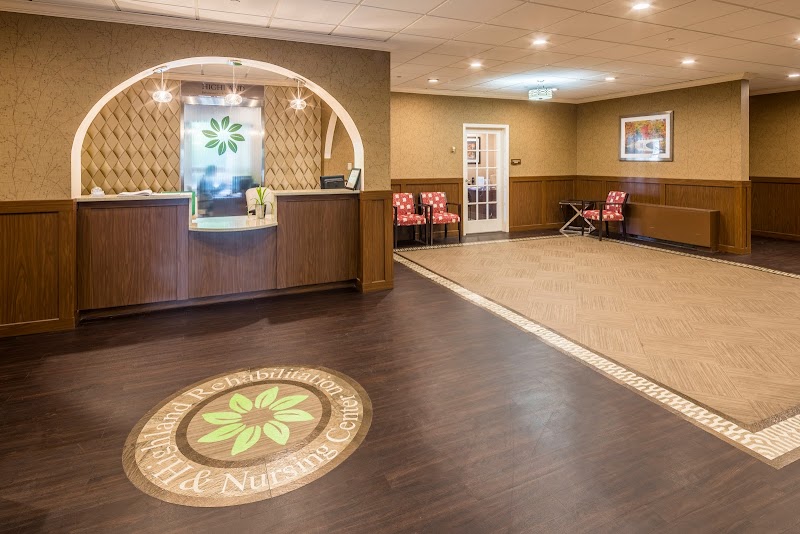
How is Highland Rehabilitation And Nursing Center Staffed?

CMS rates HIGHLAND REHABILITATION AND NURSING CENTER's staffing level at 2 out of 5 stars, which is below average compared to other nursing homes. Staff turnover is 55%, compared to the New York average of 46%. RN turnover specifically is 75%, which is notably high. RNs provide skilled clinical oversight, so turnover in this role can affect medical care quality.

What Have Inspectors Found at Highland Rehabilitation And Nursing Center?

State health inspectors documented 31 deficiencies at HIGHLAND REHABILITATION AND NURSING CENTER during 2018 to 2025. These included: 30 with potential for harm and 1 minor or isolated issues.

Who Owns and Operates Highland Rehabilitation And Nursing Center?

HIGHLAND REHABILITATION AND NURSING CENTER is owned by a for-profit company. For-profit facilities operate as businesses with obligations to shareholders or private owners. The facility is operated by PERSONAL HEALTHCARE, LLC, a chain that manages multiple nursing homes. With 98 certified beds and approximately 92 residents (about 94% occupancy), it is a smaller facility located in MIDDLETOWN, New York.
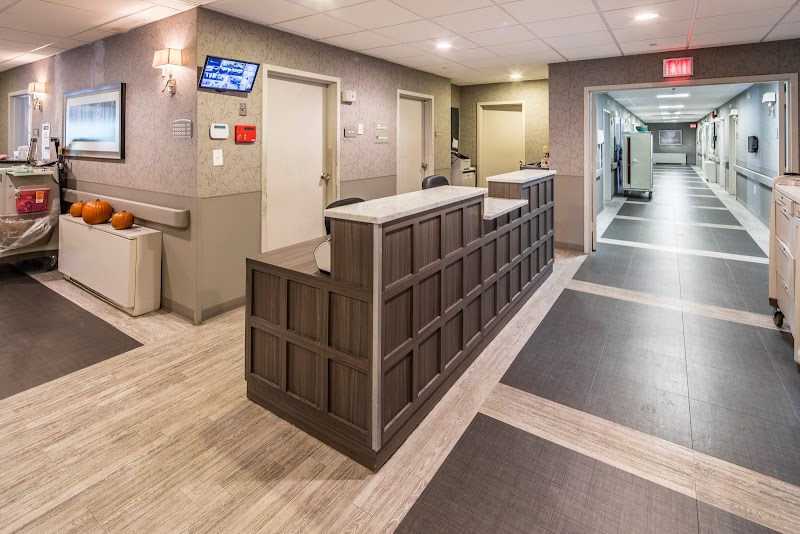
How Does Highland Rehabilitation And Nursing Center Compare to Other New York Nursing Homes?

Compared to the 100 nursing homes in New York, HIGHLAND REHABILITATION AND NURSING CENTER's overall rating (1 stars) is below the state average of 3.0, staff turnover (55%) is near the state average of 46%, and health inspection rating (1 stars) is much below the national benchmark.

What Should Families Ask When Visiting Highland Rehabilitation And Nursing Center?

Based on this facility's data, families visiting should ask: "Can you walk me through typical staffing levels on day, evening, and night shifts?" "Can I visit during a mealtime to observe dining assistance and food quality?" "How do you handle medical emergencies, and what is your hospital transfer rate?" "Can I speak with family members of current residents about their experience?" These questions are particularly relevant given the below-average staffing rating.

Is Highland Rehabilitation And Nursing Center Safe?

Based on CMS inspection data, HIGHLAND REHABILITATION AND NURSING CENTER has a clean safety record: no substantiated abuse findings (meaning no confirmed cases of resident harm), no Immediate Jeopardy citations (the most serious violation level indicating risk of serious injury or death), and is not on the Special Focus Facility watch list (a federal program monitoring the lowest-performing 1% of nursing homes). The facility has a 1-star overall rating and ranks #100 of 100 nursing homes in New York. While no facility is perfect, families should still ask about staff-to-resident ratios and recent inspection results during their visit.

Do Nurses at Highland Rehabilitation And Nursing Center Stick Around?

HIGHLAND REHABILITATION AND NURSING CENTER has a staff turnover rate of 55%, which is 9 percentage points above the New York average of 46%. Moderate turnover is common in nursing homes, but families should still ask about staff tenure and how the facility maintains care continuity when employees leave.

Was Highland Rehabilitation And Nursing Center Ever Fined?

HIGHLAND REHABILITATION AND NURSING CENTER has no federal fines on record. CMS issues fines when nursing homes fail to meet care standards or don't correct problems found during inspections. The absence of fines suggests the facility has either maintained compliance or corrected any issues before penalties were assessed. This is a positive indicator, though families should still review recent inspection reports for the full picture.

Is Highland Rehabilitation And Nursing Center on Any Federal Watch List?

HIGHLAND REHABILITATION AND NURSING CENTER is not on any federal watch list. The most significant is the Special Focus Facility (SFF) program, which identifies the bottom 1% of nursing homes nationally based on persistent, serious quality problems. Not being on this list means the facility has avoided the pattern of deficiencies that triggers enhanced federal oversight. This is a positive indicator, though families should still review the facility's inspection history directly.