MIDDLETOWN PARK REHAB & HEALTH CARE CENTER

121 DUNNING ROAD, MIDDLETOWN, NY 10940 (845) 343-0801
For profit - Corporation 230 Beds EPIC HEALTHCARE MANAGEMENT Data: November 2025
Trust Grade
65/100
#300 of 594 in NY
Last Inspection: March 2024

Within standard 12-15 month inspection cycle. Federal law requires annual inspections.

Overview

Middletown Park Rehab & Health Care Center has a Trust Grade of C+, indicating it is slightly above average but not outstanding. It ranks #300 out of 594 nursing homes in New York, placing it in the bottom half of facilities in the state, but #3 out of 10 in Orange County suggests it is one of the better local options. The facility is improving, with reported issues decreasing from 9 in 2024 to just 2 in 2025. Staffing rated 2 out of 5 stars, which is below average, with a turnover rate of 42%, close to the state average. While the center has no fines on record, which is a positive sign, there have been concerning incidents, such as failure to properly monitor a resident's significant weight changes and issues with food safety practices, including expired food storage and inadequate hand hygiene. Overall, while there are notable strengths, families should be aware of these weaknesses and the need for ongoing improvements in care standards.

Trust Score
C+
65/100
In New York
#300/594
Top 50%
Safety Record
Low Risk
No red flags
Inspections
Getting Better
9 → 2 violations
Staff Stability
○ Average
42% turnover. Near New York's 48% average. Typical for the industry.
Penalties
✓ Good
No fines on record. Clean compliance history, better than most New York facilities.
Skilled Nurses
○ Average
Each resident gets 41 minutes of Registered Nurse (RN) attention daily — about average for New York. RNs are the most trained staff who monitor for health changes.
Violations
⚠ Watch
14 deficiencies on record. Higher than average. Multiple issues found across inspections.
★★★☆☆
3.0
Overall Rating
★★☆☆☆
2.0
Staff Levels
★★★★★
5.0
Care Quality
★★☆☆☆
2.0
Inspection Score
Stable
2024: 9 issues
2025: 2 issues

The Good

  • 5-Star Quality Measures · Strong clinical quality outcomes
  • Full Sprinkler Coverage · Fire safety systems throughout facility
  • No fines on record
  • Staff turnover below average (42%)

    6 points below New York average of 48%

Facility shows strength in quality measures, fire safety.

The Bad

3-Star Overall Rating

Near New York average (3.1)

Meets federal standards, typical of most facilities

Staff Turnover: 42%

Near New York avg (46%)

Typical for the industry

Chain: EPIC HEALTHCARE MANAGEMENT

Part of a multi-facility chain

Ask about local staffing decisions and management

The Ugly 14 deficiencies on record

Apr 2025 2 deficiencies
CONCERN (D) 📢 Someone Reported This

A family member, employee, or ombudsman was alarmed enough to file a formal complaint

Potential for Harm - no one hurt, but risky conditions existed

Medical Records (Tag F0842)

Could have caused harm · This affected 1 resident

**NOTE- TERMS IN BRACKETS HAVE BEEN EDITED TO PROTECT CONFIDENTIALITY** Based on record review, and interviews conducted during the Abbreviated Survey (NY00371502), the facility did not ensure that a ...

Read full inspector narrative →
**NOTE- TERMS IN BRACKETS HAVE BEEN EDITED TO PROTECT CONFIDENTIALITY** Based on record review, and interviews conducted during the Abbreviated Survey (NY00371502), the facility did not ensure that a residents' medical record contained an accurate representation and included information that accurately reflected the resident's condition, and the care and services provided across all disciplines to ensure information is available to facilitate communication among the interdisciplinary team for 1(Resident #1) of 3 residents reviewed. Specifically Resident #1 who was admitted on [DATE] was weighed during the evening shift and was 89.4 pounds and then weighed on 1/14/25 and was 113 pounds with inaccurate subsequent weights between 1/14-1/29/25. The Registered Dietician did not follow up on the weights recorded by the Nurses and Certified Nurses' Aides, resulting in the reporting of inaccurate weights to the medical team and the resident's representative, and causing a lack of a thorough nutritional assessment to adequately address the resident's nutritional needs. The Findings are: The Facility Policy titled Weight and Height Monitoring reviewed and revised in 2/2020 documented that the nursing staff will measure resident weights on admission, for three consecutive days, and weekly four weeks thereafter. The Dietitian will review the unit's monthly weights by the 7th of the month to follow individual weight trends over time. Negative trends will be evaluated by the treatment team whether or not the criteria for significant weight change has been met. The threshold for significant unplanned and undesired weight loss will be based on the following criteria. The Registered Dietician will run a weekly weight trend report in Sigma Care Electronic Medical record and all residents who flag for 5%; 7.5%; 10% significant weight loss will be discussed at the weekly clinical weight meeting, physician notified, and care plan interventions Resident #1 was admitted on [DATE] with diagnosis including but not limited to history of leukemia, and peripheral vascular disease, and transient ischemic attack. The 5-day admission Assessment Minimum Data Set(MDS) dated [DATE] documented that Resident #1 had intact cognition, was 62 inches, 113 pounds, and had no weight loss or weight gain. The Resident Administration Documentation History in the Electronic Medical Record documented that at 11:25 pm, a weight of 89.4 pounds was inputted for Resident #1. The Resident Treatment Administration Record (TAR) documented that on 1/13/25 Resident #1's weight was 89.4 The weights recorded for Resident #1 were as follows: 1/29/25: 94 pounds 1/27/25: 94 pounds 1/20/25: 91.8(weight on weight sheets and not in Electronic Medical Record ) 1/16/25: 113 pounds 1/15/25: 112.8 pounds 1/14/25: 113 pounds 1/13/25: 89.4 pounds The Unit 1 Working weight Sheet dated 1/20/25 documented that Resident #1 was 91.8 pounds, and the weight was not entered into the resident's Electronic Medical Record. During an interview on 4/3/25 at 9:43 am, the Registered Dietician stated that the weight sheets are put out on Fridays for the following week and that they expect the weights to be done by Wednesday so that the weights can be discussed during the Friday meeting, but the weights are not always done on Wednesdays. The Registered Dietician stated that the weight sheets are titled week of instead of indicating the dates when the weights were obtained. The Certified Nurse Aides obtain the weights any day of the week resulting in the weights not being consistent. The Registered Dietician stated that Resident #1 was on weekly weights and that they found Resident #1's weight of 91.8 pounds on the weight sheet for the week of 1/20/25 with no date making it difficult to determine when the weight was done. The Registered Dietician stated it should be that all weights taken by the Certified Nurse Aides and entered on the weight sheet should have a date of when the weight was obtained. All Certified Nurse Aides should be responsible for putting the dates for when resident weights are obtained. The Registered Dietician stated that weekly weights should be done consistently on the same day so that the weight gain or weight loss would be accurate. The Registered Dietician stated that they are not familiar with the process of how the nurse review the on the weight sheets and enter them in the electronic medical records. The Registered Dietician stated that they do not write a progress note for a weight that needs a reweigh. Residents who need reweighs are communicated verbally to the nurses. During an interview on 4/2/25 at 4:55 Pm, the Administrator stated they need a better system in place to monitor the weights and that going forward they will make sure weights are done on the same day every week and that the dates that the weights was taken are documented, and that all weights will be entered into the Electronic Health Record, and that all weight loss and weight gain will be reported to the Physician. During an interview on 4/3/25 at 12:50 PM, the Medical Director stated they are supposed to be notified of significant weight loss or gain and that all weights are supposed to be entered into the resident's electronic health record. Nurses and the Registered Dietician should alert them of weight loss and weight gain. If a resident requires a reweigh the information should be documented in the progress note. The Medical Director stated they expect that a resident with a 19-pound weight loss requires a reweigh. The Medical Director stated that they were unaware of Resident #1's weight of 91.8 pounds obtained on 1/20/25. They were only aware of the weight reported on 1/29/25 of 94 pounds. The Medical Director stated that the Dietician should have entered the weight of 91.8 pounds into the Electronic Medical Records, and the Dietician should have placed Resident #1 on daily weights. The Medical Director stated that they implemented a plan for Resident #1 to gain weight because it was reported to them that Resident #1 had a significant weight loss. During an interview on 4/3/25 at 2:55 PM, the Director of Nursing stated that the Certified Nurse Aides are supposed to document the weekly weights in the weight book/sheets along with the date it was taken and initial their entry. The Director of Nursing stated that the unit managers are supposed to review the weights and discuss with the Dietician before the weight meeting every Fridays. The Director of Nursing stated that the expectation is that the weights are started on Sunday and done by Tuesday by 11 am, and that going forward they will put interventions into place so that the facility can monitor weights efficiently and address the Residents' nutritional needs better. During an interview 4/8/25 at 3:30 PM, the Registered Dietician stated that Resident #1 was 89.4 pounds on admission and that they weighed the resident for 3 days and because the nurse documented that they were 113 pounds, they assumed that the 89 pounds was incorrect. The Registered Dietician stated that on 1/20/25, Resident #1 had a weight of 91.8 pounds, and they did not include it in their assessment because they were waiting for reweigh which did not occur timely because the Certified Nurse Aides are difficult to ask when it's time to reweigh Residents, therefore they documented the previous weight of 113 pounds taken on 1/16/25. The Registered Dietician stated that going forward, they are going to the change weight policy and make sure that the weekly weights are to be done on the same day every week, because the way the facility manages weights currently is ineffective. 10 NYCRR 415.22(a)(1-4)
CONCERN (E) 📢 Someone Reported This

A family member, employee, or ombudsman was alarmed enough to file a formal complaint

Potential for Harm - no one hurt, but risky conditions existed

Quality of Care (Tag F0684)

Could have caused harm · This affected multiple residents

**NOTE- TERMS IN BRACKETS HAVE BEEN EDITED TO PROTECT CONFIDENTIALITY** Based on record review, and interviews conducted during the Abbreviated Survey (NY00371502), the facility did not ensure residen...

Read full inspector narrative →
**NOTE- TERMS IN BRACKETS HAVE BEEN EDITED TO PROTECT CONFIDENTIALITY** Based on record review, and interviews conducted during the Abbreviated Survey (NY00371502), the facility did not ensure residents received quality of care in accordance with professional standards of practice for 1 of 3 residents reviewed. for Specifically, Resident #1 had an admission weight of 89.4lbs on 1/13/25. On 1/14/25 the resident's weight was recorded in the electronic medical record by Licensed Practical Nurse #2 as 113 pounds. Licensed Practical Nurse #2 did not notify the Physician of the significant weight gain nor request a reweigh. 2) On 1/27/2025 the Registered Dietician informed the Medical director that Resident #1's weight was 94lbs and this prompted the medical director to initiate a weight gain plan for the resident which the resident refused. 3) There was no consistent indication of how/when the weights were obtained as ordered. Weight values in the weight book were not consistently reviewed and uploaded into the Electronic Medical record by facility staff. The findings are: The 1/2024 Weight Assessment and Intervention Policy documented that the dietitian would review the weight record. Any weight change of 5% or more since the last weight would be retaken the next day for confirmation. At the discretion of the dietitian, in conjunction with the resident's presentation and team assessment, additional reweights may be requested. The dietitian would respond within 7 days upon receipt of notification of a weight change depending on the severity of the weight change. Resident #1 was admitted on [DATE] with diagnosis including but not limited to history of leukemia, and peripheral vascular disease, and transient ischemic attack. The 5-day admission Assessment Minimum Data Set, dated [DATE] documented that Resident #1 had intact cognition, was 62 inches, 113 pounds, and had no weight loss or weight gain. The 1/13/25 Physicians Order documented that weights are to be obtained one time upon admission. The 1/13/25 Physicians Order documented that daily weights are to be done for 3 days starting the day after admission and the previous date must be entered in the comment box every day on the 7-3 pm shift every day for 3 days. Upon review of the weight monitoring of residents, it was documented that Resident #1 was weighed on 1/13/25 with a weight of 89.4 pounds and it was inactivated in the electronic medical record and could not be readily seen by all designated staff and the information was not in the nutritional assessment. The 1/14/25 Nutritional Status Care Plan documented that Resident #1 has a potential for altered nutritional status. Interventions included monitor weights and being reassessed as needed. The following weights were documented in the electronic health record as follows: 113 pounds on 1/14/25, 112.8 pounds on 1/15/25, 113 pounds on 1/16/25, 91.8 pounds on 1/20/25, 94 pounds on 1/27/25, and 94 pounds on 1/29/25. Review of the Dietary Progress Notes dated 1/14/25 and 1/16/25 revealed there was no documented evidence that the Registered Dietician addressed Resident #1's weight of 89.4 pounds on admission and the discrepancy in weights reported on subsequent days. Review of the Dietary Progress Notes dated 1/24/25 at 3:22 PM documented that at Care Plan meeting, resident was present with family member. The resident's intake improved, and their current weight is 113 pounds. During an interview on 4/3/25 at 9:43 am, the Registered Dietician stated that the weight sheets are put out on Fridays for the following week and that they expect the weights are to be done by Wednesday so that the weights can be discussed for the Friday meeting, and that weights are not always done on Wednesdays. The Registered Dietician stated that they do not have the specific date that the 91.8 pounds was obtained and all weights on the weight sheet should have a date of when the weight was obtained and that the Certified Nurse Aides are responsible for putting the dates. The Registered Dietician stated that they check the weights the whole week and that they would send an email to unit manager for all reweighs. The Registered Dietician stated that when Resident #1 was weighed and the weight was 91.8 pound which was significant weight loss from previous weight of 113 pounds, they were supposed to be reweighed. The Registered Dietician stated that they don't always email reweighs to the nurses and will sometimes write it on paper and give it to the nurses' aides. The Registered Dietician stated that weekly weights should be done consistently on the same day so that the weight gain or weight loss could be accurate. The Registered Dietician stated that they are not aware of the process of how the nurse checks the weights. The Registered Dietician stated that they don't normally write a progress note for a weight that needs a reweigh. The Registered Dietician stated that the reason they documented that Resident #1 was 113 pounds was because it was the only solid information that they had, and that they were not sure that the 91.8 pounds done on the week of 1/20/25 was on the weight was right because the Certified Nurse Aides don't weigh them correctly sometimes. During an interview on 4/2/25 at 4:55 Pm, the Administrator stated that going forward they will make sure weights are done the same day every week and that dates that the weight was taken will be on the documentation. During an interview on 4/3/25 at 10:13 am, Certified Nurse Aide #1 stated that the Dietician puts the weight sheet out on Friday before the weekend and that they try to do weekly weights over the weekend when they can because Monday it is busy and on Tuesdays, they are off. Certified Nurse Aide #1 stated that weights should all be done by Wednesday, and that when they get the weights, they are supposed to document it on the weight sheets and put the date obtained. Certified Nurse Aide #1 stated that there is no dates on the weight sheet and although the sheet only reflect week of, they are responsible for putting the date and their initials. Certified Nurse Aide #1 stated that they got Resident #1's weight which was 91.8 but they cannot remember the date it was obtained and forgot to put it on the weight sheet because it gets hectic. Certified Nurse [NAME] #1 stated that the previous weight is not on the weight sheets and that the Dietician, and the nurse are supposed to retrieve the weights off the weight sheet. During an interview on 4/3/25 at 12:50 PM, the Medical Director stated they are supposed to be notified of significant weight loss or gain and that all weights are supposed to have been inputted into the resident's electronic health record and was surprised that all the weights were not in there. The Medical Director stated that they were not made aware that Resident #1 had a weight of 91.8 pounds and that that nurses and the Dietician should alert them of weight loss and weight gain. The Medical Director stated that when they saw Resident #1 on 1/27/25, it was for low blood pressure, not weight loss and that it was the resident that informed them that they had history of decreased appetite, so they increased the ensure and gave them a liberalized diet (took away salt restriction). The Medical Director stated that they expect for the weight to be put in a progress note and to document if the resident requires a reweigh. The Medical Director stated that a resident that had a 19-pound weight loss requires them to be reweighed, and that the Dietician should have inputted the 91.8 lbs. into the computer the electronic health record, and that the Dietician should have placed Resident #1 on daily weights. During an interview on 4/3/25 at 1:33 PM, Registered Nurse Unit Manager #1 stated that weekly weights are expected to be done Monday and latest by noon, and that they are not in habit of checking the books and should be checking. Registered Nurse Unit Manager # 1 stated that the Certified Nurse Aides document in weight book and should be putting the date and their initial, and then they are supposed to review the weights and consult with the Dietician. Registered Nurse Unit Manager #1 stated that the Dietician is supposed to look at weights every day because there are residents who are on daily weights. During an interview on 4/3/25 at 2:55 PM, the Director of Nursing stated that the Certified Nurse Aides are supposed to document the weekly weights in the weight book/sheets along with the date taken and then initial it. The Director of Nursing stated that the unit manager is supposed to review the weights and correspond with the Dietician and have a weight meeting every Friday. The Director of Nursing stated that the expectation is that the weights are started on Sunday and done by Tuesday by 11 am. During an interview on 4/4/24 at 3:37 pm, Licensed Practical Nurse #1 stated that when Resident #1 was admitted on [DATE] during the evening shift, the certified nurse aides weighed them using the Hoyer lift and Resident #1 was 89.4 pounds and they documented it in their nursing progress note and the electronic health record, and that they report weights and vital signs to the Nursing supervisor. During an interview on 4/8/25 at 3:15 PM, Licensed Practical Nurse #2 stated that when a resident is admitted , the Certified Nurse Aide will way them with a Hoyer because therapy has not evaluated them and was unable to provide the name of the Certified Nurse Aide that gave them the weight of 113 pounds on 1/14/25. Licensed Practical Nurse #2 stated that after that the initial admission weight, weights are done for the next 3 days weights, but they do not look at prior weights when they input the weight into the Electronic Health Record that was given to them. Licensed Practical Nurse #2 stated that the Certified Nurse Aides should write down the weights and because if they just tell her the weights, she might forget the weight. Licensed Practical Nurse #2 stated that the order for admission weight gets deleted in the Electronic Heath Record and therefore can't see it and stated that they did their job and do not know what else to tell the surveyor. During an interview 4/8/25 at 3:30 PM, the Registered Dietician stated that the Resident #1 was 89.4 pounds on admission and that they weighed the resident for 3 days and because the nurse documented that they were 113 pounds, they assumed that the 89 pounds was incorrect. The Registered Dietician stated that although Resident #1 told them on admission that their usual body weight is under 100 pounds, they cannot believe what they say. The Registered Dietician stated that although Resident #1 appeared to be thin, they did not look like they were 89 pounds. The Registered Dietician stated that they receive the 4 day weights from the computer and that the admission weight would drop off after first day. The Registered Dietician stated that they did see that Resident #1 was weighed on admission and that it was 89 pounds, but they deactivated it because they did not think it was correct, and that they should have documented the admission weight as the first weight instead of the 113 pounds, and that the resident should have been re weighed. The Registered Dietician stated that on 1/20/25, Resident #1 had a weight of 91.8 pounds, and they did not include it in their assessment because they were waiting for reweigh which did not occur timely, therefore they documented the previous weight of 113 pounds taken on 1/16/25. The Registered Dietician stated that during the Care Plan meeting on 1/24/25, they did tell the Resident #1's family member that they were currently 113 pounds which was inaccurate because on 1/20/25, Resident #1's weight was 91.8. The Registered Dietician stated that going forward, they are going to the change weight policy and make sure the weekly weights are to be done on the same day every week, because the way the facility manages weights currently is ineffective. 10NYCRR415.12
Mar 2024 9 deficiencies
CONCERN (D)

Potential for Harm - no one hurt, but risky conditions existed

Resident Rights (Tag F0550)

Could have caused harm · This affected 1 resident

Based on observation, interview, and record review during a recertification survey from 2/26/24-3/04/24, the facility did not ensure residents had the right to a dignified experience for 3 of 18 resid...

Read full inspector narrative →
Based on observation, interview, and record review during a recertification survey from 2/26/24-3/04/24, the facility did not ensure residents had the right to a dignified experience for 3 of 18 residents (Residents #5, #30, and #36) reviewed for dining. Specifically, two licensed practical nurses were observed standing over Residents #5, #30, and #36 while assisting the residents with their meals. The findings include: The facility policy titled Assistance with Meals dated 11/2016 and revised on 1/2022 documented that a resident who cannot feed themselves will be fed with attention to safety, comfort, and dignity, for example: Not standing over residents while assisting with meals. Resident # 5 was admitted to the facility with diagnoses including alzheimer's disease, dysphagia, and schizoaffective disorder. The 01/08/2024 Quarterly Minimum Data Set ( assessment tool) documented that Resident #5 had severely impaired cognition, and required extensive assistance with eating. The comprehensive care plan titled Impaired Activities of Daily Living dated 7/5/2015 documented Resident #5 required extensive assist of one for dining and could not handle utensils for dining. Resident # 30 was admitted to the facility with diagnoses including dementia, adult failure to thrive, and macular degeneration. The 01/10/2024 Quarterly Minimum Data Set documented Resident #30 had moderately impaired cognition, and required moderate assistance with eating. The comprehensive care plan titled Impaired Activities of Daily Living functional/rehabilitation potential dated 2/23/2017 documented Resident #30 required extensive assist of one for dining. Resident # 36 had diagnoses including dementia, adult failure to thrive, and macular degeneration. The 01/15/2024 Quarterly Minimum Data Set documented Resident #36 had severely impaired cognition, and required moderate assistance with eating. The comprehensive care plan titled Impaired Activities of Daily Living functional/rehabilitation potential dated 6/30/2022 documented Resident #36 was to be provided with the necessary adaptive equipment/assistive devices to optimize self-sufficiency. On 02/26/24 at 11:55 AM, Staff #8 (Licensed Practical Nurse) was observed in the dining room, standing over Resident #36 while assisting them with eating their lunch. On 02/29/24 at 12:12 PM, Staff #9 (Licensed Practical Nurse) was observed in the dining room standing over Resident #5, while assisting them with eating their lunch. On 02/29/24 at 12:20 PM, Staff #9 was observed standing over Resident #36 while assisting them with their meal. During an interview on 02/26/24 at 11:55 AM, Staff #8 stated that staff should be seated and at eye level when assisting residents with their meals so that the residents would feel comfortable and at home. Staff #8 stated that they wanted to make sure the residents received help with their meals but they were the only staff in the dining room and were rushing. During an interview on 02/29/24 at 01:00 PM, Staff #9 stated that staff must sit down to feed residents and not stand up over them. Staff #9 stated that they did not have a chair to sit in because they gave the chairs to the residents' family members. 10 NYCRR 415.3(c)(1)(i)
CONCERN (D) 📢 Someone Reported This

A family member, employee, or ombudsman was alarmed enough to file a formal complaint

Potential for Harm - no one hurt, but risky conditions existed

Safe Environment (Tag F0584)

Could have caused harm · This affected 1 resident

Based on observation, interview, and record review during the recertification and abbreviated surveys (NY00331764) from 2/26/24 to 3/04/24, it was determined for 2 of 6 resident care units (Units 2 an...

Read full inspector narrative →
Based on observation, interview, and record review during the recertification and abbreviated surveys (NY00331764) from 2/26/24 to 3/04/24, it was determined for 2 of 6 resident care units (Units 2 and 6) the facility did not provide housekeeping and maintenance services necessary to maintain a safe, clean, comfortable, and homelike environment. Specifically, wheelchairs and/or geri-chairs were soiled and/or ripped for Residents #53, #106, and #63 on Unit 6 and Residents #148, and #116 on unit 2. This was evidenced by the following: An undated Policy and Procedure titled Wheelchair/Geri-Chair Cleaning documented the purpose was to ensure a clean environment for residents, thus maintaining infection control. There was no documented evidence in the untitled wheelchair cleaning schedule to indicate that wheelchairs on Unit 6 had been cleaned since 2/8/24, or that they were all cleaned. During an observation of Unit 6 on 02/28/24 and 2/29/2024, wheelchairs and/or geri chairs were unclean with food crusted on the chairs and tears in the seats and arm rests. Residents #53, #106, and #63 had wheelchairs/recliners that had food crusted on the chairs and the arm rests on the recliners were ripped and frayed. During an observation of Unit 2 on 03/01/24 Resident #148 had a recliner with a ripped handle, and Resident #116 had a soiled and ripped geri-chair. During an interview with Staff #3 (Housekeeping Supervisor) on 2/27/2024 at 11:00 AM they stated the facility had a 6 week rotation wheelchair cleaning schedule and sometimes the unit would call if the chair needed cleaning sooner. Staff #3 stated they were new to the facility and were unaware the chairs were soiled or ripped. During an interview on 02/29/24 at 4:14 PM, Staff #1 (Certified Nurse Aide) stated if they saw a wheelchair or geri-chair that was soiled or ripped, they would notify the Nurse Manager. Staff #1 stated housekeeping had a schedule for cleaning wheelchairs and they did not know when the chairs were last cleaned. During an interview on 02/29/24 at 04:17 PM, Staff #2 (Nurse Manager) stated the staff would tell them if the wheelchairs were soiled or had rips or tears and they would call housekeeping. Staff #2 stated they were unaware the wheelchairs needed cleaning. During an interview on 02/29/24 04:50 PM, the Administrator ripped chairs should be fixed or replaced and it was unacceptable for residents to be in chairs that were soiled, ripped or broken. 10 NYCRR 415.5(h)(2)
CONCERN (D)

Potential for Harm - no one hurt, but risky conditions existed

Deficiency F0604 (Tag F0604)

Could have caused harm · This affected 1 resident

Based on observation, interview, and record review during the recertification survey from 2/26/24-3/04/24, the facility did not ensure 1 of 2 residents (Resident #175) reviewed for restraints, was fre...

Read full inspector narrative →
Based on observation, interview, and record review during the recertification survey from 2/26/24-3/04/24, the facility did not ensure 1 of 2 residents (Resident #175) reviewed for restraints, was free from physical restraints. Specifically, there was no documented evidence Resident #175 was assessed, consented to, had a medical justification, a physician order, or a plan of care for the use of straps on their Broda chair. Findings include: Review of the facility policy titled Restraints dated 12/2012 documented a physical restraint defined through the State Operations Manual as any manual method or physical or mechanical device, material, or equipment attached or adjacent to the resident's body that the individual cannot remove easily, which restricts the freedom of movement or a normal access to one's body. In order for a device to me that definition of a restraint, it must prevent the resident from performing some tasks they previously had the ability to perform. Neurological, orthopedic, or muscular impairment that allows the resident some movement but requires postural support for safety and/or comfort. Written documentation of informed consent signed by resident or representative outlining the risks and benefits of restraint use must be obtained or any restraint use prior to the initiation of restraints. Every resident in a restraint shall be visually checked at least every 30 minutes to assure that the resident is comfortable and safe, and the device is appropriately applied. All restraints will have a physicians' order. A restraint assessment is required for all residents prior to initiating any form of restraint(except in an emergency). A restraint assessment form will be completed on those residents who utilize any restraining device that resident cannot release on command 100% of the time. Resident #175 had diagnoses including anxiety disorder, malignant neoplasm of brain, and seizure disorder. The 01/02/2024 Quarterly Minimum Data Set (assessment tool) documented the resident had moderately impaired cognition, was dependent with toileting, bed mobility and transfers and did not use a restraint. There was no documented evidence in the comprehensive care plan from 6/30/23-02/29/24 for the use of thigh straps when in the Broda chair. There was no documented evidence from 6/30/23-02/29/24 that an assessment was conducted for the use of the thigh straps when in the Broda chair. The physician order documented to transport Resident #175 via wheelchair. On 2/26/24 at 01:59 PM, Resident #175 was observed in their bedroom sitting in their Broda chair. There were thick black straps wrapped around their thigh, attached to the Broda chair, and secured tightly to the back of Broda chair. On 2/29/24 at 01:20 PM, Resident #175 was observed in the dining room sitting in Broda chair with straps attached to thigh and wrapped around the Broda chair, tightly secured to the back of the chair. Resident #175 stated I can't take these off, while attempting to loosen the straps. During an interview on 2/27/24 at 02:30 PM, the resident representative stated that Resident #45 was diagnosed with brain cancer and seizure disorder, and that the thigh straps prevented the resident from sliding out of chair. The resident representative stated that Resident #175 received the straps on the Broda chair shortly after being admitted to the facility. The resident representative stated that they were not educated and did not sign a consent for the straps. The resident representative stated and that one day they came in and the straps were on the chair. During an interview on 02/29/24 at 03:56 PM, Staff #5 (Rehabilitation Director) stated that Resident #175 received the Broda chair with the straps already in place, and that the straps were for positioning. Staff #5 stated that whenever the rehabilitation department recommended and/or provided straps, nursing staff were verbally educated on how use them. Staff #5 was unable to provide documentation education for the use of straps on Resident #175's chair. Staff #5 stated that Resident #175 was previously in a high back wheelchair and would frequently slide in the chair, resulting in a rehabilitation screen for positioning and then a Broda chair with straps was provided. Staff #5 stated nursing was responsible for putting physician's orders and care plans in place. Staff #5 did not identify the straps as a restraint and stated that the rehabilitation department did not make the determination on what was a restraint or not. During an interview on 02/29/24 at 04:38 PM, Resident #175's representative stated that Resident #175 could not remove the straps and stated that they did not know how to remove them as well. They stated that when they visited, staff did not come in to release the straps. On 02/29/24 at 04:40 PM, Resident #175 stated that they could not move with the straps on the chair and when they tried to get out, they could not release the straps. During an interview on 02/29/24 at 05:08 PM, Staff #5 stated that they tried other interventions before the Broda chair with straps and Resident #175 was fidgety and would always try to slide out of the high back wheelchair. During an interview on 02/29/24 at 05:30 PM, the Administrator stated that they did not identify the straps as a restraint and stated that the straps were for positioning. The Administrator stated that the certified nurse aides should be removing the straps every 2 hours for comfort. Upon review of the resident nursing instructions (which provided instructions to certified nurse aides about the type and level of care to provide the resident) and comprehensive care plan, the Administrator confirmed that the instructions for use of the straps, and plan of care were not in place. During an interview on 03/01/24 at 11:03 AM, Staff #10 (Certified Nurse Aide) stated that the straps on Resident #175's Broda chair were used due to the resident moving around trying to get out the chair. Staff #10 stated that they had no training on the straps and why the straps were being used. 10 NYCRR 415.4(a)(2-7)
CONCERN (D)

Potential for Harm - no one hurt, but risky conditions existed

Comprehensive Care Plan (Tag F0656)

Could have caused harm · This affected 1 resident

Based on observation, interview and record review conducted during the Recertification Survey from 2/26/24-3/04/2024, it was determined for 1 of 2 residents (Resident #175) reviewed for restraints, th...

Read full inspector narrative →
Based on observation, interview and record review conducted during the Recertification Survey from 2/26/24-3/04/2024, it was determined for 1 of 2 residents (Resident #175) reviewed for restraints, that the facility did not ensure a comprehensive care plan that included measurable goals and interventions for the use of restraints. Specifically, Resident #175 did not have a care plan in place for the use of a Broda chair with thigh straps. The findings include: Review of the facility policy titled Comprehensive Care Plan dated 11/2016 documented the Interdisciplinary Team shall develop a comprehensive, individualized plan of care for each resident that included measurable objectives and timetables to meet a resident's medical, nursing, mental and psychosocial needs which are identified in the comprehensive assessment and lead to the resident's highest obtainable level of independence. Care plan is to be revised in accordance with state and federal regulations and professional standards of nursing care. The care plan guides the care and treatment provided to each resident. Resident #175 had diagnoses including anxiety disorder, malignant neoplasm of brain, and seizure disorder. The 01/02/2024 Quarterly Minimum Data Set (assessment tool) documented the resident had moderately impaired cognition, was dependent with toileting, bed mobility and transfers and did not use restraints. The comprehensive care plan from 6/30/23-02/29/24 revealed that there were no restraint care plans in place for Resident #175 to address the use of the thigh straps when in the Broda chair. On 2/26/24 at 01:59 PM, Resident #175 was observed in their bedroom sitting in a Broda chair with thick black straps attached to Broda chair, wrapped around their thigh, and secured tightly to the back of Broda chair. On 2/29/24 at 01:20 PM, Resident #175 was observed in the dining room sitting in Broda chair with straps attached to thigh and wrapped around Broda chair, tightly secured to the back of the chair. Resident #175 stated I can't take these off, while attempting to loosen the straps. During an interview on 02/29/24 at 05:30 PM, the Administrator stated that the registered nurses initiate the care plans and that there was no restraint care plan in place because they did not identify the straps to the Broda chair as a restraint. The Administrator confirmed that the care plan only documented the Broda chair and had no documentation of the straps. During an interview on 03/01/24 at 10:14 PM, the Director of Nursing stated that a restraint care plan was not in place. 10 NYCRR 415.11(c)(1)
CONCERN (D)

Potential for Harm - no one hurt, but risky conditions existed

ADL Care (Tag F0677)

Could have caused harm · This affected 1 resident

Based on observations, record review and interviews conducted during a recertification survey from 2/26/24-3/04/24, the facility did not ensure for 1 of 3 residents (Resident #45) reviewed for activit...

Read full inspector narrative →
Based on observations, record review and interviews conducted during a recertification survey from 2/26/24-3/04/24, the facility did not ensure for 1 of 3 residents (Resident #45) reviewed for activities of a daily living, received the necessary services to maintain personal hygiene. Specifically, Resident #45 did not receive their shower on multiple occasions. The findings include: Review of the facility policy titled Residents Showers dated 01/2019 and revised on 01/2024 documented the purpose of this procedure are to promote cleanliness, provide comfort to the resident and to observe the condition of resident's skin. Resident #45 was admitted with diagnoses including hemiplegia and hemiparesis following unspecified cerebrovascular accident, peripheral vascular disease, and polyosteoarthritis. The 01/17/2024 Quarterly Minimum Data Set (assessment tool) documented the resident had intact cognition, required setup with eating, and was dependent with bed mobility, toileting, and transfers. The comprehensive care plan (CCP) titled activities of a daily living dated 08/23/2019, documented Resident #45 required extensive of 2 for shower via hoyer lift. The resident nursing instructions (instructions for certified nurse aides) dated 10/10/23 and updated on 1/11/24 documented Resident #45 was to receive a shower on the day shift, every Monday and Thursday via the shower bed. On 02/26/24 at 02:19 PM, Resident #45 was observed in bed with a foul smelling body oder. Resident #45 stated that they had not received a shower in over a week and wanted to take a shower and that they really enjoyed taking a shower. Resident #45 also stated that staff had offered bed baths in place of showers, and requested not to have a bed bath because they wanted their shower. On 02/29/24 at 11:25 AM, Resident #45 stated that they were supposed to receive a shower today and staff had not come into their room to discuss their shower. Resident #45 stated that it was 2 weeks since they received a shower. During an interview on 02/29/24 at 11:30 AM, Staff #7 (Licensed Practical Nurse Unit Manager) stated that Resident #45 did not receive their shower on 2/21/24 because the shower stretcher was broken so the resident received a bed bath instead. During an interview on 03/01/24 at 09:50 AM, Staff #11(Maintenance Director) stated that they were unaware of a broken shower stretcher and that if the shower stretcher was broken, nursing was supposed to communicate with maintenance via a work order application. They stated that they did not receive any work orders for a broken shower stretcher and were unable to provide documentation that a work order was received. During an interview on 03/01/24 at 10:41 AM, Staff #4 (Certified Nurse Aide) stated that Resident #45 did not receive their shower on 2/26/24 because the shower bed had to be sent down to maintenance, and that Resident #45 was upset that they did not get their shower. Staff #4 stated that a maintenance man came to pick up the shower bed but did not see who the maintenance guy was. Furthermore, Staff #4 stated that on Thursday 2/22/24, Resident #45 did not receive a shower because the facility did a new laundry policy and there were no clean hoyer pads to transport the resident to the shower bed via Hoyer lift. Staff #4 stated that they communicated that with Resident #45, and they were frustrated about not getting their shower and reported it to the Unit Manager. During an interview on 03/01/24 at 11:03 AM, Staff #10 (Certified Nurse Aide) stated that the shower chair was broken this past Monday 2/26/24 and that the resident did not receive their showers and stated that they were instructed by the Unit Manager to not give showers to any resident that required the shower stretcher. During an interview on 03/01/24 at 12:10 PM, Staff #11 stated that they found the stretcher downstairs in the maintenance department and fixed it immediately and brought it back upstairs and was unable to provide proof of when it was repaired. During an interview on 03/01/24 at 12:15 PM, the Administrator stated that residents should always get their showers unless they refuse and even if they refuse, they should be reapproached and it must be documented. The Administrator stated that equipment malfunctions or having no hoyer pads, was not a valid reason for residents to not receive their showers. The Administrator stated that they were not made aware of the broken shower bed and if a shower bed was broken, the unit could borrow equipment from another unit until the equipment was repaired. The Administrator stated that they personally delivered the clean hoyer pads to the unit and that they were available for the residents to use, and that there was no excuse for Resident #45 to not receive their shower. 10 NYCRR 415.12(a)(3)
CONCERN (D)

Potential for Harm - no one hurt, but risky conditions existed

Quality of Care (Tag F0684)

Could have caused harm · This affected 1 resident

Based on observation, record review, and interview conducted during the recertification survey from 2/26/24 to 03/04/24, the facility did not ensure residents received treatment and care in accordance...

Read full inspector narrative →
Based on observation, record review, and interview conducted during the recertification survey from 2/26/24 to 03/04/24, the facility did not ensure residents received treatment and care in accordance with professional standards of practice and/or the comprehensive person-centered care plan for 1 of 4 residents (Resident # 43) reviewed for skin conditions. Specifically, for Resident #43 with a left toe arterial wound and a shearing wound of the sacrum, the use of a pressure relieving mattress and offloading of the heels were not implemented as per wound physician recommendation and the comprehensive care plan. Findings include:: The policy/procedure with a revision date of 1/9/2012 titled Pressure Injury Prevention and Treatment Protocol, documented reduction of pressure by placing resident on special mattress and reduction of shearing force by lifting resident rather than sliding when reposition and potential interventions identify risk factors included, position off affected area and treatment per physician orders. Resident #43 was admitted with diagnoses including peripheral vascular disease, essential hypertension, and unspecified skin changes. The admission Minimum Data Set (an assessment tool) dated 1/11/2024 documented the resident was cognitively intact for decision making. The resident was dependent on staff with toileting, chair transfer, rolling left to right, and lower body dressing; was incontinent of bowel and bladder, and was at risk for developing pressure ulcer/injuries. The care plan dated 1/5/2024 titled Potential for Skin Breakdown, pressure ulcer/ injury, documented to notify Medical Doctor/Nurse Practitioner with changes in skin integrity and to provide pressure redistribution devices- mattress, seat cushion, heel cuffs/floating heels as required. The wound care physician note dated 1/9/2024, documented a small opening to the sacral area measuring 1.5 centimeter x 1 centimeter. The wound care note dated 1/30/24 documented sacral wound measuring 0.2 centimeter x 0.1 centimeter x 0.1 centimeter (length x width x depth) and was described as a shearing wound. The Braden scale (skin assessment tool) dated 2/15/24 documented a score of 17 indicating mild risk. The wound care notes dated 2/20/24 and 2/27/24 documented sacral wound measuring 0.75 centimeter x 1.0 centimeter x 0.1 centimeter. The recommendation was a Group 2 mattress. The wound note dated 2/27/2024 documented a new arterial wound to the left first toe being treated with Santyl and measuring 0.6 centimeter x 1.0 centimeter x 0.2 centimeter with a recommendation to offload heel and heel booties to be worn in chair and in bed. The care plan dated 2/28/2024 titled wound left 1st toe. documented Occupational Therapist consult as needed positioning and off-loading. During an observation on 02/27/24 from 1:03 PM to 1:12 PM, Resident #43 was sitting in their wheelchair on a padded cushion. There was no air mattress on bed and edema was observed to the left foot, left great toes open to air wound visible with discoloration with dry skin. During an observation on 2/29/24 at 3:53 PM Resident #43 was in bed on a regular mattress and no heel booties or off loading was in place. During an observation on 3/01/24 from 11:10 AM to 11:25 AM, the resident was in bed, there was no air mattress in place, no heel booties and the heels were not offloaded. During an interview on 03/01/24 at 12:49 PM the Wound Care Physician stated after the wound care team had finished rounding the recommendations were explained to the nurse manager or floor nurse (part of the wound care team) and the wound orders were to be transcribed by nursing. The Wound Care Physician stated a Group 2 mattress was an air mattress. During an interview on 03/01/24 at 01:28 PM the Medical Director stated if the nurse made them aware of the wound care physician's recommendation for an air mattress, they would have ordered it. During an interview on 3/1/2024 at 1:46 PM Staff # 13 (Registered Nurse Unit Manager) and Staff # 14 (Licensed Practical Nurse Unit Manager) stated were unaware of the request for the air mattress and heel booties and did not know that the heel booties and air mattress were not in place. 10 NYCRR 415.12
CONCERN (D)

Potential for Harm - no one hurt, but risky conditions existed

Deficiency F0688 (Tag F0688)

Could have caused harm · This affected 1 resident

Based on observations, record review and interviews conducted during a recertification survey from 2/26/24-3/04/24, the facility did not ensure for 1 of 1 resident (Resident #45) reviewed for position...

Read full inspector narrative →
Based on observations, record review and interviews conducted during a recertification survey from 2/26/24-3/04/24, the facility did not ensure for 1 of 1 resident (Resident #45) reviewed for positioning and limited mobility, that appropriate treatment and services were provided to improve and/or prevent a further decrease in range of motion (ROM). Specifically, Resident #45 was observed on multiple occasions not wearing a hand roll to the left hand as ordered. The findings include: Resident #45 had diagnoses including hemiplegia and hemiparesis following a cerebrovascular accident (CVA, stroke) affecting the left dominant side. The 01/17/2024 Quarterly Minimum Data Set (MDS) assessment documented the resident had intact cognition, required setup with eating, and was dependent with bed mobility, toileting, and transfers. Furthermore, the 01/17/2024 Quarterly Minimum Data Set documented that Resident #45 had upper and lower extremity impairment on one side. The physician order dated 10/10/23 documented to apply left hand roll during waking hours and to remove at bedtime. The resident nursing instructions (care instructions for certified nurse aides) updated on 1/11/24, documented the use of a left-hand roll to be worn during daytime hours and to be removed at bedtime. On 02/26/24 at 02:19 PM, Resident #45 was observed awake in bed. A blue hand roll was observed on the nightstand and not in place on the resident's hand. Resident #45 stated that they wore the hand roll on their left hand and needed to wear it because their hand was contracted. On 02/27/24 at 10:49 AM, Resident #45 was observed awake in bed and the blue handroll observed on the nightstand. Resident #45 stated that the handroll was supposed to be on and staff did not put it on. On 02/29/24 at 03:13 PM, Resident #45 was observed awake in bed without the hand roll and stated that they had not had it on all morning and would like to be wearing it. During an interview on 02/29/24 at 03:16 PM, Staff #6 (certified nurse aide) stated that Resident #45 should be wearing the hand roll on the left hand and that it was documented in the resident's nursing instructions. Staff #6 stated that Resident #45 was not wearing the hand roll in the left hand because they received them not wearing it. During an interview on 02/29/24 at 03:15 PM, Staff #7 (licensed practical nurse unit manager) stated that Resident #45 must always wear the handroll to the left hand because of limited range of motion and that staff was to remove the hand roll to check skin and then put it back in place. Staff #7 stated that they were unaware of any refusals by Resident #45 to use the handroll and that the resident preferred to wear it. Staff #7 then proceeded to put the hand roll on Resident #45's left hand and stated that they would educate the staff. During an interview on 02/29/24 at 03:56 PM, Staff #5 (Rehabilitation Director) stated that Resident #45 must wear hand roll to the left hand due to left sided hemiparesis as ordered to prevent further decrease in range of motion and discomfort, and that nursing staff was aware. 415.12(e)(1)(2)
CONCERN (D)

Potential for Harm - no one hurt, but risky conditions existed

Infection Control (Tag F0880)

Could have caused harm · This affected 1 resident

**NOTE- TERMS IN BRACKETS HAVE BEEN EDITED TO PROTECT CONFIDENTIALITY** 3. The policy and procedure dated 21/2010 revised 12/23 titled Oxygen, administration by nasal cannula. documented when cannula ...

Read full inspector narrative →
**NOTE- TERMS IN BRACKETS HAVE BEEN EDITED TO PROTECT CONFIDENTIALITY** 3. The policy and procedure dated 21/2010 revised 12/23 titled Oxygen, administration by nasal cannula. documented when cannula is not in use, store in a clean plastic bag. Resident #561 had diagnoses including chronic obstructive pulmonary disease, adult failure to thrive, and type 2 disease mellitus. The care plan dated 2/21/2024 titled Oxygen Use intervention documented to maintain oxygen/nebulizer/puffer equipment per facility policy. Review of physician orders dated 2/20/24 documented oxygen continuous at 2-3 liters via nasal cannula. The admission Minimum Data Set, dated [DATE] documented Resident #561 had moderate cognitive impairment. During an observation on 02/27/24 at 11:38 AM the resident was lying in bed receiving oxygen at 2 liters via concentrator. The portable oxygen canister was attached to the wheelchair and the nasal cannula tubing was on the floor. During an observation on 2/29/24 at 11:50 AM, with Staff #12 (Registered Nurse), Resident #561 was sitting in the wheelchair in their room, not receiving oxygen and the nasal cannula tubing was hanging off the side of the wheelchair. During an observation on 3/4/2024 at 10:15 AM, with Staff #13 (Registered Nurse), the resident was sitting in the wheelchair in their room, not using oxygen and the nasal cannula tubing was on the floor. During an interview on 2/29/2024 at 11:50 AM, Staff #12 stated oxygen should be on the resident and the nasal cannula and nebulizer treatment equipment should be labeled and placed in a clean plastic bag to reduce the risk of infection. If the oxygen equipment was exposed, they should all be changed and relabeled. During an interview on 3/4/2024 at 10:15 AM, Staff #13 stated the resident should have the oxygen continuous as ordered and the oxygen tubing when not in use is supposed to be placed in a clean plastic bag to prevent infection. If tubing was found on the floor it should be changed, and the new tubing should be labeled and placed in a clear plastic bag. 10 NYCRR 415.19(a) 1-(3) Based on observation and interview during a recertification survey from 2/26/2024- 3/4/2024 the facility did not ensure that infection control practices and procedures were maintained for 2 of 4 residents (Residents #155 and #38) reviewed for urinary catheter or urinary tract infection, and for 1 of 1 residents (#561) reviewed for respiratory care. Specifically, 1) The foley catheter tubing for Resident #155 was observed on 3 occasions resting on the floor without the use of a barrier. 2) The foley catheter bag for Resident #38 was observed on 2 occasions resting on the bedside floor mat without the use of a barrier. 3) The nasal cannula tubing for Resident # 561 was observed on the floor on 2 occasions without the use of a barrier. The Findings are: The Policy and Procedure titled Infection Prevention and Control program revised 9/15/2020 documented the infection prevention and control program is a facility wide effort involving all disciplines and individual and it is an integral part of the quality assurance and performance improvement program. 1) Resident #155 was admitted with diagnosis including alzheimer disease, chronic kidney disease and obstructive and reflux uropathy. The Quarterly Minimum Data Set (MDS) dated [DATE] documented the resident had severely impaired cognition and received extensive assist of 2 staff support for toileting/catheter care. The comprehensive Care Plan titled Indwelling Catheter, last updated 9/8/2023 documented to keep drainage bag below level of bladder, keep drainage bag off the floor, use aseptic technique when draining urine. The physician order dated 9/8/2023 documented supra pubic catheter for urinary retention secondary to obstructive uropathy. During observations on 1/26/2024 at 12:30PM and 1/27/2024 at 10:02 AM, Resident #155 was sitting in their wheelchair in the dining room, the foley tubing was observed touching the floor. During an observation on 1/28/2024 at 9:16AM, Resident #155's foley bag was in a privacy bag , attached to the wheelchair, the tubing was observed dragging on the floor while the resident was being wheeled to the dining room. During an interview on 3/1/2024 at 10:00 AM, Staff #19 (Nurse Aide) stated the foley tubing should not be touching the floor. Staff #19 stated it was the responsibility of the nurse aide to secure the tubing. During an interview on 2/28/2024 at 12:00PM, Staff #2 (Licensed Practical Nurse Unit Manager) stated to avoid the potential for infection, the foley tubing should not touch the floor. During an interview on 3/1/2024 3:16 PM, the Director of Nursing stated it was the responsibility of the staff on the unit to make sure the foley tubing was secure and not touching the floor, 2. Resident #38 had diagnoses including obstructive and reflux uropathy, retention of urine, and chronic kidney disease stage 3. Physician orders documented: - on 11/3/2023, ensure catheter securement device was in place and privacy bag over drainage bag when out of bed. - on 11/9/2023, indwelling urethral catheter for urinary retention secondary to neurogenic bladder, and urinary retention secondary to obstructive uropathy. - on 11/23/2023, foley care every shift. - on 2/19/2024, floor mats bilateral sides of the bed while resident is in bed each shift. During an observation on 2/27/2024 at 11:37 AM, Resident #38 was in bed, and the indwelling catheter bag was uncovered on the bedside floor mat and was touching the bed. During an observation on 2/28/2024 at about 2:40PM, Resident #38 was in bed, and the indwelling catheter bag and tubing were uncovered on the bedside floor mat. In an interview on 2/28/2024 at 2:45 PM, Staff #22 (Certified Nurse Aide) stated that the nurse Staff #23 (Licensed Practical Nurse) had attached the foley bag to the bed frame when the bed was in an up position to provide care to the resident. Staff #22 stated that they had put the bed in the lowest position after providing cares for the resident due to their risk for falling and getting hurt. When asked about the uncovered foley bag and tubing on the floor mat, Staff #22 stated they knew that the foley bag and tubing were not supposed to be on the mat, but the bed had to be in the lowest position for the resident's safety. Staff #22 stated that they had not talked to the Staff #23 about the foley bag and tubing being on the floor when the bed was in the lowest position. In an interview on 2/28/2024 at about 2:50 PM, Staff #23 stated that the foley bag and tubing on the floor mat was an infection control issue, and it was a risk to the resident for illness, infection, and sepsis. Staff #23 stated that they had not known that the foley bag and tubing were so low and were on the floor mat.
CONCERN (E)

Potential for Harm - no one hurt, but risky conditions existed

Food Safety (Tag F0812)

Could have caused harm · This affected multiple residents

Based on observation, interview, and record review, conducted during the recertification survey, the facility did not ensure proper storage, preparation, distribution, and service of food in accordanc...

Read full inspector narrative →
Based on observation, interview, and record review, conducted during the recertification survey, the facility did not ensure proper storage, preparation, distribution, and service of food in accordance with professional standards for food safety. Specifically, 1. Expired foods were stored in the dairy cooler, 2. Staff did not appropriately use gloves and wash their hands before touching clean dishes, 3. Staff did not wear a hairnet that contained all of their hair in order to prevent hair from contacting food, 4. Storage racks used to store cleaned and sanitized food preparation equipment were not being maintained in a sanitary condition, 5. Two walk-in refrigerated units and one walk in freezer unit were not maintained in a sanitary condition to ensure for food safety, and 6. Temperatures of multiple cold foods held for service were greater than a safe holding temperature of 41 degrees Fahrenheit or less. The findings are: A facility policy dated 8/26/2014 and titled Preventing Foodborne Illness-Employee Hygiene and Sanitary Practices, documented the policy was that food and nutrition services employees would follow appropriate hygiene and sanitary procedures to prevent the spread of foodborne illness. Procedures included that employees must wash their hands when entering or re-entering the kitchen; before coming in contact with any food surfaces; after handling soiled equipment or utensils; as often as necessary to remove soil and contamination; to prevent cross contamination when changing tasks; and after engaging in other activities that contaminate the hands. Procedures also documented that the use of disposable gloves did not substitute for proper handwashing, and that hair nets or caps and/or beard restraints must be worn to keep hair from contacting exposed food, clean equipment, utensils. A facility policy dated 7/20/23 and titled Food Handling Program, documented the policy was that the food service department would utilize a food handling program, which followed the Hazard Analysis Critical Control Point format, and included that cold food held for service should be maintained colder than 40 º F, and these temperatures were to be checked prior to meal service and approximately half-way through. A facility policy dated 8/2020 and titled Sanitization, documented the policy was that the food service area would be maintained in a clean and sanitary manner. Policy interpretation and implementation included that all utensils, counters, shelves, and equipment would be kept clean, maintained in good repair and free from breaks, corrosions, open seams, cracks and chipped areas that may affect their use or proper cleaning; all equipment, food contact surfaces, and utensils would be washed to remove or completely loosen soils by using the manual or mechanical means necessary and sanitized using hot water and/or chemical sanitizing solutions; and the Food Services Manager would be responsible for scheduling staff for regular cleaning of kitchen and dining areas. 1a. During the initial kitchen tour conducted on 2/26/24 at 11:35 AM, an observation of the milk cooler at 11:43 AM revealed 120 cartons of expired milk were stored in the cooler. These included: 43 8 oz. containers of Rosenberger's Fat Free Lactose Free Milk dated 2/24/2024, 76 4 oz. containers of Clover farm non-fat skim milk. 52 of these were dated 2/19/2024, and 24 were dated 2/23/2024 and 1 4 oz. container of Clover Farm Whole Milk dated 2/22/2024. During an interview on 2/26/24 at 11:59 AM, Staff #24 ( Food Service Director) stated that they had not been aware that expired milk had been stored in the dairy cooler. Staff# 24 stated their process is that milk is delivered on Tuesdays and Fridays, the milk is to be stored in the dairy cooler by a cook or a supervisor, the cook or supervisor is responsible for rotating the milk to ensure it does not expire, and if the cook or the supervisor find expired milk, they are to report this to Staff #24 and discard the expired milk. Staff #24 stated that they had a closing checklist which was completed by the evening cook/supervisor or the assistant food service director. Staff #24 stated that the closing check list specifies that the milk cooler is organized, checked for proper rotation, and swept and mopped. Staff #24 stated that the closing checklist would be signed off on by the responsible evening cook/supervisor or the assistant food service director. Staff #24 stated that the closing checklist was to be completed daily. At that time, Staff #24 produced the completed closing check lists for February 1-25, 2024. A review of the completed closing check lists revealed they had been completed on 10 of the previous 25 days. Staff #24 did not offer an explaination for the 15 days on which a closing check list was not completed. 1b. During the initial tour, white soiling was observed on refrigerated unit storage racks. This was addressed in the follow-up kitchen visit on 2/29/2024. 2. On 2/29/2024 at 10:16 AM an observation of staff discarding trash was conducted. Staff #26 and Staff #27 (Two dietary aides/dishwashers) were observed discarding garbage into the trash compactor, closing the door to the compactor, removing there gloves, walking back to kitchen with the garbage pail, using hand sanitizer, applying gloves to their hands, and proceeding to wash dishes with Staff #27 at the clean side and on Staff #26 at the soiled side of the dishwasher. In an interview at that time, Staff #27 stated that did not know why they did not wash their hands. In an interview at that time, Staff #26 stated that they should have washed their hands after discarding the trash. In an interview on at 2/29/2024 at 10:28 AM, Staff #24 stated that the kitchen staff are expected to wash their hands after discarding the trash for proper infection control practices. 3. On 2/29/2024 at 10:36 AM Staff #28 (Dietary Aide) was observed preparing sandwiches. Staff #28 was wearing a hairnet that did not fully cover their long braids, and several inches of their braids extended beyond the hairnet. In an interview at that time, Staff #28 stated that their hair should be covered with a hairnet as the hair can get into the food and contaminate it. In an interview at that time, Staff #24 stated that they can purchase a larger size of hairnet. 4. On 2/29/24 at 10:42AM Surveyor, with Staff #24 in attendance, observed a 4-shelf pot rack holding cleaned and sanitized food preparation equipment. The pot rack was visibly soiled with a white-ish colored residue. The equipment stored on the pot rack included 7 extra-large stainless-steel bowls, 5 large frying pans, a large stock pot, a large sauté pan, and 4 large roasting pans. The cleaned and sanitized equipment was in contact with the soiled pot rack shelves. In an interview at that time, Staff #24 stated the contact of the cleaned equipment with the soiled shelves was an infection control issue. Staff #24 stated they did not know if the pot rack was on their cleaning list. 5. On 2/29/24 at 10:54 AM, Surveyor, with Staff #24 in attendance, conducted follow up observations of the walk-in freezer, a walk-in refrigerator which held produce and defrosting meats, and a walk-in refrigerator which held juice, non-milk dairy, and thickened fluids. The shelves (a total of 53 racks) in three units were observed to be soiled with an accumulation of white residue and bits of a reddish residue. The rubber coating on some of the storage shelves was worn, and the metal underneath was exposed and rusted. The walls behind the shelving were heavily soiled with yellow-ish, brown-ish, and black-ish colored areas of unknown source. In an interview on 2/29/24 at 11:15AM, Staff #24 stated that they were not sure that cleaning the shelves or walls of the walk-in freezer and refrigerators units was on their cleaning list. Staff #24 then checked their cleaning list and stated that there was nothing on the cleaning list specific to the walk-in refrigerators and walk-in freezer walls and shelving, and they would have to add it to the list. When asked how the unsanitary conditions of the walk-in refrigerators and walk-in freezer could impact the residents, Staff #24 stated that the unsanitary conditions were a risk to the resident for potential foodborne illness. 6. During an observation on 2/29/24 at 11:20AM, Staff #29 (Chef) recorded hot food temperatures prior to meal service. No cold food temperatures were conducted. In an interview at that time, Staff #29 stated that they do not check the temperatures of cold foods, because the cold foods were held in the refrigerator and staff could get them during the tray line. During an observation on 2/29/24 at 11:30AM, racks containing trays of cold food items were observed at the tray line. Upon surveyor request, Staff #24 checked the temperatures of a 4 oz. milk, a 4 oz. yogurt, and a crust-less egg salad sandwich, which revealed temperatures above a safe holding temperature of at or below 41 degrees Fahrenheit (F). Clover Farm Vitamin D milk 4 oz. 44.6 degrees F Upstate Farm non-fat peach yogurt 4 oz. 51.2 degrees F Crust-less, egg salad sandwich 51.7 degrees F In an interview at that time, Staff #24 stated that they had not been checking the temperature of cold foods, the cold foods should be less than 40 degrees F, and the cold food temperatures may have been above 40 degrees as the staff may have taken them from the refrigerator too early. In an interview on 3/04/24 at 12:30 PM, the evening Staff #26 (Cook/Supervisor) stated they were responsible for checking all kitchen equipment to ensure that it was in safe, working order, that equipment was sanitized, refrigerated units were swept and mopped, food dates were checked and expired items were disposed of, and sanitizing spray was used on cleaned food preparation equipment. Staff #25 stated that they were responsible to ensure that food preparation equipment is removed from storage shelves and the shelves are cleaned and sanitized about once a month or once every couple of months. Staff #25 stated that the refrigerators had not been deep cleaned for a while, it may have been a couple of months or three months, but it probably should be done more often than that. Staff #25 stated that they had checked the dairy cooler on 2/19/2024 but did not check the date on each milk carton as they did not have enough time, and they sometimes do not have enough help. When asked why closing check lists had not been completed for multiple days in February 2024, Staff #25 stated that they had been away, and they are off on Tuesdays and Wednesdays. Staff #25 stated that on other days they may have forgotten to complete the form. 10 NYCRR 415.14(h)
May 2021 1 deficiency
CONCERN (E)

Potential for Harm - no one hurt, but risky conditions existed

Infection Control (Tag F0880)

Could have caused harm · This affected multiple residents

**NOTE- TERMS IN BRACKETS HAVE BEEN EDITED TO PROTECT CONFIDENTIALITY** Based on observations, interviews and record reviews during a Recertification Survey the facility did not ensure that the Infect...

Read full inspector narrative →
**NOTE- TERMS IN BRACKETS HAVE BEEN EDITED TO PROTECT CONFIDENTIALITY** Based on observations, interviews and record reviews during a Recertification Survey the facility did not ensure that the Infection Prevention and Control Program (IPCP) was implemented to prevent the development and transmission of communicable diseases and infection for 3 of 3 residents (Resident # 109, Resident #190, and Resident #112) reviewed for Infection Control. Specifically, the facility did not investigate the root cause of a Scabies outbreak and did not report the outbreak to the New York State Department of Health (NYSDOH). The findings are: Facility Policy and Procedure titled, SCABIES dated 1/2013 and reviewed annually, documents obtaining or verifying a Physician's order for contact precautions, reviewing the resident's care plan to assess for any special needs of the resident, and assembling the equipment and supplies as needed. The Infection Control Preventionist will coordinate interdepartmental planning to facilitate a rapid and effective treatment program, treating all residents at risk, and Ivermectin should be considered during widespread outbreak and/or when treatment with topical medication is unsuccessful. 1. Resident #109 was a [AGE] year-old who was admitted on [DATE] with diagnoses including Hemiplegia following Cerebral Infarction, Hypertension (HTN), and Diabetes Mellitus (DM). The Annual Minimum Data Set (MDS; a resident assessment tool) dated 3/16/2021 documented that Resident #109 had a Brief Interview for Mental Status (BIMS) score of 15/15 indicating intact cognition. Resident #109 required limited assistance of one person for hygiene. Review of a Nurse's Note dated 5/3/2021 documented that Resident #109 was seen by the Wound Care Nurse Practitioner for complaints of itching. A skin scraping was performed with a positive result for Scabies on 5/3/2021. 2. Resident #190 was a [AGE] year-old who was admitted on [DATE] with diagnoses including Diabetes Mellitus (DM), Chronic Kidney Disease (CKD), and Chronic Obstructive Pulmonary Disease (COPD). Review of Resident #190's Quarterly MDS assessment dated [DATE] documented that the resident had a BIMS score of 13/15 indicating intact cognition. Resident #109 required limited assistance of one person for hygiene. Review of a Nurse's Note dated 5/3/2021 documented that Resident #190 was seen by the Wound Care Nurse Practitioner for complaints of itching. A skin scraping was performed with a positive result for Scabies on 5/3/2021. 3. Resident #112 was a [AGE] year-old who was admitted on [DATE] with diagnoses including Hypertension (HTN), Dementia, Cerebrovascular Accident (CVA) and Schizophrenia. Review of Resident #112's Quarterly MDS assessment dated [DATE] documented that the resident had a BIMS score of 99 indicating that the resident was not successfully interviewed. Resident #112 required the assistance of two persons for dressing and toilet use. Physical assistance of one person was required for locomotion on the unit, eating, personal hygiene and bathing. Review of a Physician's Acute Visit Note dated 5/10/2021 documented that Resident #112 was seen for a pruritic scattered rash on the abdomen, upper back and between fingers on both hands which was not resolving. Skin scraping was done which showed presence of mite eggs. Despite several requests on 5/19/2021, a comprehensive investigation report about the Scabies outbreak/s was unavailable for review. On 5/19/2021 at 2:20PM, an interview was conducted with the Director of Nursing (DON). The DON stated that on Unit 2, two residents were tested for scabies on 5/3/2021 with positive results. The DON stated that all the residents on Unit 2 were treated prophylactically. The DON stated he/she was unaware if there were any other residents with scabies. During a follow up interview with the DON on 5/24/2021 at 11:49AM he/she stated that when Resident #190 and #109 developed symptoms in May he/she could not produce a documented investigation into the scabies diagnoses. The DON also stated that he/she did not contact the DOH or any other NY state agencies because he/she did not think he/she had to despite having 3 positive cases discovered between 5/3/2021 and 5/10/2021. The facility Administrator was interviewed on 5/25/2021 at 12:35PM and stated that he/she was aware that there were cases of Scabies in the facility. The facility Administrator stated that due to ongoing contact with a representative of the NYSDOH Case Resolution Unit (CRU) he/she did not think that he/she had to do anything more about it. 483.80 (a)(1)
Jan 2020 2 deficiencies
CONCERN (D)

Potential for Harm - no one hurt, but risky conditions existed

Comprehensive Care Plan (Tag F0656)

Could have caused harm · This affected 1 resident

Based on record review and interview conducted during the recertification survey, the facility did not ensure that a care plan intervention to address a significant weight loss was implemented. This w...

Read full inspector narrative →
Based on record review and interview conducted during the recertification survey, the facility did not ensure that a care plan intervention to address a significant weight loss was implemented. This was evident for one of three residents reviewed for nutrition.(Resident #106). The findings are: Resident #106 was admitted to the facility with diagnoses of Benign Prostatic Hyperplasia, Renal Insufficiency/Failure, Thyroid Disorder, Depression and Diabetes Mellitus. The Minimum Data Set (MDS- an assessment tool ) dated 11/12/19 documented the following; height and weight were 72 inches and 241 lbs. respectively, no significant weight gain or loss was identified and the resident was receiving a therapeutic diet. A Brief Interview for Mental Status (BIMS) score was 15 indicating cognition was intact. Review of the weight monitoring since admission indicated that Resident #106's weight on 11/5/19 was 242.8 lbs., on 12/19/19 was 227.9lbs. (14.9lbs loss or 6.1%) and the subsequent weight on 1/11/20 was 215.6 lbs reflecting a 11.2% weight loss in 2 months. A weight loss is considered significant if there is a 5% loss in one month, a 7.5% loss in 3 months and a 10% loss in 6 months. The resident's weight loss was considered significant. The care plan for Nutrition initiated on 11/6/19 included the following interventions: monitor food preferences, monitor signs and symptoms of edema, offer meal alternative as requested, provide supplemental nourishments/snacks and to report significant weight loss to MD. The Dietary Progress note dated 11/8/19 indicated energy and protein needs were calculated using NHANES (National Health and Nutrition Examination Survey) in context of increased needs in Renal HD (hemodialysis) multiple wounds and low Albumin (an indicator of liver and kidney function as well as nutritional status). The Nutrition care plan was updated 15 times between 11/6/19 and 1/15/19 but significant weight loss had not been addressed in any of them. The updates addressed food preferences, fluid restriction and issues related to being new to dialysis. The note dated 1/15/20 was the first note that addressed the weight loss after the resident had already lost 27.2 lbs. In an interview with the Registered Dietitian (RD) on 1/16/19 at 10:15PM she stated she had been talking to the Dialysis RD who indicated that the resident's weight loss was more due to illness than due to adjusting to Dialysis. She stated the resident was hospitalized between 1/5/20 and 1/8/20 for the flu. Review of the weight monitoring indicated the resident lost 21 lbs. prior to his hospitalization on 1/5/19. When asked if the MD was informed of the weight loss, she stated the resident has been included on the list of residents to be discussed at the next weight meeting. The MD will review the list and make comments. When asked about the procedure for being put on the list she stated a resident would be added to the list if there was a significant weight loss or a weight that is trending downward with a noticeable change in behavior or activity level. The Nutrition care plan intervention to notify the MD of significant weight loss had not been done until the resident had lost more than 11% in two months, Updating the Nutrition care plan with new interventions to address the weight loss, specifically, had also not been done until the resident was down by 11%. 415.11(c)(1)
CONCERN (D)

Potential for Harm - no one hurt, but risky conditions existed

Unnecessary Medications (Tag F0759)

Could have caused harm · This affected 1 resident

Based on observation, interview and record review conducted during the recent recertification survey, the facility did not ensure that its medication error rate was within an acceptable range (0-5%). ...

Read full inspector narrative →
Based on observation, interview and record review conducted during the recent recertification survey, the facility did not ensure that its medication error rate was within an acceptable range (0-5%). During medication administration 2 errors were observed out of 27 opportunities for error resulting in a medication error rate of 7.41%. This was evident for 2 of 12 residents (#413 and #166) observed during medication administration. The findings are: 1. Resident #413 has diagnoses that included Chronic Obstructive Pulmonary Disease, Hypertension and Atrial Fibrillation. The current physician order dated 01/15/20 and the medication label indicated that the resident should inhale 2 puffs (180 mcg) of the Proventil HFA 90 mcg inhaler by inhalation route every 4 hours as needed for wheezing. The resident may self-administer with assistance. A medication administration was observed for Resident #413 on 01/16/20 at 1:15 PM. The Registered Nurse (RN#1) assisted Resident #413 to self-administer her Proventil HFA inhaler with 1 puff. The RN continued to pass medications and did not return to Resident #413 to administer the second puff. An interview was conducted with RN#1 on 01/16/2020 at 1:27 PM who stated that she forgot that the resident should have had 2 puffs of the Proventil inhaler. 2. Resident #166 has diagnoses that included Blepharitis of Left Lower Eyelid, Chronic Kidney Disease and Alzheimer's Disease. The current physician order dated 01/13/2020 and the medication label indicated that the resident has a diagnosis of Blepharitis of her left lower eyelid and has an order to instill 1 drop of Ciprofloxacin (Cipro) 0.3% eye drops via ophthalmic (eye) route in the left eye 4 times per day for 7 days. A medication administration was observed for Resident #166 on 01/16/2020 at 1:20 PM. RN#1 was preparing to instill the Cipro eye drop to the resident's right eye (instead of the left). Administration of the Cipro eye drops was interrupted at that time to prevent a medication error from occurring. RN#1 was Interviewed at that time. She stated that that the Cipro eye drop is for the left eye and she thought she was aiming for the left eye. She stated did not realize she was aiming for the right eye until stopped by this surveyor. 415.12 (m)(1)
Understanding Severity Codes (click to expand)
Life-Threatening (Immediate Jeopardy)
J - Isolated K - Pattern L - Widespread
Actual Harm
G - Isolated H - Pattern I - Widespread
Potential for Harm
D - Isolated E - Pattern F - Widespread
No Harm (Minor)
A - Isolated B - Pattern C - Widespread

Questions to Ask on Your Visit

  • "Can I speak with families of current residents?"
  • "What's your RN coverage like on weekends and overnight?"

Our Honest Assessment

Strengths
  • • No major safety red flags. No abuse findings, life-threatening violations, or SFF status.
  • • No fines on record. Clean compliance history, better than most New York facilities.
  • • 42% turnover. Below New York's 48% average. Good staff retention means consistent care.
Concerns
  • • 14 deficiencies on record. Higher than average. Multiple issues found across inspections.
Bottom line: Mixed indicators with Trust Score of 65/100. Visit in person and ask pointed questions.

About This Facility

What is Middletown Park Rehab & Health's CMS Rating?

CMS assigns MIDDLETOWN PARK REHAB & HEALTH CARE CENTER an overall rating of 3 out of 5 stars, which is considered average nationally. Within New York, this rating places the facility higher than 0% of the state's 100 nursing homes. This mid-range rating indicates the facility meets federal standards but may have areas for improvement.
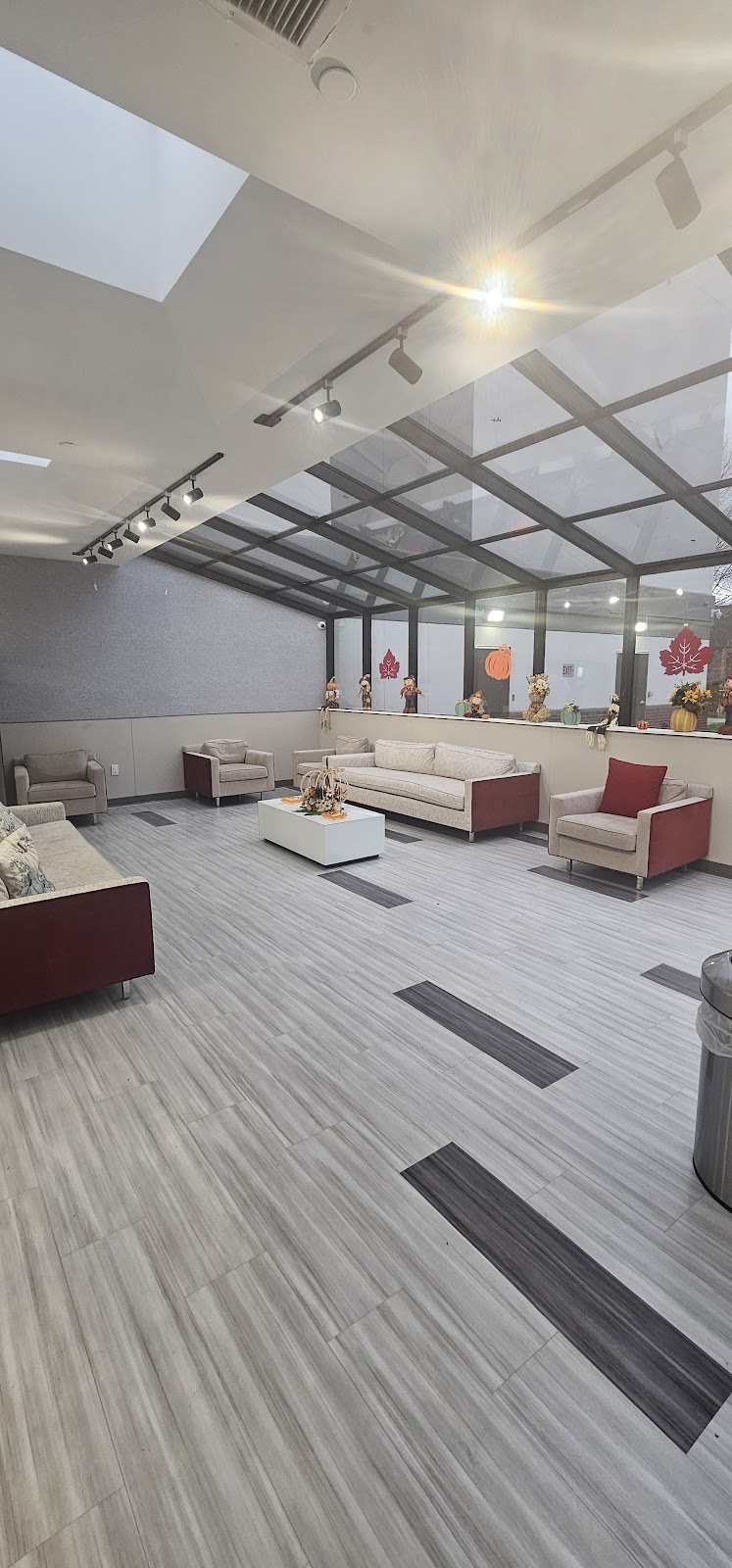
How is Middletown Park Rehab & Health Staffed?

CMS rates MIDDLETOWN PARK REHAB & HEALTH CARE CENTER's staffing level at 2 out of 5 stars, which is below average compared to other nursing homes. Staff turnover is 42%, compared to the New York average of 46%. This relatively stable workforce can support continuity of care.

What Have Inspectors Found at Middletown Park Rehab & Health?

State health inspectors documented 14 deficiencies at MIDDLETOWN PARK REHAB & HEALTH CARE CENTER during 2020 to 2025. These included: 14 with potential for harm.
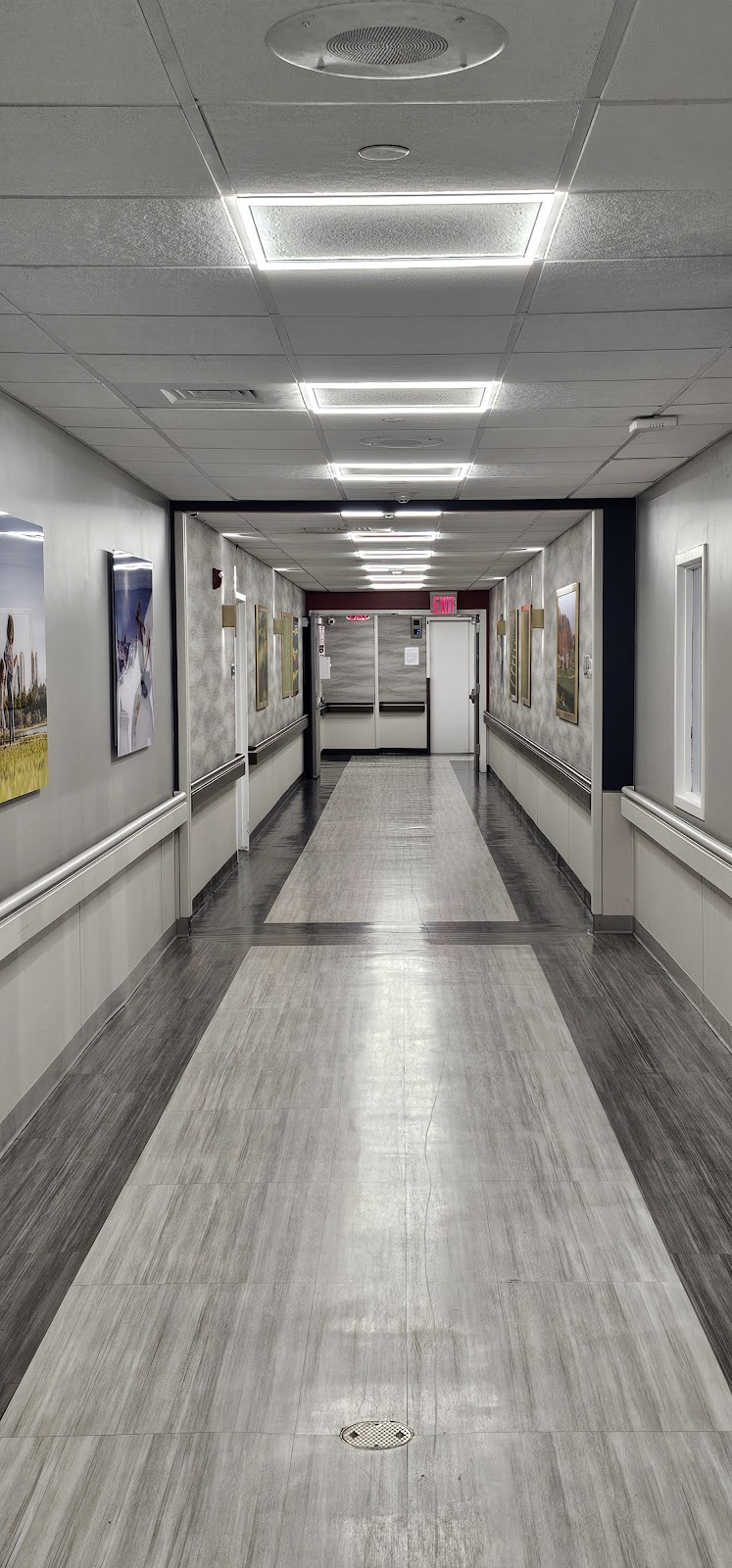
Who Owns and Operates Middletown Park Rehab & Health?

MIDDLETOWN PARK REHAB & HEALTH CARE CENTER is owned by a for-profit company. For-profit facilities operate as businesses with obligations to shareholders or private owners. The facility is operated by EPIC HEALTHCARE MANAGEMENT, a chain that manages multiple nursing homes. With 230 certified beds and approximately 221 residents (about 96% occupancy), it is a large facility located in MIDDLETOWN, New York.

How Does Middletown Park Rehab & Health Compare to Other New York Nursing Homes?

Compared to the 100 nursing homes in New York, MIDDLETOWN PARK REHAB & HEALTH CARE CENTER's overall rating (3 stars) is below the state average of 3.1, staff turnover (42%) is near the state average of 46%, and health inspection rating (2 stars) is below the national benchmark.

What Should Families Ask When Visiting Middletown Park Rehab & Health?

Based on this facility's data, families visiting should ask: "Can you walk me through typical staffing levels on day, evening, and night shifts?" "Can I visit during a mealtime to observe dining assistance and food quality?" "How do you handle medical emergencies, and what is your hospital transfer rate?" "Can I speak with family members of current residents about their experience?" These questions are particularly relevant given the below-average staffing rating.

Is Middletown Park Rehab & Health Safe?

Based on CMS inspection data, MIDDLETOWN PARK REHAB & HEALTH CARE CENTER has a clean safety record: no substantiated abuse findings (meaning no confirmed cases of resident harm), no Immediate Jeopardy citations (the most serious violation level indicating risk of serious injury or death), and is not on the Special Focus Facility watch list (a federal program monitoring the lowest-performing 1% of nursing homes). The facility has a 3-star overall rating and ranks #100 of 100 nursing homes in New York. While no facility is perfect, families should still ask about staff-to-resident ratios and recent inspection results during their visit.

Do Nurses at Middletown Park Rehab & Health Stick Around?

MIDDLETOWN PARK REHAB & HEALTH CARE CENTER has a staff turnover rate of 42%, which is about average for New York nursing homes (state average: 46%). Moderate turnover is common in nursing homes, but families should still ask about staff tenure and how the facility maintains care continuity when employees leave.

Was Middletown Park Rehab & Health Ever Fined?

MIDDLETOWN PARK REHAB & HEALTH CARE CENTER has no federal fines on record. CMS issues fines when nursing homes fail to meet care standards or don't correct problems found during inspections. The absence of fines suggests the facility has either maintained compliance or corrected any issues before penalties were assessed. This is a positive indicator, though families should still review recent inspection reports for the full picture.

Is Middletown Park Rehab & Health on Any Federal Watch List?

MIDDLETOWN PARK REHAB & HEALTH CARE CENTER is not on any federal watch list. The most significant is the Special Focus Facility (SFF) program, which identifies the bottom 1% of nursing homes nationally based on persistent, serious quality problems. Not being on this list means the facility has avoided the pattern of deficiencies that triggers enhanced federal oversight. This is a positive indicator, though families should still review the facility's inspection history directly.