NORTHERN METROPOLITAN RES HEALTH CARE FACILITY INC

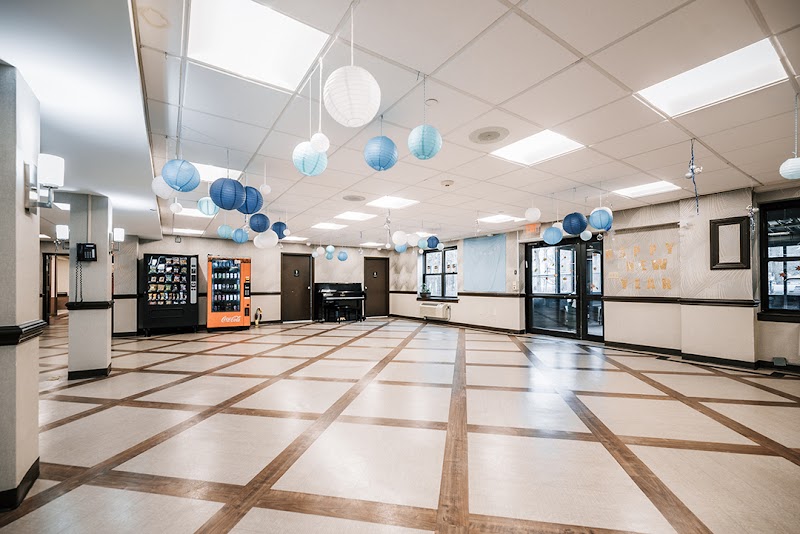
225 MAPLE AVENUE, MONSEY, NY 10952 (845) 352-9000
Non profit - Corporation 120 Beds Independent Data: November 2025
Trust Grade
60/100
#428 of 594 in NY
Last Inspection: July 2024

Within standard 12-15 month inspection cycle. Federal law requires annual inspections.

Overview

Northern Metropolitan Res Health Care Facility Inc has a Trust Grade of C+, indicating it's slightly above average but still has room for improvement. It ranks #428 out of 594 facilities in New York, placing it in the bottom half, and #6 out of 10 in Rockland County, suggesting limited better options nearby. The facility is currently worsening, with issues increasing from 1 in 2021 to 10 in 2024. Staffing is fairly stable with a 3-star rating and a turnover rate of 19%, which is well below the state average, suggesting that staff remain long enough to build relationships with residents. Although there are no fines on record, inspections revealed several concerns such as inadequate cleanliness, with dirty dining areas and resident rooms, and failure to follow meal plans for multiple residents, which raises questions about the quality of care provided. Overall, while there are strengths in staffing stability and the absence of fines, families should be aware of the current issues affecting cleanliness and meal service.

Trust Score
C+
60/100
In New York
#428/594
Bottom 28%
Safety Record
Low Risk
No red flags
Inspections
Getting Worse
1 → 10 violations
Staff Stability
✓ Good
19% annual turnover. Excellent stability, 29 points below New York's 48% average. Staff who stay learn residents' needs.
Penalties
✓ Good
No fines on record. Clean compliance history, better than most New York facilities.
Skilled Nurses
○ Average
Each resident gets 37 minutes of Registered Nurse (RN) attention daily — about average for New York. RNs are the most trained staff who monitor for health changes.
Violations
⚠ Watch
13 deficiencies on record. Higher than average. Multiple issues found across inspections.
★★☆☆☆
2.0
Overall Rating
★★★☆☆
3.0
Staff Levels
★★★★☆
4.0
Care Quality
★★☆☆☆
2.0
Inspection Score
Stable
2021: 1 issues
2024: 10 issues

The Good

  • 4-Star Quality Measures · Strong clinical quality outcomes
  • Low Staff Turnover (19%) · Staff stability means consistent care
  • Full Sprinkler Coverage · Fire safety systems throughout facility
  • No fines on record
  • Staff turnover is low (19%)

    29 points below New York average of 48%

Facility shows strength in quality measures, staff retention, fire safety.

The Bad

2-Star Overall Rating

Below New York average (3.1)

Below average - review inspection findings carefully

The Ugly 13 deficiencies on record

Jul 2024 10 deficiencies
CONCERN (D)

Potential for Harm - no one hurt, but risky conditions existed

Resident Rights (Tag F0550)

Could have caused harm · This affected 1 resident

**NOTE- TERMS IN BRACKETS HAVE BEEN EDITED TO PROTECT CONFIDENTIALITY** Based on observation and interview conducted during the recertification survey from 7/23/24-7/30/24, the facility did not ensure...

Read full inspector narrative →
**NOTE- TERMS IN BRACKETS HAVE BEEN EDITED TO PROTECT CONFIDENTIALITY** Based on observation and interview conducted during the recertification survey from 7/23/24-7/30/24, the facility did not ensure that a resident's dignity was maintained for 2 of 2 residents (Resident #109 and #84) reviewed for Dignity. Specifically, during multiple observations, the catheters for Residents (# 109, #84) did not have privacy bag/s and were visible to roommate/s and/or visitors. The findings are: The policy and procedure titled Catheter Guidelines: Urinary, dated 9/11/23 documented urinary catheter use would adhere to principles of dignity to include discrete use and privacy (e.g., covering urinary catheter drainage bags). 1. Resident # 109 had diagnoses that included Nephrogenic Diabetes Insipidus, Morbid Obesity, and Diabetes Mellitus. The 6/19/24 Physician Orders documented foley catheter. The Care Plan: Indwelling Foley Catheter, dated 6/19/24, documented maintain privacy bag. The admission Minimum Data Set (an assessment tool) dated 6/27/24 documented Resident #109 had severely impaired cognition, was dependent with all other activities of Daily Living, and had a urinary catheter. During multiple observations on 7/24/24 at 9:06 AM, 7/25/24 at 8:23AM and 7/26/24 at 8:06 AM Resident# 109's urinary drainage bag was hanging on the side of the bed, visible from the door with no privacy bag. 2. Resident #84 had diagnoses that included Traumatic Brain Injury, Schizoaffective disorder, and Obstructive and Reflux Uropathy. The 4/8/22 Physician Order documented foley catheter, care and output every shift. The Care Plan titled Indwelling Catheter dated 2/23/23 documented catheter cares every shift. The Quarterly Minimum Data Set, dated [DATE] documented Resident #84 was cognitively intact, required partial to moderate assistance with other activities of daily living, and had an indwelling catheter. During Observations on 7/23/24 at 11:08 AM, 0 and 7/25/24 at 08:36 AM the urinary drainage catheter with no privacy bag was hung on the side of the bed visible to roommate and visitors. During interview on 7/26/24 at 09:00 AM Certified Nurse Aide #16 stated when resident/s have a urinary drainage bag, we should cover it with a privacy bag. so it is not visible. During interview on 7/26/24 at 09:46 AM Licensed Practical Nurse #1 stated the staff should be putting privacy bags over the urinary drainage bags. Licensed Practical Nurse #1 stated they did not always have privacy bags on the unit During interview on 7/30/24 at 2:06 PM the Director of Nursing stated they should ensure residents dignity by placing privacy bags over the urinary drainage bag. The Director of Nursing stated they were not aware that privacy bags were not being used. 10 NYCRR 415.5 (a)
CONCERN (D)

Potential for Harm - no one hurt, but risky conditions existed

Transfer Notice (Tag F0623)

Could have caused harm · This affected 1 resident

**NOTE- TERMS IN BRACKETS HAVE BEEN EDITED TO PROTECT CONFIDENTIALITY** Based on record review and interview conducted during a Recertification Survey from 7/23/2024 through 7/30/2024, the facility di...

Read full inspector narrative →
**NOTE- TERMS IN BRACKETS HAVE BEEN EDITED TO PROTECT CONFIDENTIALITY** Based on record review and interview conducted during a Recertification Survey from 7/23/2024 through 7/30/2024, the facility did not ensure that the Office of the Long-Term Care Ombudsman was given written notice of the transfer or discharge of residents. This was evident for 2 of 4 residents (Residents #2 and #96) reviewed for hospitalization. The findings are: Resident #2 was re-admitted to the facility on [DATE] with diagnoses including Diabetes, Hyperlipidemia, and Hypertension. On 4/1/2024, the resident experienced a change in medical status and generalized weakness and the physician ordered that the resident be transferred to the emergency room for evaluation. During an interview with the facility Director of Social work on 7/30/2024 at 10:39 AM, they stated they did not have documented evidence that Ombudsman notification of discharge and/or transfer had been provided to the Office of Long Term Care Ombudsman. Resident #96 was admitted with diagnoses including Malignant Neoplasm of the Prostate, Joint Replacement Surgery, and Diabetes. On 3/18/2024, Resident #96 experienced fever and drainage from a right hip wound site, status post right hip surgery, the physician was made aware, and resident was transferred to the hospital. During an interview with the Admission/Finance Coordinator #7 on 7/30/2024 at 10:47 AM ,they stated they did not have copies of the notice of transfer and discharge that were mailed to the Ombudsman. They stated they sent monthly notification of transfers and discharges, but did not have documented evidence that they had been sent. During an interview with the Director of Nursing on 7/30/2024 at 12:05PM they stated the Finance person was responsible for notifying the Ombudsman of resident discharges and transfers. However, they stated they did not have proof that discharge and transfer notification had been sent to the Ombudsman. 10 NYCRR415.3(h)(1)(iii) (a-c)
CONCERN (D)

Potential for Harm - no one hurt, but risky conditions existed

Comprehensive Care Plan (Tag F0656)

Could have caused harm · This affected 1 resident

Based on observation, interview and record review conducted during a recertification survey from 7/23/24-7/30/24, the facility did not ensure that a comprehensive person-centered care plan was develop...

Read full inspector narrative →
Based on observation, interview and record review conducted during a recertification survey from 7/23/24-7/30/24, the facility did not ensure that a comprehensive person-centered care plan was developed for 1 of 1 resident (#364) reviewed for indwelling urinary catheter. Specifically, there were no care plans in place to address care of indwelling urinary catheter for Resident #364. Findings include: The facility policy titled Care Plans - Comprehensive created on 10/2015 and last reviewed on 10/2029 documented a comprehensive, person - centered care plan that includes measurable objectives and timetables to meet the resident's physical, psychosocial and functional needs is developed and implemented for each resident. Resident # 364 was admitted to the facility with diagnoses including fracture of the Left Femur, Fracture of the Left Radius, and Obstructive Uropathy. The Hospital Note dated 7/16/2024 documented follow up appointment with Urology, Surgery for voiding trials. The 7/18/24 Nursing Note documented the resident had an indwelling urinary catheter size 18 French 5-10 cc balloon. There was no documented evidence in the 7/18/24 base line care plan to address the indwelling urinary catheter. The 7/19/24 Physician Note documented the resident had obstructive uropathy: monitor foley patency and output, consider trial of voids. The admission Minimum Data Set Assessment (an assessment tool) dated 7/24/2024 documented Resident # 364 was cognitively intact, had an indwelling urinary catheter and received partial assistance for toileting needs. There was no documented evidence in the electronic medical record that a care plan was created to address care of the indwelling urinary catheter prior to July 24. 2024. During observation on 7/24/2024 at 9:31 AM Resident # 364 was in their room and had a urinary leg bag that was secured on the left leg. Resident #364 stated they had a catheter that was placed at the hospital. No urine odor was noted. Resident #364 stated they had no complain of pain or discomfort from the catheter. Resident #364 stated the catheter will be removed at the hospital. During an interview on 7/25/24 at 3:08 PM Registered Nurse Supervisor # 4 stated the resident was admitted while they were on vacation. Registered Nurse Supervisor #4 stated after looking at the Electronic Health Record, that there were no progress notes, no orders or care plans to address the indwelling urinary catheter. Registered Nurse Supervisor # 4 stated it was their responsibility to ensure the care plan was completed. During an interview on 7/25/24 at 3:37 PM the Director of Nursing stated there was documentation in the Nursing admission Evaluation on 7/18/2024 to address the indwelling urinary catheter. There was no care plan in place to address monitoring and care of the indwelling urinary catheter. The Director of Nursing stated there should be a care plan and there should be progress notes regarding the foley catheter. 10 NYCRR 415.11
CONCERN (D) 📢 Someone Reported This

A family member, employee, or ombudsman was alarmed enough to file a formal complaint

Potential for Harm - no one hurt, but risky conditions existed

Deficiency F0697 (Tag F0697)

Could have caused harm · This affected 1 resident

Based on observation, interview, and record review conducted during the Recertification Survey and Abbreviated Survey (NY00321083), it was determined that for one of five residents (Resident #263) rev...

Read full inspector narrative →
Based on observation, interview, and record review conducted during the Recertification Survey and Abbreviated Survey (NY00321083), it was determined that for one of five residents (Resident #263) reviewed for unnecessary medication, the facility did not ensure that pain management was provided for each resident who required such services consistent with professional standards of practice, the comprehensive person-centered care plan, and the resident's goals. Specifically, for Resident # 263 there was a lack of consistent pain assessment and monitoring of effectiveness of pain medication. The findings is:: The current facility policy, titled Pain Assessment, last revised 3/2023 documented each resident would be assessed for pain and if present would have an effective pain management plan in place that would allow for optimal independence and an improved quality of life. The Licensed Nurse would document the following for PRN (as needed) pain medications: location of pain, pain level prior to medication, pain scale used, non-pharmacological interventions, pharmacological interventions, and effectiveness of pain medication. Resident #263 had diagnoses including Malignant Neoplasm of the Prostate, Malignant Neoplasm of Bone, Malignant Neoplasm of Brain, and Malignant Neoplasm of Liver and Bile Duct. The admission Minimum Data Set Assessments, dated 7/18/23, documented Resident #26 had severely impaired cognition, was on a scheduled pain regimen, received as needed pain medication, and had frequent vocal complaints of moderate pain. There was no pain scale rate noted. The Alteration in Comfort Care Plan created 7/18/23 documented Resident #263 had pain related to cancer, and neuropathy. Administer medications as ordered; evaluate the effectiveness of pain interventions as needed; review for compliance, alleviating of symptoms, dosing schedules and resident satisfaction, identify and record previous pain history and management of that pain and impact on function. Identify previous response to analgesia including pain relief, side effects and impact on function. The Physician Orders documented 7/18/23 Acetaminophen 325 mg. give 2 tablets by mouth every 6 hours as needed for pain not to exceed >3 grams in 24 hours; 7/19/23 Tramadol 50 mg every 6 hours as needed for pain was discontinued on 7/20/23; 7/21/23 Tramadol 50 mg every 6 hours for pain was discontinued on 7/25/23; and 7/26/23 Oxycodone-acetaminophen 5-325 mg 1 tablet every 6 hours for pain was discontinued on 8/6/23. The Medication Administration Record dated July and August 2023, documented Resident #263 received: Tramadol 50 mg every 6 hours as needed for pain on 7/19/23 with a documented pain level of 5 and there was no documented evidence of a follow up pain assessment to determine the effectiveness of the medication administered. Resident #263 received Tramadol 50 mg every 6 hours for pain from 7/21/23-7/27/23 and Oxycodone 5-325 mg 1 tab every 6 hours for pain from 7/27/23-7/31/23, and 8/1/23-8/6/23 and there was no documented evidence of a pain assessment for all shifts. Resident #263 received Acetaminophen 325 mg 2 tablets by mouth every 6 hours as needed for pain on 7/25/23 with a documented pain level of 1 and there was no documented evidence of a follow up pain assessment in the electronic medical record to determine if the pain medication administered was effective. During an interview on 7/26/24 at 11:34 AM Licensed Practical Nurse #1 stated for pain medication administration they would check the medication orders and administer the medication as per order. Licensed Practical Nurse #1 stated if a resident told them they had severe pain, they would administer the medications. Licensed Practical Nurse #1 stated for a resident with confusion they would use the facial expression pain scale as an identifier of pain and if a resident was alert they would ask about their pain. Licensed Practical Nurse #1 stated residents should be assessed first prior to administration of pain medication and the pain level should be documented on the order sheet for pain assessment. Licensed Practical Nurse #1 reviewed the July and August 2023 Medication Administration Record and stated they could not find a pain assessment for Resident # 263. Licensed Practical Nurse #1 stated there should have been an order to assess pain, but was unable to find the order for a pain assessment. Licensed Practical Nurse #1 stated they never informed the nursing supervisor or the Director of Nursing of the missing order for a pain assessment. During an interview on 7/26/24 at 11:48 AM the Director of Nursing stated the Nurse Practitioner did not put a supplemental order in place for the assessment of pain, which made it unavailable for nursing to document. The Director of Nursing stated they would be unable to determine if pain medication/s were effective since there was no documentation of a pain assessment. The Director of Nursing stated they were never informed the pain assessment order was not in place for Resident #263's pain to be assessed. [10 NYCRR 415.12]
CONCERN (D)

Potential for Harm - no one hurt, but risky conditions existed

Deficiency F0761 (Tag F0761)

Could have caused harm · This affected 1 resident

**NOTE- TERMS IN BRACKETS HAVE BEEN EDITED TO PROTECT CONFIDENTIALITY** Based on observation, record review and interview during the recertification survey conducted from [DATE] to [DATE], the facili...

Read full inspector narrative →
**NOTE- TERMS IN BRACKETS HAVE BEEN EDITED TO PROTECT CONFIDENTIALITY** Based on observation, record review and interview during the recertification survey conducted from [DATE] to [DATE], the facility did not ensure that all drugs and biologicals used in the facility were labeled and stored in accordance with professional standards, including expiration dates when applicable for 1 of 2 medication storage rooms, and 1 of 3 treatment carts reviewed. Specifically, the treatment cart on 1 [NAME] had two boxes of DynaGinate AG, Silver Calcium Alginate rope dressings containing the name of a discharged resident (one box had a [DATE] expiration date and the second box had a [DATE] expiration date) and the Medication Storage Room on 2 East, had a box containing Ear Wax Removal Drops with an expiration date of 12/23. The findings are: The facility policy titled Medication - Storage revised on 1/2019 documented expired, discontinued and/or contaminated medications would be removed from the medication storage areas and disposed of in accordance with facility policy. During an observation and interview on [DATE] at 12:56 PM the 1 [NAME] medication cart had two boxes of DynaGinate AG, Silver Calcium Alginate rope dressings with the name of a resident that had been discharged on [DATE]. One box had an expiration date of [DATE] and the second box had an expiration date of [DATE]. At that time Licensed Practical Nurse # 1 stated once a resident was discharged any medication/s or treatment supplies should be removed from the cart. During an observation and interview on [DATE] at 01:11 PM the 2 East Medication Storage Room had a box containing Ear Wax Removal Drops with a 12/23 expiration date. At that time Licensed Practical Nurse #2 stated they did not know why the Ear Wax Removal Drops were kept in the cabinet. Licensed Practical Nurse #2 stated once a medication and/ or treatment supplies expired they should be discarded. 10 NYCRR 415.18 (e) [1-4]
CONCERN (D)

Potential for Harm - no one hurt, but risky conditions existed

Infection Control (Tag F0880)

Could have caused harm · This affected 1 resident

**NOTE- TERMS IN BRACKETS HAVE BEEN EDITED TO PROTECT CONFIDENTIALITY** Based on observation, record review, and interview during a Recertification Survey (7/23/24-7/30/24), the facility did not maint...

Read full inspector narrative →
**NOTE- TERMS IN BRACKETS HAVE BEEN EDITED TO PROTECT CONFIDENTIALITY** Based on observation, record review, and interview during a Recertification Survey (7/23/24-7/30/24), the facility did not maintain an infection prevention and control program designed to prevent the development and transmission of communicable diseases and infection. Specifically, 1) for 1 of 2 residents (Resident #95) the nurse did not put on the correct personal protective equipment before administering medications to Resident #95 with Clostridium Difficile and on Contact Precautions, 2) the facility did not provide an Environmental Risk Assessment that defined potential areas of Legionella risk that was updated yearly, 3) for 1 of 6 residents (Resident#62) reviewed for pressure ulcers, the nurse did not perform hand hygiene after removing gloves and did not wear a gown during the dressing change and 4) the facility did not ensure that an infection surveillance plan based on facility assessment was implemented for identifying, tracking, and monitoring infections, communicable diseases, and outbreaks. The findings are: The facility policy titled C Difficile revised on 9/11/2023 documented guidelines for the prevention, identification, and management of C Difficile infections among residents at the facility to reduce the risks of transmission of C. difficile to others. This policy documented healthcare personal would wear personal protective equipment such as gloves, gowns, and face and/or eye protection if there was a risk of splash upon entering the room of a resident with C. Difficile infection and would remove personal protective equipment prior to exiting the room followed by hand hygiene with soap and water. The findings are: Resident #95 was admitted with diagnoses including Cerebrovascular Accident, Malnutrition,and Depression, The admission Minimum Data Set (resident assessment tool) dated 6/27/24 documented the resident was cognitively intact, needed substantial assistance with toileting. The Physician Order dated 7/12/24 documented Vancomycin oral sol. 250 mg/5 ml solution. Give 10 ml by mouth three times a day x 14 days for C. Difficile. The Care Plan titled Suspected/Actual Infection C Difficile effective 7/23/24 documented administer medications and treatment as ordered. Contact precautions: apply gown and gloves before every room entry and remove them prior to every room exit. During medication administration observation on 07/25/24 at 08:58 AM with Licensed Practical Nurse # 3, for Resident #95, the contact precaution signage was posted outside the resident's room, along with a Personal Protective Equipment bin that contained gloves, gowns, masks, and hand sanitizer. Prior to entering the resident's room to administer oral medications, Licensed Practical Nurse # 3 stated the resident was on contact precautions for C. Difficile. During interview on 7/25/24 at 10:01 AM Licensed Practical Nurse # 3 stated staff needed to wear gloves, mask and a gown during provision of personal or wound care. They stated since they only administered medications to the resident on C Difficile contact precautions it was unnecessary to put a gown on while administering oral medications. During interview on 07/25/24 at 11:13 AM the Assistant Director of Nursing and (the facility Infection Preventionist), stated a nurse entering the room to administer medications for a resident on contact precaution for C-Difficile had to wear a mask to protect them from C-Difficile spores, and gloves to hand medications to the resident. The Assistant Director of Nursing stated they did not know the nurse did not put on a gown until they spoke with the nurse after surveyor observation. The Assistant Director of Nursing stated the nurse was required to wear a mask, gloves and a gown every time they entered the room of a resident with C-Difficile. 2) The facility Environmental Risk Assessment which identifies where Legionella and other opportunistic waterborne pathogens could grow, was requested on 7/24/24 and not presented for review. The Water Management Plan dated January 10,2024 documented the facility Administrator was identified as responsible for the program plan and implementation by site personnel and outside contractors. During an interview with the Administrator on 7/25/24 at 1:40PM they stated they were aware the Risk Assessment needed to be done but were not sure why it had not happened. 3) Resident #62 had diagnoses of Dementia, Hypertension and Anxiety. The Quarterly Minimum Data Set, dated [DATE] documented the resident could not complete the cognitive assessment, had impairment on both lower extremities and was dependent on staff for eating, dressing, bed mobility and transfer. The resident was incontinent of bladder and bowel. The resident was at risk for pressure ulcer development and had a Stage 2 pressure ulcer on left ankle. The Enhanced Barrier Precaution sign posted outside the residents room documented: Providers and Staff must wear gloves and gown for the following high contact resident care activities, Wound Care: any skin opening requiring a dressing. The Physician Order dated 7/17/24 documented Povidone-Iodine Solution 10%, apply to left outer ankle topically one time a day for wound care for 10 days. During an observation of wound dressing change on 7/26/24 at 09:35 AM Licensed Practical Nurse #14 washed their hands at the sink, dried their hands and applied, gloves but no gown and removed the old dressing from the left foot. The dirty gloves were removed, and a new pair of gloves were applied to clean the wound, gloves were removed and a new pair of gloves were applied to swab the site, and a new pair of gloves were applied prior to applying the dry protective dressing. Licensed Practical Nurse #14 did not perform hand hygiene between the removal/applying of gloves. During an interview with the Licensed Practical Nurse#14 on 7/26/24 at 09:44 AM they stated they did not think they needed to wear a gown during the dressing change because there was no heavy splashing around the wound and they were not getting too close to the wound. They stated they could see where a gown would be best and they should have had one on. Licensed Practical Nurse #14 stated they were nervous and forgot to perform hand washing between the glove changes. 4) The infection tracking logs documented infections that were being tracked for the month of May and June 2024. There was no documentation during July 2024 that could be reviewed for infection onset dates, signs and symptoms, lab tests/results, isolation, and outbreak potential. During an interview with the Infection Preventionist on 7/29/24 at 1:17 PM they stated they did not track infections at the time they are occurring but instead would gather the information at the end of the month to plot out infections on a list. They stated they did not have a system for tracking/analyzing infections to prevent the spread of infections. The Infection Preventionist stated there was no way to know if there was a cluster or outbreak occurring until the data was put on the list at the end of the month. The Infection Preventionist stated they were not aware of how many urinary tract infections, cases of pneumonia or other cases of rashes were being treated on the units. 10 NYCRR 415.19 (b) (4)
CONCERN (D)

Potential for Harm - no one hurt, but risky conditions existed

Antibiotic Stewardship (Tag F0881)

Could have caused harm · This affected 1 resident

Based on interview and record review conducted during the recertification survey from 7/23/24-7/30/24, the facility did not ensure an antibiotic stewardship program that included antibiotic use protoc...

Read full inspector narrative →
Based on interview and record review conducted during the recertification survey from 7/23/24-7/30/24, the facility did not ensure an antibiotic stewardship program that included antibiotic use protocols and a system to monitor antibiotic use for one of one resident (Resident #5) reviewed for antibiotic use. Specifically, Resident #5 who had a urinary tract infection and was receiving Levaquin (an antibiotic) since 7/22/24 was not monitored and tracked by the Infection Control Practitioner. The finding is: Review of the policy and procedure titled Antibiotic Stewardship Program with a 7/1/23 revision date documented the facility will adhere to the principles of Antibiotic Stewardship as defined and described in the Centers for Disease Control and Prevention for Long-Term Care. Develops, promotes, and implements a facility-wide system to monitor the use of antibiotics. Resident #5 had diagnoses including Chronic Kidney Disease, Type 2 Diabetes, and Obesity. The laboratory diagnostics/results dated 7/17/24 documented [NAME] Blood Cell Count of 12.29. The 7/18/24 Urine Panel documented K. Pneumonia High. The Quarterly Minimum Data Set (an assessment tool) dated 7/23/2024 documented moderately impaired cognition. The Physician Orders dated 7/20/24 documented Levaquin 250 mg one time a day. The Medication Administration Record dated July 2024 documented Levaquin 250 mg daily administered from July 21 2024 - July 27 2024 The Comprehensive Care Plan titled Actual Infection documented 7/29/24 current urinary tract infection. Administer medication and treatment as ordered. There was no documented evidence that a July 2024 Antibiotic Tracking Form was completed. During an interview on 07/30/24 at 01:26 PM the Infection Control Practitioner stated they completed the antibiotic stewardship tracking at the end of the month but did not track or document daily. The Infection Control Preventionist stated they did not have an antibiotic tracking form for July 2024. During an interview on 07/30/24 at 01:55 PM the Director of Nursing stated the Infection Control Practitioner should be tracking infections and the use of antibiotics in real time. During an interview on 07/30/24 at 02:00 PM the Medical Director stated they were unaware the antibiotics were not being tracked as required. 10 NYCRR 415.12(l)(1)
CONCERN (E)

Potential for Harm - no one hurt, but risky conditions existed

Safe Environment (Tag F0584)

Could have caused harm · This affected multiple residents

**NOTE- TERMS IN BRACKETS HAVE BEEN EDITED TO PROTECT CONFIDENTIALITY** Based on observation and interview conducted during Recertification and Abbreviated Survey (NY00330514) conducted from 7/23/24-7...

Read full inspector narrative →
**NOTE- TERMS IN BRACKETS HAVE BEEN EDITED TO PROTECT CONFIDENTIALITY** Based on observation and interview conducted during Recertification and Abbreviated Survey (NY00330514) conducted from 7/23/24-7/30/24 the facility did not ensure a clean, comfortable, and homelike environment was provided on 1 of 4 units (2 West). Specifically, walls in multiple resident rooms had stains, scuffs, chipped paint, missing moldings, and the floor had visible dirt, dust, food particles and dried food stains. The findings are; The following observations were made on 2 West: On 07/23/24 at: 9:50 AM Forks, food crumbs and paper were on the floor in resident rooms. Floors were dull and dirty. 10:33 AM Empty sugar packets, ketchup wrappers, cherry pits were observed on the floor in the resident dining room. 12:21 PM Dried up food, and bottle caps were on the floor by the nurse's station. On 07/24/24 at: 9:27 AM Crumbs, and paint chips were on the floor in the high side hallway. 3:47 PM Crumbs, plastic food wrappings, paper towels and dust balls were on the floors. On 07/25/24 at: 9:58 AM Crumbs, and food stains were on hallway floors. 2:43 PM Dust balls, crumbs, wrappers, popcorn, and cherry pits were on hallway floors. On 07/26/24 at: 8:23 AM room [ROOM NUMBER] B The mattress had a shredded top, a hole down to the foam and a strong urine smell. The walls had chipped paint and the bathroom door had the word ha, ha, ha etched into the paint. 8:29 AM room [ROOM NUMBER] B There was missing trim on the wall by the window. exposed sheet rock on the radiator side and the floor was dirty and contained paper towels. 8:31 AM room [ROOM NUMBER] The wall was missing portions of paint, was scuffed, and had dried wall stains. 8:32 AM room [ROOM NUMBER] The radiator cover was scratched, was missing paint and had dust hanging from the bottom of the radiator. One wall was dirty and chipped. 8:35 AM room [ROOM NUMBER] The long wall had spots of chipped paint. 8:36 AM The front of the nurse's desk had dried stains and missing paint on the sides. 8:37 AM room [ROOM NUMBER] The door frame had a strip of missing paint and the adjacent wall had missing paint chips. 8:39 AM room [ROOM NUMBER] The entire length of the left wall had gouges and chipped paint. 8:41 AM room [ROOM NUMBER] The wall had gouges and was missing paint. 8:42 AM room [ROOM NUMBER] The door had missing paint, the inside wall had gouges and missing paint and the bathroom door was scratched and missing paint. 8:47 AM The main dining room all walls had missing paint and gouges down to the sheetrock. During an interview on 7/26/24 at 9:57 AM Certified Nurse's Assistant #12 stated they would let the manager know if there was an issue with the mattress, then housekeeping would provide a new one. They stated they did not know why that had not been done for the mattress in room [ROOM NUMBER]. Certified Nurse's Assistant #12 stated floors were always dirty on the unit. During a 7/26/24 at 11:31 AM tour and interview the Director of Housekeeping stated there was only one housekeeper in the evening and they tried to get things done but there was a lot to do During an interview on 7/26/24 at 11:50 AM the Administrator stated they had gotten use to the floors not being clean. The Administrator stated there were a lot of rooms that needed to be addressed and the floors needed to be cleaner. 10 NYCRR 415.5(h)(2)
CONCERN (E)

Potential for Harm - no one hurt, but risky conditions existed

Menu Adequacy (Tag F0803)

Could have caused harm · This affected multiple residents

**NOTE- TERMS IN BRACKETS HAVE BEEN EDITED TO PROTECT CONFIDENTIALITY** Based on observation, interview, and record review during the Recertification Survey conducted from 7/23/24 through 7/30/24, the...

Read full inspector narrative →
**NOTE- TERMS IN BRACKETS HAVE BEEN EDITED TO PROTECT CONFIDENTIALITY** Based on observation, interview, and record review during the Recertification Survey conducted from 7/23/24 through 7/30/24, the facility did not ensure menus were followed for 5 of 32 residents, (Residents #2, #18, #20, #46, and #96) reviewed for food. Specifically, 1. on 2 occasions Resident # 2 did not receive a hardboiled egg and 4 ounces of split pea soup as per meal ticket, 2. Resident #96 did not receive 4 ounces of strawberry yogurt as per meal ticket. 3. Resident # 20 did not receive 6 ounces of split pea soup, ice cream and a frosted cupcake as per meal ticket,. 4. Resident # 18 did not receive 4 ounces of split pea soup as per meal ticket, and. 5. Resident # 46 did not receive 6 ounces of split pea soup and tossed salad as per meal ticket. The findings include: The facility policy titled Food and Nutrition Services, last revised 12/23 documented nursing personnel would ensure that residents were served the correct food tray. In addition, nursing staff would report to the Food Service Director if an incorrect meal had been delivered to the resident/s and a new tray would be issued. 1. Resident #2 was admitted to the facility with diagnoses including Diabetes, Hyperlipidemia, and Hypertension. The Quarterly Minimum Data Set (an assessment tool) dated 7/23/24 documented Resident #2 had moderately impaired cognition, and required set-up or clean up assistance with eating. During observation on 7/26/24 at 8:58 AM, Resident #2 stated they did not get a requested hard boiled egg as documented on the meal ticket. The hard boiled egg was not on the meal tray. During follow up observation on 7/26/24 at 12:43 PM, Resident #2 stated they did not get 4 ounces of split pea soup as documented on the meal ticket. The soup was not on the meal tray. 2. Resident #96 was admitted to the facility with diagnoses including Diabetes, Malignant Neoplasm of the Prostate, and Joint Replacement Surgery. The quarterly Minimum Data Set, dated [DATE] documented Resident #96 had moderately impaired cognition and was independent with eating. During observation on 7/26/24 at 9:12 AM, Resident #96 stated they did not get yogurt for breakfast as per request. The meal ticket documented 4 ounces of strawberry yogurt. The yogurt was not on the meal tray. 3. Resident # 20 was admitted to the facility with diagnoses including Parkinson's Disease, Depression, and Chronic Atrial Fibrillation. The Quarterly Minimum Data Set, dated [DATE] documented Resident #20 had severe cognitive impairment and was dependent on one person for meals. During observation on 7/26/2024 at 12:47 PM Resident #20's lunch tray did not contain 6 ounces of split pea soup, ice cream and a frosted cupcake as documented on the meal ticket. 4. Resident # 46 was admitted to the facility with diagnoses including Schizoaffective Disorder, Bi-Polar, and Anemia. The Quarterly Minimum Data Set, dated [DATE] documented Resident #46 was cognitively intact and was independent with eating. During an observation on 7/26/2024 at 12:50 PM, Resident #46 stated they did not receive split pea soup and a tossed salad as documented on the meal ticket. The split pea soup and tossed salad were not on the meal tray. 5. Resident # 18 was admitted to the facility with diagnoses including Diabetes, Hemiplegia, and Hemiparesis. The Quarterly Minimum Data Set, dated [DATE] documented Resident #18 had severe cognitive impairment. and required assistance with eating. During an observation on 7/26/2024 at 12:53 PM, Resident #18' meal ticket documented 6 ounces of split pea soup. The split pea soup was not on the meal tray. During an interview on 7/29/2024 at 1:27 PM,with the Food service Director, related to the tray line in the kitchen, stated the first person on the tray line was responsible for putting the residents menu ticket on the tray, dry condiments, and cutlery then the second person was responsible for putting the cold food items on the residents' trays and the third person ( last person) was responsible for checking the residents' menu tickets to see if they matched what was on the meal trays. The Food Service Director stated they could not answer to the missing food items on the resident's trays, but stated sometimes the kitchen ran out of food items and the staff tried to replace the food items with a substitute. In addition, it could be difficult at times for kitchen staff to understand and communicate what foods they needed to put on the residents' trays. During an interview on 7/30/2024 at 8:43 AM, Licensed Practical Nurse #2 stated when food items were missing from resident trays the staff acted on it and called it to the attention of the Food Service Director and then, they would put in writing which food items were missing from the residents' meal trays. They stated this occurred on a weekly basis. 10NYCRR 415.14(c) (1-3)
CONCERN (E)

Potential for Harm - no one hurt, but risky conditions existed

Food Safety (Tag F0812)

Could have caused harm · This affected multiple residents

Based on observation and interview during the Recertification Survey conducted from 7/23/2024 to 7/30/2024, the facility did not ensure food was stored in accordance with professional standards for fo...

Read full inspector narrative →
Based on observation and interview during the Recertification Survey conducted from 7/23/2024 to 7/30/2024, the facility did not ensure food was stored in accordance with professional standards for food safety practice. Specifically, 1) kitchen equipment (mixer) was noted with dry and crusted food 2) undated unlabeled and expired foods were in the refrigerator/s. 3) there was peeling paint above the pot storage shelves 4) logs to document testing of chemicals in the 3 bay pot sink were incomplete and 5) refrigerator temperature/s were above acceptable range. The findings are: The facility policy and procedure titled Food Preparation and Service, last revised 12/2023 documented that food and nutritional service employees shall prepare and serve food in a manner that complied with safe handling practices. During initial tour of the kitchen on 07/23/2024 at 09:18 AM the following were observed: -The dairy refrigerator contained three trays of undated food. - The dairy kitchen equipment (mixer) was noted to be unclean and contained dried food. -There were undated and unlabeled trays of food in the walk-in refrigerator. -There was one open and undated container of French Dressing in the walk in dairy refrigerator. -Food in the walk in meat refrigerator was dated 7/17/2024. During a follow-up tour of the kitchen with the Food Service Director on 07/25/24 12:49 PM the following were observed: -The meat freezer had a broken tile in the entrance. -Peeling paint was noted on the ceiling above the clean pot rack. -The dairy refrigerator thermometer was 52 degrees. -The 3-door reach in refrigerator thermometer was 58 degrees. -There was an undated open barbeque sauce. - Logs to document testing of the chemicals in the 3 bay pot sink were incomplete. There was no documented evidence between July 18 2024-July 25 2024 that testing of the chemicals in the 3 bay pot sink was done. During interview on 07/25/24 at 12:41 PM the Food Service Director stated they checked the chemicals in the 3 bay pot sink, with the testing strips, and results were logged. They stated they and maintenance had been aware for a while that the tile in the freezer was broken. The Food Service Director stated the temperatures in the refrigerators and freezers may be higher than the acceptable range because they had recently been in and out for meal preparation. During a later interview on 07/25/24 01:19 PM the Food Service Director stated they were aware the logs for the 3 bay pot sink chemicals were not complete. The Food Service Director stated the log for the 3 bay pot sink was not complete because they kept it in the office, and they forgot to complete it after the testing was done. During interview on 07/30/24 at 10:45 AM the Food Service Director stated the cleaning schedule had just ben instituted. Prior to that staff in the kitchen were responsible for cleaning the kitchen and they were unsure why the mixer was not clean. The Food Service Director stated they made kitchen rounds at the end of the shift to ensure it was clean and they ensured all foods were labeled and dated. They came in late the first day the survey team came in, so they did not get a chance to check for cleanliness or outdated and unlabeled food. The Food Service Director stated the kitchen staff was responsible for cleaning the kitchen and labeling food. They had done education on cleaning the kitchen, and labeling food in the past with staff but did not have a lesson plan or sign in sheet. During interview on 7/30/2024 at 2:50 PM the Administrator stated, they were unaware that food was being stored without dates and they thought the refrigerator temperature/s were above range because during meal service the staff were opening and closing the refrigerator doors. The Administrator stated the Food Service Director was responsible for ensuring the kitchen was maintained in accordance with professional standards for food safety practices. 10 NYCRR 415.14 (h)
Nov 2021 1 deficiency
MINOR (B)

Minor Issue - procedural, no safety impact

Staffing Information (Tag F0732)

Minor procedural issue · This affected multiple residents

Based on observations, interviews and record review conducted during a recertification survey, the facility did not ensure accurate staffing information was posted in a prominent place readily accessi...

Read full inspector narrative →
Based on observations, interviews and record review conducted during a recertification survey, the facility did not ensure accurate staffing information was posted in a prominent place readily accessible to residents, staff, and visitors. Specifically, 1) the facility did not post the total and actual hours of licensed and unlicensed staff directly responsible for resident care daily and 2) did not provide complete staffing records for the six months reviewed. The findings are: The facility policy dated 2/2017 and revised 2/2021 titled Posting Direct Care Daily Staffing Numbers, documented the facility will post on a daily basis for each shift, the number of licensed staff and unlicensed personnel directly responsible for resident care, and will be posted in a prominent location. The actual time worked during that shift for each category and type of nursing staff will be recorded on the form. During the initial tour of the survey on 11/16/21 at 9:15 AM, the staffing posted at the front desk did not include all nursing staff hours. Daily staffing sheets were requested for review from May 15, 2021-11/16/21 revealing May 5, 2021: missing night shift staffing and total nursing hours. May 6, 2021: missing night shift staffing and total nursing hours. May15, 2021: missing evening shift staffing and total nursing hours. May17, 2021: missing all shift staffing information for days, evening and night shift and total nursing hours. May 19,2021 : missing evening, night shift staffing and total nursing hours. May19, 2021: missing evening shift staffing and total nursing hours. June 8, 2021: missing night staffing information and total nursing hours 6/11/21, 6/23/21,6/29/21, 7/6/21, 7/18/21: missing night staffing information and total nursing hours. 6/24/21 and 7/16/21 missing evening and night staffing information and total nursing hours. 7/20/21 and 7/21/21 missing evening and night staffing information and total nursing hours. 7/24/21 missing evening information and total nursing hours. 9/10/21 missing evening and total nursing hours. 9/18/21 missing evening, night and total nursing hours. 9/20/21 missing evening staffing information and total nursing hours. 9/25/21 missing evening and night and total nursing hours 10/13/21-11/16/21 review reveals only 19 shifts had nursing hours on the posting. The Staffing Coordinator #1 was interviewed on 11/16/21 at 10:54 AM and stated she/he initiates the form and inputs the evening staff numbers, the nursing supervisor from evenings fills out the night shift information and nights fills out the form for day shift. After the 24 hour period, the Staff Coordinator reviews the forms for completeness then files them in a binder. The staffing Coordinator states she/he could do a better job making sure the numbers are in for each shift before filing the record. On 11/17/21 11:45 AM an interview was conducted with the DON (Director of Nursing) who stated staffing is done by nursing and posted by the Staffing Coordinator. The DON agrees the nursing hours and shift information had been omitted on multiple days and total hours have not been done consistently but will make sure it will get done moving on. §483.35(g)(1) , §483.35(g)(4)
Oct 2018 2 deficiencies
CONCERN (D)

Potential for Harm - no one hurt, but risky conditions existed

Comprehensive Assessments (Tag F0636)

Could have caused harm · This affected 1 resident

**NOTE- TERMS IN BRACKETS HAVE BEEN EDITED TO PROTECT CONFIDENTIALITY** Based on observation, interview and record review conducted during a recent recertification survey, the facility did not ensure ...

Read full inspector narrative →
**NOTE- TERMS IN BRACKETS HAVE BEEN EDITED TO PROTECT CONFIDENTIALITY** Based on observation, interview and record review conducted during a recent recertification survey, the facility did not ensure that the comprehensive assessment for 1 of 5 residents (#12) reviewed for unnecessary medications addressed the resident's psychosocial needs as they relate to dementia care and the use of psychoactive medications. This was necessary to ensure that an appropriate person-centered care plan was developed to address dementia care, behavior management and the ongoing use of psychoactive medications. The findings are: Resident #12 was admitted to the facility on [DATE] with the diagnoses of Dementia and Anxiety Disorder. The admission physicians orders included an antidepressant, Escitalopram 10 mg daily; an antianxiety medication, Alprazolam 0.25 mg daily; and an antipsychotic, Seroquel 150 mg twice daily for mood disorder. (Seroquel was reduced to 150 mg daily on 6/9/18.) The Initial Minimum Data Set (MDS; a resident assessment instrument) dated 6/15/18 revealed that the resident has moderate cognitive impairment, had no behavioral and mood problems at the time of the assessment, and was on three psychoactive medications (an antipsychotic, an antianxiety and an antidepressant) during the last seven days of this assessment period. The Care Area Assessment summary (CAAs; an extension of the MDS that triggers care areas for an in-depth assessment) showed the use of the psychoactive medications. The analysis for the use of these mediations was limited to the following as reflected in the CAAs: Ordered medication for depression, anxiety; admitted with order for Lexapro 10 mg daily which was discontinued on 6/11/8. Remains [on] Citalopram 20 mg daily, Alprazolam 0.25 mg TID and Seroquel 150 mg daily. GDR [gradual dose reduction] on 6/9/18 with decrease of Seroquel from 150 mg BID [twice daily] to HS [hour of sleep] only. Will observe for need and side effects. This analysis did not provide any history regarding the use of these medications, the behavioral symptoms for which they were prescribed and the use of and response to non-pharmacological interventions. The resident's clinical record, to include physician notes, social service notes, and nurses' notes, was reviewed further and showed no additional information regarding these areas. The psychosocial history by the Social Worker dated 6/11/18 noted that the resident was admitted for short-term rehabilitation services but after meeting with the family they stated that they were not able to continue to care for him. No reference was made to the use of psychoactive medications and/or behavioral symptoms. A review of the nurses notes from admission on 6/18 to 10/18 showed that the only behavioral symptom that the resident displayed was wandering. The resident was observed in the morning of 10/16/18 sitting quietly in an activity in the day room on the Dementia Unit. At 12:10 PM the staff member that was leading the morning activity was interviewed. She stated that the resident actively participates in activities and does not display any behavioral problems. The Nurse Manager/ Registered Nurse (RN #1) was interviewed on 1/16/18 at 1:15 PM. She stated that the resident was recently transferred (9/28/18) to the Dementia Unit and displayed no behavioral problems/symptoms since arriving on the unit. RN #1 was then asked if a psychiatric evaluation was done for the resident. She searched the resident's record and found none. The Social Worker (SW) was interviewed on 10/17/18 at 3:35 PM and revealed that at the time, the SW completed the psychosocial history and she was not aware that the resident was on any of the above-mentioned psychoactive medications. The SW also stated that the resident was scheduled to be evaluated by the psychiatrist on 7/2/18 but was not done because of a conflict with another appointment. A subsequent evaluation was not rescheduled. According to the facility's policy on the use of antipsychotic medications, Antipsychotic medications may be considered for residents with dementia but only after medical, physical, functional, psychological, emotional psychiatric, social and environmental causes of behavioral symptoms have been identified and addressed. Residents who are admitted from the community or transferred from a hospital and who are already receiving antipsychotic medications will be evaluated for the appropriateness and indications for use. The interdisciplinary team will [re-evaluate] the use of the psychoactive medication at the time of admission and/or within 2 weeks (at the time the initial MDS assessment ) to consider whether or not the medication can be reduced, tapered or discontinued .Based on assessing the resident's symptoms and overall situation, the physician will determine whether to continue, adjust, or stop existing antipsychotic medication. This policy was not implemented to ensure that an appropriate person-centered care plan was developed for the resident to address dementia care, behavior management and the ongoing use of an antipsychotic medication. 415.11(a)(3)(iii)
CONCERN (D)

Potential for Harm - no one hurt, but risky conditions existed

Comprehensive Care Plan (Tag F0656)

Could have caused harm · This affected 1 resident

**NOTE- TERMS IN BRACKETS HAVE BEEN EDITED TO PROTECT CONFIDENTIALITY** Based on record review and interview conducted during a recertification survey, the facility did not develop a person-centered c...

Read full inspector narrative →
**NOTE- TERMS IN BRACKETS HAVE BEEN EDITED TO PROTECT CONFIDENTIALITY** Based on record review and interview conducted during a recertification survey, the facility did not develop a person-centered care plan to ensure that a resident did not consume fluids in excess of the ordered daily 2-liter fluid restriction and conduct ongoing assessment of the resident's medical condition that may potentially affect the resident's hydration status for 1 of 1 resident (#95) reviewed for urinary catheter or Urinary Tract Infection (UTI). The findings are: Res #95 was admitted on [DATE] with diagnoses including Quadriplegia, neurogenic bladder, and UTI. The admission Minimum Data Set (a resident assessment tool) of 9/20/18 indicated the resident has no cognitive impairment; totally dependent on staff for most aspects of activities of daily living (ADLs) required supervision with eating; use of wheelchair; and resident believes he is capable of increased independence in at least some of the ADLs. The Care Area Assessment summary of this MDS triggered Dehydration/Fluid Maintenance which required additional assessment and evaluation. The resident's care plan for Actual/Potential for fluid deficit related to use of laxatives dated 9/14/18 had a goal that the resident will be free of signs and symptoms of fluid deficit. The interventions to achieve this goal included to encourage the resident to drink fluids of choice; the daily calculated daily fluid intake was calculated at 1973-2631 cc; laboratory work per physician order. The physician order of 9/21/18 had an order to MD orders to include but not limited to continue 2 liter daily fluid restriction, and monitor urine amount and document amount, color, consistency and odor every shift for monitoring. The Treatment Administration Record of September and October 2018 revealed straight catheterization and urine output documentation ranging from 1170-3100 cc /day and 2-liter daily fluid restriction. There was no evidence that the actual amount of fluids consumed by the resident was recorded to ensure that the resident 's fluid intake did not exceed the amount ordered by the physician. The resident was interviewed on 10/11/18 at 12:23 PM and stated that he on a fluid restriction to make sure he does not have too much in his bladder. When asked how much fluid he can have each day, the resident stated he does not know how many of cups of fluid he was allowed to drink and further stated that the nurse told him about the restriction. At that time the diet tray card was reviewed and did not indicate any notation about fluid restriction. The Nurse Practitioner (NP) was interviewed on 10/17/18 at 1:22 PM and she stated that the resident has a head trauma, and due to this diagnosis he may have increased thirst and increased urine production, so she considers the 2000 cc fluids a restriction. The NP further stated that the head trauma causes resident to exhibit signs of diabetes insipidus in which the resident will urinate more which may cause hypernatremia (low blood sodium level) and that the medication desmopressin given to the resident for bed wetting helps to maintain a normal blood sodium level. The unit nurse in charge responsible for developing the residents' comprehensive care plan was interviewed 10/17/18 at 1:36 PM and stated that she did know the explanation for the fluid restriction. She stated she would normally care plan for a fluid restriction and identify the reason for the restriction. She further stated that the nurses should be documenting fluid intake. When asked, she stated there was no care plan in place to address the fluid restriction and that the intake was not being monitored and documented. Additionally, when asked if there are care plans to address urinary tract infection, the unit charge nurse stated there was none. Following surveyor intervention, new orders were placed on 10/17/18 as follows: Monitor intake and output; Fluid restriction 2000 ml; serve 1080 ml nursing (270 cc during medication pass); serve 920 cc via dietary - 7-3 shift = 540 ml ; 3-11 shift = 540 ml; and monitor input and document every shift. 415.11(c)(1)
Understanding Severity Codes (click to expand)
Life-Threatening (Immediate Jeopardy)
J - Isolated K - Pattern L - Widespread
Actual Harm
G - Isolated H - Pattern I - Widespread
Potential for Harm
D - Isolated E - Pattern F - Widespread
No Harm (Minor)
A - Isolated B - Pattern C - Widespread

Questions to Ask on Your Visit

  • "Can I speak with families of current residents?"
  • "What's your RN coverage like on weekends and overnight?"

Our Honest Assessment

Strengths
  • • No major safety red flags. No abuse findings, life-threatening violations, or SFF status.
  • • No fines on record. Clean compliance history, better than most New York facilities.
  • • 19% annual turnover. Excellent stability, 29 points below New York's 48% average. Staff who stay learn residents' needs.
Concerns
  • • 13 deficiencies on record. Higher than average. Multiple issues found across inspections.
Bottom line: Mixed indicators with Trust Score of 60/100. Visit in person and ask pointed questions.

About This Facility

What is Northern Metropolitan Res Health Care Facility Inc's CMS Rating?

CMS assigns NORTHERN METROPOLITAN RES HEALTH CARE FACILITY INC an overall rating of 2 out of 5 stars, which is considered below average nationally. Within New York, this rating places the facility higher than 0% of the state's 100 nursing homes. A rating at this level reflects concerns identified through health inspections, staffing assessments, or quality measures that families should carefully consider.
How is Northern Metropolitan Res Health Care Facility Inc Staffed?

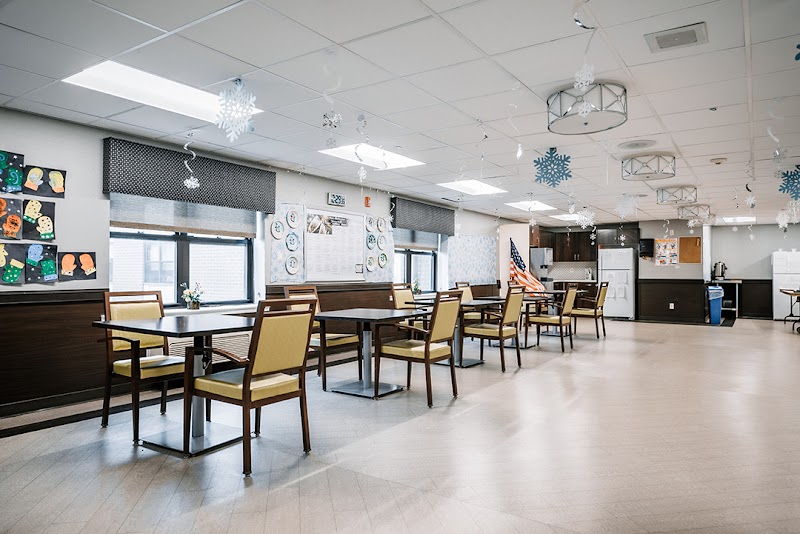
CMS rates NORTHERN METROPOLITAN RES HEALTH CARE FACILITY INC's staffing level at 3 out of 5 stars, which is average compared to other nursing homes. Staff turnover is 19%, compared to the New York average of 46%. This relatively stable workforce can support continuity of care.

What Have Inspectors Found at Northern Metropolitan Res Health Care Facility Inc?

State health inspectors documented 13 deficiencies at NORTHERN METROPOLITAN RES HEALTH CARE FACILITY INC during 2018 to 2024. These included: 12 with potential for harm and 1 minor or isolated issues.
Who Owns and Operates Northern Metropolitan Res Health Care Facility Inc?

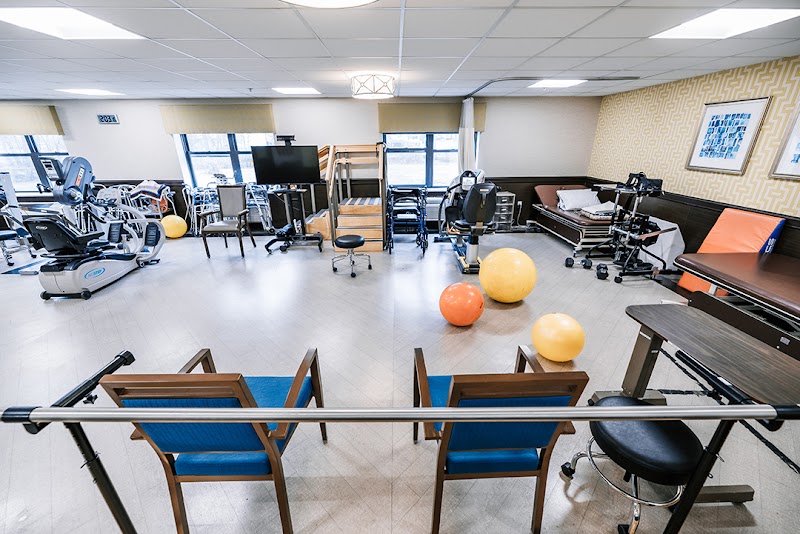
NORTHERN METROPOLITAN RES HEALTH CARE FACILITY INC is owned by a non-profit organization. Non-profit facilities reinvest revenue into operations rather than distributing to shareholders. The facility operates independently rather than as part of a larger chain. With 120 certified beds and approximately 115 residents (about 96% occupancy), it is a mid-sized facility located in MONSEY, New York.

How Does Northern Metropolitan Res Health Care Facility Inc Compare to Other New York Nursing Homes?

Compared to the 100 nursing homes in New York, NORTHERN METROPOLITAN RES HEALTH CARE FACILITY INC's overall rating (2 stars) is below the state average of 3.1, staff turnover (19%) is significantly lower than the state average of 46%, and health inspection rating (2 stars) is below the national benchmark.

What Should Families Ask When Visiting Northern Metropolitan Res Health Care Facility Inc?

Based on this facility's data, families visiting should ask: "Can I visit during a mealtime to observe dining assistance and food quality?" "How do you handle medical emergencies, and what is your hospital transfer rate?" "Can I speak with family members of current residents about their experience?"

Is Northern Metropolitan Res Health Care Facility Inc Safe?

Based on CMS inspection data, NORTHERN METROPOLITAN RES HEALTH CARE FACILITY INC has a clean safety record: no substantiated abuse findings (meaning no confirmed cases of resident harm), no Immediate Jeopardy citations (the most serious violation level indicating risk of serious injury or death), and is not on the Special Focus Facility watch list (a federal program monitoring the lowest-performing 1% of nursing homes). The facility has a 2-star overall rating and ranks #100 of 100 nursing homes in New York. While no facility is perfect, families should still ask about staff-to-resident ratios and recent inspection results during their visit.

Do Nurses at Northern Metropolitan Res Health Care Facility Inc Stick Around?

Staff at NORTHERN METROPOLITAN RES HEALTH CARE FACILITY INC tend to stick around. With a turnover rate of 19%, the facility is 27 percentage points below the New York average of 46%. Low turnover is a positive sign. It means caregivers have time to learn each resident's needs, medications, and personal preferences. Consistent staff also notice subtle changes in a resident's condition more quickly. Registered Nurse turnover is also low at 29%, meaning experienced RNs are available to handle complex medical needs.

Was Northern Metropolitan Res Health Care Facility Inc Ever Fined?

NORTHERN METROPOLITAN RES HEALTH CARE FACILITY INC has no federal fines on record. CMS issues fines when nursing homes fail to meet care standards or don't correct problems found during inspections. The absence of fines suggests the facility has either maintained compliance or corrected any issues before penalties were assessed. This is a positive indicator, though families should still review recent inspection reports for the full picture.

Is Northern Metropolitan Res Health Care Facility Inc on Any Federal Watch List?

NORTHERN METROPOLITAN RES HEALTH CARE FACILITY INC is not on any federal watch list. The most significant is the Special Focus Facility (SFF) program, which identifies the bottom 1% of nursing homes nationally based on persistent, serious quality problems. Not being on this list means the facility has avoided the pattern of deficiencies that triggers enhanced federal oversight. This is a positive indicator, though families should still review the facility's inspection history directly.