THE WILLOWS AT RAMAPO REHAB AND NURSING CENTER
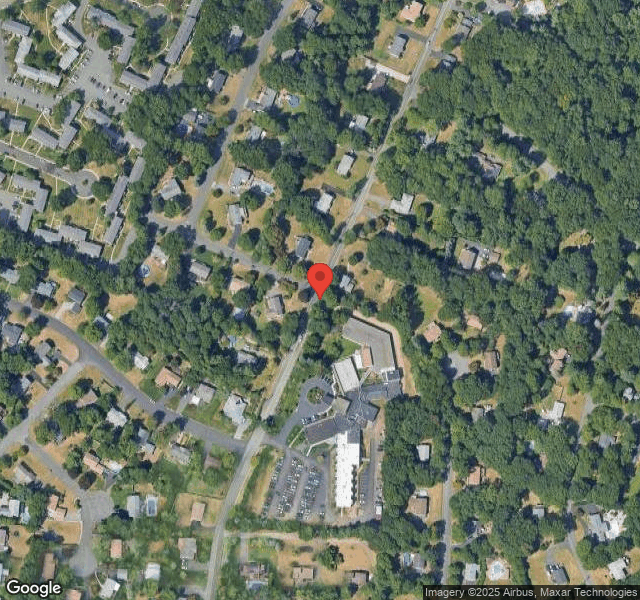

30 CRAGMERE ROAD, SUFFERN, NY 10901 (845) 357-1230
For profit - Corporation 203 Beds CARERITE CENTERS Data: November 2025
Trust Grade
73/100
#246 of 594 in NY
Last Inspection: November 2023

Within standard 12-15 month inspection cycle. Federal law requires annual inspections.

Overview

The Willows at Ramapo Rehab and Nursing Center has a Trust Grade of B, which indicates it is a good choice and generally meets the needs of residents. It ranks #246 out of 594 facilities in New York, placing it in the top half of the state, and #4 out of 10 in Rockland County, meaning only three local options rank higher. The facility is improving, having reduced its issues from seven in 2023 to two in 2025. Staffing is a concern here with a 2/5 star rating and less RN coverage than 80% of state facilities, although the turnover rate is a positive 26%, well below the state average of 40%. While there have been no fines, recent inspections revealed problems such as unsanitary food handling practices and failure to follow infection control protocols. For example, staff did not wear protective gowns when providing care to a resident requiring enhanced precautions, and cold foods were stored improperly, posing food safety risks. Overall, while there are strengths in its rating and turnover, families should consider these weaknesses carefully.

Trust Score
B
73/100
In New York
#246/594
Top 41%
Safety Record
Low Risk
No red flags
Inspections
Getting Better
7 → 2 violations
Staff Stability
✓ Good
26% annual turnover. Excellent stability, 22 points below New York's 48% average. Staff who stay learn residents' needs.
Penalties
✓ Good
No fines on record. Clean compliance history, better than most New York facilities.
Skilled Nurses
⚠ Watch
Each resident gets only 23 minutes of Registered Nurse (RN) attention daily — below average for New York. Fewer RN minutes means fewer trained eyes watching for problems.
Violations
⚠ Watch
23 deficiencies on record. Higher than average. Multiple issues found across inspections.
★★★★☆
4.0
Overall Rating
★★☆☆☆
2.0
Staff Levels
★★★★★
5.0
Care Quality
★★★☆☆
3.0
Inspection Score
Stable
2023: 7 issues
2025: 2 issues

The Good

  • 5-Star Quality Measures · Strong clinical quality outcomes
  • Low Staff Turnover (26%) · Staff stability means consistent care
  • Full Sprinkler Coverage · Fire safety systems throughout facility
  • No fines on record
  • Staff turnover is low (26%)

    22 points below New York average of 48%

Facility shows strength in quality measures, staff retention, fire safety.

The Bad

Chain: CARERITE CENTERS

Part of a multi-facility chain

Ask about local staffing decisions and management

The Ugly 23 deficiencies on record

Jul 2025 1 deficiency
CONCERN (D) 📢 Someone Reported This

A family member, employee, or ombudsman was alarmed enough to file a formal complaint

Potential for Harm - no one hurt, but risky conditions existed

Infection Control (Tag F0880)

Could have caused harm · This affected 1 resident

**NOTE- TERMS IN BRACKETS HAVE BEEN EDITED TO PROTECT CONFIDENTIALITY** Based on observations, interviews and record review completed during a complaint investigation (NY00374056) the facility did not...

Read full inspector narrative →
**NOTE- TERMS IN BRACKETS HAVE BEEN EDITED TO PROTECT CONFIDENTIALITY** Based on observations, interviews and record review completed during a complaint investigation (NY00374056) the facility did not maintain infection prevention and control practices in accordance with guidelines for enhanced barrier precautions for one (Resident #2) of three residents reviewed for infection control practices. Specifically, Resident #2 was on enhanced barrier precautions, as indicated by signage posted on the wall outside of their room. On three separate occasions, staff provided hands-on care without wearing gowns.Record review:The facility policy titled Enhanced Barrier Precautions, dated 1/28/25 documented that enhanced barrier precautions are utilized to reduce the transmission of multi-drug-resistant organisms to residents. The policy listed examples of high contact resident care activities requiring gown and glove use one of which was device care or use, as well as dressing a resident.Resident #2's quarterly review minimum data set assessment dated [DATE] documented active diagnoses of sepsis, other chronic osteomyelitis, and gastrostomy malfunction. It indicated that the resident had a feeding tube. It further documented that upon admission Resident #2 had a stage 2 unhealed pressure ulcer, and two stage 3 pressure ulcers.Resident #2's care plan dated 3/31/25 for pressure ulcer development to left heel related to disease process, history of ulcers, and immobility. The goal documented was the residents' pressure ulcer will show signs of healing and remain free from infection. One of the interventions is Enhanced Barrier Precautions.Resident #2 had a medical order for Enhanced Barrier Precaution dated 6/16/25.Observations:On 7/23/25 at 9:42am observed Respiratory Therapist #4 at bed side of Resident #2, they were wearing gloves, but no gown and Resident #2 was dressed only in a brief and noted to be diaphoretic, their head neck and chest were damp. Observed Respiratory Therapist #4 lean over the severely contracted Resident #2 as they were adjusting mask and resident's head as well as moving resident's arms so that they could auscultate lung sounds with a stethoscope. Respiratory Therapist #4 also used a pulse oxygen meter which required movement of resident's arm and hand to place the meter on the resident's finger.On 7/23/25 at 9:45am observed Registered Nurse Manager #5 takeoff gown and proceed to exit Resident #2's room, but they stopped and returned to bedside. At 9:50am observed Registered Nurse Manager #5 at the bedside of Resident #2 assisting Licensed Practical Nurse #6 change the resident's damp gown, Registered Nurse Manager #5 had not put a gown back on and was wearing only gloves when providing this bed side assistance.On 7/23/25 at 10:03am observed Respiratory Therapist #4 at the bedside of Resident #2 changing the equipment to a BiPap mask and machine, Resident #2 was now wearing a hospital gown, and Respiratory Therapist #4 had on gloves but no gown. At 10:05 am Respiratory Therapist #4 left the bed side of Resident #2 and returned at 10:07am in a gown and continued to set up the Bipap.Interviews:On 7/23/25 at 10:21am at the unit nurse's station in an interview with Registered Nurse Manager #5, they stated they were not aware that Respiratory Therapist #4 was not wearing a gown, and they were not sure they needed to wear one, they would have to look into that. They stated that if they saw staff providing care to Resident #2 without a gown on, they would tell the staff member they had to wear a gown.On 7/23/25 at 11:20am in an interview with Licensed Practical Nurse #6 they stated that Respiratory Therapist #4 must have been in a rush, because they usually wear a gown. Licensed Practical Nurse #6 stated that they should have said something when they noticed Respiratory Therapist #4 without the gown. Licensed Practical Nurse #6 stated that Registered Nurse Manager #5 had taken off their gown to leave the room and retrieve a blood pressure machine and when Registered Nurse Manager #5 returned to the bedside to assist them they had forgotten to put a new gown on. Licensed Practical Nurse #6 stated they know they have to say something when someone is not wearing gown. Licensed Practical Nurse #6 added that the staff is aware - there is a sign at the door.On 7/23/25 at 11:45am in an interview with Respiratory Therapist #4 they stated they are new here, and that at their prior facility the enhanced barrier precaution signs were on the door not on the wall. Respiratory Therapist #4 stated they had never seen Resident #2 prior to that day. Respiratory Therapist #4 stated they were in a rush and didn't see the sign, but did notice it after the fact. Respiratory Therapist #4 stated they didn't notice that Resident #2 was not wearing a top, but they did notice resident was diaphoretic. Respiratory Therapist #4 also stated they didn't notice that other staff that were in the room assisting them were wearing a gown. Respiratory Therapist #4 further stated they did not think they needed to wear a gown if they were only listening to breath sounds. On 7/23/25 at 12:13pm in an interview with the Director of Nursing they stated that the staff need to wear gowns when proving care for residents on enhanced barrier precautions. Director of Nursing stated that Respiratory Therapist #4 was probably not aware, they are new. Director of Nursing also stated that they were surprised that Registered Nurse Manager #5 forgot to put the gown back on after leaving Resident #2's bedside.0n 7/23/25 at 3:14pm in an interview with the Medical Director they stated when a resident is on enhanced barrier precaution If you are touching them you need to wear a gown. Medical Director stated that you never know what you are going to do when you walk into a resident's room, so if there is a sign you need to put a gown on. Medical Director stated wearing a gown is also for your own safety.On 7/24/25 at 12:05pm in an interview with the Infection Preventionist they stated that they were new to the facility and that their plan was to continue education on plans already in place. Infection Preventionist stated they did not get a chance to do training on Enhanced Barrier Precaution this year, but the staff members in question had received training within the year. Infection Preventionist stated they reviewed when each staff member had last received training on Enhanced Barrier Precaution and Licensed Practical Nurse #6 and Registered Nurse Manager #5 were both trained in December of 2024, and Respiratory Therapist #4 was trained on Enhanced Barrier Precaution in February of 2025. Infection Preventionist stated they reviewed what Enhanced Barrier Precaution means, that they have started to do an in-service in response to this incident, and that they will ensure that the staff understand the policy and importance of Enhanced Barrier Precaution.10 NYCRR415.19
Mar 2025 1 deficiency
CONCERN (D) 📢 Someone Reported This

A family member, employee, or ombudsman was alarmed enough to file a formal complaint

Potential for Harm - no one hurt, but risky conditions existed

Deficiency F0657 (Tag F0657)

Could have caused harm · This affected 1 resident

**NOTE- TERMS IN BRACKETS HAVE BEEN EDITED TO PROTECT CONFIDENTIALITY** Based on record review, and interviews conducted during abbreviated survey (NY00331188) the facility did not ensure that the Com...

Read full inspector narrative →
**NOTE- TERMS IN BRACKETS HAVE BEEN EDITED TO PROTECT CONFIDENTIALITY** Based on record review, and interviews conducted during abbreviated survey (NY00331188) the facility did not ensure that the Comprehensive Care Plans were reviewed and revised in a timely manner for 1(Resident #2) of 4 residents reviewed for Abuse. Specifically, Resident #2's Behavior Care Plan initiated 4/22/22 documented that they were two assists with cares due to history of accusatory behaviors and the care plan was not reviewed and revised to populate these interventions onto Certified Nurse Aides tasks/documentation. Certified Nurse Aide #2 was unaware of Resident #2's plan of requiring two person assists and they provided care to Resident #2 without another staff member present. Resident #2 accused Certified Nurse Aide #2 of alleged abuse after cares were provided. The Findings are: The Facility policy titled Care Plans, Comprehensive Person-Centered last revised on 3/2022 documented that the comprehensive person-centered care plan describes the services that are furnished to attain or maintain the resident's highest practicable physical, mental, and psychosocial well-being including which professional services are responsible for each element of care. The Interdisciplinary team reviews and updates the care plan when the resident has been readmitted to the facility from a hospital stay and at least quarterly. Resident #2 was admitted with diagnoses including but not limited to depression, paranoid schizophrenia, depression, and morbid obesity. The 11/26/23 Quarterly Minimum Data Set (an Assessment Tool) documented that Resident #2 had intact cognition, was dependent with toileting, shower/bathe, personal hygiene, and supervision with bed mobility. Resident #2 had behavioral symptoms directed toward others and rejected care daily The 4/22/22 Behavior care Plan documented Resident #2 exhibited behavior such as verbal aggression/physically abusive/aggression, hallucinations, delusions and socially inappropriate. Resident was accusatory toward staff. Interventions included that Resident #2 was to be 2 person assists for all cares and has to always have 2 staff in the room. Review of Certified Nurse Aide [NAME] dated January 2024 revealed there were no documented evidence that the 2 person assist for cares task was initiated prior to 1/8/24. The Certified Nurse Aide [NAME] revised on 1/8/24, documented that Resident #2 requires 2 staff for showering/bathing, and personal hygiene. During an interview on 2/20/25 at 12:52 PM, Resident #2 stated that on 1/7/24 Certified Nurse Aide #2 provided care in their room without any assistance from another staff member. Resident #2 asked the surveyor to find Certified Nurse Aide #2 and to apologize because they did not want them to lose their job. Resident #2 stated that they do not remember having ointment or cream on their bottom when Certified Nurse Aide #2 provided care. Resident #2 stated that they could not tell if Certified Nurse Aide #2 inserted their finger into their rectum and that due to a childhood trauma of being forced to have anal sex, anytime anyone gets close to their bottom, it triggers them. During an interview on 2/20/25 at 3:29 PM, Certified Nurse Aide #2 stated that on 1/7/24, they provided care to Resident #2 without any assistance from other staff. Certified Nurse Aide #2 stated that at that time, they were not aware that Resident #2 was a 2 person assist for cares because it was not on the certified nurse aide [NAME] and therefore they provided cares by themselves. Certified Nurse Aide #2 stated that if a resident was a 2 person assist for cares, it will be on the certified nurse aide documentation/[NAME]. Certified Nurse Aide demonstrated to surveyor in a wiping motion the action during pericare provided to Resident #2. Certified Nurse Aide #2 denied inserting their finger in Resident #2's rectum. During an interview on 2/21/25 at 3:02 PM, the Assistant Director of Nursing #1 stated that unit managers initiate, review, and revise the care plans. The Assistant Director of Nursing #1 stated that as per the Behavior Care Plan, Resident #2 was a 2 person assist for cares and the 2-person assist should have been carried over to the Certified Nurse Aide Documentation. The Assistant Director of Nursing #1 stated that whoever initiated the behavior care plan should have added the 2 person assist to the Certified Nurse Aide task so that they could be aware of Resident #2's plan of care. The Assistant Director of Nursing #1 stated that Resident #2 is 2 person assist due to history of accusatory behaviors. The Assistant Director of Nursing #1 stated that there is no other way for the Certified Nurse Aide to know a resident is 2 person assist other than it being added to the certified nurse aide task. During an interview on 2/24/25 at 11:21 AM, the Director of Nursing stated that the Registered Nurse managers are responsible for initiating and revising the Care Plans. The Director of Nursing stated that Resident #2 is a 2 person assist due to history of accusatory behaviors and paranoia. The Director of Nursing stated that the Behavior Care Plan was initiated on 11/22/22 and had not been revised. The Director of Nursing stated when the behavior care plan was updated on 1/8/2024 after the incident in the Electronic Medical Record, the nurse should have activated the tasks for certified nurse aides so that the task could have transfer over to certified nurse aide [NAME]/documentation. The Director of Nursing stated they do not know why the nurse who updated the care plan did not activate Certified Nurse Aide action. The Director of Nursing confirmed the plan of care was only triggered for nurses and not for certified nurse aides. The Director of Nursing stated that after the incident that occurred on 1/7/24, they updated the Behavior Care Plan to activate the certified nurse aide task to populate on the certified nurse aide [NAME]/documentation. The Director of Nursing stated that unfortunately the intervention on the plan of care were not in the certified nurse aide documentation prior to incident on 1/7/24. 10 NYCRR 415.11(c)(1)
Nov 2023 7 deficiencies
CONCERN (D) 📢 Someone Reported This

A family member, employee, or ombudsman was alarmed enough to file a formal complaint

Potential for Harm - no one hurt, but risky conditions existed

Resident Rights (Tag F0550)

Could have caused harm · This affected 1 resident

Based on record review, observation and interview during the 11/8/2023 -11/17/2023 recertification survey, it could not be ensured that for 3 of 3 residents (Resident # 35, #126 and #129) reviewed for...

Read full inspector narrative →
Based on record review, observation and interview during the 11/8/2023 -11/17/2023 recertification survey, it could not be ensured that for 3 of 3 residents (Resident # 35, #126 and #129) reviewed for dignity that the residents' rights and/or that care was provided in a dignified manner. Specifically, Residents #35, #126 and #129 were not provided a dignified dining experience. The findings are: Resident #35 was admitted with diagnoses including dementia. The Minimum Data Set (MDS, an assessment tool) dated 10/25/23 documented Resident #35 had severely impaired cognition. Resident #126 had diagnoses including Alzheimer's Disease, dysphagia, and muscle weakness. The Minimum Data Set (MDS, an assessment tool) dated 9/21/23 documented Resident #126 had severely impaired cognition. Resident #129 had diagnoses including depression and anxiety. The Minimum Data Set (MDS, an assessment tool) dated 9/15/23 documented Resident #129 had severely impaired cognition. During a meal observation on 11/15/23 from 9:30 AM to 9:45 AM, Residents #35, #126, and #129 were eating in the hallway. The 3 residents were lined up in a row, each resident was in a wheelchair with an overbed table in front of them with their breakfast trays. Resident #126 sat directly behind Resident #35. Resident #129 sat directly behind #126. There was no social interaction observed during this time. When interviewed during the observation, Resident #129 stated they did not like eating in the hall and preferred to eat in the dining room. When interviewed on 11/15/23 at 9:37 AM, Licensed Practical Nurse (LPN) #5 stated the 3 residents ate in the hall because they were on 30 minute monitoring and the staff could keep an eye on them. During an observation on 11/16/23 at 8:58 AM, Residents #35, 126, and 128 were lined up in the hall eating breakfast. 10 NYCRR 415.3(d)(1)(i)
CONCERN (D) 📢 Someone Reported This

A family member, employee, or ombudsman was alarmed enough to file a formal complaint

Potential for Harm - no one hurt, but risky conditions existed

Investigate Abuse (Tag F0610)

Could have caused harm · This affected 1 resident

Based on record review and interview during the recertification and abbreviated surveys (NY 309477) conducted from 11/8/2023 through 11/17/2023, the facility did not ensure a thorough and complete inv...

Read full inspector narrative →
Based on record review and interview during the recertification and abbreviated surveys (NY 309477) conducted from 11/8/2023 through 11/17/2023, the facility did not ensure a thorough and complete investigation was conducted for 1 of 3 residents (Resident #70) reviewed for abuse/neglect. Specifically, for Resident #70 the facility did not conduct a complete and thorough investigation, including a root cause analysis to determine why physician recommended magnesium citrate scheduled for 1/10/2023 and 1/11/2023 was not administered for management of the residents' constipation. Subsequently on 1/12/2023 Resident #70 required manual dis-impaction. The findings are: An undated protocol titled Abuse and Neglect - Clinical Protocol documented that abuse included the deprivation by an individual, including a care taker, of goods and services that are necessary to attain or maintain physical, mental, and psychosocial well-being, and neglect was defined as the failure of the facility, its employees or service providers, to provide goods and services to a resident that are necessary to avoid physical harm, pain, emotional anguish, or emotional distress. The protocol Cause Identification documented the staff, with the physicians input as needed, will investigate alleged abuse and neglect to clarify what happened and identify possible causes. Resident #70 was admitted with diagnoses including anemia, thyroid disorder, anxiety disorder, and depression (other than bipolar). The 5-day Minimum Data Set (MDS: an assessment tool) dated 11/25/2022 documented Resident #70 was cognitively intact for decision making, received total dependence with one person assist for toilet use, was always incontinent of bowel and bladder and did not have a toileting program. The physician progress note dated 1/9/23 at 8:10 AM by Physician #3, documented Resident #70 complained of constipation and had not been able to move their bowels for the past 7 days. The plan was to give Magnesium Citrate (laxative) 150 milliliters (ml) to be taken in the morning and 150 ml to be taken in the evening, and if the resident was constipated to inform the physician. A physician order dated 1/10/23 documented Magnesium Citrate oral solution give 240 ml by mouth 2 times a day for constipation for 1 day, to start on 1/10/23. The nursing progress notes dated 1/10/2023 at 2:52 PM and 5:36 PM documented they were waiting on pharmacy for Magnesium Citrate. A physician order dated 1/11/23 documented Magnesium Citrate oral solution give 240 ml by mouth 2 times a day for constipation for 1 day, to start on 1/11/23. The nursing progress notes dated 1/11/2023 documented at 11:44 AM and 5:40 PM, the Magnesium Citrate had not been delivered. There was no documented evidence in the January 2023 MAR that the Magnesium Citrate was administered on 1/10 and 1/11/23. Further review of the nursing progress notes revealed no documented evidence the physician was notified when the Magnesium Citrate was not delivered and no evidence the pharmacy was contacted. The investigation report dated 1/17/2023 revealed that on 1/26/2023 the facility was notified by the Ombudsman that Resident #70 alleged that on 1/12/2023 they were mistreated, and a nurse abused them, and stated that a Registered Nurse (RN #2) pushed their hand in their rectum and it felt like she just yanked it out, then RN #2 left the room. Resident #70 stated they were not informed of what RN was going to do ahead of time, and RN just did it. The incident was reported to the Department of Health on 1/27/2023, an investigation was completed, no findings of abuse were identified. A physician progress note dated 1/27/23 at 10:51 AM, by Physician #1, documented the resident was being seen regarding being dis-impacted on 1/12/23, due to an allegation of abuse. The resident had been very uncomfortable and had not had a bowel movement in over 7 days despite increasing laxatives and enemas and the head nurse dis-impacted her. Physician #1 documented the resident needed to be dis-impacted. In an interview on 11/16/23 at 12:03 PM, Licensed Practical Nurse LPN #2 stated they were responsible for medication administration to Resident #70 on the 7:30 AM-3:05 PM shift and stated the order for Magnesium Citrate the medication was not available. LPN #2 stated that when a medication was not available, they would call the pharmacy and tell them that the medication was not available and would document this. LPN #2 stated that they would text the physician to inform them that the resident did not get the prescribed dose of medication. There was no documented evidence produced that the pharmacist and/or physician had been contacted regarding the unavailable Magnesium Citrate. In an interview on 11/16/23 at 1:02 PM LPN #3, the nurse responsible for medication administration of the 5 PM dose of Magnesium Citrate for Resident #70 on the evening shift (3:30 PM - 11:30 PM) on 1/11/2023, stated they documented in the progress notes on 1/11/23 at 17:41 that they were awaiting delivery of the Magnesium Citrate. LPN #3 stated they did not remember if the pharmacy or physician was contacted. In an interview on 11/16/23 at 4:29 PM, the Director of Nursing (DON) stated that they were not aware of the order for Magnesium Citrate for constipation. DON stated that when a medication is unavailable the staff are to contact the pharmacist to find out the estimated time of arrival of the medication, if the medication is not given on the nurse's shift, they are to inform the nursing supervisor, contact the physician and inform them, document, and implement the physicians' instructions, and endorse this information to the next shift. DON stated that for a medication that was not administered, and the physician was not notified, and the pharmacy was not contacted to find out why the medication was not delivered, that would fall under the category of medication omission When asked if the medications should have been reviewed as part of the incident investigation , the DON stated that the resident already had other protocols in place, and they did not pick up on the order for magnesium citrate being unavailable. In a telephone interview on 11/20/2023 at 3:02 PM the resident's primary care physician (Physician #1) stated that they were told by RN #2 after the occurrence that the resident's stool was impacted, half-way in/ half out. Physician #1 stated they were not aware the Magnesium Citrate had not been received and administered prior to dis-impaction, and stated nursing should have notified them and the pharmacy. 10 NYCRR 483.12
CONCERN (D)

Potential for Harm - no one hurt, but risky conditions existed

Deficiency F0679 (Tag F0679)

Could have caused harm · This affected 1 resident

Based on observation, record review and interviews conducted during the recertification survey from 11/8/23 to 11/17/23, the facility did not provide an ongoing program of activities for 1 of 4 reside...

Read full inspector narrative →
Based on observation, record review and interviews conducted during the recertification survey from 11/8/23 to 11/17/23, the facility did not provide an ongoing program of activities for 1 of 4 residents (Resident #39) reviewed for activities. Specifically, Resident #39 was not provided opportunities to consistently participate in independent activities of their choice and to be regularly reassessed for their preferences. Findings include: Resident #39 was admitted with diagnoses including Multiple Sclerosis and optic neuritis. The annual Minimum Data Set (MDS: an assessment tool) dated 4/11/2023 documented the resident was cognitively intact for decision making. Preferences for daily activities included music, keeping up with the news, and getting fresh air. The MDS documented the resident was totally dependent on staff for activities of daily living except for eating, for which the resident received extensive assistance. The resident had participated in the assessment. The resident's Care Plan for Activities dated 7/14/2021, and updated 4/28/2023, documented the resident preferred self-directed activities, the goal was for the resident to engage in daily independent activities of choice, and interventions were to encourage independent activities of choice, and to respect leisure lifestyle activities. Observation and interview conducted on 11/08/23 at 3:06 PM revealed Resident #39 liked to watch television in their room. Resident #39 stated that the Activities staff did not visit them, they did not have any activities in their room, and they would like to speak with activities if they could do something. In an interview on 11/15/23 at 9:34 AM the Director of Activities stated Resident #39 had expressed a preference not to attend group activities, and to their knowledge the resident's preference was to watch TV and movies in their room. The Director of Activities stated that they kept track of the resident's attendance at activities by documenting in the EMR (Electronic Medical Record) after the activity was completed. The surveyor requested to see the resident's Activities attendance records. In a follow up interview on 11/15/23 at 12:55 PM, the Director of Activities stated that when gathering the resident's Activities attendance records, they were unable to find evidence that the resident had been provided with independent activities of their choice since 2/2023. 10NYCRR 415.15(f)(1)
CONCERN (D) 📢 Someone Reported This

A family member, employee, or ombudsman was alarmed enough to file a formal complaint

Potential for Harm - no one hurt, but risky conditions existed

Quality of Care (Tag F0684)

Could have caused harm · This affected 1 resident

**NOTE- TERMS IN BRACKETS HAVE BEEN EDITED TO PROTECT CONFIDENTIALITY** Based on observation, record review, and interviews conducted during the recertification and abbreviated surveys (#NY00326212 an...

Read full inspector narrative →
**NOTE- TERMS IN BRACKETS HAVE BEEN EDITED TO PROTECT CONFIDENTIALITY** Based on observation, record review, and interviews conducted during the recertification and abbreviated surveys (#NY00326212 and NY00309477) from 11/8/23 to 11/17/23, the facility did not ensure 1 of 3 residents (Resident #70) reviewed for abuse/neglect and 1 of 3 (Resident #63) reviewed for medications, received care and treatment in accordance with professional standards. Specifically, 1) Resident #70's medications for constipation was not given timely, the physician and pharmacy were not notified when the medication was unavailable; and 2) Resident #63 was not provided their medication with meals as ordered. Findings include: 1) Resident #70 was admitted with diagnoses including anemia, anxiety disorder, and constipation. The 5-day Minimum Data Set (MDS: an assessment tool) dated 11/25/2022 documented the resident was cognitively intact for decision making. Functional status indicated total dependence with one person assist for toilet use. The resident was always incontinent of bowel and bladder and did not have a toileting program. The physician progress note dated 1/9/23 at 8:10 AM by Physician #3, documented the resident complained of constipation and had not been able to move bowels for the past 7 days. The plan was to give Magnesium Citrate 150 milliliters (mL) to be taken in morning and 150 mL to be taken in evening, and if the resident was constipated to inform the physician. The physician progress note dated 1/9/23 at 8:20 AM by Physician #3, documented following up on constipation for resident not able to move bowel for the past 7 days despite interventions. The plan was to have the resident take [NAME] 8 oz every 10 minutes until the resident had moved bowels. Review of physician orders revealed no new orders for 1/9/23. The nursing progress notes dated 1/1/23 through 1/9/23 documented no evidence of gastro-intestinal concerns and no complaints of constipation. The physician progress note dated 1/10/23 at 8:34 AM by Physician #1, documented the resident had a history of constipation and was complaining of severe constipation and rectal pain and was found to have hemorrhoids which were treated. The resident's Miralax dose was increased, and she was to be given Magnesium Citrate. If this did not work, Lactulose would be added. A physician order dated 1/10/23 documented Magnesium Citrate oral solution give 240 ml by mouth 2 times a day for constipation for 1 day, to start on 1/10/23. The nursing progress notes dated 1/10/2023 documented: - at 10:28 AM, Resident #70 continues to report no bowel movement since 12/31/22. The physician ordered Magnesium Citrate 8 ounces (oz) to be given twice a day for one day. - at 2:52 PM, waiting on pharmacy for Magnesium Citrate Oral Solution. - at 5:36 PM, waiting on pharmacy for Magnesium Citrate. A physician order dated 1/11/23 documented Magnesium Citrate oral solution give 240 ml by mouth 2 times a day for constipation for 1 day, to start on 1/11/23. The nursing progress notes dated 1/11/2023 documented at 11:44 AM and 5:40 PM, the Magnesium Citrate had not been delivered. Further review of the nursing progress notes revealed no documented evidence the physician was notified when the Magnesium Citrate was not delivered and no evidence the pharmacy was contacted. The nursing progress note dated 1/12/2023 at 9:25 AM documented Resident #70 had been reporting that they had not moved their bowels. They had a very large bowel movement, and the consistency was dry and clay like. The nursing progress note dated 1/12/2023 at 11:12 AM documented the Magnesium Citrate was given (2 days after originally ordered). A physician progress note dated 1/27/23 at 10:51 AM, by Physician #1, documented the resident was being seen regarding being disimpacted on 1/12/23, due to an allegation of abuse. The resident had been very uncomfortable and had not had a bowel movement in over 7 days despite increasing laxatives and enemas and the head nurse disimpacted her. Physician #1 documented the resident needed to be disimpacted. In a telephone interview on 11/16/23 at 11:19 AM, RN #2 stated that Certified Nurse Aide (CNA) #1 came to them about 9 AM on 1/12/23 and told them that the resident could not move their bowels and they were straining and needed help. Registered Nurse (RN) #2 stated they observed the resident's anus, it was dilated and filled with clay, pasty stool, and it was not impacted hard stool. RN #2 stated that they put a glove on and using their index finger they ran the index finger around the perimeter of the resident's anus and the stool came out. RN #2 stated that resident had been taking medications for constipation, but they did not recall specifics and had not given the resident an enema. RN #2 stated that she was trying to help the resident and saw that they could fix the problem. In an interview on 11/16/23 at 12:03 PM, Licensed Practical Nurse LPN #2 stated they were responsible for medication administration to Resident #70 on the 7:30am-3:30pm shift and stated the order for Magnesium Citrate the medication was not available. LPN #2 stated that when a medication was not available, they would call the pharmacy and tell them that the medication was not available and would document this. LPN #2 stated that they would text the physician to inform them that the resident did not get the prescribed dose of medication. There was no documented evidence produced that the pharmacist and/or physician had been contacted regarding the unavailable Magnesium Citrate. LPN #2 stated RN #2 told them that they removed the stool manually. In an interview on 11/16/23 at 1:02 PM LPN #3, the nurse responsible for medication administration of the 5 PM dose of Magnesium Citrate for Resident #70 on the evening shift (3:30PM - 11:30PM) on 1/11/2023, stated they documented in the progress notes on 1/11/23 at 17:41 that they were awaiting delivery of the Magnesium Citrate. LPN #3 stated they did not remember if the pharmacy or physician was contacted. In an interview on 11/16/23 at 4:29 PM, the Director of Nursing (DON) stated that they were not aware of the order for Magnesium Citrate for constipation. DON stated when a medication was unavailable the staff were to contact the pharmacist to find out the estimated time of arrival of the medication. If the medication was not given on the nurse's shift, they were to inform the nursing supervisor, contact the physician and document. Then they would implement the physician's instructions and provide this information to the next shift. The DON stated that for a medication that was not administered, and the physician was not notified, and the pharmacy was not contacted to find out why the medication was not delivered, that would fall under the category of medication omission. In a telephone interview on 11/20/2023 at 3:02 PM the resident's primary care Physician #1 stated that they were told by RN #2 after the occurrence that the resident's stool was impacted, half-way in/ half out. Physician #1 stated they were not aware the Magnesium Citrate had not been received and administered prior to disimpaction, and stated nursing should have notified them and the pharmacy. 2) Resident #63 was admitted to the facility with diagnoses including but not limited to end stage renal disease, heart disease, and diabetes. The quarterly Minimum Data Set (MDS- a resident assessment tool), dated 9/20/23, documented Resident #63 had a brief interview of mental status score of 15 (cognitively intact). A physician order dated 10/8/23, documented Resident #63 was ordered Sevelamer 800 mg (a medication that binds to phosphorus in foods, often given to people who suffer from end stage renal disease requiring dialysis whose bodies cannot excrete phosphorus), with the directions to give 2 tablets by mouth with meals. On 11/14/23 at 12:56 PM, Registered Nurse Unit Manager (RNUM) #1 was observed giving Resident #63 their lunch tray and did not provide Resident #63 their Sevelamer medication with their lunch. During an interview on 11/14/23 at 1:11 PM, Licensed Practical Nurse (LPN) #6 stated they were Resident #63's medication nurse for the shift. LPN #6 stated residents got their meal trays often without them knowing and they were late with Resident #63's Sevelamer often because of this. LPN #6 stated the medication should have been given with meals as ordered, and then stated they were going to give Resident #63 their Sevelamer now. During an interview on 11/14/23 at 1:19 PM, Registered Nurse Unit Manager (RNUM) #1 stated they passed the tray to Resident #63 and the resident should have gotten the Sevelamer with meals. During an interview on 11/15/23 at 12:58 PM, the facility's Medical Director stated they were unaware of the specifics of the medication Sevelamer, however it was prescribed by the resident's nephrologist and if the medication was ordered to be given with meals, the expectation was for it to be given with the resident's meals. 10NYCRR 415.12
CONCERN (D)

Potential for Harm - no one hurt, but risky conditions existed

Deficiency F0688 (Tag F0688)

Could have caused harm · This affected 1 resident

Based on observation, record review and interview conducted during the recertification survey, the facility did not ensure that residents were provided the appropriate treatment to improve and/or prev...

Read full inspector narrative →
Based on observation, record review and interview conducted during the recertification survey, the facility did not ensure that residents were provided the appropriate treatment to improve and/or prevent a further decline in range of motion (ROM) for 1 of 2 residents, (Resident #120) reviewed for positioning and limited mobility. Specifically, Resident # 120 was not provided soft booties as per physical therapy recommendations. Resident #120 was admitted with diagnoses and medical conditions including but not limited to encephalopathy, cerebral vascular accident (Stroke), and generalized muscle weakness. The 11/05/2020 risk for chronic pain related to contractures and impaired mobility care plan, revised 11/10/23, did not include use of soft booties or monitoring the effect(s) of their use. The 11/8/2020 alteration in musculoskeletal status related to contracture of bilateral hand and feet care plan, revised on 11/10/23, directed supportive devices as recommended. The 9/14/2021 Physical Therapy (PT) evaluation documented Resident # 120 was referred to skilled PT due to noted bilateral (left and right) foot drop (the inability to raise the front part of the foot due to weakness or paralysis of the muscles that lift the foot). The 10/18/2021 PT discharge summary documented the resident was to always use soft boots to both ankles, keep ankles in a neutral position to prevent pressure sores and contracture (permanent stiffness and loss of movement in a joint) to ankles and heels. Nursing caregivers were instructed in use of soft boots and that the resident was always tolerating use. The 8/13/2023 quarterly Minimum Data Set (MDS: an assessment tool) revealed Resident #120 had severe cognitive impairment, required extensive assistance with all activities of daily living (ADLs), and had functional limitation of both upper and both lower extremities. There was no documented evidence in the current physician's order for the use of bilateral soft booties. Review of the September, October, and November 2023 Certified Nurse's Aide (CNA) task reports revealed there were no directives for the use of bilateral soft booties. The 11/6/2023 nursing progress note stated refer resident to PT for contracture management. Observations on 11/9/2023 at 1:48 PM revealed that Resident #120 did not have soft booties on (two soft booties were noted on the windowsill next to resident's bed) and on 11/16/2023 at 11:14 AM Resident #120 was in a wheelchair in the activity room and was not wearing soft booties. An interview was conducted on 11/16/2023 at 8:51 AM with the Director of the Rehabilitation who stated walking rounds were conducted on 10/29/2023 just prior to residents annual MDS review and the resident was referred to the rehabilitation department due to contracture of the bilateral ankles. The Director of Rehabilitation stated the cause was immobility and the residents' not being able to position themselves. The Director of Rehabilitation also stated the resident had soft booties to maintain a neutral alignment of the ankles and they were to be used at all times; their review of resident chart revealed there was no physician's order, and no documentation in the care plan or on CNA tasks assignment directing use of soft booties. 10 NYCRR 415.12
CONCERN (D)

Potential for Harm - no one hurt, but risky conditions existed

Respiratory Care (Tag F0695)

Could have caused harm · This affected 1 resident

Based on observations, interviews and record reviews conducted during the recertification survey conducted from 11/8/2023 to 11/17/2023, it was determined that for one of four (Resident #82) reviewed ...

Read full inspector narrative →
Based on observations, interviews and record reviews conducted during the recertification survey conducted from 11/8/2023 to 11/17/2023, it was determined that for one of four (Resident #82) reviewed for respiratory care, the facility did not ensure that the resident received proper respiratory treatment and care consistent with professional standards of practice, and the comprehensive person-centered care plan. Specifically, Resident #82 did not receive continuous oxygen 3L/min via nasal cannula as per physician order. Findings include: Resident #82 was admitted to the facility with diagnoses including cerebral infarction, respiratory failure and anxiety. The 8/15/2023 Minimum Data Set Assessment documented Resident #82 had severely impaired cognition and required oxygen therapy. The 3/18/2023 physician order documented continuous oxygen 3L/min via nasal cannula. The November 2023 Medication Administration Record (MAR) documented continuous oxygen 3L/min was administered every shift from 11/1/2023 through the 11/15/2023 day shift. The 4/28/2023 revised Comprehensive Care Plan (CCP) titled Shortness of Breath documented continuous oxygen. During an observation on 11/14/2023 at 01:38 PM Resident #82 was noted to be in their wheelchair, not wearing the nasal cannula for oxygen. The oxygen tubing and cannula were noted by the nightstand. The oxygen concentrator was on and running. During an observation on 11/14/2023 at 03:20 PM Resident #82 was noted to be in their wheelchair sleeping. The nasal cannula for oxygen was not on the resident. The nasal cannula was on the floor by the nightstand table near the window. The oxygen concentrator was on. During an interview conducted on 11/15/2023 at 09:29 AM Physician (#2) stated that the purpose of the oxygen was to maintain the resident's saturation rate. The expectation was that staff would check the oxygen saturation rate if the resident had removed the oxygen and make sure the resident had an oxygen saturation above 88%. During an observation on 11/15/2023 at 09:59 AM Resident #82 was noted to be dressed and sitting in the wheelchair. The nasal cannula for oxygen was not on the resident. The tubing was wrapped around the tube feeding pole and the cannula was in the nightstand drawer. During an interview conducted on 11/15/2023 at 10:08 AM Licensed Practical Nurse (LPN) #1 stated that if a resident removed their oxygen, the staff would check the oxygen saturation level, speak with the nurse manager and check to make sure the resident was doing ok. [10 NYCRR 415.12(k)(6)]
CONCERN (E)

Potential for Harm - no one hurt, but risky conditions existed

Food Safety (Tag F0812)

Could have caused harm · This affected multiple residents

Based on observations and interviews conducted during the recent recertification survey, the facility did not ensure that food was stored, prepared, distributed, and served in accordance with professi...

Read full inspector narrative →
Based on observations and interviews conducted during the recent recertification survey, the facility did not ensure that food was stored, prepared, distributed, and served in accordance with professional standards for food service safety. Specifically, 1. Cold foods were stored in a soiled, unsanitary refrigerated unit, 2. Cold foods to be served at activities events were stored in an unsanitary manner in a refrigerated unit, 3. Unlabeled, defrosted, uncooked, ground beef was stored in a refrigerated unit, 4. cooling logs were being utilized to ensure that foods were cooled in a safe and timely manner, 5. 2 of 7 nourishment refrigerators were not maintained at safe temperatures for food safety, and 5. Two food service staff did not follow safe food handling practices while recording food temperatures. The findings are: The initial tour of the kitchen was conducted on 11/08/2023 at 10:23 AM and the following were noted: 1) A chest freezer was in use as a refrigerated unit. The chest freezer unit was observed with external soiling which included grimy, black-ish colored smears, and yellow-ish colored dried debris. The interior of the unit was heavily soiled with yellow-ish colored spills that were wet-to-the-touch, and dried yellow-ish, brown-ish, red-ish, orange-ish, pink-ish and black-ish colored grime, dried spills, and raised -to -the-touch debris. The rubber gasket was soiled with grime and black-ish colored mold. In an interview at that time, the Food Service Director (FSD) stated that the porter cleans the chest freezer every 2 days, and it looked like it should be cleaned again. The FSD was asked if the chest freezer was in a sanitary condition for food storage and stated no, they then revised their initial statement, and stated that their process is to clean the chest freezer unit after every meal, the unit is emptied, and cleaned, and it did not look like it had been cleaned after the dinner meal last night. 2) A walk-in refrigerated unit contained: a. A heavily soiled, blue, cloth-like grocery bag was observed stored on a shelf next to other food items. In an interview at that time, the FSD stated the bag had stains, and they did not know when it was last washed. The FSD stated that the bag belonged to recreation and contained items for the resident's Coffee Social, which included coffee creamer, whipped cream, and syrups. The FSD stated that the Activities department did not have a separate refrigerator for food storage. b. A box labeled custom ground beef and dated 11/1/2023 contained a 10-pound package of defrosted ground beef. The manufacturers labeling on the box documented that the beef was packaged on 10/26/2023. No other dating and labeling were found on the box. In an interview at that time, the FSD was asked the significance of the 11/1/2023 labeling. The FSD stated that was the date the beef had been pulled from the freezer. FSD stated that they do not typically hold the ground beef more than 2-3 days after being pulled from the freezer and the beef was still safe to eat. The FSD then revised their statement and stated that the date of 11/1/2023 may have been the received date. The FSD did not offer any explanation as to why the ground beef was not labeled with a received by, pulled by, and use by date. The FSD stated that they were not sure the beef was safe to eat, and they would throw the beef away. A follow up inspection of the kitchen was conducted on 11/13/23 at 9:22 AM and the following were noted: 3) The FSD was asked by surveyor to produce the cooling logs for the meatloaf prepared the previous week. The FSD stated that they needed to talk to their administrator before providing the cooling logs and left the kitchen. At that time, the cook was asked for the cooling logs. The cook (Cook #1) looked in their cooks' drawer and stated that they could not find the cooling log, they thought it was in a folder, they thought that they must have done some cleaning, and maybe they put it somewhere. In a subsequent interview conducted on 11/13/23 at 11:35 AM, the FSD stated the cooling log would have been in the cooks' drawer in a black binder, and they proceeded to look in the cooks' drawer for the black binder and cooling logs. The FSD then stated that no binder or cooling logs were found in the cooks' drawer, they have been cleaning for a couple of days, and they want to check with the cook on duty when the meatloaf was made last Tuesday. Subsequently, no cooling logs were produced, and no explanation was provided. 4) Observations of the nourishment refrigerators were conducted on 11/13/2023 at 10:33 AM, the FSD was in attendance, and the following were noted: c. The Team 7 nourishment refrigerator thermometer reading was 45 degrees Fahrenheit (F). The temperature log documented daily temperatures ranging from 38-42 degrees (F). The refrigerator contained properly dated and labeled foods brought in by visitors for residents N.S. and J.C. Foods included meatloaf, multiple containers of yogurt, and pudding. In an interview at that time, the FSD stated they could not be sure at what time the last temperature had been recorded and they would discard the foods and inform maintenance and administration. d. The Team 3 nourishment refrigerator thermometer reading was 46 degrees (F). The temperature log documented daily temperatures ranging from 40-42 degrees (F). The refrigerator contained milk, yogurt, and pudding. At that time, at the surveyors' request, the FSD checked the temperatures of those foods, and the following were noted: The temperature readings of (3) 4 oz. containers of Upstate Farms yogurt were 44 degrees (F), 46 degrees (F), and 48 (F) degrees. The temperature readings of (2) 4 oz. vanilla pudding were 48.2 degrees (F) and 48.7 degrees (F) The temperature reading of (1) 4 oz. container of low-fat milk was 51.4 degrees (F). In an interview at that time, the unit Licensed Practical Nurse (LPN #1) stated that they had just changed the thermometer in that refrigerator, as the previous thermometer had read 44 degrees (F). 5) During an observation of meal service food temperatures conducted on 11/13/23 at 11:41 AM the following were observed: e. The cook (cook #1) was observed wearing gloves, they placed their hands into a drawer to retrieve alcohol wipes while still wearing the gloves, and then proceeded to sanitize the thermometer probe and check the temperature of a hot food item. In an interview at the time, cook #1 stated they should have removed their gloves and washed their hands. f. The FSD was observed assisting cook #1 by opening alcohol wipes with their bare hands and handing the wipes to cook to sanitize the thermometer probe. In an interview at that time, the FSD stated they had just washed their hands, they should have put on gloves immediately after and before touching something that was going to touch the thermometer. 10 NYCRR 415.14(h)
Apr 2019 12 deficiencies
CONCERN (D)

Potential for Harm - no one hurt, but risky conditions existed

Deficiency F0637 (Tag F0637)

Could have caused harm · This affected 1 resident

**NOTE- TERMS IN BRACKETS HAVE BEEN EDITED TO PROTECT CONFIDENTIALITY** Based on record review and interview conducted during the recertification survey, the facility did not determine there had been ...

Read full inspector narrative →
**NOTE- TERMS IN BRACKETS HAVE BEEN EDITED TO PROTECT CONFIDENTIALITY** Based on record review and interview conducted during the recertification survey, the facility did not determine there had been a significant change in the residents mental or physical condition within 14 days for 1 resident (#104) reviewed for decline in Activities of Daily Living (ADLs). Specifically, a significant change Minimum Data Set (MDS: a resident assessment tool) was not completed to ensure all appropriate interventions were in place after a decline from extensive assist to total dependence was identified in two areas of ADLs. Specifically, the resident declined from extensive assistance to total dependence for toilet use and personal hygiene. The findings are: Resident #104 was admitted on [DATE] with diagnoses including but not limited to Cirrhosis, Hepatitis and Non-Alzheimer's dementia. The admission MDS dated [DATE] documented the resident's BIMS score (Brief Interview for Mental Status) was 3 out of 15 which indicated the resident had severe cognitive impairment and required extensive assistance of one person for toilet use and for personal hygiene. A subsequent quarterly MDS dated [DATE] documented his ADLs had declined to total dependence with assist of one person for toilet use and personal hygiene. Review of the care plan dated 1/30/19 documented the resident required assistance with activities of daily living related to Dementia and CVA. Goals initiated 1/30/19 and updated 2/14/19 were to maintain current ADL status through review date with interventions including encourage resident to participate to the fullest extent possible with each interaction, encourage resident to use call bell for assist, monitor for changes in status and notify interdisciplinary team as needed. The care plan was updated on 3/11/19 to reflect toilet use- totally dependent of one staff; personal hygiene dated 1/30/19 documented total assist of one staff, (although the admission MDS had documented extensive assist of 1 person) and no review or revision was documented. Record review revealed the resident received Occupational therapy (OT) and Physical therapy (PT) from 2/6/19 to 2/21/19. A PT care plan note dated 2/6/19 revealed the resident presents with declines in functional transfers and mobility due to generalized weakness, impaired standing balance, and decreased activity tolerance. Interventions included therapeutic exercises, therapeutic activity, and wheelchair mobility. No review or revision notes were found in the record. The Assistant Director of Nursing (ADON) was interviewed on 4/16/19 at 5:15 PM and revealed that decline in 2 ADLs would be a significant change. The unit Nurse Manager would bring this information to the MDS staff in morning meeting, an MDS care plan notice would be sent out, and the MDS staff would be responsible for completing the ADL (section G) of the MDS. The MDS Coordinator was interviewed via telephone on 4/16/19 at 5:30 PM and revealed that a decline in 2 ADLs would be a significant change and a significant change MDS would be entered unless the resident was expected to improve with therapy. A significant change MDS was not done because they felt the resident was at her baseline. 415.11(a)(3)(ii)
CONCERN (D)

Potential for Harm - no one hurt, but risky conditions existed

Comprehensive Care Plan (Tag F0656)

Could have caused harm · This affected 1 resident

**NOTE- TERMS IN BRACKETS HAVE BEEN EDITED TO PROTECT CONFIDENTIALITY** Based on observation, interview and record review conducted during the recertification survey, the facility did not ensure that ...

Read full inspector narrative →
**NOTE- TERMS IN BRACKETS HAVE BEEN EDITED TO PROTECT CONFIDENTIALITY** Based on observation, interview and record review conducted during the recertification survey, the facility did not ensure that comprehensive person-centered care plans with measurable goals and interventions were developed to address the residents' respiratory and diabetic needs. Specifically, 1) 1 resident (Resident #28) reviewed for respiratory care did not have care plans in place to address her respiratory needs; and 2) 1 of 5 residents (Resident # 28) reviewed for unnecessary medications did not have care plans in place to address her diabetic needs. The findings are: 1. Resident # 28 was admitted to the facility with diagnoses including Parkinson Disease, Dementia, and Shortness of Breath. According to the 1/16/19 minimum data set (MDS- a resident assessment tool) the resident had severe cognitive impairment, was dependent on oxygen therapy for lung support, and required total staff assist for related to activities of daily living (ADLs). The 4/12/19 physician's orders had instructions for 4 Liters of oxygen via nasal cannula continuously every shift and BI-PAP (a device used to treat sleep apnea) therapy at bedtime. There was no documented evidence that comprehensive care plans with measurable goals and interventions were in place to address the resident's respiratory needs. The Licensed Practical Nurse (LPN # 5) was interviewed on 4/17/19 at 4:17 PM and stated that the resident receives continuous oxygen and uses the BI-PAP machine at night. The Director of Nursing was interviewed on 4/18/19 at 3:30 PM and stated that she was unable to locate the care plans for the use of oxygen and the BI-PAP device. 2. Resident # 28 was admitted on [DATE] with diagnoses including Dementia and Diabetes Mellitus. Review of the April 2019 physician's orders revealed the resident is receiving 2 types of insulin, Levimir and Novolog. Review of the comprehensive care plan (CCP) revealed no documented evidence that a care plan was developed with measurable goals and interventions to address her diabetic status In an interview with the Director of Nursing (DON) on 4/16/19 at 3:00 PM she stated that their was no care plan in place for Diabetes. 415.11(c)(1)
CONCERN (D)

Potential for Harm - no one hurt, but risky conditions existed

Respiratory Care (Tag F0695)

Could have caused harm · This affected 1 resident

**NOTE- TERMS IN BRACKETS HAVE BEEN EDITED TO PROTECT CONFIDENTIALITY** Based on observation, interview and record review conducted during the recertification survey, the facility did not ensure that ...

Read full inspector narrative →
**NOTE- TERMS IN BRACKETS HAVE BEEN EDITED TO PROTECT CONFIDENTIALITY** Based on observation, interview and record review conducted during the recertification survey, the facility did not ensure that staff followed protocol for the care of a BI-PAP machine (a device to treat sleep apnea) for 1 resident (Resident # 28) who required respiratory support. The findings are: 1. Resident # 28 was admitted to the facility on [DATE] with diagnoses including Parkinson's Disease, Dementia and Shortness of Breath. According to the 1/16/19 minimum data set (MDS- a resident assessment tool) the resident had severe cognitive impairment, was dependent on oxygen therapy for breathing support and required total staff assistance with activities of daily living (ADLs). The 4/12/19 physician's orders had instructions for 4 L of oxygen via nasal cannula continuously every shift and BI-PAP therapy at bedtime. Review of the 11/18/16 policy on BI-PAP/CPAP administration revealed instructions that included but were not limited to: 1) follow manufacturer's instructions and guidelines for cleaning and maintenance of the machine; 2) masks, nasal pillows and tubing to be changed weekly and as needed; 3) wipe BI-PAP mask with a wet warm water cloth, then pat dry; and 4) after cleaning, place the mask in a clear plastic bag. Observation of the BI-PAP machine on 4/17/19 at 4:17 PM revealed an expiration date of 3/1/19 on the tubing. The facility did not produce any documented evidence that the facility staff were implementing the policy and procedure as indicated above for the care of the BI-PAP machine. The Licensed Practical Nurse (LPN # 5) was interviewed on 4/17/19 at 4:17 PM and stated that the BI-PAP machine tubing is to be changed once a month. LPN # 5 further stated that the night nurses are responsible for checking and changing the oxygen and BI-PAP machine tubing. LPN # 6 and the Registered Nurse Manager (RNM # 2) were interviewed on 4/18/19 at 2:41 PM and both stated that all oxygen and BI-PAP tubing are to be changed weekly by the night nurses. The Director of Nursing was interviewed on 4/18/19 at 3:30PM and stated the oxygen and BI-PAP tubing are to be changed weekly on the night shift on Wednesdays. 415.12 (k) (6)
CONCERN (D)

Potential for Harm - no one hurt, but risky conditions existed

Drug Regimen Review (Tag F0756)

Could have caused harm · This affected 1 resident

**NOTE- TERMS IN BRACKETS HAVE BEEN EDITED TO PROTECT CONFIDENTIALITY** Based on interviews and record review conducted during the recertification survey, it was determined that for one of five reside...

Read full inspector narrative →
**NOTE- TERMS IN BRACKETS HAVE BEEN EDITED TO PROTECT CONFIDENTIALITY** Based on interviews and record review conducted during the recertification survey, it was determined that for one of five residents reviewed for unnecessary medications, the facility did not ensure that the resident's drug regimen was reviewed at least once a month by a licensed pharmacist. Specifically, no drug regimen review was completed for Resident #104 for the month of February 2019. (Resident #104). The findings are: Resident # 104 was admitted on [DATE] with diagnoses including Non-Alzheimer's' Dementia, Depression, and Psychotic disorder. Review of the medical record revealed a Drug Regimen Review (DRR) was conducted on 1/31/19, and a subsequent DRR was conducted on 3/17/19. No DRR was found for February 2019 and a time frame of 45 days lapsed between DRRs. The facility Drug Regimen Review policy and procedure dated 11/16/18 documented the consultant pharmacist performs a comprehensive Drug Regimen Review (DRR) at least monthly on all residents of the facility. The Director of Nursing (DON) was interviewed on 4/15/19 at 12:20 PM and reported the resident was admitted on [DATE], a DRR was completed 1/31/19, and a February DRR was not necessary. The Pharmacy Consultant (PC) was interviewed on 4/15/19 at 3:48 PM and revealed she does point in time reviews, meaning on a given day she will complete DRRs on one unit. At that time the PC reported the resident was one unit in February, she was moved to another unit that had already been seen for DRR in February, so the resident was missed for pharmacy review. When asked if there is a procedure to prevent residents from being missed for pharmacy review, the pharmacist stated she does not track room changes. A follow up interview of the DON conducted on 4/15/19 at about 4:00 PM revealed that she became aware of the missed DRR due to room change, she reviewed the facility Policy and Procedure for DRR and found it did not address this issue. 415.18(c)(1)
CONCERN (D)

Potential for Harm - no one hurt, but risky conditions existed

Medication Errors (Tag F0758)

Could have caused harm · This affected 1 resident

**NOTE- TERMS IN BRACKETS HAVE BEEN EDITED TO PROTECT CONFIDENTIALITY** Based on interview and record review conducted during a recertification survey, the facility did not ensure that each residents'...

Read full inspector narrative →
**NOTE- TERMS IN BRACKETS HAVE BEEN EDITED TO PROTECT CONFIDENTIALITY** Based on interview and record review conducted during a recertification survey, the facility did not ensure that each residents' medication regimen was free from unnecessary medications. Specifically, the Psychiatrist's recommendation to discontinue Cymbalta (antidepressant) was not communicated to the resident's primary medical doctor concurrent with a new order for a different antidepressant, resulting in the administration of duplicate medication therapies to the resident for a period of 12 days (4/4/19 to 4/15/19). This was evident for 1 of 5 residents reviewed for unnecessary medications (Resident #104). Duplicate therapy refers to multiple medications of the same pharmacological class/category or any medication therapy that substantially duplicates a particular effect of another medication that the individual is taking. The finding is: Resident # 104 was admitted on [DATE] with diagnoses including Non-Alzheimer's' Dementia, Depression, and Psychotic disorder. The admission MDS (Minimum Data Set: a resident assessment tool) dated 2/7/19 documented the residents' BIMS score (Brief Interview for Mental Status) was 3 out of 15 which indicated the resident was severely cognitively impaired. Mood score was coded at 00 indicating minimal depression. Medications administered included an antidepressant for 7 out of the 7 days during the assessment period. The Psychiatrist note dated 3/28/19 documented the resident was presently taking Cymbalta (antidepressant) 30 mg (milligrams) daily, her appetite had been reduced, and depressive features were evident. Recommendations included stopping Cymbalta and starting Remeron 7.5 mg at hour of sleep (HS) for 4 days, then 15 mg at HS. The Medication Administration Record (MAR) indicted medications scheduled and administered for April 2019 included: -Duloxetine HCL (Cymbalta) capsule 30 mg by mouth one time a day with a start date of 2/22/19. -Mirtazapine (Remeron) 7.5 mg at bedtime for 4 days with a start date of 4/4/19. -Remeron 15 mg at bedtime with a start date of 4/8/19. A Nursing plan of care note dated 4/4/19 documented the resident was seen for Psychiatry consult on 3/28/19 with recommendation to start Remeron 7.5 mg x 4 days, then 15 mg, and noted the MD was updated. There was no documented evidence found in the record that the PMD was made aware of the recommendation to stop Cymbalta. The Unit 3 Licensed Practical Nurse (LPN #6) responsible for the residents' medication administration was interviewed on 4/16/19 at 9:51 AM and reported that the resident's Cymbalta was discontinued. At that time the MAR for 4/2019 was reviewed with LPN #1 and revealed that resident's current orders include Duloxetine (Cymbalta) 30 mg daily. At that time LPN #1 stated that Duloxetine is Namenda (a medication used to treat Dementia) and reiterated that the Cymbalta had been discontinued. The Registered Nurse Manager Team 3 (RN Manager #2) was interviewed on 4/16/19 at 10:35 AM and stated she was responsible to report the Psychiatrist recommendations to the PMD, and further stated there was a confusion because Cymbalta was ordered as Duloxetine, so she thought the resident was not on Cymbalta, so she just left it alone. The residents' Primary Medical Doctor (PMD #1) was interviewed via telephone on 4/16/19 at 10:55 AM and stated she had been away and had not had a chance to review the residents' Psychiatric consult of 3/28/19. 415.12(l)(2)(ii)
CONCERN (D)

Potential for Harm - no one hurt, but risky conditions existed

Unnecessary Medications (Tag F0759)

Could have caused harm · This affected 1 resident

Based on observation, interview and record review conducted during a recent recertification survey, the facility did not ensure that its medication error rate 5% or less. This was evident for 1 of 5 r...

Read full inspector narrative →
Based on observation, interview and record review conducted during a recent recertification survey, the facility did not ensure that its medication error rate 5% or less. This was evident for 1 of 5 residents observed during a medication pass (Resident # 4). This resulted in an error rate of 12% out of total of 25 opportunities observed. The findings are: Resident # 4 has diagnoses and conditions including Diabetes, Heart Failure, and Hypertension. A medication pass was conducted on 4/15/19 at 8:50AM on the Team 2 Unit. The Licensed Practical Nurse (LPN # 1) administered the resident's morning medications, including, but not limited to Vitamin C 500 mg tablet, Cetirizine HCL (antihistimine)10mg tablet, and one daily multivitamin tablet from the facility's supply of stock medications. Review of the physician's orders dated 3/29/19 revealed the resident should have received Vitamin C 1,000mg tablet oral daily for supplement, Thera-M (Multiple Vitamins-Minerals) tablet oral daily for supplement, and Claritin 10mg tablet oral daily for allergy. The resident did not receive the mineral ingredient of the multivitamin medication. The Cetirizine, though used for allergy according to the manufacture drug classification, was not the same as the Claritin ordered by the physician. LPN # 1 was interviewed on 4/15/19 at 12:05PM following review of the physician's orders and stated that the facility used the Cetirizine for the Claritin medication. LPN # 1 stated that she should have given the resident 2 tablets of the Vitamin C medication to equivalent the 1,000mg that was ordered. LPN # 1 stated that the omission of the mineral ingredient was an over sight. The Registered Nurse Manager (RN) # 1 was interviewed on 4/15/19 at 3:30PM and stated that the facility carried the Cetirizine, Claritin, Multivitamin, and Multivitamin with Mineral medications. RN # 1 stated that LPN # 1 should have given the ordered medications. 415.12 (m) (1)
CONCERN (D)

Potential for Harm - no one hurt, but risky conditions existed

Infection Control (Tag F0880)

Could have caused harm · This affected 1 resident

Based on observation, interview, and record review conducted during a recertification survey, the facility did not ensure that the facility staff followed proper hand hygiene, gloving, and proper clea...

Read full inspector narrative →
Based on observation, interview, and record review conducted during a recertification survey, the facility did not ensure that the facility staff followed proper hand hygiene, gloving, and proper cleansing of a blood glucose monitoring device to prevent the spread of infection. This was evident for 1 of 7 residents reviewed for pressure ulcer wound care (Resident #119) and 3 of 5 residents observed during medication administration (Resident #s 4, 98 and 105). The findings are: 1. Resident # 4 has diagnoses and conditions including Diabetes, Heart Failure, and Hypertension. A medication pass was conducted on 4/15/19 at 8:50AM on the Team 2 Unit and the following were observed: Prior to pouring the resident's medications, the Licensed Practical Nurse (LPN # 1) tested the resident's blood glucose level using a Glucometer device. LPN #1 removed the device from the storage pouch and placed it on the resident's over-bed table without cleansing the ovew-bed table or applying a protective barrier. LPN # 1 cleansed the resident's finger with an alcohol-based prep pad, then stuck the resident's finger with the lancet resulting in a blood drawn. The blood was then applied to the test trip and inserted into the device to obtain the reading. Following this, LPN # 1 placed the used lancet on top of the glucometer device which was on the over-bed table. Without cleansing the device according to manufacture specifications, or with a facility recommended solution, LPN # 1 returned the potentially contaminated glucometer device to the storage pouch. Review of the 5/25/17 Policy and Procedure regarding the use and cleansing of the Assure Prism Blood Glucose Monitoring System included the following: 1) Place a barrier on a clean surface prior to placing the equipment on the barrier; 2) Dispose the used lancet in a sharps container and the used test strip appropriately; and 3) Cleanse the monitoring system after use with Clorox wipes. Allow to air dry in between uses. LPN # 1 was interviewed on 4/15/19 at 2:24PM and stated that she did not clean the glucometer device after using it on Resident # 4 in the AM, nor was it cleansed at the time of the interview. LPN # 1 stated hand sanitizer or hand wipes are used to clean the machine, but she usually cleans it at the end of the shift. 2. Resident # 105 has diagnoses and conditions including Dementia, and Hypertension. A medication pass was conducted on 4/15/19 at 10:08 AM on the Team 1 Unit and the following were observed: Prior to pouring the resident's medications, LPN # 2 went to the resident's room to determine if the resident was ready to receive medications. A Certified Nursing Assistance (CNA) was in the process of positioning the resident in bed. LPN # 2 assisted the CNA to position the resident with her bare hands. Without washing or sanitizing her hands, LPN # 2 exited the room, and went directly to the medication cart which was located across the room. She then started pouring the resident's medication. The potentially contaminated medication blister packets were returned to the medication cart that contained multiple other resident's medications. LPN # 2 was interviewed on 4/15/19 at 11AM and stated that she assisted the CNA with positioning the resident and did not wash her hands after her hands were in contact with the resident and her surroundings. LPN # 2 stated that she should have washed her hands. 3. Resident # 98 has diagnoses and conditions including Diabetes, Hypertension, and Major Depression. A medication pass was conducted on 4/15/19 at 10:33AM on the Team 7 Unit and the following were observed: LPN # 3 prepared the resident's medications. The resident was not available for medication administration becasue she was having therapy. LPN # 3 went to the rehabilitation department to get the resident. During the transporting of the resident, LPN # 3's bare hands came in contact with the resident's potentially contaminated wheelchair. Without washing or sanitizing her hands, LPN # 3 went to the medication cart and removed some apple sauce from a container, she brought the applesauce, along with the resident's medications, to her room. Before administering the medications, and while holding the medication cup and the cup with the applesauce, LPN # 3 picked up resident # 98's roommate's phone, which was ringing at the time, and handed it to the roommate, resulting in cross contamination of the phone and resident # 98's medication cup and the cup of applesauce. LPN # 3 administered the resident's medications without washing or sanitizing her hands. LPN # 3 was interviewed on 4/15/19 immediately after the above observation and stated that she should have washed her hands. 4. Resident # 119 has diagnoses and conditions including Hypertension, Major Depression, and Pressure Ulcer. According to the 3/6/19 Significant Change Assessment, the resident had severe impaired cognition, multiple pressure ulcers, including a stage 4 pressure ulcer, and required total dependence on staff for his activities of daily living (ADLs). The 3/1/19 updated Pressure Ulcer Care Plan documented the resident had a stage 4 left upper back wound. The physician's orders dated 4/6/19 included instructions to cleanse left upper back wound with Normal Saline, pack loosely with clean dry foam dressing, and apply wound vacuum therapy (a negative pressure wound therapy pump that draws out fluid and infection from a wound to promote wound healing) on Tuesdays, Thursdays, and Saturdays. A wound care observation was conducted on 4/16/19 at 12:48PM on the Team 2 Unit and the following were observed: LPN # 4 Gathered and prepared the supplies for the wound care. LPN # 4 took a pair of gloves from her potentially contaminated left uniform pocket, donned them, removed the soiled dressing that was attached to the wound vacuum machine on the resident's left upper back and discarded it. LPN # 4 washed her hands and removed another pair of gloves from her potentially contaminated left uniform pocket, picked up the Normal Saline bottle and saturated a 4x4 gauze and cleansed the wound. After cleansing the wound, LPN # 4 washed her hands and removed a pair of gloves from her potentially contaminated left uniform pocket to apply the clean foam dressing and the wound vacuum machine to the wound potentially contaminating the wound during the process LPN # 4 was interviewed on 4/16/19 immediately after the above observation and stated that she was nervous. LPN # 4 stated she should not have used the gloves from her uniform pocket. 415.19 (b) (4)
MINOR (B)

Minor Issue - procedural, no safety impact

Deficiency F0578 (Tag F0578)

Minor procedural issue · This affected multiple residents

**NOTE- TERMS IN BRACKETS HAVE BEEN EDITED TO PROTECT CONFIDENTIALITY** Based upon observations, interview and record review conducted during the recertification survey, the facility did not ensure th...

Read full inspector narrative →
**NOTE- TERMS IN BRACKETS HAVE BEEN EDITED TO PROTECT CONFIDENTIALITY** Based upon observations, interview and record review conducted during the recertification survey, the facility did not ensure that advance directives formulated for one resident (#104) were effectively implemented according to facility policy to identify the residents' written consent for Do Not Resuscitate (DNR). Specifically, an identifier (orange dot) indicating DNR was not found on the resident's identification (ID) band and on the paper chart spine. The facility is required to establish, maintain, and implement written policies and procedures regarding the residents' right to formulate an advance directive, refuse medical or surgical treatment. In addition, the facility management is responsible for ensuring that staff follow those policies and procedures. The finding is: Resident #104 was admitted on [DATE] with diagnoses including but not limited to Cirrhosis, Hepatitis and Non-Alzheimer's dementia. The admission MDS (Minimum Data Set: a resident assessment tool) dated 2/7/19 documented the residents' BIMS score (Brief Interview for Mental Status) was 3 out of 15 which indicated the resident was cognitively impaired and documented the residents' family was involved in the assessment. The Advance Directives (AD) care plan documented a MOLST (Medical Orders for Life Sustaining Treatment) indicating DNR and the goal was to respect resident wishes regarding AD through the next 90 days. Interventions included initiate/ensure indication of DNR on armband and on resident record as applicable. Current April 2019 Physician's orders documented an order for advance directive for DNR. The facility Advance Directives policy and procedure revealed if the resident has a DNR, an identifier (orange dot) will be placed by the unit clerk/designee on the resident's ID band. This signifies an Advance Directive of DNR. The orange dot was also to be placed on the spine of the resident's paper chart. Observation conducted on 4/12/19 at 11:50 AM revealed no identifier (orange dot) located on the resident's ID band and the spine of the paper chart. The Team 3 Licensed Practical Nurse (LPN #6) was interviewed on 4/16/19 at 10:25 AM and reported that DNR is identified by an orange dot on the resident's wristband and on the residents' paper chart and these dots should have been in place. 415.3(e)(2)(iii)
MINOR (B)

Minor Issue - procedural, no safety impact

Deficiency F0657 (Tag F0657)

Minor procedural issue · This affected multiple residents

**NOTE- TERMS IN BRACKETS HAVE BEEN EDITED TO PROTECT CONFIDENTIALITY** Based on record review and interview conducted during the recertification survey, the facility did not ensure that 1 of 6 reside...

Read full inspector narrative →
**NOTE- TERMS IN BRACKETS HAVE BEEN EDITED TO PROTECT CONFIDENTIALITY** Based on record review and interview conducted during the recertification survey, the facility did not ensure that 1 of 6 residents (#62) was consistently invited to care plan meetings. Specifically, Resident # 62 stated during an interview that she attended one care plan meeting soon after admission but has not been invited to any further care plan meetings. Review of the Comprehensive Care Plan (CCP) Policy dated 02/19/2019 revealed that to ensure resident and family participation in the interdisciplinary treatment plan, residents (as they are able to) and families are invited to attend during an initial, annual or significant change CCP meetings. The findings are: Resident #62 was admitted to the facility on [DATE] with diagnoses including; Cellulitis of left lower limb, Type 2 Diabetes Mellitus and Hypertension. The Minimum Data Set (MDS - a resident assessment tool) dated 02/21/2019 documented that her Brief Interview for Mental Status (BIMS) score was 13 out of a possible 15, indicating she was cognitively intact. Review of the social work (SW) progress notes from 08/28/2018 to 02/13/2019 indicated that the resident was only present during the initial CCP Meeting on 9/17/2018 but was not present at the quarterly CCP meetings held on 11/20/2018 and 02/13/2018. During an interview on 04/11/2019 at 11:03 AM, the resident was asked about invitations to and participation in care plan meetings. The resident responded she only attended once when she was first admitted and was never invited to attend after that. An interview with the SW was conducted on 04/15/2019 at 10:54 AM. The SW stated that they do not invite the residents to every care plan meeting, only to the the initial care plan and annual care plan meetings. An interview with the Social Services Director was conducted on 04/18/2019 at 01:34 PM. She stated that they routinely invite the resident and/or representative for the initial, annual and significant change care plan meetings and any time the residents request a meeting. She added that they invite the residents personally and call their representatives and that this invitation is documented in the resident's record. 415.11(c)(2)(i-iii)
MINOR (C)

Minor Issue - procedural, no safety impact

Deficiency F0577 (Tag F0577)

Minor procedural issue · This affected most or all residents

Based on observation and interview conducted during the recertification survey it was determined that residents were not aware of the location of the results of the most recent survey. Specifically, t...

Read full inspector narrative →
Based on observation and interview conducted during the recertification survey it was determined that residents were not aware of the location of the results of the most recent survey. Specifically, the signage indicating the location of the most recent survey and the actual survey results were placed together in an area not readily available to the public. The findings are: Upon entering the facility on 4/10/19 at 9:00 AM an attempt was made to locate the most recent survey results. A sign indicating the location of the survey results and the most recent survey were found together near a window by the front entrance behind a piano. This location eliminated easy access to the documents. The resident council meeting was held on 4/11/19 at 11:00 AM and had a representative from each of the nursing units(Teams) except Team 3. During the meeting, 7 of 7 residents stated that they did not know where the survey results were located. In an interview with the Administrator on 4/12/19 at 3:00 PM he stated that he didn't want to place a notice on the reception desk because the desk gets cluttered. He further stated he would change the sign location. The Administrator placed a sign on the wall in the same location. The new sign did not increase the visibility or accessibility of the survey results to the public. 415.3(1)(c)(1)(v)
MINOR (C)

Minor Issue - procedural, no safety impact

Deficiency F0625 (Tag F0625)

Minor procedural issue · This affected most or all residents

**NOTE- TERMS IN BRACKETS HAVE BEEN EDITED TO PROTECT CONFIDENTIALITY** 2. Resident #119 has diagnoses and conditions including hypertension, major depression and pneumonia. According to the 3/6/19 mi...

Read full inspector narrative →
**NOTE- TERMS IN BRACKETS HAVE BEEN EDITED TO PROTECT CONFIDENTIALITY** 2. Resident #119 has diagnoses and conditions including hypertension, major depression and pneumonia. According to the 3/6/19 minimum data set (MDS- a resident assessment tool) the resident's cognition was severely impaired and he required total assistance form staff for his activities of daily living (ADLs). Review of the medical record including discharge assessment, nursing progress notes and physician's notes revealed the resident had multiple hospital admissions, most recently on 2/15/2019 and 3/19/2019. Review of the clinical records revealed no documented evidence that the resident and the resident's representative were provided with written notification of the bed-hold policy which specifies the duration of the bed-hold policy following hospital transfer. The Social Worker was interviewed on 4/18/19 at 4:21 PM and stated that neither the resident nor his representative were provided written notification of the bed-hold policy. 415.3 (h) (4) (i) (a) Based on interview and record review conducted during the recertification survey, the facility did not ensure that for 2 of 2 residents (Resident #119 and #183), reviewed for hospitalization, that the resident and/or their representatives received written notification of the facility bed hold policy. The findings are: 1. Resident #183 was admitted to the facility on [DATE] with diagnoses including major depression, hypertension and dementia. On 03/26/19 a nurse's note documented that the resident was alert but her appetite remained poor. Fluids by mouth were encouraged in addition to the resident being provided with a nutritional supplement. On 03/27/19 at 10:20 AM the resident's physician wrote an order for the resident to be transferred to the hospital for acute hyperkalemic renal failure. On 04/18/19 at 03:30pm the Director of Social Work (DSW) was interviewed and asked about the facility policy of providing written notification to residents or family representatives regarding bed hold upon discharge or transfer of residents. The DSW stated that she was unaware of the regulation regarding written notification of bed holds that should be provided to residents or family members upon discharge or transfer from the facility. As a result, the facility did not provide written notification of the facility bed hold policy to the residents and family members of Resident #119 and Resident #183 upon their transfer from the facility. 415.3(h)(4)(i)(a)
MINOR (C)

Minor Issue - procedural, no safety impact

Garbage Disposal (Tag F0814)

Minor procedural issue · This affected most or all residents

Based on observation and interviews conducted during the recent recertification survey, the facility did not ensure that garbage and refuse were contained and disposed of in an appropriate manner. Spe...

Read full inspector narrative →
Based on observation and interviews conducted during the recent recertification survey, the facility did not ensure that garbage and refuse were contained and disposed of in an appropriate manner. Specifically, the area surrounding the trash compactor was not maintained in a sanitary condition. The findings are: An observation of the trash compactor area was conducted on 4/16/19 at about 12:45 PM. The following was observed: -Three large, clear plastic bags containing empty beverage containers, Styrofoam and disposable serve ware and plastic straws, were observed behind the trash compactor. -Three small, clear plastic bags containing used disposable diapers were observed on the left side of the trash compactor. -Loose debris was strewn about the left side of and behind the compactor including used paper, plastic, and Styrofoam disposable serve ware, straws and empty milk and supplement containers. All the items were mixed in with dirty pieces of paper and leaves. An odor of garbage emanated from the area. The facility Policy and Procedure titled: Waste Handling, Storage, Transportation and Disposal, dated 10/1/17 indicated Outside trash, containers must be covered at all times and rodent resistant to mitigate the risk of vermin issues. The policy also included Inspect areas, (and) containers, including the compactor, to make sure all areas are properly cleaned and maintained. An interview conducted with the Director of Housekeeping (DOH) at about 12:50 PM indicated the compactor area should be cleaned after the last person uses it, whether that is housekeeping or dietary. The Dietary Aide (DA) responsible for trash disposal was interviewed on 4/16/19 at 12:55 PM. He stated he last used the trash compactor this morning at 10:45 AM. He reported he only dumped the garbage, he did not spill any garbage, but if he had, he would clean it up. The housekeeping assistant (HA) responsible for trash disposal was interviewed 4/16/19 at 1:05 PM. He stated he is responsible for keeping the compactor area clean. At that time the HA reported he last checked the area at 11:15 AM today, but he did not check behind the compactor, and further stated he would clean the area after the compactor trash was picked up. He did not know when that would be as the time varies. 415.14(h)
Jul 2017 2 deficiencies
CONCERN (D)

Potential for Harm - no one hurt, but risky conditions existed

Deficiency F0279 (Tag F0279)

Could have caused harm · This affected 1 resident

**NOTE- TERMS IN BRACKETS HAVE BEEN EDITED TO PROTECT CONFIDENTIALITY** 2. Resident #56 was admitted on [DATE] with diagnoses and conditions including Hypertension, Dementia, and Dysphagia (difficulty...

Read full inspector narrative →
**NOTE- TERMS IN BRACKETS HAVE BEEN EDITED TO PROTECT CONFIDENTIALITY** 2. Resident #56 was admitted on [DATE] with diagnoses and conditions including Hypertension, Dementia, and Dysphagia (difficulty swallowing). The resident's medical record revealed that the resident has a history of edema and was prescribed Lasix (a diuretic). The June 2017 comprehensive care plan revealed no documented evidence of a care plan to address the use, side effects, adverse effects and possible interactions with the use of Lasix. RN #1 was interviewed on 07/07/2017 at 10:30 AM. At that time she reviewed the care plan and stated that there was no care plan in place to address the use of Lasix. 3. Resident #306 has diagnoses that include Type 2 Diabetes Mellitus and Major Depression The Initial Minimum Data Set (MDS; a resident assessment tool) dated 2/25/17 revealed that the resident was occasionally incontinent of urine (less than 7 incontinent episodes in 7 days) and severely cognitively impaired. The Quarterly MDS dated [DATE] showed that the resident was always incontinent of urine. A review of the resident's care plan revealed no measurable goals, time frames and appropriate interventions to address urinary incontinence. The unit manager, RN #2, was interviewed on 7/7/17 at 4:30 PM and stated that the resident had at least one episode of incontinence daily and that the resident was confused and did not always ask for help. 415.11(c)(1) Based on interview and record review conducted during a recertification survey, the facility did not develop comprehensive care plans with measurable objectives, time frames and appropriate interventions to address: (1) diabetes mellitus for 1 of 3 residents (#185) reviewed for unnecessary medications; use of a diuretic for 1 of 5 residents (#56) reviewed for unnecessary medications; and (3) urinary incontinence for 1 of 3 residents (#306) reviewed for urinary incontinence. The findings are: 1. Resident #185 was readmitted to the facility on [DATE] with diagnoses to include Type 2 Diabetes Mellitus. On 4/26/16 the dietitian documented that the resident's Hgb (hemoglobin) A1C (test that indicates the level of blood glucose for an extended period of time) was 7.3% (normal range is between 5.7% - 6.4%) and that a consistent carbohydrate diet (CCH) would be recommended. The physician's order sheet revealed that this diet was ordered on the same date. A review of the resident's comprehensive plan of care revealed that measurable goal(s) and interventions were not developed to address the resident's diabetes at that time. A laboratory report dated 12/5/16 showed the resident's blood glucose level to be 277 (normal average range is between 80 - 120). In response to this, the physician ordered Metformin (an oral hypoglycemic agent). A plan of care addressing the management of the resident's diabetes mellitus was not developed at that time. It was not until 2/22/17 that the resident's plan of care addressed the management of diabetes from a dietary/nutritional perspective. The physician was interviewed on 7/7/17 at 2:20 PM via telephone about the frequency of the monitoring of the resident's blood glucose prior to 12/5/16. He stated that it should have been done at least monthly but the focus at that time was on the resident's food intake as the resident was not eating well. The unit Registered Nurse manager (RN#1) was interviewed in the afternoon of 7/7/17 regarding the lack of timely development of diabetes care plan with appropriate interventions. RN #1 reviewed the resident's electronic medical record and stated that the CCP was not developed until 2/22/17 and that it lacked nursing interventions.
CONCERN (D)

Potential for Harm - no one hurt, but risky conditions existed

Deficiency F0314 (Tag F0314)

Could have caused harm · This affected 1 resident

**NOTE- TERMS IN BRACKETS HAVE BEEN EDITED TO PROTECT CONFIDENTIALITY** Based on record review and interview conducted during a recertification survey, the facility did not provide the necessary care...

Read full inspector narrative →
**NOTE- TERMS IN BRACKETS HAVE BEEN EDITED TO PROTECT CONFIDENTIALITY** Based on record review and interview conducted during a recertification survey, the facility did not provide the necessary care and treatment in a timely manner for 1 of 3 residents (#185) reviewed for pressure ulcers. Specifically, a decline in the resident's caloric and protein intake was not promptly addressed to promote healing of an existing pressure ulcer. The findings are: Resident #185 was readmitted to the facility on [DATE] with diagnoses and conditions to include Type 2 Diabetes Mellitus, Anemia and Dementia. The weight record revealed that the resident's weight declined from 132 lbs on 6/7/16 to 121 lbs on 12/7/16. On 12/8/16, it was revealed the resident developed a deep tissue injury (DTI) on her right heel. The resident's care plan dated 3/2/17 stated that the goal for the resident was to have the DTI on her right heel to resolve by next review date. The interventions to achieve this goal included to provide supplement of protein, vitamins and minerals to promote wound healing. The Quarterly Minimum Data Set (MDS; a resident assessment tool) of 3/18/17 indicated the resident had a Stage 1 or greater, a scar over bony prominence, or a non-removable dressing/device, at risk of developing pressure ulcers, and one unstageable pressure ulcer measuring 2.3 cm x 2.2 cm x 0.0 cm due to coverage of wound bed by slough and/or eschar, and weighed 116 lbs. The resident was subsequently assessed on the Quarterly MDS dated [DATE] and indicated that the resident had two Stage 3 pressure ulcers measuring 1.6 cm x 1.7 cm x 0.2 cm. and weighed 111 lbs. Both MDS indicated that the resident has one or more unhealed pressure ulcer(s) at Stage 1 or higher. The Medication Administration Records for the months of January 2017 to June 2017 revealed that there was a significant decline in the resident's intake of a commercial high calorie high protein supplement (Glucerna, ordered since 11/1/16 and offered 3 times daily) as follows: - January and February- consumed mostly 8 oz - March to June - consumed mostly 2 oz The weekly skin assessments showed the following condition of the resident's right heel: March 2017- unstageable wound measuring 2.0 cm. x 2.1 cm., dry black eschar; 6/1/17- Stage 3 measuring 1.5 cm. x 1.7 cm. x 0.2 cm., 65% granulating and 35% slough; 6/15/17- Stage 3 measuring 1.4 cm. x 1.5 cm. x 0.2 cm., 85% granulation and 15% slough; 6/25/17 - Stage 3 measuring 1.6 cc. x 1.7 cm. x 0.5 cm., 70 % granulating and 30 % slough; 6/29/17 - Stage 3 measuring 1.2 cm. x 0.9 cm. x 0.2 cm., 60% granulation and 40 % slough. The dietitian progress notes indicated that on 6/27/17, the resident's average intake was 743 calories and 37 gm protein daily. The progress notes further indicated that it was meeting 50% of the resident's calorie/protein requirement. At that time, four months after the decline in the consumption of the supplement was began, the dietitian recommended that the resident's diet be liberalized from a consistent carbohydrate diet to a regular diet. On 6/28/17, the dietitian recommended that Glucerna be discontinued as the resident did not drink much of it and that another supplement, Hi cal, 4 oz will be provided 4 times daily. The dietitian was interviewed on 7/7/17 at 11:50 AM and stated further that the resident's weight declined from 118.8 lbs. to 109.3 lbs. on 6/28/17. The dietitian was interviewed on 7/7/17 at 11:50 AM and was asked as to why there was a delay in addressing the decline in the resident's acceptance of the supplement. The dietitian stated that she did not recall if she was informed by nursing that the resident's consumption of Glucerna had significantly declined and should have re-evaluated the resident for another oral supplement. 415.12(c)(1)
Understanding Severity Codes (click to expand)
Life-Threatening (Immediate Jeopardy)
J - Isolated K - Pattern L - Widespread
Actual Harm
G - Isolated H - Pattern I - Widespread
Potential for Harm
D - Isolated E - Pattern F - Widespread
No Harm (Minor)
A - Isolated B - Pattern C - Widespread

Questions to Ask on Your Visit

  • "Can I speak with families of current residents?"
  • "What's your RN coverage like on weekends and overnight?"

Our Honest Assessment

Strengths
  • • No major safety red flags. No abuse findings, life-threatening violations, or SFF status.
  • • No fines on record. Clean compliance history, better than most New York facilities.
  • • 26% annual turnover. Excellent stability, 22 points below New York's 48% average. Staff who stay learn residents' needs.
Concerns
  • • 23 deficiencies on record. Higher than average. Multiple issues found across inspections.
Bottom line: Mixed indicators with Trust Score of 73/100. Visit in person and ask pointed questions.

About This Facility

What is The Willows At Ramapo Rehab And Nursing Center's CMS Rating?

CMS assigns THE WILLOWS AT RAMAPO REHAB AND NURSING CENTER an overall rating of 4 out of 5 stars, which is considered above average nationally. Within New York, this rating places the facility higher than 99% of the state's 100 nursing homes. This rating reflects solid performance across the metrics CMS uses to evaluate nursing home quality.

How is The Willows At Ramapo Rehab And Nursing Center Staffed?

CMS rates THE WILLOWS AT RAMAPO REHAB AND NURSING CENTER's staffing level at 2 out of 5 stars, which is below average compared to other nursing homes. Staff turnover is 26%, compared to the New York average of 46%. This relatively stable workforce can support continuity of care.

What Have Inspectors Found at The Willows At Ramapo Rehab And Nursing Center?

State health inspectors documented 23 deficiencies at THE WILLOWS AT RAMAPO REHAB AND NURSING CENTER during 2017 to 2025. These included: 18 with potential for harm and 5 minor or isolated issues.
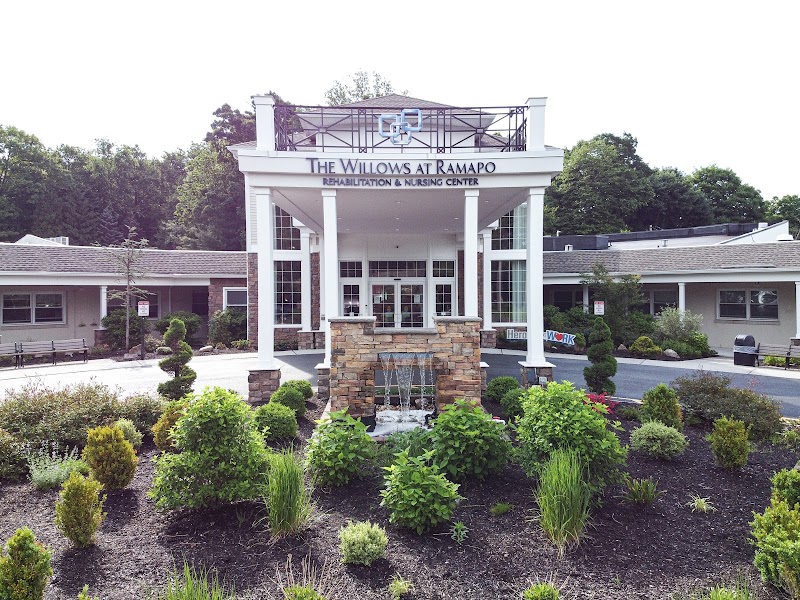
Who Owns and Operates The Willows At Ramapo Rehab And Nursing Center?

THE WILLOWS AT RAMAPO REHAB AND NURSING CENTER is owned by a for-profit company. For-profit facilities operate as businesses with obligations to shareholders or private owners. The facility is operated by CARERITE CENTERS, a chain that manages multiple nursing homes. With 203 certified beds and approximately 186 residents (about 92% occupancy), it is a large facility located in SUFFERN, New York.

How Does The Willows At Ramapo Rehab And Nursing Center Compare to Other New York Nursing Homes?

Compared to the 100 nursing homes in New York, THE WILLOWS AT RAMAPO REHAB AND NURSING CENTER's overall rating (4 stars) is above the state average of 3.1, staff turnover (26%) is significantly lower than the state average of 46%, and health inspection rating (3 stars) is at the national benchmark.

What Should Families Ask When Visiting The Willows At Ramapo Rehab And Nursing Center?

Based on this facility's data, families visiting should ask: "Can you walk me through typical staffing levels on day, evening, and night shifts?" "Can I visit during a mealtime to observe dining assistance and food quality?" "How do you handle medical emergencies, and what is your hospital transfer rate?" "Can I speak with family members of current residents about their experience?" These questions are particularly relevant given the below-average staffing rating.

Is The Willows At Ramapo Rehab And Nursing Center Safe?

Based on CMS inspection data, THE WILLOWS AT RAMAPO REHAB AND NURSING CENTER has a clean safety record: no substantiated abuse findings (meaning no confirmed cases of resident harm), no Immediate Jeopardy citations (the most serious violation level indicating risk of serious injury or death), and is not on the Special Focus Facility watch list (a federal program monitoring the lowest-performing 1% of nursing homes). The facility has a 4-star overall rating and ranks #1 of 100 nursing homes in New York. While no facility is perfect, families should still ask about staff-to-resident ratios and recent inspection results during their visit.

Do Nurses at The Willows At Ramapo Rehab And Nursing Center Stick Around?

Staff at THE WILLOWS AT RAMAPO REHAB AND NURSING CENTER tend to stick around. With a turnover rate of 26%, the facility is 20 percentage points below the New York average of 46%. Low turnover is a positive sign. It means caregivers have time to learn each resident's needs, medications, and personal preferences. Consistent staff also notice subtle changes in a resident's condition more quickly.

Was The Willows At Ramapo Rehab And Nursing Center Ever Fined?

THE WILLOWS AT RAMAPO REHAB AND NURSING CENTER has no federal fines on record. CMS issues fines when nursing homes fail to meet care standards or don't correct problems found during inspections. The absence of fines suggests the facility has either maintained compliance or corrected any issues before penalties were assessed. This is a positive indicator, though families should still review recent inspection reports for the full picture.

Is The Willows At Ramapo Rehab And Nursing Center on Any Federal Watch List?

THE WILLOWS AT RAMAPO REHAB AND NURSING CENTER is not on any federal watch list. The most significant is the Special Focus Facility (SFF) program, which identifies the bottom 1% of nursing homes nationally based on persistent, serious quality problems. Not being on this list means the facility has avoided the pattern of deficiencies that triggers enhanced federal oversight. This is a positive indicator, though families should still review the facility's inspection history directly.