MONTGOMERY NURSING AND REHABILITATION CENTER
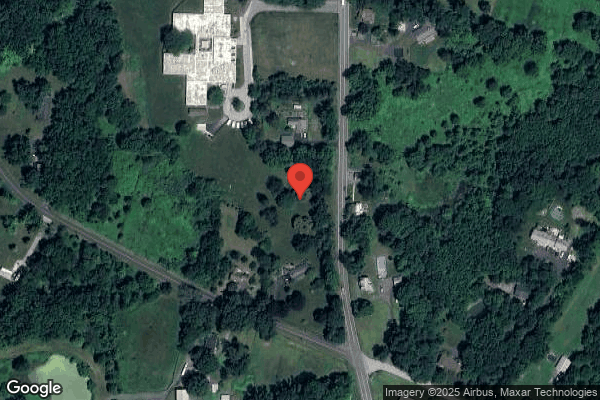

2817 ALBANY POST ROAD, MONTGOMERY, NY 12549 (845) 457-3155
For profit - Partnership 100 Beds Independent Data: November 2025
Trust Grade
40/100
#529 of 594 in NY
Last Inspection: January 2025

Within standard 12-15 month inspection cycle. Federal law requires annual inspections.

Overview

Montgomery Nursing and Rehabilitation Center has a Trust Grade of D, which means it is below average and has some concerning issues. It ranks #529 out of 594 facilities in New York, placing it in the bottom half of all state nursing homes, and #9 out of 10 in Orange County, indicating only one local option performs better. Unfortunately, the facility is worsening, with reported issues increasing from 3 in 2024 to 12 in 2025. Staffing is a significant concern, with a poor rating of 1 out of 5 stars and documented failures to meet minimum staffing requirements on multiple occasions. Specific incidents noted by inspectors include dirty living conditions in resident rooms and insufficient staffing levels on several days, which could affect the quality of care and the overall well-being of residents. On a positive note, there have been no fines issued, and the facility has more RN coverage than 77% of New York facilities, which is a strength as RNs can catch potential issues that CNAs might miss.

Trust Score
D
40/100
In New York
#529/594
Bottom 11%
Safety Record
Low Risk
No red flags
Inspections
Getting Worse
3 → 12 violations
Staff Stability
○ Average
44% turnover. Near New York's 48% average. Typical for the industry.
Penalties
✓ Good
No fines on record. Clean compliance history, better than most New York facilities.
Skilled Nurses
○ Average
Each resident gets 39 minutes of Registered Nurse (RN) attention daily — about average for New York. RNs are the most trained staff who monitor for health changes.
Violations
⚠ Watch
27 deficiencies on record. Higher than average. Multiple issues found across inspections.
★☆☆☆☆
1.0
Overall Rating
★☆☆☆☆
1.0
Staff Levels
★★★☆☆
3.0
Care Quality
★★☆☆☆
2.0
Inspection Score
Stable
2024: 3 issues
2025: 12 issues

The Good

  • Full Sprinkler Coverage · Fire safety systems throughout facility
  • No fines on record
  • Staff turnover below average (44%)

    4 points below New York average of 48%

Facility shows strength in fire safety.

The Bad

1-Star Overall Rating

Below New York average (3.0)

Significant quality concerns identified by CMS

Staff Turnover: 44%

Near New York avg (46%)

Typical for the industry

The Ugly 27 deficiencies on record

Jan 2025 12 deficiencies
CONCERN (D)

Potential for Harm - no one hurt, but risky conditions existed

Resident Rights (Tag F0550)

Could have caused harm · This affected 1 resident

**NOTE- TERMS IN BRACKETS HAVE BEEN EDITED TO PROTECT CONFIDENTIALITY** Based on observation, interview, and record review conducted during a recertification survey from 01/07/25 to 01/14/25, the faci...

Read full inspector narrative →
**NOTE- TERMS IN BRACKETS HAVE BEEN EDITED TO PROTECT CONFIDENTIALITY** Based on observation, interview, and record review conducted during a recertification survey from 01/07/25 to 01/14/25, the facility did not ensure residents had the right to a dignified experience for 2 of 2 residents (Residents # 65 and Resident # 341) reviewed for dignity. Specifically, 1) Licensed Practical Nurse # 31 was observed standing over Resident # 65 while feeding them their lunch meal and 2) Resident # 341's urine collection bag was observed uncovered and visible to other residents and visitors. The findings include: 1)The facility policy titled Assistance with Meals dated 3/2/24 documented residents shall receive assistance with meals in a manner that meets the individual needs of each resident. Residents who cannot feed themselves will be fed with attention to safety, comfort, and dignity for example, not standing over residents while assisting them with meals. Resident # 65 was admitted to the facility with diagnoses including Cerebral Infarct, Diabetes, and Atrial Fibrillation. The 7/17/23 Comprehensive Care Plan titled Potential for Altered Nutritional Status documented provide necessary encouragement/assist during meals to optimize intake. The 12/4/24 Significant Change Minimum Data Set (an assessment tool) documented Resident # 65 had severely impaired cognition and required staff assistance with eating. During observation on 1/07/25 at 12:13 PM, Registered Nurse # 31 was standing while feeding Resident #65 their meal. During an interview on 1/07/25 at 3:13 PM, Licensed Practical Nurse # 31 stated there were a lot of residents in the room and a small area to feed the resident/s. They stated the resident's chair was large, and although not ideal they did the best they could to feed the resident/s. They stated they should sit down while feeding residents. During an interview on 1/14/25 at 10:14 AM the Director of Nursing stated they needed to emphasize in trainings that feeding residents while standing was not appropriate because residents would like to be fed by staff they could see. 2) Resident # 341 was admitted [DATE] with diagnoses including Iron Deficiency Anemia, Cystitis, and Urinary Tract Infection. The admission Minimum Data Set, dated [DATE] documented Resident #341 was cognitively intact and had an indwelling urinary catheter. The Physician Order dated 12/29/24 documented catheter care every shift and as needed. The Care Plan dated 12/29/24 titled Benign Prostatic Hyperplasia/Urinary Retention documented maintain resident dignity at all times. The Care Plan dated 1/5/25 titled Urinary Incontinence and Indwelling Catheter documented catheter care every shift and privacy bag in place whenever resident is out of bed. During an observation on 1/07/25 at 11:08 AM, 1/10/25 at 8:28 AM and 1/13/25 at 9:21 AM Resident #341 was observed lying in bed. The urinary catheter bag was observed without a privacy cover and was visible to other residents and visitors. During an interview on 1/10/25 at 2:04 PM Certified Nurse Assistant #17, stated they were aware the urinary catheter for Resident #341 was not covered with a privacy cover during the morning of 1/7/25 and 1/8/25. They stated the urinary catheter bag privacy cover was attached to the wheelchair. During an interview on 1/13/25 at 2:34 PM Registered Nurse Unit Manager #19, stated there were residents with catheters and Certified Nurse Assistants are educated to cover the catheter bags with privacy covers. They stated they round the unit at least 2-3 times a shift and had observed catheter bags without privacy bags and they re-educated the Certified Nurse Assistant. During an interview on 1/14/25 at 11:17 AM the Administrator stated the facility had a supply of urinary catheter bag privacy covers. They stated the expectation is that urinary catheter bags should be covered for privacy. During an interview on 1/14/25 at 12:20 PM the Director of Nursing, stated urinary catheter privacy covers should always be used for Residents with urinary catheters. They stated nurses and unit managers supervise staff on units and should monitor to ensure that Certified Nurse Assistants were using privacy covers. 10 NYCRR 415.5
CONCERN (D)

Potential for Harm - no one hurt, but risky conditions existed

Deficiency F0645 (Tag F0645)

Could have caused harm · This affected 1 resident

**NOTE- TERMS IN BRACKETS HAVE BEEN EDITED TO PROTECT CONFIDENTIALITY** Based on record review and interview during the recertification survey from 1/7/25 to 1/14/25, the facility did not ensure that ...

Read full inspector narrative →
**NOTE- TERMS IN BRACKETS HAVE BEEN EDITED TO PROTECT CONFIDENTIALITY** Based on record review and interview during the recertification survey from 1/7/25 to 1/14/25, the facility did not ensure that a Level 1 Screen was thoroughly completed prior to admission to the nursing home for 2 of 23 residents (Resident #1 and #30) reviewed for Pre-admission Screening. Specifically, questions #23 through #27 were left blank on the Level 1 Screen for Resident #1,and questions #27 through #35 were left blank on the Level 1 Screen for Resident #30. The findings include: The facility Policy and Procedure titled PASRR Screening effective 3/2019 last reviewed 3/2024 documented, it is the policy of the facility that all residents must have a PASRR Screen upon admission to this facility and, thereafter, when there is a significant change that has a bearing on the resident's specialized service needs. The screen assesses residents for mental illness, dementia and mental retardation. Resident #1 was admitted to the facility with diagnoses of Cerebral Palsy Seizure Disorder and Dysphagia. The Quarterly Minimum Data Set ( assessment tool) dated 10/14/2024, documented Resident #1 was cognitively intact and had unclear speech. There was no documented evidence that questions #23 through #27 were answered on the 6/19/2019 Level I Pre admission Screen for Resident #1. Resident #30 was admitted with diagnoses of Chronic Obstructive Pulmonary Disease, Insomnia, and Depression. The Prospective Payment System Minimum Data Set, dated [DATE] documented Resident #30 was cognitively intact, had clear speech and understands/was understood. There was no documented evidence that questions #27 through #35 were answered on the 12/21/2020 Level I Pre admission Screen for Resident #30. On 1/14/25 at 9:57 AM, the Covering Social Worker stated the Level I Pre admission Screen for Resident #1 should have been completed thoroughly and acknowledged questions #23 through #27 were blank and acknowledged that Resident #30 had blanks for questions 23 through 35 on the Level I Pre admission Screen as well. The covering Social Worker stated if audits had been done, they would have identified the incomplete screens. The covering Social Worker stated the Social Worker/s that worked when Resident #1 and #30 were admitted , no longer work at facility. 10 NYCRR415.11(e)
CONCERN (D)

Potential for Harm - no one hurt, but risky conditions existed

Comprehensive Care Plan (Tag F0656)

Could have caused harm · This affected 1 resident

**NOTE- TERMS IN BRACKETS HAVE BEEN EDITED TO PROTECT CONFIDENTIALITY** Based on observation, record review and interview conducted during the recertification survey from 1/7/25 to 1/14/25, the facili...

Read full inspector narrative →
**NOTE- TERMS IN BRACKETS HAVE BEEN EDITED TO PROTECT CONFIDENTIALITY** Based on observation, record review and interview conducted during the recertification survey from 1/7/25 to 1/14/25, the facility did not ensure that the comprehensive person-centered care plan was followed for 1 of 4 residents (Resident #11) reviewed for Accidents. Specifically, for Resident #11, the use of Bilateral Fall Mats were not implemented as per Care Plan after a 10/8/24 fall. The Findings Include: The undated Policy and Procedure titled Accident/Fall Prevention documented a plan of care to prevent falls/injury would be developed. The plan of care would include but not limited to floor mattress, low bed. Each resident would be provided a fall prevention device as needed and the staff would ensure that they were in working order. Resident #11 was admitted with diagnoses including but not limited to Encephalopathy, Dementia, and Chronic Obstructive Pulmonary Disease. The Care Plan titled Risk for Falls effective 10/5/24 last updated 1/5/25 documented an actual fall on 10/8/24, Bilateral Fall Mats. The 5 Day Perspective Payment Minimum Data Set, dated [DATE] documented Resident #11 had moderately impaired cognition, required substantial to maximum assist with all activities of daily living and had a fall in the last 2-6 months. During observation on 1/7/25 at 9:20 AM, 01/10/25 at 03:45 PM, 01/13/25 at 08:53 AM, and 01/13/25 at 10:02 AM Resident # 11 was resting in bed and did not have Bilateral Fall Mats in place. The 10/9/24-Current Certified Nurse Aide Care Guide documented nonskid socks, Fall Mats at bedside, and bed low. During an interview on 01 /10/25 at 09:16 AM Certified Nurse Aide #13 stated if a resident needed Fall Mats, they would be placed on either side of the bed. During an interview with 01 /10/25 at 01:22 PM Resident #11's daughter, stated they had never seen Fall Mats next to the bed. During an interview on 1/13/25 at 10:32 AM Certified Nurse Aide #13 stated they usually received report in the morning from the night supervisor, and they were not aware the resident should have Fall Mats. They stated they knew the resident so well, so they did not always check the Certified Nurse Aide care guide prior to providing care/s. After reviewing the care guide, Certified Nurse Aide # 13 stated Fall Mats should have been placed when the resident was in bed. They stated since there were no Fall Mats in the room, they were unaware they should have been placed. During an interview on 1/13/25 at 10:35 AM Unit Manager #19 stated the staff should check the care guide prior to giving care. They stated the care guide and the care plan included interventions for the use of fall mats. They stated they did not know why the fall mats were not in the room. 10 NYCRR 415.11 (c)(1)
CONCERN (D)

Potential for Harm - no one hurt, but risky conditions existed

Deficiency F0698 (Tag F0698)

Could have caused harm · This affected 1 resident

**NOTE- TERMS IN BRACKETS HAVE BEEN EDITED TO PROTECT CONFIDENTIALITY** Based on observation, record review, and interview during the recertification survey conducted 1/07/2025 from 1/14/2025, the fac...

Read full inspector narrative →
**NOTE- TERMS IN BRACKETS HAVE BEEN EDITED TO PROTECT CONFIDENTIALITY** Based on observation, record review, and interview during the recertification survey conducted 1/07/2025 from 1/14/2025, the facility did not ensure residents who required dialysis (a procedure to remove waste products and excess fluid from the blood when the kidneys stop working properly) received services consistent with professional standards of practice for 1 of 1 resident (Resident #68) reviewed for Dialysis. Specifically, there was no documented evidence of consistent assessment and oversight before, during and after dialysis treatment for Resident #68 who received Hemodialysis treatments at a community-based Dialysis Center. Additionally, communication and collaboration between the facility and the Dialysis Center was not consistently documented Findings include: Policy & Procedure titled Hemodialysis dated 3/2019 last reviewed 3/2/2024 documented there will be ongoing communication between the interdisciplinary team and the dialysis center. To ensure exchange of information required to care for the resident is provided through the use of communication book. Book will accompany resident to each dialysis treatment. The Dialysis Book is sent with the resident when the resident travels to dialysis. Important information may include but is not limited to change in vital signs, appetite, labs, wounds, consult, medications, test and behaviors. Resident # 68 with diagnosis of Type 2 Diabetes, End Stage Renal Disease, and History of Cerebral Vascular Accident. The Care Plan titled Renal Failure/Hemodialysis dated 7/25/24 documented exchange information required to care for the resident through use of the Communication Book. Maintain ongoing communication with the Interdisciplinary Team and Dialysis. The Quarterly Minimum Data Set, dated [DATE] documented Resident #68 had moderately impaired cognition and received dialysis. The January 2025 Physician Order documented: Dialysis on Monday/Wednesday/Friday with a chair time of 10:30 AM and pickup time of 8:30 AM, Assess site for bruising/bleeding/symptoms of infection. Monitor left arm thrill/bruit. Monitor for fluid volume overload. The Facility/Dialysis Center Communication Book revealed the Dialysis Center did not compete their section on 12/9/24, 12/16/24, 12/20/24, 1/6/24, and 1/8/24. The 1/10/25 Pre Dialysis Assessment Communication was not completed by the facility. There was no documented evidence that Post Dialysis Assessments were completed from 12/8/24-1/10/25. During an interview on 1/14/25 at 9:09 AM the Unit Manager #19 stated they communicated with Dialysis via a Communication Book. Unit Manager #19 stated the Medication Nurse was responsible for obtaining resident vital signs and completing the top portion of the form and the Dialysis Center was responsible for completing the middle section. Unit Manager #19 stated the Medication Nurse should have checked the communication book upon the residents return from dialysis and filled out the bottom section. They stated the Medication Nurse should have reported to them any concerns dialysis had. They stated they did not review the Communication Book and were unaware of any issues with the Dialysis Center not completing their section. During an interview on 1/14/25 at 10:00 AM the Director of Nursing stated communication with the Dialysis Center was completed via a form that went back and forth between the facility and the Dialysis Center. The Director of Nursing stated the Medication Nurse should check the Communication Book prior to the resident leaving the facility and should write the resident's vital signs and any changes in the resident's medication. They stated Dialysis Center Staff should complete their section and send the communication book back to the facility. They stated the Medication Nurse should check the book upon its return to the facility. During an interview on 1/14/25 at 11:00 AM Licensed Practical Nurse #20 stated they did not always fill out the post dialysis section in the Dialysis Communication Book. They stated they had to call the Dialysis Center in the past to inform them they did not complete their section in the Communication Book. They stated the forms that did not include a resident name and date were most likely that way due to staff being busy and forgetting to complete the section. During an interview on 1/14/25 at 12:20 PM the Assistant Administrator at Dialysis stated the facility sends a Communication Book back and forth to the Dialysis Center. They stated it would be the responsibility of the Dialysis Nurse to review the Communication Book and complete the Dialysis Center section of the form. They stated they were not aware there was a problem with the information not being communicated as needed. 10NYCRR 415.12(k)
CONCERN (D) 📢 Someone Reported This

A family member, employee, or ombudsman was alarmed enough to file a formal complaint

Potential for Harm - no one hurt, but risky conditions existed

Unnecessary Medications (Tag F0759)

Could have caused harm · This affected 1 resident

**NOTE- TERMS IN BRACKETS HAVE BEEN EDITED TO PROTECT CONFIDENTIALITY** Based on observation, record review, and interview conducted during the recertification survey from [DATE] to [DATE], the facili...

Read full inspector narrative →
**NOTE- TERMS IN BRACKETS HAVE BEEN EDITED TO PROTECT CONFIDENTIALITY** Based on observation, record review, and interview conducted during the recertification survey from [DATE] to [DATE], the facility did not ensure a medication error rate of no more than 5%, 2 of 35 opportunities (5.71%) for 2 of 4 residents (Resident #34 and Resident #31) reviewed for Medication Administration. Specifically, 1) Resident #34 was administered one Tums 200 mg/ Calcium 500 mg chewable tablet instead of two as per physician order, and 2) Resident #31 did not receive Vitamin C as per physician order. The findings include: The Policy titled Medication Administration dated [DATE] documented medications would be administered to residents in a timely and accurate manner by a licensed nurse or physician. Resident #34 was admitted to the facility with diagnoses including but not limited to Atrial Fibrillation, Dysphagia and Hypertension. The [DATE] Physician Order documented Tums 200 mg/Calcium 500 mg chewable tablet, give 2 by oral route for heartburn. During the [DATE] at 9:40 AM medication administration observation Licensed Practical Nurse #21 removed one tablet of Tums 200 mg/Calcium 500 mg chewable tablet from the bottle and administered it to Resident #35. During an interview on [DATE] at 12;49 PM Licensed Practical Nurse #21 stated they did not realize they needed to administer two Tums 200 mg/Calcium 500 mg chewable tablets, and should have read the order more closely. Resident # 31 was admitted with diagnoses including but not limited to Atrial Fibrillation, Congestive Heart Failure and Pleural Effusion. The [DATE] Physician Order documented Vitamin C 500 mg tab, two tablets every day. During the [DATE] at 10:00 AM medication administration observation Vitamin C was not administered. The Medication Administration Record documented Vitamin C was signed off by the Licensed Practical Nurse #20 on [DATE] as administered at 9:00 AM. During an interview on [DATE] at 11:15 AM Licensed Practical Nurse #20 stated they gave the Vitamin C during the medication pass. Licensed Practical Nurse #20 then stated the Vitamin C bottle was expired, they needed to get a new bottle. When asked why they signed for the Vitamin C before they administered the Vitamin C, they stated they accidentally signed off. During an interview on [DATE] at 11:56 AM the Director of Nursing stated medications needed to be given as prescribed by the physician. They stated the nurses needed to do better. 10NYCRR 415.12(m)(1)
CONCERN (D) 📢 Someone Reported This

A family member, employee, or ombudsman was alarmed enough to file a formal complaint

Potential for Harm - no one hurt, but risky conditions existed

Deficiency F0760 (Tag F0760)

Could have caused harm · This affected 1 resident

**NOTE- TERMS IN BRACKETS HAVE BEEN EDITED TO PROTECT CONFIDENTIALITY** Based on record review and interview during the recertification and abbreviated surveys (NY00360214) conducted from 1/7/25 to 1...

Read full inspector narrative →
**NOTE- TERMS IN BRACKETS HAVE BEEN EDITED TO PROTECT CONFIDENTIALITY** Based on record review and interview during the recertification and abbreviated surveys (NY00360214) conducted from 1/7/25 to 1/14/25, the facility did not ensure residents were free from significant medication errors for one of one resident (Resident #70) reviewed for Neglect. Specifically, staff administered medications to Resident #70 including Doxycycline 100 mg (antibiotic), Metformin 500 mg (diabetes pill), [NAME] 95-100 mg ( heart pill), Torsemide 20 mg (water pill), Metoprolol ER 75 mg (blood pressure pill), and Farxiga 10 mg (kidney pill), which were not physician prescribed for Resident #70 resulting in Resident #70 developing chest pain and being transferred to an acute care hospital for evaluation. The findings include: The facility policy Medication Incident Errors dated 12/28/2020 and revised on 11/12/2024, documented medication incidents to include wrong resident, wrong dose, wrong medication, wrong time, wrong day, wrong route. To determine if the incident is significant include, resident condition and medical history, drug category, frequency, and dosing. Resident #70 had diagnoses including Cerebral Vascular Accident, Type 2 Diabetes, and Peripheral Vascular Disease. The Quarterly Minimum Data Set ( assessment tool) dated 11/21/24 documented Resident #70 had severe cognitive impairment. The Investigation Report dated 11/20/24 documented occurrence date 11/10/24 at 8:40 AM, the Licensed Practical Nurse self-reported they gave the wrong medication to the resident. The resident received Doxycycline 100 mg, Metformin 500 mg, Entresto 95-100 mg, Torsemide 250mg, Metoprolol 75 mg, and Farxigia 10 mg. The Medical Provider was notified immediately and ordered monitoring of vital signs and blood sugar. The Investigation Report documented Licensed Practical Nurse #16 was suspended pending investigation, interviewing other alert residents on Licensed Practical Nurse #16's assignment for any other potential issues. The facility policy and procedure for medication error and medication administration was reviewed and revised. Statements were obtained from all parties. Education and in-service was conducted with nurses, completed on 12/2/24, and random medication pass observations were conducted. The nurse involved resigned on 11/14/24. The Progress Note dated 11/11/24 documented vital signs 173/67, 59, 16 96% blood glucose 148. Monitoring and Vital Signs 10 AM, 164/56, 60, 21 96% blood glucose 168, 11 AM 181/76, 60, 16 96% blood glucose 186, 12:15 PM 135/68, 62, 20 98%. At 12:45 PM resident complained of chest pain and was sent to the Emergency Room. The emergency room records documented the resident was brought in by Emergency Medical Services following the resident receiving another resident's medication in the Skilled Nursing Facility. The resident had an episode of feeling faint and complained of chest pain at the facility. During an interview on 1/10/25 at 1:01 PM the Administrator stated they were made aware right away of the error, the family was at the bedside at the time. The physician was notified at the time and felt they could manage the resident's monitoring in the facility. When the resident complained of chest pain they sent the resident to the Emergency Room. During an interview on 1/13/25 at 12:14 PM the Physician stated they were called when the medication error occurred. The resident later complained of chest pain and was sent to the emergency room and was subsequently admitted for an unrelated issue. Since the resident received medication not prescribed including a diuretic (torsemide-water pill), they felt it should be considered a significant medication error. During an interview on 1/13/25 at 12:25 PM the Director of Nursing stated they did the investigation right away; they were grateful the nurse self-reported. Because the resident received another resident's medication, they considered it a significant medication error. They started an investigation, the nurse was suspended, and the event was reported to the State Agency. During an interview on 1/13/25 at 1:09 PM Licensed Practical Nurse Supervisor #21 stated they were the supervisor when the medication nurse let them know they had given Resident #70 someone else's medication. They stated they had a Registered Nurse assess the resident and called the Medical Doctor. They continued to monitor the resident until Resident #70 complained of chest pain. They notified the Medical Doctor and sent the resident to the Emergency Room. The Director of Nursing was notified of the medication error. 10 NYCRR 415.12 (m)(2)
CONCERN (E)

Potential for Harm - no one hurt, but risky conditions existed

Safe Environment (Tag F0584)

Could have caused harm · This affected multiple residents

**NOTE- TERMS IN BRACKETS HAVE BEEN EDITED TO PROTECT CONFIDENTIALITY** Based on observation and interview during the recertification survey conducted from 1/7/25 to 1/14/25, the facility did not ensu...

Read full inspector narrative →
**NOTE- TERMS IN BRACKETS HAVE BEEN EDITED TO PROTECT CONFIDENTIALITY** Based on observation and interview during the recertification survey conducted from 1/7/25 to 1/14/25, the facility did not ensure a clean and home like environment was maintained for 1 of 2 nursing units (South unit). Specifically, (1) the floor and radiators in room [ROOM NUMBER], #129 and #130 were dirty, the walls and closet trim in room [ROOM NUMBER] had chipped and scuffed paint, room [ROOM NUMBER] had feces on the toilet and room [ROOM NUMBER] had a brown liquid spill on the floor and (2) a meal tray was provided to Resident #24 and contained a hot beverage cup and utensils with a build up of lime deposit stains. The findings include: The policy and procedure titled Cleaning and Disinfection of Environmental Surfaces effective 9/30/2020 last reviewed 3/2024 documented environmental surfaces will be cleaned and disinfected according to current CDC recommendations for disinfection of healthcare facilities and the OSHA Bloodborne Pathogens Standard. Walls, blinds, and window curtains in resident areas will be cleaned when these surfaces are visibly contaminated or soiled. Disinfection (or detergent) solutions will be prepared as needed and replaced with fresh solution frequently (e.g. floor mopping solution will be replaced every three resident rooms, or changed no less than at 60-minute intervals). 1) On 1/7/25 between 10:59 AM and 11:17 AM and 1/10/25 between 12:33 PM and 12:41 PM rooms #128, #129 and #130 on the South unit were observed and had floors that were unclean and radiators that were dirty: room [ROOM NUMBER] walls/ closet trim had chipped and scuffed paint, room [ROOM NUMBER] had feces on the toilet and room [ROOM NUMBER] had a brown liquid spill on the floor. On 01/13/25 at 11:30 AM, during a tour with survey staff, the Director of Housekeeping and Maintenance observed scuffed and chipped paint on the walls and dirty baseboards, floors and radiators in room [ROOM NUMBER], feces on the toilet in room [ROOM NUMBER], and a brown liquid spill mark on the floor in room [ROOM NUMBER]. The Director of Maintenance and Housekeeping stated if the rooms were not cleaned then the housekeeper must not have cleaned them On 01/13/25 at 12:07 PM during an interview, the Director of Housekeeping and Maintenance stated they did not have maintenance and repair logs. They stated the rooms on the South unit were not renovated. The Director of Housekeeping/Maintenance stated they never had a chance to do the repairs in the rooms as they reopened the unit following COVID and they wanted to fill the beds. The Director of Housekeeping and Maintenance stated they did not have a regular schedule for work orders but did rounds every week on Tuesdays and Thursdays. The Director of Housekeeping and Maintenance stated they did not have a log of repairs they made throughout the facility. 2) During an observation on 01/07/25 at 12:25 PM Resident #24's meal with was served on a tray containing a hot beverage cup and utensils with a build up of lime deposit stains. During an interview and observation on 01/13/25 at 03:54 PM the Kitchen Manager stated they observed hot beverage cups and utensils with a build up of lime deposit stains. They stated lime stains built up and left a film on beverage cups and utensils because the facility had hard water. They stated the beverage cups and utensils were supposed to be sprayed, rinsed and scrubbed prior to entering the dishwasher. During an observation and interview on 01/14/25 at 10:29 AM the Director of Food Services stated hot beverage cups and utensils were observed with lime build-up stains. They stated a de-[NAME] product was used for equipment. They stated they tried using de-[NAME] on silver but that caused the silver to tarnish and removed the finish. The Director of Food Services stated a water softener would be of assistance in removing lime scale from beverage cups and utensils. They stated in the past they had discussed the addition of a water softener with Administration and stated the dishwasher repair company also recommended a water softener. During an interview on 01/14/25 at 11:00 AM the facility Administrator stated they believed a water softener addition to prevent lime build up was brought up in the past but was not aware if there had been follow up. They stated the appearance of lime deposit stains on cups, and utensils was not home-like. The Administrator stated the facility recently purchased new cups and utensils, however the lime build-up eventually returned after repeated washing. 10 NYCRR 415.5(h-i)(1-3)
CONCERN (E)

Potential for Harm - no one hurt, but risky conditions existed

Deficiency F0725 (Tag F0725)

Could have caused harm · This affected multiple residents

Based on record review and interview conducted during the recertification survey from 1/7/25 to 1/14/25, the facility did not ensure sufficient nursing staff to attain or maintain the highest practica...

Read full inspector narrative →
Based on record review and interview conducted during the recertification survey from 1/7/25 to 1/14/25, the facility did not ensure sufficient nursing staff to attain or maintain the highest practicable physical, mental, and psychosocial well-being of each resident. Specifically, the facility did not meet minimum staffing requirements for Certified Nurse Aides as documented on the Facility Assessment on 10 of 28 days reviewed. The findings are: The Facility Assessment Staffing Plan Minimum Staffing documented Day shift: 3 Licensed Nurses on both units and 3 Nurse Aides on both units. Evening shift: 2 Licensed Nurses on both units and 3 Nurse Aides on both units. Night shift: 1 Licensed Nurse on both units and 2 Nurse Aides on both units. Actual staffing from December 9 2024 to January 6 2025 documented: 12/14/24 South Unit 11:00 PM-7:00 AM one Certified Nurse Aide, and North Unit 11:00 PM-3:00 AM one Certified Nurse Aide. 12/22/24 North Unit 7:00 PM-9:30 PM two Certified Nurse Aides. 12/25/24 South Unit 7:00 AM-12:00 PM two Certified Nurse Aides. 12/28/24 North Unit 10:00 AM-1:00 PM two Certified Nurse Aides. 12/30/24 North Unit 11:00 PM-4:00 AM one Certified Nurse Aide and South Unit 4:00 AM-7:00 AM one Certified Nurse Aide. 12/31/24 North Unit 11:00 PM-5:30 PM one Certified Nurse Aide and South Unit 11:00 PM-4:15 AM one Certified Nurse Aide. 1/1/25 North Unit 11:00 PM-4:15 AM one Certified Nurse Aide 1/3/25 South Unit 3:00 PM-4:00 PM two Certified Nurse Aides and 10:00 PM-11:00 PM two Certified Nurse Aides. 1/4/25 South Unit 2:30 PM-3:00 PM two Certified Nurse Aides. 1/6/25 South Unit 10:00 PM-11:00 PM two Certified Nurse Aides. During an interview on 1/08/25 at 1:53 PM Certified Nurse Aide #5 stated they came in at 3:00 AM (night shift) on 12/14/24 to assist on the North Unit. They stated they provided care to residents, since there had been only one Certified Nurse Aide working from 11:00 PM until they got there at 3:00 AM. During an interview on 1/08/25 at 2:00 PM Certified Nurse Aide #6 stated they worked with only one other Certified Nurse Aide on the South Unit on 12/25/24 from 7:00 AM to 12:00 PM. They stated each of the Certified Nurse Aides had to stay on one wing to answer call bells and assist residents as best they could. They further stated on 12/28/24 from 10:00 AM until 1:00 PM, they worked with only one other Certified Nurse Aide on the North Unit. They stated it was difficult to keep the residents safe and assist them with cares as needed with only one other Certified Nurse Aide. During an interview on 1/10/25 at 9:05 AM Certified Nurse Aide #10, stated on 1/3/25 they worked with only one other Certified Nurse Aide from 3:00 PM to 4:00 PM and from 10:00 PM to 11:00 PM. They stated on 1/6/25 they worked with only one other Certified Nurse Aide on the South Unit from 10:00 PM to 11:00 PM. They stated it was challenging to meet resident needs, keep residents safe, and assist with toileting when they were short staffed. During an interview on 1/10/25 at 9:09 AM Certified Nurse Aide #8 stated on 12/30/24 they came in at 4:15 AM and were the only Certified Nurse Aide on the unit. They stated they completed as many cares as possible to try to meet all the resident's needs. Certified Nurse Aide #8 stated in order to meet all resident needs, it was much better to work with two Certified Nurse Aides. During an interview on 1/10/25 at 9:16 AM Certified Nurse Aide #7 stated on 12/22/24 they worked with only one other Certified Nurse Aide from 7:00 PM to 9:30 PM. They stated it was difficult getting residents ready for bed. They stated on 1/4/25 they worked with only one other Certified Nurse Aide from 2:30 PM to 3:00 PM. They stated it was always hard when working with only one other Certified Nurse Aide. During an interview on 1/13/25 at 8:49 AM Certified Nurse Aide #4 stated on 12/14/24 they were the only Certified Nurse Aide on the unit from 11:00 PM to 3:00 AM, on 12/31/24 they were the only Certified Nurse Aide on the unit from 11:00 PM to 5:30 AM, and on 1/1/25 they were the only Certified Nurse Aide on the unit from 11:00 PM to 4:15 AM. They stated they tried to do the best they could, but it was impossible to take care of approximately 40 residents and answer the call bells timely. They stated they completed what they could, but it was hard. During an interview on 1/13/25 at 9:16 AM Certified Nurse Aide #18 stated on 12/31/24 they were the only Certified Nurse Aide on the unit from 11:00PM to 4:15 AM. They stated it was not easy to provide care to so many residents by themselves. They stated they changed as many residents and answered as many call bells as they could. During an interview on 1/13/25 at 9:40 AM the Staffing Coordinator reviewed the Staffing Plan Minimum Staffing documented in the Facility Assessment and reviewed the actual staffing from December 9 2024 to January 6 2025 and stated they were aware the facility did not meet the minimum staffing numbers for Certified Nurse Aides on 10 of 28 days reviewed. They stated last minute callouts had been a problem. On 01/13/25 at 10:53 AM during an interview with the facility Administrator, they stated they are aware that the facility did not meet the minimum staffing numbers of Certified Nurse Aides on multiple days reviewed. They stated they were meeting with the union regarding issues with callouts, they already implemented a gift package for the Employee of the Month, they wanted to implement a bonus for attendance and needed to speak with Corporate about it. 10 NYCRR 415.13(a)(1) (i-iii)
CONCERN (E)

Potential for Harm - no one hurt, but risky conditions existed

Deficiency F0730 (Tag F0730)

Could have caused harm · This affected multiple residents

Based on record review and interview during the recertification survey from 1/7/25 to 1/14/25, the facility did not ensure Certified Nurse Aide performance appraisals were completed at least once ever...

Read full inspector narrative →
Based on record review and interview during the recertification survey from 1/7/25 to 1/14/25, the facility did not ensure Certified Nurse Aide performance appraisals were completed at least once every 12 months for 5 of 5 Certified Nurse Aides reviewed. Specifically, performance appraisals were not documented every 12 months for Certified Nurse Aides #1, #2, #3, #4, and #5. The findings are: There was no documented evidence that performance appraisals were completed every 12 months for Certified Nurse Aide #1, #2, #3, #4 and #5. During an interview on 1/08/25 at 9:25 AM the Director of Nursing stated they were aware that performance appraisals should be completed for the Certified Nurse Aides and stated they were responsible for writing the performance appraisals. 10 NYCRR 415.12(h)(1)
CONCERN (E)

Potential for Harm - no one hurt, but risky conditions existed

Food Safety (Tag F0812)

Could have caused harm · This affected multiple residents

Based on observation and interview conducted during the recertification survey from 1/7/25 to 1/14/25, the facility did not ensure food was stored in accordance with professional standards for food se...

Read full inspector narrative →
Based on observation and interview conducted during the recertification survey from 1/7/25 to 1/14/25, the facility did not ensure food was stored in accordance with professional standards for food service safety. Specifically, 1. the refrigerators contained food and/or packages that were unlabeled, had no received on date, and did not contain an expiration date, 2. the walk-in freezer contained food and/or packages that were unlabeled and not properly sealed to prevent freezer burn, and 3. the dry storage pantry contained food products that did not contain expiration dates. The findings are: During an initial tour of the kitchen on 1/7/25 at 09:52 AM accompanied by the Director of Food Services, the following was observed in the food service refrigerators/walk in freezer and dry storage area: The Refrigerator contained: -Six 80 individual slice packs of American Cheese with no expiration date -One unlabeled container of beef meatballs -Three and one-half trays of eggs with no received date and no expiration date -One unlabeled/undated container of thawed chicken thighs -One four-pound jar of grape jelly with no expiration date The Walk in Freezer contained: -One open box of sausage patties was not covered to protect from freezer burn. -One five-pound bag of French fries with no expiration date. -One unlabeled opened bag of tater tots -One opened bag of meatballs with no open on date and no expiration date. The Dry Storage Area, contained: - One four pound can of tuna with no expiration date. - One can of spaghetti sauce with no expiration date. - One gallon bottle of Sweet and Sour Sauce with no expiration date. - Four boxes of individual size oat meal pies with no expiration date. -One box of approximately 30 individual packs of graham crackers with no expiration date. -One 16-ounce bottle of Curry Powder with no expiration date. -One 16-ounce jar of Chicken Paste with no expiration date. -One 13-ounce Classic [NAME] Gravy packet with no expiration date. -One 10-pound bag of dry pasta with no expiration date. During an interview on 1/7/25 at 9:52 AM the Director of Food Services stated kitchen staff was trying not to have as many boxes in the refrigerator, freezer, and dry storage area and that the discarded boxes may have contained expiration dates for the products. They stated they would discuss why canned and packaged goods did not have individual expiration dates with the food supplier. The Director of Food Services stated kitchen staff were expected to label and date all products in the kitchen and the facility received weekly deliveries of food products, therefore no products should be expired. 10NYCRR 415.14(h)
CONCERN (E)

Potential for Harm - no one hurt, but risky conditions existed

Infection Control (Tag F0880)

Could have caused harm · This affected multiple residents

Based on observation, record review, and interview during the recertification survey from 1/7/25 to 1/14/25, the facility did not ensure infection prevention and control program designed to prevent th...

Read full inspector narrative →
Based on observation, record review, and interview during the recertification survey from 1/7/25 to 1/14/25, the facility did not ensure infection prevention and control program designed to prevent the development and transmission of communicable diseases and infection was maintained for 2 of 8 residents ( #49, and #66) reviewed for Infection Control. Specifically, 1) the facility did not properly implement transmission-based precautions for Resident #49 and 2) the facility did not ensure an infection surveillance plan was implemented for identifying, tracking, and monitoring infections, communicable diseases, and outbreaks for Resident #49 and # 66, The findings are: The Policy titled Transmission-Based Precaution last updated 7/8/20/24 documented transmission- based precautions shall be used when caring for residents who are documented or suspected to have communicable diseases of infections that can be transmitted to others. Droplet precautions are to be implemented for residents known to be infected with microorganisms that can be transmitted by droplets which includes Coronavirus. Contact precautions should be implemented for residents infected with microorganisms that can be transmitted by direct contact which includes diarrhea associated with colostrum difficile, and the resident should be placed in a private room if it is not feasible to contain drainage excretions and blood or body fluids. Enhanced barrier precautions should be implemented for residents with wounds. The Policy titled Infection Control last updated 11/12/24 documented that to prevent, detect, and control infections within the nursing home the facility will develop and maintain a surveillance program to prevent and control infections within the facility with its purpose to detect and record nosocomial infections to institute effective control measures, including to record data of infections on resident's surveillance reports and infection line listing reports. Resident #49 was positive for Colostrum Difficile (inflammation of the colon caused by bacteria) on 10/18/24. During observation on 1/7/25 at 3:09 PM, there was no Contact Precaution sign on the door and 1/08/25 at 9:35 AM, there was no personal protective equipment or Contact Precaution sign outside Resident #49's room. During an interview on 1/13/25 at 1:16 PM, Housekeeper #34 was observed in Resident #49's room wearing gloves and without a gown. Housekeeper # 34 was squatting down while cleaning the molding and the floor. Housekeeper #34 removed their gloves, and left the room without performing hand hygiene. During an interview at that time, Housekeeper #34 stated they did not wash their hands with soap and water and did not know they should have worn a gown. Duirng an interview on 1/13/25 at 2:04 PM the Director of Nursing stated the Physician Order for Resident #49's Contact Precautions was renewed on 1/5/25. The Director of Nursing stated a sign for Contact Precautions should have been posted on Resident #49's door. The Director of Nursing stated for a resident with Colostrum Difficile, staff and visitors should be alerted to wear a gown and gloves 2. During an interview on 1/13/25 at 2:04 PM the Director of Nursing stated they could not provide tracking and prevention purposes regarding the number of residents who currently had urinary tract infections because the information was not documented in one centralized document tool. The Director of Nursing stated they did not keep an updated record in real time to identify clusters of infections and to prevent the spread of infections for residents on precautions, residents who had infection, residents who had signs and symptoms of infection, and residents on antibiotics. During an interview on 1/13/25 at 2:35 PM the Director of Nursing Resident #49 who had a diagnosis of Colostrum Difficile was not included on the November 2024 or the December 2024 tool for infections. They stated on November 5th, Resident #49 went to the Infectious disease physician for recurrent infection, and a recommendation to taper off antibiotics was made, but when the antibiotic Vancomycin was re-started on 11/20/24, they did not enter Resident #49 onto the tool to document infections but stated they should have done so. During an interview on 1/14/25 at 10:25 AM the Director of Nursing stated Resident #66 who had a diagnosis of a chronic urinary tract infection, was not included on the December 2024 or January 2025 tool for infections. They stated Resident #66 was on standing antibiotic Macrodantin since 4/24/2023 and should be listed on the tool to document infections. 10NYCRR 415.19(a)(2)
CONCERN (E) 📢 Someone Reported This

A family member, employee, or ombudsman was alarmed enough to file a formal complaint

Potential for Harm - no one hurt, but risky conditions existed

Deficiency F0925 (Tag F0925)

Could have caused harm · This affected multiple residents

**NOTE- TERMS IN BRACKETS HAVE BEEN EDITED TO PROTECT CONFIDENTIALITY** Based on observation, record review, and interview during the recertification and abbreviated surveys (NY00359070 ) from 1/7/202...

Read full inspector narrative →
**NOTE- TERMS IN BRACKETS HAVE BEEN EDITED TO PROTECT CONFIDENTIALITY** Based on observation, record review, and interview during the recertification and abbreviated surveys (NY00359070 ) from 1/7/2025 to 1/14/2024, the facility did not ensure that an effective pest control program was maintained so that the facility was free of rodents on 1 of 2 units (South) and the physical therapy department. Specifically, there was no documented evidence of facility follow up/monitoring to assess ongoing need and/or effectiveness of interventions put in place by the pest control company to eradicate and/or contain mice. The findings are: The policy and procedure effective 3/2019 last reviewed 3/2024 titled Pest Control documented this facility maintains an ongoing pest control program to ensure that the building is kept free of insects and rodents. The Pest Control Logbook dated 2/7/24 to 1/8/25 documented mice were observed in room [ROOM NUMBER] and #106 on 4/16/24, a mole was observed in room [ROOM NUMBER], and maintenance shop on 10/15/24, a mouse was in room [ROOM NUMBER] on 10/15/24, and a mouse was in the therapy room on 11/3/24. The 4/17/24 Service Inspection Report documented mice were in room [ROOM NUMBER] and room [ROOM NUMBER]. Ready to use glue boards were placed in each room. No other reports. Inspected and treated all nursing stations, common areas and kitchen. The 10/16/24 Service Inspection Report documented treated all nursing stations in common areas and kitchen for general pest prevention. Check all ready to use monitors and tincats. One mouse caught on the glueboard near the exit door under ventilation. Replenished all monitors. The 11/13/24 Service Inspection Report documented light activity in the therapy department. Inspected and treated the entire interior and exterior for all pest and rodent activity including all common areas, nursing stations and kitchen. Replenished all bait stations throughout the facility interior and exterior. During observation on 1/07/25 at 11:17 AM, room # 131/Resident #54 was observed to have a mouse trap behind the dresser and located under the radiator. It was also observed that Resident #54 had an open box of donuts on the dresser and extra food items in the room. During interview on 1/13/25 at 3:53 PM, the Director of Rehabilitation stated they did not actually see mice, but they saw mice droppings in the physical therapy department. They stated they alerted the head of maintenance and they called the pest control company who sprayed all along the baseboards and put a mouse trap in the room.They stated the mouse trap was no longer in place. During interview on 1/14/25 at 9:13 AM, Licensed Practical Nurse #14 stated they did not recall seeing or hearing about mice in April of 2024. Licensed Practical Nurse #14 stated if a Certified Nurse Aide saw a mouse they would verbally report it to maintenance. Licensed Practical Nurse #14 stated they did not have maintenance repair/housekeeping logs on the units where they would report concerns for maintenance/housekeeping such as mice. During interview on 1/14/25 at 9:47 AM, the Director of Maintenance/Housekeeping stated when there were reports of mice, they had pest control company place mouse traps. The Director of Maintenance/Housekeeping stated they knew traps were placed but, a review of reports to determine if the traps were working/rounds to check for mice was not done. The Director of Maintenance/Housekeeping stated they had no documentation of their follow regarding the issue. The Director of Maintenance/Housekeeping stated they felt it was being taken care of by having the mouse traps. The Director of Maintenance/Housekeeping stated the pest control company checked the traps to see if there were mice in them. The Director of Maintenance/Housekeeping stated they were not informed of any mice being found in the mouse traps. 10 NYCRR 415.29(j)(5)
Oct 2024 3 deficiencies
CONCERN (D) 📢 Someone Reported This

A family member, employee, or ombudsman was alarmed enough to file a formal complaint

Potential for Harm - no one hurt, but risky conditions existed

Quality of Care (Tag F0684)

Could have caused harm · This affected 1 resident

Based on observation, record review and interview conducted during an abbreviated survey (NY00358461) on 10/28/24, the facility did not ensure each resident received treatment and care in accordance w...

Read full inspector narrative →
Based on observation, record review and interview conducted during an abbreviated survey (NY00358461) on 10/28/24, the facility did not ensure each resident received treatment and care in accordance with professional standards of practice for 1(Resident #1) of 3 residents reviewed for accidents. Specifically, a left hip x-ray was not performed as per the 10/20/24 physician order after Resident #1 who was admitted status post (previous) left hip open reduction and internal fixation (hip fracture repair) sustained a fall 3 days after admission. The findings include: The Policy titled Medication and Treatment Orders with a revision date of 4/8/24 documented orders treatments will be consistent with principles of safe and effective orders. Verbal orders must be recorded immediately in the resident chart by the person receiving the order. Resident #1 had diagnosed including but not limited to dementia, open reduction internal fixation of the left hip (repair of a hip fracture) and metabolic encephalopathy (a brain disorder caused by a chemical imbalance in the blood that affects brain function). The 10/20/24 Incident and Accident Report completed by Registered Nurse Supervisor #2 documented the resident attempted to transfer and put the bed up and was found on the floor. Educated resident to call for assist. Physician updated and ordered a left hip x-ray. The Comprehensive Care Plan titled Risk for Falls updated 10/20/24 documented x-ray left hip. The 10/20/24 Physician Order documented x-ray left hip unilateral and pelvis/four views. There was no documented evidence in the electronic medical record to indicate the left hip x-ray was done as per physician order. The 10/22/24 Discharge Minimum Data set documented Resident #1 had severely impaired cognition and was totally dependent on two staff for transfer with a mechanical lift. During an interview on 10/28/24 at 2:00 PM Registered Nurse Supervisor #2 stated the resident fell at 11:00 PM on 10/20/24, the staff called them, and they assessed the resident. They stated the resident was not sent to the hospital. Registered Nurse Supervisor #2 stated the resident denied hitting their head, no ecchymosis noted, no external rotation or shortening of either lower extremity. The Physician ordered a left hip x-ray and they endorsed it to the oncoming shift They stated they did not know why it was not done During an interview on 10/28/24 at 2:15 PM Registered Nurse Unit Manager #1 stated they were unable to find the left hip x-ray result on the Diagnostic Imaging Company wbsite. They also stated that the physician order for the left hip x-ray was not sent to the x-ray company. During an interview on 10/28/24 at 2:30PM the Director of Nursing stated they checked the Diagnostic Imaging Company requisitions and found that the company was not notified of the physician order for a left hip x-ray. The Director of Nursing stated Registered Nurse Supervisor #2 who took the order for the left hip x-ray from the physician should have ordered the x-ray on the Diagnostic Imaging website after entering the order into the facilities electronic medical system. The Director of Nursing stated the Registered Nurse Unit Manager, should have followed up the next morning to ensure the physician ordered left hip x-ray was entered in the electronic medical record and that the Diagnostic Imaging Company was notified. 10 NYCRR 415. .
CONCERN (D) 📢 Someone Reported This

A family member, employee, or ombudsman was alarmed enough to file a formal complaint

Potential for Harm - no one hurt, but risky conditions existed

Accident Prevention (Tag F0689)

Could have caused harm · This affected 1 resident

**NOTE- TERMS IN BRACKETS HAVE BEEN EDITED TO PROTECT CONFIDENTIALITY** Based on observation, record review and interviews conducted during an abbreviated survey (NY00358461) the facility did not ensu...

Read full inspector narrative →
**NOTE- TERMS IN BRACKETS HAVE BEEN EDITED TO PROTECT CONFIDENTIALITY** Based on observation, record review and interviews conducted during an abbreviated survey (NY00358461) the facility did not ensure each resident received adequate supervision consistent with resident's needs goals and care plan to prevent accidents. This was evident for 1 (Resident #1) of 3 residents reviewed for accidents. Specifically, Resident #1 who was assessed as having suicidal ideation and a high risk for falls on admission had a physician's order for 15-minute safety checks. There was no documented evidence that 15-minute safety checks were consistently done as per the 10/18/24 physician's order. The certified nursing aide care instructions did not include the order for 15-minute safety check. Resident #1 was found on the floor in their room on 10/20/24. The findings include: The Policy titled Accidents/Incident Report with a 3/2/24 revision date documented the facility is responsible to investigate accidents to determine possible causative factors and implement interventions that may prevent a reoccurrence. Administer treatment to resident per physician orders. Resident #1 was admitted with diagnoses which included dementia, open reduction internal fixation of the left hip (repair of a hip fracture), and metabolic encephalopathy (a brain disorder caused by a chemical imbalance in the blood that affects brain function). The Fall Risk assessment dated [DATE] documented a score of 10 indicating the resident was at a high risk for falls. The 10/18/24 Comprehensive Care Plan titled Suicidal Ideations care plan note documented to start 15-minute safety checks. The 10/18/24 Physician's Order documented 15-minute safety checks x 72 hours. The 10/20/24 Incident and Accident Report documented the resident attempted to transfer out of bed and put the bed up. Resident was found on the floor at 11:00 PM. The resident denied hitting their head. The resident was last seen by staff at 9:30 PM. The resident was educated to call for assistance. The physician was updated, and an order was obtained for an x'ray of the left hip. The 5-day Minimum Data Set assessment dated [DATE] documented the resident had moderately impaired cognition and a Patient Health Questionnaire -9 score of 21 indicating severe depression. The 10/22/24 discharge Minimum Data Set documented the resident is totally dependent on two staff members for transfer with a mechanical lift. Review of the October 2024 Medication Administration Record revealed that 15-minute safety checks were not documented on 10/19/24 and 10/20/24 on the night shift (11PM-7AM). There was no documented evidence in the October 2024 Certified Nurse Aide Care instructions for15-minute safety checks. During an interview on 10/30/24 at 11:30 AM, Certified Nurse Aide #1 stated that they did not know that resident was on 15-minute safety checks. They stated that they would usually be told in report when coming on shift if a resident is on 15-minute safety checks. When asked how they know what other interventions are in place for residents, Certified Nurse Aide #1 stated that care instructions are also provided during report or instructions can also be found in the computer where they document cares. Certified Nurse Aide #1 stated they remember the resident trying to get out of the bed on the evening of 10/20/24 so they were frequently checking on the residnt. During an interview on 10/30/24 at 11:36 AM, Licensed Practical Nurse # 1 stated they worked the evening shift on 10/20/24 however they don't remember if the resident was on 15-minute safety checks. They stated they would normally get that information from report from the previous shift. They stated the resident was attempting to get out of bed, and they believe they performed frequent checks. Licensed Practical Nurse # 1 stated they signed the 15-minute safety checks in the Medication Administration Record. During an interview on 10/30/24 11:18AM, Registered Nurse #2 stated they worked the overnight shift(11pm-7am) on 10/19/24 and 10/20/24 and they received report about Resident #1 falling on 10/20/24, however they could not recollect specifically about the 15-minute safety checks. Registered Nurse #2 stated the 15-minute safety checks were probably an intervention for the fall, however they could not remember all the details. When made aware of the omissions on the Medication Administration Record for the 15-minute safety checks, Registered Nurse #2 stated that the omissions does not necessarily mean it was not done. When asked how Certified Nurse Aides are made aware of 15-minute safety checks, they stated the Certified Nurse Aides would get that information in report. When asked why the resident was last seen at 9:30 PM and was on 15-minute check they stated I was doing frequent checks on the resident. During an interview on 10/28/24 at 2:00 PM, Registered Nurse Supervisor #2 stated the resident fell at 11:00 PM and the staff called them, and they assessed the resident. The resident denied hitting their head, there was no ecchymosis noted, no lower extremity external rotation or shortening of both legs. They stated the resident was not sent to the hospital. Registered Nurse Supervisor #2 stated they did not know why the 15-minute safety checks were not documented as being done during the night shift on 10/19/24 and 10/20/24. Registered Nurse Supervisor #2 stated when staff was interviewed, they stated the last time the resident was seen was at 9:30 PM. During interview on 10/28/24 at 2:33 PM, the Director of Nursing stated the nurse should have signed the 15-minute safety checks in the Medication Administration Record on 10/19/24 and 10/20/24 during the night shift and the unit manager should have checked that the Medication Administration Record documented 15-minute safety checks were done. 10 NYCRR 415.12 (h) (2)
CONCERN (D) 📢 Someone Reported This

A family member, employee, or ombudsman was alarmed enough to file a formal complaint

Potential for Harm - no one hurt, but risky conditions existed

Deficiency F0740 (Tag F0740)

Could have caused harm · This affected 1 resident

**NOTE- TERMS IN BRACKETS HAVE BEEN EDITED TO PROTECT CONFIDENTIALITY** Based on record review and interviews conducted during the abbreviated survey (NY00358461), the facility did not ensure that a r...

Read full inspector narrative →
**NOTE- TERMS IN BRACKETS HAVE BEEN EDITED TO PROTECT CONFIDENTIALITY** Based on record review and interviews conducted during the abbreviated survey (NY00358461), the facility did not ensure that a resident received appropriate behavioral care intervention to address suicidal ideation for 1 (Resident #1) of 3 residents reviewed for behavioral health care. Specifically, Resident #1, was admitted with a diagnosis of depression and verbalized having suicidal ideation with no plan of self-harm on 10/18/2024. A physician's order dated 10/18/2024 for 15-minute safety checks documented no indication for the order. 2)The 15-minute safety check was not listed as an intervention on the suicidal ideation history care plan or included on the certified nurse aide instruction. The 15-minute safety checks were not consistently documented by staff per the physician's order. Resident #1 was found on the floor on 10/20/2024 when they attempted to transfer self without assistance. Findings include: The Facility Policy titled Suicidal Precaution revised 10/2024 documented resident suicide threats should be taken seriously and addressed appropriately. All nursing personnel and other staff involved in caring for the resident shall be informed of the suicide threat and instructed to report changes in the residents' behavior immediately, staff shall document details of the situation objectively in the resident's medical record. The facility policy titled comprehensive care plan dated July 2024 documented the care plan interventions are derived from a thorough analysis of the information gathered as part of the comprehensive assessment and identifying problem areas and their causes and developing interventions that are targeted and meaningful to the resident are the end point of the interdisciplinary process. The resident was admitted with diagnoses which included hip fracture, Alzheimer's dementia, and depression. The 5-day Minimum Data Set assessment dated [DATE] documented the resident had moderately impaired cognition and a Patient Health Questionnaire -9 score of 21 indicating severe depression. It documented the resident reported symptom frequency which included; little interest or pleasure in doing things, felt down depressed or hopeless, had trouble falling asleep or staying asleep or sleeping too much, felt tired or had a little energy, had a poor appetite or overate, felt bad about themselves, and thought they would be better off dead or of hurting themselves in someway 12 to 14 days over the last two weeks. A Facility progress note dated 10/18/2024 documented resident told social services they Sometimes have thoughts of wanting to die and finding a way out. Denied plan for self-harm. Physician informed and an order received to commence a 15-minute safety checks. Wander guard applied to left wrist. Son updated and agreeable to all plan of care. Family confirmed resident had left assisted living twice and often states why they am I still here when others have passed. No attempts of self-harm. The Physician's Order dated 10/18/2024 at 3:56 PM documented 15-minute safety checks daily x 72 hours, every day 7 AM am-3 PM, 3 PM pm-11 PM, 11 PM pm-7 AM for 3 days. The Physician's Order dated 10/21/2024 at 1:38 PM documented 15-minute checks every day. The Suicidal Ideation History Care Plan dated 10/18/2024 documented the resident presented with history of suicidal ideation. The interventions did not include 15-minute safety checks. The Accident/Incident report dated 10/20/2024 at 11:00 PM documented the resident was found on the floor and was last seen by staff at 9:30 PM. Resident stated they were trying to get out of bed, and they raised the bed. The 10/21/2024 Social Services note documented they met with both the resident and the resident representatives regarding suicidal ideation statements made to staff, the representatives stated that this was resident's baseline and that the resident thinks a lot about death. Resident #1 had been diagnosed with depression by their primary care provider but had not taken any medications. Social work continues to monitor as needed. The 10/25/2024, 1:19 pm social services note documented Resident #1 stated that they often thought about dying given their medical status and age and if there was a way out, they would take it. Resident Representatives stated this is the resident's baseline. Resident has no history of substance abuse, alcohol use, or a mental health diagnosis. Resident has dementia diagnosis. Resident has no history of significant trauma. Resident referred to psychology. The October 2024 Medication Administration Record revealed 15-minute checks were only documented once every shift and not every 15 minutes as indicated on the physician's order, and there was no documentation on the medication administration record on 10/19/2024 and 10/20/2024 on during the night shift (11PM-7AM). On 10/28/2024 at 2:33 PM during an interview with the Director of Nursing, a review of the resident's Medication Administration Record was completed. There was no documentation for the 15-minute check on 10/19/2024 and 10/20/2024 on the night shift. The Director of Nursing stated the night nurse responsible for medication administration was also responsible to sign the 15-minute safety checks. The unit manager should have checked that the Medication Administration Record signage was not completed. In addition, the nurse documented on the incident & accident report dated 10/20/2024, that the resident was last seen at 9:30 pm, however the 15-min safety check on the medication administration record dated 10/20/2024 for the 3-11 shift was signed as completed for the shift. On 10/28/2024 at 6:34 PM and on 10/29/2024 at 11:34 AM during interviews and review of the resident's medical record with the Director of Nursing, they stated the Physician's Order for 15-minute safety checks did not include an indication as to the reason the order was placed, and there was no documentation in the resident's medical record as to the reason why the order was discontinued on 10/27/2024. Additionally, 15-minute safety checks were not documented in the Suicidal Ideation History Care Plan Interventions. The Director of Nursing stated the Social Worker or Unit Manager should have documented the 15-minute safety checks under interventions. The Director of Nursing further stated that the Physician's order for 15-minute safety checks should have had an indication or a reason for the order. The reason for discontinuing the order on 10/27/2024 should have been documented. On 10/29/2024 at 2:05 PM during an interview with Registered Nurse Supervisor #1, they stated after they spoke with the resident's primary physician and received an order to discontinue the 15-minute safety checks, they forgot to write a note documenting the reason for discontinuing the 15-minute safety checks. They stated they realize they should have documented in the resident's medical record. 10 NYCRR 415.12
Oct 2023 2 deficiencies
CONCERN (D) 📢 Someone Reported This

A family member, employee, or ombudsman was alarmed enough to file a formal complaint

Potential for Harm - no one hurt, but risky conditions existed

Deficiency F0552 (Tag F0552)

Could have caused harm · This affected 1 resident

Based on record review and interviews conducted during an abbreviated survey (NY00305611), the facility did not ensure that the resident and/or their representative was informed in advance of treatmen...

Read full inspector narrative →
Based on record review and interviews conducted during an abbreviated survey (NY00305611), the facility did not ensure that the resident and/or their representative was informed in advance of treatment risks and benefits, options, and alternatives when a medication was changed for 1 of 3 (Resident #1) residents reviewed. Specifically, Resident #1's representative was not informed of the risks, benefits, and treatment alternatives prior to increasing the Clonazepam 0.5mg from once daily to twice daily. Resident #1 was on palliative care, had 2 recent falls from bed, was confused and agitated. The findings are: The facility policy and procedure titled Notification to Resident/Resident Representative dated 1/15/2020 and received 10/19/23 documented our facility shall promptly notify the resident, his or her Attending Physician, and representative of changes in the resident's medical/mental condition and/or status (e.g., changes in level of care, billing/payments, resident rights, etc.). Unless otherwise instructed by the resident, a nurse will notify the resident's representative when: There is a significant change in the resident's physical, mental, or psychosocial status; Except in medical emergencies, notifications will be made within twenty-four (24) hours of a change occurring in the resident's medical/mental condition or status. Regardless of the resident's current mental or physical condition, a nurse or healthcare provider will inform the resident of any changes in his/her medical care or nursing treatments. Resident #1 had diagnoses that included chronic atrial fibrillation, chronic obstructive pulmonary disease, congestive heart failure, and Alzheimer's disease. The Quarterly Minimum Data Set (MDS, an assessment tool) dated 9/30/2022 documented Resident #1 had moderately impaired cognitive function, had no mood or behavior problems, and was always incontinent of bowel and bladder. The Antipsychotic Medication Seroquel for anxiety disorder Care Plan dated 3/4/2021 documented a gradual dose reduction (GDR) 37.5mg on 5/12/2021. Interventions included administer medications as ordered, encourage participation in activities, followed by psych, offer support and expression of feelings as needed. The Psychiatric Consultation Report dated 10/18/2022 documented that Resident #1 gets easily agitated and occasionally lashes out at family and staff. Not usually redirectable but will calm once left alone. Restless, angry, resistive to cares. On Klonopin, Seroquel, and Zoloft. Episodic agitation during Activities of Daily Living (ADL) cares. Poor insight and judgement. Consider discontinuing Zoloft and adding Depakote 125mg q12hours x 3 days then increase to 125mg every morning and 250 at bedtime to manage mood lability, impulsivity, agitation, continue Klonopin and Seroquel. The Nursing Note dated 10/31/2022 documented that at 12:20 AM resident in bed with rapid decline. Continues to refuse food and now having much difficulty with fluids and medications. Agitated and combative with arousal and cares. Continue palliative cares, did not appear to be in pain or respiratory distress, VSS. The Medical Note dated 10/31/2022 documented resident fell and was found on floor by their roommate. On palliative care. On Clonazepam for agitation with minimal response. Continues to have poor oral intake. Plan to increase Clonazepam to 0.5mg 2xday, continue Depakote. Continue supportive care with palliative care. The Nursing Note dated 11/1/2023 documented writer received order from physician to increase Klonopin to 0.5mg 2xday. Attempted to call Health Care Proxy (HCP), to provide update on resident's status and interventions put in place. No answer, message left for HCP to call back-Note electronically entered on 1/26/2023 at 11:41AM. There was no documented evidence that the facility informed the resident representative. During an interview conducted with Registered Nurse Unit Manager (RNUM #1) on 9/11/2023 at 10:59AM, RNUM #1 stated they did not believe they spoke with the daughter regarding the change in the Klonopin from daily to twice daily, if they did they would have charted it. Resident #1 was very anxious, and the medication increase was to help with that. RNUM #1 stated they did not recall any concerns regarding the drug regimen review (DRR), all DRR were presented to RNUM #1 and they did not have concerns. During an interview conducted with the Director of Nursing (DON) on 9/11/2023 at 3:33PM, the DON stated that the floor nurse, RN Supervisor (RNS) or RNUM were supposed to notify the HCP of medication or treatment changes. The DON reviewed Resident #1's nurses note and saw documentation that RNUM attempted to contact the HCP about the medication change but was unsuccessful. The DON stated the RNUM #1 was supposed to contact Resident #1's HCP, they should have notified the HCP prior to starting the increased medication dose to have their approval. 415.3
CONCERN (D) 📢 Someone Reported This

A family member, employee, or ombudsman was alarmed enough to file a formal complaint

Potential for Harm - no one hurt, but risky conditions existed

Free from Abuse/Neglect (Tag F0600)

Could have caused harm · This affected 1 resident

**NOTE- TERMS IN BRACKETS HAVE BEEN EDITED TO PROTECT CONFIDENTIALITY** Based on observation, record review, and interview conducted during the abbreviated survey (NY00318405), the facility did not en...

Read full inspector narrative →
**NOTE- TERMS IN BRACKETS HAVE BEEN EDITED TO PROTECT CONFIDENTIALITY** Based on observation, record review, and interview conducted during the abbreviated survey (NY00318405), the facility did not ensure residents were free from abuse for 1of 3 residents (Resident#1) reviewed. Specifically, on 6/14/2023 a Licensed Practical Nurse (LPN#1) was witnessed by another resident (Resident #2-witness) grasping Resident#1 who was severely impaired by their shirt collar twice and pulled their body to the back of their wheelchair as Resident#1 was leaning forward/ and was attempting to self-transfer. Resident#1 had a history of confusion and restlessness. Resident#2 informed Certified Nurse Aide (CNA#1) who reported incident to the Registered Nursing Supervisor (RNS) and Resident #1 was assessed with no injuries. Findings include: The Facility Policy on Abuse Prevention created 8/25/2023 and last revised 12/7/2021 documented all residents will be free from elder abuse or exploitation, mistreatment, or neglect. Physical abuse includes hitting, slapping, pinching, and kicking. Resident #1 had diagnoses that included Heart Failure, Coronary Artery disease and Depression. The Quarterly Minimum Data Set (MDS) dated [DATE] documented a Brief Interview Mental Score of 3 indicating severely impaired cognition. No behaviors, limited assist of 1 person for bed mobility, transfer, ambulation in room and corridor and extensive assist 1 person for dressing, toilet, personal hygiene, set-up supervision for eating. The Facility Incident report dated 6/14/2023 documented that on 6/14/2023 at approximately 7:59 PM CNA #1 was first notified by a Resident #2 (witness) that LPN #1 roughly repositioned Resident #1 who was leaning forward, they grasped the resident by their shirt collar and pulled their body to the back of their wheelchair to reposition them. Resident #1 then tried to stand from the chair and was again grasped by the collar and their body was pulled to the back of the chair. CNA #1 informed the RNS who immediately assessed Resident #1 and no injuries was found. RNS immediately met with LPN #1 who they suspended pending the investigation. The Director of Nursing (DON) concluded there was evidence of abuse and submitted a professional discipline complaint form against LPN #1 to the State Education Department. The facility also reported the incident to the local police department and to the nurse' s agency. Resident Behavior Symptoms/ Behavior Problem care plan dated 6/13/2023 documented resident becomes easily agitated and often attempts to self-transfer resident refuses help when staff attempt to assist him with task and often becomes verbally and physically aggressive. The goal was to manage and minimize behavior disruption, administer psychotropic regimen per MD order, anticipate problem triggers and avoid, attempt to distract, and divert attention during periods of problem behavior, encourage resident to accept medication/ cares as ordered and needed. During an interview with CNA #1 conducted on 9/8/2023 at 2:55PM, CNA #1 stated they did not see any interaction between LPN #1 and Resident #1. CNA #1 stated Resident #1 sat in their wheelchair at the nurse's medication cart after dinner, they did not recall the exact time, but they walked by a couple of times. Resident #1 was yelling out and seemed severely agitated. CNA #1 stated as they were putting another resident to bed when they were called over by Resident # 2. Resident#2 told them that they saw LPN #1 force Resident #1 back into their wheelchair roughly. CNA #1 stated they notified RNS #1 of Resident #2's allegation. During a telephone interview conducted with LPN #1 on 9/8/2023 at 3:29PM, LPN #1 stated they could not speak with the writer at this time. Stated the writer was insinuating something and they were driving and needed to speak with their lawyer first. LPN #1 then terminated the call. During an interview conducted with the DON on 9/11/2023 at 3:14PM, the DON stated the incident that occurred with Resident #1 and LPN #1 was reported to the police department and to the Board of Education. The police investigation report was not received by the facility. The DON stated that there are various different behaviors that each resident exhibits. The DON stated the interdisciplinary team (IDT) discussed resident behaviors at meetings, then the information is provided to the staff, and the care plans are updated. The DON stated they had reviewed Resident #1's behaviors prior to the incident. The resident was resistive to care and was combative at times. The DON stated LPN #1 should have known that there was staff in the building to assist if they needed help. The DON stated the RNS is always available to help. Dementia care education is provided to all staff. The DON stated that evening, LPN #1 decided to act in a manner that was completely inappropriate. Resident #1 now has a 1:1 supervision after the incident. This change was made not because of the incident but because Resident #1's behaviors had increased. The DON stated that not all interventions were put in place because of the incident. The DON stated they tried to complete a body audit on Resident #1 to ensure the resident did not sustain any injuries from the incident. The DON and the Administrator watched the recorded video footage of the incident, and it confirmed the report of Resident #2 (witness). The facility no longer had the video footage available for viewing. 10NYCRR 415.4(b)
Jul 2022 1 deficiency
CONCERN (D)

Potential for Harm - no one hurt, but risky conditions existed

Comprehensive Care Plan (Tag F0656)

Could have caused harm · This affected 1 resident

Based on observations, interviews and record review conducted during a 7/22/2022-7/15/2022 Recertification Survey, the facility did not ensure that the comprehensive person-centered care plan was deve...

Read full inspector narrative →
Based on observations, interviews and record review conducted during a 7/22/2022-7/15/2022 Recertification Survey, the facility did not ensure that the comprehensive person-centered care plan was developed for 1 of 2 residents (#3) reviewed for mood and/or behaviors. Specifically, a comprehensive care with measurable goals and interventions was not developed to address chewing behaviors for Resident #3. The finding is: Resident #3 was admitted to the facility 10/26/18 and had diagnoses including but not limited to Non-Alzheimer's Dementia, Anemia, and Hypertension. The 7/2/2021 Annual Minimum Data Set (MDS; a comprehensive resident assessment tool) documented Resident #3 had severely impaired cognition, behavioriol symptoms occurring 1-3 days, received extensive assist of one staff for hygiene and dressing, and received no antipsychotics or psychology services. The 4/1/2022 Quarterly MDS documented Resident #3 had severely impaired cognition, behavioral symptoms, occurring 1-3 days, received extensive assist of one staff for hygiene, and dressing and received no antipsychotics or psychology services. Review of resident #3's Electronic Medical Record (EMR) revealed there were no care plans in place to address the chewing behavior for Resident #3. Review of the 4/13/2022 -7/13/2022 Progress Notes revealed there was no documentation to address chewing behavior for Resident #3. Observation 07/11/2022 at 11:45 AM revealed Resident #3 was lying in bed chewing on a towel that was beige and damp from chewing. Observation on 07/12/2022 at 12:00 PM revealed Resident #3 in bed chewing on the bed sheets. Observation on 07/13/2022 at 10:32 AM revealed Resident #3 in activities, drinking out of cup with a straw and when finished resident #3 began chewing on the towel draped around their neck. The towel was beige in color and damp from chewing. During an interview at 11:58AM on 07/13/2022 with Certified Nursing Assistant (CNA #1) they stated that the resident has a towel around their neck to protect the clothing. CNA #1 stated if the towel is removed, the resident would chew on their clothes. CNA #1 stated staff will often swap out the towel 2-3 times during their shift since the resident will continue to chew on towels all day. During an interview at 12:08PM on 07/13/22 with Licensed Practical Nurse ( LPN#1) they stated the resident was initially given a necklace to chew but chewed it so much they ended up with the string of the necklace in their mouth. At that time the necklace was taken away and staff started providing a towel for the resident to chew on. LPN#1 stated a clean towel is given to the resident daily. LPN #1 stated since they have been working on the unit the resident has always exhibited the chewing behaviors. LPN #1 stated they were not responsible for creating or revising care plans and that the unit manager was responsible to do that. During an interview at 1:53PM on 7/13/2022 with Registered Nurse Unit Manager ( RNUM) they stated the resident did not have a behavior care plan to address the residents chewing. RNUM indicated the chewing of the towel is a behavior resident #3 has and was unsure why there was no care plan in place. RNUM stated they should have initiated a behavior care plan. RNUM stated it was the responsibility of RNUM's to create resident care plans. 415.11(c)(1)
Jul 2019 9 deficiencies
CONCERN (D)

Potential for Harm - no one hurt, but risky conditions existed

Deficiency F0625 (Tag F0625)

Could have caused harm · This affected 1 resident

**NOTE- TERMS IN BRACKETS HAVE BEEN EDITED TO PROTECT CONFIDENTIALITY** Based on interview and record review conducted during the most recent recertification survey, it cannot be ensured that the faci...

Read full inspector narrative →
**NOTE- TERMS IN BRACKETS HAVE BEEN EDITED TO PROTECT CONFIDENTIALITY** Based on interview and record review conducted during the most recent recertification survey, it cannot be ensured that the facility notified the designated representative in writing of the facility's bed hold policy. This was evident for 1 of 3 residents reviewed for hospitalization (Resident #61). The findings are: Resident # 61 is a 93- year-old male who was admitted to the facility on [DATE] with the diagnosis of Dementia. Nurse's Notes documented in May 2019 revealed that the resident exhibited multiple episodes of sexually inappropriate behavior towards staff and was transferred on 5/10/19 to the geriatric psychiatric unit of a hospital to address this concern. The Nurse's Note showed that the family/designated representative was made aware of the hospitalization. However, there was no documented evidence that the family/designated representative was notified of the facility's bed hold policy in writing. The Social Worker (SW) was interviewed on 7/29/19 in the morning regarding written notification on the facility's bed hold policy. She provided no evidence that the resident's family/designated representative was notified of the policy. 415.3(h)(4)(i)(a)
CONCERN (D)

Potential for Harm - no one hurt, but risky conditions existed

Deficiency F0657 (Tag F0657)

Could have caused harm · This affected 1 resident

**NOTE- TERMS IN BRACKETS HAVE BEEN EDITED TO PROTECT CONFIDENTIALITY** Based on observation, interview and record review conducted during a recertification survey, it cannot be ensured that comprehen...

Read full inspector narrative →
**NOTE- TERMS IN BRACKETS HAVE BEEN EDITED TO PROTECT CONFIDENTIALITY** Based on observation, interview and record review conducted during a recertification survey, it cannot be ensured that comprehensive care plans for 2 of 22 sampled residents were revised to address status changes. Specifically, the Care Plans did not include changes in skin condition for Resident #2 and hearing ability for Residents #2 and #25. The findings are: 1. Resident #2 was admitted on [DATE] with diagnoses that included Hypertension, Age related osteoporosis with current pathological fracture and Wound Infection. Review of the Skin Integrity Care Plan effective 05/20/2019 documented that the resident will not develop additional areas of skin breakdown. The care plan was not updated to include the resident's sacrum stage 2 pressure ulcer identified on 05/29/2019 that has worsened to a stage 3 pressure ulcer on 07/17/2019. Review of the Wound Care Progress Notes from 06/06/2019 to 07/17/2019 documented that a Stage 2 Sacrum Pressure Ulcer was identified on 05/29/2019 that has worsened to a Stage 3 on 07/17/2019. An interview was conducted with the Nurse Manager on 07/29/2019 at 12:17 PM. She stated that there was no care plan for the pressure ulcer. She stated there should be a care plan, the unit managers are supposed to do the care plan - to initiate and to update. 2. Resident #2 was admitted on [DATE] with diagnoses that included Hypertension, Age related osteoporosis with current pathological fracture and Wound Infection. Review of the Hearing Deficit Care Plan initiated on 7/8/16 documented a goal to maintain Resident #2's hearing aid in working condition, use of the hearing aid as ordered, check hearing aid placement twice daily. Review of the Nurse's Notes dated 2/13/17 through 2/15/17 showed that Resident #2's Hearing Aid was misplaced and could not be located. Review of the Annual MDS dated [DATE] documented that the resident had moderate hearing difficulty with no hearing aid. Review of the Quarterly Minimum Data Set (MDS - a resident assessment tool) dated 7/8/19 documented that the resident had a Brief Interview for Mental Status (BIMS) score of 13 out of a possible 15 indicating intact cognition. The MDS further documented that the resident had moderate hearing difficulty with no hearing aid. During interview with the unit LPN (LPN #1) on 7/26/19 at 1:32pm, he explained that Resident #2 has a hearing aid, but it is not in the order due to it malfunctioning. Certified Nursing Assistant (CNA #1) was interviewed on 7/26/19 at 1:38pm where she stated that Resident #2 does not have a hearing aid but is hard of hearing. 3. Resident #25 was admitted on [DATE] with diagnoses that included Atrial Fibrillation, Peripheral Vascular Disease and a Stage 4 Sacral Ulcer. Review of the Quarterly Minimum Data Set (MDS-a resident assessment tool) dated 05/03/2019 documented that the resident had a Brief Interview for Mental Status (BIMS) score of 14 out of a possible 15 indicating intact cognition. She also is at risk for pressure ulcer with a Stage 4 Pressure Ulcer. Review of a Presence of Skin Breakdown Care Plan initiated on 3/9/17 and updated on 5/9/17 revealed that the care plan was not updated to address the healing of the stage 4 sacrum pressure ulcer on 02/28/2019 and the reopening of the same site to a stage 3 pressure ulcer on 03/14/2019. Review of the Medical Doctor (MD) Wound Notes dated 2/28/19 showed that Resident #25's stage 4 sacral ulcer has resolved, and she was to discontinue the collagenase treatment. Wound Notes dated 3/14/19 showed that the stage 4 sacral ulcer had reopened to a small stage 2 ulcer and Resident #25 had orders to continue with hydrogel utilizing a dry covered dressing (DCD). The MD documented that a Stage 4 sacral ulcer that had resolved and reopened to stage 3 sacral ulcer. The MD ordered to change the gel treatment to Calcium Alginate while continuing the DCD on 7/17/19. An interview conducted with Resident #25 on 07/24/19 at 02:27 PM who that stated she got her pressure ulcer from the hospital that already healed but had recently reopened. An interview was conducted with the Nurse Manager on 07/29/2019 at 12:17 PM. She stated that there was no care plan for the pressure ulcer. She stated there should be a care plan, the unit managers are supposed to do the care plan - to initiate and to update. 415.11(c)(2)(i-iii)
CONCERN (D)

Potential for Harm - no one hurt, but risky conditions existed

Deficiency F0685 (Tag F0685)

Could have caused harm · This affected 1 resident

**NOTE- TERMS IN BRACKETS HAVE BEEN EDITED TO PROTECT CONFIDENTIALITY** Based on observation, record review and interview conducted during the recertification survey, it could not be ensured that resi...

Read full inspector narrative →
**NOTE- TERMS IN BRACKETS HAVE BEEN EDITED TO PROTECT CONFIDENTIALITY** Based on observation, record review and interview conducted during the recertification survey, it could not be ensured that residents received proper treatment and assistive devices to maintain hearing ability. This was evident for 1 resident out of 3 residents (Resident #2) reviewed for vision and hearing. The findings are: 1. Resident #2 was admitted on [DATE] with diagnoses that included Hypertension, Age related osteoporosis with current pathological fracture and Wound Infection. Review of the Hearing Deficit Care Plan initiated on 7/8/16 and in effect as of 7/30/19 documented a goal to maintain Resident #2's hearing aid in working condition, use of the hearing aid as ordered, check hearing aid placement twice daily. Review of the Nurse's Notes dated 2/13/17 through 2/15/17 showed that Resident #2's Hearing Aid was misplaced and could not be located. There have been no updates on the care plan from the initiation date. Review of the Physician Order Activity Detail Report and Integrated Progress Notes from 02/15/2017 to 07/29/2019 revealed no further documentation regarding the hearing aid and no referral was requested for an ENT or Audiology consult. Review of the Annual MDS dated [DATE] documented that the resident had moderate hearing difficulty with no hearing aid. Review of the Quarterly Minimum Data Set (MDS - a resident assessment tool) dated 7/8/19 documented that the resident had a Brief Interview for Mental Status (BIMS) score of 13 out of a possible 15 indicating intact cognition. The MDS further documented that the resident had moderate hearing difficulty with no hearing aid. Interview with 2 Certified Nursing Assistant (CNAs) on the afternoon of 7/26/19 revealed that they must speak closely and loudly in front of Resident #2 because she is hard of hearing and does not have a hearing aid. An interview was conducted with the Licensed Practical Nurse (LPN) on 07/29/19 at 10:32AM who explained that 2 years ago the resident's hearing aid was misplaced but has not been replaced. During interview with the unit LPN (LPN #1) on 7/26/19 at 1:32pm, he explained that Resident #2 has a hearing aid, but it is not in the order due to it malfunctioning. Certified Nursing Assistant (CNA #1) was interviewed on 7/26/19 at 1:38pm where she stated that Resident #2 does not have a hearing aid but is hard of hearing. An interview was conducted with the Director of Nursing on 07/29/19 at 03:04 PM. She confirmed that there was no follow up completed since 2/15/2017 about the missing hearing aid. 415.12(3)(b)
CONCERN (D)

Potential for Harm - no one hurt, but risky conditions existed

Pharmacy Services (Tag F0755)

Could have caused harm · This affected 1 resident

Based on observation, interview and record review conducted during a recertification survey, it cannot be ensured that the facility provided pharmaceutical services to assure accurate acquiring, recei...

Read full inspector narrative →
Based on observation, interview and record review conducted during a recertification survey, it cannot be ensured that the facility provided pharmaceutical services to assure accurate acquiring, receiving and administration of medications to meet the needs of each resident. Specifically, expired medications were found on one of six medication carts and in one of two medication rooms. The findings are: 1. During medication storage review on the afternoon of 7/26/19, one medication cart on the North long hallway was found to have one bottle, half filled, of Milk of Magnesia with an expiration date of 4/18. A strip of five Feverall acetaminophen suppositories was found with an expiration date of 01/19. The medication nurse #1 did not know why the medications were in the cart. 2. Review of the medication room on the South unit with medication nurse #2 revealed the following medications: a. Warfarin 5 mg 6 pills expired 2/1/2019 b. Warfarin 2.5 mg 12 tabs expired 03/01/2019 c. Warfarin 2.5 mg expired 10 tabs expired 7/01/2019 All were for Resident # 73 who is currently on anticoagulation therapy. 3. The refrigerator contained the following expired medications: a. 2 opened and undated bottles of Humulin R insulin with expiration of 4/21 (manufacturer recommends insulins are good until expiration date if stored in the refrigerator unopened and if opened, good for 28 days.) b. Humulin insulin expires 5/21, opened not dated c. Lantus insulin expires 4/30/21 was opened without a date d. Lantus insulin expires 3/6/21 and dated 4/7/2019 e. Novolog insulin expires 8/20 opened but not dated (manufacturer recommends insulins are good until expiration date if stored in the refrigerator unopened and if opened, good for 45 days.) f. Vancomycin liquid expired 4/4/2019 g. 4 vials of Neupogen injectable expired 4/19 The facility policy on medicine distribution was reviewed on 7/26/19 and noted to be revised 10/18. Specifically, it notes that designated nurses are responsible for the return of medications. The policy states all nurses are responsible to ensure that medications are not expired and if so, are removed from the cart immediately. The medication nurse #2 was interviewed on the afternoon of 7/26/19 and explained that it is the nurses' responsibility to periodically inspect the medication room and cabinets for expired medicines. She stated that although it is the nurse's responsibility, she was unsure of what shift, what day or in what manner it is to be conducted. The unit supervisor #1 was also interviewed on the afternoon of 7/26/19 and stated that nurses who give out medicines are responsible for checking the medications in the cabinets and refrigerator. She confirmed that there should be a structured method with specific nurse assignments and specific dates of review. The facility could not provide documentation to show that the medication carts and medication rooms have been inspected for expired medications despite several surveyor requests. 415.18(e)(2)
CONCERN (D)

Potential for Harm - no one hurt, but risky conditions existed

Deficiency F0836 (Tag F0836)

Could have caused harm · This affected 1 resident

Based on observation and interview during the recertification survey, the facility was not in compliance with Section 915 of the 2015 edition of the International Fire Code as adopted by New York Stat...

Read full inspector narrative →
Based on observation and interview during the recertification survey, the facility was not in compliance with Section 915 of the 2015 edition of the International Fire Code as adopted by New York State, which requires the installation of carbon monoxide detectors in buildings with fuel-fired appliances. Carbon monoxide detectors were not installed in mechanical rooms containing fuel fired equipment (laundry room, boiler room, generator room, etc) or in previously approved locations. The findings are: The life safety tour of the facility was conducted during the recertification survey on 7/25/19 between 9:45 AM - 2:00 PM. At that time it was observed that carbon monoxide (CO) monitors were not installed in areas housing fuel fired (propane and diesel) equipment. These areas included the kitchen, laundry room, boiler room. In concurrent interviews at 11:05 AM on 7/25/19, a member of the Maintenance Department and the facility's Life Safety Consultant confirmed that there were no CO monitors, but that they would be installed where required. 483.70 (b)
CONCERN (D)

Potential for Harm - no one hurt, but risky conditions existed

Infection Control (Tag F0880)

Could have caused harm · This affected 1 resident

**NOTE- TERMS IN BRACKETS HAVE BEEN EDITED TO PROTECT CONFIDENTIALITY** Based on observation and interview during a Recertification survey it could not be ensured that the facility adhered to infectio...

Read full inspector narrative →
**NOTE- TERMS IN BRACKETS HAVE BEEN EDITED TO PROTECT CONFIDENTIALITY** Based on observation and interview during a Recertification survey it could not be ensured that the facility adhered to infection prevention and control program practices. The findings include: Resident #287 was admitted to the facility on [DATE] with diagnoses including Hypertension, Non-Alzheimer Dementia, and Hyperlipidemia. The 7/19/19 admission Minimum [NAME] Set (MDS - an assessment tool) indicated a Brief Interview of Mental Status (BIMS an assessment of cognitive function) score of 4/15 (severe cognitive impairment), received total assist from staff for toileting, had an indwelling catheter and 1 stage 2 pressure ulcer which was present on admission. Physician orders dated 7/15/19 included for the facility to monitor urine output every shift, obtain a urology consult, provide foley care every shift, change the foley monthly. Further review showed that a 7/17/19 Physician order recommended for the facility to change the foley bag every 2 weeks. Observations on 07/24/19 at 10:30AM and 7/24/19 at 12:15PM showed that Resident #287's foley catheter bag and tubing were resting on the floor below the wheelchair. Dark yellow urine was observed in the foley catheter bag. Observation on 7/29/19 at 11:17AM showed that Certified Nursing Assistant (CNA) #2 wheeled Resident #287 to physical therapy. Although the foley catheter bag was observed to be in a privacy bag below the wheel chair, the foley catheter tubing was dragging on the floor. An interview was conducted on 7/29/19 at 11:19am with the Physical Therapist who confirmed that the foley catheter and tubing were on the floor. She stated the foley catheter and tubing should not be touching the ground. A follow up interview was conducted with the Therapy Director on 7/29/19 at 11:29AM who also confirmed that the foley catheter and tubing were on the floor. 415.19 (b)(4)
CONCERN (E)

Potential for Harm - no one hurt, but risky conditions existed

Comprehensive Care Plan (Tag F0656)

Could have caused harm · This affected multiple residents

**NOTE- TERMS IN BRACKETS HAVE BEEN EDITED TO PROTECT CONFIDENTIALITY** 2. Resident #25 was admitted on [DATE] with diagnoses that included Atrial Fibrillation, Peripheral Vascular and Stage 4 Sacral...

Read full inspector narrative →
**NOTE- TERMS IN BRACKETS HAVE BEEN EDITED TO PROTECT CONFIDENTIALITY** 2. Resident #25 was admitted on [DATE] with diagnoses that included Atrial Fibrillation, Peripheral Vascular and Stage 4 Sacral Ulcer. Review of the Quarterly Minimum Data Set (MDS-a resident assessment tool) dated 05/03/2019 documented that the resident had a Brief Interview for Mental Status (BIMS) score of 14 out of a possible 15 indicating intact cognition. Review of the MDS showed that the resident was at risk for pressure ulcers with a Stage 4 Pressure Ulcer. Review of the integrated progress notes revealed that staff first observed the resident with left hip redness which was warm to the touch on 7/20/19. The MD was made aware and ordered treatment with Bactroban. On 7/21/19, increased redness was noted to the left hip and lateral side of the abdomen and the area was warm to the touch. The Nurse Practitioner then ordered to change the treatment to Silvadene Cream. On 7/23/19, Resident #25 was seen by the MD who diagnosed her with Cellulitis and ordered Bactrim. Review of the Physician Order dated 7/23/19 showed that Resident #25 was diagnosed with Cellulitis. Further review showed an order for Bactrim 1 tab twice per day for 10 days starting 7/23/19. Review of the resident's Care Plan for skin breakdown dated 5/9/17 showed that it did not reflect the Cellulitis diagnosis or the Bactrim treatment. An interview was conducted with the 2 Nurse Managers on 07/30/2019 at 10:10 AM who both confirmed that there was not a care plan in place for the Resident #25's Cellulitis or antibiotic treatment. Both RNs further stated that the Care Plan should have been updated on 7/23/19 when Resident #25 was diagnosed with Cellulitis and prescribed Bactrim. 415.11(c)(1) Based on record review and interview during the recent recertification survey, the facility did not ensure that care plans were developed with appropriate goals and interventions to address specific care needs of the residents. This was evident for 2 of 22 sampled residents. There was no evidence of Care Planning related to cellulitis for Resident #25 as well as wounds and a venous ulcer for Resident #75. The findings are but not limited to the following: 1. Resident #75 was admitted to the facility on [DATE]. Current diagnoses included Anemia, Hypertension and Peripheral Vascular disease. The Minimum Data Set (MDS - an assessment tool) admission assessment dated [DATE] showed that Resident #75 had one venous/arterial ulcer on the ankle. Skin and Ulcer Treatments included utilizing a pressure reducing device for bed and chair, application of non-surgical dressings and application of ointments/medications. Care Area Assessment and Care Planning identified pressure ulcer as a triggered area that would be addressed in a care plan. Review of the wound care sheets indicated the wound was being treated with Collagenase (a topical medication used to treat pressure ulcers and other wounds) and documented on weekly wound rounds beginning 6/13/19. The measurements indicated the wound was increasing in size from 4.6cm x 3.2cm on 6/13/19 to 6cm x 4.8cm on 7/10/19. The documentation dated 7/10/19 included an order for a vascular consult. The last measurement dated 7/17/19 indicated the wound was beginning to get smaller 5.6cm x 4.0cm. Review of the Comprehensive Care Plan in the Electronic Medical Record revealed no evidence of a care plan to address the care needs of the resident's venous/arterial ulcer. The RN unit manager (RN #1) was interviewed on 7/29/19 at 10:34AM. When asked about the care plan for the wound on the resident's ankle, she stated the resident had been in the facility in May and had the wound at that time. When she came back to the facility, the care plan wasn't re-activated. When asked if she could produce the old care plan, she stated that she couldn't.
MINOR (B)

Minor Issue - procedural, no safety impact

Safe Environment (Tag F0584)

Minor procedural issue · This affected multiple residents

**NOTE- TERMS IN BRACKETS HAVE BEEN EDITED TO PROTECT CONFIDENTIALITY** Based on observation and interview conducted during the most recent recertification survey, the facility did not ensure that the...

Read full inspector narrative →
**NOTE- TERMS IN BRACKETS HAVE BEEN EDITED TO PROTECT CONFIDENTIALITY** Based on observation and interview conducted during the most recent recertification survey, the facility did not ensure that the residents' environment was maintained in a clean manner. Specifically, floors, doors, baseboard trims and ceiling tiles were not being maintained in a clean condition. This was noted on 2 of 2 units (North and South units), in the Main Dining Room and the lobby area. The findings include but are not limited to the following: During tour of the facility on 7/24/19 and 7/25/19 the following conditions were observed: 1. Multiple tiled vinyl floors in residents' room (to include rooms #5, 15, 16, 24, 40, 44 and 45) were dull and exhibited multiple streaks. 2. The lower portions of multiple wooden room doors (to include rooms # 26, 27, 28, 30, 3, 40, 41, 42, 44, 46, and 48 on the South unit) had green laminate attached to them that exhibited black scuff marks. 3. White baseboard trims exhibited black scuff marks in rooms to include # 1, 10, 14, and 24. 4. The areas of the floor tiles adjacent to the baseboard trims under the sinks in multiple rooms, to include rooms # 10, 11, 14, 16, 20, 21, 24 and 25, were noted to be dirty or stained. These areas were visible from the hallway or from the entrances into the rooms. 5. The ceiling tiles around the vents in the Main Dining Room and the lobby area were stained. The Maintenance Director was interviewed on the morning of 7/29/19 and confirmed the survey findings. He also explained that no attempt had been made to use a cleaning solution to remove the scuff marks on the laminate on the doors. He went on to say that the laminate would have to be replaced. Additionally, after the surveyor showed the Maintenance Director the condition of the floor in room [ROOM NUMBER], (comparable to the condition of the floors in the above-mentioned rooms), he stated that the floor needed to be re-waxed. The Maintenance Director also stated that the tiles around the vents in the Main Dining Room and the in the lobby area would be replaced after the air conditioning units in the facility are replaced. A maintenance worker was interviewed on 7/30/19 at 10:35 AM about the conditions of the baseboard trims and the condition of the tiles under the sinks in residents' rooms noted above. He stated that the tiles either needed to be replaced or stripped. A housekeeper who was present at the time of this interview stated that bleach had been used in the past but was not effective in cleaning the tiles. 415.5(h)(2)
MINOR (B)

Minor Issue - procedural, no safety impact

Transfer Notice (Tag F0623)

Minor procedural issue · This affected multiple residents

**NOTE- TERMS IN BRACKETS HAVE BEEN EDITED TO PROTECT CONFIDENTIALITY** 2. Resident #76 was admitted to the facility 1/08/19 and discharged to the hospital on 6/27/2019 for exacerbation of Chronic Ob...

Read full inspector narrative →
**NOTE- TERMS IN BRACKETS HAVE BEEN EDITED TO PROTECT CONFIDENTIALITY** 2. Resident #76 was admitted to the facility 1/08/19 and discharged to the hospital on 6/27/2019 for exacerbation of Chronic Obstructive Pulmonary Disease (COPD - a respiratory condition) and anxiety. The resident was discharged from the hospital on 7/2/2019 and returned to the facility. The MDS assessment from 7/4/2019 indicates the resident is cognitively intact with a BIMS (Brief interview for mental status) score of 15. Diagnoses include anxiety, respiratory failure, COPD (a chronic breathing problem) and gastric reflux. Furthermore, the resident requires two person assist with transfers and ADL's. Review of the Nurse's Notes revealed no evidence that the family was notified in writing of the transfer. Based on record review and interview during the most recent recertification survey, it cannot be ensured that the facility notified residents' representatives in writing when transferred to the hospital. This was evident for 3 of 3 residents (Residents #9 , #61 and #76) reviewed for hospitalization. The findings are: 1. Resident #9 was admitted to the facility on [DATE]. Current diagnoses included Cerebrovascular Accident (stroke) with Hemiplegia/Hemiparesis (one sided weakness/paralysis), Chronic Kidney Disease, Anemia, Congestive Heart Failure, Hypertension and Hyperlipidemia. The Minimum Data Set (MDS - a tool to assess a resident's care needs) dated 11/26/18 indicated stroke as the primary diagnosis. A Nursing Progress Note dated 6/18/19 indicated the resident was transferred to the hospital for lethargy and wheezing and that the daughter was notified of the transfer. The Admit/Transfer/Discharge information in the Electronic Medical Record indicated the resident returned to the facility on 7/5/19. There was no evidence of written communication with the family/designated representative regarding the transfer to or from the hospital.3. Resident #61 is a 93- year-old male who was admitted to the facility on [DATE] with the diagnosis of Dementia. Nurse's Notes documented in May 2019 revealed that the resident exhibited multiple episodes of sexually inappropriate behavior towards staff and was transferred on 5/10/19 to the geriatric psychiatric unit of a hospital to address this concern. The Nurse's Note showed that the family/designated representative was made aware of the hospitalization. However, there was no documented evidence that the designated representative was notified of the transfer in writing. On 7/29/19 in the morning the Registered Nurse (RN #1, covering for the unit manager) on the South Unit on which Resident #61 resided revealed that she had not notified the resident's designated representative of the transfer in writing. The Social Worker was interviewed on 7/29/19 at 12:20 PM regarding written notification of transfers to designated representatives (to include those of Residents #9, #61 and #76). She stated she had not sent any written notification of transfer to the families/designated representatives. 415.3(h)(1)(ii)(a-c)
Understanding Severity Codes (click to expand)
Life-Threatening (Immediate Jeopardy)
J - Isolated K - Pattern L - Widespread
Actual Harm
G - Isolated H - Pattern I - Widespread
Potential for Harm
D - Isolated E - Pattern F - Widespread
No Harm (Minor)
A - Isolated B - Pattern C - Widespread

Questions to Ask on Your Visit

  • "Can I speak with families of current residents?"
  • "What's your RN coverage like on weekends and overnight?"

Our Honest Assessment

Strengths
  • • No major safety red flags. No abuse findings, life-threatening violations, or SFF status.
  • • No fines on record. Clean compliance history, better than most New York facilities.
  • • 44% turnover. Below New York's 48% average. Good staff retention means consistent care.
Concerns
  • • 27 deficiencies on record. Higher than average. Multiple issues found across inspections.
  • • Grade D (40/100). Below average facility with significant concerns.
Bottom line: Trust Score of 40/100 indicates significant concerns. Thoroughly evaluate alternatives.

About This Facility

What is Montgomery's CMS Rating?

CMS assigns MONTGOMERY NURSING AND REHABILITATION CENTER an overall rating of 1 out of 5 stars, which is considered much below average nationally. Within New York, this rating places the facility higher than 0% of the state's 100 nursing homes. A rating at this level reflects concerns identified through health inspections, staffing assessments, or quality measures that families should carefully consider.

How is Montgomery Staffed?

CMS rates MONTGOMERY NURSING AND REHABILITATION CENTER's staffing level at 1 out of 5 stars, which is much below average compared to other nursing homes. Staff turnover is 44%, compared to the New York average of 46%. This relatively stable workforce can support continuity of care. RN turnover specifically is 61%, which is notably high. RNs provide skilled clinical oversight, so turnover in this role can affect medical care quality.

What Have Inspectors Found at Montgomery?

State health inspectors documented 27 deficiencies at MONTGOMERY NURSING AND REHABILITATION CENTER during 2019 to 2025. These included: 25 with potential for harm and 2 minor or isolated issues.

Who Owns and Operates Montgomery?

MONTGOMERY NURSING AND REHABILITATION CENTER is owned by a for-profit company. For-profit facilities operate as businesses with obligations to shareholders or private owners. The facility operates independently rather than as part of a larger chain. With 100 certified beds and approximately 94 residents (about 94% occupancy), it is a mid-sized facility located in MONTGOMERY, New York.

How Does Montgomery Compare to Other New York Nursing Homes?

Compared to the 100 nursing homes in New York, MONTGOMERY NURSING AND REHABILITATION CENTER's overall rating (1 stars) is below the state average of 3.0, staff turnover (44%) is near the state average of 46%, and health inspection rating (2 stars) is below the national benchmark.

What Should Families Ask When Visiting Montgomery?

Based on this facility's data, families visiting should ask: "Can you walk me through typical staffing levels on day, evening, and night shifts?" "Can I visit during a mealtime to observe dining assistance and food quality?" "How do you handle medical emergencies, and what is your hospital transfer rate?" "Can I speak with family members of current residents about their experience?" These questions are particularly relevant given the below-average staffing rating.

Is Montgomery Safe?

Based on CMS inspection data, MONTGOMERY NURSING AND REHABILITATION CENTER has a clean safety record: no substantiated abuse findings (meaning no confirmed cases of resident harm), no Immediate Jeopardy citations (the most serious violation level indicating risk of serious injury or death), and is not on the Special Focus Facility watch list (a federal program monitoring the lowest-performing 1% of nursing homes). The facility has a 1-star overall rating and ranks #100 of 100 nursing homes in New York. While no facility is perfect, families should still ask about staff-to-resident ratios and recent inspection results during their visit.

Do Nurses at Montgomery Stick Around?

MONTGOMERY NURSING AND REHABILITATION CENTER has a staff turnover rate of 44%, which is about average for New York nursing homes (state average: 46%). Moderate turnover is common in nursing homes, but families should still ask about staff tenure and how the facility maintains care continuity when employees leave.

Was Montgomery Ever Fined?

MONTGOMERY NURSING AND REHABILITATION CENTER has no federal fines on record. CMS issues fines when nursing homes fail to meet care standards or don't correct problems found during inspections. The absence of fines suggests the facility has either maintained compliance or corrected any issues before penalties were assessed. This is a positive indicator, though families should still review recent inspection reports for the full picture.

Is Montgomery on Any Federal Watch List?

MONTGOMERY NURSING AND REHABILITATION CENTER is not on any federal watch list. The most significant is the Special Focus Facility (SFF) program, which identifies the bottom 1% of nursing homes nationally based on persistent, serious quality problems. Not being on this list means the facility has avoided the pattern of deficiencies that triggers enhanced federal oversight. This is a positive indicator, though families should still review the facility's inspection history directly.