FRIEDWALD CENTER FOR REHAB AND NURSING, L L C
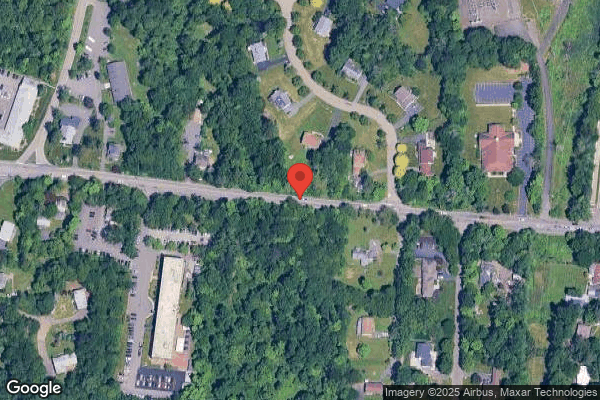
475 NEW HEMPSTEAD ROAD, NEW CITY, NY 10956 (845) 678-2000
For profit - Individual 180 Beds Independent Data: November 2025
Trust Grade
78/100
#171 of 594 in NY
Last Inspection: July 2024

Within standard 12-15 month inspection cycle. Federal law requires annual inspections.

Overview

Friedwald Center for Rehab and Nursing in New City, New York, has a Trust Grade of B, which indicates it is a good choice for care. It ranks #171 out of 594 facilities in New York, placing it in the top half, and #3 out of 10 in Rockland County, meaning only two local options are better. However, the facility is experiencing a worsening trend, with issues increasing from 3 in 2021 to 11 in 2024. Staffing is a strength here, with a rating of 4 out of 5 stars and a turnover rate of 26%, significantly lower than the state average of 40%. Notably, there have been no fines recorded, and the facility has more registered nurse coverage than 75% of New York facilities. On the downside, there have been several concerning incidents. For example, keys to medication rooms were found unsecured, which could pose a safety risk. Additionally, a resident was transferred against their will, which violated their rights. Lastly, the 3rd Floor had peeling wallpaper and stained walls, detracting from the overall comfort and cleanliness of the environment. Overall, while the facility has some strengths, families should weigh these issues carefully.

Trust Score
B
78/100
In New York
#171/594
Top 28%
Safety Record
Low Risk
No red flags
Inspections
Getting Worse
3 → 11 violations
Staff Stability
✓ Good
26% annual turnover. Excellent stability, 22 points below New York's 48% average. Staff who stay learn residents' needs.
Penalties
✓ Good
No fines on record. Clean compliance history, better than most New York facilities.
Skilled Nurses
✓ Good
Each resident gets 66 minutes of Registered Nurse (RN) attention daily — more than 97% of New York nursing homes. RNs are the most trained staff who catch health problems before they become serious.
Violations
⚠ Watch
19 deficiencies on record. Higher than average. Multiple issues found across inspections.
★★★★☆
4.0
Overall Rating
★★★★☆
4.0
Staff Levels
★★★★★
5.0
Care Quality
★★★☆☆
3.0
Inspection Score
Stable
2021: 3 issues
2024: 11 issues

The Good

  • 4-Star Staffing Rating · Above-average nurse staffing levels
  • 5-Star Quality Measures · Strong clinical quality outcomes
  • Low Staff Turnover (26%) · Staff stability means consistent care
  • Full Sprinkler Coverage · Fire safety systems throughout facility
  • No fines on record
  • Staff turnover is low (26%)

    22 points below New York average of 48%

Facility shows strength in staffing levels, quality measures, staff retention, fire safety.

The Bad

No Significant Concerns Identified

This facility shows no red flags. Among New York's 100 nursing homes, only 1% achieve this.

The Ugly 19 deficiencies on record

Jul 2024 11 deficiencies
CONCERN (D)

Potential for Harm - no one hurt, but risky conditions existed

Deficiency F0560 (Tag F0560)

Could have caused harm · This affected 1 resident

**NOTE- TERMS IN BRACKETS HAVE BEEN EDITED TO PROTECT CONFIDENTIALITY** Based on observation, interview, conducted during the recertification survey from 7/9/2024 to 7/16/2024, the facility did not en...

Read full inspector narrative →
**NOTE- TERMS IN BRACKETS HAVE BEEN EDITED TO PROTECT CONFIDENTIALITY** Based on observation, interview, conducted during the recertification survey from 7/9/2024 to 7/16/2024, the facility did not ensure a resident's right to refuse a room transfer solely for the convenience of staff. This was evident for 1 (Resident #132) of 37 total sampled residents. Specifically, Resident #132 was transferred from the 2nd Floor to the 3rd Floor after a staff member reported they were uncomfortable providing the resident care. The findings are: The undated facility policy titled Change of Room or Roommate documented the facility reserves the right to make resident room changes when found the facility deems it necessary. A resident has the right to refuse a transfer to another room. Resident #132 had diagnoses of a right femur fracture and end stage renal disease. The Minimum Data Set 3.0 dated 6/6/2024 documented Resident #132 was cognitively intact. During an interview on 07/10/2024 at 12:11 PM, Resident #132 stated that Certified Nursing Assistant #28 reported to the former Director of Nursing and the current Director of Social Work that Resident #132 displayed inappropriate behavior during care. Resident #132 stated they were moved from a room they were comfortable in on the 2nd Floor to the 3rd Floor in 3/2024 to make the Certified Nursing Assistant feel better. Resident #132 denied any inappropriate interaction took place and stated their room was changed after they requested the Certified Nursing Assistant be removed from their assignment. Resident #132 did not recall being interviewed by staff regarding accusations they were inappropriate with the Certified Nursing Assistant. Resident #132 did not feel compatible with the resident population on the 3rd Floor and spent most of their time on the 2nd Floor dayroom to engage with more cognitively intact residents and more stimulating activities. Resident #132 stated facility staff did not follow up after the room change to determine whether they had adjusted to the room and floor change. The Comprehensive Care Plan related to adjustment dated 2/1/2024 documented Resident #132 was at risk for adjustment issues related to their recent hospitalization and admission to the facility. Interventions included honoring Resident #132's preferences and routines. The Comprehensive Care Plan related to being newly admitted to the facility dated 2/1/2024 documented Resident #132 would be introduced to their roommate and co-residents on the unit, oriented to their new environment, and a relationship with Resident #132 should be developed. There was no documented evidence the Comprehensive Care Plans related to adjustment and new facility admission were reviewed and revised to address Resident #132's risk for adjustment difficulties. A Psychiatry Consult dated 3/28/2024 documented nursing staff reported Resident #132 was inappropriate during care and encouraged to ask for privacy if needed. Resident #132 reported the Certified Nursing Assistants became upset when Resident #132 washed certain parts of their body while staff assisted with their bathing routine. It was a delicate issue. The Room Change assessment dated [DATE] documented Resident #132 was moved from the 2nd Floor to a more appropriate bed on the 3rd Floor. Resident #132 was made aware of the room change. The Nursing Note dated 3/29/2024 documented Resident #132 was transferred to the 3rd Floor with all their belongings as per Social Worker #4. The Nursing Note dated 3/30/2024 documented Resident #132 was adjusting well 1 day post room and unit transfer. There was no documented evidence Resident #132 was provided with an opportunity to refuse a room transfer from the 2nd to 3rd Floor based on a staff member's discomfort with providing the resident with bathing assistance. During an interview on 07/16/2024 at 11:28 AM, Social Worker #4 stated they were Resident #132's social worker prior to the move from the 2nd to 3rd Floor. In 3/2024, Certified Nursing Assistant #28 the resident was sexually inappropriate while they provided them with bathing assistance. Resident #132 was cognitively intact, had no psychiatric diagnosis, and had no history of sexually inappropriate behavior during care. Certified Nursing Assistant #28 reported the incident to the former Director of Nursing and the Director of Social Work. Social Worker #4, the Director of Social Work, the Director of Nursing, Resident #132, and the resident's family member made a collective decision to move Resident #132 from the 2nd Floor to the 3rd Floor to separate them from the Certified Nursing Assistant #28. Social Worker #4 stated they did not counsel Resident #132 regarding their alleged sexually inappropriate behavior or document the incident in the resident's medical record. Social Worker #4 said that they should have documented and counseled the resident. Social Worker #4 did not recall whether Resident #132 was introduced to the 3rd Floor and their prospective roommate prior to having their room changed. Social Worker #4 stated the Room Change Assessment should have been more detailed regarding the reason for Resident #132's room change. There was no documentation that Resident #132 agreed with the room change. The social workers did not develop care plans with interventions to address room change adjustment risk. The nursing staff and social workers collectively checked in with residents following room changes to ensure the residents were adjusting well but did not document this in the medical record. During an interview on 07/16/2024 at 11:42 AM, Social Worker #3 stated they were assigned to Resident #132 after the resident moved to the 3rd Floor. Resident #132 was involved in an incident with their assigned Certified Nursing Assistant on the 2nd Floor. The interdisciplinary team addressed the incident by moving Resident #132. Since their move to the 3rd Floor, Resident #132 has interacted well with staff and did not display sexually inappropriate behavior. Resident #132 was also moved to the 3rd Floor because their discharge planning was delayed due to a pending Medicaid application and the 2nd Floor was intended for shorter-term residents. Social Worker #3 stated they checked in on Resident #132 following their room change but did not document the interaction in the medical record and did not develop a care plan with interventions to address potential room change adjustment issues. During interviews on 07/15/2024 at 04:59 PM and 07/16/2024 at 02:30 PM, the Director of Social Work stated social workers were responsible for discussing and obtaining a resident consent for room changes. The Room Change Assessment should detail the reason was moved. But social workers did not document whether the resident agreed to change rooms. The Director of Social Work stated the former Director of Nursing was informed after Certified Nursing Assistant #28 reported that the resident displayed sexually inappropriate behavior during care. The interdisciplinary team met and decided to move Resident #132 off the unit to address Certified Nursing Assistant #28 discomfort. The Director of Social Work did not interview Resident #132 or obtain their statement. The incident was not documented in the resident's medical record and was not investigated by the facility. 10 NYCRR 415.3(d)(2)(ii)(a)
CONCERN (D)

Potential for Harm - no one hurt, but risky conditions existed

Safe Environment (Tag F0584)

Could have caused harm · This affected 1 resident

Based on observation, interview, and record review conducted during the recertification survey from 7/9/2024 to 7/16/2024, the facility did not ensure the resident's right to a clean, comfortable, and...

Read full inspector narrative →
Based on observation, interview, and record review conducted during the recertification survey from 7/9/2024 to 7/16/2024, the facility did not ensure the resident's right to a clean, comfortable, and homelike environment. This was evident for 1 (3rd Floor) of 3 resident units. Specifically, the 3rd Floor ad peeling wallpaper in the hallway and a dayroom with walls that were stained and damaged, missing and mismatched wallpaper, and with misshapen and bent window blinds. The findings are: The undated facility policy titled Cleaning and Disinfection documented routine cleaning will be performed in resident common areas and wall cleaning will be conducted when visibly soiled. On 07/09/2024 at 09:39 AM, the 3rd Floor dayroom was observed with window blinds containing several misshapen and bent slates, a quarter-sized hole in the wall next to the television that was crumbling and exposing white dusty plaster beneath, several areas along the wall with remnants of thick white tape, a missing section of wallpaper near the television, and dried food splatters and black scuff along the perimeter of the room on the bottom half of the wall. The hallway to the left of the elevator door had approximately 6 inches of wallpaper near the ceiling that had peeled away from and was hanging off the wall. On 07/16/2024 at 10:45 AM, Housekeeper #20 was interviewed and stated they were responsible for daily dayroom cleaning that included wiping down the walls with cleaning solution. After observing the stains and splatters on the wall, Housekeeper #20 stated they miss cleaning some spots along the wall because the tables, chairs, and residents are sometimes in the way. Resident wheelchairs caused the black scuff marks along the walls, and they were not easily removed by using a cleaning solution. On 07/16/2024 at 10:29 AM, the Director of Maintenance was interviewed and stated renovations of the resident units were ongoing. The 1st and 2nd Floors have already been completed. The facility planned to start renovating the 2nd Floor within the next few months. Soap and water were used to clean the stains and splattered food off the walls in the dayroom. The staff verbally reported to the Director of Maintenance when there were repair needs on the units. The damage to the walls and wallpaper were not repaired because the impending renovation would ensure all those issues were addressed. 10 NYCRR 415.5(h)(2)
CONCERN (D) 📢 Someone Reported This

A family member, employee, or ombudsman was alarmed enough to file a formal complaint

Potential for Harm - no one hurt, but risky conditions existed

Grievances (Tag F0585)

Could have caused harm · This affected 1 resident

**NOTE- TERMS IN BRACKETS HAVE BEEN EDITED TO PROTECT CONFIDENTIALITY** Based on observation, record review, and interview conducted during a recertification and abbreviated (NY00335338 and NY00341688...

Read full inspector narrative →
**NOTE- TERMS IN BRACKETS HAVE BEEN EDITED TO PROTECT CONFIDENTIALITY** Based on observation, record review, and interview conducted during a recertification and abbreviated (NY00335338 and NY00341688) survey from 7/9/2024 to 7/16/2024, the facility did not ensure prompt efforts were made to resolve resident grievances for 2 of 2 residents reviewed for grievances (Resident #321 and #136). Specifically, 1) a grievance investigation was not conducted when the Designated Representatives for Resident #321 and Resident #136 expressed care concerns to facility staff. The findings are: The undated facility policy titled Grievances documented when a grievance is reported, the grievance officer and assigned social worker will be notified and an investigation will be conducted. All investigative findings will be discussed with the complainant in writing by the facility within 5 business days, 1) Resident #321 had diagnoses of Parkinson's disease and adult failure to thrive. The Minimum Data Set 3.0 assessment tool dated 4/5/2024 documented Resident #321 had moderately impaired cognition. On 7/15/2024 at 11:00 AM, Resident #321's Designated Representative was interviewed and stated they sent written correspondence to the former Administrator and former Director of Nursing in 1/2024 and 2/2024 regarding several concerns related to Resident #321's care. The Designated Representative did not receive a response from the facility and was not aware whether the facility conducted a grievance investigation to address their concerns. Email communication dated 1/16/2024 documented Resident #321's Designated Representative sent an email to the former Administrator and former Director of Nursing expressing concerns that Resident #321 did not have their clothing changed daily and that resident clothing items did not always come back from laundry. A letter from Resident #321's Designated Representative to the former Administrator and the former Director of Nursing dated 2/15/2024 documented the Designated Representative's had concerns related to staff that was assigned to Resident #321 refusing to take the resident out of bed. There was no documented evidence a grievance investigation was conducted to address clothing and care concerns communicated by Resident #321's Designated Representative to the facility staff on 1/16/2024 and 2/15/2024. On 7/15/2024 at 12:13 PM, Social Worker #3 was interviewed and stated Resident #321's Designated Representative visited daily and expressed care concerns. Social Worker #3 communicated the concerns to nursing staff and did not initiate or conduct any grievance investigations. On 7/15/2024 at 2:30 PM, Licensed Practical Nurse #6 was interviewed and stated Resident #321's Designated Representative expressed concerns related to staffing. Licensed Practical Nurse #6 was unaware of any grievance investigations conducted related to these concerns. 2) Resident #136 had diagnoses of dementia and metabolic encephalopathy. The Minimum Data Set 3.0 assessment dated [DATE] documented Resident #136 was severely cognitively impaired. On 07/09/2024 at 02:52 PM and 7/10/2024 at 1:07 PM, Resident #136's Designated Representative was interviewed and stated they reported concerns related to care and supervision of Resident #136 to nursing staff on the unit, the Director of Social Work, and Social Worker #3 on several different occasions. A grievance investigation to address their concerns was not conducted. A Social Work Note dated 10/10/2023 documented Resident #136's Designated Representative expressed concerns regarding changes in Resident #136's condition and care team. Emotional support was provided by the Director of Social Work. A Nursing Note dated 5/13/2024 documented Resident #136's Designated Representative requested staff change Resident #136 because the resident's clothing was wet from lunch when liquid spilled on them. Staff attempted to change the resident and the Designated Representative expressed concern related to reddened areas on the resident's skin and fingers. A Follow-Up Meeting Note dated 5/24/2024 documented Resident #136's Designated Representative, the Ombudsman, and facility staff met to discuss concerns related to Resident #136's bruised ear. The Director of Social Work documented that emotional support was provided to the Designated Representative regarding their preferences and for care and recreational activities. There was no documented evidence a grievance investigation was conducted to address care concerns expressed by Resident #136's Designated Representative. On 07/10/2024 at 11:25 AM, the Ombudsman was interviewed and stated a meeting was held with the Administrator, Director of Nursing, Director of Social Work, Social Worker #3, and Resident #136's Designated Representative on 5/17/2024 and no grievance investigation was conducted to address the care concerns expressed by Resident #136's Designated Representative. On 07/16/2024 at 11:48 AM, Social Worker #3 was interviewed and stated Resident #136's Designated Representative visited daily and expressed concerns regarding Certified Nursing Assistants and care provided to the resident. No grievance investigation was conducted to address the Designated Representative's concerns. Social Worker #3 attempted to address the concerns in real time by verbally discussing them with the nursing staff on the unit. A grievance investigation should have been conducted to address the care concerns expressed by the Designated Representative. On 07/16/2024 at 02:36 PM, the Director of Social Work was interviewed and stated any resident or family had the right to request a grievance and receive a verbal report of the outcome of the investigation within 5 days. There were Grievance Log binders on each unit and grievances forms were accessible for investigations to be initiated at any time and with any staff member. On 07/16/2024 at 03:23 PM, the Administrator was interviewed and stated they were present at a meeting with Resident #136's Designated Representative to discuss concerns related to a an ecchymotic area on Resident #136's ear. The Administrator did not know whether Resident #136's Designated Representative was offered the opportunity to file a grievance. The Administrator stated they did not have access to the former Administrator's emails and correspondence prior to today. The Administrator stated that email correspondence from Resident #321's Designated Representative was received and in the email inbox. A grievance investigation should have been conducted to address the concerns expressed by Resident #321's Designated Representative. 10 NYCRR 415.3(d)(1)(ii)
CONCERN (D) 📢 Someone Reported This

A family member, employee, or ombudsman was alarmed enough to file a formal complaint

Potential for Harm - no one hurt, but risky conditions existed

Report Alleged Abuse (Tag F0609)

Could have caused harm · This affected 1 resident

**NOTE- TERMS IN BRACKETS HAVE BEEN EDITED TO PROTECT CONFIDENTIALITY** Based on observation, interview, and record review conducted during the recertification and abbreviated (NY00314688) survey from...

Read full inspector narrative →
**NOTE- TERMS IN BRACKETS HAVE BEEN EDITED TO PROTECT CONFIDENTIALITY** Based on observation, interview, and record review conducted during the recertification and abbreviated (NY00314688) survey from 7/9/2024 to 7/16/2024, the facility did not ensure all alleged violations involving abuse were reported immediately, but not later than 2 hours after the allegation was made, to the New York State Department of Health. This was evident for Resident #136 reviewed for abuse out of 37 total sampled residents. Specifically, an allegation of abuse related to ecchymosis (bruising) found on Resident #136's ear was not reported to the New York State Department of Health. The findings are: The facility policy titled Abuse, Neglect, and Exploitation dated 10/1/2023 documented allegations involving abuse will be reported immediately, but not later than 2 hours after the allegation is made, to the Administrator and state agency. Resident #136 had diagnoses of dementia and metabolic encephalopathy. The Minimum Data Set 3.0 assessment dated [DATE] documented Resident #136 had severe cognitive impairment. On 07/09/2024 at 02:52 PM and 7/10/2024 at 1:07 PM, an interview was conducted with Resident #136's Designated Representative who stated Resident #136 had an ecchymotic area on their outer left ear found by nursing staff on 4/27/2024. The area was red and swollen. The facility nursing staff explained that the redness was from anticoagulant therapy. Resident #136's Designated Representative had the resident evaluated by the Dermatologist on 5/1/2024. The Dermatologist determined Resident #136 had trauma to their ear and contacted Adult Protective Service to support a suspicion of abuse. A meeting was held with the facility staff and Ombudsman because the Designated Representative was not satisfied with the facility's explanation of Resident #136's ear ecchymosis. The Administrator stated they would not report the alleged traumatic physical injury to the New York State Department of Health. The Accident/Incident Investigation Form dated 4/27/2024 documented Resident #136 was found with a discoloration to their outer ear at 11:45 PM. A dermatology Consult dated 5/1/2024 was included in the facility's investigation. The Investigation Form was signed on 4/28/2024 and recommended a Psychiatry Consult. Dermatology Consult dated 5/1/2024 documented Resident #136 was evaluated for ecchymotic area to their left outer ear. Trauma was suspected and the Dermatologist contacted the Adult Protective Services to report alleged abuse. The Investigation Form dated 5/10/2024 documented Resident #136's Designated Representative alleged physical trauma was the cause of Resident #136's left ear discoloration. The investigation revealed no evidence to support abuse. There was no documented evidence the facility reported Resident #136's left outer ear ecchymosis to the New York State Department of Health upon allegations of abuse by the Designated Representative and Dermatologist. On 07/16/2024 on 03:23 PM, the Administrator was interviewed and stated that the former Director of Nursing was responsible for the investigation into Resident #136's left ear discoloration. An investigation to rule out abuse was conducted. No abuse occurred. By the time the Administrator learned of the occurrence, it was past the 2 hour timeframe to report to the New York State Department of Health and the Administrator decided not to make a report. 10 NYCRR 415.4(b)(2)
CONCERN (D) 📢 Someone Reported This

A family member, employee, or ombudsman was alarmed enough to file a formal complaint

Potential for Harm - no one hurt, but risky conditions existed

Investigate Abuse (Tag F0610)

Could have caused harm · This affected 1 resident

**NOTE- TERMS IN BRACKETS HAVE BEEN EDITED TO PROTECT CONFIDENTIALITY** Based on observations, interview, and record review conducted during the recertification and abbreviated (NY00314688) survey fro...

Read full inspector narrative →
**NOTE- TERMS IN BRACKETS HAVE BEEN EDITED TO PROTECT CONFIDENTIALITY** Based on observations, interview, and record review conducted during the recertification and abbreviated (NY00314688) survey from 7/9/2024 to 7/16/2024, the facility did not ensure all alleged violations involving abuse were thoroughly investigated. This was evident for Resident #136 reviewed for abuse out of 37 total sampled residents. Specifically, an allegation of abuse related to ecchymosis found on Resident #136's ear was not thoroughly investigated to include interviews with the Dermatologist who assessed and determined Resident #136 experienced physical trauma. The findings are: The facility policy titled Abuse, Neglect, and Exploitation dated 10/1/2023 documented allegations involving abuse will be reported immediately, but not later than 2 hours after the allegation is made, to the Administrator and state agency. Resident #136 had diagnoses of dementia and metabolic encephalopathy. The Minimum Data Set 3.0 assessment dated [DATE] documented Resident #136 was severely cognitively impaired. On 07/09/2024 at 02:52 PM and 7/10/2024 at 1:07 PM, an interview was conducted with Resident #136's Designated Representative who stated Resident #136 had an ecchymotic area on their outer left ear found by nursing staff on 4/27/2024. The area was red and swollen. The facility nursing staff explained that the redness was from anticoagulant therapy. Resident #136's Designated Representative had the resident evaluated by the Dermatologist on 5/1/2024. The Dermatologist determined Resident #136 had trauma to their ear and contacted Adult Protective Service to support a suspicion of abuse. A meeting was held the facility staff and Ombudsman because the Designated Representative was not satisfied with the facility's explanation of Resident #136's ear ecchymosis. The Accident/Incident Investigation Form dated 4/27/2024 documented Resident #136 was found with a discoloration to their outer ear at 11:45 PM. A dermatology Consult dated 5/1/2024 was included in the facility's investigation. The Investigation Form was signed on 4/28/2024 and recommended a Psychiatry Consult. Dermatology Consult dated 5/1/2024 documented Resident #136 was evaluated for ecchymotic area to their left outer ear. Trauma was suspected and the Dermatologist contacted the Adult Protective Services to report alleged abuse. The Investigation Form dated 5/10/2024 documented Resident #136's Designated Representative alleged physical trauma was the cause of Resident #136's left ear discoloration. The investigation revealed no evidence to support abuse. There was no documented evidence the facility conducted a thorough investigation into reported Resident #136's left outer ear ecchymosis to include interviews with the consulting Dermatologist related to their assessment of trauma to the Resident's ear and report to Adult Protective Services. On 07/16/2024 on 03:23 PM, the Administrator was interviewed and stated that the former Director of Nursing was responsible for the investigation into Resident #136's left ear discoloration. An investigation to rule out abuse was conducted. No abuse occurred. The Administrator was unsure if the Dermatologist was contacted by the former Director of Nursing as part of their investigation and believed that a thorough investigation was completed. 10 NYCRR 415.4(b)(3)
CONCERN (D) 📢 Someone Reported This

A family member, employee, or ombudsman was alarmed enough to file a formal complaint

Potential for Harm - no one hurt, but risky conditions existed

Comprehensive Care Plan (Tag F0656)

Could have caused harm · This affected 1 resident

Based on observations, interviews and record review conducted during a recertification survey and abbreviated survey (NY00322156) conducted from 7/08/24-7/16/24 , the facility did not ensure that a co...

Read full inspector narrative →
Based on observations, interviews and record review conducted during a recertification survey and abbreviated survey (NY00322156) conducted from 7/08/24-7/16/24 , the facility did not ensure that a comprehensive person-centered care plan was developed for 1 of 1 residents (#127) reviewed for urinary tract infections. Specifically, there were no care plans in place to address prevention of reoccurring urinary tract infections for Resident #127. Findings include: The undated facility policy titled Comprehensive Care Plans documented the facility was to develop and implement a comprehensive person-centered care plan for each resident with resident rights, that included measurable objectives and timeframe's to meet a resident's medical, nursing, mental and psychosocial needs. Resident #127 was admitted with diagnoses and conditions including Dementia, Diabetes Mellitus, and history of Urinary Tract Infections. The Minimum Data Set an assessment tool dated 4/11/24 documented Resident #127 had severe cognitive impairment and was dependent on staff for all activities of daily living and was incontinent of bladder and bowel. The 5/2/24 Physician Note documented the resident presented with increased confusion. Urine analysis and culture ordered. The 5/4/24 Nursing Note documented the resident was started on Cipro 250 mg for cystitis. The 6/28/24 Nursing Note documented start on pipercillin intravenous for cystitis. The 7/2/24 Nursing Note documented intravenous antibiotics in progress, incontinent care rendered. There was no documented evidence in the electronic medical record indicating a comprehensive care plan to address urinary tract infection/s had been developed. During an interview 07/12/24 at 10:29 AM Registered Nurse #12 stated the resident was at risk for urinary tract infection/s because they were immobile, incontinent, had dementia and was dependent on staff for all cares. Registered Nurse #12 stated it was their responsibility to initiate a care plan to address concerns including antibiotic use and monitoring but, it had not been done yet. 10NYCRR 415.11(c)(1)
CONCERN (D)

Potential for Harm - no one hurt, but risky conditions existed

Quality of Care (Tag F0684)

Could have caused harm · This affected 1 resident

**NOTE- TERMS IN BRACKETS HAVE BEEN EDITED TO PROTECT CONFIDENTIALITY** Based on observation, interview, and record review conducted during the recertification survey from 7/9/2024 to 7/16/2024, the f...

Read full inspector narrative →
**NOTE- TERMS IN BRACKETS HAVE BEEN EDITED TO PROTECT CONFIDENTIALITY** Based on observation, interview, and record review conducted during the recertification survey from 7/9/2024 to 7/16/2024, the facility did not ensure a resident received treatment and services in accordance with professional standards of practice and their comprehensive person-centered care plan. This was evident for 1 (Resident #65) of 37 total sampled residents. Specifically, Resident #65 was observed out of bed in a reclining back wheelchair seated on a hoyer pad and there was no documented evidence to address the level of assistance and devices required for safe bed-to-chair transfer. The findings are: Resident #65 had diagnoses of cerebral infarction and left side hemiplegia. The Minimum Data Set (assessment tool) dated 6/20/2024 documented Resident #65 had severe cognitive impairment, was dependent on staff assistance for bed-to-transfers and did not use a wheelchair or mobility device. On 07/10/2024 at 01:49 PM, 07/12/2024 at 10:20 AM, and 07/15/2024 at 12:54 PM, Resident #65 was observed out of bed in a reclining back wheelchair with a hoyer lift canvas underneath them. There was no documented evidence in the Care Plan related to activities of daily living initiated 2/1/2024 and last reviewed 6/21/2024 to address the level of assistance and devices required for safe bed-to-chair transfer. There was no documented evidence in the Occupational Therapy Discharge Note dated 4/18/2024 to address the level of assistance and devices required for safe bed-to-chair transfer. The July 2024 Certified Nursing Assistant Documentation Survey Report documented Resident #65 was totally dependent on 2 people for transfers on 12 occasions, totally dependent on 1 person for transfers on 4 occasions and required the extensive assistance of 1 person on 1 occasion. There was no documented evidence in the Certified Nursing Assistant [NAME] Instruction Sheet as of 7/15/2024 to address the level of assistance and devices required for safe bed-to-chair transfer. On 07/15/2024 at 04:13 PM, Certified Nursing Assistant #23 stated they were unable to access Resident #65's instructions on the computer console. They did not know what was documented for Resident #65's transfer status and relied on verbal instruction from their coworkers. On 07/16/2024 at 01:33 PM, Certified Nursing Assistant #22 stated they were unable to access the electronic medical record on the computer console and did not know what instructions were listed for how to transfer Resident #65 from bed to wheelchair. They asked the nurse how to transfer Resident #65 out of bed and was told to use a Hoyer lift. On 07/16/2024 at 01:43 PM, Registered Nurse #12 was interviewed and stated a resident's transfer status was included in the care plan and then populated the Certified Nursing Assistant instruction sheet. A physician order should be obtained for resident requiring hoyer lift transfers. The nurse manager was responsible for checking to ensure transfer orders were in place. The rehabilitation department was responsible for checking quarterly during scheduled assessments of the residents. Resident #65 required a hoyer lift for transferring out of bed to the wheelchair. Registered Nurse #12 checked the medical record and stated there were no transfer orders documented for Resident #65. On 07/16/2024 at 12:14 PM, the Director of Rehabilitation stated they had been working at the facility for 3 months. The rehabilitation department screens residents and recommends devices for positioning and transfers. These recommendations were communicated to the nursing department either verbally or through a progress note written by the occupational therapist in the electronic medical record. The occupational therapist initiated a physician order for hoyer lift transfers and the nursing department was responsible for getting the order signed. The certified nursing Instructions were automatically pre-populated with hoyer lift instructions once a physician order was obtained. The Director of Rehabilitation confirmed there were no transfer orders for Resident #65 and there were no instructions on the resident's chart that indicated hoyer lift transfers were required. 10 NYCRR 415.12
CONCERN (D)

Potential for Harm - no one hurt, but risky conditions existed

Deficiency F0688 (Tag F0688)

Could have caused harm · This affected 1 resident

2) Resident #98 was admitted with diagnosis including right hemiplegia and hemiparesis following cerebral infarction The 4/18/22 Annual Minimum Data Set (an assessment tool) documented Resident # 98 h...

Read full inspector narrative →
2) Resident #98 was admitted with diagnosis including right hemiplegia and hemiparesis following cerebral infarction The 4/18/22 Annual Minimum Data Set (an assessment tool) documented Resident # 98 had severe cognitive impairment, functional limitation in range of motion of the upper extremity and was dependent with all activities of daily living. The 3/20/24 physician order documented Resident #98 was to wear a right-hand grip II splint throughout the day for prevention of further contracture. The 3/20/24 care plan titled Positioning Device documented resting hand splint throughout the day for prevention of further contracture. During observation on 7/09/2024 at 12:52 PM, Resident #98 was in bed, their right hand was clenched closed, the hand splint was on the right arm and not on the right hand as per physician order. During observation on 7/10/24 at 8:54 AM and 7/11/24 at 12:08 PM Resident #98 was in bed, their right hand was clenched closed. The right-hand splint was not on the right hand as per physician order. During interview on 7/11/2024 at 12:08 PM, Certified Nursing Assistant #1 stated the resident's right hand splint was not in place. Certified Nursing Assistant #1 stated they were aware that Resident #98 was supposed to wear the right-hand splint, but the resident refused to wear it. Certified Nursing Assistant #1 stated they reported resident refusal to the nurse and the therapist and had been told to put the splint back on. During interview on 7/11/24 at 1:18 PM Registered Nurse/Charge Nurse # 2 stated the certified nurse assistants were responsible for putting the splint on and the nurses were responsible for checking that the splint had been applied. During the interview Registered Nurse/Charge Nurse # 2 stated the resident care plan documented the splint was to be worn throughout the day and indicated it should be on during the 7-3 shift. During interview on 7/11/2024 at 1:18 PM Registered Nurse/Charge Nurse # 2 stated the nurses were responsible for creating and updating care plans. Registered Nurse/Charge Nurse # 2 stated the care plan did not indicate the resident refused cares or the use of the right-hand splint. Registered Nurse/Charge Nurse # 2 stated a plan should be in place if the resident was removing the right-hand splint. Registered Nurse/Charge Nurse # 2 stated the nurses were responsible for supervising the certified nurse assistants and were responsible for documenting the use of the right-hand splint in the medication or treatment administration record. Upon checking Registered Nurse/Charge Nurse # 2 stated there was not a directive in the administration record for the use of the right-hand splint. Registered Nurse/Charge Nurse # 2 stated the resident should have the splint in place to prevent contracture of the right hand. 10NYCRR 415.12 Based on observations, interviews, and record review during a recertification survey conducted from 7/9/24-7/16/24, the facility did not ensure residents with limited range of motion received appropriate treatment and services to increase range of motion and/or to prevent further decrease in range of motion for 2 of 8 residents (Resident #21 and #98) reviewed for positioning and mobility. Specifically, the staff did not ensure 1) Resident # 21's bilateral hand splints were worn throughout the day as ordered and care planned and 2) Resident #98's right-hand splint was worn as per physician order. The finding is: A Policy and Procedure dated 2/21 titled Rehabilitation Positioning Devices, documented ensure residents were proper position and body alignment with appropriate positioning devices as needed. 1) Resident #21 was admitted with diagnosis of Multiple Sclerosis, Functional Quadriplegia and Type 2 Diabetes. The Quarterly Minimum Data Set (an assessment tool) dated 4/18/2024 documented Resident #21 was cognitively intact and was dependent with all activities of daily living. The 3/20/2024 care plan titled Rehabilitation Positioning Device documented bilateral hand splints throughout the day for prevention of further contracture. Perform hygiene care and skin checks to ensure no skin breakdown/discomfort pre and post use. The 3/20/24 physician order documented bilateral hand splints throughout the day for prevention of further contracture. There was no documented evidence in the electronic medical record prior to 7/12/24 to indicate the hand splints were applied. During an observation on 07/09/24 at 10:43 AM Resident # 21 was in bed, both hands were contracted. Hand splints were not in place as per physician order and were noted on the bedside table. During an observation on 07/10/24 at 8:45 AM Resident #21 was in bed. Hand splints were not in place as per physician order. During an observation on 07/10/24 at 12:13 PM and 2:10 PM Resident #21 was out of bed in the wheelchair. Hand splints were not in place as per physician order. During interview on 7/12/24 at 8:29 AM Certified Nurse Aide #7 stated they usually applied splints on both hands after AM care/s. Certified Nurse Aide # 7 stated they were aware the resident should wear the splints on their hands throughout the day and the splints should be removed after PM care/s. During interview on 7/12/24 at 8:31 AM Licensed Practical Nurse #6 stated they put the splints on the resident after AM care. Licensed Practical Nurse # 6 stated the physician order referencing throughout the day indicated the splints should be applied after AM care and should be worn until PM care. During interview on 7/12/24 at 9:15 AM the Director of Nursing stated the certified nurse aides should put the resident's splints on and the nurses were responsible for checking to ensure the splints were in place and should sign off in the treatment administration record. The Director of Nursing stated when the physician order was put in place the order did not carry over to the treatment administration record, therefore the nurses were not able to sign off that they were monitoring the application of the splints.
CONCERN (D)

Potential for Harm - no one hurt, but risky conditions existed

Deficiency F0730 (Tag F0730)

Could have caused harm · This affected 1 resident

Based on staff interview and review of facility records during the recertification survey from 7/9/24 through 7/16/24, the facility did not ensure certified nurse aide performance reviews were complet...

Read full inspector narrative →
Based on staff interview and review of facility records during the recertification survey from 7/9/24 through 7/16/24, the facility did not ensure certified nurse aide performance reviews were completed at least once every 12 months. Specifically, five of seven certified nurse aides did not have performance reviews documented at least once every 12 months. Findings include: Review of Certified Nurse Aide #7, #17, #24, #25, and #26 hire dates revealed they had been working at the facility for more than one year. The review of performance evaluations for Certified Nurse Aide #7 and #17 revealed their last performance evaluations were completed on 8/4/08 and 3/15/10 respectively. There was no documented evidence that performance evaluations were completed for Certified Nurse Aide #24, #25 and #26. During an interview on 07/15/2024 at 11:22 AM, the Human Resources Director stated the annual performance evaluations for the Certified Nurse Aides were not done, the facility was in the process of getting them done with the new administrator on board. During an interview on 7/15/2024 at 12:06 PM, the Director of Nursing stated yearly certified nurse aide performance assessments were once done by the previous Director of Nursing and the facility was currently in the process of bringing back the yearly evaluation assessments for the certified nurse aide and nurses. During an interview on 7/16/2024 at 9:16 AM, Certified Nurse Aide #17 stated they could not recall when they last had a performance evaluation done. During an interview on 7/16/2024 at 9:18 AM, Certified Nurse Aide #18 stated the facility did in-services with the certified nurse aides but not performance evaluations. During an interview on 7/16/2024 at 9:23 AM Certified Nurse Aide #19 stated they did not have a recent performance evaluation done. 10NYCRR 415.26(c)(1)(IV)
CONCERN (D)

Potential for Harm - no one hurt, but risky conditions existed

Deficiency F0761 (Tag F0761)

Could have caused harm · This affected 1 resident

Based on observation, interview, and record review during the recertification survey from 7/9/24 through 7/16/24, the facility did not ensure drugs and biologicals were stored in accordance with curre...

Read full inspector narrative →
Based on observation, interview, and record review during the recertification survey from 7/9/24 through 7/16/24, the facility did not ensure drugs and biologicals were stored in accordance with currently accepted professional standards for 2 of 26 residents (Resident #378 and #425) reviewed for medication storage and labeling . Specifically, 1. Nystatin-Triamcinolone cream with a 6/14/24 -6/28/24 administration date was observed on Resident # 378's bedside table and 2. Fluticasone and Albuterol metered dose inhalers were observed on Resident # 425's bedside table. The findings are: The undated policy titled Resident Self-Administration of Medication documented all nurses and nurse aides were required to report any medication found at the residents' bedside to the charge nurse. 1. Resident # 378 was admitted to the facility with diagnoses including Diabetes, Chronic Kidney Disease and Peripheral Vascular Disease. The Minimum Data Set (an assessment tool) dated 5/9/24 documented Resident #378 was cognitively intact. Observation on 07/09/24 at 12:23 PM, 07/09/24 at 03:50 PM, 7/10/24 at 10:06 AM, 7/11/24 at 10:02 AM, and 7/12/24 at 8:43 AM revealed a tube of Nystatin-Triamcinolone cream was on Resident #378's bed side table. During an interview on 7/12/24 at 8:54 AM, Licensed Practical Nurse #27 stated Resident #378 did not currently have a physician order for the application of Nystatin-Triamcinolone cream. During an interview on 7/12/24 at 9:00AM, Licensed Practical Nurse # 13 stated the resident had redness to the perineal area and needed the Nystatin-Triamcinolone cream, but, there was no longer an order for the administration of the cream. Licensed Practical Nurse #13 stated medicated creams should not have been left at the bedside. 2. Resident # 425 was admitted to the facility with diagnoses including Asthma, Hypertension, and Hypothyroidism. The Minimum Data Set (an assessment tool) dated 7/5/2024 documented Resident # 425 was cognitively intact. During observation on 7/9/24 at 12:10 PM, 7/10/24 at 9:10 AM, and 7/12/2024 at 9:28 AM a plastic storage bag containing Fluticasone and Albuterol meter dose inhalers were noted on Resident #425's bedside table. During an interview on 7/12/24 at 9:24 AM, Certified Nurse Aide #27 stated they had seen the resident's inhalers on the bedside table, and did not report it to the nurse. During an interview on 7/12/24 at 9:29 AM, Resident #425 stated the inhalers at the bedside were labeled with another facility's name. During an interview on 7/12/24 at 9:36 AM, Licensed Practical Charge Nurse #15 stated they found the medication/s in the resident's room at the bedside. Licensed Practical Nurse #15 stated the inhalers at the resident's bedside were from the hospital and should not have been left at the bedside. Licensed Practical Charge Nurse #15 stated they did not know the resident had their own medication at the bedside. 10 NYCRR 415.18 (d)
CONCERN (D)

Potential for Harm - no one hurt, but risky conditions existed

Infection Control (Tag F0880)

Could have caused harm · This affected 1 resident

Based on observation, record review and interview conducted during a recertification survey conducted from 7/9/24-7/16/24, the facility did not ensure infection control prevention including proper use...

Read full inspector narrative →
Based on observation, record review and interview conducted during a recertification survey conducted from 7/9/24-7/16/24, the facility did not ensure infection control prevention including proper use of personal protective equipment and enhanced barrier precautions were maintained to help prevent the development and transmission of communicable diseases and infections for 2 of 32 residents (#130 and #72). Specifically, 1) contact precautions were not followed when Activity Aide #9 touched an overbed table in Resident #130's room and 2) enhanced barrier precautions were not implemented when Certified Nurse Assistant #10 and Certified Nurse Assistant #11 transferred Resident #72 into bed by Hoyer lift. Findings include: The undated facility policy for enhanced barrier precautions documented precautions were an infection control intervention designed to reduce transmission of multi drug resistant organisms that employed targeted gown and glove use during high contact resident care activities. High contact care activities include transfer from chair to bed. 1) Resident #130 was admitted with diagnoses including Diabetes Mellitus, End Stage Renal Disease, and Clostridium Difficile infection. The Quarterly Minimum Data Set (an assessment tool) dated 5/22/24 documented the resident had intact cognition and was totally dependent on staff for toileting, and transfers. The Physician Order dated 7/5/24 documented contact isolation for clostridium difficile infection and vancomycin 50 mg/cc 5 milliliters by mouth four times a day. During observation on 7/10/24 at 10:15 AM a sign documenting contact precautions: put on gloves and a gown before entering the room was outside Resident #130's room. During a short interview at that time Licensed Practical Nurse #15 was asked why the resident was on contact isolation and stated it was because the resident had a clostridium difficile infection. During observation on 7/10/24 at 10:25 AM Recreation Aide #9 entered Resident #130's room without donning gloves and a gown and was observed touching the residents overbed table. During an interview with Recreation Aide #9 on 7/10/24 at 10:25 AM they stated they usually brought the activity schedule to the resident and arranged the room activities for the resident. Recreation Aide #9 stated they were told by the nursing staff the yellow contact signs meant they did not need a gown when dropping things off and were told to wash their hands with antibacterial hand sanitizer when they exited the room. During an interview on 7/12/24 at 9:18 AM Licensed Practical Nurse #19 stated clostridium infection was highly transmissible and could stay on surfaces longer. Licensed Practical Nurse # 19 stated the recreation aide had it all wrong and should have looked at the door and ask nursing staff before entering the room. Licensed Practical Nurse # 19 stated staff could not use antibacterial hand sanitizer for clostridium difficile and must wash hands with soap and water. 2) Resident #73 had diagnoses including Alzheimer Disease, Atrial Fibrillation, and Dysphagia. The Quarterly Minimum Data Set (an assessment tool) dated 4/25/24 documented the resident had severe cognitive impairment and was dependent on staff for all care. The resident had an indwelling feeding tube. The Physician Order dated 3/27/24 documented enhanced barrier precautions for gastrostomy tube. During observation on 7/9/24 at 3:23 PM a sign documenting enhanced barrier precautions everyone must wear gloves and gown for the following high contact resident care activities dressing, bathing, transferring, changing linens, providing hygiene, changing briefs, and assist with toileting outside was outside Resident #72's room . During observation 07/09/24 at 3:23 PM Certified Nurse Assistant #10 and Certified Nurse Assistant #11 were observed transferring Resident #72 into their bed from their chair with their clothing coming in contact the rails on the residents bed Both Certified Nurses Assistant #10 and Certified Nurses Assistant#11 were not wearing a gown as indicated on the enhanced barrier precaution signage. During an interview on 7/9/24 at 3:23 PM Certified Nurse Assistant #10 and Certified Nurse Assistant #11 stated they knew to wear gloves when touching the resident but didn't need a gown because that was only during wound dressing changes and not when getting residents back to bed. During an interview on 7/16/24 at 1:35 PM the Infection Preventionist stated they had provided in services regarding enhanced barrier precautions. The infection Preventionist stated they made rounds and corrected certified nurse assistants whenever it was needed. 10 NYCRR 415.19 (b) (4)
Jul 2021 3 deficiencies
CONCERN (D)

Potential for Harm - no one hurt, but risky conditions existed

Resident Rights (Tag F0550)

Could have caused harm · This affected 1 resident

**NOTE- TERMS IN BRACKETS HAVE BEEN EDITED TO PROTECT CONFIDENTIALITY** Based on observation, interviews, and record reviews conducted during a recertification survey, the facility did not ensure that...

Read full inspector narrative →
**NOTE- TERMS IN BRACKETS HAVE BEEN EDITED TO PROTECT CONFIDENTIALITY** Based on observation, interviews, and record reviews conducted during a recertification survey, the facility did not ensure that each resident had the right to a dignified existence and each resident was cared for in a manner and environment that promoted maintenance or enhancement of his or her quality of life for 1 of 4 residents (#90) reviewed for dignity. Specifically, resident #90 was observed in the dining room wearing a urinary (foley) catheter drainage bag with no privacy cover. The findings are: Review of the Facility Policy and Procedure on Indwelling Urethral Catheter dated 07/17 documented to provide privacy, and leg bags may be used either for the dignity of the resident or when the drainage bags interfere with residents ambulation. There was no documentation specific to applying a cover to the foley drainage bag when the resident is out of bed and out of the room. Resident #90 was admitted to the facility on [DATE] with diagnoses that included Cerebral Infarction, Spastic Hemiplegia affecting the right dominant side and Neurogenic Bladder. The Quarterly Minimum Data Set (MDS, an assessment tool) dated 05/13/2021, documented that the resident had a Brief Interview for Mental Status (BIMS, used to determine attention, orientation and ability to recall information) score of 10/15, associated with intact cognition (00-7 severe impairment, 08-12 moderate impairment and 13-15 cognitively intact). The resident required total dependence two-person assistance for toilet use; extensive two-person assistance for bed mobility and transfer; and extensive one-person assistance for dressing and personal hygiene. The resident had an indwelling catheter. Review of the Indwelling Foley Catheter Care Plan related to Neuromuscular Dysfunction of Bladder initiated on 09/06/2020 and updated on 05/20/2021 documented that the resident will be free from infection and complication, and patency of the catheter will be maintained. There was no documented evidence specific to applying a cover to the foley drainage bag when the resident is out of bed and out of the room. During the initial pool observation on 07/07/2021 at 12:15 PM, resident #90 was sitting in his/her wheelchair at the dining room eating lunch without any privacy cover on his/her foley catheter drainage bag. During an interview conducted with Certified Nursing Assistant (CNA #1) on 07/07/2021 at 2:20 PM, he/she stated that he/she took the resident out of bed at around 9:35 AM that morning. He/She stated that he/she did not put the cover to the foley drainage bag because he/she did not see the cover in the resident's drawer. CNA #1 further stated that he/she usually put the leg bag on when the resident is out of bed, but she also did not see a leg bag in the resident's drawer. The CNA stated that the supply is usually at the nurse's station, but he/she did not go and get it. During an interview conducted with Unit Manager Registered Nurse (UMRN) on 07/09/2021 at 9:40 AM, he/she stated that the drainage bag cover should be in place anytime the resident leaves the room and when the resident has a visitor in her room. The UMRN also stated that the assigned CNA puts the privacy cover on in the morning or when the resident is coming out of the room. The UMRN stated they have a lot of the privacy cover in stock. Three other CNAs was interviewed who all stated that a privacy cover is applied to the foley drainage bag when the resident is out of bed and when out of the room. A privacy cover is also applied when the resident is in bed and have visitors. The CNAs stated that they always have enough of this privacy cover at the nurses station. During an interview conducted with the Director of Nursing (DON) on 07/14/2021 at 02:45 PM revealed that the facility train the CNAs and Nurses to ensure that the resident's foley drainage bag is covered when the resident is out of bed and when the resident is out of the room. The DON stated that they have a lot of the foley privacy cover and the staff are aware on where to get it at the nurses station. The DON also stated that he/she is aware that their policy, their care plan, and the resident nursing instructions did not include specifics regarding the foley privacy cover, those will be included in their plan of correction. 415.5(a)
CONCERN (D)

Potential for Harm - no one hurt, but risky conditions existed

Safe Environment (Tag F0584)

Could have caused harm · This affected 1 resident

**NOTE- TERMS IN BRACKETS HAVE BEEN EDITED TO PROTECT CONFIDENTIALITY** Based on record review and interview during a recertification survey and abbreviated survey (NY00275488), the facility did not ...

Read full inspector narrative →
**NOTE- TERMS IN BRACKETS HAVE BEEN EDITED TO PROTECT CONFIDENTIALITY** Based on record review and interview during a recertification survey and abbreviated survey (NY00275488), the facility did not exercise care for the protection of resident property from loss or theft. This was evident for 2 of 2 residents (#36, #149) reviewed for personal property. Specifically, (1) resident #36's family complained that a total of 15 pairs of clothing was missing which was reported to the facility; ( 2) during the initial pool process resident #149 stated that the facility lost his/her two blankets two weeks ago which was reported to the Social Worker (SW). The findings are: Review of an Undated Facility Policy on Resident Clothing replacement of loss or damaged item documented that all clothing must be labeled with the residents name and logged on the residents personal property sheet on admission and whenever additional clothing items were obtained. Only clothing listed on the resident's personal property sheet will be replaced if lost or damaged. All lost clothing should be reported to Social Services (SS) and SS will contact Housekeeping (HK) to begin an in-house search as well as contacting the laundry service. HK will log the lost clothing items on the Missing Clothing Log. If the items are not found within three weeks, lost clothing will be replaced by the facility. Review of the Facility Policy on Resident's Clothing and Possessions dated June 2021 documented that it is the policy of the facility to safeguard the dignity of all residents by ensuring the security of their personal belongings. To minimize possible losses, family members and responsible parties will be educated upon admission to follow these procedures: All clothing that is brought in must be logged onto a Resident's Personal Possession Form which is available at the front desk and at the Nurse's Station; clothing will be labeled with the resident's name and brought back to the unit by the HK Department. In the event that clothing is lost, or personal items are lost, residents and family members will be instructed to report such loss to their Social Worker. Should the item(s) not found (within the facility or at the laundry), the facility will reimburse or replace for lost items. There was no documented evidence of a Resident Personal Belongings Form for Resident #36. There was no documented evidence of any form of communication between the complainant and the Administrator regarding the missing clothing. (1) Resident #36 was admitted to the facility on [DATE] with diagnoses that included Acute Kidney Failure, Atrial Fibrillation and Alzheimer's Disease. The admission Minimum Data Set (MDS, an assessment tool) dated 04/15/2021, documented that the resident had a Brief Interview for Mental Status (BIMS, used to determine attention, orientation and ability to recall information) score of 03/15, associated with intact cognition (00-7 severe impairment, 08-12 moderate impairment and 13-15 cognitively intact). The resident required extensive one-person assistance for dressing and personal hygiene. The resident's family participated in the assessment. An interview was conducted with the Administrator on 07/12/2021 at 10:10 AM who stated that the resident's family reported the missing clothing's on 05/03/2021. The Administrator stated that the Social Worker (SW#1) initiated a Grievance Investigation and the facility completed an extensive search but the clothing was not located. The Administrator requested the resident's family to compile a list of the missing items and the facility will reimburse them. The Administrator stated that the resident's family has not submitted the list, so he/she has not reimbursed them. An interview was conducted with the SW #1 on 07/13/2021 at 11:49 AM who stated that the resident does not have a personal belongings form. The SW stated that he/she saw the resident's family bring clothing on 04/10/2021 but he/she was not aware that they brought in more clothes. The SW stated that they tried to find the missing clothing's, but the resident had a lot of behaviors and his/her clothes could be anywhere. The SW stated that he/she initiated a grievance on 05/03/2021 but he/she had not communicated with the resident's family because they yell at her. The SW stated that the Administrator had been communicating with the family via text and the family was supposed to give a list of the clothing so they can reimburse them. An interview was conducted with the Receptionist on 07/14/2021 at 8:45 AM who stated that when it comes to the resident's property from admission the SW is in charge and he/she (receptionist) does not receive anything from the resident or resident's family. The receptionist stated that any family member dropping off any resident property after admission he/she provides them a Resident Personal Belonging List to fill up, he/she receives the property and puts the Property list in the same bag and he/she calls HK to pick it up. He/She stated he/she does not keep any file at the front desk and does not remember anything that was dropped even from a week ago. An interview was conducted with the Licensed Practical Nurse (LPN) Unit Manager (UM) on 07/14/2021 at 11:13 AM who stated that resident #36 does not have a Personal Property list on the chart. The LPN UM stated that they used to file the property list but not anymore because the residents on the first floor come and go. An interview conducted with the Laundry Aide #2 on 07/14/2021 at 01:09 PM revealed that there was no unaccounted clothing in the laundry room and that he/she was not aware of any missing clothing or blankets. A telephone interview was conducted with the complainant on 07/16/2021 at 11:44 AM who stated that the Administrator called him the other day about the reimbursement but they are not interested about the money. (2) Resident #149 was admitted to the facility on [DATE] with diagnoses that included Coronary Artery Disease, Diabetes Mellitus and Peripheral Vascular Disease. The admission MDS dated [DATE], documented that the resident had a BIMS score of 15/15 denoting intact cognition. The resident required extensive one-person assistance for bed mobility, transfers, dressing, toilet use and personal hygiene. There was no documented evidence of a Resident Personal Belongings Form for Resident #149. During the initial pool process, an interview was conducted with resident #149 on 07/07/2021 at 11:40 AM. The resident stated he/she lost two blankets that has a sentimental value two weeks ago and he/she informed the Social Worker. An interview conducted with SW#1 on 07/13/2021 at 08:25 AM revealed that the resident came back (06/11/2021) from a recent hospitalization and that was when it was noticed the blankets were missing. The SW stated that he/she knew that the blanket had a sentimental value to the resident but he/she did not initiate a grievance because he/she felt the blankets would be found. An interview conducted with the Director of Environmental Services and Laundry Aide #1 on 07/13/2021 at 12:43 PM revealed that they do not keep a personal belonging list and a missing clothing log in the laundry room. An interview was conducted with the Administrator and Director of Nursing (DON) on 07/13/2021 at 01:03 PM regarding the missing items (2 blankets) for resident #149. The Administrator and DON stated that during COVID the facility did forego completing clothing lists upon admission. 415.5(h)3
CONCERN (D)

Potential for Harm - no one hurt, but risky conditions existed

Deficiency F0688 (Tag F0688)

Could have caused harm · This affected 1 resident

**NOTE- TERMS IN BRACKETS HAVE BEEN EDITED TO PROTECT CONFIDENTIALITY** Based on observations, record reviews, and interviews conducted during a recertification survey, the facility did not ensure tha...

Read full inspector narrative →
**NOTE- TERMS IN BRACKETS HAVE BEEN EDITED TO PROTECT CONFIDENTIALITY** Based on observations, record reviews, and interviews conducted during a recertification survey, the facility did not ensure that residents were provided the appropriate treatment and services to improve and/or prevent a further decline in range of motion (ROM). Specifically, on multiple observations a resident did not have a right-hand roll applied as per physician order. This was evident for 1 of 3 residents (#90) reviewed for positioning and limited mobility. The findings are: Review of the Facility Policy on Positioning Devices dated 2020 documented that the Rehab Department will assess the resident from admission for the use of positioning devices such as palm guards/hand roll to ensure proper body alignment both in and out of bed. Long term residents will be assessed and reviewed quarterly on the Minimum Data Set (MDS, an assessment tool) schedule. Positioning devices will be included in the treatment orders and instructions will be placed in the Certified Nursing Assistant (CNA) Accountability. Resident #90 was admitted to the facility on [DATE] with diagnoses that included Cerebral Infarction, Spastic Hemiplegia affecting the right dominant side and Neurogenic Bladder. The Quarterly MDS dated [DATE], documented that the resident had a Brief Interview for Mental Status (BIMS, used to determine attention, orientation and ability to recall information) score of 10/15, associated with intact cognition (00-7 severe impairment, 08-12 moderate impairment and 13-15 cognitively intact). The resident required total dependence two-person assistance for toilet use; extensive two-person assistance for bed mobility and transfer; and extensive one-person assistance for dressing and personal hygiene. Review of the Physician's Orders documented the following orders initiated on 07/06/2015 and renewed on 07/04/2021 for prophylactic treatment measure: to assess skin integrity and circulation on the right arm while using right hand roll every day at 7 AM, 3 PM, 11 PM; and to remove hand roll on the right hand at bedtime every day. Review of the Progress Notes from 06/01/2021 to 07/09/2021 revealed no documented evidence that the resident cannot tolerate the hand roll or any evidence that the physician or rehabilitation department was notified about any information related to the residents right hand contracture. Review of the Treatment Administrator Record (TAR) documented the following orders as ordered by the physician initiated on 07/06/2015 and renewed on 07/04/2021 for prophylactic treatment measure: to assess skin integrity and circulation on the right arm while using right hand roll every day at 7 AM, 3 PM, 11 PM; and to remove hand roll on the right hand at bedtime every day. There was no documented evidence that the resident refused and/or cannot tolerate the hand roll on 07/07/2021, 07/09/2021 and 07/14/2021. Review of the Resident Nursing Instructions documented under Range of Motion initiated from 07/21/2015 that the resident had an issued right-hand roll with finger separators to prevent further loss of range of motion in fingers; to be worn when out of bed and during skin checks as needed. During multiple observations conducted on 07/07/2021 at 12:15 PM, 07/07/2021 at 2:57 PM, 07/09/2021 at 9:32 AM and 07/14/2021 at 9:20 AM, the resident had no hand roll on the contracted right hand. During an interview conducted with CNA #1 (assigned CNA) on 07/07/2021 at 2:20 PM, the CNA stated that resident did not have the hand roll on her hand because she does not keep anything on her hand. During a follow up interview conducted with CNA #1 (assigned CNA) on 07/14/2021 at 10:09 AM, the CNA stated that the resident used to wear hand rolls a long time ago, but he/she does not wear it anymore. During an interview conducted with the Unit Manager Registered Nurse (UMRN) on 07/14/2021 at 10:37 AM, the UMRN stated that the handroll is an ongoing need, and sometimes the resident cannot tolerate it. The UMNR stated that the Unit Manager does the treatment and the treatment nurse is supposed to put the hand roll on the resident. The UMRN stated that there is no specific time to apply the hand roll, but it must be during the day shift. CNAs do not apply the hand roll, but the CNAs monitor it to make sure it is on the resident. The UMRN stated that on days that the resident cannot tolerate it like today, he/she document on the TAR that the resident refused but he/she does not notify the doctor about it. An interview was conducted with the Assistant Director of Nursing (ADON) on 07/14/2021 at 12:42 PM who stated that the treatment nurse is supposed to apply the hand roll on the residents. The ADON stated there is a physician order for the hand roll and it is on the TAR, the nurse who is doing the treatment have to sign for it. The ADON stated that it is possible the nurse already applied it, but they do not really check to ensure that it is on the resident. The ADON stated that they need to make changes on the order to ensure that it is really maintained. The ADON also stated that if the resident cannot tolerate the hand roll then the physician should have been informed and the resident would have been referred to rehab. An interview conducted with the Director of Nursing (DON) on 07/14/2021 at 02:45 PM revealed if the resident had been refusing and cannot tolerate the hand roll, and it had been an ongoing issue then the physician should have been notified about it and the resident would have most likely been referred to rehab. 415.12(e)(1)
Nov 2019 5 deficiencies
CONCERN (D)

Potential for Harm - no one hurt, but risky conditions existed

Deficiency F0573 (Tag F0573)

Could have caused harm · This affected 1 resident

**NOTE- TERMS IN BRACKETS HAVE BEEN EDITED TO PROTECT CONFIDENTIALITY** Based on record review and interview conducted during the recertification and abbreviated survey (Complaint #NY00243944), the fa...

Read full inspector narrative →
**NOTE- TERMS IN BRACKETS HAVE BEEN EDITED TO PROTECT CONFIDENTIALITY** Based on record review and interview conducted during the recertification and abbreviated survey (Complaint #NY00243944), the facility did not ensure that the resident's legal representative was provided upon written request with a copy of the resident's health care records within 2 working days as per federal regulation. Specifically, on 06/04/19 a mailed and faxed request for the medical records of Resident #215 was sent to the facility. These medical records were not received by the legal representative of the resident until 10/21/19. This was evident for 1 of 1 resident reviewed for access to medical records. Findings are: Resident # 215 was admitted to the facility on [DATE] with diagnoses including schizophrenia, depression and atrial fibrilation. On 06/16/19 the resident was pronounced dead following a bout of labored breathing and decreased responsiveness. A copy of a letter dated 06/04/19 requesting the medical records of Resident #215 from the legal representative was reviewed. Another letter dated 08/12/19 from the resident's legal representative requesting the same medical records was also reviewed. A third letter dated 10/28/19 on behalf of the resident's legal representative was reviewed. This 10/28/19 letter acknowledged receipt on 10/21/19 of the requested medical records of the resident. Missing documentation according to the resident's legal representative is also requested from the facility in this 10/28/19 letter. On 11/05/19 at 03:14pm, an interview was conducted with the staff member of the facility responsible for responding to requests for medical records. This staff member confirmed that the medical records had not been forwarded to the resident's legal representative in a timely manner. 415.3(c)(1)(iv)
CONCERN (D)

Potential for Harm - no one hurt, but risky conditions existed

Deficiency F0661 (Tag F0661)

Could have caused harm · This affected 1 resident

**NOTE- TERMS IN BRACKETS HAVE BEEN EDITED TO PROTECT CONFIDENTIALITY** Based on interview and record review conducted during a recertification survey, it could not be ensured that the facility comple...

Read full inspector narrative →
**NOTE- TERMS IN BRACKETS HAVE BEEN EDITED TO PROTECT CONFIDENTIALITY** Based on interview and record review conducted during a recertification survey, it could not be ensured that the facility completed a discharge summary for a discharged resident. Specifically, there was no evidence that a discharge summary detailing the resident's clinical status, course of treatment and post discharge needs was completed to ensure a safe and effective transition of care. This was evident for 1 of 1 resident (Resident #167) reviewed for discharge. The findings are: Resident #167 was admitted to the facility on [DATE] with diagnoses including Hypertension, Diabetes, reflux, general weakness and pneumonia. The Minimum Data Set (MDS) assessment dated [DATE] documented the resident is cognitively intact and requires extensive to total assist with most activities of daily living. Review of Resident #167's record revealed that there is a progress note titled discharge summary written by the Physician Assistant on 10/26/2019. The first paragraph states that the resident was examined and medically stable for discharge. The note ends with plan to discharge, prescriptions sent to pharmacy. The note did not have a recap of the resident's stay, diagnoses, course of illness/treatment therapy, pertinent labs or consultation results. Furthermore, the resident was discharged two months prior to the note (on 8/26/2019). The Director of Nursing was interviewed on 11/4/2019 about the Physician Assistant note and she stated it was incomplete. The Physician Assistant was also interviewed on 11/5/2019 and confirmed that she in fact did write the note dated 10/26/2019 on 10/26/2019. She also confirmed that it did not detail the resident's clinical status, course of treatment and post discharge needs. 415.11(d)(1)(2)
CONCERN (D)

Potential for Harm - no one hurt, but risky conditions existed

Respiratory Care (Tag F0695)

Could have caused harm · This affected 1 resident

**NOTE- TERMS IN BRACKETS HAVE BEEN EDITED TO PROTECT CONFIDENTIALITY** Based on observation, interview and record review during a recertification survey, the facility failed to ensure 1 of 7 resident...

Read full inspector narrative →
**NOTE- TERMS IN BRACKETS HAVE BEEN EDITED TO PROTECT CONFIDENTIALITY** Based on observation, interview and record review during a recertification survey, the facility failed to ensure 1 of 7 residents reviewed for respiratory care (Resident #4) received the required oxygen treatment consistent with professional standards of practice and the resident's comprehensive care plan. Specifically, Resident #4 received more liters per minute (lpm) of oxygen than ordered. The findings are: Resident #4 was a [AGE] year-old man who was admitted on [DATE] and readmitted on [DATE]. His diagnoses included Pneumonia/Sepsis related to Aspiration, Dysphagia, Hemiplegia, Anxiety Disorder, chronic obstructive pulmonary disease, and chronic hypoxic respiratory failure (inadequate oxygen to tissues and cells). He also is dependent on supplemental oxygen. The resident's Minimum Data Set (MDS) assessment dated [DATE] documented he had severely impaired cognitive skills. He was totally dependent on two staff for activities of daily living, had shortness of breath with exertion and when lying flat and received oxygen therapy. Resident #4's Comprehensive Care Plan for Respiratory/Cardiac Care - Oxygenation effective 4/8/19 included: Provide oxygen as ordered - O2 [oxygen] at 2 lpm continuous. Resident #4's physician order dated 10/23/19 stated, Oxygen at 2 lpm via nasal cannula continuous. Schedule every day at 7:00 AM to 3:00 PM, 3:00 PM - 11:00 PM, 11:00 PM to 7:00 AM. Diagnosis Shortness of Breath. The resident's Physician Progress Note dated 10/27/19 also confirmed he was to receive oxygen at 2 lpm. Observations on the following dates/times revealed the resident receiving oxygen via nasal canula at 6 lpm: 10/29/19 at 10:00 AM, 10/30/19 at 10:50 AM and 10/31/19 at 8:40 AM. In an interview on 10/31/19 at 8:40 AM Registered Nurse (RN) #2 confirmed Resident #4 was receiving oxygen at 6 lpm and reduced the setting to 2 lpm. RN #2 also stated that the order in the electronic medication/treatment administration record (EMAR and ETAR) was for 2 lpm. RN #1 and RN #2 on 10/31/19 at 9:00 AM further stated that the nurses were supposed to check off on the EMAR/ETAR that they confirmed the oxygen level was set as ordered. In an interview on 10/31/19 the Assistant Director of Nurses said that receiving oxygen at a higher level could increase his dependence on supplementary oxygen. 415.12(k)(6)
CONCERN (E)

Potential for Harm - no one hurt, but risky conditions existed

Deficiency F0761 (Tag F0761)

Could have caused harm · This affected multiple residents

Based on observation, interview and record review during a recertification survey the facility failed to ensure that only authorized personnel had access to two of three medication rooms. Specifically...

Read full inspector narrative →
Based on observation, interview and record review during a recertification survey the facility failed to ensure that only authorized personnel had access to two of three medication rooms. Specifically, keys to two medication rooms were stored in unsecured drawers at the nurses' stations and the door to one medication room was left ajar while the room was unattended. The findings are: 1. Observation on 11/01/19 at 12:10 PM of the first-floor nurses' station revealed that the Nurse Manager (RN) #3, obtained keys to the medication room from an unlocked, top drawer at the nurses' station. The door to the medication room was already ajar when the RN #3 approached the room to unlock it while the two assigned medication nurses were in the hallway administering medications to the residents. Five other residents were in close vicinity to the medication room. During interview on 11/01/19 at 12:10 PM, RN #3 said the two medication nurses on the unit were responsible for securing the medication room. She went on to explain that the unit had three keys to the medication room, one for each of the two medication nurses and one that was stored in the unsecured drawer. 2. Observation with the Assistant Director of Nurses (ADON) on 11/01/19 at 12:30 PM revealed a set of keys to the medication room in an unlocked, top drawer at the nurses' station while three non-nursing staff members were in the area. No medication nurses were attending to the medication room at the time. The ADON confirmed that the unit clerk was able to use the spare set of keys to unlock the medication room. Review of the facility's policy and procedure titled, Storage of Medications dated June 2016 and revised on June 2019 revealed the following, Only licensed nurses and pharmacy personnel are allowed access to medications. Medication rooms, carts and medication supplies are locked or attended by persons with authorized access. In an interview on 11/01/19 at 12:20 PM the ADON said only the medication nurses are allowed access into the medication rooms. Therefore, the medication rooms should be locked unless they are in or near it and there should be no unsecured keys. 415.18(e)(1-4)
MINOR (B)

Minor Issue - procedural, no safety impact

Transfer Notice (Tag F0623)

Minor procedural issue · This affected multiple residents

**NOTE- TERMS IN BRACKETS HAVE BEEN EDITED TO PROTECT CONFIDENTIALITY** Based on interview and record review conducted during the most recent re-certification survey, the facility did not ensure that ...

Read full inspector narrative →
**NOTE- TERMS IN BRACKETS HAVE BEEN EDITED TO PROTECT CONFIDENTIALITY** Based on interview and record review conducted during the most recent re-certification survey, the facility did not ensure that written notices to family regarding discharge to the hospital included the reasons for the discharge. This was evident for 3 of 4 residents reviewed for hospitalization (Residents #41, #87, and #468). The findings include but are not limited to the following: 1. Resident #87, with diagnoses including Dementia and Schizophrenia, was hospitalized on [DATE] per nursing note due to low blood pressure and hematuria (blood in the urine). The family was informed via telephone of the transfer to the hospital on 8/15/19 but there was no documented evidence that a written notice that included the reasons for the transfer was sent to the family. On 11/4/19 in the afternoon the Social Worker (SW) was asked for documentation to show that the family was sent a written notification of the discharge to the hospital and the reason for the discharge. The SW provided a letter which showed that the family was informed of the discharge. This letter did not reflect any reason for the discharge. The SW then stated that they do not regularly include in the letter of notification reasons for the discharge. The Unit Manager/Registered Nurse (RN #1) was interviewed on 11/5/19 in the afternoon in the presence of the Assistant Director of Nursing (ADON). RN #1 stated that she did not notify the family in writing the reason for the discharge. Such notification is done via telephone. This was then confirmed by the ADON. 2. Resident #41 has diagnoses including Dementia, Parkinson's Disease and Respiratory Failure. According to a nursing note on 9/30/19 the resident was noted to have respiratory distress. The physician was informed of #41's respiratory distress as well as the results of a chest x-ray and gave an order to send the resident to the hospital. On 11/4/19 at 3:00 PM the SW provided a letter which showed that the resident's family was notified of the transfer to the hospital. This letter of notification did not state the reasons for the discharge. After this was brought to the attention of the SW, she stated that she was not aware that this information had to be provided. 3. Resident #468 was admitted to the facility on [DATE] with diagnoses including End Stage Renal Disease, which requires hemodialysis. A nursing note revealed that on 10/21/19 the facility received a call from the Hemodialysis Center that the resident was transferred from the center to a local hospital due to lethargy. The resident was readmitted to the facility on [DATE]. There was no documented evidence in the resident's medical record that the family was informed of the reason for the discharge in writing. On 11/05/19 at 9:01 AM the SW stated that the admission staff was responsible for providing this information to the family. The admission staff member was then contacted and provided a letter which noted that the resident was hospitalized on [DATE]. This letter did not indicate why the resident was transferred to the hospital. A review of the facility's policy on Bed-Holds and Returns noted that prior to a transfer, written information will be given to the residents and the resident representatives that explains in detail the details of the transfer (per the Notice of transfer). As noted above, he letters sent to the families of Residents #87, #14 and #468 did not include any information on the reason(s) for their discharge. 415.3(h)(iii)(a)]
Understanding Severity Codes (click to expand)
Life-Threatening (Immediate Jeopardy)
J - Isolated K - Pattern L - Widespread
Actual Harm
G - Isolated H - Pattern I - Widespread
Potential for Harm
D - Isolated E - Pattern F - Widespread
No Harm (Minor)
A - Isolated B - Pattern C - Widespread

Questions to Ask on Your Visit

  • "Can I speak with families of current residents?"
  • "What's your RN coverage like on weekends and overnight?"

Our Honest Assessment

Strengths
  • • No major safety red flags. No abuse findings, life-threatening violations, or SFF status.
  • • No fines on record. Clean compliance history, better than most New York facilities.
  • • 26% annual turnover. Excellent stability, 22 points below New York's 48% average. Staff who stay learn residents' needs.
Concerns
  • • 19 deficiencies on record. Higher than average. Multiple issues found across inspections.
Bottom line: Generally positive indicators. Standard due diligence and a personal visit recommended.

About This Facility

What is Friedwald Center For Rehab And Nursing, L L C's CMS Rating?

CMS assigns FRIEDWALD CENTER FOR REHAB AND NURSING, L L C an overall rating of 4 out of 5 stars, which is considered above average nationally. Within New York, this rating places the facility higher than 99% of the state's 100 nursing homes. This rating reflects solid performance across the metrics CMS uses to evaluate nursing home quality.
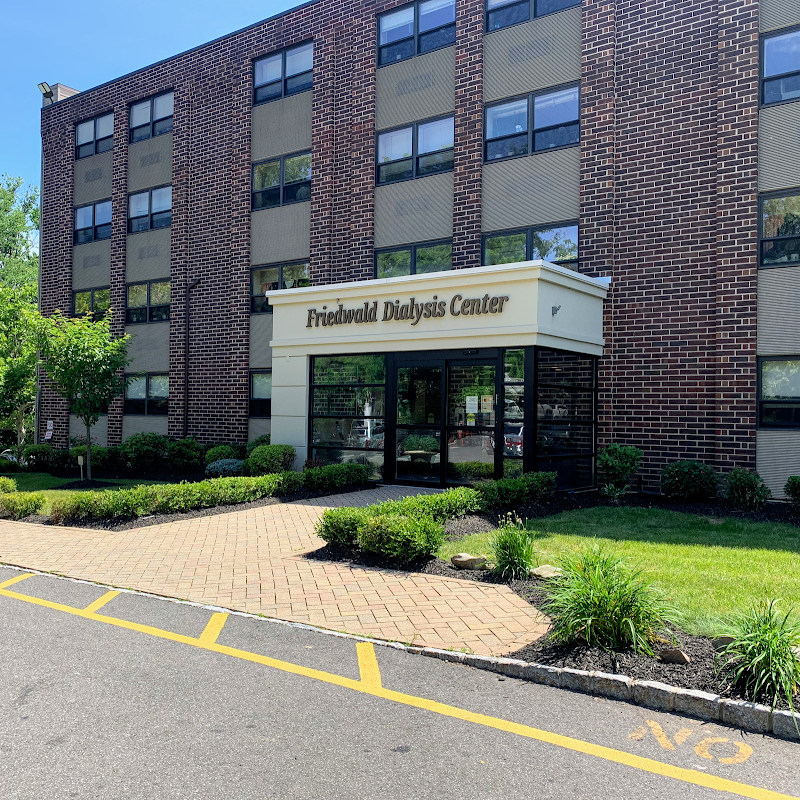
How is Friedwald Center For Rehab And Nursing, L L C Staffed?

CMS rates FRIEDWALD CENTER FOR REHAB AND NURSING, L L C's staffing level at 4 out of 5 stars, which is above average compared to other nursing homes. Staff turnover is 26%, compared to the New York average of 46%. This relatively stable workforce can support continuity of care.

What Have Inspectors Found at Friedwald Center For Rehab And Nursing, L L C?

State health inspectors documented 19 deficiencies at FRIEDWALD CENTER FOR REHAB AND NURSING, L L C during 2019 to 2024. These included: 18 with potential for harm and 1 minor or isolated issues.
Who Owns and Operates Friedwald Center For Rehab And Nursing, L L C?

FRIEDWALD CENTER FOR REHAB AND NURSING, L L C is owned by a for-profit company. For-profit facilities operate as businesses with obligations to shareholders or private owners. The facility operates independently rather than as part of a larger chain. With 180 certified beds and approximately 158 residents (about 88% occupancy), it is a mid-sized facility located in NEW CITY, New York.
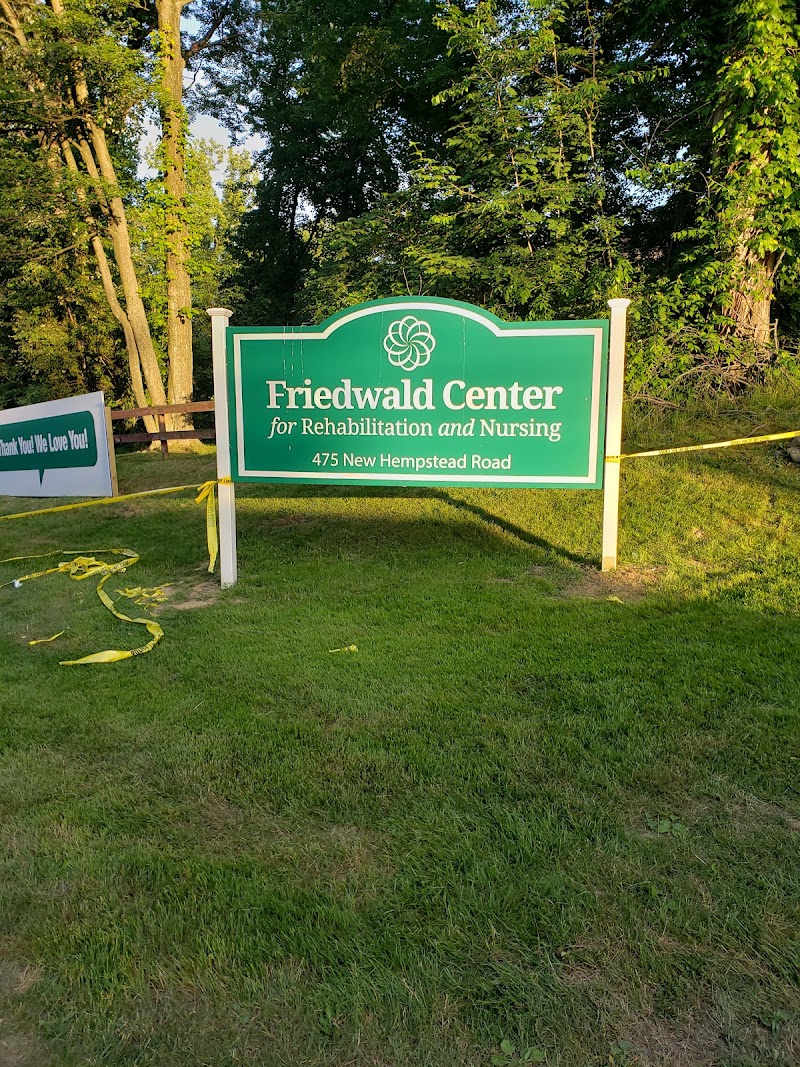
How Does Friedwald Center For Rehab And Nursing, L L C Compare to Other New York Nursing Homes?

Compared to the 100 nursing homes in New York, FRIEDWALD CENTER FOR REHAB AND NURSING, L L C's overall rating (4 stars) is above the state average of 3.1, staff turnover (26%) is significantly lower than the state average of 46%, and health inspection rating (3 stars) is at the national benchmark.

What Should Families Ask When Visiting Friedwald Center For Rehab And Nursing, L L C?

Based on this facility's data, families visiting should ask: "Can I visit during a mealtime to observe dining assistance and food quality?" "How do you handle medical emergencies, and what is your hospital transfer rate?" "Can I speak with family members of current residents about their experience?"

Is Friedwald Center For Rehab And Nursing, L L C Safe?

Based on CMS inspection data, FRIEDWALD CENTER FOR REHAB AND NURSING, L L C has a clean safety record: no substantiated abuse findings (meaning no confirmed cases of resident harm), no Immediate Jeopardy citations (the most serious violation level indicating risk of serious injury or death), and is not on the Special Focus Facility watch list (a federal program monitoring the lowest-performing 1% of nursing homes). The facility has a 4-star overall rating and ranks #1 of 100 nursing homes in New York. While no facility is perfect, families should still ask about staff-to-resident ratios and recent inspection results during their visit.

Do Nurses at Friedwald Center For Rehab And Nursing, L L C Stick Around?

Staff at FRIEDWALD CENTER FOR REHAB AND NURSING, L L C tend to stick around. With a turnover rate of 26%, the facility is 20 percentage points below the New York average of 46%. Low turnover is a positive sign. It means caregivers have time to learn each resident's needs, medications, and personal preferences. Consistent staff also notice subtle changes in a resident's condition more quickly.

Was Friedwald Center For Rehab And Nursing, L L C Ever Fined?

FRIEDWALD CENTER FOR REHAB AND NURSING, L L C has no federal fines on record. CMS issues fines when nursing homes fail to meet care standards or don't correct problems found during inspections. The absence of fines suggests the facility has either maintained compliance or corrected any issues before penalties were assessed. This is a positive indicator, though families should still review recent inspection reports for the full picture.

Is Friedwald Center For Rehab And Nursing, L L C on Any Federal Watch List?

FRIEDWALD CENTER FOR REHAB AND NURSING, L L C is not on any federal watch list. The most significant is the Special Focus Facility (SFF) program, which identifies the bottom 1% of nursing homes nationally based on persistent, serious quality problems. Not being on this list means the facility has avoided the pattern of deficiencies that triggers enhanced federal oversight. This is a positive indicator, though families should still review the facility's inspection history directly.