PARKER JEWISH INSTITUTE FOR HEALTH CARE & REHAB
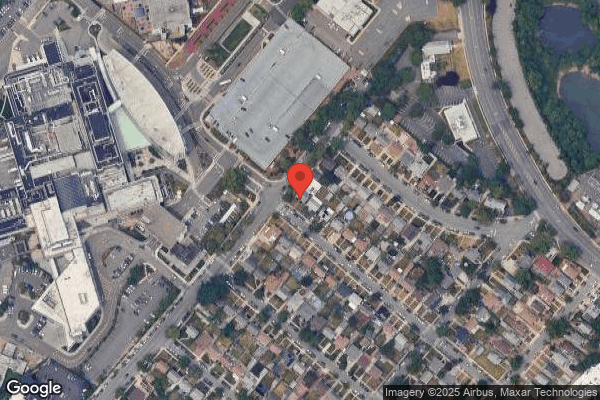
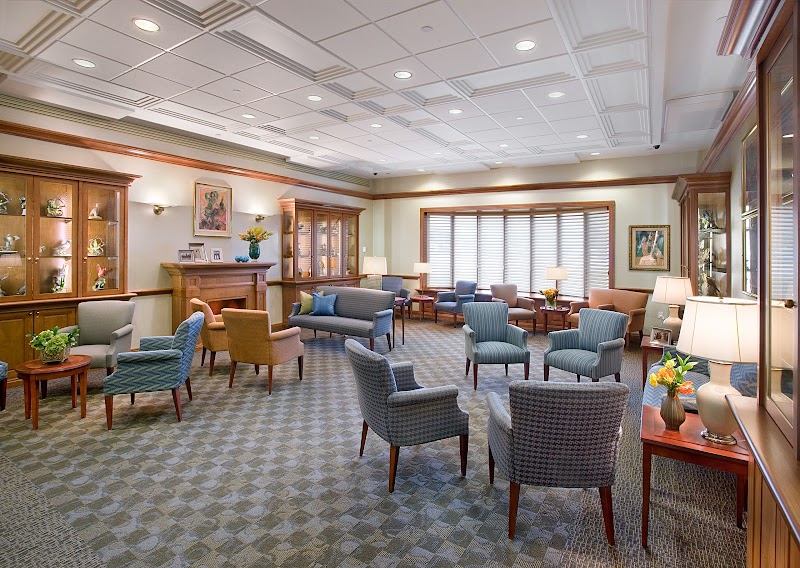
271-11 76TH AVE, NEW HYDE PARK, NY 11040 (718) 289-2100
Non profit - Corporation 527 Beds Independent Data: November 2025
Trust Grade
90/100
#83 of 594 in NY
Last Inspection: April 2025

Within standard 12-15 month inspection cycle. Federal law requires annual inspections.

Overview

Parker Jewish Institute for Health Care & Rehab has received an excellent Trust Grade of A, indicating it is highly recommended for care. It ranks #83 out of 594 facilities in New York, placing it in the top half of all nursing homes in the state, and #8 out of 57 in Queens County, suggesting only a few local options are better. The facility is on an improving trend, with issues decreasing from 3 in 2023 to none in 2025. Staffing is average, with a rating of 3 out of 5 stars and a turnover rate of 31%, which is lower than the state average, indicating some staff stability. Notably, there have been no fines recorded, and the facility has excellent RN coverage, exceeding 93% of New York facilities, which enhances patient safety. However, there are some concerns. Recent inspections found issues such as water stains on ceiling tiles in multiple resident rooms, indicating maintenance problems. Additionally, contaminated linens were discovered in the clean linen room, raising infection control issues. The facility also failed to consistently involve residents or their representatives in care plan meetings, which is critical for ensuring personalized care. While there are strengths to this facility, these weaknesses should be taken into consideration when making a decision.

Trust Score
A
90/100
In New York
#83/594
Top 13%
Safety Record
Low Risk
No red flags
Inspections
Getting Better
3 → 0 violations
Staff Stability
○ Average
31% turnover. Near New York's 48% average. Typical for the industry.
Penalties
✓ Good
No fines on record. Clean compliance history, better than most New York facilities.
Skilled Nurses
✓ Good
Each resident gets 72 minutes of Registered Nurse (RN) attention daily — more than 97% of New York nursing homes. RNs are the most trained staff who catch health problems before they become serious.
Violations
✓ Good
Only 5 deficiencies on record. Cleaner than most facilities. Minor issues only.
★★★★★
5.0
Overall Rating
★★★☆☆
3.0
Staff Levels
★★★★★
5.0
Care Quality
★★★★★
5.0
Inspection Score
Stable
2023: 3 issues
2025: 0 issues

The Good

  • 5-Star Quality Measures · Strong clinical quality outcomes
  • Full Sprinkler Coverage · Fire safety systems throughout facility
  • No fines on record
  • Staff turnover below average (31%)

    17 points below New York average of 48%

Facility shows strength in quality measures, fire safety.

The Bad

Staff Turnover: 31%

15pts below New York avg (46%)

Typical for the industry

The Ugly 5 deficiencies on record

Oct 2023 3 deficiencies
CONCERN (D)

Potential for Harm - no one hurt, but risky conditions existed

Deficiency F0553 (Tag F0553)

Could have caused harm · This affected 1 resident

**NOTE- TERMS IN BRACKETS HAVE BEEN EDITED TO PROTECT CONFIDENTIALITY** Based on observations, record review, and staff interviews conducted during the Recertification/Complaint survey conducted from ...

Read full inspector narrative →
**NOTE- TERMS IN BRACKETS HAVE BEEN EDITED TO PROTECT CONFIDENTIALITY** Based on observations, record review, and staff interviews conducted during the Recertification/Complaint survey conducted from 10/16/23 to 10/23/23, the facility did not ensure that Resident or Resident's representative were offered the opportunity to participate in the revision and/or review of the comprehensive care plan. Specifically, resident and resident's representatives were not consistently invited to participate in their care plan meetings. This was evident for 2 of 2 residents reviewed for care plans out of 38 residents. (Residents #354 and #380). The findings are: The facility Policy on Care plan/Family Meeting Attendance Sheet/Log dated 10/2021 documented, Attendance will be logged in each resident's electronic medical record, to reflect the attendees who participated, inclusive of a resident, family member and or staff member. 1) Resident #354 was admitted to the facility 02/01/2022, with diagnoses including, Cancer, Hypertension, Anxiety Disorder and Depression. The Annual Minimum Data Set (MDS) dated [DATE] documented the resident has intact cognitive status and is independent/supervision for most Activities of Daily Living. MDS also documented the resident participated in assessment; Resident has no family/significant other participated in assessment; and it is Very important for resident to have family, or a close relative involved in discussions about his/her care. On 10/16/23 at 09:42 AM Resident #354 was observed in their room during the initial pool process and was interviewed. Resident stated, they have been in the facility for more than a year and have not been invited for any care plan meetings. There is no documented evidence in the resident's electronic medical record to reflect that Resident #354 has been consistently participating in the Care Plan meetings. The facility's Care Plan Meeting Report - Significant Change dated 7/5/2022 documented: participant name and discipline to include: Nursing, Therapeutic Recreation, Medical Records, Clinical Nutrition/Dietary, Admissions/Social Work, Occupational Therapy/Physical Therapy/Rehab. There is no documented evidence that resident and/or a family/representative participated in the meeting. Care Plan Meeting Report - Significant Change dated 9/13/2022 documented participant name and discipline to include Nursing, Therapeutic Recreation, Medical Records, Clinical Nutrition/Dietary, Admissions/Social Work, Occupational Therapy/Physical Therapy/Rehab. There is no documented evidence that resident and/or family/representative participated in the meeting. Care Plan Meeting Report - Quarterly Review dated 3/14/2023 documented participant name and discipline to include Nursing, Therapeutic Recreation, Medical Records, Clinical Nutrition/Dietary, Admissions/Social Work, Occupational Therapy/Physical Therapy/Rehab. There is no documented evidence that resident and/or family/representative participated in the meeting. Care Plan Meeting Report - Quarterly Review dated 6/06/2023 documented participant name and discipline to include Nursing, Therapeutic Recreation, Medical Records, Clinical Nutrition/Dietary, Admissions/Social Work, Occupational Therapy/Physical Therapy/Rehab. There is no documented evidence that resident and/or family/representative participated in the meeting Care Plan Meeting Report - Annual Review dated 8/02/2023 documented participant name and discipline to include Therapeutic Recreation, Medical Records/Nursing, Clinical Nutrition/Dietary, Nursing, Occupational Therapy/Physical Therapy/Rehab, Admissions/Social Work. There is no documented evidence that resident and/or family/representative participated in the meeting. 2) Resident #380 was admitted to the facility 02/15/2023, with diagnoses including: Anemia, Congestive Heart Failure (CHF), Hypertension, Anxiety Disorder and Depression. The Quarterly Minimum Data Set (MDS) dated [DATE] documented the resident has intact cognitive status. The MDS also documented Resident #380 participated in assessment; Resident has no family/significant other participated in assessment. On 10/16/23 at 10:05 AM, Resident #380 was observed in their room during the initial pool process and was interviewed. Resident stated that they are not being invited for care plan meetings to discuss their plan of care, including discharge care planning. The facility's Care Plan Meeting Report - Quarterly Review dated 4/18/2023 documented participant names/discipline for the meeting to include Therapeutic Recreation, Nursing, Medical Records/Nursing, Clinical Nutrition/Dietary, Admissions/Social Work, Occupational Therapy/Physical Therapy/Rehab. There is no documented evidence that resident and/or family/representative participated in the meeting. Care Plan Meeting Report - Quarterly Review dated 7/11/2023 documented participant names/discipline for the meeting to include Therapeutic Recreation, Nursing, Medical Records/Nursing, Clinical Nutrition/Dietary, Admissions/Social Work, Occupational Therapy/Physical Therapy/Rehab. There is no documented evidence that resident and/or family/representative participated in the meeting. Care Plan Meeting Report - Significant Change Review dated 7/18/2023 documented participant names/discipline for the meeting to include Therapeutic Recreation, Nursing, Medical Records/Nursing, Clinical Nutrition/Dietary, Admissions/Social Work, Occupational Therapy/Physical Therapy/Rehab; There is no documented evidence that resident and/or family/representative participated in the meeting. On 10/20/23 at 10:49 AM, an interview was conducted with the Registered Nurse Case Manager, RN #1 who stated, the Social Worker (SW) sends mail to the residents for the care plan meetings. The SW goes to the resident's room to notify the resident and documents it in sigma care progress notes. The attendance is documented in the progress note. If the resident declines, it is documented by the Social Worker. RN #1 was unable to provide documented evidence that resident was invited for the meetings, or an attendance record that resident participated in any of the meetings. On 10/20/23 at 11:05 AM, an interview was conducted with Social Worker (SW #1). SW #1 stated that they go to residents' rooms before the meeting take place to inform them of the meeting and it is documented in the progress note. SW also stated that at the end of the meeting the attendance is documented in the progress notes, indicating the team members and resident/family member that attended the meeting. SW was unable to show the documented evidence that residents #354 and #380 were invited to their care plan meetings, or that residents participated in the care plan meetings. On 10/23/23 at 05:40 PM, The Administrator was interviewed, and stated that they are not aware that residents' invitation and attendance to their care plan meeting were not being properly documented. Administrator further stated that they have started an internal audit with the social work team to resolve the issue. 415.12(c)(2)(i-iii)
CONCERN (E)

Potential for Harm - no one hurt, but risky conditions existed

Safe Environment (Tag F0584)

Could have caused harm · This affected multiple residents

**NOTE- TERMS IN BRACKETS HAVE BEEN EDITED TO PROTECT CONFIDENTIALITY** Based on observation and interviews conducted during the Recertification Survey dated 10/16/23 - 10/23/23, the facility did not ...

Read full inspector narrative →
**NOTE- TERMS IN BRACKETS HAVE BEEN EDITED TO PROTECT CONFIDENTIALITY** Based on observation and interviews conducted during the Recertification Survey dated 10/16/23 - 10/23/23, the facility did not ensure a safe, clean, comfortable, and homelike environment was maintained. This was evident in 4 resident rooms (Rooms 718, 725, 729, 730) on Unit 7. Specifically, water stains were observed on the ceiling tiles in 3 resident rooms (Rooms 725, 729, 730) and a window blind was observed to be missing in 1 resident room (room [ROOM NUMBER]). The findings are: On 10/17/23 at 9:43 AM and on 10/23/23 at 10:53 AM upon inspection of resident bathroom (room [ROOM NUMBER]), the Surveyor observed water stains on ceiling tiles. On 10/17/23 at 10:18 AM and on 10/23/23 at 11:54 AM, the Surveyor observed water stains on ceiling tiles in the resident bathroom (room [ROOM NUMBER]). On 10/17/23 at 10:22 AM and on 10/23/23 at 11: 53 AM, the Surveyor observed water stains on ceiling tiles in resident bathroom (room [ROOM NUMBER]). On 10/17/23 at 9:55 AM and on 10/23/23 at 11:42 AM, the Surveyor observed a missing window blind in resident room (room [ROOM NUMBER]). On 10/23/23 at 11:57 AM an interview was conducted with the Head Nurse regarding the brown colored stained ceiling tiles observed in resident rooms (725,729, 730). The Head Nurse stated, Whenever there are any environmental concerns the Certified Nursing Assistant (CNA) or nurse will report them to the head nurse, who will follow-up to make observations and to inform the maintenance staff to come in to address the situation. Immediate concerns are treated with urgency. Maintenance request forms can be found on the unit computers. Staff can check the status of the job order to know when the concern will be addressed. On 10/23/23 at 12:20 PM, an interview was conducted with Clinical Director of Nursing #2 (CDON) regarding the brown colored stained ceiling tiles observed in resident rooms (725,729, 730) and missing window blind in room [ROOM NUMBER]. The CDON stated, Rounds are done but not on a set schedule. If there are any findings, the maintenance staff will be notified via a work order. The maintenance department will follow-up. The Heads of all departments conducts environmental rounds. I am only familiar with the concern in the resident bathroom (room [ROOM NUMBER]) but have not completed an work order for that concern. I was not aware of the water stains in rooms #729 and #730 or the missing window blind in resident room [ROOM NUMBER]. On 10/23/23 at 12:42 PM, an interview was conducted with the Director of Building Services (DBS) regarding the the brown colored stained ceiling tiles observed in resident rooms (725,729, 730) and missing window blind in room [ROOM NUMBER]. The DBS stated, As of last month's review, there are no current work orders for the mentioned resident rooms (room [ROOM NUMBER], 725, 729, 730). Work was done on the ceiling recently in room [ROOM NUMBER], and a light bulb were replaced. The resident made it very difficult for the team by requesting only specific staff to complete the work. Those requests were honored. I was not aware that the water stains re-occurred on the bathroom ceiling (room [ROOM NUMBER]). Usually, a work order will be created by staff. Weekly department rounds are done. All computers in the facility are equipped for staff to complete work orders. 415.5(h)(2)
CONCERN (E)

Potential for Harm - no one hurt, but risky conditions existed

Infection Control (Tag F0880)

Could have caused harm · This affected multiple residents

Based on observations, interviews, and record review conducted during the Recertification survey from 10/16/23 to 10/23/23, the facility did not ensure a safe, sanitary, and comfortable environment to...

Read full inspector narrative →
Based on observations, interviews, and record review conducted during the Recertification survey from 10/16/23 to 10/23/23, the facility did not ensure a safe, sanitary, and comfortable environment to prevent the transmission of infections and communicable diseases. Specifically, 1) contaminated linen was found in the clean linen room. 2) Linen bins were observed with numerous pieces of tape attached and with an unclean appearance, 3) Policy and Procedures titled Infection Prevention and Control Plan was not updated according to regulatory requirements. The findings are: Policy and Procedures titled Infection Prevention and Control Plan with last effective date 3/2020 documented as follows: The facility will maintain an infection prevention and control plan designed to provide a safe, sanitary, and comfortable environment and to help prevent the development and transmission of communicable diseases and infections. Policy and Procedures titled Storage, Collection, Transportation of Linen with last effective date 1/12/23 documented as follows: All linens will be stored, handled, transported, and processed in a manner that prevents cross contamination of infection to residents, staff, visitors, and the environment. On 10/20/23 at 11:05AM at the facility loading dock, the State Agent (SA) observed 4 dirty linen bins with residual tape and an unclean appearance. On 10/20/23 at 11:17 AM, the SA observed, in the hallway outside the clean linen room, 3 clean linen bins to have numerous pieces of residual tape attached and an unclean appearance. On 10/20/23 at 11:19 AM, the SA observed a laundry bin containing contaminated blankets located in the clean linen room. Blankets were not contained or covered by any barrier. On 10/20/23 at 11:22 AM, an interview was conducted with the Supervisor of Building Services (SBS) regarding the process of handling dirty and clean linen and laundry. The SBS stated as follows: Staff transports dirty linen in plastic bags contained in vendor provided and maintained bins which are brought down to the loading dock via the service elevator. Staff wear gloves and if laundry is very dirty will wear gowns. Dirty laundry is transported in the designated elevator and transferred outside to loading dock. A separate elevator for soiled linen and trash is used apart from other departments. Every night elevators are cleaned. Clean linen is handled in the clean linen room, top sheets are wrapped only, other items are not. Items are counted and added to linen carts and distributed to unit closets. There are no precautions for clean linen handling. Linen is covered on the carts which are cleaned weekly. The laundry bins are supplied, cleaned, and maintained by the vendor, FDR Services. On 10/20/23 at 04:54 PM, an interview was conducted with the Director of Building Services (DBS) regarding the process of handling dirty and clean linen and laundry. The DBS stated as follows: Dirty linen/laundry from the resident room is transported in the designated bag and kept in the soiled utility room. Building Services staff takes the bags down in bins via the service elevator to the loading dock for vendor pick-up which occurs daily. Bins are cleaned according to the vendor policy, which is between use. Clean linen is brought into the clean linen room after coming into the family, staff sort and take items to the units covered in carts. The nurse and other staff members distributes the items. Staff should not store any soiled or contaminated items in the clean linen room. Finding contaminated linen in the clean linen room is a first-time occurrence, rounds are conducted weekly which includes rounds of the unit utility rooms. Staff will be in-serviced. On 10/23/23 at 04:16 PM the Office Manager (OM) at FDR Services regarding the vendor's cleaning policy and procedures for the linen/laundry bins provided to the facility. The OM stated that the appropriate party will follow-up to answer all questions. The State Agent provided an email address for the vendor to share documentation regarding the infection control procedures related to the services provided to the facility. On 10/20/23 at 04:19 PM, an interview was conducted with the Clinical Director of Nursing #1/Director of Infection Control (DFC) regarding the facility infection control policies and procedures. The DFC stated as follows: The facilities policies and procedures were updated according to the last effective dates noted on each document provided at the survey entrance conference. The team does daily audits of each department and with employees, Department Heads are In-serviced regularly, and conducts rounds of each department. There is a special focus in Personal Protective Equipment (PPE) use, meal services, sanitization of equipment, and medication administration. All educators are involved. Rounds are conducted with the laundry department daily. The Infection Control team consists of 3 staff members. 415.19 (a)(1-3)
Aug 2021 2 deficiencies
CONCERN (D)

Potential for Harm - no one hurt, but risky conditions existed

Quality of Care (Tag F0684)

Could have caused harm · This affected 1 resident

**NOTE- TERMS IN BRACKETS HAVE BEEN EDITED TO PROTECT CONFIDENTIALITY** Based on observations, record review and interviews conducted during the Recertification survey, the facility did not ensure tha...

Read full inspector narrative →
**NOTE- TERMS IN BRACKETS HAVE BEEN EDITED TO PROTECT CONFIDENTIALITY** Based on observations, record review and interviews conducted during the Recertification survey, the facility did not ensure that a resident received treatment and care in accordance with professional standards of practice that were based on the comprehensive assessment, person-centered care plan, and the resident's choice. Specifically, a resident was not provided with treatment and care to address the resident's positioning needs. This was evident for 1 of 5 residents reviewed for Position, Mobility out of a sample of 38 residents. (Resident # 98) The findings are: The facility policy and procedure Pressure Ulcer/Injury Prevention and Care reviewed September 2018 documented 'when a patient/resident is identified as at risk for development of a pressure ulcer/injury, the CCP Team will initiate a care plan that recognizes the patient's/resident's needs and goals, the factors which place the patient/resident at risk of developing a pressure ulcer/injury and addresses the same with individualized interventions that are consistent with recognized standards of practice. These preventive interventions may include but are not limited to: Turning and positioning schedule when in bed, avoid pressure on existing pressure ulcer/injury. Resident #98 was admitted to the facility with diagnoses that included Coronary Artery Disease (CAD), Arthritis, Cerebrovascular Accident (CVA), Hemiplegia/Hemiparesis, and Parkinson's Disease. The Quarterly Minimum Data Set (MDS) assessment dated [DATE] documented the resident had intact cognitive status. The MDS documented the resident required extensive assistance of 2 staff for bed mobility and dressing, and was totally dependent on staff for transfer, locomotion, and toilet use. The MDS also documented that resident is at risk of developing pressure ulcer and receiving skin and ulcer treatments including pressure reducing device for bed and turning/repositioning program. On 08/10/21 at 09:54 AM, Resident #98 was observed lying in bed in a supine position. During an interview, Resident #98 stated I am not able to turn myself in bed and nobody is helping me to turn and reposition when I need to change position. Resident #98 also stated that staff only assisted in turning when giving care in the morning before breakfast and later in the afternoon. On 08/10/21 at 12:23 PM, and at 02:59 PM, resident was observed in bed, still in a supine position. Resident #98 stated I need help to turn, nobody has turned me yet. On 08/11/21 at 08:01 AM, resident was observed sleeping in a supine position, and at 10:19 AM, resident was observed in bed, awake, and still in a supine position. On 08/11/21 at 02:07 PM, Resident # 98 was observed seated in a wheelchair, sitting beside the bed. Resident stated they had just been taken out of bed 15 minutes ago in order to get a haircut. On 08/12/21 at 09:12 AM, Resident #98 was observed in bed in a supine position, sleeping, and at 11:23 AM, resident was observed awake, still in bed in a supine position. On 08/16/21 at 08:11 AM, resident was observed in bed in a supine position, and at 10:47 AM, resident was still in bed in a supine position. Resident stated they had called to request help to be turned but no-one had helped them yet. The Comprehensive Care Plan (CCP) titled ADL Function/Rehab Potential dated 11/06/2019 revised 8/9/21 documented that resident required assistance of staff in performing ADLs, related to decline in range of motion, and is at risk for progressive decline in ability due to aging process and natural disease progression. Interventions included Nursing Rehab ROM: Please perform AAROM for BUE/BLE for 10 reps x 2 sets a day to prevent contractures. The Comprehensive Care Plan (CCP) titled Skin breakdown dated 11/06/2019 revised 7/6/2021 documented that resident is at risk for skin breakdown with interventions that included turn and position every 2 hours and as needed. The Physician's order dated 7/30/2021 documented positioning resting ankle foot orthosis bilateral when in bed except when sleeping at night. Turn and position every 2 hours. Resident CNA Documentation Record dated July and August 2021 contained no documented evidence that resident was consistently turned and repositioned from back to side every 2 hours as per order and as per resident's plan of care. On 08/16/21 at 11:02 AM, an interview was conducted with Certified Nursing Assistant (CNA) #1. CNA #1 stated that resident was seen in the morning when breakfast tray was taken to the room. CNA #1 also stated that the resident was checked before 10 am when the Charge Nurse (RN #2) notified the CNA that the resident needed to be repositioned. CNA #1 further stated that they were unable to turn the resident alone then because resident required assistance of 2 staff for turning, and everybody was busy at that time. CNA #1 stated that they went to provide care for another resident and had just finished and was about to ask for assistance to go and turn the resident. On 08/17/21 at 01:59 PM, an interview was conducted with CNA #2. CNA #2 stated that they are assigned to the resident when the regular CNA is not on duty. CNA #2 stated that resident can verbalize needs, and calls when in need of anything, will ask to be given urinal and to be turned and repositioned. CNA #2 also stated that the resident likes to come out of bed between 2 and 2:45pm, does not come out of bed on shower days as shower is given in the evening. CNA #2 also stated that the resident does not refuse to be turned when in bed, but sometimes will like to change position before 2 hours if the resident wants to use the urinal or to watch a program on the television. CNA #2 further stated that resident requires assistance of 2 strong staff to turn in bed, and sometimes it is difficult to find another staff readily available to assist when resident would like to be turned. On 08/16/21 at 11:11 AM, an interview was conducted with the Registered Nurse (RN) #2. RN #2 stated that the resident is supposed to be turned and repositioned in bed every 2 hours and as needed and taken out of bed in the afternoon after lunch. RN #2 also stated that the CNAs are made aware of interventions to be carried out when giving report and this is also indicated in the CNA accountability record. RN #2 further stated that the CNAs are reminded to check and turn the resident and to also apply the booty. RN #2 was unable to explain why the resident was not being turned and repositioned during the period of observation by the surveyor. On 08/16/21 at 11:20 AM, the RN/Unit Manager (RNUM) was interviewed. The RNUM stated that the resident requires total care and is taken out of bed after lunch around 2:00pm daily as per resident's request. The RNUM also stated that resident is alert and oriented, able to make needs known, is seen daily during rounds looking comfortable, engages in conversation when making rounds and has never reported that staff are not assisting in turning and repositioning as scheduled, and when needed. RNUM further stated that rounds are made frequently on the unit to monitor that staff are providing proper care to the residents as per plan of care. RNUM was unable to explain why resident was observed not being turned during the period of surveyor's observations. On 08/16/21 at 12:28 PM, the Rehab Director (RD) was interviewed. The RD stated that rounds are done regularly to ensure everything is being carried out as recommended, and as per resident's plan of care. RD could not explain why recommended interventions, such as turning and repositioning of resident were not being carried out as per order. 415.12
CONCERN (D)

Potential for Harm - no one hurt, but risky conditions existed

Infection Control (Tag F0880)

Could have caused harm · This affected 1 resident

**NOTE- TERMS IN BRACKETS HAVE BEEN EDITED TO PROTECT CONFIDENTIALITY** Based on observations, record review, and staff interviews conducted during the recertification survey, the facility did not ens...

Read full inspector narrative →
**NOTE- TERMS IN BRACKETS HAVE BEEN EDITED TO PROTECT CONFIDENTIALITY** Based on observations, record review, and staff interviews conducted during the recertification survey, the facility did not ensure infection control practices and procedures were maintained to provide a safe and sanitary environment to help prevent the development and transmission of communicable diseases and infections. Specifically, an RN was observed using a glucometer for multiple residents without sanitizing the equipment in between the residents. This was evident during point-of-care testing for 3 of 12 residents observed during the Medication Administration Facility Task. (Resident #189, 75, & 11) The findings are: The facility policy titled EVENCARE Finger Stick Blood Glucose Monitoring dated 1/19 documented it is the policy of [NAME] Jewish Institute to monitor blood glucose of patients/residents effectively and accurately .Clean and disinfect the EvenCare G3 Blood Glucose Meter between patient tests using facility approved disinfecting wipes. On 08/11/21 at 08:06 AM, Registered Nurse (RN) #1 was observed checking residents' blood glucose on the 4th floor. RN #1 removed the glucometer from the medication cart and proceeded to perform fingerstick check for Resident #189. RN #1 was not observed sanitizing the glucometer before use. After completing the fingerstick, the nurse removed and discarded the test strip and then placed the glucometer in a black container in the medication cart without sanitizing or cleaning the glucometer. At 08:37 AM, RN #1 was observed removing the same glucometer, that had not been sanitized after prior use, from the medication cart. RN #1 approached Resident #75 and proceeded to perform a fingerstick. RN #1 then returned the glucometer to the medication cart. RN #1 was not observed sanitizing the glucometer before or after use. At 08:45 AM, RN #1 removed the glucometer from the medication cart and then proceeded to perform fingerstick for Resident #11. RN #1 was not observed sanitizing the glucometer before or after use. On 08/11/21 at 09:26 AM, RN #1 was interviewed. RN #1 stated that the glucometer was sanitized when they began the shift in the morning and was to be sanitized after checking 2 residents. RN #1 also stated that the glucometer was not sanitized in between the residents because they had a lot of things going on in their mind. On 08/11/21 at 09:57 AM, an interview was conducted with the Registered Nurse Unit Manager (RNUM). The RNUM stated that RN #1 works as a per Diem Nurse and had been given reports on the residents requiring blood glucose checks on the assignment. The RNUM also stated that the RN and all other nurses have been educated on infection control prevention protocol regarding the cleaning and sanitization of the glucometer. The RNUM could not explain why the RN failed to follow the protocol. On 08/18/21 at 10:30 AM, an interview was conducted with the Clinical Director of Nursing/Infection Control Protocol (DIP). The DIP stated that all the staff are given education on infection control protocols when newly hired and annually. Staff are spot checked daily at random on the units by the Infection Control Patrol team consisting of the Unit Manager, the supervisors, Director of Rehab, Infection Control Preventionist and the Director of Infection Control Protocol. The DIP also stated that if a breach is observed, staff are re-educated on all units and all shifts to prevent re-occurrence. The DIP further stated that the staff involved was given in-service and evaluated for competency on infection control and could not understand why such an error had been made by the staff. 415.19(a)(1-3)
Understanding Severity Codes (click to expand)
Life-Threatening (Immediate Jeopardy)
J - Isolated K - Pattern L - Widespread
Actual Harm
G - Isolated H - Pattern I - Widespread
Potential for Harm
D - Isolated E - Pattern F - Widespread
No Harm (Minor)
A - Isolated B - Pattern C - Widespread

Questions to Ask on Your Visit

  • "Can I speak with families of current residents?"
  • "What's your RN coverage like on weekends and overnight?"

Our Honest Assessment

Strengths
  • • Grade A (90/100). Above average facility, better than most options in New York.
  • • No major safety red flags. No abuse findings, life-threatening violations, or SFF status.
  • • No fines on record. Clean compliance history, better than most New York facilities.
  • • Only 5 deficiencies on record. Cleaner than most facilities. Minor issues only.
Concerns
  • • No significant concerns identified. This facility shows no red flags across CMS ratings, staff turnover, or federal penalties.
Bottom line: Generally positive indicators. Standard due diligence and a personal visit recommended.

About This Facility

What is Parker Jewish Institute For Health Care & Rehab's CMS Rating?

CMS assigns PARKER JEWISH INSTITUTE FOR HEALTH CARE & REHAB an overall rating of 5 out of 5 stars, which is considered much above average nationally. Within New York, this rating places the facility higher than 99% of the state's 100 nursing homes. This rating reflects solid performance across the metrics CMS uses to evaluate nursing home quality.
How is Parker Jewish Institute For Health Care & Rehab Staffed?

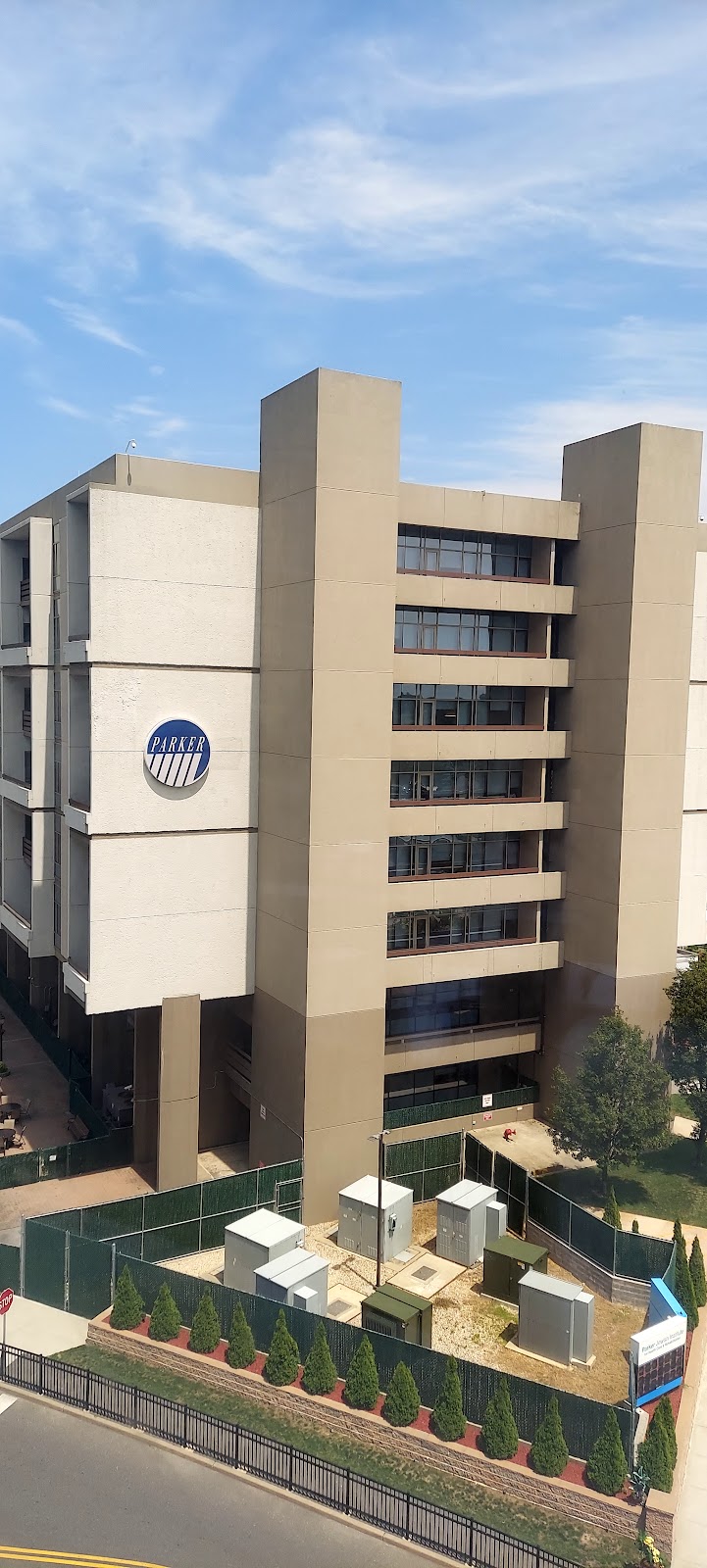
CMS rates PARKER JEWISH INSTITUTE FOR HEALTH CARE & REHAB's staffing level at 3 out of 5 stars, which is average compared to other nursing homes. Staff turnover is 31%, compared to the New York average of 46%. This relatively stable workforce can support continuity of care.

What Have Inspectors Found at Parker Jewish Institute For Health Care & Rehab?

State health inspectors documented 5 deficiencies at PARKER JEWISH INSTITUTE FOR HEALTH CARE & REHAB during 2021 to 2023. These included: 5 with potential for harm.
Who Owns and Operates Parker Jewish Institute For Health Care & Rehab?

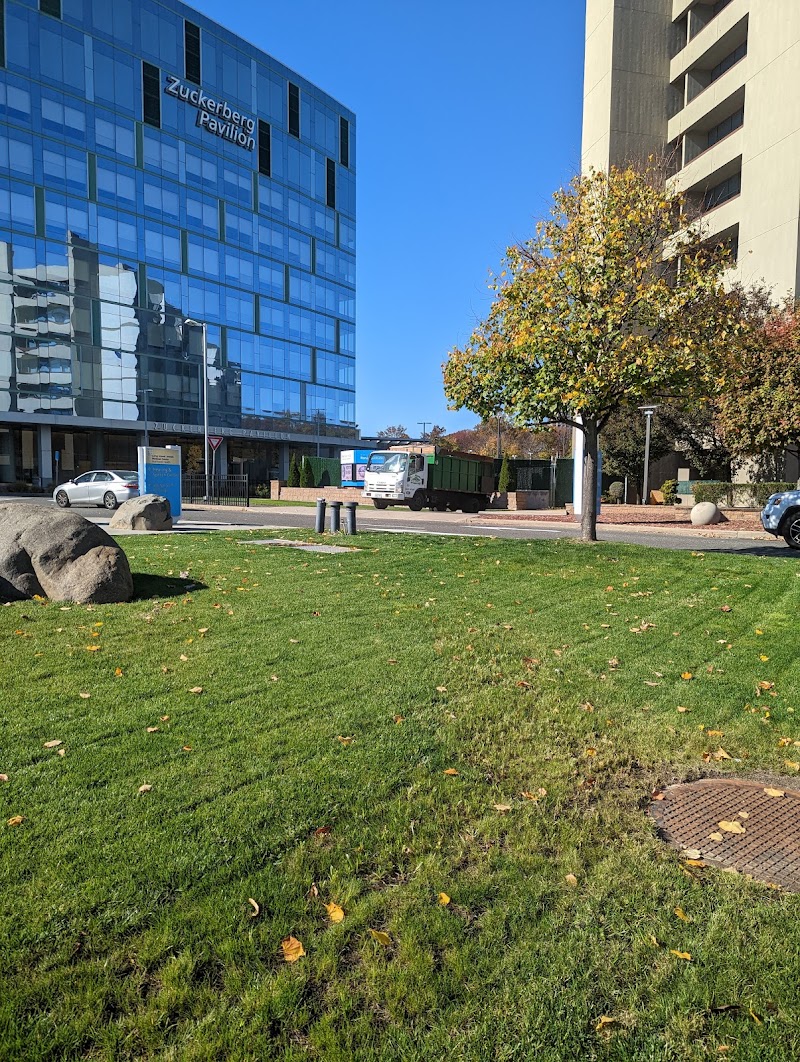
PARKER JEWISH INSTITUTE FOR HEALTH CARE & REHAB is owned by a non-profit organization. Non-profit facilities reinvest revenue into operations rather than distributing to shareholders. The facility operates independently rather than as part of a larger chain. With 527 certified beds and approximately 491 residents (about 93% occupancy), it is a large facility located in NEW HYDE PARK, New York.
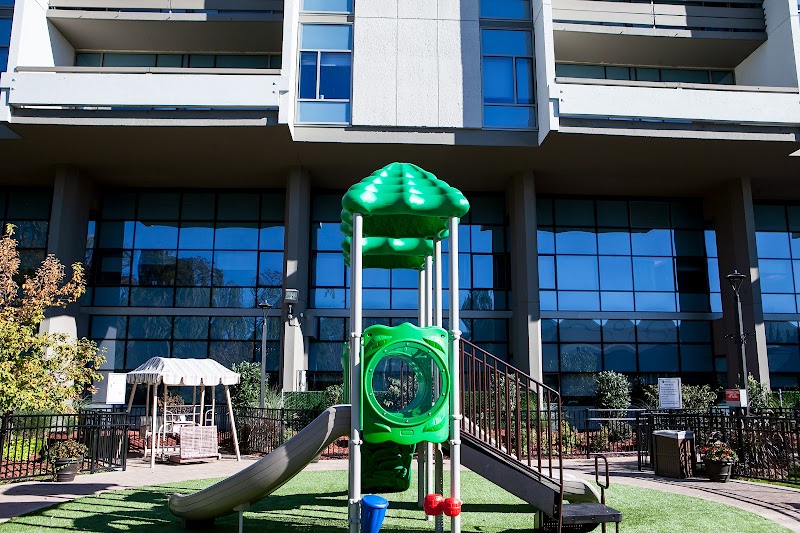
How Does Parker Jewish Institute For Health Care & Rehab Compare to Other New York Nursing Homes?

Compared to the 100 nursing homes in New York, PARKER JEWISH INSTITUTE FOR HEALTH CARE & REHAB's overall rating (5 stars) is above the state average of 3.1, staff turnover (31%) is significantly lower than the state average of 46%, and health inspection rating (5 stars) is much above the national benchmark.

What Should Families Ask When Visiting Parker Jewish Institute For Health Care & Rehab?

Based on this facility's data, families visiting should ask: "Can I visit during a mealtime to observe dining assistance and food quality?" "How do you handle medical emergencies, and what is your hospital transfer rate?" "Can I speak with family members of current residents about their experience?"

Is Parker Jewish Institute For Health Care & Rehab Safe?

Based on CMS inspection data, PARKER JEWISH INSTITUTE FOR HEALTH CARE & REHAB has a clean safety record: no substantiated abuse findings (meaning no confirmed cases of resident harm), no Immediate Jeopardy citations (the most serious violation level indicating risk of serious injury or death), and is not on the Special Focus Facility watch list (a federal program monitoring the lowest-performing 1% of nursing homes). The facility has a 5-star overall rating and ranks #1 of 100 nursing homes in New York. While no facility is perfect, families should still ask about staff-to-resident ratios and recent inspection results during their visit.

Do Nurses at Parker Jewish Institute For Health Care & Rehab Stick Around?

PARKER JEWISH INSTITUTE FOR HEALTH CARE & REHAB has a staff turnover rate of 31%, which is about average for New York nursing homes (state average: 46%). Moderate turnover is common in nursing homes, but families should still ask about staff tenure and how the facility maintains care continuity when employees leave.

Was Parker Jewish Institute For Health Care & Rehab Ever Fined?

PARKER JEWISH INSTITUTE FOR HEALTH CARE & REHAB has no federal fines on record. CMS issues fines when nursing homes fail to meet care standards or don't correct problems found during inspections. The absence of fines suggests the facility has either maintained compliance or corrected any issues before penalties were assessed. This is a positive indicator, though families should still review recent inspection reports for the full picture.

Is Parker Jewish Institute For Health Care & Rehab on Any Federal Watch List?

PARKER JEWISH INSTITUTE FOR HEALTH CARE & REHAB is not on any federal watch list. The most significant is the Special Focus Facility (SFF) program, which identifies the bottom 1% of nursing homes nationally based on persistent, serious quality problems. Not being on this list means the facility has avoided the pattern of deficiencies that triggers enhanced federal oversight. This is a positive indicator, though families should still review the facility's inspection history directly.