ELDERWOOD AT NORTH CREEK

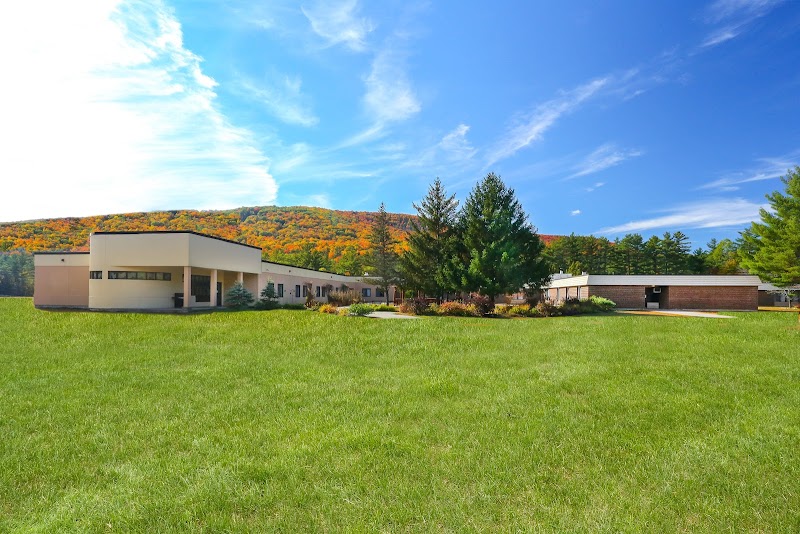
112 SKI BOWL ROAD, NORTH CREEK, NY 12853 (518) 251-2447
For profit - Limited Liability company 82 Beds ELDERWOOD Data: November 2025
Trust Grade
70/100
#277 of 594 in NY
Last Inspection: September 2024

Within standard 12-15 month inspection cycle. Federal law requires annual inspections.

Overview

Elderwood at North Creek has a Trust Grade of B, indicating it is a good choice among nursing homes. It ranks #277 out of 594 facilities in New York, placing it in the top half, and #2 out of 4 in Warren County, meaning only one nearby facility is better. However, the facility's performance is worsening, with issues increasing from 1 in 2022 to 6 in 2024. Staffing is a concern, with a rating of 2 out of 5 stars and a turnover rate of 36%, which is below the state average but still indicates some instability. While the absence of fines is a positive sign, recent inspections revealed significant concerns, including dirty and poorly maintained living areas, improper medication labeling, and inadequate respiratory care for residents, which highlight the need for improvement in quality and safety.

Trust Score
B
70/100
In New York
#277/594
Top 46%
Safety Record
Low Risk
No red flags
Inspections
Getting Worse
1 → 6 violations
Staff Stability
○ Average
36% turnover. Near New York's 48% average. Typical for the industry.
Penalties
✓ Good
No fines on record. Clean compliance history, better than most New York facilities.
Skilled Nurses
⚠ Watch
Each resident gets only 26 minutes of Registered Nurse (RN) attention daily — below average for New York. Fewer RN minutes means fewer trained eyes watching for problems.
Violations
⚠ Watch
12 deficiencies on record. Higher than average. Multiple issues found across inspections.
★★★☆☆
3.0
Overall Rating
★★☆☆☆
2.0
Staff Levels
★★★☆☆
3.0
Care Quality
★★★☆☆
3.0
Inspection Score
Stable
2022: 1 issues
2024: 6 issues

The Good

  • Full Sprinkler Coverage · Fire safety systems throughout facility
  • No fines on record
  • Staff turnover below average (36%)

    12 points below New York average of 48%

Facility shows strength in fire safety.

The Bad

3-Star Overall Rating

Near New York average (3.1)

Meets federal standards, typical of most facilities

Staff Turnover: 36%

Near New York avg (46%)

Typical for the industry

Chain: ELDERWOOD

Part of a multi-facility chain

Ask about local staffing decisions and management

The Ugly 12 deficiencies on record

Sept 2024 6 deficiencies
CONCERN (D)

Potential for Harm - no one hurt, but risky conditions existed

Respiratory Care (Tag F0695)

Could have caused harm · This affected 1 resident

**NOTE- TERMS IN BRACKETS HAVE BEEN EDITED TO PROTECT CONFIDENTIALITY** Based on observations, record review, and interviews conducted during the recertification survey, the facility did not ensure th...

Read full inspector narrative →
**NOTE- TERMS IN BRACKETS HAVE BEEN EDITED TO PROTECT CONFIDENTIALITY** Based on observations, record review, and interviews conducted during the recertification survey, the facility did not ensure that each resident received the necessary respiratory care and services that were in accordance with professional standards of practice, for 3 (Resident #'s 28, 34, and 59) of 3 residents reviewed for oxygen administration. Specifically, (a.) for Residents #s 28, 34, and 59, their supplemental oxygen tubing were not dated and labeled to reflect when the tubing were changed. (b.) Resident #28's portable oxygen tank was empty. This is evidenced by: A review of the facility's policy and procedure (P&P) titled Oxygen Therapy, Concentrator, last revised on 3/26/2018, documented that oxygen would be administered by licensed nurses with a physician's order. As part of the procedure nursing staff would label and date the tubing and all tubing would be changed at least weekly (7 days), or more often if soiling with secretions occurs. A review of the facility's policy and procedure (P&P) titled Oxygen Therapy, Oxygen Cylinder, last revised on 6/27/2023, documented that oxygen would be administered via an open oxygen cylinder by licensed nurses with a physician's order. As part of the procedure nursing staff will label and date the tubing and all tubing would be changed at least weekly (7 days), or more often if soiling with secretions occurs. Oxygen flow rates, tubing connections, and the amount of oxygen remaining in the cylinder should be checked every shift and as needed. Resident #28 was admitted to the facility with diagnoses of hypertensive disease with heart failure, chronic diastolic heart failure (an impairment in the heart's ability to fill with and pump blood), and chronic respiratory failure with hypoxia (when there is not enough oxygen in the body's tissues). The Minimum Data Set, dated [DATE], documented the resident could be understood and understand others with no impaired cognition. During an observation on 9/17/2024 at 3:09 PM, Resident #28 was on oxygen at 3 liters per minute via a nasal cannula. The nasal cannula tubing was not labeled or dated to reflect when it was last changed. During an observation on 9/18/2024 2:47 PM, Resident #28's oxygen tubing had no label on the tubing when it was changed. During an observation on 9/19/2024 at 10:10 AM, Resident #28 was observed in the hallway in their wheelchair. The resident did not have their oxygen nasal cannula tubing in their nose and was wrapped around the oxygen cylinder which also was not labeled or dated when it was changed. An observation of the resident's portable oxygen bottle noted that the amount remaining was less than 500 pounds per square inch, which required changing. The resident stated that they had had shortness of breath the night prior and were still having some shortness of breath that day. A review of Resident #28 Treatment Administration Record for September 2024 had no documentation that the resident's oxygen tubing was to be changed weekly. Resident #34 was admitted to the facility with diagnoses of hypertensive heart and chronic kidney disease with heart failure, acute and chronic heart failure (an impairment in the heart's ability to fill with and pump blood), and type 2 diabetes with chronic kidney. The Minimum Data Set ( an assessment tool) dated 6/22/2024, documented the resident could be understood and understand others with no impaired cognition. During an observation on 9/17/2024 at 11:34 AM, Resident #34 was on oxygen at 2 liters per minute via a nasal cannula. The nasal cannula tubing was not labeled or dated when it was last changed. During an observation on 9/18/2024 at 2:57 PM, Resident #34's oxygen tubing had no label on the tubing when it was last changed. During an observation on 9/19/2024 at 10:04 AM, Resident #34's oxygen tubing had no label on the tubing when it was changed. A review of Resident #34 Treatment Administration Record for September 2024 had no documentation that the resident's oxygen tubing was to be changed weekly. Resident #59 was admitted to the facility with diagnoses of chronic respiratory failure with hypoxia (when there is not enough oxygen in the body's tissues), chronic obstructive pulmonary disease, and dependence on supplemental oxygen. The Minimum Data Set, dated [DATE], documented the resident could be understood and understand others with no impaired cognition. During an observation on 9/17/2024 at 12:28 PM, Resident #59 was on oxygen at 3 liters per minute via a nasal cannula. The nasal cannula tubing was not labeled or dated when it was last changed. During an observation on 9/18/2024 2:43 PM, Resident #59's oxygen tubing had no label of when it was changed. During an observation on 9/19/2024 10:07 AM, Resident #59's oxygen tubing had no label on the tubing when it was changed. A review of Resident #59's Treatment Administration Record for September 2024 documented that the resident's oxygen tubing was to be changed weekly every Sunday night. The last documented change for the resident's oxygen tubing was on 9/01/2024. During an interview on 9/19/2024 at 11:40 AM, Certified Nurse Aide #4 stated they did nothing with the oxygen tubing or supplies. They stated that the nurses usually handle the oxygen for residents. The nursing staff changed the tubing on the weekend and at night, sets the flow rate for the resident's oxygen, and checked the portable oxygen cylinder reserve amount. They stated that if the resident was on portable oxygen they would either move the resident to the nursing station or have a nurse come to the resident's room to verify that the portable cylinder had enough oxygen and did not require changing. During an interview on 9/19/2024 at 1:00 PM, Licensed Practical Nurse #4 stated the oxygen tubing should be changed weekly and labeled. They stated that the oxygen tubing for residents would be changed on Sundays. They stated the portable oxygen cylinders should be monitored regularly and changed when needed. Licensed Practical Nurse #4 mentioned that it was reported to them that the oxygen tubing for the residents were changed as scheduled during their report on Monday 9/16/2024. They stated that the nursing staff would document in the resident's electronic records that the change was completed. In mentioning Resident #38 oxygen cylinder almost empty and complaint of shortness of breath, Licensed Practical Nurse #4 stated that it was an issue and would address it immediately. They stated that they were the only nurse for the unit that day as the scheduled nurse left early. During an interview on 9/20/2024 at 11:48 AM, Director of Nursing #1 and Assistant Director of Nursing #1 stated the nursing staff administered the oxygen per the order from the physician. They stated that Certified Nurse Aides were not allowed to touch or do anything with the oxygen for residents. They stated that oxygen administration was a medication that was prescribed by the physician and should be monitored regularly by the nursing staff. Portable cylinders should be looked at regularly and changed as needed. They stated that the tanks should be checked for proper levels anytime the resident left their room on portable oxygen. They stated that if the portable cylinder was low it should be changed by the licensed nursing staff. They stated oxygen tubing was changed weekly and scheduled on the overnight shift to be completed by the licensed nursing staff. They stated when the tubing was changed the individual performing the task should label and date when the tubing was changed. Assistant Director of Nursing #1 stated they have created new labels for the staff for this task to standardize labeling for oxygen tubing. 10 New York Code of Rules and Regulations 415.12(k)(6)
CONCERN (D)

Potential for Harm - no one hurt, but risky conditions existed

Food Safety (Tag F0812)

Could have caused harm · This affected 1 resident

Based on observation and staff interview during the recertification survey, the facility did not store, prepare, distribute, and serve food in accordance with professional standards for food service s...

Read full inspector narrative →
Based on observation and staff interview during the recertification survey, the facility did not store, prepare, distribute, and serve food in accordance with professional standards for food service safety in the main kitchen. Specifically, equipment and floors were not clean, and equipment and walls were not in good repair. This is evidenced by: During observations in the main kitchen on 9/16/2024 at 11:14 AM, the following areas were soiled with food particles or a black build-up: • The 3 upright freezers were soiled with food particles. • Two drawers in the preparation area were soiled with food particles. • The preparation area floor was soiled with a black build-up. • The kitchen floor in corners, next to walls, and behind cooking equipment was soiled with food particles and a black build-up. • The handwashing sink faucet and 3-bay sink faucet were leaking. • The handle on the rightmost upright chest freezer was loose. • Three wall tiles under the knife rack were broken. During an interview on 9/18/2024 at 10:43 AM, Administrator #1 stated the maintenance workers would be asked to repair the freezer door handle and the broken wall tiles, and the freezers, drawers, and floor would be cleaned and placed on a cleaning schedule. 10 New York Codes, Rules, and Regulations 415.14(h) Chapter 1 State Sanitary Code Subpart 14
CONCERN (D)

Potential for Harm - no one hurt, but risky conditions existed

Garbage Disposal (Tag F0814)

Could have caused harm · This affected 1 resident

Based on observation and interviews during the recertification survey, the facility did not dispose of garbage and refuse properly for 3 of 3 dumpsters. Specifically, dumpsters were not kept closed, a...

Read full inspector narrative →
Based on observation and interviews during the recertification survey, the facility did not dispose of garbage and refuse properly for 3 of 3 dumpsters. Specifically, dumpsters were not kept closed, and the dumpster area was not clean. This is evidenced by: During observations on 9/16/2024 at 1:02 PM, the top cover to one garbage dumper was open with refuse inside, the side door to a second dumpster was open with refuse inside, and refuse was on the ground in front of the third dumpster. During an interview on 9/18/2024 at 10:46 AM, Administrator #1 stated the facility staff would be re-educated on keeping the dumpsters closed and to always place the garbage inside. 10 New York Codes, Rules, and Regulations 415.14(h)
CONCERN (D)

Potential for Harm - no one hurt, but risky conditions existed

Infection Control (Tag F0880)

Could have caused harm · This affected 1 resident

**NOTE- TERMS IN BRACKETS HAVE BEEN EDITED TO PROTECT CONFIDENTIALITY** Based on observations and staff interviews during the recertification survey, the facility did not ensure infection prevention c...

Read full inspector narrative →
**NOTE- TERMS IN BRACKETS HAVE BEEN EDITED TO PROTECT CONFIDENTIALITY** Based on observations and staff interviews during the recertification survey, the facility did not ensure infection prevention control practices were followed to help prevent the spread, development, and transmission of communicable diseases and infections. Specifically, the staff did not use appropriate personal protective equipment when entering and exiting the rooms of COVID-19 positive residents and residents on Contact/Droplet Precautions. This was evident for 2 (Unit A and Unit B) of 2 resident units observed. This is evidenced by: The facility policy titled, Preventing the Spread of COVID-19 Through Infection Prevention and Control Measures, last modified on 12/29/2023 documented, Health Care Personnel who enters the room of a patient with suspected or confirmed SARS-CoV-2 infection should adhere to transmission-based precautions and use a NIOSH-approved fit tested particulate respirator with N95 filters or higher, gown, gloves, and eye protection. The Center for Disease Control's Infection Control Guidance: SARS-CoV-2 dated JUNE 24, 2024, documented, This guidance applies to all United States settings where healthcare was delivered, including nursing homes and home health. The recommendations in this guidance continue to apply after the expiration of the federal COVID-19 Public Health Emergency. Health Care Personnel who enter the room of a patient with suspected or confirmed SARS-CoV-2 infection should adhere to Standard Precautions and use a NIOSH Approved particulate respirator with N95 filters or higher, gown, gloves, and eye protection. During an observation on 9/17/2024 at 10:50 AM, Certified Nurse Aide #3 was observed entering a resident's room [ROOM NUMBER] on Unit A identified by signage on the door as Transmission/Contact/Droplet Precautions without wearing personal protective equipment other than a surgical mask that they had on prior to the observation. Certified Nursing Aide #3 exited the room at 11:05 AM carrying soiled linen bag with a gloved hand. During an interview on 9/17/2024 at 11:07 AM, Certified Nurse Aide #3 stated they should have had precautions on prior to going into the room. When asked what the sign on the door meant they stated that anytime resident was cared for they should have personal protective equipment on. They stated that when they went into the room, they noticed resident was already up and in bathroom and they did not think to come back out and put the personal protective equipment on and they should have. During an observation on 9/19/2024 at 10:45 AM, Certified Nurse Aide #4 exited a resident room on Unit A, removed gloves, and proceeded to enter and exit a locked utility room, pushing the buttons to enter an unlock code, then returning to the resident room. Certified Nursing Aide #4 did not use hand sanitizer or wash their hands during the observation. During an Interview on 9/19/2024 at 10:50 AM, Certified Nurse Aide #4 stated that they were supposed to use hand sanitizer after wearing gloves and coming out of resident rooms. During an interview on 9/19/2024 at 1:00 PM, Licensed Practical Nurse/Unit Manager #3 stated staff put on personal protective equipment outside of door. Staff should use personal protective equipment when providing care to residents regardless of if they were going to be in contact. After care, they should remove all personal protective equipment and place it in the appropriate containers within the resident room. Staff should wear N95 mask to bring resident's meal tray in room if resident was COVID positive. During an observation on 9/19/2024 at 8:40 AM, Certified Nurse Aide #1 was observed entering and exiting resident room [ROOM NUMBER] on Unit B identified by signage on the door as a Red Zone Contact/Droplet Precautions, wearing only a surgical mask for personal protective equipment. During an interview on 9/19/2024 at 8:40 AM, Certified Nurse Aide #1 stated one of the residents in the room was COVID positive, however the staff were told they did not have to wear personal protective equipment other than the surgical mask when entering the COVID positive resident's room to care for roommate. They must remain 6 feet away from COVID resident. During an observation on 9/19/2024 at 12:15 PM, Certified Nurse Aide #2 was observed delivering meal trays to resident rooms on Unit B wearing only a surgical mask for personal protective equipment. Certified Nursing Aide #2 entered and exited room [ROOM NUMBER], identified by signage on the door as a Red Zone Contact/Droplet Precautions, without additional personal protective equipment, using hand sanitizer, or washing hands prior to entering another resident room. During an interview on 9/19/2024 at 12:18 PM, Certified Nurse Aid #2 stated they did not have to put on additional personal protective equipment if they were just delivering trays and not touching the residents. Certified Nursing Aide #2 stated they put the tray on the overbed table in front of the resident but did not touch the resident so did not need to change gloves or wash hands. During an interview on 9/20/2024 at11:42 AM, Assistant Director of Nursing/Infection Control Nurse #1 stated a yellow tag on door means contact precautions. When taking care of resident staff need to wear gloves, gown, and mask. Hands should be washed hands before entering and exiting the room. New York Code of Rules and Regulation 415.19(a)(1-3)
CONCERN (E) 📢 Someone Reported This

A family member, employee, or ombudsman was alarmed enough to file a formal complaint

Potential for Harm - no one hurt, but risky conditions existed

Safe Environment (Tag F0584)

Could have caused harm · This affected multiple residents

**NOTE- TERMS IN BRACKETS HAVE BEEN EDITED TO PROTECT CONFIDENTIALITY** Based on observation and interviews conducted during the recertification survey, the facility did not provide effective housekee...

Read full inspector narrative →
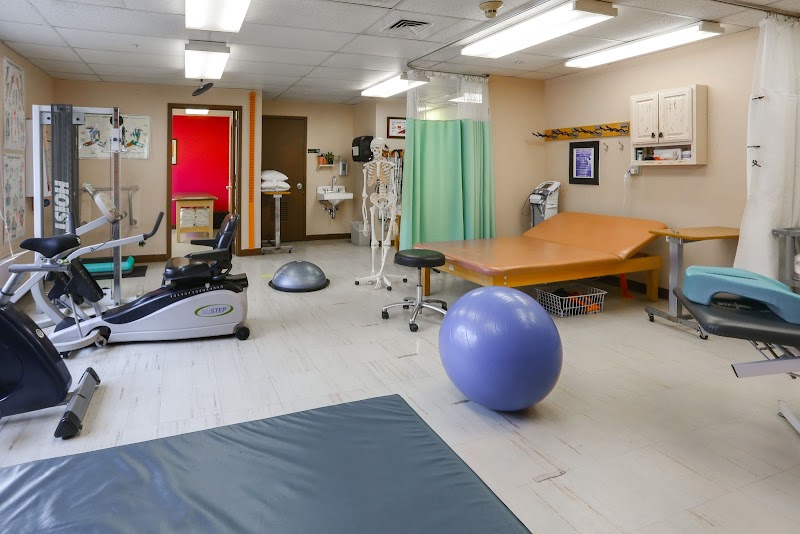
**NOTE- TERMS IN BRACKETS HAVE BEEN EDITED TO PROTECT CONFIDENTIALITY** Based on observation and interviews conducted during the recertification survey, the facility did not provide effective housekeeping and maintenance services on 2 of 2 resident units (A and B wings) and the building exterior. Specifically, floors, walls, ceilings, sinks, and building exterior were not clean and/or maintained. This is evidenced by: During observations on 9/16/2024 at 1:50 PM, the following areas on the A-Wing unit were soiled or in disrepair: • Door jams casings were chipped. • Walls were cracked at the baseboards. • The wall was cracked in the corridor below the window air-conditioner. • Air vents were dirty and grimy. • Ceiling tiles were not in place, and the suspended ceiling metal grid was or discolored or damaged. • The corridors floors were dirty, grimy, and sticky. During observations on 9/17/2024 at 2:15 PM, the exterior facia of the building was in disrepair as follows: • One 36-inch by 30-inch section of stucco was falling off and one 15-inch by 12-inch section was missing on the exterior of the garage. • One 3-foot by 1-foot section of stucco was missing and several areas were peeling on the exterior of the employee dining room. • One 3-foot section of stucco was peeling on the exterior of the Rotunda. • Six small areas of stucco were chipped off. • The stucco exterior was soiled with dirt drip marks. • The roof overhang around the A-wing was peeling or heavily soiled with dirt. • Paint was peeling under three resident rooms on the exterior of the A-Wing. During observations on 9/20/2024 at 9:21 AM, the following areas on the B-Wing unit were soiled or in disrepair: • Sporadically, all resident room walls were soiled with scrape marks or grime. • Walls were peeling and/or had gouges behind the beds in room #s 201, 206, 209, 211, 220, and 221. • The heater register was soiled with scrape marks in room [ROOM NUMBER]. • The bathroom door frame scraped in room [ROOM NUMBER]. • Walls were chipped around the closet in room #s 205 and 215. • Ceiling tiles were not in place in room #s 201 and 207. • Sections of the lower half of the corridor walls throughout the unit were soiled with scrape marks, had peeling wallpaper, and/or were chipped. • The corridor floor, library floor, physical therapy room floor, and the floor in room [ROOM NUMBER] were soiled with ground-in dirt. • The kitchenette sink was not working (labeled Out of Order). During an interview on 9/20/2024 at 10:02 AM, Administrator #1 stated that the facility would have the walls and floors on the A-Wing and B-Wing and the building exterior cleaned, repaired, and/or repainted; new cleaning and painting schedules for the building interior would be developed; and the kitchenette sink would be repaired. 10 New York Codes, Rules, and Regulations 415.5(h)(4)
CONCERN (E)

Potential for Harm - no one hurt, but risky conditions existed

Deficiency F0761 (Tag F0761)

Could have caused harm · This affected multiple residents

**NOTE- TERMS IN BRACKETS HAVE BEEN EDITED TO PROTECT CONFIDENTIALITY** Based on observation, record review, and interviews conducted during a recertification survey, the facility did not ensure drugs...

Read full inspector narrative →
**NOTE- TERMS IN BRACKETS HAVE BEEN EDITED TO PROTECT CONFIDENTIALITY** Based on observation, record review, and interviews conducted during a recertification survey, the facility did not ensure drugs and biologicals were labeled and stored in accordance with professional standards of practice. Specifically, opened insulin had no open and/or expiration dates written on them. This was evident for 2 of 2 medication carts reviewed on Units A and B in the facility for medication storage. This is evidenced by: The facility's Policy and Procedure, titled Medication Label and Container Requirements, last modified [DATE] did not address labeling multi-use medications with expiration dates. During a medication cart review on Unit A with Licensed Practical Nurse #2 on [DATE] 10:53 AM, the following were observed: • Resident #14's Insulin Lispro Solution had a sticker for date opened and date expired with nothing written on it. • Resident #14's Lantus SoloStar Pen-injector had a sticker for date opened and date expired with nothing written on it. • Resident #21's Lantus SoloStar Pen-injector had a sticker for date opened and date expired with an open date 9/15 and no expiration date written on it. • Resident #32's Lantus SoloStar Pen-injector had a sticker for date opened and date expired with an open date 9/10 and no expiration date written on it. During a medication cart review on Unit A with Licensed Practical Nurse #1 on [DATE] 9:56 AM, the following were observed: • Resident #24's Levemir FlexTouch Pen-injector had a sticker for date opened and date expired with nothing written on it. • Resident #24's Humalog Injection Solution Pen had a sticker for date opened and date expired with nothing written on it. • Resident #24's Insulin Lispro vial had a sticker for date opened and date expired with a date of expiration not legible. • Resident #13's Insulin Lispro had a sticker for date opened and date expired with an open date 12/31 and no expiration date written on it. During a review of the above medication orders, it was found that the Physician's Orders for Resident #13's Insulin Lispro was discontinued on [DATE] and Resident #24's insulin Lispro was discontinued on [DATE]. During an interview on [DATE] at 11:21 AM, Licensed Practical Nurse #2, stated both the date opened, and date expired, 28 days after opening, should be put on the sticker when a new pen or vial was opened. Licensed Practical Nurse #2 stated the medications that were not dated would have to be discarded as there was no way to know if they had expired. During an interview on [DATE] at 9:56 AM, Licensed Practical Nurse #1 stated all multiuse insulin should be dated when opened. When asked when they would discard the Insulin Lispro for Resident #13 that was documented as opened on 12/31, Licensed Practical Nurse #1 looked at the manufacturers label and stated it says [DATE]. When asked what the date was that was written on Resident #24's Insulin Lispro they stated, I think it says 2025. During an interview on [DATE] at 12:42 PM, Licensed Practical Nurse #1 stated the night shift nurse was supposed to check the cart and get rid of expired/discontinued medications and signed off on the sheet. Licensed Practical Nurse #1 provided the last documented review sheet dated [DATE]. Licensed Practical Nurse #1 stated they noticed some of the medications that they looked at this morning were discontinued and had removed them from the cart. During an interview on [DATE] at 10:05 AM, Director of Nursing #1 stated the nurses should be writing on the label when the insulin were opened, when asked if the section on the label for expiration should be filled in the Director of Nursing stated, that is not done consistently, but it is standard practice to discard after 28 days and the nurses know that. During a subsequent interview on [DATE] at 12:58 PM, Director of Nursing #1 stated the night shift nurse was supposed to check the cart and sign the sheet daily. They stated they were not aware this had not been done since [DATE] on A Unit or that medications that were discontinued in January and June of 2024 were still in the cart this morning. Director of Nursing #1 stated there was no system in place to ensure this was done, but there would be. 10 New York Codes, Rules, and Regulations 415.18(d)
Apr 2022 1 deficiency
CONCERN (D)

Potential for Harm - no one hurt, but risky conditions existed

Respiratory Care (Tag F0695)

Could have caused harm · This affected 1 resident

Based on observations, interviews, and record review during a recertification survey on 4/4/2022 through 4/8/2022, the facility did not ensure a resident received respiratory care consistent with prof...

Read full inspector narrative →
Based on observations, interviews, and record review during a recertification survey on 4/4/2022 through 4/8/2022, the facility did not ensure a resident received respiratory care consistent with professional standards of practice for 1 (Resident #47) of 1 resident reviewed for respiratory care. Specifically, the facility did not ensure Resident #47 received 4 liters of continuous oxygen via nasal cannula as documented in the physician order and the respiratory care plan. Additionally, the resident's oxygen saturation (a measure of the amount of oxygen being carried by red blood cells) was not consistently monitored and documented every shift for hypoxemic respiratory failure (low level of oxygen in the blood) as documented in the physician order. This is evidenced by: Resident #47: Resident #47 was admitted with diagnoses of acute respiratory failure with hypoxia, chronic obstructive pulmonary disease (COPD), and a history of lung cancer. The Minimum Data Set (MDS - an assessment tool) dated 3/22/2022, documented the resident was cognitively intact, could understand others and could make themselves understood. The Policy and Procedure (P&P) titled Oxygen Therapy (Concentrator) dated 3/26/2018, documented oxygen therapy through use of an oxygen concentrator (a mechanical device that provides oxygen through the nasal cannula) would be provided as ordered by the physician. Appropriately trained Licensed Nurses/Therapists/Therapy Assistant were to set up and monitor the use of the equipment. The Comprehensive Care Plan for Respiratory Status, last revised 4/1/2022, documented Resident #47 had an alteration in respiratory status related to diagnoses of COPD, history of pulmonary embolism, hypoxemia, and oxygen dependency. The care plan interventions included: O2 (oxygen) at 4L (liters) via NC (nasal cannula) continuous to maintain saturation greater than 90%; administer oxygen per physician order and monitor respiratory status. Adjust flow rate as ordered; and monitor and report signs and symptoms of respiratory distress. A Physician Order dated 10/27/2021, documented O2 at 4L via NC and to continue weaning efforts. The order documented to confirm any finger hypoxemia with ear lobe testing every shift for hypoxemic respiratory failure. During the following observations Resident #47's O2 concentrator was set on: -4/4/2022 at 11:10 AM, between 3L and 3.5L. -4/4/2022 at 12:14 PM, between 3L and 3.5L. -4/5/2022 at 11:11 AM, between 3L and 3.5L. -4/5/2022 at 12:51 PM, between 3L and 3.5L. -4/6/2022 at 10:45 AM, between 3L and 3.5L. -4/7/2022 at 9:57 AM, between 3L and 3.5L. -4/7/2022 at 11:54 AM, between 3L and 3.5L. A review of Resident #47's Oxygen Saturations from 3/29/2022 to 4/4/2022 documented: -3/29/2022 at 12:16 AM, 95% -3/30/2022 at 12:11 AM, 95% and at 9:59 AM, 93% -3/31/2022 at 12:11 AM, 95% -4/1/2022 at 3:13 AM, 95% -4/2/2022 at 12:45 AM, 95% -4/3/2022 at 3:25 AM, 91% and at 1:42 PM, 91% -4/4/2022 at 12:10 AM, 91% The medical record dated 3/29/2022 to 4/4/2022 did not include documentation of oxygen saturations every shift for hypoxemic respiratory failure as documented in the physician order. During an interview on 4/6/2022 at 9:50 AM, Physical Therapist (PT) #1 stated Resident #47 put the oxygen tubing under their chin and did not realize the O2 was not on properly. The PT stated after they put the NC in place on 4/6/2022, the resident's O2 saturation came up from 85% to 91% on 3L of oxygen on the concentrator. The PT stated the concentrator was already set at 3 liters, so they just put the NC in place for the resident. During an interview on 4/6/2022 at 10:40 AM, Licensed Practical Nurse (LPN) #1 reviewed the physician order for Resident #47's oxygen in the electronic medical record (EMR). LPN #1 stated the order was that the resident was to be on 4L of O2 via NC continuously and an O2 saturation was to be taken every shift. If the O2 was low, meaning under 90%, the staff should then use the ear lobe to get the O2 saturation. The LPN stated the physician order usually had a place for the nurses to document the resident's O2 saturation and it would show up on the Treatment Administration Record (TAR). If the O2 saturation was not documented on the TAR, then it should have been documented under the Vital Sign tab in the EMR. Resident #47 was on 4 liters of O2 according to the physician order and that meant the concentrator should be running at 4 liters. The LPN stated they did not know why the order documented weaning efforts, because that was not something they were doing with the resident. The LPN stated there had been no effort to take the resident off 4 liters of oxygen. During an interview on 4/7/2022 at 10:01 AM, Director of Nursing (DON) reviewed Resident #47's oxygen order in the electronic EMR and stated the physician order was for the resident to be on 4 liters of continuous oxygen. The DON stated the resident had a lot going on right now and did not think weaning efforts would be appropriate. Resident #47's O2 saturations should have been monitored every shift according to the physician order. The DON stated the nurses should have read the order and noticed that the order was missing the place to document the residents O2 saturation every shift. During an interview on 4/7/2022 at 10:58 AM, Registered Nurse (RN) #1 stated O2 was care planned under respiratory status and the RNs utilized the resident's diagnoses, physician orders, and the MDS when developing care plans for residents. The facility had a process in place to review care plans to make sure the care plans were updated and included the same information that was documented in the MDS, physician orders, and diagnoses. The RN stated the nurses on the unit were supposed to follow the care plans. During an interview on 4/7/2022 at 11:54 AM, LPN #2 stated they signed off the resident's oxygen order this morning (4/7/2022) at 4 liters. When documenting in the TAR, the nurses were supposed look at the oxygen liter flow rate on the concentrator. During the interview, LPN #2 and the surveyor observed Resident #47's concentrator, and LPN #2 stated it was set at 3.5 liters. The LPN stated they did not document the resident's O2 saturations because it was not ordered for the resident to have O2 saturations obtained every shift. The LPN stated they followed the physician order when providing the resident with O2. The order would include to obtain an O2 saturation every shift if that was what was supposed to be done. The LPN stated the care plan did not necessarily indicate the oxygen liter flow for residents who received O2 and that they referred to the physician order for a resident's O2 flow rate. 10NYCRR415.12(k)(6)
Nov 2019 5 deficiencies
CONCERN (D)

Potential for Harm - no one hurt, but risky conditions existed

Notification of Changes (Tag F0580)

Could have caused harm · This affected 1 resident

**NOTE- TERMS IN BRACKETS HAVE BEEN EDITED TO PROTECT CONFIDENTIALITY** Based on record review and staff interview during a recertification survey the facility did not ensure the physician was notifie...

Read full inspector narrative →
**NOTE- TERMS IN BRACKETS HAVE BEEN EDITED TO PROTECT CONFIDENTIALITY** Based on record review and staff interview during a recertification survey the facility did not ensure the physician was notified in a timely manner when there was a significant change in condition for one (Resident #62) of four residents reviewed. Specifically, for Resident #62, the facility did not ensure the physician was notified of the resident's low blood pressure and oxyygen saturation rate on 9/28/19. This is evidenced by: Resident #62: The resident was admitted to the facility on [DATE], with diagnosis of Myasthenia Gravis (a chronic autoimmune neuromuscular disease that causes weakness in the skeletal muscles), anemia, and pneumonia. The resident was discharged to the hospital on 9/30/19 and was re-admitted to the facility on [DATE] with a diagnosis of pneumonia secondary to Methicillin-resistant Staphylococcus aureus (MRSA) (a bacterial infection). The Minimum Data Set (MDS- an assessment tool) dated 10/15/19, documented the resident had mild cognitive impairment and was able to make his needs known. A policy titled Notification of Resident Changes dated 5/31/2018, documented the facility will immediately consult with the resident's physician when there is a significant change in the resident's physical, mental, or psychosocial status. A progress note dated 9/28/19 at 2:21 PM, documented at approximately 9:21 AM, that the resident's blood pressure was 70/38, and oxygen saturation was 78% on 4 Liters (L) via nasal cannula (NC). The resident's name was placed in Medical Doctor's book for low blood pressure (BP). During an interview on 10/31/19 at 12:19 PM, Registered Nurse Unit Manager (RNUM) #1 stated that she assessed the resident, but she did not document the assessment in the progress notes. Additionally, RNM #1 stated that she did not feel that a blood pressure of 70/38 warranted a call to the physician. During an interview on 11/01/19 at 8:34 AM, the Director of Nursing (DON) stated that the Nursing Supervisor should have documented an assessment and the physician should have been notified at the time of the change in the resident's condition. During an interview on 11/01/19 at 9:05 AM, the Medical Director stated that based on the information documented in the progress note dated 9/28/19 at 2:21 PM, the physician should have been notified and the resident probably would have been sent to the hospital sooner. 10NYCRR415.3(e)(2)(ii)(b)
CONCERN (D)

Potential for Harm - no one hurt, but risky conditions existed

Deficiency F0625 (Tag F0625)

Could have caused harm · This affected 1 resident

**NOTE- TERMS IN BRACKETS HAVE BEEN EDITED TO PROTECT CONFIDENTIALITY** Based on observations, interviews and record reviews during a recertification survey the facility did not ensure written notice ...

Read full inspector narrative →
**NOTE- TERMS IN BRACKETS HAVE BEEN EDITED TO PROTECT CONFIDENTIALITY** Based on observations, interviews and record reviews during a recertification survey the facility did not ensure written notice was provided to the residents and residents representative of the bed hold and return policy at the time of transfer for three (Resident #'s 36, 62 and 175) of three residents reviewed for hospitalization. Specifically, for Residents #'s 36, 62, and #175, the facility did not provide written notice of bed hold and return policy which specifies the duration of the bed hold, how reserve bed payments will be made, and the conditions upon which the resident would return to the facility. This is evidenced by: A policy title Hospitalization (Bed Reservations, Readmission, Notifications) dated 7/11/2018, documented the Director of Social Services or designee is responsible for coordinating the bed reservation process, for knowing the bed reservation status of a resident at all times, and for informing the resident or legally designated representative and/or responsible party of the facility bed reservation policies upon discharge and readmission. Resident #36: The resident was admitted to the facility on [DATE] and readmitted to the facility on [DATE], with diagnoses of type 2 diabetes with diabetic neuropathy, atherosclerotic heart disease of native coronary artery, and morbid obesity. The Minimum Data Set (MDS-an assessment tool) dated 8/23/19, documented the resident was cognitively intact, could make himself understood and could understand others. During record review on 10/31/19, staff were unable to provide bed hold notices for the resident's 6/11, 6/21, and 6/29/19 admissions. XXX During an interview on 10/31/19 at 1:40 PM, the Administrative Assistant stated that bed hold notifications were not provided to the resident for any of the resident's June 2019 discharges to the hospital (6/11, 6/21, and 6/29/19). She stated the Social worker had left. She and two other staff members were trying to take care of the discharge notices, but didn't know the procedure that included notification of the bed hold policy. Resident #62: The resident was admitted to the facility on [DATE], with diagnosis of Myasthenia Gravis (a chronic autoimmune neuromuscular disease that causes weakness in the skeletal muscles), anemia, and pneumonia. He was discharged to the hospital on 9/30/19 and re-admitted to the facility on [DATE], with a diagnosis of pneumonia secondary to Methicillin-resistant Staphylococcus aureus (MRSA-a bacterial infection). The MDS dated [DATE] documented he had mild cognitive impairment and was able to make his needs known. On 10/31/19, the medical record did not include documentation that a written notification of bed hold and return policy was provided to the resident or the residents representative on 9/30/19. During an interview on 10/31/19 at 11:09 AM, the Nursing Administrative Assistant stated notification of the bed hold policy was not provided at the time of transfer. During an interview on 10/31/19 at 11:18 AM, the Director of Nursing (DON) stated there is not currently a process in place to notify residents and their representatives of the bed hold and return policy at the time of transfer. Notifications have not been provided consistently and they should have been. Resident #175: The resident was admitted to the nursing home on 9/27/19, with diagnoses of right femur fracture, peripheral vascular disease, and cirrhosis. The MDS dated [DATE], documented the resident understood and was understood by others. A Progress Note dated 10/2/19, documented that a call was received from the hospital regarding critical laboratory findings. The Medical Doctor was notified, and the resident was transferred to the hospital. During an interview on 10/30/19 at 08:42 AM, the Administrator stated a bed hold was not given for this resident and that that they recognized that the bed holds were being sent out sporadically. The new Social Worker (SW) had some training recently, but there was still a gap that they are working on. 10NYCRR415.3(h)(4(i)(a))
CONCERN (D)

Potential for Harm - no one hurt, but risky conditions existed

Deficiency F0645 (Tag F0645)

Could have caused harm · This affected 1 resident

Based on record review and staff interviews, the facility did not ensure Preadmission Screening (SCREEN) was complete for 1 (Resident #s 25) of 19 residents reviewed. Specifically, for Resident #25, t...

Read full inspector narrative →
Based on record review and staff interviews, the facility did not ensure Preadmission Screening (SCREEN) was complete for 1 (Resident #s 25) of 19 residents reviewed. Specifically, for Resident #25, the facility did not ensure the SCREEN form DOH-695 dated 4/5/19 included an answer to the question regarding serious mental illness when the Patient Review Instument (PRI) dated 4/5/19, documented the resident had a psychotic disorder. This is evidenced by: The Policy and Procedure dated 7/10/18 for admission Screening and Approval Process Long Term Care (New York State), documented for admission to the facility from a hospital of other health facility a PRI must be completed by a qualified Registered Professional Nurse assessor, and the SCREEN must be completed and signed by a qualified assessor. Resident #25: The resident was admitted to the nursing home on 4/5/19, with diagnoses of unspecified psychosis, chronic obstructive pulmonary disease, and epilepsy. The Minimum Data Set (MDS - an assessment tool) dated 8/17/19, assessed the resident as having intact cognitive skills for daily decision making. It documented that the resident understood and was understood by others. A Patient Review Instrument (PRI) dated 4/5/19, documented the resident's primary medical problem was psychotic disorder. A SCREEN form DOH-695 dated 4/5/19, was blank for question 23; does the resident have a serious mental illness? During an interview on 10/29/19 at 03:53 PM, the Administrator stated they had screeners that worked for the company that would do the SCREEN and review the clinical documentation to make sure everything was in order. The Screener should have looked at the screen and recognized that question 23 was blank. The diagnoses listed on the PRI required a review for mental illness to determine if level 2 was needed; a determination whether the resident needed a level 2 PASARR could not be made without answering that question. 10NYCRR415.11(e)
CONCERN (D)

Potential for Harm - no one hurt, but risky conditions existed

Deficiency F0679 (Tag F0679)

Could have caused harm · This affected 1 resident

**NOTE- TERMS IN BRACKETS HAVE BEEN EDITED TO PROTECT CONFIDENTIALITY** Based on observation, record review and interviews during the recertification survey, the facility did not ensure an ongoing pro...

Read full inspector narrative →
**NOTE- TERMS IN BRACKETS HAVE BEEN EDITED TO PROTECT CONFIDENTIALITY** Based on observation, record review and interviews during the recertification survey, the facility did not ensure an ongoing program to support residents in their choice of activities for 2 (Resident #'s 13 and 71) of 2 residents reviewed for activities. Specifically, the facility did not ensure residents were provided, an ongoing program to support them in their choice of activities designed to meet the interests of and support the physical, mental, and psychosocial well-being of each resident, based on the comprehensive assessment, care plan and preferences of the resident. This is evidenced by: Resident #71: The resident was admitted to the facility on [DATE], with diagnoses of dementia, depression, and anxiety disorder. The Minimum Data Set (MDS - an assessment tool) dated 10/2/19, documented the resident had severe cognitive impairment. The annual MDS dated [DATE]. noted that based on resident response, it was very important to the resident to listen to music, be around animals, do things with groups of people, and participate in religious services. Itdocumented the resident required extensive assistance of staff to move about the facility. The Comprehensive Care Plan for Activities - Leisure documented the resident preferred the following activities; cognitive games including Bingo, exercise or sports involving sensory wake-up, balloon volleyball, music, talking with others about my memories/family, sensory programs, comfort animals, sensory bins, therapeutic dolls, and fidget items. An Activities Evaluation completed 10/9/19 documented the resident requires invitation and verbal cues for initiation of attending programs of choice and continued support from staff for continued participation in group programs. The Activities Calendar for October 2019 documented 6-7 activities were offered each day from 10/28/19 through 10/31/19, including exercise, wake-up, sensory, social, music, religious, and reminiscing activities. The morning exercise group was scheduled for each morning at 10:00 AM except for 10/31/19, when a Halloween costume judging was scheduled. The Program Resident Detail, which documents all activities offered, the residents that attended, and the length of time they participated for the time period 10/28/19 through 10/31/19 documented this resident participated in one activity, exercise-stretching for 30 minutes on 10/31/2019. The resident specific activity attendance record printed on 10/30/19, documented the last activity attended by this resident was on 10/27/19. It further documented the resident had not attended Bingo scheduled every Sunday in October, the music entertainment scheduled on 10/15/19 and 10/23/19, the music Bingo scheduled on 10/14/19 and 10/26/19, or in any religious activities scheduled for the month of October. During observations on: 10/30/19 from 9:49 AM to 11:38 AM - the resident was seated in a wheeled chair placed against the wall under the television near the nurse's station. 10/30/19 from 11:38 AM to 1:45 PM - the resident was in the dining room. 10/30/19 from 1:45 PM to 2:12 PM - the resident was in her chair, in the hallway outside her room. 10/30/19 from 2:12 PM to 3:40 PM - the resident was seated in a chair in her room looking out the door calling out to staff as they passed by. During an interview on 10/30/19 at 2:12 PM, the resident, when asked by a surveyor if she would enjoy attending a music program, replied I love music. During an interview on 10/31/19 at 9:01 AM, the Regional Memory Care Consultant stated, all residents should be invited to any activity, and activity staff should go around and offer assistance to all residents to go to activities and nursing staff should be reminding residents of the day's activities. During an interview on 11/1/19 at 9:00 AM, Activities Staff member #2 and #3 reported this resident attends activities regularly, she goes to morning exercise most days. When asked why this resident has not attended any activities this week, the activities staff both reported she had attended several activities, however they were unable to provide documentation of participation. When asked why this resident was not invited to attend the music entertainment on 10/30/19 at 1:45 PM, Activity Staff member #2 reported the resident might have been sleeping. Resident #13: The resident was admitted to the nursing home on 5/10/19, with diagnoses of cerebral infarct, Diabetes Mellitus, Post traumatic Stress Disorder, and Bipolar disorder. The MDS dated [DATE], assessed the resident as having intact cognitive skills for daily decision making. It documented that the resident understood and was understood by others. The admission MDS dated [DATE], documented the resident's preferences as music, pets, doing things in groups, doing favorite activities, outside in good weather, and religious services. A Cognitive Assessment tool (CAT) (a tool used by activities to help identify a person's cognitive status and develop an appropriate activity plan based on their abilities) dated 5/12/19, documented the resident was a level 6 meaning normal cognition. The person could learn something new without demonstration and could independently anticipate potential problems and hazards. An Activity assessment dated [DATE], documented the resident had a cognitive level of 6 and would not participate in the seasons program. She preferred card games, art programs, entertainment, and movies, and the goal was to attend activities up to 4 times a week. The Comprehensive Care Plan (CCP) for Activities, dated 5/12/19, documented to offer choices, invite the resident to activities, and to supply an activity calendar. The resident preferred art programs, cognitive games - trivia, bingo, Pokeno, and brainstorms; exercise, music happy hour, outdoor activities, socials, TV- comedy, drama, action/adventure. During an interview on 10/28/19 10:51 AM, the resident stated that there were not enough activities for the younger residents. Activities were geared more toward geriatric residents and she was only [AGE] years old. She had addressed this with activity staff and was told that most of their population were geriatric with dementia. An Activity Log dated from 9/1/19 - 10/27/19, documented that the resident attended activities on 11 out of 30 days in September and 13 days out of 27 days in October for a total of 33 activities. During an interview on 10/29/19 at 01:03 PM, the Acting Activity Director (AAD) stated she made up the Activity calendar, hired entertainment and helped run the activities as there was only herself and another activity person. She could tell when the resident was in an activity that she thought was not appropriate for her, because she would roll her eyes. They do have more younger people that like trivia and crafts. The facility was mainly dementia residents so there was not a lot of activities geared to the younger residents. She would like to do more with the younger residents, but had to follow the directives from corporate which was to focus on the dementia activities. If she had a mailing (shopper service) to do, she would have the younger residents stuff the envelopes. During an interview on 10/30/19 at 08:46 AM, the Administrator stated she could see that there was a push in the facility for the Seasons Memory Care Program (dementia focused programs). The facility had a large group of young residents. They need more activities for the younger residents, and she had spoken to the corporate consultant about coming up with a formalized program for their growing younger population. They recently got a donation for more age appropriate movies. 10NYCRR 415.5(f)(1)
CONCERN (D)

Potential for Harm - no one hurt, but risky conditions existed

Drug Regimen Review (Tag F0756)

Could have caused harm · This affected 1 resident

Based on record review and interview during the recertification survey, the facility did not ensure a policy was developed for the monthly Medication Regimen Review (MRR) that included time frames for...

Read full inspector narrative →
Based on record review and interview during the recertification survey, the facility did not ensure a policy was developed for the monthly Medication Regimen Review (MRR) that included time frames for the different steps in the process. Specifically, the facility did not ensure a time frame was established when the physician documented an identified irregularity and what action had been taken. This is evidenced by: Medication Regime Review by Pharmacy Consultant Policy revised 08/12/19 documented: The attending physician will document in the medical record (or directly on the written recommendation from the consultant pharmacist) that the identified irregularity has been reviewed and what, if any action has been taken to address it. If there is to be no change in the medication, the attending physician should document his or her rationale in the medical record. During an interview on 10/3/19 at 02:02 PM, the Administrator and the Regional Director of Operations were unaware that a time frame had not been provided in the MRR. They both agreed the policy did not address when the physician would document medication changes. 10NYCRR415.18 (c)(2)
Understanding Severity Codes (click to expand)
Life-Threatening (Immediate Jeopardy)
J - Isolated K - Pattern L - Widespread
Actual Harm
G - Isolated H - Pattern I - Widespread
Potential for Harm
D - Isolated E - Pattern F - Widespread
No Harm (Minor)
A - Isolated B - Pattern C - Widespread

Questions to Ask on Your Visit

  • "Can I speak with families of current residents?"
  • "What's your RN coverage like on weekends and overnight?"

Our Honest Assessment

Strengths
  • • No major safety red flags. No abuse findings, life-threatening violations, or SFF status.
  • • No fines on record. Clean compliance history, better than most New York facilities.
  • • 36% turnover. Below New York's 48% average. Good staff retention means consistent care.
Concerns
  • • 12 deficiencies on record. Higher than average. Multiple issues found across inspections.
Bottom line: Mixed indicators with Trust Score of 70/100. Visit in person and ask pointed questions.

About This Facility

What is Elderwood At North Creek's CMS Rating?

CMS assigns ELDERWOOD AT NORTH CREEK an overall rating of 3 out of 5 stars, which is considered average nationally. Within New York, this rating places the facility higher than 0% of the state's 100 nursing homes. This mid-range rating indicates the facility meets federal standards but may have areas for improvement.
How is Elderwood At North Creek Staffed?

CMS rates ELDERWOOD AT NORTH CREEK's staffing level at 2 out of 5 stars, which is below average compared to other nursing homes. Staff turnover is 36%, compared to the New York average of 46%. This relatively stable workforce can support continuity of care.

What Have Inspectors Found at Elderwood At North Creek?

State health inspectors documented 12 deficiencies at ELDERWOOD AT NORTH CREEK during 2019 to 2024. These included: 12 with potential for harm.
Who Owns and Operates Elderwood At North Creek?

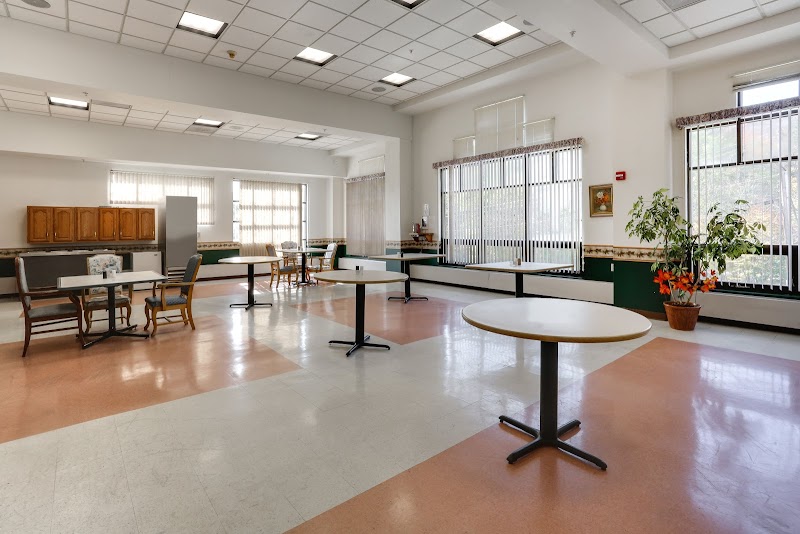
ELDERWOOD AT NORTH CREEK is owned by a for-profit company. For-profit facilities operate as businesses with obligations to shareholders or private owners. The facility is operated by ELDERWOOD, a chain that manages multiple nursing homes. With 82 certified beds and approximately 71 residents (about 87% occupancy), it is a smaller facility located in NORTH CREEK, New York.

How Does Elderwood At North Creek Compare to Other New York Nursing Homes?

Compared to the 100 nursing homes in New York, ELDERWOOD AT NORTH CREEK's overall rating (3 stars) is below the state average of 3.1, staff turnover (36%) is near the state average of 46%, and health inspection rating (3 stars) is at the national benchmark.

What Should Families Ask When Visiting Elderwood At North Creek?

Based on this facility's data, families visiting should ask: "Can you walk me through typical staffing levels on day, evening, and night shifts?" "Can I visit during a mealtime to observe dining assistance and food quality?" "How do you handle medical emergencies, and what is your hospital transfer rate?" "Can I speak with family members of current residents about their experience?" These questions are particularly relevant given the below-average staffing rating.

Is Elderwood At North Creek Safe?

Based on CMS inspection data, ELDERWOOD AT NORTH CREEK has a clean safety record: no substantiated abuse findings (meaning no confirmed cases of resident harm), no Immediate Jeopardy citations (the most serious violation level indicating risk of serious injury or death), and is not on the Special Focus Facility watch list (a federal program monitoring the lowest-performing 1% of nursing homes). The facility has a 3-star overall rating and ranks #100 of 100 nursing homes in New York. While no facility is perfect, families should still ask about staff-to-resident ratios and recent inspection results during their visit.

Do Nurses at Elderwood At North Creek Stick Around?

ELDERWOOD AT NORTH CREEK has a staff turnover rate of 36%, which is about average for New York nursing homes (state average: 46%). Moderate turnover is common in nursing homes, but families should still ask about staff tenure and how the facility maintains care continuity when employees leave.

Was Elderwood At North Creek Ever Fined?

ELDERWOOD AT NORTH CREEK has no federal fines on record. CMS issues fines when nursing homes fail to meet care standards or don't correct problems found during inspections. The absence of fines suggests the facility has either maintained compliance or corrected any issues before penalties were assessed. This is a positive indicator, though families should still review recent inspection reports for the full picture.

Is Elderwood At North Creek on Any Federal Watch List?

ELDERWOOD AT NORTH CREEK is not on any federal watch list. The most significant is the Special Focus Facility (SFF) program, which identifies the bottom 1% of nursing homes nationally based on persistent, serious quality problems. Not being on this list means the facility has avoided the pattern of deficiencies that triggers enhanced federal oversight. This is a positive indicator, though families should still review the facility's inspection history directly.