WARREN CENTER FOR REHABILITATION AND NURSING
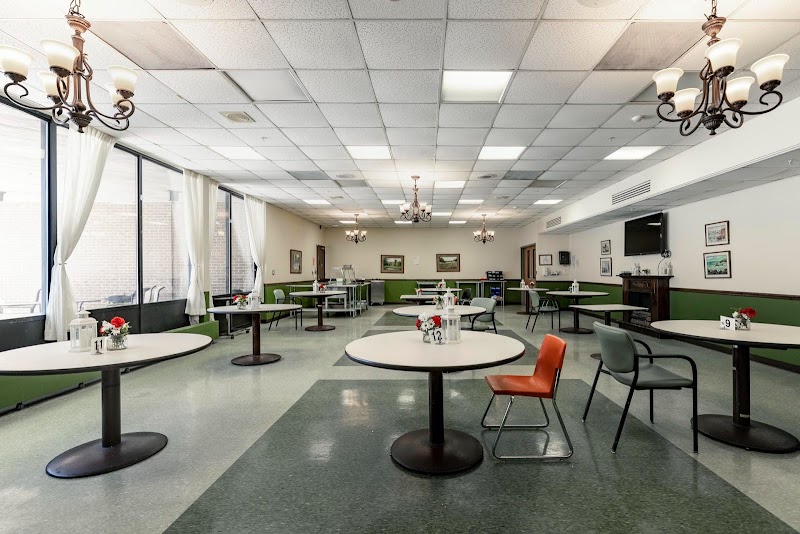
42 GURNEY LANE, QUEENSBURY, NY 12804 (518) 761-6540
For profit - Corporation 80 Beds CENTERS HEALTH CARE Data: November 2025
Trust Grade
38/100
#470 of 594 in NY
Last Inspection: November 2023

Within standard 12-15 month inspection cycle. Federal law requires annual inspections.

Overview

Warren Center for Rehabilitation and Nursing has received a Trust Grade of F, indicating significant concerns about the facility's quality of care. Ranked #470 out of 594 facilities in New York, they fall in the bottom half of all state nursing homes, and they are the lowest-ranked option in Warren County. Although the facility's trend is improving, with reported issues decreasing from 8 in 2023 to 2 in 2024, there are still notable weaknesses, including high staff turnover at 67%, which is concerning compared to the state average of 40%. Specific incidents highlight serious shortcomings, such as a resident who fell and sustained leg fractures due to a lack of proper assistance during bed mobility, as well as failures to update care plans for residents after critical incidents. Additionally, the facility has incurred $19,383 in fines, which is higher than 85% of other New York facilities, raising further concerns about compliance. On a positive note, they have average RN coverage, which can help catch issues that nursing assistants may overlook. However, families should weigh these strengths against the significant areas of concern when considering this facility.

Trust Score
F
38/100
In New York
#470/594
Bottom 21%
Safety Record
Moderate
Needs review
Inspections
Getting Better
8 → 2 violations
Staff Stability
⚠ Watch
67% turnover. Above average. Higher turnover means staff may not know residents' routines.
Penalties
○ Average
$19,383 in fines. Higher than 59% of New York facilities. Some compliance issues.
Skilled Nurses
○ Average
Each resident gets 41 minutes of Registered Nurse (RN) attention daily — about average for New York. RNs are the most trained staff who monitor for health changes.
Violations
⚠ Watch
35 deficiencies on record. Higher than average. Multiple issues found across inspections.
★★☆☆☆
2.0
Overall Rating
★★☆☆☆
2.0
Staff Levels
★★★☆☆
3.0
Care Quality
★★☆☆☆
2.0
Inspection Score
Stable
2023: 8 issues
2024: 2 issues

The Good

  • Full Sprinkler Coverage · Fire safety systems throughout facility
  • No fines on record

Facility shows strength in fire safety.

The Bad

2-Star Overall Rating

Below New York average (3.1)

Below average - review inspection findings carefully

Staff Turnover: 67%

20pts above New York avg (46%)

Frequent staff changes - ask about care continuity

Federal Fines: $19,383

Below median ($33,413)

Minor penalties assessed

Chain: CENTERS HEALTH CARE

Part of a multi-facility chain

Ask about local staffing decisions and management

Staff turnover is elevated (67%)

19 points above New York average of 48%

The Ugly 35 deficiencies on record

1 actual harm
Jul 2024 1 deficiency
CONCERN (E) 📢 Someone Reported This

A family member, employee, or ombudsman was alarmed enough to file a formal complaint

Potential for Harm - no one hurt, but risky conditions existed

Deficiency F0657 (Tag F0657)

Could have caused harm · This affected multiple residents

**NOTE- TERMS IN BRACKETS HAVE BEEN EDITED TO PROTECT CONFIDENTIALITY** Based on record review and interviews during an abbreviated survey (Case #s NY00337932 and NY00340604), the facility did not ens...

Read full inspector narrative →
**NOTE- TERMS IN BRACKETS HAVE BEEN EDITED TO PROTECT CONFIDENTIALITY** Based on record review and interviews during an abbreviated survey (Case #s NY00337932 and NY00340604), the facility did not ensure a comprehensive care plan was reviewed and revised by the interdisciplinary team after each assessment for 3 (Resident #s 1, 2, and 3) of 3 residents reviewed. Specifically, the facility did not ensure it revised the residents' care plan to include A) Resident #1's five (5) falls that occurred from 1/09/2024 to 4/25/2024, B) Resident #2's incident of alleged sexual abuse that occurred on 4/18/2024, and C) Resident #3's fall that occurred on 4/7/2024. This is evidenced by: The Policy and Procedure titled, Care Plans - Comprehensive, last revised 10/2019, documented assessments of residents were ongoing and care plans were revised as information about the residents and the residents' condition change. Resident #1: Resident #1 was admitted to the facility with history of falling, malignant neoplasm (cancer) of prostate, and dementia with behavioral disturbance. The Minimum Data Set (an assessment tool) dated 4/17/2024, documented the resident had moderate cognitive impairment. The resident had clear speech, was understood, and usually understood others. Review of the, 1 LN: Initial Event Documentation, (assessment documentation) for Resident #1 documented the resident had a fall on 1/9/2024, 1/25/2024, 2/26/2024, 4/19/2024, and 4/25/2024. Interventions initiated to decrease the risk of falls documented non-skid socks on 1/25/2024, 2/26/2024, 4/19/2024, and 4/25/2024. Review of the comprehensive care plan for Risk for Falls/Has Had an Actual Fall, last revised 5/2/2024, did not document any falls. Care plan interventions/tasks did not document non-skid socks. Resident #2: Resident #2 was admitted to the facility with diagnoses of moderate dementia with mood disturbance, recurrent major depressive disorder, and developmental disorder of scholastic skills. The Minimum Data Set, dated [DATE], documented the resident had moderate cognitive impairment. The resident had clear speech, was understood, and understood others. Review of the, 1 LN: Initial Event Documentation, for Resident #2 documented a resident-to-resident incident of inappropriate sexual contact by Resident #2 on 4/18/2024. Review of the, Full QA Report, (incident report) for Resident #2 dated 4/18/2024 at 5:15 PM, documented a resident-to-resident incident. Actions documented the care plan was updated, monitor for further behaviors, and enhanced monitoring. Review of the comprehensive care plan for Exhibits Behavior Symptoms such as inappropriate touching of staff and residents, last revised 3/14/2024, did not document the resident-to-resident incident that occurred on 4/18/2024. Care plan interventions/tasks did not document to monitor for further behavior and enhanced monitoring was not documented. Resident #3: Resident #3 was admitted to the facility with diagnoses of iron deficiency anemia secondary to blood loss, gastrointestinal hemorrhage, and history of falling. The Minimum Data Set, dated [DATE], documented the resident had severe cognitive impairment. The resident had clear speech, was usually understood, and usually understood others. Review of the, 1 LN: Initial Event Documentation, for Resident #3 documented the resident had a fall on 4/07/2024. Interventions initiated to decrease the risk of falls documented keep front wheeled walker at bedside within reach of the resident. Review of the comprehensive care plan for, Has Had an Actual Fall, last revised 3/24/2024, did not document any falls. Care plan interventions/tasks did not document to keep front wheeled walker at bedside within reach of the resident. During an interview on 6/14/2024 at 12:29 PM, Assistant Director of Nursing #1 stated that when a resident falls or has any other incident, the Registered Nurse assesses the resident and documents the assessment on the, 1 LN: Initial Event Documentation. They stated interventions were initiated at the time of the assessment and then documented on the care plan. During an interview on 6/14/2024 at 2:47 PM, Registered Nurse Manager #1 stated residents were assessed by the Registered Nurse whenever they fell or had any other incident. The nurse then documents the assessment on the 1 LN: Initial Event Documentation. They stated the nurse that does the assessment and initiates interventions should be documenting the interventions on the care plan under interventions/tasks. They stated they were the nurse manager for Resident #s 1, 2, and 3 and ultimately responsible for their care planning. They stated it was not the facility's practice to document the date of each fall on the care plan focus and stated the details of the fall assessment were documented on the, 1 LN: Initial Event Documentation. 10 New York Codes Rules and Regulations 415.11(c)(2)(i-iii)
May 2024 1 deficiency 1 Harm
SERIOUS (G) 📢 Someone Reported This

A family member, employee, or ombudsman was alarmed enough to file a formal complaint

Actual Harm - a resident was hurt due to facility failures

Free from Abuse/Neglect (Tag F0600)

A resident was harmed · This affected 1 resident

**NOTE- TERMS IN BRACKETS HAVE BEEN EDITED TO PROTECT CONFIDENTIALITY** Based on record review and interviews during an abbreviated survey (Case # NY00331618), the facility failed to ensure residents ...

Read full inspector narrative →
**NOTE- TERMS IN BRACKETS HAVE BEEN EDITED TO PROTECT CONFIDENTIALITY** Based on record review and interviews during an abbreviated survey (Case # NY00331618), the facility failed to ensure residents were free from neglect. Specifically, Certified Nurse Aide #1 did not follow Resident #3's care plan which included that the resident required physical assistance from two nursing staff to safely complete bed mobility. On 1/15/2024, Certified Nurse Aide #1 attempted to roll the resident while they were in bed without assistance from another nursing staff member. Subsequently, the resident fell onto the floor and sustained fractures to both of their legs. This resulted in actual harm that was not immediate jeopardy for Resident #3. This is evidenced by: The Policy and Procedure titled Abuse, last revised December 2022, documented the facility prohibited the mistreatment, neglect, abuse of residents/patients, and misappropriation of resident/patient property by anyone including but not limited to staff, family, friends, and residents of the facility. The facility prohibited any exploitation of the mentally and physically disabled resident in the facility. The facility had designed and implemented processes, which strive to ensure the prevention and reporting of suspected or alleged resident/patient abuse, neglect, mistreatment, and/or misappropriation of property. Resident #3 was admitted to the facility with diagnoses of hemiplegia and hemiparesis (muscle weakness or paralysis) affecting left non-dominant side, conversion disorder with seizures or convulsions (a medical condition where the body muscles contract and relax rapidly resulting in uncontrolled shaking) and spastic hemiplegic cerebral palsy (a neurological condition that can present as issues with muscle tone, posture and/or a movement disorder). The Minimum Data Set (an assessment tool) dated 1/12/2024, documented the resident could be understood and could understand others with intact cognition for decisions of daily living. The Activities of Daily Living Care Plan, initiated 9/20/2019, documented Resident #3 was dependent on physical assistance from two or more staff to perform transfers, bed mobility (rolling from their left to right side), bathing, toileting, and dressing. The resident was documented as unable to use their own strength for any part of bed mobility. Two or more staff were required to use their own strength to lift or hold the resident's body, arms, and legs during the entire activity. The Facility Investigation dated 1/16/2024 documented Resident #3 required the assistance of two nursing staff to roll the resident in bed from side to side. Upon investigation, it was identified that on 1/15/2024 at approximately 6:45 PM, Certified Nurse Aide #1 failed to follow Resident #3's care plan while attempting to roll the resident in bed without the assistance of another staff. While attempting to roll the resident, the resident's left leg began to slide off the bed then the resident's whole body slid to the floor. Resident #3 was assessed by Registered Nurse #2 following the incident and documented the resident had no pain or discomfort at the time. According to the facility's investigation report, Resident #3 reported pain the following morning on 1/16/2024 at approximately 5:30 AM and was assessed by Registered Nurse Unit Manager #1; the physician was notified, and the resident was transferred to the hospital for further evaluation. Hospital records were obtained which revealed the resident had sustained fractures in both legs. An Investigation Statement dated 1/15/2024 documented that Certified Nurse Aide #1 acknowledged they were aware Resident #3's care plan included the resident required two staff to perform care, however, they thought they were capable of providing the care by themself. A Radiology Report dated 1/16/2024 documented Resident #3 had a non-displaced fracture of the fibular head (a broken calf bone where the pieces remain aligned and do not move far enough out of place to create a gap) (top of a bone in the lower leg) of their right leg and a femoral diaphyseal (fracture (a break in the thigh bone near its center) and non-displaced fracture of posterior aspect medical distal femoral condyle (base of the femur behind the knee) of their left leg. During an interview on 5/20/2024 at 11:30 AM, Resident #3 stated Certified Nurse Aide #1 attempted to turn them by themself. They stated they told Certified Nurse Aide #1 they were not positioned correctly in order to be turned. They stated they noticed their left leg was completely off the bed and then all of sudden they were on the floor. They stated they were frustrated with Certified Nurse Aide #1 because they warned them this would happen. They broke both their legs during the fall and required surgery. They stated both legs had since healed, and they felt safe at the facility. They stated the facility had made sure there were two staff providing their care when they returned from the hospital following the incident. During an interview on 5/31/2024 at 1:10 PM, Director of Nursing #1 stated Certified Nurse Aide #1 had received education and completed a return demonstration of how to access resident care plans prior to the incident. They stated the facility was sufficiently staffed when Certified Nurse Aide #1 attempted to provide care to Resident #3 without assistance and they elected to try to do the care on their own. They stated Resident #3 was immediately assessed after they fell onto the floor and initially, the resident reported to be without pain. They stated the on-call physician was notified at the time of the fall and no orders were given to transport the resident to the hospital at that time. They stated the resident was lifted to their bed with a mechanical lift and monitored. They stated the following morning, the resident reported having pain and the on-call physician was notified and gave the order for the resident to be transported to the hospital. They contacted the hospital to follow-up on the resident's condition and were notified the resident had sustained fractures. They stated that facility-wide education was conducted to ensure that all staff could identify how to check the resident's care plan and which residents required the assistance of two staff in order to complete care. 10 New York Codes, Rules, and Regulations 415.4(b) Based on the following corrective actions taken as of 1/16/2024, there was sufficient evidence the facility corrected the noncompliance and was in substantial compliance for this specific regulatory requirement at the time of this survey: Certified Nurse Aide #1 was immediately suspended and subsequently terminated following the facility investigation. A Nursing In-service titled Comprehensive Care Plan and [NAME] Usage was conducted on 1/16/2024 for nursing and therapy staff which included a hand-out, discussion and return demonstration. The in-service was signed off as completed by nursing and therapy staff across all shifts. The facility ran a report of all residents in the building who required the assistance of two staff to perform bed mobility and conducted an audit to ensure staff could identify which residents required two-person assistance. 95% of facility staff were educated on abuse, neglect and mistreatment related to neglect of care.
Nov 2023 3 deficiencies
CONCERN (D) 📢 Someone Reported This

A family member, employee, or ombudsman was alarmed enough to file a formal complaint

Potential for Harm - no one hurt, but risky conditions existed

Comprehensive Care Plan (Tag F0656)

Could have caused harm · This affected 1 resident

**NOTE- TERMS IN BRACKETS HAVE BEEN EDITED TO PROTECT CONFIDENTIALITY** Based on observation, record review and interviews during the recertification survey, the facility did not ensure comprehensive ...

Read full inspector narrative →
**NOTE- TERMS IN BRACKETS HAVE BEEN EDITED TO PROTECT CONFIDENTIALITY** Based on observation, record review and interviews during the recertification survey, the facility did not ensure comprehensive person-centered care plans were developed, and implemented for 2 (Resident #'s 5, and #47) of 2 residents reviewed for Comprehensive Care Plans (CCP). Specifically, for Resident #5, the facility did not ensure oxygen (O2) was being provided at 2 liters via nasal cannula (2LNC) as ordered by the physician between 10/31/2023 through 11/02/2023; and for Resident #47, a pillow was not placed under their left side while in bed to discourage them from leaning on 10/31/2023, 11/02/2023, and 11/03/2023. This was evidenced by: The policy and procedure (P&P) titled Care Plans - Comprehensive, revised 10/2019, documented the CCP included measurable objectives, and timetables to meet the resident's physical, psychosocial, and functional needs, and was developed, and implemented for each resident. Resident #5 Resident #5 was admitted to the facility with diagnoses of chronic obstructive pulmonary disease (COPD), chronic respiratory failure, and obstructive sleep apnea. The Minimum Data Set (MDS - an assessment tool) dated 09/29/2023, documented the resident was able to make themselves understood, was able to understand others, and was cognitively intact. The P&P titled Oxygen - Concentrators, dated 1/2020, documented oxygen (O2) was administered by licensed nurses with a physician's order. Oxygen equipment would be checked daily for correct flow and concentration. During an observation on: - 10/31/2023 at 11:10 AM, the resident was receiving O2 at a flow rate of 3LNC. - 11/01/2023 at 09:30 AM, the resident was receiving O2 at a flow rate of 3LNC. - 11/02/2023 at 09:32 AM, the resident was receiving O2 at a flow rate of 3LNC. The Comprehensive Care Plan (CCP) titled Alteration in Respiratory System, revised 9/20/2023, documented to provide O2 per physician orders. Physician orders, dated 10/05/2023, documented to provide supplemental O2 via nasal cannula at 2L (liters)/minute to maintain oxygen saturation levels greater than 93%. The Medication Administration Record (MAR) dated: - 10/31/2023, documented oxygen was running at 2 liters per nasal cannula (LNC), and the resident had an O2 saturation of 95% on the day shift by Licensed Practical Nurse (LPN) #5. - 11/01/2023, documented oxygen was running at 2LNC, and the resident had an O2 saturation of 96% on the day shift by LPN #5. - 11/02/2023, documented oxygen was running at 2LNC, and the resident had an O2 saturation of 96% on the day shift by LPN #5. Review of the progress notes dated 10/31/2023 through 11/02/2023 did not include documentation that the physician was notified that the resident required greater than 2L/minute to maintain their O2 saturation greater than 93%. During an interview on 11/06/2023 at 12:19 PM, Licensed Practical Nurse Unit Manager (LPNUM) #1 stated when residents were on O2, the nurse was responsible for verifying the physician order, ensuring the flow rate was correct, and documentation on the MAR. They did not know why Resident #5's O2 was observed running at 3LNC between 10/31/2023 - 11/02/2023; it should have been running at 2LNC each time. If the resident required a higher flow rate, the provider should have been notified, and the order should have been adjusted. During an interview on 11/06/23 at 01:12 PM, LPN #5 stated when residents were on O2, they were responsible for checking the orders to make sure they knew how much O2 the resident was on; this was also documented in the MAR. Resident #5 was no longer in the facility, but they remembered they used 2LNC. They did not know why there was a discrepancy between what they had documented for Resident #5's O2 liter flow between 10/31/2023 - 11/02/2023; they were the only staff member that would have been adjusting the resident's oxygen on those days at those times, and the resident was near the end of their life, and was incapable of adjusting the oxygen themselves. During an interview on 11/06/2023 at 01:33 PM, the Director of Nursing (DON) stated the nurses provided all of the care, and documentation for residents on O2. If O2 was running at a different liter flow than what was ordered, the nurse should have checked the resident's O2 saturation, and called the provider. The DON stated Resident #5's O2 should have been running at 2LNC as ordered between 10/31/2023 - 11/02/2023, and did not know why this surveyor observed the O2 running at a different rate than ordered, and documented on these dates. Resident #47 Resident #47 was admitted to the facility with diagnoses of left sided hemiplegia/hemiparesis weakness on one side of the body), seizures, and encephalopathy (a disease that affects brain structure or function). The MDS dated [DATE], documented the resident was able to make themselves understood, was able to understand others, and was severely cognitively impaired. The Comprehensive Care Plan (CCP) titled Risk for Falls, dated 10/03/2023, documented to place a pillow gently on the resident's left side while in bed to discourage leaning. During an observation on: - 10/31/2023 at 02:53 PM, Resident #47 was situated diagonally in their bed, hanging off the left side head-first with their right leg hanging off the right side. A pillow was not in place under the resident's left side. A pillow was present on the resident's nightstand in the corner of the room behind the resident's bed. - 11/02/2023 at 09:36 AM, Resident #47 was leaning over on their left side in the bed; a pillow was not present under their left side. A pillow was present on the resident's nightstand in the corner of the room behind the resident's bed. - 11/03/2023 at 08:23 AM, Resident #47 was situated diagonally in their bed, hunched over on their left side with both arms hanging off the left side of the bed, and their right foot was dangling off the right side; a pillow was not present under their left side. A pillow was present on the resident's nightstand in the corner of the room behind the resident's bed. - 11/06/2023 at 11:27 AM, Resident #47 was lying in bed, they did not have a pillow in place under their left side. A pillow was present on the resident's nightstand in the corner of the room behind the resident's bed. The Certified Nurse Aide (CNA) [NAME], dated 11/03/2023, documented to place a pillow gently on the resident's left side while in bed to discourage leaning. During an interview on 11/02/2023 at 09:36 AM, Resident #47 stated they were not particularly comfortable lying in their bed, leaning on their left side. During an interview on 11/06/2023 at 11:27 AM, CNA #5 stated each resident's specific care needs were documented on the [NAME] in the Electronic Medical Record (EMR). They were supposed to review these every day, but they had been there a long time so they knew their residents, and if there were any changes the nurses would tell them. They were presently taking care of Resident #47, and were not aware of any interventions related to positioning for the resident. The resident did not have a pillow in place under their left side because they had not reviewed the resident's [NAME] during their shift. During an interview on 11/06/2023 at 12:19 PM, Licensed Practical Nurse Unit Manager (LPNUM) #1 stated the CNAs were responsible for implementing any CCP interventions documented on the CNA [NAME]. These were supposed to be reviewed every day before any care was provided to the residents, because the information could change daily. Resident #47 had a pillow documented on their care plan for positioning purposes, although they did not believe the CNAs were doing this consistently because the resident could be challenging at times. As long as the resident had the intervention documented on their [NAME], the CNAs should be providing it. By 11:27 AM, CNA #5 should have reviewed all of their assigned residents' [NAME]'s. During an interview on 11/06/2023 at 01:33 PM, the Director of Nursing (DON) stated the CNAs were responsible for reviewing and implementing CCP interventions documented on the [NAME]. Resident #47 should have had a pillow provided for their left side on 10/31/2023, 11/02/2023, & 11/03/2023, and CNA #5 should have reviewed the resident's [NAME] on 11/06/2023. 10 NYCRR 415.11(c)(1)
CONCERN (E) 📢 Someone Reported This

A family member, employee, or ombudsman was alarmed enough to file a formal complaint

Potential for Harm - no one hurt, but risky conditions existed

Deficiency F0761 (Tag F0761)

Could have caused harm · This affected multiple residents

**NOTE- TERMS IN BRACKETS HAVE BEEN EDITED TO PROTECT CONFIDENTIALITY** Based on observation, record review and interviews during the recertification survey conducted from [DATE] through [DATE], the f...

Read full inspector narrative →
**NOTE- TERMS IN BRACKETS HAVE BEEN EDITED TO PROTECT CONFIDENTIALITY** Based on observation, record review and interviews during the recertification survey conducted from [DATE] through [DATE], the facility did not ensure drugs and biologicals used in the facility were stored, and labeled in accordance with currently accepted professional principles, on 2 of 4 medication carts. Specifically, the facility did not ensure medications (floor stock bottle of Colace) on 1 of the 2 medication carts on the North/East (NE) Unit, and medications (opened insulin pens and an unrefrigerated bottle of insulin) on the South/West (SW) Unit were stored in accordance with facility policy and accepted professional standards. This was evidenced by: The policy and procedure (P&P) titled Medication Storage, dated 1/2019, documented expired, discontinued and/or contaminated medications would be removed from the medication storage areas, and disposed of in accordance with facility policy. The policy also documented that medication would be stored at the appropriate temperature in accordance with the pharmacy and/or manufacturer labeling, and stored in the original, labeled containers received from the pharmacy. The P&P titled Insulin Pen Delivery, dated 5/2019, documented to never store insulin pens from multiple patients together, unused, unopened insulin pens should be stored in the refrigerator, and when an insulin pen was opened, it would be dated and discarded after 28 days of use. NE Unit During an observation and review of a medication cart, on the NE Unit, with Licensed Practical Nurse (LPN) #2, on [DATE] at 08:54 AM, LPN #2 removed an opened floor stock bottle of Colace from the medication cart that was labeled with 2 different dates (9/23 was written on the cap and 10/23 was written on the bottle). Neither date written on the bottle contained the day the bottle was opened, just the month and the year. During an interview on [DATE] at 08:54 AM, on the NE Unit, LPN #2 stated that stock medications should be dated the day they were opened and placed in the cart. LPN #2 stated the bottles were checked for dates when they were used. LPN #2 stated if they had seen the dates on the bottle, they would have retrieved a new bottle from the medication room and would have disposed of the incorrectly labeled bottle. During an interview on [DATE] at 01:33 PM, the Director of Nursing (DON) stated that the policy was to refrigerate unopened pens in the refrigerator in the medication fridge, when pens were opened, staff were to date the pen, and put the pen in a bag in the cart. The DON stated insulin pens were good for 28 days, and stored in the medication cart once they were opened, and if the pen was good for an alternate number of days, that would be documented on medication label. The Administrator was present in the interview and confirmed what was stated by the DON. SW Unit During an observation and review of medication cart, on the South/West (SW) Unit, on [DATE] at 12:42 PM, with LPN #5, an opened Levemir insulin pen and an opened Lispro insulin pen, were not labeled with the date they were opened, 2 unopened Ozempic insulin pens requiring refrigeration were stored in the medication cart, 2 open Lantus pens for one resident were stored in the medication cart, and an unopened, undated Lantus pen requiring refrigeration was also stored in the cart. During an interview on [DATE] at 12:42 PM, LPN #5 stated that the Levemir and Lispro insulin pens were opened the prior day, and stated they had forgotten to document the date on the pens. LPN #5 stated the policy was once an insulin pen was opened, they would write the date on the label of the pen, and it is good for 30 days. LPN #5 also stated pens should be stored in the refrigerator until needed, not in the medication cart. During an interview on [DATE] at 12:19 PM, LPN #6 (SW Unit Manager) stated prior to opening, Victoza (similar to a hormone that occurs naturally in the body, and helps control blood sugar, insulin levels, and digestion), Ozempic (used for type 2 diabetes in adults to improve blood sugar levels), and insulin pens should be stored in the refrigerator in the medication room. Once removed from the refrigerator, staff should label and date the pen, and store the pen at the top of the medication cart in individual bags. LPN #6 stated that once opened and dated, residents requiring insulin should only have 1 pen of each type required in use. LPN #6 stated insulin pens should be discarded after 30 days, and an opened pen that was not labeled with the date it was opened must be discarded, and a new pen obtained. Interview During an interview with the DON and Administrator on [DATE] at 2:52 PM, the Administrator stated that they had just started printing Centers for Medicare & Medicaid Services (CMS) forms regarding compliance for medication carts, and were going to use them to help provide education for LPNs. Additionally, they were adding medication cart rounding into plans to evaluate unit compliance. 10 NYCRR 415.18(d)
CONCERN (E) 📢 Someone Reported This

A family member, employee, or ombudsman was alarmed enough to file a formal complaint

Potential for Harm - no one hurt, but risky conditions existed

Food Safety (Tag F0812)

Could have caused harm · This affected multiple residents

Based on observation, record review, and interviews during the recertification survey dated 10/31/2023 through 11/06/2023, the facility did not ensure food was stored, prepared, distributed, or served...

Read full inspector narrative →
Based on observation, record review, and interviews during the recertification survey dated 10/31/2023 through 11/06/2023, the facility did not ensure food was stored, prepared, distributed, or served in accordance with professional standards for food service safety in the main kitchen. Specifically, two (2) of 3 food temperature thermometers were not calibrated to 32 degrees Fahrenheit (F) when tested in a standard ice-bath method; the thermometers registered 37F and 37F; the slicer, microwave oven, kitchen door, dining room, wall around the keypad from the dining room, and mop room floor were soiled with food particles, and/or dirt: and the facility did not have the correct test kit to check the concentration of sanitizing solution used to manually sanitize food contact surfaces. This was evidenced as follows: During observations of the main kitchen on 10/31/23 at 9:32 AM, 2 of 3 food temperature thermometers were not calibrated to 32 degrees Fahrenheit (F) when tested in a standard ice-bath method the thermometers registered 37F and 37F. The following items were soiled with food particles and/or dirt: slicer, microwave oven, kitchen door to the dining room, wall around keypad from dining room, and mop room floor. The label of the bottle of sanitizer concentrate in use stated that when sanitizing food contact surfaces, the dilution was to be between 200 parts per million (ppm), and 400 ppm. The label of the test kit titled QT 10 Hydrion documented color graduations that did not exceed 400 ppm, and could not test sanitizer concentrations exceeding the manufacturer specifications; as such, the concentration of sanitizing solution used to manually sanitize food contact equipment could not be checked. During an interview on 10/31/2023 at 10:52 AM, the Food Service Director (FSD) stated that the dietary department was not aware the wrong test papers were being used, new test papers would be ordered, and the old test papers would be discarded. The FSD stated that the soiled items found would be cleaned and in the future, staff would be more closely checked to assure these items are cleaned properly. The FSD stated that new thermometers would be used if the thermometers checked could not be recalibrated. The FSD stated that thermometers had not been checked for calibration; however, the calibration would be checked weekly in the future, and to assure that the thermometers would be calibrated, the use of a calibration log would be instituted. During an interview on 10/31/2023 at 11:16 AM, the Administrator stated that the high touch surfaces and other items found soiled in the kitchen would be cleaned; the Regional Dietician would supply the correct test papers, and staff would be educated today on the correct test papers. The Administrator stated that the FSD would be directed to educate staff on properly cleaning the items found and on thermometer calibration. The Administrator stated that staff would be required to show demonstration of competencies to assure these findings would not reoccur. 10 NYCRR 415.14(h)
Mar 2023 5 deficiencies
CONCERN (D) 📢 Someone Reported This

A family member, employee, or ombudsman was alarmed enough to file a formal complaint

Potential for Harm - no one hurt, but risky conditions existed

Notification of Changes (Tag F0580)

Could have caused harm · This affected 1 resident

Based on record review and interviews during an abbreviated survey (Case #NY00301077), the facility did not immediately inform the resident representative(s) when an accident involving a resident whic...

Read full inspector narrative →
Based on record review and interviews during an abbreviated survey (Case #NY00301077), the facility did not immediately inform the resident representative(s) when an accident involving a resident which resulted in an injury and had the potential for requiring physician intervention for 1 (Resident #2) of (4) residents reviewed for notifications. Specifically, the facility did not immediately inform Resident #2's representative of a bruise noted on the bridge of the resident's nose, did not ensure the physician and resident representative were notified of a delay in obtaining an x-ray of the resident's nose and did not ensure facilioty staff documented in the resident's record that the resident representative was notified of the x-ray results when received. The findings include: The Policy and Procedure (P&P titles, Notifications, dated April 2019, documented Except in a medical emergency, the facility must consult with the resident immediately if the resident is competent, and notify the resident's physician and designated representative when there is an accident involving the resident which results in injury and has the potential for requiring physician intervention or a need to alter treatment significantly. The procedure included that the nurse immediately notifies the physician, resident and designated representative of an accident involving the resident which results in injury requiring professional intervention. Notifications are documented in the nurse's notes and reflect the name of the person notified and injury/fall sustained. The nurse, will promptly notify resident and/or their representative of any changes in resident care and treatment initiated by nursing measure and physician order. Resident #2 Resident #2 was admitted to the facility with diagnoses of legal blindness, post-traumatic stress disorder (PTSD) and dysphasia. The Minimum Data Set (MDS-an assessment tool) dated 9/12/22, documented the resident could be understood and could understand others with intact cognition for decisions of daily living. A Physician Progress Note dated 8/18/22 at 1:01 PM, written by Medical Doctor (MD) documented; Resident #2 was seen in the morning of 8/18/22, fading bruising was noted on the bridge of the nose bilaterally. Assessment and plan included documentation that an x-ray was ordered due to recent trauma to nose. A Physician Order dated 8/18/22, documented an order for a nasal x-ray one time for facial trauma. A Late Entry Nursing Progress Note created by Registered Nurse (RN) #3 on 9/16/22 at 11:11 PM, documented the resident was observed to have facial bruise at 8:30 AM on 8/18/22 (29 days later) that was yellowed across the bridge of the resident's nose. The Note documented the resident stated, the aide tossed me the remote and it hit me in the nose. It documented the resident stated that the incident had occurred a week prior. The note did not include documentation of notification to the resident representative/family member or physician after observing the change in the resident's condition or of the reported incident. An Incident and Accident (I&A) Investigation dated 8/18/22 at 2:00 PM, documented Resident #2 had a bruise across the bridge of their nose, due to Certified Nurse Aide (CNA) #6 tossing a remote to the resident which bounced off a side table and made contact with the resident's face. The investigation indicated that the resident representative was informed at 2:00 PM, however, there was no documentation that the resident representative was notified in the morning when the bruise was discovered nor after the physician assessed the resident and ordered an x-ray that morning. The resident did not include documentation of notifications. Review of the resident's record did not include documentation the physician was notified of the bruise prior to seeing the resident on the morning on 8/18/22. A Radiology Report documented that the nasal x-ray ordered on 8/18/22 was completed on 8/30/22. The resident's record did not include documentation that the facility notified the physician or resident representative when the x-ray was delayed. Resident's record did not document the resident representative/family being notified of the x-ray results after it was completed. During an interview on 2/24/23 at 12:55 PM, the Nursing Home Administrator (NHA) stated they had interviewed the resident's family member following the incident and the family member had reported they had first noticed the injury when they took the resident out on a visit. The NHA said they documented the interview with the resident's family member separately and the interview was not included with the investigation or in the medical record. The NHA stated they would look for it. They said they did not document communication with the resident's family in the resident record and the communication had been completed via email, however, the email system automatically deleted emails older than 90 days. During an interview on 3/16/23 at 1:02 PM, the Medical Doctor (MD) said they believed it was requested by one of the nurses for them to assess Resident #2 on 8/18/22, however, the resident's facial bruise was not the primary reason for the visit. They said they could not recall who requested an x-ray to be performed. They said they believed a nurse informed them of the facial bruise because if they had been the first to see it, they would have reported it. They stated it was too long ago to remember any details and had no idea why the x-ray was delayed. The order was provided and someone else then called it in. They said they could not recall whether they were ever notified that the x-ray had been delayed. During an interview on 3/16/23 at 2:44 PM, RN #3 stated they were the Unit Manager on the unit where Resident #2 resided during their time at the facility. RN #3 stated they were still getting used to how to document in the facility's medical record system at the time they assessed Resident #2's facial bruise on 8/18/22. They said the facility utilized an LN1 (event note) to document incidents and accidents. They said they did not complete one for this incident because they were still learning the system. They said they did not know why the x-ray was delayed. They said they could not recall what notifications were made and when they were made regarding the incident because it occurred so far back. During an interview on 3/16/23 at 2:44 PM, RN #3 stated they could not recall notifying the physician or resident representative/family member and there was no documentation of the notifications made in the resident record. During an interview on 3/16/23 at 10:19 AM, Resident #2's family member said they first noticed the facial bruising on 8/9/22 when they had taken the resident out on a visit. They said they took photos of the bruises during the visit and had asked facility staff what happened and were told the bruising was from an aide throwing a remote and they would need to contact the DON or Nursing NHA for further information. They said the resident had reported to them during their visit that the aide had thrown the remote and it hit them in the face. They said the facility did not contact them about the incident or the bruise to the resident's face. They said by the time they saw the bruise it was approximately a week old. They said they had requested an x-ray be performed after they saw the bruise and did not hear anything until a month later. During an interview on 3/17/23 at 11:42 AM, the DON stated that anything abnormal needs to be documented, added to the chart and communicated to the family. They said that nurses should complete a Change in Condition Form to document any change in the resident's condition and include that physician and family notifications were completed. They said resident representative/family communication could occur through email, phone calls or text messages depending on the preferred method of communication from the resident representative/ family. They said communication/notifications should be documented in the resident's medical record once completed. During a subsequent interview on 3/23/23 at 1:07 PM, the NHA stated all email communication with the resident's representative/family member had been corrupted and could not be retrieved. Therefore, the facility was unable to produce any documentation of notifications made to the resident's. 10NYCRR415.3(e)(2)(ii)(b)
CONCERN (D) 📢 Someone Reported This

A family member, employee, or ombudsman was alarmed enough to file a formal complaint

Potential for Harm - no one hurt, but risky conditions existed

Grievances (Tag F0585)

Could have caused harm · This affected 1 resident

Based on record review and interviews during an abbreviated survey (Case #NY00301077), the facility did not ensure immediate action was taken to prevent further potential violations of resident rights...

Read full inspector narrative →
Based on record review and interviews during an abbreviated survey (Case #NY00301077), the facility did not ensure immediate action was taken to prevent further potential violations of resident rights while the alleged violation was being investigated, did not keep the resident appropriately apprised of progress towards resolution, the steps taken to investigate the grievance and did not provide a summary of pertinent findings or conclusions regarding the residents' concerns for 3 (Resident #'s 11, 23, and 24) grievances out of 5 reviewed. Specifically, the facility did not ensure grievances made by Resident #'s 11, #23 and #24 regarding delays in care or care not being performed included an investigation, a summary of the pertinent findings or conclusions regarding the resident's concerns(s) and a statement as to whether the grievance was confirmed or not confirmed. All three grievances were closed prior to the facility's initiation of steps to corrective action or investigate the grievances and two (Resident #'s 11 and #24) residents reported the problem was on-going after the facility had documented the grievances were resolved. The finding include: Facility Policy and Procedure (P&P) titled Grievances, last revised October 2019, documented the facility will assist residents, their representatives, family members or resident advocates in filing a grievance/concern form when concerns are expressed. The facility will investigate and resolve resident grievances timely to ensure residents' safety and protect residents' rights. The procedure included the following: -Any resident and/or his or her resident representative may file a grievance/complaint concerning their treatment, medical care, the behavior of other resident(s) or staff member(s), missing property, theft of property, etc, without fear of discrimination, threat or reprisal in any form. -Upon admission, resident and/or resident representative are provided with information on how to file a grievance/complaint. -Grievances/complaints may be submitted orally or in writing. Written grievances/complaints should be signed by the resident and/or designated representative whenever possible. -The Director of Social Work is the facility's Grievance Officer and is responsible for facilitating the complaint/grievance process. -All complaints/grievances should be given to the Grievance Officer/Director of Social Work when they are received. The Grievance Officer will then give the complaint/grievance form to the department involved in the complaint/grievance. -Upon receipt of a complaint/grievance, the corresponding department will investigate the allegation(s) and submit a written report of such findings within 7 business days. -The Grievance Officer coordinates adequate and timely handling of grievances/complaints and ensures the grievances/complaints and resolutions are maintained and reviewed with administration routinely. -The Administrator will review the findings with the person investigating the grievance/complaint to determine what corrective actions, if any, need to be taken. -The resident and/or resident representative filing the grievance/complaint will be informed verbally and in writing of the findings of the investigation and the action(s) taken to correct any identified problems; -If a grievance/complaint involves a potential violation of a resident's right, the facility must prevent further violations during the course of the investigation, and correct the violation if it is confirmed during the investigation process; -The facility must immediately report all alleged incidents of neglect or abuse, including injuries of unknown source, and/or misappropriation of resident property, to the administrator and as mandated by state law; -Resident-specific care complaints may be resolved through the IDC (Interdisciplinary Care) Team meeting process. The clinical team can meet with the resident and/or resident representative to ensure that he/she receives a comprehensive overview of the resident's plan of care, and clinical concerns can be addressed and documented by the IDC team at the meeting; -If the Grievance/Concern is unable to be resolved satisfactorily, the (facility name) Social Worker or designee will contact the Regional Social Worker for assistance; and -The facility will maintain evidence demonstrating the results of grievances for a period of no less than 3 years from the issuance of the grievance decision. Review of the resident grievance forms were completed on 1/24/23 by Resident #11 and Resident #23 and #24 completed grievance forms individually on 1/25/23; all three grievances were all reported delays in care or care not being completed. On each grievance form it read, To ensure abuse and neglect are ruled out promptly, does this grievance require further investigation? The facility's response was that these grievances required further investigation. Review of Resident #11's grievance follow-up (undated) documented that the resident reported the issue was still ongoing. The facility response to all three grievances included the same emailed memo (verbatim), dated 2/1/22, written to nursing staff from the Nursing Home Administrator (NHA) which included that completing a call light audits once per week for four (4) weeks. The NHA signed off that the investigation/follow up was completed on 2/2/23. The facility record revealed call light audits were performed on 2/3/23, 2/10/23, 2/22/23 and 3/6/23 (after the investigations were documented as resolved). The record revealed night shift nursing audits were initiated on 2/7/23 (after the investigations were documented as completed). The record did not include investigative steps taken by the facility regarding the grievances. During an interview on 3/7/23 at 11:27 AM, Resident #11 said they and their spouse had filed grievances due to delays in their care, there had been no resolution from the facility and the issue had continued. They said they had reported there was no change in the issue to facility Administration. During an interview on 3/17/23 at 11:42 AM, the Director of Nursing (DON) said they would assist with complaints related to the nursing services. They said regarding complaints involving long call light waits times, they would meet with the resident and interview staff that worked the shifts that had grievances reported to see what happened. They said they did not like to do audits because it set them up for failure. They said they would provide tools to the unit nurses to check in with residents and expected them to follow through. They said the grievance investigative process was similar to an incident/accident investigative process with interviews of residents and appropriate staff and review of the record. During an interview on 3/20/23 at 2:53 PM, the Director of Social Work (DSW) stated they were the acting Grievance Officer for the facility. They said information was posted throughout the facility on how to complete a grievance. They would provide assistance to residents as needed in completing a grievance form. If a grievance was made orally, the grievance should be recorded on a grievance form by the staff member the grievance was reported to. They said they had assisted Resident #11, Resident #23 and Resident #24 to complete the grievance forms they submitted regarding delays in care. They said as the Grievance Officer, they would provide assistance with filling out a grievance form and then ensure the grievance was handed off to the leadership of the appropriate department to address the grievance. They said grievances follow an investigative process and the steps depended on the type of grievance; however, the process would be similar to investigating an incident/accident. They said for delays in care the investigative steps could include looking at staffing scheduled, interview the resident, interviewing the staff that worked the shifts/were assigned to the resident's care and reviewing the care record. They said if residents were making these complaints, they needed to complete an investigation to make sure everyone was being taken care of, it's their job to be an advocate for the residents in the building. They said once the appropriate department completes the investigation, they would sign off that the grievance was completed. They said each grievance should be looked at and investigated individually. When they followed up with Resident #11 and Resident #24 regarding their grievances, the residents reported no improvements. They said Resident #24 refused to sign the follow-up form of the grievance because they said, nothing had changed. They communicated the concern was on-going to the nursing department after they had followed up with the residents. During an interview on 3/23/23 at 1:07 PM, the NHA said the DSW was the facility's Grievance Officer, the DSW would review and log the grievance, and they themself would get a copy and involve the appropriate department head. They said they would conduct an investigation including an interview with the resident, (if a complaint was care related) they would speak with the staff members working within any particular time frame if specified and review documentation within the electronic medical record (EMR). They said grievances should be treated individually and resident specific, however, these grievances were atypical because they were all similar in nature and at the same time. They said review of the record was not necessarily indicated in this case because the grievances were similar and from the same time frame and so the same response was given to all of them. They said they personally spoke with Residents #11, #23 and #24 to tell them what the facility planned to do with using an audit tool. They said they were not sure whether they documented the resident interviews. They said these grievances were all similar in nature, therefore, they included the same memo and response. They said they signed off that the grievances were completed on 2/2/23 because the investigation needs to be closed within seven (7) days and the response was what the facility had planned to do. They said once a resolution was completed, it was submitted back to the DSW. They said a grievance investigation was not similar to an incident/accident investigation because a grievance isn't part of our live medical chart, there are different timelines and time frames. 10NYCRR 415.39(c)(1)(ii)
CONCERN (D) 📢 Someone Reported This

A family member, employee, or ombudsman was alarmed enough to file a formal complaint

Potential for Harm - no one hurt, but risky conditions existed

Investigate Abuse (Tag F0610)

Could have caused harm · This affected 1 resident

Based on record review and interviews during an abbreviated survey (Case #NY00301077), the facility did not ensure that an allegation of abuse, mistreatment or neglect was thoroughly investigated and ...

Read full inspector narrative →
Based on record review and interviews during an abbreviated survey (Case #NY00301077), the facility did not ensure that an allegation of abuse, mistreatment or neglect was thoroughly investigated and did not prevent further potential abuse, neglect or mistreatment while an investigation was in process for one (Resident #3) of five resident reviewed. Specifically, for Resident #2, who sustained an injury to the bridge of their nose when it was reported that a remote that had been thrown bounced and hit the resident in the nose, the facility did not ensure that this incident was thoroughly investigated and that the facility followed their policy and procedure for Incidents and Accidents. The findings include: The Policy and Procedure (P&P) titled Incidents and Accidents, last revised July 2020, documented it is the policy of the facility to monitor and evaluate all occurrences of accidents or incidents or adverse events occurring on the facility's premises which is not consistent with the routine operation of the facility or care of a particular resident. These occurrences must be evaluated and investigated. An incident is any occurrence not consistent with the routine operation of the (facility named), normal care of the resident, a happening involving visitors, malfunctioning equipment, or observation of a condition which might be a safety hazard. The occurrence may be a fall, skin tear, bruise, new pressure ulcer and may involve abuse, neglect, and mistreatment or an injury of unknown origin. All incidents and accidents will be evaluated when applicable by the interdisciplinary team. The team will review the investigation and continue, if necessary, discuss and determine from the investigation the root causes, make recommendations for additional intervention, education and conclude the investigation. The procedure included the following steps: -The Nursing Supervisor/Charge Nurse, Unit Manager and or the Department Director or Supervisor shall promptly be notified and then responsible for assessing, reviewing, documenting and reporting of the incident and or accident. -Internal Reporting of Accidents/Incidents -Regardless of how minor an accident or incident may be, it must be reported to the Nurse Manager or Nursing Supervisor. -Employees witnessing an accident or incident involving a resident, employee, or visitor must report the occurrence to the Nurse Manager or Nursing Supervisor as soon as practical. Do not leave an accident victim unattended unless it is absolutely necessary to summon assistance. -Any unwitnessed incident or accident or incident must be investigated for potential abuse. The supervisor must be informed of all accident or incidents so that medical attention can be provided. Assesses resident for any injury and complete follow up; -Determine if it is of known or unknown origin; -If injury of known or unknown origin; -Accurately document the resident's ability to explain the injury -Include documentation of a resident examination conducted by a physician or nurse practitioner, as required; -If an unknown origin injury, ensure that statements from staff / parties involved include preceding shifts and days if necessary, to assist in ruling out abuse, neglect, mistreatment or exploitation. -Notify the family as soon as possible concerning accident/incident. The following data, as applicable, shall be included on the Incident/Accident report form: -The date and time the incident/accident took place; -The nature of the injury/accident (bruise, fall, skin tear, new pressure ulcer); -The circumstances surrounding the incident/accident; -Where the accident/ incident took place; -The name (s) of witnesses if incident/accident observed; -The resident or victim's account if applicable; -Exactly what was observed or heard regarding the accident/incident; -The time the resident's Attending Physician was notified, as well as the time the physician responded and his or her instructions; -The date/time the resident's family was notified and by whom; -The condition of the resident and his/her vital signs; and -Type of injury; diagram location of injury; Resident #2 Resident #2 was admitted to the facility with diagnoses of legal blindness, post-traumatic stress disorder (PTSD) and dysphasia. The Minimum Data Set (MDS, an assessment tool) dated 9/12/22, documented the resident could be understood and could understand others with intact cognition for decisions of daily living. A Physician Progress Note dated 8/18/22 at 1:01 PM, written by the Medical Doctor (MD), documented the resident was seen for anxiety in the morning on 8/18/22. The resident was extremely anxious and complained about abdominal pain. Fading bruising was noted across the bridge of the resident's nose bilaterally. Assessment and plan included an x-ray ordered due to recent trauma to nose. An Incident and Accident (I &A) Investigation dated 8/18/22 at 2:00 PM, documented the incident type as skin issue. Resident #2 had bruising across the bridge of their nose which was faded yellow/green in color. The I &A concluded the injury occurred due to Certified Nurse Aide (CNA) #6 tossing a remote which bounced off a side table and accidently struck the resident in their face. The I &A documented that the injury was reported by the Director of Nursing (DON) at 2:00 PM on 8/18/22, however, in interviews with the DON and the Nursing Home Administrator (NHA) both said they believed the injury was reported and first observed by Registered Nurse (RN) #3. The I &A documented the physician, resident representative, NHA, DON and Assistant Director of Nursing (ADON) were all notified at exactly 2:00 PM on 8/18/22. The investigation did not include documentation regarding who completed notifications to the physician and resident representative as documented in the facility policy and procedure. The physician had assessed the resident and ordered an x-ray that morning prior to initiation of the investigation. The investigation included statements from Resident #2, CNA #6 and Licensed Practical Nurse (LPN) #5. LPN #5's statement documented they had never observed the bruise, however, that it was noticed by Registered Nurse (RN) #3. The investigation did not include a statement from RN #3. The investigation did not document when the incident took place, measurement of the bruise or review or analysis of the resident record to determine if any other staff had previously noticed or documented the bruising or the incident. A Late Entry RN Narrative Assessment written by RN #3 with a created date of 9/16/22 at 11:11 PM and an effective date of 8/18/22 at 8:30 AM, documented they were informed that the resident had bruising on their nose. Resident was in the activity room and went in to see them. The note documented RN #3 went to see Resident #2 in the activities room. The resident was observed to have facial bruising that was yellowed across the bridge of the resident's nose. The note documented the resident stated, the aide tossed me the remote and it hit me in the nose. The resident stated the incident had occurred about week ago, and the resident reported no pain. The note did not include documentation regarding who had informed RN #3 of the bruising to Resident #2's face and did not include documentation that notifications were made following the assessment of the resident. The I & A documented the following actions were taken: skin assessment, pain assessment, assessment/documentation, routine safety checks and notified immediate supervisor. Review of the skin assessments completed in the resident's record did not include documentation of the bruise. Documentation of the actions taken by the facility in response to the incident were not included with the investigation and could not be reviewed. The investigation was signed off as completed by the NHA a month after it was initiated on 9/18/22 at 11:35 AM. The investigation concluded that no abuse had occurred. During an interview on 2/24/23 at 12:55 PM, the NHA stated they were the abuse investigation coordinator for the facility. They said they had interviewed Resident #2's family member after the bruising was noticed. The NHA stated they documented the interview with the resident's family member separately and did not include it in the facility investigation record. They said, they would look for it. The NHA stated they did not document communication with the resident's family in the resident record and the communication had been completed via email, however, the email system automatically deleted emails older that were 90 days. They said they thought it was RN #3 who first noticed the facial bruising to Resident #2's face. They said typically it should be determined in the investigation who first noticed and reported a resident's injury. During an interview on 3/6/23 at 10:44 AM, RN #3 stated that they were asked to assess the resident and could not recall who had asked them but said it would have been the Director of DON, NHA or both. They said at the time of assessment, Resident #2 was observed to have facial bruising and swelling on the bridge of their nose. The resident stated they sustained the bruising when CNA #6 had tossed the remote them and it made contact with the resident's face. During an interview on 3/16/23 at 10:19 AM, Resident #2's family member stated they first noticed the facial bruising on 8/9/22 when they came to take the resident out on a visit. They said the resident had reported to them during the visit that the aide had thrown the remote and it hit them in the face. They said the facility never contacted them about the incident or the bruising to the resident's face when it occurred. They said by the time they saw the bruising it was approximately a week old. During an interview on 3/17/22 at 11:42 AM, the DON said they could not recall when they were notified of the bruising on Resident #2's face. They said they believed it was RN#3 who first noticed the bruising and who then did an assessment. They said RN #3's documentation was the only documentation reviewed for the investigation and that note was the only documentation they had. They said an incident event note called an 1LN (incident note) should be included with I& A's to document the injury type and descriptors. They said with this incident, the documentation was instead completed in a narrative assessment. They stated they could not recall if they reviewed previous skin assessments to determine if the bruising was documented. Upon reviewing the skin assessment performed on 8/18/22 at 2:19 PM (after the investigation had been initiated), they said the assessment documented no new skin alterations. They said nursing staff could document no new skin alterations if there was an existing injury. The bruise would be considered discoloration but not necessarily an alteration. They said that anything that was abnormal needed to be documented, added to the chart, and communicated to the family and the facility's investigative procedure should be followed with I&As. 10 NYCRR 415.4(b)
CONCERN (D) 📢 Someone Reported This

A family member, employee, or ombudsman was alarmed enough to file a formal complaint

Potential for Harm - no one hurt, but risky conditions existed

Medical Records (Tag F0842)

Could have caused harm · This affected 1 resident

**NOTE- TERMS IN BRACKETS HAVE BEEN EDITED TO PROTECT CONFIDENTIALITY** Based on record review and interviews during an abbreviated survey (Case # NY00301077), the facility did not ensure that the res...

Read full inspector narrative →
**NOTE- TERMS IN BRACKETS HAVE BEEN EDITED TO PROTECT CONFIDENTIALITY** Based on record review and interviews during an abbreviated survey (Case # NY00301077), the facility did not ensure that the resident record was complete and accurately documented in accordance with professional standards of practice for 1 (Resident #2) out of 4 residents reviewed. Specifically, the facility did not ensure that a facial bruising incurred by Resident #3 was documented accurately and timely. The findings include: Review of the facility Incident and Accidents reports documented that resident-to-resident altercations occurred on 11/24/22 and 12/30/22. These incidents were not reported to the state survey agency. Resident #2 Resident #2 was admitted to the facility with diagnoses of legal blindness, post-traumatic stress disorder (PTSD) and dysphasia. The Minimum Data Set (MDS, an assessment tool) dated 9/12/22, documented the resident could be understood and could understand others with intact cognition for decisions of daily living. The Policy and Procedure (P&P) titled, Charting and Documentation, last revised October 2019, documented all services provided to the resident progress toward the care plan goals, or any changes in the resident's medical, physical, functional or psychosocial condition, shall be documented in the resident's medial record. The medical record should facilitate communication between the interdisciplinary team regarding the resident's condition and reponse to care. The Care Plan dated 7/31/21, for at risk for bleeding secondary to anticoagulant medication (blood thinner) related to a diagnosis of atrial fibrillation documented interventions included to monitor for effectiveness of the medication and observe for adverse reactions. Staff were to monitor the resident signs and symptoms of abnormal bleeding including skin bruising. Weekly Skin Assessments dated 8/4/22 and 8/11/22 did not document the resident to have bruising or any skin alterations. A Physician Progress note dated 8/18/22 at 1:01 PM, documented Resident #8 was seen in the morning of 8/18/22, and a fading bruise was noted on the bridge of the nose bilaterally. Assessment and plan included an x-ray due to recent trauma to nose. A Physician Order dated 8/18/22 documented that an order for a nasal x-ray due to facial trauma. An Incident and Accident reported dated 8/18/22 at 2:00 PM, documented the Resident #2 had a bruise across the bridge of their nose, due to Certified Nurse Aide (CNA) #6 tossing a remote which bounced off a side table, slid off and hit the resident in their face. A Weekly Skin assessment dated [DATE] at 2:19 PM, documented Resident #2 had no new skin alterations. A Late Entry Nursing Progress Note written by Registered Nurse (RN) #3 which had a created date of 9/16/22 at 11:11 PM, documented the Resident #2 was observed to have facial bruise at 8:30 AM on 8/18/22 (29 days later) that was yellowed across the bridge of the resident's nose. The note documented that RN #3 was informed on the bruise and went to assess the resident in the activity room. The note documented the resident stated, the aide tossed me the remote and it hit me in the nose. The resident stated the incident had occurred a week prior, and the injury did not hurt. Review of the Resident #2's record did not document the bruise until RN #3's Late Entry Nursing Progressing Note was completed on 9/16/22. During an interview on 2/24/23 at 11:46 AM, RN #2 said if they were asked to assess facial bruising on a resident, they would assess the injury, ask the resident if they knew what happened and would document in the resident's how the bruise appeared, where it was located and the size and make the appropriate notifications as needed. During an interview on 3/16/23 at 10:19 AM, Resident #2's family member said they first noticed the bruise when they took the resident out for a visit on 8/9/22. They said they asked staff about the bruising and was told it was due to CNA #6 throwing a remote which struck the resident in the face. They said the resident told them during the visit that the incident had occurred a week prior. During an interview on 3/6/23 at 10:44 AM, RN #3 said they were asked by either the Director of Nursing (DON) or Nursing Home Administrator (NHA) or both to go and assess the resident. They said they reported back to them the finding. They said they were still learning the documentation system at the facility at the time they observed the bruise. They said they could not recall what prompted them to go back in the resident record to write the note 29 days later; they may have been asked to complete it. They said they did not follow their typical process for documentation. During an interview on 3/17/23 at 11:42 AM, the DON said, anything that is abnormal needs to be documented, added to the chart and communicated to the family. They said their expectation was that charting be completed within the shift that care was provided to a resident. During an interview on 3/23/23 at 11:20 AM, the Assistant Director of Nursing (ADON) stated it was the responsibility of the nursing staff to ensure they completed the documentation. They said if bruising was observed related to an incident a 1LN note would be completed. They said the 1LN stood for a type of nursing progress note that had a drop-down menu to select the type of incident/injury being documented. They said bruise should be documented in weekly skin observations completed by nursing staff. They said it was their expectation that documentation for a given shift be completed within 24 hours. They said they would regularly review outstanding nursing assessments that had not been completed. During an interview on 3/23/23 at 1:07 PM, the Nursing Home Administrator (NHA) said Resident #2's family had communicated through several emails, however, they said all email communication with the resident's representative/family member had been corrupted and could not be retrieved. They said they could not recall much about the incident. They said it was possible that the resident's family had emailed about the bruising prior to 8/18/22, however, they could not recall what the communication was with the family or when the communication occurred. 10 NYCRR 415.22 (a) (1-4)
CONCERN (E) 📢 Someone Reported This

A family member, employee, or ombudsman was alarmed enough to file a formal complaint

Potential for Harm - no one hurt, but risky conditions existed

Report Alleged Abuse (Tag F0609)

Could have caused harm · This affected multiple residents

Based on record review and interviews during an abbreviated survey (Case # NY00301077), the facility did not ensure that all alleged violations involving abuse, neglect, exploitation or mistreatment, ...

Read full inspector narrative →
Based on record review and interviews during an abbreviated survey (Case # NY00301077), the facility did not ensure that all alleged violations involving abuse, neglect, exploitation or mistreatment, including injuries of unknown source and misappropriation of resident property were reported immediately, but not later than two (2) hours after the allegation is made, if the events that cause the allegation involve abuse or result in serious bodily injury, or not later than 24 hours if the events that cause the allegation do not involve abuse and do not result in serious bodily injury, to the administrator of the facility and to other officials (including to the State Survey Agency and adult protective services where state law provides for jurisdiction in long-term care facilities) in accordance with State law through established procedures. Specifically, the facility did not report 5 of 5 reportable incidents for allegations which included allegations which included allegations of mistreatment, sexual abuse, and resident to resident altercations. This is evidenced by: The Policy and Procedure (P&P) titled Abuse, last revised February 2019, read in pertinent part, The facility prohibits the mistreatment, neglect, and abuse of residents/patients and misappropriation of resident/patient property by anyone including staff, family, friends, etc. The facility prohibits any exploitation of the mentally and physically disabled resident in the facility. The facility has designed and implemented processes, which strive to ensure the prevention and reporting of suspected or alleged resident/patient abuse, neglect, mistreatment, and/or misappropriation of property. Reporting responsibilities included to, notify the local law enforcement and appropriate State Agency(s) immediately (no later than 2 hours after allegation/ identification of allegation) by Agency's designated process after identification of alleged/suspected incident. Review of the facility Incident and Accidents Reports documented that two resident-to-resident altercations occurred on 11/24/22 and one resident-to-resident altercation occurred on 12/30/22. These incidents were not reported to the state survey agency. Resident #8 Resident #8 was admitted to the facility with diagnoses of unspecified dementia, unspecified severity without behavioral disturbance, fracture of the left femur (left leg), and anxiety disorder. The Minimum Data Set (MDS, an assessment tool) dated 12/14/22, documented the resident could be understood and could understand others with a with intact cognition for decisions of daily living. An Incidence and Accident (I/A) Investigation form dated 12/17/22 documented that Resident #8 made an allegation of abuse of a Certified Nurse Aide (CNA) for rough care when they continued to provide care after the resident had told the CNA that they were hurting them. The incident type was documented as alleged abuse. The Nursing Home Administrator (NHA), as acting abuse coordinator for the facility, signed off that the investigation was completed on 12/21/22. The alleged abuse was never reported to the State Survey Agency. An Incident and Accident Investigation form dated 1/1/23 documented that Resident #8 made an allegation of sexual abuse. The incident type was documented as behavior problem. The NHA, as acting abuse coordinator signed off that the investigation was completed on 1/31/22. The facility did not report the alleged abuse to the State Survey Agency. A Quality Assurance Performance Improvement (QAPI) Audit Tool dated 3/6/23 documented that the Regional Consultant (RC) had provided re-education to the NHA and DON which read, upon review of the last 30 days on Incidents and Accidents it was determined that the facility failed to report to NYSDOH the allegations or suspicion of injury or abuse on more than one occasion. Corrective action included, intense re-education of the Administrator and Director of Nursing to review the NYSDOH reporting manual and confirm understanding of regulations of duty to report. During an interview on 3/6/23 at 11:15 AM, Resident #8 said they had reported to the nursing administration a while ago that they felt like they had been sexually assaulted. They said they took sleeping medications and woke up with pain in their peri area which made them feel like they may had been assaulted but they were not sure. They said the response of the facility was pretty much nothing after they had reported their suspicion that they had been sexually assaulted. They said, I felt like they just wanted to gloss it over and forget about it. They did not feel like they were taken seriously. Resident #8 stated they had never had the feeling of being assaulted in their sleep prior to the incident they reported. They said they had met with psychologist since the incident but did not recall if they had ever discussed it with their psychologist. During an interview on 3/6/23 at 11:32 AM, the Director of Social Work (DSW) said they were unaware of sexual assault allegations made by Resident #8. After the DSW was informed of the date/time frame of the accusation, they said they were on vacation at that time, however, did receive a text message from the NHA asking if the resident had a history of making accusations. They said they were not informed of any accusations of a sexual nature being made at that time. The DSW said, to their knowledge, the resident did not have a history of making accusations. The resident was self-responsible but had an adult child that lived in Chicago. They said the resident scored quite well during cognitive assessments and was never deemed to lack capacity to be self-responsible for decisions of daily living and health care. During an interview on 3/6/23 at 11:33 AM with the NHA and Director of Nursing (DON), the NHA said they were the acting Abuse Coordinator for the facility. The NHA said that either themself or the DON were responsible for reporting qualifying incidents to the State Survey Agency. The NHA said with any allegation of abuse, the facility must report to the State Survey Agency within two (2) hours of the allegation being made. The NHA said the facility investigated incidents within a two (2) hour time frame and would then make a determination on whether to report the State Survey Agency. The DON concurred that they felt the facility could use the two-hour time frame to determine whether an allegation needed to be reported. The NHA and DON stated they were not aware that allegation of abuse needed to be reported within 2 hour from when the allegation(s) were made. 10 NYCRR 415.4(b)(2)
Sept 2021 10 deficiencies
CONCERN (D)

Potential for Harm - no one hurt, but risky conditions existed

Resident Rights (Tag F0550)

Could have caused harm · This affected 1 resident

Based on observations, record reviews and interviews during a recertification survey, the facility did not ensure 1 (Resident #63) of 4 residents reviewed were treated with dignity and respect in an e...

Read full inspector narrative →
Based on observations, record reviews and interviews during a recertification survey, the facility did not ensure 1 (Resident #63) of 4 residents reviewed were treated with dignity and respect in an environment that maintained or enhanced their quality of life. Specifically, for Resident #63, the facility did not ensure the resident was treated with dignity and respect when staff talked on personal cell phones and used inappropriate language while providing personal care and while in hallways on the unit. This is evidenced by: The Policy and Procedure (P&P) titled Quality of Life-Dignity dated 9/2019, documented each resident shall be cared for in a manner that promotes and enhances quality of life, dignity, respect, and individuality. The P&P also documented staff shall speak respectfully to residents at all times, and demeaning practices and standards of care that compromise dignity of care are prohibited. Resident #63: Resident #63 was admitted to the facility with diagnosis of diabetes mellitus, atrial fibrillation, and malignant neoplasm of left kidney. The Minimum Data Set (MDS- an assessment tool) dated 8/8/2021 documented the resident was cognitively intact, able to understand others and able to make self understood. During an interview on 9/9/2021 at 10:56 AM, Resident #63 stated on 9/8/2021 on the evening shift the Certified Nursing Assistant (CNA) was talking on their cell phone, which was attached to their shirt, the whole time the CNA was in the room and while providing evening care. Resident #63 also reported feeling very offended by the language the CNA used while talking on the phone and stated every other word out of their mouth was the F word. During an interview on 9/14/2021 at 12:24 PM, the Director of Social Work stated staff using offensive language and talking on personal cell phones while providing resident care was not allowed and should be reported and investigated promptly to ensure residents were treated with dignity and respect. During an interview on 9/14/2021 at 2:15 PM, Licensed Practical Nurse (LPN) #7 stated the CNAs used cell phones to access the Electronic Medical Record (EMR) to complete daily documentation only and should not use cell phones for personal use while in resident care areas. LPN #7 stated on multiple occasions, particularly on the evening shift, the CNAs were observed using cell phones with ear buds (headphones) in the hallways and in resident rooms. LPN #7 also stated, the CNAs would threaten to go home when they were told not to use cell phones for personal use in resident care areas. Additionally, LPN #7 stated a major problem with the staff on the evening and the night shifts was that the staff were loud and used vulgar language. During an interview on 9/14/2021 at 3:43 PM, LPN #1 stated the CNAs on the evening shift used cell phones with ear buds frequently, and stated there was no correcting them because they would ignore you a thousand percent of the time. This had been reported to the evening supervisor. During an interview on 9/14/21 at 4:50 PM, the Administrator stated concerns regarding inappropriate language had not been brought to the Administrator's attention. The Administrator stated the Administrator was aware staff were using cell phones and ear buds on the units and staff have been reprimanded for it. During an interview on 9/14/2021 at 5:40 PM, the Assistant Director of Nursing (ADON) stated none of the residents have personally come to the ADON about inappropriate language use. The ADON stated the ADON had to recently write up a staff member on the unit for improper talking. The ADON stated some of the staff used language that was not acceptable in the facility. Recently, a maintenance worker was written up and had to complete abuse training for swearing in the presence of a resident. The staff should not be having personal conversations on their cell phones, but stated the staff had their phones with them on the units for documenting resident care. The ADON stated all staff were provided with the facility policies for customer service, cellphone use, and resident rights during orientation. 10NYCRR415.5(a)
CONCERN (D)

Potential for Harm - no one hurt, but risky conditions existed

Pressure Ulcer Prevention (Tag F0686)

Could have caused harm · This affected 1 resident

Based on observation, record review and interviews during the recertification survey, the facility did not ensure a resident with pressure ulcers received necessary treatment and services, consistent ...

Read full inspector narrative →
Based on observation, record review and interviews during the recertification survey, the facility did not ensure a resident with pressure ulcers received necessary treatment and services, consistent with professional standards of practice for 1 (Resident #10) of 4 residents reviewed for pressure ulcers. Specifically, for Resident #10, the facility did not ensure wound care was provided per physican orders and per professional standards of practice. This is evidenced by: Resident #10: Resident #10 admitted to the facility with diagnoses of osteomyelitis of sacral area, pressure ulcer of the sacral region, and pressure ulcer of the right hip. The Minimum Data Set (MDS- an assessment tool) dated 6/11/21, documented the resident had four Stage 4 pressure ulcers (pressure ulcers that expose underlying muscle, tendon, cartilage or bone) and one Unstageable pressure ulcer (Full thickness tissue loss in which the base of the ulcer is covered by slough (yellow, tan, gray, green or brown) and/or eschar (tan, brown or black) in the wound bed). A facility Policy & Procedure for wound care was requested and not provided to the survey team while onsite. A Medical Doctor's (MD) order dated 8/11/21 documented for a right ischium pressure ulcer, left ischium Stage 4 pressure ulcer, a left trochanter Stage 4 pressure ulcer and a sacral stage 4 pressure ulcer: to irrigate with Acetic Acid 0.25% solution wash, cleanse site with Normal Saline and gently pat dry, apply a thick layer of 40% Zinc cream to wound base and peri-wound, to apply gentamicin to wound base, apply calcium alginate to wound base and cover with a bordered foam dressing every day shift and as needed for a soiled or dislodged dressing. A Medical Doctor's (MD) order dated 8/12/21 documented for a right trochanter unstageable pressure ulcer, to irrigate with Acetic Acid 0.25% solution wash, cleanse site with normal saline and gently pat dry, apply a thick layer of 40% Zinc cream to wound base and peri-wound, to apply Gentamicin to wound base, apply calcium alginate to wound base and cover with a bordered foam dressing every day shift and as needed for a soiled or dislodged dressing. An electronic Treatment Administration Record (eTAR) dated September 2021, was blank for the boxes on 9/5/21 day shift, 9/8/21 day shift and 9/13/21 evening shift for the MD ordered treatment for the pressure ulcers to the right ischium, right trochanter, left ischium, left trochanter and sacrum. During an interview on 9/8/21 at 12:39 PM, Resident #10 stated she did not receive would care on 9/5/21. Resident #10 stated this was reported to the Unit Manager and Nurse Aide #5. During an interview on 9/13/21 at 8:17 AM, Licensed Practical Nurse Unit Manager (LPNUM) #3 stated the resident was not going to receive wound care on the day shift as the resident Was attending an appointment outside of the facility. The LPNUM stated a MD verbal order was obtained for the resident to receive daily would care on the evening shift. During an interview on 9/14/21 at 12:30 PM, LPNUM #3 stated the facility did not currently have Acetic Acid 0.25% or Zinc cream 40% in stock at the facility and were re-ordered from the pharmacy. The LPNUM stated a verbal order was received from the physician to use Normal Saline in place of Acetic Acid and Zinc cream 20% during wound care today. During an observation on 9/14/21 at 12:41 PM, LPNUM #3 removed dressings from Resident #10's right ischium, right trochanter, left ischium, left trochanter and sacrum. The dressings were dated 9/12/21. LPNUM #3 placed calcium alginate to the left buttock wound with Gentamicin and collagen powder, on both the wound base and the peri-wound area. The LPNUM applied the top of a bordered foam dressing over the calcium alginate, this surveyor confirmed the LPNUM had completed wound care to the left buttock. LPNUM #3 stated they were unaware the calcium alginate was cut to large and was on-top of the resident's peri-wound area and should only be placed within the wound bed, as the resident's wounds drained moderate amounts. The LPNUM applied Zinc cream to the peri-wound area but not the base of the right ischium, right trochanter, left ischium, left trochanter, or sacrum as ordered by the MD. Was attending an appointment outside of the facility. The LPNUM stated a MD verbal order was obtained for the resident to receive daily would care on the evening shift. During an interview on 9/14/21 at 12:49 PM, LPNUM #3 stated they were not aware the resident did not receive wound care on 9/13/21. LPNUM#3 stated they did not realize the MD order included to apply Zinc cream to the base of each wound bed in addition to the peri-wound area. During an interview on 9/14/21 at 4:35 PM, the Director of Nursing stated staff should have performed wound care per MD orders. The DON stated staff were expected to complete wound care daily as ordered by the MD, and this would be documented in the medical record. The DON stated they were not made aware the resident reported that wound care was not done and they should have been. 10NYCRR415.12(c)(2)
CONCERN (D)

Potential for Harm - no one hurt, but risky conditions existed

Accident Prevention (Tag F0689)

Could have caused harm · This affected 1 resident

Based on record review and interviews during the recertification survey, the facility did not ensure the resident's environment remained as free of accident hazards as was possible for 1 (Resident #2)...

Read full inspector narrative →
Based on record review and interviews during the recertification survey, the facility did not ensure the resident's environment remained as free of accident hazards as was possible for 1 (Resident #2) of 5 residents reviewed for accidents. Specifically, for Resident #2, the facility did not ensure the resident's fall risk was reassessed and the root causes of the fall were determined after the resident, who had previously fallen multiple times, fell and sustained a skin tear to the right cheek requiring steri-strips (thin adhesive bandages) at 2:18 AM on 9/5/2021. This is evidenced by: Resident #2: Resident #2 was admitted to the facility with the diagnoses of anxiety disorder, psychotic disorder, and vascular dementia. The Minimum Data Set (MDS - an assessment tool) dated 8/31/2021 documented the resident had severely impaired cognition, could sometimes understand others and could make self-understood. The Policy and Procedure (P&P) for Accidents and Incidents dated 7/2020, documented the Nursing Supervisor/Charge Nurse, Unit Manager and/or the department Director or Supervisor shall promptly be notified and then responsible for assessing, reviewing, documenting, and reporting of the incident and/or accident. The P&P documented any unwitnessed incident or accident must be investigated for potential abuse and the Supervisor/Manager would begin the investigation for root causes of the occurrences. During an observation on 9/08/2021 at 12:03 PM, the resident had bruising on the right cheek with steri-strips (thin adhesive bandages) covering the area. A Fall Risk Evaluation dated 8/29/2021, documented the resident was a moderate risk for falls. The reason for the evaluation was due to recent falls and over the last 6 months the resident had multiple falls. A Nursing Progress Note dated 9/1/2021, documented the resident was a high fall risk and needed constant supervision when up and frequent reminders. The note documented the resident wandered in and out of other rooms. The Comprehensive Care Plan (CCP) for Falls, updated 9/5/2021, documented the resident had an unwitnessed fall in room with skin tear to right cheek on 9/5/2021. The CCP documented the resident had an unwitnessed fall 8/18/2021 with injuries. Interventions included: Re-direct resident when wandering; non-slip socks while out of bed; encourage resident to wear appropriate footwear for movement; to be sure the resident's call light was within reach; and to anticipate the resident's needs. A Physician Order dated 9/5/2021, documented a verbal order to monitor the right cheek skin tear 3 steri-strips in place for sign and symptoms of infection until resolved, every shift for wound care. An LN1: Initial Event Evaluation dated 9/5/2021 at 2:18 AM, was initiated by Licensed Practical Nurse (LPN) #4 was not complete. The Evaluation documented the type of event was a fall with a new skin tear and vital signs were obtained. The sections titled Nursing Evaluation/Documentation and Notifications were blank. Skin Monitoring dated 9/5/2021 at 2:25 AM, documented the resident had a laceration on right cheek. The resident's face was cleaned, and a bandage was applied, and On-Call was notified. Wound Documentation dated 9/5/2021 at 3:40 PM, by the Assistant Director of Nursing (ADON), documented the resident had a skin tear to the right cheek and was caused by an unwitnessed fall in room. The medical record did not include a reassessment of the resident's fall risk and did not include documentation that the root causes of the fall were determined. On 9/14/2021 at 2:33 PM and 4:36 PM, LPN #4 was called for an interview. LPN #4's phone was not accepting voice messages and LPN #4 did not return the calls. During an interview on 9/14/2021 at 10:02 AM, Certified Nursing Assistant (CNA) #3 stated Resident #2 would fall in the resident's room and needed to be guided down to a chair. CNA #3 stated the resident would fall when the resident stood up without staff. The CNAs would redirect the resident. The CNA stated the resident could be persistent about standing by the resident's self but was redirectable. During an interview on 9/14/2021 at 10:35 AM, CNA #4 stated Resident #2 would wander and fall. CNA #4 stated the resident would get up or get out of bed and fall. The CNA stated the resident walked around a lot. The staff would redirect the resident. During an interview on 9/14/2021 at 10:45 AM, Licensed Practical Nurse (LPN) #1 stated Resident #2 was usually steady on her feet but recently, had fallen more than normal. LPN #1 stated LPN #4 was working the night shift the night Resident #2 fell and sustained a skin tear to the right cheek. LPN #1 stated LPN #4 was the only nurse in the facility and LPN #4 did what LPN #4 could do for the resident. LPN #1 stated in the ideal world, an RN (Registered Nurse) would have been called, but in reality, being the only nurse in the facility and being responsible for the all the residents was a lot for one nurse, so it was not likely an RN was called at the time of the fall. During an interview on 9/14/2021 at 2:39 PM, the Director of Nursing (DON) stated LPN #4 should have completed an incident and accident report, also known in the facility as a risk reporter. The DON stated the DON was flagged when a risk reporter was completed and that would have made the DON aware that something happened, but in this case that did not happen and should have. The DON stated the resident has had several falls. Prior to today, the DON did not know an incident report had not been completed for the resident's fall on 9/5/2021. The DON stated the LPN was to start the Initial Event Evaluation (LN1) in the medical record and that should have been followed up by an RN for completion. The DON stated the ADON completed RN wound assessment the day after the fall and the resident would be discussed in the facility's high-risk meeting at the end of this week. During an interview on 9/14/2021 at 3:50 PM, the Assistant Director of Nursing (ADON) stated when the ADON came in on 9/5/2021 after the resident fell, the ADON saw the steri-strips on the resident's cheek. The nurse told the ADON that Resident #2 had fallen. The ADON did a skin/wound assessment and asked the nurse what happened. A fall risk assessment was not completed. The ADON stated from what nurse told the ADON, the fall was unwitnessed and the ADON, who was on call overnight was not notified. The ADON stated LPN #4 should have called an RN when the resident fell and should have called the ADON since the ADON was on call. The ADON stated the LPN was to start the Initial Event Evaluation (LN1) and the investigation for the fall. The ADON stated a fall assessment and physical function assessment would trigger as soon as the LN1 was completed, but those assessments did not trigger since the LN1 was not completed. The ADON stated LPN #4 told the ADON that LPN #4 was going to start the investigation but never did. The ADON stated there also should have been continued monitoring of the resident after the resident fell. The ADON stated the ADON updated the fall care plan to reflect the skin tear but a full investigation should have been completed and that would include obtaining staff statements about the fall. The ADON stated an investigation should be completed for every fall, every incident, and every new skin injury. 10NYCRR 415.12(h)(1)
CONCERN (D)

Potential for Harm - no one hurt, but risky conditions existed

Deficiency F0757 (Tag F0757)

Could have caused harm · This affected 1 resident

Based on record review and interviews during a recertification survey, the facility did not ensure the medication regimen for one (Resident #272) of six residents reviewed for unnecessary medication, ...

Read full inspector narrative →
Based on record review and interviews during a recertification survey, the facility did not ensure the medication regimen for one (Resident #272) of six residents reviewed for unnecessary medication, were free from unnecessary medication. Specifically, for Resident # 272, the facility did not ensure the resident's medical record included a clinical indication to support the use of an opioid pain medication (Oxycodone) was adequately documented and included documentation to support an increase in the frequency of Oxycodone (pain medication) from three times a day to four times a day. This is evidenced by: Resident #272: This resident was admitted to the facility with diagnoses of dementia without behavioral disturbance, anxiety, restlessness and agitation and aphasia. The Minimum Data Set (MDS-an assessment tool) dated 8/30/21, documented the resident had severe cognitive impairment, was rarely or never understood, and had disorganized thinking. The MDS documented the resident received opioid medications seven out of seven days, and the resident did not receive non-medication interventions for pain and reported moderate pain. The Comprehensive Care Plan (CCP) for Alteration in Comfort, undated, documented interventions to evaluate the effectiveness of pain interventions, to monitor and to document side effects of pain medication. The CCP did not include resident specific non-pharmacological interventions A Physician's Order dated 9/3/21, and discontinued on 9/7/21, documented to administer Oxycodone 5mg (an opioid medication used to treat pain) by mouth three times a day for hip fracture. A Physician's Order dated 9/7/21, documented to administer Oxycodone 5mg (an opioid medication used to treat pain) by mouth four times a day for pain from hip fracture. The electronic Medication Administration Record (eMAR) dated September 2021, documented the resident's pain level was 0 or NA from 9/1/21 at 9:00 AM through 9/4/21 at 9:00 AM. The electronic Medication Administration Record (eMAR) dated September 2021, did not include documentation of a pre-pain medication evaluation or post pain medication evaluation for Oxycodone 5mg that was administered four times a day from 9/4/21 at 2:00 PM through 9/14/21 at 6:00 AM. Nursing Progress Notes from 9/3/21 through 9/7/21 at 7:00 AM documented Resident #272 did not demonstrate signs and symptoms of pain or verbalize pain or discomfort and the resident demonstrated or verbalized controlled pain levels with current interventions. The progress notes did not include non-pharmacological interventions used for the resident's pain management. The Medical Doctor (MD) Progress Note dated 9/7/21, documented, per nursing the resident has exhibited signs of increased pain and an increase Oxycodone would be ordered. Nursing Progress Notes dated from 9/8/21 through 9/14/21 at 5:21 AM included Resident #272 did not demonstrate signs and symptoms of pain or verbalize pain or discomfort. The progress notes did not include non-pharmacological interventions used for the resident's pain management. During an interview on 9/14/21 at 8:21 AM, Certified Nursing Assistant (CNA) #5 stated they did not provide non-pharmacological interventions for pain management for this resident and the resident was not care planned for specific interventions for the nurse assistants to provide. During an interview on 9/14/21 at 4:03 PM, the Director of Nurse (DON) stated the expectation was that the resident's pain would be accurately assessed, monitored, and documented in the resident's medical record. The expectation at the facility was that all residents ordered on medications for pain would have a pre and post pain medication rating documented on the eMAR and non-pharmacological measures utilized to assist with pain management would be documented in the progress notes. The DON would expect an ongoing assessment and monitoring of the effectiveness of pain medication prior to an increase of an opioid being prescribed. 10NYCRR415.12(l)(1)
CONCERN (D)

Potential for Harm - no one hurt, but risky conditions existed

Medication Errors (Tag F0758)

Could have caused harm · This affected 1 resident

Based on interviews and record reviews during a recertification survey, the facility did not ensure each resident's drug regimen was free from unnecessary psychotropic drugs for one (Resident #272) of...

Read full inspector narrative →
Based on interviews and record reviews during a recertification survey, the facility did not ensure each resident's drug regimen was free from unnecessary psychotropic drugs for one (Resident #272) of six residents reviewed for unnecessary medications. Specifically, for Resident #272, the facility did not ensure that non-pharmacologic interventions, documentation of behaviors, and effect of medication for an anti-anxiety medication were consistently documented in the medical record. Additionally, the facility did not ensure the resident's increase in lethargy and refusal to eat was documented in the medical record and reported to the MD after the resident received an increase in a psychotropic medication. The Policy & Procedure titled Behavior Management and dated 05/20, documented behavioral symptoms and approached should be placed in the resident-specific care plan and communicated in the shift-to-shift report. Residents on as needed psychoactive medication should have at least two non-pharmacological interventions tried prior to giving the medication. This should be recorded on the Behavior/Intervention monthly flow record and in the designated behavior space in the appropriate with date and shift. It documented, residents should be monitored for potential side effects of psychotropic medications. Resident #272: This resident was admitted to the facility with diagnoses of dementia without behavioral disturbance, anxiety, restlessness and agitation and aphasia. The Minimum Data Set (MDS-an assessment tool) dated 8/30/21, documented the resident had severe cognitive impairment, was rarely or never understood, and had disorganized thinking. The MDS documented the resident received antipsychotic medications and antidepressant medications seven out of seven days, and the resident was without behaviors. The Comprehensive Care Plan (CCP) for Behavior Symptoms and Poor Sleep Habits, undated, documented interventions to evaluate side effects of medications, to notify the physician (MD) of negative behavior of activity and to praise and reinforce appropriate behavior. The CCP did not include resident specific non-pharmacological interventions for Resident #272's behaviors. The CCP for Psychotropic Medications related to anxiety and insomnia, undated, included interventions to administer medications ordered by the medical doctor (MD) and to monitor and document side effects and effectiveness. The CCP included to monitor, record and report to MD side effects and adverse reactions of psychoactive medications and included examples of fatigue and refusal to eat. A Physician's Order dated 8/23/21, documented to administer Quetiapine 25 mg (an antipsychotic medication used to mood disorders) by mouth daily. A Physician's Order dated 8/23/21, documented to administer Sertraline 100 mg (a medication used to treat depression) by mouth daily. A Physician's Order dated 8/24/21, documented to monitor resident behaviors such as impulsive behavior, poor sleep habits every shift and record the number of episodes every shift for behavior monitoring. A Physician's Order dated 8/24/21, documented to monitor resident behaviors such as impulsive behavior, poor sleep habits every shift and record the number of episodes every shift for interventions implemented and the results of the interventions used. A Nursing Progress Note date 9/8/21 at 6:27 AM, documented the resident was up all night in constant motion, was easily agitated, tried to hit caregivers and became combative with care. The resident was placed on the MD list for possible medication to help him calm down at night. A Physician's Order dated 9/9/21, documented to administer Lorazepam 0.5mg (a medication used to treat anxiety), give one tablet by mouth for one dose for agitation. A Nursing Progress Note dated 9/9/21 at 4:47 AM, documented the resident had verbal and physical outbursts and an increase in refusals of care or treatment. It documented the resident received a one time dose of Lorazepam 0.5 mg and staff redirected the resident. It did not include documentation of the results of the interventions. A MD note dated 9/9/21 at 12:27 PM, documented the resident went to an appointment, but was very sedated and they were unable to get the resident out of the wheelchair therefore the resident's staples to their hip were not removed. Nursing Progress Notes dated 9/9/21 at 11:12 PM, documented the resident was self-propelling in wheelchair and attempted to swing at staff when the staff attempted to apply slipper socks. A Nursing Progress Note dated 9/10/21 at 12:04 AM, documented the resident was calm and in a wheelchair at the nurses station. A Physician's Order dated 9/11/21, documented to administer Lorazepam 0.5mg (a medication used to treat anxiety), give two tablets by mouth for one dose for agitation. A Physician's Order dated 9/12/21, documented to administer Lorazepam 0.5mg (a medication used to treat anxiety), give two tablets by mouth at bedtime for anxiety/agitation. The eMAR dated September 2021, documented the resident received Sertraline 100 mg daily, Quetiapine 25 mg daily, Lorazepam 0.5 mg on 9/9/21, Lorazepam 1mg daily on 9/11/21-9/13/21. The eMAR dated September 2021 documented the resident had impulsive behaviors or poor sleep habits five out of thirty-nine shifts since 9/1/21: two out of thirteen on the day shift, zero out of thirteen on the evening shift, and two out of thirteen on the night shift. Each time behaviors were documented on the eMAR, behaviors two or less times for that shift. The eMAR dated September 2021 documented the resident was redirected and provided food and fluid on the day shift, and was redirected on the evening shift on the days behaviors were documented. During an observation on 9/10/21 at 10:48 AM, Resident #272 was sleeping in bed. During observations on 9/13/21 at 8:03 AM, 9:08 AM, 10:26 AM, 11:35 AM, 12:32 PM, 1:39 PM and 3:00 PM. The resident was observed with a visitor at their bedside at 1:39 PM but remained asleep. During an observation on 9/13/21 at 3:02 PM, Nurse Assistant (NA)# 5 was observed waking Resident #272. At 3:12 PM, the resident was observed out of bed in the wheelchair and appeared washed and dressed. The resident was assisted in the wheelchair by CNA #5 to the communal dining area. During an interview on 9/10/21 at 11:29 AM, Certified Nurse Assistant (CNA) #3 stated the resident has been sleeping since the start of her shift at 7:00 AM. CNA #3 stated Resident #272 did not eat breakfast this morning due to the resident sleeping. CNA #3 stated the resident did not usually sleep on the dayshift or refuse meals. During an interview on 9/13/21 at 11:36 AM, CNA #5 stated the resident regularly had behaviors and would grab the staff. Resident #272 did not have breakfast this morning and the resident was sleepy and out of it today. CNA #5 stated they were unsure what the resident's behaviors were last night as they did not receive report from the previous shift. During an interview on 9/14/21 at 8:21 AM, CNA #5 stated the resident slept all day yesterday and did not eat breakfast or lunch. CNA #5 stated the resident was not gotten out of bed yesterday until 3:00 PM because the resident was sleeping and lethargic all day. The nurse assistant stated corporate Licensed Practical Nurse (LPN) #9 was made aware the resident had slept al day on 9/13/21 and did not eat lunch or breakfast. During an interview on 9/14/21 at 8:34 AM, LPN #9 stated she reported Resident #272's increase in sleepiness to Licensed Practical Nurse Unit Manager (LPNUM) #3. LPN #9 stated the resident received Ativan (Lorazepam's brand name) the previous evening and it caused increase lethargy to the resident. During an interview on 9/14/21 at 8:39 AM, LPNUM #3 stated they were aware Resident #272 slept all day on 9/13/21 and did not eat lunch or breakfast. LPNUM #3 stated she encouraged CNA #5 to stimulate the resident to wake up and the resident refused to awaken for lunch, however allowed CNA #5 was able to awaken Resident #272 and get them out of bed around 2:00 PM or 3:00 PM. LPNUM #3 stated verbal report was given to the evening nursing supervisor on 9/13/21, about Resident #272's increase in lethargy and refusal to wake for the day shift but did not report this to an RN on 9/13/21, the oncoming evening nurse assigned to Resident #272, the MD, or document in the resident's medical record. LPNUM #9 stated they were unaware the resident received Lorazepam 1mg the evening of 9/12/21. During an interview on 9/14/21 at 8:49 AM, the Assistant Director of Nursing (ADON) stated the facility expectation was the LPN would document in the resident's medical record and report any change in behavior and condition to the RN, to ensure an assessment to be completed. The ADON stated the expectation was the MD would be notified and a review of the resident's prescribed medications would occur to ensure the resident was not being overmedicated. During an interview on 9/14/21 at 9:11 AM, MD #1 stated they would expect Resident #272's lethargy would have been reported to the MD on 9/13/21 to ensure a medication review and assessment was completed. During an interview on 6/14/21 at 4:03 PM, the Director of Nurse (DON) stated the expectation was, the resident's behaviors and nonpharmacological interventions would be documented accurately in the medical record, prior to contacting the physician for medication interventions. The DON would expect effectiveness and any side effects of psychotropic medication use be documented in the medical record and reported to the provider accurately. 10NYCRR 415.12(1)(2)(ii)
CONCERN (E)

Potential for Harm - no one hurt, but risky conditions existed

Comprehensive Care Plan (Tag F0656)

Could have caused harm · This affected multiple residents

Based on observation, record review and interview during the recertification and abbreviated survey (Case #NY00261136) the facility did not ensure comprehensive care plans (CCP) were developed and imp...

Read full inspector narrative →
Based on observation, record review and interview during the recertification and abbreviated survey (Case #NY00261136) the facility did not ensure comprehensive care plans (CCP) were developed and implemented for each resident consistent with the resident rights and that included measurable objectives and timeframes to meet a resident's medical, nursing and mental and psychosocial needs for 7 (Resident #'s 2, 10, 40, 44, 71, 220, and 272) of 22 residents reviewed for Comprehensive Care Plans (CCPs). Specifically, for Resident #2, the facility did not ensure a care plan was developed to address the resident's dental care; for Resident #10, did not ensure the CCP for wound care and pain management was implemented, and ensure the CCP for ADL care had resident specific interventions; for Resident #40, did not ensure a CCP for depression and anxiety contained resident specific non-pharmacological interventions; for Resident #44, did not ensure the CCP for Activities of Daily Living's intervention to provide supervision and setup for personal hygiene was implemented; for Resident #71, did not ensure the CCP for Alteration in Comfort was resident specific, was implemented and included resident specific non-pharmacological interventions; for Resident #220, did not ensure care plans were developed to address the care and treatment for Activities of Daily Living; a Left Total Hip Replacement; an Actual Infection to the surgical site on the left hip; and Potential and/or Actual Skin Impairment related to limited mobility status post a left total hip replacement; and for Resident #272, the CCP for Behaviors was resident specific and included non-pharmacological interventions and that a CCP for Dementia was developed. This is evidenced by: The Policy and Procedure (P&P) titled Care Plans- Comprehensive last revised 10/2019, documented the Interdisciplinary Team (IDT), in conjunction with the resident and family/legal representative, developed and implemented a comprehensive, person-centered care plan for each resident. The comprehensive, person-centered care plan would: Include measurable objectives and timeframes; Describe the services that were to be furnished to attain or maintain the resident ' s highest practicable physical, mental, and psychosocial well-being; Incorporate identified problem areas; Incorporate risk factors associated with identified problems; Reflect treatment goals, timetables and objectives in measurable outcomes; and Reflect currently recognized standards of practice for problem areas and conditions. The P&P documented assessments of residents were ongoing and care plans were revised as information about the residents and the residents' conditions changed. Resident #71: Resident #71 was admitted to the facility with the diagnoses of cervical disc disorder, morbid obesity, and peripheral vascular disease. An admission Note dated 3/3/20 documented Resident #71 had intact cognition. A CCP for Alteration in Comfort last updated 3/3/20, did not include resident specific non-pharmacological interventions. It documented an intervention to evaluate the effectiveness of pain interventions as needs, to review for compliance, alleviating of symptoms and resident satisfaction with results. The CCP included an intervention to identify, record and treat the resident's existing conditions which may increase pain and discomfort. A Physician's Progress Note dated 3/4/20, documented Resident #71 was admitted to the facility for worsening weakness associated with pain and paresthesia of the neck and upper extremities. An Electronic Medication Administration record (eMAR) dated March 2020, documented the resident received the following medications for pain: -Oxycodone 5 mg daily at 9:00 PM from 3/3/20 through 3/9/20 -Oxycodone 5 mg every 6 hours as needed for nineteen times between 3/4/20 at 7:58 AM and 3/13/20 at 9:41 AM -Oxycodone 10 mg every 6 hours as needed for pain eight times from 3/13/20 at 6:36 PM through 3/16/20 at 8:28 AM. -Ibuprofen (a non-steroidal anti-inflammatory medication) 600 mg three times daily for leg pain from 3/17/20 at 10:00 PM through 3/23/20 at 9:00 AM. -Gabapentin 300 mg twice daily for neuropathic pain from 3/3/20 at 9:00 PM through 3/23/20 at 9:00 AM. An eMAR dated April 2020, documented the resident received the following medications for pain: -Ibuprofen 600 mg twice daily for leg pain was administered to the resident from 4/1/20 9:00 AM through 4/7/20 at 9:00 PM -Oxycodone 10 mg was administered for pain on 4/6/20 at 4:26 PM. A review of Resident #71's Nursing Progress Notes dated 3/7/20 through 4/7/20 did not reflect non-pharmacological interventions provided to the resident for pain management, or the type, location and duration of pain the resident reported. A Physician's Progress Note dated 3/13/20 documented the resident was seen for ongoing left foot pain from a recent injury sustained last Friday. It documented an increase in Oxycodone from 5mg to 5 mg -10 mg, was the plan for the resident's complaints of left leg pain. During an interview on 9/14/21 at 4:26 PM the Director of Nursing (DON) stated she was not employed at the facility when Resident #71 resided there. The DON stated residents should have a comprehensive resident specific care plan in place for the management of pain that included non-pharmacological interventions. The DON stated the resident's record should contain information as per the CCP that was in place for pain. Resident #220: Resident #220 was admitted to the facility with the diagnoses of left femur fracture, diabetes, and hypertension. The Minimum Data Set (MDS - an assessment tool) dated 6/8/2020 documented the resident had moderately impaired cognition, could understand others and could make self-understood. The Comprehensive Care Plan did not include the development of care plans to address the care and treatment for: -Activities of Daily Living; -a left total hip replacement with a surgical incision; -an actual infection to the surgical site on the left hip; and -potential and/or actual Skin Impairment related to limited mobility status post a left total hip replacement. Progress notes documented: -6/5/2020 at 10:56 AM, the resident was short-term rehab after a left hip fracture and underwent left total hip arthroplasty (a surgical procedure to restore the function of a joint) on 6/2/2020. The left hip had a large Aquacel dressing in place. -6/9/2020 at 11:54 AM, the resident was seen due to a newly found red area on her sacrum. Resident with a stage I- appearing skin change, no actual skin breakdown seen. The resident was occasionally incontinent and had difficulty getting to the toilet. The note documented, unfortunately because of the resident's hip fracture it was recommended the resident be on the resident's back with an abductor pillow (device used to prevent your hip from moving out of the joint) most of the time. -6/18/2020 at 9:35 AM, the physician was asked to see the resident for increased erythema (superficial reddening of the skin) around left hip incision. There was increased surrounding erythema noted. The physician documented there was concern regarding early infection, and would start the resident on doxycycline (an antibiotic) -6/18/2020 at 1:24 PM, a Care Plan Meeting was held. The resident was a moderate assist (moderate- physical assistance) with Physical Therapy (PT) and was inconsistent with how well the resident could walk. The note documented the resident had an infection in the suture line and would start on an antibiotic twice a day. During an interview on 9/14/2021 at 12:55 PM, the Assistant Director of Nursing (ADON) stated the Registered Nurses (RNs) in the facility were responsible for initiating resident care plans. The ADON stated there should have been a care plan developed for the resident's surgical site infection, skin impairment and to monitor for signs and symptoms of infection, at risk for pressure ulcers for the hip replacement, and ADLs. The ADON stated the RN putting in the admission orders would also then put a care plan in place. The ADON stated the care plans were reviewed in morning report after the resident was admitted to ensure all necessary care plans were in place. During an interview on 9/14/2021 at 2:57 PM, the Director of Nursing (DON) stated the RNs in the facility were responsible for initiating care plans and then the Licensed Practical Nurses (LPNs) could add to the care plans as needed. The DON stated the care plans were reviewed upon admission, during the initial care conferences. The DON stated when there were any changes in the residents' care, the care plans should be reviewed for changes. Resident #272: Resident #272 was admitted to the facility with the diagnoses dementia, anxiety and following a left hip replacement. The Minimum Data Set (MDS-an assessment tool) dated 8/31/20 documented the resident had severely impaired cognition, had difficulty focusing and disorganized thinking. The facility policy and procedure titled, Dementia- Protocol revised 10/19, documented the resident would have a resident-centered care plan to maximize remaining function and quality of life. The CCP did not include the development of care plans to address the care and treatment for dementia. The CCP for behavior symptoms was not resident specific, did not include non-pharmacological interventions and the resident's negative behaviors or activity were not consistently reported to the MD as care planned. During an observation on 9/9/21 at 2:55 PM, Resident #272 was observed sitting near the main entrance of the facility. During an interview on 9/9/21 at 2:59 PM, Nurse Aide (NA) #5 stated the resident self-propelled throughout the facility and it was difficult to keep him on the unit. NA #5 stated the resident's care plan did not contain specific interventions for behaviors and the NA was unsure what would help calm or distract the resident when the resident displayed behaviors. During an interview on 9/14/21 at 3:44 PM, the DON stated resident's should be provided a safe environment where they would be as independent as possible. The DON stated the CCP should contain resident specific interventions for behaviors and a diagnosis of dementia. 10NYCRR415.11(c)(1)
CONCERN (E)

Potential for Harm - no one hurt, but risky conditions existed

ADL Care (Tag F0677)

Could have caused harm · This affected multiple residents

**NOTE- TERMS IN BRACKETS HAVE BEEN EDITED TO PROTECT CONFIDENTIALITY** Based on observation, record review and interview during the recertification survey, the facility did not ensure residents who w...

Read full inspector narrative →
**NOTE- TERMS IN BRACKETS HAVE BEEN EDITED TO PROTECT CONFIDENTIALITY** Based on observation, record review and interview during the recertification survey, the facility did not ensure residents who were unable to carry out activities of daily living (ADLs) received the necessary services to maintain good nutrition, grooming, and personal and oral hygiene for 3 (Resident #'s 10, 19, and #44) of 5 residents reviewed for ADLs. Specifically, for Resident #10, the facility did not ensure the resident was provided assistance necessary to maintain good personal hygiene daily or was consistently transferred out of bed per resient prefernce; for Resident #19 did not ensure the resident, who was unable to carry out ADLs, received weekly showers to maintain good personal hygiene; and for Resident #44, did not ensure the resident, who was unable to carry out ADLs, received peri care daily with morning and evening care. This is evidenced by: The Policy and Procedure (P&P) titled ADL - Personal Hygiene dated 10/2019, documented appropriate care and services will be provided for residents who are unable to carry out Activities of Daily Living independently will receive appropriate support and assistance with hygiene and mobility. The resident's response to interventions will be monitored, evaluated and revised as appropriate. The P&P documented a resident bath or shower would be scheduled per resident preference but at least weekly per the unit shower schedule and a bed bath would be provided on non-shower days. The P&P documented nail care would be provided on shower day, hair grooming would be provided with AM and PM care/shower day/or by appointment at hairdressers, peri care would be given with each incontinence episode, AM/PM care, and shower day, and toileting/incontinence care for a resident would occur every 2-4 hours or as needed for each individual resident per care plan and [NAME] (care card- caregiving instructions). The P&P documented to notify the supervisor if the resident refused any care or if care needs are not met for any reason. Resident #10: The resident was admitted to the facility with the diagnoses of malignant neoplasm, disorder of bone, pressure ulcers and osteomyelitis. The Minimum Data Set (MDS - an assessment tool) dated 6/11/21, documented the resident was without cognitive impairment and did not refuse care, the resident could understand and was understood. The MDS documented the resident required extensive assistance for bed mobility, toilet use and transferring, and the resident did not walk. During observations on 9/8/21 at 12:39 PM, 9/9/21 at 10:16 AM, and on 9/9/21 at 3:05 PM, the resident was lying in bed. A facility document titled; Bedside [NAME] Report dated 9/13/21, documented the resident required extensive assistance x 1 staff member for transfers. It documented the resident required physical assist by 1 staff member for bathing and required extensive assistance for bed mobility x 2 staff members. A facility document titled POC Response History dated 9/13/21, used to document care provided to the resident on the Bedside [NAME], did not include documentation the resident received assistance with bathing or personal hygiene support on 9/3/21, 9/4/21, 9/5/21 or 9/6/21. It documented the resident was not transferred out of bed on 9/3/21, 9/4/21 or 9/6/21. It included documentation the resident was transferred out of bed on 9/5/21 once between 11 PM to 7AM. The Comprehensive Care Plan (CCP) for Activities of Daily Living, undated, documented the resident required extensive assistance for transfers and for toilet use including cleaning perineal area. A facility document titled Visual/Bedside [NAME] Report with a print date of 9/13/21, documented the resident required extensive assistance for transfers and for toilet use including cleaning perineal area. A facility document titled, POC Response History, used to document care and services provided to the residents by the nursing assistants, documented the resident was transferred using extensive assistance on 9/8/21 2:59 PM and 9/9/21 at 2:59 PM. During a medical record review from 9/4/21 through 9/13/21, documentation did not include that the resident was assisted out of bed on 9/4/21, 9/5/21, 9/6/21, 9/10/21, 9/11/21 during the day or evening shifts. During an interview on 9/8/21 at 12:39 PM, Resident #10 stated she was not assisted out of bed or receive bathing assistance or personal hygiene from 9/4/21 through 9/6/21. The resident stated she informed Certified Nurse Assistant (NA) #5 and Registered Nurse Unit Manager (RNUM) #3 on 9/7/21. The resident stated she wanted to get out of bed daily before lunch. During an interview on 9/9/21 at 3:05 PM, NA #5 stated the resident liked to get out of bed before or after lunch. NA #5 stated the resident was not transferred out of bed today, and could not recall when the resident was out of bed last, however Resident #10 reported to them that he/she was not transferred out of bed from 9/4/21 through 9/6/21. During an interview on 9/10/21 at 11:25 AM, Certified Nurse Assistant (CNA) #3 stated Resident #10 did not receive personal hygiene or bathing on their shift (7:00 AM - 3:00 PM). CNA #3 stated due to staffing residents were not transferred out of bed consistently. During an interview on 9/13/21 at 11:19 AM, NA #5 stated Resident #10 complained to her that she did not get out of bed or receive personal hygiene or bathing on 9/11/21 or 9/12/21. NA #5 stated they were regularly assigned to care for Resident #10 and the resident liked to get out of bed around lunch time every day. NA #5 stated the nurse or Unit Manager was not told about the resident's complaints of not getting out of bed or receiving personal care. NA #5 stated they were unsure why the documentation dated 9/9/21 documented Resident #10 was assisted out of bed on 9/9/21 during their shift, as the resident was not transferred out of bed that day. During an interview on 9/14/21 at 4:26 PM, the Director of Nursing (DON) stated the facility's expectation was residents would be provided personal hygiene, gotten dressed and transferred out of bed on the morning shift daily, unless the resident refused. The DON would expect staff to assist each resident out of bed daily. The DON stated when a resident reported to a staff member that care and services were not provided, the staff member would report the resident's complaint to the unit manager or supervisor. The DON was not made aware of Resident #10's reported complaint to NA #5. The DON stated the CCP should be resident specific and identify the level of care and assistance each resident needed, and documentation should reflect the actual care and services the resident received. Resident #19: Resident #19 was admitted to the facility with the diagnoses of metabolic encephalopathy, major depressive disorder, and epilepsy. The Minimum Data Set (MDS - an assessment tool) dated 6/4/2021, documented the resident was cognitively intact, could understand others and could make self-understood. The Comprehensive Care Plan (CCP) for Activities of Daily Living (ADLs) dated 7/2/2021, documented the resident was to receive a shower/bath on Tuesday during the evening shift. The ADL documentation for Bathing, from 8/24/2021 to 9/13/2021, did not include documentation the resident received a weekly shower and did not include documentation the resident refused a shower. During an observation and interview on 9/9/2021 at 11:03 AM, Resident #19's hair was greasy. Resident #19 stated the resident was supposed to receive showers and could not remember when the resident was last showered. Resident #19 stated the resident had asked for a shower and was told there was not enough staff to shower the resident. Resident #19 stated the resident wanted a shower and would not decline a shower. During an interview on 9/14/2021 at 10:02 AM, Certified Nursing Assistant (CNA) #3 stated honestly, the CNAs did not give showers and did not have enough staff to give showers. The CNA stated the staff did not have time to give showers when there were only 2 CNAs on the unit. CNA #3 stated today there were only 2 CNAs on the unit before CNA #3 came. CNA #3 stated CNA #3 came after the start of the shift at 7:00 AM. CNA #3 stated CNA #3 could say CNA #3 had only given showers to 2 residents on the Northeast unit and neither of residents were Resident #19. CNA #3 stated a shower refusal should be documented. During a subsequent interview on 9/14/21 at 12:23 PM, Resident #19 stated the resident had not received a shower this week and that the staff did not give showers. Resident #19 stated the resident was able to get the resident's hair done at the hairdresser yesterday, otherwise it still would not have been washed. During an interview on 9/14/2021 at 2:23 PM, Licensed Practical Nurses (LPN) #2 stated the residents were supposed to get weekly showers and stated all the residents did not get their showers. LPN #2 stated the staff let the LPN know when a resident refused a shower. LPN #2 stated it should be documented if the resident refused a shower. LPN #2 stated LPN #2 had seen Resident #19 get a shower in the past but could not say how recently it was. During an interview on 9/14/2021 at 2:39 PM, the Director of Nursing (DON) stated if the facility was on precautions for COVID-19, showers were not given. The DON stated no one last week would have received a shower since the facility was on precautions. The DON stated the residents were to receive a full bed bath which would include shower shampoo caps to wash their hair, full body wash from head to toe and bed linens get changed. The DON stated the resident should receive showers regardless of staffing and if a resident refused, the resident should be reapproached. The CNA should tell the nurse and the refusal should be documented in the progress notes. The DON stated the nurse documented refusals and the CNA would document when the shower was provided. Resident #44: Resident #44 was admitted to the facility with the diagnoses of neoplasm (abnormal mass of tissue) of bladder and rectum, shortness of breath, and cardiomyopathy (a disease of the heart muscle). The Minimum Data Set (MDS - an assessment tool) dated 8/21/2021, documented the resident was cognitively intact, could understand others and could make self-understood. The Comprehensive Care Plan (CCP) for Activities of Daily Living (ADLs) dated 6/20/2018, documented the resident required limited assist set up for bathing and supervision/setup help for personal hygiene (staff were to provide one or many verbal prompts/cues to resident and/or observe some or all of task and provide wash cloth, toothbrush, comb, basin of water). The ADL documentation for Showers, from 8/13/2021 to 9/10/2021, was blank. There was no documentation the resident received a weekly shower or bed bath and did not include documentation the resident refused. The ADL documentation for Personal Hygiene, from 9/1/2021 to 9/10/2021 documented the resident received morning care 4 out of 10 days and received evening care 4 out of 10 days and did not include documentation the resident refused personal hygiene. A review of Nursing Progress Notes from 8/13/2021 to 9/10/2021, did not include documentation the resident refused showers or personal hygiene. During an interview on 9/8/2021 at 12:09 PM, Resident #44 stated Resident #44's last shower was 2.5 weeks ago. The resident stated it was a bed bath, which the resident preferred, but the resident's hair had not been washed. Resident #44 stated the staff did not assist with cleaning him and the resident had not received morning care today. Resident #44 stated the resident's head felt itchy and was greasy. Resident #44 stated care had not been refused or declined. Resident #44 stated the resident wanted morning and evening care, as well as full bed baths weekly including washing the resident's hair. During an interview on 9/10/2021 at 1:32 PM, Resident #44 stated the resident did not receive a shower or full bed bath yesterday and had not received peri-care today or last evening. During an interview on 9/14/2021 at 9:49 AM, Resident #44 stated the resident's peri-area felt wet and itchy because the resident had not been washed. Resident #44 stated the staff literally just drop the resident's breakfast tray off and leave. Resident #44 stated the resident was unable wash the resident's self without a basin and water and the staff did not assist with that. During an interview on 9/14/2021 at 9:54 AM, Certified Nursing Assistant (CNA) #1 stated Resident #44 sometimes refused care and stated the resident was on CNA #1's assignment yesterday and CNA #1 thought CNA #1 had washed the resident in the morning but could not say for sure. CNA #1 stated when there were 2 CNAs on day shift, the CNAs could get rounds done on every resident one time, but only some residents would get changed two times in the shift if there were 2 CNAs on day shift. During an interview on 9/14/2021 at 10:02 AM, CNA #3 stated CNA #3 gave the resident the resident's breakfast tray but did not wash the resident up for the morning. CNA #3 stated CNA #3 never washed Resident #44 up and did know if the resident had been washed up today. CNA #3 stated the resident was on CNA #3's assignment this morning. CNA #3 stated the resident usually would get washed up around 7:00 AM and knew CNA #3 did not wash him. CNA #3 stated the CNAs were to document care provided and document if the resident refused. CNA #3 stated honestly, the CNAs did not give showers and did not have enough staff to give showers. The CNA stated the staff did not have time to give showers when there were only 2 CNAs on the unit. CNA #3 stated today there were only 2 CNAs on the unit before CNA #3 came. CNA #3 stated CNA #3 came after the start of the shift at 7:00 AM. CNA #3 stated CNA #3 could say CNA #3 had only given showers to 2 residents on the Northeast unit and neither of residents were Resident #44. CNA #3 stated a shower refusal should be documented. During an interview on 9/14/2021 at 10:35 AM, CNA #4 stated Resident #44 required assistance to empty the resident's colostomy and urostomy bags. CNA #4 stated CNA #4 only cleaned Resident #44 once when the colostomy bag leaked. CNA #4 stated the resident had refused to have groin washed in the past and it was reported to the nurse and documented. CNA #4 stated CNA #4 had never given the resident a shower but stated the resident had not refused a shower. CNA #4 stated the CNAs were to document care provided and care refused and report it to a nurse. During an interview on 9/14/2021 at 10:45am, Licensed Practical Nurse (LPN) #1 stated Resident #44 refused care and needed to be reapproached. LPN #1 stated refusal of care should be documented, and care planned. During an interview on 9/14/2021 at 2:39 PM, the Director of Nursing (DON) stated if the facility was on precautions for COVID-19, showers were not given. The DON stated no one last week would have received a shower since the facility was on precautions. The DON stated the residents were to receive a full bed bath which would include shower shampoo caps to wash their hair, full body wash from head to toe and bed linens get changed. The DON stated the resident should receive showers regardless of staffing and if a resident refused, the resident should be reapproached. The CNA should tell the nurse and the refusal should be documented in the progress notes. The DON stated the nurse documented refusals and the CNA would document when the shower was provided. 10NYCRR415.12(a)(3)
CONCERN (E)

Potential for Harm - no one hurt, but risky conditions existed

Quality of Care (Tag F0684)

Could have caused harm · This affected multiple residents

**NOTE- TERMS IN BRACKETS HAVE BEEN EDITED TO PROTECT CONFIDENTIALITY** Based on record review and interview during a recertification survey and abbreviated survey (NY00281118) on 8/16/2021, the facil...

Read full inspector narrative →
**NOTE- TERMS IN BRACKETS HAVE BEEN EDITED TO PROTECT CONFIDENTIALITY** Based on record review and interview during a recertification survey and abbreviated survey (NY00281118) on 8/16/2021, the facility did not ensure residents received treatment and care in accordance with professional standards of practice and the comprehensive person-centered care plan for 2 (Resident #s 4 and 47) residents of 22 residents reviewed for Quality of Care. Specifically, for Resident #4, the facility did not ensure that physician orders for a urinalysis and a urine culture and sensitivity were obtained from 7/24/21 through 7/30/2021 when the resident was transferred to the hospital for a change in condition and diagnosed with a urinary tract infection. For Resident #47 the facility did not ensure that physician orders for the application of [NAME] wraps and protective heel boots to the resident's right lower extremities was implemented. This was evidenced by: The Policy & Procedure (P&P) titled Urinary Tract Infection and dated 12/2019 documented It is the policy of the faciity to provide the highest quality of care using most up to date clinical standards. This includes but is limited to preventing and treating urinary tract infections (UTI). The P&P titled Lab-Procedure and dated 9/2019 documented, to provide a means to check a resident's specimen as ordered by the physician and to maintain a record of the results. Procedures included: obtain a physician's order for all lab work and write the order on teh physician's order sheet; fill out the necessary lab slips; when the blood is drawn, the nurse will document in the lab log or in the clinical record; if deemed necessary, the facility may keep a special log for laboratory tests being ordered. The P&P titled Physician Orders undated documented, It is the policy of this facility to secure physician orders for care and services for residents as required by state and federal law. Licensed Nurse receiving/accepting order is required to transcribe the order to the medication administration record (MAR) containing all required information. Resident #4: Resident #4 was admitted to the facility on [DATE] with the diagnoses of Brain Cancer, Multiple Sclerosis, and Seizures. The Minimum Data Set (MDS-an assessment) dated 6/8/21 documented Resident #4 was able to make self understood, able to understand others, and had severe cognitive impairment. The Nursing Progress Note dated 7/24/21 at 10:03 PM, written by Registered Nurse Supervisor #8 (RNS #8) documented 3rd fall at 04:40 PM, no injuries, vital signs stable. Doctor informed and UA is needed. Primary nurse aware. The Physician Order dated 7/24/21 documented, UA (analysis of urine by physical, chemical, and microscopical means to test for the presence of disease) and C&S (urine test that determines which antimicrobials will inhibit the growth of the bacteria or fungi causing a specific urinary tract infection) The medical record did not include progress notes between 7/24/2021 at 10:03 PM and 7/26/21 at 09:38 AM. The Nursing Progress Note dated 7/26/21 at 9:38 AM written by RNS #8 documented, UA has not been otained, primary nurse aware. Will collect today and send to the hospital. The medical record did not included progress notes between 7/26/21 at 09:38 AM and 7/30/21 at 02:12 PM which was a note documenting skin monitoring. The Nursing Progress Note dated 7/30/21 at 09:00 PM written by an RN documented, around 08:00 PM Resident #4's daughter called and reported Resident #4 was acting oddly and had been trembling for a few days. The RN assessed Resident #4 and noted the pupils appeared dilated and Resident #4 was trembling. Vital Signs were: BP 116/78, Pulse 128. The CNA noted that Resident #4's strength had decreased. The on-call physician was notified and it was determined Resident #4 should be sent out for evaluation. The Nursing Progress Note dated 7/31/21 at 5:08 AM written by a Licensed Practical Nurse (LPN) documented, Resident #4 arrived via stretcher accompanied by EMTs (emergency medical technician). Received report from hospital, Resident #4 had a UTI and is discharged back to facility on antibiotics. During an interview on 09/14/21 at 03:40 PM, Corporate LPN #3 stated, following questions raised about Resident #4 during this survey, LPN #3 did a review of Resident #4's medical record. LPN #4 found the UA and C&S ordered on 7/24/21 had not been done. That urine sample should have been obtained within 24 hours. If an order for a urine sample was not obtained in 24 hours then sent to the lab, the nurse needed to notify the physician. The order for the UA and C&S should have gone onto the MAR or TAR (treatment administrative record) and the nurse would have gotten the sample and signed for it. LPN #3 had no idea why the UA and C&S was not done. The new protocol for the facility to ensure lab orders are done is all new lab orders are reviewed in morning report. During an interview on 09/14/21 at 03:48 PM, RNS #8 stated on 7/26/21 the lab slip for Resident #4 was noted to be on the medication cart, RNS #8 asked the other nurses if it had been done and they told RNS #8 no. When an order for a urine sample was written it should be put on the TAR for the nurses to collect the sample and sign for it. RNS #8 was not sure if the order had been placed on the TAR. RNS #8 reported it to the Nurse Manager and it should have been reported to the next shift supervisor to be done. During an interview on 09/14/21 at 04:54 PM, the Assistant Director of Nursing (ADON) stated when a urine sample order is put into the computer the nurse would need to put the order in the TAR or MAR so the nurse would see the order and obtain the sample. The nurses working each shift should have documented why they did not get the urine sample and sent it to the lab. ADON remembered the error had been discovered but could not remember when. ADON stated she thought the Nurse Manager had been written up for it. The ADON had no idea what had gone wrong or why the UA & C&S had not been done. Now the facility is reviewing all new lab orders every day in morning report. Resident #47: Resident #47 was admitted to the facility with diagnoses of physical debility, cellulitis in the bilateral lower extremities and peripheral vascular disease. The Minimum Data Set (MDS- assessment tool) dated 7/23/2021 documented the resident was cognitively intact and required the assistance of one for the activities of daily living. The facility's Policy and Procedure (P&P) titled Wound Treatment Guidelines dated 4/2019, documented Ensure physician's orders are processed per policy. During observations on 09/08/2021 at 12:41 PM, 09/09/2021 at 9:35 AM, 09/10/2021 at 11:30 AM and 9/13/2021 at 10:15 AM, Resident #47 was observed lying in bed. The resident's bilateral lower extremities (BLE's) were not wrapped with [NAME] wraps (short-stretch adjustable compression device) and the resident was not wearing heel booties. Review of the Treatment Administration Record (TAR) dated 9/08/2021 to 9/13/2021, documented that Resident #47's heel booties were applied on the 7:00 AM to 3:00 PM shift (09/08/2021, 09/09/2021, and 09/10/2021. The TAR documented that the resident refused the heel booties on 9/13/2021. Review of the Treatment Administration Record (TAR) dated 9/08/2021 to 9/13/2021, documented that Resident #47's heel booties were applied on the 7:00 AM to 3:00 PM shift (09/08/2021, 09/09/2021, and 09/10/2021. The TAR documented that the resident refused the heel booties on 9/13/2021. Physician orders documented the following: 09/5/2021 at 7:00 AM, apply [NAME] wraps to resident's lower legs everyday shift for edema. 08/12/2021 at 3:00 PM, documented to apply heel boots to bilateral feet while in bed as tolerated every shift for protection. During an interview with the Assistant Director of Nursing (ADON) on 09/13/2021 at 3:45 PM, regarding Resident #47's physician ordered [NAME] wraps and heel booties, the ADON stated they were no longer doing those and that the ADON had changed to order today. Resident #47's Treatment Administration Record (TAR) and physician orders were reviewed with the ADON. The TAR included a physician order dated 09/13/2021 at 1:15 PM ', that documented .secure with cling then [NAME] wraps. The ADON stated I thought I removed the [NAME] wraps from the order. The ADON stated that Resident #47 did not use the [NAME] wraps anymore as the resident had been refusing them. The ADON stated that the heel boots are not being used by the resident either. The ADON stated the ADON was not aware that the physician order for the protective heel boots was an active/current order. During an interview with the Nursing on 09/14/2021 at 5:39 PM, the Director of (DON) stated the DON was not aware that Resident #47's [NAME] wraps and protective heel boots were not being applied. 10NYCRR 415.12
CONCERN (E)

Potential for Harm - no one hurt, but risky conditions existed

Food Safety (Tag F0812)

Could have caused harm · This affected multiple residents

Based on observation and staff interview during the recertification survey, the facility did not maintain equipment in a clean and sanitary manner in accordance with professional standards for food se...

Read full inspector narrative →
Based on observation and staff interview during the recertification survey, the facility did not maintain equipment in a clean and sanitary manner in accordance with professional standards for food service safety. Food preparation and serving areas are to be kept in good repair and equipment is to be kept clean. Specially, food and non-food contract surfaces were not kept clean and/or in good repair. This is evidenced as follows. The main kitchen and kitchenettes were inspected on 09/08/2021 at 9:15 AM. In the main kitchen the meat slicer, can opener, stove top, oven, food preparation table, electrical outlets under the food preparation tables, and walls behind the grill line and the ice machine were soiled with grease or food particles, and the gasket on the door of the ice machine was ripped. The Director of Food Service stated in an interview on 09/08/2021 at 10:00 AM, that he will clean the food and non-food contact surfaces in the kitchen and replace the ripped gasket on the ice machine. The Administrator stated in an interview on 09/09/2021 at 2:55 PM, that the facility will clean the main kitchen and repair the ice machine. 10 NYCRR 415.14(h); Chapter 1 State Sanitary Code Subpart 14-1, 14-1.110 (b), 14-1.110 (d), 14-1.150 (c) 14-1.170.
CONCERN (E)

Potential for Harm - no one hurt, but risky conditions existed

Deficiency F0865 (Tag F0865)

Could have caused harm · This affected multiple residents

Based on observation, record review, and interviews conducted during the recertification and abbreviated surveys (NY00261136, NY00281118), the facility did not ensure a quality assurance and performan...

Read full inspector narrative →
Based on observation, record review, and interviews conducted during the recertification and abbreviated surveys (NY00261136, NY00281118), the facility did not ensure a quality assurance and performance improvement (QAPI) program that put forth good faith attempts to identify and correct quality deficiencies. Specifically, the facility had repeat deficiencies from the previous two recertification surveys (September 2018 & September 2019) in the areas of quality of care (F684), development and implementation of comprehensive care plans (F656), Food procurement (F812) and maintaining resident records (F842) and the facility had a repeat deficiency from one recertification survey from the previous recertification survey (September 2019) in the area of Safe/clean/comfortable and home like environment (F584), and there was no evidence there was a QAPI plan in place to meet the specific needs of the facility. The facility Policy & Procedure (P&P) titled, Quality Assurance and Performance Improvement Plan dated 9/20, docuemnted it would establish and implement plans to correct deficiencies and to monitor the effects of these action plans on resident outcomes. It documented survey findings was data being monitored through the QAPI program and data would be collected from survey statement of deficiencies. Findings include: During an interview on 9/14/21 at 5:59 PM, the Administrator stated the had been employed at the facility for three months and had identified areas to improve the QAPI program. The Administrator stated they were implementing a more goal-oriented approach to the QAPI program since their start at the facility. The Administrator stated they planned to implement a QAPI program that included increased presence on the resident care units, ongoing education, an increase in the administrator's involvement, to utilize daily reports generated from the electronic medical record and discuss the findings in morning report, and that would include end dates. The Administrator stated they planned to take a more involved approach to the QAPI program than the previous administration. The Administrator stated the facility was aware resident records were incomplete and inaccurate, care plans were not resident specific and comprehensive, the floors were not maintained and cleaned consistently and these were areas that remained part of the QAPI program. They stated staffing had been an issue and a new team has been implemented within the administration, clinical staff and housekeeping departments. 10NYCRR 415.27 (a-c)
Sept 2019 15 deficiencies
CONCERN (D)

Potential for Harm - no one hurt, but risky conditions existed

Deficiency F0558 (Tag F0558)

Could have caused harm · This affected 1 resident

**NOTE- TERMS IN BRACKETS HAVE BEEN EDITED TO PROTECT CONFIDENTIALITY** Based on observation, record review and interviews during a recertification survey, the facility did not ensure reasonable accom...

Read full inspector narrative →
**NOTE- TERMS IN BRACKETS HAVE BEEN EDITED TO PROTECT CONFIDENTIALITY** Based on observation, record review and interviews during a recertification survey, the facility did not ensure reasonable accommodation of needs, directed toward assisting each resident in maintaining and/or achieving independent functioning, dignity, and well-being to the extent possible in accordance with the resident's own needs and preferences for 1 (Resident #33) of 21 residents reviewed. Specifically, for Resident #33, the facility did not ensure the resident was provided with a bed that was long and wide enough for him. This was evidenced by: Resident #33: The resident was admitted to the facility on [DATE], with the diagnosis of anxiety, atrial fibrillation (AFIB), and chronic kidney disease (CKD). The Minimum Data Set (MDS-an assessment tool) dated 7/24/19, documented the resident's height was 6 foot 3 inches (6'3), with a weight of 294 pounds (lbs). The MDS documented the resident had moderately impaired cognition and was usually able to understand others and make himself understood. During an observation on 09/23/19 at 02:02 PM, the resident was lying in his bed with his head approximatley 2 inches from the top of the bed and the heels of his foot positioned off the bottom of the bed. The resident was lying on his back in the middle of the mattress with approximately 1-2 inches of mattress exposed on both sides of him. The comprehensive care plan (CCP) titled Activities of Daily Living and dated 3/5/19, documented the resident was independent with bed mobility. During an interview on 09/26/19 at 11:01 AM, Resident #33 stated the bed is not long enough for him, his feet hang off the end. He stated he was not able to roll in the bed, he would be afraid he would fall off. He never complained to anyone about the bed, he does not like to cause trouble. During an interview on 09/26/19 at 11:09 AM, Certified Nursing Assistant (CNA) #2 stated she had been taking care of Resident #33 for a couple weeks. He is too long for the bed, and there is not enough room for him to roll over in the bed. She did not report it to anyone, and had not heard anyone else talking about his bed. During an interview on 09/26/19 at 12:49 PM, Licensed Practical Nurse (LPN) #2 stated the Unit Manager would usually make the recommendation for a larger bed. There is no nurse manager at this time and she did not know why a larger bed had not been ordered. The resident never complained about the bed and the LPN did not think about the bed being an issue. During an interview on 09/26/19 at 1:13 PM, the Occupational Therapist (OT) stated she had seen Resident #33 while he was in his bed. She did not realize the bed was too small for him and did not report his bed to anyone. The OT stated he should have a larger bed. During an interview on 09/26/19 at 2:33 PM, the Acting Director of Nursing (DON) stated she did not know Resident #33 was in a small bed, and when she found out today, she had it replaced immediately. The facility did have larger beds available and if anyone had reported the need for a larger bed, it would have been replaced. Resident #33 should not have been left in that small bed. 10NYCRR415.5(e)(1)
CONCERN (D)

Potential for Harm - no one hurt, but risky conditions existed

Deficiency F0582 (Tag F0582)

Could have caused harm · This affected 1 resident

Based on medical record review and staff interview during the recertification survey, the facility did not ensure that residents and/or their designated representative were fully informed of potential...

Read full inspector narrative →
Based on medical record review and staff interview during the recertification survey, the facility did not ensure that residents and/or their designated representative were fully informed of potential financial liability for rehabilitative services during a non-covered stay. Specifically, residents who remained in the facility and after received covered rehabilitative services were not provided with the SNF ABN, Form CMS-10055. This was evident for one (1) out of three (3) sampled residents reviewed for Beneficiary Protection Notification (Resident #48). The findings are: 1) Review of the medical records for Resident #48 on 09/24/2019, revealed that, though the resident remained in the facility after receiving rehabilitative services, the resident was not provided the SNF ABN, Form CMS-10055 to inform the resident of their potential financial liability if receiving non-covered rehabilitative services. The Regional Director of Clinical Reimbursement stated in an interview on 09/24/2019 at 2:11 PM, that an SNF ABN, Form CMS-10055 was not but should have been issued so that the resident would know that they would have to pay for continued services themselves, but it is not know why the form was not provided; the person responsible is no longer employed here. 10 NYCRR 415.3 (g)
CONCERN (D)

Potential for Harm - no one hurt, but risky conditions existed

Transfer Notice (Tag F0623)

Could have caused harm · This affected 1 resident

**NOTE- TERMS IN BRACKETS HAVE BEEN EDITED TO PROTECT CONFIDENTIALITY** Based on record review and interview during a recertification survey, the facility did not ensure that notification was provided...

Read full inspector narrative →
**NOTE- TERMS IN BRACKETS HAVE BEEN EDITED TO PROTECT CONFIDENTIALITY** Based on record review and interview during a recertification survey, the facility did not ensure that notification was provided to the resident and the resident's representative of the resident's transfer or discharge and the reasons for the move in writing for 3 (Resident #'s 8, 58, and #68) of 3 residents reviewed for hospitalization. Specifically, there was no documented evidence the resident and the resident's representative were notified by the facility in writing when the residents were admitted to a hospital from the facility. This is evidenced by: Resident #8: The resident was admitted to the facility on [DATE], with the diagnoses of atherosclerotic heart disease, end stage renal disease, and chronic obstructive pulmonary disease. The Minimum Data Set (MDS - an assessment tool) dated 6/14/19, assessed the resident to be severely cognitively impaired. A physician's note dated 8/26/19, documented, to expedite evaluation and treatment the patient will be sent to the emergency department. A Nursing Progress Note dated 9/7/19, documented the resident was admitted to the facility from the hospital. The medical record did not include documentation that written notification was sent to the resident and the resident's representative regarding the facility-initiated discharge of the resident. During an interview on 9/27/19 at 10:12 AM, the Director of Social Work reported discharge notices are a nursing responsibility. During an interview on 9/27/19 at 10:28 AM, Licensed Practical Nurse/Unit Manager #2 reported she was new to her position and believed the Social Workers sent discharge notices. Resident #58: The resident was admitted to the facility on [DATE], with diagnosis of Guillain-Barre Syndrome, paraplegia and end stage renal disease (ESRD). The MDS dated [DATE], documented he understands and was able to make his needs known. A progress note dated 8/28/19 at 6:57 PM, documented the resident was transferred to the emergency room for evaluation and treatment related to a sudden onset of fever and uncontrollable shaking, The Hospital Discharge summary dated [DATE], documented the resident was admitted to the hospital on [DATE] at 10:51 PM, with the admitting diagnosis of decubitus ulcer, ESRD, fever and hypertension. The resident was discharged back to the facility on 9/11/19. The medical record did not document that the resident and/or resident's representative was notified in writing of the reason for transfer/discharge. During an interview on 09/27/19 at 12:20 PM, the Director of Social work reported, nursing is responsible to complete the transfer/discharge notices for hospital transfers. During an interview on 09/27/19 at 12:25 PM, Registered Nurse #2 reported, a transfer/discharge notice should have been provided to the resident and family representative at the time the resident was transfered to the hospital. Resident #68: The resident was admitted to the facility on [DATE], with diagnoses including chronic obstructive pulmonary disease, sarcoidosis, and Alzheimer's Disease. The Minimum Data Set (MDS - an assessment tool) dated 7/3/19, assessed the resident had moderately impaired cognition. A progress note dated 7/18/19 documented the resident was showing signs of declining and was sent to the emergency room for evaluation. There was no documentation in the medical record of written notification being sent to the resident and resident's representative regarding the facility-initiated discharge of the resident. During an interview on 9/27/19 at 10:12 AM, the Director of Social Work reported discharge notices are a nursing responsibility. During an interview on 9/27/19 at 10:45 AM, Registered Nurse #2 reported there was nothing in the medical record that indicated a written notification was sent to the resident's family, only that they were called when he was sent out. 10NYCRR415.3 (h)(1)(iii)(a-c)
CONCERN (D)

Potential for Harm - no one hurt, but risky conditions existed

Quality of Care (Tag F0684)

Could have caused harm · This affected 1 resident

**NOTE- TERMS IN BRACKETS HAVE BEEN EDITED TO PROTECT CONFIDENTIALITY** Based on observation, interviews, and record review during a recertification survey, the facility did not ensure that residents ...

Read full inspector narrative →
**NOTE- TERMS IN BRACKETS HAVE BEEN EDITED TO PROTECT CONFIDENTIALITY** Based on observation, interviews, and record review during a recertification survey, the facility did not ensure that residents received treatment and care in accordance with professional standards of practice, the comprehensive person-centered care plan, and the residents' choices for 1 of 21 residents reviewed for quality of care. Specifically, for Resident #17, the facility did not ensure the resident received the necessary care and services to maintain the resident's hearing at the highest attainable level. Resident #17: The resident was admitted to the facility on [DATE], with diagnoses of sensorinueral hearing loss, chronic obstructive pulmonary disease, and major depressive disorder. The Minimum Data Set (MDS - an assessment tool) dated 7/1/19, documented the resident had intact cognition, could understand others and could make self understood. The Policy and Procedure (P&P) titled Care of Hearing Aid, last updated 9/2018, documented guidelines for placing the hearing aid, checking the batteries, caring for the hearing aid, storing the hearing aid, and reporting problems with the hearing aid to a supervisor. The P&P titled Physician- Consultants, last revised 8/2019, documented a consultant would perform the requested evaluation, and provide a consultant's note or report and the attending physician would consider the appropriateness of the consultant's recommendations relative to the resident's current condition. A Comprehensive Care Plan (CCP) for Hearing Loss, initiated on 4/13/18 and last updated 5/10/19, documented the resident had hearing loss due to sensorineural hearing loss, and the goal was for the resident to wear hearing aids as indicated. The CCP did not include interventions to provide the care and services needed to meet the goal of the care plan. The admission Nursing assessment dated [DATE], did not include documentation the resident used hearing aid(s). The Comprehensive admission Assessment (MDS) dated [DATE], documented the resident did not use a hearing aid. A Physician's Order dated 3/5/19, documented a Hearing Center evaluation and treatment as indicated for hearing loss. A Hearing Center Consultation dated 3/28/19, documented the resident had a mild to moderately severe senorinueral hearing loss with fair bilateral word recognition ability. The consultation recommended the resident have a hearing aid check in 6-12 months and for the resident to continue the use of the hearing aid at all waking hours. The medical record did not include documentation that the recommendations made by the Hearing Center on 3/28/19 were reviewed. The Comprehensive Annual Assessment (MDS) dated [DATE], documented the resident did not use a hearing aid. During a record review from 3/28/19 - 9/23/19, documentation did not include the placement of the resident's hearing aid, the care provided related to the hearing aid, where the hearing aid was being stored, or that the hearing aid was lost. During an interview on 9/23/19 at 9:50 AM, the resident stated her hearing aids were lost and she did not have a hearing aid now. During an interview on 9/25/19 at 4:15 PM, Licensed Practical Nurse (LPN) #3 stated hearing aid care was usually tracked on the medication administration record, or on the treatment administration record. She stated the LPN's were responsible for checking the batteries. She stated the resident usually managed her own hearing aid, however the LPN would still check the battery. During a subsequent interview on 9/26/19 at 10:01 AM, the resident stated her hearing aid had been missing for some time. She stated staff were notified and assisted by checking laundry, but the hearing aid was not found. The resident stated she wondered if she could get another pair. During an interview on 9/26/19 at 11:58 AM, the Director of Nursing (DON) stated the resident's daughter stated the hearing aid was chipped, the hearing aid was repaired, and then chipped again. The DON stated the resident was alert and oriented, and was able to self-manage the hearing aid. She stated there was no documentation that the hearing aid was lost, or that hearing aid care had been provided. She stated the audiology consult should have been initialed by nursing staff as a sign off to acknowledge the consult had been reviewed. She stated the resident's hearing loss and/or hearing aid should have been discussed at care conference and updates should have been documented on the care plan. She stated the admission nursing assessment and the hearing loss care plan, both dated 4/13/18, were documented by different registered nurses who were no longer employed at the facility. She stated the medical record did not include documentation of discussion with the resident regarding self management of her hearing aid, and it would be a good idea to include a process for evaluation of a resident's ability to self manage a hearing aid in the facility policy. During an interview on 9/26/19 on 12:20 PM, the Director of Social Worker stated due to limited time, the interdisciplinary team did not always discuss hearing aids or every care plan in care conference. She was not aware of the facility process to care for the resident's hearing aid, and stated nursing would take care of that process. 10NYCRR415.12
CONCERN (D)

Potential for Harm - no one hurt, but risky conditions existed

Deficiency F0685 (Tag F0685)

Could have caused harm · This affected 1 resident

**NOTE- TERMS IN BRACKETS HAVE BEEN EDITED TO PROTECT CONFIDENTIALITY** Based on observation, record review and interviews during a recertification survey the facility did not ensure that residents re...

Read full inspector narrative →
**NOTE- TERMS IN BRACKETS HAVE BEEN EDITED TO PROTECT CONFIDENTIALITY** Based on observation, record review and interviews during a recertification survey the facility did not ensure that residents received proper treatment and assistive devices to maintain vision and hearing abilities for 1 (#16) of 2 residents reviewed. Specifically, Resident #16 returned to the facility from an eye doctor appointment on 6/11/19 with written recommendations for eye drops. The resident did not start his ordered eye drops until eleven days later. This was evidenced by: Resident #16: The resident was admitted to the facility on [DATE] with the diagnosis of chronic obstructive pulmonary disease (COPD), spinal stenosis, and atrial fibrillation. The minimum data set (MDS) dated [DATE] documented the resident had moderately impaired cognition and was sometimes able to make himself understood and understand others. The comprehensive care plan (CCP) titled impaired visual function related to aging process and dated 6/12/19 documented, arrange consultation with eye care practitioner as required. The physician (MD) order dated 6/11/19, documented Ophthalmology/optometry consultation annually and as needed. The Optometry Consult form dated 8/29/19, documented eye dryness and irritation, the left eye being worse than the right eye. The assessment and plan documented; Artificial Tears, one drop to both eyes twice per day. The Medication Administration Record (MAR) documented the first administration of the Artificial Tears was on 9/9/19 at 9:00 PM. During an interview on 9/24/19 at 10:21 AM, Licensed Practical Nurse (LPN) #1 stated when the resident returned from the Eye Doctor appointment on 8/29/19 the form was filed into the chart and the physician (MD) did not see it right away. The family questioned why the eye drops had not started, and the consult was found to have been filed in the chart. The Nurse should have seen the consult form and had the MD sign it. The MD wrote the order when she saw the consult on 9/9/19. During an interview with the Acting Director of Nursing she stated the units do not have a secretary. The nurses or the Appointment staff person should be looking for the paperwork when a resident returns from an outside appointment. The nurses have a daily list of resident appointments and are responsible to make sure the paperwork is taken care of appropriately. 10NYCRR415.12(3)(b)
CONCERN (D)

Potential for Harm - no one hurt, but risky conditions existed

Deficiency F0692 (Tag F0692)

Could have caused harm · This affected 1 resident

**NOTE- TERMS IN BRACKETS HAVE BEEN EDITED TO PROTECT CONFIDENTIALITY** Based on observation, record review, and interviews during the recertification survey, the facility did not ensure acceptable pa...

Read full inspector narrative →
**NOTE- TERMS IN BRACKETS HAVE BEEN EDITED TO PROTECT CONFIDENTIALITY** Based on observation, record review, and interviews during the recertification survey, the facility did not ensure acceptable parameters of nutrition were maintained for 2 (Resident #'s 44 and 51) of 3 residents reviewed for nutrition. Specifically, for Resident #'s 44 and 51, the facility did not ensure a resident received timely interventions after significant weight loss was identified and ate in a supervised area in accordance with the care plan. Resident #44: The resident was admitted to the facility on [DATE], with diagnoses of dementia, chronic obstructive pulmonary disease (COPD), and hypothyroidism. The Minimum Data Set (MDS - an assessment tool) dated 8/2/19, documented the resident had severe cognitive impairment, could usually understand others and could usually make self understood. The Policy and Procedure (P&P) titled Weight Assessment and Interventions dated 5/2019, documented any weight change of 5 pounds (lbs) in a month and 3lbs in a week will be retaken within 48 hours for confirmation and verified by nursing. The Comprehensive Care Plan (CCP) for Nutrition last updated 9/24/19, documented the resident was to receive; - encouragement with meal intake and completion, - 2 oz HiCal (nutrition supplement) 4 times daily (initiated 7/24/18), - 4 oz shake (nutrition supplement) 2 times daily (revised 12/20/18), - mechanical soft sandwich at bedtime (revised 2/8/19) and - weight and intake monitoring. The [NAME] (care giving instructions) dated 9/25/19, documented the resident was to have all meals in the dining room, supervision with set up, out of bed for all meals, aspiration precautions, small bites, sips, remain upright for 30 minutes after eating. A review of the weight record documented the following; - 8/13/19: 179.8lbs, - 8/20/19: 177.8lbs, - 8/27/19: 178.6lbs, - 9/03/19: 175lbs, - 9/10/19: 165.5lbs, indicating a significant weight loss of 8.6% (14.3lbs) within 30 days; no reweight obtained, - 9/17/19: Resident refused weight and - 9/24/19: 168.8lbs, indicating a significant weight loss of 9.8lbs (5.8%) within 30 days. A Nutrition assessment dated [DATE], documented the resident's estimated needs were 2000-2400 calories, 80 grams (g) protein, 2000-2400 cubic centimeters (cc's) fluid per day, and the assessment documented the resident's intake was variable and averaged 50-75%. A physician progress note dated 8/27/19, documented the resident had COPD with exacerbation due to respiratory illness that was improving, and the resident was feeling well with no respiratory distress. An Incident and Accident report dated 9/13/19, documented the resident had developed a stage 2 pressure area on his left ischium (hip) on 9/12/19, and the possible root cause included poor nutrition. A Nutrition assessment dated [DATE], documented the resident had lost 14.3lbs (8%) over the past month, and the weight loss was possibly due to a recent upper respiratory infection and fall with injury. The assessment documented the resident's estimated needs were 2250-2625 calories, 90-113g protein, and 2250cc fluid per day (increased from prior assessment), and the resident's intake was variable and averaged 25-75% (decreased from prior assessment). The assessment did not include new interventions to address the resident's weight loss. During an observation on 9/25/19 at 9:07 AM, the resident was eating breakfast in his room alone after a nurse delivered his meal tray and told him to try to eat a little and left the room. During an interview on 9/26/19 at 10:38 AM, the Registered Dietitian stated the resident was assessed after the significant weight loss, and at that time it was determined the resident had a decline in intake related to his respiratory infection. She stated the resident was already on supplements and did not make any changes to his nutrition care plan after the significant weight loss was identified. She stated the resident should not be eating alone in his room and should be eating all meals in the dining room. During an interview on 9/27/19 at 11:39 AM, the Director of Nursing stated the resident had a significant weight loss, a reweight should have been obtained, and interventions should have been initiated. She stated a resident who was care planned to eat in the dining room and have swallowing strategies in place should be supervised and should not eat alone in their room. Resident #51: The resident was admitted to the facility on [DATE] with diagnoses of stroke, hemiplegia and hemiparesis (weakness) affecting right dominant side, and hypokalemia (low potassium). The MDS (Minimum Data Set - an assessment tool) dated 8/16/19 documented the resident had intact cognition, could understand others, and could make self understood. A review of the weight record documented the following; - 7/19/19: 153.8lbs, - 8/10/19: 130.2lbs, indicating a 23.6lbs (15.3%) weight loss with 30 days, - 8/12/19: 131.6lbs (reweight), - 8/19/19: 134.2lbs, - 8/20/19: 127lbs, indicating a 26.8lb (17.4%) weight loss within 30 days, - 8/21/19: 127lbs (reweight), - 9/26/19: 127.2lbs. The Comprehensive Care Plan (CCP) for Nutrition, last updated 9/19/19, documented the resident would maintain weight within goal range of 125-130lbs, provide a 4 oz shake (nutrition supplement) 3 times per day. The [NAME] (care giving instructions) dated 9/26/19, documented the resident was to have all meals in dining room, supervision set up, out of bed for all meals, aspiration precautions, small bites, sips, alternate liquids/solid foods, and remain upright for 30 min after eating. A review of the resident's admission nursing assessment documented the resident had 1+ mild pitting edema on the right lower extremity and trace edema on the left lower extremity. A nursing assessment dated [DATE], documented the resident had no edema in her lower legs, and slight edema in her right arm. The resident's weight on 7/27/18 was 152lbs. A nutrition progress note dated 8/15/19, documented the resident's weight loss was discussed at morning report, and the accuracy of the weight was questioned, and nursing was to obtain a reweight based on the new chair weight. A review of the chart did not include further documentation on the outcome of the reweight confirmation of the resident's weight loss. A nutrition progress note dated 8/23/19, documented the resident continues to lose weight, and a dietary request was sent to the physician to increase 4 oz shake to three times daily. The physician orders dated 8/26/19, documented the resident was to receive a 4 oz mighty shake (nutrition supplement) three times a day. A nutrition progress note dated 9/19/19, documented the resident's weight goal range was changed to 120-135lbs to accommodate decreased edema. During an observation 9/27/19 at 9:34 AM, the resident was in bed in her room with her breakfast meal tray on her bedside table over the bed, and staff were not in her room. During an interview on 9/26/19 at 8:32 AM, the resident stated her weight loss was related to her intake, and not related to her fluid loss. She stated her weight loss was due to her dislike of the food, including the presentation of the food and the repetition of the foods provided, and she did not eat well at lunch and supper. During an interview on 9/26/19 at 10:45 AM, the Registered Dietitian stated the change in fluid status wouldn't account for the resident's significant weight loss, but may have contributed. She stated the chair was likely weighed incorrectly, and staff should have been weighing the chair every time the resident was weighed to ensure accuracy. She stated the reweight obtained did confirm the weight loss. During an interview on 9/27/19 at 9:52 AM, the Director of Nursing stated the resident had a significant weight loss, and interventions should have been initiated when the weight loss was identified. She stated the documentation does not support the significant weight loss was due to a change in fluid status. She stated a resident who is care planned to eat in the dining room and have swallowing strategies in place should be supervised and should not eat alone in their room. 10NYCRR415.12(i)(1)
CONCERN (D)

Potential for Harm - no one hurt, but risky conditions existed

Deficiency F0730 (Tag F0730)

Could have caused harm · This affected 1 resident

Based on interview and record review during a recertification survey the facility did not ensure that two of two randomly selected Certified Nurse Aides (CNA's) had a performance review at least once ...

Read full inspector narrative →
Based on interview and record review during a recertification survey the facility did not ensure that two of two randomly selected Certified Nurse Aides (CNA's) had a performance review at least once every 12 months and at least 12 hours per year of in-service education based on the outcome of these reviews was provided. This is evidenced by: On 9/26/19, the facility Staff Educator provided the training records of two CNA's. CNA #1 started working in the facility on 10/20/14 and CNA #2 on 1/1/17. There were no performance evaluations for either CNA. CNA #1 had two undated sets of lesson plans with ungraded post tests. CNA #2 had one set of lesson plans, undated and one dated 1/12/18, both with ungraded post tests. A form titled Mandatory staff education packet, dated 1/22/19 was in each of the 2 reviewed CNA files. CNA #1 signed the form without dating it and CNA #2 signed and dated that the packet was given to her on 1/22/19, the completion date was blank for both. On 9/26/19 at 10:24 AM, the facility Staff Educator reported she was not aware of performance evaluations being done for any of the facility CNA's. Prior to her being Staff Educator, staff were given a packet for annual in-services, there was no actual class or training time, and there was no documentation of time spent on training materials. Without graded tests there was no way to verify that staff understood the materials provided or that they received additional training based on their needs. On 9/26/19 at 10:34 AM, the Corporate Staff Educator reported she was unable to provide any documentation of performance evaluations for any CNA working in the facility. She was not aware they were not being completed. On 09/27/19 at 12:17 PM, the Director of Nursing reported she was not aware required performance evaluations were not done and therefore training based on the individual CNA weaknesses was not being provided. Tests for training based on hand-outs should be reviewed and incorrect answers reviewed with staff. If that's not done there's no way to know if they actually read and understand the materials. 10NYCRR 483.35(d)(7)
CONCERN (E)

Potential for Harm - no one hurt, but risky conditions existed

Deficiency F0655 (Tag F0655)

Could have caused harm · This affected multiple residents

**NOTE- TERMS IN BRACKETS HAVE BEEN EDITED TO PROTECT CONFIDENTIALITY** Based on interviews and record review during a recertification survey, the facility did not ensure the residents and their repre...

Read full inspector narrative →
**NOTE- TERMS IN BRACKETS HAVE BEEN EDITED TO PROTECT CONFIDENTIALITY** Based on interviews and record review during a recertification survey, the facility did not ensure the residents and their representatives, if applicable were provided with a written summary of the baseline care plans for 3 (Residents #'s 51, 57, and #68) of 12 residents reviewed for baseline care plans. Specifically, the facility did not ensure written summaries of the baseline care plans were provided to the residents and their representatives. This is evidenced by: Resident #51: The resident was admitted to the facility on [DATE], with diagnoses of stroke, hemiplegia and hemiparesis (weakness) affecting right dominant side, and hypokalemia (low potassium). The MDS (Minimum Data Set - an assessment tool) dated 8/16/19, documented the resident had intact cognition, could understand others, and could make self understood. During a record review on 09/25/19 at 08:54 AM, there was no documentation that the baseline care plan summary had been provided to the resident representative in writing. Resident #57: The resident was admitted to the facility on [DATE], with diagnoses of pneumonia, falls, and atherosclerotic heart disease. The MDS dated [DATE], documented the resident had intact cognition, could understand others, and could make self understood. During a record review on 9/26/19 at 2:00 PM, there was no documentation that the baseline care plan summary had been provided to the resident representative in writing. Resident #68: The resident was admitted to the facility on [DATE], with the diagnoses of Alzheimer's Disease, acute diastolic congestive heart failure, and chronic obstructive pulmonary disease. The MDS dated [DATE], documented the resident had moderately impaired cognition. The baseline care plan documented the resident was physically unable to sign and the representative signature line was blank. There was no documentation that the baseline care plan summary was provided to the resident and resident representative. Interviews: During an interview on 09/27/19 at 12:09 PM, the Director of Nursing stated the baseline care plan should be reviewed with and a summary provided to the resident and family, it does not appear from the documentation this was done. 10NYCRR 415.11
CONCERN (E)

Potential for Harm - no one hurt, but risky conditions existed

Comprehensive Care Plan (Tag F0656)

Could have caused harm · This affected multiple residents

**NOTE- TERMS IN BRACKETS HAVE BEEN EDITED TO PROTECT CONFIDENTIALITY** Based on record review and interview conducted during the recertification survey, the facility did not ensure the development of...

Read full inspector narrative →
**NOTE- TERMS IN BRACKETS HAVE BEEN EDITED TO PROTECT CONFIDENTIALITY** Based on record review and interview conducted during the recertification survey, the facility did not ensure the development of comprehensive person-centered care plans, that included measurable objectives and timeframes to meet the resident's medical, nursing, mental and psychosocial needs that are identified in the comprehensive assessment for 5 (Resident #'s 9, 44, 48, 50, and #66) of 21 residents reviewed. Specifically, for Resident #9, the facility did not ensure a comprehensive care plan (CCP) was developed for a resident with a diagnosis of dementia and did not ensure the CCP for psychotropic medications included resident specific non-pharmacological interventions; for Resident #44, the facility did not ensure a comprehensive care plan was developed for a facility acquired pressure ulcer; for Resident #48, the facility did not ensure the residents' hearing aids were documented in the CCP; for Resident #50, the facility did not ensure the CCP addressed the respiratory care needs for the resident who received oxygen therapy, and for Resident #66 the facility did not ensure a CCP was developed for the resident's frequent urinary incontinence. This is evidenced by: A Policy and Procedure for a Care Planning-Interdisciplinary Team with a revision date of 8/2019, documented our facility's Care Planning/Interdisciplinary Team is responsible for the development of an individualized comprehensive care plan for each resident, a comprehensive care plan is developed within seven (7) days of completion of the resident assessment (MDS). Resident #9: The resident was admitted to the facility on [DATE], with diagnoses of dementia, psychotic disorder with delusions, and major depressive disorder. The Minimum Data Set (MDS - an assessment tool) documented the resident had severely impaired cognition, could rarely/never understand others and could rarely/never make self understood. The CCP for Psychotropic Medications last updated 7/23/19, did not include documentation of non-pharmacological interventions. A review of the resident's medical record on 9/26/19 at 2:05 PM, did not include documentation of a CCP for the resident's diagnosis of dementia. A physician order dated 4/18/19, documented the resident was to receive Seroquel (an antipsychotic) 25 milligrams (mg) 0.5 tablet by mouth at bedtime for delusions. During an interview on 09/27/19 at 9:11 AM, the Director of Nursing (DON) stated the resident should have a person centered comprehensive care plan addressing the resident's diagnosis of dementia. At 9:49 AM, the Director of Nursing stated the resident's comprehensive care plan for psychotropic medication should have included resident specific non-pharmacological interventions. Resident #48: The resident was admitted to the facility on [DATE], with the diagnoses of conductive hearing loss bilateral, legal blindness, and diabetes mellitus. The MDS dated [DATE], documented the resident was cognitively intact, was able to make herself understood and was usually able to understand others. The physician (MD) orders dated 6/25/19, documented bilateral hearing aides, apply in AM and remove in PM. The MD orders dated 8/6/19, documented the resident was to receive an Audiology evaluation and treatment as indicated for hearing loss and difficulty hearing with hearing aides present. The Audiology consult form dated 8/14/19, documented the resident was seen for a hearing evaluation and hearing aide check due to a concern for progression of hearing loss/hearing aides not working. The CCP titled Hearing deficit dated 3/19/19 did not include the use of hearing aides. During an interview on 9/26/19 at 2:33 PM the DON stated the resident use of hearing aides should have been documented in the care plan. Resident #50: The resident was admitted to the facility on [DATE], with diagnoses of congestive heart failure (CHF), pneumonia and a new left - sided lung mass suspicious for malignancy. The MDS dated [DATE], documented the resident was cognitively intact, was able to make her needs known and received oxygen therapy. A Policy and Procedure for Oxygen Therapy with a last revision date of 8/2019, documented the administration of supplemental oxygen is an essential element of appropriate management for a wide range of clinical conditions. The safe implementation of oxygen therapy with appropriate monitoring is an integral component of the Healthcare Professional's role. The hospital Discharge summary dated [DATE], documented the resident had a primary discharge diagnosis of acute diastolic congestive heart failure, a recent T8 vertebral fracture with mild back pain, a new left-sided lung mass suspicious for malignancy, either primary lung cancer or metastatic breast cancer, and community acquired H. influenza pneumonia. Physician progress note dated 9/4/19, documented the resident was readmitted to the facility after hospitalization for weakness and shortness of breath. She had diagnoses of acute CHF, pneumonia, and upper left [NAME] lung mass suspicious for malignancy. Physicians orders dated 8/30/19, documented oxygen 2L/Min via nasal cannula continuously. A Team Meeting Progress note dated 9/19/19, documented the resident has continuous oxygen therapy and was receiving Doxycycline (antibiotic medication) to treat a pneumonia. On 9/26/19 at 3:31 pm, the CCP did not include measurable objectives and interventions to meet the respiratory care needs of the resident receiveing oxygen therapy with diagnoses of CHF, pneumonia, a upper left [NAME] lung mass suspicious for malignancy. During an interview on 9/26/19 at 4:23 pm the DON stated that a person centered care plan to address the respiratory care needs for the resident receiving oxygen therapy should have been developed within seven (7) days of completion of the resident assessment. 10NYCRR415.11(c)(1)
CONCERN (E)

Potential for Harm - no one hurt, but risky conditions existed

Deficiency F0657 (Tag F0657)

Could have caused harm · This affected multiple residents

**NOTE- TERMS IN BRACKETS HAVE BEEN EDITED TO PROTECT CONFIDENTIALITY** Based on observations, record review and interviews conducted during a recertification survey, the facility did not ensure Compr...

Read full inspector narrative →
**NOTE- TERMS IN BRACKETS HAVE BEEN EDITED TO PROTECT CONFIDENTIALITY** Based on observations, record review and interviews conducted during a recertification survey, the facility did not ensure Comprehensive Care Plans (CCP) were reviewed after each assessment and revised based on changing goals, preferences and needs of the resident and in response to current interventions for 2 (Resident #'s 7 and 17) of 21 residents reviewed. Specifically, for Resident #7, the facility did not ensure the CCP for psychotropic medications was reviewed and revised to include behavior monitoring and non-pharmacological interventions; for Resident #17, the facility did not ensure a CCP for hearing loss was revised for a resident whose hearing aides were lost. This is evident by: Resident #7: The resident was admitted to the facility on [DATE], with the diagnoses of non-Alzheimer's dementia, end stage renal disease, and major depression with psychotic symptoms. The Minimum Data Set (MDS- an assessment tool) dated 9/6/19, documented the resident understands and was able to make needs known. A Policy and Procedure for Antipsychotic Medication use, with a last revised date of 7/2019 documented that staff will observe, document, and report to the attending physician information regarding the effectiveness of any interventions, including antipsychotic medications. The nursing staff shall monitor for and report any of the following side effects and adverse consequences of antipsychotic medications to the attending physician. Physician orders dated 9/25/19, documented orders for Abilify (an antipsychotic medication) 2.5 milligrams (mg) by mouth daily at bedtime for diagnosis of refractory depression (treatment resistant depression) with a start dated of 3/29/19, Escitalopram 10mg by mouth daily at bedtime for diagnosis of depression with a start date of 4/29/19 (give with 5mg to = 15mg) and Escitalopram 5mg by mouth daily at bedtime for diagnosis of depression with a start date of 4/29/19 (give with 10mg to = 15mg). The CCP for Psychotropic Medication initiated on 12/7/16 was last revised on 12/17/18 and did not include non-pharmacological interventions. During an interview on 9/26/19 at 11:11 AM, Registered Nurse (RN) #2 stated the CCP should be person centered and include non-pharmacological interventions and monitoring. The CCP should have been reviewed quarterly and revised as needed, based on changing goals, preferences and needs of the resident and in response to current interventions not reviewed and revised by the interdisciplinary team after each assessment, Resident #17: The resident was admitted to the facility on [DATE], with the diagnoses of sensorinueral hearing loss, chronic obstructive pulmonary disease, and major depressive disorder. The MDS dated [DATE] documented the resident had intact cognition, could understand others and could make self understood. The CCP for Hearing Loss, last updated 5/10/19 documented the resident had hearing loss due to sensorineural hearing loss, and the goal was for the resident was to wear hearing aides as indicated. The CCP did not include documentation that the resident's hearing aide was missing or lost. During an interview on 9/26/19 at 10:01 AM, the resident stated her hearing aides had been missing for some time, and she stated she wondered if she could get another pair. During an interview on 9/26/19 at 11:58 AM, the Director of Nursing stated the care plan should have been discussed at the care conference, and should have reflected any concerns the resident or family had about the hearing aides. During an interview on 9/26/19 at 12:20 PM, the Director of Social Work stated the care plans were not always discussed in care conference due to limited time. 10NYCRR415.11(c)(2)(i-iii)
CONCERN (E)

Potential for Harm - no one hurt, but risky conditions existed

Deficiency F0801 (Tag F0801)

Could have caused harm · This affected multiple residents

Based on record review and interviews during the re-certification survey, the facility did not ensure food and nutrition staff had appropriate qualifications. Specifically, the facility did not ensure...

Read full inspector narrative →
Based on record review and interviews during the re-certification survey, the facility did not ensure food and nutrition staff had appropriate qualifications. Specifically, the facility did not ensure the Food Service Director (FSD) designated to serve as the Director of Food and Nutrition Services received frequent scheduled consultations from the dietitian. This is evidenced by: The facility did not provide documentation of frequently scheduled consultations from the qualified dietitian to the FSD. During an interview on 9/26/19 at 8:55 AM, the Food Service Director stated the Registered Dietitian worked less than 35 hours per week, and the Registered Dietitian had not provided regularly scheduled consultations to her. She stated they had met infrequently to discuss menu items. 10NYCRR415.14(a)(1)(2)
CONCERN (E)

Potential for Harm - no one hurt, but risky conditions existed

Food Safety (Tag F0812)

Could have caused harm · This affected multiple residents

Based on observation, manufacturer's directions review, and staff interview during the recertification survey, the facility did not store, prepare, distribute and serve food in accordance with profess...

Read full inspector narrative →
Based on observation, manufacturer's directions review, and staff interview during the recertification survey, the facility did not store, prepare, distribute and serve food in accordance with professional standards for food service safety. The safe and sanitary operation of a professional kitchen is to include particular methods of operation. Specifically, food was not stored safely, the automatic dishwashing machine was not operating within the manufacturer's specifications, the concentration of chemical sanitizing rinse (QAC) use for manual equipment washing was less than that required by the manufacturer, food temperature thermometers were not in calibration, and equipment and the floor required cleaning. This was evidenced as follows. The kitchen was inspected on 09/23/2019 at 9:00 AM. In the walk-in refrigerator, raw chicken was stored above ground beef; poultry requires a higher final cooking temperature than ground beef. When checked, the automatic dishwashing machine final rinse was 120 degrees Fahrenheit (F) at 30 pounds per square inch (psi) water pressure and 200 parts per million (ppm) of available chlorine. The automatic dishwashing machine information date plate states that the final rinse water temperature was to be 180 F at 25 psi, and the Instruction Manual lists the machine exclusively as a high temperature machine and make no provision for conversion to a low temperature (chlorine rinse) machine. The concentration of QAC used in the sanitizing rinse sink was found to be 0 ppm when measured at 68 F. The manufacturer's label directions stated the concentration is to be between 150 ppm and 400 ppm when the solution is measured between 65 F and 75 F. One of 2 food temperature thermometers were found not in calibration when tested in a standard ice-bath method as follows: 29 F. The table mixer, slicer, can opener and holder, microwave oven, handwashing sink, stove, wall fans, moveable cart castors, cook area shelving and wall behind the stove, floor, and K-rate fire extinguisher were soiled and required cleaning. The Food Service Director stated in an interview on 09/24/2019 at 10:29 AM, that the automatic dishwashing machine booster heater has not been working for several months, the facility was not aware the dishwashing machine was designed as a high-temperature machine only, the soiled items noted will be cleaning, staff will be re-educated on proper food storage, cleaning, and thermometer calibration, and the vendor will be contacted to adjust the QAC concentration. 10 NYCRR 415.14(h); Chapter 1 State Sanitary Code Subpart 14-1.40(a), 14-1.85, 14-1.110, 14-1.112, 14-1.113
CONCERN (E)

Potential for Harm - no one hurt, but risky conditions existed

Medical Records (Tag F0842)

Could have caused harm · This affected multiple residents

**NOTE- TERMS IN BRACKETS HAVE BEEN EDITED TO PROTECT CONFIDENTIALITY** Based on observation, record review and interviews during a recertification survey the facility did not ensure that medical reco...

Read full inspector narrative →
**NOTE- TERMS IN BRACKETS HAVE BEEN EDITED TO PROTECT CONFIDENTIALITY** Based on observation, record review and interviews during a recertification survey the facility did not ensure that medical records were maintained on each resident that were complete, accurately documented, readily accessible and systematically organized for 2 (#16 and #48) of 2 residents reviewed. Specifically, for Resident #16, the facility did not ensure that the resident was provided with eye drops as recommended from an eye doctor consultation when the consult sheet with recommendations for eye drops was not filed appropriately resulting in a delay in treatment and for Resident #48, the facility did not ensure that they received recommendations from an audiology appointment. This was evidenced by: Resident #16: The resident was admitted to the facility on [DATE], with the diagnosis of chronic obstructive pulmonary disease (COPD), spinal stenosis, and atrial fibrillation. The minimum data set (MDS) dated [DATE] documented the resident had moderately impaired cognition and was sometimes able to make himself understood and understand others. The physician (MD) order dated 6/11/19, documented Ophthalmology/optometry consultation annually and as needed. The Optometry Consult form dated 8/29/19, documented eye dryness and irritation, the left eye being worse than the right eye. The assessment and plan documented; Artificial Tears, one drop to both eyes twice per day. The Medication Administration Record (MAR) dated September 2019, documented the first administration of the eye drops Artificial Tears was provided 9/9/19 at 9:00 PM. During an interview on 9/24/19 at 10:21 AM, Licensed Practical Nurse (LPN) #1 stated when the resident returned from the eye doctor appointment on 8/29/19 the form was filed into the chart and the physician did not see it right away. The family questioned why the eye drops had not started, and the consult was found to have been filed in the chart. The nurse should have seen the consult form and had the MD sign it. The MD wrote the order when she saw the consult on 9/9/19. Resident #48: The resident was admitted to the facility on [DATE], with the diagnosis of conductive hearing loss bilateral, legal blindness, and diabetes mellitus. The MDS dated [DATE], documented the resident was cognitively intact and was able to make herself understood and was usually able to understand others. The physician (MD) orders dated 6/25/19, documented bilateral hearing aides, apply in AM and remove in PM. The MD orders dated 8/6/19 documented an Audiologist evaluation and treatment as indicated for hearing loss and difficulty hearing with hearing aides present. During a review of the medical record on 9/26/19, revealed the Audiology consult form, from the resident's appointment on 8/14/19 was not present. During an interview on 9/26/19 at 1:22 PM, the Registered Nurse (RN) #2 stated the resident's son took her on the Audiology appointment on 8/14/19 and the facility staff did not get the paperwork from him. The transportation staff member had called the audiologist and requested the consult be faxed to the facility. During an interview on 09/26/19 at 2:33 PM, the Acting Director of Nursing (DON) stated the unit did not have a secretary. The nurses or the appointment staff person should be looking for the paperwork when a resident comes back from an appointment. The nurses have a list of daily appointments for the residents, and they are responsible for the paperwork. 10NYCRR415.22(C)
CONCERN (E)

Potential for Harm - no one hurt, but risky conditions existed

Room Equipment (Tag F0908)

Could have caused harm · This affected multiple residents

Based on observation and staff interview during the recertification survey, essential equipment was not maintained in safe operating condition. Specifically, equipment in the main kitchen and unit kit...

Read full inspector narrative →
Based on observation and staff interview during the recertification survey, essential equipment was not maintained in safe operating condition. Specifically, equipment in the main kitchen and unit kitchens were not functioning properly. This is evidenced as follows. The main kitchen and unit kitchens were inspected on 09/24/2019 at 9:00 AM. In the main kitchen, the automatic dishwashing machine hot water booster heater was not functioning, the 2-bay sink and cook area sink faucets leaked, the cold-water handle was missing on the coffee sink, the drawer below work counter would not open when tested, and an obnoxious odor was detected around the floor grease trap located by the kitchen worktables. On Northeast and Southwest unit kitchens, the refrigerators were not functioning. The Food Service Director and the Supervisor of Maintenance stated in an interview on 09/23/2019 at 10:29 AM, that the automatic dishwashing machine booster heater has not been working for several months, and the unit refrigerators were discovered not working at 6:00 AM today. And as of now, work orders were not submitted for the 2-bay sink and cook area sink faucet leaks, missing handle on the coffee sink, the drawer below work counter, the floor grease trap, and the unit kitchen refrigerators. Work orders should be submitted as soon as equipment needs repair, but staff do not always submit work orders. The Administrator stated in an interview on 09/24/2019, that the facility verbally instructs staff but does not have a written policy on submitting work orders. 10 NYCRR 415.5(e)(1)(2)
MINOR (C)

Minor Issue - procedural, no safety impact

Safe Environment (Tag F0584)

Minor procedural issue · This affected most or all residents

**NOTE- TERMS IN BRACKETS HAVE BEEN EDITED TO PROTECT CONFIDENTIALITY** Based on observation and staff interview during the recertification survey, the facility did not provide effective housekeeping ...

Read full inspector narrative →
**NOTE- TERMS IN BRACKETS HAVE BEEN EDITED TO PROTECT CONFIDENTIALITY** Based on observation and staff interview during the recertification survey, the facility did not provide effective housekeeping and maintenance services. Specifically, floors were not clean on 2 of 2 resident units. This is evidenced as follows. The floors were spot checked on 09/24/2019 at 10:09 AM and again at 3:00 PM. The corridor and common area floors next to walls and at door thresholds were soiled with dirt and a brown build-up on the Northeast and Southwest Units. In corridor outside of and in resident room [ROOM NUMBER], a strong odor of urine was noted. The Director of Housekeeping and Laundry stated in an interview on 09/26/2019 at 1:44 PM, that she is aware of what needs to be done but has not been able to keep a floor-guy. 483.10(i)(2)
Understanding Severity Codes (click to expand)
Life-Threatening (Immediate Jeopardy)
J - Isolated K - Pattern L - Widespread
Actual Harm
G - Isolated H - Pattern I - Widespread
Potential for Harm
D - Isolated E - Pattern F - Widespread
No Harm (Minor)
A - Isolated B - Pattern C - Widespread

Questions to Ask on Your Visit

  • "Why is there high staff turnover? How do you retain staff?"
  • "Can I speak with families of current residents?"
  • "What's your RN coverage like on weekends and overnight?"

Our Honest Assessment

Strengths
  • • Licensed and certified facility. Meets minimum state requirements.
Concerns
  • • 35 deficiencies on record, including 1 serious (caused harm) violation. Ask about corrective actions taken.
  • • $19,383 in fines. Above average for New York. Some compliance problems on record.
  • • Grade F (38/100). Below average facility with significant concerns.
  • • 67% turnover. Above average. Higher turnover means staff may not know residents' routines.
Bottom line: Trust Score of 38/100 indicates significant concerns. Thoroughly evaluate alternatives.

About This Facility

What is Warren Center For Rehabilitation And Nursing's CMS Rating?

CMS assigns WARREN CENTER FOR REHABILITATION AND NURSING an overall rating of 2 out of 5 stars, which is considered below average nationally. Within New York, this rating places the facility higher than 0% of the state's 100 nursing homes. A rating at this level reflects concerns identified through health inspections, staffing assessments, or quality measures that families should carefully consider.
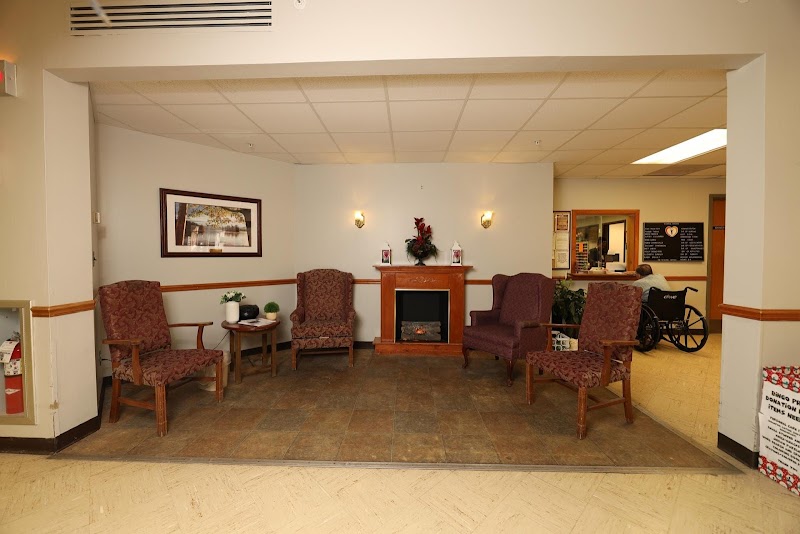
How is Warren Center For Rehabilitation And Nursing Staffed?

CMS rates WARREN CENTER FOR REHABILITATION AND NURSING's staffing level at 2 out of 5 stars, which is below average compared to other nursing homes. Staff turnover is 67%, which is 20 percentage points above the New York average of 46%. High turnover can affect care consistency as new staff learn residents' individual needs. RN turnover specifically is 56%, which is notably high. RNs provide skilled clinical oversight, so turnover in this role can affect medical care quality.

What Have Inspectors Found at Warren Center For Rehabilitation And Nursing?

State health inspectors documented 35 deficiencies at WARREN CENTER FOR REHABILITATION AND NURSING during 2019 to 2024. These included: 1 that caused actual resident harm, 33 with potential for harm, and 1 minor or isolated issues. Deficiencies causing actual harm indicate documented cases where residents experienced negative health consequences.
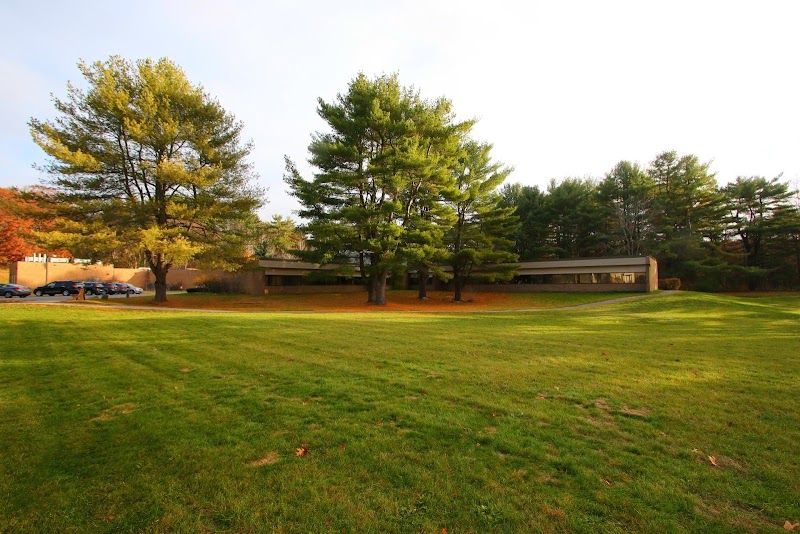
Who Owns and Operates Warren Center For Rehabilitation And Nursing?

WARREN CENTER FOR REHABILITATION AND NURSING is owned by a for-profit company. For-profit facilities operate as businesses with obligations to shareholders or private owners. The facility is operated by CENTERS HEALTH CARE, a chain that manages multiple nursing homes. With 80 certified beds and approximately 74 residents (about 92% occupancy), it is a smaller facility located in QUEENSBURY, New York.
How Does Warren Center For Rehabilitation And Nursing Compare to Other New York Nursing Homes?

Compared to the 100 nursing homes in New York, WARREN CENTER FOR REHABILITATION AND NURSING's overall rating (2 stars) is below the state average of 3.1, staff turnover (67%) is significantly higher than the state average of 46%, and health inspection rating (2 stars) is below the national benchmark.

What Should Families Ask When Visiting Warren Center For Rehabilitation And Nursing?

Based on this facility's data, families visiting should ask: "How do you ensure continuity of care given staff turnover, and what is your staff retention strategy?" "Can you walk me through typical staffing levels on day, evening, and night shifts?" "Can I visit during a mealtime to observe dining assistance and food quality?" "How do you handle medical emergencies, and what is your hospital transfer rate?" These questions are particularly relevant given the facility's high staff turnover rate and the below-average staffing rating.

Is Warren Center For Rehabilitation And Nursing Safe?

Based on CMS inspection data, WARREN CENTER FOR REHABILITATION AND NURSING has a clean safety record: no substantiated abuse findings (meaning no confirmed cases of resident harm), no Immediate Jeopardy citations (the most serious violation level indicating risk of serious injury or death), and is not on the Special Focus Facility watch list (a federal program monitoring the lowest-performing 1% of nursing homes). The facility has a 2-star overall rating and ranks #100 of 100 nursing homes in New York. While no facility is perfect, families should still ask about staff-to-resident ratios and recent inspection results during their visit.

Do Nurses at Warren Center For Rehabilitation And Nursing Stick Around?

Staff turnover at WARREN CENTER FOR REHABILITATION AND NURSING is high. At 67%, the facility is 20 percentage points above the New York average of 46%. Registered Nurse turnover is particularly concerning at 56%. RNs handle complex medical decisions and coordinate care — frequent RN changes can directly impact care quality. High turnover means new staff may not know residents' individual needs, medications, or preferences. It can also be disorienting for residents, especially those with dementia who rely on familiar faces. Families should ask: What is causing the turnover? What retention programs are in place? How do you ensure care continuity during staff transitions?

Was Warren Center For Rehabilitation And Nursing Ever Fined?

WARREN CENTER FOR REHABILITATION AND NURSING has been fined $19,383 across 2 penalty actions. This is below the New York average of $33,273. While any fine indicates a compliance issue, fines under $50,000 are relatively common and typically reflect isolated problems that were subsequently corrected. Families should ask what specific issues led to these fines and confirm they've been resolved.

Is Warren Center For Rehabilitation And Nursing on Any Federal Watch List?

WARREN CENTER FOR REHABILITATION AND NURSING is not on any federal watch list. The most significant is the Special Focus Facility (SFF) program, which identifies the bottom 1% of nursing homes nationally based on persistent, serious quality problems. Not being on this list means the facility has avoided the pattern of deficiencies that triggers enhanced federal oversight. This is a positive indicator, though families should still review the facility's inspection history directly.