MORNINGSTAR RESIDENTIAL CARE CENTER
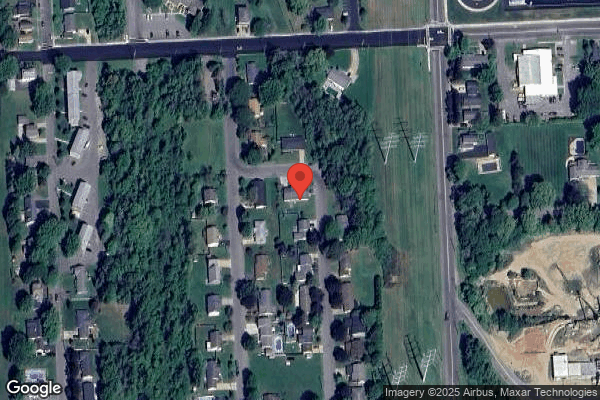
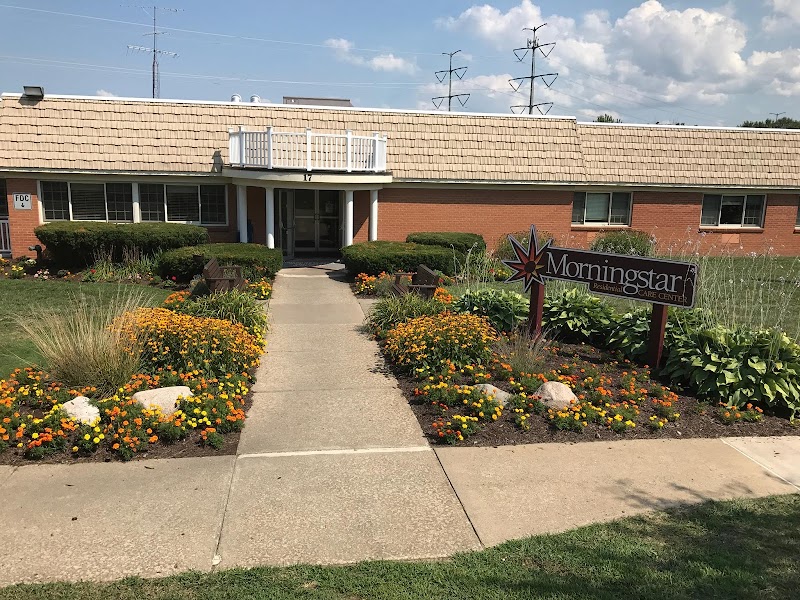
17 SUNRISE TERRACE, OSWEGO, NY 13126 (315) 342-4790
For profit - Corporation 120 Beds Independent Data: November 2025
Trust Grade
33/100
#530 of 594 in NY
Last Inspection: May 2025

Inspected within the last 6 months. Data reflects current conditions.

Overview

Morningstar Residential Care Center in Oswego, New York, has a Trust Grade of F, indicating significant concerns about the facility's overall quality. Ranking #530 out of 594 in New York places it in the bottom half of facilities, and #3 out of 4 in Oswego County means there is only one other local option that is better. The facility is worsening, with issues increasing from 10 in 2023 to 12 in 2025. Staffing is a significant concern, rated at 1 out of 5 stars, with a turnover rate of 59%, which is much higher than the state average. There are also serious issues with the quality of life for residents, including incidents where food was served cold and unappetizing, and residents were not provided snacks outside of scheduled meal times, which indicates a lack of attention to their comfort and needs.

Trust Score
F
33/100
In New York
#530/594
Bottom 11%
Safety Record
Low Risk
No red flags
Inspections
Getting Worse
10 → 12 violations
Staff Stability
⚠ Watch
59% turnover. Above average. Higher turnover means staff may not know residents' routines.
Penalties
○ Average
$20,248 in fines. Higher than 52% of New York facilities. Some compliance issues.
Skilled Nurses
⚠ Watch
Each resident gets only 18 minutes of Registered Nurse (RN) attention daily — below average for New York. Fewer RN minutes means fewer trained eyes watching for problems.
Violations
⚠ Watch
28 deficiencies on record. Higher than average. Multiple issues found across inspections.
★☆☆☆☆
1.0
Overall Rating
★☆☆☆☆
1.0
Staff Levels
★★★☆☆
3.0
Care Quality
★★☆☆☆
2.0
Inspection Score
Stable
2023: 10 issues
2025: 12 issues

The Good

  • Full Sprinkler Coverage · Fire safety systems throughout facility
  • No fines on record

Facility shows strength in fire safety.

The Bad

1-Star Overall Rating

Below New York average (3.0)

Significant quality concerns identified by CMS

Staff Turnover: 59%

13pts above New York avg (46%)

Frequent staff changes - ask about care continuity

Federal Fines: $20,248

Below median ($33,413)

Minor penalties assessed

Staff turnover is elevated (59%)

11 points above New York average of 48%

The Ugly 28 deficiencies on record

May 2025 11 deficiencies
CONCERN (D) 📢 Someone Reported This

A family member, employee, or ombudsman was alarmed enough to file a formal complaint

Potential for Harm - no one hurt, but risky conditions existed

Resident Rights (Tag F0550)

Could have caused harm · This affected 1 resident

Based on observations, record review, and interviews during the recertification and abbreviated (NY00327240) surveys conducted 4/28/2025-5/2/2025, the facility did not ensure residents were treated wi...

Read full inspector narrative →
Based on observations, record review, and interviews during the recertification and abbreviated (NY00327240) surveys conducted 4/28/2025-5/2/2025, the facility did not ensure residents were treated with respect and dignity in a manner and in an environment that promoted maintenance or enhancement of quality of life for three (3) of three (3) residents (Residents #31, #52, and #88) reviewed. Specifically, staff stood over Residents #52 and #88 while assisting them to eat; and Resident #31 was placed at a table that was above the level of their chin. Additionally, residents were referred to as feeders, and staff assisted residents with feeding while conversing amongst themselves and not including the residents. Findings include: The facility policy Resident Rights-Dignity and Respect, revised 3/18/2024, documented each resident was treated with dignity and respect, focusing on maintaining and enhancing their self-esteem and self-worth and incorporated the residents' preferences and choices. Staff should avoid standing over residents when assisting them to eat, conversing only with each other rather than with the residents while assisting residents with eating, or using labels like feeders. The facility policy Dining Experience, revised 6/5/2024, documented residents should be positioned appropriately to eat safely, sitting in an upright position, comfortable, and with all the necessary adaptive equipment per care plan. The following observations were made of staff standing over residents while assisting them to eat: - on 4/29/2025 at 9:05 AM, Certified Nurse Aide #5 was standing over Resident #88 while feeding them breakfast. - on 4/30/2025 at 8:47 AM, Certified Nurse Aide #4 was standing over Resident #88 while feeding them breakfast. - on 5/1/2025 at 9:24 AM, Certified Nurse Aide #4 was feeding Resident #52 in their room in bed while standing over the resident. During an interview on 5/1/2025 at 2:09 PM, Certified Nurse Aide #4 stated they could feed residents while sitting or standing, however residents might feel more comfortable if they sat. The following observations were made of staff referring to residents as feeders: - on 4/28/2025 at 6:42 PM, Certified Nurse Aide #16 was in the hallway across from the dining room and stated, the last three trays that needed to be passed were for feeders. - on 4/29/2025 at 12:35 PM, Certified Nurse Aide #5 stated to a coworker to wheel the resident to the feeders table. During an interview on 4/30/2025 at 9:26 AM, Certified Nurse Aide #18 stated the unit had a feeders table and they were allowed to call residents feeders. If a resident was called a feeder and did not want to be identified as a feeder it could embarrass the resident. The following observations were made of staff conversing at meals without including residents: - on 5/1/2025 at 9:37 AM, Certified Nurse Aide #5 and Certified Nurse Aide #17 were sitting at the dining room table assisting residents with eating. They were not engaged with the residents and were talking about their children, their birth weights, and other personal conversations. Inappropriate positioning during meals: The 11/15/2024 Registered Dietitian #3 nutritional assessment documented Resident #31 was 55 inches tall (4 foot 7 inches). During an observation on 4/28/2025 at 6:40 PM, Resident #31 was positioned at the dining table with their chin several inches below the table edge and was attempting to reach their food on their tray. During an observation and interview on 5/1/2025 at 12:06 PM, Resident #31 was sitting in their wheelchair across the dining room with an over the bed table in the lowest position waiting for lunch. Certified Nurse Aide #19 stated Resident #31 was not able to sit at the dining table as they were too short for the table. If they sat at the table, they would not be able to see their food or feed themself. During an interview on 5/2/2025 at 11:31 AM, Licensed Practical Nurse #20 stated the dining experience was supposed to be a good experience. Staff should engage in conversation with residents when feeding them, residents should be fed with staff sitting down, residents should be seated at the appropriate heights to see their tray and feed themselves, and they should not be addressed as feeders. If staff was standing and feeding residents it could make residents feel like they were being looked down on. If staff were having personal conversations during meals and excluding residents it could make residents feel left out. It was important for Resident #31 to sit in their wheelchair with a lower table so they could see their food and feed themself. During an interview on 5/1/2025 at 12:56 PM, Registered Dietitian #3 stated it was important for all residents to get the nutrients necessary to prevent weight loss, disinterest in meals, and depression. They expected all residents to be properly positioned to see their meals and feed themselves if possible. If a resident was not positioned properly, they may not see or smell the meal possibly impacting hunger cues, it could make a resident feel frustrated, be disinterested in meals, lose weight, and become depressed. During an interview on 5/2/2025 at 11:57 AM, the Director of Nursing stated residents should not be fed while staff was standing up, be identified as feeders, served a meal that was too high for them to reach, or be excluded from conversations as it was not dignified. 10 NYCRR 415.5(d)(1)(i)
CONCERN (D) 📢 Someone Reported This

A family member, employee, or ombudsman was alarmed enough to file a formal complaint

Potential for Harm - no one hurt, but risky conditions existed

ADL Care (Tag F0677)

Could have caused harm · This affected 1 resident

**NOTE- TERMS IN BRACKETS HAVE BEEN EDITED TO PROTECT CONFIDENTIALITY** Based on observations, record review, and interviews during the recertification and abbreviated (NY00365859) surveys conducted 4...

Read full inspector narrative →
**NOTE- TERMS IN BRACKETS HAVE BEEN EDITED TO PROTECT CONFIDENTIALITY** Based on observations, record review, and interviews during the recertification and abbreviated (NY00365859) surveys conducted 4/28/2025-5/2/2025, the facility did not ensure residents who were unable to carry out activities of daily living received the necessary services to maintain good nutrition, grooming, and personal and oral hygiene for four (4) of six (6) residents (Residents #24, #37, #60, and #68) reviewed. Specifically, Residents #24 and #60 did not receive toileting assistance when they were wet; Resident #37 was not provided with oral hygiene or shaving: and Resident #68 was not provided with oral hygiene. Findings include: The facility policy Oral Hygiene, revised 7/5/2024, documented the facility was committed to providing comprehensive oral hygiene to all residents ensuring their dental and overall health was maintained to the highest standard. The facility policy Activities of Daily Living Services, revised 1/19/2024, documented residents would receive assistance with activities of daily living every shift per the residents' care plan as appropriate. Help was provided to residents with toileting needs including assisting with use of the toilet or commode and maintaining continence. 1) Resident #68 had diagnoses including need for assistance with personal care, muscle weakness, and gastro-esophageal reflux (stomach contents flow backward into the esophagus). The 4/3/2025 Minimum Data Set assessment documented the resident had intact cognition, no behavioral symptoms, did not reject care, required substantial/maximum assistance for bathing, and supervision or touching assistance for oral hygiene. The section for oral/dental status was not completed. The Comprehensive Care Plan initiated 1/19/2023 and revised 4/11/2024, documented the resident had alterations in activities of daily living function related to deconditioning, gait imbalance, and incontinence. Interventions included oral care with supervision on the day and evening shifts. 5/29/2024 dental progress note documented the resident had a brief scaling (removal of plaque and tartar from the teeth) and staff should continue to assist with oral care. The resident's care instructions ([NAME]) documented the resident required supervision assistance with oral hygiene. Resident #68 was observed: - on 4/28/2025 at 3:40 PM with foul smelling breath. - on 4/30/2025 at 12:12 PM with foul smelling breath. The resident stated their teeth were not brushed and they would like them brushed. - on 5/1/2025 at 10:18 AM with foul smelling breath. The resident stated their teeth were not brushed and they would like them brushed. During an interview on 5/1/2025 at 11:48 AM, Certified Nurse Aide #5 stated they were responsible for brushing residents' teeth every day. They were behind on completion of care for their assigned residents because they were helping a coworker. Certified Nurse Aide #5 stated they completed care for Resident #68 and forgot to brush their teeth and they should have. If residents did not have their teeth brushed, they could have bad breath and lose their teeth. 2) Resident #37 had diagnoses including dementia, depression, and muscle weakness. The 4/9/2025 Minimum Data Set assessment documented the resident had intact cognition, had no physical behavioral symptoms, had verbal behaviors 1 to three 3 days, did not reject care, and required substantial/maximum assistance of 1 for most activities of daily living. The section for oral/dental status was not completed. The Comprehensive Care Plan, initiated 10/13/2023 and revised 11/15/2024, documented the resident had an alteration in activities of daily living function related to activity intolerance, confusion, and impaired balance. Interventions included showers every Tuesday evening shift. The resident required maximum assistance for oral care and partial assistance for showering. The resident's care instructions ([NAME]) documented the resident required partial/moderate assistance of one for showers, the resident had their own upper and lower teeth and required maximum assistance of one for oral hygiene. Resident #37 was observed: - on 4/28/2025 at 3:21 PM in their bedroom with stubble on their face. The resident stated they wanted to be shaved, and they were unsure of their shower day. - on 4/29/2025 at 3:27 PM in a chair being wheeled down the hallway. The staff member told the resident they were going to the shower for a shower and shave. - on 4/30/2025 at 9:21 AM in their room with stubble on their face and a foul breath odor. The resident stated they had their shower the previous evening but was not shaved. The aide told them they were going to come back later to shave them and never did. The resident stated they wanted assistance with brushing their teeth but never had help with that. - on 5/1/2025 at 8:37 AM in their room clean shaven with a foul breath odor. At 9:14 AM the resident stated Certified Nurse Aide #37 shaved them earlier in the morning but did not brush their teeth and they wanted them brushed. During an interview on 5/1/2025 at 2:09 PM Certified Nurse Aide #4 stated morning care consisted of washing residents, brushing hair, shaving, and oral care. All their care was completed, and no one refused care. They were assigned to Resident #37, however did not complete any care with them as Certified Nurse Aide #37 came from a different unit and shaved the resident. They assumed certified nurse aide completed all hygiene care. They were not sure why that staff came from another unit to complete the resident's care. During an interview on 5/2/2025 at 9:16 AM, Certified Nurse Aide #37 stated they were assigned to the day shift on Unit C and worked on Unit B previously. They heard Resident #37 was having a tough day, so they went over to say hello. They offered to assist in completing morning care for the resident, washed the resident and shaved them because the resident really needed to be shaved. If a resident wanted to be shaved and was not it was a dignity issue. They did not assist the resident with oral care as they were not the assigned certified nurse aide for the resident. They thought the assigned staff took over the care after they shaved the resident. If oral care was not provided residents could get gingivitis (gum disease). 3) Resident #60 had diagnoses including need for assistance with personal care, muscle weakness, and left sided hemiparesis (partial paralysis) following subarachnoid hemorrhage (brain bleed). The 4/18/2025 Minimum Data Set assessment documented the resident had intact cognition, no behavioral symptoms, did not reject care, was incontinent of urine, required substantial/maximal assistance for toileting hygiene, and was dependent for toilet transfers. The Comprehensive Care Plan initiated 8/3/2022 and revised 4/11/2024, documented the resident had a self-care performance deficit related to hemiplegia (partial paralysis), weakness, need for assistance with personal care, and abnormalities of gait and mobility. Interventions included maximum assistance for toileting and dependence for toilet transfers. The resident's care instructions ([NAME]) documented the resident was dependent on staff for toilet transfers, required maximal assistance with toileting hygiene, was incontinent of bladder, and had incontinence checks/care every 2-4 hours. During an interview on 4/28/2025 at 3:49 PM, Resident #60 stated they wore an incontinent brief, and staff left them wet for hours. They rang their call bell when they were wet, and most days was not changed timely. They stated many times, staff said they would come back and change them and did not return. They stated they had a sore in their groin from sitting in a wet brief so long. During an observation and interview on 4/29/2025 at 1:42 PM, Resident #60 was sitting in their wheelchair in their room and stated they were waiting to be changed as they were wet and had a bowel movement. They stated their call bell was previously on and staff they were not able to identify turned off the light and said they were not able to change them as it was lunch time and trays were late. They were still waiting to be changed out of their urine and feces soaked incontinent brief. The certified nurse aide documentation documented incontinent care was provided on 4/29/2025 at 10:27 AM and 2:41 PM. There was no documented incontinent care after 2:41 PM on 4/29/2025. During an observation and interview on 5/1/2025 at 11:20 AM, Resident #60 was self-propelling their wheelchair to the nursing station. The resident stated they put their call bell on four times before 10:00 AM that day. Staff answered their call bell, turned their call bell off, and left their room telling the resident they needed assistance to change them and never came back. A short time after 10:00 AM Certified Nurse Aide #19 answered their call bell, turned off the call bell, and changed them, cleaned them, and dressed them for the day. Their breath had a foul odor. The resident stated their teeth were not brushed and they were embarrassed having bad breath, sitting in urine, and not getting help when they rang for assistance. During an observation and interview on 5/1/2025 at 1:47 PM, Resident #60 was observed in the hallway with their call bell on. They stated they were wet and had their call bell on since 1:00 PM. They stated they eventually self-propelled into the hallway to call for help as they were uncomfortable and wanted to be changed. During an interview on 5/1/2025 at 11:28 AM, Certified Nurse Aide #19 stated they arrived on the unit today at 10:00 AM. Shortly thereafter they noticed Resident #60's call bell on, so they answered it. They asked the resident who their assigned certified nurse aide was, and the resident stated it was Certified Nurse Aide #4. Certified Nurse Aide #19 stated the resident was soaked with urine, so they cleaned, changed, and dressed the resident. The resident usually only put their bell on when they were wet and needed changing. They did not assist with oral care as they completely forgot. During an interview on 5/2/2025 at 11:31 AM, Licensed Practical Nurse #20 stated hygiene care was completed by the certified nurse aides. Incontinent residents were supposed to be checked every two hours to make sure they were not wet. If they were left in a urine or feces soaked incontinent briefs it could make the resident feel embarrassed. Residents should have their teeth brushed every shift to promote eating, self-confidence, and smiling. Sometimes care was not completed because there was no regular staff on Unit B, many of the staff were from agencies. Residents should also be shaved because it was a self-esteem issue when they were not shaved. Call bells should be answered in less than five minutes and if the request was not met, the bell should be left on. Sometimes unit helpers answered bells, and the resident requested personal care, which unit helpers were not able to perform. Resident #60 was cognitively intact and only used their call bell when they needed to be changed. During an interview on 5/2/2025 at 11:57 AM the Director of Nursing stated the care plan drove the certified nurse aide care card for the individual care for each resident. Certified nurse aides were responsible for performing activities of daily living for residents that needed assistance. The units were staffed with both unit helpers and certified nurse aides. Unit helpers were able to answer call bells, however not able to assist in any resident care. They could drop off trays, deliver linens, make beds, talk with residents, deliver fluids, and other activities that did not require touching the resident. There was no way for residents to differentiate between a unit helper and a certified nurse aide. If a unit helper answered a call bell and was not able to perform the request, they should leave the bell on and get a certified nurse aide. Residents should never sit in soiled incontinent briefs. Resident #60 should be changed when they were soiled because they had frequent urinary tract infections and was currently on an antibiotic for a urinary tract infection. They expected residents to be shaven and have their teeth brushed because they might not feel clean, have decreased self-esteem, and unable to eat if they had mouth pain from not brushing their teeth. 10 NYCRR 415.12(a)(3)
CONCERN (D)

Potential for Harm - no one hurt, but risky conditions existed

Respiratory Care (Tag F0695)

Could have caused harm · This affected 1 resident

Based on observations, record review, and interviews during the recertification survey conducted 4/28/2025-5/2/2025, the facility did not ensure residents received respiratory care consistent with pro...

Read full inspector narrative →
Based on observations, record review, and interviews during the recertification survey conducted 4/28/2025-5/2/2025, the facility did not ensure residents received respiratory care consistent with professional standards of practice for one (1) of one (1) resident (Resident #88) reviewed. Specifically, Resident #88 did not receive oxygen therapy as ordered, their portable oxygen tank was not replaced when it was empty, and their care plan did not include the need for oxygen therapy. Findings include: The facility policy Oxygen Administration, last reviewed 6/28/2022, documented oxygen therapy was delivered by way of an oxygen mask or nasal canula using a portable oxygen cylinder or oxygen concentrator and must be verified by a physician order. Once the appropriate setup was placed on a resident, observe the resident periodically thereafter for flow of oxygen and to be sure oxygen was being tolerated. Resident #88 had diagnoses including pneumonia due to COVID-19 and acute respiratory failure with hypoxia (low levels of oxygen in body tissues). The 3/13/2025 Minimum Data Set assessment documented the resident had severely impaired cognition, was dependent for all activities of daily living, and did not receive oxygen therapy. Physician orders documented: - on 4/9/2025 oxygen at 2 Liters/minute continuously by nasal canula to keep oxygen saturations 90% or greater. - on 4/10/2025 check oxygen tank to ensure adequate supply before meals and at bedtime for preventative replacement. The Comprehensive Care Plan did not include an individualized respiratory care plan with the use of oxygen. During a continuous observation on 4/29/2025 from 1:53 PM until 3:05 PM, Resident #88 was lying in their reclining chair in the dining room with a nasal canula in their nose. The portable oxygen tank was set to 3 Liters/minute and the gauge on the oxygen tank was in the red indicating the tank was empty. The resident had no obvious signs of respiratory distress. At 3:05 PM, an unidentified certified nurse aide approached Resident #88, unlocked the wheels on their reclining chair and pushed the chair back to the resident's room without checking the portable oxygen tank. The certified nurse aide stated the resident always used oxygen and the nursing staff should have checked the portable oxygen tank when the resident was put into their chair. They were unsure when the tank was last checked, and they were just transferring the resident back to bed. During observations on 4/30/2025 at 8:56 AM, 10:17 AM, and 11:53 AM, Resident #88 was lying in their reclining chair in the dining room without oxygen in place. The resident had no obvious signs of respiratory distress. During an interview on 5/2/2025 at 12:08 PM, Licensed Practical Nurse #20 stated oxygen should have been listed on the resident's care plan because all staff should look at the care plan to tell them everything about the resident's care. They were unsure if they could update a care plan but if they had noticed the care plan was wrong, they would notify the resident care coordinator to update it. Resident #88 had an order for oxygen at 2 Liters/minutes continuously. All nursing staff was responsible for monitoring portable oxygen tanks to ensure they were not empty and were set correctly. They were not aware the resident did not have their oxygen on, or the portable oxygen tank was set to 3 Liters/minute and was empty. They stated it was important for Resident #88 not to have an empty portable oxygen tank and to wear their oxygen as ordered because they could have become short of breath or confused from the lack of oxygen perfusion. During an interview on 5/2/2025 at 12:30 PM, Licensed Practical Nurse/Resident Care Coordinator #23 stated staff should look at the resident's care plan and certified nurse aide care instructions to know how to care for a resident. If a resident was on oxygen, they required a physician order. Resident #88's oxygen use, and instructions should be listed on their care plan. Nursing staff was responsible for checking the portable oxygen tanks to ensure they were working and not empty. Resident #88's physician order was for continuous oxygen at 2 Liters/minute and should not have been set to 3 Liters/minute. It was important for Resident #88 to wear their oxygen as ordered and for staff to ensure their portable oxygen tank was not empty so the resident could breathe easier and not become short of breath. During an interview on 5/2/2025 at 1:24 PM, Certified Nurse Aide #22 stated they looked at the care plan for instructions on how to care for Resident #88. Oxygen should have been listed on the care plan, so all staff knew how to properly care for them. Resident #88 was required to wear oxygen continuously that was a physician order. Nursing should check the oxygen tank to make sure it was not empty. It was important to have oxygen listed on the care plan, so all staff knew the resident required oxygen at 2 Liters/min at all times. Not receiving oxygen or too much oxygen put the resident in danger. During an interview on 5/2/2025 at 1:39 PM, the Director of Nursing stated staff looked at the resident's care plan or certified nurse aide instructions to know what care to provide. The certified nurse aide care instructions were generated from the care plan so they both had the same information. If a resident was on oxygen, it should be included in their care plan so they received proper care, and all staff would know they required oxygen. The nurses should check throughout the day to ensure Resident #88's portable oxygen tank was not empty and was set correctly to match the physicians order of 2 Liter/minute. It could put Resident #88 at risk to not have adequate oxygen. 10 NYCRR 415.12(k)(6)
CONCERN (D)

Potential for Harm - no one hurt, but risky conditions existed

Deficiency F0698 (Tag F0698)

Could have caused harm · This affected 1 resident

Based on observations, record review, and interviews during the recertification survey conducted 4/28/2025-5/2/2025, the facility did not ensure that a resident who required dialysis (a process that f...

Read full inspector narrative →
Based on observations, record review, and interviews during the recertification survey conducted 4/28/2025-5/2/2025, the facility did not ensure that a resident who required dialysis (a process that filters blood when kidneys do not function normally) received services consistent with professional standards of practice for one (1) of one (1) resident (Resident #77) reviewed. Specifically, Resident #77 received hemodialysis and there was no documented evidence of ongoing communication and collaboration with the dialysis facility. Findings include: The facility policy Care of the Hemodialysis Resident, revised 3/30/2024, documented, prior to each hemodialysis treatment a report book would be completed and sent with the resident to the dialysis center. The report should include relevant information such as the resident's vital signs, lab results and any significant change in their condition. Resident #77 had diagnoses including, end-stage renal disease (kidney disease) and dependence on renal hemodialysis. The 4/25/2025 Minimum Data Set assessment documented the resident had moderate cognitive impairment and received dialysis. The Comprehensive Care Plan initiated 4/21/2025, documented the resident had renal failure and had a goal of maintaining their continuity of care by regular communication with the outside dialysis provider. The resident was provided transportation to their appointments and the resident's attendance was encouraged on Mondays, Wednesdays, and Fridays. The 4/21/2025 physician order documented ensure dialysis communication book was filled out and sent with the resident to dialysis and reviewed upon return from dialysis on dialysis days Monday, Wednesday, and Friday. Call the dialysis provider for report if communication book was not present on return. During an interview on 4/29/2025 at 10:00 AM, Licensed Practical Nurse #7 was unable to provide the dialysis communication book for Resident #77. They stated the book had been misplaced by the dialysis center. They stated when the communication book was not returned with a report after the resident's dialysis, they should have called the dialysis facility to obtain a verbal report. Licensed Practical Nurse #7 stated they did not make notation in the electronic medical record indicating a verbal report with the dialysis center occurred. During an interview and observation on 4/30/2025 at 11:00 AM, Licensed Practical Nurse #7 stated the resident was at their dialysis appointment. The resident's dialysis communication book was observed at the desk. Licensed Practical Nurse #7 stated the book should have been with the resident at dialysis. The book on the desk was a new book because the last one was lost. Nursing progress notes dated 4/21/2025 through 5/2/2025 did not document phone communication with the dialysis center regarding the missing communication book or subsequent report of the resident's condition as ordered. The 4/2025 Medication Administration Record documented ensure dialysis communication book was filled out and sent with the resident to dialysis and reviewed upon return from dialysis on dialysis days Monday, Wednesday, and Friday, and was signed as completed on 4/30/2025 morning by Licensed Practical Nurse #7 and at 4:00 PM by Licensed Practical Nurse #41. During an interview on 5/1/2025 at 9:23 AM, Licensed Practical Nurse #7 stated there was no report sheet in the communication book from 4/30/2025. They stated the dialysis center failed to return the lost communication book. They had made a call to the dialysis center and received a verbal report. The report was not documented however there were vital signs entered in the Electronic Medical Record. During a telephone interview on 5/2/2025 at 10:52 AM dialysis center Registered Nurse #42 stated the communication book was often in the pocket of the wheelchair the resident arrived in. The transport company often picked the resident up after dialysis in a different wheelchair. If the dialysis center was unable to locate a communication book for the resident, a report would be sent on a dialysis center form and given to the resident to return to the facility. It was not their practice to call the facility to give report unless a significant event occurred during dialysis. It was important to communicate with the facility to ensure quality of care, continuity and to alert the facility of any specific areas to monitor regarding the resident's care. During an interview on 5/2/2025 at 12:17 PM Licensed Practical Nurse Unit Manager #6 stated the communication book was lost at dialysis however the dialysis center reached out with a telephone call whenever this occurred to report anything pertinent. They had no knowledge of the dialysis center ever having sent their own communication sheet apart from the original communication book. Having good ongoing communication ensured optimal care. During an interview on 05/02/2025 at 2:00 PM, the Director of Nursing stated the licensed practical nurse in charge during the shift was responsible for filling out the dialysis communication book and making sure the book had accompanied the resident to dialysis every time they went. The communication book contained the resident's vital signs, medications, and anything else that was pertinent to their care. The licensed practical nurse should review communication report upon the resident's return. Consistent communication was important for prevention of problems related to a change in a resident's condition. 10NYCRR 415.12(k)
CONCERN (D)

Potential for Harm - no one hurt, but risky conditions existed

Deficiency F0700 (Tag F0700)

Could have caused harm · This affected 1 resident

**NOTE- TERMS IN BRACKETS HAVE BEEN EDITED TO PROTECT CONFIDENTIALITY** Based on observations, record review, and interviews during the recertification survey conducted 4/28/2025-5/2/2025, the facilit...

Read full inspector narrative →
**NOTE- TERMS IN BRACKETS HAVE BEEN EDITED TO PROTECT CONFIDENTIALITY** Based on observations, record review, and interviews during the recertification survey conducted 4/28/2025-5/2/2025, the facility did not review risks and benefits of bed rails, obtain informed consent, or remove enabler bars after physical therapy deemed them contraindicated for use for one (1) of one (1) resident (Resident #31) reviewed. Specifically, Resident #31 had enabler bars (used to assist with bed mobility) on both sides of their bed after a physical therapy assessment documented enabler bars were contraindicated for the resident; there was no documented evidence that risks and benefits were reviewed with the resident or resident representative or consents were obtained prior to bed rail use. Findings include: The facility policy Bed Rails, dated 11/20/2024, documented the facility would ensure bed rails, when provided, were used in compliance with federal and state guidelines to prevent and or reduce any risk of entrapment, restraint, or other injury. Informed consent was obtained from the resident or if applicable, the resident representative. Resident #31 had diagnoses including cancer of the large intestine and rectum, fracture of sacrum (shield shaped bone at base of spine), and muscle weakness. The 2/10/2025 Minimum Data Set documented the resident had severe cognitive impairment, required substantial/maximal assistance for chair/bed-to-chair transfers, toilet transfers, and tub/shower transfers. The Comprehensive Care Plan initiated on 12/01/2024 and last updated on 2/27/2025 documented the resident had an activities of daily living self-care performance deficit related to activity intolerance, fatigue, impaired balance, limited mobility and limited range of motion. Interventions included full body mechanical lift for transfers. The resident was at risk for falls related to deconditioning. Interventions included the use of side rails as ordered and to evaluate for appropriate adaptive equipment as needed. The 3/29/2025 by Physical Therapist #31 assessment documented Resident #31 was no longer a candidate for enabler bars and was dependent with rolling maneuvers and scooting to the head of the bed. The 5/2/2025 Care Card ([NAME]) documented the resident required use of a full body mechanical lift device from chair/bed to chair transfer, partial assistance of one for rolling left to right, and partial assistance of one for lying to sitting on edge of the bed. There was no documented evidence of enabler bar use. The following observations of enabler bars on both sides of Resident #31's bed were made: - on 4/28/2025 at 2:25 PM. The resident was grabbing and shaking the rails on the left side of the bed saying, get me out. - on 4/30/2025 at 11:28 AM. The resident stated no one every showed them how to use the rails or reviewed the risks and benefits of the bed rails. - on 5/1/2025 at 11:25 AM. During an observation and interview on 4/30/2025 at 11:31 AM, Certified Nurse Aides #22 and # 39 were observed entering Resident #31'a room with a lifting device and stated they were going to get the resident out of bed. They rolled the resident side to side to place the lifting device pad under the resident. The resident rolled side without using the enabler bars. Certified Nurse Aide #22 stated enabler bars were used to keep residents from falling out of bed, they did not know how to use them and was never taught how to. They stated they did not know who placed the enabler bars on Resident #31's bed, and did not know if a physician order was required. Certified Nurse Aide #39 stated they were not aware of how Resident #31 used the enabler bars and was never told what the risks associated with them were. During an interview on 4/30/2025 at 12:19 PM, Licensed Practical Nurse #20 stated enabler bars required a physician order and a physical therapy evaluation. Resident #31 was initially working with physical therapy for bed to chair transfers and may have used the enabler bars at that time. A couple months ago the resident started requiring a mechanical lift and the enabler bars were no longer used to assist in transferring. Enabler bars were installed by maintenance. They were unsure if enabler bars required a consent. If physical therapy recommended enabler bars not to be used, they should have been discontinued by maintenance. During an interview on 5/1/2025 at 8:48 AM, Rehabilitation Director #30 stated there were enabler bars in the facility. Every resident was screened by physical therapy on admission for appropriateness of any mobility assisting device, including over the bed trapeze and enabler bars. They required physician orders, and they were not sure if they required consents. If physical therapy found enabler bars to be helpful for mobility, physical therapy placed a clarification order for the physician's standing order for enabler bars and a work order was placed with maintenance electronically for enabler bars to be installed on the bed. Nursing was made aware by the clarification order. Every couple of months physical therapy would reassess the resident for the appropriateness of enabler bars, and if no longer appropriate a work order was placed with maintenance and the enabler bars were removed from the bed within 24 hours. Physical Therapist #31 performed an assessment on 3/29/2025 and recommended enabler bars be removed as Resident #31 was pushing against them and was no longer using them as a mobility device. During an interview on 5/1/2025 at 10:22 AM, Maintenance Worker #32 stated maintenance was responsible for installing and removing enabler bars from resident beds. They were never told about entrapment zones. There were no current workorders to remove enabler bars for any residents. During an interview on 5/2/2024 at 11:57 AM, the Director of Nursing stated physical therapy completed an assessment and consent for risk/benefits for any resident who required enabler bars. The enabler bars for Resident #31 should have been removed as physical therapy documented they were no longer appropriate for the resident because the resident could get injured or entrapped. Without access to the electronic record, they were not able to confirm if this was completed with the resident or representative. 10NYCRR 415.12(h)(1)(2)
CONCERN (D)

Potential for Harm - no one hurt, but risky conditions existed

Deficiency F0806 (Tag F0806)

Could have caused harm · This affected 1 resident

**NOTE- TERMS IN BRACKETS HAVE BEEN EDITED TO PROTECT CONFIDENTIALITY** Based on observations, record review, and interviews during the recertification survey conducted 4/28/2025-5/2/2025, the facilit...

Read full inspector narrative →
**NOTE- TERMS IN BRACKETS HAVE BEEN EDITED TO PROTECT CONFIDENTIALITY** Based on observations, record review, and interviews during the recertification survey conducted 4/28/2025-5/2/2025, the facility did not ensure each resident received food that accommodated resident preferences for two (2) of two (2) residents (Residents #60 and #31) reviewed. Specifically, Resident #31 was missing food items at meals; Resident #60 was missing soda listed on their meal ticket and received hot chocolate instead. Findings include: The facility policy Menus, revised 9/2017, documented that a Registered Dietitian/Nutritionist or other clinically qualified nutrition professional would adjust individual meal plans to meet the individual requests of residents. Menus would be served as written, unless a substitution was provided in response to preferences. The facility policy Dining Experience, revised 6/5/2024, documented the facility would make all efforts to honor the residents' meal preferences and choices. 1) Resident #31 had diagnoses including cancer of the large intestine and rectum, fracture of sacrum (shield shaped bone at base of spine), and muscle weakness. The 2/10/2025 Minimum Data Set documented the resident had severe cognitive impairment, weighed 83 pounds, and unplanned weight loss of 5% or more in the last month and/or 10% percent or more in the last 6 months. The Comprehensive Care Plan initiated 12/01/2024 and updated on 2/27/2025 documented the resident had a nutritional problem or potential problem related to medical diagnosis. Interventions included, provide and serve supplements as ordered, provide and serve diet as ordered, and provide snacks and fluids. The resident had an unplanned/unexpected weight loss related to poor food intake. Interventions included offer substitutes as requested or indicated, ice cream with chocolate syrup with meals, or snack and potato chips with meals. The 12/4/2024 Registered Dietitian #3 progress note documented the resident had significant weight loss and they made activities staff aware to offer snacks more often. Registered Dietitian #3 nutritional assessments on 1/6/2025, 1/12/2025, 2/9/2025, 3/20/2025, 3/31/2025, and 4/4/2025 documented the resident was to receive fruit at every meal and potato chips at lunch. During an interview on 4/28/2025 at 2:28 PM, Resident #31 stated the food lacked flavor, so they did not eat it and only ate food their family brought in. The 5/2/2025 [NAME] (care instructions) documented to offer substitutes as requested and to offer ice cream and chocolate syrup with meals or for snack, and potato chips with meals; and provide with supplements as ordered. During an interview and lunch meal observation on 4/29/2025 at 1:10 PM the resident stated they never get fruit or chips. They stated they would eat chips and fruit if they were on the tray. They had no problem with their appetite, the food was just bad. There was no fruit or potato chips on the resident's lunch tray. During observations on 5/1/2025 at 9:09 AM Resident #31's breakfast tray was missing fruit and peanut butter, and at 12:06 PM their lunch tray was missing fruit and chips. 2) Resident #60 had diagnoses including diabetes and left sided hemiparesis (partial paralysis) following subarachnoid hemorrhage (brain bleed). The 4/18/2025 Minimum Data Set assessment documented the resident had intact cognition and snacks between meals were important to them. The Comprehensive Care Plan initiated 8/3/2022 and revised 4/11/2024, documented the resident had potential nutritional and fluid deficit problems related to medications and medical diagnosis. Interventions included to encourage the resident to drink fluids of choice. During an interview on 4/28/2025 at 3:53 PM, Resident #60 stated they hated the food, and it did not taste good. Their family member brought them microwave dinner meals to eat. During an observation and interview on 4/30/2025 at 12:12 PM, Resident #60 stated their soda, ice cream, and pizza casserole was missing from their tray and their soda was always missing. They stated hot chocolate was always on their tray, they did not want hot chocolate, and wanted it removed because they had diabetes. The resident's meal tray did not include soda, ice cream, or pizza casserole. During an interview on 4/30/2025 at 12:15 PM, Certified Nurse Aide #18 stated tray items had been missing and the kitchen was responsible for putting everything on the trays. When something was missing, they called the kitchen. Resident #60 did not like what was on their tray and usually only wanted salad. They stated the kitchen was not able to provide Resident #60 with soda because there was not enough. During an Interview on 5/1/2025 at 11:35, Certified Nurse Aide #19, stated when items were missing on trays, they called down to the kitchen to have the missing items brought up. Sometimes the kitchen would be too busy to bring up missing items. Resident #31 did not like the food. They had not seen Resident #31 receive fruit on their tray or chips at lunch and they did not have chips to hand out to residents on the unit. They stated soda was not available to residents and they did not know why. During an interview on 4/30/2025 at 12:19 PM, Licensed Practical Nurse #20 stated Items were often missing on trays. The kitchen put the trays together and staff who delivered the trays double checked the trays were correct. The residents never received fresh fruit, and staff were not able to give out potato chips to residents when they wanted them. Resident #31 had not received fruit with meals or potato chips at lunch. They stated residents could not get soda between meals. Soda was only available at meals if it was listed on meal ticket. Resident #60's soda should have been on their tray, they did not know why it was missing. They were told there was not enough soda. During an interview on 5/1/2025 at 12:56 PM, Registered Dietitian #3 stated when they ordered fortified meals or other recommendations for residents, they emailed the kitchen to communicate the change. They believed if residents asked for snacks they were given snacks between meals. The kitchen staff was responsible for stocking unit kitchenettes. They stated they did not understand why residents were not able to get soda, or soda between meals. Soda was still a way residents, like Resident #60 would receive hydration. They stated they expected Resident #31 to be provided the food items they recommended, and it was likely adding to the resident's decreased food intake. During an interview on 5/1/2025 at 2:23 PM, District Food Services Manager #36 stated they oversaw all food service operations. They used to stock snacks (chips, cookies, cereal) but no longer did. The unit kitchenettes were stocked with supplies for coffee, juice, and milk. They did not stock soda on units, soda only came on meal trays. Residents did not get soda between meals if they wanted it. They were told administration did not want residents drinking soda. One snack was provided to residents at 2:00 PM daily. Residents could buy extra snacks. They worked with the dietitian for individual requests and recommendations for residents. The dietitian emailed them with resident preferences or recommendations. They stated they did not receive an email for Resident #31 and their meal ticket was not changed to include fruit at every meal and chips at lunch. Resident #31 recommendations should have been provided. During an interview on 5/2/2024 at 11:57 AM, the Director of Nursing stated residents had a budget at home, the facility had a budget, and snacks must fit within that budget. Residents were provided with a snack at 2:00 PM daily. They stated residents were upset they did not get the snacks or drinks they wanted. The food situation at the facility was not right and residents' preferences should be respected and reflected on their meal tickets. 10NYCRR 415.14(d)(3)(4)
CONCERN (D)

Potential for Harm - no one hurt, but risky conditions existed

Food Safety (Tag F0812)

Could have caused harm · This affected 1 resident

Based on observations, record review, and interviews during the recertification survey conducted 4/28/2025-5/2/2025, the facility did not ensure food was stored, prepared, distributed, and served in a...

Read full inspector narrative →
Based on observations, record review, and interviews during the recertification survey conducted 4/28/2025-5/2/2025, the facility did not ensure food was stored, prepared, distributed, and served in accordance with professional standards for food service safety for one (1) of one (1) main kitchen and one (1) of three (3) dining room refrigerators and ice machines (B-wing) reviewed. Specifically, the B-Wing dining room refrigerator was not clean; the B-Wing dining room ice machine was not working; the main kitchen dry storage room floor was not cleanable; the main kitchen hand wash sink was leaking onto the floor; and the main kitchen walk-in freezer door did not close properly due to ice buildup. Findings include: There was no documented policy referencing kitchen cleaning, maintenance, or food storage. The main kitchen's Monthly Cleaning List completed from 4/27/2025 to 4/30/2025 documented the following: - the walk-in cooler floors were swept and mopped weekly. - the dry storage room was swept and mopped weekly. - the walk-in freezer was cleaned and sanitized monthly. The following observations were made in the main kitchen: - on 4/28/2025 at 1:18 PM, the floor in the dry storage room had chipped floor tiles, stains from spilled food, and debris. - on 4/28/2025 at 1:20 PM, the walk-in freezer door would not close due to ice buildup on the door frame. - on 4/29/2025 at 11:50 AM, the hand wash sink was leaking onto the floor, and the walk-in cooler had a buildup of black grime on the diamond plate flooring. - on 4/29/2025 at 11:51 AM, the walk-in freezer had packaging debris on the floor and under the shelving, and the door would not close due to ice buildup on the door frame. The facility work orders from the kitchen documented the hand washing sink was leaking on 11/12/2024 and repaired on 5/2/2025. During observations on 4/28/2025 at 2:29 PM and on 5/1/2025 at 12:38 PM the B-wing dining room refrigerator had a dried on red liquid substance on the inside of the refrigerator. During observations on 4/28/2025 at 5:26 PM and 4/29/2025 at 12:49 PM the B-wing dining room ice machine was not working. During an interview on 5/1/2025 at 11:35 AM, Certified Nurse Aide #19 stated when equipment was broken, they completed a work order and maintenance repaired items within the day. The ice machine was broken for 2 months, and staff had to leave the unit to get ice for residents. During an interview on 5/1/2025 at 12:40 PM, Certified Nurse Aide #35 stated they thought everyone was responsible for cleaning and maintaining the dining room refrigerator and they had not cleaned it because they did not have time. During an interview on 5/1/2025 at 12:54 PM, Director of Maintenance/Laundry/Housekeeping #15 stated they were responsible for cleaning the outside of the dining room refrigerator, but nursing staff was responsible for cleaning the inside. They were unsure how often it was supposed to be cleaned. During an interview on 5/1/2025 at 1:12 PM, District Manager #36 stated the kitchen floors were cleaned nightly, the floors in the walk-in cooler and freezer were cleaned weekly, and they had plans to replace the flooring in the dry storage room and walk-in coolers. Staff should document the cleaning of those areas on the kitchen cleaning list. When something was broken in the kitchen staff should put in work orders which were reviewed weekly by Administration and maintenance. The hand wash sink was leaking for a while, but it was fixed yesterday. Dietary was no longer responsible for cleaning the refrigerators on the units. They were not being maintained so it was assigned to housekeeping or nursing. It was important for the kitchen and kitchenettes to be maintained and kept clean for food safety. During an interview on 5/2/2025 at 9:33 AM, Maintenance Worker #32 stated they used an outside vendor to fix the ice machines. They were not sure how long the ice machine on B-Wing was broken or when the vendor last came to repair the machine. During an interview on 5/2/2025 at 9:35 AM, Maintenance Director #15 stated they used a local heating and cooling company to repair their ice machines. The company was last in the facility a few months ago. During an interview on 5/2/2025 at 11:57 AM, the Director of Nursing stated they were not exactly sure how long the ice machine had been broken on the B-Wing, but it was at least a week. The believed maintenance was working on repairing the ice machine. 10NYCRR 415.14(h)
CONCERN (D)

Potential for Harm - no one hurt, but risky conditions existed

Deficiency F0836 (Tag F0836)

Could have caused harm · This affected 1 resident

Based on record review and interviews during the recertification survey conducted 4/28/2025-5/2/2025, the facility did not operate and provide services in compliance with all applicable Federal, State...

Read full inspector narrative →
Based on record review and interviews during the recertification survey conducted 4/28/2025-5/2/2025, the facility did not operate and provide services in compliance with all applicable Federal, State, and local laws, regulations, and codes, and with accepted professional standards and principles that apply to professionals providing services in such a facility. Specifically, the facility did not provide the Facility Assessment, Medicare/Medicaid Application (CMS-671), Facility Survey Report (DOH-1550), New York State (NYS) Social Services Medicaid Provider Agreement (DOH-2325), Equipment Inventory Form, Legionella policies and procedures, and a list of employees whose date of hire was 4 months or less that was requested by the New York State Department of Health (NYS DOH) surveillance team in a timely manner as required. Findings include: The Centers for Medicare and Medicaid Services survey form Entrance Conference Worksheet provided to the Administrator/designee upon survey entrance documented the following items were required during the recertification survey: - Facility Assessment within four hours of entrance. - completed Medicare/Medicaid Application (CMS-671) within 24 hours of entrance. The New York State Addendum form Entrance Conference Worksheet provided to the Administrator/designee upon survey entrance documented the following items were required during the recertification survey: - a list of employees whose date of hire was four months or less within one hour of entrance. - Facility Survey Report (DOH-1550) within 24 hours of entrance. - New York State (NYS) Social Services Medicaid Provider Agreement (DOH-2325) within 24 hours of entrance. - Equipment Inventory Form within 24 hours of entrance. - Legionella policies and procedures within 24 hours of entrance. The New York State Department of Health surveillance team entered the facility on 4/28/2025 at 12:30 PM. The Team Coordinator met with the facility's Administrator and Director of Nursing at 1:20 PM to review the documents required for the survey as outlined on the entrance conference worksheets. The Administrator was provided with a hard copy of the entrance conference worksheets. The worksheets included the time frame for providing the Facility Assessment, Medicare/Medicaid Application (CMS-671), Facility Survey Report (DOH-1550), New York State (NYS) Social Services Medicaid Provider Agreement (DOH-2325), Equipment Inventory Form, Legionella policies and procedures, and a list of employees whose date of hire was four months or less. On 4/29/2025 at 9:16 AM, the Team Coordinator sent an email to the Director of Medical Records requesting the list of employees whose date of hire was four months or less that was required within one hour of entrance. On 4/29/2025 at 12:15 PM, the Director of Medical Records sent the list of employees whose date of hire was four months or less. This was 23 hours after the entrance conference meeting. On 4/29/2025 at 4:00 PM, the Team Coordinator met with the Administrator to review the missing entrance conference documents including the Facility Assessment that was required within 4 hours of entrance, the Medicare/Medicaid Application (CMS-671), Facility Survey Report (DOH-1550), New York State (NYS) Social Services Medicaid Provider Agreement (DOH-2325), Equipment Inventory Form, and Legionella policies and procedures that were required within 24 hours of entrance. They stated they thought they had sent them; they would check with the Director of Medical Records, and they would make sure they were sent by the end of the day. On 4/29/2025 at 5:57 PM, the Team Coordinator sent an email to the Director of Medical Records requesting the Facility Assessment that was required within 4 hours of entrance, Medicare/Medicaid Application (CMS-671), Facility Survey Report (DOH-1550), New York State (NYS) Social Services Medicaid Provider Agreement (DOH-2325), Equipment Inventory Form, and Legionella policies and procedures that were required within 24 hours of entrance and attached a blank copy of the Medicare/Medicaid Application (CMS-671), Facility Survey Report (DOH-1550), New York State (NYS) Social Services Medicaid Provider Agreement (DOH-2325), and Equipment Inventory Form. On 4/30/2025 at 8:20 AM, the Team Coordinator notified the Administrator they had not received the requested entrance conference documents. The Administrator stated they would follow up with the Director of Medical Records and have the documents sent. On 4/30/2025 at 8:25 AM, the Director of Medical Records sent an email stating their internet was acting up and they would start sending the requested documents. They attached the Facility Assessment and the New York State (NYS) Social Services Medicaid Provider Agreement (DOH-2325). On 4/30/2025 at 8:42 AM, the Director of Medical Records sent the Legionella policies and procedures. On 4/30/2025 at 9:58 AM, the Director of Medical Records sent the Medicare/Medicaid Application (CMS-671) and Facility Survey Report (DOH-1550). On 4/30/2025 at 4:55 PM, the Director of Medical Records sent the Equipment Inventory Form. 10 NYCRR 483.70(i)
CONCERN (E) 📢 Someone Reported This

A family member, employee, or ombudsman was alarmed enough to file a formal complaint

Potential for Harm - no one hurt, but risky conditions existed

Safe Environment (Tag F0584)

Could have caused harm · This affected multiple residents

Based on observations, record review, and interviews during the recertification and abbreviated (NY00370054) surveys conducted 4/28/2025-5/2/2025, the facility did not ensure a safe, clean, comfortabl...

Read full inspector narrative →
Based on observations, record review, and interviews during the recertification and abbreviated (NY00370054) surveys conducted 4/28/2025-5/2/2025, the facility did not ensure a safe, clean, comfortable, and homelike environment for three (3) of three (3) nursing units (Units A, B, and C) reviewed. Specifically, water temperatures were not maintained at comfortable levels on Units A, B, and C between 2/4/2025-4/1/2025. Findings include: The facility policy Maintaining A Safe, Clean, Comfortable and Homelike Environment, dated 10/24/2024 documented the residents had the right to a safe, clean, comfortable, and homelike environment. The undated Daily Maintenance Rounds documented the water temperature range was acceptable between 90 degrees Fahrenheit and 120 degrees Fahrenheit. The 2/2025 through 4/2025 daily maintenance rounds water temperature logs documented the following temperatures at each of the three tested sites: Unit-A, Unit-B, Unit-C. - on 2/4/2025, 86.3 degrees Fahrenheit, 85.2 degrees Fahrenheit, 86.9 degrees Fahrenheit. - on 2/6/2025, 105.5 degrees Fahrenheit, no data B-Unit, 77.0 degrees Fahrenheit. - on 2/7/2025, 91 degrees Fahrenheit, 94.0 degrees Fahrenheit, 88.0 degrees Fahrenheit. - on 2/8/2025, no recorded temperatures. - on 2/9/2025, no recorded temperatures. - on 2/10/2025, no data A-Unit, 84.0 degrees Fahrenheit, 91.0 degrees Fahrenheit. - on 2/12/2025, 86.0 degrees Fahrenheit, 88.0 degrees Fahrenheit, 88.0 degrees Fahrenheit. - on 2/13/2025, no data A-Unit, no data B-Unit, 86.0 degrees Fahrenheit. - on 2/14/2025, 104.0 degrees Fahrenheit, 85.0 degrees Fahrenheit, no data C-Unit. - on 2/15/2025, no recorded temperatures. - on 2/16/2025, no recorded temperatures. - on 2/17/2025, no data A-Unit, 73.0 degrees Fahrenheit, no data C-Unit. - on 2/18/2025, 101.0 degrees Fahrenheit, 88.0 degrees Fahrenheit, 100.0 degrees Fahrenheit. - on 2/19/2025, no data A-Unit, 93.0 degrees Fahrenheit, no data C-Unit. - on 2/20/2025, 103.0 degrees Fahrenheit, 92.0 degrees Fahrenheit, 89.0 degrees Fahrenheit. - on 2/21/2025, 105.0 degrees Fahrenheit, 90.0 degrees Fahrenheit, 85.0 degrees Fahrenheit. - on 2/22/2025, no recorded temperatures. - on 2/23/2025, no recorded temperatures. - on 2/24/2025, no data A-Unit, 87.0 degrees Fahrenheit, no data C-Unit. - on 2/25/2025, 103.9 degrees Fahrenheit, 83.0 degrees Fahrenheit, 82.0 degrees Fahrenheit. - on 2/26/2025, 101.0 degrees Fahrenheit, 89.0 degrees Fahrenheit, 100 degrees Fahrenheit. - on 2/27/2025, 102.0 degrees Fahrenheit, 99.0 degrees Fahrenheit, 85.0 degrees Fahrenheit. - on 2/28/2025, no data A-Unit, 80.0 degrees Fahrenheit, 80.0 degrees Fahrenheit. - Data was not recorded for the following dates:3/8/2025,3/9/2025,3/11/2025,3/15/2025, and 3/16/2025. - on 3/20/2025, 102.2 degrees Fahrenheit, 78.0 degrees Fahrenheit, 87.0 degrees Fahrenheit. - on 3/22/2025, no recorded temperatures. - on 3/23/2025, no recorded temperatures. - on 3/25/2025, 90.0 degrees Fahrenheit, 93.0 degrees Fahrenheit, 85.0 degrees Fahrenheit. - on 3/27/2025, no data unit A, No data unit B, 91.0 degrees Fahrenheit. - on 3/29/2025, no recorded temperatures. - on 3/30/2025, no recorded temperatures. - on 4/1/2025, 90.0 degrees Fahrenheit, 93.0 degrees Fahrenheit, 85.0 degrees Fahrenheit. - Data was not recorded on the following dates: 4/5/2025, 4/6/2025, 4/12/2025, 4/13/2025, 4/17/2025, 4/19/2025, 4/20/2025, 4/26/2025, 4/27/2025, and 4/30/2025. The resident council minutes dated 2/24/2025 at 1:32 PM included a complaint regarding the lack of hot water. One resident voiced concerns regarding having been told to get hot water they had to get up before 6:00 AM. Resident council minutes dated 3/3/2025 at 10:59 AM documented an issue with the lack of hot water. The Maintenance Director was in attendance and explained that parts for the boiler were ordered and once the parts arrived the hot and cold-water problem would be fixed. During an interview on 4/30/2025 at 12:13 PM, Resident #27 stated they were without hot water for weeks and the situation had been quite bad. They stated there was nothing good about taking a cold shower. The resident was told the facility was waiting on the parts needed to fix the hot water issue. It was very uncomfortable, but the water temperature was better now. During an interview on 05/02/2025 at 1:19 PM the Director of Maintenance stated they started in the position in mid-February. There was an issue with the lack of hot water in March with the lowest temperature approximately 92.0 degrees Fahrenheit. They were made aware of the resident concerns when they attended the resident council meeting. They stated 92 degrees Fahrenheit was not an optimal temperature. The residents complained the water was too cold to shower comfortably. The Director of Maintenance stated they reported the issue to the Administrator who directed them to work on the solution. They consulted with the facility's plumbing company who discovered the problem was with the mixing valves. The issue was resolved. They continued to test the water daily to assure the proper temperatures. Improper water temperatures could affect the resident's ability to maintain good hygiene and comfort. During an interview on 05/02/2025 at 2:54 PM the Administrator stated the hot water was important for the care of the residents. There was a problem for a period of a few weeks with the hot water not having been at a comfortable temperature. The maintenance department worked on a solution, and they replaced the mixing valve which resolved the issue. 10 NYCRR 415.29 (f)(6), (j)(1)
CONCERN (E) 📢 Someone Reported This

A family member, employee, or ombudsman was alarmed enough to file a formal complaint

Potential for Harm - no one hurt, but risky conditions existed

Deficiency F0804 (Tag F0804)

Could have caused harm · This affected multiple residents

Based on observations, record review, and interviews during the recertification and abbreviated (NY00370054 and NY00327240) surveys conducted 4/28/2025-5/2/2025, the facility did not ensure residents ...

Read full inspector narrative →
Based on observations, record review, and interviews during the recertification and abbreviated (NY00370054 and NY00327240) surveys conducted 4/28/2025-5/2/2025, the facility did not ensure residents were provided food and drink that was palatable, flavorful, and at an appetizing temperature for two (2) of three (3) meals reviewed (dinner meal on 4/28/2025, and lunch meals on 4/29/2025 and 5/1/2025). Specifically, food was not served at palatable and appetizing temperatures and was not palatable. Additionally, five (5) anonymous residents during a resident council meeting and five (5) residents (Resident #31, 53, 59, 60, and 306) interviewed stated the food did not taste good, was bland, lacked flavor, and was cold. Findings include: The facility policy Food: Quality and Palatability, revised 9/2017 documented food was prepared by methods that conserved nutritive value, flavor, and appearance. Food was palatable, attractive, and served at safe and appetizing temperatures. During an observation on 4/28/2025 at 6:03 PM Resident #60's meal tray was tested, and a replacement was provided. The following temperatures were taken in the presence of Certified Nurse Aide #21: - confetti corn 71.4 degrees Fahrenheit (planned as a cold vegetable). - pork cutlet 76.6 degrees Fahrenheit (planned as a cold entree). The soup was bland. The corn was cold, covered with a white film, and tasted sour. During an observation on 4/29/2025 at 1:11 PM Resident #88's meal tray was tested, and a replacement was provided. Temperatures were taken in the presence of Certified Nurse Aide #5 and included milk at 56 degrees Fahrenheit. The pureed vegetable and the mashed potatoes were bland, and the milk tasted warm. During an interview on 4/30/2025 at 12:19 PM, Licensed Practical Nurse #20 stated there were a lot of resident complaints the food was cold and lacked flavor. Items such as ice cream were missing from their trays there was no substitutes for the missing items. Cereal was provided without milk, they never got fresh fruit, and soda was not stocked on the unit for use when a resident has an upset stomach. During an interview on 5/01/2025 at 11:35 AM, Certified Nurse Aide #19 stated residents complained the food was cold and did not taste good. When residents complained they were offered a substitute. Most days residents did not have enough liquids because there was no soda or juice on the unit, and it was only served with trays. During an interview on 5/1/2025 at 12:56 PM, Registered Dietitian #3 stated snacks like pudding, granola bars, and ice cream were available on all units for residents to have between meals. The kitchen staff was responsible for stocking the kitchenettes and the Director of Food Services ordered the snacks. Residents did complain the food did not taste good and was sometimes tough to chew. Sometimes the residents might not eat the meal and want a snack later in the day. If residents did not eat, they could have weight loss, depression, and lack of interest in meals. During an interview on 5/1/2025 at 1:12 PM, District Food Services Manager #36 stated the onsite manager completed test trays as part of the monthly audit. Once a month food was followed from the kitchen to the residents' rooms and temperatures of the food was taken in the hall. Hot foods should be greater than 130 degrees Fahrenheit except soup and coffee should be 150 degrees Fahrenheit. Cold food should be less than 45 degrees Fahrenheit. Milk that was 56 degrees Fahrenheit was too warm, confetti corn was supposed to be served cold, and 71.4 degrees Fahrenheit was too warm, the pork cutlet was supposed to be served cold, and 76.6 degrees was too warm. They tasted the food when they were in the building and cooks tasted every meal, recently adding pureed for taste testing. It was important to serve food at correct temperatures for palatability and safety for the residents. This was the residents' home, and it was dignified to eat a quality meal. 10NYCRR 415.14(d)(1)(2)
CONCERN (E)

Potential for Harm - no one hurt, but risky conditions existed

Deficiency F0809 (Tag F0809)

Could have caused harm · This affected multiple residents

Based on observations, record review, and interviews during the recertification survey conducted 4/28/2025 - 5/2/2025, the facility did not ensure suitable, nourishing alternative meals and snacks wer...

Read full inspector narrative →
Based on observations, record review, and interviews during the recertification survey conducted 4/28/2025 - 5/2/2025, the facility did not ensure suitable, nourishing alternative meals and snacks were provided to residents who preferred to eat at non-traditional times or outside of scheduled meal service times for two (2) of three (3) nursing units (Units B and C). Specifically, residents did not have snack items available on nursing units B or C and were not offered anything to eat or drink when meal trays were not available at the scheduled and posted times. Additionally, meals were not served according to the posted mealtimes for all units. Findings include: The facility policy Dining Experience, revised 6/5/2024, documented the facility would make all efforts in providing a comfortable homelike meal experience for the residents. The facility would make all efforts to honor residents' meal preferences and choices. The facility policy Supplemental Nutritional Support and Snacks, revised 7/6/2024 documented all residents were offered a beverage in between meals and a nourishment in the afternoon and a snack at bedtime to promote adequate nutrition and hydration. The posted mealtimes documented breakfast was served at 7:30 AM, lunch at 11:30 AM, and dinner at 5:30 PM. The Always Available Menu included cold options (assorted sandwiches), hot options (Italian sausage and grilled cheese sandwiches), chef salad, and tomato soup. Snacks: During an observation on 4/28/2025 at 5:27 PM, the Unit B resident refrigerator contained 2 diet Pepsi's, 2 individual nutritional supplements, 2 opened cartons of lemon flavored water, 2 opened cartons of lemon flavored water that expired 3/19/2025, one opened and unlabeled carton of orange water, thickened liquids, and vanilla ice cream in the freezer. In the locked kitchenette area, there was one individual cereal in the cabinet and resident specific labeled items in the refrigerator and freezer. During an interview on 4/28/2025 at 5:30 PM, Certified Nurse Aide #21 stated there were no snacks on Unit B and they were not sure who was responsible for stocking the kitchenette. During an observation on 4/29/2025 at 1:36 PM, the Unit C kitchenette refrigerator contained 8 individual puddings, 4 individual applesauce, 1 packet of saltine crackers, 1 individual cereal, and 3 containers of juice, and nutritional supplements. During an observation on 5/2/2025 at 10:42 AM, an unidentified resident playing a game asked Activities Aide #28 for a snack. Activities Aide #28 told the resident they could not have another snack as they already had one. During an interview on 5/2/2025 at 11:24 AM, Activities Aide #28 stated they assisted with activities which included coffee hour every day. They stated if the kitchen brought up snacks, they did a snack pass around 2:30 PM every day and residents were only allowed one snack because residents had to be on a budget at home so they should be on a budget in the facility. They were not sure who determined residents could have only one snack. Snacks included a choice of a small bag of chips, a cookie, a granola bar, or pudding. Snacks were limited allowing each resident to have one snack as there was not enough for the residents to receive more than one. If the kitchen did not bring up snacks the snack pass did not occur. Residents could also purchase snacks from the candy cart that sold items like soda, chips, and juice and the prices were determined by the Activities Director. A small bag of chips could be purchased for $1.50. They were not sure why residents had to pay for snacks from the candy cart or who determined residents could only have one snack. During an interview on 5/1/2025 at 12:56 PM, Registered Dietitian #3 stated snacks like pudding, granola bars, and ice cream were available on all units for residents to have between meals. The kitchen staff was responsible for stocking the kitchenettes and the Director of Food Services ordered the snacks. Residents did complain the food did not taste good and was sometimes tough to chew and might not eat the meal and wanted a snack later in the day. They stated if residents did not eat, they could have weight loss, depression, and lack of interest in meals. Late meals: During a kitchen observation and interview on 4/29/2025 at 12:01 PM, the kitchen ran out of the main entrée of beef stew. Staff was overheard saying they prepared 6 cans (#10 cans, approximately 110 ounces per can equaling approximately 82, 8-ounce servings) of the beef stew and meal tickets called for 8 ounce servings. The District Food Services Manager #36 stated they miscalculated the portion with the meal serving. They did not have a system that communicated with the menu so ordering and portioning was done separately from the menus and recipes. At 12:08 PM, lunch service paused while staff made more stew. Lunch service resumed at 12:46 PM. Unit A During an observation on 4/28/2025 at 5:36 PM residents were waiting in the dining room for their trays and stated they were hungry. The first cart of trays arrived at 5:57 PM and staff began passing meals to residents who ate in their rooms. During an observation on 4/28/2025 at 6:09 PM all residents sitting in the dining room had not received their meals. One resident was given hot tea, and no other residents were offered a snack or beverage while waiting for their meal. The meal trays arrived at 6:20 PM, almost an hour after the posted mealtimes. During an observation on 5/1/2025 at 12:04 PM passed the hall trays while residents in the dining room waited for their trays. No residents were provided snacks or drinks when they were waiting for their lunch and one resident stated they were hungry and asked where their lunch was. The last tray was served at 12:28 PM, almost an hour after the posted mealtimes. Unit B During an observation on 4/28/2025 at 6:02 PM, 15 residents were sitting in the dining room since before 5:30 PM. Some of the residents stated they were hungry. No residents were offered a snack, and most residents did not have anything to drink while waiting. At 6:02 PM the first set of carts arrived, and staff started serving trays. At 6:21 PM the last tray from the first cart was passed. There were 11 residents in the dining room without trays, all sitting with at least one resident that was served a tray. At 6:30 PM, the second cart arrived on Unit B and the last tray was delivered at 6:43 PM. During an observation in the dining room on 4/29/25 12:40 PM, Resident #90's visitor asked Licensed Practical Nurse #27 for ginger ale and was told we do not have enough on the unit and it had to be on their meal ticket. They stated they could add it to their ticket, but they would not get it today. At 12:54 PM, Resident #90's visitor asked Licensed Practical Nurse #27 for a cup of coffee and was told to wait for the trays to come up. At 1:05 PM the first cart of lunch trays arrived. During an interview on 4/30/2025 at 9:26 AM, Certified Nurse Aide #18 stated residents complained they did not get enough food, received meals late, and did not get snacks. Lunch arrived daily at 11:45 AM however could be served as late as 1:00 PM and residents were in the dining room by 11:30. Lunch was served late today, and residents were in the dining room at 11:30 AM. There used to be drinks and soda on the unit to offer residents when they were waiting, however for the last few months there was no fluid or soda to offer residents. Dinner was normally served at 5:00 PM-5:30 PM. Sometimes residents were offered coffee, but they were not offered any fluids today. There were never snacks in the pantry to offer residents when they were waiting for late trays or to offer residents that wanted a snack. They were not sure who was responsible for stocking the kitchenette. Kitchen staff used to stock the kitchenette and that stopped abruptly. When residents asked for snacks, they had to tell them there were no snacks and they could not have snacks. During an interview on 4/30/2025 at 11:48 AM, Licensed Practical Nurse #20 stated breakfast was scheduled to come at 7:45 AM and could arrive as late as 9:00 AM. Lunch was scheduled to arrive at 12:30 but often came after 1:00 and on 4/29/2025 it arrived just before 2:00 PM. Trays were late when the kitchen was short staffed. There were times nursing was called to the kitchen to get the carts because there was not enough kitchen staff to deliver food. During an interview on 4/30/2025 at 12:19 PM, Licensed Practical Nurse #20 there was never snacks or soda for residents that requested them. The kitchenettes used to have a supply of snacks and soda but that ended several months ago, and they were not sure why. During an interview on 5/1/2025 at 12:56 PM, Registered Dietitian #3 stated residents could have coffee at any time but were only allowed to have soda with meals if it was listed on their meal ticket. They were not sure why residents were not allowed to have soda between meals or who made that decision. The units should have snacks available between meals and the kitchen staff was responsible for restocking the kitchenettes. During an interview on 5/1/2025 at 2:23 PM, District Food Services Director #36 stated they had snacks and soda in the building, but the facility did not want them released to the units for the residents. They stocked the kitchenettes 2-3 times a week with milk, juice, ice cream, and Magic Cups (nutritional supplement). They used to supply soda, cereal, and chips but were told by Administration they were not allowed to stock them anymore because residents had to be on a budget. They did provide snacks to residents for purchase through activities on a cart that went from unit to unit. The did not stock the units on 4/28/2025 because they were undergoing the recertification survey. During an interview on 5/2/2025 at 11:57 AM, the Director of Nursing stated the kitchen was responsible for restocking the kitchenettes on Mondays, Wednesdays, and Fridays. Snacks may not offer nutritional value, but they did offer calories. The facility cut out soda because Administration said there was no nutritional value in soda. Lunch was scheduled to be served at 11:30 AM but was usually delivered to the units closer to 12:00 PM. 10NYCRR 415.14(f)(3)(4)
Jan 2025 1 deficiency
CONCERN (D) 📢 Someone Reported This

A family member, employee, or ombudsman was alarmed enough to file a formal complaint

Potential for Harm - no one hurt, but risky conditions existed

Pressure Ulcer Prevention (Tag F0686)

Could have caused harm · This affected 1 resident

**NOTE- TERMS IN BRACKETS HAVE BEEN EDITED TO PROTECT CONFIDENTIALITY** Based on observation, record review and interview during the abbreviated survey (NY00347901), the facility did not ensure reside...

Read full inspector narrative →
**NOTE- TERMS IN BRACKETS HAVE BEEN EDITED TO PROTECT CONFIDENTIALITY** Based on observation, record review and interview during the abbreviated survey (NY00347901), the facility did not ensure residents with pressure ulcers or at risk of pressure ulcers received the necessary treatment and services, consistent with professional standards of practice, to promote wound healing, prevent infection, and prevent new ulcers from developing for 2 of 3 residents (Residents #1 and 3) reviewed. Specifically: -Resident #1 developed new pressure ulcers and there was no documented evidence that recommended treatment orders obtained or implemented timely and no documented evidence diagnostic tests were ordered or obtained timely. -Resident #2 developed a Stage 3 pressure ulcer on their coccyx and there was no documented evidence the registered dietitian reassessed the resident's nutritional needs. Additionally, the resident had a significant weight loss and there was no documented evidence the registered dietitian was made aware to reassess. Findings include: The facility's policy Weights, effective 2/2012 documented residents were weighed upon admission, weekly for 4 weeks after admission, readmission and monthly thereafter to establish a weight patter and monitor for changes. Re-weights were to be obtained for any discrepancies, the Interdisciplinary Team reviewed possible causes of weight change and initiated appropriate interventions, and weight loss or gain of 5% in one month and/or 10% in 6 months must be reported to the registered dietitian, physician, and Minimum Data Set coordinators to review for possible significant change in status. The facility's policy Medication: Physicians Orders Management, revised [DATE] documented outside consultants wrote their orders and details of their visit on a consultation form or in their company documentation format. Outside consultants' documentation and orders would be scanned or uploaded into the resident's medical record. The orders and visit description would be reviewed by the resident's primary care provider, orders would be implemented and written by an in-house provider as deemed appropriate. 1) Resident #1 had diagnoses including dementia. The [DATE] Minimum Data Set Assessment documented the resident's cognition was moderately impaired, they required substantial/maximal assistance with rolling left to right, they were dependent for chair/bed-to-chair transfers, and they had no unhealed pressure ulcers. The [DATE] Comprehensive Care Plan documented the resident was at risk for skin breakdown related to immobility, deconditioning and incontinence. Interventions included keep skin clean and dry, pressure relieving device in wheelchair and on bed, and skin team to monitor weekly. The [DATE] at 5:24 PM Licensed Practical Nurse #4 Manager note documented the resident had a wound to the left buttocks that was 4 centimeters x 4.3 centimeters and the resident also had multiple unmeasurable sores to the right side of buttocks. The registered nurse assessed, and orders were obtained. The [DATE] physician orders documented to cleanse left side of buttock with normal saline, apply normal saline to wound bed and cover with Allevyn (silicone dressing). To the right side of buttocks, apply Desitin (protective barrier cream) three times daily for wound. The [DATE] Wound Physician #2 note documented the resident had left buttock moisture associated skin damage (skin problem that occurs from repeated exposure to bodily fluids) that was 4 centimeters x 11 centimeters by 0.2 centimeters. The plan was to use calcium alginate (wound treatment) with a bordered dressing daily. The [DATE] physician order documented to left side of buttock, cleanse with normal saline, apply calcium alginate to wound bed and cover with a 4 x 4 bordered dressing daily. The [DATE] updated Comprehensive Care Plan documented the resident had a wound to the left buttock. Interventions included treatments as ordered, monitor that dressing was intact, and obtain and monitor lab work and diagnostics as needed. The [DATE] Wound Physician #2 note documented the resident had a Stage 3 (full thickness loss of tissue) sacral (triangular bone in the lower back between two hipbones of the pelvis) ulcer that was 4 centimeters x 5 centimeters x 0.2 centimeters and was 30% necrotic (non-viable tissue). The plan was to use calcium alginate and Medihoney (wound treatment) covered with a foam silicone bordered dressing daily. The [DATE] physician order documented to left buttock, apply Medihoney and calcium alginate to wound bed and cover with a foam dressing daily. There was no documented evidence the treatment order was updated to apply to the sacral ulcer as documented in the wound physician note. The [DATE] at 1:35 PM Wound Physician #2 note documented the resident had: -an Unstageable sacral ulcer that was 4 centimeters x 2.5 centimeters x 0.2 centimeters. The plan was to continue calcium alginate and Medihoney covered with a foam silicone bordered dressing daily. -a Deep Tissue Injury (injury of underlying soft tissue from pressure or shear) on the left ischium (lower bone of the pelvis) that was 4 centimeters x 4 centimeters and was intact with purple discoloration. The plan was for hydrocolloidal paste (wound treatment) every shift. -a Deep Tissue Injury of the right ischium that was 6 centimeters x 2 centimeters and was intact with purple discoloration. The plan was to use hydrocolloid paste every shift. The [DATE] physician orders documented to left buttock, apply Medihoney and calcium alginate to wound bed and cover with a foam dressing daily. There was no documented evidence of an order for hydrocolloid paste every shift to left and right ischiums as recommended by the wound physician. The resident's previous order for Desitin to the right side of the buttocks continued three times daily as ordered on [DATE]. The [DATE] Attending Physician #3 note documented the resident's white blood cell count (potential indicator of infection) was up a bit. The resident was followed by wound care for a very significant sacral ulcer. No changes were made today. The [DATE] at 1:35 PM Wound Physician #2 note documented the resident had: -an Unstageable sacral ulcer that was 4 centimeters x 2 centimeters x 0.2 centimeters. The wound had 100% slough (non-viable tissue). The plan was to change the treatment to Santyl (wound treatment used to remove damaged skin), use a gauze sponge dressing moistened with saline and cover with a foam silicone bordered dressing daily. -an Unstageable left ischium ulcer that was 5 centimeters x 7 centimeters x 0.2 centimeters. The wound was 50% necrotic, 50% slough. The plan was to change to Santyl, use a gauze sponge soaked in saline and cover with a bordered dressing daily. -an Unstageable right ischium ulcer that was 3 centimeters x 6 centimeters x 0.2 centimeters. The wound was 100% necrotic. The plan was to continue hydrocolloid paste every shift, and add Santyl with saline soaked gauze pad daily, There was no documented evidence the resident's sacral ulcer treatment was changed from Medihoney/calcium alginate to Santyl as recommended by the wound physician and there was no documented evidence of a treatment order for the right and left ischium's as recommended. The [DATE] at 7:22 PM Registered Nurse #5 note documented they spoke with the on-call provider as the resident had a temperature of 101.6 and were lethargic. They observed the resident's sacral wound with purulent (pus) drainage. New orders were obtained for doxycycline (antibiotic) 100 milligrams twice daily for 7 days. Wound culture and labs ordered. The [DATE] physician order documented doxycycline 100 milligrams twice daily for 7 days and obtain wound culture from sacral wound bed. There was no corresponding provider note. There was no documented evidence a wound culture was obtained. The [DATE] Wound Physician #2 note documented the resident had: -an Unstageable sacral ulcer that was 2.6 centimeters x 2.7 centimeters x 0.2 centimeters. The plan was to continue Santyl. -an Unstageable left ischium ulcer that was 4.5 centimeters x 9.3 centimeters x 0.2 centimeters. Continue Santyl. -an Unstageable right ischium ulcer that was 8 centimeters x 4.6 centimeters x 0.2 centimeters. The wound was 100% necrotic with undermining (tissue beneath the visible edges of ulcer erodes, creating pockets between skin and underlying tissue) of 2.4 centimeters at 5 o'clock. The plan was to continue hydrocolloid paste every shift along with Santyl. The 6/1 to [DATE] Medication Administration Record documented calcium alginate and Medihoney were applied to the resident's left buttock daily. The Treatment Administration Record did not document a treatment to the resident's left and right ischium's. The [DATE] Nurse Practitioner #6 note documented both resident's buttocks ulcers and the coccyx (tailbone) ulcer continued to worsen, and their wounds were noted with tunneling (a wound that had progressed to form passageways underneath the skin surface), black eschar (non-viable tissue) and foul odor (potential indicator of infection). The resident was moaning in pain anytime they were positioned, and they only had Tylenol as needed for pain. The [DATE] physician order documented Tramadol (narcotic pain medications) 50 milligrams two times daily. The [DATE] at 10:22 AM Wound Physician #2 note documented the resident had: -an Unstageable sacral ulcer that was 4 centimeters x 2 centimeters x 0.2 centimeters. Continue Santyl. -a Stage 4 (full thickness tissue loss with exposed bone, tendon, or muscle) to left ischium ulcer that was 5 centimeters x 10 centimeters x 3 centimeters. The wound was previously Unstageable and after debridement, revealed itself to be Stage 4. Continue Santyl. -a Stage 4 right ischium ulcer that was 9 centimeters x 5 centimeters x 2 centimeters. The wound was previously unstageable and after debridement, revealed itself to be a Stage 4. Continue hydrocolloid paste every shift and continue Santyl. The note documented they recommended a complete blood count (blood test, provides information about blood cells including infection), erythrocyte sedimentation rate (blood test, shows inflammation or cell damage), C-reactive protein (blood test, shows inflammation or infection), x-ray both ischial wounds to assess osteomyelitis (serious bone infection) due to depth of wounds and significant short-term worsening of wounds. The [DATE] physician order documented to both buttock wounds, apply Santyl, wet to dry dressing with normal saline, pack kerlix (dressing) in wounds and cover with a bordered dressing daily. There was no documented evidence of a treatment order for the resident's sacral ulcer and no documented evidence the lab tests or x-rays recommended by the wound physician were ordered or obtained. The [DATE] Nurse Practitioner #6 note documented resident had increased pain when moving and when wound care was done to wounds on buttocks. Pain was not controlled on tramadol. The resident was started on Hydrocodone (strong narcotic pain reliever) with better results. The [DATE] Medical Records Clerk #10 note documented the resident was sent to the hospital. The [DATE] hospital discharge instructions documented the resident had osteomyelitis in both ischium's and sepsis (life-threatening complication of infection). The resident's family initially wanted a feeding tube (tube that delivers nutrition) but decided to make them comfort measures. To both buttock wounds, apply Santyl to bed of wounds then apply Amerigel (barrier ointment) and loosely pack wounds with Aquacel AG (wound treatment). To sacral wound, apply Amerigel and loosely pack with Aquacel AG. For superficial sacral wounds cleanse then apply Amerigel. Cover all 4 wounds with Allevyn. Zinc (protective ointment) to skin surrounding wounds. The [DATE] at 9:45 PM note documented comfort care continued, the resident was restless and displaying air hunger. Roxanol (strong narcotic medication) given with effect. The [DATE] at 10:54 AM Licensed Practical Nurse #7 documented the resident expired at 9:45 AM. During a telephone interview on [DATE] at 9:58 AM, Wound Physician #2 stated during wound rounds, staff knew what recommendation they made because they discussed the recommendations during wound rounds with the wound team including Licensed Practical Nurse Manager #4. They could not write their own orders. On [DATE], the resident's orders should have been changed to the sacrum because the location of the wound changed. They were not aware orders were not updated. The ischium's were located near the folds under the buttock cheeks and were not near the sacrum. When they recommended hydrocolloid paste on [DATE], they were not aware an order was not obtained and should have been. Treatments were implemented to slow or delay the deterioration of the resident's skin. The resident was not eating or drinking, their body was breaking down and the resident was actively dying. On [DATE], they ordered Santyl which was usually used to improve a wound. The resident's family was not on the same page about end-of-life care and why they went ahead and ordered Santyl. They changed the treatment order for the ischium ulcers to Santyl because hydrocolloid paste was for intact skin and those wounds were no longer intact. They were not aware calcium alginate/Medihoney continued to the sacrum and not aware there continued to be no treatment to the resident's ischium's. On [DATE], they documented the resident had undermining of skin which was like a cave formation where the under tissue had died and fallen away. It was a marker of a wound worsening. On [DATE], when the facility ordered treatment to the right and left buttocks, those dressings would not have covered the sacral wound and expected a separate order for the sacrum. They were not aware there was no treatment order to the sacrum. It was not timely when it took 3 weeks for an ordered treatment to be obtained to the resident's ischial wounds. When they documented recommended labs and x-rays for the resident, they were aware they were not obtained because to their understanding, the family wanted comfort care and end of life goals. When the resident was hospitalized and diagnosed with sepsis and osteomyelitis, they stated the resident's wounds would not have been the cause of sepsis because the wounds were open and draining. The resident was in such a state of decline and treatments would have slowed the progression but would not have cured them. During a telephone interview on [DATE] at 11:21 AM, Licensed Practical Nurse Manager #4 stated themself and the Interdisciplinary Team were responsible to review consultant recommendations. Wound Physician #2 gave them orders during wound rounds, and they entered them into the resident's electronic record. They were not required to confirm the order with a facility provider. The wound physician communicated with providers and if they disagreed with the order, the provider would change it. During the interview, Licensed Practical Nurse #4 verified the order on the Treatment Administration Record was to the left buttock and not the sacrum as Wound Physician #2 documented on [DATE]. A treatment order should have been obtained for the resident's right and left ischium ulcers and if an order was not obtained then ulcers could possibly worsen. It was not timely when the resident went 3 weeks without orders to their ischium's. On [DATE], there was a shortage of Santyl, it was not available, and they thought they discussed that with Wound Physician #2. That was why the resident's calcium alginate and Medihoney order continued. On [DATE], they recalled the on-call provider ordered a wound culture and another provider (could not recall who) discontinued the order. They stated if the wound culture was obtained, the results would have been in the record. On [DATE], they were not sure why labs and x-rays were not obtained as recommended by Wound Physician #2. They also were not sure why there was no ordered treatment to the resident's sacrum on [DATE]. During a telephone interview on [DATE] at 1:37 PM, the Director of Nursing stated the manager for the unit was usually responsible to review consult recommendations and communicate the recommendations to the provider to get them implemented. Wound Physician #2's recommendations should be communicated to the providers however they had providers who said Wound Physician #2's orders should be implemented without contacting them. On [DATE], they expected a treatment order to have been obtained to the resident's ischium's. On [DATE], treatment orders should have been changed to Santyl per Wound Physician #2's recommendations. On [DATE], there should have been documentation because the resident's wound culture was not obtained. On [DATE], the labs and diagnostic tests recommended by Wound Physician #2 should have been obtained. Additionally, there should have been treatment orders on [DATE] for all 3 of the resident's wounds. It was not timely when it took 3 weeks to obtain orders to the resident's ischium wounds. 2) Resident #3 had diagnoses including dementia and protein calorie malnutrition. The [DATE] admission Minimum Data Set assessment documented the resident's cognition was severely impaired, they required partial/moderate assistance with rolling left and right and they required substantial/maximal assistance with transfers. The resident had no unhealed pressure ulcers. The [DATE] Comprehensive Care Plan documented the resident had a nutritional problem related to need for a therapeutic diet and mechanically altered diet, and the resident was at risk for skin breakdown. Interventions included to monitor, document, and report to provider the signs and symptoms of emaciation (muscle wasting, significant weight loss 3 pounds in 1 week, over 5% in 1 month, over 7.5 % in 3 months, or over 10% in 6 months), keep skin clean and dry, monitor for skin discoloration, open areas, and report to nurse. The [DATE] physician order documented Calmoseptine (protective skin treatment) ointment to buttocks every shift for prevention. The [DATE] at 11:35 AM nutritional assessment completed by Registered Dietitian #9 documented the resident's diet was no added salt, ground consistency, and nectar thickened fluids. Supplements included Boost 120 milliliters three times daily, fortified mashed potatoes at lunch, and chocolate milk at all meals. Intakes averaged 25-50%. No significant weight changes noted. The registered dietitian remained available and would follow up. The [DATE] Wound Physician #2 note documented the resident had a new Stage 3 pressure ulcer on their sacrum that was 3 centimeters x 2.5 centimeters x 0.2 centimeters with moderate serous drainage and 100% granulation tissue. The plan was to use calcium alginate and Medihoney covered with bordered dressing daily. The [DATE] physician order documented cleanse coccyx with wound cleanser, apply Medihoney and calcium alginate to wound and cover with Allevyn (dressing). The [DATE] Weight and Vitals Summary documented the resident weighed 111.8 pounds (5.4% loss, previously 118.2 pounds on [DATE]). There was no documented evidence the resident's nutritional needs were reassessed timely after they developed a Stage 3 pressure ulcer and after they had a 5.4% weight loss. The [DATE] Comprehensive Care Plan documented the resident had impaired skin integrity related to a Stage 3 pressure ulcer. Interventions included monitor nutritional status, diet as ordered, monitor intake and record. Dietary consults as needed. During a wound observation on [DATE] at 11:48 AM with Wound Physician #2 and Licensed Practical Nurse Manager #1, the resident was lying on their back in bed and the alternating air mattress was on and functioning. The resident was rolled to the left, no dressing was in place on the sacrum. The wound was approximately 1 centimeter x 1 centimeter x 0.1 centimeters with granulation tissue. Per Licensed Practical Nurse Manager #1, the dressing was removed just prior to the wound physician evaluation. Licensed Practical Nurse Manager #1 cleansed the wound, placed Medihoney and calcium alginate cut to size into the wound bed and covered with a bordered dressing. During a telephone interview on [DATE] at 10:16 AM, Licensed Practical Nurse Manager #1 stated when a resident had weight loss, nursing was responsible to update the registered dietitian. The registered dietitian also had access to weights in the medical records. When a resident developed a new pressure ulcer, the registered dietitian would be notified. For weight loss and pressure ulcers, the registered dietitian typically assessed within 1 week. They were not sure if the registered dietitian was notified of the resident's weight loss or new pressure ulcer, and they should have been notified and it was not done timely. During a telephone interview on [DATE] at 12:57 PM, Registered Dietitian #9 they stated if a resident lost weight they became notified during the high-risk meeting held every week. If a resident had a significant weight loss of 5 or more pounds, the unit Manager notified them. They would then assess the resident, write a note, and possibly add more calories and protein. They typically assessed weight loss as soon as they were notified. The unit Manager was also responsible to notify them of new wounds. They would assess as soon as they were notified, write a note, and possibly add interventions. They first became aware the resident had a new pressure ulcer around [DATE] when they did their assessment. The resident was already on several supplements however they switched one of the supplements for 2 Cal which was higher in protein and calories. They stated they should have been notified sooner for assessment and their assessment was not timely. They stated they addressed the resident's weight loss in their [DATE] note, they could not recall if they were notified, and the assessment was not done timely. During a telephone interview on [DATE] at 1:37 PM, the Director of Nursing stated nursing should be looking at weights when they were obtained and if significant loss was noted, nursing should notify the registered dietitian. Nursing should also notify the registered dietitian for new pressure ulcers. They expected the registered dietitian to assess weight loss in 2 weeks and new pressure ulcers within a couple of days. They were not aware Registered Dietitian #9's assessment for weight loss took 11 days and that was not timely. When it took Registered Dietitian #9 two and a half weeks to reassess the resident's nutritional needs after they developed a new pressure ulcer, it was not done timely. 10NYCRR 415.12(c)(1)
Aug 2023 10 deficiencies
CONCERN (D)

Potential for Harm - no one hurt, but risky conditions existed

Resident Rights (Tag F0550)

Could have caused harm · This affected 1 resident

**NOTE- TERMS IN BRACKETS HAVE BEEN EDITED TO PROTECT CONFIDENTIALITY** Based on observation, record review, and interview during the recertification survey conducted 8/10/2023-8/18/2023, the facility...

Read full inspector narrative →
**NOTE- TERMS IN BRACKETS HAVE BEEN EDITED TO PROTECT CONFIDENTIALITY** Based on observation, record review, and interview during the recertification survey conducted 8/10/2023-8/18/2023, the facility did not ensure residents were treated with respect and dignity and cared for in a manner and in an environment that promoted maintenance or enhancement of quality of life for 2 of 3 residents (Residents #103 and 108) reviewed. Specifically, Resident # 103 was observed with their urinary drainage bag uncovered and visible to staff and visitors; Resident #108 was observed with hair on their face and chin. Findings include: The facility policy Dignity and Respect revised 11/20/2020 documented each resident had the right to be treated with dignity and respect. All staff activities and interactions would focus on assisting the resident in maintaining and enhancing his or her self-esteem and self-worth and incorporated the resident's preferences and choices. Residents should be groomed as they wish to be groomed (hair styles, nails, facial hair etc.). Staff should promote dignity and assist residents as needed by helping resident to keep covered with a robe when out of their room and to keep urinary catheter bags covered. 1)Resident #103 was admitted to the facility with diagnosis including spastic diplegic cerebral palsy (a congenital disorder that affects movement, muscle tone, or posture) and muscle wasting. The Minimum Data Set (MDS) assessment dated [DATE] documented the resident had severe cognitive impairment, was rarely/never able to make themselves understood or be understood by others, required extensive assistance of two with toileting, was totally dependent on two for bed mobility, and had an indwelling urinary catheter. The comprehensive care plan (CCP) initiated 6/26/2023 documented Resident #103 had bladder needs which required a urinary catheter. Interventions included position catheter bag and tubing below the level of the bladder and away from entrance room door. The following observations of Resident #103 were made: - on 8/10/2023 at 1:01 PM lying in bed with their uncovered catheter bag clipped to the left side of the bed, 1/2 full of amber colored urine, and visible from the hallway. - on 8/11/2023 at 8:02 AM sleeping in bed with their uncovered catheter bag clipped to the left side of the bed, 3/4 full of amber colored urine, and visible from the hallway. - on 8/14/2023 at 10:00 AM lying in bed with their uncovered catheter bag clipped to the left side of the bed and visible from the hallway. - on 8/15/2023 at 9:52 AM lying in bed with their uncovered catheter bag clipped to the left side of the bed, 1/4 full of amber colored urine, and visible from the hallway. - on 8/16/2023 at 9:30 AM lying in bed with their catheter bag clipped to the left side of the bed, uncovered and visible from the hallway. During an interview on 8/18/2023 at 10:45 AM certified nurse aide (CNA) #9 stated they emptied catheter bags and changed them over to leg bags (a small drainage bag attached to the leg). They would look at the [NAME] to tell how to take care of the resident and it included specifics like a catheter. They stated when a resident was in their room it was private, so they did not have to cover the bag. They stated if the resident left the room the CNA would change to a leg bag or put a pillowcase over it. They stated it was important to cover the catheter bag so Resident #103 was not embarrassed. During an interview on 8/18/2023 at 11:15 AM licensed practical nurse (LPN) Resident Care Coordinator (RCC) # 5 stated all staff who provided direct care were trained in catheter care and dignity. The LPN stated it would not include to cover a catheter bag in the [NAME] because the CNAs would all know they were supposed to cover every catheter. They stated LPNs had the same training on dignity so they would also know a catheter bag should be covered and not facing the door so others could see it. The LPN stated it was important to keep Resident #3's catheter covered to protect their dignity. 2)Resident #108 was admitted to the facility with diagnoses including Alzheimer's disease. The 7/16/2023 Minimum Data Set (MDS) assessment documented the resident was severely cognitively impaired, required extensive assistance of two for bed mobility, extensive assistance of one for hygiene, extensive assistance of two for transferring and toileting, and was totally dependent on one for dressing. The comprehensive care plan (CCP) initiated 3/2/2020 and reviewed 7/17/2023 documented Resident #108 required assistance with choices about their care related to impaired cognitive function. Interventions included the resident was to be provided consistent care to avoid confusion, have assistance and support in their plan of care, and be monitored for feelings of worthlessness. The care instructions ([NAME]) documented the resident required total assistance of one for dressing and grooming. The following observations were made of Resident #108: - on 8/10/2023 at 10:16 AM with a 1.5 inch white hair to the left of their chin towards their cheek, and a 1.0 inch white hair to the left of their chin. - on 8/10/2023 at 4:32 PM with a 1.5 inch white hair to the left of their chin towards their cheek, and a 1.0 inch white hair to the left of their chin. - on 8/11/2023 at 8:19 AM with a 1.5 inch white hair to the left of their chin towards their cheek, and a 1.0 inch white hair to the left of their chin. The resident approached the surveyor, was tearful and stated staff would not remove hair on their face because they were trying to get their spouse. The resident stated their spouse was very attractive and staff wanted to be with their spouse and would not want to be with the resident if they had hair on their face and chin. During an interview on 8/11/2023 at 8:19 AM Resident #108 stated they had always plucked the hair on their face. During an interview on 8/14/2023 at 10:17 AM Resident #108's spouse stated the resident was always very meticulous about their appearance. They did not ever want facial hair and often spent hours plucking it because it could be white and could be easily seen in the bathroom light. During an interview on 8/15/2023 at 11:45 AM certified nurse aide (CNA) #26 stated they were responsible for providing care to all residents which included washing, brushing teeth, combing hair, and shaving male and female residents. They stated many female residents complained about facial hair and CNAs were responsible for assisting in removing it. CNA #26 stated they normally shaved female residents, but others may pluck facial hair. They stated it was important to have facial hair attended to per resident preference for a matter of dignity. They stated some residents asked for assistance while other residents would need staff to approach to discuss their preference. Resident #108 liked to look nice for their spouse who came in daily. During an interview on 8/16/1023 at 10:35 AM licensed practical nurse (LPN) Resident Care Coordinator (RCC) #31 stated CNAs were responsible for making sure all residents were cleaned, had their hair combed, and their teeth brushed. Both male and female residents should be asked if they wanted to be shaved. A female with facial hair was not dignified and all residents should be checked each day to allow for proper grooming. Resident #108 did not like facial hair and dressed nicely every day for their spouse that visited. 10NYCRR 415.5 (a)
CONCERN (D)

Potential for Harm - no one hurt, but risky conditions existed

Comprehensive Care Plan (Tag F0656)

Could have caused harm · This affected 1 resident

**NOTE- TERMS IN BRACKETS HAVE BEEN EDITED TO PROTECT CONFIDENTIALITY** Based on observation, record review, and interview during the recertification survey conducted 8/10/2023 to 8/18/2023, the facil...

Read full inspector narrative →
**NOTE- TERMS IN BRACKETS HAVE BEEN EDITED TO PROTECT CONFIDENTIALITY** Based on observation, record review, and interview during the recertification survey conducted 8/10/2023 to 8/18/2023, the facility did not ensure the development and implementation of a comprehensive person-centered care plan for 1 of 5 residents (Residents #101) reviewed. Specifically, Resident #101 had a history of suicide attempts and was planned to have safety checks every 15 minutes and not have access to items that could cause potential harm. Multiple hazardous items were observed in the resident's room and there was no documented evidence 15 minute safety checks were consistently completed. Findings include: The facility policy Suicide Precautions, revised 8/1/2023 documented if a resident expressed or displayed suicidal thoughts nursing personnel should observe and document specific statements or behaviors, use quotes, when possible, monitor the resident for behavioral changes or any signs of developing a plan, and document frequency of monitoring, be specific, and do not document as monitored frequently. The Interdisciplinary Team should update the resident care plan as appropriate with focus, goal, and interventions. The facility policy Comprehensive Care Plan, reviewed 3/24/2023, documented the facility would develop a plan of care that was tailored to individual resident needs. The plan of care should be individualized based on the diagnosis and resident assessment and should be regularly reviewed and revised for the plan of care, treatment, and services. The care plan should be implemented through the integration of assessment findings and consideration of the prescribed treatment plan. Resident #101 had diagnoses including depression, history of suicide attempts, and unspecified dementia. The 6/23/2023 Minimum Data Set (MDS) assessment documented the resident had moderate cognitive impairment, verbal behavioral symptoms directed toward others which significantly interfered with the resident's participation in activities and social interactions 1-3 of 7 days and required supervision of 1 when walking in their room and corridor. The comprehensive care plan (CCP) revised by licensed practical nurse (LPN) #1 on 3/16/2023, documented the resident had suicidal ideation, and past suicide attempts. Interventions included to maintain suicide precautions: remove all potentially hazardous objects from the immediate area (wires, bags, tubes as able, shoelaces, call bell cord, and other items deemed necessary); provide alternate tap bells; monitor for mental status and behaviors every shift; perform 15-minute checks; monitor for suicidal gestures or statements; and adjust interventions accordingly. Nursing progress notes from 10/14/2022 to 8/16/2023 documented 50 separate occurrences of negative behaviors including self-harm with objects, crying/weeping, and verbal statements of suicide. A nursing progress notes by registered nurse (RN) #45 on 10/29/2022 at 12:37 PM, documented staff observed several superficial abrasions, linear in shape, and perpendicular to the resident's left anterior forearm. The resident admitted to recently attempting self-harm [cutting]; used a pair of sewing scissors in a small kit brought in by their family and left in their room. A nursing progress note by the Director of Nursing (DON) on 3/5/2023 at 11:54 AM, documented staff entered the resident's bathroom and found the resident banging their head on the sink and yelling at the staff member they wanted to die. The staff noted a linear line around the resident's throat. The resident stated they wrapped a cord around their throat to attempt to kill themself. The [NAME] (care instructions) active on 8/17/2023 documented to maintain suicide precautions: remove all potentially hazardous objects from immediate area (wires, bags, tubes as able, shoelaces, call bell cord, and other items deemed necessary); and perform 15 minute checks. The following observations were made: - on 8/10/2023 from 11:37 AM to 1:58 PM the resident was in their room wearing white and black sneakers with shoelaces. - on 8/11/2023 at 10:40 AM, the resident was sitting in the dining room wearing white and black sneakers with shoelaces. - on 8/14/2023 at 9:53 AM, the resident was sitting in the dining room wearing white and black sneakers with shoelaces. - on 8/15/2023 at 9:25 AM, the resident was sitting in the dining room wearing white and black sneakers with shoelaces. - on 8/15/2023 at 10:29 AM, in the resident's room there was a cord approximately 4-feet long hanging over the bed light switch; the roommate had scissors for crocheting in open sight; and there was a long, thin white cord starting in the resident's closet going to the roommate's side of the room. - on 8/15/2023 at 2:06 PM, the resident was sitting in the dining room wearing white and black sneakers with shoelaces. - on 8/16/2023 at 9:16 AM, the resident was sitting in the dining room wearing white and black sneakers with shoelaces. - on 8/16/2023 at 9:18 AM, in the resident's room there was a white telephone cord that came from a junction box near the roommate's bed, travelled along the floor around Resident #101's head of their bed, and entered the closet. In the closet there was approximately 20 feet of the cord curled up on the floor and continuing upward into the ceiling of the closet. The light switch cord approximately 4 feet long, hung between the two sides of the room. Several additional cords were plugged into an outlet between the 2 beds for the roommate's electronics. - on 8/17/2023 at 9:23 AM, the resident was in their room standing at their dresser wearing white and black sneakers with shoelaces. - on 8/17/2023 at 9:41 AM, in the resident's room there was a white telephone cord from the junction to the closet ceiling, a 4-foot light switch cord, a call bell pull cord in the shared bathroom, and the roommate had scissors on their bedside table. The certified nurse aide (CNA) task documentation did not include required 15-minute safety checks on 8/12/2023 and 8/14/2023 for the night shift (9:45 PM-5:45 AM). During an interview on 8/16/2023 at 10:58 AM, CNA #14 stated if a resident was on safety checks, the [NAME] question would read were 15 minute checks completed for shift yes/no/refused for the CNAs. The CNA would check the box indicating they were completed for the shift. During an interview on 8/17/2023 at 10:47 AM, CNA #15 stated they would be made aware of a resident on safety checks with use of the 24-hour report book at the nurse's station. The documentation of the checks would be in the 24-hour report book and a note in the [NAME]. If a resident had a 15 minute safety check, this required the CNAs to quickly observe the resident and see if they were okay and did not need anything. During an interview on 8/17/2023 at 10:54 AM, LPN #19 stated they were unaware that Resident #101 was on suicide precautions. If a resident was on suicide precautions, they would be listed in the 24-hour report book at the nursing station, and would require 15 minute checks, or whatever was specified per the resident's current plan. Information regarding the precautions would be listed in the 24-hour book with a place to document each shift. LPN #19 was unable to locate information on Resident #101 in the 24-hour report book. LPN #19 stated safety checks included going to the resident every 10-15 minutes, identifying, and removing hazardous items from their reach, and they should be resident specific based on the resident's identified suicide plan. There was no documented evidence of suicide precautions for Resident #101 in the 24-hour report book from 8/10/2023 to 8/17/2023. During an interview on 8/17/2023 at 11:08 AM, LPN #1 stated that Resident #101 was on suicide precautions, their call bell was removed, they were given a tap bell, and they were placed on 15-minute safety checks. Safety checks were documented in the point of care system for the shift, there was no documentation for change in behaviors or checks otherwise. Safety checks were conducted on intervals depending on the resident, staff were expected to visually observe the resident to ensure they were not in harm's way or doing something they should not be doing. 15 minute safety checks were documented by CNAs in point of care charting system, with yes/no/refused check mark for the shift. During a follow up interview on 8/17/2023 at 11:50 AM, LPN #1 stated after viewing the resident's room and closet, the room was appropriate for an individual on suicide precautions. They stated the resident's footwear was not appropriate, per the resident's care plan. LPN #1 stated that the resident spent 90% of their time in the dining room but could move freely around their room and corridor with ease. They could use the shared bathroom for toileting, but they were mostly incontinent. During an interview on 8/18/23 at 12:51 PM, the DON stated care plans after changes in behavior were initiated by the RN. The expectation for updates was within 48 hours, and the DON should be made aware. If a resident had mood/behavior/suicide issues and care plan interventions were put in place, it was their responsibility to ensure the interventions were completed. If the care plan included no cords in the room, and telephone cords were present it could be dangerous and harm the resident. They stated the facility did not audit comprehensive care plans to determine if interventions were being followed. The DON stated they and the MDS Coordinator monitored the care plans, and they were reviewed annually, quarterly, for a significant change, and as needed. It was important for the care plan to be updated to ensure the resident received proper care. 10NYCRR 415.11(c)(1)
CONCERN (D)

Potential for Harm - no one hurt, but risky conditions existed

Quality of Care (Tag F0684)

Could have caused harm · This affected 1 resident

**NOTE- TERMS IN BRACKETS HAVE BEEN EDITED TO PROTECT CONFIDENTIALITY** Based on observation, record review, and interview during the recertification survey conducted 8/10/2023 - 8/18/2023, the facili...

Read full inspector narrative →
**NOTE- TERMS IN BRACKETS HAVE BEEN EDITED TO PROTECT CONFIDENTIALITY** Based on observation, record review, and interview during the recertification survey conducted 8/10/2023 - 8/18/2023, the facility did not ensure that residents received treatment and care in accordance with professional standards of practice for 1 of 3 residents (Resident #38) reviewed. Specifically, Resident #38 had an unlabeled topical medication (antifungal powder) in their room and shared bathroom, the medication was not ordered by a physician, and was applied by unlicensed staff. Findings include: The facility policy Drug Procurement/Storage/Inspection revised 7/2022, documented that medications and treatments shall be stored securely. The facility policy Medication Administration policy, revised 8/2022 documented medications shall be administered only upon the order of physicians and authorized members of the house staff under the guidelines of their respective scopes of practice. Administration shall be by a registered nurse (RN) or licensed practical/vocational nurse (LPN/LVN). Stock or house medications will be available at the facility for administration. LPNs may administer topical medications. No medication will be left at the resident's bedside. These medications shall be secured. The medication nurse shall assure that the correct medication is administered. Resident # 38 was admitted to the facility with diagnoses including non-pressure chronic ulcer of the skin and dementia. The Minimum Data Set (MDS) assessment dated [DATE] documented the resident had severe cognitive impairment, required extensive assistance of one for most activities of daily living (ADLs), had no skin problems, and received application of medications other than to feet. The comprehensive care plan (CCP) initiated 11/13/2022 documented the resident was at risk for skin breakdown related to immobility and incontinence. Interventions included to keep skin clean and dry and massage with emollients during care; and monitor for any skin discoloration, open areas, signs of skin breakdown and report to the nurse. During an observation on 8/14/2023 at 1:07 PM, certified nurse aides (CNAs) #25 and 9 performed toileting care for Resident #38. The resident's skin around their private area was bright red. CNA #9 applied antifungal powder to the incontinence brief liner and placed the brief on the resident. The powder was stored in the resident's shared bathroom and was not labeled with the resident's name. Nursing progress notes dated 6/7/2023-8/9/2023 did not document the presence of any skin impairments or physician orders for antifungal powder. Physician orders dated 4/17/2023-8/17/2023 did not include orders for the application of antifungal powder. The 8/2023 treatment administration record (TAR) documented complete skin checks every Monday during the night shift for monitoring with an order date of 1/25/2023. On 8/14/2023 a skin check was completed by licensed practical nurse (LPN) #43. There was no corresponding documentation by LPN #43 regarding skin integrity concerns. The TAR did not include directions for administration of antifungal powder. A physician #4 progress note dated 8/14/2023 documented a routine interval exam was performed. There were no documented skin integrity concerns. During an interview and observation on 8/15/2023 at 9:50 AM in the resident's bathroom, LPN #6 stated the antifungal powder on the resident's shared bathroom sink was for Resident #38. LPN #6 stated the order in the TAR documented that Resident #38 was to have antifungal powder applied to their red groin rash. LPN #6 stated CNAs applied the antifungal powder during care and that was why the powder was in the resident's room. LPN #6 stated CNAs reported to them they applied the treatment and then the nurse would sign the TAR. During an observation on 8/15/2023 at 10:26 AM, CNA #9 assisted the resident with toileting and applied antifungal powder to the resident's private area. The powder was not labeled with the resident's name and was stored in the resident's shared bathroom. During an interview on 8/15/2023 at 12:26 PM CNA #10 stated they should report any changes in the resident to the nurse. They stated the nurse provided instruction if interventions were required. CNA #10 stated some medicated products could be applied by a CNA if no prescription was required. CNA #10 stated that resident #38 had a red rash that required antifungal powder. They applied the powder during incontinence care and that is why it was stored in the resident's bathroom. They stated nursing provided the antifungal powder. During an interview on 8/15/2023 at 1:05 PM CNA #9 stated they applied antifungal powder on the resident's rash today as instructed by the nurse. During an observation on 8/16/23 at 10:10 AM, there was unlabeled antifungal powder in the resident's shared bathroom in the sink area. At 1:58 PM, CNA #8 provided toileting care to the resident and sprinkled antifungal powder on the resident's private area. The powder was not labeled with the resident's name. . During an interview on 8/17/2023 at 9:00 AM, LPN Resident Care Coordinator (RCC) #5 stated the LPNs administered treatments. LPN RCC #5 stated antifungal powders required a physician order, but the CNA was allowed to apply the powder. LPN #6 stated they were aware of the rash and the antifungal powder treatment being applied by CNAs, but they did not check to verify that an order was in place or that LPNs were signing for the medicated treatment in the TAR. During an observation on 8/17/23 at 10:43 AM, CNA #10 provided toileting assistance to the resident. There was no antifungal powder in the area and CNA #10 located an unopened bottle of antifungal powder from an unknown location and applied the product to the resident's reddened private area. At 12:24 PM there was a bottle of antifungal powder in the resident's shared bathroom with the resident's name labeled in black marker. During an interview on 8/17/2023 at 11:35 AM, the Director of Nursing (DON)/Wound Care Nurse stated CNAs provided care to the residents with LPN assistance as needed. The residents' ADLs needs were documented on the [NAME]. The DON expected each staff member to know the resident and the care documented on the [NAME]. The DON stated It was the LPNs responsibility to administer antifungal powder as it was considered a medication and required a physician order. The DON stated that antifungal powder was stocked in the locked medication cart or the medication room. The DON stated that if a resident received the incorrect treatment, the condition could worsen. The DON stated they functioned as the Wound Care Nurse, was not aware of Resident #38's rash, and had not been asked to assess the rash. During a telephone interview on 8/17/2023 at 1:56 PM, physician #4 stated they evaluated the resident on 8/14/2023 and there were no concerns voiced by the staff or identified on the exam. The physician stated they expected to be contacted by nursing if there was a change in a resident's condition. They stated the Wound Care Nurse should assess a change in skin integrity and make recommendations for a treatment. Physician #4 stated they would write orders and the nurses would be expected to follow the orders. Physician #4 stated they were not aware that Resident #38 was being treated for a rash with antifungal powder. The antifungal powder required an order because it was a medication, and it should be stored securely. 10NYCRR 483.25
CONCERN (D)

Potential for Harm - no one hurt, but risky conditions existed

Deficiency F0688 (Tag F0688)

Could have caused harm · This affected 1 resident

**NOTE- TERMS IN BRACKETS HAVE BEEN EDITED TO PROTECT CONFIDENTIALITY** Based on observation, interview, and record review during the recertification survey conducted 8/10/2023-8/18/2023, the facility...

Read full inspector narrative →
**NOTE- TERMS IN BRACKETS HAVE BEEN EDITED TO PROTECT CONFIDENTIALITY** Based on observation, interview, and record review during the recertification survey conducted 8/10/2023-8/18/2023, the facility did not ensure a resident with limited range of motion (ROM) received appropriate treatment and services to increase ROM and/or prevent further decrease in ROM for 1 of 1 resident (Resident #7) reviewed. Specifically, Resident #7 was not wearing their right hand splint/brace (a device to help prevent contractures) as planned. Findings include: The facility policy Small Adaptive Devices for Activities of Daily Living (ADLs), revised on 8/1/2022 documented that Rehabilitation Services staff shall ensure all small adaptive devices were used safely and correctly by all residents. Proper, safe, and consistent use of small adaptive devices could maximize the resident's level of independence. Therapy would make recommendations for adaptive devices. The Interdisciplinary Care Team (IDT) would ensure care planning was implemented. Resident and caregivers would be educated on their use. The intervention for use of splints and/or orthosis was documented on the IDT Care Plan, and the certified nursing assistant (CNA) documented the use of the splint/orthosis in the electronic medical record (EMR). Resident #7 was admitted to the facility with diagnoses including traumatic brain injury (TBI), paraplegia (paralysis of the lower body), and hemiplegia (paralysis of one side of the body). The Minimum Data Set (MDS) assessment dated [DATE] documented the resident had severely impaired cognition, did not reject care, required extensive assistance of 2 people for bed mobility, dressing, eating, toileting, and personal hygiene, and had impairment in functional limitation and range of motion in both upper extremities (arms) and left lower extremity (legs). The comprehensive care plan (CCP) dated 7/18/2023 documented the resident had an activities of daily living (ADL) self-care performance deficit. Interventions included total assistance with eating, and a right hand air roll orthosis (a device fitted to the resident's hand to promote proper positioning). The undated care card (care instructions) documented adaptive equipment: right hand air roll orthosis every shift on days and evenings (5:45 AM-9:45 PM) A progress note dated 10/27/2022 by occupational therapist (OT) #12 documented the resident was referred to OT to assess contractures and positioning in bed and in their wheelchair. The resident had deficits related to decreased ROM, decreased strength, decreased sitting balance, and decreased activity tolerance. The resident was deemed a good candidate for therapy to increase participation in self-care task and to decrease burden on caretakers. The 11/9/22 OT #12 discharge summary documented the resident would safely wear the least restrictive splint/orthotic device without complaints of discomfort and pain, to improve active ROM for adequate hygiene. The resident participated in OT treatment session with good cooperation and utilized a hand splint on the right hand to reduce severe contractions. Discharge recommendations documented the resident was to wear an air hand roll orthosis at all times except for self-care and skin checks. Physician assistant (PA) #24's progress notes between February 2023 and August 2023 included diagnosis of flexion contractures of the hands. On 3/13/2023 at 8:15 AM PA #24 documented the resident received Botox (blocks certain chemical signals from nerves that cause muscles to contract) injections to their bilateral hands to help with contractures. Resident #7 was observed without hand splints applied as planned on: - 8/10/2023 at 4:59 PM, while seated in their Geri chair (a positioning chair). - 8/14/2023 at 9:48 AM and 11:48 AM, while seated in their Geri chair in the dining room. - 8/15/2023 at 10:30 AM, while lying in their bed. - 8/16/2023 at 10:40 AM, while lying in their bed. During a telephone interview on 8/15/2023 at 10:13 AM the resident's spouse stated they regularly requested PT (physical therapy) and OT to maintain the resident's abilities but was told by facility staff the resident's health insurance would not pay for routine rehabilitation services. The spouse stated the resident had braces/splints for their right and left hands on admission to the facility and they disappeared. The spouse stated they asked for an OT evaluation last year for new splints for the resident's hands and they were told that a new splint was ordered for the resident. The spouse had not seen a new splint. The spouse stated the resident lost considerable ability to maintain independence since being admitted to the facility. The spouse reported that the resident received Botox injections every 3 months to reduce the degree of contractures in both hands During an interview on 8/16/2023 at 9:56 AM CNA #16 stated they were assigned to care for the resident on 8/16/2023, on the day shift and they knew the resident and their care needs well. CNA #16 stated the resident did not have an order to apply a splint or brace on the hands, arms, feet, or legs. CNA #16 stated they had never applied a splint or brace to the resident's hand. CNA #16 stated they followed the care card in the computer to know the resident's care requirements. CNA #16 stated if a resident refused care, they reported that to the licensed practical nurse (LPN) on the unit. During an interview on 8/16/2023 at 10:54 AM LPN #18 stated they provided care to the resident on a routine basis. LPN #18 stated in the past the resident had a brace for their arm, but they were not sure which arm or where the brace was now. They stated the resident was in and out of PT/OT services during the time they had resided in the facility. They stated they had no knowledge of a splint or brace prescribed by therapy for the resident. LPN #18 stated if the resident refused care, they expected to be notified. During an interview on 8/16/2023 at 10:59 AM LPN Resident Care Coordinator (RCC) #1 stated therapy suggested a towel roll for the resident's right hand. When the LPN RCC #1 reviewed the care card and care plan they could not find an entry on the care card or the care plan for any splint or brace for the resident. LPN RCC #1 stated they were not aware of any splint or brace ordered by therapy for the resident. They stated they did not recall any time when the resident had a splint or brace for their hands, arms, feet, or legs. During an interview on 8/17/2023 at 8:57 AM OT #12 stated they were the only licensed OT employed by the facility. OT #12 stated they were familiar with the resident and provided OT services to the resident from 10/27/2022-11/19/2022; 2/14/2023-4/25/2023; and 6/27/2023-8/4/2023. OT #12 stated they recommended a right hand air orthosis for the resident on 11/5/2022 and placed the recommendation on the care card for the resident to wear the splint/brace every day except during personal care. OT #12 stated they instructed the staff on the unit on the use and care of the orthosis. OT #12 stated the resident sometimes refused to wear the orthosis. OT #12 stated they were not told of any problems with the orthosis, and it was observed on the resident one time, maybe last week, when OT#12 checked on the resident. OT #12 stated they expected staff to place the orthosis on the resident as ordered to prevent further contraction of the hand and improve the quality of the resident's life. During an interview and observation on 8/17/2023 at 10:09 AM, Resident #7 was observed wearing a splint on their right hand. The resident stated they could not recall the last time they had worn the splint; they did not mind wearing it, and it did not cause them any pain or discomfort. The resident marginally wiggled their fingers on the right hand but was not able to open their hand completely. During an interview on 8/17/2023 at 10:12 AM CNA #21 stated they routinely cared for the resident during their assigned shift. CNA #21 stated they were assigned to care for the resident on the day shift on 8/17/2023 and that shift was the first day the resident was required to wear a splint/brace on their hand. CNA #21stated she was told by CNA #16 to be sure the splint was on the resident today. CNA #21 stated they followed the care card when caring for a resident and did not recall an entry to place an orthosis on the resident. CNA #21 stated if a resident refused care, they reported it to the LPN on the unit. During an interview on 8/17/2023 at 10:41AM CNA #23 stated there was a care card that instructed the staff on resident care needs. CNA #23 stated they cared for the resident on 8/14/2023 and the resident did not require any splint/brace for their hand. CNA #23 stated they did not know why they documented in the electronic medical record (EMR) that an air orthosis splint/brace was applied. 10NYCRR415.12(e)(2)
CONCERN (D)

Potential for Harm - no one hurt, but risky conditions existed

Deficiency F0698 (Tag F0698)

Could have caused harm · This affected 1 resident

Based on observation, interview, and record review during the recertification survey conducted 8/10/2023-8/18/2023, the facility did not ensure that a resident who required dialysis received services ...

Read full inspector narrative →
Based on observation, interview, and record review during the recertification survey conducted 8/10/2023-8/18/2023, the facility did not ensure that a resident who required dialysis received services consistent with professional standards of practice for 1 of 1 resident (Resident #63) reviewed. Specifically, Resident #63 received hemodialysis (HD, a process that filters blood when kidneys do not function normally) and there was no documented evidence of ongoing assessments and plans for monitoring of the HD access sites. Findings include: The facility policy Care of the Hemodialysis Resident revised 12/7/2021 documented all residents receiving dialysis would have interventions in place for appropriate care and treatment. Physician orders would be obtained for dialysis and frequency of treatments. The care plan and treatment record would be updated to reflect dialysis including restrictions on shunt (connections between blood vessels for dialysis access) arm, auscultation (listening with a stethoscope) of bruit and thrill (sounds made at the HD access site), dialysis frequency, monitor shunt, AV (arterio-venous) or catheter shunt site every shift and document on the treatment record, and check catheter shunt site noting the type of access and any restrictions. Resident #63 was admitted to the facility with diagnoses including end-stage renal disease (kidney disease) and dependence on renal dialysis (HD). The 6/12/2023 Minimum Data Set (MDS) assessment documented the resident was cognitively intact, received dialysis, and required supervision for transfers, bed mobility, locomotion on the unit, eating, and toilet use. The comprehensive care plan (CCP) initiated 9/22/2022 documented the resident had renal failure and the goal was to have no signs or symptoms of complications related to dialysis. Interventions included: encourage participation with scheduled dialysis appointments, monitor and report increased edema, monitor and report signs of infection to access site, monitor and report signs of depression, and obtain vitals and weights per recommendations. The CCP did not include dialysis frequency and schedule, the location of the AV or catheter shunt site, or plans for monitoring the HD access sites by auscultation of bruit and thrill. The 7/31/2023 physician order documented the resident was to receive dialysis three times a week (did not indicate what 3 days). The order did not include monitoring of the HD access sites or any additional monitoring requirements. Nursing progress notes dated 8/1/2023 through 8/16/2023 did not document monitoring of the dialysis access sites. Medication and Treatment Administration Records (MARs and TARs) dated 8/1/2023 through 8/16/2023 did not document monitoring of the dialysis access sites. During an interview on 08/17/23 at 9:49 AM, Resident #63 stated they attend dialysis on Monday, Wednesday, and Friday. They stated there were times the nurse forgot to send the communication binder with them to dialysis, as some nurses obtained vitals before they left for dialysis. They stated it depended on who was working. They stated their catheter access site was on their right side and the facility staff did not look at the catheter. The resident stated the dialysis center checked the catheter. During an interview on 8/17/2023 at 10:00 AM, licensed practical nurse (LPN) Resident Care Coordinator (RCC) #5 stated they would know someone was on dialysis by looking at the order in the electronic medical record (EMR). The order should specify three times a week and include specific days the resident attended HD. The orders would be on the TAR so nursing staff knew the resident received dialysis. The LPN stated Resident #63 had an order for dialysis, but it was put in wrong and did not include the days. The LPN stated once the order was entered it would populate in the TAR to notify nursing to get vital signs and document them in the record and on the dialysis communication sheet that goes with the resident to dialysis. The LPN stated they did not know about an order to check a dialysis access site for complications or to check for bruit and thrill. The LPN stated Resident #63 had a fistula on the right arm and a permacath on the right chest wall that was being used so they would only monitor the site before dialysis and document findings on the dialysis communication sheet. The LPN stated the nurses did not have to monitor the site any other time because they did not access them at the facility. They stated the nurses should know not to use the access arm for blood pressures because it was documented on the dialysis communication sheets not to use the access arm. The LPN stated the care plan would not indicate what specific days Resident #63 attended dialysis because the order should. They stated the medication nurse was responsible for filling out the dialysis communication sheet, and responsible for checking it when the resident returned to the facility to see if there were new orders or recommendations. During an interview on 8/17/2023 at 12:25 PM, the Director of Nursing (DON) stated if a resident came into the facility on dialysis there should be a physician order entered in the EMR by a nurse. The DON stated they saw a dialysis order for Resident #63 that documented dialysis three times a week without specific days listed. The DON stated the order should have included where the resident was going to dialysis, what time and what days, what kind of access site they had, and if they needed numbing cream on the site before they went to dialysis. The DON stated the facility had order sets for dialysis and they were not sure why the order set was not used for the resident. They stated they were not aware there were not complete orders for Resident #63. The DON stated it was important to have correct dialysis orders to keep the resident safe. 10NYCRR 415.12(k)
CONCERN (E)

Potential for Harm - no one hurt, but risky conditions existed

Safe Environment (Tag F0584)

Could have caused harm · This affected multiple residents

**NOTE- TERMS IN BRACKETS HAVE BEEN EDITED TO PROTECT CONFIDENTIALITY** Based on observation, record review, and interview during the recertification survey conducted 8/10/2023-8/18/2023, the facility...

Read full inspector narrative →
**NOTE- TERMS IN BRACKETS HAVE BEEN EDITED TO PROTECT CONFIDENTIALITY** Based on observation, record review, and interview during the recertification survey conducted 8/10/2023-8/18/2023, the facility did not ensure residents had the right to a safe, clean, comfortable, and homelike environment for 2 of 3 resident units (B Unit and C unit). Specifically, B Unit and C Unit had damaged walls and floors. Findings include: C Unit: During observations on 8/10/2023 at 10:40 AM, the tub room had peeling paint on the wall and the ceiling near the sink; and at 11:10 AM the shower room wall tiles had a black substance on them. During an interview on 8/16/2023 at 2:51 PM, the Environmental Services Director stated that they were not aware of the black substance on the tiled walls in the C unit shower room. They stated this shower area was actively used for residents. They expected staff entering the room to see the black substance and submit a work order through the computerized work order system. The Environmental Services Director stated that all staff had access to the work order system, and there were no work orders for the identified issues within the C unit. During an interview on 8/16/2023 at 3:36 PM, licensed practical nurse (LPN) #6 stated they were not aware of the black substance on the C Unit shower room walls, or the peeling paint in the C Unit tub room. They stated enough staff entered both rooms and the identified issues should have been reported to them. LPN #6 stated all staff could enter work orders in the computers. They stated that the unknown black substance on the C unit shower room walls could cause breathing issues for residents and staff entering the room. B Unit: During observations on 8/10/2023 at 11:25 AM, the nursing station wall had a 1 foot x 1 inch gouge; and at 11:41 AM, the floor at the end of hall near resident room [ROOM NUMBER] had one missing 1 foot x 1 foot floor tile, and three damaged 1 foot x 1 foot floor tiles. During an interview on 8/15/2023 at 12:15 PM, LPN Resident Care Coordinator (RCC) #1 stated they were not sure if a work order had been submitted for the damaged wall at the nursing station. The wall had been damaged for a couple of months. They stated the wall had previously been repaired before the current damage. LPN RCC #1 stated that they were not aware of the damaged hall floor near resident room [ROOM NUMBER]. During an interview on 8/16/2023 at 3:00 PM, the Environmental Services Director stated they were not aware of the gouge in the B Unit nursing station wall, or the damaged floor in the hallway outside resident room [ROOM NUMBER]. They stated that the B Unit nursing station wall was previously damaged and fixed. They stated they could not find any work orders for the identified issues on the B Unit. The was no documented evidence of work order submissions for the peeling paint in the C Unit tub room, the black substance on the C Unit shower room wall tiles, the gouge in the B Unit nursing station wall, and the damaged floor in the B Unit hallway near resident room [ROOM NUMBER]. 10 NYCRR 415.29(j)(1)
CONCERN (E)

Potential for Harm - no one hurt, but risky conditions existed

ADL Care (Tag F0677)

Could have caused harm · This affected multiple residents

**NOTE- TERMS IN BRACKETS HAVE BEEN EDITED TO PROTECT CONFIDENTIALITY** Based on observation, record review, and interview during the recertification survey conducted 8/10/2023-8/18/2023, the facility...

Read full inspector narrative →
**NOTE- TERMS IN BRACKETS HAVE BEEN EDITED TO PROTECT CONFIDENTIALITY** Based on observation, record review, and interview during the recertification survey conducted 8/10/2023-8/18/2023, the facility did not ensure residents who were unable to carry out activities of daily living (ADLs) received the necessary services to maintain good nutrition, grooming, and personal and oral hygiene for 5 of 7 residents (Residents #38, 51, 69, 75, and 105) reviewed. Specifically, Resident #38 was not ambulated or assisted with toileting as planned; Resident #75 was observed wearing a hospital gown and was exposed and visible from the hallway, their ADLs were not completed timely, and they did not have a hand splint and heel booties applied as ordered; Resident #105 was not provided oral care as planned; Resident #51 was not assisted with shaving; and Resident #69 was not turned and positioned or provided incontinence care as care planned. Findings include: The facility policy Activities of Daily Living (ADLs) revised 11/2022, documented residents should be provided care and treatment every shift to include bathing, grooming, dressing, eating, oral care, ambulation, and toileting services with safety of resident utilized while performing ADL's. The facility policy Increasing Resident Independence revised 10/2022 documented that healthcare providers shall encourage resident independence to increase resident self-esteem and self-confidence. ADLs shall be performed by health care providers for those residents who are unable to perform the activity. The facility policy Oral Hygiene policy revised 6/28/2023 documented residents received oral care daily to provide cleanliness of mouth and teeth. Care would be documented on the task record. 1)Resident #38 was admitted to the facility with diagnoses including unspecified dementia without behavioral disturbances, urinary tract infection, and was a fall risk. The Minimum Data Set (MDS) assessment dated [DATE] documented the resident had severely impaired cognition, required extensive assistance of 1 with transfers, walking in their room and in the corridor, dressing, and hygiene, and had 2 falls without injury. The 7/13/2023 physical therapist (PT) #11 progress report documented Resident #38 was ambulating on level surfaces 50 feet using a front wheeled walker (FWW) with moderate assistance of 1. Ambulation ability would enhance the resident's quality of life by requiring a decreased level of assistance from caregivers, and performance of functional mobility with less risk for falls The comprehensive care plan (CCP) initiated 7/21/2023 documented the resident's activity was dependent on staff related to dementia. The resident had a self-care performance deficit related to confusion and dementia. Interventions included walking with extensive assistance of 1 with rolling walker on the unit, wheelchair was self-propelled or assistance of 1 off the unit, and assistance of 1 with toileting and hygiene as needed. The [NAME] (care instructions) documented Resident #38 required extensive assistance of 1 for dressing, bed mobility, toileting, walking with wheeled walker on the unit, wheelchair self-propel or assistance of 1 off the unit, and walking in and out of room. During a continuous observation on 8/11/2023 from 8:29 AM through 11:10 AM Resident #38's pants were wet. The resident was not checked, changed, or offered toileting during the observation. During a continuous observation on 8/14/2023 from 9:45 AM through 1:07 PM Resident #38 was not offered or assisted with toileting or ambulation. During an observation on 8/14/2023 at 12:30 PM Resident #38 was transferred into a dining chair for lunch by certified nurse aide (CNA) #9 and the resident ate their lunch in wet pants. During an observation in the soiled utility room on 8/14/2023 at 1:06 PM with CNA #9, Resident #38's incontinence pad was observed to be wet and soiled with a strong urine odor. At 1:07 PM CNAs #25 and #9 transferred the resident from the dining chair into their wheelchair. The dining chair seat the resident had been sitting in was wet. During an interview on 8/14/2023 at 1:06 PM CNA #9 stated Resident #38's incontinence pad was wet, soiled and smelled of urine and they removed the pad from the chair because of this. CNA #9 stated the resident should have been changed before lunch and should not have eaten lunch in wet pants. During an interview on 8/15/2023 at 12:26 PM CNA #10 stated that residents that cannot request or toilet themselves should be checked, changed, or assisted with toileting every two hours. CNA #10 stated Resident #38 should be checked every two hours. They stated the [NAME] gave individual ADL instructions for each resident. Resident #38 required extensive assistance of 1 with transfers, ambulation, and toileting. CNA #10 stated they did not know why the resident was not ambulated on Thursday 8/10/2023 and the resident was able to walk 30-50 feet. During an interview on 8/15/2023 at 1:05 PM CNA #9 stated that Resident #38 could not walk and only pivoted. During an interview on 8/17/2023 at 11:35 AM the Director of Nursing (DON) stated that each resident's ADL level was identified in the [NAME]. Staff were expected to know their residents and have access to the [NAME] to check if needed. The DON stated locomotion provided exercise for the resident and they could lose their abilities and independence. Residents that were not independent with toileting should be toileted after breakfast and after lunch. They stated if staff were aware that a resident was incontinent, they should be toileted and cleaned up immediately. If residents were left in wet clothing, they were at risk for moisture associated skin damage or fungal rashes, and it could also have a negative effect on their mood. During an interview on 8/18/2023 at10:24 AM licensed practical nurse (LPN) Resident Care Coordinator (RCC) #5 stated that ambulation distances were determined by therapy and were re-evaluated as needed. The distance from the resident's bed to their bathroom would be about 10 feet. If a resident was not ambulated as planned, it could result in loss of strength and less independence. Resident #38's goal for ADLs was to maintain their status. LPN RCC #5 stated Resident #38 should be checked and or toileted every 2-3 hours. The resident could sometimes say they needed to be toileted and was not always incontinent. During an interview on 8/18/2023 at 10:51 AM physical therapist (PT) #11 stated they encouraged ambulation on the unit, but they could not enforce it as the facility did not have restorative services. PT #11 stated they and occupational therapist (OT) #12 discussed Resident #38's ambulation and a safe distance was from the bed to the bathroom. 2) Resident #75 was admitted to the facility with diagnoses including hemiplegia (one-sided paralysis) and hemiparesis (one-sided muscle weakness) affecting the right dominant side, contractures (rigidity) of the right and left knees, and muscle wasting and atrophy. The Minimum Data Set (MDS) assessment dated [DATE] documented the resident had severe cognitive impairment, required extensive assistance of 2 for bed mobility, transfers, dressing, toilet use, and personal hygiene, and was always incontinent of bladder and bowel. The comprehensive care plan (CCP) initiated on 10/11/2022 documented Resident #75 had bowel and bladder care plan needs. Interventions included the resident was to be checked every 2 hours and as needed for incontinence; wash, rinse, and dry the area, and change clothing as needed after incontinence episodes. The CCP initiated on 11/29/2022 documented the resident had a history of contractures. Intervention included use of splints and adaptive equipment as tolerated and encouraged good hygiene especially in areas of contractures for skin integrity. The CCP initiated 1/30/2023 documented the resident had an ADL deficit related to activity intolerance. Interventions initiated on 9/20/2022 included total assistance of 1 for toilet use, full mechanical lift with assistance of 2 for transfers, extensive assistance of 1 for bathing, dressing, and personal hygiene, total assistance of 2 for bed mobility, and the resident was incontinent of bladder. Physician orders documented: - on 5/1/2023 apply an ACE wrap to the right knee in the morning and remove at bedtime for swelling. - on 9/23/2023 ensure splint is in place as tolerated on right hand, every shift for contracture. - on 4/17/2023 protective heel booties on while in bed as tolerated every shift for preventative measures. Resident #75 was observed: - on 8/10/2023 at 11:20 AM, in bed, leaning slightly right, wearing only a brief and visible from the hallway, without hand splints or protective heel booties; - on 8/10/2023 at 12:04 PM, in bed, leaning to the right, wearing only a brief and visible from the hallway. The resident was attempting to use their remote with hand contractures. The resident was not wearing hand splints or protective heel booties. - on 8/10/2023 at 1:13 PM, in bed, leaning to the right, wearing only a brief and visible from the hallway, without hand splints or protective heel booties; - on 8/10/2023 at 2:26 PM, in bed, sliding down below the height of over bed table, eating lunch, without hand splints or protective heel booties; - on 8/11/2023 at 10:44 AM, positioned in bed with the head of bed less than 45 degrees, wearing a hospital gown, without hand splints or protective heel booties; - on 8/14/2023 at 9:59 AM and 1:00 PM, positioned in bed lying on their back wearing a hospital gown, without hand splints or protective heel booties; - on 8/15/2023 at 12:40 PM, positioned in bed with head of bed slightly elevated, leaning to the right, wearing a hospital gown, without hand splints or protective heel booties; - on 8/16/2023 at 9:20 AM, in bed wearing a hospital gown, attempting to operate their bed controls, without hand splints or protective heel booties; and - on 8/17/2023 at 9:26 AM, positioned in bed laying supine with head of bed slightly elevated, wearing a hospital gown, without hand splints or protective heel booties. The 8/2023 Treatment Administration Record (TAR) documented ensure splint was in place as tolerated on the right hand every shift for contracture; and protective heel booties while in bed as tolerated every shift for preventative measures. The TAR documented the splints were in place and heel booties were in use on 8/10/2023, 8/16/2023, and 8/17/2023 for the day shift. During an interview on 8/10/2023 at 6:47 PM Resident #75 stated they sometimes like to get dressed. They stated they wanted to be cleaned up, but that only happened sometimes. During a continuous observation on 8/14/2023 from 10:14 AM through 1:00 PM, no staff entered Resident #75's room to provide care. Unidentified staff were observed entering and exiting the room for less than 1 minute. The resident did not have heel booties or splints in place. During an interview on 8/14/2023 at 10:41 AM, Resident #75 stated they were changed with staff assistance. They stated they had clothes in the closet and that clothing was more comfortable than the gown they were wearing. They did not always like the treatments of splints and wraps, because they could be too hot. During an interview on 8/16/2023 at 10:58 AM, certified nurse aide (CNA) #14 stated they knew what resident's needs were based on the [NAME] in the computer. When assigned to Resident #75's care they look for ADL status changes every shift, as they were not always updated timely or at all for some residents. They were unsure who changed the ADL status, but several residents required more assistance than what was listed on the [NAME]. CNA #14 had been assigned to Resident #75's care a few times and the resident never refused ADL care. Resident #75 required assistance of 2 to bath, dress, and turn in bed, and they needed assistance rolling from side to side. During an interview on 8/17/2023 at 10:47 AM, CNA #15 stated that Resident #75 only got out of bed for appointments. They required total assistance for all ADL care and had never refused ADL care. The resident was willing to let staff check their brief and clean them, as needed. Resident #75 had a history of removing their clothing if they were hot, so the staff used a gown to ensure they were covered. During an interview on 8/17/2023 at 11:08 AM, LPN #1 stated CNAs were responsible for providing ADL assistance to residents. This included turning, positioning, and toileting. If the CNAs were unable to complete the required tasks for a resident, they should advise the medication nurse and LPN #1, and they would complete the required tasks. They stated if a resident refused care, the medication nurse and Unit Manager should be made aware to provide education. If a resident routinely refused care and treatments, the medical provider and social services should be notified. Residents may want a different time of day for care and treatments. LPN #1 stated once a pattern of refusal was identified, they researched to identify the problem areas. The resident's care plan reflected their preferences and needs. They stated ADL status changes came after evaluation from therapy. LPN #1 was responsible for updating the resident's care plans. Therapy had not indicated to LPN #1 the need to advise the providers of Resident #75 refusal of splints, wraps, and heel booties, so they had not discussed a plan of care for Resident #75. During an interview on 8/17/2023 at 1:04 PM, CNA #16 stated residents were changed every 2 hours, and documentation of the resident's ADLs was completed by 1:30 PM daily. They stated when it came to documentation of ADLs and toileting, only 1 documented occurrence was required in the system. If a resident had 3 bladder incontinence occurrences, the CNAs documented incontinence care was completed. If a resident had 3 bowel incontinence occurrences, the CNAs charted each one. The difference was that the number of or change in bowel movements can indicate a problem, where wet was wet for bladder incontinence. CNA #16 stated that even though there was no further documentation of incontinence checks for Resident #75 after 8/14/2023 at 7:42 AM, that the resident was checked multiple times that day, and changed at least twice that shift. During an interview on 8/17/2023 at 2:15 PM, occupational therapist (OT) #12 stated they were responsible for initiating the ADL status on the care plan for new admissions. If a resident was on a therapy program the assigned therapist updated the care plan as needed. The OT stated If a resident was not on a therapy program, the therapist evaluated the resident and provided the resident care coordinator (RCC) with recommended changes. They stated previously, there was a paper document that was provided to the RCC, but they were not updated timely or consistently. OT #12 stated Resident #75 was on a therapy program recently, but not since the new policy had been in place. Residents were screened every 3 to 4 months for changes if they were not on a therapy program. During an interview on 8/18/23 at 12:51 PM, the Director of Nursing (DON) stated therapy was responsible to make sure level of assistance for ADLs was updated and accurate in the [NAME] while the resident was in therapy. The DON stated when a resident was not on a therapy program, therapy notified nursing and nursing updated it. The care plan and the [NAME] information should match. Care plans were reviewed annually, quarterly, significant change, and as needed. It was important for the care plan to be updated to ensure the resident received the proper care. 3) Resident #105 was admitted to the facility with diagnoses including major depressive disorder, gastrointestinal hemorrhage (bleeding), and septic shock (a widespread infection causing organ failure). The 8/9/2023 Minimum Data Set (MDS) assessment documented the resident was cognitively intact; required extensive assistance of one with bed mobility, transferring, toileting, personal hygiene, and dressing. The comprehensive care plan (CCP) initiated on 2/22/2023 and updated 8/9/2023 documented the resident had an ADL deficit related to activity intolerance. Interventions included grooming every morning and evening, oral care, toileting and shaving as needed. The 3/8/2023 dental progress note documented the resident had obvious or likely cavities and/or broken natural teeth. Recommendations included staff should assist with daily oral care. The 8/17/2023 [NAME] (care instructions) documented the resident required extensive assistance of one person for showering and dressing. Personal hygiene included oral care, grooming in the morning and afternoon, and shaving as needed. The following observations were made of Resident #105: - on 8/11/2023 at 9:42 AM the resident was hard of hearing and answered by shaking their head yes or no. The resident's bottom teeth were black and missing part of the lower front teeth. When asked if their teeth had been brushed, they shook their head no, and when asked if they wanted their teeth brushed, they shook their head yes. - on 8/15/2023 at 12:34 PM sitting in bed for lunch. When asked if their teeth were brushed, they shook their head no. When asked if they wanted their teeth brushed, they shook their head yes. The resident opened the drawer of the bedside nightstand, and the drawer contained a tan basin with two bottles of shampoo/body wash. There was no toothpaste or toothbrush in the bin. During an interview on 8/15/2023 at 11:21 AM, CNA #39 stated they always provided oral care, shaved, washed, dressed, and applied deodorant to residents every morning. Oral care was an important part of morning care because residents could get tooth pain, cavities, and infections in their mouth which could cause them to not eat and lose weight. They stated they just completed oral care for Resident #105, and they did not notice anything wrong with their mouth or teeth. They stated supplies were at the bedside and they used toothpaste, toothbrush, and mouthwash for oral care. During an observation and interview on 8/15/2023 at 12:45 PM CNA #39 was in Resident #105's room. CNA #39 left the room and stated they would be back shortly to show the surveyor the resident's oral hygiene supplies. At 1:00 PM the surveyor left the room and went to the adjoining room. CNA #39 walked past the surveyor into Resident #105's room and came back to the surveyor asking to show them the resident's oral hygiene supplies. The CNA opened the drawer of the bedside nightstand and took out the tan basin the resident had removed on 8/15/2023 at 12:34 PM. There was a dry toothbrush in the bin with completely straight bristles. There was no toothpaste in the basin. CNA #39 stated they had finished the tube of toothpaste and mouthwash and had thrown it in the trash and did not know why the toothbrush appeared dry and brand new. They stated they did not replace the toothbrush recently. There were no supplies in the bathroom. During an observation on 8/16/2023 at 10:32 AM the resident was in bed. When asked if their teeth were brushed, they shook their head no. When asked if they wanted their teeth brushed, they shook their head yes. They opened the drawer to the bedside nightstand. The contents of the drawer included a tan basin with two bottles of shampoo/body wash, a toothbrush, toothpaste, a mouth swab, and a toothbrush case. The toothbrush was dry, and the toothpaste was unopened. The mouth swab was in unopened plastic wrap. During an interview on 8/16/2023 at 10:35 AM licensed practical nurse (LPN) Resident Care Coordinator (RCC) #31 stated oral care was an important part of ADLs and health. It prevented infection and was important for adequate nutrition. LPN RCC #31 expected CNAs to assist with or complete oral hygiene for all residents twice a day. They stated Resident #105 was seen by the dentist on 3/8/2023 and CNAs were to perform oral hygiene daily as recommended by the dentist. 10NYCRR 415.12(a)(3)
CONCERN (E) 📢 Someone Reported This

A family member, employee, or ombudsman was alarmed enough to file a formal complaint

Potential for Harm - no one hurt, but risky conditions existed

Deficiency F0804 (Tag F0804)

Could have caused harm · This affected multiple residents

Based on record review, observation, and interview during the recertification and abbreviated (NY00311963) surveys conducted 8/10/2023-8/18/2023, the facility did not ensure each resident received and...

Read full inspector narrative →
Based on record review, observation, and interview during the recertification and abbreviated (NY00311963) surveys conducted 8/10/2023-8/18/2023, the facility did not ensure each resident received and the facility provided food and drink that was palatable, and at an appetizing temperature for 3 of 3 meals reviewed (8/10/2023 dinner meal, 8/10/2023 supper meal, and 8/11/2023 breakfast meal). Specifically, food was not served at palatable and appetizing temperatures. Findings include: The facility form Temperature Logs documented hot food should be held over 135 degrees Fahrenheit (F) and cold food should be held below 41 degrees F. A 2/19/2023 anonymous complaint documented the food at the facility did not taste good and was frequently cold. During an interview on 8/10/2023 at 10:27 AM, Resident #18 stated the food was not always served hot. During an interview on 8/10/2023 at 1:53 PM, Resident #41 stated the food was not appealing to look at. During an observation on 8/10/2023 at 2:30 PM, after all residents were served on B unit, a test tray was requested and included every item left in the steam table. At 2:32 PM, the food temperatures were measured, and the ravioli measured at 109 degrees F and the pizza was 99 degrees F. The ravioli and pizza were not served at palatable temperatures. The pizza was located next to the steam table and was left uncovered during the entire meal service. The water in the steam table had drained or evaporated prior to all residents being served. During an interview on 8/10/2023 at 4:35 PM, Resident #13's family member stated the resident had complained that the food was always cold. During an interview on 8/10/2023 at 5:30 PM, Resident #51 stated the food was always cold and was not cooked properly. During an interview on 8/10/2023 at 6:02 PM, Resident #77 stated the food did not taste good and was cold. During an observation on 8/10/2023 between 6:00 PM and 7:00 PM the main kitchen refrigerator holding the milk and other cold items to being plated was observed to be held open. At 7:25 PM, a test tray from the main kitchen (where dinner trays were plated) was requested to be brought to the C Unit. At 7:30 PM, the test tray arrived on the C Unit and was kept covered until the last resident was served at 7:39 PM. At 7:40 PM, the food temperatures of the test tray were measured with the following results: milk was 53 degrees F, chicken tenders were 92 degrees F, macaroni and cheese was 90 degrees F, and carrots were 92 degrees F. The milk, chicken tenders, macaroni and cheese, and carrots were not served at palatable temperatures. The test tray did not have a hot plate under it and was wrapped in clear plastic. During an observation on 8/11/2023, at 9:01 AM, after the last food tray was served, a test tray was obtained. The food temperatures were measured with the following results: the pureed oatmeal was 90 degrees F, and the toast was cool to the touch. Dietary aide #34 stated the pureed oatmeal was not at a palatable temperature and should be served at 135 degrees F or higher, and the toast was not good. During an interview on 8/16/2023 at 3:24 PM, the Environmental Services Director stated there had been no reported steam table issues in the last three months, and staff had not mentioned that the water was draining from any of the steam tables during food service. They stated that food would not stay hot in the steam table if there was no water or steam in the reservoir. The Environmental Services Director stated they could not find any work orders regarding the steam tables. During an interview on 8/16/2023 at 4:06 PM, dietary aide #3 stated that hot foods should be held at 135 degrees F, and cold food should be held at 37 degrees F or lower. They stated that depending on the kitchen staff in the main kitchen, food might arrive to the B Unit kitchenette at less than 135 degrees F. Dietary aide #3 stated that the ravioli at 109 degrees F, pizza at 99 degrees F, chicken tenders at 92 degrees F, macaroni and cheese at 90 degrees F, carrots at 92 degrees F, and milk at 53 degrees F were not palatable temperatures. They stated that pizza had been served two to three times a month on a sheet pan, the sheet pan had to be placed next to the steam table and would not fit within the steam tables located in the kitchenettes. Dietary aide #3 stated that if time allowed, they would cut the pizza in half and place it inside a hot rolling cart to ensure that the pizza temperature was held. They stated that the water in the steam table had never drained during a meal service before, and without water there would be no steam to heat up the food. Dietary aide #3 stated that during some dinner services the staff would run out of hot plates and food would be plated and served without one. They stated that the tray line refrigerator would stay open the entire meal service and that could affect the products inside getting too warm. During an interview on 8/16/2023 at 4:39 PM, dietary aide #20 stated that hot food items should be held at 135 degrees F or higher and cold food items should be held between 35 degrees F and 41 degrees F. They stated that that the ravioli at 109 F, pizza at 99 F, chicken tenders at 92 F, macaroni and cheese at 90 F, carrots at 92 F, and milk at 53 F were not palatable temperatures. Dietary aide #20 stated that if there was a call down for another food tray, they would write a ticket and the cook would then plate it from the steam table. They stated that the main kitchen frequently would run out of hot plates during the supper meal as there would be some hot plates not returned to the main kitchen after the breakfast and dinner meals. Dietary aide #20 stated that the test tray they had brought up to the C unit for the 8/10/2023 dinner meal did not have a hot plate under it. During an interview on 8/17/2023 at 11:32 AM, the District Food Service Manager stated hot food should be held at 135 degrees F or higher, and cold food should be held at 35 degrees F to 41 degrees F. They stated that pizza at 99 F, ravioli at 109 F, chicken tenders at 92 F, macaroni and cheese at 90 F, carrots at 92 F, pureed oatmeal at 90 F, and milk at 53 F was not palatable. The District Food Service Manager stated that the sheet pan for the pizza did not fit on the unit kitchenette steam tables, dietary staff would place the sheet pans over the steam table wells and/or put the pizza into the kitchenette hotbox. They stated that if the lunch food had been delivered to the unit timely, then temperatures of the pizza probably would have been acceptable. The District Food Service Manager stated that the dinner test tray food was taken from the main kitchen steam table after the steam table had been turned off for 9 minutes, was then wrapped with a plastic film, and there were no pellet bases available to put under the test tray plate. They stated that the dinner test tray should have been microwaved or placed back in the oven to warm prior to bringing it to the resident unit. The District Food Service Manager stated if a steam table had no water in it, it could keep food heated in the short term but in the long term would overheat the heating elements in the steam table. 10NYCRR 415.14(d)(2)
CONCERN (E) 📢 Someone Reported This

A family member, employee, or ombudsman was alarmed enough to file a formal complaint

Potential for Harm - no one hurt, but risky conditions existed

Deficiency F0809 (Tag F0809)

Could have caused harm · This affected multiple residents

Based on observation, record review, and interview during the recertification survey conducted 8/10/2023-8/18/2023, the facility did not ensure each resident received at least three meals daily, at re...

Read full inspector narrative →
Based on observation, record review, and interview during the recertification survey conducted 8/10/2023-8/18/2023, the facility did not ensure each resident received at least three meals daily, at regular times comparable to normal mealtimes in the community or in accordance with resident needs, preferences, requests, and plans of care for 3 of 3 nursing units (Unit A, Unit B, and Unit C) observed. Specifically, resident meal trays were served up to 2 hour and 29 minutes after the scheduled mealtimes on Units A, B, and C. Findings include: The facility policy Meal Distribution revised 9/2017, documented meals were transported to the dining locations, and were delivered in a timely, and accurate manner. A 2/19/2023 anonymous complaint documented meals were served late. The facility's 7/31/2023 Resident Council Meeting minutes documented there was a consensus from residents that some meals had been late on Unit B. The minutes documented dietary staff attended the meeting. The facility's signed 8/18/2023 Facility Survey Report documented the following mealtimes; - Breakfast on the A, B, and C Units from 7:30 AM - 8:30 AM. - Dinner on the A, B, and C Units from 11:30 AM - 12:30 PM. - Supper on the A, B, and C Units from 5:15 PM - 6:15 PM. The following observations were made during the dinner (lunch) meal on 8/10/2023: - At 12:56 PM, Resident #81 maneuvered their wheelchair over to a surveyor and stated they were really hungry and had been waiting for their meal. - At 1:25 PM, in the Unit C main dining room Resident #84 stated When are we going to eat?. - At 1:40 PM, the last resident was served their meal on Unit A. - At 2:49 PM, the last resident was served their meal in the dining room on Unit B. - At 2:16 PM, the last resident was served their meal in the dining room on Unit C. On 8/10/2023 at 4:59 PM, an identified staff member on Unit C was heard telling the residents that the supper meal would not be served until 6:30 PM. On 8/10/2023 at 5:28 PM, an overhead page throughout the building stated, due to the mealtime schedule change, the evening activity would be starting now in the Great Room. The following observations were made during the supper meal on 8/10/2023: - At 7:08 PM, 1 unidentified resident in the Unit A dining room asked staff where their meal was, and stated they liked to get ready for bed at 7:00 PM, and they had not eaten yet. - At 7:00 PM, the last resident was served their meal on Unit C. - At 7:26 PM, the last resident was served their meal on Unit A. - At 7:39 PM, the last resident was served their meal on Unit B. On 8/11/2023 at 7:11 AM, the facility's Administrator stated the breakfast meal service would start shortly after yesterday's mishap. During an observation on 8/11/2023 at 7:19 AM, there were 15 residents seated in the Unit A dining room. At 9:01 AM, the last resident was served their meal in the Unit A dining room. During a resident group meeting on 8/11/2023 at 9:56 AM, an anonymous residents stated the 8/10/2023 dinner meal was late and sometimes their supper meals were also served late. During an interview on 8/16/2023 at 9:17 AM, unit assistant #35 stated they worked the day shift, and the breakfast meal was usually served when they entered the building at 8:00 AM. The dinner meal was usually served around 11:30 AM, but sometimes it was not served on time. They stated food service staff usually let nursing staff know if the meal was going to be late, but they were unsure if that happened on 8/10/2023 because they were out of the building on an appointment. They stated they were unsure if the residents had to wait a long time to eat the supper meal on 8/10/2023 and did not hear any residents complain of the meal being late. During an interview on 8/16/2023 at 9:33 AM, dietary aide #34 stated the 8/11/2023 breakfast meal was served late, and they were unsure why. On Thursday 8/10/2023, they thought the meals were served late because the cook in the kitchen was late to work. They stated the usual mealtimes were 7:30 AM-8:30 AM for breakfast, 11:30 AM-12:30 PM for the dinner meal, and they were unsure what time the supper meal was served. During an interview on 8/16/2023 at 11:07 AM, certified nursing assistant (CNA) #33 stated meals were often served late. The residents mentioned that meals were late in the past. On 8/10/2023, the meal was served later than it should have been, nursing staff was notified that the meal was going to be late, and the residents were upset because the meal was late. The usual time for breakfast was 8:00 AM, dinner was 11:30 AM, and the supper meal was 5:30 PM. During an interview on 8/17/2023 at 9:46 AM, activity aide #36 stated the residents had brought up late meals during the Resident Council meetings. Activity staff took notes during the meeting and sent them to the facility's department heads. Dietary staff always attended the Resident Council meetings, and the previous Food Service Director was aware of the resident's concerns regarding cold food and late meals. During an interview on 8/17/2023 at 9:52 AM, licensed practical nurse (LPN) #6 stated the dinner meal was usually served between 11:30 AM-12:30 PM. They had never seen the dinner meal served as late as it was on 8/10/2023. They stated the 2nd nursing shift (2:00 PM-10:00 PM) arrived and helped pass the meal trays. LPN #6 stated that was not a normal occurrence, the residents were getting restless, and nursing staff was not notified the meals were going to be late. During an interview on 8/17/2023 at 10:05 AM, the Director of Activities stated the residents met monthly and if there were any concerns each department had 30 days to respond and fix or address the concerns. The residents in the past had brought up issues with cold food and late meals. The Food Service Department was aware of the issues and dietary staff were always present during the resident meetings. During an interview on 8/17/2023 at 10:13 AM Unit A Resident Care Coordinator (RCC) LPN #31 stated breakfast was usually served from 8:00 AM-8:30 AM, dinner was usually served 11:00 AM -11:45 AM, and supper was usually served 5:00 PM-6:00 PM. On 8/10/2023 the dinner meal was not served on time, the residents were complaining the meal was late, and staff was not made aware the meal was going to be late. They stated dietary staff usually let them know if the meal was late. Nursing staff was notified that the supper meal was going to be served later due to the dinner meal being served late. During an interview on 8/17/2023 at 10:46 AM, District Food Service Director/Acting Food Service Director stated on 8/10/2023 the AM cook was scheduled to work at 5:30 AM, but did not clock in until 6:30 AM, and another staff member called in. This caused meal service to be late and the food was not cooked to the proper internal temperature for the dinner meal. Mealtimes were usually started between 7:15- 7:30 AM for breakfast, dinner meal service usually started at 11:30 AM, and the supper meal service usually started at 5:30 PM. They were unsure when the last meal tray was served to the residents as nursing staff was responsible to pass the trays to the residents. They were aware there had been previous complaints of late meals and cold food but had not heard anything since the previous Food Service Director left. They stated nursing staff should have been made aware the meal was going to be served late, and they were unsure why that did not occur. They stated it was unacceptable for meals to be served late, and they were not served at community standard times. During an interview on 8/17/2023 at 11:48 AM, the Administrator stated the 8/10/2023 dinner meal was served late due to a temperature issue. They were aware there was an issue with residents complaining of cold food. The facility had been conducting audits on food temperatures and purchased new insulated food carts, but the carts had not been delivered yet. The facility recently started to serve meals out of the unit kitchenettes in the dining room to aid with improving temperatures. They had never observed the meals served as late as they were on 8/10/2023. The 8/10/2023 supper mealtime had to be adjusted due to the late dinner meal. The dinner mealtime was not acceptable, and the supper meal was also late despite the facility adjusting the mealtime. The mealtimes were not considered standard community dining times. 10NYCRR 415.14(f)(3)(4)
CONCERN (E)

Potential for Harm - no one hurt, but risky conditions existed

Deficiency F0925 (Tag F0925)

Could have caused harm · This affected multiple residents

**NOTE- TERMS IN BRACKETS HAVE BEEN EDITED TO PROTECT CONFIDENTIALITY** Based on observation, record review, and interview during the recertification survey conducted 8/10/2023-8/18/2023, the facility...

Read full inspector narrative →
**NOTE- TERMS IN BRACKETS HAVE BEEN EDITED TO PROTECT CONFIDENTIALITY** Based on observation, record review, and interview during the recertification survey conducted 8/10/2023-8/18/2023, the facility did not maintain an effective pest control program so that the facility was free of pests for 3 of 3 resident units (A Unit, B Unit, and C Unit) and two isolated areas (the physical therapy space and the main kitchen). Specifically, fruit flies were observed on Units A, B, C, in the physical therapy space, and in the main kitchen. Findings include: The facility third party vendor pest control records dated 4/27/2023 to 8/1/2023 did not document the presence of fruit flies on the resident units or the physical therapy space. A low number of fruit flies were identified in the main kitchen. During an observation on 8/10/2023 at 10:50 AM, the C Unit dining room had 3 fruit flies. The following observations were made on 8/10/2023 on the B Unit: - at 11:30 AM, the tub room had 1 fruit fly; - at 11:32 AM, the dining room had 3 fruit flies; - at 11:39 AM, the kitchenette had 1 fruit fly; and - at 11:45 AM, the shower room had 1 fruit fly. During an observation on 8/11/2023 at 4:32 PM, the A Unit kitchenette had 6 fruit flies and 10 ants on a tray under an unclean toaster. During an observation on 8/14/2023 at 11:10 AM, the physical therapy space had 4 fruit flies near the first floor elevator. During an observation on 8/14/2023 at 11:50 AM, the main kitchen had 25 fruit flies on the walls outside the dish machine room and 2 fruit flies near the back emergency exit door. During an observation on 8/15/2023 at 9:36 AM, B Unit resident room [ROOM NUMBER] had 3 fruit flies in it. During an interview on 8/15/2023 at 12:15 PM, licensed practical nurse (LPN) Resident Care Coordinator (RCC) #1 stated for a few months they observed a low number of fruit flies on the B Unit, and the number of fruit flies had decreased in the area. They stated they had reported fruit flies on the B Unit to the maintenance staff in the past. They were not sure if any work orders had been submitted. LPN RCC #1 stated that they had never seen any fruit flies around residents or the residents' food. During an interview on 8/16/2023 at 3:09 PM, the Environmental Services Director stated they were aware of fruit flies in the main kitchen but was not aware of fruit flies on the resident units. They stated they expected staff to make the maintenance department aware via work orders, of any pests observed within the facility. Work orders would create a properly documented paper trail. The Environmental Services Director stated the facility had continuously tried to prevent or eliminate fruit flies in resident areas, so the flies were not around people or their food. They stated the pest control vendor inspected the facility monthly. During an observation on 8/17/2023 at 11:15 AM, the main kitchen had 25 fruit flies on the walls outside the dish machine room. During an interview on 8/16/2023 at 3:51 LPN #6 stated that they were not aware of fruit flies or pests on the C Unit. They stated there should be no fruit flies in the resident areas. During an interview on 8/17/2023 at 12:25 PM, the District Food Service Manager stated that a low number of fruit flies had been in the main kitchen since June 2023 and the number of fruit flies had decreased since the start of summer. They stated they were not aware of any fruit flies on the resident units or in the physical therapy area. The District Food Service Manager stated they had seen the pest control vendor come onsite monthly, and as needed, and the maintenance department was responsible for the pest control paperwork. 10NYCRR 415.29(j)(5)
May 2021 6 deficiencies
CONCERN (D)

Potential for Harm - no one hurt, but risky conditions existed

Grievances (Tag F0585)

Could have caused harm · This affected 1 resident

Based on observation, interview, and record review conducted during the recertification survey completed on 5/24/21 the facility did not make prompt efforts to resolve grievances the resident may have...

Read full inspector narrative →
Based on observation, interview, and record review conducted during the recertification survey completed on 5/24/21 the facility did not make prompt efforts to resolve grievances the resident may have for 1 of 2 residents (Resident #74) reviewed. Specifically, Resident #74 reported a missing shirt and the facility did actively work toward resolution to locate the missing item. This is evidenced by: The 2/2021 revised Resident Complaint and Grievance Process policy documents the policy is to support, encourage, and promote the resident's rights including the right to an easy to use and responsive grievance and suggestion procedure without fear of reprisal. The Director of Social Work is the facility's Grievance Officer. All verbal or written suggestions or grievances will be directed to the Grievance Officer for coordination and initial investigation. The Complaint/Recommendation form will be completed and entered into the log kept in the Social Services Department. Resident #74 had diagnoses including malignant neoplasm of esophagus and major depressive disorder and need for assistance with personal care. The 7/24/20 Minimum Data Set (MDS) assessment documented the resident was cognitively intact, required supervision for most activities of daily living, and it was important for the resident to take care of their personal belongings. The 4/21/21 MDS assessment documented the resident was cognitively intact and required supervision for most activities of daily living. During an interview on 5/18/21 at 12:22 PM, the resident stated one of their shirts was missing in 3/2021. They reported the missing shirt to housekeeping. The resident ordered a new shirt after the original went missing. During an interview on 5/20/21 at 11:00 AM, licensed practical nurse (LPN) #4 stated the resident reported a missing shirt a few months ago. The LPN stated the process was to notify housekeeping who would look for the missing item, and then housekeeping would notify nursing of the outcome. If the item was not found, nursing started a missing property report which was given to social services. The LPN stated there was not a report for the resident's missing shirt. During an interview on 5/21/21 at 11:12 AM, the Director of Housekeeping stated the resident was missing a shirt a few months ago. They looked throughout the housekeeping department and the shirt was not found. The Director stated that they did not recall informing nursing or social services that the shirt was not found. They stated nursing was responsible for filling out a missing property report to start a proper investigation. During an interview on 5/21/21 at 1:09 PM, registered nurse (RN) Unit Manager #23 stated they were not aware the resident was missing a shirt. If there was a missing clothing article, then either nursing or laundry would complete a missing property report. The RN stated there was not a missing property report for the resident's missing shirt. During an interview on 5/21/21 at 1:14 PM, the Director of Social Services stated they were not aware of the resident's missing shirt. The expectation was that whoever the missing item was reported to should initiate a missing property form. The Director was not aware of any investigation started for the resident's missing shirt. 10 NYCRR 415.3(c)(1)(i)
CONCERN (D)

Potential for Harm - no one hurt, but risky conditions existed

Quality of Care (Tag F0684)

Could have caused harm · This affected 1 resident

Based on interview and record review during a recertification survey and abbreviated survey (NY00252289) completed on 5/24/21, the facility did not ensure each resident received treatment and care in ...

Read full inspector narrative →
Based on interview and record review during a recertification survey and abbreviated survey (NY00252289) completed on 5/24/21, the facility did not ensure each resident received treatment and care in accordance with professional standards of practice for 1 of 3 residents (Resident #146) reviewed. Specifically, Resident #146 was not assessed timely by a qualified professional after falling and complaining of pain and was sent to the hospital with a fractured femur (thigh bone) approximately 6 hours after the fall. Findings include: The facility policy Resident Incident/Report Documentation within Electronic Medical Record revised 4/19/2019 documented a fall was an unintentional change in position coming to rest on the ground, floor or onto the next lower surface (e.g., onto a bed, chair, or bedside mat). If the Nursing Supervisor is a LPN (licensed practical nurse) and there is suspected major injury (bone fractures, joint dislocations, closed head injuries with altered consciousness, subdural hematoma) the resident is not to be moved. The LPN must contact a physician, RN (registered nurse) and/or EMS (Emergency Medical Services) to review the incident and receive further direction. The policy did not include the procedure for resident assessment after a fall with no injury and injury (except major). The 3/2020 revised Pain Assessment, Reassessment, and Management policy documented it is the responsibility of all clinical staff to observe/screen all residents expeditiously for the presence or absence of pain, and avoid delays related to testing, diagnostics, or consultations. Once pain has been identified and observed by clinical staff, the resident shall undergo reassessment of pain at least once per shift and after every pain control mechanism employed by resident care providers to determine if sufficient relief was achieved. As part of the pain management process, the multidisciplinary team shall observe, assess and document the pain in terms of its duration, characteristics and intensity, whether a registered nurse (RN) or physician was notified, as well as the time of the pain, the pain rating and any use of analgesics. Resident #146 had diagnoses including poly-osteoarthritis (breakdown of cartilage of multiple joints), heart failure, and atrial fibrillation (irregular heartbeat). The 12/13/19 Minimum Data Set (MDS) assessment documented the resident was cognitively intact, was independent with walking and locomotion on and off the unit and did not have presence of pain. The comprehensive care plan initiated 10/7/2016 documented the resident had arthritis and would maintain an acceptable level of comfort. Interventions included monitor/document/report to physician signs and symptoms related to arthritis such as joint pain, joint stiffness, swelling and decline in mobility, and pain after exercise or weight bearing. The resident was at risk for falls. The 2/9/20 at 8:25 AM LPN #1 Incident Report documented LPN #1 witnessed Resident #56 go down the hall after Resident #146 and push them from behind causing Resident #146 to fall. The immediate action documented the residents were separated, Resident #146 was assisted by two staff to a wheelchair and brought back to their room and the DON (Director of Nursing) was notified. The section regarding level of pain was not completed. There were no injuries at the time of the incident. The physician was notified at 9:15 AM. There was no documented evidence the resident was assessed by a qualified professional. The 2/9/20 at 9:20 AM LPN #6 progress note documented the resident was heard yelling in the hall, and upon investigating, they witnessed Resident #56 push Resident #146 to the ground. Resident #146 landed on the right side of their body and hit their right shoulder causing two small abrasions. The resident complained of right leg pain, there were no deformities and their range of motion was within normal limits. The resident was transferred with extensive assistance of two staff to a wheelchair, taken to their room and transferred to a chair with assistance of one. Tylenol was given for leg pain. The family, the provider, and the DON were notified. There was no documented evidence the resident was assessed by a qualified professional. The 2/9/20 at 1:27 PM LPN #6 progress note documented the resident complained of right leg pain after the fall and refused to stand or put weight on their leg. The resident was transferred to their bed with extensive assistance of two staff with very minimal assistance from the resident. The resident refused to stand on their own. An x-ray was to be completed to rule out any fracture. There was no documented evidence the resident was assessed by a qualified professional. The 2/9/20 at 2:46 PM LPN #6 progress note documented the x-ray result revealed a fracture of the right femur (thigh bone), the provider was notified and ordered to send the resident to the hospital. The resident left by ambulance at 2:45 PM. The 2/9/20 at 1:35 PM the radiology services portable imaging report documented the resident had a markedly angulated fracture (portion of bone points off in a different direction) of the right femur. When interviewed on 5/21/21 at 9:54 AM, LPN #1 stated they were the supervisor on 2/9/20 from 7:00 until 11:00 AM. Resident #146 was in their doorway yelling out and Resident #56 was in the hallway. Resident #56 yelled back, dashed after Resident #146 who was unable to be caught and fell. LPN #1 stated staff got the resident off the floor. The staff did not use a lift, just physically got them up and brought the resident to their recliner, then later moved the resident to their bed. The resident did not complain of pain and had no injuries. LPN #1 stated they called the on-call physician and had to leave a message because there was no answer. She had told the RN on call what had happened. No one had come in to examine the resident prior to the end of her shift at 11:00 AM. When interviewed on 5/24/21 at 10:49 AM, LPN #6 stated they were there when Resident #146 was pushed by Resident #56. LPN #6 did not see the push but heard the altercation and heard the resident fall on the floor. The LPN and a certified nurse aide (CNA) separated the residents. The LPN supervisor #1 did a basic assessment of the resident then they moved the resident back to their bed. LPN #1 called the on-call provider and the x-ray was ordered. LPN #6 thought they moved the resident into a wheelchair then transferred them to their bed. The resident did have leg pain. If the LPN supervisor had a concern, then they would call the DON who was always available and would come in. The LPN could not do a full assessment but looked for a deformity. The next full assessment would occur when the next RN came in unless there was an obvious injury; then they would send the resident out for an evaluation. When interviewed on 5/24/21 at 12:30 PM, the Director of Nursing (DON) stated the LPNs call and text all the time. If a resident fell, the LPNs were to check the resident, determine if the resident was bleeding or had anything broken, then call and the DON would give instruction on what to do. If there was an issue, the DON would come to the facility. If the LPN saw that a resident was in a lot of pain, they were to call 911 and have the resident evaluated in the emergency room. If a resident was already trying to get themselves off the floor and was in no obvious pain, then they were to assist the resident in getting up. If the resident had pain later, they were to call the provider and get an x-ray ordered or send them out to get evaluated. The DON stated the staff initially were nervous of Resident #146's shoulder because of how they landed. The resident started having hip pain and was given pain medication. The DON was unable to find an order for the x-ray to determine the time the x-ray was ordered. The DON stated the LPN called the on-call physician and the DON saw the resident when they returned from the hospital on 2/14/20. 10NYCRR 415.12
CONCERN (D)

Potential for Harm - no one hurt, but risky conditions existed

Deficiency F0688 (Tag F0688)

Could have caused harm · This affected 1 resident

Based on observation, record review and interviews during a recertification survey completed on 5/24/21, the facility did not ensure a resident with a limited range of motion received appropriate trea...

Read full inspector narrative →
Based on observation, record review and interviews during a recertification survey completed on 5/24/21, the facility did not ensure a resident with a limited range of motion received appropriate treatment and services to increase range of motion and/or to prevent further decrease in range of motion for 1 of 3 residents (Resident #95) reviewed. Specifically, Resident #95 was observed without a towel in their left elbow crease to promote elbow extension as planned and did not have range of motion (ROM) interventions documented. Findings include: The 11/2014 Range of Motion Exercises facility policy documented residents confined to bed or limited in movement may not get the amount of exercise they need. Range of motion exercise is ordered by the resident's attending physician. The resident should be encouraged to participate in range of motion exercises. Resident #95 was admitted to the facility with diagnoses including cerebral palsy (a congenital disorder of movement, muscle tone, or posture), contracture of the right and left hands, and intellectual disability. The 5/11/21 Minimum Data Set (MDS) assessment documented the resident was severely cognitively impaired, required extensive assistance to total dependence on staff for most activities of daily living (ADLs), and had functional limitation in range of motion of both upper and lower extremities. The comprehensive care plan (CCP) initiated 11/16/20 documented the resident was to have two rolled towels placed in their left elbow crease to promote elbow extension and range of motion (ROM) with care. The 11/23/20 updated CCP documented the resident had a broken blister area to the left elbow and left mid-chest area, and the resident needed assistance to apply their elbow protector. The area had healed on 2/10/21. The 11/16/20 Occupational Therapy Discharge Summary documented the resident was recommended to have a towel roll in the left elbow crease to promote elbow extension and to have daily ROM with care. The occupational therapist (OT) educated nursing staff on positioning and ROM with care. The resident was totally dependent on staff for function. The 11/16/20-11/23/20 nursing progress notes did not document the resident was recommended to have a towel roll in their left elbow crease as recommended by OT. The 11/23/20 nursing progress note documented the resident had a broken blistered area to their left inner elbow and left mid-outer chest; the resident had a contracture to their left arm that kept the arm close to their side. The blistered area on the left mid-outer chest was in line with the resident's left arm. The left elbow blister area measured 2.2 centimeters (cm) by 0.4 cm and the mid-outer area measured 3.0 cm and 0.5 cm respectively. The area was to be cleaned with normal saline and a small Allevyn (foam dressing) was to be applied every day 3 days. The resident's left elbow was to be soft padded. The 11/30/20 nurse practitioner (NP) progress note documented the resident had a small open area on their left forearm and a closed fluid filled blister on their left rib. The resident had a flexion contracture to their left upper extremity. The NP encouraged increased activity and ROM exercises as tolerated, and to continue contracture monitoring. The 12/18/20 nursing progress note documented the resident's broken blistered area on the left side of their chest and inner aspect of the left elbow had healed; the Allevyn treatment was to continue to prevent skin breakdown. The 2/10/21 nursing progress note documented the treatment to the left chest was discontinued and the area was well healed. The treatment to the elbow (side unidentified) continued for prevention. The 4/2/21 nursing progress note documented a new blistered area to the right inner elbow was identified. There was no further documentation regarding the resident's right elbow. The 4/2/21 physician order documented the resident was to receive skin prep (protective barrier) to their right inner elbow for prevention. There was no documented order for the resident to receive ROM exercises or contracture devices. The 4/16/21 and 4/26/21 nurse practitioner progress note documented the resident had pain, spastic contractures, and degenerative joint disease; the resident's left upper extremity had a flexion contracture, limited ROM in all extremities, and the resident's skin was warm and dry. The NP encouraged increased activity and ROM exercises as tolerated, and to continue contracture monitoring. The 5/5/21 nursing progress note documented the broken blistered area to the resident's left elbow was clear and the treatment was discontinued. The CNA instructions documented to use two towels in a roll, place in left elbow crease to promote extension and complete ROM with care. The certified nurse aide (CNA) documentation for 5/18/21-5/21/21 did not include the resident was to receive ROM exercises or towels for the resident's contractures. The resident was observed without a towel in their elbow or below their arm on 5/18/21 at 10:23 AM and 11:12 AM; on 5/19/21 at 2:16 PM and from 3:28 PM to 3:56 PM, and 4:10 PM; and on 5/20/21 at 10:13 AM, 11:27 AM, 12:04 PM, and 12:19 PM. During an interview on 5/21/21 at 9:17 AM, CNA # 19 stated the resident occasionally had a blanket or towel in their arms to keep the skin from touching. The CNA did not think the resident had received therapy since admission. The CNA stated nursing or therapy staff communicated if any positioning devices were recommended for the resident and the CNA care card would be updated. The resident did not move on their own and some of the nursing staff were afraid to move the resident because the resident would make noises and they were unsure if the resident was upset. During an interview on 5/21/21 at 9:36 AM, CNA #18 stated nursing staff attempted to do ROM exercises with the resident; the resident would moan or pull back at times and did not allow the nursing staff to do ROM exercises. The CNA stated the resident did not have any towels or positioning devices for their arms, and they did not think therapy had seen the resident. The resident had a towel on their arm on that date from a clothing protector. The nurse or Nurse Manager would notify the CNAs if a resident had an intervention for contractures or skin protection, and nothing had been communicated for the resident. The CNA had not been aware of any past skin issues for the resident. On 5/21/21 at 9:54 AM, the resident's arm was observed with licensed practical nurse (LPN) #1. The resident had a towel in their elbow and under their arm. The resident's elbow was intact. The LPN was unsure why the resident had a towel under their arm, and then removed it. The LPN stated the resident's arm was always contracted; therapy had recommended to put a washcloth in their elbow crease and the resident had blisters in that area in the past. During the ROM exercises, staff could not pull the arm too far down and the LPN believed the staff were doing ROM exercises with the resident. During an interview on 5/21/21 at 11:11 AM, CNA #20 stated therapy had recommended a towel or something be put between the one arm the resident could not move on their own. The CNA thought the resident's elbow could not be bent due to skin that was connected at the elbow crease. The resident did not have full ROM and staff could attempt to do ROM. During an interview on 5/24/21 at 10:49 AM, LPN #6 stated the resident received occupational therapy, OT had ordered a rolled towel to be in place for proper positioning which caused a skin blister, so they put the towel under the arm so it was not as tight. The resident was to receive ROM exercises in morning care and when on a therapy treatment plan. During an interview on 5/24/21 at 12:14 PM, physical therapist (PT) #3 stated they were acting as supervisor for therapy as the Director of Therapy was off and the OT was on vacation. The PT reviewed the resident's therapy notes, the resident's left elbow extension improved with therapy, and two towels in the inner elbow were to be used to hold the left elbow in slight extension. The OT educated the nursing staff for positioning and to do ROM exercises with care; the resident was recommended to have ROM exercises with care and a towel roll in the left elbow to promote elbow extension. If staff were unable to perform ROM exercises or place the towel, they should inform their Nurse Manager who should send a therapy request through the electronic medical record. During an interview on 5/24/21 at 2:42 PM, registered nurse (RN) MDS Coordinator #24 stated Resident #95 came to their facility with the contracted arm. The resident was to have a hand towel in the elbow for positioning, but the towel also protected the skin. Sometimes they also put a towel under the resident's arm between the arm and the chest area. This served a dual purpose to position to protect the resident's skin. 10NYCRR 415.12(e)(2)
CONCERN (D)

Potential for Harm - no one hurt, but risky conditions existed

Food Safety (Tag F0812)

Could have caused harm · This affected 1 resident

Based on observation and interview conducted during the recertification survey completed on 5/24/21, the facility did not ensure the storage, preparation, distribution and service of food was in accor...

Read full inspector narrative →
Based on observation and interview conducted during the recertification survey completed on 5/24/21, the facility did not ensure the storage, preparation, distribution and service of food was in accordance with professional standards for food service safety for 2 isolated areas in the main kitchen (the walk-in cooler and the dry storage room). Specifically, the walk-in cooler floor was soiled and unclean and there was a large amount of ice buildup inside the cooler side of the door to the adjoining freezer. Additionally, the floor of the dry storage room beside the walk-in cooler was soiled with sticky spills, food packaging and products under the shelving. Findings include: When observed on 5/18/21 at 9:47 AM and on 5/19/21 at 12:28 PM, the walk-in cooler floor was soiled with dark liquid and broken eggs under the storage racks. There was a large amount of ice buildup on the walls of the cooler side of the door next to the adjoining freezer. There were 4 broken/cracked eggs in an egg carton on the right side of the walk-in cooler. On the left side of the walk-in cooler, a broken egg and food debris was under the storage racks. There was a large accumulation of ice buildup on the seals of the door that led to the walk-in freezer. The floor surface was partially a stainless steel liner and an exposed subfloor that was not a smooth and easily cleanable surface. Under the stainless steel flooring was a dark sticky liquid that spread out onto the exposed subfloor. The floor of the dry storage room beside the walk-in cooler was soiled with sticky spills, food packaging and products under the shelving. When interviewed on 5/18/21 at 2:55 PM, the Director of Environmental Services stated the door to the freezer was replaced last year and built up a lot of ice when staff left the door open. When interviewed on 5/19/21 at 12:22 PM, the Food Service Director stated the door to the freezer was replaced in the summer of 2020 and they thought the seals were not right allowing for the ice buildup. The cooler and floors were cleaned twice a week and staff sweeps the floors. The Food Service Director stated they do not document cleaning as the staff just reports cleanings by word of mouth. 10NYCRR 415.29 (j)(1)
CONCERN (D)

Potential for Harm - no one hurt, but risky conditions existed

Deficiency F0836 (Tag F0836)

Could have caused harm · This affected 1 resident

Based on record review and interviews conducted during the recertification survey ending 5/24/21, the facility did not operate and provide services in compliance with all applicable Federal, State, an...

Read full inspector narrative →
Based on record review and interviews conducted during the recertification survey ending 5/24/21, the facility did not operate and provide services in compliance with all applicable Federal, State, and local laws, regulations, and codes, and with accepted professional standards and principles that apply to professionals providing services in such a facility for 2 of 2 residents (Residents #34 and #56) reviewed. Specifically, Residents #34 and #56 did not have determination of medical decision-making capacity or a concurring determination of capacity completed prior to implementing advance directives to withhold life sustaining treatment as required by New York State law. Findings include: The 4/20/20 facility Advance Directives policy documents residents shall be encouraged and assisted to be active participants in the decision-making process regarding their care. Residents shall be encouraged to communicate their desires in regards to advanced directives to their significant others, to allow for guidance by significant others and healthcare providers in following the residents wishes should the resident become incapacitated, rendering them unable to render decisions. 1) Resident #34 was admitted to the facility with diagnoses including dementia and skin, thyroid, and prostate cancers. The 3/19/21 Minimum Data Set (MDS) assessment documented the resident had severely impaired cognition, required extensive assistance for most activities of daily living (ADLs) and a healthcare proxy was not invoked. The 4/8/21 Medical Orders for Life-Sustaining Treatment (MOLST) documented the resident was comfort measures only, DNR (Do Not Resuscitate, allow natural death), DNI (Do Not Intubate, insert a breathing tube) do not send to the hospital. Verbal consent for the orders was provided by the stepchild and witnessed by licensed practical nurse (LPN) resident care coordinator (RCC) #29 and LPN #1. The form documented the resident's health care proxy was known to have been completed. There was no documented evidence the resident had a designated Health Care Proxy. The 4/28/17 comprehensive care plan (CCP) documented the resident wished to have advance directives in place and to refer to the MOLST. The 4/8/21 updated CCP documented the resident was comfort care. The 4/8/21 nurse practitioner (NP) progress note documented the resident had decision making capacity on a case by case basis only. There was documentation the resident's capacity to make medical decisions was assessed. The 4/14/21 NP progress note documented the resident's goals of care were discussed with the resident and their family member. The family member and resident fully understood the discussion and had decision making capacity. The MOLST form was reviewed and signed. The 4/20/21 physician #21 progress note documented the resident had decision making capacity on a case by case basis only. There was no documentation the resident's capacity to make medical decisions was assessed. 2) Resident #56 was admitted to the facility with diagnoses including Parkinson's disease and Alzheimer's type dementia. The 4/16/20 Minimum Data Set (MDS) assessment documented the resident had severely impaired cognition and was independent or required limited supervision with most activities of daily living. The 7/12/19 comprehensive care plan (CCP) documented the resident wished to have advance directives in place and to refer to the MOLST (Medical Orders for Life-Sustaining Treatment). The 4/6/20 MOLST documented the resident was comfort measures only, DNR (Do Not Resuscitate, allow natural death), DNI (Do Not Intubate, insert a breathing tube) do not send to the hospital. The decisions were made by the resident's spouse who was their Public Health Law Surrogate. The form was signed by witnesses licensed practical nurse (LPN) resident care coordinator (RCC) #29 and LPN #1. The 4/8/20 Physician #21 progress note documented the resident had limited decision making capacity on a case by case basis only. There was no documentation the resident's capacity to make medical decisions was assessed. The 4/20/20 nurse practitioner (NP) progress note documented the resident had limited decision making capacity on a case by case basis only. There was no documentation the resident's capacity to make medical decisions was assessed. When interviewed on 5/24/21 at 10:36 AM, the Director of Social Services stated whoever was the charge nurse when the resident was admitted filled out the MOLST. The Director stated they might get involved in the process if the resident was declining and still had instructions to do a full resuscitation, but the MOLST was typically completed at admission. If the resident was alert, the nurses would review the MOLST with the resident. If not, then the nurse would do the form with the resident's contact listed in the electronic record. They would probably determine capacity from hospital paperwork, but residents usually came with a MOLST if they were admitted from the hospital. A year ago, Resident #34 might have been able to make their decisions regarding their healthcare, but Resident #34 had declined so the Director was unsure if the resident was able to make those decisions now. Resident #56 was not able to make healthcare decisions now, nor a year ago. It would be up to the physician to decide the resident's capacity. When interviewed on 5/24/21 at 2:42 PM, the MDS Coordinator stated they were providing coverage for Resident Care Coordinator #29. The physician determined a resident's decision-making capacity for residents with input from staff. The unit nurses filled out the MOLST with the resident. They would attempt to get the MOLST filled out when residents were admitted because they usually had family with them if there were questions. Many times, residents arrived with a MOLST already completed. If there was a question of a resident's decision-making capacity, the nurse would have to discuss with the physician before finishing the MOLST. If there was nothing in the record regarding their capacity the nurse would have to look into it further before completing advance directives. 10 NYCRR 415.3(e)(1)(ii)
CONCERN (D)

Potential for Harm - no one hurt, but risky conditions existed

Deficiency F0925 (Tag F0925)

Could have caused harm · This affected 1 resident

Based on observation, record review, and interview during the recertification survey concluded on 5/24/21, the facility did not maintain an effective pest control program so that the facility is free ...

Read full inspector narrative →
Based on observation, record review, and interview during the recertification survey concluded on 5/24/21, the facility did not maintain an effective pest control program so that the facility is free of pests for 1 of 1 kitchen (the main kitchen) reviewed. Specifically, there were fruit flies observed within the main kitchen. Findings include: When observed on 5/18/21 at 9:55 AM and 5/19/21 at 11:12 AM, twenty or more fruit flies were observed flying around the coffee machine and the drain area behind the ice machine in the main kitchen. The 4/2021 and 5/2021 pest control records did not document fruit flies were identified or were treated. When interviewed on 5/19/21 at 11:12 AM, the Food Service Director stated the pest control company treated the kitchen area once a month. In addition, the drains were flushed with hot water. They stated staff were not consistent with getting rid of old coffee and cleaning the coffee machines in the mornings which may have contributed to the fruit flies. They have had fruit flies before. When interviewed on 5/19/21 at 2:00 PM, the Director of Environmental Services stated pest control inspected the building monthly. They had not heard about any fruit flies from kitchen staff and no work orders had been placed. 10NYCRR 415.29(j)(5)
Understanding Severity Codes (click to expand)
Life-Threatening (Immediate Jeopardy)
J - Isolated K - Pattern L - Widespread
Actual Harm
G - Isolated H - Pattern I - Widespread
Potential for Harm
D - Isolated E - Pattern F - Widespread
No Harm (Minor)
A - Isolated B - Pattern C - Widespread

Questions to Ask on Your Visit

  • "Why is there high staff turnover? How do you retain staff?"
  • "Can I speak with families of current residents?"
  • "What's your RN coverage like on weekends and overnight?"

Our Honest Assessment

Strengths
  • • No major safety red flags. No abuse findings, life-threatening violations, or SFF status.
Concerns
  • • 28 deficiencies on record. Higher than average. Multiple issues found across inspections.
  • • $20,248 in fines. Higher than 94% of New York facilities, suggesting repeated compliance issues.
  • • Grade F (33/100). Below average facility with significant concerns.
  • • 59% turnover. Above average. Higher turnover means staff may not know residents' routines.
Bottom line: Trust Score of 33/100 indicates significant concerns. Thoroughly evaluate alternatives.

About This Facility

What is Morningstar Residential's CMS Rating?

CMS assigns MORNINGSTAR RESIDENTIAL CARE CENTER an overall rating of 1 out of 5 stars, which is considered much below average nationally. Within New York, this rating places the facility higher than 0% of the state's 100 nursing homes. A rating at this level reflects concerns identified through health inspections, staffing assessments, or quality measures that families should carefully consider.

How is Morningstar Residential Staffed?

CMS rates MORNINGSTAR RESIDENTIAL CARE CENTER's staffing level at 1 out of 5 stars, which is much below average compared to other nursing homes. Staff turnover is 59%, which is 13 percentage points above the New York average of 46%. High turnover can affect care consistency as new staff learn residents' individual needs. RN turnover specifically is 77%, which is notably high. RNs provide skilled clinical oversight, so turnover in this role can affect medical care quality.

What Have Inspectors Found at Morningstar Residential?

State health inspectors documented 28 deficiencies at MORNINGSTAR RESIDENTIAL CARE CENTER during 2021 to 2025. These included: 28 with potential for harm.
Who Owns and Operates Morningstar Residential?

MORNINGSTAR RESIDENTIAL CARE CENTER is owned by a for-profit company. For-profit facilities operate as businesses with obligations to shareholders or private owners. The facility operates independently rather than as part of a larger chain. With 120 certified beds and approximately 104 residents (about 87% occupancy), it is a mid-sized facility located in OSWEGO, New York.
How Does Morningstar Residential Compare to Other New York Nursing Homes?

Compared to the 100 nursing homes in New York, MORNINGSTAR RESIDENTIAL CARE CENTER's overall rating (1 stars) is below the state average of 3.0, staff turnover (59%) is significantly higher than the state average of 46%, and health inspection rating (2 stars) is below the national benchmark.

What Should Families Ask When Visiting Morningstar Residential?

Based on this facility's data, families visiting should ask: "How do you ensure continuity of care given staff turnover, and what is your staff retention strategy?" "Can you walk me through typical staffing levels on day, evening, and night shifts?" "Can I visit during a mealtime to observe dining assistance and food quality?" "How do you handle medical emergencies, and what is your hospital transfer rate?" These questions are particularly relevant given the facility's high staff turnover rate and the below-average staffing rating.

Is Morningstar Residential Safe?

Based on CMS inspection data, MORNINGSTAR RESIDENTIAL CARE CENTER has a clean safety record: no substantiated abuse findings (meaning no confirmed cases of resident harm), no Immediate Jeopardy citations (the most serious violation level indicating risk of serious injury or death), and is not on the Special Focus Facility watch list (a federal program monitoring the lowest-performing 1% of nursing homes). The facility has a 1-star overall rating and ranks #100 of 100 nursing homes in New York. While no facility is perfect, families should still ask about staff-to-resident ratios and recent inspection results during their visit.

Do Nurses at Morningstar Residential Stick Around?

Staff turnover at MORNINGSTAR RESIDENTIAL CARE CENTER is high. At 59%, the facility is 13 percentage points above the New York average of 46%. Registered Nurse turnover is particularly concerning at 77%. RNs handle complex medical decisions and coordinate care — frequent RN changes can directly impact care quality. High turnover means new staff may not know residents' individual needs, medications, or preferences. It can also be disorienting for residents, especially those with dementia who rely on familiar faces. Families should ask: What is causing the turnover? What retention programs are in place? How do you ensure care continuity during staff transitions?

Was Morningstar Residential Ever Fined?

MORNINGSTAR RESIDENTIAL CARE CENTER has been fined $20,248 across 1 penalty action. This is below the New York average of $33,281. While any fine indicates a compliance issue, fines under $50,000 are relatively common and typically reflect isolated problems that were subsequently corrected. Families should ask what specific issues led to these fines and confirm they've been resolved.

Is Morningstar Residential on Any Federal Watch List?

MORNINGSTAR RESIDENTIAL CARE CENTER is not on any federal watch list. The most significant is the Special Focus Facility (SFF) program, which identifies the bottom 1% of nursing homes nationally based on persistent, serious quality problems. Not being on this list means the facility has avoided the pattern of deficiencies that triggers enhanced federal oversight. This is a positive indicator, though families should still review the facility's inspection history directly.