SENECA HILL MANOR INC

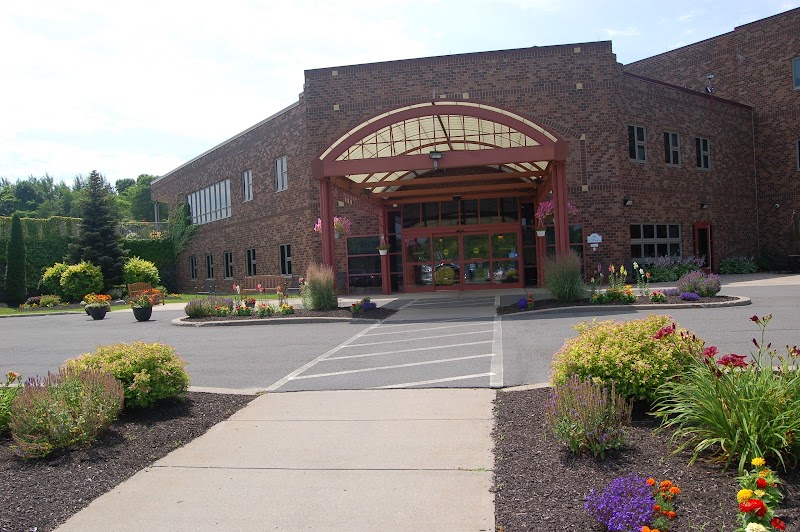
20 MANOR DRIVE, OSWEGO, NY 13126 (315) 349-5300
Non profit - Other 120 Beds Independent Data: November 2025
Trust Grade
80/100
#227 of 594 in NY
Last Inspection: October 2024

Within standard 12-15 month inspection cycle. Federal law requires annual inspections.

Overview

Seneca Hill Manor Inc in Oswego, New York, has a Trust Grade of B+, which means it is above average and recommended for families considering care options. It ranks #227 out of 594 nursing homes in New York, placing it in the top half, and is the best facility among the four in Oswego County. The facility's trend is improving, having reduced its issues from three in 2023 to two in 2024. Staffing is a weak point, with a 2 out of 5 star rating and a turnover rate of 48%, which is higher than the state average. Importantly, there have been no fines, indicating compliance with regulations. However, the facility has been cited for several concerns, including failing to provide necessary services for residents who need assistance with daily activities, such as timely toileting and personal hygiene care. Additionally, performance reviews for certified nurse aides were not conducted as required, and one resident at risk for falls was left unattended in the bathroom, resulting in a minor injury. These findings highlight areas that require attention, but the facility also demonstrates strengths in its overall quality of care and no history of fines.

Trust Score
B+
80/100
In New York
#227/594
Top 38%
Safety Record
Low Risk
No red flags
Inspections
Getting Better
3 → 2 violations
Staff Stability
⚠ Watch
48% turnover. Above average. Higher turnover means staff may not know residents' routines.
Penalties
✓ Good
No fines on record. Clean compliance history, better than most New York facilities.
Skilled Nurses
○ Average
Each resident gets 33 minutes of Registered Nurse (RN) attention daily — about average for New York. RNs are the most trained staff who monitor for health changes.
Violations
○ Average
10 deficiencies on record. Average for a facility this size. Mostly minor or procedural issues.
★★★★☆
4.0
Overall Rating
★★☆☆☆
2.0
Staff Levels
★★★★☆
4.0
Care Quality
★★★★☆
4.0
Inspection Score
Stable
2023: 3 issues
2024: 2 issues

The Good

  • 4-Star Quality Measures · Strong clinical quality outcomes
  • Full Sprinkler Coverage · Fire safety systems throughout facility
  • No fines on record

Facility shows strength in quality measures, fire safety.

The Bad

Staff Turnover: 48%

Near New York avg (46%)

Higher turnover may affect care consistency

The Ugly 10 deficiencies on record

Oct 2024 2 deficiencies
CONCERN (D)

Potential for Harm - no one hurt, but risky conditions existed

ADL Care (Tag F0677)

Could have caused harm · This affected 1 resident

Based on observation, record review, and interviews during the recertification survey conducted 10/3/2024-10/9/2024, the facility did not ensure residents who were unable to carry out activities of da...

Read full inspector narrative →
Based on observation, record review, and interviews during the recertification survey conducted 10/3/2024-10/9/2024, the facility did not ensure residents who were unable to carry out activities of daily living received the necessary services to maintain good nutrition, grooming, and personal and oral hygiene for 3 of 4 residents (Residents #25, #53, and #86) reviewed. Specifically, Resident #86 was not provided timely toileting assistance; Resident #53 was not provided nail care, facial hair care, or a weekly shower as planned; and Resident #25 was not provided their offloading boots (used to lessen pressure on the feet) as planned. Findings include: The facility policy, Positioning of the Resident, revised 10/12/2023, documented all residents who could not independently position themselves would be positioned by nursing staff to reduce risk for development of pressure areas; heels would be elevated and offloaded with a pillow, or booties as ordered when lying in bed; and positioning systems included heel protectors. The facility policy, Toileting Schedule for Residents, revised 6/5/2024, documented each resident that was at high risk for skin breakdown and/or incontinence would have an opportunity to void every 2 to 4 hours, and as needed. The facility policy, Standards of Care, revised 6/25/2024, documented every resident would be assisted as necessary to maintain personal hygiene for optimal physical and psychological well-being; residents would receive a shower or tub bath at least weekly; fingernails would be cleaned and/or cut weekly with the shower/tub; daily care would include facial shaving; residents would be offered to be taken to the toilet/bedpan every 2 to 4 hours and assisted as necessary; and incontinent residents would have briefs changed every 2 to 4 hours. 1) Resident #86 had diagnoses including Alzheimer's Disease, diverticulosis of the intestines (pouches in the wall of the colon), and constipation. The 7/17/2024 Minimum Data Set assessment documented the resident had severely impaired cognition, was easily distractible and had difficulty keeping track of what was being said, was dependent with toileting, and was frequently incontinent of bowel. The Comprehensive Care Plan initiated 4/19/2024 documented the resident required assistance with activities of daily living related to decreased mobility, weakness, cognitive impairment, and poor safety awareness; had dementia; was incontinent of bowel and bladder and used incontinence briefs. Interventions included total dependence on two or more staff for transfers with the use of a mechanical sit to stand lift and monitor for signs and symptoms of skin breakdown during toileting and changing every 2 to 4 hours. Resident #86 was observed on 10/7/2024: - At 11:04 AM, telling Unit Helper #18 they needed to go to the bathroom, and they had a large bowel movement. - At 11:07 AM, telling Certified Nurse Aide #13 they had a bowel movement. Certified Nurse Aide #13 left the resident to find their aide. - At 12:47 PM, pulling at the front of their pants at the nurse's station. Staff did not acknowledge the resident. - At 12:51 PM, holding the front of their pants open with their hand at the waist band. Staff did not acknowledge the resident. - At 1:07 PM, the resident was with family who asked Licensed Practical Nurse #17 if the resident could be assisted to the bathroom. - At 1:10 PM, (1 hour and 56 minutes later) the resident was taken to the bathroom. The resident had feces up the front to their belly button, and in the back up to their lower back. Feces covered the inside of the resident's shirt on the lower seam, and the inside of the resident's pant legs. During an interview on 10/7/2024 at 1:20 PM, Certified Nurse Aide #13 stated there were originally 4 certified nurse aides on the unit, but 1 left early. They were not assigned Resident #86 and did not know the last time the resident was assisted with toileting. During an interview on 10/7/2024 at 1:23 PM, Certified Nurse Aide #19 stated they were not assigned Resident #86 and thought Certified Nurse Aide #20 assisted the resident with toileting before they left for the day at 10:00 AM. After viewing the resident assignment roster at the nurse's station, they stated the resident was documented as assigned to Certified Nurse Aide #16. No one took over the resident assignment for Certified Nurse Aide #20. Certified Nurse Aide #20 told them all their residents' care was done, so the remaining certified nurse aides only had to answer lights for those residents. During an interview on 10/7/2024 at 1:50 PM, Certified Nurse Aide #16 stated they were not assigned Resident #86, as they switched assignments with Certified Nurse Aide #20. They did not know the last time the resident was assisted with toileting. During an interview on 10/7/2024 at 2:13 PM, Licensed Practical Nurse #17 stated they did not know if Resident #86 was on a toileting schedule. They were not aware the resident needed to use the bathroom until the resident's family brought it to their attention. There were resident care instructions on the inside of the closet door in the resident's room. If a resident rang for assistance anyone could review the resident care instructions to determine how to assist the resident safety. If Resident #86 stated they needed to use the bathroom, they should have been taken to the bathroom. During an interview on 10/7/2024 at 4:18 PM, the Director of Nursing stated if a certified nurse aide was scheduled to leave early, they expected them to report to the licensed practical nurse and the other certified nurse aides on that hall before leaving so the other certified nurse aides could absorb the assignment. Residents should be assisted with toileting every 2-4 hours and as needed. It was important to assist residents with toileting timely to reduce maceration of skin, promote bladder emptying, and reduce urinary tract infections. Additionally, it was a dignity issue to make a resident sit in soiled clothing. 2) Resident #53 had diagnoses including Alzheimer's Disease. The 7/7/2024 Minimum Data Set assessment documented the resident had severely impaired cognition, required maximum assistance for bathing and hygiene, and did not refuse care. The comprehensive care plan initiated 8/17/2022 documented the resident was dependent for all activities of daily living. Interventions included assist of one for showers and on Tuesdays during the day shift. The undated certified nurse aide resident care card (care instructions) documented the resident required extensive assistance of one for personal hygiene. Resident #53 was observed: - on 10/3/2024 at 10:39 AM, with facial hair on their chin, and long fingernails with brown debris underneath. - on 10/4/2024 at 12:45 PM, with facial hair on their chin, and long fingernails with brown debris underneath. - on 10/8/2024 at 9:06 AM, with facial hair on their chin, and long fingernails with brown debris underneath. The hair on the back of their head was flattened and unkempt. During an interview on 10/8/2024 at 1:57 PM, Certified Nurse Aide #13 stated morning care included washing, shaving, oral care, and nail care. The resident showers were listed on their assignments. Hair should be washed during a shower, or a waterless cap used if a bed bath was given. Nail care and facial hair removal should be done whenever needed or requested. Certified nurse aides could do nail care on everyone. If a resident refused, they would report to the nurse and document it in the computer. Resident #53 was on their assignment that day. They washed and dressed the resident and got them up into their chair. Later, they put them back to bed, changed them and got them back up into their chair. They did not give the resident their shower today because they did not have time to do so. They did not report that to anyone or document that a shower was not given. They also did not wash the resident's hair or provide nail or facial hair care. The resident should have received their shower that day. Showers and removal of facial hair were important to maintain good skin integrity and made residents feel better emotionally. Nail care was important as residents could scratch themselves which could result in infection. During an interview on 10/8/2024 at 2:47 PM, Licensed Practical Nurse #12 stated morning care included washing, dressing, dental care, hair care, facial hair care, and nail care. Showers were typically weekly and if a shower was not given or facial hair and nail care was not provided, they expected it to be reported to them so they could follow up. Nail care could be provided by certified nurse aides if the resident was not a diabetic. No one had reported to them that Resident #53 had not received their shower that day. They were unsure when the resident's shower was scheduled for, but if it was for that day they should have received their shower. It was important that residents received their shower because uncleanliness could lead to fungal and bacterial infections. Nail care was important as long nails could result in scratches to the skin which could lead to infections. Removing facial hair was important for dignity for some residents and female residents would likely want that taken care of. During an interview on 10/9/2024 at 12:32 PM, the Director of Nursing stated showers with hair washing were given at least once a week. Facial hair removal and nail care should be addressed on shower days but could be done any time it was needed. Certified nurse aides could not cut diabetic nails but could clean and file them and could shave residents if they were not taking coumadin (a blood thinner). Facial hair and nail care were part of the personal grooming task and if it was signed for it implied those services were completed. They expected uncompleted care to be reported to the nurse so the nurse could follow up. Resident #53 had chin hairs sometimes. They could be resistive at times, but usually was agreeable to care if reapproached. It was important that scheduled showers were given to maintain skin hygiene, prevent urinary tract infections, prevent skin maceration, and for resident dignity. 3) Resident #25 had diagnoses including diabetes, peripheral vascular disease (a disease that affects blood flow) and an unstageable heel ulcer (a wound caused by pressure where the base could not be seen). The 8/4/2024 Minimum Data Set assessment documented the resident had moderately impaired cognition, a Stage 2 pressure ulcer (partial skin loss), did not refuse care, and required extensive assistance with most activities of daily living. The Comprehensive Care Plan revised 6/5/2024 documented the resident required assistance of one with all activities of daily living and assistance of 2 two for transfers using a sit to stand mechanical lift. Interventions included offloading bilateral heel boots on at all times. The undated care instructions documented the resident had heel protectors. The 7/10/2024 physician order documented offloading booties to bilateral heels at all times. A 9/9/2024 progress note by the Director of Nursing documented the resident had a pressure injury to the left heel measuring 1.4 centimeters x 0.8 centimeters, without drainage. The skin surrounding the wound had good color. The plan was to continue with current order for treatment and off-loading booties. Resident #25 was observed: - on 10/3/2024 at 10:23 AM, in their room without off-loading boots, the offloading boots were in a chair by the window. - on 10/4/2024 at 9:32 AM, in the hallway wearing blue socks without off-loading boots. - on 10/7/2024 at 10:11 AM, in their room without off-loading boots, the offloading boots were in a chair by the window. The 10/2024 Treatment Administration Record documented off-loading booties to bilateral heels at all times from 6:00 AM-2:00 PM, from 2:00 PM-10:00 PM. and from 10:00 PM-6:00 AM. The off-loading booties were documented as administered by Licensed Practical Nurse #21 at 10:24 AM on 10/3/2024, and by Licensed Practical Nurse #22 on 12:43 PM on 10/4/2024. During a telephone interview on 10/3/2024 at 12:37 PM, the resident's family member stated the resident was supposed to wear big puffy boots to prevent pressure ulcers and they had not seen them on the resident lately. During an interview on 10/7/2024 at 4:18 PM, the Director of Nursing stated if a resident was care planned and ordered to have off-loading boots on at all times, they expected them to be on the resident. The resident could refuse, but an attempt should be made. Certified nurse aides placed the off-loading boots on, and the licensed practical nurse checked to ensure they were on and signed off on them. They should not be documenting the boots were in place if they were not and if they were on the resident's windowsill all day. The importance of off-loading boots was to reduce the chance of skin breakdown, promote healing, and prevent further skin breakdown. During an interview on 10/8/2024 at 1:28 PM, Certified Nurse Aide #16 stated they were responsible for placing the off-loading boots on Resident #25 on 10/3/2024. They did not put them on the resident that day. They did not tell staff they were not in place, because they did not know the resident needed to wear them all the time. They were new to the facility and wished they had more time to read about each resident and their needs but did not have time to do that. The off-loading boots were important to protect the resident's heels. During an interview on 10/9/2024 at 11:07 AM, Licensed Practical Nurse #23 stated they were responsible for ensuring the offloading boots were in place and applied correctly. They documented this in the treatment administration record after observing the boots in place. They were assigned to Resident #25 on 10/3/2024 and did not put on the resident's off-loading boots and could not recall if they saw them on the resident that day. They stated the boots were signed as in place on all 3 shifts on 10/3/2024. The off-loading boots were needed for Resident #25 to prevent breakdown. 10NYCRR 415.12(a)(3)
CONCERN (D)

Potential for Harm - no one hurt, but risky conditions existed

Deficiency F0730 (Tag F0730)

Could have caused harm · This affected 1 resident

Based on record review and interviews during the recertification survey conducted 10/3/2024-10/9/2024, the facility did not ensure performance reviews for certified nurse aides were completed at least...

Read full inspector narrative →
Based on record review and interviews during the recertification survey conducted 10/3/2024-10/9/2024, the facility did not ensure performance reviews for certified nurse aides were completed at least once every 12 months for 2 of 2 Certified Nurse Aides (Certified Nurse Aides #1 and #2) reviewed. Specifically, Certified Nurse Aides #1 and #2 did not have performance evaluations documented at least once every 12 months. Findings included: The facility Certified Nurse Aide job description dated 6/11/2020, documented the certified nurse aide reported to the Nurse Manager and was responsible for providing individual and comprehensive resident care in accordance with and under the supervision of licensed personnel. Personnel files for Certified Nurse Aides #1 and #2 did not include documented evidence of performance evaluations completed at least once every 12 months. During an interview on 10/8/2024 at 1:34 PM, Certified Nurse Aide #11 stated they had been employed by the facility for 2 years and never had a performance evaluation. They thought they were supposed to be completed annually. During an interview on 10/9/2024 at 10:06 AM, the Director of Nursing stated Certified Nurse Aides #1's and #2's personnel files did not have annual performance evaluations. At the beginning of the year, their Human Resources Department recognized a facility problem area that employee evaluations were not completed timely, and all employees were to be completed by the end of the year. The Director of Nursing stated the Unit Manager was responsible for the completion of their unit staff performance evaluations. The Unit 3 Manager had resigned in September 2023 and had not completed any performance evaluations. It was important employee performance evaluations were completed timely so staff were aware of how they were doing, where they could improve, and how to do better in their current position. During an interview on 10/9/2024 at 12:10 PM, the Administrator stated staff performance evaluations were lacking and the management team was retrained in the beginning of the year. The facility was trying to get all nursing staff performance evaluations caught up by the end of the calendar year. 10 NYCRR 415.26(d)(7)
Nov 2023 2 deficiencies
CONCERN (D) 📢 Someone Reported This

A family member, employee, or ombudsman was alarmed enough to file a formal complaint

Potential for Harm - no one hurt, but risky conditions existed

Comprehensive Care Plan (Tag F0656)

Could have caused harm · This affected 1 resident

Based on record review and interview during the abbreviated Survey (NY00310806), the facility did not implement a person-centered care plan with measurable objectives, time frames, and appropriate int...

Read full inspector narrative →
Based on record review and interview during the abbreviated Survey (NY00310806), the facility did not implement a person-centered care plan with measurable objectives, time frames, and appropriate interventions for 1 of 3 residents (Resident #1) reviewed. Specifically, Resident #1 was identified at risk for falls and no fall prevention interventions were included on their care plan. The resident was left unattended in the bathroom and was found on the floor with a minor injury. Findings include: The Comprehensive Resident-Centered Care Plan Policy, revised 7/2022, documented: - the interim/baseline care plan will be developed within 48 hours of admission, including any specialized services. - The Resident Care Profile (RCP) will be developed, will support the resident plan of care, and will be placed in each resident's closet door for review by all licensed and non-licensed staff, including but not limited to certified nurse aides (CNA). - Care plan meetings will be held, and resident care plans will be updated to reflect pertinent changes and/or updates in resident care status. - The updated care plan will be placed in the resident's record along with an updated RCP for review. The Fall Assessment policy revised 7/2022 documented: - all newly admitted and re-admitted residents will be evaluated for potential to fall by the unit nursing staff. - A resident totaling 10 or more points on the evaluation will be considered high risk to fall. - The interdisciplinary team (IDT) will determine what specific safety measures are needed to reduce the resident's risk to fall. - Identified safety measures will be indicated on the RCP and Interdisciplinary Care Plan. Resident #1 had diagnoses including dementia, chronic atrial fibrillation, and chronic kidney disease. The 1/31/2023 Minimum Data Set (MDS) assessment documented the resident had severe cognitive impairment and exhibited no behavioral symptoms. The resident was dependent on staff for dressing, toileting hygiene, and transfers. The resident had a fall within the month prior to admission. Triggered care areas included falls and cognitive loss/dementia and were addressed on the care plan. The 1/25/2023 Fall Risk Evaluation documented the resident was disoriented, had 3 or more falls in the past 3 months, was chair-bound (needed assistance with elimination), and required the use of assistive devices. The total risk score was 13, indicating a high risk for falls. The 1/25/2023 Occupational Therapy Evaluation and Plan of Treatment completed by Occupational Therapist (OT) #11 documented: - the referral reason was for decline in activities of daily living (ADL) independence and functional transfers. - The resident had a history of 5 falls in the past year, 3 occurring the week prior. - Precautions and contraindications included fall risk and dementia. The 1/25/2023 Resident Care Profile (RCP, care instructions) documented the resident required extensive assistance of 2 staff with dressing, toileting, and transfers. Under safety, it was noted falls. There were no safety precautions or fall-prevention interventions documented. The comprehensive care plan (CCP), effective 2/1/2023, documented the resident was at risk for falls due to a history of falls, decreased mobility or balance, unfamiliar surroundings, and decreased safety awareness. There were no documented interventions effective from 2/1/2023-2/10/2023. The Occupational Therapy Progress Report from 2/1/2023 to 2/7/2023 completed by occupational therapy assistant (OTA) #12 documented: - on 2/7/2023, the resident required maximum assistance with toileting. The resident was completing toileting transfers with minimum to moderate assistance of one and completing post-hygiene and clothing management with maximum assistance. - Precautions included confusion and fall risk. -The resident's remaining impairments included: decreased ADLs, balance deficits, decreased dynamic balance, decreased safety awareness, decreased static balance, limitations in range of motion (ROM), and postural alignment/control. - The resident's progress was limited due to cognitive abilities and possible urinary tract infection (UTI). - The resident's plan of treatment was reviewed with the IDT. The RCP updated 2/7/2023, documented the resident was oriented to self only and required extensive assistance of one person with toileting, personal hygiene, and dressing. The resident walked in the room and corridor 30-50 feet, with limited assistance of one and a 2 wheeled walker. Under safety, it was noted falls. There were no safety precautions or fall-prevention interventions documented. The 2/10/2023 Accident Report documented: - the resident had an unwitnessed fall in the hall bathroom. - At approximately 10:25 AM, registered nurse (RN) #1 was approached by the resident's relative with 2 therapists. They reported they were unable to locate the resident. - RN #1 had observed CNA #8 assist the resident to the bathroom approximately 20 minutes prior. - RN #1 went to the bathroom and found the resident lying on their back on the floor. - The resident had a superficial abrasion measuring 3 centimeters (cm) by 4 cm to the left upper mid back. - CNA #8's statement included they assisted the resident onto the toilet at approximately 10:00 AM. A nurse (unidentified) asked for help in another resident room and CNA #8 asked LPN #9 to watch the resident. CNA #8 then got pulled into other resident rooms and got sidetracked. - Licensed practical nurse (LPN) #9's statement included they saw the resident around 10:00 AM when CNA #8 brought them into the bathroom. The bathroom call bell was not on when the resident was found and LPN #9 was passing medications. During an interview with RN #1 on 11/1/2023 at 1:38 PM, they stated on 2/10/2023, they observed CNA #8 taking Resident #1 into the bathroom in the long hall on the unit. The resident's relative arrived and stated they were unable to locate the resident. RN #1 checked the bathroom and found the resident laying on their back on the bathroom floor. RN #1 stated they were not certain if it was appropriate to leave Resident #1 in the bathroom alone and stated it would depend on their CCP. RN #1 was unaware if there was a policy related to leaving residents alone in the bathroom. During an interview with RN Manager #10 on 11/1/2023 at 2:27 PM, they stated Resident #1 had cognitive impairment related to dementia, was at risk for falls, and was not able to utilize the call bell. The resident required assistance and supervision for toileting and transfers. On 2/10/2023, RN Manager #10 was on the unit when the resident's relative was looking for them. RN Manager #10 and RN #1 found the resident in the long hall bathroom, laying on their back on the floor. RN Manager #10 did not agree with CNA #8's decision to leave Resident #1 alone in the bathroom due to the resident's cognitive impairment. It was not specified on the RCP, but RN Manager #10 stated any resident with cognitive impairment should not be left alone in the bathroom. RN Manager #10 stated based on CNA #8's statement that they asked the LPN to watch the resident when they were called away, that indicated CNA #8 knew they should not have left the resident alone in the bathroom. The resident was known to be at risk for falls prior to the fall on 2/10/2023. There were fall precautions in place, but the instruction to not leave the resident alone in the bathroom was not specified until after the fall occurred. The resident had prior stays at the facility (2022) and RN Manager #10 could not recall what interventions were in place for the most recent admission in 1/2023. During an interview with OT #11 on 11/1/2023 at 3:40 PM, they stated they completed the initial OT assessment and the resident was not safe to be left alone in the bathroom due to needing extensive assistance and impaired cognition. Extensive assistance meant staff needed to be present to supervise and provide assistance. The resident needed that level of assistance due to poor safety awareness; they needed cues to complete or participate in tasks and attempted to self-transfer. After the OT completed the initial evaluation and plan of treatment, they communicated it to the IDT. Weekly updates were provided to the IDT and the nursing department updated the care plan based on therapy recommendations. During a telephone interview with CNA #8 on 11/2/2023 at 3:20 PM, they stated they could not recall Resident #1 or the circumstances leading to their fall on 2/10/2023. They stated extensive assistance of one for toileting meant the staff was doing much of the physical task with minimal participation from the resident. CNA #8 was unaware of a policy or standard of care related to leaving a resident alone in the bathroom. If a resident needed supervision while in the bathroom, it would be noted on the RCP. If it was not specified on the RCP, the CNA stated it would depend on if the resident appeared confused that day, how well they knew the resident, and they would determine if they could leave them alone in the bathroom. If a resident was alert, they could be left alone and if they had dementia, the CNA tended to remain in the bathroom with them. If the CNA was unfamiliar with the resident, they would refer to the RCP or unit manager. During a telephone interview with LPN #9 on 11/2/2023 at 3:37 PM, they stated they vaguely recalled Resident #1 and the fall on 2/10/2023. There was a COVID-19 outbreak during that time and it was likely LPN #9 was the only one on that day. LPN #9 stated they typically worked on the short hall and if they were on the long hall, it would mean they were working on both sides. LPN #9 did not recall CNA #8 asking them to watch Resident #1 while in the bathroom. LPN #9 was unaware of a general rule about leaving a resident alone in the bathroom would refer to the RCP for guidance. A resident with dementia should not be left alone in the bathroom and LPN #9 would still look to the RCP for directions, as it may not be immediately noticeable if a resident had dementia. During a telephone interview with OTA #12 on 11/7/2023 at 3:00 PM, they stated extensive assistance of one for toileting meant the resident required assistance with the physical management of hygiene, dressing, and transferring. Therapy determined if a resident as safe to leave alone in the bathroom and it would be included on the care instructions. Resident #1 was not safe to leave alone in the bathroom due to their dementia and being newly admitted . During a follow up telephone interview with RN Manager #10 on 11/8/2023 at 12:18 PM, they stated the resident's initial fall risk assessment was completed on 1/25/2023 and they scored 13, which indicated a high risk for falls. RN Manager #10 stated with fall risk scores over 10, there should be a fall prevention care plan. They stated the resident's CCP had fall risk interventions added 2/13/2023 and there were no interventions in place prior to that date. Interventions were added to the RCP by the RN Manager or another RN, based on the CCP. Staff were to refer to the RCP for safety interventions. Resident #1's RCP indicated they were a fall risk based on the entry safety-falls. RN Manager #10 stated there was not a definitive answer regarding whether a resident at risk for falls could be left alone in the bathroom. CNAs should not be making their own judgments if a resident was to be left alone and should refer to the RCP. During a telephone interview with the Director of Nursing (DON) on 11/9/2023 at 10:00 AM, they stated Resident #1's RCP indicated they were at risk for falls. If the RCP did not include the instruction to not leave the resident alone in the bathroom, then the CNA was not expected to remain with them. A resident who was at risk for falls and had dementia would not necessarily require ongoing supervision in the bathroom. The approach would be individualized for that resident, it depended on the person and the CNA's knowledge of the resident. The DON added it was not in the CNA's scope of duties to make a determination and the nurse manager and therapy department assessed for safety and interventions. If the MDS assessment triggered falls for a care area, the DON would expect a fall care plan. The care plan that was effective 2/1/2023 for fall risk should have included interventions. They also had weekly meetings with the therapy department and if therapy assessed the resident to be unsafe to be left alone in the bathroom, they would communicate to nursing for care plan updates. NY10CRR 415.11 (c)(1)
CONCERN (D) 📢 Someone Reported This

A family member, employee, or ombudsman was alarmed enough to file a formal complaint

Potential for Harm - no one hurt, but risky conditions existed

Quality of Care (Tag F0684)

Could have caused harm · This affected 1 resident

Based on record review and interview during the abbreviated survey (NY00326356), the facility did not ensure residents received treatment and care in accordance with professional standards of practice...

Read full inspector narrative →
Based on record review and interview during the abbreviated survey (NY00326356), the facility did not ensure residents received treatment and care in accordance with professional standards of practice for 1 of 3 residents reviewed (Resident #2). Specifically, Resident #2 was admitted to the facility with a cholecystostomy tube (tube that drains fluid from the gallbladder) and there was no documentation: - a treatment was ordered to the cholecystostomy insertion site until the surgical provider ordered one 13 days after admission. - Parameters were specified for cholecystostomy drainage to determine when the medical provider should be notified of inadequate drainage. - The resident was assessed after the cholecystostomy tube was removed to determine if a treatment order was needed at the insertion site. - A plan of care was implemented to monitor the resident after the tube removal. Findings include: The 4/2020 facility's Biliary (bile, bodily fluid that aides in digestion) Drain Care Policy documented the purpose of the policy was to instruct nursing staff on how to care for biliary drains. Staff were to remove the old dressing, cleanse the site with normal saline, inspected the tube site for signs of infections, wipe the site with an alcohol pad and allowed to dry, apply skin prep (liquid skin barrier), and apply a drain sponge. If the biliary tube was connected to a drainage bag, the bag needed to be emptied twice daily. Resident #1 had diagnoses including dementia, acute calculous (gall bladder stones) cholecystitis (inflammation/infection of gall bladder) and had a cholecystostomy tube (tube that drains gall bladder fluid) and an artificial opening of the gastrointestinal tract. The 9/12/2023 admission Minimum Data Set (MDS) assessment documented the resident's cognition was severely impaired, they required extensive assistance with activities of daily living (ADL), and they had open lesion(s) other than ulcers, rashes, or cuts. The 9/7/2023 hospital discharge summary documented the resident was admitted to the hospital with a possible infection, abdominal distention, and was found with acute cholecystitis. The resident had a cholecystostomy tube placed and needed to follow up in 2 weeks with their surgeon. There was no documentation of instructions on how to monitor/maintain the resident's cholecystostomy tube. The 9/7/2023 at 4:48 PM registered nurse (RN) #1's admission note documented the resident was status post-acute cholecystitis. The resident was alert, oriented to self only, and had a cholecystostomy tube in the right upper abdomen with a small amount of liquid brown drainage. There was no documentation orders for the cholecystostomy tube were obtained on the date of the resident's admission. The 9/8/2023 physician's order documented to monitor and empty the cholecystostomy tube every shift and document output. The 9/8/2023 comprehensive care plan (CCP), initiated by RN #1, documented the resident had a cholecystostomy tube and the goals included no signs of obstruction as evidenced by adequate output, no abdominal distention/discomfort. Interventions included to monitor output, monitor catheter for occlusion/obstruction, and provide ostomy (opening in abdominal wall) care daily and as needed. There was no documentation defining what adequate output meant or when to notify the medical provider the output was not adequate. The 9/13/2023 at 2:05 PM, licensed practical nurse (LPN) #6's progress note documented surgeon #4's office called and stated the resident needed a cholecystostomy tube study (test for proper tube placement and function) in 4-6 weeks to see if the tube could come out. The 9/20/2023 surgical follow-up note completed by a physician's assistant (PA) at surgeon #4's office documented a telephone visit with the resident's family. The resident was doing well and output from the cholecystostomy tube was slowing and becoming less dark in color. They reviewed signs/symptoms which the family or skilled nursing facility needed to contact their office. The resident needed to proceed with a tube study in a few weeks and after that, they would be scheduled to discuss tube removal. The note documented to use a gauze dressing to stabilize and pad the cholecystostomy site. The 9/21/2023 physician's order documented to apply a clean T-drain sponge (pre-cut sponge dressing) around the insertion site daily. The 10/2023 Treatment Administration Record (TAR) documented to monitor and empty the cholecystostomy tube every shift and document output. During the month, the resident was documented with having output ranging from 2-5 cubic centimeters (cc) on 5 shifts and 0 cc of output on 39 shifts. LPN #2 documented the resident had 0 cc output on 10 shifts (10/6, 2 shifts, 10/9, 10/10, 10/11, 10/13, 10/14 x 2, 10/15 and 10/16/2023. The 10/17/2023 medical imaging report documented the resident had a cholecystostomy tube injection study to evaluate tube positioning. Contrast was injected into the tube and demonstrated the tube was no longer in the gallbladder and contrast spilled into the peritoneal (abdominal) space. The impression was documented as a mispositioned cholecystostomy tube. The tube was removed in its entirety. The 10/17/2023 at 9:39 PM, RN #7's progress note documented the resident had a gastrointestinal appointment, their cholecystostomy tube was not in the gall bladder, and the tube was removed. The plan included to report any pain to the provider. There was no documented evidence the medical provider was contacted to determine if a treatment order was needed or to determine if the resident required monitoring after the cholecystostomy tube was removed. The 10/23/2023 at 4:24 PM, RN Manager #3's progress note documented the NP (unidentified) assessed the resident per family request. The resident's dressing was removed from their old cholecystostomy site and was without signs and symptoms of infection. There was a scant amount of drainage noted and the site was healing well. A new order was obtained to remove the dressing and replace dressing daily until healed. There was no documentation of an NP note in the resident's record that corresponded to RN Manager #'s progress note on 10/23/2023. The 10/23/2023 physician's order documented to the former cholecystostomy site: remove bandage, gently cleanse the area with soap and water and apply a mini-coversite (small waterproof dressing). During an interview on 11/1/2023 at 1:30 PM, RN #1 stated CCPs were directions for a resident's care. If a resident was admitted to the facility with a cholecystostomy tube, they would expect the directions on how to care for it to be in the hospital discharge summary and if not, they would speak to the facility medical provider for direction. If a resident had no output over the course of several shifts, they expected to be notified. When they initiated the resident's CCP for the cholecystostomy tube on 9/8/2023, they could not define what adequate output meant in the resident's CCP and believed there should have been parameters in place that defined when to notify the medical provider. They stated they did not recall being notified when the resident went several shifts without output from their cholecystostomy tube. They were not sure why they did not obtain an order for a dressing change when the resident was admitted , and it was not timely when it took 13 days to get a treatment order. During an interview on 11/1/2023 at 1:30 PM, LPN #2 stated when the resident was admitted , they did not have a dressing in place and the tube was only secured with tape. At first, the resident had no drainage and eventually an order was obtained for a dressing for drainage. The tube was monitored by them for output, and they noticed the low to no output at times. The resident's tube had no markings on it to determine if it was in the correct place and stated the tube was always secured. They stated they thought the resident's output could change if their tube became dislodged. They recalled the day the resident moved to their unit and said the resident had no output for quite some time so that seemed normal to them. They did not recall any parameters in place for the resident's output. They reported the resident having no output to a supervisor at one point and did not recall who that was. During an interview on 11/1/2023 at 2:04 PM, RN Manager #3 stated residents with cholecystostomy tubes were very infrequent at the facility. A dressing was not typically ordered for cholecystostomy tubes and would be ordered if the provider wanted one. They were required to monitor the tube output and recalled the resident never had much output from their tube. There were no markings on the tube to determine if the tube was in the correct location though output would most likely change if the tube was dislodged. They stated they did not recall seeing drainage from the resident's cholecystostomy tube site and in phone calls with the resident's surgeon, the surgeon was made aware of low to no output at times and was not concerned. When the resident went 48 hours with no output, RN #3 stated that was very typical for the resident. When the resident's tube was discontinued, they stated they expected a dressing to be ordered but the surgical consult never documented a dressing was needed. They did have the facility provider look at it a few days later and they ordered a dressing for it. The insertion site healed 2 days after the dressing was ordered. During a telephone interview on 11/2/2023 at 12 PM, surgeon #4 stated usually an occlusive dressing was ordered to cover cholecystostomy tubes during a hospital stay. Surgeon #4 reviewed the hospital discharge summary and stated they did not see any instructions or orders for the resident's cholecystostomy tube however there most likely was a nurse-to-nurse call prior to the hospital discharge with specific instructions given for care of the tube. The slowing of output from the tube was not uncommon. If the output stopped, that could mean the tube was out of the gall bladder or the tube healed over preventing output. On 9/20/2023, the resident's family told their PA during a telephone conference, the resident's output was slowing down. On 9/28/2023, the family notified them the facility was not changing the dressing and they called the facility. The facility needed to ensure a dressing covered the resident's insertion site and needed to ensure the tube was not dislodged. After the tube was found no longer in the gall bladder, they expected a dressing change that was determined by the facility and the resident monitored for infection. During a telephone interview on 11/3/2023 at 12:28 PM, the resident's family member stated when the resident was in the hospital, they had an occlusive dressing in place over the cholecystostomy tube. The old dressing was removed daily, the area cleansed, and a new occlusive dressing applied by hospital staff. The resident arrived at the facility on 9/7/2023 with the hospital's occlusive dressing in place and the dressing remained in place without being changed despite bringing their concern to the facility's attention. On 9/18/2023, RN #3 was made aware of their concerns and acknowledged the facility did not have an order for a dressing change to the resident's cholecystostomy tube site. On 9/20/2023, they had a telephone consult with the surgeon's PA. They told the PA the old hospital dressing remained in place and that was when a dressing was finally ordered. On 10/17/2023, the resident went to their tube study, the tube was discontinued, and a dressing was placed on the insertion site prior to returning to the facility. They looked at the resident's bandage daily and the same bandage dated 10/17/2023 was seen. During a telephone interview on 11/9/2023 at 11:01 AM, RN #7 stated the resident returned late in the evening on 10/17/2023 after a gastrointestinal appointment and they did not assess the resident because there was a dressing in place over the site according to the paperwork. There were no instructions on the paperwork about dressing changes. They left the paperwork on RN Manager #3's desk so they could follow up in the morning and determine a plan for a dressing. They did not speak with RN Manager #3 about the dressing and expected they would follow up. During a telephone interview on 11/9/2023 at 11:48 AM, NP #5 stated a cholecystostomy tube helped drain excessive fluid from the gallbladder and care included to cleanse the site and apply a drainage sponge. Staff needed to contact a medical provider if there were no instructions for the tube on the hospital discharge summary. Pain and no drainage into the cholecystostomy drainage bag were potential signs the tube was blocked or dislodged, dislodgement was not uncommon, and they expected to be notified within 24 hours if there was no drainage from the tube. They believed that staff were applying a drain sponge to the resident's tube site daily and staff did not need a physician's order to do so. They stated they were not sure if they were notified when the resident had no documented drainage from their tube over several days. When the resident's tube was removed, they stated it was up to the gastrointestinal office to determine if a dressing was needed. They were not aware it took 6 days to obtain a dressing change order after the resident's tube was removed. 10 NYCRR 415.12
May 2023 1 deficiency
CONCERN (D)

Potential for Harm - no one hurt, but risky conditions existed

Infection Control (Tag F0880)

Could have caused harm · This affected 1 resident

**NOTE- TERMS IN BRACKETS HAVE BEEN EDITED TO PROTECT CONFIDENTIALITY** Based on observation, interview, and record review during the Focused Infection Control survey conducted on [DATE], the facility...

Read full inspector narrative →
**NOTE- TERMS IN BRACKETS HAVE BEEN EDITED TO PROTECT CONFIDENTIALITY** Based on observation, interview, and record review during the Focused Infection Control survey conducted on [DATE], the facility failed to establish and maintain an infection prevention and control program designed to provide a safe, sanitary, and comfortable environment, and to help prevent the development and transmission of communicable diseases and infections for 3 of 3 resident units (Units 1, 2, and 3). Specifically, on Unit 1 central supply staff #3 was observed placing soiled personal protective equipment (PPE), a KN95 mask and surgical mask, on top of the clean PPE cart outside a resident's room; on Unit 2, certified nursing assistant (CNA) #11 and resident assistant (RA) #12 were observed entering Resident #2's room who was on contact transmission-based precautions, without donning appropriate PPE, exited the room, and entered another resident's room without performing hand hygiene; and on Unit 3, expired wall mounted foam hand sanitizer was located in the dining room, and there was a case of expired 8 ounce pump gel hand sanitizer in central supply storage. Findings include: The facility policy COVID-19 Policy and Procedure dated 4/2023 documented residents and employees would be kept informed of policies related to infection control including hand hygiene, PPE and providing care for ill residents. All employees would practice standard precautions assuming that every person was potentially infected or colonized with a pathogen that could be transmitted into a health care setting, and staff would be educated on donning (putting on) and doffing (taking off), and disposal of PPE as needed. Hand hygiene should be performed before and after all resident contact, contact with potentially infectious material, and before and after removing PPE, including gloves. The facility policy Infection Control Policy and Procedure: Contact Precautions reviewed on 6/2022 documented contact precautions would be used in addition to standard precautions for patients with infections that could be easily transmitted by direct (from person-to-person contact) and indirect (transmitted by intermediate object to person) contact. Hand hygiene should be performed prior to entering and after exiting the patient's room. 1) Unit 1 had posted instructions upon entry to wear KN95 respirator masks, with or without an additional surgical mask over the KN95 respirator mask, while on the resident care floor unless entering the COVID-19 positive isolation room in which appropriate droplet precaution PPE should include a N95 respirator mask. Unit 1 included a COVID-19 positive resident, Resident #1, in the last room of the [NAME] corridor of the floor. Resident #1's room door had a posted sign for droplet precautions. A cart located next to Resident #1's door contained N95 respirator masks, KN95 respirator masks, surgical masks, medical grade gloves, face shields, and disposable gowns. A trash can was next to the cart outside Resident #1's room. There was a bedside table with a taped divider marked clean on one half and dirty on the other half. During an observation on [DATE] at 9:51 AM central supply staff #3 was observed donning PPE to enter Resident #1's room to deliver supplies. Central supply staff #3 removed their surgical mask and KN95 respirator mask and changed to a N95 respirator mask. Central supply staff #3 placed the soiled KN95 respirator mask and surgical mask on top of the clean PPE cart. They exited the resident's room, doffed (removed) their soiled PPE and performed hand hygiene. Central supply staff #3 retrieved their previously worn KN95 and surgical mask from the top of the clean PPE cart and put them on. During an interview on [DATE] at 9:59 AM, central supply staff #3 stated when entering a COVID-19 positive resident room, the KN95 respirator mask and surgical mask should be switched out for a N95 respirator mask and staff should don a gown, gloves, and a face shield. They stated after leaving the room, all PPE had to be removed and disposed of in the garbage can right outside the room or right inside the door. The KN95 respirator mask should be removed, and hand hygiene performed. During a follow up interview at 2:49 PM central supply staff #3 stated they left their KN95 respirator and surgical mask on top of the clean PPE utility cart outside of Resident #1's room when they exchanged it for the N95 mask. They stated they sometimes threw it out but usually left it on top of the clean utility cart. They stated they did not see an issue with infection control because their KN95 respirator and surgical mask were not worn in the droplet precaution room, so they were clean. During a joint interview on [DATE] at 11:39 AM with the Director of Nursing (DON) and Infection Control registered nurse (RN), the Infection Control RN stated they had monitored the floors for proper PPE storage and use due to staff having PPE fatigue (staff tired of wearing PPE or not wearing it appropriately). The DON stated staff were regularly in-serviced regarding PPE. In-services were conducted annually, with a policy change, or with observed non-compliance. They stated there used to be hooks on the PPE utility carts to hang a used mask for re-use when PPE was in short supply, but now staff should be disposing of their KN95 respirators and surgical masks when switching to a N95 respirator mask. The Infection Control RN stated that if staff wanted to re-use their KN95 respirator it should be placed on the labeled dirty side of the bedside side table outside each COVID-19 positive room to be sanitized for re-use. Staff should not put used PPE on top of the clean PPE utility cart or with the clean PPE. 2) Unit 2 had posted instructions upon entry that KN95 respirator masks were required for staff and visitors while on the floor. A physician order dated [DATE] documented Resident #2 was to be on contact isolation precautions related to shingles (herpes zoster, a reactivation of the chicken pox virus causing a painful rash). During an observation on [DATE] at 12:19 PM, Resident #2's room had contact precaution signage that detailed the PPE and precautions needed upon entering and exiting the room. The instructions on the contact precaution signage included: -All visitors must report to the nurses' station -Everyone must: clean hands when entering and exiting the room -Everyone must: follow standard precautions -Everyone must: wear gown and gloves when entering the room -Doctors and Staff must: Use patient dedicated or disposable equipment -Doctors and Staff must: Clean and disinfect shared equipment. A PPE utility cart was located outside Resident #2's door and contained gloves, KN95 respirator masks, N95 respirator masks, surgical masks, gowns, face shields, and two round containers of sanitizing wipes. During an observation on [DATE] at 12:19 PM, CNA #11 and resident assistant (RA) #12 entered Resident #2's room wearing only KN95 masks. CNA #11 and RA #12 did not don the PPE listed on the contact precaution sign (gowns and gloves). CNA #11 and RA #12 left Resident #2's room with a lunch tray. The lunch tray was placed on the meal cart by CNA #11. CNA #11 and RA #12 then entered another resident's room without performing hand hygiene. During an interview on [DATE] at 12:32 PM, CNA #11 stated they were training RA #12 that day. They stated it was routine to pick up the residents' trays prior to completing other tasks to allow for the kitchen to clean the trays. CNA #11 stated that when going in and out of resident rooms they should perform hand hygiene. CNA #11 stated Resident #2 was on contact precautions for shingles. CNA #11 stated contact precautions meant when entering the room staff should gown up, be fully geared, and perform hand hygiene. CNA #11 stated they went in Resident #2's who was on contact precautions, and they did not don additional PPE other than the standard precaution of the KN95 respirator mask. CNA #11 stated they did not perform hand hygiene upon leaving the room. During an interview on [DATE] at 3:01 PM registered nurse (RN) #17 stated that standard infection control included using PPE when appropriate and performing proper hand hygiene. They stated that any room on isolation contact precautions had signage on the door which documented what PPE to use and what to do. They stated they had one resident on contact precautions which was Resident #2, and the PPE required to enter the room was readily available and listed on the sign on the door. Staff should wear a gown and gloves. The PPE was in a utility cart outside the door. They stated the procedure when leaving the resident's room was to doff the PPE and then perform hand hygiene. RN #17 stated that infection could be spread if proper hand hygiene was not performed. Staff was trained in infection control upon hire, annually, when there was an outbreak, and during learning moments if needed. During an interview on [DATE] at 3:24 PM, RN Unit Manager #15 stated if a staff member planned to care for a resident on contact precautions, they would be required to wear a mask, gown, and gloves. They stated Resident #2 had shingles and was the only resident on the unit on contact precautions. Staff were required to wear a mask, gown, and gloves to care for Resident #2. They stated hand hygiene should be performed between each resident room. During a joint interview on [DATE] at 4:14 PM with Director of Nursing and the Infection Control RN, the DON stated there was a list of competencies that staff had to complete upon hire including hand hygiene. The DON stated in-services were conducted upon hire, annually, and if there were changes to policy, or regulations. The DON stated that contact precautions were put in place if a resident had an infection the staff could get from contact with the resident and the facility had one individual, Resident #2, on contact precautions. The DON and the Infection Control RN each stated a gown and gloves were required to be used in the room if providing care to that resident and if a staff member went and picked up the tray without doing anything else, they would not need a gown and gloves but needed to perform hand hygiene after leaving the room. The Infection Control RN stated, staff were trained on hand hygiene and the facility audited 10 staff members on each floor, each month, on morning and afternoon shifts. 3) During observations on [DATE] at 9:47 AM and at 12:49 PM the Unit 3 dining room wall mounted hand sanitizer dispenser contained a bag of foaming alcohol-based hand rub with an expiration date of 12/2021. During an observation on [DATE] at 2:35 PM the central supply storage room contained twenty 8-ounce pump bottles of gel hand sanitizer with an expiration date of [DATE]. During an interview on [DATE] at 2:49 PM central supply staff #3 stated that housekeeping staff was responsible for filling and maintaining the wall mounted foam hand sanitizer. They stated they ordered small 8-ounce pump bottles of gel hand sanitizer for personal use for the administration offices, nursing carts, and the nursing stations. They stated they were unaware that the box of hand sanitizer in the central supply storage room was expired. They stated if they found expired hand sanitizer, they consulted with the Plant Operations Director for disposal. During an interview on [DATE] at 2:55 PM the Plant Operations Director stated it was part of the housekeeper's daily routine to check the levels of the wall mounted hand sanitizers to ensure they were not empty. They stated they did not know if housekeepers verified or checked the expiration dates. They stated if staff found an expired hand sanitizer it would be brought to them. The Plant Operations Director stated they checked the expiration dates on the chemicals, including hand sanitizer, stored in the receiving area when they placed orders. Any items that were expired were discarded. They were unaware of any expired hand sanitizer in the building. 10NYCRR 415.19(a)(1-2)(b)(1-4)
Oct 2022 2 deficiencies
CONCERN (D)

Potential for Harm - no one hurt, but risky conditions existed

Deficiency F0813 (Tag F0813)

Could have caused harm · This affected 1 resident

Based on observation, interview and record review during the recertification survey conducted 9/29/22-10/4/22, the facility failed to ensure staff were educated on the policy regarding use and storage...

Read full inspector narrative →
Based on observation, interview and record review during the recertification survey conducted 9/29/22-10/4/22, the facility failed to ensure staff were educated on the policy regarding use and storage of foods brought to residents by family and other visitors to ensure safe and sanitary storage, handling, and consumption for 3 of 3 resident units (Units 1, 2, and 3). Specifically, facility staff were not aware of the policy to properly reheat resident food brought from outside the facility and did not have access to an internal probe thermometer to properly measure food temperatures after reheating. Finding include: The facility policy Resident Food Prepared Outside the Facility dated 10/2016, documented family and/or friends were allowed to bring food /beverages prepared outside the facility to the facility for a resident's dining pleasure. If the food needed to be reheated, it must be reheated to a minimum of 165 degrees F (Fahrenheit). The kitchen would provide a thermometer to the dining room as needed. When interviewed on 10/3/22 at 12:19 PM, the Food Service Director stated they were not sure if nursing staff were trained on reheating resident foods or had a probe thermometer on the units to check food temperatures for resident foods brought from the outside. On 10/3/22 at 12:32 PM, no thermometers were observed in the second floor kitchenette. On 10/3/22 at 12:34 PM, no thermometers were observed in the third floor kitchenette. On 10/3/22 at 12:37 PM, no thermometers were observed in the first floor kitchenette. When interviewed on 10/3/22 at 12:51 PM, certified nurse aide (CNA) #3 stated if there was resident food in the kitchenette refrigerator and a resident wanted it, staff would heat it in the microwave. There was no thermometer in the second floor kitchenette, but they were unsure if another unit had one available. They could not recall being trained on the policy and procedure to reheat resident food brought from the outside. When interviewed on 10/3/22 at 12:58 PM, licensed practical nurse (LPN) #4 stated resident foods were kept in the kitchenette refrigerators. When residents wanted their food staff would heat it up in the microwave. They were not aware of thermometers being available on the unit and had not been trained on how to reheat food or what the temperatures should be when reheating. When interviewed on 10/3/22 at 1:02 PM, LPN #5 stated they needed to make sure resident food from the outside was be labeled and dated and discarded if older than three days. Staff would reheat food in the available microwave when residents asked. They were not aware of thermometers being available on the second floor. They had received no training on how to reheat food or what temperature food should be reheated to. Staff would make sure the food did not come out steaming hot. When interviewed on 10/3/22 at 1:46 PM, 3rd floor registered nurse (RN) Unit Manager #6 stated nursing staff stored resident food in the kitchenette refrigerator and the food was labeled with the resident's name and date. The food should be discarded after three days. Nursing staff would reheat resident food using the microwave. They were not aware if probe thermometers were available or of staff training on reheating food. They stated they were not aware of the policy and procedure for food from the outside. When interviewed on 10/3/22 at 2:56 PM, 2nd floor RN Unit Manager #7 stated nursing staff would take resident food from outside the facility and put it in the refrigerator in the dining room. Staff should label and date the food, and it would need to be discarded within three days. When residents wanted their food, they requested it and nursing staff reheated it in the microwave in the dining room. They had not observed any thermometers available for staff to measure resident food temperatures. They stated it was common sense to measure the temperature of food to make sure it was not too hot for a resident. They stated they did not reheat food but if they did, they would use the IR thermometer to measure food temperatures. They were not aware of staff training on how to reheat food or the temperature it should be. They had not seen any thermometers available in the dining rooms for staff to use. When interviewed on 10/3/22 at 3:42 PM, the Administrator and the Director of Nursing (DON) stated resident foods should be labeled and dated in the unit refrigerators. Residents should be able to ask nursing staff for the food and if it was labeled and dated and discarded after 3 days it would be fine. Nursing staff should reheat residents' food in the microwaves on the units. They should take temperatures prior to service. They did not believe there were thermometers on the units for staff to use and did not know why. There were no trainings or in-services provided for staff on the policy and procedures to reheat residents' food from the outside. 10NYCRR 415.14(h)
CONCERN (D)

Potential for Harm - no one hurt, but risky conditions existed

Deficiency F0883 (Tag F0883)

Could have caused harm · This affected 1 resident

Based on record review and interview during the recertification survey conducted 9/28/22-10/4/22, the facility failed to ensure each resident was offered influenza and pneumococcal immunizations and r...

Read full inspector narrative →
Based on record review and interview during the recertification survey conducted 9/28/22-10/4/22, the facility failed to ensure each resident was offered influenza and pneumococcal immunizations and received education regarding the benefits and potential side effects of the immunizations for 2 of 5 residents (Residents #39 and 16) reviewed. Specifically, there was no documented evidence Resident #39 was offered, declined, or educated on the pneumococcal immunization, or Resident #16 was offered, declined, or educated on the influenza immunization. Findings include: The undated facility policy Influenza-Pneumonia Vaccine Immunization Program documented residents would be provided with instruction and education relative to Influenza/Pneumovax (pneumococcal vaccine) and aspects of the facility vaccination program. All education provided would be documented on the Resident Consent/Declination Form and/or nurse's notes for validation. The undated facility policy Influenza: Prevention, Early Detection and Control documented all residents were to receive the influenza vaccine on an annual basis prior to the influenza season (approximately mid- October). All residents admitted to the facility during the influenza season should also receive the vaccine, through the end of March, if the resident had not previously received the vaccine. The undated facility policy Resident Pneumovax Vaccination Program documented the pneumovax vaccine would be given to all residents who had no prior documented evidence of receiving it. All new admissions were to be assessed for the need for this vaccine as part of the admission medical work-up. 1) Resident #39 had diagnoses including non-traumatic intracerebral hemorrhage (ruptured blood vessels) in the brain stem and chronic obstructive pulmonary disease (COPD). The 7/15/22 Minimum Data Set (MDS) assessment documented the resident was cognitively intact and required extensive assistance with most activities of daily living (ADLs). The resident's pneumococcal vaccination was not up to date and was not offered. The resident's 2022 immunization and vaccination record had no documentation the resident received or was offered the pneumococcal immunization. The facility's Immunization Tracking form, last updated 9/30/22, had no documentation for the resident's current influenza and pneumococcal immunization. 2) Resident #16 had diagnoses including chronic obstructive pulmonary disease (COPD). The 6/8/22 Minimum Data Set (MDS) assessment documented the resident was cognitively intact and required supervision oversight for activities of daily living (ADLs). The resident received the influenza vaccine on 10/26/21 and the pneumococcal vaccinations were up to date. The resident's 2021-2022 immunization record had no documentation the resident received or declined the influenza immunization. The facility's Immunization Tracking form, last updated 9/30/22, had no documentation for the resident's current influenza immunization. During an interview on 10/4/22 at 11:59 AM, the Infection Preventionist (IP) stated Resident #39 was admitted to the rehabilitation floor after admission from the hospital with COVID-19, and the pneumococcal immunization must have been overlooked. This immunization was important to track and administer because the elderly population in congregate care areas were at high risk for influenza and respiratory infections. These types of infections would be detrimental to the elderly if contracted. They were not aware that Resident #16 was missing their influenza immunization. They stated they had just compiled an updated Immunization tracker with the clerical staff on the unit and there was a blank. They must not have been able to locate the immunization. They were aware Resident #39 was missing information for the pneumococcal vaccine. During an interview on 10/4/22 at 12:54 PM, the Director of Nursing (DON) stated when a resident was admitted , staff should follow up with the resident, resident's family or the previous care provider on the influenza and pneumococcal immunization status. There should be something documented in the records about these vaccines. When new admissions came into the facility, the DON would send the responsible Unit Manager the most updated immunization history record they had pulled from the New York State Immunization Information System (NYSIIS) to ensure their facility record reflected the most current immunizations. They stated it was important to track immunization status of residents for the safety of the residents and staff to know which residents may be at increased risk. It was important to make sure the residents records were complete with either the administration of the vaccine or the education and declination form. 10NYCRR 415.19 (a)(1-3)
Jan 2020 3 deficiencies
CONCERN (D)

Potential for Harm - no one hurt, but risky conditions existed

Resident Rights (Tag F0550)

Could have caused harm · This affected 1 resident

Based on observation, record review and interview during the recertification survey the facility did not ensure each resident is treated with respect and dignity to promote maintenance or enhancement ...

Read full inspector narrative →
Based on observation, record review and interview during the recertification survey the facility did not ensure each resident is treated with respect and dignity to promote maintenance or enhancement of his or her quality of life for 2 of 2 residents (Residents #83 and #110) reviewed for dignity. Specifically, Residents #83 and #110 were not provided a dignified dining experience. Findings include: The facility policy Feeding the Dependent Resident dated 1/2014 documented any personnel assisting a resident should try to assume a seated position next to the resident and the manner of assisting should be unhurried. Personnel are responsible for feeding residents assigned to them as needed and it is the responsibility of the nurse to ask for assistance if they have more than one resident to feed. 1) Resident #83 was admitted with diagnoses including cerebral infarction and hemiplegia following a stroke. The 12/9/19 Quarterly Minimum Data Set (MDS) assessment documented the resident had severely impaired cognition and required extensive assistance for eating. The January 2020 physician orders documented the resident's diet was no added salt, dental mechanical soft, nectar thick liquids, close supervision for meals, and verbal cues to alternate bites of food and sips of liquids. The undated certified nurse aide (CNA) assignment summary (care instructions) documented the resident required supervision at meals with set-up help only. The following was observed during the lunch meal on 1/13/20: - At 12:34 PM Resident #83's meal tray was placed in front of them; - At 12:41 PM, the resident dropped the cup of cranberry juice and certified nurse aide (CNA) #13 addressed the resident by name but did not offer any assistance. CNA #13 then leaned over the table, with her backside facing the resident with her elbows on the table, and encouraged another resident across the table to eat; - At 12:44 PM, the CNA sat down to assist Resident #83 with the meal without speaking to the resident; - At 12:46 PM, the CNA turned away with her back to the resident and assisted another resident; - At 12:49 PM, the CNA briefly turned around and looked at the resident, but did not offer any assistance or encouragement then returned to assisting another resident with the meal; - At 12:52 PM the CNA turned back around gave the resident one bite of food, did not speak to the resident, then turned her back to the resident and returned to assisting the other resident with the meal; - At 12:54 PM the CNA briefly spoke to and fed the resident several bites of food and then turned her back to the resident to assist another resident; - At 12:56 PM the CNA looked over her shoulder to speak to the resident, but did not offer any food or drinks and then turned back around to assist the other resident; - At 12:58 PM the CNA had her back to the resident with her left elbow on the table as she continued to assist another resident. Resident #83 pushed away from the table; - At 12:59 PM the CNA gave the resident a sip of the drink and stated Resident #83 was done with the meal; - At 1:09 PM the CNA's back remained to the resident; and - At 1:16 PM the resident was taken out of the dining room. The CNA reported the resident drank the milk and some cranberry juice. The super pudding remained untouched, the gingerbread cupcake was untouched, the resident consumed 2 bites of mashed potatoes with gravy and 2 bites of turkey sandwich and the carrots were not offered. During the lunch meal observation on 1/14/20 Resident #83 received their meal tray at 12:30 PM. Licensed practical nurse (LPN) #15 and CNA #12 were assisting other residents. There was no other staff in the dining room and the resident was not being assisted. At 12:48 PM CNA #19 entered and sat to feed the resident. During an interview on 1/15/20 at 2:00 PM CNA #12 stated when feeding a resident staff should engage with the resident by talking with them and should never have their back to a resident while assisting them to eat. Residents who required assistance at meals should be fed when their meal is placed in front of them. She stated she noticed Resident #83 had his food for a while and another CNA was supposed to be in the dining room on 1/14/20. She asked LPN #15 to get someone to feed the resident, and that is when CNA #19 fed the resident. She stated the resident required total assistance with feeding and should be offered all items on their tray. During an interview on 1/16/20 at 1:14 PM CNA #13 stated when feeding residents staff were supposed to engage the residents by conversing with them. When two residents needed assistance with their meal, staff should feed each resident independently by offering solids and fluids and alternating between residents. She stated Resident #83 was not interested in eating on 1/13/20, she did not engage with the resident as the other resident she was assisting was her buddy. She should not have had her back to the resident and should have also focused on Resident #83 during the meal time. During an interview with the registered nurse (RN) Unit Manager #14 on 1/16/20 at 1:30 PM, she stated she expected residents to be fed after their meal was served, they should not have to wait for staff to feed them, 18 minutes was too long to wait, and staff should face residents while they feed the resident for a dignified dining experience. 2) Resident #110 was admitted with diagnoses of Alzheimer's disease and dysphagia. The 12/16/19 Minimum Data Set (MDS) documented the resident had severely impaired cognition and required supervision and assistance with meals. The January 2020 physician orders documented the resident's diet was regular puree consistency and the resident received speech therapy once a day for four weeks. The undated certified nurse aide (CNA) assignment summary (care instructions) documented the resident required one-person physical assistance with meals and close supervision with visual clues to swallow, take drink between bites and clear mouth. During the lunch meal observation on 1/13/20 at 12:47 PM the speech language pathologist (SLP) was observed standing while assisting Resident #110 with the lunch meal. During the meal observation on 1/14/20 from 8:14 AM until 8:22 AM the SLP was observed standing while assisting Resident #110 with the breakfast meal. There were 3 available dining room chairs. During the meal observation on 1/16/20 at 8:30 AM the SLP was observed standing while assisting Resident #110 with the breakfast meal. There were 9 available dining room chairs. During an interview with the SLP on 1/16/20 at 8:38 AM she stated staff should be in a seated position instead of standing while feeding as it was a more natural position, it would not draw as much attention to the resident needing assistance, and it was a more dignified manner of feeding. She stated she was standing while feeding the resident due to time constraints. Standing while feeding a resident could be perceived as an undignified feeding technique, and no one had ever educated her that she should be seated while feeding residents. During an interview with the Educator/Infection Control RN on 1/16/20 at 2:03 PM she stated she expected all staff to be seated when they are feeding a resident to promote a comfortable and dignified dining experience. 10NYCRR 515.5
CONCERN (D)

Potential for Harm - no one hurt, but risky conditions existed

Deficiency F0604 (Tag F0604)

Could have caused harm · This affected 1 resident

Based on observation, record review and interview during the recertification survey, the facility did not ensure residents had the right to be free from physical restraints not required to treat the r...

Read full inspector narrative →
Based on observation, record review and interview during the recertification survey, the facility did not ensure residents had the right to be free from physical restraints not required to treat the resident's medical symptoms for 1 of 1 resident (Resident #4) reviewed for restraints. Specifically, Resident #4 had a wheelchair seat belt in place without a physician order for a restraint, a current restraint assessment or parameters for use of the seat belt. Findings include: The facility policy Restraints revised 12/12/17 documented: The facility will try all alternative available interventions before applying a restraint to a resident. In the event a restraint is utilized, ongoing reassessment will be completed to ensure continued need for the restraint, and to ensure the restraint is the least- restrictive device appropriate for the resident. Determination regarding the initial need for the restraint will be completed by the interdisciplinary care plan team (IDCP) and will be reviewed quarterly, annually, and with all significant changes. Once the restraint decision has been made nursing staff will obtain the order from the physician/nurse practitioner to indicate the type of restraint to be used, specific times of application and removal, and reason/ medical symptom of the restraint. This information will be placed on the resident's assessment in the electronic medical record. Unless otherwise specified restraints will be released every 2 hours and prn for positioning, care, ambulation, toileting and meaningful activity. The policy did not include a definition of a physical restraint. Resident #4 was admitted with diagnoses including hemiplegia affecting left non-dominant side and dementia. The 10/12/19 Minimum Data Set (MDS) assessment documented the resident was moderately cognitively impaired, required extensive assistance of two staff for activities of daily living (ADLs), had upper extremity impairment to one side, lower extremity impairment to both sides, and did not use a restraint. The 10/11/2017 nursing restraint evaluation documented the resident used the seat belt for security in the wheelchair, had intermittent confusion, had the cognitive ability to consistently release the device, the seat belt was not considered a restraint, and staff would continue to monitor. There was no documentation of a physician order for the use of a seat belt or any additional restraint assessments for the seat belt. The comprehensive care plan (CCP) initiated 12/2/16 documented the resident was at risk for falls related to decreased mobility and range of motion (ROM), left sided weakness and incontinence and had a seat belt in the wheelchair per the request of the resident for safety and comfort and was able to remove the seat belt at will and it was not used as a restraint. The resident had not had any falls since 2017. The undated certified nurse aide (CNA) assignment summary (care instructions) documented the resident had a buckle seat belt per resident request for comfort and safety, release every 2 hours if out of bed for more than 2 hours. The resident was observed sitting in a wheelchair wearing the buckle seat belt around the waist: -On 1/14/20 at 7:56 AM while being brought to the dining room; at 8:25 AM while seated at the table eating breakfast; at 8:53 AM, while seated in the common area around the nursing station; -On 1/15/20 at 8:35 AM while being brought out of the dining room; at 8:43 AM while seated in the common area around the nursing station; at 12:45 PM while being brought out of the dining room; -On 1/16/20 at 8:33 AM while seated at the dining table eating breakfast; and -On 1/14/20 at 4:04 PM in the television lounge. During an interview on 1/15/20 at 1:07 PM with certified nurse aide (CNA) #4 she stated Resident #4 used the buckle seat belt because the resident would slide out of the wheelchair, the buckle seat belt clicked together, and the resident always wore it while in the wheel chair. CNA #4 asked the resident if the resident could remove the seat belt and the resident said they could not reach it. At 1:11 PM, CNA #4 asked the resident to take the seat belt off once more and the resident shook their head no. During an interview with licensed practical nurse (LPN) #5 on 1/15/20 at 1:18 PM, she stated the buckle seat belt was a safety device because the resident would slide out of the chair. She stated she was unsure what other interventions were tried prior to the buckle seat belt. She had never seen Resident #4 take off the buckle seat belt. She stated she did not document on the seat belt, there were no parameters for usage, and she had not checked for proper placement of the seat belt. LPN #5 asked Resident #4 if the resident could take off the seat belt and the resident shook their head no. During an interview with registered nurse (RN) Unit Manager #6 on 1/16/20 at 10:52 AM, she stated she knew Resident #4 had a seat belt because it was in the care plan and she thought the resident was able to take it off. She never observed the resident with the buckle seat belt on because the resident was always covered under a blanket while in the wheel chair. She stated the resident had not had a restraint evaluation completed since October of 2017 and restraint evaluations should be completed at least quarterly and annually. Additionally, she stated there was no medical order for the buckle seat belt or parameters for use. She was unsure what other interventions were trialed prior to the seat belt being used. During an interview on 1/16/20 at 11:13 AM the Director of Nursing (DON) stated restraint evaluations should be completed quarterly, annually, if there was a significant change, and as needed. The IDCP team would review the restraint evaluation prior to implementing a seat belt to determine if it was the least restrictive device. She stated Resident #4 had no medical order for the seat belt, there were no parameters for use, and there had been no restraint evaluations completed since 10/2017. She expected if a resident could not remove the seat belt by them self it should to be care planned as a restraint on the CCP and care instructions. During an interview on 1/16/20 at 12:40 PM, occupational therapist (OT) #10 stated Resident #4 was not on the therapy department list of residents who had restrictive devices. She stated if a resident could not remove the seat belt in the manner it was applied then the seat belt would be considered a restraint. 10 NYCRR 415.4(a)(2-6)
CONCERN (D)

Potential for Harm - no one hurt, but risky conditions existed

Infection Control (Tag F0880)

Could have caused harm · This affected 1 resident

Based on observation, interview and record review during the recertification survey, the facility did not ensure it established and maintained an infection prevention and control program designed to p...

Read full inspector narrative →
Based on observation, interview and record review during the recertification survey, the facility did not ensure it established and maintained an infection prevention and control program designed to provide a safe, sanitary and comfortable environment to help prevent the development and transmission of communicable diseases and infections for 5 of 11 residents (Residents #25, 45, 62, 100, and 313) observed for medication administration. Specifically, licensed practical nurses (LPNs) #1 and 2 were observed not performing hand hygiene between Residents #25, 45, 62, 100 and 313 during medication pass observations. Findings included: The facility policy Medication Administration Guidelines dated 11/16/17 does not include guidelines/instructions for hand hygiene during medication administration. The facility policy Hand Hygiene (undated) documented hand hygiene is the primary means of avoiding spreading of infection and should be completed before and after direct contact with a resident, after removing gloves, and after handling soiled dressings. During a medication administration observation with LPN #1 on 1/14/20, the following was observed: - At 4:12 PM hand hygiene was not performed after administration of Resident #62's medications. - At 4:17 PM LPN #1 went to the Omnicell (medication storage device) to obtain a nebulizer vial (breathing treatment). At 4:25 PM LPN #1 made a phone call at the nursing station. LPN #1 then prepared and administered medications to Resident #313. LPN #1 did not perform hand hygiene prior to or after administration of Resident #313's medications. - At 4:31 PM LPN #1 prepared and administered medications to Resident #100. LPN #1 did not perform hand hygiene prior to administering Resident #100's medications. During an interview on 01/15/20 at 1:51 PM, LPN #1 stated the expectation was to perform hand hygiene between each resident, and hand sanitizer was available on the medication cart. Hand hygiene should be performed for infection control purposes. During a medication administration observation with LPN #2 on 1/15/20, the following was observed: - At 8:40 AM hand hygiene was not performed prior to and after the administration of Resident #45's medications. - At 8:50 AM hand hygiene was not performed prior to administration of Resident #62's medication. LPN #2 administered the medications and initiated a nebulizer treatment. After the treatment was completed LPN #2 rinsed out the nebulizer. LPN #2's hands became wet and she dried them on a paper towel. She did not wash her hands. She did not perform hand hygiene after administration of Resident #62's medication. - At 9:10 AM LPN #2 began to prepare Resident #25's medication. She touched the computer mouse on the medication cart, multiple medication blister packs, and her uniform pants. She did not perform hand hygiene prior to or after administering Resident #25's medications. During interview on 1/16/20 at 2:11 PM with LPN #2 she acknowledged she forgot to use hand gel (hand sanitizer) because I don't touch the pills, I pop them right into the cup. She stated she should use hand sanitizer between residents to prevent the spread of germs. 10NYCRR 415.19 (b)(4)
Understanding Severity Codes (click to expand)
Life-Threatening (Immediate Jeopardy)
J - Isolated K - Pattern L - Widespread
Actual Harm
G - Isolated H - Pattern I - Widespread
Potential for Harm
D - Isolated E - Pattern F - Widespread
No Harm (Minor)
A - Isolated B - Pattern C - Widespread

Questions to Ask on Your Visit

  • "Can I speak with families of current residents?"
  • "What's your RN coverage like on weekends and overnight?"

Our Honest Assessment

Strengths
  • • Grade B+ (80/100). Above average facility, better than most options in New York.
  • • No major safety red flags. No abuse findings, life-threatening violations, or SFF status.
  • • No fines on record. Clean compliance history, better than most New York facilities.
Concerns
  • • No significant concerns identified. This facility shows no red flags across CMS ratings, staff turnover, or federal penalties.
Bottom line: Generally positive indicators. Standard due diligence and a personal visit recommended.

About This Facility

What is Seneca Hill Manor Inc's CMS Rating?

CMS assigns SENECA HILL MANOR INC an overall rating of 4 out of 5 stars, which is considered above average nationally. Within New York, this rating places the facility higher than 99% of the state's 100 nursing homes. This rating reflects solid performance across the metrics CMS uses to evaluate nursing home quality.
How is Seneca Hill Manor Inc Staffed?

CMS rates SENECA HILL MANOR INC's staffing level at 2 out of 5 stars, which is below average compared to other nursing homes. Staff turnover is 48%, compared to the New York average of 46%.

What Have Inspectors Found at Seneca Hill Manor Inc?

State health inspectors documented 10 deficiencies at SENECA HILL MANOR INC during 2020 to 2024. These included: 10 with potential for harm.
Who Owns and Operates Seneca Hill Manor Inc?

SENECA HILL MANOR INC is owned by a non-profit organization. Non-profit facilities reinvest revenue into operations rather than distributing to shareholders. The facility operates independently rather than as part of a larger chain. With 120 certified beds and approximately 107 residents (about 89% occupancy), it is a mid-sized facility located in OSWEGO, New York.
How Does Seneca Hill Manor Inc Compare to Other New York Nursing Homes?

Compared to the 100 nursing homes in New York, SENECA HILL MANOR INC's overall rating (4 stars) is above the state average of 3.1, staff turnover (48%) is near the state average of 46%, and health inspection rating (4 stars) is above the national benchmark.

What Should Families Ask When Visiting Seneca Hill Manor Inc?

Based on this facility's data, families visiting should ask: "Can you walk me through typical staffing levels on day, evening, and night shifts?" "Can I visit during a mealtime to observe dining assistance and food quality?" "How do you handle medical emergencies, and what is your hospital transfer rate?" "Can I speak with family members of current residents about their experience?" These questions are particularly relevant given the below-average staffing rating.

Is Seneca Hill Manor Inc Safe?

Based on CMS inspection data, SENECA HILL MANOR INC has a clean safety record: no substantiated abuse findings (meaning no confirmed cases of resident harm), no Immediate Jeopardy citations (the most serious violation level indicating risk of serious injury or death), and is not on the Special Focus Facility watch list (a federal program monitoring the lowest-performing 1% of nursing homes). The facility has a 4-star overall rating and ranks #1 of 100 nursing homes in New York. While no facility is perfect, families should still ask about staff-to-resident ratios and recent inspection results during their visit.

Do Nurses at Seneca Hill Manor Inc Stick Around?

SENECA HILL MANOR INC has a staff turnover rate of 48%, which is about average for New York nursing homes (state average: 46%). Moderate turnover is common in nursing homes, but families should still ask about staff tenure and how the facility maintains care continuity when employees leave.

Was Seneca Hill Manor Inc Ever Fined?

SENECA HILL MANOR INC has no federal fines on record. CMS issues fines when nursing homes fail to meet care standards or don't correct problems found during inspections. The absence of fines suggests the facility has either maintained compliance or corrected any issues before penalties were assessed. This is a positive indicator, though families should still review recent inspection reports for the full picture.

Is Seneca Hill Manor Inc on Any Federal Watch List?

SENECA HILL MANOR INC is not on any federal watch list. The most significant is the Special Focus Facility (SFF) program, which identifies the bottom 1% of nursing homes nationally based on persistent, serious quality problems. Not being on this list means the facility has avoided the pattern of deficiencies that triggers enhanced federal oversight. This is a positive indicator, though families should still review the facility's inspection history directly.