CHAMPLAIN VALLEY PHYSICIANS HOSP MED CTR S N F

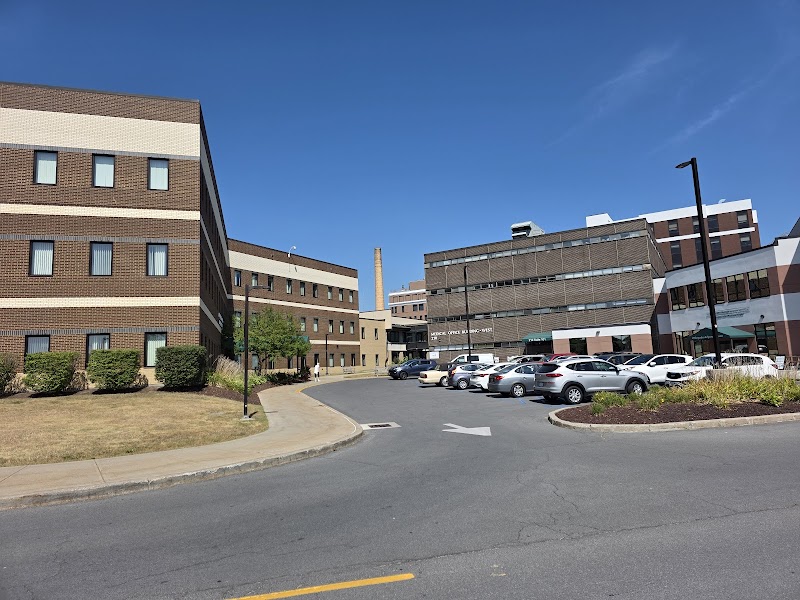
75 BEEKMAN STREET, PLATTSBURGH, NY 12901 (518) 562-7760
Non profit - Other 95 Beds UNIVERSITY OF VERMONT HEALTH NETWORK Data: November 2025
Trust Grade
85/100
#18 of 594 in NY
Last Inspection: January 2025

Within standard 12-15 month inspection cycle. Federal law requires annual inspections.

Overview

Champlain Valley Physicians Hospital SNF in Plattsburgh, New York, has a Trust Grade of B+, which means it is above average and recommended for families considering care options. It ranks #18 out of 594 nursing homes in New York, placing it in the top half of facilities statewide, and is the best option among four in Clinton County. However, the facility is experiencing a worsening trend, having moved from one issue in 2024 to two issues in 2025. Staffing is a strong point, with a perfect 5/5 rating and a turnover rate of 40%, equal to the state average, indicating that staff stay long enough to build relationships with residents. There have been no fines, which is a positive sign, and the facility offers more RN coverage than 92% of New York facilities, ensuring that registered nurses are available to catch potential issues. On the downside, there were several specific incidents noted in inspections. For instance, the kitchen failed to maintain safe food handling practices, with a fly strip found in the dishwashing area and various food preparation surfaces dirty, which could pose health risks. Additionally, the facility did not effectively implement improvements to care plans, leading to recurring deficiencies related to resident care. Overall, while there are strengths in staffing and oversight, families should be aware of these serious concerns regarding safety and quality assurance.

Trust Score
B+
85/100
In New York
#18/594
Top 3%
Safety Record
Low Risk
No red flags
Inspections
Getting Worse
1 → 2 violations
Staff Stability
○ Average
40% turnover. Near New York's 48% average. Typical for the industry.
Penalties
✓ Good
No fines on record. Clean compliance history, better than most New York facilities.
Skilled Nurses
✓ Good
Each resident gets 128 minutes of Registered Nurse (RN) attention daily — more than 97% of New York nursing homes. RNs are the most trained staff who catch health problems before they become serious.
Violations
⚠ Watch
13 deficiencies on record. Higher than average. Multiple issues found across inspections.
★★★★★
5.0
Overall Rating
★★★★★
5.0
Staff Levels
★★★★☆
4.0
Care Quality
★★★★☆
4.0
Inspection Score
Stable
2024: 1 issues
2025: 2 issues

The Good

  • 5-Star Staffing Rating · Excellent nurse staffing levels
  • 4-Star Quality Measures · Strong clinical quality outcomes
  • Full Sprinkler Coverage · Fire safety systems throughout facility
  • No fines on record
  • Staff turnover below average (40%)

    8 points below New York average of 48%

Facility shows strength in staffing levels, quality measures, fire safety.

The Bad

Staff Turnover: 40%

Near New York avg (46%)

Typical for the industry

Chain: UNIVERSITY OF VERMONT HEALTH NETWOR

Part of a multi-facility chain

Ask about local staffing decisions and management

The Ugly 13 deficiencies on record

Jan 2025 2 deficiencies
CONCERN (D)

Potential for Harm - no one hurt, but risky conditions existed

Deficiency F0685 (Tag F0685)

Could have caused harm · This affected 1 resident

Based on interviews and record review conducted during the recertification survey, the facility did not provide proper treatment and assistive devices to maintain the vision ability for 1 (Resident #2...

Read full inspector narrative →
Based on interviews and record review conducted during the recertification survey, the facility did not provide proper treatment and assistive devices to maintain the vision ability for 1 (Resident #28) of 2 residents reviewed for communication. Specifically, Resident #28, who had impaired vision was not assisted in obtaining optometry consultation to be evaluated for vision aids. This is evidenced by: Resident #28 was admitted to the facility with the diagnoses of chronic obstructive pulmonary disease (a long-term breathing problem), hypertension (high blood pressure), and dementia (a general term for loss of memory, language, problem-solving and other thinking abilities that are severe enough to interfere with daily life). The Minimum Data Set (an assessment tool) dated 11/10/2024, documented the resident was understood, able to understand others, and was cognitively intact. The Minimum Data Set documented the resident had impaired vision and used corrective lenses. Review of the medical record showed no optometry consults were documented for the resident, nor was a comprehensive care plan developed for the resident regarding their vision. During an interview on 1/13/2025 at 12:55 PM, Resident #28 stated they had not seen an eye doctor and felt they needed a new prescription. During an interview on 1/16/2025 at 1:20 PM, Registered Nurse #1 stated the resident had not seen an eye doctor since their admission to the facility. Registered Nurse #1 stated they had requested the resident be placed on the optometry list to be seen. 10 New York Codes, Rules, and Regulations 415.12(2)(b)
CONCERN (D)

Potential for Harm - no one hurt, but risky conditions existed

Food Safety (Tag F0812)

Could have caused harm · This affected 1 resident

Based on observation, record review, and interview during the recertification survey, the facility did not store, prepare, distribute, and serve food in accordance with professional standards for food...

Read full inspector narrative →
Based on observation, record review, and interview during the recertification survey, the facility did not store, prepare, distribute, and serve food in accordance with professional standards for food service safety. Specifically, cleaning chemicals were not stored properly, equipment was not in good repair or installed safely, equipment and floors were not clean, and the proper testing equipment was not available for checking the concentration of sanitizing solution. This is evidenced by: During observations on 01/13/2025 at 12:29 PM, the following was noted: • Glass cleaner was stored above food processor. • The warewashing area spay hose nozzle was hanging below the sink flood rim in water. • The facility did not have correct test papers to check the sanitizing solution; the test papers presented did not show a 150 parts per million of quaternary ammonium compound graduation and a graduation above 400 parts per million of quaternary ammonium compound; and the sanitizer concentrate label stated the efficacy range was between 150 and 400 parts per million of quaternary ammonium compound. • The deli station reach-down refrigerator door gasket was split and uncleanable. • The underside of floor mixer, floor under bakers worktable, and floor under bakers sink were soiled with food particles or dirt. During an interview on 01/15/2025 at 1:18 PM, Administrator #1 stated that they would speak with the Dietary Department regarding the issues identified including the glass cleaner storage, the sanitizer test papers, the spray hose and potential back-siphonage, and the cleaning items. 10 New York Codes, Rules, and Regulations 415.14(h)
Jul 2024 1 deficiency
CONCERN (D) 📢 Someone Reported This

A family member, employee, or ombudsman was alarmed enough to file a formal complaint

Potential for Harm - no one hurt, but risky conditions existed

Report Alleged Abuse (Tag F0609)

Could have caused harm · This affected 1 resident

**NOTE- TERMS IN BRACKETS HAVE BEEN EDITED TO PROTECT CONFIDENTIALITY** Based on record review and interviews during an abbreviated survey (Case #s NY00343699 and NY00318831), the facility did not ens...

Read full inspector narrative →
**NOTE- TERMS IN BRACKETS HAVE BEEN EDITED TO PROTECT CONFIDENTIALITY** Based on record review and interviews during an abbreviated survey (Case #s NY00343699 and NY00318831), the facility did not ensure that all alleged violations involving abuse was reported immediately, but not later than 2 hours after the allegation is made, if the events that cause the allegation involve abuse to the State Survey Agency in accordance with State law through established procedures for 2 (Resident #s 1 and 3) of 4 residents reviewed for abuse reporting. Specifically, allegations of physical and sexual abuse that involved 2 residents was not reported by staff to facility administration within 2 hours. This is evidenced by: The Policy and Procedure titled Abuse Prevention, Investigation, and Reporting revised 8/07/2019, documented if an individual had knowledge that physical abuse had occurred, or had reason to believe so, they must notify the charge nurse, patient care coordinator, Director of Nursing, or Administrator. The Administrator or their designee, having reasonable cause would be responsible for notifying Department of Health. Incidents involving serious bodily injury must be reported within 2 hours after forming suspicion. All others must be reported within 24 hours. Resident #1: Resident #1 was admitted to the facility with diagnoses of Alzheimer's disease, diabetes, and depression. The Minimum Data Set (an assessment tool) dated 3/12/2024, documented the resident had severe cognitive impairment, could sometimes be understood, and could sometimes understand others. A document confirming the facility's submission of the Nursing Home Incident report documented the facility submitted it on 5/29/2024 at 10:59 AM. It documented the alleged incident occurred on 5/28/2024 at 9:00 PM. An email dated 5/29/2024 at 8:46 PM, written by Certified Nurse Aide #2 to Registered Nurse Manager #1 documented they reported they were working with Certified Nurse Aide #1 the evening of 5/28/2024 when Resident #1 grabbed Certified Nurse Aide #1 by their wrist. Certified Nurse Aide #1 pulled away, but then smacked Resident #1 on the top of their hand loudly and was kinda being nasty to Resident #1. The facility Investigation Report dated 6/03/2024 at 1:08 PM, documented the alleged incident occurred on 5/29/2024 at 7:00 PM (date and time differ from the facility submission of the alleged incident that documented it occurred on 5/28/2024 at 9:00 PM). It documented Certified Nurse Aide #2 reported Certified Nurse Aide #1 allegedly struck Resident #1 on the hand when the resident allegedly grabbed Certified Nurse Aide #1's wrist. Certified Nurse Aide #1 stated Resident #1 dug their hand into their wrist, and they had to pry the resident's hand off their wrist. Certified Nurse Aide #1 denied smacking the resident's hand. The Registered Nurses who was supervising had no knowledge of the incident, nor did other staff. During an interview on 6/06/2024 at 2:38 PM, Certified Nurse Aide #2 stated they and Certified Nurse Aide #1 were putting Resident #1 to bed about 8:00 PM (5/28/2024). Resident #1 grabbed Certified Nurse Aide #1's arm when they were rolling the resident to change them. Certified Nurse Aide #2 stated Certified Nurse Aide #1 pulled back hard to free their arm from the resident's grip and then slapped the resident on the top of their hand making a loud sound. They stated they waited to talk with their Union representative (Certified Nurse Aide #4) when they came in to work at 9:30 PM because they were more comfortable speaking with them about the incident and were not sure how to handle the situation. They stated the Union representative told them they had 24 hours to report abuse. They stated they sent an email to Registered Nurse Unit Manager #1 at 8:00 AM on 5/29/2024. Certified Nurse Aide #2 stated they wished they had reported the alleged abuse sooner but was overwhelmed and did not know how to handle the situation. During an interview on 6/07/2024 at 11:26 AM, Director of Nursing #1 stated they first learned of the alleged incident until 5/29/2024 at 10:30 AM and reported it to Department of Health shortly after they were told. They stated when they learned about the incident, it was reported to them Certified Nurse Aide #2 witnessed Certified Nurse Aide #1 smack Resident #1 on their hand when trying to remove their wrist from the resident's grip. Director of Nursing #1 stated Certified Nurse Aide #4 (regarding the 5/28/2024 incident) told them Certified Nurse Aide #2 did not know how to proceed and Certified Nurse Aide #4 told them to report it. Director of Nursing #1 stated it was unknown if Certified Nurse Aide #4 told Certified Nurse Aide #2 to report right then, or within a specific timeframe. They stated Certified Nurse Aide #2 should have told someone immediately about the alleged incident. They stated they could have told the charge nurse, and if they felt uncomfortable, they could have called the Patient Care Coordinator (a nursing supervisor) and management. Director of Nursing #1 stated the phone numbers were posted at the nurses' station, and the numbers were provided to staff upon hire. They stated Certified Nurse Aide #2 was worried about retaliation from their coworkers if they reported the alleged incident. Director of Nursing #1 stated abuse must be reported immediately, and administration had a 2-hour window to report it to Department of Health. During an interview on 6/07/2024 at 12:46 PM, Administrator #1 stated abuse was to be reported immediately upon happening, and within 2 hours to Department of Health. They stated they would be meeting with Certified Nurse Aide #2 and their Union Representative for verbal counseling regarding timely abuse reporting, and people to report to if they felt uncomfortable with notifying their direct supervisor. During an interview on 6/14/2024 at 1:14 PM, Certified Nurse Aide #4 stated Certified Nurse Aide #2 reported to them (on 5/28/2024) that Nurse Aide #1 had slapped another resident. Certified Nurse Aide #2 told them they were afraid of retaliation. Certified Nurse Aide #4 stated they told Certified Nurse aide #2 no matter what, Certified Nurse Aide #2 still needed to report it. Certified Nurse Aide #4 stated they did not tell anyone about it after Certified Nurse Aide #2 reported it to them. They stated they should have also reported the alleged abuse rather than taking Certified Nurse Aide #2's word that they were going to report it. Resident #3: Resident #3 was admitted to the facility with diagnoses of diabetes, high blood pressure, heart disease. The Minimum Data Set, dated [DATE], documented the resident was cognitively intact, could be understood, and could understand others. An untimed statement dated 6/22/2024, written by Certified Nurse Aide #2, documented Certified Nurse Aide #2 witnessed Certified Nurse Aide #3 allegedly squish their breasts together and asked Resident #3 if they liked them while moving closer to the resident. Certified Nurse Aide #2 documented they had witnessed that while working with Certified Nurse Aide #3 that week. They also documented the last time they had worked with Certified Nurse Aide #3, they were taking care of a male resident (name not provided), and Certified Nurse Aide #3 stated 3 different times that Certified Nurse Aide #2 just wanted to see the resident's penis. Certified Nurse Aide #2 documented they were afraid to report it because they were afraid Certified Nurse Aide #3 would retaliate against them. During an interview on 6/06/2024 at 3:08 PM, Certified Nurse Aide #2 stated they witnessed Certified Nurse Aide #3 squishing Resident #3's breasts together, made a kissy sound and asked Resident #3 if they liked that. They stated they reported it to Registered Nurse Unit Manager #1 the same day (this statement differs from Certified Nurse Aide #2's written statement and the following interview with Director of Nursing #1). During an interview on 6/07/2024 at 12:09 PM, Director of Nursing #1 stated they interviewed Certified Nurse Aide #2 who told them about the breast squishing incident with Resident #3. Director of Nursing #1 stated Certified Nurse Aide #2 stated they did not report it because they were afraid of what others would think and was afraid of retaliation. 10 New York Codes, Rules, and Regulations 415.4 (b)(3)
Oct 2022 7 deficiencies
CONCERN (D)

Potential for Harm - no one hurt, but risky conditions existed

Deficiency F0582 (Tag F0582)

Could have caused harm · This affected 1 resident

Based on record review and interviews during the recertification survey dated 10/11/22 through 10/14/2022, the facility did not ensure that residents and/or their designated representative were fully ...

Read full inspector narrative →
Based on record review and interviews during the recertification survey dated 10/11/22 through 10/14/2022, the facility did not ensure that residents and/or their designated representative were fully informed of their right to an expedited review of a service termination for one (1) of 3 medical records reviewed. Specifically, Resident #84 received Medicare Part A services and did not provide notification (2-day notification) of the termination of services with the required form Notice of Medicare Non-Coverage, Form CMS 10123-NOMNC. This is evidenced as follows: During interviews on 10/14/22 at 9:03 AM, the Administrator and Director of Nursing were requested to provide the required Notice of Medicare Non-Coverage, Form CMS 10123-NOMNC (NOMNC) for Resident #84 and stated that though a discharge meeting with Resident #84 was held on 05/20/2022, and the resident agreed that rehabilitative services would end on 05/22/2022, the resident was not provided with a NOMNC. 10 NYCRR 415.3 (g)
CONCERN (D)

Potential for Harm - no one hurt, but risky conditions existed

Comprehensive Care Plan (Tag F0656)

Could have caused harm · This affected 1 resident

**NOTE- TERMS IN BRACKETS HAVE BEEN EDITED TO PROTECT CONFIDENTIALITY** Based on record review and interview conducted during the recertification survey, the facility did not ensure development of com...

Read full inspector narrative →
**NOTE- TERMS IN BRACKETS HAVE BEEN EDITED TO PROTECT CONFIDENTIALITY** Based on record review and interview conducted during the recertification survey, the facility did not ensure development of comprehensive person-centered care plans, that included measurable objectives and timeframe's to meet the resident's medical, nursing, and mental and psychosocial needs that are identified in the comprehensive assessment, for three (Residents #,s 6, 7, and #10) of sixteen residents reviewed for comprehensive care plans (CCP). Specifically, for Resident #6, the facility did not ensure a CCP was developed to address the use of oxygen and the use of anticoagulants (blood thinners), for Resident #7, a CCP was not developed to address frequent migraines and for Resident #10, a CCP was not developed to address recent antipsychotic medication. This is evidenced by: Resident #6: Resident #6 was admitted with diagnoses of dementia, atrial fibrillation, and chronic pulmonary embolism. The Minimum Data Set (MDS - an assessment tool) dated 7/3/2022 documented the resident had no cognitive impairment, could be understood, and could usually understand others. A Medication Order dated 9/18/2022, documented to maintain oxygen saturation above 90% on 2L (liters) as needed. A Medication Order dated 4/20/2021, documented to give Eliquis (an anticoagulant medication) 5mg two times daily for chronic pulmonary embolism. The resident's medical record did not include documentation of a Care Plan that addressed oxygen use, or the risk of bleeding from anticoagulant use. During an interview on 10/14/22 at 3:00 PM, the Director of Nursing (DON) stated, Resident #6 has had the oxygen on since the middle of last month and there should be a care plan in place to address the use of oxygen. There should also be a care plan in place for the anticoagulant use to address the risk of bleeding. We have quarterly care plan meetings to discuss each resident's care plan needs. The DON stated they were not sure how these were missed. Resident #7 Resident #7 was admitted with diagnoses of quadriplegia, migraine intractable, and paranoid schizophrenia. The MDS dated [DATE] documented the resident had no cognitive impairment and was usually able to make themselves understood and could understand others. A Medication Order dated 9/7/2022 (original order date 2/22/2022), documented give acetaminophen (pain reliever) 325 mg 2 tablets every 6 hours as needed for pain. Diagnosis, migraine. The Medication Administration Records (MAR) for September and October documented acetaminophen was administered 21 times in September 2022 and 12 times in October 2022 (10/1/2022 through 10/13/2022). The resident's medical record did not include documentation of a Care Plan to address migraines. During an interview on 10/14/22 at 3:00 PM, the DON stated there should be a care plan to address the resident's migraines. The DON did not know why this was not done or identified as a need in the care planning meeting. Resident #10 Resident #10 was admitted with diagnoses of seizure disorder, status post cerebral infarct with hemiplegia, and major depression. The MDS dated [DATE], documented the resident was understood and could be understood by others with intact cognition. A Medication Order dated 4/20/2022 (original order date 4/15/2019), documented give Abilify (antipsychotic medication) 2 mg, 1 tablet (tab), 1 times a day at 8:00 AM, by mouth (PO) for major depressive disorder. Medication Administration Records (MAR) documented Abilify 2 mg 1 tab was administered 30 times in September 2022 and 14 times in October 2022 (10/1/2022 through 10/14/2022). The resident's medical record did not include documentation of a Care Plan to address the antipsychotic medication added in 2019 with stated goals and interventions and possible side effects of the medication. During an interview on 10/13/22 at 10:53 am, Registered Nurse Charge Nurse (RNCN) #4 stated there were no care plans in place for the Abilify and there should have been. RNCN #4 stated there were no additions to the psychotropic care plan that would address the goals and interventions or side effects of the antipsychotic medication. During an interview on 10/13/2022 at 2:35 pm, the DON stated they expect comprehensive care plans to be developed as needed and as required. Many changes had occurred with staffing but CCPs need to be implemented and revised. 10NYCRR415.11(c)(1)
CONCERN (D)

Potential for Harm - no one hurt, but risky conditions existed

Respiratory Care (Tag F0695)

Could have caused harm · This affected 1 resident

Based on observation, record review, and interviews during a recertification survey dated 10/11/2022 through 10/14/2022, the facility did not ensure that residents in need of respiratory care, receive...

Read full inspector narrative →
Based on observation, record review, and interviews during a recertification survey dated 10/11/2022 through 10/14/2022, the facility did not ensure that residents in need of respiratory care, received such care consistent with professional standards for 1 (Resident #6) of 1 resident reviewed for respiratory care. Specifically, for Resident #6, the facility did not ensure the resident's medical record included documentation of on-going administration of oxygen and monitoring of the resident's respiratory status. This is evidenced by: The Policy and Procedure (P&P) titled Oxygen Therapy Protocol for Adults last revised 3/28/22, did not address documentation or on-going monitoring of residents receiving oxygen therapy. Resident #6: Resident #6 was admitted with diagnoses of dementia, atrial fibrillation, and chronic pulmonary embolism. The Minimum Data Set (MDS - an assessment tool) dated 7/3/2022 documented the resident had no cognitive impairment, could be understood, and usually understand others. Medication Orders dated 9/18/2022, documented maintain to oxygen saturation above 90% on 2L as needed. Nursing Progress Notes 9/18/2022 through 10/14/2022 included the following documentation related to oxygen use: On 9/18/2022 at 8:17 AM, the resident's oxygen level was 89% and oxygen was applied at 2L via nasal cannula. The Nurse Practitioner (NP) was updated and ordered to keep oxygen level above 90%. On 9/18/2022 at 3:28 PM, COVID and flu swab negative, NP (nurse practitioner) aware, oxygen 98% on 2L, decreased to 1L. On 9/21/2022 at 1:46 PM, oxygen 92% on room air. On 9/21/2022 at 10:25 PM, became short of breath, oxygen 89% on room air, oxygen on at 2L 97%. On 9/27/2022 at 2:01 PM, resident dizzy with ambulation. Oxygen 98% on 2L, decreased to 1L. On 9/30/2022 at 6:50 AM, oxygen on via nasal cannula at 1L, saturation 96%. On 10/3/2022 at 6:33 AM, complains of trouble breathing, oxygen 93% on 2L. Medication and Treatment Administration Records (MAR/TAR) for September and October 2022 did not have documentation of oxygen administration. During observations of Resident #6 on 10/11, 10/12, and 10/13/2022 during the day and evening shifts, oxygen was being administered at 2L via nasal cannula. During an interview on 10/14/22 at 2:49 PM, Registered Nurse (RN) #1 stated, if a resident requires as needed (PRN) oxygen a Progress Note should document why it was needed with a complete respiratory assessment. Oxygen administration should be signed for on the MAR. RN #1 did not know why Resident #6's oxygen was not documented on the MAR. During an interview on 10/14/22 at 3:00 PM, the Director of Nursing stated, the nurses should have documented in the Progress Notes what was going on with the resident, why oxygen was being administered, and a respiratory assessment should have been done every shift. Resident #6 has had the oxygen on since the middle of last month and there are no documented respiratory assessments and only few documentations of the administration. 10NYCRR 415.12(k)(6)
CONCERN (D)

Potential for Harm - no one hurt, but risky conditions existed

Deficiency F0697 (Tag F0697)

Could have caused harm · This affected 1 resident

Based on record review and interviews during a recertification survey the facility did not ensure pain management was provided to residents who require such services, consistent with professional stan...

Read full inspector narrative →
Based on record review and interviews during a recertification survey the facility did not ensure pain management was provided to residents who require such services, consistent with professional standards of practice, the comprehensive person-centered care plan, and the residents' goals and preferences for 2 (Resident #'s 7 and #287) of 3 residents reviewed for pain management. Specifically, for Residents #'s 7 and #287, the facility did not ensure the resident's pain levels were assessed, did not ensure that non-pharmacological interventions for pain relief were provided and did not ensure that the effectiveness of as needed (PRN) pain medications were monitored. This was evidenced by: The Policy and Procedure (P&P) titled Pain Management, Skilled Nursing Facility dated 1/30/2020 documented pain, intensity and comfort will be assessed at least every shift after non-invasive interventions, and/or routine/PRN medications have been initiated using the designated pain scales. Resident #7 Resident #7 was admitted with diagnoses of quadriplegia, migraine intractable, and paranoid schizophrenia. The Minimum Data Set (MDS - an assessment tool) dated 7/5/2022 documented the resident had no cognitive impairment and was usually able to make themselves understood and could understand others. A medication order dated 9/7/2022 (original order date 2/22/2022), documented to give acetaminophen (pain reliever) 325mg 2 tablets every 6 hours as needed for pain. Diagnosis, migraine. Medication Administration Records (MAR) for September and October 2022 documented acetaminophen was administered 21 times in September 2022 and 12 times in October 2022 (10/1/2022 through 10/13/2022). The resident's medical record did not include documented attempts of non-pharmacological interventions, monitoring to determine the medication's effectiveness, or consistent documentation of an assessment of the resident's pain. The resident's medical record did not include documentation of a care plan to address migraine pain relief. During an interview on 10/14/22 at 3:00 PM, the DON stated there should be a pain assessment documented in the progress notes along with the non-pharmacological interventions attempted. The pre and post medication pain scale should be documented on the MAR. Upon review of Resident #7's MAR, the DON stated the order was not entered correctly. If the order was entered correctly the system would require pre and post pain scales for each administration of a PRN medication. The DON also stated there should be a care plan to address the resident's migraines. Resident #287 Resident #287 was admitted to the facility with diagnoses of pain, displaced fracture of base of neck of left femur and osteoarthritis. The Minimum Data Set (MDS - an assessment tool) dated 9/23/2022 documented the resident was cognitively intact, could be understood and could understand others. The Comprehensive Care Plan (CCP) for pain management, initiated 9/16/2022, documented an ongoing assessment of the resident's pain with emphasis on the onset, location, description, intensity of pain and alleviating and aggravating factor should be documented. The medication order dated 9/21/2022 documented oxycodone-acetaminophen 5-325 mg give 1 tablet by oral route every 12 hours as needed for pain. The Medication Administration Record (MAR) for October 2022 documented Resident #287 received oxycodone-acetaminophen 5-325 mg on 10/2, 10/3, 10/5, 10/6, and 10/10/2022. The record did not include documentation that the as needed pain medications administered were monitored for effectiveness. During an interview on 10/14/2022 at 8:44 AM, Registered Nurse (RN) #1 stated pain should be documented on every shift and follow up documentation for as needed medication should be entered. There is an area in the MAR to record pre and post pain levels and a progress note may be written as well. If non-pharmacological interventions are used, the interventions should be documented in the progress notes as well, especially if medications are needed as well. During an interview on 10/14/2022 at 12:32 PM, the Director of Nursing (DON) stated staff should be asking, assessing, and documenting pain levels of residents. During an interview on 10/14/22 at 3:00 PM, the DON stated there should be a pain assessment documented in progress notes along with the non-pharmacological interventions attempted. The pre and post medication pain scale should be documented on the MAR. 10NYCRR 415.12
CONCERN (E)

Potential for Harm - no one hurt, but risky conditions existed

Food Safety (Tag F0812)

Could have caused harm · This affected multiple residents

Based on observation and interviews during the recertification survey dated 10/11/2022 through 10/14/2022, the facility did not ensure food was stored, prepared, distributed or served in accordance wi...

Read full inspector narrative →
Based on observation and interviews during the recertification survey dated 10/11/2022 through 10/14/2022, the facility did not ensure food was stored, prepared, distributed or served in accordance with professional standards for food service safety in the main kitchen. Specifically, a toxic vapor-emitting fly strip was found in the dishwashing machine area; brooms and dust bins were stored in the cafeteria preparation area; and the floor mixer, bake shop table mixer, microwave oven, can opener holders, bake shop sugar bin, refrigerator door gaskets, cooking line floor under equipment, floor at entrance to the walk-in freezer, and fire extinguishers were soiled with food particles, food splatters, or a grease build-up. This is evidenced as follows: During main kitchen observations on 07/13/22 at 10:45 AM, a toxic vapor-emitting fly strip was found in the dishwashing machine area; brooms and dust bins stored in the cafeteria preparation area; and the floor mixer, bake shop table mixer, microwave oven, can opener holders, bake shop sugar bin, refrigerator door gaskets, cooking line floor under equipment, floor at entrance to the walk-in freezer, and fire extinguishers were soiled with food particles, food splatters, or a grease build-up. During an interview on 10/11/22 at 1:00 PM, the Supervisor for Food and Nutrition stated that the fly strip will be removed, and the cleaning items and broom storage will be addressed. During an interview on 10/13/2022 at 11:30 AM, the Administrator stated that the items found in the main kitchen will be addressed with the Food Service Director and the environmental services department. 10 NYCRR 415.14(h); Chapter 1 State Sanitary Code Subpart 14-1.60, 14-1.110, 14-1.170, 14-1.172
CONCERN (E)

Potential for Harm - no one hurt, but risky conditions existed

QAPI Program (Tag F0867)

Could have caused harm · This affected multiple residents

Based on observation, record review and interviews during the recertification survey on 10/11/2022 through 10/14/2022 the facility did not ensure that the Quality Assurance Performance Improvement Pro...

Read full inspector narrative →
Based on observation, record review and interviews during the recertification survey on 10/11/2022 through 10/14/2022 the facility did not ensure that the Quality Assurance Performance Improvement Program (QAPI) developed and implemented appropriate plans of action to correct identified quality deficiencies and regularly reviewed, analyzed, and acted on available data to make improvements related to F656; Development and Implementation of Comprehensive Care Plans, and F697; Pain Management. Specifically, the facility did not ensure that the approved Plan of Correction (POC) for F 656, and F 697 cited during the Recertification Survey completed on 12/19/2019 were implemented, resulting in the same deficiencies being issued during the current survey. This is evidenced by: The facility document titled CVPH Skilled Nursing Facility QAPI Plan, dated September 2019 documented, the purpose of QAPI in our organization is to take a proactive approach to improve the quality of life and quality of care of all residents. Review of the approved Plan of Correction for the Recertification Survey completed on 12/19/2019 revealed the facility identified a correction date of 1/30/2020 related to the deficient practices cited under F Tag 656 and F Tag 697. The following corrective actions were identified: For F656, A random weekly audit of 10% of care plans, or a minimum of four, will be completed to ensure completeness which includes measurable goals and objectives, comprehensive, and person centered to meet resident needs. Audit reports will be reported to QAPI until 100% compliance is obtained x3 consecutive months and then as recommended by the committee. For F697, A random weekly audit will be completed to identify residents who receive PRN pain medications. A random sample, 10% of those residents will be audited for: Effectiveness of pain medication. That a pain scale has been used per standard of practice. That a pre & post assessment of pain was documented in the chart utilizing a pain scale per standard of practice. Audit results will be reported to QAPI committee until 100% compliance is achieved for three consecutive months then as recommended by committee. During an interview on 10/14/2022 at 2:15 PM, the Administrator stated there had been many administrative changes since the last survey and they did not know why the plans of correction for F 656 and F 697 had not been maintained. They are currently working with a sister facility to get the QAPI program where it should be, we know we have work to do. 10 NYCRR 415.27(c)(3)(v)
MINOR (C)

Minor Issue - procedural, no safety impact

Deficiency F0813 (Tag F0813)

Minor procedural issue · This affected most or all residents

Based on record review and interview during the recertification survey dated 10/11/2022 through 10/14/2022, the facility did not ensure the policy regarding foods brought to residents is in accordance...

Read full inspector narrative →
Based on record review and interview during the recertification survey dated 10/11/2022 through 10/14/2022, the facility did not ensure the policy regarding foods brought to residents is in accordance with adopted regulations. Specifically, the facility does not provide orally and in writing, information for family and other visitors on safe food handling practices or safe reheating of food that is brought to residents. This is evidenced is as follows: The document titled Food Brought By Family/Visitors - SNF and dated 08/2019 documents that safe food handling practices will be explained to family/visitors in a language and format they understand. The facility policy for foods brought in by visitors was reviewed on 12/04/2019. This policy does not include a process to ensure family and other visitors are provided information on safe food handling practices. During an interview on 10/13/22 9:52 AM, Diet Technician #1 stated that families and visitors are not encouraged to bring food to residents; when families and visitors do bring food, it is requested that the food be only for the next immediate meal for food safety purposes; and safe food handling practices such as safe cooling/reheating processes, hot/cold holding temperatures, preventing cross contamination, and hand hygiene are not explained verbally or given in writing. During an interview on 10/13/2022 at 3:28 PM, the Administrator stated that the procedure will be updated on bringing food to residents by family and visitors.
Dec 2019 3 deficiencies
CONCERN (D)

Potential for Harm - no one hurt, but risky conditions existed

Deficiency F0697 (Tag F0697)

Could have caused harm · This affected 1 resident

**NOTE- TERMS IN BRACKETS HAVE BEEN EDITED TO PROTECT CONFIDENTIALITY** Based on observation, record review and interview during a recertification survey the facility did not ensure adequate pain mana...

Read full inspector narrative →
**NOTE- TERMS IN BRACKETS HAVE BEEN EDITED TO PROTECT CONFIDENTIALITY** Based on observation, record review and interview during a recertification survey the facility did not ensure adequate pain management was provided to a resident who required such services, consistent with professional standards of practice for one (1) (Resident #6) of one (1) residents reviewed. Specifically, the facility did not ensure that circumstances for when pain could be anticipated were identified and communicated, did not ensure the resident's existing pain was routinely evaluated for the management and prevention of pain, and did not ensure the use and administration of an as needed (PRN) medication was adequately monitored for effectiveness with the use of a pain scale per standard of practice. Additionally, the facility did not ensure the resident's care plan for pain included the use of the physician ordered narcotic pain medication and interventions to address the effectiveness of and the resident's response to pain medication. This is evidenced by: A Pain Rating Scale shall be completed and documented to identify and monitor the level of pain and/or the effectiveness of treatment modalities until the resident achieves consistent pain relief control AHRQ, National Guideline Clearinghouse. Health Care Association of New Jersey (NCANJ): 18.23. Pain Management Policy and Procedure revised 7/26/19, documented the purpose was to assure resident quality of life by assessing their pain, implementing pain control initiatives and evaluating the resident's response and comfort level. Interventions included: - Pain assessment will be done on an ongoing basis whenever the need arises throughout the resident's stay. - The Pain Rating Index utilized for the pre medication, must also be utilized and mentioned in the post medication note. - Pain/intensity/comfort will be reassessed at least every shift, after non-invasive interventions, and/or routine/PRN medications have been initiated using the designated pain scales. Finding #1: The facility did not ensure that circumstances for when pain could be anticipated were identified and communicated, did not ensure the resident's existing pain was routinely evaluated for the management and prevention of pain, and did not ensure the use and administration of an as needed (PRN) medication was adequately monitored for effectiveness with the use of a pain scale per standard of practice. Resident #6: The resident was admitted on [DATE], with diagnoses of malignant neoplasm of the brain, carcinoma in situ of the right breast and embolism and thrombosis of arteries of the upper extremities. Resident is a Hospice patient. The Minimum Data Set (MDS - an assessment tool) dated 9/13/19, documented the resident was moderately impaired for cognition and was able to understand others and was able to be understood others. Physician's Orders for pain management documented on 10/09/19 included Morphine concentrate 100 mg/5 ml (20 mg/ml) oral solution (Roxanol). Place 0.75 milliliter (15 mg) by sublingual route 4 times per day and 15 mg every 1 hour PRN for pain. Scheduled every day at 6:00 am, 10:00 am, 2:00 pm, 6:00 pm 10:00 pm for malignant neoplasm of brain and low back pain. On 10/23/19 Morphine concentrate 15 mg increased to 5 times per day. The Electronic Medication Administration Record (eMAR) documented the resident received Morphine concentrate oral solution (Roxanol) 15 mg PRN: October 2019 - on 18 occasions. November 2019 - on 6 occasions. December 2019 - on 6 occasions from 12/03/19 to 12/16/19. Per Nursing Progress Notes, PRN Roxanol was given on the following dates: 10/26/19 at 2:49 AM - the resident was noted with her brow furrowed and was grimacing. Roxanol 15 mg given at 02:40 AM. 10/28/19 at 12:15 PM - resident was crying out in pain during transfers. PRN Morphine given at 12:00 PM. 11/02/19 at 2:06 PM - resident was crying out in pain when getting up for lunch. Given PRN Morphine at 12:32 PM. 11/05/19 at 9:35 PM - resident was medicated with Roxanol 15 mg at 7:20 PM for perceived pain related to resident rubbing her leg and weeping. Effect noted. 11/06/19 at 10:52 PM - resident was crying out in pain while being transferred to bed, given Roxanol at 7:16 PM. Good effect. 11/28/19 at 3:33 PM - resident received PRN Morphine at 08:25 AM for visible pain. Patient was grimacing, scooting around in her chair and moaning. Had good effect. 11/29/19 at 4:46 AM - resident was given PRN Morphine 15 mg at 3:02 AM for pain. Resident grimacing and calling out. 12/3/19 at 8:20 AM - resident was moaning and had facial grimacing during transfer. PRN Morphine given at 08:20 AM. 12/06/19 at 3:34 PM - PRN Morphine administered at 12:24 PM for pain during lunch. 12/07/19 at 3:38 PM - resident was medicated with PRN Morphine 15 mg at 12:18 PM for moaning and crying out during lunch. 12/11/19 at 12:43 pm - resident was hollering out when moving her legs up in her chair. PRN Roxanol 15 mg given at 12:19 PM. 12/11/19 at 10:48 PM - resident with increased pain, tensing up and grimacing at dinner. Resident medicated with PRN Morphine at 15 mg at 6:38 PM. 12/15/19 at 9:50 PM - resident medicated with PRN Roxanol 15 mg at 6:05 PM for pain related to resident grimacing and rubbing her leg. Good effect noted. 12/16/19 at 10:22 pm - PRN Morphine 15 mg was given at 7:49 PM. Resident was moaning and screaming in pain and crouched over to one side when staff tried to move her. 12/18/19 at 9:30 PM - Roxanol 15 mg given at 6:42 PM, resident was leaning in her recliner and grimacing. Attempted to reposition with little effect. She had a poor appetite at supper. In bed appears more comfortable, sleeping without grimacing. On the following ten occasions from 10/26/19 - 12/16/19, a medication pain scale was not utilized post administration of PRN Roxanol. - 10/26/19 at 02:40 AM - no post medication documentation - 10/28/19 at 12:15 PM - no post medication documentation - 11/05/19 at 07:20 PM - charted as effect noted - 11/06/19 at 07:16 PM - charted as good effect - 11/28/19 at 08:25 AM - charted as had good effect - 12/06/19 at 12:24 PM - no post medication documentation - 12/07/19 at 12:18 PM - no post medication documentation - 12/11/19 at 12:19 PM and 6:38 PM - no post medication documentation - 12/15/19 at 06:05 PM - charted as had good effect - 12/16/19 at 07:49 PM - no post medication documentation Medical Note dated 12/19/19, documented Hospice called Nurse Practitioner (NP) #4 today regarding the resident's poor pain control. Hospice would like resident to be started on a low dose Fentanyl patch and to continue with every hour PRN Roxanol 15 mg. During an interview on 12/18/19 at 01:18 PM, Licensed Practical Nurse (LPN) #1 stated the resident is sometimes in pain when transferred or when care is being provided. The resident's legs hurt when she is put back to bed or when she is turned and positioned. When the resident is experiencing pain during care, the Certified Nurse Assistants (CNAs) will come to get her before they are finished caring for the resident and the LPN will give the resident PRN Roxanol. The resident can experience pain when she is due for a routine dose of Roxanol but this is not always the case. During an interview on 12/18/19 at 1:26 PM, the Administrator stated on 12/13/19, Hospice staff reported pain better controlled. The resident's pain issues were not mentioned during Interdisciplinary Team Meeting (IDT). During an interview on 12/18/19 at 1:26 PM, Clinical Operations Supervisor/Registered Nurse Manager (RNM) #2 was not aware that the resident was in pain when care was being provided. She also was not able to find documentation that the physician or Hospice had been notified. Upon reviewing the nursing progress notes, she stated a non-verbal pain scale was not being used post- medication. Effectiveness of the medication should be assessed one hour after administration for non-verbal signs such as moaning or grimacing. She also stated the LPNs should check with the RN before holding the medication. Interdisciplinary Team (IDT) Meetings are held as needed for change of condition. During an interview on 12/18/19 at 02:32 PM, NP #4 stated she had not been told the resident was having pain with care and during transfer. Hospice follows up every 2 weeks to see the resident who has a brain mass. NP #4 would have wanted to know the resident was having breakthrough pain, stating this was a very important occurrence. Either the resident needs an increase in medication dose or the nurses need to give PRNs appropriately. Not everyone is good with reporting. When the nurses hold an around the clock dose of Roxanol. it should be reported to the chain of command. The nurses need education on pain management. During an interview on 12/19/19 at 08:51 AM, Hospice Case Manager #3 stated Hospice was not aware but would absolutely want to know that the resident was having pain with care. They definitely would follow up with the NP #4 or the physician to adjust the medication. Hospice could not see how many PRNs were given as they just got computer access 2 weeks ago. The use of PRNs had not been reported to hospice. If the system had been up, Hospice nurse #9 would have reviewed nursing notes. Case Manager #3 will talk to the hospice nurse to let her know she needs to be more thorough. Since Hospice just got hooked up to the computer the nurse was pretty much dependent on what nursing hold her. Case Manager #3 also stated she would want to know if a nurse held the medication. The point of Roxanol is to give it even if sleeping in order to keep the resident comfortable. During an interview on 12/19/19 at 10:00 AM, Charge RN #5 stated since the resident is non-verbal, the pain scale showing faces should be used to determine effectiveness one hour after giving the medication. Or any symptoms should be noted such as moaning, facial grimacing, smiling, eating/not eating. The nurses absolutely should be documenting if the medication was effective using the pain scale. The staff have not reported to her that the resident was having breakthrough pain. During an interview on 12/19/19 at 10:56 AM, Assistant Administrator #2 stated hospice recently obtained access to the facility's computer system. He had been working with IT and the university that would enable Community Hospice to see only the medical records of hospice patients. Finding #2: The facility did not ensure the resident's care plan for pain included the use of the physician ordered narcotic pain medication and that the care plan included interventions to address the effectiveness of and the resident's response to the pain medication. Pain Management Care Plan related to metastatic breast cancer with brain metastases and chronic low back pain with an effective date of 4/01/19, documented a goal: the resident will exhibit decrease in nonverbal signs and symptoms of pain as evidenced by no facial grimacing, moaning, or calling out. Intervention was an ongoing assessment of the resident's pain with emphasis on onset, location, description, intensity of pain and alleviating and aggravating factors. Use non-pharmacological interventions for discomfort: back rub, meditation, breathing techniques, soothing music and document patient's response. A Note dated 7/04/19 documented care plan reviewed. Pain medication available if necessary. During an interview on 12/19/19 at 10:00 AM, Charge RN #5 stated the RNs initially start the care plans and update them as needed. Because the resident is having pain, non-verbal signs of how to assess for the pain should have been in the careplan. Also, during Care Plan meetings, the management team updates careplans as needed. Specifics concerning the resident's pain should have been contained in the care plan. If the resident was yelling out in pain, a medication change may be necessary. It had not been reported to her in a couple of months that the resident was having pain issues. During an interview on 12/19/19 at 10:09 AM, RNM #2 stated changes in condition are discussed during IDT meetings and care plans are updated at that time. 10NYCRR415.12
CONCERN (D)

Potential for Harm - no one hurt, but risky conditions existed

Infection Control (Tag F0880)

Could have caused harm · This affected 1 resident

Based on observations, record review, and interviews during a recertification survey the facility did not ensure that it established and maintained an infection prevention and control program designed...

Read full inspector narrative →
Based on observations, record review, and interviews during a recertification survey the facility did not ensure that it established and maintained an infection prevention and control program designed to provide a safe, sanitary and comfortable environment and to help prevent the development and transmission of communicable diseases and infections for one (Resident #23) of one resident observed for dressing changes. Specifically, for Resident #23, the facility did not ensure infection control measures were maintained during a wound vac dressing change. This is evidenced by: Resident #23: The resident was admitted to the facility with the diagnosis of Multiple Sclerosis (MS), quadriplegia and pressure ulcer of the sacral region. The Minimum Data Set (MDS - an assessment tool) dated 11/4/19, documented the resident was cognitively intact, was able to make himself understood and was usually able to understand others. The physician orders dated 11/6/19 documented; Monitor wound vac (vacuum-assisted closure of a wound is a type of therapy to help wounds heal) every shift, pressure ulcer of sacral region and a wet to dry dressing to sacral decubitus two times per day if wound vac comes off. The Wound/Ostomy Note dated 12/16/19 documented the wound vac dressing was removed from the left buttocks area. Measurements: 5 centimeters (CM) x 1.8 CM x 1.6 CM depth with undermining from 11 to 12 o'clock for distance 3.9 CM. On 12/18/19 at 8:45 AM, the Wound, Ostomy, Continence Nurse (WOCN) was observed during the wound vac dressing change on Resident #23. This surveyor met the WOCN outside the resident room and donned gowns and gloves. This surveyor dropped a glove during the process of donning gloves. The WOCN who was gowned and gloved bent down and picked the glove off the floor, stepped into the room and discarded the dirty glove in a trash can. She did not change gloves and wash her hands. She pulled the resident's sheet off, removed the wound vac dressing and tubing, discarded the dressing and tubing in the trash can and removed and discarded her gloves. She did not wash her hands prior to donning another pair of gloves and applied the new wound vac dressing and tubing. During an interview on 12/18/19 at 10:20 AM, the WOCN stated she was employed by the hospital, and changed all wound vac dressings in the nursing home. She did not realize that she did not change her gloves and washed her hands after picking up the glove off the floor. She normally changes her gloves and washes her hands after every task. After removing the dirty dressing she would normally have used the hand sanitizer between the glove change. Going from dirty to clean she should have washed her hands in between changing her gloves. During an interview on 12/18/19 at 10:35 AM, the Nursing Home Educator and MDS Coordinator stated the nursing home conducts spot auditing of dressing changes, handwashing and the use of PPE (personal protective equipment) on random staff members, but does not oversee the wound staff from the hospital. The nursing home staff do not do the wound vac changes ever. Nursing home staff will cover the wound with an alternate dressing if needed, and call the wound vac people. The WOCN should have changed gloves and washed her hands after picking up the glove from floor and after removing the dirty dressing. During an interview on 12/19/19 at 11:00 AM, the Director of Nursing (DON) stated the WOCN is employed by the organization and received education in handwashing and infection control through the same system the nursing home used. The WOCN should have changed her gloves and washed her hands after picking the glove off the floor and disposing of it and after removing the dirty dressing and starting the clean portion of the dressing change. 10NYCRR415.19(b)(4)
CONCERN (E)

Potential for Harm - no one hurt, but risky conditions existed

Comprehensive Care Plan (Tag F0656)

Could have caused harm · This affected multiple residents

**NOTE- TERMS IN BRACKETS HAVE BEEN EDITED TO PROTECT CONFIDENTIALITY** The facility did not ensure person-centered comprehensive care plans were developed and implemented that included measurable obj...

Read full inspector narrative →
**NOTE- TERMS IN BRACKETS HAVE BEEN EDITED TO PROTECT CONFIDENTIALITY** The facility did not ensure person-centered comprehensive care plans were developed and implemented that included measurable objectives and timeframes to meet the residents needs for 5 (Resident #'s 6, 17, 23, 33, and #286) of 12 residents reviewed. Specifically, for Resident #23, the facility did not ensure that a comprehensive care plan (CCP) was developed for the use of a wound vac and did not ensure the CCP for Multiple Sclerosis (MS) included person centered interventions, for Resident #33 the facility did not ensure that a care plan was developed to include the visitor warning sign on the door to the resident's room, for Resident #286, the facility did not ensure the resident's CCP titled High Risk for Falls included the use of alarms, for Resident #6, the facility did not ensure the resident's care plan for pain included the use of the physician ordered narcotic pain medication and that the care plan included interventions to address the effectiveness of and the resident's response to the pain medication and for Resident #17, the facility did not ensure a CCP was developed that addressed the need for and use of isolation precautions. This is evidenced by: The Policy & Procedure titled Care Planning on Residents dated 8/6/2019 documented that comprehensive person centered care plans will be implemented and include measurable objectives and time frames to meet a resident's medical, nursing, mental and psychosocial needs. Hazards and risks for residents will be identified and interventions will be put in place to alleviate these risks as much as possible. Resident #23: The resident was admitted to the facility with the diagnoses of Multiple Sclerosis, quadraplegia and pressure ulcer of the sacral region. The Minimum Data Set (MDS-an assessment tool) dated 11/5/19, documented the resident was cognitively intact, was able to make himself understood and usually able to understand others. The physician orders dated 11/6/19, documented to monitor Wound Vac (a device that decreases air pressure on a wound, helps the wound heal more quickly) every shift. The comprehensive care plan (CCP) titled Skin Integrity dated 10/25/19 documented the resident has skin breakdown related to immobility located on the left coccyx, unstageable. The CCP did not include documentation regarding the use of a wound vac. The CCP titled Multiple Sclerosis, documented the diagnosis of MS - progressive to paraplegia - now bedbound. The CCP's goal documented the resident will not have complications related to MS and the intervention documented to monitor for signs and symptoms of an MS flare. During an interview on 12/19/19 at 11:00 AM, the Director of Nursing (DON) stated the wound vac should have been documented in the care plan. Resident #23 should have had interventions for his MS documented in the care plan. Resident #33: The resident was admitted to the facility with the diagnoses of developmental delay, Diabetes Mellitus, and gastroesophageal reflux disease (GERD). The Minimum Data Set (MDS-an assessment tool) dated 11/27/19, documented the resident had moderate cognitive impairment, was able to understand others and make himself understood. During an observation on 12/17/19 at 09:22 AM, there was a sign on the resident's room door that read - Not to enter until speaking with Nurse. During an interview on 12/17/19 at 9:30 AM, Registered Nurse #1 stated the sign was on the door because one day a visitor brought food into him one which he ate so fast he almost choked. A nursing progress note dated 11/21/19, documented; resident vomited, had eaten all of his lunch, friends brought him Taco Bell and the residnt ate that meal also. New sign on door for visitors to see nurse prior to entering due to all the food visitors are bringing in. Resident stated he ate too much, his blood glucose was elevated. During a review of the CCP there was no documentation of the sign on the residents door to alert visitors to see the nurse due to food brought in by visitors. During an interview on 12/18/19 at 1:00 AM, the Assistant Administrator stated on 11/21/19, the resident had eaten all of his lunch, then friends from came in to visit and brought him Taco Bell. The resident ate that too, then proceeded to vomit. A decision was made to put a sign on the door for visitors to see the nurse before entering the room, to monitor his food intake. Resident #33 is diabetic and developmentally delayed. His care plan should have included the sign on the door for visitors and why. During an interview on 12/19/19 at 11:00 AM, the DON stated Resident #33's sign on the door for visitors should have been documented in the care plan. Resident #286: The resident was admitted to the facility with the diagnoses of advanced dementia, depression, and panic disorder. The Minimum Data Set, dated [DATE]. documented the resident had severe cognitive impairment with moderately impaired decision making skills. A 48 hour care plan dated 11/25/19 indicated the resident was at risk for falls. Both bed and chair alarms were indicated as safety measures at this time. The Certified Nurses Aide (CNA) care plan instructions documented bed alarm and chair alarm on 12/12/19, and mag alarm (a magnetic alarm clipped to resident's clothing) discontinued on 12/6/19. The Incident and Accident Report (I&A) dated 12/7/19, documented the resident stood up from a Geri-chair, bent over to pick up a blanket and fell backwards on his/her buttocks. Under detail of fall, it documented that alarms were in place at the time of the fall. The I & A dated 12/10/19, documented the resident slid out of the chair. The chair alarm was sounding at the time of incident. The corrective actions documented to continue the use of the chair alarm and mag sensor. The CCP titled High Risk for Falls, dated 11/25/19, documented interventions to evaluate pattern of falls and ensure call bell within reach. The interventions did not include use of alarms for safety. During an interview on 12/19/19 at 11:00 AM, the DON stated the alarms documented on the 48 hour care plan should also be placed in the comprehensive care plan. Both alarms should have been care planned when initiated. 10NYCRR415.11(c)(1)
Understanding Severity Codes (click to expand)
Life-Threatening (Immediate Jeopardy)
J - Isolated K - Pattern L - Widespread
Actual Harm
G - Isolated H - Pattern I - Widespread
Potential for Harm
D - Isolated E - Pattern F - Widespread
No Harm (Minor)
A - Isolated B - Pattern C - Widespread

Questions to Ask on Your Visit

  • "Can I speak with families of current residents?"
  • "What's your RN coverage like on weekends and overnight?"

Our Honest Assessment

Strengths
  • • Grade B+ (85/100). Above average facility, better than most options in New York.
  • • No major safety red flags. No abuse findings, life-threatening violations, or SFF status.
  • • No fines on record. Clean compliance history, better than most New York facilities.
  • • 40% turnover. Below New York's 48% average. Good staff retention means consistent care.
Concerns
  • • 13 deficiencies on record. Higher than average. Multiple issues found across inspections.
Bottom line: Generally positive indicators. Standard due diligence and a personal visit recommended.

About This Facility

What is Champlain Valley Physicians Hosp Med Ctr S N F's CMS Rating?

CMS assigns CHAMPLAIN VALLEY PHYSICIANS HOSP MED CTR S N F an overall rating of 5 out of 5 stars, which is considered much above average nationally. Within New York, this rating places the facility higher than 99% of the state's 100 nursing homes. This rating reflects solid performance across the metrics CMS uses to evaluate nursing home quality.

How is Champlain Valley Physicians Hosp Med Ctr S N F Staffed?

CMS rates CHAMPLAIN VALLEY PHYSICIANS HOSP MED CTR S N F's staffing level at 5 out of 5 stars, which is much above average compared to other nursing homes. Staff turnover is 40%, compared to the New York average of 46%. This relatively stable workforce can support continuity of care.

What Have Inspectors Found at Champlain Valley Physicians Hosp Med Ctr S N F?

State health inspectors documented 13 deficiencies at CHAMPLAIN VALLEY PHYSICIANS HOSP MED CTR S N F during 2019 to 2025. These included: 12 with potential for harm and 1 minor or isolated issues.
Who Owns and Operates Champlain Valley Physicians Hosp Med Ctr S N F?

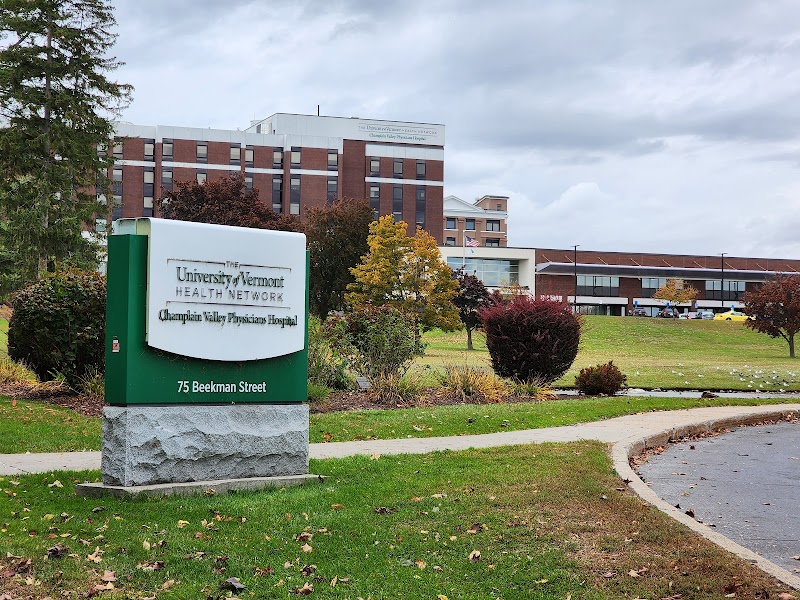
CHAMPLAIN VALLEY PHYSICIANS HOSP MED CTR S N F is owned by a non-profit organization. Non-profit facilities reinvest revenue into operations rather than distributing to shareholders. The facility is operated by UNIVERSITY OF VERMONT HEALTH NETWORK, a chain that manages multiple nursing homes. With 95 certified beds and approximately 23 residents (about 24% occupancy), it is a smaller facility located in PLATTSBURGH, New York.

How Does Champlain Valley Physicians Hosp Med Ctr S N F Compare to Other New York Nursing Homes?

Compared to the 100 nursing homes in New York, CHAMPLAIN VALLEY PHYSICIANS HOSP MED CTR S N F's overall rating (5 stars) is above the state average of 3.1, staff turnover (40%) is near the state average of 46%, and health inspection rating (4 stars) is above the national benchmark.

What Should Families Ask When Visiting Champlain Valley Physicians Hosp Med Ctr S N F?

Based on this facility's data, families visiting should ask: "Can I visit during a mealtime to observe dining assistance and food quality?" "How do you handle medical emergencies, and what is your hospital transfer rate?" "Can I speak with family members of current residents about their experience?"

Is Champlain Valley Physicians Hosp Med Ctr S N F Safe?

Based on CMS inspection data, CHAMPLAIN VALLEY PHYSICIANS HOSP MED CTR S N F has a clean safety record: no substantiated abuse findings (meaning no confirmed cases of resident harm), no Immediate Jeopardy citations (the most serious violation level indicating risk of serious injury or death), and is not on the Special Focus Facility watch list (a federal program monitoring the lowest-performing 1% of nursing homes). The facility has a 5-star overall rating and ranks #1 of 100 nursing homes in New York. While no facility is perfect, families should still ask about staff-to-resident ratios and recent inspection results during their visit.

Do Nurses at Champlain Valley Physicians Hosp Med Ctr S N F Stick Around?

CHAMPLAIN VALLEY PHYSICIANS HOSP MED CTR S N F has a staff turnover rate of 40%, which is about average for New York nursing homes (state average: 46%). Moderate turnover is common in nursing homes, but families should still ask about staff tenure and how the facility maintains care continuity when employees leave.

Was Champlain Valley Physicians Hosp Med Ctr S N F Ever Fined?

CHAMPLAIN VALLEY PHYSICIANS HOSP MED CTR S N F has no federal fines on record. CMS issues fines when nursing homes fail to meet care standards or don't correct problems found during inspections. The absence of fines suggests the facility has either maintained compliance or corrected any issues before penalties were assessed. This is a positive indicator, though families should still review recent inspection reports for the full picture.

Is Champlain Valley Physicians Hosp Med Ctr S N F on Any Federal Watch List?

CHAMPLAIN VALLEY PHYSICIANS HOSP MED CTR S N F is not on any federal watch list. The most significant is the Special Focus Facility (SFF) program, which identifies the bottom 1% of nursing homes nationally based on persistent, serious quality problems. Not being on this list means the facility has avoided the pattern of deficiencies that triggers enhanced federal oversight. This is a positive indicator, though families should still review the facility's inspection history directly.