FIELDSTON LODGE CARE CENTER
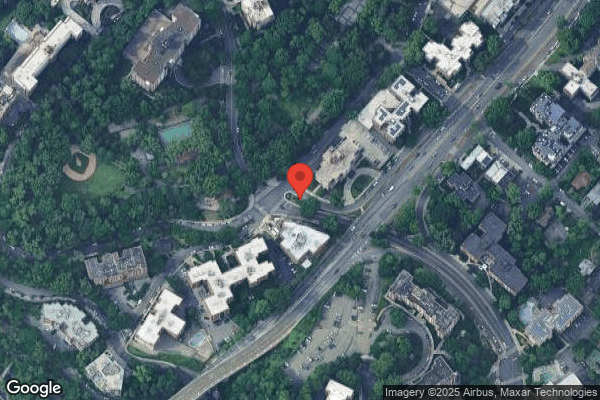
666 KAPPOCK STREET, RIVERDALE, NY 10463 (718) 549-1203
For profit - Limited Liability company 190 Beds THE MAYER FAMILY Data: November 2025
Trust Grade
40/100
#402 of 594 in NY
Last Inspection: April 2024

Within standard 12-15 month inspection cycle. Federal law requires annual inspections.

Overview

Fieldston Lodge Care Center in Riverdale, New York, has received a Trust Grade of D, indicating below-average performance with some concerns. Ranking #402 out of 594 facilities in New York places it in the bottom half, specifically #35 out of 43 in Bronx County, meaning there are only a few local options that perform better. The facility is showing improvement, with issues decreasing from 9 in 2024 to 2 in 2025, but it still has significant concerns, including $66,859 in fines, which is higher than 88% of similar facilities in the state. Staffing is a strength, rated 4 out of 5 stars, with a turnover of only 31%, which is better than the New York average, and the facility has more RN coverage than 95% of state facilities, ensuring more thorough care. However, there have been serious concerns noted, such as failures to properly manage resident funds and inadequate staffing to meet the needs of residents, alongside issues with food safety that could lead to health risks.

Trust Score
D
40/100
In New York
#402/594
Bottom 33%
Safety Record
Moderate
Needs review
Inspections
Getting Better
9 → 2 violations
Staff Stability
○ Average
31% turnover. Near New York's 48% average. Typical for the industry.
Penalties
✓ Good
$66,859 in fines. Lower than most New York facilities. Relatively clean record.
Skilled Nurses
✓ Good
Each resident gets 80 minutes of Registered Nurse (RN) attention daily — more than 97% of New York nursing homes. RNs are the most trained staff who catch health problems before they become serious.
Violations
⚠ Watch
30 deficiencies on record. Higher than average. Multiple issues found across inspections.
★★☆☆☆
2.0
Overall Rating
★★★★☆
4.0
Staff Levels
★★★★☆
4.0
Care Quality
★★☆☆☆
2.0
Inspection Score
Stable
2024: 9 issues
2025: 2 issues

The Good

  • 4-Star Staffing Rating · Above-average nurse staffing levels
  • 4-Star Quality Measures · Strong clinical quality outcomes
  • Full Sprinkler Coverage · Fire safety systems throughout facility
  • No fines on record
  • Staff turnover below average (31%)

    17 points below New York average of 48%

Facility shows strength in staffing levels, quality measures, fire safety.

The Bad

2-Star Overall Rating

Below New York average (3.1)

Below average - review inspection findings carefully

Staff Turnover: 31%

15pts below New York avg (46%)

Typical for the industry

Federal Fines: $66,859

Well above median ($33,413)

Moderate penalties - review what triggered them

Chain: THE MAYER FAMILY

Part of a multi-facility chain

Ask about local staffing decisions and management

The Ugly 30 deficiencies on record

Aug 2025 2 deficiencies
CONCERN (D) 📢 Someone Reported This

A family member, employee, or ombudsman was alarmed enough to file a formal complaint

Potential for Harm - no one hurt, but risky conditions existed

Report Alleged Abuse (Tag F0609)

Could have caused harm · This affected 1 resident

Based on record review and interviews conducted during an Abbreviated Survey (NY00362877), the facility did not ensure that the alleged violations involving abuse, neglect, exploitation, mistreatment,...

Read full inspector narrative →
Based on record review and interviews conducted during an Abbreviated Survey (NY00362877), the facility did not ensure that the alleged violations involving abuse, neglect, exploitation, mistreatment, or misappropriation of resident property were reported immediately, but not later that two (2) hours after the allegation is made, if the events that caused the allegation involved abuse or resulted in serious bodily injury, or not later than 24 hours if the events that caused the allegation do not involved abuse and do not involve serious bodily injury, to the administrator of the facility and to other officials (including to the State Agency). This was evident in one (1) out of three (3) residents (Residents #3 and #4) sampled. Specifically, on 12/02/2024 at 7:12 AM, Resident #4 stated that Resident #3 threw a chair, and the chair hit them on their back. The facility reported the incident to New York State Department of Health on 12/02/2024 at 8:28 PM. The findings include: The Facility's Policy and Procedure titled Abuse and Neglect Policy with a revised dated 08/20/2024 documented that it is the policy of the facility to assure residents are free from abuse and neglect, including involuntary seclusion. Furthermore, residents will not be subjected to abuse by anyone, including, but not limited to, facility staff, other residents, consultants, volunteers, family members, legal guardians or outside members of the community. The Administrator or designee will provide a 2- hour notification to the New York State Department of Health for any alleged or suspected or confirmed case of abuse or neglect.Resident #3 was admitted to the facility with diagnoses including Right Humerus Fracture and Diabetes Mellitus. The Minimum Data Set (a resident assessment tool) dated 11/01/2024 documented that Resident #3's cognition was intact.Resident #4 admitted to facility with diagnoses including Opioid Dependence, Alcohol Substance Abuse and Pain Disorder. The Minimum Data Set (a resident assessment tool) dated 12/03/2024 documented Resident #4 was assessed with intact cognition.The Investigation Summary dated 12/04/2024 documented that Resident #4 reported to staff that on 12/02/2024 at approximately 7:12 AM, they and Resident #3 had an altercation, and that Resident #3 threw a chair on them hitting them on their back. Resident #4 was assessed with no redness, bruising or swelling. The skin was intact. Resident #4 denied pain at the time of incident. The Medical Doctor and family were notified. The investigation revealed that both residents had a disagreement because Resident #4's television remote control was changing Resident #3's television channel every time Resident #4 changed their television channel. Prior to the altercation, neither resident reported their concerns to the staff. As per video footage investigation, Resident #3 became frustrated and tossed a chair down the hallway towards Resident #4's direction. Resident #4 caught the chair at the floor level with their hand and dragged it down the hall. The facility's investigation concluded that there was no reasonable cause to believe abuse has occurred. To prevent reoccurrence, the maintenance checked all television remote to ensure that they were not synching to roommates, Resident #4 was transferred to different unit, staff were in-service on abuse, neglect and mistreatment and the policy on abuse was reviewed with no revision. A Webform Submission from the Nursing Home Facility Incident Report showed that the facility submitted their initial incident report to New York State Department of Health on 12/02/2024 at 8:28 PM.Previous Director of Nursing who investigated the incident was no longer employed in the facility.During an interview on 07/17/2024 at 2:30 PM, the Administrator stated that they were notified of the incident on 12/02/2024 at 8:00 AM and that they reported the incident to the New York State Department of Health on 12/02/2024 at 8:28 PM. The Administrator stated that they are aware that any form of allegation of abuse must be reported within 2-hour to New York State Department of Health. The Administrator stated that they reported the incident a little late because they reviewed the video footage and got busy investigating the incident. 10 NYCRR 415.4 (b)(1)(ii)
CONCERN (D) 📢 Someone Reported This

A family member, employee, or ombudsman was alarmed enough to file a formal complaint

Potential for Harm - no one hurt, but risky conditions existed

Accident Prevention (Tag F0689)

Could have caused harm · This affected 1 resident

**NOTE- TERMS IN BRACKETS HAVE BEEN EDITED TO PROTECT CONFIDENTIALITY** Based on observation, record review, and interviews conducted during an abbreviated survey (NY00359953), the facility did not en...

Read full inspector narrative →
**NOTE- TERMS IN BRACKETS HAVE BEEN EDITED TO PROTECT CONFIDENTIALITY** Based on observation, record review, and interviews conducted during an abbreviated survey (NY00359953), the facility did not ensure that each resident received adequate supervision to prevent an elopement. This was evident for one (1) out of two (2) residents (Resident #1) sampled for elopement. Specifically, the facility Elopement Incident Timeline dated 11/08/2024 documented that the surveillance video footage showed at 2:46 PM on 11/07/2024 Resident #1 exited the facility grounds. Resident #1 was wearing a wander guard on their left ankle at the time they left the facility, and the wander guard alarm system did not activate. Facility staff became aware between 3:20 PM and 3:58 PM that Resident #1 was missing from the facility. Resident #1 was located by a facility staff at 10:45 PM on 11/07/2024 walking towards their home. Resident #1 had no injury but was transferred to the hospital on [DATE] at 12:18 AM for evaluation. The findings include:The facility's Policy and Procedure titled Resident Elopement Prevention revised 09/2024 documented that it is the policy of the facility to provide residents with a safe and secure environment and protected from harm. The facility will make every possible effort to identify residents who have the potential for elopement. If a resident is found missing, the facility will ensure immediate implementation of missing resident search procedures.The facility's Policy and Procedure titled Front Desk effective dated 10/2023 documented the purpose is to ensure the safety and security of all residents, staff, and visitors by enforcing standardized protocols at the facility's front desk. This includes proper sign-in procedures, verification of authorized visitors, and monitoring of residents with [NAME] guard alerts. The Reception/Security watch for residents on the list approaching the exit unescorted. Resident #1 was admitted to the facility with diagnoses including Alcohol abuse, Hypertension, and Dementia.The Minimum Data Set (an assessment tool) dated 10/17/2024 documented Resident #1 had a Brief Interview of Mental Status (used to determine attention, orientation, and ability to recall information) score of 8 associated with moderately impaired cognition. Resident #1 ambulates independently.An Elopement Risk assessment dated [DATE] documented that Resident #1 was identified at risk for elopement due to Resident #1 verbalizing that they want to leave the facility and wandering behavior.An Elopement Care Plan dated 10/12/2024 documented that Resident #1 was unaware of safety needs and had a history of wandering behavior in the community. A wander guard was placed on Resident #1's left ankle.There was no documented evidence of a monitoring sheet for Resident #1.A nursing progress note dated 11/07/2024 at 8:52 PM by Registered Nursing #1, documented that Resident #1's adult child visited at 3:20 PM and Resident #1 was not in their room. A nursing progress note dated 11/07/2024 at 10:56 PM by Registered Nursing #2, documented that they heard Code Orange alarmed at 3:58 PM due to Resident #1 being missing from the third floor and could not be found. 911 and the Director of Nursing was notified. Resident #1 was later found in the street and was brought back to facility. Resident #1 was transferred to hospital for evaluation. An Elopement Incident Timeline dated 11/08/2024 documented at 3:20 PM Resident #1's adult child arrived at the facility and Resident #1 was not in their room. The staff were notified and immediately searched the building. At approximately 3:20 PM to 3:58 PM the search continued to common areas where Resident #1 frequently goes. At approximately 3:58 PM, the elopement protocol was formally activated. The police were notified, and local transportation were contacted to aid in the search. At approximately 4:00 PM a headcount was completed for all residents. At approximately 4:20 PM the surveillance footage reviewed and confirmed that Resident #1 exited the facility at 2:46 PM. At approximately 4:40 PM, the Department of Health was notified. At approximately 5:50 PM, it was discovered that the entrance door alarm was malfunctioning. At approximately 10:45 PM, Resident #1 was found approximately 10 minutes from their home by facility staff. At approximately 11:13 PM, Resident #1 was returned to facility and was assessed with no injuries or medical concern. The family were notified and requested the resident be transferred to the hospital for further evaluation. The Medical Doctor was notified. The Investigation Summary dated 11/08/2024 documented based on the facility's investigation, Resident #1 had eloped. During an interview on 07/16/2025 at 1:33 PM, Certified Nursing Assistant #1 stated that Resident #1 was assigned to them on 11/07/2024 from 7:00 AM to 3:00 PM. Certified Nursing Assistant #1 stated that Resident #1 had a wander guard on their left ankle and was being monitored on the unit. Certified Nursing Assistant #1 stated that they do not have a monitoring log - they just visually check on Resident #1 because the resident was at risk for elopement and was wearing a wander guard. Certified Nursing Assistant #1 stated that Resident #1 did not verbalize wanting to leave the facility and did not exhibit any unusual behavior on 11/07/2024. Certified Nursing Assistant #1 stated that after lunch (lunch is between 12:00 PM - 1:00 PM) Resident #1 went to the day room to watch television (unsure of time) but was in their room at 2:00 PM when they made rounds. Certified Nursing Assistant #1 stated that they did not hear any activated alarms on the unit including the elevator wander guard alarm. During a telephone interview on 07/22/2025 at 11:59 AM, Registered Nurse #1 stated that they worked on 11/07/2024 on the 7:30 AM-3:30 PM shift. Registered Nurse #1 stated Resident #1 had a wander guard in place on their left ankle. Registered Nurse #1 stated prior to their break time (unsure of time), they checked on Resident #1 and they were in their room at approximately 2:00 PM standing next to their bed moving their overbed table. Registered Nurse #1 stated that Resident #1 was calm and did not exhibit any exit seeking behavior. Registered Nurse #1 stated that when they returned from their break (unsure of time) the Orange Alert protocol (missing resident) was in progress, and they assisted with searching for Resident #1 who was not located. Registered Nurse #1 stated that they are responsible for checking wander guard placements every shift and that the nursing supervisor checks for the wander guard functionality daily at bedtime. Registered Nurse #1 stated that they frequently perform rounds at least hourly and visually check Resident #1. Registered Nurse #1 stated that they were still trying to ascertain how Resident #1 exited the unit without activating an alarm. The previous Director of Nursing who investigated the incident is no longer employed at the facility and whereabouts were unknown.The facility did not have a statement from Security Guard #1 on 11/07/2024.During a telephone interview on 07/22/2025 at 12:11 PM, Registered Nurse Manager #1 stated that they are no longer employed at the facility. Registered Nurse Manager #1 stated Resident #1 was ambulatory and walked around the unit independently. Registered Nurse Manager #1 stated that Resident #1 only goes downstairs when they are escorted by a staff. Registered Nurse Manager #1 stated that Resident #1 had no exit seeking behavior on 11/07/2024. Registered Nurse Manager #1 stated as per their statement they were informed (unsure of staff name) that Resident #1 was missing at 3:20 PM when Resident #1's adult child went to visit with the resident in their room. Registered Nurse Manager #1 stated they searched for the resident, Orange Alert was activated and 911 was called. During an interview on 07/16/2025 at 1:45 PM, the Assistant Director of Nursing stated that they were in the facility on 11/07/2024 at the time of the elopement and Orange Alert was activated at 3:58 PM after a head count was done on the unit and Resident #1 was confirmed missing. The Assistant Director of Nursing stated if Resident #1 had entered the elevator, the elevator wander guard alarm would have been activated, and would need to deactivate by a staff for the elevator to move. The Assistant Director of Nursing stated that they are not sure how Resident #1 left the unit unsupervised. The Assistant Director of Nursing stated there were no reports of the wander guard not functioning. The Assistant Director of Nursing stated only the staff members have access to code to deactivate the alarms. The Assistant Director of Nursing stated that they participated in the search for Resident #1 who was found at 10:45 PM walking in the direction of their home. The Assistant Director of Nursing stated Resident #1 was interviewed and stated that they wanted to go home to meet their landlord. The Assistant Director of Nursing stated that they brought Resident #1 back to the facility and an assessment was conducted. The Assistant Director of Nursing stated that Resident #1 had no visible injuries, did not complain of pain, was stable, and in good spirit. The Assistant Director of Nursing stated that when Resident #1 was located on street, the resident was wearing their wander guard on their left ankle. The wander guard was tested when the resident was brought back to the facility, and it was functioning. The Assistant Director of Nursing stated that Resident #1 was transferred to the hospital for further evaluation as per the family request. During an interview on 07/17/2025 at 2:25 PM, the Administrator stated that they were made aware of the elopement at 3:58 PM on 11/07/2024 and the Orange Alert protocol was initiated. The Administrator stated that they reviewed the video footage at 4:20 PM and saw that Resident #1 exited the facility on 11/07/2024 at 2:46 PM unsupervised wearing a gray [NAME] Kelin T-shirt and blue jeans. The Administrator stated that they contacted the police at 4:00 PM and visited all local hospitals, parks close to the facility and called Resident #1's home. The Administrator stated that all the surrounding blocks were checked, and a vehicle grid search was coordinated and launched to cover a wider Bronx area from facility to Resident #1's home. The Administrator stated that Resident #1 was found walking in the street at 10:45 PM and was brought back to the facility. The Administrator stated that Security Guard #1 was terminated immediately and reported to their agency. The Administrator stated they discovered that the front entrance door alarm system had malfunctioned. The Administrator stated that they had contacted the wander guard company for immediate service on 11/07/2024. The Administrator stated all other facility exit doors were inspected and was found to be in good working condition. The Administrator stated to prevent a recurrence a temporary monitoring desk was placed near the front entrance to enhanced visibility to prevent further unauthorized exits. The Administrator stated that the facility has had no further elopement.Based on the following corrective actions taken, there were sufficient credible evidence that the facility corrected the noncompliance and was in substantial compliance for this specific regulatory requirement. The facility noncompliance was corrected on 12/09/2024. A Plan of Correction is not required for this citation.The facility implemented the following corrective action prior to surveyor entrance on 07/16/2025. The facility's Director of Nursing and Administrator investigated the elopement incident, and the team concluded that Resident #1 left the facility without an escorted. The facility developed an action plan which includes the following: On 11/07/2024 at 4:00 PM, the New York Police Department was called and responded at 4:20 PM and was given Resident #1's information and a photograph. An Elopement Care Plan was updated 11/07/2024 to reflect the actual elopement incident. On 11/07/2024, Security Guard #1 was terminated from the facility. Wander Guard/Door Alarm Audit was done on 11/07/2024 - the front door wander guard sensor was malfunctioning. Total Kare Company service was called and service ticket initiated. Weekly Wander Guard/Door Alarm Audit was done on 11/07/2024 through 06/30/2025. On 11/07/2024 the facility immediately put a temporary desk closer to the front exit door located in the lobby for closer supervision pending permanent solution. Policy and Procedure for Front Desk dated 10/2023 was revised on 11/07/2024 to include a memo that all staff must always wear a badge when in the facility and show it to security upon entry and exiting of the building, all visitors and vendors needs a sticker with name and date. Anyone who exits the building needs to have a badge or sticker, if not, someone from administration or the nursing supervisor needs to confirm they are not a resident. Policy and Procedure on Resident Elopement Prevention revised 09/2024 reviewed with no revision. On 11/07/2024-11/08/2024, the facility in-serviced all staff members from all departments. Lesson Plan: Elopement Prevention and Response. On 11/08/2024 visitor passes were initiated. On 11/10/2024 the Crowd Control Stanchions (barriers) were installed to limit movement going outside. Wander Guard Function Audit tool dated 11/10/2024 was put in place to monitor compliance with residents at risk for elopement/wandering. On 11/11/2024 and 12/19/2024, a Quality Assurance meeting was held with department heads. Attendance sheets noted. On 11/16/2024 the Security desk was built and installed near the front door. Elopement Drills were done on 11/26/2024, 12/19/2024, 01/14/2025, 04/10/2025 with staff members. On 12/09/2024 the wander guard device alarm system located on the front door was completely fixed. 10NYCRR415.12(h)(2)
Apr 2024 9 deficiencies
CONCERN (D) 📢 Someone Reported This

A family member, employee, or ombudsman was alarmed enough to file a formal complaint

Potential for Harm - no one hurt, but risky conditions existed

Notification of Changes (Tag F0580)

Could have caused harm · This affected 1 resident

**NOTE- TERMS IN BRACKETS HAVE BEEN EDITED TO PROTECT CONFIDENTIALITY** Based on record review and interviews conducted during the Recertification and Abbreviated Survey (Complaint #NY00331841) from 0...

Read full inspector narrative →
**NOTE- TERMS IN BRACKETS HAVE BEEN EDITED TO PROTECT CONFIDENTIALITY** Based on record review and interviews conducted during the Recertification and Abbreviated Survey (Complaint #NY00331841) from 03/26/2024 through 04/02/2020, the facility failed to ensure that the resident and/or the resident's representative was immediately informed of an accident which results in injury and had the potential for requiring physician intervention. This was evident for 1 (Resident #253) of 2 residents reviewed for Notification of Change out of 38 total sampled residents. Specifically, on 01/15/2024 at 6:30 AM, Resident #253 was observed with discoloration on the forehead. There was no documented evidence that the resident's representative was notified of the change in resident's condition. The findings are: The facility policy and procedure titled Change in Resident Condition or Status which was last revised in November 2023, documented that the facility shall promptly notify the resident, his or her Attending Physician, and representative (sponsor) of changes in the resident's medical/mental condition and status (e.g., changes in level of care, billing/payments, resident rights, etc.). Unless otherwise, instructed by the resident, a nurse will notify the resident's representative when the resident is involved in any accident or incident that results in an injury including injuries of an unknown source. Resident #253 was admitted with diagnoses of Hypertension and Non-Alzheimer's Dementia. The annual Minimum Data Set assessment dated [DATE] documented that Resident #253 had short- and long-term memory problem and was severely impaired in cognitive skills for daily decision making. A Nurse's Progress note dated 01/15/2024 at 6:40 AM documented that at 6:30 AM, Resident #253 was noted with skin discoloration on the forehead. A Nurse's Progress note dated 01/16/2024 at 5:28 AM documented that skin discoloration on Resident #253's forehead was diffusing. The progress notes dated 01/15/2024 through 01/16/2024 had no documented evidence that the family was informed of the discoloration on Resident #253's forehead. A Fall Investigation form dated 01/15/2024 and Peer Review and the Quality Assessment and Assurance Work Product-Confidential form dated 01/15/2024 had no documented evidence that Resident #253's family was informed of the discoloration. The facility's investigation summary dated 01/17/2024 documented that Resident #253 was observed with a discoloration to the center of their forehead on 01/15/2024 during care. The facility concluded that Resident #253 sustained an unwitnessed fall in their room which appeared to have occurred from rolling out of bed in their sleep. On 03/27/2024 at 3:13 PM, Resident #253's representative was interviewed and stated that their sibling visited the resident on 01/16/2024 and observed that the resident had black and blue on their forehead. The facility claimed that they informed them, but they were not informed. On 04/01/2024 at 11:51 AM, Registered Nurse #1, who was the unit manager, was interviewed and stated that the night shift supervisor wrote a note that at 6:30 AM, discoloration was noted on Resident #253's forehead. Registered Nurse #1 stated they did not see a documentation on the resident's chart that the family were notified. On 04/02/2024 at 8:40 AM, Registered Nurse #2, who was the night shift supervisor, was interviewed and stated that on 01/15/2024 at around 6:30 AM, they were called to check on Resident #253 who was noted to have discoloration on the forehead. Registered Nurse #2 stated they called the physician and left a message for the family. Resident #2 stated they might have misdialed the phone number, or they might have had an emergency at that time and might have not called or notified the resident's family. On 04/02/2024 at 2:03 PM, the Director of Nursing was interviewed and stated that the unit manager and supervisors were responsible for notifying the family. They stated that the night shift supervisor stated they reached out to the family and left a voice message but there was no documentation that the family was notified. The Director of Nursing stated they were supposed to document when they called the family. 10 NYCRR 415.3(f)(2)(ii)(c)
CONCERN (D)

Potential for Harm - no one hurt, but risky conditions existed

Deficiency F0583 (Tag F0583)

Could have caused harm · This affected 1 resident

**NOTE- TERMS IN BRACKETS HAVE BEEN EDITED TO PROTECT CONFIDENTIALITY** Based on observation, interviews, and record review conducted during the Recertification Survey from 03/26/2024 through 04/02/20...

Read full inspector narrative →
**NOTE- TERMS IN BRACKETS HAVE BEEN EDITED TO PROTECT CONFIDENTIALITY** Based on observation, interviews, and record review conducted during the Recertification Survey from 03/26/2024 through 04/02/2024, the facility did not ensure that a resident's privacy was maintained. This was evident for 1 (Resident #119) of 1 resident reviewed for Privacy out of 38 sampled residents. Specifically, a Respiratory Therapist was observed performing tracheostomy care with the resident's room door opened. The findings are: The facility policy and procedure titled Residents Rights, with a last revised date of November 2023, documented that the facility must treat each resident with respect and dignity and care for each resident in a manner and in an environment that promotes maintenance or enhancement of his or her quality of life, recognizing each resident's individuality. Resident # 119 was admitted with diagnoses of Respiratory Failure and Tracheostomy Status. The admission Minimum Data Set assessment dated [DATE] documented that Resident #119 had severe impairment in cognition. The assessment documented that the resident required suctioning and tracheostomy care. A physician's order dated 02/02/2024 documented an order to cleanse tracheostomy area every shift and as needed; and suction tracheal and nasopharyngeal every 4 hours and as needed. On 04/01/2024 at 10:10 AM, Respiratory Therapist #1 was observed suctioning and performing tracheostomy care for Resident #119 with the room door opened. On 04/01/2024 at 10:30 AM, Respiratory Therapist #1 was interviewed and stated everybody was not supposed to see what they were doing in the room. They stated they were supposed to keep the door closed and the curtains pulled to maintain privacy. Respiratory Therapist #1 stated they made a mistake. On 04/01/2024 at 12:20 PM, the Director of Respiratory Therapy was interviewed and stated they are to maintain residents' privacy during tracheostomy care. The door must be closed and the curtains pulled. 04/02/2024 at 2:43 PM, the Director of Nursing was interviewed and stated the staff must provide privacy during tracheostomy care. 10 NYCRR 415.3(e)(1)
CONCERN (D) 📢 Someone Reported This

A family member, employee, or ombudsman was alarmed enough to file a formal complaint

Potential for Harm - no one hurt, but risky conditions existed

Report Alleged Abuse (Tag F0609)

Could have caused harm · This affected 1 resident

**NOTE- TERMS IN BRACKETS HAVE BEEN EDITED TO PROTECT CONFIDENTIALITY** Based on record review and interviews conducted during the Recertification and Abbreviated Survey (NY00331841) from 03/26/2024 t...

Read full inspector narrative →
**NOTE- TERMS IN BRACKETS HAVE BEEN EDITED TO PROTECT CONFIDENTIALITY** Based on record review and interviews conducted during the Recertification and Abbreviated Survey (NY00331841) from 03/26/2024 through 04/02/2024, the facility failed to ensure that all alleged violations involving injuries of unknown source were reported immediately, but not later than 2 hours after the allegation was made, to the New York State Department of Health. This was evident for 1 (Resident #253) of 38 total sampled residents. Specifically, on 01/15/2024 at 6:30 AM, Resident #253 was observed with discoloration to the forehead that was not reported to the New York State Department of Health. There was no witness on how Resident #253 sustained the discoloration and the source of injury could not be explained by the resident. The findings are: The facility policy and procedure titled Abuse & Neglect, with a last revised date of 03/18/2024 documented that all alleged or suspected incidents of abuse and or neglect will be investigated, and injuries of unknown origin will be investigated to rule out abuse, neglect, or mistreatment. The Administrator or designee will provide a 2-hour notification to the New York State Department of Health for any alleged or suspected or confirmed case of abuse or neglect. Resident #253 was admitted with diagnoses of Hypertension and Non-Alzheimer's Dementia. The annual Minimum Data Set assessment dated [DATE] documented that Resident #253 had short- and long-term memory problem and was severely impaired in cognitive skills for daily decision making. A Nurse's Progress note dated 01/15/2024 at 6:40 AM documented that at 6:30 AM Resident #253 was noted with skin discoloration on the forehead. A Fall Investigation form dated 01/15/2024 documented that the occurrence was unwitnessed. An undated Skin Investigation form documented Resident #253 was observed in bed with discoloration to the forehead. Resident was unable to relate due to dementia. The facility's investigation summary dated 01/17/2024 documented that Resident #253 was observed with a discoloration to the center of their forehead on 01/15/2024 during care. The facility concluded that based on their findings, there was no evidence of abuse, neglect, or mistreatment. The summary documented that Resident #253 sustained an unwitnessed fall in their room which appeared to have occurred from rolling out of bed in their sleep. On 04/02/2024 at 2:03 PM, the Director of Nursing stated that Resident #253 was interviewed but could not tell what happened. The Director of Nursing stated they did not report the discoloration to the Department of Health because they thought it was from a fall based on the roommate's statement. They stated that the resident's roommate said they did not see the resident fall, but they saw the resident getting up from the floor. The Director of Nursing stated they completed the incident report and concluded that it appeared that Resident #253 rolled out of bed. 10 NYCRR 415.4(b)(2)
CONCERN (D)

Potential for Harm - no one hurt, but risky conditions existed

Comprehensive Care Plan (Tag F0656)

Could have caused harm · This affected 1 resident

**NOTE- TERMS IN BRACKETS HAVE BEEN EDITED TO PROTECT CONFIDENTIALITY** 3. Resident #82 was admitted with diagnoses of Diabetes Mellitus and Hypothyroidism. The Minimum Data Set 3.0 assessment dated...

Read full inspector narrative →
**NOTE- TERMS IN BRACKETS HAVE BEEN EDITED TO PROTECT CONFIDENTIALITY** 3. Resident #82 was admitted with diagnoses of Diabetes Mellitus and Hypothyroidism. The Minimum Data Set 3.0 assessment dated [DATE] documented Resident #82 was severely cognitively impaired and was receiving hospice care. The social service progress note dated 09/18/2023 documented Resident #82 was assigned to hospice care. A physician's order dated 09/18/2023 documented Resident #82 was in hospice care. A review of the comprehensive care plans for Resident #82 revealed there was no documented evidence that a care plan for hospice care was initiated. On 03/28/2024 at 12:18 PM, the Assistant Director of Nursing was interviewed and stated Resident #82 was currently receiving hospice service. They stated they reviewed Resident #82's medical record and was not able to locate the care plan for hospice care. They stated the care plan for hospice care was supposed to be created by the social worker. On 3/28/2024 at 12:26 PM, the Director of Social Service was interviewed and stated the care plan for hospice care was not created for Resident #82. They stated that it was an oversight and should have been created when resident started hospice. 10 NYCRR 415.11(c)(1) 2. Resident #108 was admitted with diagnoses of Hemiplegia and Hemiparesis following Cerebral Infarction affecting left non-dominant side, Seizures, and Schizoaffective Disorder. The Minimum Data Set assessment dated [DATE] documented that Resident #108 had severely impaired cognition. The Minimum Data Set assessment further documented that Resident #108 required supervision with bed mobility, transfer, upper body dressing, toilet use, personal hygiene, and eating. During observation on 03/26/2024 at 10:10 AM and on 03/27/2024 at 9:40 AM, Resident #108 was noted in the day room sitting in their wheelchair wearing a night gown. A review of Resident #108's medical record revealed no documented evidence that a Comprehensive Care Plan to address Resident #108's preference to wear their night gown in the day room was developed. On 3/28/2024 at 11:15 AM, Certified Nursing Assistant #5 was interviewed and stated Resident #108 sometimes wheels self to the day room in their gown in the early morning. They try to redirect Resident back to their room to get dressed but Resident refused to get dressed until later in the morning. On 3/28/2024 at 2:36 PM, Licensed Practical Nurse #2 was interviewed and stated Resident #108 was resistive to care and has a habit of going to the day room in their night gown. They stated they try to redirect Resident back to their room for care, but Resident would refuse. On 03/28/2024 at 2:51 PM, Registered Nurse #1, who was the unit manager, was interviewed and stated the Certified Nursing Assistants try to encourage Resident #108 to get washed and dressed before going to the day room but Resident would refuse. Registered Nurse #1 stated there should be a care plan for Resident #108's preference to go to the day room wearing a night gown. Registered Nurse #1 stated it was their responsibility to create and update Resident #108's Comprehensive Care Plan. On 03/29/2024 at 2:23 PM, the Director of Nursing Services was interviewed and stated a care plan should have been developed to reflect Resident #108's preference to attend the day room in their gown. They stated that the Registered Nurse Manager is responsible for developing, implementing, and updating the care plans. Based on observations, interviews, and record review conducted during the Recertification and Complaint Survey (NY00331841) from 03/26/2024 through 04/02/2024, the facility did not ensure that a comprehensive person-centered care plan was developed and implemented for each resident. This was evident for 5 (Resident #s 39, 82, 108, 109, and 253) of 38 sampled residents. Specifically, 1.) Resident #39 had no care plan in place for antibiotic therapy. 2.) A care plan was not developed to address Resident #108's preference to wear a night gown in the dayroom. 3.) Resident #82 had no care plan for hospice care. 4.) Resident #109 had no care plan developed to address wandering behavior. 5.) Resident #253 had no care in place for ecchymosis on the forehead. The findings include but are not limited to: The facility policy titled Comprehensive Care Plan with a revised date of 10/2023 stated that a comprehensive, person-centered care plan that includes measurable objectives and timetables to meet the resident's physical, psychosocial and functional needs is developed and implemented for each resident. The interdisciplinary team, in conjunction with the resident and their family or legal representative, develops and implements a comprehensive, person-centered care plan for each resident. 1. Resident #39 was admitted with diagnoses of Depression and Toxoplasma Meningoencephalitis. The admission Minimum Data Set assessment dated [DATE] documented Resident #39's cognition was moderately impaired. A physician's order dated 02/25/2024 documented Bactrim DS (sulfamethoxazole-trimethoprim) tablet; 800-160 milligram; 1 tablet oral once a day for prophylactic measures. A review of the Medication Administration Record dated 03/01/2024 to 03/31/2024 revealed that Bactrim DS was administered to Resident #39. A review of Resident #39's medical records revealed no documented evidence that a comprehensive care plan with interventions for Resident #39's antibiotic therapy was initiated and implemented. On 03/26/2024 at 2:17 PM, Registered Nurse #4, who was the unit manager, was interviewed and stated that Resident #39 was started on Bactrim DS (sulfamethoxazole-trimethoprim) on 02/26/2024 for the prevention of toxoplasmosis. Registered Nurse #4 stated a care plan should have been in place for the antibiotic use, but they forgot to include it. On 04/02/2024 at 2:31 PM, the Director of Nursing was interviewed and stated there should be a care plan for Bactrim use. They stated the unit manager, the supervisor, or the Registered Nurse who picked up the order were responsible for initiating the care plan. They also stated the Infection Control Nurse was supposed to ensure that the care plan was in place for antibiotic therapy.
CONCERN (D) 📢 Someone Reported This

A family member, employee, or ombudsman was alarmed enough to file a formal complaint

Potential for Harm - no one hurt, but risky conditions existed

Deficiency F0657 (Tag F0657)

Could have caused harm · This affected 1 resident

Based on record review and interviews conducted during the Recertification and Complaint Survey (NY00327454) from 03/26/2024 through 04/02/2024, the facility did not ensure that each resident's compre...

Read full inspector narrative →
Based on record review and interviews conducted during the Recertification and Complaint Survey (NY00327454) from 03/26/2024 through 04/02/2024, the facility did not ensure that each resident's comprehensive care plan was reviewed and revised by the interdisciplinary team following an occurrence of resident-to-resident physical abuse. This was evident for 1 (Resident #35) of 35 total sampled residents. Specifically, the comprehensive care plan was not reviewed and revised for Resident #35 following their involvement in a resident-to-resident altercation. The findings are: The facility policy titled Comprehensive Care Plan dated 10/2023 documented a comprehensive, person-centered care plan that includes measurable objectives and timetables to meet the resident's physical, psychosocial and functional needs is developed and implemented for each resident. Assessments of residents are ongoing and care plans are revised as information about the residents and the residents' conditions change. Resident #35 was admitted to the facility with diagnoses of Diabetes Mellitus, Acute Respiratory Failure, and Bipolar Disorder. The Minimum Data Set assessment dated documented that Resident #35 had severely impaired cognition. The facility investigation summary documented that on 11/04/2023 at 6:35AM, Resident #35 was involved in an unwitnessed altercation with another resident in their room. Both residents were transferred to the hospital for evaluation. Resident #35 returned to the facility with staples to the head. A comprehensive care plan for psychosocial well-being that was initiated on 12/13/2022 documented resident evidences the potential for abuse due to cognitive and medical decline. There was no documented evidence that Resident #35's comprehensive care plan was revised with new interventions following an occurrence of resident-to-resident altercation on 11/04/2023. On 04/01/2024 at 9:06AM, Registered Nurse #7, who was the Registered Nurse Supervisor, stated Resident #35 was involved in an altercation with another resident on 11/04/2023. Registered Nurse #7 stated they reviewed Resident #35's medical record and was not able to find an updated care plan with new interventions for Resident #35 following the altercation. Registered Nurse #7 stated that care plans must be updated after each incident of altercation. 10 NYCRR 415.11(c)(2)(i-iii)
CONCERN (D)

Potential for Harm - no one hurt, but risky conditions existed

Deficiency F0679 (Tag F0679)

Could have caused harm · This affected 1 resident

**NOTE- TERMS IN BRACKETS HAVE BEEN EDITED TO PROTECT CONFIDENTIALITY** Based on observation, record review, and interviews conducted during the Recertification Survey from 03/26/2024 through 04/02/20...

Read full inspector narrative →
**NOTE- TERMS IN BRACKETS HAVE BEEN EDITED TO PROTECT CONFIDENTIALITY** Based on observation, record review, and interviews conducted during the Recertification Survey from 03/26/2024 through 04/02/2024, the facility did not ensure that an ongoing activities program was provided based on the comprehensive assessment, care plan, and preferences of each resident, designed to meet the interests of and support the physical, mental, and psychosocial well-being of each resident. This was evident for 1 (Residents #39) of 3 residents reviewed for Activities out of 38 total sampled residents. Specifically, there was no evidence Resident #39 was engaged in a meaningful activity program on the unit. The findings are: The facility's policy and procedure titled Quality of Life - Resident Self-Determination and Participation with the last reviewed date of November 2023 documented that the facility respects and promotes the right of each resident to exercise their autonomy regarding what the resident considers to be important facets of their life. Each resident is allowed to choose activities, schedules, and health care that are consistent with their interests, values, assessment, and plan of care. Resident #39 was admitted with diagnoses of Depression and Toxoplasma Meningoencephalitis. The admission Minimum Data Set assessment dated [DATE] documented Resident #39's cognition was moderately impaired. The assessment documented that Resident #39 found it very important to have books, newspapers, and magazines to read, listen to music they like, keep up with the news, do things with groups of people, do favorite activities, and participate in religious services or practices. During observations, on 03/26/2024 at 12:37 PM, Resident # 39 was observed in bed with the television off. There was no ongoing recreation activity noted in the unit. On 03/27/2024 at 10:05 AM, Resident # 39 was observed resting in bed with the television off. No activity was noted on the unit. The resident had their phone on playing Christian music. On 04/01/2024 at 9:27 AM, Resident #39 was observed resting in bed and listening to preaching on their phone. There was no activity noted in the unit. On 03/26/2024 at 12:38 PM, Resident #39 was interviewed and stated they like to listen to music. They stated they listen to Christian music on their phone. Resident #39 stated there were no activities that they want to do but was wondering if the facility had bingo. Resident #39 stated they are of Catholic faith and used to go to church when they were back home. They stated they do not know if there was church service in the facility. The activities care plan that was initiated on 01/29/2024 documented that Resident #39 prefers activities that identify with their prior lifestyle. The interventions include informing them of upcoming activities by providing an activity calendar, verbal reminders, escort, and encouragement and providing materials of interest, such as magazines and newspapers, upon request. The recreation aide will provide room visits, daily orientation, and program invitations. A review of the facility activity calendar for March 2024 showed no listed activity for the 2nd floor. A review of Resident #39's medical records revealed no documented evidence of activity assessment, activity notes, and activity attendance records. On 04/01/2024 at 12:30 PM, Certified Nursing Assistant #2 was interviewed and stated they did not see activity staff coming to the unit. They stated Resident #39 stays in bed and would have their phone and television on. On 04/01/2024 at 12:37 PM, Certified Nursing Assistant #3 was interviewed and stated there was no staff from activity department who came to the unit. They stated there had been no activity on the unit. Certified Nursing Assistant #3 stated there was an activity calendar every month but there was no activity scheduled on the unit. On 04/01/2024 at 12:56 PM, Registered Nurse #3 was interviewed and stated that they have an activity calendar on the 2nd floor, but there was no activity on the unit. On 04/02/2024 at 12:50 PM, Registered Nurse #4, who was the unit manager, was interviewed and stated the residents who can ambulate go to the recreation department downstairs for activities. They stated that prior to COVID-19, they would take residents on ventilator out of bed and take them in the dayroom to watch television. They stated recreation staff used to come and play music for the residents. Registered Nurse #4 stated they have had not returned to this usual routine after COVID-19. They stated there was no activity in the unit and that recreation staff would just turn the television on in residents' room. Registered Nurse #4 stated Resident #39 stays in bed and would play music on their phone. On 04/01/2024 at 4:01 PM, the Director of Recreation was interviewed and stated they do room visits and give daily orientation on the 2nd floor in the morning and sometimes in the afternoon. They stated residents who get out of bed attend activities downstairs, and they invite the alert residents to attend the activities on the first floor. The Director of Recreation stated there was no room visit listed on the calendar. On 04/02/2024 at 2:37 PM, the Director of Nursing was interviewed and stated that the activities on the 2nd floor should be at the bedside, but they cannot confirm that there was activity on the unit. 10 NYCRR 415.5 (f) (1)
CONCERN (D) 📢 Someone Reported This

A family member, employee, or ombudsman was alarmed enough to file a formal complaint

Potential for Harm - no one hurt, but risky conditions existed

Quality of Care (Tag F0684)

Could have caused harm · This affected 1 resident

**NOTE- TERMS IN BRACKETS HAVE BEEN EDITED TO PROTECT CONFIDENTIALITY** Based on observation, record review and interviews conducted during the Recertification and Complaint Survey (NY00318593) from 0...

Read full inspector narrative →
**NOTE- TERMS IN BRACKETS HAVE BEEN EDITED TO PROTECT CONFIDENTIALITY** Based on observation, record review and interviews conducted during the Recertification and Complaint Survey (NY00318593) from 03/26/2024 through 04/02/2024, the facility did not ensure that each resident receives treatment and care in accordance with professional standards of practice. This was evident for 1 (Resident #99) of 35 total sampled residents. Specifically, on 03/29/2024, Resident #99's right and left lower extremities were observed with severe edema, dry, and thick scaly skin. There was no documented evidence that the skin condition was evaluated and being treated. The findings are: The facility's policy and procedure titled Quality of Care dated 11/2023 documented each resident shall be cared for in a manner that promotes and enhances their quality of life, dignity, respect, and individuality. Resident #99 was admitted to the facility with diagnoses of Acute Embolism and Thrombosis of Unspecified Deep Veins of Right Lower Extremity, Cellulitis of Right/Left Lower Limbs, and Localized Edema. The Minimum Data Set assessment dated [DATE] documented Resident #99 was cognitively intact. During observation on 03/29/2024 at 1:00 PM, Resident #99's right and left lower extremities were noted with redness, severe edema, dry, and thick scaly skin. A care plan for at risk for skin impairment related to fragile skin was initiated on 11/05/2021 and was last reviewed on 02/18/2024. The facility interventions include to conduct a systematic skin inspection daily and weekly, to pay particular attention to unaffected extremity. An evaluation note dated 01/24/2024 documented there was no skin impairment noted. The podiatry note dated 01/27/2024 and 02/25/2024 documented Resident #99 presented for routine foot care. Resident had severe pitting edema of bilateral lower extremities with open lesions. A review of Resident #99's progress notes from 01/03/2024 through 03/29/2024 did not reveal documented evidence that Resident #99's bilateral lower extremities were assessed by the Registered Nurse, Nurse Practitioner, or the Attending Physician. A review of the physician's order report from 01/01/2024 through 03/29/2024 did not show treatment orders to address Resident #99's dry and thick scaly skin on both lower extremities. On 03/29/2024 at 1:00 PM, Resident #99 was interviewed and stated nurses were aware of their skin condition but does not provide them with treatment. On 04/01/2024 at 9:17 AM, Licensed Practical Nurse #4 was interviewed and stated there was no current order for Resident #99's skin on bilateral lower extremities. On 04/02/2024 at 11:15 AM, the Assistant Director of Nursing was interviewed and stated Resident #99 had history of cellulitis and ongoing localized edema of bilateral lower extremities. They stated Resident #99's treatment orders were discontinued last year. On 04/02/2024 at 12:30 PM, the Attending Physician was interviewed and stated Resident #99's had lower extremity edema and chronic skin condition. The attending physician stated there was no report of change or concern for Resident #99, and if there was any reported concern, they would evaluate the resident and order appropriate treatment. 10 NYCRR 415.12
CONCERN (D)

Potential for Harm - no one hurt, but risky conditions existed

Drug Regimen Review (Tag F0756)

Could have caused harm · This affected 1 resident

**NOTE- TERMS IN BRACKETS HAVE BEEN EDITED TO PROTECT CONFIDENTIALITY** Based on record review and interview conducted during the Recertification Survey from 03/26/2024 to 04/02/2024, the facility fai...

Read full inspector narrative →
**NOTE- TERMS IN BRACKETS HAVE BEEN EDITED TO PROTECT CONFIDENTIALITY** Based on record review and interview conducted during the Recertification Survey from 03/26/2024 to 04/02/2024, the facility failed to address an irregularity identified by the pharmacist during Medication Regimen Review. This was evident in 1 (Resident #31) of 5 residents reviewed for unnecessary medications. Specifically, the pharmacist identified a potential medication irregularity during the Medication Regimen Review dated 02/28/2024 and recommended to change the administration time for Montelukast for maximum benefit. The facility did not address the irregularity. The findings are: The facility's Policy and Procedure for Drug Regimen Review which was last revised on 02/2024 documented that the Consultant Pharmacist shall identify, document, and report possible medication irregularities for review and action by the attending Physician, where appropriate. The attending Physician or licensed designee shall respond to the Drug Regimen Review within 7-14 days or more promptly, whenever possible. Resident #31 was admitted to the facility with diagnosis of Schizophrenia, Chronic Obstructive Pulmonary Disease, and Obstructive Sleep Apnea. The annual Minimum Data Set assessment dated [DATE] documented that Resident #31 had intact cognition. A Medication Regimen Review dated 02/28/2024 documented that Resident #31 was currently receiving Montelukast at 9:00 AM. Recommended to be given at bedtime for maximum benefit. Consider switching to bedtime dosing, if appropriate. The Physician/Prescriber Response documented agreed, will do. The physician order report dated 03/01/2024 through 04/01/2024 documented an order for Montelukast tablet, 10 milligram, 1 tablet, orally, once daily at 9:00 AM for Chronic Obstructive Pulmonary Disease. The start date was on 08/08/2023. The Medication Administration Record dated 02/28/2023 through 03/31/2024 documented Montelukast Scheduled time was at 9:00 AM. During an interview on 04/02/2024 at 09:33 AM, Licensed Pharmacist Consultant #1 stated they made the recommendation for Montelukast, and it was the facility's responsibility to address it. During an interview on 04/02/2024 at 10:42 AM, the Medical Director stated it was an oversight. The Medical Director stated they should have checked the section that says disagree but made a mistake. During an interview on 04/02/2024 at 11:10 AM, the Director of Nursing stated that the physician should have acted upon the recommendation made by the licensed pharmacist. The Director of Nursing stated in this case, the recommendation was not acted upon appropriately and they take full responsibility. 10 NYCRR 415.18 (c)(2)
CONCERN (E)

Potential for Harm - no one hurt, but risky conditions existed

Deficiency F0655 (Tag F0655)

Could have caused harm · This affected multiple residents

**NOTE- TERMS IN BRACKETS HAVE BEEN EDITED TO PROTECT CONFIDENTIALITY** Based on record review and interviews conducted during the Recertification Survey from 03/26/2024 through 04/02/2024, the facili...

Read full inspector narrative →
**NOTE- TERMS IN BRACKETS HAVE BEEN EDITED TO PROTECT CONFIDENTIALITY** Based on record review and interviews conducted during the Recertification Survey from 03/26/2024 through 04/02/2024, the facility failed to ensure that the resident and their representative were provided with a written summary of the baseline care plan. This was evident for 3 (Residents # 5, #39, and #119) of 3 residents reviewed for baseline care plan out of a total sample of 38 residents. Specifically, 1) Resident #5 did not get a copy of their baseline care plan summary. 2) Resident #39's representative did not receive a copy of the resident's baseline care plan summary, and 3) Resident #119's representative did not receive a copy of the resident's baseline care plan summary. The findings are: The facility policy and procedure titled Care Plan - Baseline with a revised date of October 2023 documented that a baseline plan of care to meet the resident's immediate needs shall be developed for each resident within 48 hours of admission. The resident and their representative will be provided with a summary of the baseline care plan. 1. Resident #5 was admitted to the facility with diagnoses of Depression and Respiratory Failure. The admission Minimum Data Set assessment dated [DATE] documented Resident #5's cognition was intact. A Care Plan History for Resident #5 documented that a Baseline Care Plan was created on 01/26/2024. There was no documentation that the resident or their representative acknowledged receipt of the baseline care plan. A review of Resident #5's medical record did not reveal documented evidence that a copy of baseline care plan was provided to the resident and / or their representative. 2. Resident #39 was admitted with diagnoses of Depression and Toxoplasma Meningoencephalitis. The admission Minimum Data Set assessment dated [DATE] documented Resident #39's cognition as moderately impaired. A Care Plan History for Resident #39 documented that a Baseline Care Plan was created on 01/27/2024. There was no documentation that the resident or their representative acknowledged receipt of the baseline care plan. A review of Resident #39's medical record did not reveal documented evidence that a copy of baseline care plan was provided to the resident and / or their representative. 3. Resident #119 was admitted to the facility with diagnoses of Respiratory Failure and Tracheostomy Status. The admission Minimum Data Set assessment dated [DATE] documented Resident #119's cognition as severely impaired. A Care Plan History for Resident #119 documented that a Baseline Care Plan was created on 02/01/2024. There was no documentation that the resident or their representative acknowledged receipt of the baseline care plan. A review of Resident #119's medical record did not reveal documented evidence that a copy of baseline care plan was provided to the resident and / or their representative. On 04/02/2024 at 12:15 PM Registered Nurse #4, who was the unit manager, was interviewed and stated that the admission nurse initiates the baseline care plan and that they complete it within 48 hours. Registered Nurse #4 stated they do not give out a summary of the baseline care plan and that residents or their representatives do not get a copy of the baseline care plan. On 04/01/2024 at 4:12 PM, the Social Worker was interviewed and stated that a baseline care plan is created within 48 hours from admission. They stated that the social workers are responsible for providing the baseline care plan to the residents and their family representatives to inform them of the plan of care. The Social Worker stated resident does not have a copy of the summary of the baseline care plan because they were not provided. On 04/02/2024 at 2:37 PM, the Director of Nursing was interviewed and stated that the baseline care plan must be completed within 48 hours. They stated that the plan is discussed with the resident and resident representative, and a copy of the summary must be provided to them. 10 NYCRR 415.11 (c)
Mar 2022 10 deficiencies
CONCERN (D)

Potential for Harm - no one hurt, but risky conditions existed

Deficiency F0578 (Tag F0578)

Could have caused harm · This affected 1 resident

**NOTE- TERMS IN BRACKETS HAVE BEEN EDITED TO PROTECT CONFIDENTIALITY** F578 Fieldston Lodge Care Center [NAME], LMSW Based on interviews, observations and record review completed during a recertifica...

Read full inspector narrative →
**NOTE- TERMS IN BRACKETS HAVE BEEN EDITED TO PROTECT CONFIDENTIALITY** F578 Fieldston Lodge Care Center [NAME], LMSW Based on interviews, observations and record review completed during a recertification survey 02/23 - 03/02/2022, the facility did not ensure that advance directives were provided. Specifically, there was no evidence that staff assessed a resident's desire regarding advance directives. This was evident for one resident (Resident #420). The findings are: The facility's policy and procedure entitled Advance Directives, last reviewed 10/2021, stated that Social Work shall provide information concerning resident's rights to make decisions regarding medical care or treatment as soon as possible upon admission. The information will be reviewed with each resident, or with their health care proxy in lieu of capacity, and a copy provided to them. Resident #420 was admitted to facility 02/07/2022. The resident was noted to be alert and fully oriented. However, the resident's admission MDS had not yet been locked and posted so that a BIMS score was not available. A Resident is a New admission Care Plan was initiated for the resident on 02/07/2022 with intervention for Social Services to evaluate, provide options on advance directives, respect/observe resident's rights and preferences, specify advance directives in place. The resident's medical orders were reviewed from 02/07/2022 through 03/02/2022, and it was noted that there was no order for an advance directive. Progress notes were reviewed starting 02/07/2022. No social services notes were observed. Observation section of medical chart was reviewed starting 02/07/2022; no entries were made by the social worker regarding the resident's living situation, discharge status, needs or advance directives. On 02/28/22 at 10:55 AM, the social worker was interviewed and stated that advance directives are usually discussed with residents upon admission and the conversation is documented in an admission note in the Progress Notes section of the medical chart. The resident's mental status assessment (BIMS), trauma assessment and mood assessment are recorded and placed in the observation section of the medical chart. Resident #420 was admitted when the social worker was on leave and the admission was supposed to have been completed by a covering part-time social worker. However, this social worker neglected to document the admission in any way, including wishes regarding advance directives. The social worker stated to have been with the facility for about 9 months and to be the only current full-time social worker, working without a supervisor on site. On 03/02/22 at 9:12 AM, the Director of Nursing (DON) was interviewed and stated that most times, admissions come in the afternoons. It is the social worker's responsibility to discuss advance directives but the nurse does usually have a discussion as well and will then alert and social worker as to the results of that conversation and document it in the progress notes section of the medical chart. Either the nurse or the social worker can initiate a care plan for advance directives, depending upon which of them has the discussion with the resident. In the case of Resident #420, the nurse completed all nursing admission documentation but did not document any discussion of advance directives. The DON stated that the facility is working at the corporate level to hire additional social workers as well as a Director of Social Services. 415.3(e)(1)(ii)
CONCERN (D)

Potential for Harm - no one hurt, but risky conditions existed

Assessment Accuracy (Tag F0641)

Could have caused harm · This affected 1 resident

**NOTE- TERMS IN BRACKETS HAVE BEEN EDITED TO PROTECT CONFIDENTIALITY** Based on record review and interviews conducted during the Recertification survey from 2/23/2022 to 3/2/2022, the facility did n...

Read full inspector narrative →
**NOTE- TERMS IN BRACKETS HAVE BEEN EDITED TO PROTECT CONFIDENTIALITY** Based on record review and interviews conducted during the Recertification survey from 2/23/2022 to 3/2/2022, the facility did not ensure that residents' assessments were accurate. Specifically, the Minimum Data Set (MDS) 3.0 assessment (1). inaccurately documented that a resident had a diagnosis of Benign Prostate Hypertrophy (BPH), and (2). that a resident had an Indwelling catheter. This was evident for 1 of 3 residents reviewed for Respiratory Care and 1 of 1 resident reviewed for Urinary Catheter out of a sample 38 residents. (Resident #270 and Resident #4) The findings are: The facility policy and procedure titled, MDS Assessment Coordinator, reviewed 10/27/21, documented that each individual who completes a portion of the assessment (MDS), must certify the accuracy of that portion of the assessment by a) dating and signing the assessment (MDS): and b) identifying each section completed 1). Resident # 270 was admitted with diagnoses that included Asthma and Respiratory Failure. Benign Prostrate Hypertrophy (BPH) was documented as a diagnosis. The admission MDS assessment dated [DATE] documented that the resident was cognitively intact and required dependent assistance of two persons with toilet use. The MDS also documented that resident was always incontinent of bowel and bladder, Section I of the MDS listed active diagnoses which included BPH. Chart review did not reveal any documented evidence of a diagnosis of BPH for Resident #270. The MDS inaccurately documented a diagnosis of BPH. 2) Resident #4 was admitted with diagnoses that included Respiratory Failure, right basal ganglia, & Intraventricular hemorrhage and Pressure Ulcers. The Quarterly MDS dated [DATE] documented that resident's cognition was severely impaired and that resident had an indwelling catheter. On 02/23/22 at 12:00 PM, Resident #4 was observed in bed and no foley catheter observed. Physician's order dated 10/27/21 documented that Foley Catheter was to be discontinued. Nursing note dated 10/27/21 documented resident was seen and examined by Medical Doctor (MD), with order to discontinue(d/c) Foley Catheter and the order was carried out. The medical record contained no documented evidence that a Foley catheter was reinserted after being discontinued on 10/27/21. The MDS inaccurately documented that resident had an indwelling catheter. On 03/01/22 at 12:37 PM, an interview was conducted with Registered Nurse (RN) #2. RN #2 stated that Resident # 4 was initially admitted on [DATE] with a Foley catheter, however, it was later discontinued the next day, 10/27/21. RN #2 also stated that the resident had not had a Foley catheter reinserted since the order had been discontinued. On 03/01/22 at 03:33 PM, an interview was conducted RN MDS Assessor (MDSA). The MDSA stated that data is collected through chart review including Certified Nursing Assistant (CNA) records, and resident observations. The MDSA also stated that the look back period of 14 days determines the information that is recorded and documented by all disciplines on the MDS. The MDSA stated there was a Foley Catheter in place at the time of the previous MDS, but they made a mistake and documented it also on MDS dated [DATE] for Resident #4. In the case of Resident #270, the MDSA stated that diagnoses were prepopulated, so it was automatically added on the MDS. The MDSA further stated that the Doctor's notes are reviewed to ensure that diagnoses are accurate and that this diagnosis for Resident #270 was probably checked off in error. The MDSA stated that they do review the MDS for accuracy but would not check areas that may have been prepopulated. On 3/02/22 at 10:05 AM, an interview was conducted with the MDS Coordinator (MDSC). The MDSC stated that the staff who signs section Z 0400, which indicates accuracy of the MDS, and the staff who completes a specific section, is responsible for accuracy of that section. The MDSC also stated that the MDS Coordinator's signature indicates completion of the booklet. 415.11
CONCERN (D)

Potential for Harm - no one hurt, but risky conditions existed

Comprehensive Care Plan (Tag F0656)

Could have caused harm · This affected 1 resident

**NOTE- TERMS IN BRACKETS HAVE BEEN EDITED TO PROTECT CONFIDENTIALITY** F656 Fieldston Lodge Care Center [NAME], LMSW Based on interviews, observations and record reviews completed during a recertific...

Read full inspector narrative →
**NOTE- TERMS IN BRACKETS HAVE BEEN EDITED TO PROTECT CONFIDENTIALITY** F656 Fieldston Lodge Care Center [NAME], LMSW Based on interviews, observations and record reviews completed during a recertification survey 02/23-03/02/2022, the facility did not develop a person-centered care plan for a resident consistent with that resident's medical needs. Specifically, a care plan was not developed to address the use of psychotropics, insulin, antihypertensives or anticoagulants. This was evident in 1 of 4 residents (Resident #140) reviewed for unnecessary medications in a sample of 35. The findings are: Resident #140 was admitted to the facility on [DATE]. The resident's MDS dated [DATE] stated that the resident had received insulin on 7/7 days, antipsychotics on 7/7 days, antianxiety medications on 7/7 days, antidepressants on 7/7 days and an anticoagulant on 7/7 days. Resident #120's medical orders for 01/07/2022 were reviewed and were noted to include: Amlodipine 10 mg once a day for Hypertension Metoprolol 25 mg once a day for Hypertension Buspirone 15 mg once a day for Depression Sertraline 50 mg once a day for Depression Divalproex 500 mg once a day for Bipolar Disorder Risperdal 4 mg once a day for Bipolar Disorder Glimepiride 1mg and 2 mg once a day for Diabetes Metformin 1000 mg twice a day for Diabetes Semglee insulin U-100, 40 units at bedtime for Diabetes Plavix 75 mg once a day Resident #140's Care Plans were reviewed. No care plans for Psychotropic Drug Use, Hypertension, or Diabetes/Insulin Use were observed. On 02/28/22 at 10:42 AM, Licensed Practical Nurse (LPN) #1 was interviewed and stated to provide medication to Resident #140 on a daily basis. The LPN stated that the resident is usually compliant with medications except for some of the psychotropics as they want to discuss cutting down on them with the physician or the psychiatrist. The resident was continuing to take medications as ordered for hypertension, depression, mood regulation, and diabetes. On 03/01/22 at 3:04 PM, the Nurse Manager was interviewed and stated, I just looked at this resident's care plans and I found out that he has no care plans for the medications that he takes. This was an oversight. I will put them in right now, right away. The Nurse Manager stated to be responsible for ensuring that care plans were put in place but said that because of the volume of work, such tasks were generally delegated to Nurse Managers on other shifts. On 03/02/22 at 9:04 AM, the Director of Nursing was interviewed and stated that upon admission, every resident's medications are reviewed and reconciled. The pharmacist consultant looks at the meds within 48 hours of admission to see if there are multiples for the same condition, and checks on dosages and indications. The pharmacist then alerts the physician, who makes changes as indicated. Based on the resident's medical conditions, care plans should then be initiated by the nurse for each disease process the resident is being medicated for. The care plans include the resident's goals of care and staff interventions toward meeting those goals. 415.119(c)(1)
CONCERN (D)

Potential for Harm - no one hurt, but risky conditions existed

Deficiency F0657 (Tag F0657)

Could have caused harm · This affected 1 resident

**NOTE- TERMS IN BRACKETS HAVE BEEN EDITED TO PROTECT CONFIDENTIALITY** Based on record review and interviews conducted during the Recertification survey 2/23/2022 to 3/2/2022, the facility did not en...

Read full inspector narrative →
**NOTE- TERMS IN BRACKETS HAVE BEEN EDITED TO PROTECT CONFIDENTIALITY** Based on record review and interviews conducted during the Recertification survey 2/23/2022 to 3/2/2022, the facility did not ensure, to the extent practicable, that residents/resident representatives participated in the development of a Comprehensive Care Plan (CCP). Specifically, residents were not afforded the opportunity to participate in the care plan meetings. This was evident for 2 of 2 residents reviewed for Care Plan out of a sample of 38 residents. (Resident #12 and #121) The findings are: The facility policy and procedure titled CCP (Comprehensive Care Plan) Participation - Assessment/Care Plans with effective date 10/27/2021 documented under Policy Interpretation and Implementation 1) The resident and his/her family, and/or the legal representative (sponsor), are invited to attend and participate in the resident's assessment and care planning conference; 3) A seven (7) day advance notice of the care planning conference is provided to the resident and interested family members. Such notice is made by mail and/or telephone; 4) The Social Services Director or designee is responsible for contacting the resident's family and for maintaining records of such notice. Notices include the date, time, and location of conference, name of family member contacted. 5) Documentation of CCP invitations and related interactions must be related in the resident's medical record. 1. Resident #12 was admitted to the facility on [DATE] with diagnoses that included Hemiplegia and hemiparesis following cerebral infarction affecting left non-dominant side, Chronic pain, and Depressive episodes. The Quarterly MDS dated [DATE] documented Resident # 12 was adequate in hearing, clear in speech, able to make self understood, and to understand others. The MDS also documented that resident had intact cognition, did not reject care and the resident only participated in the assessment. On 02/23/22 at 12:12 PM, Resident #12 was interviewed and stated they were admitted to the facility in May 2021 and were not invited to any care plan meeting since their admission. Resident # 12 also stated they make decisions for themselves and wanted to participate in the care plan meeting. The Social Service note dated 5/25/2021 documented the Interdisciplinary Team conferenced for care planning for Resident #12. Social Services progress notes dated 5/11/2021 to 2/9/2022 contained no documented evidence that Resident #12 or their representative had been invited to participate in any care plan meetings since their admission to the facility. There was no documented evidence in the medical record that Resident #12 and/or family representative was invited to any care plan meeting since their admission to the facility on 5/10/2021. 2. Resident #121 was admitted to the facility on [DATE] with diagnoses that included Heart disease, Sepsis, and Cutaneous abscess of abdominal wall. The admission MDS dated [DATE] documented Resident #121 was adequate in hearing, clear in speech, able to understand others, and made self understood, had intact cognition and did not reject care. The MDS also documented that Resident #121 only participated in the assessment. On 02/23/22 at 11:46 AM, Resident #121 was interviewed and stated they were not invited to any care plan meeting since their admission to the facility on [DATE]. Resident #121 stated they make decision for themselves and would like to be invited to care plan meeting. There was no documented evidence in the medical record that CCP meetings were conducted for Resident # 121 since their admission on [DATE]. Social Services progress notes dated 11/12/021 to 1/18/2022 contained no documented evidence that Resident #12 or their representative had been invited to participate in care plan meetings since their admission to the facility. There was no documented evidence in the medical record that Resident #121 and/or family representative was invited to any care plan meeting since their admission to the facility on [DATE]. On 02/28/22 at 11:30 AM, Social Worker (SW) was interviewed. The SW stated that care plan meetings were held for Admission, Quarterly, Significant change, Annual and as needed. SW also stated the IDT (interdisciplinary team) including rehab staff, recreation staff, dietitian, attending physician, nurse supervisor, SW, respiratory therapist if applicable attended the care plan meeting and resident or family representative was invited to it. SW further stated they invited cognitive intact residents to the care plan meeting face to face and the family representative by calling a week in advance and documented the invitation in the SW progress note. SW stated Resident # 12 and Resident # 121 were cognitively intact residents who made decisions themselves and were invited to all care plan meetings. SW also stated Resident # 12 had the admission care plan meeting on 5/25/2021 and Quarterly meetings on 8/24/2021, 11/23/2021, and 2/9/2022 while Resident # 121 had an admission care plan meeting on 12/14/2021. The SW stated there was no SW note documenting that Resident #12 and Resident #121 had been invited to participate in the care plan meetings and they were not able to explain the reason. SW also stated they did not have the care plan meeting sign-in sheet indicating attendance for either resident #12 or #121 at any meetings. On 02/28/22 at 04:19 PM, the Director of Nursing (DON) was interviewed. The DON stated the care plan meetings were for held Admission, Quarterly, Significant Change, Annual, and as needed. The DON also stated the IDT attends the care plan meetings and resident or family representative are invited to attend these meetings. The DON further stated that the Social Worker was responsible for inviting the resident or family representative to attend a few days before the care plan meeting and should document the invitation in the Social Services progress notes. 415.11(c)(2) (i-iii)
CONCERN (D)

Potential for Harm - no one hurt, but risky conditions existed

Deficiency F0697 (Tag F0697)

Could have caused harm · This affected 1 resident

**NOTE- TERMS IN BRACKETS HAVE BEEN EDITED TO PROTECT CONFIDENTIALITY** Based on interview and record review conducted during a Recertification survey from 2/23/2022 to 3/2/2022, the facility did not ...

Read full inspector narrative →
**NOTE- TERMS IN BRACKETS HAVE BEEN EDITED TO PROTECT CONFIDENTIALITY** Based on interview and record review conducted during a Recertification survey from 2/23/2022 to 3/2/2022, the facility did not ensure that pain management was provided to a resident who required such services, consistent with professional standards of practice, the comprehensive person-centered care plan, and the resident's goals and preferences. Specifically, nursing staff did not administer pain medications as per physician's orders to a resident who complained of pain on several occasions prior to wound dressing change. This was evident for 1 of nine 9 residents reviewed for Pressure Ulcers out of 38 sampled residents. (Resident #150). The finding is: The facility policy titled Pain Assessment Procedure, last updated on 1/21/21 documented the following: The facility will utilize the interdisciplinary approach to assess each resident for acute and chronic pain and develop an effective program that will address those needs. The policy also documented that, every resident who experiences pain will be re-assessed for that particular pain and will have a treatment plan established to treat the pain. The policy further documented that nursing would evaluate effectiveness of pain control 30 to 45 minutes after administration of pain. Resident #150 was admitted to the facility with diagnoses which included Diabetes, Stage 3 Pressure Ulcer, Pain to Left Arm, Pain to Left Lower Legs. The Quarterly Minimum Data Set (MDS) assessment dated [DATE] documented that the resident's cognitive status was intact, resident experienced pain occasionally and had two Stage 2 pressure ulcers. During an interview conducted on 02/23/22 at 10:55 AM, Resident #150 stated that Certified Nursing Aide (CNA) #6 was rough when cleaning the resident's wounds on several occasions. Resident #150 also stated that the CNA usually cleaned the wound before the nurse came in to apply the dressing, and the CNA would not stop when the resident complained of pain. Resident #150 further stated that they informed the nurse a few days ago of pain while the CNA was cleaning the wound and the nurse stated, the CNA got to do what they have to do. The Comprehensive Care Plan titled Skin/Pressure Ulcer last updated on 02/09/22 documented the following: Resident has a Right Buttock Pressure Ulcer Stage 2, Stage 3 related to Diabetes and decreased mobility secondary to Below Knee Amputation (BKA), chronic pain, and bilateral primary Osteoarthritis of hip. Interventions included assess and record the condition of the skin surrounding the pressure ulcer, monitor for sign and symptoms of pain and treat accordingly. Monitor and record any complaints of pain: location, frequency, intensity, effect on function, alleviating factors, aggravating factors. Monitor, record and report any verbal and non-verbal signs of pain (e.g., crying, guarding, moaning, restlessness, grimacing, diaphoresis, yelling out, withdrawal, grunting, etc.). The Wound note dated 02/16/22 documented the following: Resident was seen today for wound care consultation, Left Buttock Pressure Ulcer Stage 2 with measurement 5 x 2.5 x 0.1, Scant Serosanguinous, 100% Dermis. clusters of open areas separated by intact skin. Instruction: Hydrogel to wound bed, Mycolog to peri wound, dry dressing (DPD), 2 times a day (BID) and as needed (PRN). The wound notes also documented that the resident had another Sacrum Pressure Ulcer Stage 3, with measurement of 13 x 9.5 x 0.2, small Serosanguinous, 100% Dermis, scattered open areas separated by intact skin, continue current treatment. The Physician order dated 12/15/21, last renewed on 02/01/22 documented the following: Tylenol (Acetaminophen) oral tablet 325 milligrams (mg), give 2 tablets by mouth every 8 hours as needed for pain or temperature greater than 100 degrees Fahrenheit's. The Physician order dated 01/09/22, documented the following: Tylenol (acetaminophen) oral tablet 325 milligrams (mg), give 2 tablets by mouth 30 minutes before wound dressing. This order was discontinued by a Registered Nurse (RN) on 02/09/22. The Medication Administration dated 02/09/22 to 02/23/22 revealed no documentation that the resident received Tylenol for pain. The medical records contained no documented evidence that pain medication was administered or that a pain assessment was conducted from 2/1/22 to 2/23/22. On 02/23/22 at 11:15 AM, an interview was conducted with CNA #6. CNA #6 stated that they perform Activities of Daily Living (ADL) care for the resident before the nurse does the dressing change and they would inform the nurse that care is being given so they can assist the nurse with the wound care treatment. CNA #6 also stated that they use a towel with warm water and soap and clean the resident's buttocks. If the wound is soiled, they make sure they remove the old dressing and wash the wound with a towel and make it clean so that the nurse could come perform the wound dressing. CNA #6 further stated that they will take the dressing off and using warm water and a towel they would pat the wound dry with the towel. CNA #6 stated that the resident reports pain at times, and they inform the nurse. CNA #6 also stated that on Monday (2/21/22) while they were cleaning the wound, the resident complained of pain and they informed the nurse who was in the room at the time. On 03/01/22 at 11:48 AM, an interview was conducted with Licensed Practical Nurse (LPN) # 6. LPN #6 stated that they perform wound care when the CNA performs ADL care. LPN #6 also stated that they ensure that the resident receives pain medication prior to wound change and sometimes if the wound is soiled with feces, the CNA is allowed to remove the old dressing and clean the entire buttock. LPN # 6 further stated that Resident #150 sometimes complained that they were feeling pain when being changed by the CNA and they would provide medication to the resident before doing wound care. LPN #6 stated that they could not recall whether resident reported pain on Monday 2/21/22 and in reviewing the MAR they noticed that they had not administered pain medication prior to wound care for a while and was unable to explain why this was so. On 03/02/22 at 01:25 PM, an interview was conducted with the RN Supervisor (RNS) #1. RNS #1 stated that they reviewed the chart and noticed that all the nurses that worked from February 1st, including LPN #6, did not administer pain medication. RNS #1 also stated that the RN who discontinued the medication order for Tylenol to be administered prior to wound care, no longer works at the facility, and they do know the reason why they discontinued the order as there was no progress note to support it. Most of the nurses who failed to administer pain medication were from the agency and could not be reached for interview. RNS #1 further stated that wound care is performed according to the physician order, and our standard of practice here is to administer pain medication 30 minutes before wound change. If the resident is still complaining of pain, you need to stop and call the physician. On 03/02/22 at 03:08 PM, an interview was conducted with the Director Of Nursing (DON). The DON stated that residents with wound care treatment need pain management before wound change and after treatment. The DON also stated that the CNA are to perform ADL care for the resident and not to ever clean their wounds. The DON further stated that nurses are to assess the need for pain management, administer pain medications as ordered by physician, and perform a pain assessment. The DON stated all staff receives inservice regularly on wound care and competencies are done as necessary. 415.12
CONCERN (D)

Potential for Harm - no one hurt, but risky conditions existed

Deficiency F0726 (Tag F0726)

Could have caused harm · This affected 1 resident

**NOTE- TERMS IN BRACKETS HAVE BEEN EDITED TO PROTECT CONFIDENTIALITY** Based on staff interviews and record review conducted during the Recertification survey conducted from 2/23/22 to 3/2/22, the fa...

Read full inspector narrative →
**NOTE- TERMS IN BRACKETS HAVE BEEN EDITED TO PROTECT CONFIDENTIALITY** Based on staff interviews and record review conducted during the Recertification survey conducted from 2/23/22 to 3/2/22, the facility did not ensure that competent care and services were provided to assure safety and maintain the highest practicable level of mental and physical wellbeing for a resident. Specifically, a Certified Nurse Aide (CNA) did not demonstrate competency and skills in providing care to a resident with pressure ulcers. The CNA cleaned the resident's pressure ulcers during Activities of Daily Living (ADL) care and did not address the resident's concerns regarding pain during care. This was evident for 1 of 9 residents reviewed for Pressure Ulcers out of 38 sampled residents. (Resident #150). The findings are: Resident #150 was admitted to the facility with diagnoses which included Diabetes, Stage 3 Pressure Ulcer, Pain to Left Arm, Pain to Left Lower Legs. The Quarterly Minimum Data Set (MDS) assessment dated [DATE] documented that the resident's cognitive status was intact, resident experienced pain occasionally and had two Stage 2 pressure ulcers. During an interview conducted on 02/23/22 at 10:55 AM, Resident #150 stated that Certified Nursing Aide (CNA) #6 was rough when cleaning the resident's wounds on several occasions. Resident #150 also stated that the CNA usually cleaned the wound before the nurse came in to apply the dressing, and the CNA would not stop when the resident complained of pain. Resident #150 further stated that they informed the nurse a few days ago of pain while the CNA was cleaning the wound and the nurse stated, the CNA got to do what they have to do. The Comprehensive Care Plan titled Skin/Pressure Ulcer last updated on 02/09/22 documented the following: Resident has a Right Buttock Pressure Ulcer Stage 2, Stage 3 related to Diabetes and decreased mobility secondary to Below Knee Amputation (BKA), chronic pain, and bilateral primary Osteoarthritis of hip. Interventions included assess and record the condition of the skin surrounding the pressure ulcer, monitor for sign and symptoms of pain and treat accordingly. Monitor and record any complaints of pain: location, frequency, intensity, effect on function, alleviating factors, aggravating factors. Monitor, record and report any verbal and non-verbal signs of pain (e.g., crying, guarding, moaning, restlessness, grimacing, diaphoresis, yelling out, withdrawal, grunting, etc.). The Wound note dated 02/16/22 documented the following: Resident was seen today for wound care consultation, Left Buttock Pressure Ulcer Stage 2 with measurement 5 x 2.5 x 0.1, Scant Serosanguinous, 100% Dermis. clusters of open areas separated by intact skin. Instruction: Hydrogel to wound bed, Mycolog to peri wound, dry dressing (DPD), 2 times a day (BID) and as needed (PRN). The wound notes also documented that the resident had another Sacrum Pressure Ulcer Stage 3, with measurement of 13 x 9.5 x 0.2, small Serosanguinous, 100% Dermis, scattered open areas separated by intact skin, continue current treatment. The Physician order dated 12/15/21, last renewed on 02/01/22 documented the following: Tylenol (Acetaminophen) oral tablet 325 milligrams (mg), give 2 tablets by mouth every 8 hours as needed for pain or temperature greater than 100 degrees Fahrenheit's. The Physician order dated 01/09/22, documented the following: Tylenol (acetaminophen) oral tablet 325 milligrams (mg), give 2 tablets by mouth 30 minutes before wound dressing. The medical records contained no documented evidence that pain had been reported to the licensed staff by the CNA providing care. On 02/23/22 at 11:15 AM, an interview was conducted with CNA #6. CNA #6 stated that they perform Activities of Daily Living (ADL) care for the resident before the nurse does the dressing change and they would inform the nurse that care is being given so they can assist the nurse with the wound care treatment. CNA #6 also stated that they use a towel with warm water and soap and clean the resident's buttocks. If the wound is soiled, they make sure they remove the old dressing and wash the wound with a towel and make it clean so that the nurse could come perform the wound dressing. CNA #6 further stated that they will take the dressing off and using warm water and a towel they would pat the wound dry with the towel. CNA #6 stated that the resident reports pain at times, and they inform the nurse. CNA #6 also stated that on Monday (2/21/22) while they were cleaning the wound, the resident complained of pain and they informed the nurse who was in the room at the time. On 03/01/22 at 11:48 AM, an interview was conducted with Licensed Practical Nurse (LPN) # 6. LPN #6 stated that they perform wound care when the CNA performs ADL care. LPN #6 also stated that they ensure that the resident receives pain medication prior to wound change and sometimes if the wound is soiled with feces, the CNA is allowed to remove the old dressing and clean the entire buttock. LPN # 6 further stated that resident sometimes complain that they were feeling pain when being changed by the CNA and they would provide medication to the resident before doing wound care. LPN #6 stated that they could not recall whether resident reported pain on Monday 2/21/22. On 03/02/22 at 01:25 PM, an interview was conducted with the RN Supervisor (RNS) #1. RNS #1 stated that wound care is performed according to the physician order, and our standard of practice here is to administer pain medication 30 minutes before wound change. RNS#1 also stated that if a resident is still complaining of pain after being medicated, staff need to stop what they are doing and call the physician. On 03/02/22 at 03:08 PM, an interview was conducted with the Director Of Nursing (DON). The DON stated that residents with wound care treatment need pain management before wound change and after treatment. The DON also stated that the CNAs are to perform ADL care for the resident and not to ever clean any wounds. The DON further stated all staff receives inservice regularly on wound care and competencies are done as necessary. 415.13 (c)
CONCERN (D)

Potential for Harm - no one hurt, but risky conditions existed

Pharmacy Services (Tag F0755)

Could have caused harm · This affected 1 resident

Based on interviews, observations and record reviews conducted during a Recertification survey from 2/23/22 to 3/2/22, the facility did not ensure timely identification and removal of expired medicati...

Read full inspector narrative →
Based on interviews, observations and record reviews conducted during a Recertification survey from 2/23/22 to 3/2/22, the facility did not ensure timely identification and removal of expired medications. Specifically, expired medications were observed in the medication room refrigerator on 1 of 5 units during the Medication Storage task. (4th floor) The findings are: The facility's policy and procedure entitled Storage of Medication last reviewed 10/2021, documented that the facility will not use discontinued, outdated, or deteriorated drugs or biologicals; all such drugs will be returned to the dispensing pharmacy or destroyed. On 02/28/22 at 12:13 PM, the refrigerator in medication room on the 4th floor was observed. The following medications and manufacturer's expiry dates were observed: - Timolol eye drops with an expiration date of 10/26/2021 - a Glucagon vial with an expiration date of 11/21/2021 - a Novolog vial with an expiration date of 11/21/2021 - a Novolog vial with an expiration date of 12/15/2021 - a Novolog vial with an expiration date of 12/25/2021 and, - a Novolog vial with an expiration date of 01/18/2022 On 02/28/22 at 2:22 PM, Licensed Practical Nurse (LPN) #2 was interviewed. LPN #2 stated that usually all the nurses check for expired medications and separate them. When expired medications are found, the supervisor and the pharmacy are alerted to reorder new meds. Then the expired ones go to the supervisor who logs them in and returns them to the pharmacy. LPN #2 also stated they thought they had gone over both the medication cart and the medication room but apparently, they had forgotten to check the refrigerator for expired medications. LPN #2 further stated they had received in-services in medication storage and management about a month or two prior. On 03/02/22 at 8:41 AM, the Nurse Manager (NM) was interviewed. The NM stated that it is the nurse's responsibility to remove expired medications from the medication cart and the medication room and send them back to the pharmacy. The NM also stated that the nurse managers will usually supervise this and will make rounds on the units maybe once a week to make sure it is done. The NM further stated they were unsure when this was last done as they assumed it was delegated to the manager assigned to the night shift. On 03/02/22 at 8:57 AM, the Director of Nursing (DON) was interviewed. The DON stated that the nurses are responsible for checking for expired medications. They should be checked every shift. The expired meds should be set aside and sent back to the pharmacy immediately, on the same day. The DON also stated medications should be pulled from the cart or the refrigerator immediately. The DON further stated that the Nurse Manager is responsible for making sure this is done and the DON supports them by holding in-services on medication management and expired medications. 415.18(e)(4)
CONCERN (D)

Potential for Harm - no one hurt, but risky conditions existed

Unnecessary Medications (Tag F0759)

Could have caused harm · This affected 1 resident

Based on observations, interviews, and record review conducted during the Recertification survey from 2/23/2022 to 3/2/2022, the facility did not ensure that medication error rates were not 5 percent ...

Read full inspector narrative →
Based on observations, interviews, and record review conducted during the Recertification survey from 2/23/2022 to 3/2/2022, the facility did not ensure that medication error rates were not 5 percent or greater. Specifically, medications were not administered as ordered by the physician: 1). Acetaminophen 500mg was administered instead of instead of Acetaminophen 325mg as ordered and 2). Administration of Artificial tears was omitted leading to a medication error rate of 8%. This was evident for 2 of 25 medication observations conducted during the Medication Administration facility task. The findings are: 1.Resident #107 was admitted to the facility with diagnoses that included Generalized Osteoarthritis and Pressure Ulcers. The Physician order dated 08/30/20 and last renewed 02/01/22 documented Acetaminophen 325mg 1 tablet 2 times daily for diagnosis of Generalized Osteoarthritis. On 03/01/22 at 10:42 AM, during a medication administration observation conducted on Unit 5, Registered Nurse (RN) #5 was observed administering Acetaminophen 500mg 1 tablet by mouth to Resident #107, instead of Acetaminophen 325mg 1 tablet by mouth as ordered. On 03/01/22 at 11:45AM, an interview was conducted with RN #5. RN #5 stated that they work at the facility as an agency nurse and a floater. RN #5 also stated that they failed to follow the 5 rights of medications, which includes right patient, right drug, right route, right time, and right dose and they made a mistake in giving the resident the wrong dose of medication. 2. The Physician's order for Resident #166 dated 02/01/2022 documented Artificial Tears (PF) (dextran 70-hypromellose) apply 2 drops to left eye for Dry eye syndrome of left lacrimal gland twice daily. On 03/02/22 at 09:44 AM, during a medication administration observation conducted on Unit 4, the Licensed Practical Nurse #2 was observed administering medication to Resident #166. LPN #2 did not administer Artificial Tears (PF) (dextran 70-hypromellose) to Resident #166 and proceeded to administer medication to another resident. LPN #2 did not communicate to the surveyor that medication was being omitted for Resident #166. On 03/02/22 at 10:15 AM, an interview was conducted with LPN #2. LPN #2 stated the medication was last administered on 3/1/22 when it ran out and was reordered and should arrive later today. LPN #2 also stated that the medication was supposed to be reordered when the nurse notice that little is left and they could not explain why it was not ordered. LPN #2 further stated that medication can be reordered on the Electronic Medical Record when the medication is running low but they did not know that the medication was almost finished. On 03/02/22 at 01:25 PM, an interview was conducted with RN Supervisor (RNS) #1. RNS #1 stated that they provide supervision to the nurses and do a medication pass competency check list at least every year. RNS #1 also stated that the facility has Artificial Tears in stock and all the nurse needed to do was ask. RNS #1 further stated they have stocks of other medications and if they have the same dose needed for the resident they can provide. RNS #1 stated that nurses have to check the 5 rights of medication administration before you administer it and the RNS had done random observations of staff during medication administration in the past and had not identified any concerns. 415.12(m)(1)
CONCERN (D)

Potential for Harm - no one hurt, but risky conditions existed

Deficiency F0761 (Tag F0761)

Could have caused harm · This affected 1 resident

Based on observations and staff interviews conducted during a Recertification survey from 2/23/2022 to 3/2/2022, the facility did not ensure controlled drugs were stored appropriately in locked compar...

Read full inspector narrative →
Based on observations and staff interviews conducted during a Recertification survey from 2/23/2022 to 3/2/2022, the facility did not ensure controlled drugs were stored appropriately in locked compartments. Specifically, controlled drugs were observed stored on the medication cart outside of the locked compartments for storage of controlled drugs. This was observed on 1 of 5 units during the Medication Storage Task. (Unit 5) The findings are: The facility policy titled Controlled Substances reviewed October 2021 documented controlled substances must be stored in the medication room in a locked container, separate from containers for any non-controlled medications. This container must remain locked at all times, except when it is accessed to obtain medications for residents. On 02/28/22 at 2:40 PM, an observation was conducted of the medication cart on Unit 5. The medication cart was observed parked next to the nurse's station as medications were not being administered at that time. Three blister packs containing controlled drugs were observed in the 4th drawer next to the locked narcotic box instead of inside the narcotic box. Licensed Practical Nurse (LPN) #4 was interviewed immediately. LPN #4 stated they placed the three controlled substance blister packs next to the locked narcotic box in medication cart because they did not know which key opened the narcotic box. LPN #4 also stated that they were new at this facility and usually worked on a different unit. LPN #4 further stated they would remove the medication and place them in the narcotic box in the medication room. On 03/01/22 at 04:28 PM, Registered Nurse (RN) #1 was interviewed. RN #1 stated that when the nurse is finished administering narcotics, they should lock the medications in the narcotic box in the medication cart. When the shift ends, the narcotics have to be returned to the locked narcotic box in the medication room. RN #1 further stated that this is basic nursing, and all our nurses received inservice on this procedure. 415.18(d)
CONCERN (E)

Potential for Harm - no one hurt, but risky conditions existed

Infection Control (Tag F0880)

Could have caused harm · This affected multiple residents

**NOTE- TERMS IN BRACKETS HAVE BEEN EDITED TO PROTECT CONFIDENTIALITY** Based on observation and interview conducted during the Recertification survey from 2/23/2022 to 3/2/2022, the facility did not ...

Read full inspector narrative →
**NOTE- TERMS IN BRACKETS HAVE BEEN EDITED TO PROTECT CONFIDENTIALITY** Based on observation and interview conducted during the Recertification survey from 2/23/2022 to 3/2/2022, the facility did not ensure that infection prevention and control program practices were maintained. Specifically, 1) the Licensed Practical Nurse (LPN) failed to practice hand hygiene between glove changes during wound care, and 2)oxygen tubing was observed touching the floor on multiple occasions. This was evident for 1 of 7 residents investigated for Pressure Ulcer/Injury and 1 of 3 residents reviewed for Respiratory care out of a sample of 38 residents. (Resident #4 and Resident #107) The finding is: 1.The facility's policy titled Pressure Ulcer Prevention Management and Treatment Program, reviewed on 10/27/21, documented Standard precautions utilizing barrier protection: #2- use clean disposable gloves for removing soiled dressing and place in plastic bag, #3-Remove soiled gloves and wash hands. Resident #4 was admitted to the facility with diagnoses that include Respiratory Failure, right basal ganglia, & Intraventricular hemorrhage, and Pressure Ulcers. The Physicians Order dated 02/23/22 documented Santyl to the left Heel Pressure Ulcer: Wash with Dakins, apply Santyl to wound bed, Skin Prep to peri wound then cover with dry protective dressing (DPD). [NAME] Heel Protectors. On 03/01/22 at 08:54 AM, a wound care observation was conducted with Licensed Practical Nurse (LPN) #5. LPN #5 entered Resident's #4 room, introduced self, cleaned the overbed table, then washed their hands appropriately. LPN #5 then gathered the supplies from the treatment cart, placed them in a clean plastic bag, and reentered the resident's room. LPN #5 then washed their hands appropriately, draped the table, set up the supplies and performed hand hygiene. LPN #5 then donned gloves and proceeded to remove the soiled dressing, discarded it, then removed the soiled gloves and donned another pair without washing their hands. LPN #5 then cleansed the wound, removed gloves, and donned another pair of gloves without washing their hands. LPN #5 repeated this procedure on two more occasions without washing their hands between glove changes. LPN #5 then placed the appropriate treatment on the resident's heel, placed on a multipodus boot with the assistance of a CNA, tied up the plastic bag with the soiled dressing, then took off their gloves and washed their hands appropriately. An interview was immediately conducted with LPN #5 who stated that they were taught to wash hand between glove changes, or one can use the sanitizer between the glove changes to maintain good infection control. LPN #5 stated that they forgot to bring the sanitizing wipes to wash their hands and that they did not want to leave the resident unattended to get the sanitizer. On 03/01/22 at 12:45 PM, an interview was conducted with Registered Nurse (RN) #2. RN #2 stated that one must wash their hands when gloves are changed to prevent Infection Control. RN #2 also stated that they were in-serviced on dressing change which includes handwashing between gloves changes, and that all the nurses are aware of that practice. On 03/02/22 at 10:01 AM, an interview was conducted with Registered Nurse Supervisor (RNS) #1 who stated that the nurses are aware that they must wash their hands between glove changes, and that they can use hand sanitizers also. RNS #1 also stated that nurses were in-serviced on washing their hands and that periodic in-services are given and that this is also reinforced in Infection Control in-services. RNS #1 further stated that thorough in-services were recently done for all shifts on wound care treatments. On 03/02/22 at 12:19 PM, an interview was conducted with the Director of Nursing (DON) who is also the Infection Control Preventionist (ICP) and is responsible for inservicing the nursing staff. The DON stated that competencies had been recently completed on Saturday, 02/25 for wound care and treatment and that LPN #5 was included in that session. The DON also stated that staff were in-serviced on hand washing between glove changes and that competencies are done upon hire, quarterly and as needed. The DON further stated that the supervisors do periodic in-services and that this is reinforced in infection control training. 2. The facility policy titled Oxygen Administration dated effective and last reviewed 10/21 documented the purpose of this procedure is to provide guidelines for safe oxygen administration. The policy did not address the care of oxygen tubing. The facility policy titled Infection Prevention and Control Program last reviewed 1/21 documented important facets of infection prevention include: instituting measures to avoid complications or dissemination and educating staff and ensuring that they adhere to proper techniques and procedures. Resident #107 was admitted with diagnoses which included Type 2 Diabetes Mellitus, Dementia, and Atherosclerotic heart disease. The Minimum Data Set 3.0 (MDS) assessment dated [DATE] documented the resident sometimes understood/understands and required extensive assistance of one person for most Activities of Daily Living (ADL). The MDS further documented the resident was receiving Oxygen therapy. On 2/23/22 at 11:46 AM, 2/23/22 at 2:47 PM, 2/24/22 at 11:35 AM, 2/25/22 at 10:46 AM, and 2/25/22 at 12:49 PM, Resident #107 was observed sitting in Geri chair receiving oxygen via nasal cannula supplied by the concentrator in the room. The oxygen tubing was observed touching the floor. Physician order dated 5/27/2020 (open ended) documented Resident #107 to receive oxygen at 2 liters via nasal cannula every shift; nights, day, and evening. The Medication Administration History dated 2/23/22, 2/24/22, and 2/25/22 documented resident received oxygen as ordered by the physician. On 2/28/22 at 3:13 PM, Certified Nursing Assistant (CNA) #5 was interviewed. CNA #5 stated resident receives oxygen all the time. CNA #5 also stated that they check to make sure the oxygen tubing is not on the floor and if they find the oxygen is on the floor, they wipe it with a wet washcloth, dry it, and position it so it is not on the floor. On 3/1/22 at 4:00 PM, Registered Nurse (RN) #1. RN #1 stated the CNAs are instructed through Infection Control in-services that oxygen tubing cannot touch the floor. The CNAs are also instructed to notify the charge nurse if tubing is observed on the floor. RN #1 also stated the charge nurse is responsible for making sure the tubing is not on the floor by making rounds on the unit to ensure CNAs are doing as instructed. In addition, if the oxygen tubing is observed on the floor, the charge nurse is instructed to discard and replace tubing. On 3/2/22 at 9:44 AM, the Director of Nursing (DON) was interviewed. The DON stated that the CNAs are instructed to notify the charge nurse on the floor so oxygen tubing can be changed immediately. The DON also stated that the Nurse Manager is responsible for ensuring that the charge nurse is making rounds on the unit to ensure CNAs are doing as instructed. 415.19(a)(1-3)
Jul 2019 9 deficiencies
CONCERN (D)

Potential for Harm - no one hurt, but risky conditions existed

Deficiency F0578 (Tag F0578)

Could have caused harm · This affected 1 resident

**NOTE- TERMS IN BRACKETS HAVE BEEN EDITED TO PROTECT CONFIDENTIALITY** Based on observation, record review and staff interviews conducted during recertification survey, the facility did not ensure th...

Read full inspector narrative →
**NOTE- TERMS IN BRACKETS HAVE BEEN EDITED TO PROTECT CONFIDENTIALITY** Based on observation, record review and staff interviews conducted during recertification survey, the facility did not ensure that residents and/or families were informed and provided with written information concerning the right to formulate an advance directive. Specifically, the facility did not document that advance directives were explained to or discussed with family members and a resident's representative. This was evident for 1 of 1 resident reviewed for Advance Directives (Resident #142). The finding is : The facility policy and procedure on advance directives, reviewed 10/2018, documented, Social Work shall provide information concerning resident's rights to make decisions regarding medical care or treatment as soon as possible upon admission. The information will be reviewed with each resident, or with their health care proxy in lieu of capacity, and a copy provided to them. Social Worker will discuss advanced directives with the resident or health care proxy, designated representative, guardian or surrogate on a regular basis, which will be documented in their chart. Resident #142 was admitted to the facility on [DATE] with diagnoses that includes: Schizoaffective Disorder, Schizophrenia, Non-Alzheimer's Dementia, Diabetes Mellitus. The MOLST (Medical Orders for Life Sustaining Treatment) Form was signed by Resident #142 for DNR (Do Not Resuscitate), DNH (Do Not Hospitalize) and Comfort Measures Only on 11/28/18. Review of Social Services progress notes dated 10/12/18 documented no evidence that Advance Directives were discussed with resident or community representative. Quarterly MDS (Minimum Data Set) dated 6/4/19 documented resident with cognitive impairment (BIMS =6), no mood concerns, behavioral symptoms not directed to others occurred 1-3 days. Total dependence 2 person assist with transfer and toilet use, extensive 1 person assist with other ADL's. Resident is always incontinent of bowel and bladder. Active Diagnoses included hypertension, diabetes mellitus, schizophrenia, schizoaffective disorder. No weight loss or gain, mechanical, therapeutic diet. Resident participated in asst and goal setting-no active discharge planning. The Comprehensive Care Plan on Advanced Directives was dated 11/28/18 and revised on 7/16/19 documents: Goal: Resident will express concerns or questions about advance directives. Interventions: [NAME] chart for DNR. [NAME] dot on resident's arm band; Advise all appropriate staff and renew Advance directives in monthly orders; Advance directives in monthly MD orders; Provide necessary information/referral/support to resident/representative when needed and upon request regarding Advanced Directives. On 7/16/19 at 10:55 AM the Social Worker was interviewed and stated, That in regard to Advance Directives, initially, when they come in they discuss and give literature, they educate residents, counsel them every 3 months and when there is significant change or change of condition, invite the family, some family resist to come and they go over the phone and encourage them to do DNR and they do it annually. She documents advance directives on her progress notes. She forgot to put it in her notes that she had spoken with the case manager, there are no changes to be made, everything is the same- DNR/DNI. She was new, she was learning the electronic medical record and it looks like she forgot to write it. She further stated that she guessed she has to write it in every quarterly. In her old job they had a drop down but here she has to write it in herself in the note and she guessed she forgot. 07/16/19 12:01 PM, interview with the Director of Social Service. She stated that they interview the resident and/or the responsible party upon admission, quarterly, annually and as needed. It is documented on the care plan, they write a note in the electronic medical record education that they reviewed/discussed and it is documented. They discuss it at staff meetings and during orientation and she gives reminders. She spot checks notes no less than quarterly. She sees it was in the matrix and she can ask the responsible person to document that she did have a conversation with the representative.
CONCERN (D)

Potential for Harm - no one hurt, but risky conditions existed

Assessment Accuracy (Tag F0641)

Could have caused harm · This affected 1 resident

**NOTE- TERMS IN BRACKETS HAVE BEEN EDITED TO PROTECT CONFIDENTIALITY** Based on record review and interviews conducted during recertification survey, the facility did not ensure that the assessment a...

Read full inspector narrative →
**NOTE- TERMS IN BRACKETS HAVE BEEN EDITED TO PROTECT CONFIDENTIALITY** Based on record review and interviews conducted during recertification survey, the facility did not ensure that the assessment accurately reflected the resident's status. Specifically, the resident's Level II status was not captured on resident's Minimum Data Set (MDS) 3.0. This was evident for 1 of 63 sampled residents. The findings is: Resident #142 was admitted to the facility on [DATE] with diagnosis that included: Schizoaffective Disorder, Schizophrenia, Hypertension, Diabetes Mellitus, Non- Alzheimer's Dementia. Pre admission Screen and Record Review (PASRR form (a form to identify recommendations of inpatient psychiatric care for people needing more care than nursing homes provide) dated 10/3/18 documented that the resident has a serious mental illness. Level II referral was made. ASCEND (Maximus Company) Level II evaluation was completed 10/3/18 and recommended resident is appropriate for any Nursing Facility setting. Services to include written person-centered plan of care, ongoing psychiatric consults every 4-6 weeks, therapeutic group interventions. admission MDS dated [DATE] documented that resident was considered to have a serious mental illness. Active Diagnoses included: Non-Alzheimer's Dementia and Schizophrenia. The admission MDS did not document that the resident had been evaluated by Level II PASRR and determined to have a serious mental illness and/or mental retardation or a related condition. Significant Change MDS dated [DATE] documented that resident does not have a serious mental illness. Active diagnoses included Schizoaffective Disorder and Schizophrenia. Medications received included an antipsychotic medication was given 7 days out of 7 days. It was documented that antipsychotics (Divalproex, Respiridone) were received and GDR (gradual dose reduction) was not attempted. MD documented on 2/12/19 that GDR was clinically contraindicated. The Significant Change MDS did not document that the resident had been evaluated by Level II PASRR and determined to have a serious mental illness and/or mental retardation or a related condition. A Quarterly MDS dated [DATE] documented resident with moderate cognitive impairment Brief Interview of Mental Status(BIMS) =6). No mood concerns. Behavioral symptoms not directed to others occurred 1-3 days. Total dependence 2 person assist with transfer and toilet use. Extensive 1 person assist with other ADL's (Activities of Daily Living). Resident is always incontinent of bowel and bladder. Active Diagnoses included Hypertension, Diabetes Mellitus, Schizophrenia, Schizoaffective Disorder. No weight loss or gain. Mechanical, therapeutic diet. Resident participated in assisting and goal setting. No active discharge planning. On 7/16/19 at 12:13 PM the MDS Assessor was interviewed. He stated that the Social Worker does MDS. PASRR is captured when there is a significant change and on admission if there is a psych diagnosis or psychiatric medication from the psychiatrist or PRI (Patient Review Instrument) diagnosis. admission MDS documented a diagnosis of Schizophrenia. She did not have box checked on the admission MDS. PASRR information is coded by social services. It was filled in by the social worker who is no longer here. Some sections will be filled in by the different disciplines but his name will show. On 7/16/19 at 12:06 PM the MDS Coordinator was interviewed and she stated that normally the Registered Nurse (RN) signs off on the books. She checks the sections as much as she can. The nurses also check. They look at the PRI and SCREEN if the resident has a psych diagnosis. They try to discuss in the care plan meetings so they can catch anything that they missed on the MDS. She tries to make her best effort to make sure nothing is missed. She was not aware that this was missed on this MDS. 415.11(b)
CONCERN (D)

Potential for Harm - no one hurt, but risky conditions existed

Deficiency F0761 (Tag F0761)

Could have caused harm · This affected 1 resident

**NOTE- TERMS IN BRACKETS HAVE BEEN EDITED TO PROTECT CONFIDENTIALITY** Based on observations, record review and interviews during the recertification survey, the facility did not ensure that drugs an...

Read full inspector narrative →
**NOTE- TERMS IN BRACKETS HAVE BEEN EDITED TO PROTECT CONFIDENTIALITY** Based on observations, record review and interviews during the recertification survey, the facility did not ensure that drugs and biological's were stored in accordance with Federal and State regulations. Specifically, 1) A multidose vial of Tuberculin Purified protein Derivative (PPD) Tubersol was not labeled with a date of opening by the nursing staff, thus there is no indication as to when it should have been discarded. 2) Twelve multidose vials of Influenza vaccine were found to be outdated in the medication refrigerator located in the nursing supervisors office. The finding is: The facility policy titled, Opened Multidose Vials undated documents, Procedure - 1) The nurse who opens the vial must write the date on the label. 2) When the three (3) month time frame has elapsed, the vial must be disposed of according to the Drug Destruction Policy. Exceptions- 1) Opened vials of PPD test solution must be replaced after 30 days due to oxidation possible degradation of the solution. 2) Influenza vaccine- may stay on unit for duration of flu season ( till April). The facility policy titled, Medication: Discontinued and Expired dated 4/2/2018 documents: Policy- Medications discontinued by a physician and/or expired, medications are removed from the medication cart and other storage and disposed of in a safe, appropriate and timely manner. Procedure- 1. The nurse will be responsible for removing discontinued or expired medication from the storage area: a. Will separate medications to be destroyed, returned from pharmacy, or returned to State regulatory agency, if required. 6) A locked storage area will be designated for discontinued or expired medication until the final disposition of the medication is achieved. The manufacturers United States Food and Drug Administration approved product labeling enclosed in the box of Tuberculin Purified Protein Derivative (PPD) Tubersol documents, A vial of Tubersol which has been entered and in use for 30 days should be discarded. In addition the outer box containing the vial of PPD documents, Once entered vial should be discarded after 30 days. On 7/11/19 at 11:25 AM the facility medication storage task was performed on the 5th floor medication refrigerator. It was observed that one vial of PPD was open and in use. The vial was approximately one half full. The vial was labeled with Lot number C5474BA and an expiration date of 29, [DATE]. However, since there was no label indicating date of opening there is no way to determine when it should be discarded. On 07/11/19 11:32 AM Licensed Practical Nurse (LPN) #1 was interviewed and stated, I have been working on this unit for 3 years. I see that the nurse that opened the vial of PPD did not write the date that the vial was opened on this vial. It is the responsibility of the Registered Nurse manager and the LPN to check for expired medications. I did check today. I did check the expiration date today and it says 2020. Once you start and open a vial of PPD is is good for one month and then you need to discard it. Since there is no date on this vial I would not know when to throw it away. It should not be here. On 7/11/19 at 11:39 AM the 5th floor Registered Nurse (RN) Supervisor#1 was interviewed and stated, On this vial of PPD that you just showed me I do not see a date when the vial was opened and started. Once a vial of PPD is opened it is only good for 30 days. After the 30 days you need to discard it if there is any left. If the vial has no date on it you definitely have to discard it, because you don't know when it was opened and would not be able to count the days. The LPN has to check all the medication in the refrigerator to make sure there no outdated drugs and all the vials and insulin are dated with the day of opening and that hey are not expired. 2) On 7/11/19 at 11:47 AM the facility medication storage task was performed in the Nursing supervisors office. It was observed that 12 boxes of Influenza Vaccine Afluria Quadrivalent 2018 -2019 Season each containing one - 5ml Multi-dose vial was stored in the medication refrigerator in the Nursing supervisors office. Each box was labeled as follows: GTIN number on each box- 00333332418107. Expiration date on each box June 29,2019. Lot number 02944621A The RN Supervisor #1 was interviewed and stated, This is the active drug stock. When the floor needs any of these medications we will send it up. This office is used by all the RN nursing supervisors. All supervisors on all 3 shifts should be checking for active medication and if there are any expired medications here. Today is 7/11/19. the date on the box of the Influenza vaccine is June 29, 2019. It is sitting here 12 days past the expiration date labeled on the box. Nobody checked the expiration date of the influenza vaccine over the last 12 days. It was overlooked. On 7/11/19 at 12:03 PM the director of Nursing (DON) was interviewed and stated, This vial of PPD that you showed me does not have a date of when it was opened written on the vial. The responsibility of the nurse is that they should write the date of opening and their initials on the vial of PPD. The nurses should be dating all multi dose vials after they are opened and initial the vial. PPD is only good for 30 days after the vial is opened. If the vial does not have the date written on it the nurses would not know when the 30 days are up. So this vial should have been discarded right away. You just showed me this box of Influenza vaccine which is one of the 12 boxes. I see that the expiration date is Jun 29, 2019. Today's date is July 11, 2019. So these 12 boxes of outdated Influenza vaccine are sitting here in the medication refrigerator for 12 days past its expiration date. It is the responsibility of the Nursing supervisor on duty on every shift to check the refrigerator for the temperature, for any opened and undated vials, and any expired or expiring medications. For 12 days the nursing supervisors on all 3 shifts failed to check this refrigerator for expired medications. They failed to remove the vials and return them to the pharmacy. I will take these 12 boxes and return them to the pharmacy for proper disposal. 415.18(d)
CONCERN (E)

Potential for Harm - no one hurt, but risky conditions existed

Deficiency F0657 (Tag F0657)

Could have caused harm · This affected multiple residents

**NOTE- TERMS IN BRACKETS HAVE BEEN EDITED TO PROTECT CONFIDENTIALITY** Based on record reviews and Interviews the facility did not ensure that residents, or their representatives were invited to Care...

Read full inspector narrative →
**NOTE- TERMS IN BRACKETS HAVE BEEN EDITED TO PROTECT CONFIDENTIALITY** Based on record reviews and Interviews the facility did not ensure that residents, or their representatives were invited to Care Plan meeting. Specifically, the facility held Annual Care Conferences for 4 residents and did not invite either the residents or their family members/next of kin to the meeting. The findings are: 1) Resident #178 is a [AGE] year old admitted to facility on 3/10/2015. Diagnosis includes Heart Failure, Hypertension, Diabetes Mellitus, , Hyperlipidemia, Non-Alzheimer's Dementia, Bipolar Disorder. Minimum Data Set (MDS) 30 day Schedule assessment dated [DATE] documented resident is Cognitively Intact. Review of Social Services progress note dated 3/11/2019 documented Quarterly review -remains alert and oriented, verbally disruptive at times and is very demanding, attention seeker. Advance directives will be reviewed with her no less than quarterly. No documentation resident was invited to meeting. No documentation resident attended the meeting. No documentation resident refused to attend the meeting. Review of Interdisciplinary Team (IDT) progress note dated 2/26/2019 documented IDT meeting held. There is no documentationt that resident was invited to, or attended meeting. Review of Interdisciplinary Team (IDT) Progress note for residents Annual Care conference dated 11/27/2019 documented IDT meeting held. Daughter was invited but was not able to attend, teleconference was suggested but was not available. Resident is long term care due to her medical and Activities for Daily Living needs. Will update plan of care with NOK. There was no documentation the resident was invited to meeting or the resident refused to attend. Review of Interdisciplinary Team Progress note dated completed 9/11/18 documented IDT meeting held. Resident had tooth extraction with difficulty swallowing during meals. Placed on speech. There was no documentation the resident was invited or attended Care Plan meeting. On 07/10/19 at 11:09 AM an interview was conducted with Resident #78. Resident stated, I am here since March 12th 2015 and I was never invited to a care planning meeting. I did not discuss my care, with the Social Worker. My doctor comes to see me at least once a month. On 07/15/19 at 12:09 PM an interview was conducted with the Social Worker (staff #4) who has worked in the facility for past eleven (11) years. The Social Worker stated she always invites the resident to the meeting but she refuses to attend. If the resident wants to attend the meeting she will be happy to schedule a meeting with the resident. She did not write a note that the resident refused to attend the Care Conference, but can write a note now of resident's refusal. Nursing is responsible for documenting who attends the Care Plan meeting once the meeting is completed. No one is responsible for running the meeting, it just goes along, because everyone knows what to do. The SW further stated, the resident is manipulative, demanding, accusatory, and estranged from her family and is in the facility for Long Term Care. Staff is meeting residen'ts needs, including giving her showers, and changing and caring for the resident. I scheduled a Care Conference for next week and will invite the resident to the meeting. The Social Worker gave no reason why resident was not invited to the meeting, and why she did not document that the resident was invited and refused to attend meeting. On 07/15/19 at 03:04 PM An interview was conducted with Registered Nurse Nursing Supervisor (RN) #1. He has been working in the facility for the past three years. Nursing Supervisor stated in the care plan meeting he is responsible for documenting who attends in the meeting. The former Nursing Manager who previously covered the third (3rd) floor left one month ago. So now he covers the third (3rd) and 4th floors. He said he did attend the resident's Annual Care Conference meeting and the resident did not attend. Nursing Supervisor added he did not know the reason why resident did not attend meeting, and did not know if she was invited to the meeting. 2) On 07/10/19 11:08 AM the SA interviewed the mother of residentident #114. She stated that she has not been invited to a CCP meeting since resident was admitted to facility. The MDS dated [DATE] (Quarterly Assessment ) documented that residentident is cognitively impaired. The residentident's mother is documented as the residentident's next of kin. The residentident's record documented that a CCP Care Conference was held on 3/5/19. The record documented that the next of kin was updated with current plan of care. There was no documented evidence that the mother attended the conference or was invited by the facility. The Social Service noted documented that the baseline care plan ( a limited plan of care drafted upon admission) was reviewed with the residentident's mother on 2/14/19. There are no other notes indicating that the residentident's mother was invited to meeting to discuss plan of care after the baseline care plan meeting. 3) The MDS dated [DATE] documents that residentident #129 is alert and oriented to person, place and time and can understand and make self understoood. The residentident was assessed has being cognitively intact. On 07/11/19 at 12:24 PM residentident #129 was interviewed by SA. The residentident stated that they had not been invited to or attended a care planning meeting since admission on [DATE]. It is noted that Care Plan meeting was held for this residentident on 6/3/19. There was no documented evidence in either Social Work notes or Nursing notes to indicate that the residentident was invited to a care plan meeting. 4) residentident #167 was assessed on the MDS dated [DATE] ( The admission Assessment) with severe cognitive impairment. On 07/11/19 11:23 AM the SA interviewed the son of residentident #167. He stated that the family has not received any written or verbal invitations to a formal CCP meeting since residentident's admission to facility. The residentident's record documents that a Care Conference was held on 7/1/19. This was an admission IDT. It is documented that plan of care was discussed with next of kin. There is no mention that son was on list of attendees, or that son was invited. There is no documented evidence in either that social work or nursing notes that prove that the facility invited the residentident's family to the CCP meeting. 07/15/19 10:32 AM the SA interviewed the DSW (Director of Social Work). When SW gets the schedule from MDS, the resident and/or family are invited to initial, annual, sig change, and otherwise indicated. The SW for the unit is residentponsible for inviting. Either written and/or verbal communication is used to invite the resident/family/next of kin. If the resident is capable of understanding, then they are invited. If they are not able to understand, then the family is invited. Usually the SW office will keep a copy of the letter that is sent. If a resident and/or family member attends the CCP meeting, it would be documented in the care plan conference. Will check to see if there is a record of invites for these residentidents. Usually the care plan conference note will say that resident invited but did not attend. 07/16/19 12:09 PM the SA conducted a follow up interview with the DSW. The DSW stated, The notice that we mail to the family members says that if we do not hear from you we assume that you will not be attending the meeting. I speak to these families all the time. I do discuss the care of the residentident all the time but did not specifically ask whether they received the invites that were mailed to them. They are aware of the care plan and what is going on with the residentident. We follow up and speak with them on their visits. I do not follow up to ensure that they received the invitation to care plan meetings. The resident was invited verbally to the meeting, because of his condition, he is updated in his room about the meeting. His input is solicited. Any member of the team can update the residentident about the CCP meeting It is not documented that it was reviewed with residentident. Bedbound residentidents can have a CCP meeting held in their room. I understand that the CCP invitations that were provided to SA do not reflect residentident invitation, and that they do not show evidence that family members received them. There are no notes documenting that these 3 residentidents or their family members received their invitations. 415.11 (c) (2) (i-iii)
CONCERN (E)

Potential for Harm - no one hurt, but risky conditions existed

Infection Control (Tag F0880)

Could have caused harm · This affected multiple residents

**NOTE- TERMS IN BRACKETS HAVE BEEN EDITED TO PROTECT CONFIDENTIALITY** On 07/11/19 at 09:56 AM and 07/15/19 at 10:47 AM, oxygen tubing that connected from the oxygen concentrator to the Viasys air pr...

Read full inspector narrative →
**NOTE- TERMS IN BRACKETS HAVE BEEN EDITED TO PROTECT CONFIDENTIALITY** On 07/11/19 at 09:56 AM and 07/15/19 at 10:47 AM, oxygen tubing that connected from the oxygen concentrator to the Viasys air pressure ventilator machine was observed to be on the floor in room [ROOM NUMBER] for Resident #6. The Viasys air pressure ventilator machine was then connected to the resident via ventilator tubing. On 07/15/19 at 10:45 AM and 3:26 PM oxygen tubing was observed laying on the floor in room [ROOM NUMBER] A and B. The oxygen tubing was connected to the oxygen concentrator and the Viasys air pressure ventilator machine which was then connected to the resident via ventilator tubing. On 07/15/19, between 03:41 PM and 03:44 PM, the same oxygen tubing between the oxygen concentrators and air pressure machines were observed to be on the floor in rooms 210,207 A and B, 206 A, and 205 A and B. An interview was conducted with the Respiratory Therapist (RT) on 07/15/19 at 10:48 AM. The RT stated that a bacterial filter is on the other side of the ventilator machine and the air is purified before being delivered to the resident via the ventilator tubing. The oxygen tubing that is connected from the oxygen concentrator to the Viasys ventilator machine and laying on the floor is not an infection control issue because it will be filtered through the air purifier. On 07/15/19 at 03:47 PM, and interview was conducted with the Director of Respiratory Therapy (DRT). The DRT stated that usually the oxygen tubing is kept off the ground to prevent contamination. Since the tubing is long, it is usually tied to the bed in a loop. The oxygen tubing (7-foot 2.1 m crush resistant tubing) is connected to the oxygen concentrator and feeds oxygen into the ventilator machine. The bacteria filter attaches to the other side which is the inspiratory port, filters the oxygen and then delivers it via patient circuit tubing. The RTs are told that all oxygen tubing should be kept off the floor. This includes the oxygen tubing from the concentrator to the ventilator machine. The DRT stated that there are times the tubing gets loose because the patients are moved around and at times transferred out of bed. The DRT stated that the RTs check the ventilator machines and tubing at least twice a shift. The DRT makes rounds every morning and has not previously noticed that oxygen tubing on the floor has been an issue. On 07/16/19 at 09:59 AM, an interview was conducted with the ADON regarding the oxygen tubing being on the floor. The ADON stated that at no time should oxygen tubing be on the floor. Mostly the RT is responsible for the oxygen tubing on the 2nd floor. However, nursing staff are also responsible for observing whether tubing is on the floor because they are also providing direct care to the residents. All staff are trained on the policies of how to care for oxygen tubing. Last week an in-service was provided to the staff on infection control. 2) On 07/11/19, between 10:21 AM and 11:38 AM, multiple rooms on the 2nd Floor Ventilator Unit were observed to have varying degrees of dirty GT poles. The poles were observed to have a dried brown substance caked onto the base near the bottom of the poles. The room that were observed to have dirty GT poles were room [ROOM NUMBER], 202, 203, 204, 205, 206, 208, 207, and 209. A Policy and Procedure dated 8/24/2016 and related to Maintain Medical Equipment documents that all medical equipment must be properly maintained for efficient functioning and be kept clean . Specifically, nursing staff are responsible to clean feeding pumps, intravenous (IV) poles, medication/treatment carts, etc. On 07/16/19 at 09:59 AM, an interview was conducted with the Assistant Director of Nursing (ADON). The ADON is also in charge of overseeing infection control practices in the facility and started working at the facility in March 2019. The ADON stated that the GT poles should be cleaned immediately by the staff member that observes any formula dripping onto it. The staff that see any drips or dirty areas on the GT pole is also responsible for calling the housekeeping department to ensure that the poles are then cleaned thoroughly. The charge nurse and the assigned Certified Nursing Assistant (CNA) observe whether there are any drips on the GT poles as part of their daily rounds. Environmental rounds are also done by the interdisciplinary team (IDT). The IDT is made of nursing, maintenance, housekeeping, and social service departments. IDT rounds are done as a team every month. The ADON stated that she also does rounds every day after morning report. These rounds include observing for any environmental issues. The ADON stated that she only observed GT pole drips one time throughout her rounds, and it was immediately addressed. The ADON stated that she has been making rounds daily since the recertification survey began but has not specifically gone into each resident room. On 07/16/19 at 10:45 AM, an interview was conducted with the Director of Environmental Services (DES). The DES stated that there are quarterly cleanings done of all resident equipment, including GT poles. The department is behind on their cleaning schedule and the last one was done in January. GT poles are cleaned if a resident is discharged to the hospital or the community. At that time, their pole is swapped out with a clean one from storage and the pole taken from the resident's room is brought down to the storage area for cleaning. If there is a fresh spill, the housekeeper is encouraged to wipe it up right away otherwise, once it dries, it becomes caked on and hard to remove. Once the formula dries on the GT pole, it needs to be soaked in cleaning solution. The housekeeper on each unit is told to keep an eye out for all environmental issues including GT poles. There is also coordination with the nursing staff so that if they observe any issues, they can communicate this with the housekeeping department. There are communication books on the units to ensure that housekeeping is made aware of environmental concerns. DES stated that he makes daily rounds and has identified the cleanliness of GT poles as an issue previously. There have been a lot of poles that were in such disrepair that they needed to be thrown away and new poles were ordered to replace them. 415.19(b)(4) Based on observations and interviews conducted during the recertification survey, the facility did not ensure that infection control guidelines were followed to prevent the spread and development of communicable diseases and infections. Specifically,1) Residents were observed receiving Oxygen by nasal cannula with the oxygen tubing running from the nasal cannula along the floor and resting on the floor to the connection on the oxygen concentrator. Multiple residents receiving oxygen through a ventilator were observed to have oxygen tubing laying on the ground. This included, but was not limited to 2 (two) residents (Resident #1, Resident # 6). 2) Multiple Gastrostomy Tube (GT) poles for hanging tube feeding were observed to be dirty. The findings are: The facility policy titled, Oxygen Therapy protocol via nasal Cannula Respiratory Care/Nursing dated 9/2005 and reviewed 4/19 documents, Infection control 2) Oxygen tubing must be maintained off the floor, oxygen tube must be replaced with a new one without delay. Resident #1 was admitted to the facility on [DATE] with diagnosis including; acute and chronic respiratory failure, cerebral infarction, shortness of breath, hypertension, diabetes mellitus, hyperlipidemia, Non-Alzheimer's dementia, seizure disorder-epilepsy, asthma, respiratory failure, cerebral infarction-unspecified, gastrostomy status, other asthma and dysphasia. The Annual Minimum Date Set (MDS) 3.0 dated 8/18 documents: Hearing- adequate, no hearing aid. Unclear speech, sometimes understood, sometimes understands, vision- highly impaired. no corrective lenses. Cognitive patterns- No- resident rarely/never understood. No BIMS score. short and long term memory problem. Cognitive Skills for Daily Decision Making- moderately impaired. No delirium. Mood- rarely/never understood. No Mood score. No behavior issues. The resident requires extensive assistance for bed mobility, transfer and dressing. The resident requires total dependence- for locomotion on unit, eating, toilet use, and personal hygiene. The resident has no Functional Limitation in Range of Motion. and use a wheelchair for mobility. The resident's bowel and bladder were rated always continent. the resident receives Special Treatment- respiratory therapy, oxygen therapy. On 7/10/19 at 3:10 PM Resident #1 was observed sitting in his wheelchair in the 6th floor dining room. It was observed the oxygen tubing running from the oxygen concentrator to the nasal cannula in the residents nose was resting on the floor. The Care Plan for Respiratory documents- As evidenced by airway clearance problem, related to acute and chronic respiratory failure. Goals - Resident will be free of signs and symptoms of respiratory distress and infections. Resident will be free of signs and symptoms of aspiration. Interventions- Administer meds as per MD order. Monitor and report side effects and effectiveness. Give aerosol/bronchodilators as ordered. Monitor/document any side effects and effectiveness. Head of bed to be elevated semi-Fowlers position or if out of bed, upright in a chair during episodes of difficulty in breathing. Monitor, document for anxiety, offer support. Encourage resident to vent fears, reassure resident. Monitor/document/report to MD as needed any signs and symptoms of respiratory infection, fever, chills, increased dyspnea, increased coughing and wheezing. Position resident with proper body alignment for optimal breathing pattern. Provide oxygen therapy as ordered by MD. Monitor for difficulty in breathing and use of accessory muscles. Turn and reposition every 2-4 hours. Physicians orders dated 6/24/19 documents- Aspiration precautions. Oxygen at 2 liters per minute via nasal cannula as needed. On 7/10/19 at 3:15PM Certified Nursing Assistant (CNA) #1 was interviewed and stated, I see the oxygen tubing running from the oxygen concentrator is running and resting on the floor and is attached to the nostril of the resident by way of a nasal cannula. This is not how it is supposed to be. It is not supposed to be touching the floor. This is called an infection control issue. On 7/10/19 at 3:19 PM Licensed Practical Nurse (LPN) #2 was interviewed and stated, ' I see the oxygen tubing is connected to the oxygen concentrator and is resting on the ground with the tubing running to the resident by way of a nasal cannula. This is not correct or proper. This is an infection control issue. It should be running from the oxygen concentrator over the chair to the residents nose. I will change the tubing now. On 7/16/19 at 9:43 AM the Director of Nursing (DON) was interviewed and stated, It is not proper for oxygen tubing that is running from an oxygen concentrator to a resident via a nasal cannula to be be resting or touching the floor. This is an infection control issue. The proper way is that to make sure that the oxygen tubing should be running along the wheelchair to the nasal cannula from the oxygen concentrator and not touching the floor. Going forward we placed the tubing inside a respiratory bag so it will not touch the floor. It is the nurses on the unit and the respiratory therapist's responsibility to make sure the tubing is well maintained and not touching the floor.
CONCERN (F)

Potential for Harm - no one hurt, but risky conditions existed

Deficiency F0570 (Tag F0570)

Could have caused harm · This affected most or all residents

Based on record review and interviews the facility did not ensure a surety bond was purchased to assure the security of all personal funds of residents deposited with the facility. The findings are: ...

Read full inspector narrative →
Based on record review and interviews the facility did not ensure a surety bond was purchased to assure the security of all personal funds of residents deposited with the facility. The findings are: The facility Policy titled, Deposit of Resident Funds documents, Resident personal funds held and managed by the facility will be safeguarded. On 07/15/19 at 03:15 PM an interview was conducted with Medicaid Coordinator (MC). Medicaid Coordinator who stated she is not aware of Surety bonds and believes the administrator is aware. On 07/16/19 at 12:32 PM an interview was conducted with the facility Administrator. The facility Administrator stated, The resident funds are supposed to have some type of backing so if God forbid something happens the funds are insured. The Administrator went on to state, the residents have individual accounts in the Amalgamated Bank and they are Federal Deposit Insurance Company (FDIC) insured because they are individual accounts. The Administrator further stated he is not aware of the protection of above and beyond FDIC insured requirements and stated he was not aware of the regulation requiring a Surety bond. The facility Administrator went on to state going forward the protection of a Surety bond will be put in place. He does not currently have this system (surety bond) in place. On 07/16/19 at 12:13 PM The facility Administrator submitted a statement on facility letter head stating the following The PNA (resident accounts) total balance as of July 15th , 2019 is $178,249.45. The resident accounts are deposited with Amalgamated Bank and are FDIC insured. 415.26 (h)(5)(v)
CONCERN (F)

Potential for Harm - no one hurt, but risky conditions existed

Deficiency F0725 (Tag F0725)

Could have caused harm · This affected most or all residents

Based on observations, interview, and record reviews during the recertification survey, the facility did not ensure sufficient nursing staff to provide nursing and related services as determined by re...

Read full inspector narrative →
Based on observations, interview, and record reviews during the recertification survey, the facility did not ensure sufficient nursing staff to provide nursing and related services as determined by resident assessments considering the number, acuity and diagnoses of the facility's resident population in accordance with the facility assessment. The findings are: A Facility Policy and procedure related to Staffing and dated 7/16/19 documents that Certified Nursing Assistants (CNA) are scheduled to work on each unit as follows: Unit Day Evening Night 2nd 5 4 3 3rd 4 3 2 4th 4 3 2 5th 5 4 3 6th 4 3 2 The Facility Assessment Tool dated 11/19/18 documents that each floor has the capacity for 40 residents for a total of 200 residents. The average census is 192 with 10 certified ventilator beds on the 2nd floor. On average, there are 18 residents who are ventilator dependent in the facility, 22 residents who require suctioning, and 22 who require tracheotomy care. There are also between 192-198 residents that require some form of assistance with Activities of Daily Living (ADL). The staffing ratios of CNA to resident for each floor are as follows - Days = 1:8 (Vent unit 1:6.6) Evenings = 1:10 (Vent unit 1:6.6) Nights = 1:20 (Vent unit 1:10) On 7/10/19 at 10:01 AM, multiple residents were observed to be in the 2nd Floor Dayroom (FDR). One resident was ambulating independently with a cane. Another resident was seated in a chair and had a trach collar in place. There were staff members observed in the FDR with the residents while they watched television and interacted with each other. On 7/10/19, interviews were conducted with residents on the 4th Floor. Resident #73, #125, and #104 all stated that they had concerns regarding staffing levels. The residents stated that they had to wait over 30 minutes for staff to address their care needs, could not get assistance to get out of bed, and was not able to get dressed due to the unit being short staffed. On 7/10/19 and 7/11/19, Resident #12 and #129 from the 2nd Floor stated that they have had to wait for over 30 minutes for staff to answer the call bell to assist them with their care needs. On 07/12/19 at 11:43 AM, the SA was approached by the son of Resident #163 on the 2nd Floor ventilator unit. The resident's son stated that the resident is unable to communicate. The son visits every evening and believes that there are staffing shortages. He is concerned that Resident #163 has been placed in the FDR with other behavioral residents that are very loud and screaming. The son has not observed any staff supervision in the FDR on these occasions and is concerned that his mother is vulnerable to the other patient's behavioral outbursts. On 07/15/19 at 03:38 PM, the SA was approached by the son of Resident #128. The resident's son stated that Resident #128 does not get changed or turned and positioned as frequently as he should according to his plan of care. The resident's son has been visiting when he has had to call on staff to position his father and has been told that the unit is working short of staff. The resident's son stated that his father's sacral bed sore is now worsening due to the lack of care. He has reported this to the Assistant Director of Nursing and was told the facility does not have enough staff to accommodate his father's needs. He was not provided with the opportunity to make a formal complaint or file a grievance. The Nursing Daily Staffing Sheet from 6/15 - 7/14 documents that there were 24 out of 30 days that the 2nd floor worked at least 1 CNA short of the facility's projected staffing levels. There were 9 days out of 30 that the 3rd floor worked at least 1 CNA short of the facility's projected staffing levels. There were 9 days out of 30 that the 4th floor worked at least 1 CNA short of the facility's projected staffing levels. There were 19 days out of 30 that the 5th floor worked at least 1 CNA short of the facility's projected staffing levels. There were 12 days out of 30 that the 6th floor worked at least 1 CNA short of the facility's projected staffing levels. On 07/15/19 at 04:25 PM, an interview was conducted with CNA #2. CNA #2 has been working in the facility for approximately 2 years and usually works the 3:30pm-11:30pm shift. CNA #2 stated that he has between 7-10 residents under his care. There are supposed to be 4 CNAs on the evening shift on the 2nd floor where he is stationed; however, when there are call outs the unit works with 3 CNAs. It is challenging to get assignment done even when fully staffed because most of the residents are ventilator dependent and require a lot of physical assistance. There have been times that he has been unable to get to residents as a result of being short staffed. In order to get the assignment completed when the floor is working short, CNA #2 stated that needs to cut corners and will need to rush. The other CNAs on the unit are usually rushed as well, so staff must be careful what they ask assistance with. For example, if resident requires 2 people to assist with ADL care, then you need to ask for help; however, there are times when others cannot help. Then CNA #2 will have to go onto another task in order to not waste time. The nurses will usually assist the CNAs if the floor is working short. There are 3 out of 7 days a week that the 2nd floor evening shift works with 3 CNAs instead of 4. It is concerning because the quality of care for the residents becomes an issue when short staffed. CNA #2 stated that the areas that suffer the most from the unit being short staffed are the toileting and positioning of the residents. Resident and family members have expressed that they are concerned about the staffing levels. CNA #2 must prioritize care for the residents who have family members that complain in order to prevent the family members from complaining too much. CNA #2 stated that he believes that family members have the ability to report staffing issues to Administration and that anyone with the power to address the staffing issue is already aware that there is a problem. An interview was conducted with the ADON on 07/16/19 at 10:24 AM. The ADON stated that there was one time that the CNA came to ADON and stated that the floor was working short. There was only one incident approximately 2 weeks ago that a staff member brought it to the ADON's attention that the 2nd floor was working short staffed. The ADON stated that she did not have a conversation with a family member regarding staffing levels. The ADON stated that they were not informed by any family members that the 2nd floor was working short of staff; and, as a result, the resident could not be turned and positioned. Maybe there are a few times that the 2nd floor runs short of CNAs, but usually there are enough staff on the floor. An interview was conducted with CNA #3 on 07/16/19 at 12:23 PM. CNA #3 has been working on the 5th floor for approximately 18 years. There are supposed to be 5 CNAs on the day shift for this unit, but when there are staffing shortages, the unit works with 4 CNAs. There are up to 5 times a week that the staffing runs short. When there are staffing shortages, the CNA assignment goes from 8-10 residents per CNA. CNA #3 stated that the staff try their best to address everyone. The 5th floor is the dementia unit so there are a lot of residents with behavior issues. Most of the residents on CNA #3's assignment requires 2-person assistance with transfers and toileting. Within the last year there has been more of a struggle to staff the facility. Administration is aware that the staff is unhappy with staffing shortages, but it doesn't matter to complain because no matter what, the unit is still working short. Approximately once a week, CNA #3 is covering another person's shift. On 07/16/19 at 12:34 PM, CNA #4 was interviewed. CNA #4 is assigned to the 4th floor and works the day shift. The staffing level for the floor is supposed to be 4 CNAs on the day shift. CNA #4 is supposed to have 9 residents on her assignment and out of those 9, 6-7 are total care and require 2 person assist for ADL care. CNA #4 stated that once or twice during the week, the floor will run short and weekends seem to be the most difficult to staff. There are multiple floors that have staffing issues and some of the other floors will get priority in having their CNA slots filled before the 4th floor will get a replacement. When the floor runs short, the CNAs get between 11-12 residents per assignment. The facility asks CNA #4 to work overtime or cover other shifts a lot. CNA #4 stated that she has heard residents complain of staffing issues in the resident council meetings. On 07/16/19 at 01:04 PM, an interview was conducted with the Director of Nursing (DON). The DON stated that the projected staffing levels for CNAs are as follows: 2nd floor - day=5, evening=4, night=3 3rd floor - day=4, evening=3, night=2 4th floor - day=4, evening=3, night=2 5th floor - day=5, evening=4, night=3 6th floor - day=4, evening=3, night=2 The current census is as follows: 2nd floor - 34 total res (20 certified vent)/ capacity 40 3rd floor - 38/ capacity 40 4th floor - 37/ capacity 40 5th floor - 40/ capacity 40 6th floor - 38/ capacity 40 The DON stated that he started working for the facility in January 2019 and the projected staffing levels were already established and have not changed. The numbers are suitable for staff to address the needs of the residents. The staffing coordinator started 3 weeks ago. The position was vacant since DON started. This new staffing coordinator did not have experience in the position and seems overwhelmed in the position. She left the facility for the day already and the DON stated that he is not sure if she is coming back to work for the facility. The staffing coordinator stated that she cannot take it anymore and the DON believes that she may quit the job. The DON has been coordinating the staffing for the past 6 months until the new coordinator was hired 3 weeks ago. The nursing supervisors are responsible for finding coverage if someone calls out; however, the facility is short of staff on nursing supervisors now. Right now, the facility has 3 Registered Nurse (RN) supervisors for the day shift. One of the evening RN supervisors is filling in for the RN supervisor for the 2nd floor. There are 2 RN supervisors for the rest of the building. The facility is supposed to have one RN per floor. The DON stated that it would be ideal to have 5 CNAs assigned to the 2nd floor on the day shift but it is sometimes based on census. There should be 8-10 residents per CNA. If there are 32 residents on the 2nd floor, then it is acceptable to have 4 CNAs on the day shift because the ratio would be manageable. The DON stated that when he first started with the facility, there was a resident council meeting where the residents raised concerns regarding staffing levels. Since that time, he has been trying to orient new trainees and agency staff has been used; however, the agency CNA staff have other jobs so sometimes their schedules do not fit what the facility needs. The DON stated that although he is not that concerned about the CNA staffing levels, he is still trying to hire more in order to have enough staff every floor at their projected levels. There are approximately 3 CNAs that went into retirement when the DON first started. There are also a few per diem CNAs that were removed from the schedule due to performance issues. The DON does not recall any family members complaining directly to him about staffing levels. A follow up interview was conducted with the DON on 7/16/19 at 3:02 PM. The DON stated that when CNA staff call out, it is sometimes tough to find a replacement. If we do not find a replacement, then the unit is short of staff. The DON stated that he tries to even out the numbers across the building; however, if he pulls a CNA from another unit then that unit will be working short of staff too. 415.13(a)(1)(i-iii)
CONCERN (F)

Potential for Harm - no one hurt, but risky conditions existed

Food Safety (Tag F0812)

Could have caused harm · This affected most or all residents

Based on observations, record review and staff interviews, the facility did not ensure that cold foods were stored at a temperature of 41 degrees F and below. Specifically, the facility did not ensure...

Read full inspector narrative →
Based on observations, record review and staff interviews, the facility did not ensure that cold foods were stored at a temperature of 41 degrees F and below. Specifically, the facility did not ensure that it maintained proper temperatures of Potentially Hazardous Foods (PHF) to prevent food borne illness. After three observations the temperatures of sandwiches on 7/9, 7/15/ and 7/16 which were taken at various times, did not reach the required temperature of 41 degrees F or below. These sandwiches consisted of tuna, ham and cheese, baloney and cheese and turkey and cheese sandwiches. This was evident during the initial and follow-up visits for the Kitchen Task part of the survey. The facility policy and procedure titled Nutrition Service Policy and Procedures Section 7 Review Date 5/17/17 documented: The Dietary Department [NAME] or Supervisor will take all hot and cold food and beverage item temperatures three times per day. The temperatures will be monitored for accuracies within the acceptable safe temperature zone for each item. Procedure documents the following: (1) The [NAME] or Supervisor will use sanitized and calibrated pocket thermometer to probe each food and beverage item for each meal period. (2) The [NAME] or Supervisor will clean and sanitize with an alcohol swab the pocket thermometer before and after each item probed. (3) The [NAME] or Supervisor will register the temperatures in the daily food and beverage temperature log binder. (4) The [NAME] or Supervisor will notify the Food Service Director of any questionable temperatures. (5) The [NAME] or Supervisor will take corrective action to bring any food or beverage item to the safe temperature zone. (6) The Food Service Director or Supervisor will continually in-service the Dietary staff regarding safe temperature zone (40 degrees -140 degrees F). (7) The daily temperature log is kept in the Food Service Directors office with the record on file for one calendar year. The findings are: On 7/09/2019 at 09:32 AM the Food Service Director (FSD) toured the kitchen with State Agency (SA). During this initial brief tour, it was observed that sandwiches were prepared on a tray. The tray was not placed on any ice. This tray had tuna and ham and cheese sandwiches. This was noted as a test tray. A manual digital thermometer was used to test all sandwiches. The first tuna sandwich tested at a temperature of 47 F. The ham and cheese sandwich tested at a temperature of 44 degrees F. As per FSD sandwiches were made about 20 minutes ago. On 07/15/2019 at 11:24 AM the SA returned to check the temperature on sandwiches. The Food Service Director informed SA that he has changed his method of preparing and delivering the sandwiches to the residents for meals. SA observed that all sandwiches were stored in the walk-in refrigerator #3. Multiple sandwiches were prepared, sitting on a shelf and on a tray. Each tray with sandwiches were labeled for each floor. The FSD stated all sandwiches will be prepared and will remain in the cooler until ready to be served. SA did not retest temperatures at this moment and returned about 40 minutes later. At 11:50 AM the SA returned to the kitchen food service area to test the temperatures of the sandwiches. The tuna sandwich had a temperature of 45 degrees F. The baloney and cheese sandwich had a temperature of 47degrees F and the turkey and cheese sandwiches had a temperature of 51 degrees F. All temperatures were taken on a tray outside of the refrigerator. The tray again was not placed on ice. On 7/16/2019 at approximately 2:00PM the SA returned to the food services area to complete one last check of the temperatures of the sandwiches. Two tuna sandwiches were checked for proper temperatures. The first tuna sandwich had a temperature of 47 degrees F and the second tuna sandwich tested had a temperature of 49 degrees F. On 7/15/2019 at 11:24 AM the Food Service Director was interviewed and stated, that he has changed his method of preparing and delivering the sandwiches to the residents for meals Staff will now prepare sandwiches for each floor and place sandwiches back in the walk- in refrigerator. The sandwiches will be the last item placed on food service trays to be served to the residents. 415.14(h)
CONCERN (F)

Potential for Harm - no one hurt, but risky conditions existed

Safe Environment (Tag F0921)

Could have caused harm · This affected most or all residents

Based on observations, record review, and staff interviews during the recertification survey, the facility did not ensure that the residents received care in a safe, clean, comfortable and homelike en...

Read full inspector narrative →
Based on observations, record review, and staff interviews during the recertification survey, the facility did not ensure that the residents received care in a safe, clean, comfortable and homelike environment. Specifically, the facility did not ensure that a safe, functional, sanitary, and comfortable environment is provided for residents, staff and the public. This was evidenced by multiple observations of the overall facility including facility common areas, and nursing stations and staff work areas. The facility policy and procedure titled Maintenance Policy and Procedure Manual Subject: Maintenance Repair request program, Maintenance Repairs Communication and Records: Effective 12/23/2017 documents: The Maintenance Department is responsible for establishing and maintaining work orders and requests, inspections of building, maintenance schedules. Maintenance work orders shall be completed to establish a priority of Maintenance service. Policy interpretation and Implementation:(1) In order to establish a priority of maintenance service, work orders must be filled out and forwarded to the Maintenance Directors Department. (2) It shall be the responsibility of all staff to fill out and forward such work orders to the Maintenance Director/department. (3) A work order book is maintained at each nurse's station. (4) Work order requests should be placed in the appropriate locations at the nurses' station, Work orders are reviewed daily. (5) Emergency requests will be given priority in making necessary repairs. The findings are: Three elevators located in the lobby were observed to have peeling paint. All three elevator doors had peeling and chipped paint. Elevators one and two were clearly marked however elevator number three was not marked. The identification plate above the elevator was missing. This was also evident on all floors throughout the building. On 07/16/19 09:03 AM during an observation of the lobby area, it was noted there were approximately two missing tiles in the in-lobby area, specifically between the doors of the lobby and actual entrance door. On 7/16/2019 at 9:10 AM the SA made an observation of the first floor activities room whereby overall walls were dirty with black dirt. The wall paper is old, peeling, worn and faded. Computer table on the right side of the room was worn and visibly dirty underneath with brown blackish substance. The corner protectors on the wall were observed to be installed improperly and broken. The clock on the wall was dirty with dust and a cloudy haze over the clock face. On 7/16/2019 at 9:15AM an observation of first floor rehabilitation room determined the wall under the window near the sink was old and dirty. Equipment used for rehabilitation services were dirty and worn. Heating system (radiators) were dirty and worn with peeling paint. Walls over all in the room had mismatched paint on the walls. The floor was dirty with black streak marks. On 7/16/2019 at 9:25AM an observation of second floor determined- (Ventilation Unit) -nursing station/chart area: Many rusted file cabinets throughout the nursing station. The floor is dirty, worn, with chipped and cracked tiles. Other cabinets were observed with missing hard ware (i.e.: knobs). The wall above the nursing station located in the back of unit was very dirty, dusty and worn. On 7/16/2019 at 9:35 AM an observation of third floor -Chart Room determined there was major clutter in the room with 14 boxes. Water stains were observed on 5 of the 14 boxes. Two broken fax machines were located on the floor in the corner. The computer stand was observed to be lopsided and very unsteady. The wall scones by the elevator doors were observed to be dusty and missing light bulbs (two out of four bulbs) missing. The desk area has peeling laminate and resident charts piled on the desk On 7/16/2019 at 9:45 an observation of fourth floor Nursing Station and Chart Room determined - the overall front desk nursing area in disrepair, chipped and warped desk with missing hard ware on drawers. A few drawers are broken and do not close properly. One drawer was missing the front part of drawer. Broken Computer equipment- missing keys on keyboard. Desk space extremely cluttered and peeling laminate on desk. Resident charts are also piled in this work area. Computer stand that holds the fax machine is worn and broken. Peeling and dirty pain on the walls in the chart room. On 7/16/2019 at 10AM an observation of fifth floor- Nursing station and hallway area determined the payphone located on the wall in the hallway area was completely covered in duct tape, so the residents can not use the phone at all. The front desk/nursing station was very dirty with brown and black substance that was visible as soon as you step off the elevator. The area behind the nursing desk was observed to be chipped and with peeling laminate. Drawers and door to cabinets and nursing station have missing hardware. On 7/16/2019 at 10:25 AM an observation of sixth floor Chart room determined the Chart room floor was dirty. The counter top has peeling and chipped laminate. File cabinets are rusty and dirty with brown substance. Nurses chair was observed to be in disrepair, faded and with ripped seating. Ventilation ducts in the ceiling was covered in dust. Cabinets at the nursing station are missing hard ware and have broken drawers. On 07/15/2019 at 9:29 AM an interview was conducted with Licensed Practical Nurse (LPN) #3 who stated that he is aware of the conditions of the chart room on the fourth floor. As per LPN, he is aware that the chart room is in disrepair. He stated that this does not affect his ability to work in a clean environment. LPN responded that he just makes it work, it does not bother him, he adapts to the situation and he makes the best out of his work space. On 7/16/2019 at 1:42 PM an interview was conducted with Director of Building Service Maintenance who stated that the facility is in the middle of renovations and they have a contract and they are selecting the design for the nurses stations. He stated that he makes rounds but looks more at residents' rooms rather that the whole facility across the board. On 7/16/2019 at 2:00 PM an interview was conducted with the Director of Environmental Services concerning the conditions of the floors and clutter throughout the facility, specifically the chart rooms. He stated that he was unaware of the clutter specifically the boxes with water stains. He is very aware of the broken furniture throughout the facility. He stated that Wednesday's at the facility are visual environmental days and he goes to each floor and addresses what needs to be cleaned and or addressed by residents or staff. 415.29
Understanding Severity Codes (click to expand)
Life-Threatening (Immediate Jeopardy)
J - Isolated K - Pattern L - Widespread
Actual Harm
G - Isolated H - Pattern I - Widespread
Potential for Harm
D - Isolated E - Pattern F - Widespread
No Harm (Minor)
A - Isolated B - Pattern C - Widespread

Questions to Ask on Your Visit

  • "Can I speak with families of current residents?"
  • "What's your RN coverage like on weekends and overnight?"

Our Honest Assessment

Strengths
  • • 31% turnover. Below New York's 48% average. Good staff retention means consistent care.
Concerns
  • • 30 deficiencies on record. Higher than average. Multiple issues found across inspections.
  • • $66,859 in fines. Extremely high, among the most fined facilities in New York. Major compliance failures.
  • • Grade D (40/100). Below average facility with significant concerns.
Bottom line: Trust Score of 40/100 indicates significant concerns. Thoroughly evaluate alternatives.

About This Facility

What is Fieldston Lodge's CMS Rating?

CMS assigns FIELDSTON LODGE CARE CENTER an overall rating of 2 out of 5 stars, which is considered below average nationally. Within New York, this rating places the facility higher than 0% of the state's 100 nursing homes. A rating at this level reflects concerns identified through health inspections, staffing assessments, or quality measures that families should carefully consider.
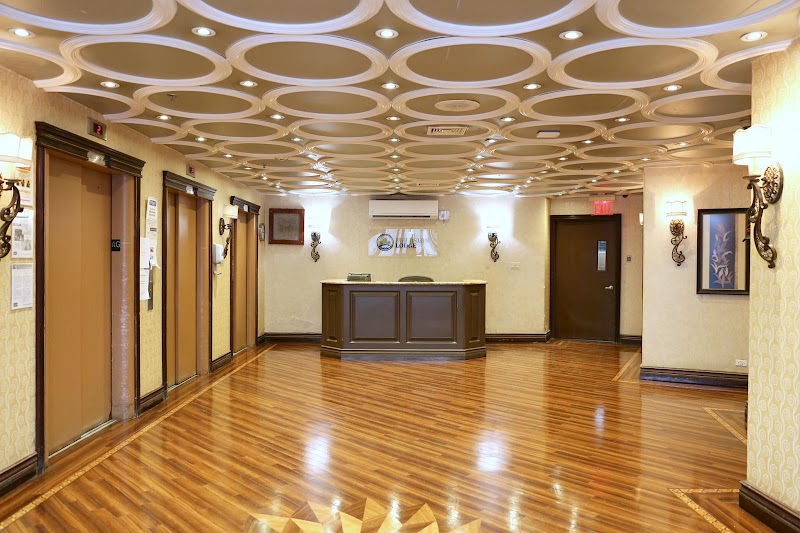
How is Fieldston Lodge Staffed?

CMS rates FIELDSTON LODGE CARE CENTER's staffing level at 4 out of 5 stars, which is above average compared to other nursing homes. Staff turnover is 31%, compared to the New York average of 46%. This relatively stable workforce can support continuity of care.

What Have Inspectors Found at Fieldston Lodge?

State health inspectors documented 30 deficiencies at FIELDSTON LODGE CARE CENTER during 2019 to 2025. These included: 30 with potential for harm.
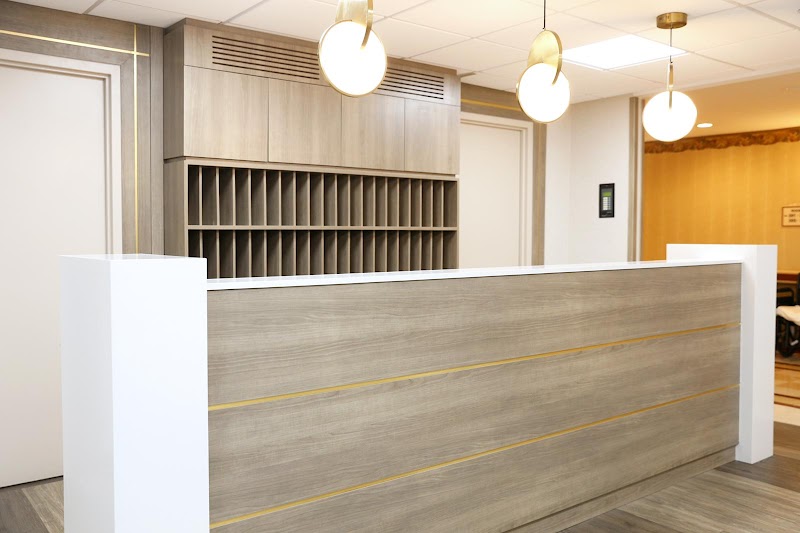
Who Owns and Operates Fieldston Lodge?

FIELDSTON LODGE CARE CENTER is owned by a for-profit company. For-profit facilities operate as businesses with obligations to shareholders or private owners. The facility is operated by THE MAYER FAMILY, a chain that manages multiple nursing homes. With 190 certified beds and approximately 168 residents (about 88% occupancy), it is a mid-sized facility located in RIVERDALE, New York.

How Does Fieldston Lodge Compare to Other New York Nursing Homes?

Compared to the 100 nursing homes in New York, FIELDSTON LODGE CARE CENTER's overall rating (2 stars) is below the state average of 3.1, staff turnover (31%) is significantly lower than the state average of 46%, and health inspection rating (2 stars) is below the national benchmark.

What Should Families Ask When Visiting Fieldston Lodge?

Based on this facility's data, families visiting should ask: "Can I visit during a mealtime to observe dining assistance and food quality?" "How do you handle medical emergencies, and what is your hospital transfer rate?" "Can I speak with family members of current residents about their experience?"

Is Fieldston Lodge Safe?

Based on CMS inspection data, FIELDSTON LODGE CARE CENTER has a clean safety record: no substantiated abuse findings (meaning no confirmed cases of resident harm), no Immediate Jeopardy citations (the most serious violation level indicating risk of serious injury or death), and is not on the Special Focus Facility watch list (a federal program monitoring the lowest-performing 1% of nursing homes). The facility has a 2-star overall rating and ranks #100 of 100 nursing homes in New York. While no facility is perfect, families should still ask about staff-to-resident ratios and recent inspection results during their visit.

Do Nurses at Fieldston Lodge Stick Around?

FIELDSTON LODGE CARE CENTER has a staff turnover rate of 31%, which is about average for New York nursing homes (state average: 46%). Moderate turnover is common in nursing homes, but families should still ask about staff tenure and how the facility maintains care continuity when employees leave.

Was Fieldston Lodge Ever Fined?

FIELDSTON LODGE CARE CENTER has been fined $66,859 across 1 penalty action. This is above the New York average of $33,747. Fines in this range indicate compliance issues significant enough for CMS to impose meaningful financial consequences. Common causes include delayed correction of deficiencies, repeat violations, or care failures affecting resident safety. Families should ask facility leadership what changes have been made since these penalties.

Is Fieldston Lodge on Any Federal Watch List?

FIELDSTON LODGE CARE CENTER is not on any federal watch list. The most significant is the Special Focus Facility (SFF) program, which identifies the bottom 1% of nursing homes nationally based on persistent, serious quality problems. Not being on this list means the facility has avoided the pattern of deficiencies that triggers enhanced federal oversight. This is a positive indicator, though families should still review the facility's inspection history directly.