Jewish Home of Rochester
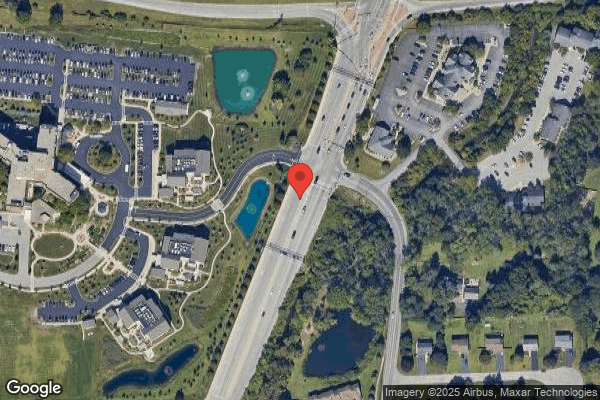
2021 Winton Road South, Rochester, NY 14618 (585) 427-7760
Non profit - Corporation 362 Beds Independent Data: November 2025
Trust Grade
90/100
#55 of 594 in NY
Last Inspection: August 2023

Over 2 years since last inspection. Current conditions may differ from available data.

Overview

The Jewish Home of Rochester has received an impressive Trust Grade of A, indicating that it is an excellent facility that is highly recommended. Ranking #55 out of 594 nursing homes in New York places it in the top half, and it is #2 out of 31 facilities in Monroe County, suggesting only one local option is better. The facility's trend is improving, having reduced its issues from 1 in 2021 to none in 2023, which is encouraging. Staffing is a strength, with a 5/5 star rating and a turnover rate of 35%, lower than the state average, indicating that staff members are stable and familiar with the residents. On the downside, there were three concerns found during inspections, including a failure to promptly report allegations of resident-to-resident physical abuse and a lack of necessary updates to care plans for specific residents. Overall, while there are some areas for improvement, the Jewish Home of Rochester stands out for its high quality of care and staffing stability.

Trust Score
A
90/100
In New York
#55/594
Top 9%
Safety Record
Low Risk
No red flags
Inspections
Getting Better
1 → 0 violations
Staff Stability
○ Average
35% turnover. Near New York's 48% average. Typical for the industry.
Penalties
✓ Good
No fines on record. Clean compliance history, better than most New York facilities.
Skilled Nurses
○ Average
Each resident gets 36 minutes of Registered Nurse (RN) attention daily — about average for New York. RNs are the most trained staff who monitor for health changes.
Violations
✓ Good
Only 3 deficiencies on record. Cleaner than most facilities. Minor issues only.
★★★★★
5.0
Overall Rating
★★★★★
5.0
Staff Levels
★★★★★
5.0
Care Quality
★★★★★
5.0
Inspection Score
Stable
2021: 1 issues
2023: 0 issues

The Good

  • 5-Star Staffing Rating · Excellent nurse staffing levels
  • 5-Star Quality Measures · Strong clinical quality outcomes
  • Full Sprinkler Coverage · Fire safety systems throughout facility
  • No fines on record
  • Staff turnover below average (35%)

    13 points below New York average of 48%

Facility shows strength in staffing levels, quality measures, fire safety.

The Bad

Staff Turnover: 35%

11pts below New York avg (46%)

Typical for the industry

The Ugly 3 deficiencies on record

Aug 2021 1 deficiency
CONCERN (D)

Potential for Harm - no one hurt, but risky conditions existed

Report Alleged Abuse (Tag F0609)

Could have caused harm · This affected 1 resident

Based on interviews, observations, and record review conducted during a Recertification Survey and complaint investigation (#NY00276039) completed on 8/6/21, it was determined for two (Residents #430 ...

Read full inspector narrative →
Based on interviews, observations, and record review conducted during a Recertification Survey and complaint investigation (#NY00276039) completed on 8/6/21, it was determined for two (Residents #430 and #261) of three residents reviewed, the facility did not report allegations of abuse, neglect or mistreatment to the New York State Department of Health (NYSDOH) in a timely manner. Specifically, an incident of resident-to-resident physical abuse with injuries was not reported to the NYSDOH in the time frame required. This was evidenced by the following: The facility policy, Abuse Investigation, dated 3/24/21, revealed that NYSDOH would be notified when there is reasonable cause to believe abuse, neglect or mistreatment has occurred. The facility would report to the NYSDOH serious bodily injury within 2 hours after forming a suspicion, and for all other incidents within 24 hours. Resident #261 had diagnoses that included Alzheimer's Disease, dementia, and major depressive disorder. The Minimum Data Set (MDS) Assessment, dated 7/9/21, revealed the resident had severely impaired cognition. Resident #430 had diagnoses including vascular dementia, high blood pressure, and a recent fractured left hip (5/09/21). The MDS Assessment, dated 7/13/21, revealed the resident had severely impaired cognition. Review of the Resident Incident Report, dated 5/9/21, revealed that on 5/9/21 at 12:20 p.m., a Licensed Practical Nurse (LPN), reported that when Resident #430 was walking out of their room, Resident #261 grabbed Resident #430's wrists and pushed them causing Resident #430 to fall onto the floor. A Registered Nurse (RN) completed an assessment of Resident #430, medical was notified, and an x-ray was completed revealing a fracture of the left hip. An undated Incident Investigation Summary completed by the Director of Nursing (DON), included that the incident on 5/9/21 was witnessed by an LPN who recounted that when the Residents passed by one another while walking, Resident #261 impulsively turned toward Resident #430, grasping Resident #430's wrists and pushed the resident toward the wall causing Resident #430 to fall to the ground. The report included that Resident #430 was injured and sent to the hospital for treatment. The Health Electronic Response Data System (HERDS), a reporting system where facilities report incidents to NYSDOH, revealed that the incident was not submitted to NYSDOH until 5/12/21. When interviewed on 8/6/21 at 7:54 a.m., the DON stated both residents were demented and lacked intent, so the incident did not fall under the category of abuse, neglect, or mistreatment. The DON said that the facility had 5 days to report the incident to NYSDOH. [10 NYCRR 415.4(b)(2)]
Jan 2019 2 deficiencies
CONCERN (D)

Potential for Harm - no one hurt, but risky conditions existed

Deficiency F0657 (Tag F0657)

Could have caused harm · This affected 1 resident

**NOTE- TERMS IN BRACKETS HAVE BEEN EDITED TO PROTECT CONFIDENTIALITY** Based on observations, interviews, and record reviews conducted during the Recertification Survey, it was determined that for on...

Read full inspector narrative →
**NOTE- TERMS IN BRACKETS HAVE BEEN EDITED TO PROTECT CONFIDENTIALITY** Based on observations, interviews, and record reviews conducted during the Recertification Survey, it was determined that for one (Resident #15) of two residents reviewed for respiratory care, the facility did not ensure that the resident's care plan was reviewed or revised to reflect the resident's current condition. The issue involved the lack of care plan revisions for Continuous Positive Airway Pressure (CPAP) therapy. This is evidenced by the following: Resident #15 was admitted to the facility on [DATE] for rehabilitation with a diagnosis of obstructive sleep apnea. The Minimum Data Set Assessment, dated 9/16/18, revealed that the resident was cognitively intact. The Physician admission Assessment, dated 4/30/18, revealed that the resident had sleep apnea and used a CPAP machine (a person wears a face mask during sleep which is connected to a pump, CPAP machine that forces air into the nasal passages at pressures high enough to overcome obstructions in the airway and stimulate normal breathing). Physician orders, from 4/30/18 through 10/18/18 and 12/21/18, included to provide the CPAP protocol (put on in the evening and off in the morning, and as needed during the day) and the care of the CPAP equipment. The Comprehensive Care Plan, initiated 5/1/18, revealed that the resident had sleep apnea. Interventions included providing the CPAP as ordered. There were no revisions documented. During an observation and interview with the resident on 1/4/19 at 11:05 a.m. and on 1/7/19 at 12:41 p.m., the resident said that he had sleep apnea and has a CPAP machine at home that does not work very well. The resident said that no one has asked him if he wanted a new CPAP, and he probably would not wear one anyway. There was no CPAP machine observed in the resident's room. Progress notes from admission and throughout the record documented that the resident does not wear, refuses, or does not have the CPAP machine. A progress note, dated 5/2/18, revealed that the resident stated he had a CPAP at home. A progress note, dated 10/5/18, documented that the resident has been refusing CPAP since admission. A progress note, dated 10/14/18, revealed that the resident did not have a CPAP machine in his room. Review of the Treatment Administration Records (TARs) for October 2018 and December 2018 included an entry for the CPAP protocol and the care of the CPAP per the orders. The TAR had not been signed off as completed 86/93 opportunities, and on 12/23/18 and 12/26/18 it was signed off that care for the CPAP machine was done. There was no documentation that education regarding the resident's decision not to use the CPAP machine for his sleep apnea was provided. When interviewed on 1/7/19 at 12:57 p.m., the Clinical Coordinator said the resident refused to wear the CPAP machine since the day he came in and everybody was aware. The Clinical Coordinator said that the physician orders should have been discontinued, and the resident's care plan should have been revised. The Clinical Coordinator said that he did not know if there was any documentation that the resident had been educated regarding his sleep apnea and the use of the CPAP machine. When interviewed on 1/7/19 at 2:04 p.m., the Registered Nurse Manager (RNM) said she just started completing care plans for the unit. She stated if nursing was reporting that the resident was not using the CPAP machine, someone should have had an educated conversation with the resident. The RNM said if the resident was not going to use the CPAP, then it should have been discontinued from the orders and the care plan revised. The facility policy for Comprehensive Care Plans, effective 5/30/18, revealed that the care plan will be updated, reviewed and evaluated including care plan goals, interventions and approaches on an ongoing basis. [10 NYCRR 415.11(c)(2)(iii)]
CONCERN (D)

Potential for Harm - no one hurt, but risky conditions existed

Medication Errors (Tag F0758)

Could have caused harm · This affected 1 resident

Based on interviews and record reviews conducted during the Recertification Survey, it was determined that for one (Resident #352) of six residents reviewed for unnecessary medications, the facility d...

Read full inspector narrative →
Based on interviews and record reviews conducted during the Recertification Survey, it was determined that for one (Resident #352) of six residents reviewed for unnecessary medications, the facility did not ensure that each resident's drug regimen remained free from unnecessary medications. Specifically, the resident received an as needed antipsychotic medication on the day of admission to the facility without documentation that the medication was used to treat a diagnosed specific condition, whether symptoms were clinically significant enough to administer an antipsychotic medication, and what non-pharmacological interventions were attempted prior to the administration of an antipsychotic medication. This is evidenced by the following: Resident #352 was admitted to the facility for rehabilitation on 12/20/18 following surgery for a right femoral neck fracture. The Minimum Data Set Assessment, dated 12/27/18, revealed that the resident had moderately impaired cognition and symptoms of delirium. The hospital discharge paperwork, dated 12/20/18, revealed that the resident was alert and oriented to person, received Haldol (antipsychotic) as needed (last dose documented was 12/18/18), and prior to admission the resident was independent with activities of daily living, driving and working part time without symptoms of confusion. The Registered Nurse (RN) Assessment, dated 12/20/18, included that the resident was alert, oriented to person and very confused on admission. The resident thought he was in a hotel and was dropped off by a taxi. The resident talked about leaving the facility, but then a family member arrived and he calmed down. The Physician admission Exam, dated 12/20/18, revealed that the resident's postoperative course included delirium which was treated with Haldol. The resident was in no acute distress and had a normal mood. The assessment and plan included a delirium workup, repeating lab work, a bladder scan and medications. The plan was discussed with the resident's family member. Physician orders, dated 12/20/18, included Haldol every eight hours as needed for agitation. The related diagnosis field was blank. The December 2018 Medication Administration Record revealed that the resident received an intramuscular (IM) injection of Haldol on 12/20/18 at 5:16 p.m. There was no documentation regarding the resident's behavior or the reason the Haldol was administered. When interviewed on 1/4/19 at 3:19 p.m., the RN who admitted the resident to the facility and administered the IM Haldol said that the resident came in on the evening shift and was extremely confused, talking combatively such as I am going to rip people's heads off, or I am going to shove this . The RN said she was not afraid of the resident. She said the resident was afraid and did not know where he was and commented my family has abandoned me here. The RN said that the resident wanted to leave and went toward the emergency exit to go out the door. The RN said initially the resident would not let the physician examine him. The RN said the physician gave her a verbal order for oral Haldol which the facility did not have, so the physician changed the order to IM. The RN stated that she had mixed feelings about giving the IM Haldol. She said the resident's family member arrived shortly thereafter and the resident calmed down. The RN said that initially she tried reorienting the resident which was not working. The RN said she did not write a behavior note. Interviews conducted on 1/7/19 included the following: a. At 9:30 a.m., the physician said that the resident was admitted to the facility between 4:00 and 5:00 p.m. and wanted to go home. He said the resident was delirious and unable to calm down. The physician said he called the resident's family member, ordered the Haldol, and removed the resident's walker and placed it outside of his room so he would not go far. The physician said that the resident was a risk to himself because he could fall and break his hip without his walker so he needed the Haldol. The physician said that once the resident's family member arrived he was calm and had normal conversation. He said that the resident's diagnosed specific condition would be delirium. When asked about the underlying cause the physician said people with dementia are prone to delirium due to anesthesia and pain, however this resident's hospital record did not mention dementia. The physician said the resident's symptoms were loss of insight as he did not understand that he was at the facility for rehabilitation. The physician said that the staff did not attempt any other non-pharmacologic interventions other than calling the family member and having them with the resident. He said that is the best treatment for residents with delirium. b. At 9:30 a.m., the Medical Director was interviewed with the physician. The Medical Director said she was called at home by the physician due to the resident being agitated and not having capacity to make decisions himself. The Medical Director said that a delirium workup was ordered for the following day which included blood work, urine, and a medication review which was all normal. The Medical Director said that she audited the resident's medical record after discharge (1/4/19), and he was off all antipsychotic medications. The Medical Director said that diagnoses, cause, symptoms, and the non-pharmacologic interventions attempted prior to the administration of the Haldol should have been documented during the time the resident was experiencing symptoms and the Haldol was administered. c. At 1:51 p.m., the Clinical Coordinator said that there should be good documentation as to why an antipsychotic is being administered and the non-pharmacologic interventions attempted beforehand. The Clinical Coordinator said if it was not documented, then it was not done. d. At 2:16 p.m., the Registered Nurse Manager said if a resident warrants IM Haldol within hours of being admitted to the facility, then she would expect detailed documentation. The facility policy for Psychotropic Medications, dated 10/9/17, revealed that the Medical Provider will order psychotropic medication only for treatment of specific medical and/or psychiatric symptoms to alleviate significant distress for the resident when nonpharmacologic approaches are not effective. They are to document diagnosis and rationale for use and identify target symptoms, document discussion with the resident and/or responsible party regarding the risk versus benefit of the medication including any black box warning or off label use. [10 NYCRR 415.12(1-2)]
Understanding Severity Codes (click to expand)
Life-Threatening (Immediate Jeopardy)
J - Isolated K - Pattern L - Widespread
Actual Harm
G - Isolated H - Pattern I - Widespread
Potential for Harm
D - Isolated E - Pattern F - Widespread
No Harm (Minor)
A - Isolated B - Pattern C - Widespread

Questions to Ask on Your Visit

  • "Can I speak with families of current residents?"
  • "What's your RN coverage like on weekends and overnight?"

Our Honest Assessment

Strengths
  • • Grade A (90/100). Above average facility, better than most options in New York.
  • • No major safety red flags. No abuse findings, life-threatening violations, or SFF status.
  • • No fines on record. Clean compliance history, better than most New York facilities.
  • • Only 3 deficiencies on record. Cleaner than most facilities. Minor issues only.
Concerns
  • • No significant concerns identified. This facility shows no red flags across CMS ratings, staff turnover, or federal penalties.
Bottom line: Generally positive indicators. Standard due diligence and a personal visit recommended.

About This Facility

What is Jewish Home Of Rochester's CMS Rating?

CMS assigns Jewish Home of Rochester an overall rating of 5 out of 5 stars, which is considered much above average nationally. Within New York, this rating places the facility higher than 99% of the state's 100 nursing homes. This rating reflects solid performance across the metrics CMS uses to evaluate nursing home quality.

How is Jewish Home Of Rochester Staffed?

CMS rates Jewish Home of Rochester's staffing level at 5 out of 5 stars, which is much above average compared to other nursing homes. Staff turnover is 35%, compared to the New York average of 46%. This relatively stable workforce can support continuity of care.

What Have Inspectors Found at Jewish Home Of Rochester?

State health inspectors documented 3 deficiencies at Jewish Home of Rochester during 2019 to 2021. These included: 3 with potential for harm.

Who Owns and Operates Jewish Home Of Rochester?

Jewish Home of Rochester is owned by a non-profit organization. Non-profit facilities reinvest revenue into operations rather than distributing to shareholders. The facility operates independently rather than as part of a larger chain. With 362 certified beds and approximately 305 residents (about 84% occupancy), it is a large facility located in Rochester, New York.

How Does Jewish Home Of Rochester Compare to Other New York Nursing Homes?

Compared to the 100 nursing homes in New York, Jewish Home of Rochester's overall rating (5 stars) is above the state average of 3.1, staff turnover (35%) is significantly lower than the state average of 46%, and health inspection rating (5 stars) is much above the national benchmark.

What Should Families Ask When Visiting Jewish Home Of Rochester?

Based on this facility's data, families visiting should ask: "Can I visit during a mealtime to observe dining assistance and food quality?" "How do you handle medical emergencies, and what is your hospital transfer rate?" "Can I speak with family members of current residents about their experience?"

Is Jewish Home Of Rochester Safe?

Based on CMS inspection data, Jewish Home of Rochester has a clean safety record: no substantiated abuse findings (meaning no confirmed cases of resident harm), no Immediate Jeopardy citations (the most serious violation level indicating risk of serious injury or death), and is not on the Special Focus Facility watch list (a federal program monitoring the lowest-performing 1% of nursing homes). The facility has a 5-star overall rating and ranks #1 of 100 nursing homes in New York. While no facility is perfect, families should still ask about staff-to-resident ratios and recent inspection results during their visit.

Do Nurses at Jewish Home Of Rochester Stick Around?

Jewish Home of Rochester has a staff turnover rate of 35%, which is about average for New York nursing homes (state average: 46%). Moderate turnover is common in nursing homes, but families should still ask about staff tenure and how the facility maintains care continuity when employees leave.

Was Jewish Home Of Rochester Ever Fined?

Jewish Home of Rochester has no federal fines on record. CMS issues fines when nursing homes fail to meet care standards or don't correct problems found during inspections. The absence of fines suggests the facility has either maintained compliance or corrected any issues before penalties were assessed. This is a positive indicator, though families should still review recent inspection reports for the full picture.

Is Jewish Home Of Rochester on Any Federal Watch List?

Jewish Home of Rochester is not on any federal watch list. The most significant is the Special Focus Facility (SFF) program, which identifies the bottom 1% of nursing homes nationally based on persistent, serious quality problems. Not being on this list means the facility has avoided the pattern of deficiencies that triggers enhanced federal oversight. This is a positive indicator, though families should still review the facility's inspection history directly.