Park Ridge Nursing Home
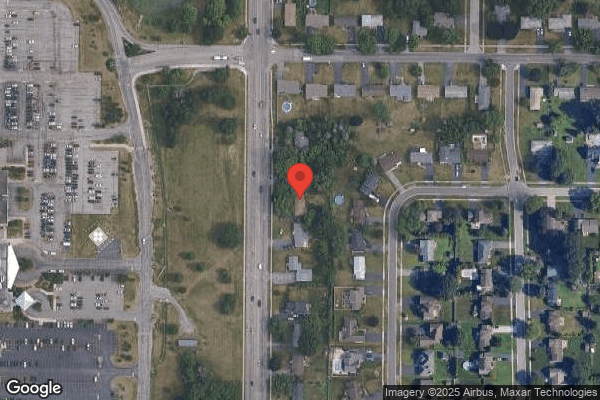

1555 Long Pond Road, Rochester, NY 14626 (585) 723-7205
Non profit - Corporation 120 Beds ROCHESTER REGIONAL HEALTH Data: November 2025
Trust Grade
85/100
#86 of 594 in NY
Last Inspection: April 2024

Within standard 12-15 month inspection cycle. Federal law requires annual inspections.

Overview

Park Ridge Nursing Home has a Trust Grade of B+, which means it is above average and generally recommended for families considering care options. It ranks #86 out of 594 facilities in New York, placing it in the top half, and #5 out of 31 in Monroe County, indicating only four local facilities are seen as better. Unfortunately, the facility's trend is worsening, with issues increasing from 5 in 2022 to 6 in 2024. Staffing is rated 4 out of 5 stars, which is good, but the turnover rate of 42% is average, suggesting some staff may not stay long-term. On a positive note, there have been no fines reported, which is a good sign of compliance. However, there are some concerns highlighted in recent inspections. For example, raw shell eggs were not cooked properly, posing a food safety risk. Additionally, the facility failed to accurately document a resident's advance directive regarding their medical treatment preferences and did not consistently apply a prescribed treatment plan for another resident's swelling. Overall, while Park Ridge has some strengths, these identified weaknesses are important to consider.

Trust Score
B+
85/100
In New York
#86/594
Top 14%
Safety Record
Low Risk
No red flags
Inspections
Getting Worse
5 → 6 violations
Staff Stability
○ Average
42% turnover. Near New York's 48% average. Typical for the industry.
Penalties
✓ Good
No fines on record. Clean compliance history, better than most New York facilities.
Skilled Nurses
✓ Good
Each resident gets 46 minutes of Registered Nurse (RN) attention daily — more than average for New York. RNs are trained to catch health problems early.
Violations
⚠ Watch
16 deficiencies on record. Higher than average. Multiple issues found across inspections.
★★★★★
5.0
Overall Rating
★★★★☆
4.0
Staff Levels
★★★★★
5.0
Care Quality
★★★★☆
4.0
Inspection Score
Stable
2022: 5 issues
2024: 6 issues

The Good

  • 4-Star Staffing Rating · Above-average nurse staffing levels
  • 5-Star Quality Measures · Strong clinical quality outcomes
  • Full Sprinkler Coverage · Fire safety systems throughout facility
  • No fines on record
  • Staff turnover below average (42%)

    6 points below New York average of 48%

Facility shows strength in staffing levels, quality measures, fire safety.

The Bad

Staff Turnover: 42%

Near New York avg (46%)

Typical for the industry

Chain: ROCHESTER REGIONAL HEALTH

Part of a multi-facility chain

Ask about local staffing decisions and management

The Ugly 16 deficiencies on record

Apr 2024 6 deficiencies
CONCERN (D) 📢 Someone Reported This

A family member, employee, or ombudsman was alarmed enough to file a formal complaint

Potential for Harm - no one hurt, but risky conditions existed

Deficiency F0578 (Tag F0578)

Could have caused harm · This affected 1 resident

**NOTE- TERMS IN BRACKETS HAVE BEEN EDITED TO PROTECT CONFIDENTIALITY** Based on interviews and record review conducted during the Recertification Survey the facility did not ensure that all residents...

Read full inspector narrative →
**NOTE- TERMS IN BRACKETS HAVE BEEN EDITED TO PROTECT CONFIDENTIALITY** Based on interviews and record review conducted during the Recertification Survey the facility did not ensure that all residents had the right to request, refuse, and/or discontinue treatment, and to formulate an advance directive (medical interventions in the event of a life-threatening episode) that would be honored for one (Residents #47) of one resident reviewed. Specifically, the facility did not ensure that Resident #47's advance directives (their preferred code status in the event of cardiac or pulmonary arrest) were accurately identified per their wishes. This is evidenced by the following: The facility policy, Advanced Directives for Long Term Care, dated [DATE] documented that the facility is committed to honoring the wishes of our patients' that include the right to accept or refuse medical or surgical treatment. Additionally, all patient's verbal or written statements about advanced directives should be accepted as expression of their wishes. The policy also documented the Social Worker will review any advanced directive wishes with the patient and/or the patient's representative and/or review those directives for completeness. Additionally, in unusual or complex situations, if it appears unclear how to proceed for a specific case, contact your supervisor. If further clarification is needed, the supervisor/off shift director is to notify the Medical Director, Director of Clinical Services, and the Manager of Social Work Services, for further instructions. 1. Resident #47 had diagnoses that included heart failure, high blood pressure, and malnutrition. The Minimum Data Set Resident assessment dated [DATE] documented the resident was cognitively intact and had a living will. Review of Resident #47's Living Will dated [DATE] documented that they direct their attending physician to withhold or withdraw treatment that merely prolongs dying, if in an incurable or irreversible mental or physical condition with no reasonable expectation of recovery, including but not limited to: (a) a terminal condition; (b) a permanently unconscious condition; (c) a minimally conscious condition in which I am permanently unable to make decisions or express wishes. Additionally, if I am in the condition(s) described above I feel especially strongly about the following forms of treatment: I do not want cardiac resuscitation (CPR), I do not want mechanical respirations (breathing tube and/or ventilator), and I do not want artificial nutrition and hydration. Review of Resident #47's MOLST dated [DATE] and signed by the resident, a Registered Nurse witness and the Physician in the hospital documented their wishes were for Do Not Resuscitate and Do Not Intubate. Current Physician orders in the facility documented Resident #47's code status was for Full Code (to attempt cardiopulmonary resuscitation in the event their heart or breathing stopped). Review of the Resident #47's Baseline Care Plan, dated [DATE] included the resident advanced directives were for Full Code. Resident #47's Comprehensive Care Plan and care plan used by the Certified Nursing Assistants found in the resident's room did not include advanced directive status. Review of interdisciplinary progress notes since admission revealed in multiple medical and nursing notes that Resident #47 was alert and oriented and able to make their needs known. During an interview on [DATE] at 4:04 PM Resident #47 stated their wishes were as outlined in their Living Will and to not be resuscitated or intubated. Resident #47 stated they had (previously) completed paperwork outlining their wishes and had not changed their wishes. In a nursing progress note dated [DATE] (soon after admission) the Licensed Practical Nurse documented that Resident #47 was admitted with hypoxia (low oxygen in the blood) and was a DNR (Do Not Resuscitate in the event of cardiac or respiratory arrest). Review of the facility's Electronic Medical Record revealed a hospital progress note from a previous hospital stay (Palliative Care) dated [DATE] and written by Physician Assistant #2 that included Resident #47's, identified as having full capacity, wishes were reviewed and included Do Not Resuscitate and a Medical Orders for Life Sustaining Treatment (MOLST) form was filled out at the time with the resident's consent. During an interview on [DATE] at 3:04 PM with Social Worker #1 and Social Worker #2, Social Worker #1 stated advanced directives were reviewed by social work at the time of admission and discussed with the resident. Social Worker #1 stated they normally did not review Living Wills with the resident, but they kept them on file in the electronic medical record. During an interview on [DATE] at 1:03 PM Social Worker #1 stated they were not aware that Resident #47 had filled out a Medical Order for Life Sustaining Treatment prior to admission and was admitted as a Full Code from the hospital and did not have a Medical Orders for Life Sustaining Treatment with them when they were admitted . During an interview on [DATE] at 1:18 PM Physician Assistant #1 stated they review advanced directives as part of the admission process and discuss with the resident their wishes. Physician Assistant #1 stated they were not aware that Resident #47 had a Medical Orders for Life Sustaining Treatment and they must have missed it. During an interview on [DATE] at 9:14 AM the Director of Nursing stated advanced directives should be reviewed at the time of admission and discussed with the resident. The Director of Nursing stated that Resident #47 had stated that they wanted their Living Will followed. In an interdisciplinary progress note dated [DATE] at 6:03 PM (after surveyor intervention) Social Worker #1 documented that they spoke with Resident #47 regarding advanced directives and Resident #47 stated they wanted their Living Will followed, did not want cardiopulmonary resuscitation [CPR] and did not want a breathing tube or ventilator in the event of cardiac or respiratory arrest. 10 NYCRR 415.3 (f)(1)(i)
CONCERN (D) 📢 Someone Reported This

A family member, employee, or ombudsman was alarmed enough to file a formal complaint

Potential for Harm - no one hurt, but risky conditions existed

Quality of Care (Tag F0684)

Could have caused harm · This affected 1 resident

Based on observations, interviews, and record review conducted during a Recertification Survey, the facility did not ensure that the resident received treatment and care in accordance with professiona...

Read full inspector narrative →
Based on observations, interviews, and record review conducted during a Recertification Survey, the facility did not ensure that the resident received treatment and care in accordance with professional standards of practice, the comprehensive person-centered care plan, and the resident's choices for one (Resident #22) of one resident reviewed for edema (swelling caused by excess fluid in body tissues). Specifically, the facility did not ensure that the recommendations provided by the physician consult for vascular services for a lymphedema compression pump were consistently administered per the recommendation and no documented evidence as to why not. This was evidenced by the following. 1.Resident #22 had diagnoses including diabetes, high blood pressure, and lymphedema (an excess tissue fluid in the extremities results in swelling) of the left leg. The Minimum Data Set Resident Assessment, dated 3/14/24, revealed that Resident #22 was cognitively intact for decision making, and required the application of nonsurgical dressings and ointments/medications. Resident #22's current Comprehensive Care Plan and/or current Care Card (care plan used by the Certified Nursing Assistants for daily care) documented that Resident #22 had lymphedema of the left leg. Interventions included to assess their skin for color, turgor (swelling or distention), perfusion (how well blood circulates in specific part of the body), and edema and the use of tubigrips (a tubular bandage to treat swelling) on the left leg. Neither care plan included the use of any type of vascular pump. Review of Resident #22's Physician orders for prior six months to present did not include any orders for treatments using a lymphedema pump. In a vascular surgical visit progress note, dated 4/17/23, Physician #1 recommended that Resident #22 needed a Flexitouch system pneumatic compression device (a medical pump that uses air pressure to apply intermittent compression to a specific area of the body) for their left leg severe lymphedema. In a vascular surgical visit progress note dated 5/30/24, Physician #1 documented that Resident #22 had not received the lymphedema pump yet but had tried to elevate their leg as much as possible. Physician #1 documented that Resident #22 needed the compression pump as soon as possible to prevent skin ulcers and encouraged Resident #22 to contact the vendor. In a medical progress note dated 6/29/23 Nurse Practitioner #1 documented the vendor trainer for the lymphedema pump was contacted for staff education, and once the education for staff was obtained, an order for the pump would be placed in Resident #22's chart. In a medical progress note, dated 7/3/23, Nurse Practitioner #2 documented that the lymphedema pump was at Resident #22's bedside but staff needed training prior to using the pump and the facility was waiting for the vendor trainer to come to the facility to provide the training. In a medical progress note dated 7/10/23 Nurse Practitioner # 3 documented that an appointment was to be arranged the next day with the lymphedema pump vendor trainer to come to the facility and provide staff training for Resident #22's pump. In a medical progress note dated 8/10/23 Nurse Practitioner #1 documented that Resident #22 was pleased with the lymphedema pump, was tolerating it well and using daily as prescribed by the vascular surgeon. In a medical progress note dated 8/24/24 Nurse Practitioner #4 documented that per nursing report the pump was on hold due to it causing Resident #22 discomfort and the vendor had been contacted for pump reassessment and fitting, with a plan to continue the lymphedema pump when reassessed. Review of the Patient Training Checklist dated 8/30/24 and signed by the vendor trainer and Resident #22, revealed that the trainer had reassessed and reviewed the treatment plan, pump settings, pump function, conducted and completed a pump therapy session and Resident #22 demonstrated ability to operate the pump and garments with assistance from a Caretaker. The Checklist did not include who the Caretaker was. In a medical progress note dated 9/25/23 Nurse Practitioner #2 documented that Resident #22 continued lymphedema pump therapy. During an interview on 4/24/24 at 12:08 PM, Resident #22 stated that it took one to two people to assist in order to use the pump and that there was never enough staff to use it. Resident #22 said that the last time they had used the pump was about month ago for three days with a nurse who had been taught. Review of the Treatment Administration Records 2/1/24 to 4/18/24 did not include any treatments with the lymphedema pump. During an interview on 4/25/24 at 1:17 PM, Registered Nurse Manager #1 stated the facility's Resource Nurse was overseeing the use of Resident #22's lymphedema pump. Registered Nurse Manager #1 said that the medical team was aware of the use of the lymphedema pump but could not find any orders for the pump. During an interview on 4/25/24 at 1:34 PM, Nurse Practitioner # 1 said they have seen the lymphedema pump in Resident #22's room but there were no orders to use it and there should be. During an interview on 4/26/24 at 11:29 AM, Licensed Practical Nurse # 1 stated they did not get training for Resident #22's lymphedema pump but had assisted the resident with the pump. Licensed Practical Nurse # 1 stated they were not sure of the frequency for the treatment but thought it may be daily. Licensed Practical Nurse # 1 stated they could not recall when the pump had last been used. During an interview on 4/26/24 at 11:44 AM Registered Nurse #1 (Clinical Leader/Resource Nurse) stated that if a treatment is required, the Physician would put the order in (the electronic medical record) but they did not think there was an order for Resident #22's lymphedema pump. Registered Nurse #1 (Clinical Leader/Resource Nurse) said that if a treatment was completed or if it was refused it should be documented. Registered Nurse #1 (Clinical Leader/Resource Nurse) stated only themself and an evening nurse had been trained on the pump and that sometimes the resident would refuse due to it being left on too long, so they stopped using it. Registered Nurse #1 (Clinical Leader/Resource Nurse) stated the pump had not been discontinued that they were aware of. During an interview on 4/26/24 at 3:03pm, the Director of Nursing said that use of a device would require staff education and a Physician order and if the treatment was refused it should be documented and communicated to the Physician. The Director of Nursing said use of the pump would require policy and education. The Director of Nursing said there were no orders or nursing notes regarding the lymphedema pump and there should have been. 10 CFRR 415.12
CONCERN (D) 📢 Someone Reported This

A family member, employee, or ombudsman was alarmed enough to file a formal complaint

Potential for Harm - no one hurt, but risky conditions existed

Pressure Ulcer Prevention (Tag F0686)

Could have caused harm · This affected 1 resident

Based on observations, interviews and record review conducted during the Recertification Survey, for one (Resident #40) of two residents reviewed for pressure ulcers, the facility did not ensure a res...

Read full inspector narrative →
Based on observations, interviews and record review conducted during the Recertification Survey, for one (Resident #40) of two residents reviewed for pressure ulcers, the facility did not ensure a resident received the necessary treatment and services consistent with professional standards of practice to promote healing and prevent new ulcers from developing. Specifically, Resident #40 was found to have an open area to their right ankle on 12/20/23. The facility was unable to provide documented evidence that the wound was consistently monitored and treated to promote healing and/or prevent worsening. This is evidenced by the following: Review of the facility policy and procedure Skin Inspection and Care, dated November 2019, revealed that the nurse would inspect skin integrity weekly and document the inspection on the Integumentary (an organ system that includes the skin) Flow Sheet. The Licensed Practical Nurse would notify the Registered Nurse of any changes to the resident's skin. During daily care, skin observations would be done by the primary caregiver (i.e., Certified Nursing Assistant). Any skin conditions found would be reported to the nurse. The nurse will inspect the area of concern, document, and plan interventions as appropriate. The Medical Provider would be notified of any change in skin condition requiring interventions. The Clinical Leader or Nurse Manager would be responsible for monitoring the resident's response to treatment or interventions and adjust the plan of care if necessary. Resident #40 had diagnoses including an unstageable (full thickness tissue loss where depth is unable to be measured due nonviable tissue in the wound bed) pressure ulcer of the right ankle, osteoarthritis (a breakdown of tissue within the joint that can cause pain and stiffness) of the right hip, reduced mobility, and Alzheimer's disease. The Minimum Data Set Resident Assessment, dated 1/7/24, revealed the resident had severely impaired cognition, was dependent on staff for bathing and repositioning, had no pressure ulcers or other skin conditions, and was not receiving any skin treatments to their feet. Review of the resident's current Comprehensive Care Plan revealed Resident #40 had unstageable pressure ulcers to their right outer foot and ankle. Interventions included, but were not limited to, turn and position every two hours, measure the ulcer weekly and document, treat the wounds per medical order, and to wear protective boots as tolerated. In a nursing progress note dated 12/20/23 Registered Nurse Manager #1 documented that Resident #40 had an abrasion/shearing to their right ankle, measuring 1.0 centimeters by 1.5 centimeters. The area was cleansed, and a foam dressing was applied. In a medical progress note dated 12/21/23 at 1:33 PM Physician Assistant #1 documented Resident #40 was seen for a small, round superficial open area to their right ankle, likely caused by shearing, with a small amount of drainage. The plan was to treat the area with a foam dressing every other day for 3 occurrences and to apply protective boots. In a nursing progress note dated 12/26/23 Licensed Practical Nurse #3, documented that Resident #40's skin was intact except for a healing wound on their right ankle. Review of Treatment Administration Record-Nursing Tasks from 12/20/23 to 3/13/24 included a dressing change (the location of the dressing change was not included in the task) scheduled twice daily was completed on 12/21/23, 12/23/23 and 12/25/23. There were no additional dressing changes documented on the Treatment Administration Record until 3/13/24. In a nursing progress note dated 1/25/24 Registered Nurse #1(Clinical Leader/Resource Nurse) documented the shearing to Resident #40's right ankle was healing. The area was cleansed, and a foam dressing applied. Review of the electronic health record for Resident #40 revealed no documentation related to any skin or wound assessment, monitoring or treatments to Resident #40's right ankle from 1/25/24 to 3/13/24. In a nursing progress note dated 3/13/24 Registered Nurse #1(Clinical Leader/Resource Nurse) documented while doing rounds on Resident #40, a dressing was removed from the right ankle exposing an unstageable wound containing slough (dead tissue) and a small amount of drainage that measured 2.5 centimeters by 2.3 centimeters. The wound was cleansed, and the wound bed covered with Aquacel Ag (a treatment used to promote wound healing commonly used for infected wounds) and a foam dressing. In a medical progress note dated 3/13/24 Nurse Practitioner #3 documented they were asked to see Resident #40 for a wound to their right ankle. Nursing reported that a foam dressing was covering a wound on the outer right ankle which had previously been dark in color, but was now open and draining with slough, drainage, and redness to the skin surrounding the wound, and possible bone exposure. The wound was tender to touch as evidence by the resident whimpering during the exam. Additionally, there was an area of dried eschar (dead tissue) to the underside of the right foot. Physician orders dated 3/13/24 included to cleanse the right outer ankle with saline, pat dry, apply non-sting skin prep to the surrounding skin, place Aquacel Ag to the wound bed and cover with a foam dressing. Change every other day and as needed until healed. During a wound care observation on 4/26/24 at 10:53 AM, Resident #40's continued to have a right outer ankle wound that appeared to be healing with pink granulation (new, healthy tissue) in the wound bed. There were three additional unstageable wounds on the right foot. During an interview on 4/26/24 at 9:49 AM, Registered Nurse Manager #1 stated they noticed an abrasion to Resident #40's right ankle on 12/20/23 and notified the medical provider who examined the resident on 12/21/23 and ordered a foam dressing for three days. Registered Nurse Manager #1 stated they reported the skin condition to Registered Nurse #1(Clinical Leader/Resource Nurse) and informed them that the wound was something that needed to be monitored. Registered Nurse Manager #1 said that Registered Nurse #1(Clinical Leader/Resource Nurse) wrote progress notes on 1/25/24 and 3/13/24 and told them they were monitoring the wound but that there was no additional documentation in the electronic health record and no treatment orders from 1/25/24 until 3/13/24. During an interview on 4/26/24 at 11:11 AM, Registered Nurse #1(Clinical Leader/Resource Nurse) stated they were not made aware of Resident #40's area of shearing to their right ankle until they returned to work in early January 2024 and that they did monitor the wound weekly. They said they reported changes in the wound to a Nurse Practitioner and discussed the treatment plan on or around 1/25/24 but had not followed up with the Nurse Practitioner to ensure that medical orders were written. Registered Nurse #1(Clinical Leader/Resource Nurse) stated they performed the dressing changes without an order in place and did not document the wound condition following weekly checks which was an oversight. During an interview on 4/26/24 at 3:49 PM, Nurse Practitioner #1 stated the medical team was made aware of the open wound to Resident #40's right ankle on 3/13/24. If a wound did not appear to be healing, they would expect the nurse to notify the medical team to examine the wound and determine if new treatment orders were needed. Nurse Practitioner #1 stated that if a wound was being monitored, the wound's progress should be documented in the resident's medical record. During an interview on 4/29/24 at 9:58 AM, the Director of Nursing stated they would expect that all care staff were monitoring residents for new skin conditions at least weekly. The Director of Nursing said that Certified Nursing Assistants had the responsibility of monitoring resident's skin daily during care and report any new skin issues to the nurse and that the nurses were responsible for performing weekly skin checks. Once a new skin condition was identified, it should be placed on the weekly skin log and monitored by the Registered Nurse on weekly wound rounds and that all skin and wound monitoring should be documented in the electronic health record. 10 NYCRR 415.12(c)(1)
CONCERN (D) 📢 Someone Reported This

A family member, employee, or ombudsman was alarmed enough to file a formal complaint

Potential for Harm - no one hurt, but risky conditions existed

Infection Control (Tag F0880)

Could have caused harm · This affected 1 resident

**NOTE- TERMS IN BRACKETS HAVE BEEN EDITED TO PROTECT CONFIDENTIALITY** Based on observation, interviews and record review conducted during the Recertification Survey the facility did not ensure they ...

Read full inspector narrative →
**NOTE- TERMS IN BRACKETS HAVE BEEN EDITED TO PROTECT CONFIDENTIALITY** Based on observation, interviews and record review conducted during the Recertification Survey the facility did not ensure they established and maintained an Infection Control Program designed to provide a safe, sanitary, and comfortable environment and to help prevent the development and transmission of communicable diseases and infections. Specifically: Issue #1: The facility was unable to provide documented evidence of the current status for three (Residents #62, #88 and #352) of five residents reviewed for vaccinations (influenza and/or pneumococcal) or that education was consistently provided on the risks/benefits of vaccinations. Issue #2: The facility did not ensure appropriate signage or mask use on one (transitional care unit) of five residential care units due to a current positive covid-19 infection. Issue #3: The facility was unable to provide documented evidence of staff vaccination status and/or eligibility for 4 of 10 staff reviewed for influenza vaccine and 10 of 10 staff reviewed for pneumococcal vaccine, including provision of education of risks/benefits and declinations. The findings include but not limited to the following: Issue #1: The policy Influenza and Pneumococcal Immunization dated December 2021 documented all inpatients aged 18 and older will be screened to determine eligibility for influenza and/or pneumococcal vaccination. The admitting nurse is responsible for initiation of the influenza/pneumococcal assessment and immunization records and for reviewing the immunization history in the electronic medical record. If the patient or family member does not remember dates of vaccination, the Primary Care Physician office should be called to obtain the information. If the Primary Care Physician office does not have record of either injection, the nurse can offer vaccine and documentation of the efforts made to obtain the data should be made. Resident #352 was admitted to the facility approximately several weeks prior and had diagnoses that included hypertension, atrial fibrillation (irregular heart rate), and a left hip fracture. The Minimum Data Set Resident assessment dated [DATE] included Resident #352 was cognitively intact. Review of Resident #352's electronic medical record revealed no documented evidence that the resident had been vaccinated, had been offered, had been educated regarding vaccines, or had declined the covid booster, influenza and/or pneumococcal vaccinations. Resident #62 was admitted to the facility approximately four months ago and had diagnoses that included dementia, and osteoarthritis. The Minimum Data Set Resident assessment dated [DATE] included the resident had severe cognitive impairment. Review of Resident #62's electronic medical record revealed no documented evidence that the resident had been vaccinated, had been offered, had been educated regarding vaccines, or had declined the influenza vaccine for this year's flu season. Review of the vaccination flow sheet provided by the Infection Preventionist revealed Resident #62's influenza vaccine was last administered on 10/23/18. Resident #88 was admitted to the facility approximately eight months ago and had diagnoses that included Alzheimer's dementia with psychotic disturbance, a stroke, and frequent falls. The Minimum Data Set Resident assessment dated [DATE] included the resident had moderate cognitive impairment. Review of Resident #88's electronic medical record revealed no documented evidence that the resident had been vaccinated, had been offered, had been educated or had declined the pneumococcal vaccine. Review of the facility provided influenza and pneumococcal vaccination spreadsheet revealed for 23 of 116 residents, the facility had no information related to the resident's influenza status, education of or declination of for this year's flu season. For 19 of 116 residents, the facility could not provide documentation of the residents' eligibility, current status, education of, or declination for the pneumococcal vaccine. In an interview with Assistant Director of Nursing and the Infection Preventionist on 4/25/24 at 11:02 AM the Infection Preventionist stated that upon admission to the facility they would try to obtain vaccination dates through the electronic medical record (included hospital documentation) and the resident's Primary Care Physician and request documentation of the resident's immunizations. The Infection Preventionist stated they offered residents vaccinations yearly and were working on getting letters out to families regarding the pneumococcal vaccinations. The Infection Preventionist said that a third-party contractor, that fell under Human Resources, was responsible for all employee screening, provision of vaccinations and tracking. In an interview on 4/25/24 at 1:37 PM Registered Nurse Manager #2 stated the resource/admission nurse is the person currently getting vaccination dates when residents are admitted to the Transitional Care Center usually within a week. Registered Nurse Manager #2 said that Resident #352 slipped through the cracks. In an interview on 4/26/24 at 1:50 PM the Director of Nursing stated that they were aware of issues with resident vaccinations, and that it was the responsibility of the Assistant Director of Nursing (with assist from the Infection Preventionist who is part time) to maintain the Infection Prevention Control Program, monitor the line list and follow up on these concerns (as brought up by the survey team). The Director of Nursing stated there was a breakdown in tracking and monitoring. Issue #2: The facility policy Infection Prevention- Transmission Based Precautions Policy dated February 2024 documented that since the infecting agent often is not known at the time of admission to a healthcare facility, transmission-based precautions are used empirically, until modified pathogen is identified, or etiology is ruled out. During entrance conference on 4/22/24 at 9:31 AM with the Assistant Administrator and the Director of Nursing, the Director of Nursing stated that masking was required for all staff on covid-19 units. Immediately following the entrance conference, the Assistant Director of Nursing confirmed there was one resident in their transitional care center that had been positive for covid-19 but was recently discharged and there were no other residents currently in the facility positive with covid-19. Observations conducted during the survey process from 4/22/24 through 4/25/24 revealed that Resident #60 had signage located outside their room that indicated they were on transmission-based precautions and that Personal Protective Equipment was required with N95 (specialized respiratory masks used to prevent respiratory infections) or surgical mask, gloves, gowns, and goggles. There was no signage on the unit entrances (from outside or from the hospital) or at the nurse's station informing staff and visitors of masking requirements or of positive covid-19 on the unit. Observations on 4/22/24 through 4/25/24 on the positive covid-19 unit revealed multiple direct care staff and environmental service staff on the covid-19 unit with no mask on or wearing their mask below the nose or below the chin exposing both their mouth and nose. In an interview on 4/25/24 at approximately 1:00 PM a facility staff member stated that they were unaware of when and where to wear a mask as they are never notified regarding positive covid-19 residents on the unit. In an interview with the Assistant Director of Nursing and Infection Preventionist Nurse on 4/25/24 at 1:36 PM the Assistant Director of Nursing stated that wearing mask pulled down under nose, or under chin was not appropriate. Staff education had included appropriate mask wearing. In an interview on 4/25/24 at 1:37 PM Registered Nurse Manager #2 stated signs should be placed at the entrance doors coming into the unit from outside and at the entrance coming from the hospital. Registered Nurse Manager #2 stated there was a small sign on the table next to the sign in book. Registered Nurse Manager #2 stated that Resident #60 was positive for covid-19 and was currently on a 10-day quarantine. In an interview on 4/26/24 at 1:50 PM the Director of Nursing stated they were aware that there was mask fatigue and that it has been a constant battle to enforce. Issue #3: The facility policy Flu Vaccinations dated 9/7/23, documented all personnel must submit documentation of one of the following by December 15th of each new calendar year, as per instructed in flu campaign communications of influenza vaccine administered by the facility or elsewhere with documentation to support or documentation of declination of influenza vaccine. Review of a random list of 10 employee's influenza and pneumococcal vaccinations for the current flu season revealed 4 of 10 employees were listed as non-applicable for the influenza vaccine with three of them direct care staff and one staff member from environmental services (access to all resident units/rooms) and no evidence that any education of the risks/benefits had been provided. 10 of 10 staff reviewed for pneumococcal vaccination had no documentation related to eligibility, their current status, that they had been offered, or that education had been provided on risks/benefits for the pneumococcal vaccine. In an interview on 4/26/24 at 12:37 PM the Director of Nursing stated any follow up with staff not vaccinated is the responsibility of Park Ridge leadership. The Director of Nursing said it was the Assistant Director of Nursing's role to maintain the Infection Prevention Control Program and that they had not been monitoring the line list sheet and did not have a tight grip on the Infection Control Program related to these (the above) concerns. 10 NYCRR: 415.19(a)(1-3)
CONCERN (E) 📢 Someone Reported This

A family member, employee, or ombudsman was alarmed enough to file a formal complaint

Potential for Harm - no one hurt, but risky conditions existed

Food Safety (Tag F0812)

Could have caused harm · This affected multiple residents

Based on observations, interviews, and record review conducted during a Recertification Survey, it was determined that for four of four resident cottages the facility did not store, prepare, distribut...

Read full inspector narrative →
Based on observations, interviews, and record review conducted during a Recertification Survey, it was determined that for four of four resident cottages the facility did not store, prepare, distribute, and serve food in accordance with professional standards for food service safety. Specifically, potentially hazardous foods (raw shell eggs) were not being fully cooked. The findings are: Review of the facility policy titled 'Production Recipe Egg Bkfst' last revised 4/23/2024 included the following: Fresh Egg, cook to a minimum internal temperature of 145° F (71 degrees C) for 15 seconds. The policy also included that if shell eggs are used, follow instructions according to state safe handling specifications. Use of pasteurized eggs is recommended unless egg is served directly from grill to plate. A second policy titled 'Egg Fried bkfst (fresh)' included: [NAME] over low heat, turning once during cooking, until yolks are set and whites are firm. [NAME] to a minimum internal temperature of 145°F (63° C) for 15 seconds. Observations on 4/22/24 at 1:24 PM included two flats of unpasteurized raw shell eggs in the refrigerator in the kitchen of Cottage 100. In an interview at this time the Therapy Assistant/Certified Nursing Aide stated they cooked eggs to order, including, over-easy eggs regularly. In an interview on 4/22/24 at 1:42 PM the Food Service Manager, stated that they thought if raw shell eggs were fresh they could cook them to order, and also confirmed that the eggs were not pasteurized. Observations on 4/22/24 from 2:00 PM to 3:15 PM included raw shell eggs in the kitchen refrigerators of Cottage 200, Cottage 300, and Cottage 400. An interview on 4/23/24 at 9:40 AM the Therapy Assistant/Certified Nursing Aide stated that they did not take the temperature of over-easy or poached eggs, and there were at least two residents that always ordered over-easy eggs. In an interview on 4/24/24 at 12:25 PM Shahbaz/Certified Nursing Aide #1 stated that they had a lady that got over-easy eggs and thought there was at least one person on the other side of the kitchen that got over-easy eggs regularly. 10NYCRR: 415.14(h); 10NYCRR: Subpart 14-1.31(c), 14-1.82(d) CMS Ref: S&C 14-34-NH
MINOR (B) 📢 Someone Reported This

A family member, employee, or ombudsman was alarmed enough to file a formal complaint

Minor Issue - procedural, no safety impact

Medical Records (Tag F0842)

Minor procedural issue · This affected multiple residents

**NOTE- TERMS IN BRACKETS HAVE BEEN EDITED TO PROTECT CONFIDENTIALITY** Based on interviews and record review conducted during the Recertification Survey, the facility did not maintain medical records...

Read full inspector narrative →
**NOTE- TERMS IN BRACKETS HAVE BEEN EDITED TO PROTECT CONFIDENTIALITY** Based on interviews and record review conducted during the Recertification Survey, the facility did not maintain medical records on each resident that were readily accessible. Specifically, the facility did not provide the survey team with timely access to all resident electronic health records that included all medical record information and instructions on how to access and use the electronic records by the end of the first day of survey. This is evidenced by the following: During the Entrance Conference meeting on [DATE] at 9:31 AM with the Operations Manager and the Director of Nursing, the following items were requested by the end of the first day of survey: 1.To provide each surveyor with access to all resident electronic health records 2.To not exclude any information that should be a part of the resident's medical record, and 3.To complete the Electronic Health Record Information form that gives specific instructions on how to access information in the electronic health record. During an interview on [DATE] at approximately 11:45 AM, the Operations Manager was informed that the survey team was unable to access Answers on Demand (a part of the electronic health record system that held the Minimum Data Set Resident Assessments and Pre-admission Screen Resident Review information) and Care Tracker (a part of the electronic health record system where direct care staff documented resident care information) which was necessary to complete the Initial Pool portion of the survey process. At that time, the Operations Manager informed the survey team that their passwords had expired after 24 hours. All surveyors were not granted full access to all portions of the electronic medical record until [DATE] (two days after the start of the survey) due to security issues. During an interview on [DATE] (five days after the start of the survey) at approximately 9:00 AM after failure of the surveyors to access resident's Treatment Administration Records in the electronic health record, the Director of Nursing stated they were unable to locate the Treatment Administration Record using the surveyors' access. The Director of Nursing and Registered Nurse Manager #2 stated that the survey team did not have access to the Treatment Administration Record portion of the resident's health record. During an interview on [DATE] at approximately 9:15 AM the Director of Nursing informed the Survey Team Leader that per the [NAME] President of Long Term Care Operations, the addition of the Treatment Administration Record to the survey team access profile could not be accomplished during this survey but could be corrected moving forward. On [DATE] at 9:17 AM printed copies of Resident #22's and Resident #40's Treatment Administration Records for approximately the past one to four months were requested. The requested documentation was not received until approximately four and a half hours later and included a 131-page document for Resident #40 and a 98-page document for Resident #22. During an interview on [DATE] at 8:44 AM, the Director of Nursing stated the facility did not have the ability to run reports in the current electronic health record and therefore each date had to be printed separately to accommodate the Treatment Administration Record request. The Director of Nursing stated that it was understood that the survey team needed to have access to the entire resident medical record, and it was something that needed to be done at a higher level within the Information Technology department. During an interview on [DATE] at 8:48 AM with the Operations Manager, the Director of Nursing, the Assistant Director of Nursing, the Infection Preventionist, the [NAME] President and Chief Nursing Officer of Long Term Care, and the [NAME] President of Long Term Care Operations, the facility reported that the Information Technology Department would be working on updating the surveyor access profile and providing step-by-step instructions to make resident's medical records readily accessible moving forward. 10 NYCRR 415.22(a)(1-4)
Aug 2022 5 deficiencies
CONCERN (D)

Potential for Harm - no one hurt, but risky conditions existed

Accident Prevention (Tag F0689)

Could have caused harm · This affected 1 resident

Based on observations, interviews, and record reviews conducted during the Recertification Survey and complaint investigation (#NY00299342), completed on 8/19/22, it was determined that the facility d...

Read full inspector narrative →
Based on observations, interviews, and record reviews conducted during the Recertification Survey and complaint investigation (#NY00299342), completed on 8/19/22, it was determined that the facility did not ensure the resident's environment was free from accident hazards for two of two residents reviewed. Specifically, Resident #2, who was assessed by the facility to be at high risk for elopement was able to exit the facility unattended and unsupervised and Resident #107 who was not assessed to safely self-administer medications was observed to have unsecured medications at their bedside. This was evidenced by the following: 1.Resident #2 had diagnoses that included non-Alzheimer's dementia, hypertension, and anemia. The Minimum Data Set (MDS) Assessment, dated 4/8/22, documented that Resident #2 was moderately impaired of cognitive function, displayed wandering behavior, and that the resident was independent with mobility with the use of a wheelchair. Review of Resident #2's Elopement Screen dated 4/28/22 revealed that the resident displayed wandering behavior and was documented to be at high risk for elopement. Review of the current Comprehensive Care Plan (CCP) revealed that Resident #2 had difficulty in making appropriate decisions due to their memory impairment. The care plan was revised on 7/20/22 (after the incident), to include that the resident was at risk for elopement and interventions included routine checks, a wander guard, and for staff to observe the resident for exit seeking behaviors. Review of the CNA (Certified Nursing Assistant) Care Card, dated 12/28/20, revealed no documentation or interventions regarding the resident's risk for elopement or wandering behaviors until 7/21/22 following the elopement which then reflected the resident's risk for elopement and use of a wander guard bracelet. The 'Investigative Report' dated 7/20/22, documented that on 7/19/22 at 6:48 p.m., (per camera review), Resident #2 exited the facility through the front exit doors of Cottage 200 by pushing on the egress bar. The doors opened and began to alarm appropriately. Two CNAs responded to the alarming door, saw no residents by the main entrance doors but did not go outside to explore further. At approximately 7:15 p.m., that the Off-Shift Director received a phone call from Unity Hospital (on the same campus as Cottage 200 but not attached) informing them that Resident #2 was found at the hospital loading dock and was brought to the hospital main entrance. During this time the staff members in Cottage 200 while preparing for dinner were unable to locate Resident #2 and notified Licensed Practical Nurse (LPN) #1 (in a different Cottage) and the resident was returned safety to their cottage. The investigation summary concluded that Resident #2 was identified as being at risk for wandering and elopement and was not care planned to be at risk nor did the resident have a wander guard placed and the resident was not added to the facility elopement risk list. A nursing progress note, dated 7/19/22 and signed by a Registered Nurse, documented that staff had heard the door alarm but swiped their badge to silence it. When retrieved from the hospital Resident #2 stated they pushed the front doors open and wheeled themselves out of the building because they wanted to go home. A nursing progress note, dated 7/19/22, and signed by the Licensed Practical Nurse #1 documented that Resident #2 stated that multiple people were present when they left out of the front doors. In an interview on 8/16/22 at 1:20 p.m., CNA #1 stated that Resident #2 does express interest in going home, that the resident's cognition can vary and that the resident now wears a wander guard. CNA #1 stated they should be able to determine if a resident is at risk for elopement by looking at their care card or by reviewing the facility elopement risk list. CNA #1 stated that if the main entrance door alarmed, they would check the door immediately In an interview on 8/17/22 at 8:07 a.m., the Registered Nurse Manager (RNM) stated that it was reported that Resident #2 wandered around the unit but never made any attempts to leave the facility. The RNM said that the Resource Nurse who does the Elopement Screen had failed to communicate their findings of Resident #2's elopement assessment and did not follow facility policy. The RNM stated that the Resource Nurse felt that Resident #2 was not displaying exit seeking behaviors and concluded that no interventions were needed. The RNM stated that any resident that is identified as being high risk for elopement should have a wander guard placed and should be care planned for such behaviors. The RNM said that all staff should respond to a door alarm, go outside and then perform a head count. In an interview on 8/19/22 at 11:22 a.m., the Resource Nurse stated when they conduct the Elopement Screens, they will make recommendations to the RNM regarding residents identified as being high risk for elopement. The Resource Nurse stating their recommendations for a resident who is at risk for elopement should include a wander guard and an update to the resident's care plan. The Resource Nurse stated that the CNA's involved did not go outside when responding to the alarm and they should have and should have conducted a head count. The Resource Nurse stated that Resident #2 should have had a wander guard placed. 2. Resident #107 had diagnoses including COPD (Chronic Obstructive Pulmonary Disease), dependence on supplemental oxygen and atrial fibrillation (abnormal heartbeat). The MDS Assessment, dated 7/22/22, documented that the resident was cognitively intact. The CCP, dated 8/4/22, included that the resident required oxygen and inhalers and had impaired physical mobility. The CCP did not include that resident #107 had been assessed for safe self administration of medications. In an observation on 8/16/22 at 2:33 p.m., four medicated prescription inhalers were on the resident's bedside table (three Trelegy (steroid) inhalers and one albuterol (bronchial dilator) inhaler). In an interview on 8/16/22 at 1:25 p.m. the Registered Nurse (RN) stated that there should be a medical order for residents to self-administer medications. Review of current medical orders did not include an order for self administration of medications. In an interview on 8/16/22 at 2:17 p.m., the Physician Assistant (PA) stated that if the resident is capable related to their diagnosis there should be a medical order stating that the resident can take their own medications. In an interview on 08/16/22 at 2:25 p.m., Resident #107 stated they brought one Trelegy inhaler and one albuterol inhaler from home and the other two inhalers were from the facility. In an interview on 8/16/22 at 3:18 p.m. the Director of Nursing (DON) stated that the expectation for residents that can self-administer medications is that there is an order from a Medical Doctor for self-administration and should be reflected in the CCP. 415.12 (h)(2)
CONCERN (D)

Potential for Harm - no one hurt, but risky conditions existed

Deficiency F0726 (Tag F0726)

Could have caused harm · This affected 1 resident

**NOTE- TERMS IN BRACKETS HAVE BEEN EDITED TO PROTECT CONFIDENTIALITY** Based on observations, interviews, and record review, conducted during the Recertification Survey completed on 8/19/22, the faci...

Read full inspector narrative →
**NOTE- TERMS IN BRACKETS HAVE BEEN EDITED TO PROTECT CONFIDENTIALITY** Based on observations, interviews, and record review, conducted during the Recertification Survey completed on 8/19/22, the facility failed to ensure six of eight Registered Nurses RNs) were able to demonstrate competency in skills and techniques for two of two residents reviewed for care of parenteral access sites. Specifically, Resident #472 did not receive dressing and cap changes and site assessments to their peripherally inserted central catheter (PICC) and Resident #107 did not receive site assessments and care for a peripheral intravenous (IV) catheter placing both residents at risk for potential infection. The findings were: The facility policy LTC54, dated 11/19, Central Venous Catheter (CVC) Care and Maintenance (Central line, PICC, Implantable Vascular access device (IVAD)/Medi port, Hemodialysis Catheters for Long Term Care, read as, all CVC care is to be done by an RN only. II., Assessment #1 access and document every shift (D-E-N) and with dressing change, dressing integrity (clean, dry and adherent on all four sides) and routine and PRN changing of end caps. Additionally, III., Dressing Changes: RN with proven competency only, transparent semi-permeable dressing is to be changed every 7 days or when no longer occlusive, change needleless injection cap every 96 hours. Review of facility policy LTC56, dated February 2020, Medication Administration, included to document medications administered and clinical assessment information as required on electronic medication administration record (MAR). 1.Resident #472 was admitted [DATE] with diagnosis that included acute hematogenous osteomyelitis (infection to bone from the bloodstream) of the right ankle, complications of internal orthopedic prosthetic devices, osteoporosis (decrease in bone tissue), and staphylococcus aureus infection. Resident #472's admission Minimum Data Set (MDS) Assessment, dated 8/9/22, documented that Resident #472 was cognitively intact and had IV medications for that time period. Review of Resident #472's comprehensive care plan (CCP) revealed a goal for wound infection improvement with interventions to include but not limited to: administer IV antibiotics as ordered via PICC line. Review of Resident #472's Physician Orders revealed: a. Cefazolin 2 grams reconstitute with 10 milliliters (ml) of 0.9% sodium chloride every 8 hours. Give IV push over 5 minutes for skin/soft tissue infection. b. Sodium Chloride IV lock: flush with 10 ml three times a day to maintain patency of indwelling IV catheter. c. Procedure Orders: Change dressing, routine weekly and as needed. Change the dressing using Central line dressing kit. d. Procedure Orders: Central line cap change, routine every 96 hours. Review of Resident #472's Treatment Administration Record (TAR) from 8/6/22 through 8/17/22 revealed that medications were administered through Resident #472's PICC line on 22 occasions by eight different RN Resource Nurses. Record review of nursing progress notes did not reveal any documentation of assessment of the IV site or dressing changes on any of these dates. Further review of Resident #472's August 2022 TAR revealed that dressing changes and cap changes were listed on the TAR, but the system had not populated to indicate when the task should be performed and there was no documentation by the nursing staff that it was being done. Review of facility 'PICC dressing change/safsite extension set change' competency forms revealed that the facility was only able to provide two of eight signed and completed skills evaluations for the eight RN Resource Nurses. In an observation on 8/16/22 at 9:36 a.m., Resident #472 had an intact transparent dressing covering a PICC line. The dressing was dated as applied 7/27/22. In observation and interview on 8/18/22 at 8:15 a.m., Resident #472's PICC transparent dressing continued to be dated 7/27/22 with one edge unsecured. In an interview at this time the resident stated, I don't know if they change this dressing, but it is starting to come loose and it itches. During an interview with the Physician Assistant (PA) on 8/18/22 at 9:30 a.m. the PA stated that the expectation is that the medical orders would be followed by nursing staff as written. The PA stated that failure to provide PICC line care and dressing changes could lead to a serious infection. During an interview 8/18/22 at 10:40 a.m. RN#1 from the PICC line team stated that PICC line dressings are changed every 7 days by the hospital PICC line team. RN #1 verified that Resident #472's dressing was dated 7/27/22 and stated, there has been some problems with the computer system communicating information from the long-term care to the hospital area. RN #1 confirmed that Resident #472 was not listed on the PICC line workload for the PICC line team to change the dressing and that the team had been notified by a floor nurse that a Department of Health Surveyor had brought it to their attention that the dressing was past due for change. RN#1stated that not performing dressing changes and ensuring that the dressing is intact could lead to an infection. During an interview on 8/18/22 at 11:10 a.m., the Director of Nurses (DON) stated that the facility policy is that PICC line dressings are changed every 7 days by the PICC line team. The DON stated that there are only a couple of floor RN's that are trained and competent to complete a dressing change and that staff can reinforce the dressing with tape if it is coming loose and then they would notify the PICC line team that it required a change. The DON stated that the expectation was that the RN Resource Nurses would follow the Physicians orders as written. She stated that all nurses should complete and document a site assessment every shift with medication administration or anytime the site is accessed, such as blood draws or flushes. The DON stated that they had a Skills fair and that the RN's were expected to participate with IV skills assessment but she was not certain what staff had attended. During an interview on 8/18/22 at 2:30 p.m., RN Resource Nurse #1 stated they administer the IV antibiotic, but the floor RN's do not change the dressings, that is done by the hospital PICC team. RN Resource Nurse #1 acknowledged that the medication administration was documented on the TAR and said that they flush the line to check patency before and after administration and check the site but that they had not noticed the date on the dressing. RN Resource Nurse #1 stated they may have failed at documenting their assessment on the IV site. During an interview on 8/19/22 at 9:00 a.m., RN Resource Nurse #2 stated that they administered the IV antibiotic on 8/16/22 but failed to document an assessment of the IV site and had not noticed that the dressing was past due to be changed until the Surveyor brought it to their attention. The RN Resource Nurse #2 stated that the computer system does not list a date on the MAR or TAR to indicate when the dressing or the line cap is due for a change and that the nurses rely on the PICC line team to keep up with the PICC line care. During an interview on 8/19/22 at 10:20 a.m., the RN/Infection Preventionist (IP) was not able to provide the PICC line dressing change/safsite extension set change competencies for six of the eight RN Resource Nurses. The RN/IP stated that they were unable to locate a signature sheet for the competency skills fair they held or any other signed competencies. The RN/IP confirmed that the PICC line assessments were not documented on the MAR or in the progress notes and confirmed that the dressings and cap changes were listed on the TAR but did not have dates associated with them and no documentation to confirm when the cap changes occurred. 2 Resident #107 with diagnoses including COPD (Chronic Obstructive Pulmonary Disease), dependence on supplemental oxygen, and atrial fibrillation (abnormal heartbeat). The MDS Assessment, dated 7/22/22 documented that the resident was cognitively intact. In an observation at 8/15/22 at 1:06 p.m., Resident #107 had a peripheral IV catheter in the right lower arm covered with a transparent dressing. There was no date on the dressing to indicate when the site was inserted or the dressing changed. In an interview on 8/16/22 at 1:25 p.m., RN #2 stated that a peripheral IV should be charted on every shift in the resident's Electronic Medical Record (EMR) and on the nursing flow sheet. When an IV is placed, the date it was placed, and the location should be documented in a progress note and the IV flushed with sodium chloride daily. RN#2 stated that the IV could be left in place for one week. When Resident #107's EMR was reviewed at this time with RN #2, there was no order from the provider for the IV, the IV flushes were not indicated on the Treatment Administration Record (TAR) and there were no progress notes regarding the insertion date and site assessments. In an interview on 8/16/22 at 1:46 p.m., Resident #107 stated the IV was placed on 8/6/22 when they went for a MRI (magnetic resonance imaging) scan and had not been used since that time. In an interview on 8/16/22 at 2:17 p.m., p.m., the PA stated that there should be an order for IV catheter care and flushes. In an interview on 8/16/22 at 3:18 p.m., the DON stated that the nurses should be assessing and evaluating the IV site and that the IV should be flushed with normal saline to make sure it is working properly. In a telephone interview on 8/18/22 at 1:55 p.m., RN #7 stated that they had placed the IV and that they had spoke to RN #8 who was caring for the resident and they stated they would document the IV in the EMR. 10 NYCRR 415.13
CONCERN (D)

Potential for Harm - no one hurt, but risky conditions existed

Deficiency F0761 (Tag F0761)

Could have caused harm · This affected 1 resident

Based on observations and interviews conducted during the Recertification Survey completed on 8/19/22, it was determined that for one (cottage 400) of four resident care cottages reviewed, the facilit...

Read full inspector narrative →
Based on observations and interviews conducted during the Recertification Survey completed on 8/19/22, it was determined that for one (cottage 400) of four resident care cottages reviewed, the facility did not ensure that all drugs and biologicals were properly labeled and stored in accordance with State and Federal laws. Specifically, multiple medications in blister packs and stocked medication bottles were found unsecured and unsupervised on a workstation (computer) on wheels (WOW) near the cottage entrance that were easily accessible to residents, visitors, and all disciplines of facility staff. This is evidenced by the following: The facility policy Medication Administration, dated February 2020, documented that all medications must remain in secure storage until administered to the patient by the nurse or respiratory therapist. The policy included that no medications are to be left on the cart when unattended. During an observation on 8/18/22 at 4:08 p.m., an unsecured WOW station was parked in the common area outside the front nursing office near the building entrance and contained multiple prescription medication blister packets and bottles of stock medications. There were no facility nurses or staff in site. The medications on the WOW included but not limited to the following: a. levothyroxine (medication for hypothyroid) b. Rytary (medication for Parkinson's disease) c. Furosemide (medication for congestive heart failure) d. a bottle of extra-strength Tylenol e. Several bottles of regular-strength Tylenol f. a bottle of Tums (medication for heartburn) g. a bottle of Sorbitol (medication for constipation) liquid, h. a bottle of iron supplements i. a bottle of Senna (medication for constipation) During continued observations on 8/18/22 at 4:10 p.m., several visitors were near the WOW station while trying to exit the facility with still no facility staff in site. At 4:22 p.m., the Director of Nursing (DON), the Associate Chief Nursing Officer and the Administrator arrived at Cottage 400's foyer after being notified by the surveyor. In an interview on 8/18/22 at 4:22 p.m., the Associate Chief Nursing Officer stated that the expectation is that any carts with medications should be locked away and secured. During an interview on 8/18/22 at 4:22 p.m., the DON stated that there was not an assigned nurse to Cottage 400 that evening shift so the nurses from the other cottages would share coverage of Cottage 400 for the shift. During an interview on 8/19/22 at 9:00 a.m., Licensed Practical Nurse (LPN) #1 stated that each resident bedroom has a cabinet where their medications are securely stored. LPN #1 stated that the WOW is placed in the cottage foyer and is plugged in at the end of the nurse's shift but that medications should not be stored there. During an interview on 8/19/22 at 9:45 a.m., LPN #2 stated that medications (except narcotics) are stored in the resident room cabinets and are not on the WOWs. LPN stated that they had worked the day shift on 8/18/22 and had been up front near the office with the WOW but was pulled away, left the WOW there and eventually went home for the night. 10 NYCRR 415.18(e)
MINOR (B)

Minor Issue - procedural, no safety impact

Deficiency F0575 (Tag F0575)

Minor procedural issue · This affected multiple residents

**NOTE- TERMS IN BRACKETS HAVE BEEN EDITED TO PROTECT CONFIDENTIALITY** Based on observations, interviews, and record review conducted during the Recertification Survey completed 8/19/22, for four (co...

Read full inspector narrative →
**NOTE- TERMS IN BRACKETS HAVE BEEN EDITED TO PROTECT CONFIDENTIALITY** Based on observations, interviews, and record review conducted during the Recertification Survey completed 8/19/22, for four (cottages 100, 200, 300 and 400) of five resident care areas reviewed the facility did not post, in a manner accessible and understandable to residents and resident representatives, the pertinent contact information for the State Long-Term Care Ombudsman Program and the State Agency Complaint Hotline number, including a statement that the resident may file a complaint. The findings are: During the Resident Council meeting held on 8/18/22 at 1:10 p.m., Resident #103 (identified by the facility Brief Interview of Mental Status, dated 7/21/22, as cognitively intact) vocalized concerns regarding staffing issues within the facility and felt that the facility was not prompt when addressing resident concerns. Resident #103 stated that they did not know where in the facility they could find Ombudsman's contact information or how to formally file a complaint with the State Agency. Observations made throughout all four resident care cottages on 8/19/22 at 8:32 a.m., noted that three (cottages 100, 200, and 300) of the four cottages had a sign posted in a picture frame by the main entrance that read Please see the binder marked, The [NAME] Family Cottages at Park Ridge Living Center. This binder is located in each living room and contains the NYS Department of Health Survey reports, directions on where to locate our staffing and census information, other required postings and articles of interest to you. Cottage 400 did not contain any picture posted at the entrance of this information. Observations of all four of the cottages living rooms at this time revealed a bookshelf that contained multiple books including a white binder that contained among other things the New York State (NYS) nursing home complaint hotline contact information and the State Long-Term Care Ombudsman's contact information. There was no other signage throughout the facility informing residents and resident representatives that they had the right to file a complaint with the state survey agency or that the NYS nursing home complaint hot line number and the contact information for the State Long-Term Care Ombudsman program could be found in the binder. In an interview on 8/19/22 at 10:41 a.m., the Registered Nurse Manager (RNM) stated that residents can locate the contact information for the Ombudsman's office and the NYS Department of Health compliant hotline in a binder on a bookshelf in each of the Cottage living rooms. In an interview on 8/19/22 at 12:21 p.m., Resident #16 (identified by the facility's Brief Interview of Mental Status, dated 5/12/22, as cognitively intact), stated they were unaware of the location of the contact information for the NYS complaint hotline and the Ombudsman's information and requested the telephone number for the NYS nursing home complaint hotline at this time. Resident #16 was unaware of any binder located in the living rooms with this information. In an interview on 8/19/22 at 1:17 p.m., the Administrator stated that the Social Worker was responsible for posting the Ombudsman's and NYS hotline contact information and that they would have to double check where that information would be posted within the facility. 415.3(d)(3)
MINOR (B)

Minor Issue - procedural, no safety impact

Staffing Information (Tag F0732)

Minor procedural issue · This affected multiple residents

Based on observations and interviews conducted during the Recertification Survey completed on 8/19/22, the facility did not ensure that the nurse staffing data was posted at the beginning of each shif...

Read full inspector narrative →
Based on observations and interviews conducted during the Recertification Survey completed on 8/19/22, the facility did not ensure that the nurse staffing data was posted at the beginning of each shift in a prominent place readily accessible to residents and visitors and included the required information. Specifically, the posted forms did not consistently provide the hours worked by the licensed and unlicensed nursing staff and was not posted in a prominent place. This was evidenced by the following: Nurse staffing sheets reviewed 7/27/22 through 8/19/22 revealed the 'actual hours worked under Registered Nurses (RNs) Licensed Practical Nurses (LPNs) and Certified Nurse Aides (CNAs) were blank for 51 of 72 shifts (over 24 days) reviewed. During an observation on 8/15/22 at 9:12 a.m., the posted nurse staffing information was found at the receptionist desk at the main entrance to the facility's transitional care center (TCC). The posted staffing form included the number of day, evening, and night shift RNs, LPN, and CNAs but did not have the number of hours for each discipline listed (section was blank). This entrance was currently closed to staff and visitors. When interviewed at this time the receptionist stated that the night supervisor filled out the staffing sheets and that the sheets were not updated with any changes to staffing that they were aware of. In an interview on 8/16/22 at 3:18 p.m. the Director of Nursing (DON) stated that the daily staffing sheets should show the daily staffing for that shift, the hours and should reflect changes that occur during each shift. In an interview on 8/17/22 at 9:33 a.m., The RN Manager in Cottage #300 (a separate resident care unit not attached to the TCC) stated that the TCC sends the staffing information via fax daily and any staffing changes are sent at change of shift. The RN Manager stated that the staffing information is not posted anywhere in the cottages but is placed in a huddle binder. In an interview on 8/19/22 at 11:30 p.m., the DON stated that the staffing sheets are posted in TCC but not posted in the cottages. In an interview on 8/19/22 at 12:52 p.m., the facility COVID-19 screener stated that all staff and visitors are screened at the back entrance to the TCC unit and that this entrance has been used since late 2020. Observation of the back entrance did not have a staffing sheet posted at this time. In observations during the survey, dated 8/15/22 through 8/19/22, there were no staffing sheets posted at the back entrance to the TCC (where staff and visitors enter). 10 NYCRR 415.13
Feb 2020 5 deficiencies
CONCERN (D)

Potential for Harm - no one hurt, but risky conditions existed

Deficiency F0561 (Tag F0561)

Could have caused harm · This affected 1 resident

**NOTE- TERMS IN BRACKETS HAVE BEEN EDITED TO PROTECT CONFIDENTIALITY** Based on interviews and record reviews conducted during the Recertification Survey, it was determined that for one of two reside...

Read full inspector narrative →
**NOTE- TERMS IN BRACKETS HAVE BEEN EDITED TO PROTECT CONFIDENTIALITY** Based on interviews and record reviews conducted during the Recertification Survey, it was determined that for one of two residents reviewed for choices, the facility did not allow each resident the right to make choices about aspects of life that were significant to them. Specifically, Resident 63 was not showered twice a week per plan of care or when requested. This is evidenced by the following: Resident #63 was admitted to the facility on [DATE] and had diagnoses including Parkinson's, influenza, and macular degeneration. The Minimum Data Set Assessment, dated 12/18/19, revealed the resident was cognitively intact and required physical help with bathing. The resident was transferred to another room on 1/22/20. The Certified Nursing Assistant (CNA) Closet Care Plan, dated 1/31/20, included to ask the resident their preference regarding showers and document in Care Tracker when completed. The current shower schedule revealed the resident was scheduled for a shower on Mondays and Thursdays on the day shift. The Care Tracker Bath Type Detailed Report revealed the resident received a shower on 1/23/20 and 2/3/20. When interviewed on 1/30/20 at 10:33 a.m., the resident stated that they requested a shower on 1/29/20 and a CNA told them no as their shower was scheduled for 1/30/20. The resident stated on 1/30/20 that they requested a shower from CNA #1 and was told their shower day was the previous day. During an interview on 2/4/20 at 9:40 a.m., CNA #1 stated that she had interviewed the resident on admission and the resident requested a shower every day. The CNA stated for the most part the resident received a shower every day but would occasionally refuse. When interviewed on 2/5/20 at 10:33 a.m., CNA #3 stated she was the resident's primary caregiver and the resident received a shower twice a week on Mondays and Thursdays. She said sometimes the resident refused and the shower would be given on an optional day. In an interview on 2/5/20 at 10:29 a.m. and 10:50.am., the Registered Nurse Manager stated the resident was scheduled for showers on Mondays and Thursdays. She said that there was no documentation that the resident refused a shower. She stated it was her expectation that the shower schedule was followed and if the resident asked for additional showers it was accommodated. [10 NYCRR 415.5(b)(3)]
CONCERN (D)

Potential for Harm - no one hurt, but risky conditions existed

Quality of Care (Tag F0684)

Could have caused harm · This affected 1 resident

**NOTE- TERMS IN BRACKETS HAVE BEEN EDITED TO PROTECT CONFIDENTIALITY** Based on interviews and record reviews conducted during the Recertification Survey, it was determined that for one (Resident #10...

Read full inspector narrative →
**NOTE- TERMS IN BRACKETS HAVE BEEN EDITED TO PROTECT CONFIDENTIALITY** Based on interviews and record reviews conducted during the Recertification Survey, it was determined that for one (Resident #106) of one resident reviewed for hospitalization, the facility did not ensure that each resident received treatment and care in accordance with professional standards of practice, their comprehensive, person-centered care plan, and the resident's choice. Specifically, the resident complained of severe pain with all movement and a decreased functional status for several days that was not addressed in a timely manner. This is evidenced by the following: Resident #106 was admitted to the facility on [DATE] with diagnoses that included osteoarthritis, morbid obesity and recent total hip arthroplasty (replacement) on 11/14/19. The admission Minimum Data Set Assessment, dated 11/29/19, revealed the resident was cognitively intact, transferred with the extensive assistance of two staff members, and ambulated with the limited assistance of one staff member. The pain interview revealed the resident rated their pain 10 out of 10 (worst possible pain). Review of the Hospital Electronic Medical Record revealed the following: a. The post-operative hip x-ray, dated 11/14/19, revealed the right hip arthroplasty was without evidence of fracture or dislocation. b. The hospital Physician Assistant (PA) progress note, dated 11/22/19 at 7:00 a.m. and prior to transfer to long term care, included the resident was doing well, and did not include any pain issues. c. The hospital Registered Nurse (RN) note, dated 11/22/19 at 9:30 a.m., included under pain management that there were no issues. d. A hospital discharge summary included that the resident was to be weightbearing as tolerated, walk daily, and increase time and distance as tolerated. Review of the facility's Electronic Medical Record revealed the following: a. A Physical Therapy initial plan of treatment, dated 11/22/19, included that the resident ambulated 3 feet with a walker and had limited therapy due to complaints of pain. b. On 11/22/19 at 6:15 p.m., the Licensed Practical Nurse (LPN) documented that the resident had pain in the right groin area and stated that they did something to it (right groin) in therapy that day. c. On 11/23/19 at 1:37 p.m., the physician admission note included that the resident had numerous difficulties with physical therapy sessions due to pain. d. On 11/24/19 at 5:44 a.m., the RN progress note included that the resident was unable to ambulate to the bathroom. When the resident was doing a stand pivot transfer from the toilet their knee bent and the leg gave out, but they were able to complete the transfer. The resident said their pain level was an 8 of 10. e. On 11/24/19 at 7:45 p.m., the RN documented that the resident was screaming with pain while attempting to transfer. The resident stated they may have cracked their knee, and wanted to go to the emergency room. The resident requested to speak with the supervisor, which they did, and then declined going to the hospital. There was no documentation in the medical record from the nursing supervisor. f. On 11/24/19 at 10:42 a.m., the LPN documented that the resident was very vocal about their pain and needs and requested additional help with a manual stand aide to use the commode. g. On 11/25/19 at 2:45 a.m., the RN note included that the resident rated their right hip pain as a 9/10. The resident said there was something wrong with their leg and they could feel the bone move and medical was notified. h. On 11/25/19 at 12:16 p.m., the PA progress note included that the resident who's a poor historian and reported an incident the previous day where the right knee went underneath them, and they experienced acute pain. The resident said they were unable to transfer to the commode now due to pain. A x-ray was ordered. i. On 11/25/19 at 7:10 p.m., the LPN documented that the resident continued weight bearing as tolerated. She said when transferred with a manual stand aide, the resident frequently screams out. j. On 11/26/19 at 7:52 a.m., the RN note included the resident was now unable to bear any weight on her right leg. When transferred via a Hoyer lift from a recliner to the bed following an incontinent episode the resident was yelling and screaming out in pain with any movement. The resident requested to speak with medical that day regarding the x-ray results. k. On 11/26/19 at 10:29 a.m. the Nurse Practitioner (NP) documented that she was asked to see the resident regarding uncontrolled pain. The resident was supposed to have an x-ray, but it got cancelled. The radiology office was contacted at that time and the radiologist requested a more detailed x-ray and that was reordered. The resident stated at that time that the pain had been much worse over the past two days. The NP told the resident to remain non-weightbearing for now. l. Review of an x-ray report, dated 11/26/19 at 3:42 p.m., revealed that the resident had a fracture of the right hip. m. On 11/26/19 at 5:13 p.m., the RN documented that the resident had severe pain most of shift related to knee and hip pain with any slight movement. n. On 12/3/19 at 1:55 p.m., the RN documented that the resident was scheduled for hip surgery that evening. Review of the Medication Administration Records from 11/22/19 through 12/3/19 revealed the following: a. Tylenol 650 milligrams (mg) was administered four times daily for pain. b. Oxycodone (controlled narcotic for pain) 5 mg was administered one to four times a day for pain c. Xanax (anti-anxiety) .5 mg was administered one to three times daily for anxiety. In a joint interview on 2/5/20 at 12:59 p.m., with the Nurse Manager (NM) and the Director of Nursing (DON), the NM stated she remembers the resident complaining of increased pain and wanting to go to the emergency room. She said the supervisor went in to talk to the resident and the resident calmed down. She said the resident changed their mind about going to the emergency room. The NM said she does not know why the supervisor did not write a progress note. The NM said there was some mix up with the x-ray, but she did not remember what happened. The DON stated that she was unaware of the issue until reviewing the chart (after surveyor intervention). She said that she thinks the NP thought the fracture came from the original surgery but was not aware that the post-operative x-ray was normal. She said an investigation probably should have been done to determine the cause of the fracture. [10 NYCRR 415.12]
CONCERN (D)

Potential for Harm - no one hurt, but risky conditions existed

Deficiency F0726 (Tag F0726)

Could have caused harm · This affected 1 resident

Based on interviews and record reviews conducted during the Recertification Survey, it was determined that for one (Resident #23) of four residents reviewed for positioning and mobility, the facility ...

Read full inspector narrative →
Based on interviews and record reviews conducted during the Recertification Survey, it was determined that for one (Resident #23) of four residents reviewed for positioning and mobility, the facility did not ensure that nurse aides demonstrated competency in skills and techniques necessary to care for residents' needs, as identified through resident assessments, and described in the plan of care. Specifically, the resident was observed with a palm protector incorrectly applied on two occasions. This is evidenced by the following: Resident #23 had diagnoses including arthritis, Parkinsonism hand tremors and a Dupuytren-like contracture (a condition where the development of connective tissue between fingers causes the fingers to be bent inward and may cause pain and tenderness of the palm) of the left hand. The Minimum Data Set Assessment, dated 11/20/19, revealed that the resident had moderately impaired cognition and required supervision to extensive assistance with all activities of daily living. The current Comprehensive Care Plan and the Certified Nursing Assistant (CNA) Care Plan included that the resident was to wear a left-hand palm protector as needed for comfort due to a Dupuytren-like contracture. Observations included the following: a. On 1/31/20 at 12:03 p.m., the resident, who had a contracture of the left hand, was wearing a palm protector in their left hand that was applied upside down offering no protection to the resident's palm. b. On 2/3/20 at 10:37 a.m. and again at 11:19 a.m., the resident was sitting in the living room and was not wearing the palm protector on the left hand. When questioned, the resident stated that they would like it on, and the CNA was notified. At 1:51 p.m., the palm protector was on and again upside down. c. On 2/5/20 at 12:00 p.m., the resident was in the living room and was not wearing the palm protector. On closer inspection the resident's fourth finger on the left hand was severely contracted. The resident was wearing a ring that was turned towards the palm pressing against the skin and leaving an indented red mark. When questioned at that time, the resident stated they would like the palm protector on. When interviewed on 2/3/20 at 1:47 p.m., CNA #1 stated that the resident likes their wristband on (palm protector). She said the resident should be asked daily if it is on their profile sheet. In an interview on 2/5/20 at 12:01 p.m., CNA #2 stated that the resident likes to wear their palm protector. CNA #2 said she did not put the palm protector on the resident because she needs help from the nurse as she does not know how the splint goes on. In an interview on 2/5/20 at 12:02 p.m., the Licensed Practical Nurse stated that the lamb's wool needs to go on the palm, not the top of the hand. When applied correctly by the nurse, the resident stated it felt better. The LPN said that she thought the aide who was assigned to the resident and applied the splint on 2/3/20 may have been a float. [10 NYCRR 415.26(c)(i)(iv)]
MINOR (B)

Minor Issue - procedural, no safety impact

Transfer Notice (Tag F0623)

Minor procedural issue · This affected multiple residents

**NOTE- TERMS IN BRACKETS HAVE BEEN EDITED TO PROTECT CONFIDENTIALITY** Based on interviews and record reviews conducted during the Recertification Survey, it was determined that for one (Resident #10...

Read full inspector narrative →
**NOTE- TERMS IN BRACKETS HAVE BEEN EDITED TO PROTECT CONFIDENTIALITY** Based on interviews and record reviews conducted during the Recertification Survey, it was determined that for one (Resident #106) of one resident reviewed for hospitalization, the facility did not ensure that the resident or the resident's representative and the Office of the State-Long Term Care Ombudsman was notified in writing of the resident's transfer/discharge to the hospital. This is evidenced by the following: Resident #106 was admitted to the facility on [DATE] with diagnoses including osteoarthritis and a recent right hip arthroplasty (replacement) on 11/14/19. The Minimum Data Set (MDS) Assessment, dated 11/29/19, revealed the resident was cognitively intact. The discharge MDS Assessment, dated 12/3/19, revealed the resident was discharged to the hospital on [DATE]. Review of the Electronic Medical Record revealed that the resident sustained a fracture of the right hip requiring further surgical repair and was transferred to the hospital. The resident did not return to the facility. There was no documented evidence that the resident or resident's representative were notified in writing of the resident's transfer to the hospital or that the ombudsman was notified of the discharge. During an interview on 2/4/20 at 3:56 p.m., the Director of Nursing (DON) stated they did not complete a transfer summary, but that staff called the family. The DON stated she thought there was a transfer form in the computer but was unable to locate it. The DON said that she did not know who was supposed to call the ombudsman office. In an interview on 2/5/20, at 1:04 p.m., the Ombudsman Coordinator stated they had not received a notice of Resident #106's transfer/discharge to the hospital on [DATE]. [10 NYCRR 415.3(h)(iii)(a)]
MINOR (B)

Minor Issue - procedural, no safety impact

Deficiency F0625 (Tag F0625)

Minor procedural issue · This affected multiple residents

**NOTE- TERMS IN BRACKETS HAVE BEEN EDITED TO PROTECT CONFIDENTIALITY** Based on interviews and record reviews conducted during the Recertification Survey, it was determined that for one (Resident #10...

Read full inspector narrative →
**NOTE- TERMS IN BRACKETS HAVE BEEN EDITED TO PROTECT CONFIDENTIALITY** Based on interviews and record reviews conducted during the Recertification Survey, it was determined that for one (Resident #106) of one resident reviewed for hospitalization, the facility did not notify the resident or the resident's representative of the facility policy for bedhold, including the reserve bed payment at the time of transfer to the hospital. This is evidenced by the following: The current facility policy, Bedhold Policy, included that at the time of transfer for hospitalization the facility will provide the resident and representative a written notice of the bedhold policy. Resident #106 was admitted to the facility on [DATE] with diagnoses including osteoarthritis and status post hip arthroplasty (replacement) on 11/14/19. The Minimum Data Set (MDS) Assessment, dated 11/29/19, revealed the resident was cognitively intact. The discharge MDS Assessment, dated 12/3/19, revealed the resident was discharged to the hospital on [DATE]. Review of the Electronic Medical Record revealed the resident sustained a right hip fracture requiring further surgery and returned to the hospital. The resident did not return to the facility. There was no documented evidence that the resident or the resident's representative were notified of the facility's bedhold policy following the resident's transfer to the hospital. When interviewed on 2/5/20 at 12:59 p.m., the Nurse Manager stated it was a planned transfer to the hospital, so they did not provide bedhold information. In an interview on 2/5/20 at 12:59 p.m., the Director of Nursing said that the resident did not return to the facility. She said she thought the hospital staff would review the bedhold policy. [10 NYCRR 415.3(h)]
Understanding Severity Codes (click to expand)
Life-Threatening (Immediate Jeopardy)
J - Isolated K - Pattern L - Widespread
Actual Harm
G - Isolated H - Pattern I - Widespread
Potential for Harm
D - Isolated E - Pattern F - Widespread
No Harm (Minor)
A - Isolated B - Pattern C - Widespread

Questions to Ask on Your Visit

  • "Can I speak with families of current residents?"
  • "What's your RN coverage like on weekends and overnight?"

Our Honest Assessment

Strengths
  • • Grade B+ (85/100). Above average facility, better than most options in New York.
  • • No major safety red flags. No abuse findings, life-threatening violations, or SFF status.
  • • No fines on record. Clean compliance history, better than most New York facilities.
  • • 42% turnover. Below New York's 48% average. Good staff retention means consistent care.
Concerns
  • • 16 deficiencies on record. Higher than average. Multiple issues found across inspections.
Bottom line: Generally positive indicators. Standard due diligence and a personal visit recommended.

About This Facility

What is Park Ridge Nursing Home's CMS Rating?

CMS assigns Park Ridge Nursing Home an overall rating of 5 out of 5 stars, which is considered much above average nationally. Within New York, this rating places the facility higher than 99% of the state's 100 nursing homes. This rating reflects solid performance across the metrics CMS uses to evaluate nursing home quality.

How is Park Ridge Nursing Home Staffed?

CMS rates Park Ridge Nursing Home's staffing level at 4 out of 5 stars, which is above average compared to other nursing homes. Staff turnover is 42%, compared to the New York average of 46%. This relatively stable workforce can support continuity of care.

What Have Inspectors Found at Park Ridge Nursing Home?

State health inspectors documented 16 deficiencies at Park Ridge Nursing Home during 2020 to 2024. These included: 11 with potential for harm and 5 minor or isolated issues.

Who Owns and Operates Park Ridge Nursing Home?

Park Ridge Nursing Home is owned by a non-profit organization. Non-profit facilities reinvest revenue into operations rather than distributing to shareholders. The facility is operated by ROCHESTER REGIONAL HEALTH, a chain that manages multiple nursing homes. With 120 certified beds and approximately 117 residents (about 98% occupancy), it is a mid-sized facility located in Rochester, New York.

How Does Park Ridge Nursing Home Compare to Other New York Nursing Homes?

Compared to the 100 nursing homes in New York, Park Ridge Nursing Home's overall rating (5 stars) is above the state average of 3.1, staff turnover (42%) is near the state average of 46%, and health inspection rating (4 stars) is above the national benchmark.

What Should Families Ask When Visiting Park Ridge Nursing Home?

Based on this facility's data, families visiting should ask: "Can I visit during a mealtime to observe dining assistance and food quality?" "How do you handle medical emergencies, and what is your hospital transfer rate?" "Can I speak with family members of current residents about their experience?"

Is Park Ridge Nursing Home Safe?

Based on CMS inspection data, Park Ridge Nursing Home has a clean safety record: no substantiated abuse findings (meaning no confirmed cases of resident harm), no Immediate Jeopardy citations (the most serious violation level indicating risk of serious injury or death), and is not on the Special Focus Facility watch list (a federal program monitoring the lowest-performing 1% of nursing homes). The facility has a 5-star overall rating and ranks #1 of 100 nursing homes in New York. While no facility is perfect, families should still ask about staff-to-resident ratios and recent inspection results during their visit.

Do Nurses at Park Ridge Nursing Home Stick Around?

Park Ridge Nursing Home has a staff turnover rate of 42%, which is about average for New York nursing homes (state average: 46%). Moderate turnover is common in nursing homes, but families should still ask about staff tenure and how the facility maintains care continuity when employees leave.

Was Park Ridge Nursing Home Ever Fined?

Park Ridge Nursing Home has no federal fines on record. CMS issues fines when nursing homes fail to meet care standards or don't correct problems found during inspections. The absence of fines suggests the facility has either maintained compliance or corrected any issues before penalties were assessed. This is a positive indicator, though families should still review recent inspection reports for the full picture.

Is Park Ridge Nursing Home on Any Federal Watch List?

Park Ridge Nursing Home is not on any federal watch list. The most significant is the Special Focus Facility (SFF) program, which identifies the bottom 1% of nursing homes nationally based on persistent, serious quality problems. Not being on this list means the facility has avoided the pattern of deficiencies that triggers enhanced federal oversight. This is a positive indicator, though families should still review the facility's inspection history directly.