BAPTIST HEALTH NURSING AND REHABILITATION CENTER
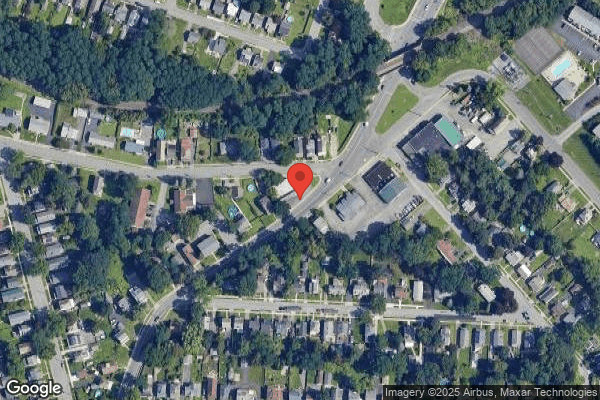
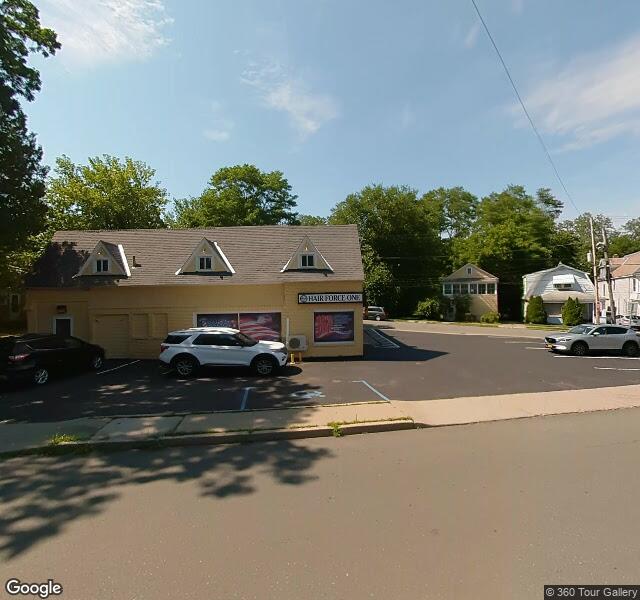
297 N BALLSTON AVE, SCOTIA, NY 12302 (518) 370-4700
Non profit - Corporation 262 Beds Independent Data: November 2025
Trust Grade
55/100
#375 of 594 in NY
Last Inspection: October 2023

Over 2 years since last inspection. Current conditions may differ from available data.

Overview

Baptist Health Nursing and Rehabilitation Center has a Trust Grade of C, indicating it is average, sitting in the middle of the pack among facilities. It ranks #375 out of 594 nursing homes in New York, placing it in the bottom half, and #5 out of 5 in Schenectady County, meaning only one local option is better. The facility's performance is worsening, with issues increasing from 1 in 2021 to 11 in 2023. Staffing is rated at 2 out of 5 stars, with a turnover rate of 50%, which is average for New York but may point to some instability. While the facility has not incurred any fines, concerns were raised about cleanliness and medication storage, including dirty floors and improperly labeled medications, indicating areas that need significant improvement.

Trust Score
C
55/100
In New York
#375/594
Bottom 37%
Safety Record
Low Risk
No red flags
Inspections
Getting Worse
1 → 11 violations
Staff Stability
⚠ Watch
50% turnover. Above average. Higher turnover means staff may not know residents' routines.
Penalties
✓ Good
No fines on record. Clean compliance history, better than most New York facilities.
Skilled Nurses
⚠ Watch
Each resident gets only 28 minutes of Registered Nurse (RN) attention daily — below average for New York. Fewer RN minutes means fewer trained eyes watching for problems.
Violations
⚠ Watch
19 deficiencies on record. Higher than average. Multiple issues found across inspections.
★★☆☆☆
2.0
Overall Rating
★★☆☆☆
2.0
Staff Levels
★★☆☆☆
2.0
Care Quality
★★☆☆☆
2.0
Inspection Score
Stable
2021: 1 issues
2023: 11 issues

The Good

  • Full Sprinkler Coverage · Fire safety systems throughout facility
  • No fines on record

Facility shows strength in fire safety.

The Bad

2-Star Overall Rating

Below New York average (3.1)

Below average - review inspection findings carefully

Staff Turnover: 50%

Near New York avg (46%)

Higher turnover may affect care consistency

The Ugly 19 deficiencies on record

Oct 2023 6 deficiencies
CONCERN (D)

Potential for Harm - no one hurt, but risky conditions existed

Assessment Accuracy (Tag F0641)

Could have caused harm · This affected 1 resident

**NOTE- TERMS IN BRACKETS HAVE BEEN EDITED TO PROTECT CONFIDENTIALITY** Based on record review and interviews conducted during the recertification survey from 10/16/2023 to 10/24/2023, the facility di...

Read full inspector narrative →
**NOTE- TERMS IN BRACKETS HAVE BEEN EDITED TO PROTECT CONFIDENTIALITY** Based on record review and interviews conducted during the recertification survey from 10/16/2023 to 10/24/2023, the facility did not ensure the Minimum Data Set (MDS - an assessment tool) accurately reflected the resident's status. This was evident for 2 (Resident #'s 15 and #102) of 34 residents reviewed. Specifically, the Discharge Tracking MDS was not completed for 2 residents within 7 days. This is evidenced by: The policy and procedure titled MDS Completion and Submission Timeframe's revised 9/2023 documented the following time frames will be observed by the facility, please refer to the RAI (Resident Assessment Instrument- tool used to assess clinical and functional characteristics of resident in long term care setting in order to measure and assess a resident's level of care needs) manual guidelines Chapter 2 time frames. A documented titled Chapter 2: The Assessment Schedule for the RAI revised December 2002 documented it presented instructions for the completion of the mandated clinical and Medicare assessments in nursing facilities. This document stated that the Discharge Tracking Form should be completed within 7 days of a resident's discharge. Resident #15: Resident #15 was admitted to the facility with the diagnoses of diabetes mellitus, atrial fibrillation (irregular and often faster heartbeat) and recurrent left lower extremity cellulitis (serious bacterial infection of the skin). The MDS dated [DATE] documented the resident could understand others, was understood and was moderately cognitively impaired. The Discharge Summary was completed by the Medical Doctor (MD) on 5/16/2023. The progress note dated 5/18/2023 documented Resident #15 was discharged from the facility. The resident's medical record did not include documentation that the Discharge Tracking MDS was completed and transmitted. Resident #102: Resident #102 was admitted to the facility with the diagnoses of chronic kidney disease, chronic atrial fibrillation and cardiomegaly (enlarged heart). The MDS dated [DATE] documented the resident could understand others, was understood and was moderately cognitively impaired. The Discharge Summary was completed by the MD on 6/1/2023. The progress note dated 6/1/2023 documented Resident #102 was discharged from the facility. The resident's medical record did not include documentation that the Discharge Tracking MDS was completed and transmitted. Interviews: During an interview on 10/24/2023 at 9:52 AM, the Minimum Data Set Coordinator (MDSC) stated an MDS should be completed when a resident was discharged . During an interview on 10/24/2023 at 9:55 AM, the Director of Nursing (DON) stated the MDS should have been completed for each resident. The former MDS Coordinator should have completed them upon discharge. The DON did not know why the MDS was not completed. 10NYCRR 415.11(b)
CONCERN (D)

Potential for Harm - no one hurt, but risky conditions existed

Garbage Disposal (Tag F0814)

Could have caused harm · This affected 1 resident

Based on observation and interviews during the recertification survey dated 10/16/2023 through 10/24/2023, the facility did not dispose of garbage and refuse properly. Specifically, the side doors to ...

Read full inspector narrative →
Based on observation and interviews during the recertification survey dated 10/16/2023 through 10/24/2023, the facility did not dispose of garbage and refuse properly. Specifically, the side doors to the two outdoor garbage dumpsters were not closed, the sides of the dumpsters below the doors were soiled with food drips, and the grounds around dumpsters were littered with paper waste. This is evidenced as follows: During observations on 10/16/2023 at 11:26 AM, the trash compactor access door and portal to the compactor were heavily soiled with a caked-on build-up of black grime, and the grounds around dumpsters were littered with paper waste. During an interview on 10/16/2023 at 11:27 AM, the Director of Facilities stated that the facility was in the process of replacing the door as the warning labels were no longer readable. The document titled Weekly Task List (undated), a log for trash disposal, documented that the trash compactor would be cleaned every Monday, Wednesday, and Friday. During an interview on 10/19/2023 at 1:37 PM, the Director of Facilities stated that the door had been replaced, and the portal would be cleaned as soon as the proper extension tool is purchased. During an interview on 10/19/2023 at 1:40 PM, the Administrator stated that a cleaning schedule would be developed to keep the compactor shoot clean, and the Director of Facilities would be directed to audit the door and portal for cleanliness. 10 NYCRR 415.14(h)
CONCERN (E) 📢 Someone Reported This

A family member, employee, or ombudsman was alarmed enough to file a formal complaint

Potential for Harm - no one hurt, but risky conditions existed

Safe Environment (Tag F0584)

Could have caused harm · This affected multiple residents

Based on observation, record review, and interviews during the recertification survey and abbreviated surveys (NY00281127 and NY00322303) dated 10/16/2023 through 10/24/2023, the facility did not prov...

Read full inspector narrative →
Based on observation, record review, and interviews during the recertification survey and abbreviated surveys (NY00281127 and NY00322303) dated 10/16/2023 through 10/24/2023, the facility did not provide effective housekeeping services on five (5) of 5 resident units, the resident common areas, and nurse stations. Specifically, floors were soiled, 3 floor tiles had brown stains; a corridor wall fan was soiled; ceiling tiles were stained or soiled; walls were soiled with splatter marks, drip marks, and dirt; wall surfaces were chipped; a 5-inch diameter section of wall surface was ripped; drill holes were found in the corridor walls; the paint was chipped on the heater register; handrail surfaces were worn; and coving base was missing. This is evidenced as follows: During observations on 10/18/2023 from 11:15 AM through 12:39 PM: 1.) The floor was soiled in the H-1 Unit nurse station, H-2 Unit nurse station, and N-2 nurse station. 2.) Floors were soiled by the door frames in the room #s H-176 bathroom, H-1 quiet room, and H-258 bathroom. 3.) Floors were soiled in corners and long wall in resident room #s N-2244, N-3302, N-3324, and N-3326. 4.) The corridor wall fan on the S-2 unit was soiled with black particles. 5.) Two ceiling tiles were stained or soiled in room #H-164, one was stained in room #H-258 bathroom, one in room # H-231, 4 were soiled in the N-3 Unit west corridor by the ceiling vent, 3 were stained in the N-3 Unit north corridor; two ceiling tiles were soiled by the ceiling vent in room #H-231. 6.) Walls were soiled with splatter marks, drip marks, and dirt in the corridor outside the N-2 Unit dining area. 7.) Wall surfaces were chipped in room #s N-3302 by the bed and N-3324 outside the bathroom and the H-2 Unit dining area. 8.) A 5-inch diameter section of wall surface was ripped in room #H-258. 9.) 8 drill holes were found in the corridor outside room #S-212. 10.) Paint was chipped on the heater register in room #H-225. 11.) Handrail surfaces were worn on the H-2 Unit and S-2 Unit by dining areas. 12.) Coving base was missing in the H-1 unit common area and in the corridor by room #N-2233. 13.) Eight floor tiles were worn in the corridor by the H-1 Unit dining area. The document undated titled Housekeeping [NAME] 1st Shift documented that floors and walls in resident rooms and corridors were to be cleaned but was silent on cleaning nurse station floors and corridor wall fans and reporting maintenance issues such as worn handrails, stained ceiling tiles, and worn floor tiles. The undated Housekeeping Cleaning Schedule documented that floors and walls in resident rooms and corridors are to be cleaned but was silent on cleaning nurse station floors and corridor wall fans and reporting maintenance issues such as worn handrails, stained ceiling tiles, and worn floor tiles. During an interview on 10/19/2023 at 1:45 PM, the Director of Facilities stated that being new to the job (hired two months ago), some environmental issues were inherited. The Director of Facilities stated that the facility was aware of many of the cleaning and maintenance issues, staff would be assigned to start the cleaning, and a new cleaning schedule would be developed. During an interview on 10/19/2023 at 1:49 PM, the Administrator stated that the areas identified would be put on the house-wide routine cleaning schedule, and a broad audit would be conducted to identify any other areas that need repair or cleaning. The Administrator stated that the Director of Facilities would be directed to enter the maintenance items into the facility computerized maintenance schedule. 483.10(i)(3); 10 NYCRR 415.5(h)(4)
CONCERN (E)

Potential for Harm - no one hurt, but risky conditions existed

Deficiency F0761 (Tag F0761)

Could have caused harm · This affected multiple residents

Based on observations and interviews during the recertification survey from 10/16/2023 through 10/24/2023, the facility did not maintain drugs and biologicals labeled in accordance with currently acce...

Read full inspector narrative →
Based on observations and interviews during the recertification survey from 10/16/2023 through 10/24/2023, the facility did not maintain drugs and biologicals labeled in accordance with currently accepted professional standards on 3 of 6 medication carts. Specifically, for the Homeward Bound (HB) Unit, the facility did not ensure medications on HB Medication Cart #2 (an opened, unlabeled insulin pen and an expired bottle of bisacodyl) were stored in accordance with facility policy and accepted professional principles, for the H2 unit, the facility did not ensure medications on H2 Medication Carts #1 (an opened, unlabeled insulin pen) and #2 (an opened, unlabeled insulin pen and an unrefrigerated bottle of cephalexin) were stored in accordance with facility policy and accepted professional standards. This is evidenced by: The policy and procedure (P&P) titled, Medication, General Principles of Administration and Storage, reviewed 10/2023, documented multi-dose vials which have been opened or accessed (e.g., needle-punctured) should be dated and discarded within 28 days unless the manufacturer specifies a different (shorter or longer) date for that opened vial. HB Unit During an observation on 10/20/2023 at 02:34 PM, a bottle of bisacodyl tablets, dated 09/2023, and an open insulin pen that did not include documentation of the date it was opened were present in the HB Unit Medication Cart #2. During an interview on 10/20/2023 at 02:34 PM, Licensed Practical Nurse (LPN) #6 stated they were assigned to the HB Unit Medication Cart #2 for the shift. The bisacodyl tablets should not be in the cart since they were expired. They reviewed their carts sometimes for expired medications, but not always; they were an agency nurse. The insulin pen would have to be discarded since there was no way to determine when it had been opened; the date it was opened should have been documented on the pen when it was opened. During an interview on 10/23/2023 at 09:31 AM, LPN #5 stated medications like insulin needed to be labeled and dated, insulin pens were good for 30 days from the date they were opened. Normally, there were stickers available for labeling the insulin pens. Stock inventory items in the medication carts, like bisacodyl, should be checked for expiration any time they were used, and discarded if they were expired. During an interview on 10/23/2023 at 11:16 AM, Registered Nurse (RN) #2 stated medications like bisacodyl and insulin should be labeled and dated when opened. Once opened, insulin pens were kept on the medication carts, and discarded after 28 days. Stock items, like bisacodyl, should be checked by the nurse any time they are dispensed for administration. During an interview on 10/23/2023 at 09:48 AM, the Director of Nursing (DON) stated the nurse managers regularly audit the medication carts, but the medication nurses were responsible for ensuring there were no expired medications on the carts. An expiration date should be documented on insulin pens once they were opened, per facility policy this was 28 days unless otherwise specified by the manufacturer. H2 Unit During an observation of Medication Cart #2 on 10/2023 at 11:03 AM, an glargine insulin pen was unrefrigerated and an open Humalog pen was not labeled with an expiration date. During an observation of Medication Cart #1 on 10/20/2023 at 12:08 PM, a Humalog insulin pen was opened and not labeled with an expiration after opening date and a bottle of cephalexin oral suspension was not refrigerated. During an interview on 10/20/2023 at 11:03 AM, Licensed Practical Nurse (LPN) #7 stated they thought the insulin would expire 30 days after it was opened. LPN #7 stated they didn't know of any policy addressing expiration of insulin. During an interview on 10/20/2023 at 12:08 PM, LPN #8 stated they thought the insulin would expire 30 days after it was opened. LPN #8 stated the resident who was prescribed the cephalexin expired the day before. 10 NYCRR 415.18(d)
CONCERN (E)

Potential for Harm - no one hurt, but risky conditions existed

Food Safety (Tag F0812)

Could have caused harm · This affected multiple residents

Based on observation, record review, and interviews during the recertification survey dated 10/16/2023 through 10/24/2023, the facility did not ensure food was stored, prepared, distributed or served ...

Read full inspector narrative →
Based on observation, record review, and interviews during the recertification survey dated 10/16/2023 through 10/24/2023, the facility did not ensure food was stored, prepared, distributed or served in accordance with professional standards for food service safety for five (5) of 5 resident unit kitchenettes and the main kitchen. Specifically, a can of cherry pie filling with a dent with metal touching metal was found ready for use in the dry storage area speed rack. When checked, the concentration of quaternary ammonium compound (QAC) in use for sanitizing food contact surfaces was found to be 100 parts per million (ppm) when measured at 80 degrees Fahrenheit (F). The following areas in the main kitchen were soiled with food particles, food splatters, and/or grime: can opener and holder, walk-in refrigerator door around the handle, wall fan, tray rack dolly, ceiling by the labeling machine had food splatters. In the N-2 Unit nourishment station, the refrigerator door gasket, bottom of refrigerator, cabinet below the sink, and floor next to cabinets were soiled with food particles, food spills, and/or dirt. In the N-3 Unit nourishment station, the microwave oven, cabinet below sink, and floor next to walls were soiled with food particles and/or dirt. In the S-2 Unit nourishment station, the microwave oven and floor next to walls were soiled with food particles or dirt, and the particle board base bottom of the cabinet below the sink was cracked, broken, and caved in from water damage. In the H-1 Unit and H-2 Unit there was soiling within the kitchen and ABC nourishment stations. This is evidenced as follows: Finding #1: During observations on 10/16/2023 at 10:10 AM through 11:44 AM, a can of cherry pie filling with a dent with metal touching metal was found ready for use in the dry storage area speed rack. During an observation on 10/16/2023 at 10:33 AM, the General Manager, Food Service, was observed discarding a dented can of cherry pie filling. The document titled Canned Food Safety dated 2014, documented that cans with a severe dent in the seam (photograph in the doucment illustrated a dented can with metal touching metal) are to be thrown away and not used. During an interview on 10/16/2023 at 10:33 AM, the General Manager, Food Service, stated that the dented can of cherry pie filling should not have been placed on the rack by the receiver (person that stocks the speed rack), the receiver had received training but will be re-educated on which dented cans were and were not acceptable for use. Finding #2: The label on the undated bottle of Diversay J-512 Sanitizer documented that the quaternary ammonium compound (QAC) concentration for use when sanitizing food contact surfaces was to be between 200 ppm and 400 ppm of QAC. During observations on 10/16/2023 at 10:10 AM through 11:44 AM, when checked, the concentration of quaternary ammonium compound (QAC) in use for sanitizing food contact surfaces was found to be 100 parts per million (ppm) when measured at 80 degrees Fahrenheit (F). The undated document titled Manual Dishwashing, the instruction training for employees manually washing food contact equipment with an accompanying log sheet, documented that the concentration of QAC is to be between 200 ppm and 400 ppm. The document did not include how often the sanitizing solution should be changed. During an interview on 10/16/2023 at 10:49 AM and again at 10:53 AM, the General Manager, Food Service, stated that the sanitizing solution in the 3-compartment sink was ready for use. The surveyor checked the concentration of QAC, and the General Manager, Food Service, stated that the solution was too dilute. Finding #3: During observations on 10/16/2023 at 10:10 AM through 11:44 AM, the following areas in the main kitchen were soiled with food particles, food splatters, and/or grime: the can opener and holder, walk-in refrigerator door around the handle, wall fan, tray rack dolly, ceiling by the labeling machine had food splatters. In the N-2 Unit nourishment station, the refrigerator door gasket, bottom of the refrigerator, the cabinet below the sink, and the floor next to cabinets were soiled with food particles, food spills, and/or dirt. In the N-3 Unit nourishment station, the microwave oven, cabinet below sink, and floor next to walls were soiled with food particles and/or dirt. In the S-2 Unit nourishment station, the microwave oven and floor next to walls were soiled with food particles or dirt, and the particle board base bottom of the cabinet below the sink was cracked, broken, and caved in from water damage. In the H-1 Unit and H-2 Unit nourishment station, the bottoms of refrigerators were soiled with food particles. The undated document titled Associate Daily and Weekly Cleaning Schedule documented that can openers, utility carts, refrigerators, and nourishment station refrigerators were to be cleaned daily and (walk-in) refrigerator doors were to be cleaned weekly. It did not include cleaning nourishment station microwave ovens, cabinets, and floors. During an interview on 10/16/2023 at 1:34 PM, the General Manager, Food Service, stated that a Food Service Worker was assigned to clean the nourishment station refrigerators. Interviews: During an interview on 10/19/2023 at 2:42 PM, the General Manager, Food Service, stated that the pot washer employee that prepared the QAC needs further education on how to maintain the concentration of QAC including refilling the sinks more often. The General Manager, Food Service, stated that most of the soiled items found during survey were missed as staff required more education, but these items have been cleaned. The General Manager, Food Service, stated that weekly audits would be conducted to monitor the QAC concentration and the kitchen cleanliness. During an interview on 10/19/2023 at 3:00 PM, the Administrator stated that the dietary department will be consulted to ensure the training and auditing as stated by the General Manager, Food Service, (cleaning, use of the 3-bay sink sanitizer, and disposition of dented cans) would be implemented. 10 NYCRR 415.14(h)
CONCERN (E)

Potential for Harm - no one hurt, but risky conditions existed

Deficiency F0813 (Tag F0813)

Could have caused harm · This affected multiple residents

**NOTE- TERMS IN BRACKETS HAVE BEEN EDITED TO PROTECT CONFIDENTIALITY** Based on observation, record review, and interviews during the recertification survey dated 09/16/2023 through 09/24/2023, the f...

Read full inspector narrative →
**NOTE- TERMS IN BRACKETS HAVE BEEN EDITED TO PROTECT CONFIDENTIALITY** Based on observation, record review, and interviews during the recertification survey dated 09/16/2023 through 09/24/2023, the facility did not have a policy regarding use and storage of foods brought to residents by family and other visitors to ensure safe and sanitary storage, handling, and consumption for five (5) of 5 resident units. Specifically, the facility did not have a policy regarding foods brought to residents that included a procedure to ensure all residents had the necessary assistance in accessing and consuming food, did not ensure that family and visitors that bring food to residents were provided with information to understand safe food handling practices (such as safe cooling/reheating processes, hot/cold holding temperatures, preventing cross contamination, hand hygiene, etc.). Additionally, the N-2 unit nourishment station refrigerator/freezer contained food items brought from home that were not consistently labeled with a resident name and were not consistently dated, the S-2 Unit nourishment station refrigerator/freezer contained food items that were not labeled, the H-1 Unit nourishment station refrigerator/freezer contained food items that were not dated or inaccurately dated, and the H-2 Unit nourishment station refrigerator contained a food item that was not labeled, and a food item that was not dated. This was evidenced is as follows: Finding #1: Policy on Resident Access to Food Brought to Them The document titled Baptist Health Nursing and Rehabilitation Center. Food From Outside Sources Policy dated 07/2016 did not include directives for aiding residents that are unable to access food brought to them from families or visitors. During an interview on 10/19/2023 at 2:31 PM, the Administrator stated that it is a standard of care to help residents that are unable on their own to access the food that was brought in for them, it is not written in the facility policy on food brought to residents, but the facility policy of food brought in will be revised to specifically state and reflect that residents that are unable on their own would be helped to access the food that is brought in for them. Finding #2: Safe Food Handling Information During an interview on 10/19/2023 at 11:14 AM, a visiting family member stated that they brought homemade food in, and the facility had not provided information on safe food handling. During an interview on 10/19/2023 at 11:54 AM, when requested for documentation, the Administrator stated that the facility did not formally provide information on safe food handling to families or visitors that brought food to residents, but the Admissions Packet would be updated to include an information sheet on safe food handling. Finding #3: Labeling Food Brought to Residents The document titled Baptist Health Nursing and Rehabilitation Center. Food From Outside Sources Policy dated 07/2016 documented that food must be labeled with the resident name and date it was brought to the facility and stored in unit refrigerators/freezers; unconsumed food was to be disposed upon evidence of spoilage; and leftover food would be discarded within 2 days. The document further stated that the Dietary Department was assigned responsibility for monitoring the designated refrigerator and discarding outdated foods (minimum of 3 days per week), and other staff may also monitor and discard food as appropriate. The document titled (Vendor name) Seniors Food & Nutrition Services Food from Outside Sources dated 01/2016 documented that food must be labeled with the resident name and date it was brought to the facility, and leftover food shall be discarded within 2 days. During an interview on 10/16/2023 at 11:14 AM and again at 1:34 PM, the General Manager, Food Service, stated that dietary staff were responsible for discarding food brought to residents that are not labeled or more than 3 days old. N-2 Unit: During observations on 10/16/2023 at 11:44 AM, the N-2 unit nourishment station refrigerator/freezer contained a homemade entrée labeled with Resident #104 was undated, one frozen entrée labeled with Resident #19 was undated, one restaurant entre that was not labeled, and market cut cold cuts that were not labeled. One sign posted on the N-2 nourishment station refrigerator/freezer door titled Nursing Staff Members (sign not dated) documented that staff are to date and label all food placed in refrigerator, to label and date their own (staff) lunches if the unit does not have a staff refrigerator, and that the dietary staff will discard any food that is not dated and labeled (sign #1). A second sign posted on the refrigerator/freezer door titled (sign not titled or dated) read Any food that is being saved for residents needs to be dated, after 3 days needs to be thrown away. Thanks (sign #2). A refrigerator for staff lunches was found in the N-2 unit Nurses Lounge. N-3 Unit: During observations on 10/16/2023 at 11:51 AM, the N-3 Unit nourishment station refrigerator/freezer contained 2 homemade entrees in storage containers in plastic bags that did not have labels; 1 homemade entre in a storage container undated; 2 restaurant entrees in a plastic bag labeled with Resident #155 was undated; one quart of juice, ½ gallon of chocolate milk, and deli-cut watermelon and milk labeled with Resident #129 was undated; and dated 09/27/2023; a deli sandwich with a receipt dated 10/13/2023 was not labeled with a resident name; ice cream labeled with Resident #150 was undated; and 1 homemade entrée labeled with Resident #150 was undated. Sign #1 was posted on the N-3 unit nourishment station refrigerator door. A refrigerator for staff lunches was found in the N-3 unit Nurses Lounge. During an interview on 10/19/2023 at 11:14 AM, Family Member #1 for Resident #150 stated that they were visually impaired and could not find any labels or help to write a label for the food that they brought to their spouse. S-2 Unit: During observations on 10/16/2023 at 11:57 AM, the S-2 Unit nourishment station refrigerator/freezer had a container of scooped ice cream that was not labeled, 2 processed entrées of Chicken [NAME] Linguini that were not labeled, cooked rice in a reusable container that was not labeled, and a restaurant entrée that was not labeled. Sign #1 was posted on the S-2 unit nourishment station refrigerator door. During observations on the S-2 Unit on 10/19/2023 at 10:45 AM, undated restaurant take-out food inside a tied black plastic bag was not labeled and was stored in the unit nourishment station refrigerator/freezer. During an interview on 10/16/2023 at 11:57 AM, Registered Nurse (RN) #3 stated that the S-2 Unit did not have a staff refrigerator. Staff store their food in the same refrigerator as the resident food was stored. Staff food should be stored separated from resident food and labeled with staff name and date. H-1 Unit: During observations on 10/16/2023 at 12:06 PM, the H-1 Unit nourishment station refrigerator/freezer had ice cream labeled with (resident name) was not dated, frozen snacks Hot Pockets that were not labeled, frozen blueberries labeled with Resident #84 dated 10/18/(no year), and blueberries in the refrigerator labeled with Resident #84 dated 10/18/(no year). A sign on the H-1 Unit nourishment station refrigerator/freezer titled The Refrigerator is for Resident Use Only undated documented that food (brought to residents) was to be labeled with the resident name and dated (sign #3). During observations of the H-1 unit nourishment station on 10/19/23 at 9:41 AM, homemade beef barley soup with a resident name written illegibly undated and a undated take-out container in a paper bag labeled with Resident #109 and a moldy smell were stored in the refrigerator/freezer . During observations on 10/16/2023 at 12:14 PM, the H-2 nourishment station refrigerator were frozen sausage links that were not labeled, and ice cream labeled with Resident #86 was undated. Sign #1 was posted on the H-2 Unit nourishment station refrigerator door. During an interview on 10/19/2023 at 11:54 AM, the Administrator stated that Activities Department staff, if they see food bring brought to residents, would ask the person bringing the food to label and date the food. During an interview on 10/19/2023 at 2:06 PM, the Director of Facilities stated that employees will sometimes place their lunches in the resident refrigerators instead of the employee refrigerators as had been explained to them, all units have employee refrigerators, and families and visitors should be notifying unit staff when food is brought in for proper labeling and dating. During an interview on 10/19/2023 at 2:08 PM, the General Manager, Food Service, stated that new signs have been placed on the resident refrigerator doors stating that the resident refrigerators are for resident use only with no exceptions; blank labels have been placed in a sleeve on the refrigerator doors for easier labeling; and finding improperly labeled food is most likely due to a lack of staff education. During an interview on 10/19/2023 at 2:12 PM, the Administrator stated that the facility policy on food brought in will be reviewed and updated, and staff will be trained to keep their lunches in the employee refrigerators and label food brought to residents. The Administrator stated that the admissions packet will be updated to better explain that unit staff are required to label all food brought in, and a letter will be sent to family members concerning the correct method for bringing food to residents and labeling. The Administrator stated that the unit refrigerators will be audited by the General Manager, Food Service, to ensure food brought in is properly labeled; if any food is found to be improperly labeled, staff on the unit will be reeducated immediately. 10 NYCRR (no state equivalent tag)
Oct 2023 2 deficiencies
CONCERN (D) 📢 Someone Reported This

A family member, employee, or ombudsman was alarmed enough to file a formal complaint

Potential for Harm - no one hurt, but risky conditions existed

Resident Rights (Tag F0550)

Could have caused harm · This affected 1 resident

**NOTE- TERMS IN BRACKETS HAVE BEEN EDITED TO PROTECT CONFIDENTIALITY** Based on observation, record review and interview during an abbreviated survey (Case #NY00305238), the facility did not ensure t...

Read full inspector narrative →
**NOTE- TERMS IN BRACKETS HAVE BEEN EDITED TO PROTECT CONFIDENTIALITY** Based on observation, record review and interview during an abbreviated survey (Case #NY00305238), the facility did not ensure that each resident was treated with respect and dignity for 3 (Resident #s 11, 12, and 16) of 5 residents reviewed. Specifically, during the survey, Resident #s 11, 12, and 16 on the N2 unit reported they were displeased that their meals were frequently served on paper plates or in disposable containers and that they had to use plastic cutlery. This is evidenced by: The Policy and Procedure titled Residents' Rights dated 1/28/2020, documented residents had the right to be treated with respect and dignity. Review of Resident Council Meeting Notes documented the following: -On 3/6/2023 at 3:00 PM, Dietary/Nutrition documented Paper and plastic starting to be used? What happened to regular plates and silverware? It documented Resident #s 11 and 12 attended the meeting. -On 4/10/2023 at 3:00 PM, Dietary/Nutrition documented Dietary should be moving away from paper/plastic soon. New plates and silverware have been ordered. It documented Resident # 11 attended the meeting. -On 7/10/2023 at 3:00 PM, documented some residents brought up that they have had paper plates and plastic utensils on their units. It documented Resident #11 attended the meeting. Resident #11: Resident #11 was admitted to the facility with diagnoses of recurrent major depressive disorder, anxiety disorder, and epilepsy. The Minimum Data Set (MDS - an assessment tool) dated 9/22/2023, documented the resident was cognitively intact. During an observation on 9/21/2023 at 11:11 AM, Resident #11's breakfast tray was on their bedside table. There was a hinged disposable container that looked like a to go container and had what appeared to be home fried potatoes inside. Plastic cutlery was also observed on the tray. Resident #11 stated there was also an egg inside the container and it was cold when they received the meal. Resident #11 stated they did not like their meals in disposable containers and stated the one guy that was here said they had a problem with the dishwasher and were washing silverware 4 times. Resident #12: Resident #12 was admitted to the facility with diagnoses of celiac disease, gastro-esophageal reflex disease (GERD), and peripheral vascular disease (PVD). The MDS dated [DATE], documented the resident was cognitively intact. During an interview on 9/21/2023 at 2:27 PM, Resident #12 stated they were not happy that everything on their breakfast tray this morning could have been dumped in the garbage because everything was on disposables. Resident #12 stated they also received plastic cutlery that was in plastic for breakfast and lunch, could not remove them from the plastic they were covered in, and had to have their daughter bring in scissors to open them. Resident #12 stated that whenever their food is served in disposable containers, they are told the dishwasher is broken. Resident #12 stated the food was not warm enough when served in the disposables and stated they asked staff what happened to the hot plate they used to get that goes under the food to keep it warm. Resident #16: Resident #16 was admitted to the facility with diagnoses of atherosclerotic heart disease, diabetes with diabetic chronic kidney disease, and recurrent mild major depressive disorder. The MDS dated [DATE], documented the resident was cognitively intact. During an interview on 9/26/2023 at 1:25 PM, Resident #16 stated they did not like that the facility used a lot of disposables. Resident # 16 stated they use disposable cartons that fold over and plastic cutlery that is covered in plastic. Resident #16 stated the food was not warm enough when it was served in disposable containers. Resident #16 stated they were told there was a problem with the dishwasher, and it could take 13 weeks to get the new one. During an observation of the N2 unit on 9/21/2023 at 12:11 PM, disposable containers were observed on 6 breakfast trays on a cart in the hallway. During an interview on 9/21/2023 at 12:07 PM, Certified Nurse Aide (CNA) #11 stated food was frequently delivered in disposable containers. During an interview on 9/21/2023 at 12:13 PM, Licensed Practical Nurse (LPN) Assistant Manager (LPNAM) #5 stated they were not aware of breakfast being delivered in disposable containers this morning and stated they had seen them in the past. LPNAM #5 stated they were having a problem with the dishwasher, and it was being repaired. During an interview on 9/26/2023 at 2:00 PM, the General Manager of Food Service (FSM) stated they have used disposable containers on occasion. The FSM stated they were having a problem with the dishwasher and had to switch to a chemical sanitizer because the boost on the dishwasher would not come up to temperature. The FSM stated they sometimes had to run the dishwasher several times and then use the test strips until the chlorine came up to the correct parts per million. The FSM stated that if they could not get the chlorine level up in time, they would decide to use disposables due to the time constraints with the meals. The FSM stated they understood the problem with the wrapped plastic ware and the difficulty with opening and it had to be wrapped for infection control. The FSM stated their department only delivered the food carts. The FSM stated using disposables and plastic ware was not the way it should be, and stated Nursing staff should be helping the residents to set up the trays and open the plastic ware. The FSM stated the plastic ware could be really hard to get into and they really have to claw at them. The FSM stated that ever since last week when the residents complained about the plastic ware, they have instructed their staff to give them silverware at any cost, even though they have disposable containers for food on their tray. During an interview on 9/26/2023 at 4:55 PM, the Administrator (ADMIN) stated the facility was having problems with the dishwasher. The ADMIN stated a new dishwasher was ordered and would be installed in approximately 12 to 13 weeks. 10 NYCRR 415.5(a)
CONCERN (D) 📢 Someone Reported This

A family member, employee, or ombudsman was alarmed enough to file a formal complaint

Potential for Harm - no one hurt, but risky conditions existed

ADL Care (Tag F0677)

Could have caused harm · This affected 1 resident

**NOTE- TERMS IN BRACKETS HAVE BEEN EDITED TO PROTECT CONFIDENTIALITY** Based on record review and interview during an abbreviated survey (Case #NY00305238), the facility did not ensure a resident who...

Read full inspector narrative →
**NOTE- TERMS IN BRACKETS HAVE BEEN EDITED TO PROTECT CONFIDENTIALITY** Based on record review and interview during an abbreviated survey (Case #NY00305238), the facility did not ensure a resident who was unable to carry out activities of daily living (ADLs) received the necessary services to maintain grooming and personal hygiene for 1 (Resident #14) of 6 residents reviewed. Specifically, the facility did not ensure Resident #14 on the N2 unit received their AM personal care on 9/21/2023. This is evidenced by: Resident #14: Resident #14 was admitted to the facility with diagnoses of urinary tract infection (UTI), hemiplegia (complete paralysis) and hemiparesis (partial weakness) following cerebrovascular disease affecting left dominant side, and depression. The Minimum Data Set (MDS - an assessment tool) dated 6/29/2023, documented the resident was cognitively intact. The Policy and Procedure (P&P) titled AM Care revised 5/2023, documented residents at the facility would be provided with personal care every AM when not giving AM shower/tub bath/complete bed bath. The objective of the P&P was to increase comfort and self-esteem, maintain skin integrity and provide personal hygiene. The Comprehensive Care Plan (CCP) for ADL (Activities of Daily Living) Self-Care Performance Deficit related to CVA (stroke), hemiplegia, and vision loss, last revised on 7/24/2023, documented the resident required extensive assistance x1 staff for personal hygiene and for toileting required extensive assistance x2 staff with bedpan. The [NAME] (Care Card) dated 9/27/2023, documented when in bed, staff were to check and change the resident every 2-3 hours during the day and evening shift and were to check and change the resident every 3-4 hours during the night shift. Review of the Certified Nurse Aide (CNA) documentation of interventions (ADLs) for the Schedule for September 2023, documented Resident #14 was last provided with personal hygiene on 9/20/2023 at 10:59 PM and assistance with bowel and bladder elimination on 9/21/2023 at 12:49 AM. During the survey on 9/21/2023 at 11:50 AM, Resident #14's spouse approached the surveyor and told the surveyor the resident had not received their AM personal care and was concerned and displeased. The surveyor immediately went to the resident's room with the resident's spouse. Resident #14 stated they were concerned that they put their call light on around 10:00 AM, was incontinent and had not been changed since the night shift. A clean gown and bed pad was noted at the foot of the bed. The resident stated they did not receive their AM personal care. CNA #11 then entered the room stating they were there to give them AM personal care. During an interview on 9/21/2023 at 11:52 AM, CNA #11 stated they had been supervising residents in the common area for the past 2 hours as they were instructed by their supervisor. CNA #11 stated prior to that they gave a resident a shower and had to pass the breakfast trays. CNA #11 then stated, In the meantime, residents don't get care. CNA #11 stated they had 11 residents on their assignment. During an interview on 9/21/2023 at 11:57 AM, Licensed Practical Nurse Assistant Manager (LPNAM) #5 stated they encouraged residents to be in the dayroom, which was a supervised area. LPNAM #5 stated they rotated CNAs through the dayroom to supervise the residents and it was CNA #11's turn. LPNAM #5 stated someone else should have answered Resident #14's call light while CNA #11 was supervising the residents. During an interview on 9/21/2023 at 2:27 PM, Resident #12 on the N 2 unit stated they had concerns with call lights and bed pans. Resident #12 stated they have had to wait for their call light to be answered and stated it would be answered between 20 minutes and 3 hours and 10 minutes. During an interview on 9/21/2023 at 3:28 PM, Resident #17 on the N 2 unit stated they could wait until the cows came home when they needed assistance with toileting. Resident #17 stated they have tried to get up on their own and had fallen and now just goes in the bed and stated, If they have to change the bed, they have to change it. During an interview on 9/26/2023 at 5:00 PM, the Director of Nursing (DON) stated they were aware of Resident #14 not receiving their AM care on 9/21/2023, and stated they had a situation where a staff member called out and the situation was quickly resolved. The DON stated AM care should have been provided to Resident #14 sooner than it was. The DON stated that the resident's call light should have been answered in a timely manner by any of the Nursing staff. 10 NYCRR 415.12(a)(3)
Sept 2023 1 deficiency
CONCERN (E) 📢 Someone Reported This

A family member, employee, or ombudsman was alarmed enough to file a formal complaint

Potential for Harm - no one hurt, but risky conditions existed

Food Safety (Tag F0812)

Could have caused harm · This affected multiple residents

Based on observation and interviews during abbreviated survey (NY00324646) dated 09/26/2023, the facility did not ensure food was stored, prepared, distributed or served in accordance with professiona...

Read full inspector narrative →
Based on observation and interviews during abbreviated survey (NY00324646) dated 09/26/2023, the facility did not ensure food was stored, prepared, distributed or served in accordance with professional standards for food service safety in the main kitchen. Specifically, the floor in the main kitchen was soiled with food particles and grime; the main kitchen was soiled with dirt under equipment; the adjoining stockroom was soiled with dirt under the shelving. This is evidenced as follows: During observations on 09/26/2023 at 9:46 AM, the floor in the main kitchen was soiled with food particles, grime, and dirt under equipment in the main kitchen and under the shelving in the adjoining stockroom. The undated document titled associate daily and weekly cleaning schedule listed floors were to be swept and mopped daily. During an interview on 09/26/2023 at 10:43 AM, the Executive Chef stated that the floors were cleaned daily in the general work areas. During an interview on 09/26/2023 at 10:45 AM, the General Manager of Food Service (GMFS) stated they were part of a contract company and was hired 08/01/2023. FMFS further stated that an outside company had cleaned the floors but were not yet acceptable; and the kitchen required a lot of cleaning when the account at the facility was first acquired; the cleanliness had greatly improved, but staff were still being trained on all of the proper cleaning procedures. During a telephone interview on 09/26/2023 at 4:20 PM, GMFS stated that the dietary department could empty the stockroom shelving to clean underneath the shelving; use a pressure washer in the main kitchen; and could contact the facility's maintenance department to move kitchen equipment so that cleaning could occur. During an interview on 09/26/2023 at 11:51 AM, the Administrator stated that any cleaning issues with the kitchen would be formally addressed with the contract company and the maintenance department. 10 NYCRR 415.14(h)
May 2023 1 deficiency
CONCERN (D) 📢 Someone Reported This

A family member, employee, or ombudsman was alarmed enough to file a formal complaint

Potential for Harm - no one hurt, but risky conditions existed

Report Alleged Abuse (Tag F0609)

Could have caused harm · This affected 1 resident

Based on record review and interviews during an abbreviated survey (Case #NY00316322), the facility did not ensure that all alleged violations involving abuse, neglect, exploitation or mistreatment, i...

Read full inspector narrative →
Based on record review and interviews during an abbreviated survey (Case #NY00316322), the facility did not ensure that all alleged violations involving abuse, neglect, exploitation or mistreatment, including injuries of unknown source and misappropriation of resident property, are reported immediately, but not later than 2 hours after the allegation is made, if the events that cause the allegation involve abuse or result in serious bodily injury, or not later than 24 hours if the events that cause the allegation do not involve abuse and do not result in serious bodily injury, to the administrator of the facility and to other officials (including to the State Survey Agency and adult protective services where state law provides for jurisdiction in long-term care facilities) in accordance with State law through established procedures for 1 (Resident #1) of 3 residents reviewed for abuse. Specifically, for Resident #1, the facility did not ensure that they reported an allegation of sexual abuse made on 5/8/2023 to the New York State Department of Health (NYSDOH). This is evidenced by: The policy and procedure titled Abuse reporting and investigation dated 4/2000 and last revised in 4/2023 documented to report an allegation of abuse if there was reasonable cause to suspect abuse or resident exploitation notify the NYS of Health Systems Management (resident care hotline) immediately within 2 hours if the events that cause the allegation involved abuse or resulted in serious bodily injury but no later than 24 hours after the discovery of the incident. Resident #1 was admitted to the facility with diagnoses of anxiety, depression, and diabetes. The Minimum Data Set (MDS-an assessment tool) dated 4/13/2023 documented the resident was cognitively intact, could make themselves understood and could understand others. The facility investigation dated 5/8/2023 written by Director of Nursing (DON) #1 documented that on 5/8/2023 they were notified that Resident #1 had made statements to hospital staff that they had been sexually assaulted. There were no documented details regarding when or where they alleged they were sexually assaulted. An investigation was begun based on the limited information provided by the hospital. The investigation did not include documentation of reporting the allegation to the NYSDOH. The intake form dated 5/10/2023 at 2:36 PM by the Hospital's emergency room Nurse documented an online submission that occurred 3 to 3 and a half weeks prior that involved Resident #1 being sexually abused during a bath. During an interview on 5/15/2023 at 10:00 AM, the DON stated they became aware of the resident's sexual abuse allegation on 5/8/2023 during morning meeting. DON #1 stated that they knew to report an allegation of abuse within 2 hours of becoming aware. DON #1 stated on 5/8/2023 during morning report they got a call from a person at the Attorney General's (AG) Office about the resident's sexual abuse allegation. DON #1 stated that was when they became aware and assumed that because the AG's office knew they did not need to report the incident to the NYSDOH. DON #1 stated that they instructed Director of Social Work (DSW) #1 to call the hospital and find out what happened to the resident. DON #1 stated that because the hospital reported to the NYSDOH that they did not need to report the incident to them. DON #1 stated to date they still had not reported the incident to the NYSDOH. During an interview on 5/16/2023 at 4:07 PM, DSW #1 stated that on 5/8/2023 during the morning meeting they spoke with the Hospital Social Worker (SW) and became aware of the resident's allegation of sexual abuse and immediately notified DON #1. DSW #1 stated they did not remember the time of the call, did not document the call and did not notify the NYSDOH. During an interview on 5/16/2023 at 5:00 PM, the Administrator stated they did not report the allegation to the NYSDOH after they became aware on 5/8/2023 because the hospital had already reported it and still to date had not reported it. ADM #1 stated they reported according to the guidance of the 2016 NYS Reporting Manual and not by Federal Regulation. The ADM stated that from now on they will report by the Federal Regulations and discard the outdated 2016 NYS Reporting Manual. 10 NYCRR 415.4(b)(2)
Mar 2023 1 deficiency
CONCERN (D) 📢 Someone Reported This

A family member, employee, or ombudsman was alarmed enough to file a formal complaint

Potential for Harm - no one hurt, but risky conditions existed

Quality of Care (Tag F0684)

Could have caused harm · This affected 1 resident

**NOTE- TERMS IN BRACKETS HAVE BEEN EDITED TO PROTECT CONFIDENTIALITY** Based on observation, record review, and interviews during the abbreviated survey (Case # NY00310315), the facility did not ensu...

Read full inspector narrative →
**NOTE- TERMS IN BRACKETS HAVE BEEN EDITED TO PROTECT CONFIDENTIALITY** Based on observation, record review, and interviews during the abbreviated survey (Case # NY00310315), the facility did not ensure that residents received treatment and care in accordance with professional standards of practice for 1 (Resident #1) of 3 residents reviewed for quality of care. Specifically, on 2/5/2023, the facility did not ensure Resident #1 received a Registered Nurse (RN) assessment after Licensed Practical Nurse (LPN) #3 notified RN #1 that the resident had presented with a red swollen middle knuckle, redness, and serous drainage from their existing left hand skin tear. This was evidenced by: Resident #1 Resident #1 was admitted to the facility on [DATE] with diagnoses of dementia, acute kidney failure, and diabetes. The Minimum Data Set (MDS- an assessment tool) dated 1/30/2023, documented the resident was sometimes able to make themselves understood, rarely/never able to understand others, and was severely cognitively impaired. The Policy and Procedure (P&P) titled Notification of Change in Resident/Patient Condition, reviewed 11/2022, documented the objective of the notification policy was to ensure facility staff made appropriate and timely notifications to the practitioner when there was an acute change in the resident's condition. The RN or Nursing Supervisor would be notified regarding the change, a physical assessment of the resident would be performed, and the RN would be responsible for ensuring timely notification to the practitioner regarding the acute change in condition. A physician order dated 2/1/2023, documented bacitracin to the back of the left hand and dry protective dressing (DPD) daily for a skin tear. A skin evaluation, dated 2/1/2023 at 4:42 PM, documented a left-hand skin tear, measuring 2.5 centimeter (cm) x 1.0 cm, with no drainage present. Progress notes dated 2/5/2023 at 12:51 PM, written by LPN #3, documented Resident #1 presented with a red, slightly swollen middle knuckle, and the skin tear on top of their left hand had serous drainage. The nursing supervisor was informed and was going to notify the Nurse Practitioner (NP). A Medical visit note dated 2/6/2023 at 3:39 PM, written by Physician (MD) #1 documented the resident's clinical status was discussed with geriatric psychiatry, and their Trazadone would be increased from 25 mg to 50 mg. The note did not include documentation regarding Resident #1's skin tear. The H3 nursing unit physician communication book did not include documentation of provider notification on 2/5/2023 related to Resident #1's red, swollen knuckle, and left-hand skin tear with serous drainage. During an interview on 3/1/2023 at 1:14 PM, LPN #1 stated if a family member reported a concern regarding a resident skin issue, they would review the concern and report it to the supervisor. LPN #1 stated that once the supervisor was aware of the issue, an RN assessment would have to be performed so that the appropriate next steps could be determined. During an interview on 3/1/2023 at 3:34 PM, LPN #3 stated on 2/5/2023, Resident #1's family reported they were concerned that the skin tear on Resident #1's left hand was infected. They evaluated the site, and saw the resident had a red swollen knuckle, and the skin tear on their left hand was a little reddened and had some clear, serous drainage. Earlier in the day, the resident had been picking at the dressing over the skin tear. They cleaned Resident #1's left hand and applied a new dressing. During an interview on 3/1/2023 at 3:40 PM, RN #1 stated they received a call from LPN #3 on 2/5/2023 related to a possibly infected left hand skin tear for Resident #1. While on the phone, they asked LPN #3 if Resident #1's skin tear site had any purulent drainage (drainage containing pus) and was informed it did not. They did not assess the resident and did not notify the MD. They thought they told LPN #3 to leave a note in the H3 nursing unit physician communication book to follow up with the resident. They did not document a progress note regarding their conversation with LPN #3, because they did not assess the resident. During a subsequent interview on 3/1/2023 at 4:45 PM, LPN #3 stated on 2/5/2023, they did not notify the NP, because after they informed RN #1 about Resident #1's skin tear, RN #1 told them they would assess the resident and follow up with the NP. LPN #3 stated they were not instructed to document a request for physician follow up in the H3 nursing unit physician communication book by RN #1. During an interview on 3/1/2023 at 3:45 PM, MD #1 stated they were the covering physician on 2/6/2023, when they received a phone call regarding Resident #1's agitation. That was the only clinical condition of Resident #1 reviewed during the call. Resident #1's skin tear was not discussed; they were not aware of it. During an interview on 3/2/2023 at 3:35 PM, the Director of Nursing (DON) stated, on 2/5/2023, RN #1 should have seen and assessed Resident #1's left hand after the concerns regarding possible infection were raised by the family and reported by LPN #3. After they assessed the resident's hand, they would have been able to determine whether immediate follow up with the physician or a note in the physician communication book would have been the most appropriate course of action; unfortunately, they did not do this. 10 NYCRR 415.12
Aug 2021 1 deficiency
CONCERN (E)

Potential for Harm - no one hurt, but risky conditions existed

Safe Environment (Tag F0584)

Could have caused harm · This affected multiple residents

Based on observation and staff interview during the recertification survey, the facility did not provide effective housekeeping and maintenance services. Specifically, floors were not clean on 4 of 5 ...

Read full inspector narrative →
Based on observation and staff interview during the recertification survey, the facility did not provide effective housekeeping and maintenance services. Specifically, floors were not clean on 4 of 5 resident units. This is evidenced as follows. The floors were spot checked on 08/09/2021 at 10:30 AM and again on 08/10/2021 at 9:30 AM, revealing that floors at the base of door frames in resident rooms H170, H175, H177, H255, S307, S308, S313, S335, N2254, and HB3341 were soiled with dirt and a brownish build-up. The Housekeeping Supervisor stated in an interview on 08/09/2021 at 11:30 AM, that the facility will make sure that the floors are cleaned in the resident doorways. The Administrator stated in an interview on 08/10/2021 at 11:21 AM, that the facility will audit the floors in resident rooms to ensure that they are clean. 483.10(i)(2)
Jun 2019 7 deficiencies
CONCERN (D)

Potential for Harm - no one hurt, but risky conditions existed

Deficiency F0578 (Tag F0578)

Could have caused harm · This affected 1 resident

**NOTE- TERMS IN BRACKETS HAVE BEEN EDITED TO PROTECT CONFIDENTIALITY** Based on record review, and interview during a recertification survey, the facility did not ensure the resident's choice regardi...

Read full inspector narrative →
**NOTE- TERMS IN BRACKETS HAVE BEEN EDITED TO PROTECT CONFIDENTIALITY** Based on record review, and interview during a recertification survey, the facility did not ensure the resident's choice regarding Advance Directives was accurately documented in the Comprehensive Care Plan (CCP) for one (1) (Residents #187) of one (1) resident reviewed. Specifically, for Resident #187, the facility did not ensure the resident's wishes were accurately documented in her Advanced Directives Care Plan since [DATE]. The resident's code status was incorrectly documented as a Do Not Resuscitate (DNR) on the care plan. This is evidenced by: Resident #187: The resident was admitted on [DATE], with diagnoses of schizophrenia, bipolar disorder and type 2 diabetes mellitus with diabetic neuropathy. A Minimum Data Set (MDS) dated [DATE], documented the resident had no cognitive impairment and was able to understand others and was able to be understood. A Comprehensive Care Plan (CCP) for Advanced Directives, initiated [DATE] and last revised [DATE], documented the resident's advanced directive was for a DNR. A Plan of Care Note dated [DATE], documented the resident had requested to complete a new MOLST form. The Social Worker (SW) reviewed the old form with the resident who stated a desire to change her code status to CPR. Per the resident's direction, a new form was completed which documented an order for CPR. A Medical Order for Life-Sustaining Treatment (MOLST) form dated [DATE] at 1:55 PM, documented the resident's code status as CPR (cardio-pulmonary resuscitation) - attempt cardio-pulmonary resuscitation. A physician order dated [DATE], documented the resident's code status as a CPR. During an interview on [DATE] at 11:37 AM, SW #6 stated the code status was in the front of the resident's chart and in the physician orders. The Advanced Directive Care Plan should not have indicated a code status of DNR. The care plans were reviewed on a quarterly basis and were audited by the Director of Social Services #12. The MOLST Care Plan documented CPR and the Advanced Directives Care Plan should have been discontinued but was overlooked. The MOLST care plan should have only indicated directives for the code status. 10NYCRR415.3(e)(1)(ii)
CONCERN (D)

Potential for Harm - no one hurt, but risky conditions existed

Deficiency F0582 (Tag F0582)

Could have caused harm · This affected 1 resident

Based on medical record review and staff interview during the recertification survey, the facility did not ensure that residents and/or their designated representative were fully informed of their rig...

Read full inspector narrative →
Based on medical record review and staff interview during the recertification survey, the facility did not ensure that residents and/or their designated representative were fully informed of their right to an expedited review of a service termination. Specifically, residents who received Medicare Part A services did not receive timely notification (2-day notification) of the termination of services with the Notice to Medicare Provider Non-coverage (NOMNC), form CMS-10123. This was evident for one (1) out of three (3) sampled residents reviewed for Beneficiary Protection Notification (resident #39). The findings are: 1) Review of the medical records for Resident #39 on 06/13/2019, revealed that the resident last received rehabilitative services on 05/16/2019 and was provided the NOMNC to inform the resident of their right to an expedited review of a service termination on 05/15/2019, one day prior to the termination of services. The Minimum Data Set (MDS) Coordinator stated in an interview on 06/13/2019 at 1:27 PM, that the NOMNC notification was late, and the facility process needs to be changed to ensure residents receive timely notification. 10 NYCRR 415.3 (g)
CONCERN (D)

Potential for Harm - no one hurt, but risky conditions existed

Deficiency F0604 (Tag F0604)

Could have caused harm · This affected 1 resident

**NOTE- TERMS IN BRACKETS HAVE BEEN EDITED TO PROTECT CONFIDENTIALITY** Based on observation, record review and interviews during a recertification survey, the facility did not ensure residents were f...

Read full inspector narrative →
**NOTE- TERMS IN BRACKETS HAVE BEEN EDITED TO PROTECT CONFIDENTIALITY** Based on observation, record review and interviews during a recertification survey, the facility did not ensure residents were free from physical restraints imposed for purposes of discipline or convenience for 1 (Resident #222) of 1 resident reviewed for restraints. Specifically, for Resident #222, the facility did not ensure the resident received an appropriate assessment to determine whether the use of an alarming Velcro seatbelt was a physical restraint. This is evidenced by: Resident #222: The resident was admitted to the facility on [DATE], with diagnoses of major depressive disorder, vascular dementia with behavioral disturbance, and cerebrovascular disease. The Minimum Data Set (MDS) dated [DATE], documented the resident had severely impaired cognition, could usually understand others and could usually make herself understood. The Policy and Procedure (P&P) titled Restraints (Physical) Assessment revised 08/2015, documented residents would be unrestrained until an interdisciplinary assessment indicated a need for restraints. The first step in the procedure was for the Registered Nurse/Interdisciplinary Team to complete a pre-restraining assessment form. The CCP for High Fall Risk, last updated 5/28/19, documented the implementation of a Velcro alarm seatbelt on 2/22/19. During a record review, the record did not include documentation of a pre-restraint assessment to determine whether an alarming Velcro seatbelt was a restraint. During an observation on 6/17/19 from 8:31 AM to 12:54 PM, the resident was seated in a gray high back chair with a Velcro alarm seat belt fastened around her. During the 4 hour and 23-minute observation, the resident did not attempt to rise from the chair and did not attempt to remove the seatbelt. Staff did not attempt to transfer the resident and did not remove the seatbelt. During an interview on 6/18/19 at 9:16 AM, Registered Nurse (RN) #2 stated there should have been a pre-restraint assessment completed to document the device was not a restraint. She stated the facility's protocol was for the interdisciplinary team to determine if a positioning device was a restraint by completing a pre-restraint assessment. During an interview on 6/18/19 at 9:44 AM, RN #4 stated that a pre-restraint or restraint assessment was not completed for the use of the seatbelt and there should have been. 10NYCRR 415.(a)(2-7)
CONCERN (D)

Potential for Harm - no one hurt, but risky conditions existed

Respiratory Care (Tag F0695)

Could have caused harm · This affected 1 resident

**NOTE- TERMS IN BRACKETS HAVE BEEN EDITED TO PROTECT CONFIDENTIALITY** Based on observation, record review and interview conducted during a recertification survey, the facility did not ensure that re...

Read full inspector narrative →
**NOTE- TERMS IN BRACKETS HAVE BEEN EDITED TO PROTECT CONFIDENTIALITY** Based on observation, record review and interview conducted during a recertification survey, the facility did not ensure that residents in need of respiratory care, received such care consistent with professional standards for 1 (Resident #86) of 1 resident reviewed. Specifically, for Resident #86, the facility did not ensure a physician's order for the prescribed flow rate for oxygen administration was followed. This is evidenced by: Resident #86: The resident was admitted to the facility on [DATE], and readmitted on [DATE], from a post acute hospital stay with the diagnoses of chronic obstructive pulmonary disease (COPD), Diabetes, and obstructive sleep apnea. The Minimum Data Set (MDS - an assessment tool) dated 4/17/19, documented the resident was cognitively intact, could understand others and could make self understood. The Policy and Procedure (P&P) titled Oxygen General Principles Storage and Administration (undated) documented that the Registered Nurse/Licensed Practical Nurse (RN/LPN) check practitioner's order regarding oxygen administrations ( i.e. flow rate, indications for use). The P&P titled titled Oxygen via Nasal Cannula (NC)/Mask dated 9/2017, documented RN/LPN to turn on oxygen flow rate ordered. The Comprehensive Care Plan (CCP) titled The Resident is at Risk for Impaired Respiratory Status related to (r/t) diagnosis of Asthma, COPD, and Morbid Obesity dated 3/7/19, documented an intervention to administer nebulizer treatments and oxygen therapy as ordered. The CCP titled The Resident has Oxygen Therapy related to COPD dated 3/7/19, documented an intervention to administer oxygen per physicians order. A physicians order dated 4/10/19, documented the resident was to receive oxygen continuously at 3 liters via NC every shift for hypoxia. The Treatment Administration Records (TARs) dated 4/11/19 - 4/30/19, 5/1/10 - 5/31/19, and 6/1/19 to 6/16/19, for the 7:00 AM - 3:00 PM, 3:00 PM - 11:00 PM, and 11:00 PM - 7:00 AM shifts documented staff initials indicating the residents use of oxygen continuously at 3 litter via NC every shift for hypoxia. During an observation on 6/13/19 at 8:57 AM, the residents oxygen concentration machine displaying the flow rate was set at 2 liters via NC. During an observation on 6/14/19 at 9:01 AM, the residents oxygen concentration machine displaying the flow rate was set at 2 liters via NC. During an observation on 6/17/19 at 9:21 AM, the residents oxygen concentration machine displaying the flow rate was set at 2 liters via NC. During an interview on 6/12/19 at 2:49 PM, the resident stated her oxygen is at 2 liters NC and she is not sure how long she has been on that rate. During an interview on 6/17/19 at 9:24 AM, the Registered Nurse Manager (RNM) #2 stated the resident had oxygen ordered at 3 liters per NC. The resident should have her oxygen flow rate set at 3 liters, not 2 liters. Review of the TAR dated 4/2019 to 6/16/19, for the 7:00 AM -3:00 PM, 3:00 PM - 11:00 PM, and 11:00 PM - 7:00 AM, documented staff initials indicating the resident received 3 liters NC. Staff should be looking at the oxygen concentrator each shift to te ensure the resident is receiving the prescribed flow rate. 10NYCRR415.12(k)(6)
CONCERN (D)

Potential for Harm - no one hurt, but risky conditions existed

Deficiency F0697 (Tag F0697)

Could have caused harm · This affected 1 resident

**NOTE- TERMS IN BRACKETS HAVE BEEN EDITED TO PROTECT CONFIDENTIALITY** Based on record review and interview during a recertification survey, the facility did not ensure that pain management was provi...

Read full inspector narrative →
**NOTE- TERMS IN BRACKETS HAVE BEEN EDITED TO PROTECT CONFIDENTIALITY** Based on record review and interview during a recertification survey, the facility did not ensure that pain management was provided to residents who require such services, consistent with professional standards of practice, for one (Resident #35) of one resident reviewed. Specifically, for Resident #35, the facility did not ensure that an as needed (PRN) medication was adequately monitored for effectiveness after the administration of a PRN medication for pain. This is evidenced by: A Pain Rating Scale shall be completed and documented to identify and monitor the level of pain and/or the effectiveness of treatment modalities until the resident achieves consistent pain relief control AHRQ, National Guideline Clearinghouse. Health Care Association of New Jersey (NCANJ): July 18.23. Resident #35: The resident was admitted on [DATE] and re-admitted on [DATE], with the diagnoses of chronic obstructive pulmonary disease (COPD), acute pain due to trauma and chronic kidney disease. A Minimum Data Set (MDS) dated [DATE], documented the resident was cognitively intact, was able to be understood by others and was able to understand. The Policy and Procedure titled Pain Management Protocol last revised 9/2017, documented that pain will be re-evaluated between 30-60 minutes after pain medication was given and documented in the electronic medical record (eMAR). Documentation should include the reason the medication was given and level of pain using the pain scale. A Health Status Note dated 1/04/19 at 3:40 PM, documented the resident was ejected from his wheelchair on the STAR bus. He complained of left sided rib pain and had a pink area on his left forehead. His left forearm had 2 skin tears measuring 2 centimeters (cm) x 3.5 cm and 1 cm x 0.4 cm. The resident's left knee had a 1.5 cm x 1 cm abrasion and his lower left knee had a 1 cm x 1 cm skin tear. The resident's left flank area had a 9 cm x 10 cm soft and tender area. The resident complained of neck pain. X-rays were ordered and taken of the resident's C-Spine (cervical spine), back, and chest including his ribs. The Nurse Practitioner ordered Hydrocodone-Acetaminophen 5-325 milligram (mg) every 8 hours as needed (PRN) for pain x 3 days. A physician's order dated 1/04/19 to 1/07/19, documented the resident was to receive Hydrocodone-Acetaminophen 5-325mg, 1 tablet every 8 hours as needed (PRN). The electronic Medication Administration Record (eMAR) dated 01/2019, documented the resident received PRN Hydrocodone-Acetaminophen on 6 occasions. For each administration, the resident's pre-medication pain level was documented using a numeric pain scale. The post-medication pain scales documented E for effective or I for ineffective. Progress Note dated 1/4/19 at 1:57 PM, documented the resident was given PRN hydrocodone with little effect. Progress Note dated 1/07/19 at 3:20 AM, documented there was pain relief from hydrocodone. During an interview on 6/17/19 at 3:15 PM, Licensed Practical Nurse (LPN) #2 stated before giving a PRN pain medication, the resident should be asked what level his pain was from 0 to 10. Approximately one hour after giving the medication, the resident should be asked his numeric pain level to determine the effectiveness of the medication. During an interview on 6/18/19 at 08:13 AM, LPN #3 stated when residents looked like they were in pain or when residents asked the nurse for pain medication, the eMAR would prompt the nurse to obtain a level of pain using the pain scale before the medication was given. After the medication had been given, the nurse was to click effective/ineffective in the computer program and the nurse was prompted to document the follow pain level in the progress notes. The nurses were supposed to be charting the pain scale pre and post medication. During an interview on 6/19/19 at 11:05 AM, Registered Nurse Manager (RNM) #4 stated the medication nurse should be asking the resident's level of pain using the pain scale from 1 and 10 pre and post medication administration. The computer program did not bring up a post medication pain scale. The nurses had to document the follow up pain scale in the progress notes. 10NYCRR415.12
CONCERN (D)

Potential for Harm - no one hurt, but risky conditions existed

Deficiency F0698 (Tag F0698)

Could have caused harm · This affected 1 resident

**NOTE- TERMS IN BRACKETS HAVE BEEN EDITED TO PROTECT CONFIDENTIALITY** Based on observation, record review and interview conducted during a recertification survey, the facility did not ensure that re...

Read full inspector narrative →
**NOTE- TERMS IN BRACKETS HAVE BEEN EDITED TO PROTECT CONFIDENTIALITY** Based on observation, record review and interview conducted during a recertification survey, the facility did not ensure that residents who require dialysis receive such services, consistent with professional standards of practice, and ongoing assessment of the residents condition and monitoring for complications before and after dialysis treatments received at a certified dialysis facility for 1 (Resident #586) of 1 resident reviewed. Specifically, the facility did not ensure: The residents Red Book (RB) (The Facility and Dialysis Center Communication Book) was sent with the resident to dialysis: that the dialysis centers recommendations to monitor the reddened dialysis access site was followed; that the residents condition was assessed or monitored for complications after dialysis treatments; that a physician's order to perform weights was followed; that the residents intake and output (I&O) was accurately monitored for 7 days upon admission and that the daily I&O totals were calculated to ensure the 1500cc/24-hr. fluid restriction was followed. This is evidenced by: Resident #586: The resident was admitted to the facility on [DATE], with a diagnosis of metabolic encephalopathy (a broad category that describes abnormalities of the water, electrolytes, vitamins, and other chemicals that adversely affect brain function), end stage renal disease (ERSD) (when your kidneys fail, it means they have stopped working well enough for you to survive without dialysis or a kidney transplant), and dependence on renal dialysis. The Minimum Data Set (MDS-an assessment tool) dated 6/7/19, documented the resident was cognitively intact, could understand others and could make self-understood. The facility's Policy and Procedure (P&P) titled Care of the Resident Requiring Hemodialysis at a community Dialysis Center dated 6/2019, documented each resident who received hemodialysis treatments will be monitored and assessed on an ongoing basis and the continuity of care with the community dialysis center will be maintained. All primary management is done by the dialysis unit. The P&P procedure for pre-treatment documented that it is the responsibility of the Registered Nurse to: maintain communication with the dialysis unit by telephone and the communication book; respond to any changes made via the communication book or telephone contact and; monitor any catheter/shunt dressings which are unique to each resident. The procedure for post treatment documented that upon the resident returns to the facility from dialysis, the Nurse will use the communication book to review the dialysis report from the dialysis center, ensure the resident is provided with all required tests, medications and other services and check for any new orders/recommendations, will evaluate the A/V Shunt subclavian catheter for bleeding, pain, redness, and/or swelling and document any negative findings on the 24-hr. report, nurses note and communication book. Finding #1 The facility did not ensure that the residents Red Book (RB) (The Facility and Dialysis Center Communication Book) used for dialysis was sent with the resident to dialysis and did not ensure that the dialysis centers recommendations to monitor the reddened dialysis access site was followed. A physician's order dated 6/1/19, documented the resident was to receive dialysis every Tuesday, Thursday and Saturday at 6:00 AM. A physician's order dated 6/4/19, documented to make sure the resident takes the Red Book with them, one time a day, every Tuesday, Thursday and Saturday. A review of the medical record documented the resident attended dialysis on 5 days from 6/1/19 to 6/13/19. A review of the RB dated 6/1/19 to 6/13/19, did not include documentation of the residents weights and vital signs (VS) for 3 of the 5 days. A review of the RB note dated 6/8/19, documented the dialysis centers recommendation for the facility to monitor the residents reddened area at this dialysis access site. The residents medical record and RB did not include documentation that the above recommendation was followed. During an interview on 6/14/19 at 2:40 PM, Licensed Practical Nurse (LPN) #1 stated the resident may not have taken the RB with him to dialysis. LPN #1 initials the RB to indicate proof that the dialysis notes were reviewed. The RB note dated 6/8/19, did not include initials because the LPN was off that day and another nurse should have reviewed the RB. LPN #1 could not provide documented evidence of communication between the facility and dialysis center for the following dates of 6/1/19, 6/4/19, and 6/13/19. During an interview on 6/17/19 at 12:26 PM, Registered Nurse Manager (RNM) #3 stated she is not sure if the staff gave the resident his RB to take with him to dialysis, or if the resident left it at the facility. When a resident returns from dialysis the RB should be reviewed, initialed and any concerns acted upon. RNM #3 could not provide documentation that the facility monitored the residents reddened access site. Finding #2 The facility did not ensure that the residents condition was assessed or monitored for complications after dialysis treatments. The residents Weights and Vital Signs (VS) summary from 6/1/19 to 6/14/19, did not include documentation that vital signs were taken on 3 of the 5 dialysis days. The nursing progress notes (NN) dated 6/1/19 to 6/14/19, did not include documentation that the facility performed a post dialysis assessment for complications on 5 occasions. During an interview on 6/17/19 at 12:26 PM, RNM #3 stated the resident should have had an assessment and VS performed upon return from dialysis. Finding #3 The facility did not ensure that the physician's order to obtain weights was followed A physician's order dated 6/4/19, documented to weigh the resident at 4:30 AM prior to dialysis and write weight in RB and to make sure the resident takes the RB with them, one time a day, every Tuesday, Thursday and Saturday. The residents Weights and VS summary dated 6/1/19 to 6/13/19, did not document pre-dialysis weights. A review of the RB dated 6/1/19 to 6/13/19, did not document any pre-dialysis weights performed by the facility. During an interview on 6/14/19 at 2:40 PM, LPN #1 stated that when the resident first came to the facility he was transported once or twice by stretcher and that's why the order was made to weigh him at the facility prior to dialysis. During an interview on 6/17/19 at 9:40 AM, Clinical Nutrition Manger (CNM) #5 stated she calls the dialysis center weekly to obtain weights. Finding #4 The facility did not ensure that the residents intake and output (I&O) was accurately monitored for 7 days upon admission and that the daily I&O totals were calculated to ensure the 1500cc/24-hr. fluid restriction was maintained. The P&P titled I&O (Measuring and Recording) dated 6/2016, documented to maintain an accurate record of residents fluid balance and to initiate I&O for dialysis residents. The 11:00 PM - 7:00 AM nurse will total 24-hr. I&O on the form titled Fluid I&O worksheet. The P&P titled Fluid Restrictions (FR) dated 10/2010, documented to provide appropriate amount of fluids to residents with a fluid restriction. Record the total number of milliliters (ml) consumed by resident in 24-hr. period on the 24-hr. I&O worksheet. A physician's order dated 6/1/19, documented to monitor I&O every shift for 7 days. A physician's order dated 6/11/19, documented a FR of 1500ml/24-hrs. A review of the residents medical records dated 6/1/19 to 6/7/19, did not document the facility used the I&O worksheet for 4 of the 7 days prescribed, and the I&O worksheets were not calculated for a 24-hr. total for 3 of 7 days that the I&O Worksheet was used. A review of the I&O Worksheets dated 6/11/19 to 6/14/19, did not include I&O documentation for 7:00 AM to 3:00 PM, and 3:00 PM to 11:00 PM shifts and did not document a calculated total for the 1500ml/24-hr. FR. During an interview on 6/17/19 at 9:40 AM, CNM #5 stated the dietary department ensures the fluid restriction for meals. Nursing should review the dietary notes and inform dietary of the amount of fluids the floor will give to the resident and the I&O Worksheets should reflect what the resident takes in for 24-hrs. During an interview on 6/17/19 at 3:00 PM, LPN #1 stated the residents I&O worksheets did not provide documentation that the I&O prescribed for 7 days and the 24-hr. FR was being monitored. During an interview on 6/17/19 at 12:26 PM, RNM #3 stated they document I&O on paper and in the EMR and the final 24-hr. total is calculated by night nurse and documented on the I&O Worksheet. The RNM could not provide documentation that the residents I&O was monitored for 7 days upon admission, or the 1500ml/24-hr. FR was monitored and calculated. 10NYCRR415.12
CONCERN (E)

Potential for Harm - no one hurt, but risky conditions existed

Food Safety (Tag F0812)

Could have caused harm · This affected multiple residents

Based on observation, manufacturer's directions review, and staff interview during the recertification survey, the facility did not store, prepare, distribute and serve food in accordance with profess...

Read full inspector narrative →
Based on observation, manufacturer's directions review, and staff interview during the recertification survey, the facility did not store, prepare, distribute and serve food in accordance with professional standards for food service safety. The safe and sanitary operation of a professional kitchen is to include established methods of operation. Specifically, the concentration of quaternary ammonium compound chemical sanitizing rinse (QAC) was less than that required by the manufacturer and equipment and floors required cleaning. This is evidenced as follows. The kitchen was inspected on 06/12/2019 at 8:59 AM. The concentration of QAC used in the sanitizing rinse sink, the third sink, was found to be between 0 and 150 parts per million (ppm) when measured at 68 degrees Fahrenheit (F). The manufacturer's label directions stated the concentration is to be between 150 ppm and 400 ppm when the solution is measured between 65 F and 75 F. In the Main Kitchen, the juice machine compressor, office floor, dry storage area floor and light switch, bulk food thickener bin, K-rated fire extinguisher, wall behind cooking line, and microwave oven were soiled with food particles and required cleaning. On the unit kitchenettes, refrigerators and refrigerator door gaskets, floors, cupboards, drawers, and/or cabinets were soiled food drippings or particles and required cleaning. The General Manager of Food Service stated in an interview on 06/12/2019 at 9:56 AM, that likely the QAC was inadvertently diluted by a food service worker, and he will ensure all areas found will be cleaned. 10 NYCRR 415.14(h); Chapter 1 State Sanitary Code Subpart 14-1.110, 14-1.112, 14-1.170, 14-1.171
Understanding Severity Codes (click to expand)
Life-Threatening (Immediate Jeopardy)
J - Isolated K - Pattern L - Widespread
Actual Harm
G - Isolated H - Pattern I - Widespread
Potential for Harm
D - Isolated E - Pattern F - Widespread
No Harm (Minor)
A - Isolated B - Pattern C - Widespread

Questions to Ask on Your Visit

  • "Can I speak with families of current residents?"
  • "What's your RN coverage like on weekends and overnight?"

Our Honest Assessment

Strengths
  • • No major safety red flags. No abuse findings, life-threatening violations, or SFF status.
  • • No fines on record. Clean compliance history, better than most New York facilities.
Concerns
  • • 19 deficiencies on record. Higher than average. Multiple issues found across inspections.
  • • Grade C (55/100). Below average facility with significant concerns.
Bottom line: Mixed indicators with Trust Score of 55/100. Visit in person and ask pointed questions.

About This Facility

What is Baptist Health's CMS Rating?

CMS assigns BAPTIST HEALTH NURSING AND REHABILITATION CENTER an overall rating of 2 out of 5 stars, which is considered below average nationally. Within New York, this rating places the facility higher than 0% of the state's 100 nursing homes. A rating at this level reflects concerns identified through health inspections, staffing assessments, or quality measures that families should carefully consider.

How is Baptist Health Staffed?

CMS rates BAPTIST HEALTH NURSING AND REHABILITATION CENTER's staffing level at 2 out of 5 stars, which is below average compared to other nursing homes. Staff turnover is 50%, compared to the New York average of 46%.

What Have Inspectors Found at Baptist Health?

State health inspectors documented 19 deficiencies at BAPTIST HEALTH NURSING AND REHABILITATION CENTER during 2019 to 2023. These included: 19 with potential for harm.

Who Owns and Operates Baptist Health?

BAPTIST HEALTH NURSING AND REHABILITATION CENTER is owned by a non-profit organization. Non-profit facilities reinvest revenue into operations rather than distributing to shareholders. The facility operates independently rather than as part of a larger chain. With 262 certified beds and approximately 191 residents (about 73% occupancy), it is a large facility located in SCOTIA, New York.

How Does Baptist Health Compare to Other New York Nursing Homes?

Compared to the 100 nursing homes in New York, BAPTIST HEALTH NURSING AND REHABILITATION CENTER's overall rating (2 stars) is below the state average of 3.1, staff turnover (50%) is near the state average of 46%, and health inspection rating (2 stars) is below the national benchmark.

What Should Families Ask When Visiting Baptist Health?

Based on this facility's data, families visiting should ask: "Can you walk me through typical staffing levels on day, evening, and night shifts?" "Can I visit during a mealtime to observe dining assistance and food quality?" "How do you handle medical emergencies, and what is your hospital transfer rate?" "Can I speak with family members of current residents about their experience?" These questions are particularly relevant given the below-average staffing rating.

Is Baptist Health Safe?

Based on CMS inspection data, BAPTIST HEALTH NURSING AND REHABILITATION CENTER has a clean safety record: no substantiated abuse findings (meaning no confirmed cases of resident harm), no Immediate Jeopardy citations (the most serious violation level indicating risk of serious injury or death), and is not on the Special Focus Facility watch list (a federal program monitoring the lowest-performing 1% of nursing homes). The facility has a 2-star overall rating and ranks #100 of 100 nursing homes in New York. While no facility is perfect, families should still ask about staff-to-resident ratios and recent inspection results during their visit.

Do Nurses at Baptist Health Stick Around?

BAPTIST HEALTH NURSING AND REHABILITATION CENTER has a staff turnover rate of 50%, which is about average for New York nursing homes (state average: 46%). Moderate turnover is common in nursing homes, but families should still ask about staff tenure and how the facility maintains care continuity when employees leave.

Was Baptist Health Ever Fined?

BAPTIST HEALTH NURSING AND REHABILITATION CENTER has no federal fines on record. CMS issues fines when nursing homes fail to meet care standards or don't correct problems found during inspections. The absence of fines suggests the facility has either maintained compliance or corrected any issues before penalties were assessed. This is a positive indicator, though families should still review recent inspection reports for the full picture.

Is Baptist Health on Any Federal Watch List?

BAPTIST HEALTH NURSING AND REHABILITATION CENTER is not on any federal watch list. The most significant is the Special Focus Facility (SFF) program, which identifies the bottom 1% of nursing homes nationally based on persistent, serious quality problems. Not being on this list means the facility has avoided the pattern of deficiencies that triggers enhanced federal oversight. This is a positive indicator, though families should still review the facility's inspection history directly.