Sodus Rehabilitation & Nursing Center
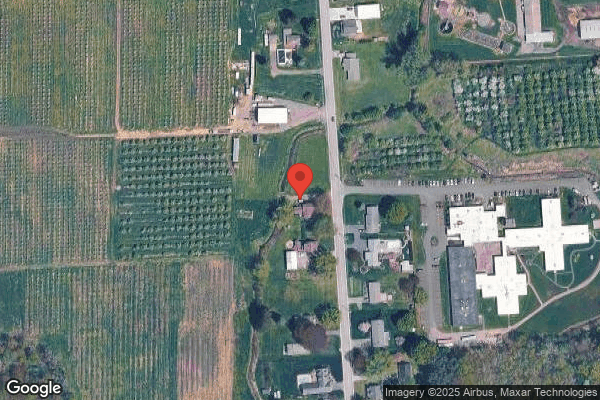

6884 Maple Avenue, Sodus, NY 14551 (315) 483-9118
For profit - Corporation 130 Beds PERSONAL HEALTHCARE, LLC Data: November 2025
Trust Grade
50/100
#457 of 594 in NY
Last Inspection: October 2024

Within standard 12-15 month inspection cycle. Federal law requires annual inspections.

Overview

Sodus Rehabilitation & Nursing Center has a Trust Grade of C, which means it is average and falls in the middle of the pack among nursing homes. It ranks #457 out of 594 facilities in New York, placing it in the bottom half of statewide options, and #4 out of 4 in Wayne County, indicating that only one local facility is rated better. Unfortunately, the center is showing a worsening trend, with the number of issues increasing from 1 in 2023 to 5 in 2024. Staffing is a concern, with a turnover rate of 51%, which is higher than the New York average, but they have not faced any fines, which is a positive sign. Specific incidents noted by inspectors include inadequate infection control measures, unsafe food handling practices, and environmental hazards such as excessively hot water and unlabeled medications, highlighting significant areas for improvement alongside their average staffing and inspection scores.

Trust Score
C
50/100
In New York
#457/594
Bottom 24%
Safety Record
Low Risk
No red flags
Inspections
Getting Worse
1 → 5 violations
Staff Stability
⚠ Watch
51% turnover. Above average. Higher turnover means staff may not know residents' routines.
Penalties
✓ Good
No fines on record. Clean compliance history, better than most New York facilities.
Skilled Nurses
⚠ Watch
Each resident gets only 26 minutes of Registered Nurse (RN) attention daily — below average for New York. Fewer RN minutes means fewer trained eyes watching for problems.
Violations
⚠ Watch
25 deficiencies on record. Higher than average. Multiple issues found across inspections.
★★☆☆☆
2.0
Overall Rating
★★★☆☆
3.0
Staff Levels
★☆☆☆☆
1.0
Care Quality
★★★☆☆
3.0
Inspection Score
Stable
2023: 1 issues
2024: 5 issues

The Good

  • Full Sprinkler Coverage · Fire safety systems throughout facility
  • No fines on record

Facility shows strength in fire safety.

The Bad

2-Star Overall Rating

Below New York average (3.1)

Below average - review inspection findings carefully

Staff Turnover: 51%

Near New York avg (46%)

Higher turnover may affect care consistency

Chain: PERSONAL HEALTHCARE, LLC

Part of a multi-facility chain

Ask about local staffing decisions and management

The Ugly 25 deficiencies on record

Oct 2024 4 deficiencies
CONCERN (D)

Potential for Harm - no one hurt, but risky conditions existed

Resident Rights (Tag F0550)

Could have caused harm · This affected 1 resident

**NOTE- TERMS IN BRACKETS HAVE BEEN EDITED TO PROTECT CONFIDENTIALITY** Based on observations and interviews conducted during the Recertification Survey from [DATE] to [DATE], for 54 of 102 residents,...

Read full inspector narrative →
**NOTE- TERMS IN BRACKETS HAVE BEEN EDITED TO PROTECT CONFIDENTIALITY** Based on observations and interviews conducted during the Recertification Survey from [DATE] to [DATE], for 54 of 102 residents, the facility did not ensure residents' right to privacy related to their medical records in that advanced directives wishes were not kept confidential. Specifically, there was a list of advanced directives information (such as wishes for cardiopulmonary resuscitation (CPR) in the event of an acute cardiac or respiratory event) that included the names of 44 residents with their wishes posted in plain sight in the facility library, which all residents and visitors have access to. In addition, there was a large picture frame hanging in the front lobby of the facility with 17 resident's pictures and names in view of the public; nine residents were listed in an elopement group (at risk for unsafe wandering outside the building) and eight residents an explorer group. This is evidenced by the following: During observations on [DATE] at 1:43 PM, [DATE] at 8:37 AM, [DATE] at 12:49 PM, and [DATE] at 10:30 AM in the library on the residential [NAME] Unit, there was a document labeled cardiopulmonary resuscitation CPR List - Updated [DATE] which listed 44 residents by first and last names. On [DATE] at 8:37 AM, there were eight residents in the library for the breakfast meal. During an observation on [DATE] at 10:30 AM, hanging on the wall next to the receptionist in the facility lobby was a picture frame just above eye level approximately 10x13 inches with 17 resident photos and their first and last names, nine of which were listed in an elopement group and the other eight were listed in an explorer group. During an interview on [DATE] at 10:50 AM, Licensed Practical Nurse Manager #1 stated the facility had to abide by the Health Insurance Portability and Accountability Act (HIPPA privacy law) that includes resident information, such as their code status, should not be shared. At this time, two residents and three family members requested to use the library for a visit. Licensed Practical Nurse Manager #1 could not recall if any documents containing resident code status were posted in the facility common areas. During interviews on [DATE] at 11:02 AM and 12:39 PM, the Administrator stated there was a full code list that social work created and maintained. The Administrator stated they thought it was kept in the front office and in the Medical Orders for Life-Sustaining Treatment (MOLST) books. The Administrator stated everything relating to residents, including their names, birth dates, medications, and code status, would fall under the Health Insurance Portability and Accountability Act and cannot be shared. The Administrator said they did not know that the cardiopulmonary resuscitation list (of resident's' wishes) was hung in the library in view of the public, and stated it should not be. The Administrator stated they implemented the elopement and explorer groups because the facility was large and residents from other units walk throughout the facility. The explorer group was created to let staff know which residents like to walk throughout the facility but are not an elopement risk. The Administrator stated they did not realize the first and last names were listed, and stated it should not be in view of the public. 415.3(e)(1)
CONCERN (D)

Potential for Harm - no one hurt, but risky conditions existed

Deficiency F0692 (Tag F0692)

Could have caused harm · This affected 1 resident

**NOTE- TERMS IN BRACKETS HAVE BEEN EDITED TO PROTECT CONFIDENTIALITY** Based on observations, interviews, and record reviews conducted during the Recertification Survey from 10/07/2024 to 10/11/2024,...

Read full inspector narrative →
**NOTE- TERMS IN BRACKETS HAVE BEEN EDITED TO PROTECT CONFIDENTIALITY** Based on observations, interviews, and record reviews conducted during the Recertification Survey from 10/07/2024 to 10/11/2024, for one (Resident #35) of three residents reviewed for food and nutrition, the facility did not ensure services were provided to maintain acceptable parameters of nutritional status. Specifically, Resident #35 was not consistently monitored for significant weight loss, and the facility could not provide documented evidence of consistent meal monitoring or interventions despite a significant weight loss. The finding is: The undated facility policy Weights documented each resident will be carefully monitored on a regular basis (monthly or weekly), or as otherwise specified by the provider, so that appropriate timely interventions may be initiated. Interventions will be initiated as needed to track unplanned significant weight variances of 5% weight loss/gain in 30 days, 7.5% weight loss/gain in 90 days, or 10% weight loss/gain in 180 days. The Dietitian/Designee will be responsible for evaluation and transferring the weights recorded by the Certified Nursing Assistant, and must notify the Nurse Manager to verify any weight variance of 5 pounds or more by an immediate reweight. Resident #35 had diagnoses that included Alzheimer's disease, depression, and anxiety. The Minimum Data Set Resident Assessment, dated 07/21/2024, documented that the resident was severely impaired cognitively, and required supervision, verbal cues, or touching assistance as they complete activities. The current Comprehensive Care Plan, last updated 07/30/2024, documented that Resident #35 was at risk for altered nutrition status secondary to poor appetite, leaving greater than 25% of meals uneaten, with variable intake and a goal to maintain current body weight (+/-) 3%. The current [NAME] (the care plan used by Certified Nursing Assistants to provide daily care) documented that Resident #35 required limited assistance of one staff to eat and should be in the dining room for all meals. Current Physician's orders as of 10/07/2024 included a regular house diet, thin liquids, and monthly weights. During observations on 10/09/2024 at 12:42 PM, Resident #35 was sitting in dining room with their lunch tray set up. The tray included cut up barbecue chicken, broccoli, mashed potatoes with gravy, a cup of diced pears, a 4-ounce carton of whole milk, lemonade, and coffee. The resident ate two to three bites of the main entrée only. During an interview at this time, Licensed Practical Nurse Manager #2 stated they thought Resident #35 ate 25% of their meal. Review of Resident #35's electronic medical record revealed monthly weights as follows: - 06/05/2024: 172 pounds - No weight documented for July 2024. - 08/08/2024: 168 pounds - 09/02/2024: 144 pounds. A request was made for a re-weight on 09/05/2024, was completed on 09/13/2024 and revealed Resident #35 weighed 143 pounds (a 25-pound weight loss or 14.8% loss for approximately one month and a 29-pound weight loss or 16.8% loss for approximately three months). Review of Resident #35 meal intake record in the facility's electronic medical record for August 2024 revealed only 21 out of 90 meals were documented at all with 3 meals documented as refused and 10 meals documented as less than 50%. In a medical progress note, dated 09/19/2024, the Medical Director documented during a routine monthly visit that Resident #35 consumed 75-100% of meals, feeds themself with tray set up, their appetite was satisfactory, and they had no significant weight change. During an interview on 10/09/2024 at 1:03 PM, the Dietary Technician stated they do the weight tracking for the facility and speak daily with Dietitian. They were aware Resident #35 had potential significant weight loss and needed a re-weight, but the resident had fallen off their radar and it was not done timely or followed up on. During an interview on 10/09/2024 at 1:35 PM, Licensed Practical Nurse Manager #2 stated Resident #35 could be stubborn and refuse to eat. It is their expectation that all meals consumed are appropriately documented for all residents. They were not aware that Resident #35 had a significant weight loss as the Resident just moved to this unit on 10/02/2024. During an interview on 10/09/2024 at 4:00 PM, the Registered Dietitian stated they are a consultant to the facility, coming three times a month, and speak regularly, if not daily, with the Dietary Technician. The Registered Dietitian said they were not aware of Resident #35's significant weight loss as the Dietary Technician is mostly responsible for trending weight loss or gain. The Registered Dietitian stated the resident has been receiving fortified oatmeal for breakfast and fortified mashed potatoes for lunch since 07/30/2024. There was no documented evidence that any other interventions or supplements were initiated following the resident's weight loss. During an interview on 10/11/2024 at 10:51 AM, Licensed Practical Nurse Manager #1 stated they were not aware of a significant weight loss for Resident #35, but were not surprised as the resident was requiring more cueing and assistance from nursing staff while eating. During an interview on 10/11/2024 at 11:07 AM, Nurse Practitioner #1 stated they discussed the weight loss at morning meeting and reached out to psychiatry who requested the re-weight. Nurse Practitioner #1 said after reading the Medical Director's note, they did not think the Medical Director was aware of the resident's weight loss. During an interview on 10/10/2024 at 3:18 PM, the Director of Nursing stated that significant weight loss was discussed at morning meetings, including for Resident #35, all meal consumption should be documented by nursing staff, and the provider should be made aware of any significant weight loss greater than 5% in a month. There was no documented evidence of any follow-up following the residents re-weight on 09/13/2024. 10 NYCRR 415.12(i)(1)
CONCERN (D) 📢 Someone Reported This

A family member, employee, or ombudsman was alarmed enough to file a formal complaint

Potential for Harm - no one hurt, but risky conditions existed

Deficiency F0760 (Tag F0760)

Could have caused harm · This affected 1 resident

Sodus F760D Based on observations, interviews, and record reviews conducted during a Recertification Survey and complaint investigation (NY00338097) from 10/07/2024 to 10/11/2024, the facility did not...

Read full inspector narrative →
Sodus F760D Based on observations, interviews, and record reviews conducted during a Recertification Survey and complaint investigation (NY00338097) from 10/07/2024 to 10/11/2024, the facility did not ensure that two (Residents #43 and #66) of six residents reviewed were free of significant medication errors. Specifically, Resident #43 received several medications prescribed to treat Parkinson's disease and seizures one to three hours after scheduled times and a second medication to treat Parkinson's was administered too closely to the next dose. Resident #66 did not receive their insulin administration as ordered. This is evidenced by the following: The facility policy Administration of Medications, dated September 2020, included that medications will be administered to residents in a timely and accurate manner. Administer medications within one hour before or after prescribed time. Immediately chart medications administered in the proper time and date via initials by signature in designated space on the administration record. If resident refuses to take scheduled medication(s), nurse initials shall be documented with reason for refusal documented on Medication Administration Record. For special considerations for nurse, medication administration record can be flagged to identify residents unavailable to receive medications during the pass or to identify medications given at times other than the established time schedule. 1. Resident #43 had diagnoses including Parkinson's disease, seizures, and dementia. The Minimum Data Set Resident Assessment, dated 09/05/2024, included the resident was moderately impaired cognitively. Review of the Comprehensive Care Plan, dated 08/30/2024, revealed Resident #43 had a seizure disorder and Parkinson's disease. Interventions included, but were not limited to, giving medications as ordered for both diagnoses. Review of active physician orders for Resident #43 included: a. Levetiracetam 500 milligram tablets, give one tablet two times a day for seizures, start date of 08/31/2024. b. Baclofen (muscle relaxant medication used to treat muscle spasms) 10 milligram tablets, give one tablet at bedtime for Parkinson's disease, give at 9:00 PM, start date of 09/18/2024. c. Baclofen 5 milligram tablet, give one tablet two times a day for spasms and pain, start date 09/18/2024. d. Ropinirole 2 milligram tablet, give one tablet two times a day for Parkinson's disease, start date 08/30/2024. e. Carbidopa-levodopa 25-100 milligram tablet, give one tablet six times a day for Parkinson's disease, start date of 08/30/2024. Review of the September 2024 and October (10/01/204 to 10/09/2024) Medication Administration Records and the Medication Administration Audit Report revealed multiple medications were signed off as administered late, including the following: - Levetiracetam was administered 1.5 to 2 hours after scheduled time on four occasions. - Baclofen was administered 1.5 to 2 hours after scheduled time on two occasions. - Ropinirole was administered 1.5 to 3 hours after scheduled time on thirteen occasions. - Carbidopa-levodopa scheduled every three hours was administered 30 minutes to 2.5 hours after scheduled time on seven occasions. Additionally, on two occasions the medication was given just one hour between doses (versus 3 hours as ordered), and on one occasion, there were only 26 minutes between doses (versus 3 hours as ordered). During an interview on 10/07/2024 at 12:10 PM, Resident #43 stated they needed their Parkinson's and seizure medications at specific times, per their doctor and this was not occurring. Resident #43 stated the Parkinson's medication needed to be given every three hours and sometimes the nurses were late, and this throws off their schedule. During an interview on 10/11/2024 at 11:06 AM, Licensed Practical Nurse #1 stated that the policy on medication administration was one hour early or one hour late and if they could not administer a medication within the timeframe, they should let the provider know and document the reasoning. Licensed Practical Nurse #1 stated that seizure medications and Parkinson's disease medications should be given at their scheduled time because there is a balance and timing in which the resident should get the medications. During an interview on 10/11/2024 at 11:22 AM, Nurse Practitioner #1 stated that levetiracetam, baclofen, carbidopa-levodopa, and ropinirole were significant medications and if the medications were administered too closely together, toxicity could be an adverse effect, and if there was a delay in administering the medications, it may not be a therapeutic level. Nurse Practitioner #1 stated they were not aware that Resident #43's medications had not been given as scheduled (greater than one to three hours after scheduled time) or the carbidopa-levodopa had been administered too closely to the next dose, and they should have been made aware. During an interview on 10/11/2024 at 11:52 AM, the Director of Nursing stated they were not aware until the residents' records were requested that Resident #43 had received seizure and Parkinson's disease medication greater than one and one half hours to three hours after the scheduled times. 2. Resident #66 had diagnoses including diabetes, diabetic retinopathy (a complication of diabetes that affects the eyes), and congestive heart failure. The Minimum Data Set Resident Assessment, dated 09/02/2024, included the resident was cognitively intact. Review of active physicians's orders for Resident #66 included: a. Insulin glargine (long-acting insulin) 100 unit per milliliter, inject 26 units subcutaneously at bedtime for diabetes, start date 05/16/2024. b. Insulin aspart (fast-acting insulin used to control high blood sugar) 100 unit per milliliter, inject per sliding scale, start date 07/29/2023. Review of the September 2024 and October 2024 Medication Administration Records revealed no documented evidence that the insulin had been administered at all (blank box on the medication administration record) as ordered on four occasions, administered late (over one hour past the scheduled time) on seven occasions, and administered approximately six hours late on one occasion. During an interview on 10/07/2024 at 12:13 PM, Resident #66 stated when they get their insulin late it makes their blood sugars too high and this makes them mad. During an interview on 10/10/2024 at 3:15 PM, Licensed Practical Nurse Manager #1 stated a blank box on the Medication Administration Record means not completed and Resident #66 should have received their insulin as ordered. During an interview on 10/11/2024 at approximately 11:31 AM, Nurse Practitioner #1 stated insulin was a significant medication and should be given as ordered. 10 NYCRR 415.12(m)(2)
CONCERN (E)

Potential for Harm - no one hurt, but risky conditions existed

Food Safety (Tag F0812)

Could have caused harm · This affected multiple residents

**NOTE- TERMS IN BRACKETS HAVE BEEN EDITED TO PROTECT CONFIDENTIALITY** Based on observations, interview, and record review conducted during the Recertification Survey from 10/07/2024 to 10/11/2024, f...

Read full inspector narrative →
**NOTE- TERMS IN BRACKETS HAVE BEEN EDITED TO PROTECT CONFIDENTIALITY** Based on observations, interview, and record review conducted during the Recertification Survey from 10/07/2024 to 10/11/2024, for one of one main kitchen and one (Cortland/[NAME]) of two satellite serveries, the facility did not store, prepare, distribute, and serve food in accordance with professional standards for food service safety. Specifically: there were dirty food and non-food contact surfaces, perishable food items were kept longer than 3-days per facility policies, and a sanitizer cleaning bucket with solution and a cleaning rag was dirty and not replaced between meals. The findings are: Record review of the undated facility policy Food and Supply Storage included: All perishable items will be disposed of 3 days after opening or on expiration date whichever is earlier. Observations during the initial tour of the main kitchen on 10/07/2024 from 7:45 AM to 8:35 AM included the following: 1. The following covered and labeled perishable food items were located in the walk-in cooler as follows: seafood salad dated 10/3, bologna dated 10/2, a large stainless steel pan with 11 pieces of sliced pork dated 9/29, a pan of approximately 15 cooked chicken thighs dated 10/3, hot dogs dated 10/2, a large stainless pan of cooked roast beef dated 10/1, beets dated 10/2, bacon dated 10/1, two containers of gravy dated 10/1, beef stock dated 10/1, and sliced turkey dated 10/3. 2. There was approximately one cup of frozen mixed vegetables spilled on the floor of the walk-in freezer. 3. The sides of the tilt skillet were heavily soiled with black and white food debris stuck on. There was dried food debris on the handles, knobs, and sides of the range/stove. 4. The robot coupe mixer machine was heavily soiled with yellow dried-on food debris and a white powder-like substance. 5. A drawer in the stainless table contained measuring cups, spoons, and other utensils was heavily soiled with dried-on brown debris and crumbs. 6. The Manitowoc brand ice machine had dried-on food debris on the outer surfaces. During an interview on 10/07/2024 at 10:27 AM, the Food Service Director stated prepared foods generally are held for 5 days, and seafood for 3 days. Observations on 10/07/2024 at 9:56 AM included the dispenser on the ice machine in the [NAME] Unit nourishment room was dirty and had white and brown residue on the inner surfaces of the dispenser. Observations and interviews on 10/09/2024 at 11:55 AM included the sanitizer bucket in the Cortland dining room beneath the steam table was full of gray, dirty liquid and a soiled rag. During an interview at this time, Food Service Worker #1 stated the bucket was for wiping things down and was filled up first thing this morning for the breakfast meal. Food Service Worker #1 stated they change the sanitizer after lunch. The surveyor then asked the Food Service Director to have the sanitizer changed because it was visibly dirty. The Food Service Director stated food service workers in the dining rooms do not have sanitizer test strips and only have them available in the kitchen. Observations on 10/09/2024 at 1:05 PM included the grease traps in the main kitchen hood above the range and tilt-skillet were brown and heavily coated with grease and dust. Additionally, the left side of the grease traps had a section that was damaged and broken. Record review of a hood cleaning report, dated 06/07/2024, included that the hood and ductwork was cleaned, but did not specifically include the grease traps. 10NYCRR: 415.14(h), 10NYCRR: Subpart 14-1.110, 14-1.117, 14-1.175
Apr 2024 1 deficiency
CONCERN (D) 📢 Someone Reported This

A family member, employee, or ombudsman was alarmed enough to file a formal complaint

Potential for Harm - no one hurt, but risky conditions existed

Investigate Abuse (Tag F0610)

Could have caused harm · This affected 1 resident

Based on observation, interviews, and record review completed during an Abbreviated Survey (#NY00337643), for one (Resident #1) of three residents reviewed, the facility did not ensure that an allegat...

Read full inspector narrative →
Based on observation, interviews, and record review completed during an Abbreviated Survey (#NY00337643), for one (Resident #1) of three residents reviewed, the facility did not ensure that an allegation of abuse was thoroughly investigated. Specifically, a staff member reported on 3/25/24 that they witnessed a potential abuse incident on 3/20/24 between another staff member and Resident #1. The facility's investigation to rule out any abuse, neglect or mistreatment concluded no abuse occurred but did not include any interviews with staff members who were working at the time of the alleged incident and witnessed the incident. Additionally, the facility did not report the alleged abuse until 13 days after it occurred. This was evidenced by the following: Resident #1 had diagnoses including dementia, depression, and diabetes. The Minimum Data Set Resident Assessment, dated 1/10/24, documented the resident was severely impaired cognitively. Review of a facility's Investigation Summary dated 3/25/24 and completed by the Director of Nursing, revealed that an incident occurred on 3/20/24 between Licensed Practical Nurse #1 and Resident #1. Resident #1 was sitting at the nurse's station, appeared upset and threw food at Licensed Practical Nurse #1 and the nurse swatted it away. The report included that the food went back towards the resident but did not hit them. The summary included that interviews were conducted by the Director of Nursing with Licensed Practical Nurse #1, Licensed Practical Nurse Manager #1 and two additional witnesses who were not identified in the report and did not include any statements. The Director of Nursing concluded there was no abuse and no action taken. The Investigation Summary later added that updated interviews (4/4/24 after surveyor intervention) that were conducted with staff members were inconclusive, but that two staff members reported Resident #1 was hit with the food that was thrown back by Licensed Practical Nurse #1. During an interview on 4/4/24 at 11:49 AM and again at 1:11 PM Licensed Practical Nurse Manager #1 stated the incident was reported to them on 3/20/24 via a text from Licensed Practical Nurse #1 that included that Resident #1 threw food at them which they swatted away. The text included that a Staff Member who was present was upset about the incident. Licensed Practical Nurse Manager #1 stated that on 3/25/24 (five days after the incident) they overheard a staff member telling a nurse about the incident that occurred 3/20/24. When questioned at the time, the staff member informed Licensed Practical Nurse Manager #1 that when Resident #1 threw the food, Licensed Practical Nurse #1 threw it back at the resident hitting them in the face causing a red spot. Licensed Practical Nurse Manager #1 stated they obtained written statements from staff regarding the incident at that time but were unable to find any of them. Licensed Practical Nurse Manager #1 said they reported the incident to the Administrator, Director of Nursing and Assistant Administrator but did not complete an Incident/Accident Report. During interviews on 4/4/24, between 2:00 PM to 2:30 PM, Certified Nursing Assistants #1, #2 and #3 each stated they had not been asked to provide a statement regarding their account of the incident that they witnessed on 3/20/24 until that morning (4/4/24). During an interview on 4/4/24 at approximately 1:30 PM the Director of Nursing stated they were unaware Licensed Practical Nurse Manager #1 was unable to find any staff statements regarding the incident and that the investigation should include statements from staff working at the time of the incident. During an interview on 4/9/24, at 8:43 AM the Administrator stated they should be notified immediately of any suspected abuse and that the Nurse Managers are responsible for investigating any alleged incident of possible abuse and notifying Administration. The Administrator stated that on 3/25/24 Licensed Practical Nurse Manager #1 reported an incident to them and told them another resident was a witness. The Administrator stated they interviewed this resident who was alert and oriented and said nothing happened. The Administrator stated staff who were present should have been interviewed regarding the incident and it should have been reported to the Department of Health within five days and it was not. 10 NYCRR 415.4
Oct 2023 1 deficiency
CONCERN (D) 📢 Someone Reported This

A family member, employee, or ombudsman was alarmed enough to file a formal complaint

Potential for Harm - no one hurt, but risky conditions existed

Food Safety (Tag F0812)

Could have caused harm · This affected 1 resident

**NOTE- TERMS IN BRACKETS HAVE BEEN EDITED TO PROTECT CONFIDENTIALITY** Based on observations, interviews, and record review conducted during an Abbreviated Survey (#NY00320671) completed 10/12/23 to ...

Read full inspector narrative →
**NOTE- TERMS IN BRACKETS HAVE BEEN EDITED TO PROTECT CONFIDENTIALITY** Based on observations, interviews, and record review conducted during an Abbreviated Survey (#NY00320671) completed 10/12/23 to 10/13/23, it was determined that for one of one main kitchen the facility did not store, prepare, distribute, and serve food in accordance with professional standards for food service safety. Specifically, food service operations were conducted in the area of an active wastewater backup and the incident was not reported to New York State Department of Health (NYSDOH). The findings are: During an interview on 10/12/23 at 8:47 AM, the [NAME] stated that there was a flood in the kitchen in July this year because the septic backed up. The [NAME] further stated that a vendor had to come in because the water from the septic came up to above their shoe line all along the cook line. During an interview on 10/12/23 at 8:56 AM, the Food Service Director (FSD) stated that they had a problem in July this year when there was a flood in the kitchen when the drains backed up, and they had to have plumbers come in for service because the flood was continuous. The FSD further stated that there was flooding mostly over by the three-bay sink where the drains are and that it came over into the cook line. The FSD also stated that chefs cooked in the area of the flood during that time since the water wasn't really deep as they were continuously using a squeegee and a shop vac to get the water up. During an interview on 10/12/23 at 9:35 AM, the Director of Operations (DOP) stated that in July the grease traps in the kitchen backed up because there was a huge clog causing water to go over the floor of the kitchen. The DOP further stated that the grease traps caused the drains to back up onto the kitchen floor and that meal service went on as usual. During an interview on 10/12/23 at 10:26 AM, Certified Nursing Assistant (CNA) #1 stated that there was a septic back up in the kitchen this year. During an interview on 10/12/23 at 10:41 AM, CNA #2 stated that they were not able to use the sinks on the units because there was flooding in the kitchen, and they were told the water in the sinks was not to be used because it could cause backups in other parts of the building. CNA #2 further stated that the kitchen continued to serve food out of the kitchen during the flooding. Record review on 10/12/23 at 2:43 PM revealed a facility disaster drill dated 7/23/23 starting at 2:00 PM and ending 7/24/23 at 11:30 AM which included, but was not limited to, the following: a) Under report question 'Were any outside agencies notified (DOH, Fire, Police, etc.)' the report listed: 'Yes; O'Connor Plumbing & [NAME] Septic & Sewer. No additional outside agencies were notified.' b) At approximately 2:00 PM on July 23, 2023, it was reported that there was a plumbing back up on the [NAME] Unit. Maintenance determined that multiple toilets on the [NAME] wing were not flushing properly. Water was also coming through the floor drains in the kitchen both near the dish machine and near the pot sinks. c) Maintenance called in an outside contractor to troubleshoot the issue. Vendor arrived at approximately 5:00 PM and began to snake the pipes throughout the facility. d) The Administrator briefed the FSD on the current state of the kitchen and requested that they touch base with their team and with the RN Supervisor on duty to determine the risk with utilizing the kitchen until the issue was resolved. It was determined that it was safe to continue with the current meal but to serve on paper dishes to save on running water and to utilize bottled water if necessary. e) Dietary was given the option to move prep tables to an area without water on the floor, but it was determined that staff could continue in place. f) Maintenance utilized a shop vac to continuously remove water from the kitchen. g) The Director of Maintenance (DOM) arrived at the facility at approximately 5:00 AM (7/24/23) and standing water was found in the kitchen. The DOM used a submersion pump to remove standing water in the kitchen so the breakfast meal could be prepared. Record review on 10/12/23 at 2:51 PM revealed facility vendor invoices which included the following: a) A vendor invoice dated 7/21/23 which included in the work done description: 'Snaked line for floor drains and grease trap from floor drain near grease trap. Line was plugged approximately 45 feet out.' b) A vendor invoice dated 7/23/23 which included in the job description: '2nd floor drains are blocked.' c) A vendor invoice dated 7/24/23 which included in the work done description: 'snaked 130 feet from clean out in kitchen to pump station then 30 feet to maintenance garage in to building.' During an interview on 10/13/23 at 8:57 AM, the Administrator stated the following: a) On a Friday a couple days before the water backup issue, the grease traps had been serviced. They have their kitchen grease traps serviced regularly, but because of the shape of them they have had them back up in the last few years. b) On a Sunday in July, they received a phone call from the facility and was told that some toilets were backing up on the [NAME] Unit and that maintenance was able to snake the drains which worked for a while but then they needed a vendor. c) In the kitchen the water was coming up from the drains near where the cooking equipment is, so maintenance didn't leave the area and they were using a shop vac and mopping to keep up with the water. d) When the surveyor asked who deemed food service was safe to continue, the Administrator replied that they assumed the FSD talked with their staff about comfortableness of cooking in the kitchen with water and maintenance said it was fine because they were in there cleaning. e) The incident was not reported to NYSDOH because the facility never lost any services. On 10/13/23 at 9:27 AM the surveyor asked the FSD to show them the grease traps in the kitchen. The FSD pointed to a metal cover in the floor near the dish machine and another metal cover in the floor underneath the handwash sink next to the three-bay sink. A circular drain approximately six-inches in diameter was observed to be located directly in front of the three-bay sink. Further observations included that the main cook line was approximately five feet from the circular drain and included, but was not limited to, an oven, a tilt skillet, a range, and a prep table. In an interview at this time, the FSD stated that the water on the floor during the flood came up from this circular drain. During a telephone interview on 10/13/23 at 12:30 PM, the Regional Registered Nurse (RRN) stated that they were certified in infection prevention. The RRN also stated that if there was standing sewage water, they would expect staff to notify the supervisor immediately and if it happened during meal service or prep, they would have to stop service and go into their emergency plan at that time. The RRN further stated that they would defer to a professional as to whether drains backing up onto the floor would be considered sewage and that when they hear the word sewage, they think of urine and feces. 10NYCRR: 415.14(h); 10NYCRR: Subparts 14-1.10(c)(3), 14-1.140(a), 14-1.200(a)
Nov 2022 10 deficiencies
CONCERN (D)

Potential for Harm - no one hurt, but risky conditions existed

Safe Environment (Tag F0584)

Could have caused harm · This affected 1 resident

**NOTE- TERMS IN BRACKETS HAVE BEEN EDITED TO PROTECT CONFIDENTIALITY** Based on observations and interviews conducted during the Recertification Survey completed on 11/2/22, it was determined that fo...

Read full inspector narrative →
**NOTE- TERMS IN BRACKETS HAVE BEEN EDITED TO PROTECT CONFIDENTIALITY** Based on observations and interviews conducted during the Recertification Survey completed on 11/2/22, it was determined that for two (Empire and [NAME]) of three resident units, one of one service wing, and one of one basement, the facility did not provide housekeeping and maintenance services necessary to maintain a safe, clean, comfortable, and homelike environment. Specifically, exhaust ventilation was not working, a water softener tank and circulating pump was leaking, soiled towels were present on a windowsill, and there was a leak in a water hose behind a washer. The findings are: 1. Observations in the presence of the Assistant Director of Maintenance (ADM) on 11/1/22 from 1:46 p.m. to 1:55 p.m. revealed that the mechanical exhaust ventilation was not drawing air through the ventilation ducts in the following locations on the [NAME] Unit: both shower rooms, the shared bathroom between resident rooms #12 and #14, in the shared bathroom between resident rooms #29 and #31, and in the soiled work room. When a sheet of paper was placed against the exhaust grates, there was no evidence that air was being pulled from the spaces. In an interview at this time, the ADM stated that they did not think the ventilation was working. 2. Observations on 10/27/22 from 9:49 a.m. to 10:15 a.m. included: a) Standing water was present on the floor of the mechanical room in the service wing. In an interview at this time, the ADM stated that the water was coming from a leaking water softener tank that it has been leaking for about three weeks and they can't figure out why. b) Water was leaking from a cold-water hose behind the new washer in the laundry room in the service wing. c) Two soiled towels were present on the windowsill in resident room [ROOM NUMBER] (Empire). In an interview at the time, Resident #28 stated that their window leaks. 3. In an interview on 11/2/22 at 10:48 a.m. the ADM stated that they could not figure out the issue with the exhaust ventilation, so they contacted a vendor who is coming in later that day. 4) On 11/2/22 at 11:06 a.m. it was observed that a pipe in the basement boiler room was leaking water into a garbage can that was partially full of brown colored liquid. In an interview at this time, the ADM stated that the leak appeared to be coming from a circulating pump. 10NYCRR: 415.29, 415.29(c), 415.29(h)(1), 415.29(i)(1,2), 415.29 (j)(1)
CONCERN (D)

Potential for Harm - no one hurt, but risky conditions existed

Assessment Accuracy (Tag F0641)

Could have caused harm · This affected 1 resident

**NOTE- TERMS IN BRACKETS HAVE BEEN EDITED TO PROTECT CONFIDENTIALITY** Based on observations, interviews, and record reviews conducted during the Recertification Survey, completed on 11/2/22, it was ...

Read full inspector narrative →
**NOTE- TERMS IN BRACKETS HAVE BEEN EDITED TO PROTECT CONFIDENTIALITY** Based on observations, interviews, and record reviews conducted during the Recertification Survey, completed on 11/2/22, it was determined that for one (Resident #22) of one resident reviewed for restraints and one (Resident #117) of one resident reviewed for a discharge from the facility, the facility did not accurately code the Minimum Data Set (MDS) Assessment to reflect the resident's status. Specifically, for Resident #22, the MDS Assessment did not accurately reflect the use of a restraint, and that the resident was on an antipsychotic and antidepressant medication. For Resident #117, the MDS Assessment did not accurately reflect the resident's discharge disposition. This is evidenced by the following: The Long-Term Care Facility Resident Assessment Instrument (RAI) User's Manual, Version 3.0, and published by the Centers for Medicare & Medicaid Services (CMS) includes that its purpose is to provide guidance on gathering information about the resident to assess and develop individualized care plans and help provide appropriate care. The Minimum Data Set Assessment (one components of the RAI) is a core set of screening, clinical and functional status elements which forms the foundation of a comprehensive assessment for all residents and assists in gathering information of a resident's strengths and needs and must be addressed in the resident's individualized care plan. The facility policy MDS-Resident Assessments dated November 2021 directed that the assessment must accurately reflect the resident's status at the time of assessment. 1.Resident #22 was admitted [DATE] with diagnoses that included schizoaffective disorder, cerebral infarct (stroke) with right hemiparesis (weakness on one side of the body) and calorie malnutrition. The MDS Assessment, dated 8/12/22, revealed the resident was severely impaired cognitively, utilized the use of a restraint (identified in the MDS manual as physical or mechanical device, material or equipment attached or adjacent to the resident's body which restricts freedom of movement or normal access to one's body) and that the resident received an antipsychotic and an antidepressant medication daily in the prior seven days (look back period for the MDS Assessment information.) Review of the physician orders revealed that Resident #22 had been on Haldol and Seroquel (antipsychotic medications) in the past but that Haldol had been discontinued on 2/3/22 and Seroquel had been discontinued 4/30/22 (well before the MDS Assessment Date). There was no information provided as to when the resident had been on any antidepressant medication. Review of the August 2022 Medication Administration Record (MAR) revealed there were no entries that an antipsychotic and or antidepressant medication had been administered at that time. During observations of Resident #22 on 10/28/22 at 3:08 p.m., 10/31/22 at 10 a.m. and 12:06 p.m. there were no restraints attached to or adjacent to the resident's person observed. The resident did have a perimeter mattress (curved mattress to prevent the resident from rolling out of bed). During an interview on 10/31/22 at 3:09 p.m. the Registered Nurse (RN)/MDS Coordinator stated that after review of the MDS Manual, the perimeter mattress should not have been coded as a restraint but was to prevent the resident from rolling out of bed. The RN/ MDS coordinator stated that Resident #22 was not on an antipsychotic or antidepressant at the time of the MDS Assessment and that a MDS correction would need to be done. 2. Resident #117 was admitted to the facility on [DATE] with diagnoses including peripheral vascular disease and depression. Review of the Discharge MDS Assessment, dated 9/2/22, revealed the Resident #117 had been discharged to an acute hospital. Review of progress notes, dated 8/31/22, revealed that Resident #117 had actually been discharged to another nursing home. During an interview on 11/2/22 at 9:55 a.m., the RN/MDS Coordinator stated that Resident #117 had been discharged to another nursing home, that the acute hospital had mistakenly been chosen and that they would have to file a correction. 10NYCRR 415.11(b)
CONCERN (D)

Potential for Harm - no one hurt, but risky conditions existed

Deficiency F0657 (Tag F0657)

Could have caused harm · This affected 1 resident

**NOTE- TERMS IN BRACKETS HAVE BEEN EDITED TO PROTECT CONFIDENTIALITY** Based on interviews and record review conducted during a Recertification Survey, completed on 11/2/22, it was determined that fo...

Read full inspector narrative →
**NOTE- TERMS IN BRACKETS HAVE BEEN EDITED TO PROTECT CONFIDENTIALITY** Based on interviews and record review conducted during a Recertification Survey, completed on 11/2/22, it was determined that for one (Resdient #22) of five residents reviewed the facility did not review and revise the resident's care plan to reflect the resident's current status. Specifically, Resident #22's Comprehensive Care Plan (CCP) was not revised to reflect the discontinued use of an antipsychotic medications. This was evidenced by: The facility policy Comprehensive Care Planning, dated 12/5/21, included the interdisciplinary team will review and revise the care plan quarterly following MDS completion, with a significant change, return following hospital admission, annually, and as needed. The CCP will be kept current by all disciplines on an ongoing basis. Disciplines will be responsible for updating their respective care plans on a continual basis. Resident #22 was admitted [DATE] with diagnoses that included schizoaffective disorder, cerebral infarct (stroke) with right hemiparesis (weakness on one side of the body) and calorie malnutrition. The Minimum Data Set (MDS) Assessment, dated 8/12/22, revealed that Resident #22 was severely impaired cognitively, and had received an antipsychotic medication daily for the seven days in the MDS Assessment look back period. Review of the physician orders revealed that Resident #22 had been on Haldol and Seroquel (antipsychotic medications) in the past, but that Haldol had been discontinued on 2/3/22 and Seroquel had been discontinued 4/30/22. Review of the Comprehensive Care Plan (CCP), dated initiated 9/14/21 and revised 10/28/22, revealed that Resident #22 was (as of 10/28/22) receiving an antipsychotic medication with goals and multiple interventions listed, including to monitor for antipsychotic medication side effects. During an interview on 11/2/22 at 10:30 a.m., the Assistant Director of Nursing (ADON) stated the unit managers should bring any medication changes to morning report and they or the Director of Nursing (DON) would update the care plan. During an interview on 11/2/22 at 11:02 a.m., the DON stated they, the ADON or nurse managers should update the CCP. The DON stated as soon as orders are received to discontinue a medication the CCP should be reviewed and revised. 10NYCRR 415.11(c)(2)(iii)
CONCERN (D)

Potential for Harm - no one hurt, but risky conditions existed

Deficiency F0679 (Tag F0679)

Could have caused harm · This affected 1 resident

**NOTE- TERMS IN BRACKETS HAVE BEEN EDITED TO PROTECT CONFIDENTIALITY** Based on observations, interviews and record review conducted during a Recertification Survey completed 11/2/22 it was determine...

Read full inspector narrative →
**NOTE- TERMS IN BRACKETS HAVE BEEN EDITED TO PROTECT CONFIDENTIALITY** Based on observations, interviews and record review conducted during a Recertification Survey completed 11/2/22 it was determined that for one (Resident #86) of one resident reviewed, the facility did not provide an ongoing program of activities based on the comprehensive assessment, the comprehensive care plan (CCP) and the preferences of each resident in order to support the resident in their choice of activities and to support the physical, mental, and psychosocial well-being of each resident. Specifically, the facility could not provide evidence Resident #86 was provided activities based on their preferences and needs. This is evidenced by the following: The facility policy Activity Programs, dated 3/22/22, included activity programs are designed to meet the interests of and support the physical, mental and psychosocial well-being of each resident. Activities are offered based on the comprehensive resident-centered assessment of each resident, are offered seven days a week and are documented in the medical record. The activity portion of the CCP is maintained by the Activity Department. Resident #86 was admitted to the facility 9/14/22 with diagnoses that included emphysema, depression and chronic obstructive pulmonary disease. The Minimum Data Set (MDS) Assessment, dated 9/26/22, revealed the resident had moderately impaired cognitive function and had little interest or pleasure in doing things. The MDS included activities that were somewhat important to the resident were having reading materials, keeping up with news, being around animals and doing their favorite activities. The admission Activity assessment dated [DATE] included the activities of importance listed were the same as listed on the MDS Assessment. Questions left blank on the form included asking the resident what helps them feel better when upset, reading material preferences, hobbies and/or other activities. The brief care plan summary part of the assessment was blank. The current CCP identified that Resident #86 had a mood problem related to anxiety and depression (related to a death in their family). The CCP did not address any resident activity preferences, goals, or interventions that may assist with their anxiety or depression. A review of activity logs from 9/30/22 through 10/31/22 revealed the resident received a total of five 1:1 visits (no information regarding who did the visits or why) and no other activities for the month. Observations throughout the day shifts on 10/27/22 and 10/28/22 revealed Resident #86 in their room in bed with lights out and the shades drawn. When interviewed at the time, Resident #86 stated they were concerned about their depression. When interviewed on 11/1/22 at 11:22 a.m. the Activity Director (AD) stated that they completed the admission Activity Assessment, the activity section of the MDS Assessment and the CCP plan for new admissions. The AD stated an activity care plan for this resident would be important especially with the resident's depression and recent losses but that they had not developed a CCP for activities. The AD said that all questions should have been answered on the admission Activity Assessment. The AD said that some of the visits are usually just stopping by to check in with the resident. 10NYCRR415.11 (f)(1)
CONCERN (D)

Potential for Harm - no one hurt, but risky conditions existed

Pressure Ulcer Prevention (Tag F0686)

Could have caused harm · This affected 1 resident

Based on observations, interviews and record review conducted during a Recertification Survey, completed on 11/2/22, it was determined that for one (Resident #92) of two residents reviewed for pressur...

Read full inspector narrative →
Based on observations, interviews and record review conducted during a Recertification Survey, completed on 11/2/22, it was determined that for one (Resident #92) of two residents reviewed for pressure ulcers, the facility did not ensure that the resident received care consistent with professional standards of practice, and that the resident received the necessary treatment to promote healing of a pressure ulcer, prevent infection and prevent new ulcers from developing. Specifically, the facility did not administer treatments as ordered by the medical team. This was evidenced by the following: Review of the facility policy 'PRESSURE INJURY PREVENTION & MANAGEMENT WOUND ROUNDS' dated December 2021, revealed that the nurse is responsible for the following when a pressure ulcer is identified: To administer the treatment as ordered. Resident #92 had diagnoses including a compression fracture of the spine, diabetes, and epilepsy (nerve cell activity in the brain disturbance causing seizures). The Minimum Data Set Assessment, dated 9/3/22, documented that the resident was moderately impaired cognitively and had an unstageable pressure ulcer. The Comprehensive Care Plan dated 6/21/22 documented that Resident #92 had an actual alteration in skin related to a pressure ulcer acquired while in the hospital with a goal that the ulcer will show signs of healing as evidenced per weekly would clinic visits. Current Physician orders for wound care, dated 9/23/22 included to clean the wound with soap and water, pat dry, apply double layer of alginate M (a material used for wound healing to absorb excess drainage) to the wound bed and cover with a dry foam dressing twice daily and as needed. In addition, staff were to apply an antifungal ointment to the surrounding skin twice daily and to check the sacrum dressing for placement every shift (three times a day) and to replace as needed (i.e., soiled or loose) Review of the wound care 'CONSULATION REPORT', dated 10/20/22 revealed the wound measurements for the sacral pressure ulcer were 2.8 centimeters (cm) by 2 cm x 0.2 cm for length by width by depth respectively and to continue the same orders. Review of the wound care 'CONSULATION REPORT', dated 10/27/22 revealed the measurements for the sacral pressure ulcer 4cm by 1 cm by 0.1cm four cm length by width by depth respectively. The report included that the wound was larger than the last measurements and instructions to staff to change Resident #92 briefs more frequently. During observation of wound care on 11/2/22 at 9:06 a.m., the resident's old dressing was loose due to the resident's incontinence (loss of bladder and/or bowel). The Licensed Practical Nurse (LPN)/ Nurse Manager (NM) removed the soiled dressing and applied a clean dressing per physician orders. Review of the Treatment Administration Records (TAR), from 9/23/22 through 10/31/22 revealed that there was no documentation that the dressing changes to the pressure ulcer were completed on 14 of 78 opportunities, no antifungal ointment applied to the surrounding skin on 20 of 78 opportunities and no documentation that the dressing had been checked for placement or integrity (wet or soiled) on 26 of 117 opportunities. During an interview on 11/2/22 at 8:40 a.m. the Director on Nursing (DON) stated that if there is no signature to verify completion on the TAR, it means that the service was not performed. The DON stated that the nurse managers are responsible for checking that the TAR is filled out appropriately. During an interview on 11/02/22 at 9:12 a.m. the LPN/NM stated that they look at the TAR to make sure the dressing is being done per order. When reviewed with the surveyor, the LPN stated that the missing documentation was not acceptable but due to being so busy they had fallen behind. 10NYCRR 415.12(c)(2)
CONCERN (D) 📢 Someone Reported This

A family member, employee, or ombudsman was alarmed enough to file a formal complaint

Potential for Harm - no one hurt, but risky conditions existed

Deficiency F0691 (Tag F0691)

Could have caused harm · This affected 1 resident

**NOTE- TERMS IN BRACKETS HAVE BEEN EDITED TO PROTECT CONFIDENTIALITY** ased on observations, interviews, and record review conducted during the Recertification Survey completed on 11/2/22, it was det...

Read full inspector narrative →
**NOTE- TERMS IN BRACKETS HAVE BEEN EDITED TO PROTECT CONFIDENTIALITY** ased on observations, interviews, and record review conducted during the Recertification Survey completed on 11/2/22, it was determined that for one (Resident #220) of one resident reviewed for bowel and bladder incontinence, the facility did not ensure that the resident who required colostomy, urostomy, or ileostomy services, received such care consistent with professional standards of practice, the resident's comprehensive person-centered care plan and the resident's goals and preferences. Specifically, Resident #220's current physician orders and Treatment Administration Record (TAR) did not include instructions for a colostomy (an opening from the bowel diverting feces through the abdomen into a pouch) care, and the resident's Comprehensive Care Plan (CCP) did not include goals, person-centered approaches for the resident's colostomy care or include that Resident #220 had a colostomy. This is evidenced by the following: Review of the facility's Colostomy, Ileostomy, Urostomy Care, policy, dated March 2011 revealed that an ostomy pouch (bag covering an opening in the abdomen that collects urine or fecal drainage) may be worn from one to seven days, and is usually emptied every four to six hours. The policy included that skin and stoma (the opening in the abdomen) care should be performed each time a pouch is changed, and that documentation should include the date and time of the colostomy care, the condition of the stoma and surrounding skin, and the color, amount, type, and consistency of the drainage. Resident #220 was admitted to the facility on [DATE] with diagnoses of cerebral infarct (stroke), aphasia (difficulty speaking and communicating) and a colostomy related to diverticulitis of the intestine. The Minimum Data Set Assessment, dated 10/19/22, included that Resident #220 was moderately impaired cognitively, and had an ostomy appliance. In the medical admission History and Physical, dated 10/13/22, the Nurse Practitioner, documented that Resident #220 had a diverting colostomy. In an observation on 10/31/22 at 10:44 p.m., Resident #220 was up and self-propelling in their wheelchair. The resident was not interviewable at the time. Review of current physician orders reveled no medical orders for the care of the colostomy and the TAR revealed no evidence of any treatments completed related to the ostomy or surrounding skin. Review of the current CCP and the Certified Nursing Assistant (CNA) [NAME] (care plan used by the CNAs for daily care) revealed a care plan for urine incontinence but no evidence of any plan of care to address Resident #220's colostomy or bowel needs. During an interview on 11/2/22 at 9:48 a.m., the CNA stated that they would know if a resident had a colostomy because the information should be located on the resident's [NAME] and care plan. The CNA stated that Resident #220 had a colostomy and that they would clean the resident up if the colostomy blows up. During an interview on 11/2/11 at 10:00 a.m., the Licensed Practical Nurse (LPN)/ Nurse Manager (NM) stated that ostomy care by the nurse consisted of changing the wafer which was a standard appliance in the facility that consisted of a wafer that is cut to fit the resident's stoma. The LPN/NM stated that there should be physician orders for colostomy care and that it should be documented on the TAR. After review of Resident #220's current orders with the surveyor, the LPN/NM said that were no orders for the resident's colostomy care and no treatments documented on the TAR. The LPN/NM stated the nurse may not be aware that the resident had a colostomy unless they were informed by another staff member. During an interview on 11/2/22 at 11:02 a.m., the Director of Nursing (DON) stated that CCPs were developed by the Assistant Director of Nursing and the DON. The DON stated that there should be physician orders for colostomy care and that the CCP should address the resident's colostomy, including goals and approaches. 10NYCRR 415.12(k)(1)
CONCERN (D)

Potential for Harm - no one hurt, but risky conditions existed

Medication Errors (Tag F0758)

Could have caused harm · This affected 1 resident

**NOTE- TERMS IN BRACKETS HAVE BEEN EDITED TO PROTECT CONFIDENTIALITY** Based on observations, interviews and record reviews conducted during the Recertification Survey completed on 11/2/22, it was de...

Read full inspector narrative →
**NOTE- TERMS IN BRACKETS HAVE BEEN EDITED TO PROTECT CONFIDENTIALITY** Based on observations, interviews and record reviews conducted during the Recertification Survey completed on 11/2/22, it was determined that for one (Resident #54) of five residents reviewed for unnecessary medications, the facility did not ensure that each resident's drug regime was free from unnecessary medications. Specifically, Resident #54 was prescribed an anti-psychotic medication without evidence of implementation of resident specific non-pharmacological interventions, and without evidence that a Gradual Dose Reduction (GDR) of the medication had been attempted or documentation of a clinical contraindication for a GDR. Additionally, current physician documentation did not accurately reflect the resident's currently prescribed medications. This is evidenced by the following: The facility policy, 'Psychotropic Medications, Unnecessary Use', dated 10/24/22, included orders for psychotropic medications are used only for the treatment of specific medical and /or psychiatric conditions or when the medication(s) meet the need of the resident to alleviate significant distress for the resident not met by the use of non-psychopharmacological approaches. Medical documents rationale with adequate indications for use and diagnosis for use of the medication and identify target symptoms/diagnosed condition for which the medication is prescribed. In collaboration with psychiatry services, attempts a gradual GDR decrease or discontinuation of psychotropic medications per policy. GDR should occur in modest increments over adequate periods to minimize withdrawal symptoms and monitor symptom recurrence. GDR should be attempted within the first year of admission on a psychotropic medication in two separate quarters with at least a month in between. Clinical judgement is still relevant in resident-specific GDR decision making; contraindications are still reasonable exemptions. If a GDR is contraindicated, the clinical rationale should be documented. Resident #54 was admitted to the facility on [DATE] with diagnoses including schizoaffective disorder, major depressive disorder, and anxiety. The Minimum Data Set (MDS) assessment dated [DATE], indicated the resident was cognitively intact, did not have any behaviors for that time period, and received antipsychotic, antidepressant, and antianxiety medications (all psychotropic medications) during the assessment period. The MDS included that no GDR had been attempted for the antipsychotic medication and that the physician had not documented that a GDR was contraindicated (as per the regulations). The hospital Physician Handoff Report dated 10/30/20, included Geodon (anti-psychotic medication) and no additional medications ordered for behaviors. The current physician orders included Depakote Sprinkles (anti-convulsant medication often used to treat manic episodes in people with bipolar disease) 125mg twice daily for behaviors with a start date of 8/4/21 and Haldol (anti-psychotic medication) 5mg daily for behaviors with a start date of 8/4/21. The physician orders did not include a rationale with adequate indications for use and diagnosis for use for each of the medications. The current Comprehensive Care Plan (CCP) for psychotropic medications included to administer medications as ordered, monitor for side effects and effectiveness every shift, and to monitor and record behaviors. The CCP did not include the target behaviors, any plan for a GDR of any of the medications (including the antipsychotic), or any clinical contraindications for a GDR. The CCP included that the resident had a history of reporting/describing inaccurate and/or false events (i.e., reports that staff members have not visited or assessed them when in fact they had), and that Resident #54 had manipulative behaviors. There were no interventions regarding resident specific non-pharmacological interventions. The current [NAME] (used by Certified Nursing Assistants (CNA) to guide daily care) did not include any behaviors or resident specific interventions if there were any. The 5/23/22 medical provider note included that the resident was seen for a medication drug reduction visit. The note did not address the resident's psychiatric condition, behaviors, or symptoms. There was no mention of a GDR for any of the resident's medications nor was a clinical contraindication documented. The 10/25/22 medical Annual Health and Physical (H&P) note did not address the use of psychotropic medication, any attempted GDR, or clinical contraindication. Additionally, under the psychiatric heading, the note only listed that the resident was alert and oriented. There was no mention of continued behaviors or symptoms. Both the 5/23/22 Medical provider note and the 10/25/22 Annual H&P note included that the resident was prescribed Ativan (anti-anxiety medication) and Haldol 5mg daily as needed (in addition to the daily dose) but did not include that the resident was on Depakote sprinkles. A review of discontinued medications in Resident #54's Electronic Medical Record (EMR) revealed that the Ativan order had been discontinued on 3/8/22 and the Haldol (the as needed dose) order had been discontinued on 8/31/21. A review of documentation in the EMR from 4/1/22 to present did not reveal evidence of the resident having any behavioral disturbances. When observed and interviewed on 10/28/22 at 9:27 a.m., the resident was seated in the common area in their wheelchair reading a paperback book. During an interview on 11/02/22 at 8:40 a.m., the Pharmacist stated that they had made recommendations regarding a GDR of the antipsychotic medications. The Pharmacist stated that although the resident had a specific diagnosis, a GDR or documentation regarding contraindication was required. When interviewed on 11/01/22 12:41 p.m., Social Worker (SW)#1 stated that they had been working with Resident #54 since their admission and that the resident had been very stable for the past 3 to 6 months. SW#1 stated that the resident used to become very upset, and cry hysterically and not know what was upsetting them and previously had some difficulty sharing staff and space with their roommate. SW#1 stated that at times Resident #54 would attempt to leave. After review of the resident's CCP with the surveyor, SW #1 said that if a resident is having behaviors nursing should document this in behavioral notes in the EMR. SW#1 said that they could find nothing in the CCP specifically about such behaviors. SW#1 stated that the resident received outside mental health services. Social Worker #1stated that they were not involved in medications or GDRs and that nursing was responsible for managing the CCP. When interviewed on 11/01/22 at 12:58 p.m., CNA#1 stated that Resident #54 used to cry and yell at staff if they did not get their way but had never seen the resident get physical with anyone and has not seen any behaviors in a while. During an interview on 11/01/22 at 1:13 p.m., Nurse Manager (NM) #1 stated that Resident #54 does not have behaviors until they do not get their way then they will become verbally abusive to staff, threaten and try to leave. NM#1 stated that when the resident was admitted there were issues adjusting. NM#1 stated that often the resident will calm down if taken to their room and that reading and going to activities helps. NM#1 stated that Resident #54 should have a behavioral care plan and that it should carry over to the [NAME] for aides to use. NM#1 stated that nursing documents by exception meaning that if a behavior occurs that is when they would chart and stated that Resident #54 had not had any behaviors in a while. During a telephone interview on 11/02/22 at 11:37 a.m., the Physician (also the Medical Director) stated that Haldol and Depakote are usually prescribed for schizoaffective and/or schizophrenia and added that they believe the medications were ordered due to resident's diagnosis of schizoaffective disorder. The Physician stated that they usually have nursing link medication orders to a legitimate diagnosis and that they should have documented the diagnosis. The Physician stated that they try to attempt GDRs and review behaviors with the nurses and Behavioral Health Team. Regarding the incorrect documentation of medication in physician's notes, the Physician stated that they do try to keep medications in their notes updated but sometimes mistakes are made and they will need to do a better job at documentation of behaviors 10 NYCRR 415.12(1)(2)(ii)
CONCERN (E)

Potential for Harm - no one hurt, but risky conditions existed

Accident Prevention (Tag F0689)

Could have caused harm · This affected multiple residents

**NOTE- TERMS IN BRACKETS HAVE BEEN EDITED TO PROTECT CONFIDENTIALITY** Based on observations, interviews, and record reviews conducted during the Recertification Survey and complaint investigation (N...

Read full inspector narrative →
**NOTE- TERMS IN BRACKETS HAVE BEEN EDITED TO PROTECT CONFIDENTIALITY** Based on observations, interviews, and record reviews conducted during the Recertification Survey and complaint investigation (NY00304512) completed on 11/2/22, it was determined that for one (Empire) of three residential care units reviewed and one (Resident #27) of three residents reviewed for accidents, the facility did not ensure that the resident environment remained free of accident hazards. Specifically, hot water temperatures exceeding 120 degrees (°) Fahrenheit (F) were accessible to residents at point of use. Additionally, Resident #27 was observed with unlabeled and unsupervised medications at the resident's bedside. This is evidenced by the following: 1. Observations, interviews, and record reviews on 10/27/22 from 10:33 a.m. to 5:15 p.m. included the following: a. Water temperatures observed in the Empire Unit using a ThermoWorks Thermapen One digital thermometer: 129°F from the handwash sink in bathroom in resident room [ROOM NUMBER], 130°F from the handwash sink in the shower room next to room [ROOM NUMBER], 122°F from the shower head in the shower room next to #235. The following water temperatures were observed from handwash sinks in the Empire Unit using a ThermoWorks Super-Fast Thermapen digital thermometer: 129°F in resident room [ROOM NUMBER], 129°F in resident room [ROOM NUMBER], 130°F in resident room [ROOM NUMBER], and 129°F in resident room [ROOM NUMBER]. Each temperature was obtained after running each fixture for 10-15 seconds. b. The surveyor verified that the ThermoWorks Thermapen One digital thermometer and ThermoWorks Super-Fast Thermapen were accurate using the ice-point method. Both thermometers read 32°F after being placed in a cup of ice water. The facilities digital thermometer read 25.8°F after being placed in the same cup of ice water, indicating the thermometer was not calibrated. c. During an interview, Certified Nursing Assistant (CNA) #1 stated that there are several residents on the Empire Unit that wander into other resident's bedrooms and bathrooms. CNA#1 stated that the hot water on Empire Unit comes out scalding and they need mix hot and cold water together in the bathroom. d. During an interview, Licensed Practical Nurse (LPN) #1 stated that there are several residents who wander on the Empire Unit, and they have seen them wander into others' bathrooms. e. During an interview, the Director of Nursing (DON) stated that there are 39 residents on the Empire Unit and several who wander. f. When interviewed, the Empire Unit Nurse Manager (NM) stated that several residents on the Unit wander and some of them, who have dementia go into other resident's rooms. The NM further stated that of the 39 residents on the Empire Unit, approximately 15 of them are capable of using handwash sinks independently. g. The two hot water tanks supplying the Empire Unit and located in the mechanical room in the service wing had two in-line thermometers that displayed 150 °F and 138°F. During an interview at this time, the Assistant Director of Maintenance (ADOM) stated that the Empire Unit hot water system is served by a different set of boilers than the other units. The ADOM stated that the hot water tanks for the Empire Unit were currently set at 130°F. The ADOM stated they reduced the temperature setting for the two hot water tanks to 120°F (after surveyor intervention). The ADOM stated that they didn't know much about the hot water system for the building and was not sure if there was anyone working in the building who does. h. The ADOM provided the surveyor with a Room Water Temperatures log which included documented hot water temperatures on four days for the month of October 2022 in eight resident rooms that all ranged from 119°F -120°F. When interviewed at the time, the ADOM stated that the temperatures in the log were probably off just like their thermometer was. The ADOM further stated that they had not calibrated their thermometer since they got it in the beginning of the month. i. During an observation in resident room [ROOM NUMBER] hand wash sink, the water temperature was 130°F using a ThermoWorks Thermapen One digital thermometer: When interviewed at the time, Resident #107 stated that they have seen other residents wander into their bathroom. j. Review of the Daily Domestic Hot Water Testing policy and procedure provided by the Administrator included that the purpose of this policy was to outline the daily testing of the domestic water supply to ensure it is regulated within 90-120°F. Further review included the thermometers should be checked for calibration using the ice water bath method which stated that if the thermometer does not read between 30° and 34°F adjust to 32°F. 2. Resident #27 was admitted to the facility on [DATE], with diagnoses of cerebral infarction (stroke), diabetes, and gastroesophageal reflux disease (GERD). The Minimum Data Set Assessment, dated 8/10/22, included that the resident was cognitively intact. Review of the facility's Administration of Medications - General, policy, dated May 2022, included medications are not to be left unattended. The current Comprehensive Care Plan did not include that Resident #27 had been assessed or care planned for self-administration of any medications. Current physician orders included, but not limited to, Senna 8.6 milligrams (mg)-2 tablets at bedtime for constipation, 30 milliliters (mls) of Maalox suspension every six hours as needed for indigestion, and acetaminophen 1,000 mg every 24 hours as needed for pain. There was no order for Resident #27 to self-administer medications. During an observation on 10/27/22 at 11:21 a.m., several medications in separate stacked medication cups for a total of 15 tables (both white and brown) were on Resident #27's bedside tray table. Resident #27 reported that they received the pills from the nurse and had forgotten to take them all. In addition, a medication cup, approximately 75% full, contained a white liquid. Resident #27 stated that it was Maalox. During an interview on 10/27/22 at 10:41 a.m., CNA #1 stated that several residents on the unit wandered into other residents' rooms. During an interview on 10/27/22 at 11:35 a.m., LPN #2 revealed that there were no residents on the unit that were allowed to self-administer medications. LPN #2 stated that they know Resident #27 likes to hang on to medicine cups with medications in them and that they (LPN #2) make sure Resident #27 takes their medications when administered but could not speak for the night shift staff. LPN #2 stated that Resident #27 will keep the medications if they were not ready to take them and then sometimes forget to take them. In a nursing progress note, dated 10/28/22 at 2:56 p.m., the Nurse Manager (Empire Unit) documented that Resident #27 does not self-administer their medications, and that the medications found in the resident's room (by the surveyor) were Senna that had been ordered for bedtime. Review of the medication administration record for October 2022, revealed that Resident #27's Senna was documented as administered daily except for three occasions documented as refused. Maalox was documented as administered on two occasions and acetaminophen on one occasion dated 10/1/22 (26 days prior to the observation). During an interview on 11/2/22 at 9:49 a.m., the NM stated that when administering medications to residents, the nurse should ensure the residents take the medication completely before leaving the room and to retain the medication and document if a resident refuses. 10NYCRR: 415.12(h)(1), 415.29, 415.29(a), 415.29(f)(6) 10 NYCRR 415.12(h)(2)
CONCERN (E)

Potential for Harm - no one hurt, but risky conditions existed

Tube Feeding (Tag F0693)

Could have caused harm · This affected multiple residents

**NOTE- TERMS IN BRACKETS HAVE BEEN EDITED TO PROTECT CONFIDENTIALITY** Based on observations, interviews and record review conducted during the Recertification Survey, completed on 11/2/22, it was de...

Read full inspector narrative →
**NOTE- TERMS IN BRACKETS HAVE BEEN EDITED TO PROTECT CONFIDENTIALITY** Based on observations, interviews and record review conducted during the Recertification Survey, completed on 11/2/22, it was determined that for two (Resident #81 and #220) of two residents reviewed for tube feedings (TF), the facility did not provide appropriate treatment and services to prevent potential complications. Specifically, there was no process for tracking and monitoring the daily total intakes of TF for either resident to ensure the resident's nutritional needs were being met. This is evidenced by the following: The facility policy Gastrostomy Tube Feeding, dated April 2022 directed that when an intermittent feeding was completed to document administration in the Medication Administration Record (MAR). 1.Resident # 81 has diagnoses including a stroke with left side hemiparesis (weakness on one side of the body), dysphagia (difficulty swallowing) and malnutrition. The Minimum Data Set (MDS) Assessment, dated 9/22/22, revealed the resident was severely impaired cognitively and that a feeding tube provided nutrition with total calories of 51% or more and average fluid intake of 501 milliliters (mls.) or more per day via the feeding tube. Review of the Current Comprehensive Care plan (CCP) included the resident had a potential risk for altered nutrition, required a feeding tube due to dysphagia and was dependent on staff for nutrition and hydration. Review of physician orders from 10/8/22 thru 10/21/22 revealed Resident #81 was NPO (nothing by mouth) and effective 10/8/22, orders for TF Nutren 2.0 at 50 mls. per hour for 24 hours, increased to 60 mls per hour on 10/11/22 and increased to 65 mls. per hour on 10/21/22. TF water flushes were ordered for 220 mls. every four hours. Review of the MAR for 10/1/22 through 10/20/22 revealed a daily check mark that indicated that TF were administered as ordered but no daily amounts were documented. On 10/21/22 there was no documentation that any tube feeding was administered and from 10/22/22 through 10/31/22, the amounts were documented as N/A on 10/22/22 and ranged from 65 mls to 1560 mls for the daily total amounts 10/23/22 through 10/31/22. Review of Resident #81's weights in the Electronic Medical Record (EMR) revealed the following: 9/26/22= 217 pounds (lbs.), 10/7/22=211.7 lbs., 10/25/22=207.3 lbs. (4.4% weight loss in one month), and on 10/27/22 a re-weigh =210 lbs. In dietary progress notes 10/7/22 through 10/28/22, the Registered Dietitian (RD) documented that Resident #81 had lost weight and was put on a weight gain program, which included increasing the tube feedings provided. The RD note included that the RD had reviewed the tube feed pump history with the nurse manager but was unable to find any daily TF totals in the TF pump history. 2.Resident #220 was admitted to the facility on [DATE] with diagnoses that included bipolar disorder, dysphagia, and cerebral infarct (stroke). The MDS Assessment, dated 10/19/22, revealed the resident was severely impaired cognitively, received 51% or more of total calories and an average fluid intake of 501 mls. or more per day via a feeding tube. Review of the current CCP included that Resident #220 had a potential risk for altered nutrition, was NPO, required a feeding tube due to dysphagia, and was dependent on staff for TF and flushes. Interventions included, but not limited to, to monitor and document intake per facility policy. Observations on 10/28/22 at 3:06 p.m., and again on 10/31/22 at 10:44 a.m., Resident #220 was self-propelling their wheelchair. The TF pump was not attached to any feedings or flushes. Current physician orders included Diabetisource AC 1440 mls. total daily (around the clock), water flushes of 100 mls. six times a day and 60 mls. water flushes before and after medication administration every shift for a total volume of 2400 mls. daily. In a dietary progress note, dated 10/28/22, the RD documented a previous weight of 120.8 lbs., then 100 lbs. and then 94lbs. and requested a reweigh due to unrealistic weights which resulted in 108.6 lbs. The RD recommended Diabetisource AC 1440mls. to be run continuously at 120mls. for approximately 12 hours, 150mls. four times a day and 60mls. water flushes before and after medications in order to give the resident time off of the tube feeding pump. Review of the October MARS revealed daily check marks that tube feedings were required but daily amounts were not consistently documented. During an interview on 11/2/22 at 10:00 a.m. and again at 11:50 a.m., the Licensed Practical (LPN)/Nurse Manager (NM) stated they while the RD had previously instructed them how to review the pump history for totals, nursing did not monitor the daily total intakes for residents receiving tube feedings to ensure it was provided as ordered. The LPN/NM stated they thought the RD monitored the daily total intakes. During an interview on 11/2/22 at 10:53 a.m., the RD stated nursing should be recording the total volume infused per shift and that they (the RD) had recommended to NM that they should review the pump history daily for daily totals, and especially if the resident has had weight loss. During an interview on 11/2/22 at 11:02 a.m., the Director of Nursing (DON) stated nursing should monitor daily intake totals. The DON stated nursing documents on the MAR when administering the tube feeding and flushes and somehow it falls into where the RD can see the information but that they did not believe nursing totaled 24-hour amounts unless there was a physician order. 10 NYCRR 415.12(g)(2)
CONCERN (E)

Potential for Harm - no one hurt, but risky conditions existed

Drug Regimen Review (Tag F0756)

Could have caused harm · This affected multiple residents

**NOTE- TERMS IN BRACKETS HAVE BEEN EDITED TO PROTECT CONFIDENTIALITY** Based on interviews and record reviews conducted during the Recertification Survey, completed on 11/2/22, it was determined that...

Read full inspector narrative →
**NOTE- TERMS IN BRACKETS HAVE BEEN EDITED TO PROTECT CONFIDENTIALITY** Based on interviews and record reviews conducted during the Recertification Survey, completed on 11/2/22, it was determined that for one (Resident #54) of five residents reviewed the facility did not ensure that the attending physician documented that the Medication Regimen Review (MRR) that was completed by the pharmacist was reviewed for irregularities/recommendations and action taken if any and/or a rationale if no action taken. Specifically, the pharmacist had consistently noted irregularities on the MRR reports related to a Gradual Dose Reduction (GDR) of an antipsychotic medication and recommendations for other medications and there was no evidence that the irregularities were addressed by the by the physician or the Director of Nursing (DON) per the regulations. This is evidenced by the following: The facility policy, 'Medication Regimen Reviews', effective November 2021, documented that any recommendations are acted upon and documented by the facility staff and/or the prescriber. The Physician accepts and acts upon suggestion or rejects and provides an explanation for disagreeing. Resident #54 was admitted to the facility on [DATE] with diagnoses including schizoaffective disorder, depression, and anxiety. The Minimum Data Set (MDS) assessment dated [DATE], documented that the resident was cognitively intact, did not have any behaviors for that period, and received daily antipsychotic, antidepressant, and antianxiety medications during the assessment period. The MDS also indicated that no Gradual Dose Reduction (GDR) of the antipsychotic medication had been attempted or that the physician had documented that a GDR of the medication would be contraindicated. Review of Pharmacy Review forms in the resident's Electronic Medical Record (EMR) from 5/10/22 - 10/14/22 documented that the MRR was completed with each form marked yes for irregularities and instructions to see these reports for the irregularities noted. There was no additional information on the form. The facility was unable to provide the pharmacy reports when requested. Review of the monthly Pharmacy Review reports emailed by the pharmacist (after surveyor request) revealed that there had been recommendations on each of six monthly reviews provided that included, but not limited to, request for a GDR of the antipsychotic medication and the antidepressant or a rationale why one would be contraindicated, and irregularities related to allergy medications, pain medication and a duplicate therapy for gastrointestinal reflux disease (GERD). During an interview on 11/1/22 at 12:52 p.m., and again on 11/2/22 at 8:40 a.m., the consulting pharmacist stated that they document in the resident's Electronic Medical Record (EMR) that the monthly medication review was completed and if there are any recommendations, then send them to the DON. The pharmacist stated that Resident #54 had a couple of irregularities mostly to do with GDRs of several medications. The pharmacist stated that although the resident has the diagnosis of schizoaffective disorder, a GDR must be recommended or a noted contraindication for a GDR. The pharmacist stated that they would expect to see documentation regarding the GDR being contraindicated but had not. When interviewed on 11/2/22 at 9:45 a.m., and again at 11:02 a.m., the DON stated that there was no evidence that the physician addressed any of the pharmacy recommendations for Resident #54. The DON stated that the MRR process included the pharmacist sending any recommendations via email to the DON who then gives them to either the Medical Director or the Nurse Practitioner and once the medical provider addresses the recommendation, the forms are returned to the DON. The DON stated they keep a copy of the original recommendations until they receive the addressed copy from the medical provider. The DON was unable to provide any of the requested forms for Resident #54. In a telephone interview on 11/2/22 at 11:37 a.m., and again at 12:04 p.m., the Medical Director stated that pharmacy completes the monthly medication reviews and when they receive the recommendations, they review the recommendations and make changes as needed. The Medical Director stated that they would have to work harder on following up on the GDR's and documenting. 10NYCRR415.18(c)(2)
Sept 2020 9 deficiencies
CONCERN (D)

Potential for Harm - no one hurt, but risky conditions existed

Investigate Abuse (Tag F0610)

Could have caused harm · This affected 1 resident

Based on observations, interviews, and record reviews conducted during the Recertification Survey, it was determined that for one of two residents reviewed the facility did not thoroughly investigate ...

Read full inspector narrative →
Based on observations, interviews, and record reviews conducted during the Recertification Survey, it was determined that for one of two residents reviewed the facility did not thoroughly investigate injuries of unknown origin to rule out abuse, neglect, or mistreatment. Specifically, Resident #92 had bruises of unknown origin that were not investigated. This is evidenced by the following: Resident #92 had diagnoses that included Alzheimer's, chronic obstructive pulmonary disease, and pneumonia. The Minimum Data Set Assessment, dated 9/5/20, revealed that the resident had severely impaired cognition. The nursing admission assessment, dated 9/10/20, included no skin issues. The weekly skin check form, dated 9/15/20, documented the resident's skin was intact. The Comprehensive Care Plan, dated 9/15/20, included the resident was at risk for impaired skin integrity. Interventions included to monitor and document skin injuries. A review of the progress notes, from 8/25/20 through 9/20/20, revealed no documented bruises or skin issues. Observations conducted on 9/17/20 at 10:09 a.m., 9/18/20 at 11:10 a.m., and 9/21/20 at 12:34 p.m., revealed the resident had dark purple bruising on the left upper arm, the right upper forearm, and the top of the left hand. When interviewed on 9/21/20 at 9:20 a.m., the Certified Nursing Assistant (CNA) said the resident had no skin issues or bruises. The CNA stated if a bruise was found it would be reported to the nurse immediately. In an interview on 9/21/20 at 12:34 p.m., the Licensed Practical Nurse (LPN) stated weekly skin assessments were completed on the resident's shower day and that he did not note any bruises on the resident. The LPN stated bruises would be reported to the Registered Nurse (RN) Manager and an Incident/Accident Report would be completed. When interviewed on 9/21/20 at 12:47 p.m., the RN Manager stated that he completed the resident's admission assessment and the resident did not have any bruises at that time. The RN Manager stated that he was not aware of the resident having any bruises. At that time the surveyor and RN Manager observed the resident's bruises, and the RN Manager stated that an investigation would be started. In an interview on 9/22/20 at 9:49 a.m., the Director of Nursing (DON) stated weekly skin checks are completed and documented in the computer. The DON stated in between weekly skin checks, the resident's skin was observed during cares and staff should report any bruises to the nurse. She said an Incident/Accident Report should be completed and an investigation started. She said the RN Manager will be starting an Incident/Accident Report for the resident's bruises. [10 NYCRR 415.4(b)(3)]
CONCERN (D)

Potential for Harm - no one hurt, but risky conditions existed

Comprehensive Care Plan (Tag F0656)

Could have caused harm · This affected 1 resident

**NOTE- TERMS IN BRACKETS HAVE BEEN EDITED TO PROTECT CONFIDENTIALITY** Based on interviews and record reviews conducted during the Recertification Survey, it was determined that for one of two reside...

Read full inspector narrative →
**NOTE- TERMS IN BRACKETS HAVE BEEN EDITED TO PROTECT CONFIDENTIALITY** Based on interviews and record reviews conducted during the Recertification Survey, it was determined that for one of two residents the facility did not ensure a comprehensive person-centered care plan was developed that included measurable objectives and timeframes to meet the resident's medical and nursing needs that were identified in the comprehensive assessment. Specifically, Resident #49 did not have a care plan for an actual pressure ulcer and bone infection. This is evidenced by the following: The facility policy, Comprehensive Care Planning, dated April 2020, revealed that actual infections and pressure ulcers would be included in the Comprehensive Care Plan. Resident #49 had diagnoses including an unstageable pressure ulcer of the sacral region, fracture of the right femur, and sacral osteomyelitis (bone infection). The Minimum Data Set Assessment, dated 8/3/20, revealed the resident had severely impaired cognition, received antibiotics, and had one unstageable pressure ulcer. The care area assessment summary revealed that the care area for pressure ulcers was triggered and addressed in the care plan. The physician history and physical assessment, dated 9/9/20, documented the resident was recently hospitalized with sacral osteomyelitis leading to sepsis (life threatening response to an infection) and required intravenous antibiotics. The current physician orders included Ceftriaxone intravenously every 24 hours, an alternating air pressure mattress, ensuring the resident was turned every two hours, and to cleanse the pressure ulcer with normal saline, apply calcium alginate to the wound base, and cover with a dry dressing every shift. The current Comprehensive Care Plan included a notation of an unstageable pressure ulcer under the nutritional section. There were no measurable goals or interventions related to pressure ulcers or osteomyelitis. The current [NAME] instructed to turn and position the resident in bed as necessary. When interviewed on 9/21/20 at 9:20 a.m., the Certified Nursing Assistant (CNA) stated the resident did not have any skin issues. The CNA stated that the use of a special mattress or a cushion in the wheelchair would be found on the resident's [NAME]. When interviewed on 9/22/20 at 9:49 a.m., the Director of Nursing reviewed the resident's Comprehensive Care Plan and stated pressure ulcers were noted under the nutrition section but there were no interventions. She said interventions such as weekly wound rounds, measuring of the wound, special mattresses or cushions should be included in the care plan. She said that the Comprehensive Care Plan did not include the use of intravenous medications for osteomyelitis. [10 NYCRR 415.11(c)(1)]
CONCERN (D)

Potential for Harm - no one hurt, but risky conditions existed

Deficiency F0685 (Tag F0685)

Could have caused harm · This affected 1 resident

**NOTE- TERMS IN BRACKETS HAVE BEEN EDITED TO PROTECT CONFIDENTIALITY** Based on observations, interviews, and record reviews conducted during the Recertification Survey, it was determined that the fa...

Read full inspector narrative →
**NOTE- TERMS IN BRACKETS HAVE BEEN EDITED TO PROTECT CONFIDENTIALITY** Based on observations, interviews, and record reviews conducted during the Recertification Survey, it was determined that the facility did not provide proper treatment and assistive devices to maintain vision for one of two residents reviewed. Specifically, the facility was unaware that Resident #11 lost their glasses and would like them replaced. This is evidenced by the following: The facility policy, Vision Services and Devices, dated October 2017, directs if a resident loses their devices, the nursing home will assist the resident or designated representative in locating resources including assistance in making appointments and transportation. Resident #11 has diagnoses including unspecified dementia with behavioral disturbance, schizophrenia, and nicotine dependence. The Minimum Data Set Assessment, dated 6/13/20, revealed the resident had moderately impaired cognition and adequate vision (able to see in adequate light with glasses or another visual appliance). The Visual/Bedside [NAME] which directs daily cares, dated 9/22/20, does not include the use of glasses. Review of the Nursing admission Note, dated 6/3/20, included the resident's vision was adequate with glasses. The resident's picture in the Electronic Medical Record showed the resident wearing glasses. During observations and interviews on 9/16/20 at 1:42 p.m. and 9/18/20 at 12:39 p.m., Resident #11 was not wearing glasses. When interviewed, the resident said that they had glasses when they were admitted to the facility, and they were not sure what happened to them. Resident #11 said they would like new glasses. When interviewed on 9/18/20 at 12:33 p.m., Certified Nursing Assistant (CNA) #1 said the resident had glasses when they were admitted to the facility. In an interview on 9/18/20 at 2:02 p.m., the Registered Nurse (RN) Manager said he admitted Resident #11 and they had glasses with them upon arrival. When interviewed on 9/18/20 at 2:05 p.m., the Social Worker said no one had reported that Resident #11 had missing glasses. In an interview on 9/23/20 at 12:43 p.m., the RN said eye glasses should be included in the resident's care plan. [10 NYCRR 415.12(3)(b)]
CONCERN (D)

Potential for Harm - no one hurt, but risky conditions existed

Pressure Ulcer Prevention (Tag F0686)

Could have caused harm · This affected 1 resident

Based on observations, interviews, and record reviews conducted during the Recertification Survey, it was determined that the facility did not provide necessary treatment and services consistent with ...

Read full inspector narrative →
Based on observations, interviews, and record reviews conducted during the Recertification Survey, it was determined that the facility did not provide necessary treatment and services consistent with professional standards of practice to promote healing, prevent infection, and prevent new pressure ulcers from developing for one of three residents reviewed. Specifically, Resident #6 was not wearing blue booties on both feet at all times and was not repositioned every two hours. This is evidenced by the following: Resident #6 had diagnoses including sacral osteomyelitis (bone infection) and a Stage IV (full thickness tissue loss with exposed bone, tendon, or muscle) pressure ulcer on the sacrum. The Minimum Data Set Assessment, dated 6/4/20, revealed the resident had moderately impaired cognition, was dependent on two staff members for bed mobility and transferring, and had a Stage IV pressure ulcer. The initial wound consultant notes, dated 6/4/20, revealed that the resident had a Stage IV pressure ulcer of the sacrum. Interventions in place included a low-air loss support surface, foam seat cushion in the wheelchair, limit sitting time to two hours per episode, and a recommendation for bilateral heel boots. The wound consultant notes, dated 8/6/20, documented that all of the above interventions were in place including the bilateral heel boots. The Comprehensive Care Plan, dated 6/3/20, for sacral pressure ulcer included to turn and reposition the resident at least every two hours and more often as needed or requested. During a continuous observation on 9/21/20, from 9:27 a.m. until 2:00 p.m., the resident was sitting on a foam cushion in their wheelchair and was not repositioned. The resident was not wearing bilateral heel booties until approximately 11:25 a.m. after surveyor intervention. Review of the Documentation Survey report for 9/21/20 documented the times for turning and positioning were scheduled for 8:00 a.m. (signed off as completed at 11:23 a.m.), 10:00 a.m. (signed off as completed at 11:24 a.m.), and 12:00 p.m. (signed off as completed at 11:24 a.m.). Additionally, the bilateral booties were not signed off on 10/61 opportunities and the turning and positing was not signed off for 31/247 opportunities from 9/1/20 through 9/21/20 (day shift). When interviewed on 9/21/20 at 11:15 a.m., the resident said they used to wear heel booties but have not worn them in quite a while. The resident said the booties were right in the drawer in their room and if someone put them on, they would wear them. At that time, Licensed Practical Nurse (LPN) #1 and the surveyor went to the resident's room and found the booties in a drawer. LPN #1 applied the booties and said maybe the booties were not put on because the resident self-propels during the day. In an interview on 9/21/20 at 11:21 a.m. and 9/22/20 at 9:14 a.m., Certified Nursing Assistant (CNA) #1 said the resident had previously worn booties when living on a different unit but has not worn them since moving to that unit. At 2:00 p.m., CNA #1 said she had taken the resident to their room at one point and checked for incontinence but did not know the time. She was unable to say how often the resident should be turned and positioned. CNA #1 said there was no place to document turning and positioning every two hours in the computer. When interviewed on 9/22/20 at 12:33 p.m. and 2:33 p.m., the Director of Nursing (DON) said the resident should be turned and positioned every two hours. She said the resident could be shifted from side-to-side in the wheelchair using a pillow. She said the booties should be worn at all times. The DON said she needed to write an order to limit seating time to two hours. She said after the wound consultant notes are reviewed by the medical provider and the Nurse Manager was responsible for transcribing the orders. She said that was not done, and currently there was no Nurse Manager for the unit. [10 NYCRR 415.12(c)(2)]
CONCERN (D)

Potential for Harm - no one hurt, but risky conditions existed

Deficiency F0688 (Tag F0688)

Could have caused harm · This affected 1 resident

**NOTE- TERMS IN BRACKETS HAVE BEEN EDITED TO PROTECT CONFIDENTIALITY** Based on observations, interviews, and record reviews conducted during the Recertification Survey, it was determined that for on...

Read full inspector narrative →
**NOTE- TERMS IN BRACKETS HAVE BEEN EDITED TO PROTECT CONFIDENTIALITY** Based on observations, interviews, and record reviews conducted during the Recertification Survey, it was determined that for one (Resident #84) of two residents reviewed, the facility did not ensure that a resident with limited Range of Motion (ROM) received appropriate treatment and services to increase ROM or to prevent further decrease in ROM. Specifically, Resident #84 had contractures of the left upper extremity, and the facility did not implement interventions to prevent complications related to decreased ROM. This is evidenced by the following: Resident #84 had diagnoses including hemiplegia (paralysis on one side of the body) and hemiparesis (weakness of one side of the body) following cerebral infarction (stroke) affecting left non-dominant side, amputation of the right leg below the knee, and amputation of the left leg above the knee. The Minimum Data Set Assessment, dated 8/24/20, revealed the resident had severely impaired cognition, required extensive assistance of two or more staff for personal hygiene, and had no functional limitations in ROM to the upper extremities. The current Comprehensive Care Plan and Visual/Bedside [NAME] (care plan used by Certified Nursing Assistants) revealed the resident had contractures of the left hand and left elbow. Interventions included to provide skin care daily during morning and evening care, to keep skin clean and dry thoroughly to prevent skin breakdown, and required assistance in applying a rolled washcloth in their left hand and left elbow after hygiene in the morning and to remove in the evening. Current physician orders, initiated 2/21/20, included to cleanse the left elbow bend with normal saline, pat dry, apply antifungal powder, and separate the skin with a gauze pad every day and evening shift for fungal rash. An order, dated 8/21/20, included to cleanse the left hand with soap and water, dry thoroughly, and apply a clean, dry washcloth every day shift. Occupational Therapy (OT) Evaluations and Plan of Treatments, dated 5/18/20 and 8/18/20, revealed that the resident had impaired ROM to their left upper extremity and was referred for skilled OT services for a decrease in ROM, reduced sensation, reduced functional activity tolerance, and decreased skin integrity. On 5/18/20, the resident was evaluated to have no pain at rest and reddened areas to the left elbow and web spaces of the fingers. On 8/18/20, the resident had no pain at rest, and there were reddened areas of the skin noted. The September 2020 Treatment Administration Record (TAR) revealed missing documentation on 4 of 21 opportunities for the left hand treatment, and on 6 of 42 opportunities, there was missing documentation for the left elbow treatment. Review of interdisciplinary progress notes, from 6/5/20 to 9/22/20, did not include documented evidence that the resident had refusals of hygiene or the application of the rolled washcloth to the left hand or left elbow. The resident was observed on 9/17/20 at 10:07 a.m., 9/18/20 at 12:16 p.m., 9/21/20 at 9:16 a.m., sitting in a geri-chair outside of the nurses' station, awake and alert, with no obvious signs or symptoms of pain. The resident had a contracture to their left hand and no washcloth in place. The left elbow was not visible. An OT Evaluation and Plan of Treatment, dated 9/22/20 and initiated following surveyor intervention, revealed the resident was referred for an evaluation due to limited care plan carryover by staff and that the resident was demonstrating increased difficulty with tolerating hygiene routines and wearing of washcloth in the left hand. The resident was evaluated to have a pain intensity rated at a 3 out of 10 at rest, 7 out of 10 with movement, and the pain limited their functional activities. Impairment to the skin integrity included reddened areas to the left inner elbow and left hand between the third and fourth digits. Clinical impressions revealed the resident demonstrated increased signs and symptoms of pain during passive ROM and had a decline in the skin integrity of their left hand and elbow. A therapy progress note, dated 9/22/20, revealed the resident presented with a significant decline in skin integrity and tolerance for left upper extremity hygiene and wearing a rolled washcloth in their left hand. In an observation on 9/22/20 at 11:30 a.m., the Registered Nurse (RN) attempted to open the resident's hand at which time the resident yelled, No, and swatted her hand away. Upon opening the resident's hand, the skin was red and white matter was noted between the third and fourth digits. At 11:40 a.m., the RN and a Certified Nursing Assistant (CNA) were observed repositioning the resident in their geri-chair. The RN attempted to extend the resident's left arm causing the resident to yell out. The skin was red and there was white matter noted in the bend of the elbow. The RN stated at that time that she would attempt to apply the antifungal powder once the resident was in bed because they seemed uncomfortable and she did not want to hurt them. There was no washcloth observed in place to the left hand or left inner elbow at that time. Interviews conducted on 9/22/20 included the following: a. At 11:17 a.m., the CNA stated that when performing care, she will have the resident open their hand, clean it, and dry it a couple times each day. She does not keep the washcloth in their hand. b. At 11:30 a.m., the RN stated that the resident had a new order to cleanse their hand with soap and water. After reviewing the order, she stated that the task was not delegated to the CNA, so as the nurse she would perform the care. When asked by the Nurse Manager (NM) at 11:43 a.m. if she was able to get the washcloth in the resident's hand, the RN initially stated that the order did not include placing a washcloth in the resident's hand. c. At 11:48 a.m., the NM stated that the resident was supposed to have antifungal powder on and a washcloth placed in the bend. She said the hand is also supposed to be cleaned and dried, then a washcloth placed. She said therapy recommended to place the washcloth to prevent further decline of the contracture. The NM stated that since the treatment was scheduled to be done on the day shift, the nurses have between 6:00 a.m. and 2:00 p.m. to complete it. She said she has told the nurses that they have a better chance of getting the washcloth in earlier because over the course of the day it was more difficult to open the resident's hand and elbow. The NM stated that there had been some trouble getting the treatment done when assigned to the CNAs, so it was added to the TAR for the nurses to complete. She said she expected the nurse to complete the treatment. When the left hand and elbow were observed at that time, the NM stated that they did not appear to have been cleaned. At 2:30 p.m., when asked about missing documentation for treatments on the September 2020 TAR, she stated that she could not say that the treatments were done because there were no signatures. d. At 12:29 p.m., the Occupational Therapist (OT) stated that she had followed the resident a few times for concerns with impaired skin integrity. The OT said she expected that the resident's hand and elbow were cleaned and a washcloth was placed every day to keep the areas dry and to prevent skin breakdown. The OT stated that training with staff had been done a few times, it starts off good then dwindles off. When interviewed on 9/23/20 at 12:06 p.m., the OT stated that she evaluated the resident on 9/22/20 and their hand and elbow looked pretty bad. She said the area between the resident's fingers was new. She said it was important that the hygiene gets done daily to keep those areas clean and dry to prevent skin breakdown. She stated that while the resident did not lose much ROM to the left upper extremity, they were having more pain. When asked about missing documentation for treatments on the September 2020 TAR on 9/23/20 at 12:28 p.m., the Director of Nursing (DON) stated that she was unable to determine if the treatments had been completed. She said if it was not documented, then it was not done. The DON said she would expect the nurses to document on the TAR if the treatment was completed or to use an appropriate follow-up code if the treatment was not done or refused. The CCP, Visual/Bedside [NAME], and physician orders were revised at that time. [10 NYCRR 415.12(e)(2)]
CONCERN (D)

Potential for Harm - no one hurt, but risky conditions existed

Deficiency F0698 (Tag F0698)

Could have caused harm · This affected 1 resident

**NOTE- TERMS IN BRACKETS HAVE BEEN EDITED TO PROTECT CONFIDENTIALITY** Based on interviews and record reviews conducted during the Recertification Survey, it was determined that for one of one reside...

Read full inspector narrative →
**NOTE- TERMS IN BRACKETS HAVE BEEN EDITED TO PROTECT CONFIDENTIALITY** Based on interviews and record reviews conducted during the Recertification Survey, it was determined that for one of one resident reviewed, the facility did not ensure that residents received services consistent with professional standards of practice and the comprehensive person-centered care plan. Specifically, Resident #57's fluid restriction was not consistently monitored, assessed, and documented, there was a lack of consistent ongoing communication between the facility and dialysis, and the facility did not consistently document assessments before and after dialysis treatments. This is evidenced by the following: Resident #57 had diagnoses including diabetes, renal disease with hemodialysis, and cerebral vascular accident. The Minimum Data Set Assessment, dated 8/13/20, revealed the resident had moderately impaired cognition and received dialysis. The facility's April 2020 Hemodialysis Policy included the licensed nurse would complete pre and post dialysis progress notes on dialysis days including monitoring vital signs, shunt, bleeding, change in condition, and open communication shall be maintained with the dialysis center by utilizing a communication book. The facility's April 2020 Fluid Restriction Policy included the clinical nutrition staff will coordinate with nursing for a 24-hour distribution of the daily allowance for meals, supplements, and med pass. Sample breakdown of orders for each meal from dietary, each med pass for nursing, an order for adding up all of the fluids consumed, and an order to provide additional fluids if the total fluid restriction volume was not met. Fluid restrictions will be reviewed for compliance by clinical nutrition staff and interdisciplinary team during morning meetings, with clinical follow-up with physician for exceeding intakes. The current physician orders included to document vital signs in the dialysis book prior to the resident leaving for dialysis every Monday, Wednesday, and Friday, and obtain vital signs when the resident returns from dialysis, 1,000 milliliters (ml) fluid restriction in 24 hours, nutrition services to use 120 ml for every meal with supplements every day, and nursing to use 400 ml every day. Review of the August 2020 and September 2020 Medication Administration Records (MARs) included entries to document the resident's blood pressure, pulse, and respirations, and temperature on Mondays, Wednesdays, and Fridays before and after dialysis. The vital signs were not documented 11/21 opportunities from 8/1/20 through 9/20/20. The resident's fluid restriction and breakdown of fluid distribution by nursing and dietary was not documented on the MARs until 9/21/20. Review of the medical record revealed dialysis report sheets (a communication tool that both the facility and dialysis center document on each dialysis session), dated 7/6/20 and 7/17/20, both with concerns that fluids were not being restricted. The facility was unable to provide any additional dialysis report sheets. The progress notes, from 8/1/20 through 9/20/20, did not include pre and post dialysis notes. The current Comprehensive Care Plan and [NAME] included a recommended fluid intake of 1,632 ml and to monitor and document fluid intake per facility policy. Review of the fluid intake sheets for meals and supplements, from 9/11/20 through 9/20/20, revealed that fluid intakes were 260 ml to 390 ml on four days, 480 ml on two days, 640 ml to740 ml on two days, and over 1,000 ml on two days (1,240 ml and 1,170 ml). During an observation 9/21/20 at 9:00 a.m., the resident's breakfast tray included cottage cheese, scrambled eggs, one slice of toast, one English muffin, two 8-ounce cartons of milk (480 ml) and one small glass of cranberry juice (120 ml). In an interview on 9/21/20 at 9:35 a.m., Certified Nursing Assistant #2 stated she had given the resident the breakfast tray that morning. She observed the resident's tray and stated the resident should only have one milk on the tray. When interviewed on 9/21/20 at 10:12 a.m., the Diet Technician (DT) stated fluid restrictions are ordered by the physician. The DT stated he would inform nursing of the breakdown of fluids available to nursing and amount available to dietary. The DT stated he did not know who monitored the resident's 24-hour fluid totals. He said he reviewed fluid intakes quarterly. In an interview on 9/21/20 at 12:44 p.m. and 9/23/20 at 10:54 a.m., the Registered Nurse (RN) Manager stated the DT managed the resident's fluids. The RN Manager stated the staff would document the fluids the resident consumed. The RN Manager said she was not aware of who was responsible for reviewing, monitoring, or totaling the resident's 24- hour fluid intake to ensure the fluid restriction was maintained. The RN Manager said that there should be a dialysis report sheet sent every time the resident goes to dialysis. She said dialysis staff complete their section and return the form. When interviewed on 9/23/20 at 11:42 a.m., Registered Dietician (RD) #2 stated the DT reviews the 24-hour intakes for residents on fluid restrictions. In an interview on 9/23/20 at 11:43 a.m., the Director of Nursing said that binders (communication books) are sent with the resident to dialysis. She said the facility staff should complete the dialysis report sheet and place it in the folder. She said the facility nurses should look for that form upon the resident's return. She said the RN Manager would be responsible for monitoring to ensure that the forms are being completed and sent to dialysis. [10 NYCRR 415.12]
CONCERN (D)

Potential for Harm - no one hurt, but risky conditions existed

Dental Services (Tag F0791)

Could have caused harm · This affected 1 resident

**NOTE- TERMS IN BRACKETS HAVE BEEN EDITED TO PROTECT CONFIDENTIALITY** Based on observations, interviews, and record reviews conducted during the Recertification Survey, it was determined that for on...

Read full inspector narrative →
**NOTE- TERMS IN BRACKETS HAVE BEEN EDITED TO PROTECT CONFIDENTIALITY** Based on observations, interviews, and record reviews conducted during the Recertification Survey, it was determined that for one of three residents reviewed, the facility did not ensure a resident was promptly referred to dental services for lost dentures. Specifically, the facility did not identify that Resident #57's dentures were missing or provide dental services to replace them. In addition, the Comprehensive Care Plan (CCP) did not address the resident's dental needs. This is evidenced by the following: Resident #57 had diagnoses that included diabetes, renal disease with hemodialysis, and cerebral vascular accident. The Minimum Data Set (MDS) Assessment, dated 8/13/20, revealed the resident had moderately impaired cognition and required the extensive assistance of one staff for personal hygiene (which included oral care). The admission MDS Assessment, dated 12/30/19, did not identify the resident as edentulous (no natural teeth). A dental evaluation, dated 12/17/19, revealed the resident had full upper dentures and was edentulous. The full upper denture fits well and no treatment was needed at that time. Current physician orders included the resident was on a regular consistency diet. The current CCP and Certified Nursing Assistant (CNA) [NAME] did not include that the resident had dentures. The [NAME] included the resident required the assistance of staff for oral care. During an observation on 9/17/20 at 9:58 a.m., the resident was edentulous and eating breakfast without difficulty. When interviewed at that time, the resident stated their dentures were lost. The resident stated they would like new ones so they could eat better. During an interview on 9/22/20 at 8:39 a.m. and again at 1:19 p.m., CNA #1 stated the resident had dentures and she had put them in that morning. CNA #1 later stated that she had misspoken earlier and the resident had not worn dentures in a long time. When interviewed on 9/22/20 at 12:14 p.m., the Registered Nurse Manager stated the resident does not like to wear dentures. He said he was not aware that the dentures were missing. In an interview on 9/22/20 at 1:09 p.m., the Social Worker (SW) stated the facility did not locate the resident's missing dentures. She said she would send a referral to the dentist. The SW stated dentures should be included on the [NAME]. [10 NYCRR 415.17(a-d)]
CONCERN (D)

Potential for Harm - no one hurt, but risky conditions existed

Deficiency F0801 (Tag F0801)

Could have caused harm · This affected 1 resident

Based on interviews and record review conducted during the Recertification Survey, it was determined that the facility did not ensure that a qualified dietician carried out the functions of the food a...

Read full inspector narrative →
Based on interviews and record review conducted during the Recertification Survey, it was determined that the facility did not ensure that a qualified dietician carried out the functions of the food and nutrition services. Specifically, the Registered Dietician had not been onsite since March 2020 and had not completed physical nutritional assessments or participated in interdisciplinary care plan meetings. This is evidenced by the following: When interviewed on 9/22/20 at 2:49 p.m., the Director of Nursing said visitors to the building were limited due to the COVID-19 pandemic. She said she considered the Registered Dieticians (RD) contractors and told them not to come onsite. She said that she did not realize that the RDs performed physical nutritional assessments. In an interview on 9/23/20 at 9:45 a.m. and 10:01 a.m., RD #1 said the last time an RD was in the building was in March 2020. She said the RDs have been working remotely with access to the medical record. She said the RDs did not have access to electronic devices to be able to physically see or interact with residents. She said the RD did not complete any physical assessment and did not attend care plan meetings. She said she considered RDs essential personnel. During an interview on 9/23/20 at 11:14 a.m., the Dietary Technician (DT) said that the Registered Dieticians have not been onsite at the facility since March 2020. When interviewed on 9/22/20 at 2:06 p.m., the Administrator said he did not know why the RDs were not providing onsite visits. He said that he understood the difference in education and scope of practice between an RD and DT and understands why RDs are required by regulation. [10 NYCRR 415.14(a)(1)(2)]
CONCERN (F)

Potential for Harm - no one hurt, but risky conditions existed

Infection Control (Tag F0880)

Could have caused harm · This affected most or all residents

Based on observation, interviews, and record reviews conducted during the Recertification Survey, it was determined that for three of three residential units, the facility did not establish and mainta...

Read full inspector narrative →
Based on observation, interviews, and record reviews conducted during the Recertification Survey, it was determined that for three of three residential units, the facility did not establish and maintain an infection control program designed to provide a safe, sanitary, and comfortable environment and to help prevent the development and transmission of disease and infection. Specifically, the facility was unable to provide evidence of a complete infection control program that consistently identified, tracked, investigated, monitored, and analyzed surveillance data to prevent infections in the facility. This is evidenced by the following : A review of the infection control program was conducted on 9/23/20 at 2:00 p.m. with the Director of Nursing (DON) and the Assistant Director of Nursing (ADON). When asked for the facility infection control line listing, the DON provided an Antibiotic Tracking Form. The ADON said that the Antibiotic Tracking Form was used to track and trend all infections and antibiotic usage. Review of the form, from 1/1/20 to present, revealed inconsistent data regarding culture results or organisms, location of the infection, control measures, and the infection resolution date. When interviewed at that time, the ADON said the date of the infection was actually the date the antibiotic was started, and the date of resolution was the date the antibiotic was completed. When asked for the trending information or if comparisons were done month to month, or if an analysis of the information was completed the DON said no it was not done. On 9/23/20 at 1:35 p.m., the Administrator with the DON present said he was not aware the Infection Control Program was not complete. [10 NYCRR 415.19(a)(1-3)]
Understanding Severity Codes (click to expand)
Life-Threatening (Immediate Jeopardy)
J - Isolated K - Pattern L - Widespread
Actual Harm
G - Isolated H - Pattern I - Widespread
Potential for Harm
D - Isolated E - Pattern F - Widespread
No Harm (Minor)
A - Isolated B - Pattern C - Widespread

Questions to Ask on Your Visit

  • "Can I speak with families of current residents?"
  • "What's your RN coverage like on weekends and overnight?"

Our Honest Assessment

Strengths
  • • No major safety red flags. No abuse findings, life-threatening violations, or SFF status.
  • • No fines on record. Clean compliance history, better than most New York facilities.
Concerns
  • • 25 deficiencies on record. Higher than average. Multiple issues found across inspections.
  • • Grade C (50/100). Below average facility with significant concerns.
Bottom line: Mixed indicators with Trust Score of 50/100. Visit in person and ask pointed questions.

About This Facility

What is Sodus Rehabilitation & Nursing Center's CMS Rating?

CMS assigns Sodus Rehabilitation & Nursing Center an overall rating of 2 out of 5 stars, which is considered below average nationally. Within New York, this rating places the facility higher than 0% of the state's 100 nursing homes. A rating at this level reflects concerns identified through health inspections, staffing assessments, or quality measures that families should carefully consider.

How is Sodus Rehabilitation & Nursing Center Staffed?
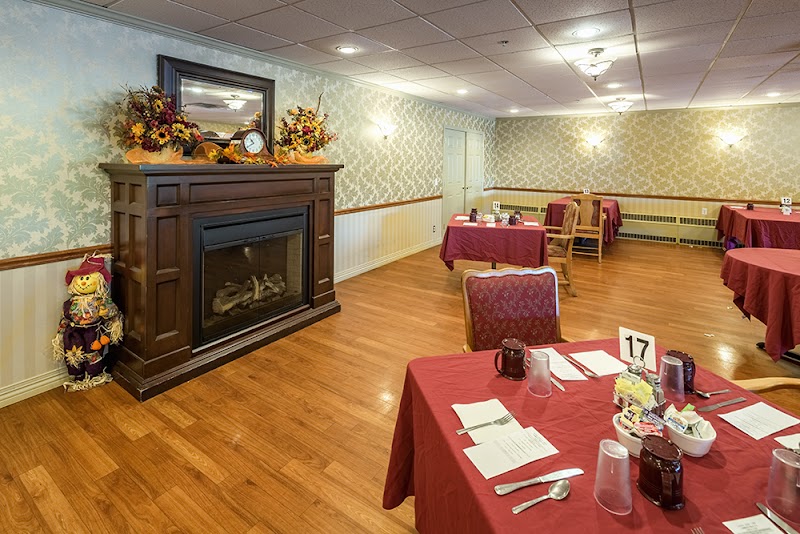
CMS rates Sodus Rehabilitation & Nursing Center's staffing level at 3 out of 5 stars, which is average compared to other nursing homes. Staff turnover is 51%, compared to the New York average of 46%. RN turnover specifically is 58%, which is notably high. RNs provide skilled clinical oversight, so turnover in this role can affect medical care quality.

What Have Inspectors Found at Sodus Rehabilitation & Nursing Center?

State health inspectors documented 25 deficiencies at Sodus Rehabilitation & Nursing Center during 2020 to 2024. These included: 25 with potential for harm.

Who Owns and Operates Sodus Rehabilitation & Nursing Center?

Sodus Rehabilitation & Nursing Center is owned by a for-profit company. For-profit facilities operate as businesses with obligations to shareholders or private owners. The facility is operated by PERSONAL HEALTHCARE, LLC, a chain that manages multiple nursing homes. With 130 certified beds and approximately 104 residents (about 80% occupancy), it is a mid-sized facility located in Sodus, New York.

How Does Sodus Rehabilitation & Nursing Center Compare to Other New York Nursing Homes?

Compared to the 100 nursing homes in New York, Sodus Rehabilitation & Nursing Center's overall rating (2 stars) is below the state average of 3.1, staff turnover (51%) is near the state average of 46%, and health inspection rating (3 stars) is at the national benchmark.

What Should Families Ask When Visiting Sodus Rehabilitation & Nursing Center?

Based on this facility's data, families visiting should ask: "Can I visit during a mealtime to observe dining assistance and food quality?" "How do you handle medical emergencies, and what is your hospital transfer rate?" "Can I speak with family members of current residents about their experience?"

Is Sodus Rehabilitation & Nursing Center Safe?

Based on CMS inspection data, Sodus Rehabilitation & Nursing Center has a clean safety record: no substantiated abuse findings (meaning no confirmed cases of resident harm), no Immediate Jeopardy citations (the most serious violation level indicating risk of serious injury or death), and is not on the Special Focus Facility watch list (a federal program monitoring the lowest-performing 1% of nursing homes). The facility has a 2-star overall rating and ranks #100 of 100 nursing homes in New York. While no facility is perfect, families should still ask about staff-to-resident ratios and recent inspection results during their visit.

Do Nurses at Sodus Rehabilitation & Nursing Center Stick Around?

Sodus Rehabilitation & Nursing Center has a staff turnover rate of 51%, which is 5 percentage points above the New York average of 46%. Moderate turnover is common in nursing homes, but families should still ask about staff tenure and how the facility maintains care continuity when employees leave.

Was Sodus Rehabilitation & Nursing Center Ever Fined?

Sodus Rehabilitation & Nursing Center has no federal fines on record. CMS issues fines when nursing homes fail to meet care standards or don't correct problems found during inspections. The absence of fines suggests the facility has either maintained compliance or corrected any issues before penalties were assessed. This is a positive indicator, though families should still review recent inspection reports for the full picture.

Is Sodus Rehabilitation & Nursing Center on Any Federal Watch List?

Sodus Rehabilitation & Nursing Center is not on any federal watch list. The most significant is the Special Focus Facility (SFF) program, which identifies the bottom 1% of nursing homes nationally based on persistent, serious quality problems. Not being on this list means the facility has avoided the pattern of deficiencies that triggers enhanced federal oversight. This is a positive indicator, though families should still review the facility's inspection history directly.