PINE VALLEY CENTER FOR REHABILITATION AND NURSING
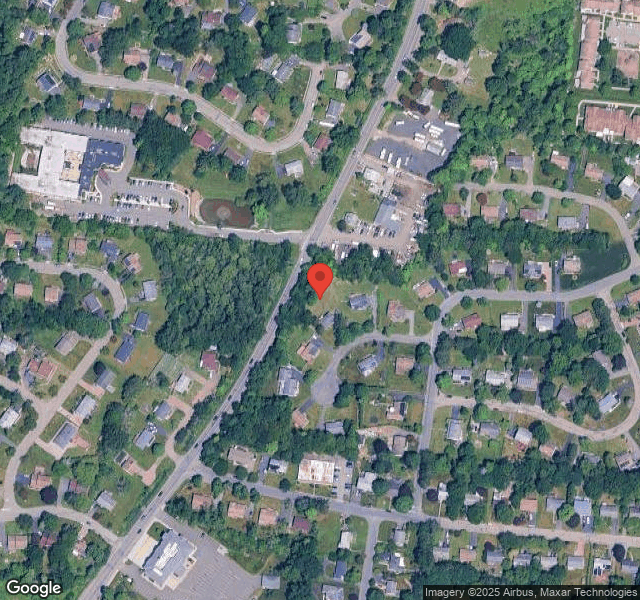
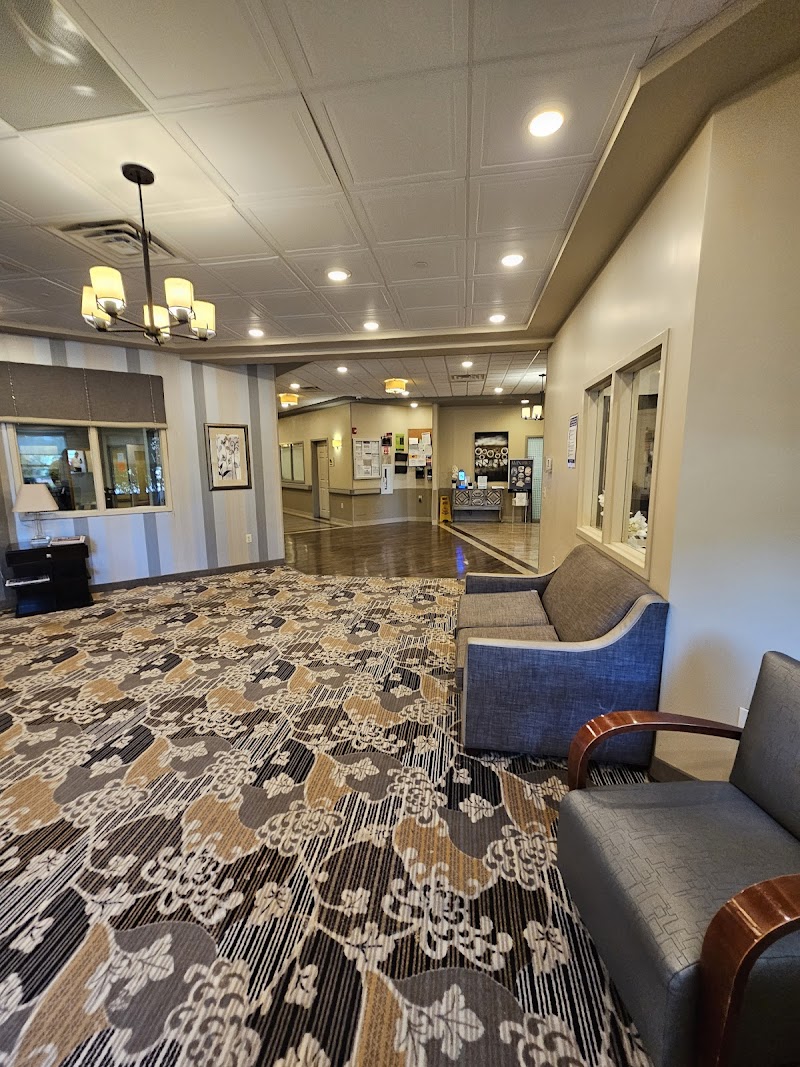
661 N MAIN ST, SPRING VALLEY, NY 10977 (845) 356-0567
For profit - Corporation 160 Beds UPSTATE SERVICES GROUP Data: November 2025
Trust Grade
68/100
#317 of 594 in NY
Last Inspection: July 2023

Over 2 years since last inspection. Current conditions may differ from available data.

Overview

Pine Valley Center for Rehabilitation and Nursing has a Trust Grade of C+, which indicates it is slightly above average but not outstanding. In terms of rankings, it sits at #317 out of 594 facilities in New York, placing it in the bottom half, and #5 out of 10 within Rockland County, meaning only four local options are worse. The facility is improving, with issues decreasing from eight in 2023 to four in 2024. Staffing is a strength, with a rating of 4 out of 5 stars and a turnover rate of 30%, which is lower than the state average, suggesting that staff members are likely to stay long-term. Although there have been no fines, recent inspections revealed concerning incidents, such as staff using excessive force on a resident and failing to report abuse to law enforcement, alongside issues with performance reviews for nurse aides, indicating areas that require significant attention.

Trust Score
C+
68/100
In New York
#317/594
Bottom 47%
Safety Record
Low Risk
No red flags
Inspections
Getting Better
8 → 4 violations
Staff Stability
✓ Good
30% annual turnover. Excellent stability, 18 points below New York's 48% average. Staff who stay learn residents' needs.
Penalties
✓ Good
No fines on record. Clean compliance history, better than most New York facilities.
Skilled Nurses
○ Average
Each resident gets 41 minutes of Registered Nurse (RN) attention daily — about average for New York. RNs are the most trained staff who monitor for health changes.
Violations
⚠ Watch
14 deficiencies on record. Higher than average. Multiple issues found across inspections.
★★★☆☆
3.0
Overall Rating
★★★★☆
4.0
Staff Levels
★★★☆☆
3.0
Care Quality
★★★☆☆
3.0
Inspection Score
Stable
2023: 8 issues
2024: 4 issues

The Good

  • 4-Star Staffing Rating · Above-average nurse staffing levels
  • Low Staff Turnover (30%) · Staff stability means consistent care
  • Full Sprinkler Coverage · Fire safety systems throughout facility
  • No fines on record
  • Staff turnover is low (30%)

    18 points below New York average of 48%

Facility shows strength in staffing levels, staff retention, fire safety.

The Bad

3-Star Overall Rating

Near New York average (3.1)

Meets federal standards, typical of most facilities

Chain: UPSTATE SERVICES GROUP

Part of a multi-facility chain

Ask about local staffing decisions and management

The Ugly 14 deficiencies on record

Dec 2024 4 deficiencies
CONCERN (D) 📢 Someone Reported This

A family member, employee, or ombudsman was alarmed enough to file a formal complaint

Potential for Harm - no one hurt, but risky conditions existed

Free from Abuse/Neglect (Tag F0600)

Could have caused harm · This affected 1 resident

**NOTE- TERMS IN BRACKETS HAVE BEEN EDITED TO PROTECT CONFIDENTIALITY** Based on record reviews, interviews, and observations conducted during an abbreviated (NY00361070, NY00351353) survey, the facil...

Read full inspector narrative →
**NOTE- TERMS IN BRACKETS HAVE BEEN EDITED TO PROTECT CONFIDENTIALITY** Based on record reviews, interviews, and observations conducted during an abbreviated (NY00361070, NY00351353) survey, the facility did not ensure that a resident was free from abuse. This was evident for 1 (Resident #1) of 3 residents sampled for abuse. Specifically, Certified Nursing Assistant #1, Certified Nursing Assistant #4, Resident Assistant #2 and Resident Assistant #3 are seen in video footage using more force than necessary to provide care to Resident #1. As evidenced by: The facility policy for abuse has no date created no indication of ever having been reviewed/revised, and it is not printed on official letterhead. The Policy documents, The Purpose of the Abuse Prevention Program is to ensure a safe, respectful, and dignified environment for all residents. The Policy defines abuse as the willful infliction of injury, unreasonable confinement, intimidation, or punishment with resulting harm, pain, or mental anguish. Resident #1 was re-admitted [DATE] with diagnoses which included Cerebral vascular accident, Hemiplegia, and impairment to both upper and lower extremities. Resident #1 had severe impaired cognition and was dependent for all cares. The quarterly minimum data set, an assessment tool, dated 9/8/24 documented that Resident #1 had short term and long-term memory problems, and was severely impaired in cognitive skills for decision making. Resident #1 was assessed to have no behaviors. Resident #1 had impairment on both upper & lower extremities and was dependent on staff for eating, and dependent for all activities of daily living. Resident #1 was indicated to be a high-risk victim of abuse per the care plan titled Potential Victim of abuse, dated 9/10/24. The care plan has a goal listed that Resident #1 will be protected from being a victim of abuse though the next review period. On 11/19/24 at 2:46pm The Potential to be Victim of Abuse care plan was updated and indicated that Resident #1 was a score level 10, indicating high risk. The risk factors that are marked off are: lacks basic self-protection skills, is unable to communicate needs effectively, is vulnerable due to cognitive disabilities, and is vulnerable due to physical disabilities. On an interview on 11/26/24 at 11:16am with the Director of Nursing they stated that on 11/19/24 it was brought to their attention by Certified Nursing Assistant #1, that Resident Assistant #2, Resident Assistant # 3 and Certified Nursing Assistant #4 had abused Resident #1. Director of Nursing stated that the evidence provided was videos that the family had from a camera they had placed in Resident #1's room. Director of Nursing stated the family showed the videos to them which they watched on 11/19/24. Immediately after viewing the videos the Director of Nursing suspended the staff pending investigation, and when they determined that abuse had occurred, they terminated the four staff identified in the videos. On 11/25/24 Surveyors reviewed the footage of videos provided by the facility and observed the following: Video #1 dated 10/31/24 at time stamp 8:03:04: Certified Nursing Assistant #1 and Resident Assistant #3 are seen on video in Resident #1's room to provide care. Certified Nursing Assistant #1 is seen removing Resident #1's gown forcefully. Certified Nursing Assistant #1 is seen wiping Resident #1's face in a rough manner. Video #2 has no date and no time stamp: Certified Nursing Assistant #1 and Certified Nursing Assistant #4 are in Resident #1's room. Resident #1 is seen lying in bed fully dressed. Certified Nursing Assistant #1 wearing no personal protective gown, is seen attempting to reposition Resident #1 in the bed. Certified Nursing Assistant #1 is seen pulling and tugging on Resident #1's upper body/head in a forceful manner to adjust Resident #1 in the bed. Video # 3 dated 11/04/24 at time stamp 08:07:58: Certified Nursing Assistant #1 and Resident Assistant #2 are seen in the Resident #1's room. Resident #1 is seen lying in bed wearing only incontinent brief. Resident Assistant #2 uses their right hand and pushes/smooshes Resident #1 on the left side of their face, then smacks Resident #1's left forearm and then flicks Resident #1's forehead, Certified Nursing Assistant #1 is not seen on the video during this time. 10NYCRR 415.4(b)(1)(i)
CONCERN (D) 📢 Someone Reported This

A family member, employee, or ombudsman was alarmed enough to file a formal complaint

Potential for Harm - no one hurt, but risky conditions existed

Report Alleged Abuse (Tag F0609)

Could have caused harm · This affected 1 resident

**NOTE- TERMS IN BRACKETS HAVE BEEN EDITED TO PROTECT CONFIDENTIALITY** Based on interviews, observations and record review conducted during an abbreviated (NY00361070) survey, the facility did not re...

Read full inspector narrative →
**NOTE- TERMS IN BRACKETS HAVE BEEN EDITED TO PROTECT CONFIDENTIALITY** Based on interviews, observations and record review conducted during an abbreviated (NY00361070) survey, the facility did not report incidents of staff to resident abuse to local law enforcement. This was evident for 1 (Resident #1) of 3 residents reviewed for abuse. Specifically, Certified Nursing Assistant #1, Certified Nursing Assistant #4, Resident Assistant #2, and Resident Assistant #3 are seen in video footage using more force than necessary to provide care to Resident #1, and those incidents were not reported to local law enforcement. As evidenced by: The facility Policy for abuse has no date, as well as no indication of ever having any updates or reviews it is also noted to not be on any official letterhead. The Policy is written as follows, The Purpose of the Abuse Prevention Program is to ensure a safe, respectful, and dignified environment for all residents. The Policy defines abuse and lists various types of abuse, Abuse is defined as the willful infliction of injury, unreasonable confinement, intimidation, or punishment with resulting harm, pain, or mental anguish. There is also a definition for mistreatment the inappropriate treatment or exploitation of a resident. The Policy also documents The Elder Justice Act, which requires reporting of any reasonable suspicion of a crime under Section 1150B of the Social Security Act, as established by the Patient Protection and Affordable Care Act, (~6703 (b)(3). This requires certain individuals in long-term care facilities to report a reasonable suspicion of a crime committed against a resident. For New York State, these reports must be made to the NYSDOH and at least one local law enforcement agency of jurisdiction. Resident #1 was re-admitted [DATE] with diagnoses which included Cerebral Vascular Accident, Hemiplegia, and impairment to both upper and lower extremities. Resident #1 had severe impaired cognition and was dependent for all cares. The quarterly minimum data set, an assessment tool, dated 9/8/24 documented that Resident #1 had short term and long-term memory problems, and was severely impaired in cognitive skills for decision making. Resident #1 was assessed to have no behaviors. Resident # 1 had impairment on both upper & lower extremities and was dependent on staff for eating, and dependent for all activities of daily living. Resident #1 was indicated to be a high-risk victim of abuse per the care plan titled Potential Victim of abuse, dated 9/10/24. The care plan has a goal listed that Resident #1 will be protected from being a victim of abuse thru the next review period. On 11/19/24 at 2:46pm The Potential to be victim of abuse care plan was updated and indicated that Resident #1 was a score level 10, indicating high risk. The risk factors that are marked off are: lacks basic self-protection skills, is unable to communicate needs effectively, is vulnerable due to cognitive disabilities, is vulnerable due to physical disabilities. In an interview on 11/26/24 at 11:16am with the Director of Nursing they stated that on 11/19/24 it was brought to their attention by Certified Nursing Assistant #1, that Resident Assistant #2, Resident Assistant # 3 and Certified Nursing Assistant #4 had abused Resident #1. Director of Nursing stated that the evidence provided was videos that the family had from a camera they had placed in Resident #1's room. Director of Nursing stated the family showed the videos to them which they watched on 11/19/24. Immediately after viewing the videos the Director of Nursing suspended the staff pending investigation, and when they determined that abuse had occurred, they terminated the four staff identified in the videos. The Director of Nursing stated that on the day of the incident they made it clear to the family that it was their right to call 911. The Director of Nursing stated that they needed to report the incident to Department of Health. The Director of Nursing stated that the facility did not call law enforcement as they thought it was a family thing to do. The Director of Nursing stated they left the decision to call law enforcement up to the family. The facility's internal investigative report documents that the facility contacted the Department of Health on 11/19/24 at 2:31pm and that the facility did not contact any other agency. The report does indicate that the NYS Attorney General's office contacted the facility on 11/20/24 at 3:15pm. During an interview on 11/26/24 at 12:07pm with the Administrator they stated that they did not call the police or anyone else because the family was adamant that no one else be notified. On 11/25/24 Surveyors reviewed the footage of videos provided by the facility and observed the following: Video #1 dated 10/31/24 at time stamp 8:03:04 : Certified Nursing Assistant #1 and Resident Assistant #3 are seen on video in Resident #1's room to provide care. Certified Nursing Assistant #1 is seen removing Resident #1's gown forcefully. Certified Nursing Assistant #1 is seen wiping Resident #1's face in a rough manner. Video #2 has no date and no time stamp. Certified Nursing Assistant #1 and Certified Nursing Assistant #4 are in Resident #1's room. Resident #1 is seen lying in bed fully dressed. Certified Nursing Assistant #1 wearing no personal protective gown, is seen attempting to reposition Resident #1 in the bed. Certified Nursing Assistant #1 is seen pulling and tugging on Resident #1's upper body/head in a forceful manner to adjust Resident #1 in the bed. Video # 3 dated 11/04/24 at time stamp 08:07:58 : Certified Nursing Assistant #1 and Resident Assistant #2 are seen in Resident #1's room. Resident #1 is seen lying in bed wearing only incontinent brief. Resident Assistant #2 uses their right hand and pushes/smooshes Resident #1 on the left side of their face, then smacks Resident #1's left forearm and then flicks Resident #1's forehead, Certified Nursing Assistant #1 is not seen on the video during this time. 10NYCRR 415.4
CONCERN (D) 📢 Someone Reported This

A family member, employee, or ombudsman was alarmed enough to file a formal complaint

Potential for Harm - no one hurt, but risky conditions existed

Deficiency F0730 (Tag F0730)

Could have caused harm · This affected 1 resident

Based on staff interviews and review of facility documentation conducted during an abbreviated (NY00361070, NY00351353) survey, it was determined that the facility did not ensure that a performance re...

Read full inspector narrative →
Based on staff interviews and review of facility documentation conducted during an abbreviated (NY00361070, NY00351353) survey, it was determined that the facility did not ensure that a performance review of every nurse aide was completed at least once every 12 months, and that each nurse aide, based on the outcome of the performance reviews, received no less than twelve hours of in-service education per year. This was evident for 2 of 2 Certified Nursing Assistants (nurse aides) reviewed for completion of performance review and in-service education. Specifically, the facility did not ensure that Certified Nursing Assistant #1 & Certified Nursing Assistant #4 had a performance review at least once every 12 months and based on their individual performance review receive no less than twelve hours of in-service education per year. Findings Surveyor requested the facility administrator to provide the 2 Certified Nursing Assistant files including their performance reviews and their in-service education. Review of the documents revealed the following: Certified Nursing Assistant #1 had an orientation checklist dated 10/8/2014. Certified Nursing Assistant #1 had a record indicating that there was a history of verbal counseling's that occurred in the year 2024, one dated May 7th, 2024, for failure to document, one dated September 3rd for improper break time and one dated October 7th for failure to document PO intake for 7 days. In Certified Nursing Assistant #1's employment file there are 2 performance evaluations, the last one is dated May 4th, 2021. There are 9 in-services listed as having been attended by Certified Nursing Assistant #1 and no indication that these in-services would be equal to the required 12 hours of in-service education that is required. Certified Nursing Assistant #4 had a hire date of January 29th 2015. There is no orientation checklist. There are 3 warning notices in their file, 2 that occurred in 2017, it does not indicate that they were verbal. One was for a failure to keep bed linen clean, and the other was for a failure to notify a nurse of a resident need situation. In 2018 Certified Nursing Assistant #4 has a warning notice dated May 18th, that stated leave resident unattended in a bathroom, resident found sitting on the floor. The only performance review on file is dated July 6th 2017, and there are only 3 in-services shown in the file one is on abuse dated January 14th 2015, another one is July 2024 for change in condition and one in August 2014 for fall prevention. 10NYCRR 415.26
CONCERN (D) 📢 Someone Reported This

A family member, employee, or ombudsman was alarmed enough to file a formal complaint

Potential for Harm - no one hurt, but risky conditions existed

Infection Control (Tag F0880)

Could have caused harm · This affected 1 resident

Based on observation, record review and staff interviews conducted during an abbreviated (NY00351353, NY00361070) survey the facility did not ensure infection control practices to prevent the developm...

Read full inspector narrative →
Based on observation, record review and staff interviews conducted during an abbreviated (NY00351353, NY00361070) survey the facility did not ensure infection control practices to prevent the development and transmission of communicable disease and infection were maintained for 2(Resident #1, Resident #6) of 3 residents reviewed. Specifically,1) Resident #1 was on enhanced precautions, Certified Nursing Assistant #7 and Licensed Practical Nurse #9 were not wearing gowns when they transferred Resident #1 from the bed-chair via Hoyer-lift and Licensed Practical Nurse #9 was not wearing a gown when they stopped Resident #1's G-Tube feeding, clamped the tubing and closed the feeding tube cap. Additionally, during a review of videos Certified Nursing Assistant #1 and #4 and Resident Assistant #2 and #3 were not wearing a gown while assisting Resident # 1 with a bed bath, changing clothes and emptying Resident #1's Foley catheter. 2) for Resident # 6 on enhanced barrier precautions Certified Nursing Assistant #6 and #8 and Resident Assistant # 15 were observed not wearing a gown while transferring Resident # 6 via Hoyer-lift. The Findings are: The undated Infection Prevention and Control Policy documented provide a safe, sanitary, and comfortable environment and help prevent the development and transmission of communicable diseases and infections to the extent possible. The policy documented the use of (personal protective equipment) beyond situations in which exposure to blood and body fluids is anticipated, refers to the use of gown and gloves during high-contact resident care activities that provide opportunities for transfer of multi-Drug resistant Organisms to staff hands and clothing. 1)Resident #1 was re-admitted with diagnoses including Cerebral Vascular Accident, Hemiplegia, and impairment to both upper and lower extremities. The 3/1/24 Physician Order documented enhanced barrier precautions: Other: Wound, G-Tube, Foley. The 8/27/24 Care Plan titled Enhanced Precaution due to Tube Feeding documented continue with enhanced precautions. The 9/8/24 Quarterly Minimum Data Set, (an assessment tool) documented Resident # 1 had severely impaired cognition, was dependent on staff for all activities of daily living, had a Foley catheter, a stage IV wound on their sacrum and had a feeding tube. During observation on 11/25/24 at 9:25am and 9:30am Certified Nursing Assistant #7 and Licensed Practical Nurse #9 were not wearing gowns while using a Hoyer lift to transfer Resident #1 from their bed to the chair. During observation on 11/25/24 at 12:35pm Licensed Practical Nurse #9 was not wearing a gown when they stopped Resident #1's G-Tube feeding, clamped the tubing and closed the feeding tube cap. During interview on 11/27/24 at 10:21am Licensed Practical Nurse #9 stated a gown was not needed when transferring Resident #1 from the bed to chair via Hoyer-lift. Licensed Practical Nurse #9 stated when reading the precaution sign on the resident door, they made a mistake by not wearing a gown when transferring Resident #1. Review of 11/25/24 video review provided by the facility revealed the following: Video #1 dated 10/31/24 time stamped 8:03:04 Certified Nursing Assistant #1 removed Resident #1's gown and provided a bed bath. Certified Nursing Assistant #1 wiped Resident #1's face, Certified Nursing Assistant #1 was not wearing a gown while providing cares which included leaning over the resident. Video #2 was undated/timed, Certified Nursing Assistant #1 pulled up Resident #1 in the bed and their clothing and arms touched Resident #1's body. Certified Nursing Assistant #1 pulled Resident #1's upper body/head to adjust the resident in the bed. Certified Nursing Assistant #1 was not wearing a gown. Video # 3 dated 11/04/24 08:07:58 Certified Nursing Assistant #1 and Resident Assistant #2 were in Resident #1's room. Resident#1 was lying in bed wearing an incontinent brief and both staff were working together to dress Resident #1. Certified Nursing Assistant #1 emptied Resident #1's Foley catheter. Certified Nursing Assistant #1 and Resident Assistant #2 were not wearing gowns. Staff clothing touched the resident on multiple occasions. Unable to contact Certified Nursing Assistant #1/Resident Assistant # 2 despite repeated attempts. During interview on 11/27/24 at 2:37pm Certified Nursing Assistant # 7 stated they had a gown on when they were washing Resident # 1 but had taken the gown off because they were not aware they needed a gown when transferring a resident via Hoyer-lift. 2) Resident #6 was admitted with diagnoses including but not limited to Peripheral Vascular Disease, Obstructive Uropathy, and Neurological-Paraplegia. The 10/30/24 Comprehensive Minimum Data Set Assessment documented Resident #6 was cognitively intact and had a urinary catheter. The 1/2/24 Physician Order documented enhanced barrier precaution: wound, foley. During observation on 11/25/24 at 12:44pm Resident #6's door had an enhanced barrier precautions sign. Resident Assistant #15, Certified Nursing Assistant #6 and #8 transferred Resident #6 from the bed to chair. None of the staff were wearing a gown. 10 NYCRR # 415.19
Jul 2023 8 deficiencies
CONCERN (D)

Potential for Harm - no one hurt, but risky conditions existed

Resident Rights (Tag F0550)

Could have caused harm · This affected 1 resident

**NOTE- TERMS IN BRACKETS HAVE BEEN EDITED TO PROTECT CONFIDENTIALITY** Based on observation, record review and interview conducted during a recertification survey (7/10/23-7/14/23) the facility did n...

Read full inspector narrative →
**NOTE- TERMS IN BRACKETS HAVE BEEN EDITED TO PROTECT CONFIDENTIALITY** Based on observation, record review and interview conducted during a recertification survey (7/10/23-7/14/23) the facility did not ensure that care was provided in a manner that maintained dignity for 3 of 3 residents (#34, #21, #6). Specifically, Residents #34, #21, and #6's urinary catheter drainage bags were not concealed to prevent direct observation of urine by others. The findings are: Resident # 34 had diagnoses that included cerebral infarction, dysphagia and obstructive and reflux uropathy. The resident's 5/20/23 quarterly Minimum Data Set (MDS) documented the resident had an indwelling catheter. The resident's Urinary Catheter care plan dated 6/21/22 included an intervention to cover the drainage bag with dignity cover. An observation was made on 7/10/23 at 6:55 AM of Resident #34 lying in bed with their Foley bag hanging from their bed facing the hallway. There was urine in tubing and bag, which was visible from the hallway. Resident #21 had diagnoses that included acute kidney failure, Type 2 Diabetes, and obstructive and reflux uropathy. The resident's quarterly MDS dated [DATE] documented the resident had an indwelling catheter. The resident's urinary catheter care plan included an intervention to cover the drainage bag with dignity cover. An observation was made on 7/10/23 at 06:57 AM of Resident #21's urinary drainage bag to be uncovered and in clear view of others in the hallway. Resident #6 had diagnoses that included Parkinson's disease, obstructive and reflux uropathy and congestive heart failure. The 3/3/23 admission MDS revealed that the resident had an indwelling urinary catheter. An observation was made on 07/10/23 at 06:58 AM of Resident #6's urinary drainage bag hanging on the side of the bed without a privacy bag and urine was visible in the bag and tubing from the hallway. During an interview with the Certified Nurse Aide (CNA) #1 on 07/13/23 at 09:26 AM, they stated dignity bags were needed on all Foley catheter bags at all times. CNA#1 stated they made sure that the residents had the covers on throughout the day as the covers were important for the resident's right to dignity. In an interview with the Registered Nurse Unit Manager (RNUM) #1 on 07/13/23 09:45 AM, they stated dignity covers were supposed to be on Foley bags at all times to preserve the resident's dignity. RNUM#1 stated the CNAs were aware, but sometimes forgot to cover the bags. §483.10(a)
CONCERN (D)

Potential for Harm - no one hurt, but risky conditions existed

Investigate Abuse (Tag F0610)

Could have caused harm · This affected 1 resident

Based on interview and record review conducted during a recertification survey, it could not be ensured that the facility thoroughly investigated an injury of unknown origin for 1 (Resident #118) of 5...

Read full inspector narrative →
Based on interview and record review conducted during a recertification survey, it could not be ensured that the facility thoroughly investigated an injury of unknown origin for 1 (Resident #118) of 5 residents reviewed for accidents. Specifically, Resident #118 stated they had a burn to their right upper thigh on 6/24/2023 from hot water that was served to them in their own lidded mug, when the nurse who served the hot water did not screw on the top of the mug. The findings are: The facility policy and procedure (P/P) dated 11/2022 and titled Accidents/Incidents (A/I) documented examples of accidents included second- and third- degree burns. Procedures for the Charge Nurse/Licensed Nurse included completion of sections 1 through 17 on the A/I form and give to Registered Nurse Supervisor. Registered Nurse Supervisor procedures included review of section 1 through 17 of the A/I form, determines if an accident or incident, and completes sections 18 and 20. The A/I P/P documented in bold type: In the event an A/I occurs that is either unwitnessed or involves questionable factors the following will be completed. All A/I will be reviewed by the Safety Committee/Department Head AM meeting and further investigation will be determined at that time and listed the actions to be taken by the LPN, supervisor, comprehensive care plan team (CCP), attending physician, and Director of Nursing (DON) or designee. Resident #118 was admitted with diagnoses hypertension, renal insufficiency, and malnutrition. The Minimum Data Set (MDS: an assessment tool) dated 6/22/2023 documented that Resident #118 was cognitively intact for decision making, received assistance with set up and supervision for eating, had a functional limitation in range of motion of their upper extremity on one side, and had no skin problems present. The statement dated 6/24/2023 at 6:40 AM and written by the 11 PM - 7:00 AM Licensed Practical Nurse, LPN #3, who was on shift on 6/23 - 6/24/2023 documented that the resident had requested hot water to make tea for themselves LPN #3 gave the hot water to the resident as requested, LPN #3 overheard the resident shout I burned myself, and asked the resident what happened, and the resident stated, I spilled the hot water on myself and got a burn. There was no documented evidence that a thorough accident/incident investigation was conducted and/or completed to address Resident #118's right thigh blistered area. During an interview on 7/13/23 at 8:04 AM the Director of Nursing (DON) stated for the time frame June 1, 2023 - July 12,2023 there were no accidents/incident reports identifying skin conditions and/or injuries of unknown origin. The DON stated Resident #118's burn to the right thigh was not reported to her until 6/26/2023, and she conducted a major investigation. The DON stated that the accident investigation was on their computer at home but then revised their statement and stated that they had parts of the investigation in the facility but had to look for them. The DON stated that they had interviewed staff over the phone and did not have written, signed statements from staff. The DON stated that they interviewed day 7-3 and night staff 3-11 over phone but could not produce documented evidence of those interviews. The DON also stated she reviewed video footage but did not save it. On 7/13/23 around 10 AM, the DON provided a document titled Major Investigative Summary. The summary documented that at approximately 5:00 PM on Monday 6/26/2023, Resident #118 came to the Director of Nursing office and reported they had a blister on the right inner thigh and it was my fault; I spilled hot water on myself. There was one statement attached to the investigative summary, dated 6/24/2023 at 6:40 AM and written by the 11 PM - 7:00 AM Licensed Practical Nurse, LPN #3, who was on shift on 6/23 - 6/24/2023, and documented that the resident had requested hot water to make tea for themselves, LPN #3 gave the hot water to the resident as requested, LPN #3 overheard the resident shout I burned myself, and asked the resident what happened, and the resident stated, I spilled the hot water on myself and got a burn. The investigative summary did not include any other written statements. The summary documented camera footage was reviewed, and it was noted that on Saturday 6/24/2023 around 6:30 AM nurse was observed holding a foam cup and entering into the resident's room; around 6:40 AM nurse was observed going into the resident's room, around 6:41 AM LPN #3 left the room, and at 6:43 AM Registered Nurse Supervisor was observed entering the room. The investigation determined that burn was old; and possible and believed that happened during transport. Resident is independent with her out on pass and medical appointments. Resident is known to stop for coffee when coming back from dialysis/appointments. The investigation summary form had a place to document the person completing the form and was to be signed off by the DON, Administrator, and Medical Director, however it was unsigned and undated. In an interview on 7/14/23 01:38 PM LPN #3 stated Resident #118 asked them for warm water to make tea, LPN #3 used a foam cup and warmed the water in the microwave, they checked the temperature of the water with a thermometer that is in the microwave on unit 2 West, and the water was 100 F degrees. LPN #3 stated that the resident told them to put the foam cup of water on the bedside table which was in front of the resident. LPN #3 then returned to the nurse's station. LPN #3 stated that about 10-15 minutes later they were at the nurse's station and overheard the resident saying that they had burned themselves. LPN #3 stated they went into the resident's room, and resident told LPN #3 that they had burned themselves. LPN #3 stated they asked the resident what had happened, and they responded that they had dropped the water on themselves and got burned. LPN #3 stated that they observed an open blister on the resident's right thigh and the skin around the blister was darkened, dry skin. LPN #3 stated that they told the resident that they thought the injury was an old burn. LPN #3 stated that they then called the Registered Nurse Supervisor (RNS) #1, who then came to look at the resident and thought the injury was old. 10 NYCRR 415.4
CONCERN (D)

Potential for Harm - no one hurt, but risky conditions existed

Quality of Care (Tag F0684)

Could have caused harm · This affected 1 resident

Based on observation, record review and interview during the recertification survey from 7/10/2023 to 7/14/2023, the facility did not ensure that 1 (Resident #118) of 5 residents reviewed for quality ...

Read full inspector narrative →
Based on observation, record review and interview during the recertification survey from 7/10/2023 to 7/14/2023, the facility did not ensure that 1 (Resident #118) of 5 residents reviewed for quality of care received treatment and care in accordance with professional standards of practice. Specifically, on 6/24/2023 Resident #118 reported they had sustained a right thigh burn after staff provided heated water from the microwave and the facility did not implement interventions for the treatment a skin impairment on the thigh until 6/26/2023. Additionally, the medical provider was unaware the resident had spilled hot water and the blister on the resident's thigh was not identified as a burn, and treated with Silvadene until 6/28/2023 when the nurse practitioner (NP) assessed. The findings are: Resident #118 had diagnoses including hypertension, renal insufficiency, and malnutrition. The 6/22/2023 Minimum Data Set (MDS: an assessment tool) documented Resident #118 was cognitively intact for decision making, received assistance with set up and supervision for eating, had limited range of motion of their upper extremity on one side, and had no skin impairments. During the initial screening on 7/10/2023 at 2:02 PM, Resident #118 was interviewed and stated they had a burn to their right upper thigh from hot water that was served to them in their own lidded mug. The resident stated and the nurse who served them the hot water did not screw on the top of the mug, and they spilled hot water on themselves. Resident #118 pointed to her mug on the table and then showed the surveyor their right upper thigh. Resident #118 stated the burn had been treated with Silvadene cream. Discolored skin was observed on the resident's right thigh. A written statement dated 6/24/2023 at 6:40 AM, by the Licensed Practical Nurse (LPN) #3 documented that the resident had requested hot water to make tea for herself, LPN #3 gave the hot water to the resident as requested, LPN #3 overheard the resident shout I burned myself, and asked the resident what happened, and the resident stated, I spilled the hot water on myself and got burned. There was no documented evidence in the electronic medical record (EMR) on 6/24/2023 regarding the resident's report that they sustained a burn on 6/24/2023. A nursing progress note dated 6/26/2023, by licensed practical nurse LPN #5, documented an open area on Resident #118's right thigh and that nurse practitioner (NP) #2 was notified and ordered bacitracin ointment until resolved. The initial Skin Condition Assessment, dated 6/26/2023 at 8:00 PM by the Director of Nursing (DON), documented Resident #118 had a blister on the right thigh that measured 2.0 centimeters (cm) x 2.0 cm x 0.1 cm (length x width x depth), with a scant amount of serous (clear fluid) drainage, and treatment was initiated. A nursing progress note dated 6/28/2023 by LPN #5, documented redness noted on Resident #118's right thigh and NP #1 was notified and ordered Silvadene cream and a non-stick dressing to the right thigh until burn is healed. The Acute Visit Progress Note, dated 6/28/2023 at 4:00 PM by NP #1, documented Resident #118 was examined and the right thigh had redness and an open blister likely due to old burn per patient. The treatment plan was to apply Silvadene until healed. The June 2023 Medication Administration Record (MAR) documented: -on 6/26/2023, apply bacitracin to open area on right thigh until resolved. The order was discontinued on 6/28/2023. -on 6/28/2023, apply Silvadene cream and non-stick dressing to the right thigh burn until healed. During an interview on 7/13/23 at 8:04 AM, the Director of Nursing (DON) stated they were notified of Resident #118's burn to right thigh, it occurred on 6/24/2023 but was not reported to them until 6/26/2023. The DON stated and it was undetermined how the burn happened. In an interview on 7/13/23 at 11:28 AM, NP #1 stated that on 6/26/23 NP #2 reported to them that Resident #118 had a skin tear of the right thigh and bacitracin had been ordered. NP #1 stated they tried to see the resident on 6/26/23 but the resident was not around, and on 6/27/2023 the resident was out of the building. NP #1 stated that on 6/28/2023 they evaluated the resident and found two (2) open blisters with surrounding redness on the resident's right thigh. NP #1 stated that the two (2) blisters looked like some kind of burn. NP #1 stated that the resident told them the burn was old and was from hot water but did not ask resident when the burn occurred. NP #1 stated that they immediately changed the resident's treatment order to Silvadene cream, a non-stick dressing, and to document for signs and symptoms of infection. In an interview on 7/14/23 at 11:33 AM Nurse Practitioner (NP) #2 stated that on a date they could not recall, LPN #5 came into their office and stated that Resident #118 had a skin tear on their leg. NP #2 stated she gave an order to wash the skin tear with saline wash, apply bacitracin, and cover the area with a bandage. NP #2 stated the issue reported to them regarding Resident #118 was a skin tear, so they ordered a treatment until the resident assigned NP could evaluate the resident further. In an interview on 7/14/23 01:38 PM LPN #3 stated that, Resident #118 asked them for warm water to make tea, LPN #3 used a foam cup and warmed the water in the microwave, they checked the temperature of the water with a thermometer that is in the microwave on unit 2 West, and the water was 100 F degrees. LPN #3 stated that the resident told them to put the foam cup of water on the bedside table which was in front of the resident. LPN #3 then returned to the nurse's station. LPN #3 stated that about 10-15 minutes later they were at the nurse's station and overheard the resident saying that they had burned themselves. LPN #3 stated they went into the resident's room, and resident told LPN #3 that they had burned themselves. LPN #3 stated they asked the resident what had happened, and they responded that they had dropped the water on themselves and got burned. LPN #3 stated they asked the resident where they had burned themselves, and resident showed them their right thigh. LPN #3 stated that she observed resident's skin on the right thigh had an open blister, and the skin around the blister was darkened, dry skin. LPN #3 stated that they told the resident that they thought the injury was an old burn. LPN #3 stated that they then called the Registered Nurse Supervisor (RNS) #1, who then came to look at the resident and thought the injury was old. 10 NYCRR 415.12
CONCERN (D)

Potential for Harm - no one hurt, but risky conditions existed

Deficiency F0688 (Tag F0688)

Could have caused harm · This affected 1 resident

**NOTE- TERMS IN BRACKETS HAVE BEEN EDITED TO PROTECT CONFIDENTIALITY** Based on observation, record review and interview conducted during the 7/10/23 to 7/14/23 recertification survey it was determin...

Read full inspector narrative →
**NOTE- TERMS IN BRACKETS HAVE BEEN EDITED TO PROTECT CONFIDENTIALITY** Based on observation, record review and interview conducted during the 7/10/23 to 7/14/23 recertification survey it was determined for 1 of 4 residents (Resident #75) reviewed for Activities of Daily Living (ADL) Decline, the facility did not ensure all residents with limited range of motion received appropriate treatment and services to increase range of motion and/or to prevent a further decrease in range of motion. Specifically, Resident #75 had a Physical Therapy/Occupational Therapy screen on 5/13/23 that recommended restorative nursing that was not ordered until 7/12/23. The findings are: The Policy and Procedure titled Restorative Nursing last revised 2/2019 documented the following as the purpose: range of motion is the movement of a joint though its full range in all appropriate planes. It may be passive, active or active assistive. The objective is to maintain function and prevent deterioration and to maintain motion of the joint. Additionally documented procedure can be done by licensed practical nurse or certified nursing assistant. Resident # 75 was admitted to the facility 5/4/18 and had diagnoses that included arthritis, non-alzheimer's dementia and parkinson's. The 4/25/23 Significant Change Minimum Data Set (MDS, resident assessment tool) assessment dated [DATE] documented Resident #75 had severe cognitive impairment; required extensive assist of one person for bed mobility, toileting and eating and required extensive assist of two persons for transfer. The physical therapy/occupational therapy screen dated 5/13/23 documented recommendation for restorative nursing, range of motion with care. The certified nurse aide accountability record for May, June, and July 2023 did not document directions or signatures for restorative nursing, range of motion with care. The physicians order dated 7/10/23 documented restorative nursing; passive range of motion (ROM) to right arm, left arm, right leg, left leg every day during day shift. The comprehensive care plan 7/12/23 Restorative Nursing Care Plan created 7/12/23 documented resident is on passive range of motion for bilateral upper extremities (BUE) and bilateral lower extremities (BLE). During an observation on 07/13/23 11:56 AM resident was in bed with sheet covering most of body, resident had a wedge pillow under the left shoulder. During an interview with certified nurse aid (CNA) #3 on 7/14/23 at 1:46 PM, CNA #3 stated the resident has gotten progressively worse over time. CNA #3 stated the resident was able to transfer but now needs a Hoyer lift. CNA #3 stated they change the resident's depends, wash the resident and get the resident dressed for dialysis. On the non-dialysis days, they change the resident and leave the resident in bed on the resident's side. CNA #3 stated restorative nursing is when they do the ADL care and try to keep the resident moving such as raise legs up and down and also positioning the legs straight. CNA #3 stated CNA accountability record does not have a spot for them to document range of motion but has seen range of motion as part of their CNA documentation on other resident records. During an interview with Director of Rehabilitation (DOR) on 7/14/23 at 2:21 PM, DOR stated residents are screened quarterly and recommendations are documented in the rehabilitation tab of the electronic medical record (EMR). DOR stated rehab puts in the rehab orders for restorative nursing and will put in the functional status under the rehabilitation recommendation. DOR stated they put in the orders for rehab and were unsure of what happened with the order for restorative nursing after the recommendation was made in May. DOR stated there is also a shared rehab form tab in the electronic medical record (EMR) that documents a change in status that nursing can also look at. During an interview with registered nurse (RN)#6 on 7/14/23 at 4:34 PM, RN #6 stated the rehab director will provide a list of residents who will benefit from restorative nursing to the nurse manager. RN #6 stated nursing is instructed on what is needed for restorative nursing including range of motion. RN #6 stated range of motion can be done by a nurse or CNA. When asked where they document when ROM is completed, RN #6 stated they document ROM in the progress notes. RN #6 stated they were unsure why there was a delay in getting the restorative nursing order and implementing the restorative nursing care plan. 10 NYCRR 415.12(e)(1)
CONCERN (D)

Potential for Harm - no one hurt, but risky conditions existed

Deficiency F0692 (Tag F0692)

Could have caused harm · This affected 1 resident

Based on observation, interview and record review conducted during the recertification survey from 7/10/23 to 7/14/23, it was determined for 1 of 3 residents (Resident # 48) reviewed for Nutrition and...

Read full inspector narrative →
Based on observation, interview and record review conducted during the recertification survey from 7/10/23 to 7/14/23, it was determined for 1 of 3 residents (Resident # 48) reviewed for Nutrition and Hydration, the facility did not ensure the resident was provided the necessary care to maintain an acceptable body weight. Specifically, when Resident #48 lost 19 pounds the significant weight loss was not addressed by the dietitian for over one month. The findings are: The facility undated policy for weights documented that weights would be monitored regularly to evaluate potentially undesirable weight changes. The nurse on the unit and the registered dietitian (RD) would review weights for discrepancies from prior weights. Resident #48 had diagnoses including cerebral infarct, dysphagia (difficulty swallowing), and gastro-esophageal reflux. The admission Minimum Data Set (MDS, a resident assessment tool) completed on 6/11/23 documented the resident's cognition was intact and the resident ate with supervision and tray set up. A physician order dated 3/9/23 documented monthly weights. The comprehensive care plan for Nutrition dated 3/10/23 documented the goals were that the resident would remain well hydrated and eat greater than 50% of meals. Interventions included a low sodium diet, thin liquids, skin review as needed, diet education as needed, and to provide food preferences as available. The resident's weight chart documented on 5/3/23 the resident weighed 167 pounds, on 6/1/23 the resident weighed 148 pounds and on 6/14/23 the resident weighed 151 pounds. Further review of the resident's record revealed no documented evidence the RD was aware of the resident's weight loss and the care plan was not updated address the 19 pound weight loss. When interviewed on 7/13/23 at 9:26 AM, certified nurse aide (CNA) #1 stated if there was a big difference in weights from prior weight, they would reweigh the resident. CNA #1 stated the weight was entered in the computer by the CNAs and then entered in the book at the nurses desk. They would inform the nurse if there was a weight loss. CNA #1 was unaware Resident #48 had a weight loss. When interviewed on 7/13/23 at 9:51 AM the Registered Nurse Unit Manager (RNUM) #1 stated they made sure that residents, who were not very alert, were closely watched and assisted with feeding. RNUM #1 stated the CNAs would tell them which residents were not eating well and they would follow up with the RD. The RNUM #1 stated they communicate with the RD regarding weight losses. RNUM #1 stated they were not aware of the resident's weight loss and the RD was responsible for monitoring the situation. When interviewed on 7/13/23 at 8:14 AM, RD #1 stated they had not seen the Resident #48 lately and was not aware of a weight loss. RD#1 reviewed the record and stated the resident was 148 pounds on 6/1/23, but was rechecked on 6/14/23 and their weight was 151 pounds which still showed a loss. RD#1 stated they should have been monitoring the resident's weight and implemented weekly weights and checking meal intakes. When interviewed on 7/13/23 at 9:56 AM, the physician stated the weight of 147 pounds was probably not accurate and should have been rechecked the next day, not two weeks later. The physician stated RD#1 should have seen the resident sooner and the weight loss should have been acted upon. 10 NYCRR 415.12 (g)(1)
CONCERN (D)

Potential for Harm - no one hurt, but risky conditions existed

Food Safety (Tag F0812)

Could have caused harm · This affected 1 resident

Based on observation, record review and interviews conducted during the recertification survey from 7/10/23 to 7/14/23, the facility did not ensure food was prepared, stored, and served in accordance ...

Read full inspector narrative →
Based on observation, record review and interviews conducted during the recertification survey from 7/10/23 to 7/14/23, the facility did not ensure food was prepared, stored, and served in accordance with professional standards for food service safety to ensure prevention of foodborne illness. Specifically, 1. a food service worker was observed preparing food without a proper hair restraint, 2. the freezer and refrigerator logs in the meat kitchen were forged and, 3. a large pan of raw chicken was improperly stored. The findings are: A facility policy and procedure last revised in January 2022 titled 'Food Storage' stated all foods should be covered, labeled, and dated. The policy additionally stated refrigerator/freezer temperatures should be checked at least 2 times a day and documented on the refrigerator temperature sample form. 1. On 7/10/2023 at 6:26 AM, Food service worker (FSW) #1 was observed cutting onions in the meat kitchen without proper a proper hair covering. During an interview on 7/10/23 at 6:26 AM, FSW #1 stated, as they were cutting onions, they had just arrived to work. During an interview on 7/10/23 at 6:48 AM, the facility's Food Service Director (FSD) stated staff were expected to wear hair restraints in the kitchen. 2. On 7/10/23 at 10:52 AM, a temperature log for the meat refrigerator and freezer were observed signed by FSW #3 with the same initials every day between 7/1/23 and 7/10/23. A review of FSW #3's timecard revealed they did not work on 7/1/23, 7/2/23, 7/8/26, or 7/9/23 (Although their initials were signed on the temperature log on all listed dates). A written statement by FSW #3 dated 7/13/23 revealed they filled in the missing signatures on the temperature logs and they understand they should only for the temperatures that they check. During an interview on 7/13/23 at 11:17 AM, the facility's Administrator stated staff were expected to sign their own initials and accurately complete the temperature logs when they were at work. 3. On 7/10/23 at 6:38 AM, a large pan of raw chicken pieces and trimmings was observed uncovered and undated in the meat refrigerator, and a large bag of carrots was observed being stored on the floor of the walk-in refrigerator. During an interview on 7/10/23 at 6:38 AM, FSW #2 stated the large pan of chicken in the walk-in fridge should have been covered and dated. During an interview on 7/10/23 at 6:48 AM, the facility's FSD stated they made chicken yesterday and were saving the leftover raw chicken scraps to make gravy and they guess the staff just put it in the fridge. The FSD further stated it was not appropriate for raw meat to be stored uncovered and undated in the walk-in refrigerator. During a follow-up interview on 7/10/2023 at 11:01 AM, the facility's FSD stated the carrots should not have been stored on the floor. The FSD stated they did not work on weekends and every Monday they had to clean up. 10 NYCRR 415.14(h)
CONCERN (D)

Potential for Harm - no one hurt, but risky conditions existed

Infection Control (Tag F0880)

Could have caused harm · This affected 1 resident

**NOTE- TERMS IN BRACKETS HAVE BEEN EDITED TO PROTECT CONFIDENTIALITY** Based on observation, record review and interview during the recertification survey (7/10/23-7/14/23), the facility did not ensu...

Read full inspector narrative →
**NOTE- TERMS IN BRACKETS HAVE BEEN EDITED TO PROTECT CONFIDENTIALITY** Based on observation, record review and interview during the recertification survey (7/10/23-7/14/23), the facility did not ensure that staff maintained an infection prevention and control program designed to provide a safe, sanitary, and comfortable environment and to help prevent the development and transmission of communicable diseases and infections. Specifically, 1) During a meal observation two certified nurse aides (CNA) buttered toast using their bare hands before handing the toast to Residents #124 and #26. 2) Housekeeping staff was observed pushing clean linen on an uncovered cart down a hallway. 3) A CNA was observed not using Personal Protective Equipment (PPE) and removed dishes from a resident's room that was on contact precaution, placed the dishes on a food truck, and continued to stack more dishes from the dining room on the food truck without performing hand hygiene. The findings are: 1) Resident #124 had diagnoses including dementia, chronic obstructive pulmonary disease (COPD) and need for assistance with personal care. The 6/14/23 Minimum Data Set (MDS, an assessment) documented the resident needed tray set up for meals. An observation was made in the 3rd floor dining room on 7/10/23 at 8:44 AM of CNA #4 taking a piece of toast from a package on Resident #124's tray and holding the toast in their bare hand to butter the toast. Resident #124 picked up the toast and took a bite. During an interview on 7/10/23 at 8:44 AM, CNA #4 stated no one told them they were not allowed to touch the resident's food while setting up the tray. CNA #4 stated they did not know they needed to use a barrier between their hand and the resident's food. Resident #26 had diagnoses not limited to atherosclerotic heart disease (ASHD) and adult failure to thrive. The resident's quarterly MDS dated [DATE] documented the resident needed limited assistance of 1 person for eating. An observation was made on 7/10/23 at 9:03 AM of CNA #5 taking a piece of toast from a package on Resident #26's tray and holding the toast in their bare hand to butter the toast. CNA #5 then handed the toast to Resident #26. During an interview on 7/10/23 at 9:03 AM, CNA #5 they stated they were buttering the toast but did not know they were not supposed to hold the toast in their bare hand. 2) The facility undated policy on Linen and Laundry Transportation documented linen and laundry was to be stored, transported, and processed in a manner to prevent the spread of infection and contamination. On 7/12/23 at 3:15 PM an observation was made on the 2nd floor hallway of a Housekeeping Staff #1 who pushed an uncovered cart of clean linen down the hallway. the cart was left on the 2nd floor unit with exposed clean towels and bed linens. During an interview with Housekeeping Staff #1, at the time of observation, they stated they usually delivered clean linen carts covered but made this delivery without a cover because they were in a rush. 3) Resident #115 had diagnoses including hypertension, dysphagia, and enterocolitis due to clostridium difficile (C-Diff). Physician orders dated 7/10/23 documented the resident was on contact precautions for clostridium difficile infection. An observation was made on 7/11/23 at 9:41 AM of CNA #6 who came out of Resident #115's room holding dirty cups and dishes and put them on a food truck outside the dining room. CNA #6 then went into the dining room, collected more dirty meal trays and put them on the truck. There was no hand hygiene with soap and water observed after the CNA #6 left Resident#115's room. During an interview with CNA #6 on 7/12/23 at 9:42 AM, they stated they were aware the resident was on contact isolation but forgot to use hand sanitizer after leaving the room. CNA#6 stated they was not aware they needed to don PPE and that soap and water was needed for hand hygiene after coming in contact with a resident who has C.Diff infection. During an interview with the Registered Nurse Unit Manager (RNUM) #1 on 7/11/23 at 9:46 AM, they stated Resident#115 was on contact precautions and staff should be wearing PPE to remove dishes and need to wash their hands with soap and water to prevent the spread of infection. RNUM#1 stated there were several in-services on isolation precautions and did not know why staff did not know this. During an interview with the Infection Preventionist (IP) on 7/13/23 10:30 AM, they stated precautions were discussed with staff routinely which always included appropriate PPE use. The IP was not aware staff were not using PPE and hand washing appropriately. 10NYCRR 415.19
CONCERN (D)

Potential for Harm - no one hurt, but risky conditions existed

Room Equipment (Tag F0908)

Could have caused harm · This affected 1 resident

Revised 9/26/2023 IDR Based on observations, interviews and record review conducted during a recertification survey from 7/10/23 to 7/14/23, it could not be ensured that the facility maintained all me...

Read full inspector narrative →
Revised 9/26/2023 IDR Based on observations, interviews and record review conducted during a recertification survey from 7/10/23 to 7/14/23, it could not be ensured that the facility maintained all mechanical, electrical, and patient care equipment in safe operating condition. Specifically, the walk-in freezer door was broken causing excessive frost on equipment, and the ice machine in the dairy kitchen was not maintained in a sanitary manner. Findings include: During an initial tour of the kitchen on 7/10/23 between 6:15 AM and 7:20 AM and the following was observed: -The walk-in freezer in the meat kitchen had a broken cord dangling from the inside of the freezer door and excessive frost/freezer burn was observed on more than 10 boxes of frozen meat, there was also ice buildup on the floor and the walls. -An ice machine in the dairy kitchen was visibly soiled with a black/brown grimy substance in the drip tray, multiple dirty towels bunched-up underneath the machine, a metal tray to collect dripping water underneath, and excessive corrosion on the back of the machine. A review of facility work orders revealed the ice machine was reported on 6/12/23, and the walk in freezer door was reported broken on 7/4/23. During an interview on 7/10/23 at 10:52 AM, the Food Service Director stated the facility was working on repairing the walk-in freezer and the ice machine. During an interview on 7/13/23 at 8:01 AM, the facility's Administrator stated the kitchen equipment should have been clean and in proper working order. 483.90(d)(2)
Nov 2019 2 deficiencies
CONCERN (D)

Potential for Harm - no one hurt, but risky conditions existed

Incontinence Care (Tag F0690)

Could have caused harm · This affected 1 resident

Based on observation, interview and record review conducted during the most recent recertification survey, it could not be ensured that the facility provided appropriate care and services for the use ...

Read full inspector narrative →
Based on observation, interview and record review conducted during the most recent recertification survey, it could not be ensured that the facility provided appropriate care and services for the use of an indwelling catheter (a tube inserted into the bladder to drain urine) for 1 of 4 residents reviewed (Resident # 91). Specifically, the catheter leg bag (to be used when the resident is out of bed) was attached to the resident above the knee while he was lying flat in bed. The findings are: Resident #91 was admitted to the facility 10/7/19 with diagnoses including Renal Insufficiency, and Obstructive Uropathy (a condition in which the flow of urine is blocked). Review of the Minimum Data Set (MDS - resident assessment tool) dated 10/12/19 revealed that Resident #91 was admitted with an indwelling catheter. Review of the Physician's Orders revealed that the resident was to have a urinary catheter to gravity for drainage. On 11/22/19 at 12:35 PM the resident was observed to be in bed, lying flat. A bedside drainage bag was not observed. The resident agreed to allow the surveyor to check for the catheter bag and it was noted that Resident #91's Foley catheter remained attached to the catheter leg bag while lying flat in bed. On 11/22/19 at 12:41 PM an interview was conducted with Unit Manager (LPN #1) as to the facility policy regarding urinary drainage leg bags and bedside urinary drainage bags. She stated when residents are put to bed the bedside drainage bag should be attached. LPN #1 was informed that Resident #91's leg bag remained on while he was bed lying flat in his bed. She stated that Resident #91 remains connected to the leg bag because he goes to therapy. She also explained that the bedside drainage bag is only connected at night. On 11/22/19 at 12:47 PM an interview was conducted with the Nurse Practitioner regarding the facility policy on the use of urinary leg bags and when they are changed to the bedside drainage bag. She stated that anytime residents are put to bed they should be attached to the bedside drainage bag to prevent back flow which can potentially cause a urinary tract infection. 11/22/19 at 02:32 PM the Director of Nurses advised the surveyor that the facility's Leg Bag policy did not address when to disconnect a Foley catheter from a urinary drainage leg bag and attach it to the bedside drainage bag when returning the resident to bed. 415.12 (d)(1)
CONCERN (D)

Potential for Harm - no one hurt, but risky conditions existed

Infection Control (Tag F0880)

Could have caused harm · This affected 1 resident

Based on observation, interview, and record review conducted during the recertification survey, the facility did not ensure that staff followed proper hand hygiene and gloving technique to prevent cro...

Read full inspector narrative →
Based on observation, interview, and record review conducted during the recertification survey, the facility did not ensure that staff followed proper hand hygiene and gloving technique to prevent cross contamination and the spread of infection. Specifically, (1) cross contamination of a wound and wound supplies was observed and proper hand hygiene were not observed during a wound care observation for 1 of 7 residents (Resident #348) (2) soiled linens and diapers were observed in plastic bags on the floor in an occupied resident room on the second floor - [NAME] Side Unit. The findings are: A random observation was conducted on the second floor, [NAME] Side Unit on 11/19/19 at 11:04 AM and the following was observed: Soiled linens and diapers in plastic bags were observed on the floor in an occupied resident room. A Certified Nursing Assistant (CNA) was interviewed at that time and stated that she had no explanation and that she should have placed them in the soiled linen receptacle. Resident # 348 has diagnoses and conditions including Brain Injury, Seizure and Unstageable Pressure Ulcer. According to the 11/8/19 admission Minimum Data Set (MDS, an assessment tool) the resident has severely impaired cognition, was admitted with an unstageable pressure ulcer, and required total staff assistance with activities of daily living (ADLs). Physician orders dated 11/18/19 included orders to cleanse the stage 4 sacral pressure ulcer with wound cleanser, apply Purogel to the wound bed, and cover with foam dressing daily and as needed and apply a foam dressing every three days and as needed to the stage 3 right ear pressure ulcer. A wound observation was conducted on 11/22/19 at 11:00 AM on the second floor [NAME] Side Unit and the following were observed: The Licensed Practical Nurse (LPN # 2) donned a pair of gloves to remove the soiled dressing from the resident's sacral wound, then discarded it along with the soiled gloves in the trash bin. LPN # 2 then donned a new pair of gloves and placed several pieces of gauze directly on the resident's potentially contaminated bed sheet. With his right gloved hand, LPN # 2 sprayed the resident's sacral wound with the wound cleanser, then used the same gloved hand to pick up the gauze dressings from the bed and cleansed the resident's sacral wound. After cleansing the resident's sacral wound, LPN # 2 donned a new pair of gloves applied the Purogel treatment directly into the wound bed. Without removing and sanitizing his hands, LPN # 2 used the same soiled gloves to apply the Opti foam cover dressing to the wound. Following application of the Opti foam dressing to the right ear wound site, LPN # 2 removed his soiled gloves, and placed them on the clean dressing field, then removed the gloves from the field, and placed them in his right-side pant pocket resulting in cross contamination of the resident's wound and wound supplies. Additionally, there was no protective barrier placed under the resident's wound sites during the wound care procedure. LPN # 2 was interviewed on 11/22/19 immediately following the wound care procedure and stated that he was aware of the deviation in accepted standards as described above. LPN # 2 further stated that he should not have placed the used gloves in his pant pocket. 415.19 (a) (1-3)
Understanding Severity Codes (click to expand)
Life-Threatening (Immediate Jeopardy)
J - Isolated K - Pattern L - Widespread
Actual Harm
G - Isolated H - Pattern I - Widespread
Potential for Harm
D - Isolated E - Pattern F - Widespread
No Harm (Minor)
A - Isolated B - Pattern C - Widespread

Questions to Ask on Your Visit

  • "Can I speak with families of current residents?"
  • "What's your RN coverage like on weekends and overnight?"

Our Honest Assessment

Strengths
  • • No major safety red flags. No abuse findings, life-threatening violations, or SFF status.
  • • No fines on record. Clean compliance history, better than most New York facilities.
  • • 30% annual turnover. Excellent stability, 18 points below New York's 48% average. Staff who stay learn residents' needs.
Concerns
  • • 14 deficiencies on record. Higher than average. Multiple issues found across inspections.
Bottom line: Mixed indicators with Trust Score of 68/100. Visit in person and ask pointed questions.

About This Facility

What is Pine Valley Center For Rehabilitation And Nursing's CMS Rating?

CMS assigns PINE VALLEY CENTER FOR REHABILITATION AND NURSING an overall rating of 3 out of 5 stars, which is considered average nationally. Within New York, this rating places the facility higher than 0% of the state's 100 nursing homes. This mid-range rating indicates the facility meets federal standards but may have areas for improvement.
How is Pine Valley Center For Rehabilitation And Nursing Staffed?

CMS rates PINE VALLEY CENTER FOR REHABILITATION AND NURSING's staffing level at 4 out of 5 stars, which is above average compared to other nursing homes. Staff turnover is 30%, compared to the New York average of 46%. This relatively stable workforce can support continuity of care.

What Have Inspectors Found at Pine Valley Center For Rehabilitation And Nursing?

State health inspectors documented 14 deficiencies at PINE VALLEY CENTER FOR REHABILITATION AND NURSING during 2019 to 2024. These included: 14 with potential for harm.
Who Owns and Operates Pine Valley Center For Rehabilitation And Nursing?

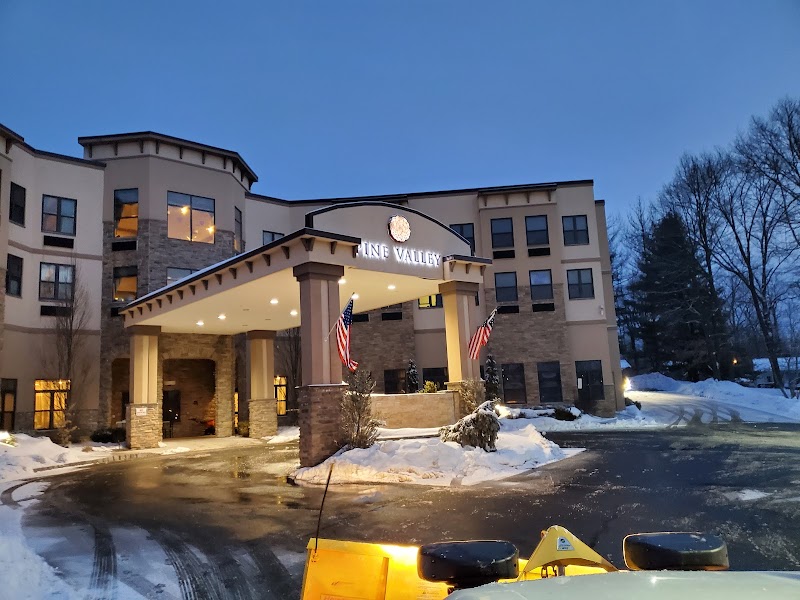
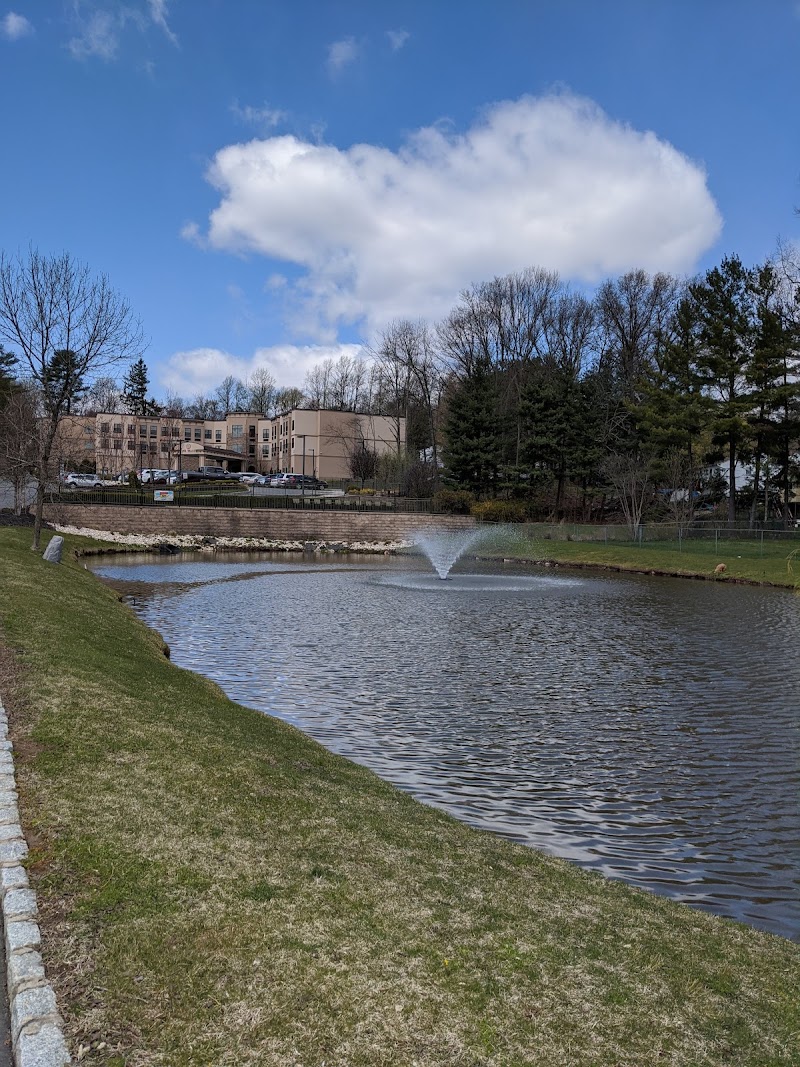
PINE VALLEY CENTER FOR REHABILITATION AND NURSING is owned by a for-profit company. For-profit facilities operate as businesses with obligations to shareholders or private owners. The facility is operated by UPSTATE SERVICES GROUP, a chain that manages multiple nursing homes. With 160 certified beds and approximately 155 residents (about 97% occupancy), it is a mid-sized facility located in SPRING VALLEY, New York.
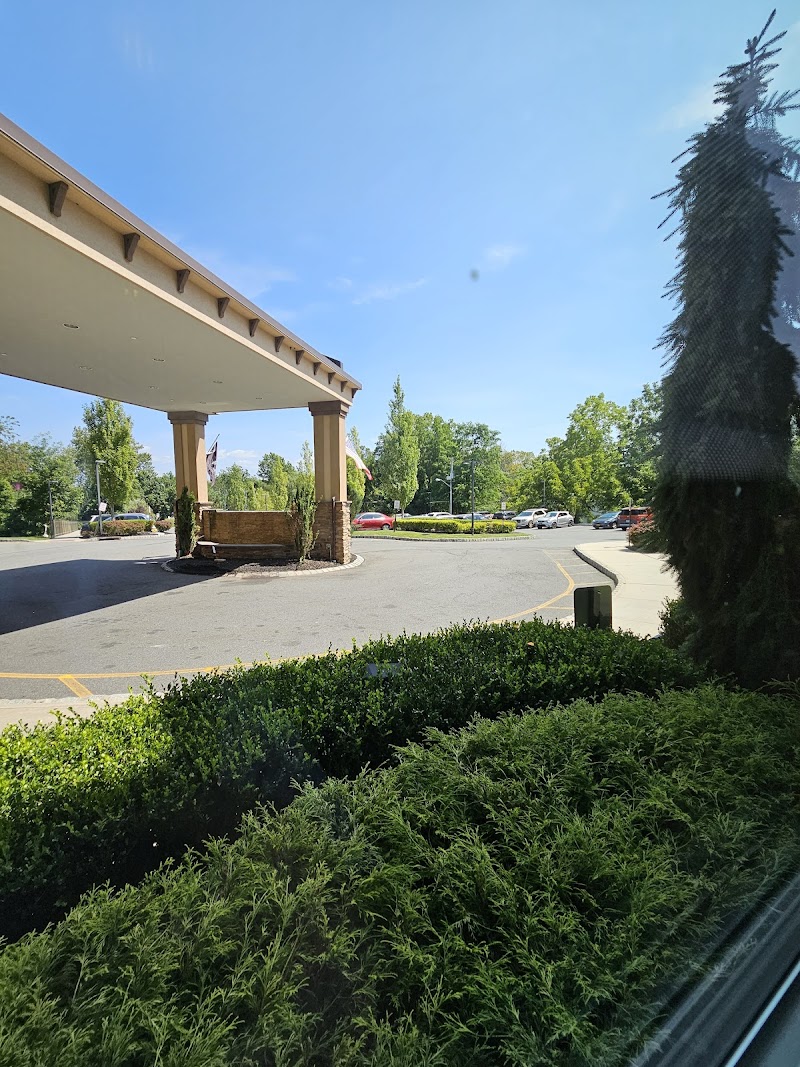
How Does Pine Valley Center For Rehabilitation And Nursing Compare to Other New York Nursing Homes?

Compared to the 100 nursing homes in New York, PINE VALLEY CENTER FOR REHABILITATION AND NURSING's overall rating (3 stars) is below the state average of 3.1, staff turnover (30%) is significantly lower than the state average of 46%, and health inspection rating (3 stars) is at the national benchmark.

What Should Families Ask When Visiting Pine Valley Center For Rehabilitation And Nursing?

Based on this facility's data, families visiting should ask: "Can I visit during a mealtime to observe dining assistance and food quality?" "How do you handle medical emergencies, and what is your hospital transfer rate?" "Can I speak with family members of current residents about their experience?"

Is Pine Valley Center For Rehabilitation And Nursing Safe?

Based on CMS inspection data, PINE VALLEY CENTER FOR REHABILITATION AND NURSING has a clean safety record: no substantiated abuse findings (meaning no confirmed cases of resident harm), no Immediate Jeopardy citations (the most serious violation level indicating risk of serious injury or death), and is not on the Special Focus Facility watch list (a federal program monitoring the lowest-performing 1% of nursing homes). The facility has a 3-star overall rating and ranks #100 of 100 nursing homes in New York. While no facility is perfect, families should still ask about staff-to-resident ratios and recent inspection results during their visit.

Do Nurses at Pine Valley Center For Rehabilitation And Nursing Stick Around?

Staff at PINE VALLEY CENTER FOR REHABILITATION AND NURSING tend to stick around. With a turnover rate of 30%, the facility is 16 percentage points below the New York average of 46%. Low turnover is a positive sign. It means caregivers have time to learn each resident's needs, medications, and personal preferences. Consistent staff also notice subtle changes in a resident's condition more quickly.

Was Pine Valley Center For Rehabilitation And Nursing Ever Fined?

PINE VALLEY CENTER FOR REHABILITATION AND NURSING has no federal fines on record. CMS issues fines when nursing homes fail to meet care standards or don't correct problems found during inspections. The absence of fines suggests the facility has either maintained compliance or corrected any issues before penalties were assessed. This is a positive indicator, though families should still review recent inspection reports for the full picture.

Is Pine Valley Center For Rehabilitation And Nursing on Any Federal Watch List?

PINE VALLEY CENTER FOR REHABILITATION AND NURSING is not on any federal watch list. The most significant is the Special Focus Facility (SFF) program, which identifies the bottom 1% of nursing homes nationally based on persistent, serious quality problems. Not being on this list means the facility has avoided the pattern of deficiencies that triggers enhanced federal oversight. This is a positive indicator, though families should still review the facility's inspection history directly.