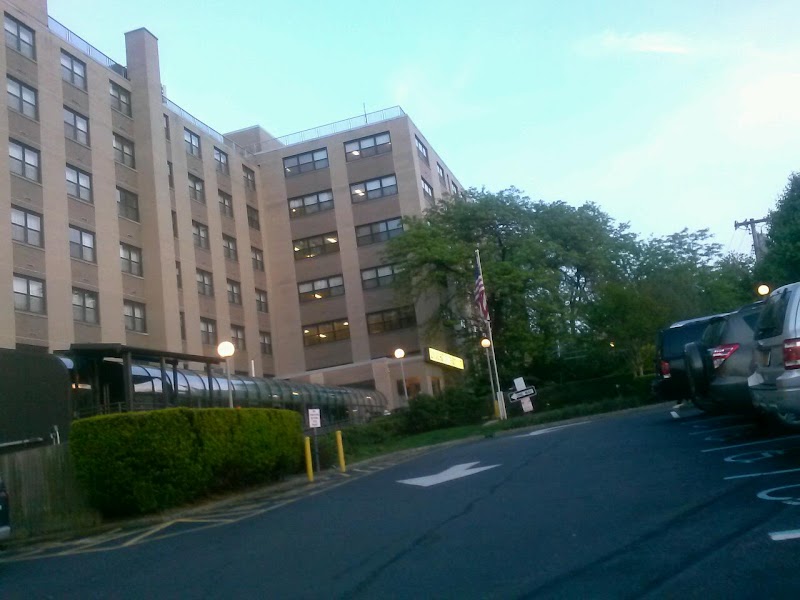
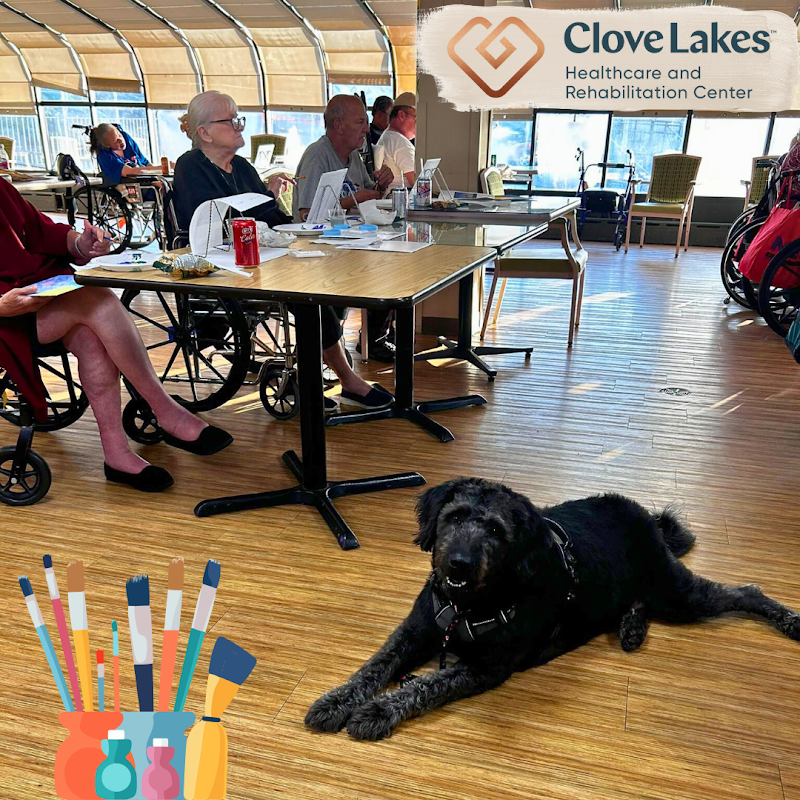
CLOVE LAKES HEALTH CARE AND REHAB CENTER, INC

25 FANNING STREET, STATEN ISLAND, NY 10314 (718) 289-7900
For profit - Corporation 576 Beds INFINITE CARE Data: November 2025
Trust Grade
70/100
#150 of 594 in NY
Last Inspection: October 2024

Within standard 12-15 month inspection cycle. Federal law requires annual inspections.

Overview

Clove Lakes Health Care and Rehab Center, Inc. has a Trust Grade of B, indicating it is a good choice for families, as it falls in the upper range of quality. It ranks #150 out of 594 facilities in New York, placing it in the top half, and #4 out of 10 in Richmond County, meaning only three local options are better. The facility is improving, with a decrease in issues from 9 in 2024 to just 1 in 2025. Staffing is a concern, with a rating of 2 out of 5 stars and a 33% turnover rate, which is below the state average but still shows room for improvement. Notably, there have been no fines, reflecting good compliance, and the facility has more RN coverage than 87% of state facilities, which helps ensure better care. However, there are some weaknesses to consider. Recent inspections found that residents were not consistently receiving the proper respiratory care as required, with instances of oxygen being administered without a physician's order. Additionally, expired food was discovered in the kitchen, raising concerns about food safety practices. While there are positive aspects like high RN coverage and no fines, families should weigh these findings against the facility's strengths when making their decision.

Trust Score
B
70/100
In New York
#150/594
Top 25%
Safety Record
Low Risk
No red flags
Inspections
Getting Better
9 → 1 violations
Staff Stability
○ Average
33% turnover. Near New York's 48% average. Typical for the industry.
Penalties
✓ Good
No fines on record. Clean compliance history, better than most New York facilities.
Skilled Nurses
✓ Good
Each resident gets 55 minutes of Registered Nurse (RN) attention daily — more than average for New York. RNs are trained to catch health problems early.
Violations
⚠ Watch
25 deficiencies on record. Higher than average. Multiple issues found across inspections.
★★★★☆
4.0
Overall Rating
★★☆☆☆
2.0
Staff Levels
★★★★★
5.0
Care Quality
★★★☆☆
3.0
Inspection Score
Stable
2024: 9 issues
2025: 1 issues

The Good

  • 5-Star Quality Measures · Strong clinical quality outcomes
  • Full Sprinkler Coverage · Fire safety systems throughout facility
  • No fines on record
  • Staff turnover below average (33%)

    15 points below New York average of 48%

Facility shows strength in quality measures, fire safety.

The Bad

Staff Turnover: 33%

13pts below New York avg (46%)

Typical for the industry

Chain: INFINITE CARE

Part of a multi-facility chain

Ask about local staffing decisions and management

The Ugly 25 deficiencies on record

Feb 2025 1 deficiency
CONCERN (D) 📢 Someone Reported This

A family member, employee, or ombudsman was alarmed enough to file a formal complaint

Potential for Harm - no one hurt, but risky conditions existed

Comprehensive Care Plan (Tag F0656)

Could have caused harm · This affected 1 resident

Based on observation, record review, and interviews conducted during the abbreviated survey (NY00361247), the facility failed to develop and implement a comprehensive person-centered care plan for the...

Read full inspector narrative →
Based on observation, record review, and interviews conducted during the abbreviated survey (NY00361247), the facility failed to develop and implement a comprehensive person-centered care plan for the resident, consistent with the resident's rights. This was evident for one (1) out of ten (10) residents sampled. (Resident #1). Specifically, there was no documented evidence that a care plan was developed when Resident #1 was noted with macerated skin around the stoma on 11/21/2024. The Nurse Practitioner evaluated Resident #1 and ordered Maalox suspension to be applied to the affected area for 10 days. Findings are: The facility policy titled Comprehensive Person-Centered Care Planning, revised 11/2024, documented that Comprehensive Person-Centered Care planning is done to develop an individualized interdisciplinary care plan for each resident based on Care Area Assessment to ensure that residents receive treatment and care in accordance with perfectional standards of practice, the comprehensive person-centered care plan and the resident's choices. Resident #1 was admitted with diagnoses that include Malignant neoplasm of the Colon, Ileostomy, and Diabetes. A Minimum Data Set Version 3.0 (a resident assessment tool) dated 01/14/2024, documented short and long-memory problems and severely impaired cognitive decision-making. Registered Nurse Supervisor #1's Narrative Note dated 11/21/2024 at 2:46 PM, documented a new problem: Skin Integrity. Resident #1 is alert and verbally responsive, noted with macerated skin around the stoma. The Nurse Practitioner was notified, evaluated Resident #1, and order to start on Maalox suspension to be applied to the affected area. A Physician Order dated 11/21/2024 at 2:46 PM, documented Maalox Max Oral Suspension 400-400-40 MG/5ML (Alum & Mag Hydrox-Simethicone). Apply to the affected area topically every day and evening shift for macerated skin around the stoma for 10 Days after cleaning with soap and water, then pat dry. A Physician's Note dated 11/21/2024 at 00:00, documented Resident #1 was followed -up for excoriation around the stoma. Ordered Maalox Max 400-400-40 mg/5 mL topical daily and during the evening shift for 10 days. A Wound Care Note dated 01/22/2025 at 12:31, PM written by Wound Nurse #1 documented that Resident #1 was noted with rashes on the right lateral side of the abdomen. Instructed Certified Nursing Assistants and nurses on proper ostomy care. A Physician Order dated 01/22/2025, documented Consultation Dermatology for the worsening rash to the abdomen and back. A Physician Order dated 01/24/2025, documented Geri-Lanta Oral Suspension 200-200-20 MG/5ML (Alum & Mag Hydrox-Simethicone). Apply to stoma area topically every shift for rash A review of Comprehensive Care Plans revealed there was no documented evidence that a care plan was developed regarding the maceration of Resident #1's skin around the stoma on 11/21/2024 and the rash on the right lateral side of the abdomen. During an interview on 01/30/25 at 12:36 PM, Registered Nurse Supervisor #1 stated that Registered Nurses and Registered Nurse Supervisors were responsible for developing the care plan for risk skin impairment and updated when Resident #1 was noted with maceration or rash around the stoma. Registered Nurse Supervisor #1 stated the care plan was not developed. During an interview on 01/30/2025 at 5:00 PM, the Director of Nursing stated the admission nurse should have initiated the care plan at risk for skin impairment upon admission. The Director of Nursing stated the Registered Nurse on the unit or Registered Nurse Supervisor should have updated the care plan when Resident #1 was noted with maceration around the stoma on 11/21/2024 and a rash on the abdomen area. The Director of Nursing further stated the supervisors on the units are responsible for monitoring the care plans. The Director of Nursing stated they are in the process of working with corporate to have care plans set upon admission. 10 NYCRR 415.11(c)(1)
Oct 2024 9 deficiencies
CONCERN (D)

Potential for Harm - no one hurt, but risky conditions existed

Deficiency F0552 (Tag F0552)

Could have caused harm · This affected 1 resident

**NOTE- TERMS IN BRACKETS HAVE BEEN EDITED TO PROTECT CONFIDENTIALITY** Based on observation, interview, and record review during the recertification survey from 10/8/2024 to 10/16/2024, the facility ...

Read full inspector narrative →
**NOTE- TERMS IN BRACKETS HAVE BEEN EDITED TO PROTECT CONFIDENTIALITY** Based on observation, interview, and record review during the recertification survey from 10/8/2024 to 10/16/2024, the facility did not ensure each resident had the right to be fully informed in a language that they can understand. This was evident for 1 (Resident #548) out of 41 total sampled residents. Specifically, Resident #548 was not fully informed of their health care status in a language the resident understood, and communication tools were not used by direct care staff to determine the resident's needs. The findings are: The facility's policy and procedure titled Language Policy dated 1/2024 documented that facility will make every effort to provide interpretive services for residents who primary language is other than English. Resources available for language access service during hours of facility operation, include language interpreting services, communication boards and bilingual staff members who are able to interpret during working hours. Resident #548 was admitted to the facility with End Stage Renal Disease and Hyperlipidemia. The Minimum Data Set, dated [DATE] documented resident has intact cognition and needs Chinese interpreter to communicate with a doctor or health care staff. During multiple observations from 10/8/2024 at 11:02 AM to 10/10/2024 at 12:12 PM, Resident #548 was observed without a communication board or interpreter services available in their language to communicate with the staff. On 10/10/2024 at 12:12 PM, Resident #548 was interviewed using Cantonese interpretation service. Resident #548 stated they do not understand when staff communicates in English. There are no Cantonese speaking staff on the unit, so staff tries their best using simple words/body language/gesture to communicate with the resident. The Social Work assessment dated [DATE] documented Resident #548's primary language is Cantonese and will need an interpreter to communicate with staff. The Comprehensive Care Plan initiated 9/19/2024 documented Resident #548 has language barrier; primary language is Chinese. It documented to allow resident to express with words/sounds/gestures, and to use communication board as needed. The review of Certified Nurse Aid's instructions revealed there is no documented evidence that staff tried to utilize a translator or communication board to communicate with Resident #548. On 10/11/2024 at 11:33 AM, Certified Nurse Aid #15 was interviewed and stated, Resident #548 speaks primarily Chinese and can communicate using simple English words to verbalizes their need. Resident #548 does understand bathroom or shower when asked and will respond yes or no. Certified Nurse Aid #15 recalled that they have utilized communication board with other non-English speaking residents in the past on a different unit. However, Certified Nurse Aid #15 stated they have not seen communication board in Cantonese for this resident. On 10/11/2024 at 10:43 AM, Registered Nurse Manager (RNS #7) stated there is interpretation phone service that staff can utilize to communicate with resident who has a language barrier. The nursing staff on the unit can also utilize this service for daily Activities for Daily Living Care. Registered Nurse Manager further stated they were not aware about the communication board and does not recall this tool being used. On 10/16/2024 at 11:24 AM, Registered Nurse Manager (RNS #6) was interviewed and stated, resident's need for interpreter service is assessed upon admission by all departments especially nursing, social services, and recreational services. The communication tools are implemented for staff to communicate effectively with the resident. Registered Nurse Manager is responsible to initiate and implement the communication tools in resident's care and communicated to nursing staff. Registered Nurse Manager stated they are not sure how it was missed for this resident. On 10/16/2024 at 2:56 PM the Administrator was interviewed and stated, I understand the importance of communicating with residents in their language using an interpreter. There are few Cantonese speaking staff, but they are not always on duty therefore, staff can utilize Google translator and an interpretation phone service. Administrator further stated that all residents have the right to understand and be able to communicate their needs. 10 NYCRR 415.3(f)(1)(i)
CONCERN (D) 📢 Someone Reported This

A family member, employee, or ombudsman was alarmed enough to file a formal complaint

Potential for Harm - no one hurt, but risky conditions existed

Assessment Accuracy (Tag F0641)

Could have caused harm · This affected 1 resident

**NOTE- TERMS IN BRACKETS HAVE BEEN EDITED TO PROTECT CONFIDENTIALITY** Based on observations, record review, and staff interviews conducted during the Recertification survey between 10/08/2024 and 10...

Read full inspector narrative →
**NOTE- TERMS IN BRACKETS HAVE BEEN EDITED TO PROTECT CONFIDENTIALITY** Based on observations, record review, and staff interviews conducted during the Recertification survey between 10/08/2024 and 10/16/2024, the facility did not ensure that Minimum Data Set (MDS) 3.0 assessments accurately reflected the residents' status. Specifically, the most recent Minimum Data Set (MDS) 3.0 assessments did not reflect that a resident had psychiatric behaviors. This was evident for 1 of 1 residents reviewed for Assessment Accuracy out of a sample of 39 residents (Resident #228). The findings are: Resident #228 was admitted to the facility on [DATE] with diagnoses including Nondisplaced fracture of medial condyle of left tibia, Anxiety Disorder, and Depression. The Minimum Data Set admission assessment dated [DATE] documented that the Resident #228 did not have any hallucinations or delusions, did not display any physical or verbal behaviors directed at themselves or others, and did not reject care. The Minimum Data Set Quarterly assessment dated [DATE] and the Minimum Data Set Quarterly assessment dated [DATE] documented that the resident did not have any hallucinations or delusions, did not display any physical or verbal behaviors directed at themselves or others, and did not reject care. The Minimum Data Set Comprehensive assessment dated [DATE] documented that Resident #228 had a new diagnosis of Psychotic Disorder. It documented that the resident did not have any hallucinations or delusions, did not display any physical or verbal behaviors directed at themselves or others, and did not reject care. Multiple Behavior Notes created between 12/09/2022 and 03/25/2023 documented that the resident had behaviors including refusing medication, hiding medications, calling the police, talking to themselves, portraying agitated and verbally abusive behavior towards others, and threatening to physically assault others. On 12/23/2022, a Nursing Progress Note documented that the Resident #228 called 911 despite being in no apparent distress. A Nurse Practitioner was notified of this and ordered for the resident to be sent to the emergency room for a psychiatric evaluation. The resident's family refused the transfer to the emergency room and the facility did not send the resident to the emergency room. On 12/27/2022, an order was placed for Haldol Solution 5 mg/mL, inject 0.4 mL intramuscularly once daily for psychosis. A psychiatric assessment completed on 02/25/2023 documented that the Resident #228 was diagnosed with Psychosis, Not Otherwise Specified, due to behaviors including noncompliance with treatment, irritability, physical aggression, and paranoid behaviors. A behavior care plan was created for Resident #228 on 10/26/2022 and revised on 10/08/2024 with a focus of Resident demonstrates problem behavior as evidenced by: accusatory behavior, verbally inappropriate towards staff and other residents, calls specific names. The care plan references that on 10/18/2023, the resident was verbally aggressive towards staff. On 01/04/2023, the resident called 911 for transport to go home despite not being discharged , and on 03/13/2024, the resident called 911 with vague complaints. On 10/15/2024 at 10:11 AM, Registered Nurse Supervisor #4 was interviewed and stated that Resident #228 has many behaviors including screaming, cursing, hitting staff members, talking to themselves, and refusing care. On 10/15/2024 at 10:52 AM, Registered Nurse #12 was interviewed and stated that the resident displayed behaviors including being physically and verbally aggressive and combative. They stated that Resident #228 was off the charts psychologically unwell and that the doctors and staff working with the resident were all aware of this. Registered Nurse #12 stated that the facility should have referred the resident to a higher level of care such as a psychiatric hospital, but the facility wanted the money so they kept the resident even though they knew that they were a danger to staff. On 10/16/2024 at 11:02 AM, Certified Nursing Assistant #12 was interviewed and stated that they have provided care to Resident #228 for around 1 or 2 years. Certified Nursing Assistant #12 stated that the resident has many behaviors problems including cursing, yell, accusatory behaviors against staff members, and refusing care. On 10/16/2024 at 11:15 AM, the Director of Nursing was interviewed and stated that Resident #228 has been discussed frequently in the facility's staff meetings regarding behavior concerns. They stated that Resident #228's behaviors include yelling, using profane language towards anyone who passes her door including staff and visitors, refusing care, refusing medications, and verbal aggression. On 10/15/2024 at 11:53 AM, the Minimum Data Set Coordinator was interviewed and stated that the Social Services department is responsible for inputting the Minimum Data Set information related to mood and behavior. On 10/15/2024 at 11:58 AM, the Director of Social Services was interviewed and stated that the Social Services department is responsible for inputting the Minimum Data Set information related to mood and behavior. They do this by reviewing the behavior progress notes in the resident's chart, speaking with staff members that care for the resident, and utilizing any contact they have had when communicating with the resident. The Director of Social Services stated that they did not know why the behaviors were not listed in the assessments but that if the resident had behaviors including refusing care, having physical and verbal behavior symptoms, and calling 911, that they should have all been coded in the Minimum Data Set. 10 NYCRR 415.11 (b)
CONCERN (D) 📢 Someone Reported This

A family member, employee, or ombudsman was alarmed enough to file a formal complaint

Potential for Harm - no one hurt, but risky conditions existed

PASARR Coordination (Tag F0644)

Could have caused harm · This affected 1 resident

**NOTE- TERMS IN BRACKETS HAVE BEEN EDITED TO PROTECT CONFIDENTIALITY** Based on observations, record review, and staff interviews conducted during the recertification survey from 10/08/2024 to 10/16/...

Read full inspector narrative →
**NOTE- TERMS IN BRACKETS HAVE BEEN EDITED TO PROTECT CONFIDENTIALITY** Based on observations, record review, and staff interviews conducted during the recertification survey from 10/08/2024 to 10/16/2024, the facility did not ensure assessments were coordinated with the Pre-admission Screening and Resident Review (PASARR) program under Medicaid. Specifically, a resident with a new diagnosis of a serious mental disorder was not referred for a PASARR Level II Evaluation. This was evident for 1 of 1 residents reviewed for PASARR services (Resident #228). The findings are: A facility Policy and Procedure titled Screen/Pre-admission Screen Resident Review (PASSR) Process did not include any procedure related to referring residents with new diagnoses of serious mental health disorders for a PASARR Level II evaluation. Resident #228 was admitted to the facility on [DATE] with diagnoses including Nondisplaced fracture of medial condyle of left tibia, Anxiety Disorder, and Depression. The Minimum Data Set admission assessment dated [DATE] documented that the resident did not have any hallucinations or delusions, did not display any physical or verbal behaviors directed at themselves or others, and did not reject care. A SCREEN dated 09/23/2022 documented that Resident #228 did not have a diagnosis of a serious mental illness or dementia. Multiple Behavior Notes created between 12/09/2022 and 03/25/2023 documented that the resident had behaviors including refusing medication, hiding medications, calling the police, talking to themselves, portraying agitated and verbally abusive behavior towards others, and threatening to physically assault others. On 12/23/2022, a Nursing Progress Note documented that the Resident #228 called 911 despite being in no apparent distress. A Nurse Practitioner was notified of this and ordered for the resident to be sent to the emergency room for a psychiatric evaluation. The resident's family refused the transfer to the emergency room and the facility did not send the resident to the emergency room. On 12/27/2022, an order was placed for Haldol Solution 5 mg/mL, inject 0.4 mL intramuscularly once daily for psychosis. A Psychiatric Assessment completed on 02/25/2023 documented that the resident was diagnosed with Psychosis, Not Otherwise Specified, due to behaviors including noncompliance with treatment, irritability, and paranoid behaviors. The Minimum Data Set Comprehensive assessment dated [DATE] documented that Resident #228 had diagnoses including Psychotic Disorder. On 10/15/2024 at 10:52 AM, Registered Nurse #12 was interviewed and stated that they had provided care to Resident #228 on multiple occasions. Registered Nurse #12 stated that the resident displayed behaviors including being physically and verbally aggressive and combative. They stated that Resident #228 was off the charts psychologically well and that the doctors and staff working with the resident were all aware of this. Registered Nurse #12 stated that the facility should have referred her to a higher level of care such as a psychiatric hospital, but the facility wanted the money so they kept the resident even though they knew that she was a danger to staff. On 10/15/2024 at 11:58 AM, The Director of Social Services was interviewed and stated that the Social Work department is responsible for PASARR screens. They stated that the facility did not rescreen Resident #228 for a possible Level II referral because the facility does not complete PASARR Level II screens in the facility, even if a resident has a psychiatric change in condition. The Director of Social Services stated that PASARR Level II screens would only be completed if a resident is transferred to a psychiatric hospital and the screen is completed by the hospital. 10 NYCRR 415.11(e)
CONCERN (D)

Potential for Harm - no one hurt, but risky conditions existed

Comprehensive Care Plan (Tag F0656)

Could have caused harm · This affected 1 resident

**NOTE- TERMS IN BRACKETS HAVE BEEN EDITED TO PROTECT CONFIDENTIALITY** 2) Resident #391 was admitted to the facility on [DATE] with diagnoses including Asthma, Chronic Obstructive Pulmonary Disease, ...

Read full inspector narrative →
**NOTE- TERMS IN BRACKETS HAVE BEEN EDITED TO PROTECT CONFIDENTIALITY** 2) Resident #391 was admitted to the facility on [DATE] with diagnoses including Asthma, Chronic Obstructive Pulmonary Disease, Tobacco use and Coronary Artery Disease. Resident #391 Minimum Data Set Version 3.0 (a resident assessment tool) dated 09/25/2024 documented that the resident has a Brief Interview for Mental Status score of 15. Review of Smoking assessment dated [DATE], signed by Resident #391 and Social Worker # 3 documents resident smokes. The resident's care plans were reviewed and revealed that no care plans were in place for smoking. On 10/15/2024 Review of Recreation Director Progress Notes dated 10/3/2024 revealed Resident #391 was smoking in the smoking room. On 10/08/24 at 12:56 PM Resident #391 was interviewed in their room and stated they smoke, but does not want their family to know that they smoke On 10/15/24 at 01:34 PM Registered Nurse #10 was interviewed and stated, as a nurse on the floor, they do not create, nor update any care plans. Care plans are created and updated by the Registered Nurse Nursing Supervisors. On 10/15/24 at 01:46 PM the Director of Recreation was interviewed and stated on October 3, 2024, Resident #391 was observed by the staff smoking in the smoking room during the allotted time. Director of Recreation further stated Resident #391 is compliant with the smoking rules and is on the current list of smokers. On 10/15/24 at 03:36 PM Social Worker #3 was interviewed and stated, they were notified by the recreation staff on 10/3/2024 that Resident #391 was smoking in the smoking room. On 10/16/24 at 01:07 PM the Director of Nursing was interviewed and admitted the care plan for smoking was not done on admission when Resident #391 was identified using Tobacco and it could have been an oversight. They further stated the smoking care plan should have been initiated upon admission or right after smoking assessment was done and or when we were made aware resident was observed smoking. They also stated to prevent future failure of not developing care plans the Nursing Supervisors will audit care plans that have been initiated upon admission or as new problem arises. 10 NYCRR 415.11(c)(1) Based on observation, record review and interviews conducted during the Recertification Survey from 10/08/24 to 10/16/24 the facility did not ensure residents' person-centered comprehensive care plans were developed and implemented to meet residents' needs. This was evident for 2 out of 40 sampled residents investigated for area of potential concerns. (Resident #147 and #391). Specifically,1) Comprehensive care plans were not developed and implemented for resident #147 who was on Hemodialysis, Antipsychotic and Anticoagulant medications. 2.) Comprehensive Care plans were not developed and implemented for resident #391 who was assessed as a smoker. Findings are: The facility policy titled Care Plans - Comprehensive with a last revision date of 12/2023 documented that an individualized comprehensive care plan that includes measurable objectives and timetables to meet the resident's medical, nursing, mental and psychological needs is developed for each resident. Each resident's comprehensive care plan is designed to incorporate identified problem areas, reflect treatment goals, and reflect currently recognized standards of practice for problem areas and condition. 1) Resident # 147 was admitted to the facility with diagnoses which include Anemia, Hypertension, Renal insufficiency, renal failure, End Stage Renal Failure (ESRD), Diabetes mellitus (DM), Bipolar Disorder. The most recent Minimum Data Set Version 3.0 (a resident assessment tool) dated 8/28/2024 documented that the resident's cognition was moderately intact, and also documented that the resident was on Hemodialysis. Physician order dated 7/24/24 documented the following: Hemodialysis - 3 times per week. A further review of physician order dated 7/24/2024, last renewed on 10/8/2024 documented that the resident was on Haloperidol Tablet 10 MG Give 1 tablet by mouth every 12 hours for Major Depressive Disorder with psychotic features, Aripiprazole Oral Tablet 2 MG (Aripiprazole) Give 1 tablet by mouth one time a day for MAJOR depressive disorder, recurrent, Lexapro Oral Tablet 5 MG (Escitalopram Oxalate) Give 5 mg orally at bedtime for major depressive disorder, recurrent and Eliquis Oral Tablet 2.5 MG (Apixaban) Give 1 tablet by mouth two times a day for anticoagulant. On 10/15/24 at 10:24 AM the resident was observed in bed, alert and awake. The resident was interviewed about their health as a whole. They stated that they go to dialysis three times a week. The resident also stated that they like the services they received here and staff are nice to them. The resident was observed with permcath to left upper chest. Review of the Comprehensive Care Plans reveals there is no documented evidenced of a Hemodialysis care plan, a Psychotropic care plan or an Anticoagulant care plan. On 10/15/24 at 11:21 AM, the Registered Nurse Manager #4 was interviewed and stated that they have just reviewed the resident's comprehensive care plans but was unable to locate a Hemodialysis care plan, Psychotropic care plan or an Anticoagulant care plan. They stated that part of their responsibility is the completion of a comprehensive assessment, development of care plans and management of the clinical aspect of residents. The Registered Nurse who performs the assessment initiates the care plans. They will then follow through any other medical conditions the resident may develop later. The Registered Nurse Manager #4 could not explain why the Hemodialysis care plan, Psychotropic care plan and Anticoagulant care plan were missed. On 10/16/24 at 12:21 PM, an interview conducted with the Director of Nursing who stated that care plans should be started immediately when residents is admitted to the facility. The Director of Nursing also stated that care plans are also needed to be updated if residents condition changed, such as new medications or falls. The Director of Nursing further stated that the Interdisciplinary Team had discussed the issues of care planning before due to some delays in completing the updates, however, they have ran an audit before for care plans but could not explain why they missed this resident. The Director of Nursing concluded it was an oversight.
CONCERN (D)

Potential for Harm - no one hurt, but risky conditions existed

Deficiency F0657 (Tag F0657)

Could have caused harm · This affected 1 resident

**NOTE- TERMS IN BRACKETS HAVE BEEN EDITED TO PROTECT CONFIDENTIALITY** 2) Resident #58 was admitted to the facility with diagnoses of Cerebral Palsy, Seizure Disorder/Epilepsy, Depression and Chronic...

Read full inspector narrative →
**NOTE- TERMS IN BRACKETS HAVE BEEN EDITED TO PROTECT CONFIDENTIALITY** 2) Resident #58 was admitted to the facility with diagnoses of Cerebral Palsy, Seizure Disorder/Epilepsy, Depression and Chronic Respiratory Failure Unspecified Hypoxia or Hypercapnia. The Minimum Data Set assessment dated [DATE] documented that Resident #58 had intact cognition. The Comprehensive Care Plan titled resident uses seat belt when out of bed to specialized wheelchair due to poor trunk control secondary to Cerebral Palsy diagnosis and four padded side rails for medical necessity secondary to seizure disorder dated 11/30/2022 and revised 02/26/2024 with goal Resident #58 will remain free of complications related to restraint, including contractures, skin breakdown, altered mental status, isolation, or withdrawal through the review date. Interventions included to monitor/document/report as needed for any changes regarding effectiveness of restraint, less restrictive device, if appropriate; any negative or adverse effects noted, including: decline in mood, change in behavior, decrease in activities of daily living self-performance, decline in cognitive ability or communication, contracture formation, skin breakdown, signs and symptoms of delirium, falls/accidents/injuries, agitation, weakness and provide a meaning full program of activities that accommodates restraint use without drawing unwanted attention. Provide restraint-free time during activities, when possible, to supervise closely. The Comprehensive Care Plan titled tracheostomy related to impaired breathing mechanics dated 05/19/2022 and revised 02/26/2024 with goal Resident #58 will have clear and equal breath sounds bilaterally through the review date. Interventions included ensure that trach ties are always secured, monitor/document for restlessness, agitation, confusion, increased heart rate (Tachycardia), and bradycardia and keep extra trach tube and obturator at bedside. If tube cannot be reinserted, monitor/document for signs of respiratory distress. If able to breathe spontaneously, elevate Head of bed 45 degrees and stay with resident. There was no documented evidence that the Comprehensive Care Plan for restraint and tracheostomy use were reviewed and revised after 02/26/2024. The care plan for restraint and tracheostomy use was also not revised after the most recent Minimum Data Set assessment dated [DATE]. On 10/15/2024 at 12:52 PM, an interview conducted with Registered Nurse Supervisor #3 who stated the care plans are supposedly reviewed and updated quarterly and if there's any changes on a resident's condition the Registered Nurse Supervisor is responsible for ensuring that care plans were reviewed. Registered Nurse Supervisor #3 stated that Resident #58 was not observed with any changes with the use of restraint and tracheostomy. On 10/16/2024 at 8:27 AM, an interview conducted with Director of Nursing who stated, care plans are reviewed quarterly and if there is a need to revise care plans they must be updated. Director of Nursing stated that care plans are also updated when there are significant changes noted for the resident. The Director of Nursing further stated that Registered Nurse Supervisors on the units are responsible to ensure that care plans are updated. 10 NYCRR 415.11(c)(2) (i-iii) Based on record review and staff interviews conducted during the Recertification survey and Complaint survey (NY00342693) from 10/08/2024 to 10/16/2024, the facility did not ensure that residents comprehensive care plans were reviewed and revised to reflect the resident's status. This was evident for 1 (Resident #748) of 1 resident reviewed for Advance Directives, 1 (Resident #58) of 1 resident reviewed for Physical Restraints, and 1 (Resident #58) of 2 residents reviewed for Respiratory Care out of 40 sampled residents. Specifically, 1). Resident #748's comprehensive care plan related to Advance Directives was not revised to reflect the change in Advance Directive orders, and 2). Resident #58's comprehensive care plan related to physical restraints and tracheostomy were not reviewed and revised after the Minimum Data Set Assessment was completed. The findings are: A facility policy titled Comprehensive Person-Centered Care Planning dated 12/2023 documented Social Services/Team Members reviews and updates the interdisciplinary care plan at a minimum of quarterly and/or according to the time frames documented and as needed. 1). Resident #748 had diagnoses of Chronic Obstructive Pulmonary disease, Acute Kidney Disease, and Pulmonary Hypertension. The Annual Minimum Data Set 3.0 assessment dated [DATE] documented Resident #748 was severely cognitively impaired. Physician's Order dated 10/02/2024 documented Do Not Resuscitate (do not attempt resuscitation) and trial of non-invasive intubation and mechanical ventilation (if fails: no not intubate). A Comprehensive Care Plan titled Advanced Directives initiated 04/14/2023 and last reviewed on 05/29/2024, documented Resident #748 as having the following advanced directive: Full code. There was no documented evidence that the Comprehensive Care Plan had been revised to reflect Resident #748 as having the following advanced directives: Do Not Resuscitate and trial of non-invasive intubation and mechanical ventilation. On 10/16/2024 at 11:07 AM, Social Worker #2 was interviewed and stated it is their responsibility to update Advance Directive care plans. The Social Worker further stated they should have updated Resident #748's care plan and also documented in the progress notes the change in Resident #748's Advance Directives. On 10/16/2024 at 12:29 PM, the Director of Social Service was interviewed and stated the Social Worker is responsible to update the Advance Directive care plans. The Director of Social Service further stated they believe it was an oversight that Resident #748's care plan was not updated.
CONCERN (D) 📢 Someone Reported This

A family member, employee, or ombudsman was alarmed enough to file a formal complaint

Potential for Harm - no one hurt, but risky conditions existed

Deficiency F0658 (Tag F0658)

Could have caused harm · This affected 1 resident

**NOTE- TERMS IN BRACKETS HAVE BEEN EDITED TO PROTECT CONFIDENTIALITY** Based on record review, and interview conducted during the Recertification Survey and Abbreviated survey (NY00356497) from 10/08...

Read full inspector narrative →
**NOTE- TERMS IN BRACKETS HAVE BEEN EDITED TO PROTECT CONFIDENTIALITY** Based on record review, and interview conducted during the Recertification Survey and Abbreviated survey (NY00356497) from 10/08/2024 to 10/16/2024, the facility did not ensure services provided met professional standards of quality. This was evident for 1 (Resident #369) out of 40 total sampled residents. Specifically, Resident #369 did not receive Brivaracetam (medication for seizure) in accordance with Physician's Orders due to the medication not being available. Additionally, there was no documented evidence indicating the physician was notified that the medication was not available. The findings are: The facility policy and procedure titled Medication Administration revised 11/2023 states that it is the Standard of Practice that medications be administered as ordered by the physician. When medication cannot be administered, or is refused, it is documented electronically on the electronic- Medication Administration Record including the reason and physician notification. Resident #369 was admitted with diagnoses including Encephalitis and Encephalomyelitis, Non- Traumatic Brain Dysfunction, Respiratory Failure and Tracheostomy Status. The Minimum Data Set, dated [DATE] documented Resident #369 was moderately impaired cognition. The Medication Review Report for Resident #369 dated 09/01/2024 to 09/30/2024 documented Brivaracetam Oral Tablet 75 milligram - give 2 tablets by mouth every 12 hours for seizure. The Medication Administration Record dated September 2024 revealed that from 09/13/2024 to 09/30/2024, on 10 of 36 occasions, the Brivaracetam medications' documentation entered on the Medication Administration Record was 9. The Medication Administration Record Chart Codes indicated that 9 =Others/See Progress Notes. Nursing Progress Notes dated 09/28/2024 to 09/30/2024 documented medication on order and pending delivery from pharmacy. There was no documented evidence the medical provider was notified of the medication that was not administered due to not being available. On 10/09/2024 at 12:25 PM, a family member was interviewed and stated that Resident #369 had no anti- seizure medications for 3 days. Family member stated they informed the supervisor and the nurse on duty about the medication and stated to them that was not acceptable. On 10/15/2024 at 12:06 PM, Registered Nurse Supervisor #1 was interviewed and stated it was noted that the anti-seizure medication was not available and not given on specific days. Registered Nurse Supervisor # 1 stated that they should have notified the medical doctor when not available. Registered Nurse Supervisor #1 stated they should have not waited for the last tablet to be given before requesting a refill. Registered Nurse Supervisor #1 stated that the family member came to them and notified them (Registered Nurse Supervisor #1) on 09/30/2024 when they returned to work that Resident # 369 did not receive the antiseizure medication over the weekend. Registered Nurse Supervisor #1 stated they resent the order and notified the doctor to sign the order. Registered Nurse Supervisor #1stated that the Medication Adminsitration Record documented that the medication was not given for 3 days. On 10/15/2024 at 12:21 PM, Registered Nurse #3 was interviewed and stated they worked on 09/29/2024 but does not remember if the medication was available or not. Registered Nurse #3 stated they do not remember calling the pharmacy to follow up or informing the supervisor. On 10/15/2024 at 12:26 PM, Registered Nurse #4 was interviewed and stated that the seizure medication was ordered to be given every 12 hours. Registered Nurse #4 stated they charted code 9 that means the medication was not in their supply or not available. Registered Nurse #4 stated the medication has been reordered. Registered Nurse #4 stated that in the blister pack there was a blue label that triggers the medication nurse to reorder the medication. Registered Nurse #4 stated they did not follow up the medication order with the pharmacy or informed their supervisor. On 10/15/2024 at 3:27 PM, Registered Nurse #2 was interviewed and stated they knew that there were days that the medication, Brivaracetam was not delivered. Registered Nurse #2 stated before running out of supply, there was blue line in the blister pack that signal the medication nurse to reorder the medication to prevent it from running out. Registered Nurse #2 stated that they did not give the medication on the second day. Registered Nurse #2 stated that the family member was asking why the medication was not available. Registered Nurse #2 stated they called the pharmacy. Registered Nurse #2 stated that the one responsible for ordering the medication is either the morning or evening medication nurse, once they reach the blue line this indicates that it is time to request a refill. Registered Nurse #2 stated they informed the Registered Nurse Supervisor #1 on 10/01/2024. On 10/16/2024 at 8:49 AM, Director of Nursing stated that if they are running out of medication within 7 days they should start asking for refills. Director of Nursing stated that everyone is responsible for reordering medications whether the medication nurse is a regular or a float nurse. On 10/16/2024 at 12:23 PM, Medical Doctor #1 was interviewed and stated that they do not remember if they were notified by the nurse otherwise, they would have documented that they were notified. 10 NYCRR 415.11(c)(3)(i)
CONCERN (D) 📢 Someone Reported This

A family member, employee, or ombudsman was alarmed enough to file a formal complaint

Potential for Harm - no one hurt, but risky conditions existed

Quality of Care (Tag F0684)

Could have caused harm · This affected 1 resident

**NOTE- TERMS IN BRACKETS HAVE BEEN EDITED TO PROTECT CONFIDENTIALITY** Based on record review and interviews conducted during a Recertification Survey initiated on 10/8/2024 and completed on 10/16/20...

Read full inspector narrative →
**NOTE- TERMS IN BRACKETS HAVE BEEN EDITED TO PROTECT CONFIDENTIALITY** Based on record review and interviews conducted during a Recertification Survey initiated on 10/8/2024 and completed on 10/16/2024, the facility did not ensure that a resident received treatment and care in accordance with professional standards of practice. This was identified for one (Resident #275) of two residents reviewed for quality of care related to drugs and medication. Specifically, Resident #275 with a diagnosis that includes Hyperlipidemia and Thyroid disorder had a physician's order to administer Levothyroxine Sodium tablet 112 mcg one tablet by mouth one time a day for low thyroxin hormone. The facility policy is to administer Levothyroxine Sodium at six in the morning. Resident #275 was given this medication on multiple days after seven in the morning. The finding is: The facility's policy dated 06/2024, titled Quality of Care Policy and Procedure documents the facility will ensure it identifies and provides needed care and services that are person centered, in accordance with the resident's professional standards of practice that will meet each resident's physical, mental and psychological needs. Policy dated 11/2023 for Medication Administration times documents for Synthroid administration is 6 AM. Resident #275 was admitted with diagnoses that includes Hyperlipidemia and Thyroid Disorder. The admission Minimum Data Set assessment dated [DATE] documents Brief Interview for Mental Status (BIMS) score of 15, which indicated the resident is cognitively intact. Preferences for customary routine was conducted documents resident states very important to have family in discussion about their care. The physician's order dated from 7/30/2024 to 10/11/2024 documents to administer Levothyroxine Sodium tablet 112 mcg one tablet by mouth one time a day for low thyroxin hormone. The August 2024, September 2024 and October 2024 Medication Administration Audit Report revealed Resident #275 was administered Levothyroxine tablet, fifteen times late that is beyond 7 in the morning that included dates on 8/30/2024 at 7:34 AM, 8/31/2024 at 7:20AM, 9/3/2024 at 7:19AM, 9/4/2024 at 9:44AM, 9/5/2024 at 9:06AM, 9/6/2024 at 12:16 PM, 9/7/2024 at 10:39AM, 9/8/2024 at 9:53AM, 9/9/2024 at 1PM, 9/10/2024 at 8:28AM, 9/11/2024 at 9:03 AM, 9/12/2024 at 7:44AM, 9/16/2024 at 7:54AM, 9/17/2024 at 7:39AM, and 10/12/2024 at 7:09AM. The Comprehensive Care Plan for Thyroid replacement therapy dated 8/4/2022 latest revised 10/9/2024 documents to give thyroid replacement therapy as ordered,stress to resident importance of taking medication every day. Monitor side effects and effectiveness. There was no documentation in the medical record that Resident #275 refused Levothyroxine Sodium tablet. Accessdata.fda.gov which lists Food and Drug Administration approved product labeling documents, Administer once daily, preferably on an empty stomach, one half to one hour before breakfast. On 10/08/24 at 11:06 AM Resident #275 is in the room and stated my lawyer have called the Department of Health and filed a report about my thyroid medication not being given on time that is scheduled for 6 in the morning, Resident #275 also stated. must beg for that medication to the nurse and explain that it is needed before eating breakfast. On 10/11/24 at 02:10 PM Resident #275 stated, got the thyroid medication on time for the past days since the state surveyors were in the building however they gave the medication late again. On 10/16/24 02:05 PM Licensed Practical Nurse #4 was interviewed and stated the Day shift Registered Nursing Supervisor #3 will give Resident #275 the thyroid medication whenever the night nurse missed to give that medication. On 10/16/24 at 02:18 PM Registered Nurse Supervisor #3 was interviewed and stated, that they are aware the thyroid medication, Levothyroxine tablet for the Resident #275 was missed multiple times because the night nurse did not see that it is in an orange container, not in the normal blister pack. When they come in the morning the resident complained that it was not given at 6AM. The dayshift medication nurse or the Nursing Supervisor will give the Levothyroxine medication to the resident immediately. Registered Nurse Supervisor #3 further stated that communication with the Night Nursing Supervisor regarding location of Levothyroxine tablet will be mentioned in the report to prevent missing the medication. On 10/16/24 at 02:30 PM The Director of Nursing was interviewed stated they are aware that if the thyroid medication is sometimes not given to Resident #275, it is because it is not in the normal container not in the blister pack and the night nurse might have not seen it. Going forward they stated that they will in-service all nurses to look attentively for medications and inform the supervisor immediately if they did not locate certain medications. 10NYCRR 415.12
CONCERN (D)

Potential for Harm - no one hurt, but risky conditions existed

Pharmacy Services (Tag F0755)

Could have caused harm · This affected 1 resident

**NOTE- TERMS IN BRACKETS HAVE BEEN EDITED TO PROTECT CONFIDENTIALITY** Based on observation, record review, and interviews conducted during the Recertification survey from 10/08/2024 to 10/16/2024, t...

Read full inspector narrative →
**NOTE- TERMS IN BRACKETS HAVE BEEN EDITED TO PROTECT CONFIDENTIALITY** Based on observation, record review, and interviews conducted during the Recertification survey from 10/08/2024 to 10/16/2024, the facility did not ensure that medications provided by the pharmacy were not expired. Specifically, a Serevent Diskus inhalation device with an expiration date of 09/2024 was delivered to the facility on [DATE] and opened for administration on 10/15/2024 (Resident #314). The findings are: The facility policy titled Medication Administration dated 11/23 did not address checking the expiration date on medications prior to accepting them or administering them. On 10/16/2024 at 01:34 PM, the Director of Nursing stated they did not have a policy that addressed reviewing medication expiration dates. Resident #314 was admitted to the facility on [DATE] with diagnoses including acute and chronic respiratory failure with hypoxia. The Order Summary Report dated 10/16/2024 documented that Resident #314 was prescribed Serevant Diskus Inhalation Aerosol Powder Breath Activated 50 mcg/act, inhale 50 mcg orally every 12 hours for shortness of breath. On 10/16/2024 at 09:39 AM, Licensed Practical Nurse #8 was observed at the 4th floor medication cart in Building B. Licensed Practical Nurse #8 retrieved a Serevant Diskus inhalation device labeled with Resident #314's name and an open date of 10/15/2024. The manufacturer's expiration date was listed as 09/2024. On 10/16/2024 at 10:44 AM, Licensed Practical Nurse #8 was interviewed and stated that the expired medication was in their cart due to a pharmacy error. Licensed Practical Nurse #8 stated that nurses administering medications are responsible for checking the expiration date prior to administering it. They stated that the nurse who received the medication on 10/15/2024 must not have checked the medication's expiration date upon receiving it or prior to administering it to Resident #314 because they likely assumed that the pharmacy would not send them a medication that was already expired. On 10/16/2024 at 11:40 AM, the Director of Nursing was interviewed and stated that they use a Vendor Pharmacy for their medication deliveries. They stated that medications are delivered directly to the floor by the pharmacy's delivery person. The nurse on the floor will receive the medication, check to ensure that the medication is correctly dosed and labeled for the correct resident, and will then put it into the medication cart. The Director of Nursing stated that after being made aware of the Serevent Diskus inhalation device being delivered to them was past its expiration date, the facility may have to begin to check the expiration dates upon receipt of all medications because they were not doing that prior to incident. On 10/16/2024 at 12:40 PM, the Vendor Pharmacy Supervising Pharmacist was interviewed and stated that the facility had just called them to notify them of the expired Serevent Diskus medication. They stated that the facility sent them a photo of the expired medication and that it did appear that the medication expired in September 2024 but was sent out to the facility on [DATE]. The Supervising Pharmacist stated that in order to ensure that medications are not expired before they are sent out to facilities, the pharmacy technician and the pharmacist are both required to check the expiration date of the medication. They stated that they could not speak on how this occurred or if their policy was followed in this instance because they were just beginning their investigation into the issue. 10 NYCRR 415.18(a)
CONCERN (D) 📢 Someone Reported This

A family member, employee, or ombudsman was alarmed enough to file a formal complaint

Potential for Harm - no one hurt, but risky conditions existed

Deficiency F0760 (Tag F0760)

Could have caused harm · This affected 1 resident

**NOTE- TERMS IN BRACKETS HAVE BEEN EDITED TO PROTECT CONFIDENTIALITY** Based on record review, and interview conducted during the Recertification and Abbreviated Survey ( NY00356497) from 10/08/2024 ...

Read full inspector narrative →
**NOTE- TERMS IN BRACKETS HAVE BEEN EDITED TO PROTECT CONFIDENTIALITY** Based on record review, and interview conducted during the Recertification and Abbreviated Survey ( NY00356497) from 10/08/2024 to 10/16/2024, the facility did not ensure residents were free of significant medication errors for 1 of 1 residents (Resident #369) reviewed for medications. Specifically, Resident #369 did not receive Brivaracetam (medication for seizure) in accordance with Physician's Orders due to the medication not being available. Additionally, there was no documented evidence indicating the physician was notified that the medication was not available. The findings are: The facility policy and procedure titled Medication Administration revised 11/2023 states that it is the Standard of Practice that medications be administered as ordered by the physician. When medication cannot be administered, or is refused, it is documented electronically on the electronic- Medication Administration Record including the reason and physician notification. Resident #369 was admitted with diagnoses including Encephalitis and Encephalomyelitis, Non- Traumatic Brain Dysfunction, Respiratory Failure and Tracheostomy Status. The Minimum Data Set, dated [DATE] documented Resident #369 was moderately impaired cognition. The Medication Administration Record dated September 2024 revealed that from 09/13/2024 to 09/30/2024, 10 of 36 occasions, the Brivaracetam medications' documentation entered on the Medication Administration Record was 9. The Medication Administration Record Chart Codes indicated that 9 =Others/See Progress Notes. The nursing progress notes dated 09/28/2024 to 09/30/2024 documented medication on order and pending delivery from pharmacy. There was no documented evidence the medical provider was notified of the medication that were not administered due to being unavailable. On 10/09/2024 at 12:25 PM, family member was interviewed and stated that Resident #369 had no anti- seizure medications for 3 days. Family member stated they informed the supervisor and the nurse on duty about the medication and stated to them that was not acceptable. On 10/15/2024 at 12:06 PM, Registered Nurse Supervisor #1 was interviewed and stated it was noted that the anti-seizure medication was not available and not given on specific days. Registered Nurse Supervisor # 1 stated that they should have notified the medical doctor when not available. Registered Nurse Supervisor #1 stated they should have not wait for the last tablet to request for refill. Registered Nurse Supervisor #1 stated that the family member came to them and notified them (Registered Nurse Supervisor #1) on 09/30/2024 when they returned to work that Resident # 369 did not receive the antiseizure medication over the weekend. Registered Nurse Supervisor #1 stated they resent the order and notified the doctor to sign the order. Registered Nurse Supervisor #1stated that it showed that the medication was not given for 3 days. On 10/15/2024 at 12:21 PM, Registered Nurse #3 was interviewed and stated they worked on 09/29/2024 but does not remember if the medication was available or not. Registered Nurse #3 stated they do not remember calling the pharmacy to follow up or informing the supervisor. On 10/15/2024 at 12:26 PM, Registered Nurse #4 was interviewed and stated that the seizure medication was ordered to give every 12 hours. Registered Nurse #4 stated they charted code 9 that means the medication was not in their supply or not available. Registered Nurse #4 stated the medication has been reordered. Registered Nurse #4 stated that in the blister pack there was a blue label that triggers the medication nurse to reorder the medication. Registered Nurse #4 stated they did not follow up the medication from the pharmacy or informed the supervisor. On 10/15/2024 at 3:27 PM, Registered Nurse #2 was interviewed and stated they knew that there were days that the medication, Brivaracetam was not delivered. Registered Nurse #2 stated before running out of supply, there was blue line in the blister pack that signal the medication nurse to reorder the medication to prevent from running out. Registered Nurse #2 stated that they did not give the medication on the second day. Registered Nurse #2 stated that the family member was asking why the medication was not available. Registered Nurse #2 stated they called the pharmacy. Registered Nurse #2 stated that the one responsible for ordering the medication it is either the morning or evening medication nurse once they reached the blue line that it is time to request for refill. Registered Nurse #2 stated they informed the Registered Nurse Supervisor #1 on 10/01/2024. On 10/16/2024 at 8:49 AM, Director of Nursing stated that if they are running out of medication within 7 days they should start asking for refills. Director of Nursing stated that everyone is responsible to reorder medications whether the medication nurse is a regular or float nurse. On 10/16/2024 at 12:23 PM, Medical Doctor #1 was interviewed and stated that they do not remember if they were notified by the nurse otherwise they have documented that they were notified. 10NYCRR 415.12(m)(2)
Nov 2022 10 deficiencies
CONCERN (D)

Potential for Harm - no one hurt, but risky conditions existed

Deficiency F0604 (Tag F0604)

Could have caused harm · This affected 1 resident

**NOTE- TERMS IN BRACKETS HAVE BEEN EDITED TO PROTECT CONFIDENTIALITY** Based on observation, record review, and interviews conducted during the Recertification survey from 11/03/22 to 11/10/22, the f...

Read full inspector narrative →
**NOTE- TERMS IN BRACKETS HAVE BEEN EDITED TO PROTECT CONFIDENTIALITY** Based on observation, record review, and interviews conducted during the Recertification survey from 11/03/22 to 11/10/22, the facility did not ensure each resident remained free from physical restraints for purposes of discipline or convenience, and not required to treat the resident's medical symptoms. This was evident for 1 resident (Resident #207) reviewed for Physical restraints out of a sample of 35 residents. Specifically, Resident #207 was observed with a Stay Seat Reminder (a velcro belt fastened to the wheelchair armrests that prevents rising) in use without an assessment, care plan, documented evidence of the symptoms it was being used to treat, medical justification, and on-going re-evaluation. The findings are: The facility policy titled Restraints/Devices Physical dated 9/2022 documented a physical restraint is any manual method, or physical or mechanical device, material or equipment attached or adjacent to the Resident's body that the Resident cannot remove easily and restricts freedom of movement or normal access to the Resident's body; it cannot be removed by the Resident in the same manner as it was applied by staff. The Resident is assessed by Rehab Therapy for the use of the device. The Physician orders the use of the device and reason for use and Licensed Nurse/Rehab put orders in the Resident's chart and update Resident's care plan. Resident #207 had diagnoses of Alzheimer's disease, Parkinson's disease, and History of falling. The Minimum Data Set 3.0 (MDS) assessment dated [DATE] documented Resident #207 had moderately impaired cognition and required total assistance of two persons for transfers and toilet use. Resident #207 had 2 or more falls since the last assessment, and physical restraints were not used for the resident. On 11/4/22 at 10:30 AM and 11:42 AM, Resident #207 was observed sitting in a wheelchair with a Stay Seat Reminder on. An Occupational Therapist (OT) Screen/Referral Form dated 9/16/22 documented Resident #207 was not using the Stay Seat Reminder and recommended to discontinue (D/C) it. A Physician's Order dated 9/16/22 documented to discontinue (D/C) Stay Seat Reminder. A review of the care plans contained no care plan for Stay Seat Reminder. A review of Certified Nursing Aide (CNA) Task List Report contained no instructions regarding the application or release of the Stay Seat Reminder. The current Physician Orders from 11/1/22 to 11/8/22 contained no orders for Stay Seat Reminder. There was no documented evidence the Resident #207 was assessed for the use of the Stay Seat Reminder. There was no documented evidence of the symptoms it was used to treat, medical justification, or on-going evaluation to determine appropriateness of the device. On 11/8/22 at 12:04 PM, Certified Nursing Assistant (CNA) #8 was interviewed and stated that the Stay Seat Reminder belt has been on Resident #207's wheelchair for as long as they could remember. CNA #8 stated they have not seen Resident #207 independently release the belt. CNA #8 stated they were not instructed to put the Stay Seat Reminder belt on, but they always saw Resident #207 with the belt in use. CNA #8 stated the belt is not documented as a CNA task. On 11/8/22 at 11:06 AM, Licensed Practical Nurse (LPN) #4 was interviewed and stated Resident #207 had the Stay Seat Reminder for a while, and Resident #207 was not able to take it off independently. LPN #4 further stated the Stay Seat Reminder was discontinued in September, and LPN #4 was not sure why the device was in place the other day. On 11/9/22 at 12:38 PM, Registered Nurse (RN) #7 was interviewed and stated the resident was evaluated by the Rehab team in September, and, as a result, the Stay Seat Reminder was discontinued. RN #7 further stated that the CNA who cared for Resident #207 on 11/4/22 was not the resident's regular aide so it was a mistake that the belt was put on Resident #207 that day. On 11/10/22 at 10:04 AM, the Rehab Director (RD) was interviewed and stated the OT evaluated Resident #207 for restraints in September. The RD further stated the OT reported Resident #207 was not using the Safety Seat Reminder and did not need the device. On 11/10/22 at 10:12 AM, the Director of Nursing (DON) was interviewed and stated all seat belts and lap belts were reviewed recently. There has to be a doctor's order for a medical condition to have a Safety Seat Reminder in place. Rehab screened every resident in this facility for chair restraints. The Safety Seat Reminder belt was probably discontinued when the house assessment was completed. The DON further stated the belt should have been removed from Resident #207's room. 415.4(a)(2-7)
CONCERN (D) 📢 Someone Reported This

A family member, employee, or ombudsman was alarmed enough to file a formal complaint

Potential for Harm - no one hurt, but risky conditions existed

Report Alleged Abuse (Tag F0609)

Could have caused harm · This affected 1 resident

**NOTE- TERMS IN BRACKETS HAVE BEEN EDITED TO PROTECT CONFIDENTIALITY** Based on record review and staff interviews conducted during the Recertification and Complaint survey (NY00297236) conducted fro...

Read full inspector narrative →
**NOTE- TERMS IN BRACKETS HAVE BEEN EDITED TO PROTECT CONFIDENTIALITY** Based on record review and staff interviews conducted during the Recertification and Complaint survey (NY00297236) conducted from 11/3/22 to 11/10/22, the facility did not ensure that all alleged violations involving abuse were reported to the State Survey Agency immediately but not later than 2 hours after the allegation is made. This was evident for 1 out of 2 residents reviewed for Abuse out of 35 total sample residents (Resident #651). Specifically, the facility did not report an allegation of physical abuse involving Resident #651 to New York State Department of Health (NYSDOH). The findings are: The facility policy and procedure titled Prevention/Identification and Reporting of Patient Abuse, Neglect, Exploitation, Mistreatment and Misappropriation of Resident's Property revised 10/22 documented it is the policy of this facility to report any suspected patient verbal and/or physical abuse, neglect, exploitation, mistreatment, and misappropriation of resident's property occurring within the facility. It further documented to report the suspicion of a suspected crime resulting in serious bodily injury to the injury to the resident no later than 2 hours after forming the suspicion. If there is no bodily injury the facility will report the suspicion no later than 24 hours after forming the suspicion. Resident #651 was admitted to the facility with diagnoses of Diabetes Mellitus, Hyperlipidemia, and Non-Alzheimer's Dementia. The Minimum Data Set (MDS) dated [DATE] documented the resident had moderately impaired cognition with no hallucination and delusions. The New York State Department of Health (NYSDOH) Complaint Tracking System documented on 6/9/22, a complainant reported Resident #651 alleged they were hit in the head. The complainant was informed by the facility that there would be an investigation, but they received no update regarding the allegation. The facility's Incident Report dated 6/1/22 documented Resident #651 alleged that someone hit the resident. The allegation was investigated on 6/1/22 to conclude that there is no reasonable suspicion of abuse. There was no documented evidence that the incident was reported to NYSDOH. During an interview on 11/10/22 at 10:50 AM, the Registered Nurse Supervisor (RN #4) was interviewed and stated that RN #4 could not recall Resident #651. RN #4 stated if there is any allegation of abuse, the investigation will be started to include statements from direct care staff and any factors to determine the conclusion. RN stated that Administrator or DNS will be informed right away because it is a serious matter. Also, any updates on CCP for abuse will be initiated right away. During an interview on 11/10/22 at 1:55 PM, the Director of Nursing (DON) stated in the morning of 6/1/22, Resident #651 reported to the nurse that someone hit them. An investigation was initiated right away by the nurse supervisor. Resident #651 was confused and unable to provide details of the alleged incident. The investigation concluded that there was no suspicion of alleged abuse based on the information gathered during the process; therefore, it was not reported to NYSDOH. During an interview on 11/9/22 at 1:45 PM, the Administrator stated the investigation of Resident #651's allegation was completed within 2 hours. Since there was no suspected abuse in this case, it was not reported to NYSDOH. The DON and the Administrator were informed of this allegation the morning of 6/1/22. The Administrator was not aware that all alleged abuse incidents should be reported to NYSDOH. 415.4(b)
CONCERN (D) 📢 Someone Reported This

A family member, employee, or ombudsman was alarmed enough to file a formal complaint

Potential for Harm - no one hurt, but risky conditions existed

Comprehensive Care Plan (Tag F0656)

Could have caused harm · This affected 1 resident

**NOTE- TERMS IN BRACKETS HAVE BEEN EDITED TO PROTECT CONFIDENTIALITY** Based on record review and staff interviews conducted during the Recertification and Complaint (NY00297236) survey conducted fro...

Read full inspector narrative →
**NOTE- TERMS IN BRACKETS HAVE BEEN EDITED TO PROTECT CONFIDENTIALITY** Based on record review and staff interviews conducted during the Recertification and Complaint (NY00297236) survey conducted from 11/3/22 to 11/10/22, the facility did not ensure a person-centered Comprehensive Care Plan (CCP) was developed and implemented to meet the resident's goal, and address the resident's medical, physical, mental, and psychosocial needs. This was evident in 1 of 2 residents reviewed for Abuse out of 35 total sample residents (Resident #651). Specifically, there was no documented evidence that a CCP was developed and implemented for Potential for Abuse for Resident #651 after they reported an allegation of abuse. The findings are: The facility policy and procedure titled Comprehensive Resident-Centered Care Planning revised 1/22 documented that comprehensive resident-centered care planning is done to develop an individualized interdisciplinary care plan for each resident based on Care Area Assessment to ensure that residents receive treatment and care in accordance with professional standards of practice, the comprehensive resident-centered care plan and the resident's choices. Resident #651 was admitted to the facility with diagnoses of Diabetes Mellitus, Hyperlipidemia, and Non-Alzheimer's Dementia. The Minimum Data Set 3.0 (MDS) dated [DATE] documented the resident had moderately impaired cognition with no hallucinations and delusions. The New York State Department of Health Complaints Tracking System documented on 6/9/22 a complainant reported Resident #651 was hit by a roommate in the head. The complainant was told that there would be an investigation, yet the complainant received an update regarding this incident. The facility's Incident Report dated 6/1/22 documented Resident #651 alleged that someone hit the resident. The allegation was investigated on 6/1/22, and the facility concluded there was no reasonable suspicion of abuse. The review of the Comprehensive Care Plan (CCP) revealed that there was no documented evidence that care plan had been created that identified the resident at risk for abuse related to the resident's alleging that someone hit the resident. During an interview conducted on 11/10/22 at 10:50 AM, the Registered Nurse Supervisor (RN #4) stated they could not recall Resident #651. RN #4 stated if there is any allegation of abuse, the investigation will be started and any updates on the CCP for abuse will be initiated right away. During an interview conducted on 11/10/22 at 1:55 PM, Director of Nursing (DON) stated Resident #651 alleged that someone hit the resident and was told to the nurse in the morning of 6/1/22. Investigation was initiated right away by the nurse supervisor. Resident #651 was confused and unable to provide details of the alleged incident. The investigation concluded that there was no suspicion of alleged abuse based on the information gathered during the process; therefore, it was not reported to NYSDOH. DON did not know that the CCP for allegation of abuse for Resident #651 was not created. The CCP should have been created immediately after the investigation to address resident's behavior of alleging that resident was hit by someone. 415.11(c)(1)
CONCERN (D)

Potential for Harm - no one hurt, but risky conditions existed

Deficiency F0657 (Tag F0657)

Could have caused harm · This affected 1 resident

**NOTE- TERMS IN BRACKETS HAVE BEEN EDITED TO PROTECT CONFIDENTIALITY** 2) The facility policy and procedure titled Comprehensive Resident-Centered Care Planning revised 1/22 documented that comprehen...

Read full inspector narrative →
**NOTE- TERMS IN BRACKETS HAVE BEEN EDITED TO PROTECT CONFIDENTIALITY** 2) The facility policy and procedure titled Comprehensive Resident-Centered Care Planning revised 1/22 documented that comprehensive resident-centered care planning is done to develop an individualized interdisciplinary care plan for each resident based on Care Area Assessment to ensure that residents receive treatment and care in accordance with professional standards of practice, the comprehensive resident-centered care plan and the resident's choices. Resident #311 was admitted to the facility with diagnoses of Non-Alzheimer's Dementia, Chronic Obstructive Pulmonary Disease, and Heart failure. The Minimum Data Set (MDS) dated [DATE] documented that Resident #311 had moderately impaired cognition. Required limited assistance with one person assist for bed mobility, transfer, toilet use and total dependence with one person for locomotion on and off the unit. The resident was always continent of bowel and bladder. The Comprehensive Care Plan (CCP) for Fall initiated 6/4/22, revised 10/29/22 documented that resident had falls on following dates: 8/6/22, 9/8/22, 10/26/22 and 10/29/22. Interventions initiated 6/4/22 included assist resident with ambulation and transfer, determine resident's ability to transfer, educate on the importance of maintaining a safe environment, free of potential fall hazards. The following Interventions added 9/13/22 included to evaluate fall risk on admission and PRN, evaluate for enrollment in toileting program, and identify environment factors known to increase risk of falls. Intervention added 11/8/22 documented non-skid socks to aid in transfer and ambulation. The nursing progress note dated 8/6/22 documented that staff responded to screaming noise and found resident on the bathroom floor approximately around 1:45 AM. Resident stated, I slipped when I got off the bowl. Resident was noted with no visible injury; body check was done by RN. Resident denied any complain of pain or discomfort and was assisted back to bed. The CCP for Fall was not updated with any new interventions after resident had a fall on 8/6/22. The nursing progress note dated 9/8/22 documented resident was found sitting on the floor in between the bed and dresser at 3:10 AM. Resident stated, I was going to bathroom, slipped and fell. Denied any pain/discomfort. Resident was noted with slight redness to left upper outer arm, was assisted off the floor. RN Supervisor and MD were notified, no new orders. The nursing progress note dated 10/27/22 documented around 11:25 PM on 10/26/22, resident was found sitting on the floor next to the bed facing the bathroom. Resident stated landed on the knees, no complain of pain. Body check was done and assisted resident back to bed. Daughter, supervisor, and physician were informed. The nursing progress note dated 10/29/22 documented heard loud noise and found resident sitting on the floor at the foot end of the bed at 5:30 AM. Resident body check was done. Supervisor and MD were notified, with no new orders. Daughter was also notified. The CCP for Fall was not updated with appropriate new interventions after resident had more fall incidents on 10/27/22 and 10/29/22. The review of the Interdisciplinary Team (IDT) progress notes from 8/6/22 to 11/7/22 revealed that there was no documented evidence that Interdisciplinary Team (IDT) reviewed all implemented interventions, its' progress to determine the effectiveness and update with new interventions to prevent further falls. The CCP for Fall was updated with a new intervention on 11/8/22 during the Recertification and Complaint survey. It documented those non-skid socks will be utilized to aid in transfer and ambulation. During an interview on 11/10/22 at 12:49 PM the Registered Nurse (RN #1) stated RN#1 does not update care plans. It's the RN Supervisor who will initiate and updates CCP. During an interview on 11/10/22 at 1:19 PM, the Registered Nurse Supervisor (RN #3) stated it is their responsibility to initiate, update resident's care plans. RN #3 acknowledged that the interventions were not updated, and RN #3 will now be more aware of this issue to ensure it will be done in the future. During an interview on 11/10/22 at 1:55 PM, the Director or Nursing (DON) stated that DON was not aware that CCP were not updated after every fall incident. DON stated new interventions should have been initiated for Resident #311. 415.11(c)(2) (i-iii) Based on record review and staff interview conducted during the Recertification survey from 11/03/2022 to 11/10/2022 the facility did not ensure that the resident Comprehensive Care Plan was reviewed and revised after each assessment and as needed with interventions to reflect the resident's changing needs. This was evident for 2 (Resident #290 and #311) of 5 residents reviewed for Accidents out of a sample of 35 residents. Specifically, Resident #290's Fall CCP was not reviewed and revised quarterly or after eleven falls sustained by the resident. Resident #311's Fall CCP was not reviewed and revised with new interventions after multiple falls that occurred while Resident #311 was trying to use the bathroom. The findings are: The facility's policy and procedure titled Comprehensive Resident-Centered Care Planning, last revised on 01/2022, documented that all disciplines will review and revise each resident's care plan as indicated throughout the year so that the resident's care plan remains current. 1) Resident #290 was admitted to the facility on [DATE] with diagnoses that include Metabolic Encephalopathy, Seizures, and Repeated Falls. The Quarterly Minimum Data Set 3.0 (MDS) assessment dated [DATE] identified Resident #290's cognition as moderately impaired with a Brief Interview for Mental Status (BIMS) score of 8 out of 15. The resident required extensive assistance of two persons for bed mobility and transfer and one-person physical assistance for toilet use and personal hygiene. The Comprehensive Care Plan for Fall, initiated on 03/10/2022, documented Resident #290 was at Risk for falls, as evidenced by confusion, gait/balance problems, incontinence, and a history of falls. The interventions included anticipating and meeting the resident's needs, attending activities as tolerated, ensuring the call light is within reach, and encouraging the resident to use the call light for assistance. The CCP documented Resident #290 was found on the floor on 04/18/2022. There was no documented evidence that the comprehensive care plan was reviewed and revised after the fall. The CCP documented Resident #290 was found on the floor on 04/26/2022. There was no documented evidence that the comprehensive care plan was reviewed and revised after the fall. The CCP documented Resident #290 was found on the floor on 04/30/2022. There was no documented evidence that the comprehensive care plan was reviewed and revised after the fall. The CCP documented Resident #290 was found on the floor on 05/01/2022. There was no documented evidence that the comprehensive care plan was reviewed and revised after the fall. The CCP documented Resident #290 was found on the floor on 05/05/2022. There was no documented evidence that the comprehensive care plan was reviewed and revised after the fall. The CCP documented Resident #290 was found on the floor on 05/06/2022. There was no documented evidence that the comprehensive care plan was reviewed and revised after the fall. The CCP documented Resident #290 was found on the floor on 05/07/2022. There was no documented evidence that the comprehensive care plan was reviewed and revised after the fall. The CCP documented Resident #290 was found on the floor on 07/25/2022. There was no documented evidence that the comprehensive care plan was reviewed and revised after the fall. The CCP documented Resident #290 was found on the floor on 08/03/2022. There was no documented evidence that the comprehensive care plan was reviewed and revised after the fall. The CCP documented Resident #290 was found on the floor on 08/04/2022. There was no documented evidence that the comprehensive care plan was reviewed and revised after the fall. The CCP documented Resident #290 was found on the floor on 08/18/2022. There was no documented evidence that the comprehensive care plan was reviewed and revised after the fall. The CCP was last revised on 10/23/2022 with the intervention of non-skid socks to help with transfer and ambulation. On 11/09/2022 at 11:32 AM, an interview was conducted with Licensed Practical Nurse # 2 (LPN #2). LPN # 2 stated Resident #290 had a history of falls with no injuries. The supervisors are responsible for updating that care plan. On 11/09/2022 at 1:09 PM, an interview was conducted with Registered Nurse Supervisor #3 (RNS #3). RNS #3 stated that the supervisors update the care plans. Resident #290's fall care plan was initiated on 03/12/2022. The fall care plan was last updated with new interventions on 10/23/2022, and non-skid socks were added. RNS #3 started working in the facility one month ago and does not know why the care plan was not updated previously. On 11/10/2022 at 2:09 PM, an interview was conducted with RNS #6. RNS #6 stated that the RNS and the nurses are responsible for updating the care plan. There is no excuse for not updating the care plan. Interventions were discussed daily, and they were implemented, but they were not included in the care plan. On 11/10/2202 at 9:28 AM, an interview was conducted with the Coordinator for Clinical Services (CCS). The CCS stated that the supervisors are responsible for care planning. Risk management reviews the incident report and includes the care plan interventions. There should have been interventions in Resident #290's fall care plan. The interventions were in the incident report, but they were not documented in the care plan. The care plan is supposed to be reviewed quarterly, significant change, annually, and as needed. The care plan should have been updated in June and September, after the quarterly assessments, and when the resident had falls. The interventions on the incident report should have been on the care plan. On 11/10/2022 at 9:46 AM, an interview was conducted with the Director of Nursing (DON). The DON stated that the care plan is reviewed and updated quarterly, annually, and with significant changes. The DON will find out why Resident #290 had multiple falls and why there were no interventions for each fall in the care plan. The care plan should have been reviewed in June and September. There must be an intervention for every fall. On 11/10/2022 at 10:18 AM, an interview was conducted with the Administrator. The Administrator stated that the care plan is reviewed quarterly and as needed. There should be an intervention with each fall. 415.11(c)(2) (i-iii)
CONCERN (D)

Potential for Harm - no one hurt, but risky conditions existed

Accident Prevention (Tag F0689)

Could have caused harm · This affected 1 resident

**NOTE- TERMS IN BRACKETS HAVE BEEN EDITED TO PROTECT CONFIDENTIALITY** 2) Resident #311 was admitted to the facility with diagnoses of Non-Alzheimer's Dementia, Chronic Obstructive Pulmonary Disease,...

Read full inspector narrative →
**NOTE- TERMS IN BRACKETS HAVE BEEN EDITED TO PROTECT CONFIDENTIALITY** 2) Resident #311 was admitted to the facility with diagnoses of Non-Alzheimer's Dementia, Chronic Obstructive Pulmonary Disease, and Heart failure. The Minimum Data Set (MDS) dated [DATE] documented that Resident #311 had moderately impaired cognition and required limited assistance with one person assist for bed mobility, transfer, toilet use and total dependence with one person for locomotion on and off the unit. The resident was always continent of bowel and bladder. It further documented that resident had 2 or more falls since admission, with no major injury. On 11/7/22 at 10:08 AM, Resident #311 was observed sleeping, without non-skid socks. Bed was at lowest level. The resident was observed in the room from 10:08 AM to 12:00 PM and did not observe any staff checking in with the resident or assisting in toileting. On 11/10/22 at 12:55 PM, another observation of Resident #311 was done with CNA #1. Resident #311 was observed in bed without any non-skid socks. The bed was at lowest level. The Comprehensive Care Plan (CCP) for Fall initiated 6/4/22, revised 10/29/22 documented that resident had falls on following dates: 8/6/22, 9/8/22, 10/26/22 and 10/29/22. Interventions initiated on 6/4/22 were to assist resident with ambulation and transfer, determine resident's ability to transfer, educate on the importance of maintaining a safe environment, free of potential fall hazards. The following interventions initiated on 9/13/22 were to evaluate fall risk on admission and PRN, evaluate for enrollment in toileting program, and identify environment factors known to increase risk of falls. After surveyor inquiry, the intervention of non-skid socks to aid in transfer and ambulation was added on 11/8/22. The review of Accident/Incident (A/I) investigation reports dated 8/6/22, 9/8/22, 10/26/22 and 10/29/22 revealed that resident had multiple falls attempting to use the bathroom. The incidents were all unwitnessed and occurred during the overnight shift. The nursing progress note dated 8/6/22 documented that staff responded to screaming noise and found resident on the bathroom floor approximately around 1:45 AM. Resident stated, I slipped when I got off the bowl. Resident was noted with no visible injury; body check was done by RN. Resident denied any complain of pain or discomfort and was assisted back to bed. The A/I investigation report for fall occurred on 8/6/22 documented recommendations for preventative measures were medication review/adjustment, request rehab evaluation, resident counseling, frequent observation every 30 minutes, increase supervision/assisted ambulation, accommodation of sleep cycle, toileting, mechanical alert device, request restraint committee review, and care plan/accountability sheet update. The fall risk evaluation dated 8/6/22 documented resident was at fall risk with score of 10 due to but not limited to balance problem while standing/walking, decreased muscular coordination and required use of assistive devices. Clinical suggestion was not selected/checked off to be implemented. The rehab fall screen was completed on 8/8/22 after resident's fall occurred on 8/6/22 and recommendation was to provide education to resident. The physical therapy progress report completed 8/8/22 documented resident will need gait training therapy on uneven surfaces using two-wheeled walker. Resident requires supervision or touching assistance at baseline dated 8/5/22 and target date of 9/3/22. The review of interdisciplinary progress notes from 8/6/22 to 9/7/22 revealed there was no documented evidence that resident was on frequent observation, nor increased in supervision. There was no documented evidence resident was accommodated of sleep cycle and was on toileting schedule. Further review of the physician orders revealed that no mechanical alert device was ordered. The nursing progress note dated 9/8/22 documented resident was found sitting on the floor in between the bed and dresser at 3:10 AM. Resident stated, I was going to bathroom, slipped and fell. Denied any pain/discomfort. Resident was noted with slight redness to left upper outer arm, was assisted off the floor. The RN Supervisor and MD were notified, and there were no new orders. The A/I investigation report for fall occurred on 9/8/22 documented recommendation for preventative measures was frequent observation every 30 minutes. The fall risk evaluation dated 9/8/22 documented resident had a score of 9 related to a balance problem while standing/walking, decreased muscular coordination and required use of assistive devices. No clinical interventions were selected to be implemented. A rehab fall screen was completed on 9/9/22 after resident's fall occurred on 9/8/22. The screen documented there was no need for skilled rehab and recommended nursing continue to provide limited assist in mobility. There was no documented evidence Resident #311 was put on a toileting program or toileting schedule after the fall on 9/8/22, per the CCP interventions added on 9/13/22. There was no documented evidence of 30-minute monitoring completed after the fall. The nursing progress note dated 10/27/22 documented around 11:25 PM on 10/26/22, resident was found sitting on the floor next to the bed facing the bathroom. Resident stated landed on the knees, no complain of pain. Body check was done and assisted resident back to bed. Daughter, supervisor, and physician were informed. The A/I investigation report for fall occurred on 10/26/22 documented the predisposing physiological/situation factors were that resident had no shoes/socks on, had a recent change in medications, and recent illness. The fall risk evaluation completed on 10/26/22 documented resident was at risk with score of 21 due to but not limited to balance problem while standing/walking, decreased muscular coordination and required use of assistive devices. No clinical interventions were selected to be implemented. The nursing progress note dated 10/29/22 documented heard loud noise and found resident sitting on the floor at the foot end of the bed at 5:30 AM. Resident body check was done. Supervisor and MD were notified, with no new orders. Daughter was also notified. The A/I investigation report for fall occurred on 10/29/22 documented the predisposing physiological factors were that resident had a recent change in medications, and recent illness. No interventions were documented. The fall risk evaluation dated 10/29/22 documented resident was at risk with score of 21 due to but not limited has balance problem while standing/walking, decreased muscular coordination and required use of assistive devices. No clinical suggestions were selected to be implemented. The rehab fall screen was completed on 10/31/22 after resident's fall occurred on 10/27/22 and 10/29/22. It documented there was no need for skilled rehab and recommended nursing continue the current level of assist. There was no documented evidence that Interdisciplinary Team (IDT) reviewed all implemented interventions to determine the effectiveness and attempt to develop new interventions after each fall. There was no evidence that the interventions of 30 minute monitoring, toileting program, or toileting schedule were ever implemented. There was no documented evidenced that the staff involved in the resident's care were informed or educated about any changes in the plan of care related to fall prevention for the resident. During an interview on 11/10/22 at 1:04 PM, the Certified Nursing Assistant (CNA #1) stated Resident #311 requires assistance with transfer and toileting but is not on a toileting schedule. CNA #1 can obtain and review the required assistance level and resident's individual plan of care from the electronic medical system. CNA #1 stated the unit nurse will also communicate any changes to the resident's plan of care. CNA #1 stated Resident #311 has a low bed, and assistance must be provided for fall precaution. CNA #1 did not know that non-skid socks were utilized for Resident #311. CNA #1 further stated they were busy providing care to other residents this morning, but they will now check on Resident #311. CNA #1 stated they were not aware Resident #311 was on frequent checks. CNA #1 checked the resident's [NAME] in the system and stated frequent checks were not listed on the resident's care plan. During an interview on 11/10/22 at 12:49 PM, the Registered Nurse (RN #1) stated Resident #311 is verbal, able to communicate resident's needs but has some confusion at times. Resident #311 had multiple falls while trying to go to the restroom. Resident #311 was educated to call for assistance to avoid falling again, but the resident was not following. When resident had a fall, resident was physically assessed for any injury and was on neuro checks for a couple days. Resident did not complain and was not observed with any sign or symptoms of injury. Resident #311 was also on frequent monitoring and increased supervision. RN #1 stated the staff on the unit were all made aware during morning report. RN #1 stated frequent monitoring means all unit staff check on the resident every so often. RN #1 stated the checks were not on a consistent schedule or documented in the electronic medical record. RN #1 stated they will reinforce it during the morning report and remind the staff to ensure frequent checks are done. During an interview on 11/10/22 at 1:19 PM, the Registered Nurse Supervisor (RN #3) stated RN #3 assessed Resident #311 after the fall occurred on 10/29/22. RN #3 completed the AI investigation and communicated to the team during the morning meeting. RN #3 stated Resident #311 was seen without shoes nor non-skid socks which would have been helpful so RN #3 found non-skid socks for the resident to start wearing. This was initiated immediately after resident had the fall incident on 10/29/22. RN #3 acknowledged the socks were provided to the resident, but they did not instruct staff to use the non-skid socks. RN #3 did not update this information in the CCP and did not implement it with the direct care staff. During an interview on 11/10/22 at 1:55 PM, the Director or Nursing (DON) stated that fall incidents were happening too often, and that issue was presented in the IDT meeting and during QAPI meeting. DON acknowledged that the facility is fully aware of this problem and has already initiated a program called Falling Leaf. Residents at high risk or with frequent falls are identified and reviewed weekly by the interdisciplinary safety fall team. This program is newly implemented, and that DON stated the facility is at the beginning stage. DON stated that it is facility's goal to reduce fall risk/incident/injury. 415.12(h)(1) Based on record review and interviews conducted during the Recertification survey from 11/03/2022 to 11/10/2022, the facility did not ensure that each resident received adequate supervision to prevent accidents. This was evident for 2 (Resident #290 and # 311) of 5 residents reviewed for Accidents out of a sample of 35 residents. Specifically, 1) Resident #290, a cognitively impaired resident, did not receive adequate supervision and interventions to prevent eleven falls in six months. 2) Resident #311, a resident identified as risk for fall/injury, with moderately impaired cognition, had multiple falls while trying to use the bathroom. The facility did not determine the causes of the falls, nor reviewed the effectiveness of interventions implemented for falls nor developed new individualized interventions to reduce the risk of further falls. The findings are: The facility's policy and procedure titled Residents High Risk for Falls with the last revised date 08/2022 documented that all residents will receive appropriate preventive measures and interventions to reduce the risk for falls or injury. New Admission/re-admissions at risk for falls/frequent fallers will be reviewed and identified with a Falling Leaf by the interdisciplinary Team. The policy further states that residents at high risk for falls under the Falling Leaf will be reviewed weekly by the Interdisciplinary Safety/Falls Team. At risk, residents will be reviewed at regular care plan meetings to determine any modifications that could be made to reduce risk factors. If a fall occurs, a Post Fall Assessment will be completed, and new fall prevention approaches will immediately be added to the care plan. 1) Resident #290 was admitted to the facility on [DATE] with diagnoses that include Metabolic Encephalopathy, Dementia, and Repeated Falls. The Quarterly Minimum Data Set 3.0 (MDS) assessment dated [DATE] documented Resident #290 had moderately impaired cognition with a Brief Interview for Mental Status (BIMS) score of 8 out of 15. The resident required extensive assistance of two persons for bed mobility and transfer and one-person physical assistance for toilet use and personal hygiene. On 11/03/2022 at 11:42 AM, Resident #290 was observed out of bed on a wheelchair in front of the C side nursing station sleeping with their head on the bedside table. On 11/04/2022 at 10:23 AM, Resident #290 was observed out of bed in a wheelchair in front of the C side nursing station with their head on the bedside table sleeping. On 11/07/2022 at 2:39 PM, Resident #290 was observed out of bed in a wheelchair in front of their room. On 11/09/2022 at 11:45 AM, Resident #290 was observed sitting on the side of their bed, sleeping. The Fall Risk assessment dated [DATE] documented a score of 17, indicating Resident #290 is at high risk for falls. The Comprehensive Care Plan (CCP) for Fall initiated on 03/10/2022 documented that Resident #290 is at Risk for falls, as evidenced by confusion, gait/balance problems, incontinence, and a history of falls. The interventions included anticipating and meeting the resident's needs, attending activities as tolerated, ensuring the call light is within reach, and encouraging the resident to use the call light to request assistance. The CCP was updated with the following falls: On 3/11/22, Resident #290 was found on the floor in their room with no injuries. Resident #290 was found on the floor on 04/18/2022 during 3:00 PM to 11:00 PM shift with no apparent injury. The resident was also found on the floor on 04/26/2022, and 04/30/2022 with no apparent injuries. Resident #290 was found on the floor on 05/01/2022 during 7:00 AM to 3:00 PM shift with no injury. The resident was also found on the floor on 05/05/2022 and 05/06/2022 with no apparent injury. Resident #290 was found on the floor on 05/07/2022 during 11:00 PM to 7:00 AM shift with no injury. There was no documented evidence in the medical record that interventions were added to the CCP or supervision was increased after these falls. An Incident Report dated 07/25/2022 documented that Resident #290 was found on the floor in the hallway at 10:00 AM. It is documented that the Resident was agitated earlier, and Ativan was given, and the Resident took a nap on the chair and slid to the floor upon waking up. The action taken includes a psych consult pending and close monitoring in progress. A Nurse's Progress Note dated 07/25/2022 at 3:32 PM Resident # 290 yelled and agitated. The Resident was striking staff despite much comforting and redirection and was using their wheelchair literally like bumper cars and was banging the wheelchair into the medication carts, treatment carts, and staff. The Resident was the striking and kicking staff. The Medical Doctor was informed, and Ativan was ordered and administered. It is documented that Resident # 290 fell asleep in the chair, woke up from a nap, want to get up, and slid to the floor. An incident report dated 08/03/2022 documented that at 7:15 PM, Resident # 290 was found lying on the floor in the day room next to their wheelchair. Preventive measures documented include low bed, medication review, and request psych consult. A Nurse's Progress Note dated 08/03/2022 at 9:17 AM documented that. Resident #290 was noted on the floor in the day room. The Resident was in a wheelchair in the dayroom, wheeling around, and fell from the wheelchair. Resident #290 was assessed and had no bruising, redness, or bleeding. The range of motion was within the Resident's limits. An Incident Report dated 08/04/2022 documented that at 12:40 AM, Resident #290 was found lying on the left side near another room with their walker. Corrective actions included: nursing care plan reviewed and revised accordingly, frequent monitoring every 30 minutes, and a low bed. A Nurse's Progress Note dated 08/04/2022 documented that at 7:01 AM, Resident #290 was found on the floor lying on the left side near another room with their walker. No complaints of pain or discomfort were reported. No signs and symptoms of bleeding were noted. An Incident Report dated 08/18/2022 documented that at 7:50 PM, Resident # 290 was noted lying beside their wheelchair, with no apparent injury noted. The floor was noted to be clean and dry. The Resident was noted to be wearing shoes. A Nurse's Progress Note dated 08/18/2022 that at 2:51 PM, Resident #290 was found on the floor at about 7:50 PM with no injury (3-11 PM). The supervisor was informed and assessed the Resident. The Resident was transferred to a wheelchair. An Incident Report dated 10/22/2022 documented that at 12:15 AM, Resident #290 got out of the wheelchair and kneeled on the floor. A Nurse's Progress Note dated 10/23/2022 at 1:50 AM documented that Resident #290, who was out of bed to a wheelchair at C station, was noted to have attempted to get up from their wheelchair at around 12:52 AM, landing on their knees. It is documented that staff members witnessed the event. However, none of them could get to the resident on time or assist the resident or prevent them from landing on their knees. The Fall CCP was updated 10/23/22 with the intervention of non-skid socks. There was no documented evidence in the medical record that the facility attempted to look at the circumstances of each fall in order to implement interventions to prevent additional falls. There was no documented evidence the resident received increased supervision or had a specific plan for increased monitoring after these falls. On 11/09/2022 at 10:22 AM, an interview was conducted with Certified Nurse Assistant # 6 (CNA#6). CNA #6 stated that Resident #290 is taken out of bed every morning. The resident is put in a wheelchair in front of the nursing station. The resident prefers to sleep in the morning outside and refuses to go back to bed. Resident #290 gets out of bed most of the time by themself when the resident is in bed. The resident rings the bell for assistance but does not wait for help and gets herself out of bed and into the wheelchair and falls sometimes. A lap buddy was given to the resident to prevent falls, but the resident used to remove it and throws it on the floor. The bed was kept in a low position, and the call bell was within reach. On 11/09/2022 at 11:32 AM, an interview was conducted with Licensed Practical Nurse #2 (LPN #2). LPN #2 stated that Resident #290 had a history of falls with no injuries. Resident #290 comes out of bed after they put the resident in bed. The resident had a lap buddy but could remove it and put it at the side. Resident #290 had multiple falls, which is why they had the lap buddy. They redirected Resident #290 and kept talking to the resident. On 11/09/2022 at 1:09 PM, an interview was conducted with Registered Nurse Supervisor #3 (RNS #3). RNS #3 stated nonskid socks were implemented on 10/23/2022. On 11/10/2022 at 2:09 PM, an interview was conducted with RNS #6. RNS #6 stated that interventions such as low bed, frequent monitoring, and supervision were discussed daily and implemented but were not documented. On 11/10/2202 at 9:28 AM, an interview was conducted with the Coordinator for Clinical Services (CCS). The CCS stated. Risk management reviews the incident report and implements interventions to prevent further falls. There should have been an intervention implemented for each fall. There were interventions documented in the incident report. The interventions, such as low bed and frequent rounds, were implemented but needed to be written. On 11/10/2022 at 9:46 AM, an intervention was conducted with the Director of Nursing (DON). The DON stated that there should have been interventions implemented for each fall. The DON will find out why Resident #290 had multiple falls and why there were no interventions implemented for each fall. There must be an intervention for every fall.
CONCERN (D)

Potential for Harm - no one hurt, but risky conditions existed

Deficiency F0711 (Tag F0711)

Could have caused harm · This affected 1 resident

**NOTE- TERMS IN BRACKETS HAVE BEEN EDITED TO PROTECT CONFIDENTIALITY** Based on record reviews and staff interviews conducted during the Recertification and Complaint survey from 11/3/22 to 11/10/22...

Read full inspector narrative →
**NOTE- TERMS IN BRACKETS HAVE BEEN EDITED TO PROTECT CONFIDENTIALITY** Based on record reviews and staff interviews conducted during the Recertification and Complaint survey from 11/3/22 to 11/10/22, the facility did not ensure that the attending physician reviewed the resident's total program of care, including medications and treatments, at each visit. This was evident for 1 (Resident #292) of 5 residents reviewed for Unnecessary Medications Review out of 35 sample residents. Specifically, there was no documented evidence that the attending physician followed-up on ordered a Hemoglobin A1C (HbA1C) ordered upon admission for Resident #292. In addition, the physician agreed to order the HbA1C after the pharmacist recommended the lab be completed, but the physician never re-ordered the lab. The findings are: The facility policy and procedure titled Physician Services revised 1/22 documented the medical care of each resident of the facility is under the supervision of a Licensed Physician. It further documented the Attending Physician will perform pertinent, timely medical assessment, prescribe an appropriate medical regimen; provide adequate, timely information about the resident's condition and medical needs; visit the resident at appropriate intervals and ensure adequate alternate coverage. The facility policy and procedure titled Diabetes Management Protocol revised 1/22 documented the individuals with elevated blood sugar, impaired glucose tolerance or confirmed diabetes will be identified, including residents with risk factors that may influence glucose tolerance. For resident who meet the criteria for diabetes testing, the physician may order pertinent screening as necessary. This may include HgA1C, fasting plasma glucose, or 2 hour plasma glucose with oral glucose load. Resident #292 was admitted on [DATE] with diagnoses of Diabetes Mellitus (DM), Chronic Obstructive Pulmonary Disease, and Cerebral Infarction. The hospital discharge records contained no Hemoglobin A1C test results. The Minimum Data Set 3.0 (MDS) assessment dated [DATE] documented Resident #292 had severely impaired cognition. Received 7 days of insulin injection, 7 days of antidepressant, 7 days of anticoagulant, and 6 days of antibiotics. The physician order initiated 6/18/22 and last renewed 10/18/22 documented Resident #292 was prescribed 10 units of Lantus Insulin subcutaneously at bedtime and Lispro Insulin coverage according to sliding scale subcutaneously three times a day before meals. The physician's order initiated 6/18/22 further documented lab orders for a complete blood count (CBC), Comprehensive Metabolic Panel (CMP), Thyroid Stimulating Hormone (TSH), Hemoglobin A1C (HBA1C). There was no documented evidence in the medical record that these labs were completed. The physician's medical evaluation effective date 7/22/22 documented resident was seen monthly and remains clinically stable. It also documented resident had diabetes treated with insulin glargine and finger stick glucose with admelog insulin coverage according to sliding scale. The labs/consults section to address any abnormally/clinically significant results and to comment on consultants findings was blank. There was no documentation regarding follow up on the labs ordered on 6/18/22. The review of physician's medical evaluation and progress notes from 8/28/22 to 10/23/22 also revealed that the resident was not evaluated during the month of September 2022. There was no documented evidence a monthly medical evaluation was completed for Resident #311. The Medication Regimen Review (MRR) conducted by the consultant pharmacist for the last 6 months revealed irregularities were identified for the months of July and September 2022. The pharmacy consultant notes dated 7/25/22 and 9/22/22 documented to see report for any noted irregularities/recommendations. The Medication Regimen Review (MRR) dated 7/25/22 documented that Resident # 292 has no HgBA1C found in chart and recommended that HgBA1C laboratory test be done and every 6 months. It further revealed that the Attending Physician (AP) signed and responded ordered The Medication Regimen Review (MRR) dated 9/22/22 documented that Resident # 292 has no HgBA1C found in chart and recommended that HgBA1C laboratory test be done and every 6 months. Attending Physician (AP) signed and responded noted There was no documented evidence that the Attending Physician followed up and reordered the omitted Hemoglobin A1C testing following MRR dated 7/25/22 and 9/22/22. The review of the interdisciplinary progress notes and laboratory result reports dated from 6/18/22 to 11/7/22 revealed that there was no HgBA1C testing done. There was no documented evidence Resident #292 refused to have lab tests performed. The Hemoglobin A1C testing was ordered and completed on 11/8/22 during the Recertification and Complaint survey. The laboratory report documented that on 11/8/22, Resident #292's Hemoglobin A1C was 7.4 (High) based upon the reference range 4.0-5.6%. During an interview conducted on 11/10/22 at 11:11 AM, the Registered Nurse (RN #1) stated they could not recall anything regarding Resident #292's Hemoglobin A1C lab orders. RN #1 stated when they pick up lab orders, they complete a lab order form and file it in the binder for the lab technician to pick up and complete. The RN #1 checked to see if any lab order form was filed for the resident's HbA1C, and there was nothing in the lab binder. During an interview on 11/10/22 at 10:18 AM the Pharmacy Consultant (PC) stated all Medication Regimen Reviews (MRR) are completed monthly. When irregularities are identified, notes to the Attending Physician (AP) with the recommendations are completed, and the Director of Nursing (DON) will relay the message to the AP to respond. The PC stated they can check monthly to see if their recommendations were ordered by running an overview report of all orders. The PC stated it looks like Hemoglobin A1C testing was not completed for Resident #292 after the initial recommendation on 7/25/22. The PC stated they did not recommend the labs again in August 2022 because they do not like to be too aggressive with the recommendations. The PC stated Resident #292 was admitted on insulin and getting hypoglycemics and a beta blocker. The PC stated it would be ideal to get a baseline A1C and then have one completed every 3 to 6 months since resident did not have Hemoglobin A1C results in the hospital discharge papers. The PC recommended the Hemoglobin A1C again in the November 2022 MRR. During an interview on 11/10/22 at 10:35 AM, the Attending Physician (AP) stated the resident was receiving a multiple insulin regimen with finger sticks. The AP stated they were following resident's fasting blood glucose levels, and, therefore, there was no need to order Hemoglobin A1C testing. The AP could not recall responding ordered to the Pharmacy Consultant's recommendation on 7/25/22. The AP could not explain why they did not order the Hemoglobin A1C. The AP stated the 9/22/22 MRR response of noted meant the AP noted the recommendation and was going to order the labs later. The AP stated it must have been an oversight, and they could do better to follow through on Pharmacy Consultant's recommendations in the future. During an interview conducted on 11/10/22 at 1:35 PM, the Medical Director (MD) stated AP was following resident's finger stick testing and there was no need to obtain Hemoglobin A1C testing. MD stated A1C testing upon admission does not usually reflect actual and accurate status since resident went through hospitalization, adjusting to new facility. Therefore, the MD does not recommend the Hemoglobin A1C testing upon admission. MD recommended the testing every 6 months because Resident #292 may have A1C testing done prior to admitting to the facility. MD acknowledged that it was an oversight because physicians have a lot going on and this is very minor mistake that did not cause any harm or adverse effect on the resident. 415.15(b)(2)(iii)
CONCERN (D)

Potential for Harm - no one hurt, but risky conditions existed

Drug Regimen Review (Tag F0756)

Could have caused harm · This affected 1 resident

**NOTE- TERMS IN BRACKETS HAVE BEEN EDITED TO PROTECT CONFIDENTIALITY** Based on record review and staff interviews conducted during the Recertification survey from 11/3/22 to 11/10/22, the facility d...

Read full inspector narrative →
**NOTE- TERMS IN BRACKETS HAVE BEEN EDITED TO PROTECT CONFIDENTIALITY** Based on record review and staff interviews conducted during the Recertification survey from 11/3/22 to 11/10/22, the facility did not ensure that a medication regimen review (MRR) performed by the consultant pharmacist was reviewed and acted upon by the attending physician or medical director in a timely manner. This was evident for 1 (Resident #292) of 5 residents reviewed for Unnecessary Medications Review out of a total of 35 sampled residents. Specifically, a pharmacy recommendation to perform a Hemoglobin A1C (HbA1C) test for Resident #292 was agreed to by the Attending Physician (AP), but the test was not completed in a timely manner. The findings are: The facility policy and procedure titled Drug Regimen Review/Unnecessary Drugs revised 01/22 documented the consultant pharmacist reviews each resident regimen of medication at least monthly or upon a resident's change in conditions, such as falls, re-admission, return from bed hold and resident stays less than 30 days, and any area the QAPI Committee and MDS Department has requested for the pharmacy consultant to review. Any irregularities are identified and reported to the Medical Director, Attending Physician, Director of Nursing and Administration. Resident #292 was admitted on [DATE] with diagnoses of Diabetes Mellitus (DM), Chronic Obstructive Pulmonary Disease, and Cerebral Infarction. The Minimum Data Set 3.0 (MDS) assessment dated [DATE] documented Resident #292 had severely impaired cognition. Resident #292 received 7 days of insulin injection, 7 days of antidepressant, 7 days of anticoagulant, and 6 days of antibiotics. The physician order, initiated 6/18/22 and last renewed 10/18/22, documented Resident #292 was prescribed 10 units of Lantus Insulin subcutaneously at bedtime and Lispro Insulin coverage according to sliding scale subcutaneously three times a day before meals. The physician orders initiated 6/18/22 documented lab orders for a complete blood count (CBC), Comprehensive Metabolic Panel (CMP), Thyroid Stimulating Hormone (TSH), and Hemoglobin A1C (HbA1C). There was no documented evidence the labs ordered on 6/18/22 were ever completed. The Medication Regimen Review (MRR) reports conducted by the consultant pharmacist for the last 6 months revealed irregularities were identified for the months of July 2022 and September 2022. The pharmacy consultant notes dated 7/25/22 and 9/22/22 documented to see report for any noted irregularities/recommendations. The Medication Regimen Review (MRR) report dated 7/25/22 documented that Resident #292 had no HbA1C found in chart and recommended that HbA1C laboratory test be done every 3 to 6 months. The Attending Physician (AP) signed the report and responded ordered. The Medication Regimen Review (MRR) report dated 9/22/22 documented that Resident #292 had no HbA1C found in chart and recommended that HbA1C laboratory test be done every 3 to 6 months. The AP signed the report and responded noted. There was no documented evidence that the Attending Physician ordered the Hemoglobin A1C test following MRRs dated 7/25/22 and 9/22/22. A review of the interdisciplinary progress notes and laboratory result reports from 6/18/22 to 11/7/22 revealed there was no documented evidence a HbA1C testing done. Additionally, there was no documented evidence Resident #292 refused to have lab tests performed. On 11/8/22 at 10:32 AM, the State Surveyor asked Registered Nurse #1 to confirm if any HbA1C tests were completed for Resident #292, and no results were found. The Hemoglobin A1C testing was ordered and completed on 11/8/22 during the Recertification and Complaint survey. The laboratory report documented that on 11/8/22, Resident #292's Hemoglobin A1C was 7.4 (High) based upon the reference range 4.0-5.6%. During an interview on 11/10/22 at 10:18 AM the Pharmacy Consultant (PC) stated all Medication Regimen Reviews (MRR) are completed monthly. When irregularities are identified, notes to the Attending Physician (AP) with the recommendations are completed, and the Director of Nursing (DON) will relay the message to the AP to respond. The PC stated they can check monthly to see if their recommendations were ordered by running an overview report of all orders. The PC stated it looks like Hemoglobin A1C testing was not completed for Resident #292 after the initial recommendation on 7/25/22. The PC stated they did not recommend the labs again in August 2022 because they do not like to be too aggressive with the recommendations. The PC stated Resident #292 was admitted on insulin and getting hypoglycemics and a beta blocker. The PC stated it would be ideal to get a baseline A1C and then have one completed every 3 to 6 months since resident did not have Hemoglobin A1C results in the hospital discharge papers. The PC recommended the Hemoglobin A1C again in the November 2022 MRR. During an interview on 11/10/22 at 10:35 AM, the Attending Physician (AP) stated the resident was receiving a multiple insulin regimen with finger sticks. The AP stated they were following resident's fasting blood glucose levels, and, therefore, there was no need to order Hemoglobin A1C testing. The AP could not recall responding ordered to the Pharmacy Consultant's recommendation on 7/25/22. The AP could not explain why they did not order the Hemoglobin A1C. The AP stated the 9/22/22 MRR response of noted meant the AP noted the recommendation and was going to order the labs later. The AP stated it must have been an oversight, and they could do better to follow through on Pharmacy Consultant's recommendations in the future. 415.15(b)(2)(iii)
CONCERN (D)

Potential for Harm - no one hurt, but risky conditions existed

Infection Control (Tag F0880)

Could have caused harm · This affected 1 resident

**NOTE- TERMS IN BRACKETS HAVE BEEN EDITED TO PROTECT CONFIDENTIALITY** Based on observation, record review, and interviews conducted during the recertification survey, the facility did not consistent...

Read full inspector narrative →
**NOTE- TERMS IN BRACKETS HAVE BEEN EDITED TO PROTECT CONFIDENTIALITY** Based on observation, record review, and interviews conducted during the recertification survey, the facility did not consistently maintain an infection control program designed to prevent the development and transmission of disease and infection. This was evident for 2 of 8 units observed for infection control. Specifically, a staff member caring for a COVID-19 positive resident did not wash hands after interacting with the resident's environment, and a staff member caring for a COVID-19 positive resident did not wear full personal protective equipment (PPE) when providing direct care. The findings are: The facility policy titled Infection control program, last updated on 8/2022, documented its primary goal was the provision of a safe and sanitary environment for residents, family members, visitors and employees. The program included environmental, clinical, employee health, and tuberculosis surveillance, vaccination programs, and education of employees, residents and family members. The policy further specified that the infection control coordinator oversees the implementation of the infection control program and is responsible for evaluating breaks in technique that may contribute to the transmission of infection. The facility policy titled Infection control COVID-19, last updated 10/13/22, documented the facility would conduct education, surveillance and infection control and prevention strategies to reduce the risk of transmission of Covid-19 following guidelines in accordance with CDC, CMS and NYSDOH. The policy further specified that staff would receive education to review standard and transmission-based precautions and appropriate use of personal protective equipment and handwashing. For the management of residents with known COVID-19 infection, the policy specified that staff would utilize full PPE (gown, N95 mask, eye protection and gloves) when entering the resident's room. 1) Resident #172 had diagnoses which include COVID-19, Type 2 Diabetes Mellitus, and Vascular Dementia. The Minimum Data Set 3.0 (MDS) assessment dated [DATE] documented the resident had severly impaired cognition and required the total assist of 1 to 2 persons for all activities of daily living. A rapid antigen COVID-19 test result dated 11/4/22 documented Resident #172 tested positive for COVID-19. A Physician's (MD) order dated 11/4/22 documented Resident #172 was placed on contact/droplet precautions secondary to being COVID-19 positive. On 11/07/22 at 10:38 AM, a Licensed Practical Nurse (LPN #6) was observed going into Resident #172's room. The room had a contact precautions sign on the door and a clear screen covering the door. The sign on the door documented the following: Wash hands before entering and when leaving room. Wear N95, surgical mask, shield, gown, suit. Use dedicated or disposable equipment. Disinfect reusable equipment. LPN #6 was wearing a surgical mask and no other PPE. While inside Resident #172's room, LPN #6 touched the resident's belongings, turned the call bell off, and left the room without washing or sanitizing hands, went to the nursing station, then went back to the PPE cart outside of another resident's room, who also had the contact precautions sign on the door and the clear screen barrier. LPN #6 then opened a bag of N95 masks with bare, unsanitized hands, took a bunch of masks out of the bag, grabbed one mask and put the rest of the masks back in the bag. Then LPN #6 took their own surgical mask off and put on an N95 mask. LPN #6 was interviewed immediately after the observation and stated that if they are not going into the resident's room for an extended period of time, staff doesn't need to gown up and wear full PPE. If I'm only giving meds, I don't need to put on full PPE. That's what we've been told. On 11/10/22 at 10:49 AM, an interview was conducted with the Registered Nurse Supervisor (RN #5) assigned to Resident #172's floor. RN #5 stated that for residents on contact/droplet precautions, staff has PPE, including gowns, N95 masks, hand sanitizer to use before going in, and before coming out. Then they should wash hands as soon as they get to a sink. If we go in to turn call bell off, we gown up because you will be touching the resident's stuff. For direct care we should always use full PPE. We have contact precaution signs outside the doors. During morning report, all staff is informed of which residents are on precautions. RN #5 stated they are on the unit regularly to supervise and check on staff. 2) Resident #249 was admitted to the facility with diagnoses of hypertensive heart disease and type 2 diabetes mellitus. The Minimum Data Set 3.0 (MDS) assessment dated [DATE] documented the resident had severely impaired cognition. Resident #249 required total assist of 2 persons for transfer and toilet use and extensive assist of 1 person for dressing and personal hygiene. A rapid antigen COVID-19 test result dated 10/30/22 documented Resident #249 tested positive for COVID-19. On 11/08/22 at 10:41 AM, LPN #7 was observed standing by the medication cart at the door of Resident #249's room. There was a contact precautions sign on the room door. LPN #7 was wearing N95 mask while they were observed preparing medications, putting on gloves, and going into the room. LPN #7 gave Resident #249 medication and took the resident's blood pressure. LPN #7 was not wearing a gown or eye protection. After coming out of the room, LPN #7 took off their gloves, sanitized hands with alcohol rub, put on new pair of gloves and sanitized the blood pressure cuff and machine with saniwipes (red top), then took off gloves and sanitized hands. LPN #7 was interviewed immediately after the observation and stated they don't need to wear gowns when giving meds or staying in the room for a short time, only when providing direct care such as ADL care. On 11/10/22 at 10:29 AM, an interview was conducted with the Registered Nurse Supervisor (RN #3) assigned to Resident #249's floor. RN #3 stated that for COVID-19 residents, they have contact precautions signs on the door and clear screens outside to keep resident isolated and door open. PPE carts are stationed outside the rooms. RN #3 stated that if they are just handing out a cup of medications, no full PPE is needed. For direct care, such as any ADL care or touching resident, staff is supposed to wear a gown, face shield, mask, and gloves. Taking vitals would be considered direct care. During morning report staff is informed who is on precautions and reminded to wear proper PPE. On 11/08/22 at 12:04 PM, the infection preventionist (IP) was interviewed and stated the facility has an infection control program that addresses infection prevention with all employees regarding handwashing, proper use of PPE, and identifying signs and symptoms of infections, COVID-19, and flu. The facility holds frequent in-services on handwashing and PPE. The IP stated COVD-19 positive residents are placed on contact/droplet precautions. Staff are instructed to use proper PPE. Front line staff should use N95 and surgical mask, eye protection, gowns, and gloves. When they come out of the room, staff should discard the PPE in the designated receptacles and wash hands. Aides know they are supposed to wear a gown and gloves and wash hands before going into room. Nurses have to wear full PPE if they are going into the resident's room to provide a treatment that takes longer than 15 minutes. For medication administration, they should wear a mask and gloves. If they don't stay long, they don't need to wear gowns. For vitals, they have to sanitize equipment with saniwipes. Staff should be wearing gowns when taking vital signs. On 11/10/22 at 12:58 PM the Director of Nursing (DON) was interviewed and stated: We have 2 COVID-19 issues: residents who became positive in our building and those who came already positive from the hospital. We try to cohort them to areas of the building. We are in constant communication with epidemiologist. We are told the residents can stay in their own room as long as proper PPE is used. We do surveillance of the floors: check handwashing, appropriate signage, PPE used. The infection control nurse is ultimately responsible. But the RN supervisors are also responsible for monitoring the staff. We do in-services. We also do huddles with the floor staff. 415.19 (b)(4)
CONCERN (E)

Potential for Harm - no one hurt, but risky conditions existed

Respiratory Care (Tag F0695)

Could have caused harm · This affected multiple residents

**NOTE- TERMS IN BRACKETS HAVE BEEN EDITED TO PROTECT CONFIDENTIALITY** Based on observation, record review, and interviews conducted during the Recertification survey from 11/03/2022 to 11/10/2022, t...

Read full inspector narrative →
**NOTE- TERMS IN BRACKETS HAVE BEEN EDITED TO PROTECT CONFIDENTIALITY** Based on observation, record review, and interviews conducted during the Recertification survey from 11/03/2022 to 11/10/2022, the facility did not ensure residents with respiratory care were provided such care consistent with professional standards of practice. This was evident for 3 (Residents #81, #84, #117) of 3 residents reviewed for respiratory care out of 35 sample residents. Specifically, residents were observed several times receiving oxygen via Nasal Cannula (NC) without a Medical Doctor's Order (MDO). The findings are: The facility policy titled Oxygen Administration dated 04/2022 documented oxygen administration preparation as follows; verify that there is a physician's order, review the physician order or facility protocol for oxygen administration. 1) Resident #81 had diagnoses of Infection, Atrial Fibrillation, and Atherosclerotic heart disease. The Minimum Data Set 3.0 (MDS) assessment dated [DATE] documented Resident #81 had moderately impaired cognition with a Brief Interview of Mental Status (BIMS) score of 12 out of 15. Section O of the MDS had no documented evidence that Resident #81 was on oxygen therapy. On 11/07/2021 at 10:15 AM, Resident #81 was observed with Oxygen in use at 2 ½ liters per minute via nasal cannula (NC). A review of the Physician's orders at time of observation contained no order for Oxygen therapy. A review of the care plans contained no care plan for oxygen. A review of the Physician Orders dated 09/20/2022 to 11/07/2022 at 2:00 PM, contained no orders for oxygen therapy. The Treatment Administration Record (TAR) dated 11/01/2022 to 11/07/2022 had no documentation regarding Resident #81 using oxygen therapy via NC. A Physician's Progress Note dated 11/02/2022 at 7:30 PM documented that Resident #81's oxygen saturation was 91% and the plan included oxygen. A Nursing Note dated 11/2/2022 documented Resident #81 was was coughing and seemed lethargic, and Resident placed on 3 liters Oxygen via NC. During an interview on 11/09/2022 at 10:53 AM, the Certified Nurse Assistant (CNA) #9 stated Resident #81 has been on Oxygen for more than 2 weeks now. Resident always has the Oxygen on. During an interview on 11/09/2022 at 10:47 AM, the Licensed Practical Nurse (LPN) #5 stated Resident #81 has had some congestion, anxiety, and cough. Resident's doctor ordered a chest x-ray and then ordered antibiotics for Pneumonia. Resident was started on Oxygen treatment on 11/07/2022. During an interview on 11/10/2022 at 10:22 AM, the Director of Nursing (DON) stated perhaps the nurse received a verbal order from Resident #81's doctor for Oxygen and did not put the order in resident's electronic medical record (EMR) and Care Plan. In the resident's EMR, there is a nursing progress note dated 11/2/2022 which documents the Nurse Practioner (NP) ordered Oxygen at 3 liters. 2) Resident #84 was admitted to the facility with diagnoses including End Stage Renal Disease and Hypertension. The Quarterly Minimum Data Set (MDS) assessment dated [DATE] identified Resident # 84's cognition as moderately impaired with a Brief Interview for mental Status score of 12. The MDS Section O review had no documented evidence that Resident # 84 was receiving oxygen On 11/03/2022 at 2:37 PM, Resident #84 was observed with oxygen at 2 liters per minute via NC running from a concentrator to the nose. On 11/07/2022 at 10:30 AM, Resident # 84 was noted with oxygen at 5 liters per minute via NC running from a concentrator to the nose. On 11/07/2022 at 10:33 AM, Resident #84 stated that they preferred to have the oxygen at 3 liters. Resident # 84 said that they did not adjust the oxygen to 5 liters. A review of the Physician's orders has no documented evidence that Resident #84 had an order for oxygen therapy. A Medicare Daily Skilled Note dated 10/28/2022 at 6:18 PM documented that Resident #84's most recent oxygen saturation was 96 %, and the resident received oxygen therapy via NC. A Medicare Daily Skilled Note dated 10/27/2022 at 7:00 PM documented that Resident #84's most recent oxygen saturation was 100 %, and the resident received oxygen therapy via NC. On 11/07/2022 at 10:33 AM, an interview was conducted with Licensed Practical Nurse #1 (LPN #1). LPN #1 stated that Resident #84 is on Oxygen 2 to 4 liters via NC but does not see an order for the Oxygen. On 11/07/2022 at 10:50 AM, an interview was conducted with Registered Nurse Supervisor #5 (RNS #5). RNS #5 stated Resident #84 had a standing order for Oxygen, but it was discontinued on 9/12/2022. RNS #5 did not know why there was no current order for the Oxygen. RNS #5 stated the resident should get between 2 to 3 liters of Oxygen. RNS #5 could not explain why the Oxygen was on 5 liters. RNS #5 stated there should be orders for oxygen. On 11/10/2022 at 9:19 AM, an interview was conducted with the Coordinator for Clinical Services (CCS). The CCS stated that an order should be in place before oxygen is administered to a resident. Resident #84 had an order for continuous oxygen, and they discontinued it but did not get a PRN (as needed) order for the resident. There should have been an order before giving the resident oxygen. On 11/10/2022 at 9:57 AM, an interview was conducted with the Director of Nursing (DON). The DON stated that oxygen administration might be initiated if a resident needs oxygen based on the nursing assessment. If needed, the physician should be notified for an order. There should have been a physician's order in place for Resident #84. On 11/10/2022 at 10:13 AM, an interview was conducted with the Administrator. The Administrator stated that the nurse could have discretion if oxygen is needed for a resident and then get an order. They should have gotten an order for oxygen for Resident #84. The resident had an order before, which was discontinued, but they still need to get a PRN order. 3) Resident #117 was admitted with diagnoses that include Cerebral infarction, Alzheimer's disease, and Acute respiratory failure. The Minimum Data Set 3.0 (MDS) assessment dated [DATE] identified Resident #117's cognition as severely impaired. MDS Section O review had no documented evidence that Resident #117 was receiving oxygen. On 11/04/2022 at 10:15 AM and 11/07/2022 at 10:27 AM, Resident #117 was observed with Oxygen at 4 liters per minute in use via nasal cannula (NC). The Resident's face sheet documented they were admitted to the current unit on 6/3/22. A review of the care plans contained no care plan for oxygen. The Physician's Orders dated 08/01/2022 to 11/07/2022 contained no orders for oxygen. The TAR dated 11/01/2022 to 11/07/2022 had no documentation regarding resident #117 using oxygen liters via NC. A review of Hospice progress note dated 11/01/2022 and 11/05/2022 contained documentation that Resident #117 was on oxygen therapy. During an interview on 11/09/2022 at 10:38 AM, the CNA #7 stated Resident #117 has been on Oxygen since resident was admitted to the unit. The nurses monitor the Oxygen treatment. During an interview on 11/09/2022 at 10:28 AM, the LPN #3 stated Resident #117 has Oxygen for comfort. We go in resident's room from time to time to check and make sure resident didn't remove the Oxygen and also check resident's Oxygen saturation. Hospice requested the Oxygen treatment. The doctor's order for Oxygen was put in yesterday in the EMR. During an interview on 11/10/2022 at 10:35 AM, the DNS stated in Resident #117's paper chart there is a Hospice progress note dated 11/01/2022 that documented Resident #117 is on Oxygen. However, the Oxygen treatment is not documented in the resident's Physician orders or progress notes in the EMR. I will look into why the Oxygen treatment is not in the physician's orders. 415.12(k)(6)
CONCERN (E)

Potential for Harm - no one hurt, but risky conditions existed

Food Safety (Tag F0812)

Could have caused harm · This affected multiple residents

Based on observation, record review, and staff interview conducted during the Recertification and Complaint survey 11/3/22 - 11/10/22, the facility did ensure food was stored in accordance with profes...

Read full inspector narrative →
Based on observation, record review, and staff interview conducted during the Recertification and Complaint survey 11/3/22 - 11/10/22, the facility did ensure food was stored in accordance with professional standards for food service safety. This was evident for the Kitchen Observation Task. Specifically, expired food was observed in the meat walk-in refrigerator. The findings are: The undated Dietary Department Policy and Procedure titled Food Storage documented the length of time food may be kept satisfactorily depends on the quality of the product when stored, how well it is stored and the temperature of the storage area. The manager should be consulted in regard to any food that may be questionable before beginning food production or service. Cold Storage, Section B3. All items should be marked with a receiving date prior to shelving. On 11/3/22 at 9:44am, the meat walk-in refrigerator was observed with four boxes of Party Ham with a use by date of 9/2/22. An interview was conducted with Assistant Food Service Director (AFSD) on 11/10/22 at 1:05pm, who stated that the storeroom person receives and packs away deliveries; they follow first in first out. Everything gets dated when delivered. The Supervisors and the Cooks look at the expiration dates before they cook anything. Dates should be looked at twice a day. This never should have been in the refrigerator. It should have been used before the expiration date or thrown away on the expiration date. An interview was conducted with the Food Service Director (FSD) on 11/10/22 at 1:12pm, who stated that directly after the rounds with the SA, the expired party ham was thrown away (unopened and unused). The FSD gave in-services to all staff about checking dates and the labeling of all boxes. The FSD stated that everyone is responsible for looking at the dates of food products. In this case, it was just overlooked. 415.14(h)
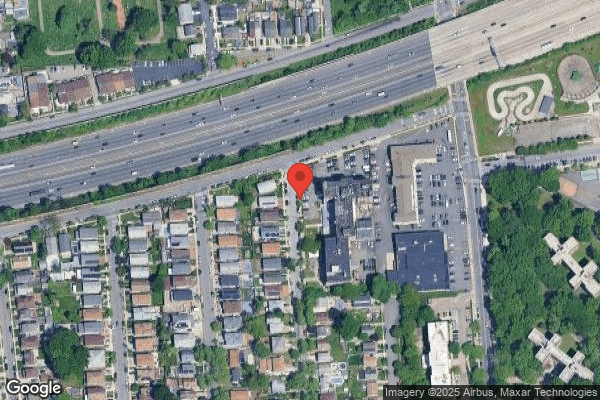
Jan 2020 5 deficiencies
CONCERN (D)

Potential for Harm - no one hurt, but risky conditions existed

Deficiency F0582 (Tag F0582)

Could have caused harm · This affected 1 resident

**NOTE- TERMS IN BRACKETS HAVE BEEN EDITED TO PROTECT CONFIDENTIALITY** Based on interviews and record review during the recertification survey, the facility did not provide the appropriate liability ...

Read full inspector narrative →
**NOTE- TERMS IN BRACKETS HAVE BEEN EDITED TO PROTECT CONFIDENTIALITY** Based on interviews and record review during the recertification survey, the facility did not provide the appropriate liability notice to Medicare beneficiaries. Specifically, the facility did not provide residents/representatives with Notice of Medicare Non-Coverage (NOMNC) at the termination of Medicare Part A benefits. This was evident for 2 of 3 residents reviewed for Skilled Nursing Facility Beneficiary Protection Notification out of a total sample of 42 residents (Resident #570 and #177). The findings are: The facility policy and procedure for Medicare and Managed Medicare Notification of Non-Coverage (NOMNC), revised 10/2019, documented that it is the policy of the facility to follow CMS Guidelines for a resident who will no longer receive skilled services by providing them with a letter of non-coverage either in person or via telephone two (2) days prior to the effective date. A copy of the letter or the original is then mailed certified mail/return receipt requested on the same day that the phone call is made. The Form Instructions for the Notice of Medicare Non-Coverage (NOMNC) CMS-10095 documented the date of the conversation is the date of the receipt of the notice. Confirm the telephone contact by written notice mailed on that same date. 1.) Resident #570 was admitted with diagnoses which includes Dementia, Heart Failure, and Diabetes Mellitus. The Minimum Data Set, dated [DATE] documented that Resident #570 had moderate cognitive impairment and short and long term memory impairment. The Skilled Nursing Facility (SNF) Beneficiary Protection Notification Review form (form CMS -20052) provided for the resident documented Medicare Part A skilled services began 6/23/19, and the last covered day was 09/04/19. The form documented the facility/provider-initiated discharge from Medicare Part A Services when benefit days were not exhausted. The NOMNC form dated 8/30/19 documented a telephone conservation was held with resident's representative and NOMNC letter was mailed. The MDS progress note dated 8/30/19 documented that Staff # 9 RN and MDS Staff spoke to the resident's representative via telephone. The representative was informed the resident was being followed medically and had been receiving restorative rehabilitation. The representative was informed the resident will be medically cleared for planned discharge on [DATE], and if the resident continues IV antibiotics, Medicare coverage will continue. The resident's representative agreed with the discharge date , and the NOMNC letter mailed. There was no documented evidence that a Notice of Medicare Non-coverage (NOMNC) letter was mailed to the resident or family member of the day of the telephone conversation to confirm notification. 2.) Resident #177 was admitted with diagnoses which include Dementia, Heart Failure, and Peripheral Vascular disease. The Minimum Data Set, dated [DATE] documented that resident had severe impairment and short and long memory impairment. The MDS progress note dated 08/14/19 documented that Staff #9 RN and MDS Staff spoke to the resident's grandson via telephone. The grandson was informed that the resident will be discharged from restorative therapy on 8/16/19 because he has reached a plateau. As of 8/17/19, the resident will be non-skilled and therefore, 8/16/19 will be the last covered day under the Medicare benefit. The resident's grandson was made aware of his right to appeal, and the NOMNC was sent via certified mail. Review of Notice of Medicare Non-Coverage documented that the effective date coverage of the resident's skilled nursing facility service will end on 8/16/19. Review of US postal service certified mail receipt documented that the facility mailed the letter dated 8/15/19 and not the date of the telephone convesation. On 01/23/20 at 10:57 AM, an interview was conducted with Staff #9 RN,MDS staff who is assigned to mail letters to resident and resident's representatives. Staff #9 stated when residents are discharged to home, the facility will give 24 to 48 hours' notice depending on the holiday period and whoever is involved in the discharge process. If the resident is cognitively impaired, they contact the resident's representative and explain the letter to the representative. The letter is explained to the resident if they are cognitively intact. The moment she contacts them, she writes the letter and send the letter the same day. They usually get the green mail receipt back. For Resident #570, she did not have the certified mailing date or proof that the mail was mailed. For Resident # 177, she did not have any proof that the letter was mailed on the date of the telephone conversation. On 01/23/20 at 11:11 AM, an interview was conducted with the MDS Manager (Staff #10) who stated that if the resident cannot sign, we call the family within 48 to 72 hours prior to the date coverage will end. The letter should be sent the same day after the representative was informed. The stamp date should also be at the same time. There should be a certified mail receipt on the letters. The staff assigned to these positions are new, and they will have to re Inservice them regarding the certified mail. 415.3 (g)(2)(i)
CONCERN (D)

Potential for Harm - no one hurt, but risky conditions existed

Assessment Accuracy (Tag F0641)

Could have caused harm · This affected 1 resident

**NOTE- TERMS IN BRACKETS HAVE BEEN EDITED TO PROTECT CONFIDENTIALITY** Based on observations, record review and staff interviews, during the recertification survey, the facility did not ensure that r...

Read full inspector narrative →
**NOTE- TERMS IN BRACKETS HAVE BEEN EDITED TO PROTECT CONFIDENTIALITY** Based on observations, record review and staff interviews, during the recertification survey, the facility did not ensure that resident assessment accurately reflected the resident's status. Specifically, a resident's diagnosis of Neurogenic bladder was not captured on the Minimum Data Set {MDS} assessments. This was evident for 1 of 4 residents reviewed for Urinary Catheter/UTI out of a total sample of 38 residents (Resident #21). The findings are: The facility policy titled MDS 3.0 Guidelines dated 3/2018 documented, MDS coordinators are responsible for reviewing: timeliness, accuracy, interviews when assessing resident and completing MDS sections. Resident #21 was admitted to the facility with diagnoses which include Alzheimer's, Disease, Chronic Kidney Disease, and Benign Prostatic Hypertrophy. On 1/16/20 at 4:16 PM, the resident was observed sitting in room watching TV, cheerful and responsive. A Suprapubic Catheter drainage bag was placed in a privacy bag that was not visible upon entering room. The Annual MDS dated [DATE] documented resident was moderately cognitively impaired and required extensive one person assist with bed mobility, transfer, dressing, personal hygiene and was totally dependent on one staff person for assistance with toileting. The MDS also documented resident had an indwelling urinary catheter. The MDS did not document a diagnosis of Neurogenic Bladder. Urology consultation reports dated 4/19/19, 6/7/19, 8/2/19 and 11/15/19 documented the resident had a Suprapubic Catheter for diagnosis of Neurogenic Bladder. The Quarterly MDS assessments dated 4/12/19 and 7/11/19 did not document Neurogenic Bladder as a diagnosis. The facility did not accurately document the resident's diagnosis on the MDS assessment. On 01/17/20 at 12:48 PM, an interview was conducted with the MDS Coordinator (MDSC) via telephone. The MDSC stated in completing the MDS assessment he checks the MD progress notes, diagnoses that are listed, and interdisciplinary notes, including dietary, rehab, and ADL documentation. The MDSC further stated that he confirms the diagnoses by checking MD progress notes and medication orders. The MDSC also stated that he would check urology consults which may not be in the EMR and would be placed on the chart. The MDSC stated that he completes a large volume of assessments and could not recall whether he had checked the Urology consults for this resident and may have missed the diagnosis. On 01/17/20 at 02:17 PM, an interview was conducted with the MDS Manager. The MDS Manager stated that coordinators are expected to review the RAI manual, information from the medical record, and to extrapolate information from all the different IDT disciplines including rehab and dietary. In coding catheter, they should check the MD order, see diagnosis, CCP (Comprehensive Care Plan), MAR (Medication Administration Record), and TAR (Treatment Administration Record). The MDS manager stated that the MDS nurse should have reviewed all consults including the urology consults for this resident prior to completing the MDS. The MDS Manager also stated that the MDS nurse is responsible for reviewing their own documentation for accuracy, as they are all certified and signing the MDS means that it was also reviewed for accuracy. The MDS Manager further stated she would not be able to review MDS assessments for accuracy after completion by nurse because of the large volume of assessments that are completed. 415.11(b)
CONCERN (D)

Potential for Harm - no one hurt, but risky conditions existed

Deficiency F0697 (Tag F0697)

Could have caused harm · This affected 1 resident

Based on observation, record review and interview conducted during the recertification survey, the facility did not ensure that pain management, consistent with professional standards of practice and ...

Read full inspector narrative →
Based on observation, record review and interview conducted during the recertification survey, the facility did not ensure that pain management, consistent with professional standards of practice and the comprehensive person-centered care plan was provided. Specifically, staff did not conduct a pain assessment when a resident showed signs of pain during wound care. This was evident for 1 of 1 resident reviewed for Pain (Resident #394). The finding is: The Policy and Procedure for Pain Management, revised 10/2019, documented the experience of pain is subjective, and individual based upon many factors, i.e. culture, role, self-image, fear of pain, etc. Pain can be assessed using a Numeric or Verbal Descriptor scale as described in the EMR scale (Numeric scale (0-10 or 99 if unable to respond), (Verbal descriptor (e.g. mild, moderate, severe, very severe-horrible, unable to answer). Indications of pain or possible pain include non-verbal sounds (e.g. crying, whining, moaning or groaning) and verbal complaints of pain, facial expressions, protective movements. The Licensed Nurse monitors the effectiveness of PRN orders and notifies the Primary Care Physician when a resident is not receiving relief from pain management plan. The Primary Care Physician orders pain medication intervention, if warranted, and other interventions, relaxation techniques, therapy interventions; reviews the effectiveness of the pain management treatment plan and revises as needed and evaluates resident pain management medications regime as needed. Resident #394 was admitted with diagnoses which include Left Heel Pressure Ulcer, Left Calf Venous Ulcer, and Left Dorsal Foot Venous Ulcer, and MRSA to L Dorsal Foot, and Peripheral Vascular Disease. The most recent MDS (Minimum Data Set 3.0) dated 01/02/2020 documented the resident had severely impaired cognition and required extensive to total assistance in all activities of daily living. The MDS documented that the resident received scheduled pain medications. The resident had venous/arterial ulcers present with the application of nonsurgical dressings, applications of ointments/medications, application of dressings to feet. On 01/22/2020 between 11:39 AM and 12:09 PM, a wound care observation was conducted with the Registered Nurse (RN #5). The resident's Physician was present during the observation. During wound treatment the resident was laying supine in bed with a bandage on her left lower leg. The RN began to change the dressing on the left medial leg. RN #5 applied normal saline to the old dressing to aid her in removing it. The resident began pulling away her left leg. RN #5 removed the dressing from the left medial leg, and the resident was speaking in Russian loudly, grimacing, and pulling her leg away. The resident was also pointing at her bladder area while in bed while speaking to the staff in Russian. RN #5 then changed the dressing on the left foot while the Physician held the leg up and observed. RN#5 removed the gauze dressing that was around her left lower leg and ankle with the treatment scissors, and the resident yelled in pain. The resident was pulling her leg away and shaking her left leg while speaking Russian when the sterile normal saline was applied to the left dorsal foot wound. The RN then went on to change the left heel dressing. The Physician told RN #5 to add more sterile sodium chloride to the dressing to the resident's heel area to loosen the gauze partially stuck to the resident's heel area. The resident was noted as the gauze on the back of her heel was being removed noted the gauze was stuck to the residents heel and the medical provider instructed RN #5 to place some more sterile saline on the site and the medical provider assisted to hold the residents left heel as RN #5 proceeded to remove the gauze stuck to it with gloved hands. RN #5 stated that she would use a dry protective dressing (DPD) to the site. RN #5 applied Betadine and a new dressing to the resident's left heel area, the resident spoke in Russian. RN #5 asked the resident if she was ok in English after the dressing change was completed. RN #5 stated I wish I spoke Russian. The RN stated she would have to get the Social worker to translate for her since she did not understand what the resident was saying. The RN and Physician did not stop to assess the resident for pain when the resident was showing signs of pain of grimacing, speaking loudly, and pulling away. The Comprehensive Care Plan (CCP) for Infection: Wound (L Dorsal Foot) dated 1/15/2020 included the intervention to monitor for discomfort related to the wound at medicate as necessary. The physician's orders dated 1/18/2020 documented orders for 650 milligrams (mg) of Tylenol to be given 12 hours (every day at 8:00 AM and 8:00 PM) for chronic pain and Gabapentin 100 mg capsule to be given 2 times a day at 8:00AM and 4:00PM for Postherpetic polyneuropathy. The orders included treatment orders of Betadine swab sticks 10% applied by topical route to left heel unstageable and left calf venous ulcer with a DPD (dry protective dressing) twice per day during the day and evening shifts and Hydrogel-Skintegrity-Impregnated Hydrogel Gauze applied to Left dorsal foot venous ulcer twice per day during the day and evening shift for Cellulitis of left lower limb. There were no physician's orders for pain medication to be given prior to wound care. The Medication Administration Record (MAR) dated January 2020 documented the resident received Tylenol 325 mg Tablet - 2 tablets every 12 hours at 8:00 AM and 8:00 PM for chronic pain and Gabapentin 100 mg at 8:00 AM and 4:00 PM daily. Both medications were administered at 8:00 AM on 1/22/2020. On 01/22/2020 at 03:18 PM, an interview was conducted with RN #5 who performed the dressing change. She stated that pain should be assessed prior to pain medication administration, 30 minutes after administration, and 1 hour after administration. She stated that after medication is given, the resident should be checked for grimacing every 20 minutes or so. She stated that the resident came from another floor and did not act like that on the previous floor. She stated that if a resident experiences pain during wound treatment, she should stop and assess the resident's pain. If the pain is unbearable, she should stop the treatment. She stated that she spoke to the Social Worker and the resident afterwards, and the resident was experiencing pain. The physician was contacted in reference for her pain medication. On 01/22/2020 at 03:26 PM, an interview was conducted with RN # 6, the supervisor. She stated that during wound care, there should be a minimal amount of pain. The nurse should check for signs/symptoms of pain like facial grimacing or sound. They are sometimes able to tell right away. She stated the goal is for the treatment to be done with the least amount of pain possible. The nurse should inform the resident that wound treatment is going to be done and give them the opportunity to ask for pain management. Once the treatment is started, if the nurse notices signs of pain, they should reassess the resident for pain. If there is pain, they should stop the treatment and not the location of the pain. If the pain is coming from the wound site, they should check the orders to see if any as needed (PRN) medication is ordered. If there are no PRN orders, the nurse should speak to the resident, note the level of pain, and contact the physician to ask for more pain management if possible. They should then give the medication and wait for it to take effect before resuming the wound care. Pain assessment tools used include verbal (state if they are in pain), facial grimacing, and making sounds when you touch them. If that is observed, the nurse should ask the resident about pain. If the person does not speak English and are doing something such as crunching up and making a sound, you use your own interpretation. If it is a new resident and the nurse does not understand, they should get an interpreter. She stated an interpreter should have been obtained for Resident #394 because she is new to the unit. An interpreter is available in-person and via phone, but an in-person interpreter is always best. On 01/22/2020 at 03:44 PM, an interview conducted with the Certified Nursing Assistant (CNA # 5) who stated that the resident was new to her due to having a day off prior to resident moving to the floor. She stated that she would assess pain by noting when the resident moves if they scream or sometimes, they would tell her. She stated if the resident is having pain that she would notify the nurse. She stated if the resident does not speak English that she would use signs and they will know what she is talking about and demonstrate it. She stated that she sometimes uses the facial scale and notes if the resident is having body language changes in relation to pain. On 01/22/2020 at 4:25 PM, a phone interview was conducted with the Physician who stated he was present during the treatment because he wanted to observe the wound since the resident was new to the unit. The resident had the wounds for a long time and has a vascular follow-up scheduled soon. He stated the resident was given Tylenol and Gabapentin a 8 AM. The resident was not in pain. He stated that the resident was restless because she was cold and wanted her blanket back on. The resident was restless when he took of the blanket and examined her earlier. He stated that in assessing pain he would look at the resident's facial features and if they are more restless than normal, especially if they cannot turn, and notice if they are in discomfort from pain. He stated when the dressing was being taken off, it was sticking to the wound and he told he nurse to soak the dressing more before removing it. He stated the resident has a Foley catheter with a leg bag and this can be the reason the resident was having discomfort and pointing at her stomach. He stated he made sure the resident had medication before the dressing change was done. He stated that normally they give medication ½ hour to 1 hour before the dressing change so there is less discomfort during the procedure. He stated that he asked the nurse to give the pain medication between 8am and 9:00am. It was almost noon when resident had the dressing changed. Tylenol and Gabapentin are the medications the resident is prescribed for pain. There is a language barrier for the resident who is Russian speaking. He stated that he did not think she was in that much pain, and the resident was uneasy when removing the old dressing and had pain. He stated body language that would indicate pain included pointing at lower abdomen and resident trying to pull back when dressing change was being performed. He stated after the resident calmed down she was more complaint with dressing change. 415.12
CONCERN (D)

Potential for Harm - no one hurt, but risky conditions existed

Deficiency F0761 (Tag F0761)

Could have caused harm · This affected 1 resident

**NOTE- TERMS IN BRACKETS HAVE BEEN EDITED TO PROTECT CONFIDENTIALITY** 2) An observation of medication cart #2 on Unit 5A was conducted on 01/16/20 at 04:19 PM. The followingmedication/biologicals we...

Read full inspector narrative →
**NOTE- TERMS IN BRACKETS HAVE BEEN EDITED TO PROTECT CONFIDENTIALITY** 2) An observation of medication cart #2 on Unit 5A was conducted on 01/16/20 at 04:19 PM. The followingmedication/biologicals were observed in the cart: One artificial tear (polyvinyl Alcohol) 1.4.% eye drops Visine tears drops opened and undated. The medication Licensed Practical Nurse (LPN) working from 3 PM to 11 PM that was assigned to 5A medication cart #2 was interviewed and stated that all nurses are responsible for checking all opened eyedrops and labeled it. Once opened it should be labeled to avoid expiration dates. The LPN further said that whoever opened the eyedrops should have labeled it immediately. 415.18(d) FACILITY Medication Storage and Labeling Based on observations and staff interviews conducted during a recertification survey, the facility did not ensure that all medications and biologicals were stored and appropriately labeled or discarded. Specifically, 1) A 5% Dextrose Injection 1000ml(milliters) bag and safety needle was not discarded after the manufacturer's expiration date. 2) One Artificial Tears (polyvinyl Alcohol) 1.4.% eye drops Visine tears drops was not dated when opened, This was evident during the observation conducted for the medication cart and room storage cabinet (5A unit Cart #2 and 6th floor storage cabinet). 1) During an observation on 01/22/20 at 12:51 PM with Registered Nurse (RN #4) present the following expired medication and biologicals were observed in the medication storage cabinet on 6th Floor Building B: 1) a 5% Dextrose Injection 1000ml with an expiration date of 10/18; 2) a [NAME] Monoject Magellan safety needle 23 G x 1 with a use by date of 7/2016 was observed in the storage cabinet. RN #4 stated the items should have been checked and when expired thrown away. RN #4 stated nurses review the storage cabinet daily and the supervisor also inspects the cabinet. On 01/22/20 at 02:34 PM an interview was conducted with Licensed Practical Nurse (LPN# 4). The LPN stated that she checks the medication storage cabinet for insulin and medications such as vitamin C , iron and Tylenol that are used everyday. LPN # 4 stated that during or at the end of the shift when changing the medication bottle she would try to check the expiration date. LPN # 4 stated she believed the storage cabinet is checked by all nurses everyday. On 01/22/20 at 03:00 PM, an interview was conducted with RN #3 who stated the storage cabinet should be checked regularly, daily by the nurse staff coming in on each shift. All expired medications or medications that are not in use are placed in a bag, brought down stairs and given to the Nursing department. Expired narcotics are logged and destroyed; regular medications not in use or discontinued are returned to the pharmacy. RN #3 stated the storage cabinet should be reviewed every day and is not sure how the 5% Dextrose Injection bag got into the cabinet. RN # 3 stated she conducts spot check once a week such as the container of medications, syringes and does not go through the whole entire cabinet.
CONCERN (E)

Potential for Harm - no one hurt, but risky conditions existed

Infection Control (Tag F0880)

Could have caused harm · This affected multiple residents

**NOTE- TERMS IN BRACKETS HAVE BEEN EDITED TO PROTECT CONFIDENTIALITY** 3) Resident #44 was admitted to the facility 4/30/18. Residents diagnoses included Chronic Obstructive Pulmonary Disease (COPD),...

Read full inspector narrative →
**NOTE- TERMS IN BRACKETS HAVE BEEN EDITED TO PROTECT CONFIDENTIALITY** 3) Resident #44 was admitted to the facility 4/30/18. Residents diagnoses included Chronic Obstructive Pulmonary Disease (COPD), Respiratory Failure, Chronic Congestive Heart Failure, Hypertensive Heart Disease with Heart Failure. Physicians orders included Oxygen 2-3 L/minute via nasal cannula PRN (start date 10/4/19). 01/15/20 at 10:08 AM and 12:36 PM, on 01/16/20 at 10:09 AM, on 01/21/20 at 09:30 AM, and on 01/22/20 at 10:34 AM the resident was observed resting in bed and the tubing from the oxygen compressor to the right of the bed was noted making contact with the floor then continued up to the residents bed with the nasal cannula in the residents nose. Significant Change MDS dated [DATE] documented the resident is cognitively intact, requires total dependence for ADLs, has shortness of breath with exertion and while lying flat, received oxygen therapy while a resident and while not a resident. Comprehensive Care Plan (CCP) titled Respiratory: Oxygen Use dated 10/4/19 documented the resident requires the use of oxygen due to episodes of shortness of breath related to COPD. Interventions included assess for pain and discomfort with breathing, monitor vital signs as ordered and PRN, Provide oxygen as ordered by MD, Pulse oximetry as ordered by MD. Report to MD if below normal limits. On 01/22/20 at 12:35 PM Certified Nursing Assistant (CNA) #1 was interviewed. CNA #1 reported the resident is total dependence for ADLs. CNA #1 reported the resident has an oxygen compressor when he is in bed and an oxygen tank on the back of the his wheelchair when out of bed (OOB). CNA #1 reported she helps the resident put the oxygen tubing on his nose. CNA #1 reported if the oxygen tank is empty she will replace the tank. CNA #1 reported she does not have any role in the oxygen tubing, except making sure it is not damaged. CNA #1 reported she will let the nurse know if the oxygen is not working correctly or if the resident isn't breathing normally. CNA #1 reported the resident always has the oxygen tubing on the floor. CNA #1 reported when she goes into the residents room she checks to see if the oxygen tubing is on the floor. CNA #1 reported she does not change the tubing when it is on the floor, but will let the nurse know. CNA #1 reported the resident moves a lot in his bed so the oxygen tubing is always falling on the floor. CNA #1 reported she did not let the nurse know the tubing was on the floor after the State Agent (SA) brought the multiple observations of oxygen tubing lying on the floor. On 01/22/20 at 12:48 PM License Practical Nurse (LPN) #1 was interviewed. LPN # 1 reported her expectation of the CNAs' is to make sure the residents oxygen tubing is correctly placed on the resident and that the tubing is not on the floor. LPN # 1 reported the CNAs are responsible for letting the nurse know if the oxygen tubing is on the floor so the nurse can replace the tubing. LPN # 1 reported this is the main thing she will tell the CNAs to observe for. LPN # 1 reported the oxygen tubing is replaced at least every 24 hours when the oxygen technician brings new tubing to the unit every morning and the nurse replaces them. LPN # 1 reported that nurses do not document when they replace the tubing or date the tubing. CNA #1 reported she picked the residents oxygen tubing up off the floor twice today (1/22/20). LPN #1 reported the resident is constantly moving causing the tubing to fall on the floor. LPN #1 reported she replaced the tubing once this morning, but the other times she picked the tubing off the floor and put it on the night stand, not replacing it. 415.19 (a)(1-3) Based on observations, record review, and staff interviews during the recertification survey, the facility did not ensure that infection control practices and procedures were maintained. Specifically, oxygen tubing going to residents' nares were observed touching the floor on several occasions. This was evident for 3 of 35 residents (Resident # 70 and 253 and #44) reviewed in the investigation sample. The findings are: Oxygen Tubing Policy last updated on October 2019 documented oxygen tubing/supplies is stored in a mesh bag or plastic bag when not in use. Oxygen tubing or equipment should be changed if found on the floor. 1) Resident # 70 was admitted on [DATE] with diagnoses which include chronic obstructive pulmonary disease, chronic respiratory failure with hypoxia HTN, obesity, and chronic kidney disease. The Minimum Data Set 3.0 (MDS) assessment dated [DATE] documented the resident needs extensive assistance and two person assist for most activities of daily living. On 01/15/20 at,10:01 AM, on 01/16/20 at 11:40 AM, on 01/21/20 at10:06 AM, on 01/22/20 10:04 AM, the resident oxygen tubing going to the nares was observed touching the floor. 2) Resident # 253 was admitted on [DATE] with diagnoses which include Parkinson's disease, respiratory failure with hypoxia, dementia, diabetes, hypothyroidism and hepatic failure. The Minimum Data Set 3.0 (MDS) assessment dated [DATE] documented the resident cognition is severely impaired and The resident requires total dependence and two persons assist for most activities of daily living. On 01/16/20 at 10:05 AM, on 01/16/20 at 11:56 AM, on 01/21/20 at 02:19 PM , on 01/22/20 at 10:04 AM, and on 01/22/20 at11:22 AM, the resident's oxygen tubing going to nares was observed touching the floor. On 01/22/20 10:09 AM, CNA # 2 stated that she assist the resident with activities of daily living. CNA # 2 stated that the tubing should be around the resident nares and attached to the oxygen tank. The oxygen tubing should not be on the floor. CNA #2 stated that sometimes the resident moves around that is why the tubing ends up on the floor. CNA # 2 further stated that she was trained on infection control and was told to keep all tubings off the floor. If oxygen tubing is found on the floor, we were told to either change it or sanitize it. On 01/22/20 at 10:32 AM, LPN # 2 stated that she does treatments, administer medications and communicate with doctors. LPN # 2 stated that she goes in the resident's room to give treatments and medications several times a day. LPN # 2 stated tha she ensure that the resident is not in any respiratory distress. LPN # 2 also stated that we try to pick up oxygen tubing and keep it it off the floor. Any times the resident moves, the tubing ends up on the floor. LPN # 2 also stated that a shorter tubing would prevent the resident from moving around freely. LPN # 2 further stated that she was told to keep all tubings off the floor. A bag is used when the tubing is not in use. If a tubing is found on the floor, the tubing would be changed. On 01/22/20 at 11:23 AM, RN # 1 stated that she does assessments, care planning, treatments, discussing care with Doctors. Unit rounds are done frequently. RN # 1 stated that oxygen tubings are not supposed to be on the floor. All CNAs were trained on keeping all tubing's off the floor. RN #1 also stated that when she goes in the resident's rooms, she ensures that all resident's on oxygen are not in respiratory distress and ensure that tubing are not on the floor. If the tubing is found on the floor, it would be changed. On 01/22/20 at 12:09 PM, the Infection control Nurse stated that she is responsible for ensuring that all staff are trained on infection control practices. The Infection Control Nurse stated that she ensures all staff receive infection control training upon hire and as needed. For example, hand hygiene, PPE use, different organisms and how to implement infection control practices. The Infection Control Nurse also stated that CNAS and nurses were trained to keep oxygen tubing off the floor. If tubings are found on the floor, the tubings should be discarded. The infection Control Nurse further stated that all staff will be educated again on keeping all tubings off the floor.
Understanding Severity Codes (click to expand)
Life-Threatening (Immediate Jeopardy)
J - Isolated K - Pattern L - Widespread
Actual Harm
G - Isolated H - Pattern I - Widespread
Potential for Harm
D - Isolated E - Pattern F - Widespread
No Harm (Minor)
A - Isolated B - Pattern C - Widespread

Questions to Ask on Your Visit

  • "Can I speak with families of current residents?"
  • "What's your RN coverage like on weekends and overnight?"

Our Honest Assessment

Strengths
  • • No major safety red flags. No abuse findings, life-threatening violations, or SFF status.
  • • No fines on record. Clean compliance history, better than most New York facilities.
  • • 33% turnover. Below New York's 48% average. Good staff retention means consistent care.
Concerns
  • • 25 deficiencies on record. Higher than average. Multiple issues found across inspections.
Bottom line: Mixed indicators with Trust Score of 70/100. Visit in person and ask pointed questions.

About This Facility

What is Clove Lakes Health Care And Rehab Center, Inc's CMS Rating?

CMS assigns CLOVE LAKES HEALTH CARE AND REHAB CENTER, INC an overall rating of 4 out of 5 stars, which is considered above average nationally. Within New York, this rating places the facility higher than 99% of the state's 100 nursing homes. This rating reflects solid performance across the metrics CMS uses to evaluate nursing home quality.

How is Clove Lakes Health Care And Rehab Center, Inc Staffed?

CMS rates CLOVE LAKES HEALTH CARE AND REHAB CENTER, INC's staffing level at 2 out of 5 stars, which is below average compared to other nursing homes. Staff turnover is 33%, compared to the New York average of 46%. This relatively stable workforce can support continuity of care.

What Have Inspectors Found at Clove Lakes Health Care And Rehab Center, Inc?

State health inspectors documented 25 deficiencies at CLOVE LAKES HEALTH CARE AND REHAB CENTER, INC during 2020 to 2025. These included: 25 with potential for harm.

Who Owns and Operates Clove Lakes Health Care And Rehab Center, Inc?

CLOVE LAKES HEALTH CARE AND REHAB CENTER, INC is owned by a for-profit company. For-profit facilities operate as businesses with obligations to shareholders or private owners. The facility is operated by INFINITE CARE, a chain that manages multiple nursing homes. With 576 certified beds and approximately 483 residents (about 84% occupancy), it is a large facility located in STATEN ISLAND, New York.

How Does Clove Lakes Health Care And Rehab Center, Inc Compare to Other New York Nursing Homes?

Compared to the 100 nursing homes in New York, CLOVE LAKES HEALTH CARE AND REHAB CENTER, INC's overall rating (4 stars) is above the state average of 3.1, staff turnover (33%) is significantly lower than the state average of 46%, and health inspection rating (3 stars) is at the national benchmark.

What Should Families Ask When Visiting Clove Lakes Health Care And Rehab Center, Inc?

Based on this facility's data, families visiting should ask: "Can you walk me through typical staffing levels on day, evening, and night shifts?" "Can I visit during a mealtime to observe dining assistance and food quality?" "How do you handle medical emergencies, and what is your hospital transfer rate?" "Can I speak with family members of current residents about their experience?" These questions are particularly relevant given the below-average staffing rating.

Is Clove Lakes Health Care And Rehab Center, Inc Safe?

Based on CMS inspection data, CLOVE LAKES HEALTH CARE AND REHAB CENTER, INC has a clean safety record: no substantiated abuse findings (meaning no confirmed cases of resident harm), no Immediate Jeopardy citations (the most serious violation level indicating risk of serious injury or death), and is not on the Special Focus Facility watch list (a federal program monitoring the lowest-performing 1% of nursing homes). The facility has a 4-star overall rating and ranks #1 of 100 nursing homes in New York. While no facility is perfect, families should still ask about staff-to-resident ratios and recent inspection results during their visit.

Do Nurses at Clove Lakes Health Care And Rehab Center, Inc Stick Around?

CLOVE LAKES HEALTH CARE AND REHAB CENTER, INC has a staff turnover rate of 33%, which is about average for New York nursing homes (state average: 46%). Moderate turnover is common in nursing homes, but families should still ask about staff tenure and how the facility maintains care continuity when employees leave.

Was Clove Lakes Health Care And Rehab Center, Inc Ever Fined?

CLOVE LAKES HEALTH CARE AND REHAB CENTER, INC has no federal fines on record. CMS issues fines when nursing homes fail to meet care standards or don't correct problems found during inspections. The absence of fines suggests the facility has either maintained compliance or corrected any issues before penalties were assessed. This is a positive indicator, though families should still review recent inspection reports for the full picture.

Is Clove Lakes Health Care And Rehab Center, Inc on Any Federal Watch List?

CLOVE LAKES HEALTH CARE AND REHAB CENTER, INC is not on any federal watch list. The most significant is the Special Focus Facility (SFF) program, which identifies the bottom 1% of nursing homes nationally based on persistent, serious quality problems. Not being on this list means the facility has avoided the pattern of deficiencies that triggers enhanced federal oversight. This is a positive indicator, though families should still review the facility's inspection history directly.