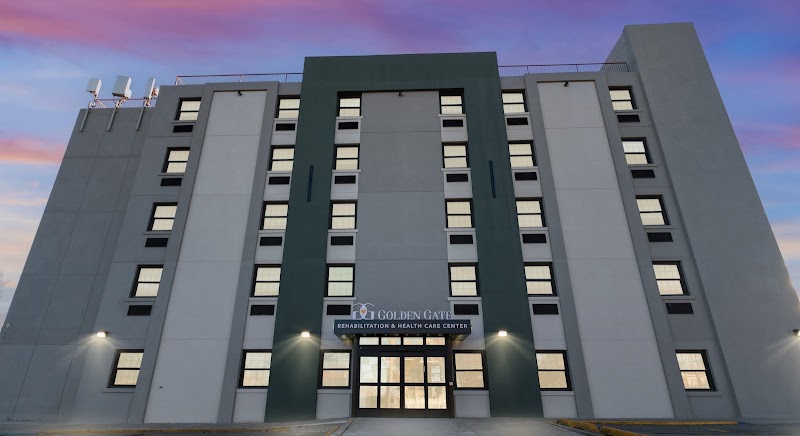
GOLDEN GATE REHABILITATION & HEALTH CARE CENTER

191 BRADLEY AVE, STATEN ISLAND, NY 10314 (718) 698-8800
For profit - Corporation 238 Beds BENJAMIN LANDA Data: November 2025 3 Immediate Jeopardy citations
Trust Grade
9/100
#511 of 594 in NY
Last Inspection: May 2024

Within standard 12-15 month inspection cycle. Federal law requires annual inspections.

Overview

Golden Gate Rehabilitation & Health Care Center has a Trust Grade of F, indicating significant concerns about the quality of care provided. It ranks #511 out of 594 facilities in New York, placing it in the bottom half overall, and #7 out of 10 in Richmond County, suggesting limited better options nearby. Unfortunately, the facility's condition is worsening, with reported issues increasing from 2 in 2023 to 5 in 2024. Staffing is rated below average with a score of 2/5, though the turnover rate of 36% is slightly better than the state average. While there are no fines recorded, which is a positive aspect, there have been serious incidents reported, including instances of resident abuse where staff members were observed physically harming residents, which raises significant concerns about safety and care quality.

Trust Score
F
9/100
In New York
#511/594
Bottom 14%
Safety Record
High Risk
Review needed
Inspections
Getting Worse
2 → 5 violations
Staff Stability
○ Average
36% turnover. Near New York's 48% average. Typical for the industry.
Penalties
✓ Good
No fines on record. Clean compliance history, better than most New York facilities.
Skilled Nurses
○ Average
Each resident gets 37 minutes of Registered Nurse (RN) attention daily — about average for New York. RNs are the most trained staff who monitor for health changes.
Violations
⚠ Watch
18 deficiencies on record. Higher than average. Multiple issues found across inspections.
★☆☆☆☆
1.0
Overall Rating
★★☆☆☆
2.0
Staff Levels
★★★★☆
4.0
Care Quality
★☆☆☆☆
1.0
Inspection Score
Stable
2023: 2 issues
2024: 5 issues

The Good

  • 4-Star Quality Measures · Strong clinical quality outcomes
  • Full Sprinkler Coverage · Fire safety systems throughout facility
  • No fines on record
  • Staff turnover below average (36%)

    12 points below New York average of 48%

Facility shows strength in quality measures, fire safety.

The Bad

1-Star Overall Rating

Below New York average (3.0)

Significant quality concerns identified by CMS

Staff Turnover: 36%

10pts below New York avg (46%)

Typical for the industry

Chain: BENJAMIN LANDA

Part of a multi-facility chain

Ask about local staffing decisions and management

The Ugly 18 deficiencies on record

3 life-threatening
May 2024 5 deficiencies
CONCERN (D)

Potential for Harm - no one hurt, but risky conditions existed

Assessment Accuracy (Tag F0641)

Could have caused harm · This affected 1 resident

**NOTE- TERMS IN BRACKETS HAVE BEEN EDITED TO PROTECT CONFIDENTIALITY** 2) Resident #212 had diagnoses of Diabetes Mellitus and Bipolar Disorder. The discharge Minimum Data Set assessment dated [DATE...

Read full inspector narrative →
**NOTE- TERMS IN BRACKETS HAVE BEEN EDITED TO PROTECT CONFIDENTIALITY** 2) Resident #212 had diagnoses of Diabetes Mellitus and Bipolar Disorder. The discharge Minimum Data Set assessment dated [DATE] documented Resident #212 was discharged to an acute hospital. The Medical Doctor Note dated 02/29/2024 documented Resident #212 was discharged against medical advice. On 05/23/2024 at 12:14 PM, the Minimum Data Set Coordinator was interviewed and stated Resident #212 should have been coded as being discharged against medical advice on their Minimum Data Set 3.0 assessment dated [DATE]. 10 NYCRR 415.11(b) Based on record review and interviews conducted during the Recertification Survey from 05/21/2024 to 05/29/2024, the facility did not ensure the Minimum Data Set assessments accurately reflected the resident's status. This was evident for 2 (Resident #90 and #212) of 38 total sampled residents. Specifically, 1.) Resident #90's Minimum Data Set assessment did not accurately document the resident acquired pressure sores in the facility, and 2.) Resident #212's Minimum Data Assessment assessment documented the resident was discharged to the hospital. The findings are: The facility policy titled Minimum Data Set 3.0 assessment dated 10/2023 documented the assessment must reflect the current status of the resident. 1) Resident #90 had diagnoses of Anemia and Hypertension. The Minimum Data Set 3.0 assessment dated [DATE] documented Resident #90 had 2 wounds that were present upon the resident's admission to the facility. Medical wounds notes Dated 02/20/2024 documented Resident #90's left heel pressure ulcer and right heel pressure ulcer were facility acquired. There was no documented evidence the Minimum Data Set 3.0 dated 4/19/2024 accurately documented Resident #90's pressure ulcers as facility acquired. On 05/24/2024 at 02:40 PM, an interview was conducted with the Minimum Data Set Coordinator who stated they reviewed documentation to determine a resident's skin condition when filling out the Minimum Data Set 3.0 assessment. Resident #90's pressure ulcers were not documented as facility acquired due to a coding error.
CONCERN (D) 📢 Someone Reported This

A family member, employee, or ombudsman was alarmed enough to file a formal complaint

Potential for Harm - no one hurt, but risky conditions existed

Deficiency F0658 (Tag F0658)

Could have caused harm · This affected 1 resident

**NOTE- TERMS IN BRACKETS HAVE BEEN EDITED TO PROTECT CONFIDENTIALITY** Based on interview and record review conducted during the Recertification and Complaint Survey (NY00333382) from 05/21/2024 to 0...

Read full inspector narrative →
**NOTE- TERMS IN BRACKETS HAVE BEEN EDITED TO PROTECT CONFIDENTIALITY** Based on interview and record review conducted during the Recertification and Complaint Survey (NY00333382) from 05/21/2024 to 05/29/2024, the facility did not ensure services provided by the facility met professional standards of quality. This was evident for 1 of 1 resident reviewed for drugs and medication. Specifically, Resident #215 had Bacitracin allergy. Review of Resident's treatment administration record revealed that Bacitracin was administered from 02/24/2024 to 02/29/2024. The findings are: A facility policy titled Review of Medication Profile and Plan of Care dated 10/2013 documented consultant pharmacist will review each resident's physician's orders and pharmaceutical plan of care. The Pharmacist will evaluate the need to discontinue any medication due to allergy, drug interaction or inconsistency of therapy to diagnosis. Resident #215 was admitted to the facility with diagnoses of Heart Failure, Cerebrovascular Accident, and Malignant Neoplasm of the Colon. The Minimum Data Set, dated [DATE] documented Resident #215 had severe impairment in cognition. A nurse's notes dated 02/23/2024 at 10:25 PM documented Resident #215 was noted with a small cut on the right heel during shower, treatment rendered. A physician's order by Nurse Practitioner #3 dated 02/23/2024 documented apply Bacitracin and Band-Aid to right heel once daily until healed. The physician's order form documented Resident #215 had allergy to Bacitracin. A review of Resident #215's treatment administration record showed documentation that Bacitracin was administered from 02/24/2024 to 02/29/2024. During an interview on 05/28/2024 at 11:45 AM, Nurse Practitioner #3 stated they did not remember prescribing any medication for Resident #215. During an interview on 05/29/2024 at 11:37 AM, Registered Nurse #2 stated it was the responsibility of the licensed nurse, prescribing physician, and pharmacy to check if a resident had allergy to any medication prior to prescribing or administering the medications. During an interview on 05/29/2024 at 12:28 PM, Registered Nurse #17, who was the Staff Educator, stated the electronic medical record gives an alert on resident allergies, these alerts are visible to the licensed nurses. They stated licensed nurses were supposed to check the resident's allergy bracelet, the physician's order, and the allergy section on the electronic medical record prior to administering the medication. During an interview on 05/29/2024 at 10:59 AM, Pharmacy Consultant #3 stated resident allergies to any medication were coded in the electronic medical record and the pharmacist will be able to see the alert and would contact the facility immediately. They stated treatment orders for in-house stock are not sent to the pharmacy, but the facility should have been alerted because allergies were listed in the resident's electronic medical record. During an interview on 05/28/2024 at 11:51 AM, the Assistant Director of Nursing stated the physician, and the pharmacist were supposed to check for resident allergies on each physician's treatment order. 10 NYCRR 415.11 (c)(3)(i)
CONCERN (D)

Potential for Harm - no one hurt, but risky conditions existed

Drug Regimen Review (Tag F0756)

Could have caused harm · This affected 1 resident

**NOTE- TERMS IN BRACKETS HAVE BEEN EDITED TO PROTECT CONFIDENTIALITY** Based on record review and staff interview conducted during the Recertification Survey conducted from 05/21/2024 to 05/29/2024, ...

Read full inspector narrative →
**NOTE- TERMS IN BRACKETS HAVE BEEN EDITED TO PROTECT CONFIDENTIALITY** Based on record review and staff interview conducted during the Recertification Survey conducted from 05/21/2024 to 05/29/2024, the facility failed to address an irregularity identified by the pharmacist during Medication Regimen Review. This was evident for 1 (Resident # 67) of 5 residents reviewed for Unnecessary Medications out of a total sample of 38 residents. Specifically, Divalproex (a mood stabilizer) serum level was recommended for Resident #67 by the Consultant Pharmacist during Drug Regimen Review. The recommendation was not addressed. The findings are: The facility's policy titled Drug Regimen Review - Monthly Policy with revision date of 03/2024 documented the consultant pharmacist shall identify, document, and report possible medication irregularities for review and action by the attending physician, where appropriate. The attending physician or licensed designee shall respond to the Drug Regimen Review within 30 days or more promptly whenever possible. Resident #67 had diagnoses of Schizophrenia, Type 2 Diabetes Mellitus, and Parkinsonism. The Quarterly Minimum Data Set assessment dated [DATE] documented that Resident #67 had moderately impaired cognition. A physician's order for Divalproex 125 milligram tablet, give one tablet by oral route twice daily was renewed on 01/29/2024. Divalproex was initially ordered on 09/23/2022. The Medication Administration Record from 09/2022 through 05/2024 documented that Resident #67 was administered Divalproex as ordered by the physician. A Medication Regimen Review by Pharmacy Consultant #2 dated 02/23/2023 documented Resident #67 was currently receiving Divalproex. Unable to locate recent serum level in chart. Recommended 2 weeks after start then every 6 months thereafter. Please consider ordering. The physician documented agree; will do and signed the review on 02/24/2023. The same recommendation was made by Pharmacy Consultant #2 on 10/25/2022. A review of the physician's order and laboratory reports from 09/23/2022 through 05/24/2024 revealed no documented evidence that Divalproex serum level was ordered and obtained. During an interview on 05/28/2024 at 12:46 PM, Pharmacy Consultant #2 stated they made the recommendation to obtain Divalproex serum level on 02/23/2023. They stated they made the recommendation twice but was not addressed. During an interview on 05/28/2024 at 11:08 AM, Attending Physician #1 stated Resident #67 had been on Divalproex since 09/2022. They stated the consultant pharmacist recommended Divalproex serum level and it should have been ordered. During an interview on 05/28/2024 at 12:09 PM, Nurse Practitioner #1 stated Resident #67 had been on Divalproex since 09/2022. They stated there had been no order to check the Divalproex serum level for Resident #67. Nurse Practitioner #1 stated the Divalproex serum level should be checked at least once a year to monitor for toxicity. During an interview on 05/28/2024 at 12:37 PM, the Assistant Director of Nursing stated the Drug Regimen Review recommendations were given to the medical providers to address. They stated the medical providers put in the orders for laboratory requests. During an interview on 05/28/2024 at 3:41 PM, the Medical Director stated Drug Regimen Reviews were placed in medical providers mailbox for them to review. The Medical Director stated it was pointless to obtain the serum level for Divalproex since the medication was for mood. 10 NYCRR 415.18(c)(2)
CONCERN (D)

Potential for Harm - no one hurt, but risky conditions existed

Infection Control (Tag F0880)

Could have caused harm · This affected 1 resident

Based on observations, record review, and interview conducted during the Recertification Survey from 05/21/2024 to 05/29/2024, the facility did not ensure that infection control practices were maintai...

Read full inspector narrative →
Based on observations, record review, and interview conducted during the Recertification Survey from 05/21/2024 to 05/29/2024, the facility did not ensure that infection control practices were maintained. This was evident in 1 of 4 floors (3rd Floor) observed for the Dining Task and Infection Control. Specifically, Transporter #1 did not perform hand hygiene while assisting multiple residents in the dining room. The findings are: The facility policy titled Infection Control Handwashing, Proper Hand Washing Technique with revision date of 01/2024 documented it was the policy of the facility to promote and enforce hand washing as set forth by the Guidelines of the Centers of Disease Control and Prevention. The policy documented personnel should always wash their hands, even when gloves are used. If running water and soap are not available, hand antisepsis may be accomplished with alcohol based hand rubs. It is mandatory to wash hands between handling individual resident; before and after resident contact; before donning and after removing disposable gloves; during performance of normal duties including handling food trays; before, during, and after meal preparation; and after touching garbage. During an observation on 05/21/2024 from 11:58 AM - 12:36 PM, Transporter #1 assisted Residents #99, #32, #96, #52, and #113 with hand hygiene. Transporter #1 changed their gloves between each resident but failed to perform hand hygiene after removing and donning new gloves. Transporter #1 was observed with gloved hands disposed food in a trash bin then proceeded to open the water, fruit cup and juice, and cut meat for Resident #16, their gloved hands touched the Resident's mashed potato on the tray. Transporter #1 entered the pantry, disposed an item in the trash bin, then got water for Resident #147, pick up a piece of plastic on the floor, gave tray to Resident #114 and assisted with opening and placing utensils on the food, opened egg salad container and canned fruit with the same gloves on. On 05/21/2024 at 12:50 PM, the Transporter was interviewed and stated they cleaned residents' hands before meal and distributed meal trays. They stated they did everything right and that they changed their gloves and sanitized their hands once. On 05/29/2024 at 01:22 PM, Licensed Practical Nurse #3 was interviewed and stated they monitor staff for hand hygiene. They stated staff must perform hand hygiene between residents. Licensed Practical Nurse #3 stated staff may sanitize their hands up to 2 times and after that must wash their hands. On 05/29/2024 at 01:38 PM, Registered Nurse #9, who was the Registered Nurse Supervisor, was interviewed and stated staff should practice hand hygiene, and should either wash or sanitize their hands after taking their gloves off so they do not spread germs from the garbage to the residents. On 05/29/2024 at 02:28 PM, the Assistant Director of Nursing was interviewed and stated staff must practice hand hygiene before residents' meals, after contact with residents, after touching the trash. 415.19 (b)(4)
CONCERN (E)

Potential for Harm - no one hurt, but risky conditions existed

Deficiency F0804 (Tag F0804)

Could have caused harm · This affected multiple residents

**NOTE- TERMS IN BRACKETS HAVE BEEN EDITED TO PROTECT CONFIDENTIALITY** Based on observation, interview, and record review conducted during the Recertification Survey from 05/21/2024 to 05/29/2024 , t...

Read full inspector narrative →
**NOTE- TERMS IN BRACKETS HAVE BEEN EDITED TO PROTECT CONFIDENTIALITY** Based on observation, interview, and record review conducted during the Recertification Survey from 05/21/2024 to 05/29/2024 , the facility did not ensure that food was served at an appetizing temperature during meal service. This was evident for 2 of 2 units (Units 4 and 5) observed during dining observation. Specifically, food served during lunch meal service were not maintained at palatable and appetizing temperatures. The findings are: The facility policy titled Serving/Feeding the Resident with revision date of 02/22/2024 documented the objective of the policy was to serve attractive and nutritious meals and ensure the residents consume adequate food and fluids. The Meal Delivery / Tray Pass schedule with revision date of 03/13/2024 documented lunch tray pass for Units 4 and 5 starts at 11:45 AM. 1. Resident #25 was admitted to the facility with diagnosis of Heart Failure, Diabetes Mellitus and Hyperlipidemia. The Minimum Data Set assessment dated [DATE] documented Resident was cognitively intact. During an interview conducted on 05/21/2024 at 10:54 AM, Resident #25 stated their breakfast were always cold and lunch were served lukewarm. 2. Resident #415 was admitted to the facility with diagnosis of Osteoarthritis, Atrial Fibrillation and Gastro-esophageal Reflux Disease. The Minimum Data Set assessment dated [DATE] documented Resident was cognitively intact. During an interview conducted on 05/21/2024 at 11:03 AM, Resident #415 stated hot foods were delivered at lukewarm temperature most of the time and sometimes hot food were cold. 3. Resident #19 was admitted to the facility with diagnosis of Diabetes Mellitus, Hypertension and Hyperlipidemia. The Minimum Data Set assessment dated [DATE] documented Resident had moderately impaired cognition. On 05/21/2024 at 12:11 PM, Resident #19 was observed in their room and stated they were waiting for their lunch. On 05/24/2024 at 11:06 AM, test trays for Units 4 and 5 were requested. The meal carts arrived, and distribution of the tray service continued until 11:29 AM on Unit 5. On 05/24/2024 at 11:29 AM, the food temperatures on the test trays were checked and revealed the following: crusted fish at 112 degrees Fahrenheit, potato-garlic mashed potato at 117.5 degrees Fahrenheit, and fresh cut green beans at 108 degrees Fahrenheit. Puree diet tray tested puree fish at 136.4 degrees Fahrenheit, mashed potato 131.9 degrees Fahrenheit, puree vegetable at 131 degrees Fahrenheit, and milk at 55 degrees Fahrenheit. On 05/24/2024 at 12:02 PM, a test tray was conducted on Unit 4. Temperatures revealed the following: crusted fish at 122 degrees Fahrenheit, mashed potatoes at 138 degrees Fahrenheit, green beans at 128 degrees Fahrenheit and milk at 54 degrees Fahrenheit. On 05/29/2024 at 10:30 AM, Food Service Director was interviewed and stated the temperatures were not appropriate at the time of service when temperature checks were done on 05/24/2024. They stated ideal temperature for hot foods should be around 150-155 degrees Fahrenheit. The Food Service Director stated the temperature issue was identified in the past. They stated they have been using disposable ware for meal service. Therefore, it had been vital to deliver the meals as quickly as possible. On 05/29/2024 at 12:10 PM, the Administrator stated they recognized the problem and stated they already have a plan to implement a new food service system. The food presentation and temperatures will greatly improve and will dignify resident's dining experience. 10 NYCRR 415.14(d)(1)(2)
Nov 2023 2 deficiencies
CONCERN (D) 📢 Someone Reported This

A family member, employee, or ombudsman was alarmed enough to file a formal complaint

Potential for Harm - no one hurt, but risky conditions existed

Report Alleged Abuse (Tag F0609)

Could have caused harm · This affected 1 resident

Based on observation, interviews, and record review conducted during an Abbreviated Survey (NY00313864), the facility did not ensure that an alleged violation involving abuse was reported immediately,...

Read full inspector narrative →
Based on observation, interviews, and record review conducted during an Abbreviated Survey (NY00313864), the facility did not ensure that an alleged violation involving abuse was reported immediately, but not later than 2 hours after the allegation was made, if the events that cause the allegation involve abuse or result in serious bodily injury, or not later than 24 hours if the events that cause the allegation do not involve abuse and do not result in serious bodily injury, to the administrator or the facility and to other officials (including to the State Survey Agency and adult protective services where state law provides for jurisdiction in long-term care facilities). This was evident for 1 out of 4 residents (Resident #1) sampled for abuse. Specifically, Resident #1 reported to Licensed Practical Nurse (LPN) #1 on 04/01/2023 at 10:00 PM that Certified Nursing Assistant (CNA) #1 yelled at and shoved Resident #1 on 04/01/2023 on the night shift. The facility did not report the alleged violation of abuse within two hours to New York State Department of Health (NYSDOH). The facility reported the alleged abuse on 04/02/2023 at 10:37 PM. The findings are The facility Policy and Procedure entitled Abuse Prevention with revised date 03/01/2022 states that all alleged violations must be immediately reported to the Administrator and no later than two hours to other officials (including to the State Survey Agency) after the allegation is made, if the events that caused the allegation involves abuse or result in serious bodily injury; the alleged violations must be reported no later than 24 hours to the State Survey Agency if the events that caused the allegation does not involve abuse and do not result in serious bodily injury. Resident #1 was admitted to the facility with diagnoses including Post Ischemic Stroke, Insomnia, and Diabetes. The Minimum Data Set (MDS, a resident assessment tool) dated 03/18/2023 documented that Resident #1 had a Brief Interview of Mental Status (BIMS, used to determine attention, orientation, and ability to recall information) and a score of 15/15 indicating cognition intact. A Nurse's note dated 04/01/2023 at 10:46 PM, written by Registered Nurse Supervisor (RNS) #1, documented that Resident #1 made an accusation against CNA #1 who worked last night. Resident #1 said that CNA #1 was mean to Resident #1 and that CNA #1 turned and pushed Resident #1. CNA #1 also told Resident #1 to Go ahead and die. The Director of Nursing (DON) was notified, and an investigation was initiated. CNA #1 was removed from duty pending investigation and the police was called. An Investigation Summary Report dated 04/01/2023 documented that Resident #1 reported to LPN #1 on 04/01/2023 at 10:00 PM that CNA #1 (from the night shift) yelled at and shoved Resident #1 while CNA #1 was turning Resident #1 in bed. Resident #1 also stated that CNA #1 was mean and was verbally abusive to Resident #1. The Nursing Supervisor was notified immediately. Resident #1 was assessed and there was no visible injury. Facility concluded that abuse did not occur. An email communication Webform Submission from the Nursing Home Facility Incident Report documented that the facility submitted the Incident Report on 04/02/2023 at 10:37 PM. During an interview on 10/19/23 at 1:39 PM, the DON stated that they investigated the allegation and is also responsible for reporting incidents to NYSDOH. The DON stated that they reported the incident to NYSDOH on 04/02/2023 within 24 hours because Resident #1 did not sustain any injury. The DON stated that they misinterpreted the requirement noting that all allegations of abuse must be reported to NYSDOH immediately but not later than 2 hours after the allegation is made. 10 NYC RR 415.4(b)
CONCERN (D) 📢 Someone Reported This

A family member, employee, or ombudsman was alarmed enough to file a formal complaint

Potential for Harm - no one hurt, but risky conditions existed

Deficiency F0661 (Tag F0661)

Could have caused harm · This affected 1 resident

**NOTE- TERMS IN BRACKETS HAVE BEEN EDITED TO PROTECT CONFIDENTIALITY** Based on interviews and record review conducted during an abbreviated survey (NY00303546), the facility failed to complete a dis...

Read full inspector narrative →
**NOTE- TERMS IN BRACKETS HAVE BEEN EDITED TO PROTECT CONFIDENTIALITY** Based on interviews and record review conducted during an abbreviated survey (NY00303546), the facility failed to complete a discharge summary for a discharged resident. This was evident for 1 of 4 residents (Resident #2) reviewed for discharge. Specifically, Resident #2 was discharged home on [DATE]. There was no documented evidence of a discharge summary detailing a summary of the resident's stay that includes, but not limited to diagnoses, course of illness/treatment or therapy, and pertinent lab, radiology, and consultation results. The findings are: The facility's undated Policy and Procedure entitled Discharge/Transfer Procedures states that the physician with the input with the other members of the interdisciplinary team will assess the resident's care requirements for the need to be transferred or discharged . Resident #2 was admitted to the facility with diagnoses including Ataxic gait, Unspecified fall, and Pain in left knee. The Minimum Data Set (MDS) dated [DATE] documented that Resident #2 had a Brief Interview for Mental Status (BIMS) score of 09/15 identified the resident's cognitive pattern as moderately impaired. Resident #2 requires one-person physical assist with bed mobility, transfer, personal hygiene, toilet use, dressing, locomotion, and one-person physical assist for eating. A Nursing Progress Note 09/20/2022 at 10:19 AM, by Registered Nurse Supervisor (RN #1), documented Care Plan meeting done with team and Resident #2. Resident #2 requesting discharge home but willing to stay to complete rehab to attain independence. Per Resident #2 they have a glucometer and can do their own fasting sugar (SF) and injections as Resident #2 was doing it in the past. Resident #2 to be re-evaluated by Rehab on Friday for possible discharge home on Saturday. A Transfer/Discharge Notice dated 09/22/2022 documented that the Resident #2 was notified that the discharge will take place on 09/24/2022. Resident #2 's health has improved sufficiently and that the notice was issued in compliance with Resident #2 's request. A Discharge Instructions dated 09/24/2022 was signed by Resident #2. The Discharge Instructions had information that include a referral for a Registered Nurse, Physical Therapy and Home Health Aide services including Home Care Agency name and telephone number. The form also had instructions that were provided by Social Services, Physical Therapy, and Nursing. A Social Work Progress Notes dated 09/29/2022 at 10:32 AM, written by Social Worker (SW #1), documented Discharge Note: Resident #2 was initially admitted to this facility on 09/06/2022 for Short Term Rehab and was discharged home on [DATE]. Resident #2 was referred for home care Visiting Nursing Agency (VNA) of [NAME] Island (SI), prescriptions sent to pharmacy at Resident #2's request. Resident #2 left with all belongings. A follow up call made, and Resident #2 is adjusting well to being at home, no issues/concerns verbalized. A review of Resident #2's medical record revealed that there was no documented evidence that Resident #2 was evaluated and medically cleared for discharge by a physician prior to Resident #2 discharged home. There was no documented evidence of a final discharge summary. There was no documented evidence of a Physician's Order to discharge Resident #2 home. During an interview on 10/19/2023 at 4:30 PM, the Assistant Director of Nursing (ADON) stated that if a resident is being discharged on the weekend, the Nurse Practitioner or Medical Doctor on call will write a script and the primary physician will write a discharge summary. During telephone interview on 10/19/2023 at 4:38 PM, the Medical Director, who was also Resident #2's primary physician, stated that the resident's primary physician is responsible for evaluating the resident prior to discharge. The Medical Director also stated that the discharge plans should be discussed in a care plan meeting with the Resident and family. The Medical Director stated that they do not recall evaluating Resident #2 prior to discharge and was not sure if the discharge summary contains a recapitulation of Resident #2's stay at the facility. The Medical Director does not recall if a final discharge summary for Resident #2 was completed. During a telephone interview on 10/20/2023 at 10:36 AM, the Nurse Practitioner (NP) who signed the discharge script for Resident #2, stated that the attending physician should have evaluated Resident #2 prior to discharge. The NP also stated that they just signed the scripts for the residents who are being discharged on the weekends to ensure that the residents receive their medications. The NP stated that they are not responsible for writing a discharge summary for Resident #2. 415.11(d)(1)(2)
Mar 2022 6 deficiencies 3 IJ (2 affecting multiple)
CRITICAL (J)

Immediate Jeopardy (IJ) - the most serious Medicare violation

Deficiency F0608 (Tag F0608)

Someone could have died · This affected 1 resident

**NOTE- TERMS IN BRACKETS HAVE BEEN EDITED TO PROTECT CONFIDENTIALITY** Based on observation, interviews and record review conducted during the Recertification/Complaint/Extended survey (N00291683) co...

Read full inspector narrative →
**NOTE- TERMS IN BRACKETS HAVE BEEN EDITED TO PROTECT CONFIDENTIALITY** Based on observation, interviews and record review conducted during the Recertification/Complaint/Extended survey (N00291683) conducted from 02/23/2022 through 03/03/2022, the facility failed to report immediately, but not later than 2 hours after forming a reasonable suspicion of a crime, if the events that cause the suspicion result in serious bodily injury, or not later than 24 hours if the events that cause the suspicion do not result in serious bodily injury. This was evident for 1 (Resident #10) of 12 residents reviewed. Specifically, on 02/23/2022, in the morning, the Medical Director notified the Director of Nursing (DON) #1 that Resident #10 accused Certified Nursing Assistant (CNA) #5 of abuse, potentially causing a fracture to the right elbow. The allegation of alleged abuse was not reported to local law enforcement agencies. This resulted in Immediate Jeopardy and Substandard Quality of Care with the likelihood for serious, injury, serious harm, serious impairment, or death to all residents. The facility failure to consistently report reasonable suspicions of crimes against residents to law enforcement puts the residents at risk for serious harm, impairment, or death if the crimes are not addressed and acted upon as needed. The Findings Include: The facility's Policy and Procedure entitled Reporting/Response of Alleged Abuse with revised date 07/2010, documented that the Administrator, after consultation with the Administrative Investigating team determines if abuse, neglect, mistreatment, or misappropriation of property has occurred. The policy further documents the actions to be taken if there is reasonable cause that abuse, neglect, mistreatment has occurred: report to New York State Office of Health Systems Management ([NAME]) or Central Office or State Health Department's Hotline. The policy documented that all alleged violations and all substantial incidents will also be reported to all other agencies as required. Resident #10 was initially admitted to the facility on [DATE] with diagnosis including Rheumatoid Arthritis, Osteoarthritis, and Cellulitis of Right Upper Limb. The Minimum Data Set (MDS, a resident assessment tool) dated 02/08/2022 documented that Resident #10 had a Brief Interview of Mental Status (BIMS, used to determine attention, orientation, and ability to recall information) of 14/15 indicating with intact cognition. The Facility's Accident/Incident Investigation Report - Summary dated 02/27/2022 documented that Resident #10 was diagnosed with cellulitis of the right elbow since 02/08/2022 and was treated with antibiotic. On 02/22/2022, Resident #10 was noted with increased swelling and pain to the site. RNS #4 evaluated the resident and notified the Medical Doctor who ordered x-ray. An X-Ray of the Right elbow was done on 02/22/2022 and revealed a fracture to the right elbow and Resident #10 was transferred to the hospital. On 02/23/2022 the Medical Director reported to the DON that Resident #10, while at the hospital, had stated to staff that he/she was abused at the facility. Resident #10 reported that CNA #5 had twisted their arm behind their back and hurt him/her. The CNA who worked with the resident was identified (CNA #5). CNA #5 was interviewed and described CNA's interaction with the resident on that day. CNA #5 stated that the resident was guarding his/her right elbow, both elbows are very contracted, and resident does not allow staff to properly clean around the area. CNA #5 stated that he/she was providing care with nurse on that day and did not touch the resident's elbow and did not manipulate the arm in any way other than just cleaning the hand. Resident #10 would not allow it otherwise. The nurse who assisted CNA #5 was identified as LPN #4. The LPN was interviewed and confirmed the statement of CNA #5. The investigation concluded that there is no reasonable cause to believe that any alleged resident abuse, neglect, or mistreatment regarding this resident had occurred. Review of the facility's investigation revealed that the facility's Medical Director and DON #1 became aware of the alleged abuse allegation on 02/23/2022 and did not report the allegations to law enforcement. A Nursing Note Progress Note dated 02/22/2022 documented that Resident #10 complained of right shoulder pain. An x-ray was ordered for right shoulder, arm, and elbow. A Nursing Progress Note dated 02/22/2022 documented that x-ray of Resident #10's right shoulder and right elbow revealed acute mildly displaced transverse fracture across the distal humeral metadiaphysis with severe Osteoporosis. Resident #10 has severe pain to right elbow area. The Nurse practitioner (NP) ordered to send the resident to the hospital. A Physician's Order dated 02/22/2022 documented an order for Tylenol 325mg, give 2 Tablets every 6 hours as needed for pain. During an interview on 03/01/2022 at 11:46 AM, DON #1 and the Administrator stated that Resident #10 had a fracture, and that CNA #5 was identified as the staff who took care of the resident. DON #1 and the Administrator stated that local law enforcement was not called, and CNA #5 was not removed from the schedule. Stated that CNA #5 continued to do direct resident care. During an interview on 03/01/2022 at 02:58 PM, CNA #5 stated that if a resident is resistive to care, they step away and inform their supervisor, they do not continue to provide care. CNA #5 stated that if a resident has contractures, they start dressing them on the non-contracted side first. CNA #5 stated that Resident #10 had bilateral contractures - clothing could be put onto the left side and then draped over the right side due to severe contractures. CNA #5 stated that Resident #10's right arm is contracted close to the resident's chest. CNA #5 stated that Resident #10 would frequently resist care - never forced to receive care. CNA #5 stated that they would step away, inform the supervisor and re-attempt later. CNA #5 stated that on 02/22/2022 they assisted LPN #4 in providing treatment #10. CNA #5 stated that he/she held Resident #10's wrist - pulling the arm open slightly 1-2 inches (CNA re-enacted) so that LPN #4 could do the treatment to the resident's antecubital area. CNA #5 stated that LPN #4 instructed him/her to do this. CNA #5 stated that Resident #10 did not scream during this interaction. CNA #5 stated that this was the only time CNA #5 assisted LPN #4 in doing this procedure. CNA #5 stated that Resident #10 had no reaction at the time. During telephone interview on 03/02/2022 at 11:03 PM, Resident #10 stated that staff have always been rough with him/her and their roommate. Resident #10 stated that on 02/22/2022 (does not recall the time) CNA #5 and LPN # 4 came to the room to clean Resident #10's right arm. Resident #10 stated that CNA #5 lifted their right arm so that the nurse could clean it and at that point Resident #10 stated that he/she heard a crack in the bone. Resident #10 stated that CNA #5 also twisted their left arm behind their back, however, could not elaborate as to why CNA #5 did this or the exact date and time that it occurred. Resident #10 stated that CNA #5 has anger management problems and yells at the residents when he/she gets mad. During an interview on 03/02/2022 at 12:02 PM, LPN #4 stated that on 02/22/2022 they had to do a treatment on Resident #10 during which they had to pour saline on the antecubital area of the right arm then wipe it dry with gauze. LPN #4 stated that they asked CNA #5 to assist and hold Resident #10's right arm in place so that arm doesn't move - and saline doesn't get everywhere. LPN #4 stated that CNA #5 held Resident #10's right arm by the elbow area. LPN #4 stated that CNA #5 was not instructed to pull Resident #10's arm and at no point did CNA #5 do such a thing. LPN #4 stated that for residents that are contracted, they would never pull their extremities or asked a CNA to pull the residents extremities. During an interview on 03/02/2022 at 02:45 PM, MD #1 stated that they examined Resident #10 (does not recall dates) and the was observed with some minor swelling to the right elbow, thinking that it was due to lymphatic drainage and then later decided that they will give antibiotics for cellulitis. MD #1 stated that they do not recall what instructions they gave to staff regarding cleaning the antecubital area. MD #1 stated that staff should not pull Resident #10's right arm away from the body to clean since it can theoretically cause a pathological fracture, due to Resident #10's comorbidities. Immediate Jeopardy (IJ) was identified and declared. The facility Administrator and Director of Nursing were notified on 03/01/2022 at 7:47PM The facility submitted a removal plan that was reviewed and accepted by NYS DOH on 03/01/2022 at 11:00PM. 415.4(b)(1)(i)
CRITICAL (K)

Immediate Jeopardy (IJ) - the most serious Medicare violation

Free from Abuse/Neglect (Tag F0600)

Someone could have died · This affected multiple residents

**NOTE- TERMS IN BRACKETS HAVE BEEN EDITED TO PROTECT CONFIDENTIALITY** Based on observation, record review and staff interviews conducted during the Recertification/Complaint/Extended survey (NY00257...

Read full inspector narrative →
**NOTE- TERMS IN BRACKETS HAVE BEEN EDITED TO PROTECT CONFIDENTIALITY** Based on observation, record review and staff interviews conducted during the Recertification/Complaint/Extended survey (NY00257457, NY00290720 & NY00266488), 01/31/2022 through 02/11/2022, and 02/23/2022 through 03/03/2022, the facility failed to ensure residents remained free from abuse and neglect. This was evident for 3 (Resident #24, Resident #367, and Resident #203) of 10 residents reviewed. Specifically: 1). On 05/21/2020 at 6:05AM, Licensed Practical Nurse (LPN #1) witnessed Resident #24 being punched in the right thigh area by Certified Nursing Assistant (CNA) #1. CNA #1 was suspended and later returned to work (direct resident care) on 05/27/2020 and was assigned to the unit on which Resident #24 resided. 2). On 10/28/2020 at 07:30PM, LPN #2 witnessed Resident #367 being punched on the right arm by CNA #2. While CNA #2 was in the process of exiting Resident #367's room, CNA #2 threw a pillow that hit Resident #367 on the face. Resident #367 was observed with slight redness with dry yellow drainage to corner of the right eye and was later observed with bruise on the right hand. 3). On 02/03/2022, during the 7:00AM to 3:00PM shift, CNA #4 did not provide Activity of Daily Living (ADL) care to Resident #203. This resulted in Immediate Jeopardy and Substandard Quality of Care with the likelihood for serious, injury, serious harm, serious impairment, or death to all residents. Serious adverse outcome is likely to occur if the facility fails to immediately remove staff accused of abuse or neglect from direct resident care. The Findings Include but are not limited to: The facility's Policy and Procedure entitled Protection of Residents dated 07/2010 documented that During Abuse Investigation, as soon as someone is identified as suspected of abuse, neglect, or mistreatment, the employee may be immediately removed from duty or have duties reassigned pending completion of an investigation. The facility will ensure that the complainant will not have any direct contact with the individual identified. Review of the facility policy Prohibition of Abuse, Neglect, Mistreatment and the Misappropriation of Resident Property revised 7/2010 documents that residents of Golden Gate Rehabilitation and Health Care Center shall not be subjected to abuse, neglect or mistreatment by anyone, including but not limited to facility employees, medical staff, other residents, visitors, consultants, volunteers, and staff of other agencies servicing the facility. The facility's Policy and Procedure entitled Identification of Abuse, Neglect, Mistreatment, and Misappropriation of Property dated 07/2010 documented that abuse means the willful infliction of injury with resulting physical harm, pain, or mental anguish. The policy further documented that Physical Abuse includes hitting, pinching, and kicking. Review of the facility policy Training of Staff in the Prevention, Identification, Investigation, and Reporting of Abuse, Neglect, Mistreatment and Misappropriation of Resident Property revised 7/2010 documents that each new employee will receive a full explanation of regulations including resident abuse, neglect and how it relates to every day working situations. 1. Resident #24 Resident #24 was initially admitted to the facility on [DATE] with diagnoses including Dementia and Muscle Wasting. The Minimum Data Set (MDS, a resident assessment tool) dated 05/05/2020 documented Resident #24 had a Brief Interview of Mental Status (BIMS, used to determine attention, orientation, and ability to recall information) and score of 03/15 indicating severely impaired cognition. Resident #24 required supervision with setup help only for most areas of ADLs. Review of the Facility's Physical Abuse Allegations Investigation Report dated 05/26/2020 documented that on 05/21/2020 at about 6:05 AM, LPN #1 heard commotion coming from Resident #24's room. LPN #1 entered the room and observed CNA #1 hit Resident #24 on the right thigh twice with a closed fist. LPN #1 yelled out I saw you. CNA #1 proceeded to complete care that was being provided. LPN #1 remained in the room and later informed the supervisor. An investigation was initiated, and the Police were called. LPN #1 looked at Resident #24's right thigh area and there was no redness or visible injury. The nurse manager and the Medical Doctor (MD) assessed the resident and there was no visible injury to the right thigh area. Resident #24 was observed with discoloration to the left finger. CNA #1 reported that Resident #24 was resistive to care and kicked CNA #1 who instinctively pushed back on Resident #24's right leg to prevent being struck. The facility investigation concluded although LPN #1 was an eyewitness to an actual physical encounter between Resident #24 and CNA #1, it is questionable if this interaction was actual abuse or an instinctive response by CNA #1. There were no findings of abuse or assault by the police. Both LPN #1 and CNA #1 were re-educated on abuse. A Nursing Progress Note dated 05/21/2020 documented that the unit nurse (LPN #1) reported that they had observed Resident #24 being ''punched with closed fist twice in upper right thigh by CNA. Body assessment was done, and no visible injury was noted to the area. CNA #1 was instructed to leave the unit and wait downstairs. The Police were called and responded. A Medical Progress Note dated 05/21/2020 documented that Resident #24 alleged to have been punched by aide into Right thigh. Appears to have no recollection and appears to be at baseline. No acute distress noted. No injury noted to right thigh. Multiple attempts were made to contact CNA #1, but all were unsuccessful. LPN #1 is no longer employed at the facility. An attempt was made to contact LPN #1, but the phone number was disconnected. During an interview on 01/31/2022 at 03:15 PM, the Director of Nursing (DON) stated that he/she was not familiar with the case related to Resident #24 since they were not the DON at the time of the incident. The DON stated that if the investigation reveals that abuse has occurred or that the witness was credible, without any motive to provide false information, the alleged abuser would immediately be terminated. During an interview on 02/11/2022 at 11:59 AM, the Administrator stated that CNA #1 was immediately suspended pending the investigation outcome. The Administrator stated that CNA #1 had worked in the facility for about 30 years with no prior history of abuse. The Administrator stated that they believe that CNA #1 was acting in self-defense due to Resident #24 being combative. The Administrator stated that regarding the contact, the facility could not determine if this was an open fist or a closed fist. The Administrator stated, despite LPN #1 being a credible witness, abuse could not definitively be determined, so CNA #1 was re-instated and able to work with residents in the facility. A review of CNA #1's personnel file revealed that CNA #1 was suspended from 05/23/2020 to 05/25/2020, disciplined, and was reinstated on 05/27/2020 and continued to provide direct resident care on the same unit. 2. Resident #367 Resident #367 was initially admitted to the facility on [DATE] with diagnoses including Unspecified Dementia without behavioral disturbance and schizoaffective disorder. The MDS dated [DATE] documented that Resident #367 had a BIMS score of 06/15 indicating severely impaired cognition. The resident required extensive assistance with one-person physical assist for most areas of ADLs. Review of the Facility's Investigation Summary Report for Occurrence dated 10/28/2020 documented that LPN #2 observed CNA #2 punching Resident #367 on the right arm. Resident #367 was trying to kick CNA #2 and CNA #2 pushed the resident's feet away towards the resident's face. LPN #2 immediately intervened. CNA #2 left the room, but on the way out threw a pillow that hit Resident #367 on the face. Resident #367 had slight redness to the right eye and a bruise noted on the top of the right hand. CNA #2 reported that LPN #2 asked them to assist Resident #367 and the resident was kicking and punching CNA #2. CNA #2 reported that the nurse entered the room and asked CNA #2 to be patient and nice. CNA #2 proceeded to leave the room and noticed that a pillow was on the floor. CNA #2 picked up the pillow and threw it on the bed. The Police were contacted. The investigation concluded that it was reasonable to conclude that there was an altercation between CNA #2 and Resident #367. CNA #2 agreed with most of what LPN #2 stated other than punching Resident #367. There was no reasonable cause to believe that LPN #2 would lie. CNA #2 was counseled and reeducated. A Nursing Progress Note dated 10/28/2020 documented that at approximately 7:30PM the nurse stated that CNA #2 was abusing Resident #367. Resident #367 stated that CNA #2 threw a pillow at me. No injury was noted, just slight redness with yellow dry drainage to corner of Right eye. The resident denied any pain. A Nursing Progress Note dated 10/29/2020 documented Status Post Incident, day 1: Resident #367 was observed with a bruise on right hand. A Medical Progress Note dated 10/30/2020 documented that Resident #367 had a very superficial bruise noted right hand. A review of CNA #2's personnel file revealed that CNA #2 resigned on 11/02/2020. During an interview on 01/31/2022 at 03:13 PM, CNA #2 stated that he/she was sitting close to the nursing station when LPN #2 told him/her that Resident #367's legs were hanging off the bed and that he/she should help the resident. CNA #2 stated that when he/she attempted to reposition Resident #367, the resident began to kick him/her. CNA #2 stated he/she was trapped between the wall and the bed and was trying to get away from Resident #367 so he/she would not be kicked. CNA #2 stated that he/she yelled help, help. CNA #2 stated that he/she ran out of the room as soon as LPN #2 entered the room. CNA #2 stated that while running out of the room, the pillow fell from the bed, and he/she picked up the pillow and threw it back on the bed. CNA #2 stated that the pillow might have hit Resident #367. CNA #2 stated that he/she did not hit or punch Resident #367. LPN #2 is no longer employed by the facility. Multiple attempts were made to contact LPN #2, but all were unsuccessful. During an interview on 01/31/2022 at 03:15 PM, the Director of Nursing (DON) stated that he/she was not familiar with the cases related to Resident #24 and Resident #367 since they were not the DON at the time of the incident. The DON stated that if the investigation reveals that abuse has occurred or that the witness is credible, without any motive to provide false information, the alleged abuser would immediately be terminated. During an interview on 02/11/2022 at 11:59 AM, the Administrator stated that regarding the incident with Resident #367, CNA #2 was immediately suspended pending investigation. The Administrator stated that despite it not being documented in the investigation, CNA #2 was informed that the facility was looking towards termination. The Administrator stated that CNA #2 immediately resigned on their own. A review of CNA #2's personnel file revealed that CNA #2 resigned on 11/02/2020. 3. Resident #203 Resident #203 was admitted to the facility on [DATE] with diagnoses including type 2 Diabetes Mellitus and Chronic Obstructive Pulmonary disease. The MDS dated [DATE], documented that Resident #203 had a BIMS score of 15/15 associated with intact cognition. The MDS also documented Resident #203 had clear speech and was able to understand others and be understood. The Facility's Incident Report submitted to the NYS Department of Health on 02/04/2022 revealed that Assistant Director of Nursing (ADON) received a verbal report from psychologist (PsyD) that Resident #203 had complained to PsyD that he/she had been neglected on 02/03/2022 as he/she had not received any care from any CNA. ADON #1 discovered on 02/03/2022 that CNA #4 had not entered Resident #203's room from 7:00AM and 3:00PM. CNA #4 stated to ADON #1 that he/she must have mistakenly omitted Resident #203's room number on the assignment sheet when he/she wrote down the residents for the day. CNA #4, when asked by ADON #1 about the fact that all CNA #4's administration records were completed for the day as though all care was provided, stated that he/she must have overlooked and thought he/she was documenting on someone else. It was further revealed that CNA #4 did not provide some ADL care to residents #178, #40 and #183, and failed to provide the Floor Ambulation Program (FAP) to #38, #75, #15, #40, and #203. A Physician's Orders, for Resident #203, dated 03/12/2021 documented orders for CNA Care, Floor Ambulation Program (FAP) 200 feet with RW and stand by assist without wheelchair follow, Toilet Use (extensive assistance with one person assist), Turning and positioning (7am, 9am, 11am, 1pm) during the 7AM-3PM shift. Review of the Resident CNA Accountability Record and Resident CNA Documentation History dated 02/03/2022, indicated that CNA #4 provided care to Resident #203 on 02/03/2022 as evident by CNA #4's initials in the following care areas: CNA #4 documented in the care areas on the forms that he/she provided care from 1:00PM-3:00PM, (FAP) 200 feet for 30 minutes, Toilet Use (extensive assistance with one person assist), turned and positioned Resident #203 at 7:00AM, 9:00AM, 11:00AM, and 1:00PM during the 7AM-3PM shift. During an interview on 02/28/2022 at 03:06 PM, Resident #203 stated that CNA #4 just did not come in at all that day, he/she just didn't come in at all. Resident #203 stated that he/she did not experience any psychosocial aftermath from the incident and that he/she was more concerned about the other residents who were not able to speak for themselves. During an interview with DON #1 on 02/28/22 at 04:25 PM, DON #1 stated that CNA #4 was new. DON #1 stated that on 02/03/2022, it appeared that CNA #4 was studying. DON #1 stated that he/she felt confident that CNA #4 was now performing his/her job, and that CNA #4 understands that if he/she does not do their job he/she will be terminated. During a telephone interview on 03/01/2022 at 10:18 AM, CNA #4 stated that on that day (02/03/2022) he/she came in late, around 8:25AM and the supervisor instructed him/her to write done the names of the residents. CNA #4 stated that he/she forgot to write down Resident #203's room number. CNA #4 stated that he/she provided care to everyone else on his/her assignment. CNA #4 stated that Resident #203's room door was closed most of the day and that he/she did not go into the room. CNA #4 stated that he/she did not provide care to Resident #203 because he/she (CNA #4) was not feeling well. During an interview on 03/01/2022 at 01:59 PM, LPN #1 stated that Resident #203 handles a lot of care by themselves and that he/she did not observe that anything was wrong with Resident #203. LPN #1 stated that around 1:50PM, he/she observed that another resident (#183) had not been changed. LPN #1 stated that he/she paged CNA #4 and instructed CNA #4 to go and change Resident #183. LPN #1 stated that other staff members told him/her that CNA #4 was in the day room on a break and that CNA #4 spent a lot of the day in the day room. LPN #1 stated at around 2:00PM, the Psych MD notified him/her that Resident #203 complained about not receiving care for the day. LPN #1 stated that he/she asked CNA #4 about the residents that were not changed or showered, and CNA #4 stated that he/she provided care. LPN #1 stated that he/she would normally have notified the supervisor, but that the supervisor was out on leave. During an interview on 03/01/2022 at 2:28 PM, Assistant Director of Nursing (ADON) #1 stated that he/she received a phone call from Resident #203's Psych MD who stated that during a session with Resident #203, the resident reported that no one took care of him/her that day (02/03/2022). ADON #1 stated that CNA #4 stated that he/she was not aware that he/she had the residents. ADON #1 stated that CNA #4 documented that he/she provided care to all residents. ADON #1 stated that the nurses reported that CNA #4 had not been doing his/her work. ADON #1 stated that he/she had a long conversation with CNA #4 regarding not providing care to the residents. ADON #1 stated that CNA #4 reported that he/she was just clicking on everything. ADON #1 stated that CNA #4 was suspended for one day. Immediate Jeopardy (IJ) was identified and declared. The facility Administrator and Director of Nursing were notified on 03/01/2022 at 7:47PM. The facility submitted a removal plan that was reviewed and accepted by NYS DOH on 03/01/2022 at 11:00PM. 415.4(b)(1)(i)
CRITICAL (K)

Immediate Jeopardy (IJ) - the most serious Medicare violation

Investigate Abuse (Tag F0610)

Someone could have died · This affected multiple residents

**NOTE- TERMS IN BRACKETS HAVE BEEN EDITED TO PROTECT CONFIDENTIALITY** Based on observation, record review and staff interviews conducted during a Recertification/Complaint/Extended survey (NY0025745...

Read full inspector narrative →
**NOTE- TERMS IN BRACKETS HAVE BEEN EDITED TO PROTECT CONFIDENTIALITY** Based on observation, record review and staff interviews conducted during a Recertification/Complaint/Extended survey (NY00257457, NY00291683 & NY00291833) conducted from 02/23/2022 through 03/03/2022, the facility failed to thoroughly investigate allegations of abuse, neglect, exploitation, or mistreatment and to prevent further potential abuse, neglect, exploitation, or mistreatment. This was evident for 3 (Resident #24, Resident #10, and Resident #192) out of 10 residents reviewed. Specifically: 1). On 05/21/2020 at 6:05AM, Licensed Practical Nurse (LPN #1) witnessed Resident #24 being punched in the right thigh area by Certified Nursing Assistant (CNA) #1. CNA #1 was suspended and later returned to work (direct resident care) on 05/27/2020 and was assigned to the unit on which Resident #24 resided. 2). On 02/22/2022, Resident #10 was observed with increased swelling and pain to the right elbow. An x-ray result dated 02/22/2022 documented that Resident #10 had an acute mildly displaced transverse fracture across the right distal humeral metadiaphysis (elbow). Resident #10 was transferred to the hospital on [DATE]. On 02/23/2022, in the morning, the Medical Director notified the Director of Nursing (DON) #1 that Resident #10 accused CNA #5 of abuse, potentially causing a fracture to the right elbow. The facility did not initiate an investigation on 02/22/2022 to ascertain how Resident #10 sustained the fracture and Resident #10 was not interviewed. CNA #5 continued to provide direct care to residents on the same unit while the investigation was pending. 3). On 02/23/2022 at 10:42 AM, Resident #192 reported that CNA #3 called him/her a fat little elephant every night between Midnight and 4:00 AM. While the investigation was pending, CNA #3 continued to work on the same unit providing direct resident care. This resulted in Immediate Jeopardy and Substandard Quality of Care with the likelihood for serious, injury, serious harm, serious impairment, or death to all residents. The pattern of failing to remove accused staff from direct care pending investigation puts residents at risk for continued potential abuse which could result in serious injury, harm, impairment, or death. Failure to thoroughly investigate and determine if abuse occurred puts residents at risk for continued abuse because the facility may not take appropriate corrective actions and monitor effectiveness to ensure there is not recurrence. The Findings Include, but are not limited to: The facility's Policy and Procedure entitled Protection of Residents dated 07/2010 documented that During Abuse Investigation, as soon as someone is identified as suspected of abuse, neglect, or mistreatment, the employee may be immediately removed from duty or have duties reassigned pending completion of an investigation. The facility will ensure that the complainant will not have any direct contact with the individual identified. 1. Resident #24 Resident #24 was admitted to the facility with diagnoses including Dementia and Muscle Wasting. The Minimum Data Set (MDS, a resident assessment tool) dated 05/05/2020 documented Resident #24 had a Brief Interview of Mental Status (BIMS, used to determine attention, orientation, and ability to recall information) of 03/15 indicating severely impaired cognition. Resident #24 required supervision with setup help only for most areas of ADLs. Review of the Facility's Physical Abuse Allegations Investigation Report dated 05/26/2020 documented that on 05/21/2020 at about 6:05 AM, LPN #1 heard commotion coming from Resident #24's room. LPN #1 entered the room and observed CNA #1 hit Resident #24 on the right thigh twice with a closed fist. LPN #1 yelled out I saw you. CNA #1 proceeded to complete care that was being provided. LPN #1 remained in the room and later informed the supervisor. An investigation was initiated, and the Police were called. LPN #1 looked at Resident #24's right thigh area and there was no redness or visible injury. The nurse manager and the Medical Doctor (MD) assessed the resident and there was no visible injury to the right thigh area. Resident #24 was observed with discoloration to the left finger. CNA #1 reported that Resident #24 was resistive to care and kicked CNA #1 who instinctively pushed back on Resident #24's right leg to prevent being struck. The facility investigation concluded although LPN #1 was an eyewitness to an actual physical encounter between Resident #24 and CNA #1, it is questionable if this interaction was actual abuse or an instinctive response by CNA #1. There were no findings of abuse or assault by the police. Both LPN #1 and CNA #1 were re-educated on abuse. A Nursing Progress Note dated 05/21/2020 documented that the unit nurse (LPN #1) reported that they had observed Resident #24 being ''punched with closed fist twice in upper right thigh by CNA. Body assessment was done, and no visible injury was noted to the area. CNA #1 was instructed to leave the unit and wait downstairs. The Police were called and responded. A review of CNA #1's personnel file revealed that CNA #1 was suspended from 05/23/2020 to 05/25/2020 and disciplined for allegation of physical abuse. CNA #1 was reinstated on 05/27/2020 and continued to provide direct resident care on the same unit that Resident #24 resided on. It also documented that CNA #1 retired on 12/31/2020. During an interview on 01/31/2022 at 03:15 PM, the Director of Nursing (DON) #1 stated if the investigation reveals that abuse has occurred or that the witness is credible and without any motive to provide false information, the alleged abuser would immediately be terminated. During an interview on 02/11/2022 at 11:59 AM, the Administrator stated that CNA #1 was immediately suspended pending the investigation outcome. The Administrator stated that they believe that CNA #1 was acting in self-defense due to Resident #24 being combative. The Administrator stated that regarding the contact, the facility could not determine if this was an open fist or a closed fist. The Administrator stated that LPN #1 was a credible witness, however, abuse could not definitively be determined, so CNA #1 was re-instated and able to work with residents in the facility. 2. Resident #10 Resident #10 was initially admitted with diagnosis including Rheumatoid Arthritis, Osteoarthritis, and Cellulitis of Right Upper Limb. The MDS dated [DATE] documented that Resident #10 had a BIMS score of 14/15 indicating intact cognition. Resident #10 required extensive assistance with one-person physical assist for most areas of ADLs. The Facility's Accident/Incident Investigation Report - Summary dated 02/27/2022 documented that Resident #10 was diagnosed with cellulitis of the right elbow since 02/08/2022 and was treated with antibiotic. On 02/22/2022, Resident #10 was noted with increased swelling and pain to the site. RNS #4 evaluated the resident and notified the Medical Doctor who ordered x-ray. An X-Ray of the Right elbow was done on 02/22/2022 and revealed a fracture to the right elbow and Resident #10 was transferred to the hospital. On 02/23/2022 the Medical Director reported to the DON that Resident #10, while at the hospital, had stated to staff that he/she was abused at the facility. Resident #10 claimed that CNA #5 had twisted their arm behind their back and hurt him/her. The CNA who worked with the resident was identified (CNA #5). CNA #5 was interviewed and described CNA's interaction with the resident on that day. CNA #5 stated that the resident was guarding his/her right elbow, both elbows are very contracted, and resident does not allow staff to properly clean around the area. CNA #5 stated that he/she was providing care with nurse on that day and did not touch the resident's elbow and did not manipulate the arm in any way other than just cleaning the hand. Resident #10 would not allow it otherwise. The nurse who assisted CNA #5 was identified as LPN #4. The LPN was interviewed and confirmed the statement of CNA #5. The investigation concluded that there is no reasonable cause to believe that any alleged resident abuse, neglect, or mistreatment regarding this resident had occurred. A Nursing Note Progress Note dated 02/22/2022 documented that Resident #10 complained of right shoulder pain. An x-ray was ordered for right shoulder, arm, and elbow. A Nursing Progress Note dated 02/22/2022 documented that x-ray of Resident #10's right shoulder and right elbow revealed acute mildly displaced transverse fracture across the distal humeral metadiaphysis with severe Osteoporosis. Resident #10 has severe pain to right elbow area. The Nurse practitioner (NP) ordered to send the resident to the hospital. A Physician's Order dated 02/22/2022 documented an order for Tylenol 325mg, give 2 Tablets every 6 hours as needed for pain. During an interview on 03/01/2022 at 11:46 AM, DON #1 and the Administrator stated that Resident #10 had a fracture, and that CNA #5 was identified as the staff who took care of the resident. DON #1 and Administrator stated that local law enforcement was not called, and CNA #5 was not removed from the schedule and was not reassigned to other duties. During an interview on 03/01/2022 at 02:58 PM, CNA #5 stated that if a resident is resistive to care, they step away and inform their supervisor, they do not continue to provide care. CNA #5 stated that if a resident has contractures, they start dressing them on the non-contracted side first. CNA #5 stated that Resident #10 had bilateral contractures - clothing could be put onto the left side and then draped over the right side due to severe contractures. CNA #5 stated that Resident #10's right arm is contracted close to the resident's chest. CNA #5 stated that Resident #10 would frequently resist care - never forced to receive care. CNA #5 stated that they would step away, inform the supervisor and re-attempt later. CNA #5 stated that on 02/22/2022 they assisted LPN #4 in providing treatment #10. CNA #5 stated that he/she held Resident #10's wrist - pulling the arm open slightly 1-2 inches (CNA re-enacted) so that LPN #4 could do the treatment to the resident's antecubital area. CNA #5 stated that LPN #4 instructed him/her to do this. CNA #5 stated that Resident #10 did not scream during this interaction. CNA #5 stated that this was the only time CNA #5 assisted LPN #4 in doing this procedure. CNA #5 stated that Resident #10 had no reaction at the time. During an interview on 03/02/2022 at 12:02 PM, LPN #4 stated that on 02/22/2022 they had to do a treatment on Resident #10 during which they had to pour saline on the antecubital area of the right arm then wipe it dry with gauze. LPN #4 stated that they asked CNA #5 to assist and hold Resident #10's right arm in place so that arm doesn't move - and saline doesn't get everywhere. LPN #4 stated that CNA #5 held Resident #10's right arm by the elbow area. LPN #4 stated that CNA #5 was not instructed to pull Resident #10's arm and at no point did CNA #5 do such a thing. LPN #4 stated that for residents that are contracted, they would never pull their extremities or asked a CNA to pull the residents extremities. During an interview on 03/02/2022 at 02:45 PM, MD #1 stated that they examined Resident #10 (does not recall dates) and the was observed with some minor swelling to the right elbow, thinking that it was due to lymphatic drainage and then later decided that they will give antibiotics for cellulitis. MD #1 stated that they do not recall what instructions they gave to staff regarding cleaning the antecubital area. MD #1 stated that staff should not pull Resident #10's right arm away from the body to clean since it can theoretically cause a pathological fracture, due to Resident #10's comorbidities. During an interview on 03/02/2022 at 02:57 PM, MD #2 stated that they followed Resident #10 while the resident was in the hospital. MD #2 stated that after reading the X-Ray results in the hospital, it was noted that Resident #10 had a fracture of the distal humerus. MD #2 stated that the X-Ray report does not indicate that this was a pathological fracture. MD #2 stated that they are not sure how staff should clean the antecubital area and that this was not being done at the hospital. MD #2 stated that pulling the arm to clean the antecubital area can cause a fracture on Resident #10. During an interview on 03/02/2022 at 03:40 PM, RNS #4 stated that Resident #10 had bilateral upper extremity contractures, more significant on the right side. RNS #4 stated that Resident #10 had slight range of motion on the left upper extremity (UE) and no range of motion on the Right UE, except for the hand and fingers and tiny amount in the elbow. RNS #4 stated that for stability, someone would assist nurses in holding Resident #10's right UE while treatment is being performed. RNS #4 stated that Resident #10's arm was never pulled open for treatment. During an interview on 03/02/2022 at 04:08 PM, the DON #1 stated that they conducted the investigation for Resident #10 regarding the broken elbow. DON #1 stated at the time of the investigation, they did not interview Resident #10 since they were in the hospital. Resident #10 interview was still pending. DON #1 stated that local law enforcement was contacted on 03/02/2022 as a part of IJ Removal Plan. The DON stated that Resident #10's guardian was contacted on 03/02/2022 by the facility and follow up is pending. The DON stated that to perform the treatment to the Right antecubital area, two staff are required - a nurse and a CNA so that the nurse can get into the area to clean and treat. 3. Resident #192 Resident # 192 was admitted to the facility on [DATE] with diagnoses which include Chronic Obstructive Pulmonary Diseases, Heart Failure, and Hypertension. The Minimum Data Set (MDS, a resident assessment tool) dated 02/03/2022 documented that Resident #192 had a Brief Interview for Mental Status (BIMS, used to determine attention, orientation, and ability to recall information) and scored 12/15 associated with moderately impaired cognition. The Facility's Investigation Findings Summary Report dated 02/27/2022, documented that Resident #192 reported to Registered Nurse Unit Manager, who was doing rounds with State Surveyor, on 02/23/2022 at 10:30AM, that someone referred to the resident as a fat little elephant every night between 12:00AM and 4:00AM. Resident #192 denied any physical abuse had occurred. The unit manager notified the DON and Director of Social Services about the allegation of abuse. The investigation immediately began by identifying the allegedly accused aide. Based on investigation findings, there is no reasonable cause to believe that a crime had occurred. On 02/25/2022, Department of Health Director of Nursing advised the facility to take further action. Was informed to ensure that proper steps for residents' safety and the following actions must be done immediately. Notify law enforcement in addition to education provided to allegedly accused staff and reporting to the DOH. Review of the facility's incident report revealed that CNA #3 was not removed from direct resident care pending the investigation outcome. Review of the 3rd Floor 11:00PM-7:00AM Night CNA Assignment dated 02/24/2022, revealed that CNA #3 was scheduled and worked on the night shift of 02/24/2022 and was scheduled to work on 02/25/2022 performing direct resident care. DON #1 removed CNA #3 from direct resident care after concerns were brought to their attention by the state survey agency. A Nursing Progress Note dated 02/23/2022 at 10:42 AM documented that Resident #192 reported that one of the workers called him/her a fat little elephant every night between 12:00AM and 4:00 AM. A Nursing Progress Note dated 02/24/2022 at 4:09 PM documented that the Director of Nursing interviewed Resident #192 and that the resident was consistent with his/her earlier statement. Resident #192 denied being fearful of the aide. A Social Service Progress Note dated 02/25/2022 at 5:39 PM documented that the Police were called, and officers arrived at the facility. Resident #192 was interviewed and stated that they were frightened by CNA #3 but that the worse was over. Resident # 192 told the Social Worker that CNA #3 was in the hallway last night, but there was no interaction. DON #1 removed CNA #3 from direct resident care on 02/25/2022. During an interview on 03/01/2022 at 10:30 AM, DON #1 stated that the nursing supervisor informed him/her that an investigation was initiated immediately. DON #1 stated that CNA #3 was identified, and Resident #192 was made safe. DON #1 stated that CNA #3 was off on 02/23/2022 but worked on 02/24/2022 during the night shift. DON #1 stated that Resident #192 was removed from CNA #3's assignment and that the CNA was instructed not to provide care to Resident #192 pending the outcome of the investigation. DON #1 reported that CNA #3 was removed from the schedule on 02/25/2022. Immediate Jeopardy (IJ) was identified and declared. The facility Administrator and Director of Nursing were notified on 03/01/2022 at 7:47PM. The facility submitted a removal plan that was reviewed and accepted by NYS DOH on 03/01/2022 at 11:00PM. 415.4(b)(1)(i)
CONCERN (D)

Potential for Harm - no one hurt, but risky conditions existed

Assessment Accuracy (Tag F0641)

Could have caused harm · This affected 1 resident

**NOTE- TERMS IN BRACKETS HAVE BEEN EDITED TO PROTECT CONFIDENTIALITY** Based on observation, record reviews, and interviews conducted during the Recertification/Complaint survey, the facility did not...

Read full inspector narrative →
**NOTE- TERMS IN BRACKETS HAVE BEEN EDITED TO PROTECT CONFIDENTIALITY** Based on observation, record reviews, and interviews conducted during the Recertification/Complaint survey, the facility did not ensure that Minimum Data Set (MDS) 3.0 assessments were completed accurately to reflect the resident's status. Specifically, Resident's use of oxygen therapy was not coded on the latest Quarterly MDS. This was evident for 1 of 1 resident reviewed for respiratory therapy out of a total investigation sample of 44 residents. (Resident #134). The findings are: The facility Policy on Minimum Data Set (MDS) Completion dated 10/01/2019, last revised 10/4/2021 documented All MDS assessments are maintained electronically with electronic signatures to assure accurate and timely completion of the MDS 3.0 and to fulfill Federal regulations. Resident #134 was admitted to the facility on [DATE], with diagnoses that included Congestive Heart Failure (CHF) and Pulmonary Edema, Chronic Obstructive Pulmonary Disease (COPD), or Chronic Lung Disease, and Respiratory Failure. The Quarterly Minimum Data Set (MDS), Assessment Reference dated 01/19/2022 documented the resident has intact cognitive status. The MDS further documented the resident required extensive assistance of staff for most Activities of Daily Living (ADL). The assessment did not include oxygen therapy as a treatment received in the last 14 days. Physician's order, initiated 11/22/2021, and renewed 02/10/2022 documented: DuoNeb 0.5 mg-3 mg (2.5 mg base)/3 mL solution for nebulization - inhale 3 milliliters by nebulization route every 6 hours as needed for shortness of breath. Oxygen at 2-4 liter per minute via NC (Nasal cannula). The Comprehensive Care Plan (CCP) for Respiratory: Oxygen Use/Neb dated 11/22/2021 documented the resident required use of oxygen due to episodes of shortness of breath. CCP goals included: -Resident will have oxygen saturation (pulse oximeter reading) within normal limits. Interventions included: - Assess for pain and discomfort with breathing, check proper placement of oxygen tubing: not too tight nor too loose, prevent irritation or pressure from developing caused by oxygen tubing, monitor vital signs every shift, provide oxygen as ordered by MD, pulse oximetry as ordered by MD, and report to MD if below normal limits. The facility did not ensure the MDS assessment accurately reflected the resident's status. On 02/23/2022 at 12:01 PM, 02/24/2022 between 08:42 and 01:00 PM, 02/25/2022 between 9:39 AM and 01:00 PM, Resident #134 was observed in the room, with continuous oxygen on from oxygen concentrator, via Nasal Canula. Nebulizer tubing observed placed on the nightstand. The resident was interviewed and stated that the oxygen is used every time to assist in breathing better. 03/01/22 at 10:38 AM an interview was conducted with Certified Nursing Assistant (CNA) #12). CNA #12 stated the resident has been on continuous oxygen since they began taking care of the resident. On 03/01/22 at 11:01 AM, an interview was conducted with Unit Manager - Registered Nurse (RN) #2. RN #2 stated the resident is on continuous oxygen therapy for COPD and has been on oxygen prior transfer to the hospital last November, and the order was renewed when resident returned from the hospital on [DATE]. RN#2 stated they did not realize that oxygen therapy was not coded on the current MDS. On 03/02/22 at 01:20 PM, an interview was conducted with the Registered Nurse MDS assessor (RN#3). RN#3 stated each portion of assessment is completed by reviewing nursing and medical progress notes, reviewing Medication Administration/Treatment Records, Physician's orders, by physically assessing the resident, and interviewing the resident to ensure accurate documentation of the assessments. RN #3 stated that the coding for Resident #134's use of oxygen therapy was missed on the current MDS, and it will be modified. On 03/02/22 at 01:28 PM, an interview was conducted with the MDS Coordinator. MDSC stated the skills and qualifications of the staff that assess relevant care areas to complete the resident assessments comprise of Interdisciplinary Team (IDT) members of Registered Nurse, Registered Dietician, Licensed Social Worker, Activity Director and Rehab Director. RN/MDSC stated each of the members have to be a graduate in their fields and have proper clinical assessment skills, both learned in school and from the experience - knowledge based. MDSC stated the resident is supposed to be physically assessed by the assessor when completing the MDS. There is also a review the progress notes and physician's order with the certain look back period specified in MDS to ensure accuracy of the documentation. MDSC further stated that the accuracy of the MDS assessment is the responsibility of the staff completing and signing each of the section completed. The MDS Coordinator is supposed to monitor for the completion and timely submission of the assessment. MDSC stated that the error of not coding the oxygen therapy for Resident #134 in the current MDS is an oversight which will be modified. 415.11(b)
CONCERN (D)

Potential for Harm - no one hurt, but risky conditions existed

Deficiency F0761 (Tag F0761)

Could have caused harm · This affected 1 resident

Based on observation, interviews, and record review conducted during the recertification survey, the facility did not ensure that all medications and biologicals were labeled in accordance with curren...

Read full inspector narrative →
Based on observation, interviews, and record review conducted during the recertification survey, the facility did not ensure that all medications and biologicals were labeled in accordance with currently accepted pharmaceutical principles and practices. Specifically, three metered dose inhalers and two bottles of ophthalmic solution were not labelled with the opening date. This was evident for 1 of 4 carts on 1 of 4 units observed for medication and storage labeling (3rd floor). The findings are: The facility policy titled Medication / Clinical Supplies & Equipment Management dated 9/2012 documented the nursing department will maintain all prescription and over the counter (OTC) medications, treatment supplies and other clinical equipment's that are stored in designated storage areas on the unit (i.e., cart, cabinet, refrigerator, closet or box) as secure, clean and orderly with appropriate packaging and labeling to identify directions and expiration date. All expired and discontinued medications will be removed from the storage area for return to the pharmacy or resident (when appropriate) or off unit storage, disposal, or destruction. All licensed nurses are responsible for the ongoing maintenance and the management of medications clinical supplies, and equipment stored in designated storage areas on the unit. The licensed nurse responsible for medication/ treatment administration will maintain the medication/treatment cart as clean and orderly and replenish supply (i.e., medications, gauze, tape, etc.) and remove any unused, discontinued or expired medications / supplies during each shift worked. On 03/01/22 at 09:59 AM, the 3rd floor unit medication cart was observed with the Registered Nurse (RN #3). Three open metered dose inhalers (Asmanex Twisthaler Mometasone Furoate Inhalation Powder 220 Mcg, Fluticason Propionate and Salmeterol Inhalation Powder USP 250 mcg / 50 mcg, Anoro Ellipta 62.5 mcg 25 mcg / actuation powder) and two open bottles of ophthalmic solution (Rocklatan (netarsudil and one Latanoprost ophthalmic solution) were not labelled with the open date. Rocklatan (netarsudil and Latanoprost ophthalmic solution) 0.02 %, 0.005% for topical ophthalmic use- The manufacturers insert how supplied/ storage and handling documented after opening the product may be kept at 2 degree Celsius to 25 degrees Celsius for up to 6 weeks. If after opening the product is kept refrigerated at 2 degrees Celsius to 8 degrees Celsius then the product can be used until the expiration date stamped on the bottle. Asmanex Twisthaler Mometasone Furoate Inhalation Powder 220 Mcg per actuation- The manufacturers insert supplied/ storage and handling documented to discard the inhaler 45 days after opening the foil pouch or when dose counter reads 00, whichever comes first. Fluticasone Propionate and Salmeterol, inhalation powder for oral inhalation- The manufacturers insert supplied/ storage and handling documented Fluticasone propionate and salmeterol inhalation powder should be stored inside the unopened moisture protective foil pouch and only removed from the pouch immediately before initial use. Discard fluticasone Propionate and Salmeterol inhalation powder 1 month after opening the foil pouch or when the counter reads 0. Anore Ellipta (umeclidinium and vilanterol inhalation powder) for oral inhalation use- The manufacturers Insert storage instruction documented to safely throw away Anoro Ellipta in the trash 6 weeks after you open the tray or when the counter reads 0, whichever comes first. On 03/01/22 at 09:59 AM, an interview with RN #3 was conducted. RN#3 stated that he/she is not a regular on the unit and is currently being assign as a float nurse who works per diem. RN #3 added that he/she does not know why the inhalers and eyedrops were not dated the proper way to ensure all medications such as inhalers and eyedrops are stored and discarded properly. RN #3 stated that she/he was in-serviced about medication storage and handling and noticed that the inhalers and eyedrops were not dated as they should be. On 03/01/22 at 10:23 AM, an interview with the 3rd floor RN Manager, RN #4, was conducted. RN #4 stated all eyedrops and inhalers should be dated properly when opened. RN #4 stated whoever opened the inhalers and eyedrops wrote the designated resident's information but failed to date the medication. As per RN #4, all nurses are well aware that inhalers and eyedrops should be dated upon opening for storage and handling purposes. The nurses should have followed the medication insert instructions. On 03/01/22 at 5:30 PM , an interview with the Director of Nursing (DON) was conducted. The DON stated that he/she does not know why the nursing staff on the unit failed to date the inhaler and eyedrops once opened. The DON added that all inhalers and eyedrops should be dated due to the insert storage and handling instructions that needed to be followed. The DON added that all nurses were re in-serviced and educated of this information and still failed to follow. 415.18 (d)
CONCERN (E)

Potential for Harm - no one hurt, but risky conditions existed

Report Alleged Abuse (Tag F0609)

Could have caused harm · This affected multiple residents

**NOTE- TERMS IN BRACKETS HAVE BEEN EDITED TO PROTECT CONFIDENTIALITY** Based on observation, interviews and record review conducted during the Recertification/Complaint/Extended survey (NY00257457, N...

Read full inspector narrative →
**NOTE- TERMS IN BRACKETS HAVE BEEN EDITED TO PROTECT CONFIDENTIALITY** Based on observation, interviews and record review conducted during the Recertification/Complaint/Extended survey (NY00257457, NY00266488, NY00290720, NY00291433, NY00291683, and NY00291833) conducted from 02/23/2022 through 03/04/2022 the facility failed to report all alleged violations involving abuse, neglect, including injuries of unknown source, immediately, but not later than 2 hours after the allegation is made, if the events that cause the allegation involve abuse or result in serious bodily injury, or not later than 24 hours if the events that cause the allegation do not involve abuse or do not result in serious bodily injury. This was evident for 5 out of 10 residents reviewed for Abuse, Neglect, and Mistreatment (Resident #24, Resident #367, Resident #211, Resident #10, and Resident #192). Specifically: 1. On 05/21/2020 at 6:05AM, Licensed Practical Nurse (LPN #1) witnessed Resident #24 being punched in the right thigh area by Certified Nursing Assistant (CNA) #1. The facility reported this to The New York State Department of Health (NYSDOH) on 05/22/2020 at 03:20 PM. 2. On 10/28/2020 at 07:30PM, LPN #2 witnessed Resident #367 being punched on the right arm by CNA #2. While CNA #2 was in the process of exiting Resident #367's room, CNA #2 threw a pillow that hit Resident #367 on the face. Resident #367 was observed with slight redness with dry yellow drainage to corner of the right eye and was later observed with bruise on the right hand. The facility reported this to the NYSDOH on 10/29/2020 at 04:42 PM. 3. On 02/22/2022, (time not documented) Resident #10 was observed with increased swelling and pain to the right elbow. An x-ray result dated 02/22/2022 documented that Resident #10 had an acute mildly displaced transverse fracture across the right distal humeral metadiaphysis (elbow). Resident #10 was transferred to the hospital on [DATE]. On 02/23/2022, in the morning, the Medical Director notified the Director of Nursing (DON) #1 that Resident #10 accused CNA #5 of abuse, potentially causing a fracture to the right elbow. This allegation of abuse was reported to NYSDOH on 2/23/2022 at 7:05 PM. 4. On 02/12/2022, Resident #211's child reported that Resident #211 was abused by a staff member between 6pm and 7pm. The facility reported this to the NYSDOH on 02/17/2022 at 08:41 PM. 5. On 02/23/2022 at 10:42 AM, Resident #192 reported that CNA #3 called him/her a fat little elephant every night between Midnight and 4:00 AM to the state agent (SA) who immediately informed the facility. The facility reported this to the NYSDOH on 02/25/2022 at 07:05 PM after being directed to do so by the NYSDOH. The findings include but are not limited to: A review of the facility policy dated 07/2010 titled Reporting/Response of Alleged Abuse documented that The Administrator, after consultation with the Administrative Investigating team determines if abuse, neglect, mistreatment or misappropriation of property has occurred. The policy further documents that actions to be taken if there is reasonable cause that abuse, neglect, mistreatment has occurred: report to New York State Office of Health Systems Management ([NAME]) or Central Office or State Health Department's Hotline. The policy documents that all alleged and all substantial incidents will also be reported to all other agencies as required. 1) Resident #24 was admitted to the facility with diagnoses which include Dementia and Muscle Wasting. The Minimum Data Set 3.0 (MDS) assessment dated [DATE] documented Resident #24 had severely impaired cognition. The MDS further documented Resident #24 required supervision with setup help only for most areas of Activities for Daily Living (ADLs). The Physical Abuse Allegations Investigation Report dated 05/26/2020 documented that on 05/21/2020 at about 6:05 AM, the LPN #1 heard commotion coming from Resident #24's room. LPN #1 entered the room and observed CNA #1 hit Resident #24 on the right thigh twice with a closed fist. LPN #1 yelled out I saw you. CNA #1 proceeded to complete care that was being provided. LPN #1 remained in the room and later informed the supervisor. An investigation was initiated, and the Police were called. LPN #1 looked at Resident #24's right thigh area and there was no redness or visible injury. The nurse manager and the Medical Doctor (MD) assessed the resident and there was no visible injury to the right thigh area. Resident #24 was observed with discoloration to the left finger. CNA #1 reported that Resident #24 was resistive to care and kicked CNA #1 who instinctively pushed back on Resident #24's right leg to prevent being struck. The facility investigation concluded although LPN #1 was an eyewitness to an actual physical encounter between Resident #24 and CNA #1, it is questionable if this interaction was actual abuse or an instinctive response by CNA #1. There were no findings of abuse or assault by the police. Both LPN #1 and CNA #1 were re-educated on abuse. A Nursing Progress Note dated 05/21/2020 documented that the unit nurse (LPN #1) reported that they had observed Resident #24 being ''punched with closed fist twice in upper right thigh by CNA. Body assessment was done, and no visible injury was noted to the area. CNA #1 was instructed to leave the unit and wait downstairs. The Police were called and responded. A Medical Progress Note dated 05/21/2020 documented that Resident #24 alleged to have been punched by aide into Right thigh. Appears to have no recollection and appears to be at baseline. No acute distress noted. No injury noted to right thigh. Review of the HERDS submission report revealed that the facility reported this to The New York State Department of Health (NYSDOH) on 05/22/2020 at 03:20 PM. This allegation of physical abuse was not reported to NYSDOH within 2 hours. Multiple attempts were made to contact CNA #1, but all were unsuccessful. LPN #1 is no longer employed at the facility. An attempt was made to contact LPN #1, but the phone number was disconnected. During an interview on 01/31/2022 at 03:15 PM, the Director of Nursing (DON) stated that he/she was not familiar with the case related to Resident #24 since they were not the DON at the time of the incident. 2) Resident #367 was initially admitted with diagnoses which include Unspecified Dementia without behavioral disturbance and schizoaffective disorder. The MDS dated [DATE] documented Resident #367 had a Brief Interview of Mental Status (BIMS) score of 6/15, indicating severely impaired cognition. The resident required extensive assistance with one-person physical assist for most areas of ADLs. The Investigation Summary Report for Occurrence dated 10/28/2020 documented LPN #2 observed CNA #2 punching Resident #367 on the right arm. Resident #367 was trying to kick CNA #2 and CNA #2 pushed the resident's feet away towards the resident's face. LPN #2 immediately intervened. CNA #2 left the room, but on the way out threw a pillow that hit Resident #367 on the face. Resident #367 had slight redness to the right eye and a bruise noted on the top of the right hand. CNA #2 reported that LPN #2 asked them to assist Resident #367 and the resident was kicking and punching CNA #2. CNA #2 reported that the nurse entered the room and asked CNA #2 to be patient and nice. CNA #2 proceeded to leave the room and noticed that a pillow was on the floor. CNA #2 picked up the pillow and threw it on the bed. The Police were contacted. The investigation concluded that it was reasonable to conclude that there was an altercation between CNA #2 and Resident #367. CNA #2 agreed with most of what LPN #2 stated other than punching Resident #367. There was no reasonable cause to believe that LPN #2 would lie. CNA #2 was counseled and reeducated. A Nursing Progress Note dated 10/28/2020 documented that at approximately 7:30PM the nurse stated that CNA #2 was abusing Resident #367. Resident #367 stated that CNA #2 threw a pillow at me. No injury was noted, just slight redness with yellow dry drainage to corner of Right eye. The resident denied any pain. A Nursing Progress Note dated 10/29/2020 documented Status Post Incident, day 1: Resident #367 was observed with a bruise on right hand. A review of the HERDS submission report revealed that the facility reported this to the NYSDOH on 10/29/2020 at 04:42 PM. This allegation of Physical abuse was not reported to NYSDOH within 2 hours. During an interview on 01/31/2022 at 03:13 PM, CNA #2 stated that he/she was sitting close to the nursing station when LPN #2 told him/her that Resident #367's legs were hanging off the bed and that he/she should help the resident. CNA #2 stated that when he/she attempted to repositioned Resident #367, the resident began to kick him/her. CNA #2 stated he/she was trapped between the wall and the bed and was trying to get away from Resident #367 so he/she would not be kicked. CNA #2 stated that he/she yelled help, help. CNA #2 stated that he/she ran out of the room as soon as LPN #2 entered the room. CNA #2 stated that while running out of the room, the pillow fell from the bed, and he/she picked up the pillow and threw it back on the bed. CNA #2 stated that the pillow might have hit Resident #367. CNA #2 stated that he/she did not hit or punch Resident #367. LPN #2 is no longer employed by the facility. Multiple attempts were made to contact LPN #2, but all were unsuccessful. During an interview on 01/31/2022 at 03:15 PM, the Director of Nursing (DON) #1 stated that he/she was not familiar with the cases related to Resident #24 and Resident #367 since they were not the DON at the time of the incident. During an interview with on 02/25/2022 at 04:20 PM, DON #1 stated that either the Assistant Director of Nursing of the DON are responsible for submitting cases to the NYSDOH (HERDS) system. DON #1 stated that cases that involve abuse and result in serious injury are reported with in 2 hours, cases without serious injury are reported within 24 hours. 3) Resident #10 was admitted with diagnoses which include Rheumatoid Arthritis, Osteoarthritis, and Cellulitis of Right Upper Limb. The MDS dated [DATE] documented that Resident #10 had a BIMS score of 14/15, indicating intact cognition. Resident #10 required extensive assistance with one-person physical assist for most areas of ADLs. The Accident/Incident Investigation Report - Summary dated 02/27/2022 documented Resident #10 was diagnosed with cellulitis of the right elbow since 02/08/2022 and was treated with antibiotic. On 02/22/2022, Resident #10 was noted with increased swelling and pain to the site. RNS #4 evaluated the resident and notified the Medical Doctor who ordered x-ray which in turn resulted in right elbow fracture. An X-Ray of the Right elbow was done on 02/22/2022 and revealed a fracture to the right elbow and Resident #10 was transferred to the hospital. The next morning, on 02/23/2022 (time unknown) the Medical Director reported to the DON that Resident #10, while at the hospital, had stated to staff that he/she was abused at the facility. Resident #10 claimed that CNA #5 twisted their arm behind their back and hurt him/her. The CNA who worked with the resident was identified (CNA #5). CNA #5 was interviewed and described CNA's interaction with the resident on that day. CNA #5 stated that the resident was guarding his/her right elbow, both elbows are very contracted, and resident does not allow staff to properly clean around the area. CNA #5 stated that he/she was providing care with nurse on that day and did not touch the resident's elbow and did not manipulate the arm in any way other than just cleaning the hand. Resident #10 would not allow it otherwise. The nurse who assisted CNA #5 was identified as LPN #4. The LPN was interviewed and confirmed the statement of CNA #5. The investigation concluded that there is no reasonable cause to believe that any alleged resident abuse, neglect, or mistreatment regarding this resident had occurred. A Nursing Note Progress Note dated 02/22/2022 documented that Resident #10 complained of right shoulder pain. An x-ray was ordered for right shoulder, arm, and elbow. A Nursing Progress Note dated 02/22/2022 documented that x-ray of Resident #10's right shoulder and right elbow revealed acute mildly displaced transverse fracture across the distal humeral metadiaphysis with severe Osteoporosis. Resident #10 has severe pain to right elbow area. The Nurse practitioner (NP) ordered to send the resident to the hospital. A Patient Report dated 02/22/2022, revealed that an x-ray of Resident #10's right shoulder was done and documented acute displaced transverse fracture across the distal humeral metadiaphysis and severe Osteoporosis. There was no documented evidence in the medical record that Resident #10 had any accident or injury prior to the injury being identified on 2/22/2022. There was no documented evidence in the medical record that the facility interviewed the resident and/or staff about the possible cause of the injury on 2/22/2022. Review of the HERDS submission report revealed that the facility reported this to the NYSDOH on 02/23/2022 at 07:05 PM. This serious injury of unknown origin was not reported to NYSDOH within 2 hours on 2/22/2022 when the fracture was identified. Once the facility became aware of the allegation of abuse connected to the injury, the facility still did not report the allegation to NYSDOH within 2 hours. During telephone interview on 03/02/2022 at 11:03 PM, Resident #10 stated that staff have always been rough with him/her and their roommate. Resident #10 stated that on 02/22/2022 (does not recall the time) CNA #5 and LPN # 4 came to the room to clean Resident #10's right arm. Resident #10 stated that CNA #5 lifted their right arm so that the nurse could clean it and at that point Resident #10 stated that he/she heard a crack in the bone. Resident #10 stated that CNA #5 also twisted their left arm behind their back, however, could not elaborate as to why CNA #5 did this or the exact date and time that it occurred. Resident #10 stated that CNA #5 has anger management problems and yells at the residents when he/she gets mad. During an interview on 03/01/2022 at 02:58 PM, CNA #5 stated that if a resident is resistive to care, they step away and inform their supervisor, they do not continue to provide care. CNA #5 stated that if a resident has contractures, they start dressing them on the non-contracted side first. CNA #5 stated that Resident #10 had bilateral contractures - clothing could be put onto the left side and then draped over the right side due to severe contractures. CNA #5 stated that Resident #10's right arm is contracted close to the resident's chest. CNA #5 stated that Resident #10 would frequently resist care - never forced to receive care. CNA #5 stated that they would step away, inform the supervisor and re-attempt later. CNA #5 stated that on 02/22/2022 they assisted LPN #4 in providing treatment #10. CNA #5 stated that he/she held Resident #10's wrist - pulling the arm open slightly 1-2 inches (CNA re-enacted) so that LPN #4 could do the treatment to the resident's antecubital area. CNA #5 stated that LPN #4 instructed him/her to do this. CNA #5 stated that Resident #10 did not scream during this interaction. CNA #5 stated that this was the only time CNA #5 assisted LPN #4 in doing this procedure. CNA #5 stated that Resident #10 had no reaction at the time. During an interview on 03/02/2022 at 12:02 PM, LPN #4 stated that on 02/22/2022 they had to do a treatment on Resident #10 during which they had to pour saline on the antecubital area of the right arm then wipe it dry with gauze. LPN #4 stated that they asked CNA #5 to assist and hold Resident #10's right arm in place so that arm doesn't move - and saline doesn't get everywhere. LPN #4 stated that CNA #5 held Resident #10's right arm by the elbow area. LPN #4 stated that CNA #5 was not instructed to pull Resident #10's arm and at no point did CNA #5 do such a thing. LPN #4 stated that for residents that are contracted, they would never pull their extremities or asked a CNA to pull the residents extremities. During an interview on 03/02/2022 at 04:08 PM The DON #1 stated that they conducted the investigation for Resident #10 regarding the broken elbow. The DON stated that local law enforcement was contacted on 03/02/2022 as a part of IJ Removal Plan. The DON could not state why the case was not submitted to the NYSDOH within 2 hours of receiving the allegation. The DON stated that I am new in this role and was not familiar with all the regulation. 4) Resident #192 was admitted to the facility on [DATE] with diagnoses which include Chronic Obstructive Pulmonary Diseases, Heart Failure, and Hypertension. The Minimum Data Set (MDS) assessment dated [DATE] identified Resident # 192 cognition as moderately impaired with a Brief Interview for Mental Status a (BIMS) score of 12. Resident # 192 requires extensive assistance of one person for personal hygiene. During an interview on 02/23/2022 at 10:15 AM, Resident #192 reported Certified Nursing Assistant # 3 (CNA) # 3 verbally abused them at approximately 4:30 AM on 02/23/2022. The Surveyor reported the allegations to the Nursing Supervisor immediately as the resident had not reported the incident. A Nurse's Progress Note dated 02/23/2022 at 10:42 AM documented that Resident # 192 reported one of the workers calls me a fat little elephant every night between 12 midnight and 4:00 AM. The resident denied any physical abuse the social worker and Administration were notified. A review of the facility records revealed as of 02/25/2022 at 4:20 PM, the allegation had not been reported to NYSDOH. This allegation of verbal abuse was not reported to NYS DOH within 2 hours. A Social Service Progress Note dated 02/25/2022 at 5:39 PM documented as per Department of Health (DOH) surveyor advice, the Police were called, and Officers arrived at the facility. The Officers interviewed Resident # 192. The Officers informed Resident # 192 the occurrence was not a crime but inappropriate. A review of the facility Investigation Findings Summary dated 02/27/2022 revealed Law Enforcement was informed on 02/25/2022. The Director of Social Services called the Police Precinct and reported the allegation as per the advice of the Department of Health. The facility reported the incident to NYSDOH via the HERDS system on 02/25/2022 at 8:09 PM after being directed at 5:45 PM by State Agency. During an interview on 03/03/2022 at 12:22 PM, the Nursing Supervisor stated that administration was notified immediately. Social service, the Director of Nursing (DON), and the Assistant Director of Nursing (ADON) were informed of the allegation immediately on 02/23/2022 at around 10:30 AM. During an interview on 03/01/2022 at 10:30 AM, the Director of Nursing (DON) stated the nursing supervisor informed them of the alleged abuse allegation on 02/23/2022 at approximately 10:30 AM. The DON initiated an investigation immediately and concluded that a crime did not occur. The case was not reported to NYSDOH because they did not see the severity and did not see severe injury or serious harm. The incident was reported to NYSDOH on 02/25/2022 at 8:09 PM after being directed by State Agency. 415.4(b)(1)(i)
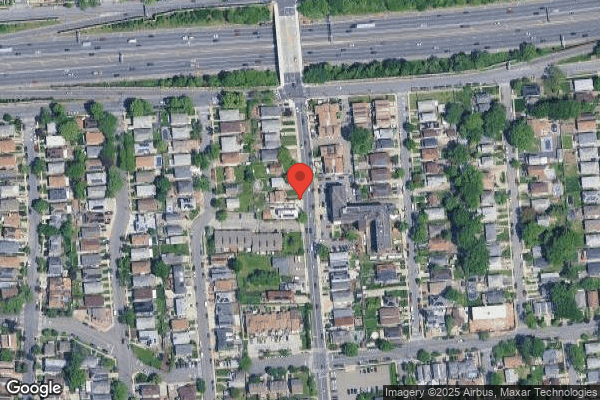
Jun 2019 5 deficiencies
CONCERN (D)

Potential for Harm - no one hurt, but risky conditions existed

Resident Rights (Tag F0550)

Could have caused harm · This affected 1 resident

**NOTE- TERMS IN BRACKETS HAVE BEEN EDITED TO PROTECT CONFIDENTIALITY** Based on observation, interview, and record review conducted during the recertification survey, the facility did not ensure that...

Read full inspector narrative →
**NOTE- TERMS IN BRACKETS HAVE BEEN EDITED TO PROTECT CONFIDENTIALITY** Based on observation, interview, and record review conducted during the recertification survey, the facility did not ensure that a residents' dignity was maintained. Specifically, two residents one female and one male complained that they were not given notice that they would be residing in rooms with a bathroom shared by the opposite sex/gender. Resident #208 complained to the State Agency Surveyor (SA) that the male residents have walked in while she was using the bathroom. Furthermore the facility does not provide signs informing residents to knock prior to entering shared bathrooms in an effort to maintain privacy and dignity of the residents in adjoining rooms. This was evident for 2 out of 36 sampled residents. (Resident #208, Resident #4) The findings are: The most recent Annual Minimum Data Set (MDS) dated [DATE] documents that Resident #208 is a cognitively intact female and has a diagnosis of hypertension and transient ischemic attack. The resident is documented a requiring the limited assistance of one person for toileting, is always incontinent of bladder, and always continent of bowel. During an initial interview of Resident #208 on 06/20/19 at 10:58 AM, the resident stated that she is sharing a bathroom with 2 male residents in the adjoining room on the opposite side of the bathroom. The resident stated that she was told by facility staff that the 2 males in the adjoining room do not use the bathroom; however, Resident #208 has had disagreements with the other male residents regarding the frequency and the time required for her to use the bathroom. Resident #208 further stated that she has been walked in on by one of the male residents while she was using the bathroom. Resident #208 stated that she has informed the staff of this concern several times but there has been no resolution. During the interview in the resident's room, the SA did not observe any signs on the bathroom door indicating that the resident should knock before entering. Resident #208 also stated that she was not made aware that she would be sharing a bathroom with male residents until after they had already moved into the adjoining room. A Nursing assessment dated [DATE] documents that Resident #208 is able to move about with/without a device, is independently mobile, and is always continent of bowel and bladder. A Comprehensive Care Plan (CCP) related to Activities of Daily Living (ADL) dated 6/18/17 documents that the resident requires the assistance of 1 person to complete tasks such as toileting. There are no Social Work or Nursing Notes related to resident's concerns with using the shared bathroom. On 06/26/19 at 09:47 AM, an interview was conducted with one of the male residents (Resident #4) in the adjoining room that shares a bathroom with Resident #208. Resident #4 stated that he uses the bathroom independently and has had multiple occasions where he has tried to use the shared bathroom, but female resident #208 has been present in the bathroom at the time. The female resident has screamed as soon as he has opened the door to the shared bathroom. Resident #4 also stated that the staff has never discussed whether or not he would feel comfortable with sharing a bathroom with a female resident. Resident #4 has complained to staff about the cleanliness of the bathroom and had requested a room change approximately one month ago but stated that there have not been any improvements or changes made. Resident #4 also stated that he has witnessed his roommate, Resident #11, use the bathroom independently and also walk in on Resident #208 while she has been using the bathroom. During the interview with Resident #4, the SA observed that the door to the shared bathroom did not have any signs that directs the resident to knock before entering the bathroom. The most recent quarterly MDS for Resident #4 is dated 6/2/19 and documents that the resident is cognitively intact and requires the limited assistance of 1 person for toileting. On 6/26/19 at 9:47 AM, Resident #11 declined to be interviewed regarding sharing the bathroom with Resident #208. The most recent quarterly MDS for Resident #11 is dated 3/17/19 and documents that the resident is cognitively intact and requires the limited assistance of 1 person for toileting. On 06/26/19 at 11:02 AM, an interview was conducted with, CNA #2 the Certified Nursing Assistant (CNA) for Resident #208. CNA #2 stated that she has worked on the unit for an extended period of time and is familiar with Resident #208 and her ADL status. Resident #208 requires limited assistance of 1 person to complete her ADL tasks. The resident is sometimes continent of her bladder and is always continent of her bowels. When CNA #2 is assisting the resident with toileting, she will help her to the toilet, then leave the resident on the toilet until she is done using it. Once the resident has finished using the toilet, the resident knows to ring the call bell and the CNA will assist her in cleaning herself and being transferred back to bed. The CNA #2 stated that she is not aware of any issues that the resident has had in sharing the bathroom with male residents. The CNA is not certain whether other male and female residents share bathrooms. She believes that there are rooms that have signs on the shared bathrooms instructing residents to knock before entering. An interview was conducted with CNA #3 on 06/26/19 at 11:12 AM. CNA #3 stated that she has worked on the unit for a few months and was recently assigned to Resident #4. CNA #3 stated that Resident #4 requires assistance with bathing, washing his back, and changing his sheets. The resident does not require any assistance with toileting, does not wear a diaper, and is continent of bowel and bladder. On this morning, CNA #3 was providing care for Resident #4 when he stated that he needed to use the bathroom. Resident #4 was able to get himself up and walk to the shared bathroom in order to use it without any assistance from the CNA. CNA #3 is also assigned to Resident #4's roommate, Resident #11. Resident #11 wears a diaper for episodes of incontinence, but also uses the shared bathroom. CNA #3 will offer assistance with toileting to Resident #11 and will usually wait for him to finish in the shared bathroom before assisting with cleaning and dressing him. CNA #3 has not heard of any concerns or confrontations between the residents who share the bathroom between the 2 adjoining rooms. On 06/26/19 at 03:26 PM, an interview was conducted with the Social Worker (SW) assigned to the unit. The SW stated that the residents have not mentioned to her that there was an issue with sharing a bathroom with an opposite sex. She stated that Resident #4 believes that he is being discharged to an Assisted Living Facility. There is no set discharge date for Resident #4 at this time. The SW believes that Resident #4 is becoming more cranky because of the time it is taking for him to be discharged from the facility. The SW stated that she believes it may be becoming an issue now because Resident #208 is an obese woman and Resident #4 is a man and they have different hygiene practices. Resident #208 may not be able to clean the toilet effectively. Both residents are alert and have strong personalities. Resident #208 was originally placed in her current room prior to Resident #4 and Resident #11 being moved into the adjoining room. The SW stated that there are more males and females that share bathrooms throughout the facility and that there are times that an issue will arise because of it. There are room change notes completed for the residents but they do no reflect whether the residents are made aware that they will be sharing a bathroom with the opposite sex. There is usually a sign placed on the bathroom door instructing the residents to knock before entering. If a resident is too cognitively impaired to understand the instructions to knock on the door before entering, then he/she will not be placed in a situation where they would need to share a bathroom with the opposite sex. Room changes are a a team decision made in morning report and SW opinion is taken into account. On 06/26/19 at 04:07 PM, an interview was conducted with Director of Social Work (DSW). The DSW stated that none of the residents involved (Resident #208, #4, or #11) have made any complaints about sharing a bathroom with the opposite sex. The residents were offered a room change but refused. The facility does not keep a list of residents who share bathrooms with the opposite sex. There is no checklist of conditions that would need to be present for residents of the opposite sex to be placed in situation where they would be required to share bathrooms. There is a discussion of a resident's physical capabilities and cognition prior to making room changes that would place a resident in room where they would need to share a bathroom with the opposite sex. Residents' behaviors are taken into account as well but not prior sexual abuse history. There is no documentation that reflects a resident's agreement with being in a situation where they will be sharing a bathroom with the opposite sex. The facility also does not have a policy and procedure related to shared bathrooms between residents of the opposite sex. 415.3(c)(1)(i)
CONCERN (D)

Potential for Harm - no one hurt, but risky conditions existed

Deficiency F0685 (Tag F0685)

Could have caused harm · This affected 1 resident

**NOTE- TERMS IN BRACKETS HAVE BEEN EDITED TO PROTECT CONFIDENTIALITY** Based on observations, interviews, and record review conducted during the recertification survey, the facility did not ensure th...

Read full inspector narrative →
**NOTE- TERMS IN BRACKETS HAVE BEEN EDITED TO PROTECT CONFIDENTIALITY** Based on observations, interviews, and record review conducted during the recertification survey, the facility did not ensure that proper treatment and assistive devices to maintain vision were provided to a resident. Specifically, a resident who was evaluated for new eyeglasses did not receive new eyeglasses. This was true for 1 of 3 residents reviewed for vision/sensory care out of 36 sampled residents. (Resident #3) The findings are: The most recent Annual Minimum Data Set (MDS) dated [DATE] documents that Resident #3 has moderately impaired cognition, adequate vision with no corrective lenses, and is diagnosed with Hypertension and Diabetes Mellitus. On 06/20/19 at 12:52 PM, an interview was conducted with the resident's son. According to the resident's son, Resident #3 had been evaluated for new eyeglasses approximately 3 months ago. The Optometrist was at the facility a few weeks ago but did not deliver any new eyeglasses to Resident #3. The son had spoken to the nursing staff regarding this concern but did not receive any follow up information regarding the whereabouts of the new eyeglasses. An Optometry Consult dated 3/12/19 documents that Resident #3 is requesting new bifocals. The resident's vision is impaired and her lenses are currently scratched. The consult documents that bifocals had been ordered for the resident. A Comprehensive Care Plan (CCP) related to Optometry and dated 3/14/19 documents that the resident was seen by optometrist 3/12/19 and glasses were ordered. The CCP documents to provide ongoing assessment of the resident's vision impairment. A Nursing Note dated 3/12/19 documents that the resident was seen by optometry. On 06/26/19 at 12:00 PM, an initial interview with the Assistance Director of Nursing (ADNS) was conducted. The ADNS stated that normally any resident who received new eyeglasses would have a receipt for the eyeglasses in their medical chart. The ADNS then stated that she would need to look into the matter. A follow up interview was conducted with the ADNS on 06/27/19 at 11:01 AM. The ADNS stated that the resident did not receive the eyeglasses that were ordered for her in 3/2019. The Optometrist office was contacted by the facility and sent a letter today notifying the facility that there was a delay. The ADNS stated that normally the Optometrist fills out a consult paper with any recommendations for eyeglasses, treatment, and/or follow up and delivers a copy of the consult paper to the nursing office. The nursing office reviews the consult and then gives it to the nurse manager responsible for the unit. The nurse then writes a progress note related to the recommendations documented in the consult report. If there is a recommendation for new eyeglasses, the facility will end up reviewing the glasses for the resident within 2-4 weeks. The eyeglasses are shipped to the nursing office through the mail. The nursing office then documents what eyeglasses were received. The glasses are given to the nurse on the unit and then delivered to the resident. Resident #3's name was not included on the list in the nursing office of residents who received eyeglasses. The nurse managers on the unit are responsible for following up if there is a recommendation for glasses but they have not been received. There is no system for tracking recommendations for eyeglasses or when eyeglasses are ordered for residents. The ADNS stated that the nurse managers use their own personal tracking system to ensure that the resident receives their eyeglasses. The ADNS was not aware of a specific timeframe in which the nurse managers would follow up with the Optometrist's office. If the patient is cognitively intact, they will usually tell the staff if there is an issue with waiting for glasses. 415.12(3)(b)
CONCERN (D)

Potential for Harm - no one hurt, but risky conditions existed

Deficiency F0711 (Tag F0711)

Could have caused harm · This affected 1 resident

**NOTE- TERMS IN BRACKETS HAVE BEEN EDITED TO PROTECT CONFIDENTIALITY** Based on observation, record review and staff interviews during the recertification survey , the facility did not ensure that th...

Read full inspector narrative →
**NOTE- TERMS IN BRACKETS HAVE BEEN EDITED TO PROTECT CONFIDENTIALITY** Based on observation, record review and staff interviews during the recertification survey , the facility did not ensure that the physician reviewed the resident's total program of care, including medications and treatments at each visit. Specifically, a resident diagnosed with Diabetes had consistently elevated blood sugars in the morning and at night as documented in the Medication Administration Record. There is no documented evidence that the physician assessed the trends of elevated blood sugars to ensure accurate monitoring of glucose levels. It was 10 months since the physician or designee ordered the Glycated hemoglobin ( HbAIc ) test (a test that measure the overall blood glucose control over a period of 60-120 days). The resident's most recent test was taken on 6/21/19 and the resident's results were elevated over normal parameters. This was evident for 1 out of 36 sampled residents. (Resident # 50) The facility policy on diabetes mellitus with revision dated 11/2018 states It is the policy of Golden Gate Rehabilitation and Health Care Center that to ensure every resident diagnosed with diabetes will have accurate monitoring of their glucose levels done. Item#2 of the policy directs that the attending medical doctor ( MD ) will evaluate, the resident upon admission and decide which method of monitoring glucose levels would be appropriate for that resident. Item #3 directs that any resident on medication, oral or injected will be monitored by blood work Glycated hemoglobin ( HbAIc ) as per MD order. Item #4 directs the MD will be notified if a resident's fingerstick is below 70 and above 250 unless parameters indicate otherwise. All results will be documented in the resident's electronic medical record. The finding is: Resident # 50 a [AGE] years old admitted to the facility with diagnoses of: Hypertension , Diabetes Mellitus , Benign Prostatic Hypertrophy with urinary Tract infection and Muscle weakness amongst other. The minimum data set ( MDS ) 3.0 assessment dated [DATE] assessed the resident as alert , oriented to person, place and time with a brief interview for mental status (BIMS) score of 15. The resident is independent in most activities of daily living with supervision in eating. On 06/25/2019 at 10:45 AM, the resident was initially observed seated in a regular chair in front of his room . alert and conversant , appropriately dressed and well- groomed. He was seen and spoken too several times during the survey period and was seen seated in his wheelchair around the unit. The physician's order dated 06/17/2019 documented: Levemir 17 units SQ (subcutaneous) HS (at hour of sleep), Novolog 6 units AC (before meals) and FSBS (fingersticks) TID (three times a day) AC and at HS. Call medical doctor (MD ) if FSBS is below ( < ) 70 and greater than (>) 250 milligram per dilution (MG/DL). Review of the FSBS from 06/01/2019 to 06/23/2019 documented that the resident's FSBS were at the highest 436 and the lowest 256. This revealed elevated FSBS for both morning and night. The HbAIc was last done on 08/10/2018, that is 10 months to the current test which was conducted on 6/21/19. The reference for normal parameters is 4.0-6.0%. The tests results were as follows: 08/10/2018 -- 6.4 % 06/19/2018 -- 5.8 % 06/21/2019 -- 8.3 % According to the American Diabetic Association (ADA ) it is standard practice to have HbAIc done at least every 3-6 months for a person diagnosed with Diabetes and uncontrolled blood sugars. On 06/20/2019 at 1:00 PM NP #3 Nurse (Practitioner) was interviewed. She stated, I review the FSBS on a monthly basis. The HbAIc is ordered on a patient to patient basis. She stated that she would order one immediately. The resident's EMR (electronic medical record) revealed that FSBS were higher in the evening and at bedtime. The EMR also documented that there were instances that when notified of elevated FSBS the physician or NP ordered stat doses of insulin. However, it was not until NP was interviewed by the with the State Surveyor on 6/20/19 did the physician order the Levemir increased and the HbAIc tests conducted. On 06/20/2019 the Levemir was increased to 20 units and Novolog to 8 Units TID AC . Additionally blood test for comprehensive metabolic panel ( CMP ) and hemoglobin A1C was added to the new order. On 06/23/2019 the Levemir was increased to 22 units. On 06/21/2019 at 3:00 PM and again on 06/26/2019 at 11:00 AM the resident's attending physician (Physician #2) was interviewed. Physician #2 stated that the ordering of HbAIc levels are done on a patient to patient basis. She further stated that she may order every 6 months or maybe a year. The physician did not provide reason for why levels were not ordered for this resident in almost a year. She stated that the resident was non compliant with his diet. She stated that the resident consistently orders food from outside. Physician #2 further stated that when the nurses calls her, or the NP about the elevated FSBS additional insulin is ordered. However, she stated that there, but there are times when they don't call to inform them about the elevated FSBS. When asked if the resident has been referred to an endocrinologist, she stated that she believed the resident was seen by one in the hospital. She has not referred the resident to Endocrinologist. The physician stated that she would review and adjust the resident's medication. 415.15 (b)(2) (iii)
CONCERN (D)

Potential for Harm - no one hurt, but risky conditions existed

Medication Errors (Tag F0758)

Could have caused harm · This affected 1 resident

**NOTE- TERMS IN BRACKETS HAVE BEEN EDITED TO PROTECT CONFIDENTIALITY** Based on observations, interviews, and record review conducted during the recertification survey, the facility did not ensure th...

Read full inspector narrative →
**NOTE- TERMS IN BRACKETS HAVE BEEN EDITED TO PROTECT CONFIDENTIALITY** Based on observations, interviews, and record review conducted during the recertification survey, the facility did not ensure that a resident was free from unnecessary antipsychotic medication. Specifically, a resident who was not previously receiving antipsychotic medication was prescribed Risperidone to treat Dementia-related symptoms. This was true for 1 of 5 residents reviewed for Unnecessary Medications. (Resident #48) The findings are: FDA ALERT [6/16/2008]: FDA is notifying healthcare professionals that both conventional and atypical antipsychotics are associated with an increased risk of mortality in elderly patients treated for dementia related psychosis. In April 2005, FDA notified healthcare professionals that patients with dementia-related psychosis treated with atypical antipsychotic drugs are at an increased risk of death. Since issuing that notification, FDA has reviewed additional information that indicates the risk is also associated with conventional antipsychotics. Antipsychotics are not indicated for the treatment of dementia-related psychosis. Resident #48 was admitted to the facility 5/19/14 with diagnoses which include Non-Alzheimer's Dementia, Depression, and Hypertension. The most recent Quarterly Minimum Data Set (MDS) assessment dated [DATE] documented the resident had severe cognitive impairments. The resident is also documented as having a diagnosis of Non-Alzheimer's Dementia and receiving antipsychotic and antidepressant medication daily. On 06/21/19 at 03:24 PM, the resident was observed sitting in a geri chair in the Floor Day Room (FDR). The resident was alert and calm and listening to music that was being played. A Comprehensive Care Plan (CCP) related to Inappropriate Behavior was initiated on 6/25/14. The CCP documented the resident had a verbal altercation with a peer on 10/3/18, repetitive physical movements, and resists care. The CCP updates on 2/9/19 and 4/8/19 documented that the resident did not exhibit any inappropriate behaviors. A CCP related to the resident's potential to abuse others/to be abused was initiated on 7/16/14. The CCP documented that the resident had a history of altercations with other residents in 7/2014 and 12/2017, acts out impulsively, exhibits threatening behavior, expresses anger by striking out, is abusive to caregivers, and is socially inappropriate by touching others. The documented interventions to address the resident's potential for abuse include allowing the resident to vent feelings, anticipating needs, counseling by Social Worker (SW), family involvement, Medical Doctor (MD) assessment, protection from overstimulation, and psychiatry consult. Updates to the CCP on 2/9/19 and 4/8/19 document that the resident has not exhibited any behaviors. A CCP related to behavior symptoms was initiated on 12/14/15. The CCP documented the resident's behaviors were refusing to wear a name band, refusing labs and care, and yelling at staff and other residents. The documented interventions to address the resident's behavior include identifying a pattern of behavior, notifying the MD of a change in behavior, placing resident away from others, and placing the resident in bed at 8-8:30 PM. Updates to the CCP on 2/12/19 and 4/15/19 document that the resident remains stable. A CCP related to Psychotropic Drug Use was initiated on 12/15/17. The CCP documented the resident was receiving antipsychotic and antidepressant medication due to a diagnosis of depression. The documented interventions include assessing the resident's behavior pattern daily, assessing effectiveness of medications, monitoring for changes in behavior and mood, and monitoring for side effects (dry mouth, excessive thirst, mental status changes, drowsiness, sun sensitivity), observe for signs of decline in functional/cognitive status, and obtain psychiatry consult. Updates to the CCP on 2/12/19 and 4/15/19 documented that the resident remained stable. An update on 3/5/19 documented that the resident was seen and examined by the Nurse Practitioner (NP) for reports of agitation during the night, to start on Risperdal daily and psychiatry consult ordered. Will continue to observe for improvement in behaviors. The Psychiatry Consult dated 9/7/18 documented that the resident received Remeron 7.5 mg in the evening. The resident was documented as being confused and talking about things that are irrelevant, having inappropriate affect and being depressed. The resident was not a danger to self or others, had impaired memory, and was diagnosed with neurocognitive disorder with Depression. The Physician's Orders, reviewed and renewed on 6/4/19, documented that the resident is receiving Aricept 10 mg once every evening for Alzheimer's disease, Remeron 7.5 mg once daily for Major Depressive Disorder, and Risperidone .5mg at 5pm for Alzheimer's disease/unspecified psychosis. The order for Risperidone was initiated 3/5/19. Risperidone is an antipsychotic medication used to treat Schizophrenia, Bipolar I Disorder, and irritability in children and adolescents with Autistic Disorder. It is not approved to be used for Dementia-related psychosis by the FDA. A Nursing Note dated 3/5/19 at 3:19 AM documents that the resident was up talking very loud and disturbing other residents sleep. Reality orientation given with no effect. Resident getting more agitated and yelling and screaming louder, trying to get out of bed. Close monitoring applied. A follow up Nursing Note dated 3/5/19 at 2:19 PM documents that the resident had no disruptive behavior displayed the entire shift. Subsequent Nursing Notes from 3/6/19 through 6/27/19 do not document any disruptive behavior by resident. A Nurse Practitioner (NP) Note dated 3/5/19 documented that the resident was examined for complaints of agitation (screaming/yelling) and being disruptive throughout the previous night. The resident has a diagnosis of neurocognitive disorder with dementia. The NP documents that in response to the resident's Agitation/Disruptive behavior/progressing Alzheimer's: discontinue Namenda, continue Aricept, start Risperdal .5mg at night, psychiatric follow up, and continue emotional support. The next Psychiatry Consult for the resident was dated 3/8/19. This Psychiatry consult documented that the resident was currently taking Aricept 10mg, Risperdal .5mg, and Remeron 7.5 mg. The psychiatrist documented that his recommendations include continuing the current medications. The consult also documented that the resident is confused, has poor impulse control, yells, has inappropriate affect and depressed irritable mood. The resident is documented as loose and responds to internal stimuli with a diagnosis of psychotic disorder and neurocognitive disorder. The MD Monthly notes dated 3/12/19 document that the resident has a diagnosis of dementia and is receiving Namenda and Remeron. The MD note does not document anything in relation to the resident's behavior or the NP's order for Risperidone from 3/5/19. The MD Notes dated 4/8/2019, 5/8/2019, 6/3/2019, and 6/20/2019 do not document any reference to the resident's behaviors, antipsychotic medication use, or referral to the Psychiatrist. The Risperidone was started after the resident had one episode of Dementia-related behavior with screaming and trying to get out of bed. There was no documented evidence that the close monitoring applied was not effective. There was no attempt by the facility to see if the resident's behaviors would even continue without medication and whether non-pharmacological interventions could be used to address them. A Social Service Admission/Annual/Quarterly assessment dated [DATE] documented that the resident has not exhibited potential to abuse others, impulsiveness, or arguing with peers. The Medication Regimen Review (MRR) dated 4/18/19 documented that the resident was currently receiving Risperdal .5mg once daily for behaviors associated with dementia/unspecified psychosis. No recent behavior problems apparent on review of documentation in clinical record. Please evaluate, consider trial discontinue or document inability to do so. The MD documented that she disagreed with the recommendation of the Pharmacist and will refer to the Psychiatrist. The resident's June Medication Administration Record (MAR) documents that the resident received Risperidone .5mg for Alzheimer's Disease and unspecified psychosis daily. On 06/26/19 at 02:21 PM, an interview was conducted with Certified Nursing Assistant, CNA # 4. CNA #4 is familiar with the resident and has been on her assignment for the last few weeks. The resident used to be ambulatory, social, and more independent. There has been a change in her condition recently. The resident now requires total care with all Activities of Daily Living (ADL). The resident has a history of becoming verbally abusive but these behaviors have decreased. The resident reacts in an agitated manner if she sees other residents acting out towards staff. The resident does not have this behavior now because she seems more unaware of her environment. CNA #4 stated that the resident has never been physically aggressive towards staff or other residents and is only verbally disruptive. There are times that the resident is not easily redirected especially since the resident can become fixated on having things done for her in a particular manner. Staff is familiar with this behavior and try to accommodate her preferences so she doesn't react in an agitated manner. The resident will eventually calm down and apologizes to staff for the agitated behavior. The resident went from being so independent to needing help and this was a tough adjustment for her, leading to some agitation. Since the resident has started to physically decline, she has not been as active in Activities. On 06/26/19 at 02:45 PM, an interview was conducted with the Licensed Practical Nurse (LPN) #2. The resident is currently being monitored for jerky movements in her limbs. The LPN #2 stated that she knew the resident when she previously worked for the facility. When the LPN #2 left the facility and returned 1 month ago to begin working there again, the LPN #2 stated that she noticed a significant decline in the resident's condition. The LPN #2 stated that the resident is now not eating or drinking anything by mouth. The resident will take her medications but will not consume anything else. The resident also does not talk any longer. The LPN #2 stated that the resident would communicate with her even a week ago but no longer responds to verbal stimuli. The resident has not shown any signs of aggression. The resident previously had a behavior of refusing care and being verbally abusive. Resident does not exhibit this behavior any longer. A telephone interview was conducted with the Director of the Nurse Practitioner Program (Dir of NP) on 06/26/19 at 04:37 PM. According to the Dir of NP, the NP that ordered the Risperidone for Resident #48 is on vacation and unable to discuss the resident's case with the SA. The Dir of NP stated that it is not typically standard practice for an NP to start antipsychotic medications for a resident with dementia. The NP usually would confer with psychiatry. The NP has the ability to order antipsychotic medications for a resident, it's just not typical. The NP may have started it due to the resident's psychotic episode of yelling and screaming. The resident does have a cardiac history that would be of concern when ordering a medication such as Risperidone. There is no reason that the med wouldn't be started if the resident was psychotic. It is not unheard of to start a psychotic resident on an antipsychotic medication such as Risperidone; as long as it is not related to Dementia. Antipsychotic medications are not indicated for dementia. The Dir of NP stated that she is not specifically aware of the black box warning for Risperidone. When the SA informed the Dir of NP that the black box warning for Risperdal includes a risk of death in patients with dementia, the Dir of NP stated that most reasons for patient death with this medication is because of cardiac reasons with or without at diagnosis dementia. The Dir of NP stated that she is not sure if the NP reviewed non- pharmacological interventions used to address the resident's behavior prior to ordering the medication. An telephone interview was conducted with the Psychiatrist on 06/27/19 at 09:44 AM. The Psychiatrist stated that this is [AGE] year old female with a diagnosis of dementia, depression, and behavior disturbance. The resident was hearing voices and seeing things, talking to herself. The resident is confused, hallucinating and acts out because she hears voices. Dementia patients respond in this manner when hearing voices because they do not realize that the voices are internal stimuli. The resident was having dementia related psychosis when the Risperidone was ordered for her in 3/2019. The Psychiatrist stated that the resident is being monitored for dementia and neurocognitive disorder, which is another form of dementia. The dementia causes her to be agitated, screaming, yelling, and aggressive towards others. Nursing reported that the resident is disruptive, screaming, and restless, but not physically aggressive. Dementia patients can hallucinate, become paranoid, delusional, psychotic and, therefore, Risperidone can be used for the psychosis in this case. The Psychiatrist stated that he believes that the nursing staff tried to give the resident comfort and support. When this didn't work, a psychiatry evaluation was ordered. The Psychiatrist stated that he is familiar with black box warning associated with the use of antipsychotic medication in elderly patients with dementia. The Psychiatrist stated that these medications can cause more dementia, confusion, and heart problems. When informed by the SA that the FDA black box warning also indicates a risk for premature death, the Psychiatrist said that death is usually the result of heart problems that occur as a result of using this medication. The Psychiatrist stated that he is familiar with the resident's medical condition and her recent physical decline could be in relation to her history of heart failure and the progression of her heart condition. The Psychiatrist stated that, although he has not evaluated the resident since 3/8/2019, he is watching the resident's progress. The Psychiatrist stated that the resident does not have any other psychiatric diagnoses. The resident has never been on Risperdal before. An interview was conducted with the MD #2 on 06/27/19 at 10:35 AM. The MD #2 stated that she reviews all orders for the resident, including those from the NP. The MD #2 stated that the resident's behavior is now quiet. The resident had a history of calling out shut up or would be verbally disruptive. The resident is now sick and is not eating so she is much quieter. The resident also used to walk but cannot walk anymore. The resident's decline is due to her progressing Dementia. Now the resident's cognition has declined to the point that she cannot recognize family members. The resident is not verbally disruptive anymore. The resident's behaviors were related to her diagnosis of Dementia. The MD #2 stated that the resident does not have a diagnosis of schizophrenia or bipolar disorder. The FDA's accepted uses for Risperdal include the treatment of hallucinations and paranoid ideations. The MD #2 stated that the FDA black box warning for Risperdal involves an increased risk of falling. The MD #2 stated that prescribing a antipsychotic medication for a patient with a diagnosis of dementia is problematic due to the high risk for falls. The MD #2 stated that she did not document that the resident was ordered a antipsychotic medication because she must have missed it. The MD #2 could not recall if she spoke to the NP specifically about this resident's behavior and the need for an antipsychotic mediation. The MD #2 stated that she did not order a Psychiatry consult in April (as she indicated she would on the MRR dated 4/18/19) because she thought the NP would do it. Most of the time, the NP does those orders. 415.12(l)(2)(i)
CONCERN (D)

Potential for Harm - no one hurt, but risky conditions existed

Infection Control (Tag F0880)

Could have caused harm · This affected 1 resident

**NOTE- TERMS IN BRACKETS HAVE BEEN EDITED TO PROTECT CONFIDENTIALITY** 2) On 06/20/19 at 12:15 PM, CNA #5 was observed in the 4th Floor Dayroom (FDR) providing handwashing to residents during lunch s...

Read full inspector narrative →
**NOTE- TERMS IN BRACKETS HAVE BEEN EDITED TO PROTECT CONFIDENTIALITY** 2) On 06/20/19 at 12:15 PM, CNA #5 was observed in the 4th Floor Dayroom (FDR) providing handwashing to residents during lunch service. The CNA #5 squirted hand sanitizer onto pieces of cloth napkin and applied it to each of the residents hands in the dayroom. The CNA #5 providing the hand care was wearing a pair of gloves. After touching a resident's hands and arms to wipe them down with the cloth napkins, CNA #5 was observed walking to the large garbage can at the entrance of the dayroom. CNA #5 was observed picking up the lid of the garbage can with her gloved hand, disposing of the cloth napkin, and then returned to the dayroom to provide hand care to the next resident. The CNA did not change gloves and wash her hands in between touching the garbage can lid and touching the residents' hands and arms. In addition, the CNA did not wash her hands and change gloves between residents. An interview was conducted with the CNA #5 on 06/20/19 at 02:21 PM. The CNA #5 stated that she uses sanitizer wipes from a container but could not find them on the unit and used a cloth napkin and sanitizer bottle instead. The CNA #5 stated that she knows that she is not supposed to touch the garbage can lid and then attend to residents but is not used to working on this unit. She stated that she usually works on another unit that has a garbage can with foot pedal. This allows her to open the garbage can lid without touching it and throw garbage away. The CNA #5 stated she is not used to this unit. On 06/27/19 at 10:30 AM, an interview was conducted with the Assistant Director of Nursing (ADNS). The ADNS stated that the other units do not have foot pedal garbage cans in use for the FDR. The facility does have some small white garbage cans that have foot pedals but they are too small to use in the FDR. There is hand sanitizer available at the entrance of the FDR so that if staff are throwing garbage in the can and touch the lid, they can sanitize immediately upon reentering. There is no specific inservice re: this procedure. Inservice is provided to all staff that after touching a patient with gloves, they are to be thrown out changed and hand sanitizing done in between. 415.19(b)(4) Based on observation, record review and interviews during the re-certification survey, the facility did not maintain infection control practices to help prevent the development and transmission of communicable diseases and infections. Specifically, (1) One resident receiving Oxygen by nasal cannula with the oxygen tubing coming from the oxygen concentrator was resting on the floor and (2) a Certified Nursing Assistant (CNA) was observed physically attending to residents and touching a garbage can lid without handwashing in between. This was evident for 1 of 36 sampled residents (Resident #71) and 1 of 4 unit dining rooms observed during the Dining Observation (4th floor). The findings are:. 1) The facility policy titled, Use of Oxygen Policy dated 11/2018 documents, 2. The tubing should be kept off the floor. Resident #71 was admitted to the facility on [DATE] with diagnoses including: hypertension, diabetes mellitus, Alzheimer's disease, aphasia, cerebrovascular accident, Non-Alzheimer's dementia, hemiplegia, seizure disorder and depression. The Annual Minimum Data Set (MDS) 3.0 dated 2/19 documents: Hearing - adequate, no hearing aid. No speech. Rarely/never understood. Rarely/never understands. Vision impaired, wears corrective lenses. Cognitive Patterns- Rarely/never understood. No BIMS score. The resident has short and long term memory loss. Cognitive Skills for Daily Decision making- severely impaired. Mood - Total Severity Score= 0. No behavior issues. The resident requires total dependence for bed mobility, locomotion on and off the unit, dressing, and personal hygiene. The resident requires extensive assistance for transfer and toilet use. The resident has Functional Limitation in Range of Motion with impairment on one side upper and lower extremity and uses a wheelchair for mobility. The resident's bowel and bladder were rated always incontinent. The resident receives Special treatment- respiratory therapy oxygen therapy. On 06/21/19 at 09:57 AM and 06/21/19 at 12:16 PM, the resident was observed sitting in his gerichair in his room. Resident had oxygen concentrator running via a nasal cannula. It was observed that the tubing running from the concentrator was touching the floor. The Care Plan for Respiratory Therapy documents: Resident has a diagnosis of nebulizer treatment, suctioning and oxygen concentrator related to ineffective airway clearance. Resident removes oxygen tubing. Goals- Resident will be free of respiratory difficulty daily. Interventions- Provide respiratory treatments as ordered by MD DuoNeb solution for nebulization. Monitor O2 saturation on room air every shift. Suction every shift as needed. Oxygen 2-3 Liters per Minute as needed to maintain Pulse Ox > 92%. Monitor vital signs as ordered by MD. Monitor oxygen saturation ordered by MD. Monitor resident forms/s of respiratory distress and report to MD immediately. Evaluate shortness of breath, pain, discomfort and anxiety when breathing. Provide oxygen therapy as per physician order. Elevate head of bed > 45 degrees when needed. Prevent irritation and pressure caused by respiratory tubes/oxygen tubes. Check for proper placement of oxygen tubing: not too tight nor too loose. Change respiratory tubes and oxygen tubes once a week and as needed. Position resident to encourage comfortable breathing. On 06/21/19 at 12:21 PM, the Certified Nursing Assistant (CNA #1) was interviewed and stated, 'I see th tubing that is running from the oxygen machine to his nose is on the floor. The oxygen tubing should not be on the floor. It should be hanging up and running from from the machine up the armrest of the chair and to the residents nose. On 06/21/19 at 12:24 PM, the Licensed Practical Nurse (LPN #1) was interviewed and stated, I see the residents shoe fell. The oxygen is running from the oxygen concentrator touching and running about 6 inched along the floor to the residents nose via the nasal cannula. The oxygen tubing should not be touching the floor, as this is an infection control issue. We have 8 CNAs working today on this unit. We have 2 nurses working today on this unit. We do check. I checked earlier. I will change the tubing, put new tubing in place and run it from the back. On 06/21/19 at 12:31 PM, RN #1 was interviewed and stated, The nurse told me the surveyor showed her the oxygen tubing running the concentrator to the patient was on the floor. Oxygen tubing should not be on the floor. This is an infection control issue. There are 8 CNAs working on this unit today. There are 2 nurses working on this unit today. If the tubing is too long, it should be hanging around the water bottle that is attached to the concentrator and not touching the floor.
Understanding Severity Codes (click to expand)
Life-Threatening (Immediate Jeopardy)
J - Isolated K - Pattern L - Widespread
Actual Harm
G - Isolated H - Pattern I - Widespread
Potential for Harm
D - Isolated E - Pattern F - Widespread
No Harm (Minor)
A - Isolated B - Pattern C - Widespread

Questions to Ask on Your Visit

  • "What changes have you made since the serious inspection findings?"
  • "Can I speak with families of current residents?"
  • "What's your RN coverage like on weekends and overnight?"

Our Honest Assessment

Strengths
  • • No fines on record. Clean compliance history, better than most New York facilities.
  • • 36% turnover. Below New York's 48% average. Good staff retention means consistent care.
Concerns
  • • Multiple safety concerns identified: 3 life-threatening violation(s). Review inspection reports carefully.
  • • 18 deficiencies on record, including 3 critical (life-threatening) violations. These warrant careful review before choosing this facility.
  • • Grade F (9/100). Below average facility with significant concerns.
Bottom line: This facility has 3 Immediate Jeopardy findings. Serious concerns require careful evaluation.

About This Facility

What is Golden Gate Rehabilitation & Health's CMS Rating?

CMS assigns GOLDEN GATE REHABILITATION & HEALTH CARE CENTER an overall rating of 1 out of 5 stars, which is considered much below average nationally. Within New York, this rating places the facility higher than 0% of the state's 100 nursing homes. A rating at this level reflects concerns identified through health inspections, staffing assessments, or quality measures that families should carefully consider.

How is Golden Gate Rehabilitation & Health Staffed?

CMS rates GOLDEN GATE REHABILITATION & HEALTH CARE CENTER's staffing level at 2 out of 5 stars, which is below average compared to other nursing homes. Staff turnover is 36%, compared to the New York average of 46%. This relatively stable workforce can support continuity of care.

What Have Inspectors Found at Golden Gate Rehabilitation & Health?

State health inspectors documented 18 deficiencies at GOLDEN GATE REHABILITATION & HEALTH CARE CENTER during 2019 to 2024. These included: 3 Immediate Jeopardy (the most serious level, indicating potential for serious harm or death) and 15 with potential for harm. Immediate Jeopardy findings are rare and represent the most serious regulatory concerns. They require immediate corrective action.

Who Owns and Operates Golden Gate Rehabilitation & Health?

GOLDEN GATE REHABILITATION & HEALTH CARE CENTER is owned by a for-profit company. For-profit facilities operate as businesses with obligations to shareholders or private owners. The facility is operated by BENJAMIN LANDA, a chain that manages multiple nursing homes. With 238 certified beds and approximately 233 residents (about 98% occupancy), it is a large facility located in STATEN ISLAND, New York.

How Does Golden Gate Rehabilitation & Health Compare to Other New York Nursing Homes?

Compared to the 100 nursing homes in New York, GOLDEN GATE REHABILITATION & HEALTH CARE CENTER's overall rating (1 stars) is below the state average of 3.0, staff turnover (36%) is significantly lower than the state average of 46%, and health inspection rating (1 stars) is much below the national benchmark.

What Should Families Ask When Visiting Golden Gate Rehabilitation & Health?

Based on this facility's data, families visiting should ask: "What changes have been made since the serious inspection findings, and how are you preventing similar issues?" "Can you walk me through typical staffing levels on day, evening, and night shifts?" "Can I visit during a mealtime to observe dining assistance and food quality?" "How do you handle medical emergencies, and what is your hospital transfer rate?" These questions are particularly relevant given the facility's Immediate Jeopardy citations and the below-average staffing rating.

Is Golden Gate Rehabilitation & Health Safe?

Based on CMS inspection data, GOLDEN GATE REHABILITATION & HEALTH CARE CENTER has documented safety concerns. Inspectors have issued 3 Immediate Jeopardy citations (the most serious violation level indicating risk of serious injury or death). The facility has a 1-star overall rating and ranks #100 of 100 nursing homes in New York. Families considering this facility should ask detailed questions about what corrective actions have been taken since these incidents.

Do Nurses at Golden Gate Rehabilitation & Health Stick Around?

GOLDEN GATE REHABILITATION & HEALTH CARE CENTER has a staff turnover rate of 36%, which is about average for New York nursing homes (state average: 46%). Moderate turnover is common in nursing homes, but families should still ask about staff tenure and how the facility maintains care continuity when employees leave.

Was Golden Gate Rehabilitation & Health Ever Fined?

GOLDEN GATE REHABILITATION & HEALTH CARE CENTER has no federal fines on record. CMS issues fines when nursing homes fail to meet care standards or don't correct problems found during inspections. The absence of fines suggests the facility has either maintained compliance or corrected any issues before penalties were assessed. This is a positive indicator, though families should still review recent inspection reports for the full picture.

Is Golden Gate Rehabilitation & Health on Any Federal Watch List?

GOLDEN GATE REHABILITATION & HEALTH CARE CENTER is not on any federal watch list. The most significant is the Special Focus Facility (SFF) program, which identifies the bottom 1% of nursing homes nationally based on persistent, serious quality problems. Not being on this list means the facility has avoided the pattern of deficiencies that triggers enhanced federal oversight. This is a positive indicator, though families should still review the facility's inspection history directly.