RICHMOND CTR FOR REHAB AND SPECIALTY HEALTHCARE
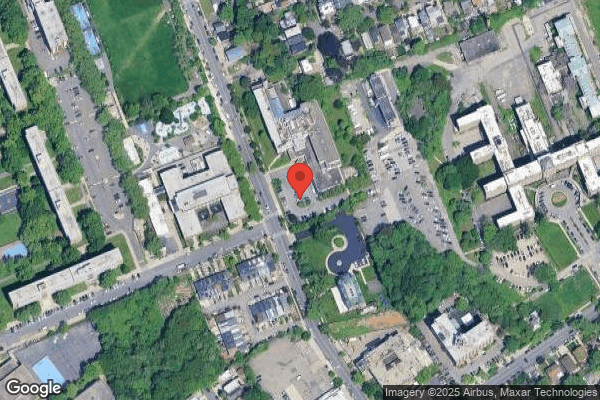
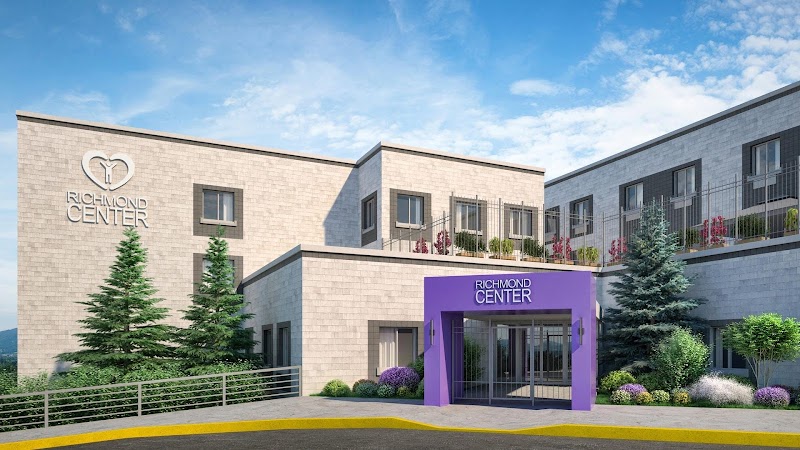
91 TOMPKINS AVENUE, STATEN ISLAND, NY 10304 (718) 876-1200
For profit - Limited Liability company 372 Beds CENTERS HEALTH CARE Data: November 2025
Trust Grade
40/100
#551 of 594 in NY
Last Inspection: August 2023

Over 2 years since last inspection. Current conditions may differ from available data.

Overview

The Richmond Center for Rehab and Specialty Healthcare has received a Trust Grade of D, indicating below-average performance with some concerns about care quality. Ranked #551 out of 594 facilities in New York, they fall in the bottom half of nursing homes in the state, and are #9 out of 10 in Richmond County, meaning only one local option is better. Unfortunately, the facility is worsening, with issues increasing from 8 in 2021 to 13 in 2023. Staffing is a relative strength with a 4-star rating and a turnover rate of 42%, which is about average for the state. However, serious deficiencies were noted, including improper food storage temperatures risking foodborne illness, inadequate garbage disposal practices leading to pest problems, and failure to ensure residents can receive mail on weekends, indicating potential neglect in important areas of care.

Trust Score
D
40/100
In New York
#551/594
Bottom 8%
Safety Record
Low Risk
No red flags
Inspections
Getting Worse
8 → 13 violations
Staff Stability
○ Average
42% turnover. Near New York's 48% average. Typical for the industry.
Penalties
✓ Good
No fines on record. Clean compliance history, better than most New York facilities.
Skilled Nurses
⚠ Watch
Each resident gets only 24 minutes of Registered Nurse (RN) attention daily — below average for New York. Fewer RN minutes means fewer trained eyes watching for problems.
Violations
⚠ Watch
25 deficiencies on record. Higher than average. Multiple issues found across inspections.
★☆☆☆☆
1.0
Overall Rating
★★★★☆
4.0
Staff Levels
★★★★☆
4.0
Care Quality
★☆☆☆☆
1.0
Inspection Score
Stable
2021: 8 issues
2023: 13 issues

The Good

  • 4-Star Staffing Rating · Above-average nurse staffing levels
  • 4-Star Quality Measures · Strong clinical quality outcomes
  • Full Sprinkler Coverage · Fire safety systems throughout facility
  • No fines on record
  • Staff turnover below average (42%)

    6 points below New York average of 48%

Facility shows strength in staffing levels, quality measures, fire safety.

The Bad

1-Star Overall Rating

Below New York average (3.0)

Significant quality concerns identified by CMS

Staff Turnover: 42%

Near New York avg (46%)

Typical for the industry

Chain: CENTERS HEALTH CARE

Part of a multi-facility chain

Ask about local staffing decisions and management

The Ugly 25 deficiencies on record

Aug 2023 13 deficiencies
CONCERN (D)

Potential for Harm - no one hurt, but risky conditions existed

Resident Rights (Tag F0550)

Could have caused harm · This affected 1 resident

**NOTE- TERMS IN BRACKETS HAVE BEEN EDITED TO PROTECT CONFIDENTIALITY** Based on observation, record review, and interviews conducted during the recertification survey from 8/14/2023 to 8/21/2023, the...

Read full inspector narrative →
**NOTE- TERMS IN BRACKETS HAVE BEEN EDITED TO PROTECT CONFIDENTIALITY** Based on observation, record review, and interviews conducted during the recertification survey from 8/14/2023 to 8/21/2023, the facility did not ensure the resident's right to a dignified existence. This was evident for 2 (Resident #225 and #166) of 35 total sampled residents. Specifically, 1) Resident #225 was fed by staff standing over them, and 2) Resident #166 was not provided with clothing to ensure they were dressed appropriately. The findings are: The facility policy titled Quality of Life/Dignity dated 10/2022 documented each resident shall be cared for in a manner that promotes and enhances quality of life, dignity, respect and individuality. Resident #225 had diagnoses of autism and hypertension. The Minimum Data Set 3.0 (MDS) assessment dated [DATE] documented Resident #225 had severely impaired cognition and required limited assistance of one person for eating. On 8/14/2023 at 12:20 PM, Licensed Practical Nurse (LPN) #6 was observed standing over Resident #225 while feeding the resident. During an interview on 8/14/2023 at 3:30 PM, LPN #6 stated they were more comfortable standing and assisting residents with their meals because it allows LPN #6 to see all the residents in the dining room. LPN #6 stated they know they are supposed to sit while feeding residents, but they feel more comfortable standing. During an interview on 8/21/2023 at 10:39 AM, the Director of Nursing (DNS) stated that the staff must sit down while assisting residents with their meals. It is ideal for the staff to sit down for the residents' comfort. LPN #6 was supposed to sit and position themselves to see other residents. The managers are responsible for ensuring the staff sit down while assisting the residents with their meals. 2) Resident #166 had diagnoses of hypertension and dementia. The Minimum Data Set 3.0 (MDS) assessment dated [DATE] documented Resident #166 was severely cognitively impaired and required extensive assistance for dressing. On 08/16/2023 at 11:24 AM, Resident #166 was observed in their recliner dressed in a faded shirt and oversized sweatpants that appeared too large for the resident. On 08/17/2023 at 10: 27 AM, Resident #166 was observed in their recliner wearing faded shirt and pants. Registered Nurse Supervisor (RNS) #2 was present during the observation Resident #166's closet was observed with the following clothing labeled with various different resident names that were not Resident #166: 4 short sleeved shirts 1 pants 2 pairs of non-skid socks 1 pair of shorts sized 3x (oversized and too large for Resident #166) 1 sweatshirt There was no documented evidence the facility ensured Resident #166 had adequate clothing to ensure a dignified existence. On 08/17/2023 at 11:20 AM, Certified Nursing Assistant (CNA) #5 was interviewed and stated they have been assigned to Resident #166 for the last 3 months and the resident has no clothing. All of Resident #166's clothing is in their closet and CNA #5 stated there was practically nothing there. All staff knows Resident #166 does not have clothing. CNA #5 tells the supervisor when a resident does not have clothing and the facility has donation clothing. On 08/18/2023 at 10:23 AM, CNA #7 was interviewed and stated they dress Resident #166 in whatever fits because the resident does not have any clothing that is theirs. The facility has a closet of extra clothing and staff brought the resident some pants and a sweater yesterday. On 08/16/2023 at 12:07 PM, Social Worker (SW) #3 was interviewed and stated Resident #166 has a legal guardian. No clothing has been purchased for Resident #166 since 2022. On 08/21/2023 at 12: 20 PM, SW #4 was interviewed and stated if residents have no clothing, the SW calls the family or legal guardian. The facility also provided clothing donations to residents with no clothing. The SWs check the resident's personal needs account and buys clothing for residents with the approval of the family or legal guardian. 415.3(a)
CONCERN (D) 📢 Someone Reported This

A family member, employee, or ombudsman was alarmed enough to file a formal complaint

Potential for Harm - no one hurt, but risky conditions existed

Report Alleged Abuse (Tag F0609)

Could have caused harm · This affected 1 resident

**NOTE- TERMS IN BRACKETS HAVE BEEN EDITED TO PROTECT CONFIDENTIALITY** Based on interview and record review conducted during a recertification and complaint (NY00318827) survey from 8/14/2023 to 8/21...

Read full inspector narrative →
**NOTE- TERMS IN BRACKETS HAVE BEEN EDITED TO PROTECT CONFIDENTIALITY** Based on interview and record review conducted during a recertification and complaint (NY00318827) survey from 8/14/2023 to 8/21/2023, the facility did not ensure all alleged violations involving major injury were reported to the New York State Department of Health (NYSDOH). This was evident for 1 (Resident #505) of residents reviewed for Abuse of 35 total sampled residents. Specifically, the facility did not report Resident #505's unwitnessed fall resulting in a head laceration was not reported to the NYSDOH. The findings include: The facility policy titled Abuse, Neglect, Mistreatment, Exploitation Prohibition dated 12/2022 documented the facility prohibits the mistreatment, neglect, and abuse of residents and misappropriation of resident property by anyone. Resident #505 had diagnoses of anemia and coronary artery disease (CAD). The Minimum Data Set 3.0 (MDS) assessment dated [DATE] documented Resident #505 was severely cognitively impaired and required the assistance of 2 people to complete activities of daily living. The Comprehensive Care Plan (CCP) related to falls was initiated 6/3/2023 and documented Resident #505 was at risk for falls due to confusion and deconditioning. Nursing Note dated 6/22/2023 documented Resident #505 was found lying on the floor bedside with a right elbow laceration and right eyebrow laceration. Medical Doctor (MD) note dated 6/22/2023 documented Resident #505 was transferred to the hospital for suturing of the laceration to their right eyebrow. On 08/17/2023 at 12:59 PM, an interview was conducted with the Registered Nurse (RN) #1 who stated they were called to observe Resident #505 on the floor with a right eyebrow laceration. Resident #505 was placed back to bed and the family was informed. Resident #505 was transferred to the hospital as per MD order. RN #1 stated 2 staff were assisting Resident #505 and the resident rolled onto the floor after one of the staff stepped away to go to the bathroom, sustaining the head laceration. RN #1 stated the Director of Nursing (DNS) was immediately informed and RN #1 was not responsible for notifying the NYSDOH of the incident. On 08/17/2023 at 01:08 PM, an interview was conducted DNS who stated the incident involving Resident #505 was not reported to the NYSDOH because the fall was observed by staff and the facility's investigation ruled out abuse and neglect. 415.4 (b)(2)
CONCERN (D)

Potential for Harm - no one hurt, but risky conditions existed

Deficiency F0655 (Tag F0655)

Could have caused harm · This affected 1 resident

**NOTE- TERMS IN BRACKETS HAVE BEEN EDITED TO PROTECT CONFIDENTIALITY** 3. Resident #351 was admitted with diagnoses of Depression and Schizophrenia. The MDS assessment dated [DATE] documented Residen...

Read full inspector narrative →
**NOTE- TERMS IN BRACKETS HAVE BEEN EDITED TO PROTECT CONFIDENTIALITY** 3. Resident #351 was admitted with diagnoses of Depression and Schizophrenia. The MDS assessment dated [DATE] documented Resident #351 was cognitively intact, and participated in the assessment. On 08/14/23 at 03:46 PM, Resident #351 was interviewed and stated that they had not signed or received any paperwork relating to any initial care plan after admission. The Team: IDT Baseline Care Plan dated 7/18/2023 documented baseline care plan reviewed with the Resident/Resident Representative and a copy was offered. The Baseline Care Plan (BCP) created on 7/18/2023 did not document a signature of Resident #351 or their representative acknowledging receipt of the BCP. There was no documented evidence Resident #351, or their representative was provided with a copy of the BCP. 4. Resident #334 was admitted with diagnoses of Anxiety Disorder, Depression, and Renal insufficiency. On 08/14/23 at 04:35 PM, Resident #334 was interviewed and stated that no one had spoken to them regarding their plan of care or given them any documents regarding this when they were first admitted . The MDS admission assessment dated [DATE] documented Resident #334 was cognitively intact, and participated in the assessment. The Team: IDT Baseline Care Plan dated 5/12/2023 documented baseline care plan was reviewed with Resident #334/Resident Representative and a copy was offered. There was no signature or date affixed to the document from either Resident #334 or their representative. On 08/21/23 at 11:21 AM, the Director of Social Services (DSS) was interviewed and stated that they were not too involved in the base line care planning process, as the nursing supervisor is more involved. On 08/21/23 at 11:28 AM, Registered Nurse (RN) #4, who was the unit Nurse Manager stated that baseline care plans are done on admission within 24 hours or so. RN #4 also stated that once baseline care plans are completed, the resident is provided a copy which they sign, and that copy then gets scanned into the EMR. RN #4 was not able to locate signed copies of the baseline care plan for either Resident #351 or Resident #334. On 08/21/23 at 12:32 PM, the Director of Nursing (DON) was interviewed and stated that Baseline Care Plans are done on the day of admission or the next day by the admission nurse. The DON further stated that there is currently no process in place where residents are able to sign for receipt of a BCP as the nurses sign the form electronically. The DON also stated that they have requested that staff print the form, have the resident sign it, and place a signed copy in the chart, however this is not a formal facility policy. 415.11 (c) Based on observations, record review, and interview conducted during the Recertification survey from 8/14/2023 to 8/21/2023, the facility did not ensure the resident and their representative were provided with a written summary of the baseline care plan (BCP). This was evident for 4 (Residents #170, #327, #351, and #334) of 35 total sampled residnts. Specifically, 1) Resident #170's designated representative was not provided with a copy of the resident's BCP, 2) Resident #327 was not provided with a copy of their BCP, 3) Resident #351 was not provided with a copy of their BCP, and 4) Resident #334 was not provided with a copy of their BCP. The findings are but not limited to: The facility policy titled BCP dated 4/2023 documented the facility will provide the resident and the representative (if applicable) with a written summary of the BCP by completion of the comprehensive care plan (CCP). Facility will document and record receipt of information by family in the resident's clinical record. 1) Resident #170 had diagnoses of hypertension and anxiety disorder. The Minimum Data Set 3.0 (MDS) assessment dated [DATE] documented Resident #170 was moderately cognitively impaired and participated in the assessment. On 08/14/2023 at 11:10 AM, Resident #170 was interviewed and stated they were not given a written copy of their BCP since admission to the facility approximately 19 months ago. The BCP dated 02/10/2022 did not document a signature of Resident #170 or their representative acknowledging receipt of the BCP. There was no documented evidence Resident #170 was provided with a copy of their BCP. On 08/18/2023 at 10:30 AM, Registered Nurse (RN) #3 was interviewed and stated the BCP is initiated by the admission nurse and reviewed, printed, and given to the resident by the next day after their admission to the facility. RN #3 was unsure whether Resident #170 was provided with a copy of their BCP. On 08/18/2023 at 11:21 AM, an interview was conducted with Social Worker (SW) #1 who stated nursing completes the BCP and provides a copy to the residents. 2) Resident #327 had diagnoses of hypertension and asthma. The Minimum Data Set 3.0 (MDS) assessment dated [DATE] documented Resident #327 was cognitively intact, participated in the assessment, and had no family or significant other. On 08/14/2023 at 12:08 PM, Resident #327 was interviewed and stated they were not provided with a copy of their BCP since admission to the facility 4/2023. The BCP dated 04/10/2023 did not document a signature of Resident #327 or their representative acknowledging receipt of the BCP. There was no documented evidence Resident #327 was provided with a copy of their BCP. On 08/21/2023 at 10:20 AM, an interview was conducted with Registered Nurse (RN) #2 who stated the BCP is created by the admission nurse, is supposed to be signed by the nurse, and a copy of the BCP is given to the resident. RN #2 stated the BCP for Resident #327 was completed on 4/10/2023 and they are unsure whether a copy of the BCP was provided to the residents. On 08/21/2023 at 10:35 AM, Social Worker (SW) #2 was interviewed and stated the BCP is discussed with the residents during the initial care plan meeting.
CONCERN (D)

Potential for Harm - no one hurt, but risky conditions existed

Comprehensive Care Plan (Tag F0656)

Could have caused harm · This affected 1 resident

**NOTE- TERMS IN BRACKETS HAVE BEEN EDITED TO PROTECT CONFIDENTIALITY** Based on record review and staff interviews conducted during the recertification survey conducted from 8/14/2023 to 8/21/23, the...

Read full inspector narrative →
**NOTE- TERMS IN BRACKETS HAVE BEEN EDITED TO PROTECT CONFIDENTIALITY** Based on record review and staff interviews conducted during the recertification survey conducted from 8/14/2023 to 8/21/23, the facility did not ensure a person-centered Comprehensive Care Plan (CCP) was developed and implemented to meet the resident's goal, and address the resident's medical, physical, mental, and psychosocial needs. This was evident for 1 (Resident #351) of 1 resident reviewed for Dental out of 38 total sample residents. Specifically, there was no documented evidence that a CCP was developed and implemented for oral/dental concerns for a resident who was observed with missing teeth and poor dentition. The findings are: The facility's policy and procedure titled Care Plans - Comprehensive reviewed 8/21/2023 documented it is facility's policy that the Interdisciplinary team (IDT), in conjunction with the resident and his/her family or legal representative, develops and implements a comprehensive, person-centered, care plan for each resident. The comprehensive, person-centered care plan is developed within seven (7) days of the completion of the required comprehensive assessment (MDS). The policy also documented that the care plan should describe services that are to be furnished to attain or maintain the resident's highest practicable physical, mental, and psychosocial well-being, and incorporate identified problem areas. Resident #351 was admitted to the facility with diagnosis that included Depression and Schizophrenia. The Comprehensive admission Minimum Data Set assessment dated [DATE] documented Resident #351 was cognitively intact and documented there were no dental issues present. During an interview on 08/15/23 at 11:46 AM, Resident #351 was observed with teeth missing, and reported that they had not seen a dentist. The Comprehensive Physician History and Physical assessment dated [DATE] documented the resident had their own teeth with poor dentition. The Comprehensive Nutrition assessment dated [DATE] documented the resident has missing teeth. The Dental consult dated 8/20/2023 documented resident was seen for a new patient examination and was missing their natural teeth. Review of the medical record revealed that there was no care plan addressing the resident's dental status. On 08/21/23 at 11:28 AM, Nurse Manager (NM) #4 was interviewed and stated that different team members are responsible for different care plans and the dental care plan is one of the initial care plans that should be done on admission within 24 hours or so. NM #4 also stated that the admitting nurse or the supervisor opens the care plan and the Nurse Manager is responsible for following up. NM #4 further stated that in following up with outstanding consults, they noticed that the dental care plan had not yet been created so is working on it now. On 08/21/23 at 12:32 PM, an interview was conducted with the Director of Nursing, who stated that supervisors do the admission, and the nurse managers are responsible for doing the follow up. The DON also stated that on admission on e of the basic care plans created is for dental. The DON further stated that the Assistant Director of Nursing and themselves are responsible for ensuring all care plans are created. 415.11(c)(1)
CONCERN (D)

Potential for Harm - no one hurt, but risky conditions existed

Pressure Ulcer Prevention (Tag F0686)

Could have caused harm · This affected 1 resident

**NOTE- TERMS IN BRACKETS HAVE BEEN EDITED TO PROTECT CONFIDENTIALITY** Based on observations, records review, and interviews during the Recertification survey from 8/14/23 to 8/21/23, the facility di...

Read full inspector narrative →
**NOTE- TERMS IN BRACKETS HAVE BEEN EDITED TO PROTECT CONFIDENTIALITY** Based on observations, records review, and interviews during the Recertification survey from 8/14/23 to 8/21/23, the facility did not ensure that a resident with a sacral pressure ulcer receive the necessary care and treatment to prevent infection of ulcer. Specifically, there was no dressing observed to the sacral area for a resident with a Stage Suspected Deep Tissue Injury pressure ulcer. This was evident for one (1) of three (3) resident reviewed for Pressure Ulcers out of 38 sampled residents. (Resident # 335). The finding is: Resident #335 was initially admitted with diagnoses that included Diabetes Mellitus, Necrotizing Fasciitis, and Gastrostomy status. The admission Minimum Data Set assessment dated [DATE], documented Resident #335 was severely cognitively impaired, required dependent assistance of two staff with activities of daily living, was at risk for pressure ulcer, and had one Stage 4 and two unstageable pressure ulcers present on admission. The Physician Order dated 7/24/2023 documented to apply to sacrum topically every day shift for deep tissue injury (DTI). Cleanse with normal saline (NSS), pat dry, apply Silvadene and cover with DPD. The Comprehensive Care Plan (CCP) created 5/24/2023 and revised 8/3/2023 titled Alteration in Skin Integrity included an intervention to monitor dressing daily to ensure it is clean/dry/intact. The Wound Evaluation & Management Summary dated 8/11/2023 documented that resident had an Unstageable DTI Sacrum Full Thickness which measured 7 cm x 8.9 cm x 0.3cm, had moderate serous exudate with 25% slough. On 08/18/2023 at 08:45 AM, a wound care observation was conducted for Resident #335. Resident #335 was observed lying on their back. With the assistance of a Certified Nursing Assistant, Resident #335 was repositioned by Licensed Practical Nurse (LPN) #4 on the right side and the sacral area was exposed. There was no dressing observed covering the pressure ulcer, and moderate serous drainage was observed on the chuck lying under the buttock. On 8/18/2023 at 9:30 AM, an interview was conducted with the Licensed Practical Nurse (LPN) #4 who stated that Resident #335 had a bowel movement and the dressing was removed while cleaning the resident. LPN #4 also stated that the chuck was clean and they did not place a dressing after as they were going to get ready to do the treatment. LPN #4 further stated that not covering the wound with a gauze pad was an oversight. On 08/18/2023 at 9:45 AM, Registered Nurse (RN) #1 who was the Nurse Manager on the unit was interviewed and stated that wounds should not be exposed before care, and should be covered immediately prior to doing the new dressing. RN #1 also stated that rounds are made of staff to ensure that wound care is being provided appropriately. On 08/18/23 at 10:24 AM, an interview was conducted with the Assistant Director of Nursing (ADON)/Infection Preventionist who stated that wounds should be covered at all times including immediately prior to wound care. If the dressing becomes soiled or wet, the wound can be covered with gauze until wound care can be provided. 415.12(c)(1)
CONCERN (D) 📢 Someone Reported This

A family member, employee, or ombudsman was alarmed enough to file a formal complaint

Potential for Harm - no one hurt, but risky conditions existed

Accident Prevention (Tag F0689)

Could have caused harm · This affected 1 resident

**NOTE- TERMS IN BRACKETS HAVE BEEN EDITED TO PROTECT CONFIDENTIALITY** Based on interview and record review conducted during a recertification and complaint (NY00318827) survey from 8/14/2023 to 8/21...

Read full inspector narrative →
**NOTE- TERMS IN BRACKETS HAVE BEEN EDITED TO PROTECT CONFIDENTIALITY** Based on interview and record review conducted during a recertification and complaint (NY00318827) survey from 8/14/2023 to 8/21/2023, the facility did not ensure a resident received adequate supervision and assistance to prevent accidents. This was evident for 1 (Resident #505) of 35 total sampled residents. Specifically, Resident #505 fell and sustained a head laceration when a Certified Nursing Assistant (CNA) stepped away from the resident while providing care. The findings include: The facility policy titled Abuse, Neglect, Mistreatment, Exploitation Prohibition dated 12/2022 documented the facility has designed and implemented processes, which strive to ensure the prevention and reporting of suspected or alleged resident abuse, neglect, and mistreatment. Resident #505 had diagnoses of anemia and coronary artery disease (CAD). The Minimum Data Set 3.0 (MDS) assessment dated [DATE] documented Resident #505 was severely cognitively impaired and required the assistance of 2 people to complete activities of daily living. The Comprehensive Care Plan (CCP) related to fall risk initiated 6/3/2023 documented Resident #505 was at risk for falls due to confusion and deconditioning. Provide toileting assistance per resident's needs. Nursing Note dated 6/22/2023 documented Resident #505 was found lying on the floor bedside with a right elbow laceration and right eyebrow laceration. Medical Doctor (MD) notes dated 6/22/2023 documented Resident #505 was transferred to the hospital for suturing of the laceration to their right eyebrow. 08/16/2023 at 03:06 PM, an interview was conducted with the CNA #1 who stated Resident #505 required the total assistance of 2 people to complete activities of daily living. CNA #1 assisted Resident #505's assigned CNA on 6/22/2023 when Resident #505 fell out of bed. CNA #1 stated they went to the bathroom while providing care to Resident #505 to get the resident some warm water. Resident #505 began coughing while being held by the 2nd CNA at bedside. CNA #1 then observed Resident #505's assigned CNA lower the resident to the floor face first. Resident #505's right side of their face hit the floor before CNA #1 could return to the bedside to assist the other CNA with lowering the resident to the ground. The Licensed Practical Nurse (LPN) and Registered Nurse (RN) supervisor was made aware. On 08/16/2023 at 03:17 PM, LPN #1 was interviewed and stated they were called to Resident #505's room on 6/22/2023 after the resident had fallen on the floor at bedside. There were 2 CNA s attending to Resident #505 at the time of their fall. Resident #505 was assisted back to bed and was observed with an injury to their right forehead. A pressure dressing was applied to stop the bleeding from Resident #505's forehead and the MD ordered for Resident #505 to be transferred to the hospital for suturing of head laceration. On 08/17/2023 at 12:59 PM, an interview was conducted with the Registered Nurse (RN) #1 who stated they were called to observe Resident #505 on the floor with a right eyebrow laceration. Resident #505 was placed back to bed, the family was informed, and the MD ordered for Resident #505 to be transferred to the hospital for further evaluation. RN #1 stated 2 staff were assisting Resident #505 and the resident rolled onto the floor after one of the staff stepped away to go to the bathroom, sustaining the head laceration. RN #1 stated the Director of Nursing (DNS) was immediately informed. 415.12(h)(1)
CONCERN (D)

Potential for Harm - no one hurt, but risky conditions existed

Deficiency F0692 (Tag F0692)

Could have caused harm · This affected 1 resident

**NOTE- TERMS IN BRACKETS HAVE BEEN EDITED TO PROTECT CONFIDENTIALITY** Based on observation, record review, and interviews conducted during the recertification survey from 8/14/2023 to 8/21/2023, the...

Read full inspector narrative →
**NOTE- TERMS IN BRACKETS HAVE BEEN EDITED TO PROTECT CONFIDENTIALITY** Based on observation, record review, and interviews conducted during the recertification survey from 8/14/2023 to 8/21/2023, the facility did not ensure a resident maintained acceptable parameters of nutritional status. This was evident for 1 (Resident #166) of 4 residents reviewed for nutrition out of 35 total sampled residents. Specifically, interventions to address Resident #166's significant weight loss were not implemented to prevent further weight loss. The findings are: Resident # 166 had diagnoses of diabetes mellitus and dementia. The Minimum Data Set 3.0 (MDS) assessment dated [DATE] documented Resident #166 was severely cognitively impaired, required extensive assistance with feeding, and had an unplanned weight loss. The Comprehensive Care Plan (CCP) related to nutritional status last reviewed 05/23/2023 documented Resident #166 had a significant undesired 3-month weight loss. Interventions included a gastroenterologist (GI) consult for possible feeding tube. the goal was to maintain Resident #166's current body weight of 126 pounds (lbs). The Weight Record documented Resident #166 weighed 157.4 lbs on 3/01/2023, 127 lbs on 7/26/2023, 124 lbs on 8/1/2023, and 123.1 lbs on 8/17/2023. Dietary Note dated 5/31/2023 documented Resident #166 had a diet and consistency downgrade to pureed and nectar thick liquids. The plan of care is to encourage Resident #166 to intake meals and fluids. Nurse Practitioner (NP) Note dated 5/31/2023 documented Resident #166 was referred for GI consult for potential feeding tube placement. Nursing Note dated 6/23/2023 documented Resident #166 had a GI consult due to weight loss. A computerized tomography (CT) scan of the abdomen and pelvis with oral and intravenous (IV) contrast to rule out gastric outlet obstruction. There was no documented evidence the a CT scan was ordered and performed to establish Resident #166's candidacy for a feeding tube to address their significant weight loss. On 08/17/2023 at 11:29 AM, Certified Nursing Assistant (CNA) #6 was interviewed and stated Resident #166 eats 25-50% of their meals. On 08/17/2023 at 11:13 AM, the Registered Dietician (RD) was interviewed and stated Resident #166's meal texture was downgraded and supplements were increased. Resident #166 was referred to GI to address the weight loss; however, Resident #166's weight continues to decrease. On 08/17/2023 at 12:10 PM, the NP was interviewed and stated Resident #166 had a significant weight loss and was referred to GI in May or June 2023. A CT scan of the abdomen was recommended but was not done for Resident #166 thus far. 415.12(i)(1)
CONCERN (D)

Potential for Harm - no one hurt, but risky conditions existed

Pharmacy Services (Tag F0755)

Could have caused harm · This affected 1 resident

Based on interviews, observations and record reviews conducted during a Recertification survey from 8/14/23 to 8/21/23, the facility did not ensure timely identification and removal of expired medicat...

Read full inspector narrative →
Based on interviews, observations and record reviews conducted during a Recertification survey from 8/14/23 to 8/21/23, the facility did not ensure timely identification and removal of expired medications. Specifically, expired medications were observed in the Emergency Medication Box on Unit 4. The findings are: The facility's policy and procedure entitled Medication Storage effective 2/2014 and revised 1/2022 documented that expired, discontinued and/or contaminated medications will be removed from the medication storage area and disposed of in accordance with facility policy. On 08/17/2023 at 04:15 PM, during the Medication Storage task conducted on Unit 4, the sealed emergency box medication checklist documented that Narcan 0.4mg/ml, quantity of 2, had an expiration date of 7/23/2023. Licensed Practical Nurse (LPN) #2 was interviewed immediately and stated that all nurses are supposed to check the emergency box. On 08/17/23 at 04:51 PM, LPN #8 was interviewed and stated that the emergency box monthly is checked monthly if it is not opened. LPN #8 also stated that they had looked at the box in August month and did not notice that there was expired medication in the box. LPN #8 further stated that the box is supposed to be given to the manager if there are expired medications in it. On 8/17/2023 at 5:00 PM, Registered Nurse (RN) #4 who was the Nurse Manager for the unit was interviewed and stated that the LPNs are responsible to check the Emergency box daily, and RN manager is responsible for overseeing that they check the box. RN #4 also stated that the LPNs are supposed to check the emergency box each shift. RN #4 further stated that there is no log kept confirming that the emergency box is being checked on each shift. 415.18 (a)
CONCERN (D)

Potential for Harm - no one hurt, but risky conditions existed

Deficiency F0761 (Tag F0761)

Could have caused harm · This affected 1 resident

Based on observations and staff interviews conducted during a Recertification survey conducted from 8/14/23 to 8/21/23, the facility did not ensure that all medications and biologicals were labeled pr...

Read full inspector narrative →
Based on observations and staff interviews conducted during a Recertification survey conducted from 8/14/23 to 8/21/23, the facility did not ensure that all medications and biologicals were labeled properly and stored appropriately. Specifically, multiple bags of IV antibiotics were observed stored in a medication refrigerator without a thermometer, and one opened, undated vial of insulin was observed in the Medication cart. This was evident during observations conducted for the Medication Storage Task. (4th Floor) The findings are: The facility policy titled Medication Storage dated 2/2014 and 1/2022 documented refrigerators used for medication storage will contain a thermometer to indicate the temperature within. Temperature will be checked daily to ensure it is within the specific range. If temperature is out of range, the refrigerator thermostat will be adjusted. On 08/17/2023 at 04:15 PM, three large Ziploc bags containing multiple bags of IV Vancomycin were observed stored in a refrigerator that did not contain a thermometer. Labeling on the packages indicated store at or below-20 degrees Celsius (-4 degrees Fahrenheit). In addition, in Team #1 Medication cart on Unit 4, an opened, undated vial of Novolog was observed. Licensed Practical Nurse (LPN) #2 was interviewed immediately and stated they were not sure where the thermometer was for refrigerator #2 but they saw it yesterday. LPN #2 also stated that they did not know why the vial had not been labelled when opened. LPN #2 further stated that the resident was sent to the hospital, and that the medication should have been discarded. On 08/17/23 at 04:51 PM, LPN #8 was interviewed and stated that antibiotics are stored in the second refrigerator. LPN #8 also stated that on Monday (8/14/23) they noticed the thermometer was not there and informed the Nurse manager. On 8/17/2023 at 5:00 PM, Registered Nurse/Nurse Manager (RN #4) was interviewed and stated they checked the medication cart in the morning on 8/17/2023 and did not see the unlabeled vial of Novolog. All insulins should be dated when opened, and any discontinued meds should have been removed and discarded. RN #4 also stated that they had just been informed that there was no thermometer in the refrigerator #2 and it will be replaced. RN #4 further stated that they checked the first refrigerator but not the second refrigerator and was not sure if the IV medication is being stored appropriately in the refrigerator. RN #4 stated that pharmacy would have to be contacted to get new medication as they were not sure how long the medications had been in the refrigerator without a thermometer. On 08/21/23 at 12:31 PM, the Director of Nursing was interviewed and stated that all medications should be stored properly, and there should be no delay in notifying maintenance if a thermometer is needed. 415.18(d) 415.18(e)(1-4)
CONCERN (E)

Potential for Harm - no one hurt, but risky conditions existed

Deficiency F0576 (Tag F0576)

Could have caused harm · This affected multiple residents

Based on interviews and record review conducted during the Recertification survey from 8/14/23 to 8/21/23, the facility did not ensure residents' right to communicate with individuals and entities ext...

Read full inspector narrative →
Based on interviews and record review conducted during the Recertification survey from 8/14/23 to 8/21/23, the facility did not ensure residents' right to communicate with individuals and entities external to the facility. This was evident for 11 of 11 attendees of the Resident Council meeting. Specifically, the facility did not have a system in place for residents to receive and send mail on Saturdays. The findings are: The facility's policy titled Resident Mail revised 09/2021 documented all resident mail/packages need to be delivered daily, including Saturdays. On 08/16/23 at 11:00 AM, a Resident Council meeting was held with 11 residents of the facility. All eleven residents present at the meeting stated that they were not able to receive mail on Saturdays and the Recreation Director delivers the mail Monday through Friday. On 08/21/23 at 10:57 AM, the Director of Recreation (DOR) was interviewed and stated that when mail is delivered, it is sorted and dispersed to the Recreation department from the admission department. If packages are delivered they are provided to Security who will have Recreation staff deliver it. The DOR also stated that Recreation staff will deliver the resident mail on all the units Monday to Friday. If mail comes in on a Saturday, the mail will stay until it is sorted on Monday by the Admissions department, and then it is delivered on Monday. On 08/21/23 at 11:09 AM, the Admissions/Finance Coordinator (AFC) was interviewed and stated that mail is received from front desk security daily, and is sorted according to departments and residents. The AFC then gives the mail to the Director of Recreation. The AFC also stated that they work Monday to Friday from 9AM to 5 PM so any mail received on Saturday is not sorted or distributed until Monday. The AFC further stated that mail is received every Monday morning from security. On 08/21/23 at 12:54 PM, the Administrator was interviewed and stated that mail comes in and goes to the Admission/Finance office where resident's mail is sorted and given to Recreation department to be distributed. The Administrator also stated that resident's do not receive mail on Saturday because the staff that handles the mail works Monday through Friday so residents have to wait until Monday to receive any mail that was delivered on Saturday. 415.3(e)(2)(ii)
CONCERN (E)

Potential for Harm - no one hurt, but risky conditions existed

Infection Control (Tag F0880)

Could have caused harm · This affected multiple residents

**NOTE- TERMS IN BRACKETS HAVE BEEN EDITED TO PROTECT CONFIDENTIALITY** The facility policy titled Transmission based precautions reviewed on created 11/2016 and revised on 5/18/2023 documented transm...

Read full inspector narrative →
**NOTE- TERMS IN BRACKETS HAVE BEEN EDITED TO PROTECT CONFIDENTIALITY** The facility policy titled Transmission based precautions reviewed on created 11/2016 and revised on 5/18/2023 documented transmission-based precautions a second tier of infection control which are implemented in addition to standard precautions that are based upon the means of transmission (airborne, contact, and droplet precautions) to prevent or control infections. Signage at the entrance of the resident's room will provide instruction to the type of precaution implemented with guidance to healthcare personnel and visitors (e.g., use of PPE, hand hygiene, etc.) Resident care equipment will be managed in a manner to reduce the risks of transmission of infectious pathogens. Single patient equipment (e.g., dedicated B/P cuff, stethoscope, etc.) will be used to the extent possible. Shared patient equipment will be cleaned and disinfected between each resident with an approved EPA hospital grade disinfectant product following manufacturer's instruction for use, based on the pathogen identified. Upon entering the room of a resident in contact precautions, health care personnel and visitors should don a gown and gloves. Prior to leaving the room of a resident in contact precautions, healthcare personnel and visitors should doff personal protective equipment (e.g., gown, gloves) and perform hand hygiene. The facility policy titled Cleaning Disinfecting Equipment dated 4/2013 and revised on 2/2022 documented that reusable items are cleaned and disinfected between residents if visibly soiled, resident is on contact precautions and or there was direct contact to non-intact skin or mucus membrane (e.g., blood pressure cuff, durable medical equipment). 2. A Physician's Order dated 3/15/2023 documented that Resident #99 is on contact isolation precautions every shift for Candida Auris. A precaution sign in front the resident's room indicated Contact Isolation. Gown and gloves for all entries. On 08/16/23 at 03:39 PM, Licensed Practical Nurse (LPN) #3 was observed entering Resident # 99's room without donning a gown. LPN #3 exited the room and then donned PPE. LPN #3 re-entered the room, performed fingerstick, and removed gown and gloves. Lancet was taken out of the room and discarded on the sharps container located on the medication cart in the hallway. The glucometer was cleaned after use, and LPN #3 did not perform hand hygiene. LPN #3 donned a gown, placed an insulin pen on the tray table in room. Hand hygiene performed, Lantus insulin was administered in the residents abdomen, and insulin pen was then then placed onto of linen on the nightstand. LPN #3 removed their gown, washed hands, then placed the insulin in a plastic bag and placed it in the medication cart. 3. A Physician's Order dated 8/2/2022 documented that Resident #155 is on contact isolation precautions every shift for Candida Auris. A precaution sign in front the resident's room indicated Contact Isolation. Gown and gloves for all entries. On 08/16/23 at 04:59 PM, LPN #3 was observed donning PPE appropriately and checking for G-tube placement with a stethoscope, which they then placed stethoscope around neck. Upon exiting the resident's room LPN doffed PPE, performed hand hygiene and placed the stethoscope on the top surface of the medication cart without sanitizing it first. On 08/16/23 at 05:13 PM, an interview was contacted with LPN #3 who stated that they thought they had put a gown on in the hallway before entering the Resident #99's room. LPN #3 also stated that there is no sharps container in the room, and it is located on the medication cart located in the hallway. LPN #3 further stated they did not clean the insulin pen before placing it back in the cart, and they are supposed to clean it after they use it and before placing it back on the cart. LPN #3 stated that they clean their stethoscope before and after use, and did not clean it after this time as somebody called them and they forgot. On 08/16/23 at 05:21 PM, Registered Nurse/Nurse Manager (RN #4) was interviewed and stated that staff are observed for infection practices through rounds and in-services which are provided as needed and if an issue is identified, education is provided on the spot and routinely yearly. RN #4 also stated that gown and gloves should be put on prior to entering the room. RN #4 further stated that there should be portable sharps that the nurses are using but they were not sure if we have them. Insulin pens should be disinfected before it goes on the cart, and the stethoscope should be cleaned before and after use with any residents on precautions who should have dedicated equipment for the resident. 4. The admission Minimum Data Set assessment dated [DATE], documented Resident #335 was severely cognitively impaired, required dependent assistance of two staff with activities of daily living, was at risk for pressure ulcer, and had one Stage 4 and two unstageable pressure ulcers present on admission. The Physician Order dated 7/24/2023 documented to apply to sacrum topically every day shift for deep tissue injury (DTI). Cleanse with normal saline (NSS), pat dry, apply Silvadene and cover with DPD. On 08/17/23 at 08:21 AM, during a wound care observation LPN #4 was observed preparing to perform wound care for Resident #335. LPN #4 washed hands, donned gloves and gown and placed drape sheet placed on overbed table. Sterile gauze, bordered gauze, and Silvadene cream placed on field. LPN #4 removed gloves, did not perform hand hygiene, and donned gloves. There was no dressing present and LPN #4 proceeded to cleanse wound with normal saline, removed gloves, did not perform hand hygiene, and donned another pair of gloves before applying treatment and dry, protective dressing to the wound. 5. A physician order dated 5/20/2023 documented Resident #325 is on contact isolation precautions every shift for Candida Auris. A precaution sign in front the resident's room indicated Contact Isolation. Gown and gloves for all entries. At 08/17/23 at 01:05 PM, LPN #4 was observed standing next to the bed of Resident #325 attending to the resident. LPN #4 was observed wearing gloves only. LPN #4 was interviewed immediately upon exiting the room and stated that Resident #325 is on precautions for Candida Auris, and they were supposed to have on a gown and gloves but was only removing an IV access from the resident. As it relates to Resident #335, LPN #4 stated that when doing wound care they remove the old treatment, change gloves, clean the wound, change gloves, and then put the treatment. After the treatment I wash my hands. LPN #4 further stated that they have had training in infection control and is supposed to wash hands when they remove gloves. On 08/18/23 at 09:45 AM, an interview was conducted with Registered Nurse/Nurse Manager (RN #1) who stated that they check to make sure that the staff are aware that residents are on precaution and ensure that door signs and isolation cart are in place. RN #1 stated that when supplies are prepared, hands should be washed before, gloves changed and sanitize and apply gloves in between. RN #1 further stated that hands have to be cleaned each time gloves are removed. RN #1 stated that if a resident is on contact precautions staff must have on PPE no matter what. RN #1 also stated that in-services are done periodically and staff are monitored during rounds and corrected if necessary. On 08/18/23 at 10:24 AM, the Assistant Director of Nursing/Infection Preventionist (IP) was interviewed and stated that PPE for resident's on contact precaution should be donned before entering the room. The IP also stated that ideally there should be individual equipment for each resident, but if we do not have that then the insulin pen, vital sign machine, stethoscope should be wiped clean before leaving the room. There is a sharps container on the medication cart so nurses would have to leave room to discard soiled items. When providing wound care hands should be washed before, set up supply, remove dressing, wash hands. Hand hygiene between glove changes. If entering to remove an IV, PPE including gown and gloves should be worn if the resident is on contact precautions. The IP further stated that they do rounds daily on units, and if they find issues that is corrected immediately. Competencies are also done periodically for staff. 415.19(a)(1-3) Based on observation, interview, and record review during the Recertification survey conducted from 08/14/2023 to 08/21/2023, the facility did not ensure infection prevention and control practices were maintained. This was evident for 5 residents (Resident #336, #99, #155, #335, and #325) out of 38 total sampled residents. Specifically, 1) hand hygiene was not performed during tracheostomy care, 2) a Licensed Practical Nurse (LPN) was observed not donning Personal Protective Equipment (PPE) appropriately prior to entering the room of a resident on contact precautions for Candida Auris. In addition, blood sugar monitoring devices and insulin pen placed on surfaces in the resident's room were taken out of the room to be discarded/stored on the medication cart without being sanitized; 3) an LPN used a stethoscope for a resident on contact isolation, did not sanitize it upon leaving the resident's room, and placed in on the top surface of the medication cart, 4) hand hygiene was not performed appropriately during wound care, and 5) an LPN was observed removing an intravenous catheter for a resident placed on contact precaution while not wearing appropriately PPE. This was evident during observations on Unit 1 and 4. The findings are but not limited to: 1. The facility's untitled policy last revised in August 2022 documented that tracheostomy care is to prevent infection, and an aseptic technique must be used. Resident #336 had diagnoses of tracheostomy status and ventilator dependence. The Minimum Data Set 3.0 (MDS) assessment dated [DATE] documented Resident #336 was cognitively intact and require tracheostomy care. The Comprehensive Care Plan (CCP) related to tracheostomy care last revised 5/24/2023 documented Resident #336 required tracheostomy care using an aseptic technique. A Medical Doctor's Order (MDO) dated 5/25/2023 documented Resident #336 required tracheostomy care every shift. A tracheostomy care observation was conducted on 8/18/2023 at 8:55 AM and the Respiratory Therapist (RT) donned a gown and gloves before entering Resident #336's room. The RT placed the tracheostomy care supplies on the resident's bed without a sterile field. The RT removed the soiled dressing around the trach site, cleaned the area with a gauze pad and normal saline, changed the trach color, removed the old inner cannula, and inserted a new inner cannula with the same gloves. The RT did not perform hand hygiene or change gloves throughout the tracheostomy care. During an interview on 8/18/2023 at 9:51 AM, the RT stated that they performed hand hygiene and donned a gown before they went to the resident's room. The RT stated change their gloves during trach care if the resident has excessive secretions. Resident #336 did not have excessive secretions and the RT stated that is the reason they did not change their gloves. The RT was supposed to take extra gloves to the room and change the gloves when they removed the inner cannula. The RT stated that they used a gauze pad to clean their gloves instead. They were trained to place the supplies on the resident bedside table. They did not used the bedside table because the table was dirty. During an interview on 8/21/2023 at 10:03 AM, the Assistant Director of Nursing Services (ADNS) who is the Infection Control Nurse, stated that the RT was supposed to wipe the bedside table and place the sterile field on the table. The RT was supposed to perform hand hygiene and change their gloves during the tracheostomy care. They are required to perform hand hygiene after they remove the old inner cannula and don on new gloves before they insert the new cannula. During an interview on 8/21/2023 at 10:29 AM, the Director of Nursing (DON) stated that infection control must be maintained during tracheostomy care and the RT should keep a sterile field. The RT was supposed to change the gloves and sanitize their hands during the tracheostomy care. The infection control nurse and staff educator ensure that the staff is trained, and that infection control is maintained during tracheostomy care.
CONCERN (F)

Potential for Harm - no one hurt, but risky conditions existed

Food Safety (Tag F0812)

Could have caused harm · This affected most or all residents

Based on observations, interviews, and record review conducted during the Recertification survey from 8/14/2023 to 8/21/2023, the facility did not ensure that food was stored, prepared, distributed, a...

Read full inspector narrative →
Based on observations, interviews, and record review conducted during the Recertification survey from 8/14/2023 to 8/21/2023, the facility did not ensure that food was stored, prepared, distributed, and served in accordance with professional standards for food service safety. This was evident during kitchen observation. Specifically, the facility did not ensure that cold foods were stored at a temperature of 41 degrees Fahrenheit (F) and below, and the refrigerator temperature was not maintained at 41 F and below. The findings are: The facility policy titled Food Safety and Handling dated 9/2021 documented the food will be stored, prepared, handled, and served so that the risk of foodborne illness is minimized. During an observation with the Food Service Manager (FSM) on 8/14/2023 at 9:18 AM, the kitchen beverage refrigerator was 45 F, and the bread refrigerator was 60 F. During an observation on 8/18/2023 at 12:13 PM, the Cook's refrigerator #2 was 45 F. Refrigerator #2 contained liquid eggs that were 44.2 F and a pan of leftover barbecue chicken that was 42.1 F. On 8/18/2023 at 12:27 PM, the [NAME] was interviewed and stated they were not aware that the temperature of the cook's refrigerator #2 was above 41 F. The [NAME] stated stored cold items should not be above 41 F and should be discarded if above 41 F. On 8/18/2023 at 12:39 PM, the FSM was interviewed and stated the refrigerators were malfunctioning and the maintenance department was immediately notified on 8/14/2023 when the FSM observed temperatures above 41 F. Issues were identified, and work is in progress to fix the temperatures of the refrigerators. The FSM did not know there was an issue with the Cook's refrigerator #2. Items need to be taken out of the malfunctioning refrigerator and it will be taken out of service. The FSM stated they will inform the maintenance department right away for this new issue with the Cook's refrigerator #2. 415.14(h)
CONCERN (F)

Potential for Harm - no one hurt, but risky conditions existed

Garbage Disposal (Tag F0814)

Could have caused harm · This affected most or all residents

Based on observation, interviews, and record review conducted during the Recertification survey from 8/14/2023 to 8/21/2023, the facility did not ensure garbage and refuse were disposed of properly. T...

Read full inspector narrative →
Based on observation, interviews, and record review conducted during the Recertification survey from 8/14/2023 to 8/21/2023, the facility did not ensure garbage and refuse were disposed of properly. This was evident during kitchen observation. Specifically, the garbage compactor was observed without a lid or door to prevent the harboring and feeding of flies. The findings are: The facility policy titled Garbage and Rubbish Disposal dated 1/2023 documented outside dumpsters provided by garbage pick-up services will be kept closed and free of surrounding litter. During a kitchen observation on 8/17/2023 at 9:25 AM, the garbage compactor located outside of the facility did not have a lid or door, was filled with garbage, and had multiple flies surrounding the pile of garbage. On 8/21/2023 at 9:02 AM, the Director of Housekeeping (DH) was interviewed and stated the waste management company provides the compactor and does the waste pick up service. The trash compactor has never been and is not currently equipped with a lid or door and always remains open. The DH stated any pest issues are addressed by the facility's contracted pest control company. On 8/21/2023 at 11:15 AM, the Administrator was interviewed and stated they were not aware the trash compactor did not have a lid or door to contain the garbage. They will address the issue. 415.14(h)
Jun 2021 8 deficiencies
CONCERN (D)

Potential for Harm - no one hurt, but risky conditions existed

Notification of Changes (Tag F0580)

Could have caused harm · This affected 1 resident

Based on interviews and record review, the facility did not ensure a residents representative was immediately notified of the need to alter treatment. Specifically, the Unit Nurse Manager did not info...

Read full inspector narrative →
Based on interviews and record review, the facility did not ensure a residents representative was immediately notified of the need to alter treatment. Specifically, the Unit Nurse Manager did not inform a resident's family member when changes were made to the resident's psychotropic medication regimen. This was evident for 1 of 1 residents reviewed for Notification of Change (Resident #66). The finding is: Policy titled, Change in Condition Notification last reviewed 2/2021 documented the licensed nurse will notify the resident's next of kin/responsible person when a change in resident's medical or clinical treatment as identified by resident's Medical Doctor (MD). Resident #66 was diagnosed with respiratory failure with vent dependence and tracheostomy. The most recent Minimum Data Set (MDS) was dated 3/27/21 and documented Resident # 66 had severely impaired cognition, required extensive to total assistance of 2 persons with all Activities of Daily Living, had 2 stage IV pressure ulcers, and 1 deep tissue injury. The resident and family did not participate in the assessment. Resident's Facesheet documented the nephew and nephew's phone number under Primary Contact. On 06/24/21 at 10:59 AM, a telephone interview was conducted with the resident's nephew/Primary Contact. During the past month, the nephew called the facility and left several voicemail messages for various facility department heads requesting an update on resident's condition and plan of care. The staff members who speak with the nephew are unable to provide clinical information on Resident #66. The nephew previously visited Resident #66 in person; but, has not been able to see the resident since visitation was suspended again in June 2021. A Comprehensive Care Plan (CCP) related to resident's use of psychotropic medications was initiated on 12/29/20 and documented the Resident #66 was diagnosed with depression and schizophrenia. Listed interventions included educating the resident family/caregivers about risks, benefits, and the side effects and/or toxic symptoms of psychotropic drugs. A CCP related to behavior symptoms was initiated 3/19/21 and documented reports of resident being restless, attempting to get out of bed, and attempting to pull out tubing. The interventions to address resident behavior included administering psychotropic medications as ordered. Administer psych meds as ordered. An assessment form titled LN - New Order was dated 3/31/21 and documented a new/change in psychoactive medication had occurred. Buspirone HCI 5mg and Quetiapine 25mg were ordered to address anxiety and the next of kin were made aware. The form was signed by the Registered Nurse (RN) Unit Manager. This was the most recent completed LN-New Order form in resident's medical record. A Psychiatry Consult signed by the Psychiatrist on 5/23/21 and signed post-consult by the Primary Care Physician on 5/24/21 documented Resident #66 should be maintained on current medication regime of Seroquel, Ativan, and Buspar. Physician Orders documented Resident #66 was ordered Lorazepam 2mg via gtube every 8 hours for anxiety on 6/11/21 with a start date of 6/14/21. There was no documentation in the nursing notes related to the addition of Lorazepam on 6/11/21. The Psychiatry Consult signed by the Psychiatrist on 6/23/21 documented recommendations to change the resident's psychotropic medication by discontinuing Seroquel, adding Ambien 5mg at bedtime, adding Vraylar 1gm daily, and increasing Buspar to 10mg twice daily. Patient lacks insight regarding their behavior and has decompensated by pulling out tubes and being combative during care. Physician Orders documented Resident #66 was to receive Ambien 5mg via Peg tube at bedtime for insomnia as of 6/24/21, Buspirone HCI 10mg via PEG 2x daily as of 6/24/21, Vraylar capsule 1.5mg via peg tube for schizophrenia as of 6/24/21 (start date 6/25/21), and Risperdal 3mg via peg tube for schizophrenia as of 6/25/21. Nursing Notes documented the resident's Seroquel was discontinued on 6/24/21, Ambien 5mg at HS was added, and Buspar 10mg BID was increased. A Nursing note dated 6/25/21 documented the resident had a change in psychotropic medication from Vraylar 1gm to Risperdal 3mg QD due to pharmacy recommendations. There was no documented evidence the family was notified regarding the recent changes in Resident #66's psychotropic medication. An interview was conducted with RN Manager of the Ventilator Unit, RN #3, on 06/29/21 at 12:04 PM. If there are any changes made to a resident's medication, treatment, condition, or if any new order is made, the nurses are responsible for contacting the family. The nurse on duty calls the family and documents on the LN - New Order form. After reviewing the medical record for Resident #66, RN #3 confirmed the last LN-New Order note was dated 3/31/21. RN #3 is solely responsible for reviewing the Psychiatry Consult recommendations, informing the MD, placing telephone orders if necessary, and contacting the resident's next of kin to inform them of the changes. RN #3 is familiar with the nephew of Resident #66 but has not called or spoken with the nephew since the facility suspended visitation on 6/17. RN #3 does not recall informing the nephew of changes made to Resident #66's psychotropic medication. On 06/30/21 at 02:18 PM, an interview was conducted with Medical Director (also MD of Resident #66). The MD will communicate with families of residents upon family request or on a case-by-case basis. The MD has not communicated with the family or Primary Contact of Resident #66 because the resident is stable. RN #3 is responsible for communicating resident's condition and any changes in medication to the family and/or Primary Contact. An interview was conducted with the Director of Nursing (DNS) on 06/30/21 at 6:10 PM. The DNS stated it is the RN and/or Unit Manager's responsibility to contact any resident's family to inform them of changes to a resident's medication or treatment plan. 415.3(e)(2)(ii)(c)
CONCERN (D)

Potential for Harm - no one hurt, but risky conditions existed

Comprehensive Care Plan (Tag F0656)

Could have caused harm · This affected 1 resident

Based on observation, interviews, and record review conducted during the recertification survey, the facility did not ensure that a resident's Comprehensive Care Plan (CCP) was person-centered and des...

Read full inspector narrative →
Based on observation, interviews, and record review conducted during the recertification survey, the facility did not ensure that a resident's Comprehensive Care Plan (CCP) was person-centered and described the services that are to be furnished to attain or maintain the resident's highest practicable physical, mental, and psychosocial well-being. Specifically, the CCP related to cognition was not complete with individualized interventions to meet the resident's needs. This was evident for 1 of 36 sampled residents (Resident #66). The finding is: A facility policy titled Care Plans - Comprehensive was dated 10/2020 and documented care plan interventions are derived from a thorough analysis of the information gathered as part of the comprehensive assessment, identify professional services responsible for each element of care, and updates the care plan at least quarterly. Resident # 66 was diagnosed with respiratory failure with vent dependence, tracheostomy, and stage III pressure ulcer to the left heel. The most recent Minimum Data Set (MDS) was dated 3/27/21 and documented Resident #66 had severely impaired cognition and did not participate in the assessment. An observation of Resident #66 was made on 06/25/21 at 11:00 AM. The resident was lying in bed with a tracheostomy tube and ventilator attached. The resident was alert and attempting to mouth words to nursing staff. The Comprehensive Care Plan (CCP) related to Long Term - non-correctable: Impaired cognitive function or thought process was initiated 12/19/20. The CCP was last updated 2/3/21 and documented one intervention: Nursing staff was responsible for administering medications as ordered. A Psychiatry Consult dated 6/23/21 documented the resident totally lacks insight regarding their behavior. The comprehensive care plan did not describe all the services that would be provided to address the resident's impaired cognition. An interview was conducted with the Director of Social Work (DSW) on 06/29/21 at 11:50 AM. DSW stated employment began with the facility 2 weeks ago on 6/14. The social work department is responsible for updating the CCPs related to cognition. After reviewing the CCP related to cognition for Resident #66, DSW stated the CCP listed only one intervention and this is not an appropriate care plan for a severely cognitively impaired resident. Some examples of additional interventions are providing stimuli, visiting, family interaction, assessment. Cognitively impaired residents have a right to cognitive stimulation regardless of their level of functioning. An interview was conducted with the MDS Coordinator/Registered Nurse (RN) #2 on 06/30/21 at 02:56 PM. The MDS Coordinator stated Each discipline of the interdisciplinary team is responsible for assessing the resident and initiating a care plan that coincides with their needs. Any revisions or individualized input re: res is then reviewed by the team and the CCP is revised as agreed upon. The CCP related to dementia should have been more involved and individualized. There should have been more interventions. MDS Coordinator could not recall specific care plan meeting discussions regarding CCP review for Resident #66. 415.11(c)(2)(i-iii)
CONCERN (D)

Potential for Harm - no one hurt, but risky conditions existed

Quality of Care (Tag F0684)

Could have caused harm · This affected 1 resident

**NOTE- TERMS IN BRACKETS HAVE BEEN EDITED TO PROTECT CONFIDENTIALITY** Based on record reviews and staff interviews conducted during a recertification survey (37JG11) completed on 6/30/2021, the faci...

Read full inspector narrative →
**NOTE- TERMS IN BRACKETS HAVE BEEN EDITED TO PROTECT CONFIDENTIALITY** Based on record reviews and staff interviews conducted during a recertification survey (37JG11) completed on 6/30/2021, the facility did not ensure that a resident received treatment and care in accordance with professional standards of practice. Specifically, on 05/22/2021, Resident #313 had a fall and complained of left shoulder pain. The recommended left shoulder x-ray was not ordered and completed timely, and the resident was not diagnosed with a left clavicle fracture until 5/26/21, 4 days after the fall. This was evident for 1 of 4 residents reviewed for Accidents (Resident #313). The finding is: The policy and procedure titled Accident-Incidents revised 07/2020 documented the facility to monitor and evaluate all occurrences of accidents or incidents or adverse events occurring on the facility's premises which is not consistent with the routine operation of the facility or care of a particular resident. An incident is any occurrence not consistent with the routine operational of the center, normal care of the resident happening involving visitors, malfunctioning equipment or observation of a condition which might be a safety hazard. The occurrence may be a fall, skin tear, bruise, new pressure ulcer and may involve abuse, neglect and mistreatment or an injury of unknown origin. Director of Nursing (DON) and Admin are responsible to review incident/investigation and conclusion to determine if incident requires reporting to outside agencies such as; DOH, OIC CMS etc. Section 2.3.2 documented resident assessment to determine if it is of known or unknown origin and if injury of know n or unknown origin, determine location of injury, accurately document the resident ability to explain the injury, include documentation of a resident examination conducted by a physician or nurse practitioner as required. Resident #313 was admitted with diagnoses which include Unspecified Dementia without behavioral disturbance, Type 1 diabetes mellitus without complications, and Seizure Disorder. The Significant Change Minimum Data Set 3.0 (MDS) assessment dated [DATE] documented Resident #313 had intact cognition with no behaviors, requires limited assistance with bed mobility, transfer, dressing, eating and personal hygiene. Extensive assistance with toilet use. Impairment on one side on upper extremity and no impairment on lower extremity. Scheduled pain medication and one fall documented since admission with major injury. No physical therapy or occupational therapy documented. The Quarterly Minimum Data Set assessment dated [DATE] documented Resident #313 had intact cognition and no behaviors, requires supervision with bed mobility, transfer, dressing, eating, personal hygiene and toilet use. No impairment of upper or lower extremity. Scheduled pain medication and one fall with no injury documented. No physical therapy or occupational therapy documented. The Facility Accident/Incident investigation summary dated 05/24/2021 documented the resident fell in the hallway on 5/22/21 at 9:15AM. An x-ray of the left shoulder was ordered. On 05/25/2021 the CNA reported the resident had left shoulder discoloration. The RN assessment revealed left shoulder noted with reddish discoloration, left shoulder tender to touch and resident complained of 5 out of 10 pain. An x-ray was ordered and Tylenol was given for pain. Documented x-ray was ordered, and Tylenol was offered for pain. On 05/26/2021 x-ray results were received and reviewed by the Medical Director and the resident was sent to the emergency room on [DATE] secondary to clavicular fracture noted in x-ray report. The resident returned to the facility on [DATE] at 1:30AM, and the discharge instructions revealed a clavicular fracture. The summary documented abuse, neglect and mistreatment was ruled out, and the resident fell due to seizure. This document was not signed by the medical director or administration. The Nursing Clinical evaluation on 05/22/2021 at 09:30 AM documented the resident had a seizure 3 to 4 seconds in the hallway and fell on their side and got up immediately after that. The resident was resting comfortably in bed fully conscious and made complaints of slight left shoulder pain. The resident was given Depakote 500mg (milligrams) tablet for seizure and Namenda 10 mg for dementia. The resident representative, Director of Nursing (DON), Assistant Director of Nursing (ADON) and Nurse Practitioner (NP) were informed. On 5/22/2021, RN #1 documented- on Skin Monitoring Form- new skin alteration noted - left shoulder front trauma and complains of left shoulder pain after fall and requested for x-ray of left shoulder Anterior/ Posterior and lateral view. Order was signed off on 05/26/2021 by the Medical Director. There was no documented evidence that a left shoulder x-ray was ordered on 5/22/21. An RN Assessment note dated 05/23/2021 documented the resident fell on 5/22/2021, and the resident complained of pain in the left shoulder. The resident was given two Tylenol 325 mg tablets. A Medication Administration note dated 5/23/2021 documented Tylenol was administered, and the follow-up pain scale level of 1 was documented. On 5/23/2021, the Nurses Progress Note, written by RN #1, documented - called for x-rays since two days- reference number 2693349 and blood test reference number 52321146 they promised to come today. Physician Progress Notes dated 5/24/2021 documented on 5/22/2021 the resident sustained a fall and complains of left shoulder pain, but there were no obvious signs of injury so an x-ray was ordered as well as laboratory studies. RN Assessment on 5/25/2021 documented CNA notified the RN that the resident has a left shoulder discoloration reddish discoloration, shoulder tender to touch and 5 out of 10 pain and resident had fallen on shoulder on 5/23/2021 and x-ray ordered, and Tylenol offered for pain. Physician's Orders dated 5/25/21 documented STAT orders for a left shoulder x-ray for pain. There was no left shoulder x-ray report in the medical record. The Order Summary report dated 6/29/21 documented an order to send the resident to ER to evaluate x-ray of left shoulder on 5/26/2021. The hospital transfer form dated 5/26/2021 documented the situation started on 5/22/2021, resident having pain at left shoulder area and radiographs of left shoulder obtained and there appears to be a comminuted fracture deformity of the left clavicle involving the mid to distal shaft region with mild to moderate displacement due to smooth margins. This fracture appeared subacute or chronic in nature. Skin evaluation documented bruise to left clavicle and left shoulder area pain. Resident was ordered to be sent to the emergency room. Primary care provider and family/health care agent was notified. Situation Background,Appearance Review (SBAR) form dated 05/26/2021 documented the resident complained of pain status post fall on 5/22/2021. An x-ray of the left shoulder was ordered due to complaint of pain and x-ray results received and reviewed by medical director and ordered transfer to the ER (Emergency Room) for evaluation. The hospital discharge form dated 5/26/2021 documented the discharge diagnosis of clavicle fracture, a sling was recommended for the shoulder and a follow up appointment was recommended. The resident sustained a fall with pain on 5/22/21. The left shoulder x-ray orders were never placed, and the x-ray was not done. The resident continued to complain of pain in the left shoulder on 5/23/21. The resident did not receive an x-ray of the left shoulder until it was re-ordered on 5/25/21 after discoloration and pain were noted. The results were not received until 5/26/21, and the resident was sent to the hospital 4 days after the fall for treatment. The RN Assessment note dated 5/27/2021 documented observed with pain and mild swollen at the left collarbone when touch, as needed Tylenol administered and pain level reduced and sling ordered obtained to be applied to immobilize the left limb to ensure healing of fracture bones. The Certified Nursing Assistant #1 (CNA #1)) was interviewed on 06/29/2021 at 12:26 PM and stated that they were working on the day the resident fell and observed the resident on the floor. The resident then stood up and leaned against the wall. They stated that the resident went to the hospital and had a sling placed. Registered Nurse #1 (RN #1) was interviewed on 06/29/2021 at 12:41 PM and stated that they worked on 05/22/2021 when the resident fell. They were notified by the nurse on the unit that the resident had a seizure of 3-4 seconds, fell sideways and got up. Resident #313 was assisted to a wheelchair and taken back to bed. Resident #313 complained of shoulder pain. X-rays and labs were ordered and Tylenol was given. RN #1 stated that getting a x-ray on the weekend can be a problem, and during the weekday results come back immediately the same day as requested (within a ½ hour). A resident is transferred to the hospital immediately dependent on the condition of the fracture. They monitored vital signs three days post fall. The resident sustained a crack in the shoulder from the fall. The accident incident report was done immediately, and after the x-ray result came back, the doctor was informed and acted on it. The resident's care plan was updated, and they were placed on frequent observations after the fall. The resident was offered foods in their room instead of the dining room. The Nurse Practitioner (NP) was interviewed on 06/29/2021 at 01:01 PM and 3:02PM stated that resident had prior falls with no injuries. In the most recent fall, Resident #313 injured one of their shoulders. The Medical Director was providing medical coverage from 05/22/2021 to 05/24/2021, when the NP was not working. NP stated when a fall happens, staff call or text them. If an x-ray was ordered STAT, it should be done as soon as possible, but sometimes it takes hours and days. The Medical Director (MD) was interviewed on 06/30/2021 at 9:06 AM and 12:00PM, and stated that they were advised that the resident sustained a fall, a clavicle fracture and was sent to the hospital. The x-ray was ordered by another provider. MD stated that they cannot recall reviewing the accident/incident report for the resident. On 6/30/2021 at 1:44PM, the Director of Nursing (DON) was interviewed and stated the resident sustained a fracture on 5/22/21. The resident had 2 to 3 falls since admission. The incident was reported to the ADON/DON and NP. DON stated that an unknown injury would be reported to DOH. If the injury is a result of fall and known reason it is not reported. If the injury is of an unknown origin and is major we report it to DOH. If a resident died as a result of an injury it would be reported to DOH. The resident's injury was not reported to DOH since it was a result of a fall. A major incident should be reported within 2 hours of the occurrence. 415.12
CONCERN (D)

Potential for Harm - no one hurt, but risky conditions existed

Respiratory Care (Tag F0695)

Could have caused harm · This affected 1 resident

**NOTE- TERMS IN BRACKETS HAVE BEEN EDITED TO PROTECT CONFIDENTIALITY** Based on observation, record review and interview conducted during the Recertification survey, the facility did not ensure that ...

Read full inspector narrative →
**NOTE- TERMS IN BRACKETS HAVE BEEN EDITED TO PROTECT CONFIDENTIALITY** Based on observation, record review and interview conducted during the Recertification survey, the facility did not ensure that residents received necessary respiratory care consistent with professional standards of practice and the comprehensive care plan. Specifically, residents on oxygen therapy were receiving oxygen at the incorrect flow rate. This was evident for 2 of 6 residents reviewed for respiratory care out of a sample of 36 residents. Resident (#210 and 253). The findings are: 1) Resident #210 was admitted to the facility on [DATE] with diagnoses which include Chronic Obstructive Pulmonary Disease (COPD), Hypertension, and Unspecified Cerebrovascular Disease. The significant change in status Minimum Data Set (MDS) assessment dated [DATE] documented that the resident's cognitive status was severely impaired. The MDS also documented that the resident required extensive assistance for Activity of Daily Livings (ADLS). On 06/24/21 at 11:56 AM, the resident was observed sitting in a wheelchair (w/c) in the hallway. The resident was receiving 3.5 L per Min of oxygen via nasal cannula from an oxygen concentrator. On 06/24/21 at 12:01 PM, the resident was observed in bed, alert and awake. The resident was receiving 3.5 L per min of oxygen via nasal cannula. On 06/24/21 at 03:30 PM, an additional observation was conducted with the Registered Nurse Manager (RN#6). The resident was receiving 3.5 L per min of oxygen via nasal cannula. RN#6 stated that the resident should be receiving 2.0 L of oxygen, not 3.5 L. The Comprehensive Care Plan (CCP) dated 04/28/21, revised on 05/3/2021 documented that the resident had an alteration in respiratory system related to COPD/SOB (Shortness of Breath), Allergy and required oxygen treatment due to labored breathing and SOB. The CCP interventions included administer oxygen per physician's order, check oxygen concentrator for oxygen level every 30 minutes, and observe for sign and symptoms of poor airway clearance and gas exchange. The Physician's order dated 04/30/21, renewed 06/16/21 documented the following: Oxygen via nasal cannula (NC) at 2 Liters (L) per Minute (Min) as needed . Resident uses Oxygen Concentrator. Monitor every shift for COPD and Shortness of Breath (SOB) maintain oxygen saturation (spo2) > (greater than) 92%. The Medication Administration Record (MAR) dated from 05/01/21 to 06/25/21 documented the observation of the following: Oxygen via NC at 2L/Min every shift for COPD/SOB maintain spo2>92%. There was no documented evidence in the medical record that the resident played with the knob of the oxygen concentrator. On 06/24/21 at 11:35 AM, an interview conducted with the assigned Certified Nursing Assistant (CNA #5) who stated that the resident is confused at all time and that the resident unable to make needs known. CNA #5 stated they were never trained to adjust the oxygen flow rate, and it was not their responsibility to check if the resident was receiving the correct amount of oxygen. CNA #5 stated they ensure correct placement of the nasal cannula. On 06/28/21 at 11:26 AM an interview conducted with the medication nurse, a License Practical Nurse (LPN #4 ). LPN #4 stated that the resident was supposed to have an oxygen saturation greater than 92%. LPN #4 stated they make sure the oxygen flow rate is correct and documented on the Medication Administration (MAR). She stated that the resident never complained of any concerns with the oxygen and the oxygen flow rate was 2 litters at the time of the morning medication administration and the other day that they worked. On 06/25/21 at 10:32 AM The RN#6 stated that they corrected the flow rate immediately and the oxygen saturation is normal. On 06/25/21 at 03:19 PM , an interview conducted with the Nurse manager (RN#6) who stated that the medication nurse should ensure that the flow rate is correct, and the CNAs ensure the tubing is in place. The CNAs know they are not allowed to adjust the flow rate. All they have to do is to ensure the cannula is clean and in place. RN #6 stated that Resident #210 sometimes plays with the knob used to adjust the flow rate. RN #6 stated informed her the resident does this often, but they never documented it in the medical record. 2) Resident #253 was admitted to the facility with diagnoses which include, Chronic Obstructive Pulmonary Disease (COPD), Coronary Artery Disease, and Heart Failure. The MDS assessment dated [DATE] documented that the resident had an intact cognition. The MDS also documented that the resident required extensive assistance with Activity of Daily Living (ADLS) and used oxygen. On 06/24/21 at 10:45 AM, the resident was observed in bed, alert and awake. The resident was receiving oxygen 4.0 Liters (L) per minute via nasal cannula. The oxygen concentrator was placed about 4 feet away from the resident. The resident stated she never touched, nor had someone adjust the oxygen concentrator. On 06/24/21 at 12:07 PM, the resident was observed with oxygen in use via nasal cannula at 4 Litter (L) per min. On 06/24/21 at 03:33 PM, an observation was conducted with the Registered Nurse Manager (RN#6). The resident was observed receiving 4L per min of oxygen via nasal cannula. The RN#6 stated she was not sure if the resident should be receiving 4.0 L, but she will make sure the resident is receiving the correct amount of oxygen. The Comprehensive Care Plans (CCP) dated 02/23/21, revised 05/21/21 documented the resident had an alteration in respiratory system related to Asthma, COPD, SOB (Shortness of Breath), and Heart disease. CCP also documented that the resident complained of SOB 02/23/21. The CCP further documented that the resident will receive adequate oxygenation as ordered by the physician and as evidenced by resident's acceptable pulse oximetry level through the review date. The physician's quarterly note dated 2/22/2021, documented the following: Resident is seen and examined for the provision of medical management. Resident is awake and makes eye contact quickly, complained of SOB. Lungs clear to auscultation bilaterally. Short of breath and Dyspnea on exertion noted. Bilateral Lower Legs Edema improving. Vital signs reviewed. Afebrile. Oxygen Saturation: Above 95 % on 2 L NC. Continue current management. Continue O2 2L Oxygen via: NC at 2L/Min. Follow-up with pulmonary consult for optimization of health. All care explained to resident. Resident verbalized understandings and in agreement. The Physician's order dated 03/19/2021, renewed on 06/16/21, documented the following: Oxygen via NC (nasal cannula) at 2L/Min continuously every shift for every shift for COPD maintain SPO2>92%. The MAR dated from 05/03/21 to 06/25/21 documented that the resident was noted with Oxygen via NC at 2L/Min every shift. On 06/28/21 at 11:34 AM, an interview conducted with the Certified Nursing Assistant (CNA #7) who stated they don't touch the oxygen rate. CNA #7 stated that they make sure the oxygen tube is intact and the resident is not in distress. CNA #7 stated that the resident never told her to adjust the flow rates. On 06/28/21 at 12:26 PM, an interview was conducted with RN# 8, who is also a medication nurse. RN #8 stated the residents who are on oxygen are always checked first before they start giving medication. RN #8 stated they ensure that the flow rate is set at the ordered rate. The RN #8 also stated that the MAR is completed immediately after the observation. RN #8 stated the observed flow rate is documented. On 06/25/21 at 03:13 PM, an interview conducted with the nurse manager, RN #6, who stated that was the first time they saw the resident on 4L per minute. RN#6 stated that the resident told her that she had a SOB one night and the resident instructed a staff member to adjust the flow rate to 4L. The resident could could not recollect the person. She stated that an evaluation was done yesterday by the NP (Nurse Practitioner), and the resident remained stable with the oxygen saturation. On 06/28/21 at 11:39 AM, an interview conducted with the Nurse Practitioner (NP), she stated that the nurse manager called her to assess the resident because the resident was on 4L and the physician order was 2L per min. She also stated that she checked the O2 sat and it was 98 %, the resident was comfortable with no distress. 415.12(k)(5)(4)
CONCERN (D)

Potential for Harm - no one hurt, but risky conditions existed

Deficiency F0761 (Tag F0761)

Could have caused harm · This affected 1 resident

Based on observation, interviews, and record review conducted during the recertification survey, the facility did not ensure drugs and biologicals were stored in accordance with professional principle...

Read full inspector narrative →
Based on observation, interviews, and record review conducted during the recertification survey, the facility did not ensure drugs and biologicals were stored in accordance with professional principles and the manufacturer's specifications. Specifically, a medication refrigerator was observed with melting ice from the freezer causing water leakage and pooling in and around the medications stored there, and an insulin pen was stored directly underneath the freezer, which was encased in ice. This was evident for 1 of 2 medication rooms reviewed during the Medication Storage task (Floor 4-AB) The findings are: Facility policy titled Medication - Storage was dated 2/2021 and documented medications will be stored in an orderly clean manner. Refrigerator should be defrosted regularly if required. Employee or resident food may not be stored in the medication refrigerator. The following are the Lantus-Solostar Manufacturer storage requirements for Lantus-Solostar insulin pens: Keep your Solostar® in cool storage (36°F-46°F [2°C-8°C]) until first use. Do not allow it to freeze. Do not put it next to the freezer compartment of your refrigerator, or next to a freezer pack. Once you take your Solostar® out of cool storage, for use or as a spare, you can use it for up to 28 days. On 06/23/21 at 12:35 PM an observation of the 4-AB Medication room and the medication refrigerator was made with the Licensed Practical Nurse (LPN #3). The refrigerator contained a freezer at the top with a flip open door, 2 shelves, and a plastic clear bin at the bottom of the fridge. A white bath towel was observed on the top shelf underneath the freezer along with a plastic bag containing 1 unopened Lantus insulin pen (lot #-1f7657/expiration 2022-12-31) labeled with name of Resident #147 and a second plastic bag containing a box of Risperdal (lot # - 98749P2 / expiration - 10/22) labeled with Resident #222. The nurse removed the white towel from the top shelf, and it was dripping with water from the freezer. The towel was placed in the sink. Both shelves inside the fridge were observed with multiple puddles of water. The bin at the bottom of the fridge had accumulated enough water to cover the entire bottom of the bin, and the water sloshed when moved. The freezer was covered in ice on the outside of the bottom, directly above the top shelf. The nurse opened the front flap of the freezer, and ice filled the freezer box, leaving enough room for 4 small ice packs and 1 open, half eaten chocolate bar. The nurse removed the plastic bag containing the insulin pen for observation. A puddle of water was left in its place on the shelf and the Ziploc bag was open with water inside. The insulin pen was submerged in water at the bottom of the bag. The nurse poured the water from the bag into the sink and placed the medication on the counter. Resident #147 was diagnosed with Diabetes Mellitus 2 and physician's orders documented that since 12/2019 resident received Lantus Solostar Solution 15 units subcutaneously in the evening and 35 units in the morning. Resident #222 was diagnosed with schizophrenia and physician's orders documented that since 8/12/2020, resident received Risperidone microspheres ER suspension reconstituted ER 12.5mg once daily. An interview was conducted with LPN #3 on 6/23/21 at 12:35PM. LPN #3 stated she noticed that water was leaking from the medication fridge on 6/21/21 after a puddle formed on the floor in front of the door. She placed a maintenance repair request online through the facility portal and placed a paper towel on the floor to clean up the puddle. LPN #3 did not endorse this issue to the nursing supervisor or the next shift of nurses and did not work on 6/22/21. When LPN #3 arrived at work today, 6/23/21, the fridge was still leaking so LPN #3 placed a white bath towel in the fridge and paper towels on the floor outside the fridge to soak up the accumulated water from melting freezer ice. LPN #3 did not call Maintenance to follow up on the repair request from 6/21/21. LPN #3 stated the facility policy is to review the medication refrigerator on each shift and report any conditions to the nursing supervisor and next shift. An interview was conducted with the Director of Maintenance (DOM) on 06/30/21 at 10:30 AM. The DOM stated each unit has at least one computer kiosk on the wall in the hallway so any staff member, including LPNs, can report any repair issues to the Maintenance Department easily and quickly. Once it is posted to the kiosk, the maintenance workers receive a notification that a request has been made. Each maintenance worker has an electronic device that receives the requests. Once a task is completed, the worker updates the system. Maintenance workers can also be called in case of emergency. The DOM checked the Maintenance log and a follow up interview was conducted on 06/30/21 at 02:37 PM. The DOM stated there were no requests submitted on 6/21/21 for a medication refrigerator to be repaired. The Director of Nursing (DNS) was interviewed on 06/30/21 at 04:02 PM and 06:10 PM. The DNS stated the pharmacy consultant comes monthly to review medication storage, but the DNS does not have documented evidence unit 4AB was reviewed in the past 3 months. Medication should not be submerged in water and the refrigerator freezer has been defrosted to prevent further issues. 415.12(m)(2)
CONCERN (D)

Potential for Harm - no one hurt, but risky conditions existed

Food Safety (Tag F0812)

Could have caused harm · This affected 1 resident

Based on observation, interviews, and record review conducted during the recertification survey, the facility did not ensure proper storage of residents' personal food items according to professional ...

Read full inspector narrative →
Based on observation, interviews, and record review conducted during the recertification survey, the facility did not ensure proper storage of residents' personal food items according to professional standards for food safety. Specifically, a pantry refrigerator was observed to have undated and unlabeled resident food items with no use by date; and, one container of a spoiled substance. This was evident for 1 of 13 Unit Pantries. (Unit 4B) The findings are: A facility policy titled Food - From Outside was dated 2/2021 documented food left with the resident to consume later will be labeled, stored, and clearly distinguishable from facility prepared food. All refrigerator items will be discarded within 48 hours a perishable item will be labeled with a discard date. Nursing staff will monitor unit pantry and refrigeration units for food and beverage disposal. Nursing staff will discard any foods that show signs of potential foodborne danger (foul odor). On 06/24/21 at 12:37 PM, an observation was made of the Unit 4B pantry with Registered Nurse (RN) #5 present. The pantry room contained a refrigerator with the following contents in the freezer: 1) an undated paper bag labeled with name of Resident #83 and containing 3 cups of soft serve ice cream; 2) 1 black plastic bag of ice cubes; and, 3) 2 undated, unlabeled half-gallon ice cream containers. The following contents were in the fridge section: 1) a half-gallon round plastic container with lid that was undated and labeled with Resident #209's name; and, 2) a large padlocked tool box that was undated and labeled with Resident #183's name. RN #5 removed the black plastic bag of ice and dumped it into the pantry sink. RN #5 then removed the round half-gallon container from the refrigerator and opened the lid to view contents. A strong sour odor was immediately apparent once the lid was lifted and RN #5 reacted by stating that whatever was in the container was spoiled. The RN was wearing a surgical mask during the observation and felt the need to move their face away from the container to avoid he smell. The contents appeared to be the consistency of thick oatmeal with chunky white and brown spots floating throughout the substance filled approximately 1/3 of the container and was unable to be identified before RN #5 threw it in the garbage. An interview was conducted with Registered Nurse (RN) #5 on 06/24/21 at 12:46 PM. RN #5 was uncertain whether freezer food needed to be dated according to facility policy and then discarded after 48 hours. RN #5 confirmed the ice cream containers in the freezer were undated and the RN did not know how long they had been stored in the freezer. The black bag of ice was used to give ice to the residents when the ice machine was broken a few weeks ago and can now be discarded. RN #5 did not see the half-gallon container during previous fridge checks. RN #5 did not know what food substance it could be and confirmed the contents of the round half-gallon container were sour and spoiled. This item should have been discarded within 48 hours of being placed in the refrigerator, but RN #5 could not ascertain confirm the date it was placed in the fridge. Only the nursing staff on the unit have the code to enter the pantry and use the refrigerator. Nursing staff are responsible for dating and labeling perishable food and removing perishable food within 48 hours to reduce residents' risk of being exposed to a foodborne pathogen. After seeing the large locked toolbox on the bottom shelf of the fridge, RN #5 stated they did not know what the toolbox was filled with, and they had never seen it in the pantry refrigerator before today. Resident #183's name was written on the toolbox but there was no date for when it was placed in the refrigerator. Resident #183 should have the key to the toolbox. During the interview, RN #5 obtained the key and obtained permission from Resident #183 to check the toolbox. The resident's father sends outside food to the facility and the Certified Nursing Assistants place the food in the toolbox in the fridge at the resident's request. At 12:53PM, SA and RN #5 returned to the pantry fridge. RN #5 opened the toolbox and contents were: 3 cellophane packets of previously frozen hot pockets, 2 cellophane packs of previously frozen white castle burgers, and 1 opened half-full box of Fridays boneless chicken. The box of chicken was observed with following instructions: Frozen food, Keep frozen. RN #5 stated the night shift nurses are responsible for checking the fridge every night to ensure contents are dated, labeled, and within 48-hour timeframe facility allows perishable items to be stored. Nurse Managers also come around a few times a week to check the unit pantries. RN #5 checked the fridge yesterday and must have overlooked the container of spoiled food and did not notice the large toolbox. RN #5 stated they would have discarded these items if they noticed them. 415.14(h)
CONCERN (D)

Potential for Harm - no one hurt, but risky conditions existed

Infection Control (Tag F0880)

Could have caused harm · This affected 1 resident

**NOTE- TERMS IN BRACKETS HAVE BEEN EDITED TO PROTECT CONFIDENTIALITY** 2) The facility policy on Handwashing, revised 02/2021, documented hand hygiene the primary means to prevent the spread of infec...

Read full inspector narrative →
**NOTE- TERMS IN BRACKETS HAVE BEEN EDITED TO PROTECT CONFIDENTIALITY** 2) The facility policy on Handwashing, revised 02/2021, documented hand hygiene the primary means to prevent the spread of infections and provide a high quality of care to its residents. Use an alcohol- based hand rub or alternatively soap (antimicrobial or non-antimicrobial) and water for the following situation before and after direct contact with residents, after contact with objects in the immediate vicinity of the resident. On 06/24/2021 at 11:09 AM, the following was observed in the neuro building on Unit 2AB. A Behavioral Health Specialist (BHS #1) wearing a K- N95 mask and eye protection was observed at the nurses' station holding a plastic cup of water while Resident #283 drank out of the cup. The BHS #1 was not wearing a gown or gloves. When Resident #283 was finished, BHS #1 disposed of the cup in the trash and handled the outside of their mask as they were leaving the nurses' station. No hand hygiene was observed. BHS #1 walked towards the hallway to the medication room and stopped to offer a surgical mask to Resident #235 who was ambulating in front of the nurses' station. While assisting Resident #235 with the surgical mask, BHS #1 was observed touching the resident's hair and head when adjusting the mask on the resident's face. BHS #1 did not wash their hands after assisting Resident #235. Resident #19 was wearing a surgical mask and sitting in their wheelchair close to the nurses' station and needed assistance getting back to their room. BHS #1 wheeled Resident #19 to their room and opened the door for the resident to enter. No hand hygiene was observed. BHS #1 walked back down the hallway towards the nurses' station. They encountered a maintenance cart in the hallway that was partially blocking the hallway by room [ROOM NUMBER] and touched the cart to move the cart out of the way. BHS #1 proceeded to do hand hygiene at the sink opposite the nurses' station. On 06/24/2021 at 11:36 AM, BHS #1 was interviewed and stated that BHS #1 did not perform hand hygiene as much as expected and that BHS #1 was multitasking and trying to make sure things were flowing smoothly on the unit. Normally, BHS #1 would let the Certified Nursing Assistant (CNA) assist the resident, but BHS #1 was trying to be helpful. BHS #1 stated BHS #1 was trying to meet the needs of the resident on the behavioral unit. On 06/24/2021 at 11:47 AM, the unit Registered Nurse Manager (RNM) was interviewed and stated that they perform rounds every shift to observe for hand hygiene. In-service is provided to staff who are not doing hand hygiene correctly. Staff should wash hands before and after providing resident care, in between residents, and after handling anything soiled. Staff should know the correct procedure for hand hygiene. RNM stated hand hygiene is used to reduce the spread of infection. On 06/30/2021 at 03:07 PM, the Director of Nursing (DON) was interviewed and stated that DON rounds every unit once daily to see what staff are doing on the unit. The DON stated hand hygiene observations were observed while completing rounds for infection control. Nursing does in-services based on the findings of the rounds. Hand hygiene should be completed before and after resident care, after changing gloves, when hands are soiled, and as often as possible. The DON stated hand hygiene is important to prevent the spread of infection. On 06/30/2021 at 3:35 PM, the Infection Preventionist (IP) was interviewed and stated the IP completes rounding for hand hygiene daily for both buildings which includes hand hygiene observations. The IP stated staff should wash their hands on a regular basis before tasks, before gowning up, before and after meals, treatments, medication pass, when hands are visibly dirty, after removing gloves, after handling soiled items, and before and after PPE use. The IP stated staff encourage resident handwashing frequently. Staff must perform hand hygiene when they come into contact with a resident or the resident's environment. The IP stated not performing hand hygiene is how germs are spread. The IP stated in addition, staff should be using the available hand sanitizer in between simple tasks 415.19 (a)(1),(b)(4); 400.2 Based on observations, record reviews and interviews conducted during the recertification survey (37JG11) completed on 06/30/2021, the facility failed to ensure that infection control practices and procedures were maintained to provide a safe, sanitary and comfortable environment to help prevent the development and transmission of communicable diseases and infections. Specifically, 1) a Certified Nursing Assistant (CNA) #2 and Licensed Practical Nurse (LPN) #1 failed to perform required hand washing during a dressing change; and, 2) A Behavioral Health Specialist (BHS) #1 did not perform hand hygiene after resident care. This was evident for 1 of 2 residents reviewed for Pressure Ulcer (Resident #66) and 1 of 11 units (Unit - 2AB) observed for Infection Control. The findings are: 1) Facility policy titled, Pressure Ulcer (PU) Treatment was dated 11/2014 and documented procedure for wound dressing as: wash hands before treatment, apply gloves, remove soiled dressing and place in opened plastic bag, also remove soiled gloves and place in plastic bag, wash hands, apply gloves. Resident #66 was diagnosed with respiratory failure with vent dependence, tracheostomy, and stage III pressure ulcer to the left heel. The Minimum Data Set (MDS) assessment dated [DATE] documented Resident # 66 had severely impaired cognition, was at risk for developing pressure ulcers, and had 1 deep tissue injury. The Physician Orders documented that as of 6/25/21, orders for Silvadene Cream 1% applied daily to left heel every day for stage III pressure ulcer. The left heel wound is to be cleansed with normal saline, patted dry, Silvadene applied, and then covered with a dry protective dressing. Observation of wound care treatment to Resident #66 left heel stage III PU occurred on 06/25/21 at 11:00 AM. LPN #1 entered Resident #66's room. Certified Nursing Assistant (CNA) #2 was already at resident's bedside holding the resident's arms with gloved hands while adjusting the bedsheets. LPN #1 asked CNA #2 to pick up and move the floor mattresses from Resident #66 bedside. CNA #2 used gloved hands to pick the mattresses off the floor and carry them to the other side of the room. CNA #2 did not change their gloves or wash their hands after picking up the floor mats. CNA #2 immediately returned to bedside and continued to reposition the resident's shoulder, arm, and left leg. CNA #2 held Resident #66's lower left leg in the air while LPN #1 donned (applied) new gloves. LPN #1 wet a 4X4 gauze with normal saline solution, removed the dressing to resident's left heel using their left hand and used their right hand to cleanse the heel with saline-soaked gauze. The LPN used both hands to gather the soiled bandages and gauze and disposed of them in a plastic bag hanging at the foot of the resident's bed. LPN #1 did not doff (remove) gloves, wash hands, or don new gloves after removing the resident's dressing and cleaning the wound. LPN #1 applied Silvadene with their left hand, placed a sterile 4X4 gauze over the resident's heel, and used both hands to apply a protective dressing to the heel. LPN #1 cleaned the supplies off the overbed table and signed the resident's new dressing with the date. LPN #1 then washed their hands. An interview was conducted with CNA #2 on 06/29/21 at 11:29 AM. CNA #2 stated CNA #2 realized they made a mistake after the wound care observation was over. CNA #2 was nervous and after CNA #2 moved the floor mats, CNA #2 realized they did not wash their hands and don new gloves. An interview was conducted with LPN #1 on 06/25/21 at 03:11 PM. LPN #1 stated LPN #1 was focused on their task and did not notice CNA #2 had not washed their hands after picking up the floor mats. LPN #1 stated, every time a staff member's hands get soiled, they need to be washed. LPN #1 stated, LPN #1 usually uses the single-handed method of dressing change which involves removing the dressing with one hand and cleaning the area with a sterile hand. The sterile hand then applies the dressing to the resident. LPN #1 stated LPN #1 started off with this technique but did touch the resident's left heel/ankle with both hands while putting on the clean protective dressing. LPN #1 stated LPN #1 should have washed their hands after removing the soiled dressing and before dressing the wound. An interview was conducted with the Director of Nursing (DON) on 06/30/21 at 06:10 PM. DON stated infection control and proper hand washing technique was constantly reviewed with staff and it was an ongoing performance improvement project for quality assurance meetings.
CONCERN (E)

Potential for Harm - no one hurt, but risky conditions existed

Deficiency F0804 (Tag F0804)

Could have caused harm · This affected multiple residents

5) During an interview on 06/25/2021 at 10:08 AM, Resident #351 (the Resident Council President) stated that the primary complaint is about the food. The food comes up late, cold, no taste at times, a...

Read full inspector narrative →
5) During an interview on 06/25/2021 at 10:08 AM, Resident #351 (the Resident Council President) stated that the primary complaint is about the food. The food comes up late, cold, no taste at times, and things would be missing from the menu. The food is not presented well or palatable. Sometimes, it comes up on a plastic plate and wraps with tin foil or a plastic food wrap. Things have changed because the State Surveyors are on site. The food now comes on a regular plate with a warmer underneath with a cover. Resident #351 does not know if it will stay the same after the State surveyors leave. The residents spend money to buy food from outside because the food in the facility is not good. All three meals are not good. During an interview on 06/25/2021 at 10:38 AM, Resident #296 (the Resident Council [NAME] President) stated there was expired milk on their tray once before. The chicken is not cooked all the way through. They just recently put a plate warmer underneath the tray to keep the food warm, but it was not like that before. Before, the food was on a plate, and it was covered with plastic wrap. It was not on a warmer. The food was served at room temperature, and it was not pleasant before the State came. They eat the food regardless of the temperature. All the meals are at the same temperature; it supposed to be hot, not cold. A lot of the resident's order food from outside. Only a few residents get snacks at bedtime. They all used to get snacks but not anymore. The facility is aware of the food issues. The Resident Council Meeting minutes dated 03/16/2021 documented that Resident #351, Resident #5, Resident #226, and Resident #194 said that on Sunday 03/14/2021 breakfast came very late and was cold. It happens during breakfast recently. Resident #212 and Resident #337 said that they did not like the taste of the food. The Director of Recreation commented that the residents request will be would be related to the dietary department. A review of the Grievance Form Resolution Summary dated 03/16/2021 revealed that the Food Service Director met with the residents and and addressed the concerns and their concerns were addressed. Resident #12 was informed that dietary staff have been monitoring the items needed for the tray closely. The Resident Council Meeting minutes dated 05/24/2021 documented that some residents express dissatisfaction with the food taste and the fact that staff forget to bring all items needed during meals, that is, sugar, and other condiments. Resident #12 suggested the director of dietary meet with the residents. A review of the Facility's Grievance Form Resolution Summary dated 05/24/2021 revealed that the Food Service Director met with Resident #296 regarding food quality and late meal delivery, taste and cold meals. Resident #296 was informed that the facility is working on staffing and improving meal time. The Resident Council Meeting minutes dated 06/07/2021 documented that Resident #186 and Resident #303 did not like the taste of the food and wanted to speak with the Dir. of Dietary Dept. The Director of Recreation related her conversation with the resident to the director of the dietary department after meeting with the residents and asked her to speak with them. 6)During an interview on 06/29/2021 at 11:10 AM, Resident #303 said that the food is terrible the food is not suitable for human consumption. The older residents cannot speak for themselves and do not have money to buy food to eat the food. Resident # 303 told the activity director about the issues. Resident # 303 told the dietary director that he does not want the hot food because it is not good. He asked for a sandwich for diner, and they put only one slice of ham or one slice of cheese, and the bread is always hard. He orders food from outside, and it cost him 25 dollars a day. Nothing has changed since Resident #303 spoke with the dietary director. It only changed when the State came, but everything went back the same during the weekend when the State was not on site. The food is never hot is always cold, and it only comes when the State is on-site in the facility. During an interview on 06/29/2021 at 11:30 AM, Resident #12 said that the food is not good and had complained about the food before; everything is wrong with the food. They are given juice or Kool-aide for breakfast, no hot coffee or tea, and no sugar. Resident #12 was served oatmeal for breakfast, but there was no sugar, so she could not eat the oatmeal. The only thing she had for breakfast was a muffin and water. The lunch and dinner tray is always missing salt, pepper, and ketchup. They need something good to eat because the food is terrible. The food always comes late. There is no specific time. They only know it is time to eat when they see the food. During an interview on 06/29/2021 at 140 PM, CNA on unit 4-C/D stated that lunch usually comes between 12:00 to 12:30 PM. At times the residents complain about the food, but they eat. Sometimes there will be something on the ticket, but it will not be on the tray. They usually get eggs in the morning for breakfast, bread, and oatmeal. Some of the residents prefer cold cereal. The resident asks for sugar at times, and they give them some. Based on observations, record reviews and interviews conducted during the recertification survey the facility did not ensure that the resident meals were attractive, palatable, delivered timely and that the meal temperatures were at an appetizing temperature. Specifically: 1)Residents complained of food palatability, lack of attractiveness, missing items, and hot meals served cold. (Res #s 29, 211, 253, 296, 303, 305, 212, and 5) 2) During dining task plate waste was observed during lunch meal. (3A/3B ) 3 )Lunch Test trays checked were found to be below the appetizing temperature for resident (res) consumption, and food trucks arrived late on 3 of 13 units. (Neuro 2EF, 2CD, 4EF, 4K and 3A, 3B, & 4th floor) 4 )The Resident Council President (Resident #351) and resident council minutes verified ongoing complaints of cold food, late meals, and other food quality complaints. This was evident for 7 of 13 units reviewed for Dining (Neuro 2EF, 2CD, 4EF, 4K and 3A, 3B, & 4th floor) and 8 of 36 sampled residents (Res #s 29, 211, 253, 296, 303, 305, 212 and 5). The findings include but are not limited to: The Food Temperature Policy revised 2/2021 documented that Food Temperatures of cold and hot food items will be maintained as per state and federal health regulations thus ensuring that foods are provided in a safe, and palatable manner. The Tray Set up and Assisting with Meals policy revised 4/2021 documented that regarding preparations that the hot/cold food should be checked for proper temperatures. The Meal Delivery sheet provided documented that the truck delivery time for the units are: 3A=11:45AM 3B=12:00PM 4B=12:45PM Neuro 2EF=12:30PM 4CD=12:15PM 4EF=12:30PM 4K=12:45PM 1) On 06/24/21 at 10:57 AM, Resident #211 was interviewed and stated the food at the facility has no taste. The resident stated the facility treats the residents like animals, and the food is always served cold and does not look good. The resident stated they sometimes order out, and the problem has been going on for months. On 06/28/21 at 02:41 PM, during a follow-up interview, Resident #211 stated the food is always cold, especially on the weekend. The resident stated that the food was looking better today because the state is onsite. The food issues have been brought up to the management several times, and nothing was done about it. 2)On 06/24/21 11:30 AM, Resident #296 was interviewed and stated the food served in the facility is horrible, and they sometimes order out. Resident #296 stated this is an ongoing issue and the facility knows about it. The chicken is not always cooked the way it should be cooked; it is sometimes under-cooked or sometimes overcooked. The inside of the chicken is pink. Resident #296 stated that the kitchen staff never offered alternate foods, and the facility often serves expired milk. 3) On 06/25/21 at 10:45 AM, Resident #253 was interviewed and stated the wheat bread was hard like wood. Sometimes, the food is served uncovered. The food is terrible; they feed us like animals. Resident #253 stated they never offer replacement meals, and residents have to beg to get a bottle of water. This facility treats us bad. Often, they serve them the wrong meal, and the food on the tickets don't correspond to what is being served. 4) On 06/24/21, between the hours of 12:25 to 1:00 PM, a dining observation was conducted in the unit 3B dining room. The meal delivery schedule for unit 3B indicated that the meal would be delivered at 12:00 PM, and the meal cart arrived at 12:20 PM. The staff began to serve meals to the residents immediately. There were 3 CNAs and 1 RN present. Resident #39 ate approximately 50 % of thier meal. Resident #39 appeared confused and refused to talk. Resident #163's tray was observed on the table for approximately 20 minutes, and Resident #163 was not present at the meal. Resident #189 ate approximately 35 % of their meal. Resident #189 was confused and unable to communicate needs. Resident #261 ate approximately 40 % of their meal. Resident #261 appeared forgetful at times and stated, I'm ok. Resident #276 ate approximately 50 % of their meal. Resident #333 ate approximately 50 % of their meal. The resident stated that the food was cold. The staff present did not cue residents to encourage food intake. On 06/29/21, between the hours of 11:49 AM and 12:40 PM, a meal observation was conducted on Unit 3A, and the following was observed: 06/29/21 at 11: 58 AM, Resident #343 was served in their room and refused the meal tray. Resident #343 told the Licensed Practical Nurse (LPN#5) that he did not want the meal, and LPN #5 returned the tray to the cart. A review of the meal ticket indicated rice and beans was being served, but the meal included no beans. On 06/29/21 at 12:09 PM, an interview conducted with the Unit 3A Nurse Manager, RN #9, who stated that some residents complain they do not like the food, but the staff offer them alternates meals. RN #9 also stated that some residents ordered out, and some family members always send food to the residents. RN #9 stated that they try to please everyone, but the food complaints continue. They believe the dietary department is working on it to make sure everyone is happy with food served. On 06/29/21 at 12:20 PM, an interview conducted with the LPN #5 who stated that the food truck usually comes around 11:30 AM, and they begin to serve immediately. LPN #5 stated that some residents complain about the food, and we offered them alternatives. If the food is cold, we warm it up in the microwave. 6) On 6/28/21 during the kitchen/dining task a test tray was scheduled for lunch on several units in the Neuro/Main building. Test tray observation was conducted on unit 4-C/D on 6/28/21 at 12:38 PM with the Lead Dietician. Fish, Rice, Peas, and Carrot were served. The food was served on a plastic tray and covered with a plastic cover. The menu consist of rice, fish, vegetables, juice, water, and brownie. The meals were dished out from a steam table, and the temperatures are as follows; rice 129.8, peas and carrots 128, Fish 120.4. An observation of the 2EF unit lunch service and test tray was made on 06/28/21from 12:43 PM to 1:18pm. The food truck arrived on the unit and 2 salad plates were observed on top of the truck. Plastic containers with slices of chocolate cake were placed on each of the resident's trays. The DA (Dietary Aide) placed a tray of mixed vegetables, rice, and baked fish on the buffet station hot plates. Hamburger patties resting in liquid were observed in a smaller aluminum container. Several of the patties did not fit under the liquid and were uncovered. An aluminum foil packet of hot dogs was left placed on the counter of the hot buffet station, not in a heating tray. At 12:52 PM, a CNA placed the meal tickets on the trays and handed them to the DA who then began serving. At 12:58 PM, DA took an aluminum foil tin containing hot dogs from the countertop of the buffet station and placed them into a warming tray near the hamburgers. At 1:01 PM, a test tray was prepared, and residents were allowed access to the dining room to start eating. At 1:07PM, temperatures of the test tray taken with a calibrated digital thermometer were: Mixed vegetables 98.4F, [NAME] 123.6F, Hamburger patty 132.6F, Baked Fish 132.1F, and Hot Dog 109.9F. Inappropriate temperatures at the hot buffet station were: Hot Dog 112.6F and Mixed vegetables 133.3F. During the meal, two residents, Resident #17 and Resident #250 complained about their food. The meal served did not match what was on the ticket for either resident, and present staff made no efforts to correct. The hamburgers were served to both residents without buns. Resident #17 threw away the meal without eating, and Resident #250 ate only rice and discarded the rest of the meal. An interview was conducted with CNA #3 on 06/28/21 at 01:32 PM. CNA #3 helped set up the resident's trays and checked meal tickets prior to serving. The kitchen did not provide any salad cups to serve to residents. The 2 salad plates were alternates meals for 2 specific residents. The kitchen did not provide any cups of peaches. The CNAs served what the kitchen brought. On 06/28/21 at 01:35 PM, CNA #4 stated the kitchen usually brings hamburger buns if the meal tickets have it listed. The CNAs can call the kitchen to request buns be sent to the unit. No one called the kitchen to request buns for 2EF because CNA #4 did not notice the residents didn't have buns. The dietician was here and could have resolved the issue. It is not often that the CNAs must call the kitchen to request missing meal ticket items. CNA #4 suggested the residents can get a hamburger bun with their dinner to compensate for not getting it at lunch. During lunch observation with the food service director on 4B unit the following were observed: -On 6/28/21 at 1:05 PM the first food truck arrived and the same dietary aid #14 stated that he was the only person assigned to deliver the trucks to the 4th flr unit and has to return to the kitchen to get the remainder of the food trucks. The second food truck arrived at 1:16 PM and the third food truck arrived on the unit at 1:27 PM. -All lunch trays were distributed to the residents and the final tray was given at 1:40 PM. The test tray was checked by the food service director with a calibrated digital thermometer and revealed the following inappropriate temperatures for hot/cold foods: -Rice = 133 degrees -Fish sticks = 129 degrees -Peas and carrots = 127 degrees -Milk = 59 degrees The Food Service Director (FSD) was immediately interviewed at 1:50pm and stated the lunch delivery is sometimes delayed because there is only 1 dietary aide delivering the food trucks when 2 should be assigned. Due to a shortage of dietary staff, the same dietary aide has to go back and forth to pick up the trucks. The facility is in the process of hiring more staff. She stated that the hot food on the lunch trays temperatures should have been at 135 degrees for hot food and below 50 for cold food. The food on the test tray was not at appropriate temperatures. The meals have always been delivered in an inconsistent manner. Each unit is served with a 15 - 20 minute grace period and considered late after 10 minutes past the grace period. She further stated that she was aware of the resident council food complaints of missing items, cold and late food arrivals since the beginning of April 2021. She followed up with the residents regarding the complaints and negative feedbacks were provided by the residents. The administrator was made aware of the food complaints, the shortage of dietary aides. and not having enough staff to get the food trucks from the kitchen to the units on time. On 06/29/21 the Neurobehavior unit of 4CD was monitored for the dining task for lunch and the food cart arrived at 12:52 PM. The dining room door was kept closed with 5 residents & staff awaiting in hallway for the lunch prep in the dining room to be completed. The dining room door opened at 1:10 PM and 8 residents were assisted to their seating areas for meal consumption. The Meal Delivery sheet documented the truck delivery time for unit Neuro 4CD as 12:15PM. The food truck was delivered 37 minutes late from the scheduled time. On 6/30/21 at 4:11PM the Administrator was interviewed and stated that the old food company/vendor had problems with their equipments keeping the food hot. They also had problems with staff shortage, quality of the menus, supervision and there wasn't enough dietary coverage. They have now hired 3 dietitians. The food vendor changed since April 2021 & the previous vendor took all of their employees with them when they left. Since April things have been getting better & food is hotter in general, the delay of trucks have gotten better & the FSD goes to the units & discuss with the residents food they like. truck is late in direct correlation of not having enough staff. We have been getting more organized about hot plates we have & have added 1 more person on tray line & have been reviewing resumes. On 06/30/21 at 02:47 PM and 3:15PM, an interview conducted with the Lead Registered Dietician (RD), who oversees all of dietary and supervises the dieticians. The RD stated corporate is responsible for making sure all the nutritional components of meals meat the standard. The RD stated they are assigned to 4B for meal rounds, and there are other dieticians stationed to the other units in the main and Neuro buildings. During meal rounds, they ensure everything is okay, including observing that the meals arrive on time. The RD has had casual meetings with staff. They have been hearing that 4B residents complain about missing coffee or iced tea that was on the ticket and cold food. Staff also complain about cold food. The RD stated they had not heard about missing food items or that the food does not look palatable. If there are missing items, it is resolved right away. Staffing is a concern in the kitchen. There should be 4 dietary staff members in the Neuro building, but there are only 2 due to the staffing shortage. The RD stated that they don't have enough staff to carry out the task, and since the pandemic they haven't been able to get workers. They constantly interview people. Follow-up interviews were conducted with the Food Service Director (FSD) on 06/30/21at 10:25 AM and 03:55 PM. The facility switched kitchen management companies between April and May 2021. The menus were changed, and the residents reacted poorly to the changes. The FSD said facility administrative staff are aware residents are unhappy with the changes and have consistently complained about the quality and timing of meals. Residents are complaining of cold food, missing items, and late meals. The FSD has met with residents to discuss the concerns. The taste of the food is affected because the food is going to the unit cold. A hot plate is being used to keep the food warm. There have been attempts to address specific issues through the grievance process. The facility is having a difficult time finding staff. The FSD has interviewed and approved the resumes of many candidates but not many people are accepting the position when offered. 415.14(d)(1)(2)
Jan 2019 4 deficiencies
CONCERN (D)

Potential for Harm - no one hurt, but risky conditions existed

Deficiency F0568 (Tag F0568)

Could have caused harm · This affected 1 resident

Based on record review and interview, the facility did not ensure that quarterly statements were provided to the residents. Specifically, one of two residents reviewed for Personal Funds did not recei...

Read full inspector narrative →
Based on record review and interview, the facility did not ensure that quarterly statements were provided to the residents. Specifically, one of two residents reviewed for Personal Funds did not receive a quarterly statement in a timely manner, specifically resident #38. The facility's Policy, Procedures and Information entitled Management of Resident's Personal Funds/Personal Allowance was reviewed. It documented under: Procedure the following: #4. A separate accounting for each resident's Personal Income Account, including a written record of all transactions (e.g. deposits, withdrawals, and/or automatic deductions) will be maintained. In addition, quarterly bank statements will be distributed to the resident or his/her legal representative. The finding is: On 01/30/19 a record review was done with the Cashier for resident #38's quarterly statement dated 06/01/18-09/30/18. It was not signed by resident #38. The Quarterly statements dated 10/1/18 through 12/31/18 were reviewed. It documented that the resident withdrew money on the following dates: 10/03/18, 10/15/18, 11/2/18, 11/15/18, 12/03/18 and 12/17/18. The resident's last visit to the Cashier's office was 1/15/19 and it was documented on the receipt retained in the Patient Accounts office that she withdrew money from her account. On 01/23/19 at approximately 11:47 AM resident#38 was interviewed and stated that she has a personal account but the facility is not giving her any statement. On 01/30/19 at approximately 10:01 AM an interview was conducted with the Cashier/Patient Accounts. She stated that resident #38's statement dated 6/1/18-9/30/18 was available on 10/30/18 to be given to the resident. She stated that she had it prepared and when the resident came to the window it slipped her mind to offer it to the resident. She continued to state that resident #38 always takes her quarterly statements. The quarterly statements for 10/1/18-12/30/18 will be ready to distribute on 1/31/19. 415.26(h)(5)(i)
CONCERN (D)

Potential for Harm - no one hurt, but risky conditions existed

Infection Control (Tag F0880)

Could have caused harm · This affected 1 resident

**NOTE- TERMS IN BRACKETS HAVE BEEN EDITED TO PROTECT CONFIDENTIALITY** Based on observation and staff interview, the facility did not ensure that staff implement practices that help to prevent the de...

Read full inspector narrative →
**NOTE- TERMS IN BRACKETS HAVE BEEN EDITED TO PROTECT CONFIDENTIALITY** Based on observation and staff interview, the facility did not ensure that staff implement practices that help to prevent the development and transmission of communicable diseases and infections. Specifically, the practice of hand hygiene procedures during direct resident contact as evidenced in 1 of 3 sampled residents for infection. Resident #72 The facility's policy on Handwashing / hand hygiene revised on 01/2017 states, the facility considers hand hygiene the primary means to prevent the spread of infections. Further stated in the policy; '#1 all personnel shall be trained and regularly inserviced on the importance of hand hygiene in preventing the transmission of healthcare - associated infections; # 6 use an alcohol based hand rub or alternatively soap and water for the following situations: before and after direct contact with residents before and after handling an invasive device, after contact with objects -- medical equipment in the immediate vicinity of the resident, after removing gloves and before and after entering isolation precaution settings. The finding is: Resident #72 was admitted to the facility on [DATE] with diagnoses of chronic respiratory failure, dependence on respirator , anemia , methicillin resistant staphylococcus aureus infection. The Minimum Data Set 3.0 (MDS ) assessment dated [DATE] identified the resident on cognition as severely impaired and completely dependent to staff in all activities of daily living , resident unable to make needs known . On 1/25/2019 at 11:30 AM the resident was observed in her bed with a tracheal tube connected to a ventilator with the proper settings as per physician's order. The resident was observed with thick tenacious yellowish secretions coming out of the right corner of her mouth already touching her bib. The unit nurse was asked who does the suctioning, and stated Mostly the respiratory therapist. The Respiratory Therapist (Employee #2) was observed entering the room, he took from his pocket a pair of gloves which he donned. Employee #2 then approached the resident and started suctioning the resident. Employee #2 did not practice hand hygiene, wash hands prior to donning gloves and performing suctioning on the resident. Employee #2 was interviewed immediately after the procedure. Employee #2 acknowledged that he didn't wash hands prior to donning gloves and performing suctioning of the resident. On 01 28/2019 at 3:45 PM the Assistant Director of Nursing (RN#3) who is also the educator was interviewed. RN#3 stated, We give annual lectures on hand washing and as often as it is needed. 415.19(b)(4)
CONCERN (E)

Potential for Harm - no one hurt, but risky conditions existed

Safe Environment (Tag F0584)

Could have caused harm · This affected multiple residents

**NOTE- TERMS IN BRACKETS HAVE BEEN EDITED TO PROTECT CONFIDENTIALITY** Based on observation, record review and staff interviews, the facility did not ensure that a safe clean, comfortable and homelik...

Read full inspector narrative →
**NOTE- TERMS IN BRACKETS HAVE BEEN EDITED TO PROTECT CONFIDENTIALITY** Based on observation, record review and staff interviews, the facility did not ensure that a safe clean, comfortable and homelike environment is maintained. Specifically medical equipment were observed not kept clean and sanitary. This was evident in 2 of 4 units . The facility policy of equipment care issued by the environmental services last revised on 08/2012 reads as follows equipment will be maintained and checked daily for repairs before the next shift will use the equipment. Procedures: to ensure that all equipment is clean and in good repair the [NAME] worker will: B) never use equipment that is dirty i) comply with schedule for routine cleaning of the following -- medical equipment, IV poles and Tube feeding poles and other. The findings are: During the initial tour of the facility on 01/23/2019 at 10:45 am and 11:30 AM the feeding pumps and feeding poles were bserved dirty, both of which were encrusted with dry brownish colored substances and accumulation of dirt on the feeding pumps body, crevices and on the poles. This was observed on the 1st floor ventilator unit in rooms 101,103,105 A ,105C ,a nd 107 and on the 4th floor unit in rooms [ROOM NUMBER]. On 1/23/12019 the Registered Nurse Manager (RN#1) was interviewed. RN #1 stated The housekeeping staff cleans the poles once a week, and the feeding pumps are wipe clean daily. If the licensed nurses see the feeding pumps dirty, they are supposed to clean and wipe them too. On 01/29/2019 at 4:00 PM The Director of housekeeping (Employee #6) was interviewed. Employee #6 stated, Housekeeping cleans and washes the feeding pump poles on all units once a week. Upon request for the director of housekeeping was unable to provide a log book or schedule for the cleaning of the medical equipment referenced. 415.5(h)(2)
CONCERN (E)

Potential for Harm - no one hurt, but risky conditions existed

Deficiency F0657 (Tag F0657)

Could have caused harm · This affected multiple residents

**NOTE- TERMS IN BRACKETS HAVE BEEN EDITED TO PROTECT CONFIDENTIALITY** Based on record review and interviews the facility did not ensure to the extent practicable, the participation of the resident a...

Read full inspector narrative →
**NOTE- TERMS IN BRACKETS HAVE BEEN EDITED TO PROTECT CONFIDENTIALITY** Based on record review and interviews the facility did not ensure to the extent practicable, the participation of the resident and the resident's representative(s) the opportunity to participate in their care planning process. Specifically residents stated upon interviews that they were not afforded the right to participate in the planning of their care. This was evidenced in 3 of 5 residents reviewed for care planning. Residents #193, 249 and 262. The facility's policy titled: 'Care Plans, Comprehensive Person -Centered' states at #4, Comprehensive Care Plan will be consistent with the resident's rights to participate in the development and implementation of his/her plan of care, including the right to participate in the planning process. # 5 the resident will be informed of his /her right to participate in his /her treatment; #7 the care planning process will facilitate resident and or representative involvement. The findings are: 1. Resident #193 was admitted to the facility on [DATE]. The Minimum Data Set 3.0 ( MDS) assessment dated [DATE] documented the resident as alert, oriented to time, place and person, and independent with decision making. On 01/24/2019 at 11:00 AM the State Surveyor (SA) conducted an interview with the resident. When asked if he participated in the planning of his care, was he invited to a care plan meeting he responded that he did not recall any meeting. On 01/28/2019 at 10:00 AM during the SA met with the resident and again asked if he recalled meeting with staff regarding his care. He again stated no. A review of the resident progress notes reveals no documentation of resident , presence or absence during the last quarterly care plan meeting. 2. Resident #249 was admitted to the facility on [DATE]. The Minimum Data Set 3.0 (MDS ) assessment dated [DATE] documented the resident as alert, oriented to person, place and time independent with decision making. On 01/28/2019 at 1:49 PM resident the resident was interviewed by the SA. When asked did he participate in the planning of his care he stated no. When asked specifically if facility staff ever invited him to a meeting he stated no. A Review of the interdisciplinary notes revealed a note by the social worker dated 01/4/2019. It documented that a CCP meeting was held and attended by nursing, social services, activities and dietary staff. There was no mention of the resident's presence or any family member. 3. Resident # 262 was admitted to the facility on [DATE]. The MDS assessment dated [DATE] documented the resident as alert, oriented to person, place and time; independent with decision making. The Resident was interviewed on 01/29/2019 at 1:01 PM by the SA. When asked if staff had ever invited him to a meeting to discuss his plan of care, he stated no. A review of the interdisciplinary notes revealed a noted from the social worker dated 01/12/2019 and described as quarterly notes. The note read: mother is supportive and plan is will promote family involvement in care and that resident and family will participate in CCP meetings. There was no further documentation regarding the resident or family being invited to or attending a Care Plan meeting. On 01/30/2019 at 1:20 PM the unit Social Worker (Employee #3) was interviewed. Employee #3 stated that the MDS department has the calendar for the comprehensive care plan meetings. If the resident is alert and oriented she informs them a few days before the meeting. To those who have family involved, she calls them a call on the phone. She had no record of who or when she contacted the family or residents. Employee #3 stated that letters are not sent to either family or residents informing them of the care planning.
Understanding Severity Codes (click to expand)
Life-Threatening (Immediate Jeopardy)
J - Isolated K - Pattern L - Widespread
Actual Harm
G - Isolated H - Pattern I - Widespread
Potential for Harm
D - Isolated E - Pattern F - Widespread
No Harm (Minor)
A - Isolated B - Pattern C - Widespread

Questions to Ask on Your Visit

  • "Can I speak with families of current residents?"
  • "What's your RN coverage like on weekends and overnight?"

Our Honest Assessment

Strengths
  • • No major safety red flags. No abuse findings, life-threatening violations, or SFF status.
  • • No fines on record. Clean compliance history, better than most New York facilities.
  • • 42% turnover. Below New York's 48% average. Good staff retention means consistent care.
Concerns
  • • 25 deficiencies on record. Higher than average. Multiple issues found across inspections.
  • • Grade D (40/100). Below average facility with significant concerns.
Bottom line: Trust Score of 40/100 indicates significant concerns. Thoroughly evaluate alternatives.

About This Facility

What is Richmond Ctr For Rehab And Specialty Healthcare's CMS Rating?

CMS assigns RICHMOND CTR FOR REHAB AND SPECIALTY HEALTHCARE an overall rating of 1 out of 5 stars, which is considered much below average nationally. Within New York, this rating places the facility higher than 0% of the state's 100 nursing homes. A rating at this level reflects concerns identified through health inspections, staffing assessments, or quality measures that families should carefully consider.
How is Richmond Ctr For Rehab And Specialty Healthcare Staffed?

CMS rates RICHMOND CTR FOR REHAB AND SPECIALTY HEALTHCARE's staffing level at 4 out of 5 stars, which is above average compared to other nursing homes. Staff turnover is 42%, compared to the New York average of 46%. This relatively stable workforce can support continuity of care.

What Have Inspectors Found at Richmond Ctr For Rehab And Specialty Healthcare?

State health inspectors documented 25 deficiencies at RICHMOND CTR FOR REHAB AND SPECIALTY HEALTHCARE during 2019 to 2023. These included: 25 with potential for harm.
Who Owns and Operates Richmond Ctr For Rehab And Specialty Healthcare?

RICHMOND CTR FOR REHAB AND SPECIALTY HEALTHCARE is owned by a for-profit company. For-profit facilities operate as businesses with obligations to shareholders or private owners. The facility is operated by CENTERS HEALTH CARE, a chain that manages multiple nursing homes. With 372 certified beds and approximately 357 residents (about 96% occupancy), it is a large facility located in STATEN ISLAND, New York.

How Does Richmond Ctr For Rehab And Specialty Healthcare Compare to Other New York Nursing Homes?

Compared to the 100 nursing homes in New York, RICHMOND CTR FOR REHAB AND SPECIALTY HEALTHCARE's overall rating (1 stars) is below the state average of 3.0, staff turnover (42%) is near the state average of 46%, and health inspection rating (1 stars) is much below the national benchmark.

What Should Families Ask When Visiting Richmond Ctr For Rehab And Specialty Healthcare?

Based on this facility's data, families visiting should ask: "Can I visit during a mealtime to observe dining assistance and food quality?" "How do you handle medical emergencies, and what is your hospital transfer rate?" "Can I speak with family members of current residents about their experience?"

Is Richmond Ctr For Rehab And Specialty Healthcare Safe?

Based on CMS inspection data, RICHMOND CTR FOR REHAB AND SPECIALTY HEALTHCARE has a clean safety record: no substantiated abuse findings (meaning no confirmed cases of resident harm), no Immediate Jeopardy citations (the most serious violation level indicating risk of serious injury or death), and is not on the Special Focus Facility watch list (a federal program monitoring the lowest-performing 1% of nursing homes). The facility has a 1-star overall rating and ranks #100 of 100 nursing homes in New York. While no facility is perfect, families should still ask about staff-to-resident ratios and recent inspection results during their visit.

Do Nurses at Richmond Ctr For Rehab And Specialty Healthcare Stick Around?

RICHMOND CTR FOR REHAB AND SPECIALTY HEALTHCARE has a staff turnover rate of 42%, which is about average for New York nursing homes (state average: 46%). Moderate turnover is common in nursing homes, but families should still ask about staff tenure and how the facility maintains care continuity when employees leave.

Was Richmond Ctr For Rehab And Specialty Healthcare Ever Fined?

RICHMOND CTR FOR REHAB AND SPECIALTY HEALTHCARE has no federal fines on record. CMS issues fines when nursing homes fail to meet care standards or don't correct problems found during inspections. The absence of fines suggests the facility has either maintained compliance or corrected any issues before penalties were assessed. This is a positive indicator, though families should still review recent inspection reports for the full picture.

Is Richmond Ctr For Rehab And Specialty Healthcare on Any Federal Watch List?

RICHMOND CTR FOR REHAB AND SPECIALTY HEALTHCARE is not on any federal watch list. The most significant is the Special Focus Facility (SFF) program, which identifies the bottom 1% of nursing homes nationally based on persistent, serious quality problems. Not being on this list means the facility has avoided the pattern of deficiencies that triggers enhanced federal oversight. This is a positive indicator, though families should still review the facility's inspection history directly.