SEA VIEW HOSPITAL REHABILITATION CENTER AND HOME
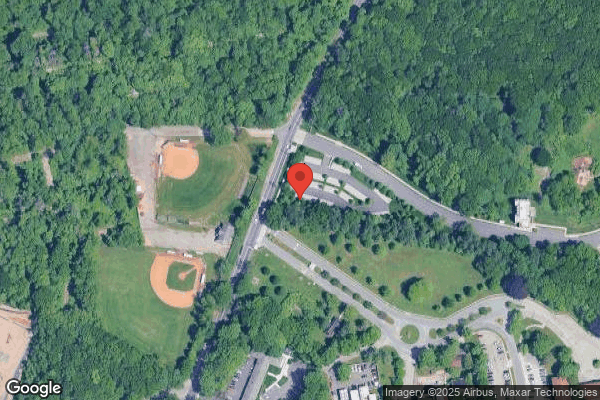
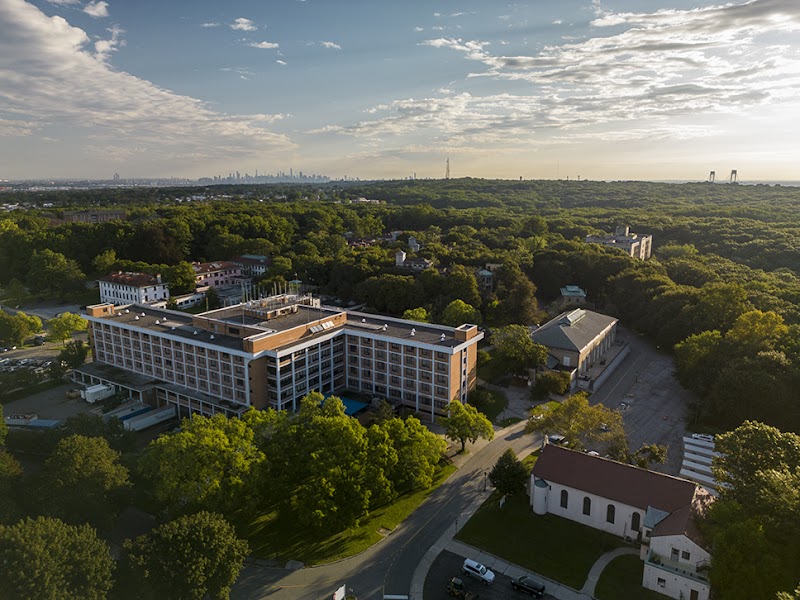
460 BRIELLE AVE, STATEN ISLAND, NY 10314 (718) 317-3000
For profit - Corporation 304 Beds NEW YORK CITY HEALTH + HOSPITALS Data: November 2025
Trust Grade
95/100
#95 of 594 in NY
Last Inspection: April 2025

Within standard 12-15 month inspection cycle. Federal law requires annual inspections.

Overview

Sea View Hospital Rehabilitation Center and Home in Staten Island, New York, has an impressive Trust Grade of A+, indicating it is an elite facility that excels in care. It holds a ranking of #95 out of 594 nursing homes in New York, placing it in the top half, and is #2 out of 10 in Richmond County, meaning it is one of the best local options available. However, the facility's trend is concerning as the number of issues reported has worsened from 2 in 2023 to 5 in 2025. Staffing is a strong point, with a 5/5 star rating and only a 21% turnover rate, well below the state average, which suggests that staff are experienced and familiar with residents' needs. Notably, there were no fines reported, indicating compliance with regulations, but there were some significant findings, such as a resident being restrained improperly and an incident where a resident's fall was not reported promptly, raising concerns about oversight and resident safety.

Trust Score
A+
95/100
In New York
#95/594
Top 15%
Safety Record
Low Risk
No red flags
Inspections
Getting Worse
2 → 5 violations
Staff Stability
✓ Good
21% annual turnover. Excellent stability, 27 points below New York's 48% average. Staff who stay learn residents' needs.
Penalties
✓ Good
No fines on record. Clean compliance history, better than most New York facilities.
Skilled Nurses
✓ Good
Each resident gets 85 minutes of Registered Nurse (RN) attention daily — more than 97% of New York nursing homes. RNs are the most trained staff who catch health problems before they become serious.
Violations
○ Average
9 deficiencies on record. Average for a facility this size. Mostly minor or procedural issues.
★★★★★
5.0
Overall Rating
★★★★★
5.0
Staff Levels
★★★★☆
4.0
Care Quality
★★★★☆
4.0
Inspection Score
Stable
2023: 2 issues
2025: 5 issues

The Good

  • 5-Star Staffing Rating · Excellent nurse staffing levels
  • 4-Star Quality Measures · Strong clinical quality outcomes
  • Low Staff Turnover (21%) · Staff stability means consistent care
  • Full Sprinkler Coverage · Fire safety systems throughout facility
  • No fines on record
  • Staff turnover is low (21%)

    27 points below New York average of 48%

Facility shows strength in staffing levels, quality measures, staff retention, fire safety.

The Bad

Chain: NEW YORK CITY HEALTH + HOSPITALS

Part of a multi-facility chain

Ask about local staffing decisions and management

The Ugly 9 deficiencies on record

Apr 2025 5 deficiencies
CONCERN (D)

Potential for Harm - no one hurt, but risky conditions existed

Deficiency F0604 (Tag F0604)

Could have caused harm · This affected 1 resident

**NOTE- TERMS IN BRACKETS HAVE BEEN EDITED TO PROTECT CONFIDENTIALITY** Based on observation, record review, and interviews during the Recertification Survey conducted from 04/15/2025 to 04/23/2025, t...

Read full inspector narrative →
**NOTE- TERMS IN BRACKETS HAVE BEEN EDITED TO PROTECT CONFIDENTIALITY** Based on observation, record review, and interviews during the Recertification Survey conducted from 04/15/2025 to 04/23/2025, the facility did not ensure that a resident is free from physical restraints imposed for discipline or staff convenience and not required to treat the resident's medical symptoms. This was evident in 1 (Resident #153) of 1 resident reviewed for Physical Restraints out of 38 total sampled residents. Specifically, Resident #153 was observed on several occasions, lying in bed with the left side of the bed against the wall. The findings are: The facility's policy titled Physical Restraints with a last reviewed date of 03/25/2024 documented that physical restraints are defined as any manual method or physical/ mechanical device, material, or equipment attached to or adjacent to the resident's body that the resident cannot remove easily, and which restricts the freedom of movement or normal access to his or her body. Resident #153 was admitted to the facility with diagnoses that include Traumatic Brain Injury, Dementia, and Anxiety Disorder. On 04/15/2025 at 10:51 AM and on 04/21/2025 at 8:55AM and 11:14AM, Resident #153 was observed lying in bed with the right half side rail raised. The left side of the bed was against the wall, and the left half side rail was also raised. On 04/21/2025 at 11:17 AM, during an observation made by the State Surveyor with Registered Nurse #1, Resident #153 was observed lying in bed with the right half side rail raised. The left side of the bed was against the wall, and the left half side rail was also raised. The Significant Change Minimum Data Set assessment dated [DATE] documented Resident #153's cognition as severely impaired, no behaviors exhibited, dependent on staff for eating, moderate assistance for bed mobility, and required maximal assistance for transfers and no restraints used. The physician's orders dated 04/19/2025 had documented orders for Memantine Hydrochloride for mood disorder. The physician's order dated 04/18/2025 had documented orders for Trazadone for mood disorder. The Comprehensive Care Plan focus initiated 07/02/20 documented the resident has impaired cognition related to history of Traumatic Brain Injury, anoxic brain damage, and acute respiratory failure with hypoxia. Goals include the resident will improve current level of cognitive function through the review date, 4/3/25. Interventions include communicate with the resident/family/caregivers regarding resident's capabilities and needs. The Comprehensive Care Plan focus initiated 9/20/21 documented the resident has a behavior problem with unpredictable agitation related to getting agitated when needs are not me. On 12/24/24 noted with agitated behavior, yelling and cursing with no obvious triggers. Goals include the resident will have no evidence of behavior problems by review date, 4/3/25. Interventions include Depakote sprinkles 125mg, caregivers to provided opportunity for positive interaction, attention and to stop and talk with them as passing by. The Comprehensive Care Plan focus documented that Resident #153 has high risk for falls related to confusion, lack of safety awareness, sliding self, in reclining wheelchair, created 5/8/20. Goals include resident will be free of falls through the review date, 6/6/23, target date 8/21/25. Interventions include floor mats on both sides of the bed. Review of the Comprehensive Care Plan documented resident had 5 falls in the last year: 3/24/24, resident had an actual fall with no injury, noticed resident sitting on the floor mat between bed and the dresser, 5/2/24,resident found lying on their right side with arms and head of bed on the bed, 8/14/24- actual fall,found on his back in front of the nursing station, 11/27/24 found on the floor between beds, 12/7/24, found resident on the left side of the bed on the floor mat. A behavior note dated 4/18/25 documented resident repeatedly yelling out and disturbing surrounding residents using foul language, repeatedly yelling shut the window, despite window being shut. When Staff attempts to redirect him, he becomes louder and more agitated. There is no apparent trigger to behavior and resident does not respond to no pharmacological interventions. Increased Trazadone and Namenda in progress. A Physician's note dated 4/17/25 documented that resident was evaluated by Psychiatry and collaborated with medical director regarding resident's disruptive behavior. Resident with history of Dementia, with anoxic brain damage and will benefit from Namenda, also on Depakote. A behavior note dated 4/14/25 documented resident slept well through the shift, no behavioral issues noted this tour. Compliant with care. A review of the progress notes and the assessments did not reveal any restraints assessments or documentation Review of the medical record revealed no Comprehensive Care Plan or Physician's Order for a Physical Restraint. Review of the policy dated 3/7/22, last reviewed 3/5/24 did not identify that the bed against the wall, was considered a restraint. On 04/21/25, at 11:14 AM, Patient Care Technician #1 was interviewed and stated that the last time that they saw the resident was when they 1st came on the unit and made their rounds and did not notice the bed was against the wall. Patient Care Technician also stated that they believed that the bed was placed next to the wall because the resident is at risk for falls risk and that's why they have a floor mats. On 04/21/25 at 11:17AM Registered Nurse#1 was interviewed and stated that Resident #153's bed should not be against the wall and was probably moved during care. Registered Nurse#1 also stated that the bed should be off the wall at all times. On 4/23/25 at 01:16 PM the Nurse Educator was interviewed and stated that they did a house wide in-service on Restraints, and that the in-service was based on the policy, and stated that anything restraining any kind of movements that restricts the free movement of the resident is considered a restraint, even though its not tied to the bed, such as can be an abdominal binder, and if it prevents the resident from touching the whole body parts, then it's also considered a restraint. The Nurse Educator also stated that they used the same lesson plan that includes all restraints but could not recall if that it mentioned that the beds against a wall as a type of restraint. On 04/23/25 at 01:26 PM, the Chief Nursing Officer was interviewed and stated that they were only made aware of the bed being against the wall on 04/21/25. the Chief Nursing Officer stated that Staff is made aware of the different types of restraints and that meetings are held every Tuesday and Thursdays to discuss any findings on audits done with residents with restraints. The Chief Nursing Officer stated that Resident #135 was not identified with a restraint and that they had educated the Staff that the bed against the wall is a restraint and that they would include that to be more specific when they retrain the Staff again. On 04/23/25 at 01:55 PM, the Administrator stated that any concerns identified will be addressed, and that Resident #135's bed against the wall was not identified. The Administrator also stated that that anything that restricts a resident's movement, is considered a restraint and that the Quality Committee has an audit that is conducted monthly, and to ensure that they are making rounds and that they maintain restraint free. The Administrator stated that Resident#153 identified, had an audit and there were no issues noted and that they would continue to audit and educate the Staff. 10 NYCRR 415.4(a)(2-7)
CONCERN (D)

Potential for Harm - no one hurt, but risky conditions existed

Report Alleged Abuse (Tag F0609)

Could have caused harm · This affected 1 resident

**NOTE- TERMS IN BRACKETS HAVE BEEN EDITED TO PROTECT CONFIDENTIALITY** Based on record review, and interviews during the Recertification Survey conducted from 04/15/2025 to 04/23/2025, the facility d...

Read full inspector narrative →
**NOTE- TERMS IN BRACKETS HAVE BEEN EDITED TO PROTECT CONFIDENTIALITY** Based on record review, and interviews during the Recertification Survey conducted from 04/15/2025 to 04/23/2025, the facility did not ensure that all alleged violations involving abuse, neglect, including injuries of unknown source were reported immediately, but not later than 2 hours after the allegation was made, if the events that cause the allegation involve abuse or result in serious bodily injury, or not later than 24 hours if the events that cause the allegation do not involve abuse and do not result in serious bodily injury, to the New York State Department of Health. This was evident for 1 (Resident #264) out of 4 residents reviewed for Accidents out of 38 total sampled residents. Specifically, Resident #264 had an unwitnessed incident on 12/26/2024 when they were observed on the floor and complained of pain to the right knee area. Hospital trauma workup showed displaced acute fracture of distal femur. Resident #264 was unable to explain the occurrence. The incident was not reported to the New York State Department of Health. The findings are: The facility's policy titled Incident Reporting Within The Nursing Facility With The Abuse Prohibiting Protocol dated 01/03/2023 documented allegations of neglect or exploitation, misappropriation of funds, mistreatment, including injuries of unknown origin are to be reported immediately to the administrator of the facility, and in accordance with state law, to the Department of Health no later than 2 hours after forming the suspicion, if the events that cause the suspicion result in serious bodily injury, or no later than 24 hours if the events that cause the suspicion do not result in serious bodily injury. Resident #264 had diagnoses of Alzheimer's Disease, Anxiety, and Depression. The Quarterly Minimum Data Set 3.0 assessment dated [DATE] documented Resident #264 had severely impaired cognition, and required moderate assistance with toilet hygiene, and supervision for toilet transfer and walk 150 feet. The Comprehensive Care Plan initiated 10/23/2024 and last revised 02/19/2025 documented Resident #264 was at risk for falls related to resident has Dementia, Alzheimer's, and resident is a wanderer. Interventions included assist resident with ambulation and transfers, utilizing therapy recommendations, and determine resident's ability to transfer. The Accident Investigation dated 12/26/2024 documented at 9:50 AM Resident #264 had an unwitnessed fall in their bathroom. Certified Nursing Assistant #5 last saw Resident #264 sitting in front of the nurse's station at 9:30 AM. Resident #264 complained of pain to the right knee area and there was swelling. Resident was unable to explain the occurrence/injury. Resident #264 was transferred to the hospital and admitted due to a fracture of the right femur. The Risk Management Occurrence Investigation completed 12/26/2024 documented on 12/26/2024 at 9:50 AM, Resident #264 had an unwitnessed fall and was found on the floor in their bathroom. Resident #264 complained of pain to the right knee area and there was swelling of the knee. Resident #264 did not provide any explanation/statement about the occurrence. The Conclusion documented Resident #264 got up to use the bathroom without calling for assistance. Review of the camera shows, there were no other staff, or resident that went inside the room from the time the resident was last seen, up to the time the resident fell. There is no evidence of abuse, neglect, mistreatment, or care plan violation. Upon return to the facility the plan of care will be updated. A Hospital Discharge summary dated [DATE] documented Resident #264 sustained a right femoral fracture from an unwitnessed fall at the nursing home. The resident was taken to the operating room on 12/27/2024 for application of an external fixation system. There was no documented evidence the facility reported Resident #264's unwitnessed fall incident, resulting in major injury, to the New York State Department of Health. On 04/23/2025 at 10:13 AM, the Director of Risk Management was interviewed and stated they completed their investigation and reviewed the video footage which revealed no one entered Resident #264's room before the fall. The Director of Risk Management also stated that they did not report this unwitnessed fall with major injury to the Department of Health because of the video footage. The Director of Risk Management further stated the video system self-deletes footage after 30 days and the facility did not save a copy. On 04/23/2025 at 12:06 PM, the Chief Nursing Officer was interviewed and stated that part of the investigation was reviewing the video footage which determined the team's decision not to report this incident to the Department of Health. The Chief Nursing Officer also stated they were able to ascertain from the video review that no one had entered Resident #246's room prior to the incident. The Chief Nursing Officer further stated they did not report this incident because the team was convinced Resident #246's fall was not the result of abuse. On 04/23/2025 at 2:15 PM, the Administrator was interviewed and stated it is not the facility's practice to save videos if there were no quality concerns noted. The Administrator also stated that the investigation of this incident determined there was no abuse and no breach of Resident #246's Care Plan. 10 NYCRR 415.4(b)(2)
CONCERN (D)

Potential for Harm - no one hurt, but risky conditions existed

Tube Feeding (Tag F0693)

Could have caused harm · This affected 1 resident

**NOTE- TERMS IN BRACKETS HAVE BEEN EDITED TO PROTECT CONFIDENTIALITY** Based on observations, record review, and interviews during the recertification survey conducted 04/15/2025 to 04/23/2025, the f...

Read full inspector narrative →
**NOTE- TERMS IN BRACKETS HAVE BEEN EDITED TO PROTECT CONFIDENTIALITY** Based on observations, record review, and interviews during the recertification survey conducted 04/15/2025 to 04/23/2025, the facility did not ensure that a resident who was fed by enteral means received the appropriate treatment and services to prevent complications of enteral feeding. This was evident for 1 (Resident #44) out of 10 residents reviewed during the Medication Administration task. Specifically, functioning of the Gastrostomy tube was not verified before administration of medication to Resident #44. The facility policy titled General Guidelines for Administering Medication Via Enteral Tube last revised 05/26/2023 documented that to assure tube is in the stomach, using syringe, inject 30 ml of air through the tube while auscultating the patient's stomach with a stethoscope, you should hear a whooshing sound. Aspirating stomach contents with a syringe also confirms placement. Resident #44 had active diagnoses of Aphasia, Huntington's Disease, and Gastrostomy Status. The Quarterly Minimum Data Set assessment dated [DATE] documented that Resident #44 had a feeding tube. During an observation of Medication Administration on 04/17/2025 at 11:13 AM, Registered Nurse #4 administered medication to Resident #44 via a Gastrostomy Tube. Registered Nurse #4 did not verify functioning of the Gastrostomy Tube before administering the medication. On 04/17/2025 at 11:13 AM, Registered Nurse #4 was interviewed and stated that the placement of Resident #44's Gastrostomy Tube was checked earlier in the morning prior to the administration of 9:00 AM medications. Registered Nurse #4 also stated that they confirmed the placement by listening with a stethoscope and hearing a swoosh sound, and they did not check again as it was already checked earlier in the morning. Resident Nurse #4 further stated that the facility policy is to only check residuals if the resident is a new admission for 2-4 hours. Registered Nurse #4 stated that they do not know the policy on how often the Gastrostomy Tube placement should be checked, however, it is not a normal practice to check it every time prior to administration of medications for the same resident, as it was already checked in the morning. On 04/17/2025 at 12:42 PM, Charge Nurse #4 was interviewed and stated that the placement of Gastrostomy tube should be checked each time before any medication is given. Charge Nurse #4 also stated that placement can be checked by injecting air and listening with a stethoscope. Charge Nurse #4 further stated that it is risky if the patency of the Gastrostomy tube is not checked each time prior to medication administration because the resident may have involuntary movements and spasms which can cause the tube to dislodge. On 04/23/2025 at 11:32 AM, the Assistant Director of Nursing #2 was interviewed and stated that the placement of the Gastrostomy Tube should be checked every time before medications are given. The Assistant Director of Nursing #2 also stated that placement can be checked by aspirating air and listening via stethoscope or checking for residuals, and that if the placement is not confirmed, aspiration pneumonia may pose a risk to the resident. The Assistant Director of Nursing #2 further stated that to keep staff up to date, frequent in-services, competencies, evaluations and reminders are done and there are also two educators that are available for guidance. On 04/22/2025 at 04:46 PM, the Chief Nursing Officer was interviewed and stated that placement of gastrostomy tube must be checked either by injecting 30 cubic centimeters of air and listening with a stethoscope for a swish sound or by auscultating for stomach contents. The Chief Nursing Officer also stated that it is important to check that the peg tube is in the right position to ensure the feeding is being absorbed and not sitting in the stomach, and to ensure that the resident is in proper condition to receive medication. The Chief Nursing Officer further stated they are responsible for doing medication checks and observing medication passes which is done along with the Assistant Director of Nurses, and there are also two nurses who observe medication passes with staff. The Chief Nursing Officer stated that there are weekly meetings and monthly audits done on medication administration to ensure medications are being passed properly. The Chief Nursing Officer also stated that they were not sure and would need to check whether the Gastrostomy tube should be checked only once a day or prior to each medication administration. In a subsequent interview on 04/23/25 at 09:28 AM, the Chief Nursing Officer stated that feeding tubes are supposed to be checked each time before medication is given. 10 NYCRR 415.12(g)(2)
CONCERN (D)

Potential for Harm - no one hurt, but risky conditions existed

Garbage Disposal (Tag F0814)

Could have caused harm · This affected 1 resident

Based on observations and staff interviews conducted during the Recertification survey from 04/15/2025 to 04/23/2025, the facility did not ensure garbage and refuse were disposed of properly. This was...

Read full inspector narrative →
Based on observations and staff interviews conducted during the Recertification survey from 04/15/2025 to 04/23/2025, the facility did not ensure garbage and refuse were disposed of properly. This was evident during the Kitchen Observation task. Specifically, the facility's waste compactor was not kept closed when not in use on multiple occasions which exposed garbage and refuse and had the potential to attract pests. The findings are: The facility's policy and procedure titled Transporting and Disposing of Non-Medical Waste revised 10/28/2023 stated it was to supply a safe environment for all employees when disposing of non-medical waste and recyclables. On 04/21/2025 at 11:01 AM to 11:28 AM Dietary Worker #1 and the Food Service Director were observed removing garbage from the kitchen to the compactor located outside of the building. The compactor was observed full and was not covered. The compactor was not equipped with a lid/cover. The Food Service Director was interviewed immediately and stated that the compactor was not covered because it was full and needed to be emptied. The Food Service Director also stated that they would find out if a pick-up was scheduled for later that day. On 04/22/2025 at 10:25 AM to 10:40 AM, Dietary Worker #1 and the Food Service Director were observed once again removing garbage from the kitchen to the compactor located outside of the building. The compactor was observed with less garbage, but was uncovered, exposing garbage with multiple flies surrounding the pile of garbage. The compactor was not equipped with a lid/cover. On 04/22/2025 at 10:42 AM, the Food Service Director stated that the compactors have always been this model and were never equipped to be covered after use. The Food Service Director also stated that disposed garbage in the compactor was currently left exposed until picked up by the waste company. On 04/22/2025 at 11:01 AM, the Director of Environmental Service stated that there are a total of two compactors and one dumpster located outside of the building. The Director of Environmental Service also stated that they are responsible to ensure that the area is maintained, and that garbage is picked up as per biweekly schedule. The Director of Environmental Service further stated that they did not know that the compactors needed to be kept closed and was not aware the compactors did not have any means to be covered after garbage was disposed. On 04/23/2025 at 11:54 AM, the Director of Facilities stated that the compactors were purchased 11 years ago, and they were never made aware of any issue with the compactors. On 04/23/2025 at 12:04 PM, the Administrator stated that they were not aware that garbage needed to be contained in a covered compactor. 10 NYCRR 415.14(h)
MINOR (C)

Minor Issue - procedural, no safety impact

Deficiency F0576 (Tag F0576)

Minor procedural issue · This affected most or all residents

Based on record review and interviews during the Recertification Survey conducted from 04/15/2025 to 04/23/2025, the facility did not ensure that residents had the right to send and promptly receive m...

Read full inspector narrative →
Based on record review and interviews during the Recertification Survey conducted from 04/15/2025 to 04/23/2025, the facility did not ensure that residents had the right to send and promptly receive mail. This was evident in 8 (Residents #27, #80, #87, #88, #90, #193, #205, and #221) out of 38 total sampled residents. Specifically, the facility did not have a procedure in place for residents to send and receive mail on Saturday. The findings are: The facility policy titled United States Mail with a last revision date of 10/28/2023 documented mail and packages received by the facility mailroom that belongs to a resident will be delivered to the Unit Clerk on each floor for distribution to each resident. On 04/16/2025 at 11:40 AM during the Resident Council Meeting, Residents #27, #80, #87, #88, #90, #193, #205, and #221 stated the facility does not deliver mail to residents on Saturday. They stated this was because the mailroom is closed on the weekends. On 04/22/2025 at 2:34 PM, the Resident Representative was interviewed and stated that the mailroom is open Monday thru Friday only. Any mail that is delivered to the facility on Saturdays is not distributed to the residents until the following Monday. On 04/23/2025 at 10:30 AM, the Assistant Coordinating Manager was interviewed and stated they work in the mailroom and deliver mail to residents on weekdays. The mailroom is not staffed on the weekends so there is no mail delivery to residents on Saturday. On 04/23/2025 at 2:15 PM, the Administrator was interviewed and was unable to provide an explanation for why residents had not been receiving their mail on Saturdays. 10 NYCRR 415.3(e)(2)(i)
Feb 2023 2 deficiencies
CONCERN (D)

Potential for Harm - no one hurt, but risky conditions existed

Comprehensive Care Plan (Tag F0656)

Could have caused harm · This affected 1 resident

**NOTE- TERMS IN BRACKETS HAVE BEEN EDITED TO PROTECT CONFIDENTIALITY** Based on record review and staff interviews conducted during the recertification and complaint survey conducted from 2/2/23 to 2...

Read full inspector narrative →
**NOTE- TERMS IN BRACKETS HAVE BEEN EDITED TO PROTECT CONFIDENTIALITY** Based on record review and staff interviews conducted during the recertification and complaint survey conducted from 2/2/23 to 2/9/23, the facility did not ensure a person-centered Comprehensive Care Plan (CCP) was developed and implemented to meet the resident's goal, and address the resident's medical, physical, mental, and psychosocial needs. This was evident for 1 (Resident #175) of 1 resident reviewed for Dental out of 40 total sample residents. Specifically, there was no documented evidence that a CCP was developed and implemented for oral/dental concerns for a resident who was observed with multiple upper and lower teeth missing. The findings are: The facility's policy and procedure titled Comprehensive Person-Centered Care Planning reviewed 1/25/23 documented it is facility's policy that the Interdisciplinary team performs an accurate standardized and comprehensive assessment of each resident of the nursing facility. Facility must develop and implement a comprehensive person-centered care plan for each resident, consistent with resident rights, that includes measurable objectives and timeframes to meet a resident's medical, nursing, and mental and psychosocial needs that are identified in the comprehensive assessment. Resident #175 was admitted to the facility with diagnosis that included Benign Neoplasm of Cerebral Meninges, Bell's Palsy, and Dysarthria. The Annual Minimum Data Set 3.0 (MDS) assessment dated [DATE] documented Resident #175 had intact cognition and required the extensive assist of one person for personal hygiene. The residen [NAME] no dental concerns. During an interview on 2/2/23 at 12:09 PM, Resident #175 was observed with multiple upper and lower teeth missing. Resident #175 stated their last dental exam was two years ago. The dental consult dated 7/17/20 documented resident was seen for a new patient examination. The resident's extra and intra oral were examined and the resident was missing most of their natural teeth. The consult documented Resident #175 would be evaluated in the future for fabricating upper and lower partials. The plan was to follow up with resident's oral hygiene and the annual assessment. The dental consult dated 9/2/20 documented resident was seen for new patient examination. It documented resident's extra and intra oral were examined. The following teeth are missing in the upper arch: 1, 2, 3, 4, 6, 7, 8, 10, 11, 13, 15, 16 and in the lower arch: 17, 18, 23, 24, 25, 26, 28, 29, 31, 32. The plans were for an annual examination and treatment upon request. The review of the Comprehensive Care Plan (CCP) created 3/28/20, last reviewed 1/9/23 revealed that there was no care plan addressing resident's dental status. There were no interventions assessing chewing ability, asses for pain, infection, or refer for dental service. Further review of the CCP related to nutritional problem last revised 12/28/22 revealed that there were no interventions addressing resident's dental issues. On 2/9/23 at 10:14 AM, Registered Nurse (RN #1) was interviewed and stated comprehensive care plans are created upon admission and revised by the registered nurse on the unit. RN #1 stated that Resident #175 does not have a care plan developed related to dental because there was no concern. RN #1 stated they were not aware the resident had a dental concern because Resident #175 did not complain about their teeth. On 2/9/23 at 11:37 AM, the Registered Dietitian (RD) was interviewed and stated resident had a care plan developed for nutritional risk. It does not address any concern related to resident's oral/dental problem. RD was not aware that the resident had multiple teeth missing so it was not reflected in the CCP. The RD stated the CCP would be updated to reflect Resident #175's current dental status. On 2/9/23 at 1:13 PM, the Director of Nursing (DON) stated that the resident's baseline care plan is created upon admission by the admission nurse then comprehensive care plans are created by the interdisciplinary team during the initial care plan meeting. The CCP is updated as needed, and any new area of concerns are developed when issues are arises by the unit nurse. 415.11(c)(1)
CONCERN (D)

Potential for Harm - no one hurt, but risky conditions existed

Dental Services (Tag F0791)

Could have caused harm · This affected 1 resident

**NOTE- TERMS IN BRACKETS HAVE BEEN EDITED TO PROTECT CONFIDENTIALITY** Based on observations, record review and staff interviews during the recertification and complaint survey conducted from 2/2/23 ...

Read full inspector narrative →
**NOTE- TERMS IN BRACKETS HAVE BEEN EDITED TO PROTECT CONFIDENTIALITY** Based on observations, record review and staff interviews during the recertification and complaint survey conducted from 2/2/23 to 2/9/23, the facility did not ensure that routine dental service was provided to resident. This was evident for 1 (Resident #175) of 1 resident reviewed for dental out of a sample of 40 residents. Specifically, Resident #175, a resident with multiple missing teeth, did not receive an annual dental examination or follow-up regarding partial dentures. The findings are: The facility's policy and procedure titled Oral Hygiene reviewed 1/25/23 documented the oral health program is an integral part of the resident's total care plan. A routine dental service is performed by a dentist to all residents upon admission then yearly thereafter and whenever the need arises. Resident #175 was admitted to the facility with diagnosis that included Benign Neoplasm of Cerebral Meninges, Bell's Palsy, and Dysarthria. The Annual Minimum Data Set 3.0 (MDS) assessment dated [DATE] documented Resident #175 had intact cognition and required the extensive assist of one person for personal hygiene. The resident had no dental concerns. During an interview on 2/2/23 at 12:09 PM, Resident #175 was observed with multiple upper and lower teeth missing. Resident #175 stated their last dental exam was two years ago. The review of the Comprehensive Care Plan (CCP) last reviewed 1/9/23 revealed that there was no care plan addressing resident's dental status. There were no interventions assessing chewing ability, asses for pain, infection, or refer for dental service. Further review of the CCP related to nutritional problem last revised 12/28/22 revealed that there were no interventions addressing resident's dental issues. The physician's order dated 3/27/20 documented dental consult for new admission was ordered and the order status was completed. The dental consult dated 7/17/20 documented resident was seen for a new patient examination. The resident's extra and intra oral were examined, and the resident was missing most of their natural teeth. The consult documented Resident #175 would be evaluated in the future for fabricating upper and lower partials. The plan was to follow up with resident's oral hygiene and the annual assessment. The dental consult dated 9/2/20 documented resident was seen for a new patient examination. It documented resident's extra and intra oral were examined. The following teeth are missing in the upper arch: 1, 2, 3, 4, 6, 7, 8, 10, 11, 13, 15, 16 and in the lower arch: 17, 18, 23, 24, 25, 26, 28, 29, 31, 32. The plans were for an annual examination and treatment upon request. The review of the physician's orders dated from 1/1/21 to 2/2/23 revealed one dental consult was ordered on 6/2/21, and the status of the order was Struck Out. There was no documented evidence in the medical record that a dental evaluation was conducted in 2021 or 2022. On 2/8/23 at 11:18 AM, a Patient Care Technician (PCT #1) stated that Resident #175 does not wear dentures and has missing teeth. Resident #175 requested tough foods be cut into smaller pieces. PCT #1 assisted Resident #175 by cutting foods for them during meals. On 2/8/23 at 11:50 AM, Patient Care Technician (PCT #2) stated they were not aware that Resident #175 had any dental issues. PCT #2 stated the resident does not require assistance for oral hygiene, and they did not know if the resident was missing teeth. On 2/8/23 at 12:19 PM, Registered Nurse (RN #1) was interviewed and stated they did not recall the last time Resident #175 had a dental evaluation. RN #1 stated that Resident #175 was last seen by the dentist in 2020 according to the electronic medical record. RN #1 stated there were no dental consults in paper form found in the resident's chart. On 2/9/23 at 10:14 AM, a subsequent interview was conducted with RN #1 who stated there was an outsource company that schedules residents for annual dental examinations, treatments or as needed basis. The dentist is onsite once a week and will see residents for their scheduled appointments. RN #1 does not know why Resident #175 was not scheduled by the dental service company for annual dental examination or follow up appointment. On 2/9/23 at 10:43 AM, Registered Dietitian (RD) was interviewed and stated that resident was observed eating foods during meal service. RD stated they did not notice the resident was having any issues eating foods during meal service. RD did not know if resident had missing/broken teeth. On 2/9/23 at 11:35 AM, a subsequent interview was conducted with RD. RD stated Resident #175 was seen in the hallway and was observed with multiple teeth missing. On 2/13/23 at 8:46 AM and 1:01 PM, attempts to contact the Dentist were unsuccessful. On 2/9/23 at 1:13 PM, Director of Nursing (DON) was interviewed and stated that resident's oral status is examined by the dentist upon admission, as needed and then yearly. The DON was not aware that Resident #175 has not had dental examination since 2020. DON stated that residents are seen by the dentist annually and as needed for follow up/treatment. 415.17(a-d)
Jan 2020 2 deficiencies
CONCERN (D)

Potential for Harm - no one hurt, but risky conditions existed

Comprehensive Care Plan (Tag F0656)

Could have caused harm · This affected 1 resident

**NOTE- TERMS IN BRACKETS HAVE BEEN EDITED TO PROTECT CONFIDENTIALITY** Based on observation, interviews and record review conducted during the recertification survey, the facility did not ensure that...

Read full inspector narrative →
**NOTE- TERMS IN BRACKETS HAVE BEEN EDITED TO PROTECT CONFIDENTIALITY** Based on observation, interviews and record review conducted during the recertification survey, the facility did not ensure that a comprehensive person-centered care plan that included measurable objectives and time frames to meet a resident's medical, nursing, and mental and psychosocial needs was developed. Specifically, comprehensive care plans were not developed for a resident with hearing difficulty. This was evident for 1 of 38 sampled residents (Resident #214). The findings is: The facility's policy and procedure titled Comprehensive Resident Assessment MDS 3.0/CAAS and Person Centered Care Planning revised 1/21/20, documented the interdisciplinary team is responsible for the comprehensive resident assessment and person centered care planning in accordance with the procedures set forth below. At the ICCP meeting establish realistic, resident focused, individualized and measurable goals. The goal(s) must be time limited. It must match the problem identified. The identified problems, conditions, limitations, is aimed towards prevention of deterioration, complication and/or maintenance/promotion of resident's health status, which should be measurable and must have timeframe for completion or evaluation. Develop appropriate intervention, which are specific, individualized steps, or approaches that staff will take to assist the resident care and provide for continuity of care for all staff. These must be short and concise instructions and understood by all staff. On 01/27/20 at 10:58 AM, Resident #214 stated she has hearing difficulty and uses hearing aids. The Quarterly Minimum Data Set (MDS) dated [DATE] documented the resident as cognitively intact with moderate difficulty in the ability to hear and has a hearing aid. Resident #214 has a diagnosis of Unspecified Hearing Loss, Unspecified Ear dated 7/23/19. The resident's medical record was reviewed and revealed no comprehensive care plan to address resident's hearing loss, or maintenance of hearing aid. There is no documented evidence of instructions to nursing staff to ensure hearing aid is working properly to ensure that the resident's identified problem of loss of hearing is addressed. On 01/31/20 at 11:43 AM, an interview was conducted with a Patient Care Technician (PCT) who stated the resident uses a hearing aid and with the hearing aid, the resident is able to hear. On 01/30/20 at 01:20 PM, an interview was conducted with a Registered Nurse (RN 1) after review of Resident #214 complete care plan, RN 1 stated there was no care plan related to hearing for Resident #214 and there should be a care plan for hearing for Resident #214. On 01/30/20 at 04:27 PM, an interview was conducted with the Assisant Director of Nursing who stated after review of Resident #214 complete care plan there should be a care plan for hearing impairment and safety. The ADN was not clear on why the care plan related to hearing was not developed but stated possibly if the resident entered the facility with the hearing aids and has no problems related to the hearing aids, the care plan was overlooked. 415.11(c)(1)
CONCERN (D)

Potential for Harm - no one hurt, but risky conditions existed

Food Safety (Tag F0812)

Could have caused harm · This affected 1 resident

Based on observation, and staff interview during the standard recertification survey, the facility did not store, prepare, distribute and serve food in accordance with professional standards for food ...

Read full inspector narrative →
Based on observation, and staff interview during the standard recertification survey, the facility did not store, prepare, distribute and serve food in accordance with professional standards for food service safety. Specifically, in the refrigerator sliced meats were stored after 6 days of initial use, turkey was stored after 4 days of initial use. The findings are: The USDA (United States Department of Agriculture) Food Safety and Inspection Service recommends that leftovers can be kept in the refrigerator up to 3 to 4 days. The facility's policy and procedure reviewed in 3/19 titled Sanitary Methods for Preparing Food dated documented the purpose to ensure infaction control by preventing food from spoiling and to maintain the palatability of prepared foods. Refrigerated left-over foods are discarded after three days. On 01/27/20 at 09:36 AM, during the initial tour the surveyor observed in the # 4 Nourishment Refrigerator sliced salami dated 1/21/20, and 2 bins of turkey dated 1/23/19. On 01/30/20 at 02:05 PM an interveiw was conducted with a Food Service Supervisor that works the afternoon/night shift stated slice meats and foods that were in use are suppose to be thrown out in three days in and which is includes the first day the item was used. The superviosr stated being busy that Sunday doing rounds, she missed it and did not disgard the meats. The supervisor also stated the morning supervisor will also do rounds and ensure that items are thrown out on the third day. The supervisor stated it is the responsibility of the supervisors but when a staff member observe that food needs to be discarded they should inform the supervisor and dump it. The supervisor stated the her duties includes checking the pantries on the floor ensuring foods are labeled with a name, dated and if past 3 days as well as refrigerators are temperature are within normal limits and contains a thermometer. The superviosr stated that all staff were inserviced. On 01/30/20 at 02:17 PM, the Food Service Director was interviewed and stated monitoring includes quality assurance checks, monitoring of staff, correcting staff and also the supervisors oversees the staff and kitchen as well. The FSD stated each supervisor were responsible to ensure that those items were thrown out immediately and it should have been corrected a few days before but it was human error. All staff were inserviced and reminded that everyone needs to check the refrigerators related to discarding foods past three days which includes the date marked as the first day. 415.14(h)
Understanding Severity Codes (click to expand)
Life-Threatening (Immediate Jeopardy)
J - Isolated K - Pattern L - Widespread
Actual Harm
G - Isolated H - Pattern I - Widespread
Potential for Harm
D - Isolated E - Pattern F - Widespread
No Harm (Minor)
A - Isolated B - Pattern C - Widespread

Questions to Ask on Your Visit

  • "Can I speak with families of current residents?"
  • "What's your RN coverage like on weekends and overnight?"

Our Honest Assessment

Strengths
  • • Grade A+ (95/100). Above average facility, better than most options in New York.
  • • No major safety red flags. No abuse findings, life-threatening violations, or SFF status.
  • • No fines on record. Clean compliance history, better than most New York facilities.
  • • 21% annual turnover. Excellent stability, 27 points below New York's 48% average. Staff who stay learn residents' needs.
Concerns
  • • No significant concerns identified. This facility shows no red flags across CMS ratings, staff turnover, or federal penalties.
Bottom line: Generally positive indicators. Standard due diligence and a personal visit recommended.

About This Facility

What is Sea View Hospital Rehabilitation Center And Home's CMS Rating?

CMS assigns SEA VIEW HOSPITAL REHABILITATION CENTER AND HOME an overall rating of 5 out of 5 stars, which is considered much above average nationally. Within New York, this rating places the facility higher than 99% of the state's 100 nursing homes. This rating reflects solid performance across the metrics CMS uses to evaluate nursing home quality.
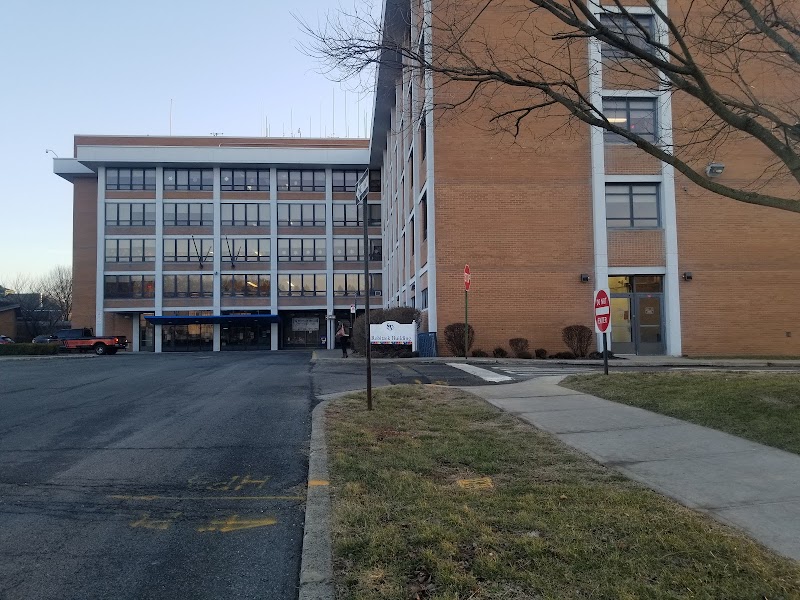
How is Sea View Hospital Rehabilitation Center And Home Staffed?

CMS rates SEA VIEW HOSPITAL REHABILITATION CENTER AND HOME's staffing level at 5 out of 5 stars, which is much above average compared to other nursing homes. Staff turnover is 21%, compared to the New York average of 46%. This relatively stable workforce can support continuity of care.

What Have Inspectors Found at Sea View Hospital Rehabilitation Center And Home?

State health inspectors documented 9 deficiencies at SEA VIEW HOSPITAL REHABILITATION CENTER AND HOME during 2020 to 2025. These included: 8 with potential for harm and 1 minor or isolated issues.

Who Owns and Operates Sea View Hospital Rehabilitation Center And Home?

SEA VIEW HOSPITAL REHABILITATION CENTER AND HOME is owned by a for-profit company. For-profit facilities operate as businesses with obligations to shareholders or private owners. The facility is operated by NEW YORK CITY HEALTH + HOSPITALS, a chain that manages multiple nursing homes. With 304 certified beds and approximately 299 residents (about 98% occupancy), it is a large facility located in STATEN ISLAND, New York.
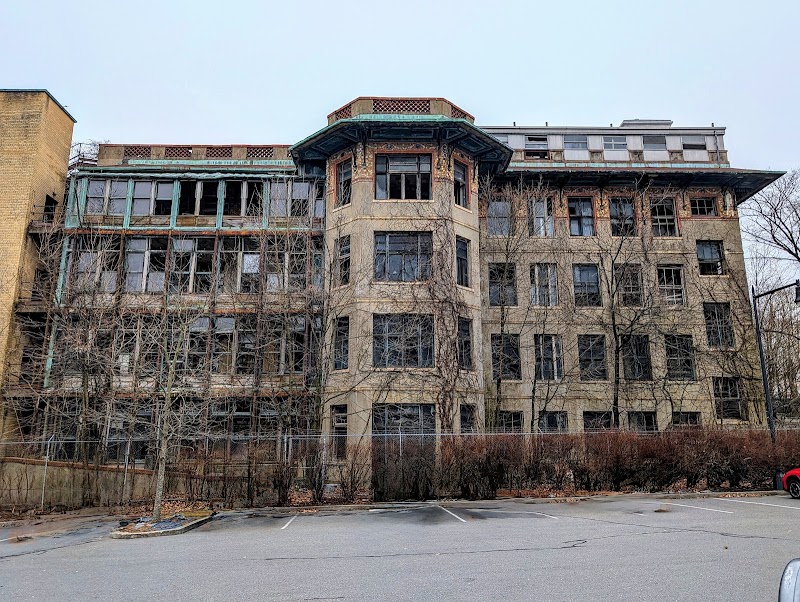
How Does Sea View Hospital Rehabilitation Center And Home Compare to Other New York Nursing Homes?

Compared to the 100 nursing homes in New York, SEA VIEW HOSPITAL REHABILITATION CENTER AND HOME's overall rating (5 stars) is above the state average of 3.1, staff turnover (21%) is significantly lower than the state average of 46%, and health inspection rating (4 stars) is above the national benchmark.

What Should Families Ask When Visiting Sea View Hospital Rehabilitation Center And Home?

Based on this facility's data, families visiting should ask: "Can I visit during a mealtime to observe dining assistance and food quality?" "How do you handle medical emergencies, and what is your hospital transfer rate?" "Can I speak with family members of current residents about their experience?"

Is Sea View Hospital Rehabilitation Center And Home Safe?

Based on CMS inspection data, SEA VIEW HOSPITAL REHABILITATION CENTER AND HOME has a clean safety record: no substantiated abuse findings (meaning no confirmed cases of resident harm), no Immediate Jeopardy citations (the most serious violation level indicating risk of serious injury or death), and is not on the Special Focus Facility watch list (a federal program monitoring the lowest-performing 1% of nursing homes). The facility has a 5-star overall rating and ranks #1 of 100 nursing homes in New York. While no facility is perfect, families should still ask about staff-to-resident ratios and recent inspection results during their visit.

Do Nurses at Sea View Hospital Rehabilitation Center And Home Stick Around?

Staff at SEA VIEW HOSPITAL REHABILITATION CENTER AND HOME tend to stick around. With a turnover rate of 21%, the facility is 25 percentage points below the New York average of 46%. Low turnover is a positive sign. It means caregivers have time to learn each resident's needs, medications, and personal preferences. Consistent staff also notice subtle changes in a resident's condition more quickly. Registered Nurse turnover is also low at 16%, meaning experienced RNs are available to handle complex medical needs.

Was Sea View Hospital Rehabilitation Center And Home Ever Fined?

SEA VIEW HOSPITAL REHABILITATION CENTER AND HOME has no federal fines on record. CMS issues fines when nursing homes fail to meet care standards or don't correct problems found during inspections. The absence of fines suggests the facility has either maintained compliance or corrected any issues before penalties were assessed. This is a positive indicator, though families should still review recent inspection reports for the full picture.

Is Sea View Hospital Rehabilitation Center And Home on Any Federal Watch List?

SEA VIEW HOSPITAL REHABILITATION CENTER AND HOME is not on any federal watch list. The most significant is the Special Focus Facility (SFF) program, which identifies the bottom 1% of nursing homes nationally based on persistent, serious quality problems. Not being on this list means the facility has avoided the pattern of deficiencies that triggers enhanced federal oversight. This is a positive indicator, though families should still review the facility's inspection history directly.