SILVER LAKE SPECIALIZED REHAB AND CARE CENTER
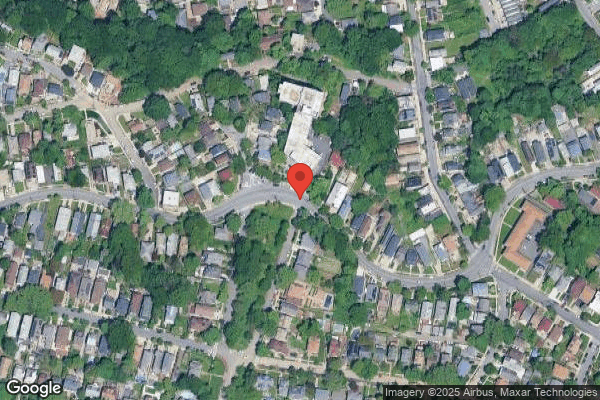
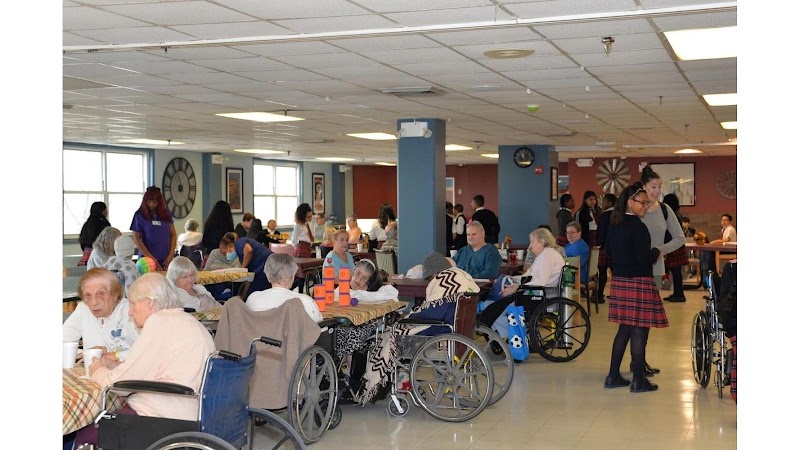
275 CASTLETON AVENUE, STATEN ISLAND, NY 10301 (718) 447-7800
For profit - Limited Liability company 278 Beds Independent Data: November 2025
Trust Grade
70/100
#328 of 594 in NY
Last Inspection: December 2023

Within standard 12-15 month inspection cycle. Federal law requires annual inspections.

Overview

Silver Lake Specialized Rehab and Care Center holds a Trust Grade of B, indicating it is a good but not top-tier choice among nursing homes. It ranks #328 out of 594 facilities in New York, placing it in the bottom half of state options, and #6 out of 10 in Richmond County, meaning only one local facility is better. The facility's trend is worsening, with reported issues increasing from 4 in 2019 to 7 in 2023. Staffing is a relative strength, with a 3-star rating and a turnover of 32%, which is better than the state average, suggesting that staff are more stable and familiar with residents. However, there are concerns, including expired food items found in the kitchen and issues with cleanliness on all resident floors, indicating that while there are positive aspects, significant improvements are needed in overall care and hygiene practices.

Trust Score
B
70/100
In New York
#328/594
Bottom 45%
Safety Record
Low Risk
No red flags
Inspections
Getting Worse
4 → 7 violations
Staff Stability
○ Average
32% turnover. Near New York's 48% average. Typical for the industry.
Penalties
✓ Good
No fines on record. Clean compliance history, better than most New York facilities.
Skilled Nurses
✓ Good
Each resident gets 65 minutes of Registered Nurse (RN) attention daily — more than 97% of New York nursing homes. RNs are the most trained staff who catch health problems before they become serious.
Violations
⚠ Watch
11 deficiencies on record. Higher than average. Multiple issues found across inspections.
★★★☆☆
3.0
Overall Rating
★★★☆☆
3.0
Staff Levels
★★☆☆☆
2.0
Care Quality
★★★☆☆
3.0
Inspection Score
Stable
2019: 4 issues
2023: 7 issues

The Good

  • Full Sprinkler Coverage · Fire safety systems throughout facility
  • No fines on record
  • Staff turnover below average (32%)

    16 points below New York average of 48%

Facility shows strength in fire safety.

The Bad

3-Star Overall Rating

Near New York average (3.1)

Meets federal standards, typical of most facilities

Staff Turnover: 32%

14pts below New York avg (46%)

Typical for the industry

The Ugly 11 deficiencies on record

Dec 2023 6 deficiencies
CONCERN (D)

Potential for Harm - no one hurt, but risky conditions existed

Resident Rights (Tag F0550)

Could have caused harm · This affected 1 resident

**NOTE- TERMS IN BRACKETS HAVE BEEN EDITED TO PROTECT CONFIDENTIALITY** Based on observation, record review, and interviews conducted during the Recertification Survey from 12/06/2023 to 12/13/2023, t...

Read full inspector narrative →
**NOTE- TERMS IN BRACKETS HAVE BEEN EDITED TO PROTECT CONFIDENTIALITY** Based on observation, record review, and interviews conducted during the Recertification Survey from 12/06/2023 to 12/13/2023, the facility did not ensure that resident was cared for in a manner that maintained their dignity. This was evident for 1 (Resident #238) of 2 residents reviewed for Urinary Catheter out of 39 total sampled residents. Specifically, Resident #238 had a Foley catheter (FC) bag that was exposed and in public view. The findings are: The facility policy titled Catheter Care, Urinary dated 01/2023 documented the FC collection bag is kept inside a dignity bag cover at all times, except while providing care, to maintain resident dignity. Resident #238 had diagnoses of myocardial infarction and heart failure. The Minimum Data Set 3.0 (MDS) assessment dated [DATE] documented Resident #238 was moderately cognitively impaired. On 12/11/23 at 08:11 AM, 11:02 AM, and 12:16 PM, Resident #238 was observed in bed with their FC drainage bag exposed and visible from the hallway. The FC tubing connecting Resident #238 to the drainage bag was on the floor. Resident #238's drainage bag was not contained in a dignity bag. The Comprehensive Care Plan (CCP) related to indwelling catheter dated 11/30/2023 documented Resident #238's FC required monitoring. Physician's Order dated 11/30/2023 documented Resident #238 received FC care every shift. On 12/11/2023 at 12:16 PM, an interview was conducted with the Certified Nursing Assistant (CNA) #1 who stated Resident #238 was given FC care every shift and all residents with FCs should have a dignity bag to cover their FC drainage bag. CNA #1 was unable to provide a reason that Resident #238's FC drainage bag was not in a dignity bag. On 12/11/2023 at 12:24 PM, an interview was conducted with Licensed Practical Nurse (LPN) #2 who stated they perform frequent rounds on the unit and FC drainage bags should be contained in dignity bags. LPN #2 attended to other residents on the unit this morning and did not observe Resident #238 and their FC drainage bag. On 12/12/2023 at 01:16 PM, an interview was conducted with the Assistant Director of Nursing (ADON)/Infection Control Preventionist (ICP) who stated staff were aware FC drainage bags should always be kept in a dignity bag. The supervisors on the units were responsible for monitoring the staff to ensure they were doing the right thing when giving care to residents. 10 NYCRR 415.5
CONCERN (D)

Potential for Harm - no one hurt, but risky conditions existed

Deficiency F0553 (Tag F0553)

Could have caused harm · This affected 1 resident

**NOTE- TERMS IN BRACKETS HAVE BEEN EDITED TO PROTECT CONFIDENTIALITY** Based on observations, record review, and interviews conducted during the Recertification survey from 12/6/2023 to 12/13/2023, t...

Read full inspector narrative →
**NOTE- TERMS IN BRACKETS HAVE BEEN EDITED TO PROTECT CONFIDENTIALITY** Based on observations, record review, and interviews conducted during the Recertification survey from 12/6/2023 to 12/13/2023, the facility did not ensure the resident's right to participate in the development and implementation of their person-centered plan of care. This was evident for 1 (Resident #121) of 39 total sampled residents. Specifically, Resident #121 was not invited to attend their scheduled Comprehensive Care Plan (CCP) meetings. The findings are: The facility policy titled Interdisciplinary Care Plan Conference dated 01/2023 documented residents and health care agents/family members were invited to participate in admission, annual, significant change, and discharge meetings. All quarterly meetings were held with the interdisciplinary team members. Resident #121 had diagnoses of anemia and paraplegia. The Minimum Data Set 3.0 (MDS) assessment dated [DATE] documented Resident #121 was cognitively intact. On 12/06/2023 at 11:32 AM, Resident #121 was interviewed and stated they were not invited to their CCP meetings since their admission to the facility. There was no documented evidence Resident #121 was invited to or attended their scheduled CCP meetings. On 12/12/2023 at 12:13 PM, an interview was conducted with the Director of Social Worker (DSW) who stated residents were invited to annual, significant change, admission, and discharge CCP meetings. Residents were not invited to quarterly CCP meetings. On 12/12/2023 at 01:11 PM, an interview was conducted with the Assistant Director of Nursing (ADON) and stated the social workers were responsible for inviting residents to the CCP meetings. The ADON did not know that residents were not invited to all the scheduled meetings. On 12/13/2023 at 12:25 PM, the Director of Nursing (DON) was interviewed and stated residents were not invited to the quarterly CCP meetings and these were only held with the interdisciplinary team members. The DON stated they did not know residents should be invited to all the CCP meetings. 10 NYCRR 415.11(c)(2)(i-iii)
CONCERN (D)

Potential for Harm - no one hurt, but risky conditions existed

Assessment Accuracy (Tag F0641)

Could have caused harm · This affected 1 resident

**NOTE- TERMS IN BRACKETS HAVE BEEN EDITED TO PROTECT CONFIDENTIALITY** Based on observation, record review, and interview conducted during the recertification survey from 12/6/2023 to 12/13/2023, the...

Read full inspector narrative →
**NOTE- TERMS IN BRACKETS HAVE BEEN EDITED TO PROTECT CONFIDENTIALITY** Based on observation, record review, and interview conducted during the recertification survey from 12/6/2023 to 12/13/2023, the facility did not ensure that the Minimum Data Set 3.0 (MDS) assessment accurately reflected a resident's status. This was evident for 1 (Resident #68) of 39 total sampled residents. Specifically, the MDS assessment for Resident #68 did not accurately reflect the resident's use of a physical restraint. The findings are: Resident #68 had diagnoses of diabetes mellitus and non-Alzheimer's dementia. The MDS assessment dated [DATE] documented Resident #68 was severely cognitively impaired and did not document the resident used restraints. On 12/06/2023 at 11:54 AM and 12/13/2023 at 12:41 PM, Resident #68 was observed wearing bilateral hand mittens. The Physicians Order dated 7/21/2023 documented Resident #68 used bilateral hand mittens to prevent them from pulling at tubes. The Certified Nursing Assistant (CNA) Accountability Record from 7/2023 to 12/2023 documented Resident #68 used bilateral hand mittens. The Comprehensive Care Plan (CCP) related to restraints initiated 7/25/2023 documented bilateral hand mittens were used with Resident #68. There was no documented evidence Resident #68's use of hand mittens accurately assessed on the 11/30/2023 MDS assessment. During an interview on 12/13/2023 at 01:02 PM, CNA #10 stated Resident #68 uses the bilateral hand mittens to prevent them from pulling at their Gastrostomy and trach tubes. During an interview on 12/13/2023 at 01:37 PM, the MDS Assessor stated Resident #68 was ordered to use hand mittens as needed and did not use physical restraints. Hand mittens were documented as a restraint in the MDS. Resident #68 did not use hand mittens at the time the MDS Assessor filled out their MDS assessment for 11/30/2023. The MDS Assessor stated it was an oversight that they did not capture Resident #68's use of hand mittens on the MDS. 10 NYCRR 415.11(b)
CONCERN (E)

Potential for Harm - no one hurt, but risky conditions existed

Safe Environment (Tag F0584)

Could have caused harm · This affected multiple residents

**NOTE- TERMS IN BRACKETS HAVE BEEN EDITED TO PROTECT CONFIDENTIALITY** Based on observation, record review, and interviews conducted during the recertification survey from 12/06/2023 to 12/13/2023, t...

Read full inspector narrative →
**NOTE- TERMS IN BRACKETS HAVE BEEN EDITED TO PROTECT CONFIDENTIALITY** Based on observation, record review, and interviews conducted during the recertification survey from 12/06/2023 to 12/13/2023, the facility did not ensure a clean, comfortable, and homelike environment was maintained. This was evident for 4 of 4 resident floors (Floors 1, 2, 3, 4) reviewed for Environment. Specifically, 1) the 1st Floor had stained walls and curtains, missing and mismatched paint, missing baseboards, torn wallpaper, , and a dirty air conditioning (AC) unit, 2) the 2nd Floor had tables with mismatched and missing paint and rust, 3) the 3rd Floor had missing baseboards, mismatched and missing paint, and chipped and missing veneer on shelves , and 4) the 4th Floor had tables with mismatched and missing paint. The findings are: The facility policy titled Preventative Maintenance for Residents Rooms dated 1/2023 documented the Maintenance workers conducted one audit per floor each workday and completed the maintenance inspection checklist for that room. From 12/06/23 10:47 AM to 12/12/2023 at 10:39 AM, the following were observed on the 1st Floor: - room [ROOM NUMBER] had a sink with a missing right handle and 2 cracked tiles along the bottom edge. - room [ROOM NUMBER] had an AC unit covered in black debris along the top and inside the grates. - room [ROOM NUMBER] had a missing portion of baseboard on the right side of the room, brown water stain on the window drapes, peeling and brown stained paint on the walls, an outlet cover not detached from the wall, stained window blinds, and a wall outlet exposed with a taped sign Do Not Use above it that was not easily visible. - room [ROOM NUMBER] had multiple unpainted drywall patches, chips, and dents in a column by the room door, and ripped wallpaper in the bathroom that exposed mesh in the ceiling. - room [ROOM NUMBER] had torn wallpaper and discolored ceiling tiles. - room [ROOM NUMBER] had unpainted sections of dry wall. - The pantry had several unpainted patches along the wall and missing veneer under the sink. 2) On 12/13/2023 at 12:17 PM, the 2nd floor dining room was observed with a rusty overbed table and 7 tables with mismatched and missing black and brown paint. 3) From 12/08/2023 at 02:39 PM to 12/13/2023 at 12:05 PM, the following was observed on the 3rd Floor: - the hallway by room [ROOM NUMBER], 321, 317, 318, and 301 had missing baseboards and mismatched unpainted areas throughout the hallway. - the pantry sink and microwave area had cracked and missing veneer on the shelves. The ceiling light had no cover with wires and light bulb exposed. - the floor dining room had 5 tables with missing and mismatched paint. 4) On 12/12/2023 at 11:07 AM and 12/13/2023 at 2:00 PM, the following was observed on the 4th Floor: - room [ROOM NUMBER] had an overbed table with mismatched paint. - room [ROOM NUMBER] had a bedside table with mismatched and missing paint. - room [ROOM NUMBER] had a bedside table with mismatched and missing paint. During an interview on 12/13/23 at 12:23 PM, CNA #9 stated that they have not noticed paint on table before. During an interview on 12/13/23 at 12:25 PM, CNA #6 stated that from time to time see and missing paint and tables old and a pleasant environment is important if was at home clean and safe environment and resident enjoy self if messy don't want to eat and e 2 years, 1 year painted day room walls done and pictures and nothing done with tables. During an interview on 12/13/23 at 12:34 PM, RN #6 did not notice missing paint would have reported it. They would notify their supervisor and make and entry in the maintenance book. During an interview on 12/13/2023 at 01:51 PM, the Maintenance Assistant (MA) stated repair requests were written in a logbook. The MA did not notice the condition of room [ROOM NUMBER]. MA stated room [ROOM NUMBER]'s door was closed, and they did not know what the vents looked like. The MA was unsure when the tables in the dining rooms were painted. The MA stated the tables did not look good. The MA was not able to address the overbed and bedside tables because they were busy doing other things. 10 NYCRR 415.12(h)(1)(2)
CONCERN (E)

Potential for Harm - no one hurt, but risky conditions existed

Food Safety (Tag F0812)

Could have caused harm · This affected multiple residents

Based on observations, record review, and interviews conducted during the Recertification survey from 12/06/2023 to 12/13/2023, the facility did not ensure food was stored, prepared, distributed, and ...

Read full inspector narrative →
Based on observations, record review, and interviews conducted during the Recertification survey from 12/06/2023 to 12/13/2023, the facility did not ensure food was stored, prepared, distributed, and served in accordance with professional standards for food service safety. This was evident during review of the kitchen. Specifically, 1) a 5-pound container of expired cottage cheese was in the kitchen refrigerator, 2) the 3rd floor pantry contained expired honey-thickened juices, and 3) the 4th floor pantry had an expired quart of milk. The findings are: The facility policy titled Food, Supply Storage and Receiving dated 1/2023 documented all foods were labeled to ensure proper stock rotation and fresh food for the residents. During the initial observation of the kitchen refrigerator on 12/06/2023 at 09:30 AM, one container of 5-pound low fat cottage cheese with a use-by date of 11/3/2023. The 3rd floor pantry was observed on 12/08/2023 at 02:47 PM and contained 15 containers of 4-ounce honey-thickened apple juice with use-by dates of 7/2023, 9/2023, and 10/2023, 2 containers of honey-thickened cranberry juice with use-by dates of 8/26/2023 and 10/29/2023. On 12/08/2023 at 04:03PM, the 4th floor pantry refrigerator contained a quart container of whole milk with a use-by date of 11/30/2023. On 12/06/2023 at 10:15 AM, Dietary Aide (DA) #1 was interviewed and stated they stocked the kitchen refrigerator twice weekly upon delivery. DA #1 looks at expiration dates and writes the delivery date in the items. Older food items were placed in front of newer items to be used first. DA #1 informed their supervisor within a few months of items' use-by dates. DA #1 stated they did not notice the expired cottage cheese in the kitchen refrigerator. On 12/08/2023 at 03:14 PM, Certified Nursing Assistant (CNA) #9 was interviewed and stated that there were 5 residents on the 3rd floor that drank honey-thickened liquids. CNA #9 checked the dates on the thickened beverages in the pantry every 3 days to ensure they were discarded by their expiration date. The morning shift checked this pantry refrigerator and CNA #9 did not check this refrigerator as part of the evening shift routine. CNA #9 did not have an explanation for the expired honey thickened liquids in the pantry refrigerator. On 12/08/2023 at 03:34 PM, Licensed Practical Nurse (LPN) #4 was interviewed and stated 11PM to 7AM shift was responsible for clearing out the pantry refrigerators of expired items. LPN #4 did not have time to check the pantry refrigerators. On 12/08/2023 at 03:47 PM, the Registered Dietitian (RD) was interviewed and stated nursing and dietary staff should work together. The Dietary Department brought food items to the unit and Nursing staff should discard the expired items. Nursing staff were responsible for pantry refrigerators. The RD did not check these refrigerators. The Food Service Director (FSD) was also responsible for checking for expired food and beverages. On 12/12/2023 at 09:55 AM and 12/13/2023 at 04:21 PM, the FSD was interviewed and stated they conduct daily rounds to check for and dispose of expired foods. The FSD did not notice the cottage cheese was expired. The FSD stated they periodically check the pantry refrigerators. Other staff were also responsible for checking the pantry refrigerators. 10 NYCRR 415.14(h)
CONCERN (E)

Potential for Harm - no one hurt, but risky conditions existed

Infection Control (Tag F0880)

Could have caused harm · This affected multiple residents

**NOTE- TERMS IN BRACKETS HAVE BEEN EDITED TO PROTECT CONFIDENTIALITY** 2) On 12/06/2023 at 11:16 AM, observation of the MDR was conducted while residents and staff prepared for lunch service. Residen...

Read full inspector narrative →
**NOTE- TERMS IN BRACKETS HAVE BEEN EDITED TO PROTECT CONFIDENTIALITY** 2) On 12/06/2023 at 11:16 AM, observation of the MDR was conducted while residents and staff prepared for lunch service. Residents did not perform hand hygiene prior to Dietary Aide (DA) #3 serving juice, tea, coffee, and water. Resident #102 entered the MDR and was seated at a table without being offered hand hygiene. Resident #27 was in a wheelchair with bibs in their lap and was going to each table to hand out bibs to the residents. Resident #27 was observed licking their left hand before picking up each bib in their lap and then handing it to residents. A staff member placed Resident #238 at a table and did not off hand hygiene. Resident #11 entered the MDR, sat down at a table, and was offered juice without being offered hand hygiene. There were 7 tables of residents who were served beverages prior to hand hygiene being offered. Resident #102 was seated at one of the tables and was interviewed during the observation. Resident #102 stated they ate in the MDR every day and has never been offered hand wipes or other forms of hand hygiene before meal service. On 12/06/2023 at 11:41 AM, an interview was conducted with Certified Nursing Assistant (CNA) #5 who stated they were assigned to assist with meal service in the MDR and was on break prior to coming to the MDR. When CNA #5 came back from break and entered the MDR, they saw that lunch service had already begun. CNA #5 saw that residents had already been served beverages, did not see that hand wipes were given to residents, and began offering hand wipes to residents. Serving should not begin until residents' hands were clean. Resident #27 was not assigned to give out the bibs but wants to be helpful and decided to give out the bibs teach residents. On 12/06/2023 at 12:07 PM, an interview conducted with Dietary Aide (DA) #3 who stated they were responsible for serving the beverages during lunch service. CNAs were responsible for cleaning residents' hands. DA #3 was not responsible for hand hygiene and did not know if staff provided resident with hand hygiene before DA #3 began serving the beverages. DA #3 was just told by the nurse that residents must have clean hands before the beverages are served. On 12/06/2023 at 11:43 AM, an interview was conducted with Registered Nurse (RN) #6 who stated residents' hands should be cleaned before beverages are served in the MDR. The nursing staff communicated with the dietary staff to ensure residents' hands were cleaned prior to serving. RN #6 explained to the dietary staff that residents' hands needed to be wiped before the start of lunch service. On 12/12/2023 at 01:18 PM, an interview was conducted with the Assistant Director of Nursing (ADON)/Infection Preventionist (IP) who stated residents entering the MDR for meals can use the hand wipes or hand sanitizer located on the wall. Nursing staff were responsible for ensuring residents had clean hands prior to meal service. The CNA assigned to the MDR was supposed to give residents a hand wipe as they enter the MDR. Resident #27 wanted to feel useful by handing out bibs to residents. The ADON/ICP will teach Resident #27 how to properly handout bibs without licking their hand in between. The ADON/ICP stated they did not make rounds to observe meal service on 12/6/2023. 10 NYCRR 415.19(a)(1-3) Based on observations, record review, and interviews conducted during the recertification survey from 12/6/2023 to 12/13/2023, the facility did not ensure infection control practices were maintained. This was evident for 1 (Resident #238) of 2 residents reviewed for urinary catheter out of 39 total sampled residents and the Main Dining Room (MDR). Specifically, 1) the Foley catheter (FC) tubing for Resident #238 was touching the floor, and 2) hand hygiene was not performed for multiple residents eating lunch in the MDR. The findings are: The facility policy titled Catheter Care, Urinary dated 01/2023 documented FC tubing and drainage bag are kept off the floor. The facility policy titled Hand Hygiene- Hand Sanitizer dated 1/2022 documented use hand hygiene to prevent the spread of infection. 1) Resident #238 had diagnoses of myocardial infarction and heart failure. The Minimum Data Set 3.0 (MDS) assessment dated [DATE] documented Resident #238 was moderately cognitively impaired. On 12/11/23 at 08:11 AM, 11:02 AM, and 12:16 PM, Resident #238 was observed in bed with their FC drainage bag exposed and visible from the hallway. The FC tubing connecting Resident #238 to the drainage bag was on the floor. The Comprehensive Care Plan (CCP) related to indwelling catheter dated 11/30/2023 documented Resident #238's FC required monitoring. Physician's Order dated 11/30/2023 documented Resident #238 received FC care every shift. On 12/11/2023 at 12:16 PM, an interview was conducted with the Certified Nursing Assistant (CNA) #1 who stated Resident #238 was provided with FC care every shift. FC tubing should not be on the floor. CNA #1 had no explanation for Resident #238's FC tubing being on the floor. On 12/11/2023 at 12:24 PM, an interview was conducted with Licensed Practical Nurse (LPN) #2 who stated they perform frequent rounds on the unit and FC tubing should not be on the floor. LPN #2 attended to other residents on the unit this morning and did not observe Resident #238 and their FC drainage bag. On 12/13/2023 at 12:20 PM, an interview was conducted with the Director of Nursing (DON) who stated Resident #238's FC tubing should not have been on the floor.
Apr 2023 1 deficiency
CONCERN (D) 📢 Someone Reported This

A family member, employee, or ombudsman was alarmed enough to file a formal complaint

Potential for Harm - no one hurt, but risky conditions existed

Safe Transfer (Tag F0626)

Could have caused harm · This affected 1 resident

**NOTE- TERMS IN BRACKETS HAVE BEEN EDITED TO PROTECT CONFIDENTIALITY** Based on observations, record review and interviews during an abbreviated survey (Case # NY 00297046), the facility did not esta...

Read full inspector narrative →
**NOTE- TERMS IN BRACKETS HAVE BEEN EDITED TO PROTECT CONFIDENTIALITY** Based on observations, record review and interviews during an abbreviated survey (Case # NY 00297046), the facility did not establish and follow a written policy for permitting residents to return to the facility after hospitalization. This was evident in 1 (Resident #1) of the 3 residents sampled. Specifically, on 04/18/2022, Resident #1 was transferred to the hospital for an evaluation due to danger to themselves and others. On 04/19/2022, the hospital transferred Resident #1 to the facility and the facility sent Resident #1 back to the Hospital. On 04/20/2022, Resident #1's family was notified that the facility will not be able to re-admit Resident #1 from the Hospital, because Resident #1's needs exceeded the facility's ability to provide safe care. On 06/10/2022, a Discharge Appeal was held, and the facility was ordered to re-admit Resident #1. On 06/29/2022, Resident #1 was readmitted to the facility. The findings include: The Facility's Policy and Procedure entitled Discharge Planning dated 4/20218, documented the purpose of the policy is to provide a safe, effective discharge plan for anticipated discharges. On admission, the interdisciplinary team will assist the resident in developing a customary routine as well as identifying each resident's discharge goals and needs. The facility will implement an effective discharge planning process that focuses on the resident's discharge goals, evaluates these goals throughout the resident's stay, the preparation of residents to be active participants and effectively transition them to post-discharge care, and the reduction of factors leading to preventable readmissions. The Facility's policy Discharge Planning did not have any documented evidence about the readmission policy for residents to return to the facility after hospitalization. Resident #1 was admitted to the facility with diagnoses including Depression, Dementia, and Insomnia. The Minimum Data Set (MDS- an assessment tool) dated 01/25/2022, documented that Resident #1 had moderate impaired cognition. A Comprehensive Care Plan (CCP) for Return to Community Referral/Discharge Potential dated 07/09/2021, documented Resident #1 potential for long-term placement. The interventions included encouraging the resident to make their needs known and involving and communicating with family/significant other. The CCP was updated on 02/01/2022, and documented Resident #1 continues to require skilled nursing care. Resident #1 will remain at the facility for long-term care. A Nursing Note dated 04/18/2022 at 04:37 PM, written by the Assistant Director of Nursing (ADON) documented that Resident #1 demonstrated the behavioral issue including verbalizing suicidal ideation and their explanation of the execution. Resident #1 stated a desire to self-inflict harm by strangling themselves and harming another resident. Re-direction was provided. Resident #1 stated that they are not happy and expressed a desire to return home. An explanation of the current medical condition and the necessity of assistance in the facility was provided. The Psychiatrist was contacted and was informed of escalating threats by Resident #1 for themselves and intent for other residents and that Resident #1 was evaluated in the hospital on [DATE]. The Psychiatrist suggested returning Resident #1 to the Hospital for evaluation. The Family was informed about Resident #1 behavior and the doctor's advice of re-evaluation. The emergency department was contacted to check the Psychiatrist's availability to discuss Resident #1's case. Resident #1 was sent to the Hospital by the evening supervisor. A Nursing Note written by Registered Nurse Supervisor #1 (RNS #1) dated 04/19/2022 at 07:39 AM, documented Resident #1 returned to the facility via stretcher at 06:45 AM. Discharge papers do not include a doctor's note that states that Resident #1 is not a threat to themselves and others. The Hospital was call and spoke to two staff who informed the writer that Resident #1 was cleared for discharge because Resident #1 was no threat to themselves and others. The writer informed the hospital that the recommendations was not on discharge papers. The writer was informed not to accept Resident #1 without that note. Resident #1 was then sent back to the Hospital. A Notice of Transfer or discharge date d 04/19/2022, documented Resident #1 was discharged to the Hospital for an immediate urgent medical care that was necessary for Resident #1's welfare. The safety of individuals in the facility could be endangered. A Letter entitled Dear Resident/Family Member/Designee dated 04/19/2022, documented that Resident #1 was sent to the Hospital with a diagnosis of Psychotic, inappropriate behavior, and Suicidal Ideations. It is the facility's policy to provide a written notice when a resident was transferred out of our facility. This document revealed that we wish to reassure you that when your loved one is ready to be discharged from the hospital, we will readmit them to the next available, appropriate, bed. A review of Resident #1's medical record revealed no documented evidence that Medical Doctor (MD) wrote a Discharge Summary after Resident #1 was sent to the hospital on [DATE]. A review of Resident's Physician Orders for 4/2022, there were no documented evidence of an order to send Resident #1 to the Hospital. A Nursing Note dated 04/19/2022 at 01:03 PM, written by the ADNS, documented that the Hospital informed that Resident #1 was admitted to the medical floor for social observation. The family and MD were made aware. A Review of the Emergency Department (ED) Behavioral Health Note dated 04/19/2022, documented that Resident #1 was brought to ED from the facility due to reported admission issues at the facility. A Director of Social Service (DSS) note dated 04/20/2022 at 6:30 PM, documented that Resident #1's family member was advised that they will not be able to re-admit Resident #1 back to the facility. The explanation was that Resident #1's needs exceeded the facility's ability to safely provide care. The family member did not seem upset at not returning Resident #1 to the facility and expressed that they feel that the facility did not try to help their mother. A Hospital Progress Behavioral Health Note dated 05/11/2022 documented that Resident #1 was cleared by Hospital Psychiatrist on 04/17/2022 and on 04/18/2022 to return to the facility. A Hospital Progress Adult Hospitalist Attending Note dated 05/27/2022 to 06/01/2022 and 06/28/2022 documented that Resident #1 was waiting for nursing home placement. Currently well-controlled behavior, no agitation/aggression. A Decision After Hearing regarding Discharge Appeal dated 06/15/2022, documented that this Decision is final and binding. A State for New York Department of Health Appeal Hearing dated 06/10/2022, documented the conclusion that the facility has established a basis to discharge the Appellant (Resident #1), but it failed to develop a proper discharge plan for the Appellant in the manner required by the Department's regulations. Decision, The appeal by the Appellant is therefore Denied and Affirmed in part. The Facility is not authorized to discharge the Appellant in accordance its April 19, 2022, Discharge Notice. The Facility must readmit the Appellant to the first available semi-private bed before it admits any other person to the facility. 10NYCRR 415.3 (I (2). A Nursing Note dated 06/29/2022 at 09:42 PM, documented that Resident #1 was readmitted to the facility at 06:45 PM from the Hospital. Admitting diagnosis was Advanced Dementia and right elbow swelling. No behavior problems have been noted during this tour During an interview on 3/22/2023 at 2:15 PM, the ADON stated that when Resident #1 went to the hospital on [DATE] the discharge notice was provided to the family. ADON stated the family appealed the discharge. ADON stated that they were at the hearing, and it was determined that the facility must take Resident #1 back. ADON stated that the facility took Resident #1 back on 06/29/2022 and Resident #1 remained in the facility. During an additional interview on 03/28/2023 at 04:10 PM, the ADON stated that they never tied to get rid of Resident #1. Resident #1 had multiple behavior issues including suicidal ideations and was threatening other residents. Resident #1 was sent to the hospital on [DATE] and came back on 04/19/2022 with no Psychiatric clearance note that would say that Resident #1 was not dangerous to themselves or others. ADON stated that they reach out Psychiatrist who was covering and Psychiatrist could not come on-site to evaluate Resident #1 and recommended sending Resident #1 back to the Hospital for clearance from the Hospital Psychiatrist. ADON stated that they contacted the hospital and were informed that Resident #1 was accepted for observation. ADON stated that they tried to reach the hospital when the resident was coming back, and the hospital never notify the facility if Resident #1 was cleared to come. ADON could not explain why Social Service notified the family on 04/20/2022 that the facility was not able to readmit Resident #1 to the facility. ADON also stated that in the past they were attempting to transfer Resident #1 to another facility, but the family refused the transfer due to Resident #1's parent also residing in the facility. During an interview on 3/22/2023 at 3:30 PM, the DSS stated that Resident #1 was a long-term resident. Resident #1 went to the hospital on [DATE] because of their behavior. The family appealed the discharge and there was a hearing. The DSS was present at the hearing and stated that at the hearing they made it clear that the facility cannot discharge Resident #1 to the hospital and must readmit Resident #1 back to the facility. DSS stated that Resident #1 was readmitted on [DATE] to the facility and remained at the facility. During an additional interview on 3/28/2023 at 4:38 PM, the DSS stated that there was no intention to never readmit Resident #1, only until Resident #1 gets clearance from Psychiatry that it is safe to re-admit Resident #1 due to their suicidal attempts. The DSS stated that they did not recall who decided to notify the family on 04/20/2022, that the facility was not able to readmit Resident #1 from the hospital. DSS stated that they do not make such a decision. The DSS also stated that they did not offer a resident or designated representative to transfer the resident to another skilled nursing facility or treatment facility due to Resident #1 had a parent who resided in another unit and the family would not want to separate them. During an interview on 03/28/2023 at 2:53 PM Director of admission (DA) stated that they are responsible for admitting and readmitting residents to the facility. The DA stated that when the resident was transferred to the hospital, the DA sent Transfer/Discharge Notice to the family to notify them where the resident went with the appeal rights and bed hold policy. The Discharge notice is contained on three pages. DA stated that they personally scanned and mailed the discharge notice to Resident #1's family and would be impossible that DA sent the family only the first page with no appeal rights. The DA stated that initially Resident #1 was admitted to the facility with no behavior indicated on Patient Review Instrument (PRI) only a Dementia diagnosis. DA stated that they review a PRI and decided to accept the resident in simple cases. If the case is complicated, the DON review the PRI and decides. DA stated that they do not deny admission or readmission on their own. The DA stated that after Resident #1 went to the hospital on [DATE], DON notified DA that they lost Appeal and must take Resident #1 back During an interview on 03/28/2023 at 3:55 PM, The Director of Nursing (DON) stated that after the court mandated them to readmit Resident #1 back to the facility Resident #1 was re-admitted to the next available bed on Resident #1's unit on 06/29/2022. Resident #1 could not be readmitted to other units due to a history of altercations with residents on those units. DON stated that a court hearing was held on 06/10/2022 but the judge did not notify them about the decision right away. The facility became knowledgeable about the decision in a week or so. During an additional interview on 04/05/2023 at 11:29 PM, the DON stated that they received a call from the Hospital regarding the readmission of Resident #1 on 06/16/2022, and to verify if the facility received a notice from the Court that the facility must readmit Resident #1. DON stated that they inform the Hospital that they will readmit Resident #1, but must wait for an open bed in the unit due to Resident #1 cannot go to other units due to a history of behavior. DON stated that they received PRI the next day and were in communication and updates with the Hospital about bed availability. During a telephone interview on 04/27/2023 at 12:09 PM, the Administrator stated that they were in the court hearing about Resident #1's Discharge Appeal. The Administrator stated that there was never the intention to discharge Resident #1. The Administrator stated that it was an interdisciplinary team decision to send Resident #1 to the hospital. They sent the resident to the hospital due to severe behavior problems. The Administrator stated that they cannot say if there was a policy on readmitting residents from the hospital and will investigate. The interdisciplinary team was responsible for developing a discharge/transfer policy. 10 NYCRR 415.3(h)(4)(iii)
Sept 2019 4 deficiencies
CONCERN (D)

Potential for Harm - no one hurt, but risky conditions existed

Deficiency F0679 (Tag F0679)

Could have caused harm · This affected 1 resident

**NOTE- TERMS IN BRACKETS HAVE BEEN EDITED TO PROTECT CONFIDENTIALITY** Based on observation, record review, and interview during the recertification survey, the facility did not provide, based on the...

Read full inspector narrative →
**NOTE- TERMS IN BRACKETS HAVE BEEN EDITED TO PROTECT CONFIDENTIALITY** Based on observation, record review, and interview during the recertification survey, the facility did not provide, based on the comprehensive assessment and care plan, an ongoing activities program to meet the interests of and support the physical, mental, and psychosocial well-being of the resident. Specifically, a resident who is only out of bed three times per week was observed several times in her room with no activities, and there was no ongoing activity plan to provide activities to the resident while in the room. This was evident for 1 of 1 resident reviewed for Activities (Resident #5). The finding is: The facility policy and procedure for Resident Activity Program dated 12/11/18 documented: The facility will develop an activity program that will be broad enough in appeal and content to give every resident an opportunity to participate. The policy further documented that the facility will develop a program that in direction and content that will minimize the isolation of resident from community life. The Activity policy further documented that the facility will provide residents with a program that will stimulate their physical, social, and emotional well-being and add to their enthusiasm and their interest in life. The policy and procedure does not contain any information regarding how often residents are assessed for preferences and what activities should be provided or how it is reflected in the record. The policy does not contain any information regarding what in-room activities can be offered and/or provided to residents. Resident #5 is an [AGE] year-old admitted to the facility on [DATE]. The resident's diagnoses included Dementia, Psychotic Disorder, and Schizophrenia, and the resident was on the Dementia unit. The Minimum Data Set 3.0 (MDS) assessment dated [DATE] documented that the resident's cognitive status is severely impaired. The MDS further documented that the resident is totally dependent on staff for bed mobility, transfer, toilet use, dressing and grooming. On 09/09/19, frequent observations were conducted from 11:18 AM to 2:45 PM. The resident was observed in the room several times. The resident appeared confused and did not response to verbal communication, however, opened her eyes when called by name. The facility-wide activity calendar dated 9/2019 was observed in the resident's room. The resident's television (TV) was off during the observations. On 09/10/19 from 9:45 AM to 3:30 PM the resident was also observed in the room, lying in bed, asleep. There was no music or TV. No staff was observed in the room except for the Certified Nursing Assistant (CNA #4) who fed the resident around 12:00 PM. On 09/11/19 from 09: 45 AM to 11:31 AM, the resident was observed in bed. There were no activities provided. On 0911/19 at 11:40 AM, the resident was also observed in the room. CNA #4 was feeding the resident. A further observation made on 09/11/19 at 01:39 PM. The resident was observed in the room, alert and awake with no music or TV on at that time. On 09/11/19 at 02:39 PM, the resident was observed in the day room during activity. She was sitting on the Geri Chair while other residents were doing coloring, playing cards, or putting puzzles together. There was music playing. Resident #5 was not attended to. The Activity Comprehensive Care Plan dated 04/21/19 documented the following interventions: Engage resident in group activity; provide 1:1 visits to supplement socialization; Provide sensory stimulation during 1:1 visit; initiate conversation with resident as often as possible; and introduce self to resident. There was no documented evidence in the medical record that the resident had a recreation assessment to determine preferences and what specific activities and services would be provided to the resident. The Physician's order dated 5/23/19 documented comfort care measure only, Do Not Resuscitate (DNR), Do Not Intubate (DNI). No IV fluids, no feeding tube. A review of the Certified Nursing Assistant Accountability Records dated from 5/2019 to 9/2019 documented the resident is taken Out Of Bed (OOB) three times per week. (Monday, Thursday and Saturday). On 09/12/19, a review of the daily recreation staff schedules from 08/1/19 to 09/11/19 indicated that staff were only scheduled for assignments in the Main Dinning Room (MDR). There were no recreation staff members assigned to provide in-room activities. A review of day room recreation attendance check list from 09/03/19 to 09/09/19 indicated resident #5 was not did not attend any activities. On 09/12/19 at 10:22 AM, an interview conducted with the Assistant Recreation Manager stationed in the day room. She stated that the other recreation employees come to visit residents in the rooms, but she was unable to name which staff were supposed to visit residents in their rooms. She stated that there was no activity schedule for those residents who cannot come to the day room for activities. The attendance record of the residents who participate in activities is kept downstairs. On 09/12/19 at 10:36 AM, an interview conducted with the Director of Recreation. She stated that she has 7 staff members assigned to different floors. She stated that residents who cannot come out of the room receive 1 to 1 visits in the room, at least one time per day. The Director further stated that she does not have a separate list of residents who participate in activities in their rooms, and there is no schedule for in-room activities. There are no specific times that the staff make visits, but they do it while they are here. She stated that Assistant Recreation Manager is responsible for making sure those residents are seen for 1:1 visit. On 09/12/19 at 10:51 AM, an interview conducted with staff # 6 (other staff-Recreation staff ). Staff #6 stated that he used to be a transporter and become part of the activity staff a week ago. He stated that he works in the day room and has never conducted room visits. On 09/12/19 at 10:58 AM, an interview conducted with the Certified Nursing Assistant (CNA #1) who has been assigned to the resident for about 3 years. CNA #1 stated that the resident used to be out of bed every day, but her health deteriorated since the beginning of this year. She stated that the resident gets out of bed on Mondays, Thursdays, and Saturdays. On Monday 9/9/19, the resident was out of bed from 10:00 AM to 1:00 PM. On 09/12/19 at 11:35 AM, an interview conducted with Activity Staff (staff # 7). He stated that he started working as a recreation staff member for year now. He stated that the daily recreation staff schedule only indicates the unit they are assigned to for the day. He stated that he performs room visits and least 3 times per day, alternating with other staff. He stated there is no list of residents who need one to one visits, and he just goes room to room. He stated that he stays 2 to 3 minutes with residents because they don't want to be bothered. He stated that the last time he visited Resident #5 was on Monday, 09/09/19 at around 11AM. Around 1:30 PM, he knocked on the door and the resident was sleeping. He stated that there was no documentation indicating the rooms he visited. On 09/13/19 at 03:56 PM, an interview conducted with the RN #5 (RN Manager) who stated that the resident is on Comfort Care Measure and the family agrees to OOB three times a day. He stated he was unaware that the resident was not receiving activities in the room. He further stated that the resident has a radio and TV in the room but unable to explain why the radio and the TV were not on. 415.5(f)(1)
CONCERN (D)

Potential for Harm - no one hurt, but risky conditions existed

Medication Errors (Tag F0758)

Could have caused harm · This affected 1 resident

**NOTE- TERMS IN BRACKETS HAVE BEEN EDITED TO PROTECT CONFIDENTIALITY** Based on observation, record reviews, and staff interviews conducted during the Recertification Survey the facility did not ensu...

Read full inspector narrative →
**NOTE- TERMS IN BRACKETS HAVE BEEN EDITED TO PROTECT CONFIDENTIALITY** Based on observation, record reviews, and staff interviews conducted during the Recertification Survey the facility did not ensure residents were from unnecessary medications. Specifically, 1). there were no adequate clinical indications documented in the clinical record to justify the needs for psychotropic prescribed medications, 2). There were no proper documentation on how the facility monitor behavioral symptoms for this resident. This was evident for 1 of 2 residents reviewed for Unnecessary Medications-Not Sampled out of a total sample of 38 residents. (Resident # 118). The finding is: The facility policy titled Psychotropic Drug Use dated 7/18/18 documented it is the policy of the facility to utilize psychotropic drugs appropriately. The policy also documented that residents who have not used psychotropic drugs are not given these drugs unless the medication is necessary to treat a specific condition as diagnosed and documented in the clinical record. The policy further documented that the facility will utilize non-pharmacological methods for residents prior to the use of psychotropic drugs, and a gradual dose reduction will be attempted Resident # 118 was admitted to the facility on [DATE]. The Quarterly Minimum Data Set (MDS) 3.0 assessment documented with diagnoses that included Traumatic Brain Injury, Depression, Schizophrenia, and Psychotic Disorder. The MDS also documented that the resident's cognitive status is impaired, has disorganized or incoherent thinking, required limited assistance with bed mobility, transfer, dressing, eating and toilet use. On 09/10/19 during the hours of 11:01 AM and 1:30 PM, the resident was observed sitting on a chair in front of the nursing station. The resident appeared confused, was unable to make appropriate conversation when asked about his name and location. The resident was also observed with bilateral hand tremors and was drooling. On 09/11/19 during the hours of 10:30 AM and 3:08 PM, the resident was again seated in front of the nursing. The resident was observed holding a piece of bread for a approximately an hour, intermittently dropping the bread on the table and picking it back up. Nursing staff walked past the resident several times and did not address the resident. Bilateral hand tremors were also observed. Review of Physician Orders documented the following: Clonazepam 1 mg 1 tablet by mouth two times a day for Schizophrenia was started on 10/30/17. Depakote 250 mg 1 tab daily for Major Depressive Disorder was started on 7/5/18. Invega/Paliperidone 9 mg 1 tab by mouth daily for Unspecified Psychosis was started on 10/27/17, Seroquel 50 mg 1 tablet by mouth daily was dated 6/13/19 for Disorganized Schizophrenia and Seroquel 100 mg 1 tab by mouth at bedtime was started on 7/10/19. Weekly behavioral notes dated 1/10/18 and 1/25/18, monthly behavioral notes dated from 07/07/18 to present were reviewed. Behavioral notes consistently documented that the resident is alert and awake, likes to lower his pants down in public areas, occasionally laughing for no reasons, oftentimes with no behavioral problems. The resident likes to move from one room to another. There were no behavioral notes provided for the months of December 2018, March 2019, April 2019 and August 2019. Psychiatry consult dated 3/7/19 documented the following: chart reviewed, discussed with staff, resident responds to simple questions with a delay. Resident is alert and awake, he denies feeling depressed or anxious. Resident denied auditory or visual hallucination, staff reports resident is doing well, no perpetual disturbances. Continue current medications: Clonazepam 1 mg 1 tablet by mouth two times a day, Depakote 250 mg 1 tab daily, Invega/Paliperidone 9 mg 1 tab by mouth daily, Seroquel 100 mg 1 tab by mouth daily and Seroquel 200 mg 1 tablet by mouth at bedtime. Order Depakote and Amylase levels. Schizophrenia. Follow up in 4 to 6 weeks. The note also documented that the resident was not resistive to care, verbally or physically abusive, had no sleep or appetite disturbance and was not anxious, agitated or depressed. Psychiatric consult dated 4/25/19 documented the following: chart reviewed, discussed with staff. Resident is awake and alert. He is calm and relaxed. Resident stated he is okay, staff report resident is doing well. The consult further documented the resident's mood is neutral, not responding to internal stimuli, continue current medication management. Schizophrenia. Clonazepam 1 mg 1 tablet by mouth two times a day, Depakote 250 mg 1 tab daily, Invega/Paliperidone 9 mg 1 tab by mouth daily, Seroquel 100 mg 1 tab by mouth daily and Seroquel 200 mg 1 tablet by mouth at bedtime. Follow up in 12 weeks. The note also documented that the resident was not resistive to care, verbally or physically abusive, had no sleep or appetite disturbance and was not anxious, agitated or depressed. A review of laboratory report dated 3/12/19 documented that the Depakote level was below the acceptable range <1.9 L normal range ( 4.8-17.3). A further review of medical record also indicated that nowhere in the medical record that the physician address the low level of Depakote. There was no documented evidence that the resident had been evaluated by the psychiatrist since April 2019. There was no documented evidence that a gradual dose reduction was attempted in the absence of depressive symptoms when Depakote levels were sub-therapeutic. There was no documented evidence that Clonazepam was being used for an appropriate indication. On 09/10/19 at 01:30 PM, an interview was conducted with the Certified Nursing Assistant (CNA# 2). CNA#2 stated that resident likes to sit in the front of the nursing station from 7:30 AM everyday. CNA#2 also stated that the resident is calm, and does not talk to or interact with other residents. On 09/13/19 at 01:54 PM, a telephone interview conducted with the psychiatrist who stated that she joined the facility recently, and was not the psychiatrist that evaluated the resident back in April 2019. The Psychiatrist further stated that she saw the resident sometimes in July 2019 and did a gradual dose reduction of Seroquel. The psychiatrist was unable to give detail information about the resident condition. On 09/13/19 at 03:25 PM, an interview was conducted with RN# 6. RN#6 stated that she started working on the unit in August 2019. RN #6 stated that she stated that the resident likes to sit in front of the nursing station, is always calm and has exhibited any serious behavioral problems. RN #6 further stated that the facility converted to Electronic Medical Record (EMR) on 8/12/19 and all behavioral notes should be in the computer. RN#6 was unable to explain why the weekly behavioral notes were missing. On 09/13/19 at 03:39 PM, an interview was conducted with the Medical Director. The Medical Director stated that the physician who signed off on the psych consult is no longer employed at the facility. The Medical Director was unable to explain why the physician did not review the laboratory result for the Depakote level. The Medical Director further stated that the low Depakote level could have an impact on the resident's behavior. On 09/13/19 at 05:14 PM, an interview was conducted with the Director of Nursing. The DON stated Unit 3 A and B are Dementia units. The DON also stated all the staff were trained for Dementia care and as indicated on the Plan of Correction. The DON further stated that the emphasis for psychotropic drug use focused on residents with a Dementia diagnosis so residents without a Dementia diagnosis may not have been fully evaluated for psychotropic medication use. 415.18 (c)(2)
CONCERN (D)

Potential for Harm - no one hurt, but risky conditions existed

Infection Control (Tag F0880)

Could have caused harm · This affected 1 resident

Based on observation, record reviews and interviews during the recertification survey the facility did not ensure that infection control practices and procedures were maintained to provide a safe, san...

Read full inspector narrative →
Based on observation, record reviews and interviews during the recertification survey the facility did not ensure that infection control practices and procedures were maintained to provide a safe, sanitary and comfortable environment to help prevent the development and transmission of communicable diseases and infections. Specifically, (1) While performing wound care for Resident # 31 Registered Nurse ( RN #1) was observed changing gloves multiple times without performing hand hygiene; (2) The nasal cannulas and nebulizer masks assigned to Residents #40 and 130 were not properly covered when not in use; and oxygen tubings were observed on the floor. The findings are: 1) The facility policy and procedures on Dressing Change for Pressure Ulcer Treatment dated 4/12/12 documented the following: It is the policy of the facility that, treatment for pressure/stasis ulcers will be performed using clean/aseptic technique. The policy further documented that the Nurse washes hands after removing gloves and before don gloving. The Wound note dated 9/4/19 documented that Resident #31 had a stage 4 to pressure ulcer to the Sacrum. The Wound order dated 9/1/19 also documented the wound treatment as follows: Cleanse with normal saline apply Calcium alginate with Collagenase powered daily. On 09/13/19 at 10:11 AM, a wound care observation was done for the Resident #31. The following was observed: RN #1 washed hands at the start of wound care treatment, she donned gloves and removed the soiled dressing. The RN then washed hands and put on a new set of gloves. She then soaked gauzes with normal saline, cleansed the sacral wound, removed gloves and put on a new set of gloves, without first washing hands. The RN cleansed the wound once again, removed the soiled gloves and put on a new set of gloves without performing hand hygiene. The RN then placed the protective dry dressing on the wound. She then removed items from the field bagged, removed gloves and then washed her hands. On 09/13/19 at 10:21 AM an interview conducted with RN #1 who stated she has been working in the facility like a year. RN #1 also stated that when performing the wound dressing, the only time I have to wash hands is at the beginning, when I removed the soiled dressing and at the end. She stated that she does not have to change gloves in between but I should wash my hands after wound treatment is completed. On 09/13/19 at 12:38 PM The Infection Control Preventionist (ICP) was interviewed. She stated that she is also the assistant director of nursing. She stated that RN # 1 has been here for a year, she stated that she received training in with the initial orientation, they get initial mandatory in class and then shadow with another nurse. She stated that she had just observed her last week and she was found competent. She stated that the RN #1 should have wash hands each time after removing gloves. 2) The facility policy on oxygen tubing change with a revision dated 09/2018 documented oxygen tubing /cannulas On 09/09/2019 at 10:30 AM, during the initial tour of Unit 2 A, the following was observed: Resident #40 was observed in the room. The resident's oxygen nasal cannula was inside the drawer with no cover, and the oxygen tubing attaching the nasal cannula to the oxygen tank was lying on the floor. Resident #130 was observed in bed. There was a nebulizer mask dangling on the side of the bed with no cover and the oxygen tubing connected to the oxygen concentrator was touching the floor. The SA also observed a vacant wheelchair in the hallway with an uncovered nasal cannula attached to oxygen dangling on the arm of the chair. On 09/09/19 at approximately 10:45 AM The Registered Nurse Unit Manager (RNUM#2) was interviewed. RNUM #2 said the oxygen nasal cannula, and masks should have been covered when not in use and the oxygen tubing should not be touching the floor. I will in-service my staff again. The Infection Control Preventionist was interviewed on 09/13/2019 at 5:20 PM. She staed that last year the the facility inserviced the staff after receiving citation for breaches in infection control. The lesson plan covered staff proper hand hygiene/handwashing, cleaning and storage of equipment's and devices like oxygen tubing and masks , nasal cannula. Oxygen tubing should not be touching the floor and nasal cannulas should be covered when not in use. In the event such tubing are seen touching the floor, they should be discarded and replaced with a new one. She said she also makes rounds. All unit managers have been instructed to reinforce to the staff this practice of keeping tubing covered and not touching the floor. 10 NYCRR 415.19
CONCERN (E)

Potential for Harm - no one hurt, but risky conditions existed

Deficiency F0657 (Tag F0657)

Could have caused harm · This affected multiple residents

**NOTE- TERMS IN BRACKETS HAVE BEEN EDITED TO PROTECT CONFIDENTIALITY** 2.) Resident #189 was admitted to the facility on [DATE]. The resident's diagnoses include Parkinson's Disease, Major depressive...

Read full inspector narrative →
**NOTE- TERMS IN BRACKETS HAVE BEEN EDITED TO PROTECT CONFIDENTIALITY** 2.) Resident #189 was admitted to the facility on [DATE]. The resident's diagnoses include Parkinson's Disease, Major depressive Disorder, and Diabetes Mellitus. A review of the Quarterly Minimum Data Set 3.0 (MDS) assessment dated [DATE] documented the resident had moderate cognitive impairment. On 9/9/19 at 11:20 AM, an interview was conducted with the resident. The resident stated that he cannot remember being in a care plan meeting or participating in one. The Resident Assessment form documented the attendance for the annual care plan meeting held 11/20/19 and the quarterly care plan meetings held on 2/4/19 and 5/6/19. The resident's son participated in the annual care plan meeting, but the resident and family were not in attendance at the quarterly care plan meetings. The form also documented that the resident did not attend the annual care plan meeting because he was not able to understand the purpose of the meeting. The interdisciplinary notes from 2/2019 to 9/2019 were reviewed. There was no documented evidence that the resident and family were invited to the quarterly care plan meetings. On 09/12/19 01:05 PM, an interview was conducted with the Licensed Practical Nurse (LPN #1). LPN #1 stated that the resident is alert and oriented. He reported that the resident's son resides in [NAME] and visits once per week or every 2 weeks. The resident's daughter lives in Arizona and sends care packages for the resident once or twice per month. On 09/12/19 at 03:03 PM, an interview was conducted with the Administrator's Secretary. The Secretary stated she has been responsible for scheduling the care plan meetings since [DATE]. The care plan meetings are held within 21 days of admission, annually, or if there is a significant change in status. The Secretary stated she receives the list of residents scheduled for care plan meetings from the MDS coordinator and sends them out two weeks before the meeting. She mails a letter to the family informing them of the meeting. On 9/12/19 at 3:20 PM, an interview was conducted with the Social Service Director in regards to coordination of the care plan meetings. The social services director reported that family members are not invited to the quarterly care plan meetings. She stated that families are not getting the letters in time and that the residents who are alert and oriented are being told about the meeting the morning before the meeting. The Social Service director reported that she personally goes to the resident prior to the care plan meeting on the day of the meeting, to tell them(the resident) that they are having the meeting. She receives the list of residents due for a care plan meeting the following week on Fridays. The Social Service director provided a revised (8/2018) copy of the Policy and Procedure for the Interdisciplinary Care Plan Conference. There was no mention of the Quarterly conference in the policy. 415.11(c)(2)(i-iii) Based on observation, record review, and staff interview during the recertification survey, the facility did not ensure that, to the extent practicable, the resident or resident representative participated in the development, review and revision of the comprehensive care plan. Specifically, residents were not invited to comprehensive and quarterly care plan meetings. This was evident for 2 of 3 residents reviewed for Participation in Care Planning (Resident # 12 and #189). The findings are: The facility policy on interdisciplinary care plan conference, revised 08/2018, documented: Conferences for residents are held within 21 days of admission, annually or if there is a significant change in status as defined by the Department of Health or when family/ resident agrees to Hospice or Palliative care. Residents are invited to participate, and family members (or the responsible person) are invited. This is documented on the resident assessment form. 1.) Resident #12 was admitted to the facility with diagnoses of Anemia, Hypertension, and Non- Alzheimer's Dementia. The Minimum Data Set 3.0 (MDS) assessment dated [DATE] documented the resident had moderately impaired cognition. On 09/10/2019 at 4:22 PM, the resident was seen and interviewed. During the conversation, the surveyor (SA) asked her if she has been invited to or attended a care plan meeting in which the facility staff discussed with her the care she needed and how it will be delivered to her. The resident replied, No, I have not heard about that before. The Resident Assessment form documented the attendance for a quarterly care plan meeting held on 06/12/2019 and the most recent annual meeting held on 09/13/2019. There was no signature from the resident or family indicating they did not attend the meetings. Review of the social worker notes from 08/01/2018 to 09/13/19 reveals there was no documented evidence that a family member or the resident had been invited to a care plan meeting. On 09/12/2019 at 4:30 PM the Social Worker (SW) was interviewed about the process for residents' participation in care plan meetings. The SW stated the secretary of the administrator sends out the letter to the family, and if the residents are alert and able to attend and participate, they are informed of the care plan meeting either a few days before or on the day of the meeting. The SW reviewed the resident's record and confirmed there was no documentation regarding inviting the resident to the care plan meeting. She further stated she did not think she informed Resident #12 about the care plan meeting. On 09/13/2019 at 11:15 AM, the Secretary to the Administrator was interviewed. She stated that she receives the list of upcoming meetings from the MDS Coordinators, and then she mails the letters of invitation to the address given of the next of kin or relatives on the record two weeks before the meeting. Sometimes the family calls back to inform her if they are coming or not and she informs the social work department. The Secretary stated she does not follow-up with families or next of kin who do not respond to the invitation.
Understanding Severity Codes (click to expand)
Life-Threatening (Immediate Jeopardy)
J - Isolated K - Pattern L - Widespread
Actual Harm
G - Isolated H - Pattern I - Widespread
Potential for Harm
D - Isolated E - Pattern F - Widespread
No Harm (Minor)
A - Isolated B - Pattern C - Widespread

Questions to Ask on Your Visit

  • "Can I speak with families of current residents?"
  • "What's your RN coverage like on weekends and overnight?"

Our Honest Assessment

Strengths
  • • No major safety red flags. No abuse findings, life-threatening violations, or SFF status.
  • • No fines on record. Clean compliance history, better than most New York facilities.
  • • 32% turnover. Below New York's 48% average. Good staff retention means consistent care.
Concerns
  • • 11 deficiencies on record. Higher than average. Multiple issues found across inspections.
Bottom line: Mixed indicators with Trust Score of 70/100. Visit in person and ask pointed questions.

About This Facility

What is Silver Lake Specialized Rehab And's CMS Rating?

CMS assigns SILVER LAKE SPECIALIZED REHAB AND CARE CENTER an overall rating of 3 out of 5 stars, which is considered average nationally. Within New York, this rating places the facility higher than 0% of the state's 100 nursing homes. This mid-range rating indicates the facility meets federal standards but may have areas for improvement.
How is Silver Lake Specialized Rehab And Staffed?

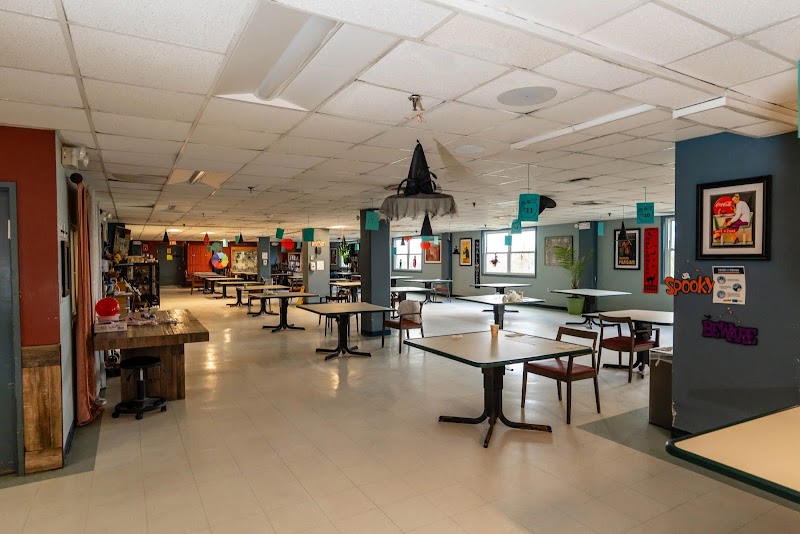
CMS rates SILVER LAKE SPECIALIZED REHAB AND CARE CENTER's staffing level at 3 out of 5 stars, which is average compared to other nursing homes. Staff turnover is 32%, compared to the New York average of 46%. This relatively stable workforce can support continuity of care.

What Have Inspectors Found at Silver Lake Specialized Rehab And?

State health inspectors documented 11 deficiencies at SILVER LAKE SPECIALIZED REHAB AND CARE CENTER during 2019 to 2023. These included: 11 with potential for harm.
Who Owns and Operates Silver Lake Specialized Rehab And?

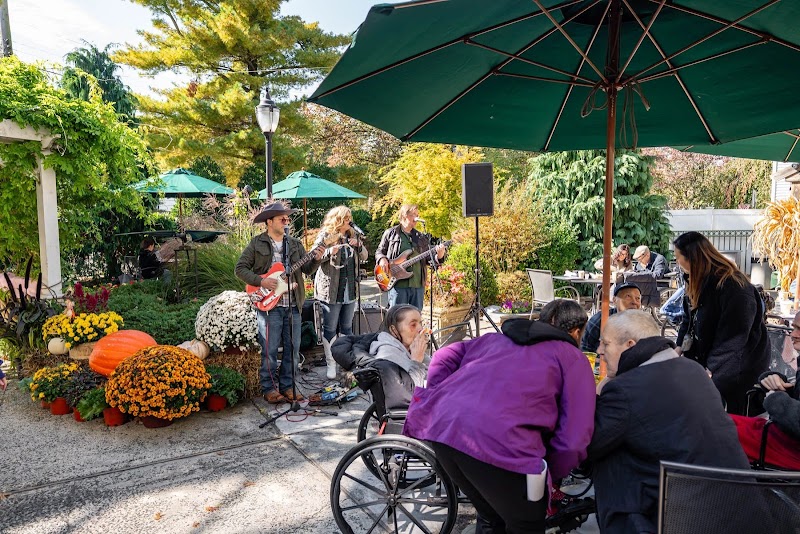
SILVER LAKE SPECIALIZED REHAB AND CARE CENTER is owned by a for-profit company. For-profit facilities operate as businesses with obligations to shareholders or private owners. The facility operates independently rather than as part of a larger chain. With 278 certified beds and approximately 190 residents (about 68% occupancy), it is a large facility located in STATEN ISLAND, New York.
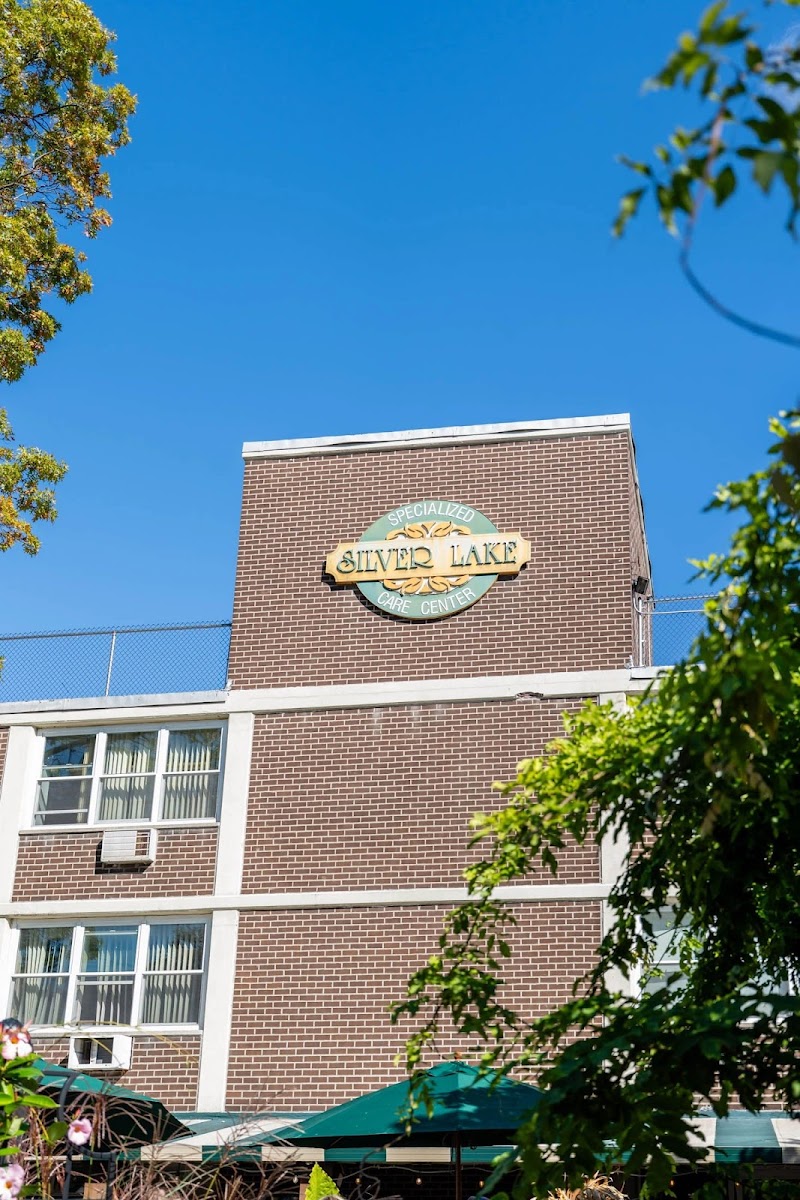
How Does Silver Lake Specialized Rehab And Compare to Other New York Nursing Homes?

Compared to the 100 nursing homes in New York, SILVER LAKE SPECIALIZED REHAB AND CARE CENTER's overall rating (3 stars) is below the state average of 3.1, staff turnover (32%) is significantly lower than the state average of 46%, and health inspection rating (3 stars) is at the national benchmark.

What Should Families Ask When Visiting Silver Lake Specialized Rehab And?

Based on this facility's data, families visiting should ask: "Can I visit during a mealtime to observe dining assistance and food quality?" "How do you handle medical emergencies, and what is your hospital transfer rate?" "Can I speak with family members of current residents about their experience?"

Is Silver Lake Specialized Rehab And Safe?

Based on CMS inspection data, SILVER LAKE SPECIALIZED REHAB AND CARE CENTER has a clean safety record: no substantiated abuse findings (meaning no confirmed cases of resident harm), no Immediate Jeopardy citations (the most serious violation level indicating risk of serious injury or death), and is not on the Special Focus Facility watch list (a federal program monitoring the lowest-performing 1% of nursing homes). The facility has a 3-star overall rating and ranks #100 of 100 nursing homes in New York. While no facility is perfect, families should still ask about staff-to-resident ratios and recent inspection results during their visit.

Do Nurses at Silver Lake Specialized Rehab And Stick Around?

SILVER LAKE SPECIALIZED REHAB AND CARE CENTER has a staff turnover rate of 32%, which is about average for New York nursing homes (state average: 46%). Moderate turnover is common in nursing homes, but families should still ask about staff tenure and how the facility maintains care continuity when employees leave.

Was Silver Lake Specialized Rehab And Ever Fined?

SILVER LAKE SPECIALIZED REHAB AND CARE CENTER has no federal fines on record. CMS issues fines when nursing homes fail to meet care standards or don't correct problems found during inspections. The absence of fines suggests the facility has either maintained compliance or corrected any issues before penalties were assessed. This is a positive indicator, though families should still review recent inspection reports for the full picture.

Is Silver Lake Specialized Rehab And on Any Federal Watch List?

SILVER LAKE SPECIALIZED REHAB AND CARE CENTER is not on any federal watch list. The most significant is the Special Focus Facility (SFF) program, which identifies the bottom 1% of nursing homes nationally based on persistent, serious quality problems. Not being on this list means the facility has avoided the pattern of deficiencies that triggers enhanced federal oversight. This is a positive indicator, though families should still review the facility's inspection history directly.